


- par Ahmed Shareek
Pierre non montée ou bague déjà sertie : ce qui change quand on achète la pierre d'abord
- par Ahmed Shareek
Vous débutez dans l'achat de saphirs ? Commencez par notre guide d'achat du saphir — la ressource complète sur la couleur, l'origine, le traitement et le prix.
Une bague saphir déjà sertie et une pierre non montée sont deux achats différents, et la différence ne tient pas seulement à la monture. Vous achetez la bague : la pierre vient avec, déjà sertie et déjà choisie. Vous achetez la pierre d'abord : tout reste ouvert — ce qu'elle est, ce qu'elle a subi, et ce dans quoi elle finira par être montée.
Cette page n'est pas un plaidoyer pour l'une des deux voies contre l'autre. Beaucoup d'acheteurs veulent une bague terminée, et une bague terminée est une très bonne chose à acheter. Cette page décrit ce que l'on peut faire d'une pierre non montée et qu'on ne peut plus faire d'une pierre déjà sertie, et la façon dont nous travaillons, nous, du côté des pierres non montées. Elle ne dit rien de ce que font, proposent ou facturent les autres vendeurs — et la section consacrée plus bas à la publicité comparative explique pourquoi ce silence est délibéré et, en France, encadré par un texte.
Un mot de vocabulaire avant de commencer, parce que le marché français en emploie deux. Pierre non montée et pierre nue désignent la même chose : un saphir taillé et poli qui n'est encore serti dans rien. C'est l'objet dont parle toute cette page. Son contraire est la pierre montée ou sertie, c'est-à-dire tenue par une monture — griffes, serti clos ou autre.
Un saphir serti dans une bague est plus difficile à évaluer qu'une pierre non montée, et la raison est mécanique avant d'être commerciale. Les griffes couvrent le rondiste. La monture masque le pavillon. Les proportions de taille ne s'apprécient pas correctement depuis la seule vue de face. Et une pierre déjà sertie ne peut pas être soumise au GIA ou à Gübelin sans être d'abord dessertie.
Sur une pierre non montée, vous pouvez :
Le GIA et Gübelin sont les deux noms internationaux que les acheteurs réclament le plus souvent, et l'AGCL est le laboratoire qui documente une grande partie de notre propre stock. Voyez notre guide de la taille du saphir et notre page sur comment lire les inclusions d'un saphir.
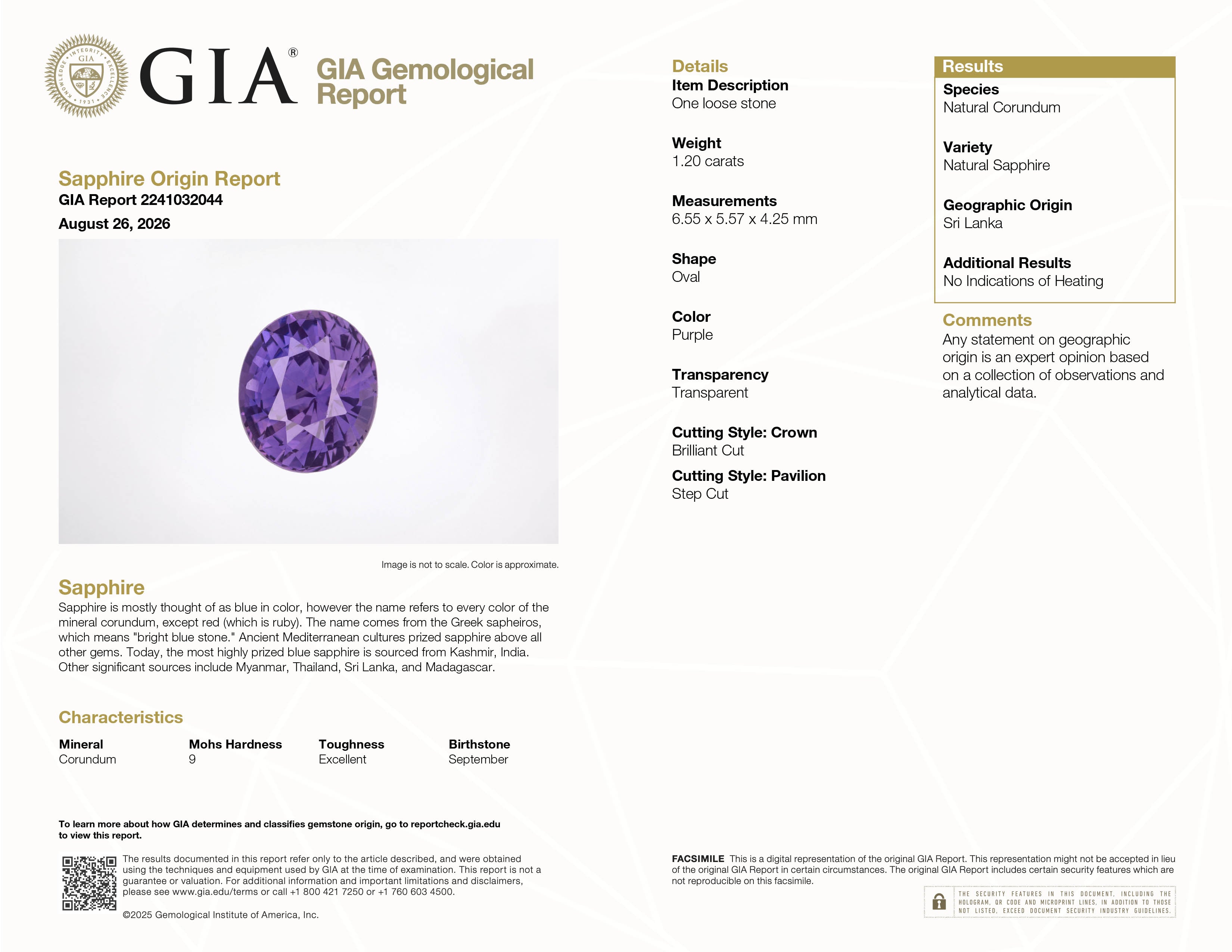
Une précision que le marché français mérite, parce qu'elle revient dans presque toutes les conversations : aucun de ces laboratoires ne note la qualité d'un saphir. Le GIA l'écrit lui-même, et nous préférons le citer que le reformuler : GIA doesn't grade or provide quality analysis for sapphire or other colored stones. Il n'existe donc ni note de couleur, ni note de taille, ni échelle « AAA » sur un rapport de laboratoire. Ce que le rapport porte, ce sont des constats : l'espèce, la variété, le poids, les dimensions, la couleur décrite, les indications de traitement. L'appréciation de la beauté reste la vôtre, et celle du vendeur. C'est précisément pourquoi voir la pierre entière compte : personne ne vous délivrera un chiffre qui s'y substitue.
Une pierre non montée et une bague terminée ne sont pas le même achat, donc leurs prix ne sont pas la même grandeur. Le prix d'un saphir non monté, c'est le prix du saphir. Le prix d'une bague, c'est la pierre, le métal, le travail de sertissage et tout ce qu'il a fallu pour produire un objet fini. Acheter la pierre seule est la seule façon de voir le premier chiffre isolément.
Ce n'est pas une affirmation sur le niveau des prix : c'est une remarque sur ce que les deux chiffres comptent. Ils ne comptent pas les mêmes choses. Un prix de bague contient un prix de pierre qu'il ne montre pas, et c'est tout ce que cette page en dira.
Ce que nous pouvons vous dire, en revanche, c'est comment fonctionne notre propre côté de l'affaire. Nous n'avons pas de salle d'exposition et pas de comptoir de détail. Nous achetons à Ratnapura, à Beruwala et à Colombo, nous faisons tailler le brut à nos spécifications, et la pierre non montée part d'ici. C'est une description de notre propre organisation et de celle de personne d'autre, et nous ne publions ni pourcentage en dessous du détail, ni multiple de marge, parce que nous n'en avons aucun dont nous pourrions répondre.
Nous n'allons pas non plus embellir le tableau : le marché sri-lankais du brut est lui-même intermédié, et à l'intérieur de ce marché nous achetons à des courtiers et à des négociants comme tout le monde. Une chaîne plus courte n'est pas une absence de chaîne. Sur le fonctionnement de ce marché, voyez notre page sur le marché de Ratnapura.
Un lecteur français arrivé jusqu'ici attend peut-être un chiffre : de combien les deux prix diffèrent-ils ? Il n'y aura pas de chiffre, et la raison n'est pas commerciale. Elle est juridique, et elle vaut la peine d'être exposée, parce que c'est exactement le sujet de cette page.
En France, la publicité comparative est licite, mais encadrée. L'article L122-1 du Code de la consommation, qui transpose la directive 2006/114/CE, pose les conditions : la comparaison ne doit pas être trompeuse ; elle doit porter sur des biens ou services répondant aux mêmes besoins ou ayant le même objectif ; elle doit comparer objectivement une ou plusieurs caractéristiques essentielles, pertinentes, vérifiables et représentatives ; elle ne doit entraîner ni discrédit ni dénigrement ; et l'annonceur doit pouvoir prouver l'exactitude matérielle de ce qu'il avance.
Le mot qui fait tomber la comparaison ici est vérifiable. Une comparaison a besoin d'un terme en face. Si ce terme est une classe anonyme — « le détaillant », « une bijouterie », « le commerce traditionnel » — il n'y a rien à vérifier : ni enseigne, ni référence, ni prix relevé, ni date de relevé. Taire le nom ne met donc pas la phrase à l'abri du texte ; c'est au contraire ce qui la rend invérifiable, et une allégation chiffrée invérifiable retombe sur le terrain des pratiques commerciales trompeuses, où la charge de la preuve pèse sur celui qui l'énonce. L'anonymat n'est pas une échappatoire. C'est le défaut lui-même.
Il y a une seconde difficulté, propre aux pierres de couleur, et elle est structurelle. La comparaison doit porter sur des biens répondant aux mêmes besoins. Un saphir non monté est un objet unique. Deux saphirs de même poids, de même nom de couleur et de même origine diffèrent par la teinte, la saturation, le ton, la pureté, la qualité de la taille et le statut de traitement. Il n'y a donc pas de « même produit » en face duquel poser un prix de façon vérifiable, et un prix au carat présenté comme un repère de marché affirmerait une enquête que personne n'a publiée.
D'où la position de cette page, énoncée une fois pour toutes : aucun prix au carat, aucune fourchette, aucun pourcentage, aucun multiple, aucun concurrent visé — ni nommé, ni désigné en bloc. Le prix d'une pierre donnée est sur sa fiche produit, et c'est le seul endroit où il peut être exact. Si vous cherchez l'ordre de grandeur du marché plutôt que le prix d'une pierre, nos pages le prix du saphir expliqué et ce que vaut un bon saphir d'un carat font ce travail-là, et elles le font sur nos propres pierres.
La même règle vaut pour l'origine. L'origine n'est pas un critère de qualité. L'endroit où une pierre s'est formée et l'aspect qu'elle a sont deux constats distincts, et tarifer l'un comme si c'était l'autre est une habitude dont il vaut la peine de se défaire. Nous ne classons donc aucune provenance au-dessus d'une autre, et vous ne lirez ici aucune prime de pays.
Acheter non monté sépare la décision sur la pierre de la décision sur la monture. Vous choisissez la pierre qui vous plaît, puis, indépendamment, la monture qui vous ressemble. Une pierre non montée peut être confiée au bijoutier ou au sertisseur de votre choix. Pour la conception, voyez notre guide de la bague sur mesure à partir d'une pierre nue, notre page sur le choix du métal selon la couleur de la pierre et notre guide de la commande d'une bague sur mesure.
Le métier français distingue ici deux chantiers qui n'ont ni le même point de départ, ni le même risque, ni le même devis. C'est dans cette distinction-là qu'un acheteur français pensera le choix décrit par cette page, parce que c'est elle qu'il retrouvera dans la bouche d'un atelier.
Le façonnage — on dit aussi une création ou une fabrication sur mesure — part de la pierre. On dessine, on calibre la monture sur les dimensions réelles du saphir, on fabrique, on sertit. Rien n'est défait, parce qu'il n'y avait rien à défaire. La pierre a été vue, mesurée, éventuellement documentée, avant qu'un gramme de métal ne soit mis en forme.
La transformation — la reprise d'un bijou existant — part de l'objet fini. Elle commence par un dessertissage : on ouvre les griffes ou on repousse le serti clos pour sortir la pierre. Puis vient une étape que personne n'aime facturer et que tout le monde doit faire : regarder ce que le dessertissage a révélé, et ce qu'il a éventuellement causé. Un rondiste écaillé sous une griffe, une égrisure masquée par le métal, une arête de taille émeraude abîmée — tout cela se découvre à ce moment-là, et pas avant.
La distinction tient en une phrase : qui achète la pierre d'abord commence au façonnage ; qui achète la bague terminée et veut ensuite autre chose commence à la transformation. Ce sont deux points de départ différents, pas une bonne et une mauvaise façon de faire — et il y a d'excellentes raisons de vouloir une bague terminée et de n'avoir jamais à la transformer.
Cette distinction ressort deux fois plus loin dans cette page : une monture ouverte pour l'usage jyotish doit être conçue ainsi dès le départ, et un retour n'est plus un retour une fois la pierre sertie.
Ce qui suit est une liste de questions à poser, et rien d'autre. Nous n'affirmons rien sur ce que fait, accepte ou refuse un atelier donné : nous ne travaillons pas dans les ateliers français et nous n'avons aucun relevé de leurs pratiques. Ce qui suit est seulement ce qu'un propriétaire de pierre a intérêt à avoir tiré au clair avant de se séparer de sa pierre, parce que ce sont les points sur lesquels un malentendu coûte cher.
Deux remarques de droit, et elles portent sur le contrat, pas sur un atelier particulier. Une pierre que vous apportez reste votre pierre : elle est remise pour un travail, pas vendue. Et un devis est, selon sa rédaction, un simple chiffrage indicatif ou un engagement ferme : la différence est dans les mots employés sur le document, et c'est le genre de point qu'il vaut mieux lire avant signature que discuter après.
Sur la monture elle-même, nous vous donnerons notre avis si vous le demandez, et il faut le lire comme exactement cela. C'est notre recommandation, tirée de la manipulation de ces pierres — aucun laboratoire ne publie de consigne sur les montures, et nous n'en rapportons aucune. Pour les cas particuliers, voyez notre page sur la monture qui protège les angles d'un saphir et celle sur le choix d'un saphir pour un serti clos.
Sur une pierre non montée, le traitement est indiqué sur la fiche produit, et le constat peut être soumis à un laboratoire avant que quoi que ce soit ne soit monté. C'est l'ordre des opérations qui compte : une fois la pierre sertie, la même démarche suppose un dessertissage, c'est-à-dire un travail d'atelier, un coût et un risque qui n'existaient pas la veille. Nous envoyons systématiquement au GIA les pierres affichées au-dessus de 500 $ — c'est notre propre seuil, pas une norme de marché.
Et un rapport énonce ce que le laboratoire a observé, ce qui n'est pas la même chose qu'une garantie. Le LMHC le dit des rapports en général : « Tous les constats décrits dans le rapport sont des opinions exprimées par le laboratoire. » Un laboratoire consigne, décrit, imprime ; il ne confirme pas et il n'atteste pas.
Ce sont deux affirmations différentes, et les confondre coûte de l'argent dans les deux sens.
Non chauffé porte sur le traitement thermique, et sur rien de plus large. Une pierre peut être non chauffée et avoir été traitée autrement : les deux mots ne sont pas interchangeables. Non traité est l'affirmation plus forte — aucun traitement d'aucune sorte — et elle ne doit tenir que là où la documentation de la pierre la soutient. La formule la plus complète, celle que les maisons de vente emploient, est non traité et non chauffé, et elle ne se justifie que quand les deux constats existent.
L'expression « saphir naturel », elle, ne règle ni l'une ni l'autre. Elle oppose la pierre au synthétique ; elle ne dit rien du traitement.
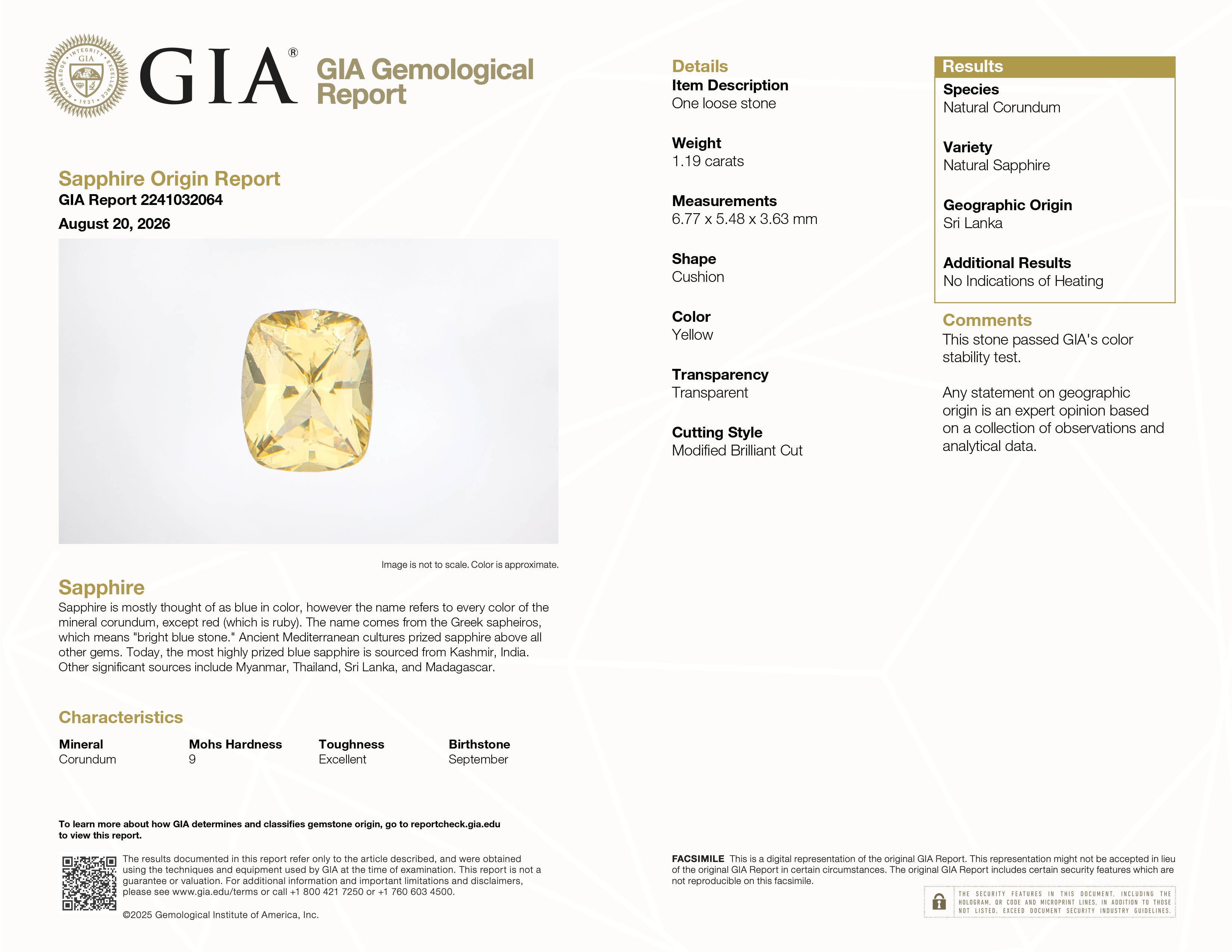
Un détail de lecture utile : la SSEF écrit en français « Aucune indication de chauffage », ce que le GIA imprime en anglais sous la forme No Indications of Heating. Notez bien ce que cette ligne énonce — ce que le laboratoire a pu détecter, et non l'histoire complète de la pierre. Voyez notre guide du saphir non chauffé, notre page sur le fonctionnement du traitement thermique et notre guide de lecture du rapport GIA.
Le texte applicable en France est le décret n° 2002-65 du 14 janvier 2002, relatif au commerce des pierres gemmes et des perles. Il mérite d'être connu exactement, parce que c'est le texte auquel les acheteurs français prêtent le plus volontiers une protection qu'il ne donne pas — et parce que trois erreurs à son sujet circulent assez largement pour avoir coûté de l'argent à des acheteurs. Nous les traitons une par une.
L'article 2 exige la déclaration de cinq opérations :
Cinq, et elles sont nommées. Une phrase qui circule en français veut que le texte réserverait la mention traité à la diffusion et au comblement, et en exclurait la chauffe purement et simplement. C'est faux, deux fois : la liste de l'article 2 en compte cinq et non deux, et la situation de la chauffe n'est pas une exclusion mais une exemption conditionnelle, décrite à l'article suivant. Un acheteur qui croit la version courte se figure que n'importe quelle mention traité signale l'une des deux opérations lourdes, alors qu'elle peut signaler une irradiation, un laser ou une teinture — trois choses très différentes, dont les conséquences sur la valeur et sur l'entretien ne se ressemblent pas.
Un piège de vocabulaire à cet endroit, et il est spécifiquement français. « Diffusion » tout court ne veut rien dire d'assez précis pour être utile. Le décret nomme la diffusion de surface, qui dépose une mince couche de couleur sur une matière pâle et qu'une retaille ou un simple repolissage peuvent faire disparaître. La diffusion en réseau, au béryllium, est une autre opération, qui pénètre la pierre et ne se retire pas. Si un vendeur répond « diffusion », la réponse n'est pas complète : demandez laquelle, et demandez le béryllium par son nom. Notre page sur la diffusion au béryllium détaille les deux.
L'article 3 exempte le traitement thermique, mais sous condition, et la condition est la partie que les résumés laissent tomber. L'exemption ne vaut que là où les résidus laissés en surface par l'opération ne provoquent aucune rupture de réflexion visible à la loupe 10×. Là où une telle rupture est visible au grossissement 10, l'exemption ne s'applique pas.
La condition n'a rien de théorique. Les résidus de borax ou de fondant sur un corindon chauffé sont courants, et c'est précisément ce que l'on regarde à la loupe sur la surface de la pierre. Autrement dit : le décret n'exclut pas la chauffe « purement et simplement ». Il l'exempte sous condition. Nous avons nous-mêmes publié la version inconditionnelle de cette phrase par le passé et nous l'avons retirée ; elle reste en circulation, y compris sur des pages françaises bien faites par ailleurs.
La conséquence pratique est à la charge de l'acheteur, et elle est double. D'une part, l'absence de mention n'est pas une information : « saphir » tout court est compatible avec une pierre chauffée comme avec une pierre qui ne l'est pas. D'autre part, le mot juste pour la chaleur reste chauffé ou non chauffé, parce que c'est le terme qui dit exactement ce qui a eu lieu. Si une fiche ou un vendeur vous parle d'un « saphir traité » en voulant dire chauffé, demandez ce que le mot recouvre.
L'article 9 est une clause de portée. Il étend la portée du texte à « tout document commercial ou publicitaire s'y référant » — c'est-à-dire que ce qui vaut sur l'étiquette vaut aussi sur les documents commerciaux et publicitaires qui parlent de la pierre. C'est pour cette raison que nos pages françaises portent des désignations au niveau de la pierre et pas seulement de la prose : une page qui nomme une pierre en stock est un tel document.
L'article 9 ne crée pas pour autant d'obligation de dénomination, et nous ne lui en ferons pas dire une. Il dit à quels supports le texte s'applique. Il ne dit pas sous quel nom une pierre doit être vendue, et il n'autorise ni n'interdit par lui-même un vocabulaire. Faire de la clause de portée une règle de nomenclature est la seconde erreur qui circule en français sur ce décret, et elle est d'autant plus tenace qu'elle paraît sérieuse.
Le décret aide donc réellement sur un point, et il faut le dire aussi : il tient le vocabulaire du synthétique à distance de celui du naturel. Une pierre annoncée « saphir naturel » sur un descriptif est une déclaration engageante, et pas un argument creux. Pour tout le reste, c'est au rapport de parler, et notre guide de vérification avant achat donne les contrôles dans l'ordre.
Un rapport de laboratoire consigne le poids en carats, les dimensions, l'espèce et le constat de traitement, et c'est à partir de ces lignes qu'un assureur ou un expert travaille. C'est aussi pour cela que l'ordre des opérations compte : la pierre non montée part au laboratoire, revient documentée, et c'est la pierre documentée que l'on fait sertir. Voyez notre page sur l'assurance d'une bague saphir.
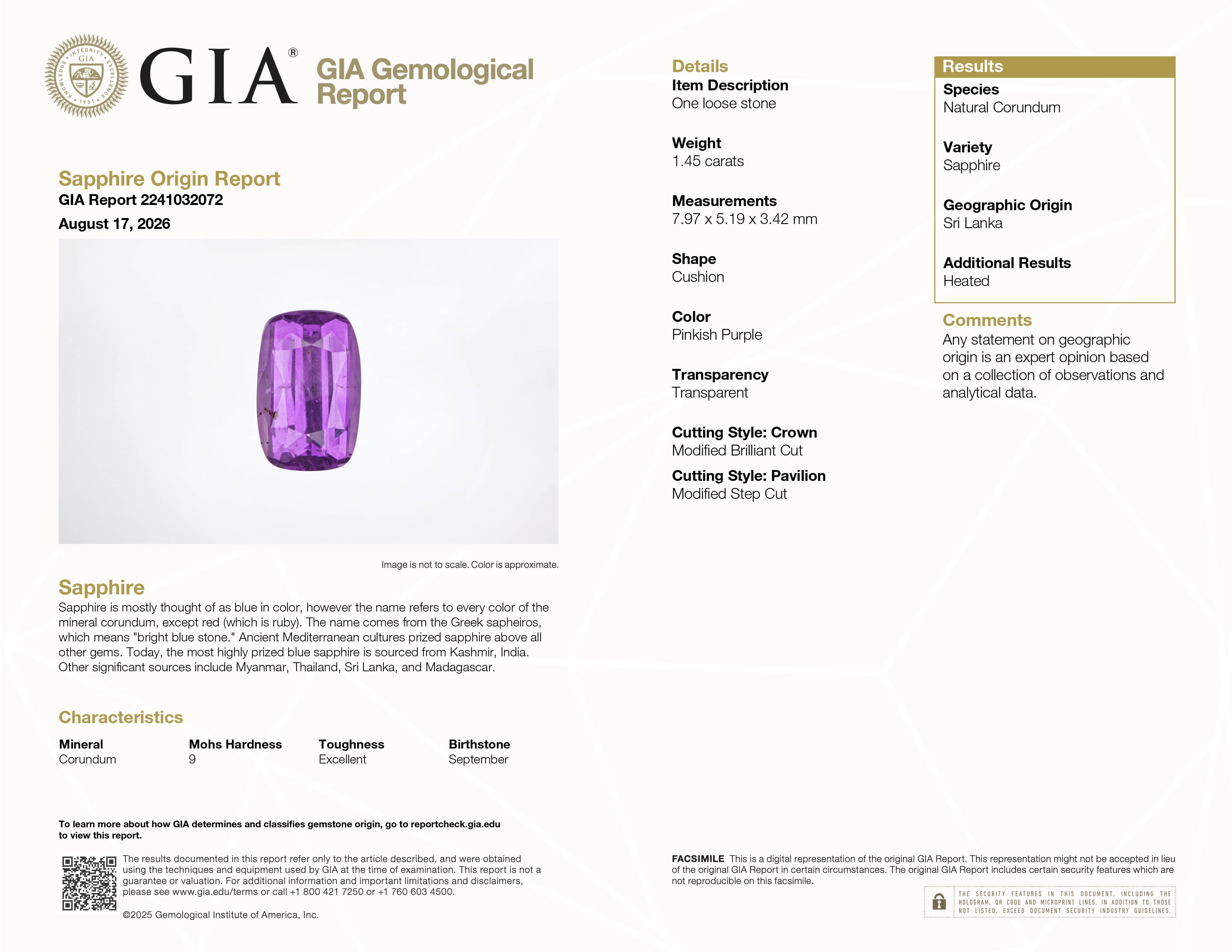
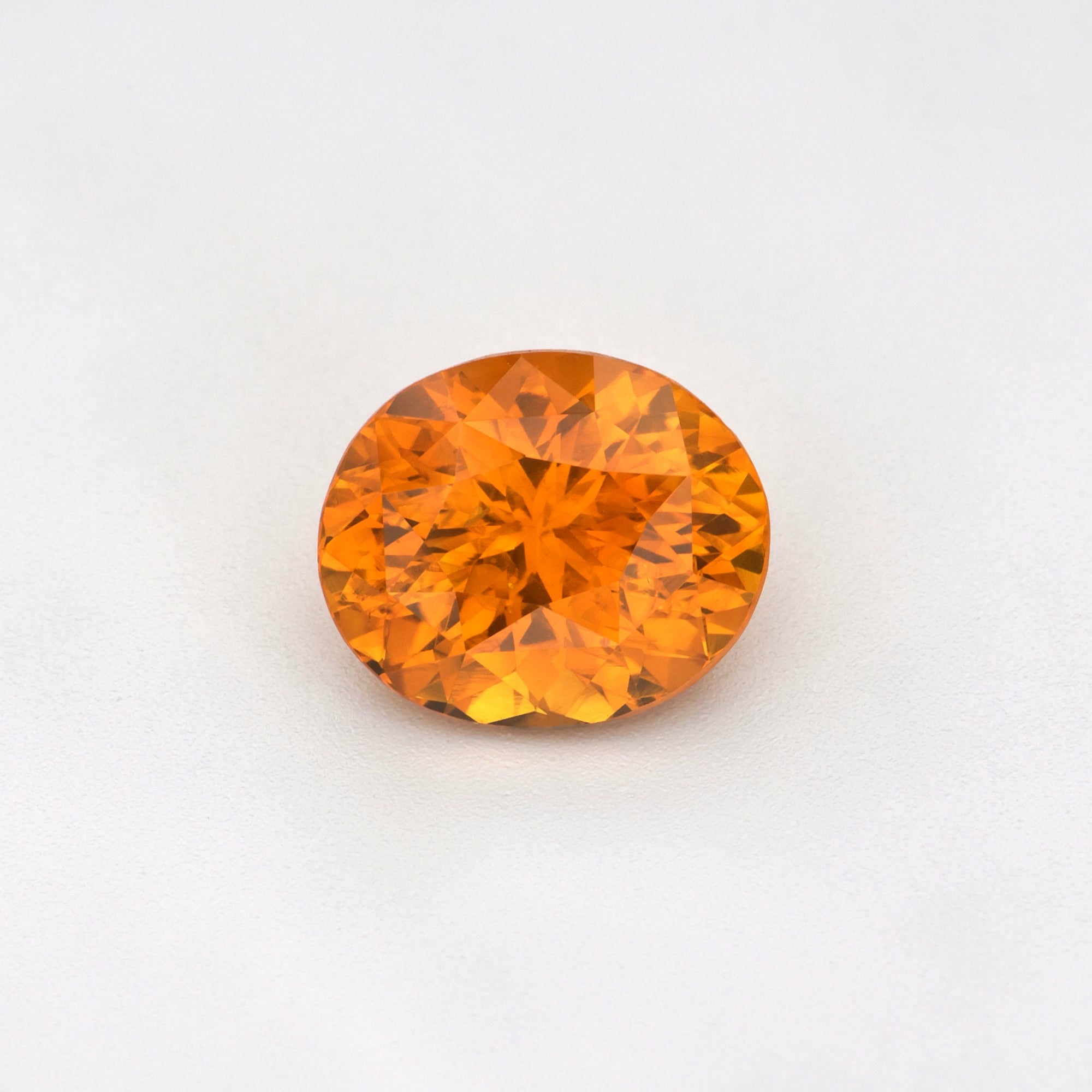
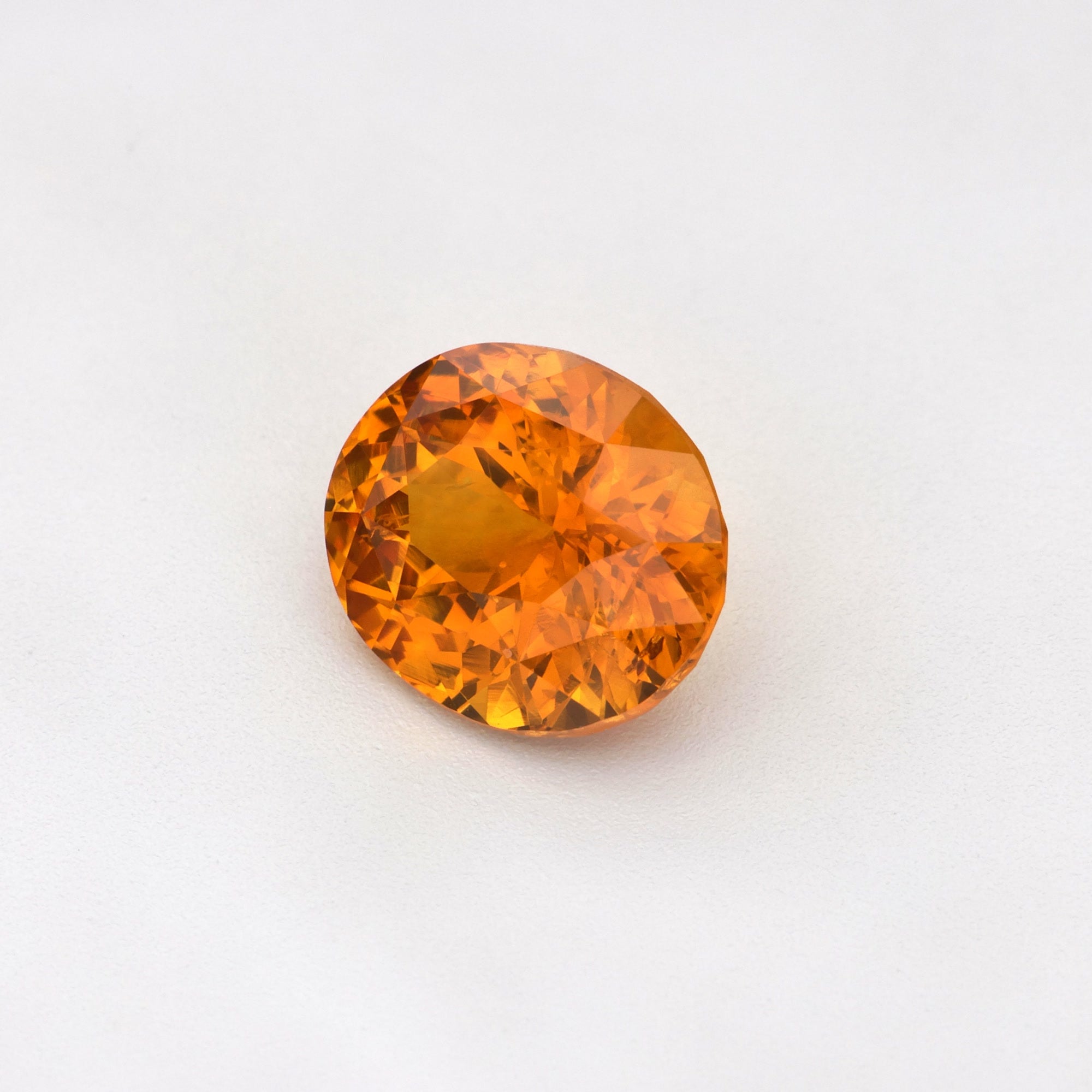
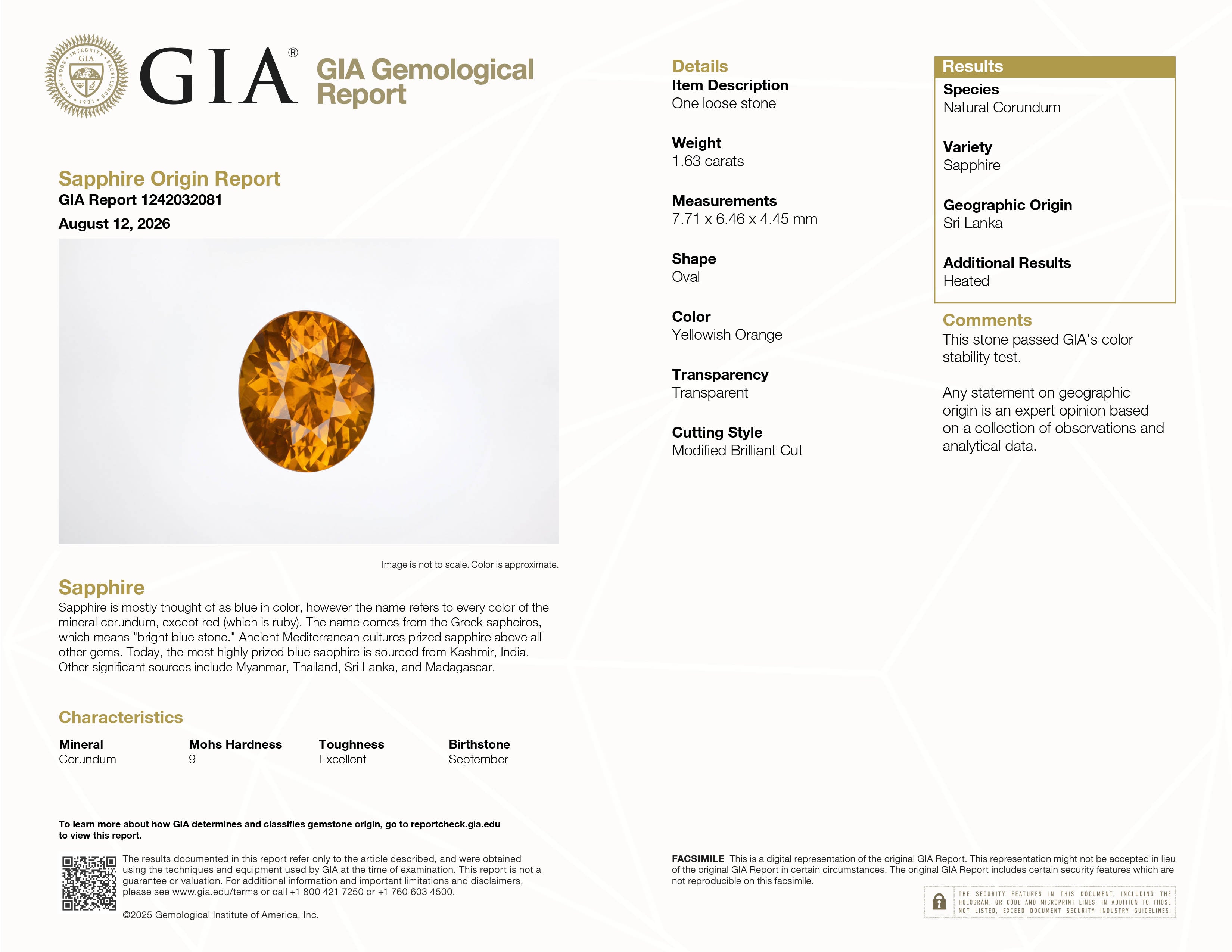
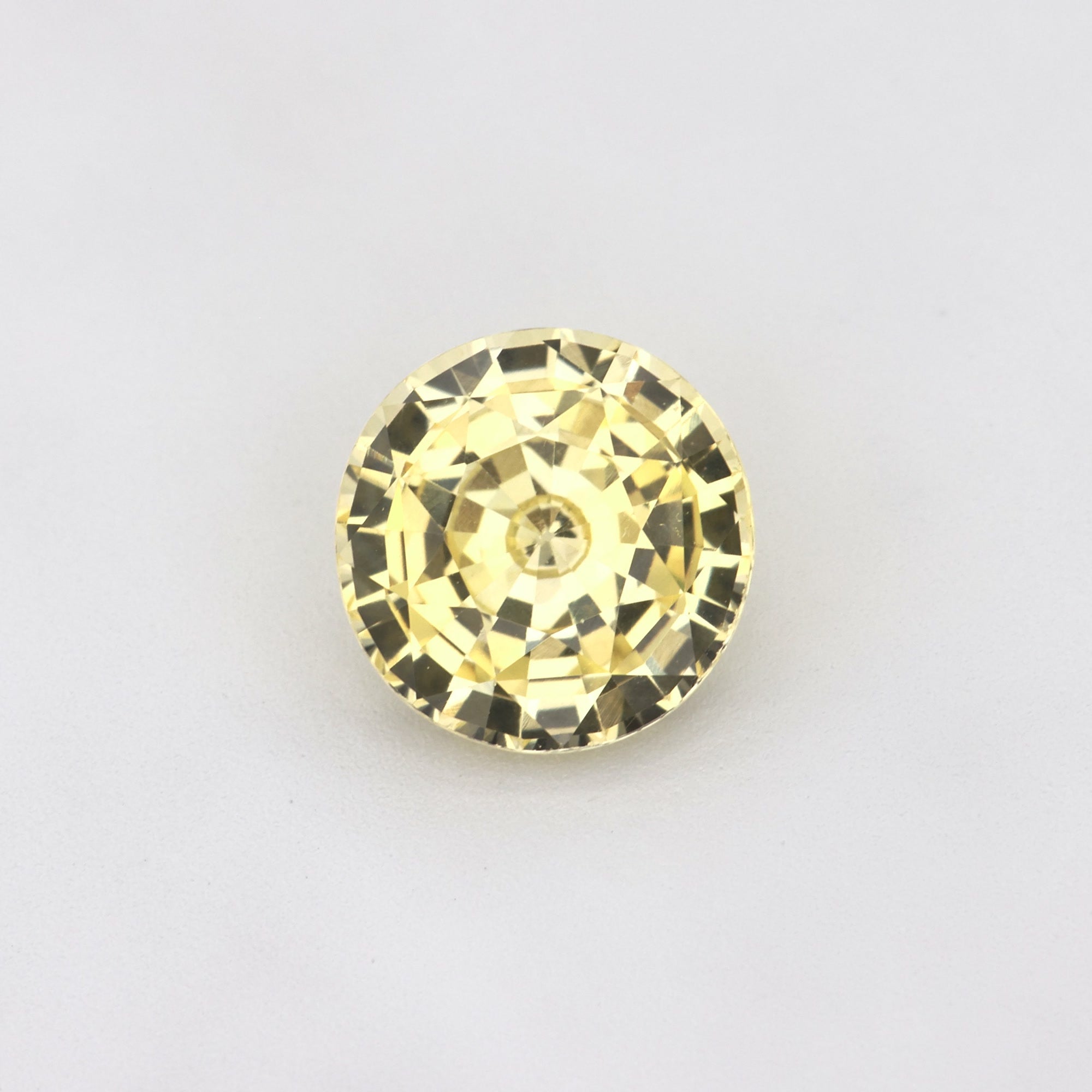
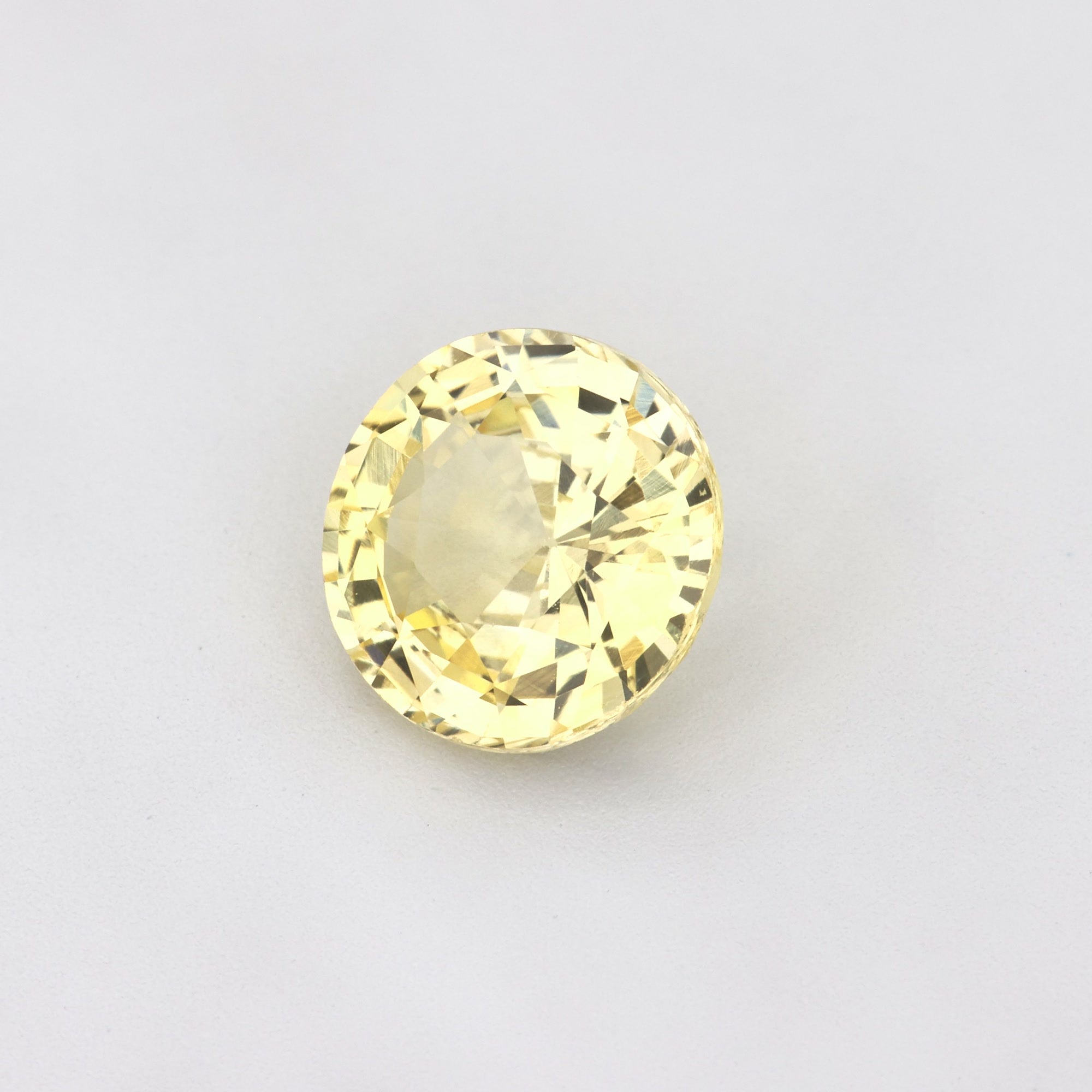
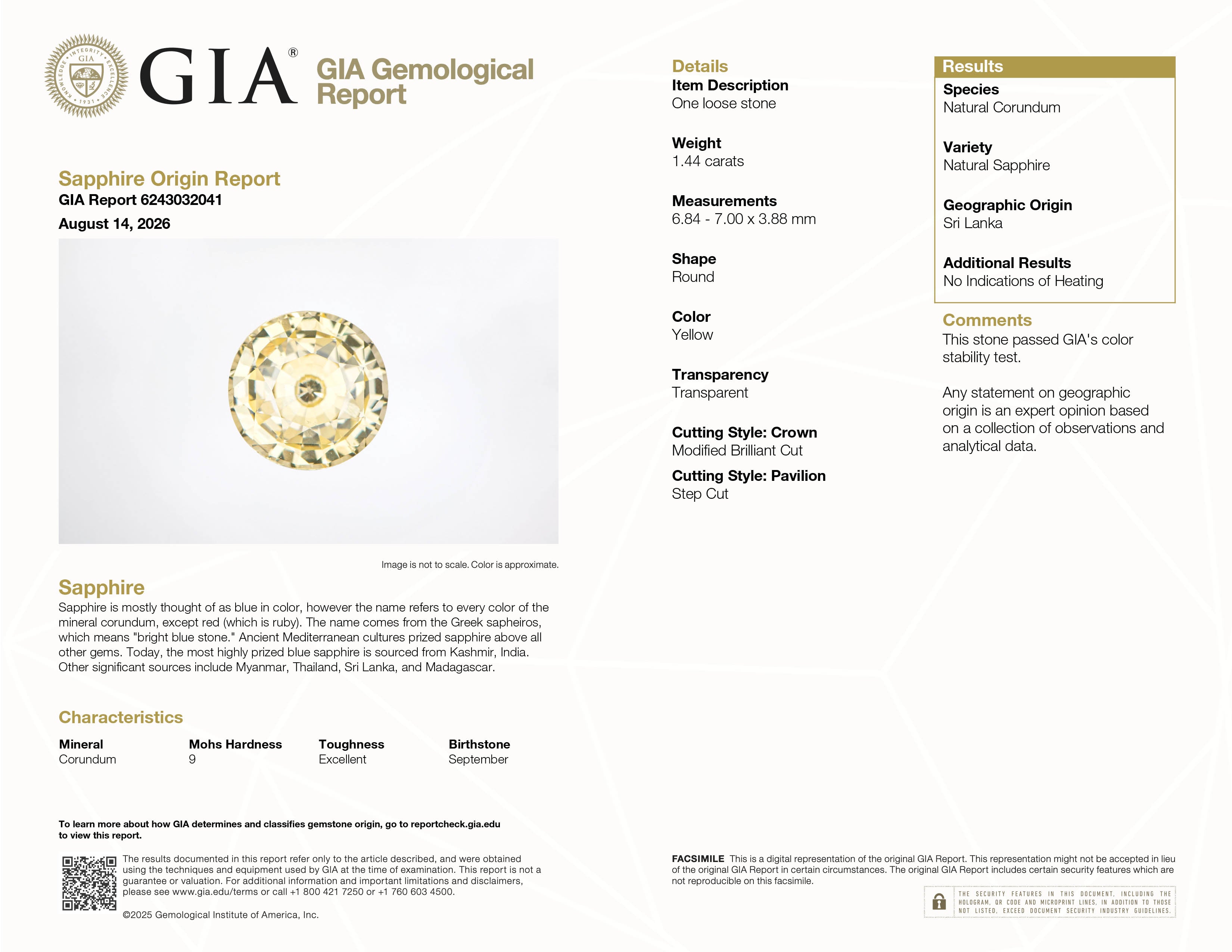
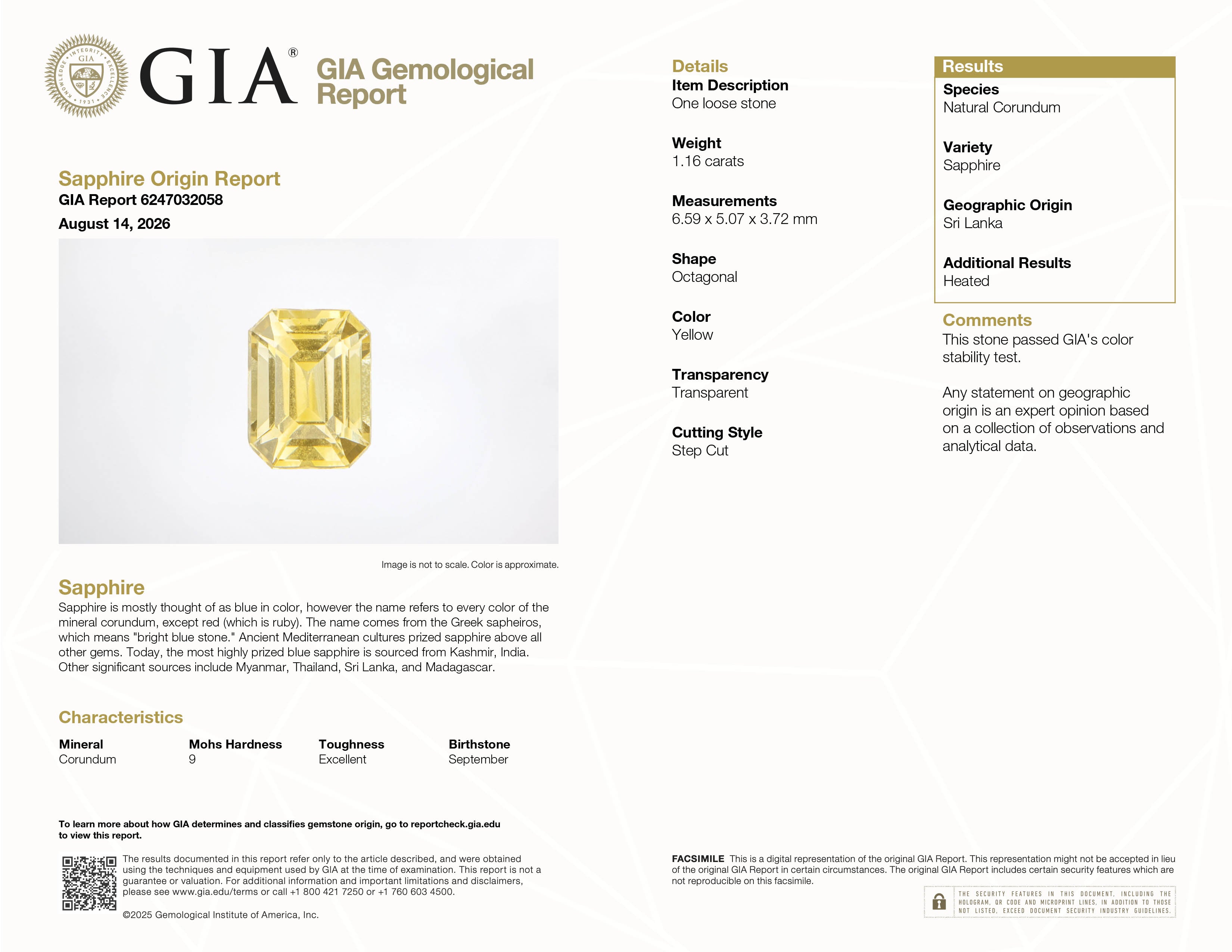
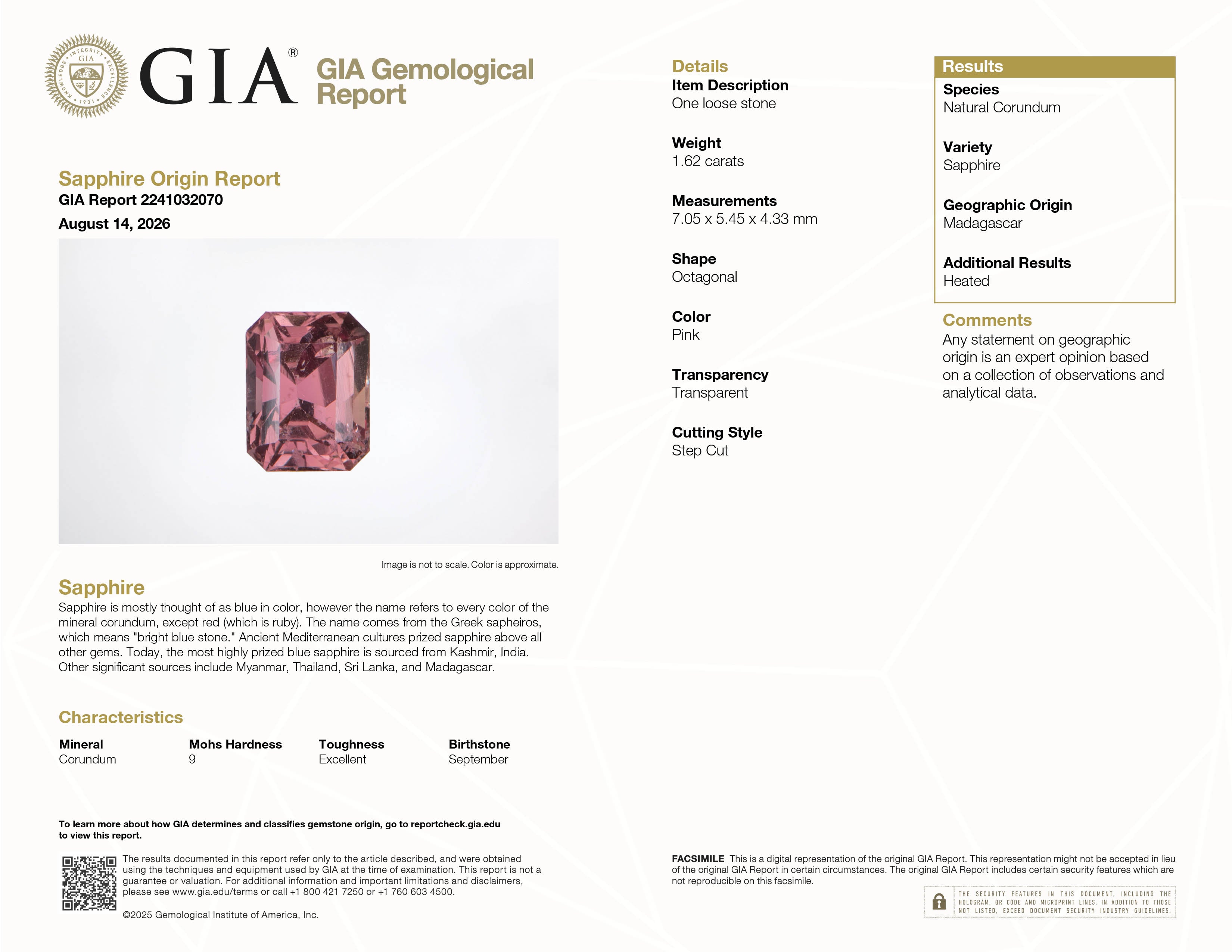
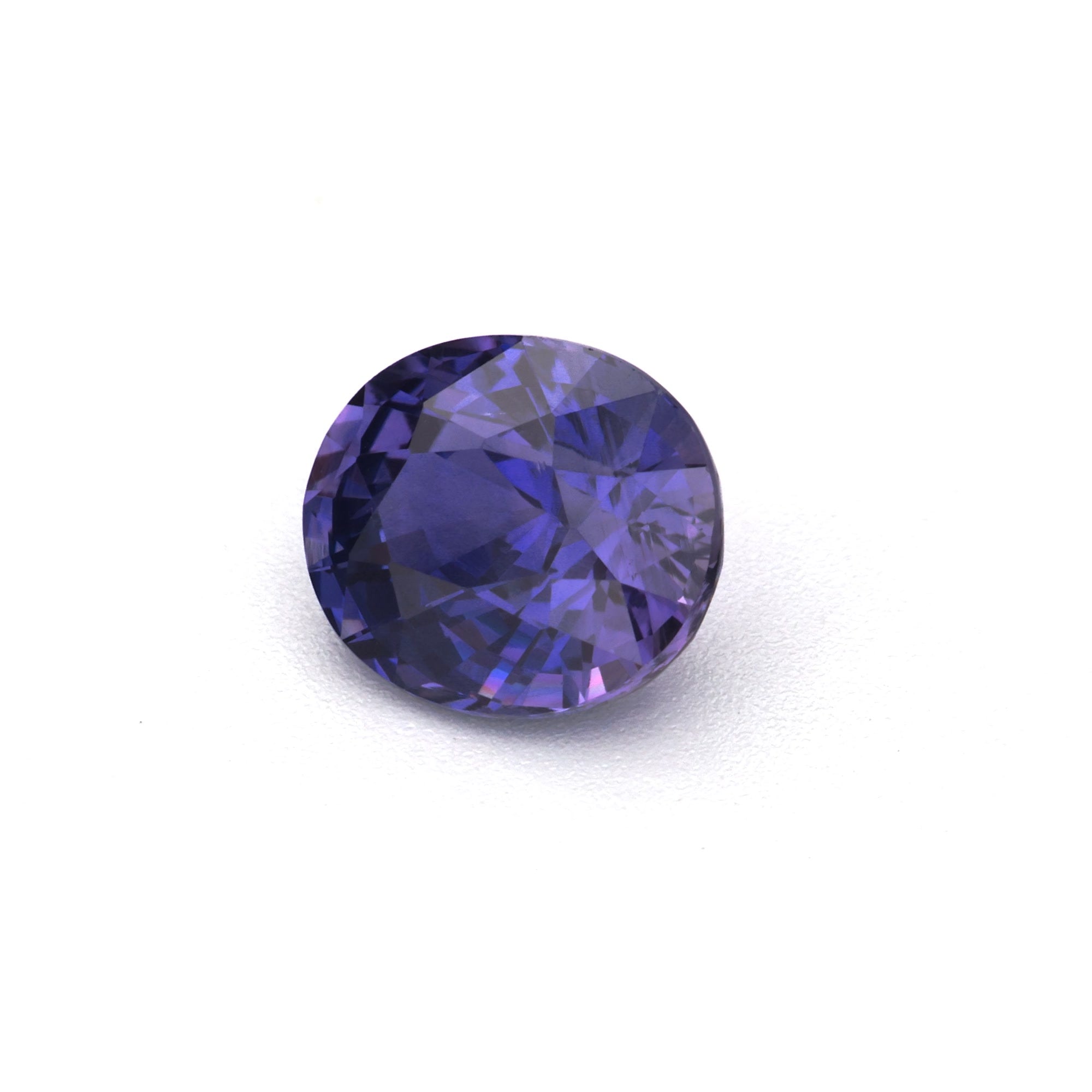
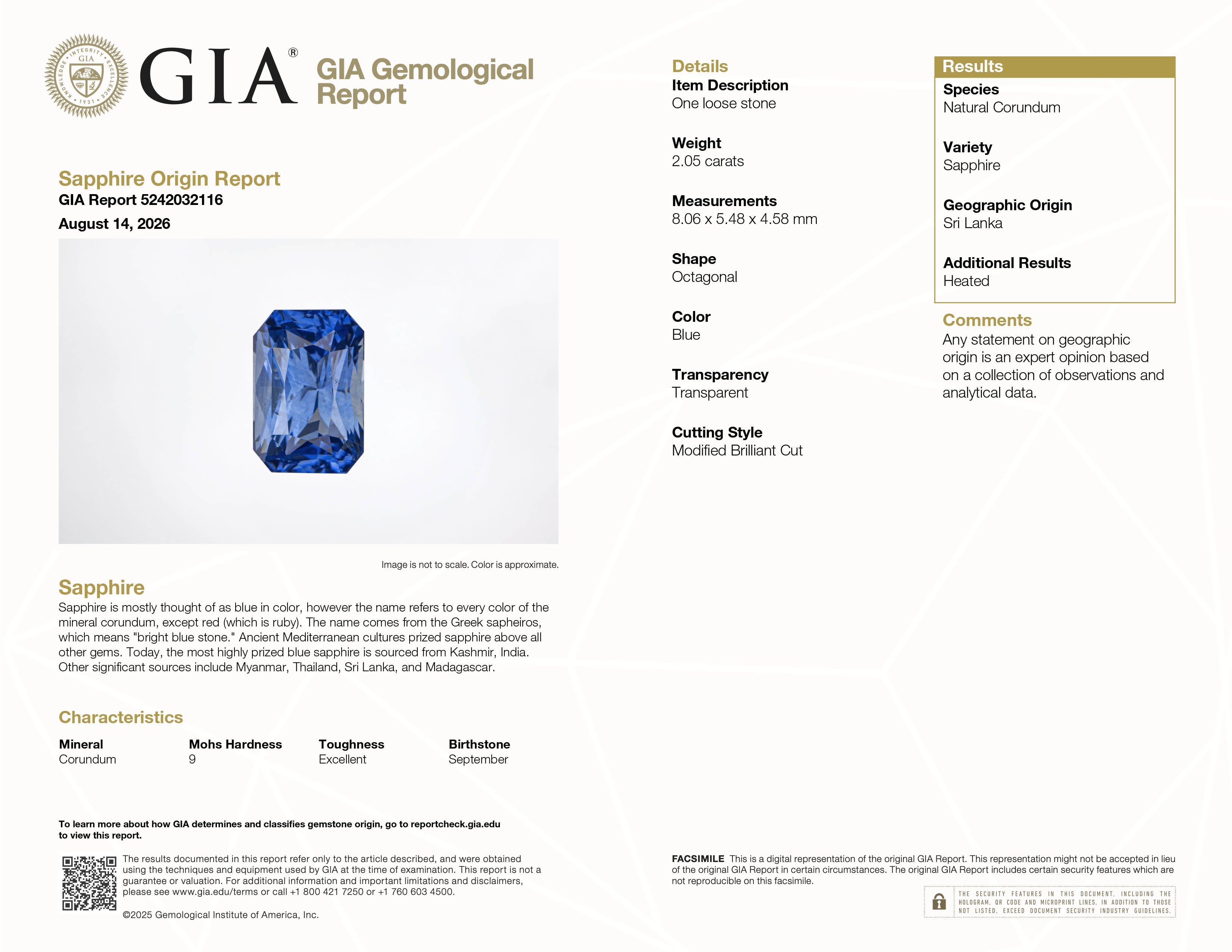
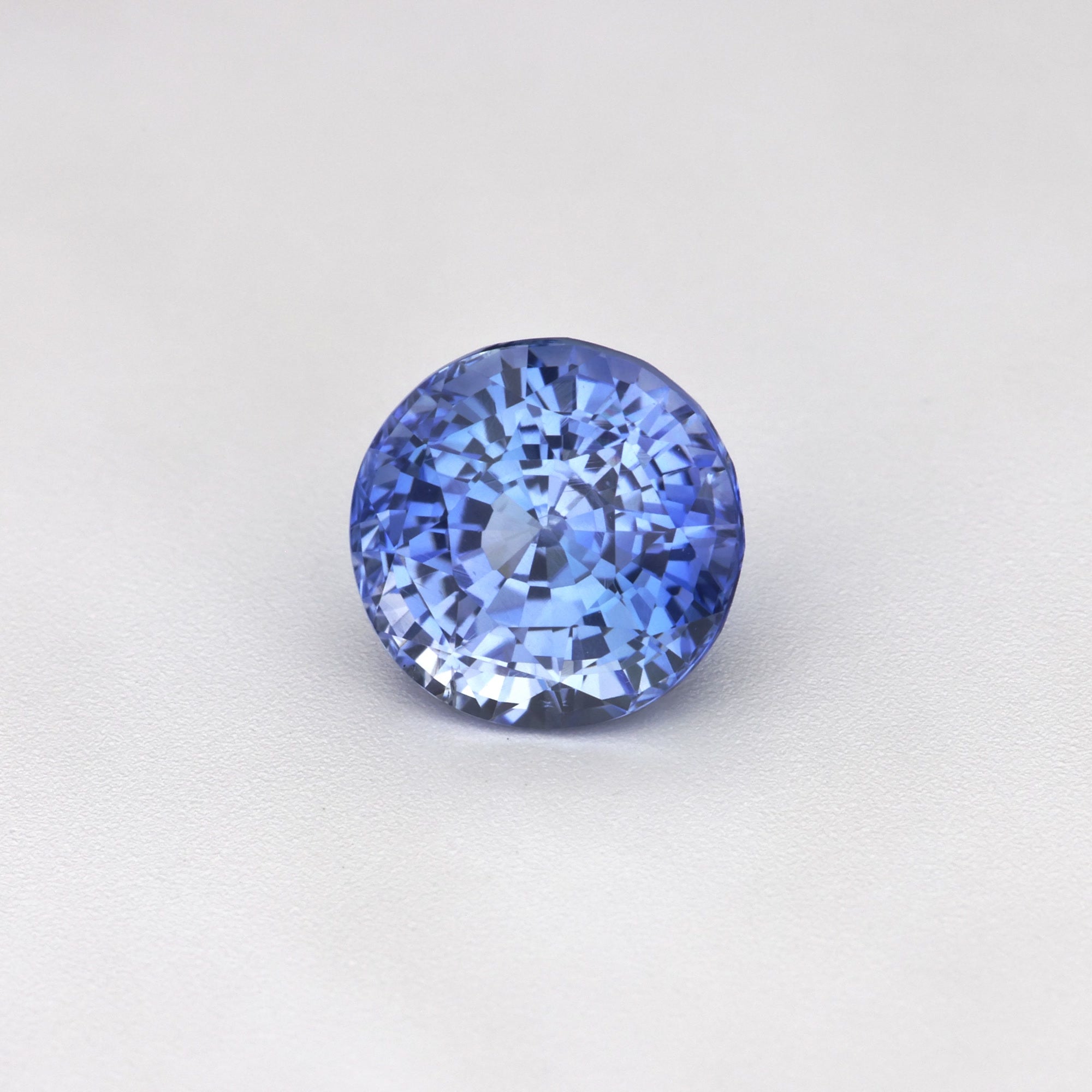
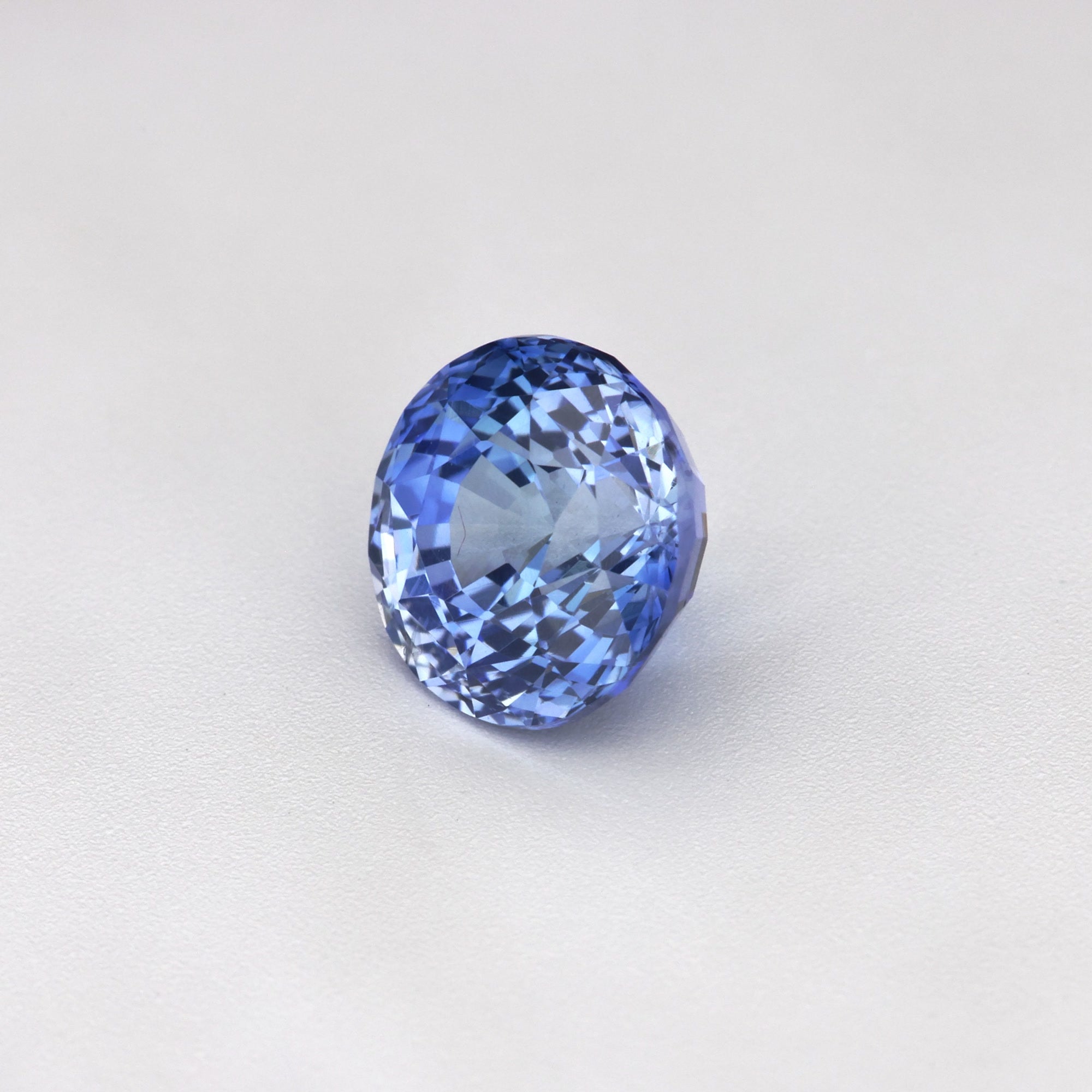
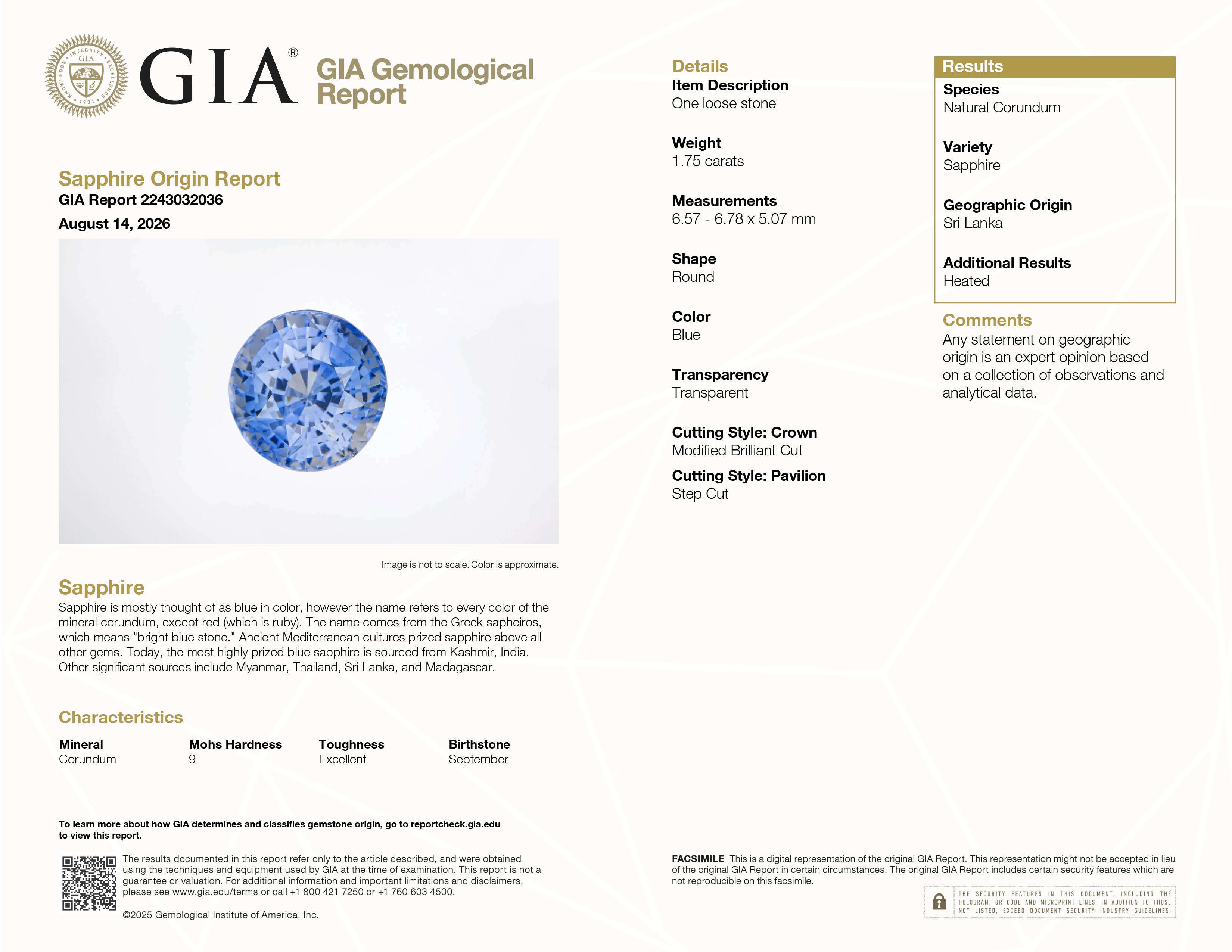
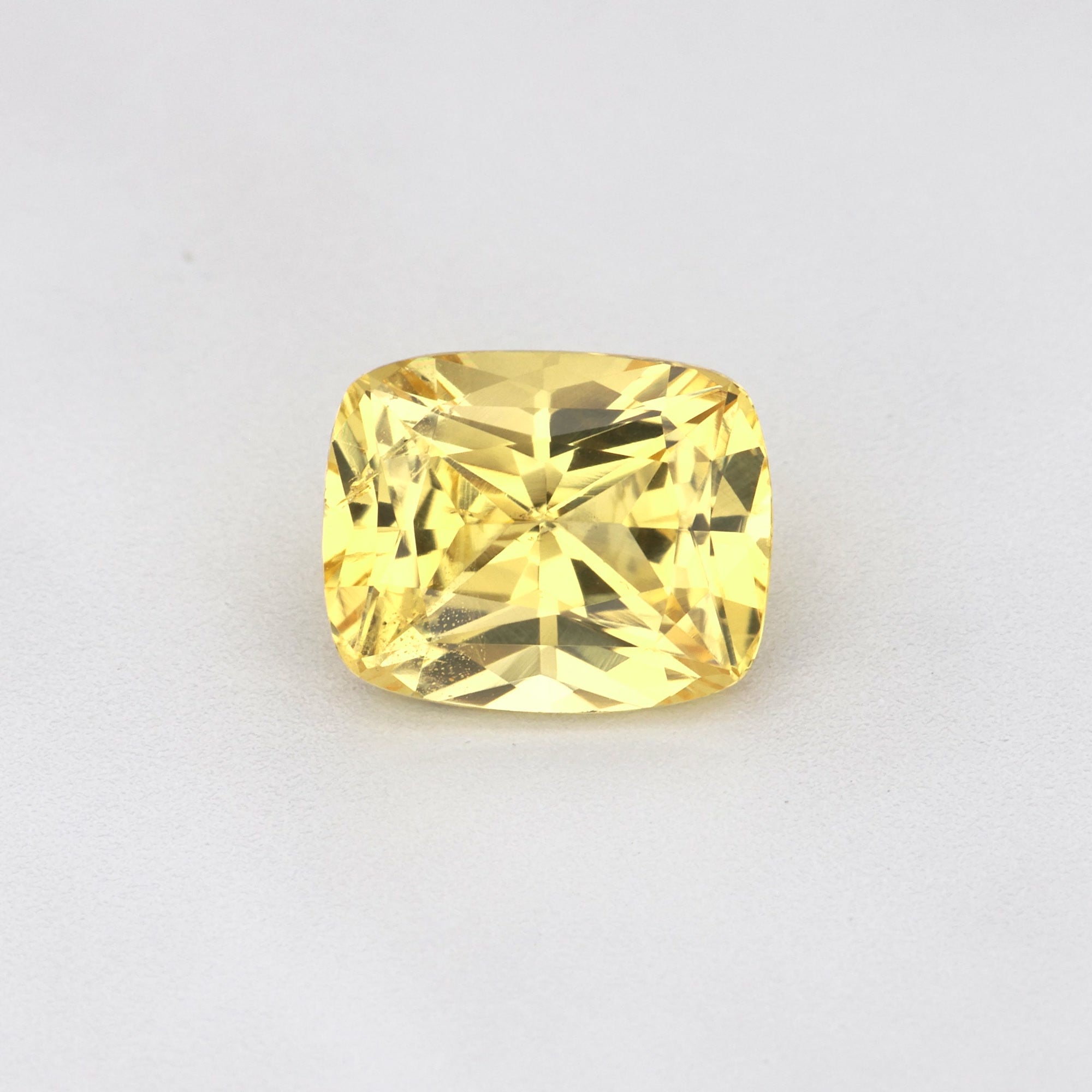
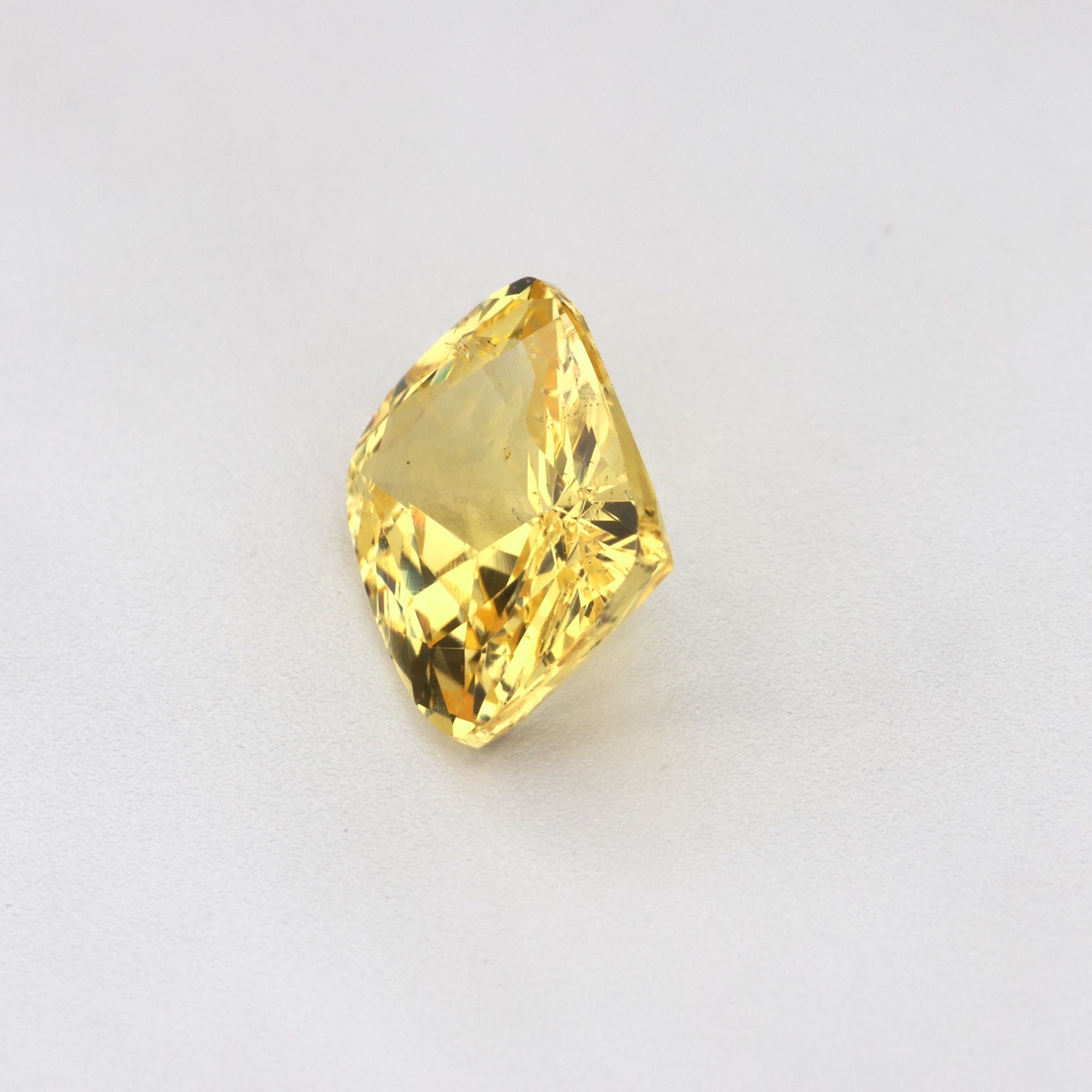
L'origine géographique est une affaire distincte, et elle est mal comprise. Le GIA ne l'imprime que sur un rapport d'origine (Sapphire Origin Report), et seulement là où la question lui a été posée et payée. Notre propre stock présente les deux cas : une pierre avec un rapport d'origine GIA la situant au Sri Lanka, une autre dont le rapport GIA imprime Not Requested dans ce champ. La seconde pierre n'est pas une pierre inférieure et son dossier n'est pas déficient. Une question n'a simplement pas été posée.
Et quand la ligne existe, elle reste un avis. Le GIA imprime lui-même sa réserve à côté du constat, et nous préférons la citer que la reformuler : « Toute affirmation portant sur l'origine géographique est un avis d'expert fondé sur un ensemble d'observations et de données analytiques. »
Un rapport n'est pas davantage une estimation de valeur, et le GIA l'écrit sur le document : This report is not a guarantee or valuation. Une évaluation chiffrée pour l'assurance est un second travail, commandé séparément, et ce n'est pas un laboratoire gemmologique qui le fait.
Un mot enfin sur le vocabulaire français, parce que l'écart est réel et qu'il vaut mieux le connaître que le subir. Les laboratoires écrivent rapport ; le commerce français dit certificat. Les deux mots désignent souvent le même document, mais ils ne promettent pas la même chose : rapport annonce un constat, certificat laisse entendre une certification. Nous employons certificat là où c'est le mot de l'acheteur, et rapport GIA quand nous nommons le document du GIA. Si un vendeur vous propose un « certificat », demandez qui l'a émis et quel est son numéro : les deux réponses valent mieux que le mot.
La pratique jyotish, telle qu'elle est habituellement décrite, demande que la pierre touche la peau — une monture ouverte en dessous, pavillon dégagé — et que la pierre soit naturelle et non chauffée. C'est la description d'une pratique, et non notre position sur elle : nous vendons des pierres, et nous ne parlons pas au nom de la tradition.
Là où nous pouvons être utiles, c'est sur l'ordre du travail, et il rejoint exactement la distinction du façonnage et de la transformation. Une monture ouverte en dessous se conçoit ainsi dès le départ : ce n'est pas un réglage que l'on applique après coup à une bague terminée. Le traitement est indiqué sur la fiche produit, et une pierre non montée peut passer devant un laboratoire avant que quoi que ce soit ne soit monté, ce qui est le moment où la démarche est la plus simple. Voyez notre guide du saphir pour le jyotish.
Une photographie de catalogue est faite pour vendre ; une pierre de couleur, elle, change d'un éclairage à l'autre. Sur demande, nous envoyons une vidéo personnelle de la pierre — la pierre elle-même, en mouvement, sous plusieurs lumières — avant que vous ne décidiez quoi que ce soit. C'est la façon la plus directe de voir le comportement de la couleur, et notamment de repérer une fenêtre ou une extinction que la vue fixe de face ne montre pas.
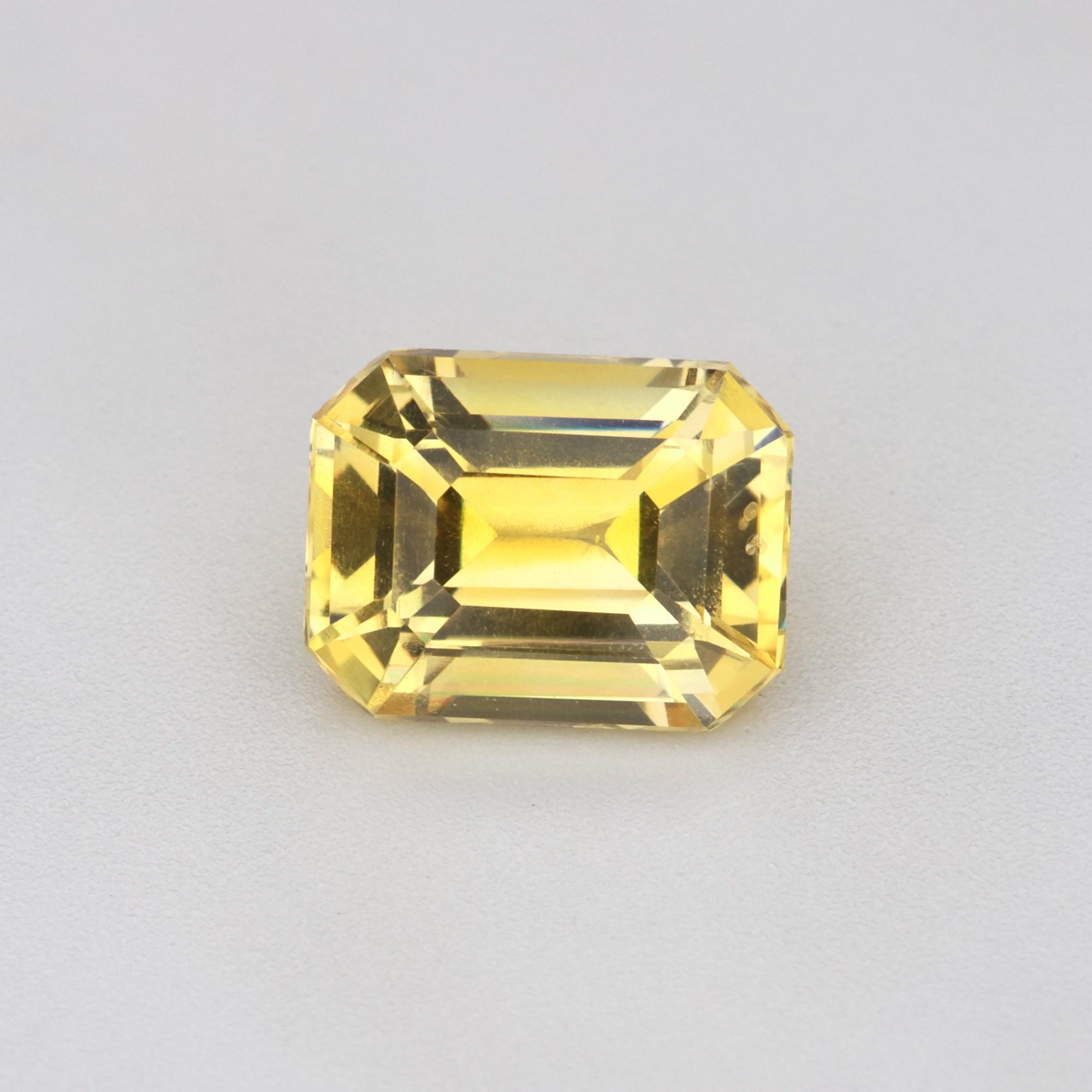
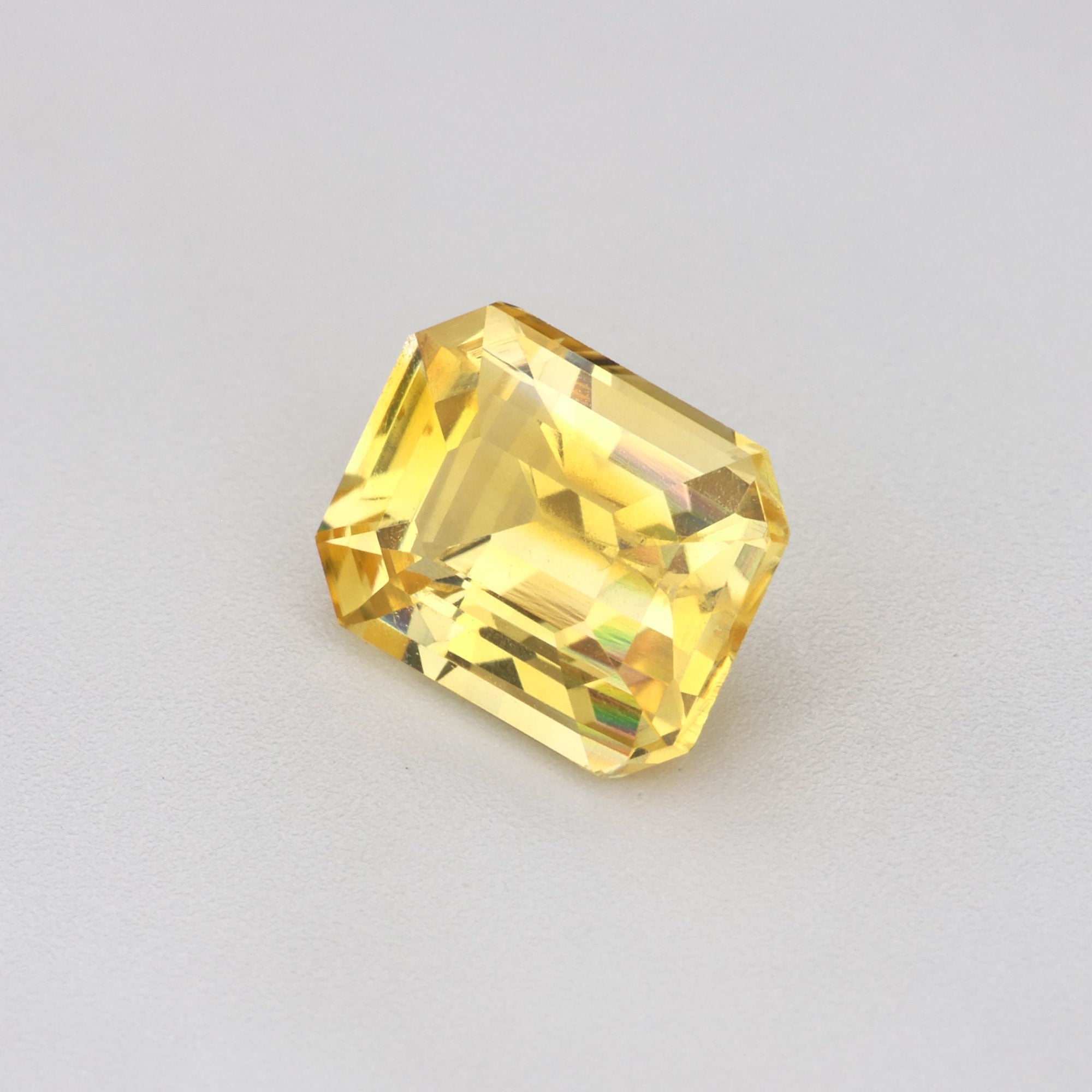
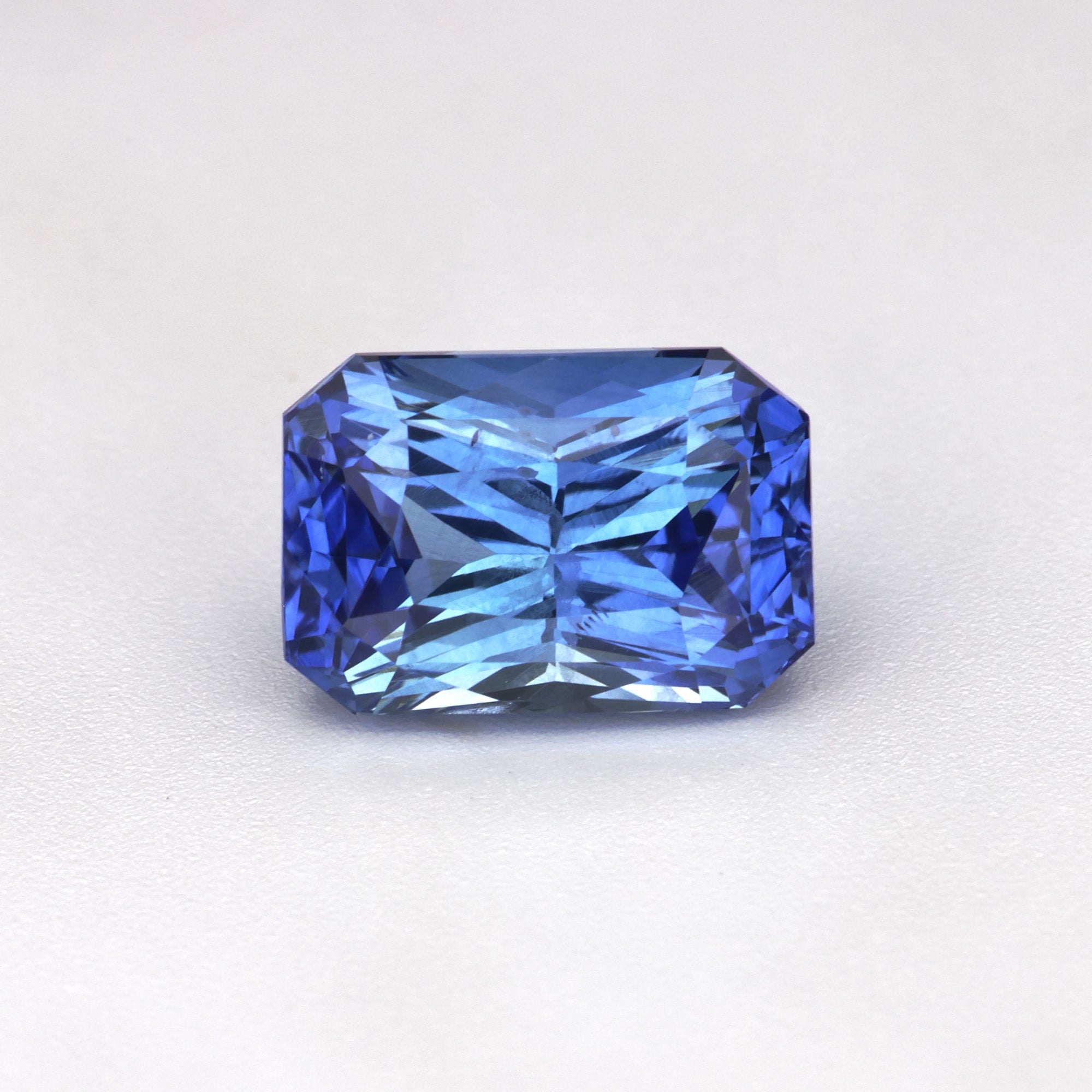
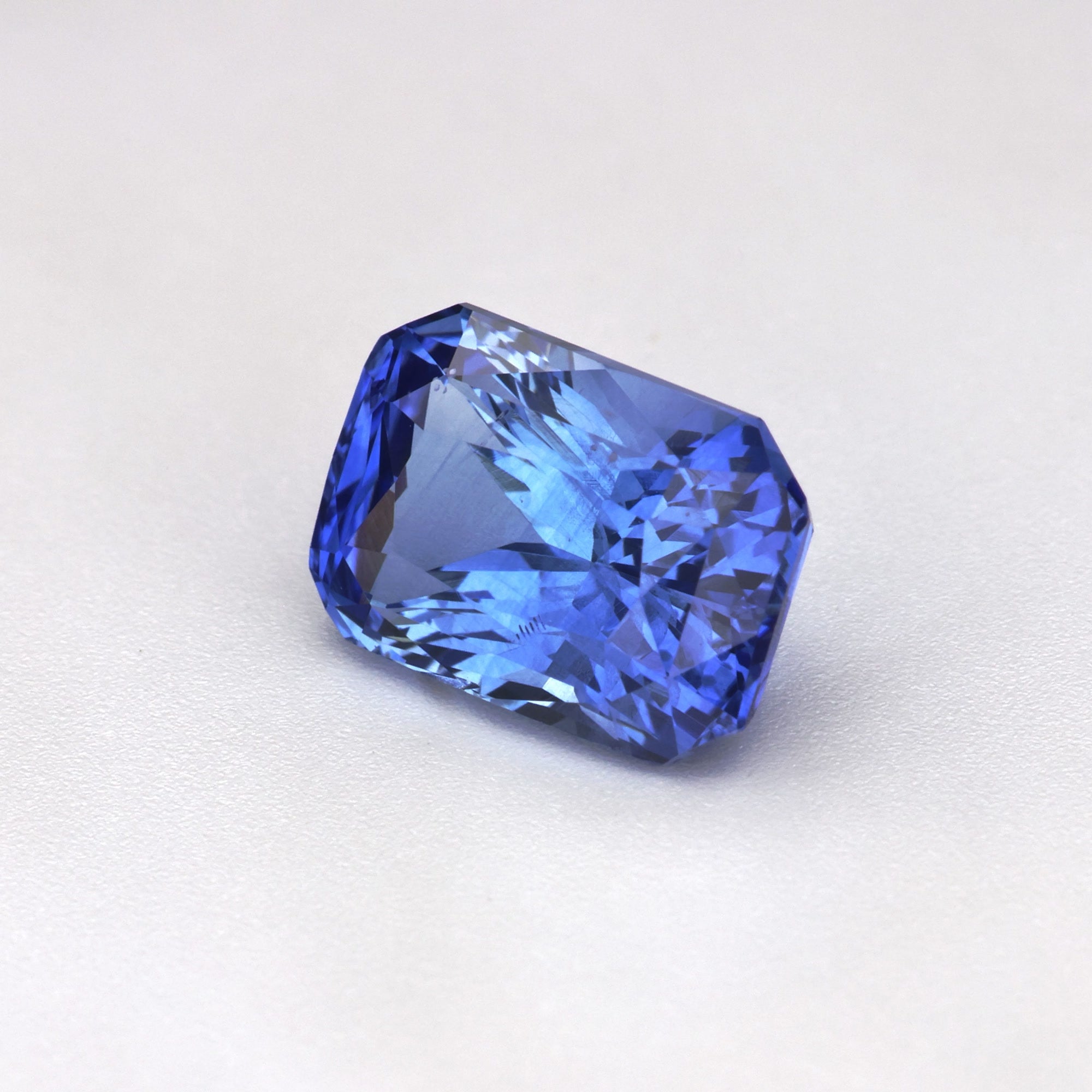
Chaque pierre de notre catalogue est par ailleurs photographiée individuellement sous un éclairage normalisé, de sorte que ce que vous voyez est la pierre que vous recevrez, et non un exemplaire représentatif d'un lot.
Toute commande est assortie d'un retour sous 14 jours. Un acheteur français reconnaîtra le chiffre, et il a raison de le reconnaître, mais les deux choses ne sont pas la même et il vaut mieux savoir laquelle vous invoquez.
Le droit de rétractation est un droit légal. Pour un contrat conclu à distance, les articles L221-18 et suivants du Code de la consommation ouvrent au consommateur un délai de quatorze jours pour se rétracter sans avoir à motiver sa décision, délai qui court, pour une vente de biens, à compter de la réception. Le même code prévoit des exceptions : l'une d'elles vise les biens confectionnés selon les spécifications du consommateur ou nettement personnalisés. Une pierre non montée achetée au catalogue n'est pas un bien personnalisé ; une bague fabriquée autour de votre pierre, selon votre dessin, peut en être un. C'est une raison de plus d'éclaircir ce point avec l'atelier avant de commander, et une raison de plus de regarder la pierre pendant qu'elle est encore une pierre.
Notre retour sous 14 jours est notre propre engagement commercial, offert sur toute commande quelle que soit la destination. Il ne se substitue pas au droit légal et ne le réduit pas : les droits que la loi vous donne restent entiers et s'appliquent indépendamment de ce que nous proposons. Nous n'affirmons pas que les deux soient la même chose.
Une remarque matérielle, enfin, et c'est celle qui a le plus de valeur pratique sur cette page : une fois la pierre sertie, un retour n'est plus un retour. Ce que vous rendriez ne serait plus l'objet que vous avez acheté. C'est l'argument le plus concret en faveur de l'ordre que cette page décrit — regarder, documenter, décider, et sertir ensuite.
Livraison gratuite aux États-Unis, sans minimum d'achat. Ailleurs, 60 $ forfaitaires, et gratuite au-delà de 499 $. Retour sous 14 jours sur toute commande.
Nos prix sont en dollars américains et s'entendent hors TVA à l'importation et hors droits de douane : ceux-ci sont perçus à la livraison dans votre pays et restent à votre charge. Comptez-les comme une ligne distincte de votre budget plutôt que comme une surprise : ils ne sont pas réglés au moment du paiement en ligne, mais au destinataire, à la livraison. Ce point vaut pour la France comme pour la Belgique, la Suisse et le Canada, avec des règles et des taux propres à chacun.
Les montants de 60 $ et de 499 $ sont ceux du profil d'expédition et sont libellés en dollars des États-Unis. Ils ne dépendent ni de la couleur de la pierre, ni de son poids, ni du fait qu'elle soit montée ou non.
Nous vendons des pierres non montées, et le traitement est indiqué sur chaque fiche produit. Quand une pierre a un rapport, nous nommons le laboratoire et le numéro ; quand elle n'en a pas, la fiche le dit en toutes lettres. Nous préférons l'écrire que le laisser deviner : une pierre sans rapport n'est pas une pierre suspecte, c'est une pierre sur laquelle une question n'a pas encore été posée, et vous avez le droit de savoir laquelle.
L'origine est enregistrée sur chaque fiche également. La plus grande partie de nos saphirs vient du Sri Lanka, mais pas la totalité : nous proposons aussi des pierres de Madagascar et d'une poignée d'autres provenances, et c'est la fiche qui vous dit laquelle — plutôt que le nom d'une collection, qu'il ne faut jamais lire comme une garantie d'origine. Rappelons-le une dernière fois : l'origine est un fait de provenance et pas un axe de qualité.
Enfin, les quatre laboratoires qui documentent notre stock sont l'AGCL, le GIA, le FGL et le GIC (Gemmological Institute of Colombo). Nous envoyons systématiquement au GIA les pierres affichées au-dessus de 500 $. C'est notre seuil, et il est à nous : aucun texte ne l'impose, aucun laboratoire ne le recommande.
Parcourez le catalogue par couleur — bleu, bleu-vert, jaune, rose, pêche, violet — ou voyez les pierres documentées par un rapport GIA. Vous pouvez aussi nous écrire à crescentgems@gmail.com avec votre cahier des charges : nous cherchons la pierre pour vous.
Parce que vous pouvez examiner la pierre entière avant de vous engager — le pavillon et le rondiste autant que la vue de face — et l'envoyer à un laboratoire avant que quoi que ce soit ne soit monté. La monture se choisit ensuite, pour aller avec la pierre, plutôt que l'inverse. Ce n'est pas un argument contre la bague terminée, qui reste une très bonne chose à acheter : c'est la description d'un ordre différent.
Le prix d'un saphir non monté est le prix du saphir. Une bague terminée, c'est la pierre plus le métal plus le travail de sertissage : les deux chiffres ne mesurent donc pas la même chose. Nous n'avons pas de salle d'exposition ; nous achetons à Ratnapura, à Beruwala et à Colombo et nous faisons tailler à nos spécifications. Nous ne publions ni pourcentage en dessous du détail, ni multiple de marge, parce que nous n'en avons aucun dont nous pourrions répondre.
Les griffes couvrent le rondiste et la monture masque le pavillon, de sorte que la taille ne s'apprécie pas depuis la seule vue de face. La ligne de collage d'un doublet, qui se voit de profil au rondiste, devient très difficile à chercher. Et une pierre déjà sertie ne peut pas être soumise au GIA ou à Gübelin sans être dessertie au préalable.
Oui — c'est l'usage normal d'une pierre non montée. Posez d'abord deux questions à l'atelier : accepte-t-il de sertir une pierre fournie par le client, et quel est le prix du travail. Demandez un devis écrit et un reçu décrivant la pierre. Nous n'affirmons rien sur les pratiques d'un atelier en particulier ; ce sont simplement les points qu'il vaut mieux avoir réglés avant de se séparer de sa pierre.
Non. Non chauffé porte sur le seul traitement thermique : une pierre peut être non chauffée et avoir été traitée autrement. Non traité est l'affirmation plus large, et elle ne doit tenir que là où la documentation de la pierre la soutient. « Saphir naturel » ne règle ni l'une ni l'autre : cela oppose la pierre au synthétique et ne dit rien du traitement.
Pas en règle générale, mais l'exemption est conditionnelle et c'est le point que les résumés escamotent. L'article 2 vise cinq opérations : irradiation, laser, teinture, diffusion de surface et comblement. L'article 3 exempte le traitement thermique uniquement là où les résidus laissés en surface ne provoquent aucune rupture de réflexion visible à la loupe 10×. L'article 9 est une clause de portée, qui étend le texte à « tout document commercial ou publicitaire s'y référant » : il ne crée aucune obligation de dénomination, et il n'accorde aucune désignation « pierre précieuse ».
Demandez des photographies et une vidéo à la lumière du jour autant qu'en intérieur, faites basculer la pierre pour vérifier que la couleur tient sur toute la face sans grande zone pâle au centre, et demandez quel laboratoire a émis le rapport et quel est son numéro. Sur demande, nous envoyons une vidéo personnelle de la pierre avant toute décision.

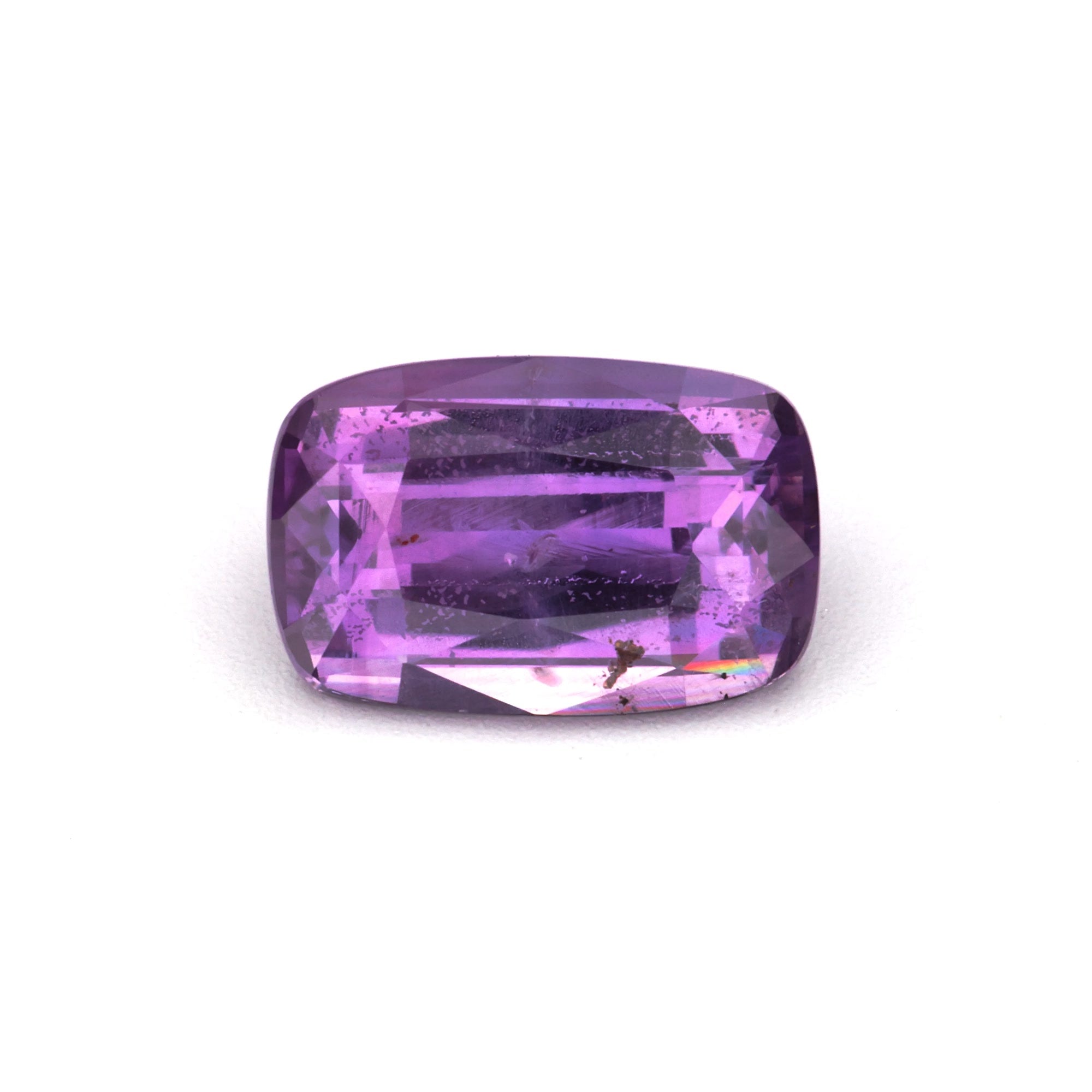
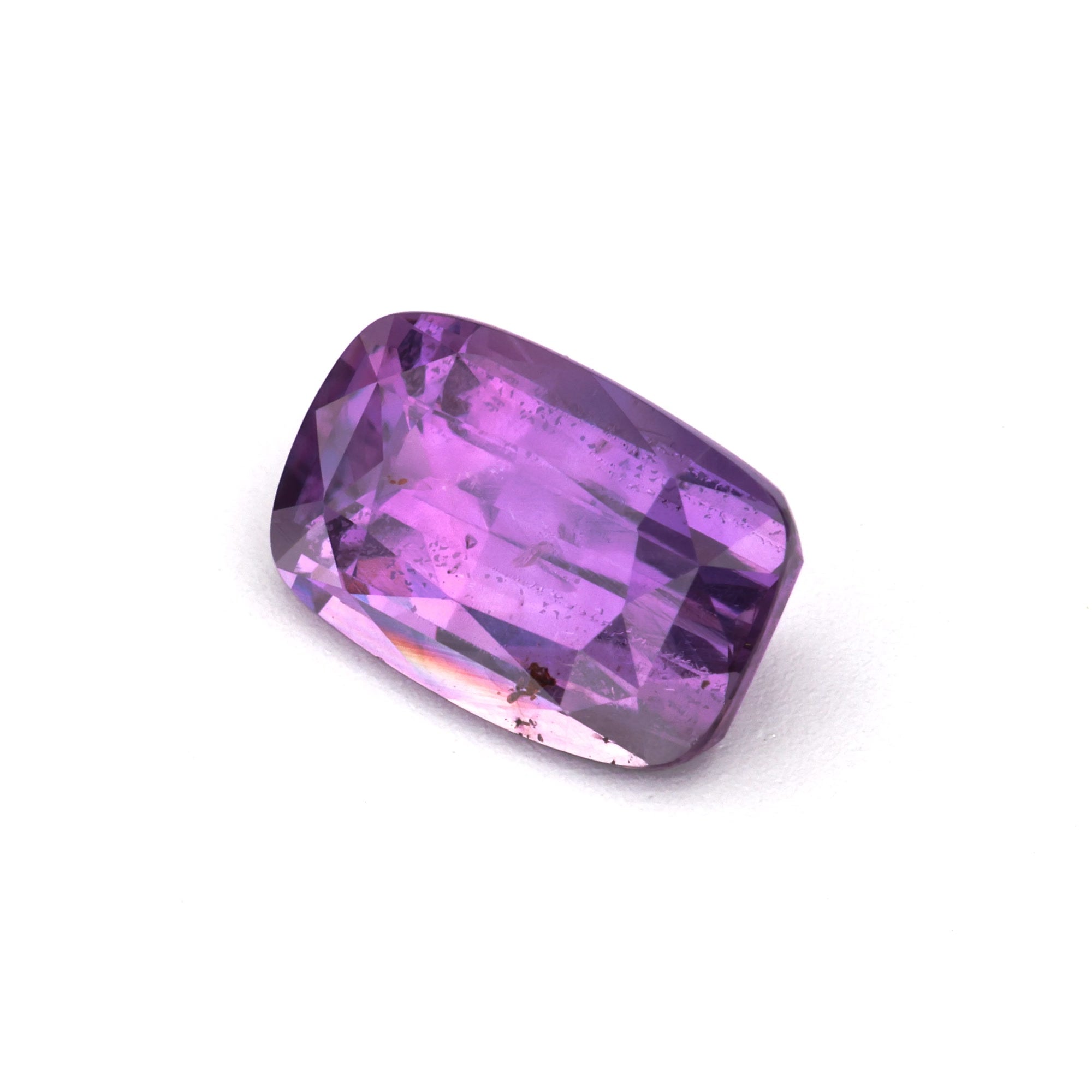
CG8469
Saphir violet rosé 1,45 ct, chauffé — Rapport GIA
CG8468
CG8465
CG8463
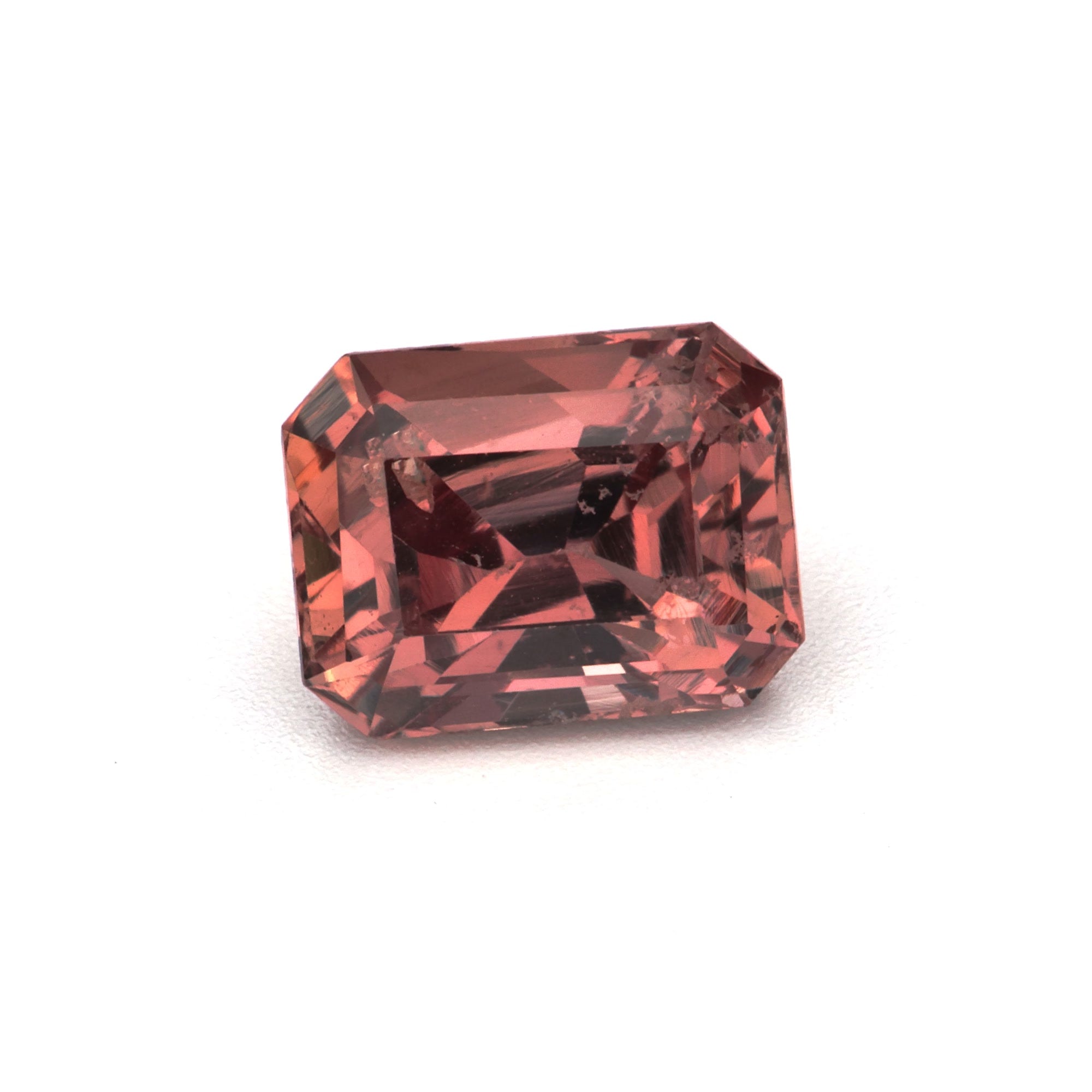
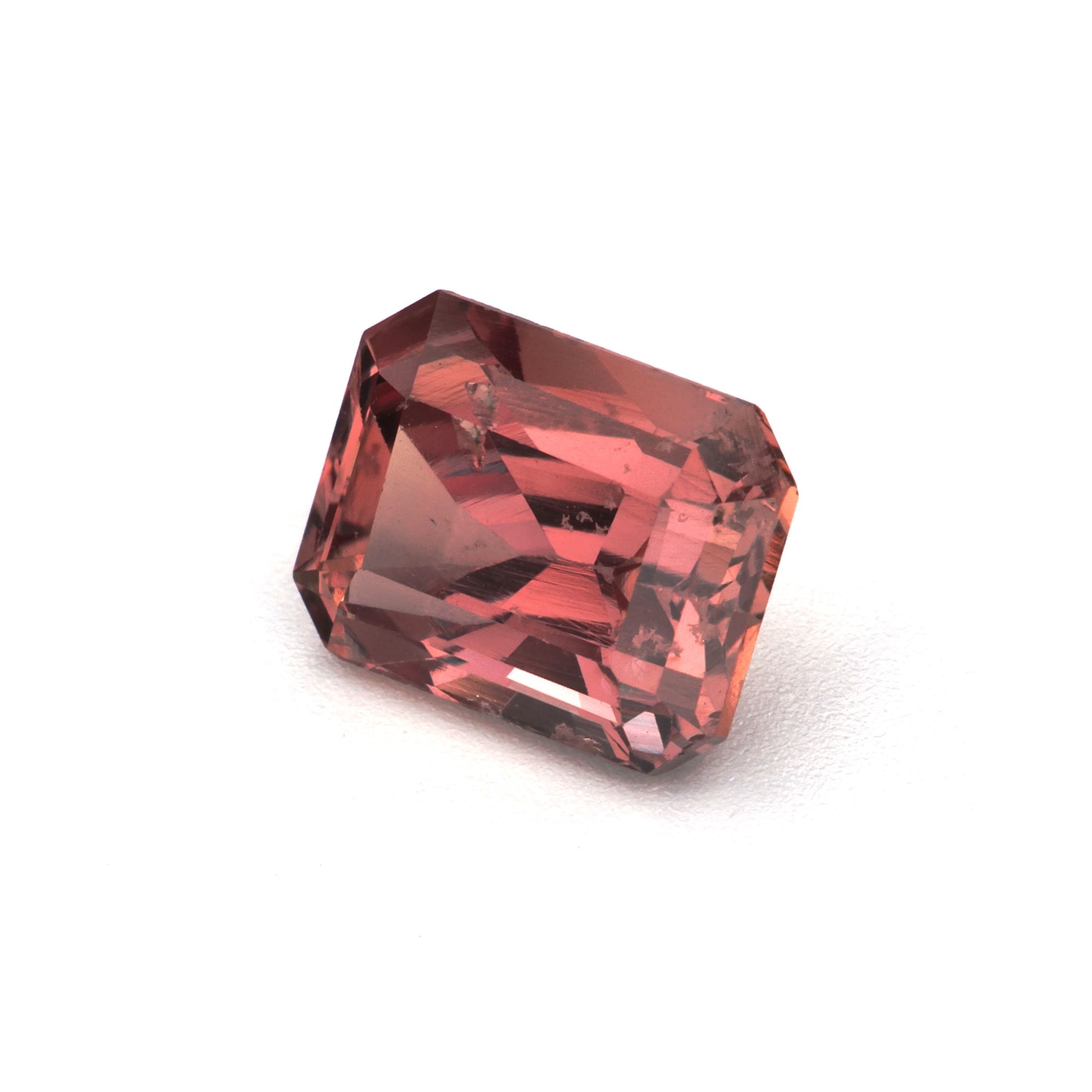
Saphir rose de Madagascar 1,62 ct — chauffé, rapport GIA
CG8460
CG8459
CG8458
CG8457
CG8456
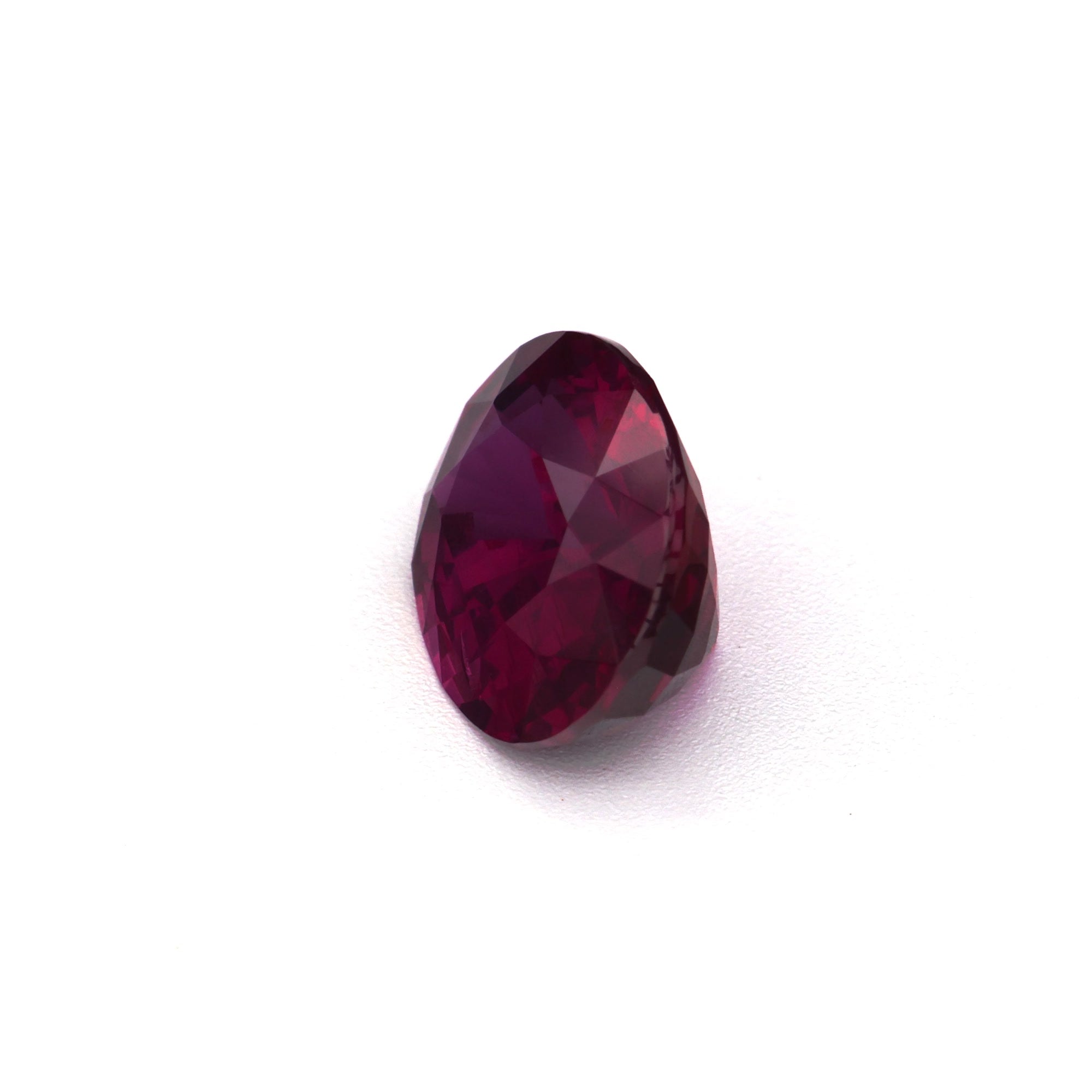
Rubis non chauffé 1,65 ct — ovale Madagascar, certifié GIA
CG8453


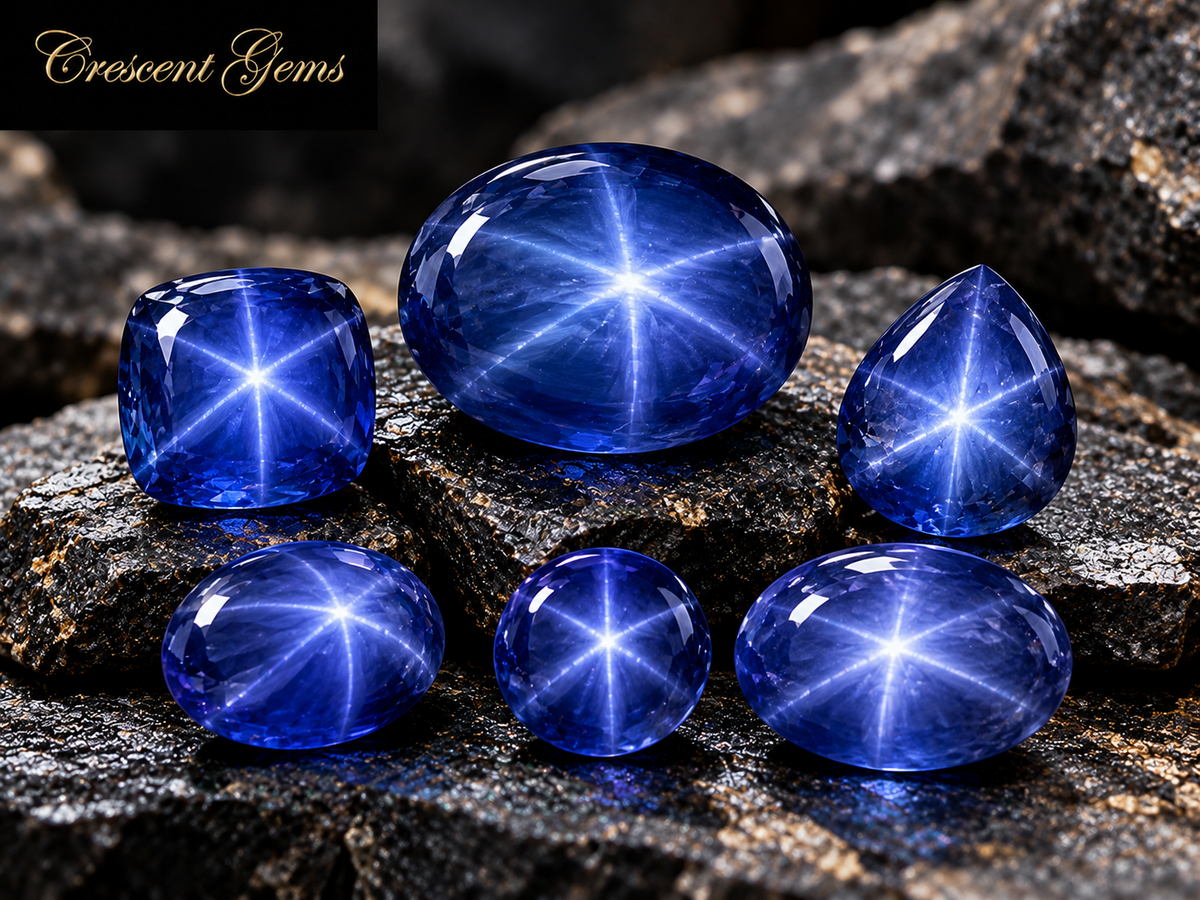
Prix du saphir bleu étoilé : fourchettes au carat et notre pierre
Ce que coûte un saphir bleu étoilé au carat, ce qui fait varier le prix, et la seule pierre que nous ayons : 8,09 ct à $4,040, avec un rapport d'origine GIA.
Plussur Prix du saphir bleu étoilé : fourchettes au carat et notre pierre
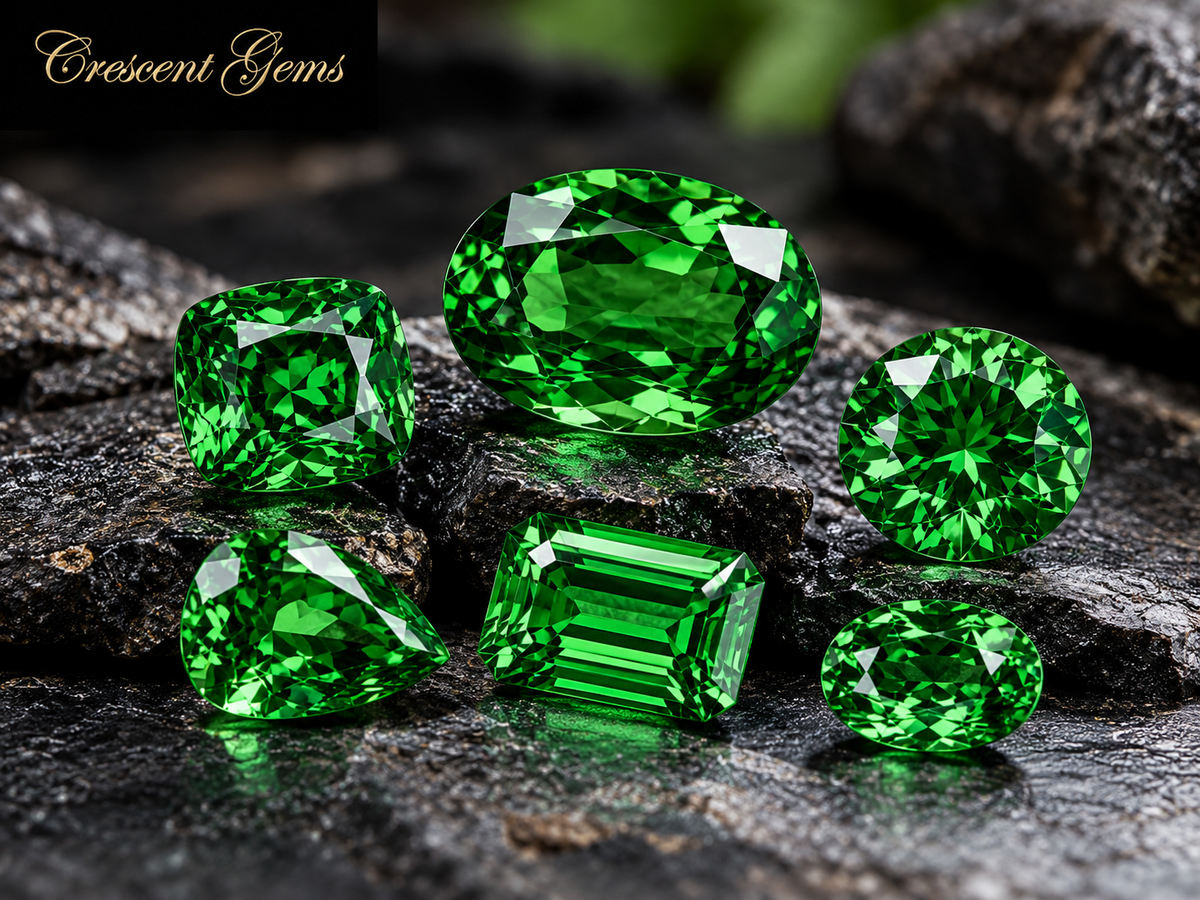
Prix de la tsavorite : notre stock, pas une grille de qualité
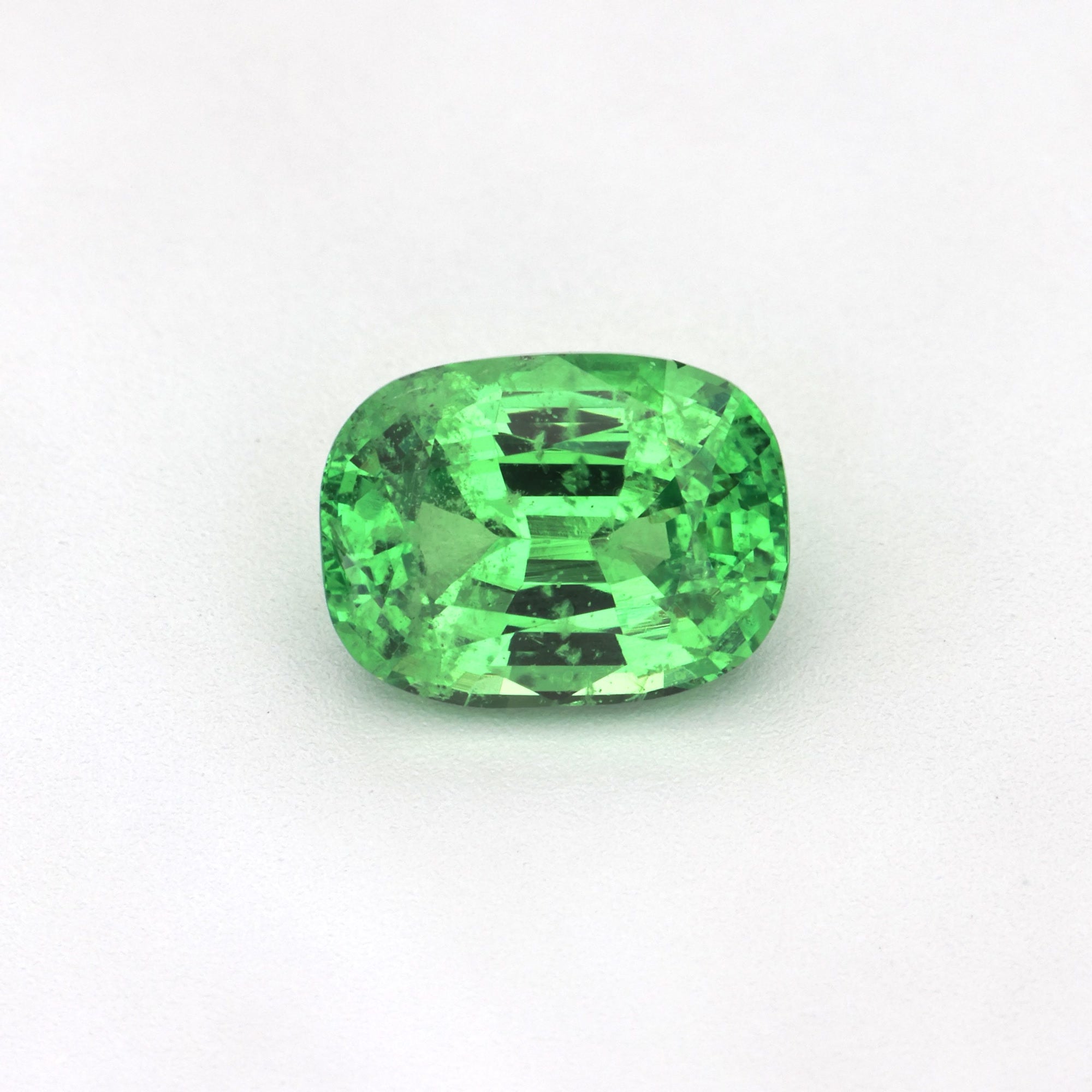
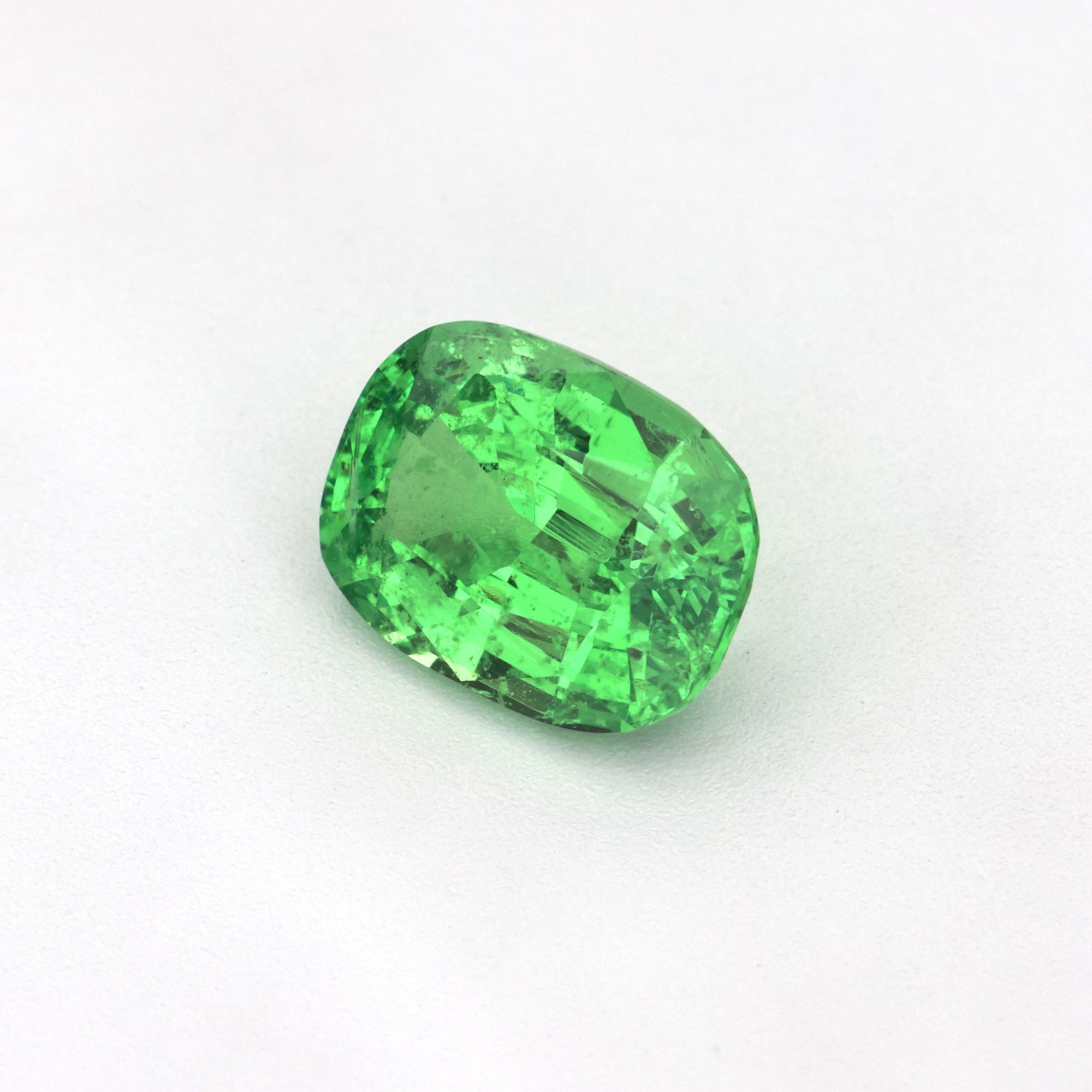
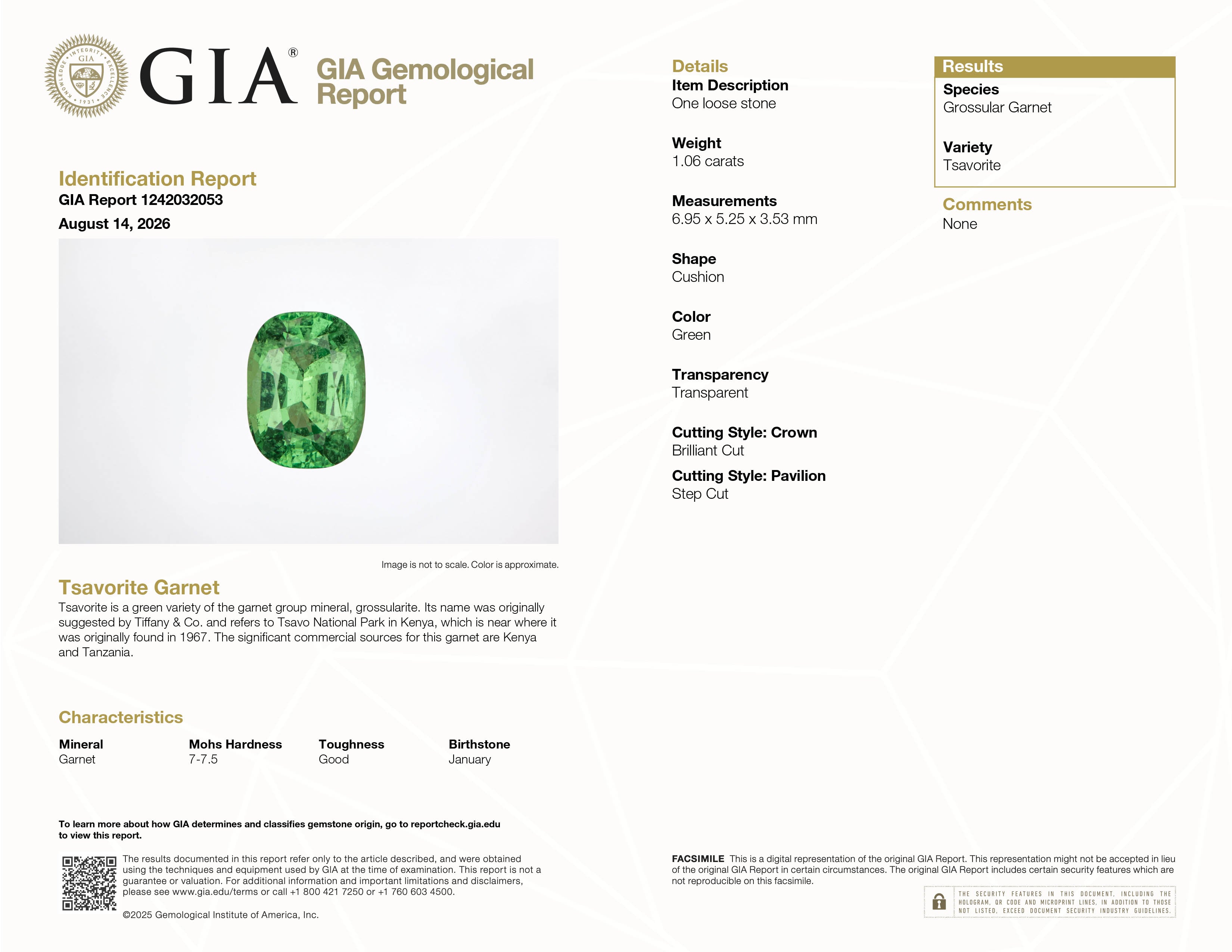
Nos sept tsavorites au 29 septembre 2026, de $1,177 à $22,724, dont une traitée et annoncée comme telle — et ce qui limite l'offre en grosses pierres propres.
Plussur Prix de la tsavorite : notre stock, pas une grille de qualité
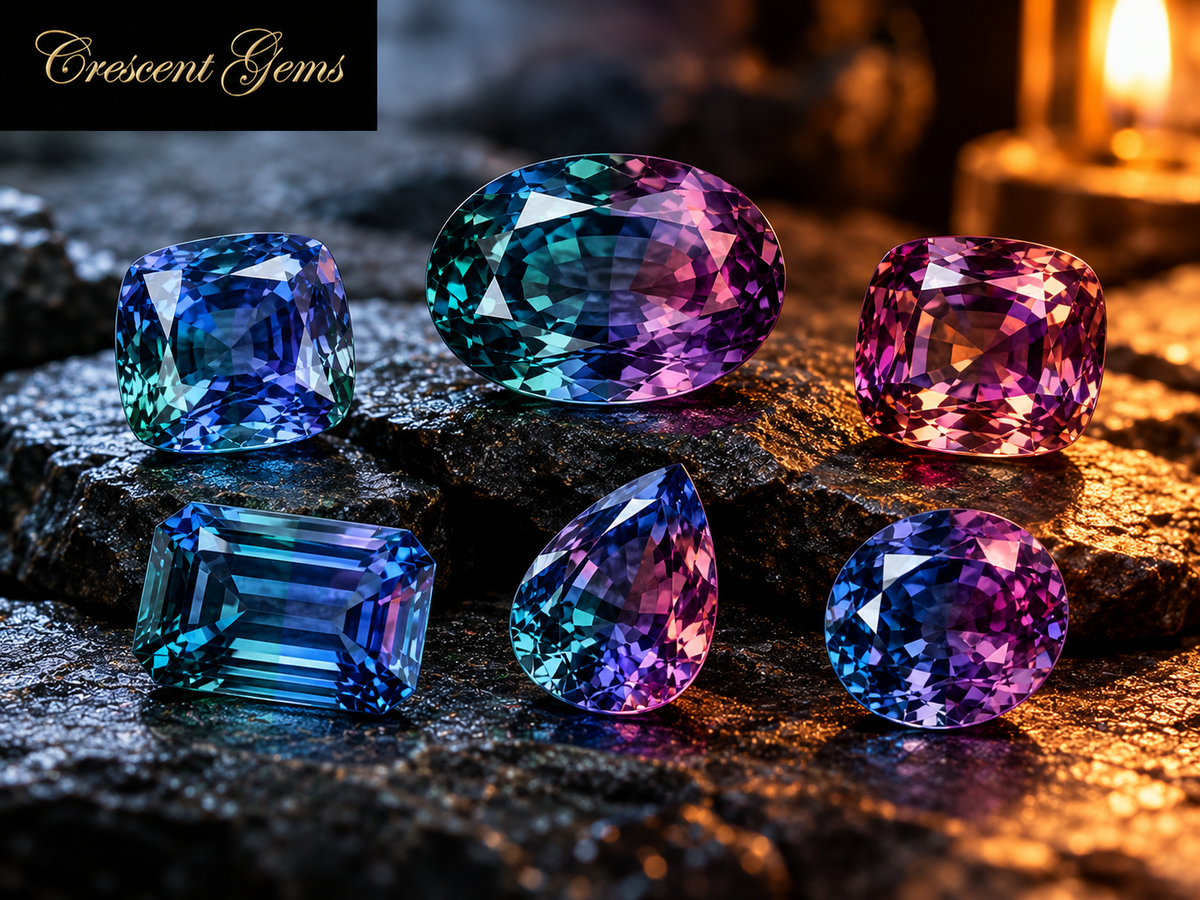
Prix du saphir à changement de couleur : au carat et nos deux pierres
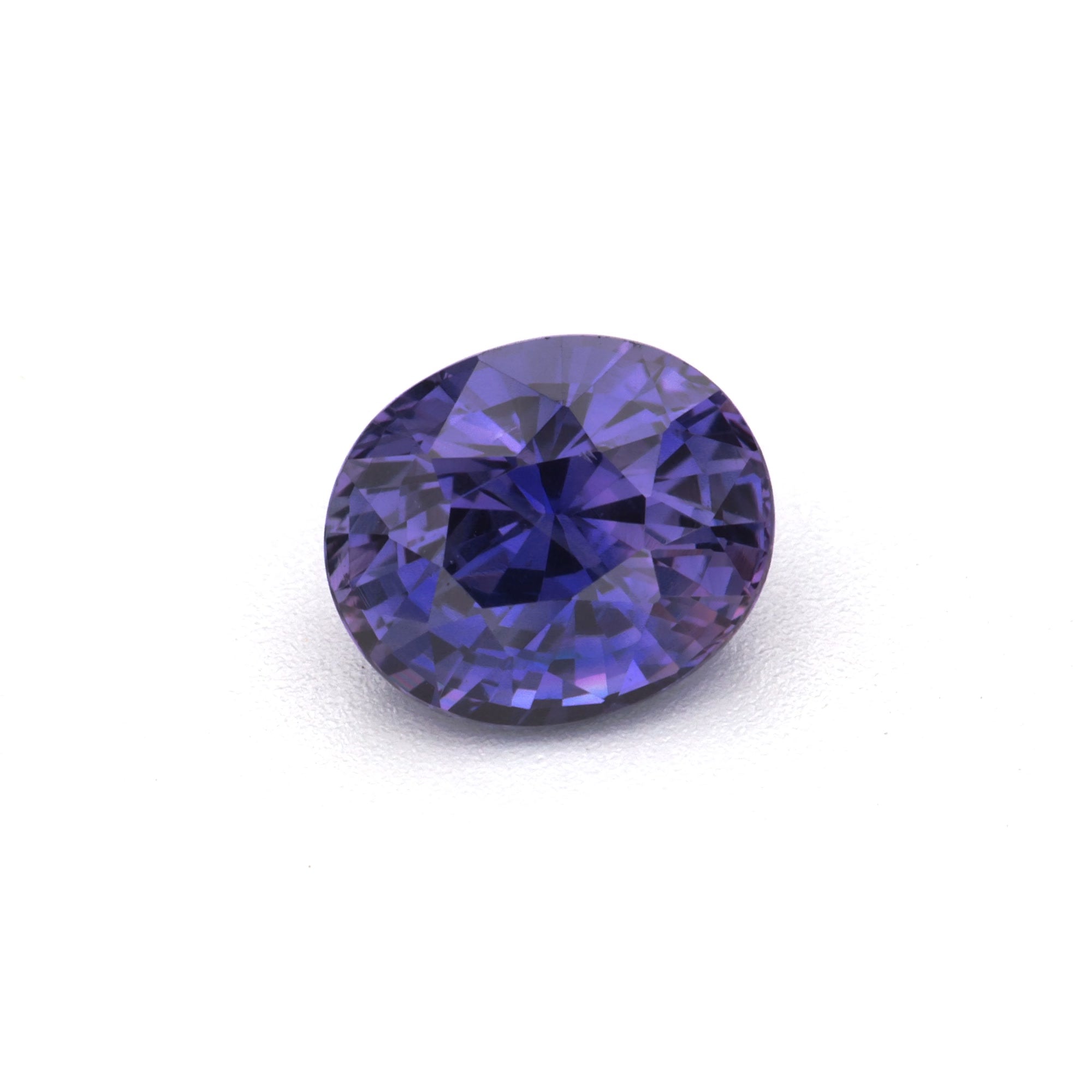
Ce que coûte un saphir à changement de couleur au carat, ce qui fait réellement le prix, et nos deux pierres : 1,03 ct à $824 et 2,01 ct à $2,211.
Plussur Prix du saphir à changement de couleur : au carat et nos deux pierres
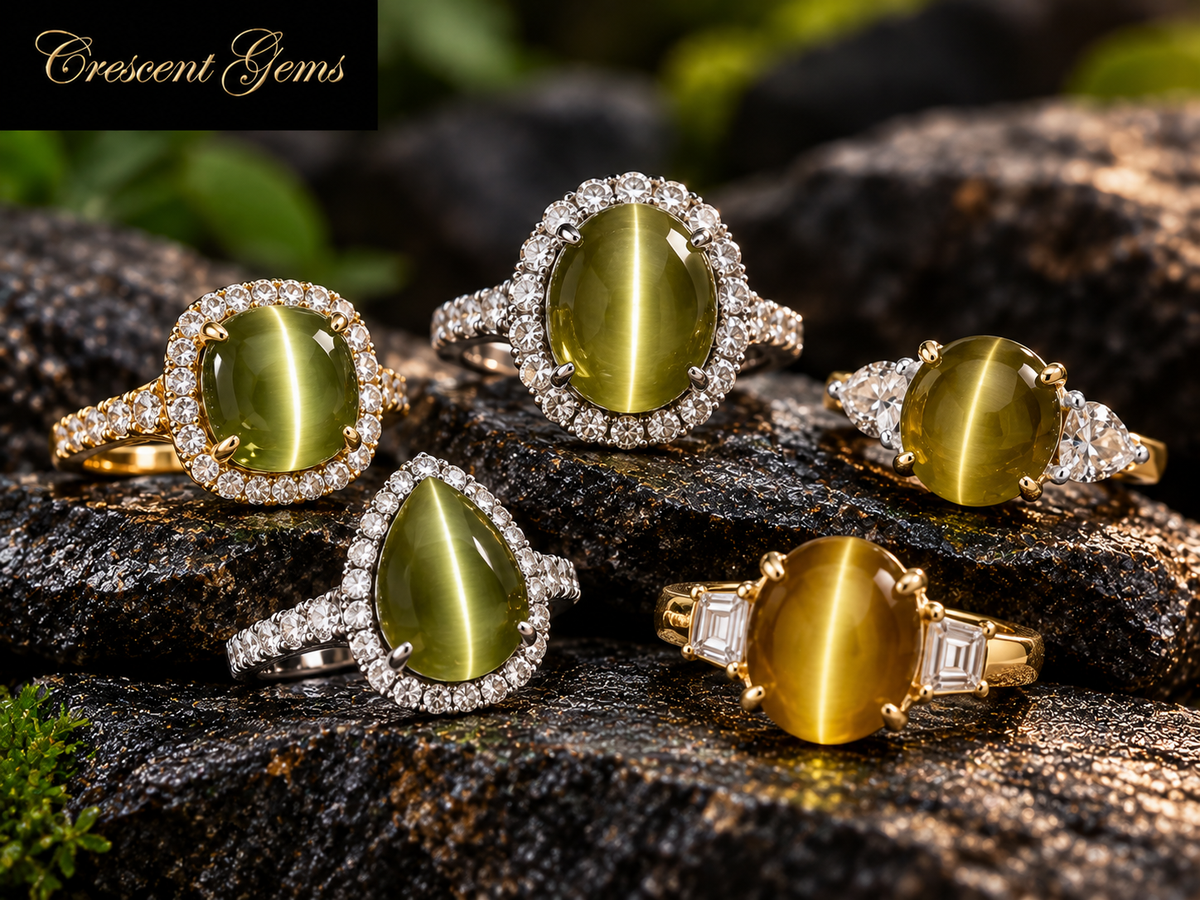
Le chrysobéryl œil-de-chat convient-il à une bague de fiançailles ?
Le chrysobéryl est à 8,5 sur l'échelle de Mohs, au-dessus du quartz (7) et en dessous du corindon (9). Ce que cela change au porter, à la monture et à l'entretien.
Plussur Le chrysobéryl œil-de-chat convient-il à une bague de fiançailles ?
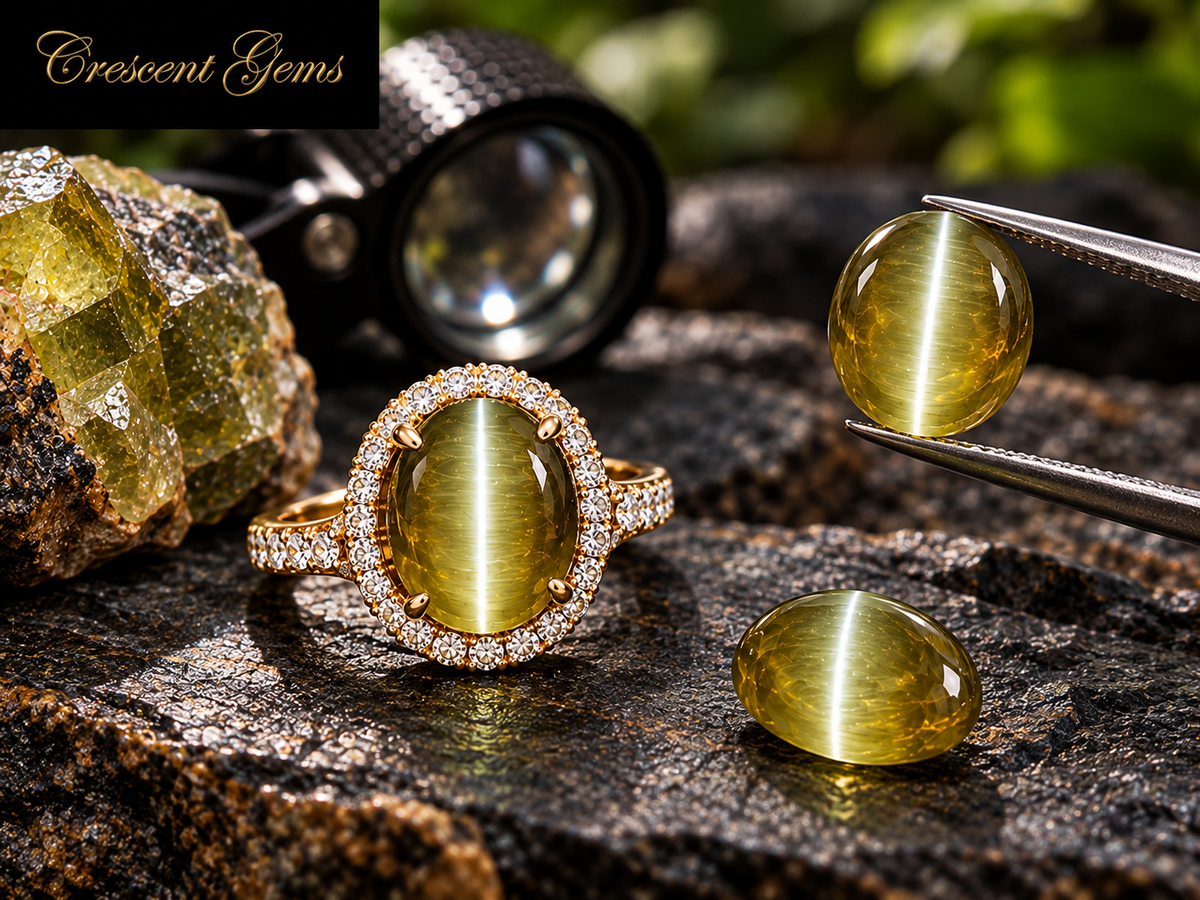
Prix du chrysobéryl œil-de-chat : au carat et nos deux pierres
Ce que coûte réellement un chrysobéryl œil-de-chat au carat, ce qui fait varier le prix, et nos deux pierres chiffrées : 2,36 ct à $3,792 et 4,25 ct à $9,482, soit $1,606.78 et $2,231.06 le carat.
Plussur Prix du chrysobéryl œil-de-chat : au carat et nos deux pierres















Partager: