- by Ahmed Shareek
Ceylon Sapphire Engagement Rings: How to Choose the Right Stone, Directly from the Source
- by Ahmed Shareek
New to buying sapphires? Start with our Ultimate Sapphire Buying Guide — the complete resource for colour, origin, treatment, and pricing.
Most people who buy a sapphire engagement ring buy it from a jeweler, a retailer, or a marketplace that bought it from a wholesaler, who bought it from an importer, who bought it from a dealer who bought it at auction or from a cutter in Sri Lanka. By the time the stone reaches you, it has passed through four or five hands, each adding margin, and the original information about the stone has been diluted, repackaged, and sometimes lost entirely.
At Crescent Gems, we source sapphires directly in Sri Lanka (Ceylon) and sell them directly to you. No wholesaler. No importer. No Bangkok middleman. The advice in this article is what we actually look for when we are standing in front of a parcel of rough or a tray of cut stones in Ratnapura or Beruwala, deciding which ones are worth bringing to market.
Sri Lanka — known in the gem trade as Ceylon — has been producing sapphires for more than two thousand years. The island's alluvial gem gravels yield corundum with a color profile unlike any other major source: vivid, transparent blue with high clarity and a brightness that gemologists describe as luminosity — a quality that seems to come from within the stone rather than from its surface. Ceylon also produces the widest color range of any sapphire origin: blue, yellow, pink, peach, padparadscha, teal, green, purple, violet, white, and orange. This diversity is why Ceylon is the dominant source for natural sapphire across every color category.
What makes Ceylon sapphires particularly valuable for engagement ring buyers is that a meaningful proportion of the finest material is unheated — the transparency and color saturation of Ceylon rough are often high enough that thermal enhancement is unnecessary.
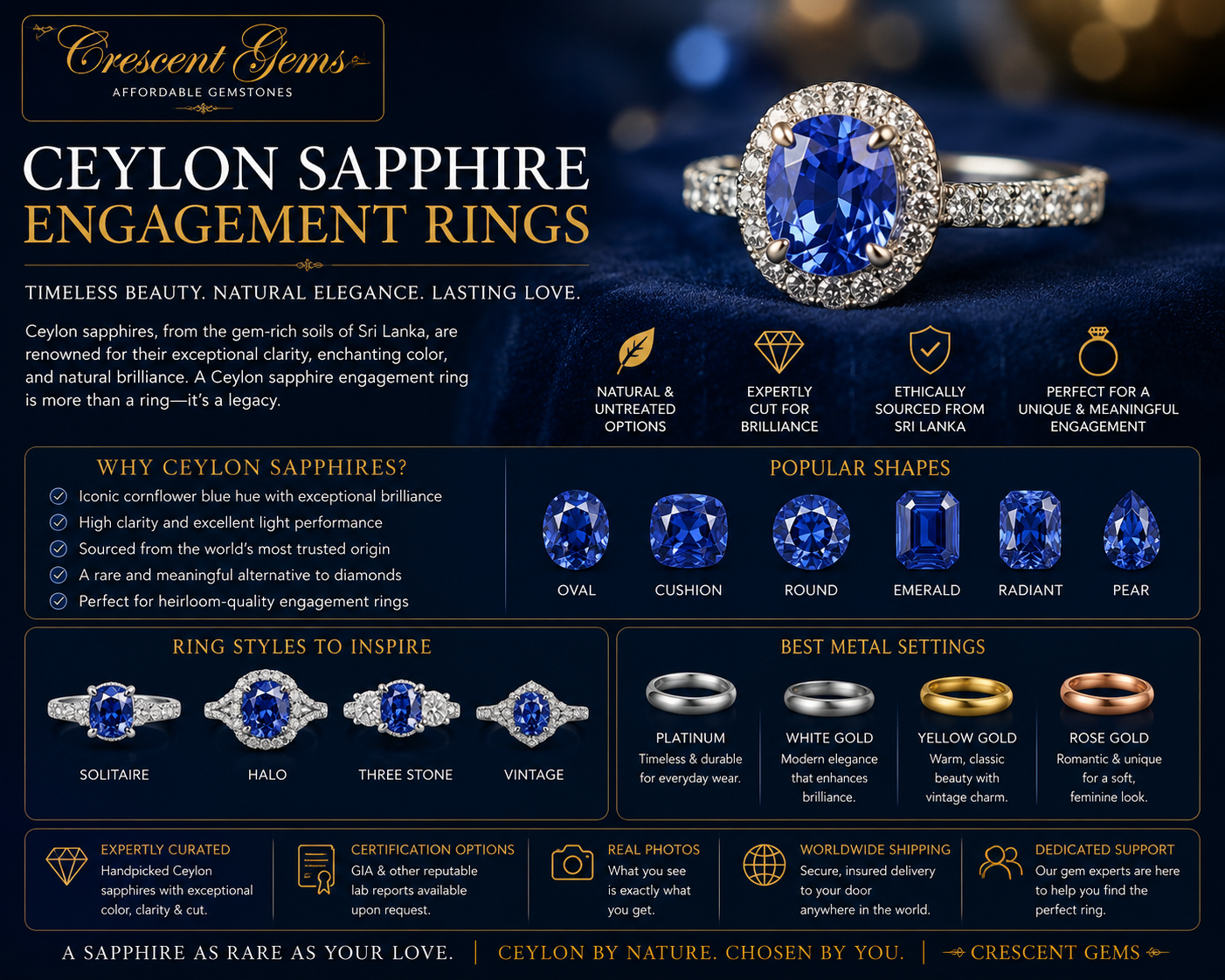
The default assumption for a sapphire engagement ring is blue — but Ceylon produces exceptional engagement stones in yellow, pink, teal, peach, and purple that suit certain aesthetics and skin tones better than blue does.
Blue: The benchmark. The target is medium-to-vivid tone that reads richly blue at wearing distance in any normal lighting environment.
Teal and Greenish-Blue: The most rapidly growing engagement ring category. Teal sapphires are almost universally unheated and their dual-tone color shifts between blue in cool daylight and green under warm incandescent light.
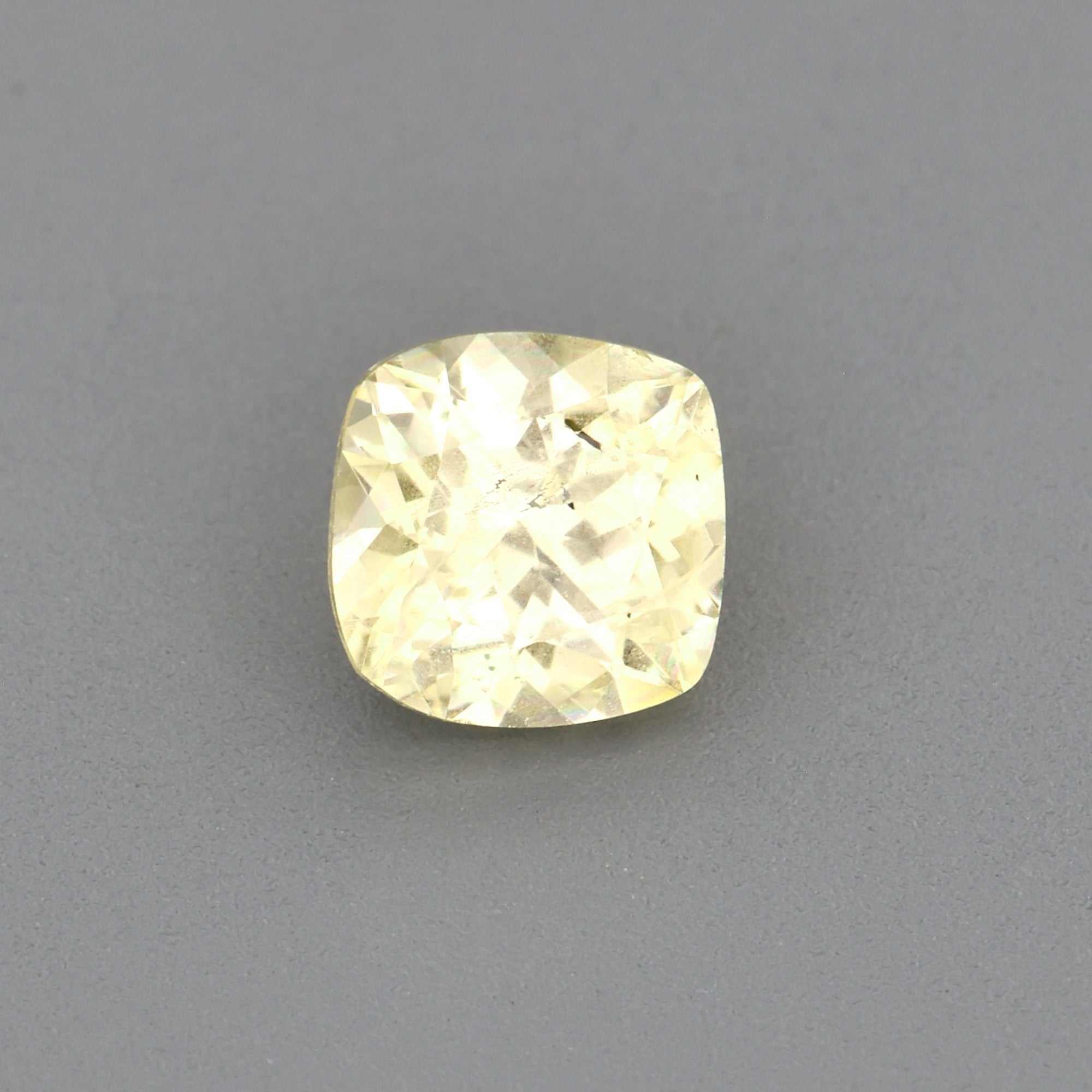
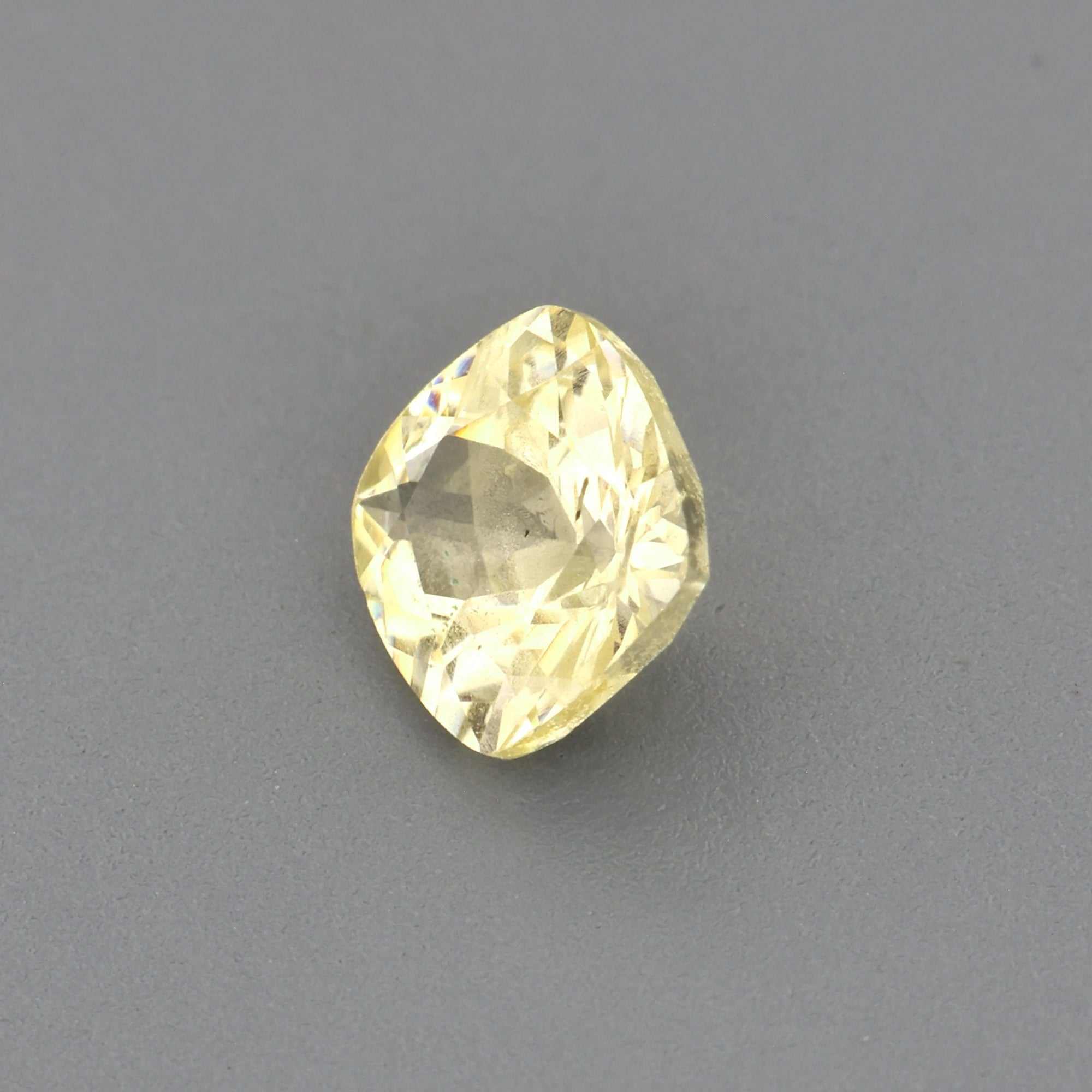
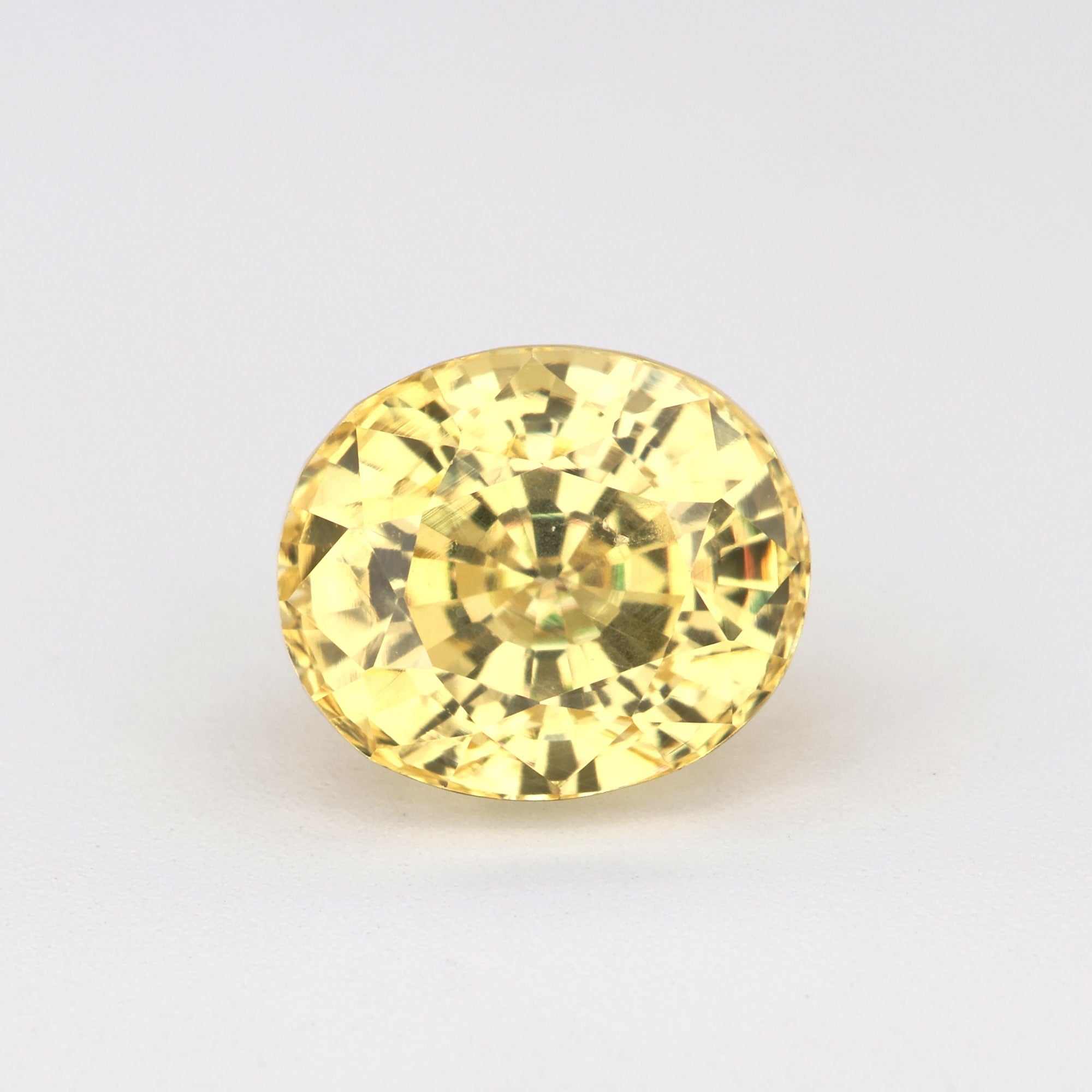
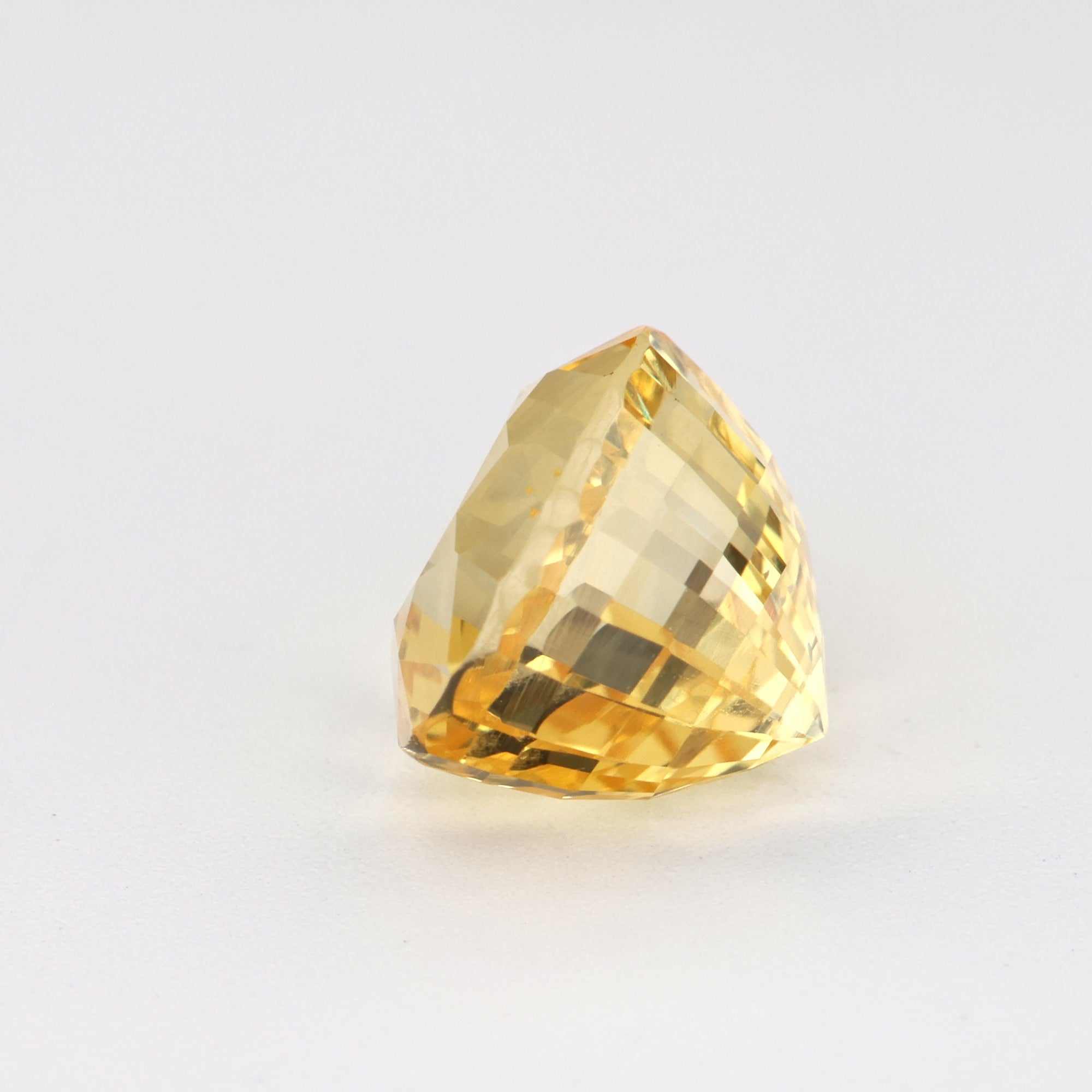
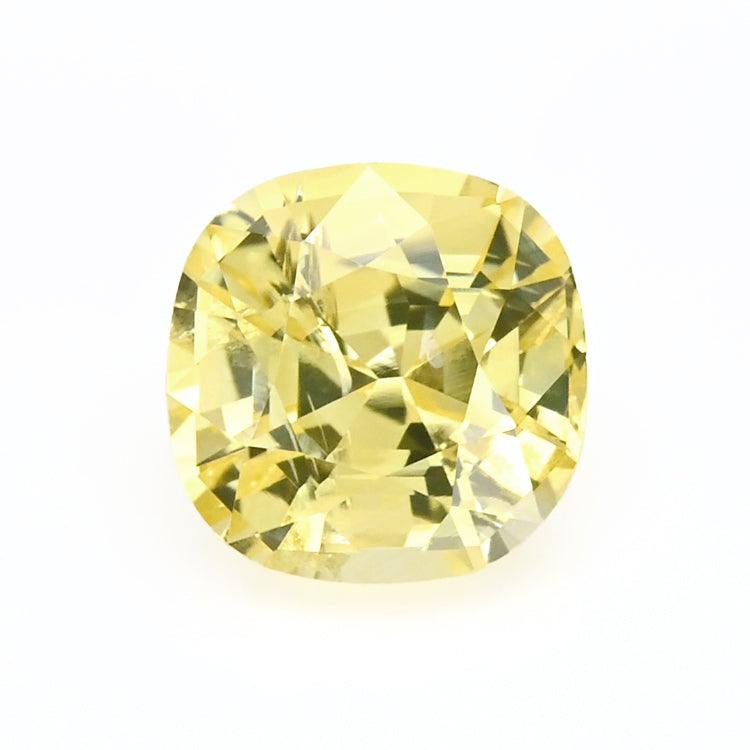
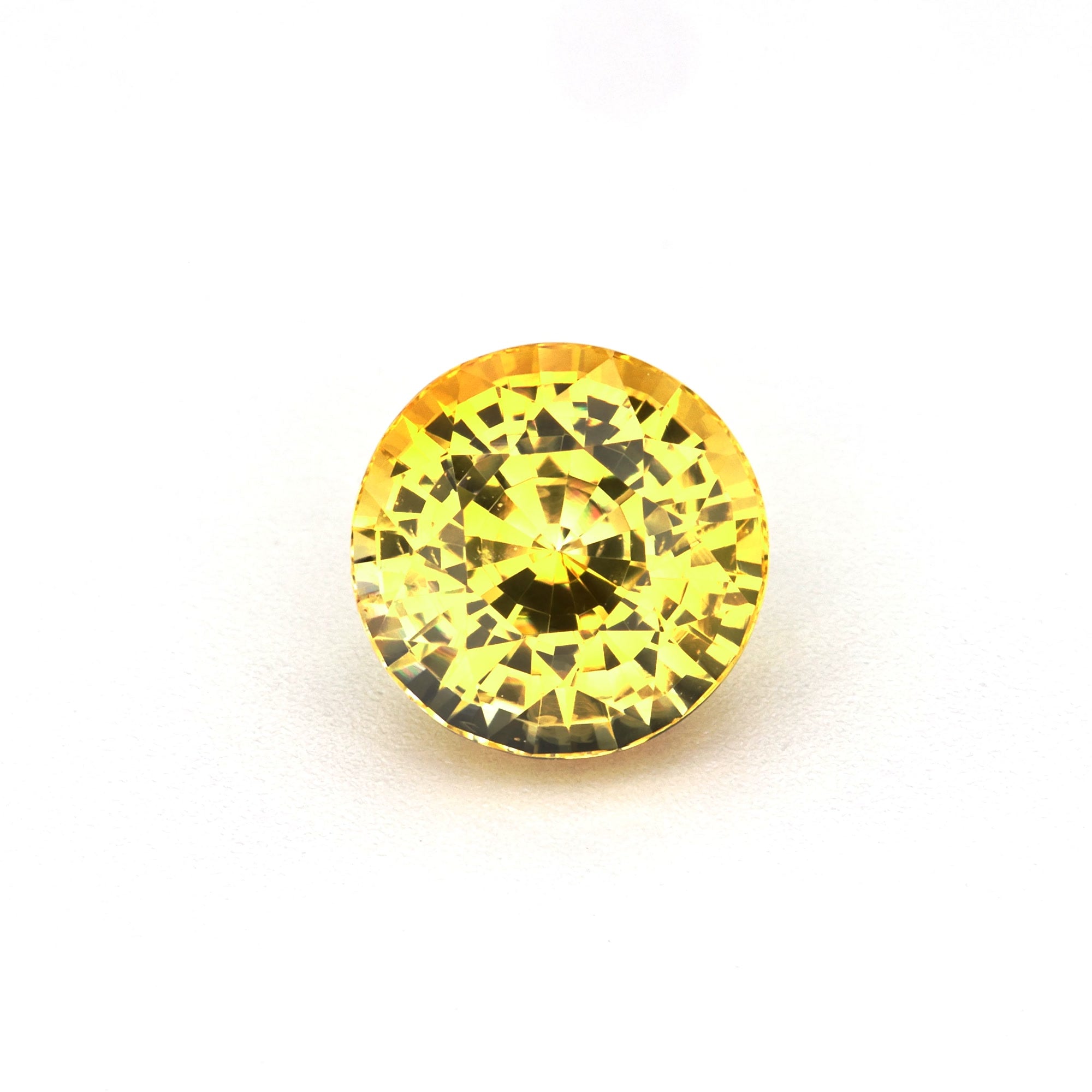
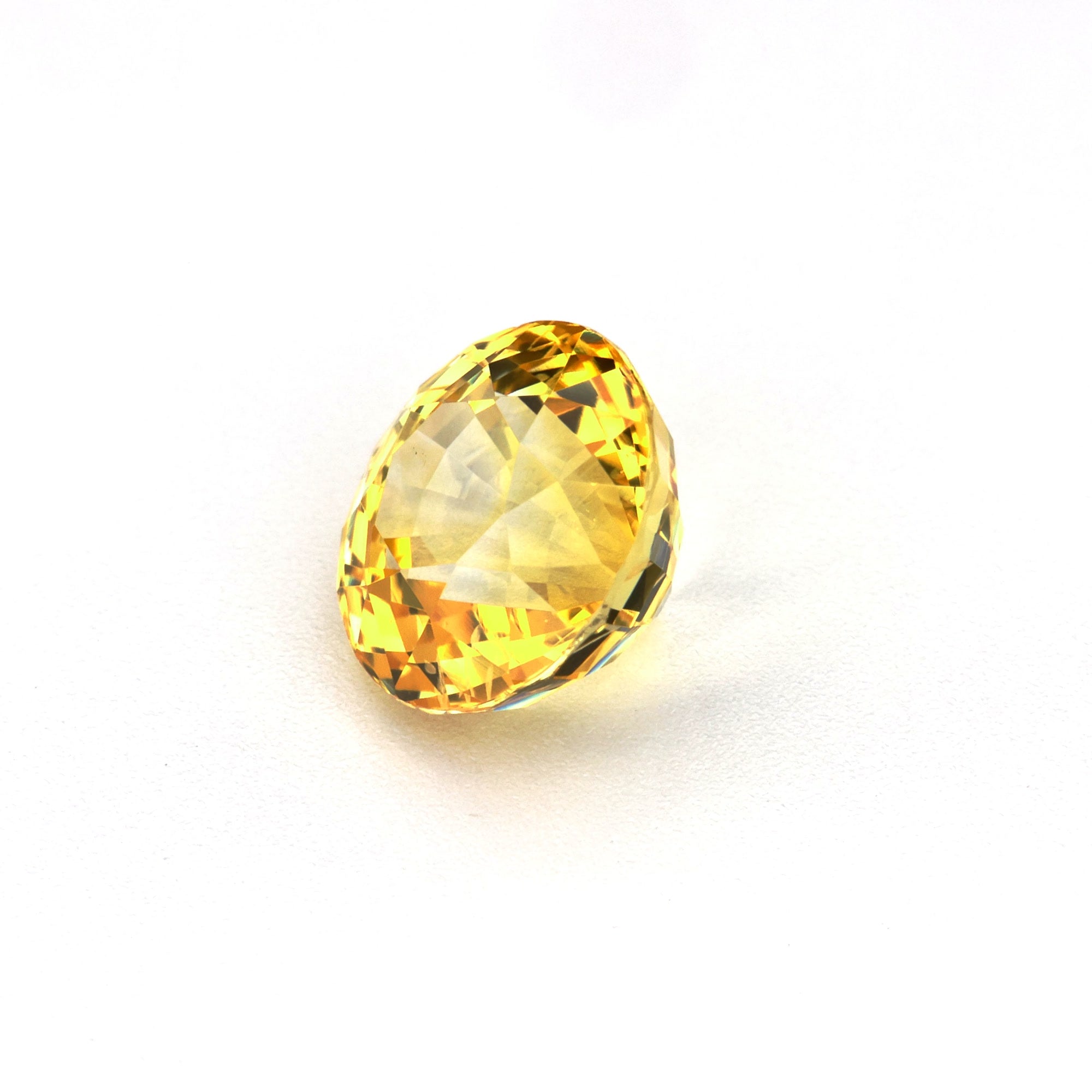
Yellow: Fine unheated Ceylon yellow in an oval or cushion cut at 1.5+ carats is a genuine engagement stone on its own merits. Also the most widely prescribed Jyotish gemstone for Jupiter (Guru).
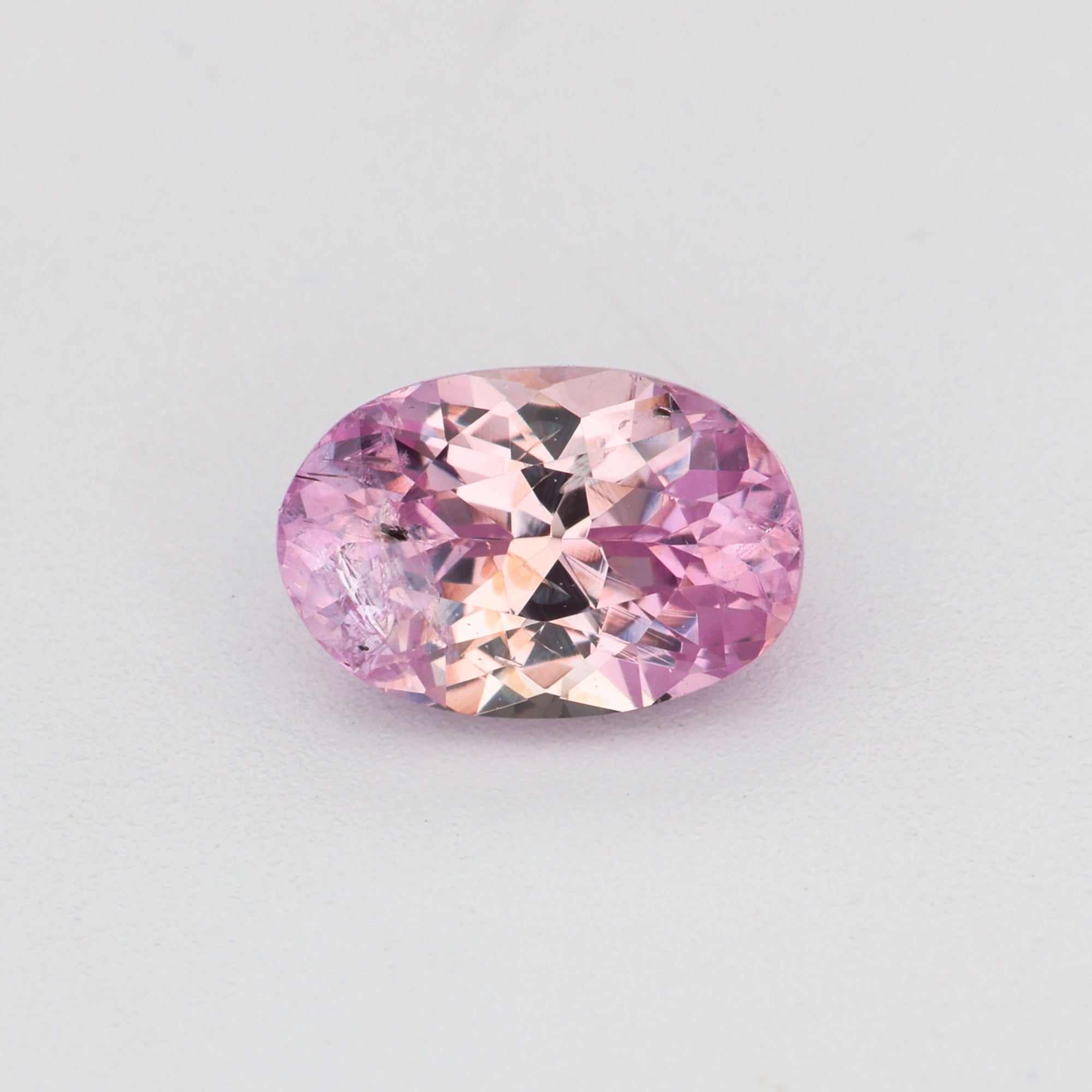
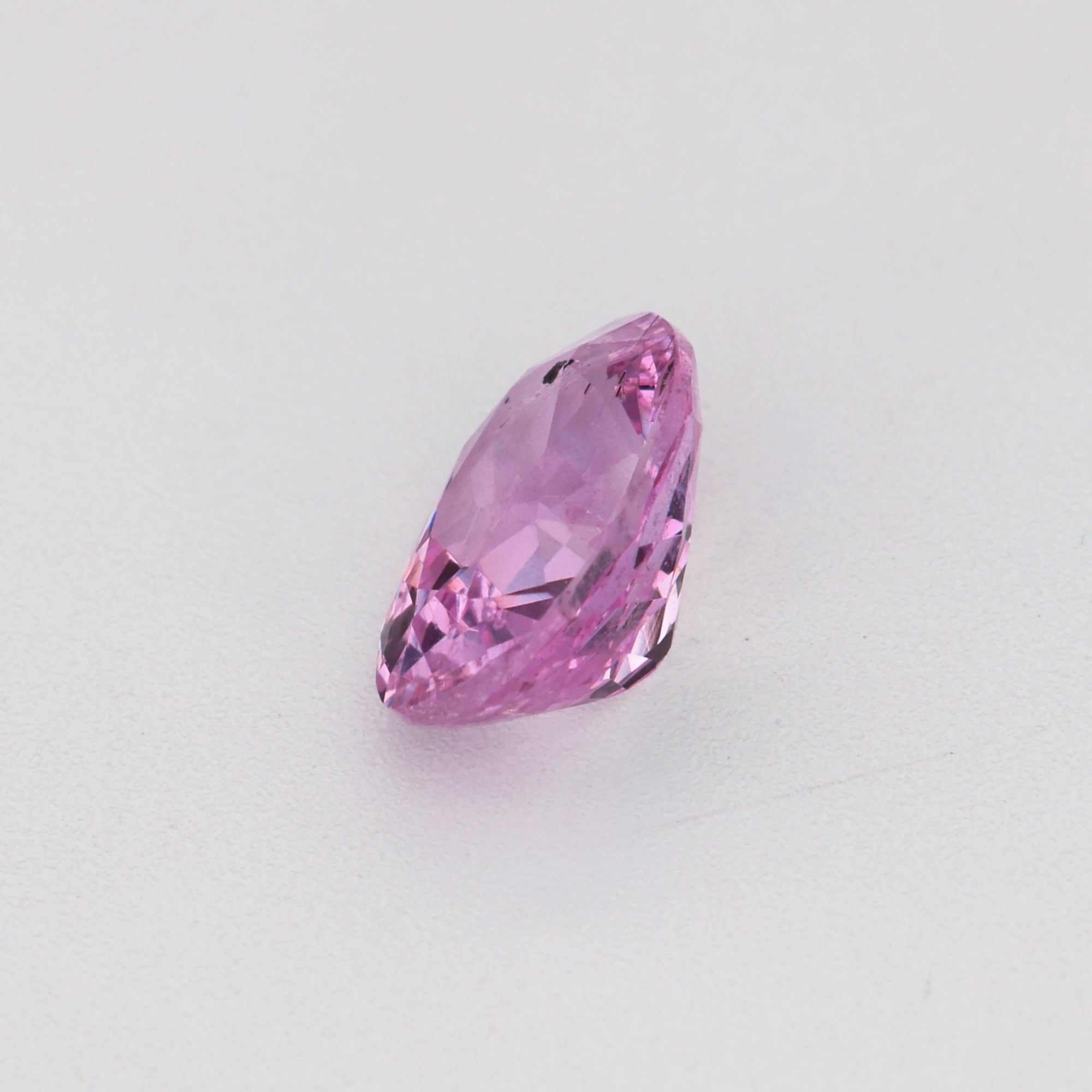
Pink and Peach: Ceylon pink is known for its clarity and warm saturation. In rose gold, a vivid pink or peach Ceylon sapphire is one of the most beautiful engagement stones available at any price. See our pink and peach sapphire guides.
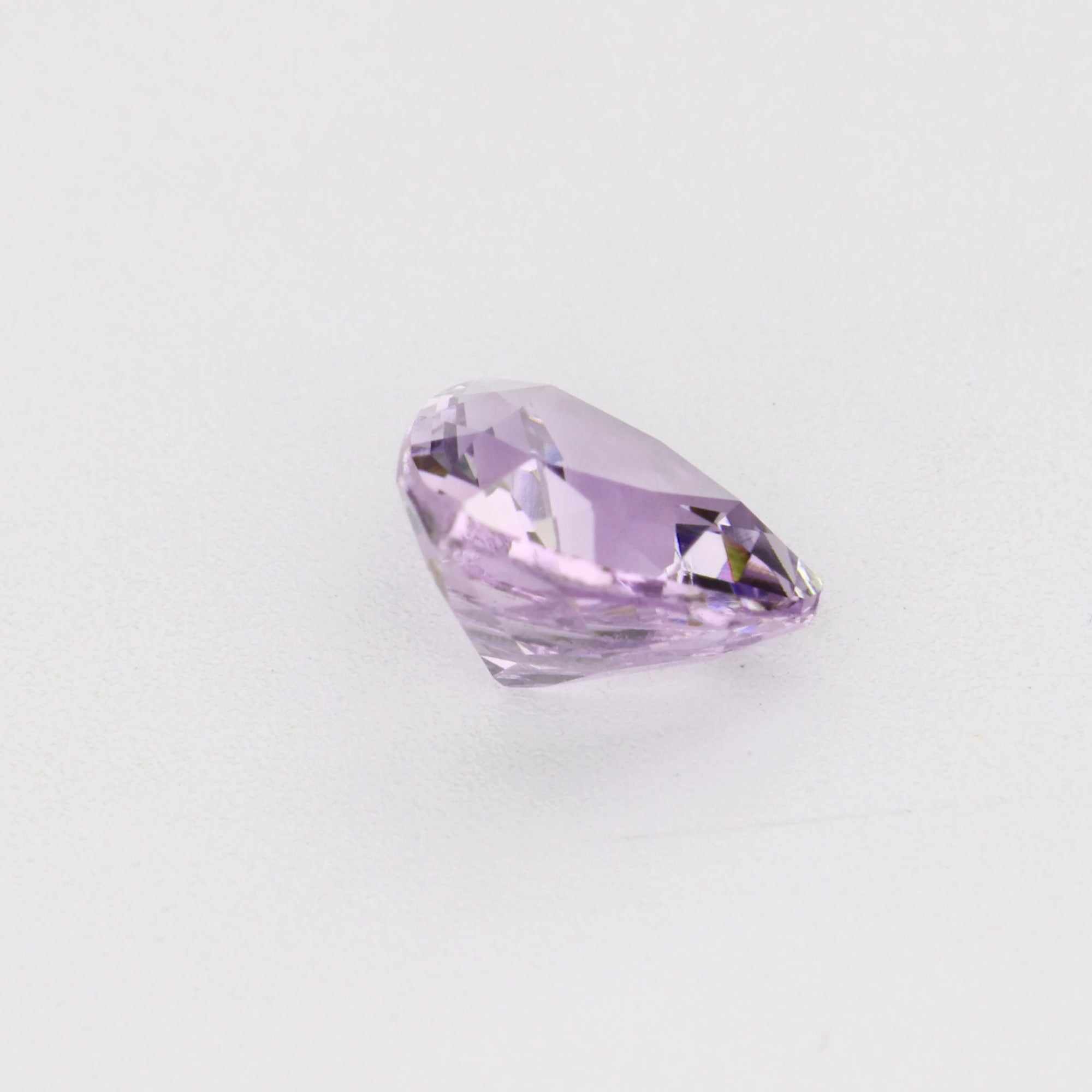
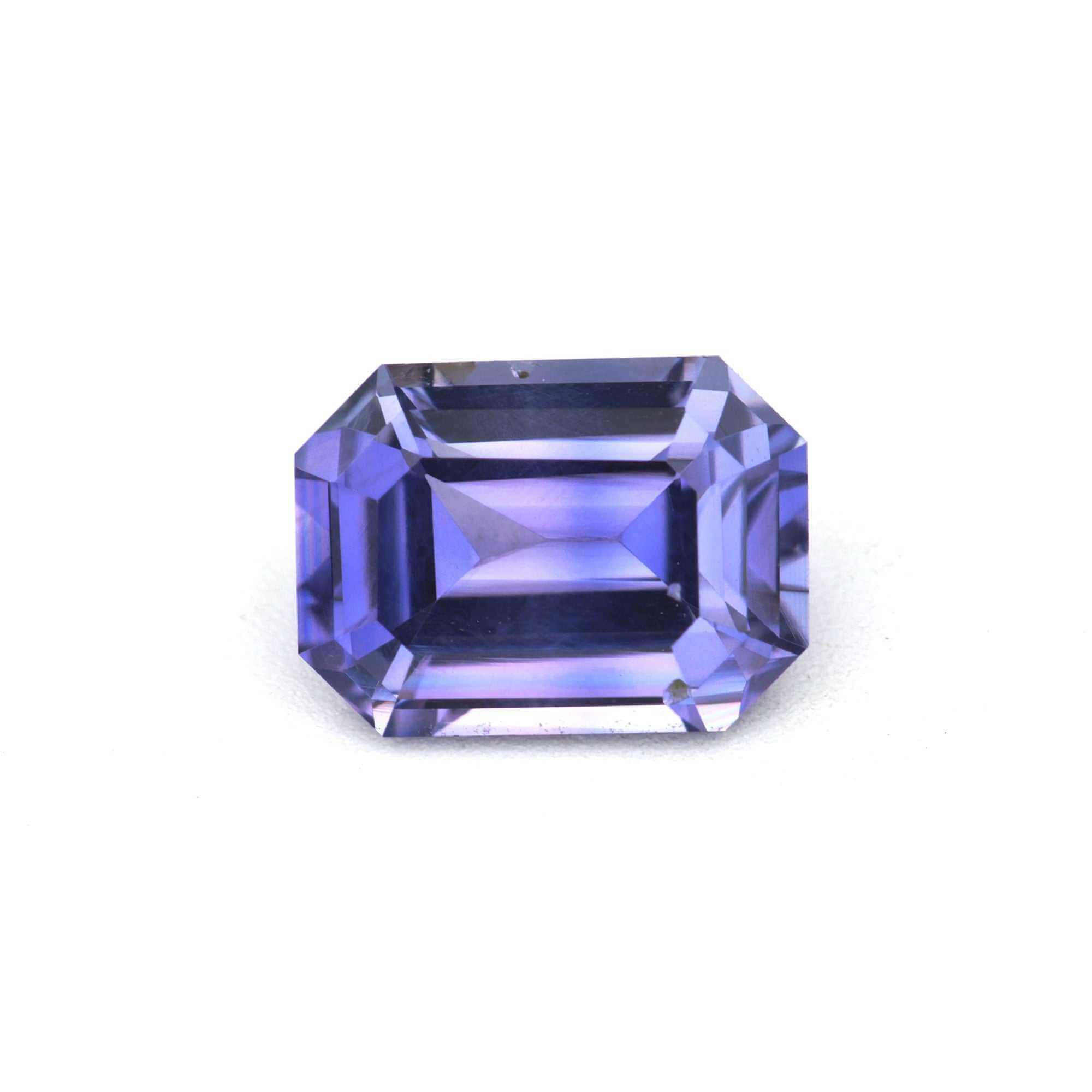
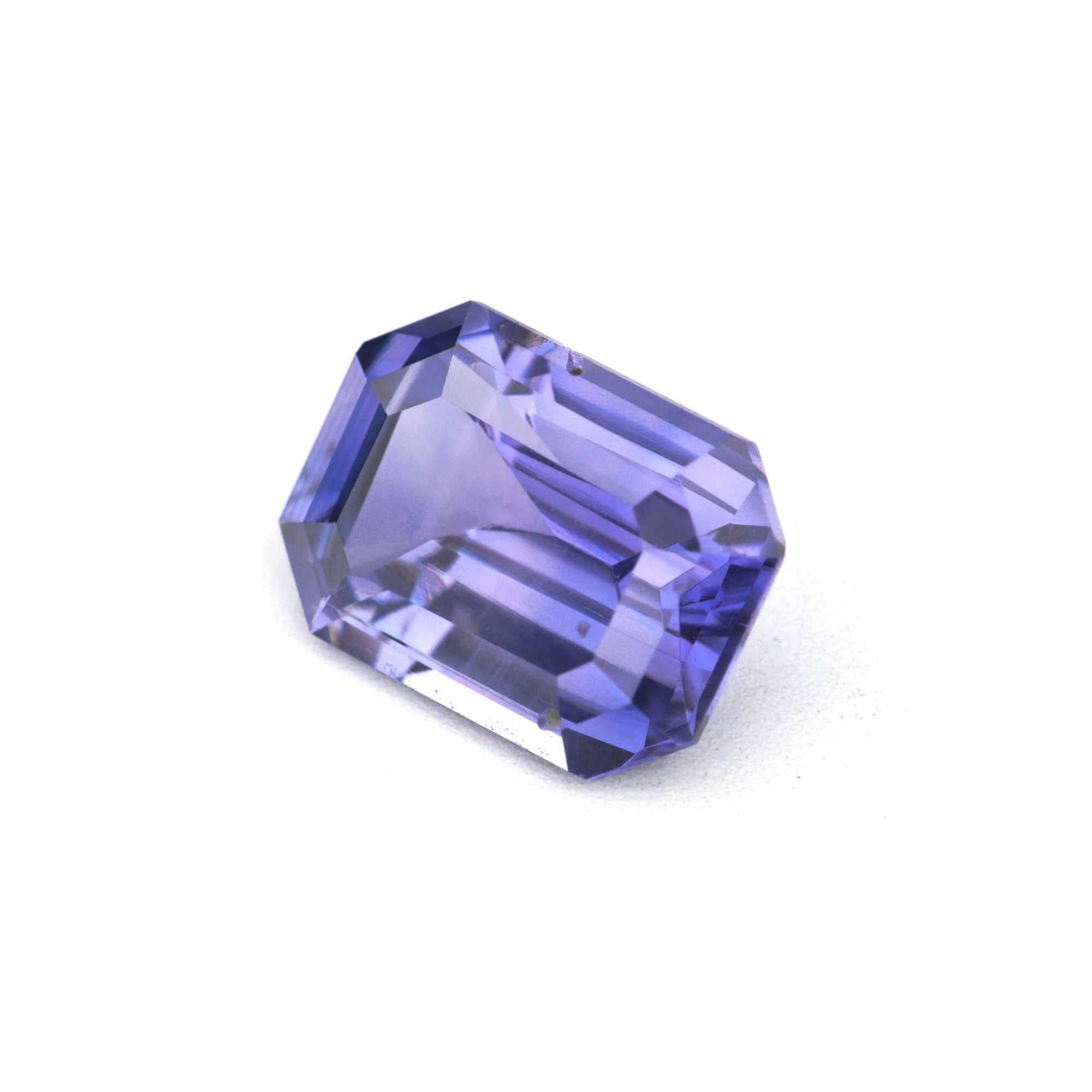
Purple and Violet: Fine unheated Ceylon purple in a cushion or oval cut in rose gold or yellow gold is a deeply romantic and genuinely unusual engagement stone. See our purple sapphire guide.
Jewelry display cases use high-intensity, narrow-spectrum LED lighting specifically engineered to make colored gemstones look as vivid as possible. Before committing to any significant sapphire purchase, view the stone under at least three light sources: natural daylight (open shade near a window); indoor incandescent or warm LED; and fluorescent or cool LED. A sapphire that holds its color beautifully across all three is a high-quality stone.
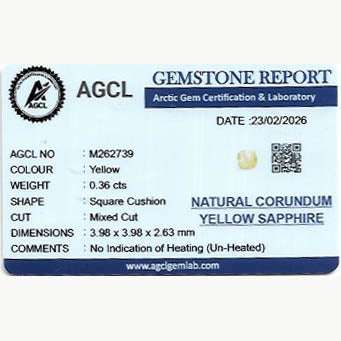
The majority of sapphires on the market have been heat-treated at 1,700-1,900 degrees C to improve color saturation, reduce undesirable color modifiers, and dissolve clarity-reducing inclusions. The treatment is permanent, stable, universally accepted in the trade, and completely legitimate. A heat-treated sapphire is a natural gemstone.
What heat treatment does change is the stone's position on the rarity spectrum. Unheated sapphires of equivalent apparent color are genuinely rarer, and the market prices them accordingly — from a modest premium at sub-1-carat weights to a dramatic premium at 2+ carats with laboratory certification.
For any stone where the unheated premium is significant, treatment status should be confirmed by a GIA, Gubelin, SSEF, or Lotus report. See our unheated sapphire guide and heat treatment guide.
Color (60% of value): Hue (pure color without muddy modifiers), saturation (mid-to-vivid), and tone (medium — dark enough to have presence, light enough that color reads clearly across all lighting).
Treatment Status (20-40% of value above 1ct): Unheated status becomes a significant value driver above 1 carat. At 2+ carats with GIA documentation, it can double or triple the price of a stone with equivalent apparent color.
Clarity — Eye-Clean Is the Standard: No visible inclusions under normal viewing at arm's length. Fine silk (microscopic rutile needles) common in unheated sapphire is not a quality defect. See our sapphire inclusions guide.
Cut — More Important Than Most Buyers Realize: A well-cut sapphire shows rich, even color across the entire face-up surface with no window (a colorless see-through area) and strong brilliance. See our guide to how cut affects sapphire.
Oval: The most popular shape for sapphire engagement rings — maximizes face-up size, elongates the finger, concentrates color well. See our oval sapphire guide and best shapes for solitaire rings.
Cushion: The cut that best showcases sapphire color — rounded corners concentrate and deepen saturation. See our cushion cut sapphire guide and best shapes for halo rings.
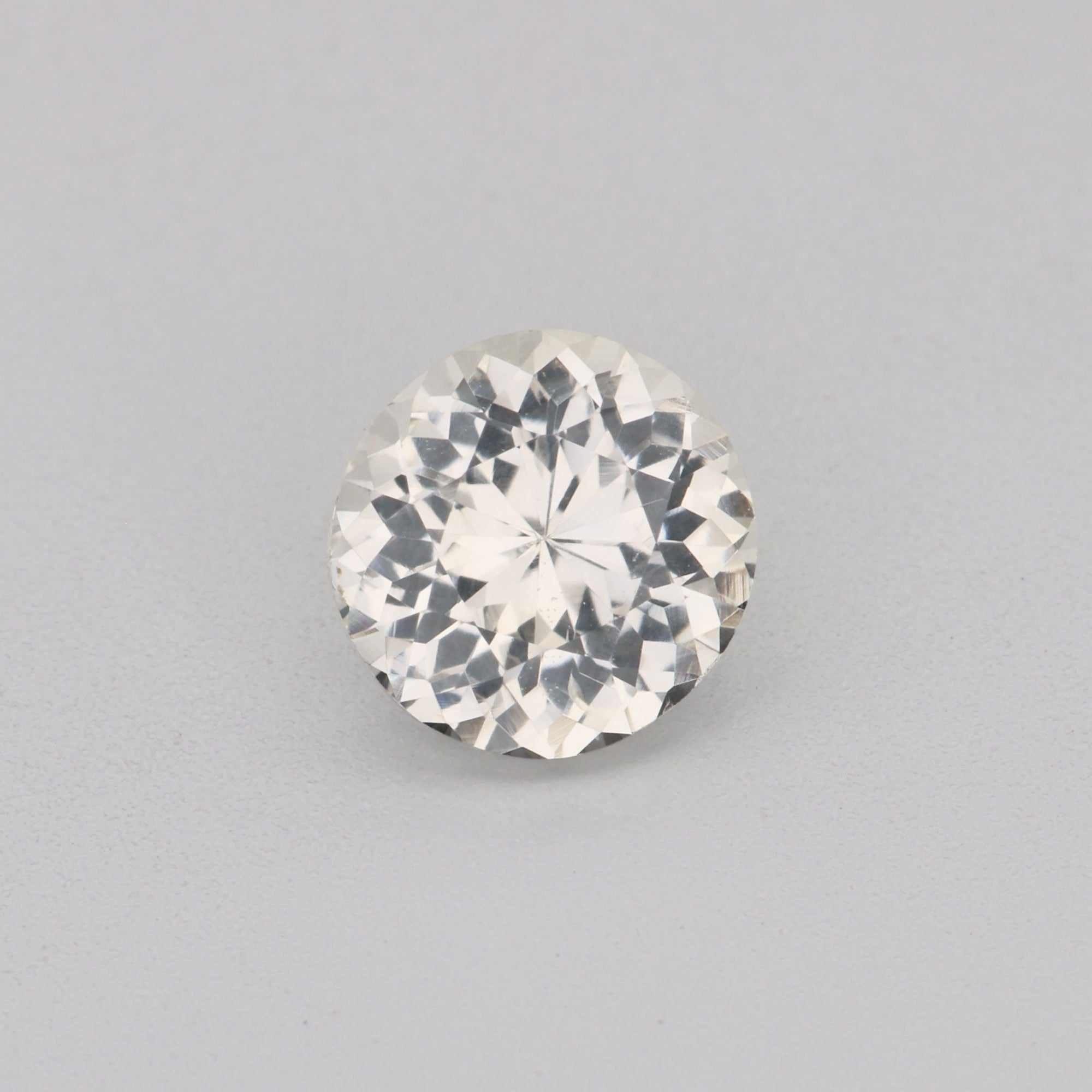
Round: Maximum brilliance, maximum setting compatibility.
Emerald Cut: Step facets create interior depth rather than surface sparkle. An increasingly popular sophisticated choice. See our emerald cut sapphire guide and best cuts for low-profile rings.
Pear and Marquise: Both elongate the finger maximally and read larger face-up than their carat weights suggest. See our best elongated sapphire shapes guide.
White gold and platinum: Creates the cleanest color contrast with blue, teal, and violet sapphires — the most popular combination for blue Ceylon sapphire engagement rings.
Yellow gold: Adds warmth and vintage character — works exceptionally well with yellow sapphires and rich purples.
Rose gold: The natural pairing for pink, peach, and purplish-pink sapphires. Also beautiful with teal and violet.
For the complete metal decision framework, see our yellow gold vs. white gold vs. platinum guide and how to choose metal color for a sapphire ring.
Once you have chosen your stone, the setting design determines how it presents. Key guides for engagement ring design:
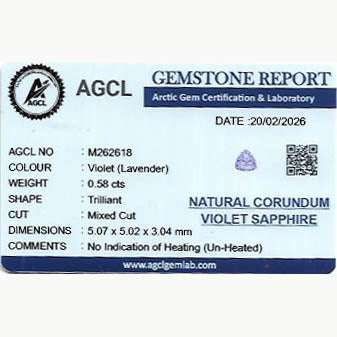
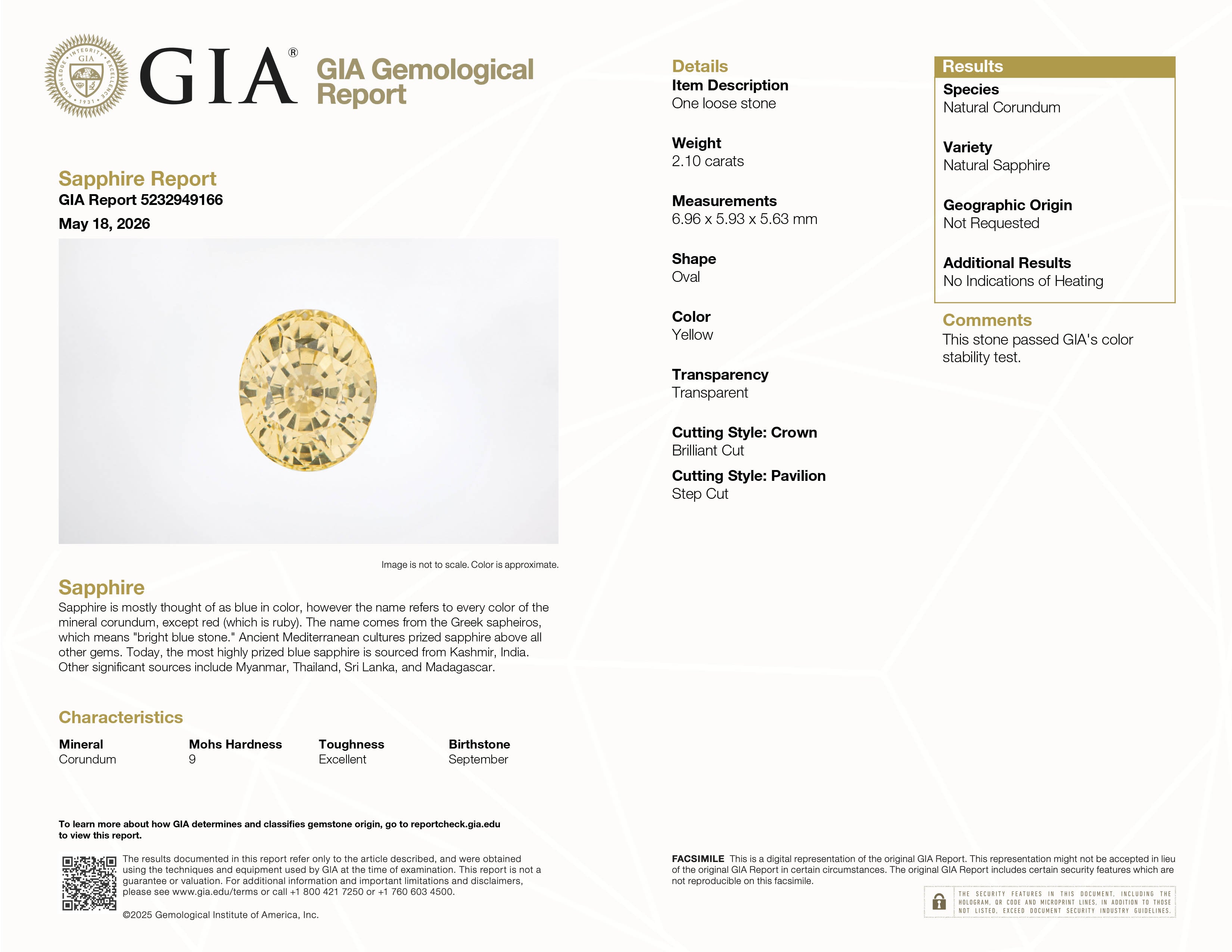
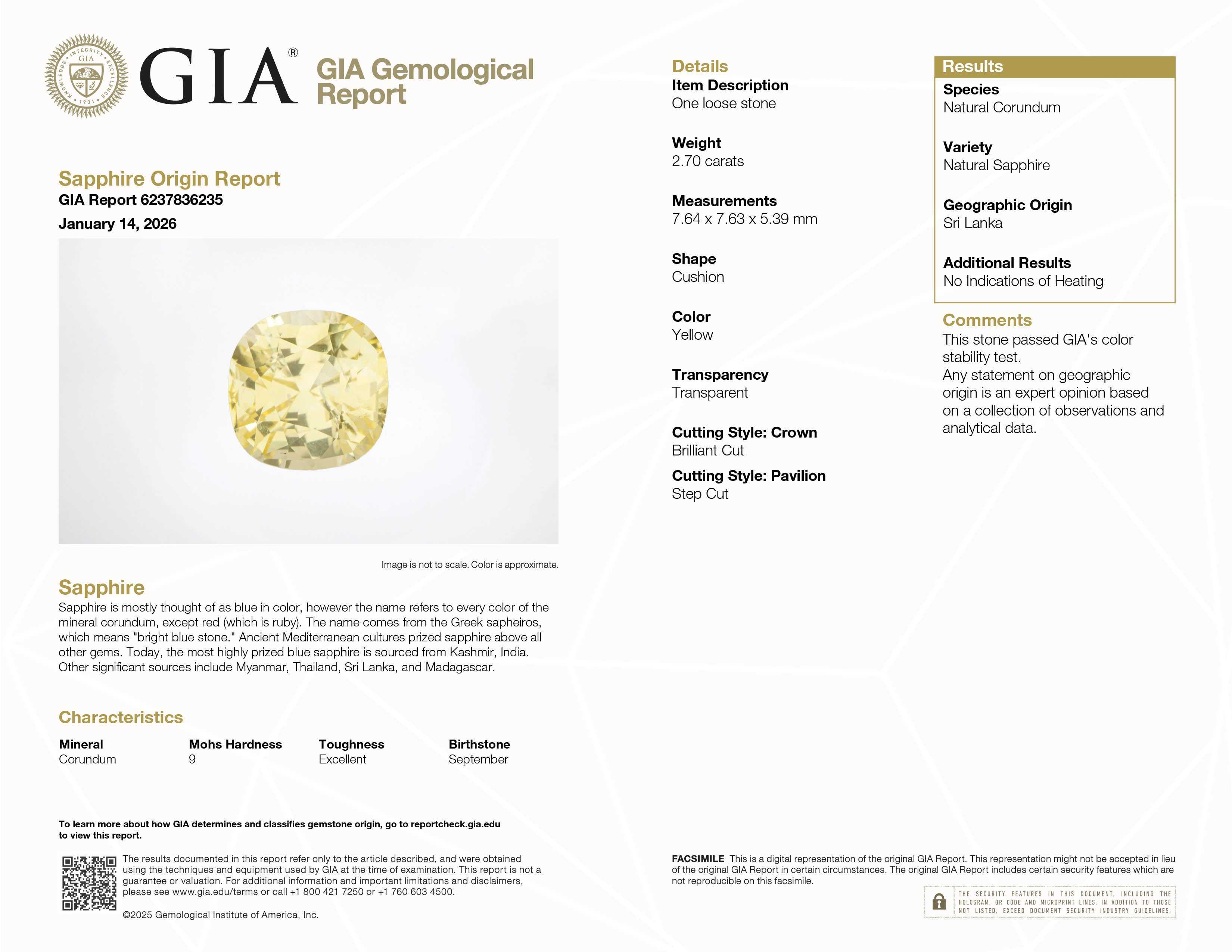
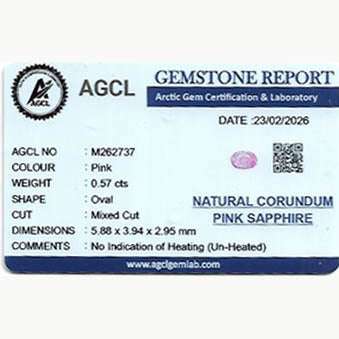
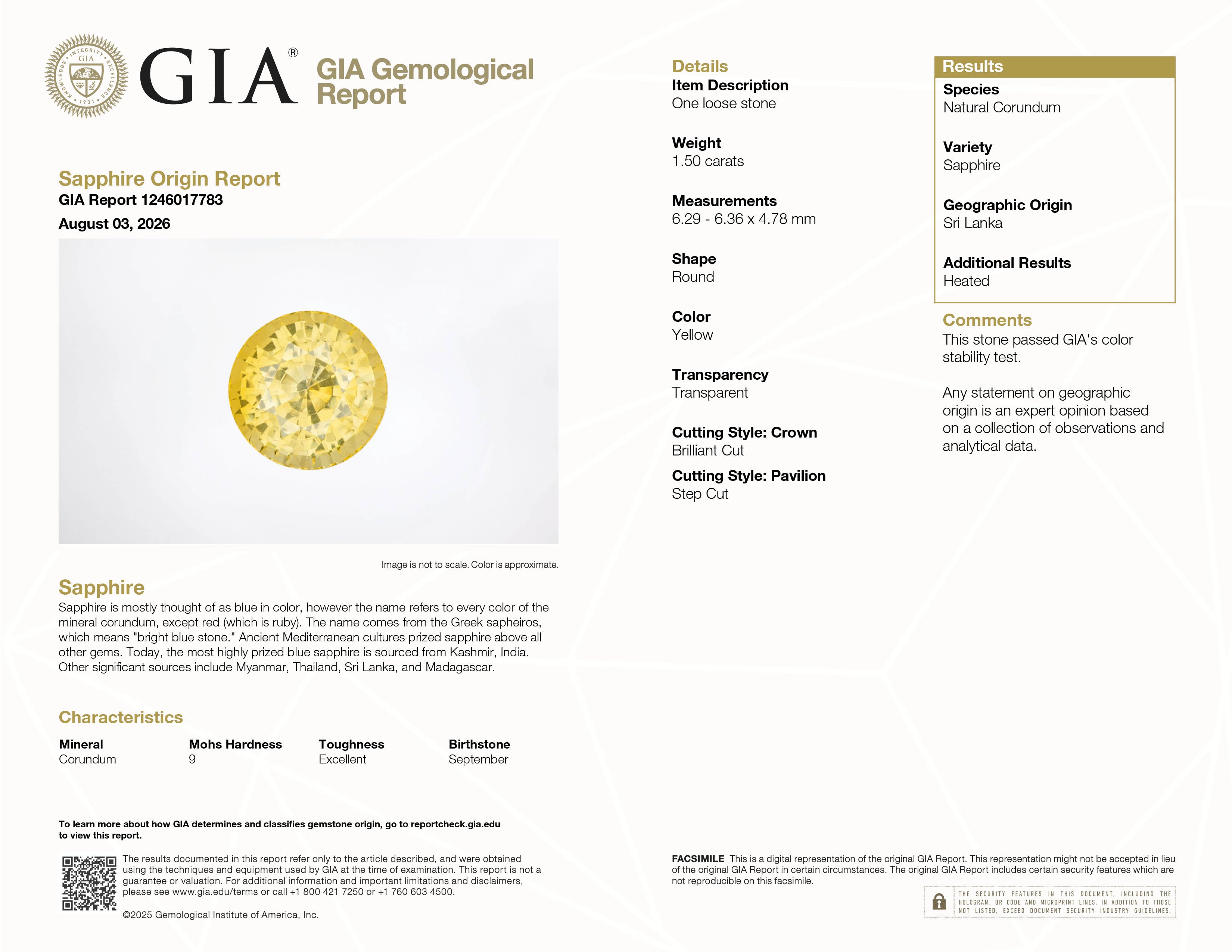
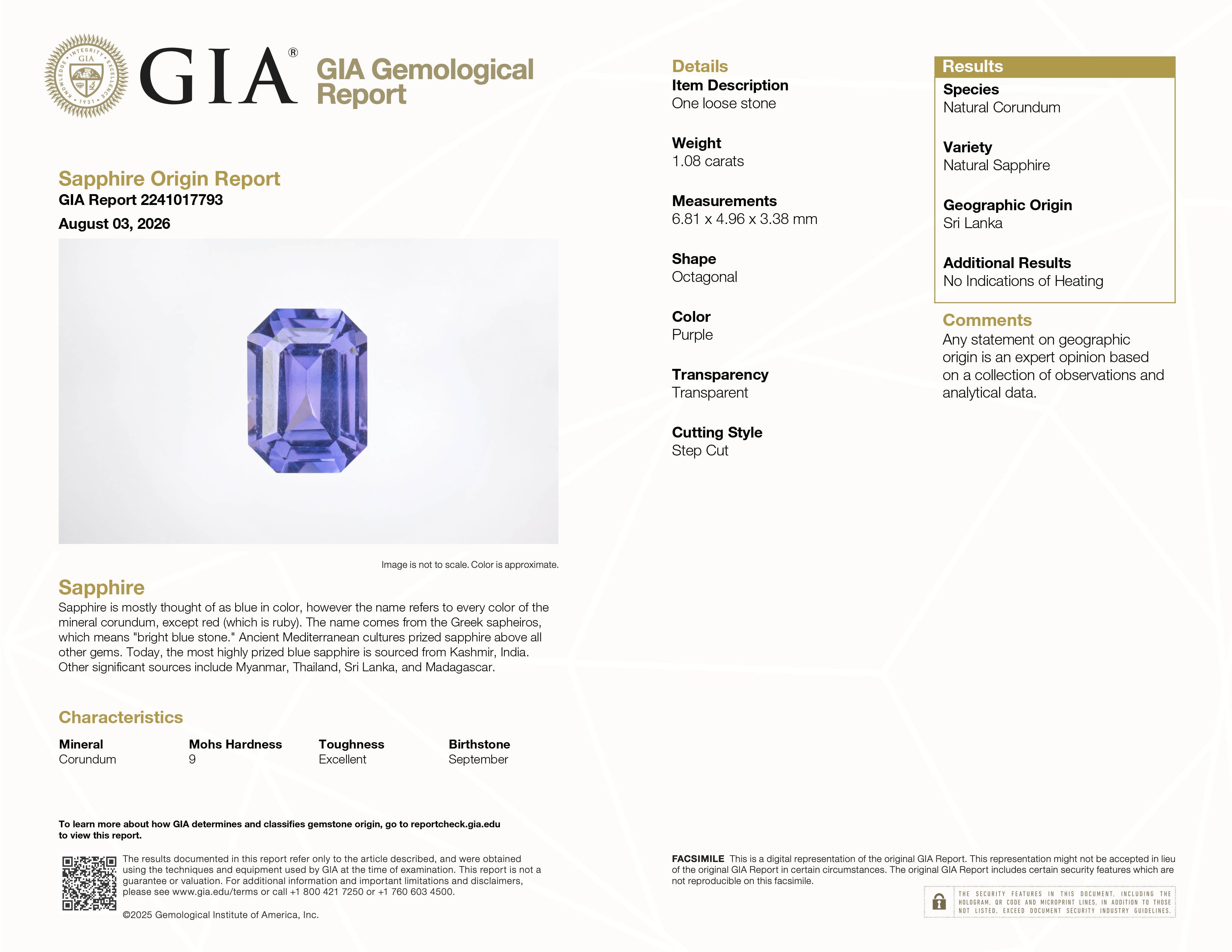
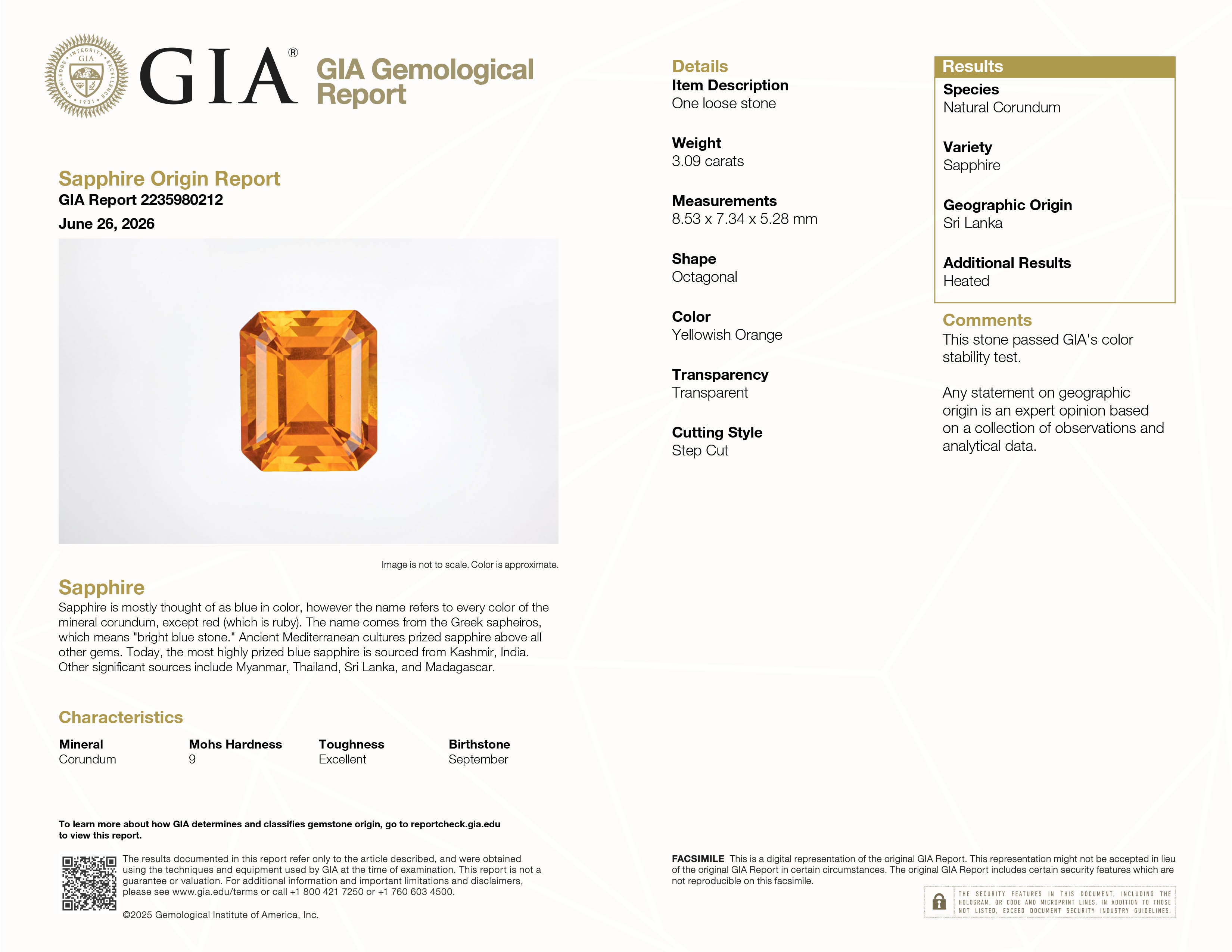
The heat treatment field is the most commercially important on a GIA sapphire report. GIA states: “No indications of heating” (the most valuable status), “Indications of heating,” or “Indications of heating — with residues” (more aggressive treatment). The origin field — Sri Lanka (Ceylon) — is based on scientific trace element analysis, not a seller's claim. See our GIA report guide.
Under $500 (stone only): sub-1ct heat-treated commercial sapphire. $500-$1,500: 0.70-1.20ct heat-treated with good color or sub-0.80ct unheated. $1,500-$4,000: 1.00-1.50ct heat-treated vivid with GIA or 0.80-1.20ct unheated Ceylon. $4,000-$10,000: 1.50-2.50ct heat-treated GIA-documented or 1.00-1.80ct unheated Ceylon with GIA. Above $10,000: unheated Ceylon above 2ct with GIA documentation. See our what a good 1 carat costs and what a good 2 carat costs guides.
Browse the full Ceylon sapphire catalog, explore by color — blue, teal, yellow, pink, peach, purple — or email crescentgems@gmail.com with your specifications. Our Try-On program ships selected stones for in-hand evaluation before commitment. Free US shipping; 14-day returns.

CG8307

CG8366
2.10 ct Natural Unheated Yellow Sapphire – Oval Cut | GIA Certified
CG8313
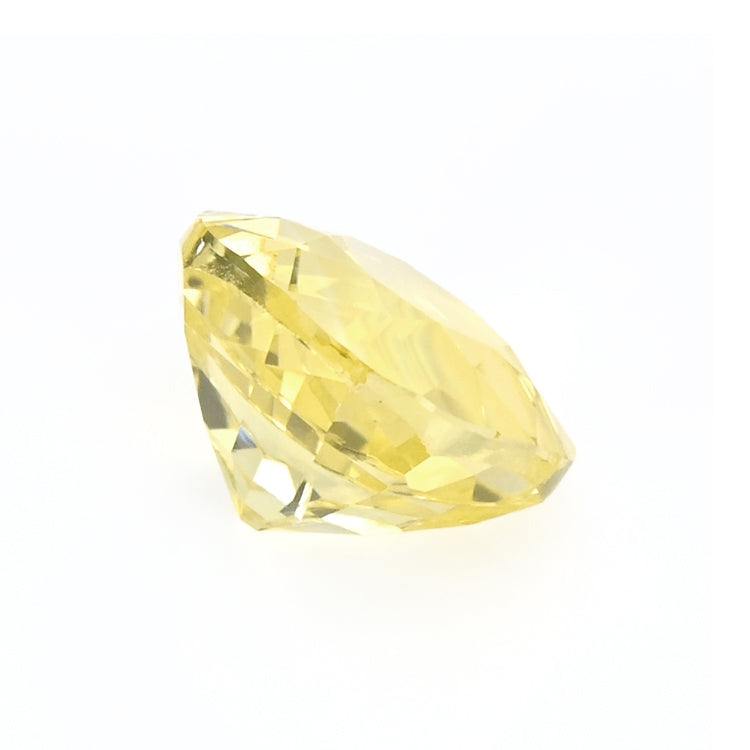
2.70 ct Natural Yellow Sapphire, Square Cushion, Unheated, GIA
CG8391
CG8451
CG8445
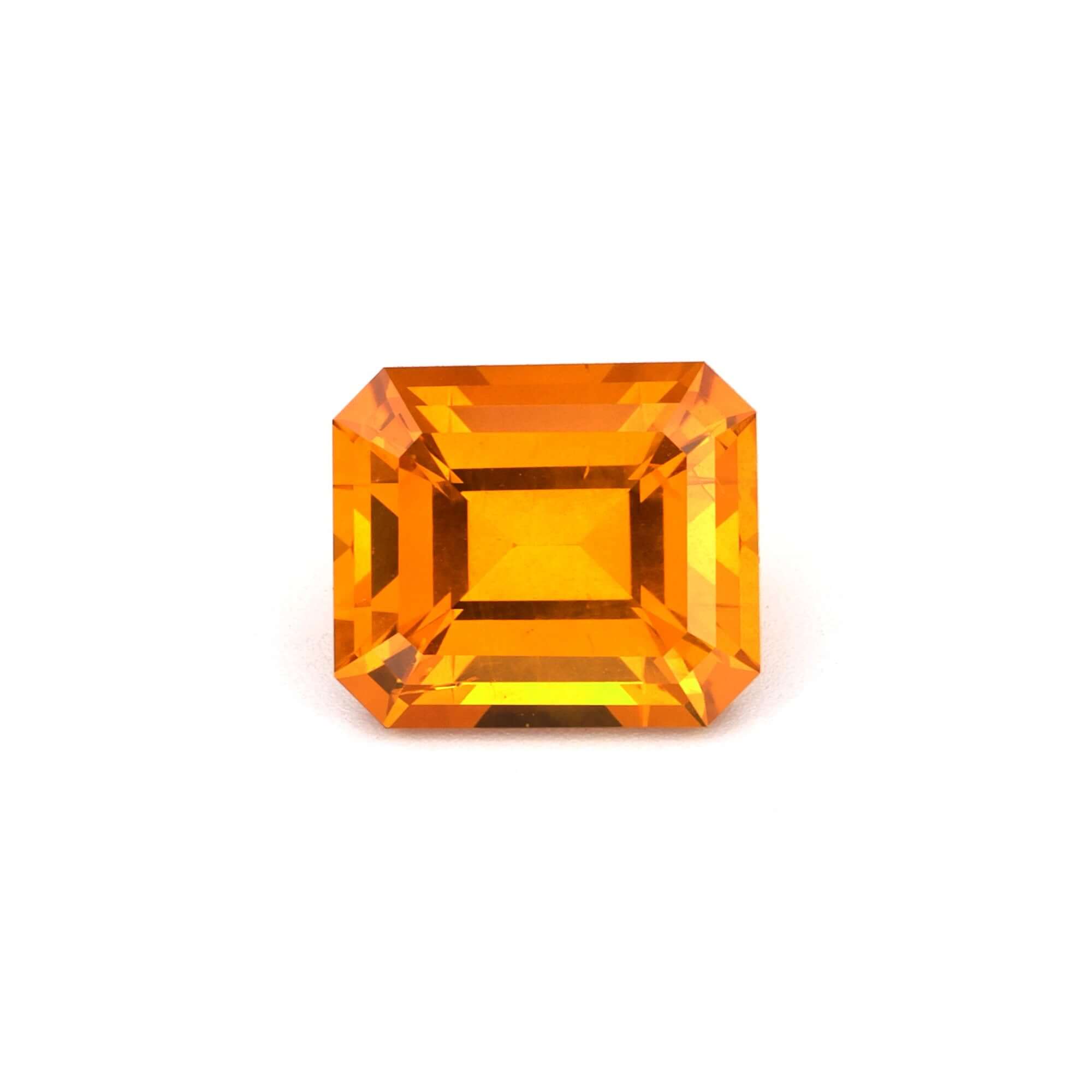
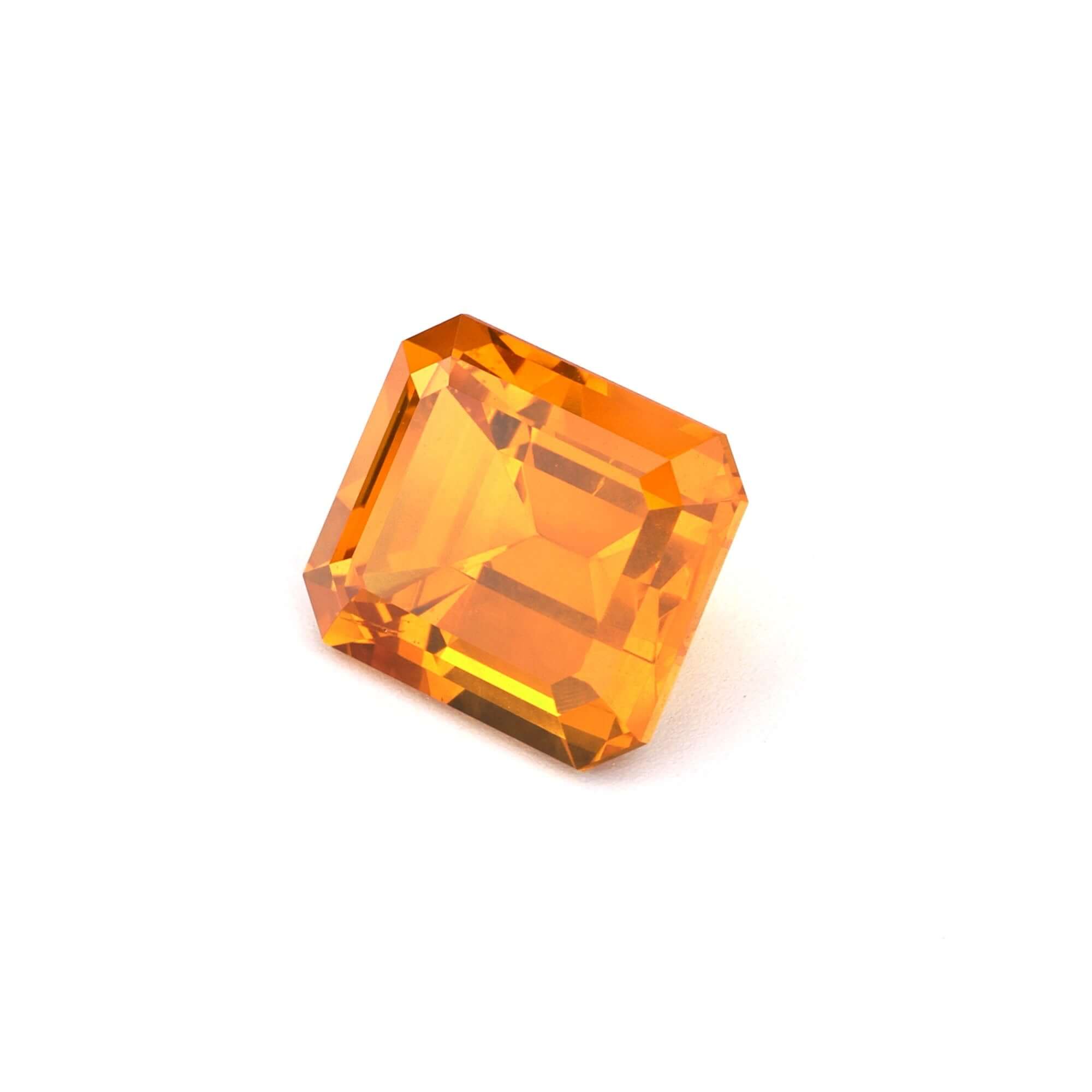
3.09 ct Natural Heated Orange Sapphire – Emerald Cut | GIA Certified
CG8433
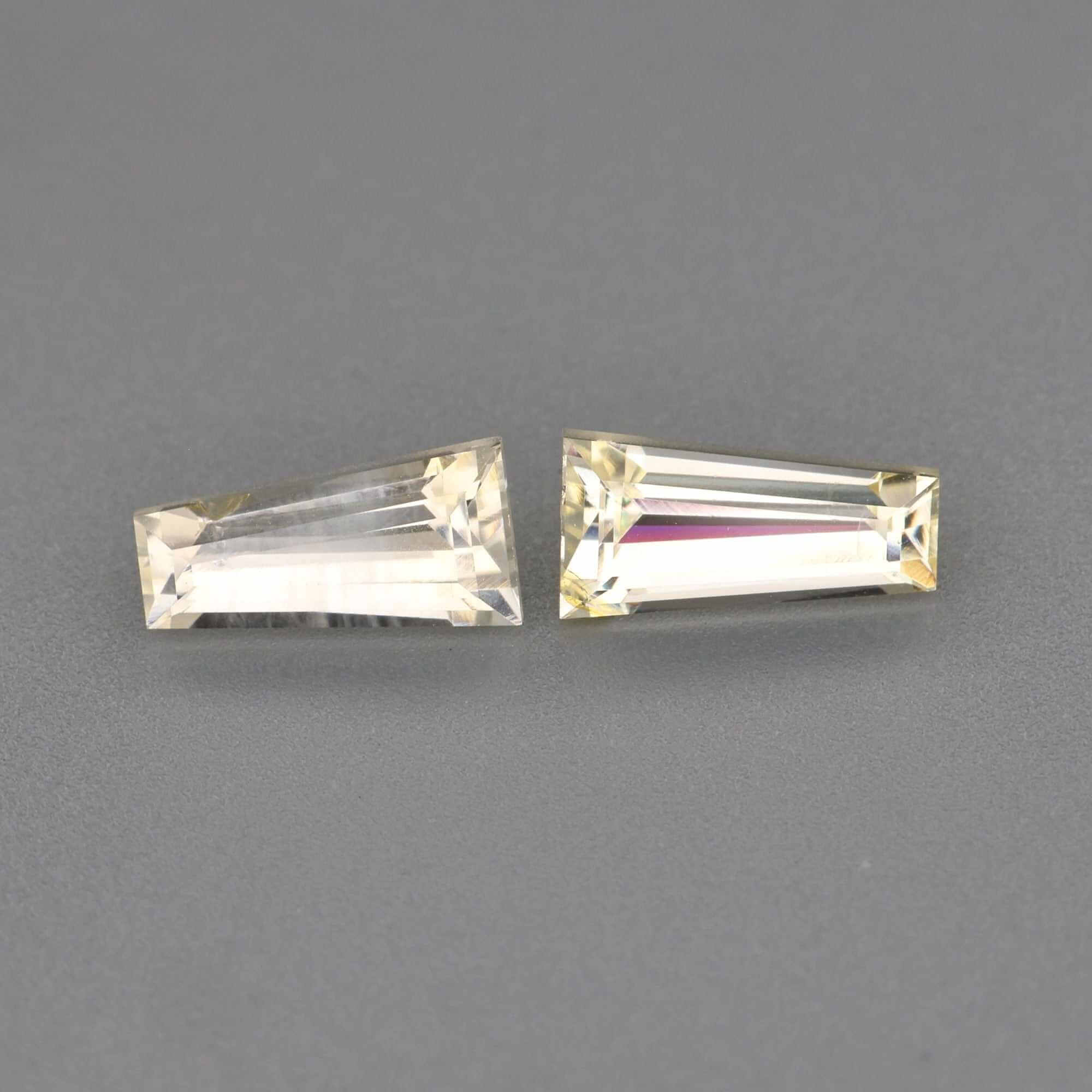
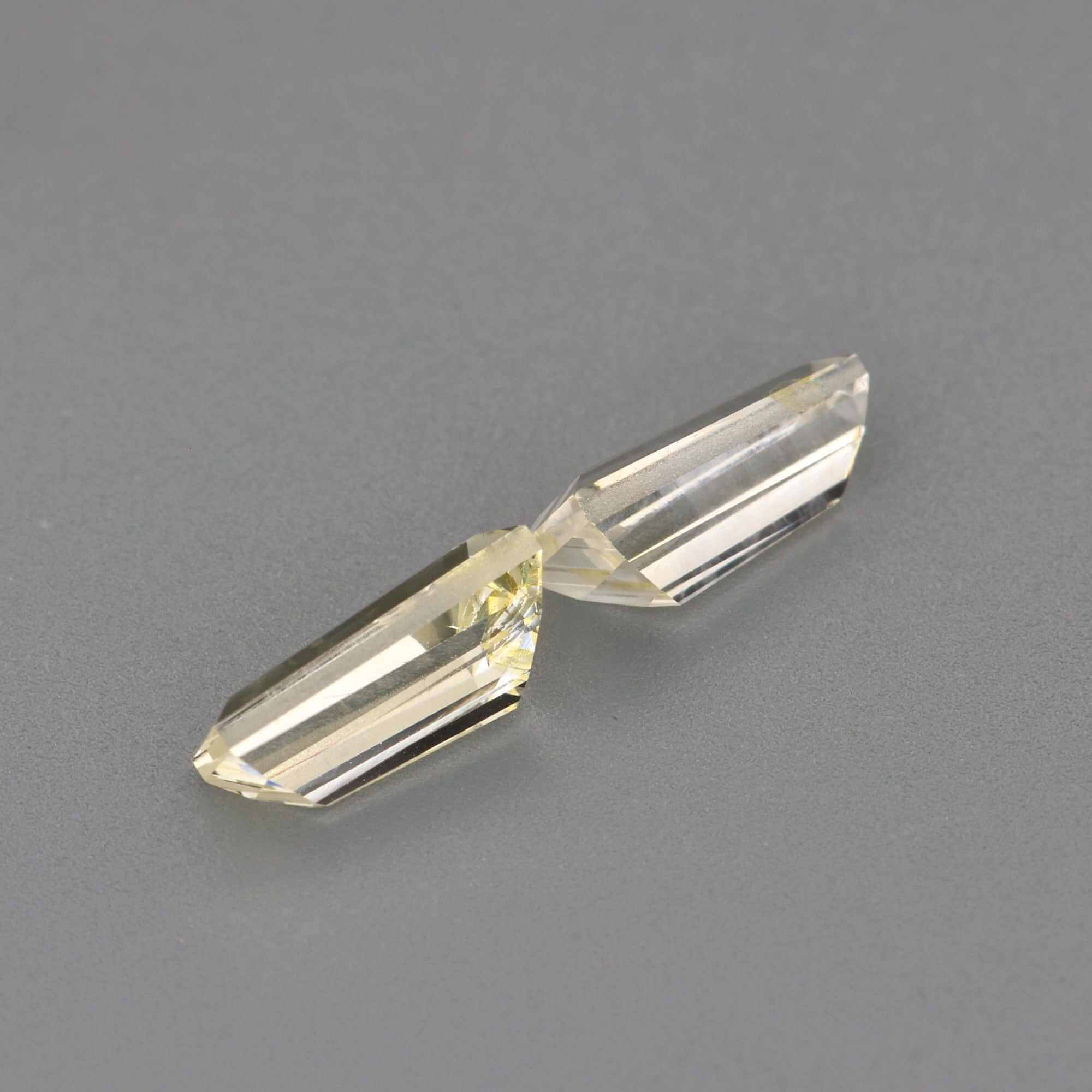
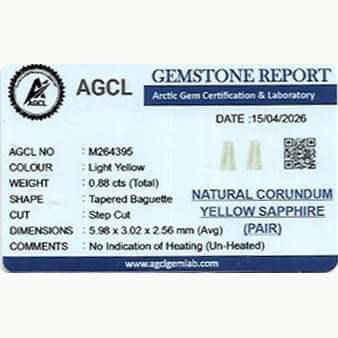
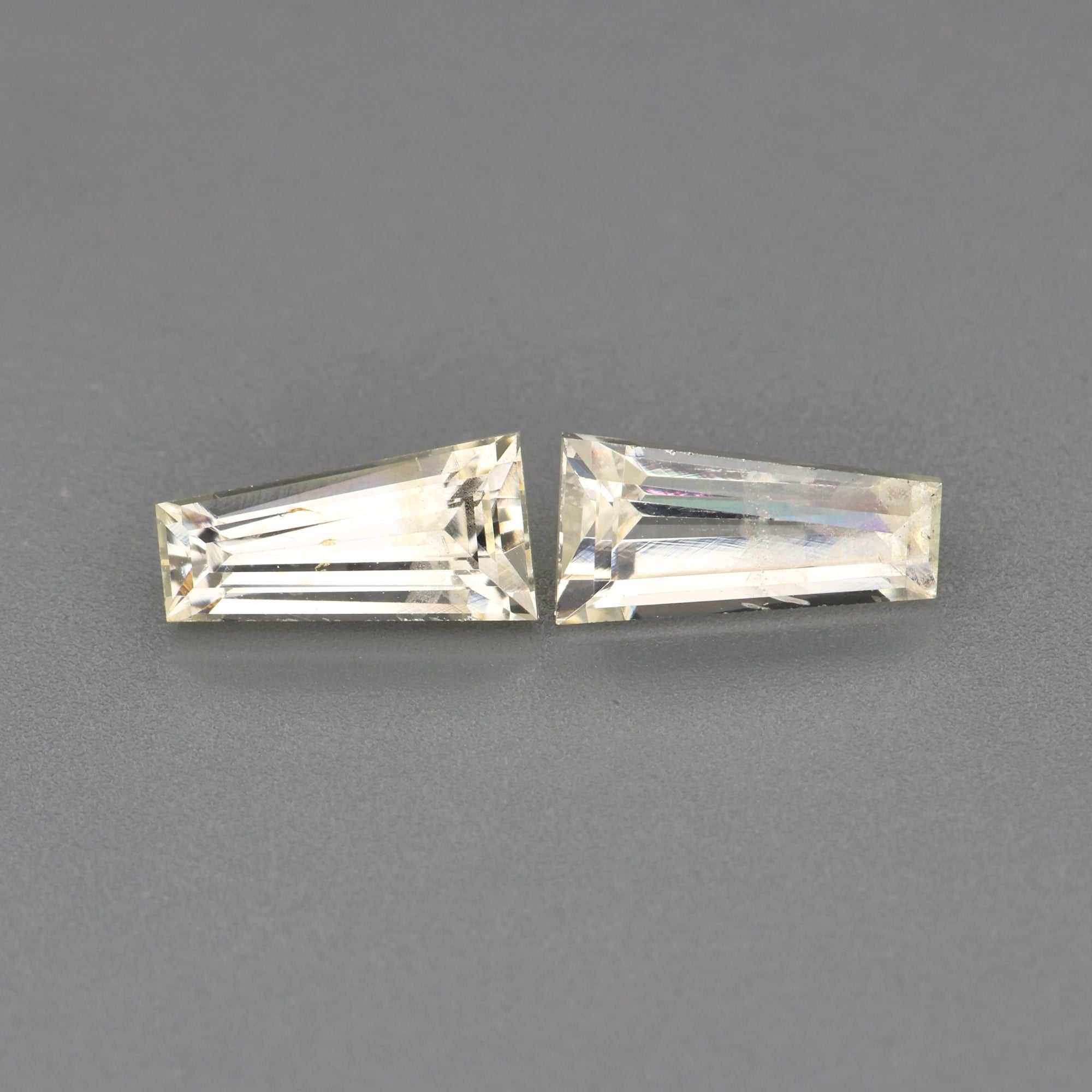
0.88 ct Natural Unheated Yellow Sapphire – Tapered baguette Cut
CG8434
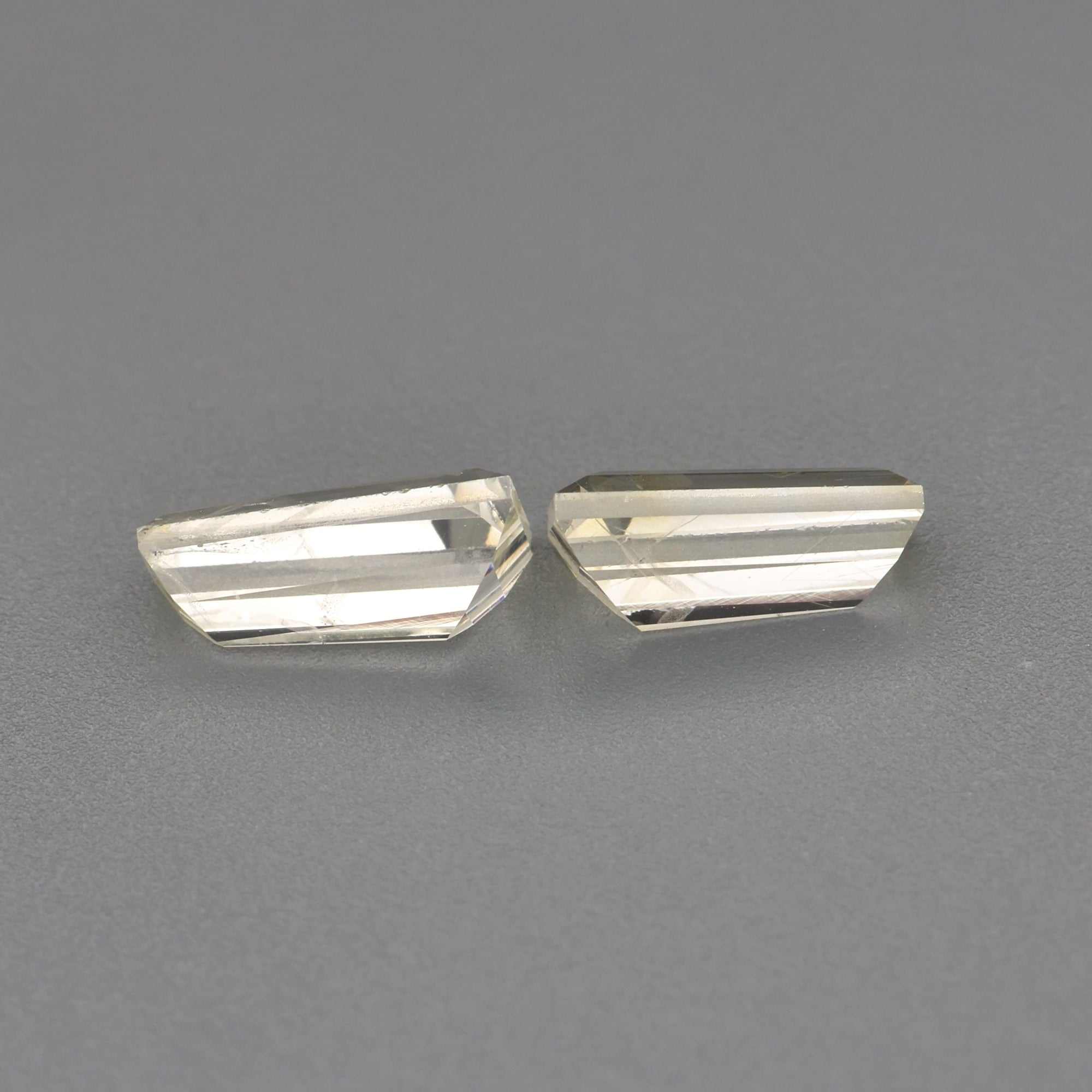
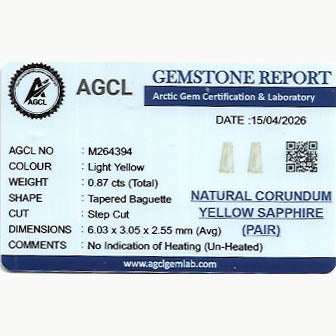
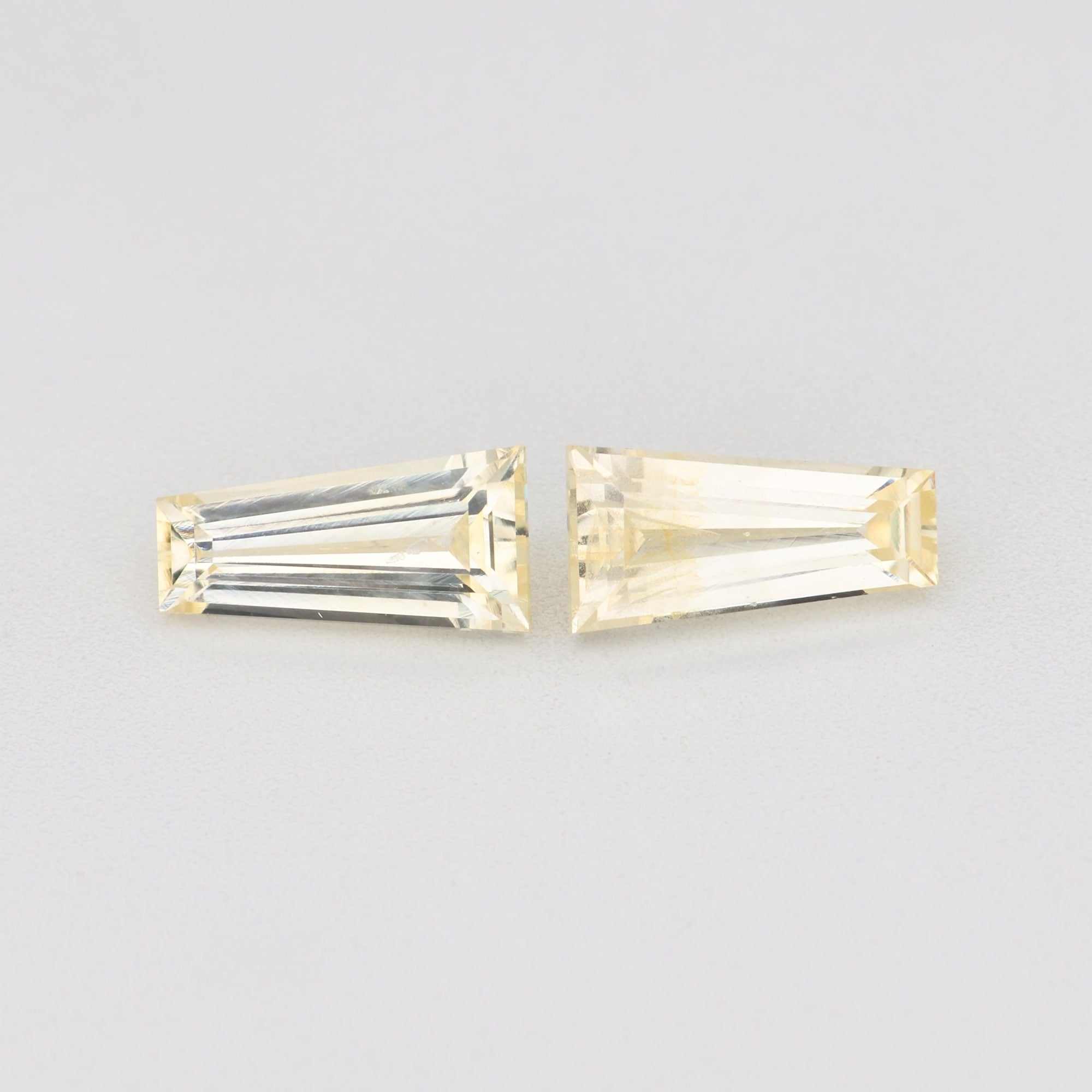
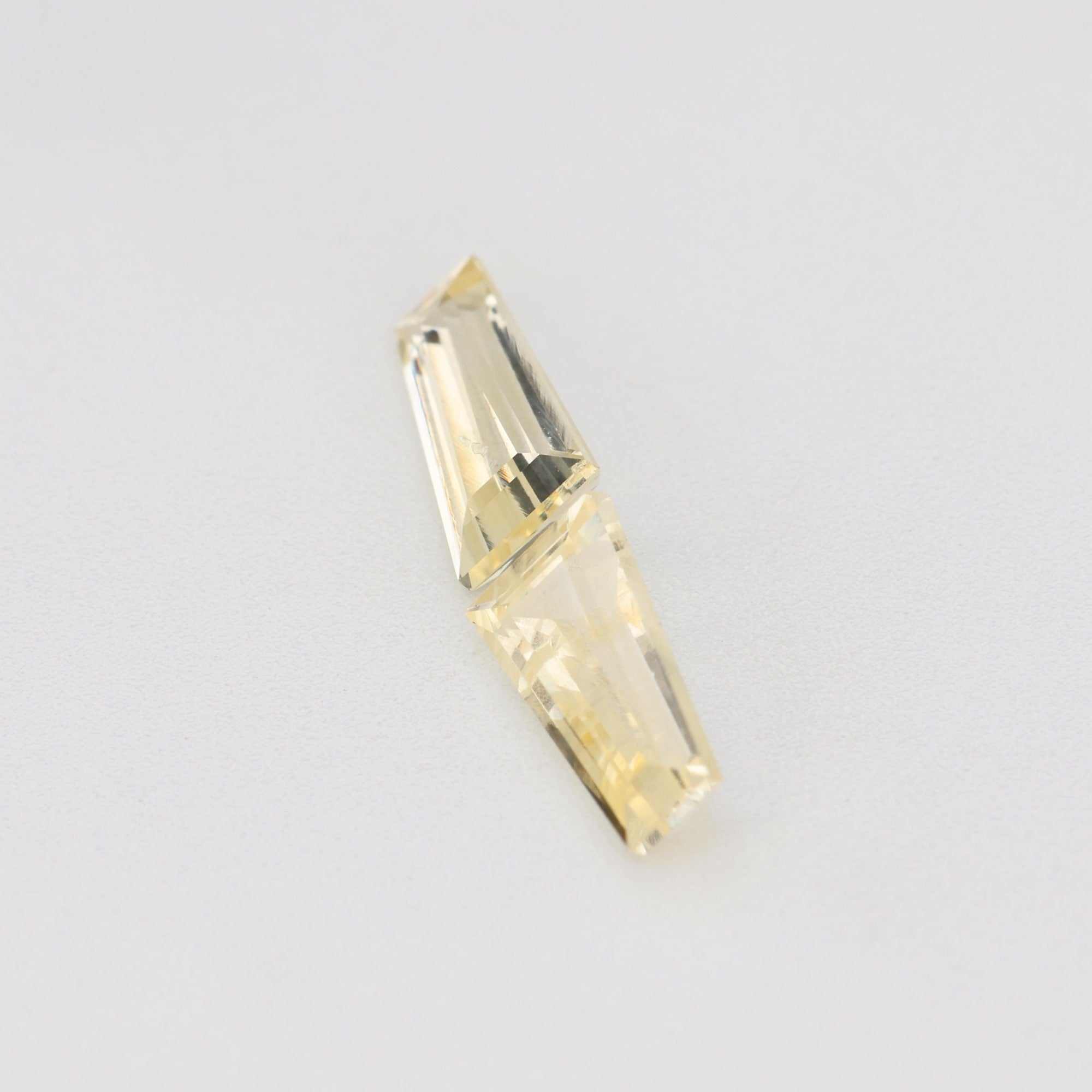
0.87 ct Natural Unheated Yellow Sapphire – Tapered baguette Cut
CG8431
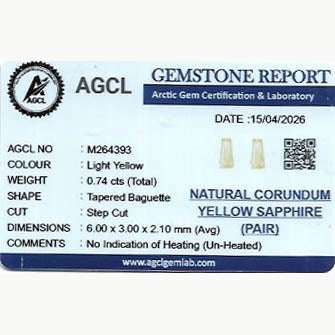
0.74 ct Natural Unheated Yellow Sapphire – Tapered baguette Cut


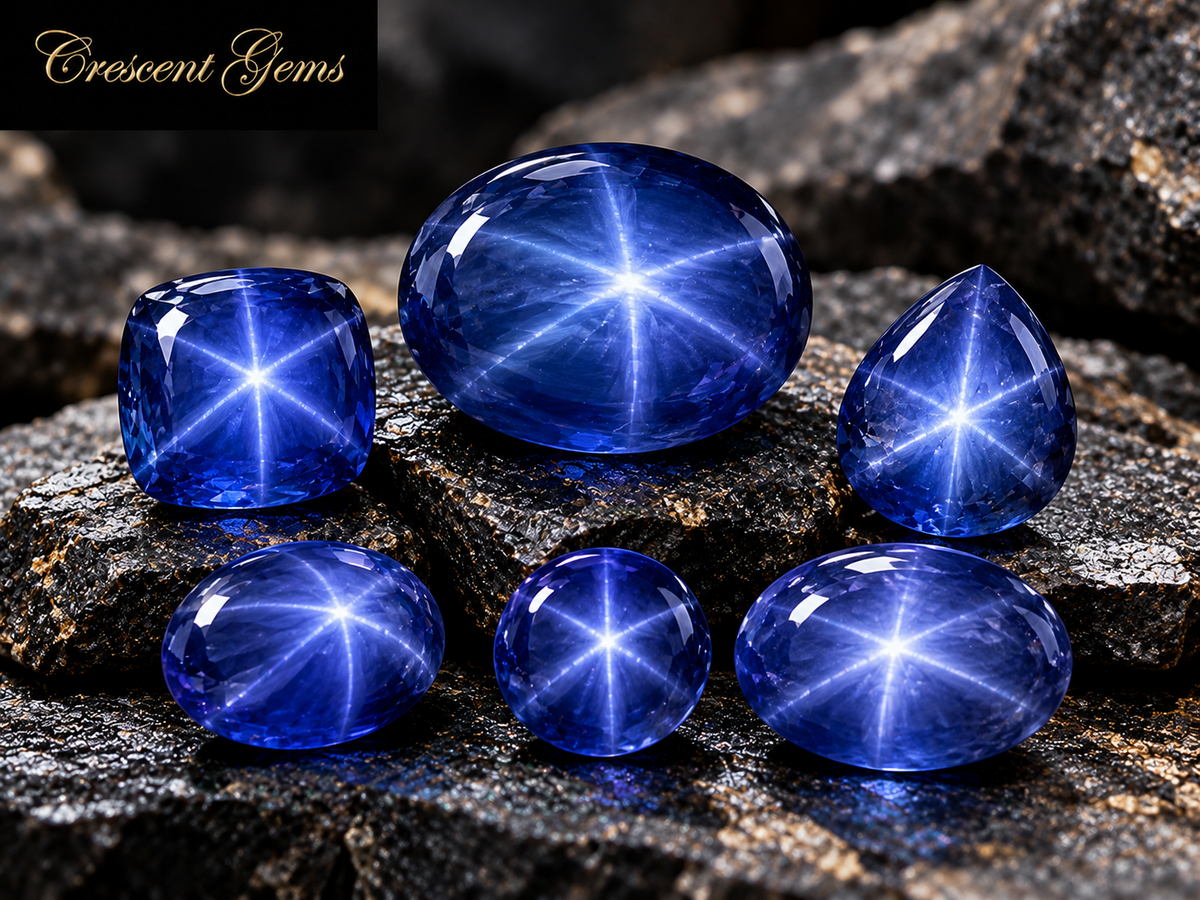
Blue Star Sapphire Price Guide — What They Cost and Why
Read moreabout Blue Star Sapphire Price Guide — What They Cost and Why
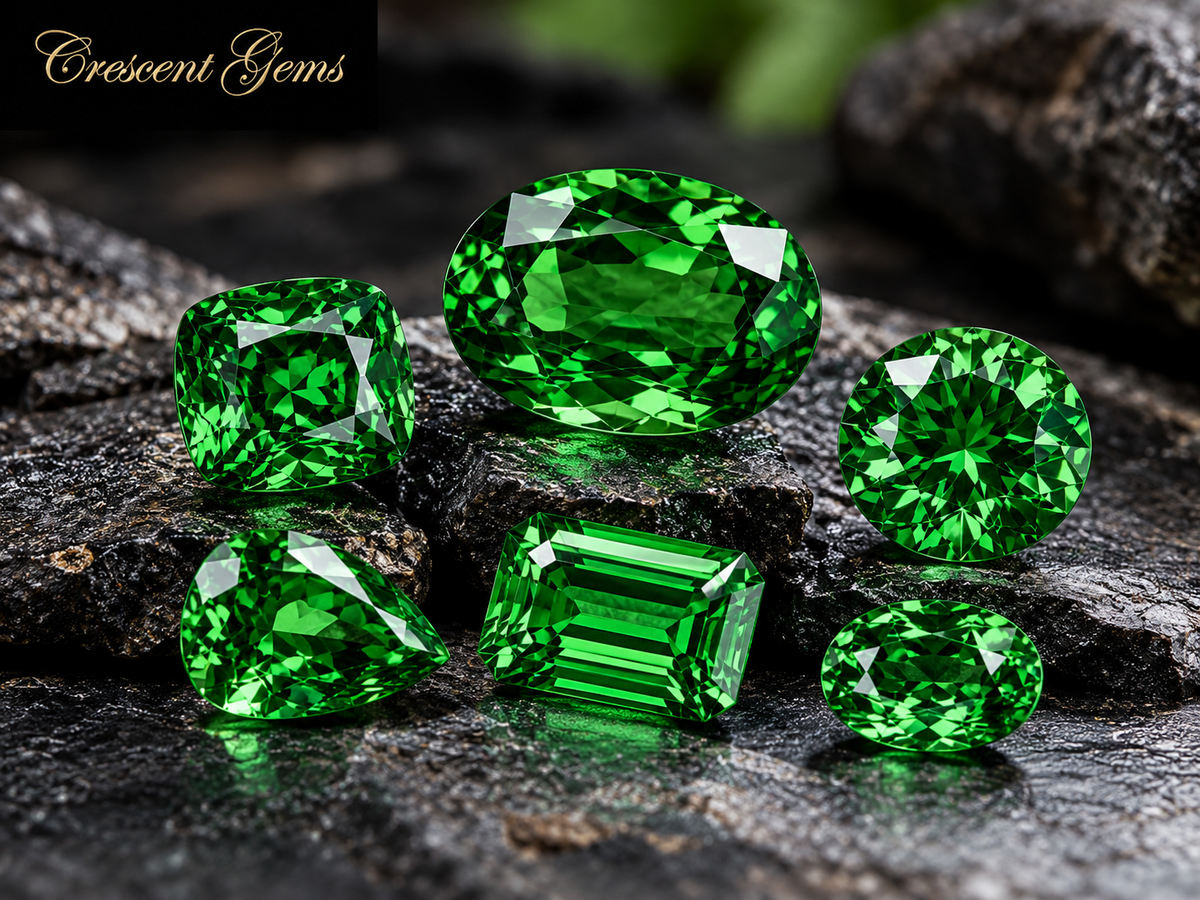
Tsavorite Garnet Price Guide — What They Cost and Why
Read moreabout Tsavorite Garnet Price Guide — What They Cost and Why
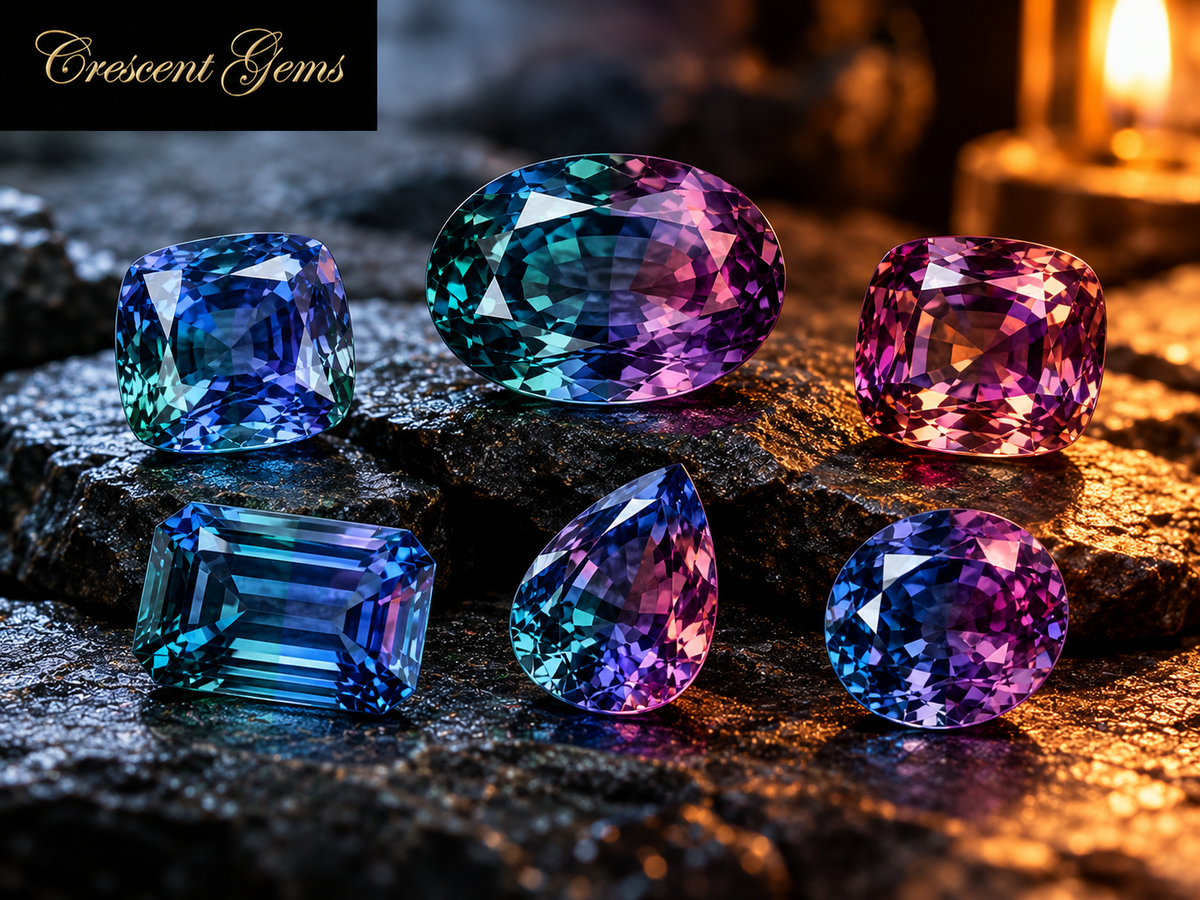
Color-Change Sapphire Price Guide — What They Cost and Why
Read moreabout Color-Change Sapphire Price Guide — What They Cost and Why
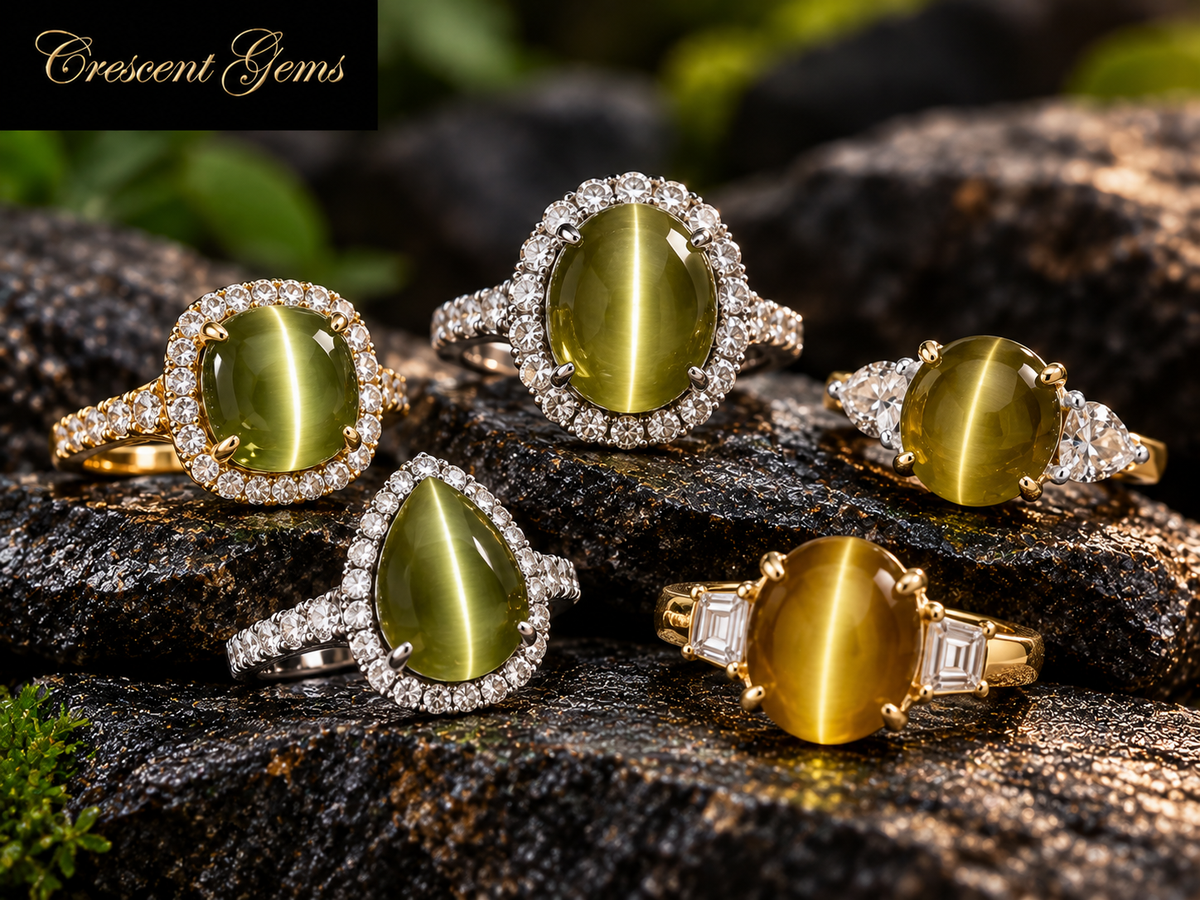
Is Cat's-Eye Chrysoberyl Good for an Engagement Ring?
Read moreabout Is Cat's-Eye Chrysoberyl Good for an Engagement Ring?
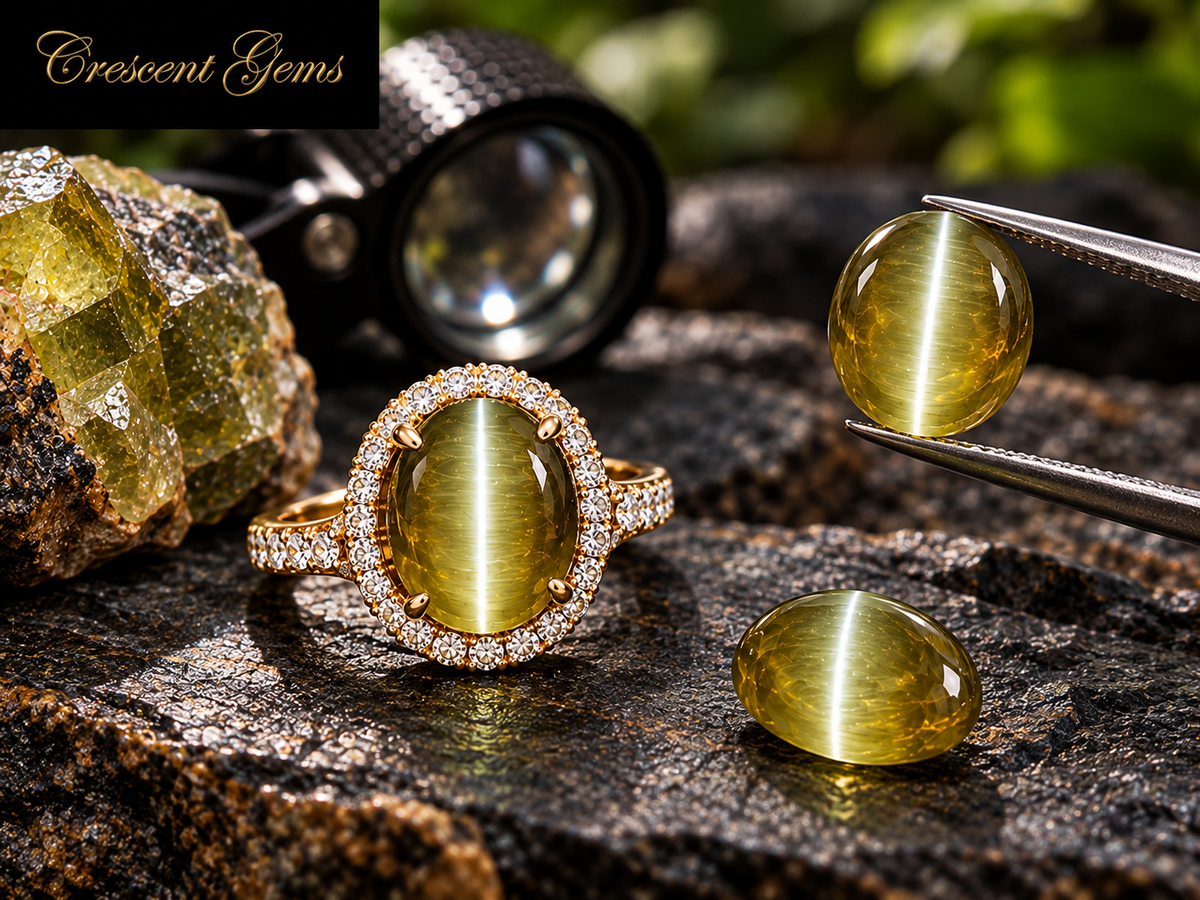
Cat's Eye Chrysoberyl Price Guide — What They Cost and Why
Read moreabout Cat's Eye Chrysoberyl Price Guide — What They Cost and Why