


- بقلم Ahmed Shareek
الحجر السائب مقابل الخاتم الجاهز: ما الذي يتغيّر حين تشتري الحجر أولاً
- بقلم Ahmed Shareek
جديد على شراء الياقوت؟ ابدأ من الدليل الشامل لشراء الياقوت الطبيعي — المرجع الكامل للّون والمنشأ والمعالجة والتسعير.
خاتم ياقوت جاهز وحجر ياقوت سائب عمليتا شراء مختلفتان، والفرق بينهما ليس التركيب وحده. حين تشتري الخاتم يأتيك الحجر معه، مركَّباً سلفاً ومختاراً سلفاً. وحين تشتري الحجر أولاً يبقى كل شيء فيه مفتوحاً: ما هو، وما الذي مرّ به، وفي أي تركيب سيستقرّ في النهاية.
وهذه الصفحة عن الذي يتغيّر حين تسلك الطريق الثاني. وهي ليست حجّةً على أن إحدى الطريقتين أفضل من الأخرى؛ فكثيرون يريدون خاتماً منتهياً، وشراء خاتم منتهٍ شراء سليم تماماً. هي وصف لما تستطيع أن تفعله بحجر سائب ولا تستطيع أن تفعله بحجر رُكّب سلفاً، ولكيف نتعامل نحن مع الجانب السائب منه.
والصفحة مكتوبة لمشتري الخليج تحديداً، ولذلك تحمل ما يحتاجه هو: البند الجمركي الذي يدخل تحته كل من الحجر والخاتم، ونسب ضريبة القيمة المضافة في دول المنطقة مع الأداة النظامية والجهة المسؤولة في كل خانة، والأوراق التي تُعرض على المشتري في سوق الخليج وما الذي يجب أن يطلبه منها، والأسئلة التي يُحسن أن تُوجَّه إلى الصائغ قبل تسليمه حجراً.
قبل أي شيء، المفردتان اللتان يدور عليهما الكلام كلّه. الحجر السائب هو الحجر الذي لم يُركَّب في شيء بعد، يُباع وحده بوزنه وأبعاده وتقريره؛ وجمعه الأحجار السائبة. والخاتم الجاهز هو الخاتم الذي يُباع والحجر مركَّب فيه سلفاً، فلا تختار الحجر على حدة؛ وجمعه الخواتم الجاهزة.
ولم نصطنع هاتين العبارتين لهذه الصفحة. فهما المستعملتان في صفحاتنا العربية منذ مدّة، وهما اللتان تشير بهما صفحاتنا الأخرى إلى هذه الصفحة نفسها حين تحيل إليها. وثبات المصطلح ليس ترفاً لغوياً: المشتري الذي قرأ «الحجر السائب» في دليل الخواتم يحتاج أن يجد الكلمة نفسها هنا، لا مرادفاً جديداً يحمله على الظنّ أن الكلام عن شيء آخر.
وتستعمل الصفحة إلى جانبهما: التركيب للمَركِب الذي يُثبَّت فيه الحجر، والتركيب الإطاري (بيزل) للطوق المعدني المحيط بحزام الحجر، والمخالب للأذرع المعدنية التي تمسك الحجر من حوافّه، والصائغ لمن ينفّذ العمل، والصياغة للعمل نفسه. وكلمة «ياقوت» وحدها تنصرف في العربية إلى الأحمر؛ فحين تقرأ «ياقوت» في هذه الصفحة بلا تقييد فالمقصود الكوروندم بألوانه، والأحمر منه هو الياقوت الأحمر.
الياقوت المركَّب في خاتم أصعب في التقييم من الياقوت السائب. فالمخالب تغطّي حزام الحجر، والتركيب يحجب القاعدة السفلية، ونِسَب القطع لا تُقيَّم تقييماً صحيحاً من النظر العلوي وحده. والحجر المركَّب في خاتم لا يمكن إرساله إلى GIA ولا إلى Gübelin ما لم يُفكّ أولاً.
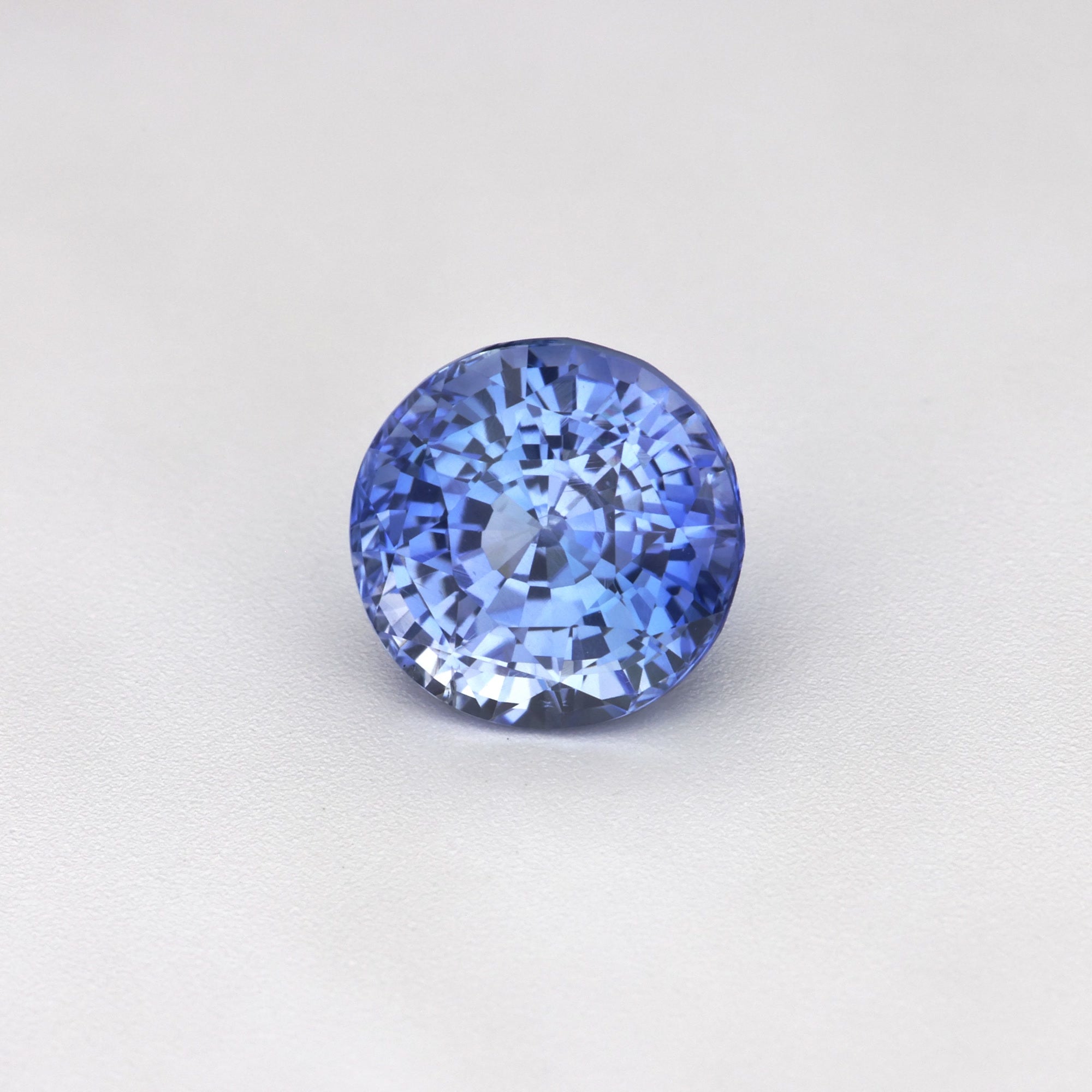
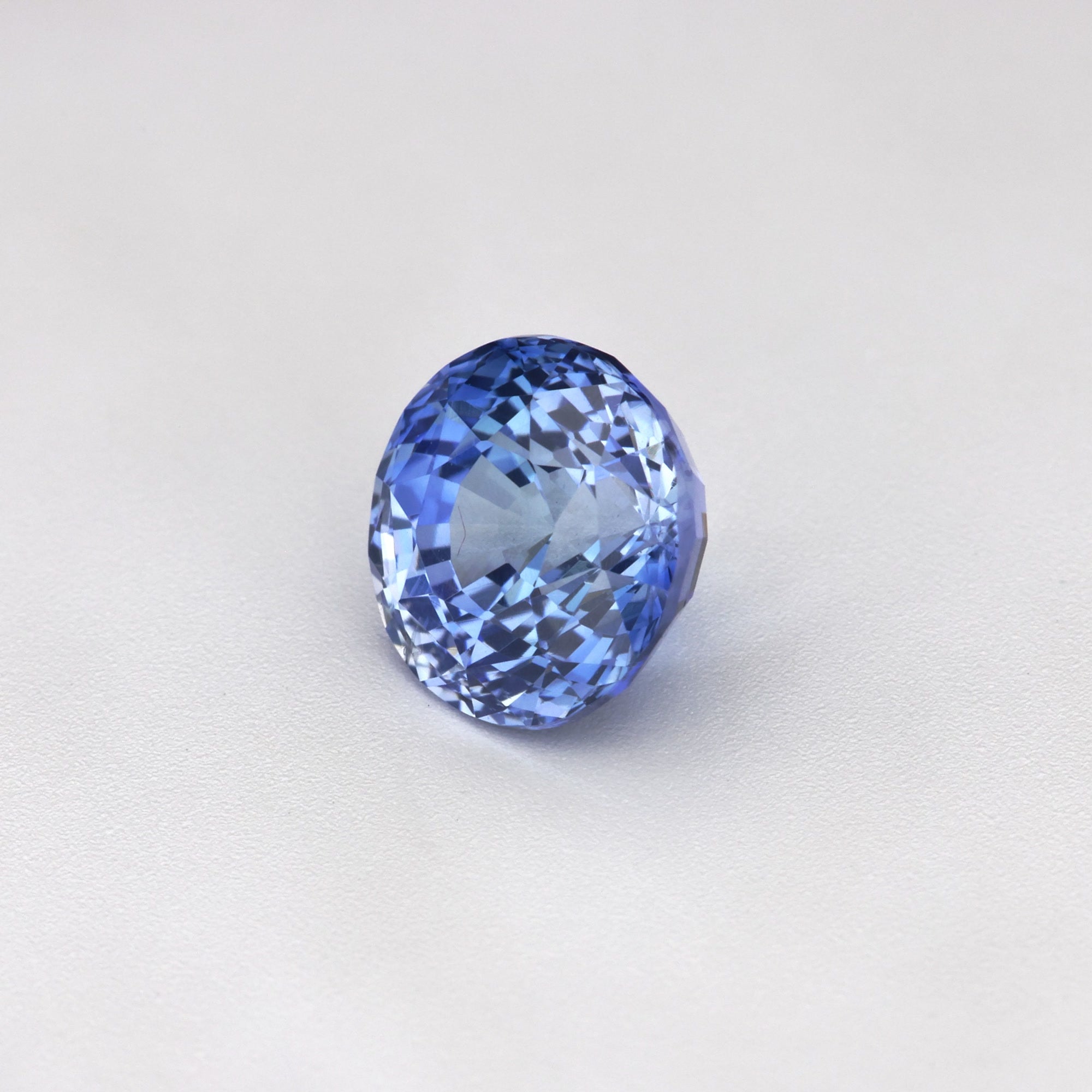
ومع الحجر السائب تستطيع أن تنظر إليه من كل جهة تحت التكبير، القاعدة والحزام في جملة ذلك؛ وأن تقيّم نِسَب القطع وتتحقّق من وجود «نافذة» — وهي منطقة باهتة في الوسط تختفي عن النظر بعد التركيب لكنها تجعل اللون يُقرأ مسطَّحاً في الخاتم؛ وأن تنظر في اللون تحت أكثر من مصدر ضوء؛ وأن تزن الحجر وتقابل الوزن بالقيراط المذكور؛ وأن ترسله إلى مختبر لتوثيق مستقل قبل أن يُركَّب في شيء.
وGIA وGübelin هما الاسمان الدوليان اللذان يسأل عنهما المشترون أكثر من غيرهما، وAGCL هو المختبر الذي يحمل تقريره جزء كبير من مخزوننا نحن. ولمزيد من التفصيل: كيف يؤثّر القطع في الياقوت وكيف تقرأ شوائب الياقوت.
ولهذا أثر عملي واحد يستحقّ أن يُقال صراحةً: ترتيب الخطوات لا يُعكَس. فالفحص والتوثيق والقياس كلّها أسهل ما تكون قبل التركيب، وأصعب ما تكون بعده، وبعضها لا يُستعاد إلا بفكّ الحجر من الخاتم. ومن اشترى الخاتم أولاً لم يفقد شيئاً لا يمكن تداركه، لكنه نقل هذه الخطوات إلى موضع أصعب.
الحجر السائب والخاتم المنتهي ليسا عملية الشراء نفسها، ولذلك ليس ثمنهما الكميّة نفسها. فثمن الياقوت السائب هو ثمن الياقوت. وثمن الخاتم هو الحجر، والمعدن، وأجرة الصياغة، وكل ما لزم لإخراج قطعة منتهية. وشراء الحجر وحده هو الطريق الوحيد لرؤية الرقم الأول منفرداً.
وهذه ملاحظة في التعريف لا مقارنة: نحن لا نقول إن أحد الرقمين أكبر أو أصغر، بل إنهما لا يقيسان الشيء نفسه، فطرحُ أحدهما من الآخر عملية بلا معنى. ومن أراد أن يعرف ثمن الحجر في خاتم جاهز فطريقه أن يسأل عنه صراحةً، لا أن يستنتجه.
وما نستطيع أن نقوله هو كيف يعمل جانبنا نحن. ليس لنا صالة عرض ولا منضدة بيع بالتجزئة. نشتري في راتنابورا وبيروالا وكولومبو، ونقطع على المواصفة، والحجر السائب يُشحن من هنا. وهذا وصف لعملنا نحن لا لعمل أحد غيرنا، ولا ننشر نسبةً دون سعر التجزئة ولا مضاعِفاً للهامش، لأننا لا نملك رقماً من هذا النوع نستطيع الوقوف خلفه.
والصيغة الأمينة هنا أن نقول ما نفعله ونمتنع عن الرقم. فأي نسبة كنّا سنكتبها تحتاج إلى سلّة مقارنة، وإلى جهة مقارَنة مسمّاة، وإلى طريقة قياس معلنة — وليس عندنا من هذه الثلاثة شيء. ونحن لا نكتب عن غيرنا شيئاً أصلاً في هذه الصفحة: لا ما يبيعه، ولا ما يتقاضاه، ولا ما يقبله أو يرفضه. والقراءة الكاملة للتسعير في تسعير الياقوت موضَّحاً.
الشراء سائباً يفصل قرار الحجر عن قرار التركيب. تختار الحجر الذي تريده، ثم تختار بعده وعلى حدة التركيب الذي يناسب ذوقك. والحجر السائب يمكن أن يُحمل إلى أي صائغ تريد العمل معه — واسأله أولاً هل يركّب حجراً يأتي به العميل، وكم أجرته على ذلك.
والفرق هنا في ترتيب القيود لا في جودة النتيجة. فالخاتم الجاهز يأتي بحجر اختاره صانعه ليناسب تركيباً قائماً؛ والحجر السائب يجعل التركيب هو الذي يُبنى على أبعاد الحجر وزواياه. وكلا الترتيبين يخرج منه خاتم، لكن الذي يختار أولاً يختلف.
وللتفصيل في التصميم: كيف تصمّم خاتماً من حجر سائب وكيف تختار لون المعدن لخاتم الياقوت وخواتم الياقوت المصمَّمة خصيصاً.
في الياقوت، «غير معالج حرارياً» ليست الدعوى نفسها التي تحملها «خالٍ من أي معالجة»: فقد يكون الحجر غير معالج حرارياً وقد عولج بطريقة أخرى، والكلمتان ليستا بديلتين إحداهما عن الأخرى. وعبارة «ياقوت طبيعي» لا تحسم واحدة منهما. وعلى الحجر السائب تكون المعالجة مذكورة في صفحة المنتج، ويمكن عرض النتيجة على مختبر قبل أن يُركَّب الحجر في شيء — والتقرير يسجّل ما لاحظه المختبر، وهذا ليس ضماناً. ونحن نرسل الأحجار التي يزيد سعرها على $500 إلى GIA على سبيل العادة؛ وهذه عتبتنا نحن في التشغيل، لا معيار سوق ينشره أحد.
هذه أكثر نقطة يقع فيها اللبس في السوق العربية، وهي تستحقّ أن تُقال وحدها. الظرف «حرارياً» هو الدعوى كلّها. فقولك «غير معالج حرارياً» يعني شيئاً واحداً بعينه: أن المختبر لم يجد في الحجر ما يدلّ على تسخين. ولا يقول شيئاً عن المعالجات الأخرى.
أما «خالٍ من أي معالجة» فهي أقوى دعوى متاحة في هذا الباب، لأنها تنفي المعالجات كلّها لا الحرارة وحدها. ولا تُكتب إلا حيث تسندها الوثائق. ونحن لا نكتب الواحدة مكان الأخرى، ولا ندع «غير معالج» مطلقةً حيث يكون المقصود الحرارة وحدها — فالعبارة المبتورة دعوى أوسع ممّا يحتمله التقرير.
ومثال يوضّح الفرق: يمكن أن يكون الحجر غير معالج حرارياً وقد عولج بالانتشار الشبكي، لأن الانتشار ليس تسخيناً بالمعنى الذي ينفيه ذلك الحقل. ويمكن أن يكون مملوءاً أو مصبوغاً أو مشعَّعاً. فكل واحدة من هذه معالجة مستقلّة، ولكل منها سطر مستقلّ في التقرير أو لا سطر لها.
وكلمة «خام» في صفحاتنا تعني الحجر قبل القطع، لا الحجر غير المعالَج. والفرق بينهما كامل.
وانظر في هذا: ما الياقوت غير المعالج حرارياً ومعالَج حرارياً مقابل غير معالَج حرارياً.
المختبرات الكبرى تفحص الأحجار السائبة. فإن أردت رأي GIA أو Gübelin في المعالجة بعد أن رُكّب الحجر في خاتم، فالطريق إلى ذلك يمرّ بفكّ الحجر ثم إعادة تركيبه — وهو عمل ممكن، لكنه عمل إضافي على حجر منتهٍ، وفيه مخاطرة على الحجر وعلى التركيب معاً. وقبل التركيب لا شيء من هذا قائم أصلاً.
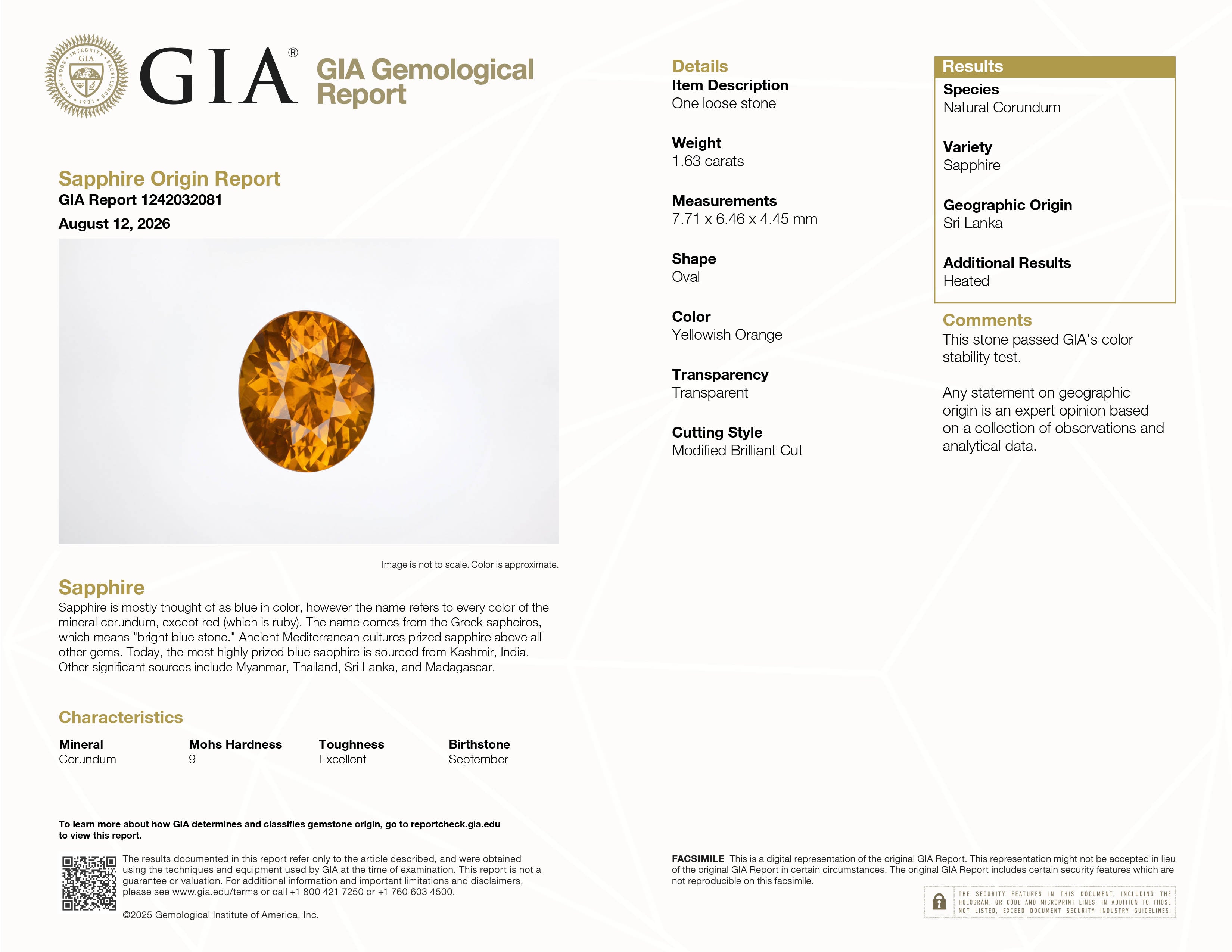
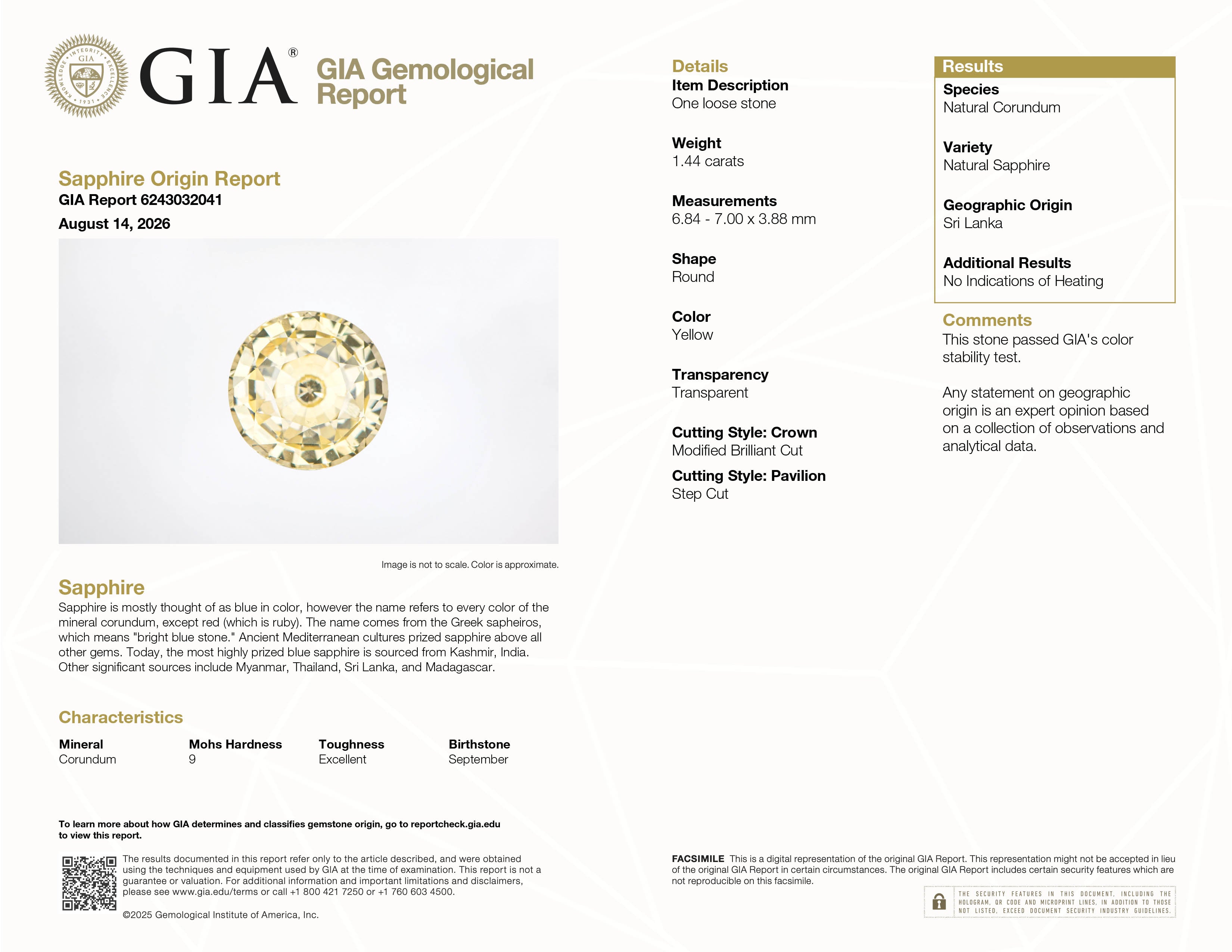
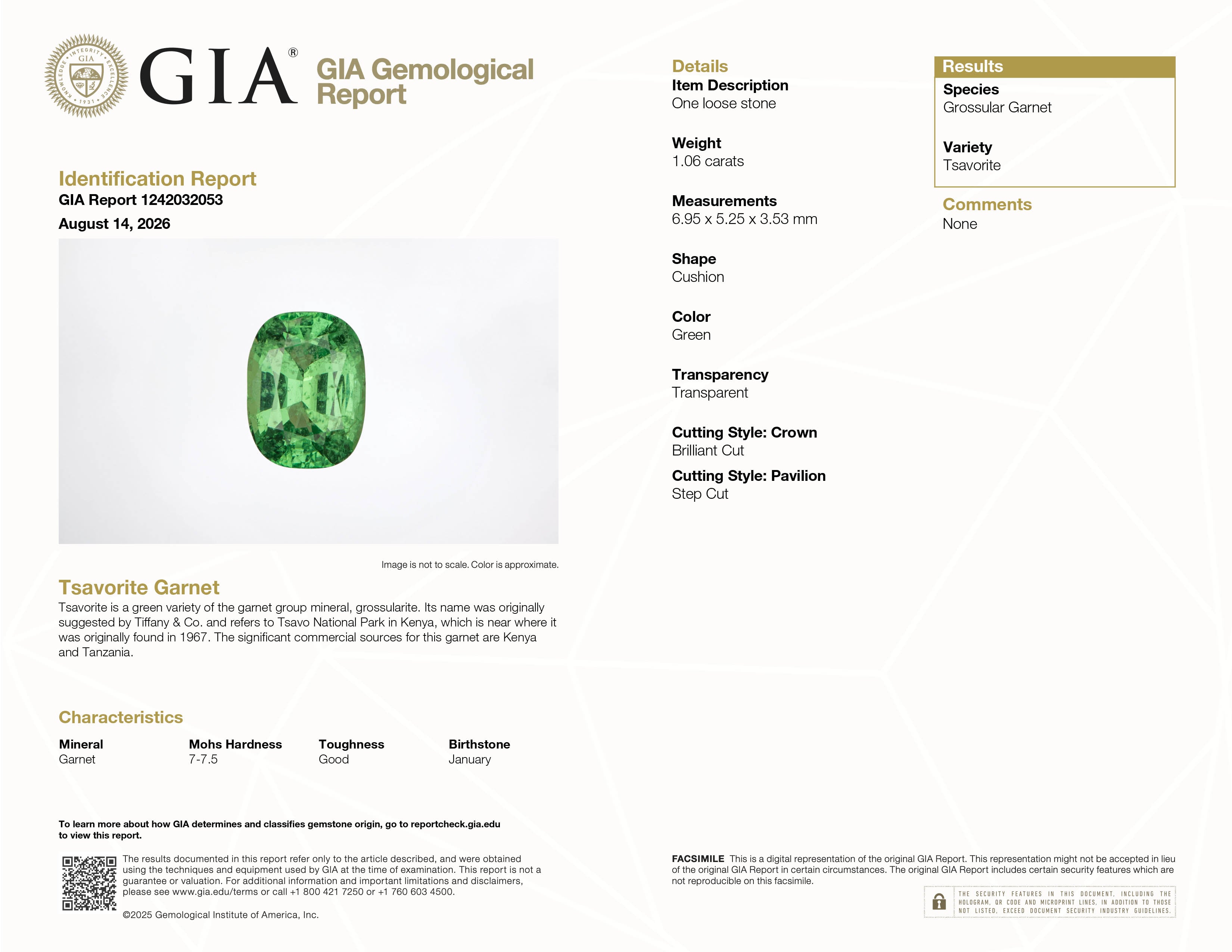
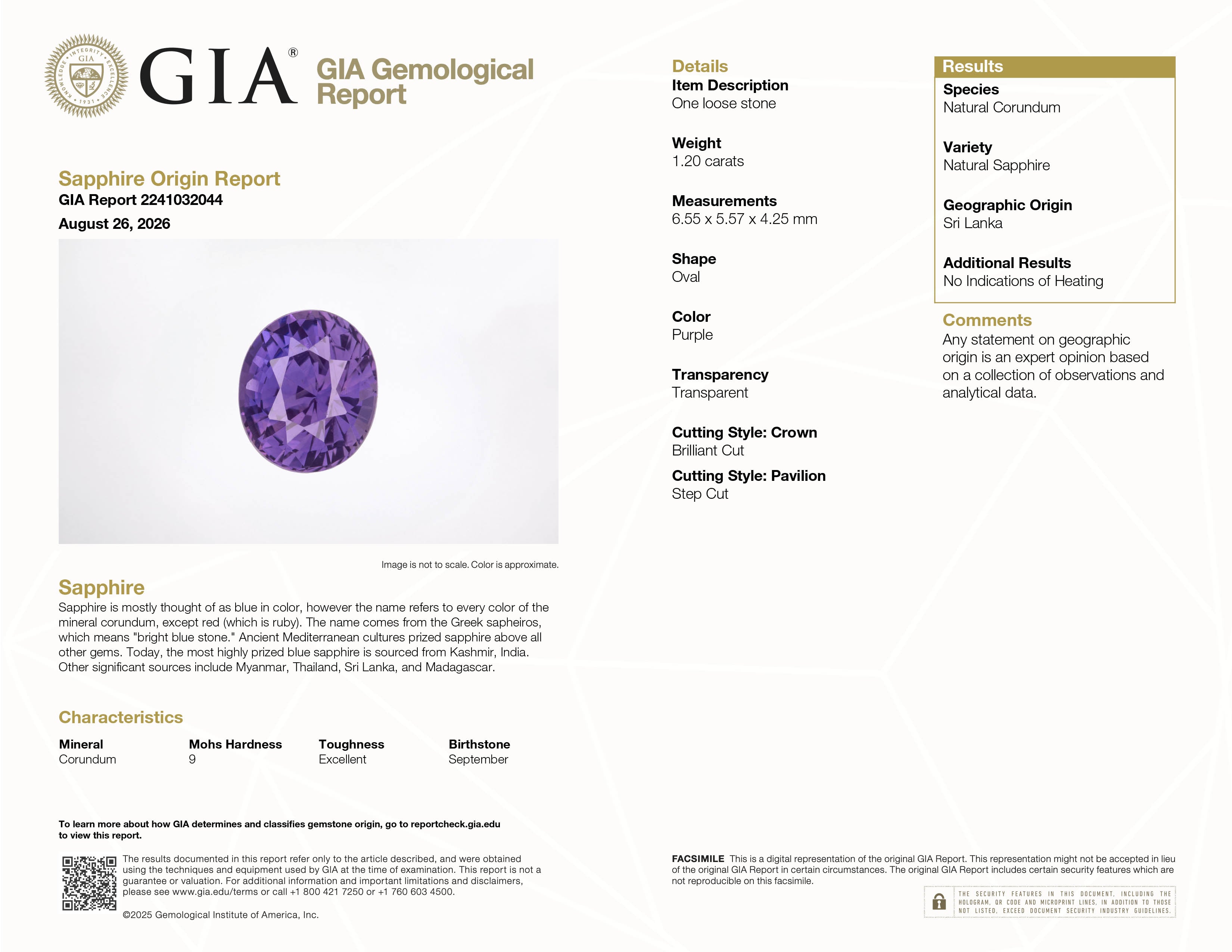
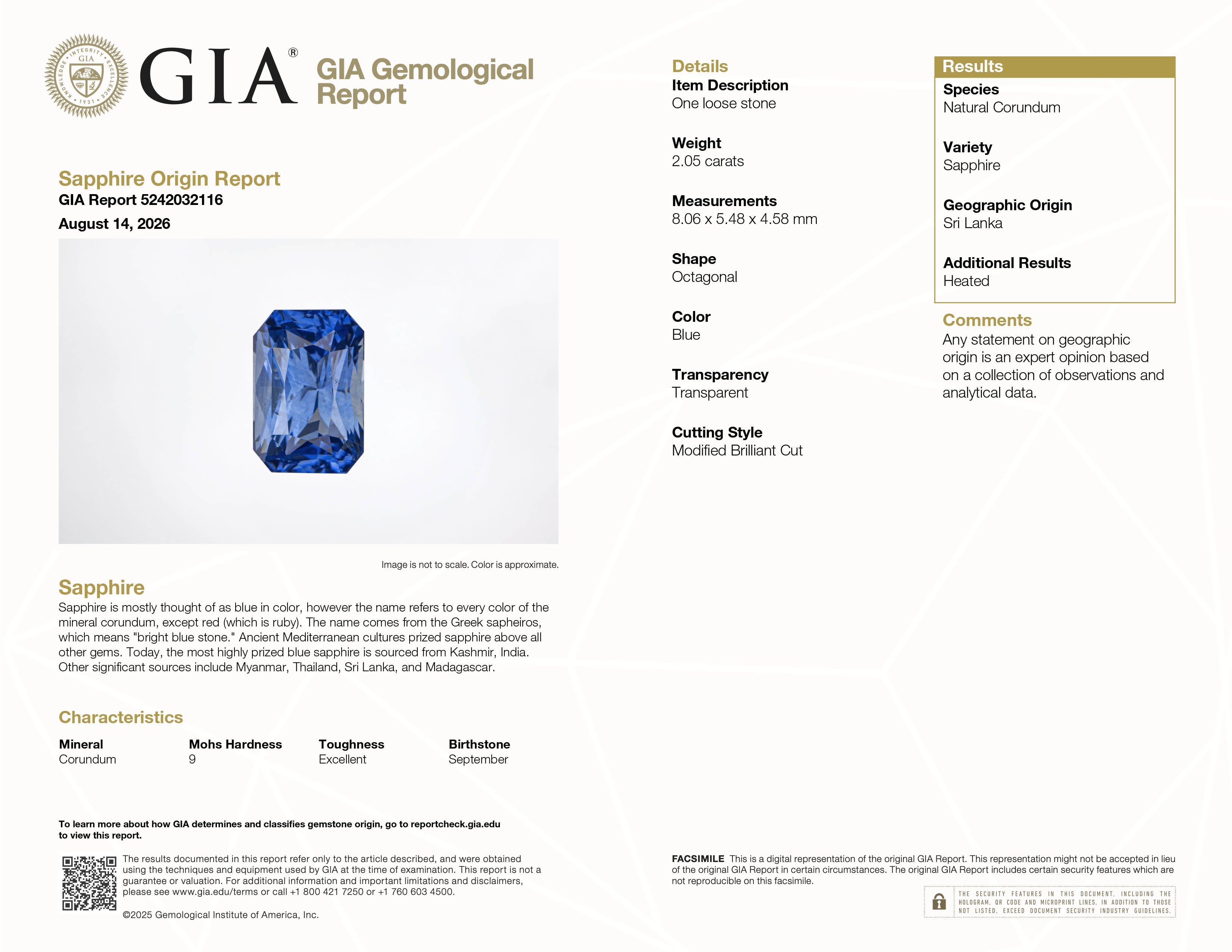
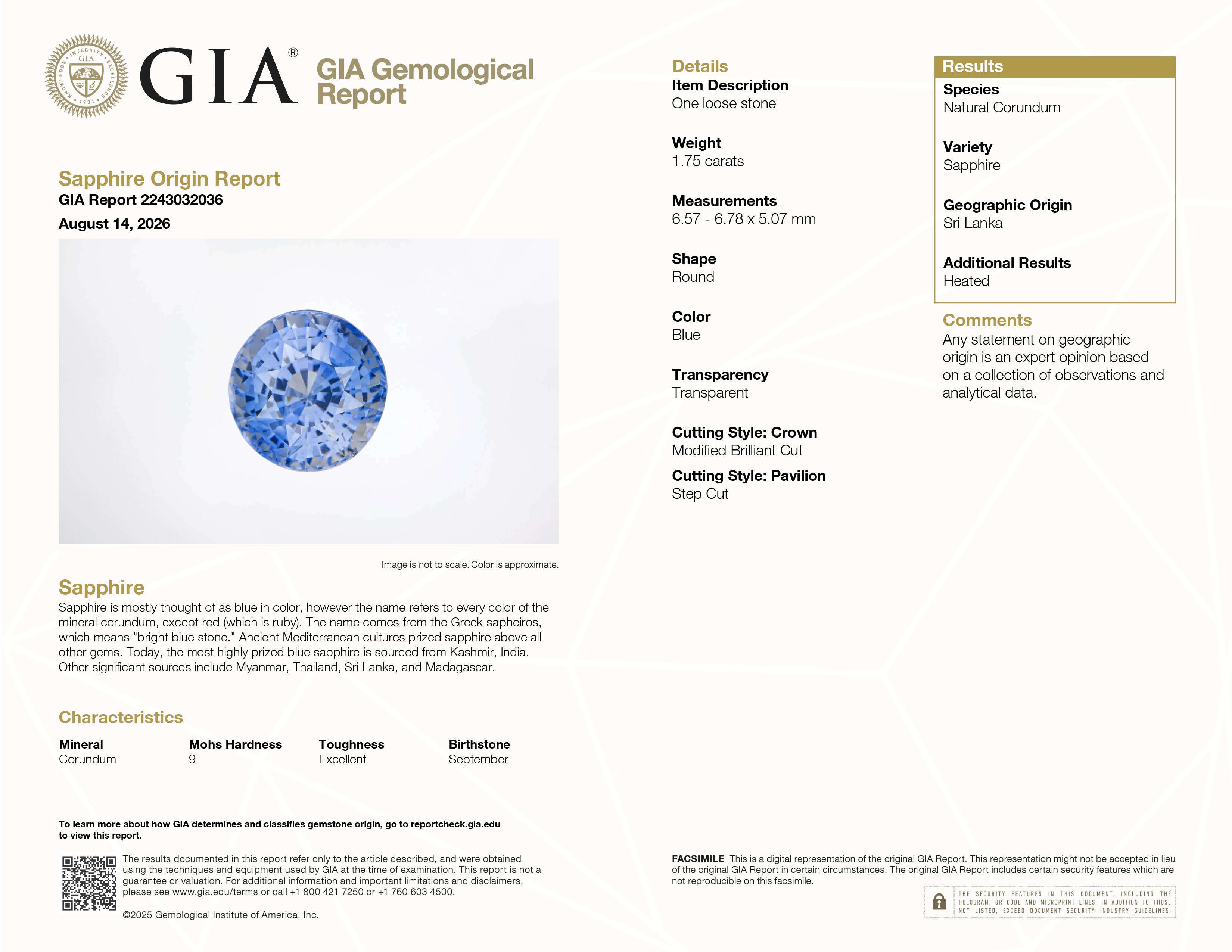
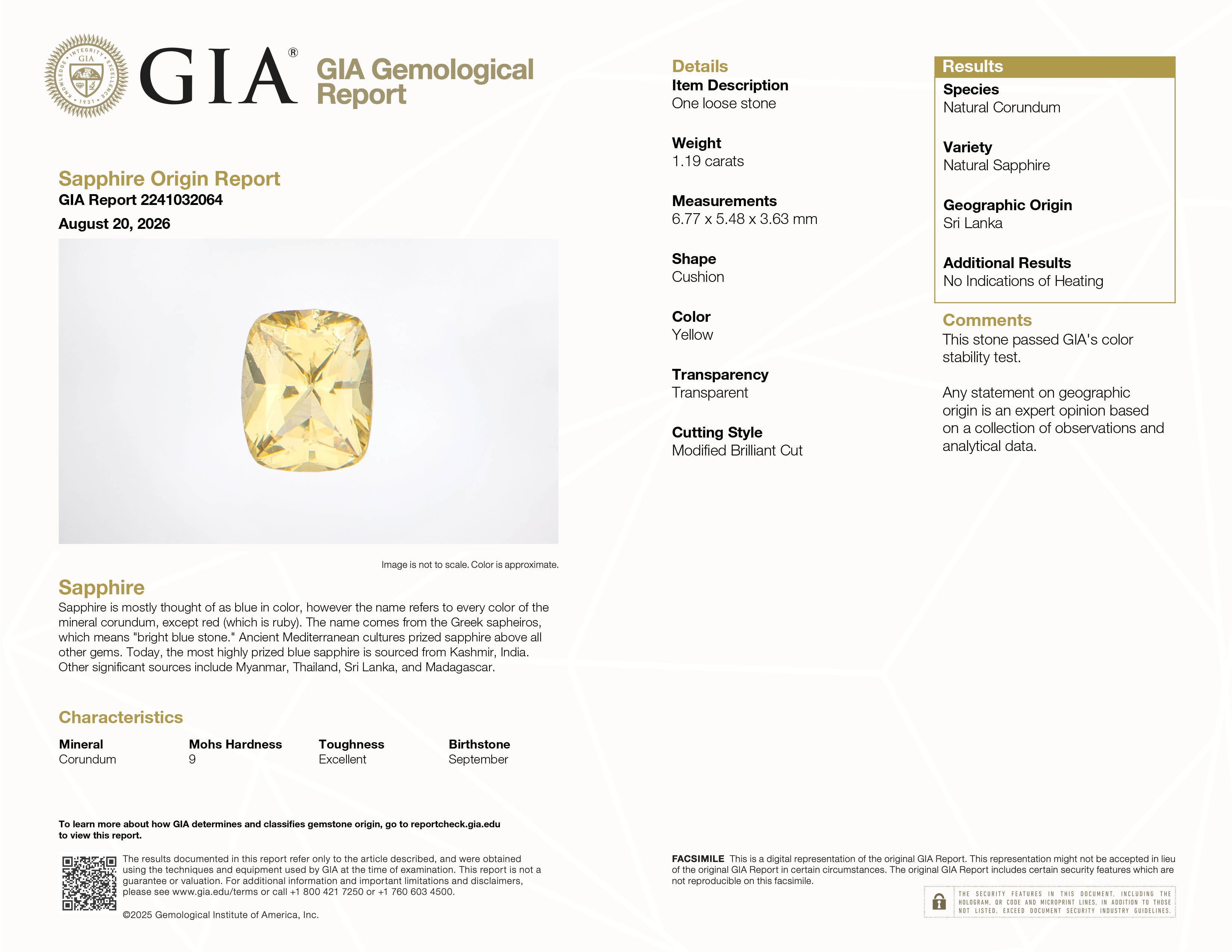
تقرير المختبر يسجّل الوزن بالقيراط، والأبعاد، والنوع، ونتيجة المعالجة؛ وشركة التأمين أو المثمِّن يعملان من هذه. ولاحظ الفعل: التقرير يسجّل ما لاحظه المختبر ويبدي فيه رأيه؛ وهو لا «يؤكّد» شيئاً ولا «يثبته» ولا يضمنه.
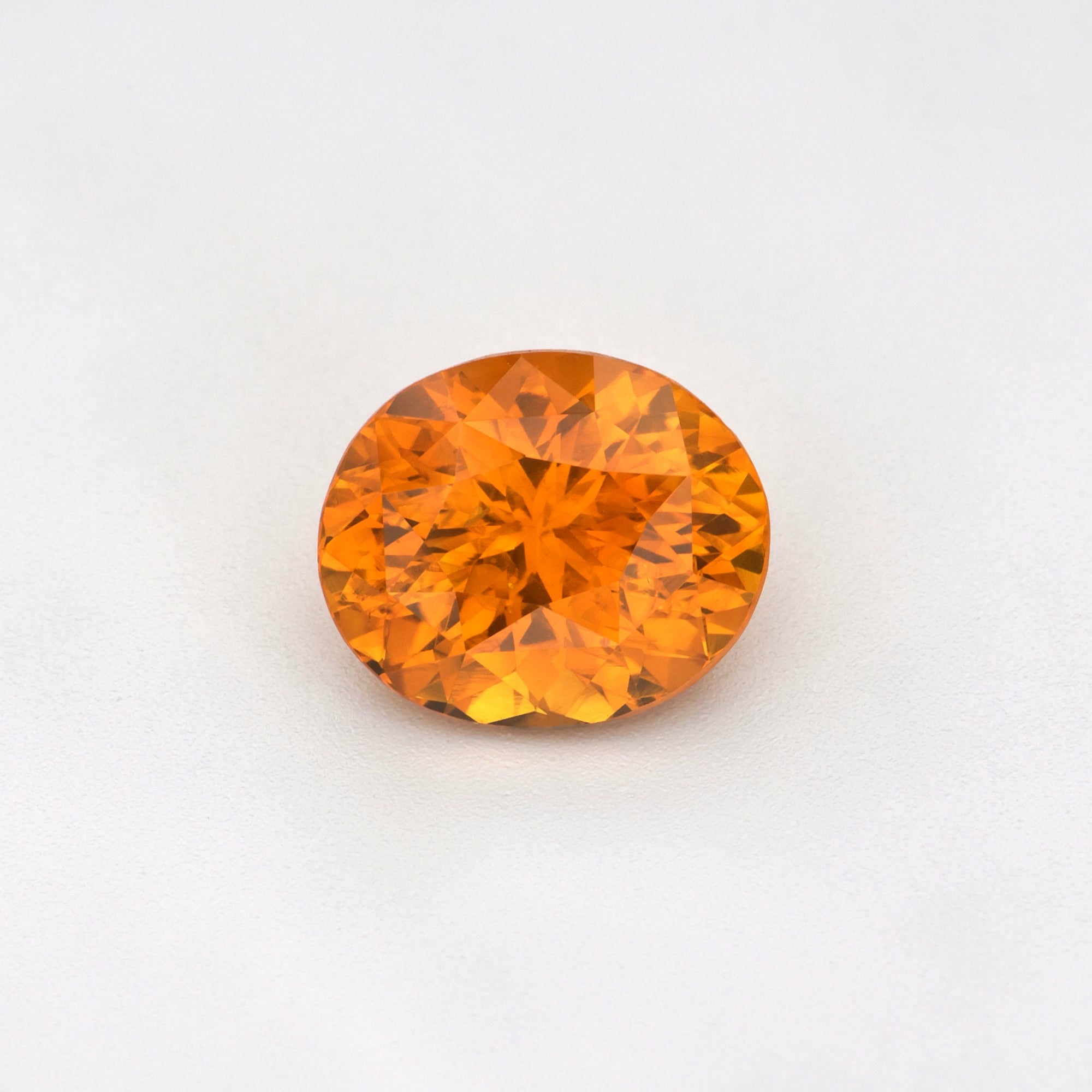
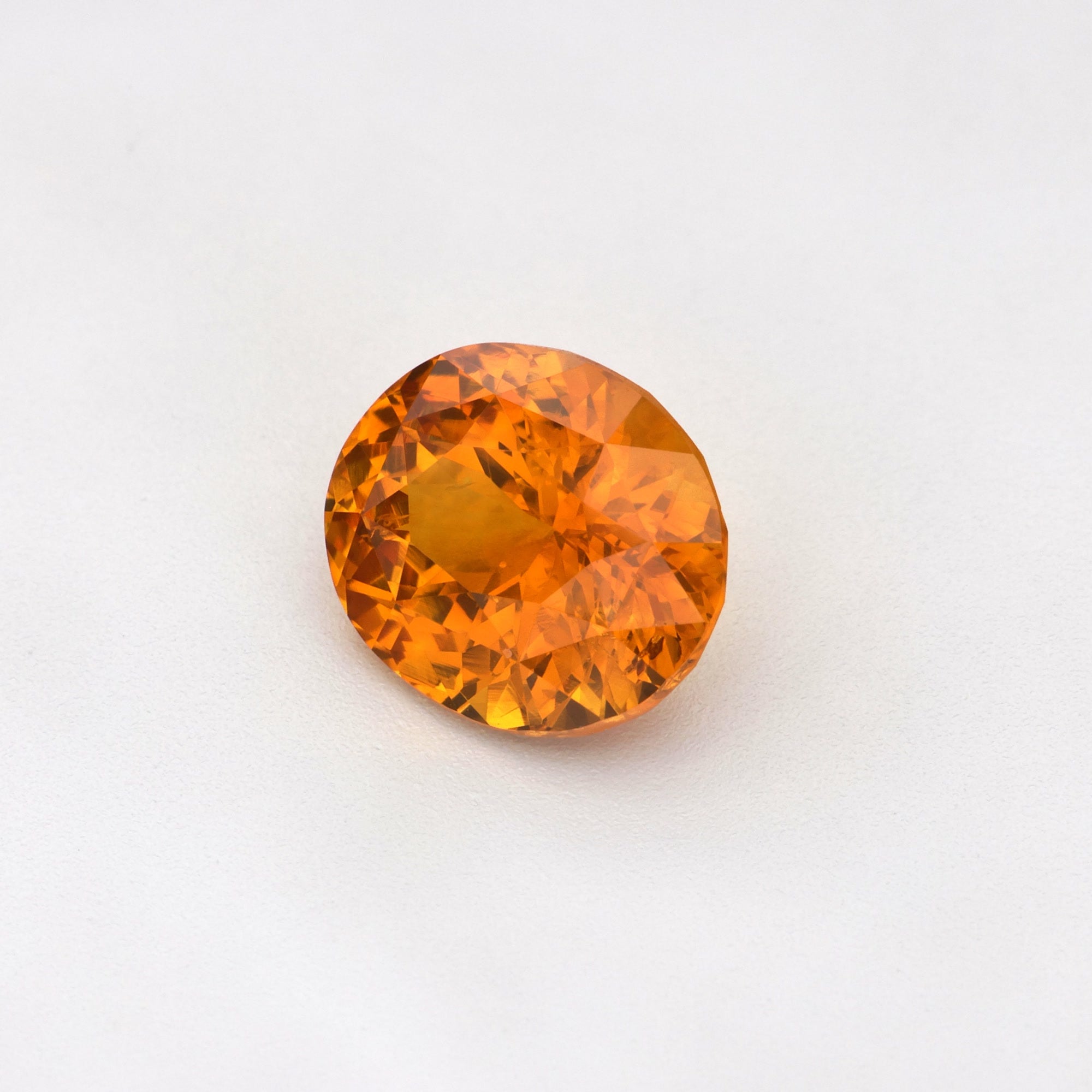
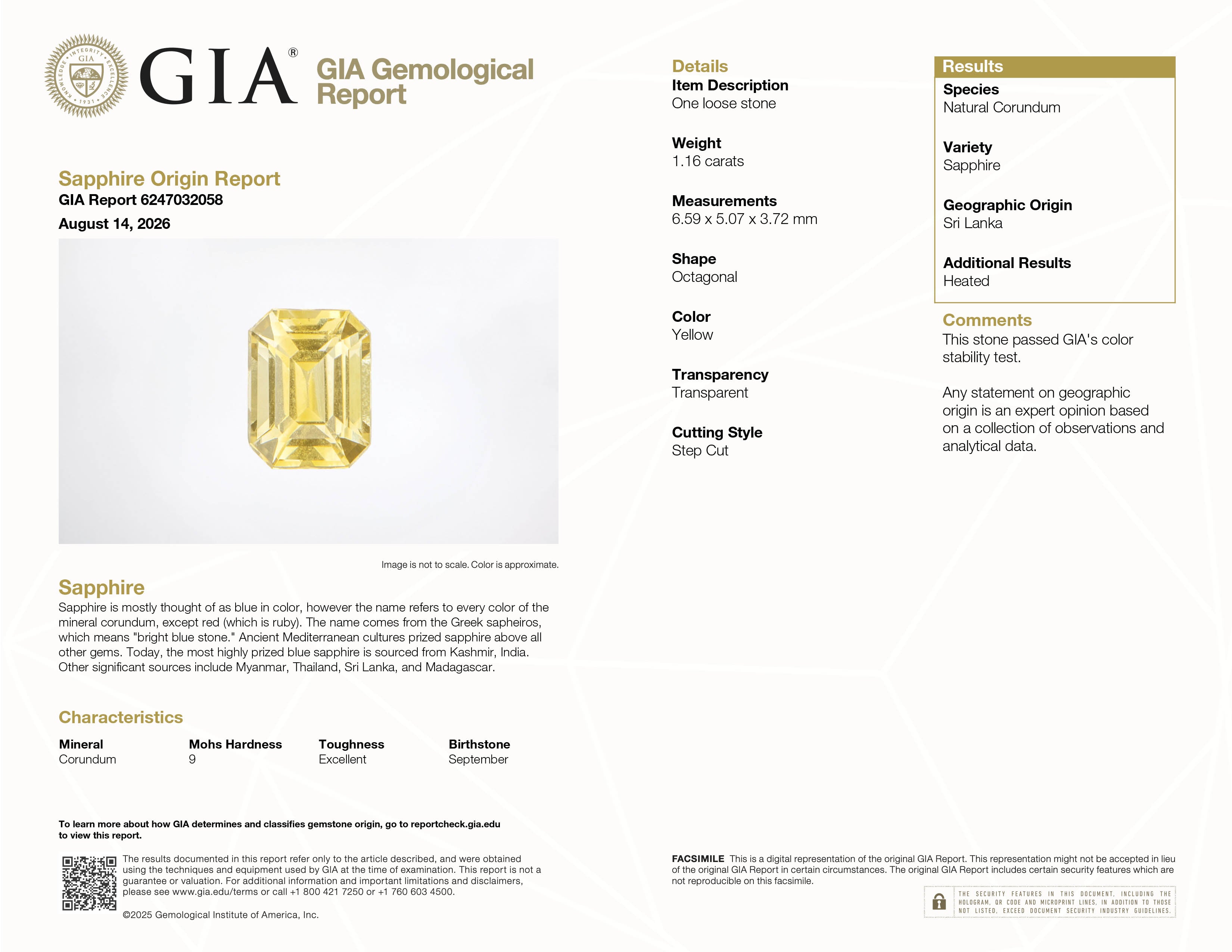
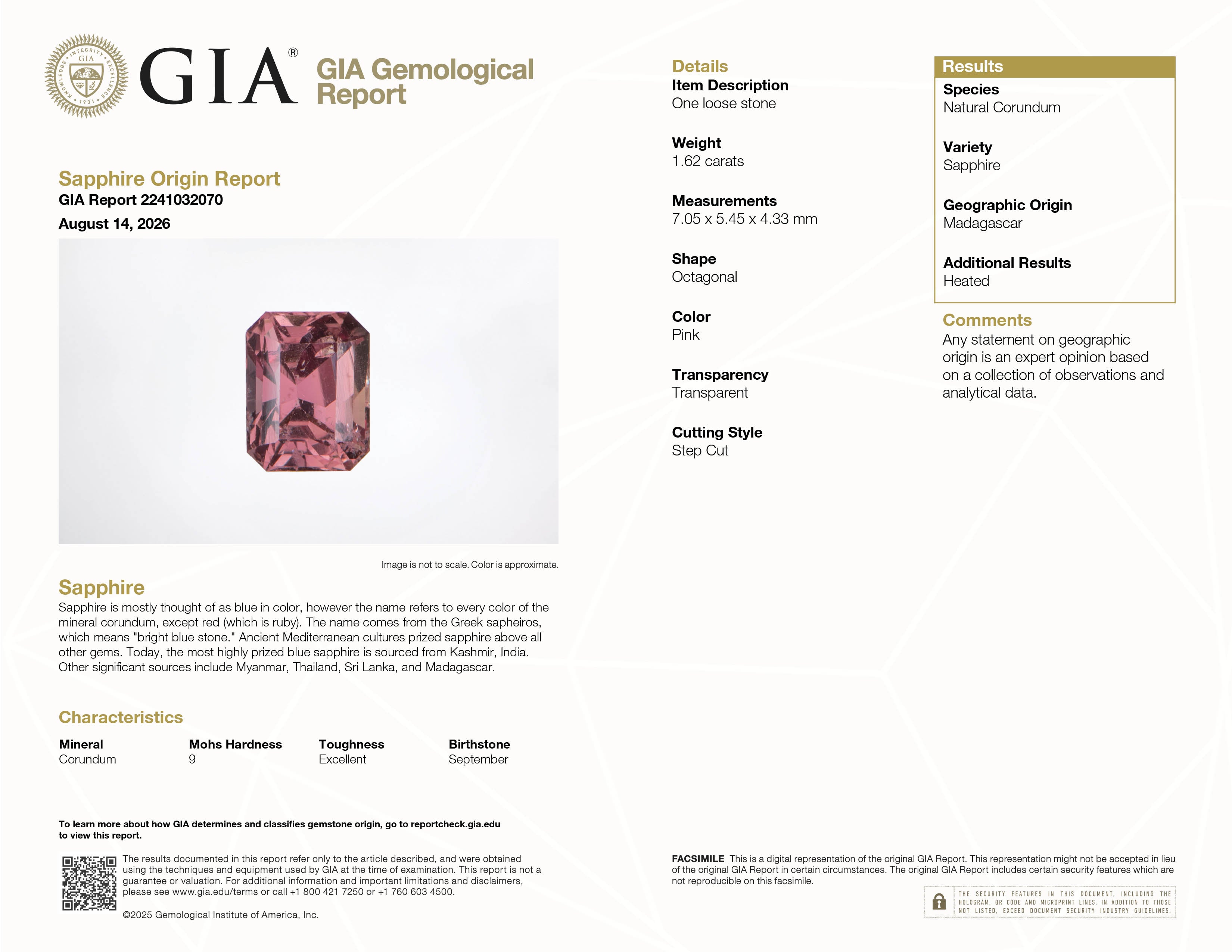
والمنشأ الجغرافي مسألة منفصلة: GIA لا يطبعه إلا على تقرير منشأ للياقوت (Sapphire Origin Report)، ولا يفعل ذلك إلا حيث وُجّه إليه ذلك السؤال. ومخزوننا نحن يحمل الحالتين معاً — حجر بتقرير منشأ من GIA يضعه في سريلانكا، وآخر يطبع تقريره من GIA عبارة Not Requested في ذلك الحقل. والحجر الثاني ليس أدنى من الأول، وأوراقه ليست ناقصة. غايةُ ما في الأمر أن سؤالاً لم يُوجَّه.
والتقرير كذلك ليس تثميناً، وGIA يطبع ذلك على المستند نفسه: «This report is not a guarantee or valuation.» — أي أن هذا التقرير ليس ضماناً ولا تثميناً. فمن أراد رقماً للتأمين احتاج تثميناً مستقلاً، والتقرير هو ما يُبنى عليه التثمين لا بديله.
ونحن لا نرتّب المناشئ بعضها فوق بعض. فمكان تكوّن الحجر ومظهره نتيجتان منفصلتان، وتسعير إحداهما كأنها الأخرى عادة يحسُن التخلّص منها. والتفصيل في كيف تقرأ تقرير GIA وتأمين خاتم الياقوت.
بعض متطلّبات الخاتم قرارات تُتَّخذ قبل أن يُلمس الحجر، لا بعد أن يستقرّ في مكانه. ومن هذه: ارتفاع البناء لمن يريد خاتماً منخفضاً للّبس اليومي؛ ومخلب على هيئة حرف V حيث ينتهي الحجر إلى رأس مدبّب؛ والتركيب الإطاري (بيزل) لمن يريد أقصى حماية لحزام الحجر؛ وإمكان تعديل مقاس الحلقة لاحقاً دون الاقتراب من الحجر؛ والتركيب المفتوح الظهر لمن يريد أن يلامس الحجر الجلد.
ومن أمثلة الأخير أن بعض من يشترون للاستعمال الفلكي في التقليد الهندي (جيوتيش) يطلبون تركيباً مفتوح الظهر تظهر فيه القاعدة السفلية، ويطلبون حجراً طبيعياً غير معالج حرارياً. وهذا وصف للممارسة كما تُوصف عادةً، لا حكم منّا عليها: نحن نبيع أحجاراً، ولا نتكلّم باسم تقليد لسنا منه. والذي نستطيع أن نكون فيه نافعين هو ترتيب العمل: المعالجة مذكورة في صفحة المنتج، والحجر السائب يمكن أن يذهب إلى مختبر قبل أن يُركَّب في شيء، وهذه هي اللحظة التي يكون فيها ذلك أيسر ما يكون.
وأما التركيب نفسه فإن سألتنا رأينا أعطيناك إياه، وينبغي أن يُقرأ على أنه ذلك بالضبط: توصيتنا نحن من تعاملنا مع هذه الأحجار؛ ولا ينشر أي مختبر إرشادات في التركيب، ولسنا ننقل عن أحد. وانظر: تركيب يحمي زوايا الحجر واختيار ياقوتة للتركيب الإطاري.
ومن اشترى خاتماً جاهزاً يرضيه كما هو، ولم يُرِد تعديله ولا إعادة صياغته، فهذه الفقرة لا تخصّه في شيء. وهذا أيضاً شراء سليم تماماً.
لكل حجر في الكتالوج صور مفردة تحت إضاءة موحّدة، ونرسل عند الطلب مقطع فيديو للحجر في اليد تحت ضوء النهار وتحت إضاءة داخلية دافئة، وصوراً له من كل الجهات. وهذا يردّ على أكثر ما يقلق المشتري عن بُعد: أن يكون اللون في الصورة غير اللون في اليد.
ولكل طلب مهلة إرجاع مدّتها 14 يوماً. ولاحظ الفرق الذي يصنعه الترتيب هنا أيضاً: الحجر السائب يُردّ كما شُحن. أما بعد التركيب فالإرجاع لم يعد إرجاعاً، لأن الذي بين يديك صار قطعةً أخرى.
ولأي سؤال عن حجر بعينه، أو لطلب مقطع فيديو تحت ضوء النهار وإضاءة دافئة قبل الشراء، راسلنا مباشرة على crescentgems@gmail.com.
أسعارنا بالدولار الأمريكي ولا تشمل ضريبة القيمة المضافة على الاستيراد ولا الرسوم الجمركية؛ فهذه تُفرض عند الاستيراد إلى بلدك، وتُدفع عند التسليم على حسابك. وهذا القسم يشرح كيف تُحسب، لأن المشتري في الخليج يفاجأ بها عند الباب أكثر ممّا يفاجأ بأي شيء آخر في الشراء من الخارج.
هذه أنفع معلومة في الصفحة كلّها لمشتري الخليج، وهي في الوقت نفسه موضوع الصفحة مصوغاً في لغة الجمارك: الحجر السائب والخاتم الجاهز ليسا سلعةً واحدة عند الحدود، بل يدخلان تحت بندين مختلفين.
والتعريفة الجمركية الموحّدة لدول مجلس التعاون مبنيّة على النظام المنسّق لتوصيف السلع وترميزها (HS)، وفي الفصل الحادي والسبعين منه:
| البند | ما يشمله | ما يدخل تحته من مشترياتك |
|---|---|---|
| 71.03 | الأحجار الكريمة (عدا الألماس) والأحجار شبه الكريمة، مشغولة أو غير مشغولة، مرتّبة أو غير مرتّبة | الياقوت السائب. والبند الفرعي 7103.91 هو الذي يخصّ الياقوت الأزرق والياقوت الأحمر والزمرّد المشغولة بطريقة أخرى — أي المقطوعة والمصقولة. أما 7103.10 فللخام أو المنشور ببساطة. |
| 71.13 | المجوهرات وأجزاؤها، من معدن ثمين أو من معدن مكسوّ بمعدن ثمين | الخاتم المنتهي، بحجره ومعدنه معاً. والبند الفرعي 7113.19 لما كان من معدن ثمين غير الفضة — أي الذهب والبلاتين — و7113.11 للفضة. |
فالحجر الذي يصلك سائباً يُصنَّف حجراً كريماً. وهو نفسه، لو وصلك مركَّباً في خاتم ذهب، يُصنَّف قطعة مجوهرات. والتصنيف ليس تفصيلاً ورقياً: عمود الرسم يختلف من بند إلى بند، والبيان الجمركي يختلف، والمستندات التي يطلبها المخلّص تختلف.
ولا ننشر نسبة الرسم الجمركي لأي من البندين. فالنسب تُعدَّل بقرار، وهي ليست رقمنا لننشره؛ والجهة الجمركية في بلدك — وهي المسمّاة في عمود الجهة من الجدول التالي — هي التي تنشر التعريفة السارية في يوم وصول شحنتك. اسألها، أو اسأل مخلّصاً جمركياً، قبل أن تشحن لا بعده.
ولسنا نقول هنا إن أحد البندين أفضل من الآخر ولا أرخص؛ نقول إنهما بندان مختلفان، وإن من اشترى الحجر أولاً يعرف تحت أيّهما يدخل قبل أن يدفع.
هذا هو الموضع الذي يُخطئ فيه الحساب عادةً. والترتيب على ثلاث خطوات:
ومعنى ذلك عملياً أن تقدير «السعر زائد نسبة الضريبة» يقلّ دائماً عن المبلغ الحقيقي، لأنه يتجاهل أجرة الشحن والتأمين ويتجاهل الرسم الذي يقع تحت الضريبة. فقدّر على الترتيب أعلاه، لا على ثمن الحجر وحده.
| الدولة | النسبة | الأداة النظامية والجهة المسؤولة |
|---|---|---|
| السعودية | 15% | نظام ضريبة القيمة المضافة الصادر بالمرسوم الملكي رقم م/113 لسنة 2017. بدأت النسبة 5% ثم رُفعت إلى 15% اعتباراً من 1 يوليو 2020. الجهة: هيئة الزكاة والضريبة والجمارك (ZATCA). |
| الإمارات | 5% | المرسوم بقانون اتحادي رقم (8) لسنة 2017 في شأن ضريبة القيمة المضافة، وبدأ العمل به في 1 يناير 2018. الجهة: الهيئة الاتحادية للضرائب (FTA). |
| البحرين | 10% | المرسوم بقانون رقم (48) لسنة 2018. بدأت النسبة 5% في 1 يناير 2019 ثم رُفعت إلى 10% في 1 يناير 2022. الجهة: الجهاز الوطني للإيرادات (NBR). |
| عُمان | 5% | المرسوم السلطاني رقم 121/2020، وبدأ العمل به في 16 أبريل 2021. الجهة: جهاز الضرائب. |
| قطر | لا ضريبة نافذة | صدّقت على الاتفاقية الموحّدة الخليجية، ولم يصدر بعدُ قانون محلي نافذ للضريبة حتى تاريخ هذه الصفحة. الجهة: الهيئة العامة للضرائب. |
| الكويت | لا ضريبة نافذة | لا قانون ضريبة قيمة مضافة نافذ حتى تاريخ هذه الصفحة. الجهة: وزارة المالية. |
| مصر | 14% | قانون الضريبة على القيمة المضافة رقم 67 لسنة 2016. الجهة: مصلحة الضرائب المصرية. |
| اليمن | لا ننشر نسبة | الوضع المنشور ليس مستقرّاً بما يكفي لنطبع رقماً نقف خلفه. اسأل الجهة الجمركية أو مخلّصاً جمركياً قبل الشحن. وكتابةُ رقم غير موثوق هنا أسوأ من تركه فارغاً. |
والنسب أعلاه هي السارية يوم كتابة هذه الصفحة في أكتوبر 2026. ونسبتان منها رُفعتا مرّة واحدة من قبل — السعودية والبحرين — فلا تُعامَل هذه الأرقام على أنها ثابتة إلى الأبد؛ الجهة المسمّاة في الخانة هي المرجع.
وفوق هذا، تنشر كل دولة حدّاً أدنى للقيمة تُعفى الشحنات دونه من الرسم الجمركي، وهذا الحدّ يختلف من دولة إلى أخرى ويُعدَّل. ولا ننشره نحن لأنه ليس رقمنا ولأنه يتغيّر؛ وهو منشور عند الجهة المسمّاة في الجدول. ولاحظ أن الإعفاء من الرسم لا يعني بالضرورة الإعفاء من الضريبة.
الضريبة والرسم يُفرضان عند الاستيراد ويُدفعان عند التسليم، على حساب المستورد — أي عليك أنت لا علينا. وشركة الشحن أو المخلّص الجمركي هو من يحصّلهما عادةً قبل تسليم الطرد.
ونحن نصرّح بالقيمة الحقيقية في بيان الشحن. لا نخفّض القيمة المعلنة، ولا نكتب الشحنة «هدية»، ولا نقسّمها على طرود لتنزل تحت حدّ. وهذه مخالفة جمركية في كل دولة من دول الجدول أعلاه، وتبعتها تقع على المستورد المسجَّل في البيان — أي عليك.
الشحن داخل الولايات المتحدة مجّاني دون حدّ أدنى. وإلى بقيّة دول العالم الشحن $60 ثابتة، ومجّاني للطلبات التي تتجاوز $499. ولكل طلب مهلة إرجاع مدّتها 14 يوماً. وهذه شروط البيع، وهي منفصلة عن الضريبة والرسم في الفقرات السابقة.
المشتري في دبي أو الرياض أو الدوحة يُعرض عليه ورق أكثر ممّا يُعرض على غيره، ولا يكون الورق كلّه من نوع واحد. وهذا القسم يفرّق بين الأنواع، ويقول ما الذي يحسمه كل سطر في تقرير المختبر، لأن هذا هو الفرق العملي الأكبر بين أن تشتري الحجر أولاً وأن تشتريه مركَّباً.
المختبرات الكبرى تكتب على مستنداتها كلمة Report — أي «تقرير» — وتتجنّب كلمة Certificate عن قصد. والسبب أن «شهادة» توحي بضمان، والمختبر لا يضمن شيئاً: هو يسجّل ما لاحظه ويبدي فيه رأيه. والسوق الخليجية تقول «شهادة» في الكلام العادي، وليست الكلمة خطأً فيه؛ لكن حين تدفع، اقرأ ما على المستند لا ما يُقال لك عنه.
وGIA يطبع تحفّظه بنفسه إلى جانب رأيه في المنشأ، ونفضّل اقتباسه على إعادة صياغته: «أي بيان عن المنشأ الجغرافي هو رأي خبير مبني على مجموعة من الملاحظات والبيانات التحليلية». ويقول عن الأحجار الملوّنة ما هو أصرح من ذلك: إنه «doesn't grade or provide quality analysis for sapphire or other colored stones» — أي لا يمنح الياقوت ولا سائر الأحجار الملوّنة درجة جودة ولا تحليل جودة. فمن عرض عليك «درجة» لياقوتة فتلك درجة من عنده هو، لا من المختبر.
الأول، تقرير مختبر دولي. GIA هو الاسم الأوسع تعرّفاً لدى المشترين والصاغة وشركات التأمين، وله مختبر في دبي ضمن مركز دبي للسلع المتعددة (DMCC) — أي أن الجهة الدولية التي تكتب التقرير ليست في قارّة أخرى. وGübelin اسم دولي آخر يسأل عنه المشترون. وأمّا المختبرات التي تحمل تقاريرها أحجارنا نحن فهي GIA وAGCL وFGL وGIC، ونسمّي المختبر ورقمه في صفحة كل حجر.
والثاني، تقرير مختبر إقليمي أو محلي. ومنه مختبر دبي المركزي التابع لبلدية دبي، وهو المرجع التنظيمي الذي يعرفه المشتري الإماراتي بلا شرح، ومنه مختبرات في السعودية. والفرق هنا في الدور لا في الجودة: المختبر المحلي قد يحسم نوع الحجر والمعالجة حسماً تامّاً، لكن عدداً قليلاً جداً من المختبرات في العالم يُصدر رأياً في المنشأ الجغرافي. فإن كان ما تدفعه مبنيّاً على المنشأ، فالسؤال ليس «هل معه ورقة؟» بل «هل معه تقرير منشأ من مختبر يُصدر آراء منشأ؟».
والثالث، ورقة تصدر عن الجهة البائعة نفسها. قد تحمل اسم «شهادة ضمان» أو «بطاقة» أو «تقييم»، وقد تكون صادقة تماماً في كل حرف فيها — لكنها بيان من البائع لا رأي جهة مستقلّة، وهذا فرق في طبيعة المستند لا في أمانة من كتبه. والسؤال الذي يحسم الأمر سؤال واحد: من أصدر هذه الورقة، وهل هو طرف في البيع؟
ونحن لا نقول لك شيئاً عمّا يصدره هذا البائع أو ذاك؛ نقول لك ما تسأل عنه أيّاً كان من أمامك.
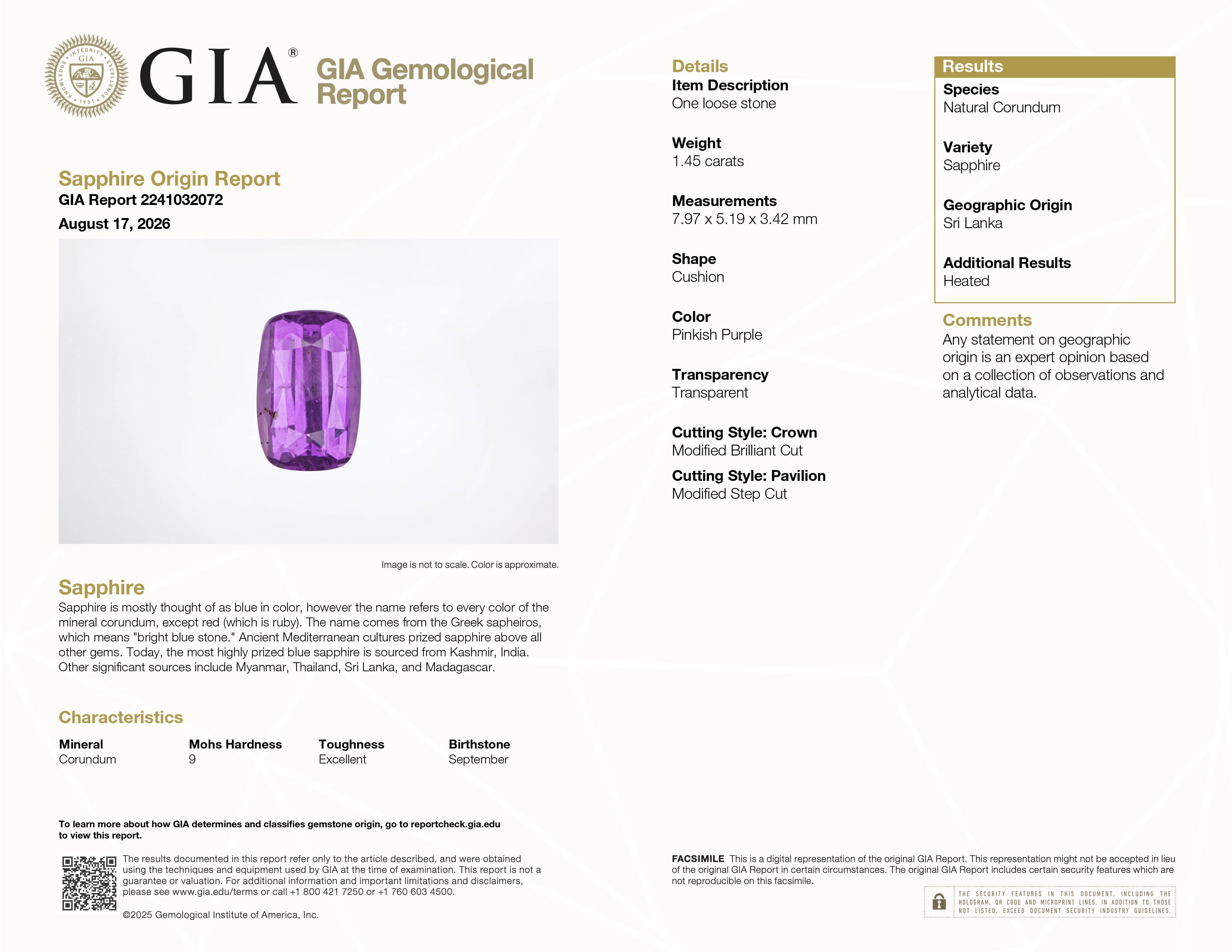
التقرير مكتوب بالإنجليزية، والمشتري العربي يقرؤه بالإنجليزية. وهذا جدول بأسماء الحقول كما تُطبع، وما الذي يحسمه كل حقل:
| الحقل كما يُطبع | بالعربية | ما الذي يحسمه |
|---|---|---|
| Species | النوع | أن الحجر كوروندم طبيعي، لا مركَّب ولا حجر بديل. وهذا أول ما يُقرأ. |
| Variety | الصنف | اسم الحجر كما يعتمده المختبر: Blue Sapphire، Pink Sapphire وما إليه. وهذا السطر هو الذي يُشترى، لا الوصف الإعلاني. |
| Weight | الوزن | بالقيراط، مقيساً في المختبر لا منقولاً عن أحد. |
| Measurements | الأبعاد | بالمليمتر. وهي التي يُبنى عليها التركيب، ولهذا تحتاجها قبل أن تطلب خاتماً لا بعده. |
| Shape and Cutting Style | الشكل وأسلوب القطع | كيف قُطع الحجر. وهو وصف هندسي، لا حكم على جودة القطع. |
| Color | اللون | وصف المختبر للون كما لاحظه. وصفٌ لا درجة جودة، ولا يجوز أن يُقرأ على أنه مرتبة. |
| Comments / Additional Results | ملاحظات / نتائج إضافية | هنا تُذكر المعالجة عادةً، بعبارات مثل No Indications of Heating أو Indications of Heating. وهذا سطر «غير معالج حرارياً»، ولا يتكلّم عن سائر المعالجات. |
| Geographic Origin | المنشأ الجغرافي | لا يظهر إلا على تقرير منشأ، وقد يُطبع فيه Not Requested — ومعناها أن السؤال لم يُوجَّه، لا أن الجواب سلبي. |
| Report Number / Date | رقم التقرير وتاريخه | بهما تتحقّق من المختبر مباشرةً دون وساطة أحد. |
ولاحظ ما يَرِد في الجدول وما لا يَرِد: التقرير يصف الحجر، ولا يصف الخاتم. فلا سطر فيه عن المعدن، ولا عن نوع التركيب، ولا عن جودة الصياغة. ومن اشترى خاتماً جاهزاً ومعه تقرير، فالتقرير له على حجره وحده — وهذا صحيح وكافٍ، لكن ينبغي أن يُعلم.
وههنا الأثر الذي يخصّ هذه الصفحة: بعد أن يُركَّب الحجر، لا يُستخرج له تقرير بالمواصفات نفسها إلا بفكّه. فالحصول على الوثيقة قبل التركيب خطوة واحدة، وبعده عدّة خطوات لا واحدة.
وهذا موقفنا نحن من التوثيق، مكتوباً دون تجميل: المعالجة مذكورة في كل صفحة منتج؛ وحيث يكون للحجر تقرير نسمّي المختبر ورقم التقرير؛ وحيث لا تقرير له، تقول الصفحة ذلك صراحةً بدل أن تسكت. والجواب عن حجر بعينه في صفحة ذلك الحجر، لا في مقال. وانظر الدليل الميداني لمشتري الياقوت والأحجار التي تحمل تقارير GIA.
قبل أي شيء، حدّ ما نعرفه: نحن لا نعمل مع ورش في الخليج، ولا نملك مسحاً لها. فلن نقول أيّ صائغ يقبل حجراً يأتي به العميل وأيّهم يرفض، ولا كم يتقاضى أحدهم، ولا كيف يعمل. ولو كتبنا شيئاً من ذلك لكان كلاماً بلا سند — وهو عين ما ترفضه هذه الصفحة في أولها.
والذي نستطيعه أن نعطيك الأسئلة. وهي أسئلة فحسب: اسألها، واكتب الأجوبة، واطلب أن تكون في الإيصال لا في الكلام.
وثلاث منها تستحقّ أن تُلحّ عليها: الإيصال الذي يصف الحجر، والقياس عند التسليم والاستلام، وتحديد من يتحمّل الكسر. فهذه الثلاثة هي التي يُرجَع إليها إن وقع خلاف، وكلّها تُكتب في دقيقتين قبل العمل ولا تُكتب أبداً بعده.
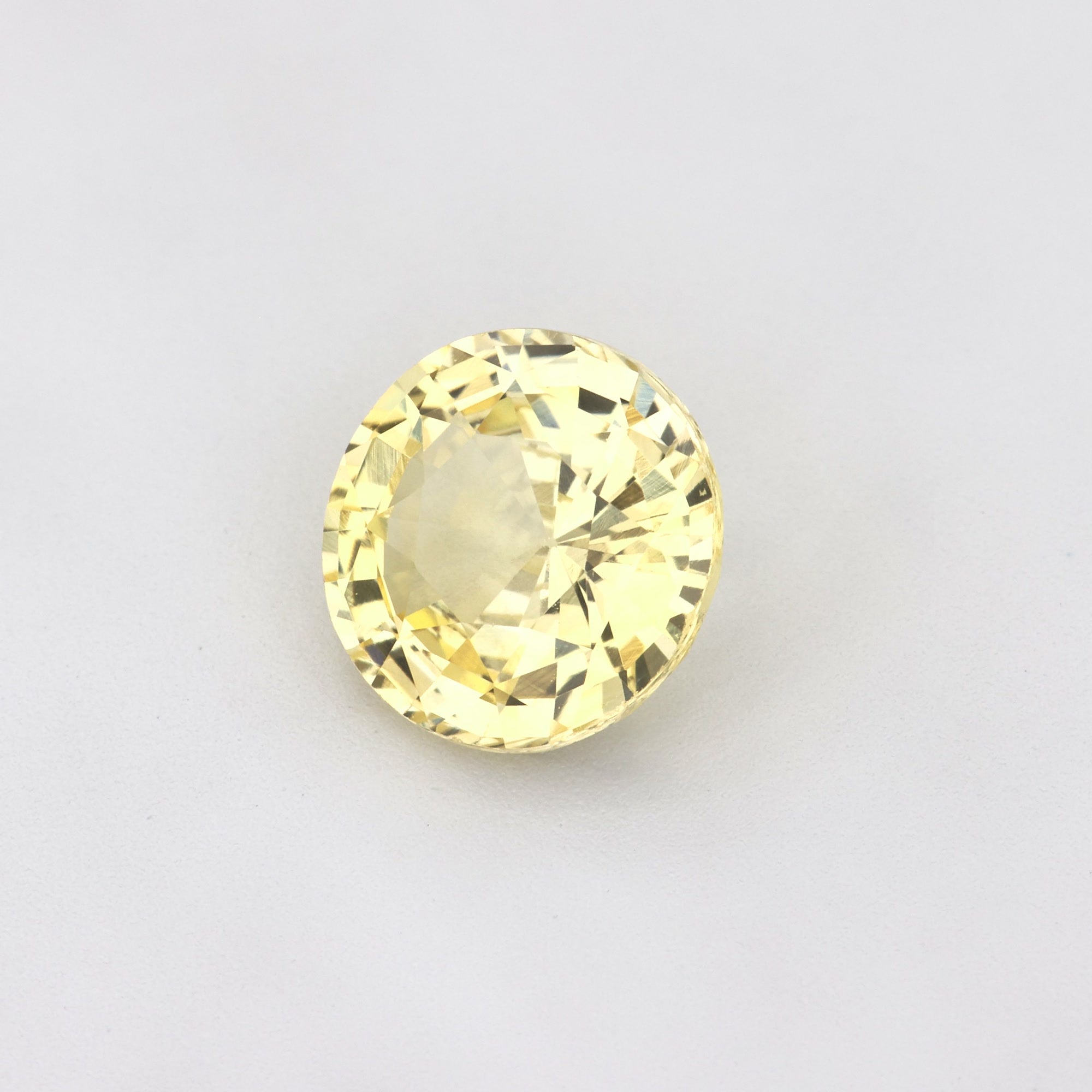
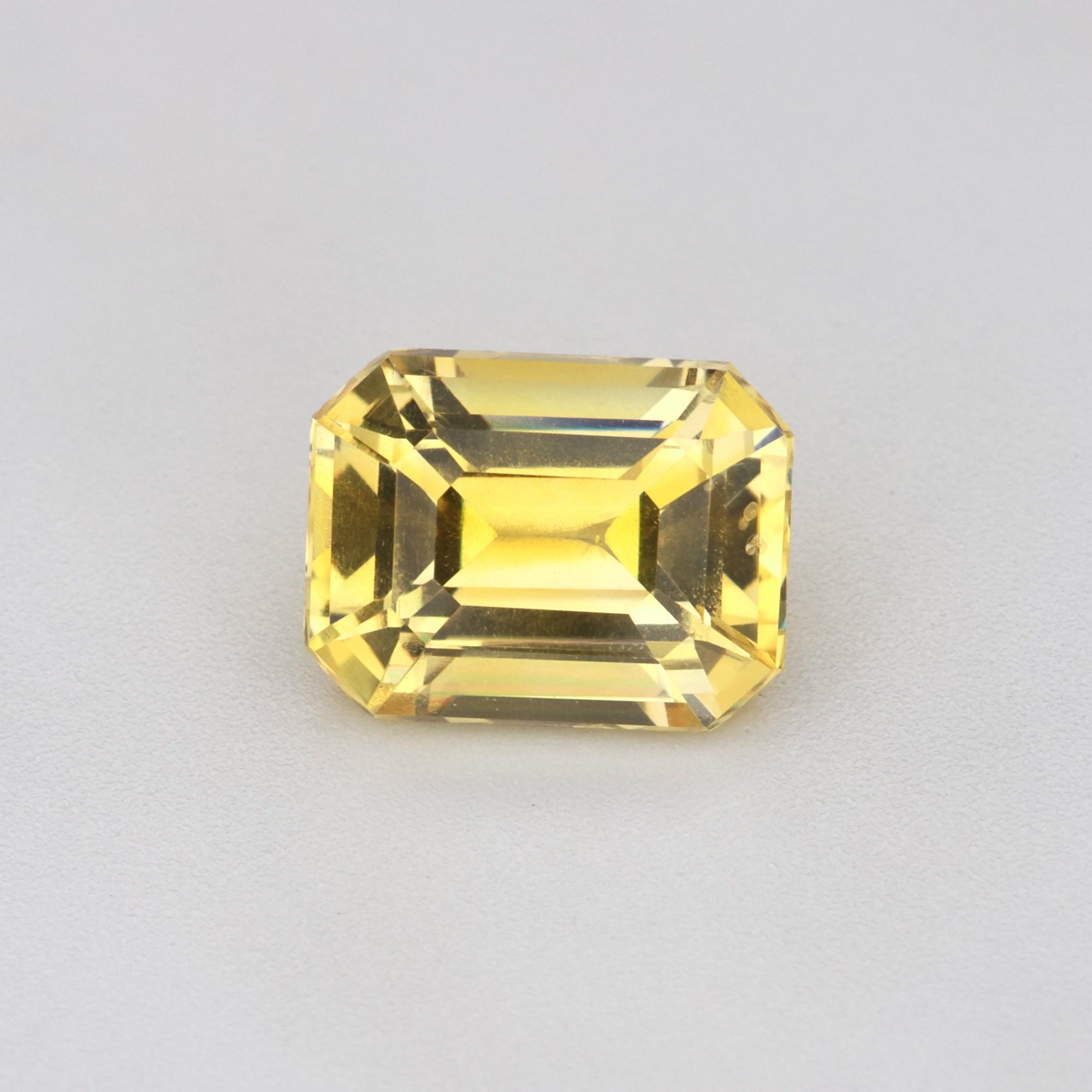
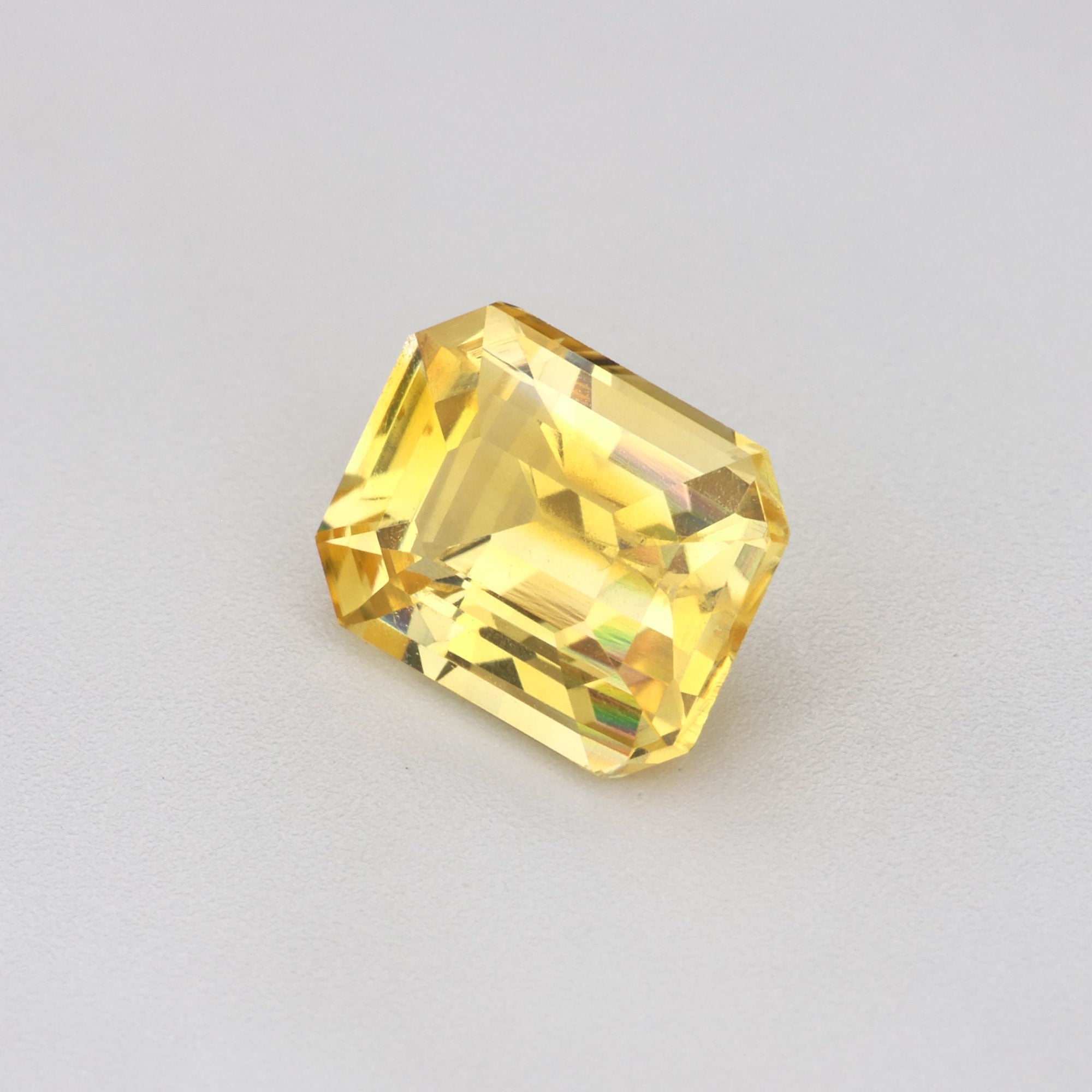
نبيع أحجاراً سائبة، والمعالجة مذكورة في كل صفحة منتج. وحيث يكون للحجر تقرير نسمّي المختبر ورقم التقرير؛ وحيث لا تقرير له، تقول الصفحة ذلك. والمنشأ مسجَّل في كل صفحة كذلك — ومعظم ياقوتنا سريلانكي، ونحمل إلى جانبه ياقوت مدغشقر وعدداً من المناشئ الأخرى، فالصفحة تقول لك أيّها هو بدل أن تقرأه من اسم مجموعة.
وليس لنا صالة عرض ولا منضدة بيع بالتجزئة. نشتري في راتنابورا وبيروالا وكولومبو، ونقطع على المواصفة، والحجر يُشحن سائباً. وهذا وصف لعملنا نحن، ولا نقيس به أحداً.
وتصفّح الكتالوج كلّه باللون — الأزرق، والأزرق المخضرّ، والأصفر، والوردي، والخوخي، والبنفسجي — أو راسلنا على crescentgems@gmail.com لنوفّر لك حجراً على المواصفة.
الحجر السائب يُباع وحده، فتفحصه من كل جهة وترسله إلى مختبر وتختار له التركيب بعد ذلك. والخاتم الجاهز يُباع والحجر مركَّب فيه، فيأتيك الحجر مختاراً سلفاً والتركيب معه. وليست إحدى الطريقتين أفضل من الأخرى؛ هما ترتيبان مختلفان للقرارات نفسها، والذي يتغيّر هو ما تستطيع أن تقرّره بنفسك وفي أي لحظة.
المخالب تغطّي حزام الحجر، والتركيب يحجب القاعدة السفلية، فلا تُقيَّم نِسَب القطع من النظر العلوي وحده. والحجر المركَّب في خاتم لا يقبله GIA ولا Gübelin ما لم يُفكّ أولاً.
ثمن الياقوت السائب هو ثمن الياقوت. والخاتم المنتهي هو الحجر زائد المعدن زائد أجرة الصياغة، فالرقمان لا يقيسان الشيء نفسه. وليست لنا صالة عرض؛ نشتري في راتنابورا وبيروالا وكولومبو ونقطع على المواصفة، ولا ننشر نسبةً دون سعر التجزئة ولا مضاعِفاً للهامش، لأننا لا نملك رقماً نستطيع الوقوف خلفه.
الحجر الكريم السائب يدخل تحت البند 71.03، والياقوت المقطوع تحت البند الفرعي 7103.91. والخاتم المنتهي يدخل تحت البند 71.13، وما كان منه من ذهب أو بلاتين تحت 7113.19. أي أن الشراءين مصنَّفان تصنيفين مختلفين عند الحدود. ولا ننشر نسب الرسم لأنها تُعدَّل بقرار وتنشرها الجهة الجمركية في بلدك.
على القيمة الجمركية — وهي ثمن البضاعة زائد الشحن والتأمين — مضافاً إليها الرسم الجمركي. أي أن الرسم يدخل في وعاء الضريبة. والأصل في ذلك المادة الثامنة والعشرون من الاتفاقية الموحّدة لضريبة القيمة المضافة لدول مجلس التعاون. والنسبة بحسب بلدك: 15% في السعودية، و5% في الإمارات وعُمان، و10% في البحرين، و14% في مصر، ولا ضريبة نافذة في قطر والكويت حتى تاريخ هذه الصفحة.
الأولى تنفي التسخين وحده، والثانية تنفي المعالجات كلّها وهي أقوى دعوى متاحة، فلا تُكتب إلا حيث تسندها الوثائق. وقد يكون الحجر غير معالج حرارياً وقد عولج بطريقة أخرى. و«ياقوت طبيعي» لا تحسم واحدة منهما.
نحن لا نعمل مع ورش في الخليج ولا نتكلّم عن أحد منها. والصحيح أن تسأل الصائغ بنفسك: هل يركّب حجراً يأتي به العميل، وكم أجرته، ومن يتحمّل الكسر، وهل يكتب إيصالاً يصف الحجر بوزنه وأبعاده. والقائمة الكاملة في قسم الصياغة أعلاه.
تحتاجه إن كان ما تدفعه مبنيّاً على المنشأ. وGIA لا يطبع المنشأ إلا على تقرير منشأ، ولا يفعل ذلك إلا حيث وُجّه إليه السؤال؛ وعبارة Not Requested تعني أن السؤال لم يُوجَّه، لا أن الجواب سلبي. ونحن لا نرتّب المناشئ بعضها فوق بعض.

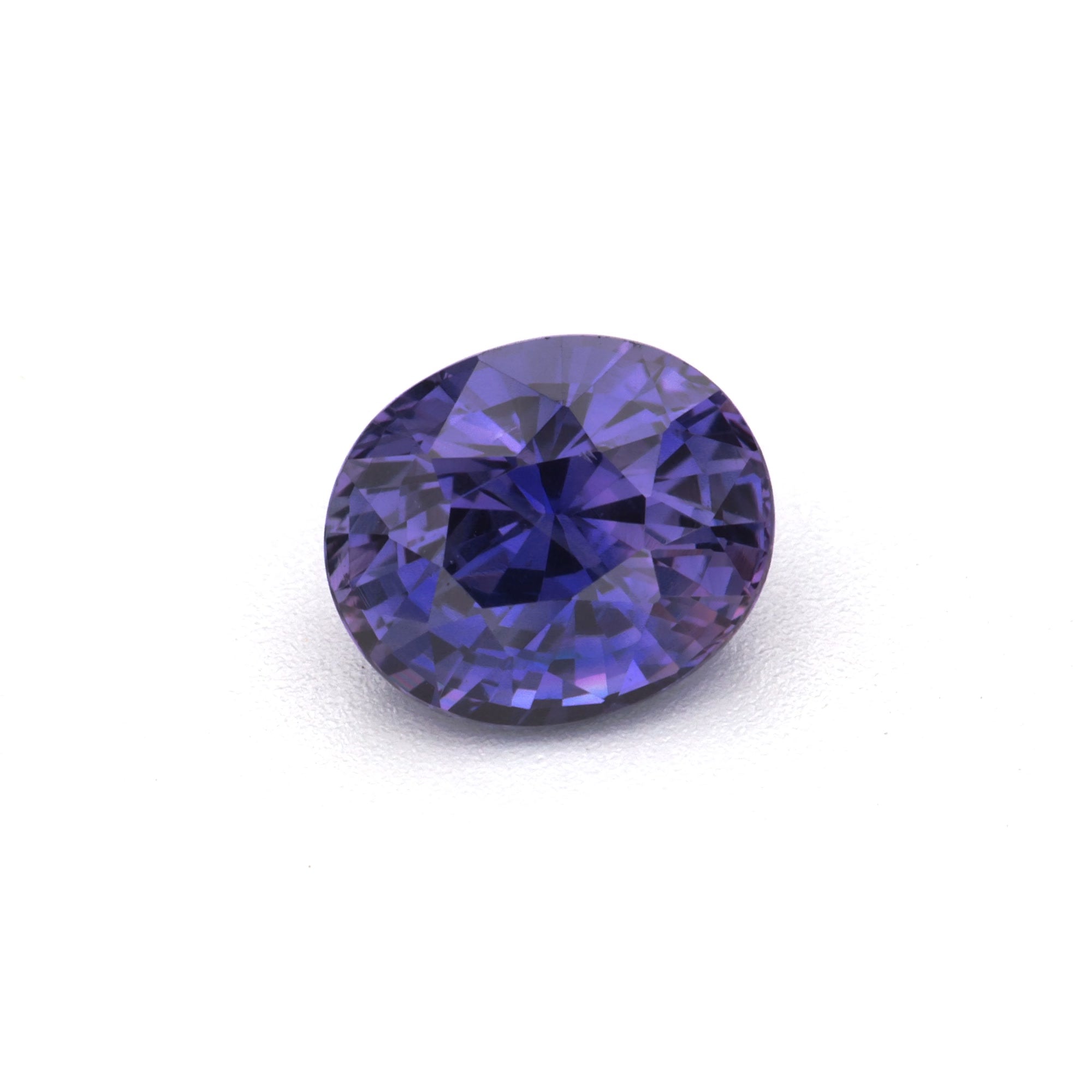
CG8469
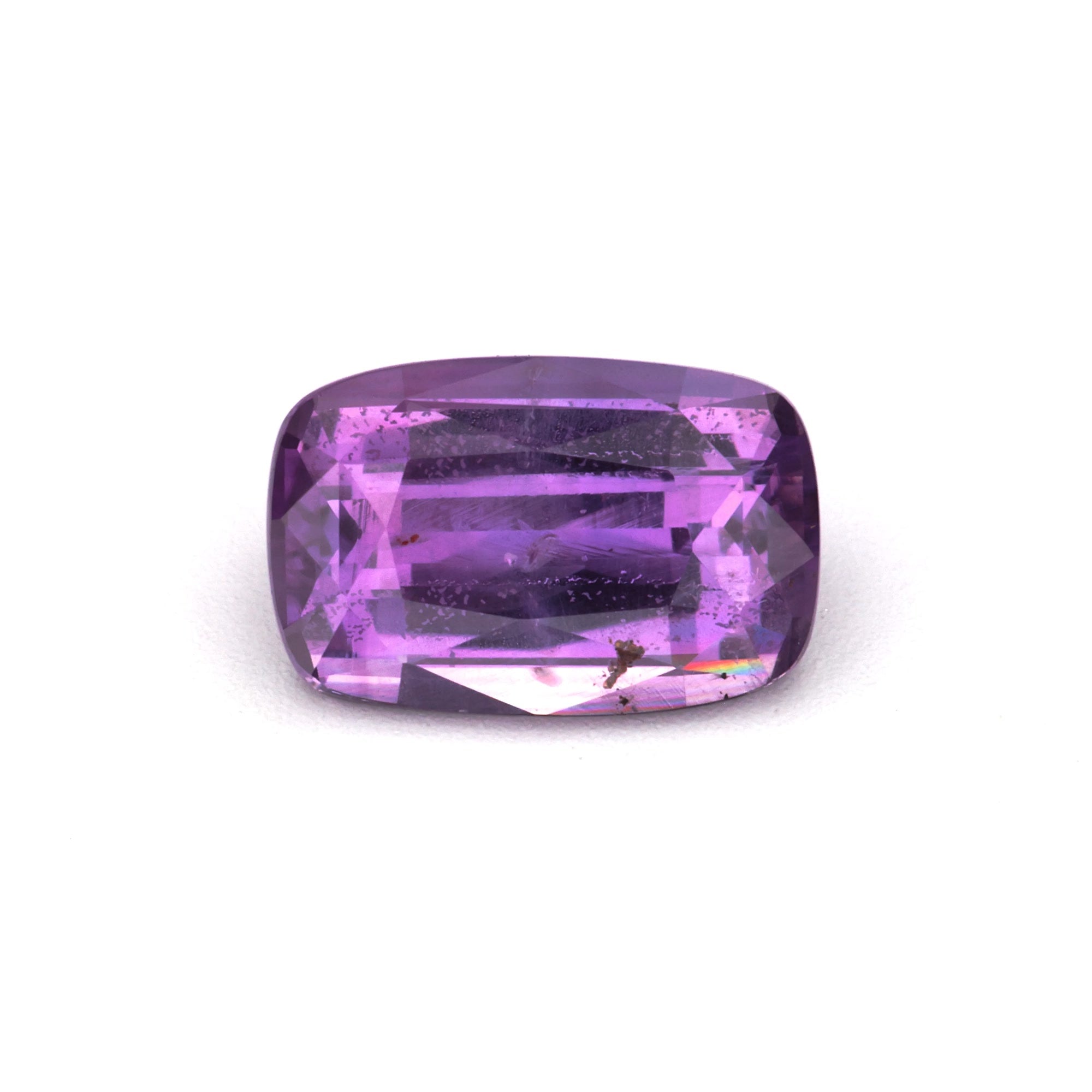
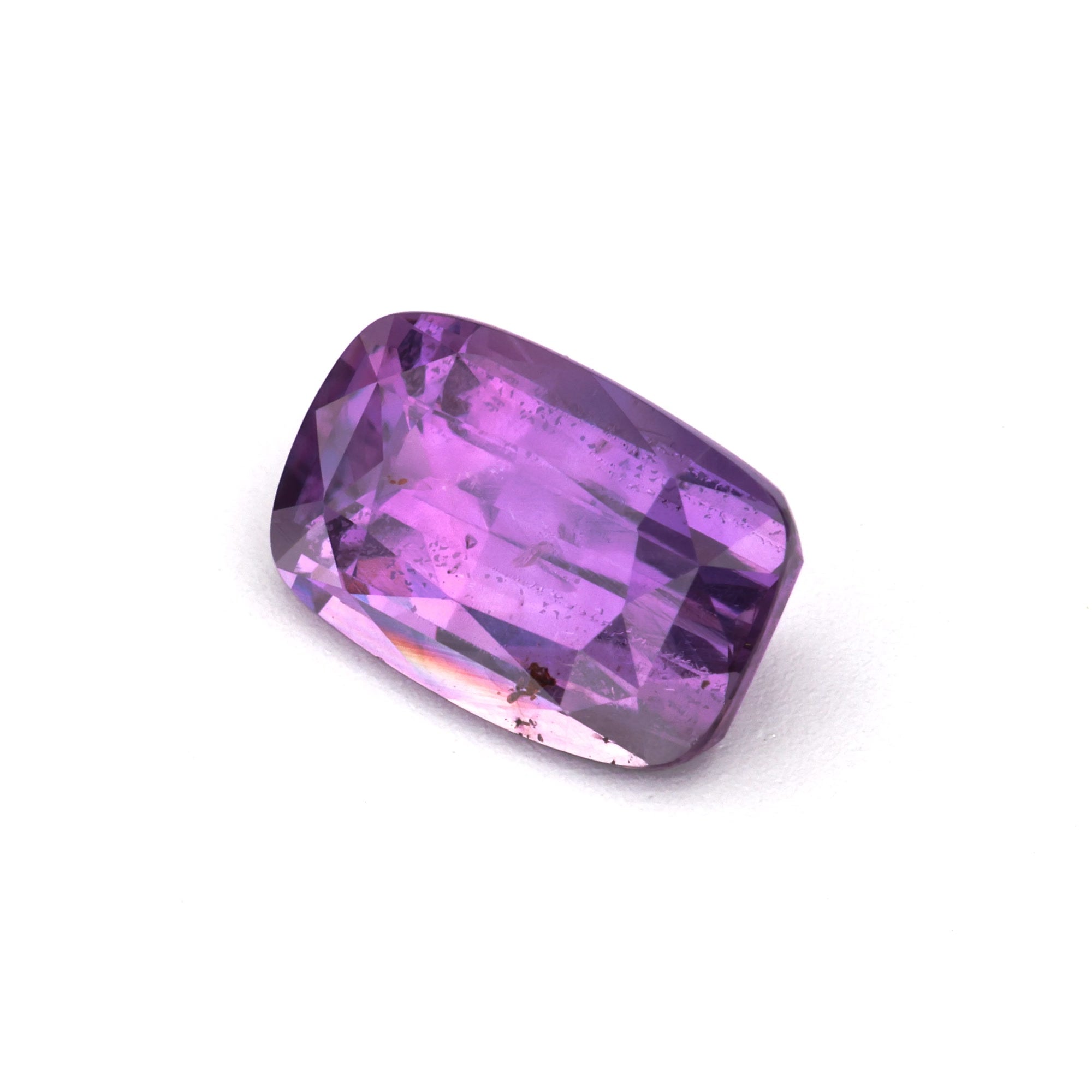
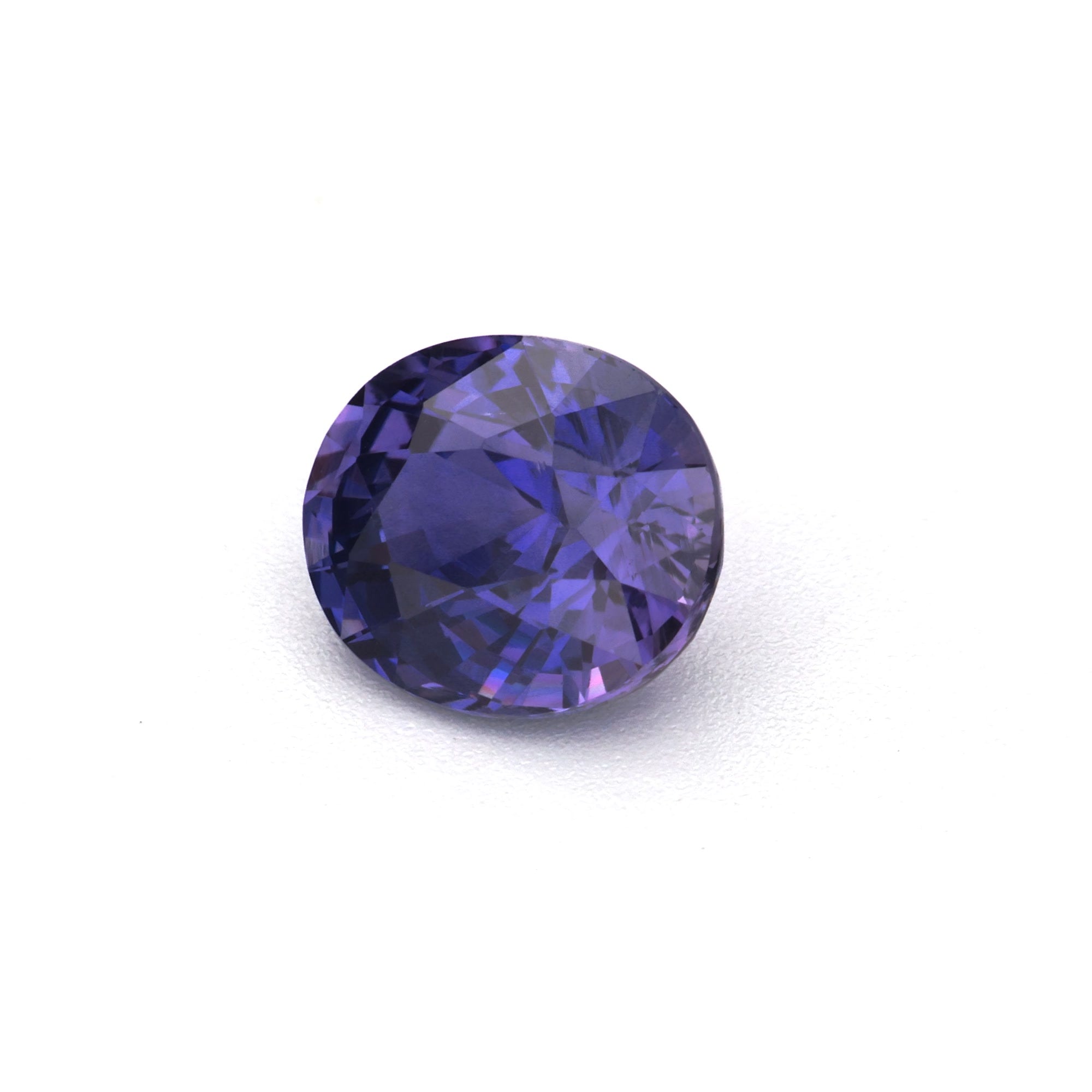
زفير بنفسجي طبيعي 1.45 قيراط — معالجة حرارية — تقرير GIA
CG8465
CG8464
CG8463
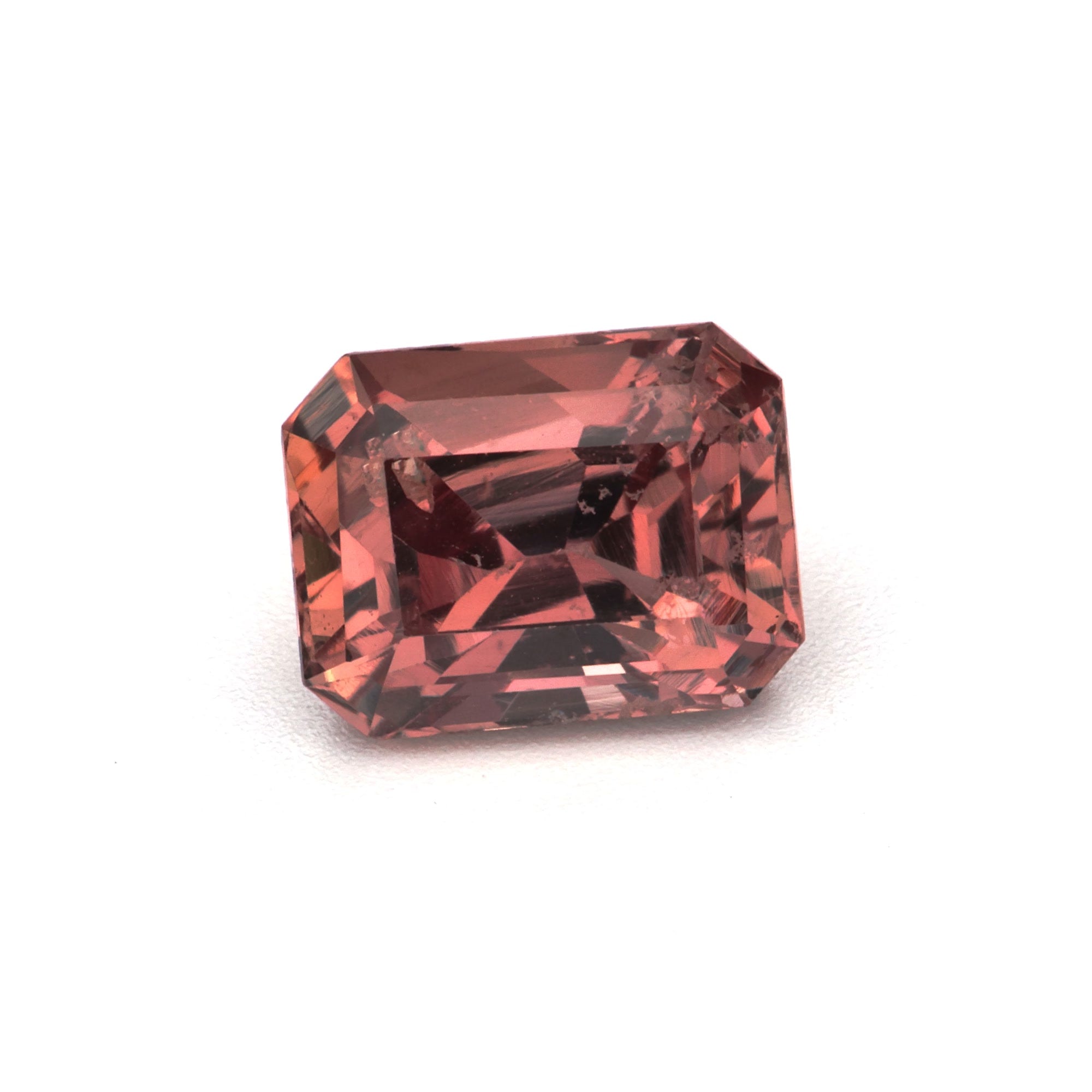
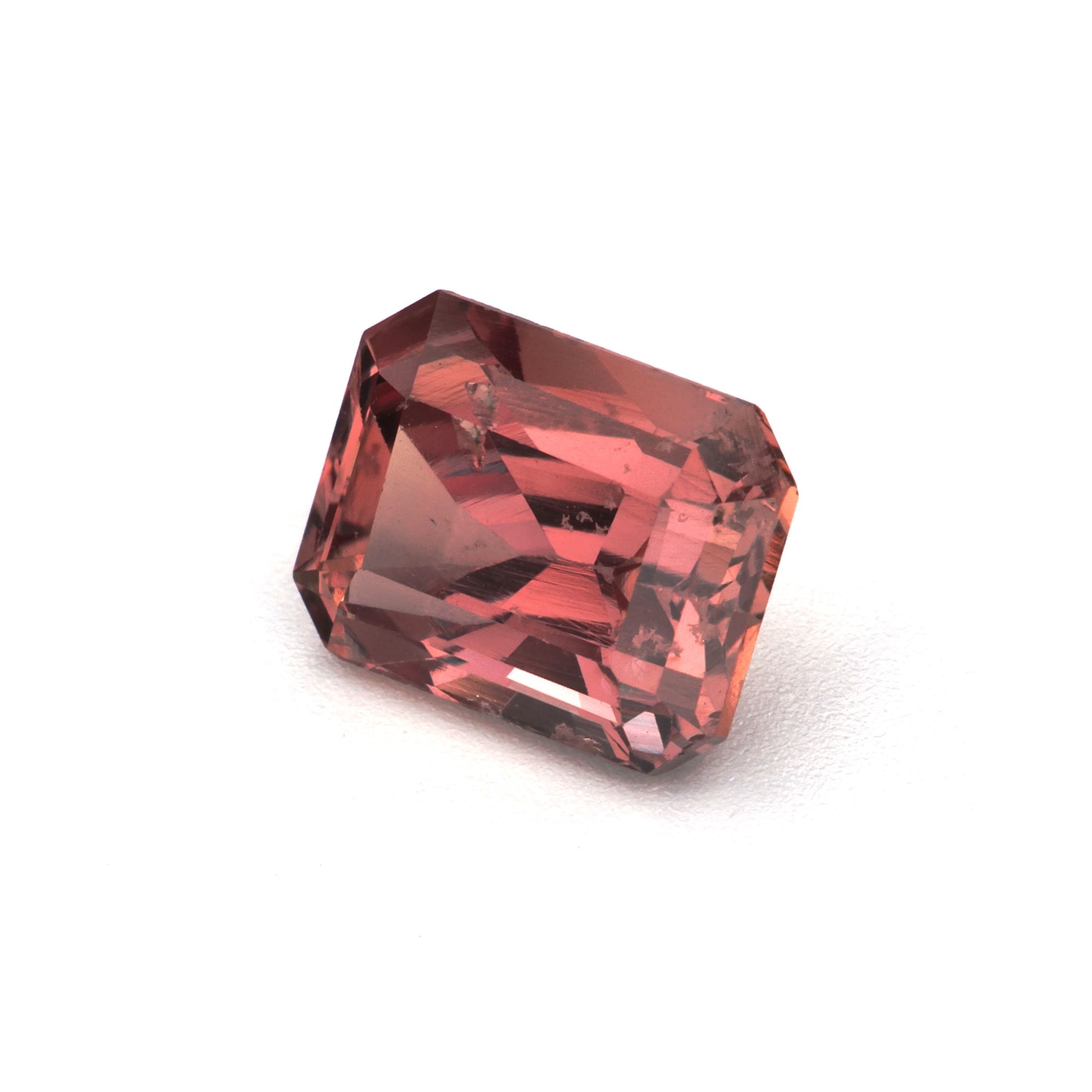
زفير وردي طبيعي 1.62 قيراط من مدغشقر – بتقرير GIA للمنشأ
CG8460
CG8459
CG8458
CG8457
CG8456
CG8453


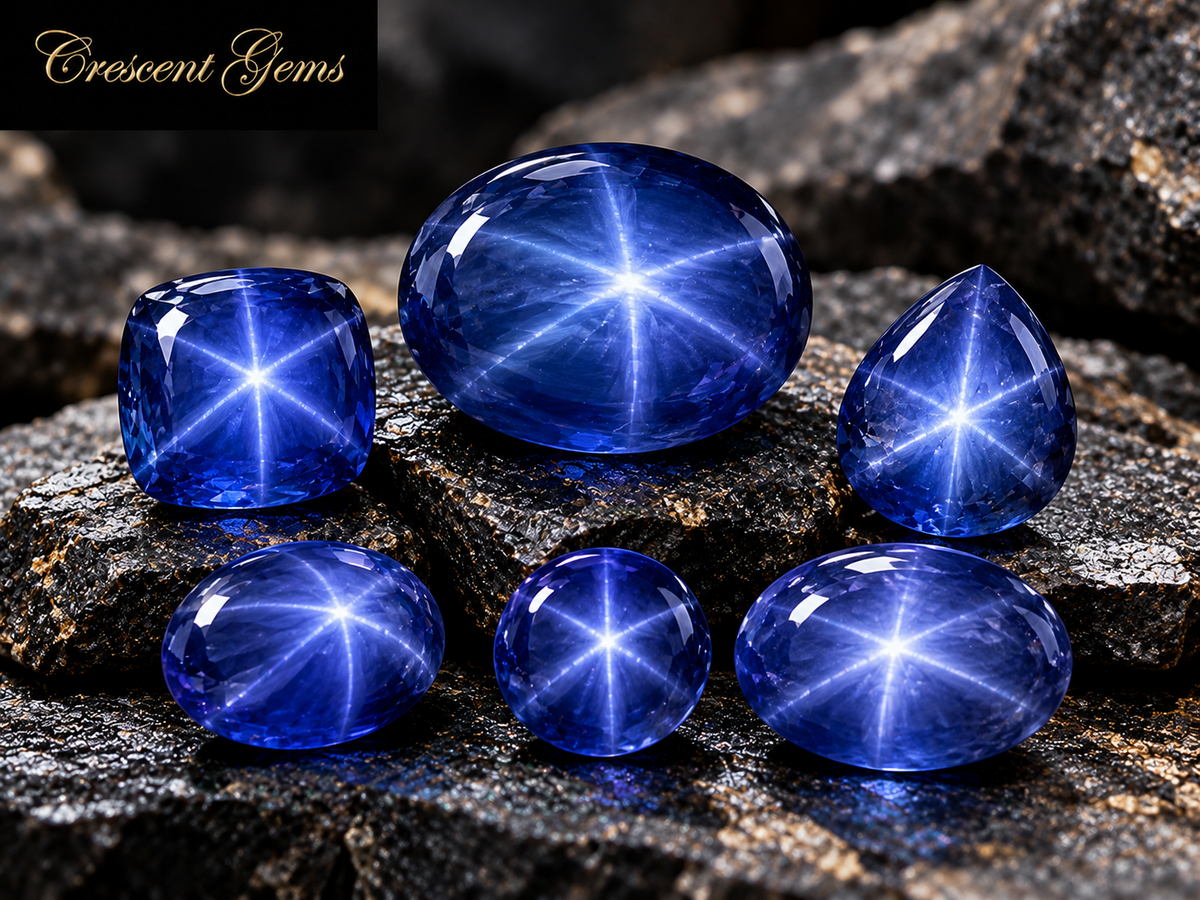
دليل أسعار الياقوت الأزرق النجمي: ما الذي يحدّد السعر فعلاً
سعر الياقوت الأزرق النجمي للقيراط، وما الذي يحرّك السعر فعلاً، ولماذا لا يمنح أي مختبر درجة للنجمة. وحجرنا الوحيد: 8.09 قيراط بتقرير منشأ من GIA بسعر $4,040.
اقرأ المزيدحول دليل أسعار الياقوت الأزرق النجمي: ما الذي يحدّد السعر فعلاً
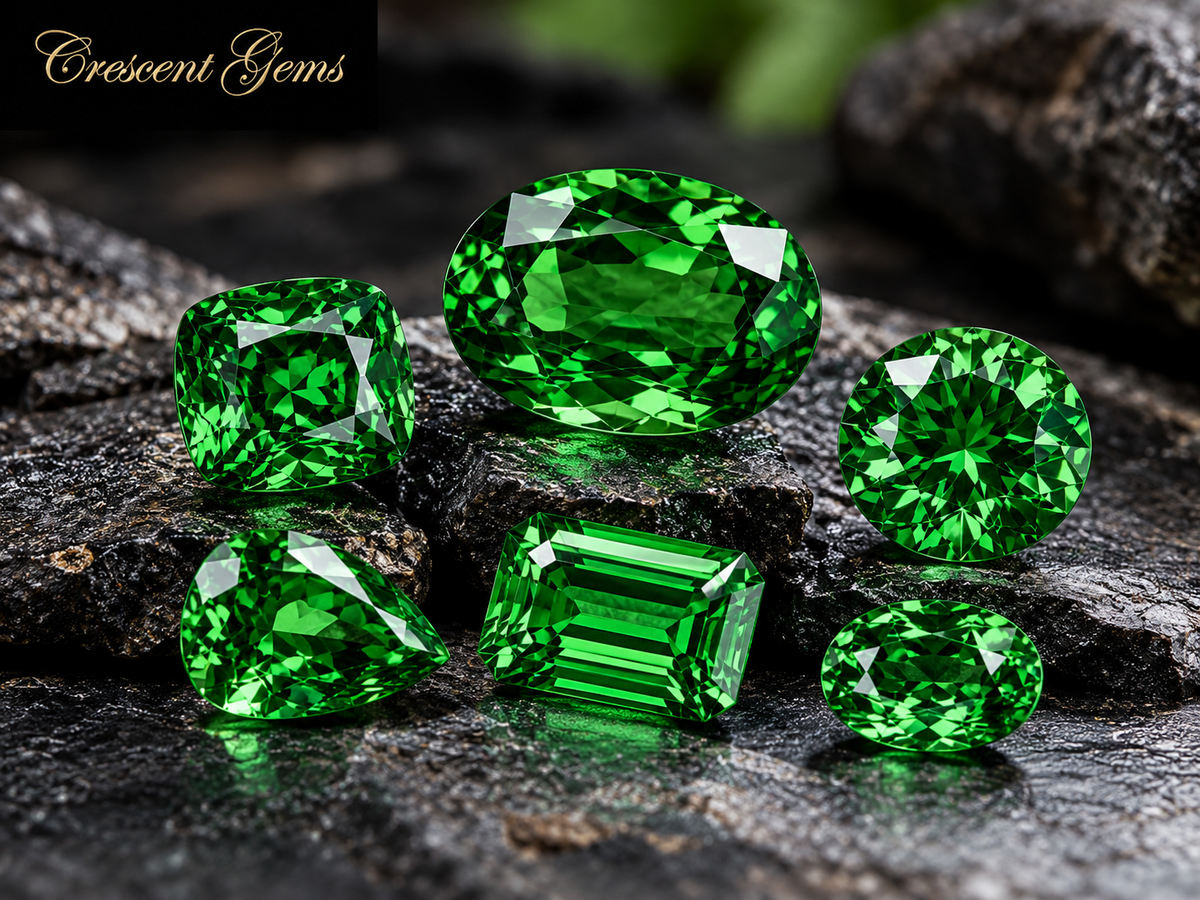
دليل أسعار حجر التسافوريت: أسعار مخزوننا وما الذي يحدّ من العرض
أسعار حجر التسافوريت بحسب الوزن، من سبعة أحجار في مخزوننا: من $1,177 إلى $22,724، وحجر منها محسّن النقاء ومُفصح عنه — وما الذي يحدّ من توفّر حجر كبير ونظيف.
اقرأ المزيدحول دليل أسعار حجر التسافوريت: أسعار مخزوننا وما الذي يحدّ من العرض
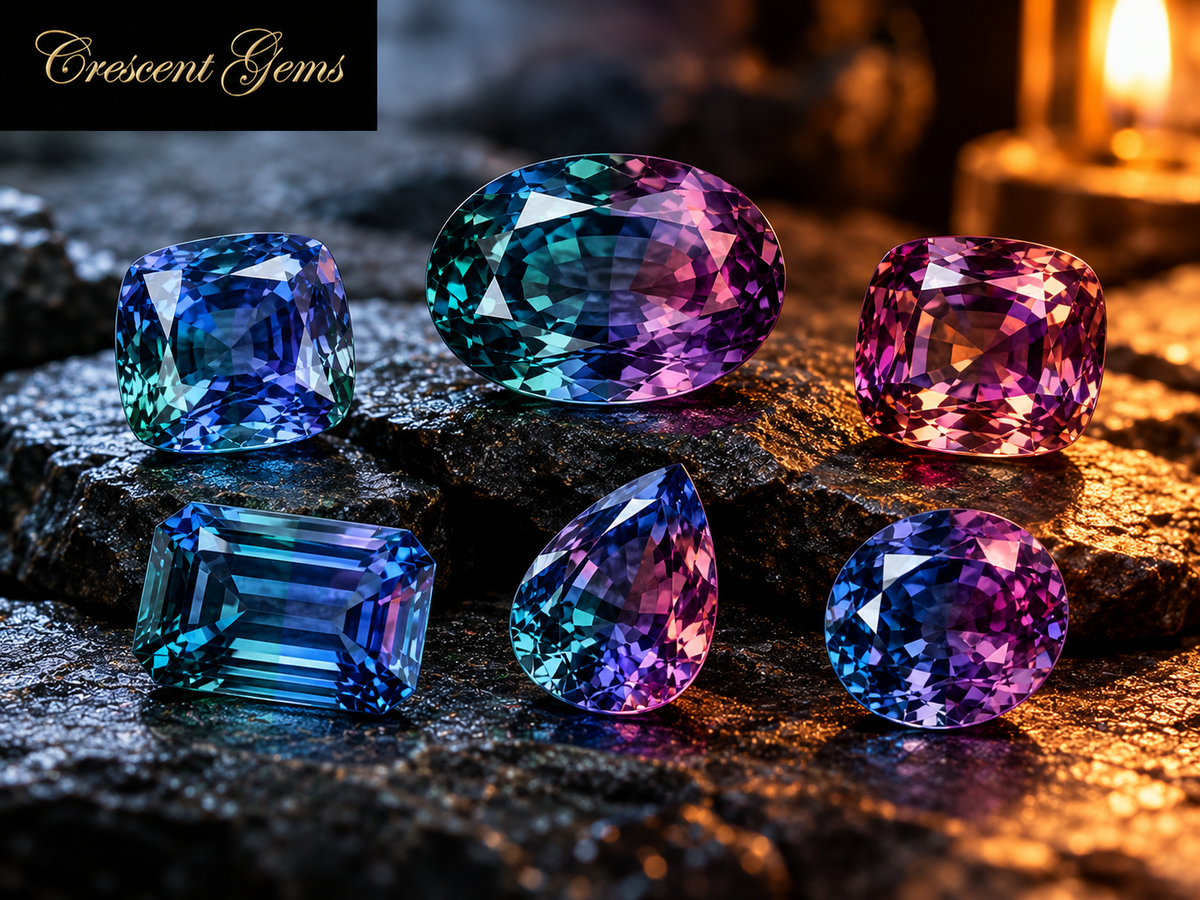
دليل أسعار الياقوت المتغيّر اللون: ما الذي تدفع ثمنه فعلاً
سعر الياقوت المتغيّر اللون للقيراط، وما الذي يحرّك السعر فعلاً، ولماذا لا يمنح أي مختبر درجة لتغيّر اللون. وحجرانا: 1.03 قيراط بسعر $824، و2.01 قيراط بسعر $2,211.
اقرأ المزيدحول دليل أسعار الياقوت المتغيّر اللون: ما الذي تدفع ثمنه فعلاً
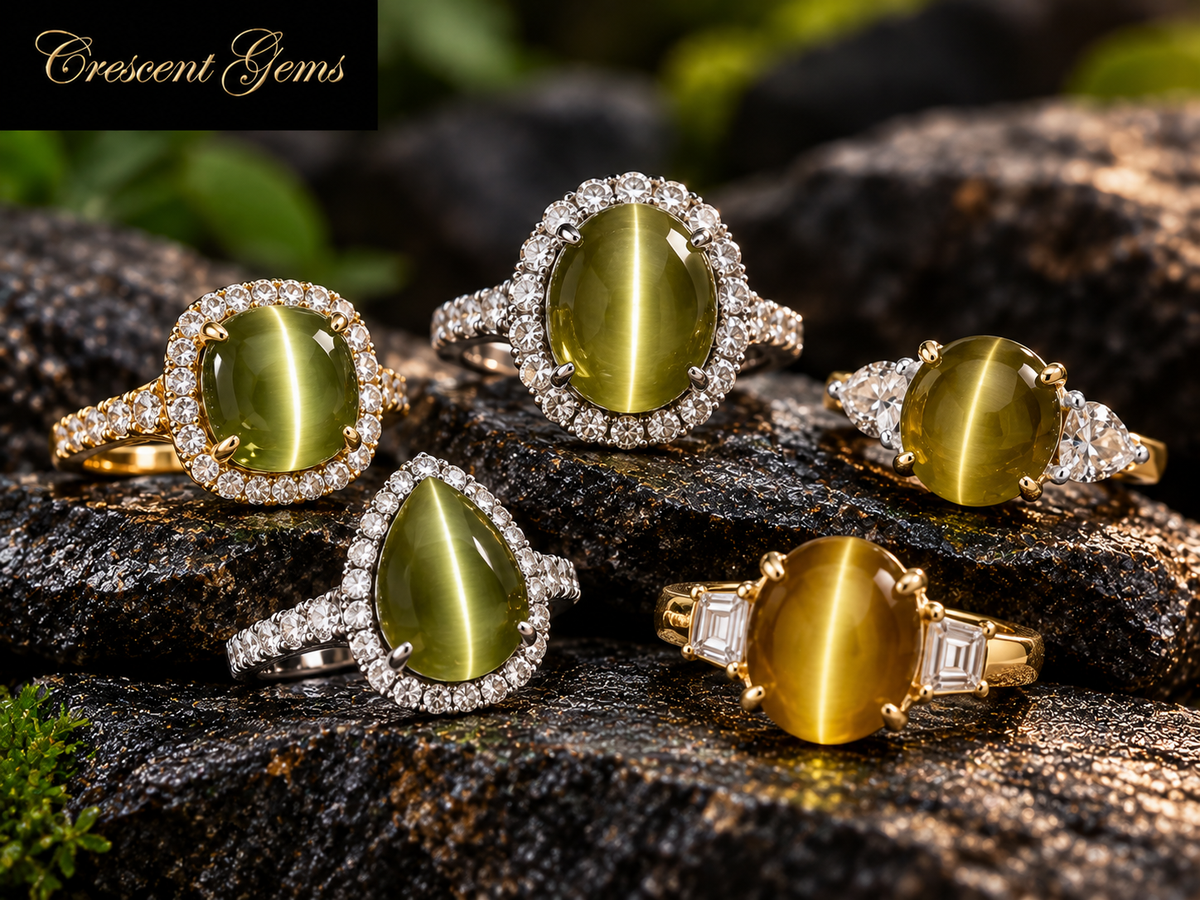
حجر عين الهر (كريسوبيريل): هل يصلح لخاتم خطوبة يُلبس كل يوم؟
الكريسوبيريل عند 8.5 على مقياس موس: فوق الكوارتز (7) والزمرد (7.5 إلى 8)، ودون الكوروندم (9) والألماس (10). وماذا يعني ذلك للبس اليومي واختيار التركيب والعناية.
اقرأ المزيدحول حجر عين الهر (كريسوبيريل): هل يصلح لخاتم خطوبة يُلبس كل يوم؟
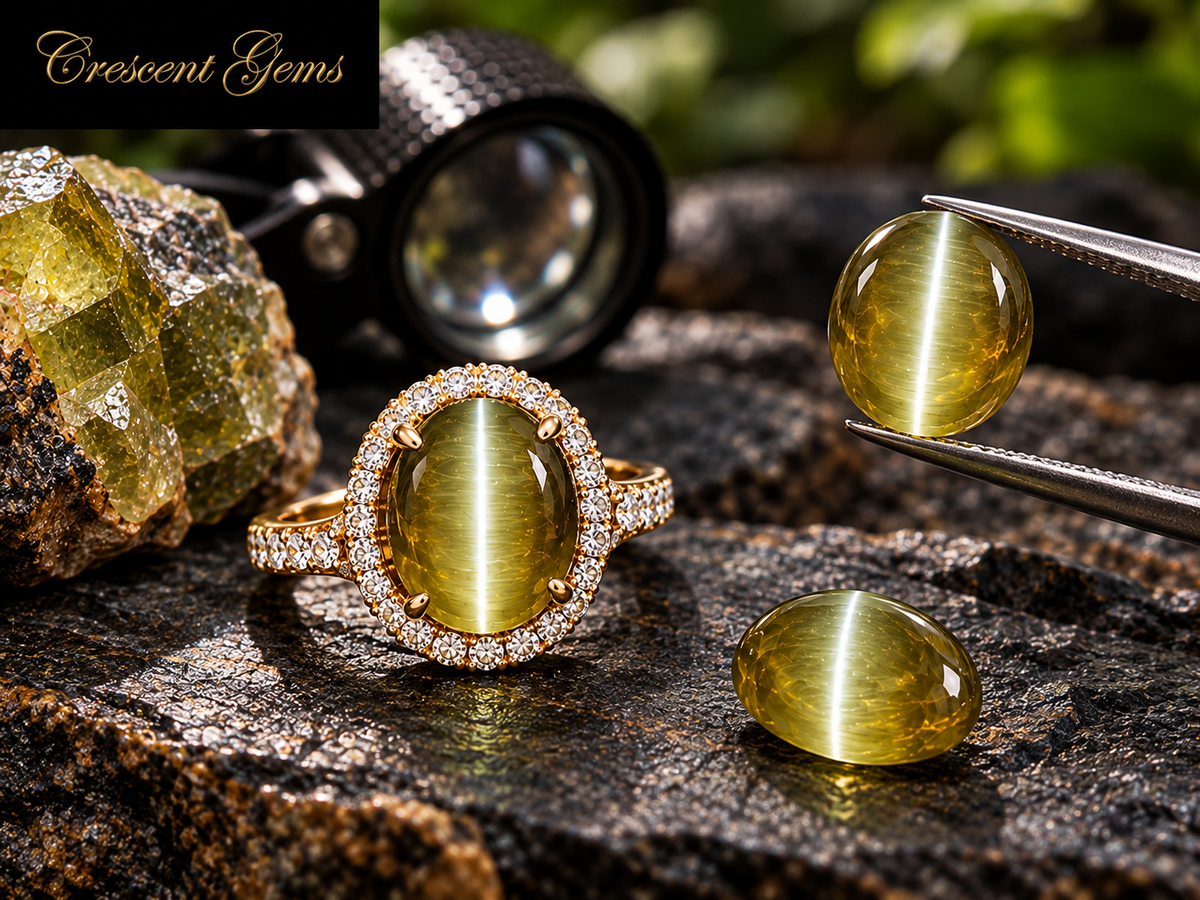
دليل أسعار حجر عين الهر (كريسوبيريل): ما الذي يحدّد السعر فعلاً
سعر حجر عين الهر الكريسوبيريل للقيراط، وما الذي يحرّك السعر فعلاً، ولماذا لا يمنح أي مختبر درجة للعين. وحجرانا: 2.36 قيراط بسعر $3,792، و4.25 قيراط بسعر $9,482.
اقرأ المزيدحول دليل أسعار حجر عين الهر (كريسوبيريل): ما الذي يحدّد السعر فعلاً















مشاركة: