

- بقلم Ahmed Shareek
How to Commission a Custom Sapphire Ring — From Loose Stone to Finished Piece
- بقلم Ahmed Shareek
New to buying sapphires? Start with our Ultimate Sapphire Buying Guide — the complete resource for color, origin, treatment, and pricing.
You have chosen your sapphire. Maybe it is a vivid unheated Sri Lankan blue in a cushion cut, or a teal oval that shifts from green to blue depending on the light, or a warm peach. The stone is in your hand — or on its way — and now the question is: what happens next?
Commissioning a piece means the ring is designed around your specific stone and built to your specification, rather than built first and fitted with whatever stone happens to match.
This guide covers the process from loose stone to finished ring: choosing a jeweler, selecting your metal, design decisions that affect how the stone looks and wears, typical timelines, what drives the cost of a setting, and how to arrange the setting through us as part of the same order.
One term to settle before you start. A commissioned ring is made to your specification, and our Refund policy lists custom and made-to-order items as non-returnable. Our Terms of Service add that an order cannot be canceled or modified once it has been accepted. So the moment that matters is design approval: before it, changes cost nothing; after the order is accepted, the piece is being made for you and cannot be sent back because you have changed your mind. We put this at the top rather than in the small print, because it is the main thing that separates commissioning a ring from buying one off the shelf.
If you are reading this, you probably already understand the logic. But for anyone still on the fence: buying a loose sapphire before the ring is the smarter approach for three reasons.
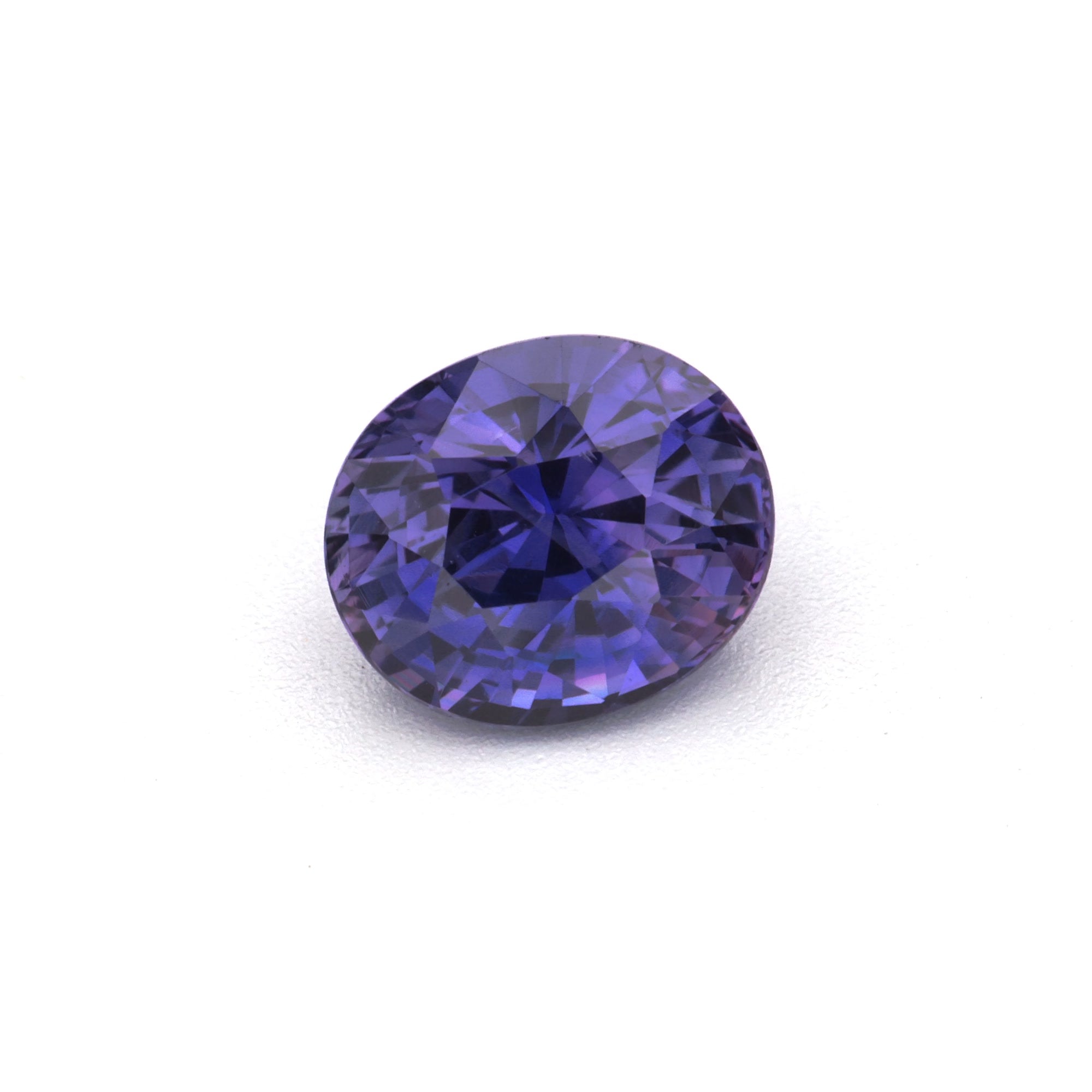
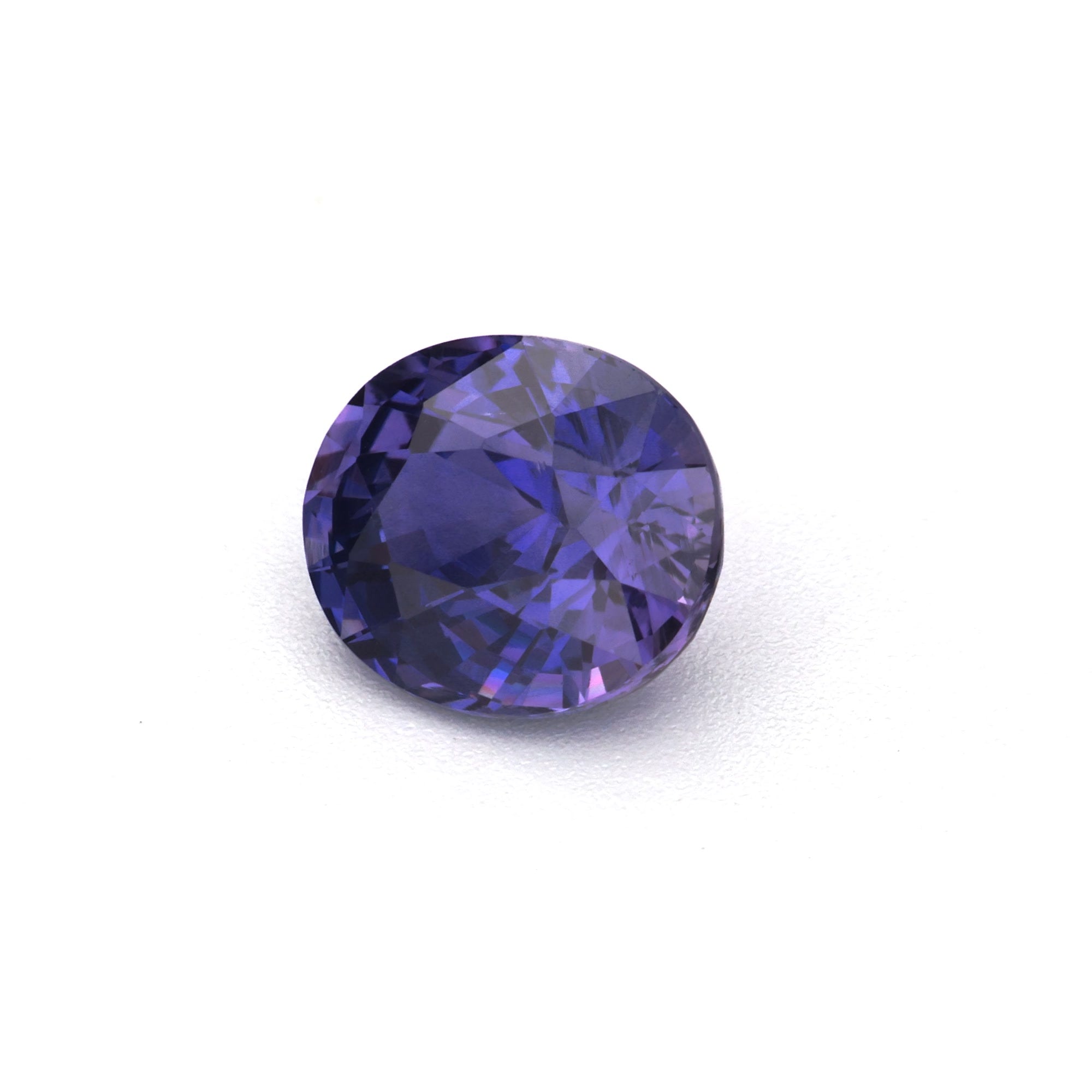
You see the actual stone. In a preset ring, the sapphire is already mounted. You cannot inspect the pavilion, check for windowing, or evaluate the color without the metal influencing what you see. Buying one of our sapphires means you evaluate the stone on its own merit: color, cut, clarity, treatment status — before any setting distracts from or flatters the gem.
You control the budget split. When the stone and the setting are bought separately, you decide how much of the budget goes to each, instead of accepting a split that was settled before you saw the ring. If the stone is what matters to you, put the money there and keep the setting simple.
The ring fits the stone, not the other way around. Every sapphire has individual dimensions, proportions, and color characteristics. A custom setting is designed for your specific stone's measurements, ensuring the prongs sit correctly, the proportions are balanced, and the metal choice complements the color rather than fighting it.
For the full case, read Loose Sapphires vs. Preset Rings.
If you have not yet selected your sapphire, start with the stone. Everything else follows it — the metal, the setting style, the proportions, the budget for the ring itself.
The key decisions:

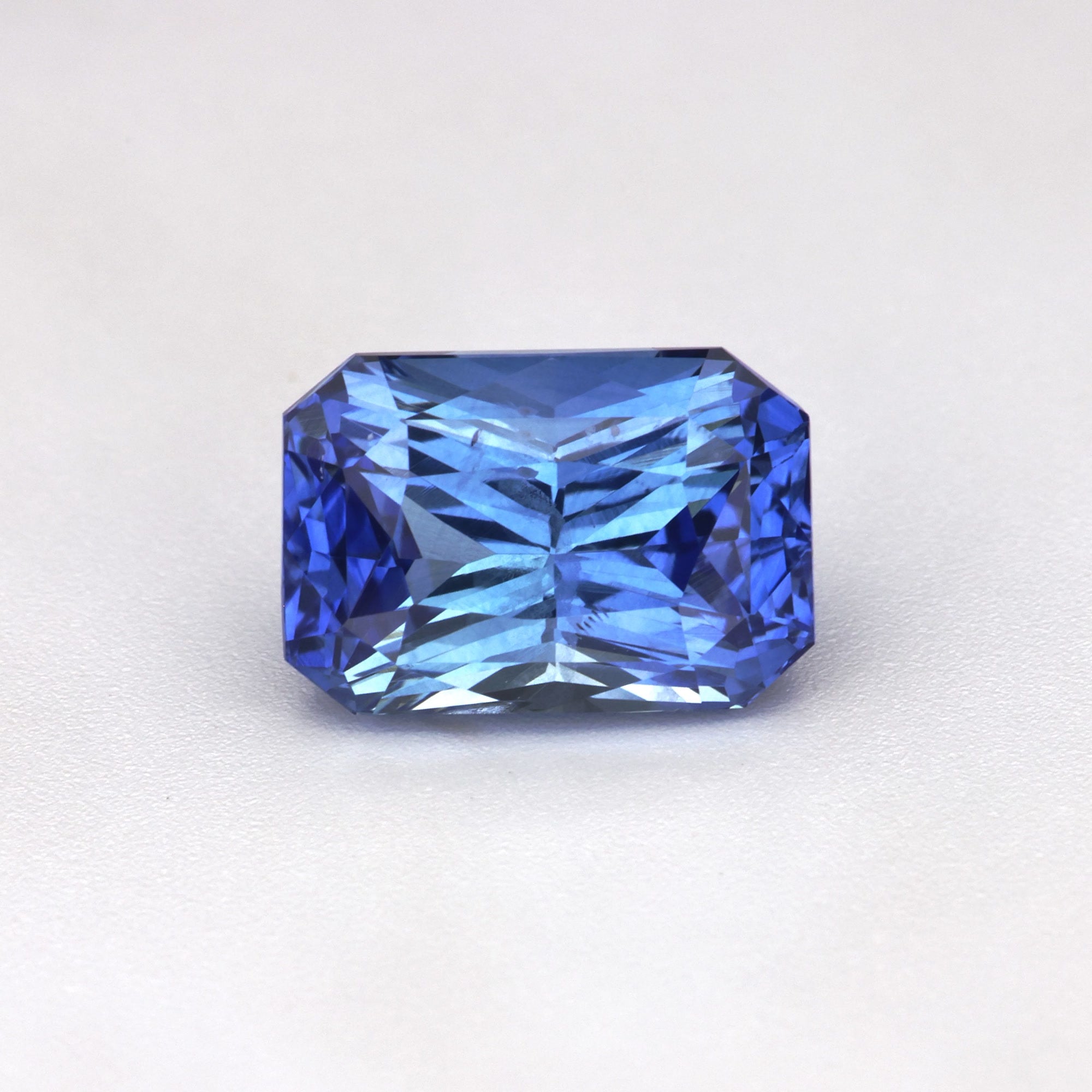
Color — the single biggest factor. Blue is the classic; teal, pink and peach are the alternatives we list most often. Your color choice influences which metal suits the stone (see Step 3). Browse visually with our Interactive Sapphire Color Chart.
Shape — oval and cushion dominate engagement rings; round maximizes brilliance; emerald cut offers architectural elegance; pear is distinctive. Shape affects which settings work. See The Best Sapphire Cut for an Engagement Ring.
Size — carat is a measure of weight, not of width, and sapphire is denser than diamond, so a one-carat sapphire looks slightly smaller face-up than a one-carat diamond. Compare millimeters, not carats. See What Size Sapphire Is Best?
Treatment — heated or unheated. Both are legitimate. Most of what we list is unheated, and every listing states the treatment for that stone. Note that unheated is not the same as untreated: unheated is a statement about heat and about nothing else. See What Is an Unheated Sapphire?
Browse all our loose gemstones and choose the stone first.
Once you have the stone, you need someone to design and build the ring. You have three options:
Most cities have independent jewelers who do custom work. The advantage is face-to-face communication, the ability to try on wax models, and a relationship with someone local who can service the ring later. Ask to see examples of previous custom colored-stone work, and ask directly about colored-stone experience. Setting a loose colored stone has its own requirements — prong placement, the pressure applied, a seat cut to the stone's exact dimensions — so it is a fair question to put to anyone, ourselves included.
Questions to ask a local jeweler:
Have you set loose sapphires before? Can I see examples?
Will you insure my stone while it is in your shop?
Do you do CAD design, or hand fabrication, or both?
What is your typical timeline for a custom ring?
What happens if the stone is damaged during setting?
Some online jewelers specialize in setting customer-supplied stones. You ship them your sapphire, work with their design team remotely (usually via email, video call, and CAD renders), and receive the finished ring by mail. The process works well for buyers who know what they want and are comfortable working remotely. Verify that the service is insured and that your stone is covered from the moment it arrives at their workshop until the finished ring is in your hands.
When you buy a loose stone from us we can arrange the setting as part of the same order, so you deal with one party from stone to finished ring instead of coordinating between two. You do not have to find a second jeweler, and you do not have to ship your stone to someone you have not bought from.

There is no booking form and no separate product to add to a cart. The route is email. Write to us with the stone you have chosen — or with what you are looking for, if you have not chosen yet — and tell us the setting you have in mind, your budget for it, and the date you are working to. We come back with a design and a quote. Nothing is ordered and nothing is charged until both are in front of you and you have said yes.
The questions in Option A are the right questions to put to us as well. Two of them matter most: how your stone is covered while it is with us, and when title and risk pass to you. On the second, our Terms of Service say that once an order has been transferred to the shipping carrier, title and risk of loss pass to you. Ask us the rest before you commit, and hold our answers to the same standard you would hold anyone else's.
Email jewelry@crescentgems.com to start a custom ring conversation — that is the address for commissions, and it is the one to use rather than the general inquiries address.
The metal you choose changes how the sapphire looks in the finished ring. This is not a neutral decision — metal color interacts with stone color in ways that either enhance or diminish the gem's appearance.
The most popular choice for blue, teal, and violet sapphires. Cool-toned metal creates maximum contrast with the stone's color, allowing the blue (or green, or purple) to read at its most vivid and uninfluenced. Platinum is denser than white gold, so the same design uses more metal by weight. 14K or 18K white gold gives a similar look for less. One practical difference between them: white gold is gold alloyed with white metals and is normally rhodium plated to give it its bright white color, and that plating wears with daily wear and is renewed from time to time. Platinum is white all the way through and never needs it. For how each metal reads against each sapphire color, see How to Choose Metal Color for a Sapphire Ring.
Adds warmth and vintage character. The definitive pairing for yellow sapphires — metal and stone reinforce each other's golden tone. Also beautiful with deep royal blue (the combination used in historic royal jewelry) and rich purple. Yellow gold in 14K or 18K is the traditional choice. 18K is warmer and richer in color; 14K is slightly paler and harder, which suits daily wear.
The natural partner for pink and peach sapphires. The pink-toned metal and the warm stone color create a harmonious palette. Rose gold also creates a warm-cool contrast with teal and violet sapphires.
Some designs combine metals — a white gold or platinum head (the part holding the stone) with a yellow or rose gold band. This gives the sapphire the color contrast of white metal while adding warmth or personality to the band. Mixed metal designs are more complex to fabricate and cost slightly more, but the visual result can be distinctive.
Karat is the proportion of gold in the alloy, so it sets both the color and how the metal behaves. 18K has the richest color and is the softest of the three. 14K is slightly paler and harder, and it is the usual choice for a ring worn every day. 10K is harder again and paler again. Platinum is not karated at all — it is sold close to pure, it is denser than gold, and it holds its color without plating. Which of them costs more on a given ring depends on the design, the metal weight and the bench time, so it belongs in the quote rather than in a rule of thumb.
The setting style determines how the ring looks, how the stone is protected, and how comfortable the ring is to wear daily. Here are the most popular options for sapphire engagement rings:
The stone alone, held by four or six prongs, with no accent stones. The simplest of the designs here. It lets the sapphire's color be the entire statement. Best for vivid, well-cut stones that do not need accent stones to enhance their presence. A solitaire with a thin, clean band in white gold or platinum is the classic form.
A ring of small diamonds or white sapphires surrounding the center stone, creating a frame that makes the sapphire appear larger and adds sparkle. Halos work particularly well with smaller center stones (under 1.00 carat) where the additional visual size is welcome, and with colored stones where the white accent ring creates vivid contrast with the sapphire's hue.
A center sapphire flanked by two side stones — typically diamonds, white sapphires, or smaller matching sapphires. The three-stone design adds visual width, and in the English-speaking trade the three stones are often read as past, present and future. Side stones should complement, not compete with, the center sapphire. Diamond side stones in trillion or half-moon cuts are the classic pairing.
Milgrain detailing, filigree, engraving, and intricate metalwork that reference historical jewelry periods. These designs suit cushion-cut and emerald-cut sapphires particularly well and look exceptional in yellow gold. Vintage-style settings are more labor-intensive to produce and cost more than simple solitaires, but the craftsmanship is part of the value.
A continuous metal rim surrounds the entire stone, holding it securely from all sides. The most protective setting style — ideal for active wearers, medical professionals, or anyone who works with their hands. Bezels also create a sleek, modern look. The trade-off is that the metal rim partially blocks light from entering the stone's sides, which can slightly reduce brilliance compared to prong settings.
An oval, pear, or marquise sapphire set horizontally rather than vertically. A modern, distinctive orientation that reads as contemporary and unconventional. East-west settings suit elongated stone shapes and work particularly well with teal and parti-colored sapphires where the horizontal orientation shows off the color distribution differently.
The metal and setting advice in Steps 3 and 4 is our own recommendation, from handling these stones — no laboratory publishes guidance on settings, and we are not reporting one.
Whether you work with a local jeweler, an online service, or arrange it through us, the custom ring process typically follows these stages:
You describe what you want: the setting style, the metal, any reference images or inspiration, and your budget for the ring (separate from the stone cost). A good jeweler asks questions about lifestyle — how active the wearer is, whether they work with their hands, whether they prefer low-profile or statement designs — because these factors affect the practical design choices.
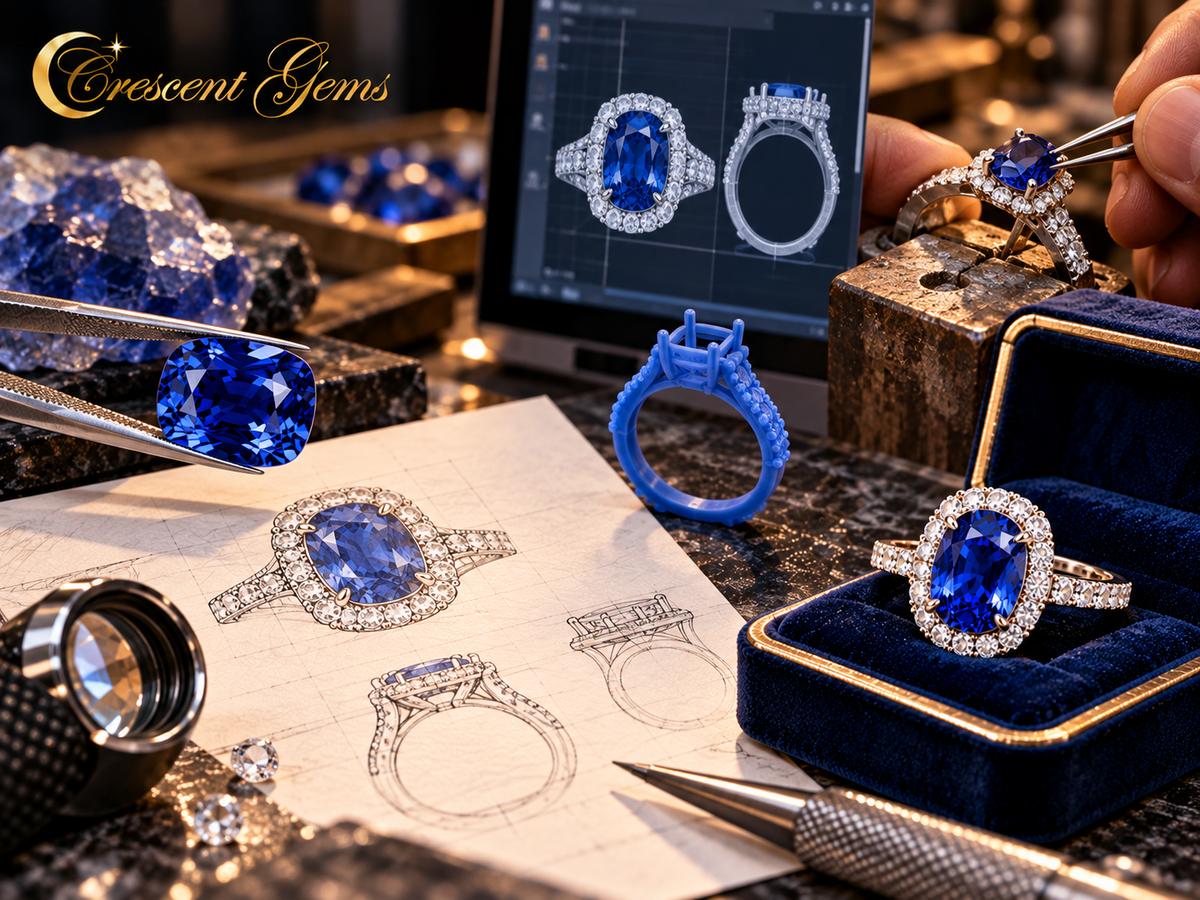
Most modern custom rings are designed using CAD (computer-aided design) software. The jeweler creates a 3D digital model of the ring using your stone's exact measurements. You receive renders showing the ring from multiple angles, sometimes with the actual stone image composited in. This is the stage for changes — proportions, band width, adding or removing detail — and it comes before the order is placed on purpose, because our Terms of Service say an order cannot be canceled or modified once it has been accepted. Settle the design while it is still on screen; after that the metal is committed.
The approved CAD design is 3D-printed in wax, which is then used to create a plaster mold. Molten metal (gold or platinum) is poured into the mold — the lost-wax casting process. After casting, the ring is cleaned, finished, and polished by hand.
The sapphire is set into the finished ring by a skilled setter. This is the most technically critical step. The setter cuts a precise seat in the metal to match the stone's exact girdle dimensions, positions the stone, and carefully pushes each prong (or bezel rim) into place to hold the stone securely without applying excessive pressure that could damage it. Setting a valuable loose sapphire is specialist work.
The completed ring is inspected for setting security, polish quality, symmetry, and overall finish. Any final adjustments are made before shipping. Where we have arranged the setting, we check the piece ourselves before it goes out to you.
These are typical, not promises. Our Terms of Service say delivery times are estimates and are not guaranteed, and a commission has more stages than a stock order, so we agree a schedule with you before the order is accepted and work to that. As a rough guide, from design approval to finished piece most commissions run:
Simple solitaire or bezel: about 2–4 weeks
Halo or three-stone with accent diamonds: about 3–5 weeks
Vintage or intricate design: about 4–6 weeks
Complex multi-stone or highly detailed piece: about 5–8 weeks
The consultation and design stage comes before all of that and usually adds another 1–2 weeks. If you are working to a date, add the two together, work backwards from the day you need the ring, and leave room to spare. If the date is tight, say so in your first email: we will tell you whether it is workable before you commit, rather than afterwards.
A setting is quoted per design, because the things that drive the cost vary from one design to the next:
The metal — which one, and how much of it the design uses. The band, the shoulders and the head all add weight, and platinum is denser than gold, so the same shape weighs more in it.
The size of the stone — a larger sapphire needs a larger head to hold it and a sturdier shank to carry it.
Accent stones — a halo or a row of side stones adds the stones themselves and the setting work for every one of them.
Complexity — milgrain, filigree, engraving and under-gallery detail are bench hours, and bench hours are most of what separates a plain solitaire from an intricate one.
Cast or hand-fabricated — a cast setting is made from a mold; a hand-fabricated one is built up at the bench. The second takes longer and costs more.
Which is why the quote follows the design rather than coming before it. Tell us what you have in mind and we will price the setting before any work starts, separately from the stone, so you can see the two figures next to each other and move the budget between them if you want to. Because the stone and the setting are handled in one order, there is no second party to coordinate with.
A few practical considerations once your ring is complete:
Insurance. Insure the finished ring for its full replacement value, stone and setting together. Specialist jewelry insurance and a rider on a home contents policy are the two usual routes, and which of them is open to you depends on where you live. Get the valuation from an independent gemologist rather than from the seller. For what a policy does and does not cover, see Insuring a Sapphire Ring.
Maintenance. Have the setting checked by a jeweler from time to time, and any time the stone feels loose or the ring has taken a knock. Prongs wear and can loosen, particularly in a ring worn every day. A loose prong caught early is a simple repair; a lost stone is not. That is our own advice from handling these stones, not a laboratory's. For care and cleaning, see How to Care for a Sapphire Engagement Ring.
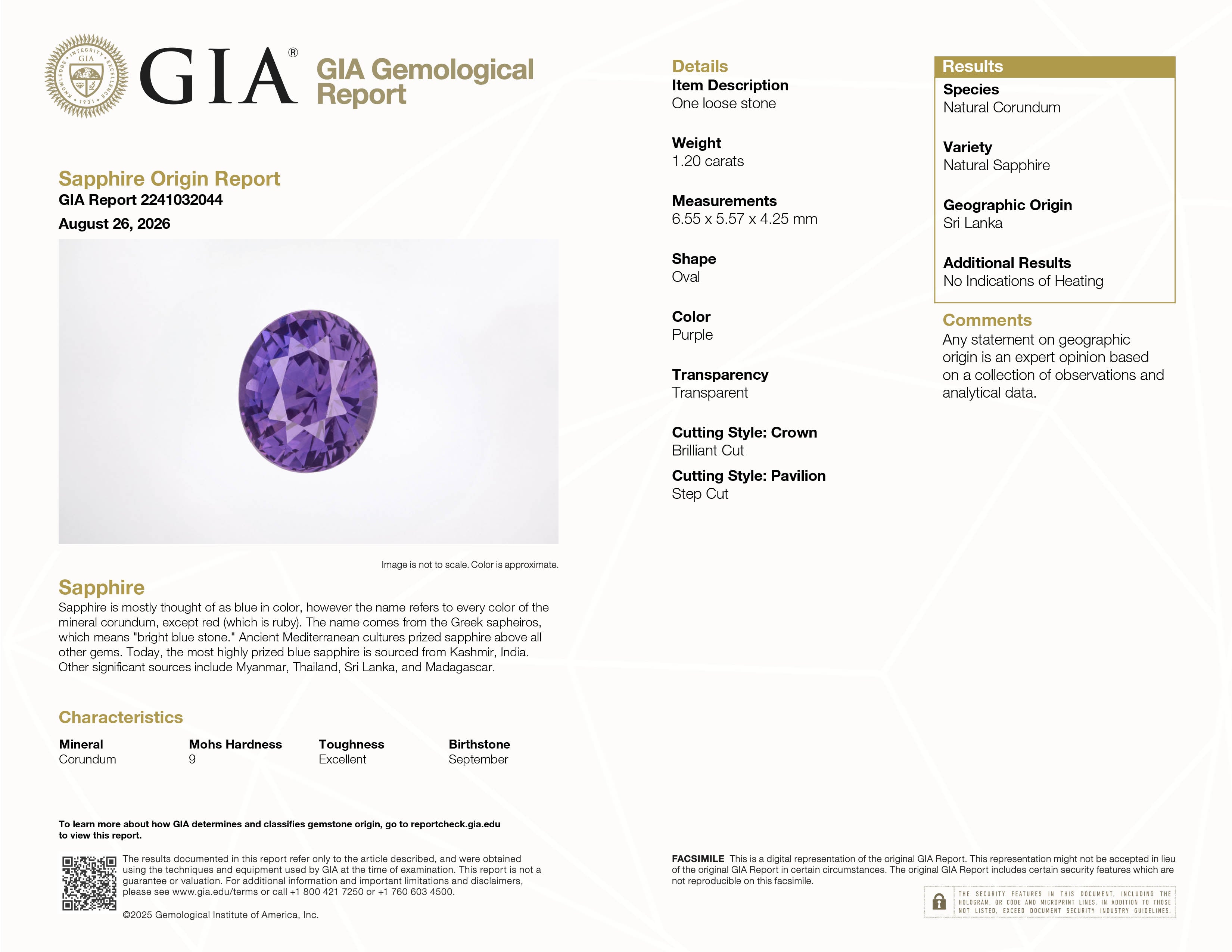
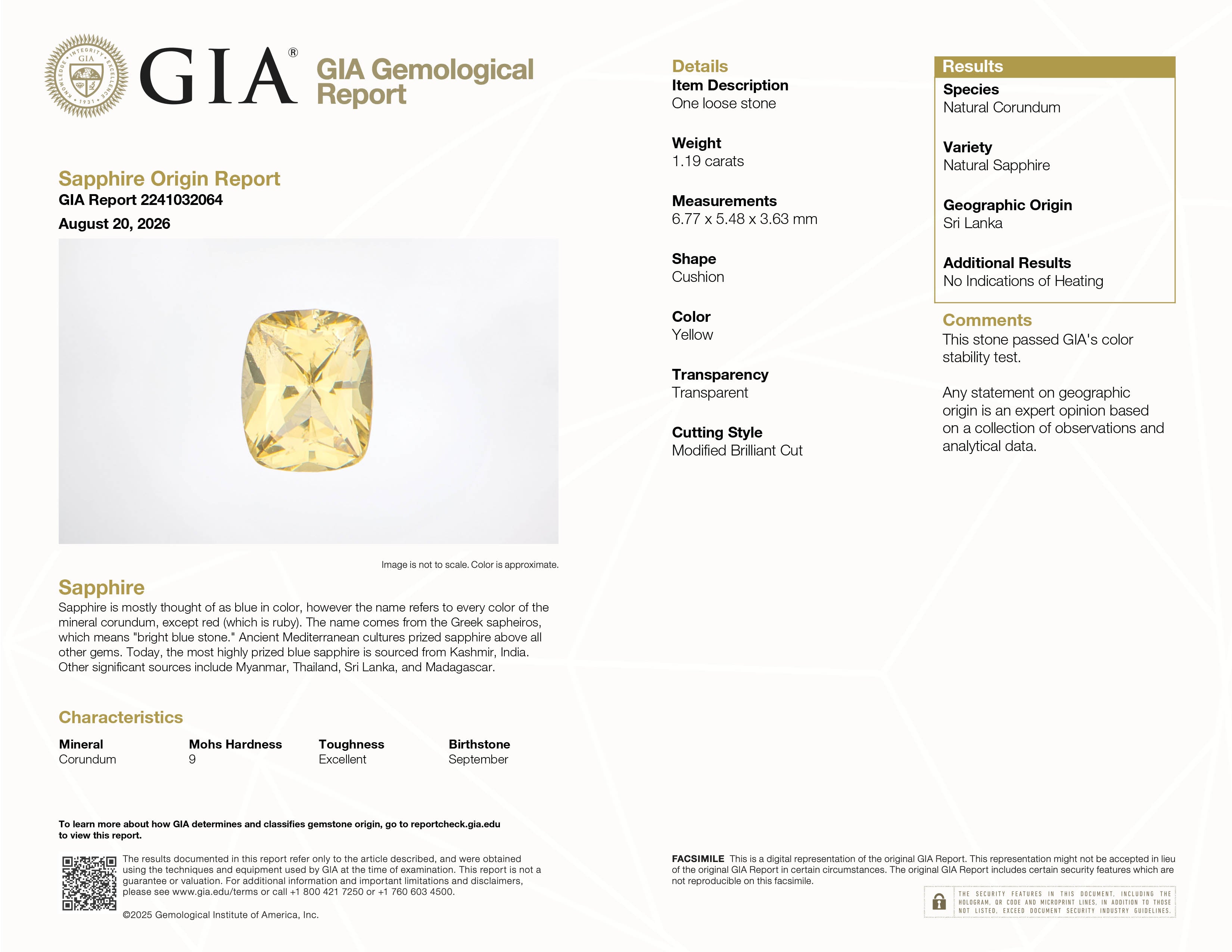
Documentation. Keep the papers together in a safe place: the laboratory report for the stone where there is one, the valuation for the finished ring, and the purchase receipt. A laboratory report and a valuation are two different documents and should not be treated as one. The report records the stone's identity and treatment, and any origin opinion the laboratory gave; the valuation is a figure for insurance. Not every stone carries a report, and where one of ours does not, we say so on the listing.
Buying loose lets you evaluate the stone on its own merit, decide for yourself how the budget splits between stone and setting, and have the ring built around that stone's dimensions and color rather than fitted to a setting that already existed.
Typically about 2–4 weeks from design approval for a simple solitaire or bezel, 3–5 weeks for a halo or three-stone, 4–6 weeks for a vintage or intricate design, and 5–8 weeks for a complex multi-stone piece, with another 1–2 weeks for consultation and design before any of that. These are typical, not promises: our Terms of Service say delivery times are estimates, and we agree a schedule with you before the order is accepted.
There is no price list, because the cost is driven by the metal and how much of it the design uses, the size of the stone, whether accent stones are included, how much bench work the detailing takes, and whether the setting is cast or hand-fabricated. Tell us the design you have in mind and we will quote the setting before any work starts, separately from the stone.
White gold and platinum give the most contrast and let the blue read at its most vivid. Yellow gold adds warmth and reads as more traditional. Rose gold is the usual partner for pink and peach stones, and gives a warm-cool contrast against teal and violet. Which one is right depends on what you want the stone to look like, and that is our own view rather than a laboratory's.
Yes. When you buy a loose stone from us we can arrange the setting as part of the same order, so you deal with one party from stone to finished ring. There is no form and no separate product: email jewelry@crescentgems.com and we will come back with a design and a quote. A commissioned ring is made to your specification, so our Refund policy lists it as non-returnable.
The process starts with the stone. Browse all our loose gemstones, or tell us what you are looking for and we will pull options:
Once you have found your stone — or want help finding it — email jewelry@crescentgems.com to start the custom ring conversation. Tell us the setting you have in mind, your budget for it, and the date you are working to. We will come back with a design and a quote before anything is ordered.

CG8469
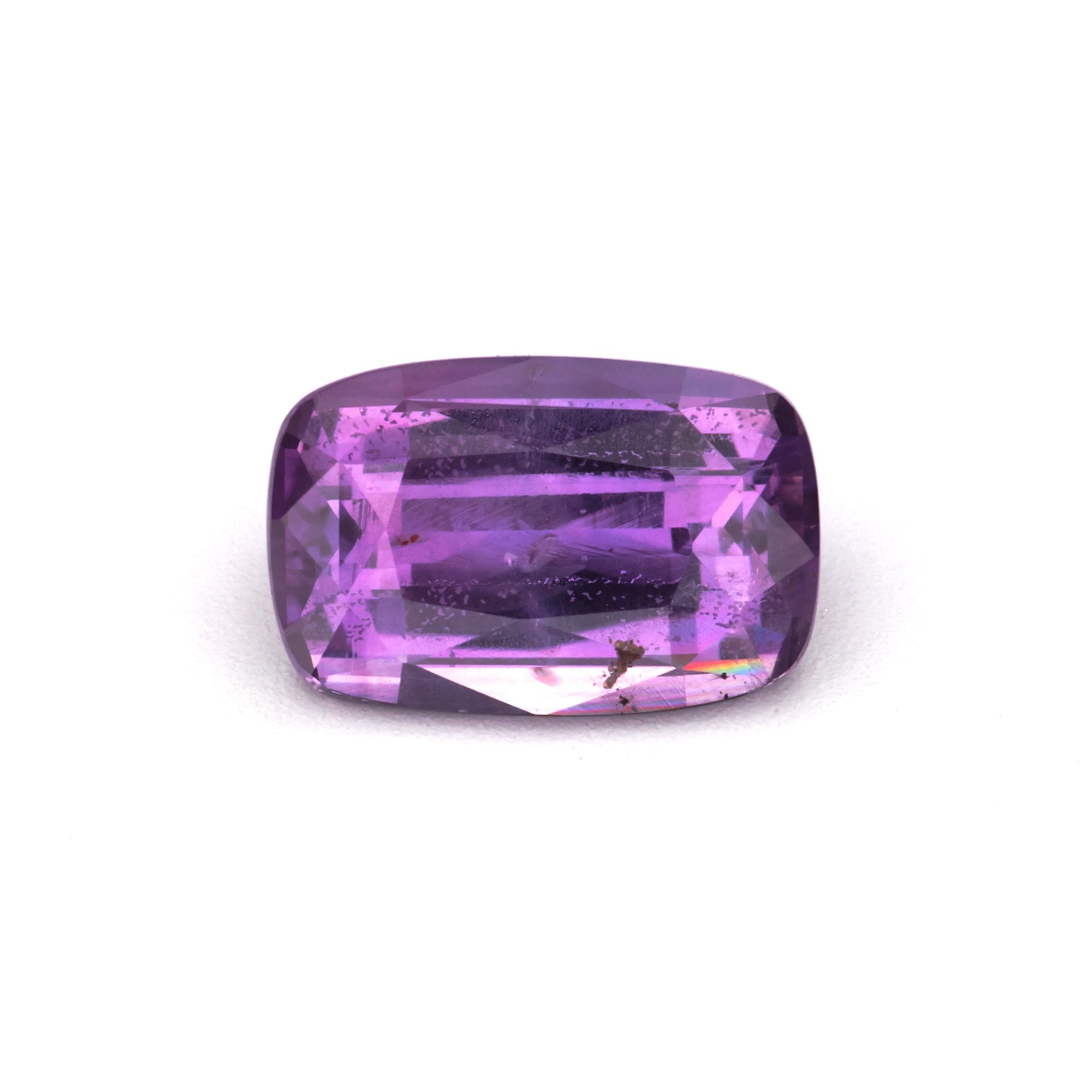
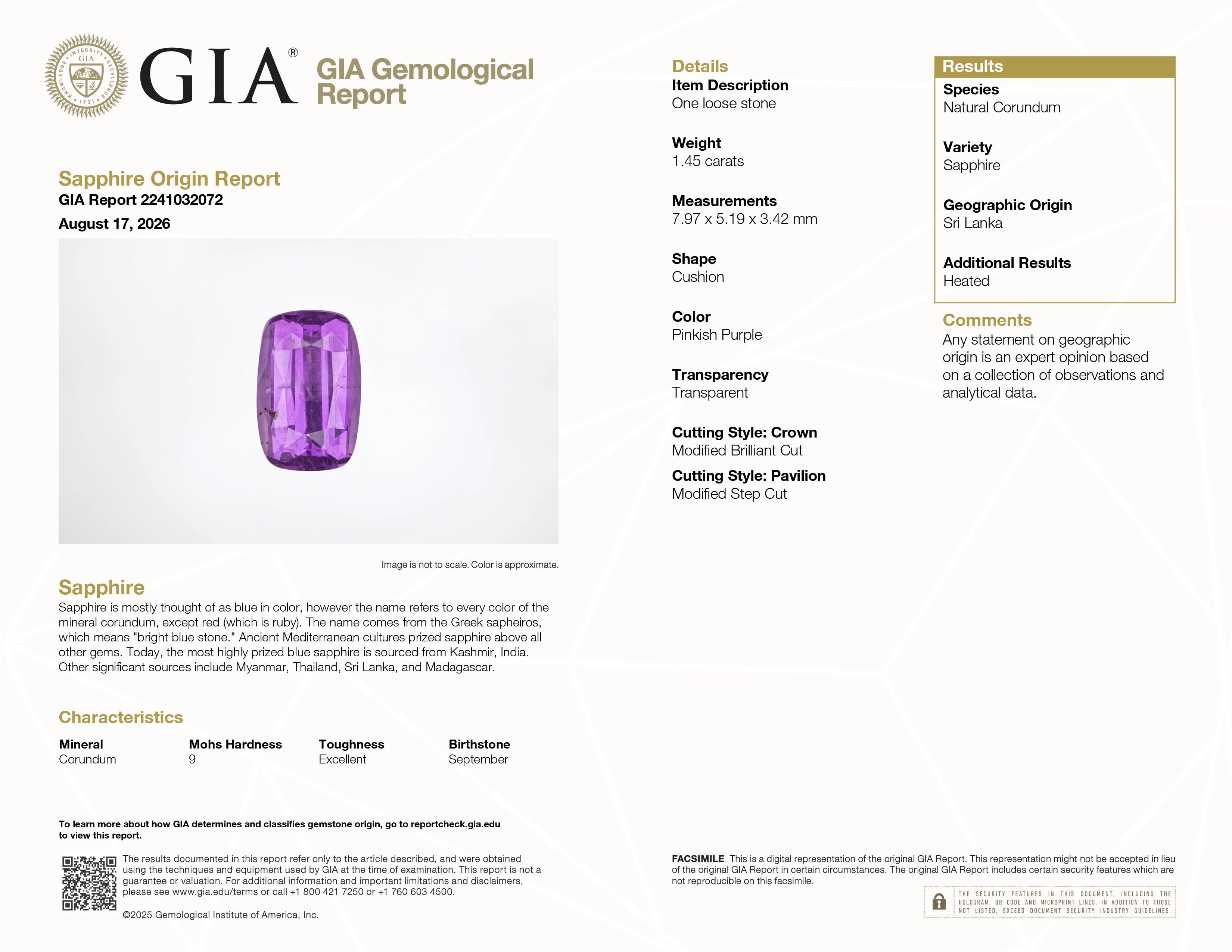
زفير بنفسجي طبيعي 1.45 قيراط — معالجة حرارية — تقرير GIA
CG8465
CG8464
CG8463
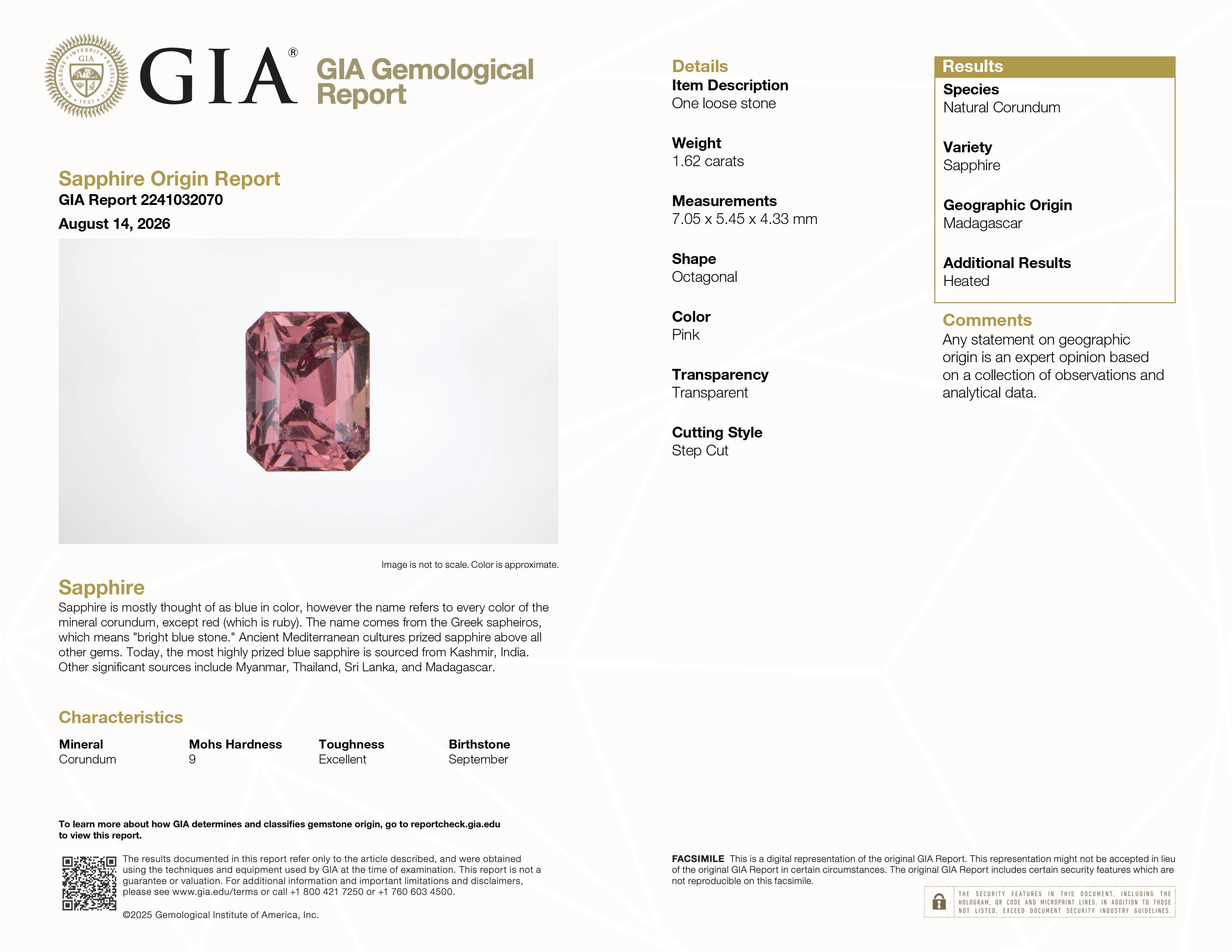
زفير وردي طبيعي 1.62 قيراط من مدغشقر – بتقرير GIA للمنشأ
CG8460
CG8459
CG8458
CG8457
CG8456
CG8453


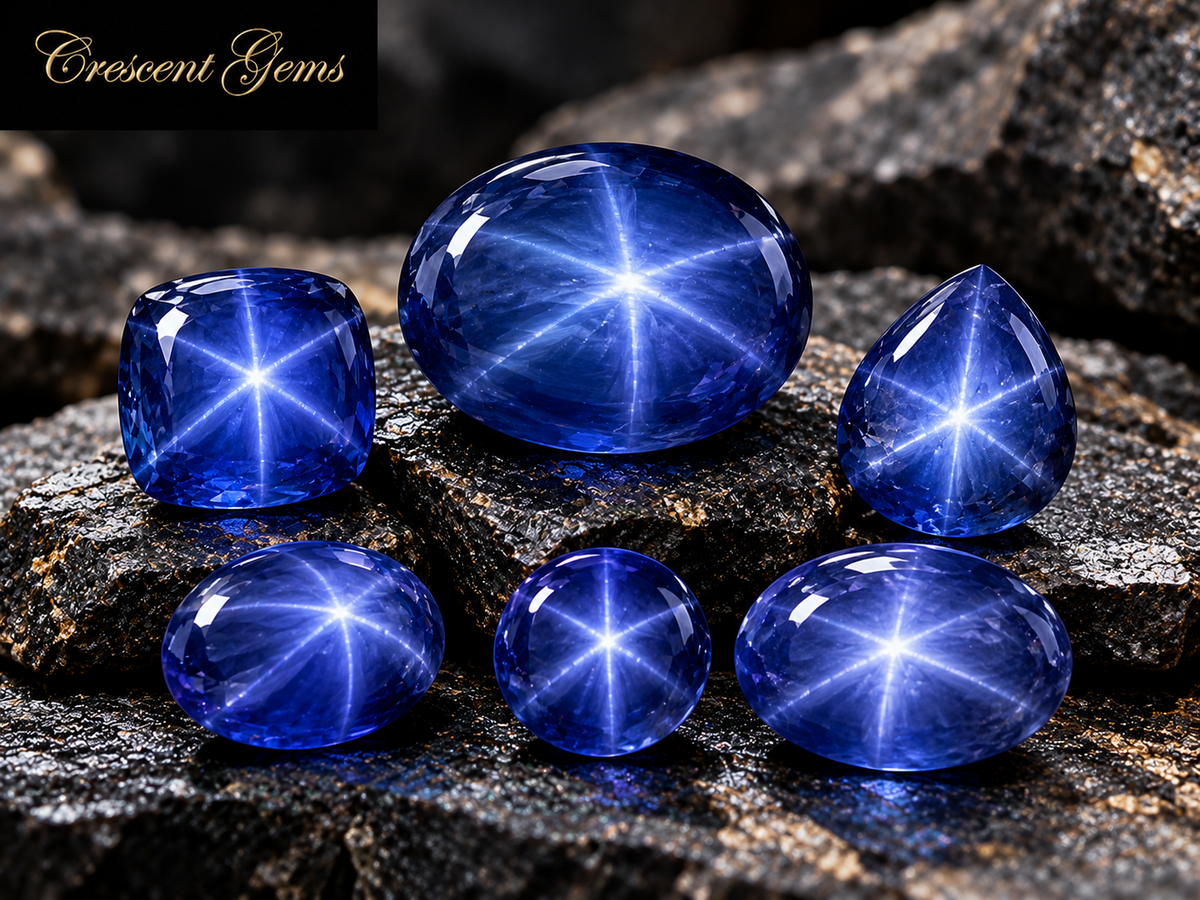
دليل أسعار الياقوت الأزرق النجمي: ما الذي يحدّد السعر فعلاً
سعر الياقوت الأزرق النجمي للقيراط، وما الذي يحرّك السعر فعلاً، ولماذا لا يمنح أي مختبر درجة للنجمة. وحجرنا الوحيد: 8.09 قيراط بتقرير منشأ من GIA بسعر $4,040.
اقرأ المزيدحول دليل أسعار الياقوت الأزرق النجمي: ما الذي يحدّد السعر فعلاً
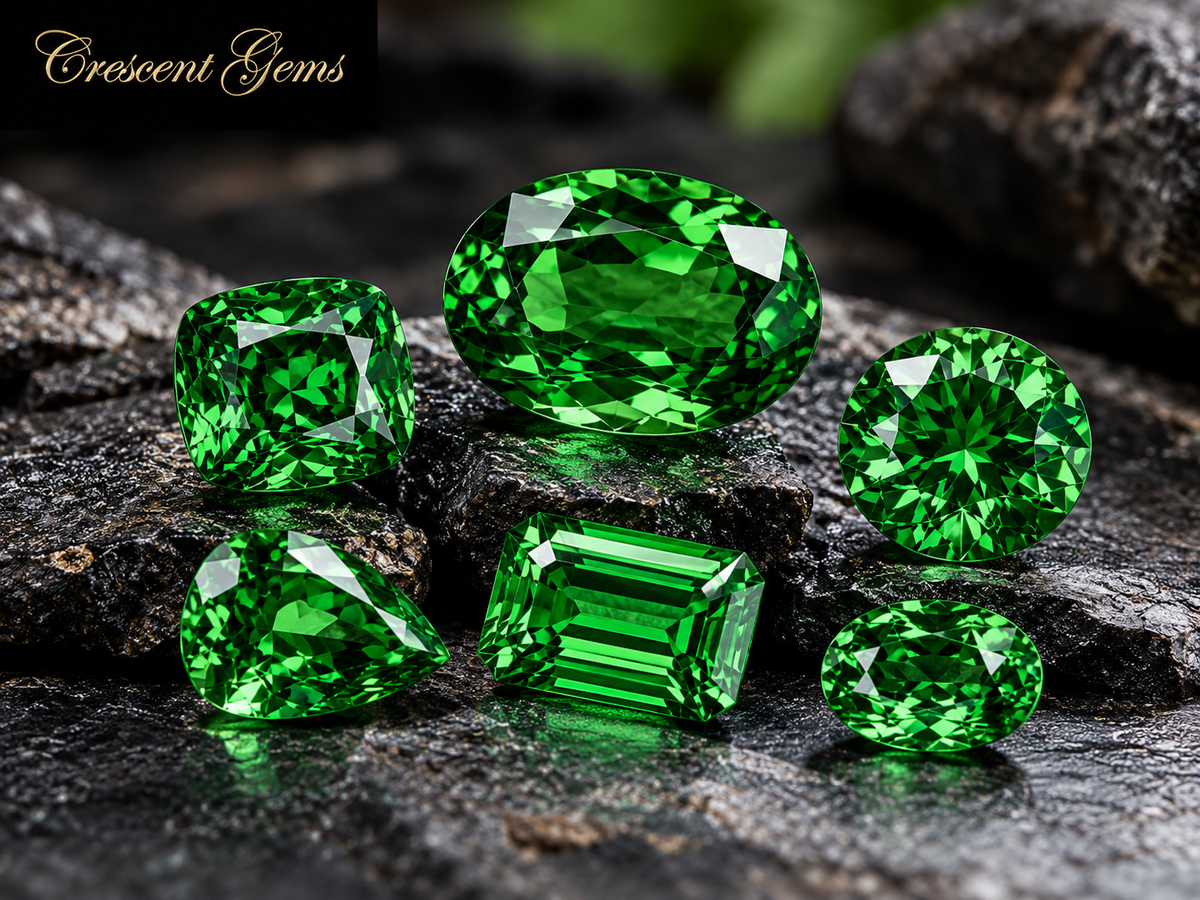
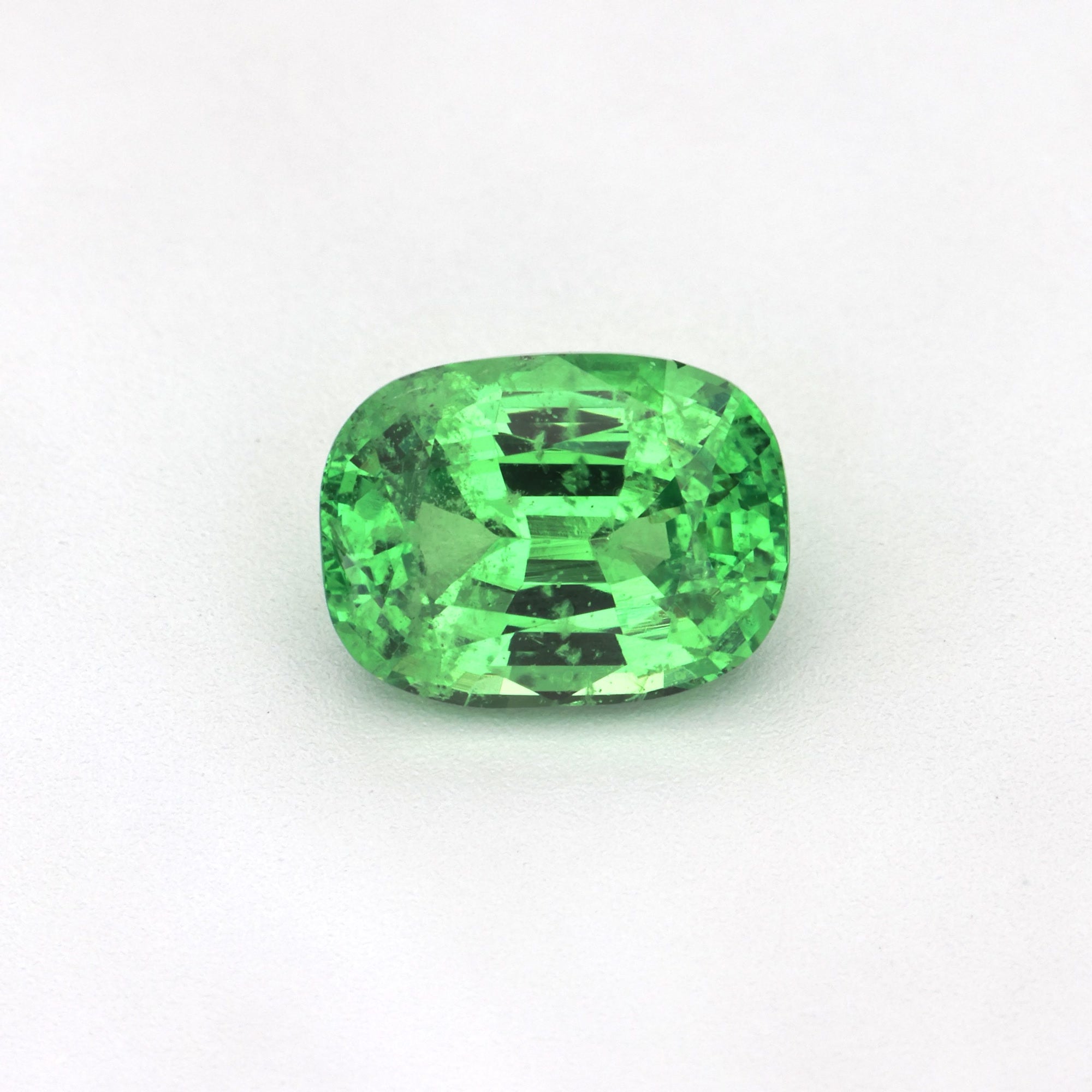
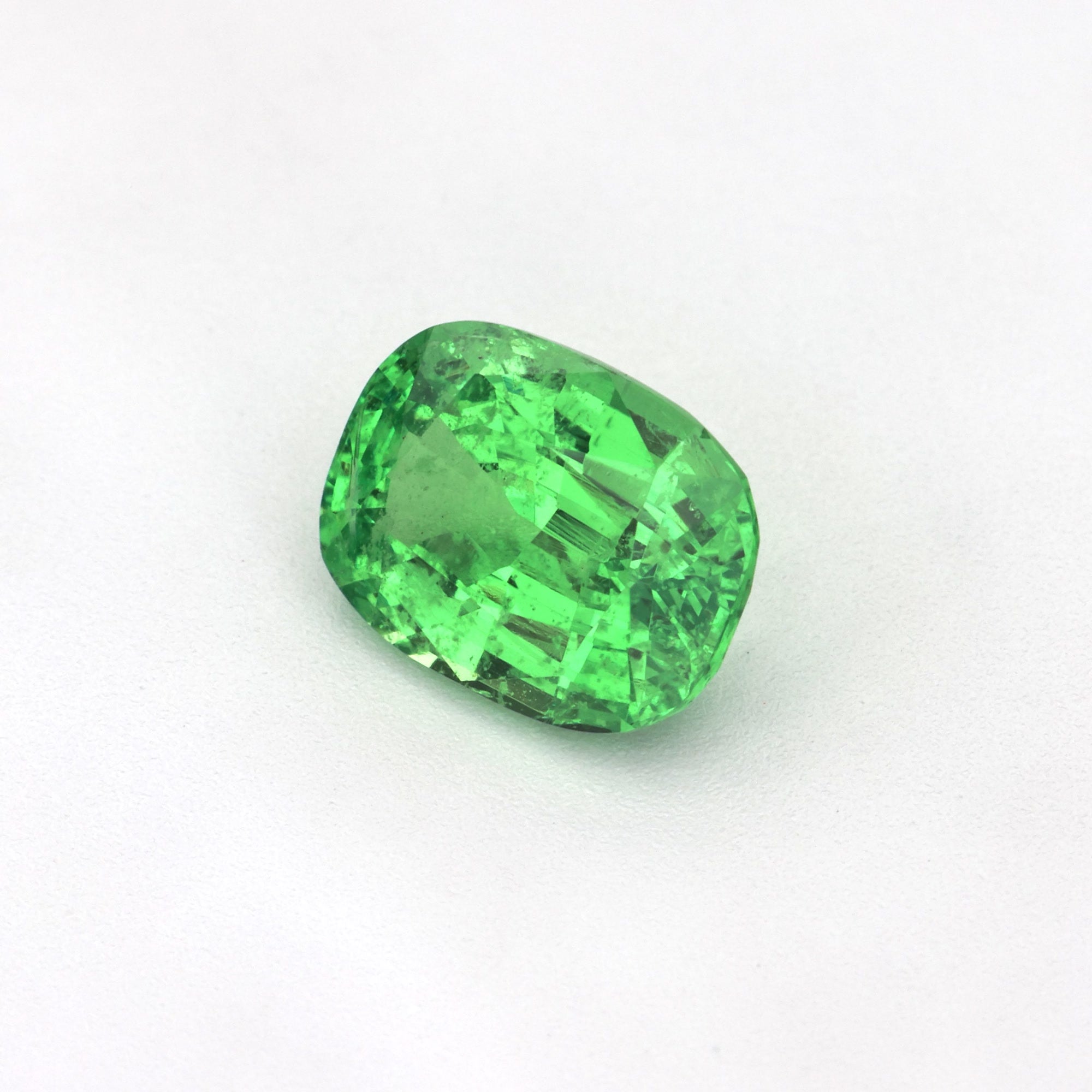
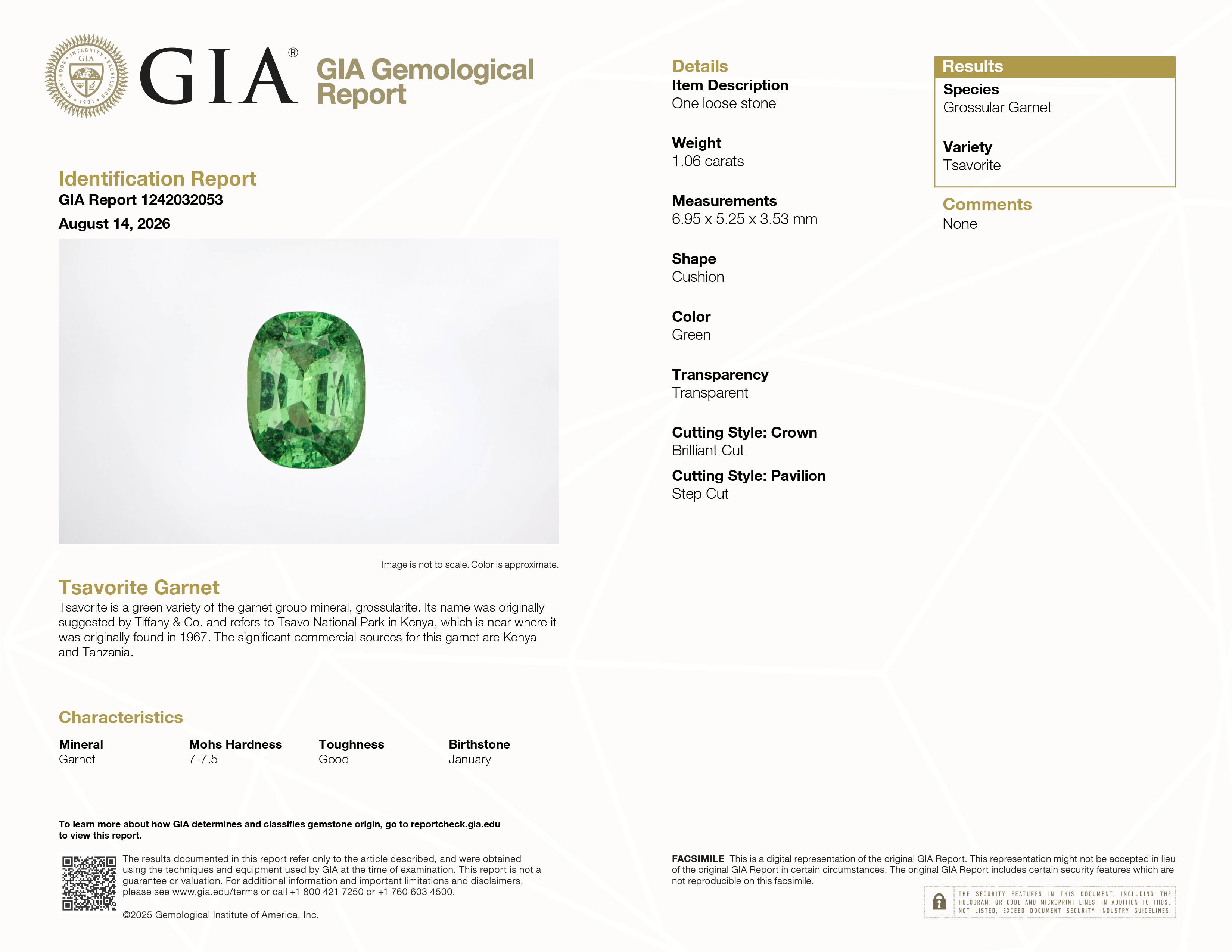
دليل أسعار حجر التسافوريت: أسعار مخزوننا وما الذي يحدّ من العرض
أسعار حجر التسافوريت بحسب الوزن، من سبعة أحجار في مخزوننا: من $1,177 إلى $22,724، وحجر منها محسّن النقاء ومُفصح عنه — وما الذي يحدّ من توفّر حجر كبير ونظيف.
اقرأ المزيدحول دليل أسعار حجر التسافوريت: أسعار مخزوننا وما الذي يحدّ من العرض
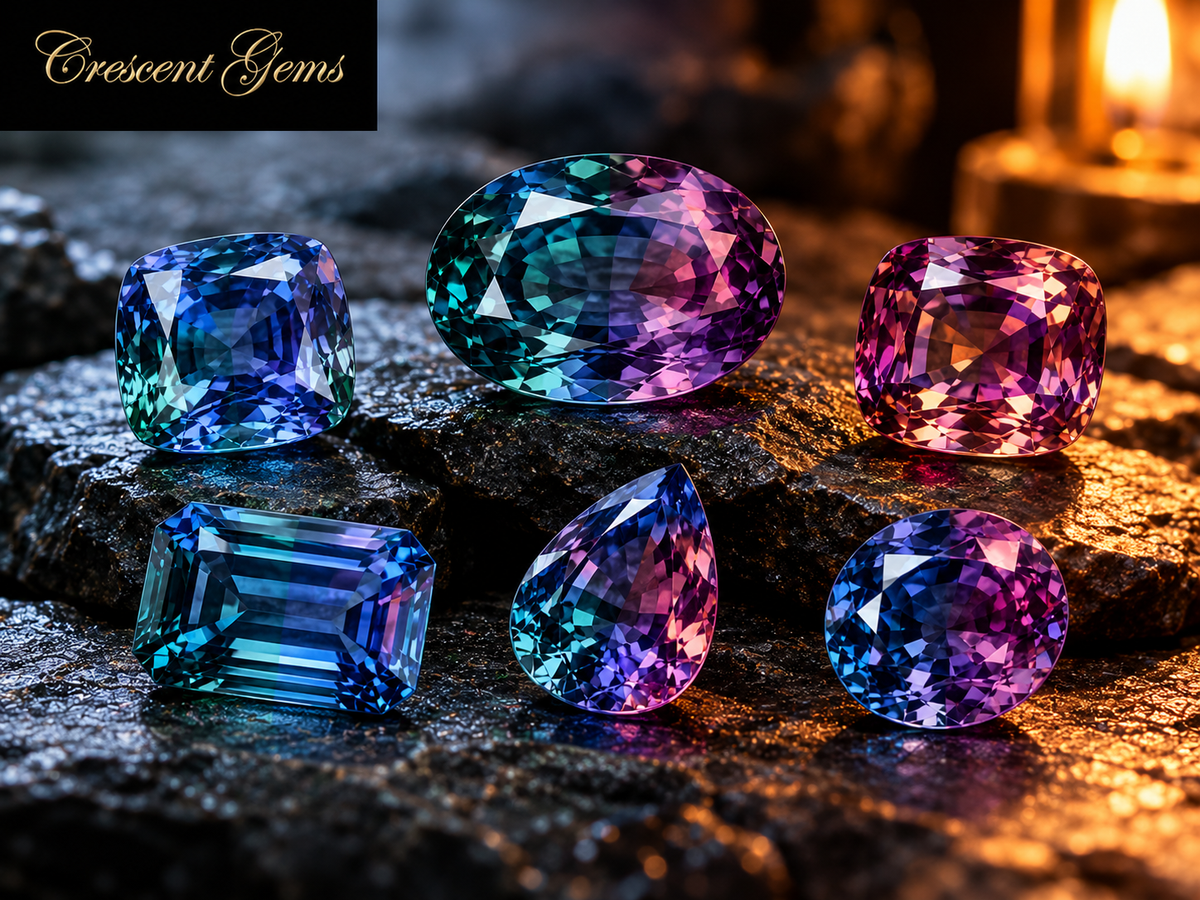
دليل أسعار الياقوت المتغيّر اللون: ما الذي تدفع ثمنه فعلاً
سعر الياقوت المتغيّر اللون للقيراط، وما الذي يحرّك السعر فعلاً، ولماذا لا يمنح أي مختبر درجة لتغيّر اللون. وحجرانا: 1.03 قيراط بسعر $824، و2.01 قيراط بسعر $2,211.
اقرأ المزيدحول دليل أسعار الياقوت المتغيّر اللون: ما الذي تدفع ثمنه فعلاً
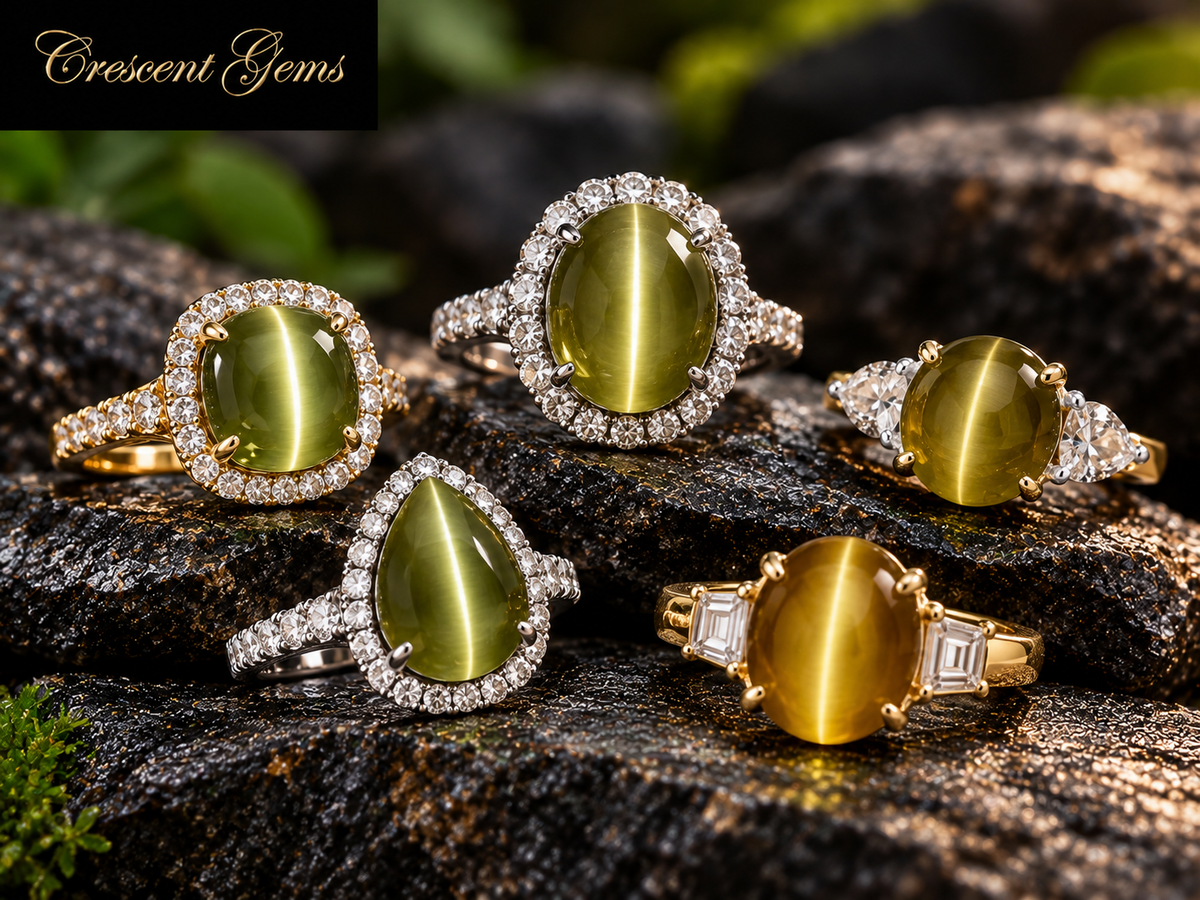
حجر عين الهر (كريسوبيريل): هل يصلح لخاتم خطوبة يُلبس كل يوم؟
الكريسوبيريل عند 8.5 على مقياس موس: فوق الكوارتز (7) والزمرد (7.5 إلى 8)، ودون الكوروندم (9) والألماس (10). وماذا يعني ذلك للبس اليومي واختيار التركيب والعناية.
اقرأ المزيدحول حجر عين الهر (كريسوبيريل): هل يصلح لخاتم خطوبة يُلبس كل يوم؟
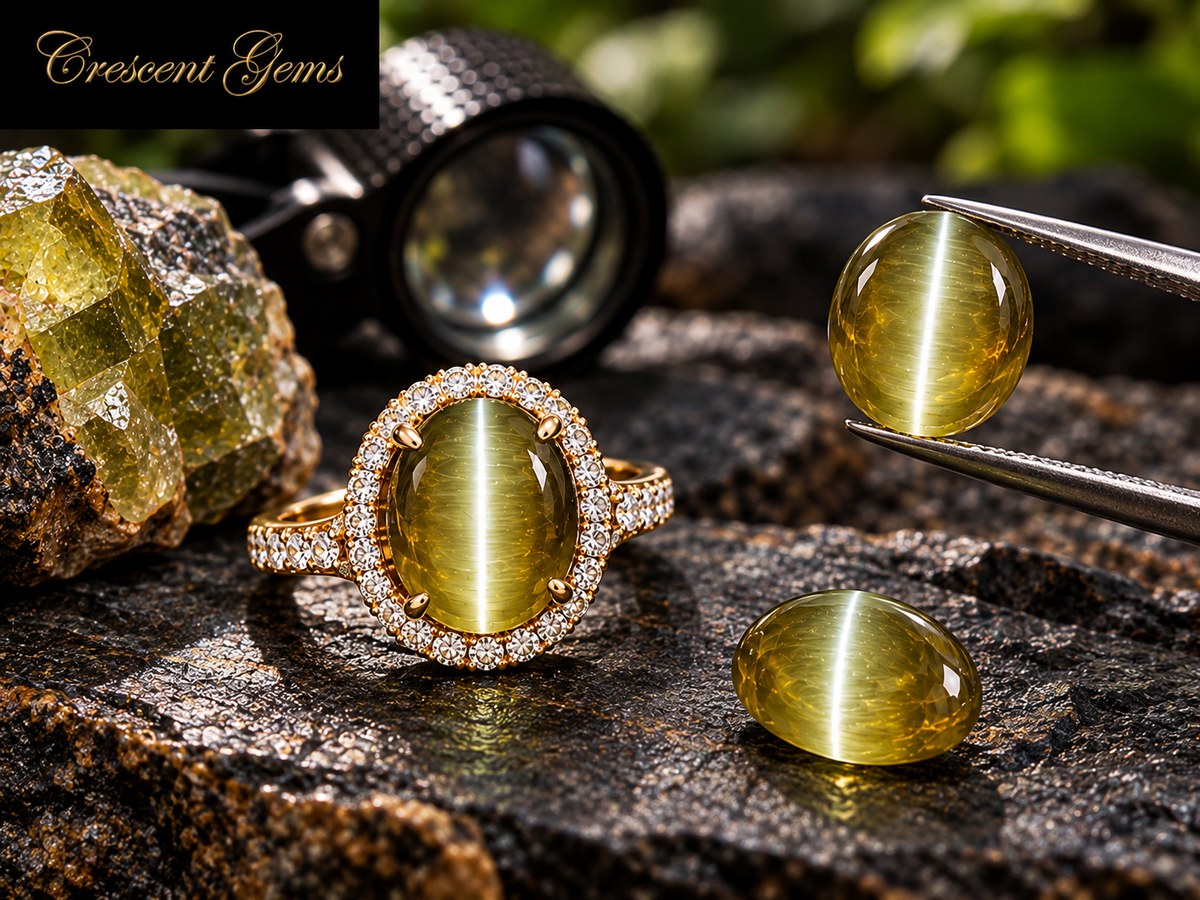
دليل أسعار حجر عين الهر (كريسوبيريل): ما الذي يحدّد السعر فعلاً
سعر حجر عين الهر الكريسوبيريل للقيراط، وما الذي يحرّك السعر فعلاً، ولماذا لا يمنح أي مختبر درجة للعين. وحجرانا: 2.36 قيراط بسعر $3,792، و4.25 قيراط بسعر $9,482.
اقرأ المزيدحول دليل أسعار حجر عين الهر (كريسوبيريل): ما الذي يحدّد السعر فعلاً















مشاركة: