- 著者:Ahmed Shareek
Teal Sapphire Price Guide — What They Cost and What Drives the Range
- 著者:Ahmed Shareek
We buy our teal sapphires ourselves, so they reach you direct, without the intermediaries most sellers buy through.
Teal Sapphire Price Guide -- For the complete teal sapphire overview: Teal Sapphire — The Complete Buyer's Guide. For general sapphire pricing: 1 Carat Ceylon Sapphire Price Guide. For the buying foundation: Ultimate Sapphire Buying Guide.
Teal sapphire — the blue-green variety of corundum that has become one of the most commercially sought-after sapphire colors over the past decade — occupies a distinctive position in the sapphire market. It is significantly less expensive than fine blue sapphire of equivalent quality, frequently available unheated without the premium that unheated blue commands, and produces some of the most visually striking engagement ring stones available. For buyers who want vivid, naturally unheated sapphire color at meaningful size without the per-carat cost of fine blue, teal is the most compelling value in the sapphire market.
This guide covers what teal sapphires actually cost in 2026, what drives the price variation within the teal category, how color ratio and saturation affect value, and what realistic budgets will get you across quality tiers and carat weights.
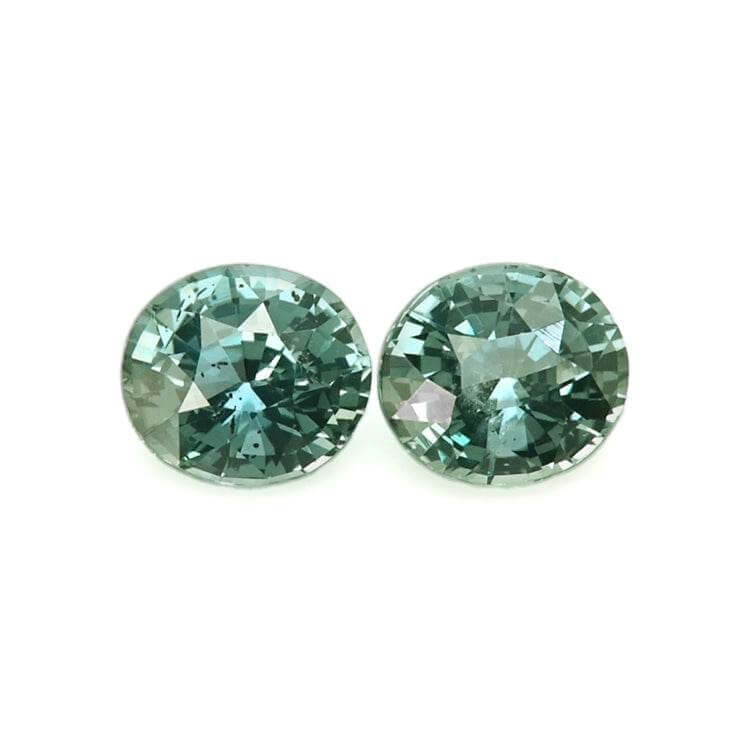
Teal sapphire is a blue-green corundum whose color is produced by a combination of iron (driving the blue component) and trace elements that shift the hue toward green. The specific ratio of blue to green varies significantly across the teal range — from strongly blue-leaning teal (often called "ocean teal" or "deep teal") to more balanced blue-green ("true teal") to more strongly green-leaning ("green-teal" or "forest teal").
Most teal sapphire on the market is naturally unheated — not because treatment is impossible, but because the iron-driven color mechanism of teal sapphire is generally stable at high temperatures and heat treatment produces minimal improvement. This means the unheated status of most teal sapphire does not carry the same scarcity premium it does for blue sapphire. An unheated teal is the norm, not the exception — which is why teal prices do not include the 2×–5× unheated premium that fine unheated blue commands. This is one of the primary reasons teal offers such strong value per carat relative to blue.
Ceylon (Sri Lanka) is the primary source of fine teal sapphire, with material also coming from Australia (typically darker, stronger green), Madagascar (variable), and Tanzania. Ceylon teal typically shows the most balanced, vivid blue-green color and commands the highest prices within the teal category.
The ratio of blue to green in a teal sapphire is its single most important quality factor from a pricing perspective. The most commercially valued teal ratio is approximately 50% blue, 50% green — or what the market describes as "true teal" — a vivid, balanced blue-green with neither component dominating. Stones strongly skewed toward blue (more than 70% blue) price closer to blue sapphire in character; stones strongly skewed toward green (more than 60% green) can trend toward lower demand in some markets. The balanced ratio is the most universally sought and commands the premium within the teal category.
As with all sapphire colors, vivid saturation with medium to medium-dark tone commands the highest prices. Very dark teal that appears nearly navy or forest green face-up, or very light teal that looks washed out, trade at significant discounts to vivid, well-saturated material. The best teal sapphires display their blue-green character with intensity across lighting conditions — including under warm indoor light where some teal stones shift color significantly.
Teal sapphires can show color shift behavior — appearing more blue under cool daylight and shifting toward green under warm incandescent light. This is a characteristic feature of teal, not a defect, and the degree of shift affects how the stone is valued. Stones with dramatic shifts may be marketed as a feature; buyers who want a consistent color across lighting should assess the stone under multiple light sources before purchasing.
As with all sapphire, well-cut teal stones with minimal windowing and good depth percentage command meaningful premiums over weight-optimized native cuts. A teal sapphire cut for face-up performance will display its blue-green color evenly and vividly; a window-heavy stone will show a pale, transparent zone across the face. See our cut quality guide.
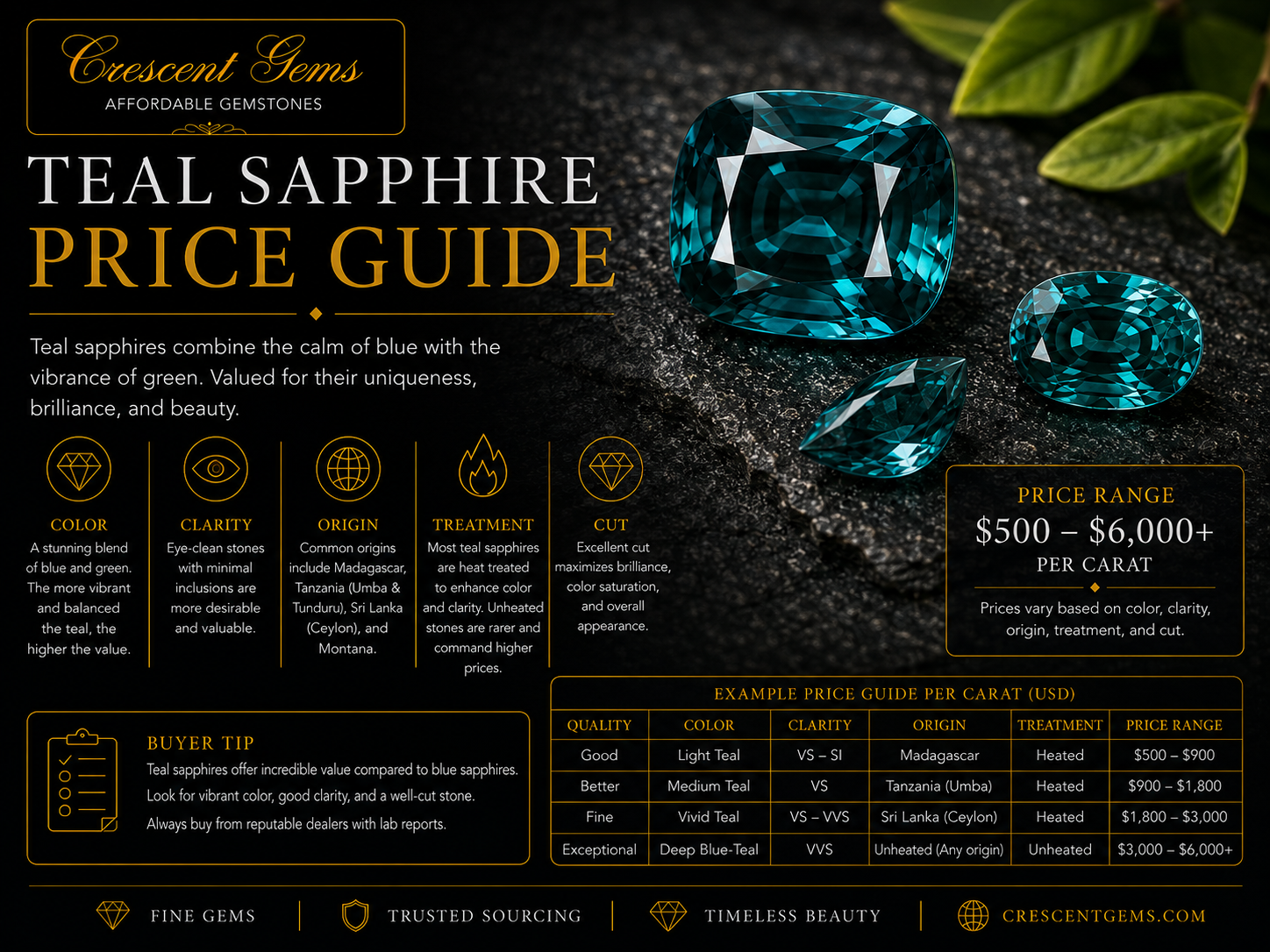
| Quality Tier | Description | Price Per Carat (1ct) |
|---|---|---|
| Commercial* | Acceptable color (may be strongly skewed, dark, or light), visible inclusions possible, basic cut | $200–$600 |
| Good quality | Good blue-green color, eye-clean, well-cut, unheated Ceylon or Madagascar | $700–$1,000 |
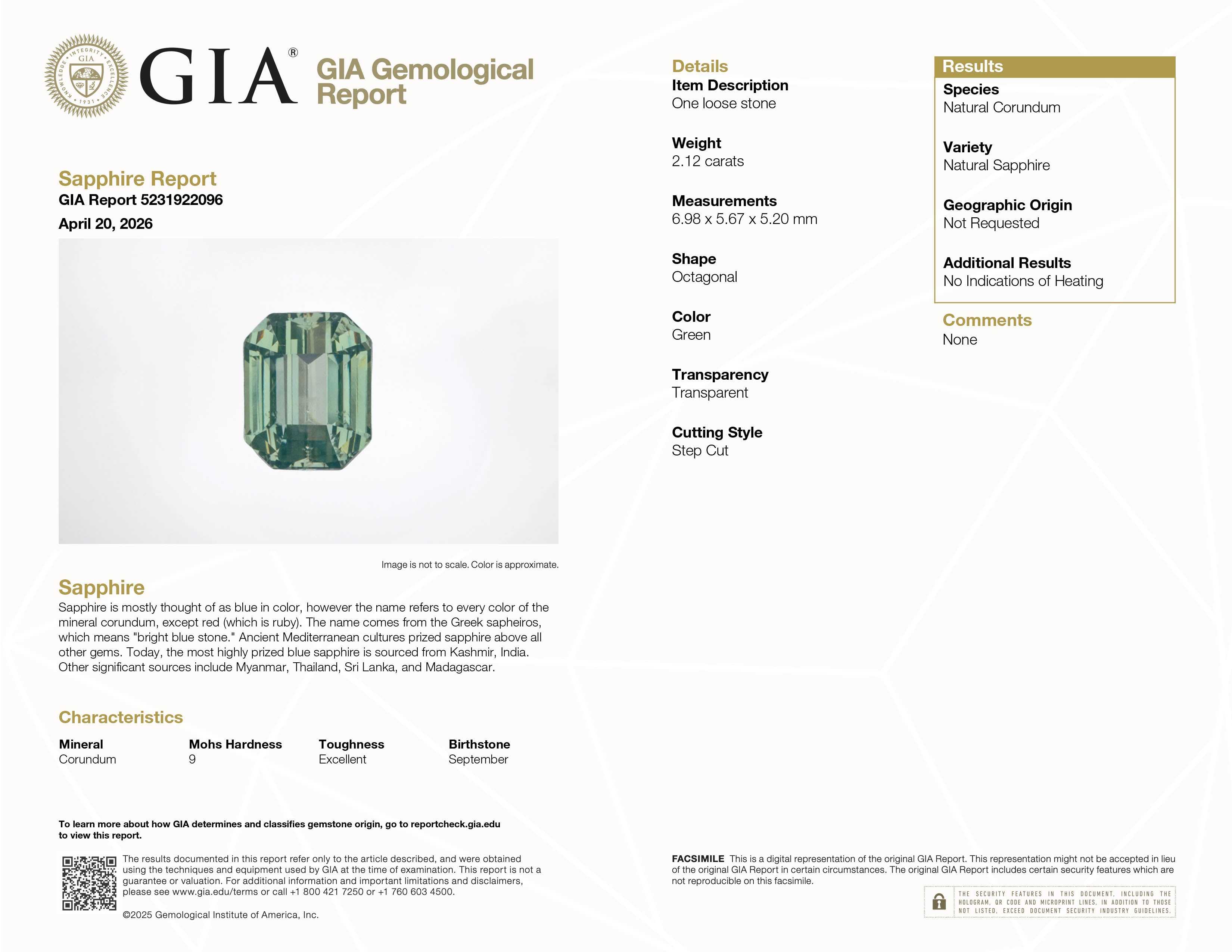
| Fine quality | Vivid balanced blue-green, eye-clean, precision cut, unheated Ceylon or Madagascar, most with GIA | $1,000–$1,400 |
| Very fine / exceptional* | Finest vivid balanced teal, near-loupe-clean, ideal cut, with a GIA report, Ceylon | $1,800–$3,000+ |
Good and Fine quality figures reflect current listed prices in our collection as of August 2026 — our stock currently runs 1.08ct to 2.12ct, all naturally unheated. *Commercial and Very fine/exceptional tiers are broader market guidance; we don't currently stock teal at either end of that spectrum. Figures are not fixed quotes and will move with inventory.
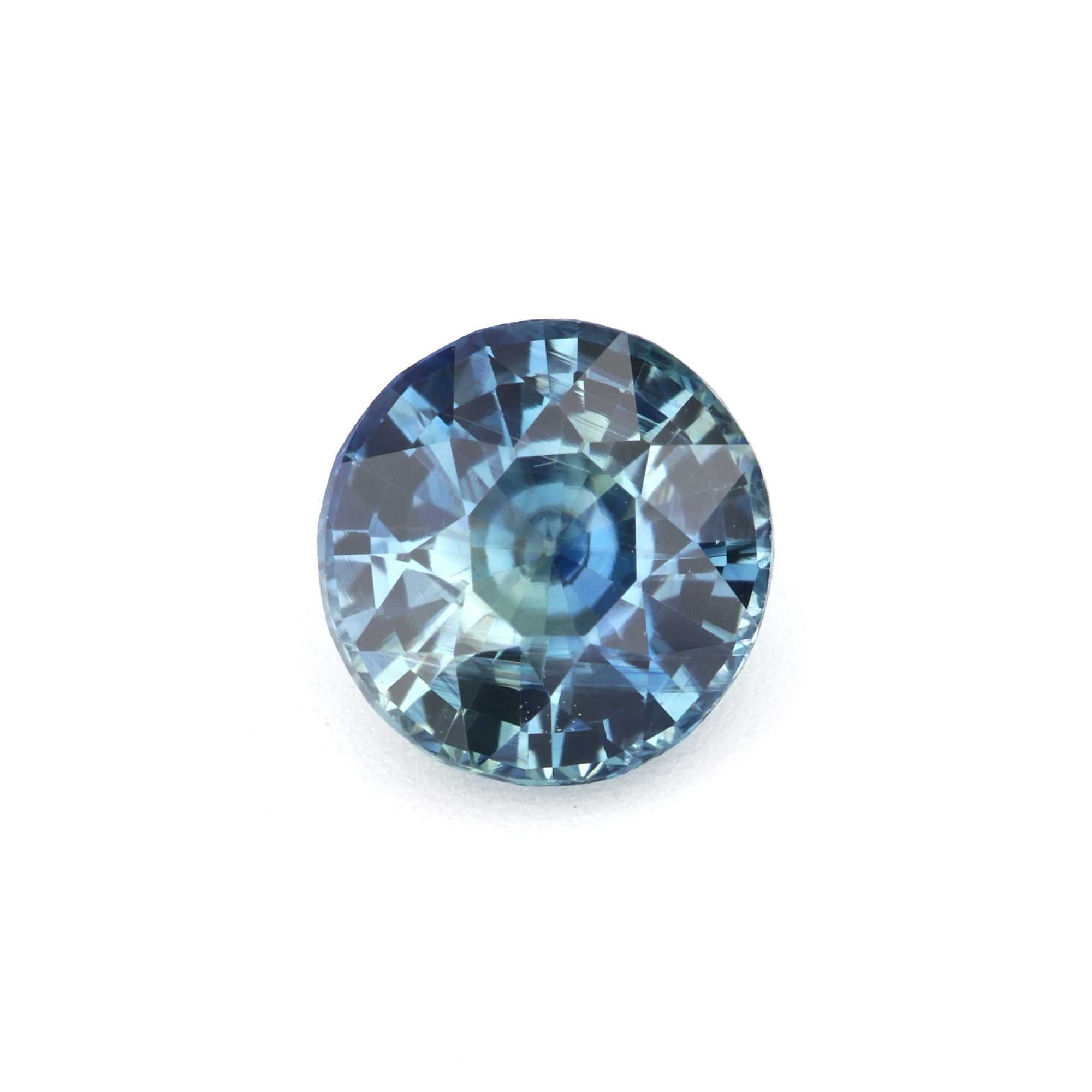
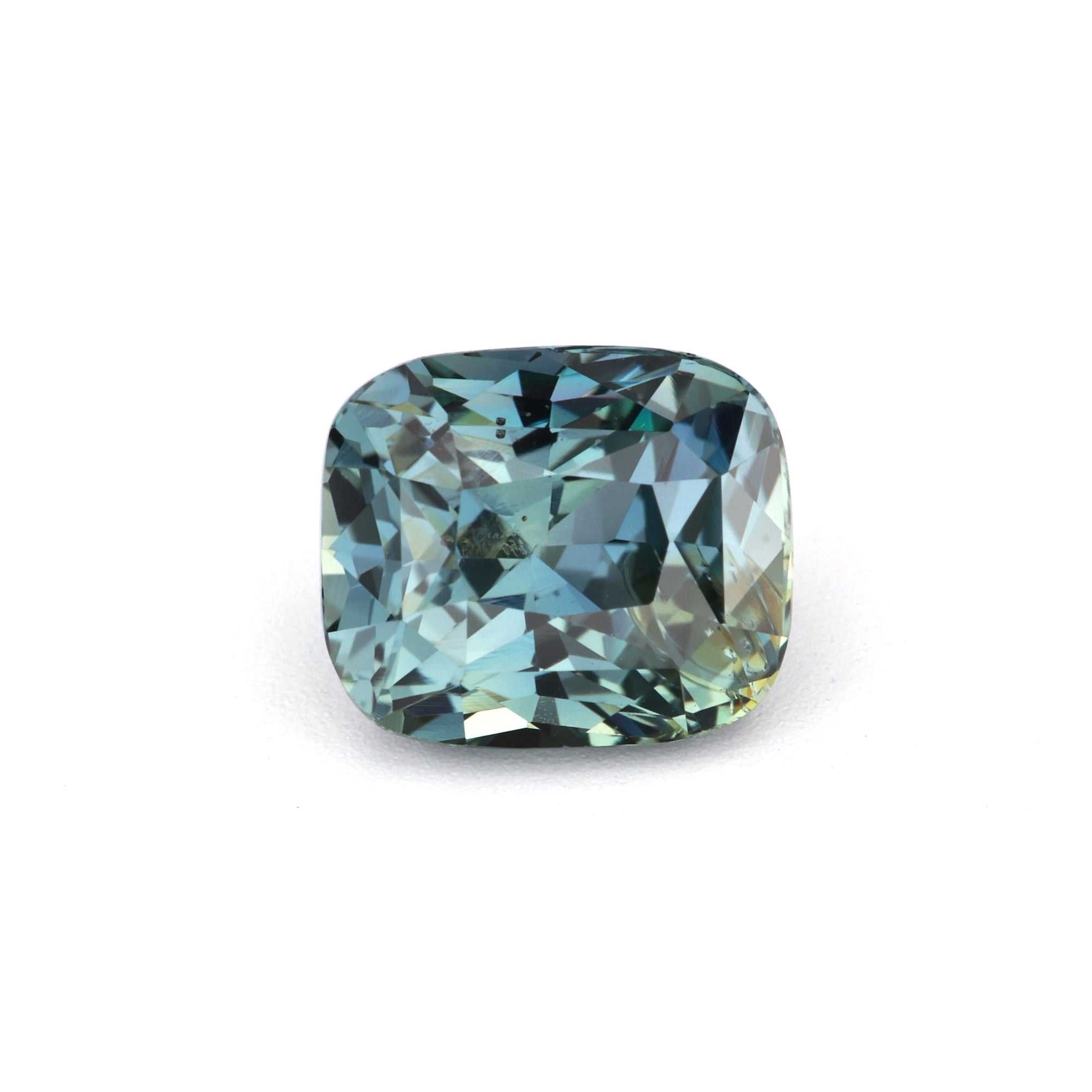
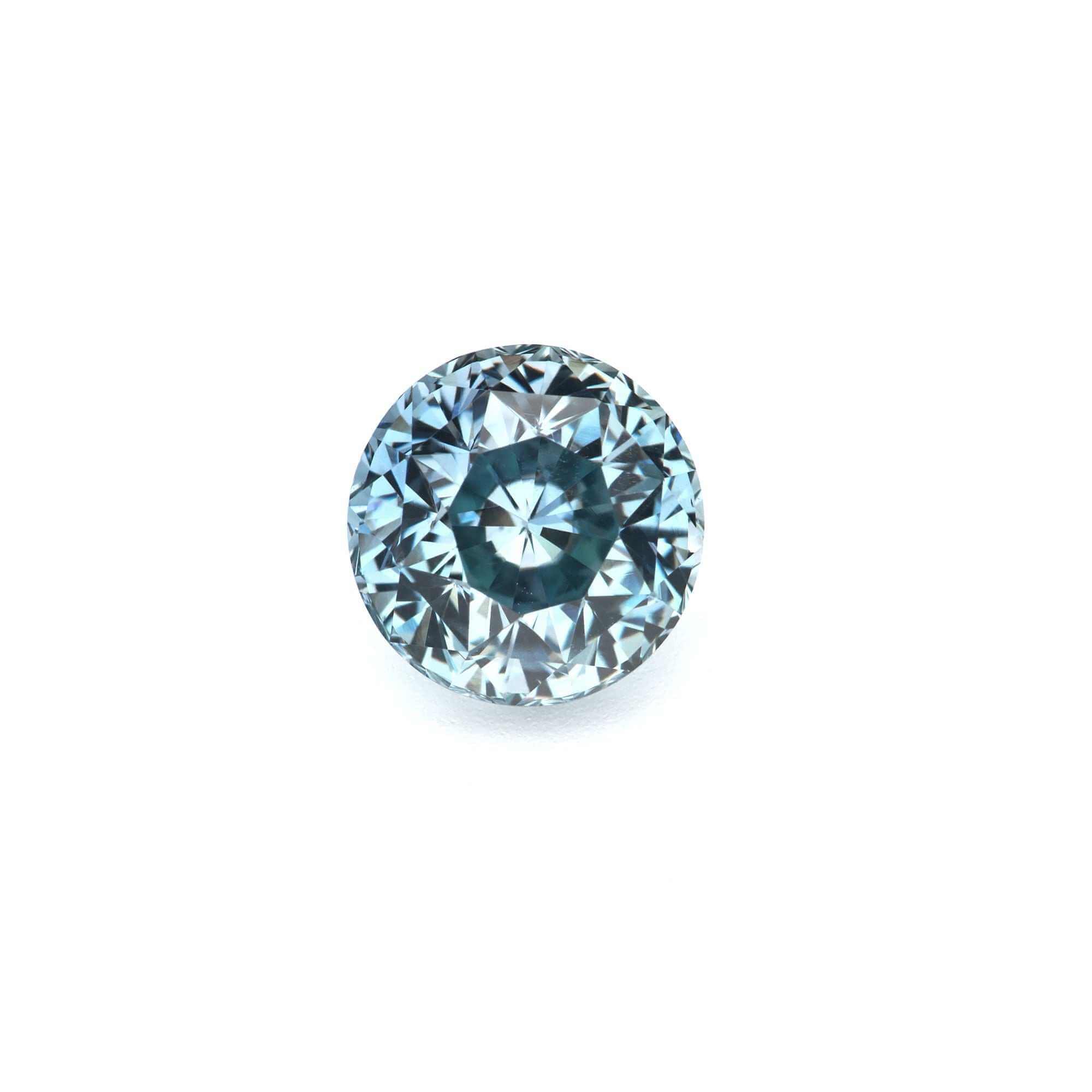
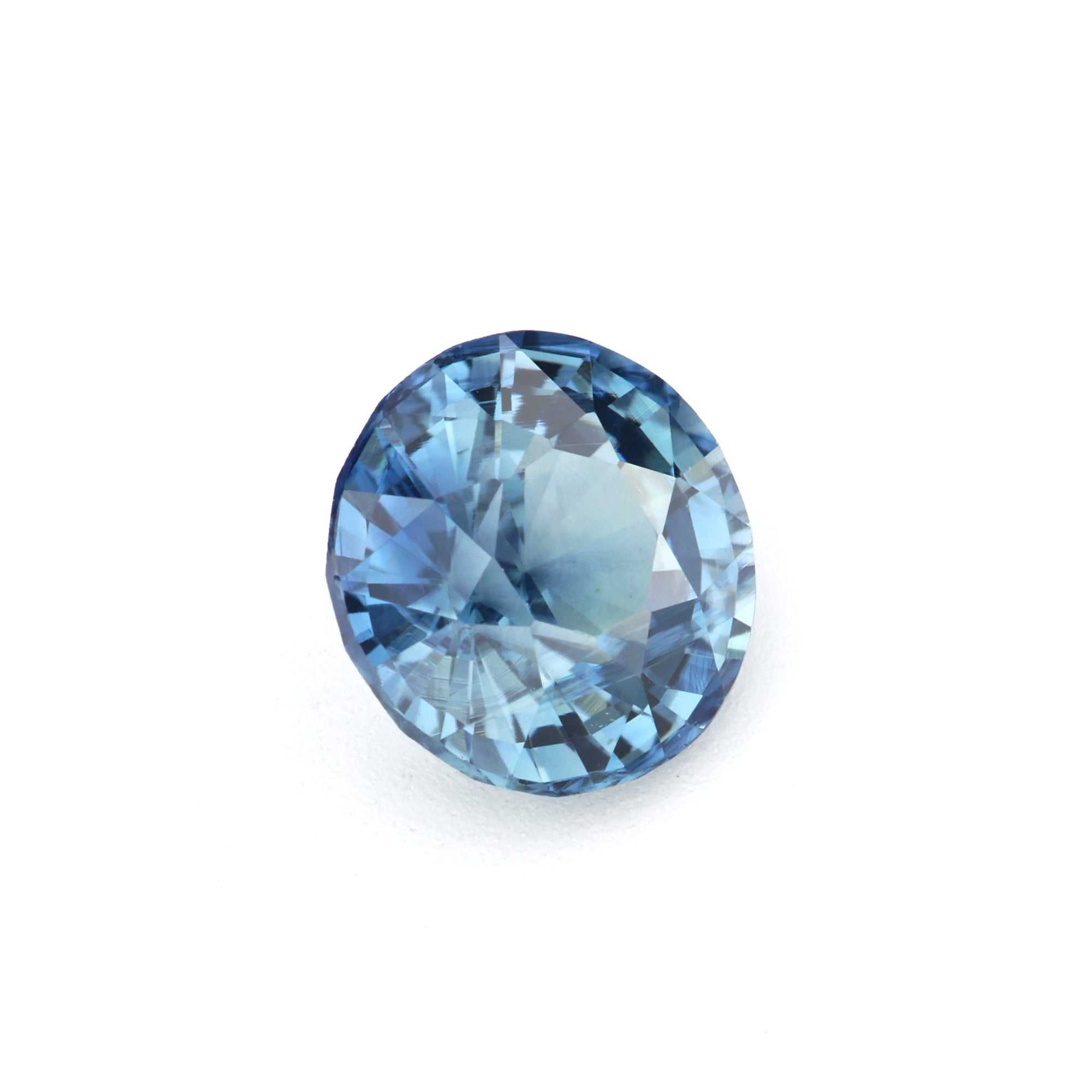
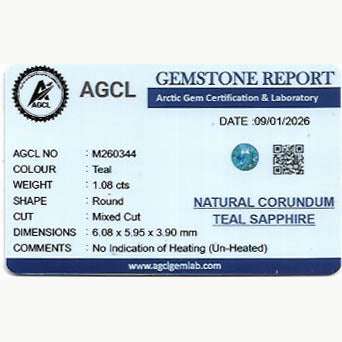
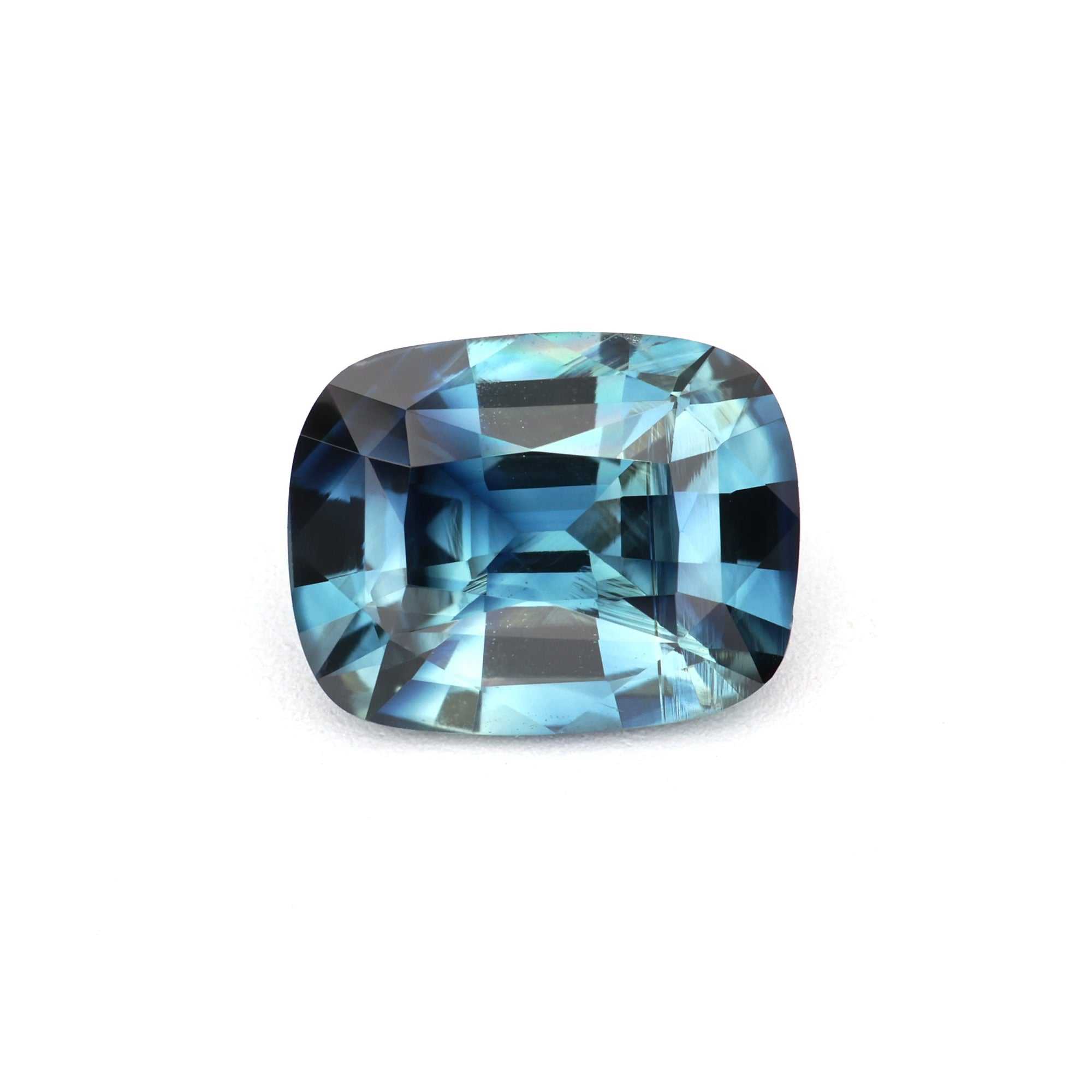
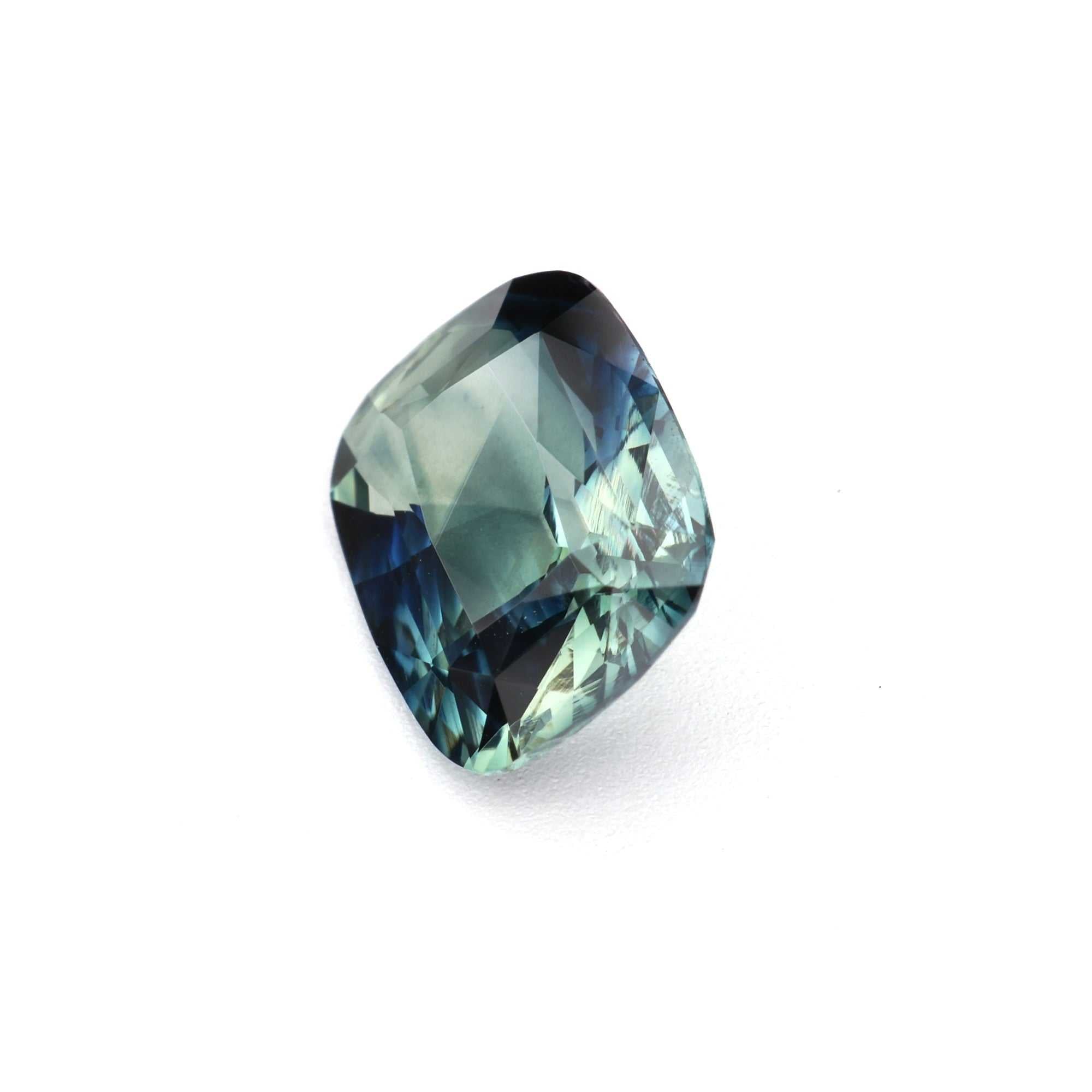
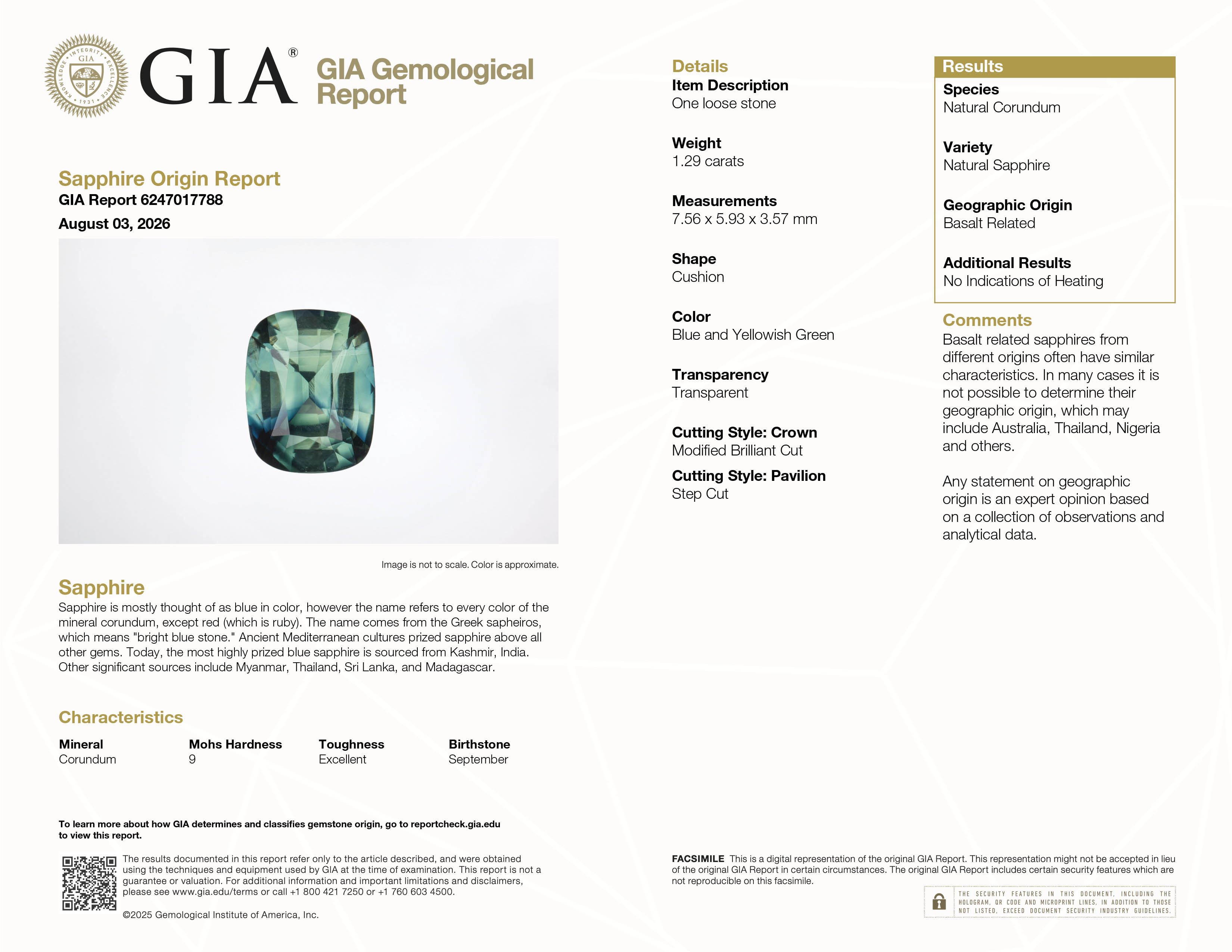
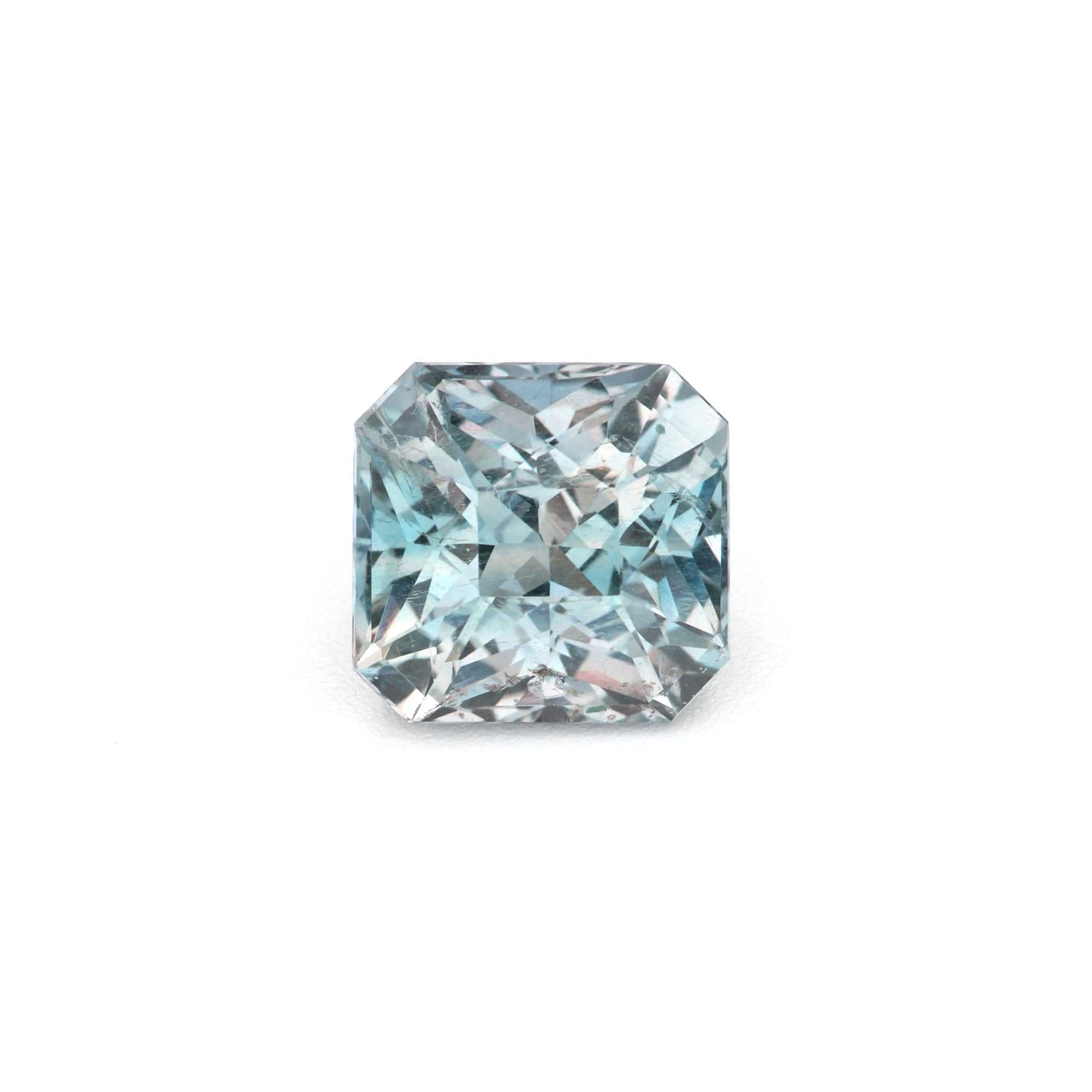
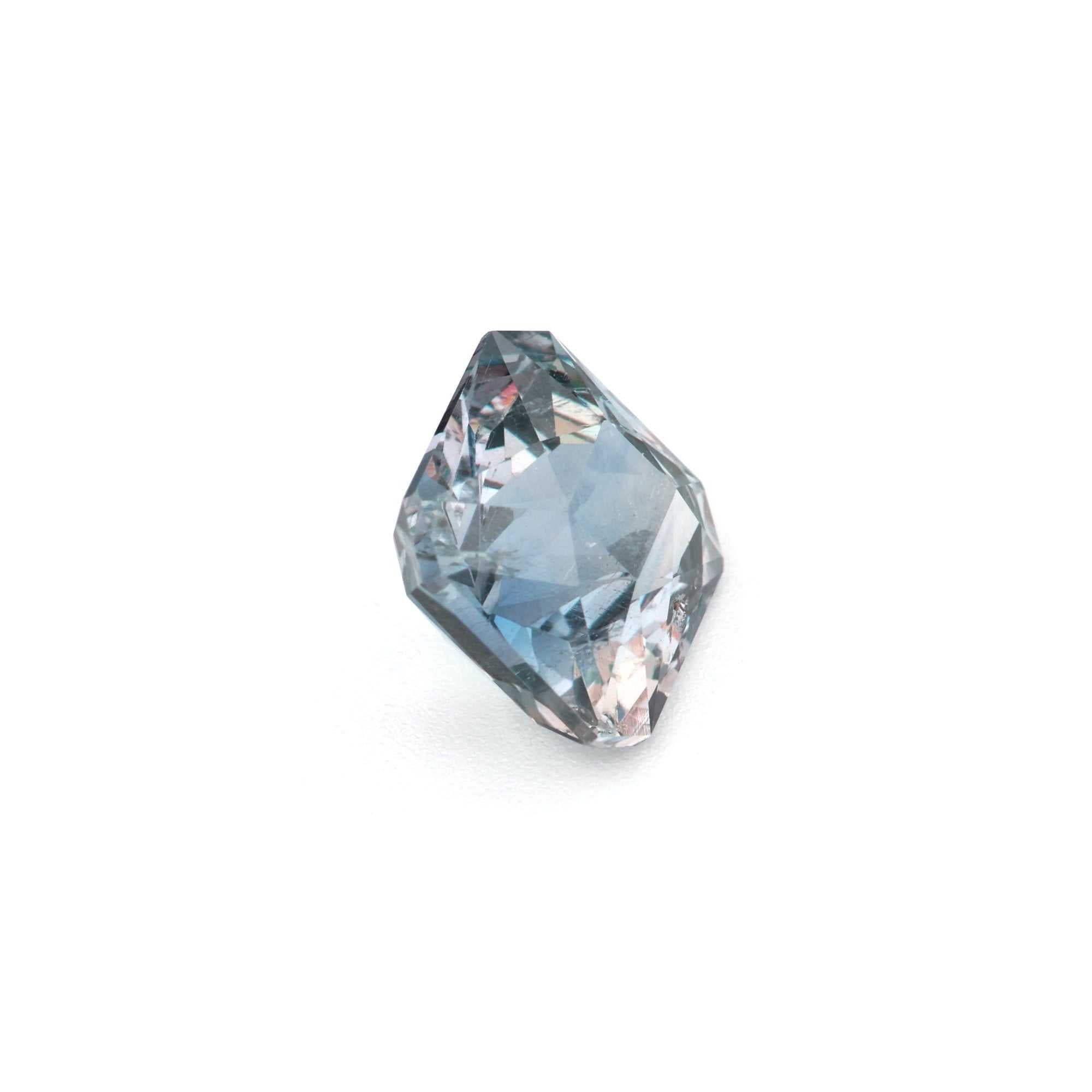
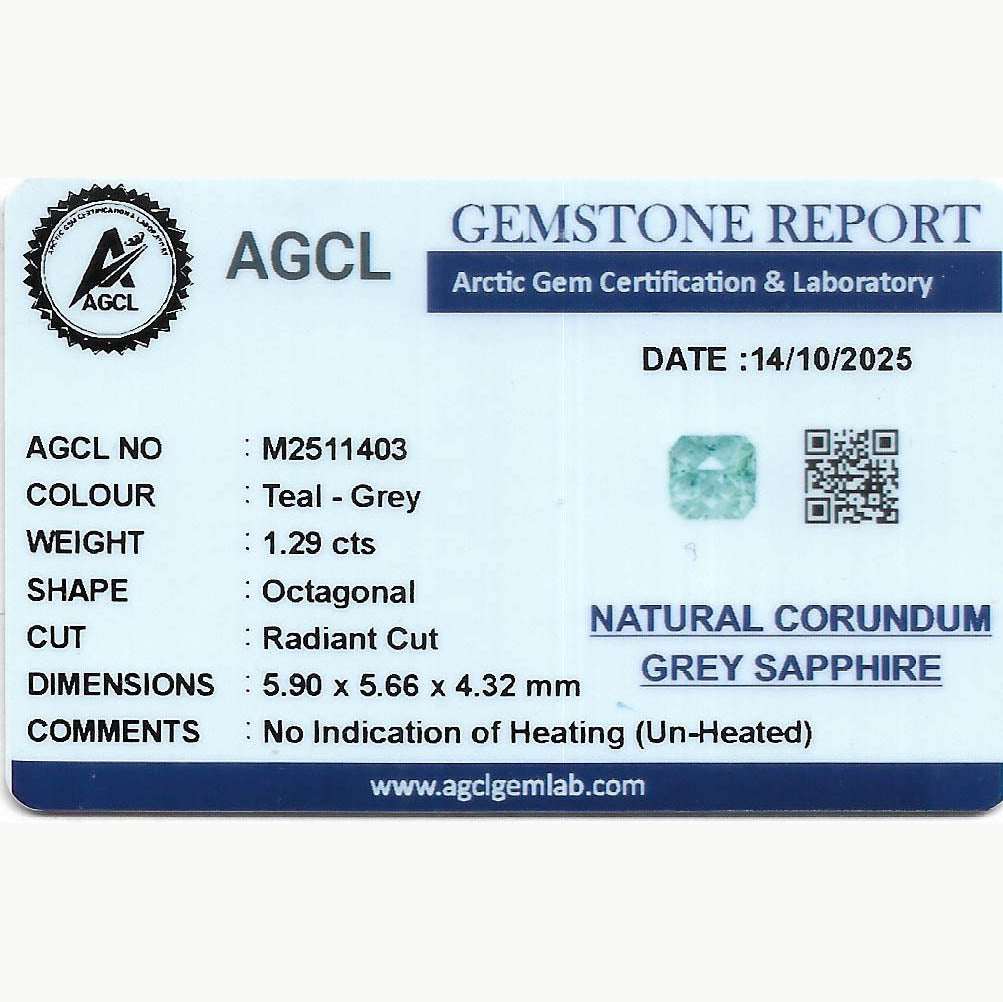
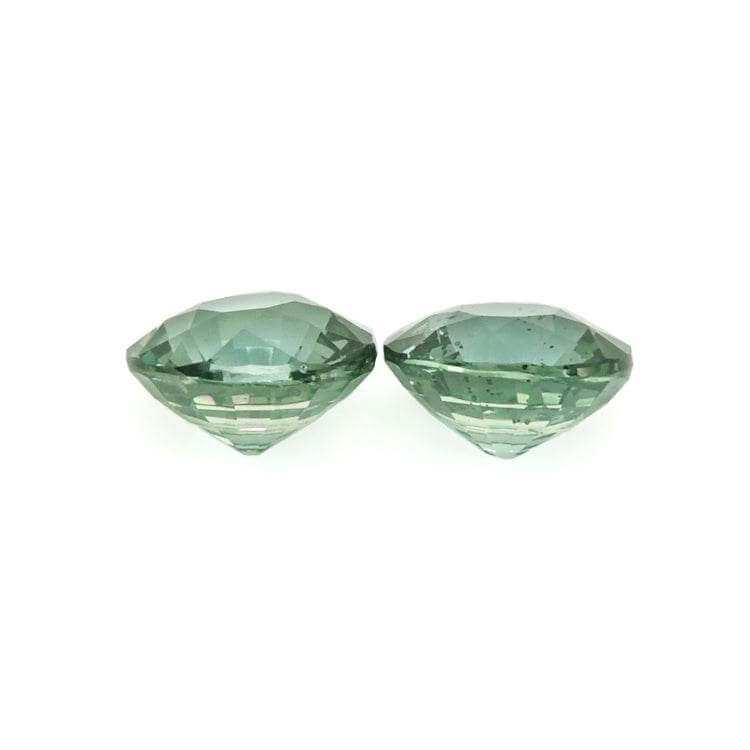
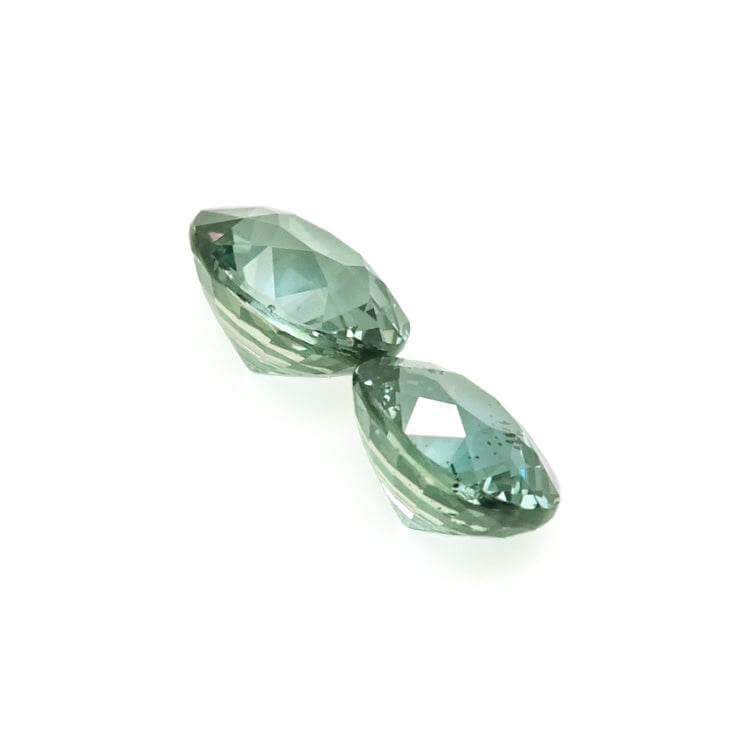
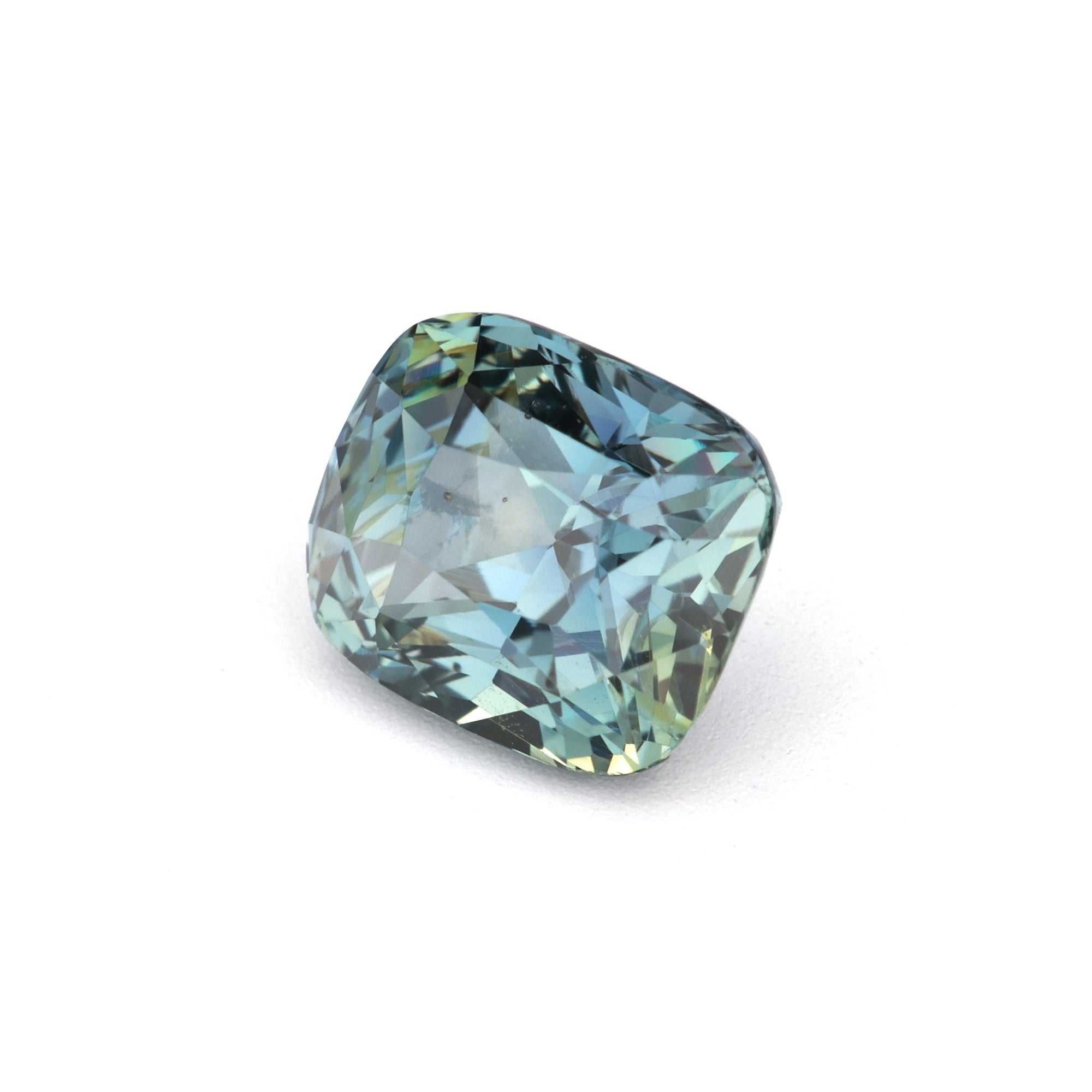
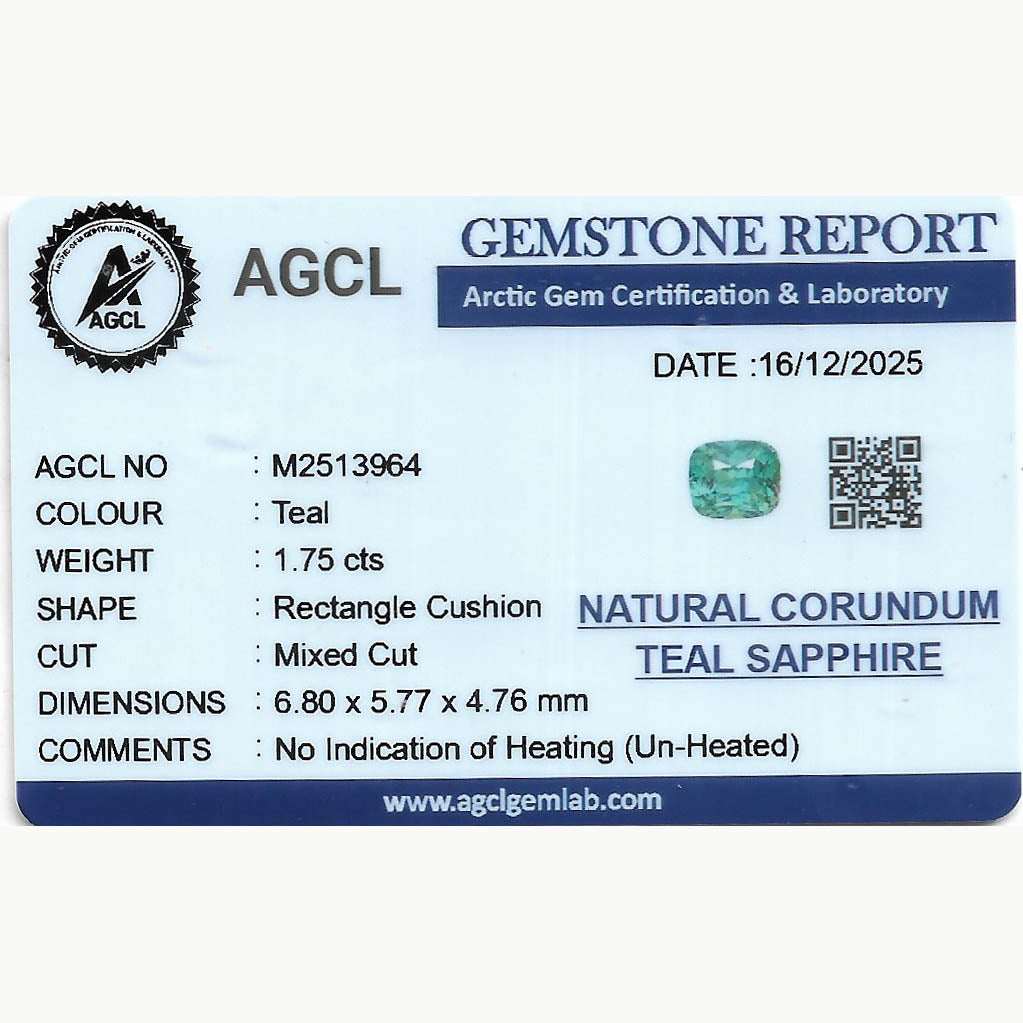
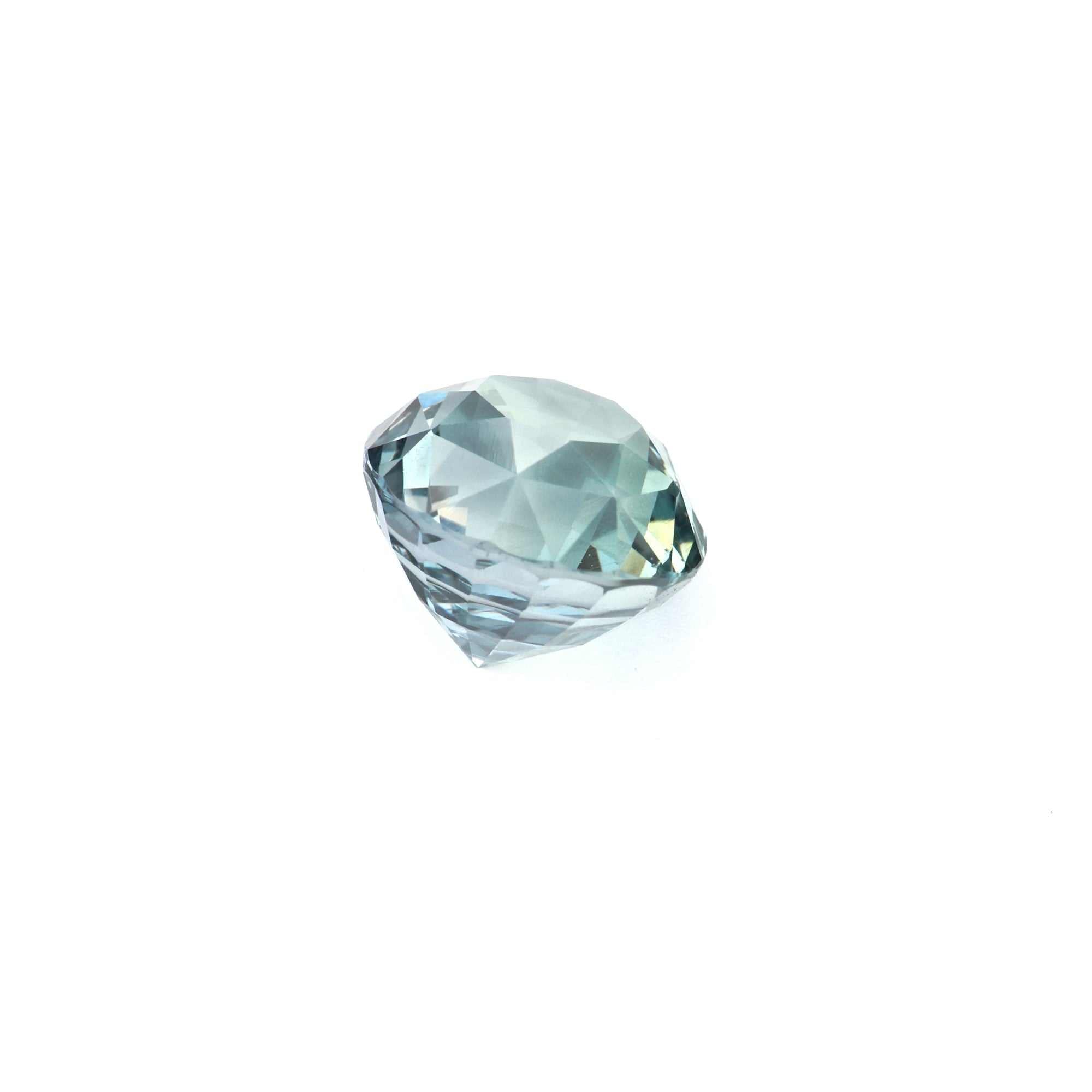
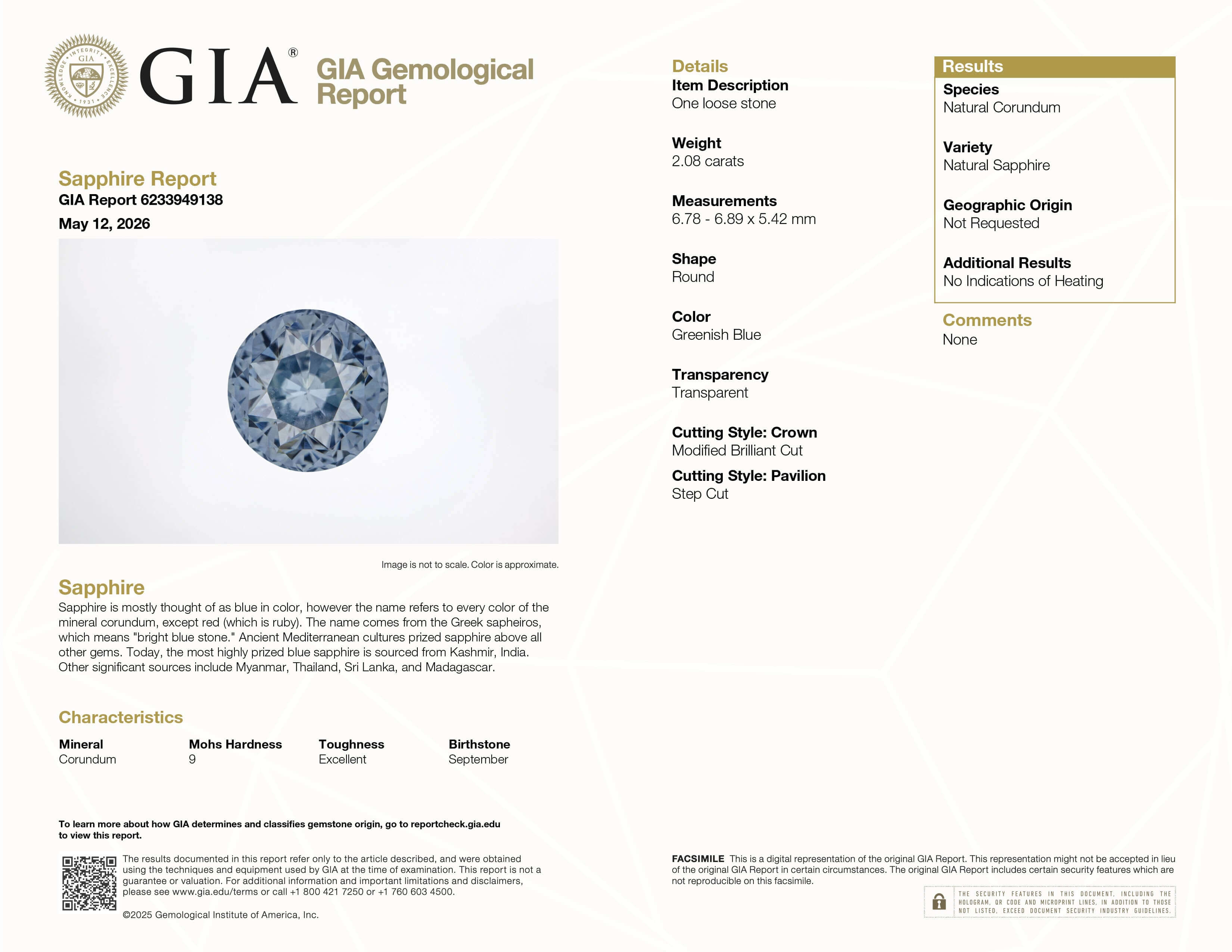
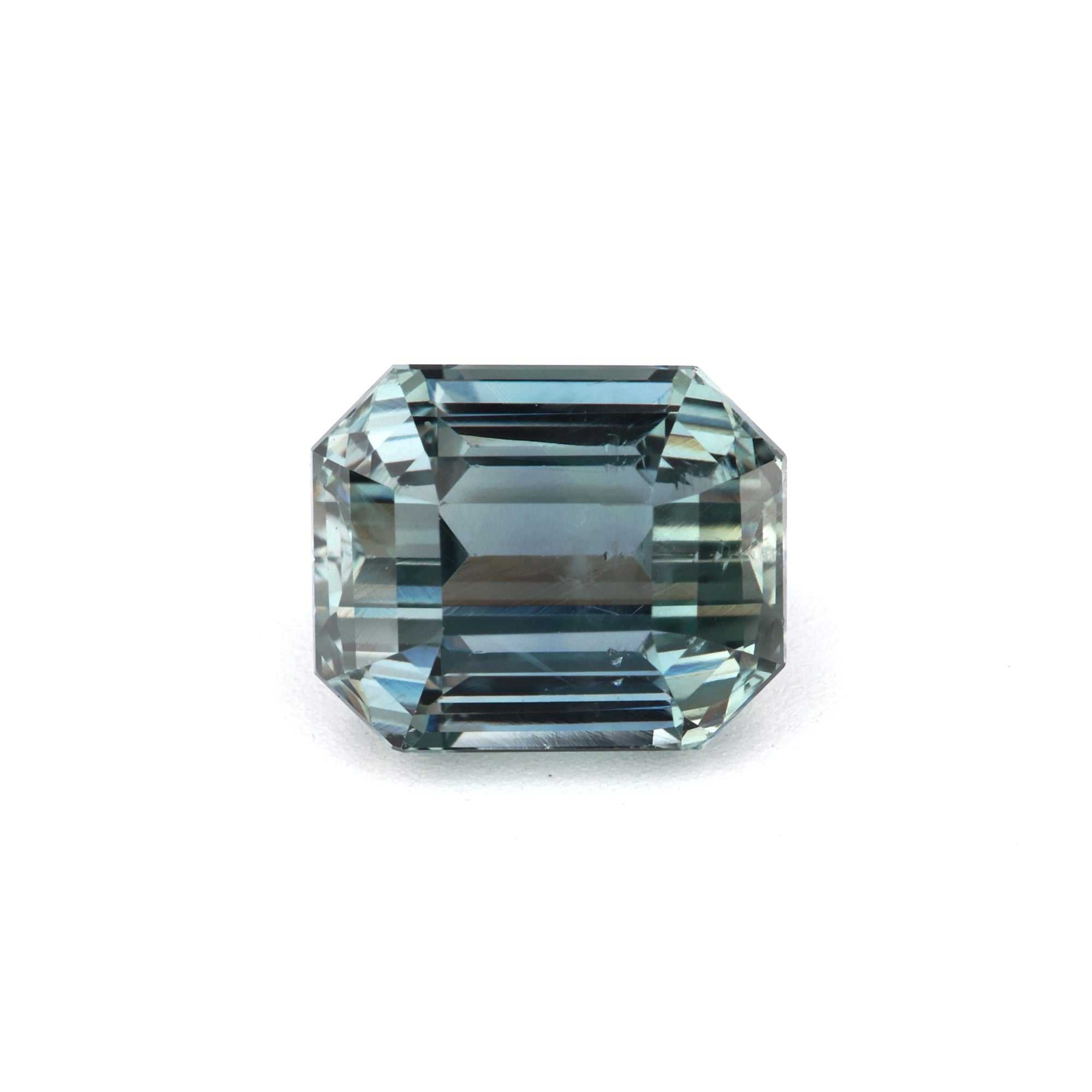
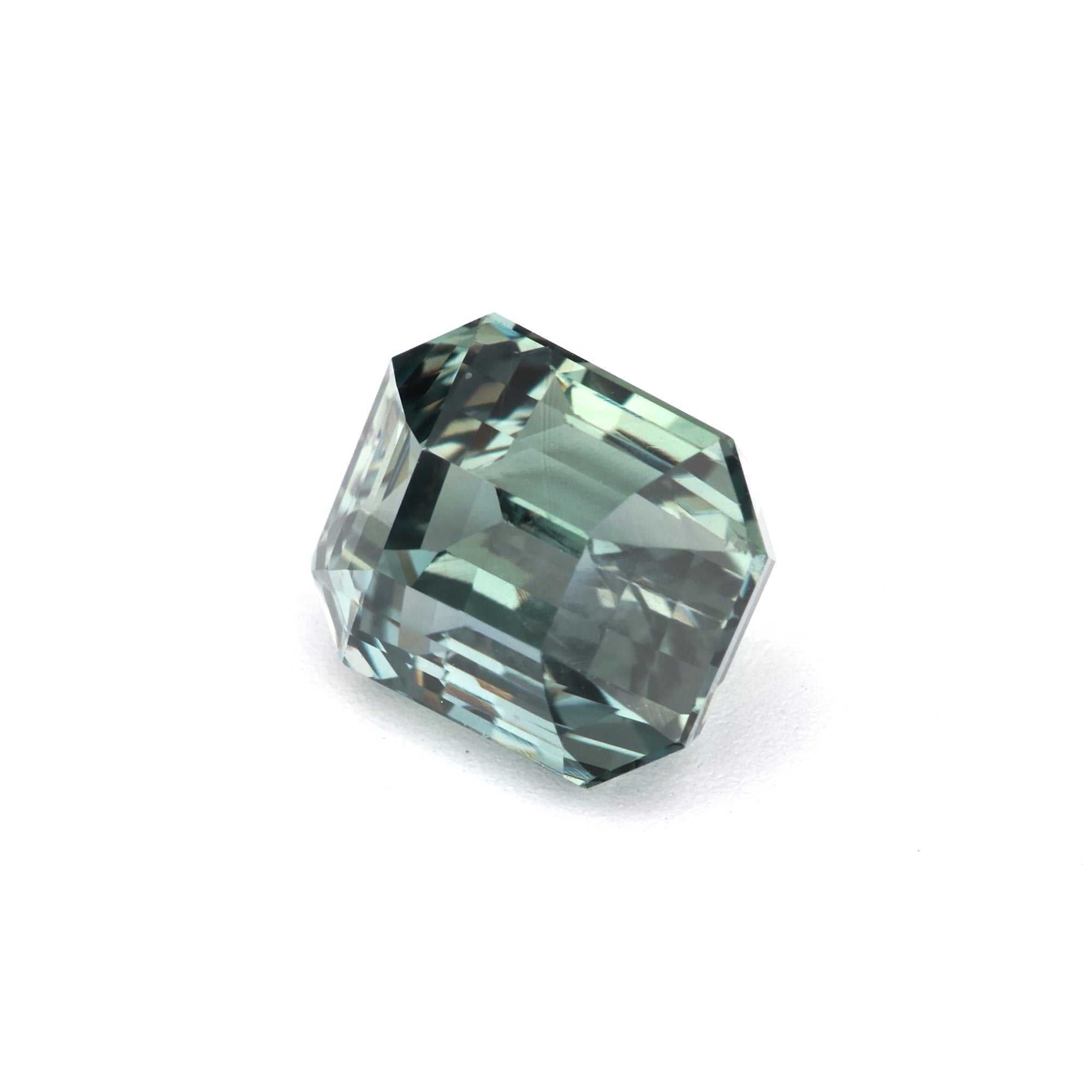
Example from our collection: a 1.08 ct AGCL-certified unheated teal sapphire from Madagascar, round cut — $788 ($730/ct). View this stone. A 1.75 ct GIA-documented unheated teal, cushion cut — $1,575 ($900/ct) (view). Our finest currently in stock: a 2.08 ct GIA-documented unheated teal, round cut — $2,912 ($1,400/ct) (view).
These prices represent direct-source pricing. Traditional retail through high-street jewelers typically runs 40–80% higher for equivalent material. The teal category has also seen meaningful price appreciation over the past five years as demand has grown — buyers who purchased fine teal in 2019–2021 at lower prices have seen significant appreciation in their stones' market value.
| Carat Weight | Good quality | Fine / vivid quality |
|---|---|---|
| 0.50ct* | $400–$900/ct | $900–$1,600/ct |
| 1.00ct | $700–$1,000/ct | $1,000–$1,400/ct |
| 1.50ct | $900–$1,100/ct | $1,100–$1,400/ct |
| 2.00ct | $1,200–$1,400/ct | $1,400–$1,600/ct |
| 3.00ct+* | $1,400–$2,200/ct | $2,200–$3,800/ct |
The 1.00ct–2.00ct rows reflect current listed prices in our collection. *0.50ct and 3.00ct+ rows are broader market guidance — we don't currently stock teal at either size; our range runs 1.08ct to 2.12ct.
Within the sizes we actually stock (roughly 1ct to 2.12ct), teal price escalation with carat weight has been modest — per-carat pricing clusters in the $700–$1,600 range across that whole window rather than climbing steeply the way fine blue or padparadscha does. That is itself part of teal's value proposition: a buyer can move up in size within our current stock without paying a steep per-carat premium for the privilege. Above 2.12ct, or below 1ct, expect wider variation since we're not able to verify those sizes against current listings.
The price differential between teal and blue sapphire of equivalent quality is significant and consistent:
| Quality | Vivid Teal (1ct, unheated) | Vivid Blue (1ct, unheated) | Price Difference |
|---|---|---|---|
| Good quality | $700–$1,000/ct | $2,800–$3,400/ct | Blue ~3× more |
| Fine quality | $1,000–$1,400/ct | $3,400–$4,000/ct | Blue ~3× more |
Teal figures reflect current listed prices in our collection. Blue (unheated, GIA) figures are based on our GIA-documented unheated blue stock, which currently starts at 2 carats — see our 1-carat sapphire pricing guide for the full breakdown of that extrapolation.
For buyers who appreciate vivid, naturally unheated Ceylon color and want the most stone at a given budget, teal is the strongest value proposition in the sapphire market. The price premium for blue exists because of historical prestige and demand — not because blue is visually superior in all settings. In rose gold or yellow gold, a fine vivid teal can outperform blue in terms of the finished ring's overall visual impact.
Unlike padparadscha (where a GIA report is mandatory for the premium) or unheated blue (where GIA confirmation is strongly recommended for stones above $1,000/ct), teal sapphire's value equation is somewhat different. Since most teal is naturally unheated, the treatment status question is less fraught — but confirmation from a reputable source is still valuable for any stone above $1,000 total value.
At Crescent Gems, all teal sapphires include our full treatment disclosure and most include independent laboratory documentation. For stones above $2,000 total value, GIA or equivalent documentation is our standard recommendation. See our GIA report guide for the full framework on certification decisions.
Teal sapphire is one of the most versatile colored stones for engagement ring design because of how differently it reads across metal colors:
For the full metal choice guide see our metal color guide. For shape choices, see our shape guides.
A 1-carat teal sapphire in our current collection runs $700–$1,400/ct for good-to-fine, naturally unheated, vivid blue-green Ceylon or Madagascar quality — for example, a 1.08 ct stone at $788 ($730/ct) up to GIA-documented stones around $1,400/ct. Commercial-grade material can be found for less in the broader market, though we don't currently stock it. At 2 carats, our finest currently in stock runs about $1,400/ct — notably, we haven't seen a strong per-carat premium for size within the 1–2.12ct range we carry. These prices reflect direct-source pricing; traditional retail typically runs 40–80% higher.
Most commercially available teal sapphires are naturally unheated — the iron-driven color mechanism of teal is generally stable at the temperatures used in heat treatment, making treatment less effective and therefore less commercially practiced. This is one reason teal does not carry the large unheated premium that applies to fine blue sapphire. Always verify treatment status with your seller; at Crescent Gems all teal sapphires include full treatment disclosure.
Fine teal sapphire has seen meaningful price appreciation over the past five to seven years as the market has discovered the color category. Whether this appreciation continues depends on demand trends that cannot be predicted. As a pure investment vehicle, gemstones are illiquid assets with no guaranteed market. As a meaningful stone with genuine rarity, beauty, and direct-source provenance, fine teal sapphire has strong intrinsic value. See our collection of stones with GIA reports.
The most commercially valued teal color is vivid, balanced blue-green — approximately equal parts blue and green, in medium to medium-dark tone with strong saturation, minimal grey modifier. Stones that skew strongly toward blue or strongly toward green are less universally sought, though personal preference varies. See our teal sapphire guide for the full color framework.
Browse our unheated teal sapphire collection with individual stone photographs and full treatment disclosure, or email crescentgems@gmail.com with your color, size, and budget preferences. We respond within one business day.


CG8357
価格はお客様の地域の通貨で表示され、変動することがあります。日本の輸入消費税は含まれていません。
CG8437
1.29ct 天然非加熱ティールサファイア|クッション|GIAレポート
CG8322
1.50 ct Natural Unheated Teal Sapphire – Oval Cut
CG8357
CG8354


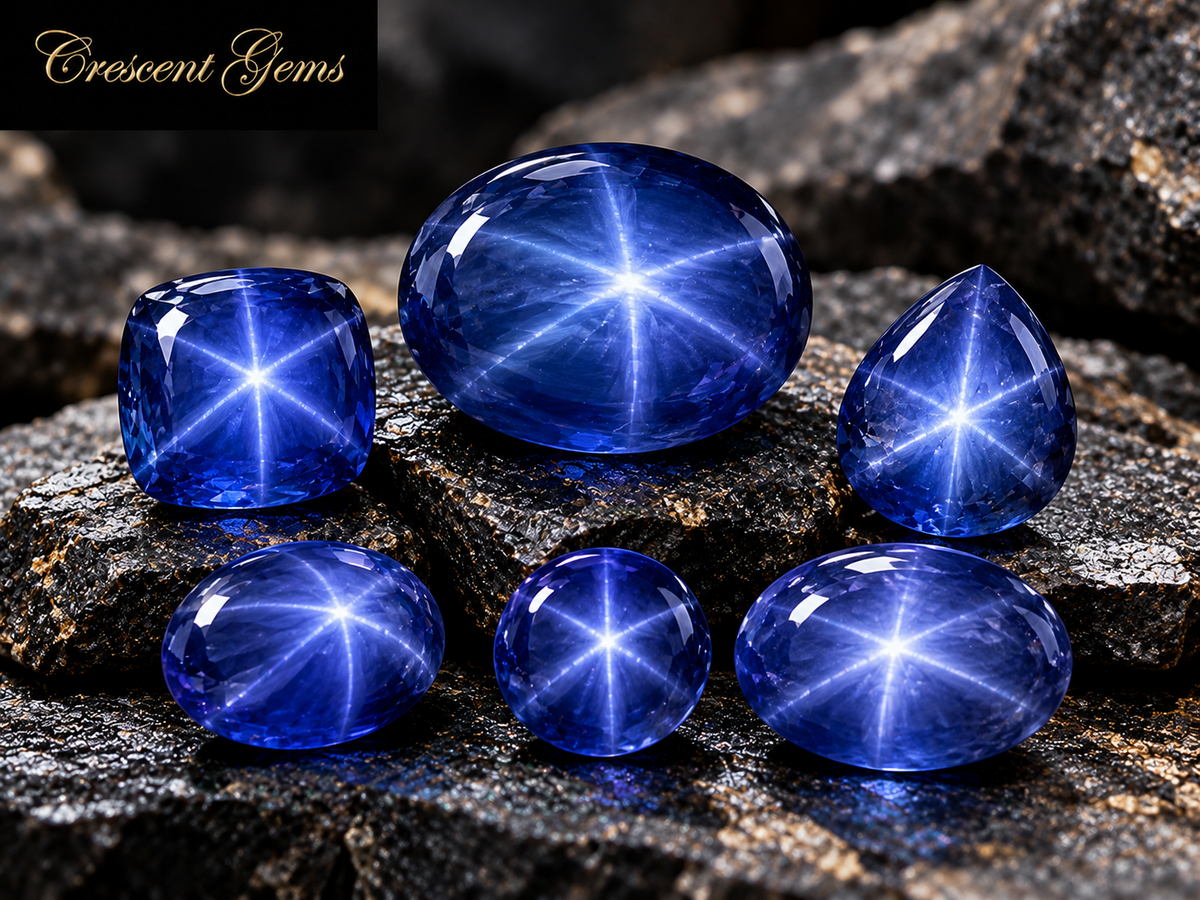
ブルースターサファイアの価格|1カラットあたりの相場と、当店にある8.09ctの1点
ブルースターサファイアは1カラットあたりいくらか。地色・重量・付帯する書類の三つで価格帯を整理し、現象を格付けする機関が存在しないことも説明します。当店の在庫は8.09ctの1点のみです。
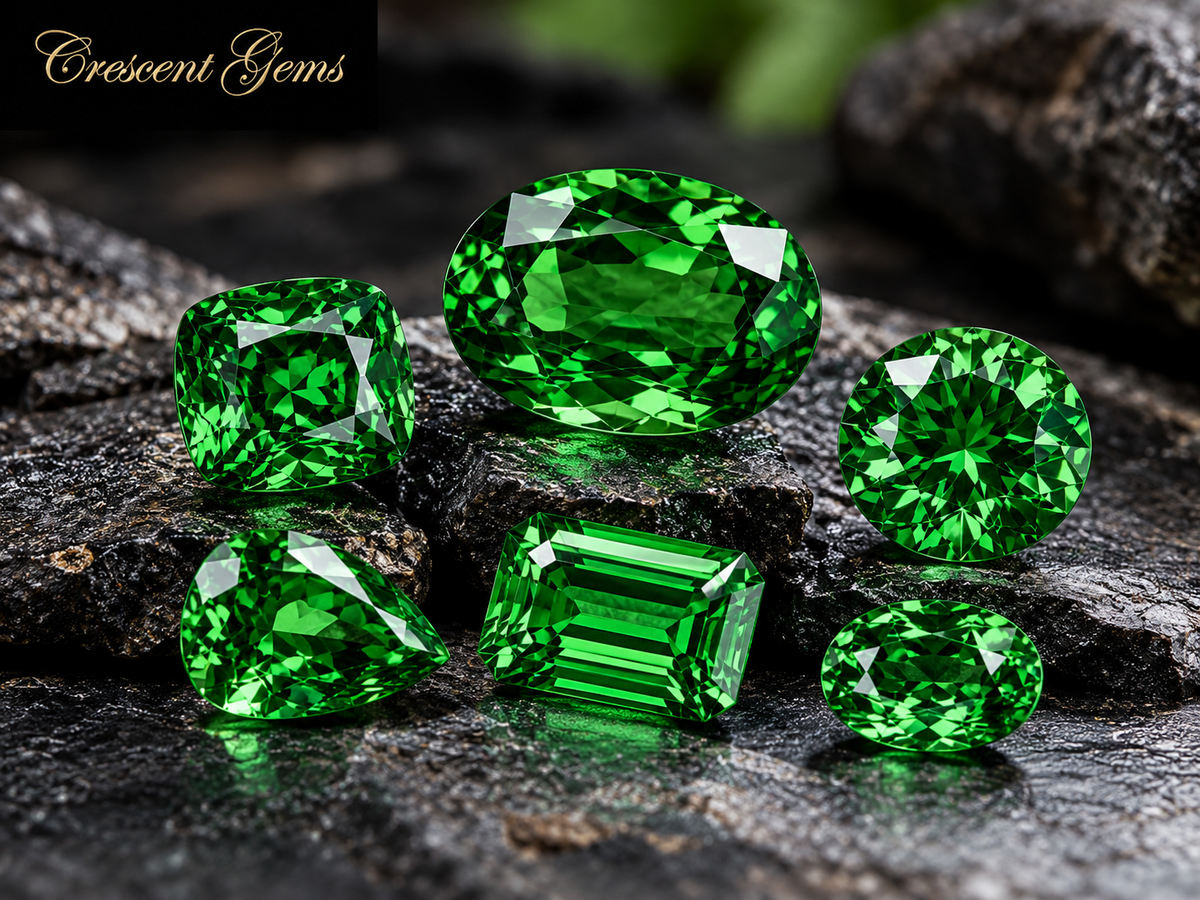
ツァボライトの価格|当店の在庫6点と、グロッシュラー・ガーネットとの違い
ツァボライトはいくらか。当店が現在在庫する6点をすべて示し、重さで値段がどう変わるかを説明します。品質等級表を載せない理由と、大きくて内包物の少ない原石が採れにくい本当の理由もあわせて。
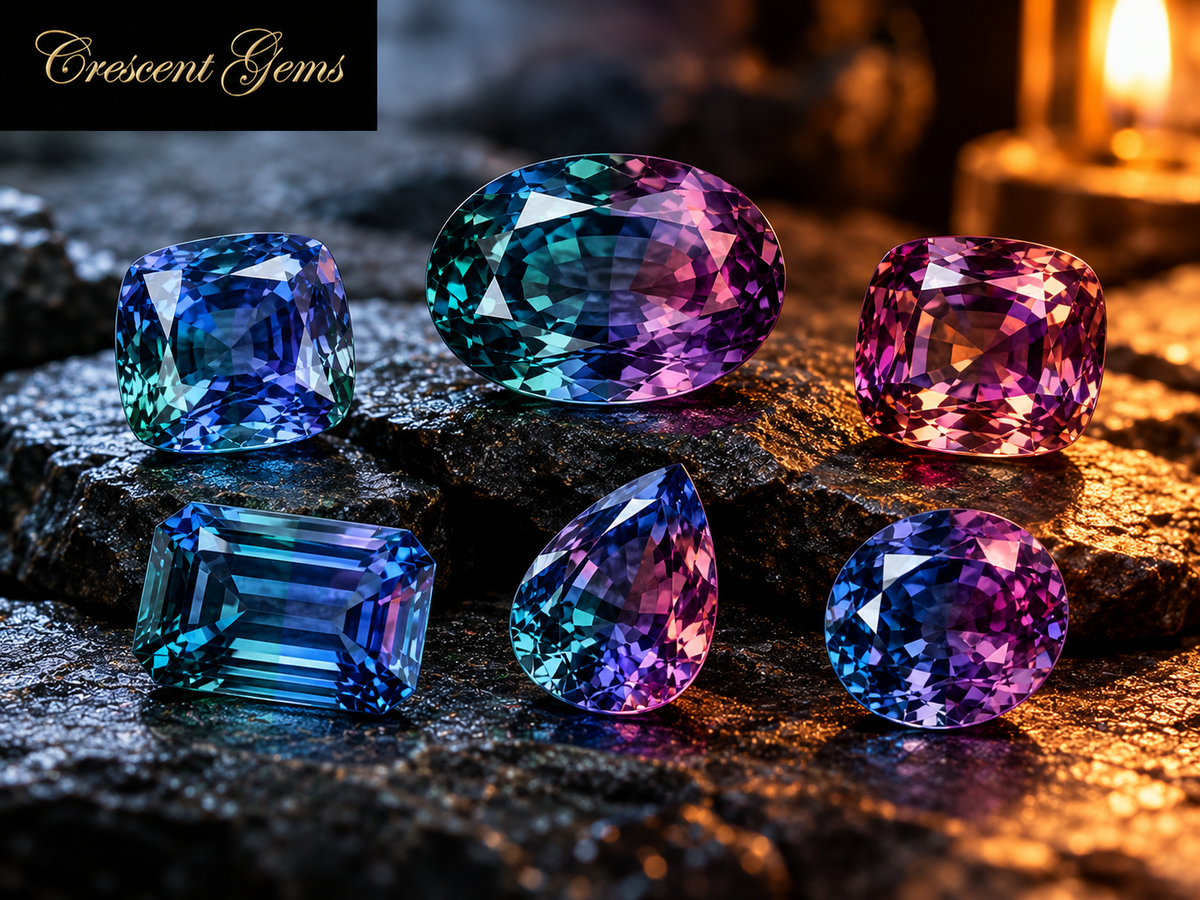
カラーチェンジサファイアの価格|1カラットあたりの相場と、当店にある2点
カラーチェンジサファイアは1カラットあたりいくらか。色と彩度と付帯する書類で価格帯を整理し、カラーチェンジそのものを格付けする機関が存在しないことも説明します。当店の在庫は1.03ctと2.01ctの2点です。
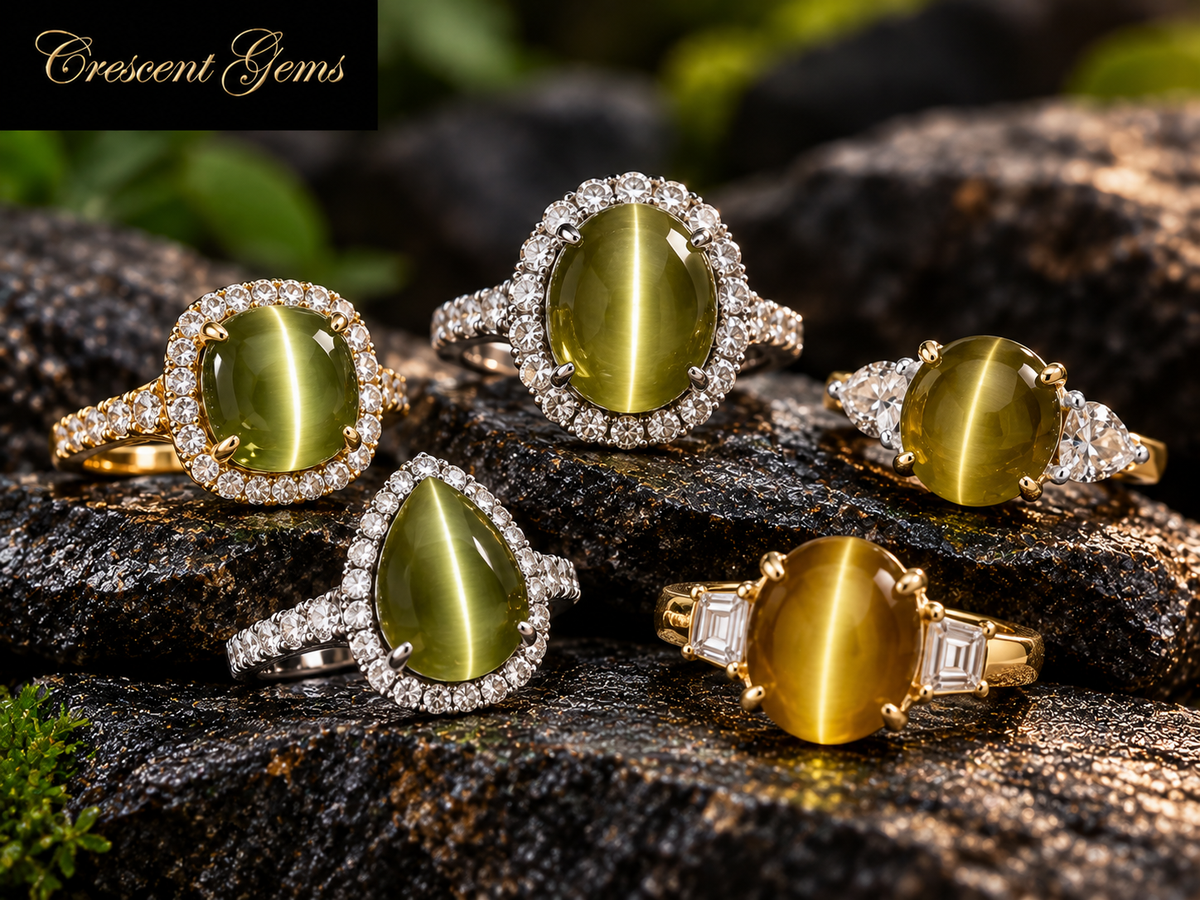
クリソベリル・キャッツアイは婚約指輪に向くか|モース硬度8.5と、留め方とお手入れ
クリソベリルはモース硬度8.5。クォーツ(7)やエメラルド(7.5〜8)より上、コランダム(9)とダイヤモンド(10)より下です。日常的に着ける指輪にとってそれが何を意味するかを、留め方とお手入れとあわせて説明します。
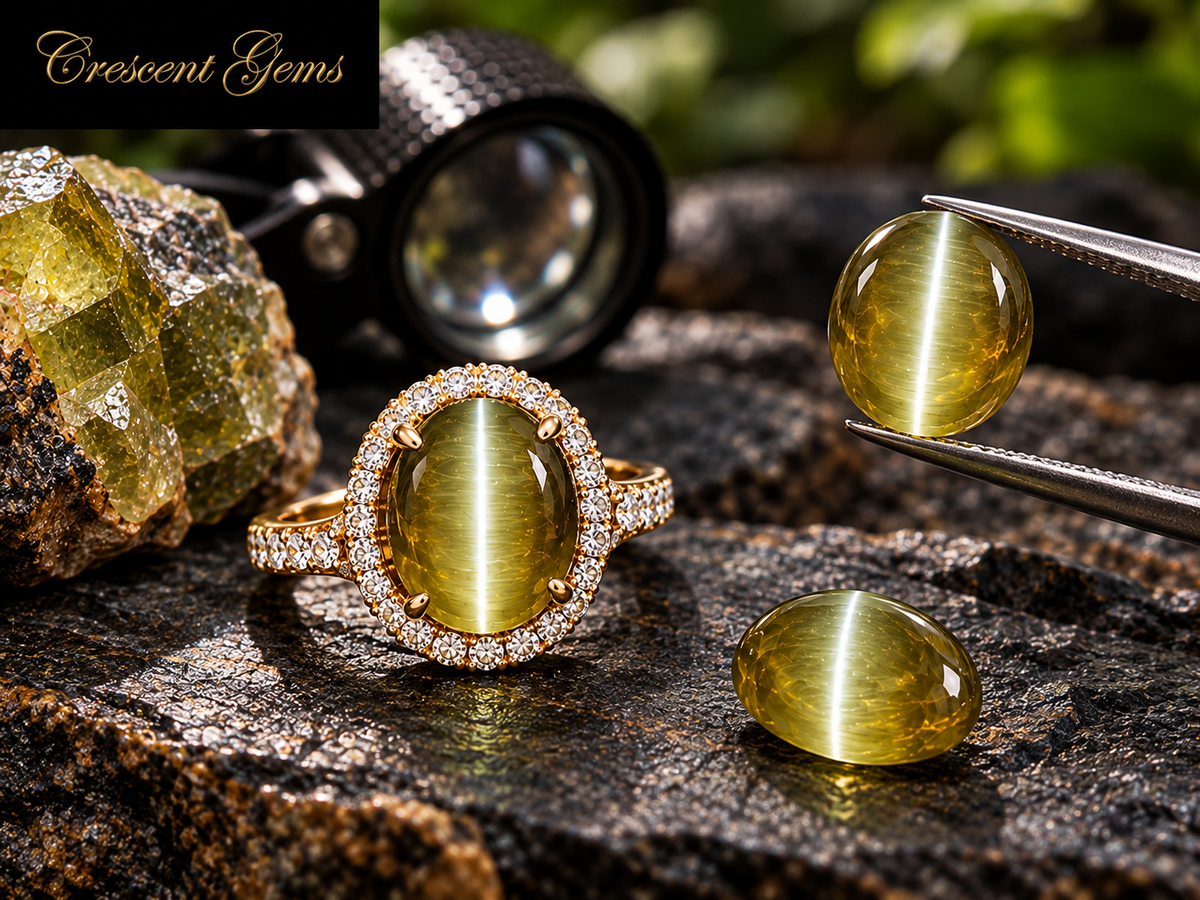
クリソベリル・キャッツアイの価格|1カラットあたりの相場と、当店にある2点
クリソベリル・キャッツアイは1カラットあたりいくらか。大きさと付帯する書類で価格帯を整理し、キャッツアイそのものを格付けする機関が存在しないことも説明します。当店の在庫は2.36ctと4.25ctの2点です。