


- 著者:Ahmed Shareek
珍しい色のサファイアはネットで買えるのか|在庫の実際・価格の見方・買う前に見るところ
- 著者:Ahmed Shareek
サファイアを買うのが初めての方は、まず サファイア購入完全ガイド をお読みください。色・産地・処理・価格をひととおり扱っています。
買えます。珍しい色のサファイアは、実際にネットで手に入ります。難しいのはそこではありません。お金を送る前に、その出品のどこまでをご自身で確かめられるのか——この記事はそこの話です。
当店はルースのサファイアの専門店で、下に挙げる色のいくつかは持っていて、いくつかは持っていません。パパラチアは現在ありません。ティールはマダガスカル産で、グリーンサファイアの多くはスリランカ産ではなくマダガスカル産と東アフリカ産です。ですからこの記事では、どの色がなぜ手に入りにくいのか、当店が何を持ち何を持っていないのか、レポートが何を決着させ何を決着させないのか、そして出品——当店のものも、ほかの売り手のものも——のどこを見てから決めればよいのかを書きます。
サファイアの既定の色はブルーです。取引の語彙はブルーを中心に組み立てられていて、探さなくても見つかる色です。以下はどれも、探しに行かなければ出てこない色です。
ただし、当店はこれらを希少さで順位づけることはしません。それを決着させられる産出量の数値を公表している機関がないからです。書けるのは、それぞれの色がなぜ少ないのかという仕組みと、当店に在庫があるかどうかです。
カラーチェンジについて、日本語の書き方をひとつ補っておきます。色の動きは見え方として書くのが正確です。「昼光では青紫に見え、白熱灯では赤紫に見えます」のように、光源ごとにどう見えるかを並べる形です。二つの色を矢印や波線でつないで一方から他方へ変わると書くと、石のなかで色が置き換わるように読めてしまいます。起きているのは光源が変わったときの見え方の違いで、石は同じ石です。カラーチェンジサファイアとはもご覧ください。
ピンク、イエロー、ブルーは少ない色ではありません。これらで最も幅があるのは処理で、どちらを見ているのかは出品が書いていなければなりません。見た目が似ている二つの石を分けているのは、たいてい色ではなく処理です。
名前はシンハラ語の蓮の花に由来し、一つの石のなかでピンクとオレンジが混ざった状態を指します。ほかのすべてのサファイアの色と違って、パパラチアには鑑別機関の合意された定義が後ろにあります。主要な鑑別機関のレポート用語を揃える情報シートを出している LMHC(Laboratory Manual Harmonisation Committee)が、そのうち一枚をパパラチアに充てていて、記述を「a subtle mixture of pinkish orange to orangey pink with pastel tones and low to medium saturations」——ピンクがかったオレンジからオレンジがかったピンクまでの、パステル調で彩度が低〜中程度の、微妙な混色——と定めています。
ここから二つのことが出てきます。この色をほかと別に扱わなければならない理由です。
一つ。パパラチアという表示は、真にも偽にもなりえます。色の記述でこれが言えるものはほとんどありません。単一の色相しか記載されていないレポートは、この呼称の外にある石を記述しています。
二つ。その語がレポートに実際に出ていなければなりません。pinkish orange と記述されているだけで padparadscha の表記がない石は、パパラチアではありません。売り手自身の色の覚書は、その代わりになりません。
この色は歴史的にスリランカと結びついていますが、マダガスカルやタンザニアでも採れます。当店はこれらの産地を互いに順位づけることはしませんし、鑑別機関の定義そのものが産地にまったく触れていません。定義が記述しているのは色であって、来歴ではありません。
ですからこの一色についてはレポートが任意ではなく、そう言えるサファイアの色はこれだけです。その語を記載したレポートがなければ、呼称は売り手自身の判断に乗っているだけで、判断は人によって違います。
当店はパパラチアを現在持っていません。当店のパパラチアの一覧ページも同じことを書いていて、扱うようになればそこに出ます。在庫していない色の価格帯を公表することはしません。パパラチアの値段は、その石が定義の中心にどれだけ近いかで動くもので、帯ではなく一石ごとの話です。
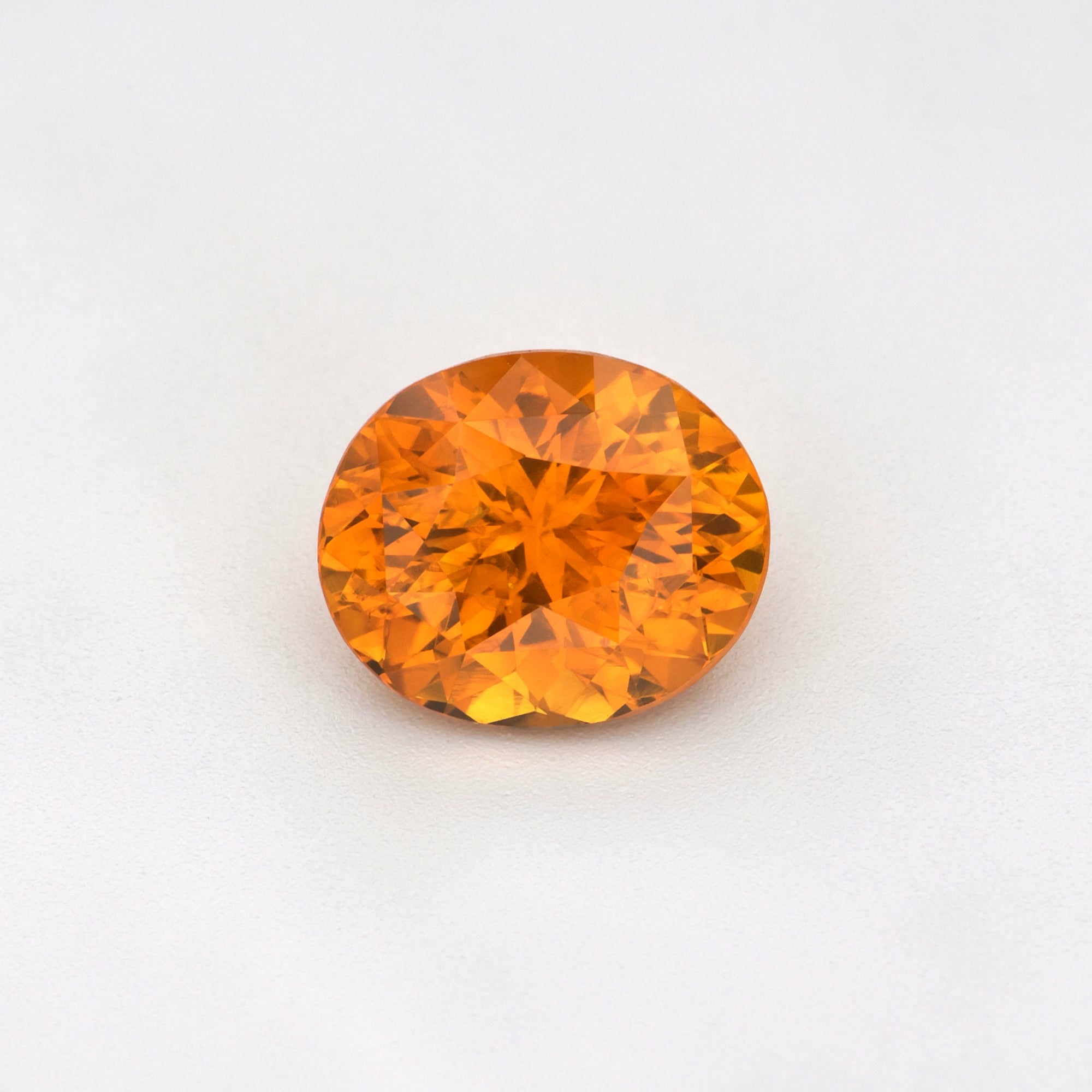
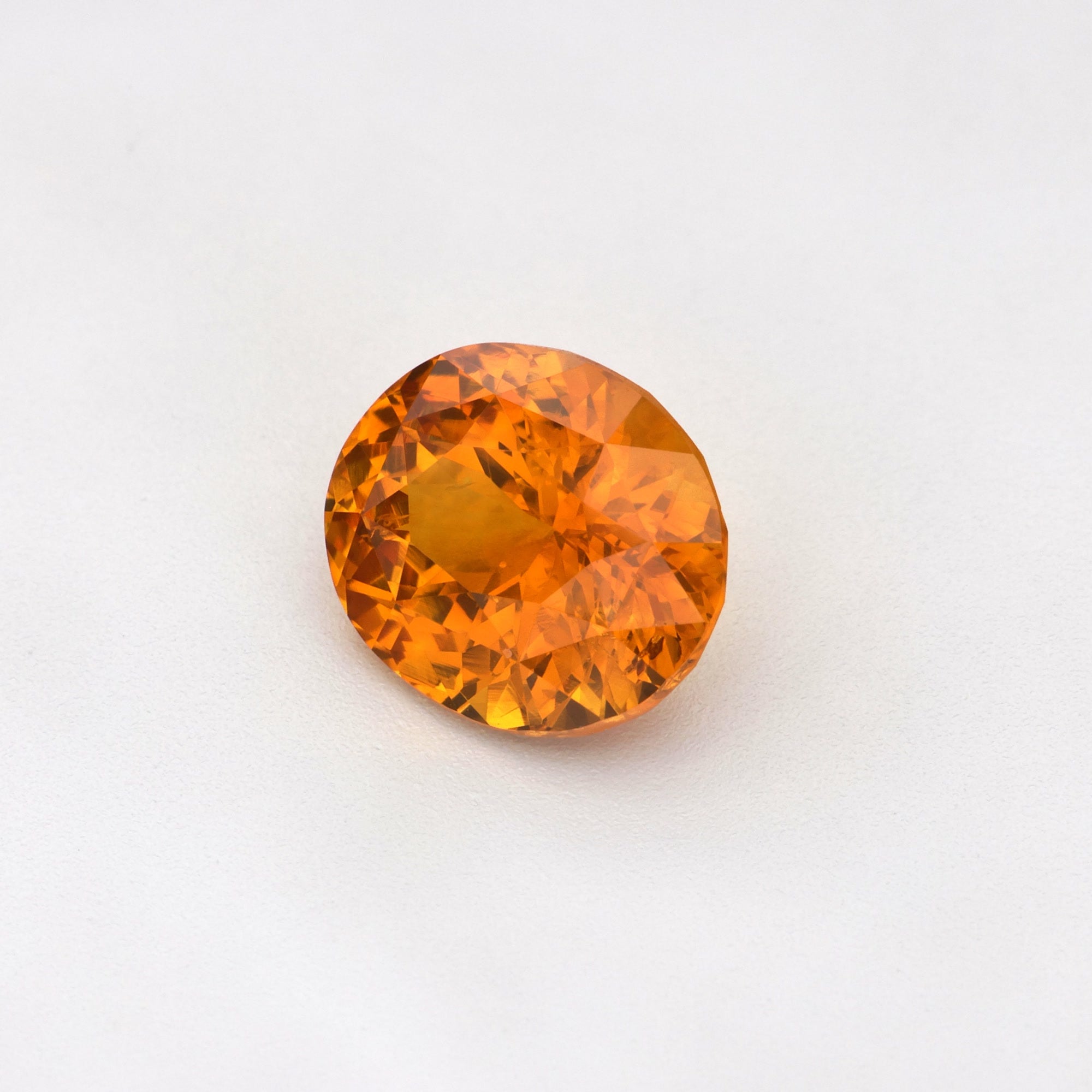
ベリリウム拡散加熱処理は、高温でベリリウムを石に拡散させる処理で、淡い石や黄色みの石をあざやかな黄金オレンジに変えることができます。見た目はオレンジサファイアで、値段はそうではありません。オレンジが、書類の重みがいちばん効く色である理由です。
ベリリウム処理の検出には LA-ICP-MS か LIBS による分析が必要です。これは高度な検査で、すべてのレポートに既定で入っているわけではありません。オレンジサファイアを買う前に、通常の加熱処理についてではなく、ベリリウム拡散加熱処理について検査されたかどうかを、売り手にはっきりお尋ねください。まともな業者であれば直接答えます。
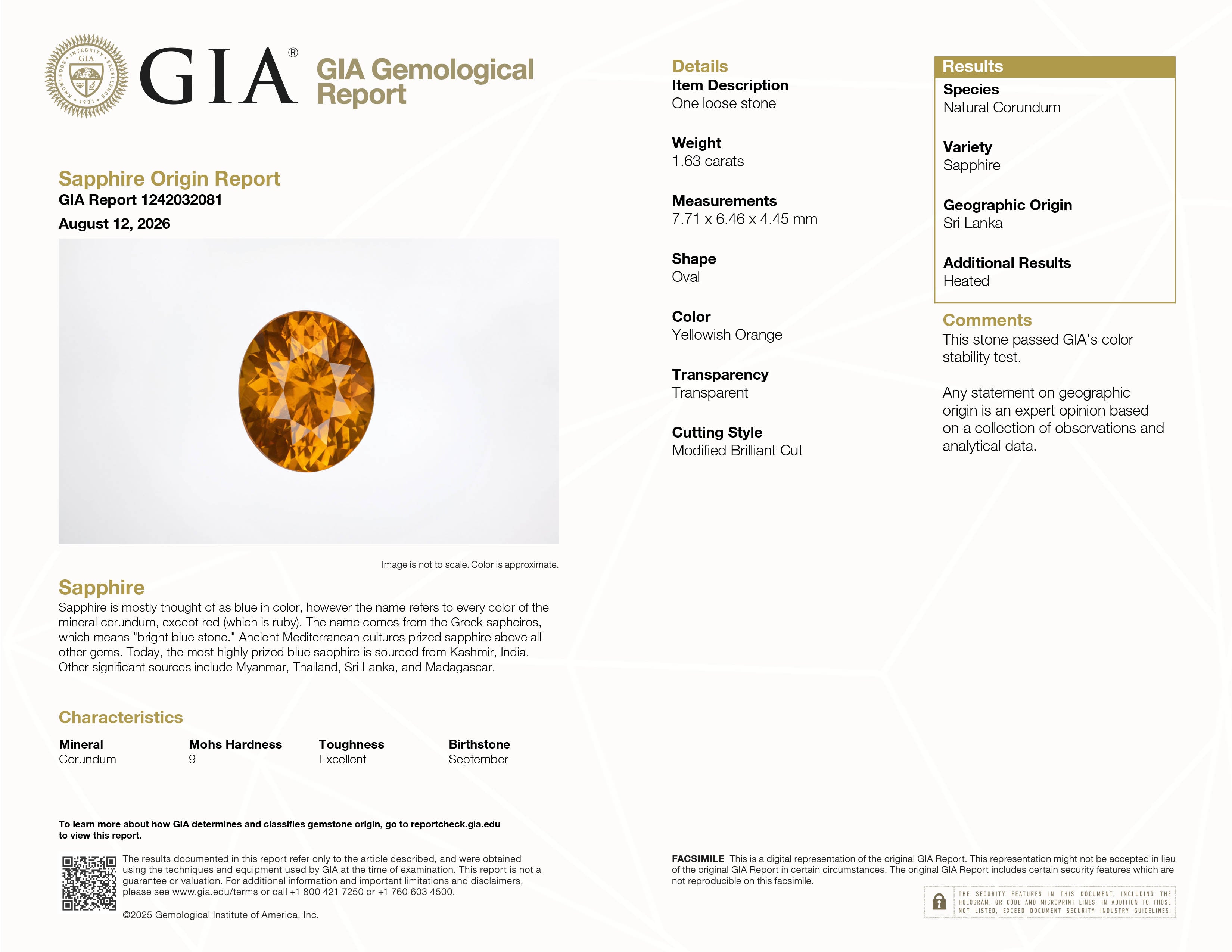
当店が掲載している石にベリリウム処理のものはありません。そしてオレンジサファイアとして掲載している石にはすべて GIA のレポートが付いています。地方の鑑別機関のレポートではベリリウムの問いに答えられないからです。
はっきり書いておくことが一つあります。当店のオレンジサファイアは加熱処理されています。各商品ページにその旨を書いています。非加熱のオレンジをお探しであれば、当店にはありません。その場合はこのページよりも一覧ページのほうが答えになります。
ティールはブルーとグリーンがほぼ同じ比率で出ている色で、加熱処理はティールをティールにしているグリーンの成分を抜いて、色をより純粋なブルーへ押し上げます。ティールがほぼ常に非加熱で売られるのはそのためです。加熱すれば、もうティールサファイアではありません。
当店は加熱と非加熱のティールの価格差について数値を出しません。比べる相手になる加熱済みのティールを持っていませんし、その比較を創作することもしません。
ティールの色の偏り——石のなかでブルーとグリーンの比率が場所によって変わること——は、天然の生成の特徴であって欠陥ではありません。研磨の向きの取り方が最終的な色の釣り合いに実際の差を生みますので、当店は歩留まりを最大にする向きではなく自社の仕様に合わせて研磨します。
当店のティールはマダガスカル産です。例外は産地を特定できない数石で、それは商品ページにそう書いています。スリランカ産のティールは持っていません。ほかのサファイアの多くがスリランカ産であるページでは、これははっきり書いておくべきことです。各石について当店が把握している処理と産地は、その商品ページにあります。
GIA は色石のレポートに色の値を一つだけ印字します。そして「Purple」と「Violet」は別々の値です。ある石にどちらが与えられるかはその石についての鑑別機関の判断で、取引が合意している線ではありません。そして当店自身の目録にもその継ぎ目が出ています。当店がパープルと記述している石の AGCL のレポートが Violet と読める例があり、ピーチと記述している石の GIA のレポートが Pink と読める例があります。
どちらも誤りではありません。一つの石についての二つの記述で、一方が当店のもの、他方が鑑別機関のものです。ある売り手のバイオレットサファイアを別の売り手のパープルと並べたとき、比べているのは二つの色ではなく二つの語かもしれません。
日本語には、ほかの市場にない事情があります。買い手が使う語と書類に出る語が分かれているのです。
ですから、当店がパープルと書いている石のレポートがバイオレットと読めることは、矛盾ではありません。層が違う二つの語が並んでいるだけです。日本語の出品を比べるときは、「パープル」が売り手の言葉なのか書類の値の訳なのかを見分けてください。見分け方は単純で、発行機関名とレポート番号が併記されていれば書類の値、併記されていなければ売り手の言葉です。
これらの石は光によって表情が変わります。昼光に近い光の下できれいにバイオレットに見える石が、白熱灯の下では温かく見えることがあります。それは石そのものであって、処理ではありません。当店がある石をブルー寄り・レッド寄りと記述している場合、それは当店が実際に手にとって見た所見であり、どのレポートの項目でもありません。レポートには色相の比率も色の等級も載りません。一つの光源だけで石を判断なさる場合は、昼光と電球色の両方での写真か動画をお求めになってから決めてください。
ピーチは温かいピンクサーモンの色調で、パパラチアの範囲より明るく、ピンク寄りに位置します。二つを分ける線は、鑑別機関の定義が引いている線です。「ピンクがかったオレンジからオレンジがかったピンクまでの、パステル調」の外にある石は、どれほど似て見えてもパパラチアではありません。よく似た二つの石が違う名を帯びることがあり、それが決まるのは写真ではなくレポートです。
当店のピーチサファイアはスリランカ産で、各石の処理はその商品ページに書いています。非加熱のものも加熱処理されたものもあります。
一つお伝えしておくべきことがあります。ベリリウムのリスクの範囲は「オレンジ」という語より広いからです。ピーチはピンクがかったオレンジです。そして当店のピーチの石の多くはまだ GIA の書類が付いていません。気になる石がございましたら、そうお伝えください。発送前に GIA に出します。
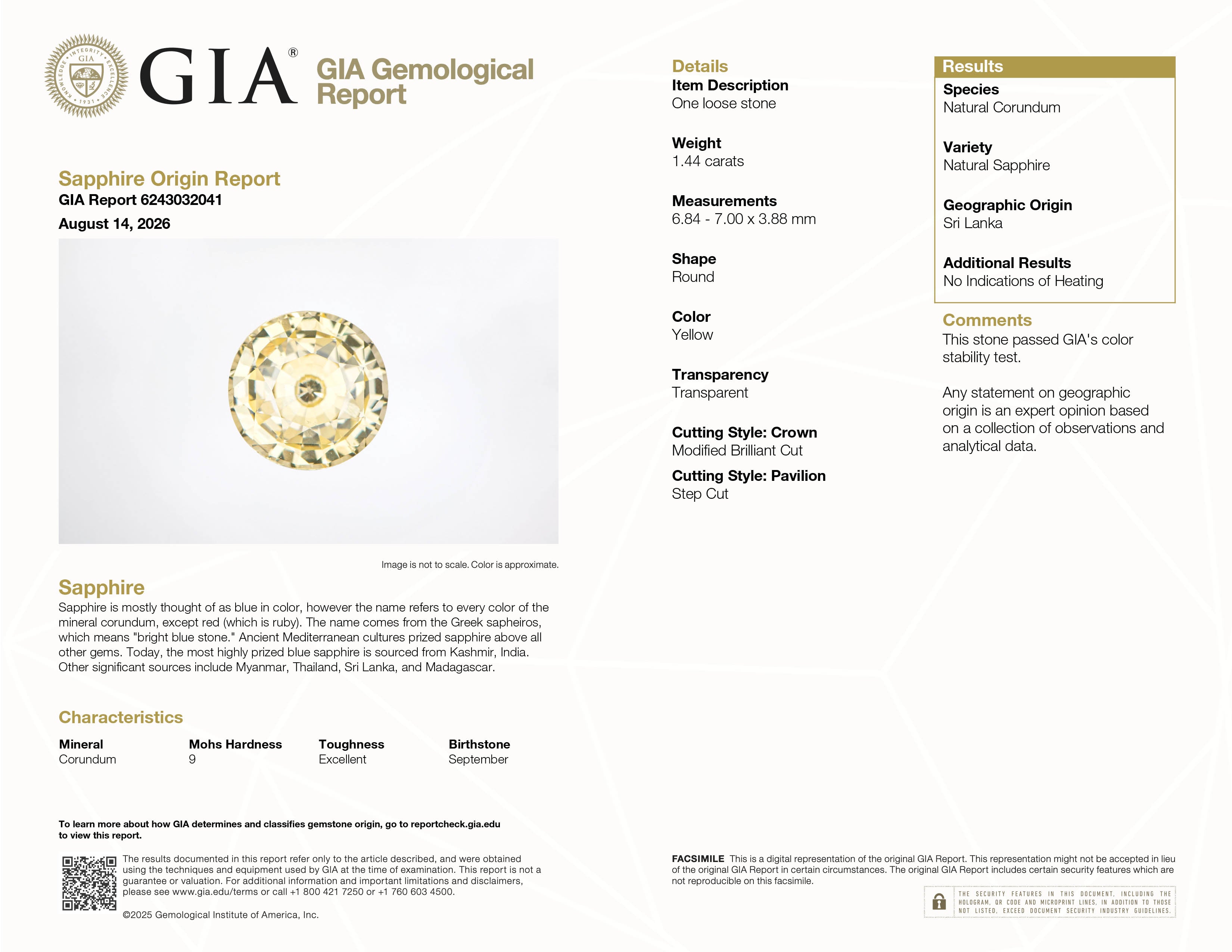
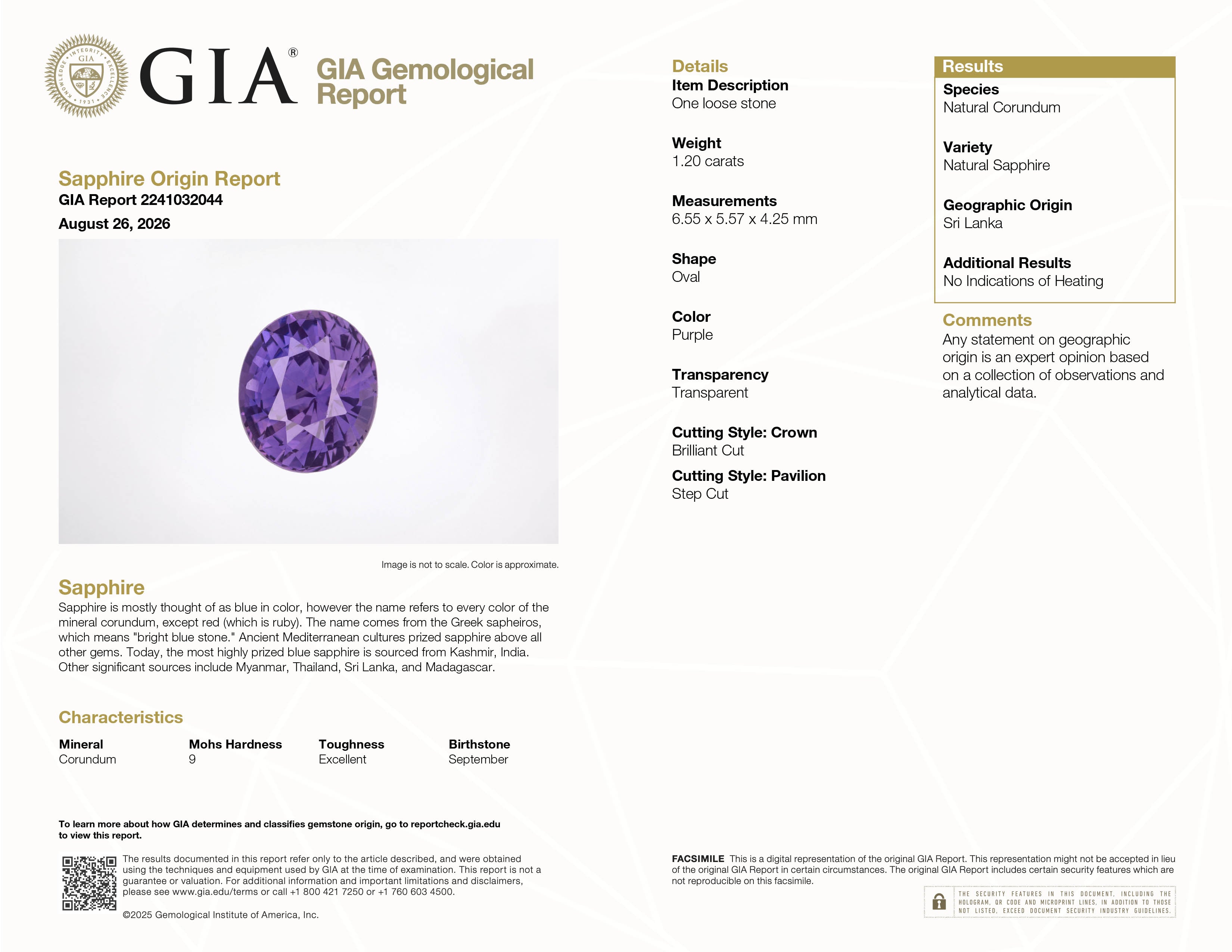
レポートはこの市場でいちばん役に立つ書類で、同時にいちばん「そうではないもの」として語られている書類です。レポートは記録です。資格を持つ検査者が観察したことの記録と、その観察から形づくられた意見の記録です。GIA はレポートそのものに「is not a guarantee or valuation」——これは保証でも評価額でもない——と印字しています。
ここから三つのことが出てきます。この三つで、レポートの使い方はほぼ尽きます。
産地の所見の横に、GIA は自らの留保を自らの言葉で印字しています。「Any statement on geographic origin is an expert opinion based on a collection of observations and analytical data.」LMHC もレポート一般について同じことを述べています。「All findings described in the report are opinions expressed by the laboratory.」
これらは、お客様がお持ちでない機材と比較標本を持った資格ある検査者が到達した意見です。だからこそ対価を払う価値があります。それでも意見であり、書類のなかに、意見を保証に変えるものは何もありません。
産地の意見について取引が決定的に扱っているのは GIA、Gübelin、SSEF です。産地は、どの鑑別機関かがいちばん効く項目です。その下には、石を同定し処理の所見を記録するのに十分な力量を持った地方の鑑別機関がありますが、取引はそれらを産地の権威としては扱っていません。
当店の在庫には四つの鑑別機関が出てきます。GIA、AGCL、FGL、そしてコロンボの宝石学研究所(GIC)です。すべての出品にその石のレポートを発行した機関名を書き、レポートがない場合はないとはっきり書きます。受け取ってはいけないのは、名前のある機関まで辿れない書類、公開の照会手段を持たない書類です。
ここが買い手のつまずくところです。レポートの沈黙は所見のように読めますが、所見ではありません。
とくに産地は別のサービスです。個別に依頼して費用を払う項目であり、GIA が印字した留保を付けている項目であり、通常の GIA のサファイアレポートではその欄に「Not Requested」と印字されることがあります。「Not Requested」は産地不明と同じではありません。問いが立てられなかっただけで、そのために石が劣るわけではありません。当店の在庫には両方の場合があり、どちらなのかは商品ページに書いてあります。
珍しい色でとくに効く項目と、その読み方です。
どの鑑別機関が出したものであれ、レポートが届かない範囲があります。価値、価格、希少性、カットの良し悪し、そしてあらゆる種類の品質等級です。
そしてお客様がご自身で本当にできる照会が一つあり、これは毎回やる価値があります。GIA のレポートにはレポート番号が付いていて、買う前に gia.edu/report-check に入れて、ご自身でご確認ください。そのレポートが存在するか、何が記載されているかがデータベースから返ってきます。番号が返ってこなければ、そこで話は終わりです。
ここは日本語の出品を読むうえで避けて通れません。上の三つの話は国際ラボのレポートについてのものですが、日本の出品に実際に付いている紙は、別の体系の名前で呼ばれています。
日本で鑑定書というとダイヤモンドの4Cグレーディングのことです。色石に付くのは鑑別書で、石種・処理の有無・産地などを記載します。海外の石では GIA のレポートが、国内では中央宝石研究所(CGL)の鑑別書が広く信頼されています。ソーティング(ソ付)は鑑別書ではありません。簡易的な結果を記した紙片であり、正式な書類の代わりにはなりません。
| 出品に書かれている語 | 実際に何の紙か | 買う前に見るところ |
|---|---|---|
| 鑑別書 | 色石の正式な書類。石種・処理の有無・場合により産地を記載します。格付けはしません | 発行機関名と番号。そして処理の欄に何と書いてあるか |
| 鑑定書 | ダイヤモンドの4Cグレーディングレポート。色石には発行されません | 色石の出品でこの語が使われていれば、言葉の選び方が正確ではありません |
| ソーティング/ソ付 | 簡易的な結果を記した紙片。正式な書類ではありません | これだけが根拠になっている出品は、辿れる書類を示していません |
| GIA のレポート | 印字された英語の表題で呼ぶのが正確です(GIA Colored Stone Identification Report、GIA Sapphire Origin Report など) | 番号を gia.edu/report-check でご自身で照会できます |
| 「鑑定済み」など | 書類の名前ではありません。売り手が足した言葉です | どの機関の、どの番号の書類を指しているのかをお尋ねください |
この表のいちばん下の行が、上の「三、レポートは尋ねられた問いにだけ答える」と同じ話の日本語版です。鑑別書に書かれているのは「記載します」「示します」です。出品の側でそこに足された語——「済み」で終わる言い方がその典型です——は、書類の語ではなく売り手の語です。どちらであるかの見分け方は一つで、発行機関名と番号が併記されているかどうかです。
そして「ソ付」は、「レポートは別途ご請求ください」という書き方と同じ形です。紙はあると言っているのに、辿れる書類を見せていません。
日本の広告表示には景品表示法という枠がかかっています。第7条第2項の不実証広告規制では、消費者庁が表示の裏付けとなる資料の提出を求めることができ、事業者には15日の猶予があります。そして資料は、客観的に実証されていることに加えて、表示された内容に対応している必要があります。
この条件は、このページの話とそのまま噛み合います。レポートを持っていても、そのレポートが品質について何も述べていない以上、出来についての表示の裏付けにはなりません。書類を持っていることは、その書類が扱っていない主張の裏付けにはならない、ということです。産地の欄が「Not Requested」のレポートは、産地の表示の裏付けにはなりません。第5条第2号の有利誤認も併せて働きますから、書類があるように見せて取引条件を実際より有利に見せることも、ここで問われます。
買い手の側から使える一文にすると、こうなります。「その表示の根拠になる書類を、発行機関名と番号付きで見せてください」。当店の出品についても、同じことをお尋ねいただいて構いません。
なお、日本では処理内容の開示は販売者の義務です。
日本語の出品では、この三つを分けて読む必要があります。
当店の出品では【非加熱】と表示し、加熱以外の処理も認められていない石には【非加熱・無処理】と表示して、鑑別書の有無と発行機関を併記しています。非加熱サファイアとはもご覧ください。
珍しい色はゆっくり売れますので、売り手の側に待てる構えがなければ在庫できません。当店にショールームはありません。スリランカの石はラトナプラ、ベルワラ、コロンボで当店が自ら買い付け、自社の工場で自社の仕様に合わせて研磨しています。お客様が一つの町に限られていませんので、年に二度動く色でも抱えておく意味があります。これは当店自身の立ち位置の説明であって、ほかのどなたかの事情を言うものではありません。
ネットで買うときに手放すのは、石を先に見ることです。その埋め合わせになるのが書類です。あざやかな一枚のスタジオ写真ではなく異なる光源での複数の写真、石が動いている動画、明記された返品期間——当店はすべてのご注文に14日間——そして発行機関のデータベースでご自身で照会できるレポート番号です。
このページには以前、色ごとのカラット単価の帯が載っていました。帯は外しました。黙って落とすのではなく、理由を書いておきます。
珍しい色は定義上、石の数が少ないということです。ですからそこから作った帯は、一本売れただけで間違いになる帯です。しかも当時の帯のいくつかは、裏に当店の石が一本もありませんでした。在庫していない色の帯まで載っていました。ひと月で間違いになる数字は、数字がないより悪いものです。
ですから、動かない部分だけを書きます。当店がある石について提示している価格は、その石の商品ページに、重量・産地・処理・レポートと並んで出ています。在庫は入れ替わりますので、どの色で何を持ち、いくらで出しているかの現時点の答えになるのは、このページではなく一覧ページと商品ページです。
一般に言えるのは方向だけです。同じ色と大きさで比べたとき、非加熱の石は加熱処理された石より高く売られます。その差について当店は割合を公表しません。石によるからです。ティールではこの比較がほとんど成立しません。加熱するとグリーンが抜けますので、加熱された石はもうティールではないのです。
ほかのページで相場の目安をご覧になるときのために、当店が使っている一文を置いておきます。数値はおおよその市場の目安であり、確定した見積もりではありません。実際の価値は処理・産地・色・カット・透明度・鑑別書の有無によって変わります。
当店の価格は米ドル表示で、日本の輸入時にかかる税は含みません。ルースの天然石に関税はかかりませんが、消費税と地方消費税があわせて10%課されます。ただし個人使用のための輸入では課税価格が海外小売価格の60%とされ、課税価格が10,000円以下(海外小売価格でおよそ16,666円以下)であれば免税です。課税される場合は、配達時に運送業者へお支払いいただきます。
米国内は送料無料です(金額の条件はありません)。その他の国は一律 $60、$499 を超えるご注文は無料です。すべてのご注文に 14 日間の返品期間がございます。
お手元に届いてから国内の鑑別機関に出すことはできます。色石の鑑別で広く信頼されているのは中央宝石研究所(CGL)です。AGT(AGTジェムラボラトリー)は2025年3月31日に業務を終了しましたので、現在は依頼できません。古い記事や出品でAGTの名前を見かけることがありますが、新たに出すことはできません。
ただし、ここには範囲の限界があります。国内の鑑別書は石種と処理の有無を記載しますが、産地の意見やパパラチアの色の判断は別の話で、国内で鑑別に出せば後から付いてくるというものではありません。それらが必要な色であれば、その書類が付いた状態で買うのが筋です。
オレンジとピーチの節で書いたベリリウムの処理は、国内の鑑別書ではベリリウム拡散加熱処理、あるいはBe拡散加熱処理と記載されます。これは国内の鑑別機関が使っている語そのものですので、日本語の出品や書類の画像を読むときは、この二つの表記で当たってください。英語の「beryllium diffusion」だけを探していると、国内の書類の記載を取り落とします。
そして、この処理が記載されていないことは、検査されたという意味ではありません。上の「三、レポートは尋ねられた問いにだけ答える」がそのまま当てはまる項目です。軽元素の拡散について個別に検査されたかどうかを、売り手にお尋ねください。ベリリウム拡散加熱処理の解説もご覧ください。
なお当店が扱う石のうち、国際ラボのレポートはすべて GIA のものです。Gübelin、SSEF、Lotus の書類が付いた石は現在ありません。スリランカ現地の AGCL、FGL、GIC の鑑別書は、当店が内容に責任を持つ実務ラボのものです。
当店のサファイアはスリランカ、マダガスカル、タンザニア、ベトナム、東アフリカから来ています。加えて、産地を特定できない数石があり、その商品ページにはそう書いています。当店が扱うすべての石がスリランカ産というわけではありません。
サファイアのほかにも天然の石種をいくつか扱っていて、そのなかにはケニア産のツァボライトガーネット(グリーングロッシュラーガーネット)があります。ケニア産のサファイアは扱っていません。
決まりは色を問わず同じです。石について当店が把握している産地はその出品に記録し、処理はすべての出品に記載し、レポートがある石については発行機関とレポート番号を書き、レポートがない石についてはないとはっきり書きます。当店が掲載している石にベリリウム処理のものはありません。
このガイドは知識の整理のためのもので、個々の石についてのレポートの代わりにはなりません。

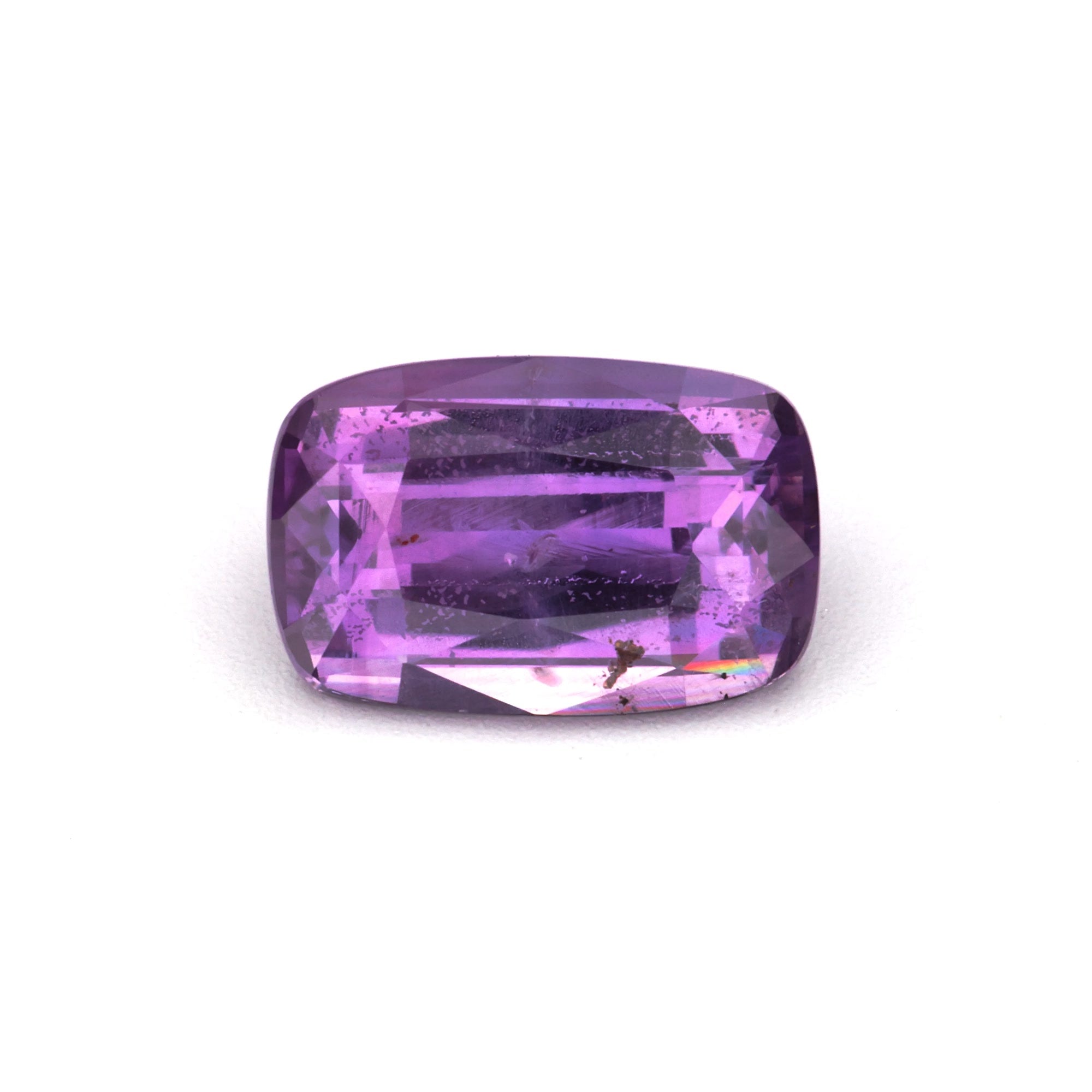
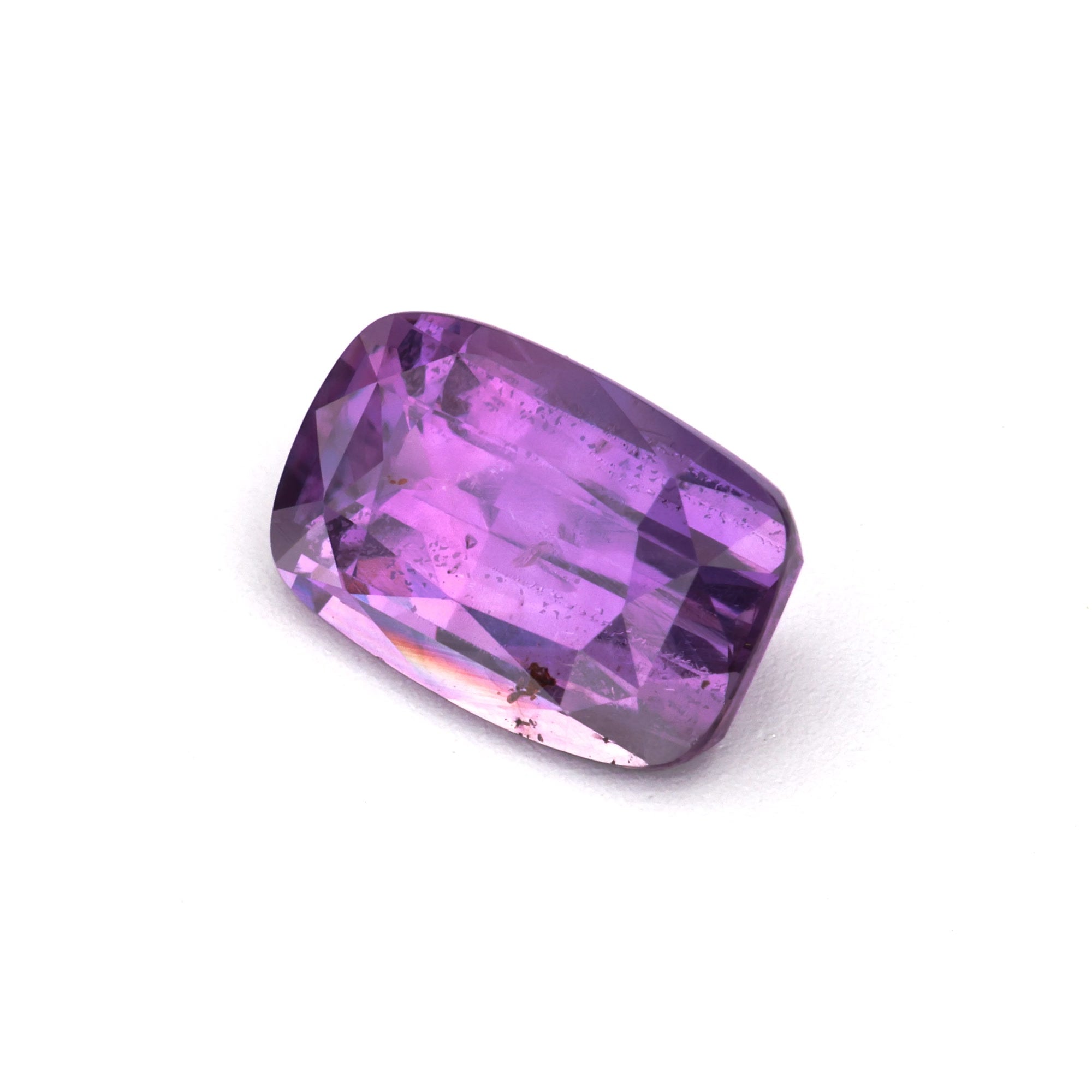
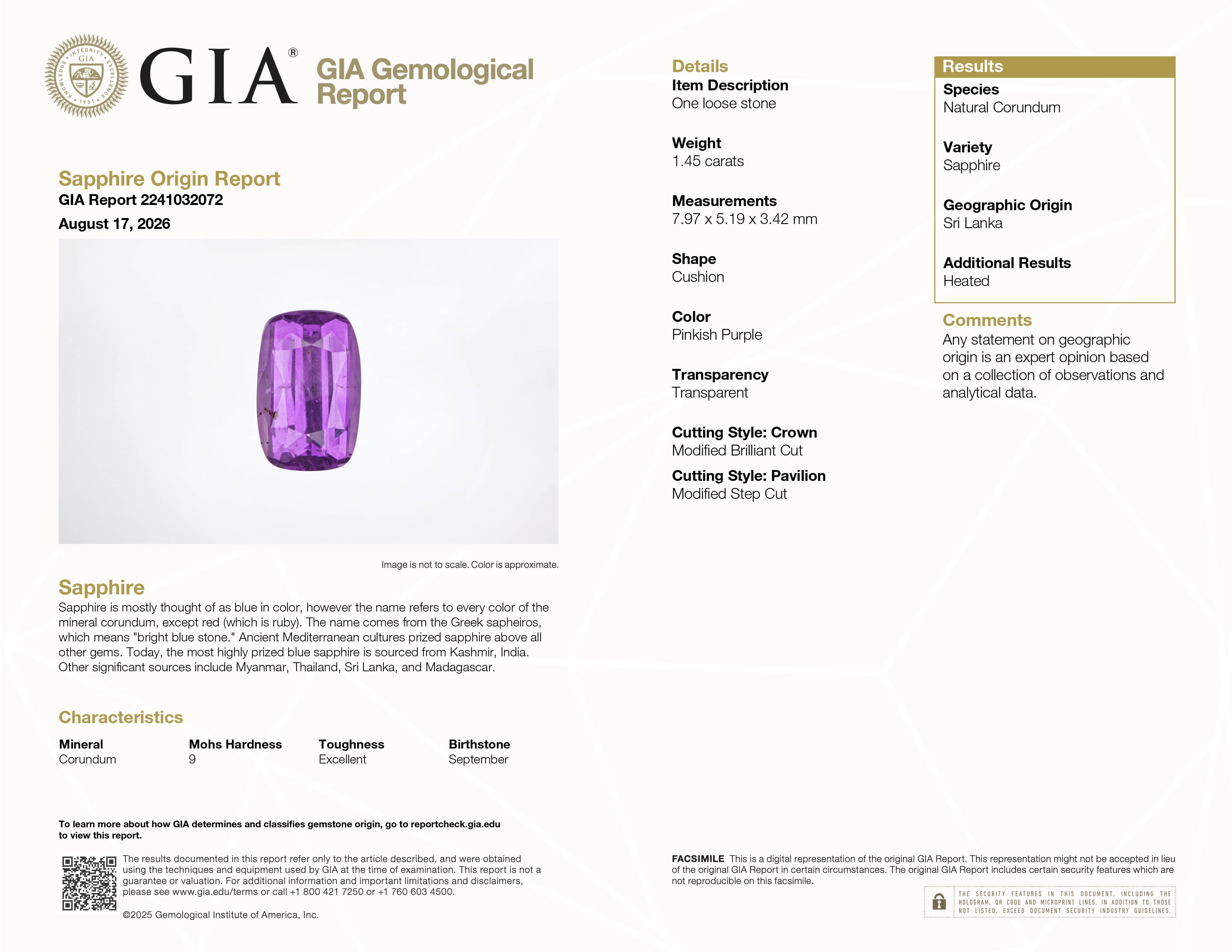
CG8469
ピンキッシュパープルサファイア 1.45ct 【加熱】 スリランカ産 GIA原産地レポート付
CG8454
天然オレンジサファイア1.63ct・オーバルカット・GIAレポート付・産地スリランカ(レポート記載)
CG8468
CG8465
1.86ct ツァボライト クッション 天然グロッシュラー・ガーネット|GIAレポート #1242032119
CG8464
CG8463
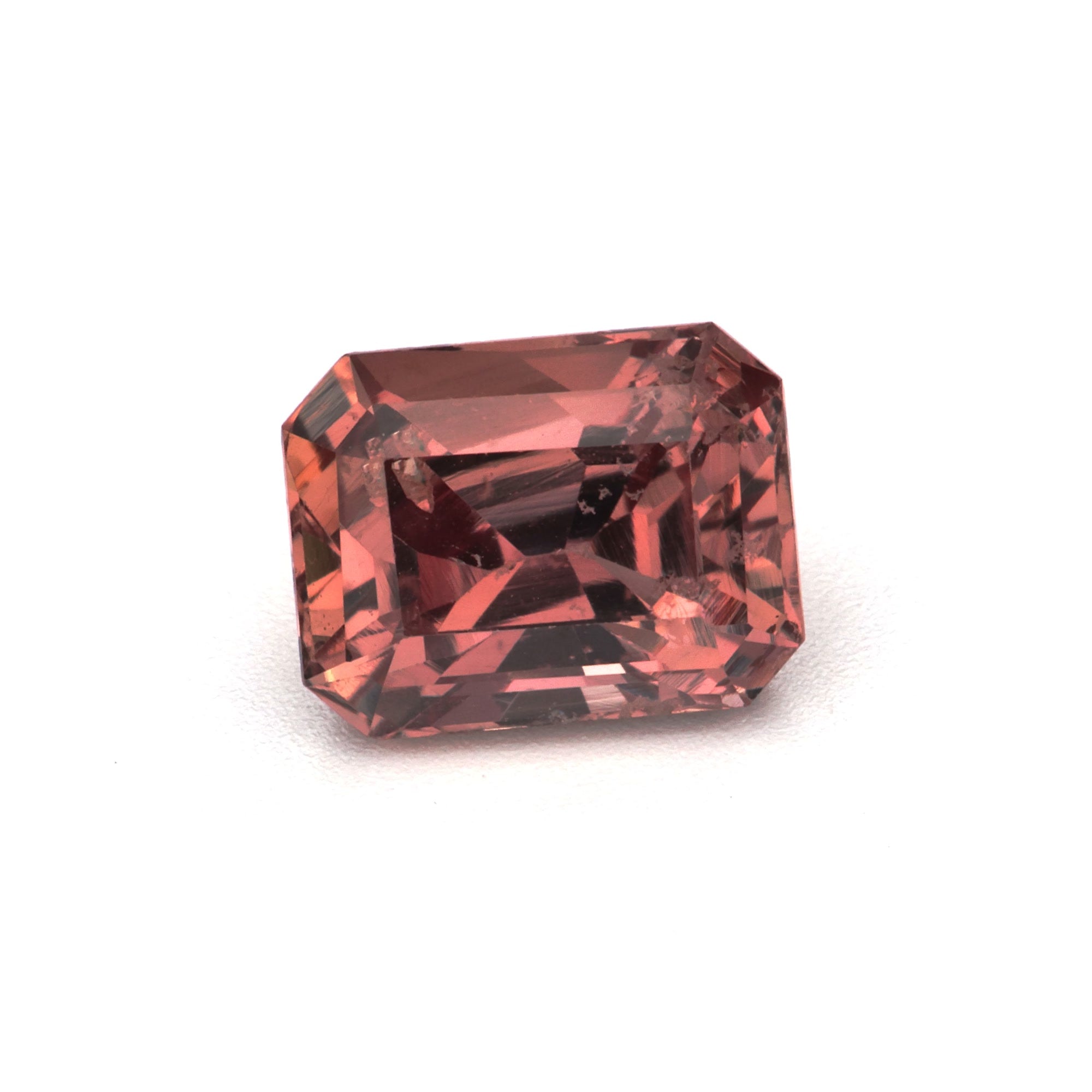
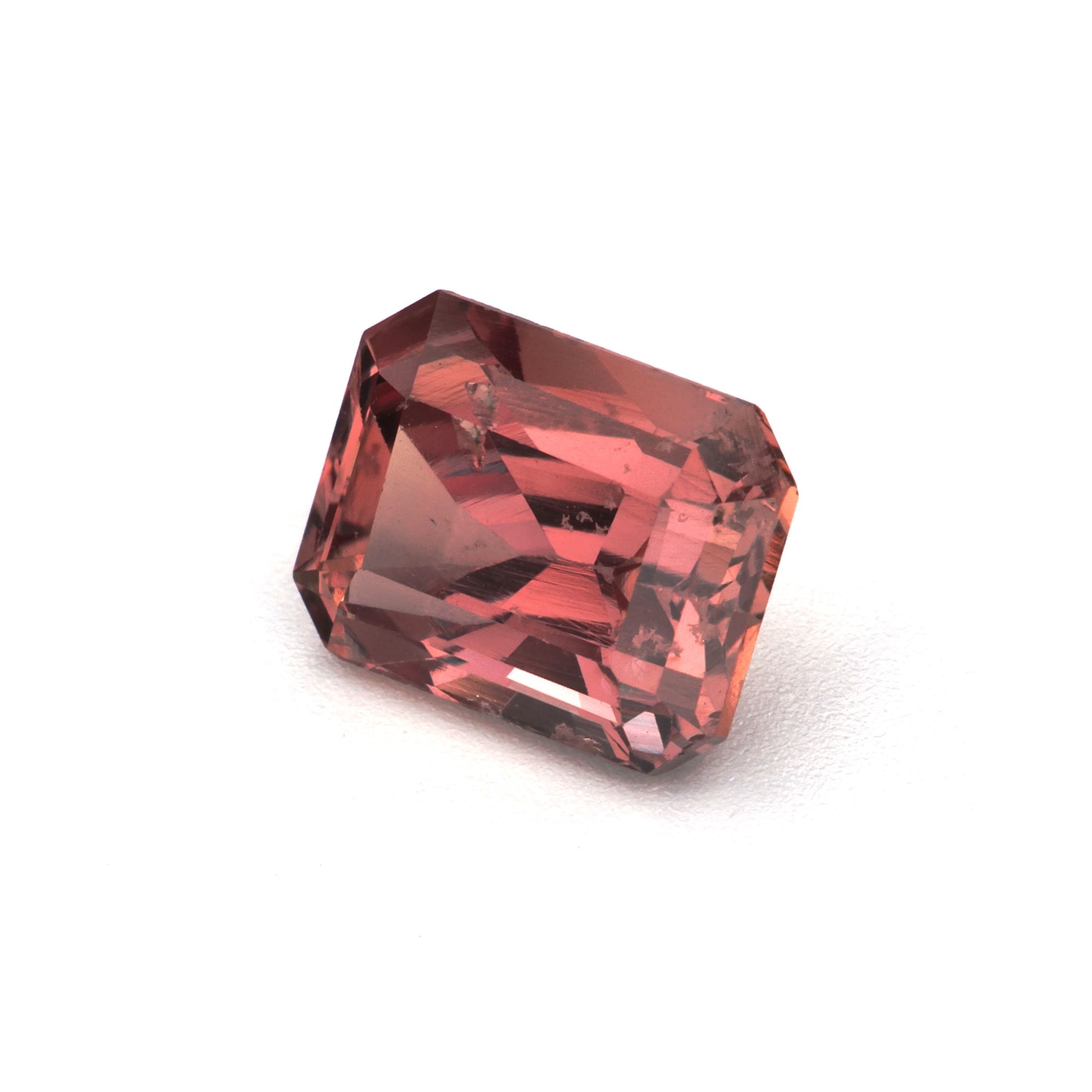
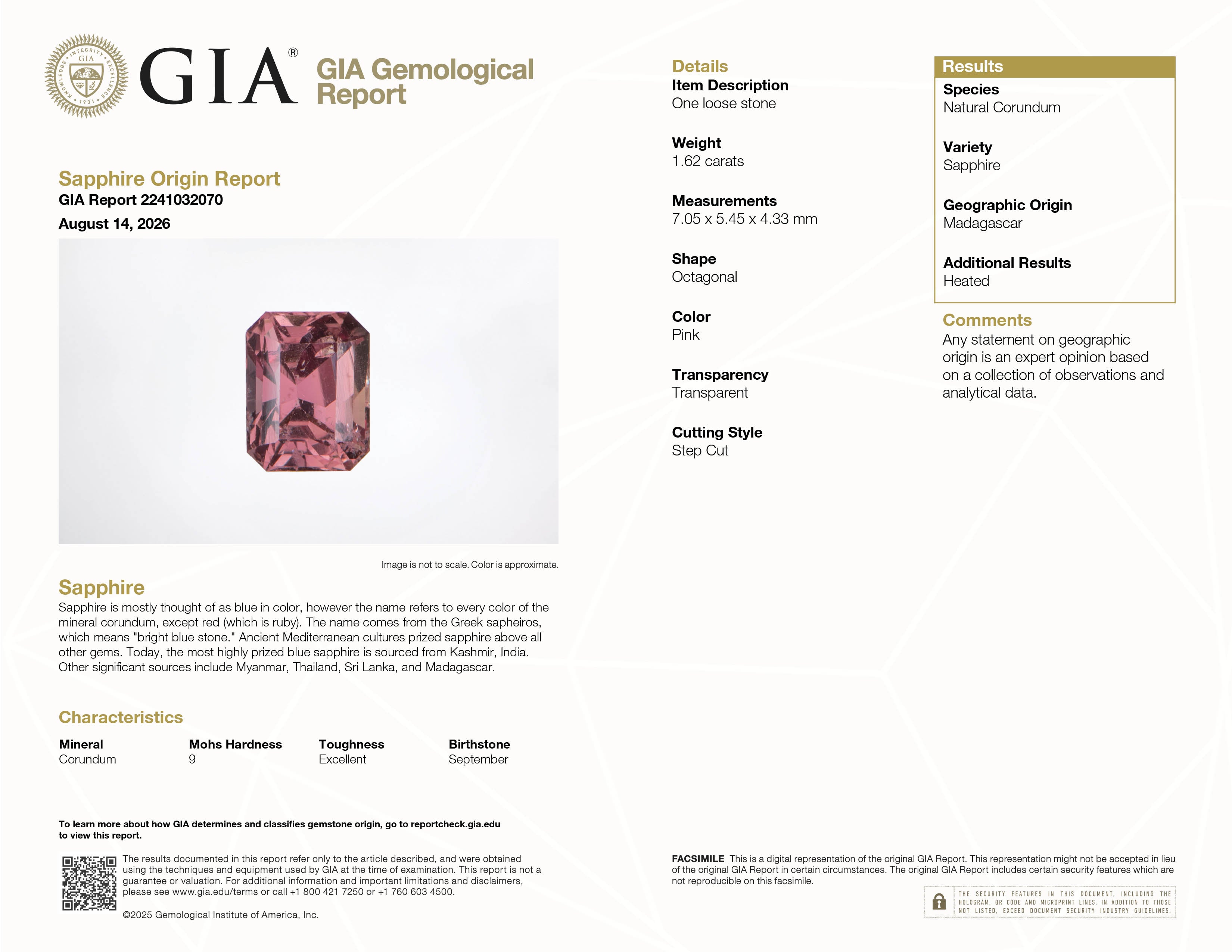
天然ピンクサファイア 1.62ct マダガスカル産【GIA原産地レポート付】エメラルドカット ルース
CG8460
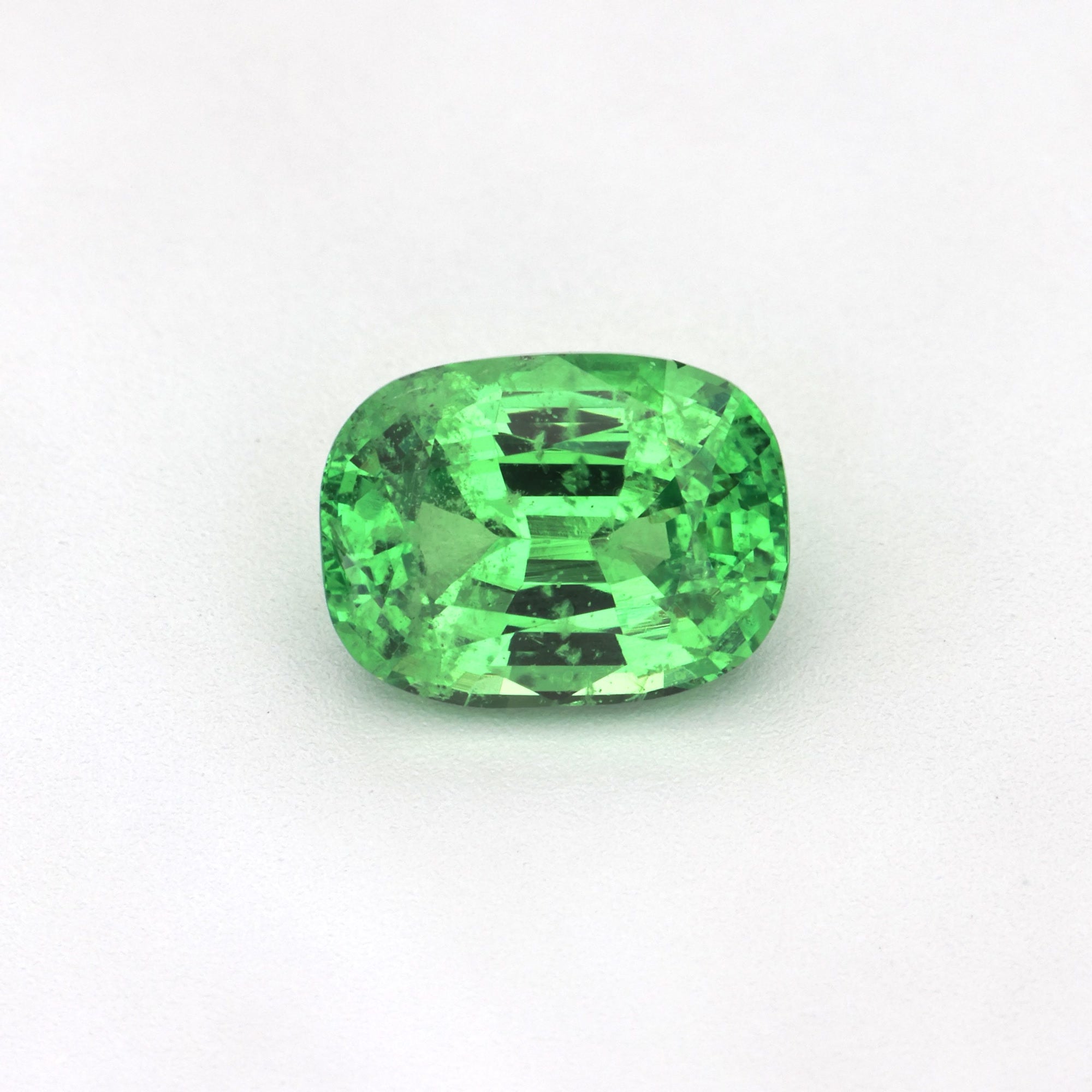
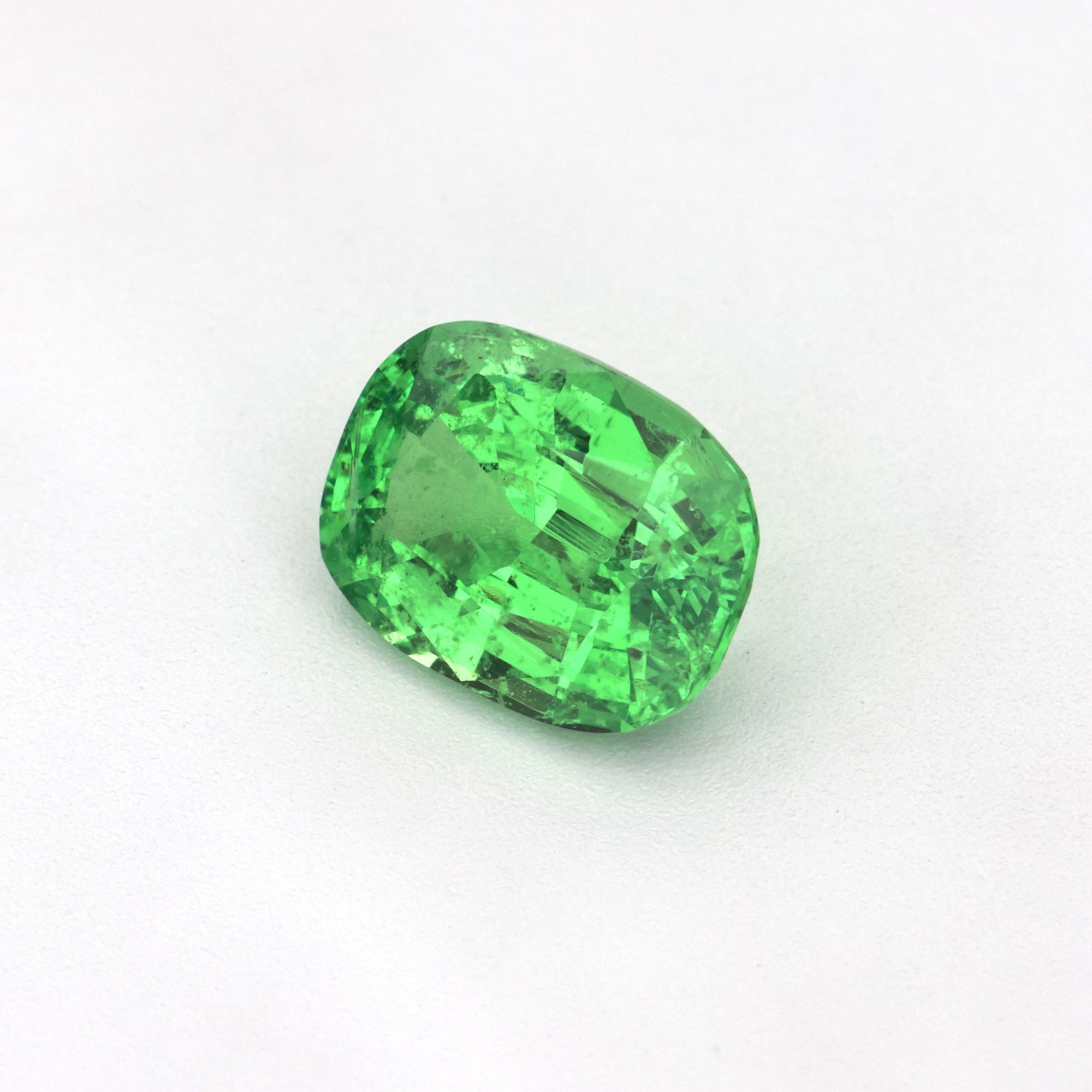
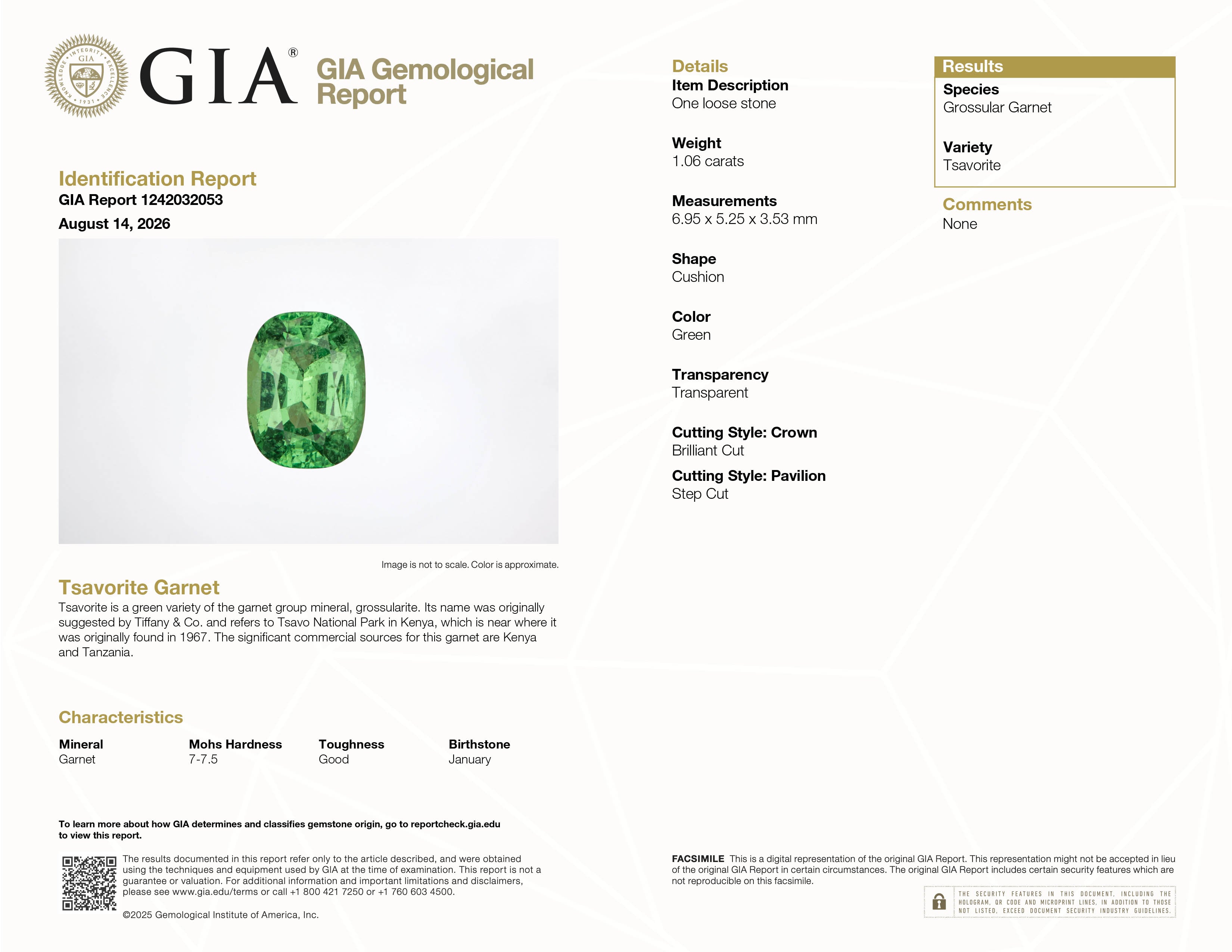
1.06ct ツァボライト クッション 天然グロッシュラー・ガーネット|GIAレポート #1242032053
CG8459
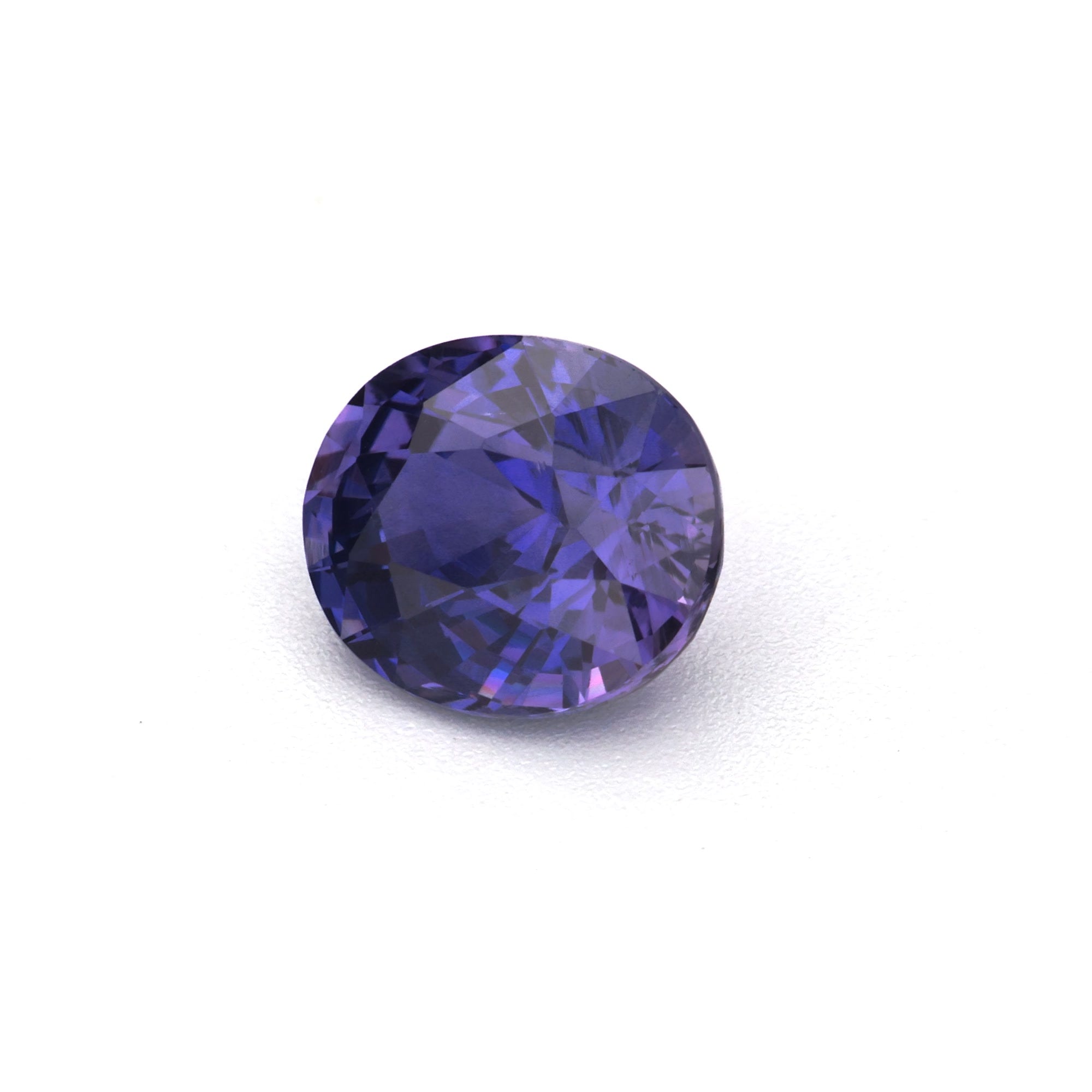
パープルサファイア 1.20ct 非加熱|スリランカ産|GIA原産地レポート付きルース
CG8458
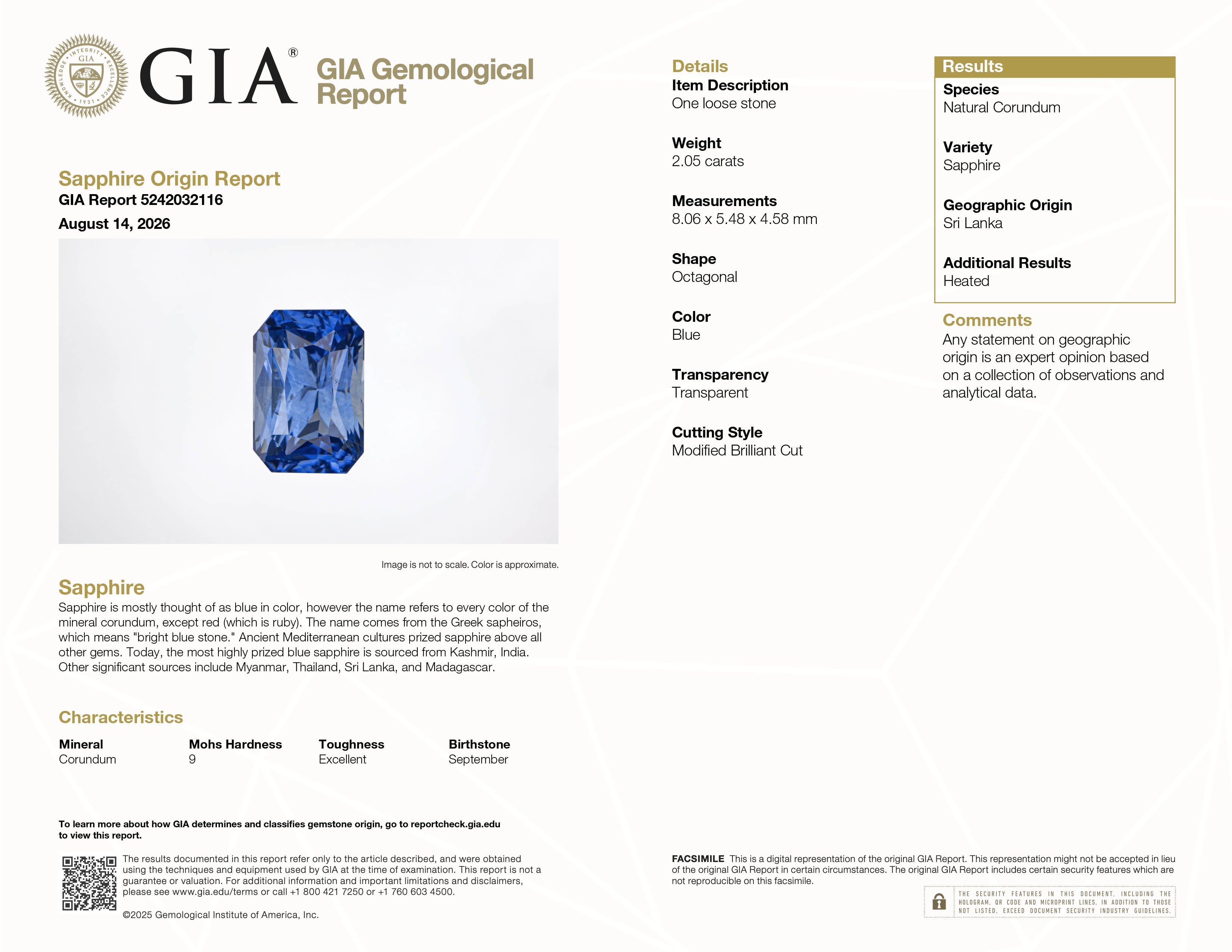
2.05ct 加熱ブルーサファイア|産地:スリランカ(GIAの意見)|ルース・GIA原産地レポート付き
CG8457
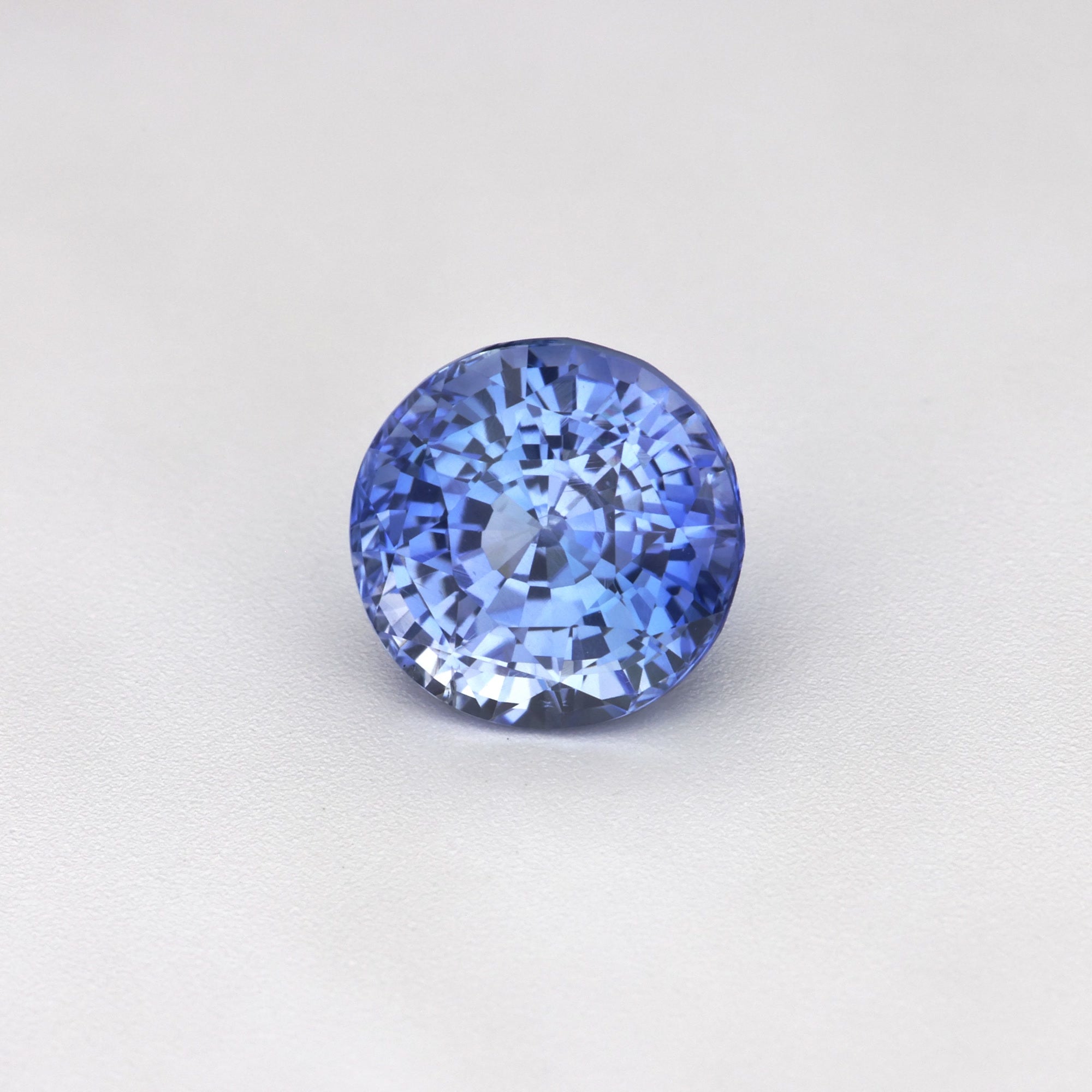
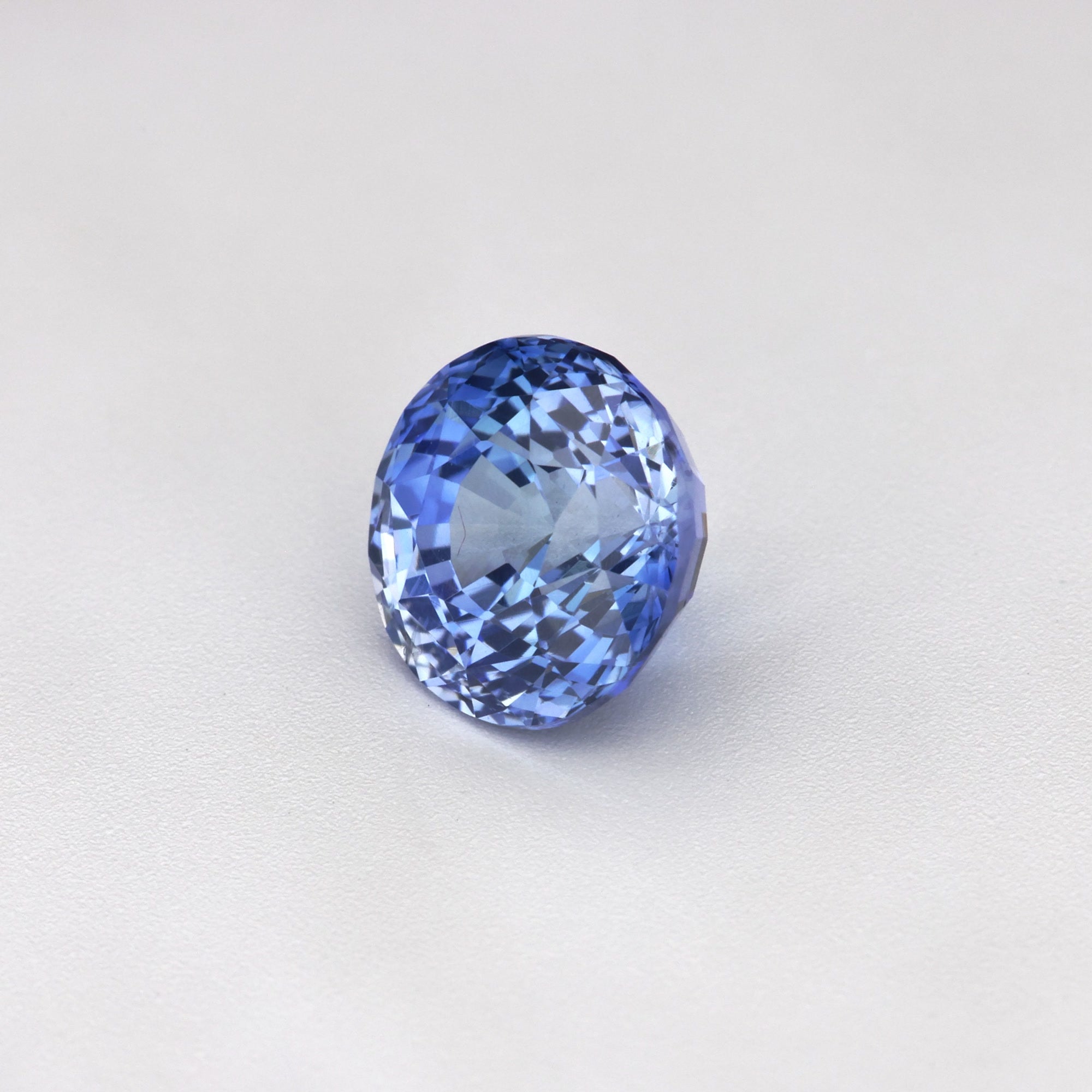
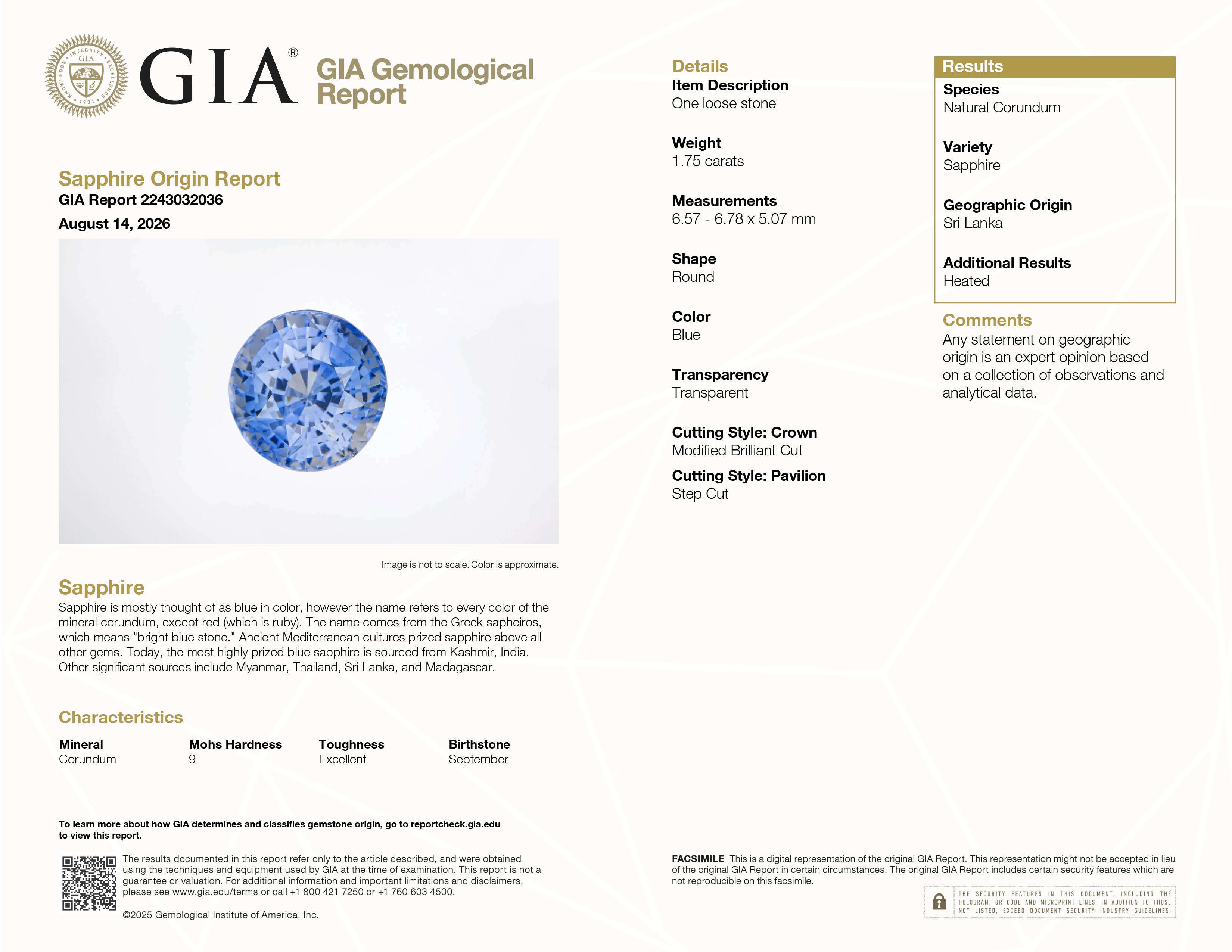
1.75ct スリランカ産ブルーサファイアのルース|加熱|GIA原産地レポート付き
CG8456
1.65ct 非加熱ルビーのルース|マダガスカル産ルビー・オーバル・GIA原産地レポート付き
CG8453
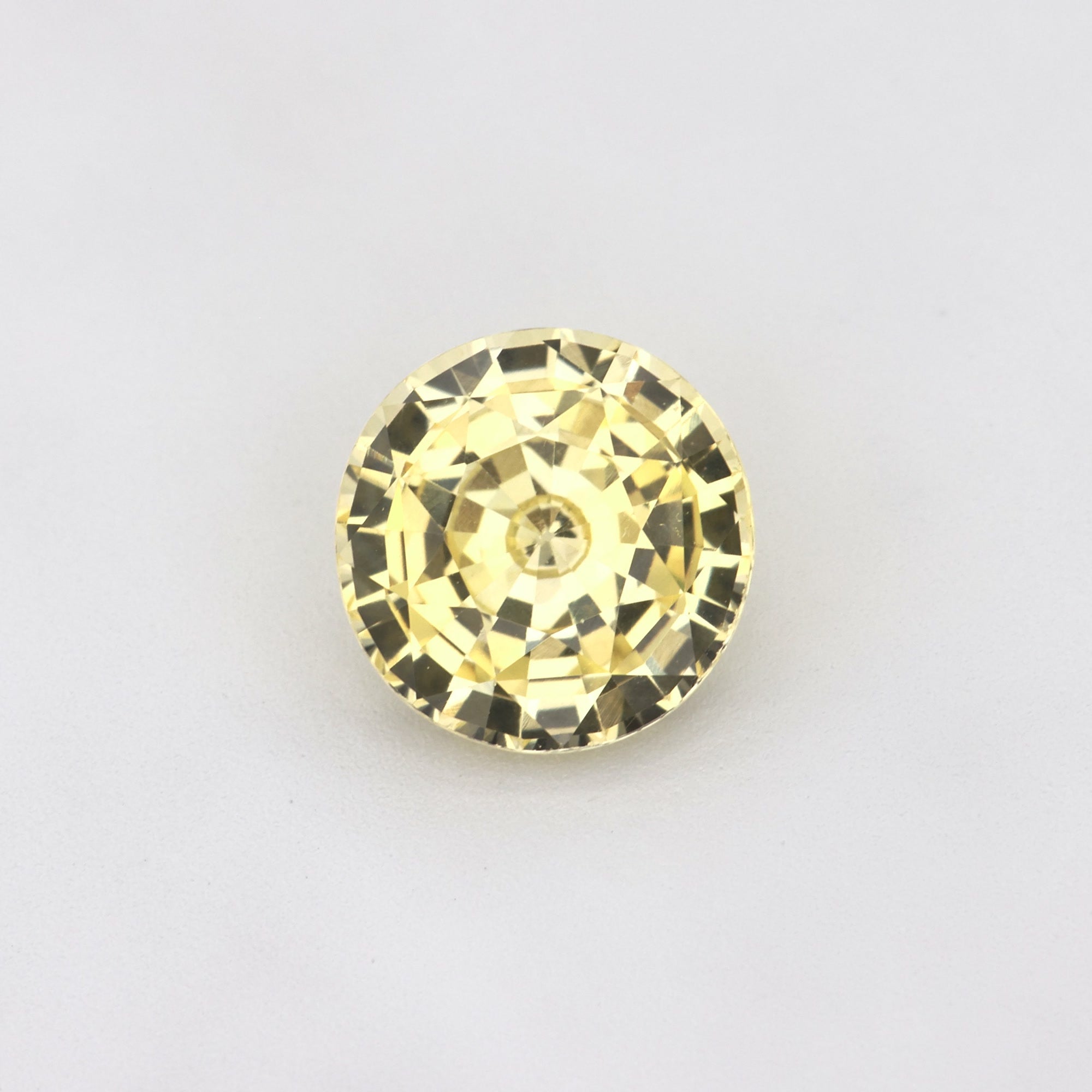
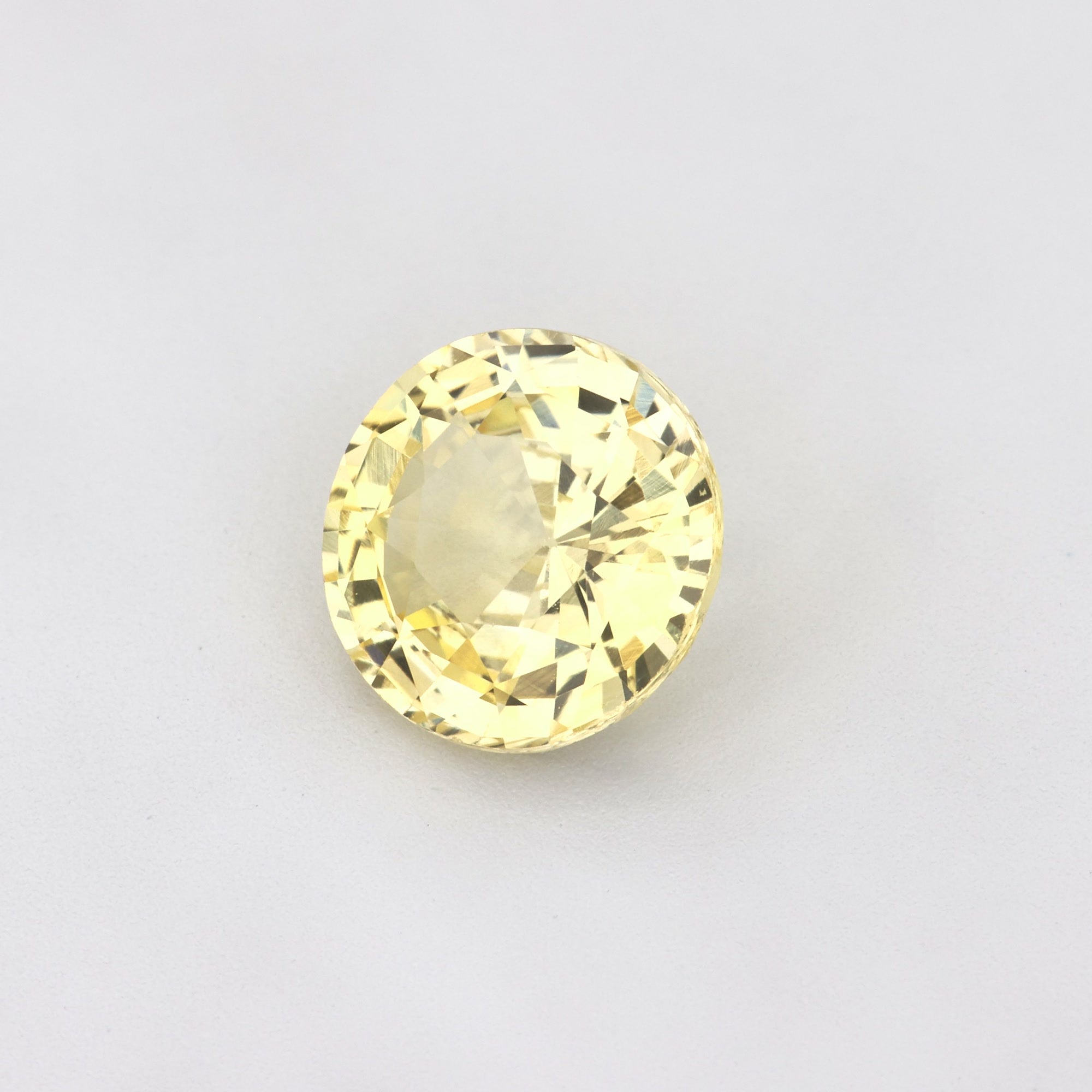
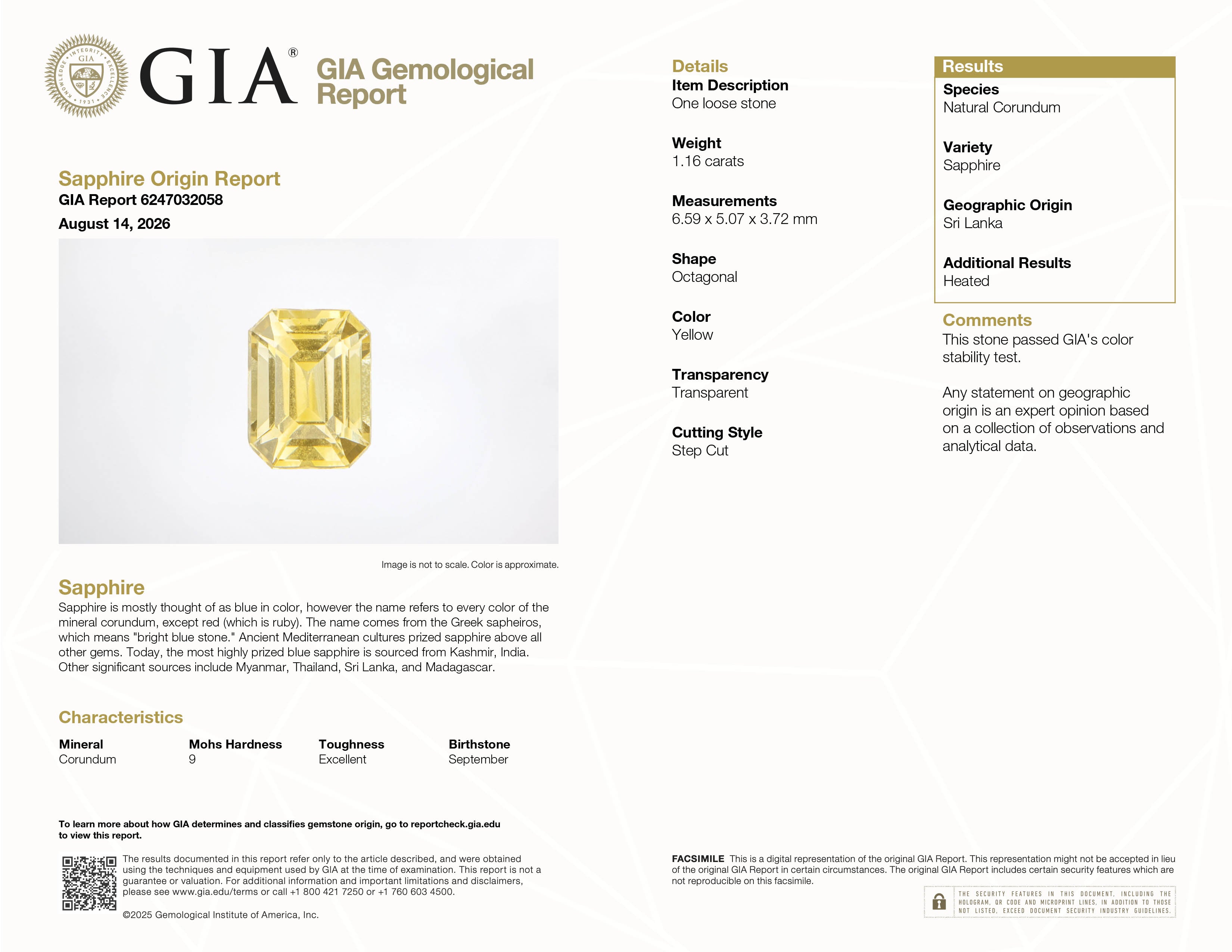
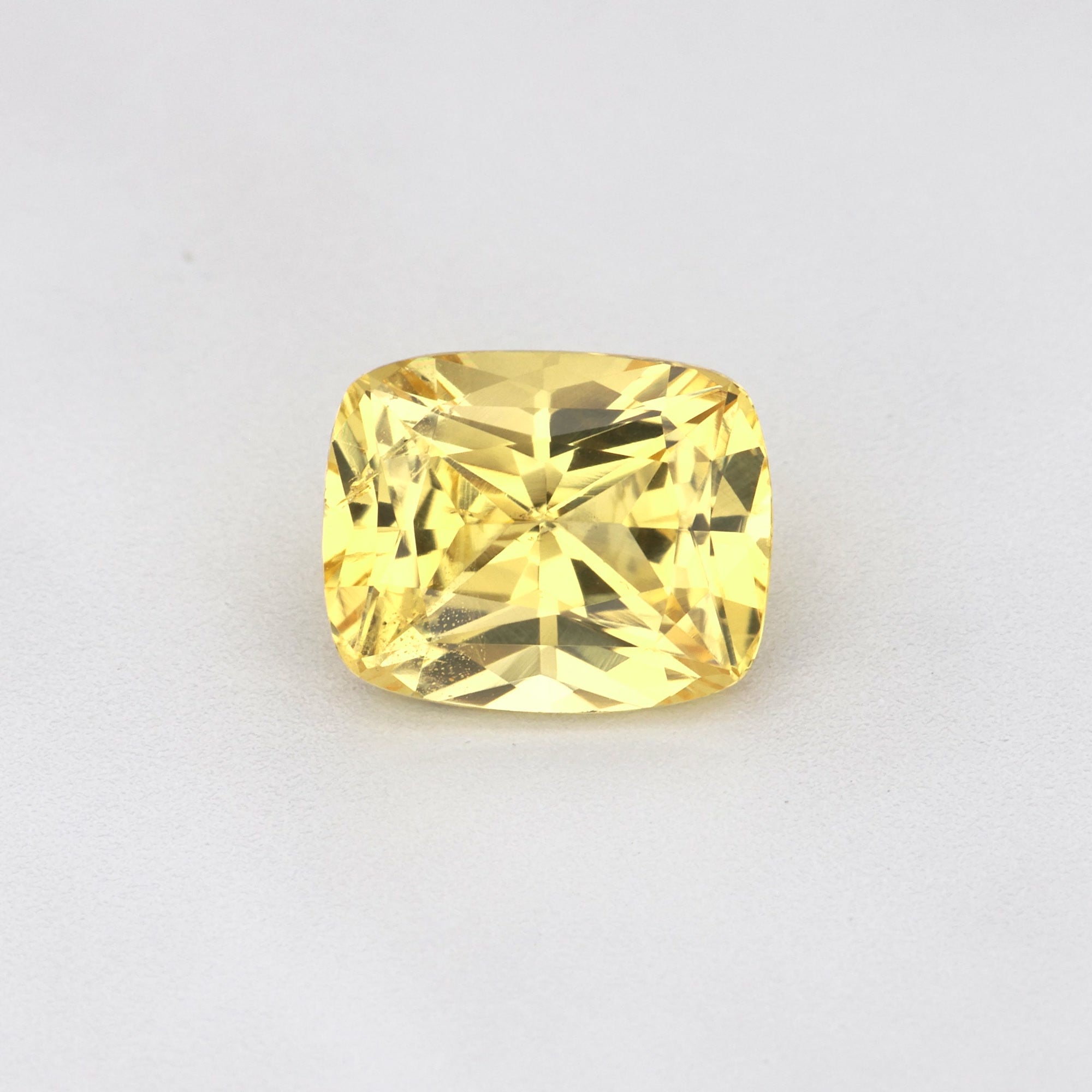
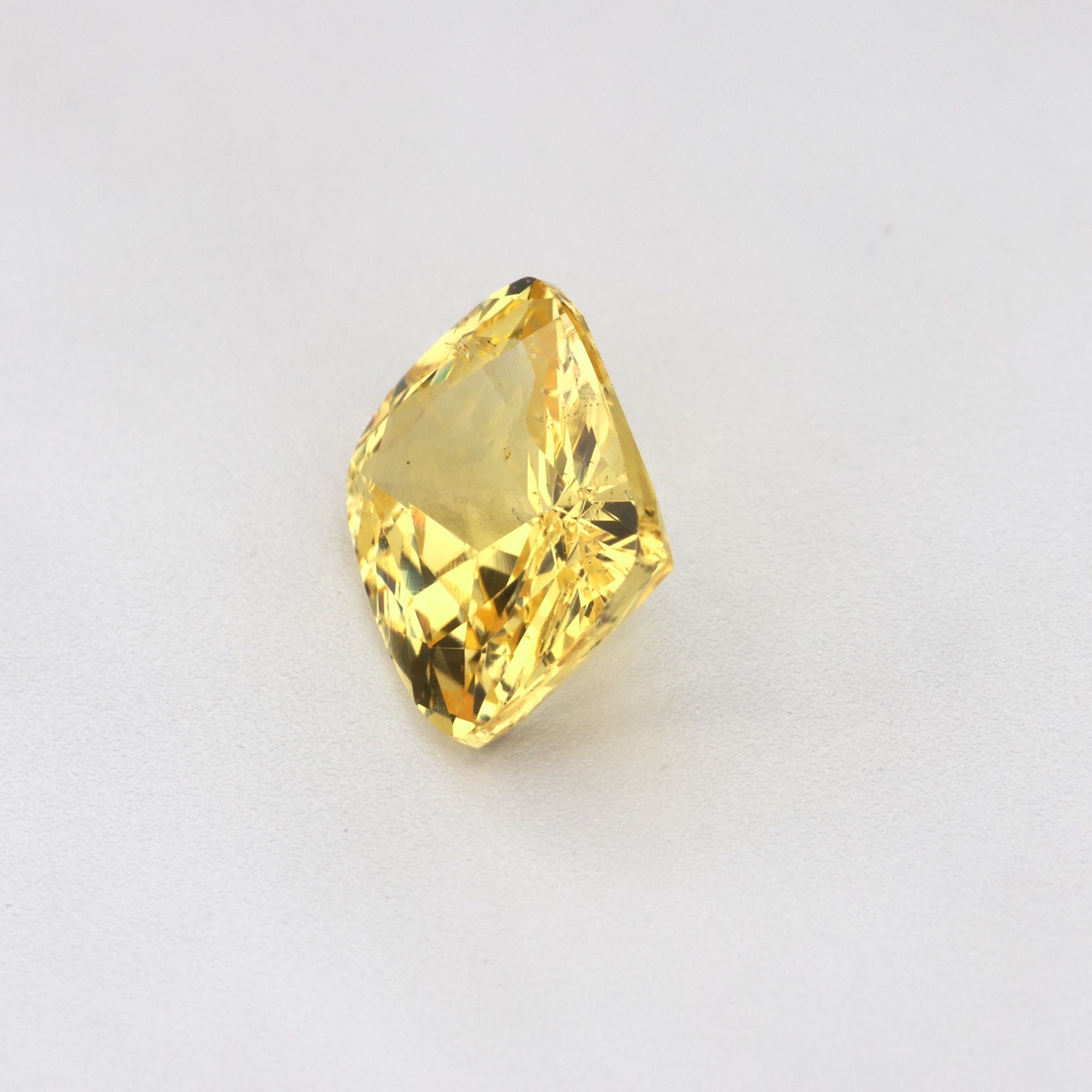
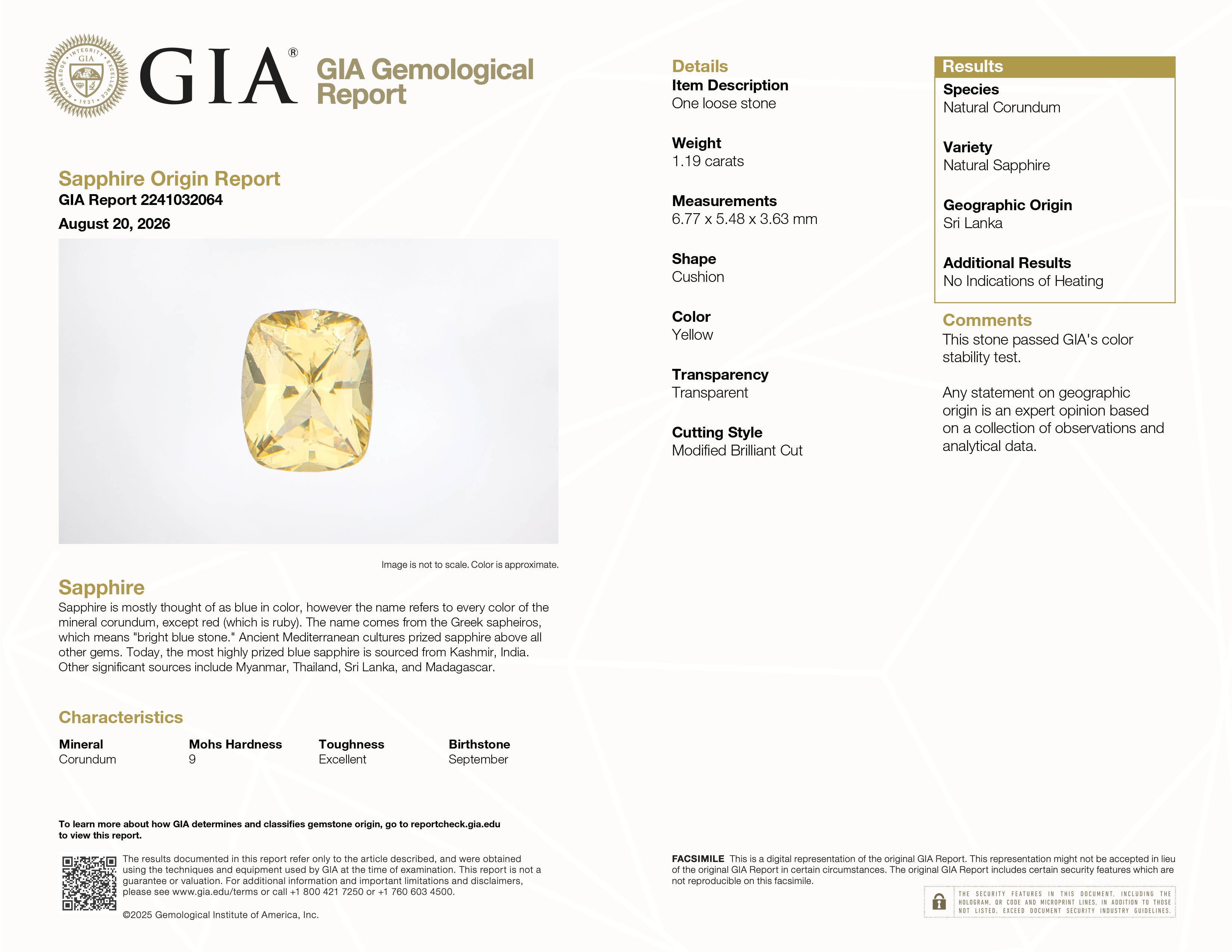
非加熱 イエローサファイア 1.19ct クッションカット|GIAレポート|スリランカ(セイロン)


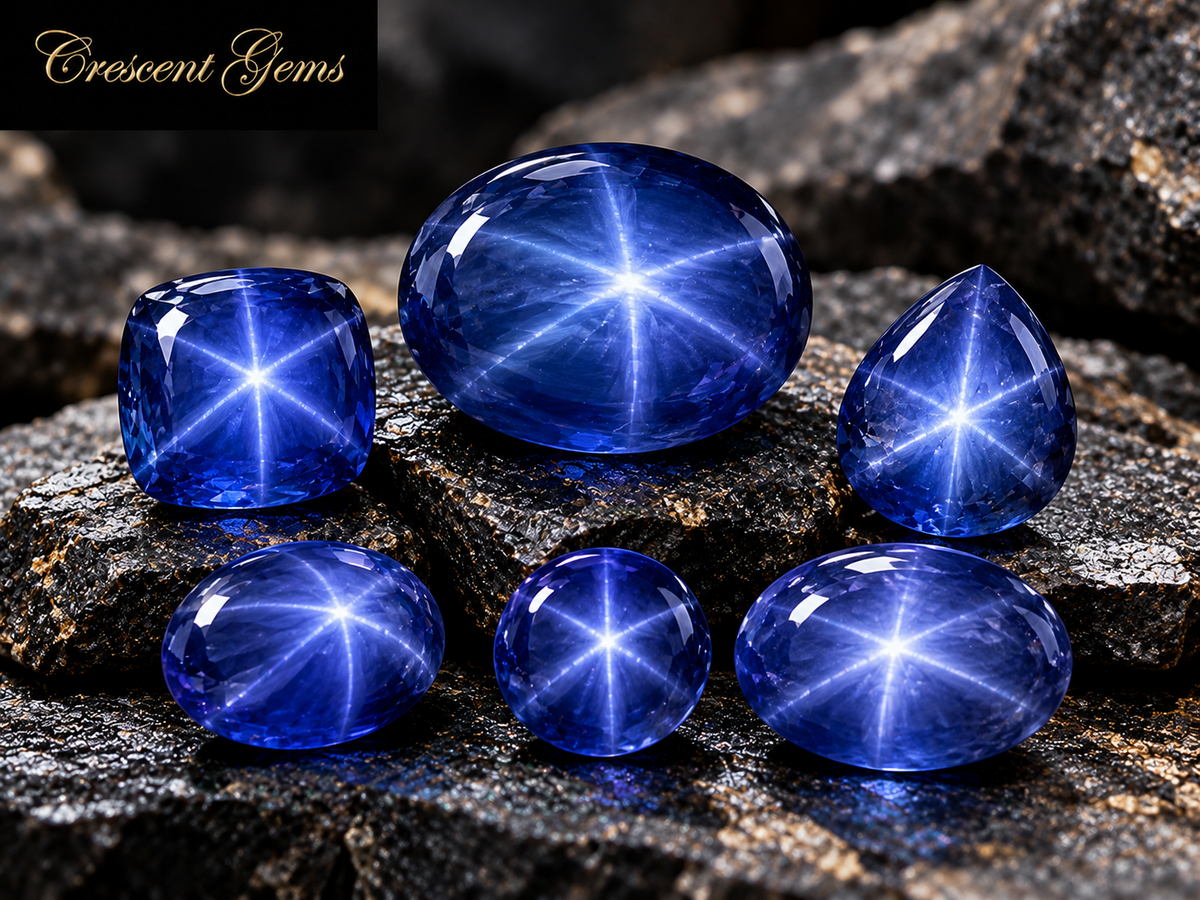
ブルースターサファイアの価格|1カラットあたりの相場と、当店にある8.09ctの1点
ブルースターサファイアは1カラットあたりいくらか。地色・重量・付帯する書類の三つで価格帯を整理し、現象を格付けする機関が存在しないことも説明します。当店の在庫は8.09ctの1点のみです。
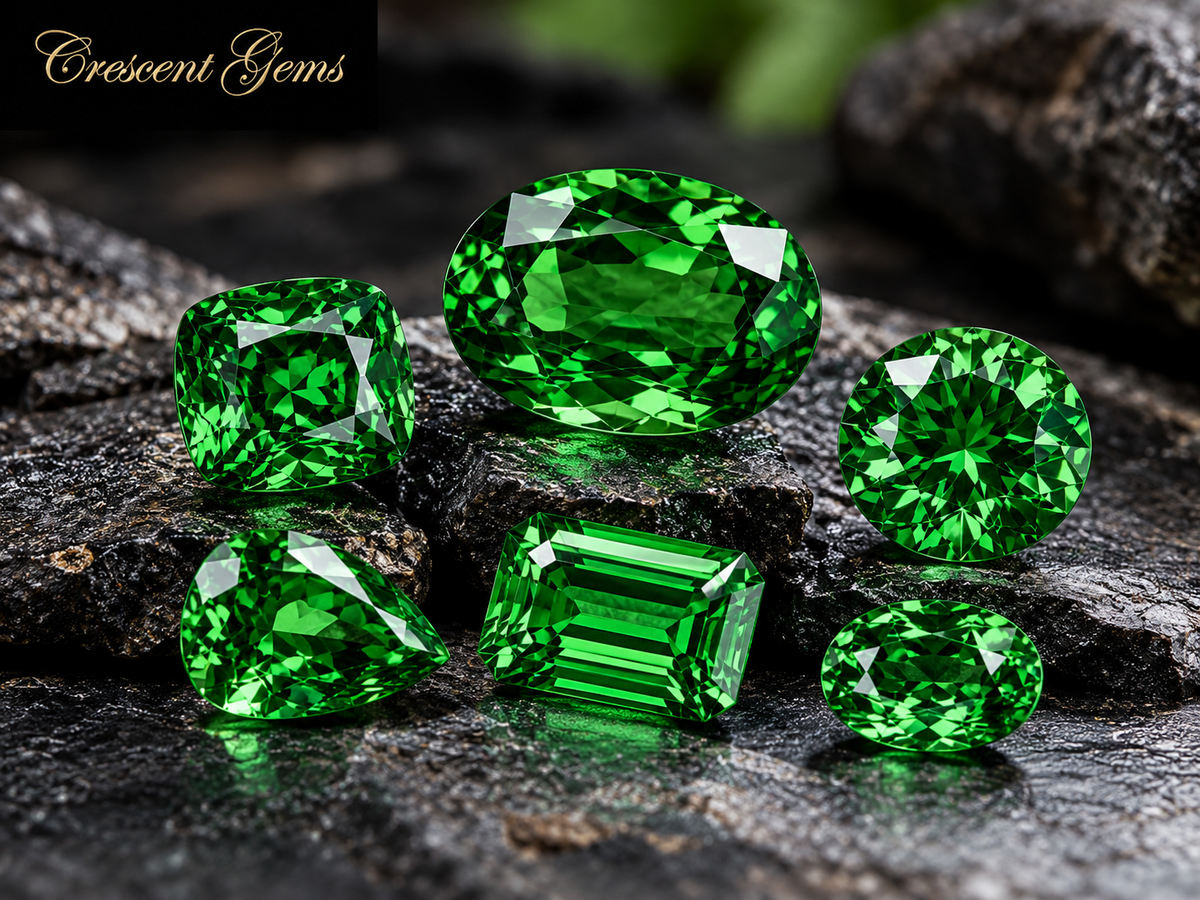
ツァボライトの価格|当店の在庫6点と、グロッシュラー・ガーネットとの違い
ツァボライトはいくらか。当店が現在在庫する6点をすべて示し、重さで値段がどう変わるかを説明します。品質等級表を載せない理由と、大きくて内包物の少ない原石が採れにくい本当の理由もあわせて。
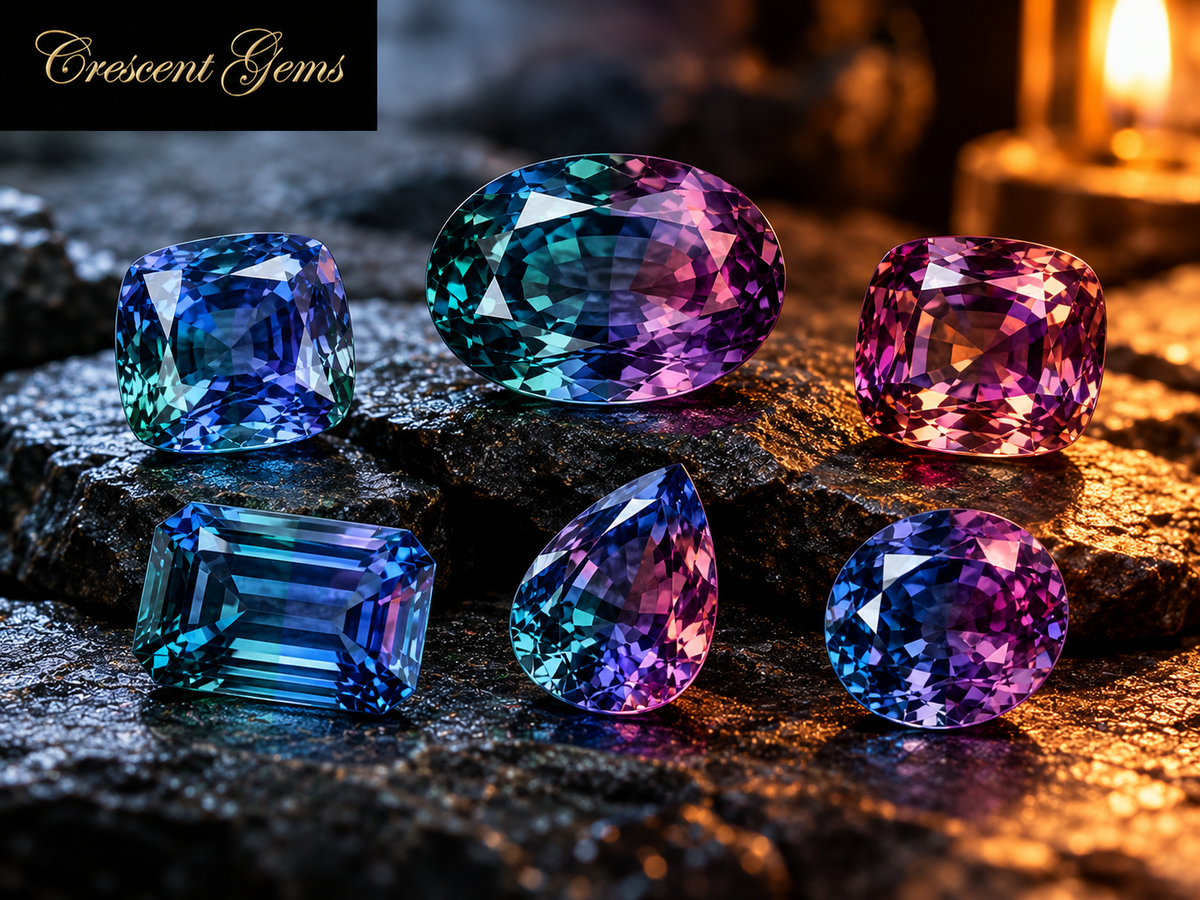
カラーチェンジサファイアの価格|1カラットあたりの相場と、当店にある2点
カラーチェンジサファイアは1カラットあたりいくらか。色と彩度と付帯する書類で価格帯を整理し、カラーチェンジそのものを格付けする機関が存在しないことも説明します。当店の在庫は1.03ctと2.01ctの2点です。
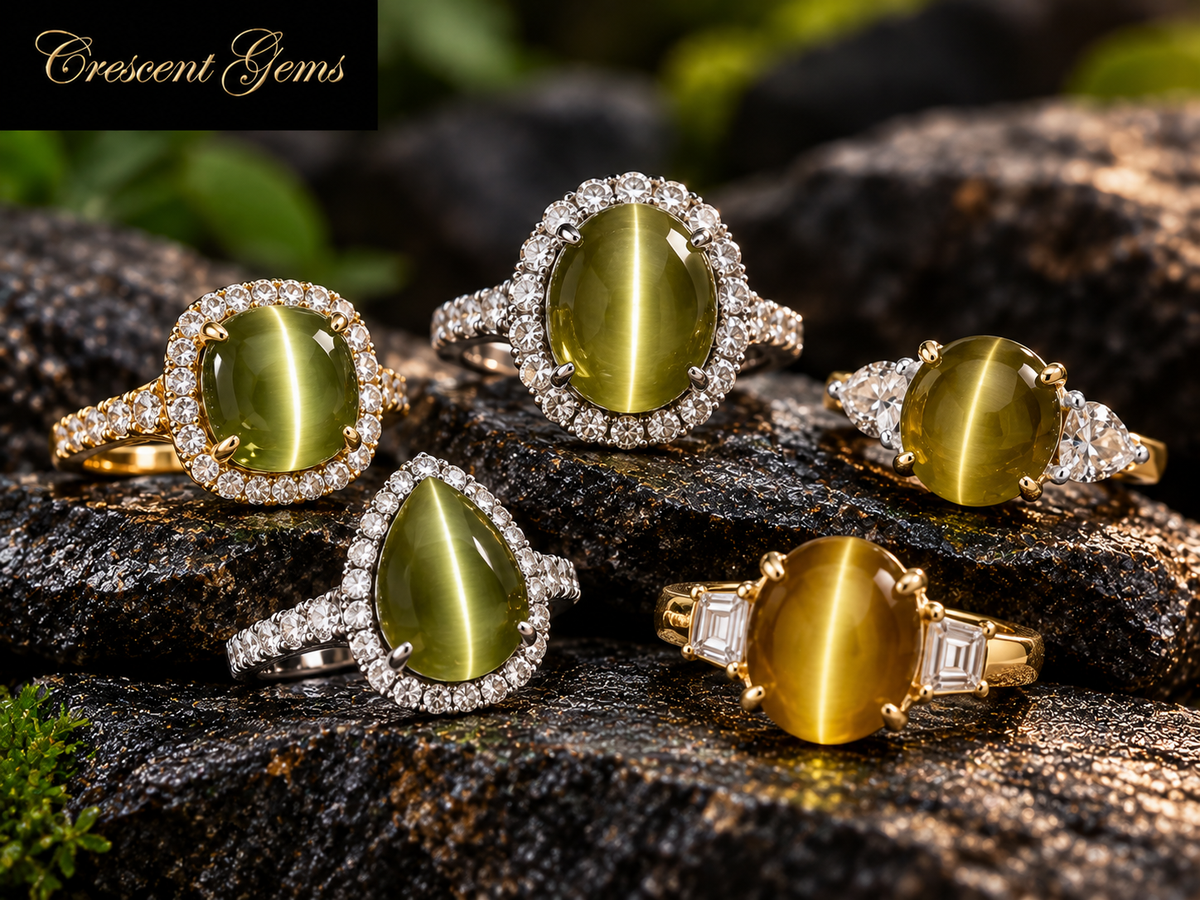
クリソベリル・キャッツアイは婚約指輪に向くか|モース硬度8.5と、留め方とお手入れ
クリソベリルはモース硬度8.5。クォーツ(7)やエメラルド(7.5〜8)より上、コランダム(9)とダイヤモンド(10)より下です。日常的に着ける指輪にとってそれが何を意味するかを、留め方とお手入れとあわせて説明します。
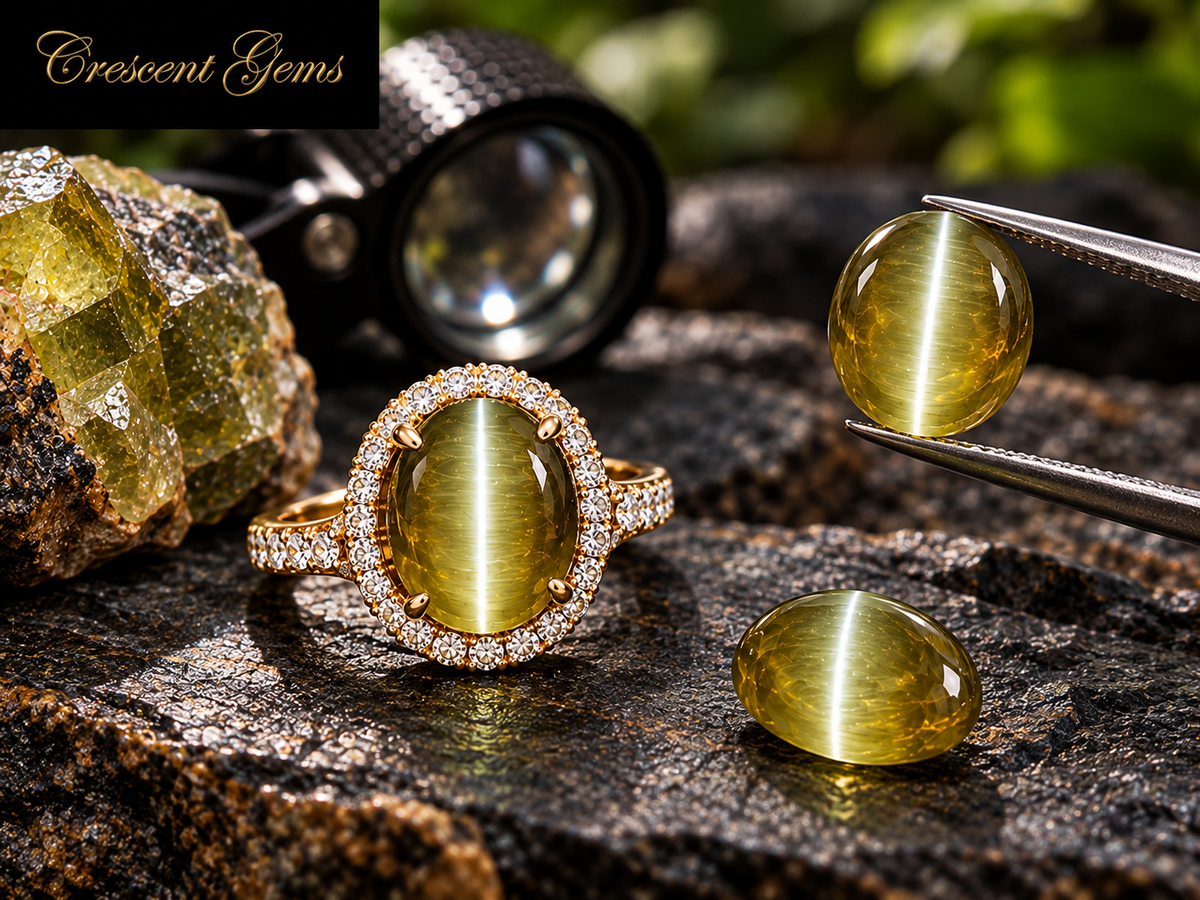
クリソベリル・キャッツアイの価格|1カラットあたりの相場と、当店にある2点
クリソベリル・キャッツアイは1カラットあたりいくらか。大きさと付帯する書類で価格帯を整理し、キャッツアイそのものを格付けする機関が存在しないことも説明します。当店の在庫は2.36ctと4.25ctの2点です。















シェア: