- بقلم Ahmed Shareek
دليل أسعار الياقوت البنفسجي النجمي: ما الذي يحدّد السعر فعلاً
- بقلم Ahmed Shareek
نحن مورّد من المصدر: نشتري ياقوتنا النجمي بأنفسنا في سريلانكا، ثم يصل إليكم منّا مباشرةً دون وسيط.
البنفسجي واحد من المواضع اللونية التي يُظهر فيها الكوروندم ظاهرة النجمية، إلى جانب الأزرق والوردي. وهذا الدليل يسعّر الياقوت البنفسجي النجمي وحده، مرافقاً لدليلَي أسعار الياقوت الوردي النجمي وأسعار الياقوت الأزرق النجمي. وهو يعمل من الحجرين اللذين نملكهما، ويبيّن إلى جانب ذلك ما الذي تطبعه التقارير المخبرية فعلاً في خانة اللون.
وملاحظتان في المصطلح قبل أن نبدأ. الأولى: عبارة «الياقوت النجمي» تُستعمل في المصادر العربية للكوروندم النجمي بكل ألوانه وللياقوت الأحمر النجمي معاً، ولهذا نذكر اللون دائماً ولا نترك العبارة وحدها. والثانية: الإنجليزية تفرّق بين Purple وViolet وتطبع إحداهما أو الأخرى في خانة اللون، بينما تجمعهما العربية في كلمة واحدة هي «بنفسجي». وهذا فرق في اللغتين لا في الحجرين، ولن نخترع له تفرقة عربية لا تقولها اللغة؛ سنطبع بدلاً من ذلك قيمة الخانة بنصّها الإنجليزي كما هي إلى جانب الوصف العربي.
الياقوت النجمي كوروندم يحتوي شوائب إبرية دقيقة جداً اسمها إبر الروتيل — والروتيل معدن مركّبه ثاني أكسيد التيتانيوم — تكوّنت داخل البلورة أثناء نموّها. ولأن بلورة الكوروندم ثلاثية التماثل فإن هذه الإبر لا تنمو عشوائياً: تصطفّ في ثلاثة اتجاهات، وبين كل اتجاهين ستون درجة بالضبط. والقبّة هي التي تجمع انعكاسات هذه الإبر في نجمة. ويصف GIA الظاهرة وصفاً مباشراً: إنها ناتجة عن «انعكاسات من شوائب إبريّة دقيقة موجّهة في عدّة اتجاهات محدّدة».
والإبر جزء من البلورة نفسها، وتبقى فيها مهما كان الشكل الذي يُعطى للحجر؛ الذي تغيّره القبّة هو السطح الذي تُجمع منه تلك الانعكاسات. فالقطع لا يصنع الظاهرة ولا يُضيفها، وإنما يُظهر ما في البلورة أصلاً. ولتفصيل علم النجمية نفسه، انظر الدليل الشامل لشراء الياقوت النجمي.
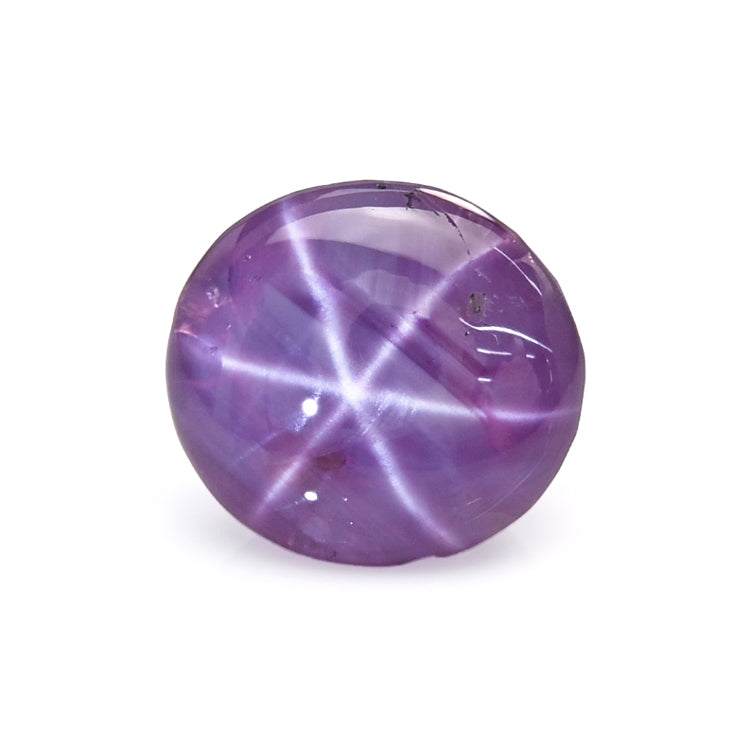
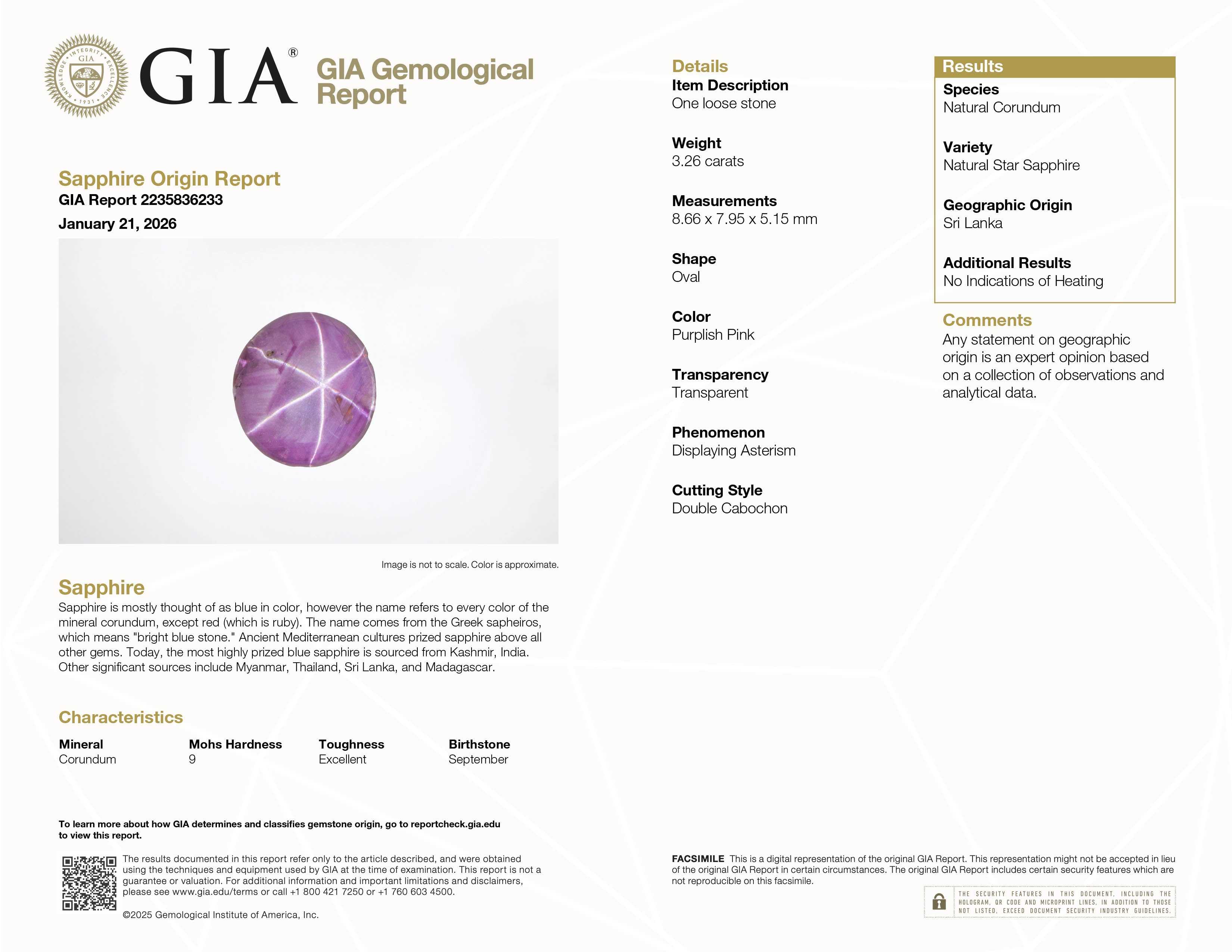
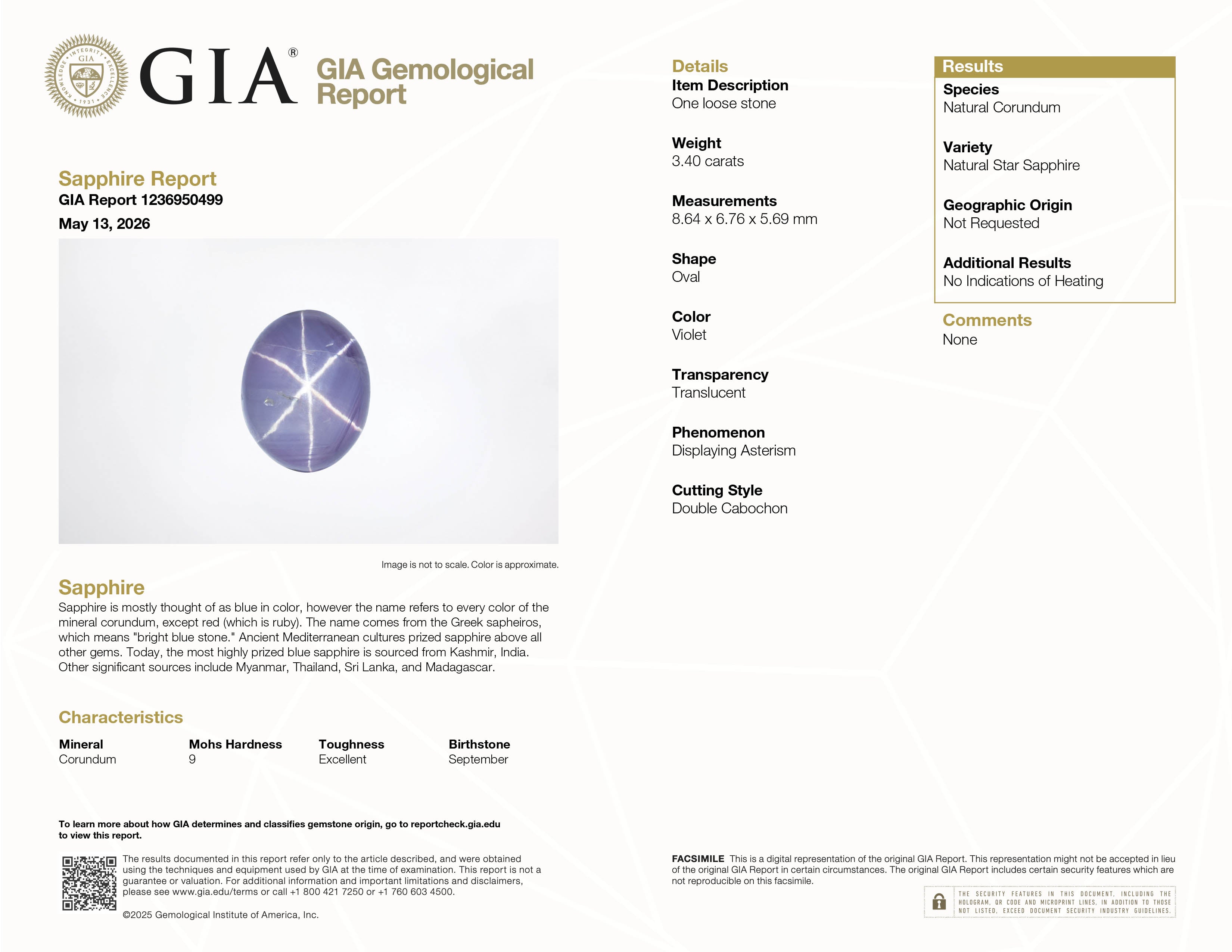
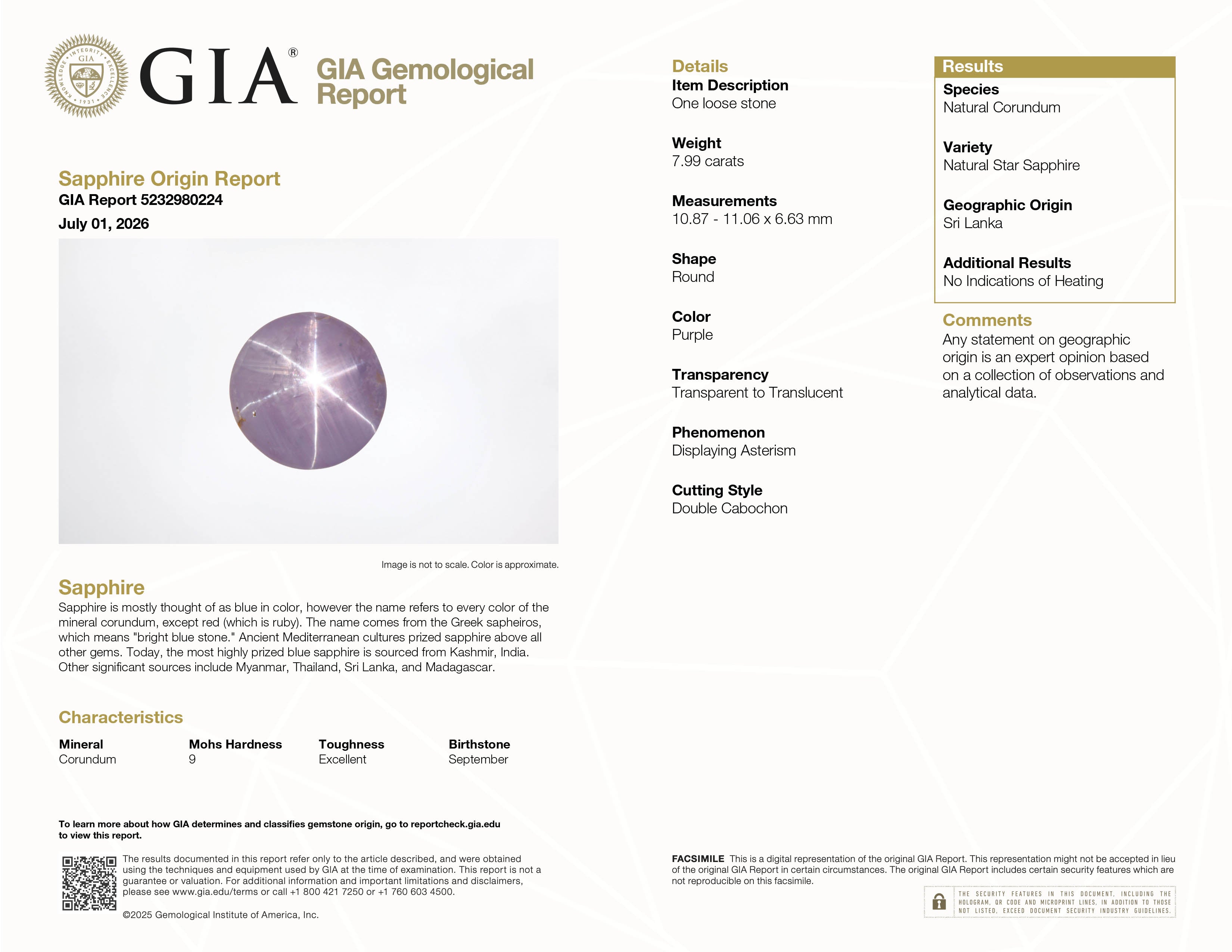
البنفسجي والوردي يُعرضان في السوق أحدهما مكان الآخر باستمرار، في العربية وفي الإنجليزية معاً. والذي يحسم الأمر في حجر بعينه ليس تعريفاً عامّاً، بل قيمة اللون التي يطبعها تقريره المخبري — وهذه القيم مركّبة في كثير من الأحيان، وهو الحال العادي لا الحالة الحدّية. وثلاثة من أحجارنا النجمية تبيّن ذلك، لأن الثلاثة موثّقة:
وتطبع التقارير الثلاثة كذلك Variety: Natural Star Sapphire وPhenomenon: Displaying Asterism. وما لا يطبعه أيّ منها هو ترتيب بين هذه الألوان، ولا نضع نحن ترتيباً مكانه.
فحجرانا في هذا الدليل يُوصفان في العربية بالكلمة نفسها، بينما تطبع ورقتاهما قيمتين مختلفتين؛ وهذه مسألة تسمية لا حكم جودة، وليست ترتيباً بين الحجرين. وللّون الوردي في العائلة نفسها، انظر دليل أسعار الياقوت الوردي النجمي.
يوضّح الجدول التالي المستويات السعرية للقيراط التي يُعرض عندها الياقوت البنفسجي النجمي عادةً، وما الذي يتغيّر بين مستوى وآخر. والعناوين مقصودة بحرفها: هذه نطاقات أسعار، وليست درجات جودة. لا يوجد ما يُبنى عليه جدول درجات، لأن لا مختبر يصنّف الظاهرة. والمعايير المذكورة هنا هي الثلاثة التي يسجّلها التقرير أو الفاتورة فعلاً: لون الجسم، والوزن بالقيراط، والوثائق المرافقة. وحجرانا نحن غير موضوعين على هذا الجدول.
| السعر للقيراط | لون الجسم والوثائق عند هذا المستوى |
|---|---|
| $50–$250 | لون جسم بنفسجي باهت أو مائل إلى الرمادي. يُباع في العادة دون أي تقرير مخبري. |
| $250–$600 | ظهور البنفسجي أكثر من خلال الرمادي. تقرير من مختبر أصغر، أو دون تقرير. |
| $600–$2,000 | لون جسم بنفسجي واضح. والتقرير من مختبر معترف به هو المتوقّع عند هذا المستوى. |
| $2,000+ | بنفسجي متجانس مشبع. تقرير كامل من مختبر كبير، يحمل كثيراً رأياً منفصلاً في المنشأ الجغرافي. |
الأرقام أعلاه إرشاد سوقي تقريبي في أكتوبر 2026 للياقوت البنفسجي النجمي الطبيعي المباع سائباً؛ ليست أرقاماً مقيسة، ولا مسحاً، ولا بيانات مبيعاتنا، وليست عروض أسعار. ولا تحمل هذه النطاقات أي قيد على الوزن، فلا يصحّ استخراج السعر الإجمالي لحجر أكبر بقراءة نطاق وضربه في الوزن. والنطاق الأعلى مفتوح من أعلاه ولا سقف له. ومخزوننا نحن حجران، نذكرهما على حدة أدناه.
أغلب أدلّة الأسعار لهذه المادة تسعّرها على «جودة النجمة». وهذا الدليل لا يفعل، والسبب يستحق أن يُقال صراحةً.
التجارة تسعّر الأحجار النجمية على الظاهرة، وهذا لا خلاف عليه. أما ما لا وجود له فهو أي درجة مخبرية منشورة لها. يقول GIA إنه «لا يمنح درجات ولا يجري تحليل جودة للياقوت ولا لسائر الأحجار الملوّنة». ولجنة LMHC — التي توحّد صياغات التقارير بين المختبرات الكبرى — لم تصدر أي نشرة تتناول هذه الظاهرة. وCIBJO تعرّف الفئة وتقف عند هذا الحدّ. ولذلك فإن أي وصف لمظهر نجمة بعينها هو تعبير البائع نفسه، وتعبيرنا نحن من ضمنه، ولا يوجد تقرير يمكن إبرازه لإثباته.
وقد بُنيت النطاقات أعلاه بدلاً من ذلك على الأمور الثلاثة التي يسجّلها التقرير أو الفاتورة فعلاً: لون الجسم، والوزن بالقيراط، والوثائق المرافقة للحجر. النجمة هي سبب وجود الحجر؛ لكنها ببساطة ليست شيئاً سيمنحه أي مختبر درجة.
دون $250 للقيراط يعني لون جسم بنفسجياً باهتاً أو مائلاً إلى الرمادي، وبلا أي تقرير مخبري في الغالب — ياقوتاً بنفسجياً نجمياً يُعرف بالنظر، ومسعّراً على هذا الأساس.
وبين $250 و$600 للقيراط يظهر البنفسجي أكثر من خلال الرمادي. والوثائق عند هذا المستوى غير منتظمة، ويستحق الأمر أن تسأل عنها قبل الشراء. وسعر القيراط لحجرنا الأكبر يقع داخل هذا النطاق: $3,990 ÷ 7.99 ct = $499.37 للقيراط. وهذه عملية حسابية على سعر، لا موضع على سلّم جودة — والحجر نفسه يحمل تقرير منشأ من مختبر كبير، وهو ما لا يصفه هذا النطاق.
وبين $600 و$2,000 للقيراط يصير لون الجسم بنفسجياً واضحاً، ويصير التقرير من مختبر معترف به هو المتوقّع لا الإضافة. وسعر القيراط لحجرنا الأصغر يقع داخل هذا النطاق: $2,380 ÷ 3.40 ct = $700.00 للقيراط. وهذه كذلك عملية حسابية على سعر.
وفوق $2,000 للقيراط تدفع مقابل بنفسجي متجانس مشبع، وتقرير كامل من مختبر كبير — يحمل كثيراً رأياً في المنشأ الجغرافي أيضاً.
سعر القيراط والسعر الإجمالي رقمان مختلفان، والخلط بينهما سهل. حجرنا البالغ 7.99 قيراط سعره $3,990 إجمالاً و$499.37 للقيراط؛ وحجرنا البالغ 3.40 قيراط سعره $2,380 إجمالاً و$700.00 للقيراط. فالأكبر منهما هو الأغلى إجمالاً والأرخص للقيراط، وهذا بالضبط سبب ذكر الرقمين جنباً إلى جنب. سعر القيراط هو ما يتيح لك مقارنة أحجار مختلفة الأوزان، والإجمالي هو ما تدفعه.
ولم ننشر توزيعاً للنطاقات بحسب الحجم، لأن لا مصدر لدينا لذلك. ومن يخبرك أن سعر القيراط في الياقوت البنفسجي النجمي عند ثمانية قراريط يساوي مضاعفاً بعينه لسعره عند ثلاثة، فهو يقدّر تقديراً، ونحن كذلك لو فعلنا.
الكوروندم النجمي المزروع مخبرياً منتشر في السوق، وفصله عن المادة الطبيعية بالنظر وحده ليس سهلاً دائماً، فالتقرير هنا يستحق ثمنه أكثر مما يستحقه على كثير من الأحجار. وما يفعله التقرير هو تحديد المادة، وبيان ما إن كانت طبيعية أم مزروعة مخبرياً، وتسجيل دلائل المعالجة القابلة للكشف. أما من أين جاء الحجر فسؤال آخر، تجيب عنه خدمة أخرى تُطلب وتُدفع على حدة. ولشرح خانات التقرير خانةً خانة، انظر كيفية قراءة تقرير GIA للياقوت.
حجرانا يحملان ورقتين من فئتين مختلفتين، والفرق بينهما ليس تفصيلاً شكلياً.
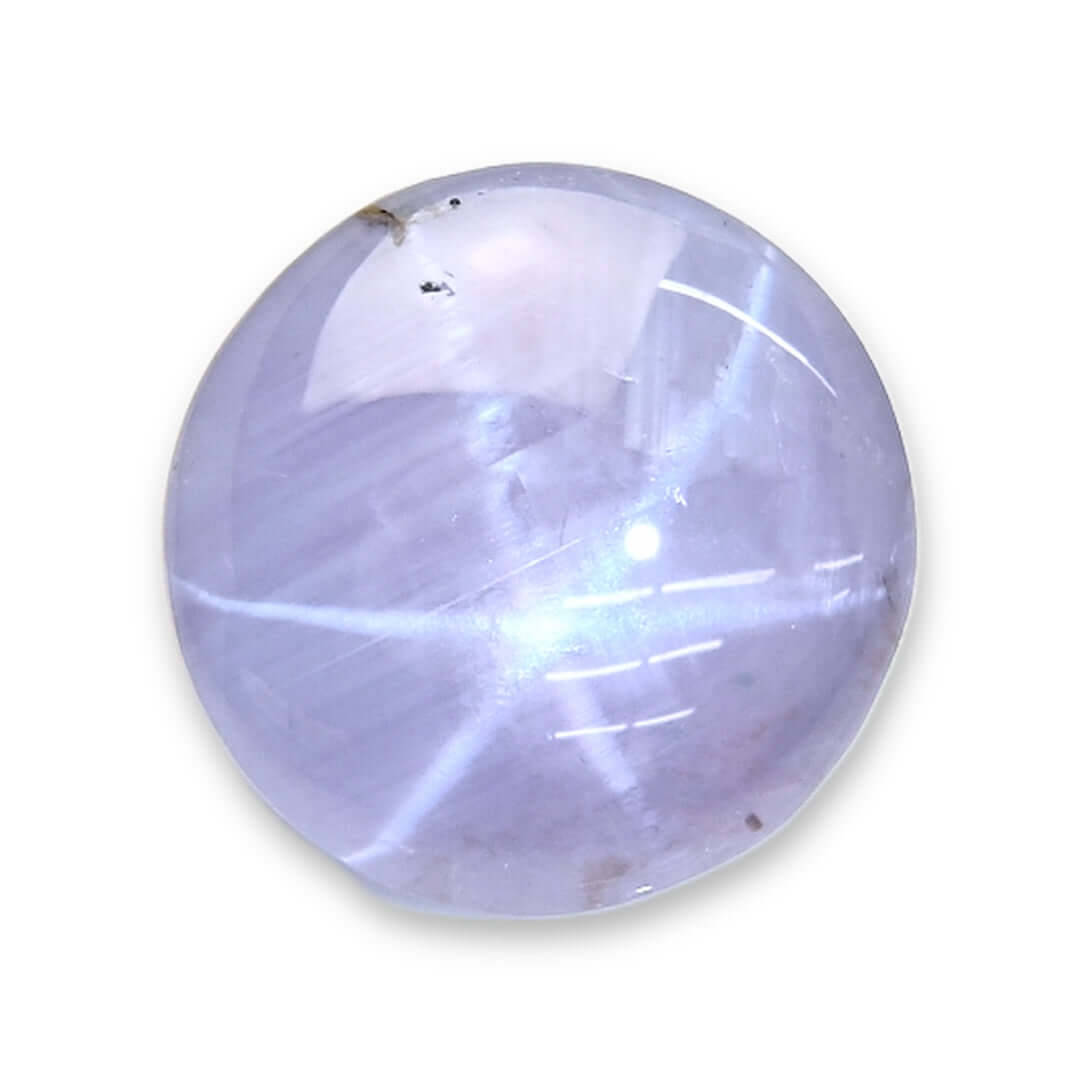
يرافق الحجر البالغ 7.99 قيراط GIA Sapphire Origin Report #5232980224، وهو يضع منشأه الجغرافي في سريلانكا. ويطبع GIA تحفّظه الخاص إلى جانب هذه النتيجة، ونفضّل اقتباسه على إعادة صياغته: «أي بيان عن المنشأ الجغرافي هو رأي خبير مبني على مجموعة من الملاحظات والبيانات التحليلية». وتقول لجنة LMHC الشيء نفسه عن التقارير عموماً: «جميع النتائج الموصوفة في التقرير هي آراء يعبّر عنها المختبر». وهذه آراء توصّل إليها فاحصون مؤهّلون بأجهزة ومواد مقارنة ليست في متناولك، ولهذا بالذات تستحق ما يُدفع فيها؛ وهي مع ذلك آراء، وهكذا بالضبط نعرضها.
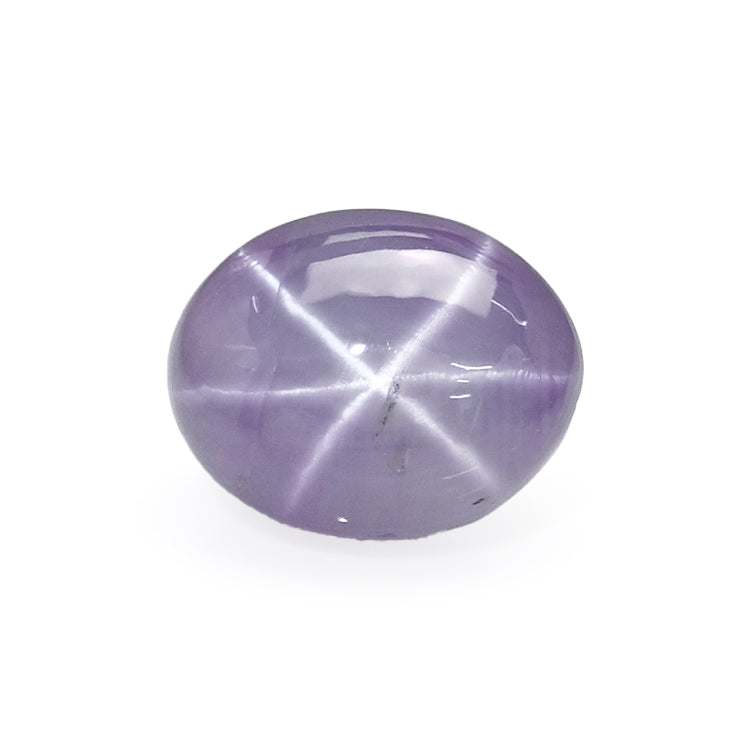
أما الحجر البالغ 3.40 قيراط فيرافقه GIA Sapphire Report #1236950499، وهو خدمة أخرى. وخانة المنشأ الجغرافي فيه تطبع Not Requested، أي أن المنشأ لم يُطلب. هذا ما تقوله الخانة، ونقف عنده: الورقة أجابت عن السؤال الذي طُرح عليها، ولم يكن المنشأ من بينه. ونحن اشترينا هذا الحجر في سريلانكا ونقول ذلك على مسؤوليتنا نحن: سريلانكا هنا سجلّ شرائنا، لا نتيجة مخبرية، ولا نعرضها على أنها كذلك.
وتطبع الورقتان كلتاهما Variety: Natural Star Sapphire وPhenomenon: Displaying Asterism، وتطبعان معاً Additional Results: No Indications of Heating. وحدّ هذه العبارة ينبغي أن يُقال كما هو: هي تسجّل ما لم يجده الفحص من دلائل التسخين، لا تاريخ الحجر، وهي تخصّ الحرارة وحدها. و«غير معالج حرارياً» هي الكلمة الضيّقة وهي التي نستعملها: تخصّ التسخين، وليست مرادفاً لنفي المعالجات كلّها — نقول الأضيق وندع الأوسع. التفصيل في ما هو الياقوت غير المعالج حرارياً.
والمنشأ ليس درجة جودة، ولهذا لا يظهر عموداً في الجدول أعلاه. فمكان تكوّن الحجر ومظهره نتيجتان منفصلتان، وتسعير إحداهما كأنها الأخرى عادة يحسُن التخلّص منها. انظر كيف تعرف أن الياقوت النجمي طبيعي وليس صناعياً.
«لماذا تكتبون قيمة اللون بالإنجليزية؟» لأن الخانة نفسها إنجليزية، ولأن ترجمتها إلى العربية تُفقد الفرق بين ورقتين. حجرانا يُوصفان بالعربية بكلمة واحدة، وتطبع ورقتاهما قيمتين مختلفتين؛ فنكتب القيمة كما هي ونضع الوصف العربي إلى جانبها. اختصارها إلى كلمة واحدة كان سيحذف معلومة موجودة على الورق.
«وما الفرق بين الورقتين عملياً؟» الفرق هو السؤال الذي طُرح على المختبر. الورقة الأولى طُلب فيها رأي في المنشأ الجغرافي فأُعطي، وطُبع إلى جانبه تحفّظ GIA نفسه. والثانية لم يُطلب فيها ذلك، فخانة المنشأ تقول Not Requested. وخلوّ الخانة ليس نتيجة عن الحجر، وإنما سؤال لم يُطرح.
«وهل أستطيع فحص الحجر في المنطقة؟» نعم. لمعهد GIA مختبر في دبي، في برج أبتاون تاور ضمن مركز دبي للسلع المتعددة (DMCC)، وهناك مختبر دبي المركزي التابع لبلدية دبي، وفي السعودية مختبرات محلية مثل مختبر جدة. والفارق الذي يعنيك ليس اسم المختبر بل الخدمة المطلوبة منه: عدد قليل جداً من المختبرات في العالم يُصدر رأياً في المنشأ الجغرافي، وأحد حجرينا يحمل ورقة من هذه الفئة.
«ولماذا حجران فقط؟» لأننا نشتري حجراً حجراً ولا نعرض إلا ما نملكه فعلاً. وحجران ليسا نطاق أسعار، ولم نعرضهما على أنهما كذلك — النطاقات في الجدول أعلاه إرشاد سوقي، والحجران مذكوران على حدة بسعريهما الفعليين.
لأن الفرق إنجليزي لا عربي. تطبع الورقتان Purple وViolet، وهما في العربية كلمة واحدة: بنفسجي. فنكتب قيمة خانة اللون بنصّها الإنجليزي كما يطبعها التقرير، ونضع الوصف العربي إلى جانبها، ولا نخترع تفرقة لا تقولها اللغة. وما لا تطبعه أي ورقة هو ترتيب بين اللونين، ولا نضع نحن ترتيباً مكانه.
يُعرض الياقوت البنفسجي النجمي عادةً بدءاً من نحو $50 للقيراط، والنطاق الأعلى في الجدول أعلاه مفتوح عند $2,000 للقيراط فما فوق. وموضع حجر بعينه من هذا المدى يتوقّف على لون جسمه ووزنه بالقيراط والوثائق المرافقة له. وهذه الأرقام إرشاد سوقي تقريبي لا بيانات مقيسة. أما مخزوننا نحن فحجران: 7.99 قيراط بسعر $3,990 إجمالاً، أي $499.37 للقيراط؛ و3.40 قيراط بسعر $2,380 إجمالاً، أي $700.00 للقيراط.
لا. يقول GIA إنه «لا يمنح درجات ولا يجري تحليل جودة للياقوت ولا لسائر الأحجار الملوّنة»، ولجنة LMHC — التي توحّد صياغات التقارير بين المختبرات الكبرى — لم تصدر أي نشرة تتناول هذه الظاهرة. يسجّل التقرير أن الحجر يُظهر الظاهرة، ولا يمنحها درجة. ولذلك فإن أي وصف لمظهر النجمة هو تعبير البائع نفسه، وتعبيرنا نحن من ضمنه، ولهذا نفضّل أن نرسل إليك مقطع فيديو للحجر نفسه بدلاً من أن نمنحك صفة.
حجران. ياقوت بنفسجي نجمي وزنه 7.99 قيراط بسعر $3,990، أي $499.37 للقيراط، يرافقه GIA Sapphire Origin Report #5232980224 الذي يضع منشأه الجغرافي في سريلانكا؛ وياقوت بنفسجي نجمي وزنه 3.40 قيراط بسعر $2,380، أي $700.00 للقيراط، يرافقه GIA Sapphire Report #1236950499 الذي تطبع خانة المنشأ الجغرافي فيه Not Requested. وحجران ليسا نطاق أسعار، ولم نعرضهما على أنهما كذلك.
حجران، متوفّران حالياً. الأول: ياقوت بنفسجي نجمي طبيعي غير معالج حرارياً من سريلانكا بوزن 7.99 قيراط، بسعر $3,990 إجمالاً و$499.37 للقيراط، يرافقه GIA Sapphire Origin Report #5232980224. ويطبع التقرير الشكل وأسلوب القطع في خانتين منفصلتين: الشكل Round أي دائري، وأسلوب القطع Double Cabochon أي كابوشون محدّب من الوجهين. ومقاسات الحجر 10.87–11.06 × 6.63 mm.
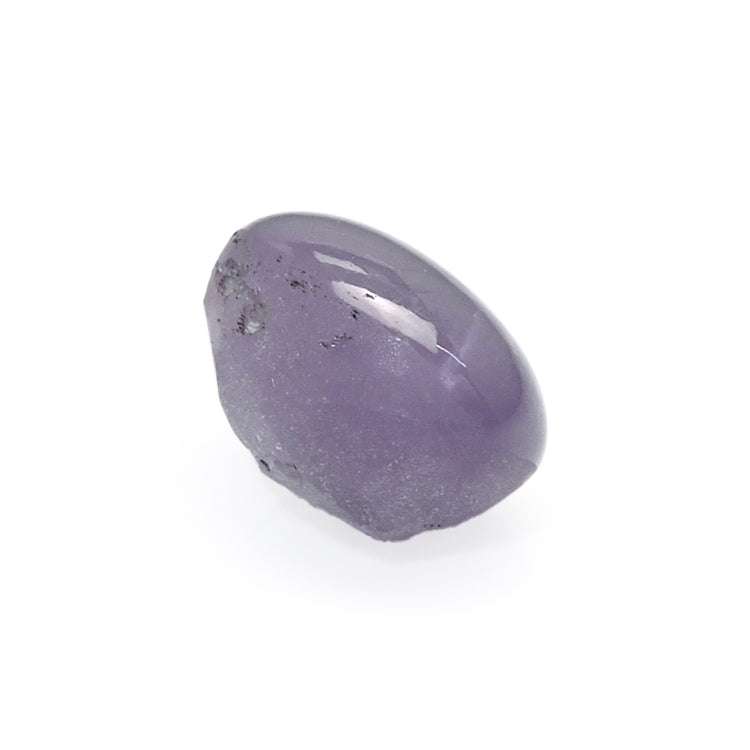
والثاني: ياقوت بنفسجي نجمي طبيعي غير معالج حرارياً بوزن 3.40 قيراط، بسعر $2,380 إجمالاً و$700.00 للقيراط، يرافقه GIA Sapphire Report #1236950499. ويطبع تقريره كذلك الشكل وأسلوب القطع في خانتين منفصلتين: الشكل Oval أي بيضاوي، وأسلوب القطع Double Cabochon أي كابوشون محدّب من الوجهين. ومقاسات الحجر 8.64 × 6.76 × 5.69 mm. ويمكننا أن نرسل إليك مقطع فيديو لأي من الحجرين قبل الشراء.
هذه أسعارنا نحن المعروضة على هذا الموقع بتاريخ 5 أكتوبر 2026، وليست مسحاً للسوق ولا تقييماً للقيمة. تتغيّر بتغيّر المخزون، والسعر المُلزِم هو المذكور في صفحة المنتج.
أسعارنا بالدولار الأمريكي ولا تشمل ضريبة القيمة المضافة على الاستيراد ولا الرسوم الجمركية؛ فهذه تُفرض عند الاستيراد إلى بلدك، وتُدفع عند التسليم على حسابك.
عندك سؤال عن ياقوتنا البنفسجي النجمي، أو تريد رؤيته في مقطع فيديو قبل الشراء؟ راسلنا على crescentgems@gmail.com — نردّ خلال يوم عمل واحد. الشحن داخل الولايات المتحدة مجّاني دون حدّ أدنى. وإلى بقيّة دول العالم الشحن $60 ثابتة، ومجّاني للطلبات التي تتجاوز $499. ولكل طلب مهلة إرجاع مدّتها 14 يوماً.

تُعرض الأسعار بعملتك المحلية وقد تتغيّر، ولا تشمل ضرائب الاستيراد.


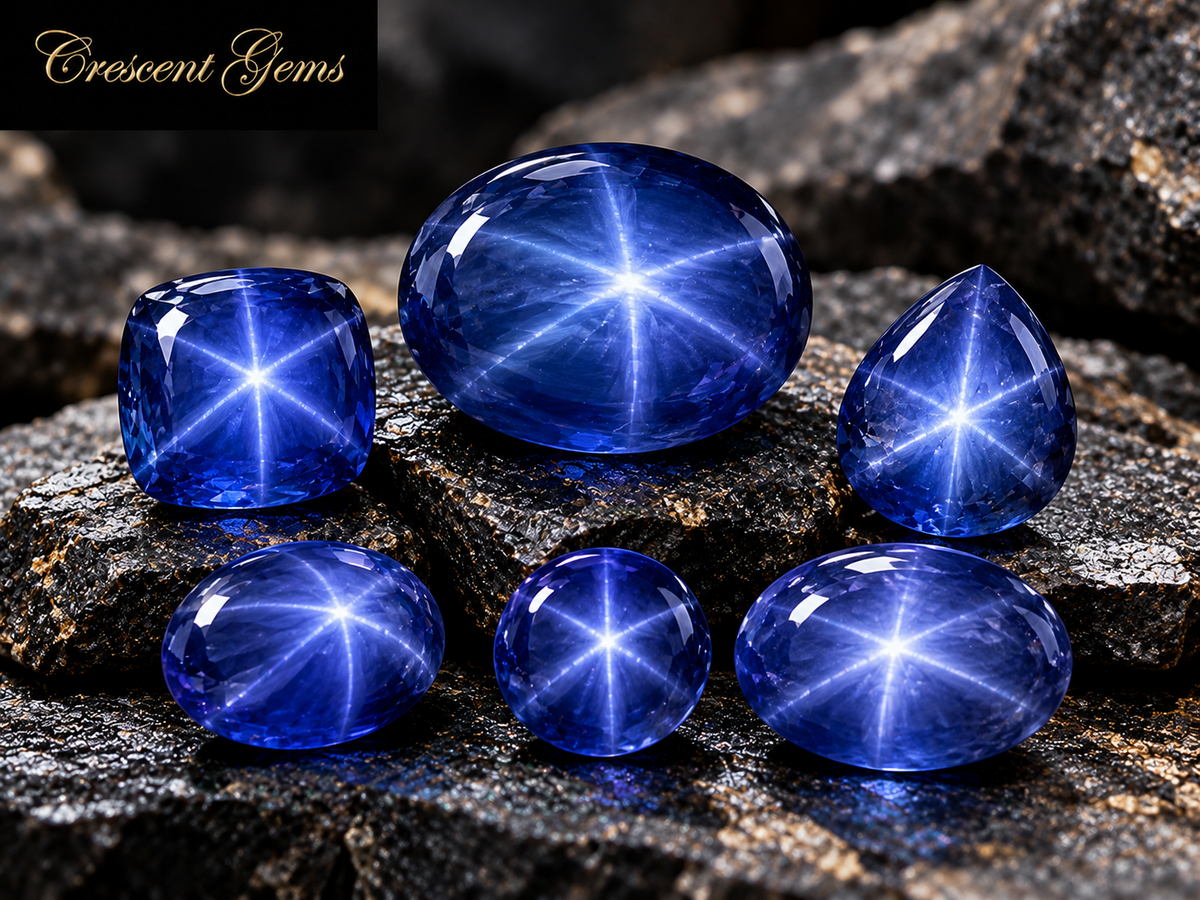
دليل أسعار الياقوت الأزرق النجمي: ما الذي يحدّد السعر فعلاً
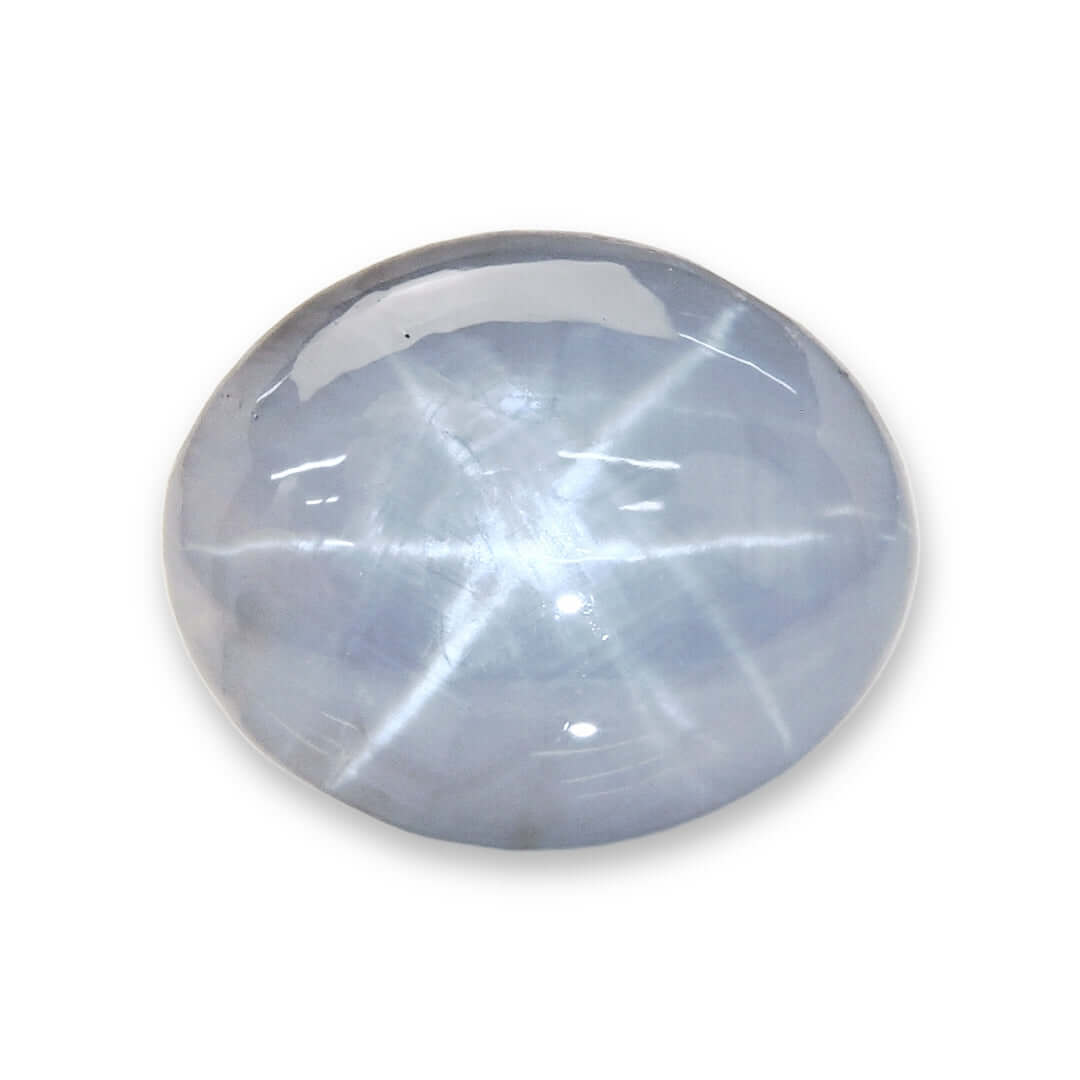
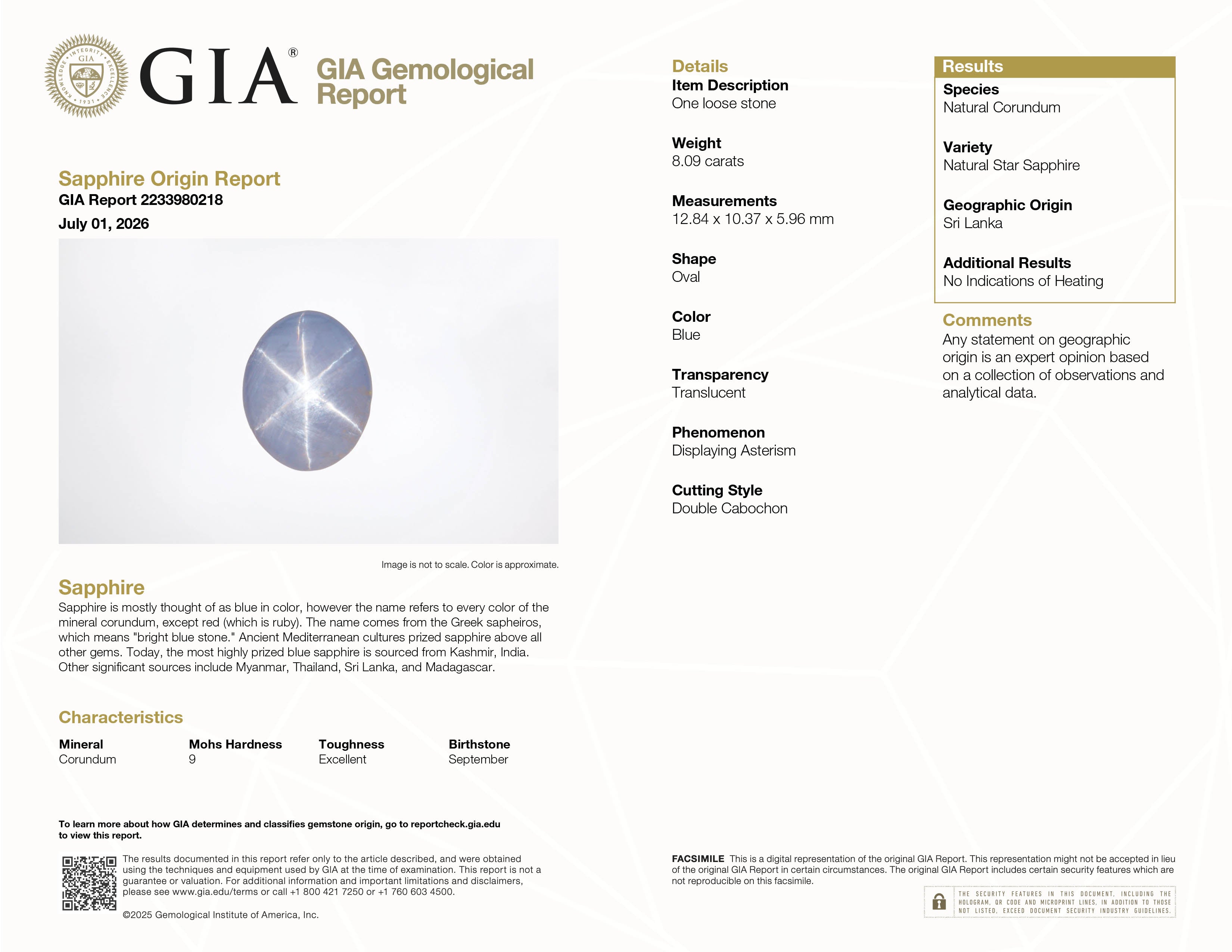
سعر الياقوت الأزرق النجمي للقيراط، وما الذي يحرّك السعر فعلاً، ولماذا لا يمنح أي مختبر درجة للنجمة. وحجرنا الوحيد: 8.09 قيراط بتقرير منشأ من GIA بسعر $4,040.
اقرأ المزيدحول دليل أسعار الياقوت الأزرق النجمي: ما الذي يحدّد السعر فعلاً
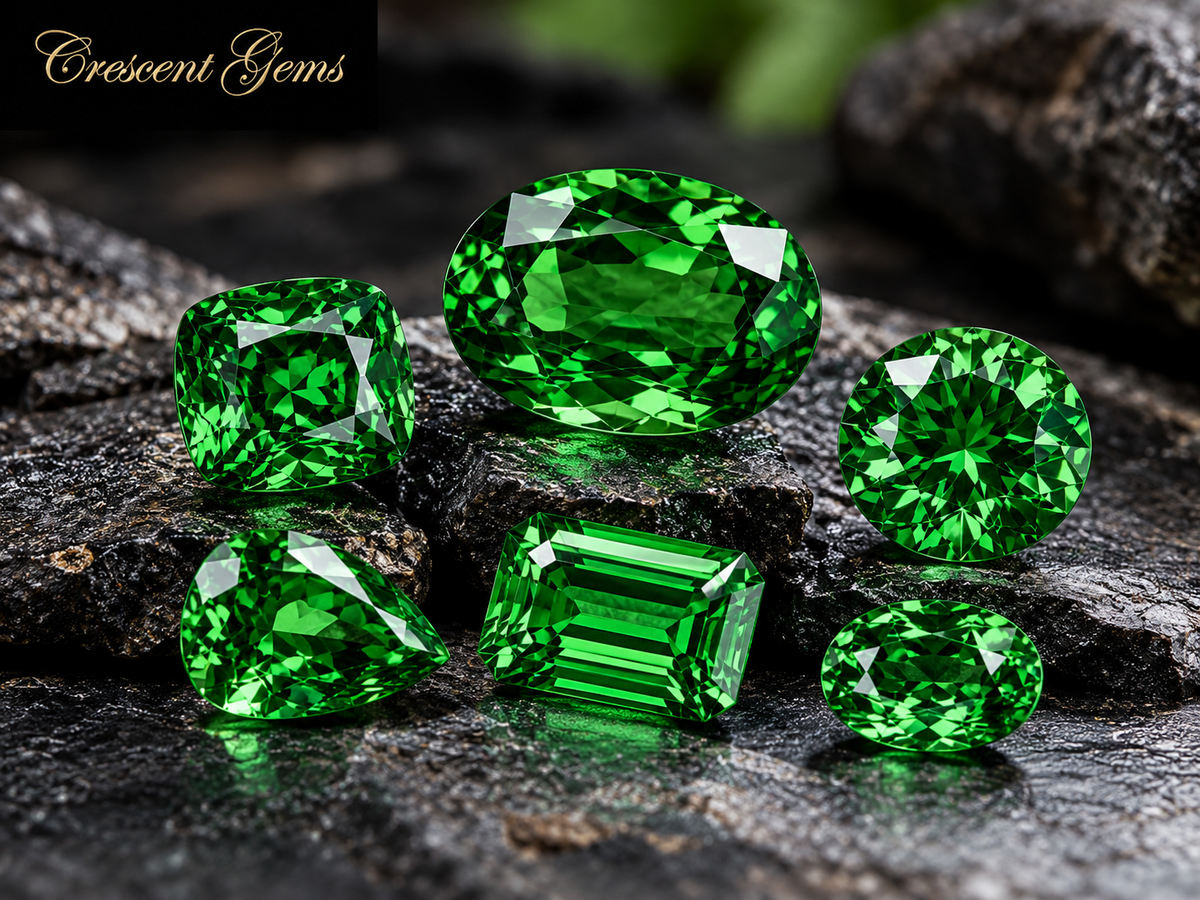
دليل أسعار حجر التسافوريت: أسعار مخزوننا وما الذي يحدّ من العرض
أسعار حجر التسافوريت بحسب الوزن، من سبعة أحجار في مخزوننا: من $1,177 إلى $22,724، وحجر منها محسّن النقاء ومُفصح عنه — وما الذي يحدّ من توفّر حجر كبير ونظيف.
اقرأ المزيدحول دليل أسعار حجر التسافوريت: أسعار مخزوننا وما الذي يحدّ من العرض
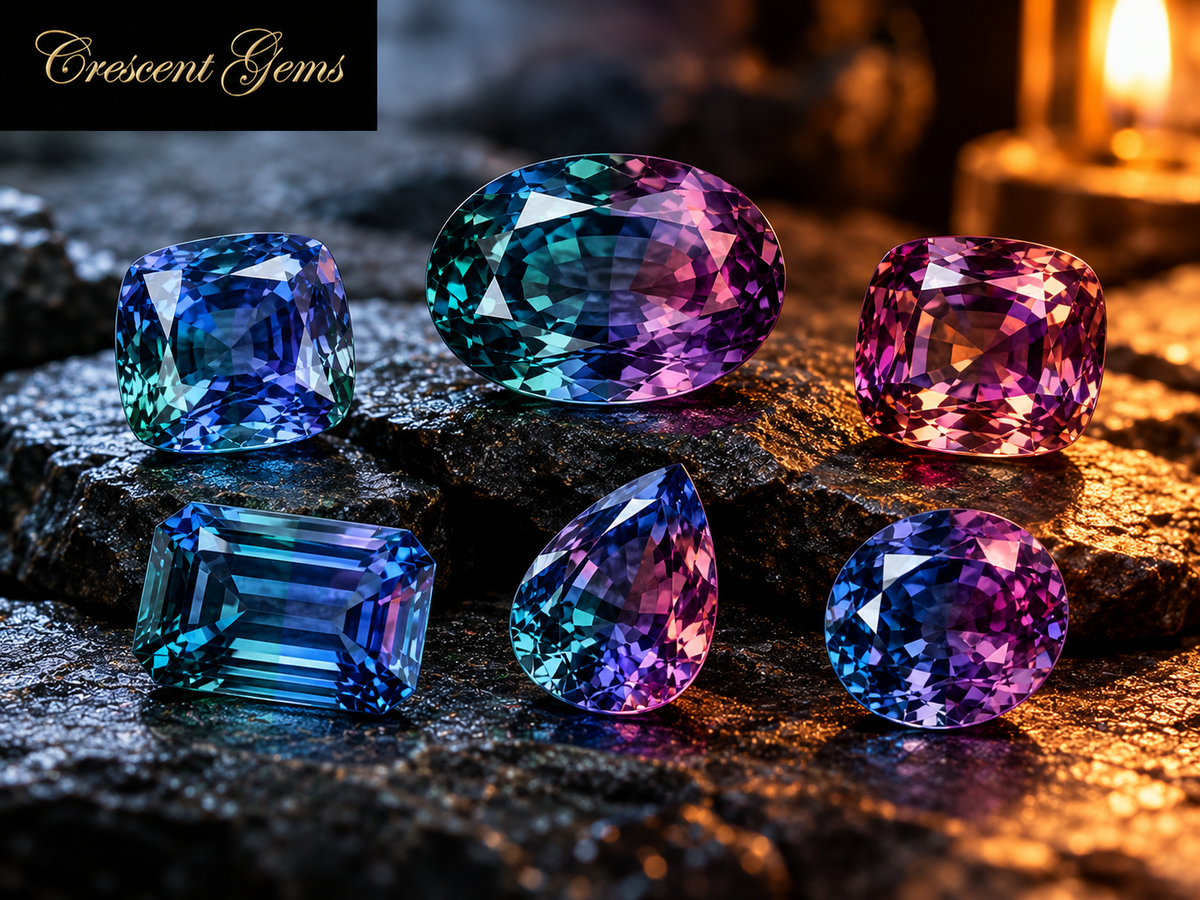
دليل أسعار الياقوت المتغيّر اللون: ما الذي تدفع ثمنه فعلاً
سعر الياقوت المتغيّر اللون للقيراط، وما الذي يحرّك السعر فعلاً، ولماذا لا يمنح أي مختبر درجة لتغيّر اللون. وحجرانا: 1.03 قيراط بسعر $824، و2.01 قيراط بسعر $2,211.
اقرأ المزيدحول دليل أسعار الياقوت المتغيّر اللون: ما الذي تدفع ثمنه فعلاً
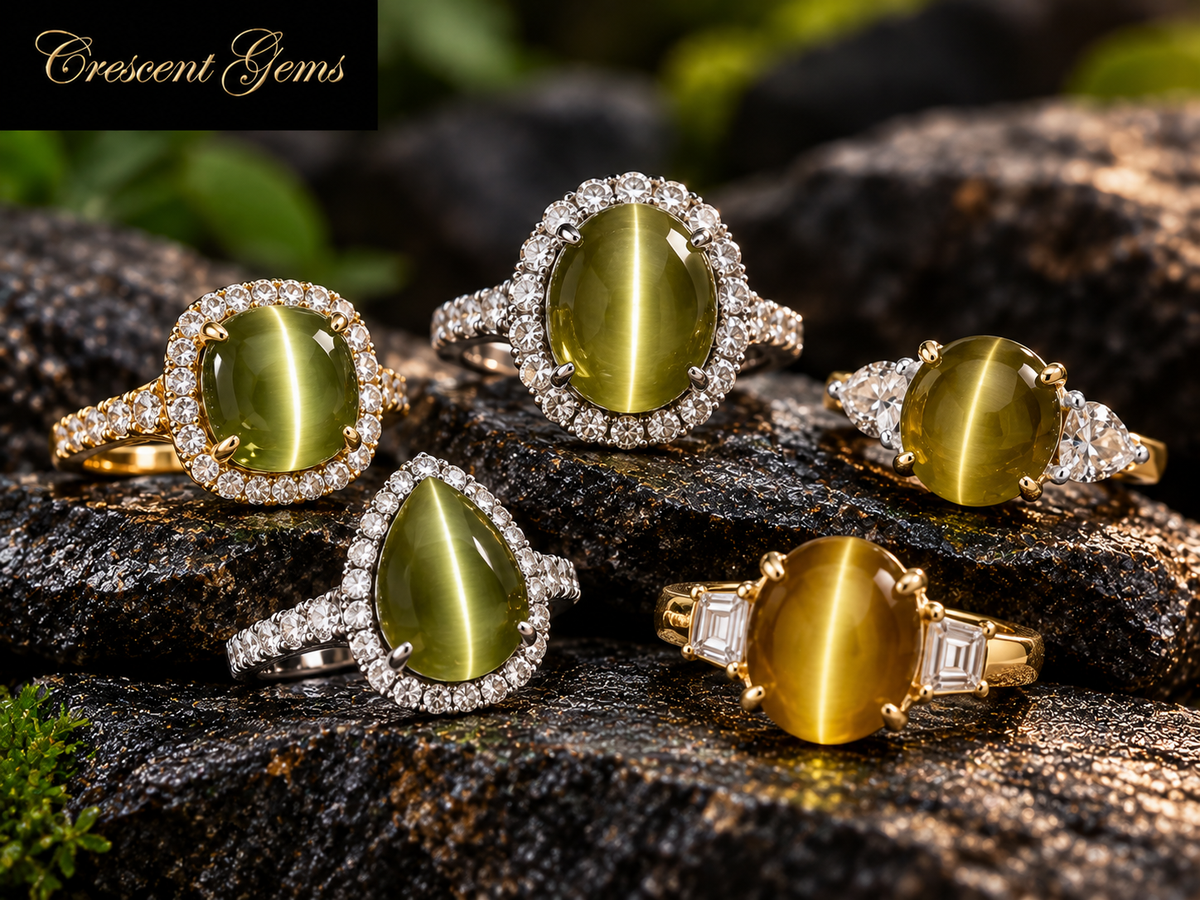
حجر عين الهر (كريسوبيريل): هل يصلح لخاتم خطوبة يُلبس كل يوم؟
الكريسوبيريل عند 8.5 على مقياس موس: فوق الكوارتز (7) والزمرد (7.5 إلى 8)، ودون الكوروندم (9) والألماس (10). وماذا يعني ذلك للبس اليومي واختيار التركيب والعناية.
اقرأ المزيدحول حجر عين الهر (كريسوبيريل): هل يصلح لخاتم خطوبة يُلبس كل يوم؟
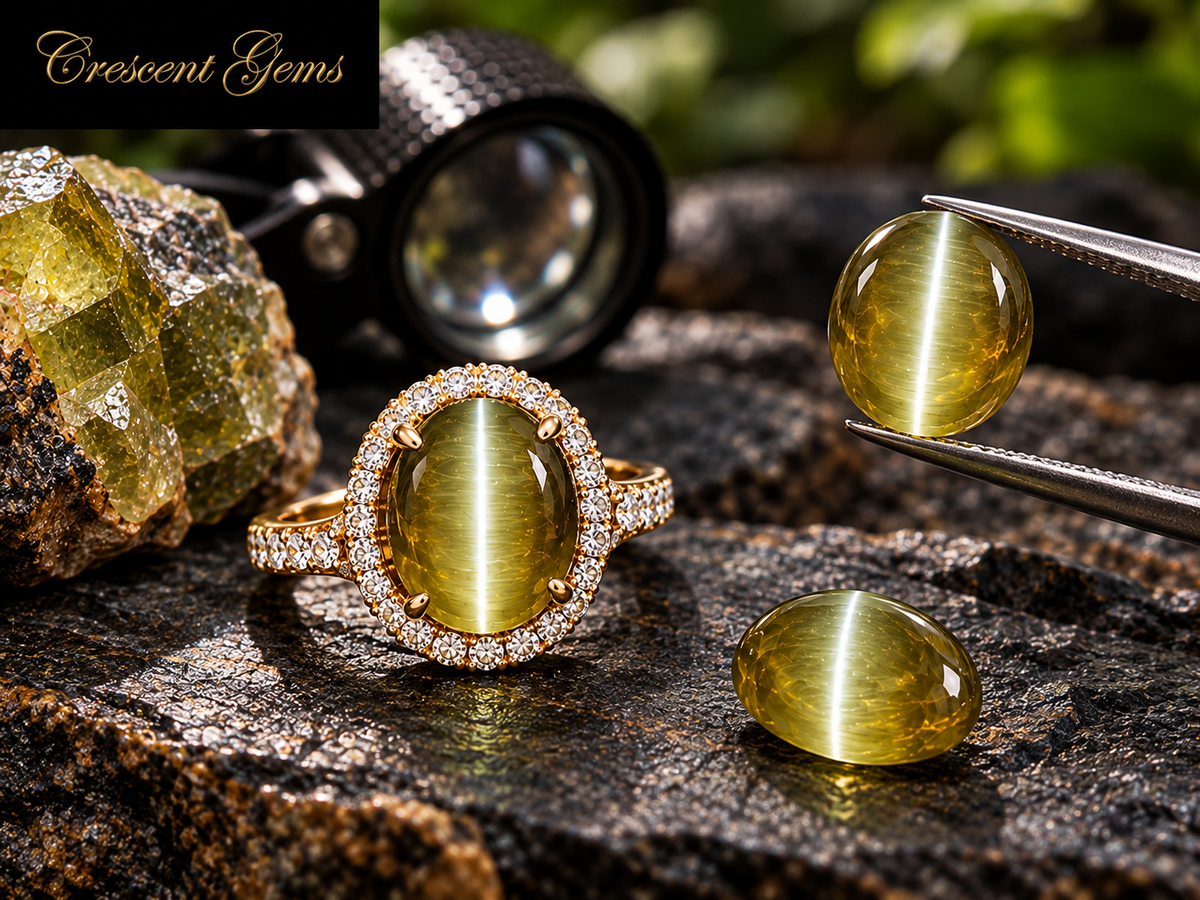
دليل أسعار حجر عين الهر (كريسوبيريل): ما الذي يحدّد السعر فعلاً
سعر حجر عين الهر الكريسوبيريل للقيراط، وما الذي يحرّك السعر فعلاً، ولماذا لا يمنح أي مختبر درجة للعين. وحجرانا: 2.36 قيراط بسعر $3,792، و4.25 قيراط بسعر $9,482.
اقرأ المزيدحول دليل أسعار حجر عين الهر (كريسوبيريل): ما الذي يحدّد السعر فعلاً