- بقلم Ahmed Shareek
كيف نُسعّر أحجارنا الكريمة: بنية السعر، ولماذا لا ننشر نسبة مئوية
- بقلم Ahmed Shareek
أول زيارة لك إلى Crescent Gems؟ تصفّح كامل أحجارنا الكريمة السائبة، أو ابدأ بـالدليل الشامل لشراء الياقوت لتعرف ما تنظر إليه قبل أن تدفع.
سؤال يردنا كل أسبوع، وبصيغة واحدة تقريباً: من أين يأتي السعر الذي أراه على صفحة الحجر؟
يستحقّ السؤال جواباً مباشراً. سعر الحجر عندنا هو ما كلّفنا الحجر، زائد ما يكلّفنا تشغيل متجر. وكلا الطرفين غير معتاد في هذه التجارة: نشتري الأحجار بأنفسنا في المكان الذي تُتداول فيه، ونقطع جزءاً كبيراً منها في مصنعنا، ولا نملك محلاً يُزار. هذه الصفحة تشرح هذه البنية كاملة، بندها بندها.
وتقول أيضاً، بوضوح، ما لن نفعله: لن ننشر نسبة مئوية مقابل أسعار غيرنا. بحثنا عن رقم نستطيع الوقوف خلفه فلم نجده، والسبب مشروح في قسم خاص أدناه. ونحن نفضّل أن نمنحك السبب على أن نمنحك رقماً لا تملك وسيلةً للتحقّق منه.
نستطيع وصف سلسلتنا نحن بدقّة، لأننا داخلها. نشتري في سريلانكا — في راتنابورا وبيروالا وكولومبو، وهي مراكز تجارة الحجر السيلاني الثلاثة — من المنقّبين ومن تجّار الصفّ الأول الذين نعمل معهم منذ سنوات. نشتري الخام والمادة نصف المشغولة كما نشتري أحجاراً جاهزة، وجزء كبير من معروضنا يُقطَع في مصنعنا في سريلانكا بدل أن يُشترى مقطوعاً من مورّد آخر. ثم يمضي الحجر منّا إليك.
وما نحن لسنا به: لسنا مشترياً لحزم جاهزة من مستورد. لا نشتري من تاجر جملة في نيويورك أو لوس أنجلوس اشترى من تاجر في بانكوك اشترى من مصدّر في كولومبو. هذا بيان عن شرائنا نحن، وهو النوع الوحيد من البيانات عن الشراء الذي نحن في موضع يسمح لنا بقوله.
وللاطّلاع على كيفية تداول الحجر عند المنبع، انظر دليل سوق راتنابورا ودليل الياقوت السيلاني.
هذه الفقرة هي التي يسقطها معظم من يكتب عن «الشراء من المصدر»، ونحن نضعها في صدر الصفحة لأن قارئنا في الخليج يعرفها أصلاً.
سوق الخام في سريلانكا سوق وسطاء بطبيعتها. فيها وسطاء، وفيها سماسرة، وفيها تجّار صفّ أول وصفّ ثانٍ، ويُعرض الحجر ويُقلَّب في اليد ويُساوَم عليه بين أكثر من طرف قبل أن يُحسم البيع. من يقول لك إنه يأخذ الحجر من يد المنقّب إلى يدك دون أن تمرّ به يد ثالثة فهو إمّا لا يعرف السوق أو يعرفها ويعتمد على أنك لا تعرفها.
نحن نشتري داخل هذه السوق لا خارجها. والذي نقوله عن أنفسنا أضيق من «بلا وسطاء» وأصدق منه: نحن أنفسنا الطرف الذي يشتري هناك، لا طرفاً يشتري ممّن اشترى هناك. وبعد نقطة الشراء تلك لا يوجد بيننا وبينك مستورد، ولا تاجر جملة، ولا موزّع إقليمي، ولا محلّ تجزئة. هذا هو مدى «المباشَرة» الذي نستطيع الدفاع عنه.
ولن نقول لك كم يداً مرّ بها حجر في واجهة بائع آخر، ولا كم أخذت كل يد، لأننا لا نعلم. والبائعون يختلفون. وما نستطيع تقديم حساب عنه هو جانبنا: أين نشتري، ومن يقطع، وعلى ماذا لا ننفق.
بُني Crescent Gems على فكرة واحدة: أن نكون أقرب ما نستطيع إلى الحجر، وأن نحمل أقلّ ما يمكن غير ذلك. وعملياً يعني هذا:
لن تجد على هذه الصفحة نسبة خصم. لا ننشر رقماً لا نستطيع إسناده، ولا توجد نسبة واحدة تصحّ على كل الألوان والأوزان والمستويات في آن.
وقد بحثنا فعلاً. قارنّا أحجارنا بأحجار بائعين معروفين بالاسم عند مواصفات مطابقة، حجراً سائباً بحجر سائب. فاختلفت النتيجة من حجر إلى حجر، وفي مواصفة واحدة على الأقل لم نكن الأرخص بين الاثنين. فلا نسبة واحدة تصحّ على مجموعتنا، ونشر نسبة مع ذلك معناه أن نسألك الثقة بمتوسّط أشياء غير متشابهة.
والنطاق المنشور لا يساوي أكثر من الأحجار التي تقف خلفه، ونحن لا نستطيع تسعير مواصفة لا نملكها. لا نملك حالياً أي بادبارادشا، مثلاً، فلا يوجد سعر أمين عندنا لحجر منها؛ وصفحة البادبارادشا عندنا تقول إننا لا نملك منها شيئاً بدل أن تنشر نطاقاً لحجر غير موجود. أسعارنا تعيش على الإعلانات، حجراً حجراً، وإلى جانب كل سعر وزنُ الحجر ونوع معالجته ومنشؤه ومختبره. هذه هي الأسعار التي نستطيع الوقوف خلفها.
فسنقول لك ما نحن، لا ما هو غيرنا. نشتري عند المصدر، ونقطع جزءاً كبيراً من أحجارنا، ولا نحمل محلاً. وأمّا كيف يقع هذا مقابل ما يطلبه بائع بعينه فليس شيئاً نستطيع إخبارك به، لأننا لا نعرف بكم يشتري هو — فننشر أسعارنا ونترك المقارنة لك. وإن كنت توازن بيننا وبين تاجر آخر فاسألنا عن حجر بعينه وضع رقمنا إلى جانب رقمه. تلك مقارنة بين رقمين حقيقيين، وهي الوحيدة التي تستحقّ أن تُجرى.
ولمعرفة كيف يُبنى سعر القيراط في السوق عموماً، انظر أسعار الياقوت: ما الذي يحدّد سعر القيراط فعلاً.
كلمة «مباشر» صارت رخيصة في هذه السوق، ونحن نستفيد منها كما يستفيد غيرنا. فمن العدل أن نسيّج ما لا تعنيه عندنا. هذه رخص لا نأخذها، وهي سياسة معلنة لا مجرّد غياب:
هذا القسم يخصّ قارئنا في الخليج ومصر واليمن. ومن دونه تكون أي مقارنة سعر مقارنةً مُعوجّة.
أسعارنا بالدولار الأمريكي ولا تشمل ضريبة القيمة المضافة على الاستيراد ولا الرسوم الجمركية؛ فهذه تُفرض عند الاستيراد إلى بلدك، وتُدفع عند التسليم على حسابك.
والنسبة والرسوم تختلفان من بلد إلى بلد، ومن تصنيف جمركي إلى آخر، ولن ننشر لك نسبة بلدك: نحن لا نحصّلها، ولا نملك سلطة تحديدها، وتغييرها لا يُعلمنا به أحد. والجواب الصحيح هو مخلّصك الجمركي أو الجهة الجمركية والضريبية في بلدك، لا صفحة بائع.
والأثر العملي على المقارنة: أي حجر معروض داخل بلدك سعره سعر واصل بطبيعته — فالضريبة والرسوم والشحن دخلت فيه قبل أن تراه. وسعرنا سعر حجر قبل الاستيراد. فمن يقارن الرقمين كما هما يقارن شيئين مختلفين. وإن أردت مقارنة سليمة فاجمع على رقمنا الشحن وضريبة الاستيراد والرسوم في بلدك، ثم قارن. وقد ينتهي الأمر لصالحنا وقد لا ينتهي؛ هذا حسابك لا حسابنا، ونحن نعطيك أرقامنا كاملةً لتجريه.
الشحن داخل الولايات المتحدة مجّاني دون حدّ أدنى. وإلى بقيّة دول العالم الشحن $60 ثابتة، ومجّاني للطلبات التي تتجاوز $499. ولكل طلب مهلة إرجاع مدّتها 14 يوماً.
وليست البنية أعلاه سبباً لقبول إفصاح أقلّ. هذا ما يأتي مع كل شراء من Crescent Gems:
نشجّع الشكّ، وكل ما على الإعلان مكتوب ليكون قابلاً للفحص. وهذه الطريقة:
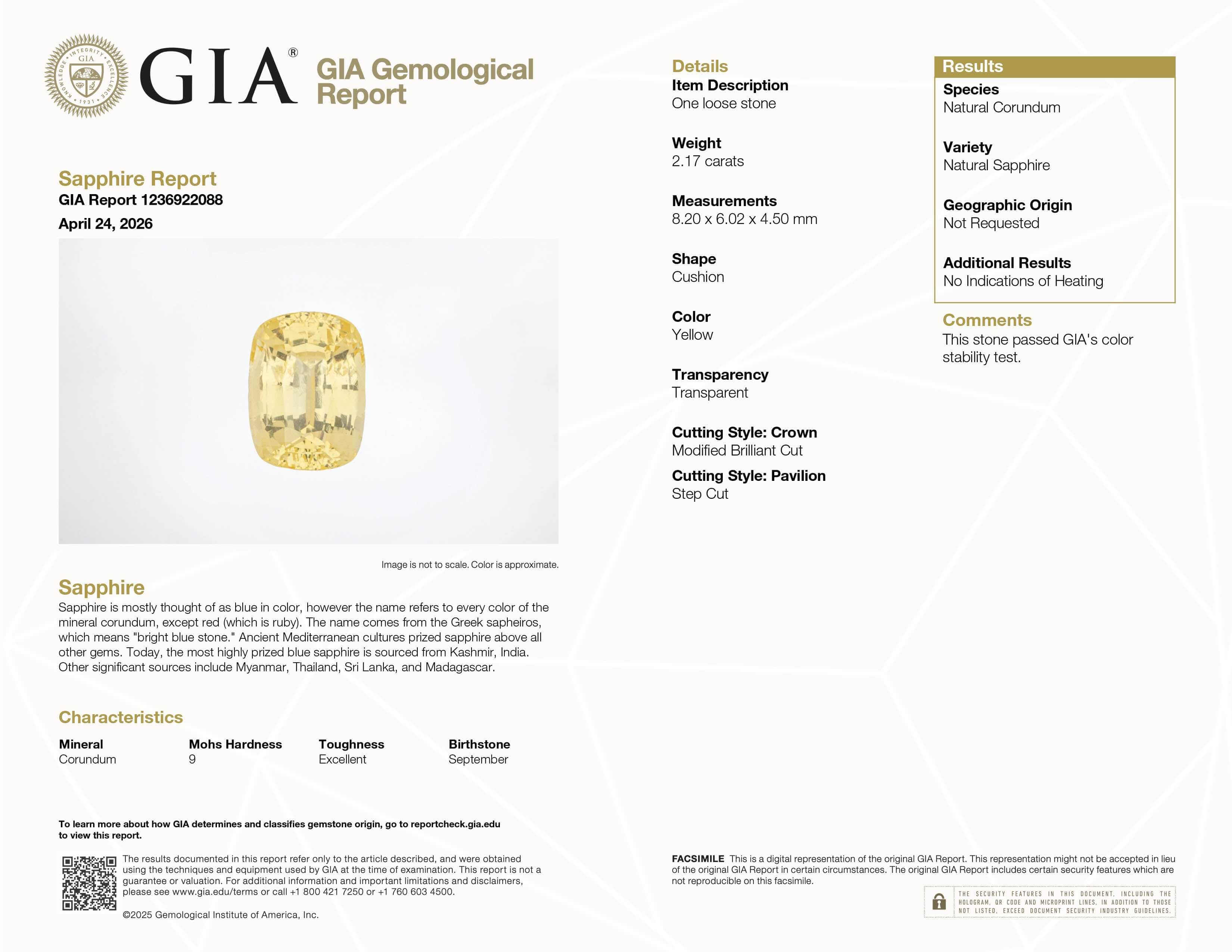
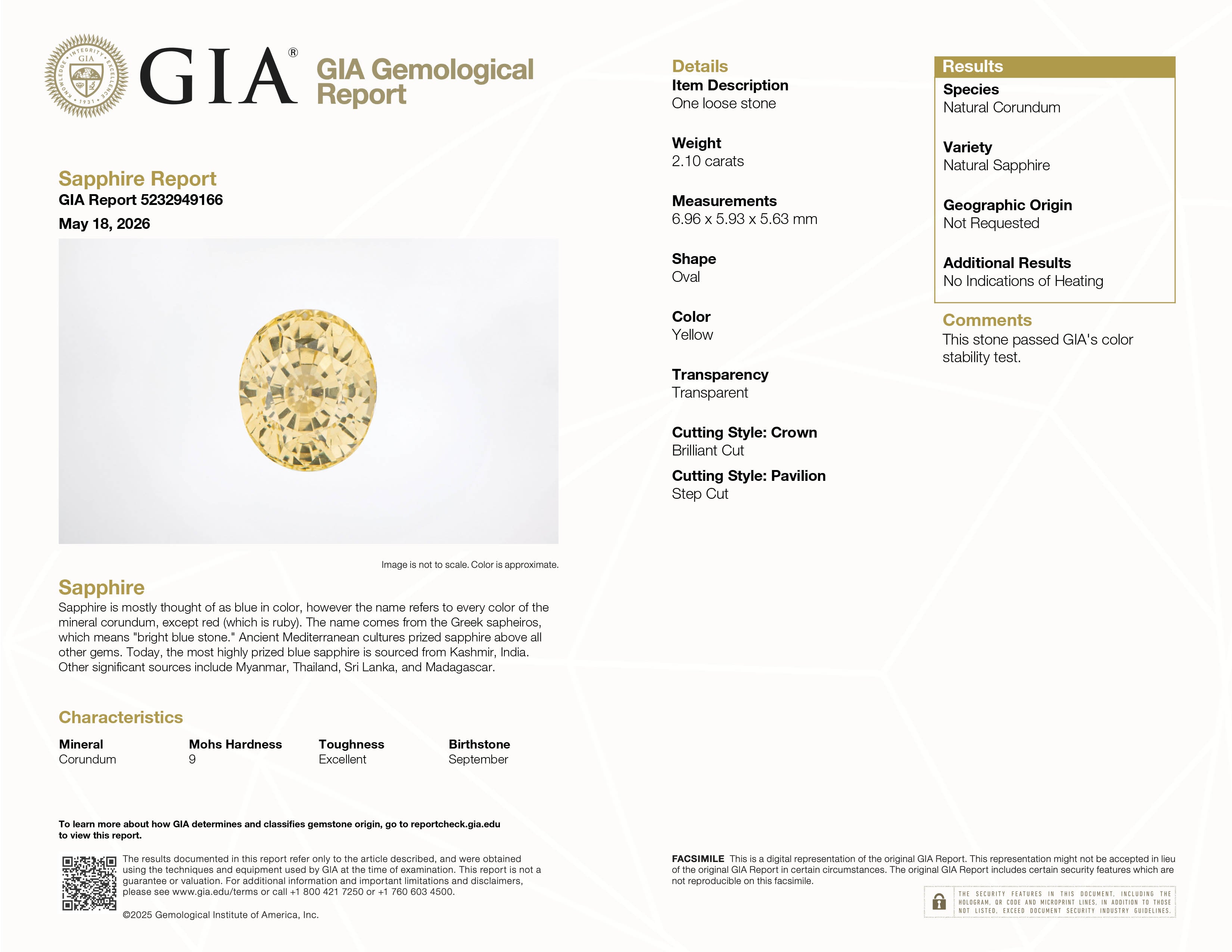
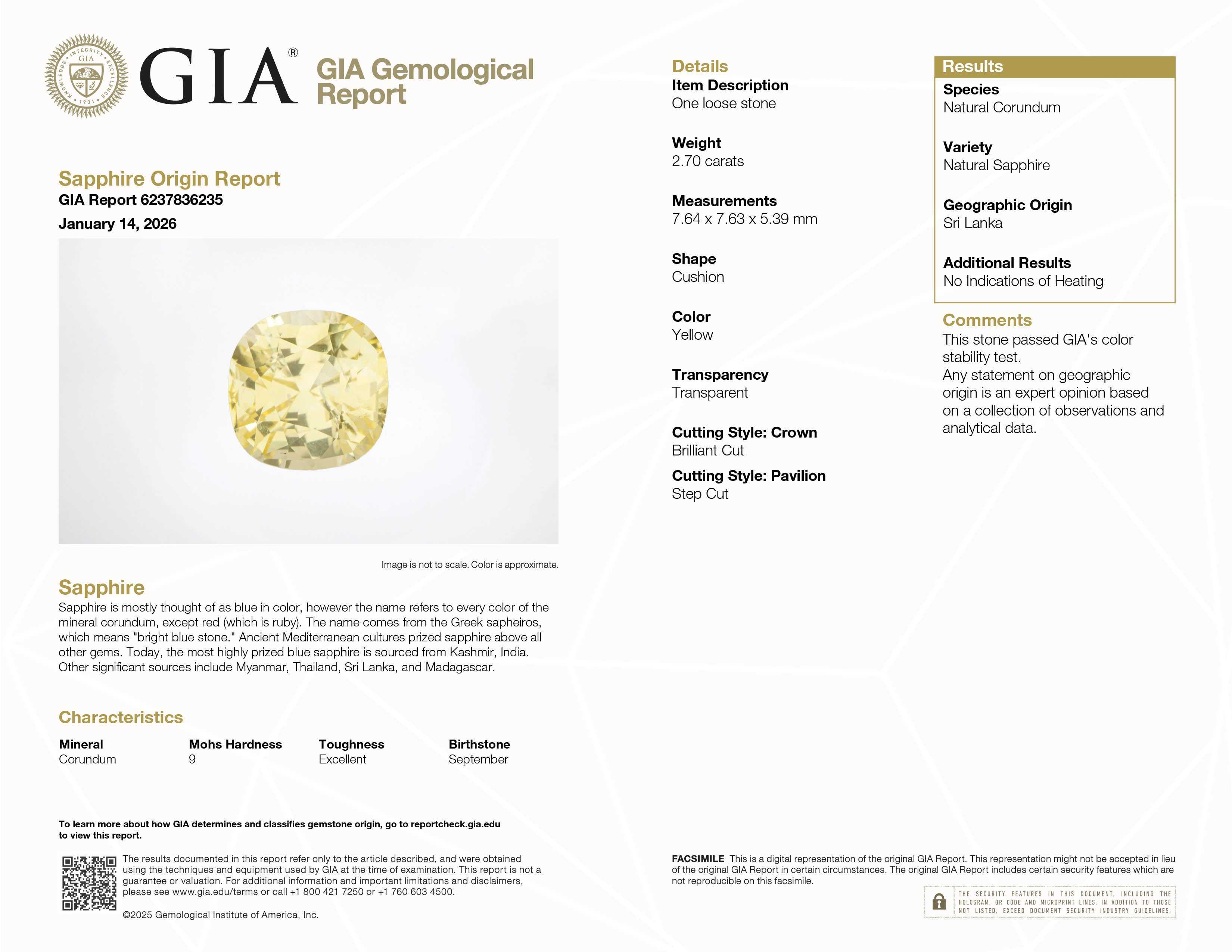
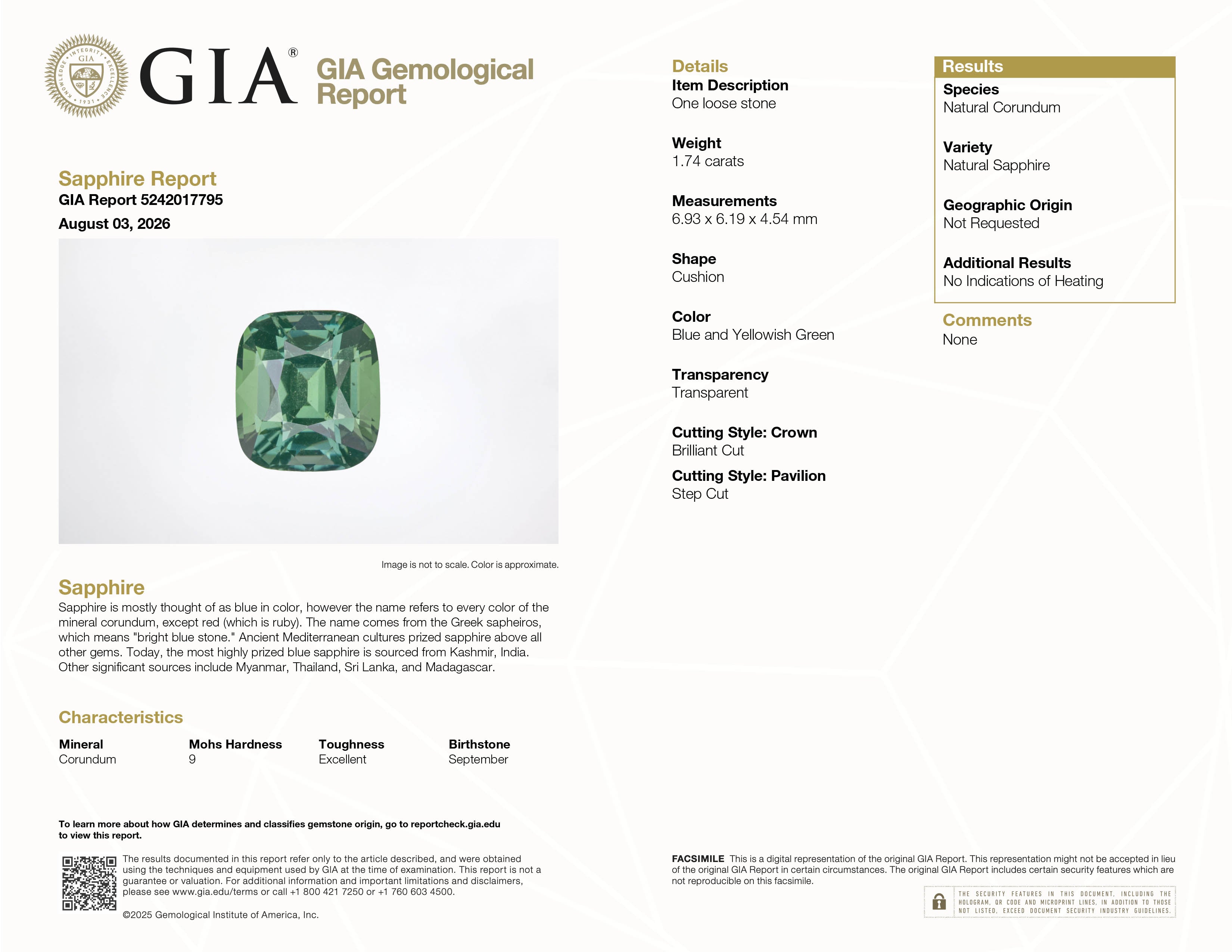
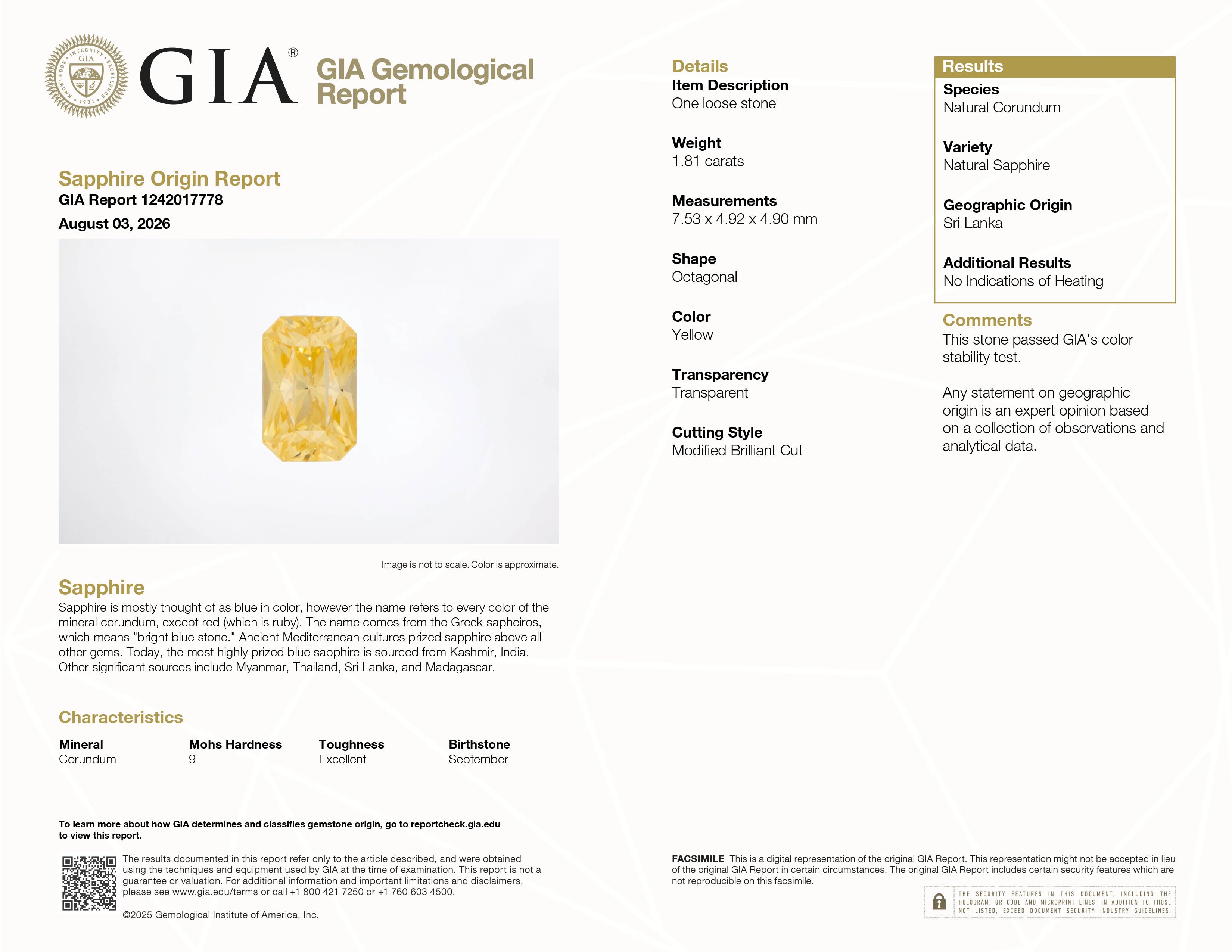
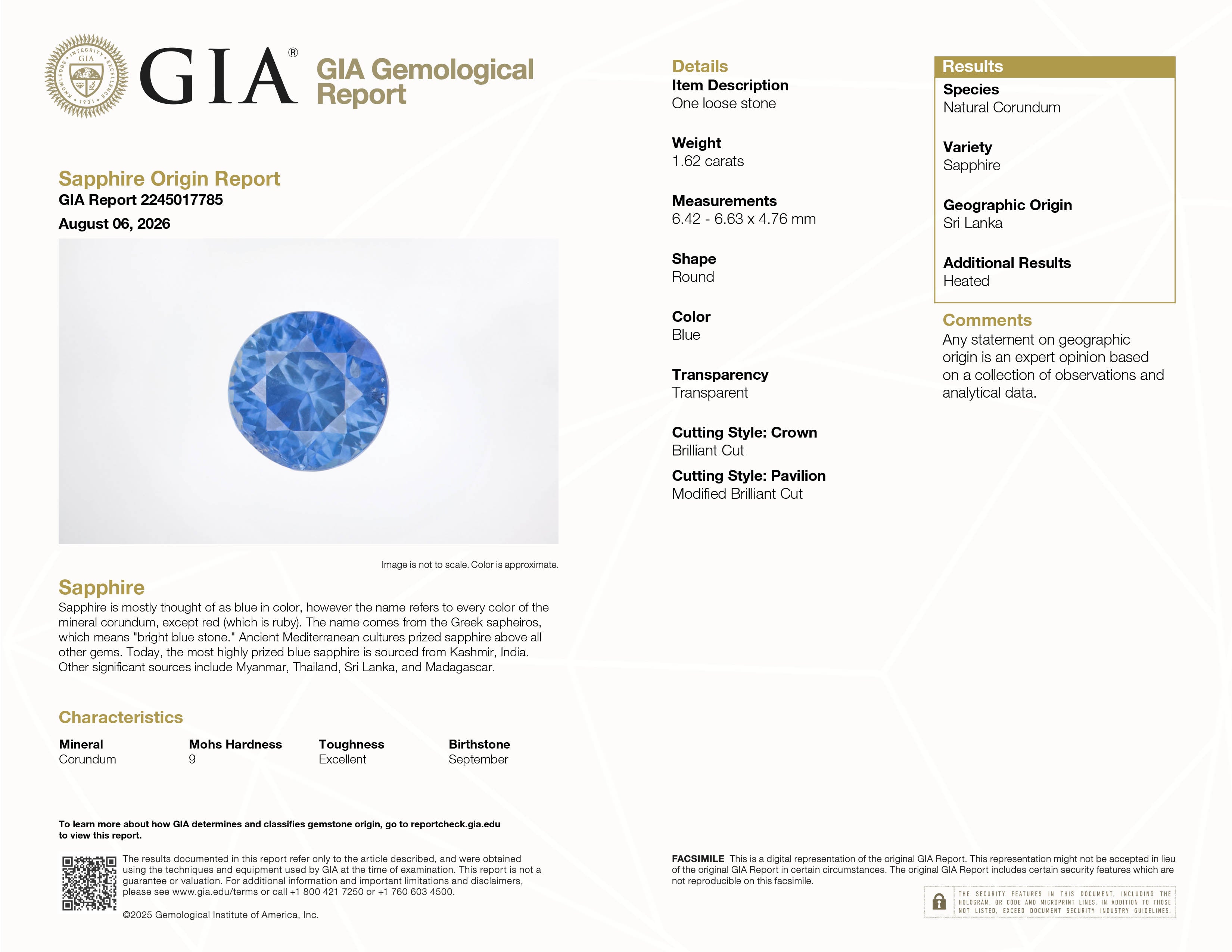
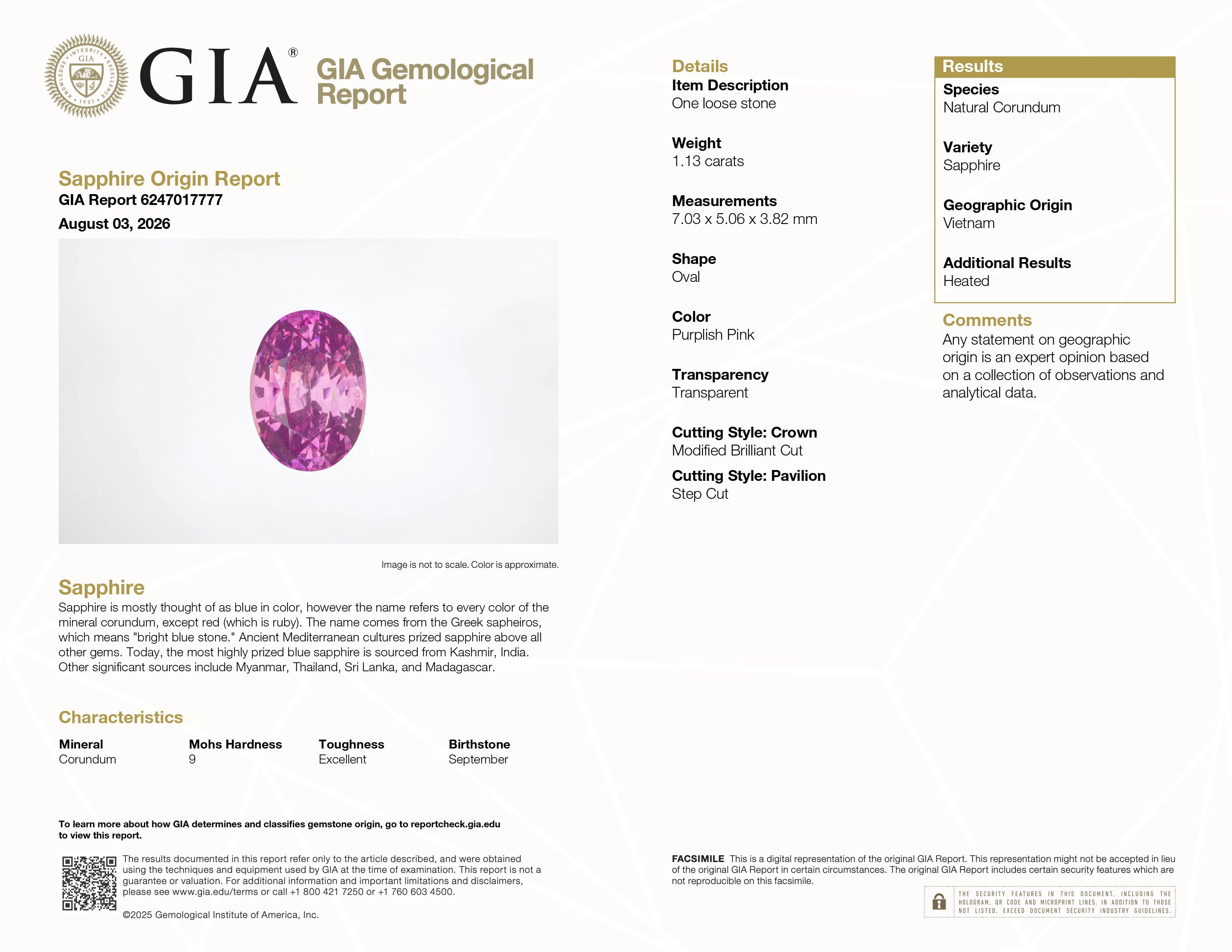
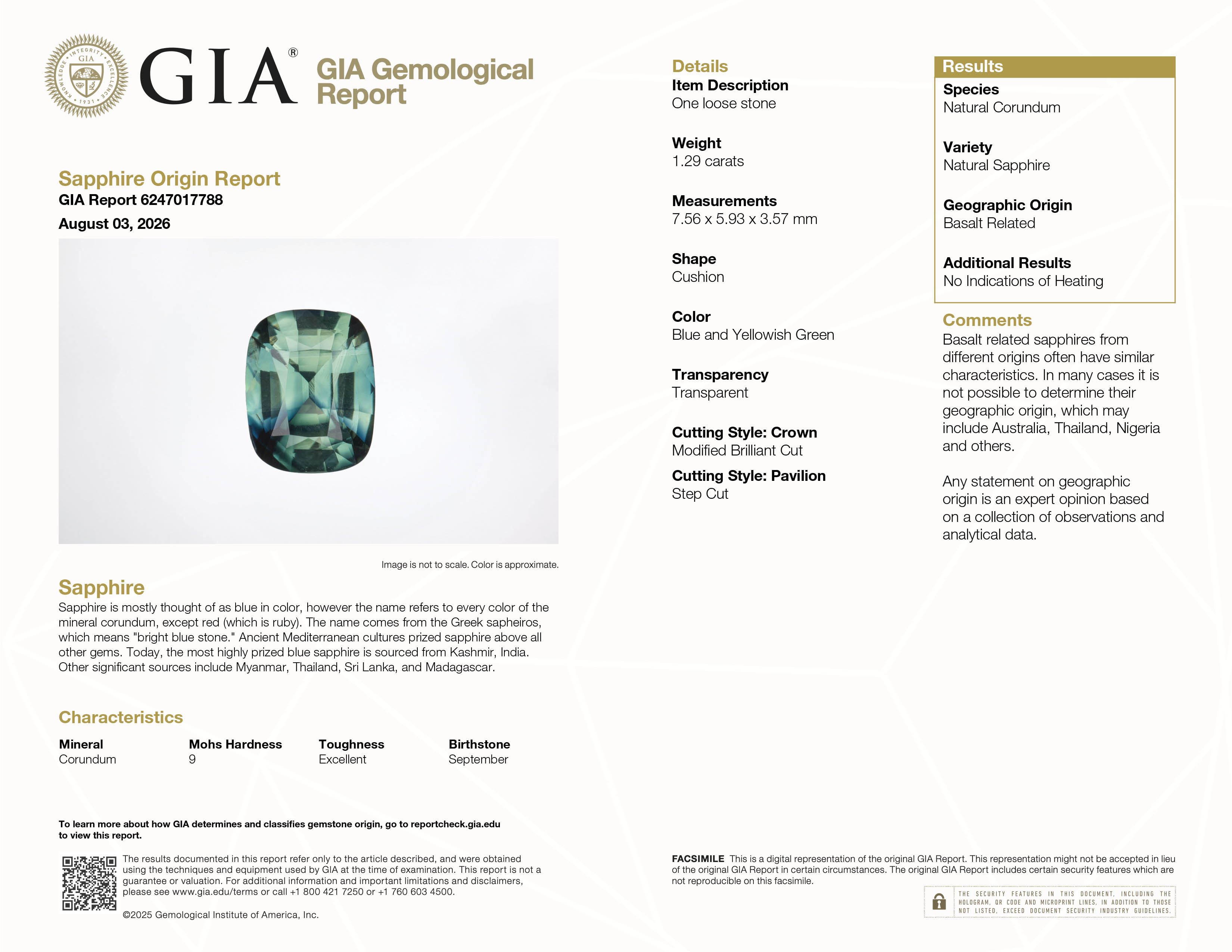
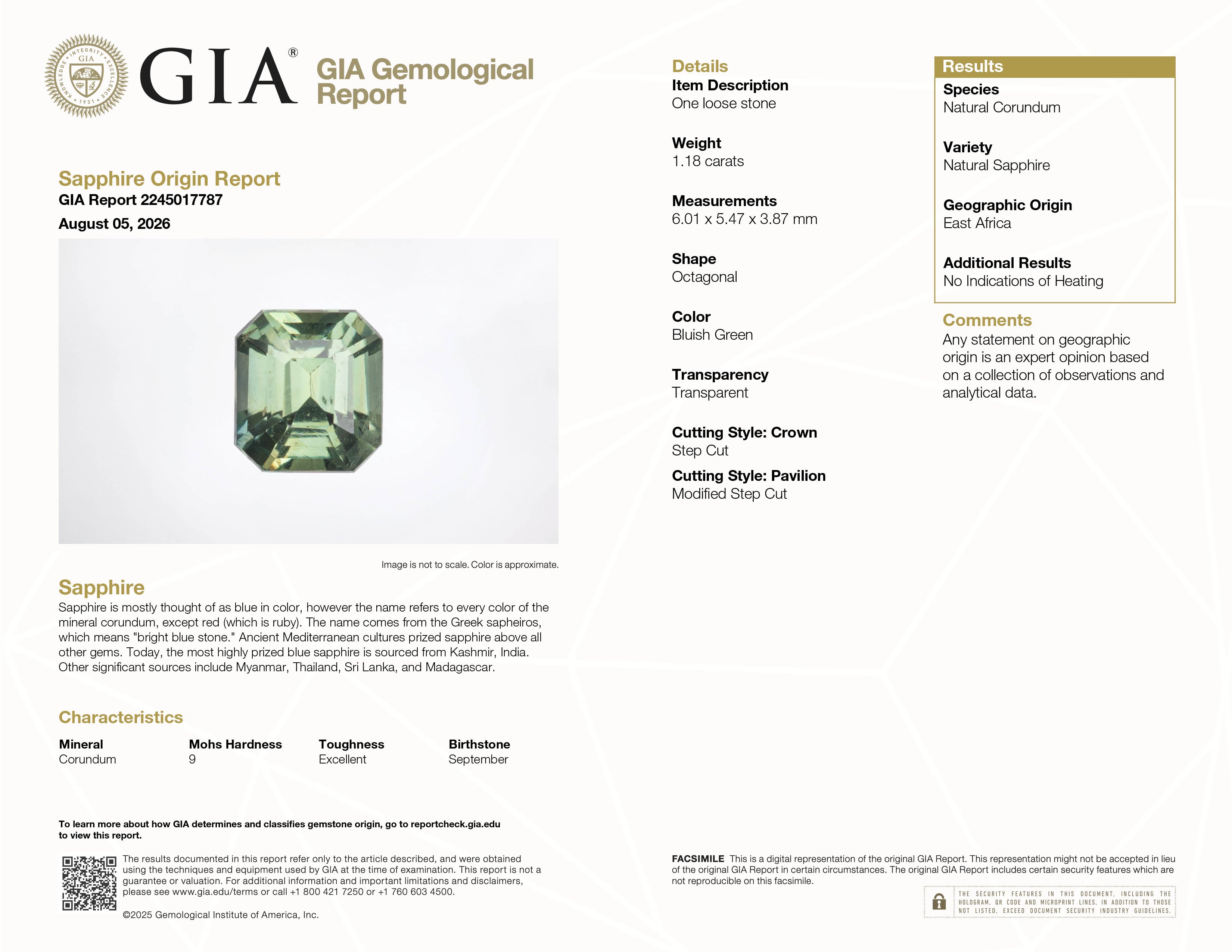
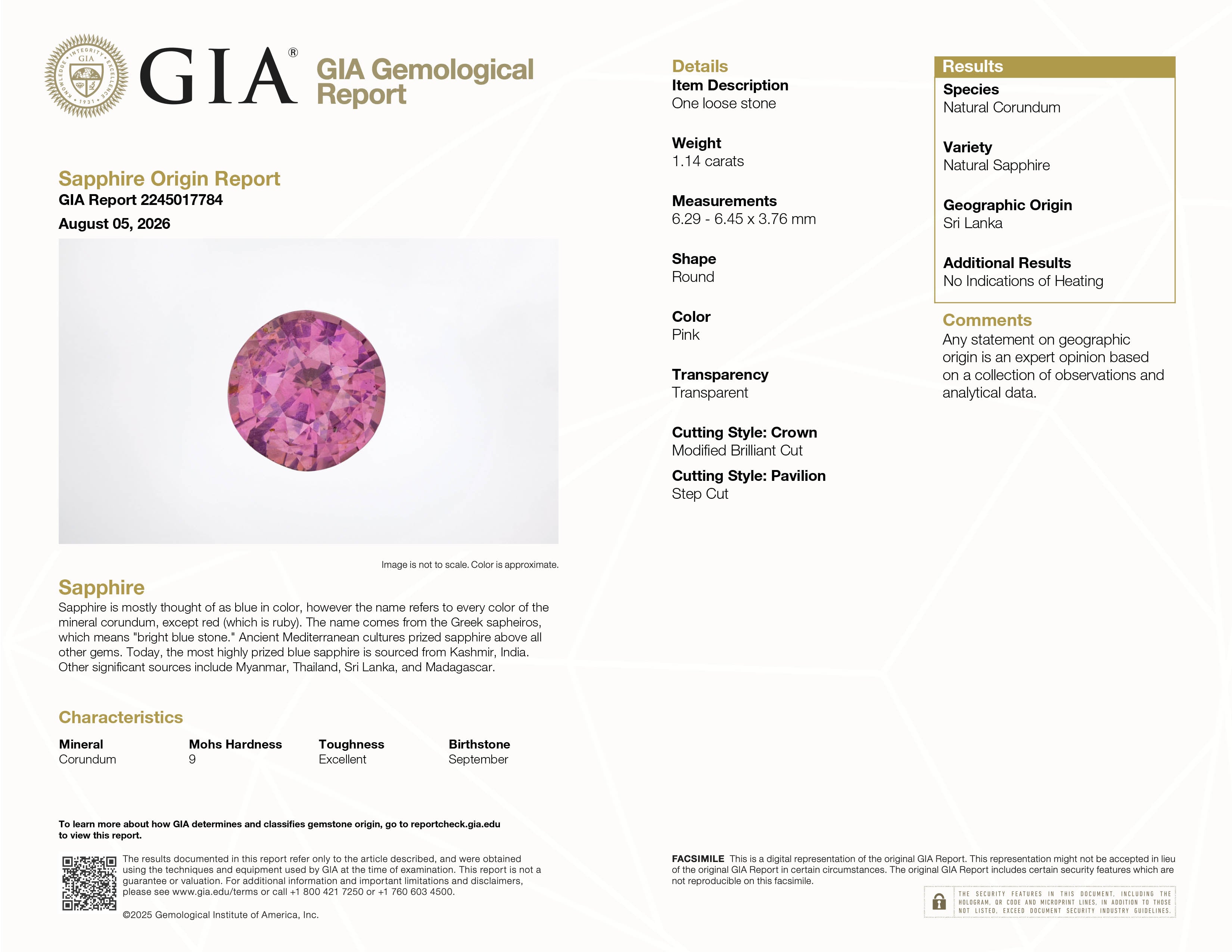
افحص التقرير بنفسك. لكل حجر عندنا موثّق من GIA رقم تقرير. أدخله في gia.edu/report-check فتُظهر لك قاعدة البيانات أن التقرير موجود وما يسجّله: النوع، والوزن، والمقاسات، وما طبعه GIA عن الحرارة. ولا يستطيع أي بائع تعديل النسخة التي في قاعدة البيانات. وحيث يحمل الحجر تقرير منشأ، فسطر المنشأ رأي خبير لا قياس. ويطبع GIA تحفّظه الخاص إلى جانب هذه النتيجة، ونفضّل اقتباسه على إعادة صياغته: «أي بيان عن المنشأ الجغرافي هو رأي خبير مبني على مجموعة من الملاحظات والبيانات التحليلية». وتقول لجنة LMHC الشيء نفسه عن التقارير عموماً: «جميع النتائج الموصوفة في التقرير هي آراء يعبّر عنها المختبر».
ولقراءة بقيّة التقرير، انظر كيف تقرأ تقرير GIA للياقوت، ولقائمة فحص ميدانية كاملة انظر الدليل الميداني لشراء الياقوت.
سعّرنا على حجر بعينه، لا على متوسّط. إن كنت تشتري من مكان آخر فأرسل لنا مواصفة — الوزن واللون ونوع المعالجة والمنشأ والمختبر — واسأل بكم نبيع أقرب شيء نملكه إليها. رقمان حقيقيان جانب بعضهما يقولان لك أكثر من أي نسبة ينشرها أيّ منّا.
اسألنا عن أي شيء. إن لم نستطع الجواب عن سؤال جواباً واضحاً محدّداً، فذلك معلومة أيضاً.
أكثر مقارنات الأسعار التي تُرسل إلينا تفشل على مواصفة ناقصة لا على سعر. فهذه القائمة هي ما نطلبه نحن أنفسنا قبل أن نشتري، وهي ما ننصحك بطلبه من أي بائع — منّا ومن غيرنا:
| البند | ما تسأل عنه بالضبط |
|---|---|
| النوع والصنف | كوروندم؟ ياقوت أزرق أم ياقوت أحمر؟ وما الصنف المكتوب في التقرير حرفياً؟ |
| نوع المعالجة | معالج حرارياً أو غير معالج حرارياً، ومن قال ذلك: المختبر أم البائع؟ |
| اللون المطبوع | نصّ خانة اللون في التقرير كما هي، لا وصف البائع لها |
| الوزن والمقاسات | القيراط إلى منزلتين، والمقاسات بالمليمتر — فحجران بوزن واحد قد يختلف حجمهما البصري كثيراً |
| الشكل وأسلوب القطع | بيضاوي، وسادة، قطع درجات، كابوشون… والشكل ليس أسلوب القطع |
| المختبر ورقم التقرير | اسم المختبر ورقم التقرير، أو تصريح صريح بأنه لا تقرير |
| السعر الواصل | السعر زائد الشحن زائد ضريبة الاستيراد والرسوم إلى بلدك |
وإذا رفض بائع أن يعطيك أحد هذه البنود — خاصّة الأخيرين — فذلك جواب على سؤالك.
الشراء بهذه الطريقة ليس بلا كلفة. يتطلّب الوجود في بلد الإنتاج فعلاً، ومراراً، ومعرفة من تشتري منه معرفةً تكفي ليقول لك إن الحجر ليس ما يبدو عليه.
وشراؤنا في سريلانكا يقوم على أكثر من خمسة وعشرين عاماً من العلاقات في سوقي راتنابورا وبيروالا — علاقات بمنقّبين بأعينهم، وقاطعين بأعينهم، وتجّار صفّ أول نعرف عملهم وأخلاقهم شخصياً. نزور سريلانكا بانتظام للشراء. ونعرف من يستخرج الحجر من الأرض بيده. هذا ما تعنيه «من المصدر» هنا، ولا تعني أكثر من ذلك. وانظر التنقيب بالحفر في سريلانكا والتنقيب في مجاري الأنهار لترى العمل الذي يسبق السوق.
سعر الحجر عندنا هو ما كلّفنا ذلك الحجر، زائد ما يكلّفنا تشغيل متجر بلا صالة عرض ولا إيجار ولا واجهات زجاجية ولا موظّفي استقبال، والشراء وجزء كبير من القطع نقوم بهما نحن في سريلانكا. هذا كلّ ما في الأمر. إنها بنية لا خصم، وهي الجزء الوحيد من تسعيرنا الذي نملك سلطة الكلام فيه.
وأمّا ما تساويه هذه البنية على حجر بعينه فيتوقّف على الحجر، ومكانه إعلان ذلك الحجر — بوزنه ونوع معالجته ومنشئه ومختبره وسعره. اسألنا عن أي بند منها.
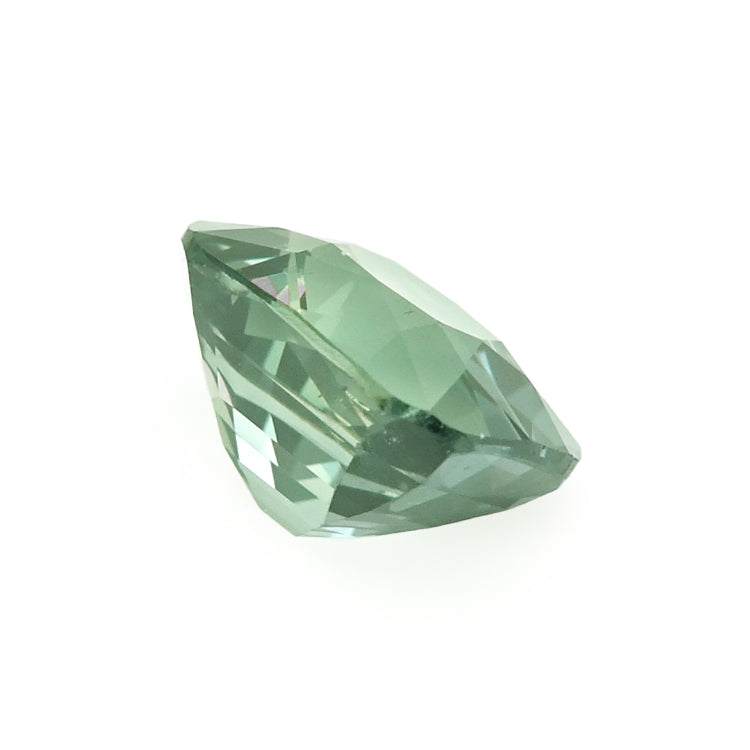
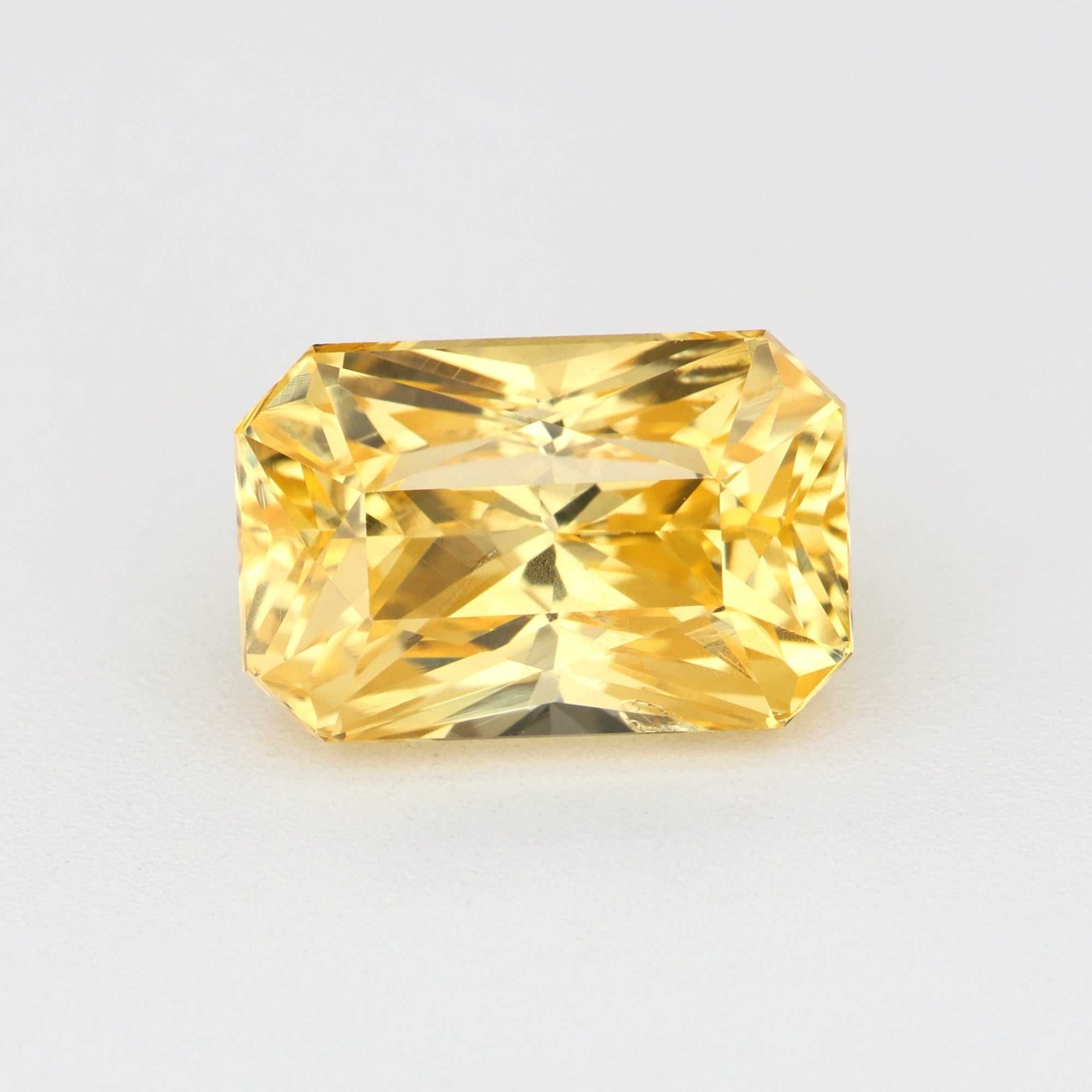
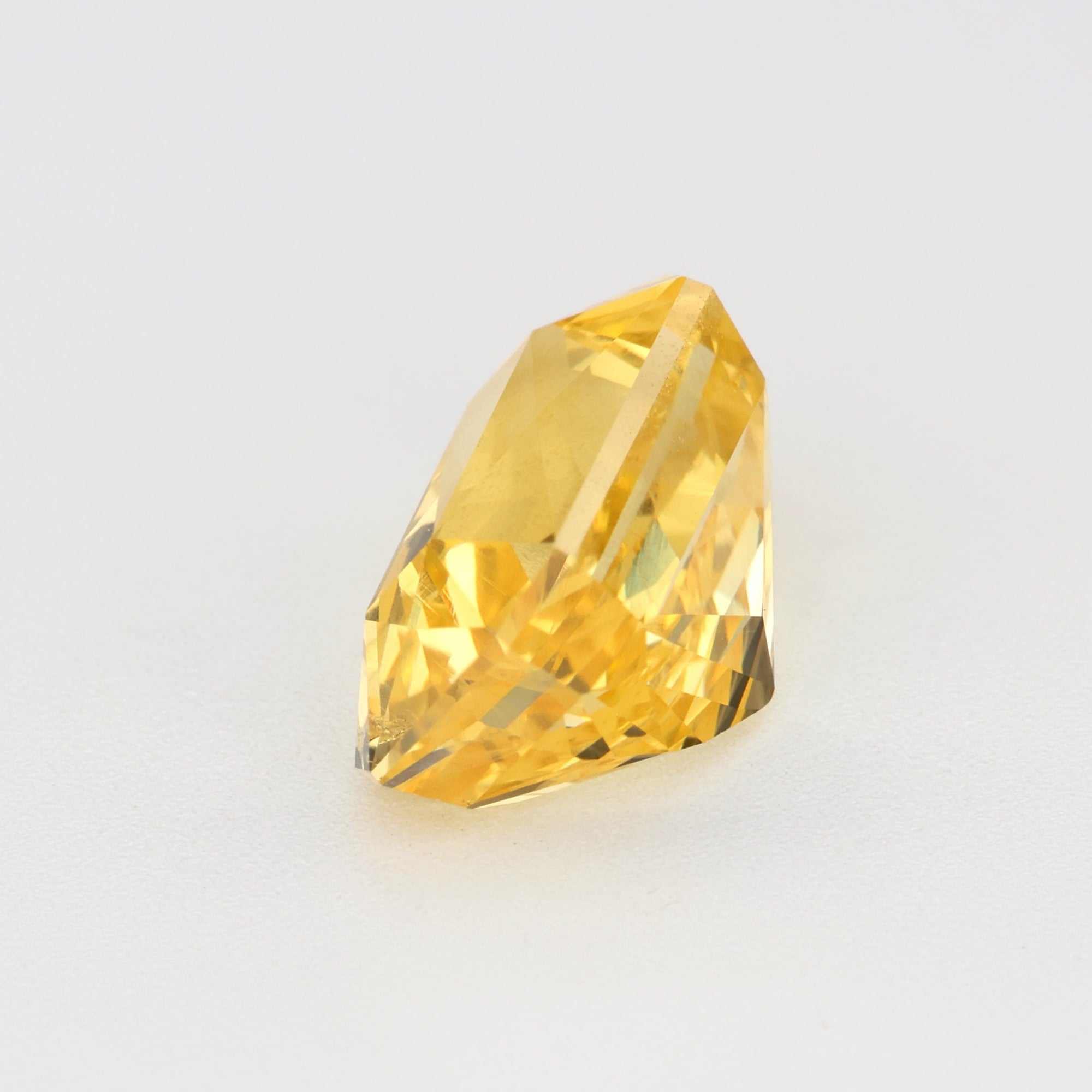
تصفّح كامل أحجارنا الكريمة السائبة، واقرأ دليل أسعار الياقوت. لأي سؤال عن حجر بعينه، أو لطلب مقطع فيديو تحت ضوء النهار وإضاءة دافئة قبل الشراء، راسلنا مباشرة على crescentgems@gmail.com.
لأننا لا نستطيع إسنادها. أي نسبة من هذا النوع مقارنة بسعر غيرنا، ونحن لا نعرف كلفته ولا هوامشه ولا على ماذا ينفق. وقارنّا فعلاً عند مواصفات مطابقة فاختلفت النتيجة من حجر إلى حجر، وفي مواصفة واحدة على الأقل لم نكن الأرخص. فرقم واحد يصف كل ذلك سيكون متوسّطاً لأشياء غير متشابهة.
أننا نحن الطرف الذي يشتري في سريلانكا — في راتنابورا وبيروالا وكولومبو — من المنقّبين ومن تجّار الصفّ الأول، وأننا نقطع جزءاً كبيراً من الخام في مصنعنا هناك، وأنه لا مستورد ولا تاجر جملة ولا موزّع بيننا وبينك بعد ذلك. ولا تعني أن سوق الخام نفسها بلا وسطاء، فهي سوق وسطاء، ونحن نشتري داخلها.
لا. أكثرها من سريلانكا، ونحمل أيضاً ياقوتاً من مدغشقر وتسافوريت من كينيا وأعداداً أصغر من تنزانيا وفيتنام وشرق أفريقيا، وقليلاً منشؤه مسجّل بوصفه غير معروف. والمنشأ مذكور على كل إعلان، وهو الجواب الحالي لذلك الحجر.
ليس بالضرورة، والعكس ليس صحيحاً أيضاً. السعر يتبع اللون والوزن ونوع المعالجة والمنشأ والقطع والنقاء والتوثيق، ويتبع كذلك بنية البائع. فافحص المواصفة والتقرير، لا الرقم وحده.
نعم في الغالب. أسعارنا بالدولار الأمريكي ولا تشمل ضريبة القيمة المضافة على الاستيراد ولا الرسوم الجمركية؛ تُفرض عند الاستيراد إلى بلدك وتُدفع عند التسليم على حسابك. والنسبة تختلف باختلاف البلد والتصنيف الجمركي، والمرجع فيها جهة الجمارك في بلدك أو مخلّصك، لا نحن.
لا، لا نملك منها شيئاً الآن، وصفحة البادبارادشا عندنا تقول ذلك بدل أن تنشر نطاق سعر لحجر غير موجود. ونستطيع البحث لك على مواصفة إن أردت.
اطلب من كلينا البنود السبعة في جدول المقارنة أعلاه، ثم ضع السعرين الواصلين — بعد الشحن وضريبة الاستيراد والرسوم — جانب بعضهما. وأرسل لنا مواصفة الحجر الذي تنظر إليه عند غيرنا ونقول لك بكم نبيع أقرب شيء نملكه إليها.

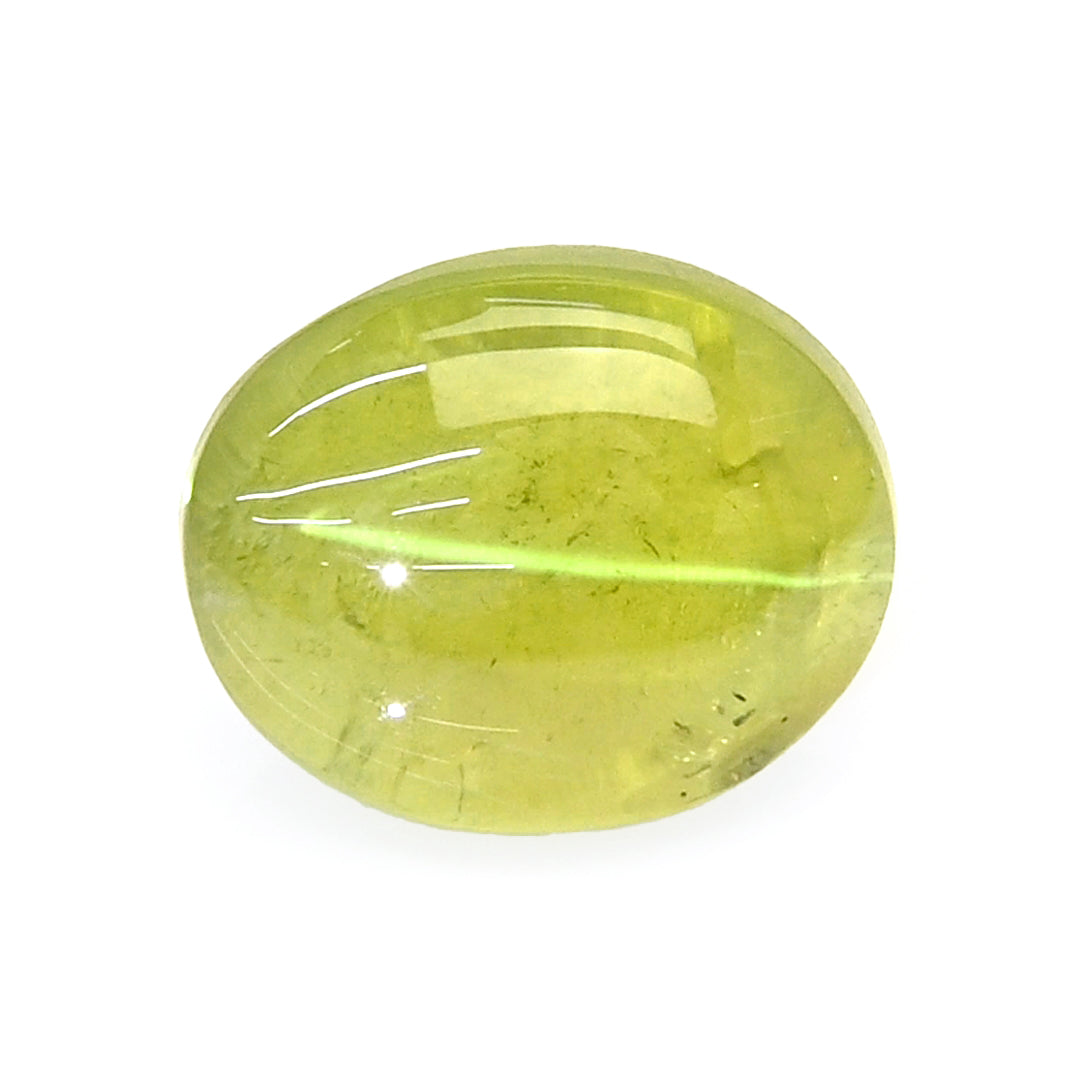
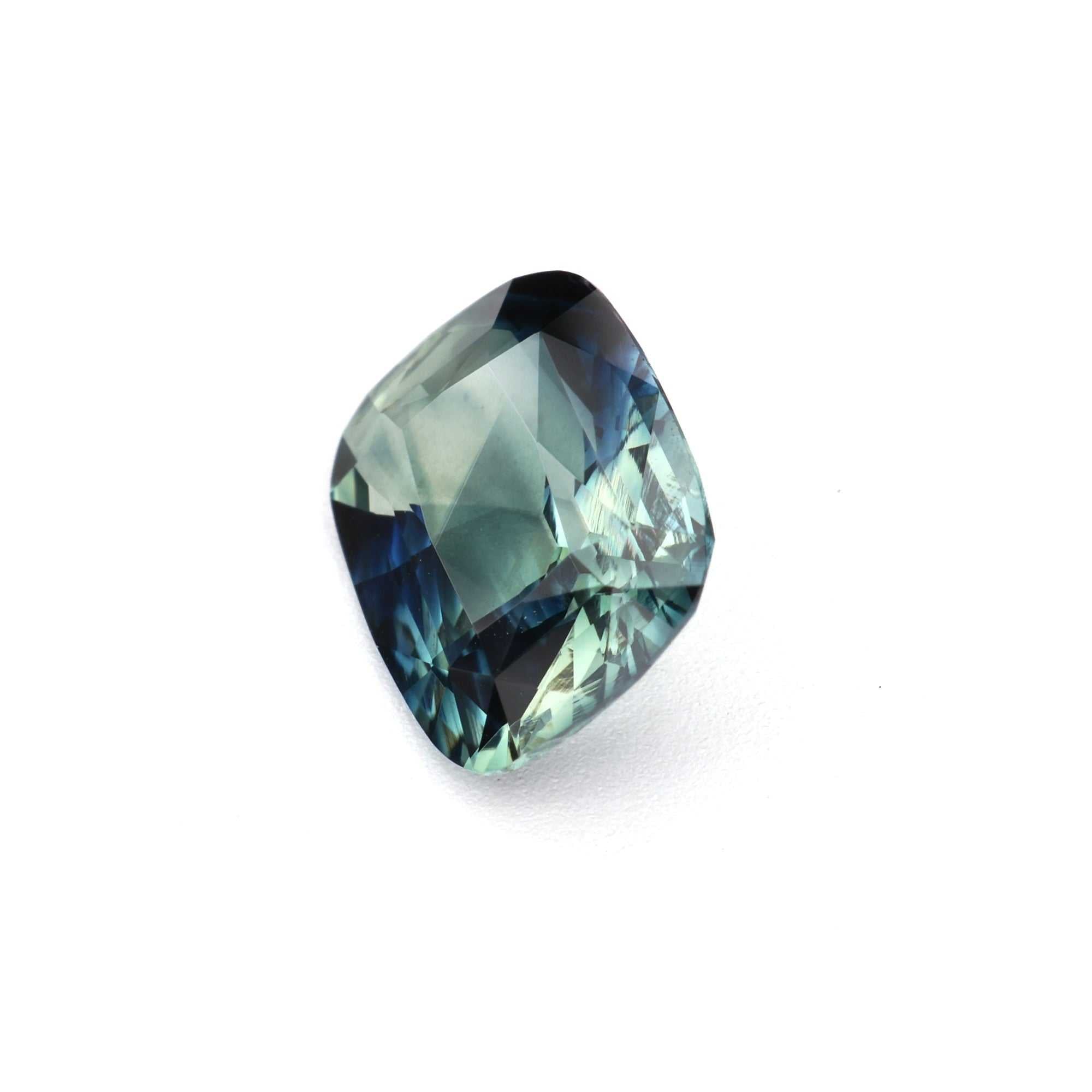
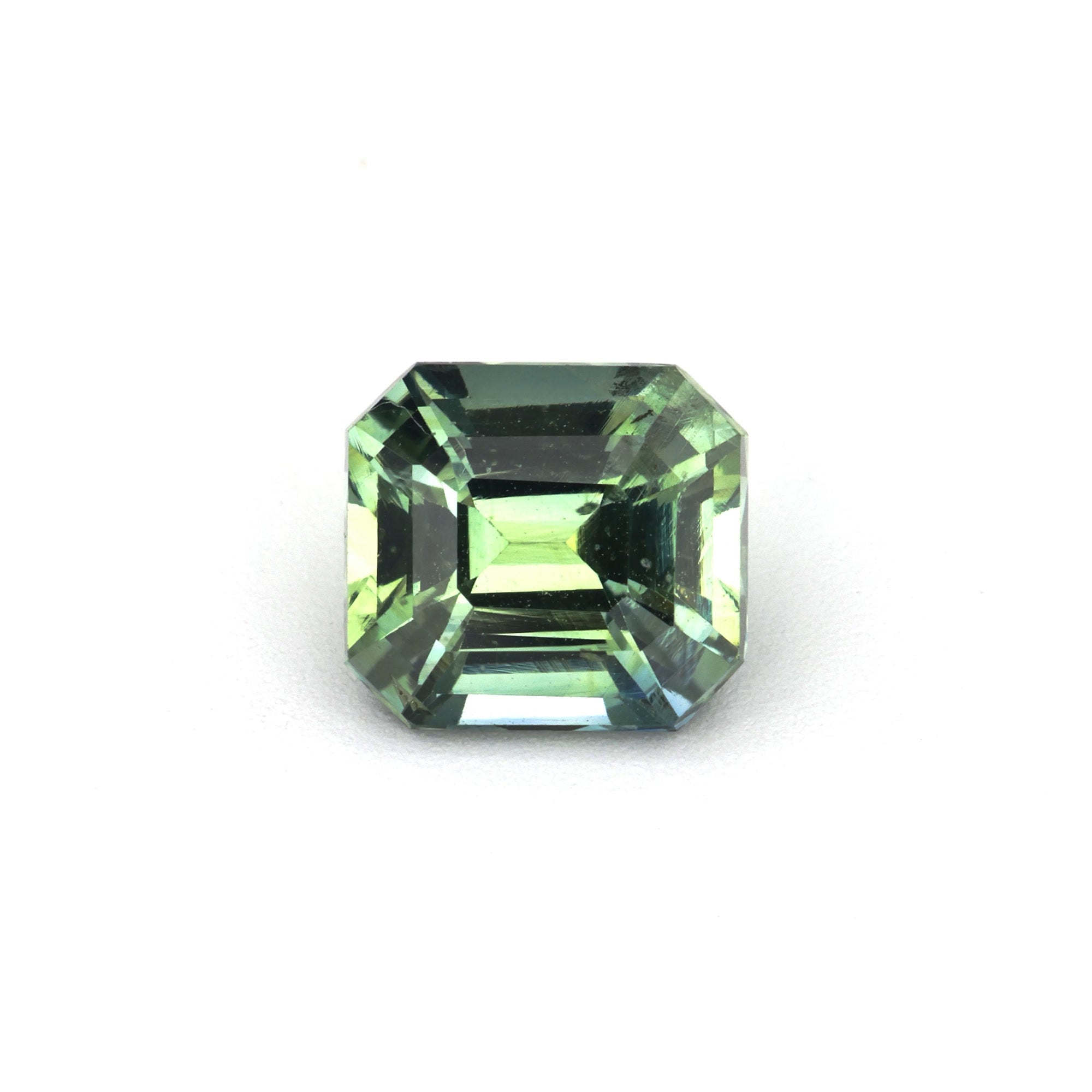
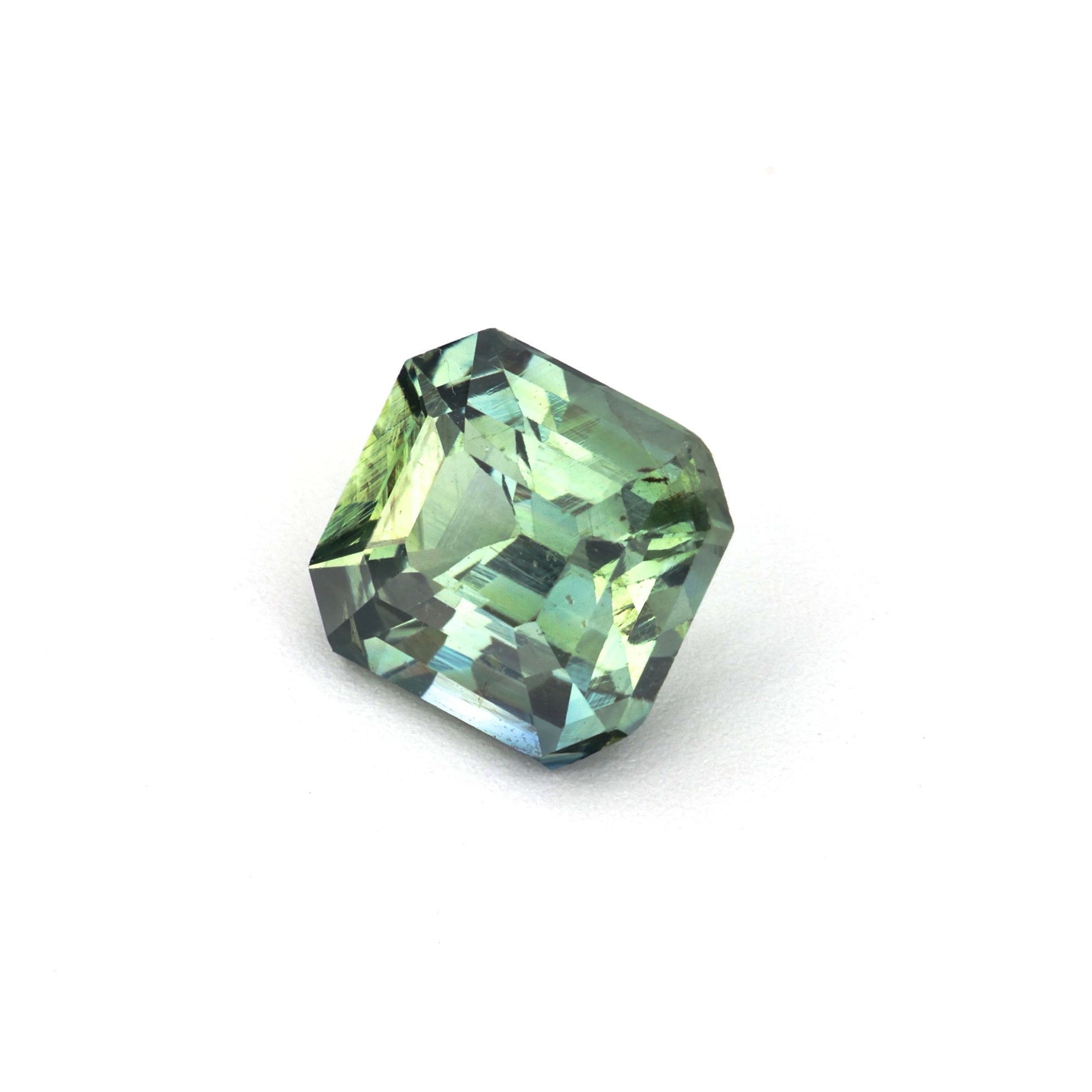
CG8366
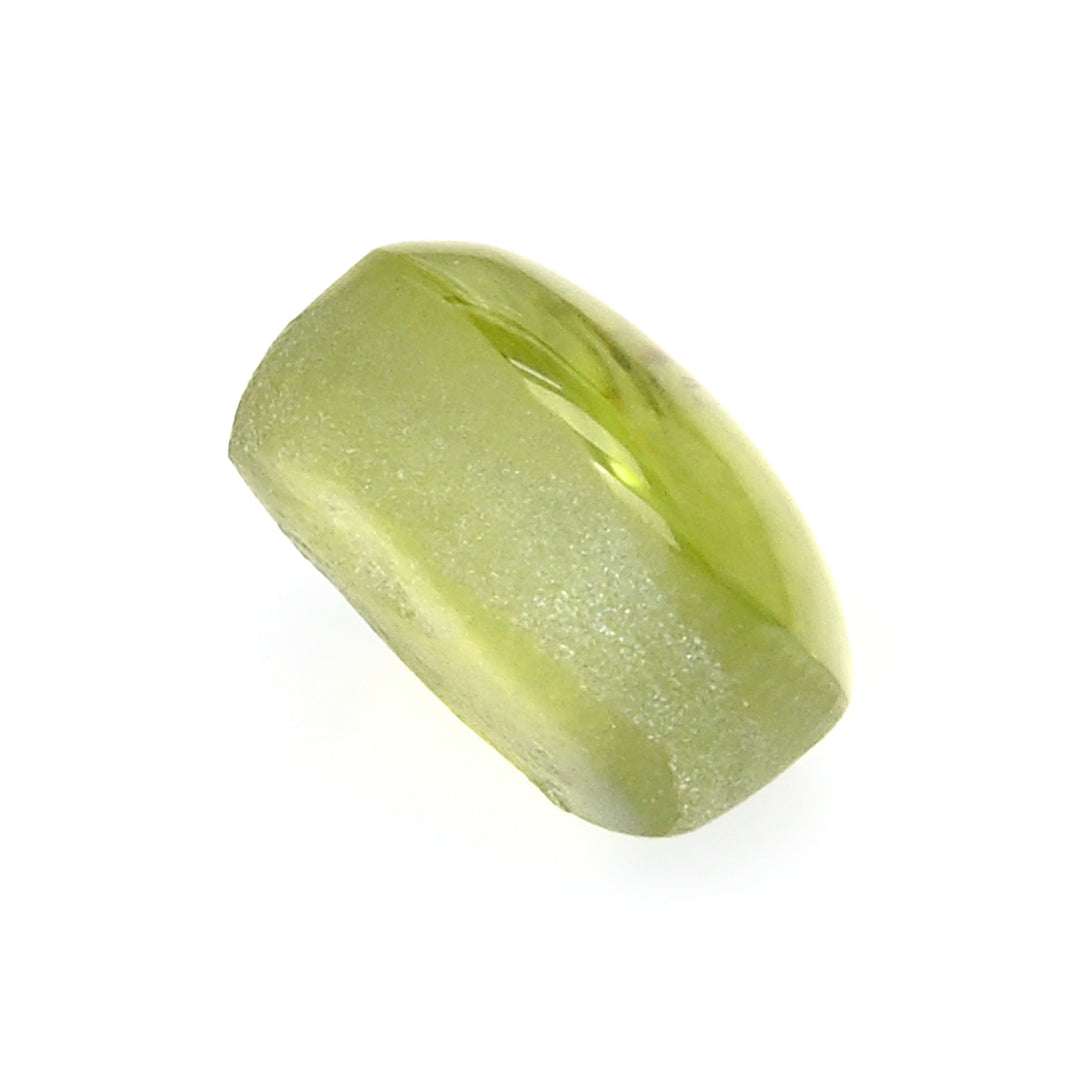
CG8313
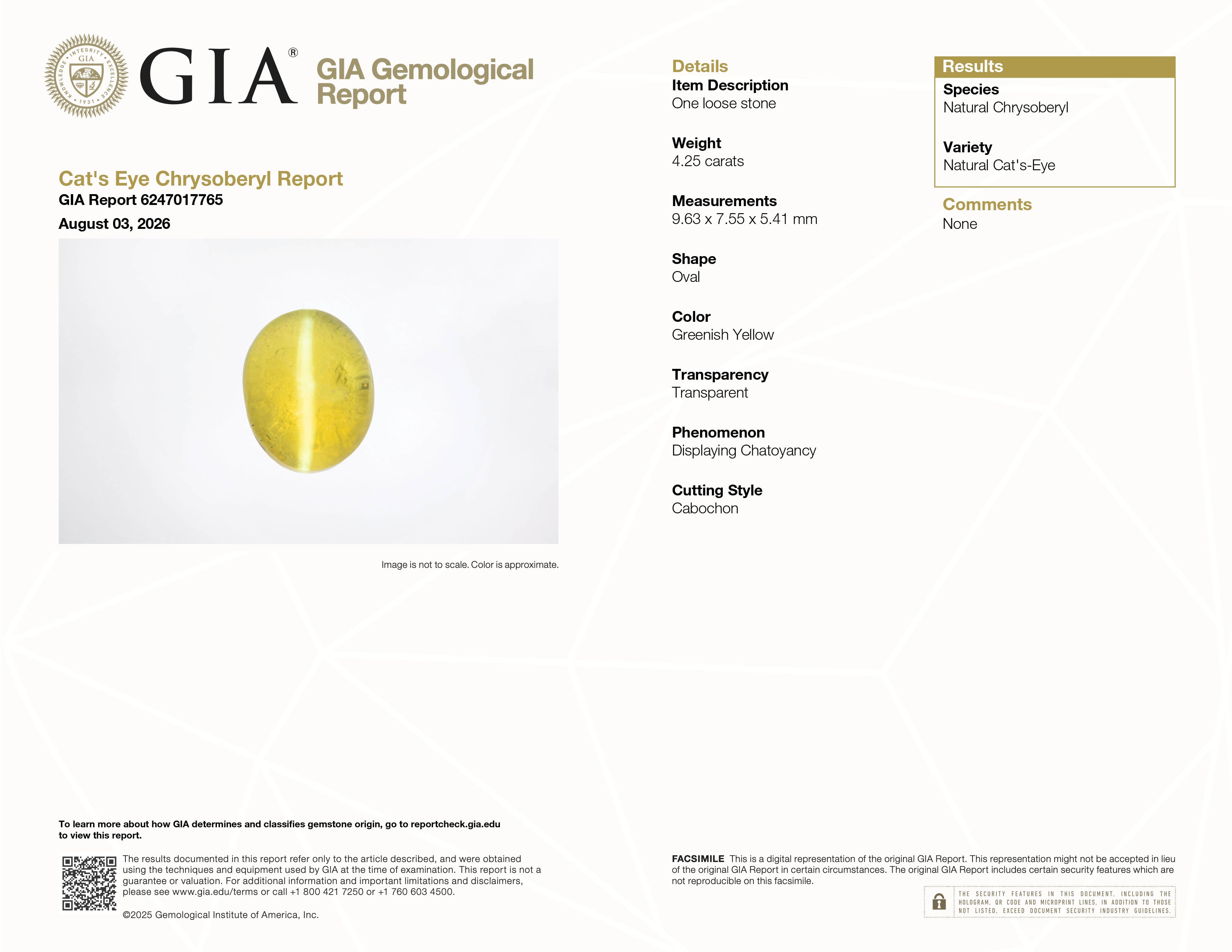
CG8357
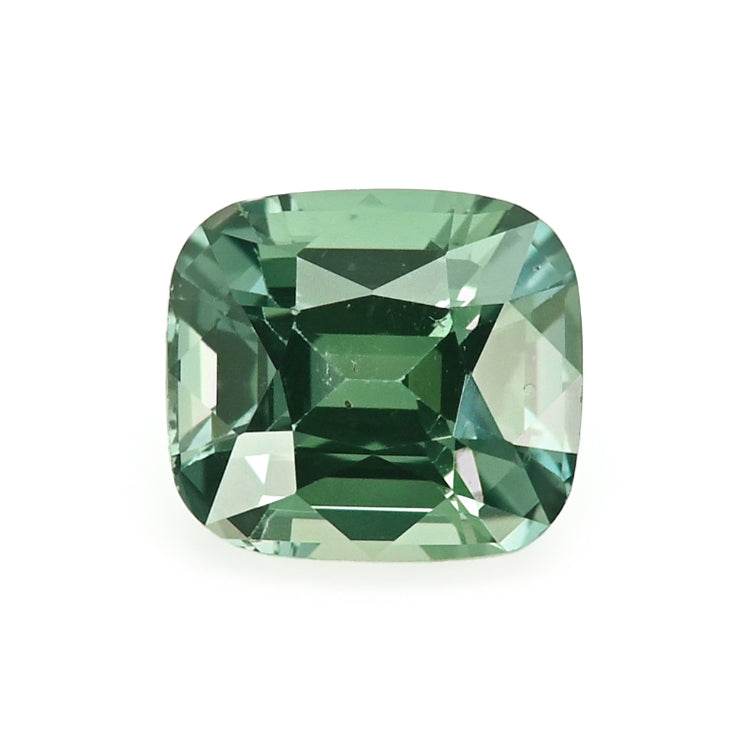
CG8442
CG8452


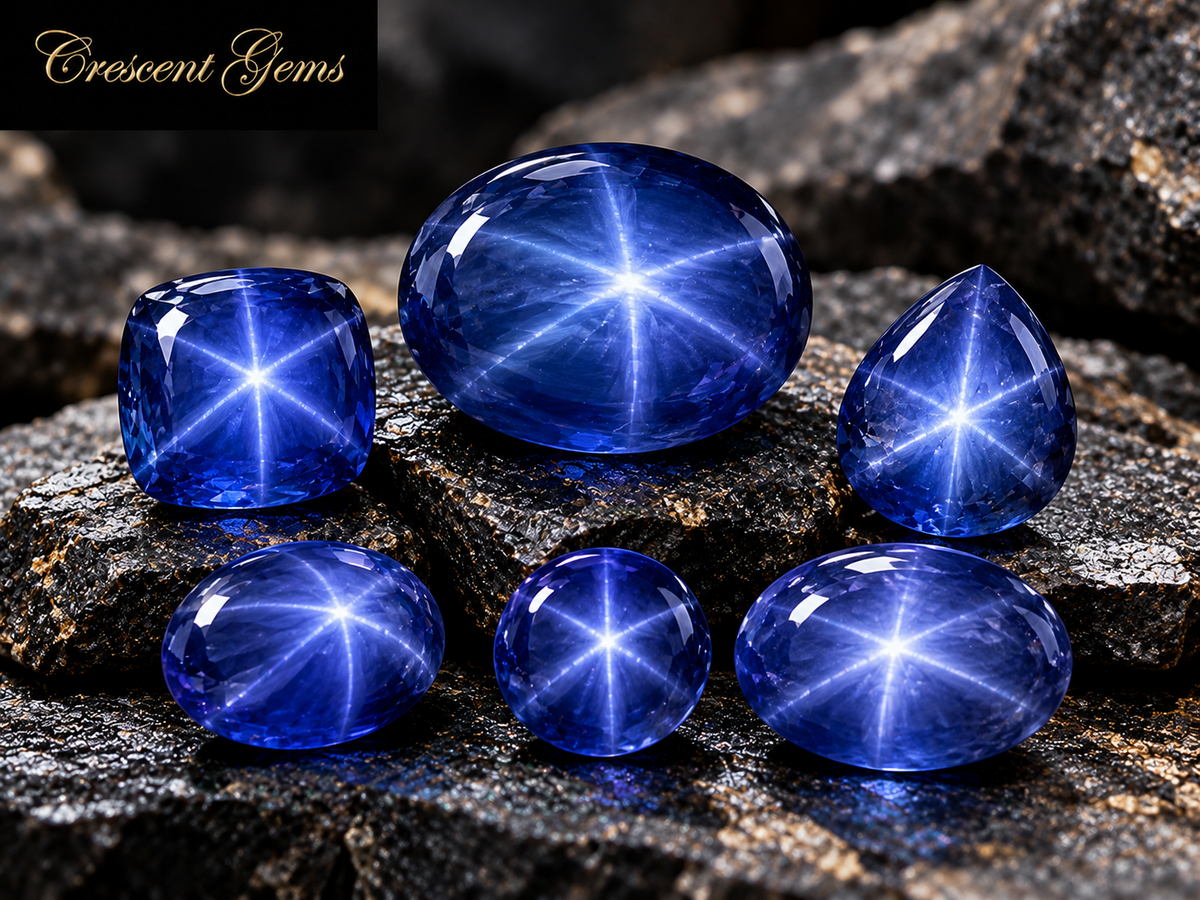
دليل أسعار الياقوت الأزرق النجمي: ما الذي يحدّد السعر فعلاً
سعر الياقوت الأزرق النجمي للقيراط، وما الذي يحرّك السعر فعلاً، ولماذا لا يمنح أي مختبر درجة للنجمة. وحجرنا الوحيد: 8.09 قيراط بتقرير منشأ من GIA بسعر $4,040.
اقرأ المزيدحول دليل أسعار الياقوت الأزرق النجمي: ما الذي يحدّد السعر فعلاً
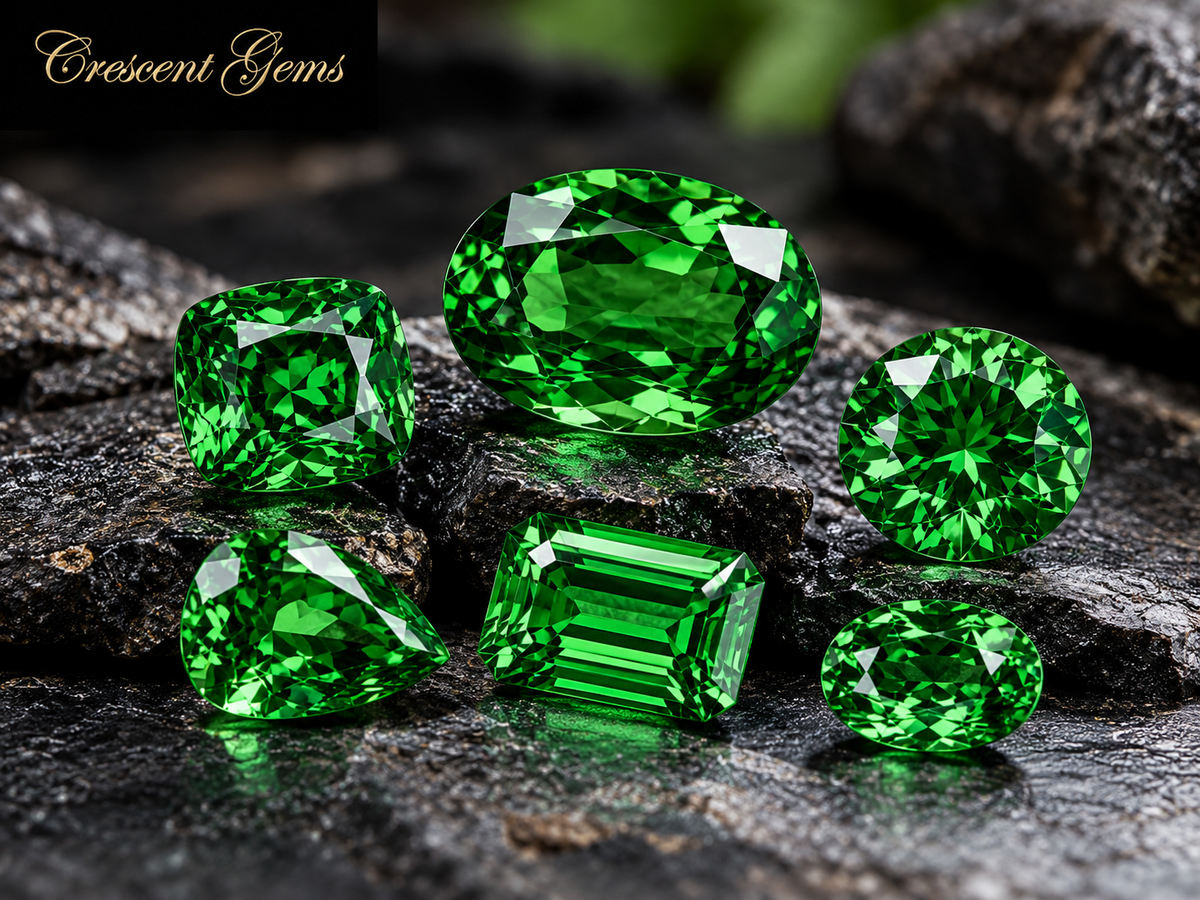
دليل أسعار حجر التسافوريت: أسعار مخزوننا وما الذي يحدّ من العرض
أسعار حجر التسافوريت بحسب الوزن، من سبعة أحجار في مخزوننا: من $1,177 إلى $22,724، وحجر منها محسّن النقاء ومُفصح عنه — وما الذي يحدّ من توفّر حجر كبير ونظيف.
اقرأ المزيدحول دليل أسعار حجر التسافوريت: أسعار مخزوننا وما الذي يحدّ من العرض
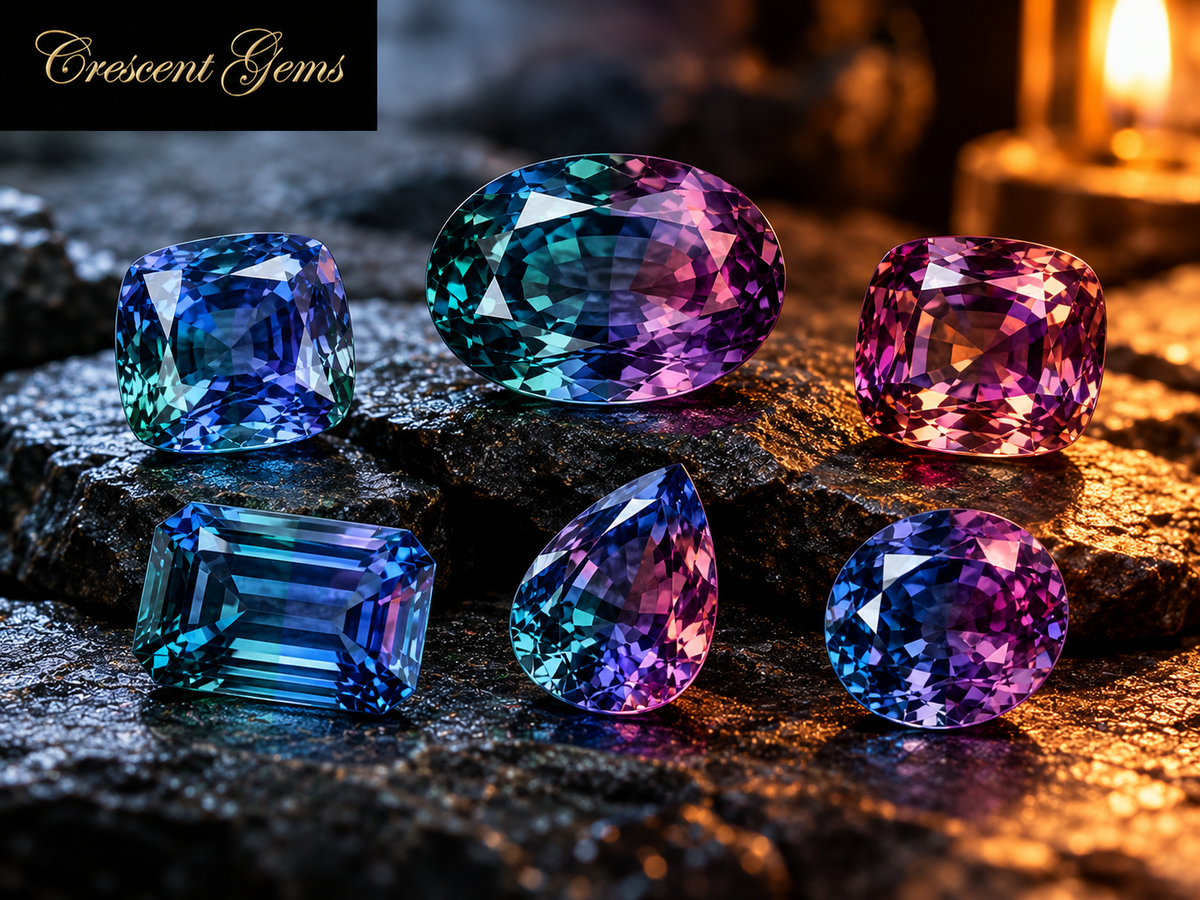
دليل أسعار الياقوت المتغيّر اللون: ما الذي تدفع ثمنه فعلاً
سعر الياقوت المتغيّر اللون للقيراط، وما الذي يحرّك السعر فعلاً، ولماذا لا يمنح أي مختبر درجة لتغيّر اللون. وحجرانا: 1.03 قيراط بسعر $824، و2.01 قيراط بسعر $2,211.
اقرأ المزيدحول دليل أسعار الياقوت المتغيّر اللون: ما الذي تدفع ثمنه فعلاً
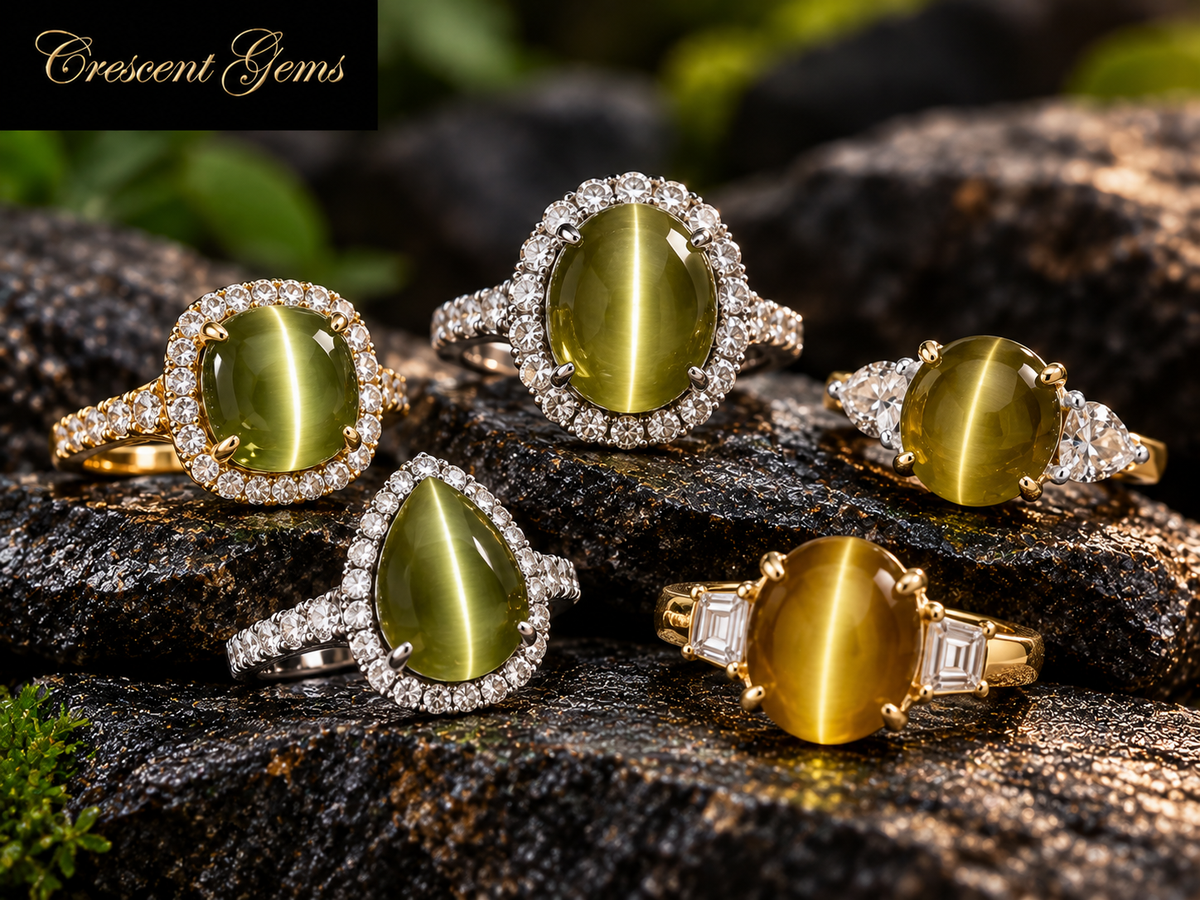
حجر عين الهر (كريسوبيريل): هل يصلح لخاتم خطوبة يُلبس كل يوم؟
الكريسوبيريل عند 8.5 على مقياس موس: فوق الكوارتز (7) والزمرد (7.5 إلى 8)، ودون الكوروندم (9) والألماس (10). وماذا يعني ذلك للبس اليومي واختيار التركيب والعناية.
اقرأ المزيدحول حجر عين الهر (كريسوبيريل): هل يصلح لخاتم خطوبة يُلبس كل يوم؟
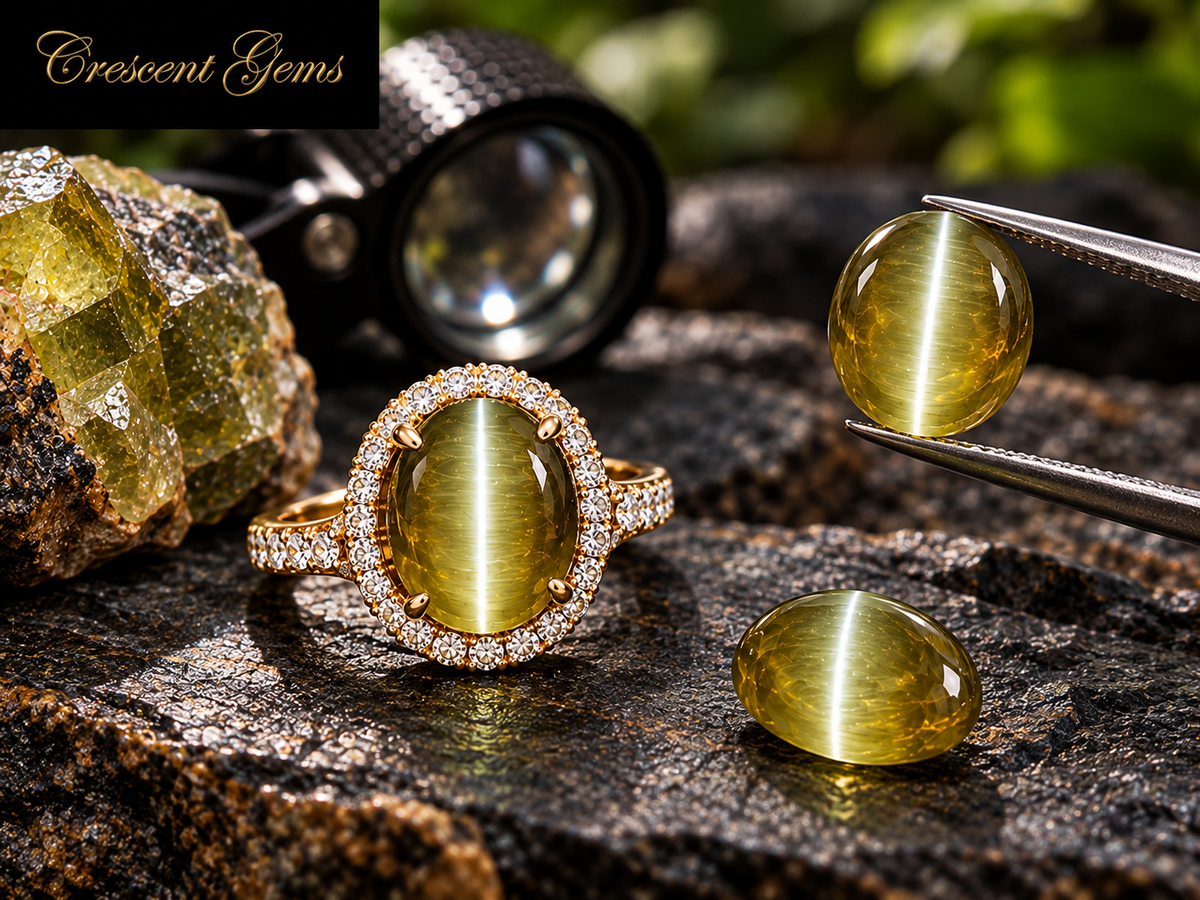
دليل أسعار حجر عين الهر (كريسوبيريل): ما الذي يحدّد السعر فعلاً
سعر حجر عين الهر الكريسوبيريل للقيراط، وما الذي يحرّك السعر فعلاً، ولماذا لا يمنح أي مختبر درجة للعين. وحجرانا: 2.36 قيراط بسعر $3,792، و4.25 قيراط بسعر $9,482.
اقرأ المزيدحول دليل أسعار حجر عين الهر (كريسوبيريل): ما الذي يحدّد السعر فعلاً