

- by Ahmed Shareek
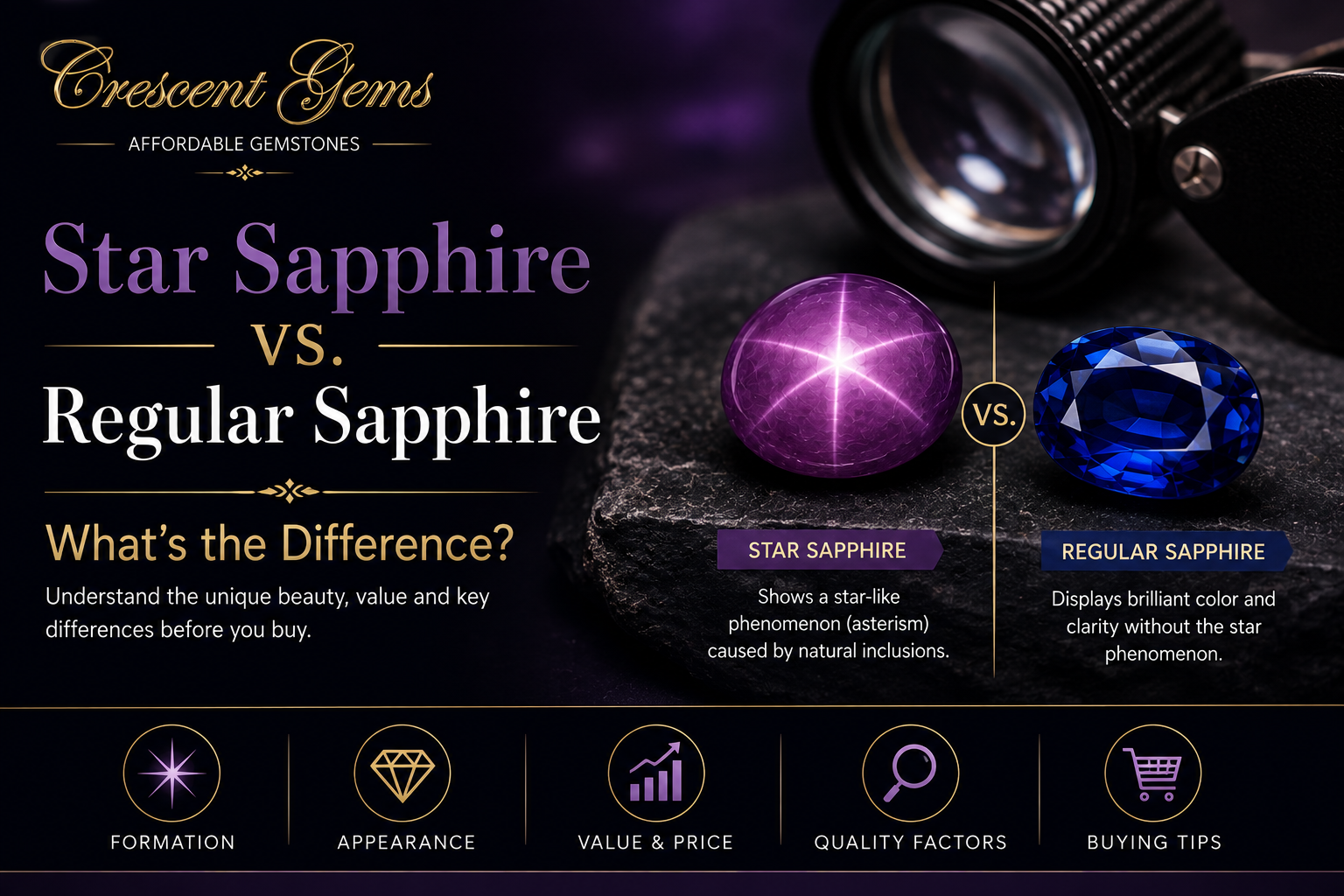
Star Sapphire vs. Regular Sapphire — What's the Difference?
- by Ahmed Shareek

If you've come across a star sapphire for the first time, the natural first question is whether it's actually a sapphire at all, or some kind of novelty stone. It is a real sapphire — the same corundum species as every faceted blue, pink, or yellow sapphire on this site — cut and finished in a completely different way that produces a completely different effect. Here's exactly what separates the two.
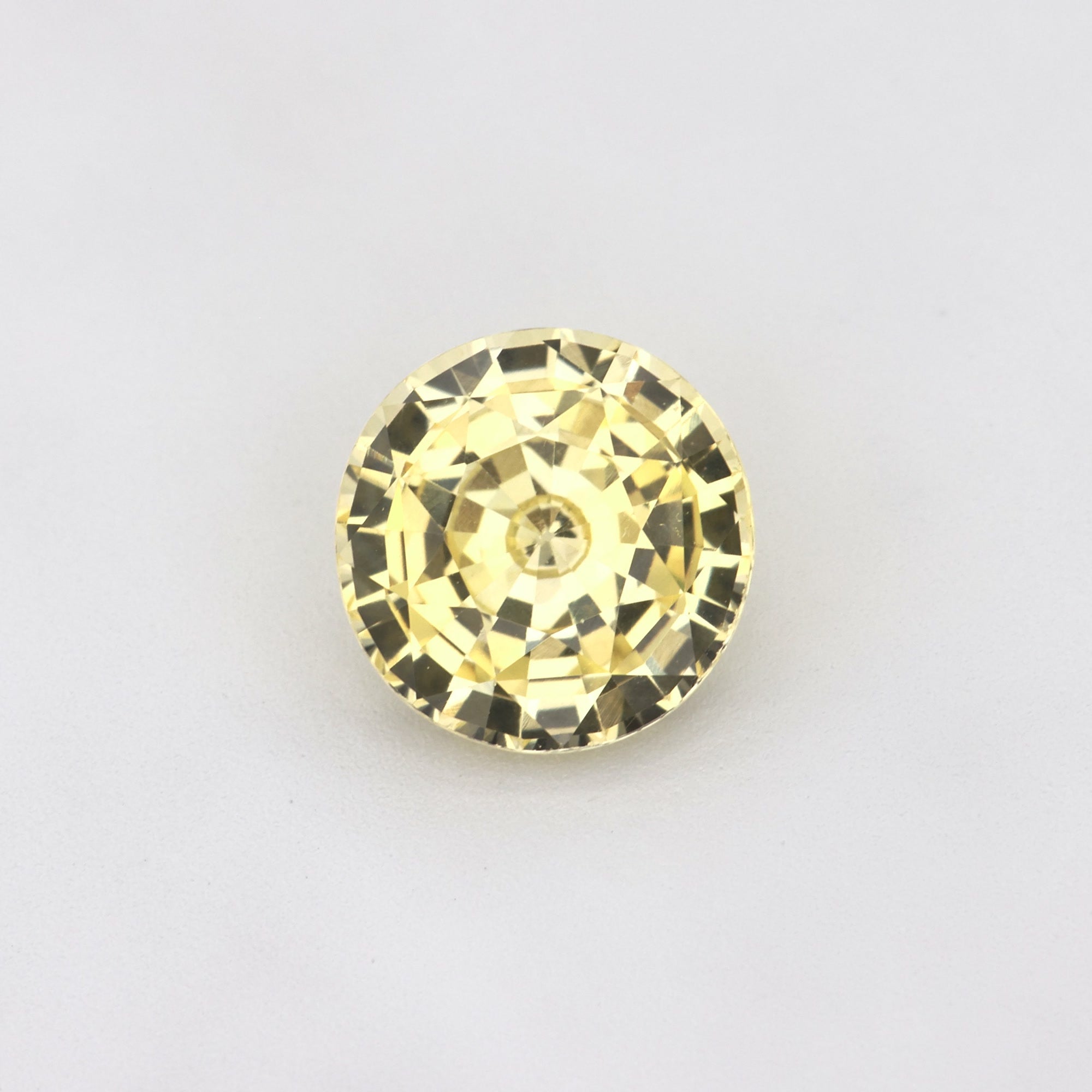
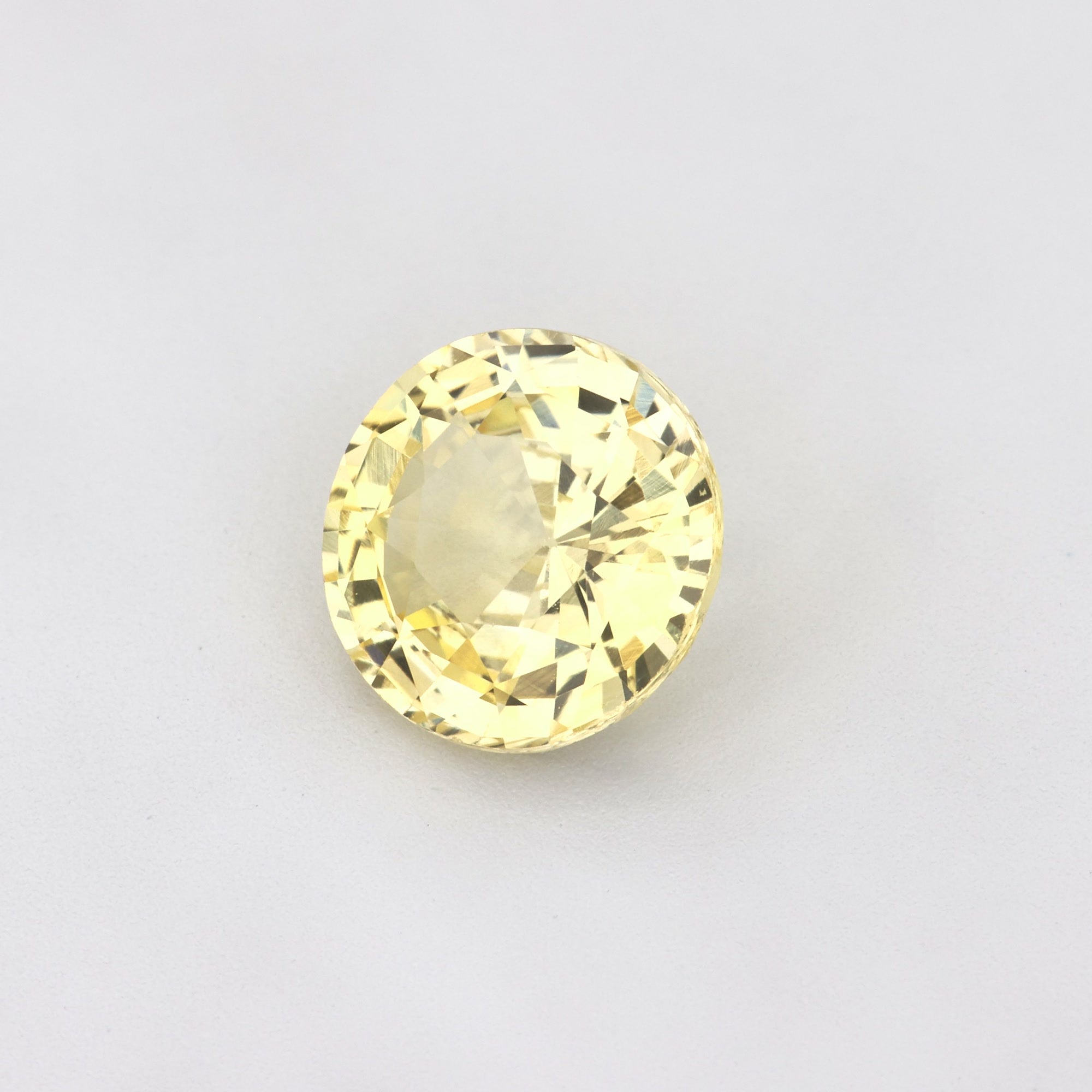
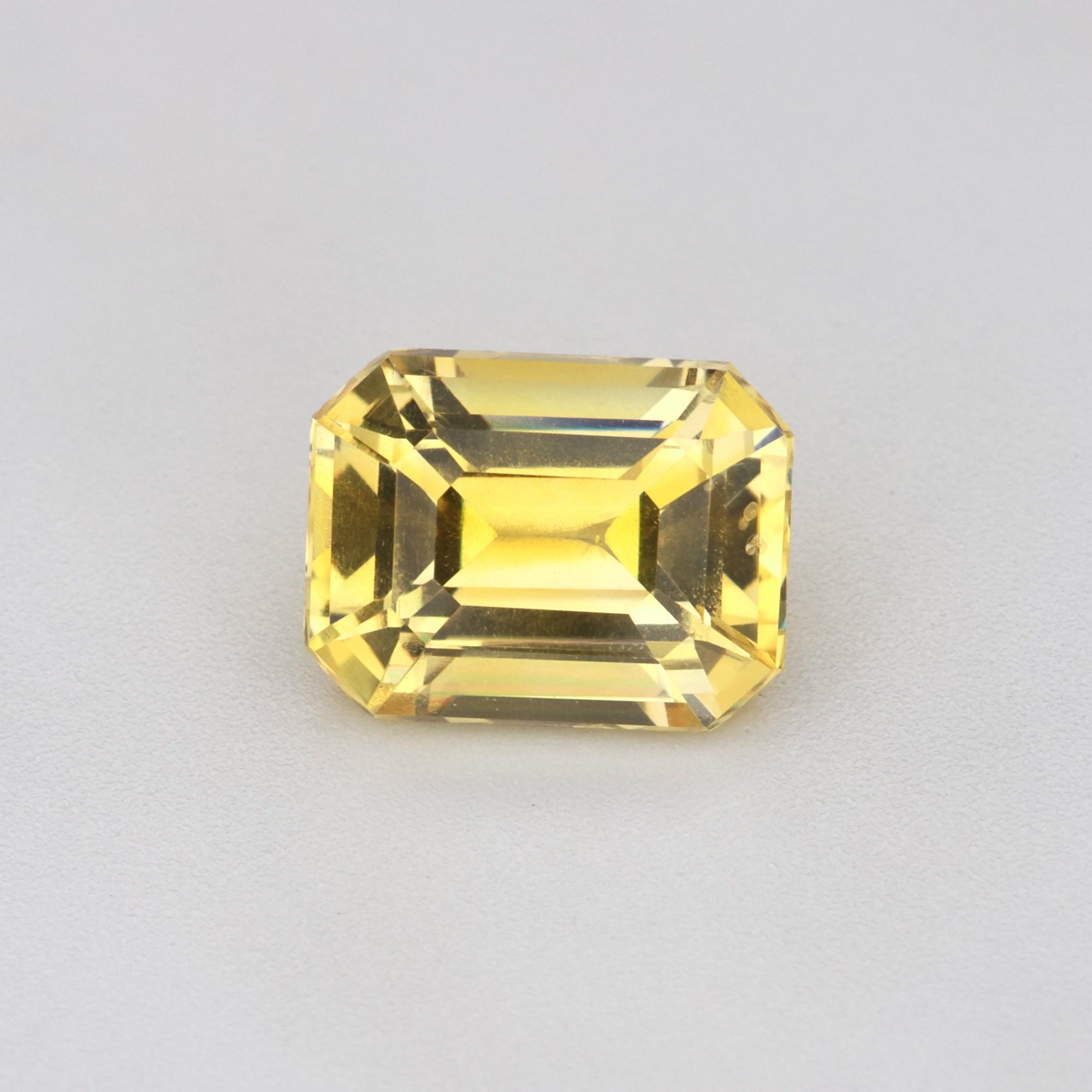
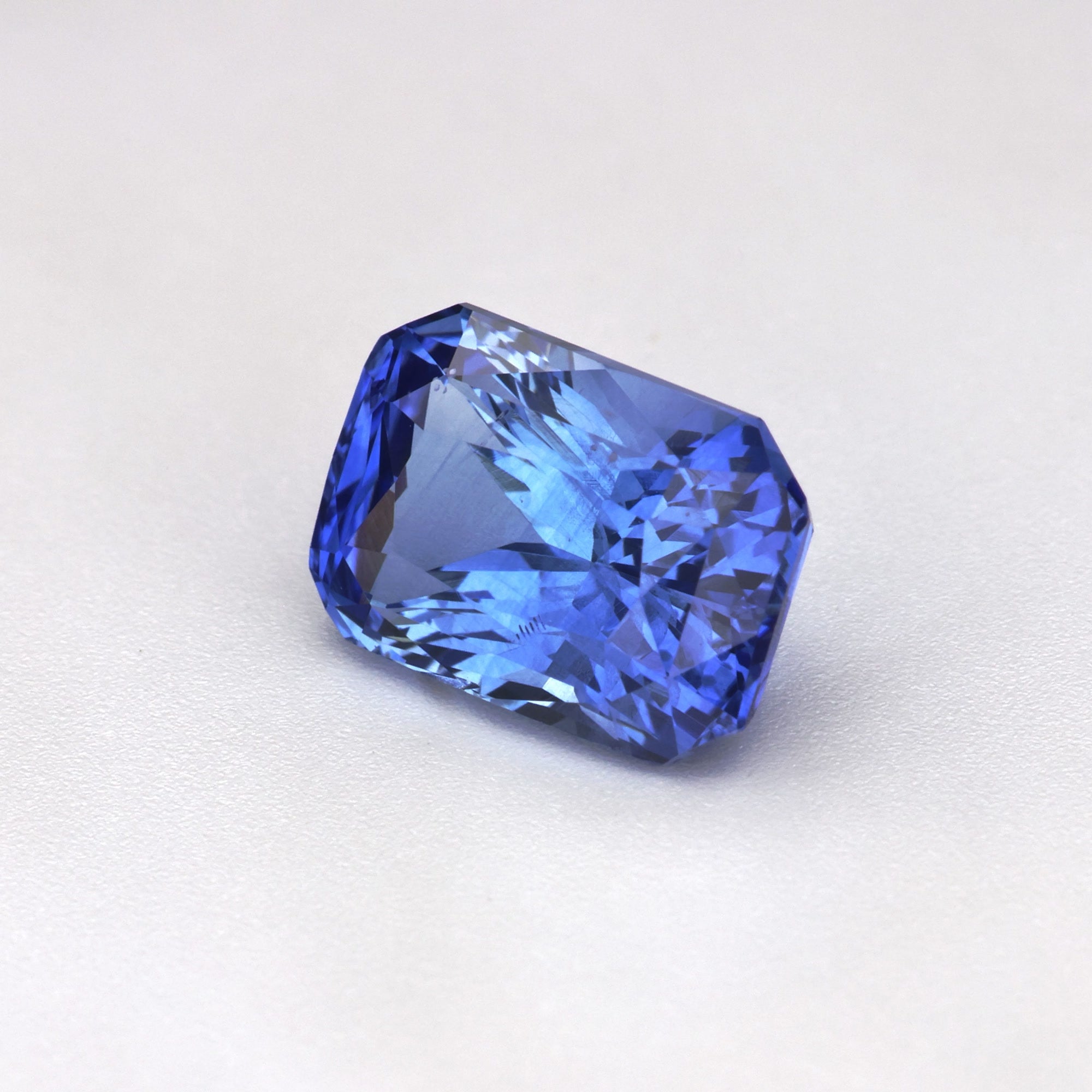
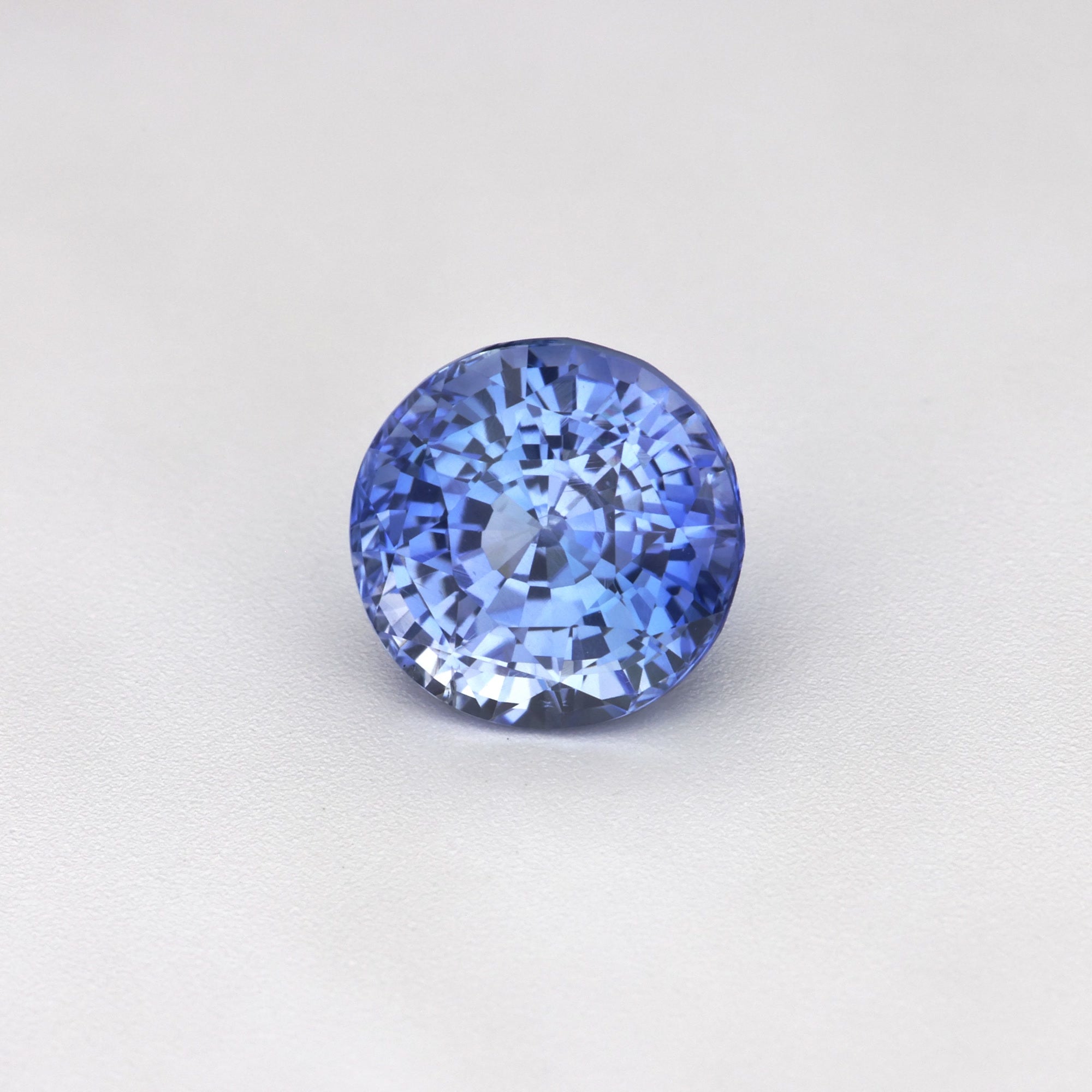
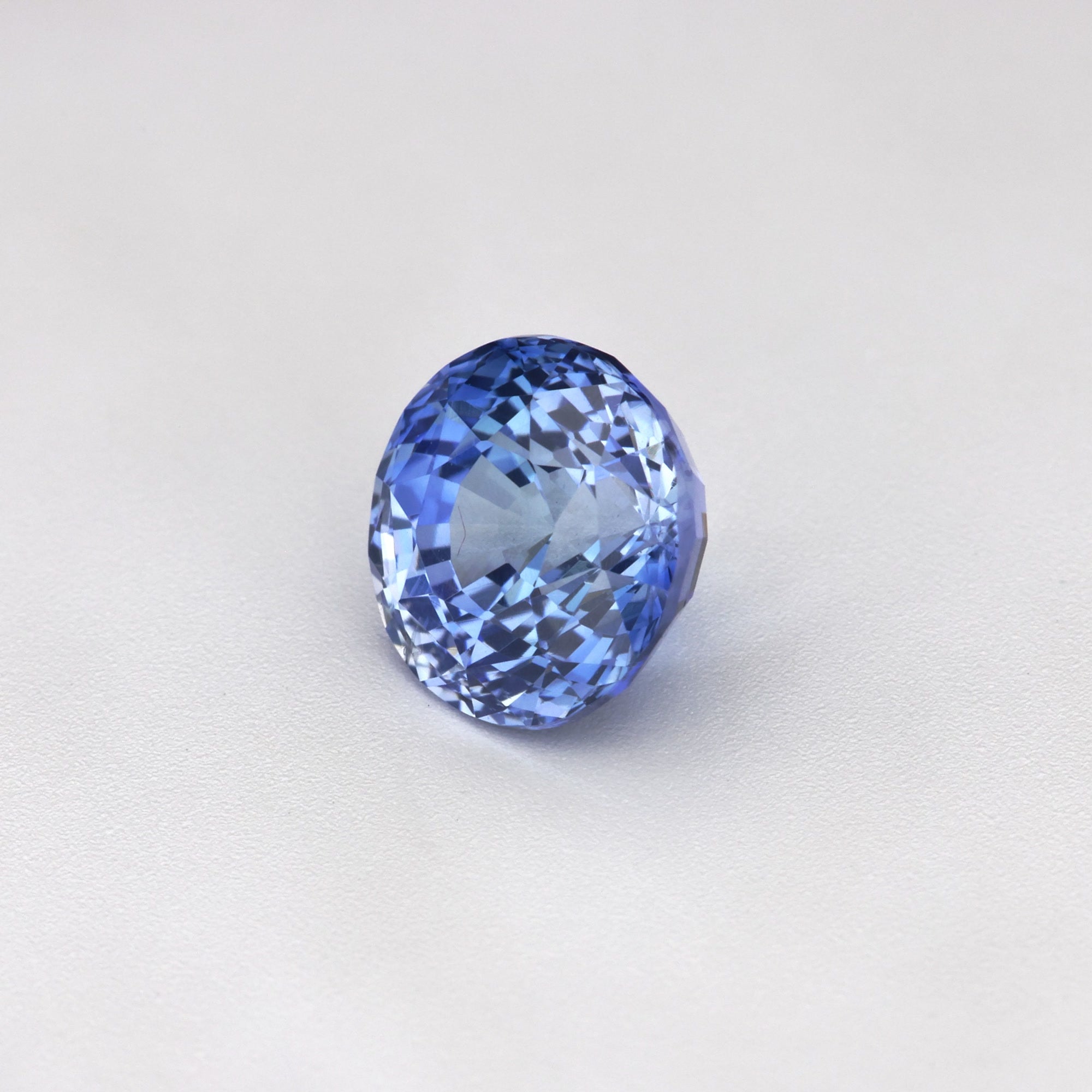
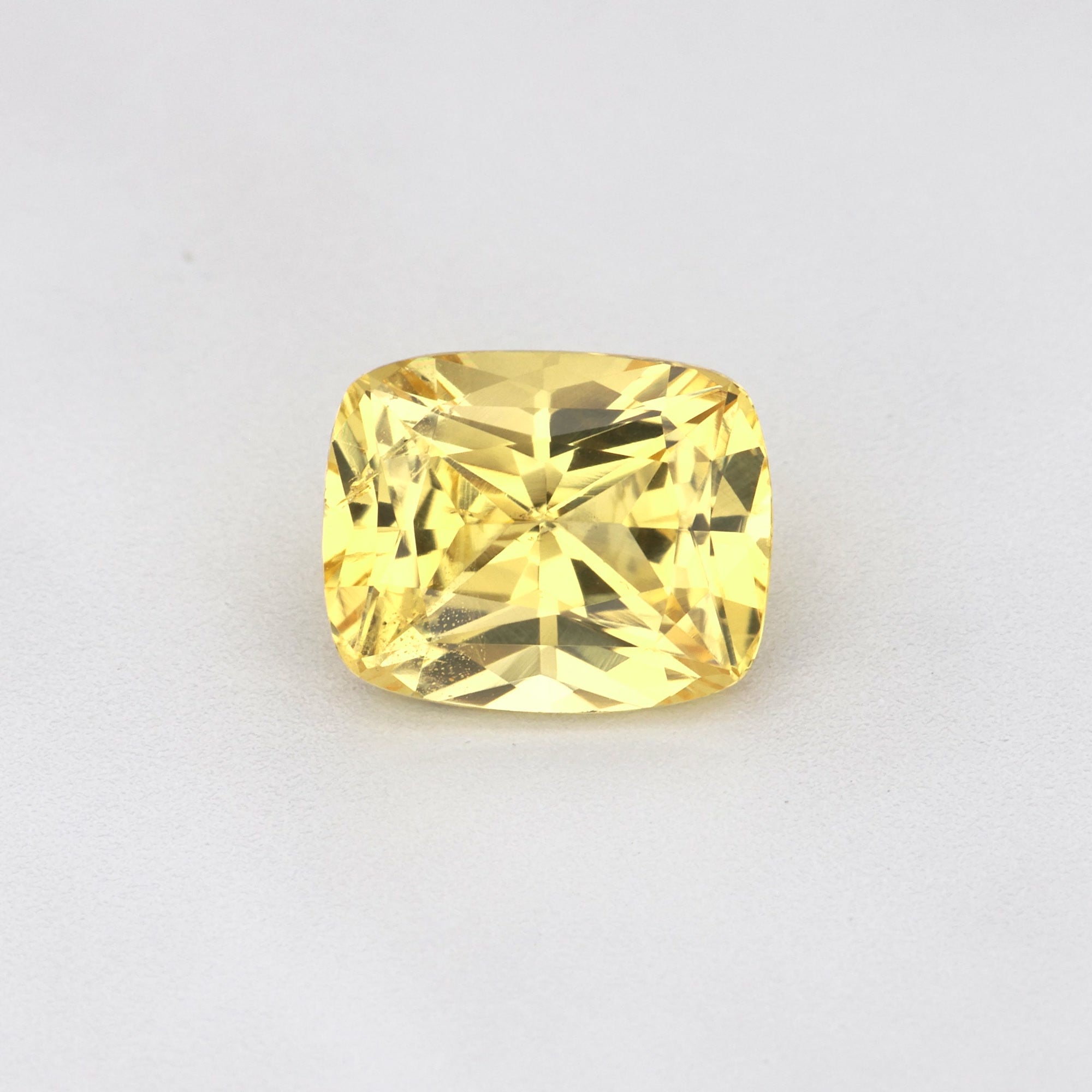
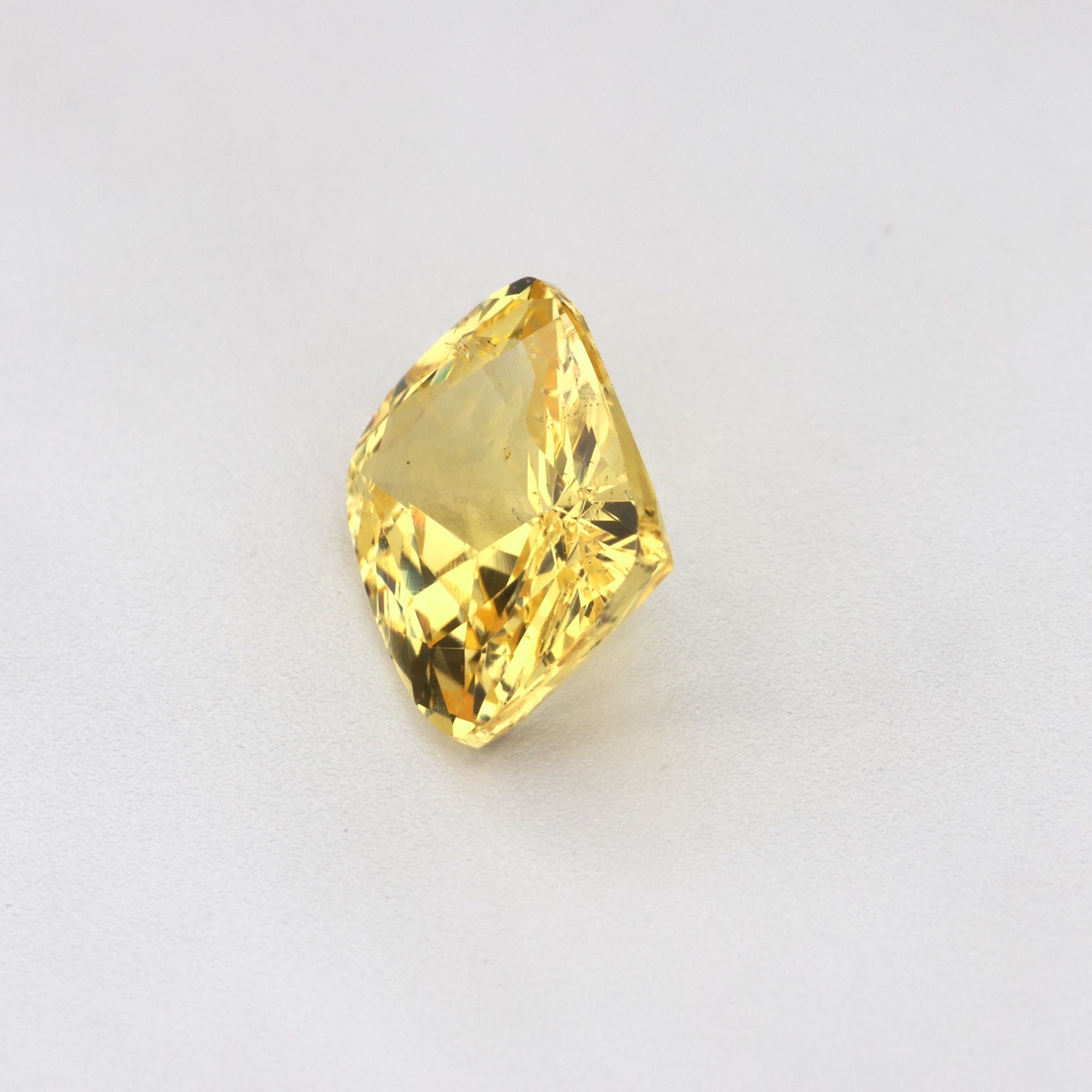
Star sapphire and faceted sapphire are both corundum — aluminum oxide colored by trace elements, Mohs hardness 9. The difference isn't the mineral, it's what's inside it and how it's cut. Faceted sapphire is selected specifically to be as clean and inclusion-free as possible, then cut with flat, angled facets to maximize brilliance and sparkle. Star sapphire is the opposite: it's selected because it contains dense, aligned rutile needle inclusions ("silk"), and it's cut as a smooth, domed cabochon with no facets at all, specifically to preserve those inclusions and let them create the star.
The six-ray star (asterism) is an optical effect caused by light reflecting off three sets of parallel rutile needles, each set aligned along one of the crystal's growth directions, oriented 120° apart. Cut correctly as a cabochon with the dome centered on the crystal's optic axis, those three needle sets combine to reflect a sharp six-legged star that appears to float on the surface and move as the stone or the light source moves. A faceted sapphire with the same silk inclusions would just look cloudy or included — the star only appears with a cabochon cut. For the full science, see our Star Sapphire Buyer's Guide.
Faceted sapphire is chosen for transparency and brilliance — the fewer inclusions, the more valuable, because inclusions block light and reduce sparkle. Star sapphire inverts that logic entirely: a star sapphire with zero silk has no star and no reason to be cut as a cabochon in the first place. This is genuinely counterintuitive for buyers used to diamond and faceted-gemstone grading, where inclusions are almost always a flaw. In star sapphire, the specific inclusions that create the star are the entire point.
Faceted sapphire suits buyers who want maximum brilliance and sparkle, a more conventional engagement-ring look, and the widest range of cut and shape options. Star sapphire suits buyers drawn to a quieter, more unusual, conversation-starting stone — the visual interest comes from the moving star rather than fire and scintillation, and it reads as more of a collector's or personal-meaning piece than a classic sparkling centerpiece. Neither is objectively better; they're different phenomena aimed at different tastes. Star sapphire is always more affordable per carat than a comparable-quality faceted sapphire in the same color and origin, since the market for phenomenon stones is smaller and more specialized.
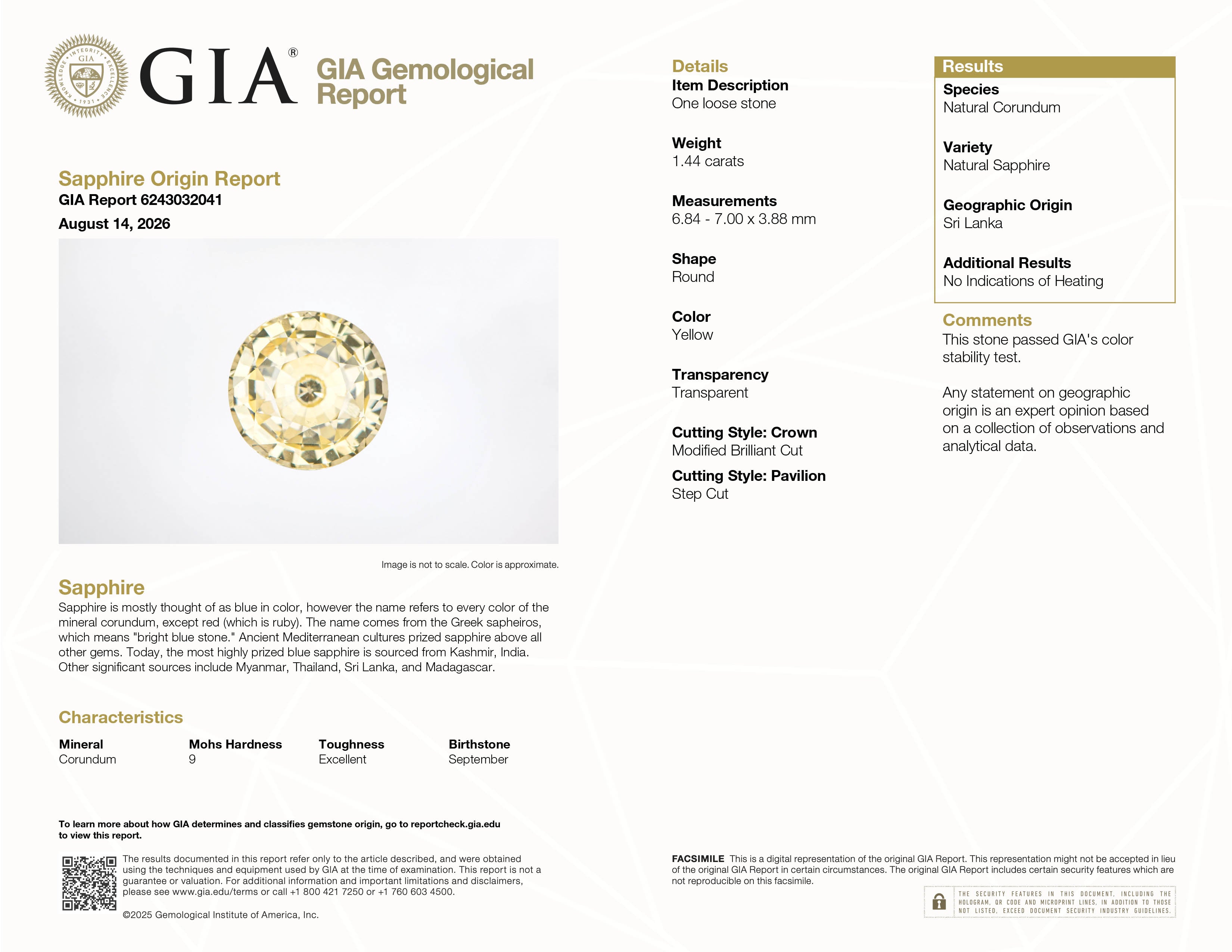
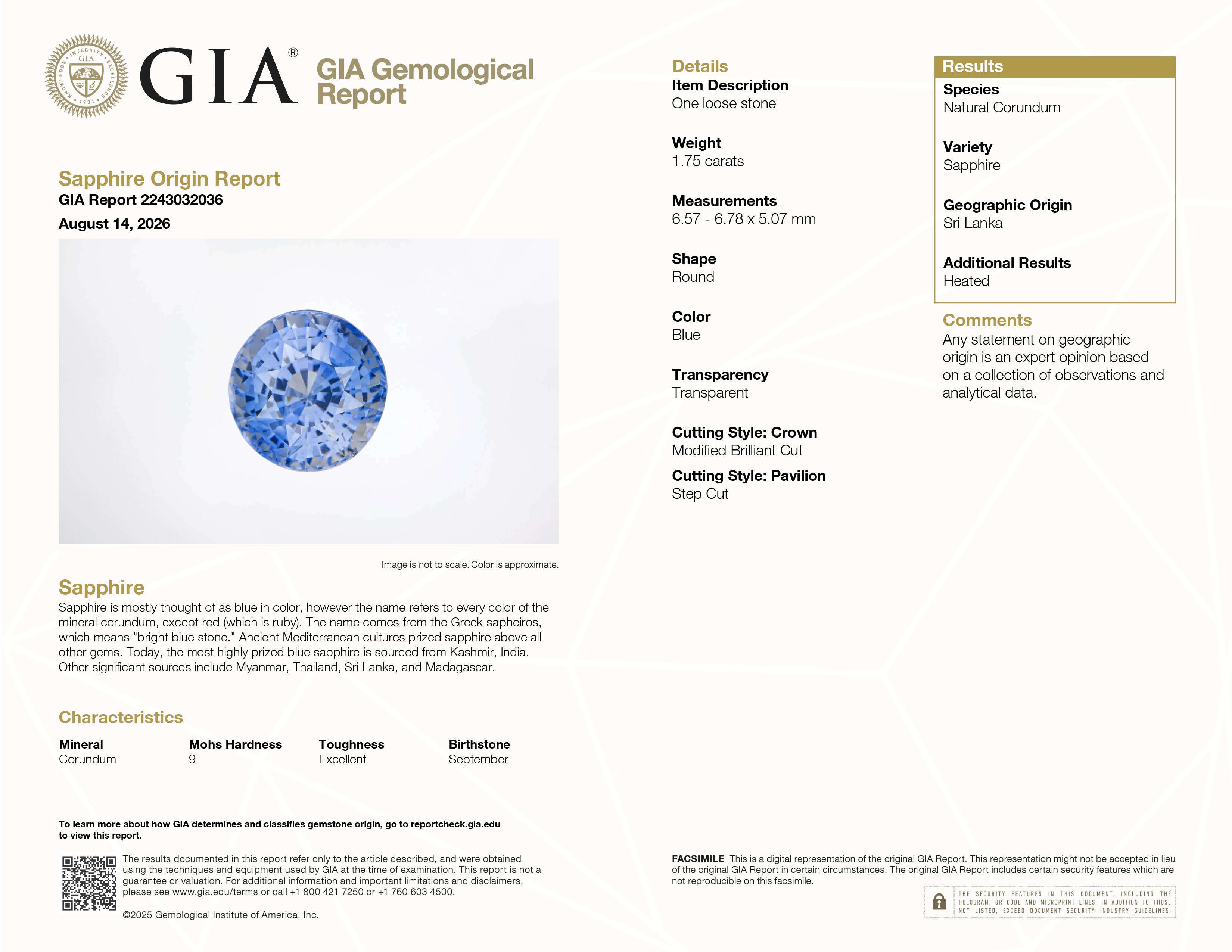
Whichever you choose, unheated, natural, GIA-documented stones are the standard for anything beyond a casual purchase. See our full star sapphire identification guide if you're specifically looking at cabochon material, or the Ultimate Sapphire Buying Guide for faceted stones.
Yes. A star sapphire is genuine corundum — the identical mineral species as any faceted blue, pink, yellow, or padparadscha sapphire — just selected for its silk inclusions and cut as a cabochon instead of faceted to preserve the six-ray star those inclusions create.
A smooth, domed, unfaceted cabochon with a translucent-to-semi-opaque body. Under a single direct light source (sunlight or a point-source lamp works best), a genuine star sapphire shows a sharp six-ray star centered on the dome that appears to move across the surface as you tilt the stone. Under diffuse light with no clear point source, the star fades and it looks like a plain colored cabochon.
Not because it's lower quality — because the market for phenomenon (cabochon, star) gemstones is smaller and more specialized than the market for faceted sapphire, and grading criteria differ (transparency matters less, star sharpness matters more). A fine star sapphire with a sharp star is not a lesser stone than a fine faceted sapphire; it's a different category entirely, priced by different standards.
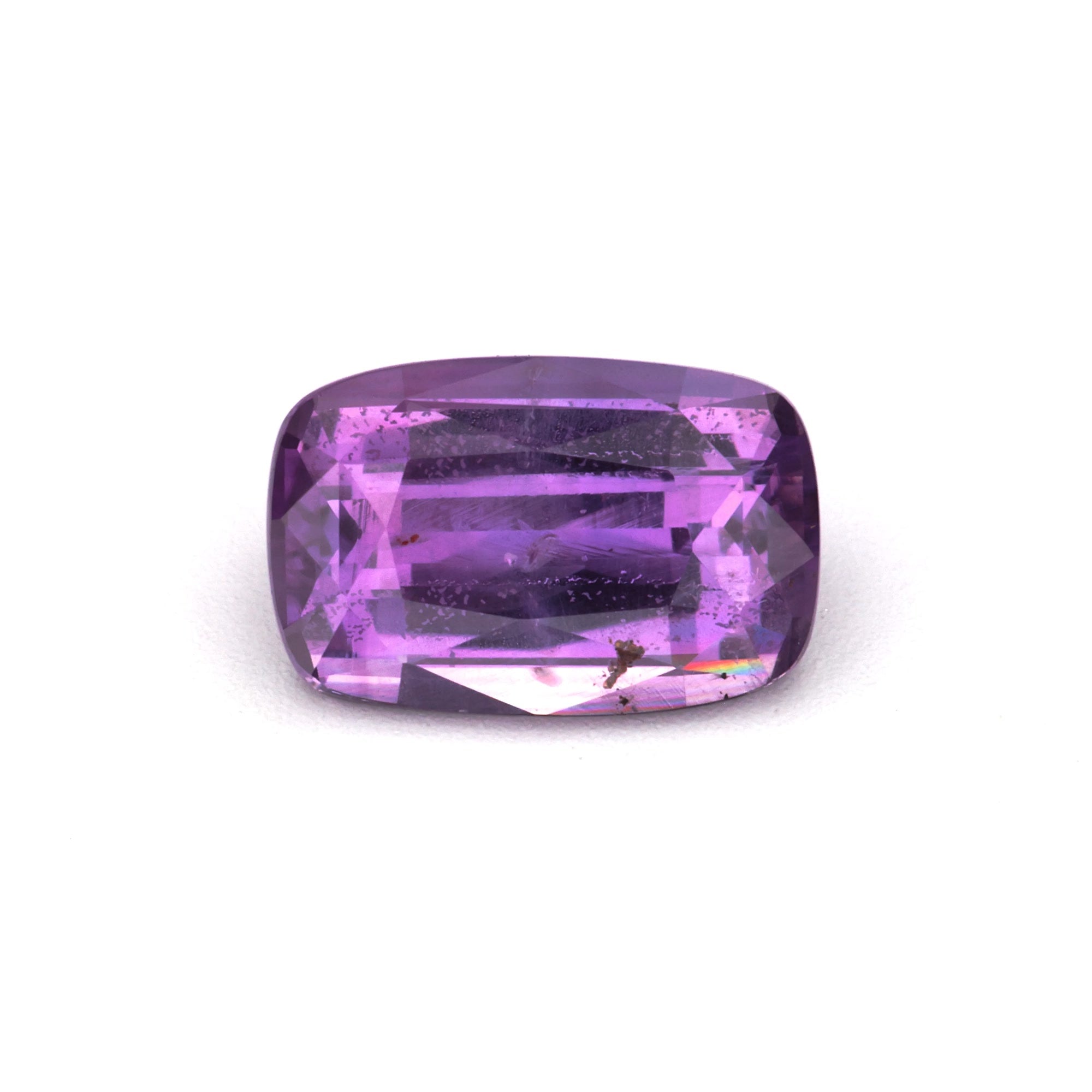
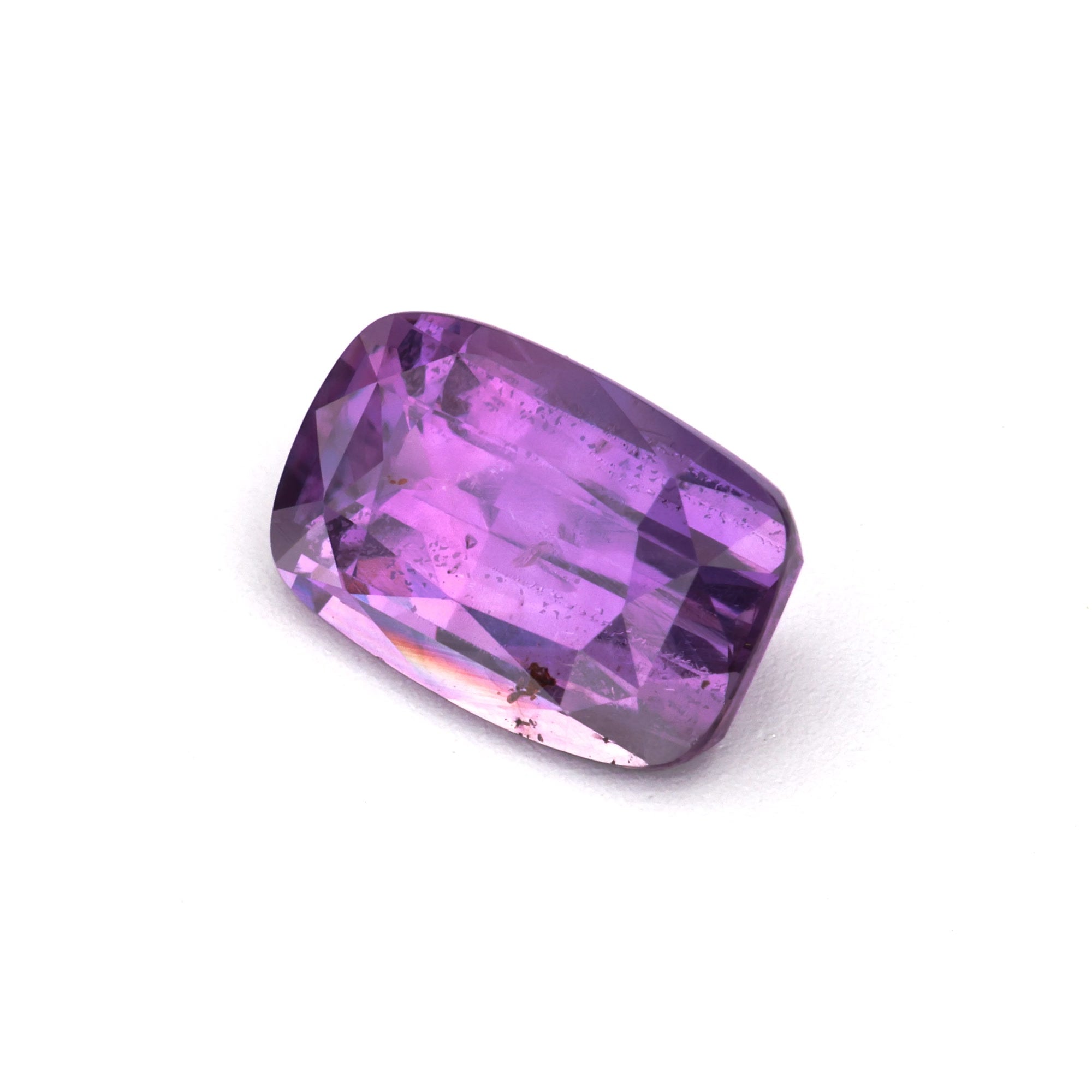
Currently in stock: our 3.26 ct pink star sapphire, 7.99 ct purple star sapphire, and 8.09 ct blue star sapphire, all GIA-documented, natural, and unheated.
Have a question about star sapphire vs. faceted sapphire, or want help deciding which fits your ring project? Email crescentgems@gmail.com — we respond within one business day. Free US shipping; 14-day returns on every order.

CG8454
CG8465
CG8464
CG8463
CG8460
CG8459
CG8458
CG8457
CG8456
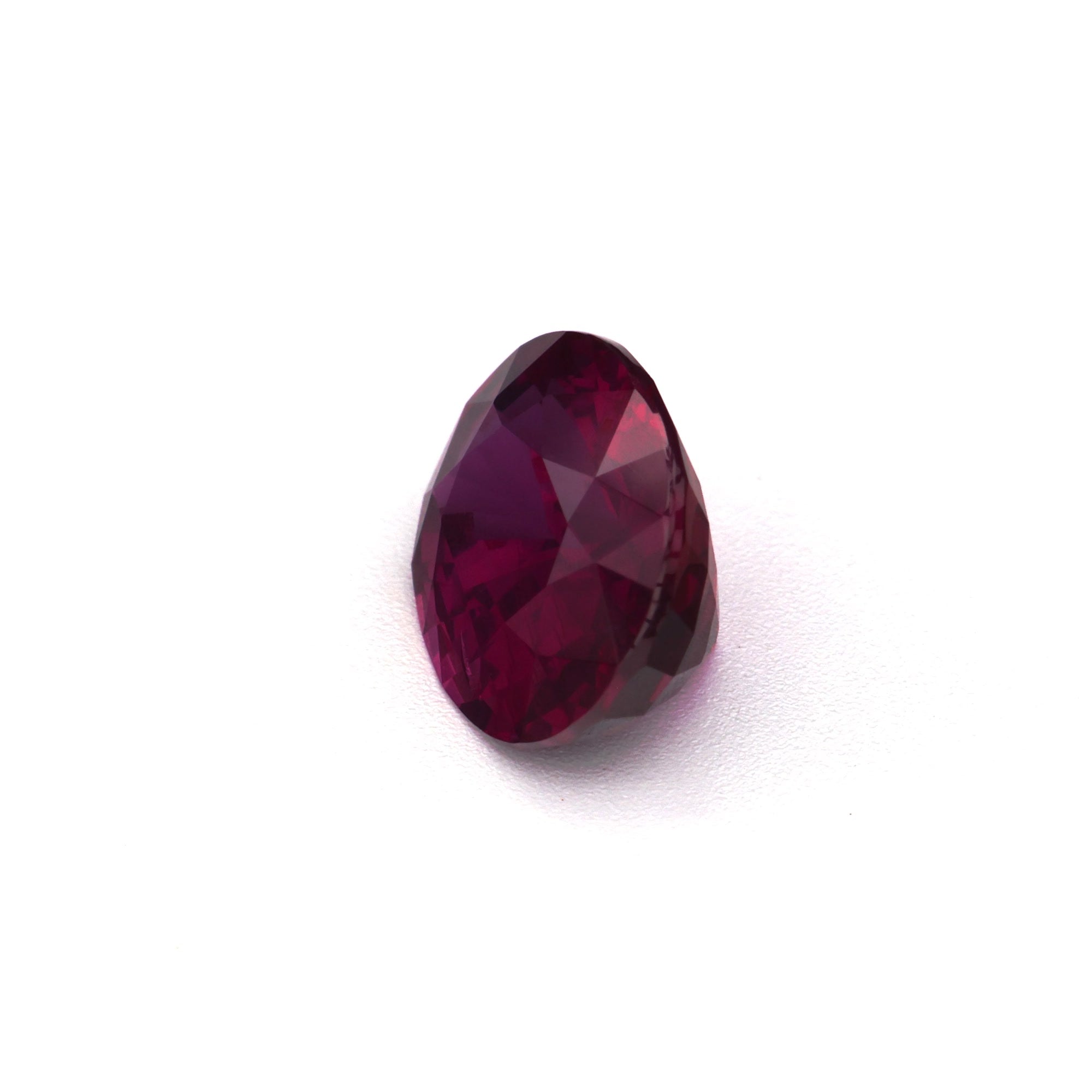
1.65 ct Natural Unheated Ruby – Oval Cut | GIA Certified | Madagascar
CG8453


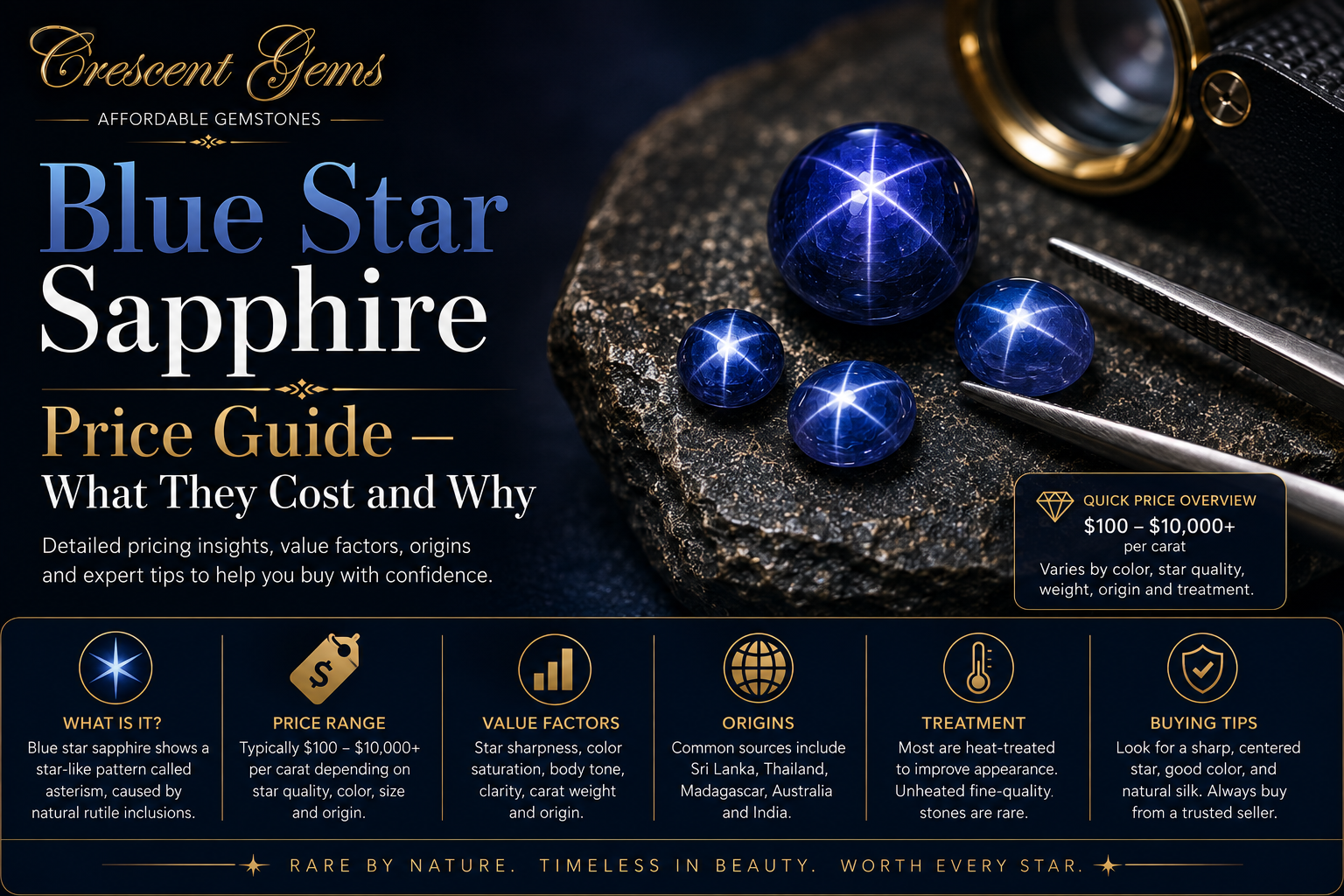
Blue Star Sapphire Price Guide — What They Cost and Why
Read moreabout Blue Star Sapphire Price Guide — What They Cost and Why
Tsavorite Garnet Price Guide — What They Cost and Why
Read moreabout Tsavorite Garnet Price Guide — What They Cost and Why
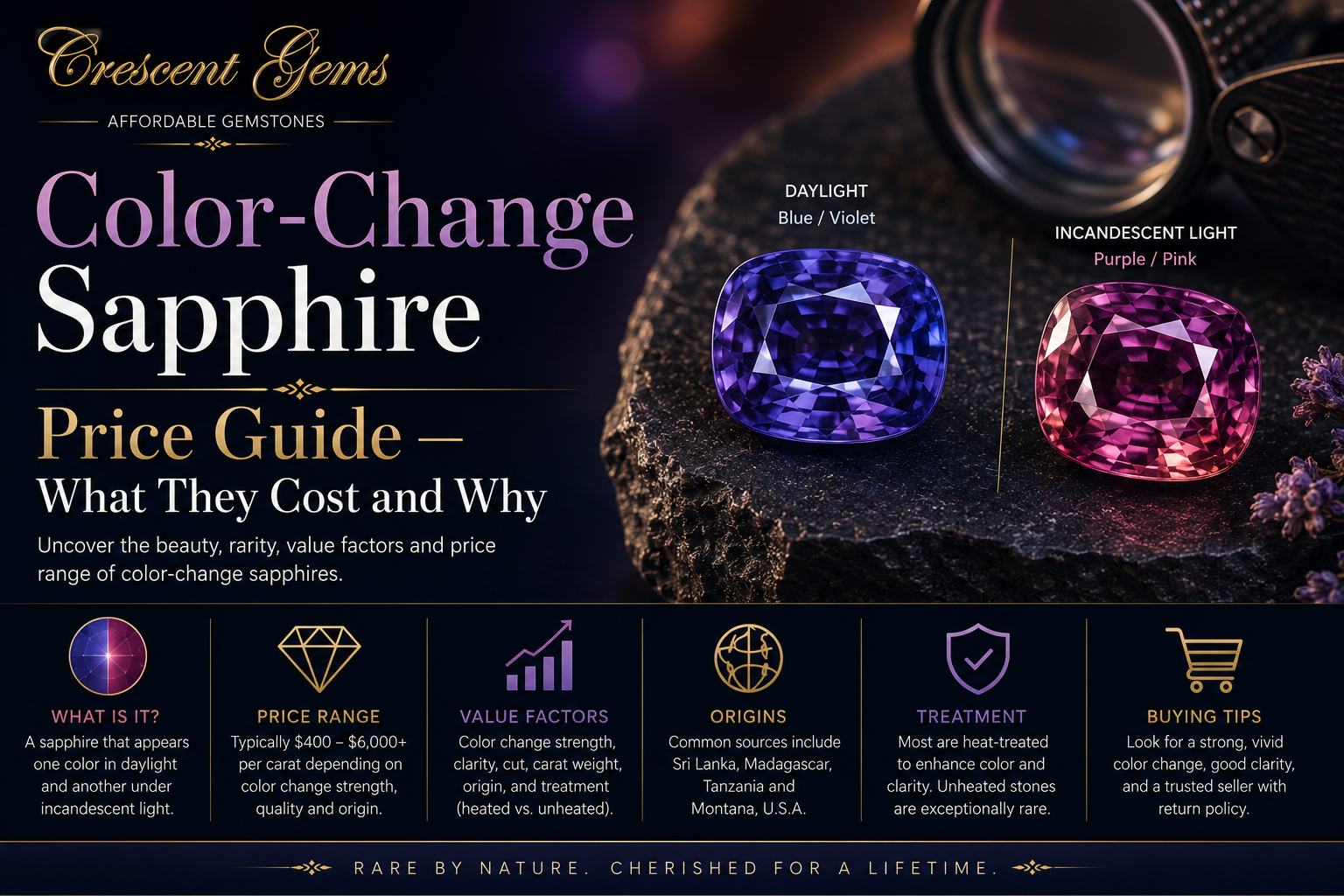
Color-Change Sapphire Price Guide — What They Cost and Why
Read moreabout Color-Change Sapphire Price Guide — What They Cost and Why
Is Cat's-Eye Chrysoberyl Good for an Engagement Ring?
Read moreabout Is Cat's-Eye Chrysoberyl Good for an Engagement Ring?
Cat's Eye Chrysoberyl Price Guide — What They Cost and Why
Read moreabout Cat's Eye Chrysoberyl Price Guide — What They Cost and Why















Share: