


- von Ahmed Shareek
Loser Saphir oder fertiger Ring: was sich ändert, wenn Sie zuerst den Stein kaufen
- von Ahmed Shareek
Sie kaufen zum ersten Mal einen Saphir? Beginnen Sie mit unserem großen Saphir-Kaufratgeber – dem vollständigen Nachschlagewerk zu Farbe, Herkunft, Behandlung und Preisbildung.
Ein fertiger Saphirring und ein loser Saphir sind zwei verschiedene Käufe, und der Unterschied ist nicht nur die Fassung. Wer den Ring kauft, kauft den Stein mit: schon gefasst, schon ausgewählt, schon entschieden. Wer zuerst den Stein kauft, hat alles noch offen – was der Stein ist, was mit ihm geschehen ist, und worin er am Ende sitzen wird.
Dieser Text ist kein Argument dafür, dass der eine Weg besser wäre als der andere. Sehr viele Menschen wollen einen fertigen Ring, und ein fertiger Ring ist eine völlig richtige Sache zum Kaufen. Dieser Text beschreibt, was Sie mit einem losen Stein tun können, was mit einem bereits gefassten Stein nicht mehr geht – und wie wir die lose Seite davon handhaben. Mehr steht hier nicht, und mehr ist hier auch nicht gemeint.
Bevor die sieben Punkte kommen, gehört eine Vorbemerkung hierher, die im deutschsprachigen Raum mehr Gewicht hat als anderswo – und die erklärt, warum dieser Text an mehreren Stellen auffällig zurückhaltend formuliert ist.
Ein Text, der einen losen Stein gegen einen fertigen Ring stellt, rutscht sehr leicht in eine Aussage darüber, was andere tun, verlangen, führen oder ablehnen. Genau das steht hier nicht, und zwar nicht aus Höflichkeit.
§ 6 Abs. 1 UWG definiert vergleichende Werbung als jede Werbung, die einen Mitbewerber oder dessen Waren erkennbar macht – unmittelbar oder mittelbar. Das ist der Punkt, an dem die naheliegende Ausweichbewegung scheitert. Wer keinen Namen nennt, sondern nur über „den Juwelier“, „den Einzelhandel“ oder „fertige Ringe im Laden“ schreibt, ist damit nicht draußen: Ein Sammelvergleich kann die gemeinte Gruppe für das angesprochene Publikum mittelbar erkennbar machen – und dann liegt vergleichende Werbung vor.
Und jetzt kommt die eigentliche Falle. § 6 Abs. 2 Nr. 2 UWG verlangt, dass sich der Vergleich objektiv auf eine oder mehrere wesentliche, relevante, nachprüfbare und typische Eigenschaften oder auf den Preis bezieht. Vier Anforderungen, und die dritte ist die, an der ein Vergleich ohne genannten Vergleichspartner zwangsläufig zerbricht: Ein Vergleich gegen eine ungenannte Klasse ist nicht nachprüfbar, weil es nichts gibt, woran man ihn nachprüfen könnte. Die Anonymität ist also kein Ausweg aus der Vorschrift – sie ist genau der Grund, warum die Vorschrift greift.
Wird der Mitbewerber tatsächlich nicht erkennbar, fällt die Aussage nicht aus dem Recht heraus, sondern in § 5 UWG: eine irreführende geschäftliche Handlung über das eigene Angebot, namentlich über den Preis und die Art und Weise, in der er berechnet wird. Dort landet dann auch die Last. Wer eine Werbeaussage mit einem Tatsachenkern aufstellt – und „der lose Stein ist günstiger“ ist eine Tatsachenbehauptung, keine Geschmacksfrage –, muss sie im Streitfall darlegen und beweisen können. Nicht der Leser muss zeigen, dass sie falsch ist; wir müssten zeigen, dass sie stimmt.
Wir können das nicht, also behaupten wir es nicht. Wir haben keine Warenkörbe, keine Stichprobe und keine Methode, mit der sich ein Preisvorsprung gegenüber irgendeiner Gruppe von Anbietern belegen ließe. Deshalb steht auf dieser Seite keine Prozentzahl unter dem Einzelhandel, kein Aufschlagsfaktor und keine Aussage darüber, was andere verlangen oder anbieten. Was stattdessen dasteht, ist eine Beschreibung unseres eigenen Betriebs – und eine begriffliche Feststellung, die gar kein Vergleich ist: Ein loser Stein und ein fertiger Ring sind nicht dieselbe Menge. Zwei Preise, die verschiedene Dinge messen, lassen sich nicht gegeneinander stellen, ohne dass man vorher sagt, was man misst. Genau davon handelt Grund 2.
Dieselbe Linie gilt für die Herkunft. § 6 Abs. 2 Nr. 5 UWG erfasst die Herabsetzung eines Mitbewerbers, und eine Rangfolge zwischen Fundgebieten ist der kürzeste Weg dorthin. Die Herkunft ist keine Qualitätsstufe. Wo ein Stein entstanden ist und wie er aussieht, sind zwei getrennte Befunde, und den einen zu bepreisen, als wäre er der andere, ist eine Gewohnheit, die man ablegen sollte.
Ein in einem Ring gefasster Saphir ist schwerer zu beurteilen als ein loser Saphir. Die Krappen verdecken die Rundiste, die Fassung verbirgt den Pavillon, und die Schliffproportionen lassen sich aus der Ansicht von oben allein nicht beurteilen. Ein Stein, der bereits in einem Ring sitzt, kann bei GIA oder Gübelin nicht eingereicht werden, ohne vorher ausgefasst zu werden.
Zwei deutsche Fachwörter, die hier gebraucht werden und die man im Gespräch mit einer Werkstatt kennen sollte: Fassen ist das Einsetzen des Steins in die Fassung, Ausfassen das Herausnehmen. Beides ist Handarbeit an einem Stein, der dabei Kantenbeschädigungen davontragen kann, und beides kostet Geld. Bei einem losen Stein steht am Anfang nur das Fassen. Bei einem bereits gefassten Stein steht vor jedem Labor, jeder Umarbeitung und jeder zweiten Meinung zuerst das Ausfassen.
An einem losen Stein können Sie:
GIA und Gübelin sind die internationalen Adressen, nach denen Käufer am häufigsten fragen; AGCL ist das Labor auf einem großen Teil unseres eigenen Bestands. Im deutschsprachigen Raum kommt als heimische Adresse die Deutsche Stiftung Edelsteinforschung (DSEF) in Idar-Oberstein hinzu, deren Dokument ein Befundbericht ist, und für Österreich das Gemmologische Labor Austria. Das beschreibt, welche Namen im Markt geläufig sind, und sagt nichts darüber, welches Labor genauer arbeitet – eine solche Aussage könnten wir nicht belegen. Siehe unseren Leitfaden dazu, wie der Schliff auf einen Saphir wirkt, und unseren Leitfaden zum Lesen von Einschlüssen.
Ein loser Stein und ein fertiger Ring sind nicht derselbe Kauf, also sind ihre Preise nicht dieselbe Größe. Der Preis eines losen Saphirs ist der Preis des Saphirs. Der Preis eines Rings ist der Stein, das Metall, die Fassarbeit und alles Übrige, was nötig war, um ein fertiges Schmuckstück herzustellen. Den ersten Betrag für sich allein sieht man nur, wenn man den Stein für sich allein kauft.
Das ist eine begriffliche Feststellung und kein Vergleich: Es steht hier nicht, dass das eine günstiger sei als das andere. Es steht hier, dass die beiden Zahlen verschiedene Dinge zählen.
Die Preisangabenverordnung verlangt, dass gegenüber Verbrauchern der Gesamtpreis angegeben wird: der Betrag, der einschließlich Umsatzsteuer und aller sonstigen unvermeidbaren Preisbestandteile tatsächlich zu zahlen ist. Und sie verlangt, dass die Versandkosten gesondert und klar angegeben werden. Beides zusammen, nicht eines statt des anderen.
Daraus folgt eine Konsequenz, die in deutschsprachigen Edelsteintexten fast durchgehend fehlt. Ein Preis pro Karat ist kein Gesamtpreis. Er ist eine Rechengröße des Handels, die an einer Gewichtseinheit hängt und nicht an einer Ware; aus ihr ergibt sich erst mit dem Gewicht ein Betrag, und sie enthält weder Steuer noch Versand noch einen bestimmten Stein. Wird er als Spanne angegeben, kommt ein zweites Problem dazu: Eine Spanne behauptet eine Markterhebung, die niemand veröffentlicht hat, und das ist dann zusätzlich ein Fall für § 5 UWG.
Deshalb steht auf dieser Seite überhaupt kein Karatpreis. Kein Richtwert, keine Spanne, kein Aufschlag. Der verbindliche Preis steht an genau einer Stelle: auf der Produktseite des einzelnen Steins, als Gesamtpreis für diesen Stein. Dieser Artikel ist redaktioneller Text und kein Angebot.
Zur Vollständigkeit die Angaben, die nach § 3 Abs. 1 PAngV neben den Gesamtpreis gehören, in der Form, in der sie bei uns gelten:
Der auf der Produktseite genannte Preis ist der Gesamtpreis für den Stein; hinzu kommen die Versandkosten: Versand in die USA kostenlos, ohne Mindestbestellwert, in alle übrigen Länder pauschal 60 $ und ab 499 $ Bestellwert kostenlos. Für jede Bestellung gilt ein Rückgaberecht von 14 Tagen.
Und getrennt davon, weil es eine eigene Sache ist: Unsere Preise verstehen sich in US-Dollar, ohne Einfuhrumsatzsteuer und Zoll; diese fallen bei der Einfuhr in Ihr Land an und sind bei der Zustellung von Ihnen zu zahlen. Das gilt für Lieferungen nach Deutschland, nach Österreich, in die Schweiz und in jedes andere Land außerhalb der USA. Die Höhe bestimmt die zuständige Zollstelle nach den dortigen Sätzen; wir nennen dazu keine Zahl, weil wir sie nicht verbindlich nennen könnten.
Wir haben keinen Ausstellungsraum und keinen Ladentisch. Wir kaufen in Ratnapura, Beruwala und Colombo ein, wir lassen nach eigener Vorgabe schleifen, und der lose Stein geht von hier aus auf die Reise. Das ist eine Beschreibung unseres eigenen Betriebs und keine Aussage über irgendjemanden sonst.
Und das Ehrliche dazu, weil es sonst nach mehr klingt, als es ist: Der srilankische Rohsteinmarkt ist selbst zwischengeschaltet. Innerhalb dieses Marktes kaufen wir bei Maklern und Händlern wie alle anderen auch. Eine kürzere Kette ist keine Kette aus null Gliedern. Wir veröffentlichen keinen Prozentsatz unter dem Einzelhandel und keinen Aufschlagsfaktor, weil wir keinen haben, für den wir geradestehen könnten.
Wer lose kauft, trennt die Entscheidung über den Stein von der Entscheidung über die Fassung. Sie wählen zuerst den Stein, den Sie wollen, und danach unabhängig davon die Fassung, die zu Ihrem Geschmack passt. Einen losen Stein können Sie zu der Werkstatt tragen, mit der Sie arbeiten möchten.
Im deutschsprachigen Goldschmiedehandwerk sind das zwei verschiedene Aufträge mit zwei verschiedenen Abläufen, und die Unterscheidung ist genau die, um die es auf dieser Seite geht.
Eine Anfertigung – oft Neuanfertigung genannt – ist ein Stück, das es vorher nicht gab und das um einen bestimmten Stein herum entsteht. Die Reihenfolge ist: erst der Stein, dann der Entwurf, dann das Modell, dann das Fassen. Nichts muss vorher rückgängig gemacht werden.
Eine Umarbeitung ist die Veränderung eines vorhandenen Stücks: der Stein aus dem geerbten Ring, der Stein aus dem Ring, der nicht mehr passt, der Stein aus einem fertig gekauften Ring, der nach ein paar Jahren nicht mehr der richtige ist. Die Reihenfolge ist hier: erst ausfassen, dann prüfen, was der Stein beim Ausfassen mitgemacht hat, dann neu entwerfen und neu fassen. Das Altmetall wird in der Regel zum Materialwert angerechnet und nicht zum Preis, den das alte Stück einmal gekostet hat.
Daraus ergibt sich die sachliche Pointe dieses ganzen Artikels, und sie ist wieder eine begriffliche und keine vergleichende: Wer zuerst den Stein kauft, beginnt bei der Anfertigung. Wer zuerst den fertigen Ring kauft und später etwas anderes will, beginnt bei der Umarbeitung. Das sind zwei Arbeitsschritte weniger: kein Ausfassen und keine Prüfung dessen, was das Ausfassen angerichtet hat. Ob Ihnen das etwas wert ist, entscheiden Sie – es gibt gute Gründe, einen fertigen Ring zu wollen und ihn nie verändern zu müssen.
Wenn Sie einen Stein mitbringen, heißt das im Werkstattdeutsch Beistellung: Das Material gehört Ihnen und wird dem Betrieb für die Arbeit beigestellt. Diese Konstellation ist im deutschsprachigen Raum völlig üblich, sie hat aber Folgen, die man vor der Beauftragung geklärt haben will und nicht danach. Die folgenden Fragen sind deshalb als Fragen formuliert und nicht als Behauptungen darüber, wie irgendein Betrieb sie beantwortet – das ist von Werkstatt zu Werkstatt verschieden, und wir sprechen hier für niemanden außer für uns.
Das ist kein Misstrauen, sondern die Reihenfolge, in der im Handwerk ohnehin gearbeitet wird. Der Unterschied zum fertig gekauften Ring ist nur, dass Sie diese Fragen bei einem losen Stein vor der Entscheidung stellen und nicht danach.
Welche Fassung zu welchem Stein passt, ist bei uns Erfahrung und kein Befund. Das ist unsere eigene Empfehlung aus dem Umgang mit diesen Steinen – kein Labor veröffentlicht Hinweise zu Fassungen, und wir geben hier auch keine wieder. Die deutschen Wörter, mit denen Sie in der Werkstatt am weitesten kommen, sind Krappenfassung für die klassische Fassung auf Krällchen, Zargenfassung für die umlaufende Zarge und Spannfassung für die offene Variante. Welche davon für Ihren Stein und Ihren Alltag sinnvoll ist, entscheiden Sie mit Ihrer Werkstatt. Unsere Ausgangspunkte dazu stehen in unseren Leitfäden einen Ring aus einem losen Stein entwerfen und Metallfarbe für einen Saphirring wählen.
Beim Saphir ist „unerhitzt“ nicht dieselbe Aussage wie „unbehandelt“. Ein Stein kann unerhitzt sein und trotzdem auf andere Weise behandelt worden sein; die beiden Wörter sind nicht austauschbar. Und die Angabe „natürlicher Saphir“ klärt keines von beiden – sie sagt nur, dass der Stein gewachsen und nicht synthetisch ist.
Die Hausregel dazu ist bei uns festgeschrieben: Wir nennen den Wärmestatus immer „unerhitzt (keine Hitzebehandlung)“ und verwenden „unbehandelt“ nur dort, wo wirklich keinerlei Behandlung vorliegt. Im Deutschen hat das einen praktischen Nebeneffekt, den man kennen sollte: Die Frage „erhitzt oder unerhitzt?“ ist die Frage auf der unteren Stufe der Offenlegung. Diffusionsbehandlung und Rissfüllung stehen eine Stufe darüber. Fragen Sie deshalb zweistufig – erst nach dem Hitzebefund, dann danach, welche Angaben die Listung darüber hinaus schriftlich macht.
Bei einem losen Stein steht die Behandlung auf der Listung, und der Befund kann vor dem Fassen an ein Labor gegeben werden. Das ist der Zeitpunkt, an dem es am einfachsten ist – danach steht das Ausfassen davor. Steine über 500 $ geben wir grundsätzlich an GIA. Das ist unsere eigene Schwelle und kein Marktstandard.
Und die Formulierung, auf die es dabei ankommt: Ein Bericht hält fest, was das Labor beobachtet hat. Das ist nicht dasselbe wie eine Garantie. Ein Labor äußert eine Meinung zu dem, was es gesehen hat; es bestätigt nichts. Die LMHC schreibt das für Berichte allgemein so: „All findings described in the report are opinions expressed by the laboratory.“ Siehe unsere Leitfäden Was ist ein unerhitzter Saphir? und einen GIA-Saphirbericht lesen.
Ein Punkt, der im deutschen Recht daran hängt: Was auf der Listung steht, ist nicht nur Beschreibung. Die geschuldete Beschaffenheit einer Kaufsache bestimmt sich auch nach dem, was der Verkäufer öffentlich über sie gesagt hat. Eine Behandlungsangabe auf der Produktseite ist deshalb keine unverbindliche Auskunft, sondern Teil dessen, was Sie bekommen – und das ist einer der Gründe, warum wir sie bei jedem Stein hinschreiben, auch dort, wo sie den Preis drückt.
Ein Laborbericht hält Karatgewicht, Maße, die Art des Steins und den Behandlungsbefund fest, und ein Versicherer oder ein Sachverständiger arbeitet mit diesen Angaben weiter. Das ist der Grund, warum die Dokumentation beim losen Stein am Anfang steht und nicht am Ende: Was dokumentiert ist, bevor es gefasst wird, muss später nicht rekonstruiert werden.
Hier liegt die größte Begriffsverwirrung im deutschsprachigen Edelsteinhandel, und sie trifft ausgerechnet den Käufer, der zwischen einem losen Stein und einem fertigen Ring steht. Denn genau dieser Käufer bekommt beides angeboten: zum losen Stein einen Laborbericht, zum fertigen Ring häufig ein Wertgutachten für die Versicherung. Das sind nicht zwei Qualitätsstufen desselben Papiers. Es sind zwei Dokumente, die zwei verschiedene Fragen beantworten.
| Wort | Was es im Deutschen bezeichnet | Nennt es einen Geldbetrag? |
|---|---|---|
| Befundbericht | Identifikation, Eigenschaften, Behandlung und – wenn beauftragt – eine Herkunftsmeinung zu einem bestimmten Stein. Das Dokument, das ein gemmologisches Labor ausstellt. Die DSEF nennt ihr eigenes Papier genau so. | Nein |
| Gutachten | Die begründete Stellungnahme eines öffentlich bestellten und vereidigten Sachverständigen zu einer bestimmten Fragestellung. | In der Regel ja – eine Zahl in Euro |
| Wertgutachten | Der Unterfall, der im Schmuckbereich gemeint ist: die Ermittlung eines Versicherungs- oder Wiederbeschaffungswerts, meist für ein fertiges Stück. | Ja – das ist sein Zweck |
| Zertifikat | Umgangssprachlich fast alles davon. Als Wort das schwächste der vier, weil es nichts darüber sagt, wer es ausgestellt hat und woraufhin. | Nein |
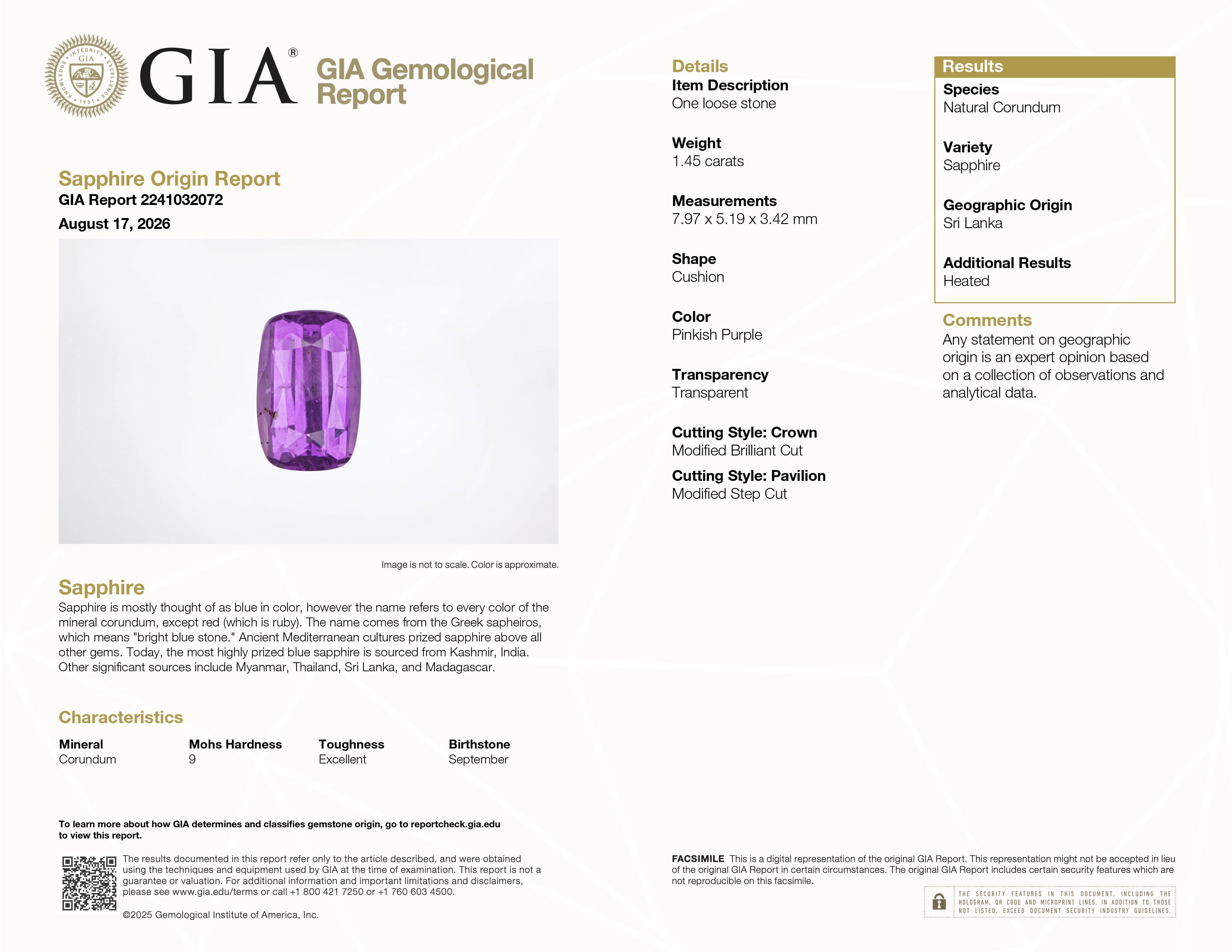
Was ein gemmologisches Labor ausstellt, ist ein Befundbericht. Es identifiziert, wiegt, misst, beschreibt die Farbe, nennt die Behandlung und – auf einem Herkunftsbericht – die Herkunftsmeinung. Einen Geldwert nennt es nicht, und es wird nicht von einem deutschen öffentlich bestellten und vereidigten Sachverständigen erstellt. Kein gemmologisches Labor der Welt stellt ein Gutachten in diesem Sinn aus, und GIA schreibt die Einschränkung auf das Papier selbst: „This report is not a guarantee or valuation.“ – der Bericht ist weder eine Garantie noch eine Wertermittlung.
Umgekehrt gilt dasselbe: Wenn Sie für Ihre Hausratversicherung eine Wertangabe brauchen, ist das ein zweiter, getrennter Auftrag an einen Sachverständigen – und was dabei herauskommt, ist dann tatsächlich ein Gutachten, nämlich ein Wertgutachten. Der Laborbericht ist dafür die Grundlage und nicht der Ersatz. Ein Versicherungsgutachter ist in Deutschland ein Sachverständiger; das Wort ist an dieser Stelle richtig. Falsch ist es nur dort, wo es das Papier eines Labors benennen soll.
Eine sprachliche Kleinigkeit mit Folgen, weil sie beim Austauschen der Wörter regelmäßig untergeht: das Gutachten ist sächlich, der Bericht ist männlich. Wer das eine Wort durch das andere ersetzt, muss Artikel und Pronomen mittauschen – aus „ein Gutachten, das …“ wird „ein Bericht, der …“. Es sieht nach Kleinkram aus und ist der häufigste Grund, warum Texte an dieser Stelle schief klingen.
Praktischer Prüfsatz für ein Verkaufsgespräch: Wer Ihnen zu einem losen Stein ein „Gutachten“ ankündigt und dann ein Laborpapier ohne Eurobetrag überreicht, hat nicht getäuscht, sondern das falsche Wort benutzt – und umgekehrt sollte Sie ein Papier mit einer Eurozahl darauf fragen lassen, wer sie ermittelt hat und woraufhin. Unser eigenes Papier nennen wir deshalb beim Namen: der Bericht eines unabhängigen gemmologischen Labors, mit Labor und Berichtsnummer an jedem Stein, der einen hat.
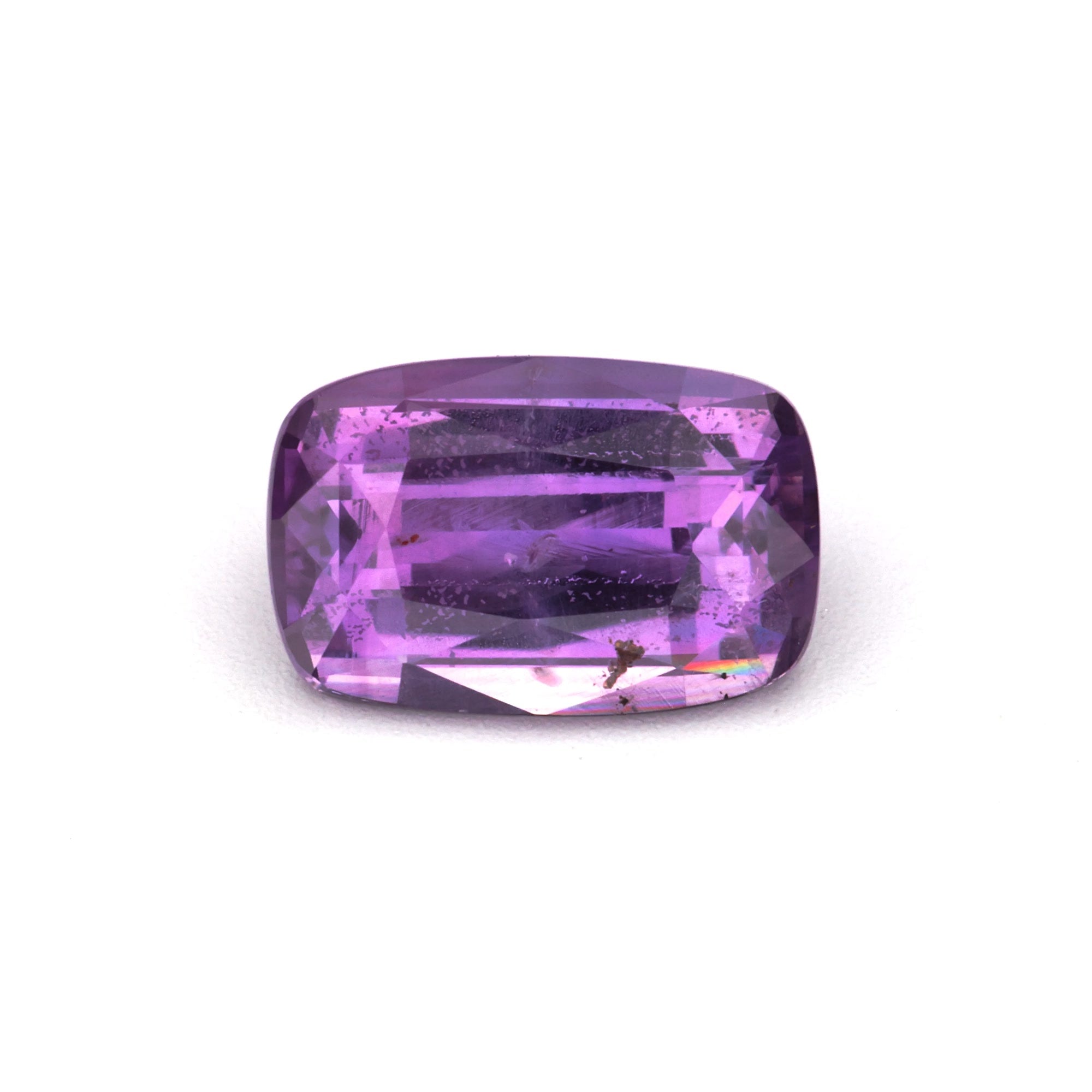
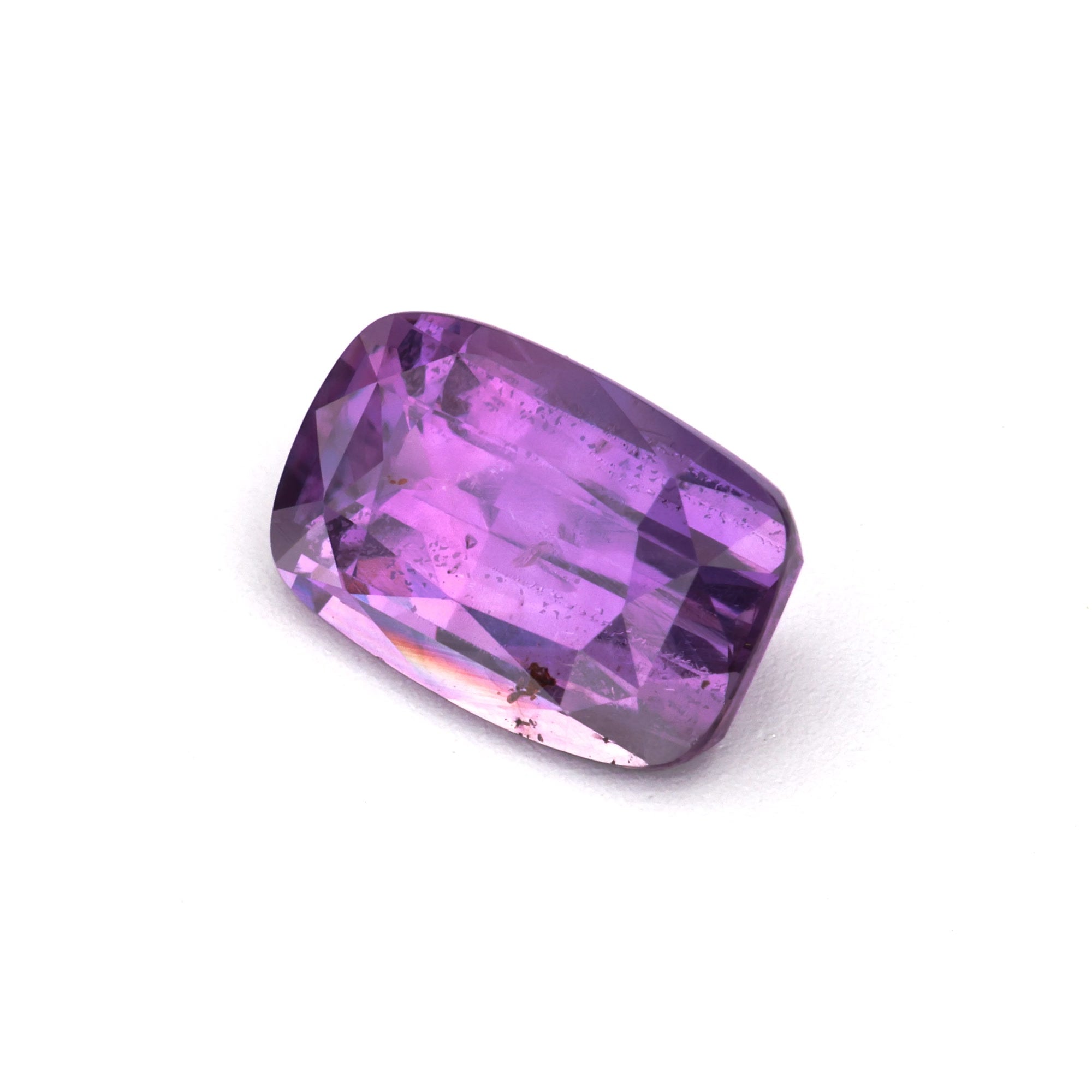
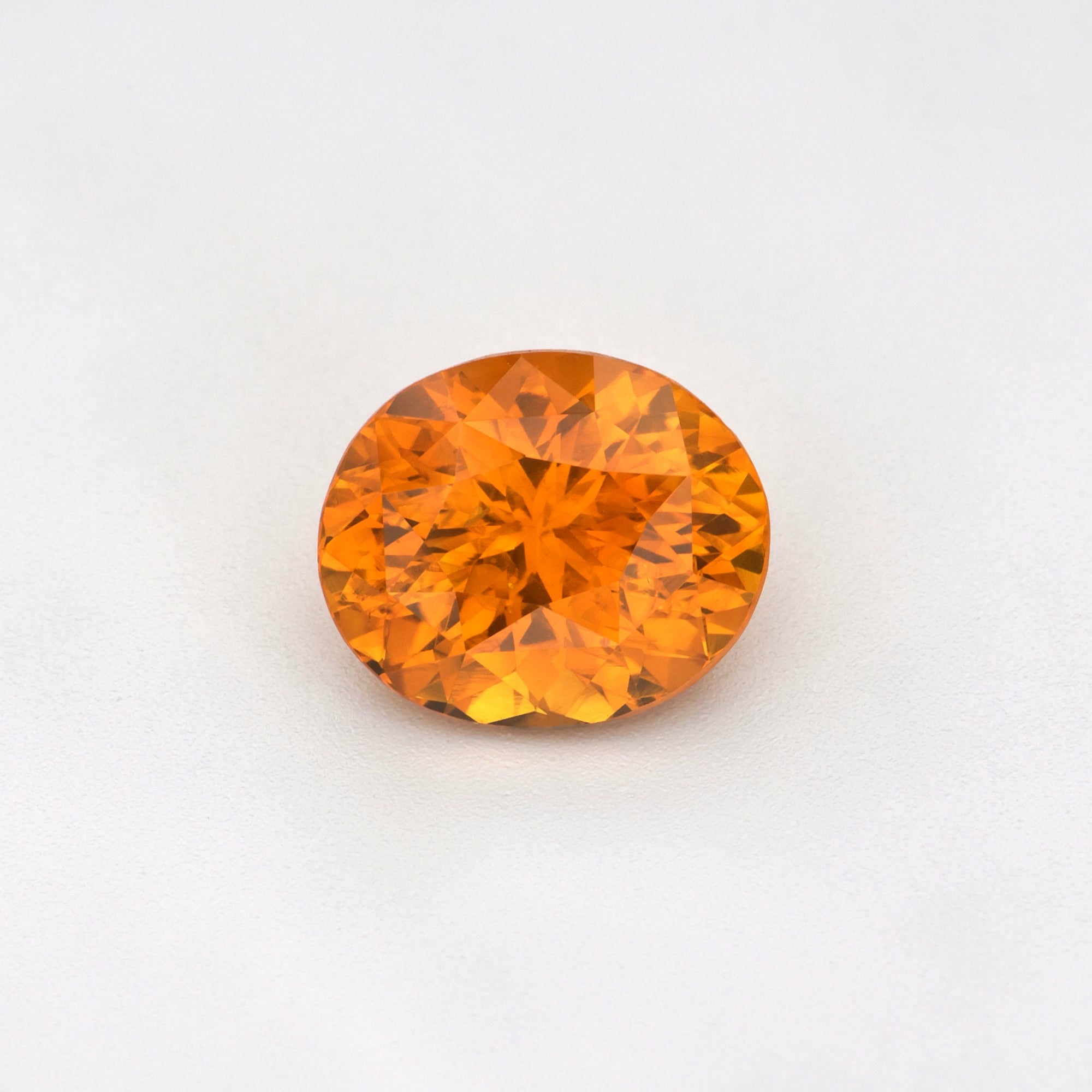
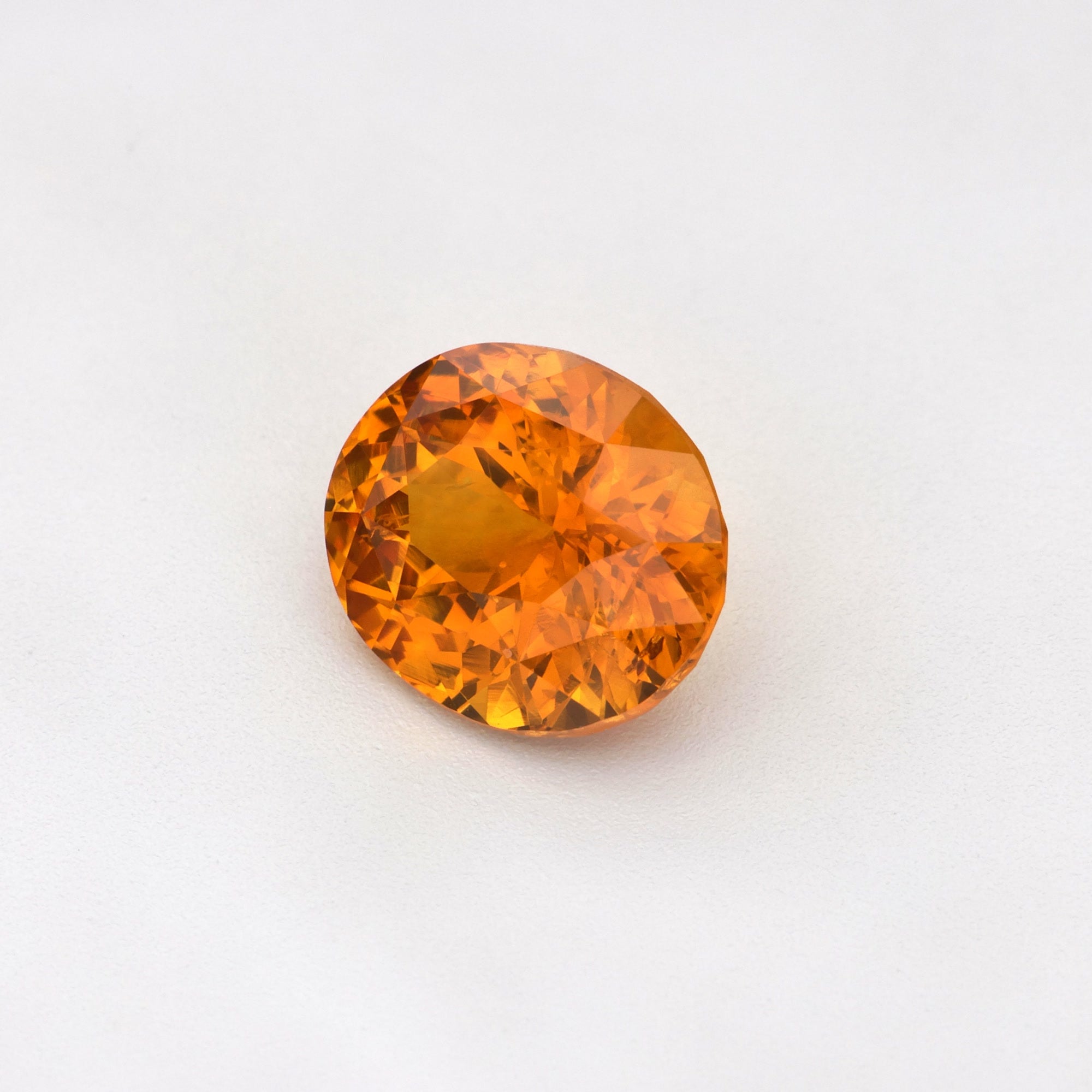
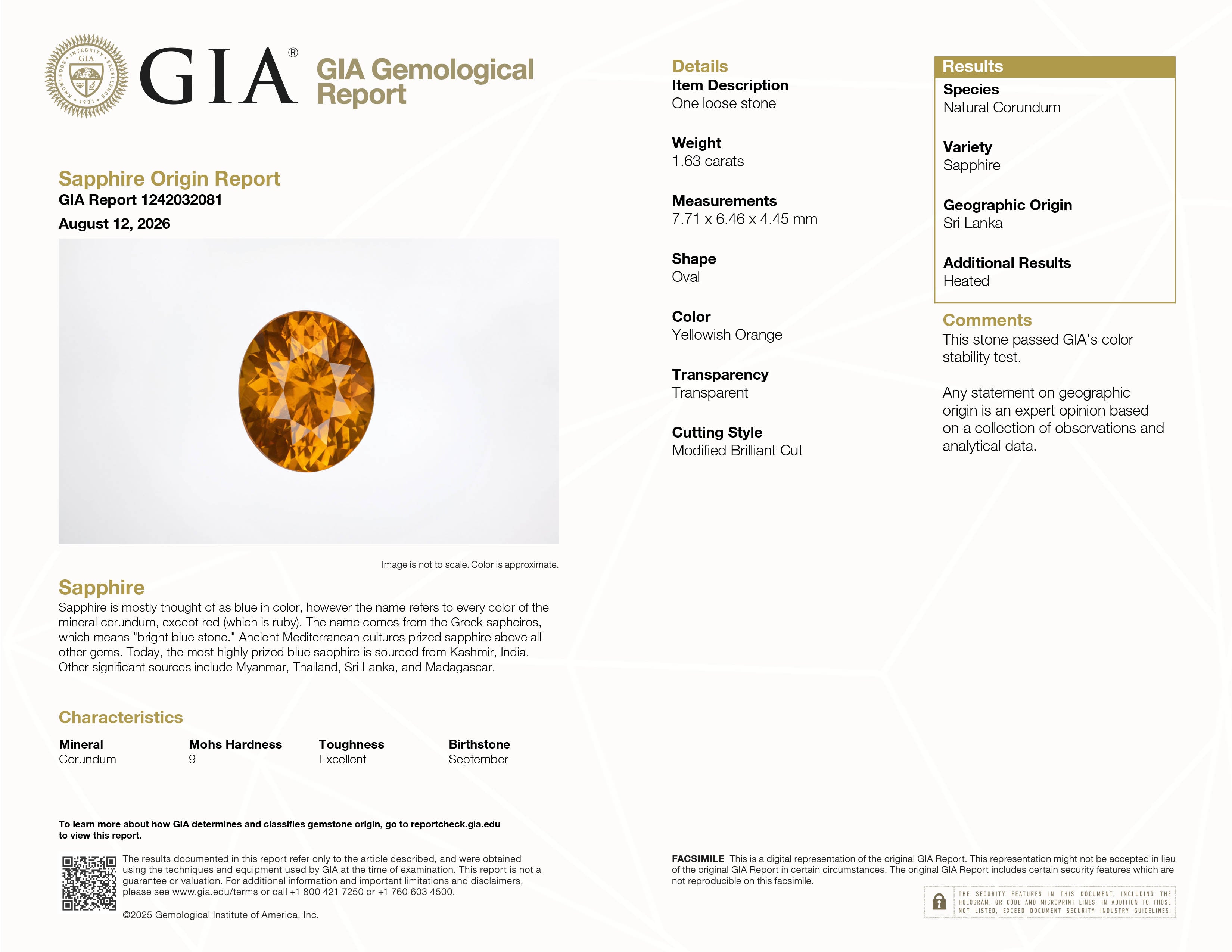
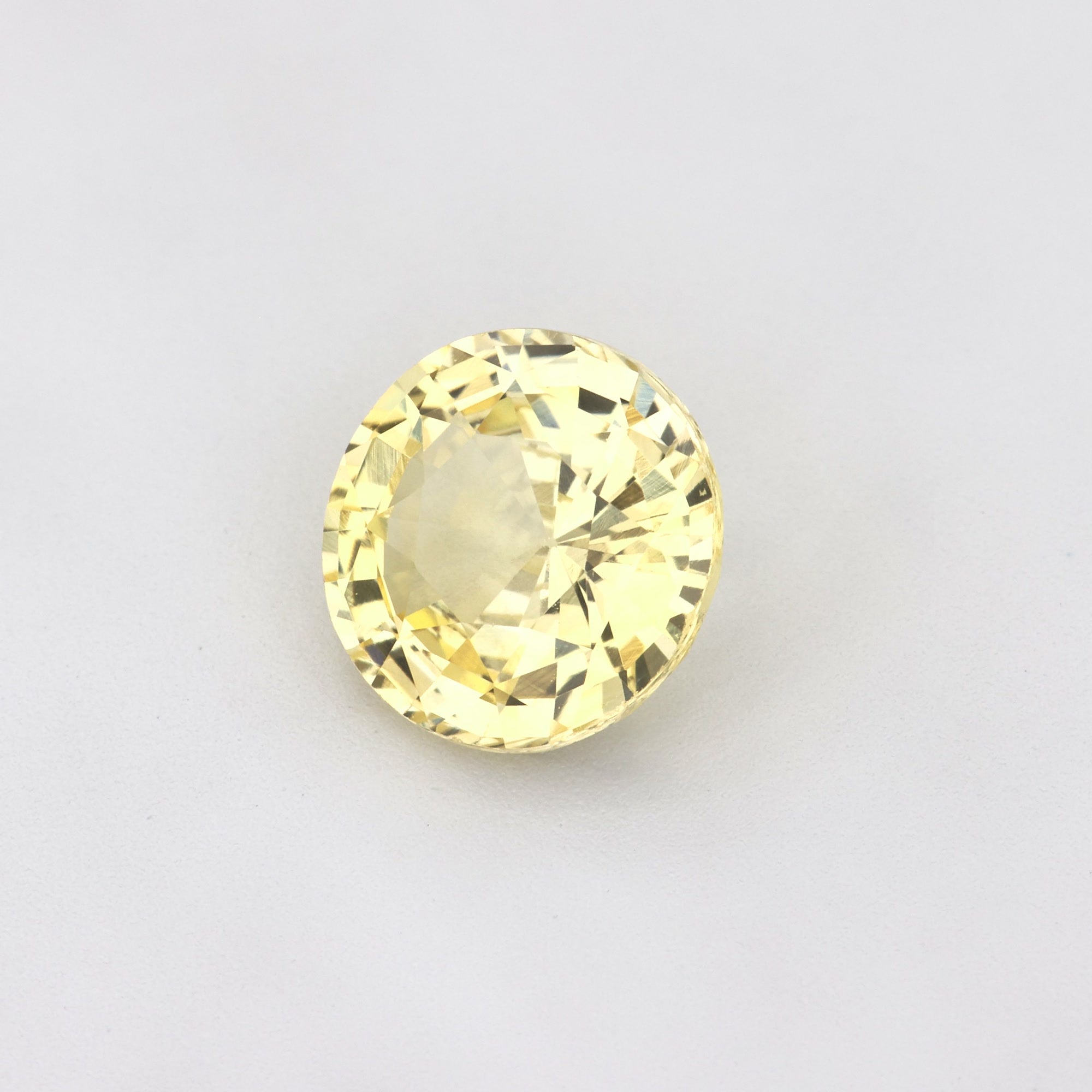
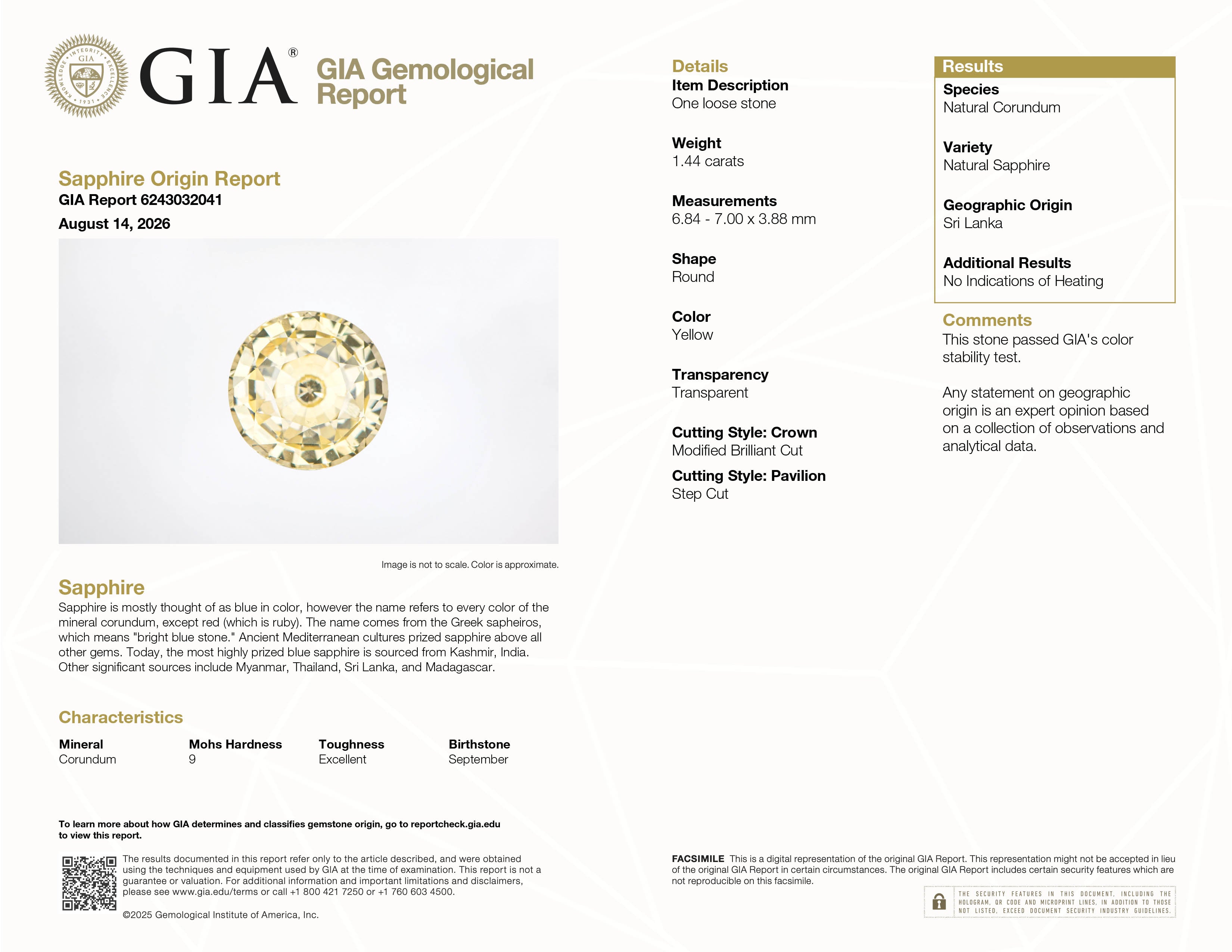
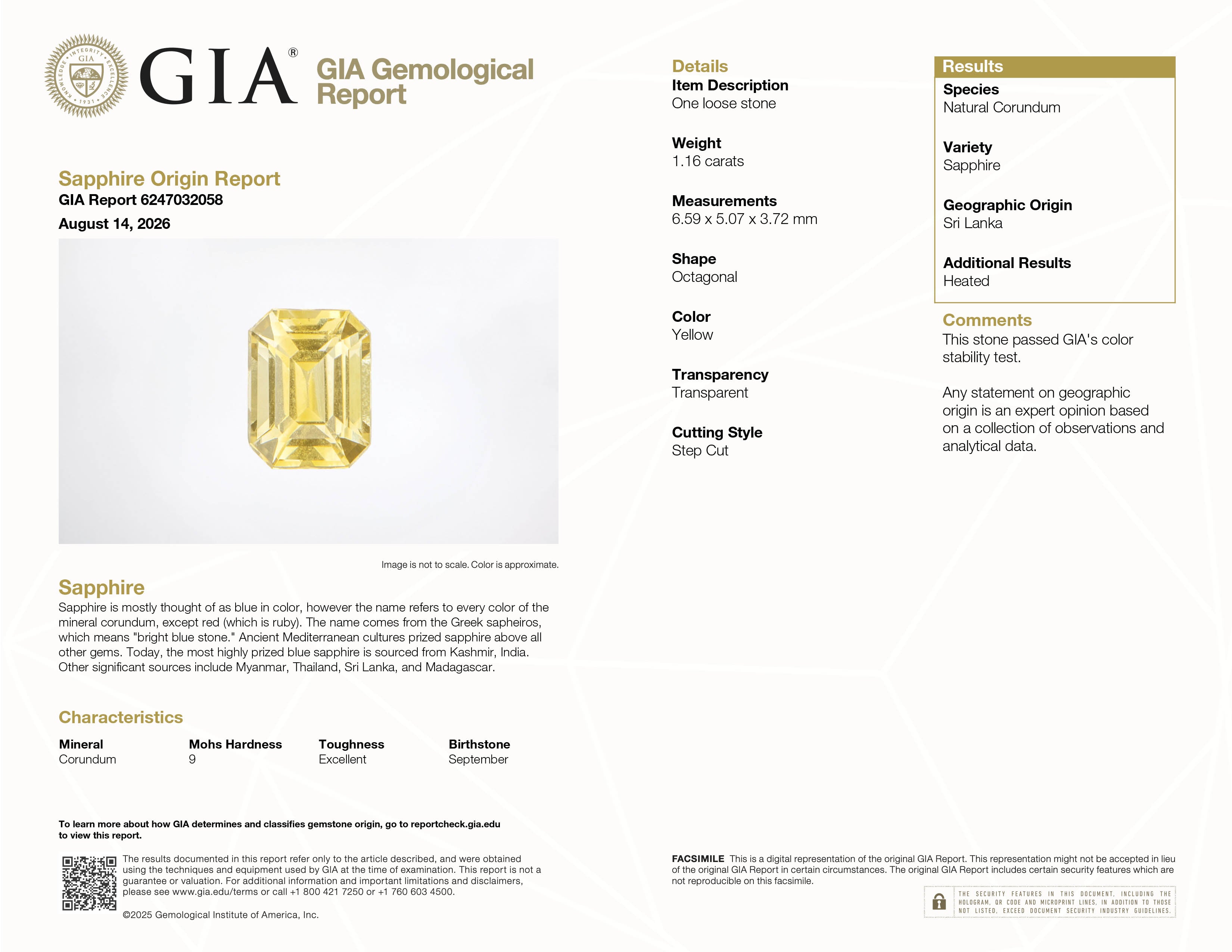
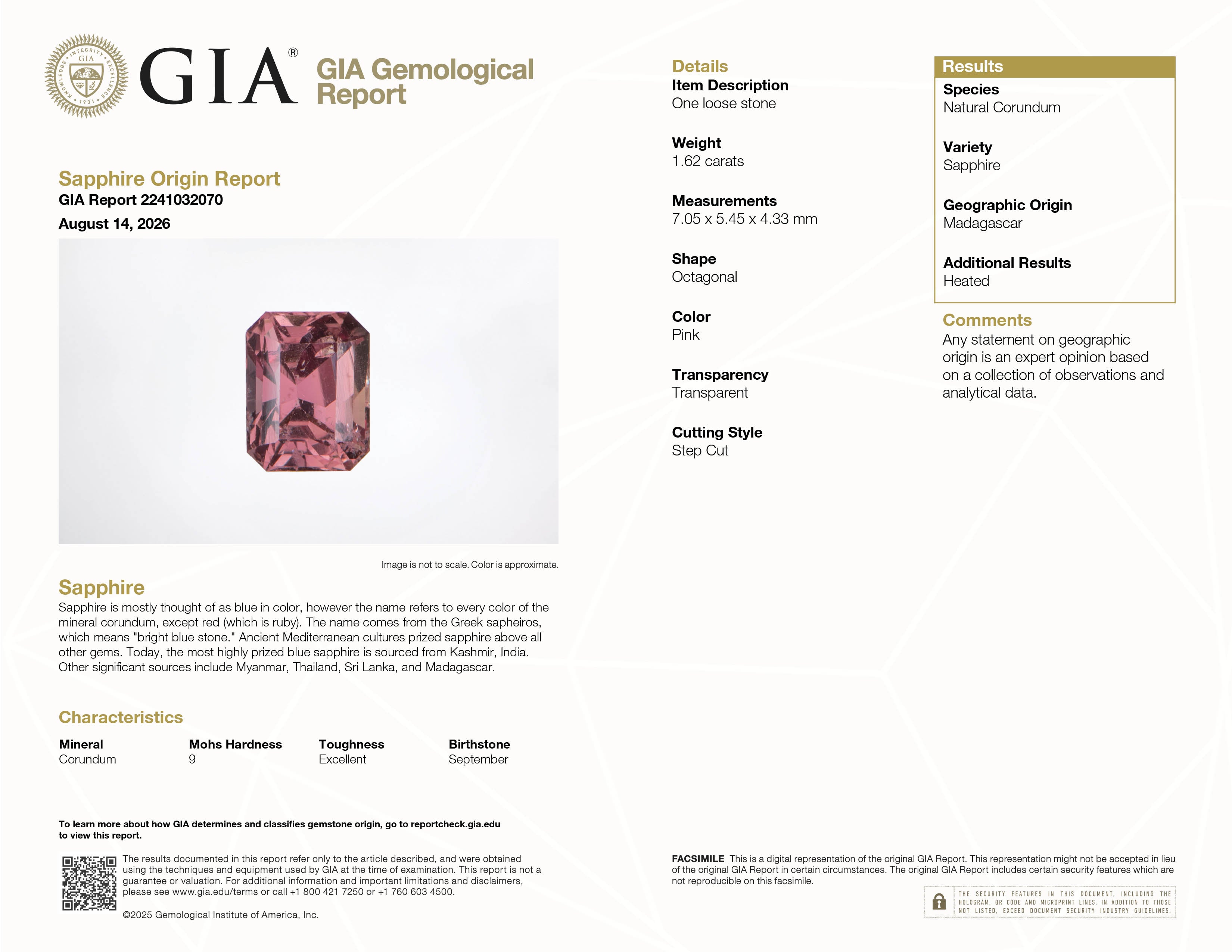
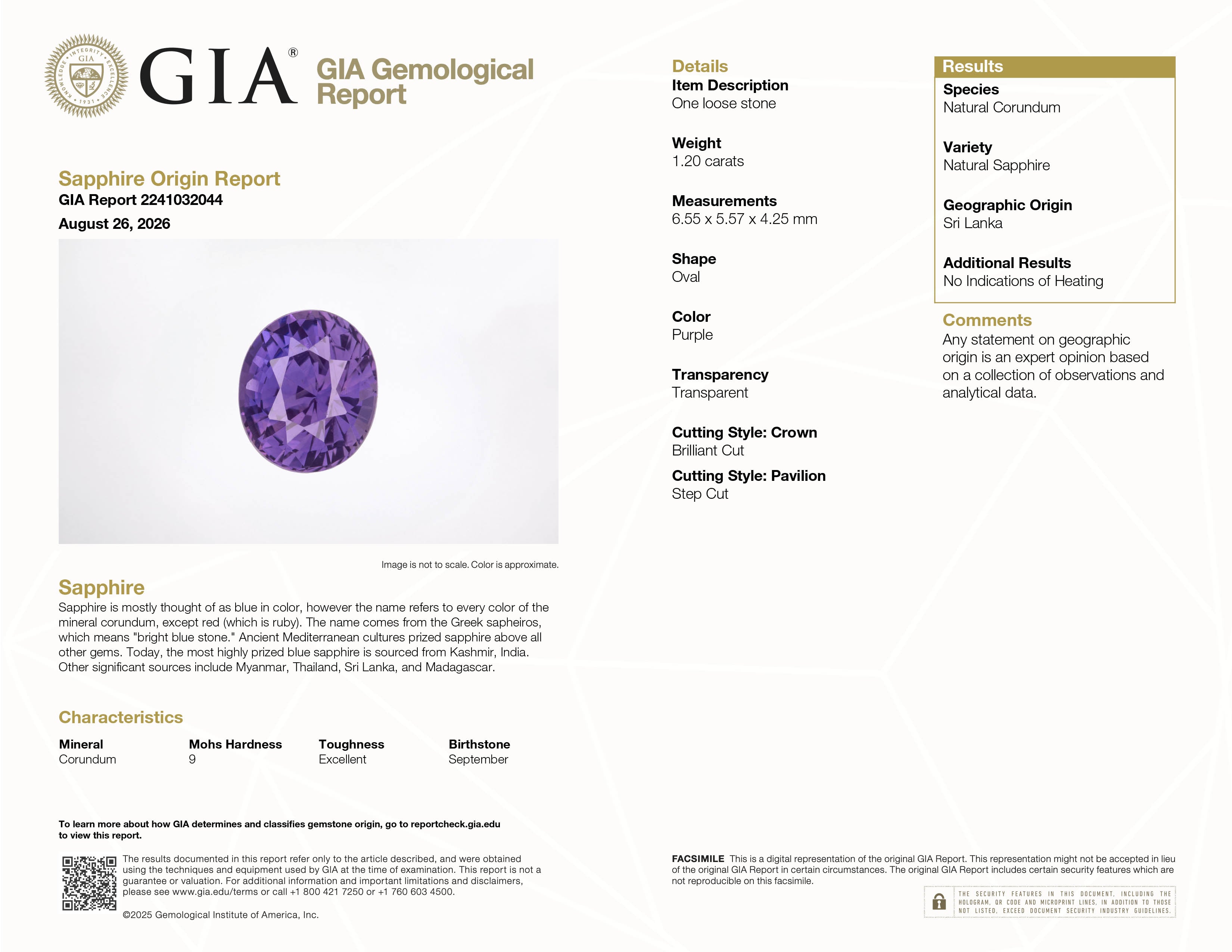
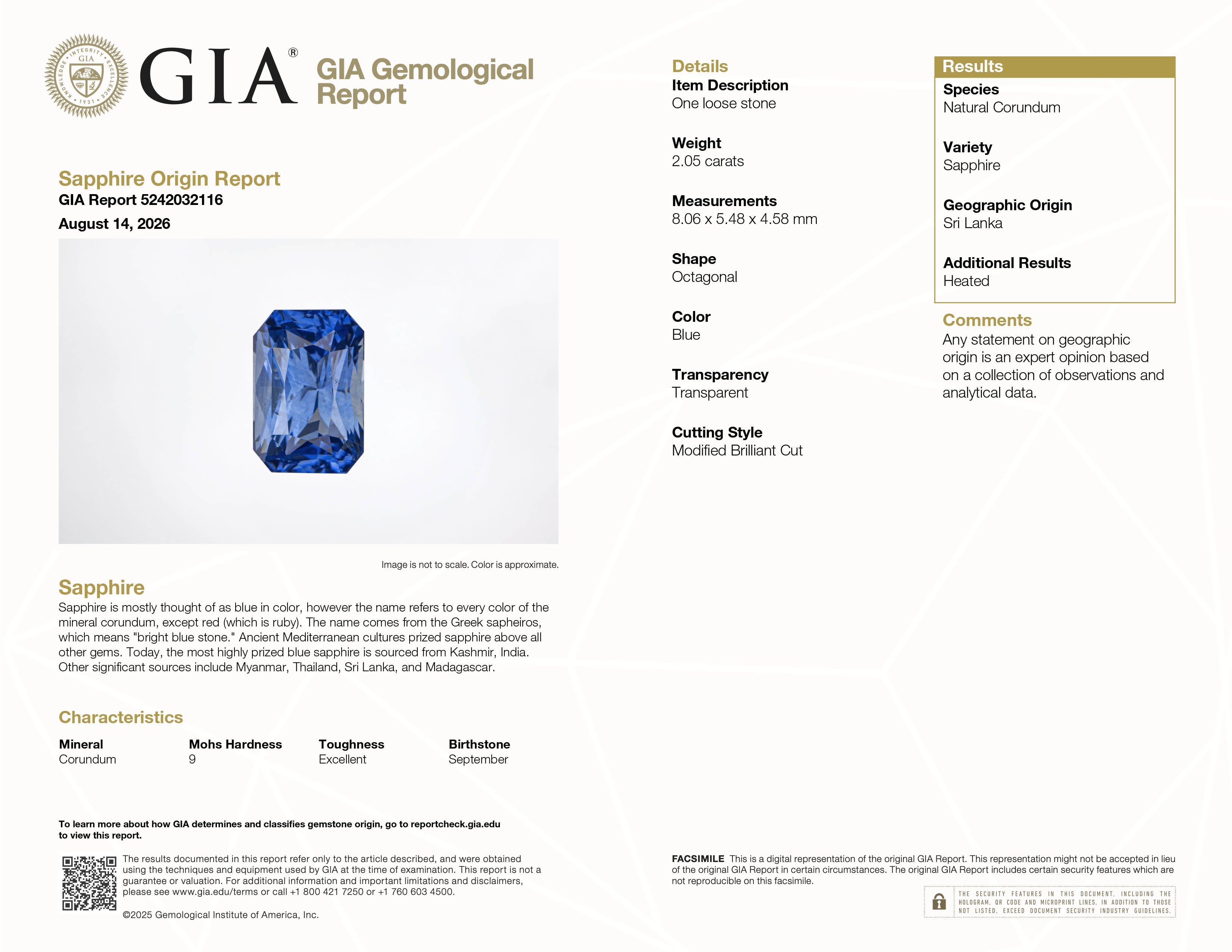
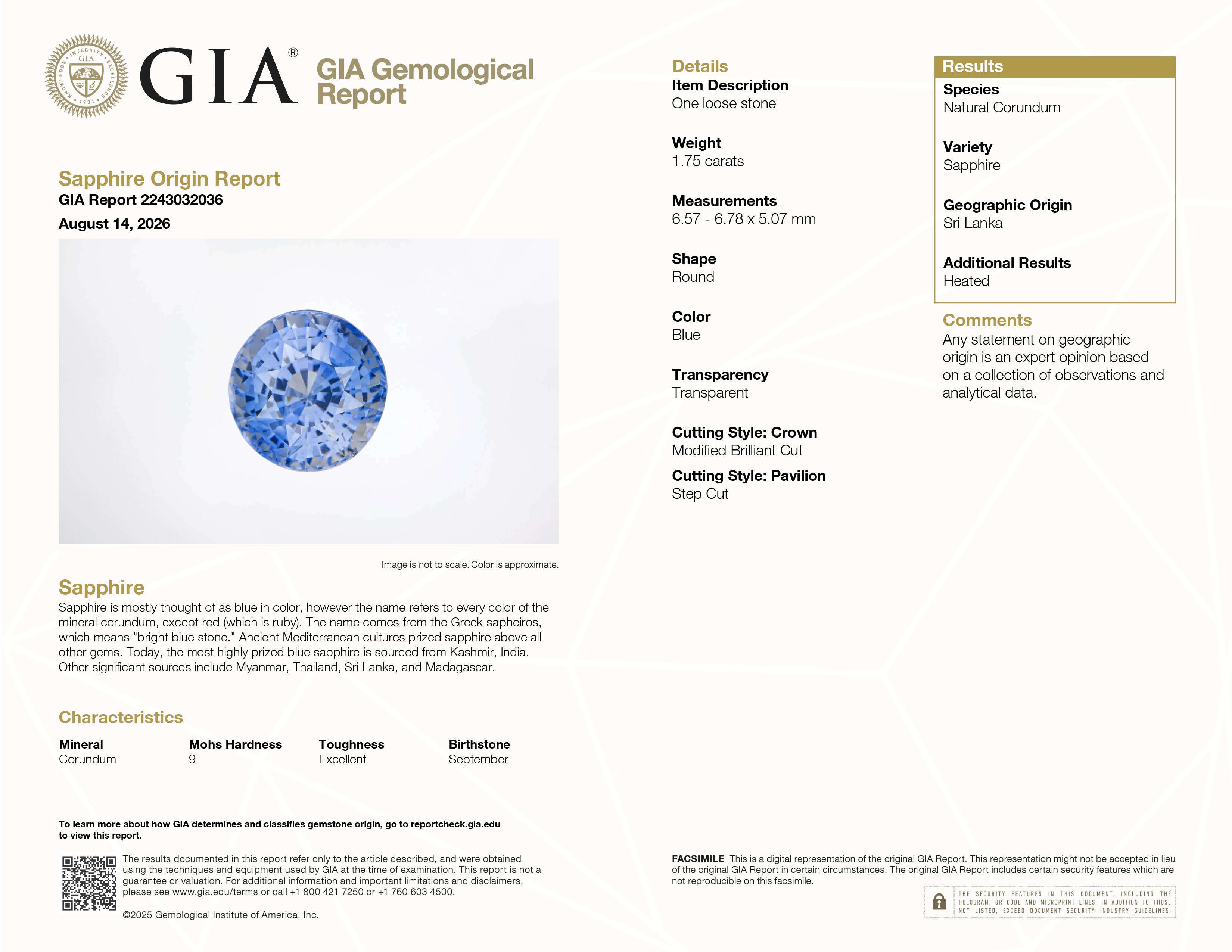
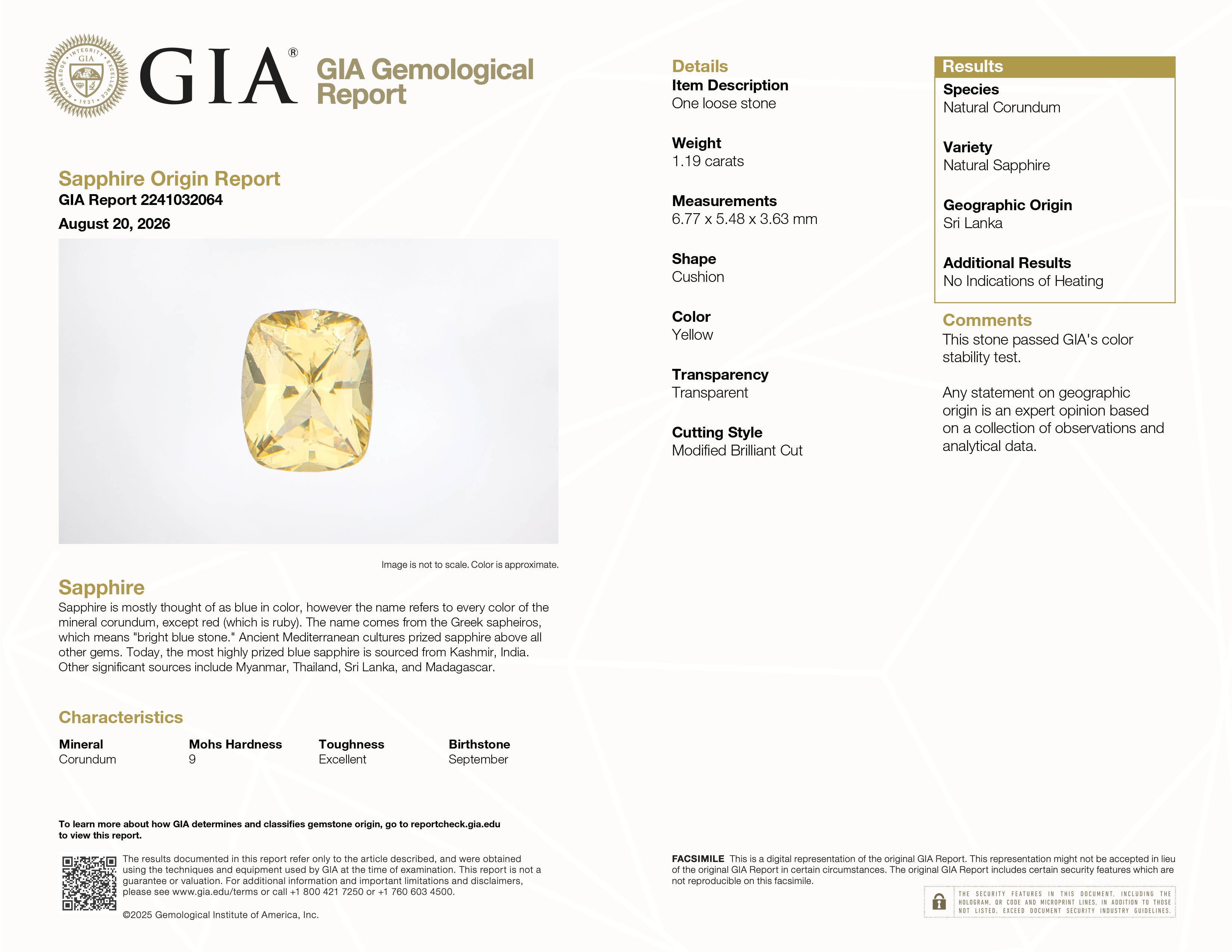
Die geografische Herkunft ist eine Sache für sich: GIA druckt sie nur auf einem Herkunftsbericht, dem Sapphire Origin Report, und nur dort, wo diese Frage überhaupt gestellt wurde. In unserem eigenen Bestand kommen beide Fälle vor – ein Stein mit einem GIA-Herkunftsbericht, der ihn nach Sri Lanka setzt, und ein anderer, dessen GIA-Bericht in diesem Feld Not Requested druckt. Der zweite Stein ist kein schlechterer Stein, und seine Unterlagen sind nicht lückenhaft. Es wurde schlicht eine Frage nicht gestellt.
Wo eine Herkunft auf einem Bericht steht, ist sie ausdrücklich eine Expertenmeinung des Labors und keine Bestätigung – GIA formuliert das selbst so: „Any statement on geographic origin is an expert opinion based on a collection of observations and analytical data.“ Siehe unseren Leitfaden einen Saphirring versichern.
Die Jyotish-Praxis verlangt, so wie sie üblicherweise beschrieben wird, dass der Stein die Haut berührt – also eine nach unten offene Fassung mit freiliegendem Pavillon – und dass der Stein natürlich und unerhitzt ist. Das ist eine Beschreibung der Praxis und nicht unser Urteil darüber: Wir verkaufen Steine, und wir sprechen nicht für die Tradition.
Wo wir nützlich sein können, ist die Reihenfolge der Arbeitsschritte. Die Behandlung steht auf der Listung, und ein loser Stein kann vor dem Fassen an ein Labor gegeben werden – und genau das ist der Punkt, an dem es am einfachsten ist. Eine nach unten offene Fassung muss außerdem von vornherein so entworfen werden; sie nachträglich aus einem geschlossenen Ring herauszuarbeiten, ist eine Umarbeitung mit allem, was in Grund 3 dazu steht.
Zur Fassung selbst sagen wir Ihnen auf Nachfrage gern unsere Meinung, und sie ist genau als das zu lesen: unsere eigene Empfehlung aus dem Umgang mit diesen Steinen – kein Labor veröffentlicht Hinweise zu Fassungen, und wir geben hier auch keine wieder. Siehe unseren Leitfaden zu Saphiren für Jyotish.
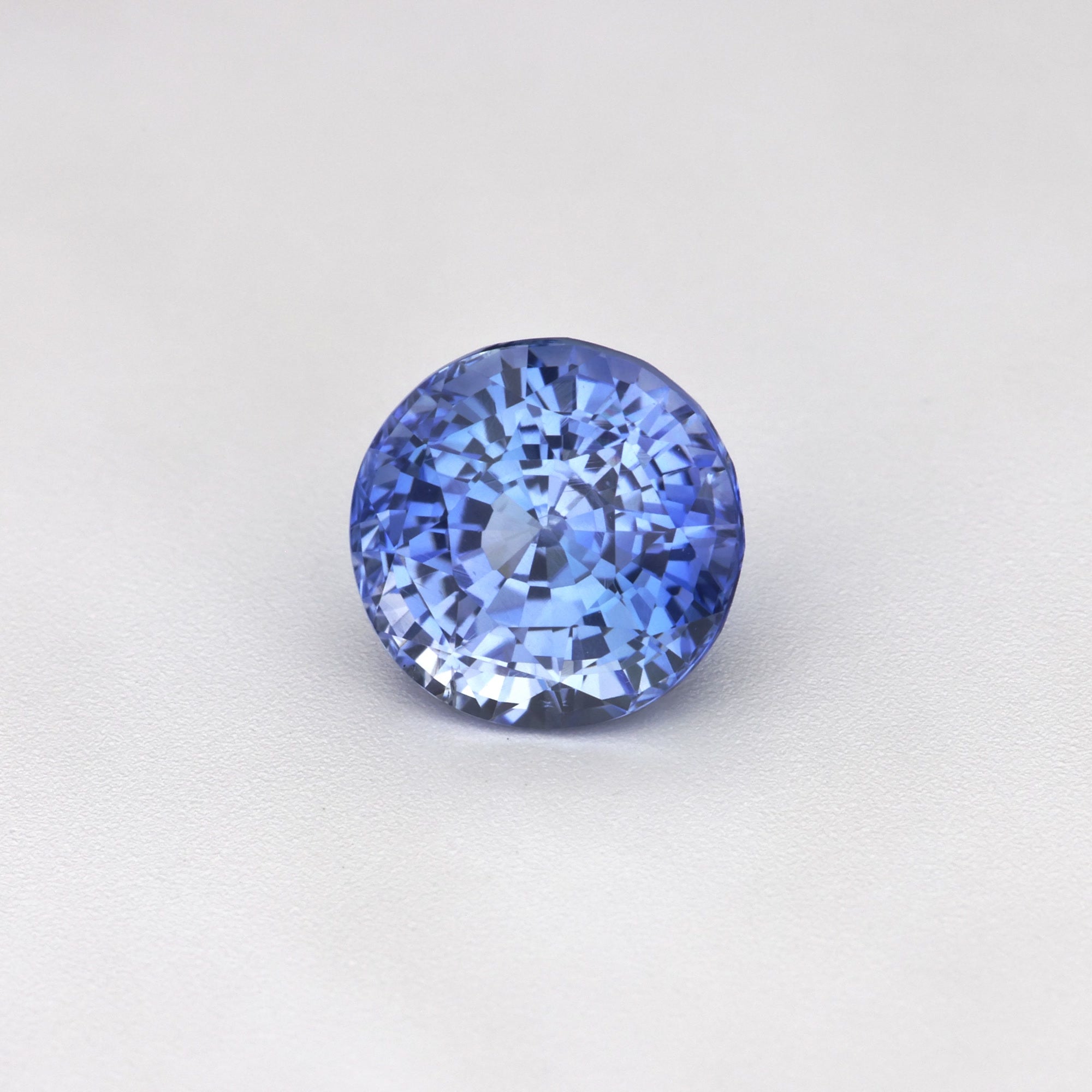
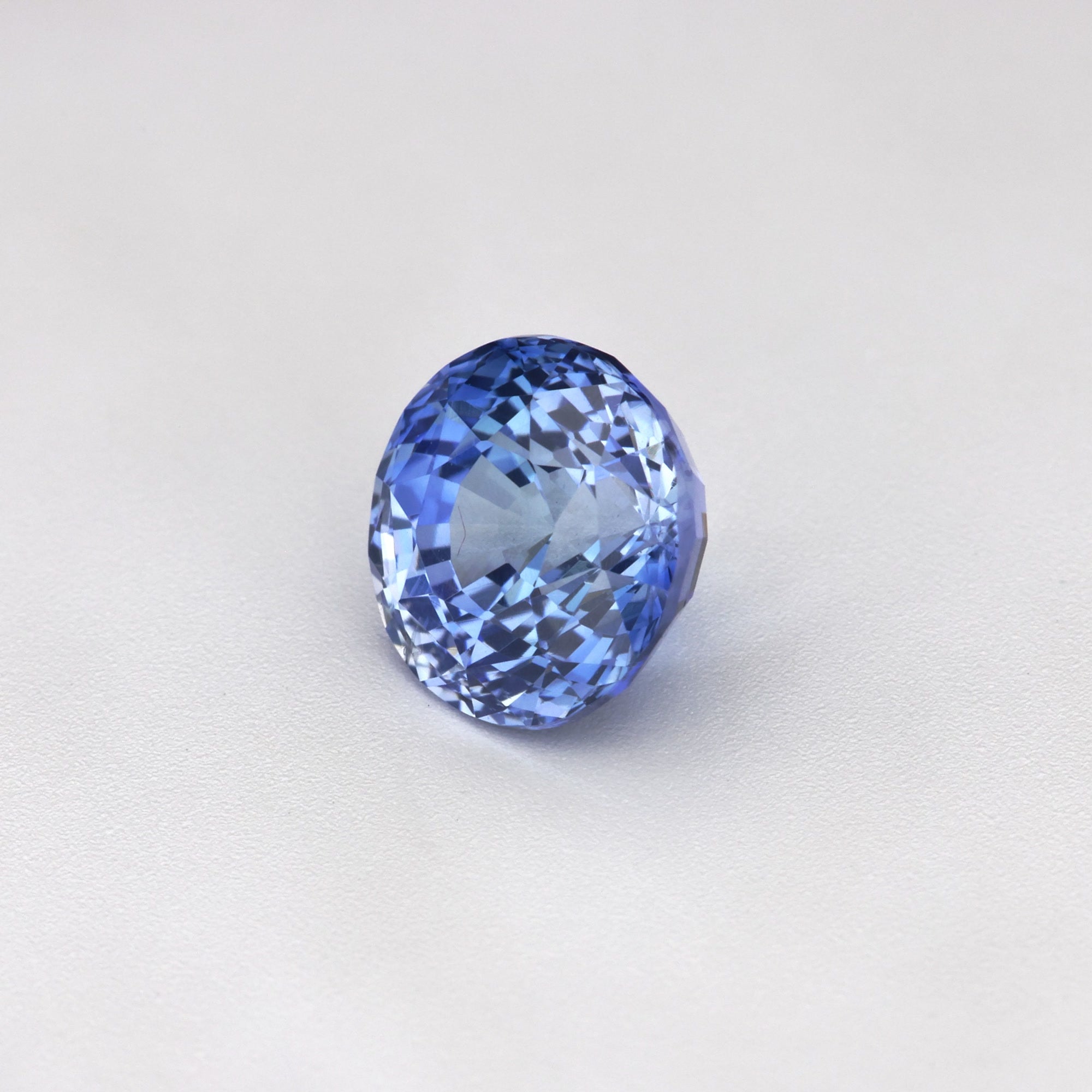
Zu jedem Stein in unserem Katalog senden wir Ihnen auf Anfrage ein persönliches Video, bevor Sie sich festlegen: der Stein bei Tageslicht und bei Kunstlicht, gekippt und gedreht, in der Hand und auf neutralem Grund. Fotos zeigen eine Lichtsituation; ein Video zeigt, wie sich die Farbe bewegt, und das ist bei einem Farbstein die Information, auf die es ankommt. Schreiben Sie uns einfach, welchen Stein Sie sehen möchten.
Dazu kommt die Rückgabe. Für jede Bestellung gilt ein Rückgaberecht von 14 Tagen ab Erhalt der Sendung. Deutsche und österreichische Käufer kennen diese Frist aus dem Fernabsatz – das gesetzliche Widerrufsrecht für Verbraucherverträge im Fernabsatz beträgt nach §§ 312g, 355 BGB ebenfalls vierzehn Tage. Unsere Rückgabefrist ist eine eigene Zusage; sie tritt nicht an die Stelle gesetzlicher Rechte, und Ihre gesetzlichen Verbraucherrechte bleiben davon unberührt.
Der praktische Punkt für diese Seite: Beides – das Video wie die Rückgabe – betrifft einen losen Stein, der noch nichts ist als er selbst. Nach dem Fassen ist eine Rückgabe keine Rückgabe mehr, sondern eine Umarbeitung.
Eine Falle, die wir in keinem deutschsprachigen Saphir-Ratgeber aufgelöst gefunden haben, und die gerade beim Schritt vom losen Stein zum Ring zuschlägt. Beim Stein ist das metrische Karat eine Masseneinheit: 1 Karat sind 0,2 Gramm, abgekürzt ct. Beim Fassungsmetall bezeichnet Karat dagegen den Goldfeingehalt: 750er Gold ist 18 Karat, 585er Gold ist 14 Karat. Zwei verschiedene Einheiten, ein Wort. „Ein 2-Karat-Saphir in 18-Karat-Gold“ enthält es zweimal und meint beide Male etwas anderes. Wir schreiben beim Stein durchgängig ct und beim Metall den Feingehalt, und wir empfehlen Ihnen, in der Werkstatt dasselbe zu tun.
Wir verkaufen lose Steine, und auf jeder Produktseite steht die Behandlung. Wo ein Stein einen Bericht hat, nennen wir das Labor und die Berichtsnummer; wo er keinen hat, sagt die Listung das ausdrücklich. Die Produktseite und nicht dieser Artikel ist die aktuelle Antwort für einen bestimmten Stein.
Die Herkunft steht ebenfalls auf jeder Listung. Die meisten unserer Saphire sind srilankische Saphire, aber nicht alle – wir führen auch Steine aus Madagaskar und aus einer Handvoll weiterer Fundgebiete, und die Listung nennt die Herkunft des einzelnen Steins, statt Sie zu zwingen, sie aus einem Sammlungsnamen abzulesen. Zahlen zum Bestand nennen wir hier nicht: Sie ändern sich mit jedem Verkauf.
Zum Namen, unter dem viele deutschsprachige Käufer suchen: Ceylon-Saphir ist ein Handelsname, die sachliche Angabe lautet Saphir aus Sri Lanka – und auf eine Qualitätsachse gehört das Wort nicht. Wir führen es, weil danach gesucht wird, und schreiben im Text srilankischer Saphir.
Sehen Sie sich den Katalog loser Steine an oder gehen Sie nach Farbe: blau, Teal, gelb, rosa, Pfirsich, violett. Wer gezielt unerhitzte Steine sucht, findet sie unter unerhitzte Saphire. Oder schreiben Sie uns Ihre Vorgaben an crescentgems@gmail.com, und wir stellen Ihnen persönlich eine Auswahl zusammen.
Weil Sie den ganzen Stein ansehen können, bevor Sie sich festlegen – Pavillon und Rundiste ebenso wie die Ansicht von oben – und weil Sie ihn vor dem Fassen an ein Labor geben können. Die Fassung wird dann für den Stein ausgewählt und nicht umgekehrt. Das ist keine Aussage darüber, dass ein fertiger Ring der schlechtere Kauf wäre; es ist eine Aussage darüber, was in welcher Reihenfolge möglich ist.
Den Stein. Der Preis eines Rings ist der Stein plus Metall plus Fassarbeit, die beiden Preise messen also nicht dasselbe. Wir haben keinen Ausstellungsraum und keinen Ladentisch, wir kaufen in Ratnapura, Beruwala und Colombo ein und lassen nach eigener Vorgabe schleifen. Einen Prozentsatz unter dem Einzelhandel oder einen Aufschlagsfaktor veröffentlichen wir nicht, weil wir keinen haben, für den wir geradestehen könnten.
Die Krappen verdecken die Rundiste und die Fassung den Pavillon, der Schliff lässt sich aus der Ansicht von oben allein also nicht beurteilen. Ein Stein, der schon in einem Ring sitzt, kann bei GIA oder Gübelin außerdem erst eingereicht werden, nachdem er ausgefasst wurde.
Ja. Bringen Sie den Stein zu der Werkstatt, mit der Sie arbeiten möchten, und klären Sie vorher zwei Dinge: ob der Betrieb beigestellte Steine überhaupt annimmt, und was das Fassen kostet. Fragen Sie außerdem, wie das Risiko einer Beschädigung beim Fassen geregelt ist – ein Fassauftrag ist ein Werkvertrag nach §§ 631 ff. BGB, und die beigestellte Sache bleibt Ihre.
Nein. Ein Gutachten ist im deutschen Sprachgebrauch die begründete Stellungnahme eines öffentlich bestellten und vereidigten Sachverständigen und nennt in der Regel einen Betrag in Euro. Was ein gemmologisches Labor ausstellt, ist ein Befundbericht: Identifikation, Eigenschaften, Behandlung und – wenn beauftragt – eine Herkunftsmeinung, ohne Wertangabe. GIA druckt die Einschränkung selbst auf das Papier: der Bericht ist weder eine Garantie noch eine Wertermittlung. Wenn Sie eine Wertangabe für die Versicherung brauchen, ist das ein zweiter Auftrag an einen Sachverständigen.
Verlangen Sie Fotos und ein Video bei Tageslicht und bei Kunstlicht, lassen Sie den Stein kippen, damit Sie eine gleichmäßige Ansicht von oben ohne großes blasses Fenster sehen, und fragen Sie, welches Labor den Bericht ausgestellt hat und wie die Berichtsnummer lautet. Zu jedem Stein in unserem Katalog senden wir auf Anfrage ein persönliches Video.
Eine Anfertigung entsteht um einen Stein herum und muss nichts rückgängig machen. Eine Umarbeitung verändert ein vorhandenes Stück und beginnt deshalb mit dem Ausfassen. Wer zuerst den losen Stein kauft, beginnt bei der Anfertigung; wer den fertigen Ring kauft und später etwas anderes will, beginnt bei der Umarbeitung.

CG8469
CG8454
CG8468
CG8464
CG8463
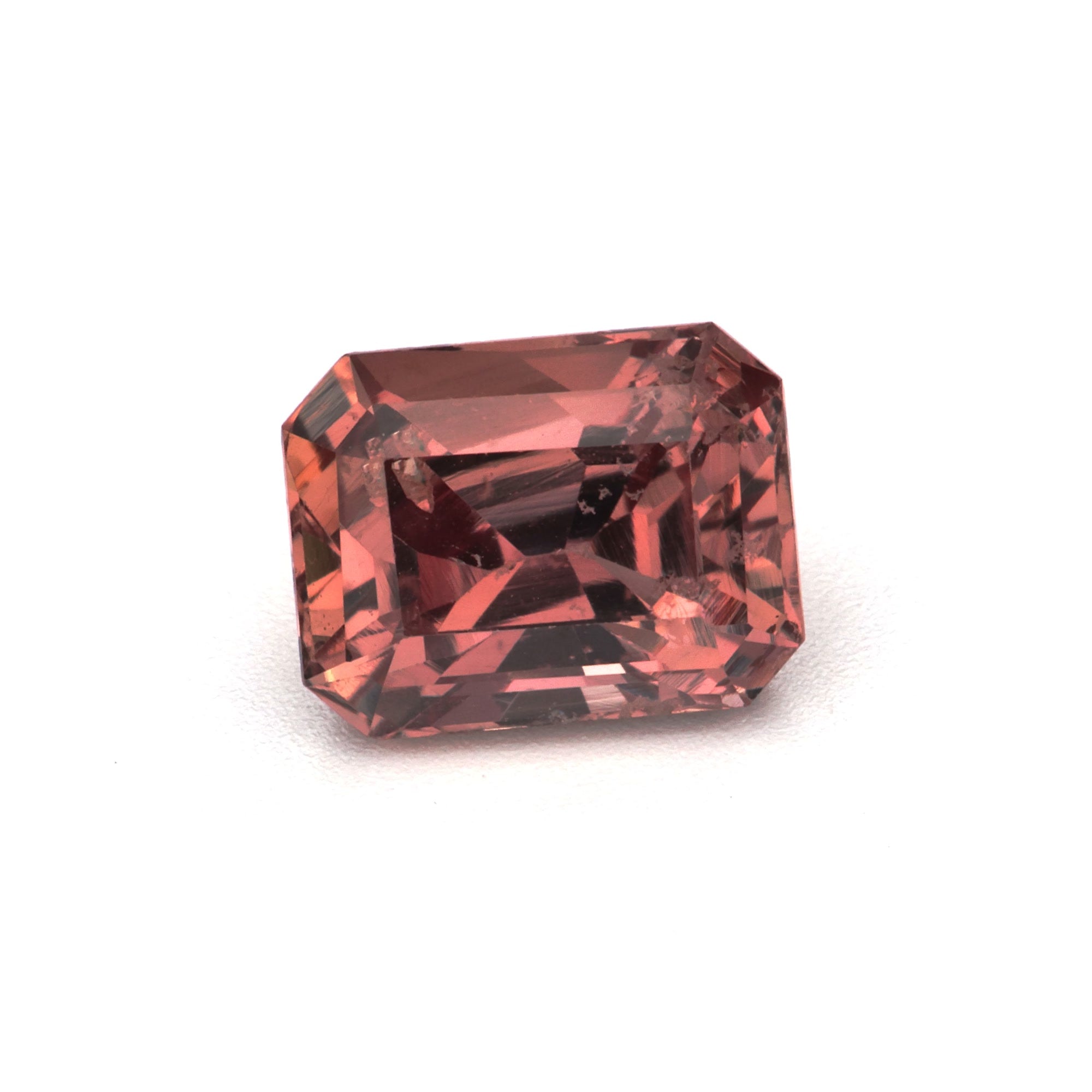
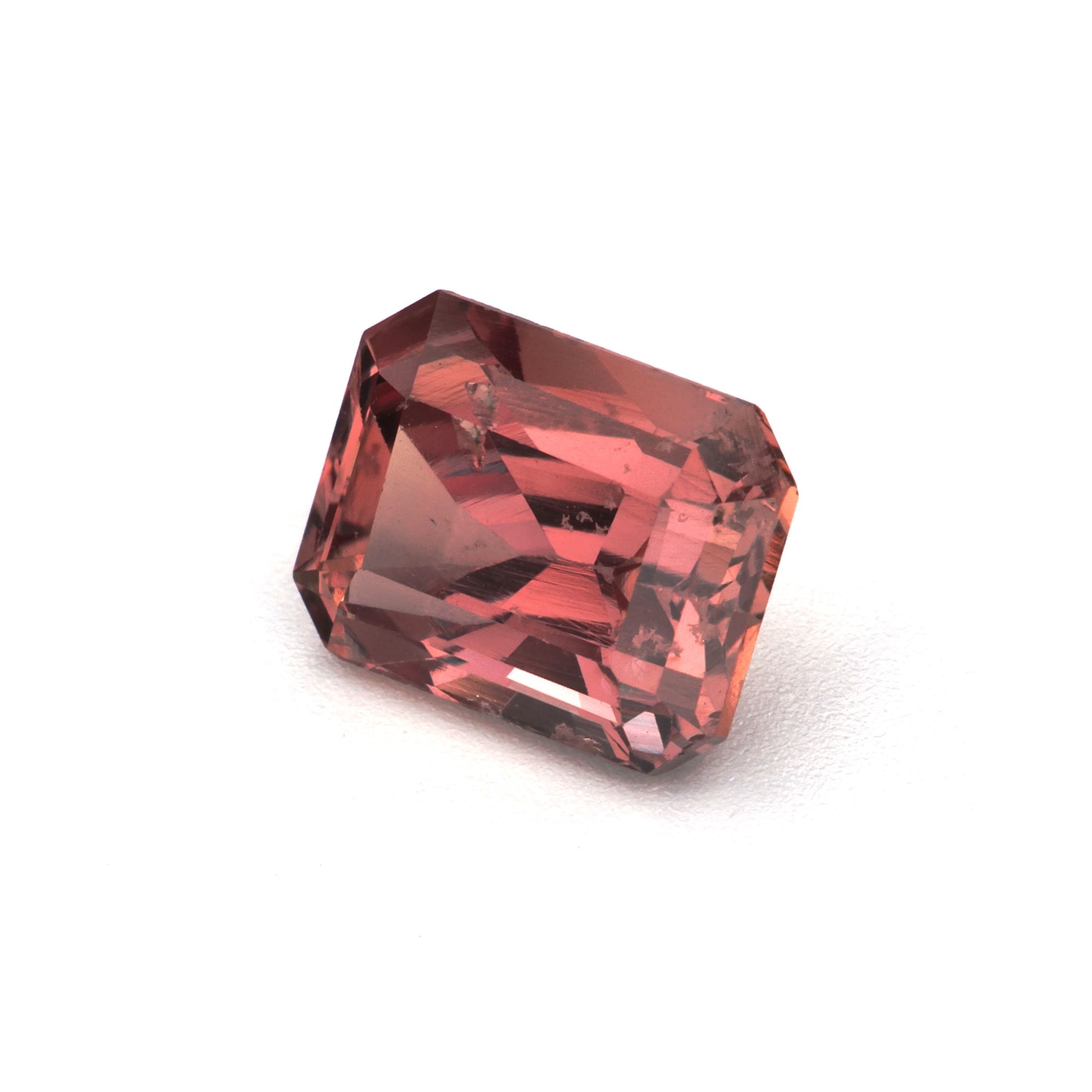
Madagaskar Rosa Saphir 1,62 ct – Achteck, GIA-Bericht
CG8459
CG8458
CG8457
CG8456
CG8453


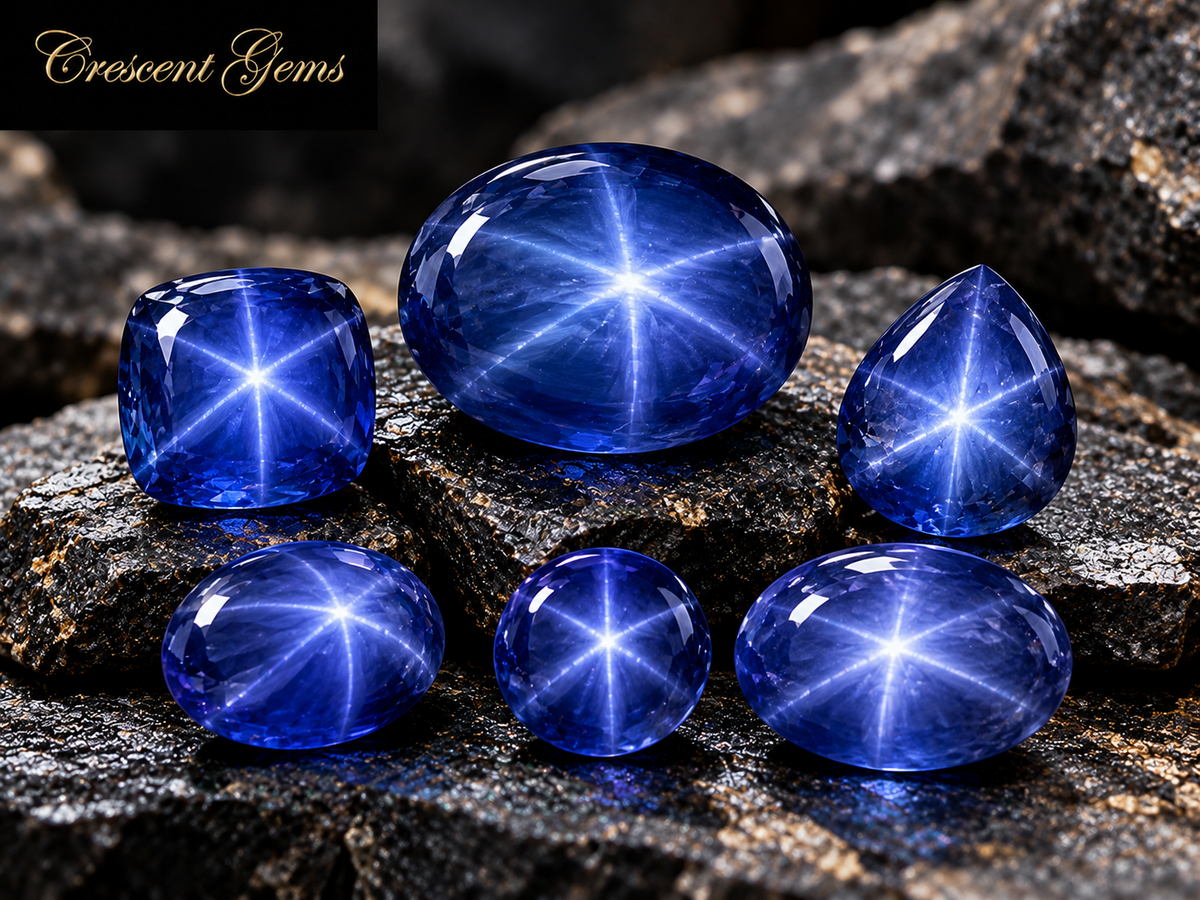
Blauer Sternsaphir: Preise pro Karat und wovon sie abhängen
Was blauer Sternsaphir pro Karat kostet und wovon der Preis abhängt – dazu unser einziger Stein: 8,09 ct für 4.040 $ mit GIA Sapphire Origin Report.
Weiterlesenüber Blauer Sternsaphir: Preise pro Karat und wovon sie abhängen
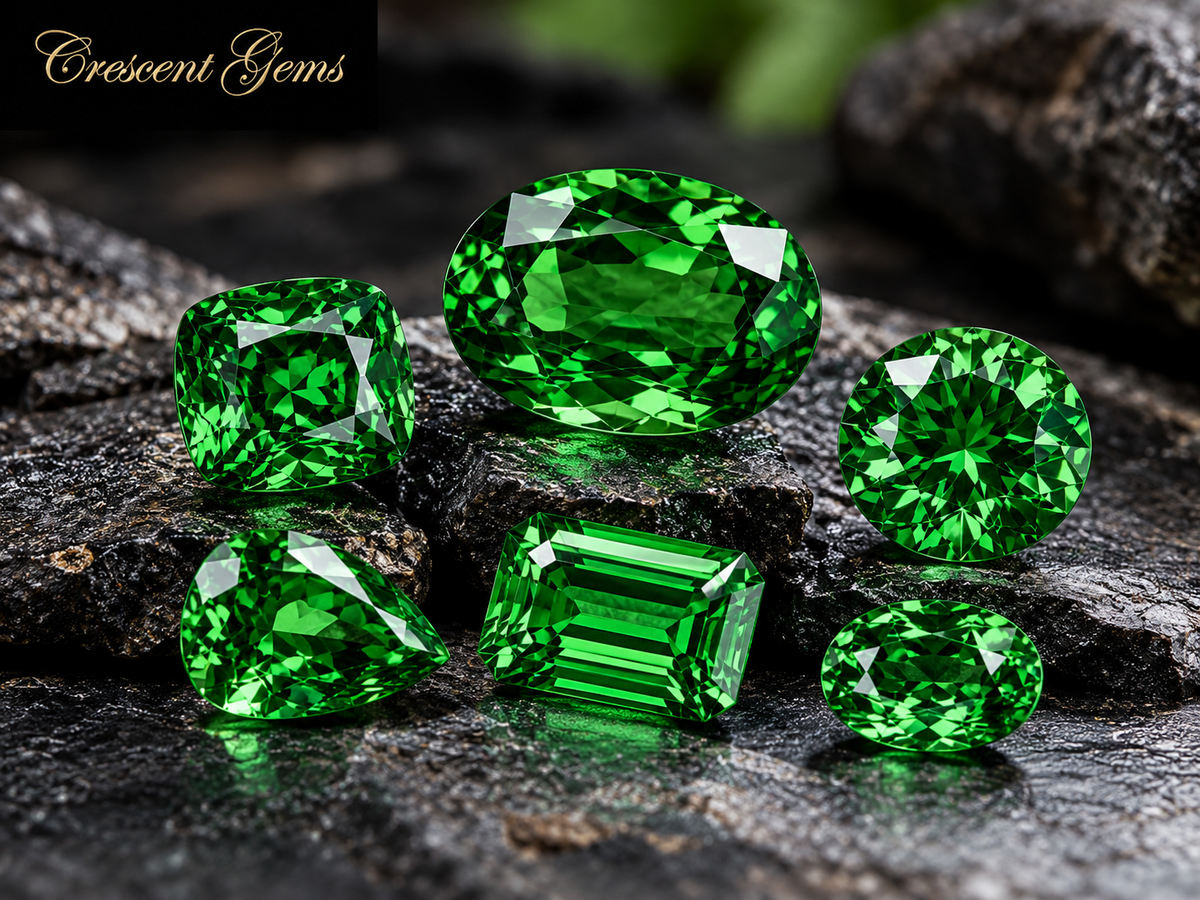
Tsavorit-Granat: Preise pro Karat aus unserem eigenen Bestand
Was Tsavorit-Granat kostet: die Preise pro Karat unserer sieben Steine, der Unterschied zwischen Varietät und Spezies und warum sauberer Rohstein knapp ist.
Weiterlesenüber Tsavorit-Granat: Preise pro Karat aus unserem eigenen Bestand
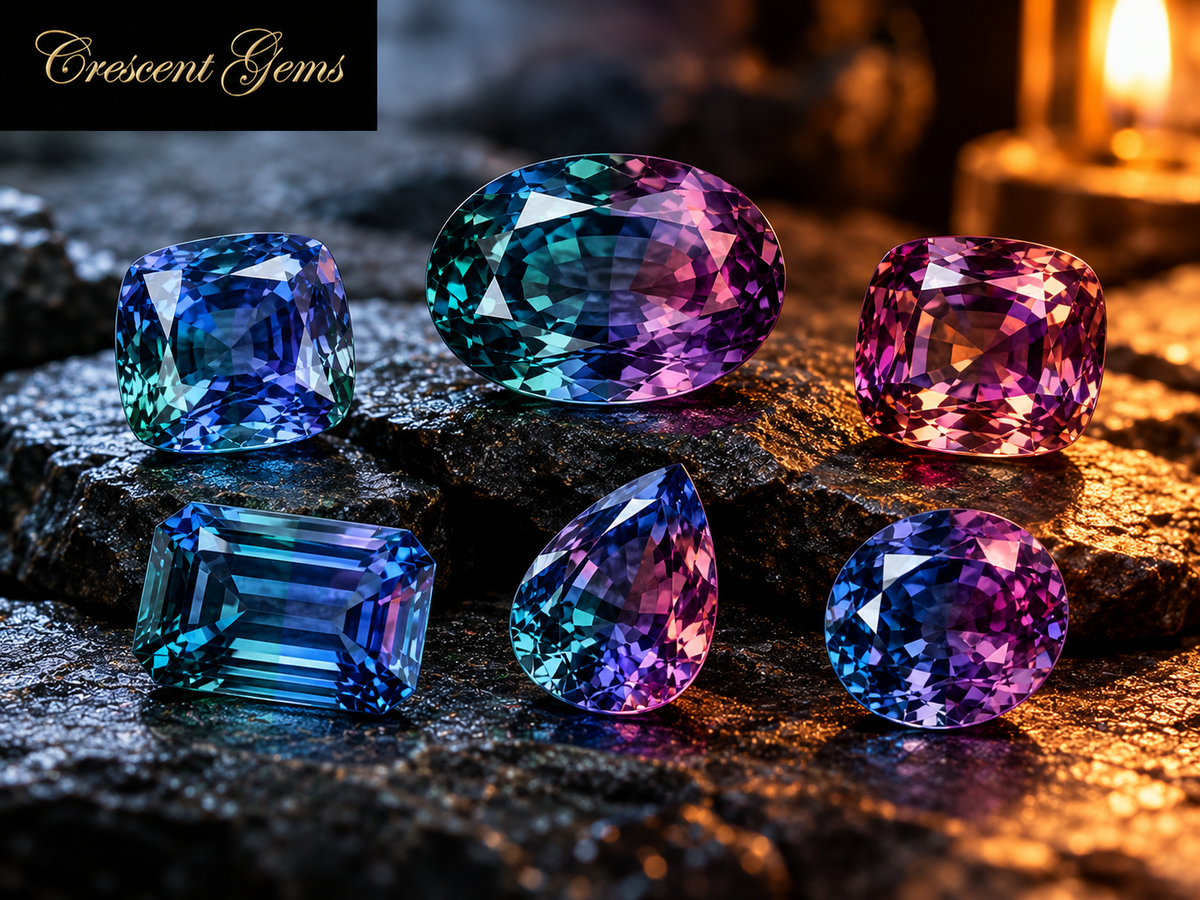
Farbwechsel-Saphir: was er pro Karat kostet und warum
Was ein Farbwechsel-Saphir pro Karat kostet und wovon der Preis abhängt – dazu unsere beiden Steine: 1,03 ct für 824 $ und 2,01 ct für 2.211 $.
Weiterlesenüber Farbwechsel-Saphir: was er pro Karat kostet und warum
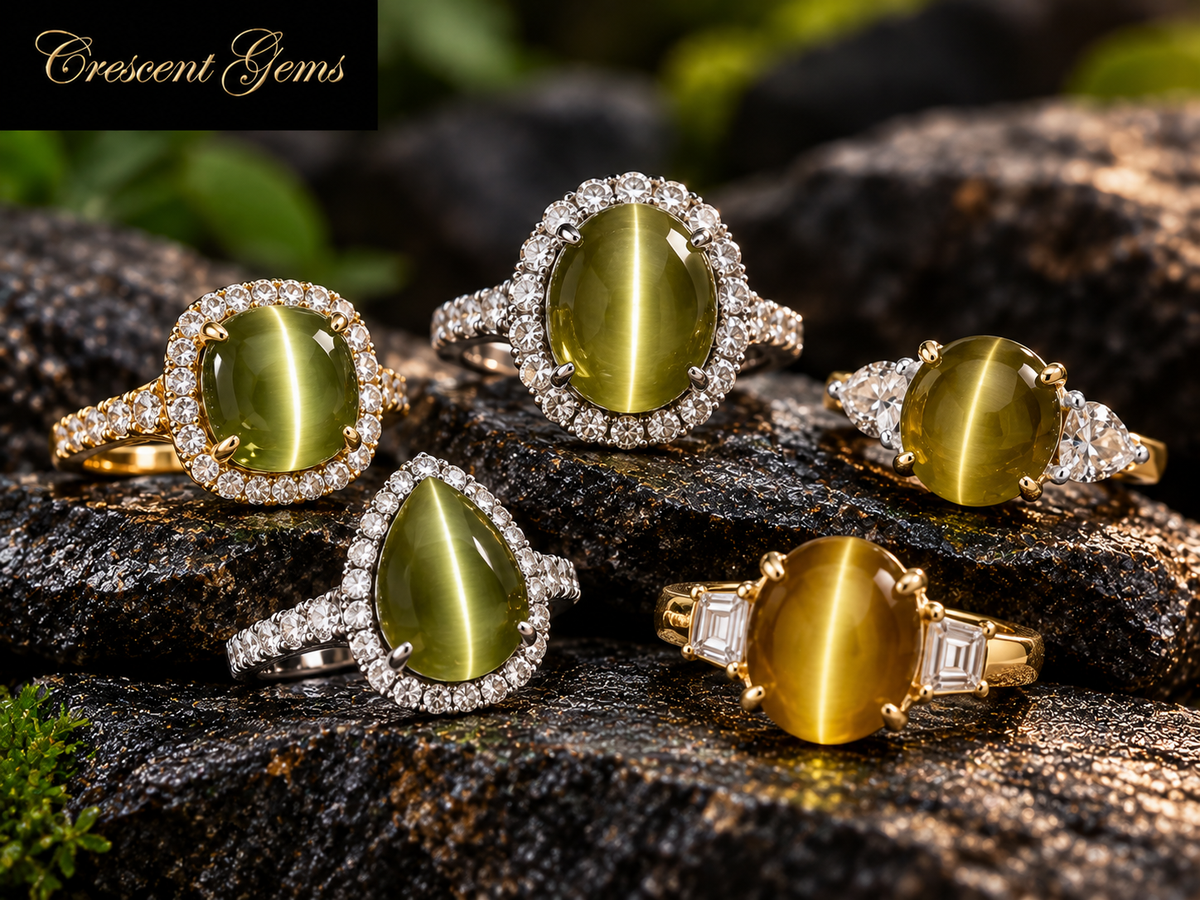
Chrysoberyll-Katzenauge im Verlobungsring: Eignet es sich?
Chrysoberyll hat Mohshärte 8,5 – über Quarz (7) und Smaragd (7,5–8), unter Korund (9) und Diamant (10). Was das für Alltag, Fassung und Pflege bedeutet.
Weiterlesenüber Chrysoberyll-Katzenauge im Verlobungsring: Eignet es sich?
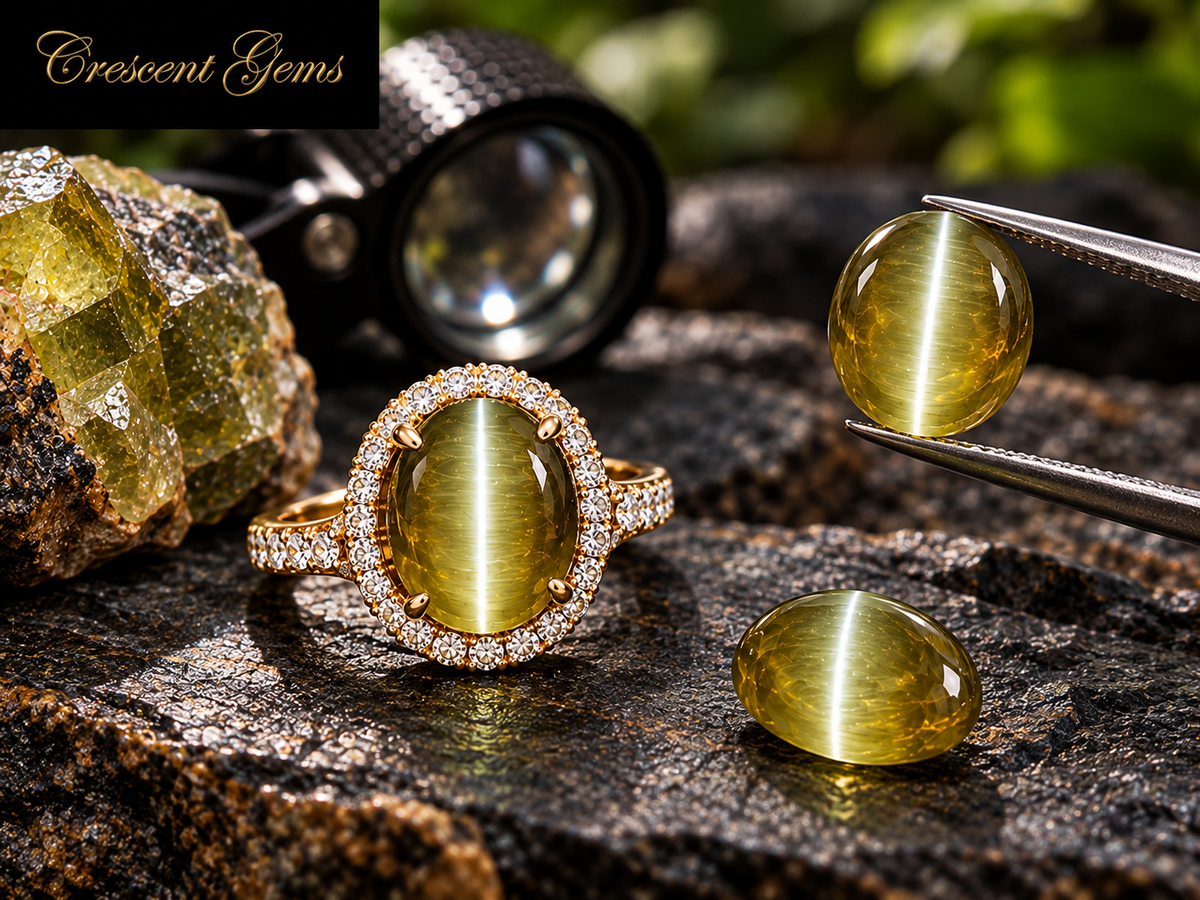
Chrysoberyll-Katzenauge: Preise pro Karat und wovon sie abhängen
Was ein echtes Chrysoberyll-Katzenauge pro Karat kostet und wovon der Preis abhängt – dazu unsere beiden Steine: 2,36 ct für 3.792 $ und 4,25 ct für 9.482 $, je mit GIA-Bericht.
Weiterlesenüber Chrysoberyll-Katzenauge: Preise pro Karat und wovon sie abhängen















Teilen: