

- von Ahmed Shareek
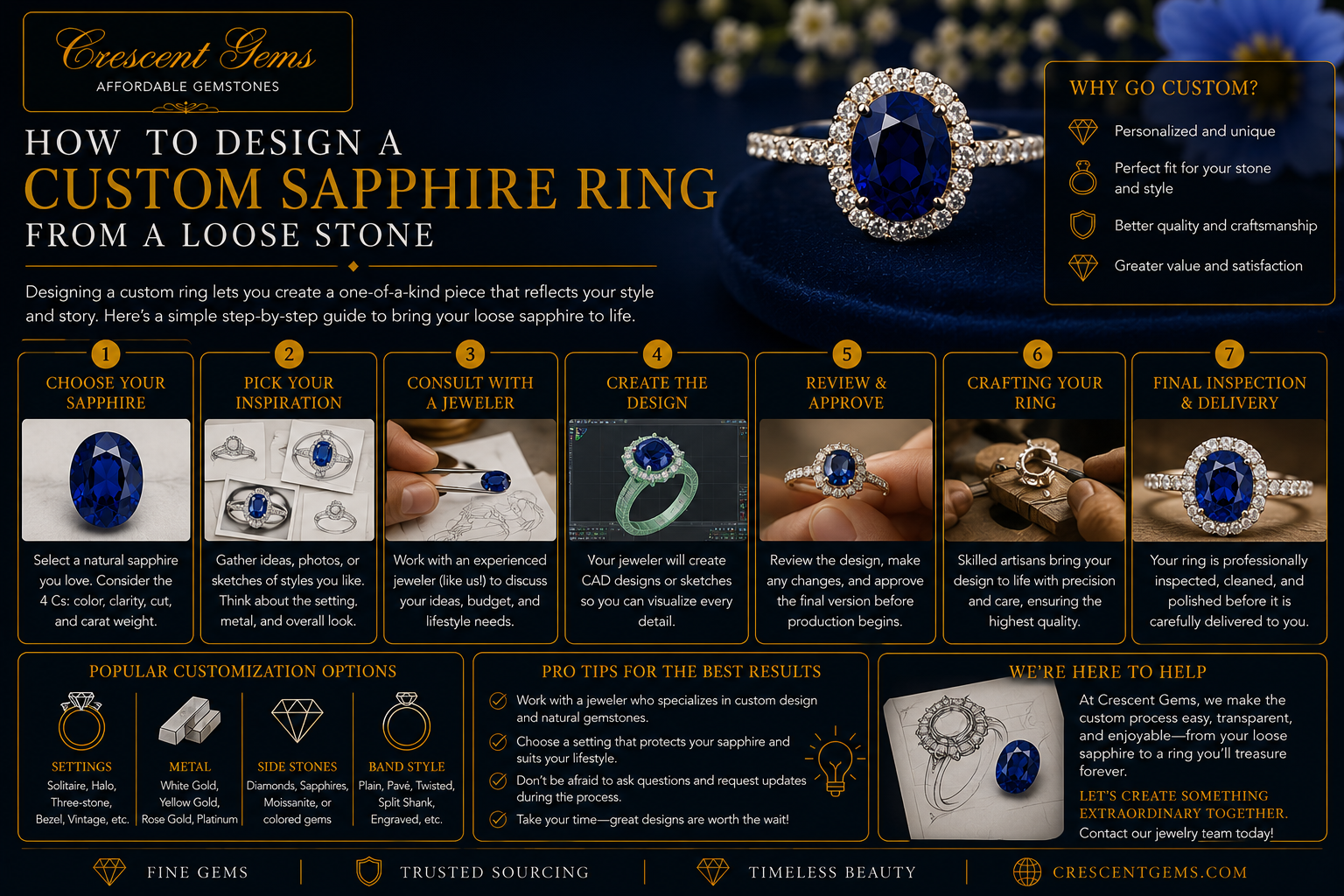
How to Design a Custom Sapphire Ring from a Loose Stone — The Complete Process
- von Ahmed Shareek
For metal choice: Yellow Gold vs. White Gold vs. Platinum. For setting protection: How to Protect Sapphire Corners. For the buying foundation: Ultimate Sapphire Buying Guide.
Buying a loose sapphire and having a custom ring made around it is the approach used by serious buyers, collectors, and anyone who wants a ring that is genuinely personal rather than mass-produced. It allows you to choose the best stone you can find at direct-source pricing, then have it set exactly as you want it — the right metal, the right setting style, the right proportions — rather than compromising on stone quality to fit a preset ring or accepting a preset ring's design when it is not what you actually want.
The process has several stages, each with decisions that affect the final result. This guide walks through the complete custom sapphire ring process in sequence — from choosing your stone through briefing a jeweler, reviewing designs, approving CAD renders, and taking delivery of a finished ring.
The most important rule of custom ring design: choose the stone before the setting. The stone is the primary investment, the visual centerpiece, and the irreplaceable element of the ring. The setting can always be changed; the stone defines the ring.
Buying stone first also means your setting can be designed specifically for the stone you have — its exact dimensions, its shape, its weight, and its character can all inform the setting choices rather than being forced into a generic preset. A jeweler designing around your specific stone will produce a more coherent, better-proportioned result than one designing from generic specifications.
Key stone decisions to make before approaching a jeweler:
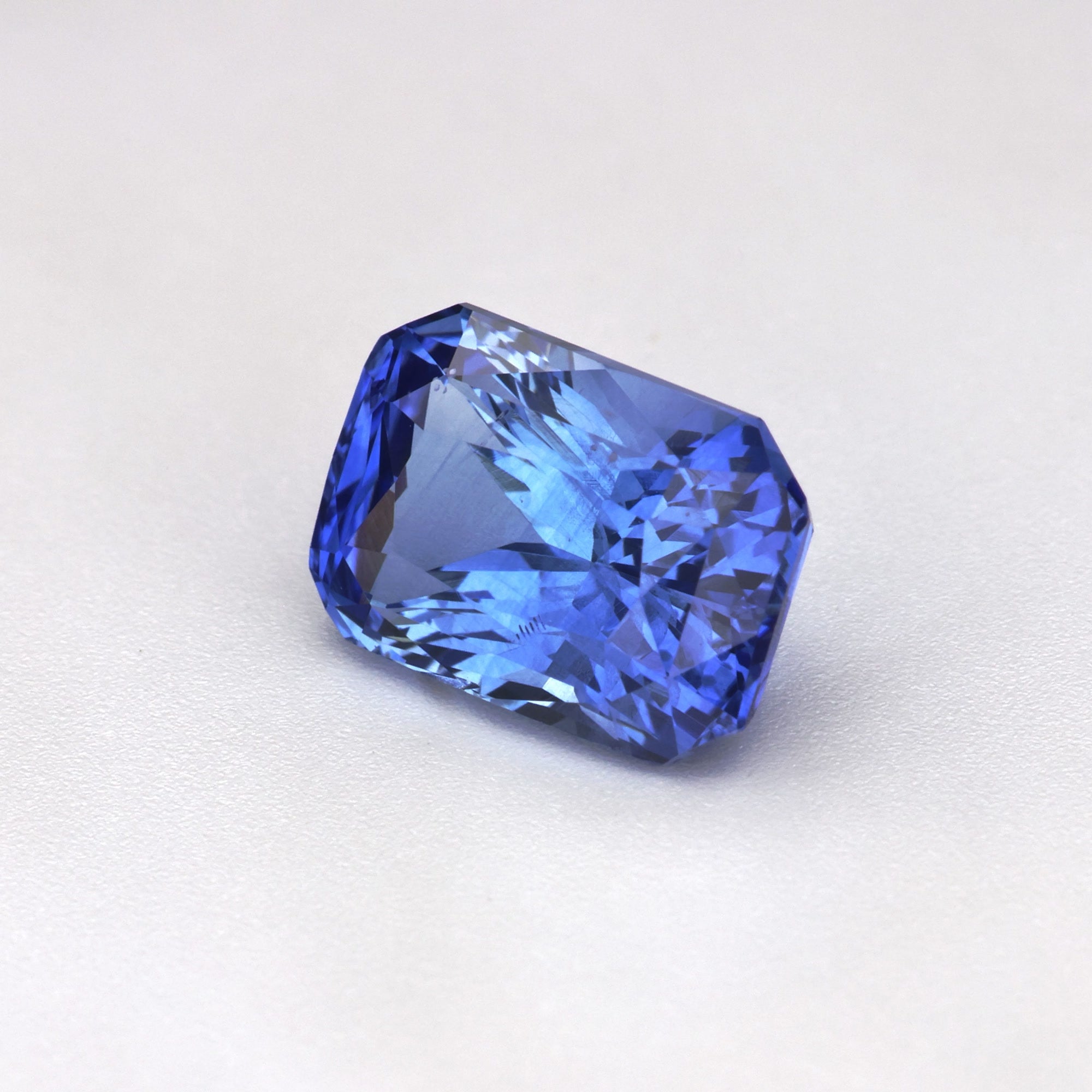
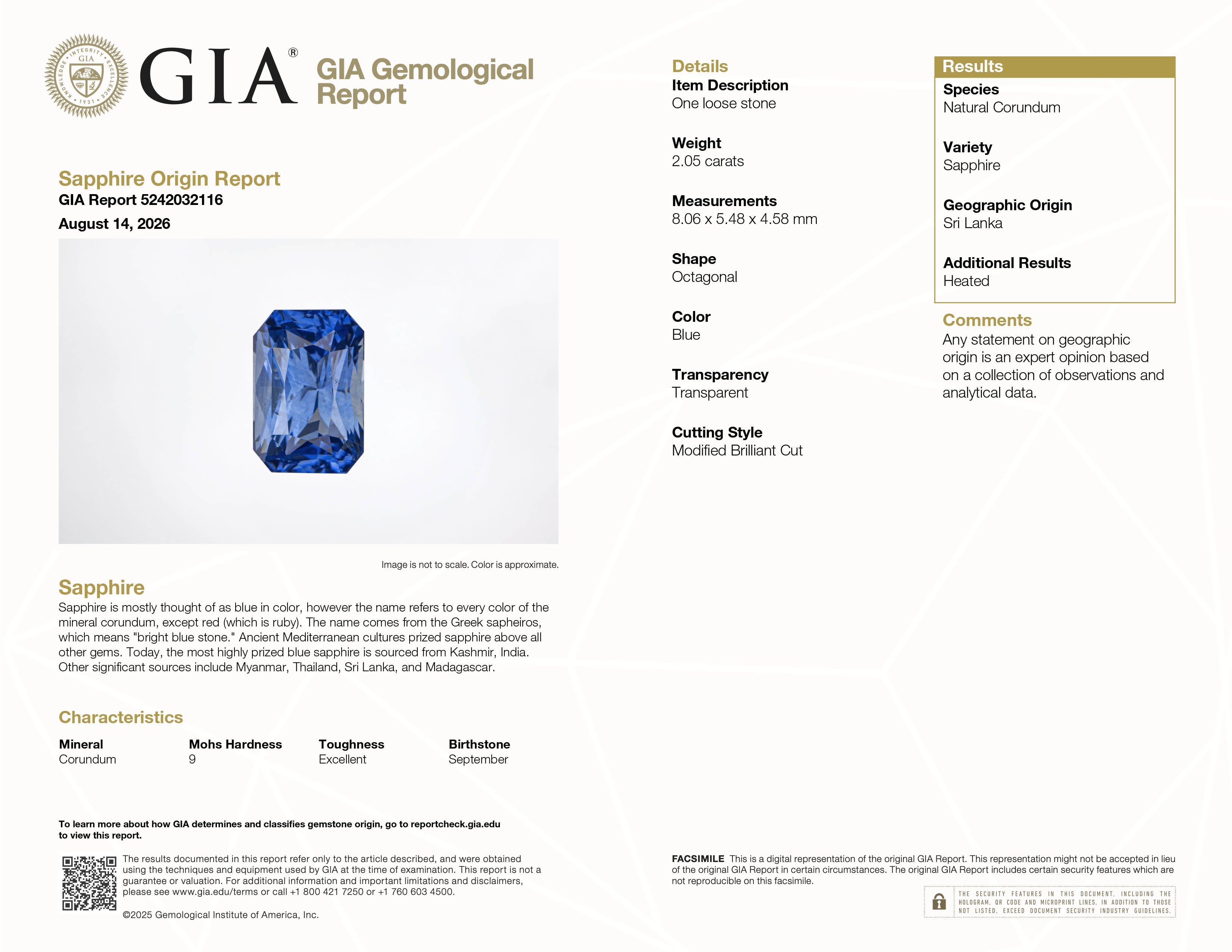
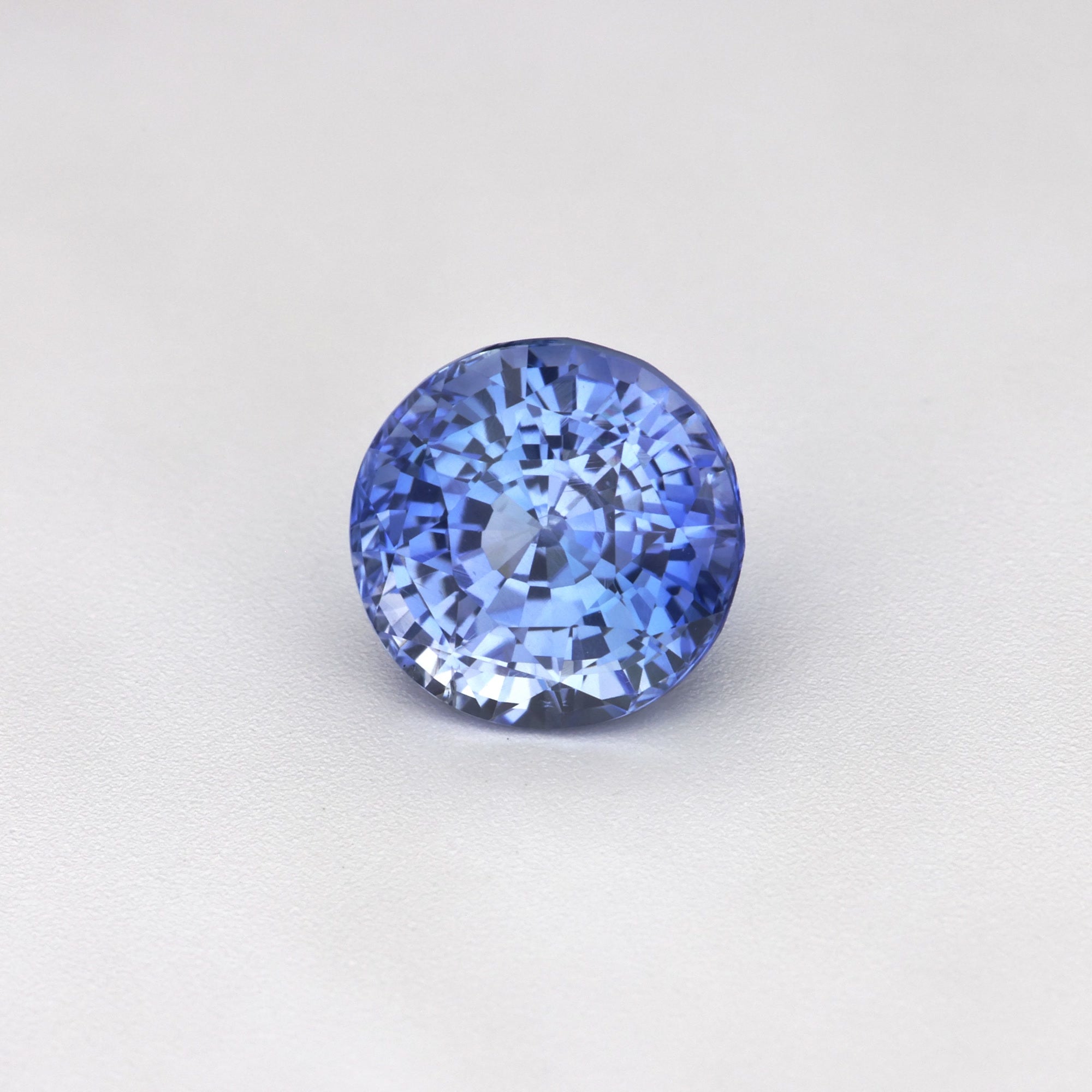
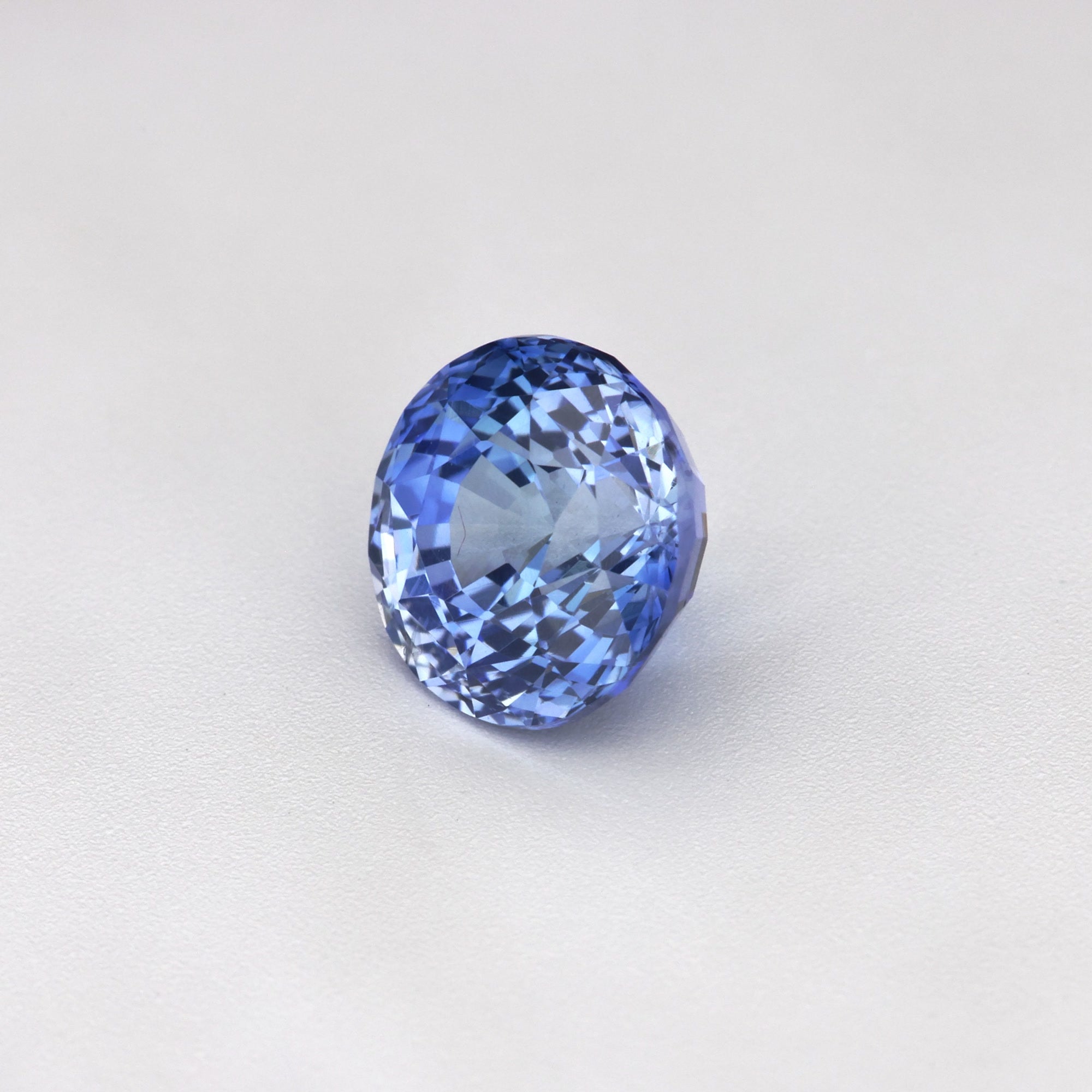
At Crescent Gems, we help buyers choose stones with custom settings in mind — email crescentgems@gmail.com with your color, budget, and setting vision and we can advise on stones that will work well for the design you want. Our Try Before You Buy program lets you see specific stones before committing.
Before approaching a jeweler, clarify your design priorities in enough detail to brief effectively. The key decisions:
Setting style: Solitaire, halo, three-stone, pavé band, bezel, or combination? See our solitaire, halo, and three-stone guides for shape-specific guidance.
Metal: Yellow gold, white gold, platinum, or rose gold? See our metal comparison guide and our metal color guide.
Aesthetic character: Contemporary and clean? Vintage-inspired with milgrain and engraving? Geometric and architectural? Organic and nature-inspired? Collecting visual references — photographs of rings you like — is more effective than verbal descriptions alone. A Pinterest board or saved Instagram posts that represent your aesthetic preference is the most useful brief you can bring to a jeweler.
Prong or bezel? Prong settings maximize light exposure and visibility; bezel settings maximize protection and create a cleaner, more modern look. See our bezel ring guide and corner protection guide for setting style decisions.
Side stones: Diamond accents, matching sapphire side stones, or plain band? See our side stones guide.
The jeweler you work with is as important as the design itself. A well-designed ring executed poorly is a disappointment; a simple design executed with skill and care is a beautiful ring. Key criteria for choosing a custom jeweler for a sapphire ring:
Your brief to the jeweler should include:
When you receive the CAD render, evaluate it carefully:
Do not hesitate to request revisions at the CAD stage — it is the right moment to make changes. Changes after casting are expensive; changes to a CAD file are inexpensive.
Once you approve the CAD, the jeweler casts the metal setting, finishes it, and sets your stone. The stone setting process for sapphire requires care because:
At this stage, you are trusting the jeweler's craftsmanship — which is why Step 3 (choosing a skilled, experienced jeweler) is so important. A well-executed setting holds the stone securely for life; a poorly executed setting risks stone loss or damage within months of wear.
Setting costs for custom sapphire rings in the US market range broadly:
Timeline: Most custom rings take 4–8 weeks from approved CAD to delivery. Complex designs with significant hand finishing take 6–12 weeks. Rush fabrication is sometimes possible at premium cost. Plan for at least 6–8 weeks between approving the design and a delivery deadline.
For a comprehensive guide to commissioning a custom ring specifically, see our dedicated How to Commission a Custom Sapphire Ring guide.
Setting costs range from $500–$900 for a simple gold solitaire to $1,800–$4,000+ for a platinum halo design. Complex vintage or bespoke designs with significant hand work run $2,500–$6,000+. The setting cost is separate from and in addition to the cost of the stone itself. Budget at least $800–$1,500 for a quality setting for any sapphire ring intended for daily wear.
Yes — the jeweler needs the physical stone to set it accurately. Reputable jewelers will provide a receipt documenting your stone's receipt and return it set in the finished ring. Always ship insured and trackable when sending a valuable sapphire to a jeweler.
Yes — sapphires at Mohs 9 can be reset without risk of damage if done by a skilled setter. The original setting can be melted and the gold value credited against a new setting, or you can keep the original setting. Resetting costs similarly to the original setting cost.
Email jewelry@crescentgems.com to discuss commissioning a custom ring around a Crescent Gems stone. We work with trusted setters in the US and can coordinate the full process from stone selection to finished ring delivery.

CG8469
CG8454
CG8468
CG8464
CG8463
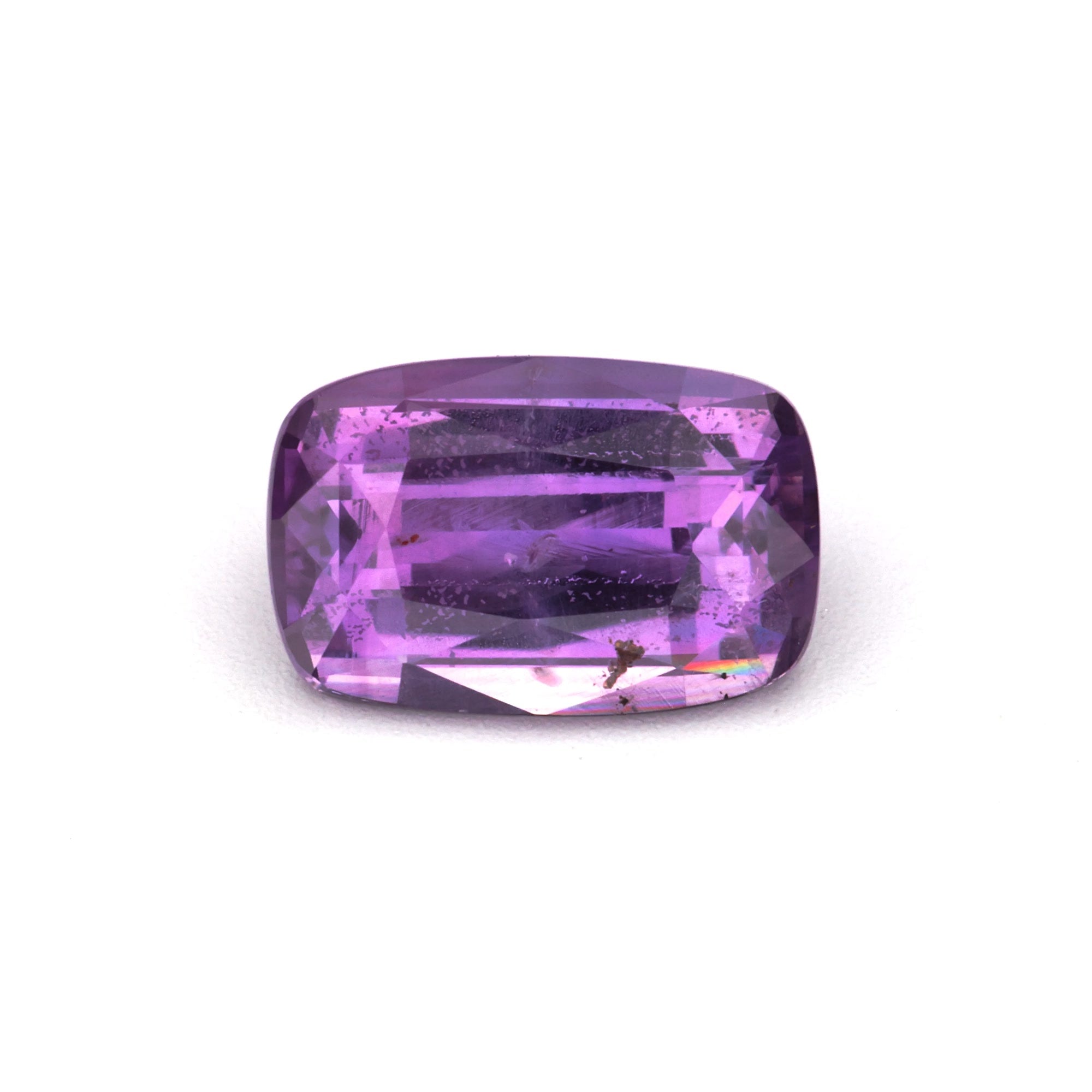
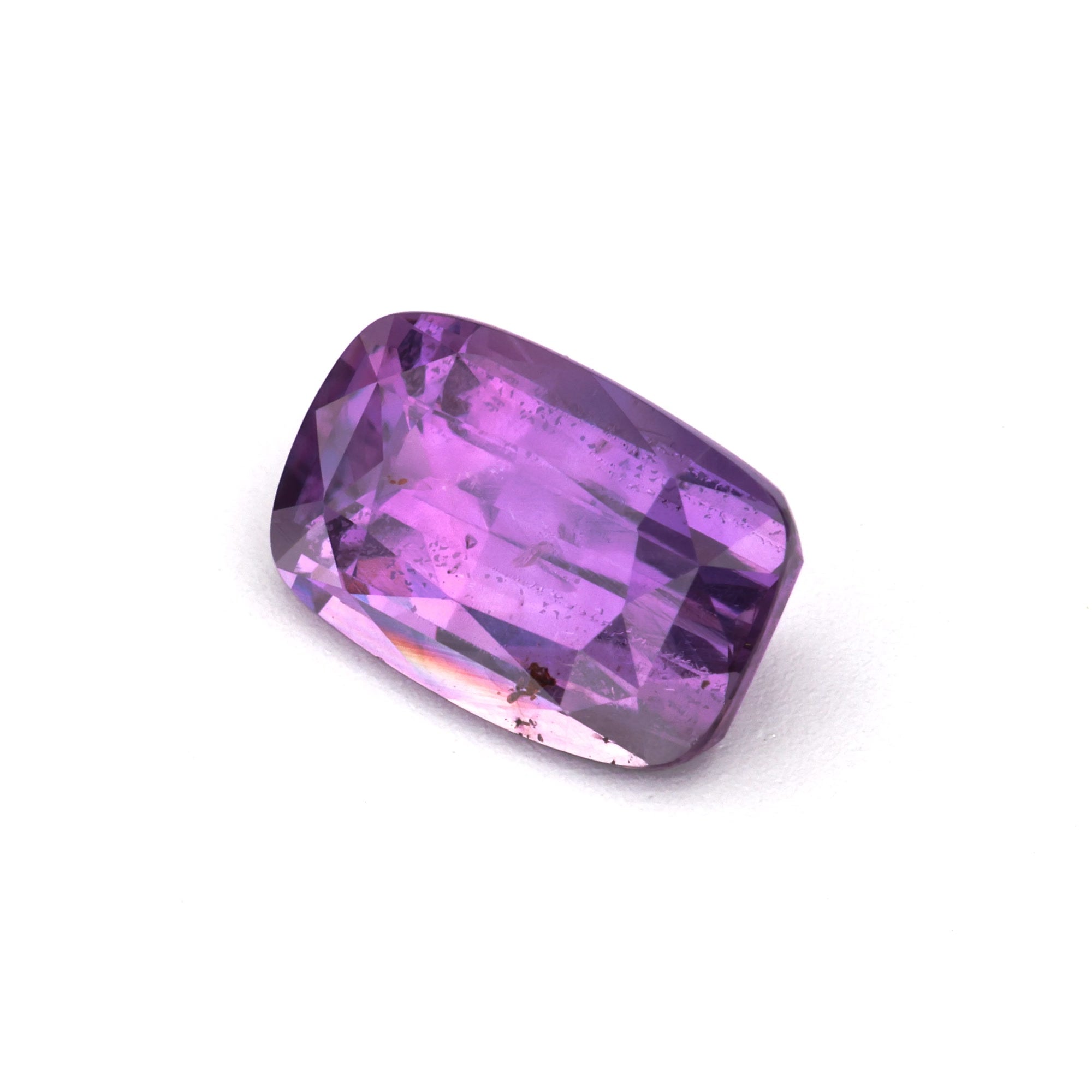
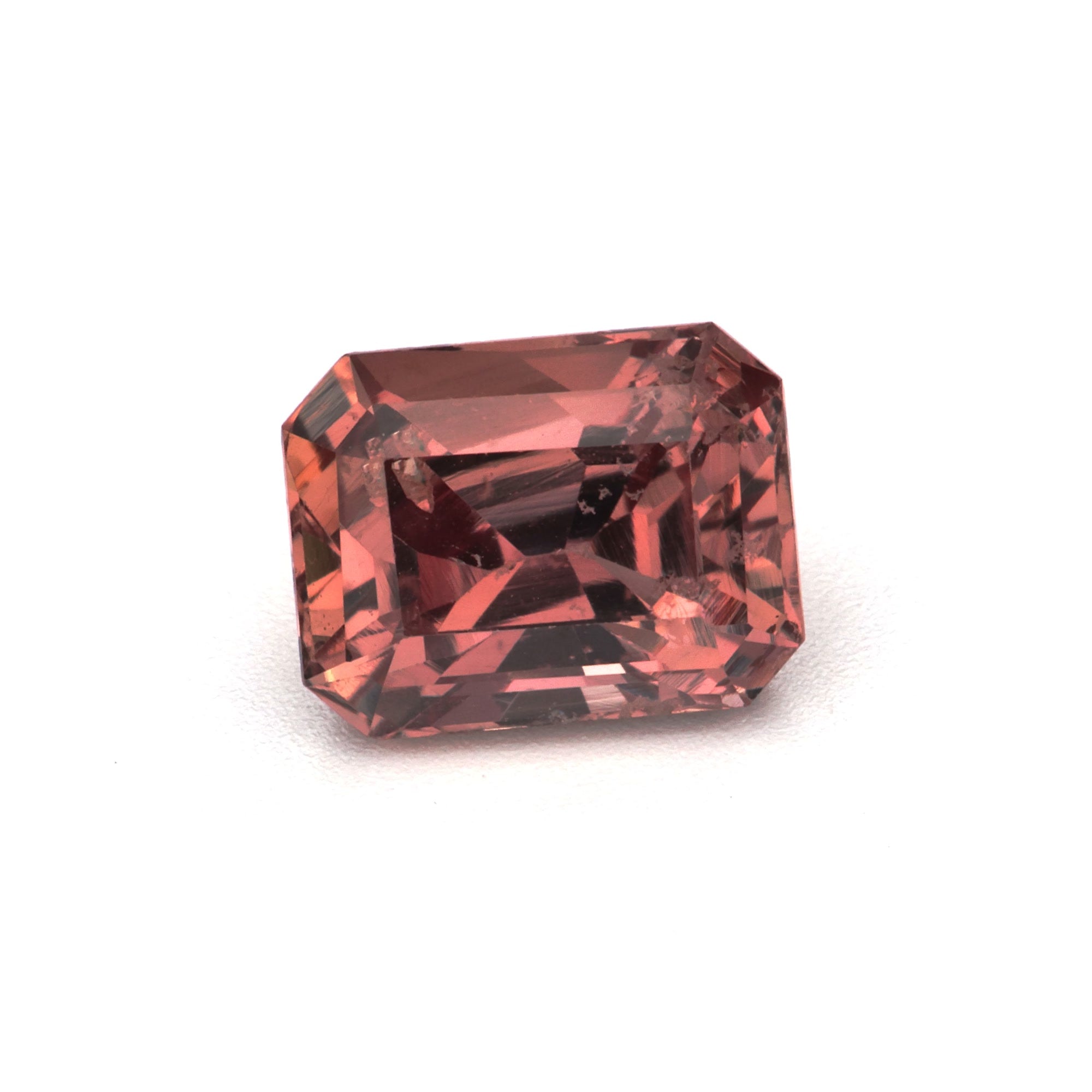
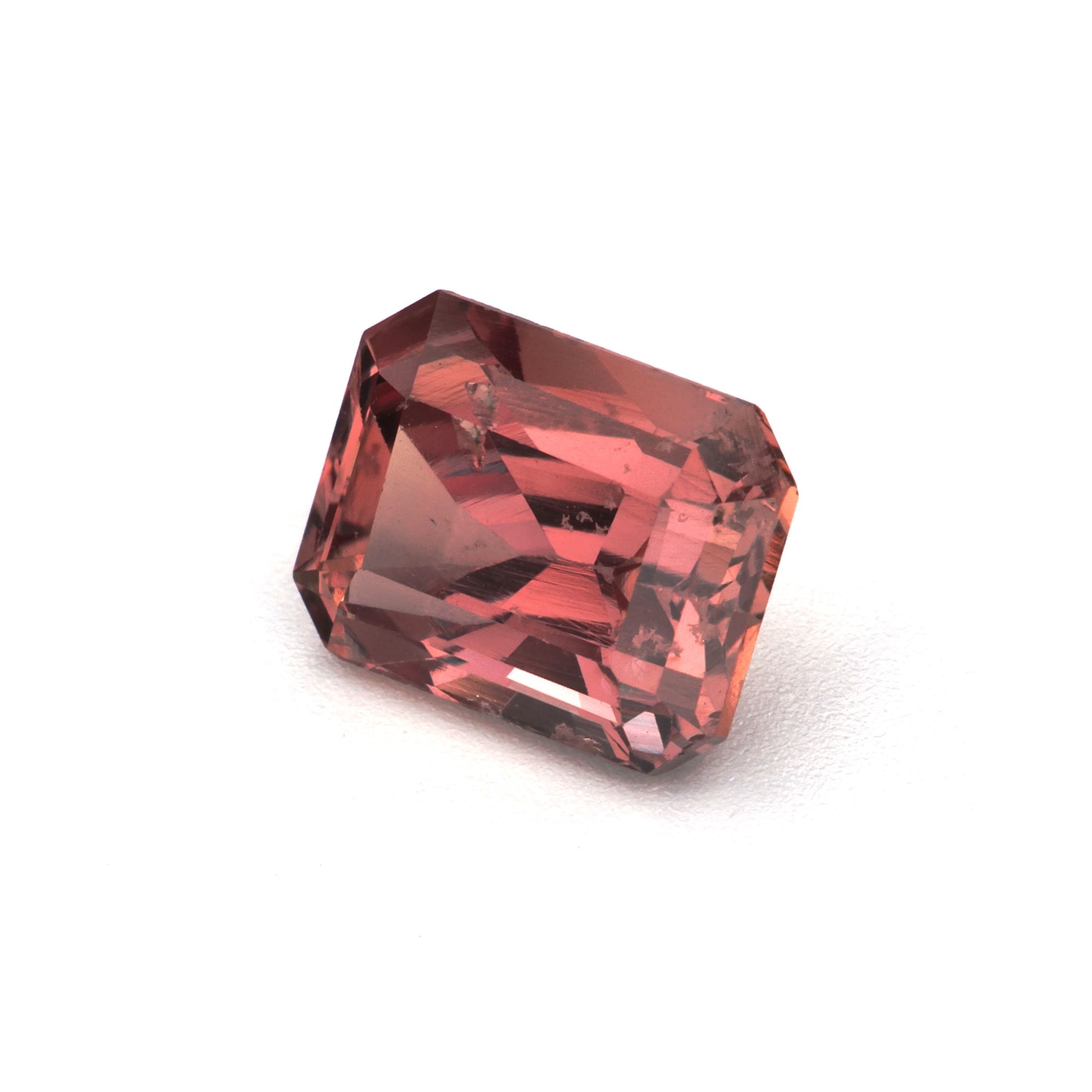
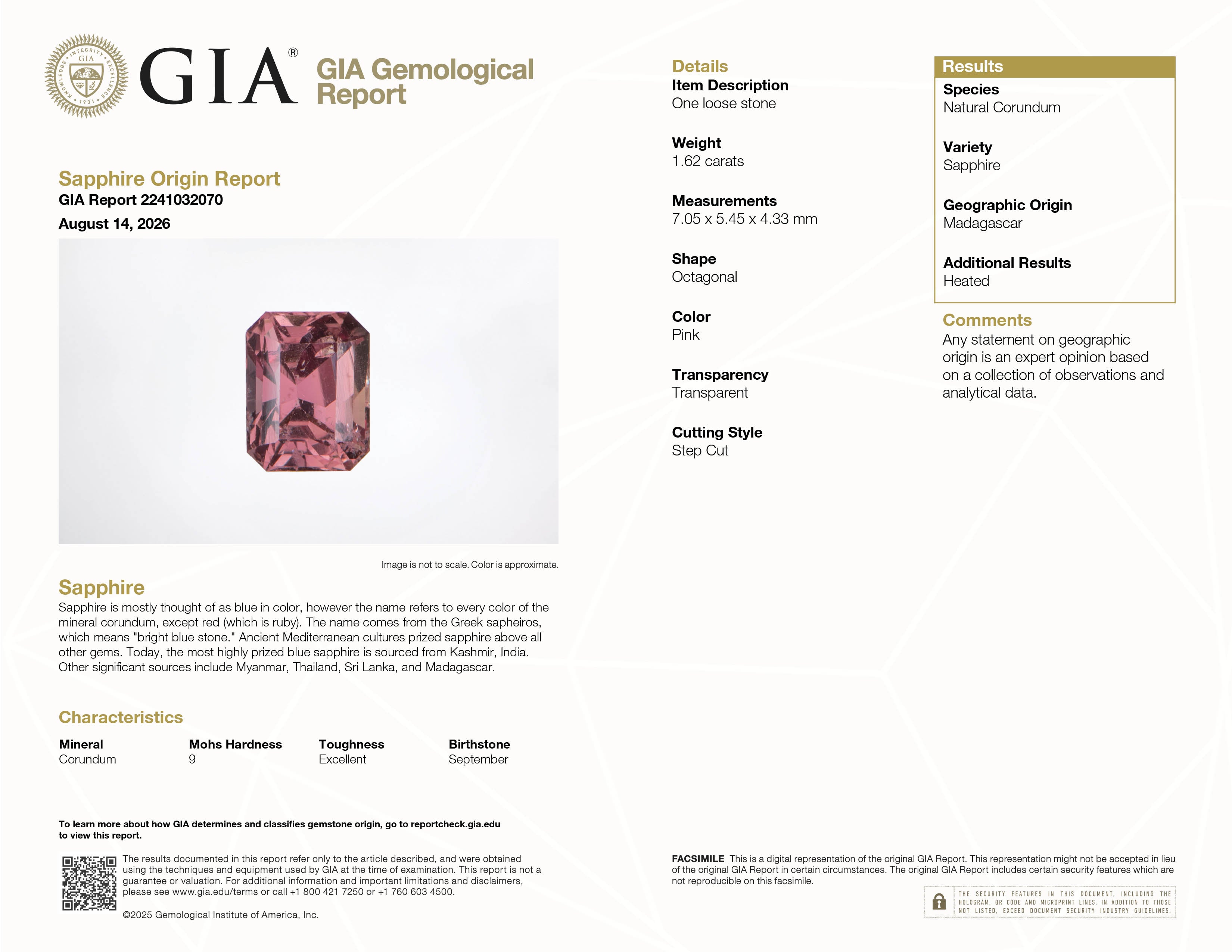
Madagaskar Rosa Saphir 1,62 ct – Achteck, GIA-Bericht
CG8459
CG8458
CG8457
CG8456
CG8453


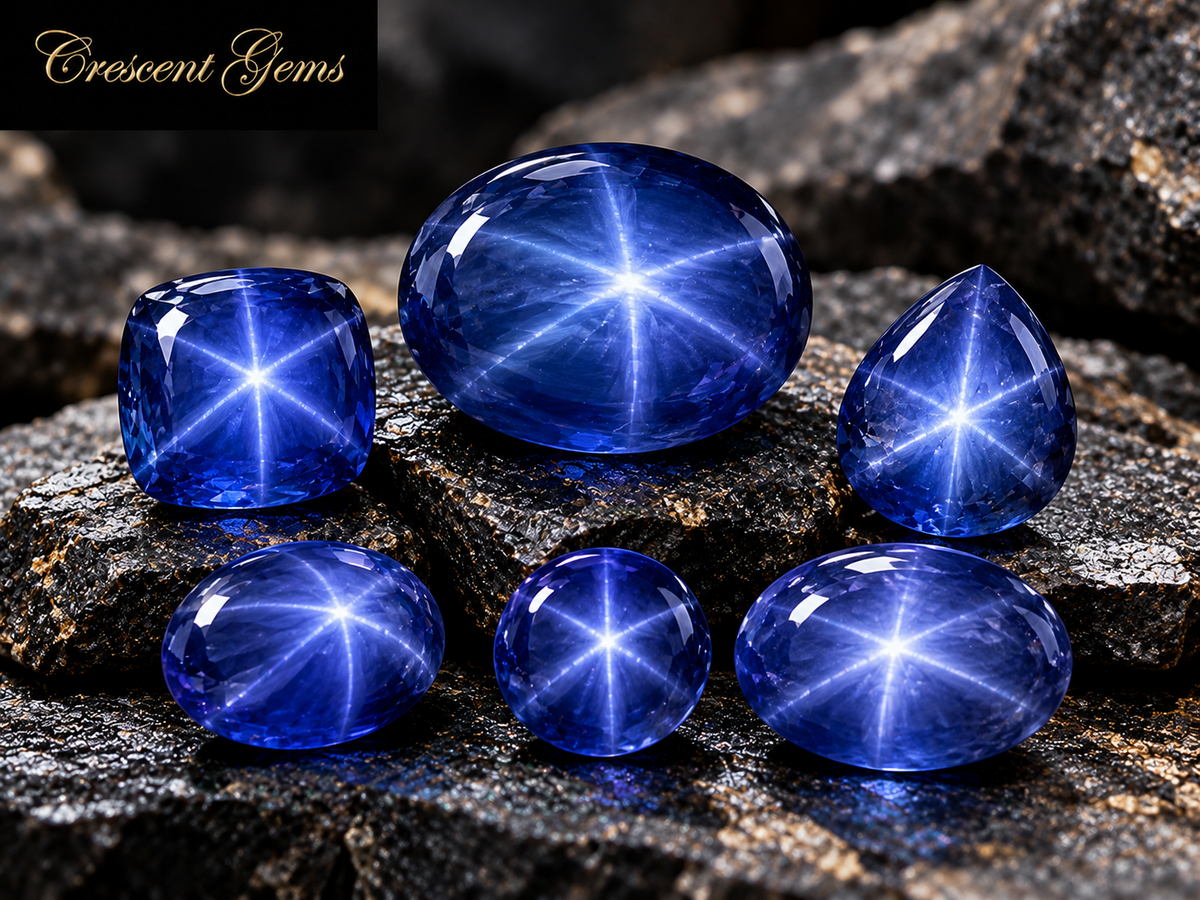
Blauer Sternsaphir: Preise pro Karat und wovon sie abhängen
Was blauer Sternsaphir pro Karat kostet und wovon der Preis abhängt – dazu unser einziger Stein: 8,09 ct für 4.040 $ mit GIA Sapphire Origin Report.
Weiterlesenüber Blauer Sternsaphir: Preise pro Karat und wovon sie abhängen
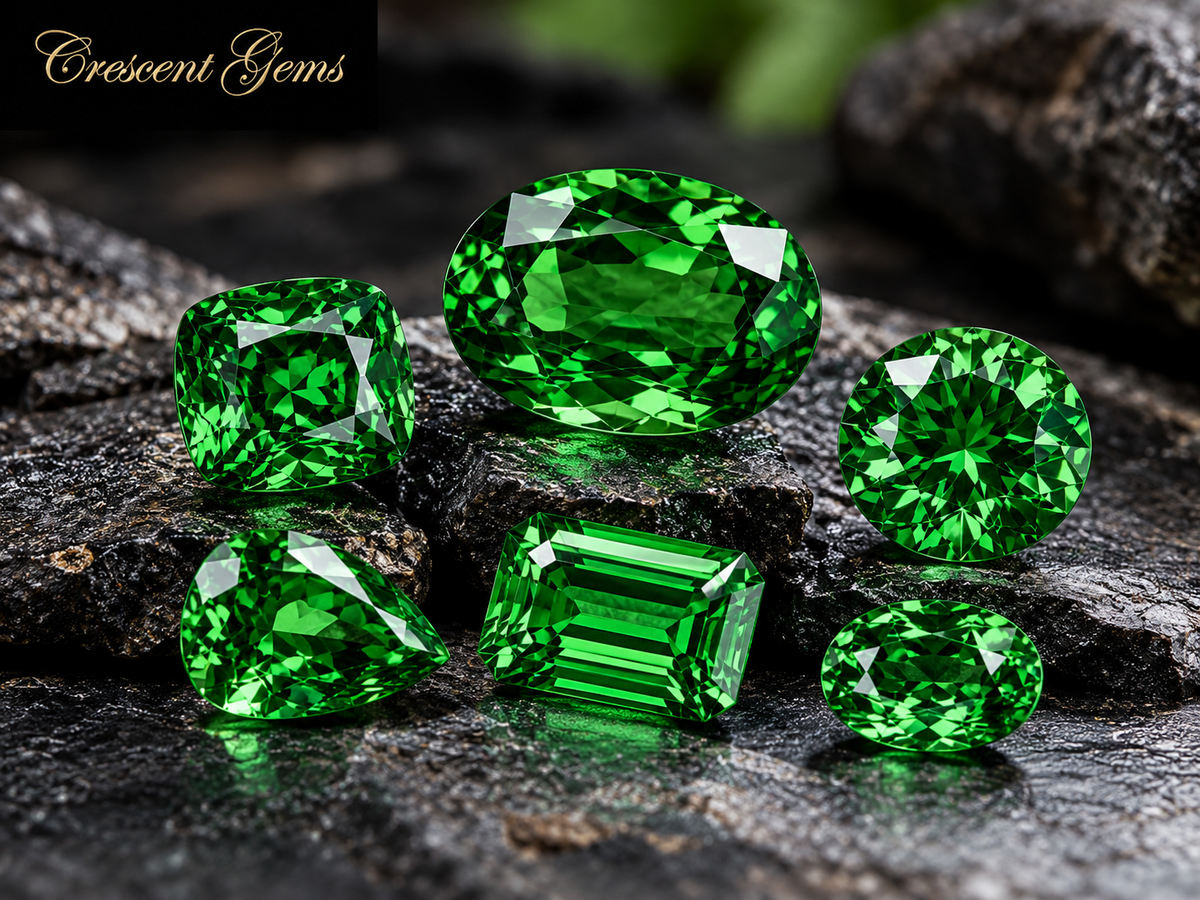
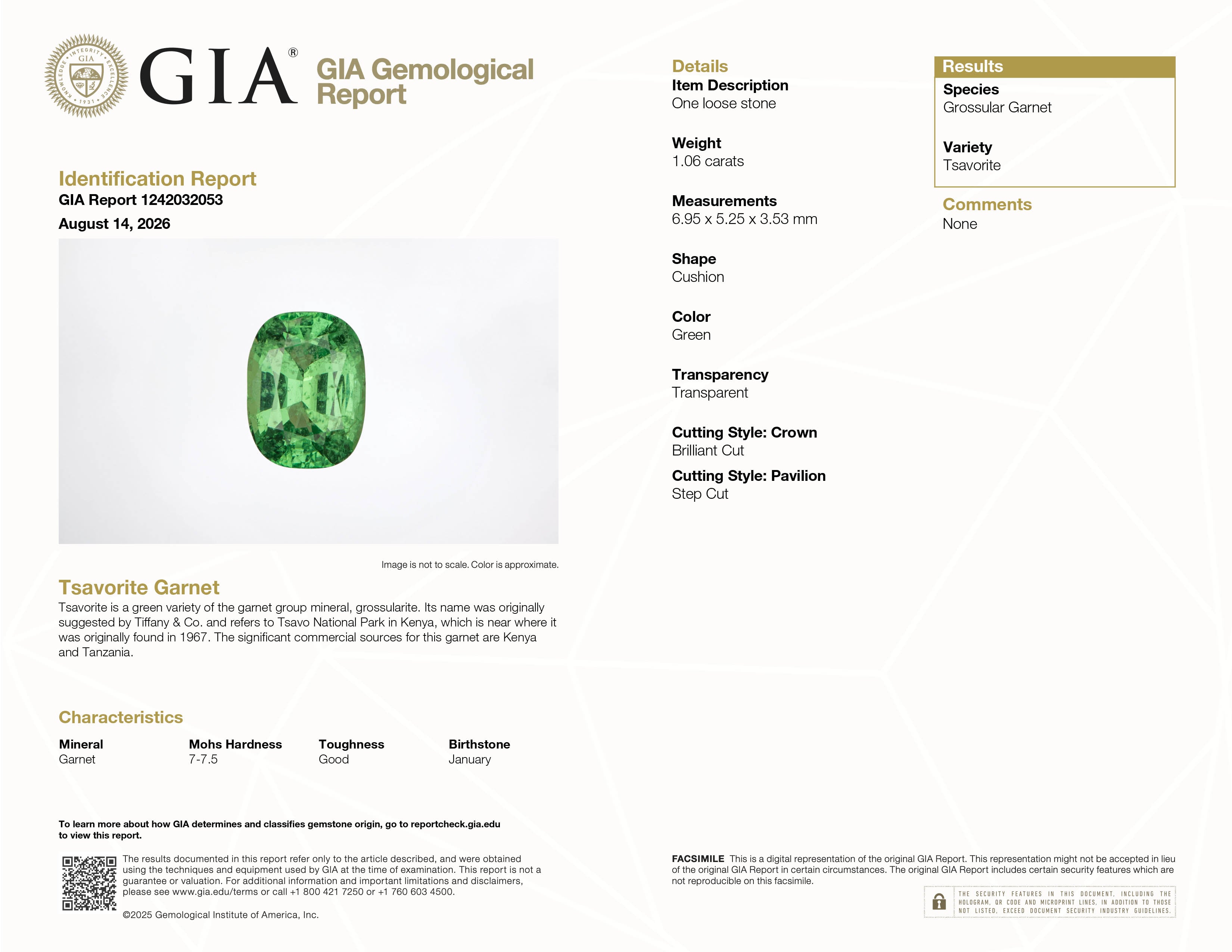
Tsavorit-Granat: Preise pro Karat aus unserem eigenen Bestand
Was Tsavorit-Granat kostet: die Preise pro Karat unserer sieben Steine, der Unterschied zwischen Varietät und Spezies und warum sauberer Rohstein knapp ist.
Weiterlesenüber Tsavorit-Granat: Preise pro Karat aus unserem eigenen Bestand
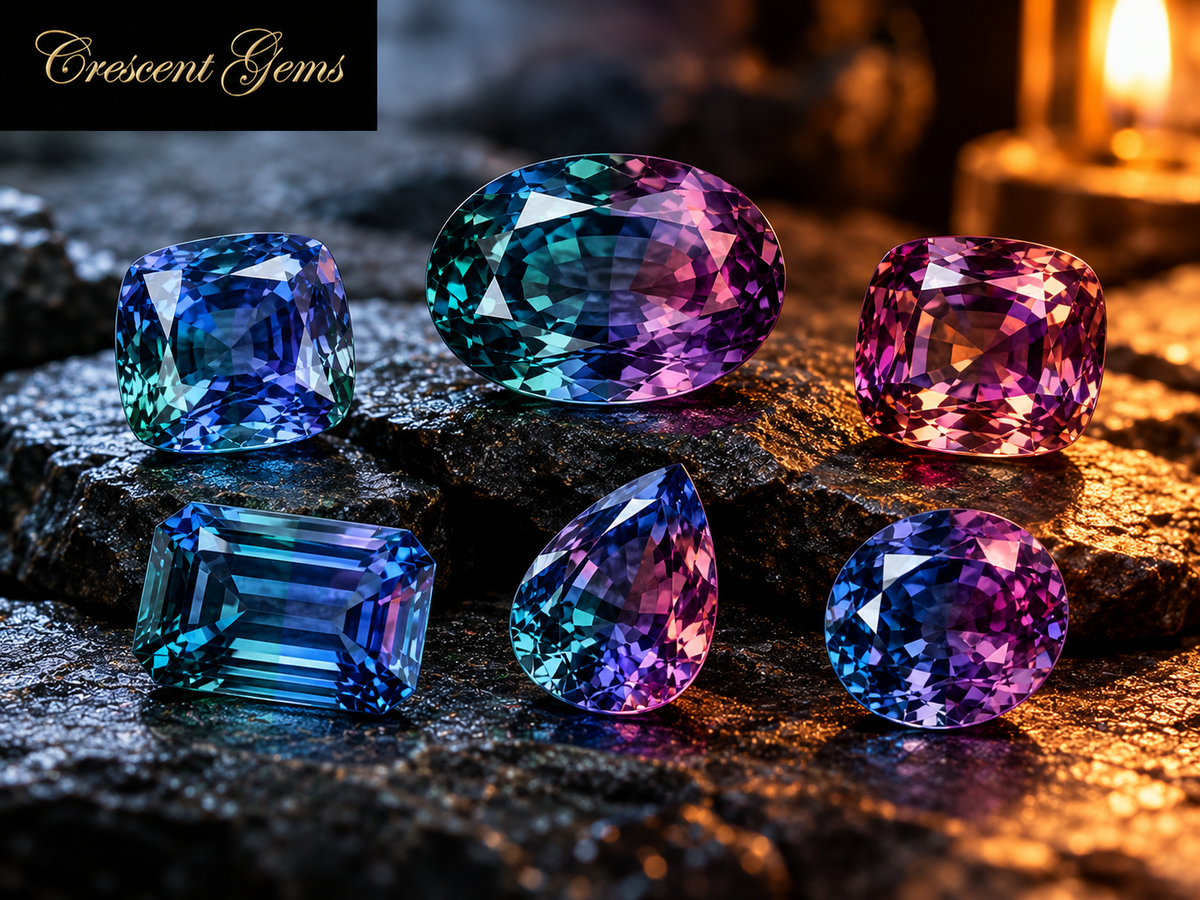
Farbwechsel-Saphir: was er pro Karat kostet und warum
Was ein Farbwechsel-Saphir pro Karat kostet und wovon der Preis abhängt – dazu unsere beiden Steine: 1,03 ct für 824 $ und 2,01 ct für 2.211 $.
Weiterlesenüber Farbwechsel-Saphir: was er pro Karat kostet und warum
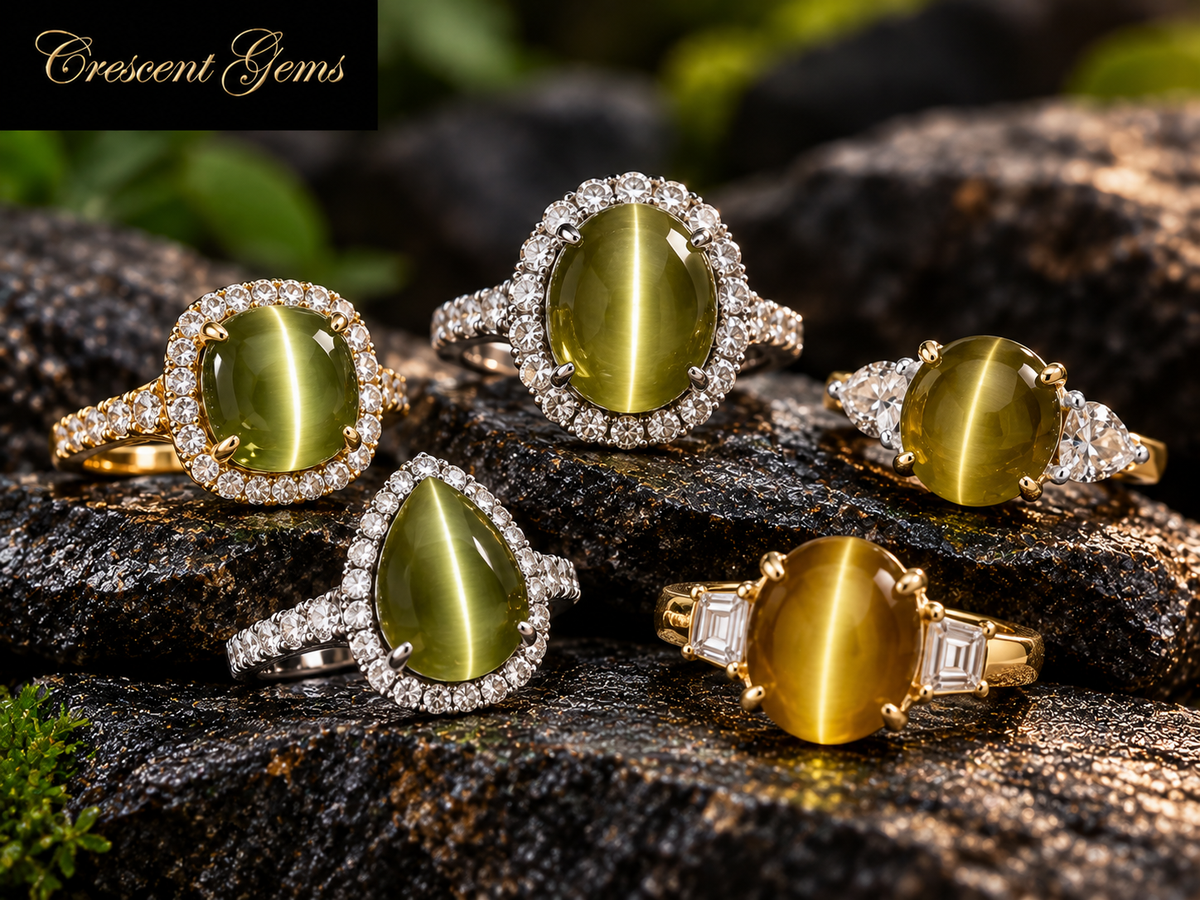
Chrysoberyll-Katzenauge im Verlobungsring: Eignet es sich?
Chrysoberyll hat Mohshärte 8,5 – über Quarz (7) und Smaragd (7,5–8), unter Korund (9) und Diamant (10). Was das für Alltag, Fassung und Pflege bedeutet.
Weiterlesenüber Chrysoberyll-Katzenauge im Verlobungsring: Eignet es sich?
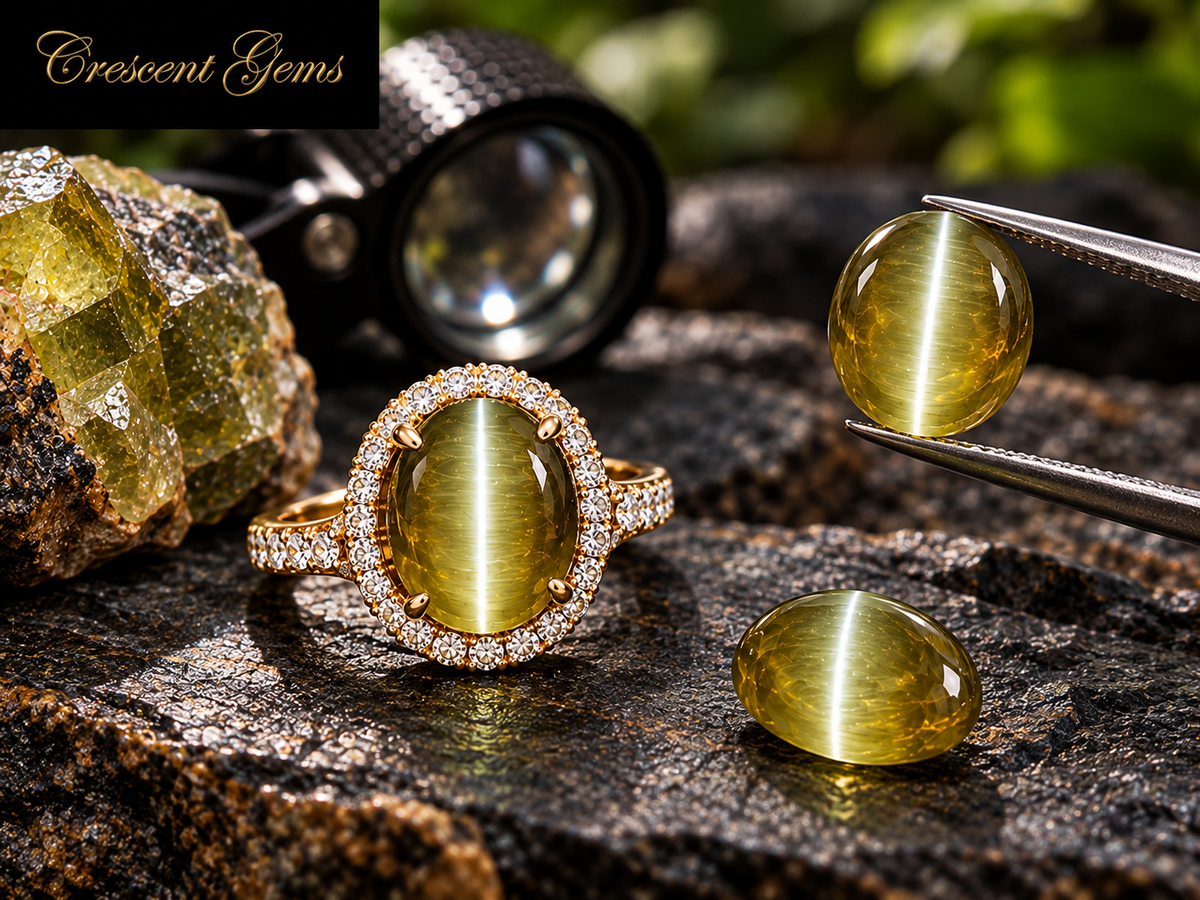
Chrysoberyll-Katzenauge: Preise pro Karat und wovon sie abhängen
Was ein echtes Chrysoberyll-Katzenauge pro Karat kostet und wovon der Preis abhängt – dazu unsere beiden Steine: 2,36 ct für 3.792 $ und 4,25 ct für 9.482 $, je mit GIA-Bericht.
Weiterlesenüber Chrysoberyll-Katzenauge: Preise pro Karat und wovon sie abhängen















Teilen: