


- von Ahmed Shareek
Saphir für den Verlobungsring auswählen: die neun Schritte zur Entscheidung
- von Ahmed Shareek
Sie kaufen zum ersten Mal einen Saphir? Beginnen Sie mit unserem großen Saphir-Kaufratgeber — dem vollständigen Nachschlagewerk zu Farbe, Herkunft, Behandlung und Preisbildung.
Saphir ist der Stein, nach dem unsere Kunden am häufigsten fragen, wenn sie keinen Diamanten wollen. Einen Saphir für einen Verlobungsring auszuwählen ist aber nicht dasselbe wie einen Diamanten auszuwählen, und das ist der Grund, warum so viele Käufer hier ins Rutschen kommen. Es gibt kein Bewertungssystem, das dem der vier C beim Diamanten entspricht. Die Fachsprache ist eine andere. Die Eigenschaften, die am Ende über den Eindruck entscheiden, sind andere. Und die Zahl der Entscheidungen, die Sie treffen müssen — Farbe, Herkunft, Behandlung, Form, Gewicht, Fassung —, ist deutlich größer.
Dieser Text führt Sie in neun Schritten durch diese Entscheidungen, in der Reihenfolge, in der wir sie selbst treffen würden. Drei Abschnitte am Ende gehören nicht zur Auswahl, sondern zum Kauf im deutschsprachigen Raum: wie wir Preise angeben, wann ein Laborbericht in der Werbung überhaupt zitiert werden darf, und was beim Versand und bei der Einfuhr anfällt. Wir kaufen unsere Steine selbst in Sri Lanka ein — in Colombo, Beruwala und Ratnapura; die meisten Steine, die wir listen, sind srilankische Saphire, aber nicht alle, und jede Produktseite nennt die für diesen Stein erfasste Herkunft.
Saphir ist Korund und liegt auf der Mohsskala bei 9. Zwei Einschränkungen gehören sofort dazu, weil sie leicht untergehen. Die Mohshärte beschreibt Kratzfestigkeit und sonst nichts; sie sagt nicht, wie ein Stein einen Stoß gegen eine Türkante verkraftet. Und sie ist eine Eigenschaft der Mineralart, nicht ein Befund über Ihren Stein. Dazu kommt, dass Korund keine echte Spaltbarkeit besitzt — es gibt also keine Vorzugsebene, entlang der er bei einem Schlag aufgeht.
Unsere Auffassung als Händler, nicht die eines Labors: Saphir ist für einen täglich getragenen Ring gut geeignet, und wir würden Sie allein aus Haltbarkeitsgründen nicht in eine schützende Fassung drängen. Wo eine Fassung aus anderen Gründen sinnvoll ist, steht das in Schritt sieben.
Der zweite Grund für Saphir ist die Farbbreite. Korund kommt in praktisch jeder Farbe vor: blau, Teal, gelb, rosa, Pfirsich, orange, violett, weiß und schwarz. Das ist eine Aussage über das Angebot, nicht über Güte.
Bevor die Farben kommen, ein paar Begriffe, bei denen deutsche Texte regelmäßig danebenliegen — und mit denen Sie auch suchen sollten, wenn Sie etwas finden wollen.
Royal Blue und Teal bleiben unübersetzt. Der deutschsprachige Handel führt sie so, Kunden suchen so, und die Übersetzungsversuche „königsblau“ und „royalblau“ sind keine Handelsbezeichnungen. Wir verwenden sie nicht.
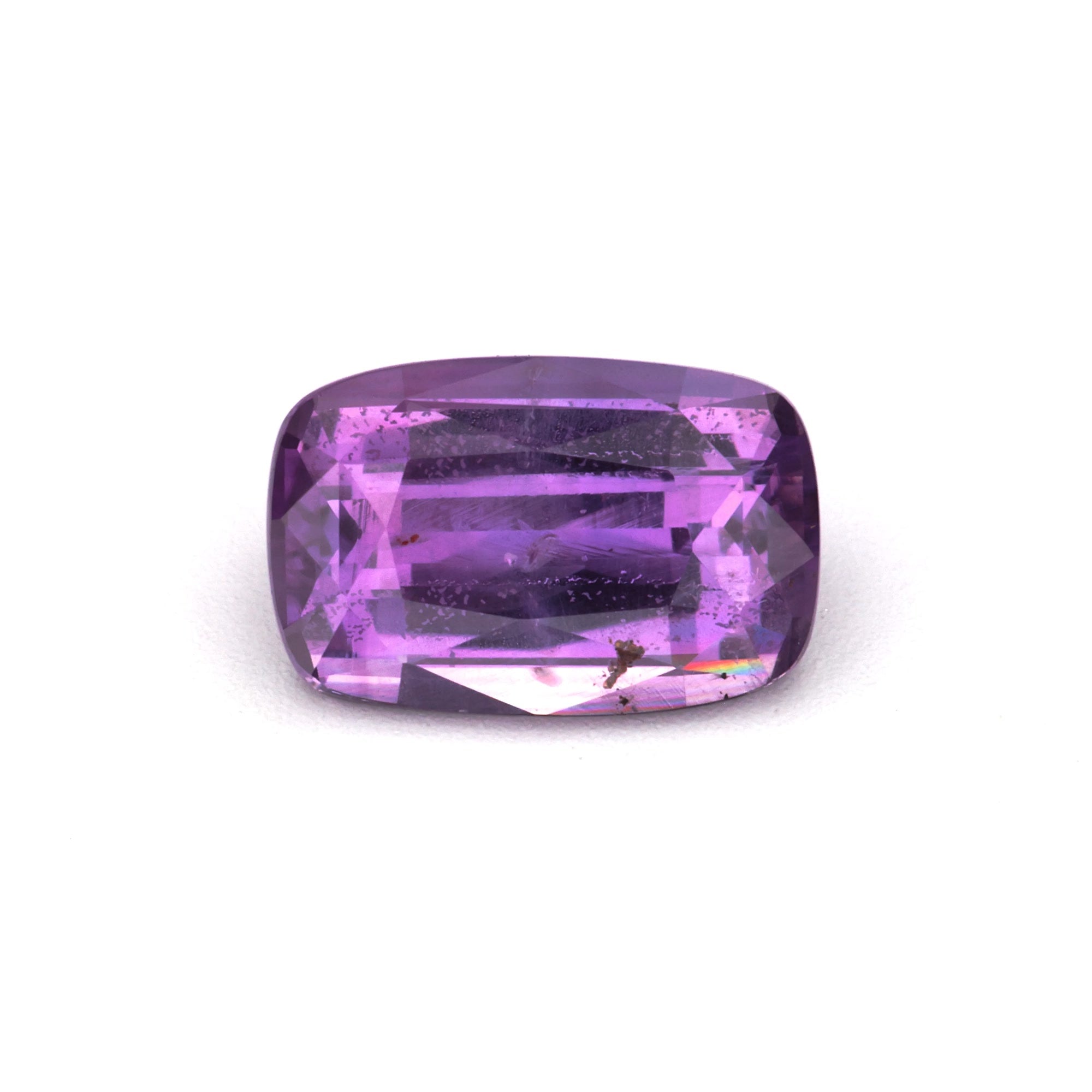
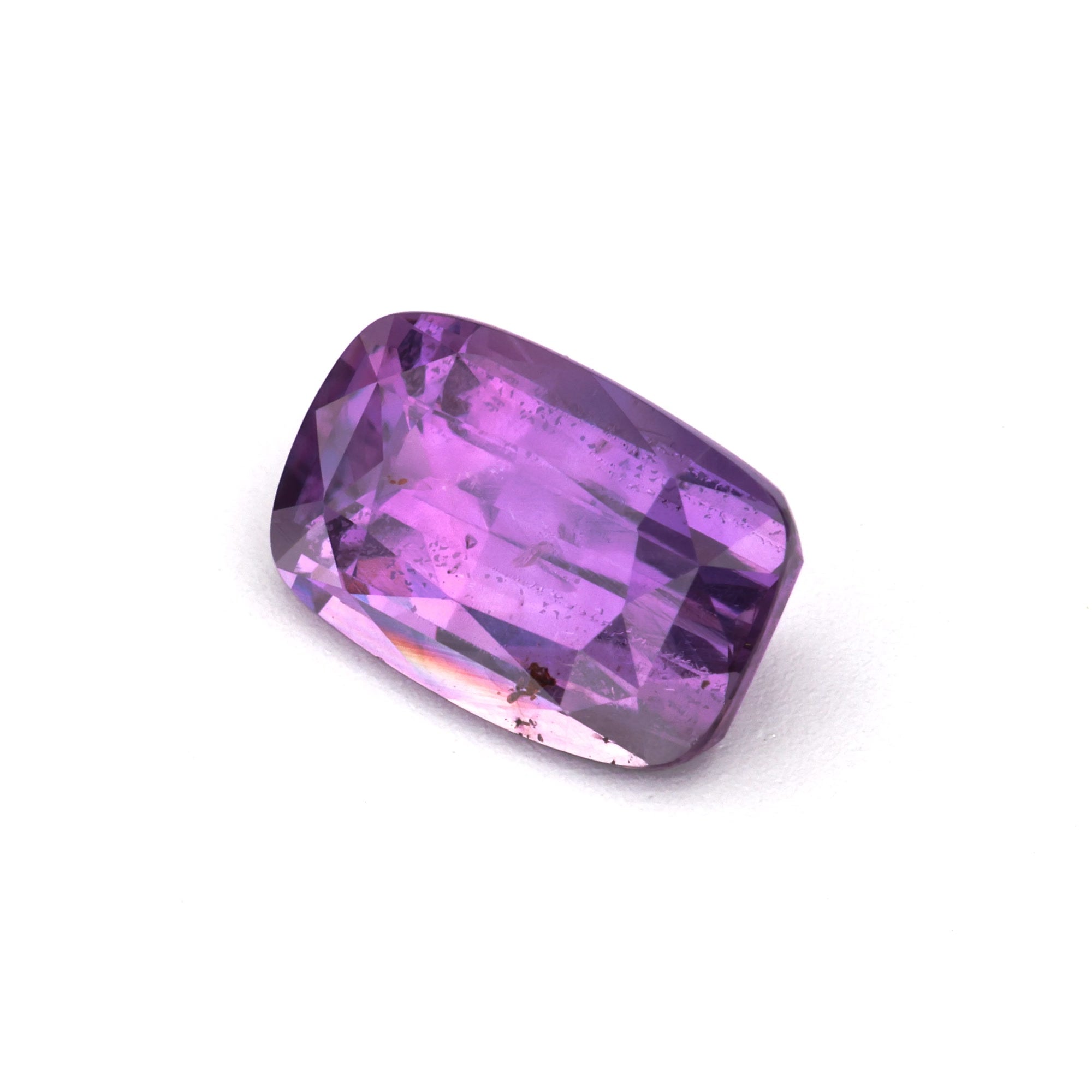
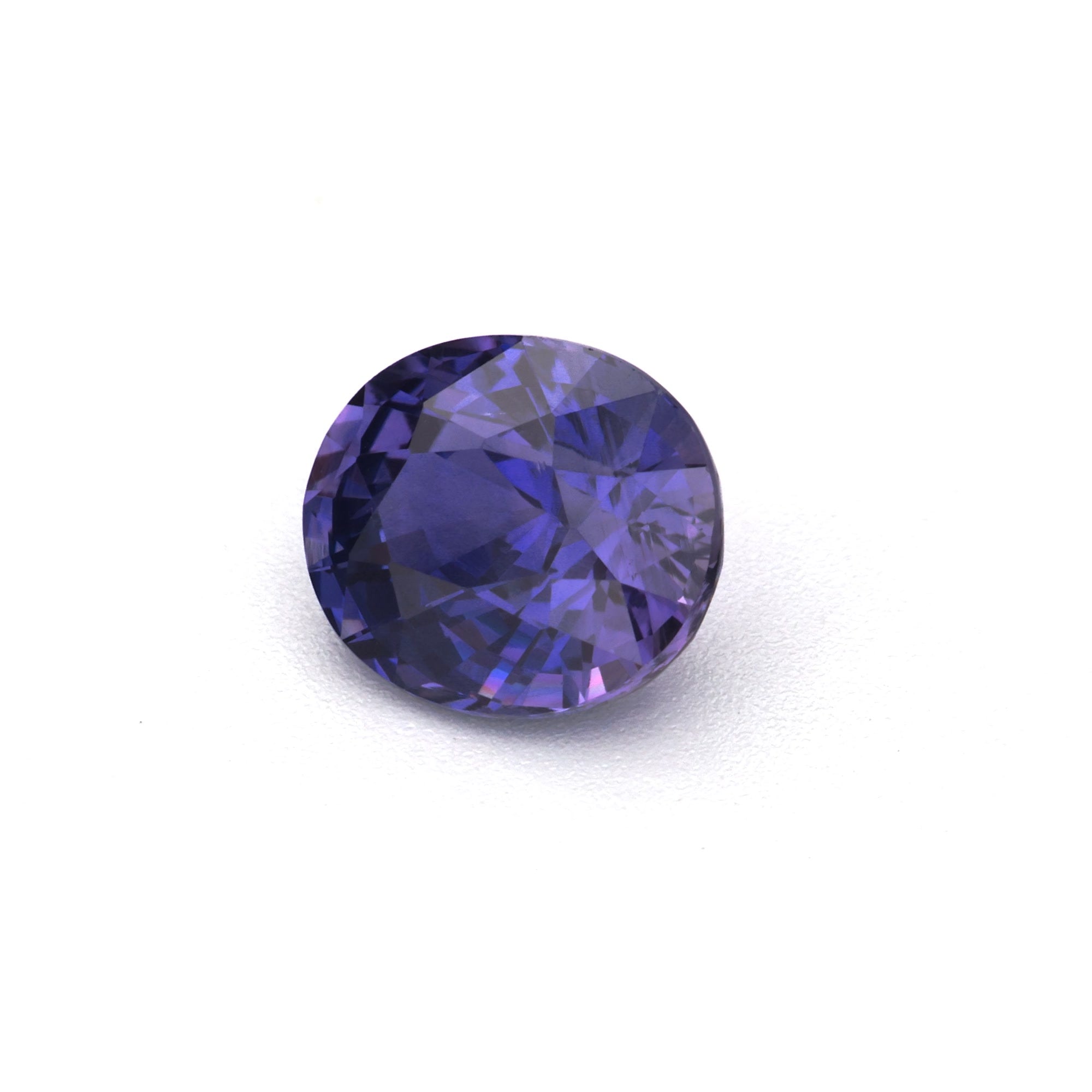
Zu „lila“ und „Purpur“. Das englische purple wird in deutschen Beschreibungen gern mit einem dieser beiden Wörter wiedergegeben, und beide Wiedergaben sind untauglich. „Lila“ ist ein umgangssprachliches Sammelwort für ein weites Feld zwischen Rosa und Blau; als Farbangabe für einen Edelstein sagt es zu wenig. Und „Purpur“ ist ein falscher Freund: Das deutsche Wort steht historisch für einen violetten bis rotvioletten Ton und deckt sich gerade nicht mit dem englischen purple. Wir beschreiben deshalb keinen Stein mit diesen beiden Wörtern. Wir sagen violett, rosaviolett oder bläulichviolett — und wir empfehlen Ihnen, in der Suche ebenfalls „violetter Saphir“ einzugeben, weil Sie darunter finden, was Sie meinen.
Dazu noch zwei Vokabeln, die immer wieder verwechselt werden: Farbwechsel ist der Fachbegriff für einen Stein, der unter verschiedenen Lichtarten verschiedene Farben zeigt. „Verfärbung“ bedeutet im Deutschen, dass etwas Schaden genommen hat, und ist hier schlicht falsch. Und das Spurenelement, das die Farbe erzeugt, heißt farbgebendes Element oder die Farbursache — nicht „Chromophor“, ein Wort, das keine deutschsprachige gemmologische Quelle führt.
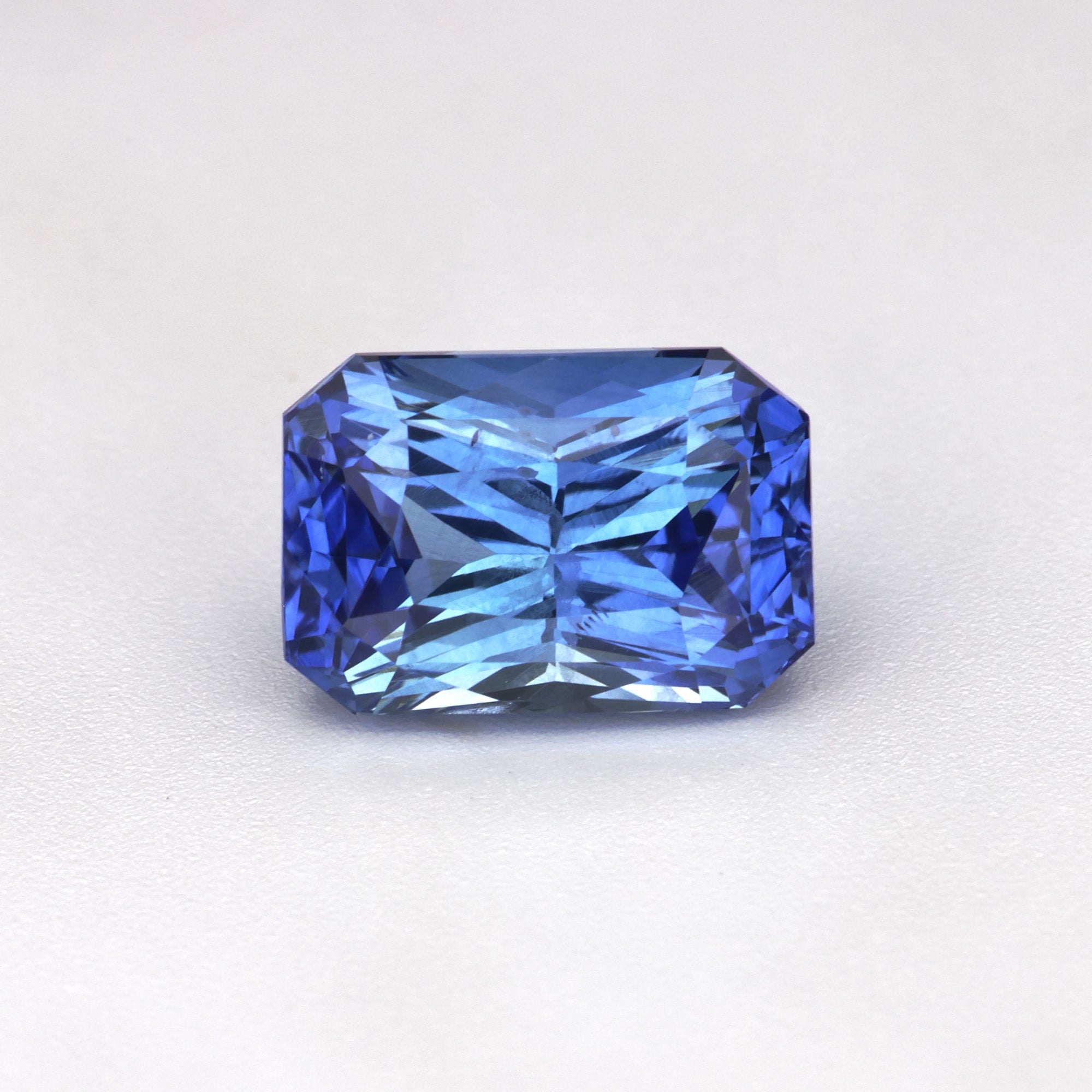
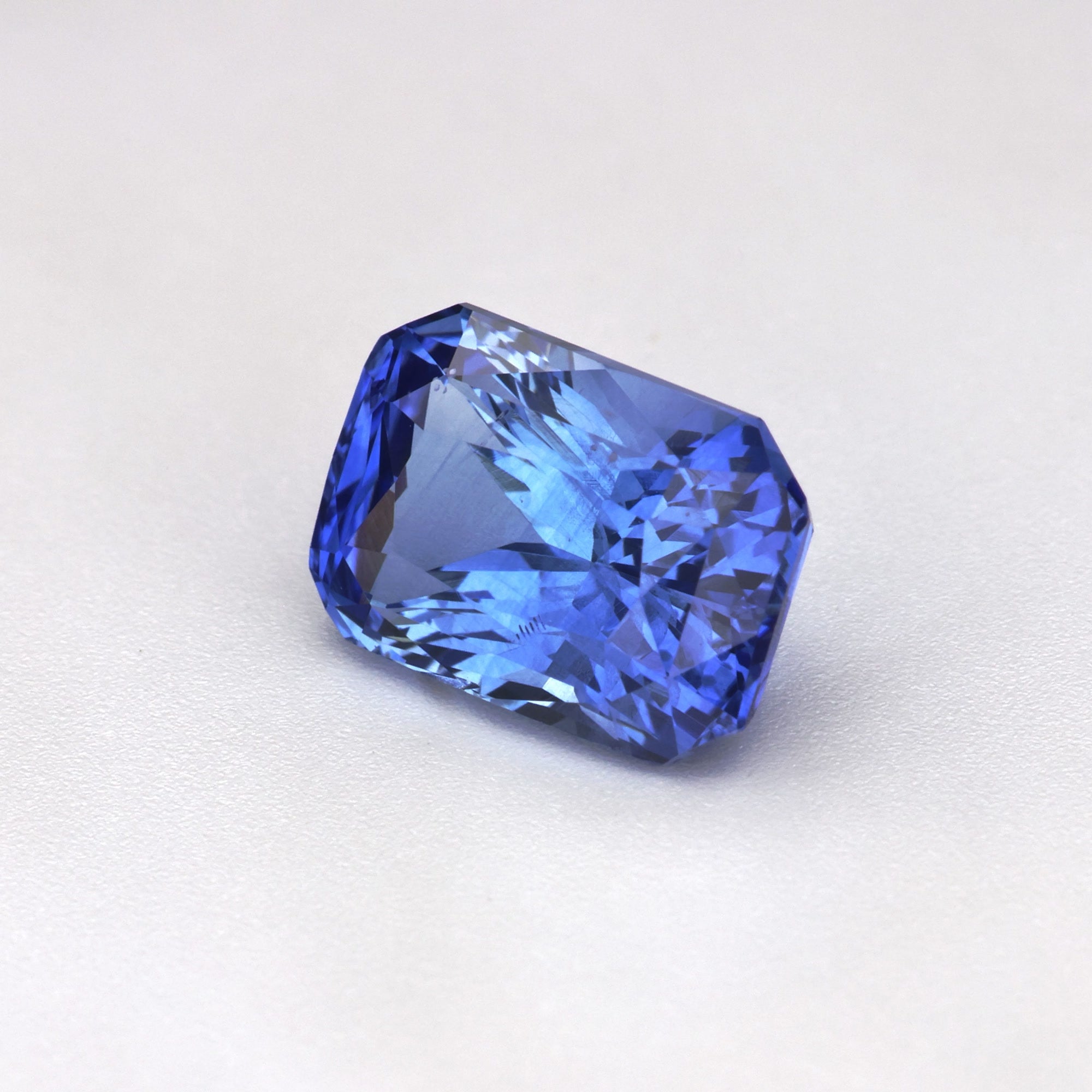
Blauer Saphir: die klassische Wahl. Worauf wir sehen: ein Blau, das klar wirkt statt grau oder tintig, in einem mittleren Ton, der auch bei gedämpftem Licht noch Farbe zeigt. Das ist unsere Vorliebe als Einkäufer und keine Note von irgendeinem Labor. Siehe unseren Leitfaden zum blauen Saphir.
Teal-Saphir: ein Bereich, nach dem wir in den letzten Jahren viel häufiger gefragt werden. Er wandert zwischen Blau bei kühlem Tageslicht und Grün unter warmem Glühlicht. Die Behandlungszeile auf jeder Produktseite nennt den Hitzebefund für diesen Stein. Siehe unseren Leitfaden zum Teal-Saphir.
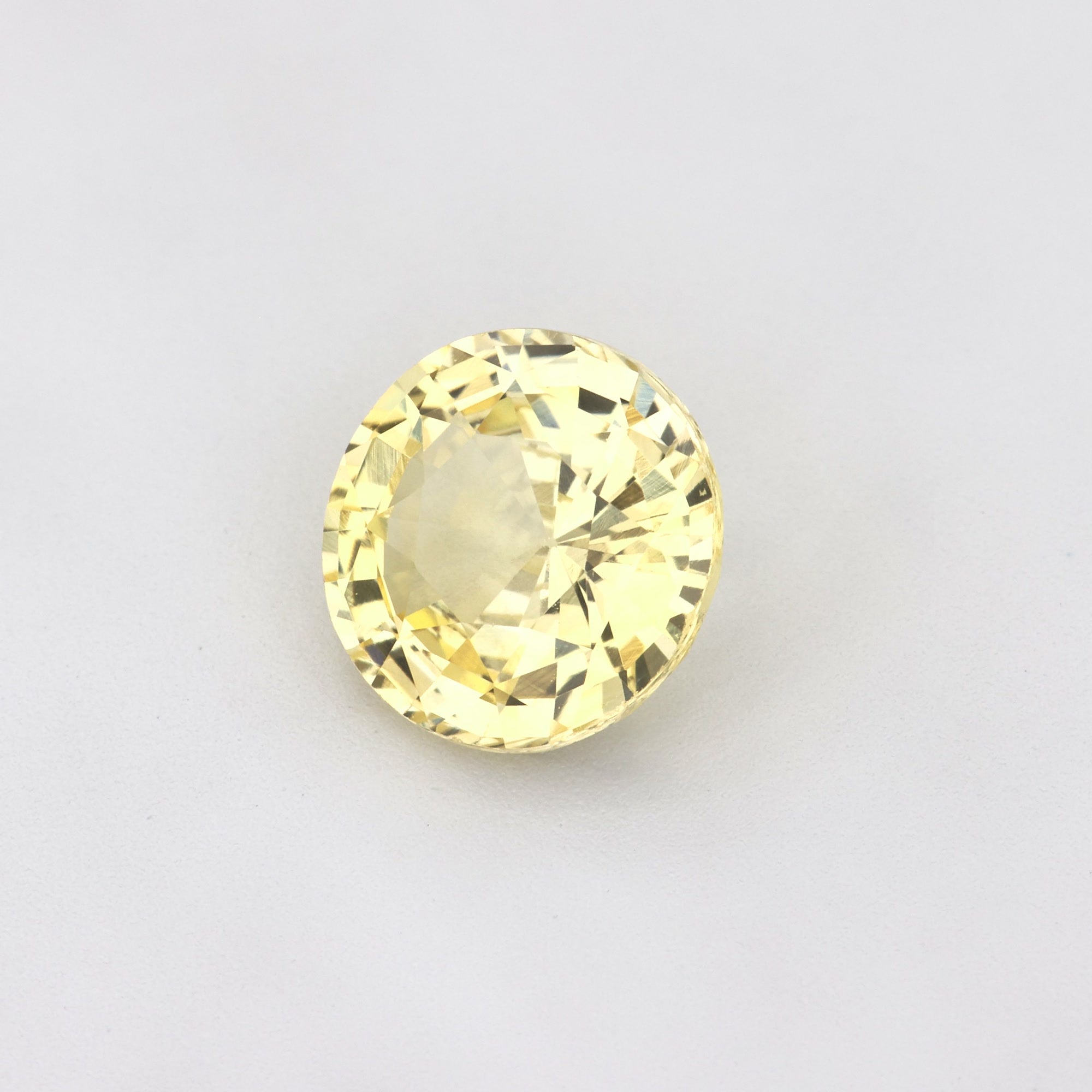
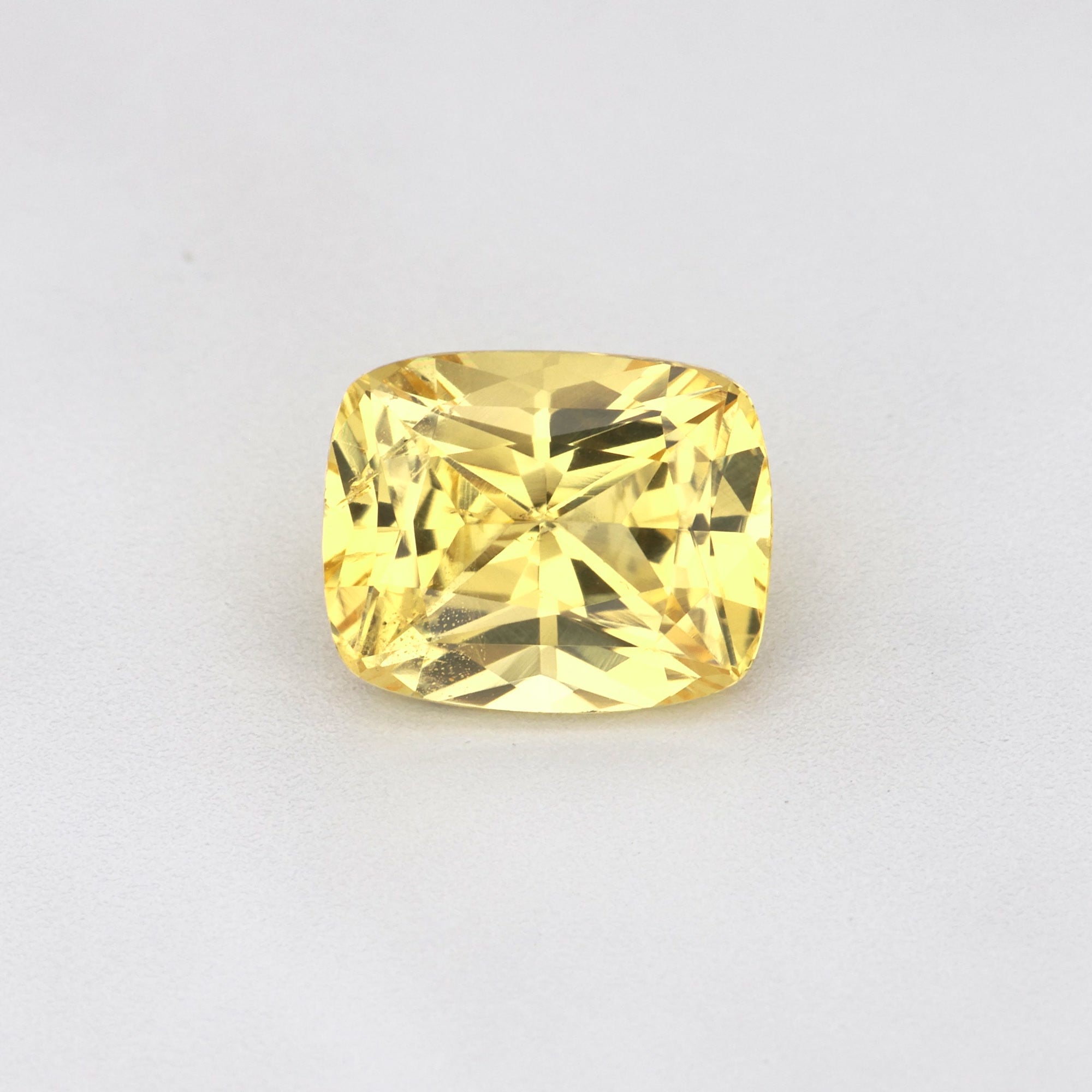
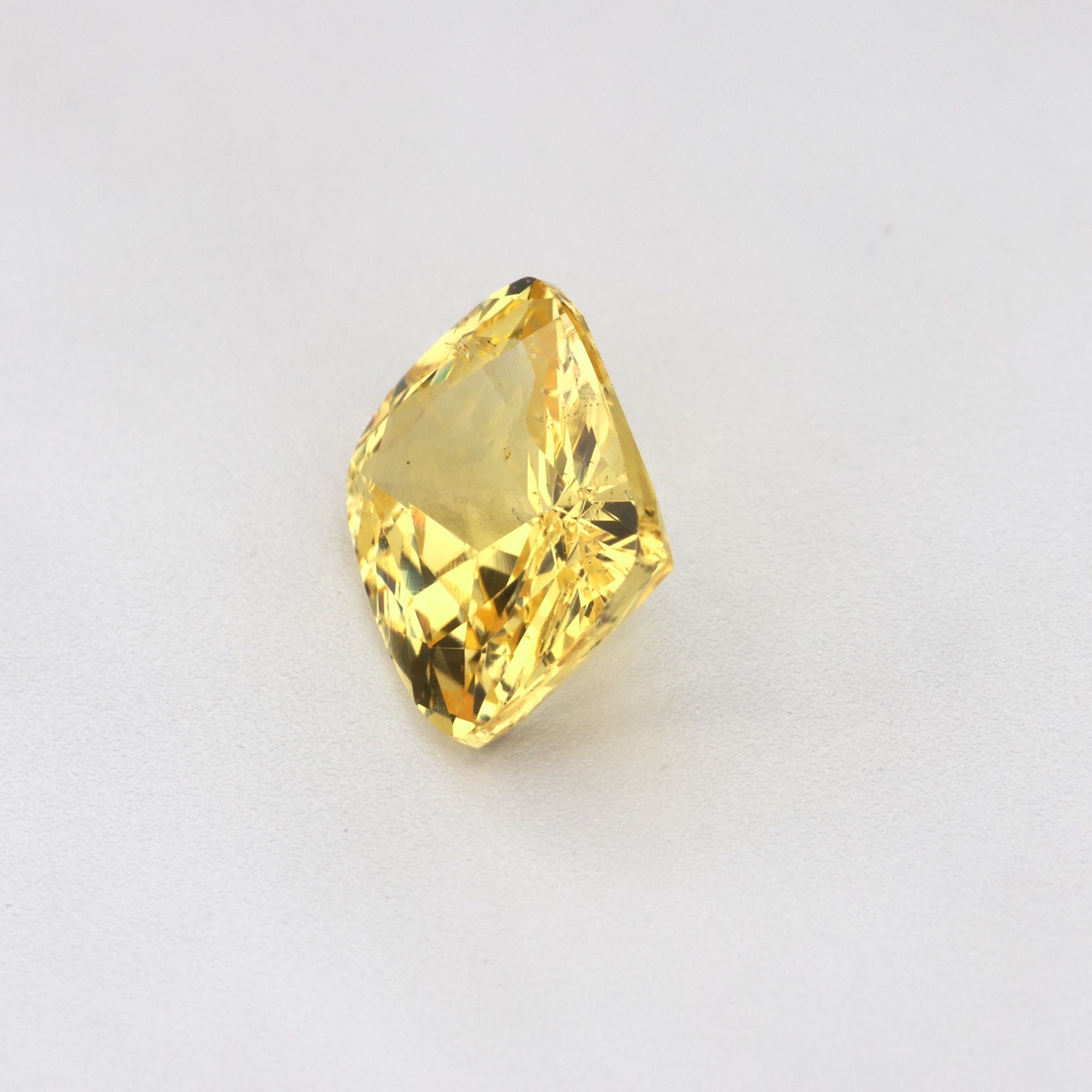
Gelber Saphir: warm und anders, als die meisten erwarten. Unsere Auffassung: ein unerhitzter gelber Saphir aus Sri Lanka gibt einen richtigen Verlobungsstein aus eigenem Recht. Siehe unseren Leitfaden zum gelben Saphir.
Rosa Saphir: der Saphir jenseits von Blau, nach dem wir am häufigsten gefragt werden. Unsere Auffassung: er passt besonders gut zu Roségold. Siehe unseren Leitfaden zum rosa Saphir.
Pfirsich-Saphir: die warme Zone zwischen Rosa und Orange. Unsere Auffassung: Pfirsich in Roségold ist eine der schönsten Kombinationen, die wir fassen — unser Geschmack, keine Rangfolge. Padparadscha ist davon getrennt zu halten: ein laborseitig definierter Farbbegriff, dessen Umfang die Laboratorien festgelegt haben, die das entsprechende Informationsblatt übernommen haben — GIA, Gübelin und SSEF unter ihnen. Wir führen keinen solchen Stein, und wir wenden das Wort nicht auf einen Pfirsichton an. Siehe unseren Leitfaden zu Padparadscha und unseren Leitfaden zum Pfirsich-Saphir.
Violetter Saphir: siehe unseren Leitfaden zum violetten Saphir. Weißer Saphir: siehe unseren Leitfaden zum weißen Saphir.
Und eine Regel, die über allen Farbangaben steht: Sehen Sie den Stein bei Tageslicht an, bevor Sie sich entscheiden. Wenn er Ihnen bei Tageslicht gefällt, ist das der Test, der zählt. Ein Farbqualitätsgrad steht auf keinem GIA-Farbsteinbericht, dieses Urteil ist also Ihres und unseres und niemals das eines Labors.
Das Erhitzen von Saphir ist eine lange eingeführte Praxis des Handels und wird auf einen großen Teil des Materials angewendet, das wir in den Rohsteinmärkten sehen. Ein erhitzter Saphir ist ein natürlicher Saphir. Erhitzen verändert die Mohshärte von Korund nicht; sie liegt in beiden Fällen bei 9. Zur Zähigkeit sagt die Mohshärte nichts, und wir behaupten dazu nichts.
Was wir für unser eigenes Buch sagen können: Wir bepreisen unerhitzte Steine höher als erhitzte Steine mit vergleichbarer Farbwirkung. Eine Zahl für diesen Abstand veröffentlichen wir nicht — er bewegt sich und hängt am einzelnen Stein. Wie viele unerhitzte und wie viele erhitzte Steine gerade bei uns liegen, nennen wir hier nicht: Auch diese Zahlen ändern sich mit jedem Verkauf. Wir führen beides, und auf jeder Listung steht, welches von beiden zutrifft.
Wählen Sie unerhitzt, wenn Ihnen unerhitzte Farbe grundsätzlich wichtig ist, wenn Sie für eine Jyotish-Verwendung kaufen, oder wenn Ihr Budget den Aufpreis trägt. Wählen Sie erhitzt, wenn Sie den größten Stein wollen, den Ihr Budget zulässt, wenn Sie vor allem nach dem Aussehen kaufen, oder wenn Sie den Unterschied lieber in einen besseren Schliff, mehr Größe oder eine aufwendigere Fassung stecken.
Jetzt der Teil, den Sie im deutschsprachigen Beratungsgespräch brauchen. Es gibt kein deutsches Edelsteingesetz. Die Offenlegung von Behandlungen folgt hier der CIBJO-Nomenklatur und dem Handelsbrauch und wird nur mittelbar durchsetzbar: über das Verschweigen wesentlicher Informationen im Lauterkeitsrecht und darüber, dass sich die geschuldete Beschaffenheit auch unter Berücksichtigung öffentlicher Äußerungen des Verkäufers bestimmt. Das ist weniger als eine Vorschrift und mehr als nichts. Niemand sollte Ihnen erzählen, die Offenlegung sei „gesetzlich vorgeschrieben“ — in dieser Form ist sie das nicht.
Dafür nimmt der deutsche Nomenklaturtext eine Abstufung vor, die praktisch wichtiger ist als jede Vorschrift. Erhitzen gehört zur allgemeinen Offenlegungspflicht. Diffusionsbehandlung und Rissfüllung stehen eine Stufe darüber, in der spezifischen Offenlegung, für die eine schriftliche Angabe verlangt wird. Daraus folgt für Ihr Gespräch: Die Frage „erhitzt oder unerhitzt?“ ist die Frage auf der unteren Stufe. Sie sagt nichts darüber, was auf der oberen Stufe erklärt wurde. Fragen Sie deshalb zweistufig: erst nach dem Hitzebefund, dann danach, welche Angaben die Listung auf der höheren Stufe schriftlich macht. Im deutschsprachigen Markt trägt diese zweite Frage mehr Gewicht als anderswo, weil die Abstufung hier ausdrücklich im Nomenklaturtext steht.
Unerhitzt ist das enge und richtige Wort. Ein Bericht, der keine Anzeichen von Erhitzung ausweist, trifft eine Feststellung über Anzeichen von Erhitzung — nicht über die Behandlungsgeschichte des Steins insgesamt. Die LMHC hält in Informationsblatt 7 fest, dass manche Behandlungen derzeit nicht nachweisbar sind, und nennt unveränderte Rutilnadeln als Merkmal, das eine Erhitzung unberührt lassen kann. Die verbreitete Faustregel, sichtbare Seide beweise einen unerhitzten Stein, hält damit der Quelle nicht stand.
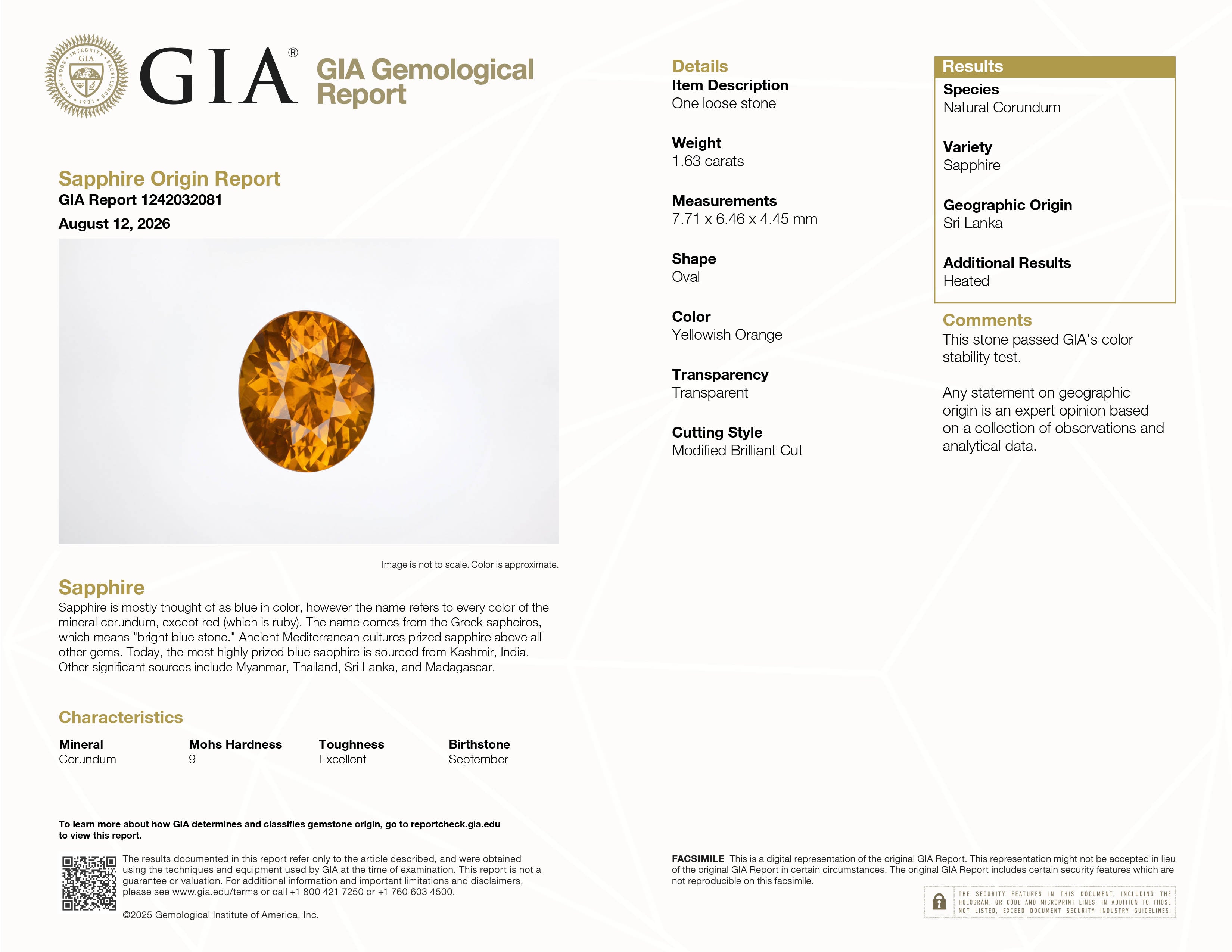
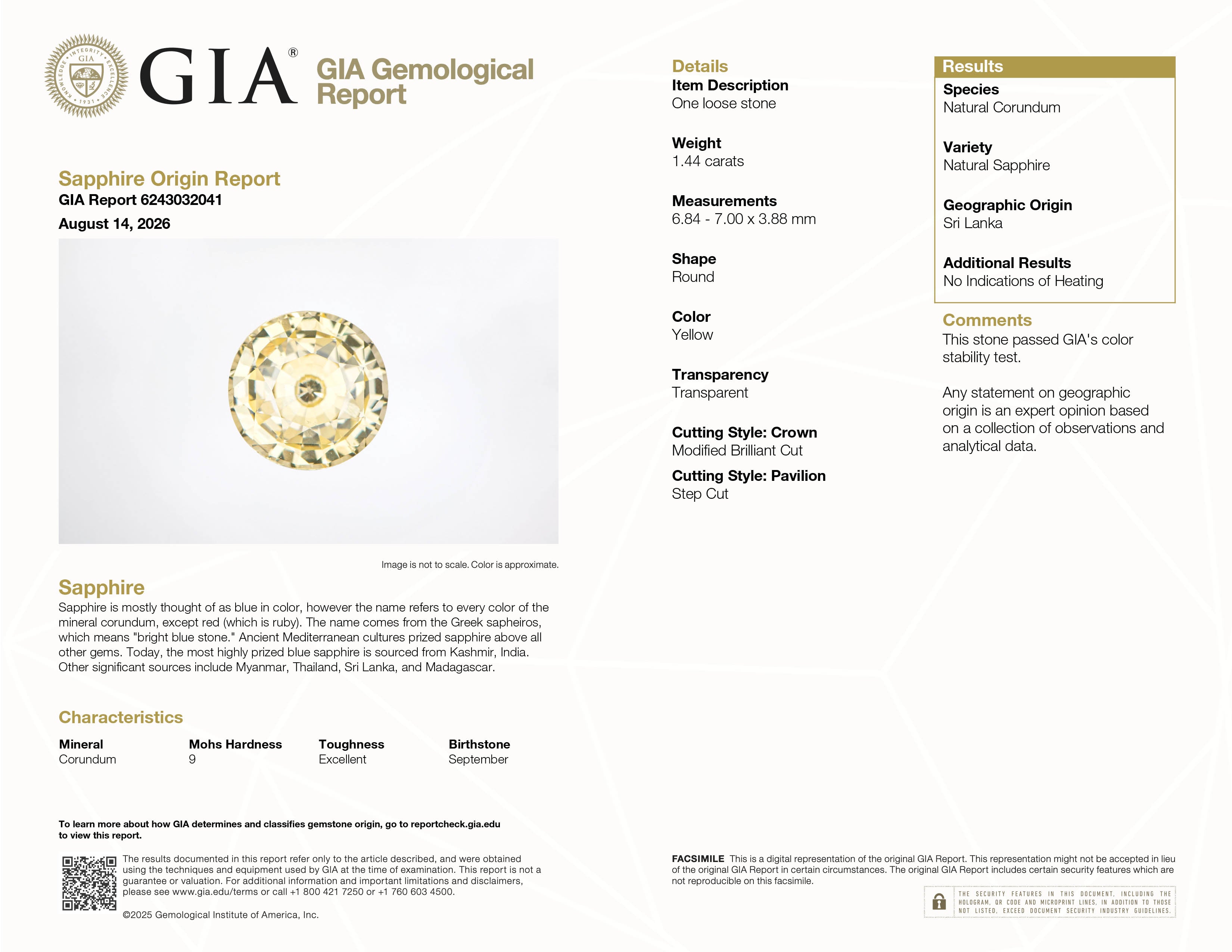
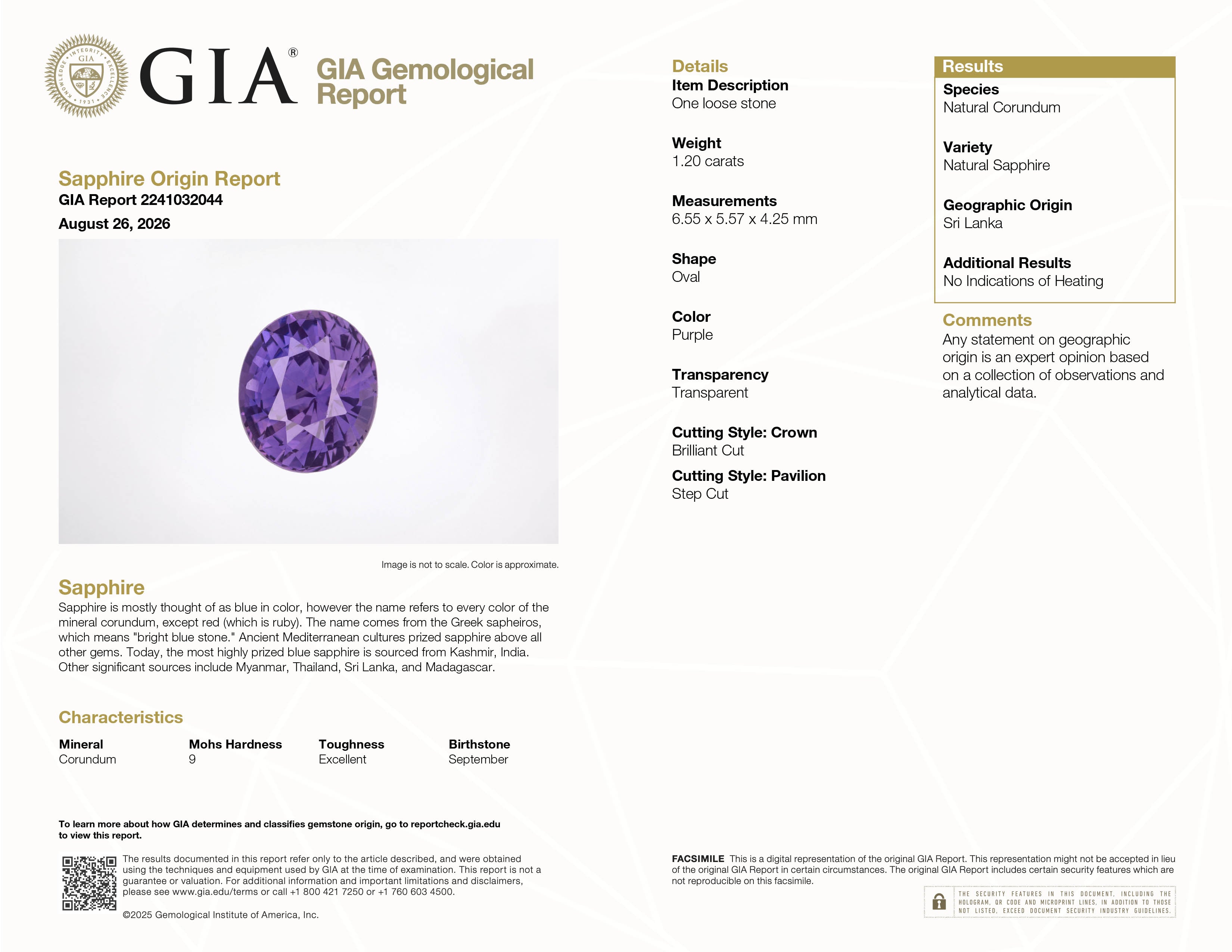
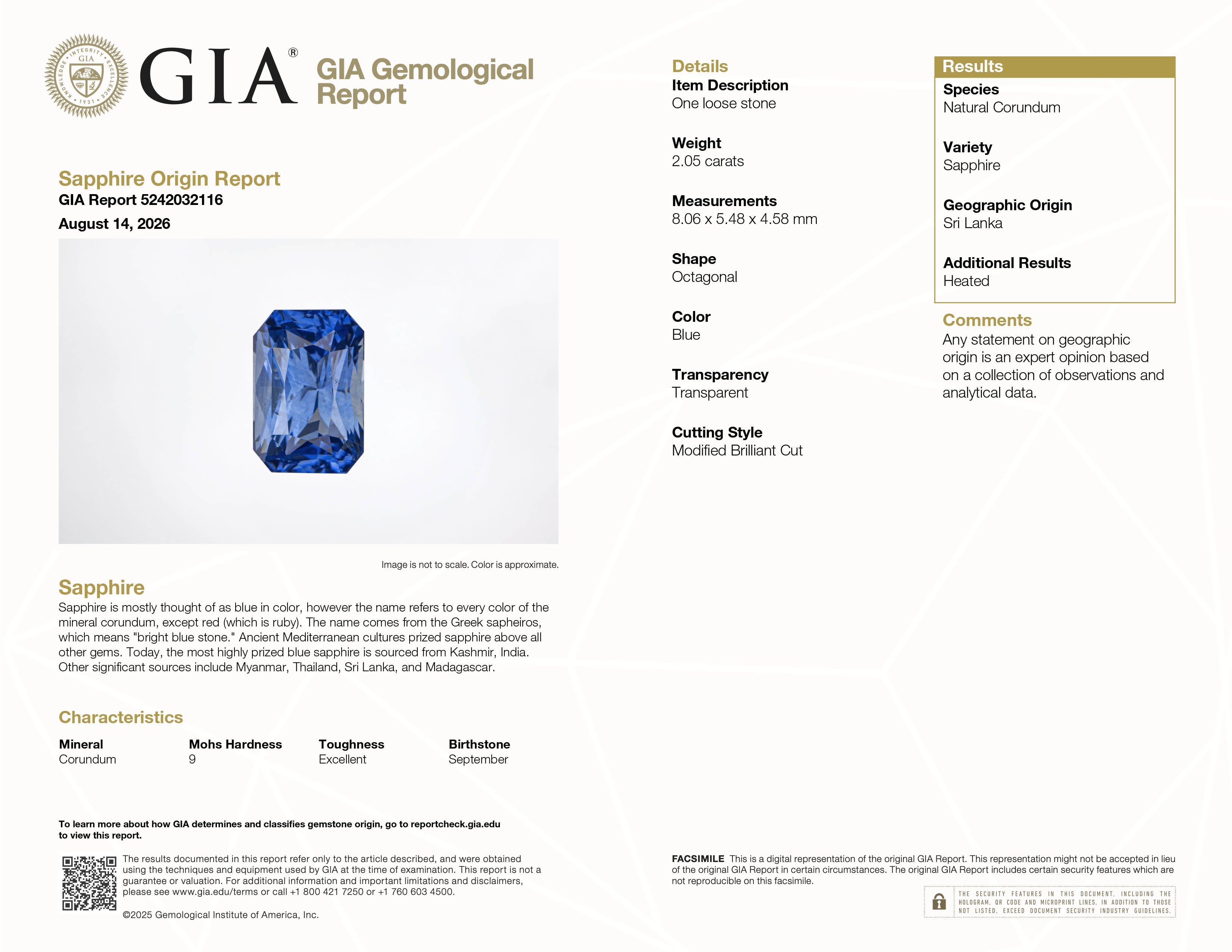
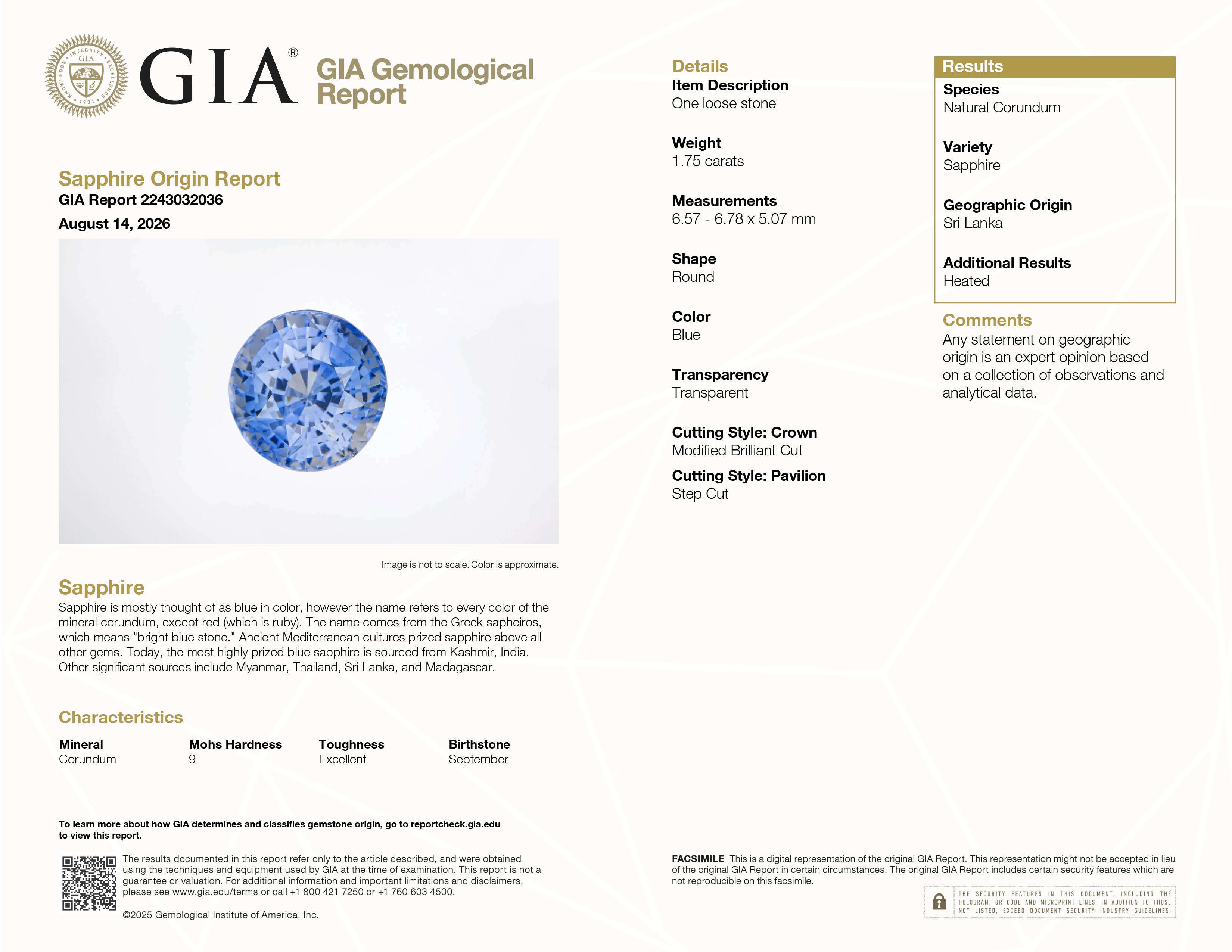
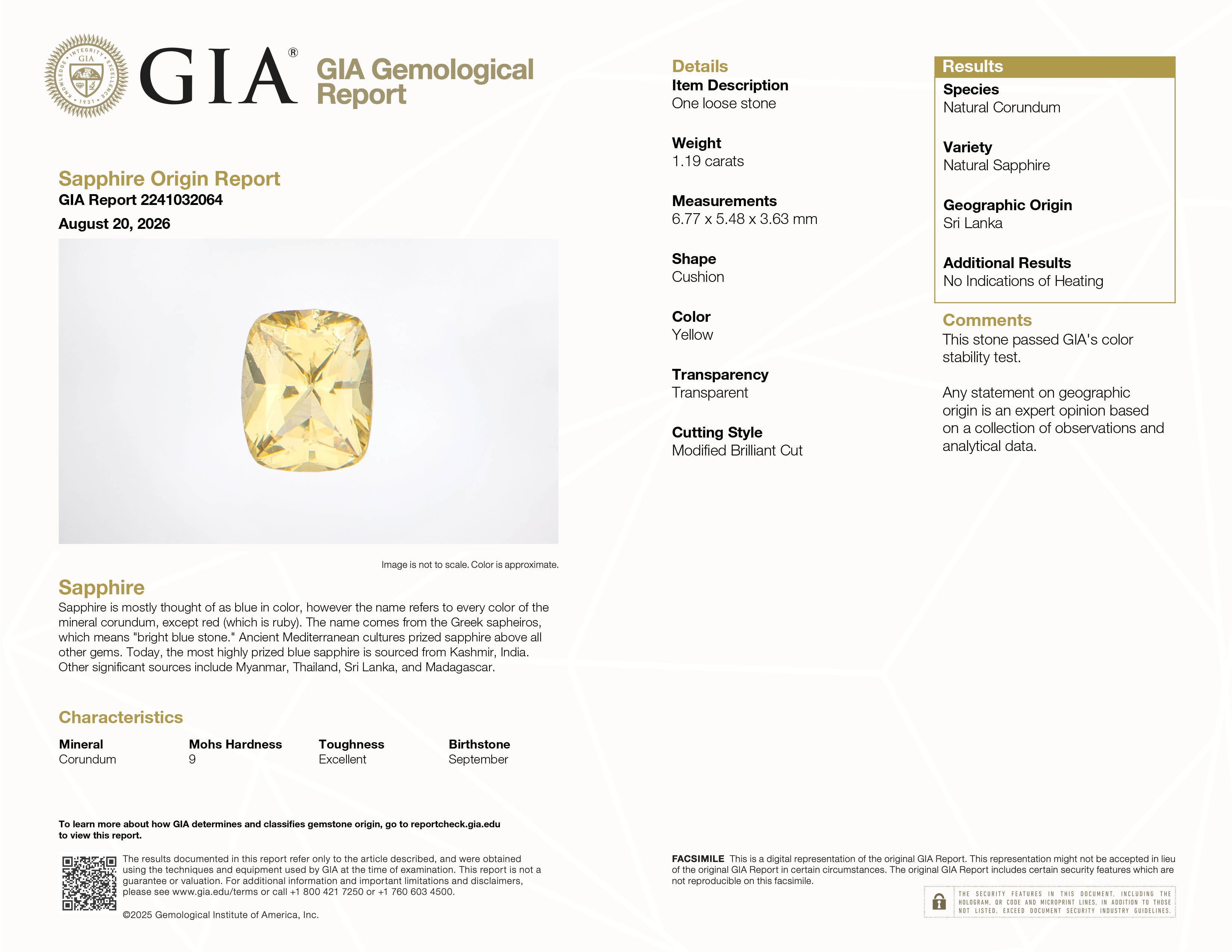
Wo der Aufpreis für unerhitzt für Sie ins Gewicht fällt, verlangen Sie einen Bericht von GIA, Gübelin, SSEF oder Lotus und lesen den Hitzebefund, den er druckt. Ein Labor äußert eine Meinung zu dem, was es beobachtet hat; es bestätigt nichts. Eine GIA-Berichtsnummer können Sie selbst unter reportcheck.gia.edu prüfen. Siehe unsere Leitfäden zum unerhitzten Saphir, zur Hitzebehandlung und zur Diffusionsbehandlung mit Beryllium.
Über allem steht derselbe Rahmen: Kein Labor bewertet die Qualität eines Farbsteins. GIA sagt das über die eigene Arbeit klar: Man vergibt für Saphir und andere Farbsteine keine Bewertung und erstellt keine Qualitätsanalyse. Ein GIA-Farbsteinbericht führt keinen Reinheitsgrad und keine Schliffbewertung, und aus diesen Lücken folgt nichts über den Stein — sie waren dort nie vorgesehen. Alles Folgende ist deshalb unsere Beurteilung.
Farbe. In unserem Handel bewegt die Farbe den Preis eines Saphirs stärker als jeder andere einzelne Faktor. Die drei Achsen, über die Händler sprechen, sind Farbton, Sättigung und Helligkeit — Farbton meint, wie klar der Farbton erkennbar ist und ob trübende Modifikatoren dazwischenstehen. Worauf wir sehen: ein mittlerer Ton, dunkel genug für Präsenz und hell genug, dass die Farbe bei normalem Zimmerlicht noch trägt. Zur Farbe gehört auch die Farbzonierung: ungleich verteilte Farbe im Kristall, die man am besten erkennt, wenn man den Stein von oben und von der Seite ansieht.
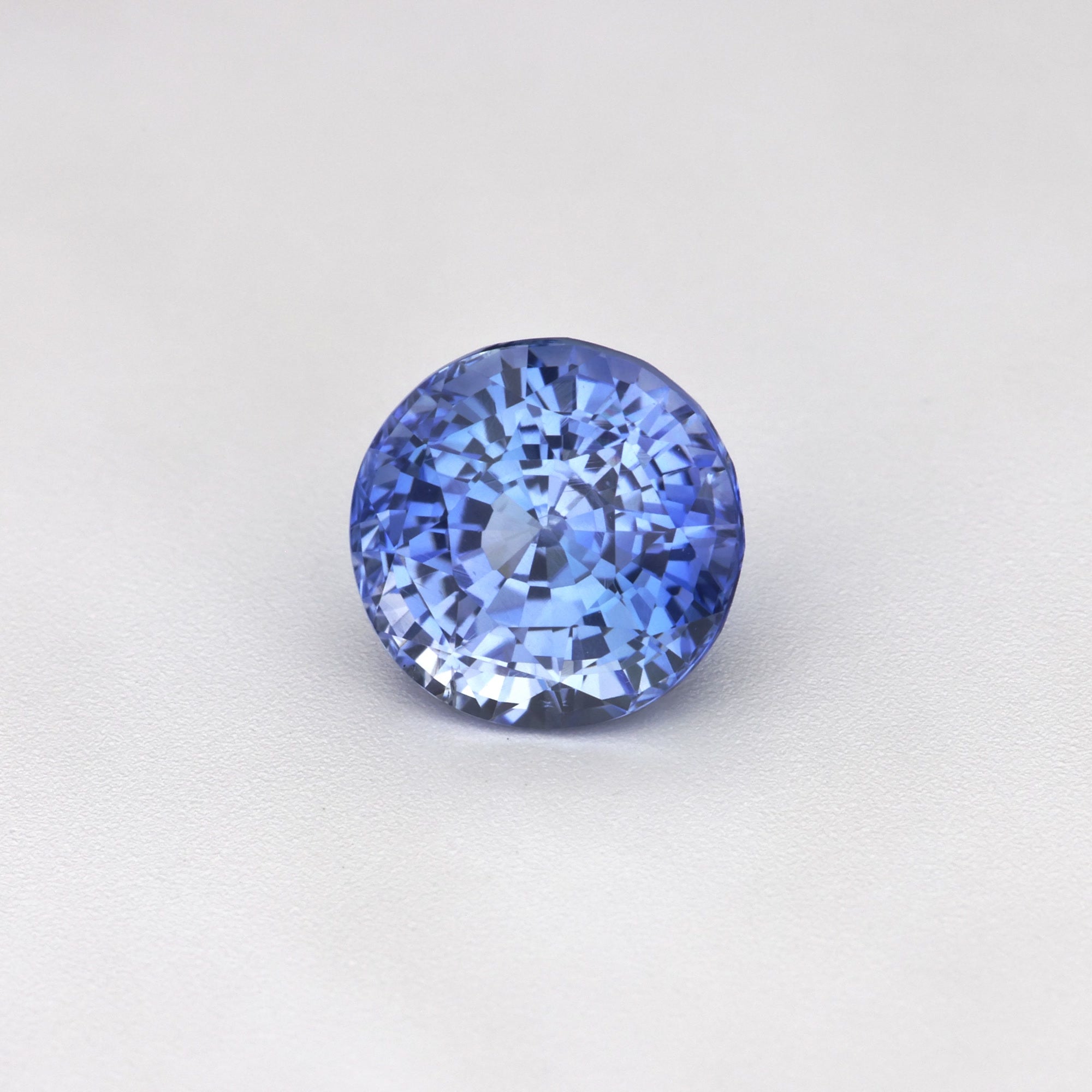
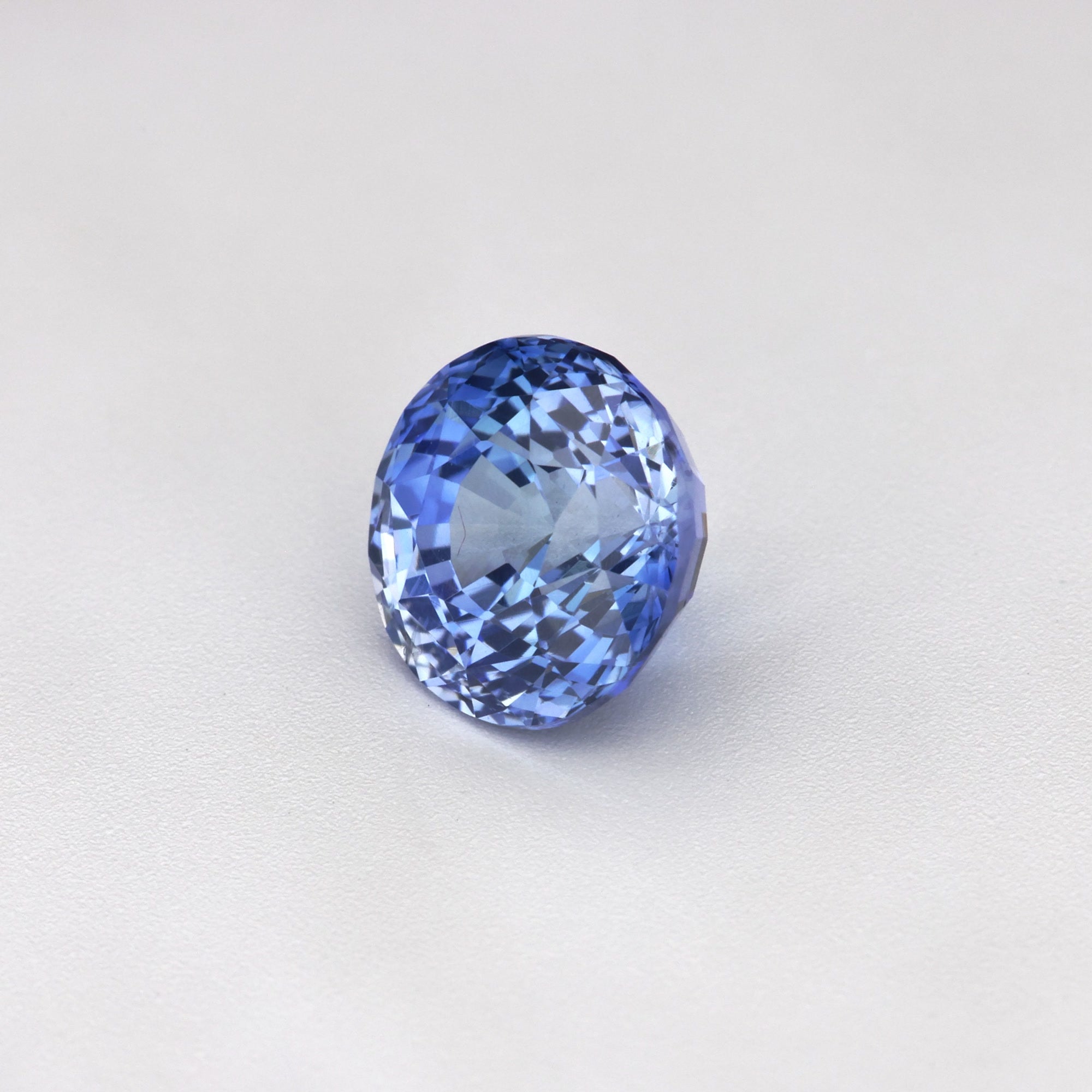
Schliff. Wichtiger, als die meisten Käufer denken. Ein gut geschliffener Saphir gibt Licht gleichmäßig über die ganze Oberseite zurück, ohne Fenster — eine farblose, durchsichtige Stelle in der Mitte, an der das Licht gerade durchläuft. Unsere Auffassung: Ein größerer, billigerer Stein mit Fenster sieht im fertigen Ring schlechter aus als ein kleinerer, gut geschliffener. Das ist unsere Beurteilung, denn kein Labor bewertet den Schliff eines Farbsteins. Und eine Klarstellung, die oft fehlt: Die Facettenanordnung gibt Licht zurück. Sie fügt der Farbe nichts hinzu, sie bündelt und vertieft sie nicht. Die Farbe gehört dem Stein. Im Deutschen heißt das Schliff und nicht „Schnitt“. Siehe unseren Leitfaden dazu, wie der Schliff wirkt.
Reinheit. Unser Maßstab: keine Einschlüsse, die bei normaler Betrachtung auf Armlänge sichtbar sind. GIA-Farbsteinberichte führen überhaupt keinen Reinheitsgrad, augenrein ist also unser eigener Arbeitsmaßstab und kein laborseitiger. Zwei deutsche Vokabeln dazu: Es heißt Reinheit, nicht „Klarheit“ — und augenrein, nicht „lupenrein“. „Lupenrein“ ist ein Diamantbegriff mit einer völlig anderen Schwelle und auf einem Farbstein irreführend. Feine Seide, also die mikroskopischen Rutilnadeln, die man in Saphir häufig sieht, behandeln wir nicht als Fehler. Siehe unseren Leitfaden zu Einschlüssen.
Karatgewicht — und was das Wort im Deutschen alles bedeutet. Hier gibt es eine Falle, die wir in keinem deutschsprachigen Saphir-Ratgeber aufgelöst gefunden haben. Beim Stein ist das metrische Karat eine Masseneinheit: ein Karat entspricht 0,2 Gramm, abgekürzt ct. Beim Fassungsmetall bezeichnet Karat dagegen den Goldfeingehalt: 750er Gold ist 18 Karat, 585er Gold ist 14 Karat. Zwei verschiedene Einheiten mit demselben Namen. „Ein 2-Karat-Saphir in 18-Karat-Gold“ enthält das Wort zweimal und meint beide Male etwas anderes; wir schreiben beim Stein durchgängig ct und beim Metall den Feingehalt. Und noch eine Folge des Gewichts: Saphir ist dichter als Diamant, ein Saphir gleichen Karatgewichts hat also einen etwas kleineren Durchmesser von oben. Kaufen Sie nach der Ansicht von oben, nicht nach dem Gewicht. Siehe unseren Leitfaden zu Größe und Millimetermaßen.
Oval: die Form, nach der wir am häufigsten gefragt werden — gute Ansichtsfläche für das Gewicht, und sie streckt den Finger. Siehe unseren Leitfaden zum ovalen Saphir und Formen für Solitärringe.
Kissenschliff: unsere eigene Lieblingsform für Saphir — die gerundeten Ecken und breiten Facetten geben Licht über eine weite Fläche zurück. Das ist unsere Vorliebe und keine Messung, die ein Labor vornimmt; wir halten sie für besonders passend zu Halo- und Dreisteinfassungen im historisierenden Stil. Siehe unseren Leitfaden zum Kissenschliff und Formen für Halo-Ringe.
Rundschliff: kräftige Lichtrückgabe, und die Form, auf die die meisten Fassungsarten ausgelegt sind. Ein Hinweis zur deutschen Fachsprache, der im Laden Geld spart: Brillant ist als alleinstehendes Hauptwort dem rund geschliffenen Diamanten vorbehalten. Ein rund geschliffener Saphir ist ein Saphir im Rundschliff oder ein runder Saphir — kein „Saphir-Brillant“. Wer so wirbt, verwendet eine Bezeichnung, die der Verkehr einem anderen Stein zuordnet.
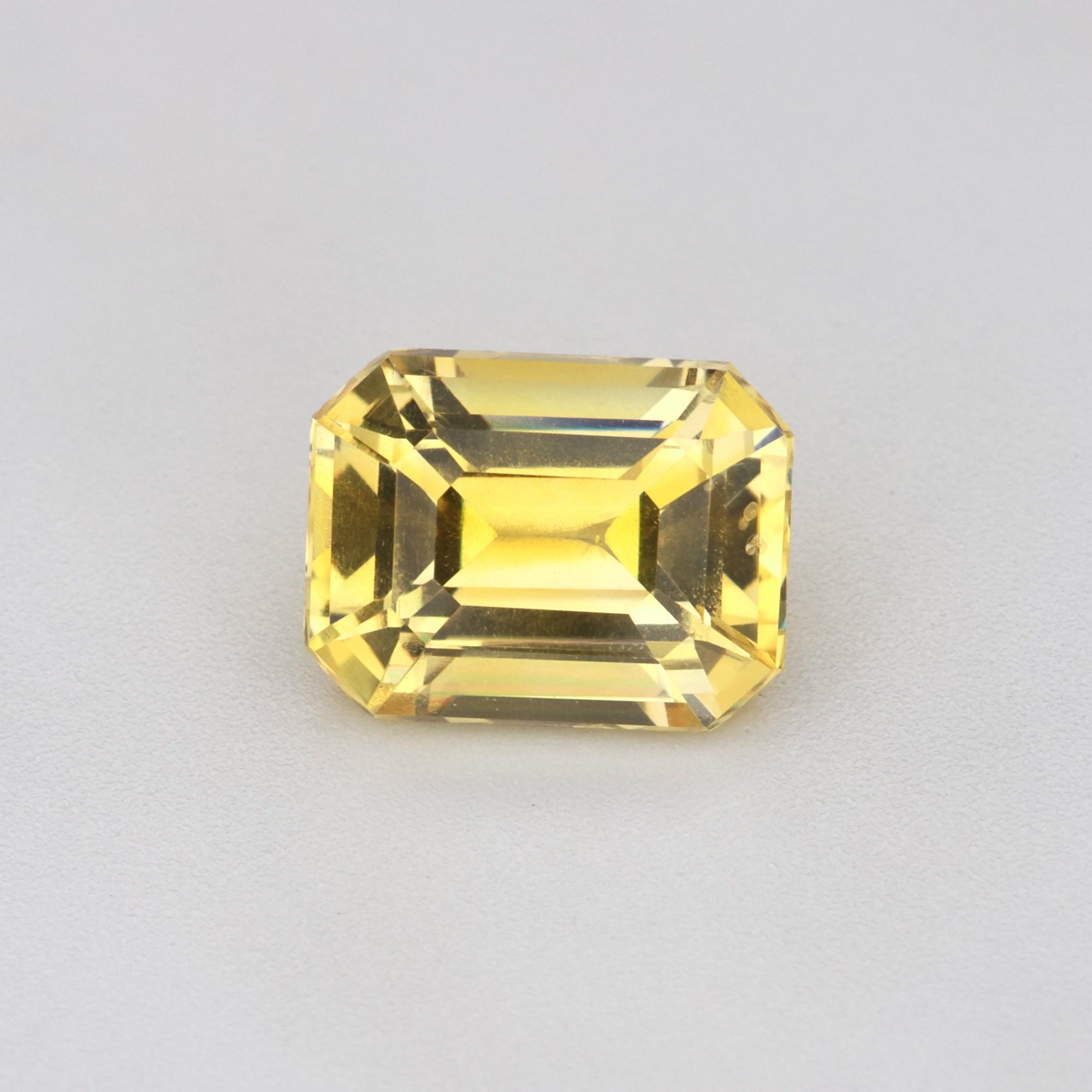
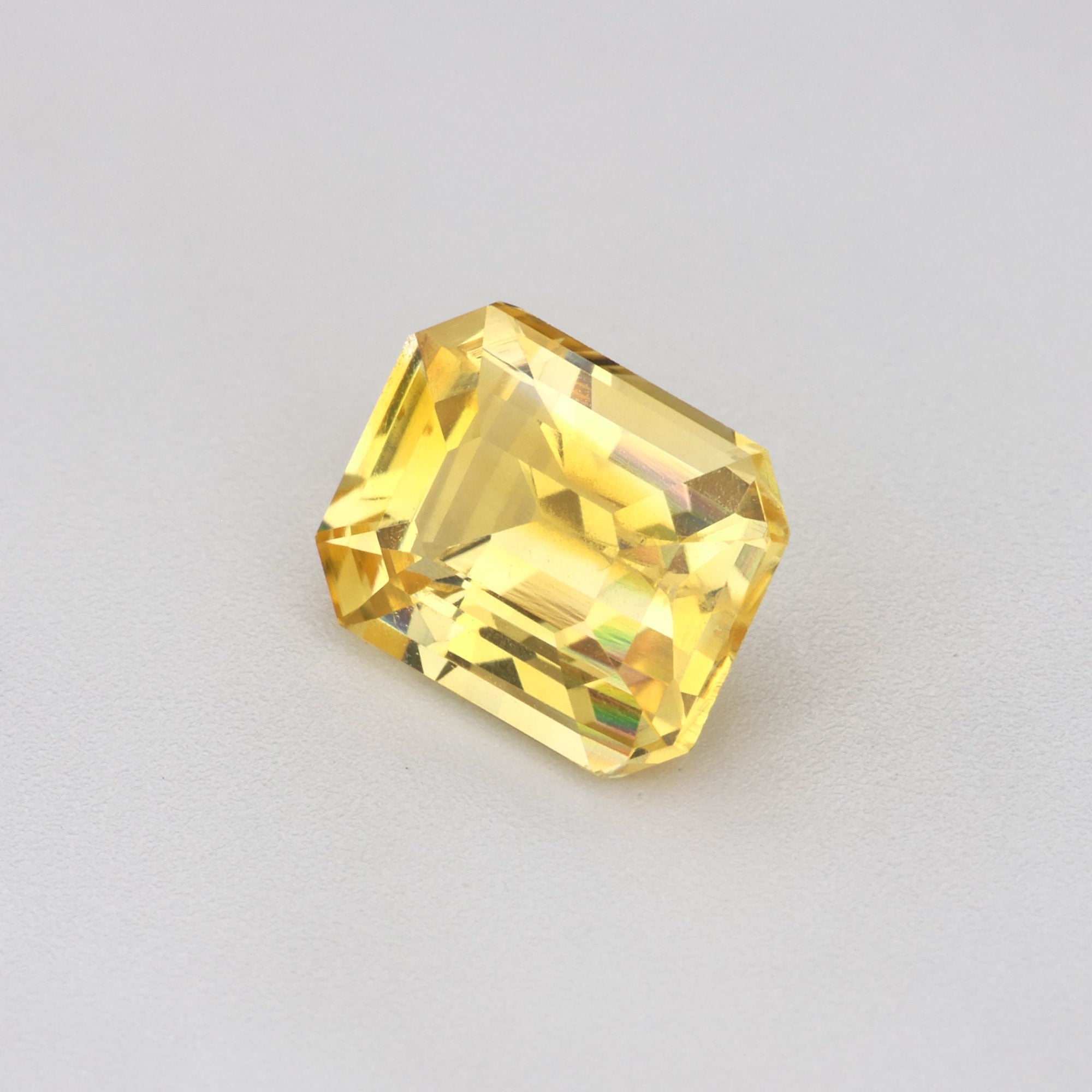
Smaragdschliff: Treppenfacetten erzeugen innere Tiefe statt vieler kleiner Oberflächenblitze. Wir werden immer häufiger danach gefragt, besonders für moderne, zurückgenommene Entwürfe. Siehe unseren Leitfaden zum Smaragdschliff und Schliffe für flach bauende Ringe.
Tropfen, Navette und Fantasieschliffe: strecken den Finger stärker als ein Rund- oder Kissenschliff gleichen Gewichts. Siehe unseren Leitfaden zu gestreckten Formen. Für Dreisteinringe siehe Formen für Dreisteinringe.
Was jetzt kommt, ist unsere Empfehlung als Händler, die diese Steine fassen. Es ist unser Geschmack und unsere eigene Erfahrung — kein Bewertungsmaßstab und keine Empfehlung eines gemmologischen Labors, denn ein solches veröffentlicht zur Metallwahl für Saphir nichts. Ihr Geschmack darf abweichen.
Weißgold und Platin: nach unserer Auffassung der klarste Hintergrund für blaue, Teal- und violette Saphire, und die Kombination, die unsere eigenen Kunden bei einem blauen Stein aus Sri Lanka am häufigsten wählen.
Roségold: unser üblicher Vorschlag für rosa, Pfirsich- und rosaviolette Saphire. Wir mögen es auch zu Teal und Violett.
Gelbgold: bringt Wärme und einen historischen Zug. Wir finden, es passt am besten zu gelben Saphiren, zu violetten und zu warm getönten Blautönen.
Den vollständigen Rahmen dazu in unseren Leitfäden Gelbgold, Weißgold oder Platin und Metallfarbe für einen Saphirring wählen.
Wenn Stein und Metall gewählt sind, bestimmt die Fassung, wie der Stein auftritt und wie gut er im Alltag geschützt ist. Die Leitfäden unten beschreiben, wie wir an jede dieser Entscheidungen herangehen würden — wieder unsere Auffassung und nicht die eines Labors, denn zu Fassungen für Saphir veröffentlicht kein Labor Hinweise, auf die wir verweisen könnten.
Herkunft ist eine Angabe zur Provenienz und keine Qualitätsachse, und wir stellen Herkünfte nicht in eine Rangfolge. Das ist nicht nur Haltung: Ein Rangvergleich zwischen Fundgebieten wäre nach deutschem Lauterkeitsrecht als unlautere vergleichende Werbung angreifbar, und zwar zusätzlich zu allem anderen.
Sri Lanka — im Handel Ceylon — ist, wo wir kaufen: in Colombo, Beruwala und Ratnapura. Die Bezeichnung, die wir dafür führen, ist Srilankischer Saphir (Ceylon-Saphir): der Herkunftsname und der eingeführte Handelsname zusammen, damit niemand den Handelsnamen für eine Güteklasse nimmt. Denn genau so wird „Ceylon“ im deutschsprachigen Schmuckhandel häufig verwendet, als eine Art Auszeichnung. Diese Lesart übernehmen wir nicht. Ceylon benennt einen Fundort und bewertet keinen Stein.
Zahlen zum Bestand nennen wir in diesem Text nicht, weil sie sich mit jedem Verkauf ändern. Der Sachverhalt dahinter bleibt derselbe: Nicht jeder Saphir, den wir verkaufen, stammt aus Sri Lanka. Ein kleinerer Teil kommt von anderswo, und davon wiederum der größte Teil aus Madagaskar. Das bewertet nichts, und Madagaskar ist keine geringere und keine ersatzweise Herkunft. Jede Produktseite nennt die für den jeweiligen Stein erfasste Herkunft, und manche Steine im Katalog sind überhaupt keine Saphire.
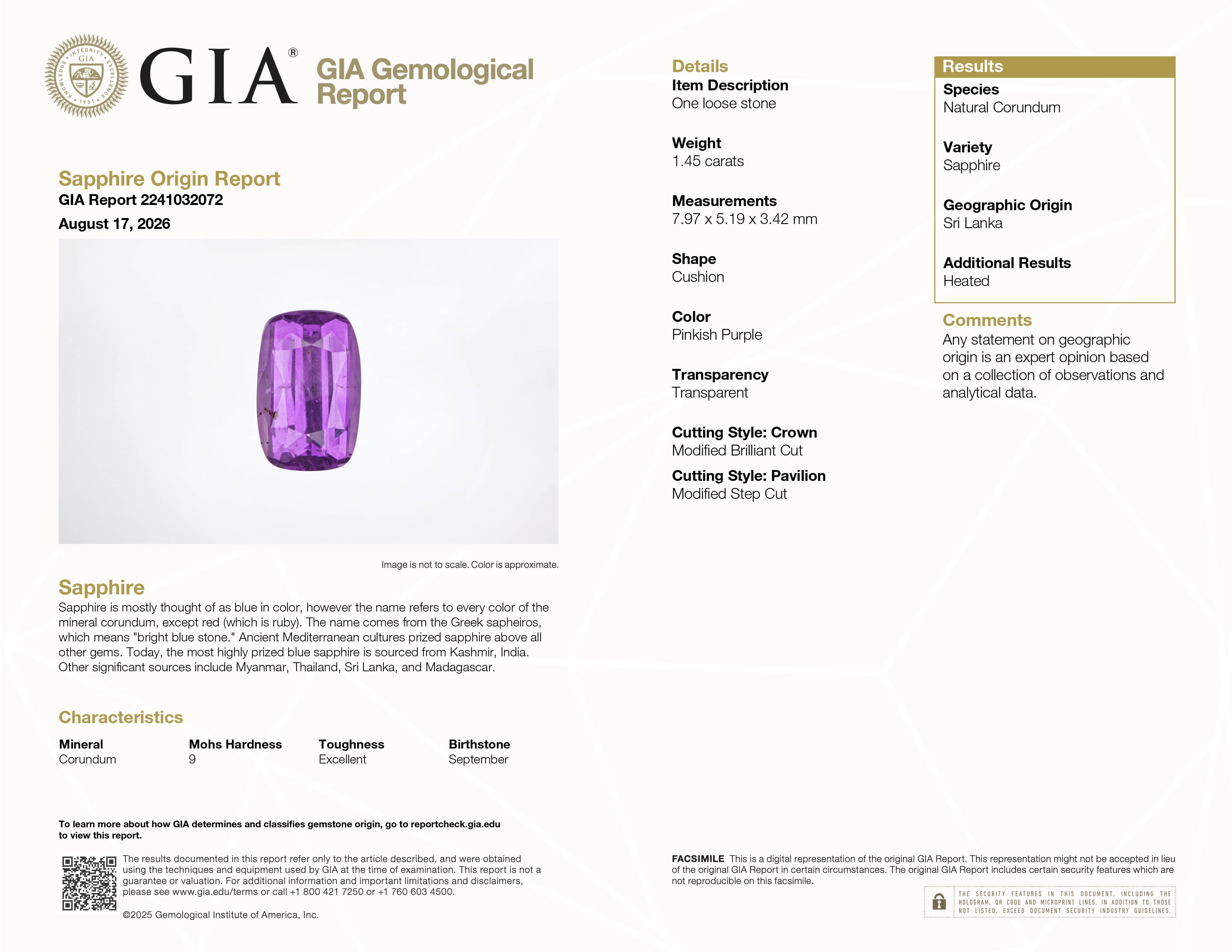
Wo ein Laborbericht ein Herkunftsfeld führt, ist dieses Feld eine Expertenmeinung des Labors. GIA stellt dazu klar, dass jede Angabe zur geografischen Herkunft eine Expertenmeinung ist, die auf einer Sammlung von Beobachtungen und Analysedaten beruht. Kein Satz auf unseren Seiten behauptet eine Herkunft auf der Autorität eines Labors; wenn wir eine Herkunft nennen, steht dahinter unser eigener Einkauf. Siehe unseren vollständigen Leitfaden zum srilankischen Saphir (Ceylon-Saphir) sowie unsere Leitfäden zu anderen Fundgebieten: Madagaskar, Burma und Mogok, Tansania, Mosambik.
Statt allgemeiner Preisklassen die ehrliche Form der Sache: Wir führen lose Saphire über eine weite Preisspanne, es gibt also für die meisten Budgets etwas, das sich anzusehen lohnt, statt einer einzigen Klasse, auf die man zielen müsste. Eine Preistabelle drucken wir in einem Artikel bewusst nicht — der Bestand dreht sich, und eine hier geschriebene Zahl wäre überholt, bevor Sie sie lesen. Die lebende Antwort sind die Preisfilter des Katalogs: Setzen Sie im Katalog loser Steine die Spanne, die Sie im Kopf haben, und was Sie sehen, ist das, was es heute tatsächlich gibt.
Dafür gibt es im deutschen Recht aber noch einen zweiten, härteren Grund — und er erklärt, warum dieser Abschnitt so aussieht, wie er aussieht. Die Preisangabenverordnung verlangt, dass Verbrauchern gegenüber der Gesamtpreis angegeben wird: der Betrag, der am Ende tatsächlich zu zahlen ist. Ein Preis pro Karat ist kein Gesamtpreis. Er ist eine Rechengröße des Handels, aus der sich erst mit dem Gewicht ein Betrag ergibt — und er wird zuverlässig falsch verstanden, sobald er neben etwas steht, das wie ein Angebot aussieht.
Deshalb ziehen wir hier eine sichtbare Linie. Dieser Artikel ist redaktioneller Text und kein Angebot. Er enthält keine Karatpreis-Spanne für unsere Steine. Sollte in einem redaktionellen Text einmal eine Karatpreis-Spanne als allgemeine Marktgröße auftauchen, dann sichtbar getrennt von jeder Angebotsdarstellung und als redaktionelle Größe gekennzeichnet — nie neben einem Bestellknopf und nie so, dass sie als unser Preis für einen bestimmten Stein gelesen werden kann. Der verbindliche Preis steht an genau einer Stelle: auf der Produktseite des einzelnen Steins, als Gesamtpreis für diesen Stein.
Bei der Dokumentation ist die Regel in jeder Preislage dieselbe: Die Behandlung steht auf jeder Listung, Labor und Berichtsnummer stehen dort, wo ein Bericht vorliegt, und wo keiner vorliegt, sagen wir das ausdrücklich. Wie viele unserer Steine einen Bericht tragen und von welchem Labor, nennen wir in diesem Text nicht; auch das verschiebt sich mit jedem Verkauf. Die Produktseite und nicht dieser Artikel ist die aktuelle Antwort für einen bestimmten Stein. Siehe unsere Leitfäden Saphirpreise erklärt, was ein guter 1-Karäter kostet und was ein guter 2-Karäter kostet.
Ein Punkt, der jedes deutschsprachige Angebot betrifft: Wer mit einem Prüf- oder Berichtsergebnis wirbt, muss drei Bedingungen einhalten. Sie erklären, warum dieser Artikel an so vielen Stellen ausdrücklich sagt, wessen Urteil gerade spricht.
Erstens muss das Ergebnis nachprüfbar sein. Es ist so anzugeben, dass der Leser die Quelle findet und selbst nachsieht. Deshalb nennen wir bei jedem Stein mit Bericht das ausstellende Labor und die Berichtsnummer, und deshalb steht hier der Hinweis auf reportcheck.gia.edu statt einer Behauptung, die Sie uns abnehmen müssten.
Zweitens muss das Ergebnis zur Aussage passen. Ein zitiertes Ergebnis stützt nur die Aussage, über die es tatsächlich etwas sagt — und hier liegt der häufigste Fehler im Edelsteinhandel. Ein GIA-Farbsteinbericht enthält einen Befund zur Erhitzung und, wenn beauftragt, eine Herkunftseinschätzung. Er enthält keinen Reinheitsgrad, keine Schliffbewertung und keine Farbnote. Wer ihn als Belegstück für Güte aufstellt — „mit Bericht, also Spitzenqualität“ —, beruft sich auf ein Ergebnis, das zu dieser Aussage schweigt. Daran scheitert die Werbung mit einem Laborbericht als Qualitätsnachweis, und deshalb steht bei jeder Aussage zu Farbe, Reinheit und Schliff in diesem Text, dass sie von uns kommt.
Drittens darf aus Einzelbefunden kein Gesamturteil gemacht werden. Ein Dokument, das einzelne Befunde ausweist, ist kein Gütesiegel und keine Note. Es ist eine Momentaufnahme dessen, was ein Labor beobachtet hat, als Meinung dieses Labors formuliert.
Zwei Begriffsfragen gehören hierher. Erstens: „GIA-zertifiziert“ ist falsch. GIA stellt Berichte aus und zertifiziert nicht; richtig sind GIA-Bericht, Laborbericht, Berichtsnummer und „dokumentiert auf GIA-Bericht Nr. …“. Zweitens: Was deutsche Käufer oft verlangen, ist eine beeidigte Wertermittlung — ein Dokument, das einen Geldwert feststellt und gegenüber einer Versicherung oder vor Gericht tragen soll. Das erbringt kein gemmologisches Labor. Was ein Labor erstellt, ist ein Befundbericht: eine Beschreibung des Untersuchten mit Befunden zu Art, Behandlung und, wenn beauftragt, zur vermuteten Herkunft. Einen Geldwert enthält er nicht. Wenn Sie eine Wertangabe für Ihre Versicherung brauchen, ist das ein zweiter, getrennter Auftrag an einen Sachverständigen; der Laborbericht ist dafür die Grundlage, nicht der Ersatz.
Und noch eine Beobachtung, die im deutschsprachigen Raum praktisch wird: Die Reihenfolge der Adressen ist hier anders als in den USA. Für Farbsteine gelten Gübelin und SSEF im DACH-Handel als die ersten Adressen, etwa gleichauf; GRS wird danach genannt; GIA ist hier vor allem die Referenz für Diamanten. Als heimisches Signal kommt die Deutsche Stiftung Edelsteinforschung in Idar-Oberstein hinzu, deren Dokument ein Befundbericht ist. Das beschreibt eine Marktgewohnheit und nicht, welches Labor genauer arbeitet — eine solche Aussage könnten wir nicht belegen. Siehe unseren Leitfaden zum Lesen eines GIA-Saphirberichts.
Zur Reinigung gibt es eine veröffentlichte Position und daneben unsere eigene, strengere, und die beiden sollte man nicht vermischen.
Die veröffentlichte Position: GIA hält Ultraschall- und Dampfreinigung bei Saphir grundsätzlich für unbedenklich, allerdings unter Voraussetzungen, die am einzelnen Stein hängen und die wir hier nicht aufzählen, weil sie nur im Zusammenhang des Originaltexts richtig stehen.
Unsere eigene Empfehlung, und sie ist strenger: Wir reinigen Saphirringe mit lauwarmem Wasser, einem Tropfen mildem Spülmittel und einer weichen Zahnbürste, und wir schicken einen Ring vor dem Ultraschall zum Goldschmied, der die Fassung prüft. Wir tun das, weil im Alltag nicht der Stein das schwächste Glied ist, sondern die Krappe. Das ist unsere Vorliebe und keine Vorgabe eines Labors, und wer sie nicht teilt, macht nichts falsch. Nehmen Sie den Ring bei Garten-, Sport- und Putzarbeiten ab, und bewahren Sie ihn getrennt von anderen Stücken auf. Mehr dazu in unserem Leitfaden zur Pflege eines Saphirrings und in unserem Leitfaden zur Versicherung.
Für Lieferungen außerhalb der USA gilt bei uns ein einheitlicher Versandsatz von 60 US-Dollar bis zu einem Warenwert von 499 US-Dollar; ab 499,01 US-Dollar Warenwert ist der Versand kostenfrei. Wir nennen diese Schwellen in US-Dollar, weil es die Beträge sind, die unser Versandprofil tatsächlich anwendet; eine umgerechnete Euro-Zahl wäre nur ungefähr richtig. Für jede Bestellung gilt ein Rückgaberecht von 14 Tagen ab Erhalt der Sendung.
Getrennt davon und als eigene Sache: Unsere Preise enthalten keine Einfuhrumsatzsteuer. Einfuhrumsatzsteuer und etwaige Zollabgaben trägt der Empfänger und zahlt sie bei der Zustellung im Bestimmungsland, nicht an unserer Kasse. Das gilt für Lieferungen in die EU, in die Schweiz, nach Großbritannien und in jedes andere Land außerhalb der USA. Die Höhe bestimmt die zuständige Zollstelle nach den dortigen Sätzen und der Einreihung der Ware; wir nennen dazu keine Zahl, weil wir sie nicht verbindlich nennen können.
Sehen Sie sich den vollständigen Katalog loser Steine an — die meisten Saphire darin sind srilankische Saphire, einige nicht, und einige Steine im Katalog sind überhaupt keine Saphire; Herkunft und Steinart stehen auf jeder Produktseite. Oder gehen Sie nach Farbe: blau, Teal, gelb, rosa, Pfirsich, violett, weiß — oder nach Form: oval, Kissenschliff, Rundschliff, Smaragdschliff. Wer gezielt unerhitzte Steine sucht, findet sie unter unerhitzte Saphire; wer etwas anderes als klassisches Blau sucht, bei den Fancy-Saphiren für Verlobungsringe. Mit unserem Anprobe-Programm sehen Sie Steine in der Hand, bevor Sie sich entscheiden, oder schreiben Sie uns Ihre Vorgaben an crescentgems@gmail.com und wir stellen persönlich eine Auswahl zusammen.
Dass unsere Preise so liegen, wie sie liegen, folgt aus dem Aufbau des Betriebs und nicht aus einem Nachlass: Wir haben keinen Ausstellungsraum, wir kaufen selbst in Ratnapura, Beruwala und Colombo, wir lassen Rohware nach eigener Vorgabe schleifen, und die Kette zwischen Fundstelle und Käufer ist kürzer. Das schmücken wir nicht aus: Der srilankische Rohsteinmarkt ist selbst zwischengeschaltet, und innerhalb dieses Marktes kaufen wir von Maklern und Händlern wie alle anderen. Eine kürzere Kette ist keine Kette aus null Gliedern.

CG8469
CG8454
CG8468
CG8464
CG8463
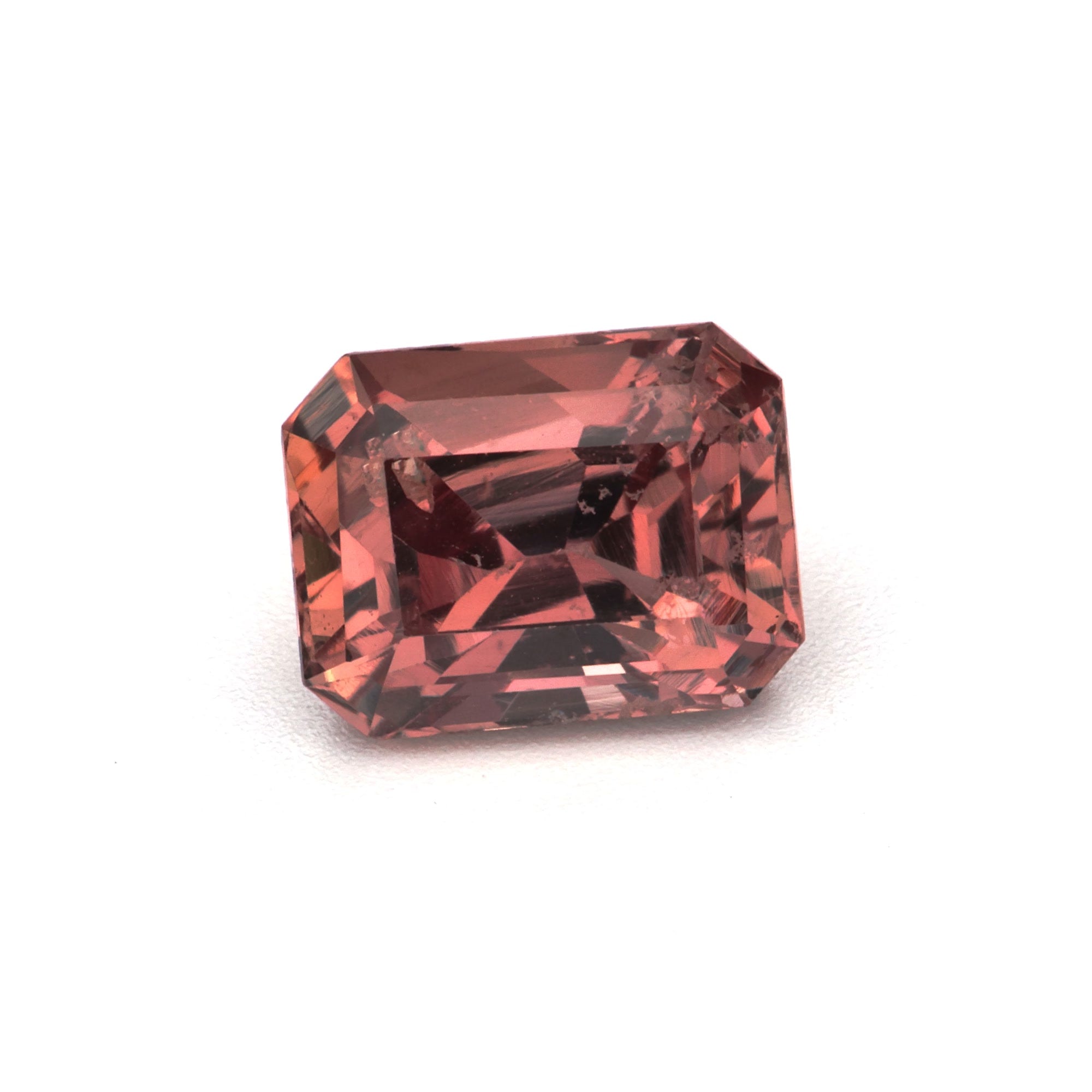
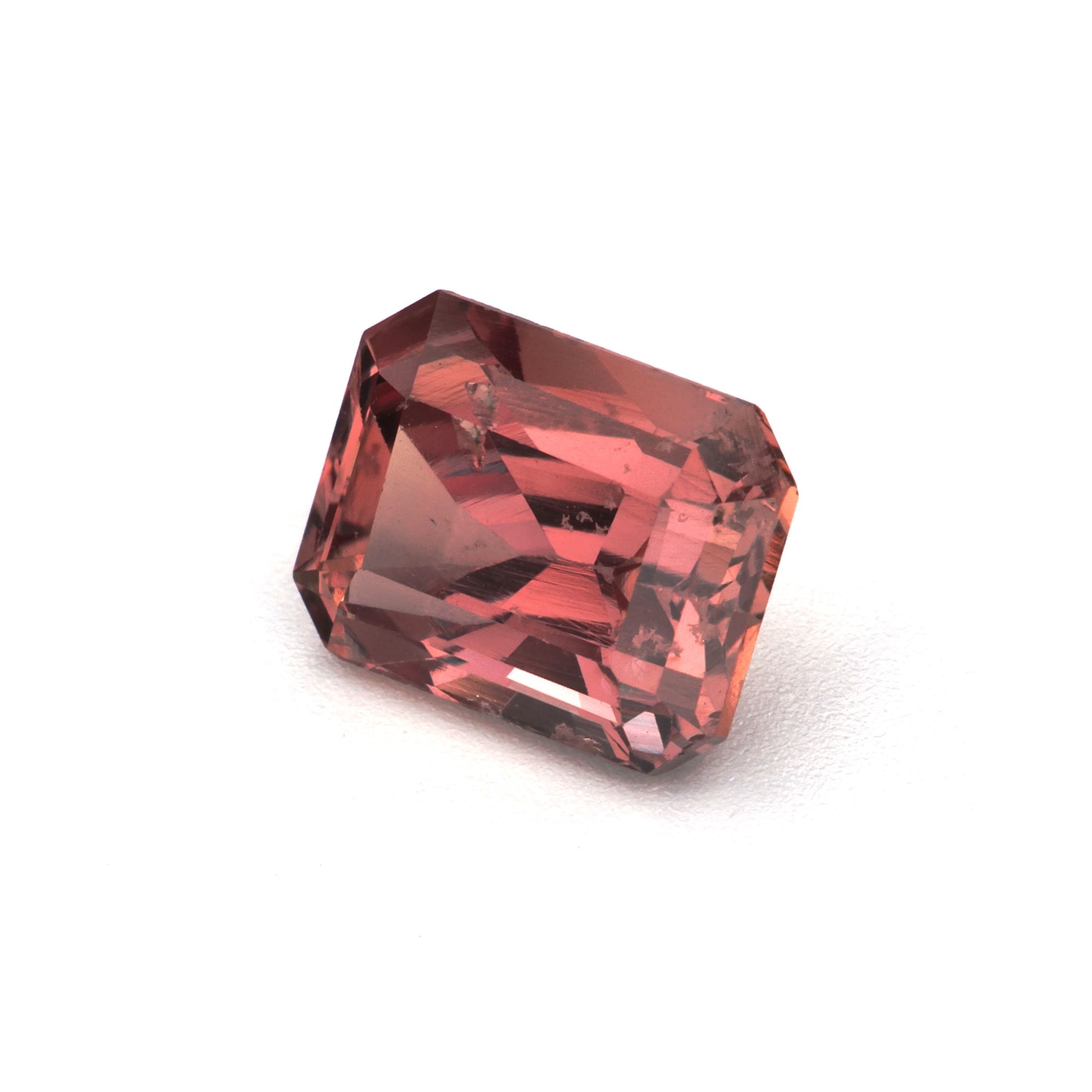
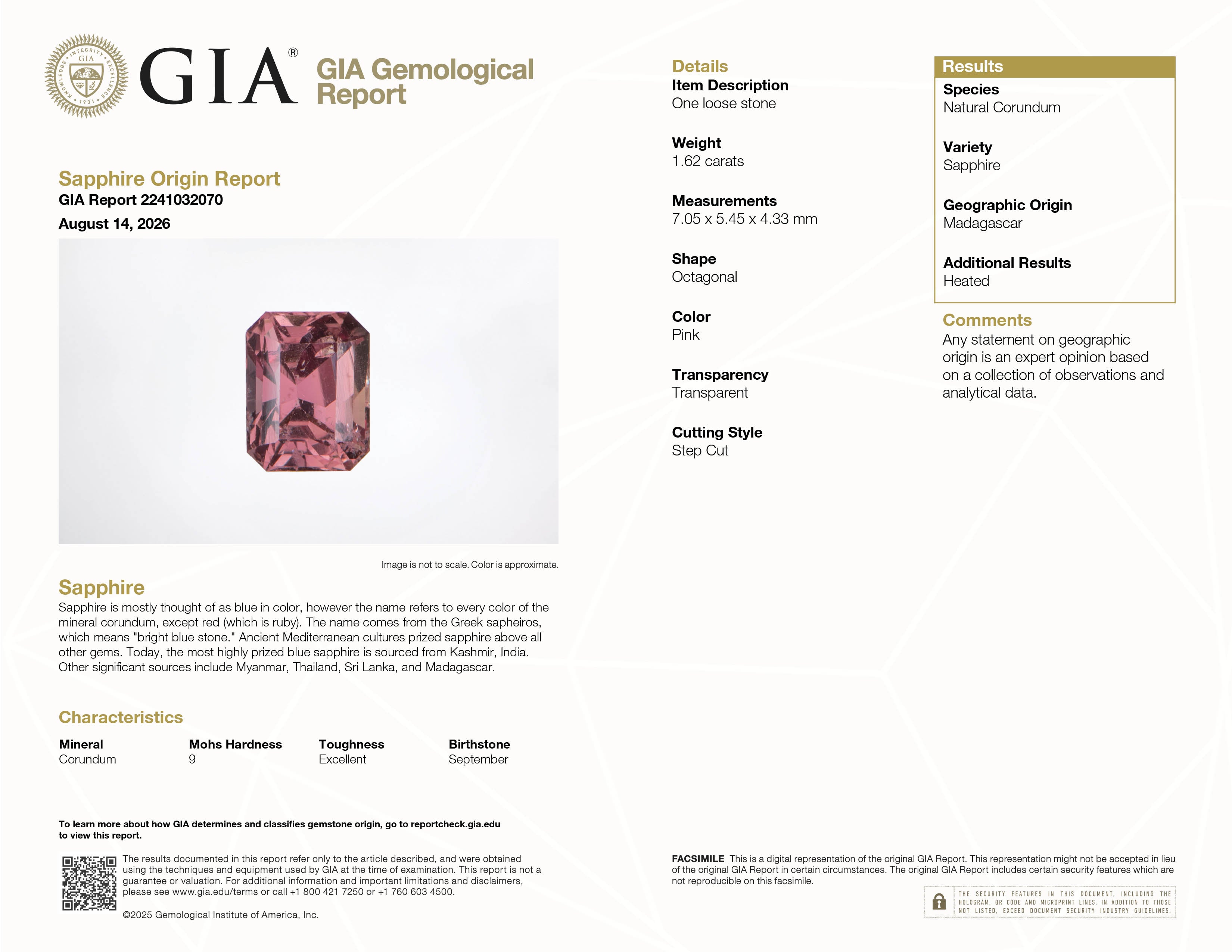
Madagaskar Rosa Saphir 1,62 ct – Achteck, GIA-Bericht
CG8459
CG8458
CG8457
CG8456
CG8453


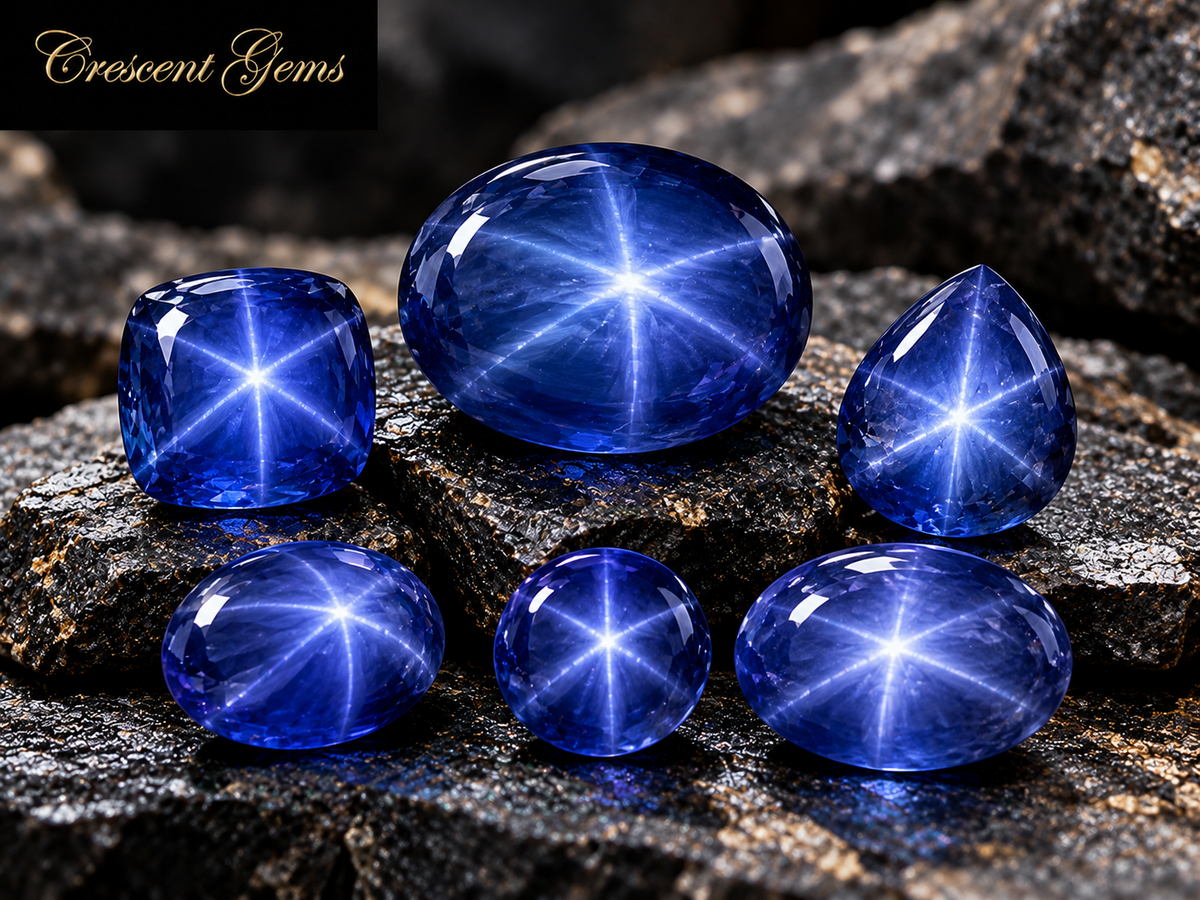
Blauer Sternsaphir: Preise pro Karat und wovon sie abhängen
Was blauer Sternsaphir pro Karat kostet und wovon der Preis abhängt – dazu unser einziger Stein: 8,09 ct für 4.040 $ mit GIA Sapphire Origin Report.
Weiterlesenüber Blauer Sternsaphir: Preise pro Karat und wovon sie abhängen
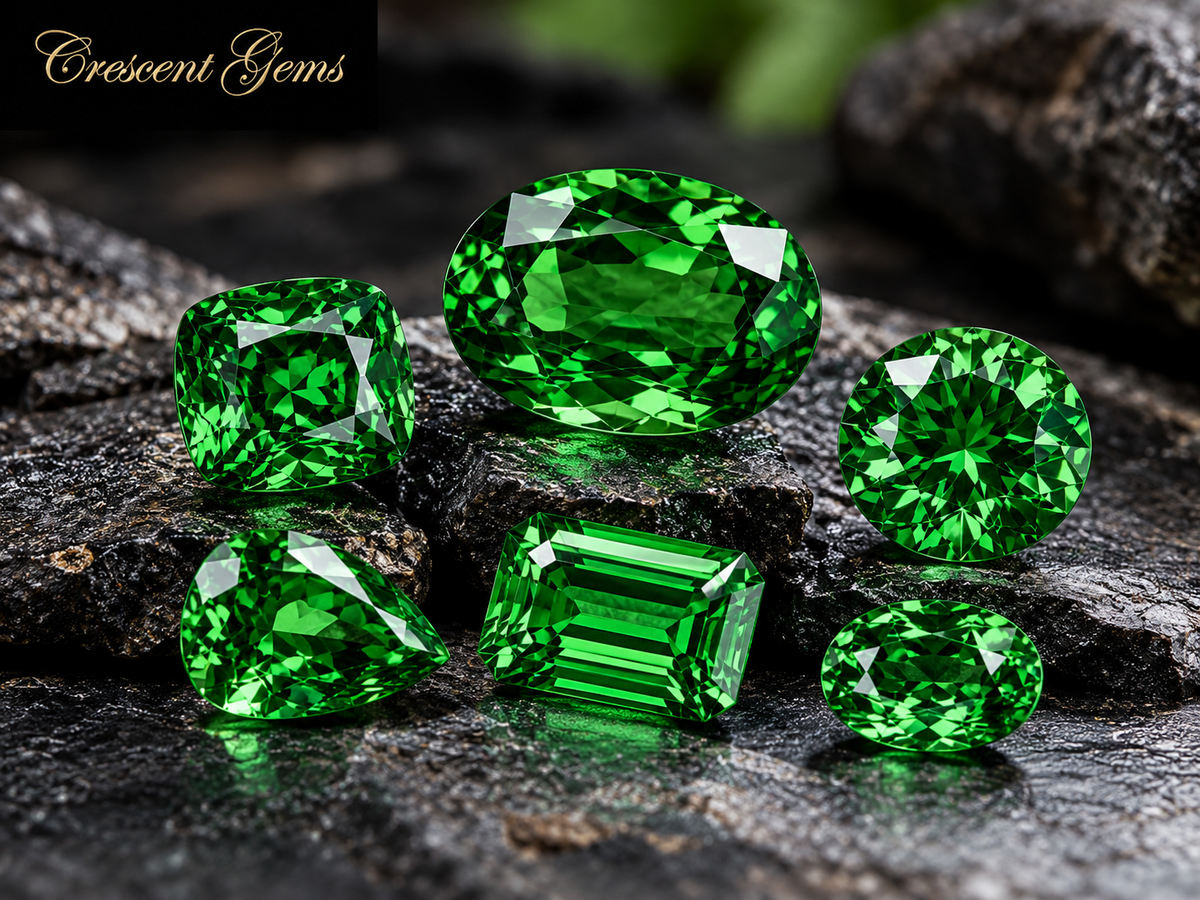
Tsavorit-Granat: Preise pro Karat aus unserem eigenen Bestand
Was Tsavorit-Granat kostet: die Preise pro Karat unserer sieben Steine, der Unterschied zwischen Varietät und Spezies und warum sauberer Rohstein knapp ist.
Weiterlesenüber Tsavorit-Granat: Preise pro Karat aus unserem eigenen Bestand
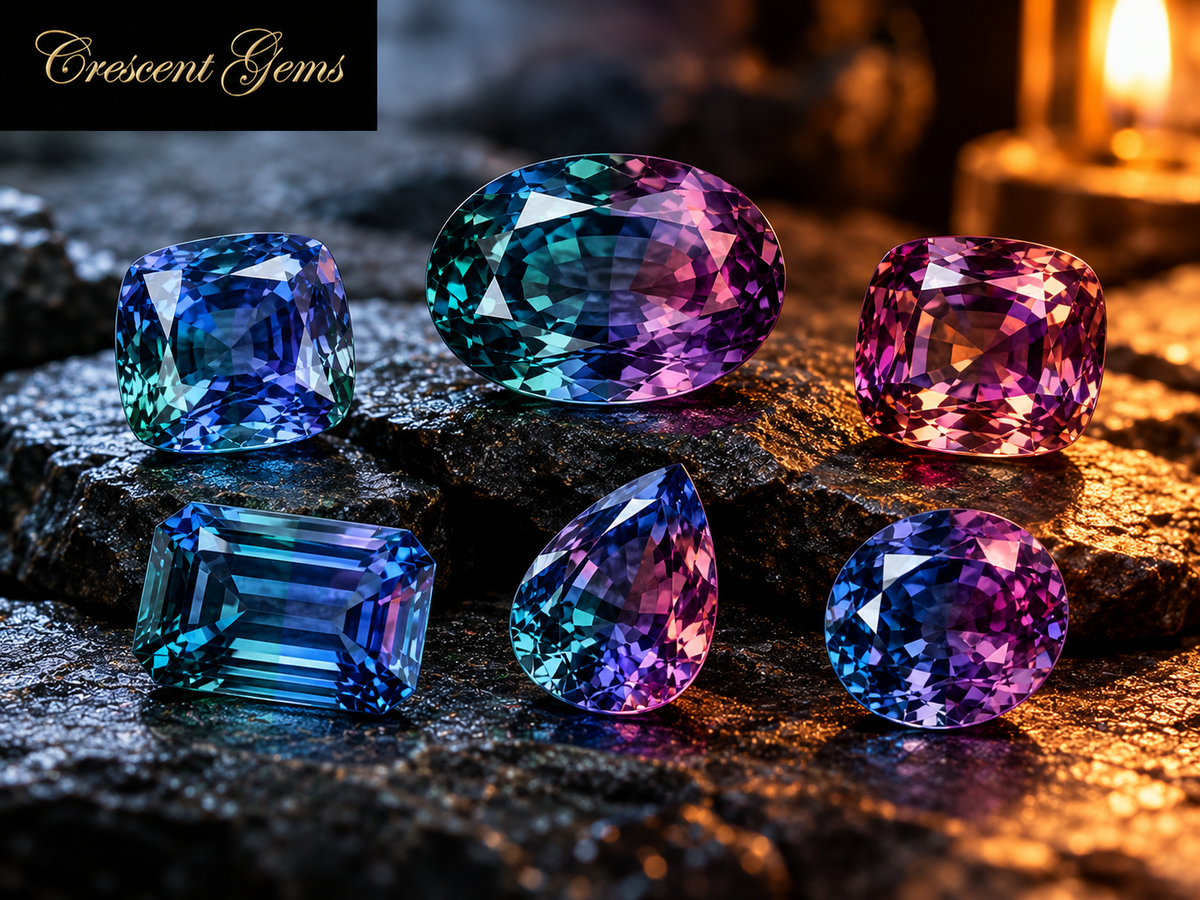
Farbwechsel-Saphir: was er pro Karat kostet und warum
Was ein Farbwechsel-Saphir pro Karat kostet und wovon der Preis abhängt – dazu unsere beiden Steine: 1,03 ct für 824 $ und 2,01 ct für 2.211 $.
Weiterlesenüber Farbwechsel-Saphir: was er pro Karat kostet und warum
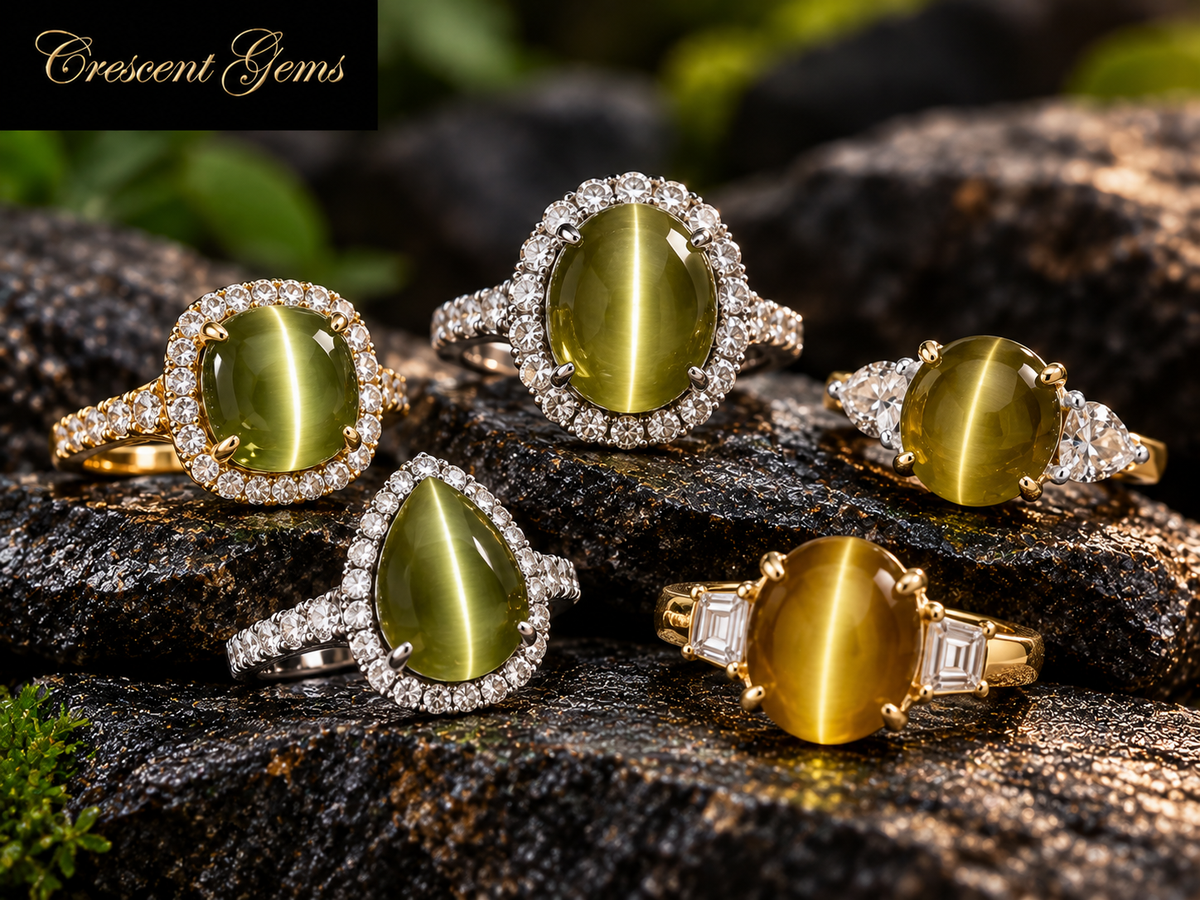
Chrysoberyll-Katzenauge im Verlobungsring: Eignet es sich?
Chrysoberyll hat Mohshärte 8,5 – über Quarz (7) und Smaragd (7,5–8), unter Korund (9) und Diamant (10). Was das für Alltag, Fassung und Pflege bedeutet.
Weiterlesenüber Chrysoberyll-Katzenauge im Verlobungsring: Eignet es sich?
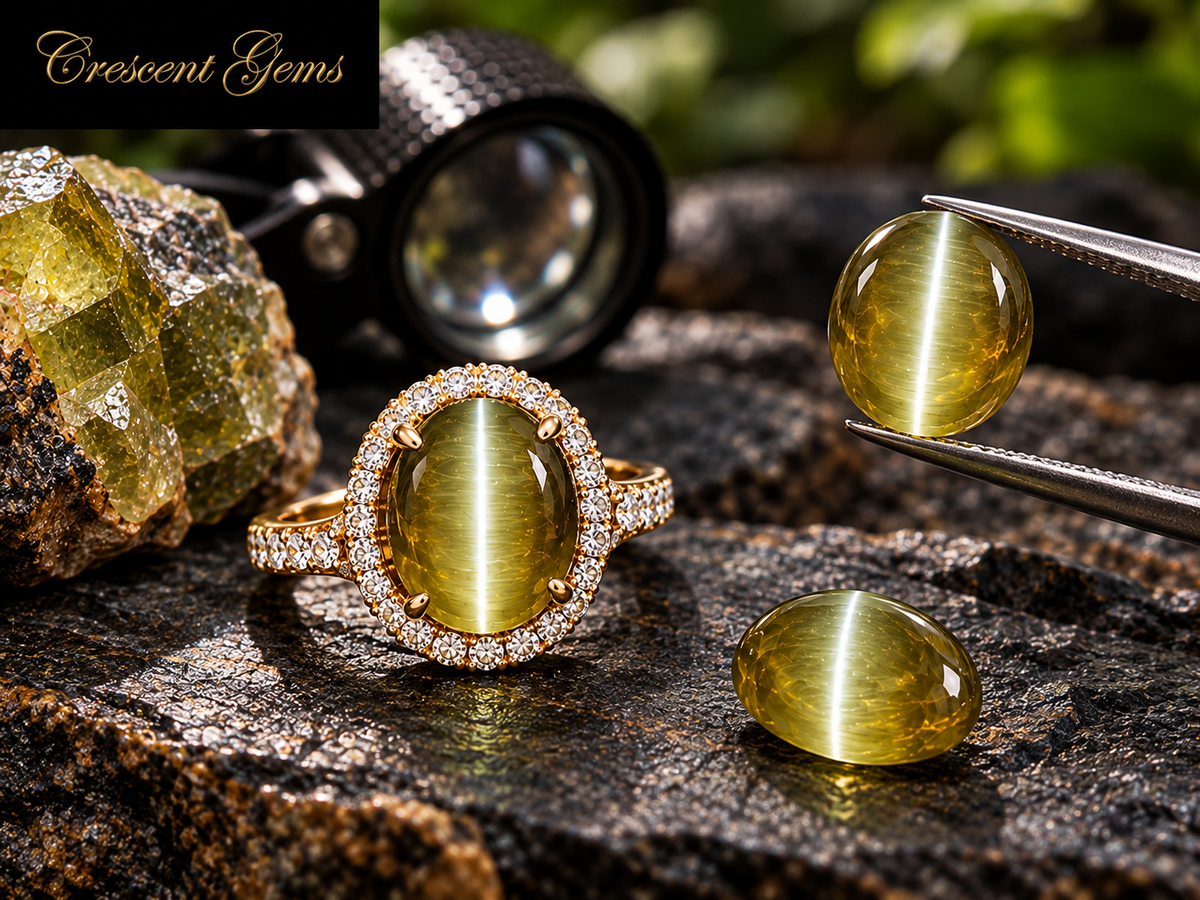
Chrysoberyll-Katzenauge: Preise pro Karat und wovon sie abhängen
Was ein echtes Chrysoberyll-Katzenauge pro Karat kostet und wovon der Preis abhängt – dazu unsere beiden Steine: 2,36 ct für 3.792 $ und 4,25 ct für 9.482 $, je mit GIA-Bericht.
Weiterlesenüber Chrysoberyll-Katzenauge: Preise pro Karat und wovon sie abhängen















Teilen: