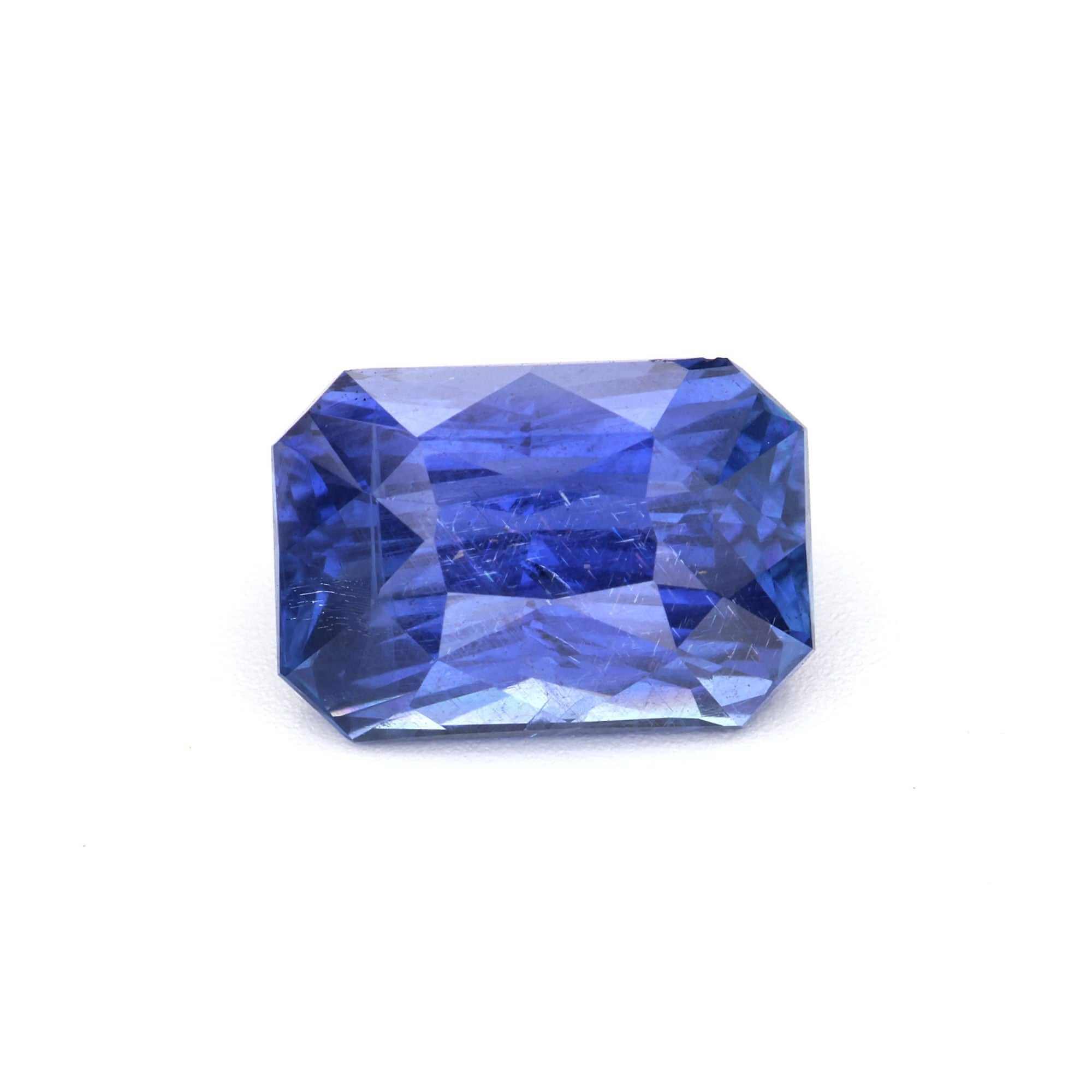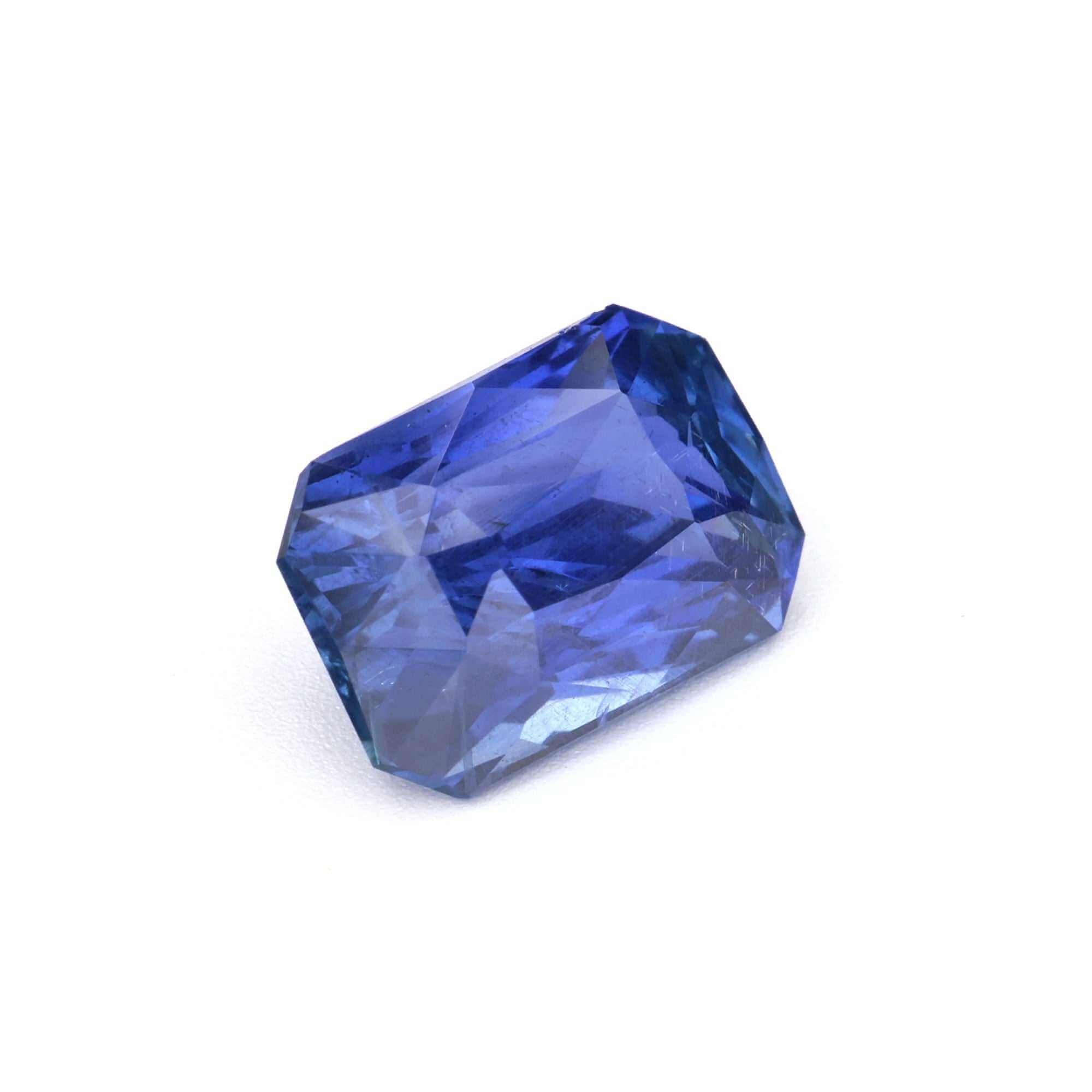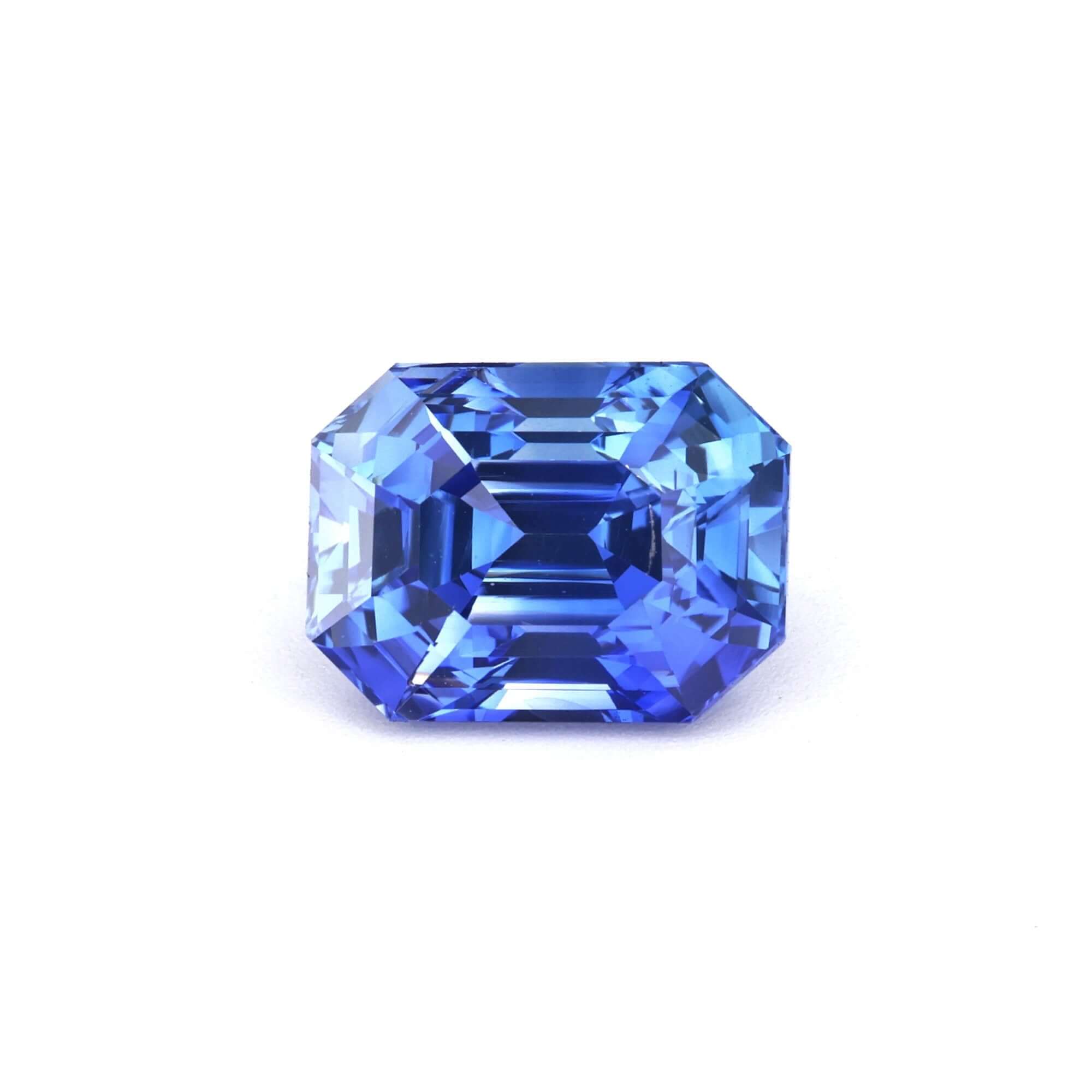
- par Ahmed Shareek
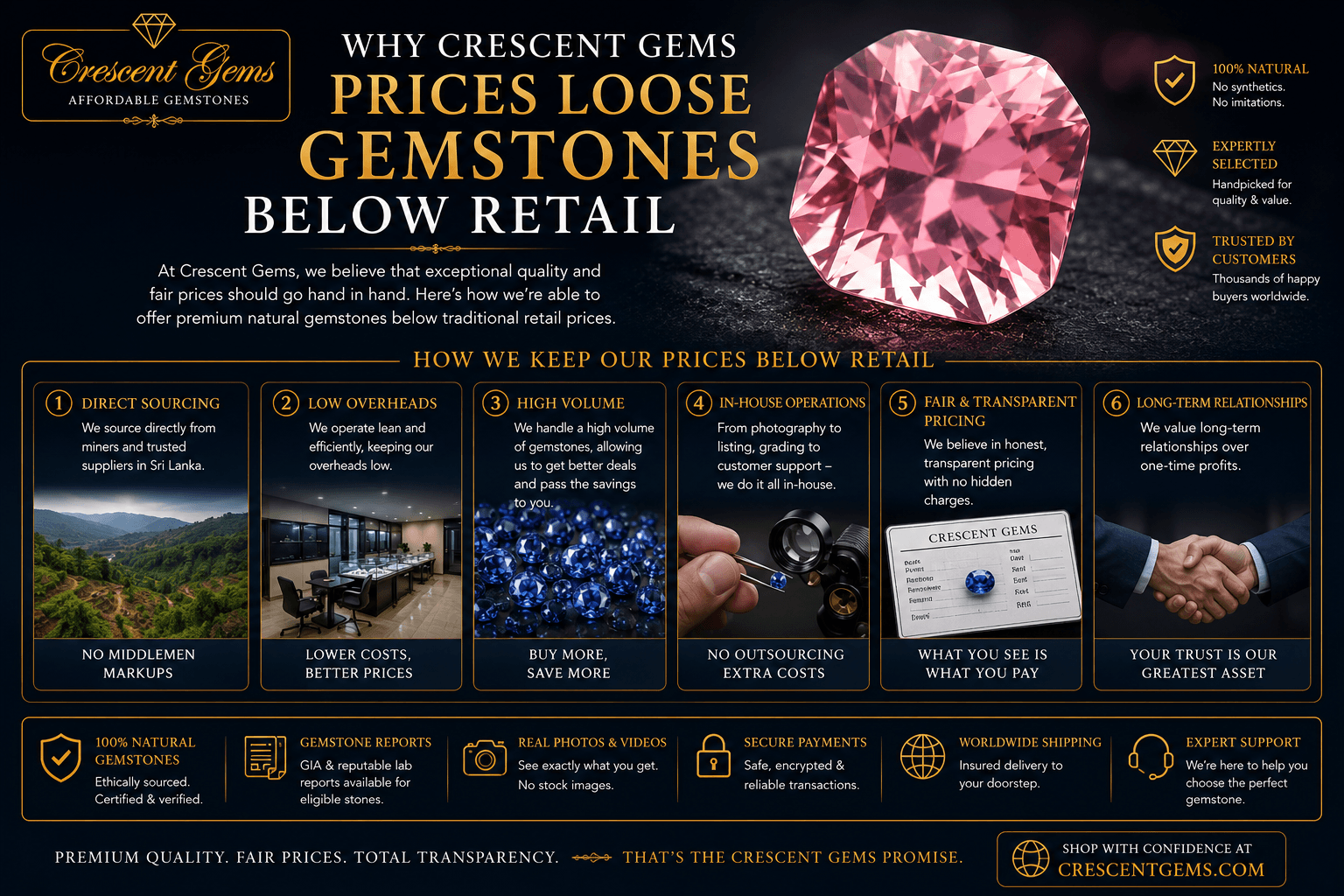
Why Crescent Gems Prices Loose Gemstones Below Retail — And What That Means for You
- par Ahmed Shareek
New to Crescent Gems? Browse our full sapphire collection or read our Ultimate Sapphire Buying Guide to understand what you are looking at before you buy.
A question we receive regularly: Why are your prices so much lower than the jeweler near me?
It is a fair question and it deserves a direct answer, because the pricing difference is real, significant, and entirely explainable. It is not a quality difference. It is not a bait-and-switch. It is a structural difference in how gemstones move from the ground in Sri Lanka to the person who eventually wears them — and specifically, how many hands they pass through along the way, and what each set of hands costs.
This article explains exactly how traditional gemstone pricing works, where those costs accumulate, what Crescent Gems does differently, and how you can verify that the difference is real rather than marketing.
A natural sapphire mined in Ratnapura, Sri Lanka passes through a chain of commercial relationships before it reaches a display case in a retail jewelry store. Each relationship adds cost. By the time a buyer sees the stone and a price tag, the stone has typically passed through five to seven separate commercial hands, each extracting a margin.
In practice that chain runs: the miner or mining syndicate who extracts the rough; a local rough dealer who buys it, sorts it by quality and sells it on; a cutting house that cuts and polishes it; an export or import broker who moves it across borders; an international wholesale dealer who aggregates inventory for retailers; and finally the retail jewelry store, which carries rent, staff, display, marketing and insurance. Every one of those businesses has real costs to cover and a margin to earn, and every one of them sits between the stone and the buyer.
None of this is dishonest. The local rough dealer needs margin to run a business. The cutter needs to be paid. The retailer is paying real estate and staff costs that are real and substantial. The problem for the buyer is that none of those costs add anything to the stone itself — the stone that leaves the mine and the stone in the display case are the same stone. What changes is only the price tag.
Crescent Gems was built around a single premise: remove every step in that chain that does not add value to the stone itself, and pass the savings to the buyer.
In practice, that means:
The numbers vary by stone quality, size, and category, but the pattern is consistent. Here are representative examples of how our pricing compares to typical retail for equivalent quality stones:
| Stone | Typical retail price | Crescent Gems price range | Approximate saving |
|---|---|---|---|
| Unheated Ceylon blue sapphire, 1ct, fine color, GIA | $4,000–8,000 | $1,800–3,500 | 40–60% |
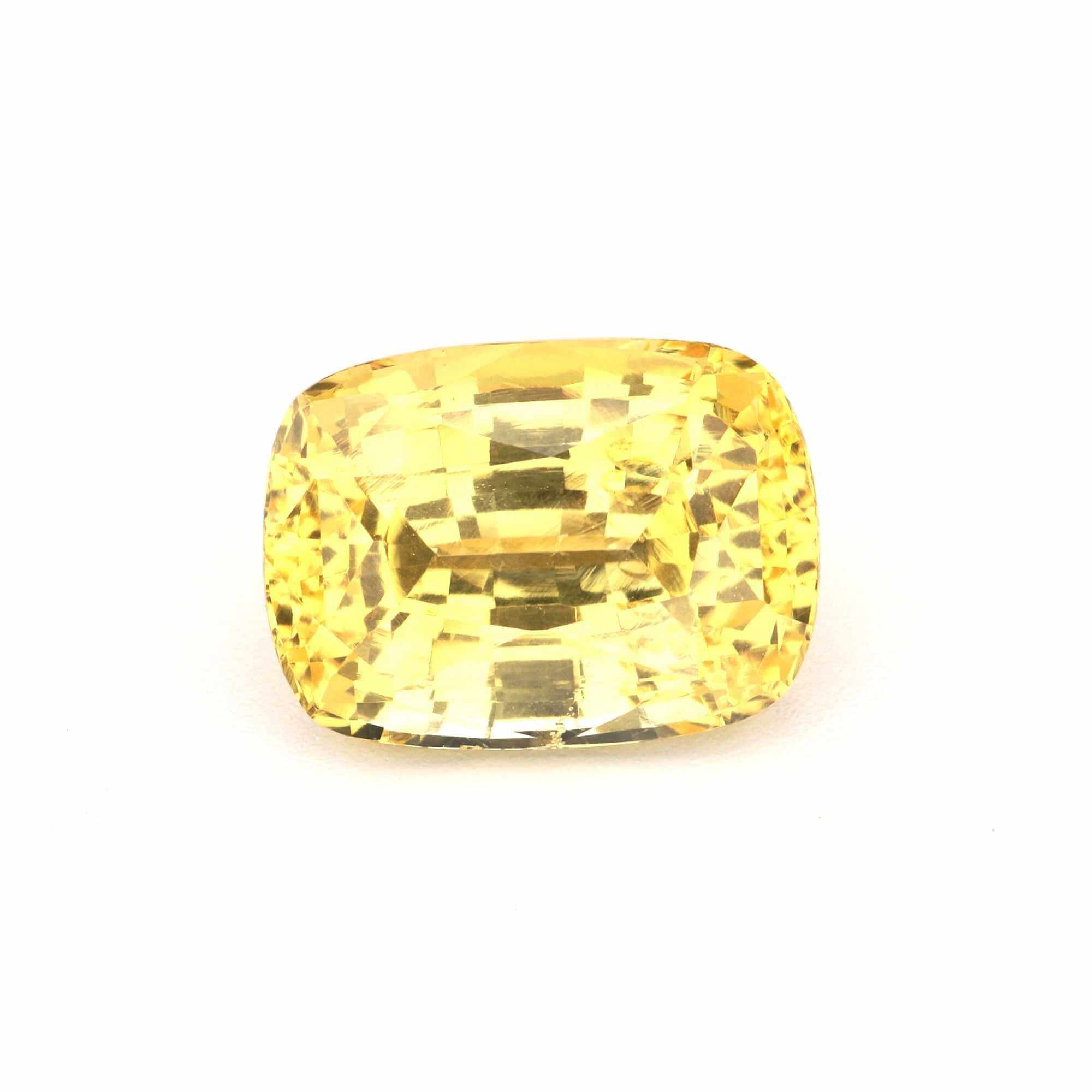
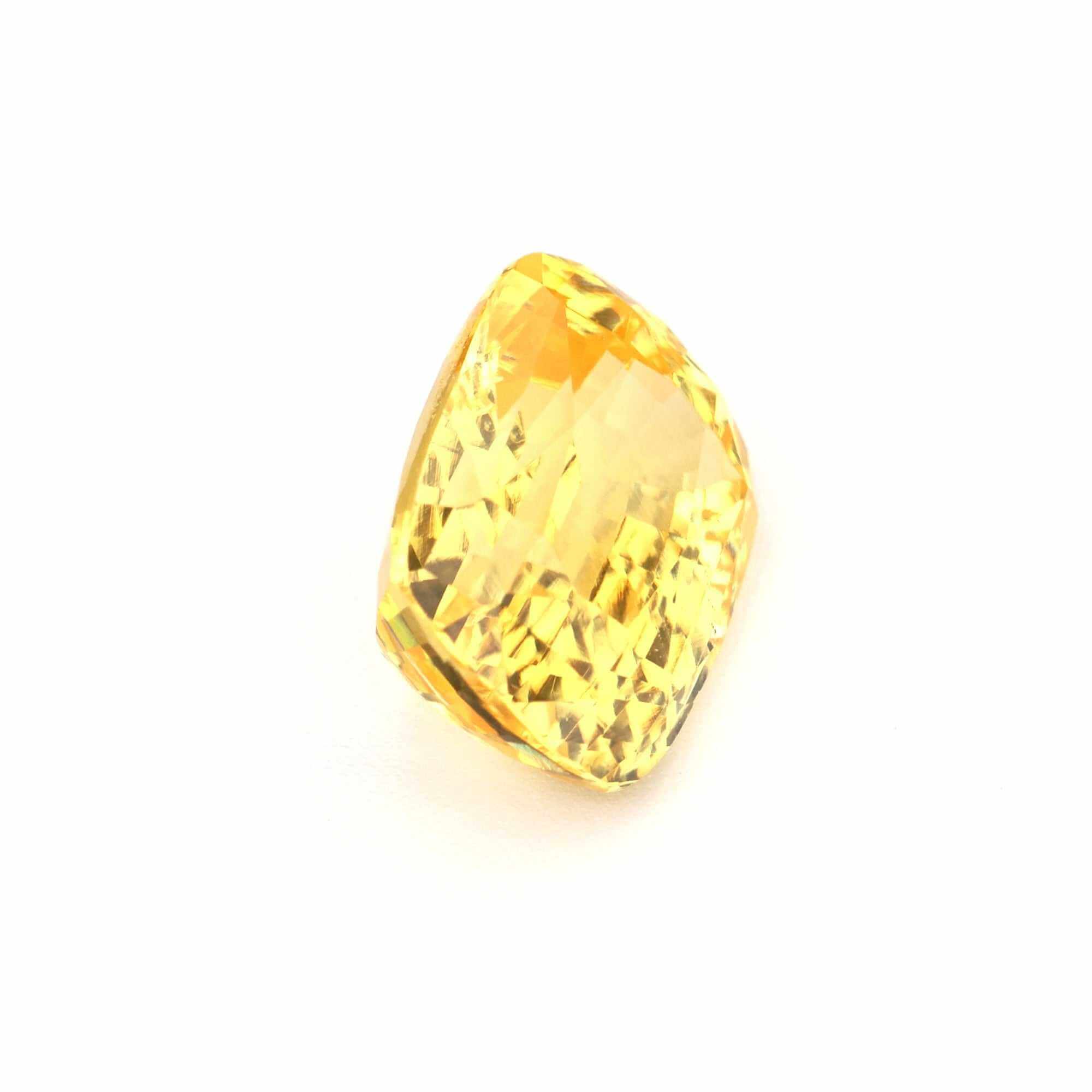
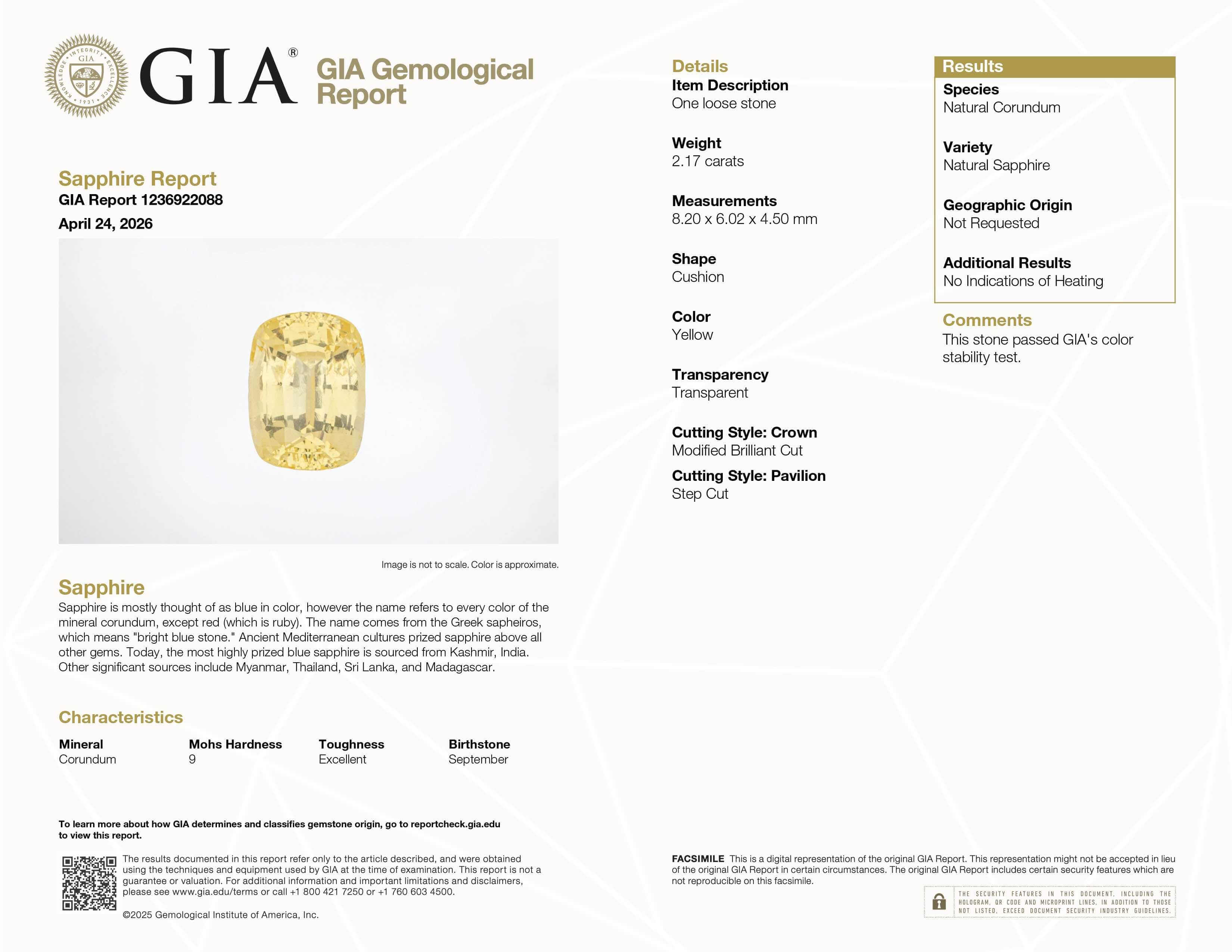
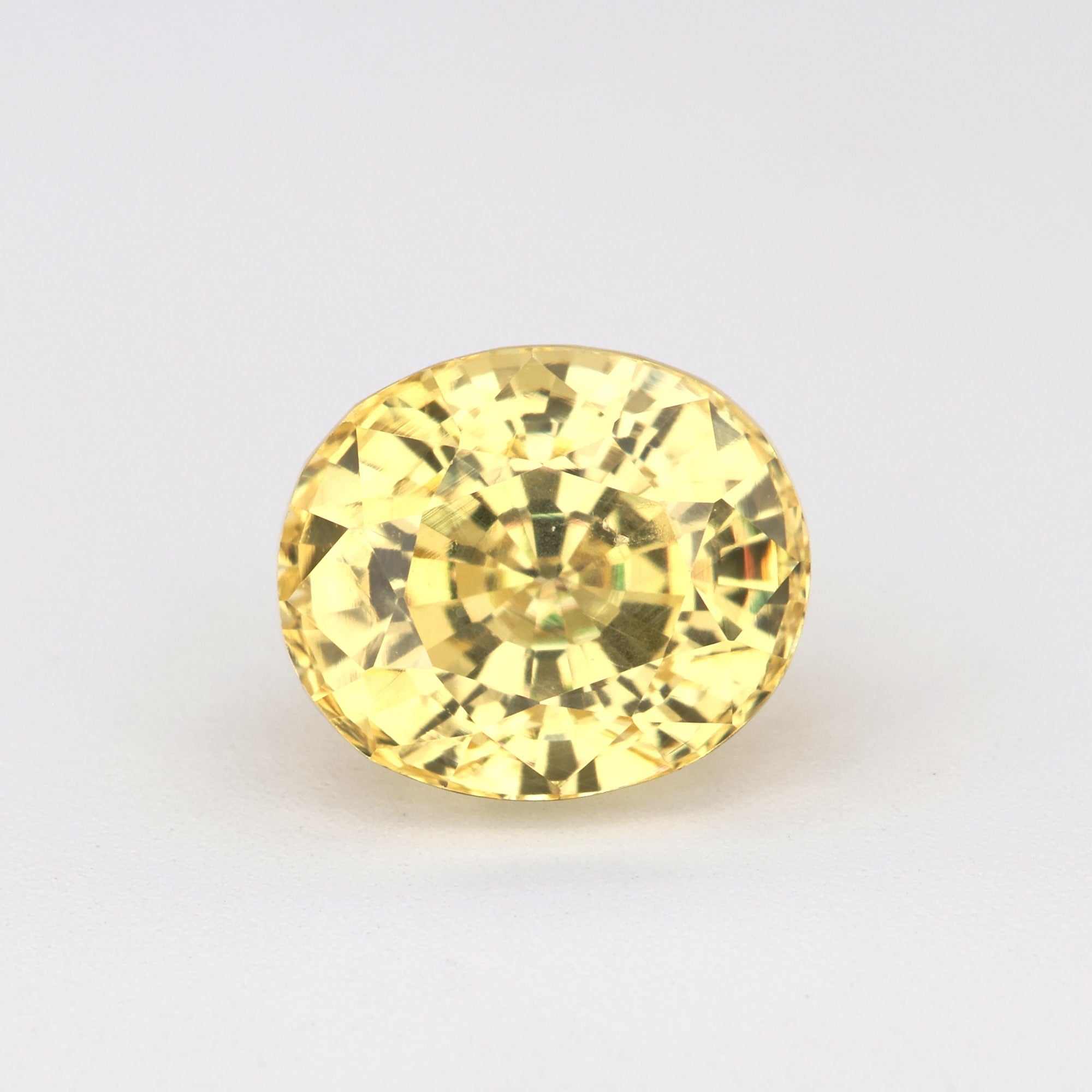
| Unheated Ceylon yellow sapphire, 2ct, vivid, GIA | $6,000–12,000 | $3,000–5,500 | 40–55% |
| Unheated teal sapphire, 1.5ct, balanced, Madagascar | $2,500–5,000 | $1,200–2,200 | 40–55% |
| GIA padparadscha, 1ct, fine, Ceylon | $8,000–18,000 | $4,000–8,500 | 40–55% |
| Heated Ceylon pink sapphire, 1ct, medium-vivid | $1,500–3,000 | $700–1,400 | 40–55% |
These ranges are indicative rather than guaranteed — individual stones vary based on exact quality, and our inventory changes. But the consistent pattern of 40–60% below typical retail pricing holds across the range because the structural cost difference is consistent.
Lower price does not mean lower standard. Here is what every Crescent Gems purchase includes that you would expect to find only at much higher retail price points:
We encourage skepticism. A price that is 40–60% below retail deserves scrutiny. Here is how to verify that what we offer is genuine:
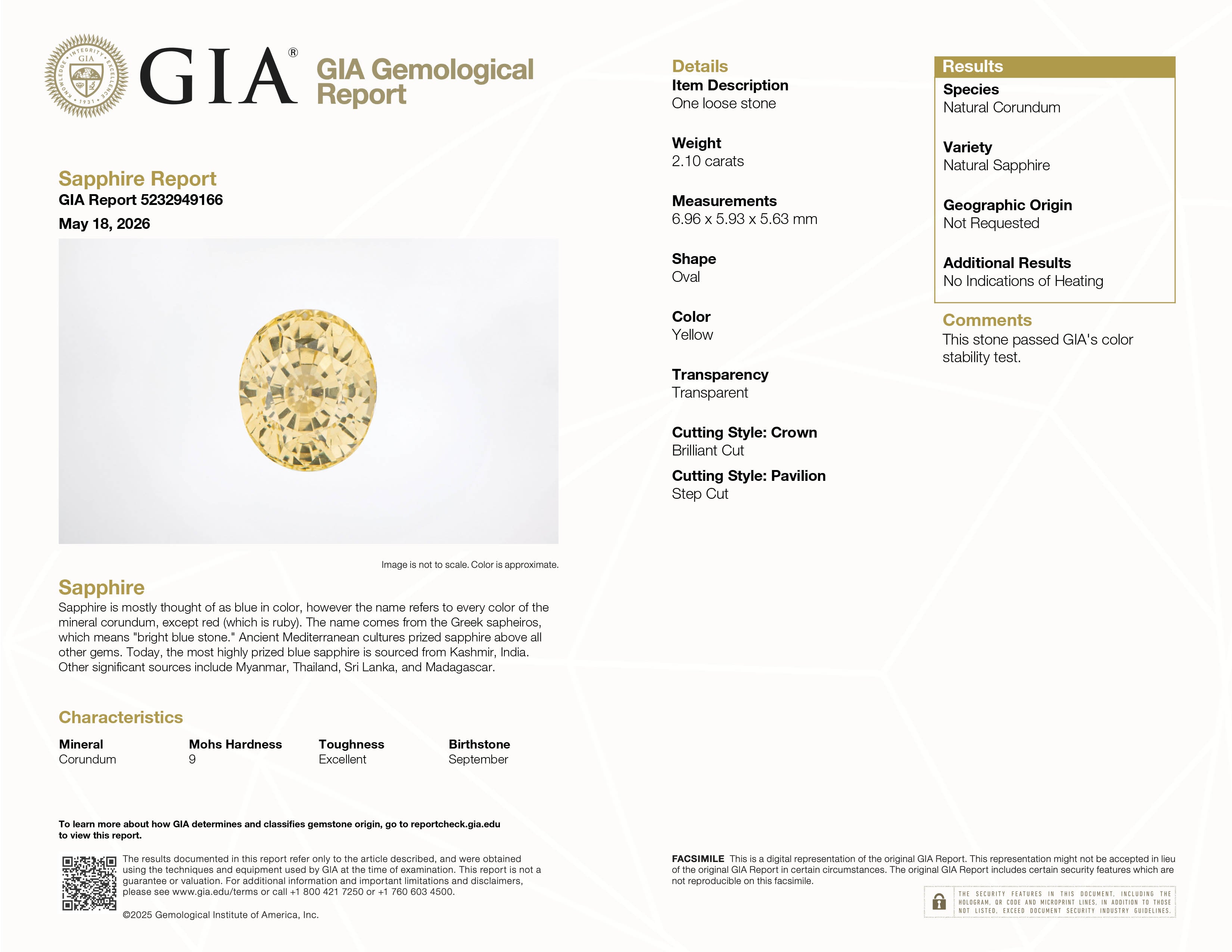
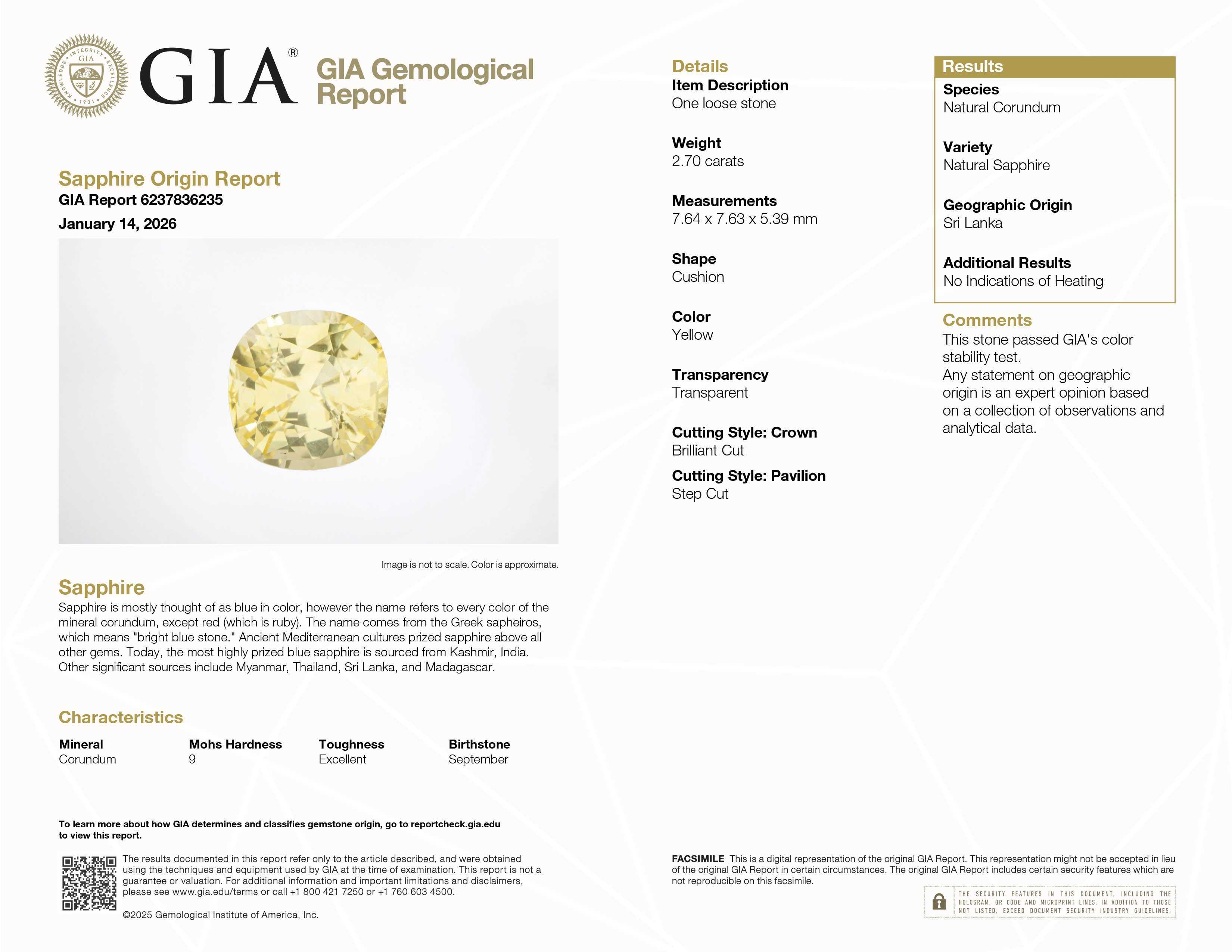
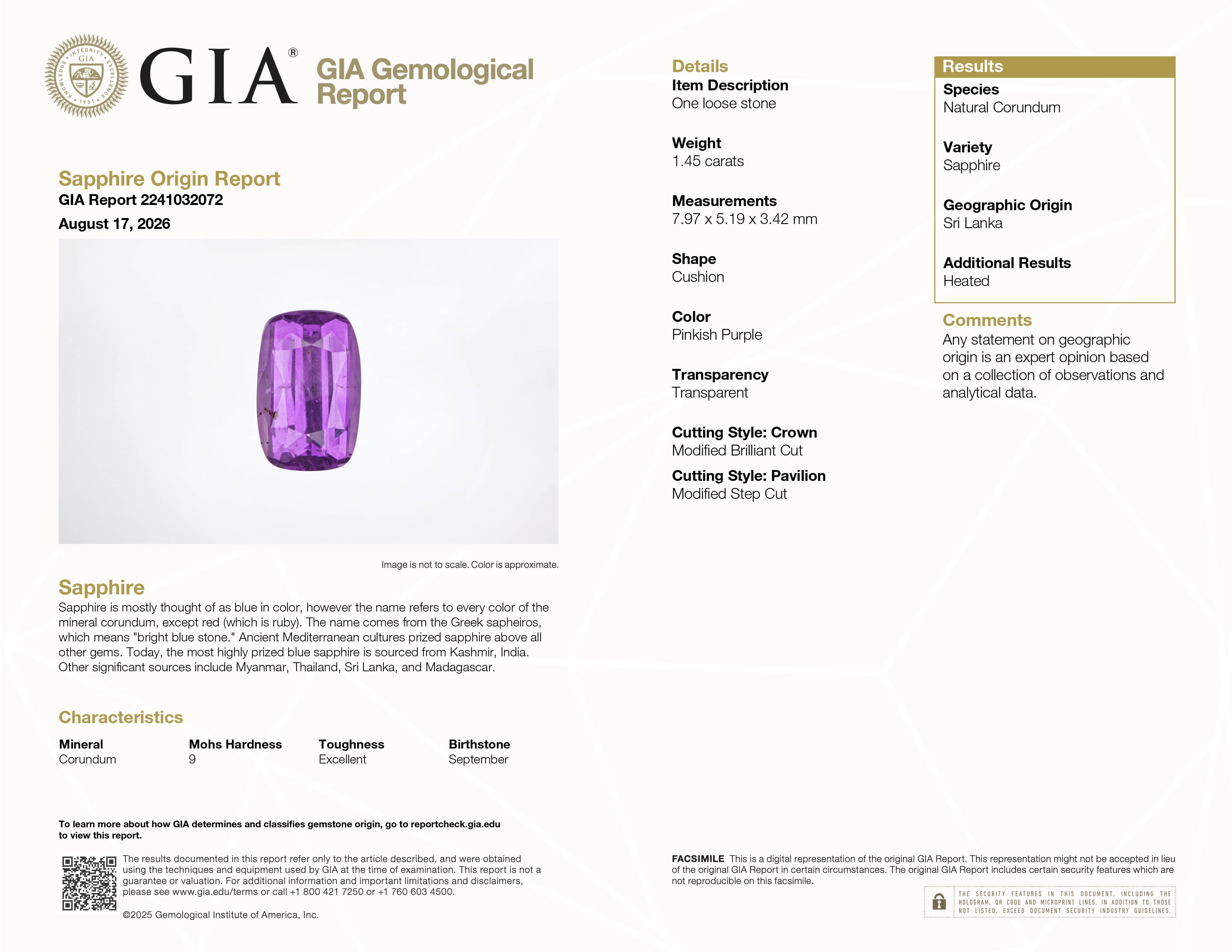
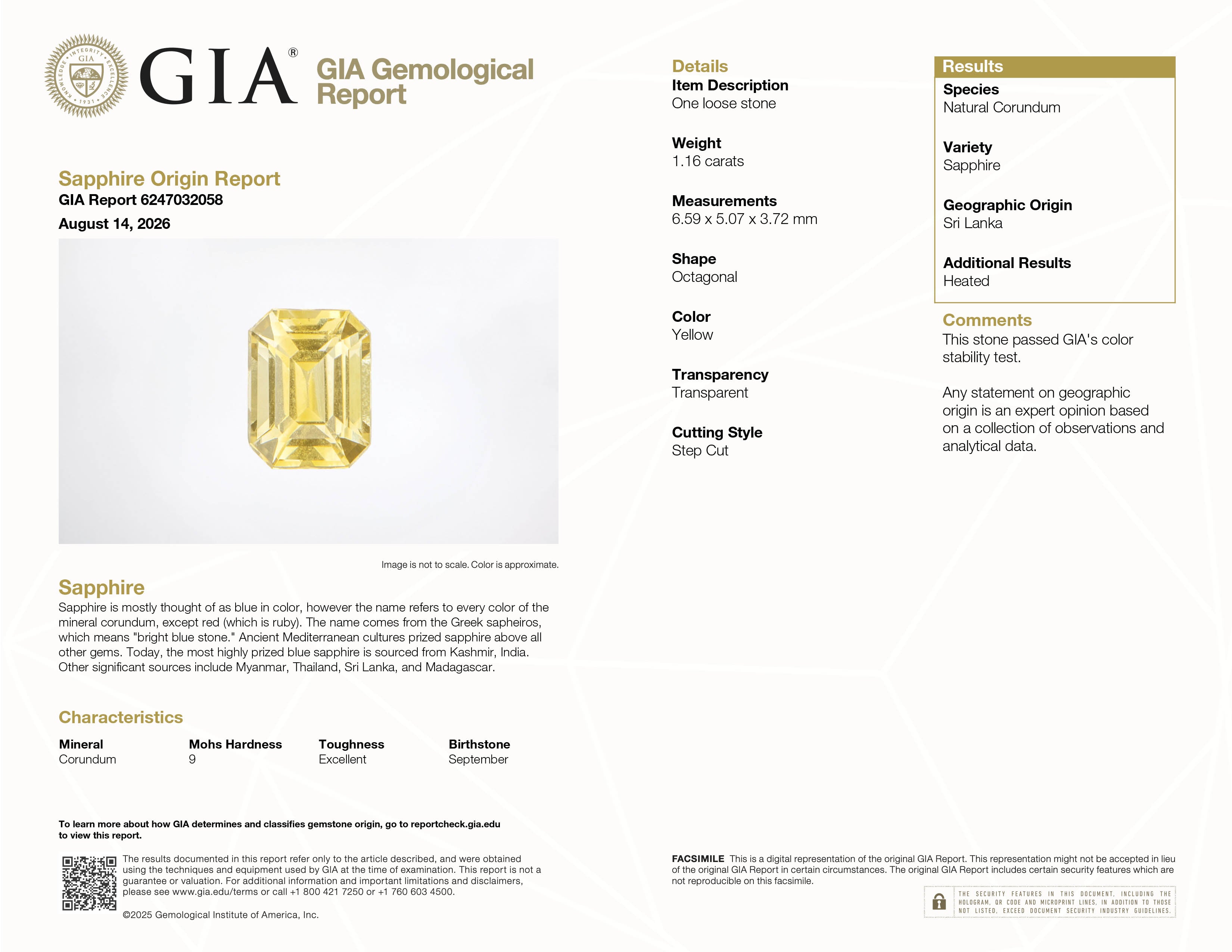
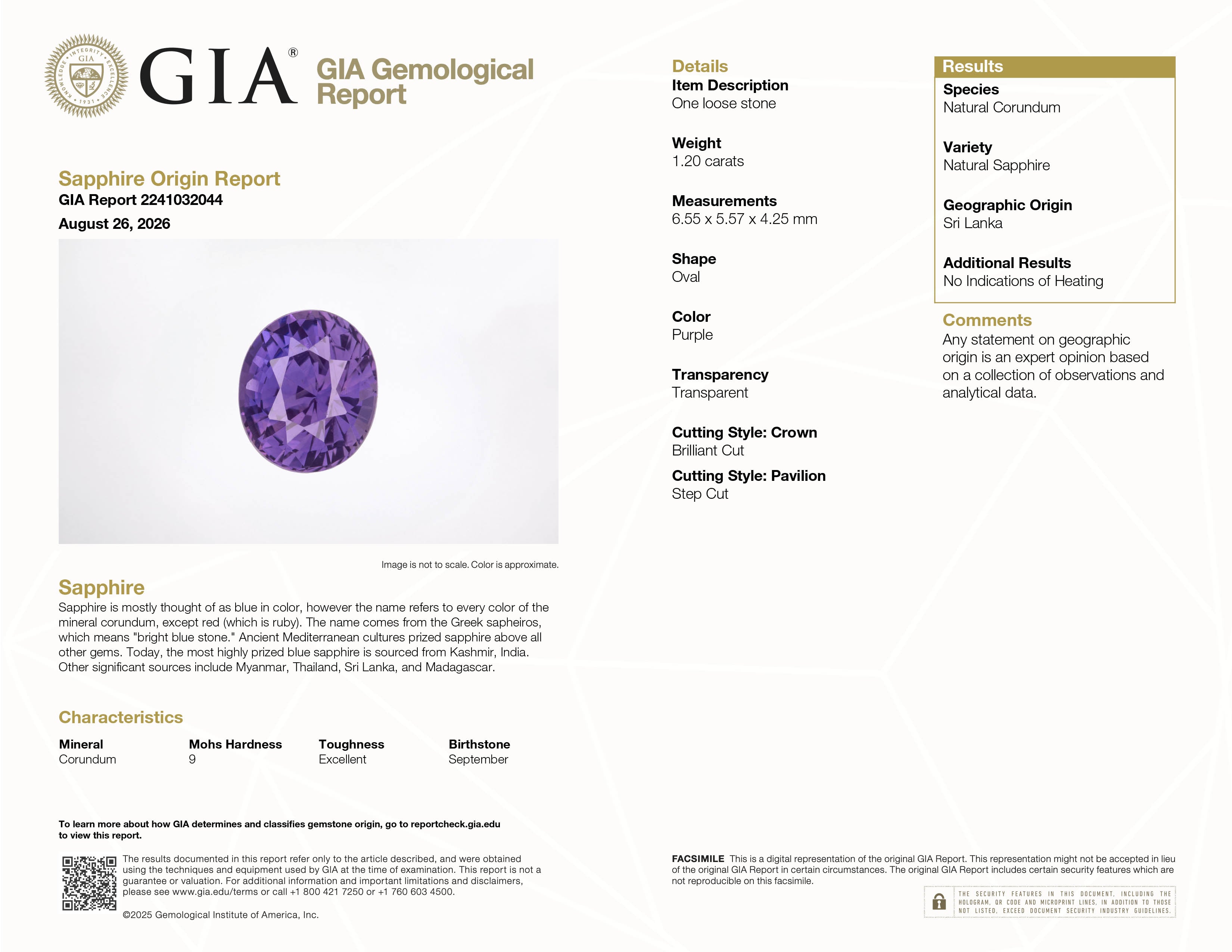
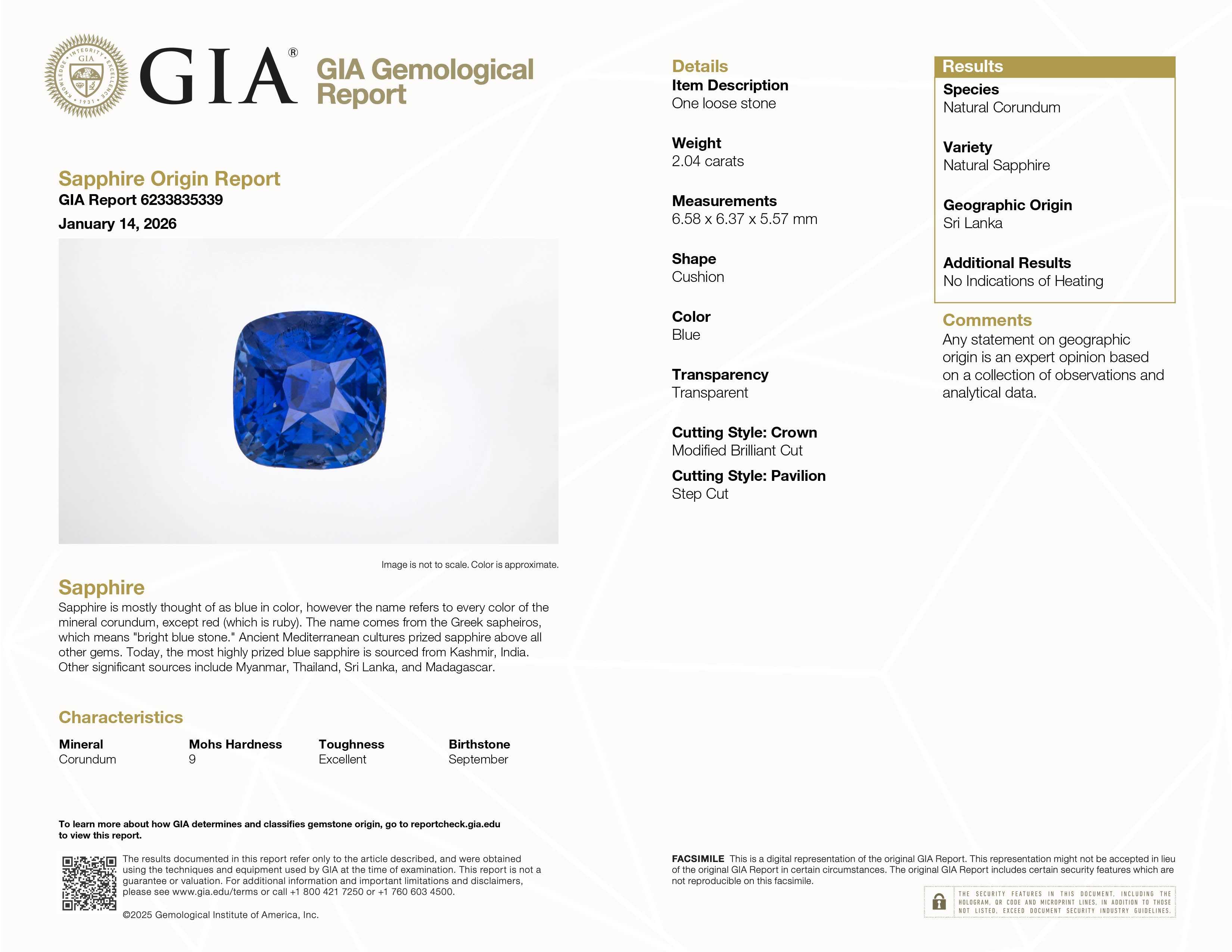
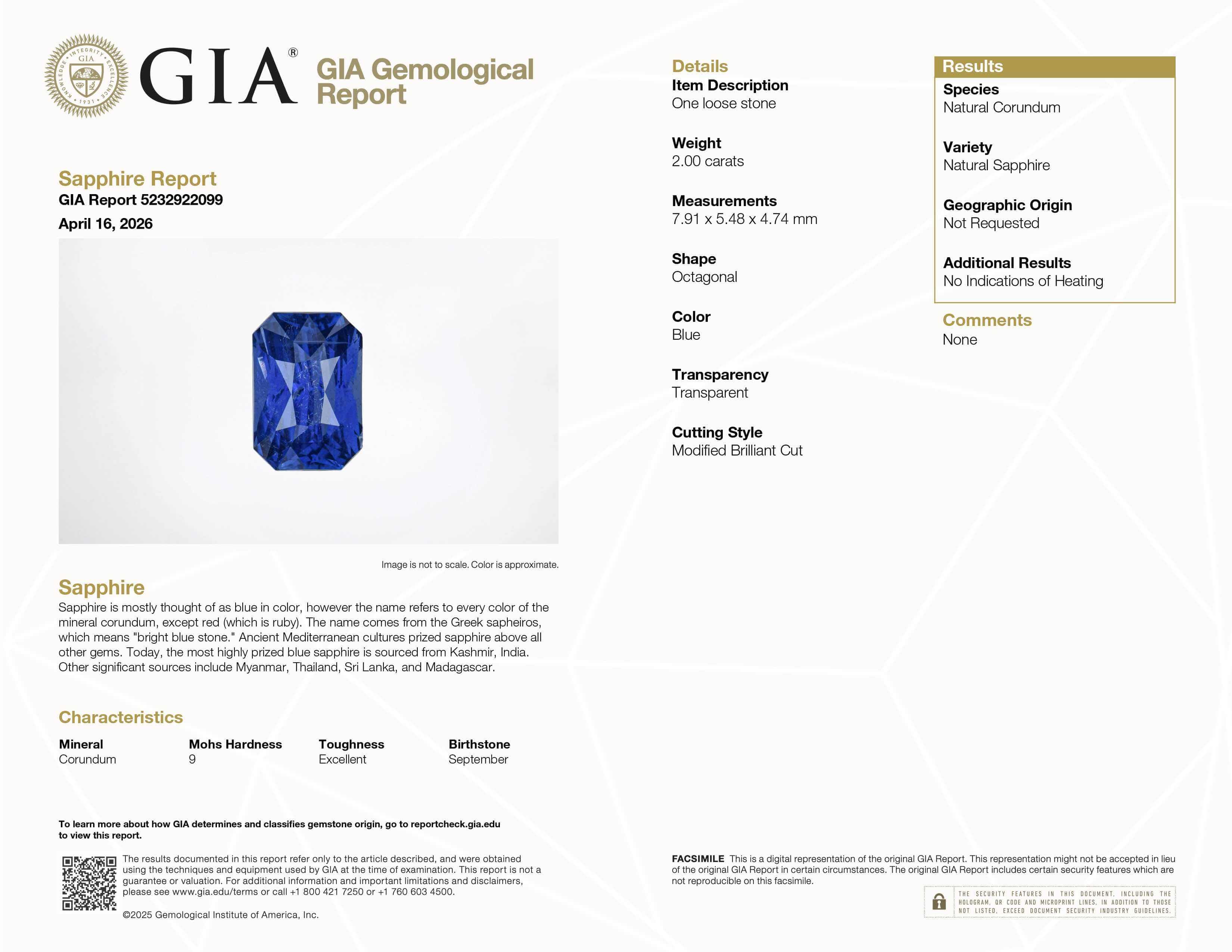
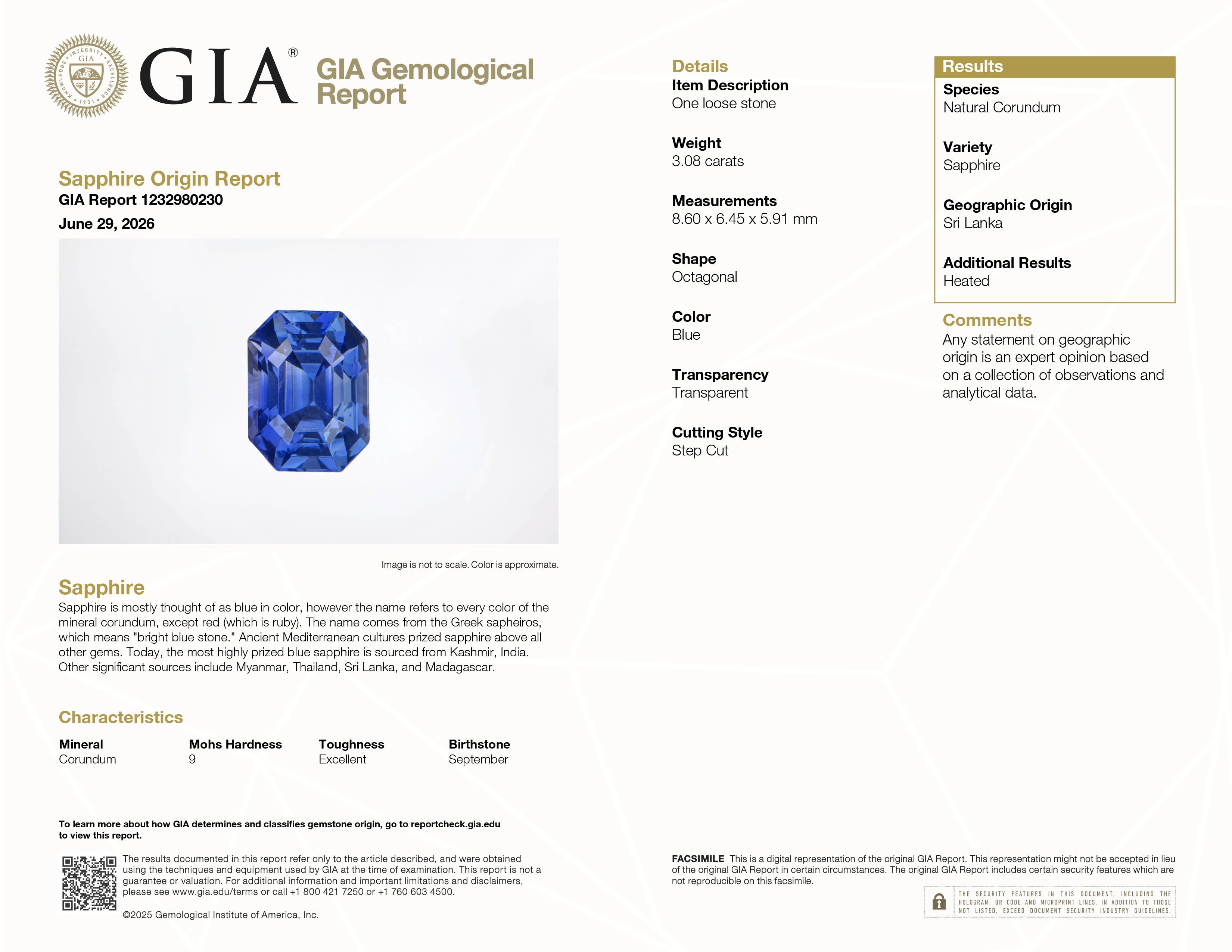
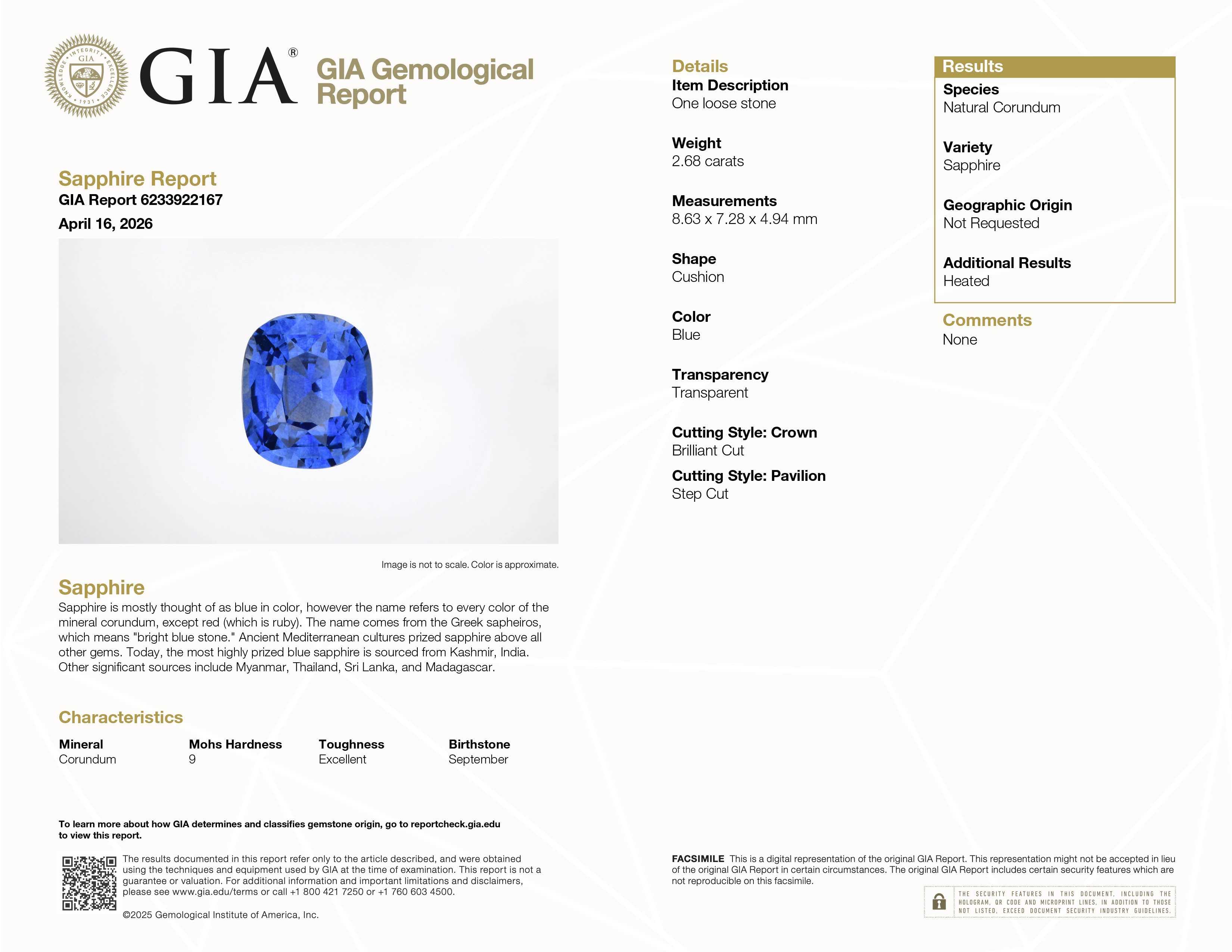
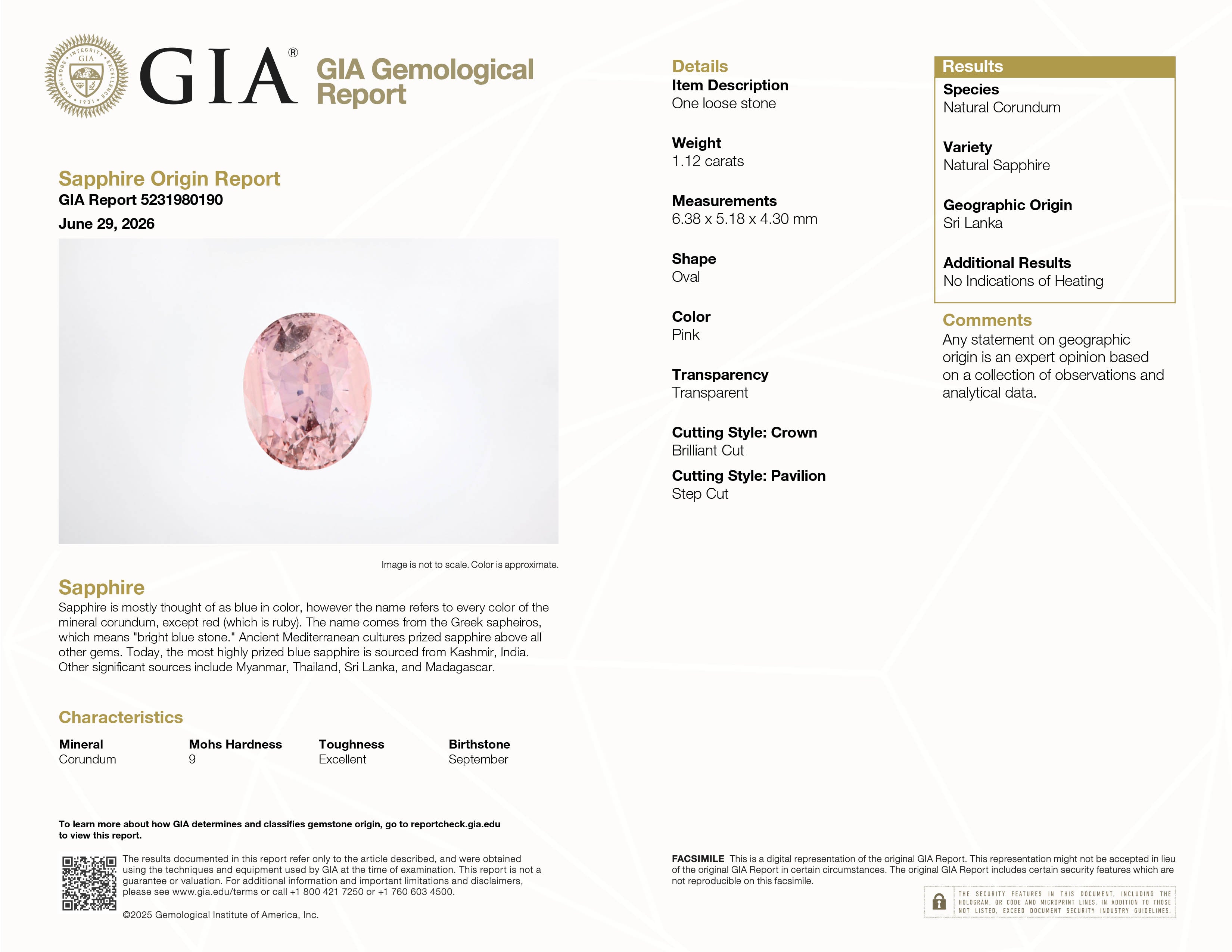
Compare GIA reports directly. Every GIA-documented stone we sell has a report number. Enter it at gia.edu/report-check. The report will confirm the stone’s species, weight, treatment status, and origin determination — independently, from GIA’s own database, with no ability for any seller to alter it.
Compare against other specialist dealers. Dedicated loose gemstone dealers operating online — as opposed to jewelry stores with a loose stone section — price closer to the market than retail jewelry stores do. Compare our prices to dealers who are also direct buyers rather than wholesaler-fed retailers.
Ask us anything. Email crescentgems@gmail.com with any specific question about a stone, its sourcing, its documentation, or its market comparables. If we cannot answer a question clearly and specifically, that is information too.
The direct-source model is not effortless. It requires genuine presence and relationships in the producing country — not just a marketing claim of “ethically sourced” applied to stones that were actually purchased from a New York wholesaler.
Our sourcing in Sri Lanka reflects over 25 years of relationships in the Ratnapura and Beruwala gem markets — relationships with specific miners, specific cutters, and specific first-level dealers whose work and ethics we know personally. We visit Sri Lanka regularly to buy. We know the people who dig the stones out of the ground. That is what “direct source” actually means. See our Ratnapura gem market guide, pit mining guide, and river bed mining guide for what the supply chain actually looks like on the ground.
You are not getting a discount on a lower-quality stone. You are paying what a stone actually costs when it goes from the ground in Sri Lanka to your hand without five intermediaries taking a margin along the way. The retail jewelry store price includes costs that are real to the retailer — rent, staff, insurance, showroom, marketing — but that add nothing to the stone. We do not have those costs. Our prices reflect that.
The stones are the same. The documentation is real and verifiable. The only thing that changes is how many hands the stone passed through and what each set of hands charged for the privilege.
Browse our full sapphire collection, read our sapphire pricing guide, and email crescentgems@gmail.com with any questions. Free US shipping. 14-day returns on every order.

CG8366
CG8313
CG8469
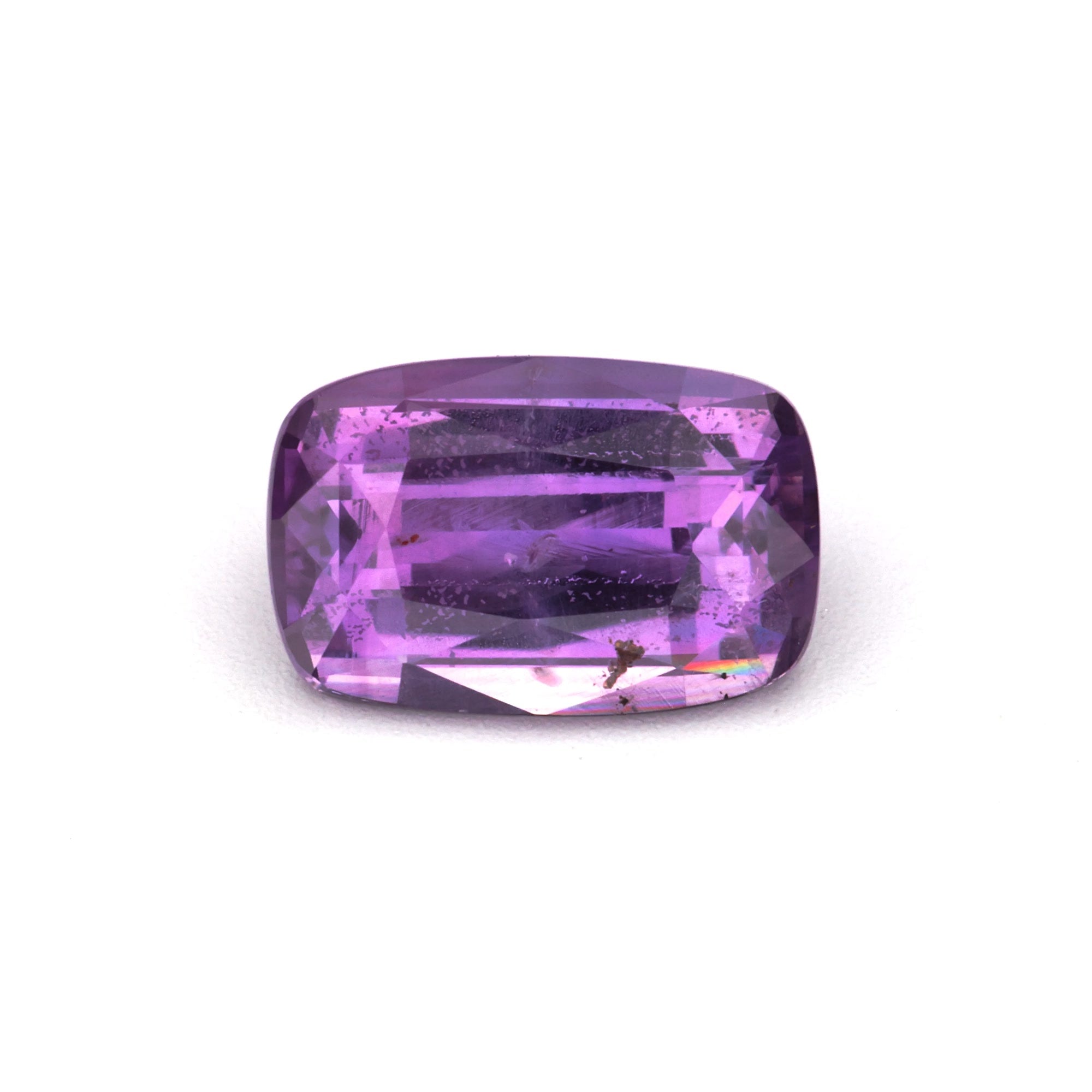
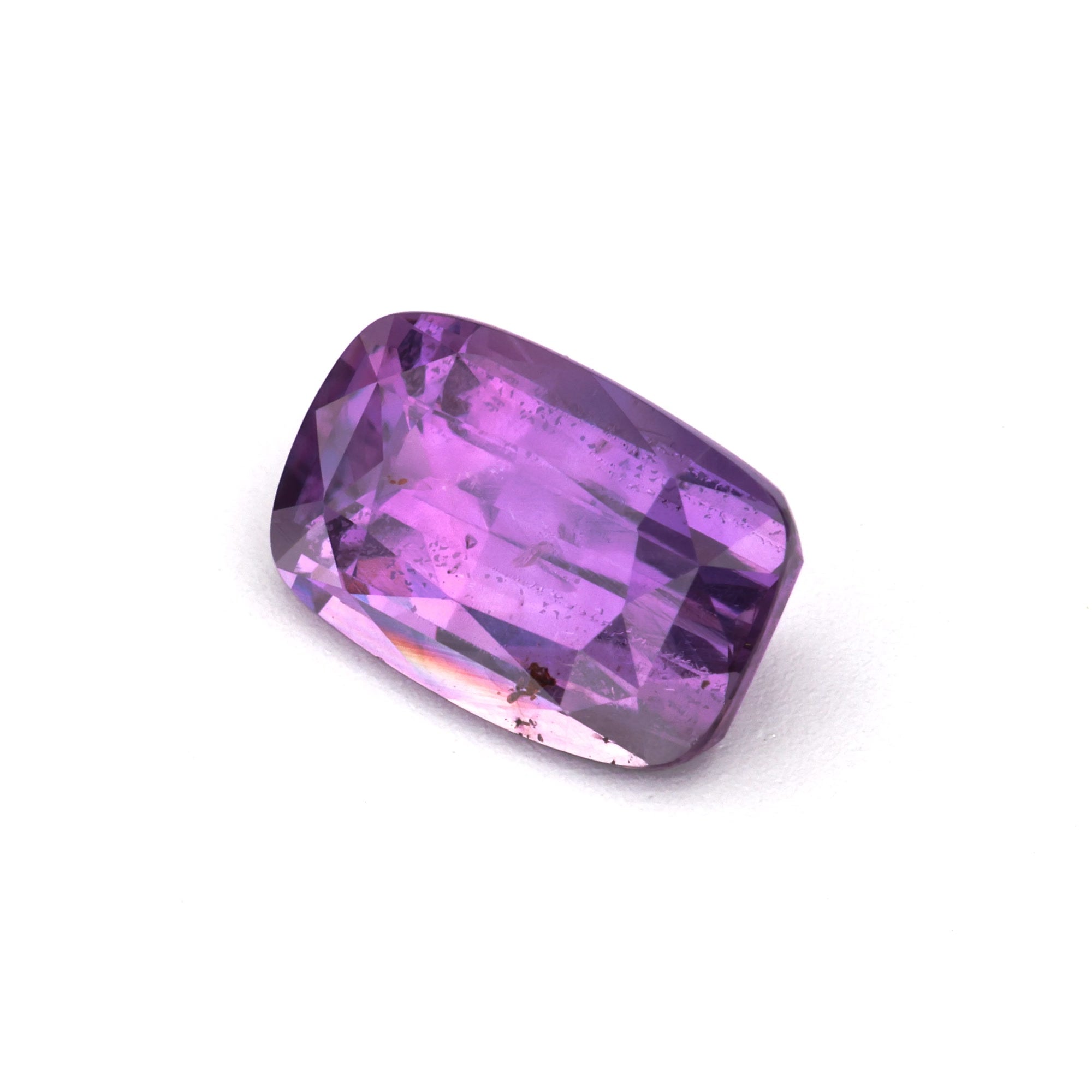
Saphir violet rosé 1,45 ct, chauffé — Rapport GIA
CG8460
CG8459
CG8356


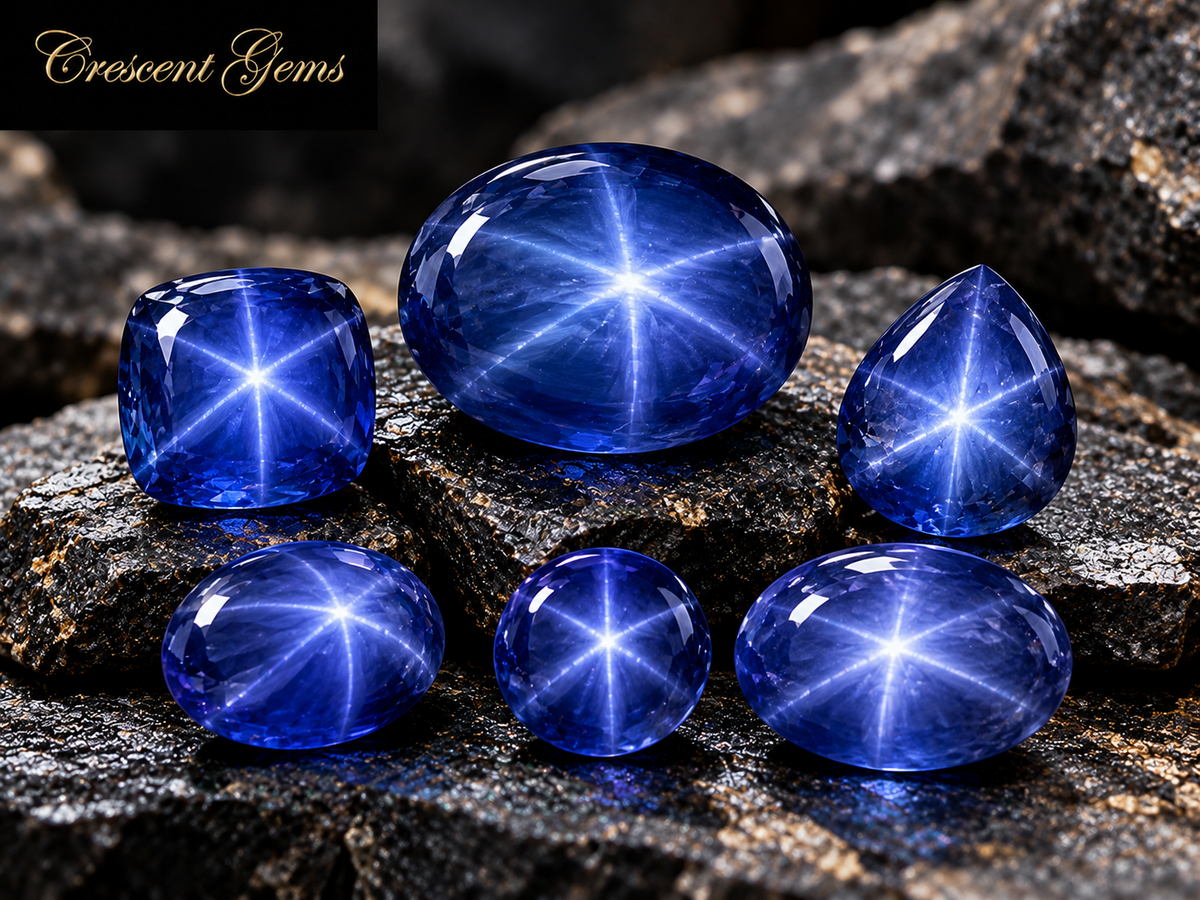
Prix du saphir bleu étoilé : fourchettes au carat et notre pierre
Ce que coûte un saphir bleu étoilé au carat, ce qui fait varier le prix, et la seule pierre que nous ayons : 8,09 ct à $4,040, avec un rapport d'origine GIA.
Plussur Prix du saphir bleu étoilé : fourchettes au carat et notre pierre
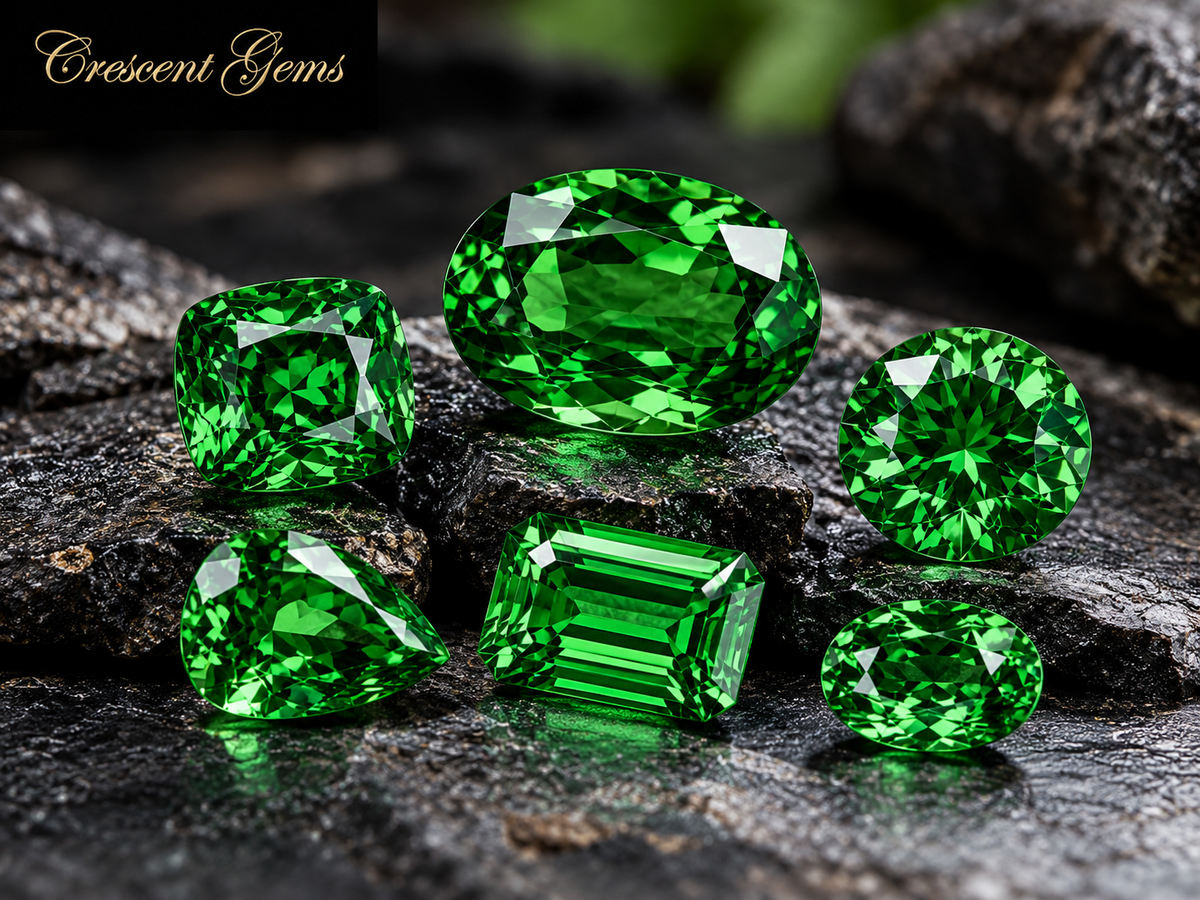
Prix de la tsavorite : notre stock, pas une grille de qualité
Nos sept tsavorites au 29 septembre 2026, de $1,177 à $22,724, dont une traitée et annoncée comme telle — et ce qui limite l'offre en grosses pierres propres.
Plussur Prix de la tsavorite : notre stock, pas une grille de qualité
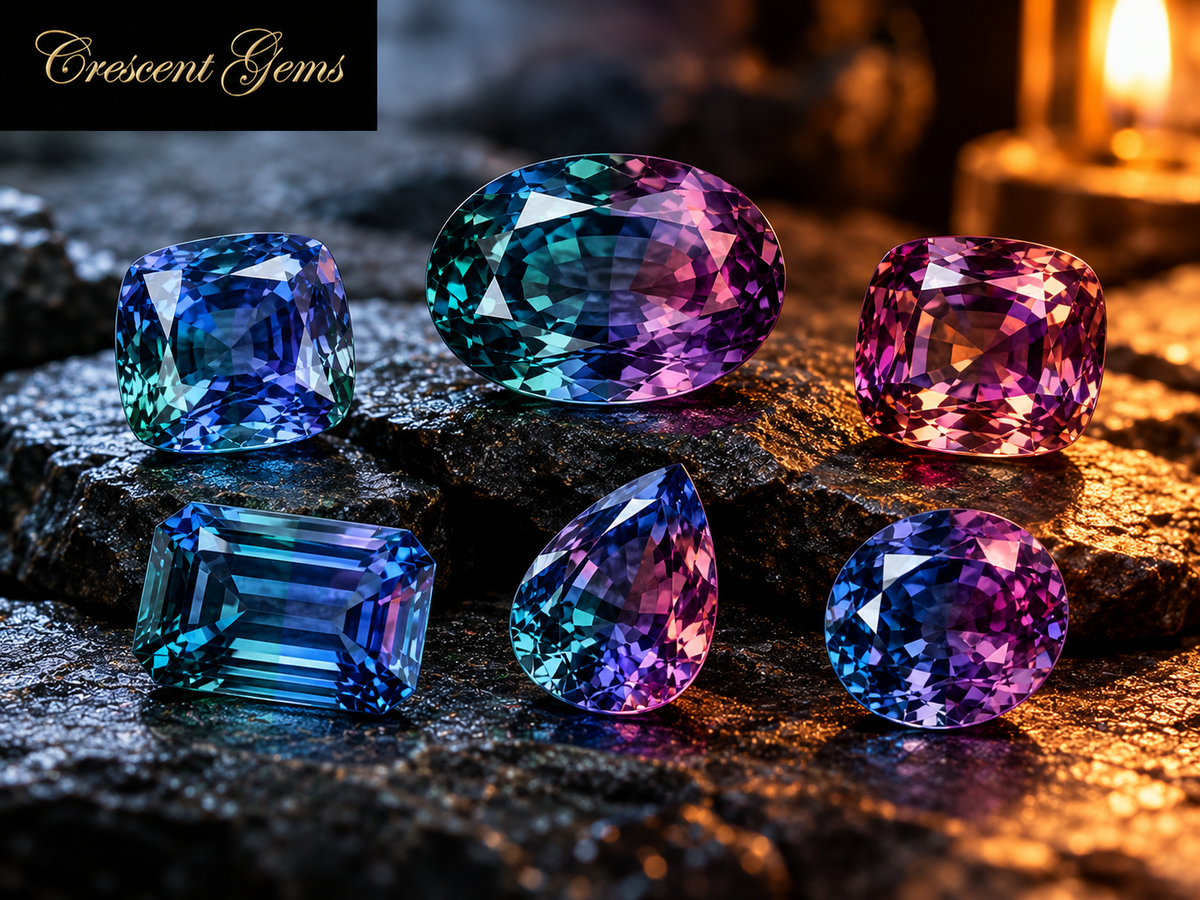
Prix du saphir à changement de couleur : au carat et nos deux pierres
Ce que coûte un saphir à changement de couleur au carat, ce qui fait réellement le prix, et nos deux pierres : 1,03 ct à $824 et 2,01 ct à $2,211.
Plussur Prix du saphir à changement de couleur : au carat et nos deux pierres
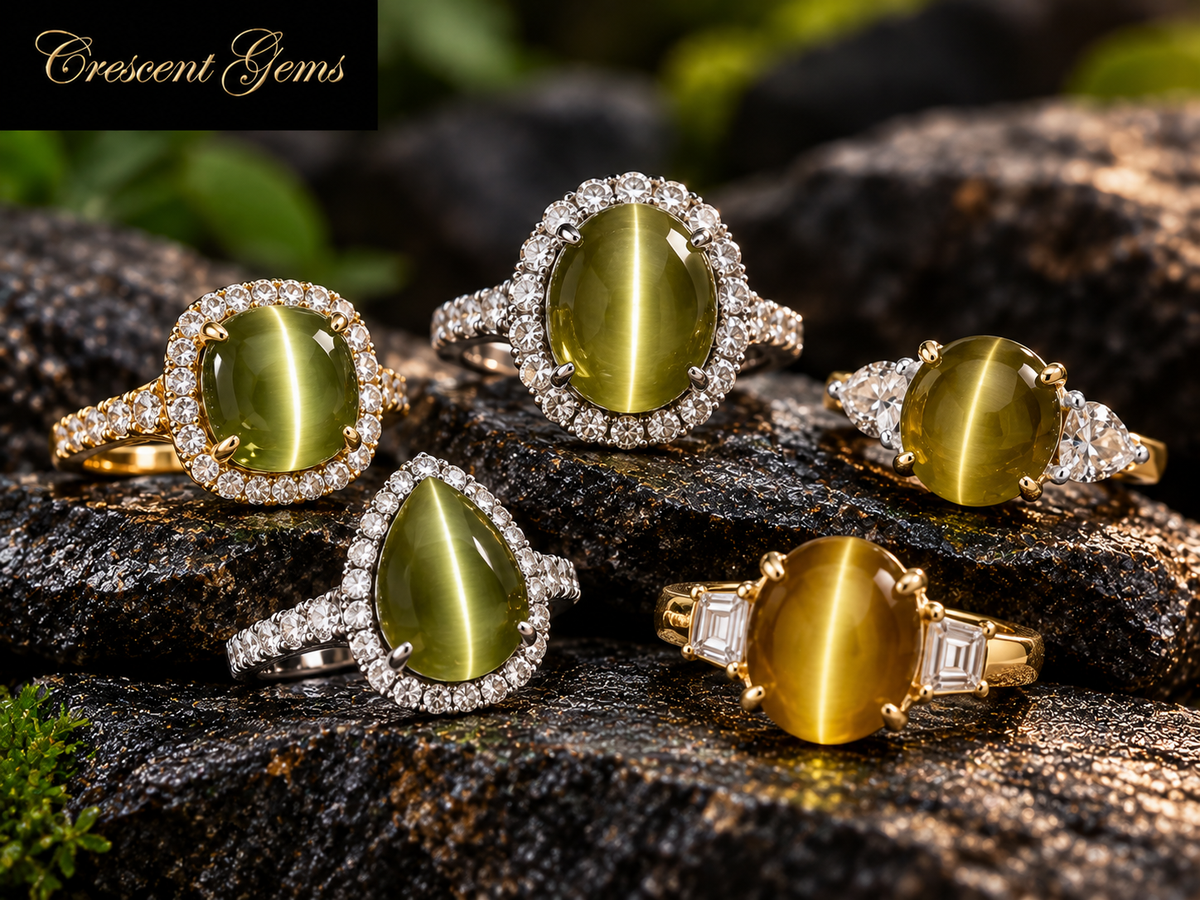
Le chrysobéryl œil-de-chat convient-il à une bague de fiançailles ?
Le chrysobéryl est à 8,5 sur l'échelle de Mohs, au-dessus du quartz (7) et en dessous du corindon (9). Ce que cela change au porter, à la monture et à l'entretien.
Plussur Le chrysobéryl œil-de-chat convient-il à une bague de fiançailles ?
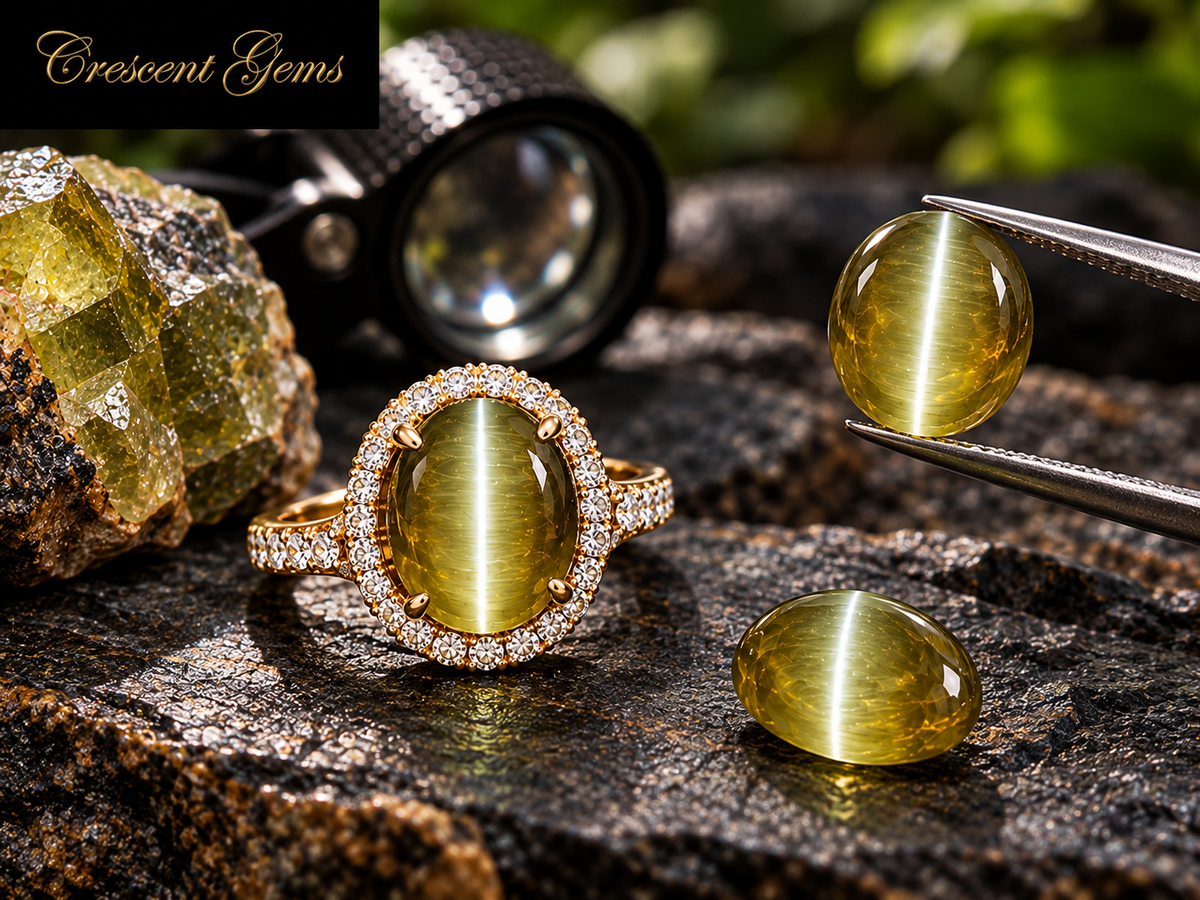
Prix du chrysobéryl œil-de-chat : au carat et nos deux pierres
Ce que coûte réellement un chrysobéryl œil-de-chat au carat, ce qui fait varier le prix, et nos deux pierres chiffrées : 2,36 ct à $3,792 et 4,25 ct à $9,482, soit $1,606.78 et $2,231.06 le carat.
Plussur Prix du chrysobéryl œil-de-chat : au carat et nos deux pierres