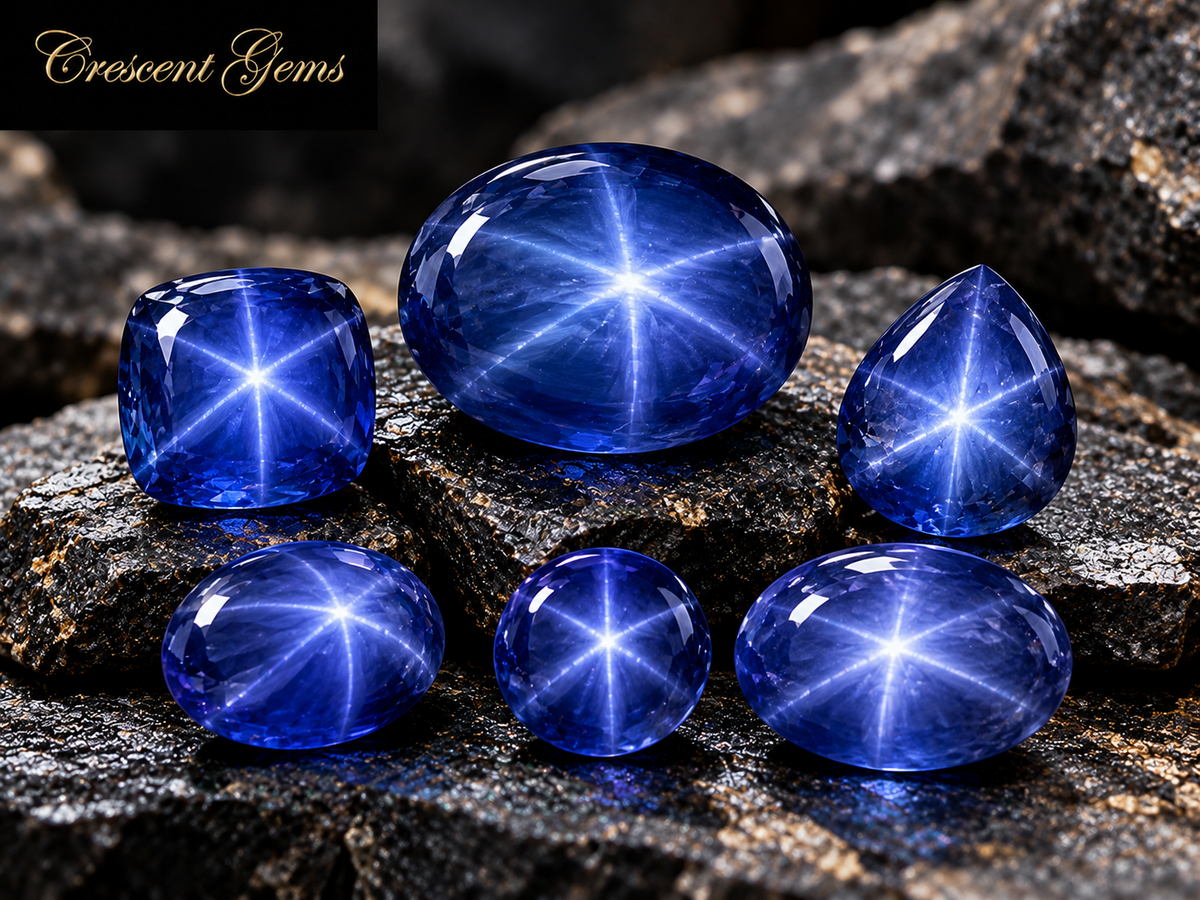
L'extraction en lit de rivière est l'une des plus anciennes méthodes de récupération des gemmes au Sri Lanka, et la plus spectaculaire à voir. Lorsqu'on imagine une mine de pierres précieuses, on pense à des puits creusés dans la terre ; or une part considérable des plus beaux saphirs, spinelles et chrysobéryls de Ceylan n'a pas été remontée d'un puits mais prélevée dans les graviers de rivières en activité — des pierres que l'eau elle-même avait séparées, transportées et concentrées pendant des centaines de milliers d'années avant qu'un mineur n'y touche.
La méthode se pratique dans tous les réseaux hydrographiques gemmifères de l'île, en particulier dans les districts de Ratnapura, de Balangoda et d'Elahera. Elle n'exige ni engins lourds, ni explosifs, ni produits chimiques. Elle se conduit entièrement à la main, en appliquant les principes mêmes — l'eau, la gravité, la densité — qui ont assemblé le gisement à l'origine. Ce guide explique la géologie qui fait des rivières des concentrateurs de gemmes, les techniques d'extraction employées, les réseaux fluviaux qui ont historiquement livré les meilleurs matériaux, la comparaison avec le brut de puits, et ce à quoi ressemblent aujourd'hui les dimensions environnementale et économique de cette pratique ancienne.
Pour un lecteur français, un mot de cadrage avant d'entrer dans le détail. Ce qui suit est une description de provenance : d'où vient la matière, par quelles opérations elle passe, et sous quel régime. Ce n'est pas un argument de qualité. Nous dirons aussi, explicitement, les endroits où nous avons cherché une source et ne l'avons pas trouvée, plutôt que de combler le vide par une formule.
La géologie : pourquoi les rivières concentrent les gemmes
Pour comprendre l'extraction fluviale, il faut d'abord comprendre pourquoi des minéraux gemmes se retrouvent dans un gravier de rivière. La réponse combine géologie, physique et temps géologique.
La source primaire : les gisements de corindon des hautes terres
La zone gemmifère du Sri Lanka — le Highland Complex, terrain métamorphique précambrien qui couvre une grande partie de l'intérieur de l'île — renferme les gisements primaires de corindon dans lesquels les saphirs ont cristallisé il y a des centaines de millions d'années. Ces gisements sont inclus dans des roches cristallines : gneiss, granulites et marbres. À mesure que ces roches hôtes s'altèrent et s'érodent à l'échelle des temps géologiques, les cristaux de corindon — chimiquement inertes et assez durs pour traverser l'érosion en restant largement intacts — s'en libèrent et sont emportés dans le réseau hydrographique.
Comment l'eau trie par densité
L'eau est un séparateur naturel d'une efficacité remarquable, et elle opère selon le principe même qu'emploient les mineurs lorsqu'ils lavent un gravier : la densité. La capacité d'un courant à transporter une particule minérale dépend de la densité de cette particule, de sa forme et de la vitesse de l'eau. Les minéraux les plus denses exigent une eau plus rapide pour rester en transport ; dès que le courant ralentit, ce sont eux qui se déposent les premiers.
Le corindon — l'espèce minérale à laquelle appartiennent le saphir et le rubis — est dense pour une pierre transparente. Le chiffre publié par le GIA pour l'espèce est une densité de 4,00, contre environ 2,65 pour le sable quartzeux qui constitue l'essentiel d'un sédiment de rivière. C'est cet écart qui porte toute la méthode. À titre de comparaison :
| Minéral |
Densité publiée de l'espèce (g/cm³) |
Comportement dans le transport par l'eau |
| Quartz (sable) |
2,65 |
Voyage loin ; se dépose en dernier ; composant le plus abondant du sédiment fluvial |
| Feldspath |
2,56–2,76 |
Voyage loin ; se dépose avec le quartz |
| Spinelle (spinelle gemme magnésio-alumineux) |
3,58–3,61 |
Se dépose avec la fraction gemme ; se trouve dans les mêmes couches de gravier |
| Chrysobéryl |
3,5–3,84 |
Se dépose avec le spinelle et le corindon |
| Grenat (rhodolite, hessonite) |
environ 3,5–3,9 |
Se dépose plus tôt que le quartz ; se concentre dans le gravier gemmifère |
| Corindon (saphir, rubis) |
4,00 |
Se dépose rapidement ; se concentre dans le gravier gemmifère avec les autres minéraux denses |
| Zircon |
jusqu'à 4,6–4,7, et moins dans les cristaux anciens |
Se dépose généralement avec le corindon ou légèrement avant ; minéral lourd indicateur |
| Ilménite / magnétite |
environ 4,7–5,2 |
Se dépose en premier ; sert d'indicateur de proximité d'un gravier gemmifère |
Ce sont des chiffres publiés pour l'espèce minérale, et non des mesures faites sur une pierre que nous vendons. Le 4,00 du corindon est la valeur publiée par le GIA pour l'espèce, et c'est celle que nous imprimons sur nos propres fiches. La densité du zircon est donnée comme un plafond et non comme une fourchette, parce que les dommages d'irradiation à l'intérieur des vieux cristaux de zircon en détruisent la structure et en abaissent la densité : un zircon métamicte peut donc se déposer après le corindon plutôt qu'avant. Le spinelle est donné pour le minéral gemme magnésio-alumineux ; le spinelle zincifère est nettement plus dense et c'est une autre pierre.
À mesure qu'une rivière transporte les produits de l'érosion des hautes terres, les minéraux légers courants — quartz, feldspath — poursuivent leur descente tandis que les minéraux gemmes denses — corindon, spinelle, chrysobéryl, zircon — se déposent de préférence aux endroits où la vitesse du courant tombe. Ces zones de dépôt forment les gisements alluviaux de gemmes que les mineurs visent, et que l'on appelle au Sri Lanka l'illama. Illama est l'orthographe que nous employons ; le GIA publie le même mot sous la forme illam, et les citations et notes de sources de cette page conservent la graphie du GIA.
Où les gemmes se concentrent : les pièges géologiques
À l'intérieur d'un réseau fluvial, les minéraux gemmes s'accumulent de préférence là où la vitesse de l'eau chute :
-
À l'intérieur des courbes et des méandres — l'eau de la rive intérieure d'un coude se déplace plus lentement que celle de la rive extérieure. La rive intérieure est un point de dépôt naturel pour les minéraux denses, tandis que la rive extérieure s'érode. Les gisements de lit de rivière les plus riches se trouvent systématiquement sur les rives intérieures des méandres.
-
Derrière les obstacles — gros blocs, affleurements rocheux et autres obstacles créent immédiatement en aval des zones de faible vitesse où les particules denses se déposent. Les mineurs appellent cela des pièges de substratum.
-
Aux confluences — là où un ruisseau rejoint une rivière plus grande, le débit combiné perd de la vitesse et les deux cours d'eau y déposent leur charge la plus lourde. Ratnapura se trouve exactement à une confluence multiple de ce type, et c'est la raison pour laquelle la ville est devenue le centre du négoce des gemmes au Sri Lanka.
-
Sur les terrasses fluviales anciennes — d'anciens lits de rivière aujourd'hui perchés au-dessus du cours actuel par le jeu de la tectonique ou de l'érosion. Ces dépôts alluviaux anciens — dits éluviaux ou de terrasse — s'exploitent par puits, mais ils ont été formés à l'origine par le même processus de concentration fluviale.
La méthode fluviale, étape par étape
L'extraction en lit de rivière au Sri Lanka se conduit entièrement à la main, par de petites équipes de 3 à 10 personnes, généralement sous la direction d'un chef d'équipe expérimenté qui décide où travailler d'après sa connaissance du réseau fluvial, sa lecture du gravier en cours et, souvent, un savoir familial transmis sur plusieurs générations.
Étape 1 : choix du site et dérivation
La première tâche consiste à choisir une section de rivière présentant les caractéristiques géologiques les plus favorables à la présence d'un gravier gemmifère concentré : rives intérieures de courbes, aval d'obstacles, abords d'affleurements rocheux au fond du lit. Le site retenu, les mineurs construisent une dérivation temporaire. Sur un petit cours d'eau, un simple barrage partiel de pierres détournant une part du débit peut suffire. Sur les rivières plus grandes, les équipes édifient des dérivations plus substantielles — sacs de sable, bois, gravier — afin de mettre à sec une section du lit.
Ce travail de dérivation est la phase la plus exigeante en main-d'œuvre et demande souvent plusieurs jours de préparation avant d'atteindre le moindre gravier gemmifère. Le barrage temporaire doit être assez solide pour rendre la zone de travail praticable, sans être assez permanent pour bloquer la circulation des poissons ni provoquer une inondation notable en amont. L'extraction fluviale traditionnelle sri-lankaise a toujours intégré la conscience de cet équilibre : les dérivations sont des ouvrages temporaires, destinés à être retirés après le chantier.
Étape 2 : enlèvement des stériles
La section de travail une fois exposée ou accessible, les mineurs enlèvent les stériles — les couches supérieures de sable, de limon et de gravier léger qui recouvrent la couche gemmifère dense. Ce matériau se déplace à la main, à la pelle à manche court et à la corbeille, et se dépose sur le côté de l'aire de travail. La profondeur de la couche gemmifère varie : dans un lit de rivière actif, elle peut n'être qu'à 1 ou 2 mètres sous la surface actuelle ; dans un ancien chenal enfoui, elle peut être nettement plus profonde.
Étape 3 : extraction de l'illama
L'illama — la couche de gravier gemmifère, dense et sombre — se reconnaît à sa couleur, à sa texture et à son poids. Un mineur expérimenté l'identifie immédiatement : elle est en général plus sombre et plus lourde que le matériau sus-jacent, et contient souvent des galets arrondis de quartz, de feldspath et de divers minéraux lourds sombres, mêlés aux minéraux gemmes. Cette couche s'excave avec précaution et se recueille dans des corbeilles en vue du lavage.
Le caractère de l'illama fournit aussi des indices de qualité en temps réel. De fortes concentrations d'ilménite et de magnétite — minéraux lourds noirs et magnétiques — signalent un dépôt riche en espèces denses. La présence de galets de zircon bien arrondis est un indice favorable de proximité du saphir. Un chef d'équipe expérimenté lit ces signes en continu, à mesure que l'excavation progresse.
Étape 4 : lavage et tri
Le lavage se fait dans la rivière elle-même ou dans des bassins attenants. Un ouvrier remplit une corbeille plate à fond large, en rotin ou en jonc tressé — le menik wattiya (මැණික් වට්ටිය) des champs gemmifères sri-lankais, l'équivalent en vannerie de la batée de l'orpailleur — d'une pelletée de gravier d'illama, l'immerge partiellement et lui imprime un mouvement tournant. Les particules légères — sable, limon, gravier fin — sont emportées par-dessus le bord de la corbeille par le mouvement de l'eau, tandis que les minéraux denses, plus lourds, restent au centre. L'opération se répète jusqu'à ce qu'il ne reste que la fraction la plus lourde.
Ce qui demeure au centre de la corbeille après lavage est un petit cône de minéraux lourds : ilménite noire, galets de zircon bruns, grenats rouges, et, mêlés à eux, le corindon, le spinelle et le chrysobéryl bruts — ternes, arrondis ou partiellement cristallins — qui deviendront des gemmes taillées. À ce stade, un saphir brut ne ressemble en rien à la pierre polie qu'il sera : il est le plus souvent gris-brun en surface, et seul un œil exercé l'identifie à sa forme cristalline, à son poids et à l'éclat de couleur parfois visible dans une cassure de la croûte superficielle.
Étape 5 : tri du brut et sécurité
Le brut trié est immédiatement examiné par le chef d'équipe et les ouvriers les plus anciens. Les trouvailles notables — grands cristaux, matériau de couleur inhabituelle, brut d'une grande pureté — sont relevées et mises en sûreté. Le brut passe ensuite par une chaîne de détention qui, dans une exploitation traditionnelle, fait intervenir le propriétaire de la mine, l'équipe, puis un négociant ou un courtier au marché de Ratnapura. Sur le passage du brut de la mine au marché, voyez notre guide du marché aux gemmes de Ratnapura.
Quelles gemmes trouve-t-on dans les lits de rivière sri-lankais
L'assemblage minéral de l'illama des rivières sri-lankaises reflète la diversité géologique du Highland Complex. Les dépôts de lit de rivière livrent la même gamme d'espèces que l'extraction en puits — ils viennent des mêmes sources primaires — mais le tri granulométrique et l'arrondissement opérés par la rivière donnent au brut un caractère distinctif :
| Gemme |
Caractère typique du brut de rivière |
Couleurs rencontrées |
Fréquence de récupération |
| Saphir (corindon) |
Cristaux arrondis à sub-arrondis ; surface souvent altérée ; couleur visible dans les cassures |
Bleu, rose, jaune, teal, violet, padparadscha, blanc, orange |
Couramment récupéré ; c'est la cible principale des chantiers |
| Saphir étoilé |
Arrondi ; la soie de rutile apparaît comme un voile en surface |
Bleu, noir, gris, rose |
Récupéré occasionnellement |
| Rubis (corindon) |
Généralement petit ; le rouge vif est peu courant dans les rivières sri-lankaises |
Rouge rosé à rouge soutenu |
Récupéré occasionnellement ; bien plus rare ici que le saphir |
| Spinelle |
Cristaux octaédriques bien arrondis ; couleur souvent vive |
Rouge, rose, bleu, violet, orange, gris |
Récupéré occasionnellement |
| Chrysobéryl (œil-de-chat) |
Arrondi ; le caractère fibreux des inclusions est préservé |
Jaune miel, jaune-vert |
Récupéré occasionnellement |
| Alexandrite |
Rarement trouvée ; petits cristaux |
Changement de couleur vert/rouge |
Rare dans ces graviers |
| Zircon |
Arrondi, souvent gros ; fort éclat ; lourd |
Brun, rouge, incolore, bleu |
Couramment récupéré ; sert de minéral indicateur |
| Grenat (hessonite, rhodolite) |
Bien arrondi ; souvent rouge-orangé soutenu |
Rouge, rouge-orangé, rose |
Couramment récupéré, souvent en quantité |
| Tourmaline |
Fragments de cristaux arrondis |
Variées |
Rare dans ces graviers |
| Pierre de lune (feldspath) |
Arrondie, souvent grosse ; adularescence visible sur le brut |
Blanc à reflet bleu |
Récupérée dans certains districts ; le Sri Lanka a un négoce ancien de la pierre de lune |
Rivière ou puits : ce qui les distingue
L'extraction en lit de rivière et l'extraction en puits — la méthode par fonçage pratiquée dans le bassin de Ratnapura et dans les autres districts gemmifères — sont deux méthodes complémentaires qui visent la même source ultime : les minéraux gemmes du Highland Complex. Les différences qui comptent, de méthode, d'économie et de caractère du brut :
| Critère |
Extraction en lit de rivière |
Extraction en puits |
| Type de gisement |
Alluvial actif — gravier de rivière actuel ou récent |
Alluvial ancien (illama) enfoui sous des sédiments postérieurs |
| Profondeur |
Faible — en général 1 à 3 m sous la surface de la rivière |
Variable — en général 3 à 15 m sous la surface |
| Mode d'accès |
Dérivation temporaire de la rivière ; excavation manuelle |
Puits vertical foncé jusqu'à la couche d'illama ; galeries horizontales |
| Matériel |
Outils à main, corbeilles, corde ; aucune machine |
Outils à main, treuil à seau, parfois une pompe simple |
| Caractère du brut |
Bien arrondi, à surface lisse ; trié en taille par la rivière |
Moins arrondi ; cristaux souvent plus grands ; tailles plus variées |
| Taille du brut |
En moyenne plus petite — les grands cristaux se fragmentent plus facilement pendant le transport, même si de grosses pierres apparaissent |
Toute la gamme ; grands cristaux plus fréquents |
| Taille de l'équipe |
3 à 8 personnes pour la dérivation et l'extraction |
6 à 15 personnes pour le fonçage et l'exploitation |
| Durée par site |
De quelques jours à quelques semaines par section de rivière |
De quelques semaines à quelques mois par puits |
| Empreinte sur le terrain |
Dérivation temporaire ; outils à main ; aucun produit chimique ; sédiments relâchés dans la rivière pendant le chantier |
Outils à main ; aucun produit chimique ; le puits est comblé après exploitation, et la surface reste perturbée plus longtemps |
| Obligations réglementaires |
Permis d'extraction de la National Gem and Jewellery Authority (NGJA) |
Permis de la NGJA ; accès au terrain accordé par le propriétaire |
Pour un guide complet de la méthode par puits, voyez notre L'extraction en puits au Sri Lanka.
Une remarque qui vaut pour les deux colonnes : rien dans ce tableau n'est un critère de qualité de la pierre finie. Ce sont des différences de méthode et de logistique. Nous y revenons plus bas, parce que c'est précisément l'endroit où un argumentaire de vente est le plus tentant.
Les grands districts fluviaux du Sri Lanka
Le district de Ratnapura — le cœur historique
Ratnapura — dont le nom signifie « la ville des gemmes » en cinghalais — se trouve au confluent de la Kalu Ganga (la « rivière noire ») et de plusieurs affluents qui drainent le Highland Complex gemmifère. Cette position géographique — à la convergence aval de plusieurs cours d'eau transportant des gemmes et drainant la géologie la plus riche de l'île — explique que Ratnapura soit devenue le centre du négoce. Le GIA date l'usage des gemmes au Sri Lanka d'« au moins 2 000 ans » ; nous n'avons pas trouvé de source datant spécifiquement le marché de Ratnapura, et nous donnons donc le chiffre de l'île plutôt que celui de la ville. Les rivières qui passent à Ratnapura ou à proximité comprennent la Kalu Ganga elle-même et ses affluents — parmi lesquels la Kuru Ganga, la Wey Ganga et la Denawaka Ganga — ainsi que de nombreux ruisseaux plus petits, tous porteurs d'illama venu des zones gemmifères des hautes terres. L'extraction fluviale et l'exploitation des terrasses se poursuivent dans le bassin de Ratnapura, aux côtés de l'importante activité de puits du district.
La région de Balangoda
La Walawe Ganga et ses affluents traversent la région de Balangoda, dans la province de Sabaragamuwa, autre district gemmifère notable. Balangoda a livré des saphirs étoilés remarqués et de beaux matériaux bleus, issus aussi bien de rivières que de puits. Les réseaux fluviaux y drainent des segments du Highland Complex différents de ceux de Ratnapura, ce qui produit un assemblage un peu différent, avec de plus fortes concentrations de matériau à astérisme dans certaines zones.
Le district d'Elahera
Dans la province du Centre-Nord, la région d'Elahera est associée au réseau de la Mahaweli Ganga — le plus long fleuve de l'île, qui draine une grande partie des hautes terres centrales. Elahera a historiquement livré de beaux saphirs bleus, du padparadscha et du saphir jaune. La Mahaweli et ses affluents charrient de l'illama à travers une zone géologiquement distincte, qui produit des saphirs au caractère chimique légèrement différent de ceux de Ratnapura — une différence que les déterminations d'origine de Gübelin et de la SSEF relèvent parfois.
Le district de Matale
La région de Matale produit du chrysobéryl, œil-de-chat compris, à partir de dépôts fluviaux et de terrasse liés au bassin de l'Amban Ganga. Le matériau jaune doré qui a fait la réputation du district vient de cette zone. Le brut transporté par la rivière convient à la taille en œil-de-chat parce que la forme cristalline arrondie et non endommagée conserve la structure fibreuse des inclusions qui produit la chatoyance — voilà le mécanisme, et nous n'irons pas plus loin : aucun laboratoire ne note la chatoyance, de sorte que tout ce qui se dit du comportement d'un œil donné est l'avis du vendeur, le nôtre compris. Voyez notre guide d'achat du chrysobéryl œil-de-chat.
Ce qu'un district dit d'une pierre, et ce qu'il n'en dit pas
Ces différences entre bassins sont réelles et elles se lisent parfois dans la chimie d'une pierre. Il faut pourtant être net sur leur statut, d'autant que c'est le point où un vendeur français est le plus tenté de faire glisser la géographie vers la qualité. Un district n'est pas une note. Un saphir d'Elahera n'est ni au-dessus ni au-dessous d'un saphir de Ratnapura : ce sont deux constats distincts, l'endroit où une pierre s'est formée et l'aspect qu'elle a, et tarifer l'un comme si c'était l'autre est une habitude dont il vaut la peine de se défaire.
Il faut ajouter que la détermination d'origine elle-même n'est pas un verdict. Nous préférons citer le GIA plutôt que de le reformuler : « Toute affirmation portant sur l'origine géographique est un avis d'expert fondé sur un ensemble d'observations et de données analytiques. » Le LMHC dit la même chose des rapports en général : « Tous les constats décrits dans le rapport sont des opinions exprimées par le laboratoire. » Un rapport d'origine énonce donc un avis motivé ; il ne confirme rien, et nous ne lui ferons pas dire davantage — pas même quand l'avis nous arrange.
Le brut de rivière : caractère et qualité
Les gemmes récupérées en rivière active ont un caractère propre, qui diffère du brut de puits d'une manière commercialement significative :
Arrondissement et usure de surface
Un transport prolongé dans un réseau fluvial arrondit les cristaux par abrasion. Le beau brut de saphir récupéré en rivière active est typiquement lisse et bien arrondi, au lieu de montrer les faces cristallines d'origine du matériau de puits. Les lapidaires tiennent généralement cet arrondissement pour utile : il élimine les dommages de surface, dégage des surfaces fraîches pour un premier examen de la couleur, et signifie que le cristal a déjà subi une longue épreuve d'abrasion sans se rompre — un indice sur ce morceau de brut, et non une affirmation sur la pierre finie, dont la solidité dépend de ce qui survit à la taille.
Distribution des tailles
Le transport fluvial est plus rude pour les grands cristaux que pour les petits. Un grand cristal fragile, porteur de fractures internes, se brise pendant le transport ; un cristal compact et sain de la même espèce arrive intact. L'extraction fluviale tend donc à produire un brut de taille moyenne inférieure à celui des puits, mais avec une proportion plus élevée de matériau sain à l'intérieur, rapportée à la taille. Les plus grands cristaux d'exception — dont les grands saphirs historiques sortis du Sri Lanka — viennent plutôt des puits que des rivières actives.
Statut thermique et brut de rivière
Le brut extrait d'une rivière arrive sur le marché tel que l'eau l'a laissé : personne n'est intervenu dessus entre le gravier et la corbeille. Qu'il reste ensuite non chauffé dépend des décisions du négociant ou du lapidaire qui l'achète — un même brut peut partir chez un chauffeur ou être réservé à une taille non chauffée, selon la qualité de sa couleur naturelle. Notons-le clairement, parce que la confusion est fréquente en boutique : « non chauffé » est une affirmation sur la chaleur, et sur la chaleur seulement. La géologie métamorphique du Sri Lanka, qui a produit ces gemmes, donne une forte proportion de brut naturellement saturé, et c'est pourquoi on y trouve couramment du matériau non chauffé. Nous n'allons pas pour autant classer l'île devant d'autres sources sur ce point : nous n'avons aucun chiffre de part de marché que nous puissions citer, et nous ne sommes pas en position d'en mesurer un. Voyez notre guide Qu'est-ce qu'un saphir non chauffé.
Ce que tout cela change pour l'acheteur — et ce que cela ne change pas
Résumons honnêtement, parce que cette section est celle dont un argumentaire de vente se sert le plus volontiers. Ce que le passage par la rivière change : la forme du brut, sa taille moyenne, et la probabilité qu'un morceau donné soit sain à l'intérieur, puisque le matériau fragile s'est rompu en amont. Ce sont des faits sur le brut, utiles à un lapidaire qui achète un lot.
Ce que cela ne change pas : la pierre que vous recevez. Le matériau fracturé est éliminé à l'atelier, et la solidité comme la pureté d'une gemme taillée dépendent de ce qui a survécu à la taille, pas de l'outil ou du cours d'eau qui l'a sortie du sol. « Extrait en rivière » n'est donc pas une qualité, et nous ne le vendons pas comme telle. Jugez la pierre devant vous — sa couleur, sa pureté, sa taille, et ce qu'en disent sa fiche et un éventuel rapport de laboratoire.
Contexte environnemental et réglementaire
C'est l'endroit d'un article sur les mines où un vendeur attrape une phrase rassurante. Voici donc ce que nous pouvons réellement sourcer, et où le sourçage s'arrête.
Ce qu'est le régime de licence
L'extraction de gemmes au Sri Lanka est soumise à licence de la National Gem and Jewellery Authority, qui indique qu'elle « est investie du pouvoir de délivrer les licences d'extraction de gemmes au titre de l'article 15 » et que l'extraction de gemmes n'est pas autorisée au titre d'une licence d'exploration délivrée par le Geological Survey and Mines Bureau. Les licences couvrent l'exploitation traditionnelle comme l'exploitation mécanisée, et l'écrasante majorité est traditionnelle : le GIA relève que, sur plus de 6 500 licences délivrées en 2013, plus de 6 000 portaient sur l'extraction en puits par méthodes traditionnelles, tandis que « l'octroi de licences pour l'extraction mécanisée obéit à des règles très strictes, et une dizaine seulement ont été délivrées en 2013. »
Ce que la licence impose ensuite
La remise en état est une condition de licence, avec de l'argent derrière. Le GIA : « Une fois l'exploitation d'une zone terminée, le puits ou la fosse doit être comblé conformément à la réglementation appliquée par la NGJA », et « La National Gem and Jewellery Authority (NGJA) perçoit un dépôt en espèces lors de la délivrance d'une licence. Si l'exploitant ne réhabilite pas le terrain une fois l'extraction achevée, la NGJA emploie le montant du dépôt à cette fin. » Le Sri Lanka Export Development Board dit à quoi sert la règle : elle « impose de combler les puits et les fosses après l'achèvement des opérations minières, afin de prévenir la contamination des eaux souterraines, la dégradation du paysage et la prolifération des moustiques. »
Le travail en rivière comporte une dimension supplémentaire que le puits n'a pas. Les dérivations sont des ouvrages temporaires, construits pour être enlevés, et les sédiments remis en suspension pendant l'excavation et le lavage descendent le courant tant que dure le chantier. Ce sont là des descriptions de ce que fait la méthode, et non des appréciations portées sur elle.
Ce qu'une licence ne vous dit pas
Une obligation n'est pas un taux de conformité. Un reportage publié par l'Earth Journalism Network en octobre 2024 a décrit des puits laissés ouverts et gorgés d'eau dans les terres agricoles autour de Ratnapura, des riverains signalant des bêtes et des personnes y tombant et des puits d'eau s'asséchant, et un défenseur de l'environnement désignant les chantiers ouverts comme habitat à moustiques et pointant la baisse des nappes. La NGJA, répondant à une demande d'accès à l'information, a déclaré n'avoir aucune trace de puits non comblés dans la zone nommée entre janvier 2021 et août 2023. Le même reportage cite le directeur de la NGJA, G. W. Amarasiri : « Environ 40 000 exploitations de gemmes sont actuellement menées avec les 6 000 permis délivrés. »
Si cette estimation est proche de la réalité, alors l'essentiel de ce qui se creuse sur l'île à un instant donné se situe en dehors de la licence à laquelle l'obligation de remise en état est attachée. C'est la forme honnête du tableau, et c'est pourquoi nous ne traiterons pas l'extraction non autorisée comme une note de bas de page dans une filière bien réglementée.
Ce que nous ne prétendrons pas
Cet article ne classe pas l'extraction sri-lankaise de gemmes par rapport à celle d'autres pays, et il ne porte sur elle aucun jugement d'ensemble de ce genre. Nous avons cherché une étude comparative publiée que nous aurions pu citer à l'appui de l'un ou de l'autre, et nous n'en avons trouvé aucune que nous soyons prêts à assumer : ni l'un ni l'autre n'est donc le nôtre à écrire. Lorsque vous en rencontrez un ailleurs, la question qui vaut la peine d'être posée est de savoir sur quelle étude il repose — parce que nous ne l'avons pas trouvée.
Ce que nous dirons est plus étroit, et c'est le nôtre. Les chantiers auprès desquels nous achetons sont creusés et lavés à la main, ils n'emploient aucun produit chimique, les dérivations sont retirées et les puits sont comblés. C'est notre constat personnel, pour y être allés et y avoir acheté. C'est une affirmation sur les gens avec qui nous traitons : pas sur la filière, et sur aucun autre pays.
De la rivière à la bague : la chaîne d'approvisionnement
Le brut issu de l'extraction fluviale suit le même chemin que celui des puits. Après lavage et premier tri sur le site, il passe à un négociant ou à un courtier — le plus souvent au marché de Ratnapura — qui en évalue la qualité et le vend soit directement à un lapidaire, soit regroupé en lots. Les beaux cristaux isolés peuvent aller droit chez un tailleur réputé ; le matériau commercial circule par le système des lots. Après la taille, les pierres atteignent les acheteurs par des négociants, des exportateurs et des détaillants.
Où nous nous situons là-dedans : nous achetons à la source au Sri Lanka — auprès de mineurs, et auprès de négociants et de courtiers à Ratnapura et à Beruwala, par des relations construites sur plus de vingt-cinq ans — et nous taillons nous-mêmes une grande partie de ce que nous achetons. Pour la plupart des lots, nous pouvons vous dire de quel district vient le brut, et souvent la section de rivière ou le puits.
Ce que nous ne prétendrons pas, c'est qu'il n'y a personne entre la rivière et la fiche produit, parce que sur la plupart des pierres il y a quelqu'un, et cet article vient de décrire qui. Le marché sur lequel nous achetons est un marché intermédié ; c'est ainsi que le brut se négocie là-bas, et nous préférons l'écrire que laisser entendre le contraire. C'est d'ailleurs le point sur lequel la formule publicitaire courante — « directement de la mine à vous, sans intermédiaire » — est le plus souvent fausse, y compris quand elle est employée de bonne foi. Nous ne vous dirons pas davantage comment notre chaîne se compare à celle d'un autre vendeur, ni n'en ferons un argument de prix : nous ignorons ce que paient les autres, et toute phrase de ce genre serait inventée. En droit français, une comparaison publicitaire doit être objective, vérifiable et porter sur des caractéristiques essentielles ; celle-là ne le serait sur aucun des trois points.
Questions fréquentes
Qu'est-ce que l'extraction de gemmes en lit de rivière ?
L'extraction en lit de rivière récupère les gemmes dans les dépôts de gravier alluvial des chenaux actifs ou saisonniers. Les mineurs dérivent temporairement la rivière ou accèdent au lit, excavent la couche dense de gravier gemmifère (l'illama) et la lavent dans des corbeilles, en se servant de l'eau de la rivière pour séparer les minéraux gemmes du sable et du limon plus légers. La méthode se conduit entièrement à la main et n'emploie ni produit chimique ni engin lourd.
Pourquoi les rivières concentrent-elles les gemmes ?
L'eau courante sépare les particules par densité : les minéraux légers voyagent plus loin en aval tandis que les minéraux denses se déposent plus tôt, là où la vitesse diminue. Le corindon, l'espèce à laquelle appartient le saphir, a une densité publiée de 4,00 pour l'espèce, contre environ 2,65 pour le sable quartzeux courant : il se dépose donc de préférence à l'intérieur des courbes, derrière les obstacles et aux confluences. Sur de longues périodes, ces zones de dépôt accumulent un gravier gemmifère concentré.
Quelles gemmes trouve-t-on dans les lits de rivière du Sri Lanka ?
Toute la gamme de l'île : saphirs bleus, roses, jaunes, teal, violets, padparadscha et étoilés ; spinelle en plusieurs couleurs ; chrysobéryl œil-de-chat et alexandrite ; zircon ; grenat hessonite et rhodolite ; et pierre de lune. Le mélange reflète la géologie du Highland Complex que drainent les rivières.
En quoi l'extraction fluviale diffère-t-elle de l'extraction en puits ?
Les deux visent des dépôts d'illama — du gravier gemmifère dense — mais l'extraction fluviale atteint des dépôts alluviaux actifs ou récents dans les chenaux actuels par dérivation temporaire, tandis que l'extraction en puits fonce des puits verticaux jusqu'à des couches d'illama anciennes et enfouies. La rivière produit en moyenne un brut plus petit et plus arrondi et avance un peu plus vite par site ; le puits permet d'atteindre de plus grands cristaux et d'exploiter des dépôts enfouis plus étendus. Les deux emploient des outils à main et aucun produit chimique.
Les saphirs de rivière sont-ils de qualité différente de ceux des puits ?
Pas intrinsèquement. Les deux viennent de la même source géologique primaire, le Highland Complex du Sri Lanka. Le brut de rivière tend à être plus petit et plus arrondi, et les plus grands cristaux viennent plutôt des puits. La couleur et le statut thermique dépendent de la pierre elle-même et non de la méthode d'extraction, et rien dans la façon dont une pierre a quitté le sol ne vous dit comment la gemme taillée se comportera.
L'extraction en lit de rivière est-elle réglementée au Sri Lanka ?
Oui. La National Gem and Jewellery Authority délivre les licences d'extraction au titre de l'article 15 de la loi qui la régit, et le GIA rapporte qu'un chantier sous licence doit être comblé ensuite, la NGJA détenant un dépôt en espèces qu'elle peut employer à la remise en état si le titulaire ne s'en charge pas. La conformité est une question distincte de la règle : un reportage de l'Earth Journalism Network en 2024 a documenté des puits laissés ouverts près de Ratnapura et cite un directeur de la NGJA estimant à environ 40 000 les exploitations pour 6 000 permis. Nous ne classerons pas le bilan environnemental du Sri Lanka par rapport à celui d'autres pays producteurs, parce que nous n'avons trouvé aucune étude comparative publiée que nous puissions citer à l'appui.
Les saphirs issus de l'extraction fluviale sont-ils accompagnés d'un rapport de laboratoire ?
Ce n'est pas la méthode d'extraction qui en décide : c'est une décision prise après la taille par celui qui possède la pierre. Un saphir taillé dans un brut de rivière peut porter un rapport du GIA, de Gübelin ou de la SSEF exactement comme un saphir de puits. Sur notre propre stock : chaque fiche indique le traitement, et la plupart des pierres sont accompagnées d'un rapport de laboratoire, avec le laboratoire et le numéro de rapport nommés sur la fiche. Nous sommes en train d'envoyer au GIA les pierres au-dessus de 500 $ et ce travail n'est pas terminé : certaines pierres au-dessus de ce montant n'en ont donc pas encore un, et leur fiche le dit.
Les saphirs de Ceylan chez Crescent Gems
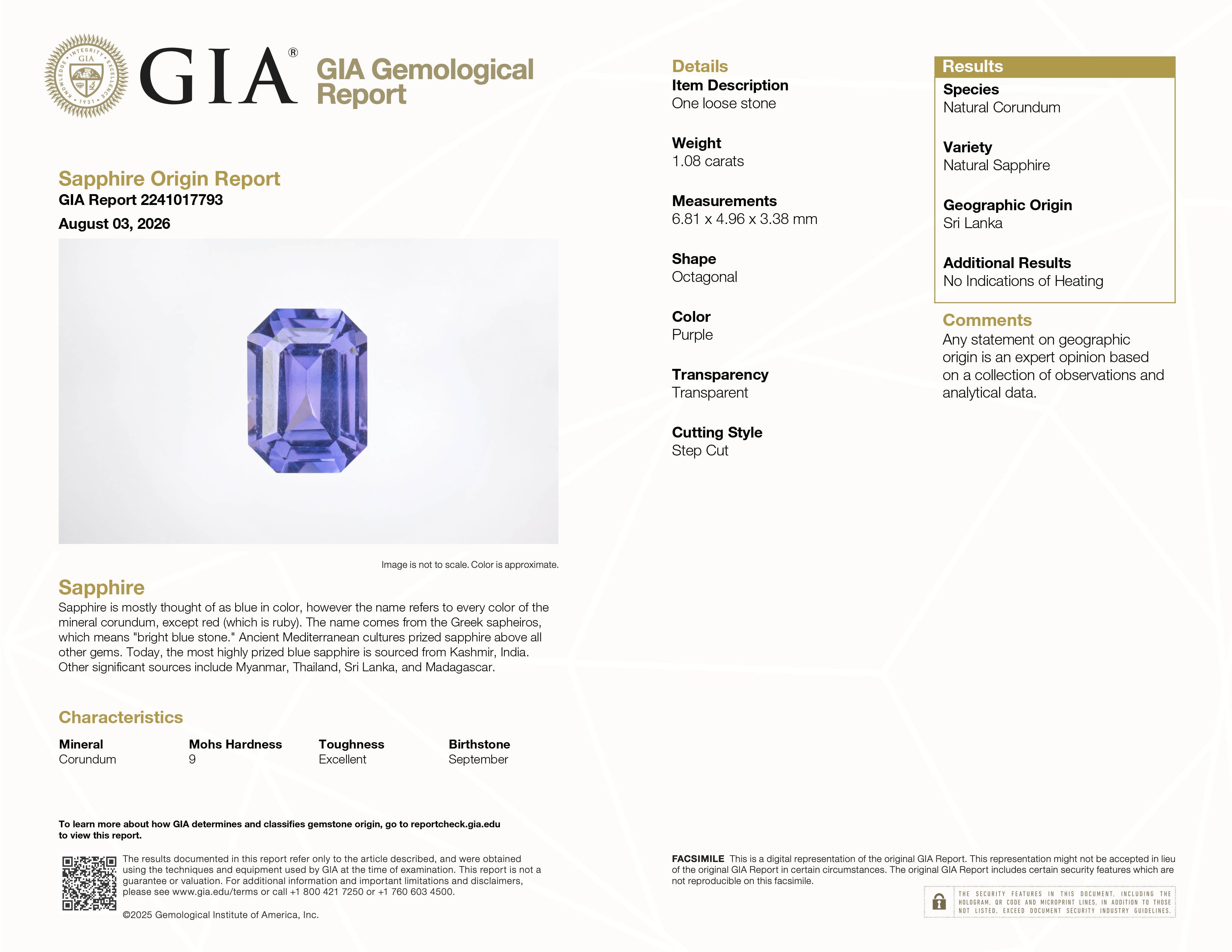
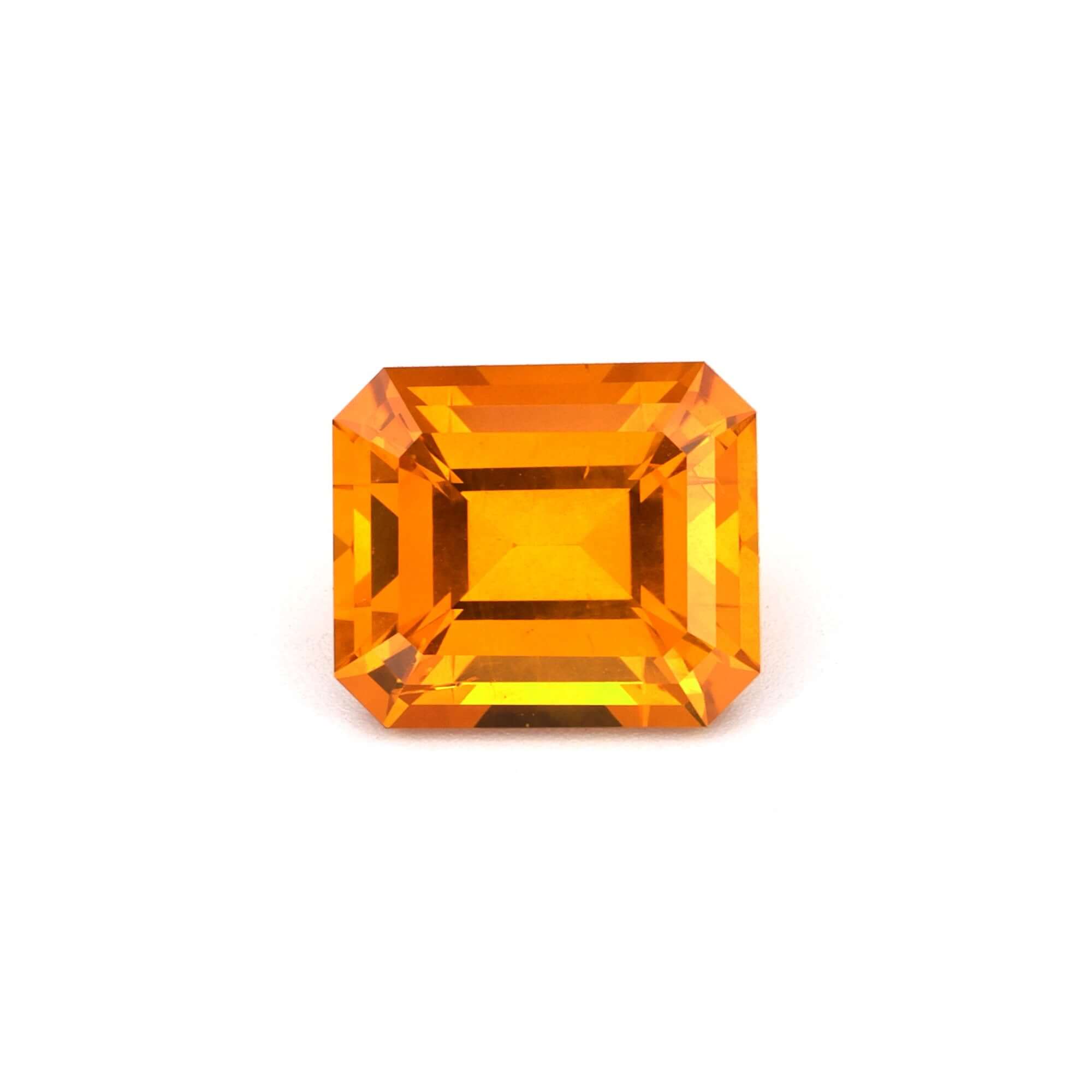
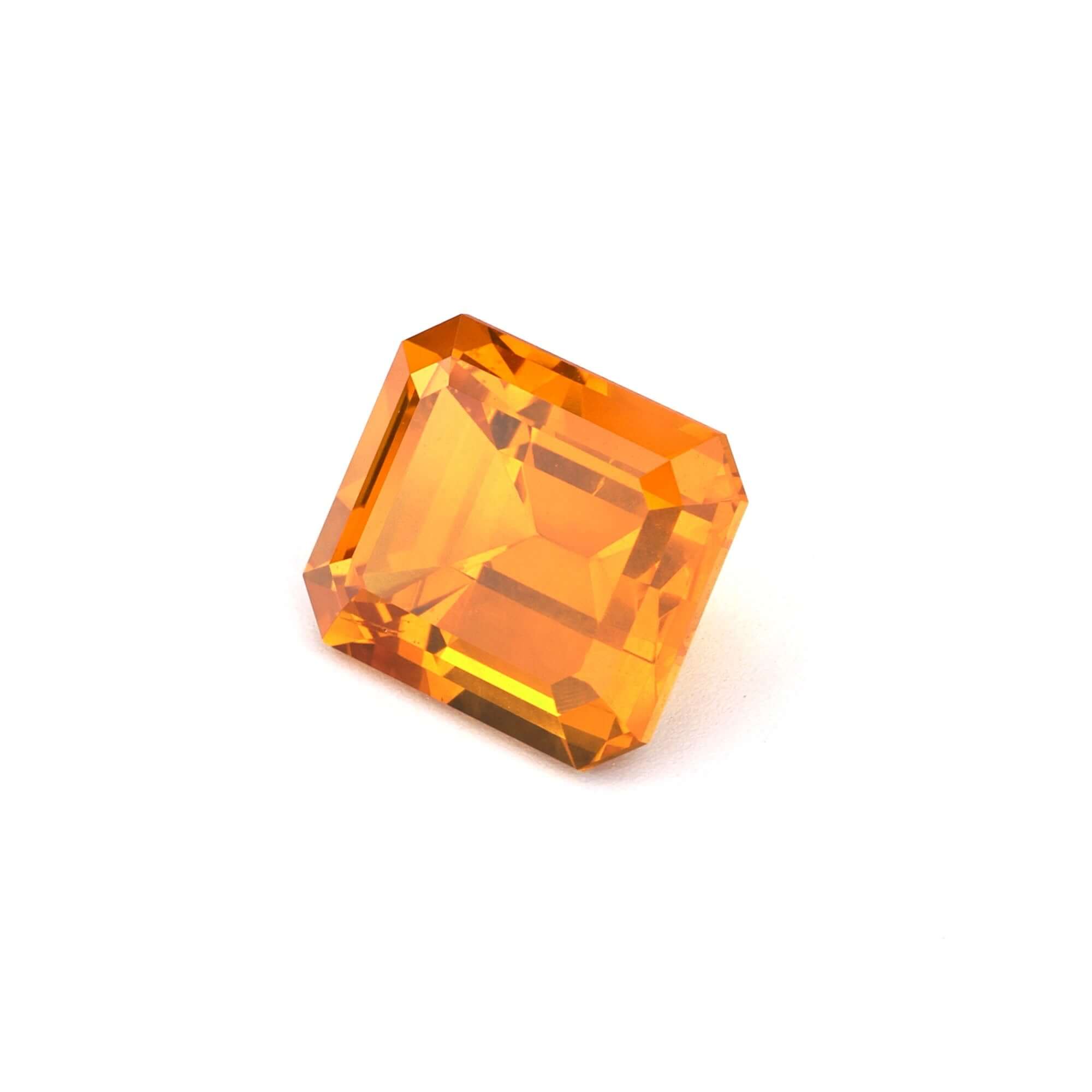
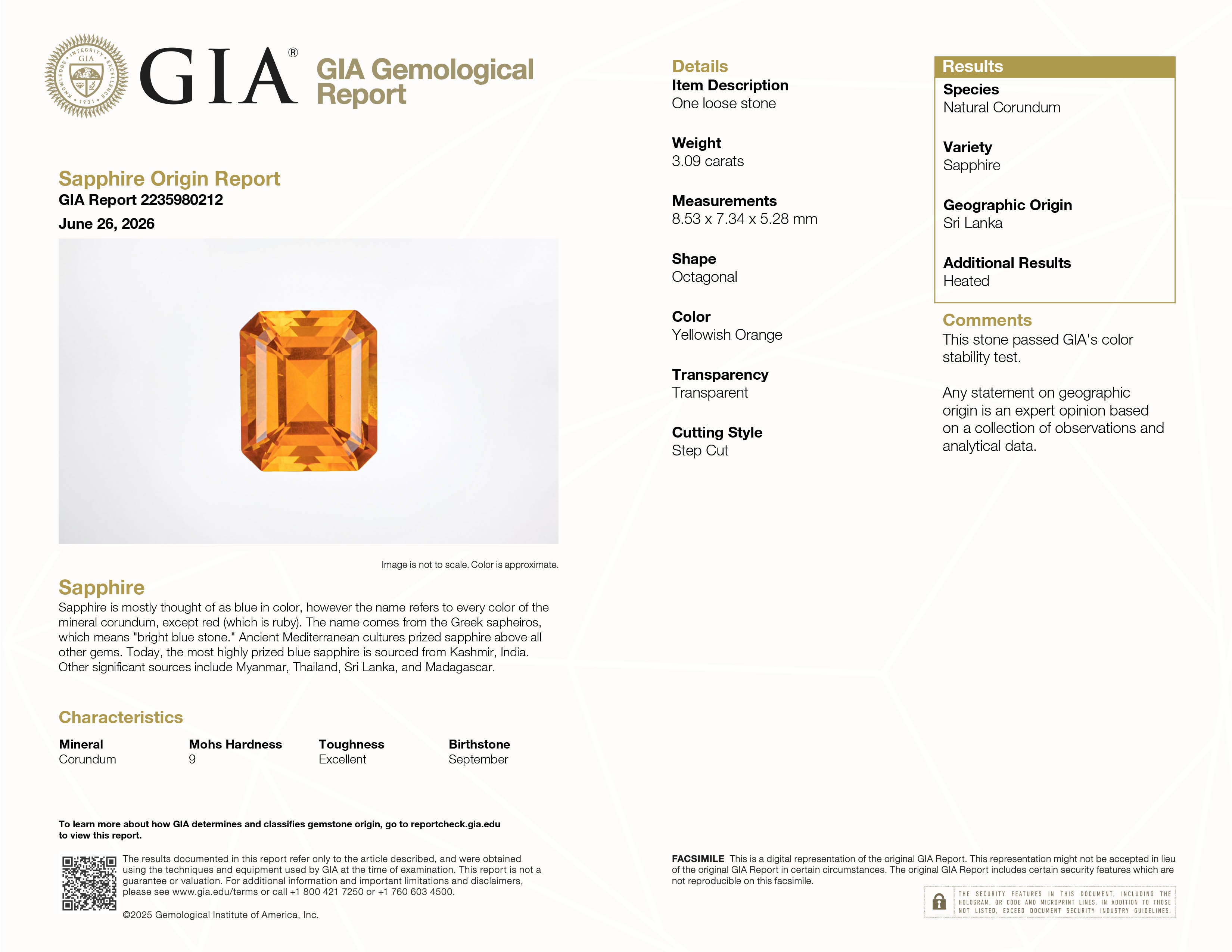
Nos saphirs de Ceylan viennent des bassins fluviaux et des districts miniers décrits dans ce guide. Notre matériau de Madagascar, non — et ces fiches le disent, de même que celles d'un petit nombre de pierres de Tanzanie, d'Afrique de l'Est et du Viêt Nam, et du grenat tsavorite du Kenya que nous proposons également. Chaque fiche indique sa propre origine : lisez la fiche plutôt que la bannière. Saphir de Ceylan est un nom commercial ; l'énoncé factuel d'origine est Sri Lanka, et ce nom commercial n'est pas un cran de qualité.
Nous travaillons directement avec des mineurs, des tailleurs et des négociants à Ratnapura et à Beruwala, par des relations construites sur plus de vingt-cinq ans, et pour la plupart des lots nous pouvons vous dire de quel district vient le brut.
Livraison gratuite aux États-Unis, sans minimum d'achat. Ailleurs, 60 $ forfaitaires, et gratuite au-delà de 499 $. Retour sous 14 jours sur toute commande.
Nos prix sont en dollars américains et s'entendent hors TVA à l'importation et hors droits de douane : ceux-ci sont perçus à la livraison dans votre pays et restent à votre charge.
Écrivez à crescentgems@gmail.com pour toute question sur l'origine, l'approvisionnement ou une pierre de notre catalogue — nous répondons sous un jour ouvré.
Pour aller plus loin
Sources
- Andrew Lucas, Armil Sammoon, A. P. Jayarajah, Tao Hsu et Pedro Padua, « Sri Lanka: From Mine to Market, Part 1 », GIA, 30 septembre 2014 — nombre de licences pour 2013, licences pour l'extraction mécanisée, dépôt de remise en état de la NGJA.
- Andrew Lucas, Armil Sammoon, A. P. Jayarajah, Tao Hsu et Pedro Padua, « Sri Lanka: From Mine to Market, Part 2 », GIA, 30 septembre 2014 — un chantier fluvial à Balangoda : le barrage édifié là où l'eau ralentit, les stériles, et l'illam désagrégé à la barre d'acier.
- GIA, « Sri Lanka: Expedition to the Island of Jewels », Gems & Gemology, automne 2014 — le chiffre des 2 000 ans, le Highland Complex, l'illam et le caractère alluvial des gisements, l'obligation de remblaiement de la NGJA.
- Sri Lanka Export Development Board, « Environment and Resource Sustainability in Gem Mining in Sri Lanka », 17 février 2017 — l'obligation de remblaiement et les motifs invoqués, et les restrictions sur l'extraction mécanisée.
- National Gem and Jewellery Authority, Knowledge Base — le pouvoir de délivrance des licences au titre de l'article 15, et l'interdiction d'extraire des gemmes sous licence d'exploration du GSMB.
- Earth Journalism Network, « Sri Lanka's Prized Gem Mines Leave Behind a Trail of Safety Concerns », 23 octobre 2024 — les puits non comblés près de Ratnapura, la réponse à la demande d'accès à l'information, et l'estimation de 40 000 exploitations attribuée au directeur de la NGJA G. W. Amarasiri.