

- by Ahmed Shareek
How to Tell If a Loose Sapphire Seller Is Reputable
- by Ahmed Shareek
New to buying sapphires? Start with our Ultimate Sapphire Buying Guide — the complete resource for color, origin, treatment, and pricing.
There is no single grading standard for sapphire the way there is for diamond, and no certificate that every seller has to obtain. Disclosure rules do exist, but they differ from country to country. In the United States the Federal Trade Commission’s Jewelry Guides require a seller to disclose treatments that are not permanent or that need special care. Elsewhere the duty comes from trade practice and from general consumer law rather than from a gemstone statute. None of it produces a quality grade. So what you are relying on, in the end, is the seller’s own practice: what goes on the listing, what they will show you, and what they will take back.
That is checkable. What follows is a list of questions you can put to anyone selling you a loose sapphire, with what a useful answer looks like and why it matters. At the end we answer the same nine questions about ourselves, including the places where our answer is not the one you might want. We sell sapphires, so the only honest version of this page is one you can turn on us.
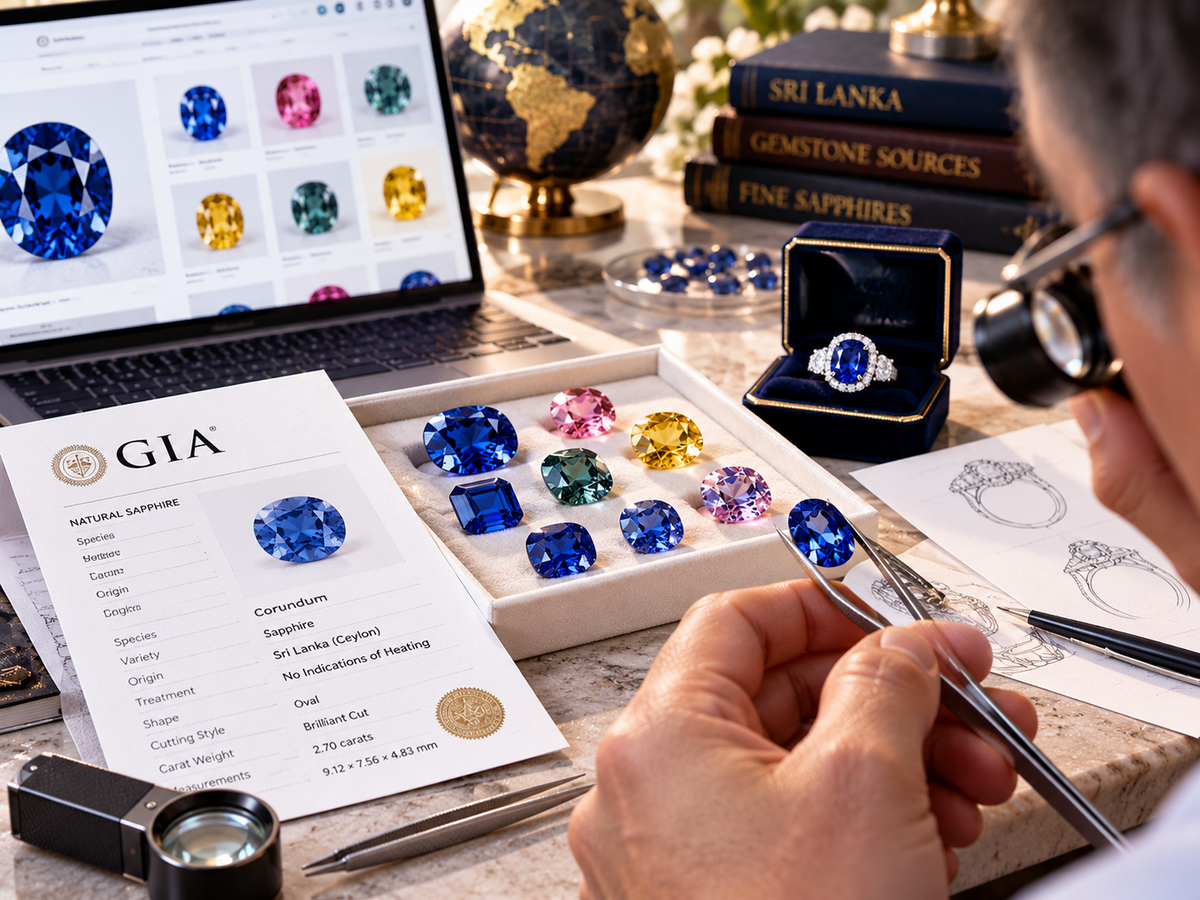
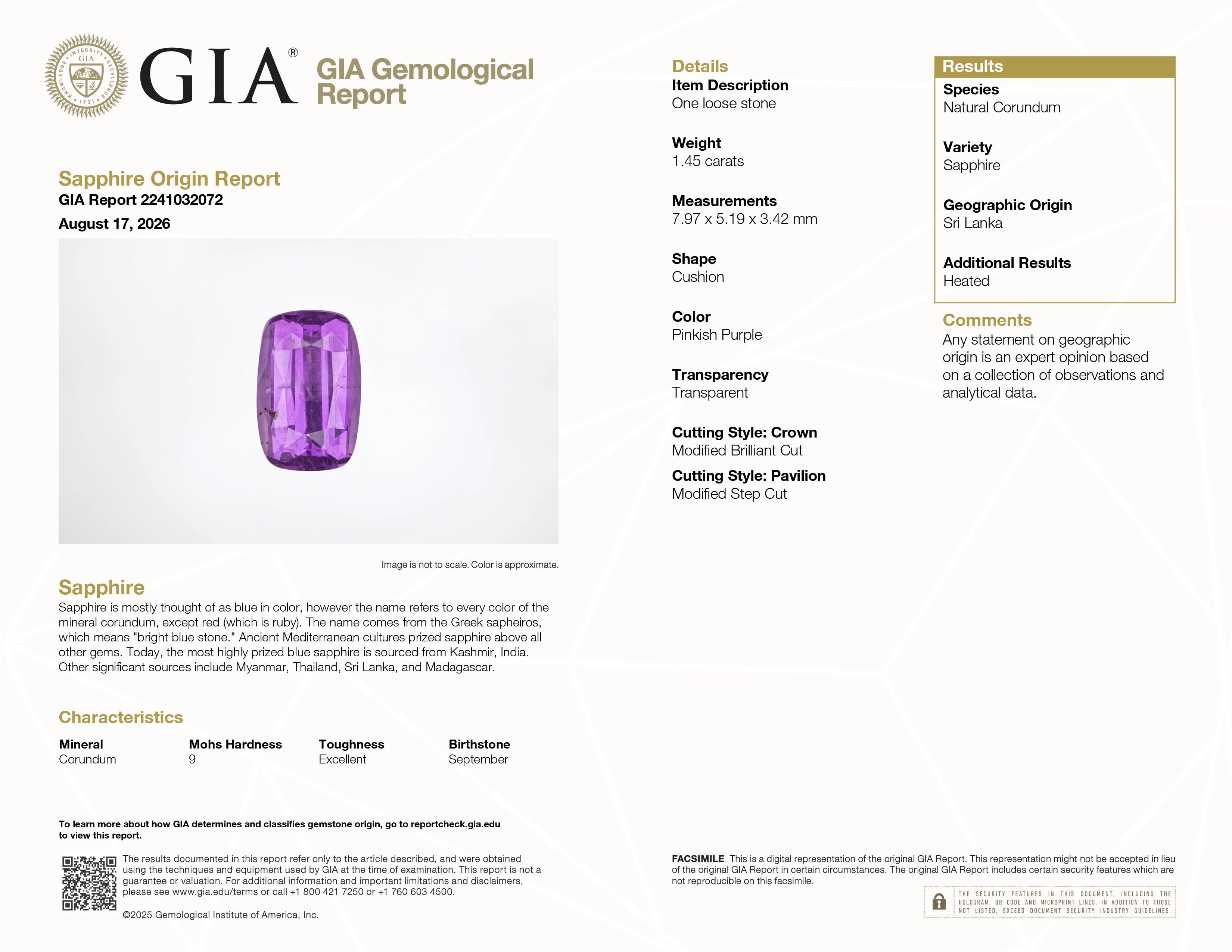
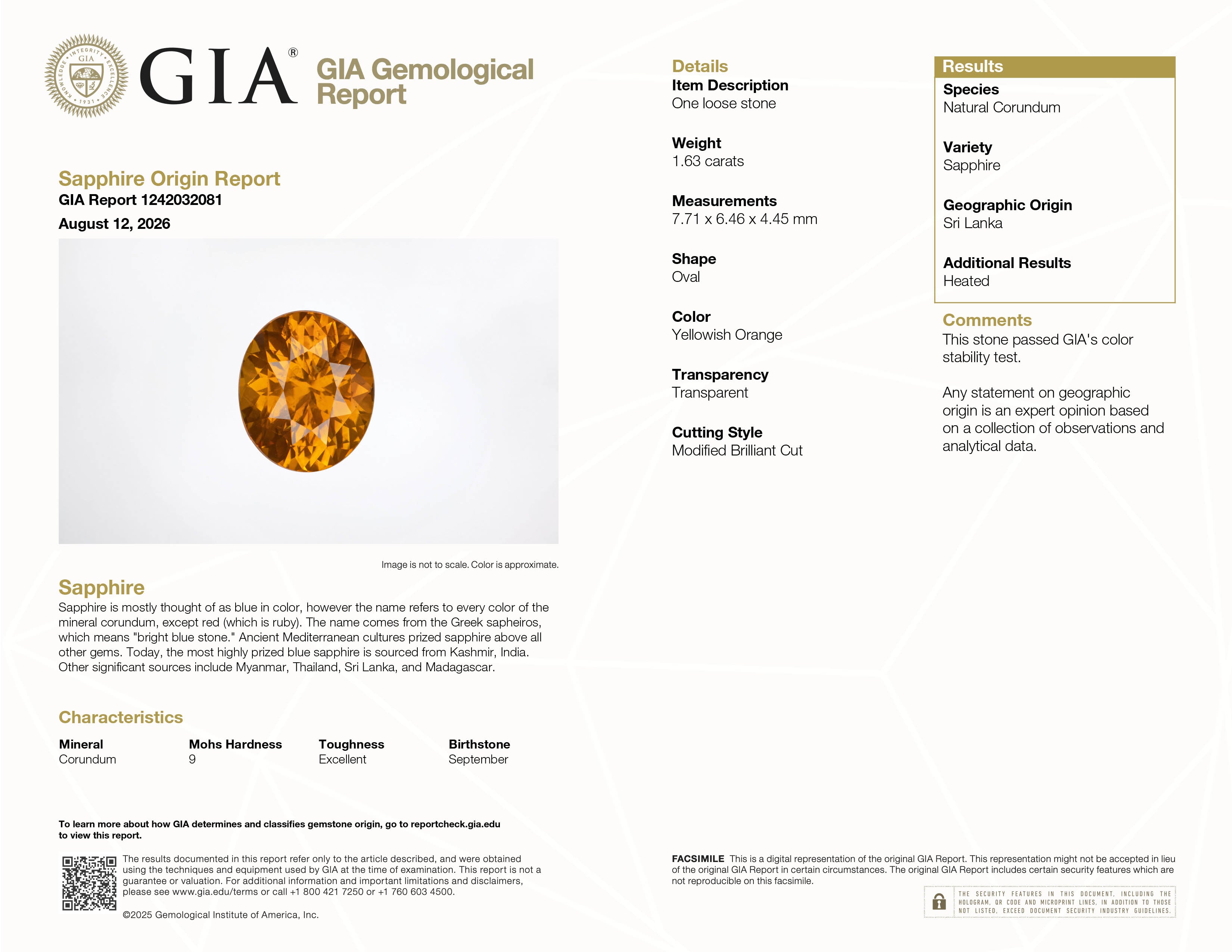
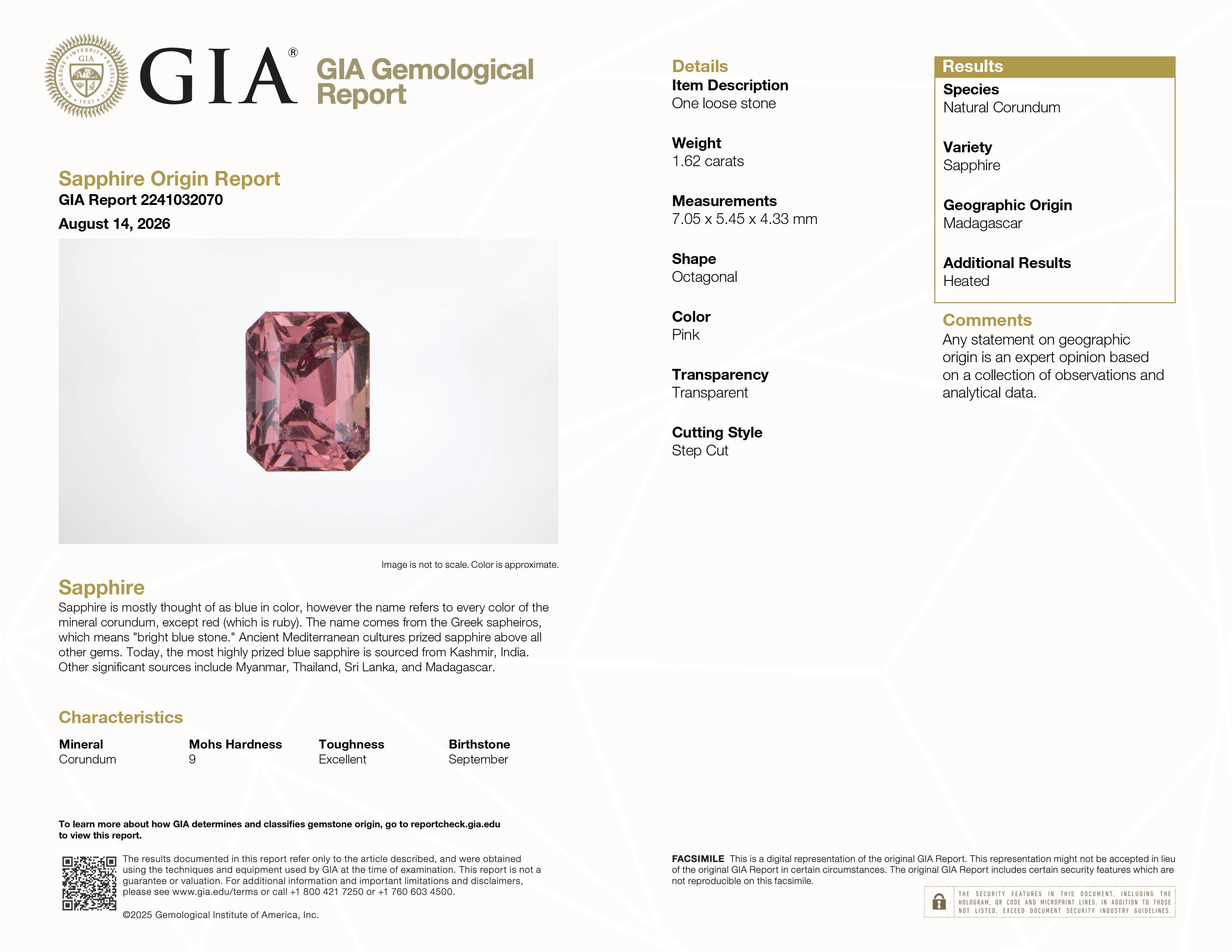
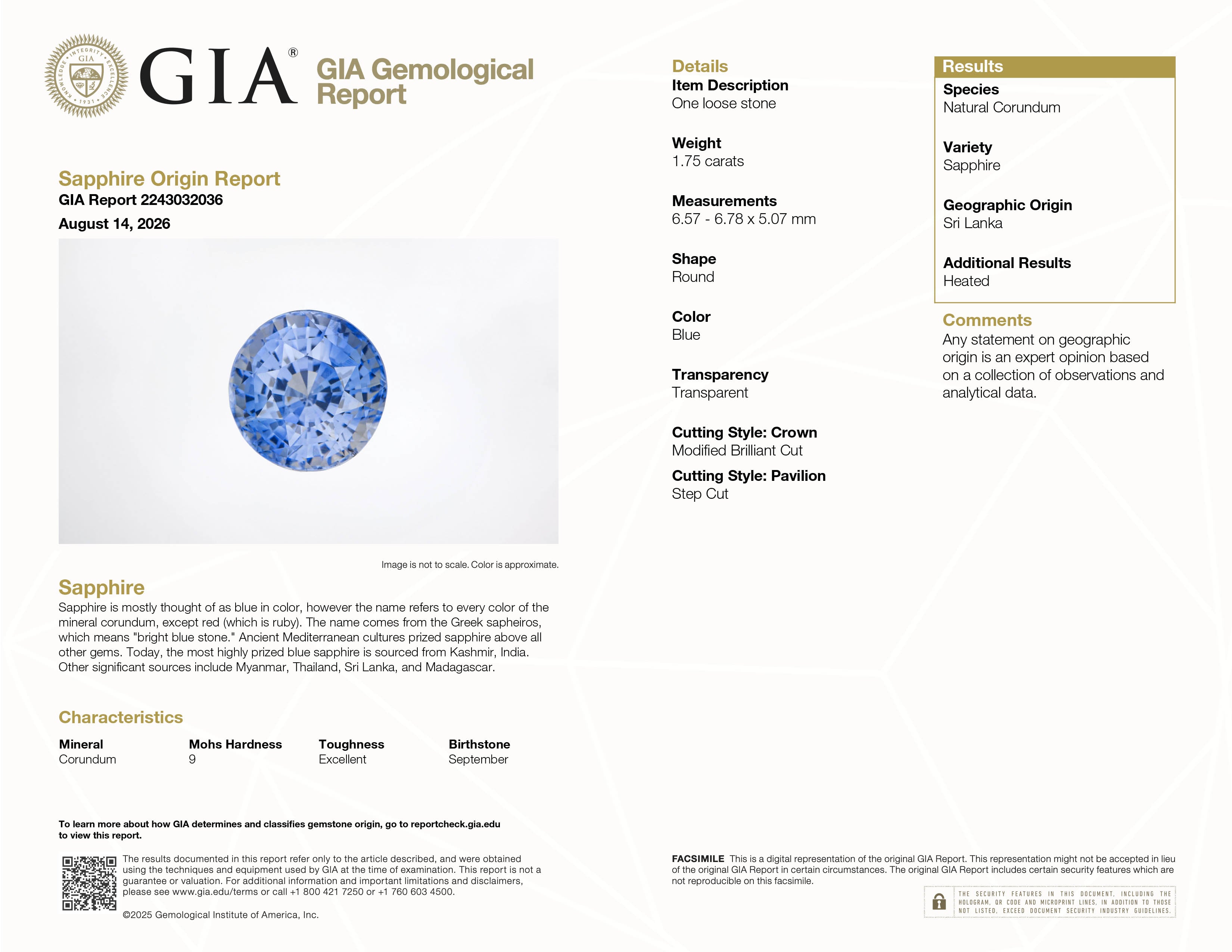
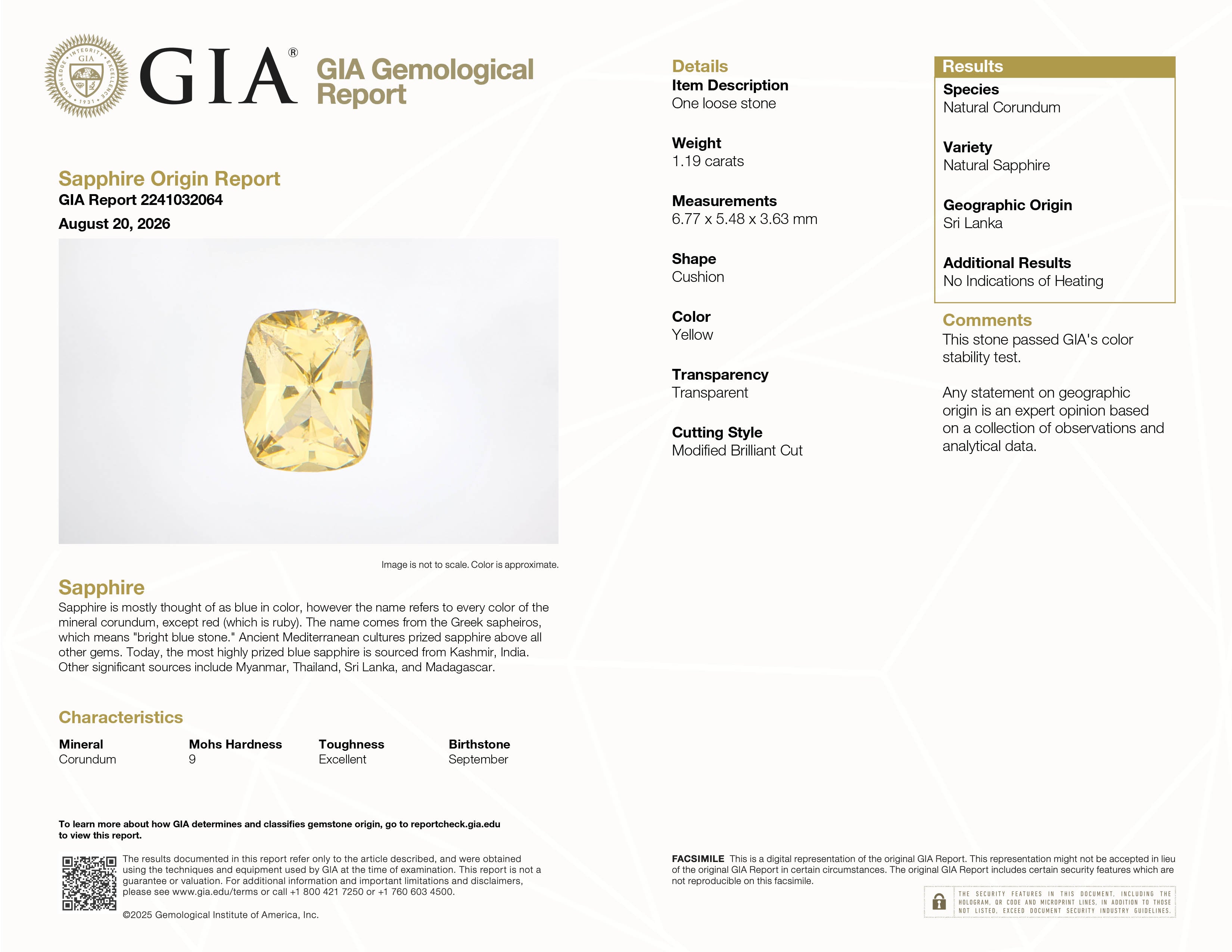
In the diamond market a grading report does most of the work. The grades create a common language and a claim you can price against. Colored stones have no equivalent. GIA issues sapphire reports, and those reports describe rather than grade: they state the species, the treatment the laboratory found indications of, and, on an origin report, an opinion about where the stone formed. GIA’s own published position is that it “doesn’t grade or provide quality analysis for sapphire or other colored stones.” There is no color grade, no clarity grade and no cut grade to read off a sapphire report. Where a seller gives you one, including us, it is the seller’s own assessment and should say so.
So you cannot tell whether a loose sapphire seller is reputable by checking a grade. You tell by what they will put in writing, and by how specific it is.
Heat treatment changes what a sapphire is worth, so it belongs on the product page rather than in a policy statement or an answer you have to request. A useful answer is the one already printed on the listing: heated, unheated, or treatment not established. Ask whether unheated is being used to mean untreated, because those are different claims. A report that finds no indications of heating is a finding about heat; it is not a statement that nothing else was done to the stone.
An unheated sapphire costs more than a heated one of similar appearance, and that premium is the whole reason the disclosure matters commercially. We do not quote a multiple for it. The figures in circulation are not ours, we have not benchmarked any, and a number we invented would be worse than none. What you can do instead is compare listings that state their treatment, and ask about any stone described as unheated whose price does not look like the others. The question is not whether a price is low; it is whether the price and the stated treatment status tell the same story.
The same applies to padparadscha, which is the one sapphire color name a laboratory actually defines. The LMHC describes the designation on its Information Sheet #4 as “a subtle mixture of pinkish orange to orangey pink with pastel tones and low to medium saturations.” If you are being asked to pay a padparadscha price, ask for the laboratory report that carries the designation rather than taking it from the listing text.
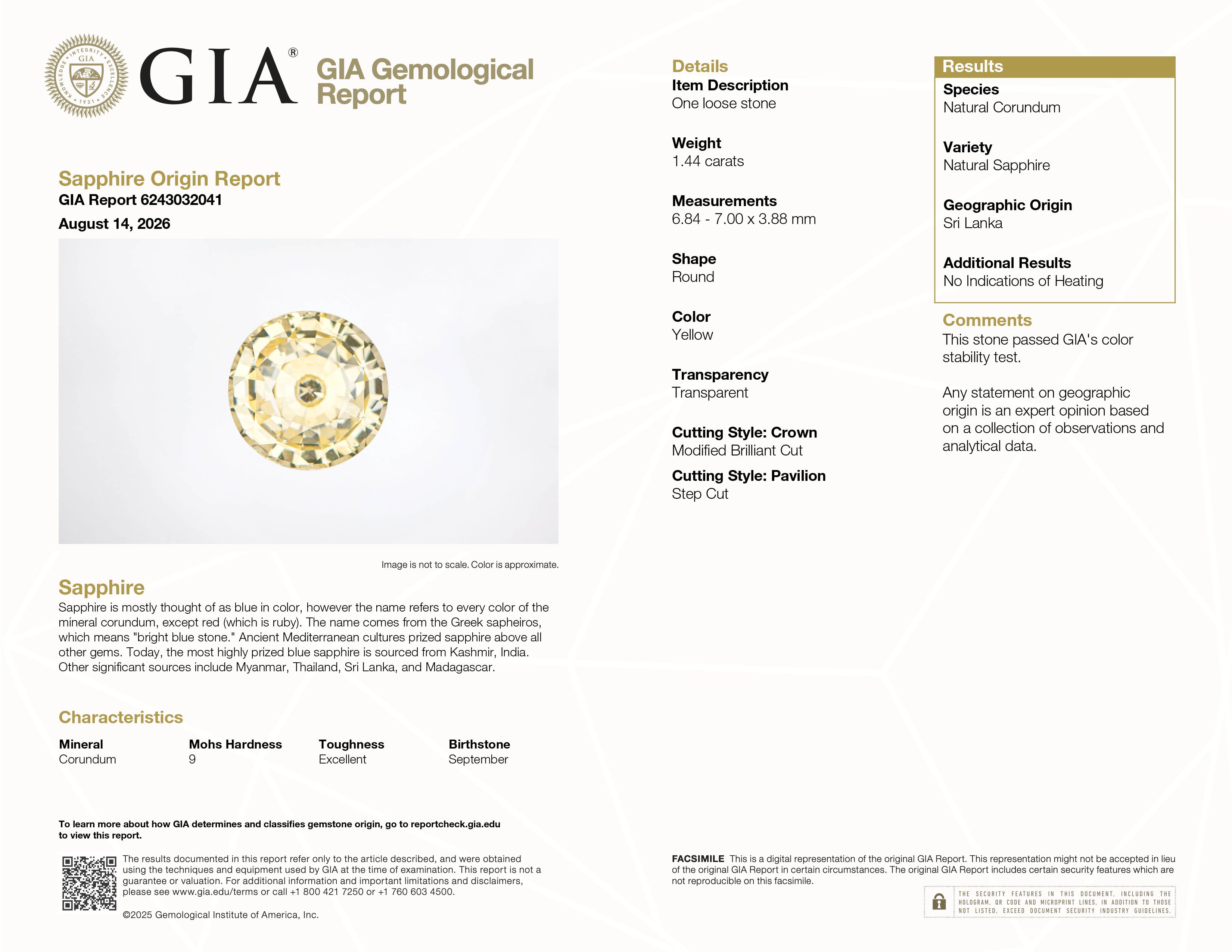
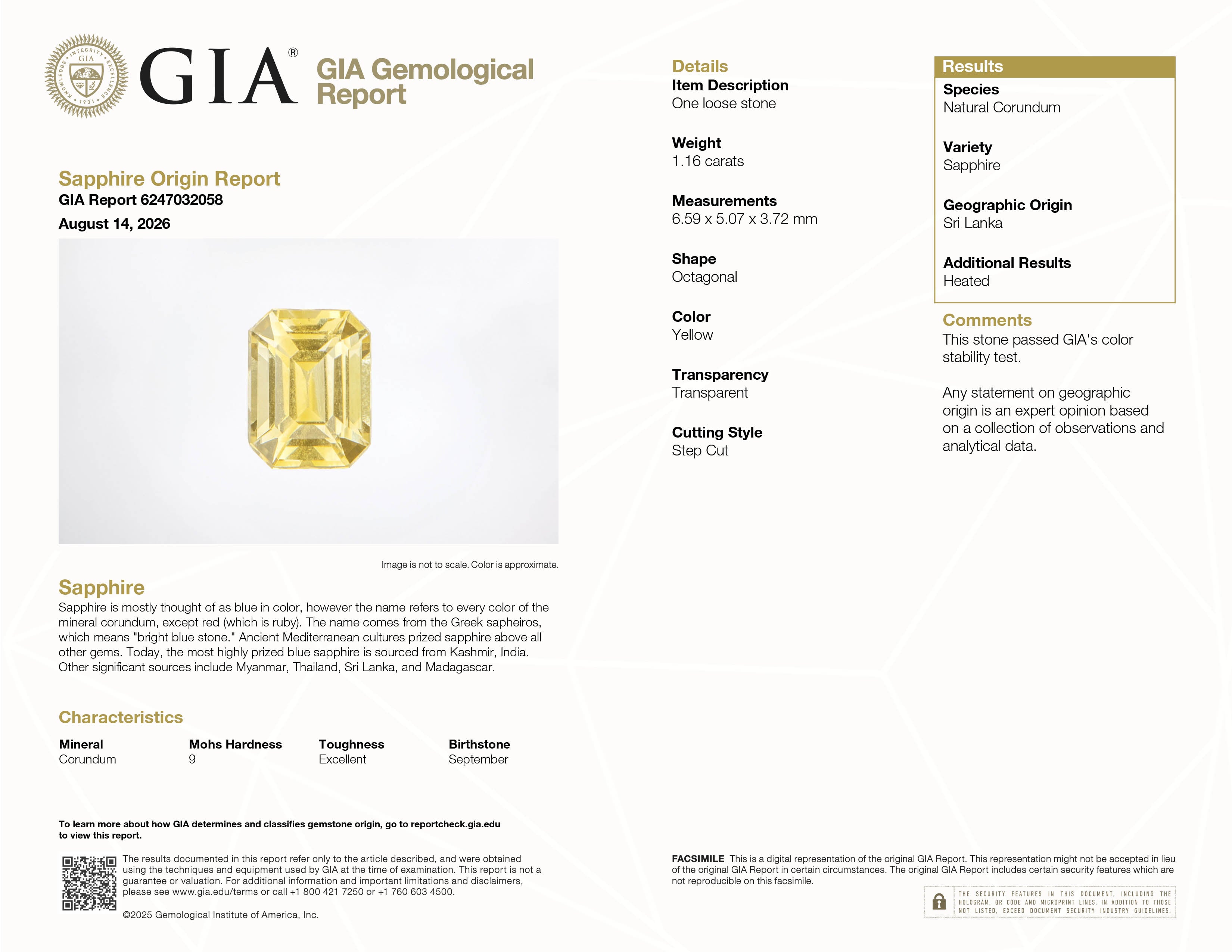
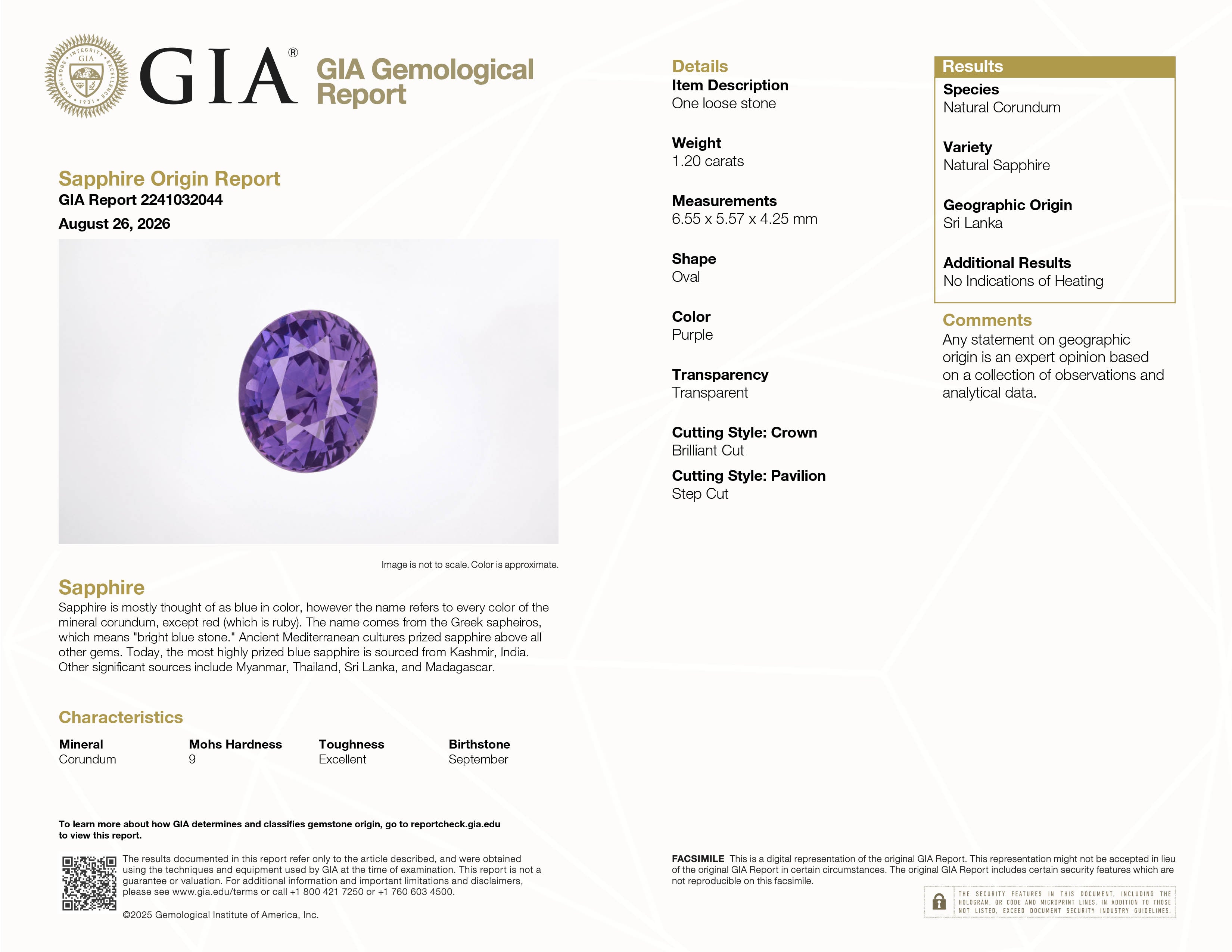
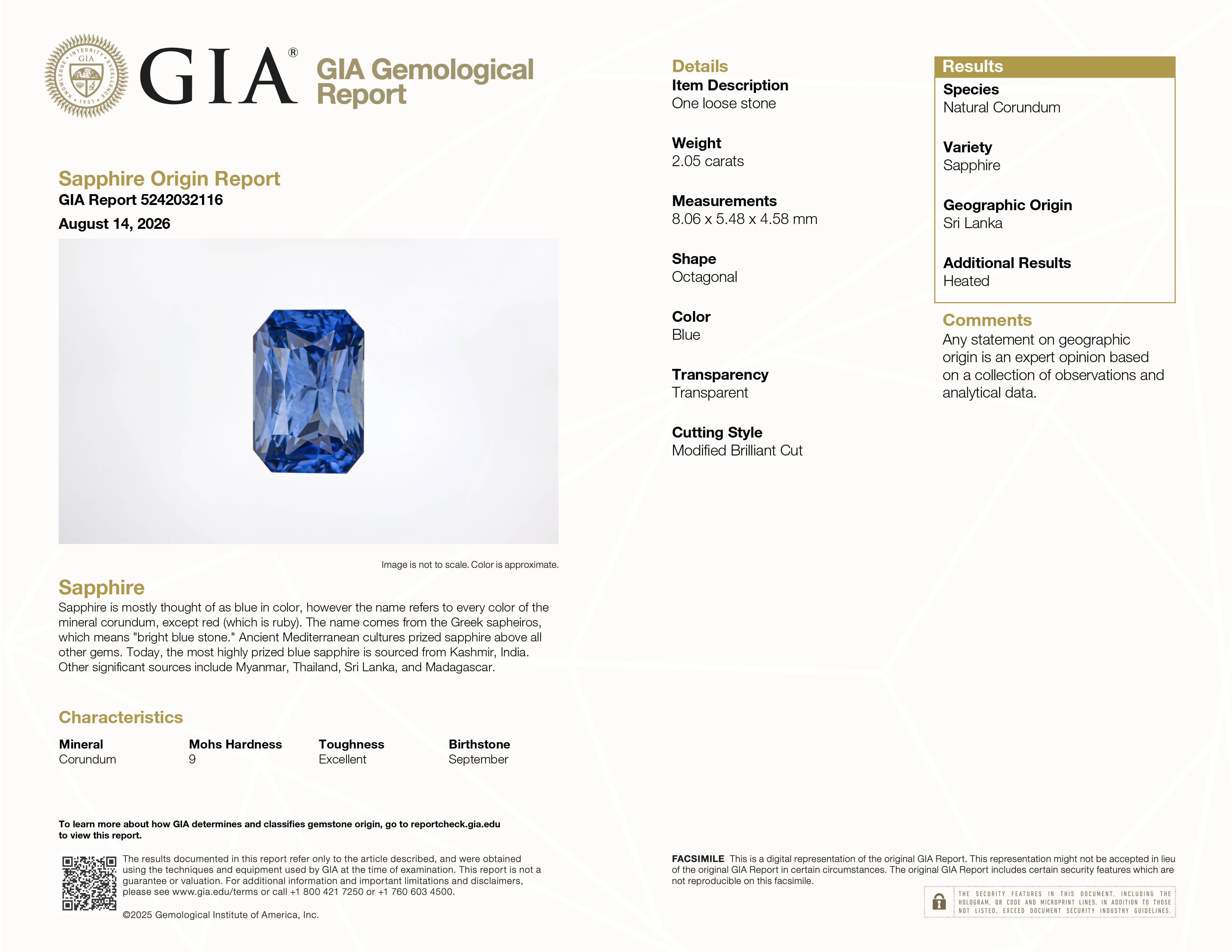
A stone sold on the seller’s own statement of treatment is a legitimate thing to buy. It is just a different thing from a stone with a laboratory report, and the listing should make clear which it is. So ask two questions rather than one: which laboratory, and whether there is a report at all. Then ask what the report records — species, treatment, measurements, and on an origin report an opinion about origin — because a report is a record of findings, not a verdict on quality. GIA prints its own reservation next to an origin finding: “Any statement on geographic origin is an expert opinion based on a collection of observations and analytical data.”
A laboratory name you have not met before tells you nothing on its own; there are many laboratories and most buyers have heard of one or two. What matters is that you can find out what the report covers and who issued it. If a seller cannot tell you, that is the answer to your question.
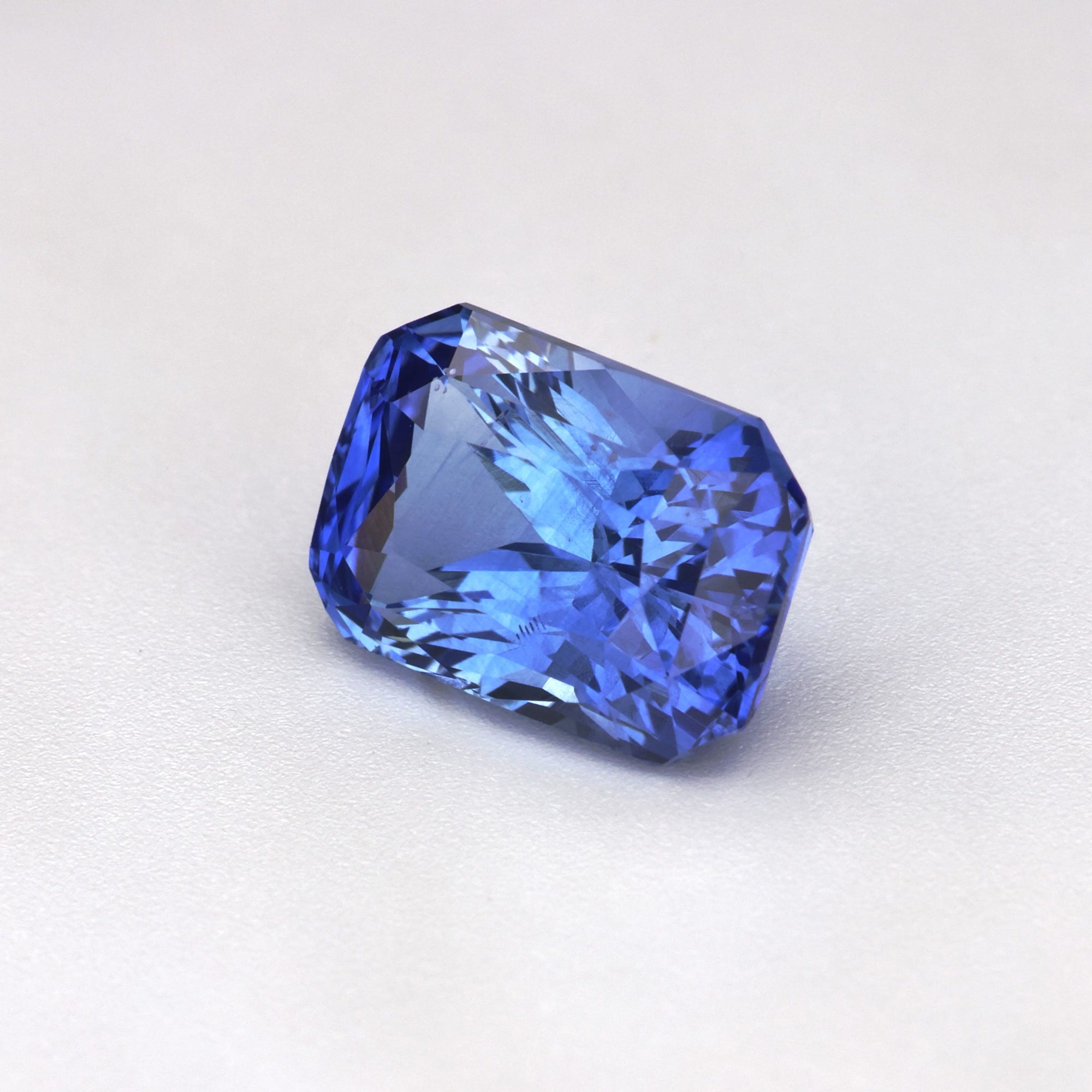
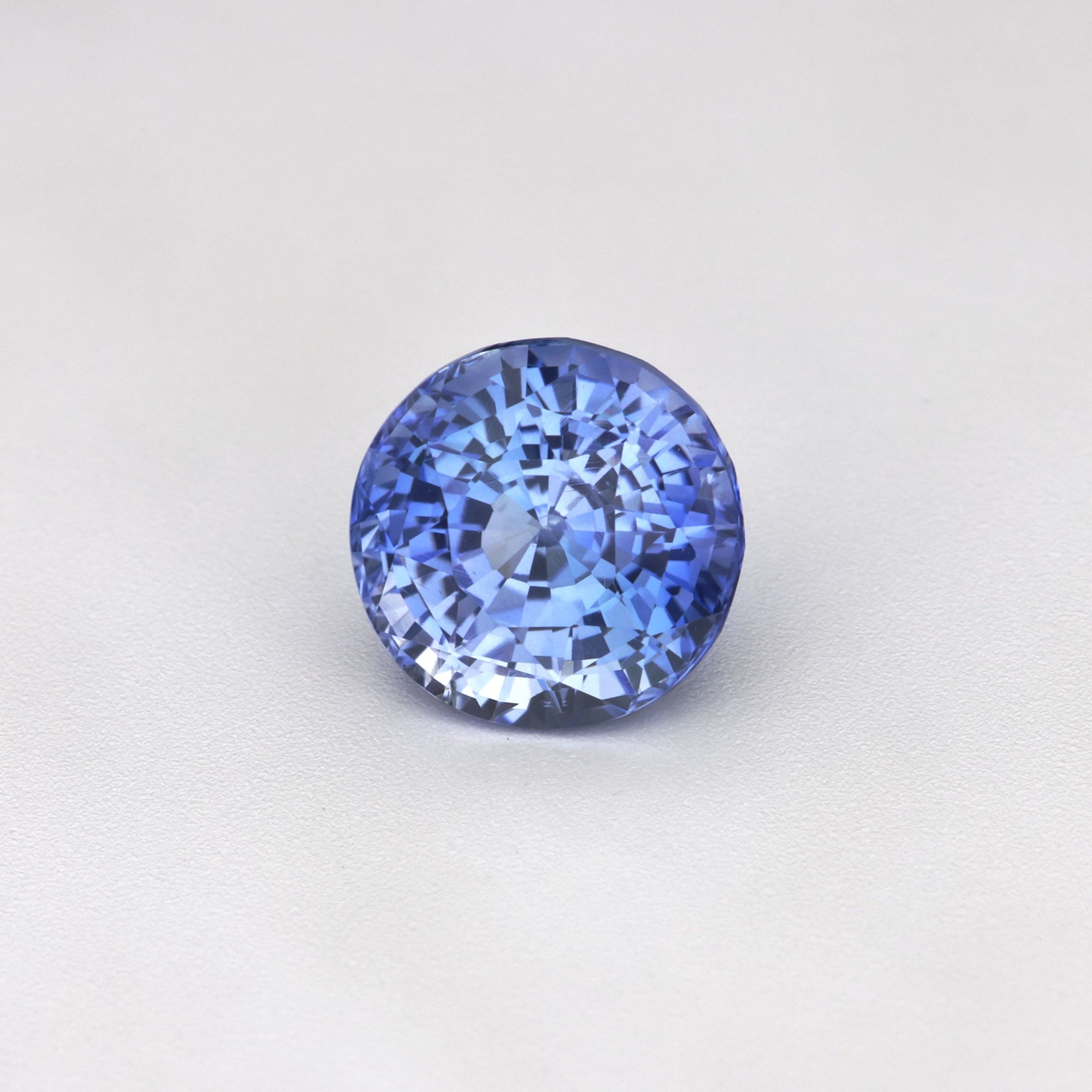
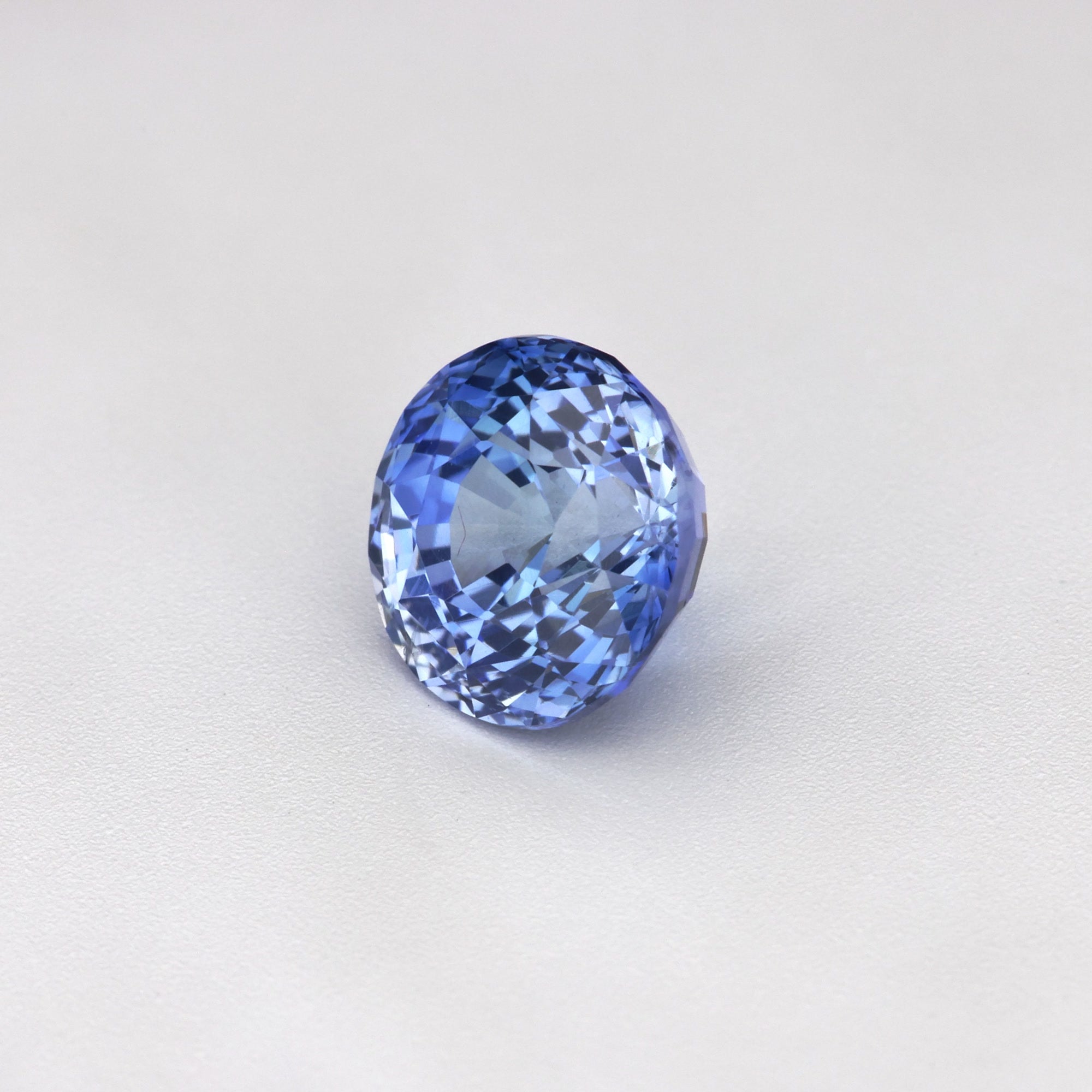
How a sapphire looks depends on the light it is in. That is a fact about the stone rather than about the seller, and it is exactly why one set of photographs is not enough to decide on. Ask for more images, or a short video, of the stone under ordinary light rather than display lighting, and ask what light the listing photographs were taken under. Then look at them yourself before you decide.
Ask two things: how long you have, and what counts as a reason. A window that covers only a stone that arrived damaged or was plainly misdescribed is a narrower thing than one that covers a stone you simply did not like when you saw it in your own light. Ask which one you are getting, and get it in writing before you pay. Ask who pays the return postage, what has to go back in the parcel, and whether the clock starts when you are notified or when the parcel leaves you.
Write to any seller you are seriously considering and ask something that cannot be answered from the listing: how does this stone look under daylight, is the cut face-up clean with no window, what is the tolerance on the stated measurements, could you send a short video of it. What you are testing is not politeness but specificity. If the answer is generic, or it just points you back at the listing, you have learned something about how well that seller knows that particular stone.
Ask where the stone came from, who selected it, and what is known about its treatment history beyond the heated-or-unheated line. The specificity of the answer is the signal, not the answer itself. “Sri Lanka” is a country; “I bought it in Ratnapura and had it cut to this outline” is a history. If the stone came through a secondary market, ask what the seller knows first-hand and what is being passed on from a previous owner. Both are legitimate; you should just be told which one you are getting.
Note also that Ceylon is a trade name, not a statement of origin. The factual statement of origin is Sri Lanka. If a listing leans on the word, ask what the origin field actually says.
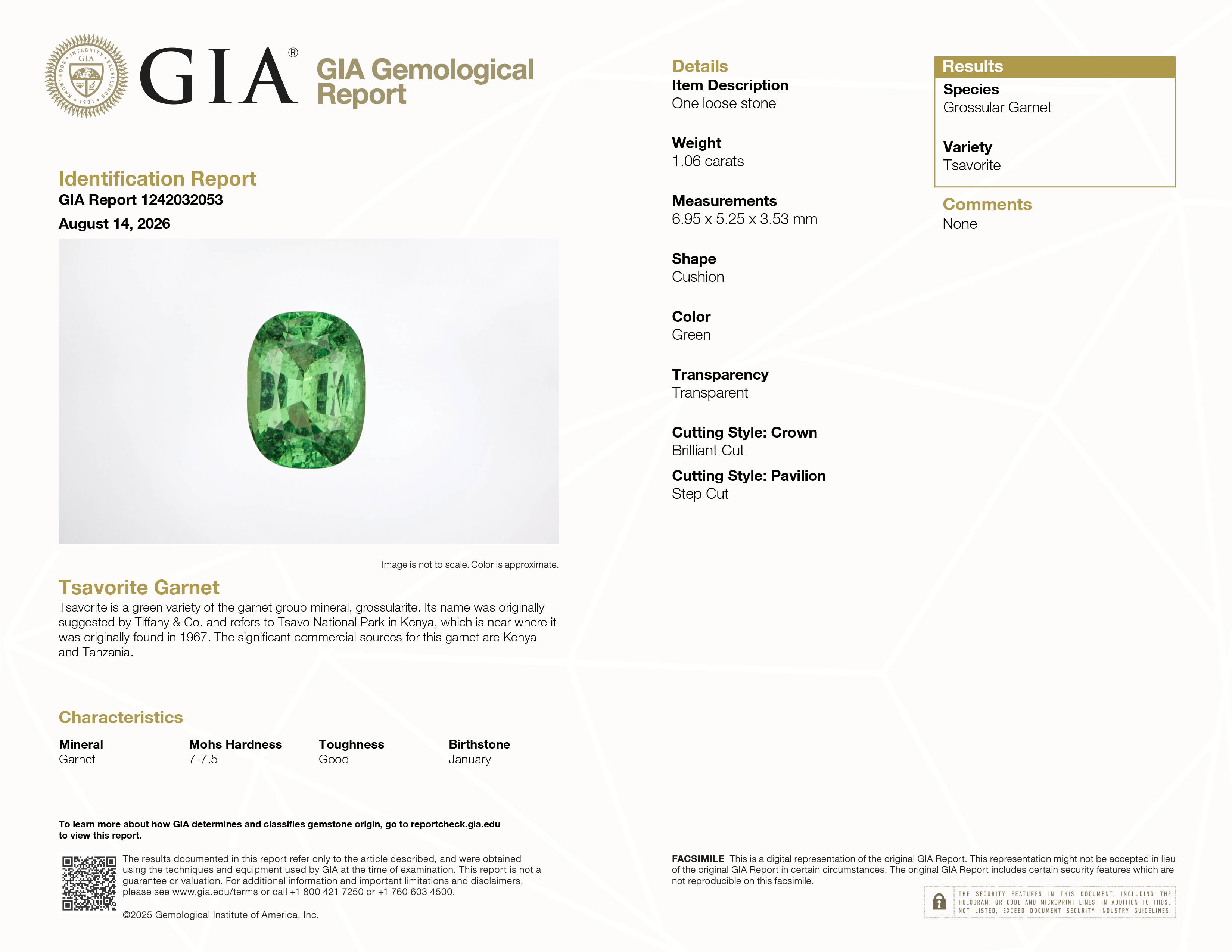
A GIA report number can be checked against GIA’s own database at no cost, through GIA Report Check. Looking a number up is not the same as a laboratory finding; it tells you the report exists and matches the stone described. For a report from any other laboratory, ask the seller whether the number can be checked with the issuing laboratory, and if it cannot, ask what the report records and who signed it.
This is the one question a seller cannot answer for you, which is what makes it worth asking. Look for what buyers have written somewhere the seller does not administer — search engines, jewelry and gemstone forums, design communities. Read for specifics rather than for star counts: a review that names a stone, a problem and how it was handled is worth a page of praise.
The nine questions apply everywhere. What changes between these venues is not how honest the people are but what the venue itself is — who you are contracting with, what you can see before you decide, and what recourse comes with the transaction.
Some sellers buy in the producing countries — Sri Lanka, Madagascar, East Africa and others — and sell direct, with few or no intermediaries in between. The structural feature here is that the person writing the listing may also be the person who chose the stone, which is why question 7 gets a longer answer. The other structural feature is inventory: a seller buying stone by stone may not carry calibrated sizes, matched pairs or melee, so ask early if you need them.
Dealers and gemologists who work only in colored stones. Some belong to trade associations and some hold gemological qualifications; both are worth asking about, and both are worth asking what they actually cover. A trade membership, a laboratory accreditation and a personal qualification are three different things, and none of them is an audit of how a seller writes a listing.
The structural fact about a marketplace is that you are buying from an individual seller, not from the platform. The platform runs the payment and a dispute process; it does not look at the stone. So the nine questions apply to the seller rather than to the site, and the answers can differ completely between two listings on the same marketplace. Read the platform’s own dispute terms before you buy, because they are what you will have if something goes wrong.
Some platforms were built for the trade and for experienced collectors rather than for retail buyers. Listings there assume you can read a specification without help, and the terms on returns and disputes are part of what you agree to when you bid or buy. Read them first. If you cannot evaluate a listing unaided, this is the venue where an independent gemologist is worth paying for.
Buying in person lets you hold the stone and turn it in your hand, which no photograph replaces. Gem districts — 47th Street in New York, the Jewelry District in Los Angeles — and regional gem shows such as the Tucson shows each winter put many sellers in one place, which makes comparison cheap and makes asking the same question ten times easy. The nine questions do not change; you just get to ask them face to face, and to ask for the answer in writing before you pay.
Here is how Crescent Gems answers its own checklist. Some of these are not the strongest answers available. Those are the ones worth reading.
The rule behind all of it does not move: treatment is stated on every listing, the laboratory and the report number are named wherever a report exists, and where no report exists the listing says so plainly. Because stock turns over, the product page rather than this one is the current answer for any particular stone.
Questions about a specific stone, or about a seller you are weighing up? Email crescentgems@gmail.com, or call, WhatsApp or text +1 (702) 473-1681. You can also use our contact page.
Two things that are not questions. A deadline you did not ask for is a reason to slow down, not a reason to hurry — a loose sapphire is not a purchase anyone needs you to make today. And if a seller is new to you and the stone is a significant one, a smaller purchase first will tell you more about the packing, the communication and the return process than any policy page can.
What you can check is what the seller will tell you and what they will stand behind: whether the treatment status is on the listing rather than available on request, which laboratory issued the report or whether there is one, whether you can see more photographs of the actual stone, how long you have to send it back and what counts as a reason, and whether a specific question about a specific stone gets a specific answer. Ask all of it before you pay, and ask it of us too.
Not a single thing, but an unanswered question. If the treatment status is missing and nobody will state it, if the photographs could be of any stone of that color, if the price assumes a treatment status the listing never names, or if you are given a deadline you did not ask for, you have a reason to slow down. A seller who cannot answer in writing is not a seller you have to buy from.
Yes, and ask for it if the listing does not show it. For a single loose stone, a photograph or video of that stone in ordinary light is a reasonable thing to ask for, and the answer tells you something either way. Calibrated goods and melee are sold by specification rather than individually, so there the thing to confirm is the tolerance, not the photograph.
That depends on the stone and on what you are paying for. Ask which laboratory issued the report, what the report actually records, and whether the number can be checked with the laboratory itself. A stone sold on the seller’s own statement of treatment is a legitimate thing to buy — it is just a different thing from a stone with a report, and the listing should say which it is. Our own stones carry reports from GIA, AGCL, FGL or the Gemmological Institute of Colombo, and some carry none; the product page says which.
Buy the stone first and decide the setting second. Confirm the exact millimeter measurements and the outline from the listing or the report, because a setting is made to those numbers rather than to the carat weight. Corundum has no cleavage, but it does have parting, and a faceted stone is most exposed at the girdle and at any point — so ask whether the girdle has been examined for chips. Who makes the ring is a separate decision from who sells you the stone.
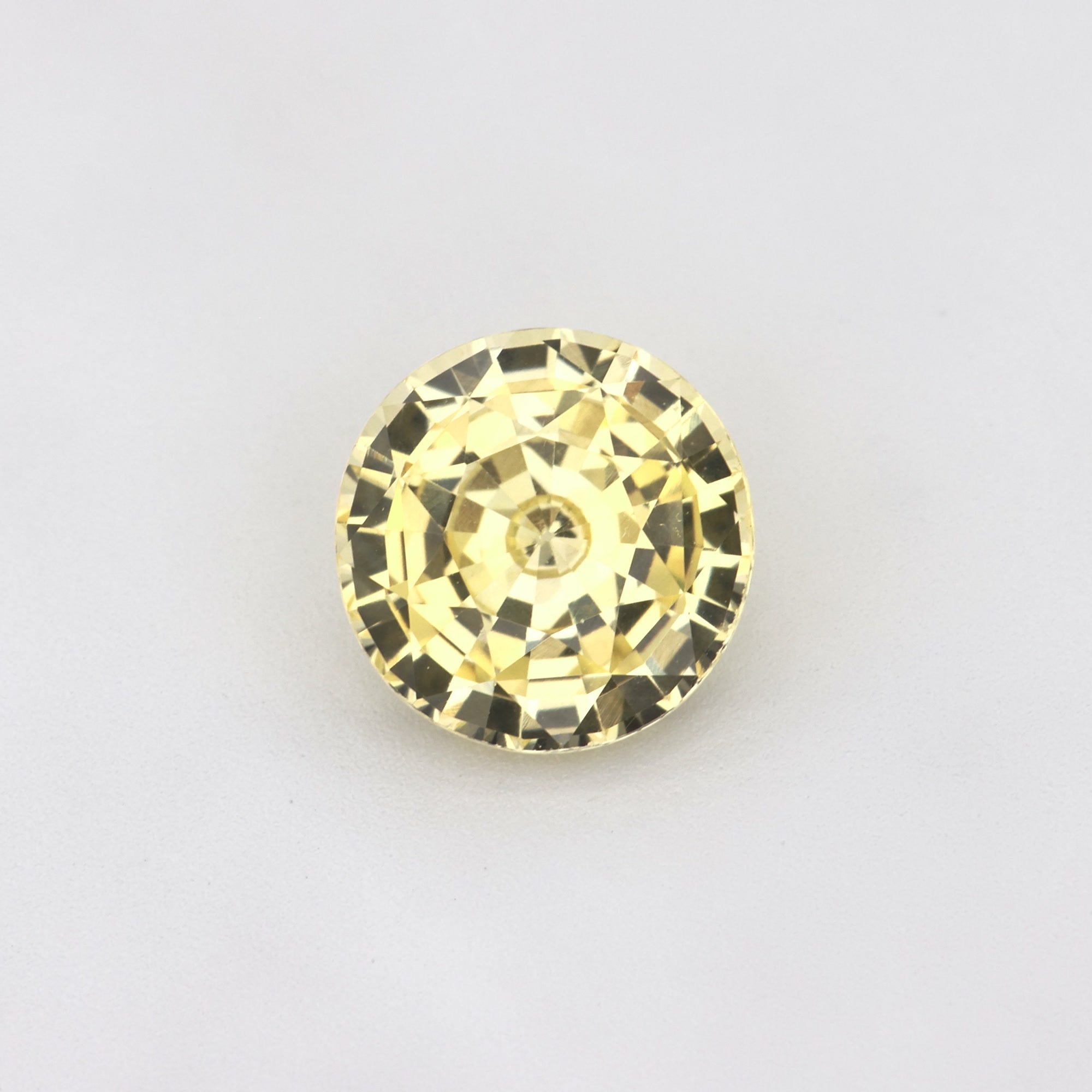
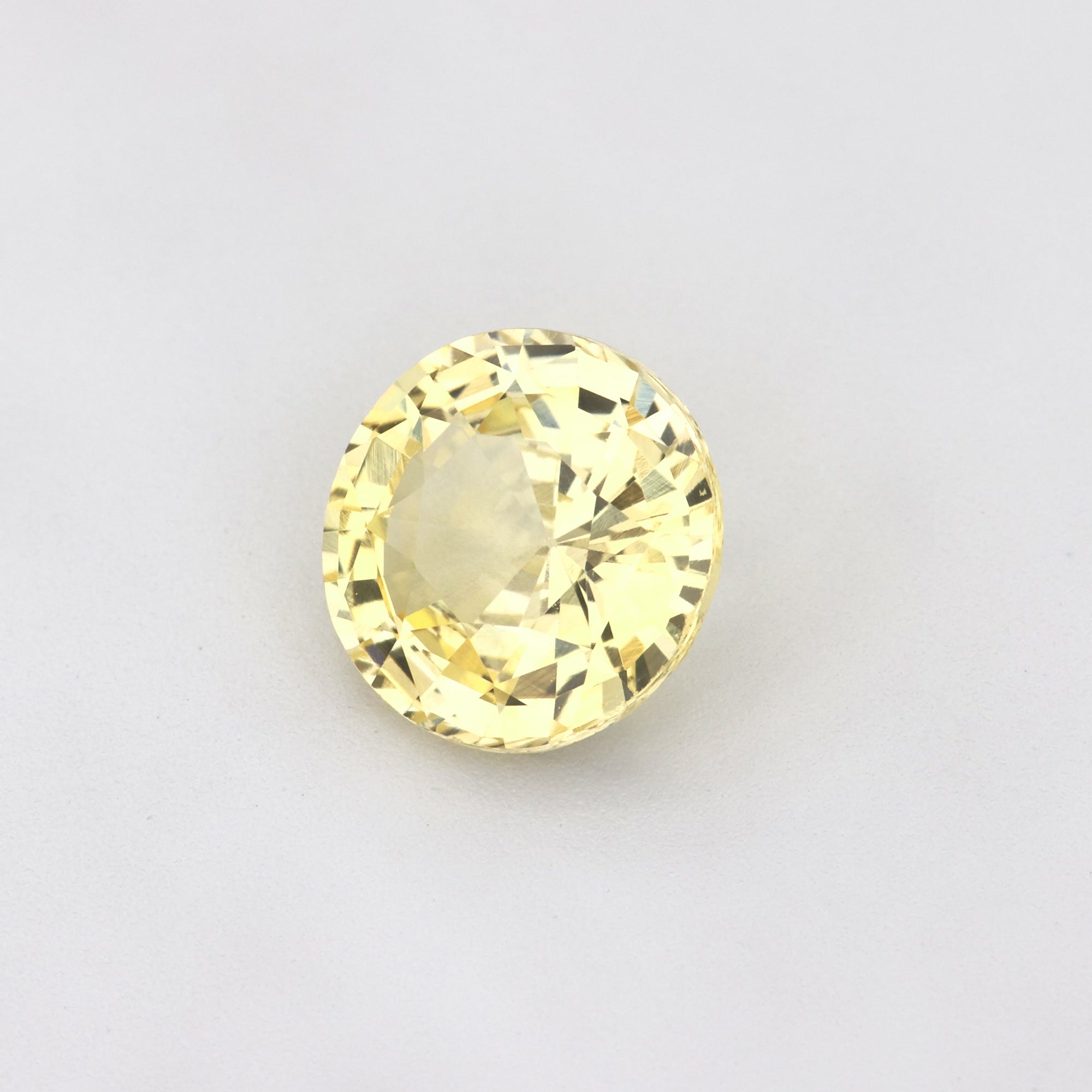
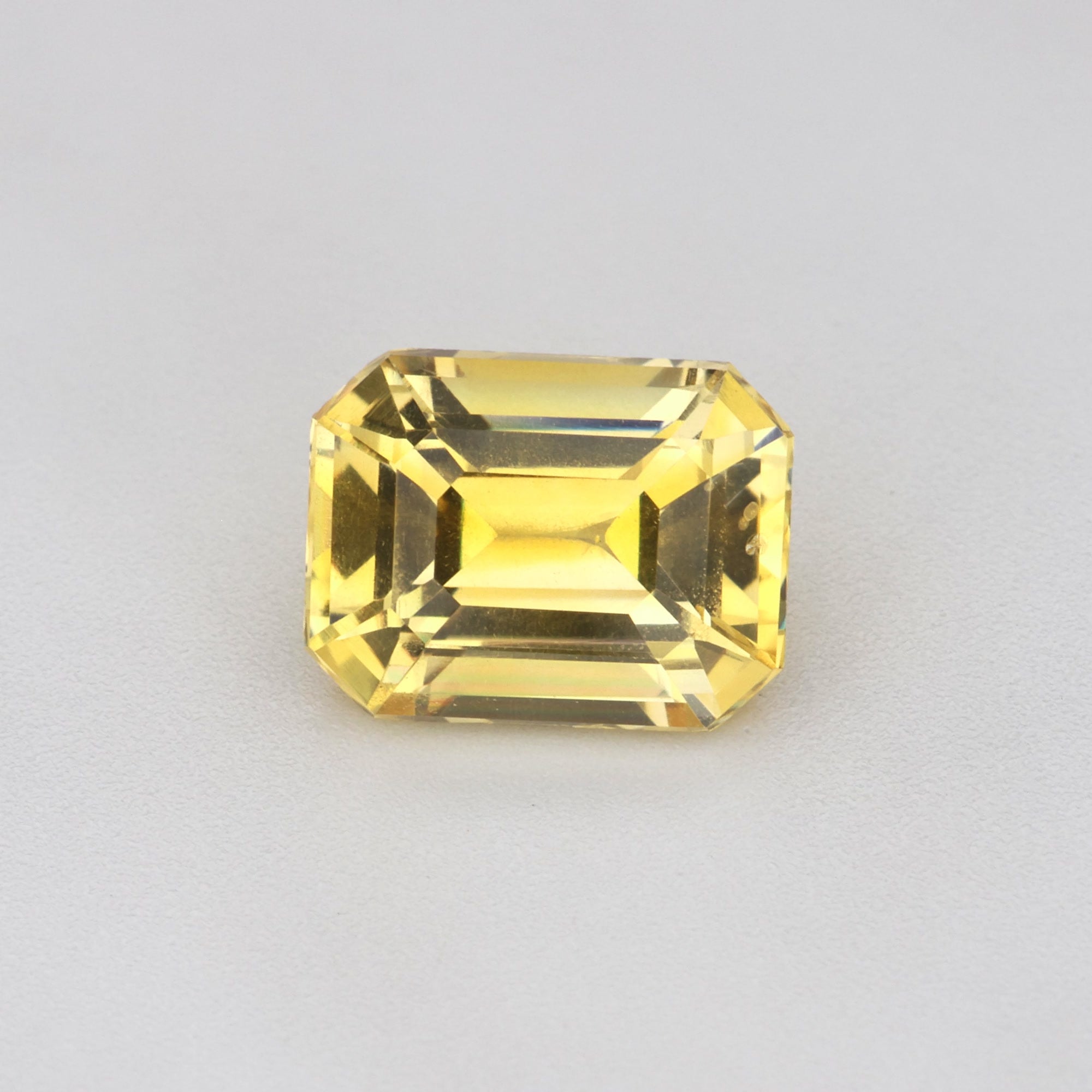
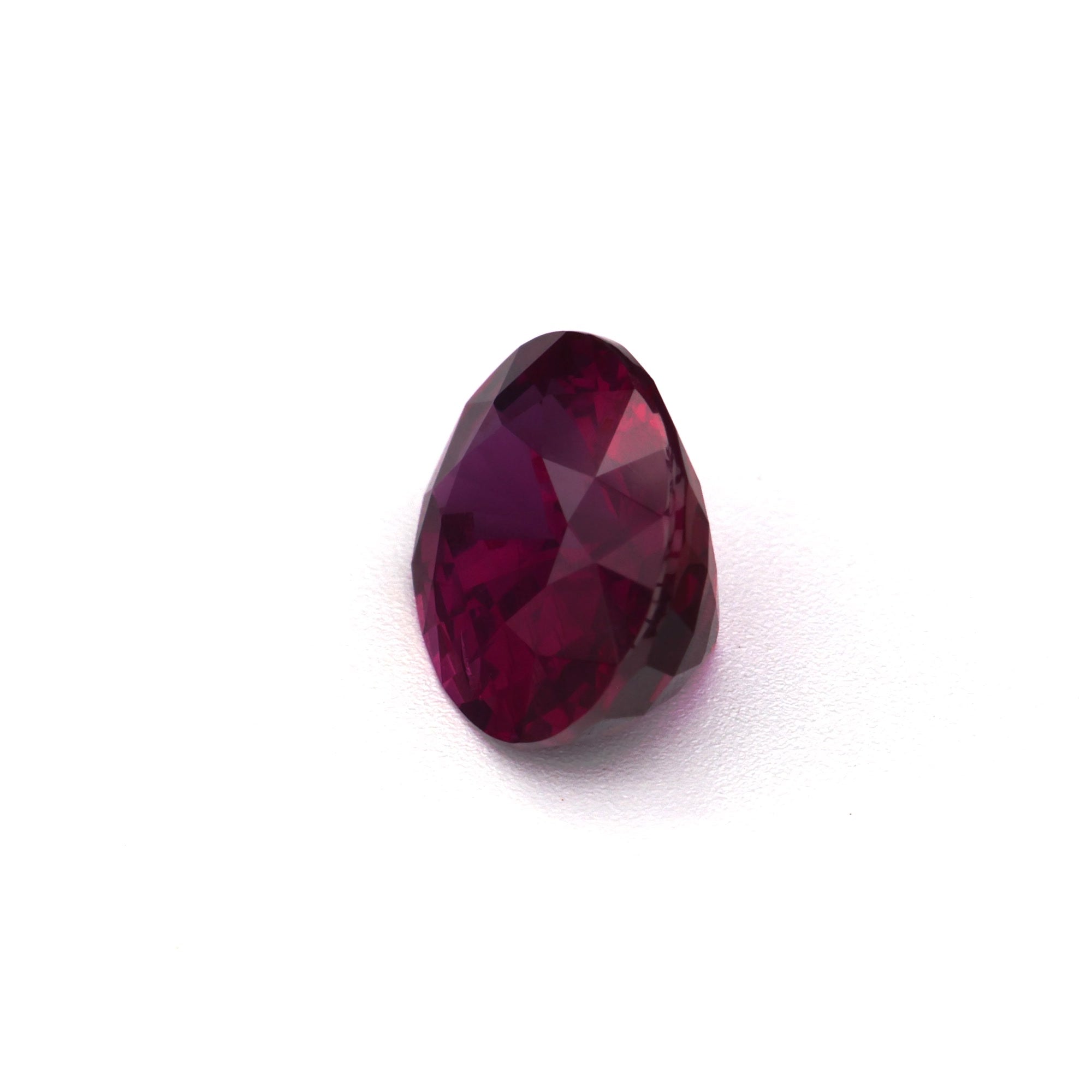
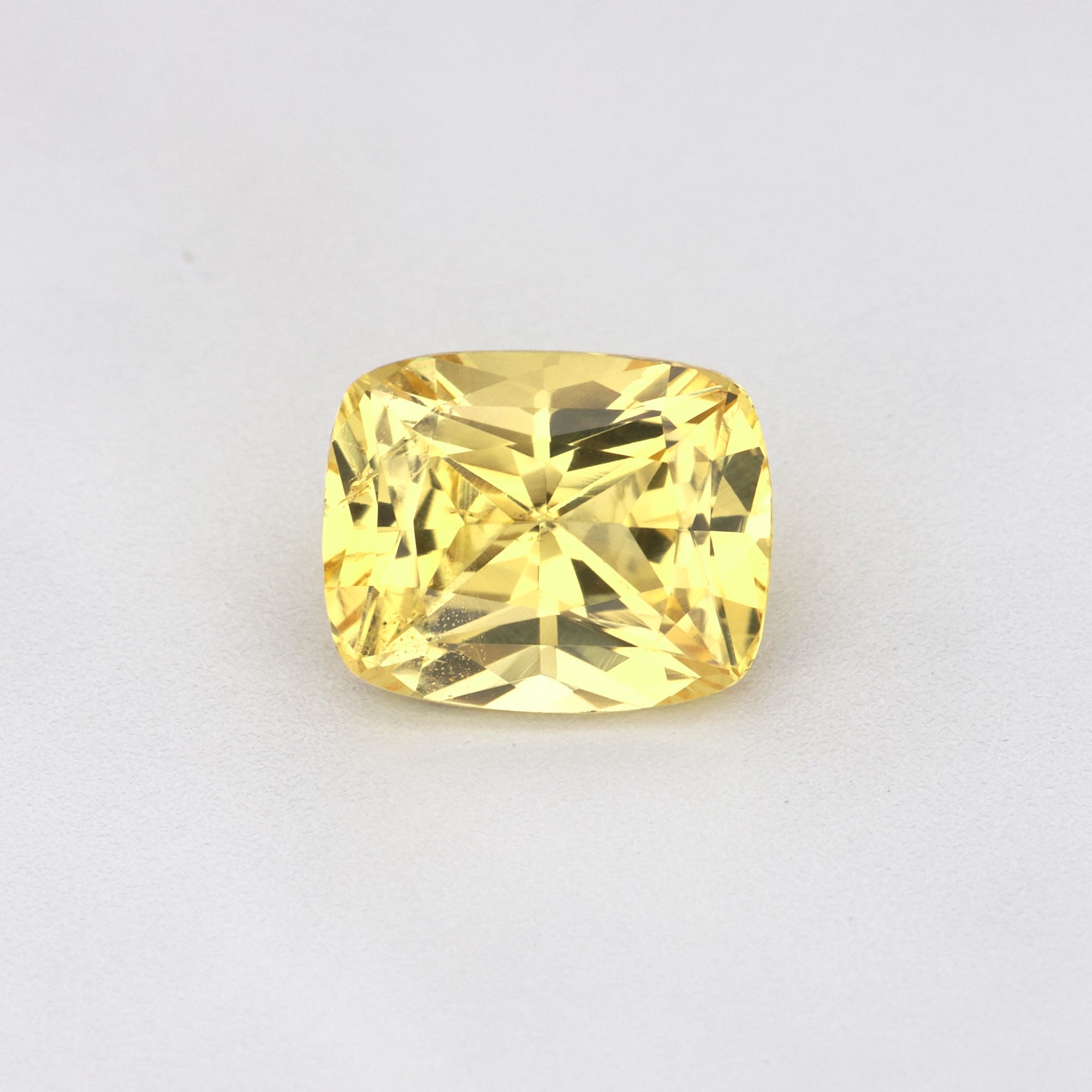
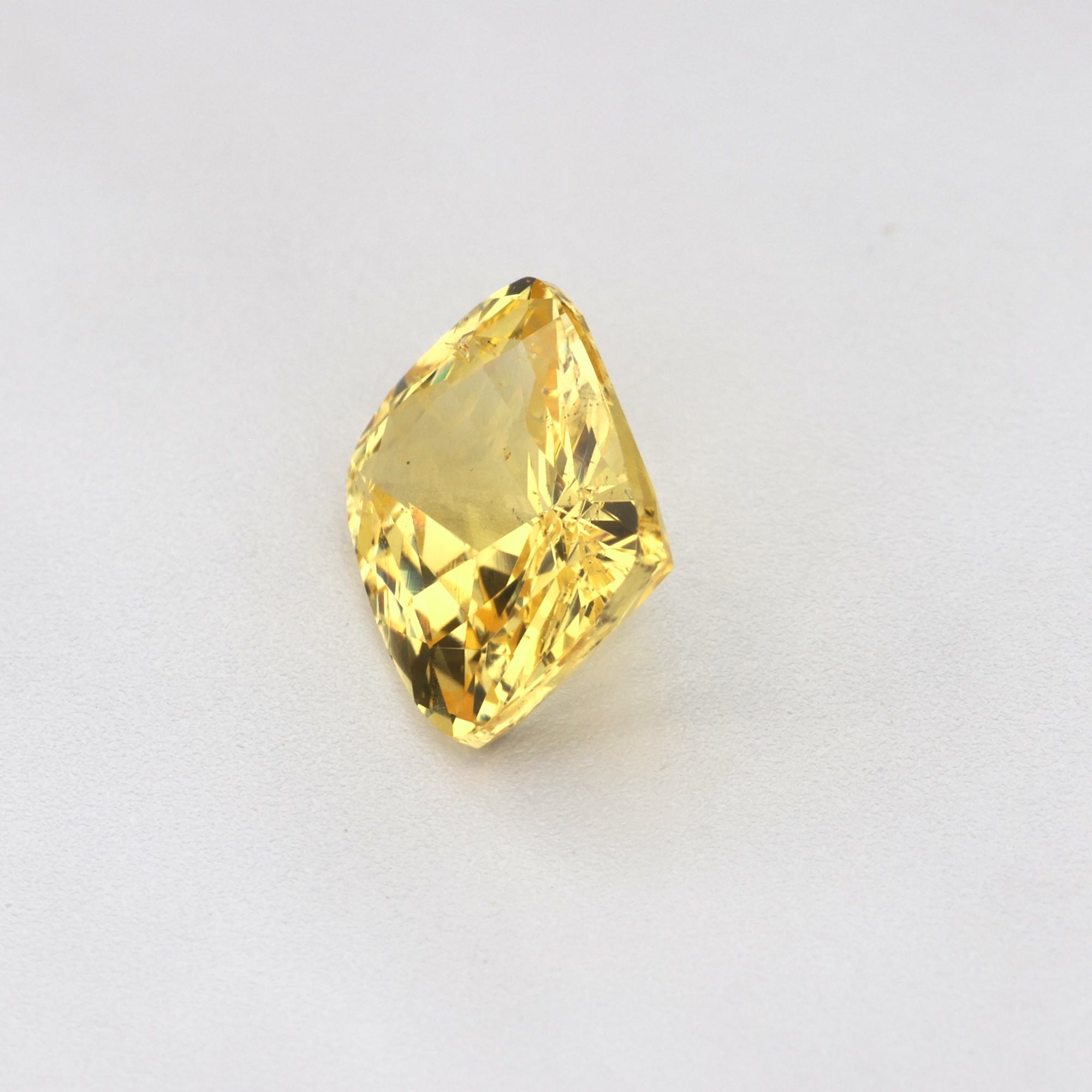
Browse all our loose gemstones, or explore the sapphires by color — blue, teal, yellow, pink, peach, purple.

CG8465
CG8463
CG8460
CG8456


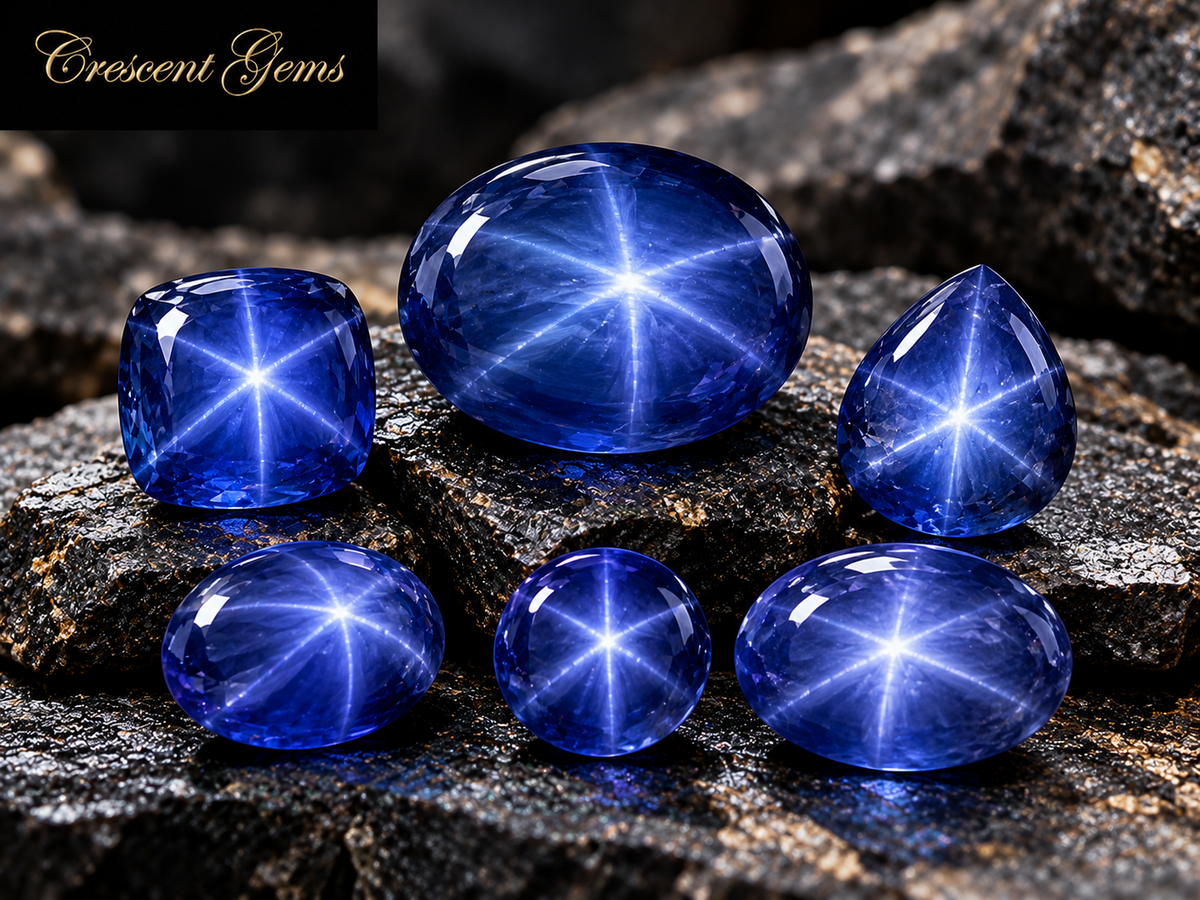
Blue Star Sapphire Price Guide — What They Cost and Why
Read moreabout Blue Star Sapphire Price Guide — What They Cost and Why
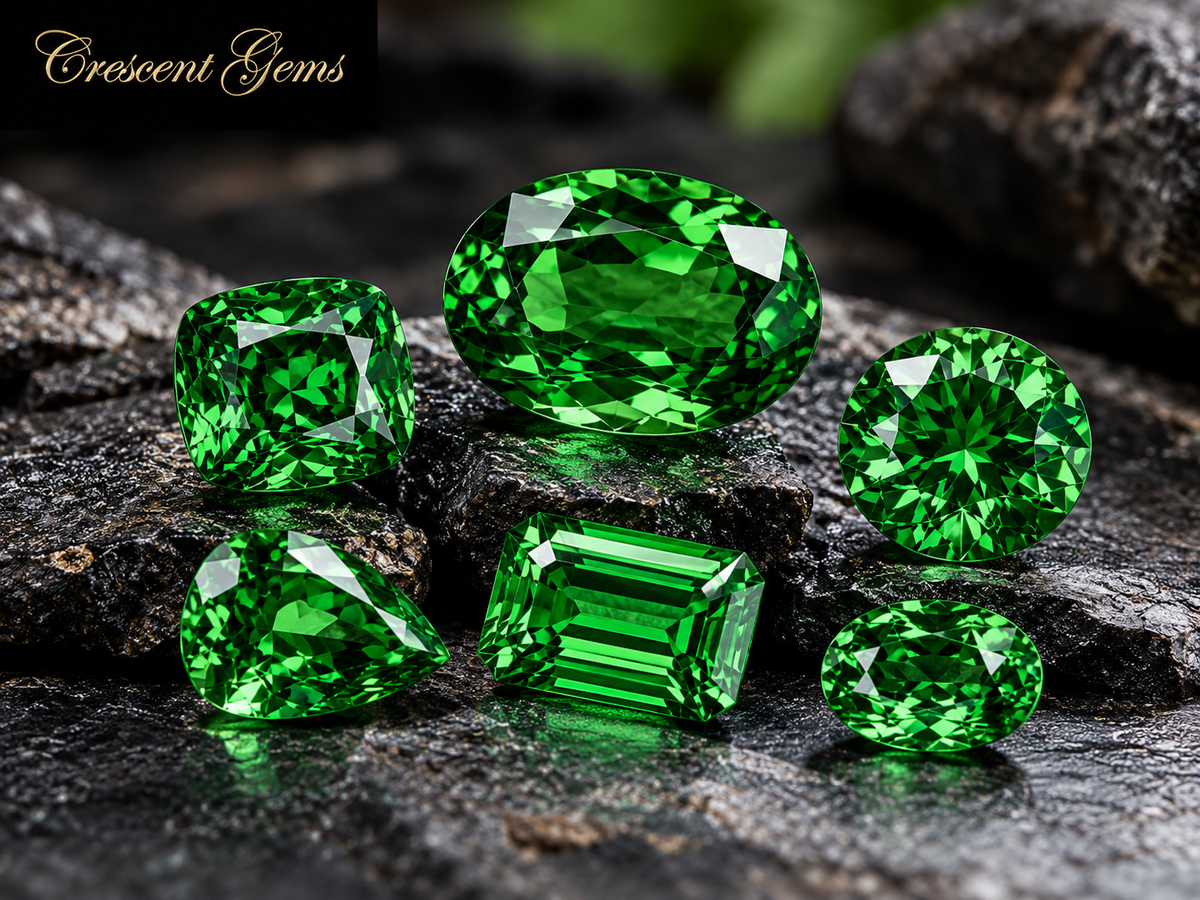
Tsavorite Garnet Price Guide — What They Cost and Why
Read moreabout Tsavorite Garnet Price Guide — What They Cost and Why
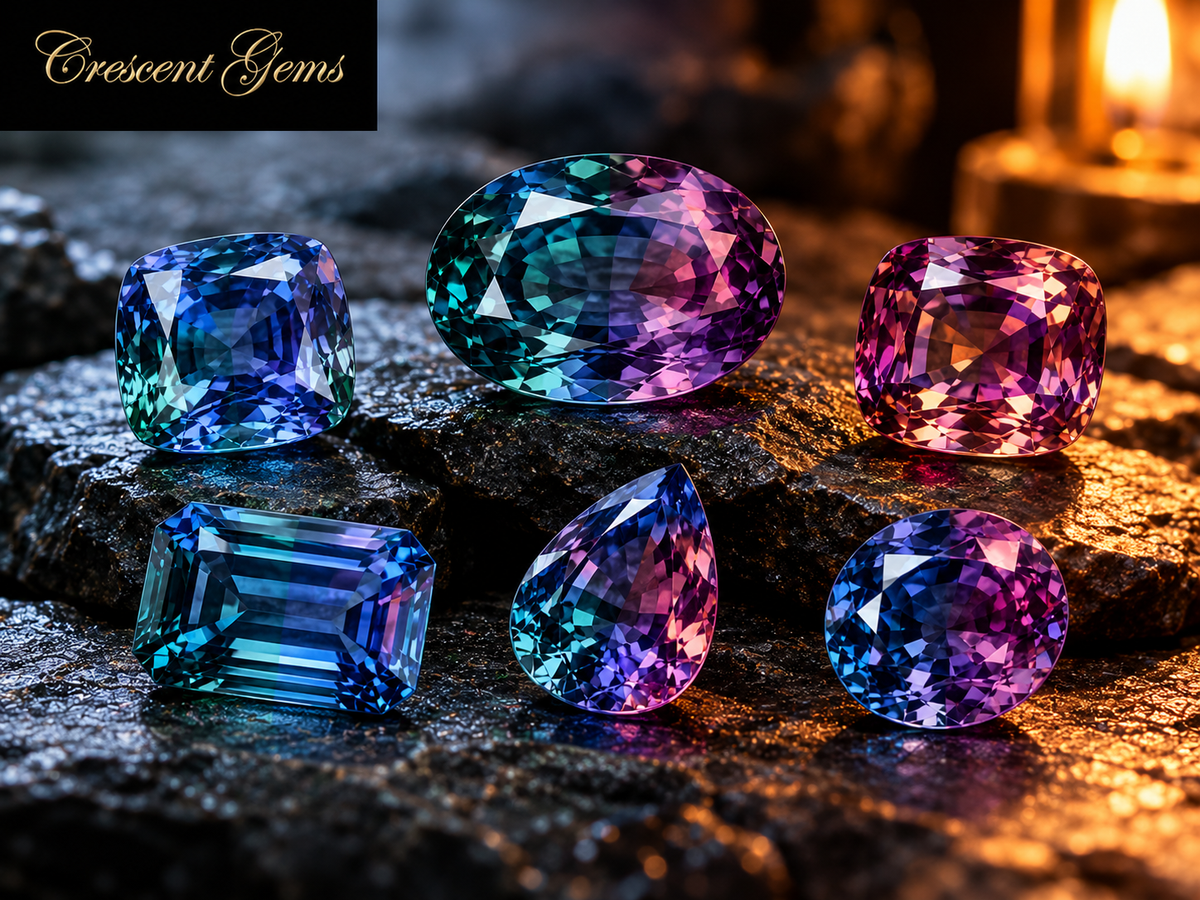
Color-Change Sapphire Price Guide — What They Cost and Why
Read moreabout Color-Change Sapphire Price Guide — What They Cost and Why
Is Cat's-Eye Chrysoberyl Good for an Engagement Ring?
Read moreabout Is Cat's-Eye Chrysoberyl Good for an Engagement Ring?
Cat's Eye Chrysoberyl Price Guide — What They Cost and Why
Read moreabout Cat's Eye Chrysoberyl Price Guide — What They Cost and Why















Share: