

- by Ahmed Shareek
Sapphire Halo Ring Guide — How to Choose the Center Stone, Halo, and Get the Proportions Right
- by Ahmed Shareek
For center stone selection: How to Choose a Sapphire Engagement Ring. For shape guidance: Oval Sapphire Guide. For the buying foundation: Ultimate Sapphire Buying Guide.
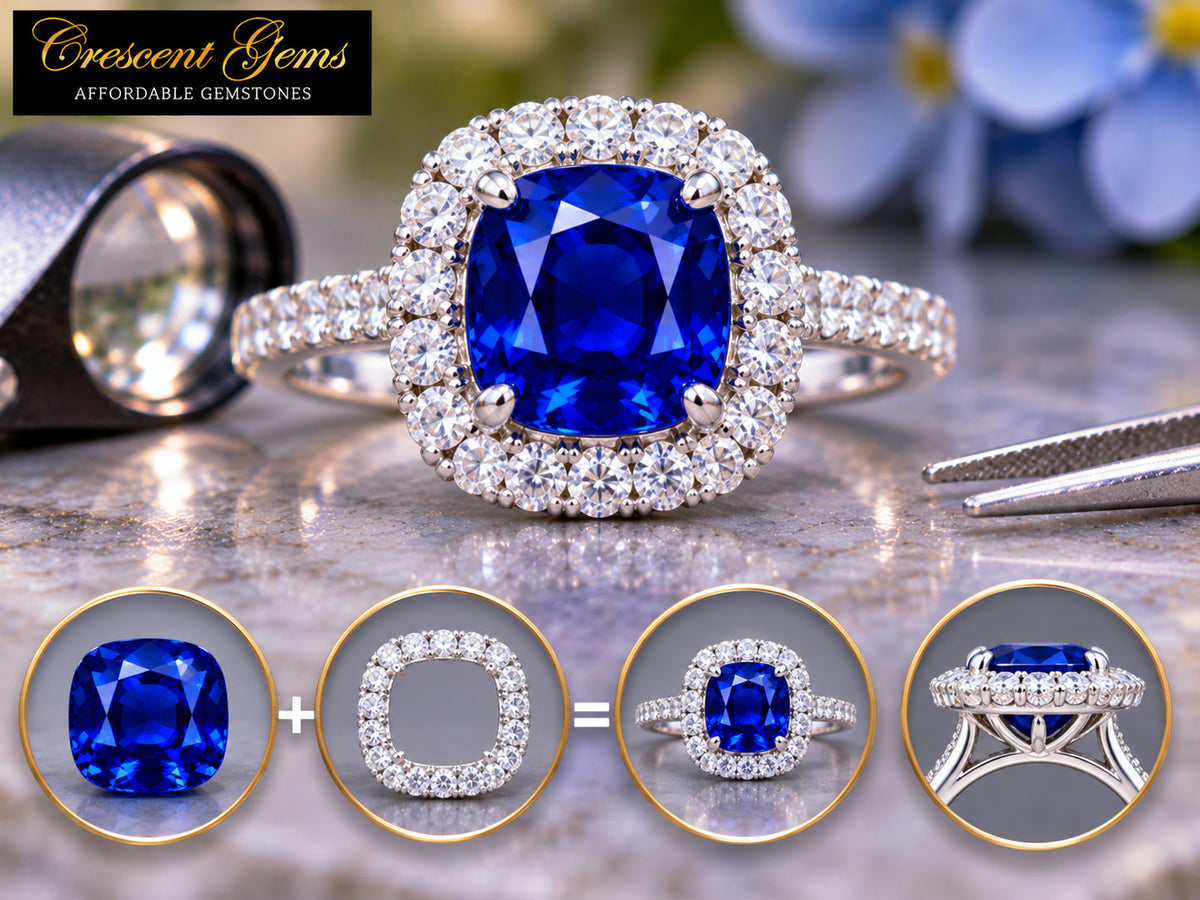
A halo is a ring of small stones, usually round brilliant diamonds, set around the center stone so that the two read as one larger outline. This guide covers how a halo affects a sapphire ring, how to choose the right center stone, the key proportioning decisions, metal and diamond choices, which sapphire colors and shapes suit a halo, and what drives the cost of the setting.
A halo does four specific things: increases apparent size (adds its own width, on every side, to the face-up outline of the center stone); frames the color (a border of colorless diamonds sits directly against the sapphire's color); adds perimeter sparkle (small, quick flashes of light from the diamonds around the sapphire's broader color); and defines and protects the outline (particularly useful for pointed tip shapes like pear and marquise).
Size: You Can Go Smaller. Because the halo adds its own width to the outline, a center stone reads larger face-up in a halo than the same stone does as a solitaire. Compare stones by their millimetre measurements, not by carat weight alone, and ask your jeweler for a drawing of the finished outline before you choose. See our sapphire pricing guide.
Color: Judge It Beside White. A diamond halo places bright, colorless stones right against the center stone. Ask for more photos and videos of the sapphire, in one steady light and beside a white surface, and look at whether its tone and saturation are what you want to see in the finished ring.
Clarity: Look at It Face-Up. A halo frames the center stone, so judge it the way the ring will be seen: ask for face-up photos and videos and check whether any inclusion is visible to you at a normal viewing distance. See our How to Read Sapphire Inclusions guide.
Cut Quality: The Bowtie Problem in Halo Ovals. A halo does not remove a bowtie: the dark band is a feature of how the oval was cut, and it sits in the center of the stone whatever surrounds it. Judge the bowtie in videos of the loose stone before it is set. See our Oval Sapphire Guide for the full bowtie evaluation framework.
Halo diamonds are small round brilliants measured in millimetres. A single row of 1.5mm diamonds produces a halo approximately 1.5mm wide all the way around, plus the metal that holds it. How wide a halo should be against the center stone is a matter of taste rather than a rule, so ask your jeweler for a scaled drawing or render showing the center, the halo and the band in millimetres, and compare two halo widths side by side.
A single halo is one row of small stones around the center; it suits a wide range of center stone sizes and proportions. A double halo adds a second row, so it adds more width, more sparkle and more small stones to set; ask your jeweler to quote both. For a wider outline without a second row, slightly larger halo diamonds (1.8mm vs. 1.2mm) widen a single halo.
| Metal | Best For | Look Beside the Stone |
|---|---|---|
| Platinum | Blue, teal, white sapphire | Cool white metal; neutral beside the stone |
| White gold (18ct) | Blue, teal, pink, white sapphire | Similar white look to platinum |
| Yellow gold (18ct) | Blue, yellow, orange | Warm yellow beside the stone; a vintage look |
| Rose gold (18ct) | Pink, peach, teal | Warm pink-gold tone; a romantic look |
For the full metal decision framework, see our yellow gold vs. white gold vs. platinum guide and how to choose metal color for a sapphire ring.
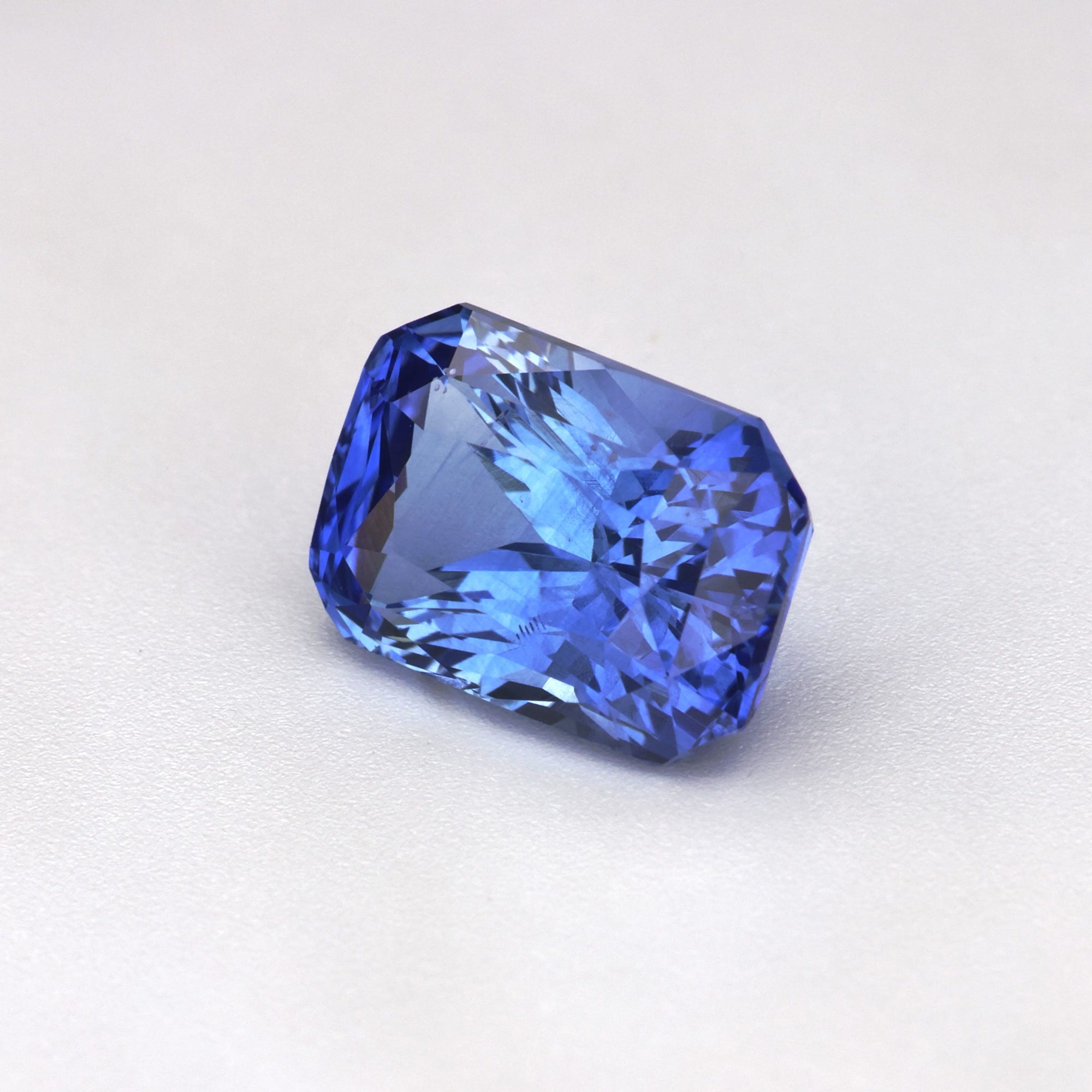
Blue sapphire is the classic halo center stone — medium-dark vivid blue in an oval or cushion in platinum or white gold. See our Blue Sapphire Buyer’s Guide.
Teal sapphire, a blend of blue and green, sits against white diamonds with no competing color. Ask for videos that turn the stone, so you see the balance of blue and green from several directions. See our Teal Sapphire Buyer’s Guide.
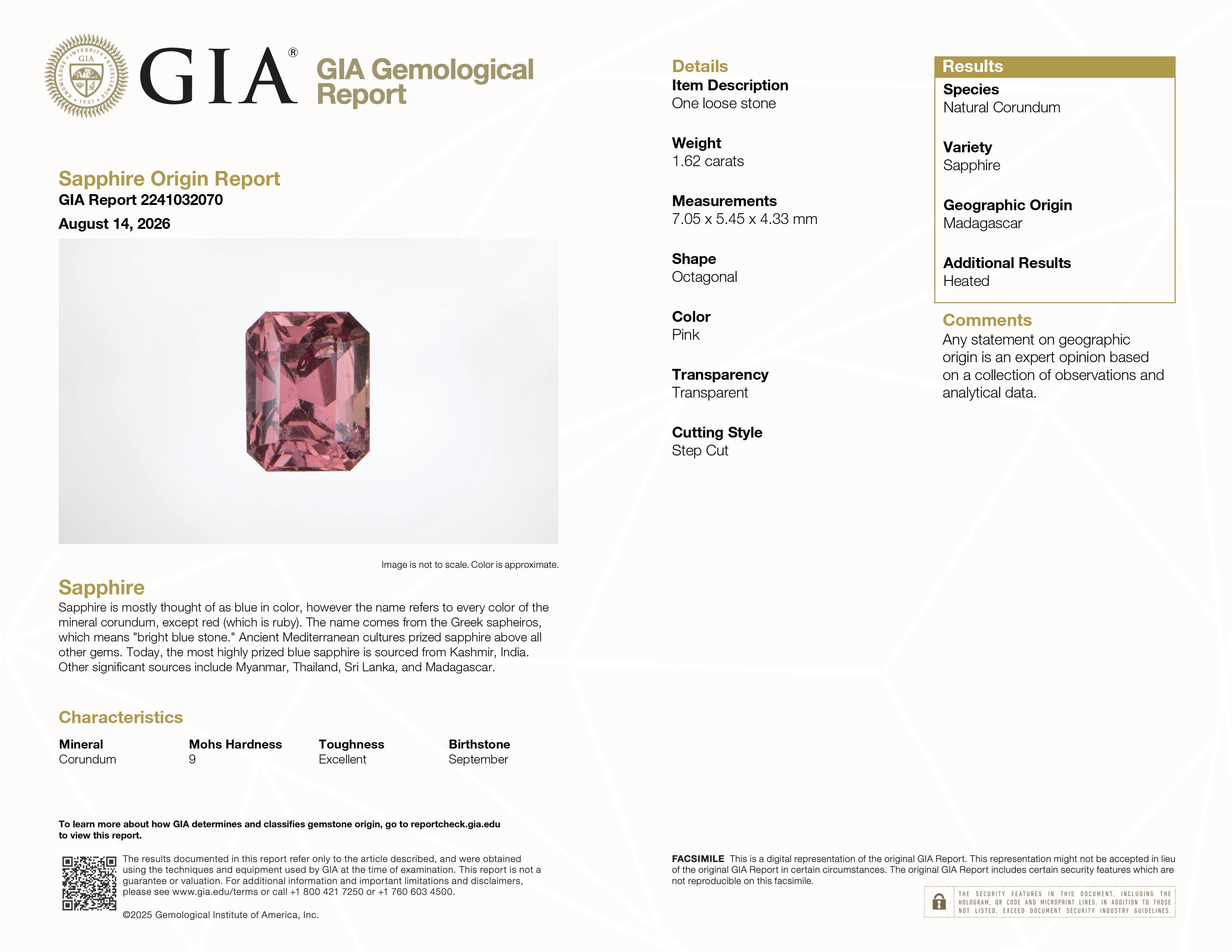
Pink sapphire in a halo in rose gold gives a warm, coordinated palette. Choose the depth of pink you want to see; there is no single right shade. See our Pink Sapphire Buyer’s Guide.
A lab-defined designation: padparadscha is a name laboratories reserve for a narrow pinkish-orange to orangey-pink range; we hold no stone under that name, and this page applies it to none. See our guide to that designation.
By shape: Oval follows the rounded line of a halo naturally. Cushion creates a distinctive vintage-inspired look. Emerald cut in a halo creates a sophisticated, architectural contrast. For general shape guidance, see our best sapphire shapes for halo rings.
A halo setting is quoted by the jeweler who makes it, and the quote moves with a few things you choose: the metal (18ct gold or platinum), the number and size of the halo diamonds, whether there is one row or two, whether the band is plain or set with pavé, and how much hand work the design needs. Ask for a written quote that lists each of these, and compare quotes on the same specification. For how a ring is designed around a loose stone, see our custom ring design guide. For how center stones are priced, see our 1 carat sapphire guide.
How much bigger does a halo make a sapphire look? A single halo of 1.5mm diamonds adds about 1.5mm on each side, so roughly 3mm to the total width and length, before the metal that holds it. A 7x5mm oval sapphire in such a halo measures roughly 10x8mm across face-up.
Is a halo setting practical for everyday wear? Yes, with the right setting quality. Regular professional inspection (annually) is recommended to catch any loose stones before they are lost. For full care guidance, see our Sapphire Ring Care Guide. Also see our insuring a sapphire ring guide.
Browse our full catalog to find the right center stone for your halo ring, or email crescentgems@gmail.com with your color, size, and budget. We respond within one business day.

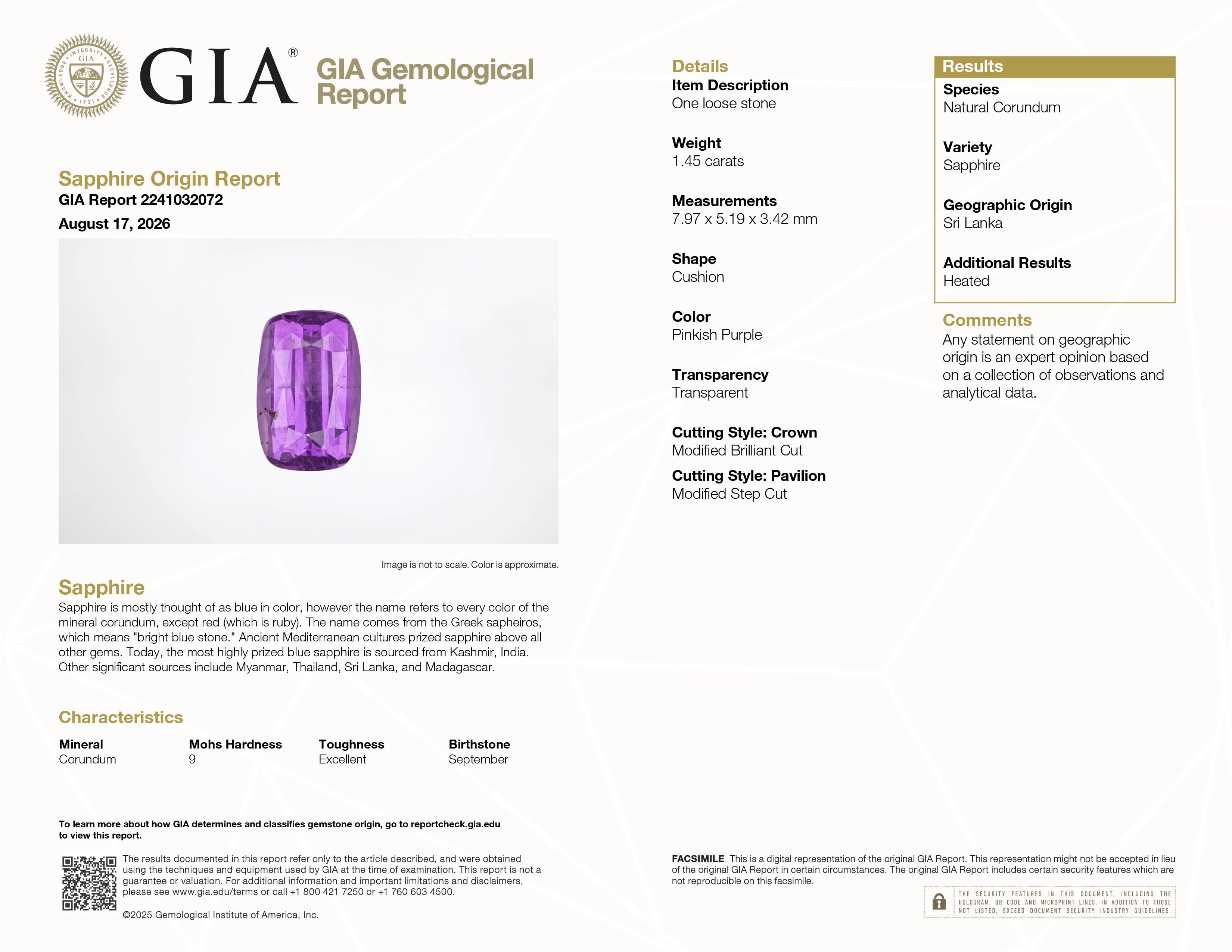
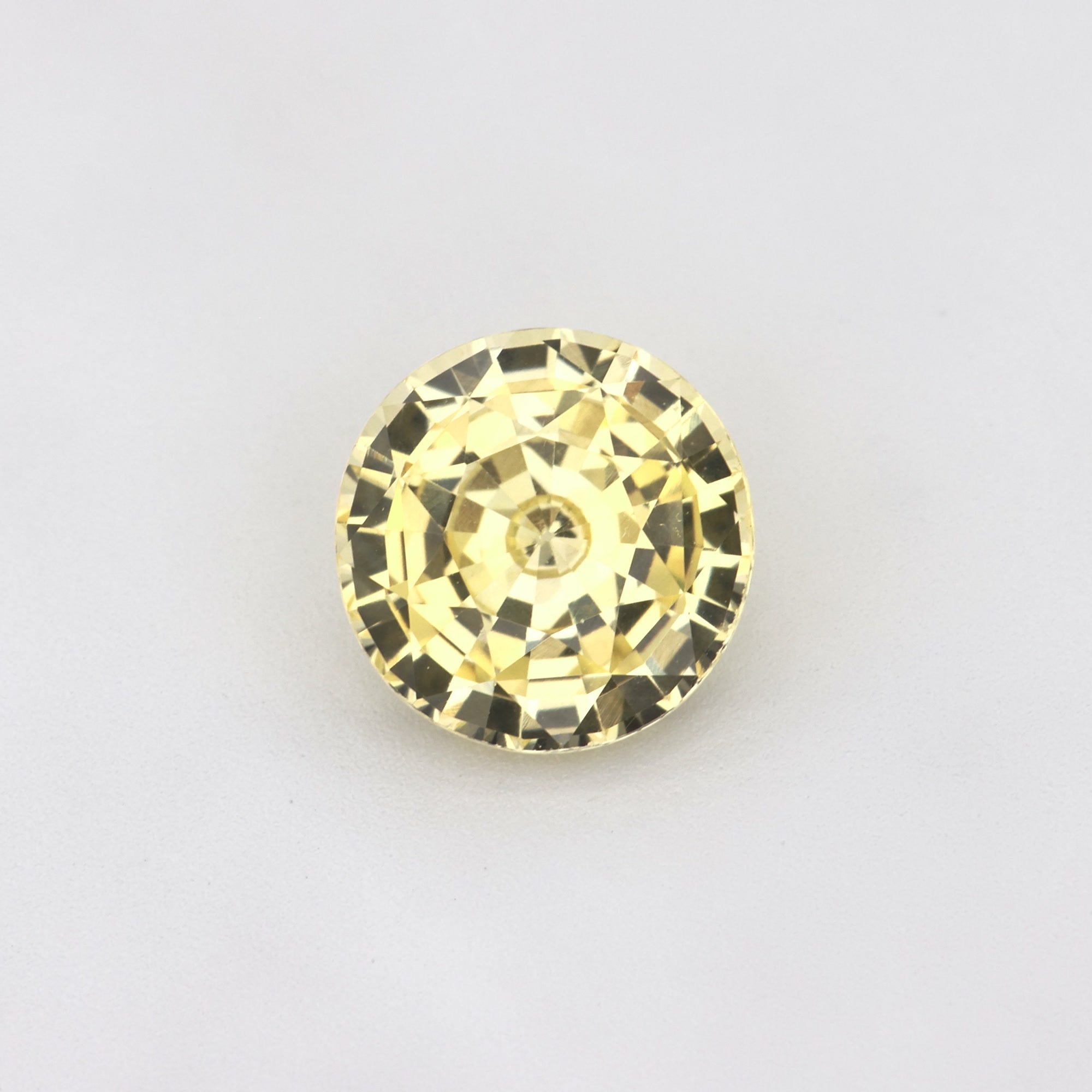
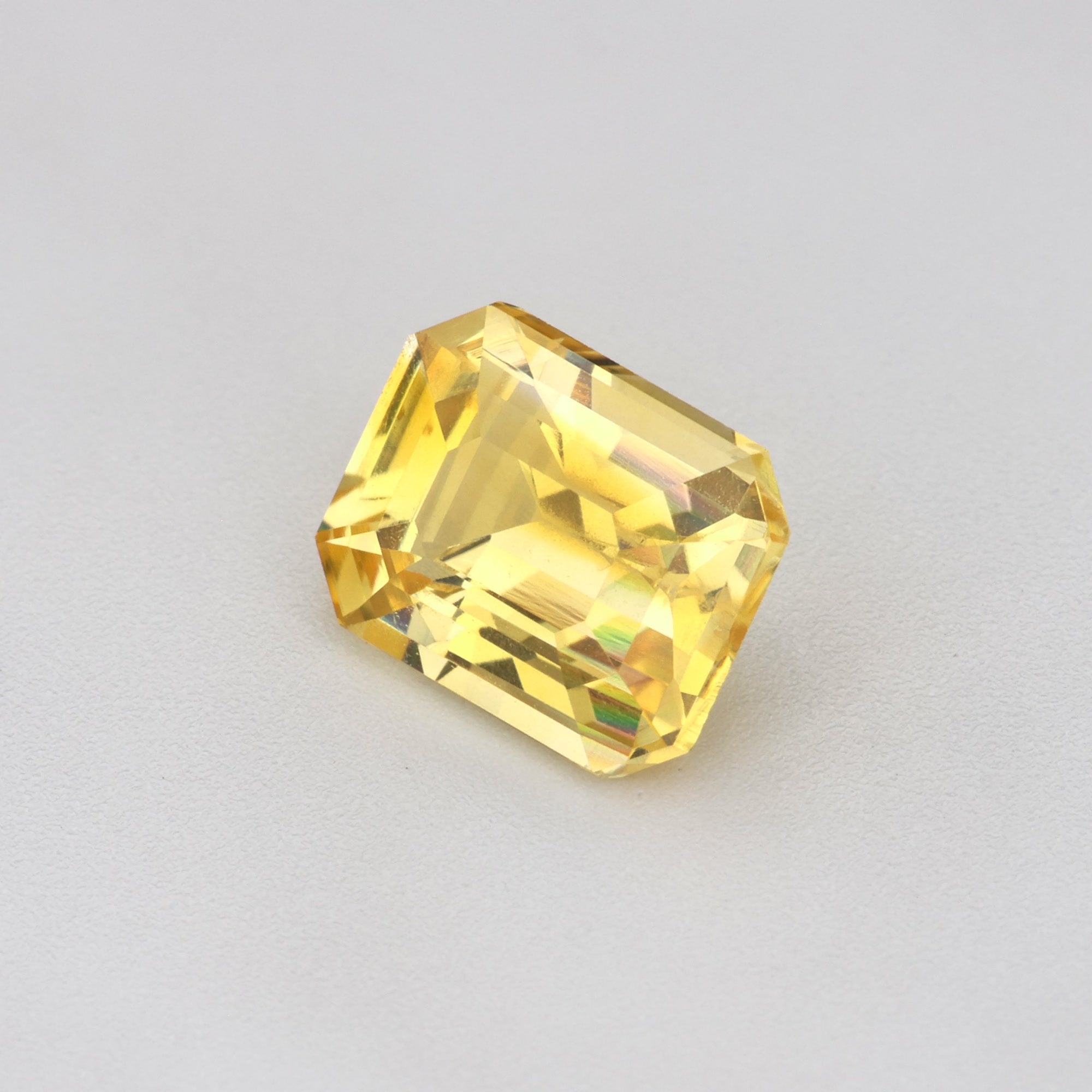
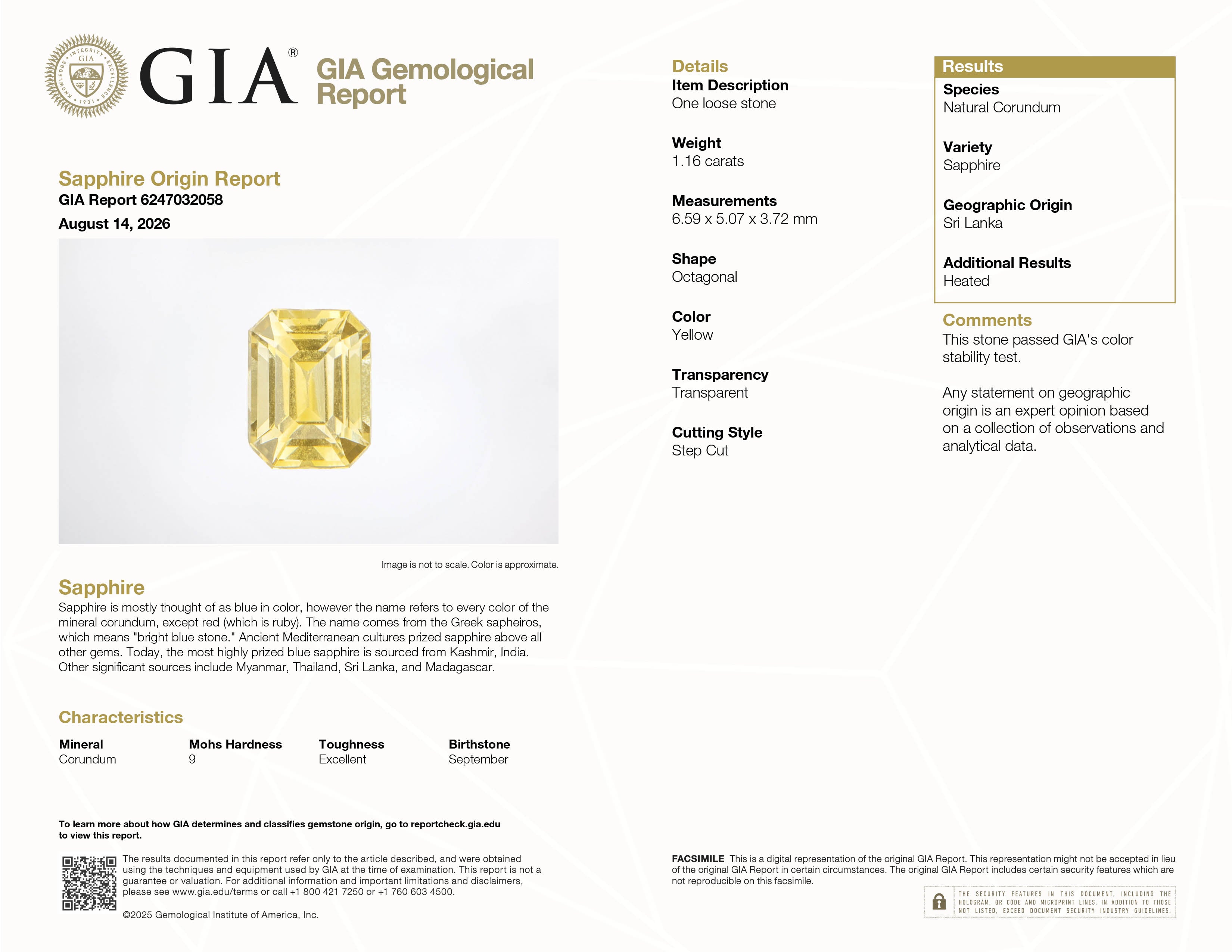
CG8465
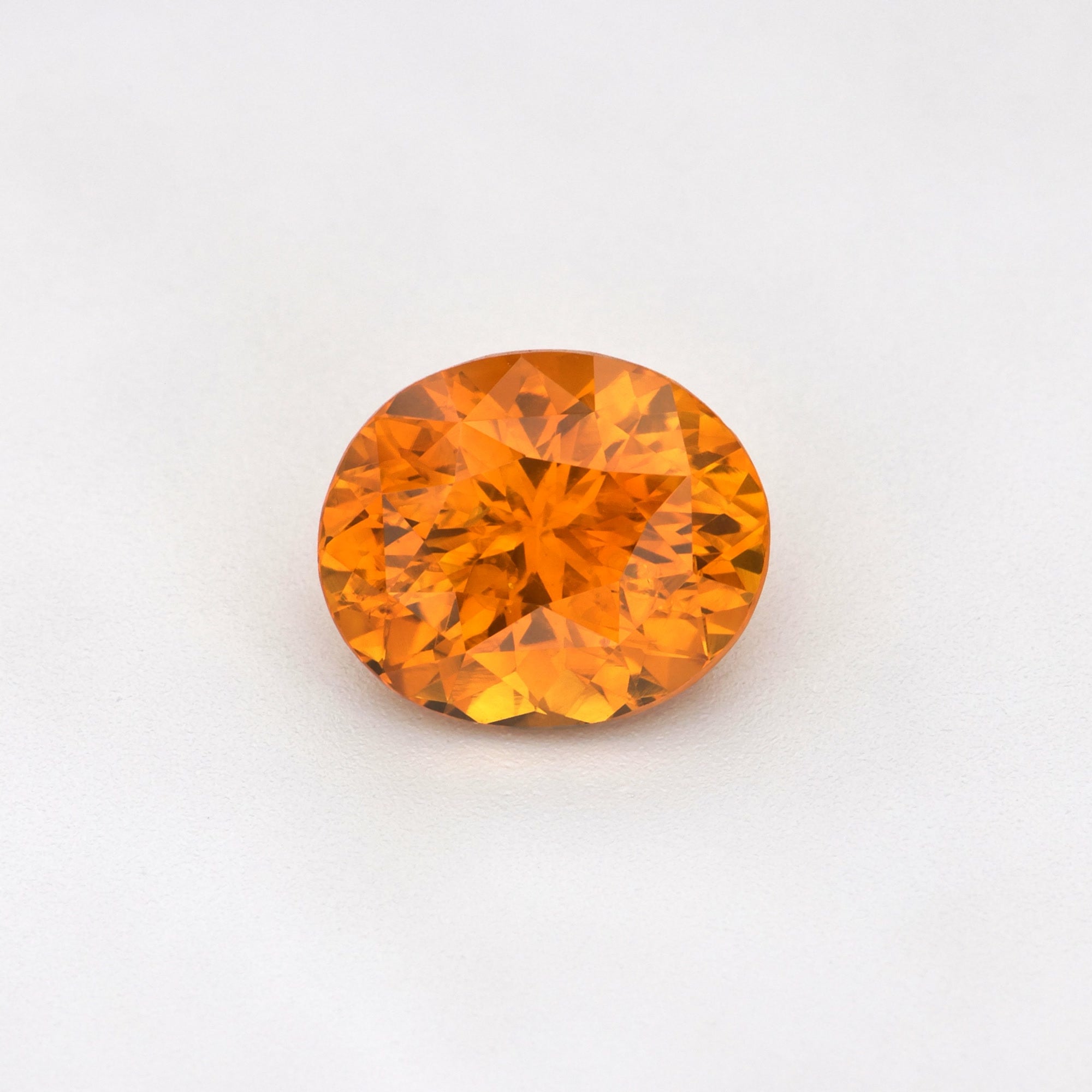
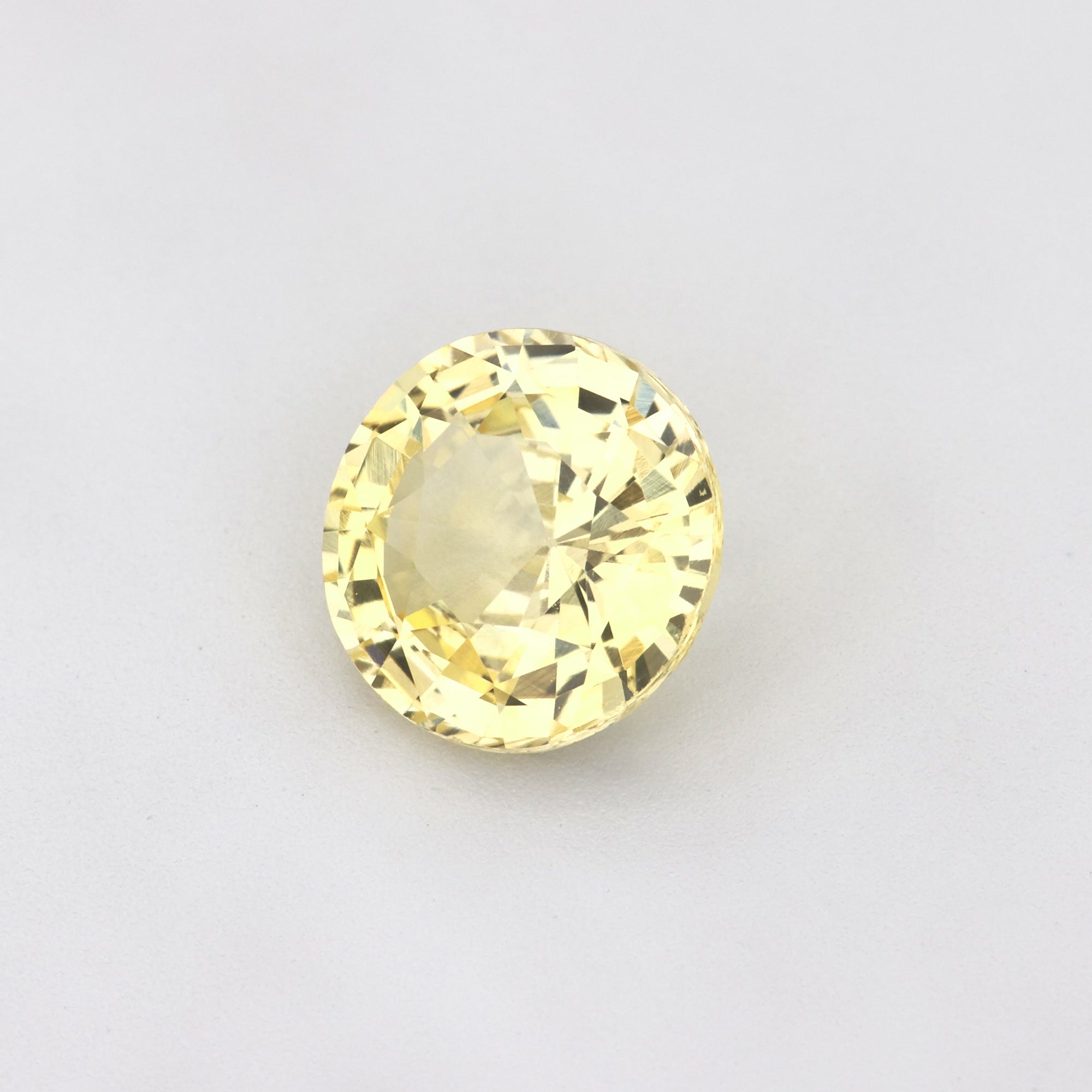
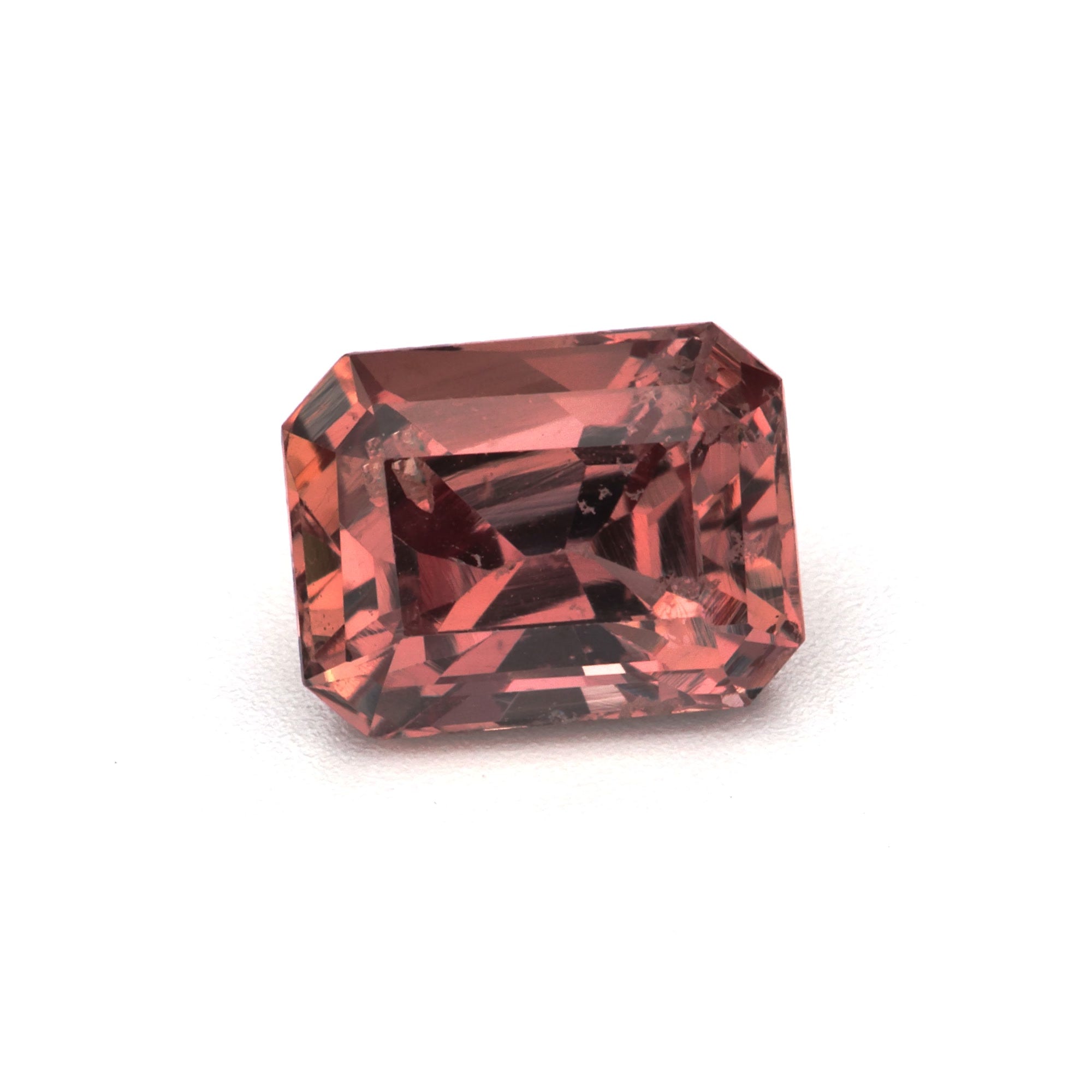
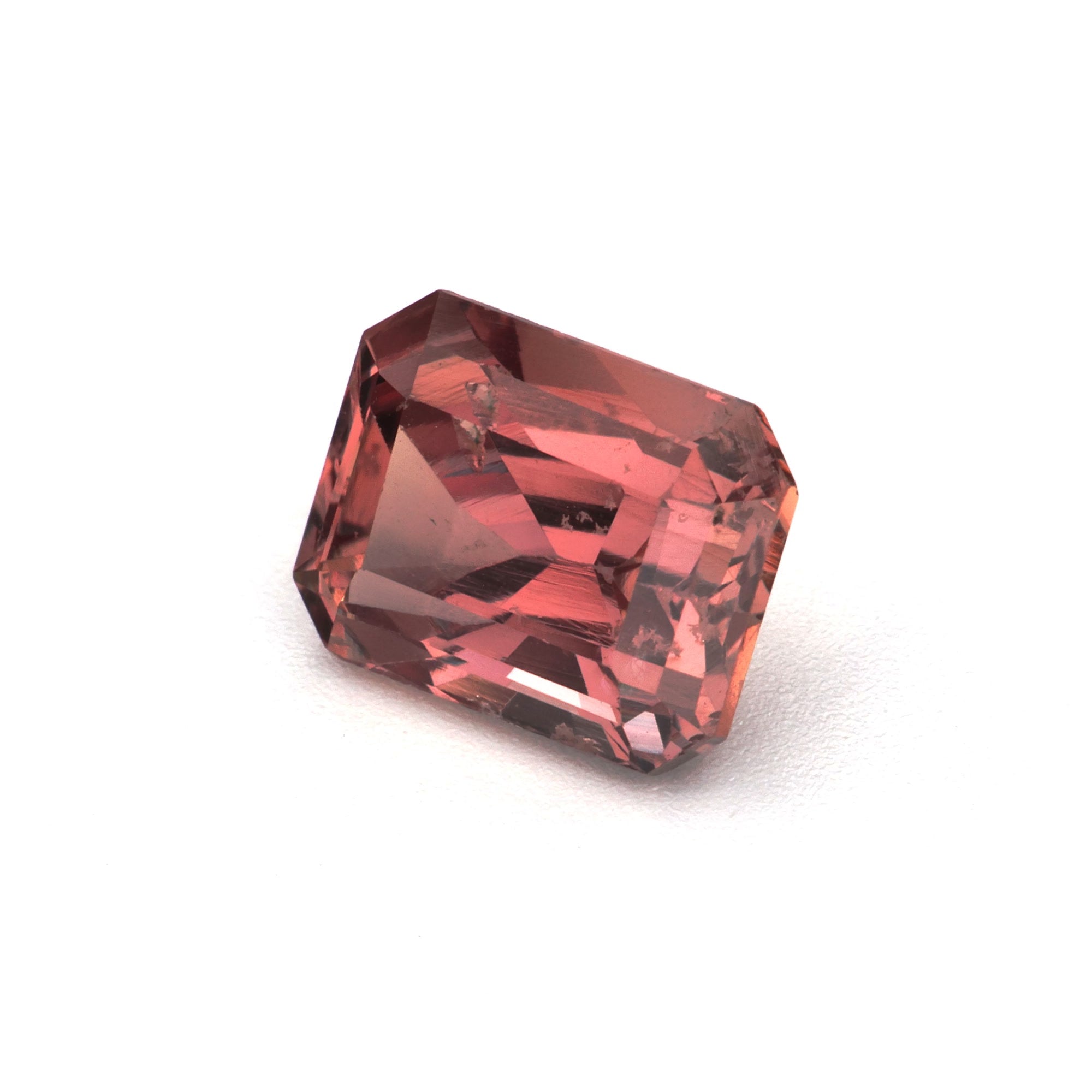
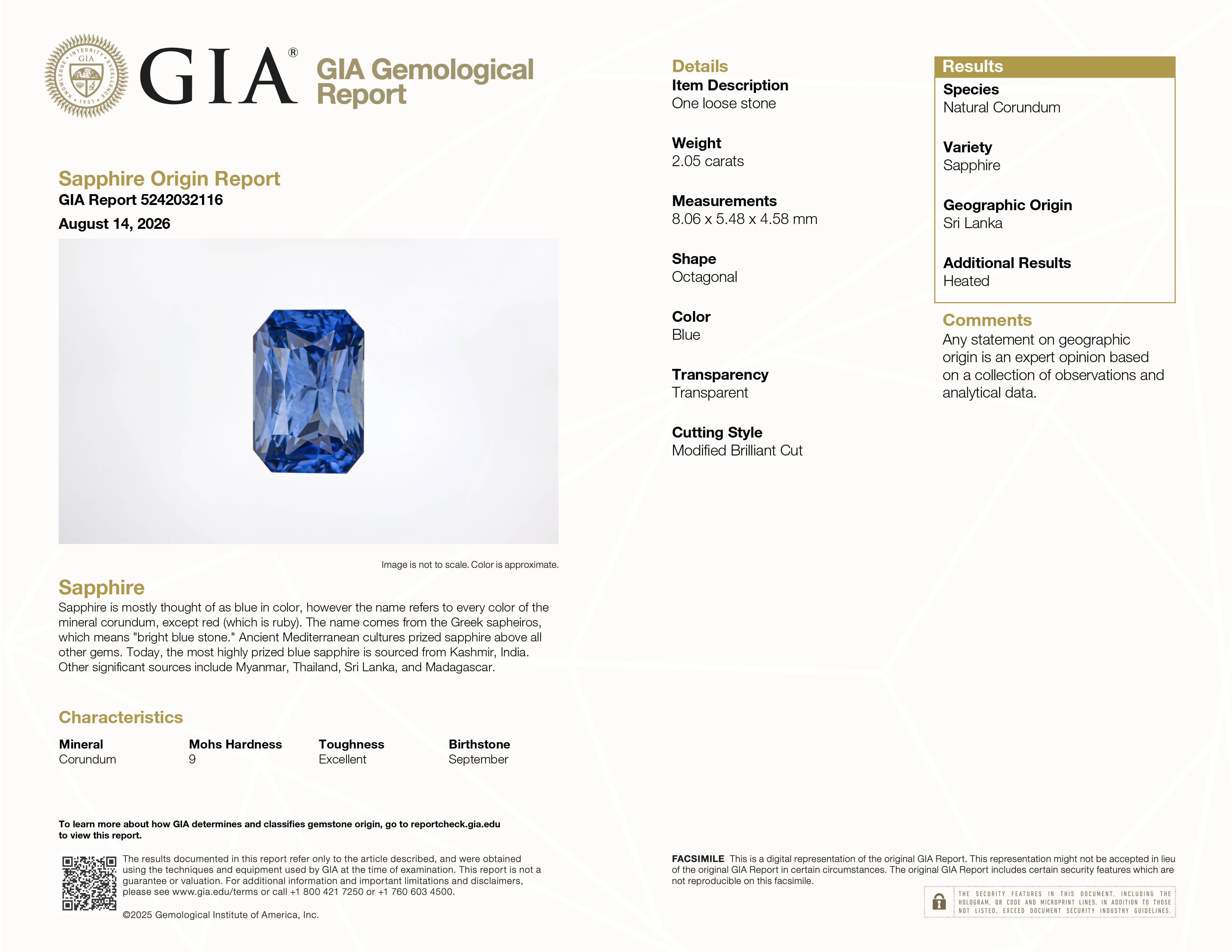
CG8463
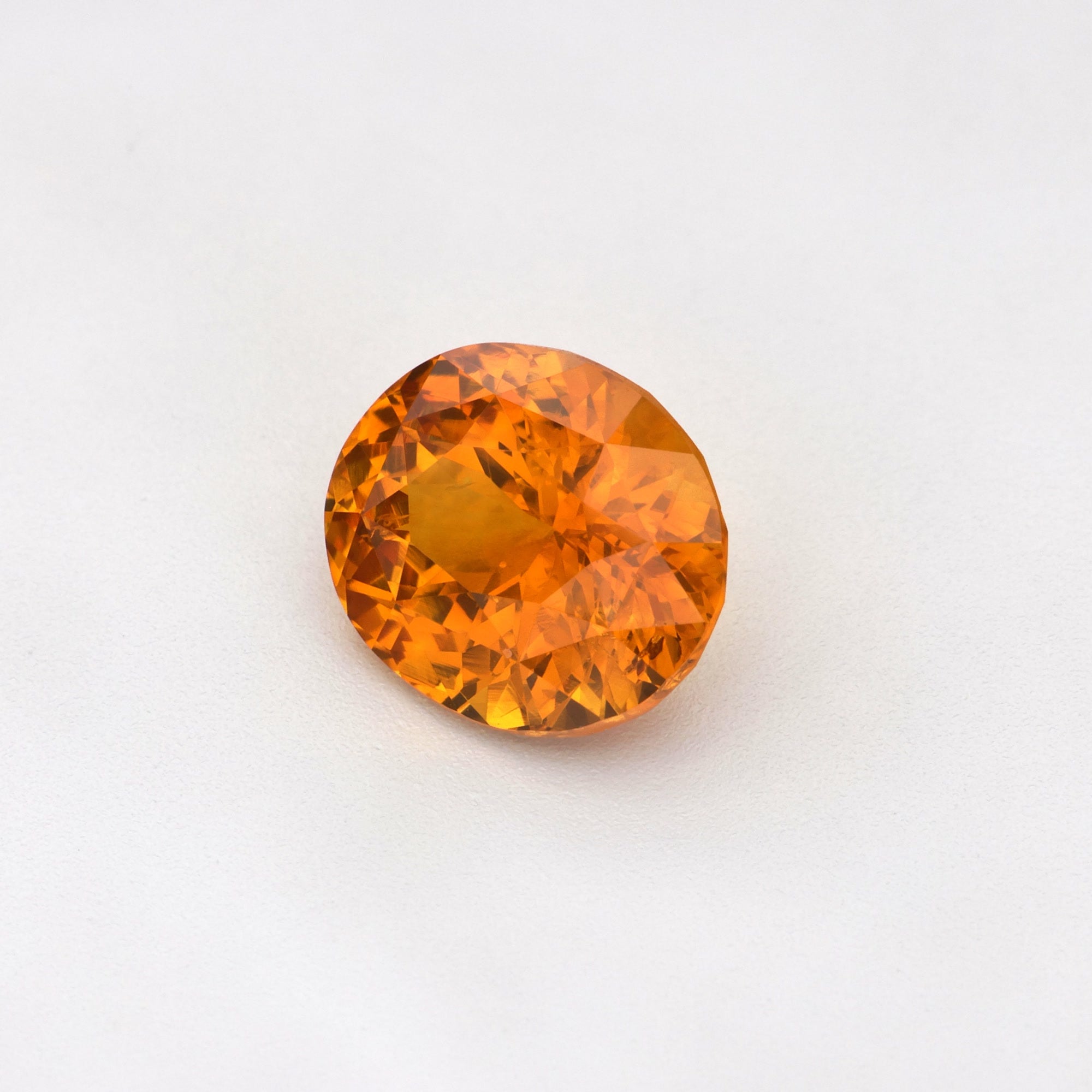
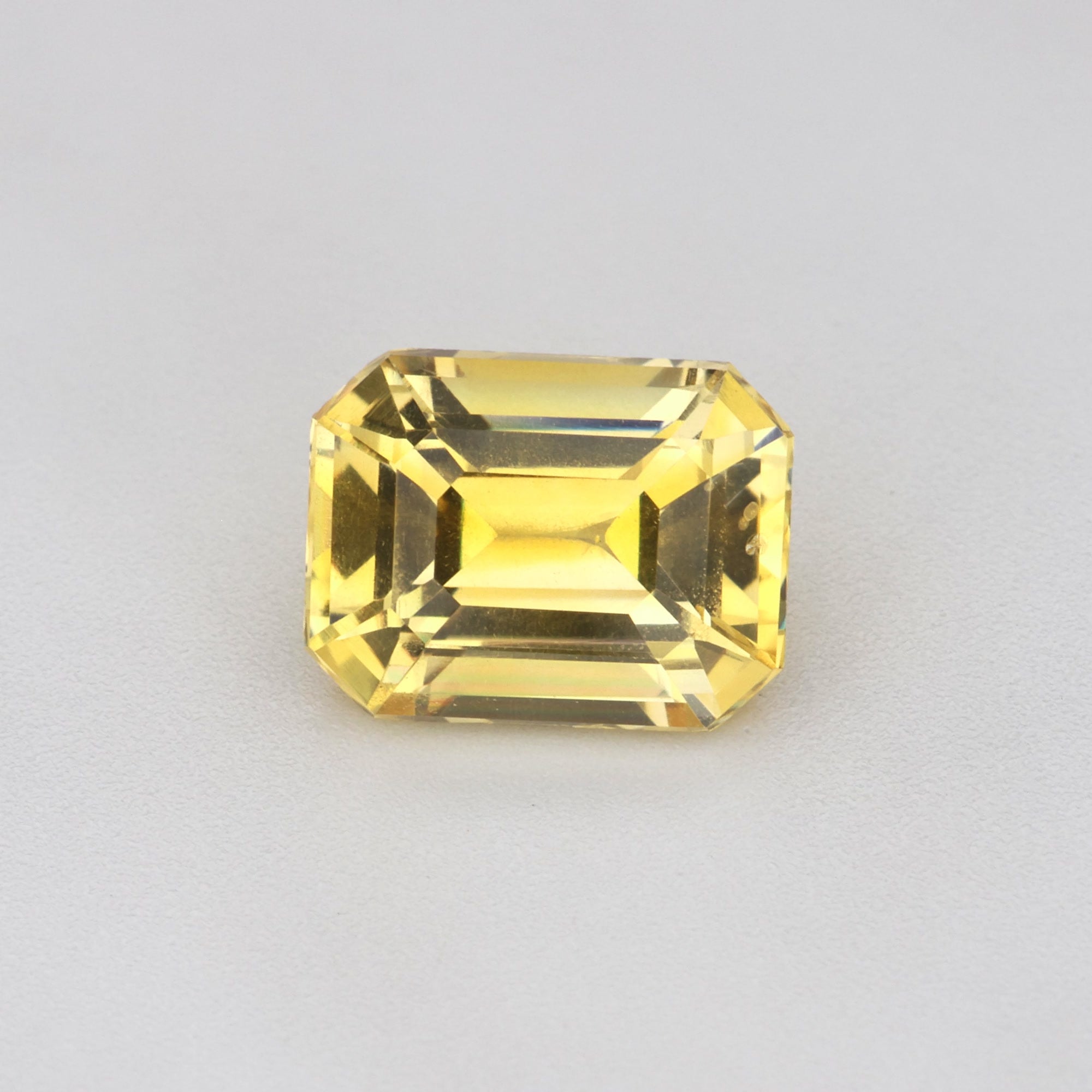
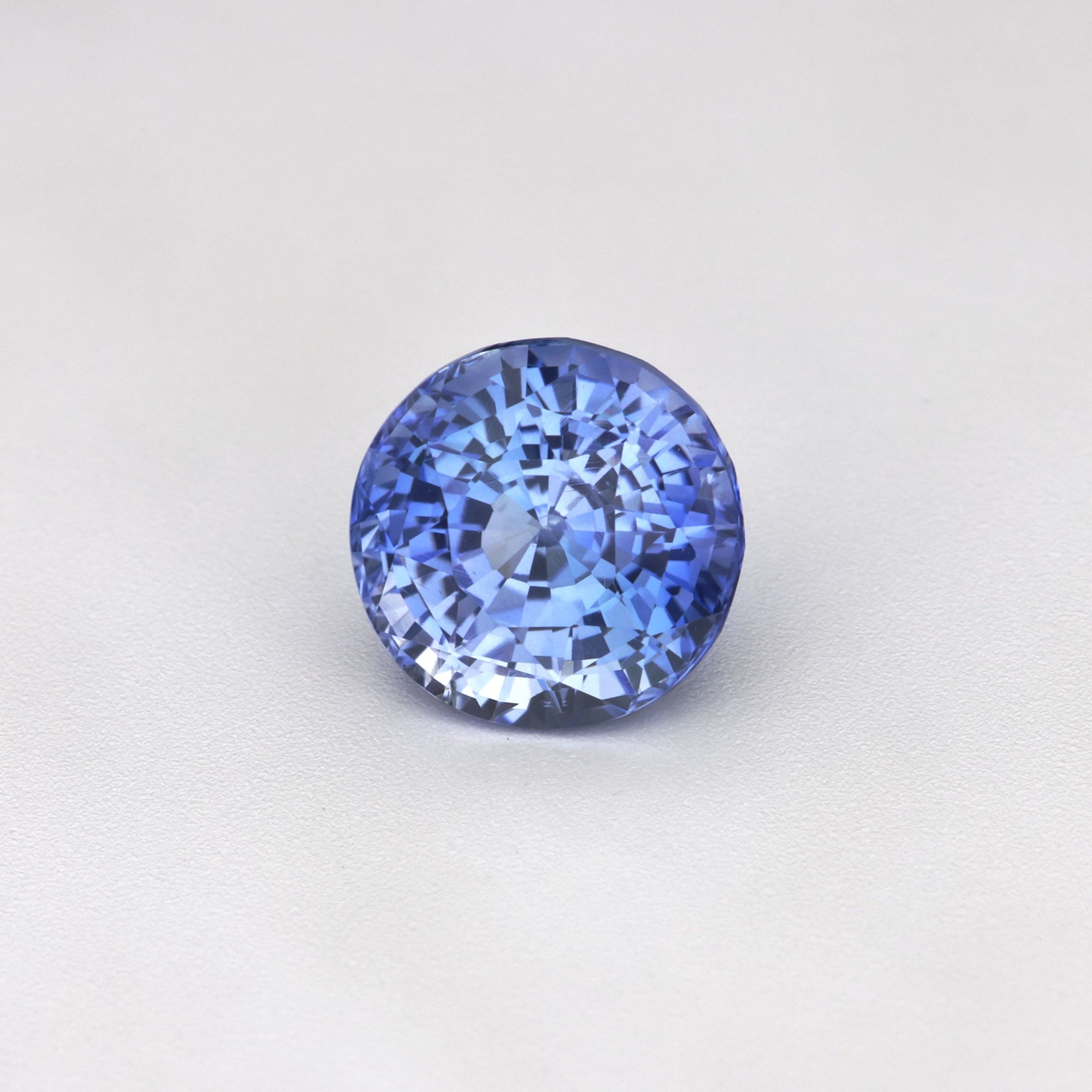
CG8460
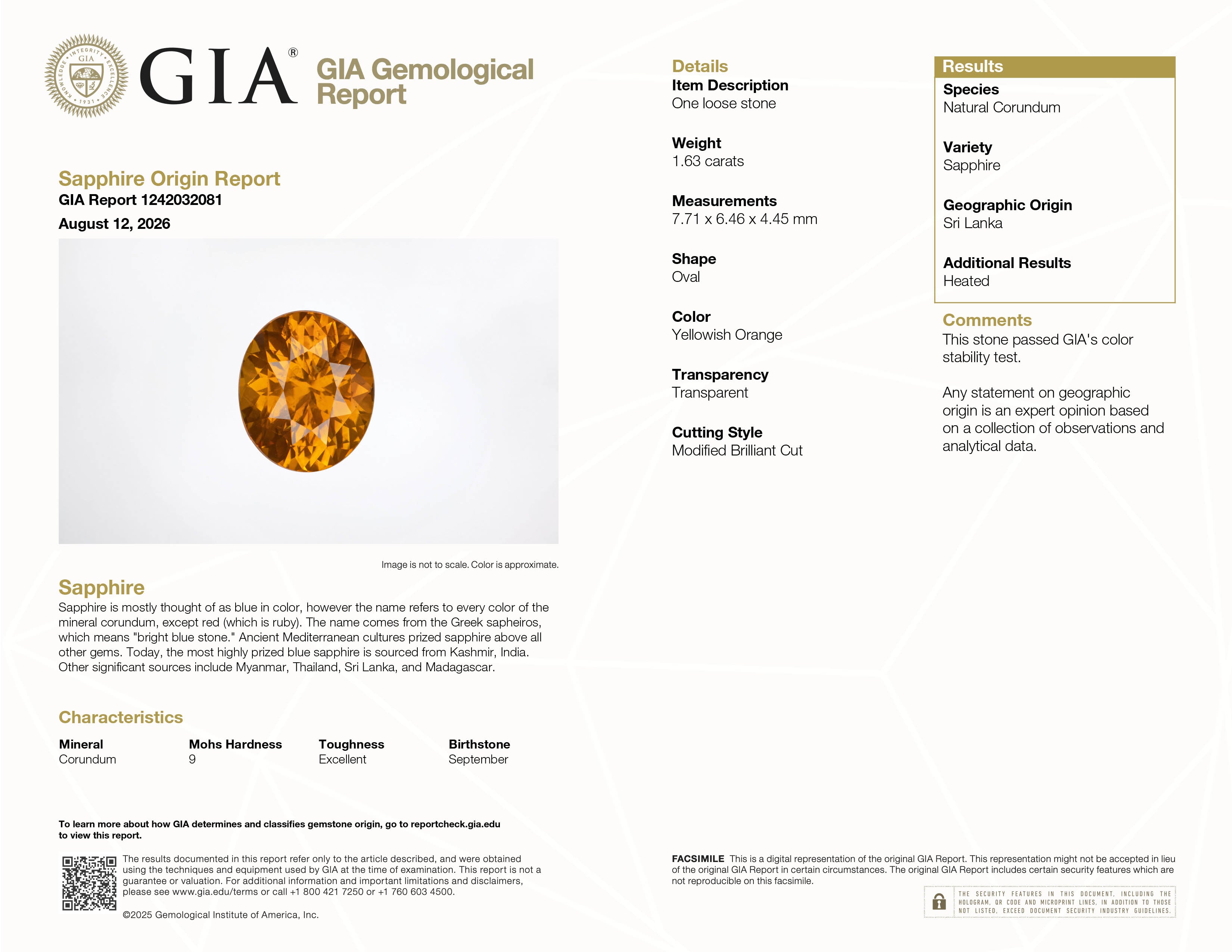
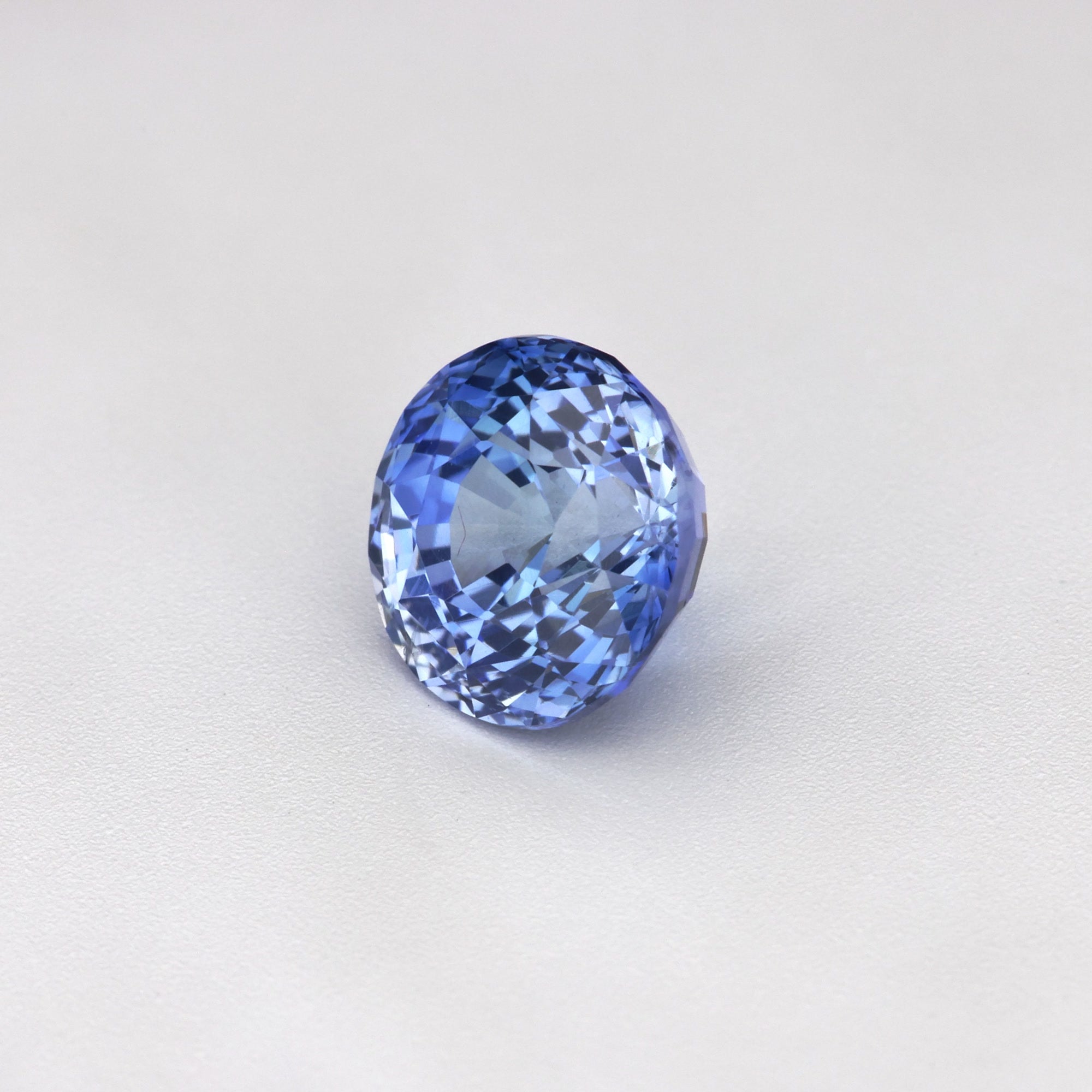
CG8456


Blue Star Sapphire Price Guide — What They Cost and Why
Read moreabout Blue Star Sapphire Price Guide — What They Cost and Why
Tsavorite Garnet Price Guide — What They Cost and Why
Read moreabout Tsavorite Garnet Price Guide — What They Cost and Why
Color-Change Sapphire Price Guide — What They Cost and Why
Read moreabout Color-Change Sapphire Price Guide — What They Cost and Why
Is Cat's-Eye Chrysoberyl Good for an Engagement Ring?
Read moreabout Is Cat's-Eye Chrysoberyl Good for an Engagement Ring?
Cat's Eye Chrysoberyl Price Guide — What They Cost and Why
Read moreabout Cat's Eye Chrysoberyl Price Guide — What They Cost and Why















Share: