

- by Ahmed Shareek
How to Choose Side Stones for a Sapphire Ring — Shape, Color, and Material Decisions
- by Ahmed Shareek
For three-stone shape combinations: Best Sapphire Shapes for Three-Stone Rings. For metal choice: Yellow Gold vs. White Gold vs. Platinum. For the buying foundation: Ultimate Sapphire Buying Guide.
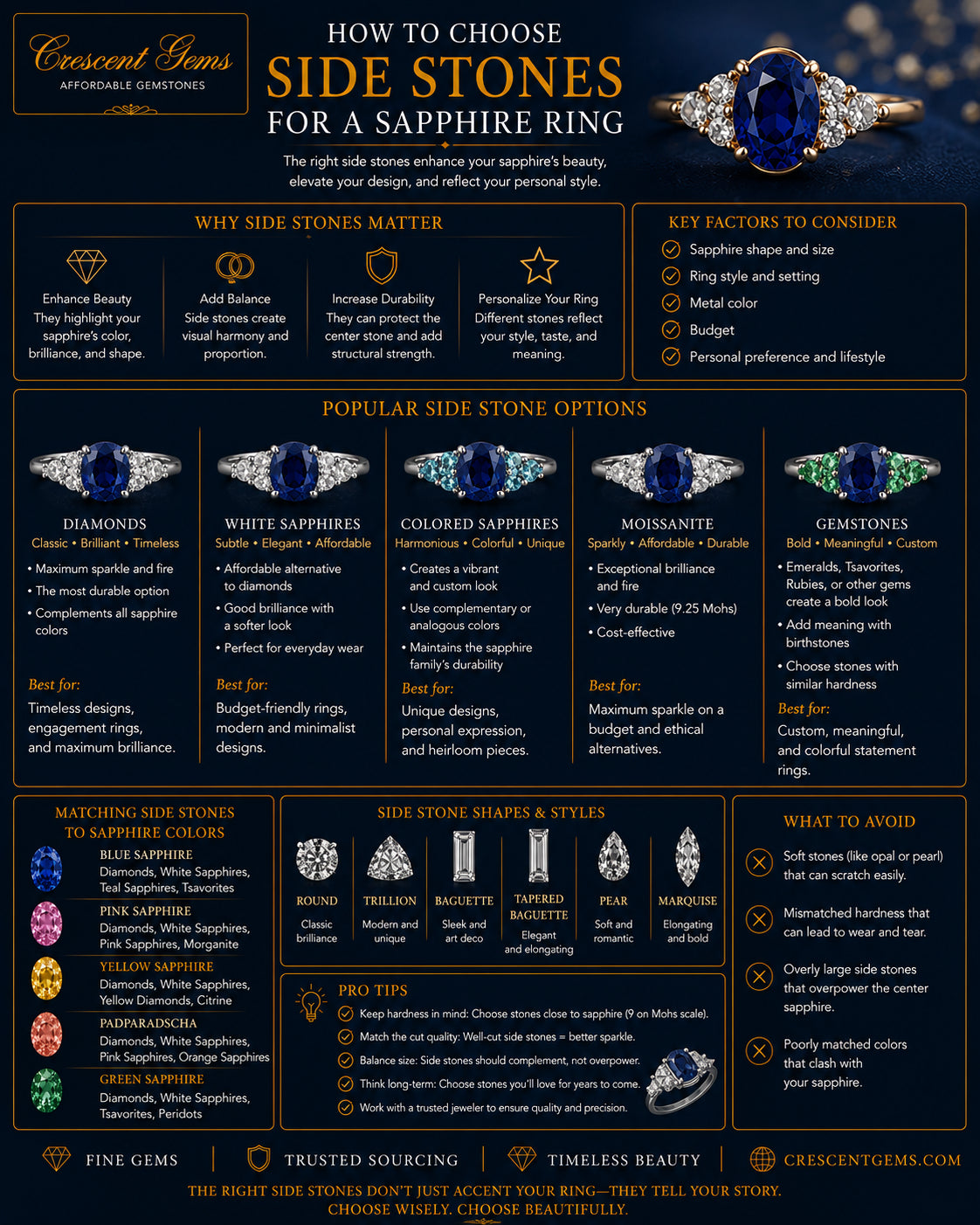
The side stones in a sapphire ring — whether flanking a center stone in a three-stone design or set as accent stones in a halo, pavé band, or shoulder accents — shape the finished ring's visual character, color composition, and overall feel. The choice of side stone material (diamond vs. sapphire), shape, size, and color relationship to the center stone are all decisions with meaningful aesthetic and practical consequences.
This guide covers each of those decisions in sequence: what to consider when choosing between diamond and sapphire side stones, which shapes work with which center stone cuts, how to proportion side stones correctly, and how color matching vs. color contrast affects what the ring looks like in wear.
The first and most fundamental side stone decision is material: white diamond side stones, or matching (or contrasting) sapphire side stones.
Diamond side stones are the conventional choice. The reasons are practical: colorless diamonds are cut in calibrated sizes and shapes, their colorless look sets up a clear contrast beside a sapphire of any color, so the eye reads the center stone's hue without a second color next to it, and they are a familiar pairing in engagement jewelry. A diamond side stone arrangement frames the sapphire center without competing with it — the eye reads the colored center stone first, with the diamonds as supporting cast.
For buyers who want a versatile result that suits a center stone of any color, diamond side stones are a straightforward choice. The sapphire's color is the star; the diamonds are the frame.
Side stones in the same color as the center sapphire create an immersive, monochromatic color statement. A vivid blue center sapphire flanked by vivid blue sapphire side stones reads as a ring entirely devoted to blue — bold, saturated, and distinctive. This approach suits buyers who want maximum color presence and a ring that declares its sapphire character unmistakably.
The practical challenge: matching sapphire side stones must be carefully color-matched to the center stone — differences in tone, saturation, or secondary hue between the center and sides are immediately visible in a matched sapphire ring. This requires working with a dealer who can source calibrated matched pairs alongside the center stone, or who has sufficient inventory to find true matches. At Crescent Gems, email crescentgems@gmail.com with your center stone specifications and we will tell you whether any pair we hold is a match.
Side stones in a different color from the center sapphire create a deliberate color composition. Some combinations to consider:
Contrasting sapphire combinations are individualized choices that require the buyer to be intentional about the color relationship — what looks harmonious on paper may look jarring in person, or vice versa. Viewing the actual stones together, in one steady light, before committing is strongly recommended for contrasting combinations — or ask for more photos and videos of the stones side by side, and look.
The shape of the side stones must be visually compatible with the center stone's outline. Side stone shapes that suit each center cut:
| Center Shape | Side Stone Shapes That Suit It | Character Created |
|---|---|---|
| Oval | Round brilliant, pear (pointed inward), trapezoid | Flowing, elegant, classic |
| Cushion | Round brilliant, half-moon, small cushions | Romantic, vintage, rich |
| Round | Any — a round outline pairs with most side stone shapes | Adaptable, balanced |
| Emerald cut | Baguette, tapered baguette, trapezoid | Architectural, sophisticated |
| Pear | Round, small pear (pointed outward) | Romantic, directional |
| Radiant | Trapezoid, baguette, small radiant | Modern, geometric |
Side stone proportions matter significantly for visual balance. The key guidelines:
Beyond the three-stone configuration, the band itself can carry side stones:
Pavé band: A band set with small brilliant diamonds across its face adds sparkle along the shank that frames the center stone from every angle. A vivid teal or blue sapphire center in a platinum pavé band with a four-prong solitaire head is one familiar sapphire ring configuration. The pavé adds cost and increases the ring's overall diamond presence.
Partial pavé / shoulder set: Diamond accents only on the shoulders of the shank, tapering toward the back. A middle ground between plain band and full pavé — adds sparkle where it is most visible without the full cost of a pavé band.
Plain band: The cleanest and most stone-forward option. A plain polished or engraved band focuses all attention on the center sapphire and is the right choice for buyers who want maximum color presence without competing sparkle. A plain band also has no small set stones to lose — a pavé band should be checked periodically, because small diamonds can work loose.
For the full custom ring design framework see our custom sapphire ring design guide.
Diamond side stones are more versatile, easier to match across any center stone color, and the conventional choice. Their colorless look gives a clear contrast beside the center sapphire, so the eye reads its color without a competing hue. Sapphire side stones (matching or contrasting) create a bolder, more distinctive color statement but require more careful sourcing and color matching. Neither is objectively better — it is a personal aesthetic decision.
Ask a dealer for calibrated pairs that match your center stone's color, tone, and saturation, and ask for photos and videos of the stones together. At Crescent Gems, email crescentgems@gmail.com with the specifications of your center stone and we will tell you whether any loose stones we hold would match.
Yes — alternating diamond and sapphire accents in a halo or pavé band creates an interesting color-and-white mixed composition. This works particularly well when the accent sapphires are small enough that the overall impression is of sparkle with color notes rather than a competing colored stone arrangement.
Email crescentgems@gmail.com with your center stone and side stone preferences — we will tell you whether any loose stones we hold would suit as matching or complementary side stones. We respond within one business day.
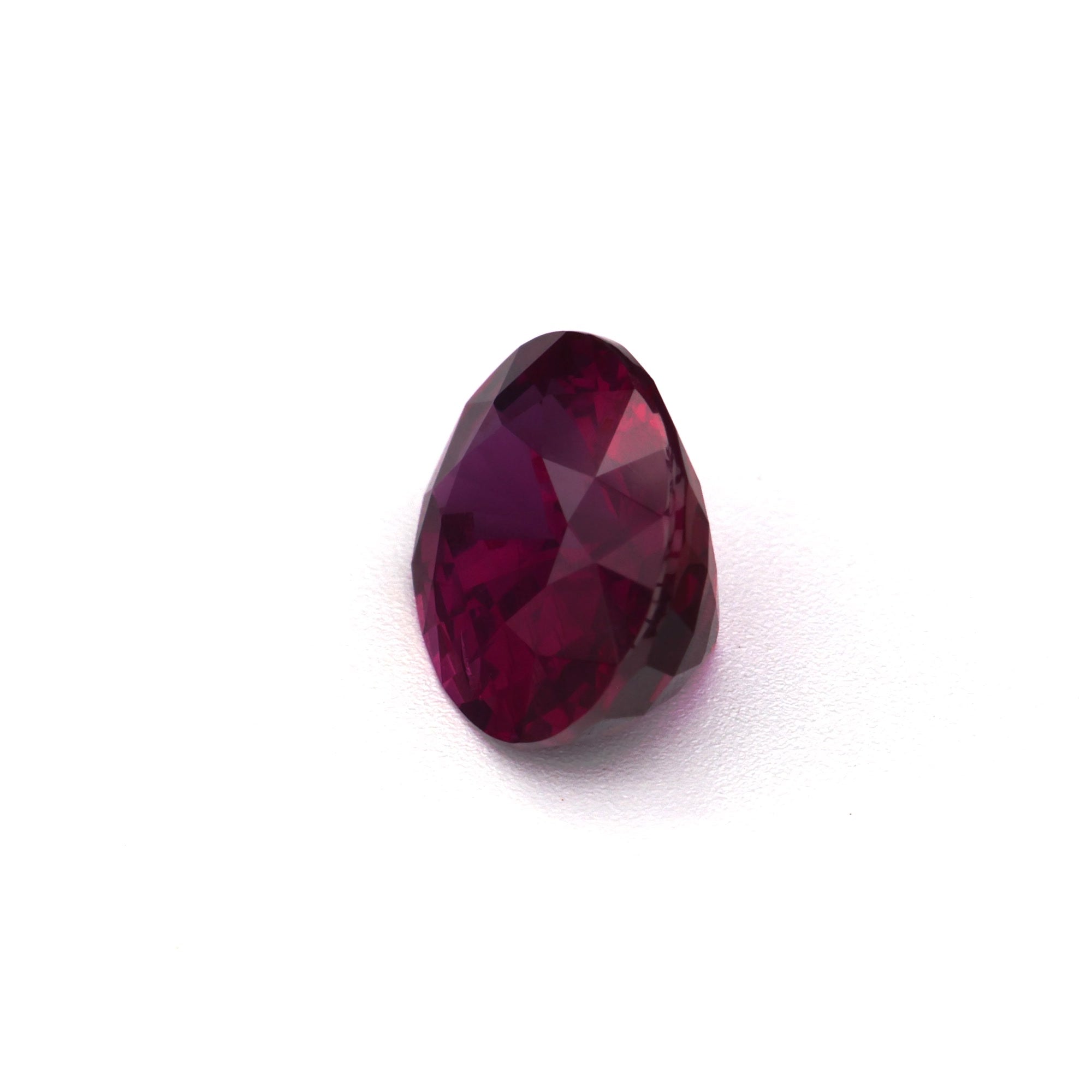
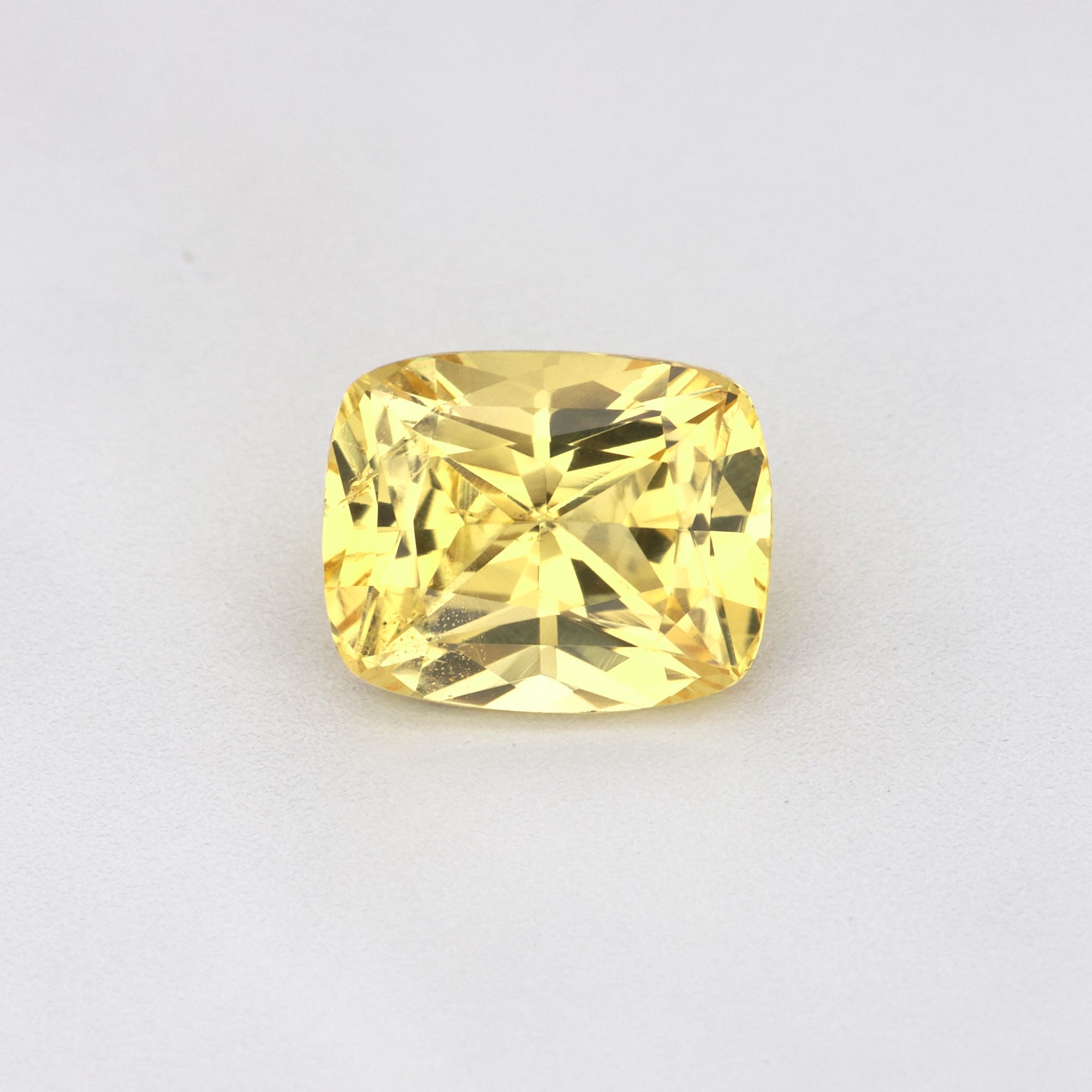
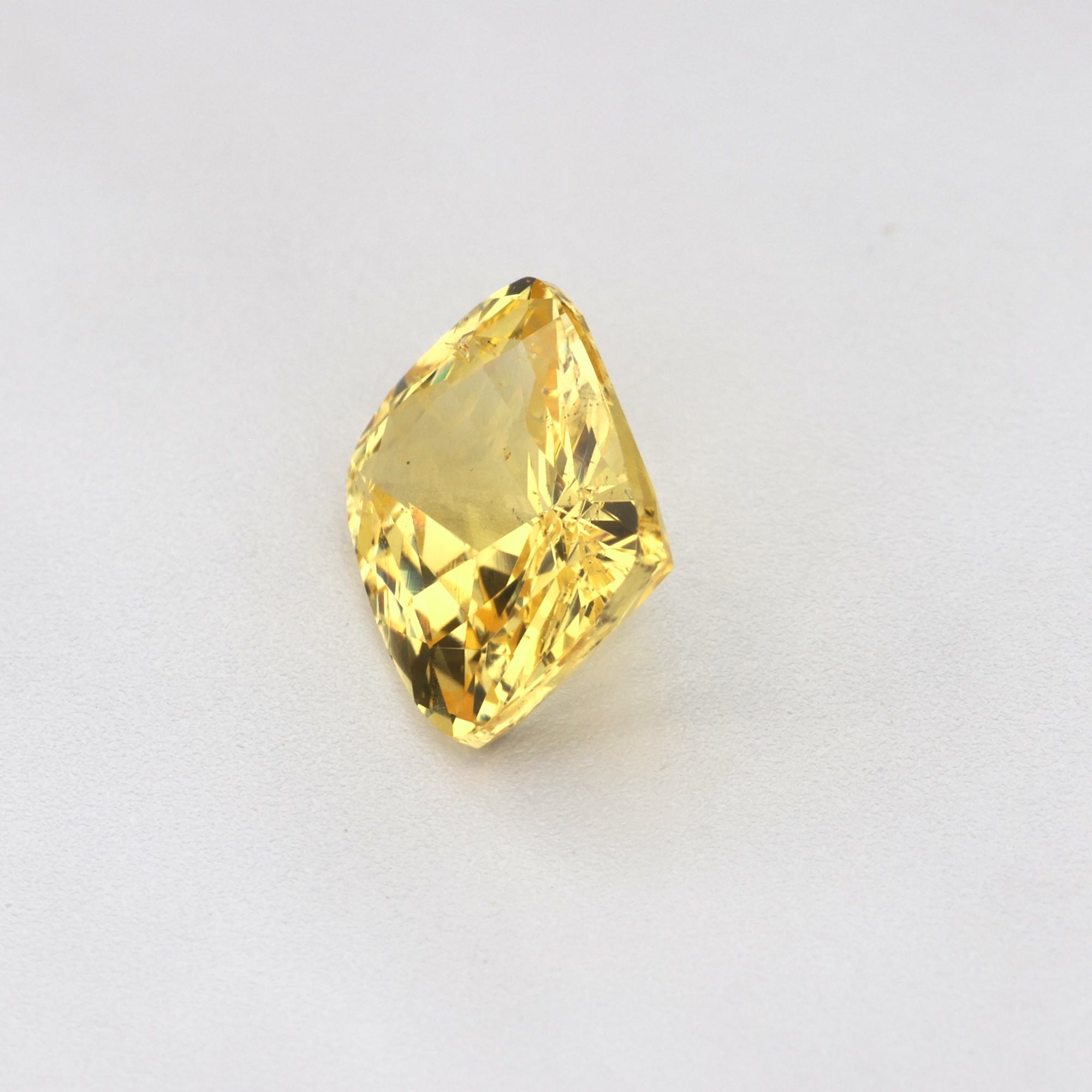
Need two well-matched stones rather than one? Browse our matched gemstone pairs collection, pre-selected for color and size consistency.

CG8465
CG8463
CG8460
CG8456


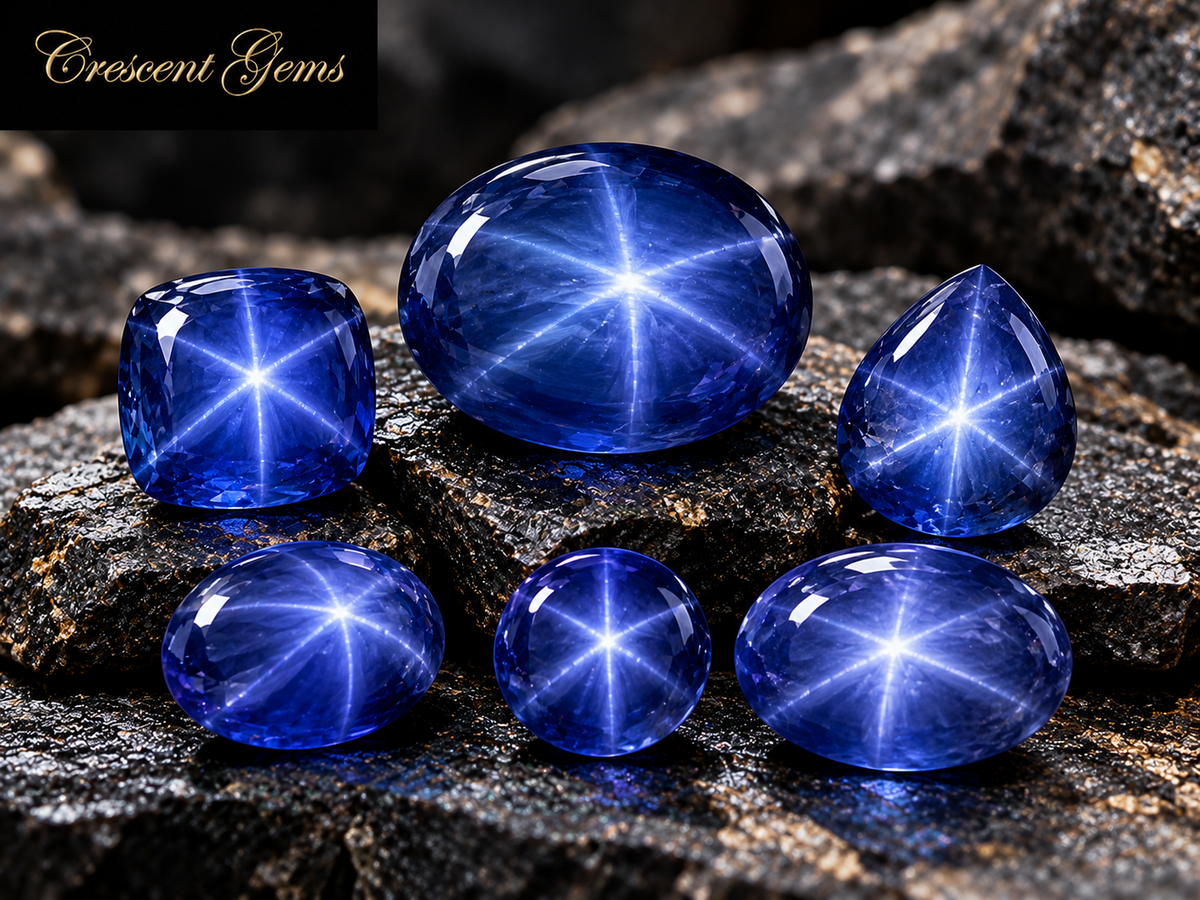
Blue Star Sapphire Price Guide — What They Cost and Why
Read moreabout Blue Star Sapphire Price Guide — What They Cost and Why
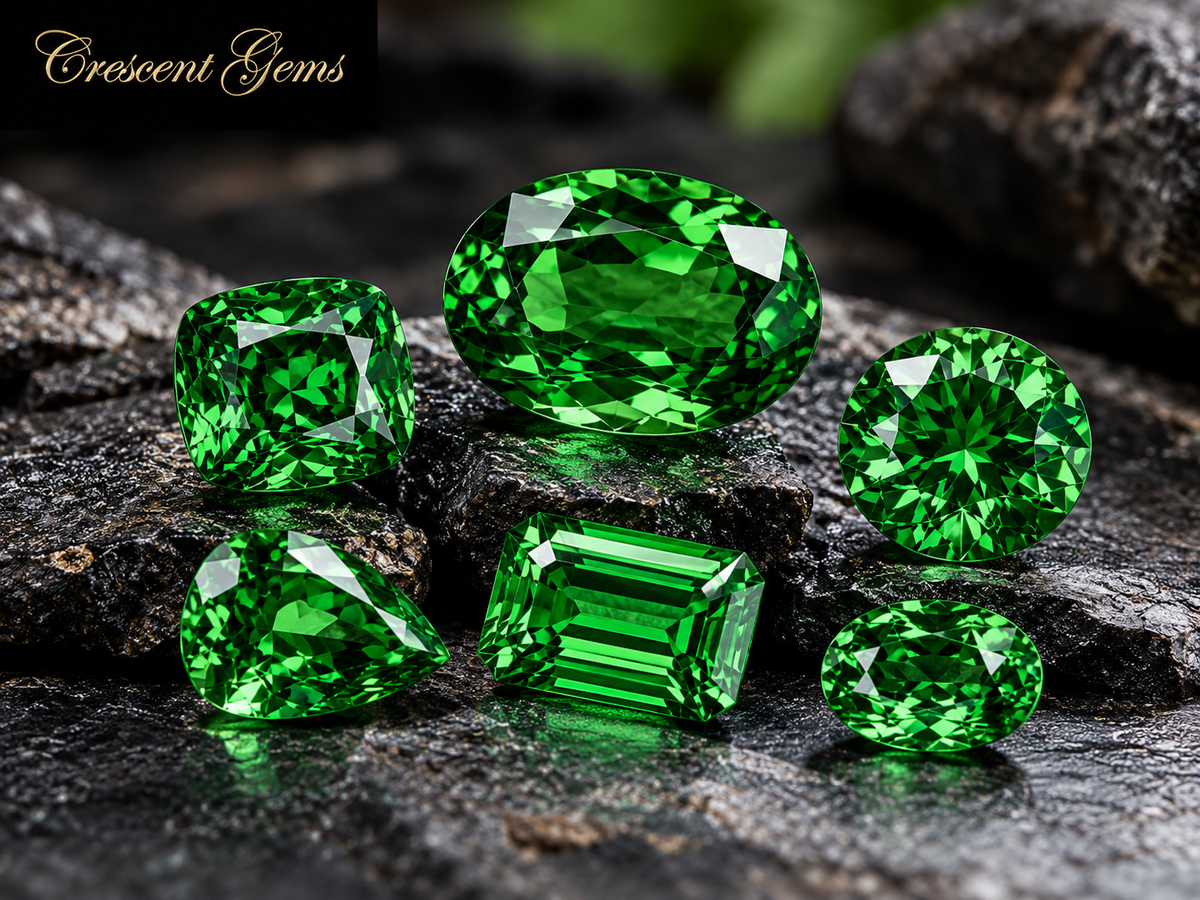
Tsavorite Garnet Price Guide — What They Cost and Why
Read moreabout Tsavorite Garnet Price Guide — What They Cost and Why
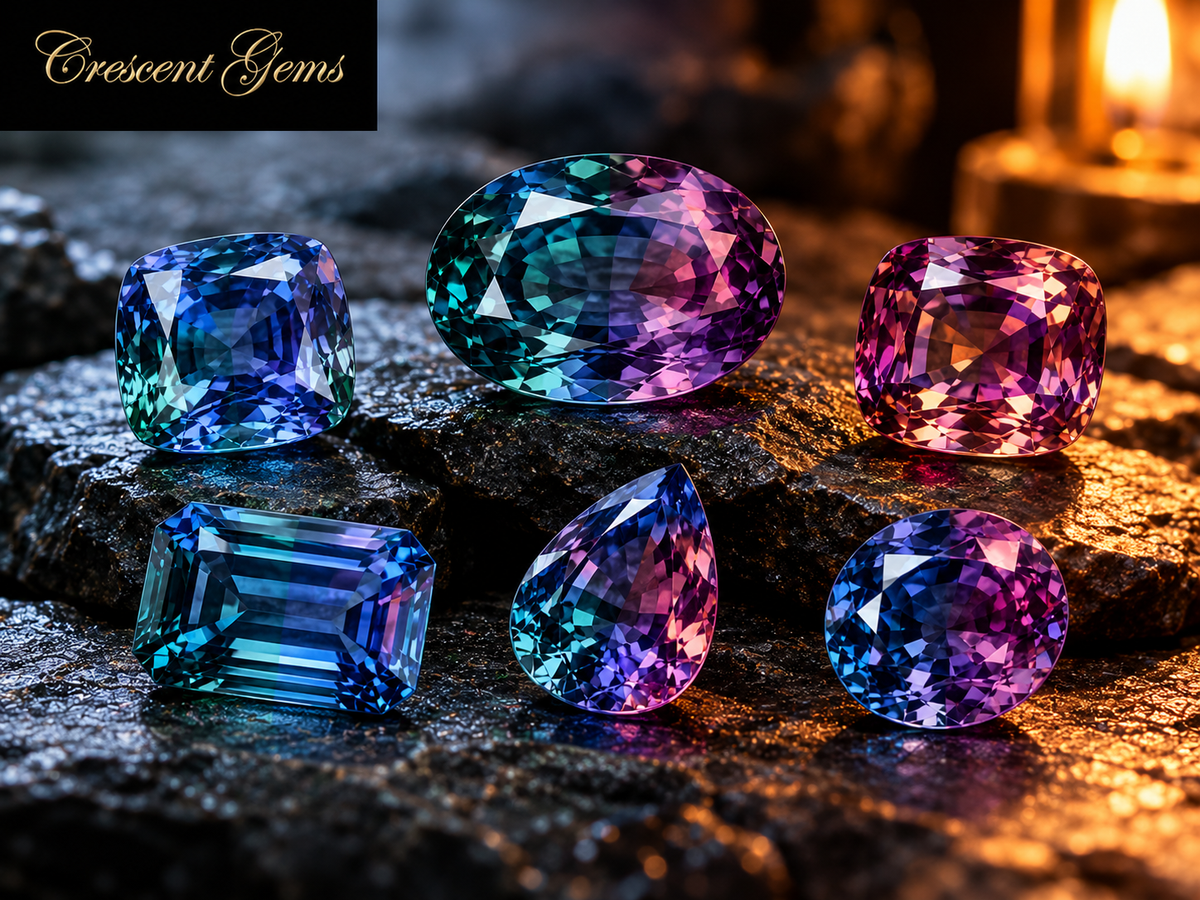
Color-Change Sapphire Price Guide — What They Cost and Why
Read moreabout Color-Change Sapphire Price Guide — What They Cost and Why
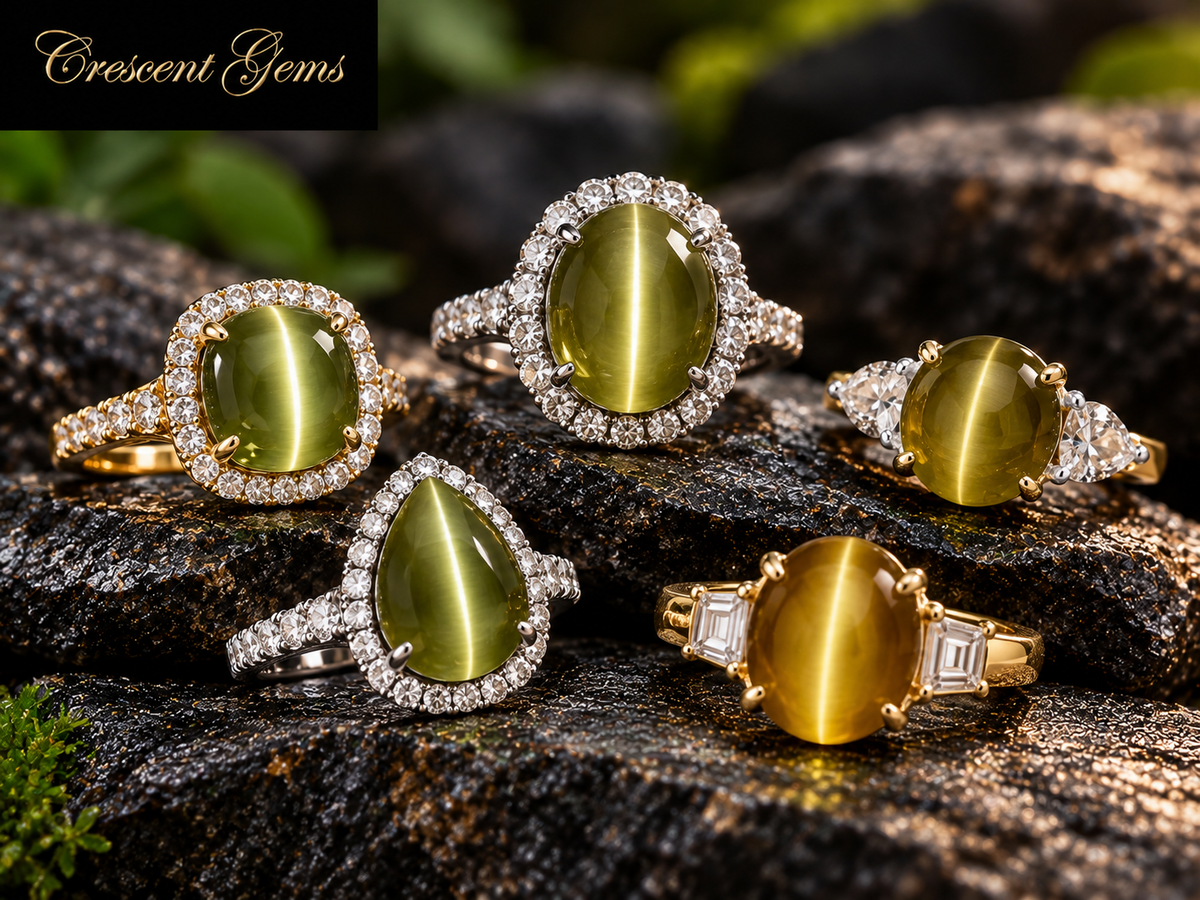
Is Cat's-Eye Chrysoberyl Good for an Engagement Ring?
Read moreabout Is Cat's-Eye Chrysoberyl Good for an Engagement Ring?
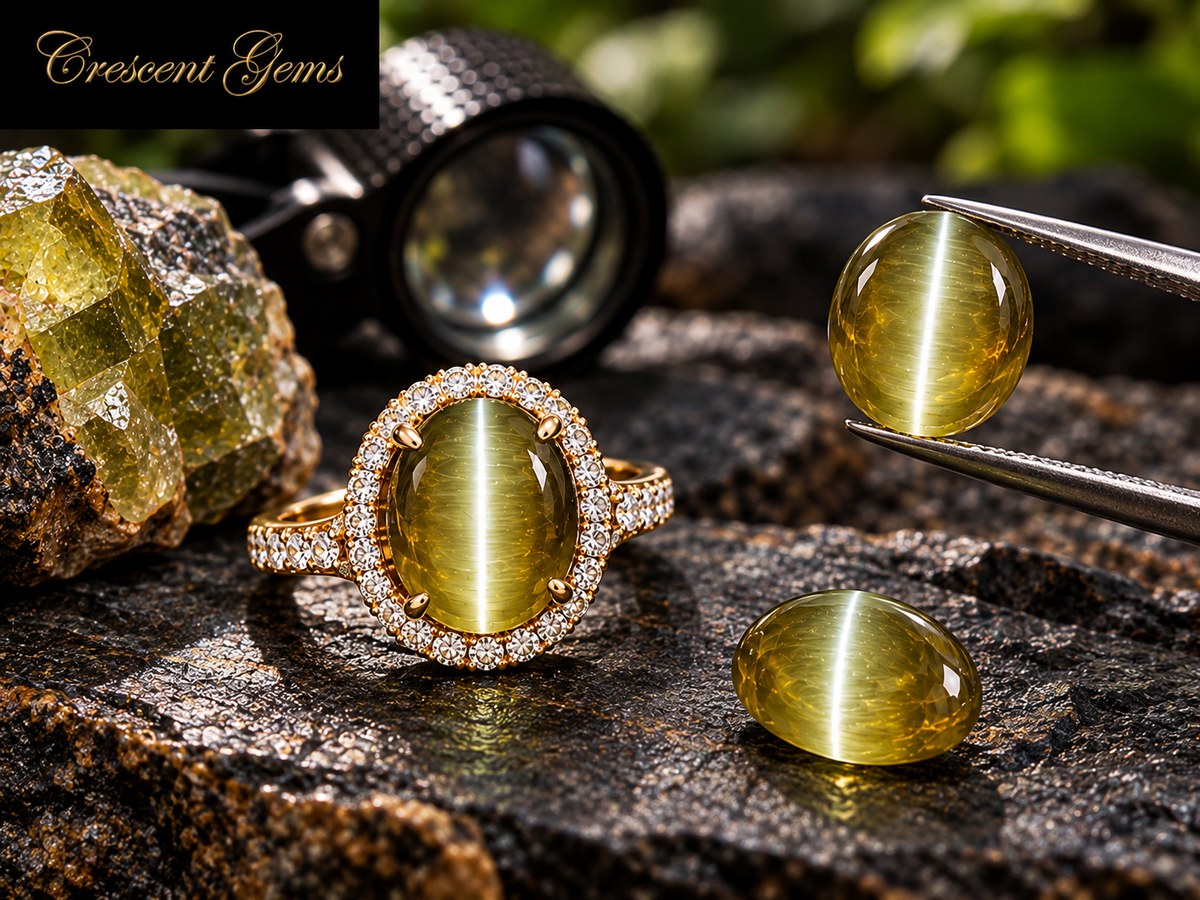
Cat's Eye Chrysoberyl Price Guide — What They Cost and Why
Read moreabout Cat's Eye Chrysoberyl Price Guide — What They Cost and Why















Share: