

- by Ahmed Shareek
How to Choose a Setting That Protects Sapphire Corners — Prong Placement and Setting Styles
- by Ahmed Shareek
For bezel protection: How to Choose a Sapphire for a Bezel Ring. For custom ring design: How to Design a Custom Sapphire Ring. For the buying foundation: Ultimate Sapphire Buying Guide.
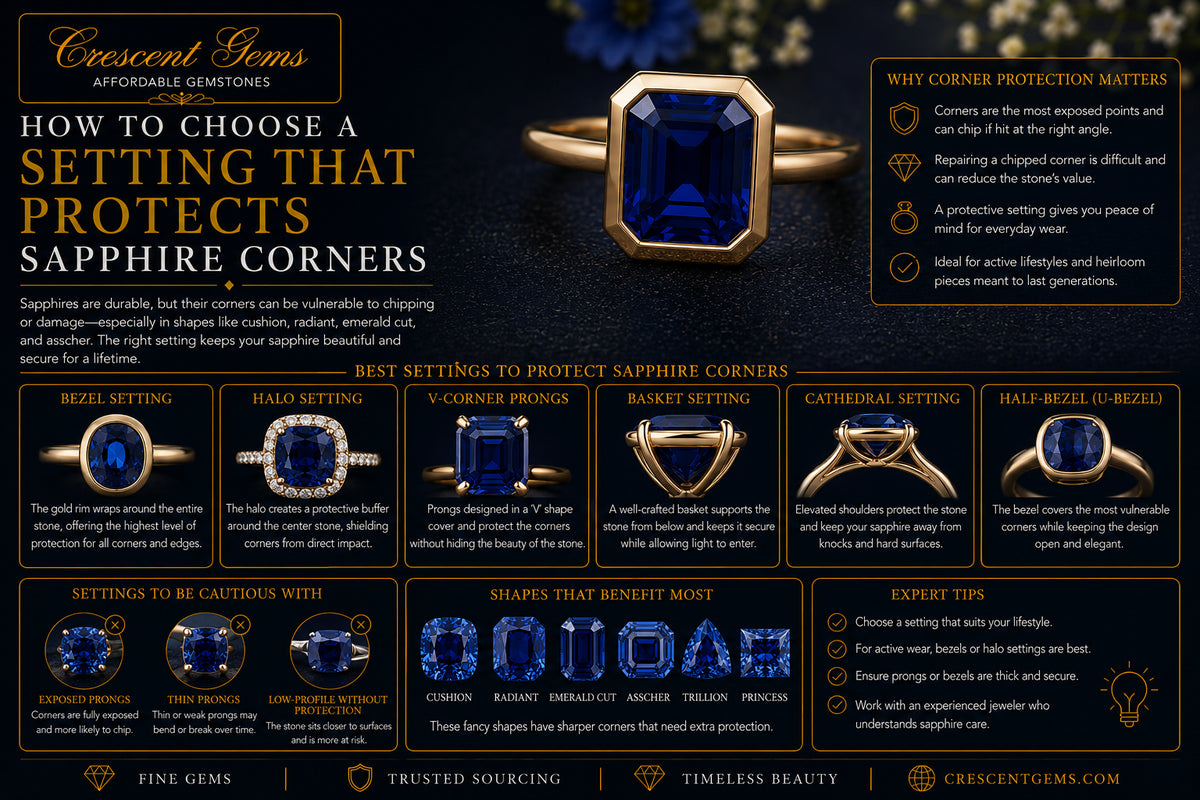
Sapphire is Mohs 9 and resists scratching well in daily wear. But hardness is scratch resistance, not toughness. Sapphire has no cleavage, but corundum can show parting, and a sharp, directed impact can still chip or crack it. The most vulnerable locations are the corners and pointed tips of fancy-shaped stones: the tip of a pear, the points of a marquise, and the cropped corners of an emerald cut. These points concentrate stress, and without the right setting protection, a sharp knock to a corner can cause damage that cannot be repaired — only recut, at the cost of weight and shape.
This guide covers which sapphire shapes are most at risk, how corner damage happens, what prong placement and setting styles protect the corners effectively, and how to evaluate a setting for correct corner protection before buying or commissioning.
Not all shapes carry equal corner risk. The vulnerability depends on the sharpness and angle of the corners:
| Shape | Corner Risk | Vulnerable Points |
|---|---|---|
| Pear | High | The pointed tip — a single thin point that needs V-prong protection |
| Marquise | High | Both pointed tips — two vulnerable points that both require V-prong protection |
| Princess cut (square) | High | All four sharp 90-degree corners |
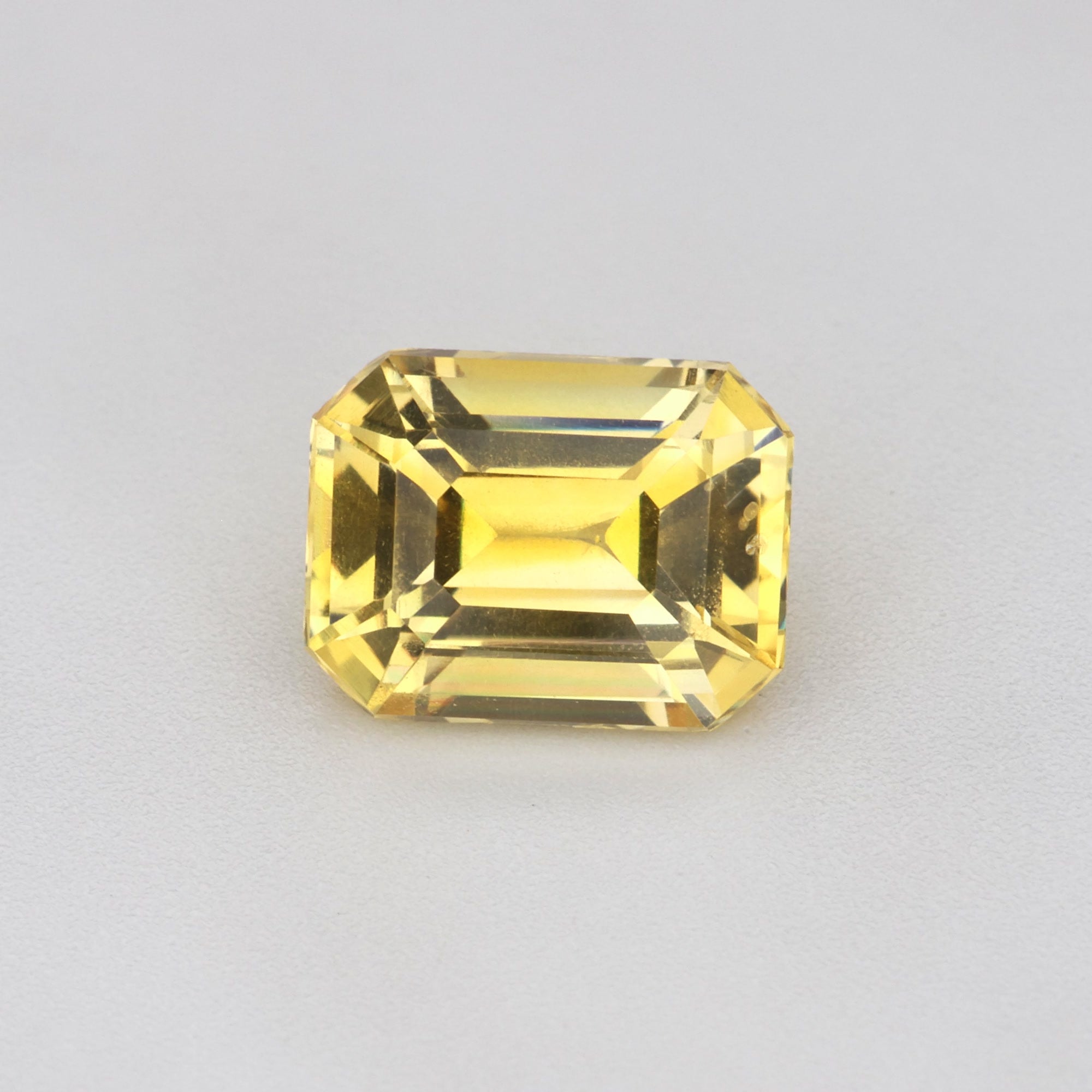
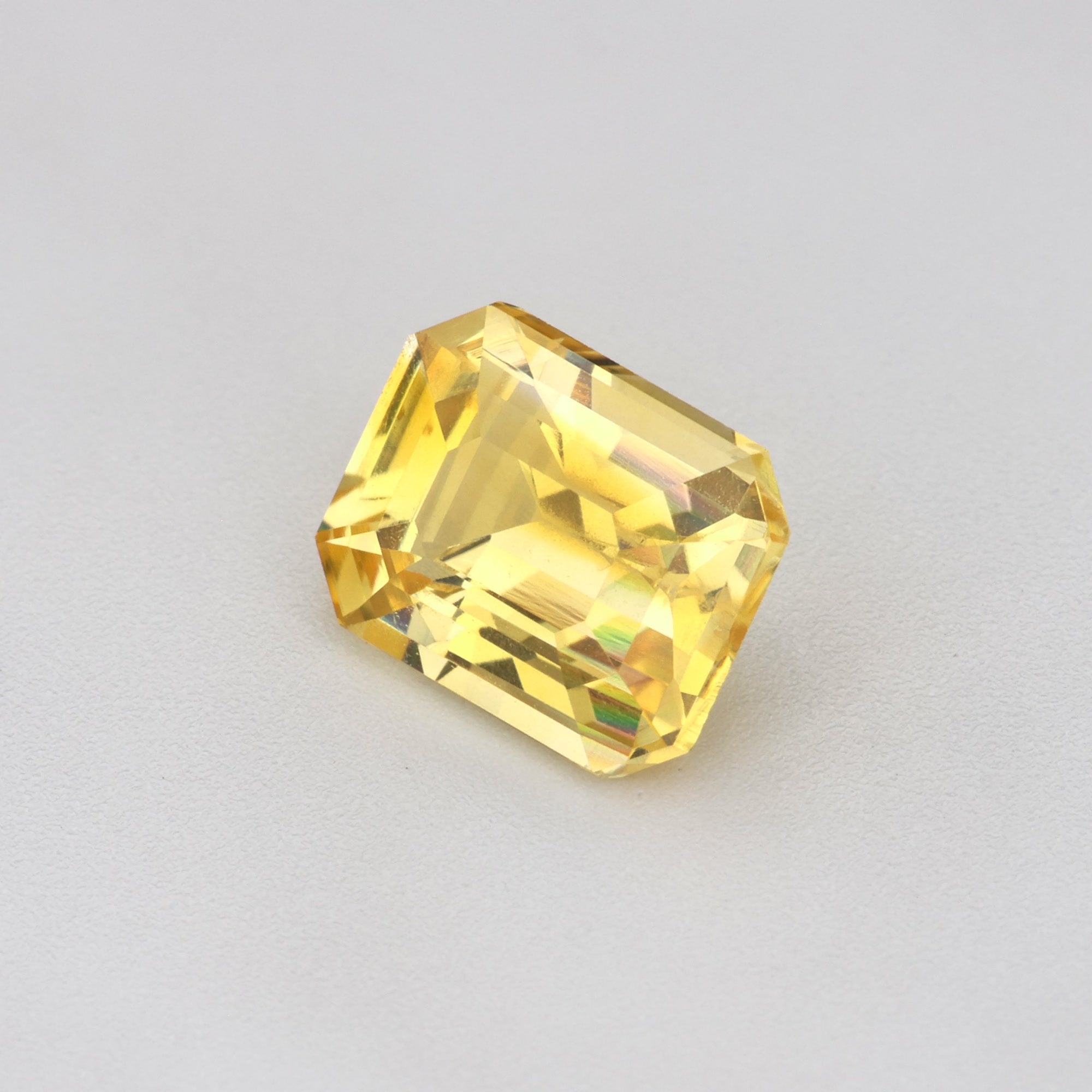
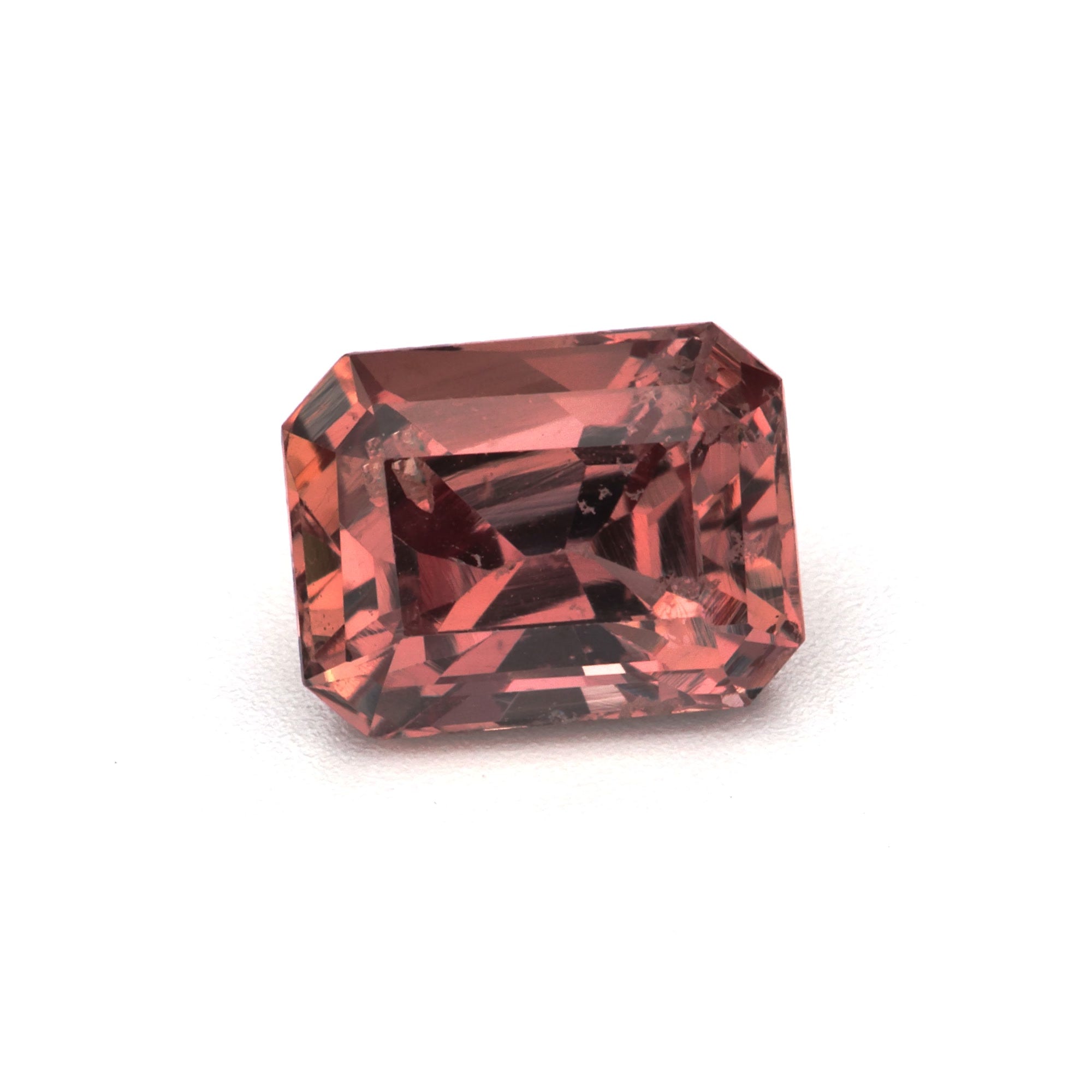
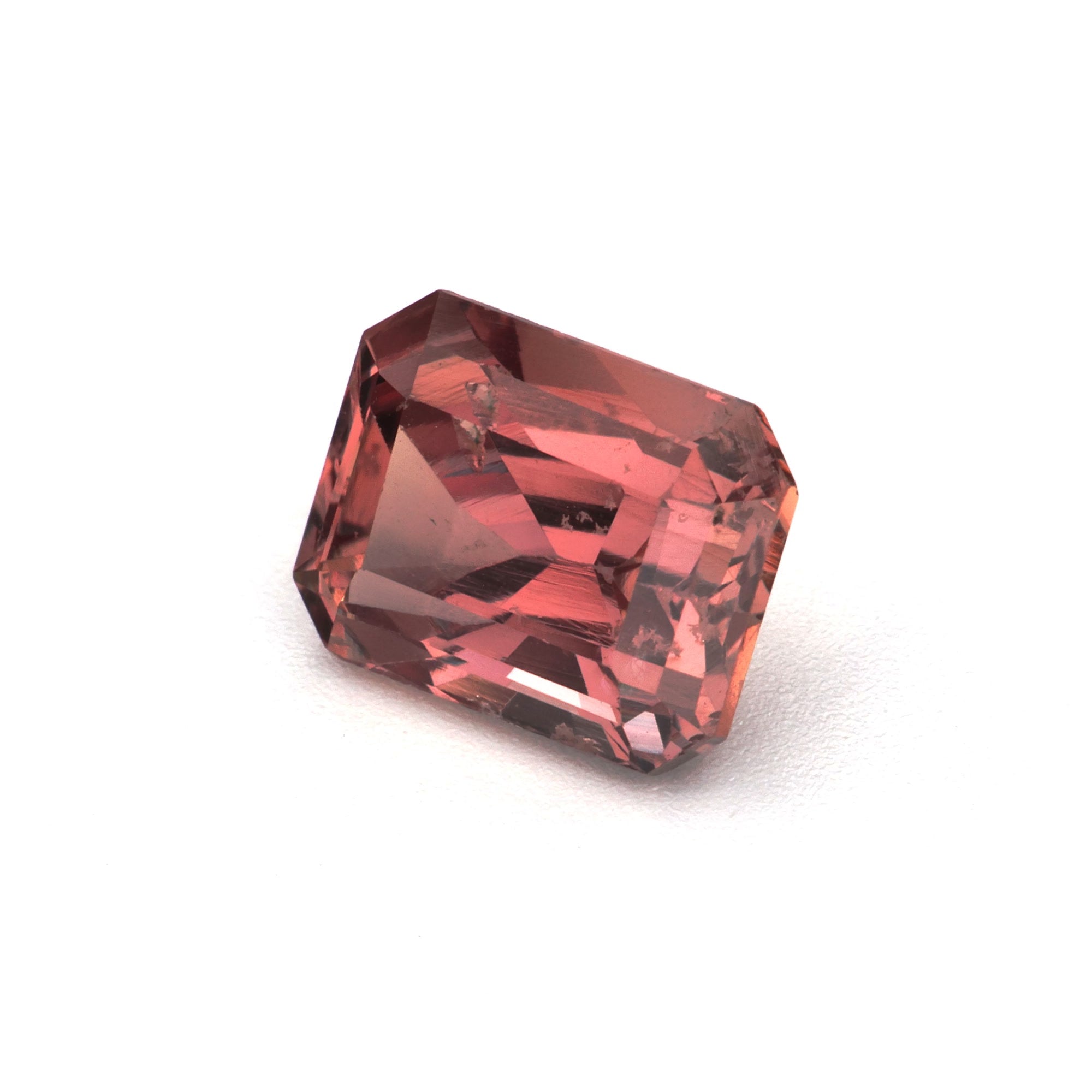
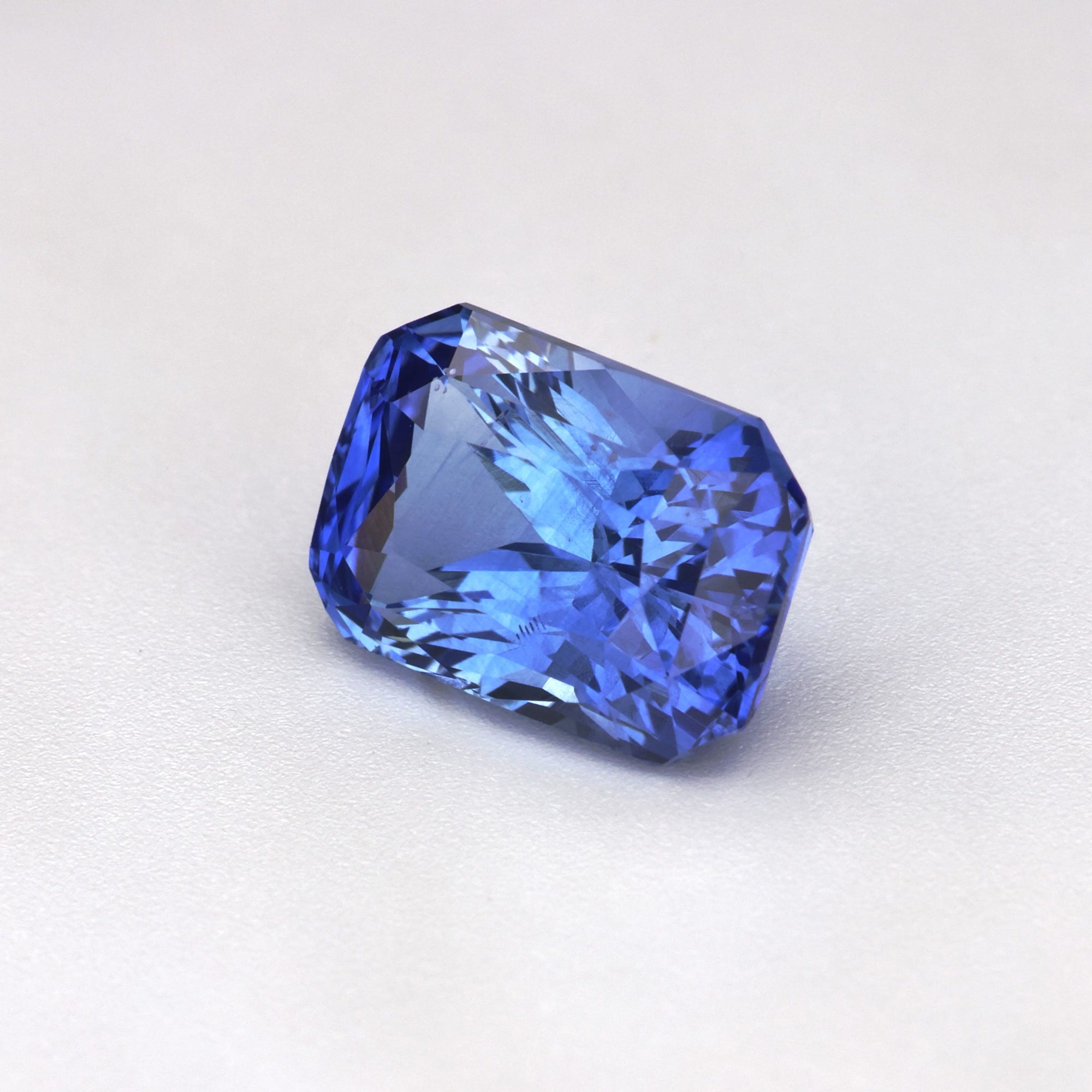
| Emerald cut | Low to moderate | Corners are already cropped — less sharp than princess cut; still needs corner prongs |
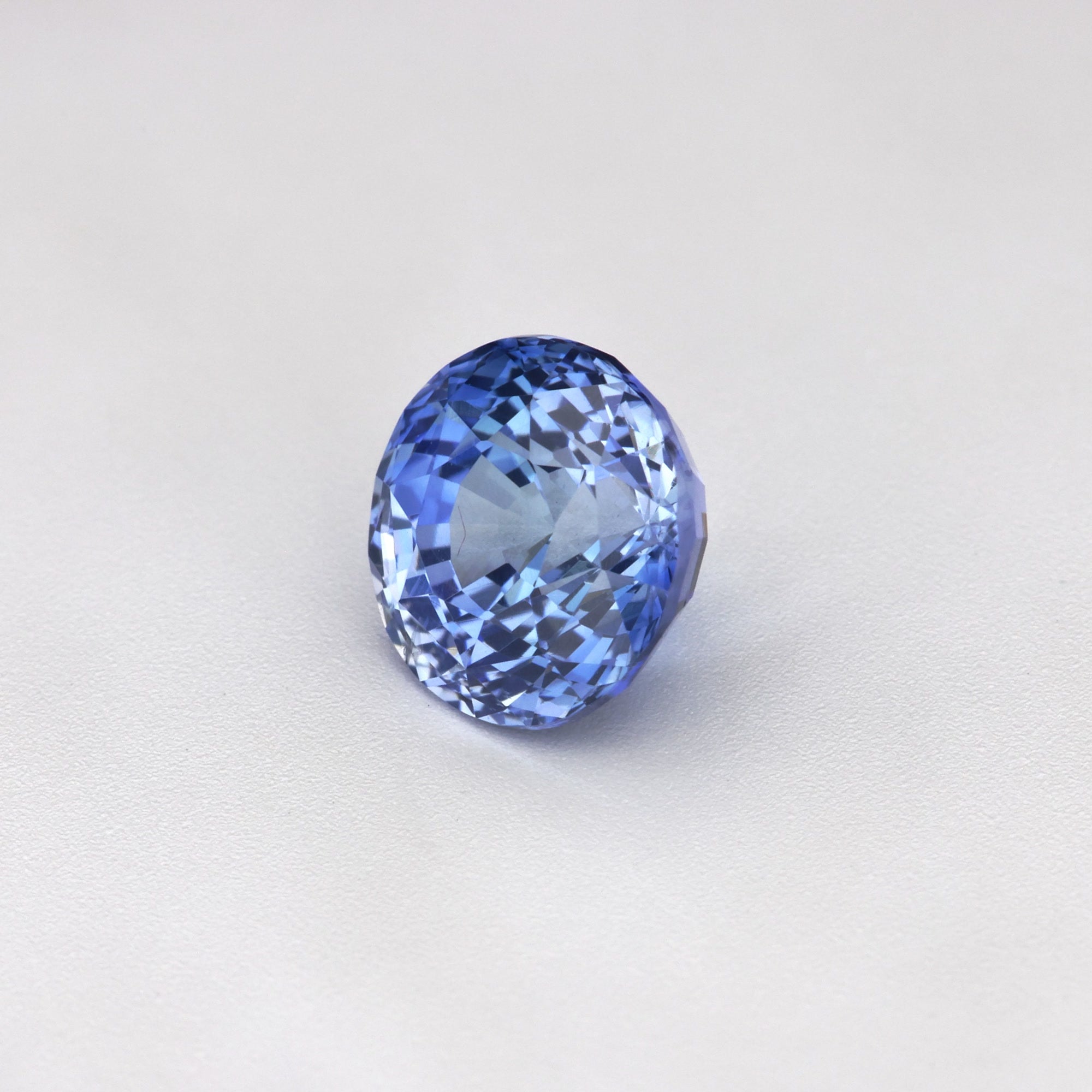
| Oval | Low | No sharp corners — rounded outline is inherently safer |
| Cushion | Low | Rounded corners — no sharp points |
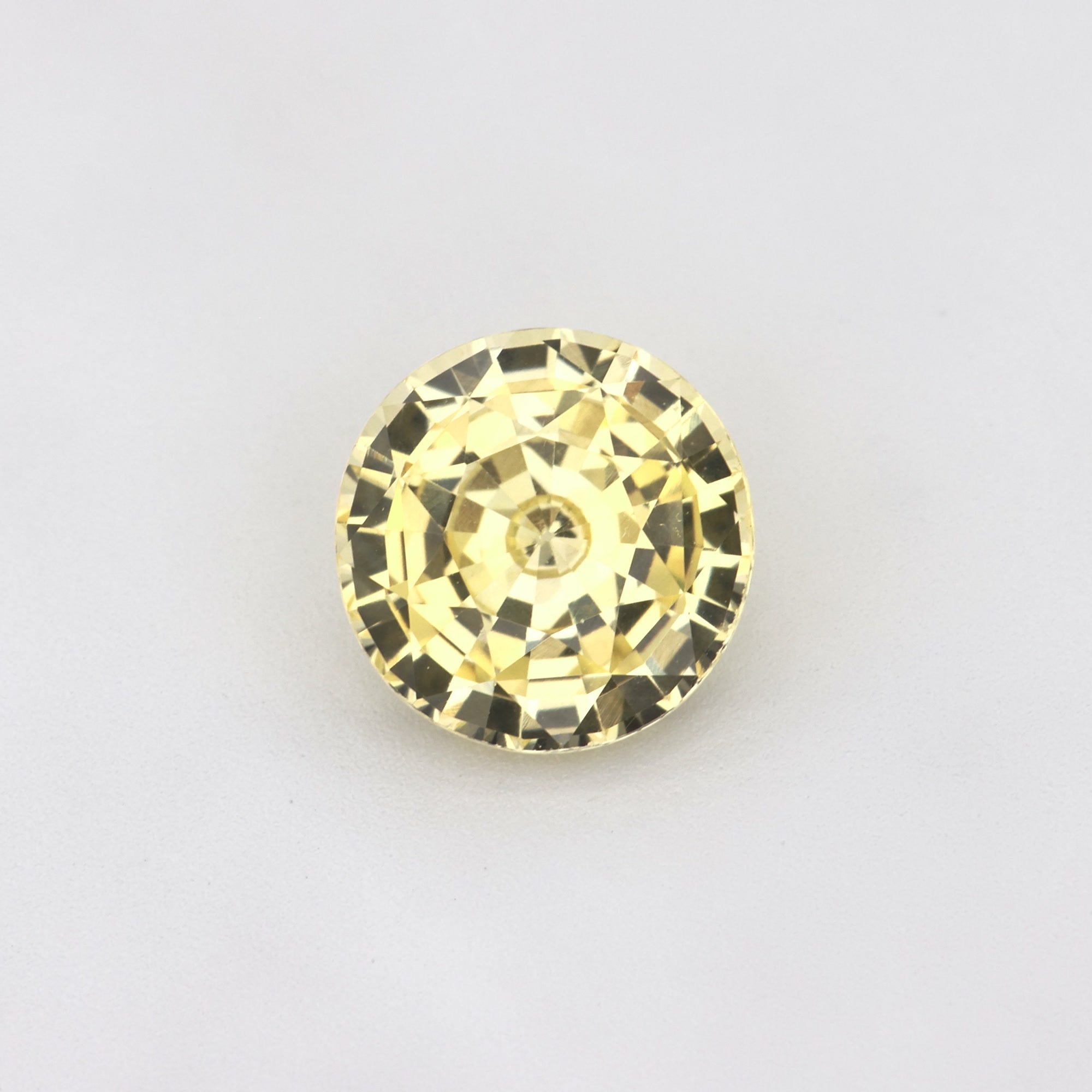
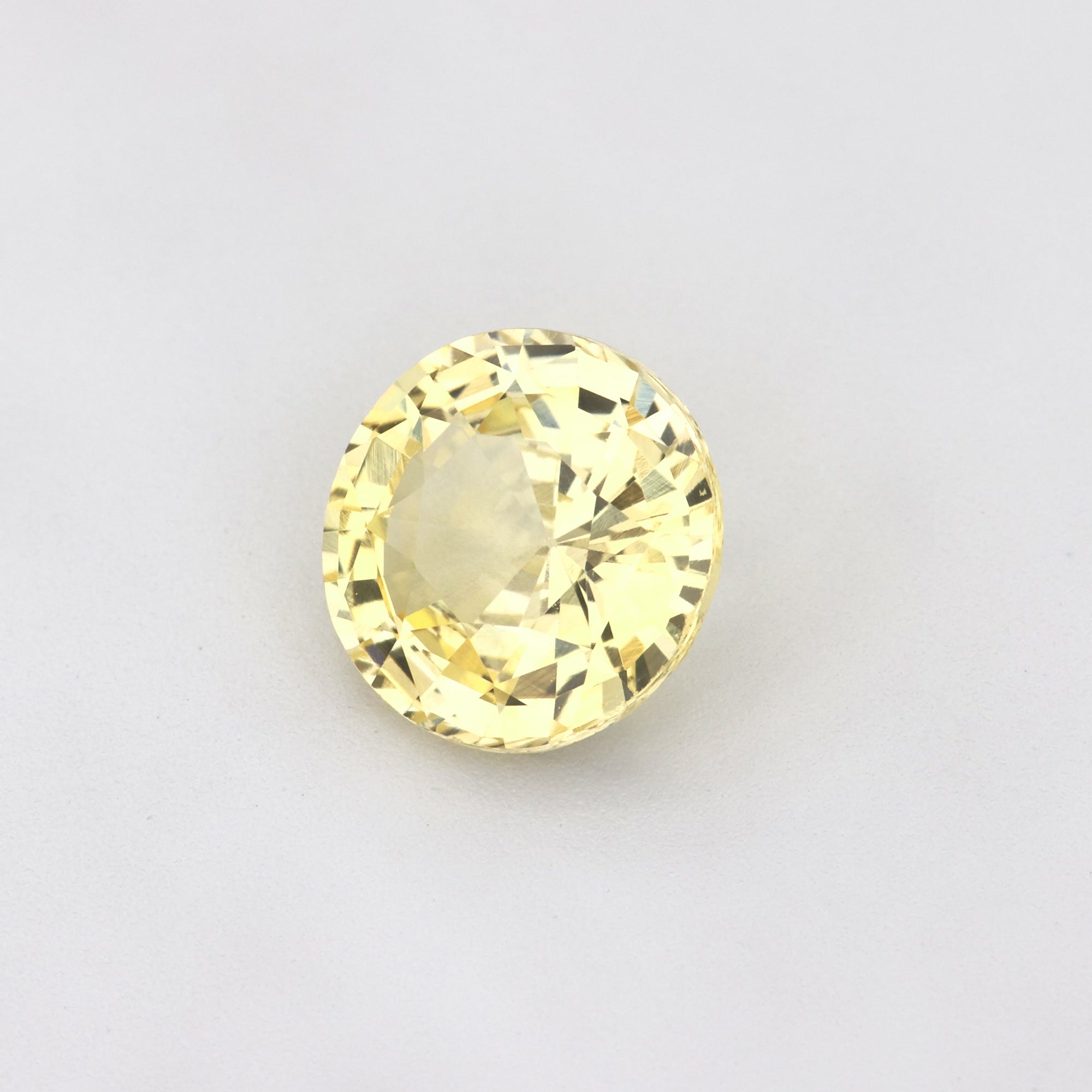
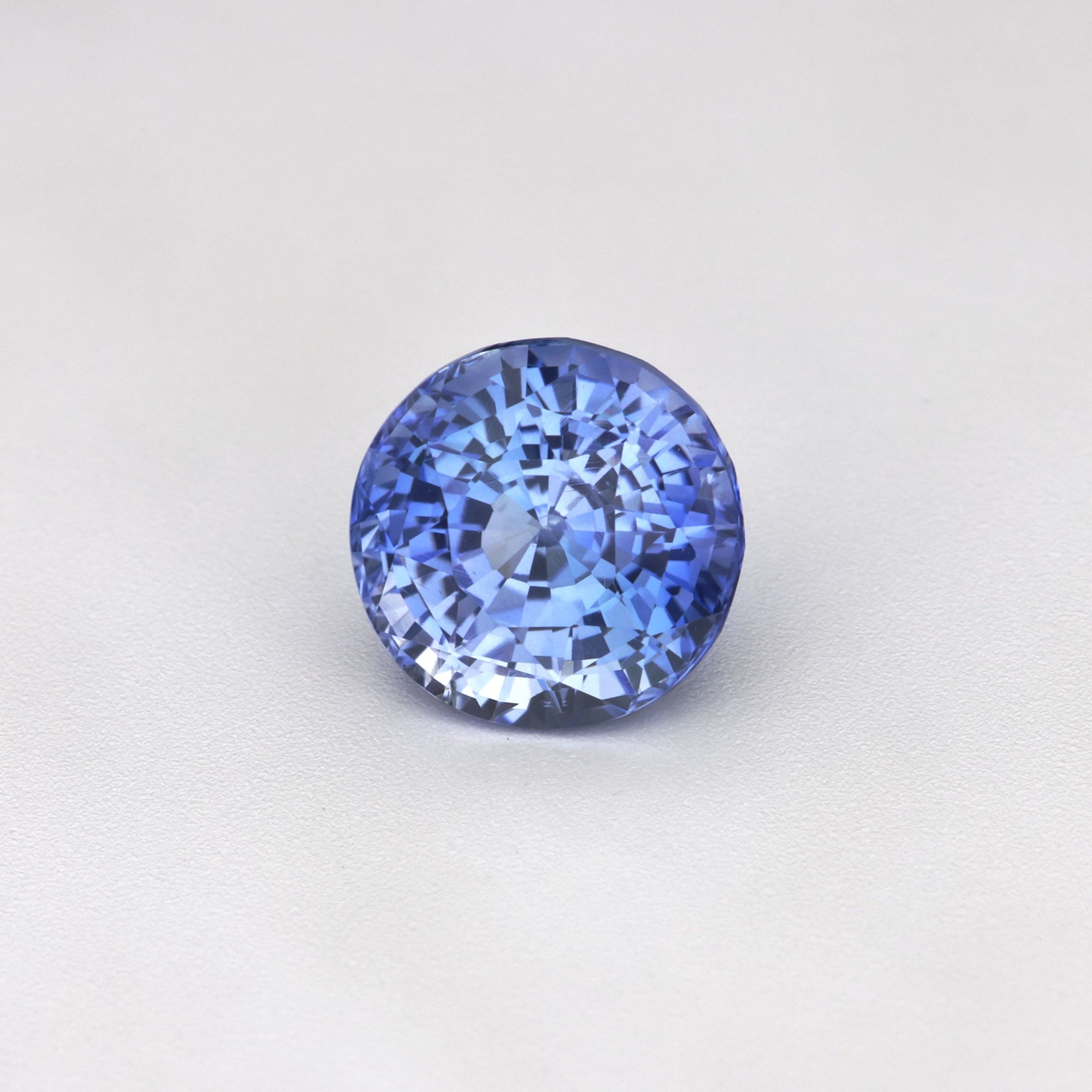
| Round | Lowest | No corners at all — no point or corner to chip |
The practical implication: if you want the shapes most at risk for corner damage in an everyday wear ring — pear, marquise, or princess cut — the setting must provide active corner protection, not just general prong coverage. This is not optional; it is a durability requirement.
Corner chips in sapphire engagement rings can happen in three main ways:
The V-prong — a prong shaped like a V or U that wraps over the pointed tip of a pear or marquise — is the usual protection for pointed corners. The V-prong encases the tip rather than merely touching it, distributing any impact force across the metal rather than concentrating it at the point. Any pear or marquise sapphire intended for daily ring wear should have V-prong tips at each pointed end. This is not optional — a round prong touching a pear tip provides inadequate protection for daily wear.
The emerald cut's cropped corners are less exposed than the sharp corners of a princess cut, but they still benefit from corner prong placement that caps the corner rather than sitting on the flat facets. A well-set emerald cut sapphire has prongs at each of its four cropped corners (a claw over each corner, or a pair of prongs flanking it) that protect the edges while maintaining the clean rectangular outline. Inspect any emerald cut setting to confirm the prongs are seated at the actual corners, not positioned on the long straight sides.
A full bezel — a continuous metal rim that encircles the entire girdle of the stone — provides the maximum physical protection for any shape, including those with vulnerable corners. No corner can be struck because no corner is exposed. A pear sapphire in a full bezel has no exposed tip, because the metal completely surrounds the outline. The trade-off is a more substantial metal presence around the stone that reduces visible face area and creates a different aesthetic than an open prong setting. See our bezel ring guide for the full framework.
A partial bezel wraps metal around part of the girdle — often the two ends or the two sides — and leaves the rest of the outline open: more protective than prongs at the covered points while keeping more visual openness than a full bezel. For shapes where the primary vulnerability is the tip (pear, marquise), a partial bezel that caps the tip while leaving the sides open is a good compromise between protection and visibility.
A halo of diamonds around the center stone does not provide direct corner protection — the corner is still exposed within the halo — but the visual and physical presence of the surrounding diamonds can reduce the likelihood of direct impact at the corner because the halo extends the ring's protective perimeter around the stone. For shapes with moderate corner risk, a halo is an indirect protective benefit. For shapes with high corner risk (pear tips, marquise points), a halo alone is not sufficient — proper V-prong tip protection within the halo is still required.
Before accepting or commissioning a setting for a corner-at-risk shape:
Crescent Gems sells loose stones; the setting is made by your own jeweller. Take this checklist to them, and email crescentgems@gmail.com if you need the exact shape and dimensions of a stone you are considering.
A corner chip cannot be repaired — the fractured material is gone. The only remedy is recutting the stone to a new outline that removes the chip, which reduces carat weight and may change the stone's shape. Prevention through correct setting is far preferable. See our ring care guide for the full damage prevention framework.
Yes — with proper V-prong tip protection and reasonable care. The tip is the pear's one exposed point, and a V-prong covers it. The key is the V-prong at the tip and awareness about activities where impact risk is elevated (gym, gardening, outdoor work). Remove the ring for those activities and a properly set pear sapphire is a perfectly practical daily wear choice.
Correct — the round's continuous curved outline has no corners, points, or angles, so there is no point or corner to chip. This is one of the round's practical advantages over fancy shapes. A round sapphire in a well-set six-prong or bezel setting is a secure configuration for daily wear.
Browse our pear sapphire collection and emerald cut sapphire collection, or email crescentgems@gmail.com with your shape and setting questions. We respond within one business day.

CG8465
CG8463
CG8460
CG8456


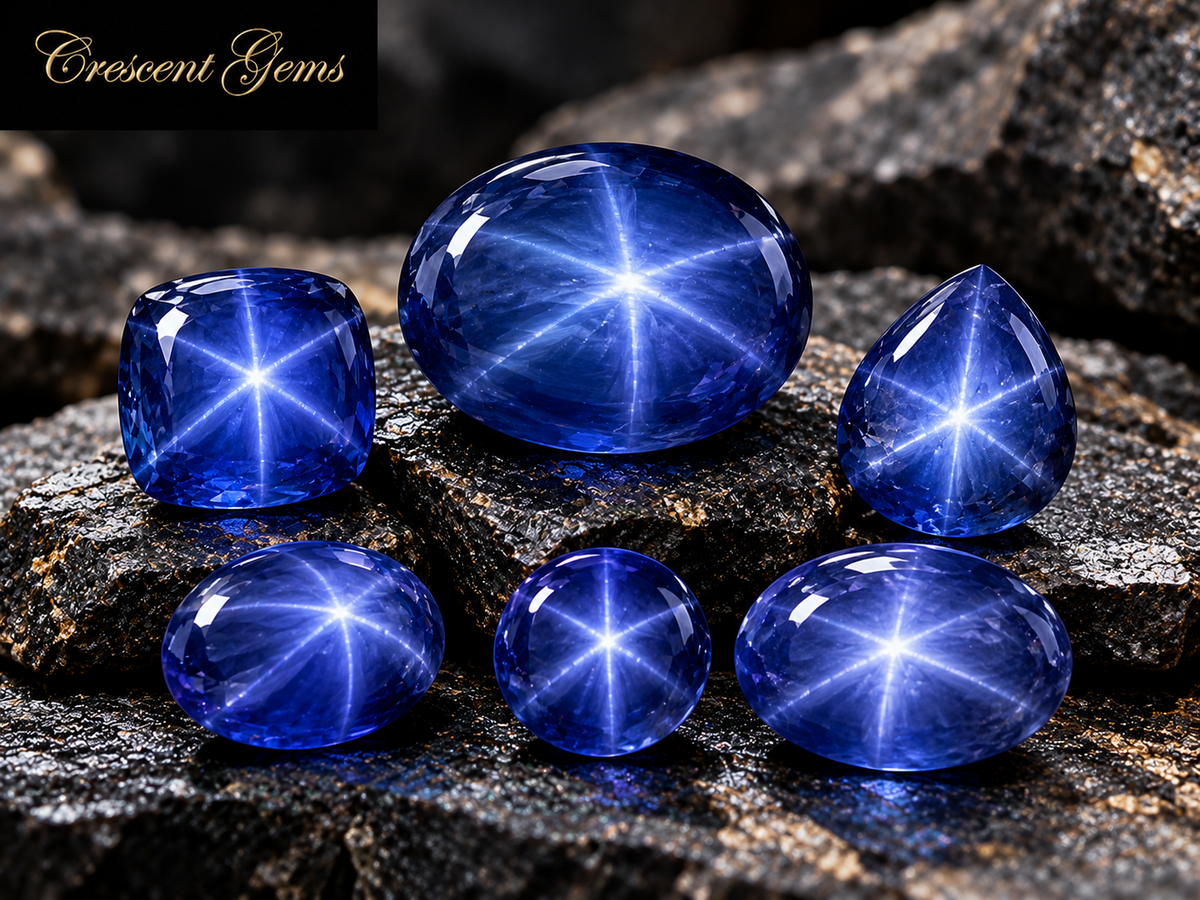
Blue Star Sapphire Price Guide — What They Cost and Why
Read moreabout Blue Star Sapphire Price Guide — What They Cost and Why
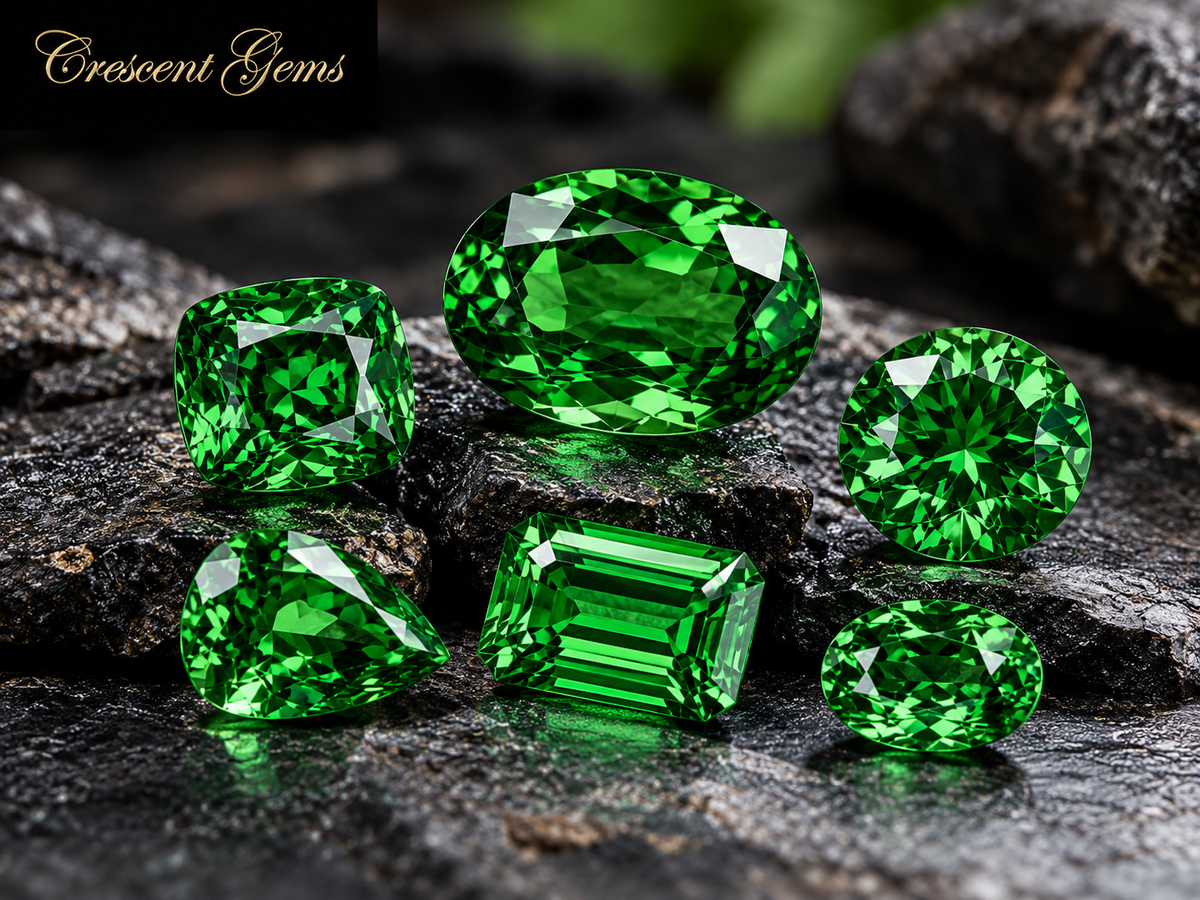
Tsavorite Garnet Price Guide — What They Cost and Why
Read moreabout Tsavorite Garnet Price Guide — What They Cost and Why
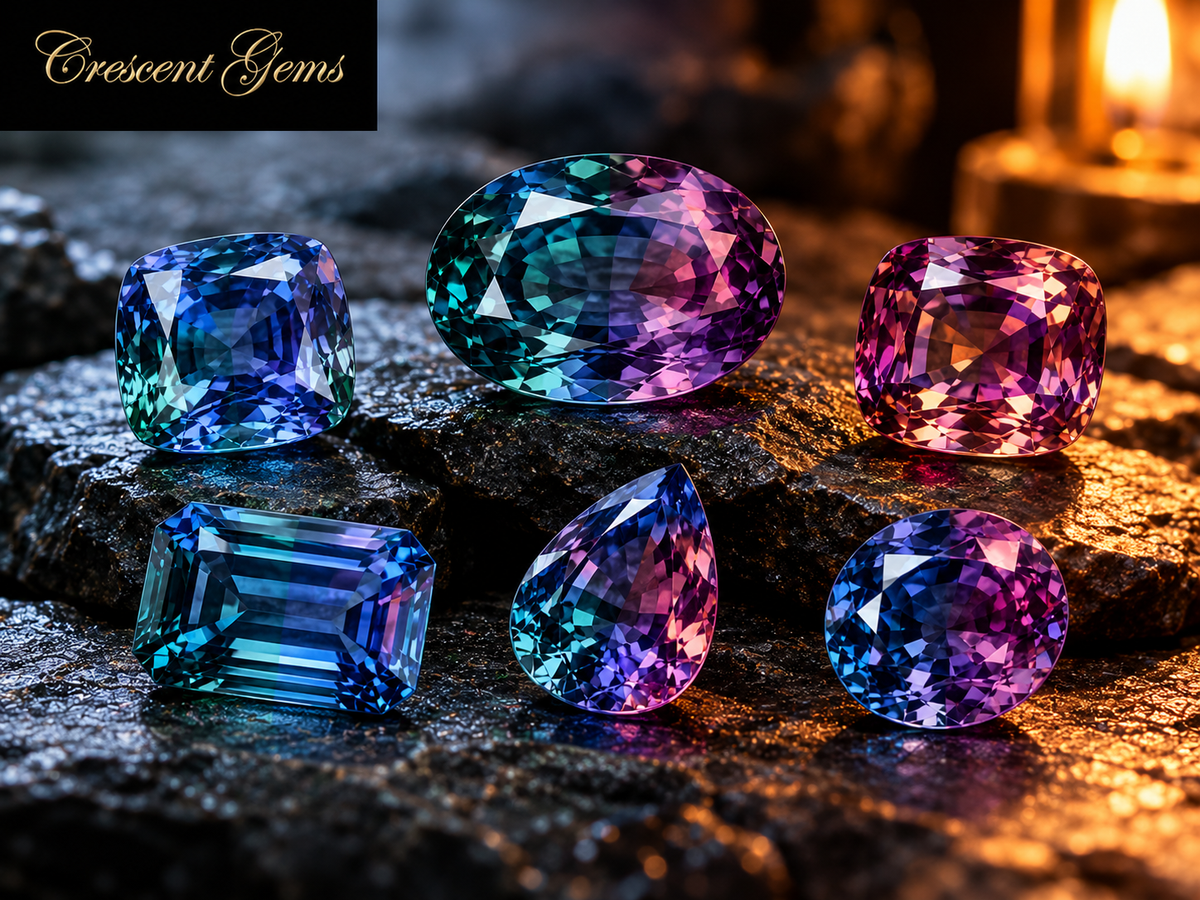
Color-Change Sapphire Price Guide — What They Cost and Why
Read moreabout Color-Change Sapphire Price Guide — What They Cost and Why
Is Cat's-Eye Chrysoberyl Good for an Engagement Ring?
Read moreabout Is Cat's-Eye Chrysoberyl Good for an Engagement Ring?
Cat's Eye Chrysoberyl Price Guide — What They Cost and Why
Read moreabout Cat's Eye Chrysoberyl Price Guide — What They Cost and Why















Share: