An elongated stone set with its long axis running along the finger draws the eye along the finger's length. That optical effect, usually called the finger-lengthening effect, can make the finger appear slimmer and longer. This guide covers the four shapes that produce it — oval, pear, marquise, and elongated emerald cut. On a sapphire the outline is easy to read on the hand, because the stone's color sets its edge apart from the skin and the metal around it.
Elongated shapes do not all elongate to the same degree, however. How strong the effect looks depends on the stone's length-to-width (L/W) ratio, its outline, and how it sits on the finger. This guide describes the four elongated sapphire shapes, compares their proportions and outlines, and helps you choose one for your hand and taste.
The Four Elongated Sapphire Shapes
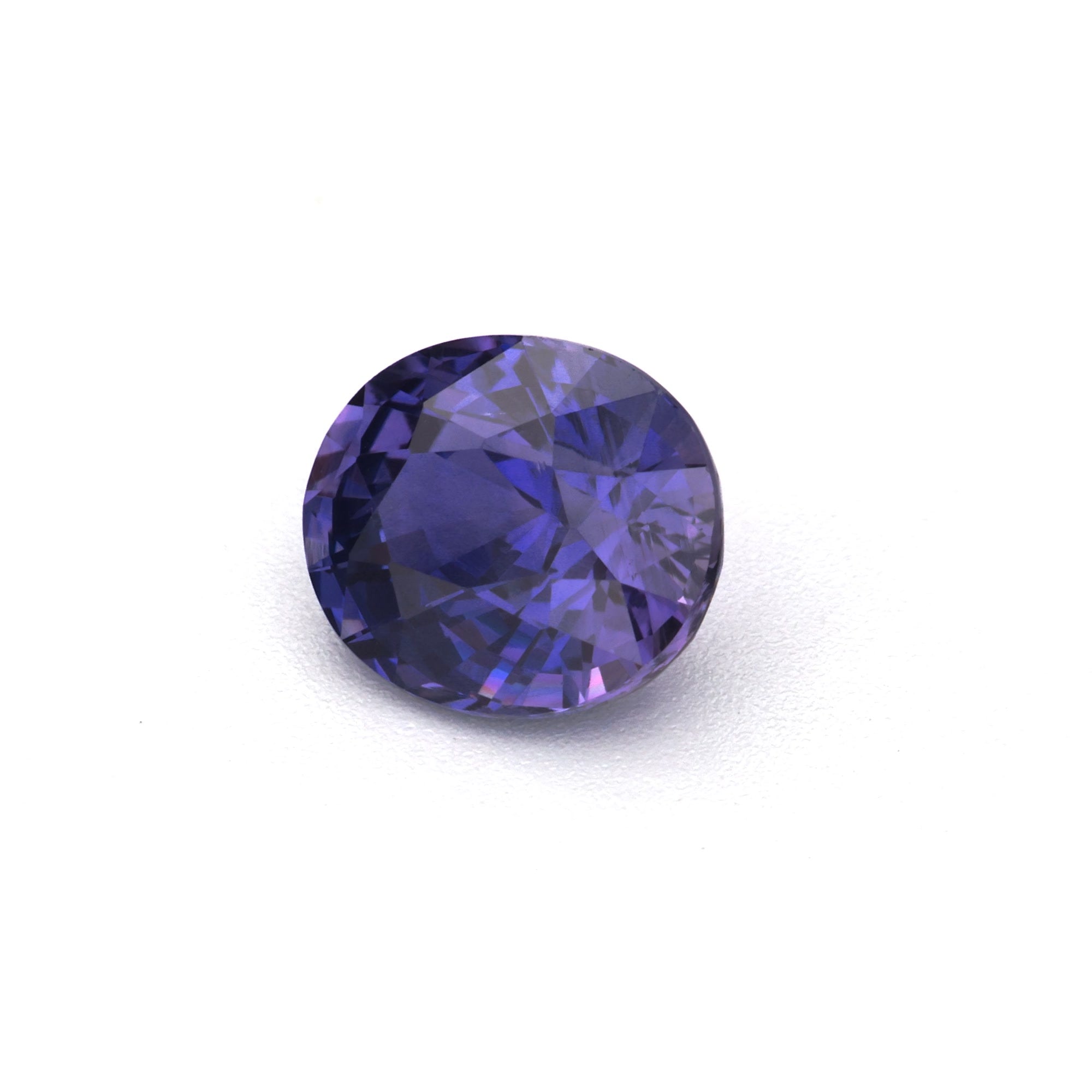
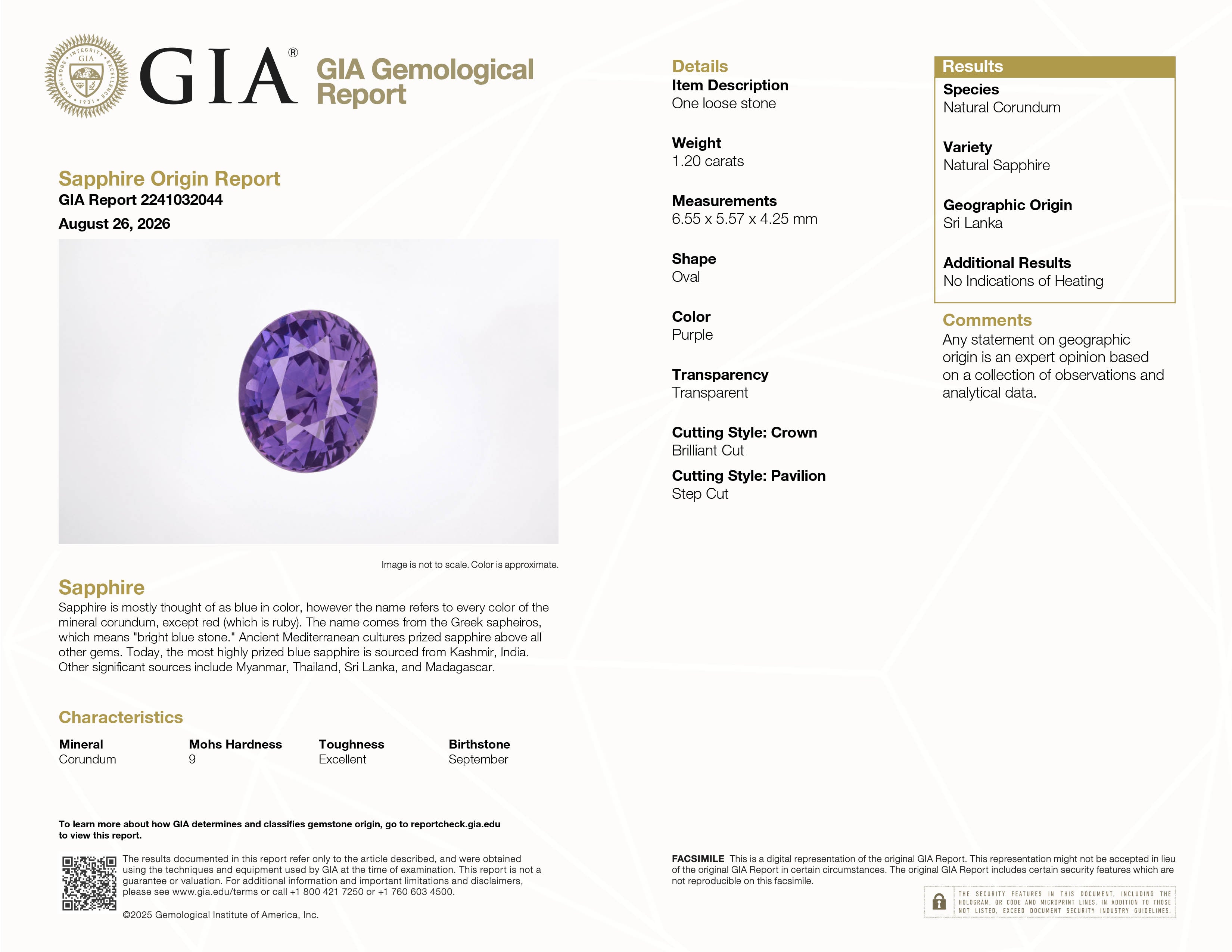
1. Oval — Soft Curves Across a Wide Range of Ratios
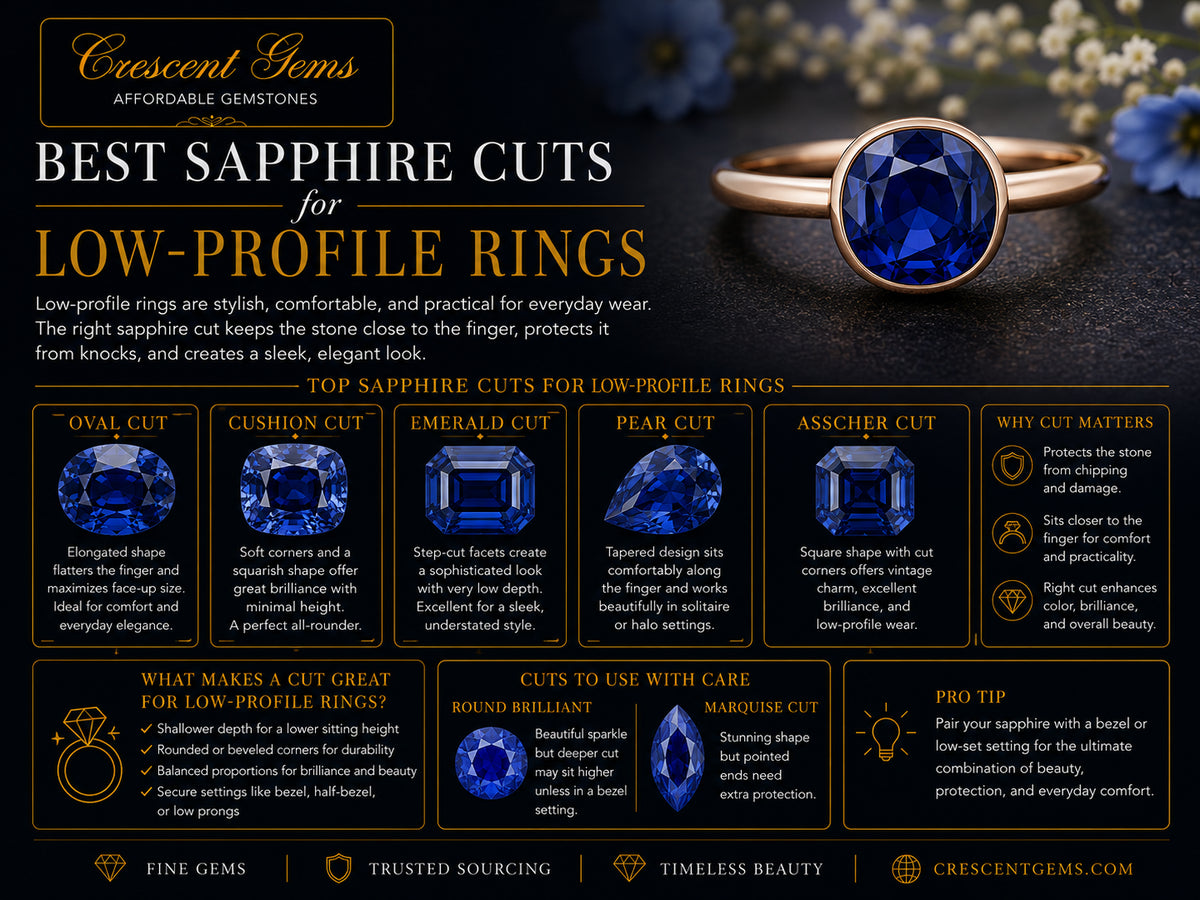
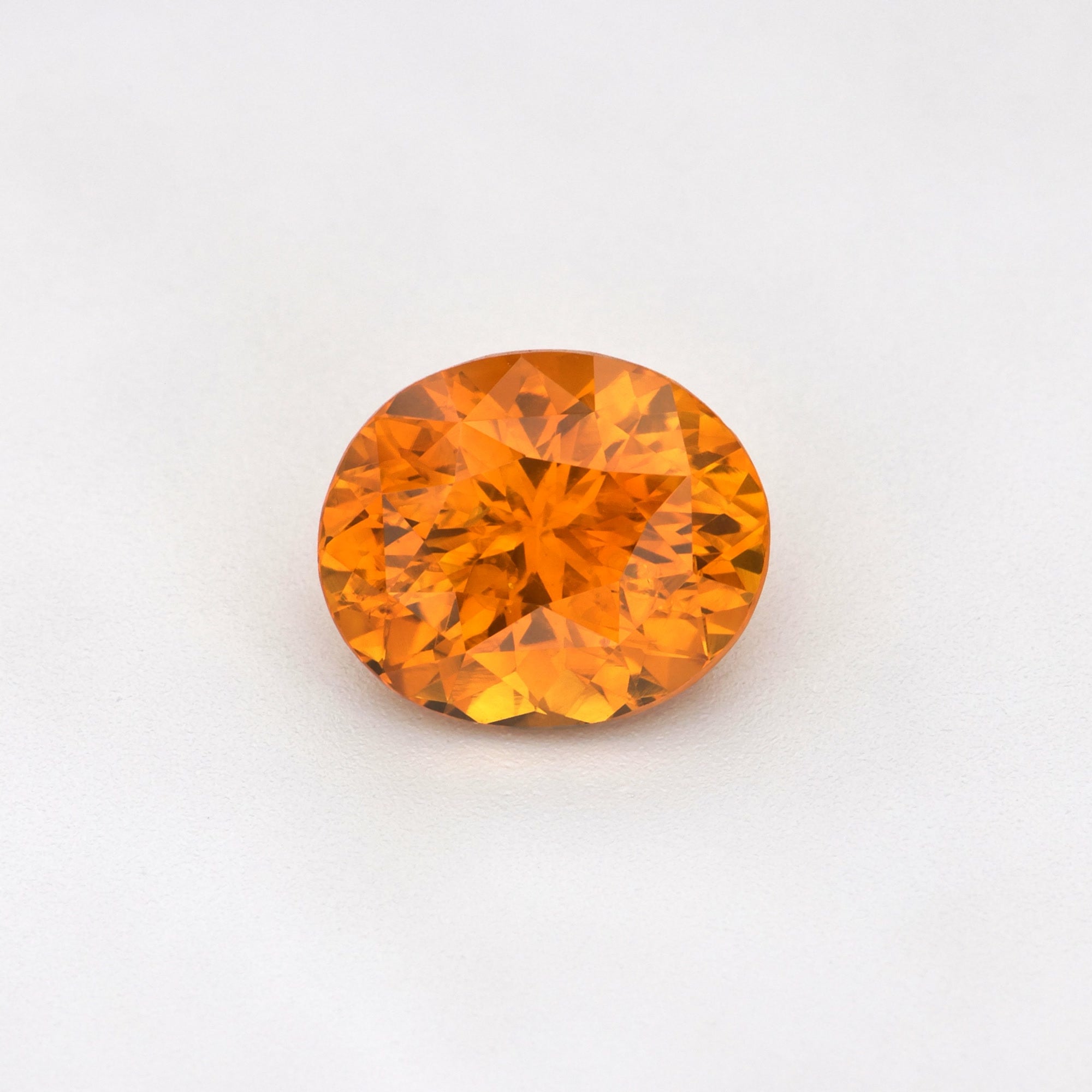
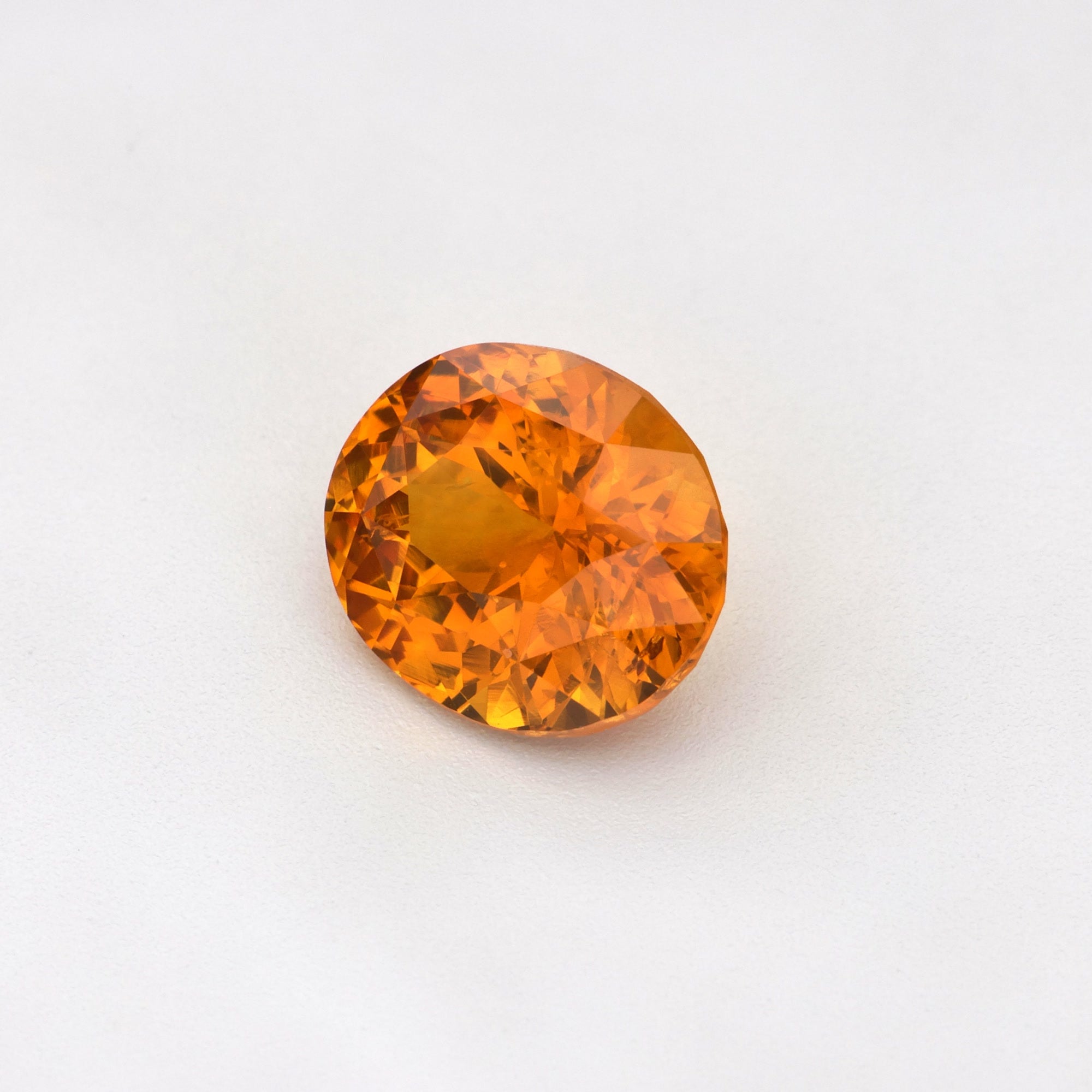
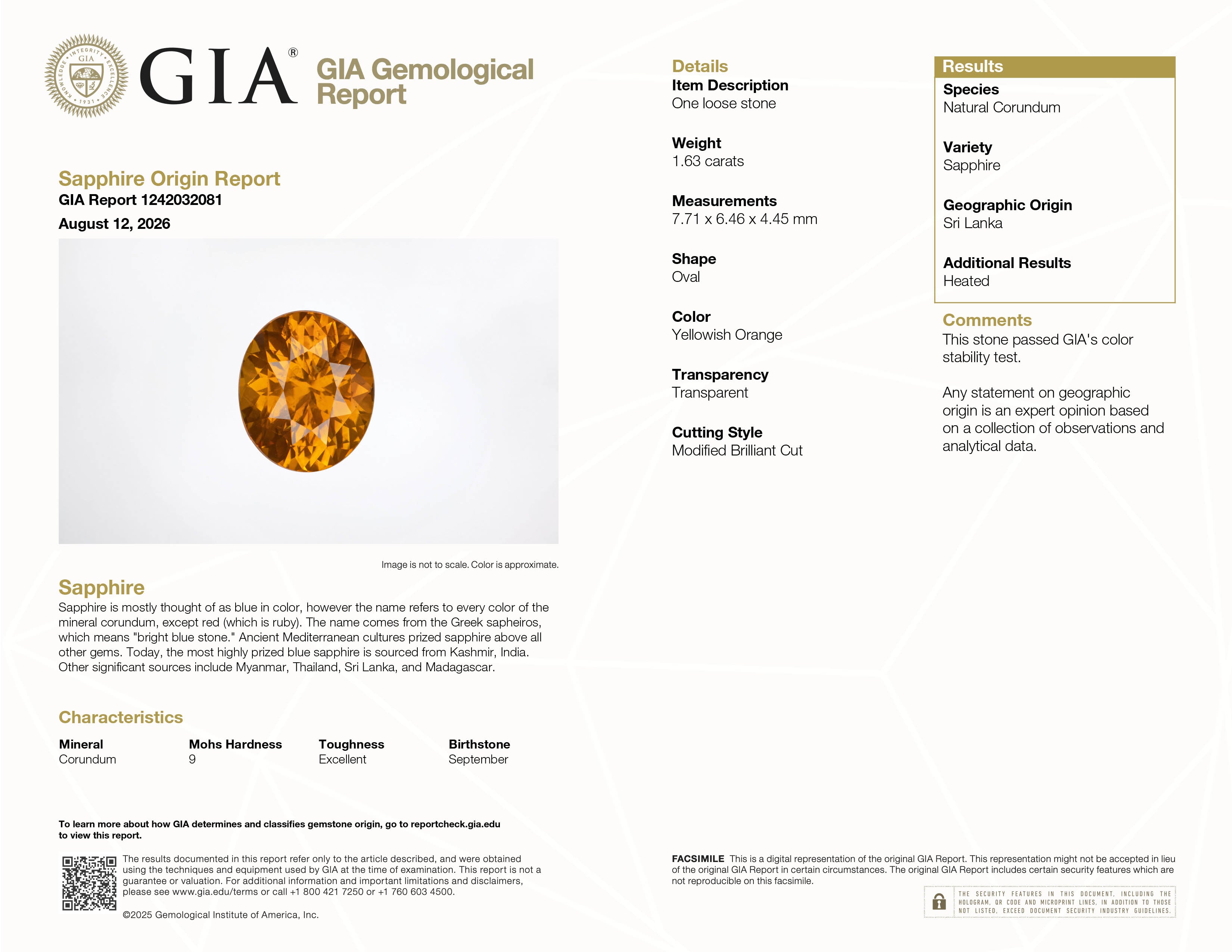
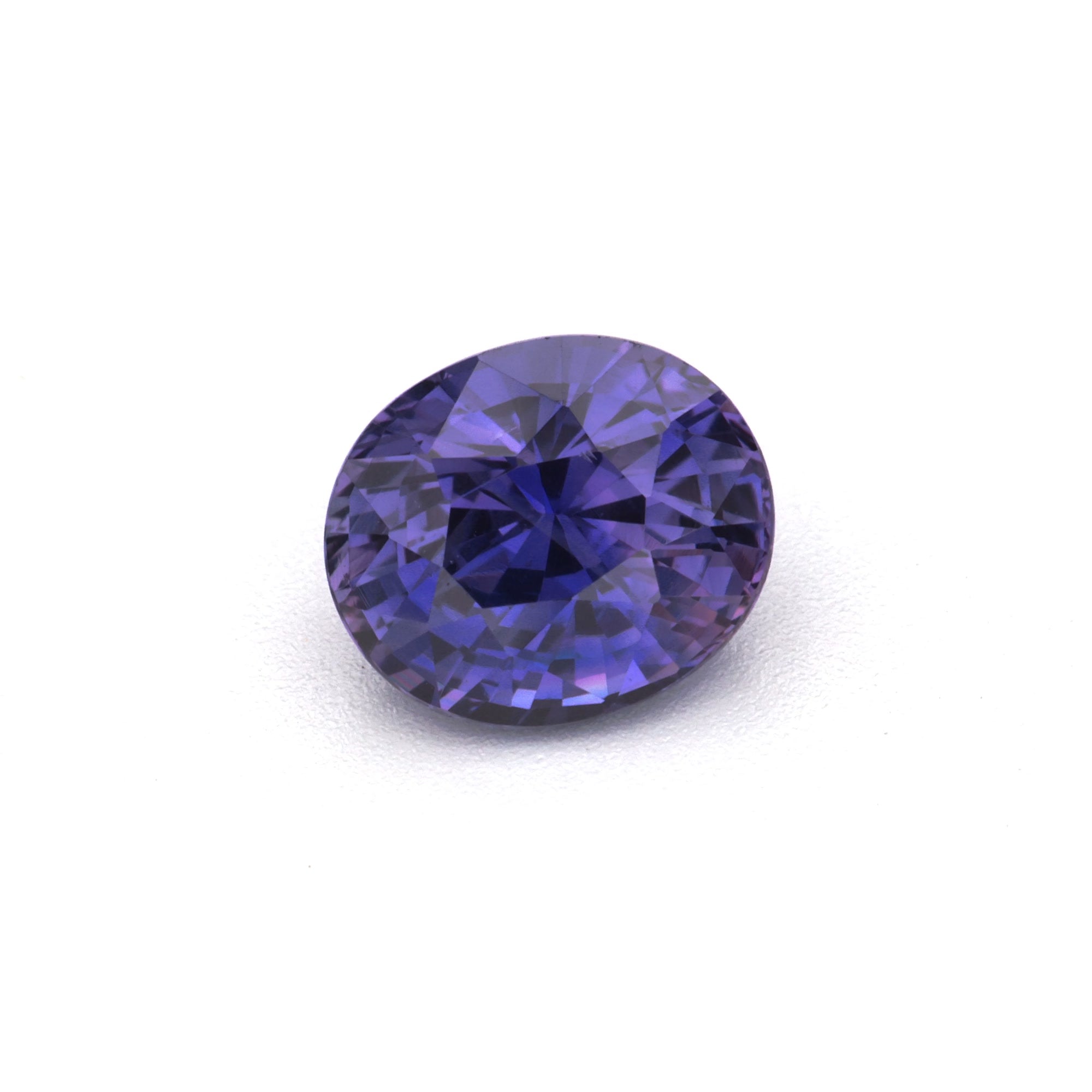
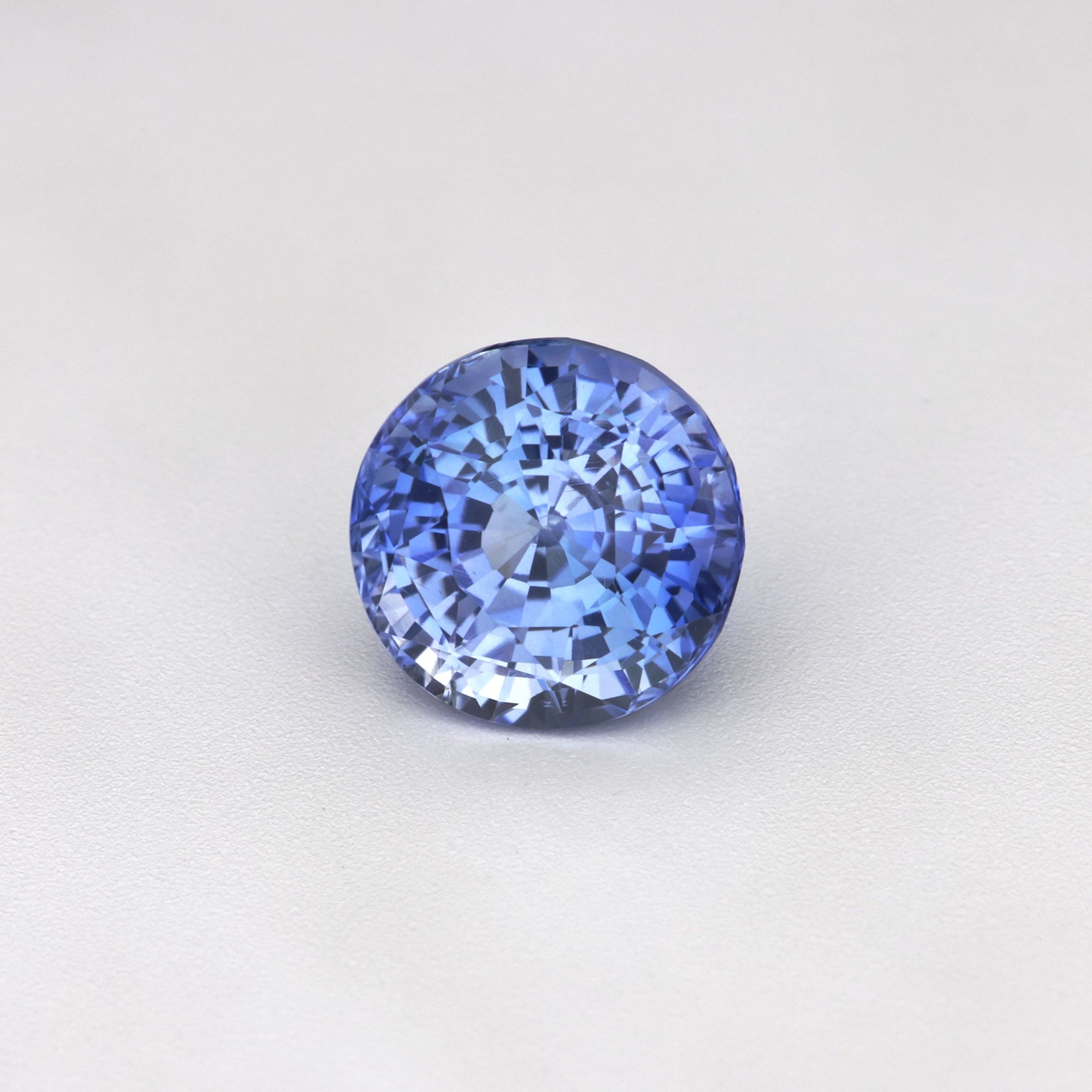
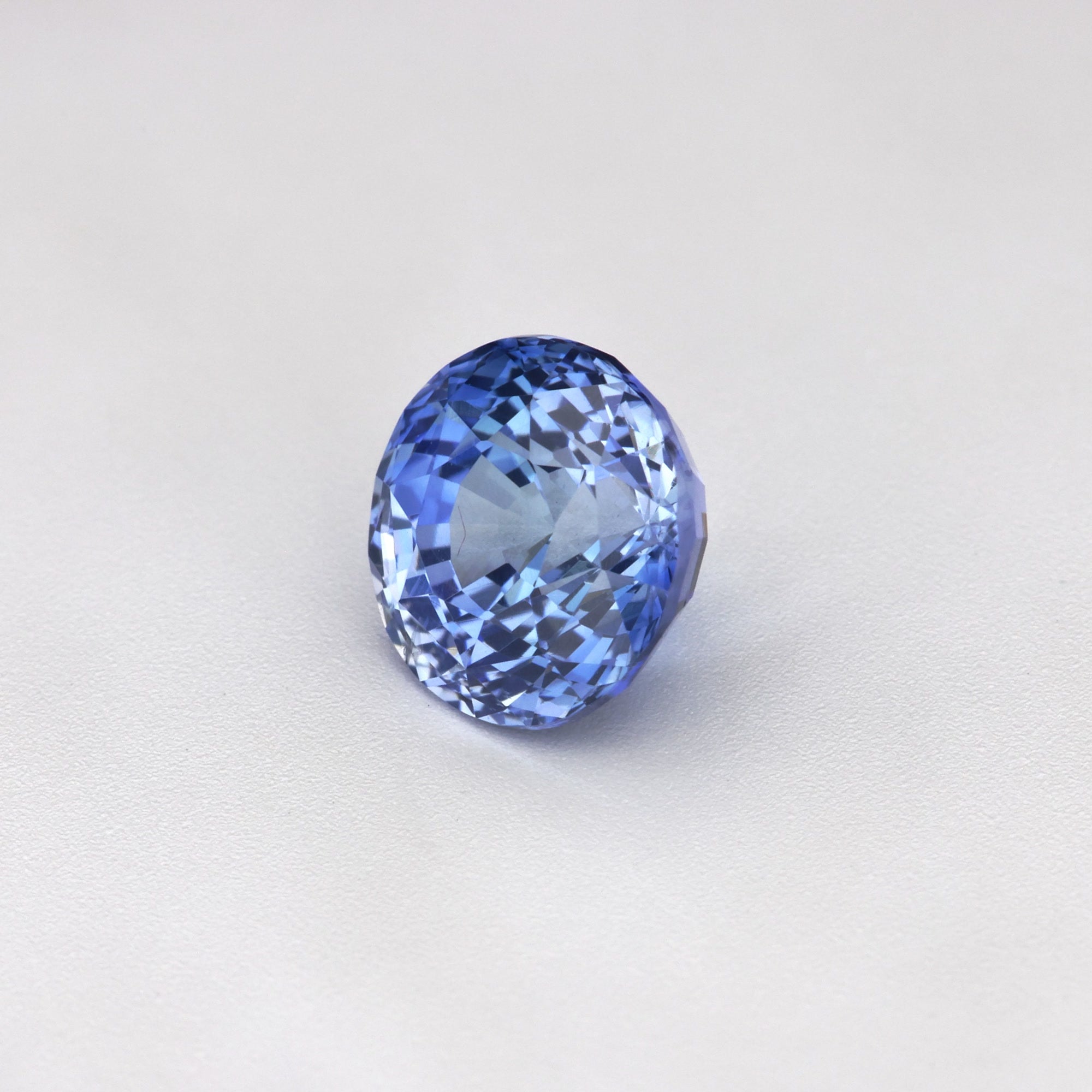
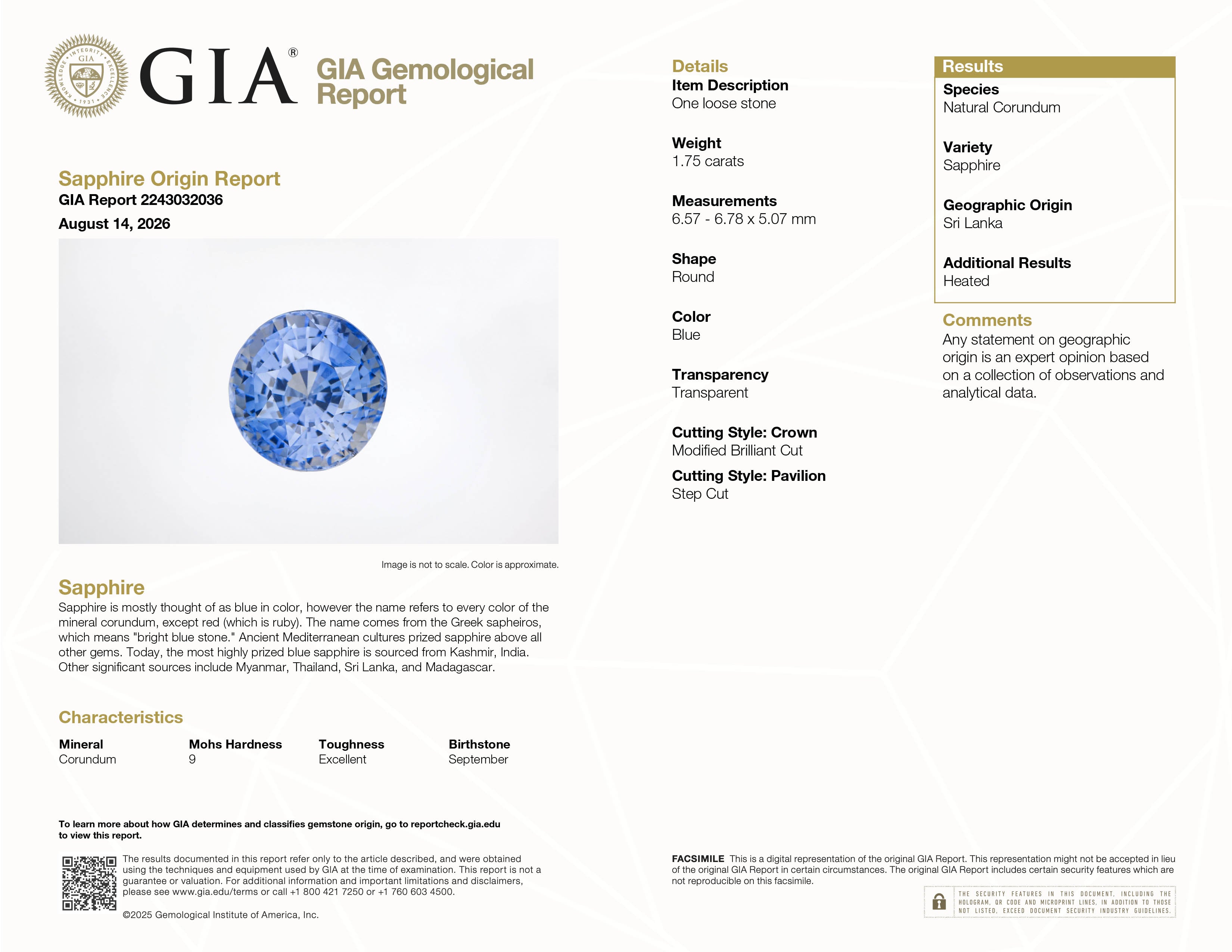
The oval spans a wide range of elongation. GIA, in a 2024 Gems & Gemology study of fancy-shaped diamonds, reports that oval diamonds "are commonly designed with L:W ranging from 1.2 to 1.7" — from nearly round at the low end to strongly elongated at the high end. Those figures describe diamonds; a sapphire's ratio is a measurement of that particular stone, so read it from the listing's dimensions. The oval's curved outline creates a soft, flowing elongation with no points. Unlike the marquise with its two pointed tips (which can look dramatic on some hands and angular on others), the oval's even curves sit easily on many finger shapes. It suits buyers who want an elongating effect without the corner risk of pointed shapes. For a stronger elongating effect from an oval, choose a higher L/W ratio and set the stone with its long axis running along the finger. Browse our oval sapphire collection.
2. Pear — A Directional Outline
The pear is a directional shape. Its teardrop silhouette — wider at one end, pointed at the other — creates a line that draws the eye along the finger from the rounded end toward the pointed tip. GIA's 2024 study reports that pear shapes "usually have L:W from 1.3 to 1.8," and the tapering point can make the stone read longer on the hand than its ratio alone suggests. The pear's elongating effect comes from the two together: the ratio and the direction of the point. The primary consideration for pears is the tip. Sapphire is 9 on the Mohs scale, but hardness measures resistance to scratching, not to chipping, and the point is the thinnest, most exposed part of the stone — protect it with a V-prong or a bezel for daily wear. See our corner protection guide. Browse our pear sapphire collection.
3. Marquise — The Longest Proportions of the Four
The marquise — an elliptical outline with two pointed tips — is usually cut longer than the other shapes here: GIA's 2024 study reports that marquise diamonds "are typically longer with L:W from 1.5 to 2.5." The long, narrow outline gives the strongest length-to-width contrast of the four shapes, and set along the finger it covers more of the finger's length than an oval of the same width. The marquise's character is distinctive and bold — it suits buyers who want a statement shape rather than a more conventional look. Both pointed tips need protection for daily wear, usually V-prongs. Like ovals and pears, a marquise can show a bow-tie, which GIA describes as an "area of dark contrast seen through the table across the width of the stone." Look at the stone under one steady light, and ask for more photos and videos, ideally with the stone moving, before purchase.
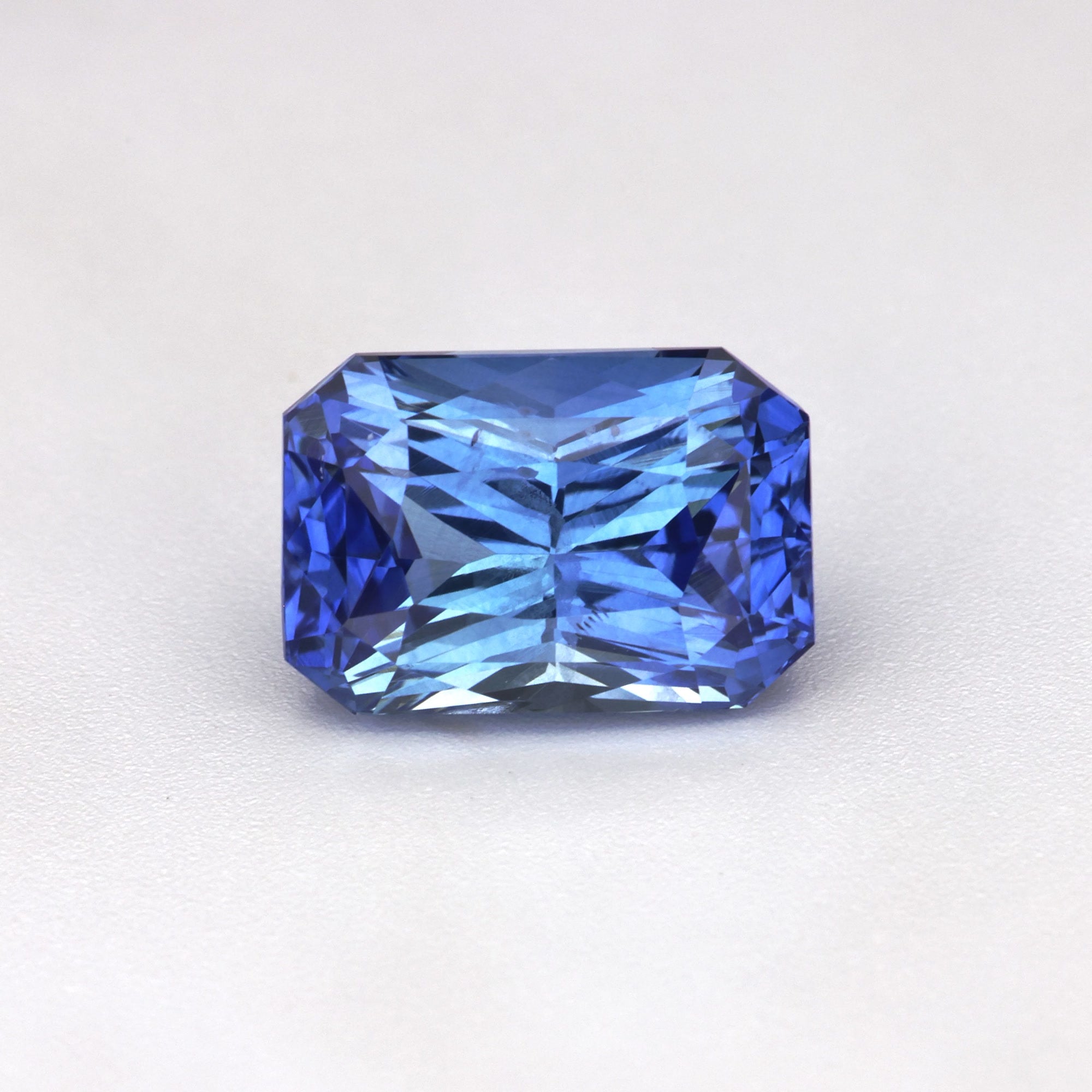
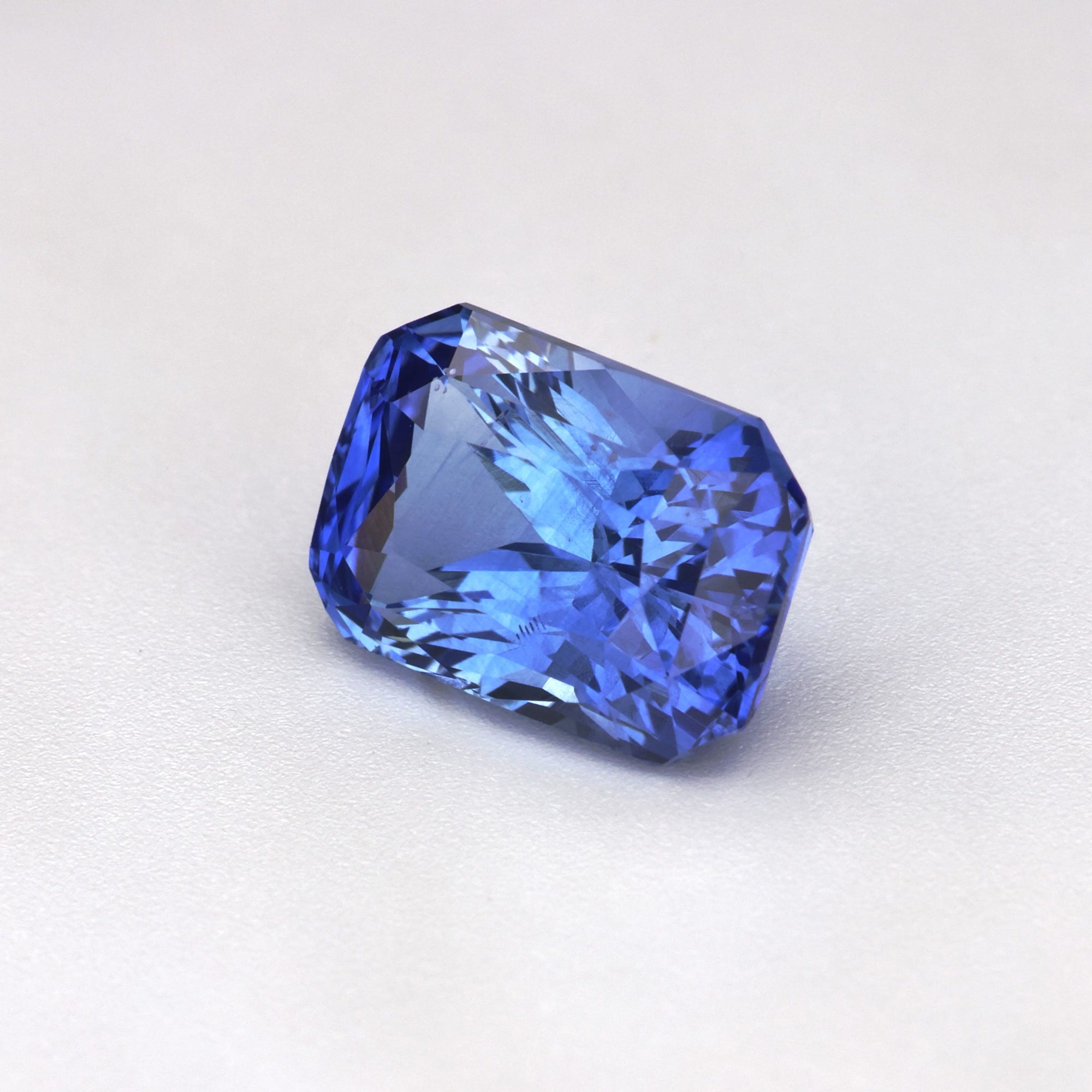
4. Elongated Emerald Cut — Architectural Length
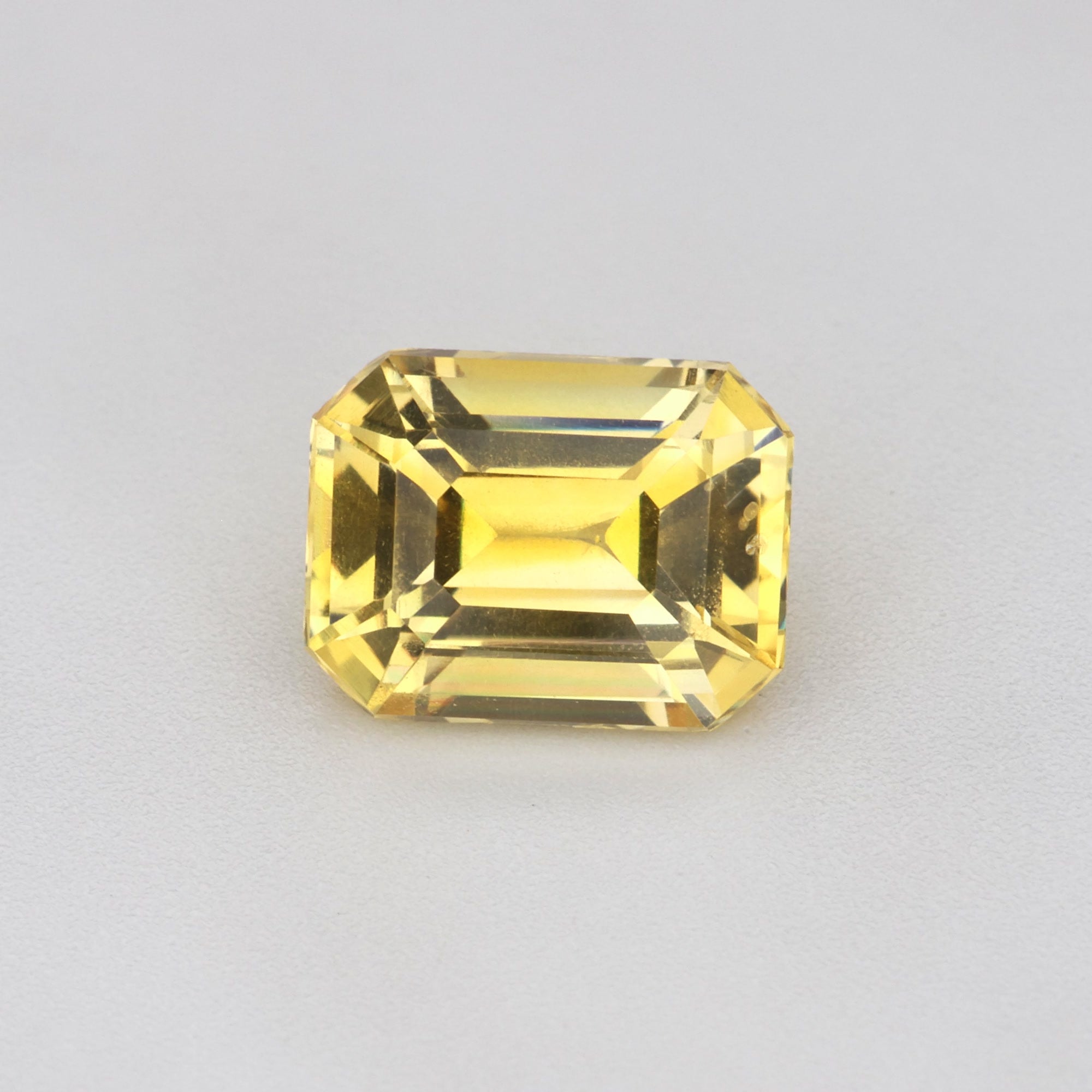
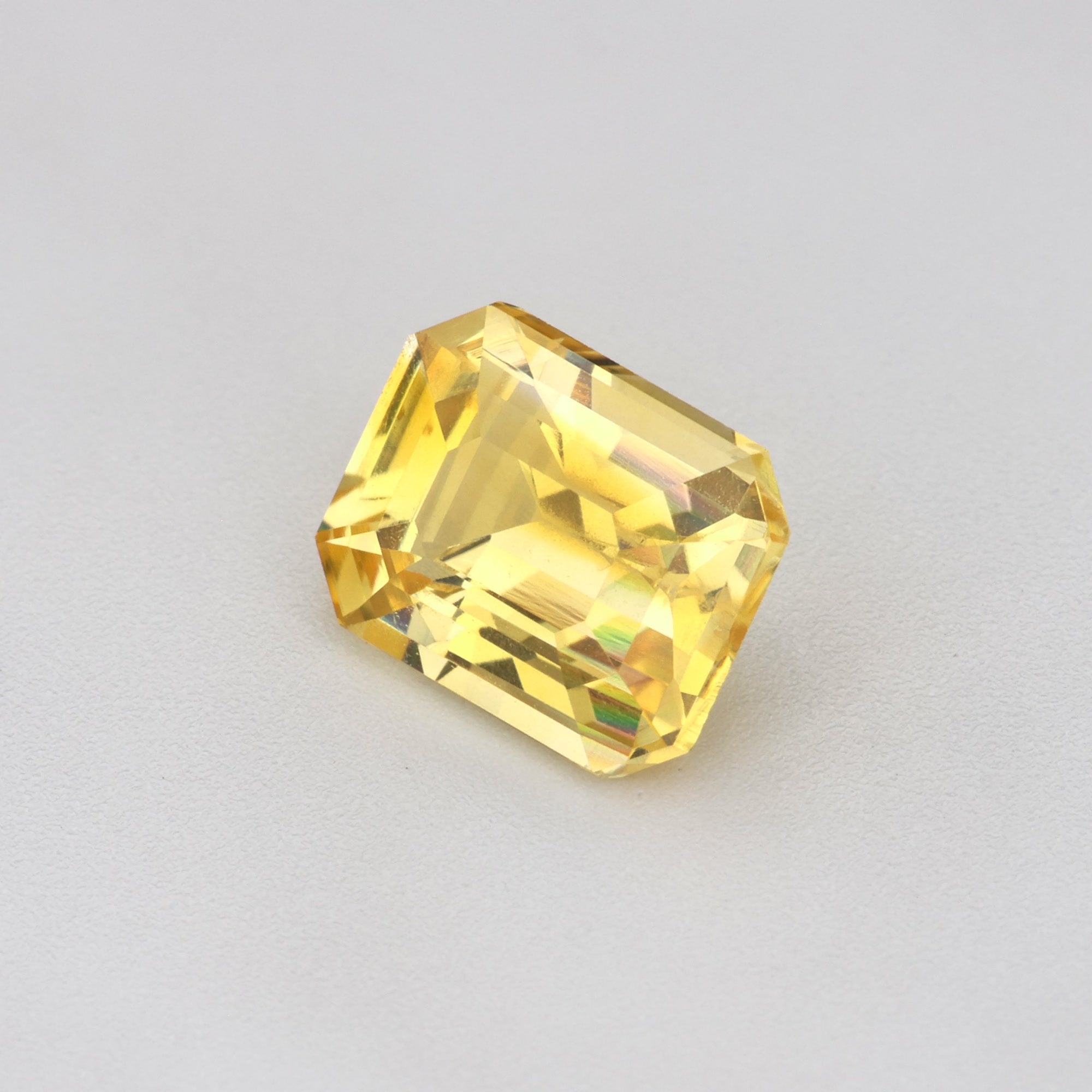
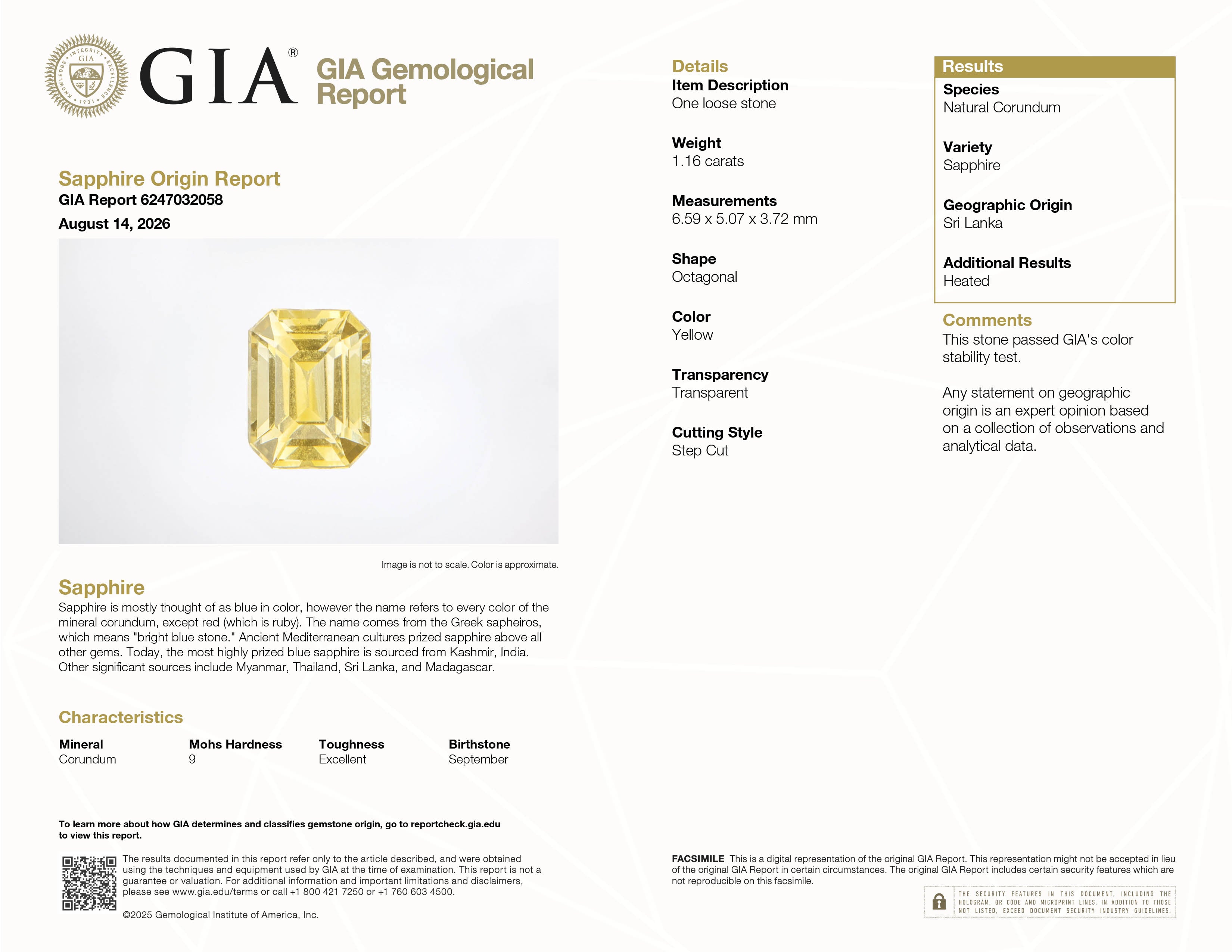
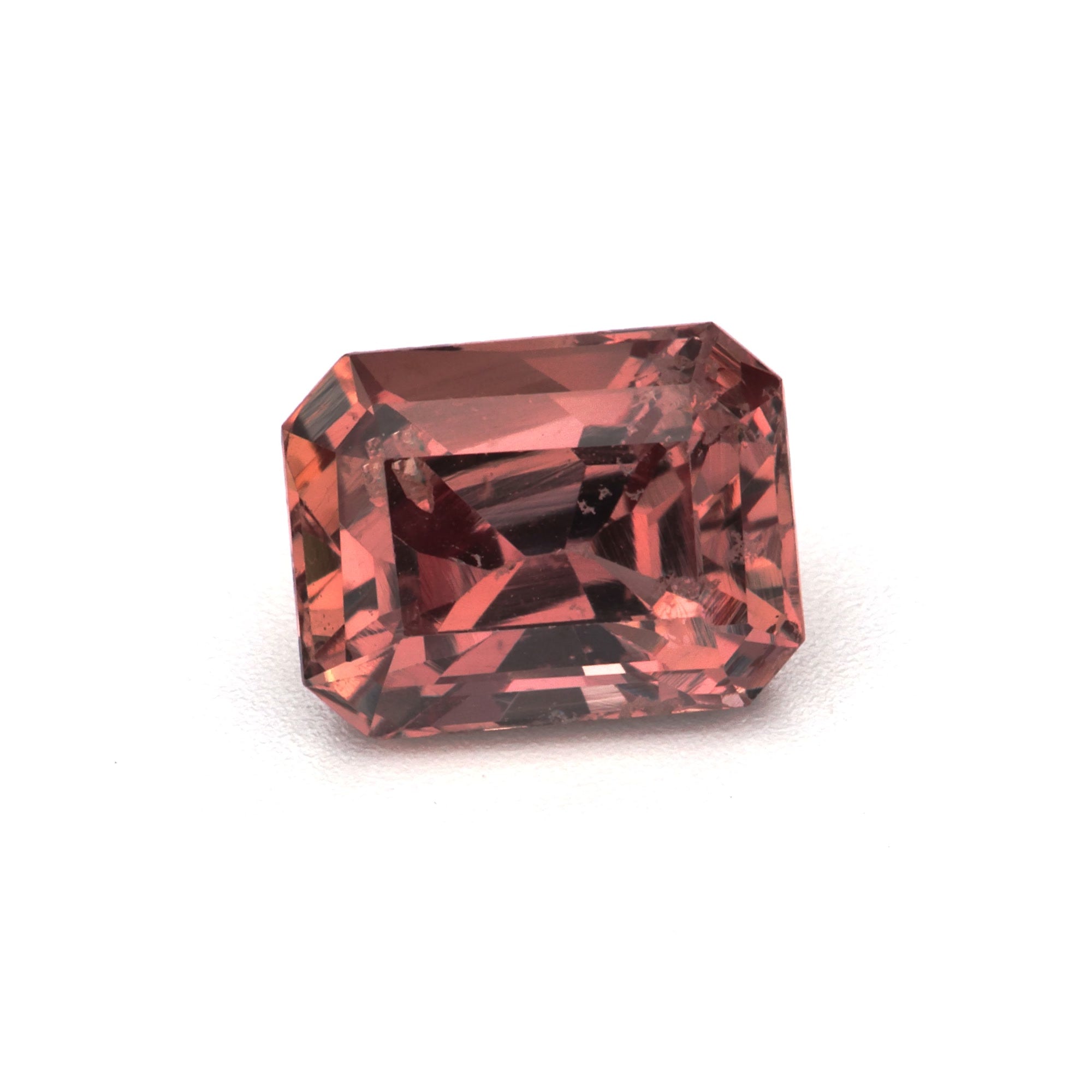
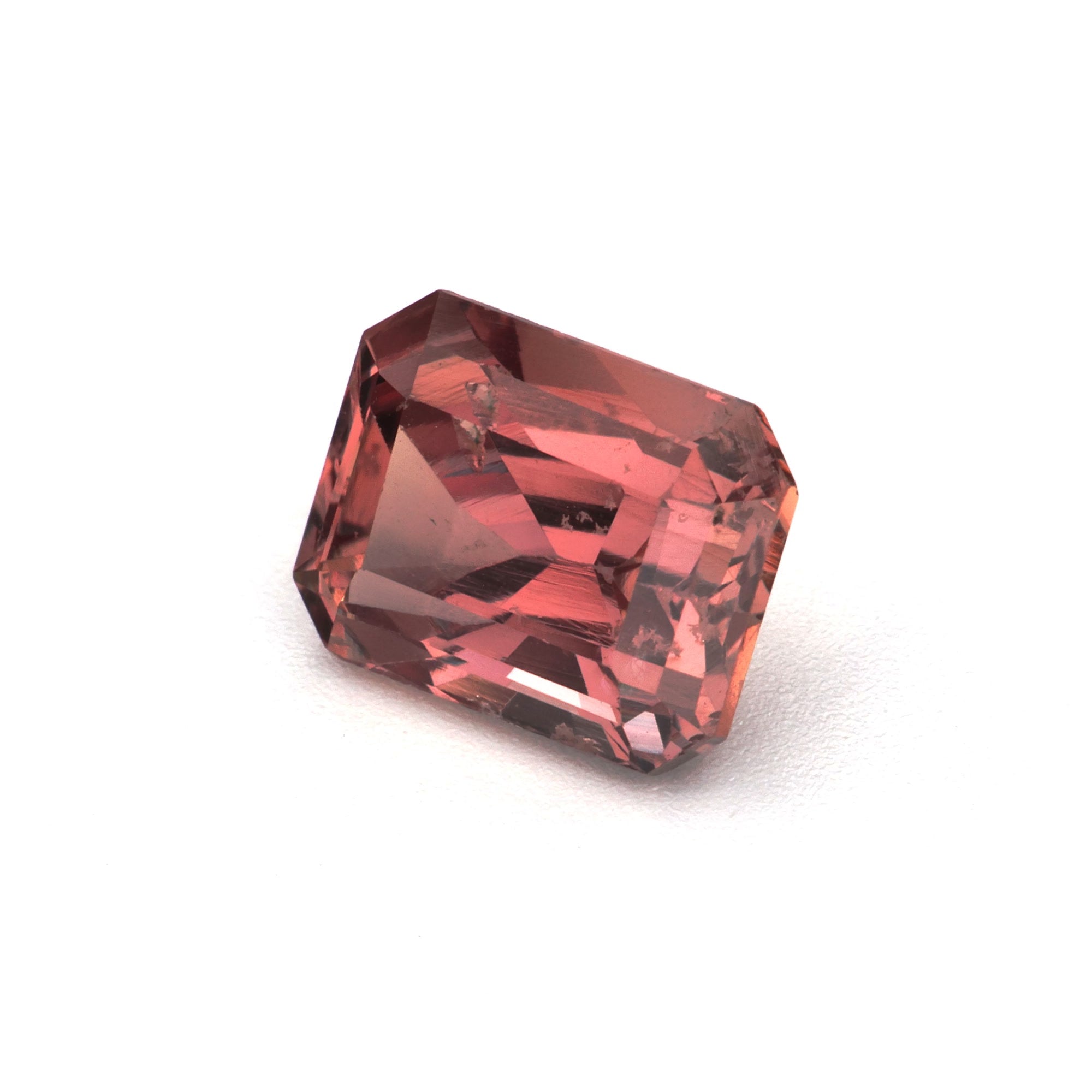
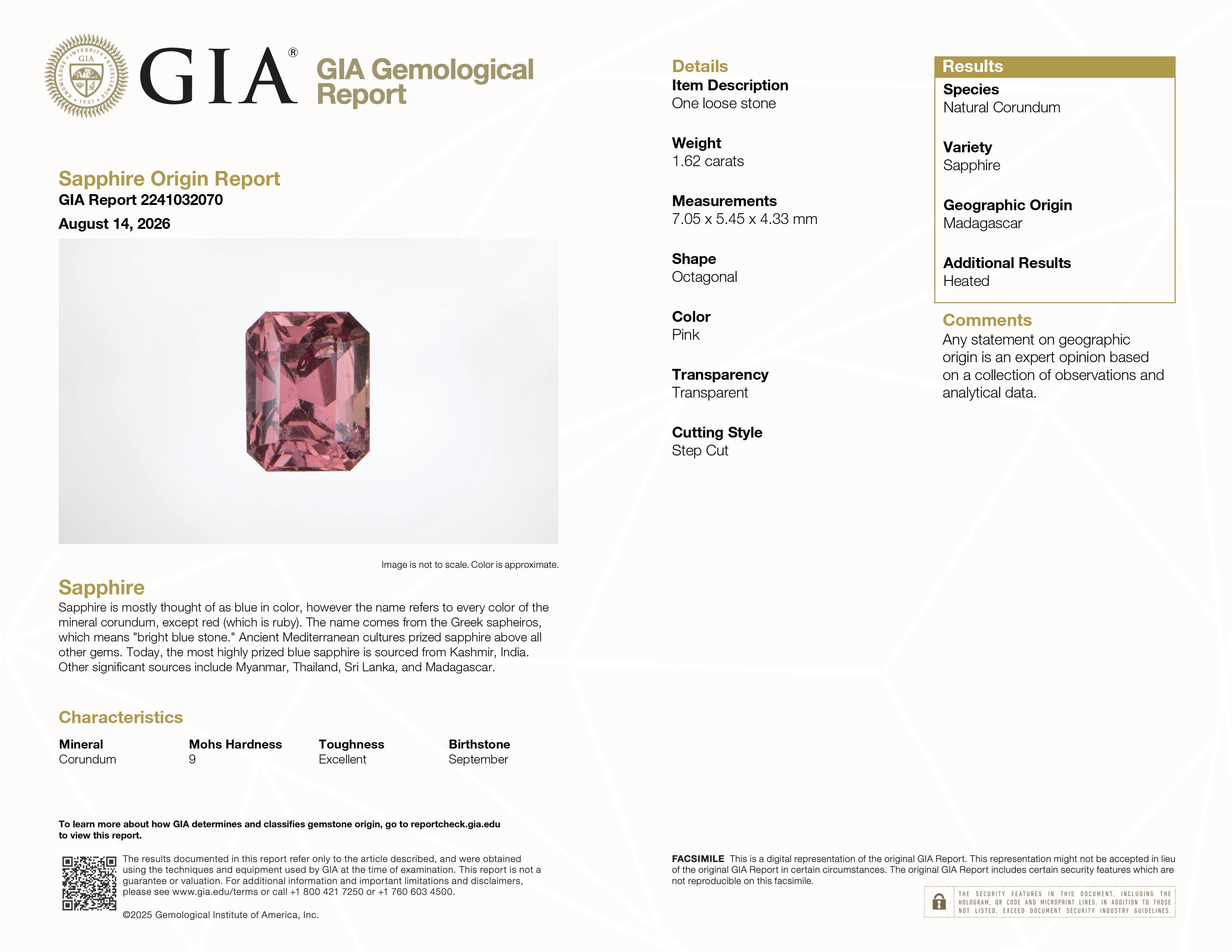
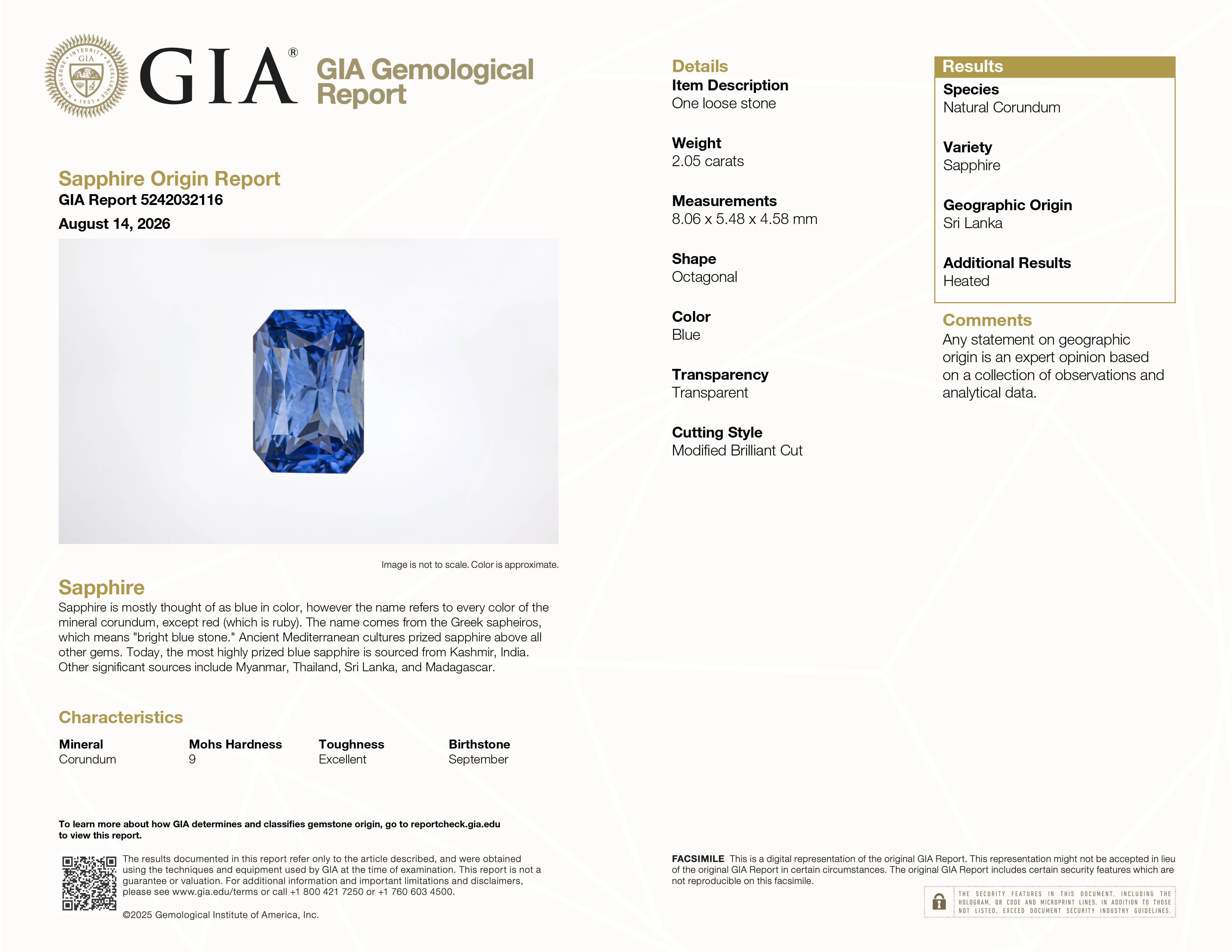
An emerald cut at a 1.50:1 or higher L/W ratio (this guide's working definition of "elongated") creates a strongly elongated, architectural ring presence that is quite different in character from the curved elongated shapes above. The step-cut facets and rectangular outline create elongation through straight lines rather than curves — a more geometric feel than oval or pear elongation. The long, parallel sides run along the finger and give a clean, precise line. For more elongation in an emerald cut sapphire, look for a higher L/W ratio. The broad, open table of a step cut shows inclusions and uneven color more plainly than brilliant-style faceting, so look closely at clarity and color evenness. Browse our emerald cut collection.
Elongating Effect Comparison
| Shape |
L/W Ratio (see note) |
How It Elongates |
Corner Risk |
Character |
| Oval |
1.2–1.7 (GIA, diamonds) |
Curved outline — grows with ratio |
Low — no sharp points |
Soft, curved, versatile |
| Pear |
1.3–1.8 (GIA, diamonds) |
Directional — toward the point |
High at tip — needs V-prong |
Romantic, directional |
| Marquise |
1.5–2.5 (GIA, diamonds) |
Longest proportions of the four |
High at both tips — needs V-prongs |
Bold, statement, distinctive |
| Elongated emerald cut |
1.50:1 and above (this guide's definition) |
Straight, parallel sides |
Low — cropped corners |
Sophisticated, geometric, minimalist |
Note: the oval, pear and marquise ranges are GIA's published figures for diamonds (Gems & Gemology, 2024). A sapphire's ratio is a measurement of that stone — check the listing's dimensions.
Choosing the Right Elongated Shape for Your Hand
For shorter or wider fingers: A marquise or a longer pear (around 1.60:1 or more) gives a strong length-to-width contrast, which can balance a wider or shorter finger.
For average fingers: An oval at around 1.35–1.45:1 is a balanced choice — enough elongation to lengthen without dominating or looking disproportionate.
For already long, slender fingers: Elongated shapes can suit any finger, but more moderate ratios (oval at 1.25–1.35:1) may look more balanced. Very extreme elongation (marquise at 2.0:1+) on a long finger can look excessively narrow.
For east-west orientation: Any elongated shape set with its long axis running across the finger (perpendicular to the band) creates a wide, horizontal aesthetic rather than a vertical elongating one. This is a contemporary style that suits certain hand types and aesthetic preferences differently from the conventional along-the-finger orientation.
Frequently Asked Questions
Which elongated sapphire shape has the longest proportions?
Marquise — GIA's published figures for diamonds put marquise L/W at 1.5 to 2.5, longer than ovals (1.2 to 1.7) and pears (1.3 to 1.8), so the marquise gives the strongest length-to-width contrast. The pear's pointed tip adds a directional line, and an elongated emerald cut lengthens through straight, parallel sides. The right choice depends on how strong an effect you want and how much corner risk you are comfortable with — a marquise needs protection, usually V-prongs, at both tips for daily wear.
Does an oval sapphire really make fingers look longer?
Yes — the elongated outline of an oval, set with its long axis along the finger, creates a visual extension that makes the finger appear longer and slimmer. The effect grows as the L/W ratio rises. The effect is optical rather than physical — the ring creates a directional line that the eye follows along the finger's length.
Is a pear sapphire practical for everyday wear?
Yes, with the right setting. The pointed tip needs protection against chips in daily wear, usually a V-prong. Remove the ring for activities with high impact risk (gym, manual work). Sapphire is 9 on the Mohs scale, but hardness measures scratch resistance, not resistance to chipping, so the point is the part to protect. See our corner protection guide.
Explore Further
Browse our oval and pear sapphire collections, or email crescentgems@gmail.com with your shape and color preferences. We respond within one business day.




















Share: