


- von Ahmed Shareek
Madagascar Sapphire Mining — Ilakaka, the South Asian Connection, and How Stones Reach the Market
- von Ahmed Shareek
New to buying sapphires? Start with our Ultimate Sapphire Buying Guide — the complete resource for color, origin, treatment, and pricing.
In 1998, a farmer near the town of Ilakaka in southern Madagascar pulled a blue crystal from the earth, and within months word had spread. Within a year, tens of thousands of miners had descended on the area. What followed built a supply chain where there had been none: inside a decade Ilakaka had a daily gem market, a resident foreign buying presence and an export route to the cutting centers of Asia. This article is about how that happened, and about what it does and does not let anyone say about a Madagascar stone.
This article covers how sapphire mining works in Madagascar, how the deposits formed, how South Asian and Sri Lankan buyers built the supply chain, how stones are exported, and what all of this means for the sapphires you encounter in the market today. At Crescent Gems, our primary focus is Ceylon sapphire, but understanding Madagascar is essential to understanding the modern sapphire market — and we encounter Malagasy material regularly through the same South Asian trading networks that connect both origins.
Before 1998, Madagascar was a geological curiosity for gemologists — known to produce occasional sapphires, rubies, and other colored stones from scattered deposits, but not considered a commercial sapphire source. Ilakaka changed that overnight.
The deposits were discovered in alluvial gravel beds along the Ilakaka River in the Ihorombe Region of southern Madagascar, approximately 250 kilometers north of the port city of Toliara. The gravel layers — geologically similar to Sri Lanka's illam — carried sapphire in quantity and across the full corundum color range: blue, pink, yellow, green, orange and pink-orange material.
The rush that followed was chaotic. By 1999, the town of Ilakaka had exploded from a sleepy roadside settlement of a few hundred people into a frontier mining town of 30,000 to 60,000. Miners arrived from across Madagascar and from neighboring countries. Infrastructure was nonexistent — no electricity, no running water, no police presence, no mining regulation. The early years were marked by lawlessness, claim disputes, and the social disruption that accompanies any unregulated resource boom.
The Malagasy government eventually established a mining authority and a regulatory framework, but enforcement remained challenging in such a remote area. Today, Ilakaka has matured into a settled mining town with a functioning gem market, established dealers, and a more stable (if still imperfect) regulatory environment. But the frontier character of the early rush shaped the supply chain structures that persist today.
The Ilakaka deposit and its extensions (including Sakaraha and surrounding areas) remain the largest single sapphire-producing area in Madagascar. The sapphires are found in Cretaceous-age sedimentary gravel beds — ancient river deposits that collected gem material eroded from the metamorphic basement rocks of the Mozambique Belt, the same geological formation that produces tsavorite in Kenya and Tanzania.
The gravel beds can be extensive, covering areas measured in square kilometers, with the sapphire-bearing layer sitting at depths ranging from 1 to 15 meters below the surface. The concentration of sapphires within the gravel varies enormously — some areas yield well, others are barren — creating the boom-and-bust cycle that characterizes alluvial gem mining worldwide.
The Ambatondrazaka area in the Alaotra-Mangoro Region of eastern Madagascar produces sapphires from a fundamentally different geological setting: primary basalt-hosted deposits. Here, sapphires crystallized directly in the basaltic host rock and are extracted through a combination of weathered surface collection and hard-rock mining. Ambatondrazaka blue is the saturated end of Malagasy production — vivid, clean stones in a color range that overlaps fine Ceylon material closely enough that the difference is not something an eye settles.
A more recent discovery, the Bemainty deposit in the Vakinankaratra Region produces blue sapphire of high saturation and clarity. Bemainty material can show a vivid, pure blue, and the comparison a reader will meet is to Kashmir. That comparison deserves taking seriously, for a reason that has nothing to do with marketing: GIA, writing on blue-sapphire origin in Gems & Gemology, says that "patterned clouds" can be "especially helpful with Kashmir sapphires" — and the same paper records that Madagascar stones can show those patterned clouds too. The resemblance is not only to the eye. It reaches into the features a laboratory examines, which is why an origin line is a judgement and not a reading.
The Antsirabe area produces pink and pink-orange sapphires, along with some blue material. Numerous smaller deposits are scattered across Madagascar's central and southern highlands. The island's complex geology — ancient metamorphic rocks reworked over billions of years — creates the conditions for sapphire formation in multiple settings, which is why new deposits continue to be discovered.
The dominant mining method at Ilakaka and most other Malagasy deposits is artisanal pit mining — hand-dug shafts sunk into the alluvial gravel, conceptually similar to Sri Lankan pit mining but typically with less sophisticated reinforcement and infrastructure. Miners dig vertical or angled shafts using shovels, picks, and iron bars, descending into pits that can reach 5 to 15 meters deep.
The gravel is hauled to the surface in buckets, then washed in nearby streams or purpose-built washing areas to separate the sapphires from the clay and waste pebbles. Washing is done by hand — workers swirl the gravel in shallow pans or on inclined screens, relying on the higher specific gravity of sapphire to settle the gems to the bottom. The technique is essentially identical to what has been practiced in Sri Lanka for centuries (see Pit Mining in Sri Lanka).
The scale of artisanal operations in Madagascar ranges from individual miners working alone with a shovel to organized teams of 10 to 30 workers pooling resources to dig deeper shafts and process more gravel. Claims are held informally in many areas, with overlapping rights and occasional disputes. The work is physically demanding and carries genuine risk — shaft collapses, flooding, and the health consequences of working in waterlogged pits are ongoing hazards.
A growing number of operations at Ilakaka and Ambatondrazaka use small-scale mechanization: excavators for overburden removal, motorized water pumps for dewatering and washing, and basic screening plants. These operations are more productive than pure hand mining but still modest by international standards — far smaller and less capital-intensive than the mechanized alluvial operations in Montana (see Mining for Sapphires in Montana).
Hand-dug shaft mining is hazardous work wherever it is done, and the hazards at Ilakaka are the ones already described above: shafts sunk with little or no reinforcement, flooding, and pits worked below the water table. Unreclaimed pits, sedimentation of waterways and clearance of ground around the workings are the environmental side of the same picture. The comparison table below sets Madagascar's shaft reinforcement and its reclamation practice against Sri Lanka's, because those two are differences that can be described rather than asserted.
What cannot be described from here is the condition of any particular working. Mining conditions are not recorded on a gemstone, and no one holding a cut stone can read them off it. Where conditions matter to a buyer, they have to be established from a seller's own chain of custody, upstream of anything a laboratory can say about the stone.
This part of the story explains more about what is actually in the market than the geology does. When the Ilakaka deposits were discovered, the local Malagasy population had no established gem trading infrastructure, no cutting industry, no international export network, and limited gemological expertise. What they had was sapphire-bearing gravel. What they needed was a market.
That market arrived almost immediately — in the form of Sri Lankan and Thai gem buyers who moved quickly to establish buying operations on the ground in Ilakaka.
Sri Lankan gem dealers were among the first international buyers to establish a standing presence in Ilakaka. They brought exactly what the nascent Malagasy trade needed: generations of experience evaluating corundum, established international trading networks, access to cutting facilities in Colombo and Ratnapura, and connections to the global colored gemstone market. Sri Lankan buyers in Ilakaka purchase rough and native-cut sapphires directly from miners and local dealers, evaluate the material using the same loupe-and-eye methods practiced in the Ratnapura gem market, and export it to Sri Lanka for cutting, treatment, and re-export.
This Sri Lankan connection is one reason fine Madagascar sapphires can look very like Ceylon material — they are often cut by the same cutters, in the same workshops, using the same techniques. Cutting style is therefore no guide at all to where a stone formed. Nor, on its own, is appearance: separating the two is a laboratory question, and how far a laboratory will go with it is the subject of the closing section.
Thai gem traders, based primarily in Chanthaburi and Bangkok, established the other major buying presence in Ilakaka. Thailand's role in the sapphire trade has historically been as a treatment and cutting center — rough from multiple origins is shipped to Thailand for heat treatment in sophisticated furnaces, precision cutting, and wholesale distribution. Thai buyers in Madagascar follow the same pattern: purchasing rough, exporting to Thailand for processing, and feeding the finished stones into the Bangkok wholesale market where they are purchased by international dealers and eventually reach retail.
The arrival of experienced South Asian buyers changed three things, none of them geological. It brought corundum grading to the pit head, which is what turns recovered gravel into sorted parcels. It connected Ilakaka to cutting workshops that already existed, which is why Malagasy rough has been cut to Sri Lankan and Thai standards almost from the start rather than after a learning period. And it set the trade vocabulary: parcels out of Ilakaka are described and sold in the language of the Ceylon and Thai trades, which is one reason a Madagascar stone so often reaches a buyer sounding like a Ceylon one. For how the separate factors in a sapphire are weighed against each other, see Sapphire Pricing Explained.
The export of gemstones from Madagascar is regulated by the Malagasy government, though enforcement and efficiency vary. The process involves several stages:
Rough and freshly cut sapphires move from mining areas to local trading centers. At Ilakaka, a daily open-air gem market operates where miners sell directly to local dealers and international buyers. At Ambatondrazaka, similar markets function on a smaller scale. Transactions are cash-based, negotiated, and undocumented in many cases — particularly at the artisanal level.
International buyers consolidate parcels of rough and cut stones and prepare them for export. Legitimate export requires documentation from the Malagasy mining authority (the Bureau du Cadastre Minier de Madagascar, or BCMM), including proof of legal acquisition and payment of export duties. In practice, the regulatory framework is imperfectly enforced, and stones have historically left the country through informal channels as well as licensed ones — carried in hand luggage on flights to Colombo, Bangkok or Nairobi.
The Malagasy government has progressively tightened export regulations, requiring stones above certain sizes to be documented and taxed, and mandating that some of the cutting occur domestically. Compliance has improved but remains inconsistent.
Most Madagascar sapphire rough is exported to three primary destinations:
A smaller but growing proportion of cutting is done domestically in Madagascar, as the government pushes for more of the work to be done locally. Most rough still leaves the country to be cut, and that single fact shapes everything downstream: by the time a Malagasy sapphire reaches a retail counter it has usually passed through a Sri Lankan, Thai or Indian workshop.
Once cut and (where applicable) heat-treated, Madagascar sapphires enter the international market through the same channels as any other origin: wholesale dealers, trade shows (the Bangkok and Hong Kong gem fairs are the largest), and online B2B platforms. From there they reach retail dealers — including Crescent Gems — and eventually end buyers.
A critical point for buyers, and it is simpler than it is usually made to sound: a listing that says "natural blue sapphire" and nothing else has stated no origin at all. Not an implied one, not a likely one — none. Madagascar is one of several origins feeding that unlabelled supply, and so is Sri Lanka, and nothing in a photograph separates them. If origin matters to the purchase, it has to come from a laboratory report carrying a geographic-origin conclusion; GIA and Gübelin both offer origin determination on blue sapphire. If origin does not matter to the purchase, then it does not, and a stone with no origin line is a perfectly normal thing to buy on its color, its clarity and its treatment finding. See How to Read a GIA Sapphire Report.
| Factor | Madagascar | Sri Lanka |
|---|---|---|
| Mining history | Since 1998 (~28 years) | Over 2,000 years |
| Primary method | Artisanal pits + small mechanized | Hand-dug pits, timber-reinforced |
| Shaft reinforcement | Minimal in many operations | Wooden stakes and timber bracing |
| Trade infrastructure | Developing; reliant on foreign buyers | Mature; 2,000+ year trade ecosystem |
| Cutting done | Mostly exported for cutting | Cut domestically |
| Key international buyers | Sri Lankan, Thai, Indian | Direct-source dealers, exporters |
| Safety standards | Variable; improving | Traditional safety practices |
| Land reclamation | Inconsistent | Traditional (shafts backfilled) |
| Production pattern | Boom and bust by area; new deposits still being found | Worked over a very long period |
| Origin on a report | An expert opinion; the material overlaps other metamorphic sources | An expert opinion, reached on the same basis |
Madagascar sapphires are real, natural, and often beautiful. The vivid blues from Bemainty and Ambatondrazaka and the fine pinks from Antsirabe sit in the same color and clarity range as fine Ceylon material, and this article's own account of how both are cut explains why they can look alike in the hand as well. The origin does not diminish the gemstone.
An origin line is an opinion, and for this origin that is not a technicality. GIA, writing in Gems & Gemology, states it without hedging: geographic origin determinations on reports are "opinions—they are not indisputable facts." SSEF puts the same thing in a single line: "Origin determination is an expert opinion." For blue sapphire the qualification is sharper still, and GIA names this island while making it: "Even without the arrival of Madagascar sapphires, it is not always possible to separate the three classical sources with 100% confidence." The reason is geological rather than procedural. Madagascar's blue sapphire comes largely from metamorphic rock of the same broad kind that produced the classical origins, and for metamorphic blue sapphire the trace-element chemistry a laboratory would otherwise lean on is often of limited use. So read an origin line as what it is: a laboratory's considered opinion, reached on a stated date from the reference material that laboratory holds, which a second laboratory is entitled to reach differently. See Madagascar Sapphire — The Gem Fields, the Colors, and What Buyers Need to Know.
Read the report for the stone in hand, line by line. The identification, the weight and measurements, and the treatment finding are determinations about that stone. The origin line is the one conclusion that is an opinion, which makes it the one that has to be read as written rather than restated. A sale describing origin as confirmed, certified or guaranteed has upgraded the report in the retelling; read the report, not the description of it.
The South Asian connection means familiar craftsmanship. Because most Madagascar rough is cut in Sri Lanka or Thailand, the cutting of a fine Malagasy sapphire is often indistinguishable from Ceylon-cut work. Rough from both origins moves through the same workshops, which is a fact about the cutting and not about the stone.
Browse the full Ceylon sapphire catalog or email crescentgems@gmail.com with questions about any sapphire origin. We respond within one business day.

CG8469
CG8454
CG8468
CG8465
CG8464
CG8463
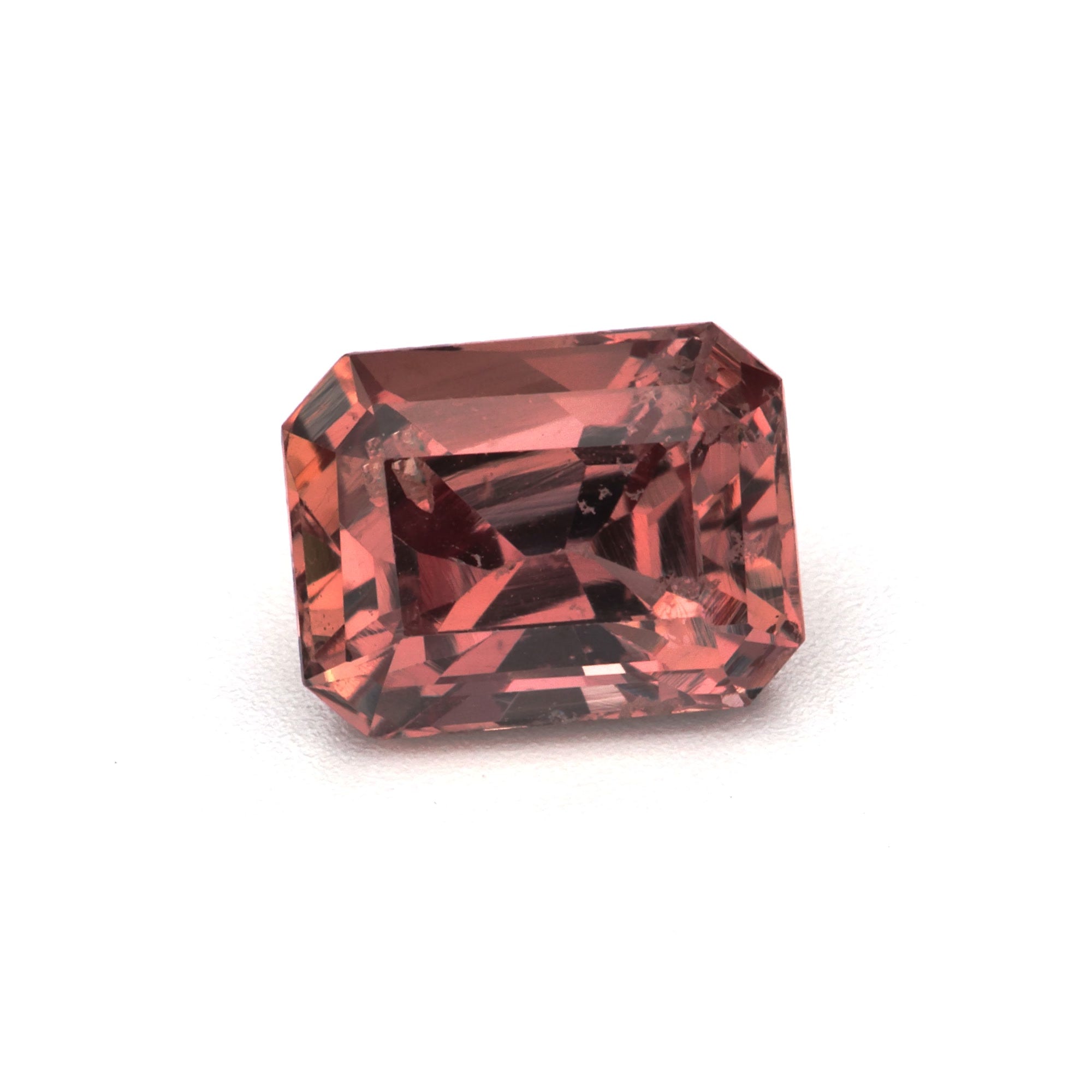
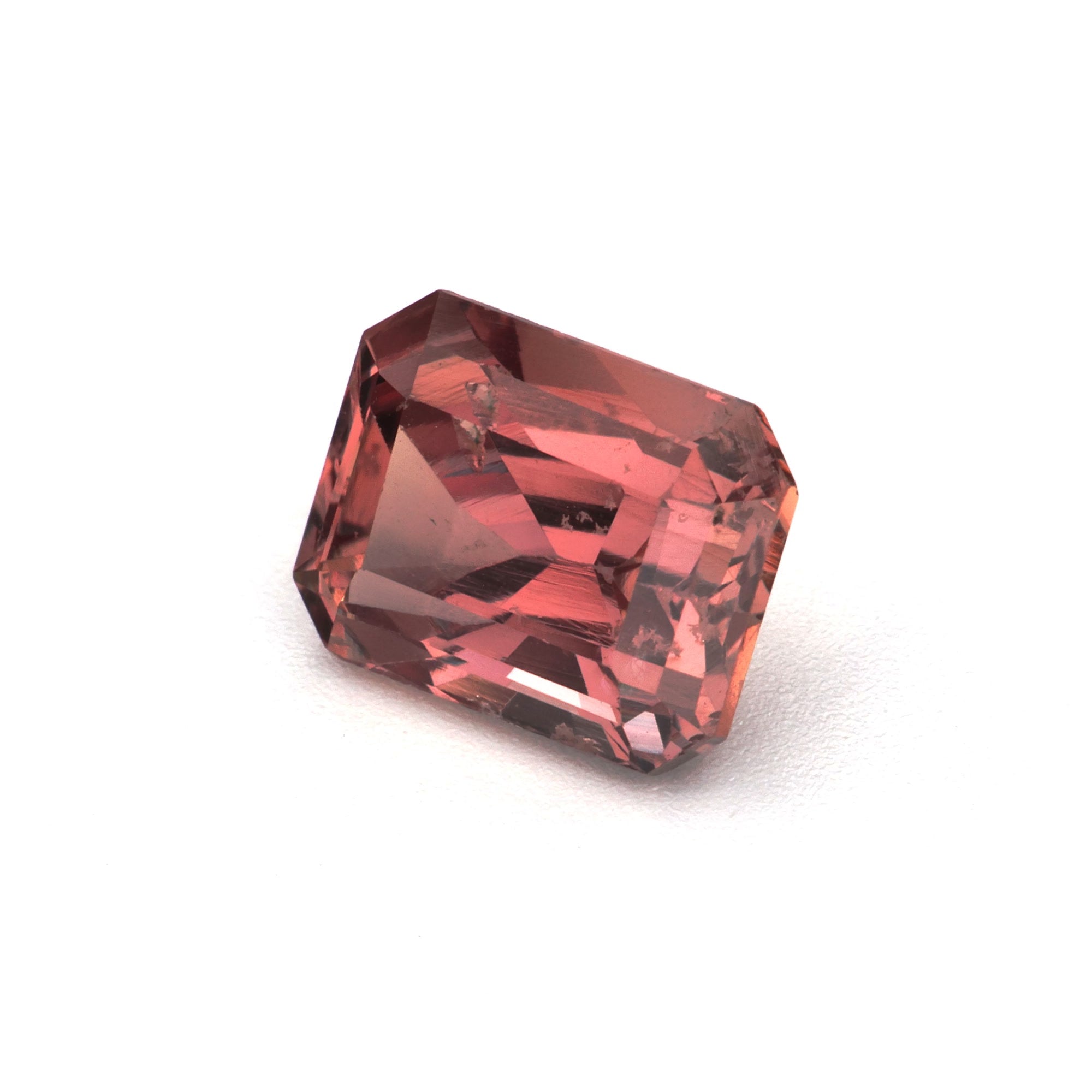
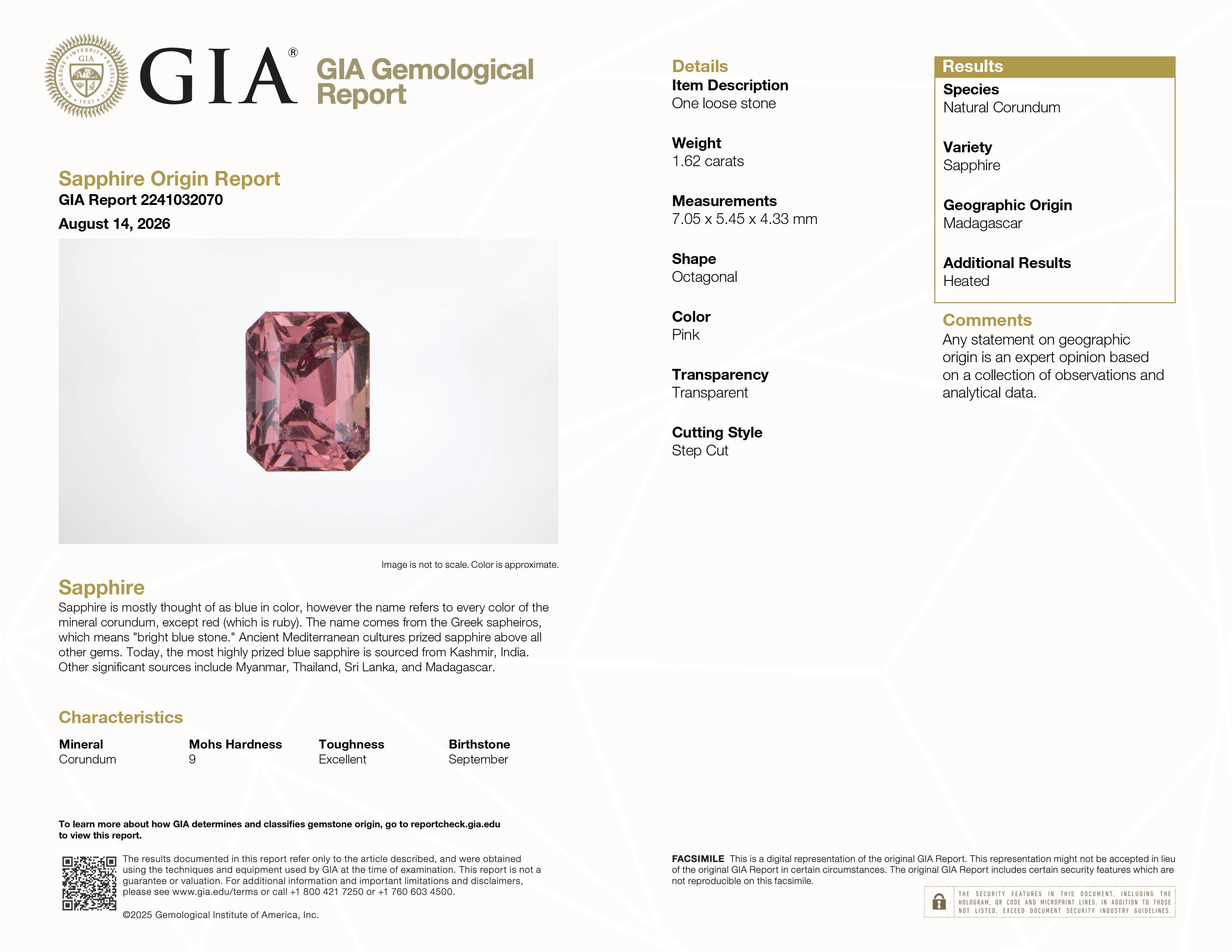
Madagaskar Rosa Saphir 1,62 ct – Achteck, GIA-Bericht
CG8460
CG8459
CG8458
CG8457
CG8456
1,65 ct unerhitzter Rubin, Oval | GIA-Bericht | Madagaskar
CG8453


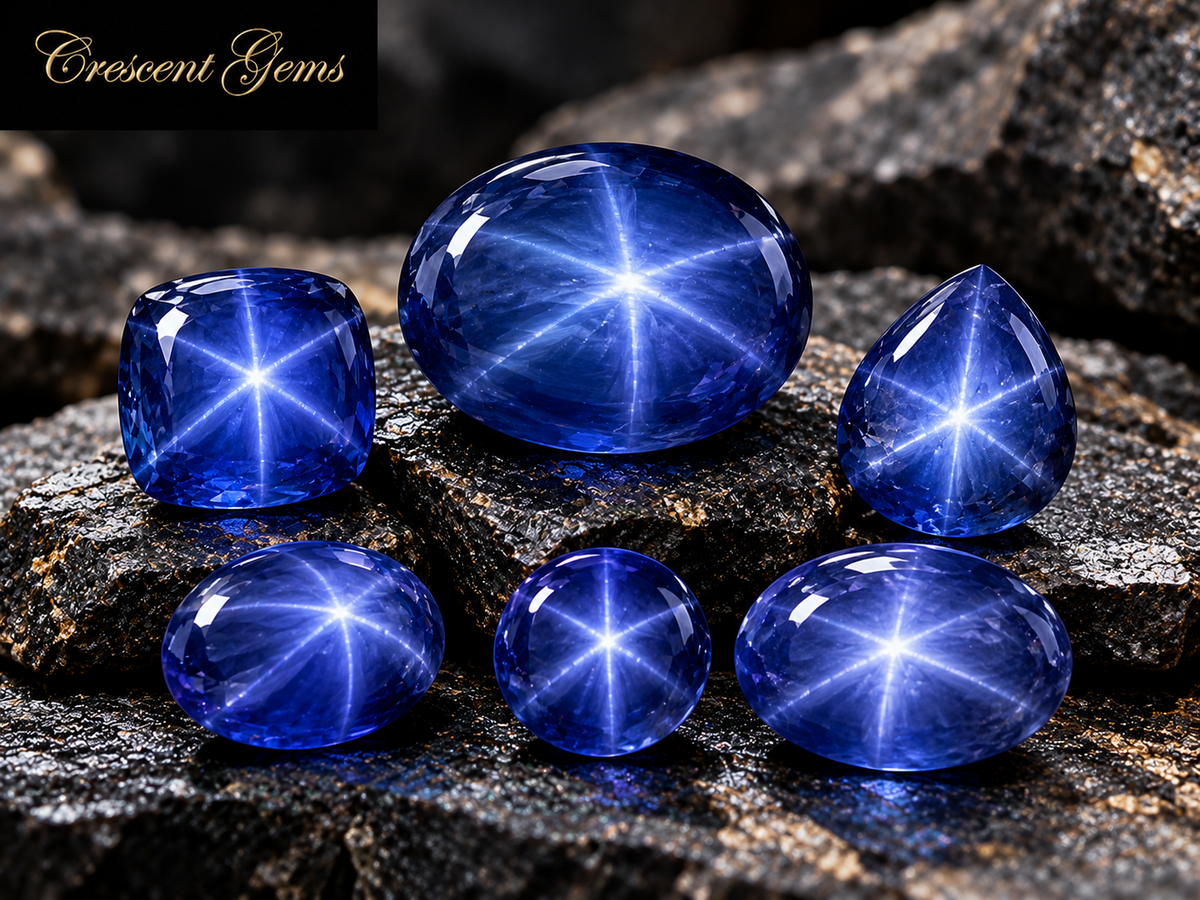
Blauer Sternsaphir: Was er kostet und warum wir den Stern nicht bepreisen
Was ein blauer Sternsaphir kostet, warum kein Labor den Stern bewertet und der eine Stein, den wir führen: 8,09 ct zu 3.660 € (4.040 US$) mit GIA Sapphire Origin Report.
Weiterlesenüber Blauer Sternsaphir: Was er kostet und warum wir den Stern nicht bepreisen
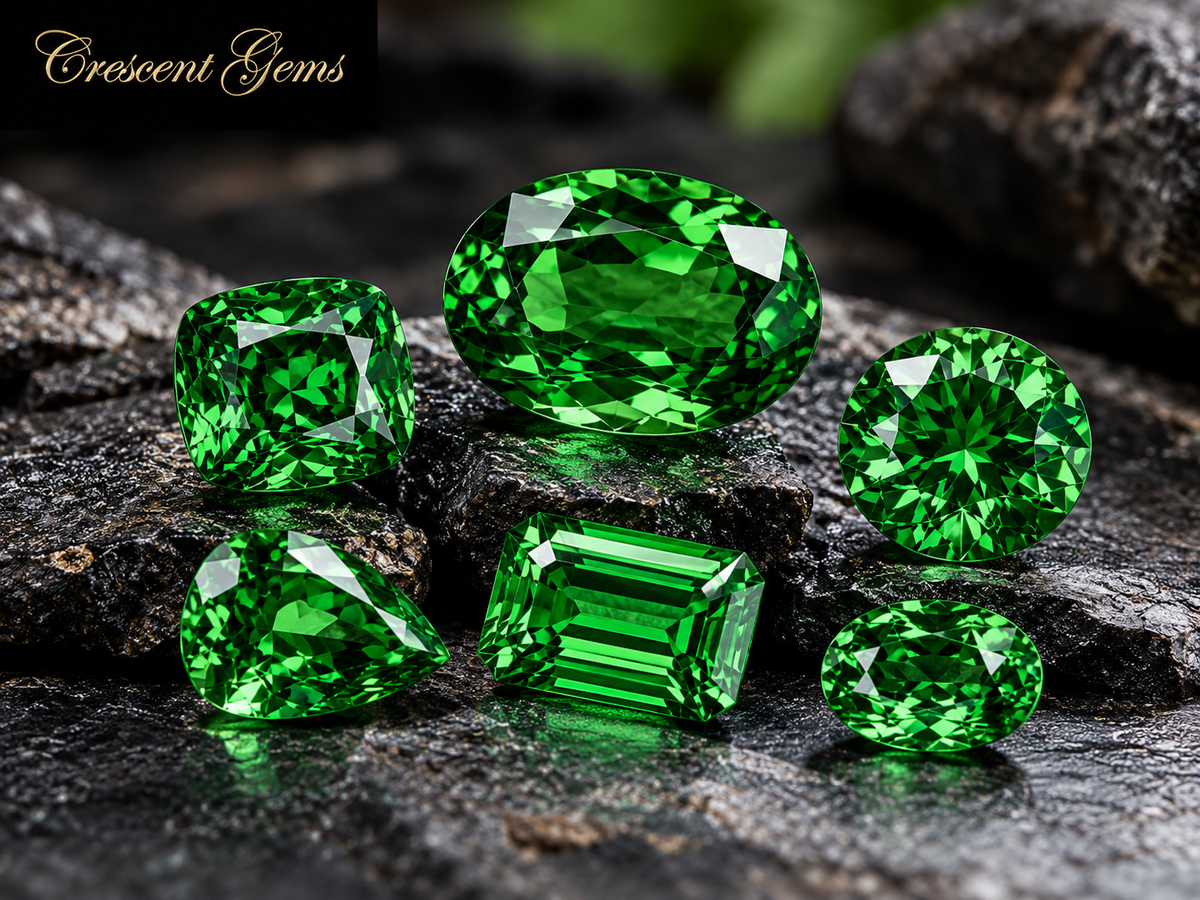
Tsavorit-Granat: Preise pro Karat aus unserem eigenen Bestand
Was ein Tsavorit-Granat kostet, gerechnet an den zwei Steinen, die wir am 16. November 2026 auf Lager haben – 1.440 bis 20.560 € (1.590 bis 22.724 US$) –, und was das Angebot an großen sauberen Steinen begrenzt.
Weiterlesenüber Tsavorit-Granat: Preise pro Karat aus unserem eigenen Bestand
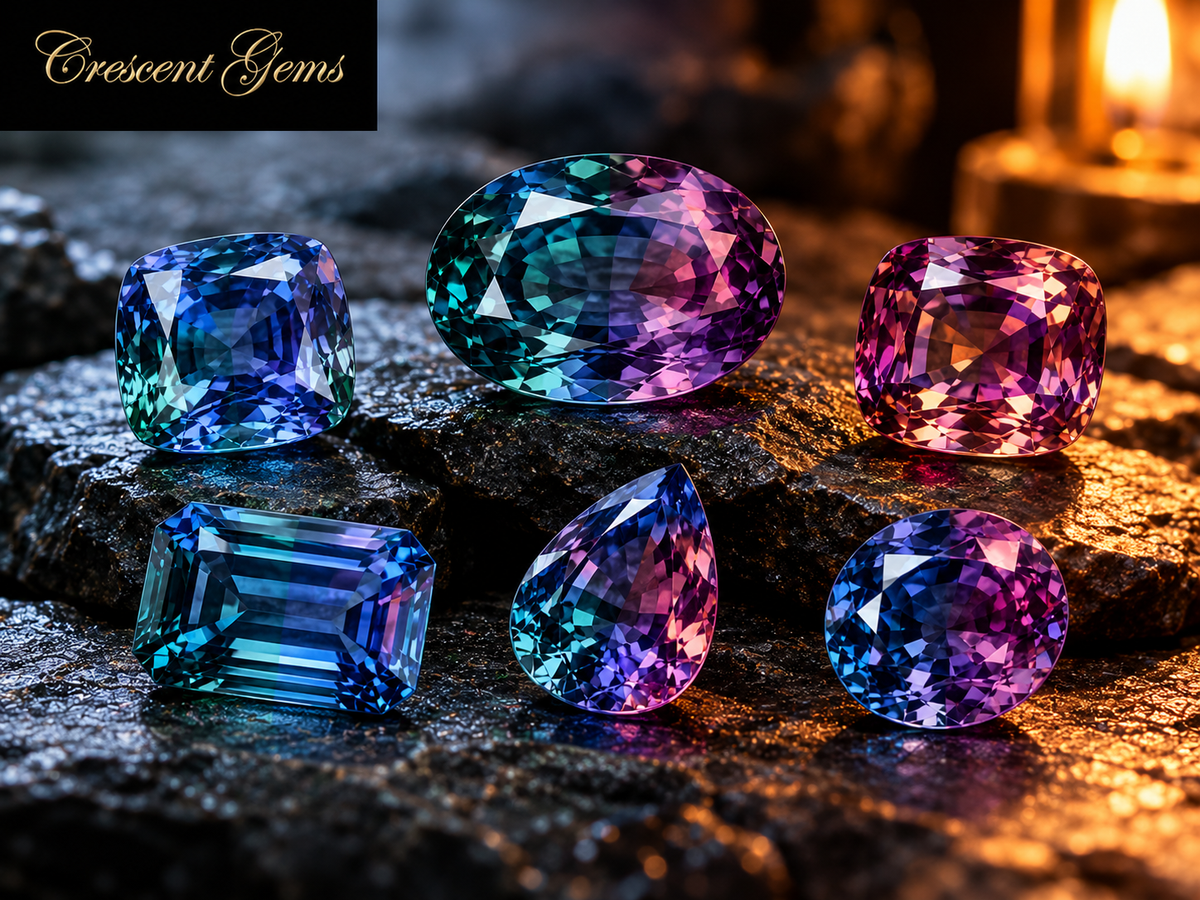
Farbwechsel-Saphir: Was er kostet, Stein für Stein
Was unsere beiden Farbwechsel-Saphire kosten, Stein für Stein mit dem Karatpreis daneben: 750 € (824 US$) für 1,03 ct und 2.000 € (2.211 US$) für 2,01 ct, am 16. November 2026 von unseren eigenen Produktseiten abgelesen. Kaufbar ist derzeit einer der beiden. Kein Labor benotet den Farbwechsel.
Weiterlesenüber Farbwechsel-Saphir: Was er kostet, Stein für Stein
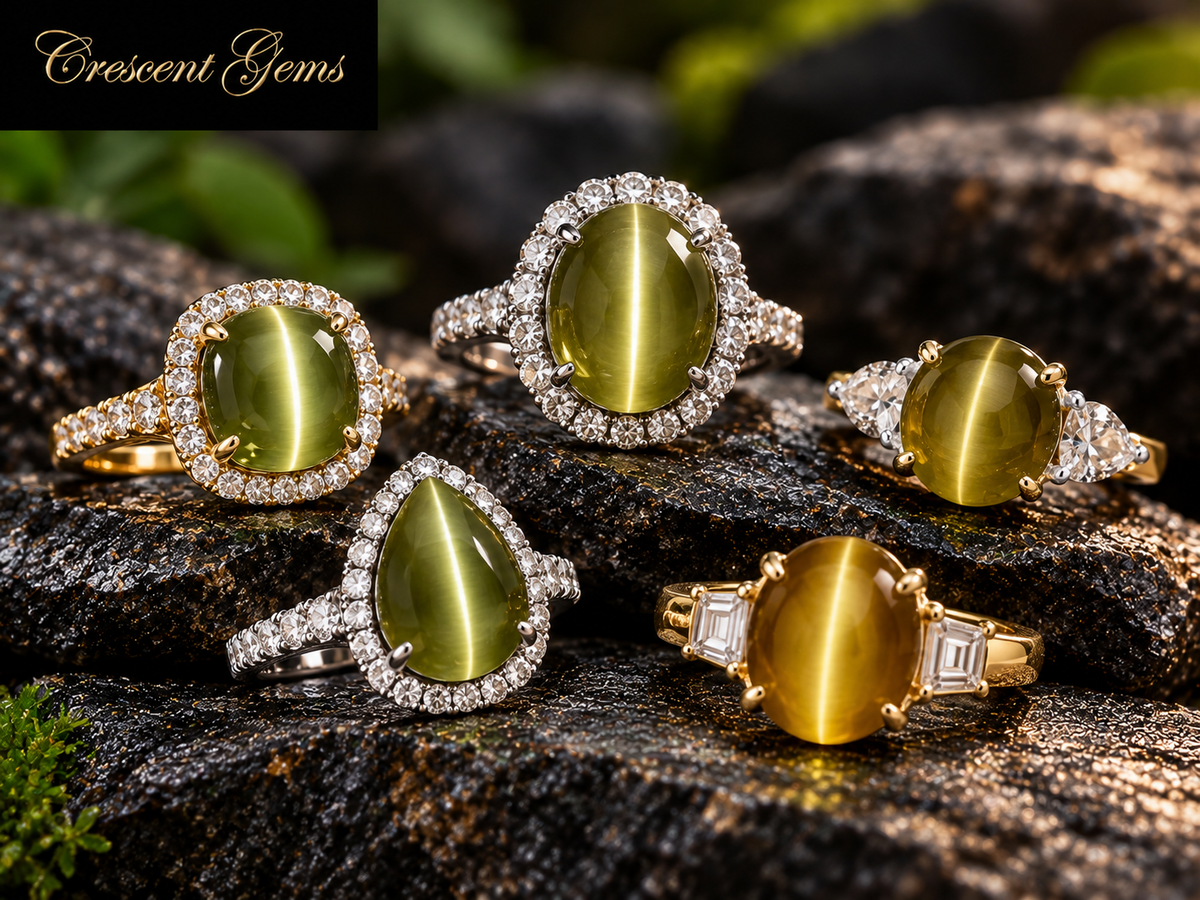
Chrysoberyll-Katzenauge im Verlobungsring: Eignet es sich?
Chrysoberyll hat Mohshärte 8,5 – über Quarz (7) und Smaragd (7,5–8), unter Korund (9) und Diamant (10). Was das für Alltag, Fassung und Pflege bedeutet.
Weiterlesenüber Chrysoberyll-Katzenauge im Verlobungsring: Eignet es sich?
Chrysoberyll-Katzenauge: Preise pro Karat und wovon sie abhängen
Was ein echtes Chrysoberyll-Katzenauge pro Karat kostet und wovon der Preis abhängt – dazu unsere beiden Steine: 2,36 ct für 3.792 $ und 4,25 ct für 9.482 $, je mit GIA-Bericht.
Weiterlesenüber Chrysoberyll-Katzenauge: Preise pro Karat und wovon sie abhängen















Teilen: