- von Ahmed Shareek
Edelsteinabbau in Sri Lanka: Wie Ceylon-Saphire im handgegrabenen Schacht gewonnen werden
- von Ahmed Shareek
Die ganze Herkunftsgeschichte steht im großen Ratgeber zum Ceylon-Saphir. Das Gegenstück im Wasser beschreibt Flussbettabbau in Sri Lanka. Die Grundlagen für den Kauf stehen im ultimativen Saphir-Kaufratgeber.
Sri Lanka fördert seit sehr langer Zeit Edelsteine. GIA formuliert es in der eigenen Darstellung der Insel unmissverständlich: „Die Verwendung von Edelsteinen in Sri Lanka reicht mindestens 2.000 Jahre zurück. Die edelsteinreiche Insel wurde im Sanskrit als Ratna Dweepa bezeichnet, als ‚Insel der Juwelen‘“. Derselbe Beitrag hält fest, dass die Chronik Mahavamsa mit Edelsteinen besetzte Throne beschreibt und dass Plinius der Ältere während der Regierungszeit des Claudius über srilankische Edelsteine schrieb. Diese lange Produktionsgeschichte ruht fast vollständig auf einer einzigen Gewinnungsmethode: dem von Hand gegrabenen Schacht in alluviale Kieslagen.
Ein Wort zum Namen Ceylon. Ceylon-Saphir ist ein Handelsname, die sachliche Angabe lautet Saphir aus Sri Lanka. Wir verwenden auf dieser Seite beides, und beides meint dasselbe – einen Saphir, der auf dieser Insel aus dem Boden gekommen ist. Auf eine Qualitätsachse gehört das Wort nicht.

Schachtabbau heißt: ein senkrechter Schacht wird abgeteuft, um die alluviale, edelsteinführende Kiesschicht zu erreichen – in den Edelsteinfeldern Sri Lankas überall illama genannt –, die unter mehreren Metern Mutterboden, Ton und Sediment liegt. Der Schacht wird von Hand gegraben, mit senkrechten Holzstämmen und waagerechten Verstrebungen ausgebaut und an der Sohle seitlich weitergetrieben, sobald der Kies erreicht ist. Illama ist die Schreibweise, die wir verwenden; GIA veröffentlicht dasselbe Wort als illam, und die Zitate und Quellenangaben auf dieser Seite behalten die Form von GIA bei.
Der Feldbericht von GIA aus Sri Lanka nennt die üblichen Maße: „Die Standardgrube in Sri Lanka besteht aus einem senkrechten Schacht von zwei mal vier Metern … Die Tiefe kann bis zu 50 Meter betragen, die meisten Gruben liegen jedoch zwischen 5 und 25 Metern“. Das Sri Lanka Export Development Board nennt dieselbe Arbeitsspanne und ergänzt, dass Lizenzen üblicherweise für eine halbe bis zwei Acre erteilt werden, mit sieben bis zehn Bergleuten je Grube.
| Angabe | Wert | Quelle |
|---|---|---|
| Querschnitt des Schachts | etwa 2 × 4 Meter | GIA |
| Übliche Tiefe | 5 bis 25 Meter | GIA |
| Größte genannte Tiefe | bis 50 Meter | GIA |
| Lizenzierte Fläche | eine halbe bis zwei Acre (rund 0,2 bis 0,8 Hektar) | Sri Lanka EDB |
| Bergleute je Grube | sieben bis zehn | Sri Lanka EDB |
| Erteilte Lizenzen 2013 | mehr als 6.500 | GIA |
| davon traditioneller Schachtabbau | mehr als 6.000 | GIA |
| davon maschineller Abbau | rund 10 | GIA |
| Menschen im Edelsteinabbau | nahezu 70.000 | Sri Lanka EDB |
| Edelsteingruben | nahezu 6.600 | Sri Lanka EDB |
Die Hektarangabe ist die Umrechnung der im Original genannten Acre-Werte; alle übrigen Zahlen stehen so in den unten aufgeführten Quellen.
Fast die gesamte Edelsteinproduktion der Insel ist alluvial und wird nicht aus dem Muttergestein gebrochen. GIA: „Fast alle Vorkommen Sri Lankas sind alluvial und enthalten reiche Konzentrationen edelsteinführender Kiese, die illam genannt werden“. Eine Grube folgt also keinem Gang. Sie folgt einem verschütteten Flussbett.
Die gesamte Wirtschaftlichkeit einer Grube hängt an einer einzigen Einschätzung: Hat die Mannschaft edelsteinführenden Kies erreicht, und lohnt sich dieser Kies? Diese Einschätzung wird an der Sohle des Schachts getroffen, mit dem Auge und mit der Hand, und sie wird fortlaufend getroffen.
Erkannt wird die illama an Farbe, Textur und Gewicht. Sie ist dunkler und schwerer als Ton und Sand darüber, und sie besteht aus gerundetem, wasserbearbeitetem Material statt aus kantigen Bruchstücken – weil ein Fluss sie sortiert hat, bevor sie zugedeckt wurde. In ihr wandern die schweren Begleitminerale mit den Edelsteinen: schwarzer Ilmenit und Magnetit, gut gerundete Zirkongerölle, Granat. Ein Kies, der reich daran ist, ist unter denselben Strömungsbedingungen abgelagert worden, unter denen auch Korund zur Ruhe kommt. Ein Kies, der hauptsächlich aus Quarzsand besteht, ist es nicht.
Das ist Lesen, nicht Messen. Kein Instrument ist beteiligt, nichts wird vor Ort analysiert, und die Menschen, die es tun, vergleichen diesen Kies mit Kies, den sie früher in der Hand hatten. Es ist die wertvollste Fähigkeit auf einem srilankischen Edelsteinfeld und der Teil der Arbeit, der sich am schwersten aufschreiben lässt.
Eine Edelsteingrube ist eher ein kleines Gemeinschaftsunternehmen als ein Arbeitgeber mit Belegschaft. Der Feldbericht von GIA beschreibt die übliche Konstruktion: „An dem Unternehmen sind in der Regel mehrere Personen beteiligt, darunter der Grundeigentümer, der Inhaber der Abbaurechte, derjenige, der die Pumpe zum Abpumpen des Wassers aus der Grube stellt, und die Bergleute“. Jeder bringt etwas anderes ein – Boden, Lizenz, Gerät, Arbeit –, und der Erlös eines Fundes wird nach Bedingungen geteilt, die vor dem ersten Spatenstich vereinbart wurden.
Praktisch heißt das: Niemand auf dem Gelände wird nach dem Stein bezahlt, den er abliefert. Was ein Bergmann verdient, hängt davon ab, was die Grube insgesamt hergibt – und genau deshalb wird die Rohware an der Oberfläche vor allen Beteiligten gesichtet und festgehalten.
Zur Größenordnung: Das Sri Lanka Export Development Board beziffert die Abbaugemeinschaft auf „nahezu 70.000“ Menschen an „nahezu 6.600 Edelsteingruben“. Das ist die Größenordnung, die man im Kopf haben sollte – Zehntausende Menschen in sehr kleinen Mannschaften, nicht eine Handvoll Unternehmen.
Der Transport übernimmt einen Teil der Auslese. Material, das in einer Kieslage ankommt, ist bewegt, gerollt und wieder abgelagert worden, mitunter mehrfach. Kristalle mit großen inneren Rissen überstehen das in der Regel nicht unversehrt. Was ankommt, ist deshalb zu kompakter, innerlich gesunder Rohware hin verschoben – nicht weil Flusskies einen Stein verbessert, sondern weil das fragile Material irgendwo flussaufwärts zerbrochen ist. Was das bedeutet, wenn Sie einen fertigen Stein vor sich haben, steht in unserem Ratgeber Einschlüsse im Saphir lesen.
Eine Kieslage, viele Arten. Eine einzige srilankische Edelsteingrube kann blauen Saphir, gelben Saphir, rosa Saphir, Sternsaphir, Katzenaugen-Chrysoberyll, Alexandrit und Spinell aus derselben Schicht liefern. Das folgt aus der Geologie: Der Highland Complex, der diese Kiese speist, ist ein hochgradig metamorpher Komplex, und das Gewässernetz, das ihn abgetragen hat, hat alles eingesammelt, was dicht genug war, um gemeinsam zur Ruhe zu kommen.
Der Edelsteinabbau in Sri Lanka ist lizenzpflichtig, und die Lizenz trägt eine Wiederherstellungspflicht. Zwei Dinge lohnen hier eine genaue Formulierung, weil sie der Teil sind, der am häufigsten verwischt wird.
Was die Regeln sagen. Der Feldbericht von GIA: „Ist ein Abbaugebiet erschöpft, müssen der Schacht oder der Tagebau nach den von der NGJA durchgesetzten Vorschriften verfüllt werden“. Die Pflicht ist finanziell hinterlegt – „Die National Gem and Jewellery Authority (NGJA) erhebt bei Erteilung einer Lizenz eine Barkaution. Stellt der Grubenbetreiber das Land nach Abschluss des Abbaus nicht wieder her, verwendet die NGJA das Kautionsgeld für diesen Zweck“. Das Sri Lanka Export Development Board nennt die Gründe: Die Regel „verlangt, dass Schächte und Tagebaue nach Abschluss der Abbauarbeiten verfüllt werden, um Grundwasserverunreinigung, Schäden an der Landschaft und Brutplätze für Mücken zu verhindern“.
Maschinen sind beschränkt, und die Zahlen zeigen es. GIA hält fest, dass von den mehr als 6.500 im Jahr 2013 erteilten Lizenzen mehr als 6.000 auf den traditionellen Schachtabbau entfielen, und dass „die Lizenzierung des maschinellen Abbaus sehr strengen Richtlinien folgt und 2013 nur etwa zehn Lizenzen erteilt wurden“. Die handgegrabene Grube ist also keine Folklore, sondern das, wofür die weit überwiegende Mehrheit der Lizenzen gilt.
Was die Regeln Ihnen nicht sagen. Eine Vorschrift ist keine Befolgungsquote, und wir werden das eine nicht als das andere ausgeben. Eine im Oktober 2024 vom Earth Journalism Network veröffentlichte Recherche fand im Umland von Ratnapura offene, mit Wasser vollgelaufene Gruben in landwirtschaftlich genutzten Flächen; Anwohner berichteten von Vieh und Menschen, die hineinstürzten, und von versiegenden Brunnen. Die NGJA erklärte auf eine Anfrage nach dem Informationsfreiheitsrecht, ihr seien für den Zeitraum von Januar 2021 bis August 2023 keine unverfüllten Gruben in diesem Gebiet bekannt. Dieselbe Recherche zitiert den NGJA-Direktor G. W. Amarasiri mit den Worten: „Gegenwärtig werden etwa 40.000 Edelsteinabbauten mit den 6.000 erteilten Genehmigungen betrieben“. Trifft diese Zahl zu, dann findet der größere Teil dessen, was auf der Insel zu einem beliebigen Zeitpunkt gegraben wird, außerhalb des Lizenzsystems statt, an das die Wiederherstellungspflicht geknüpft ist.
Deshalb stellt dieser Beitrag Sri Lanka nicht über andere Förderländer und auch nicht darunter. Wir haben nach einer veröffentlichten vergleichenden Untersuchung zu den Umweltfolgen des handwerklichen Edelsteinabbaus gesucht, auf die sich eine solche Einordnung stützen ließe, und keine gefunden, für die wir geradestehen wollen – die Einordnung steht uns also nicht zu, und wo Ihnen anderswo eine begegnet, lohnt die Frage, auf welche Untersuchung sie sich stützt. Was wir sagen können, ist eng und konkret: Die Gruben, aus denen wir kaufen, sind von Hand gegraben, lizenziert und verfüllt, und das Land um sie herum geht zurück in die Bewirtschaftung. Das ist unsere eigene Beobachtung aus dem Einkauf vor Ort, kein Befund über die Branche.
Wir kaufen Rohware und angearbeitetes Material in Sri Lanka, bei Bergleuten und bei Händlern und Maklern in Ratnapura und Beruwala, und wir schleifen einen großen Teil davon selbst. Für die meisten Partien können wir Ihnen den Distrikt nennen, häufig auch die Grube oder den Flussabschnitt.
Was wir Ihnen nicht sagen werden, ist, wie das mit der Lieferkette irgendeines anderen Anbieters zu vergleichen ist, oder was das preislich bedeutet. Wir wissen nicht, was ein anderer Verkäufer zahlt, durch wie viele Hände ein Stein vor ihm gegangen ist oder mit welcher Spanne er rechnet – jeder Satz, den wir darüber schrieben, wäre erfunden. Wir beschreiben unseren Weg und lassen den Vergleich.
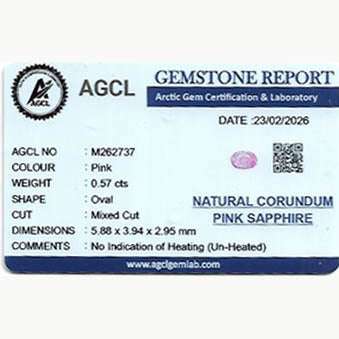
Dieselbe Zurückhaltung gilt für den Stein selbst. Wie ein Saphir aus dem Boden gekommen ist, sagt nichts über die Beständigkeit des fertigen Steins. Rissiges Material wird in der Schleiferei weggeschnitten; was Sie in der Hand halten, ist eine Folge der Rohware, die den Schliff überstanden hat, und nicht des Werkzeugs, das sie gehoben hat. Wo ein Stein entstanden ist und wie er aussieht, sind zwei getrennte Befunde, und nur einer davon ist Sache eines Labors.
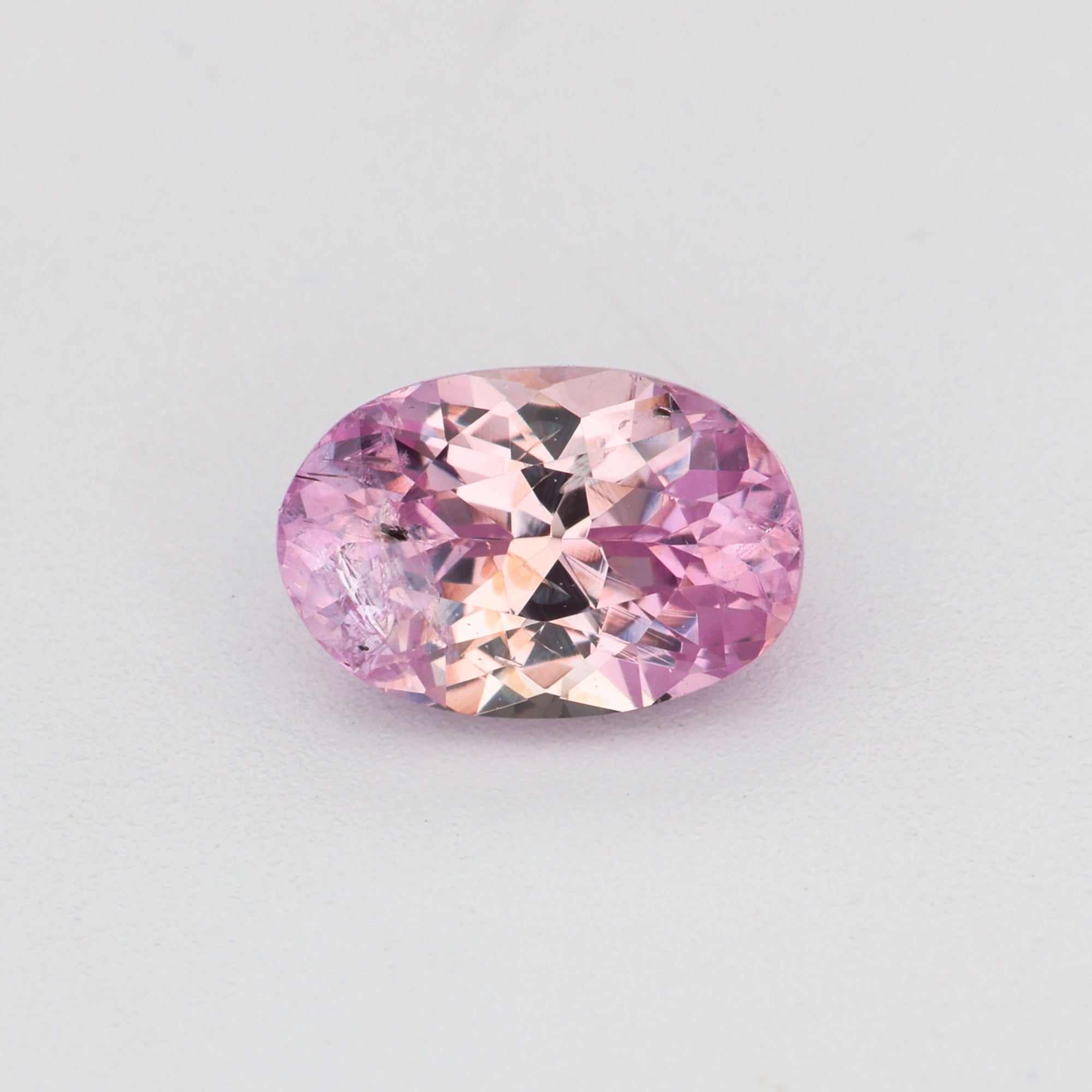
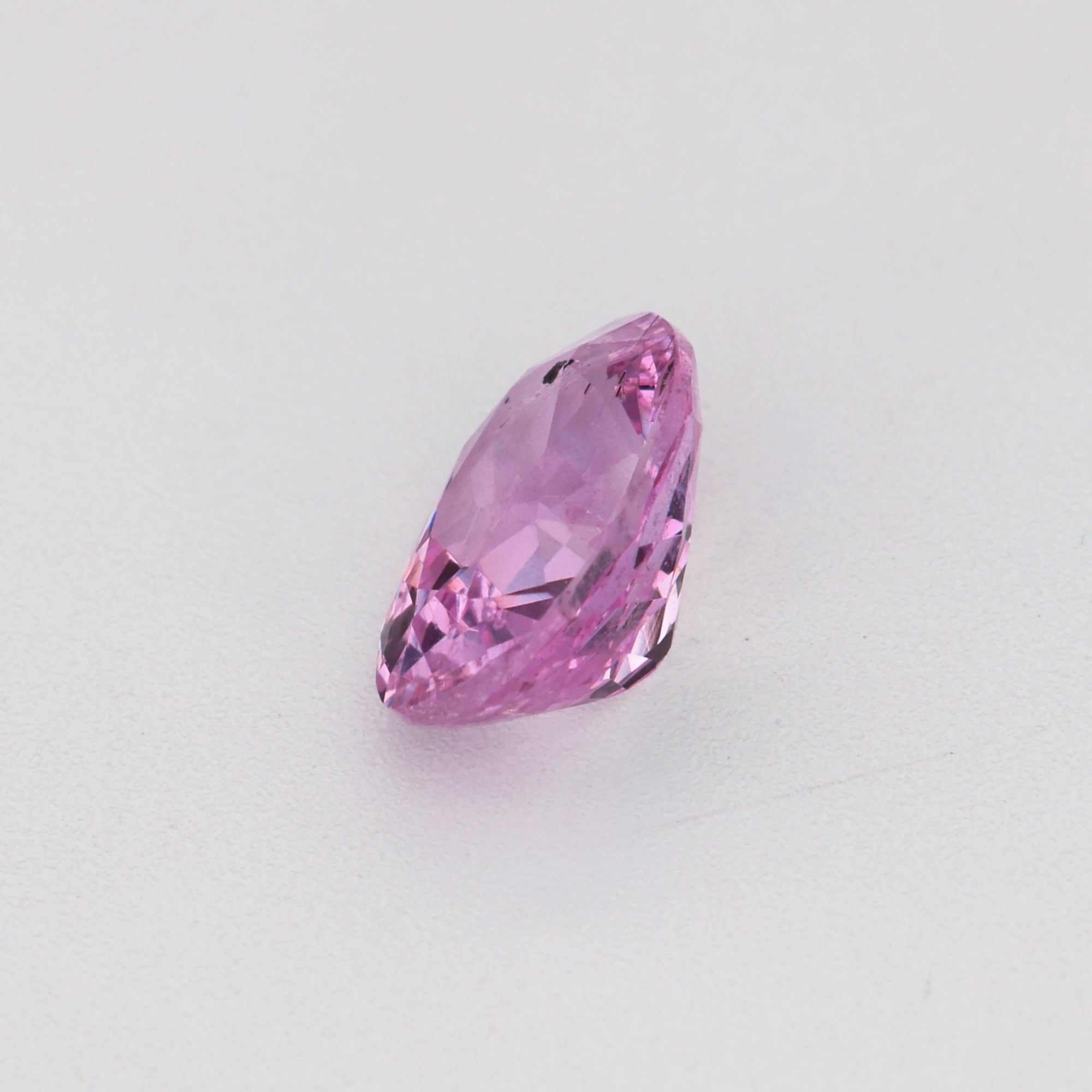
Die Ceylon-Saphire in unserem Katalog haben in einer Kieslage unter srilankischem Boden begonnen. Wir führen daneben Saphire aus Madagaskar und eine kleine Auswahl weiterer Steine, darunter Tsavorith-Granat aus Kenia, und jedes Angebot nennt seine eigene Herkunft – nehmen Sie diesen Beitrag also als Beitrag über den srilankischen Teil unseres Angebots, der der größere, aber nicht der ganze ist.
Nach dem Einkauf werden die Steine geschliffen und poliert, fotografiert und eingestellt, wobei jedes Angebot die Behandlung nennt.
Versand in die USA kostenlos, ohne Mindestbestellwert. In alle übrigen Länder pauschal 60 $, ab 499 $ Bestellwert kostenlos. Für jede Bestellung gilt ein Rückgaberecht von 14 Tagen.
Unsere Preise verstehen sich in US-Dollar, ohne Einfuhrumsatzsteuer und Zoll; diese fallen bei der Einfuhr in Ihr Land an und sind bei der Zustellung von Ihnen zu zahlen.
Zur Ringgestaltung nach der Wahl des Steins: unser Ratgeber zum ovalen Saphir, der Ratgeber zum Kissenschliff, der Ratgeber zu Formen für Solitärringe, der Ratgeber zum Halo-Ring und der Metallvergleich. Zur Preiseinordnung: Saphirpreise erklärt, was ein guter Einkaräter kostet und was ein guter Zweikaräter kostet. Zur Versicherung: unser Ratgeber zur Schmuckversicherung.
Stöbern Sie in unserem Katalog loser Edelsteine oder schreiben Sie uns mit Ihren Vorstellungen an crescentgems@gmail.com. Wir antworten innerhalb eines Werktags.
Beim Schachtabbau wird von Hand ein senkrechter Schacht bis zur edelsteinführenden Kiesschicht abgeteuft, die vor Ort Illama heißt; an ihrer Sohle arbeiten die Bergleute dann seitlich in die Schicht hinein. Der Kies wird in Körben nach oben gefördert und gewaschen, sodass die dichteren Edelsteinminerale zurückbleiben, während Sand und Ton über den Rand gehen. GIA hält fest, dass die meisten Gruben in Sri Lanka 5 bis 25 Meter tief sind.
Ja. Die National Gem and Jewellery Authority erteilt Abbaulizenzen für Edelsteine nach Section 15 ihres Gesetzes. GIA hält fest, dass von den mehr als 6.500 im Jahr 2013 erteilten Lizenzen mehr als 6.000 auf den traditionellen Schachtabbau entfielen und nur rund zehn auf maschinellen Abbau. Die NGJA stellt außerdem klar, dass eine Explorationslizenz des Geological Survey and Mines Bureau nicht zum Edelsteinabbau berechtigt.
Ja, und die Pflicht ist mit Geld hinterlegt. GIA berichtet, dass Schacht oder Tagebau nach Abschluss der Arbeiten nach den von der NGJA durchgesetzten Vorschriften verfüllt werden müssen und dass die NGJA bei Erteilung einer Lizenz eine Barkaution einbehält, die sie für die Rekultivierung verwendet, wenn der Grubenbetreiber es nicht tut. Das Sri Lanka Export Development Board nennt als Gründe, Grundwasserverunreinigung, Landschaftsschäden und Brutplätze für Mücken zu verhindern. Ob jede Arbeitsstelle tatsächlich wiederhergestellt wird, ist eine andere Frage: Eine Recherche des Earth Journalism Network von 2024 dokumentierte offen gebliebene Gruben in Feldern bei Ratnapura und zitiert einen Direktor der NGJA mit der Schätzung von rund 40.000 Betrieben gegenüber 6.000 Genehmigungen.
Saphir in fast allen Farben, dazu Rubin, Katzenaugen-Chrysoberyll und anderer Chrysoberyll, Spinell, Granat, Zirkon und Mondstein. Am bekanntesten sind blaue und Fancy-Saphire. Mehrere Arten liegen regelmäßig in derselben Kiesschicht, weil das Gewässernetz, das die Lagerstätte gebildet hat, alles eingesammelt hat, was dicht genug war, um gemeinsam abzusinken.
Nicht in einer Weise, zu der wir eine Aussage treffen würden. Rohware mit inneren Rissen wird in der Schleiferei weggeschnitten; wie intakt ein fertiger Stein ist, hängt also an dem Material, das den Schliff überstanden hat, und nicht daran, wie es aus dem Boden geholt wurde. Beurteilen Sie den Stein, der vor Ihnen liegt – seine Farbe, seine Reinheit und das, was sein Angebot und ein etwaiger Laborbericht festhalten – und nicht seine Abbaumethode.

CG8307

CG8366
CG8313
CG8446
CG8445
CG8433
CG8434
CG8431
CG8438



Blauer Sternsaphir: Preise pro Karat und wovon sie abhängen
Was blauer Sternsaphir pro Karat kostet und wovon der Preis abhängt – dazu unser einziger Stein: 8,09 ct für 4.040 $ mit GIA Sapphire Origin Report.
Weiterlesenüber Blauer Sternsaphir: Preise pro Karat und wovon sie abhängen
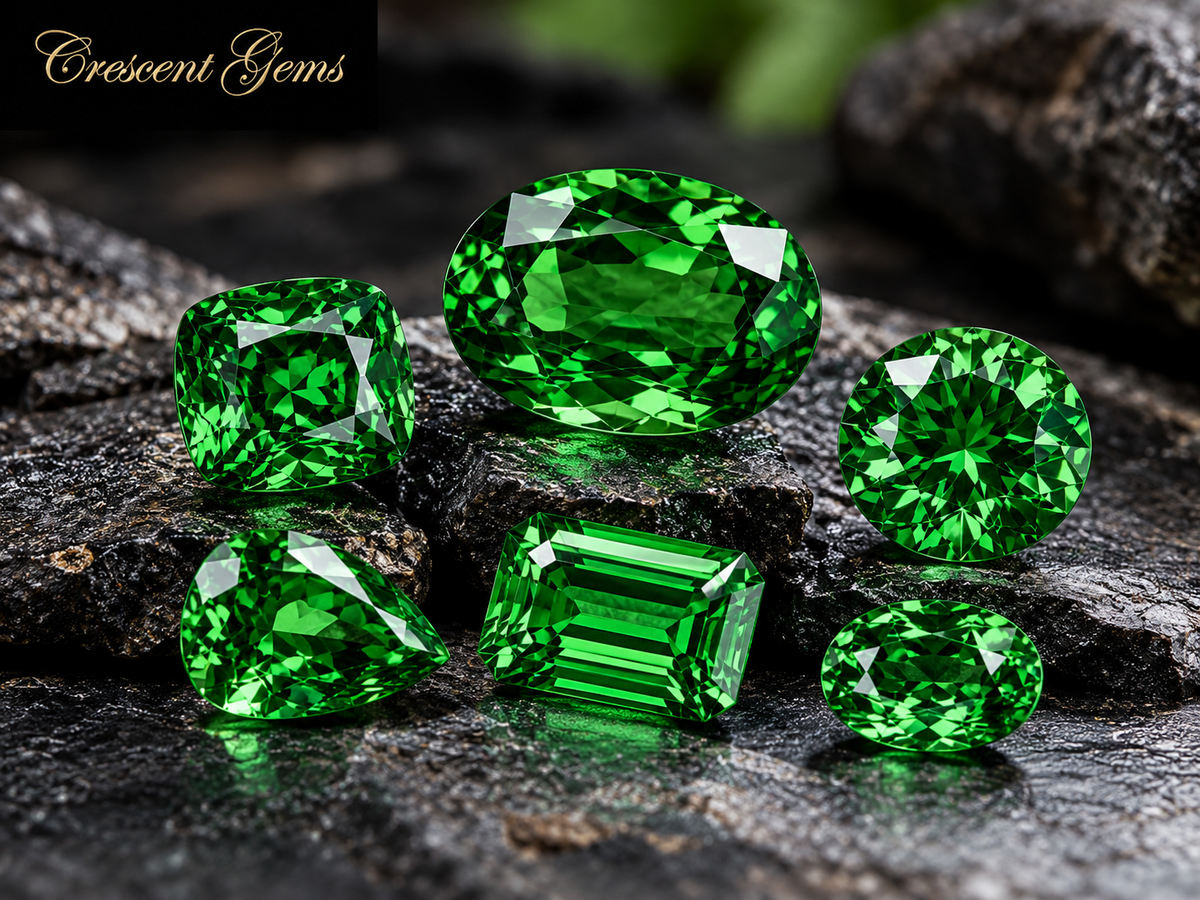
Tsavorit-Granat: Preise pro Karat aus unserem eigenen Bestand
Was Tsavorit-Granat kostet: die Preise pro Karat unserer sieben Steine, der Unterschied zwischen Varietät und Spezies und warum sauberer Rohstein knapp ist.
Weiterlesenüber Tsavorit-Granat: Preise pro Karat aus unserem eigenen Bestand
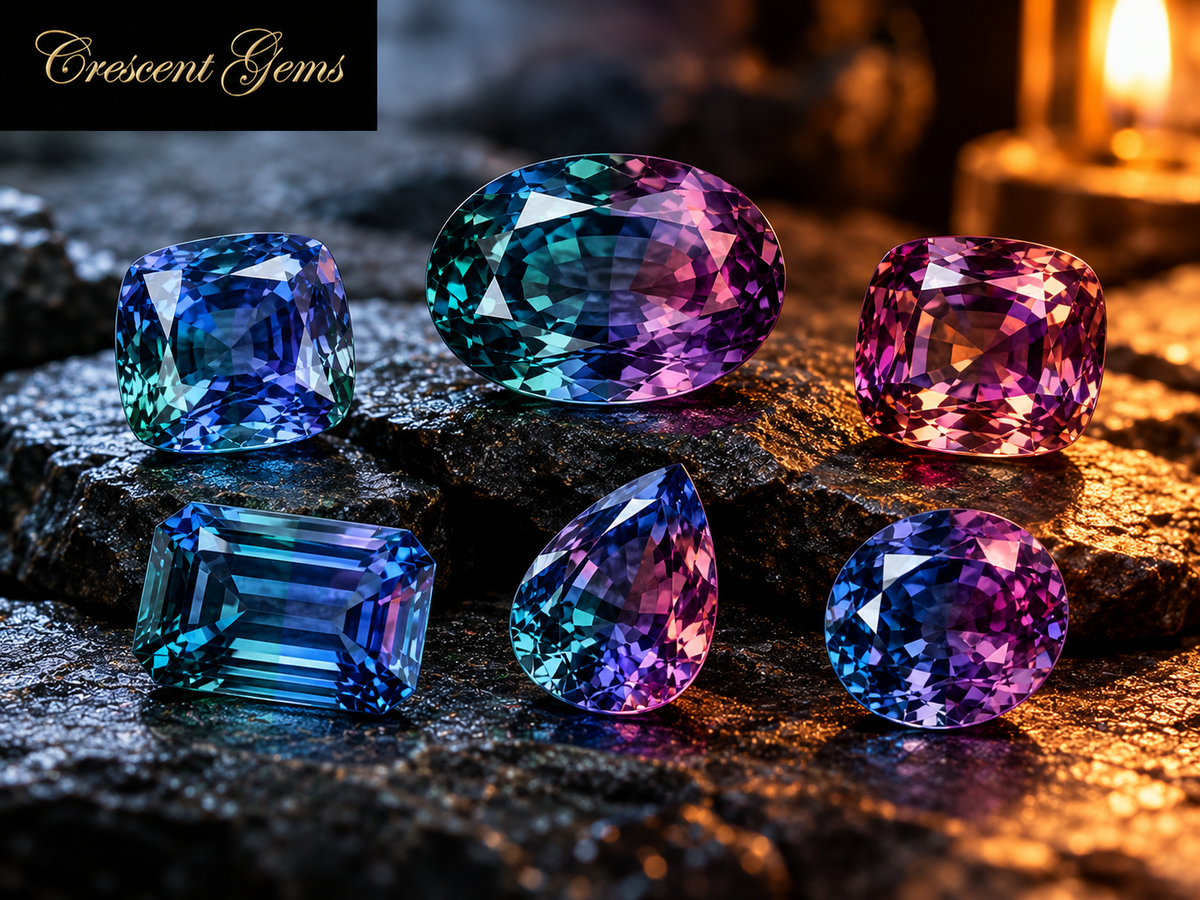
Farbwechsel-Saphir: was er pro Karat kostet und warum
Was ein Farbwechsel-Saphir pro Karat kostet und wovon der Preis abhängt – dazu unsere beiden Steine: 1,03 ct für 824 $ und 2,01 ct für 2.211 $.
Weiterlesenüber Farbwechsel-Saphir: was er pro Karat kostet und warum

Chrysoberyll-Katzenauge im Verlobungsring: Eignet es sich?
Chrysoberyll hat Mohshärte 8,5 – über Quarz (7) und Smaragd (7,5–8), unter Korund (9) und Diamant (10). Was das für Alltag, Fassung und Pflege bedeutet.
Weiterlesenüber Chrysoberyll-Katzenauge im Verlobungsring: Eignet es sich?
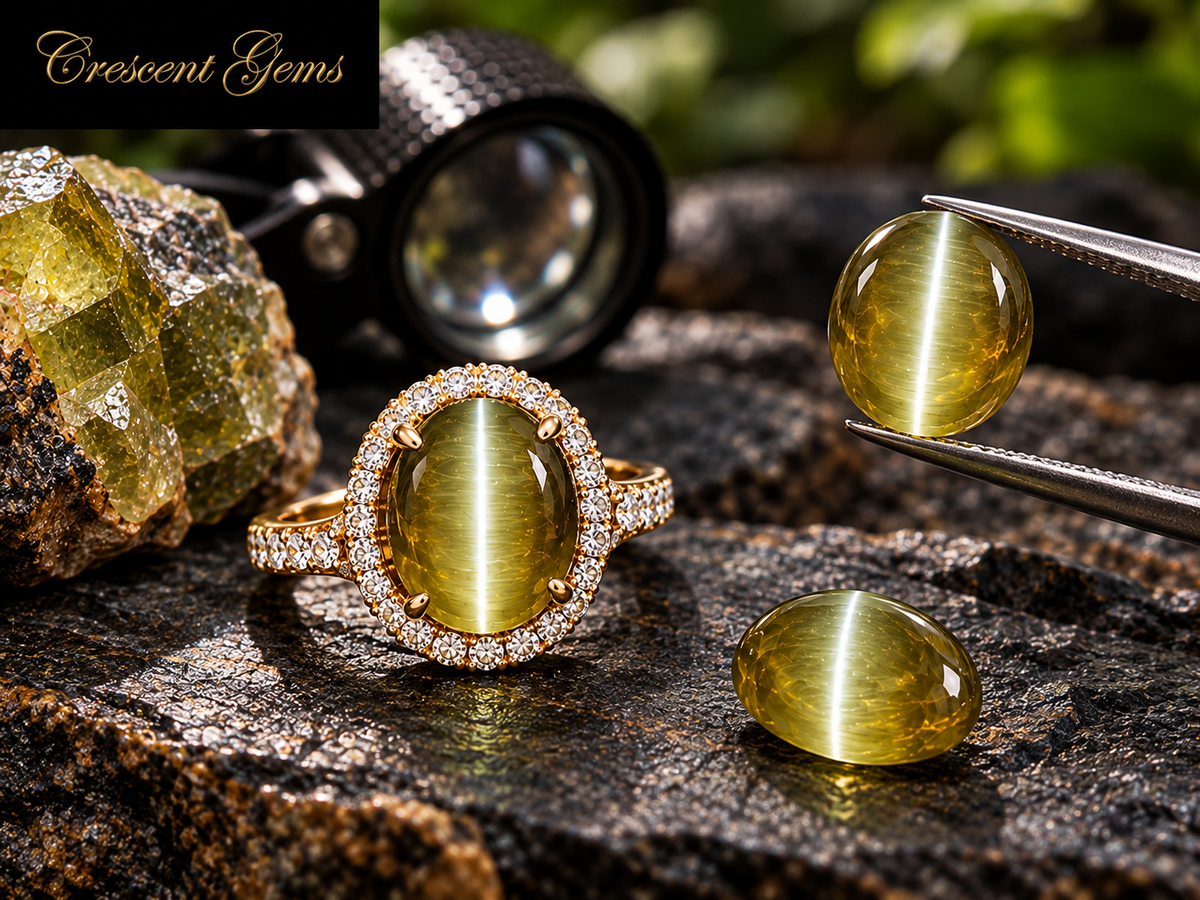
Chrysoberyll-Katzenauge: Preise pro Karat und wovon sie abhängen
Was ein echtes Chrysoberyll-Katzenauge pro Karat kostet und wovon der Preis abhängt – dazu unsere beiden Steine: 2,36 ct für 3.792 $ und 4,25 ct für 9.482 $, je mit GIA-Bericht.
Weiterlesenüber Chrysoberyll-Katzenauge: Preise pro Karat und wovon sie abhängen