

- von Ahmed Shareek
Blue Sapphire Engagement Ring Guide: Color, Origin, Treatment and Setting
- von Ahmed Shareek
New to buying sapphires? Start with our Ultimate Sapphire Buying Guide — the complete resource for color, origin, treatment, and pricing.

Blue sapphire is the colored stone we are asked for most often for an engagement ring. The reasons are straightforward: it is hard enough to wear every day, it is available across a wide price range, and it has enough visual presence to carry a ring as a center stone without needing to be large. What varies is the stone itself — and sapphire does not come with the grading apparatus a diamond buyer is used to. This guide sets out the decisions that actually fall to you, and is explicit about which of them a laboratory can settle and which it cannot.
Hardness. Corundum is 9 on the Mohs scale. Mohs measures resistance to scratching and abrasion only, and it says nothing about how a stone stands up to a knock. Our view, as dealers rather than a laboratory: that makes sapphire well suited to daily ring wear, and standard prong, bezel and pavé settings all suit it without modification.
No cleavage. Diamond has perfect octahedral cleavage. Sapphire has no cleavage planes — impact damage produces a conchoidal fracture rather than a clean split, making catastrophic loss from a knock significantly less likely.
Color stability. Blue sapphire color comes from iron and titanium trace elements locked into the crystal structure when the stone formed. In ordinary wear that color is stable: daylight, household lighting and the temperatures a ring meets day to day do not change it. Deliberate heat treatment is a different matter — it is done at furnace temperatures, and it has its own section below.
Before anything else in this section: no laboratory grades color on a sapphire. GIA's own position is plain — "GIA doesn't grade or provide quality analysis for sapphire or other colored stones." Hue, tone and saturation are the three axes dealers talk about, and they are useful vocabulary, but there is no published scale behind them. Every verdict in this section is ours and yours, never a laboratory's.
In our experience color moves a sapphire's price more than any other single factor, and two stones of the same weight can sit a long way apart on color alone. We do not publish a multiple for that gap: it depends entirely on the two stones in front of you.
Hue: How cleanly the blue reads. A slight violet secondary hue is common in Sri Lankan material and we do not treat it as a fault. We price green-modified blue lower than blue of the same size that reads clean, and that is our own call — no laboratory makes it for us.
Tone: How light or dark the stone is. What we look for is a medium to medium-dark tone — dark enough to have presence, light enough that the blue still reads in ordinary room light. Very dark stones can go close to black under household lighting. Assess tone under more than one light source before you decide, and if it looks right to you in daylight, that is the test that matters.
Saturation: How strong the color is. A highly saturated blue reads vivid and clean, with no grey or brown pulling at it; a weakly saturated one reads steely and grey-influenced. Which of those you prefer is a matter of taste, and of what the stone will be set in.
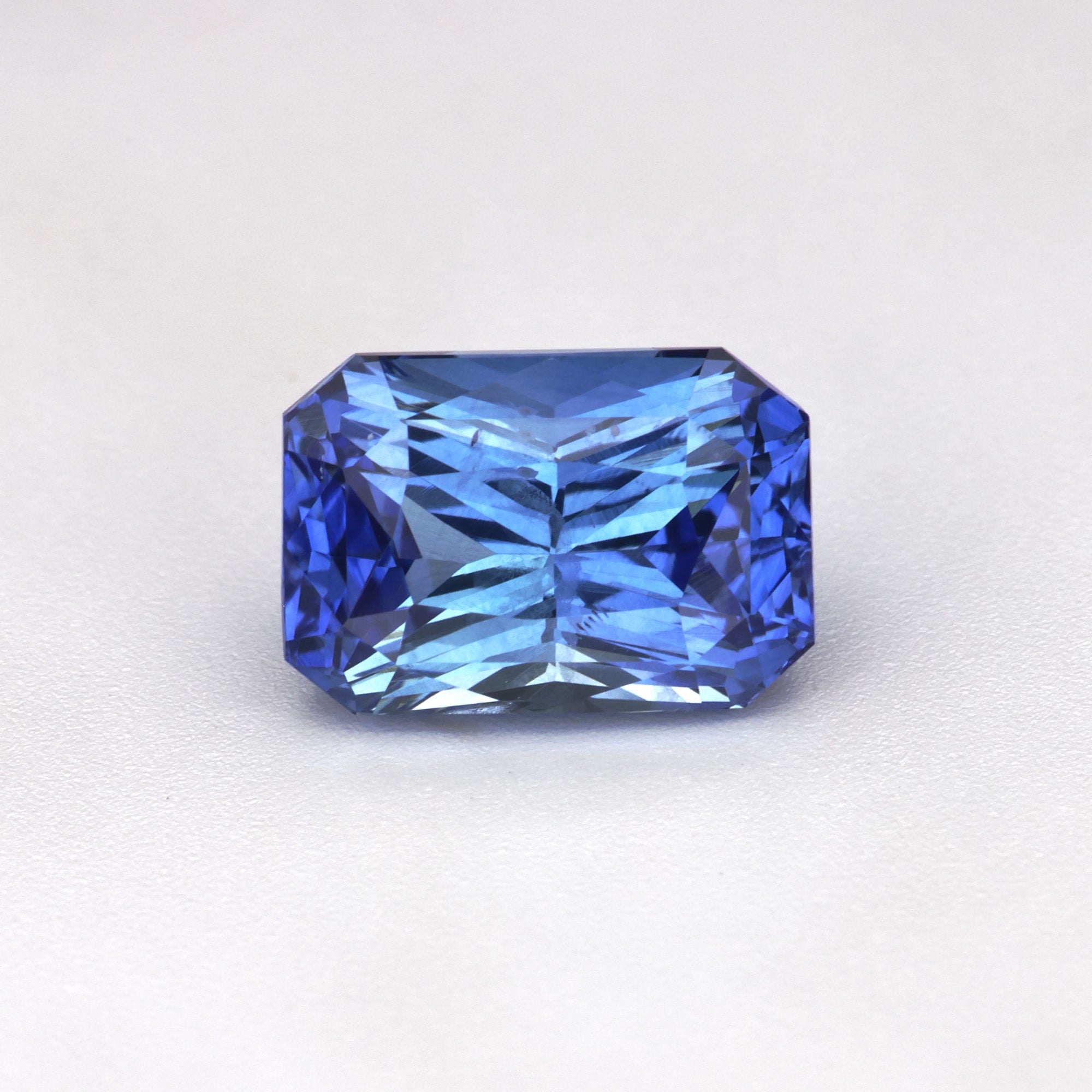
Three trade terms you will meet. Cornflower blue is used for a medium-light, bright blue with a hint of violet in it. Royal blue is used for a medium-dark, strongly saturated blue. Ceylon blue is a trade name for Sri Lankan material, and sellers reach for it when a stone is on the brighter, lighter side. These are trade terms, not grades. No laboratory issues them, no two sellers draw the lines in the same place, and nothing about a particular stone follows from which of the words a seller chooses for it. Browse our Ceylon blue sapphire collection.
Origin is a provenance fact, not a quality axis, and we do not rank origins against one another. Where a stone formed and how it looks are two separate findings, and pricing one as though it were the other is a habit worth breaking. What follows describes what each source is associated with in the trade. It is not an order of merit, and nothing below is a statement that one origin is better than another.
Kashmir: A historic source. Kashmir material is associated in the trade with a soft, slightly sleepy blue. We do not trade Kashmir stones, we have never held one, and we are not going to tell you what one costs.
Burma (Myanmar): Burmese blue is associated in the trade with a deeply saturated blue. We do not trade Burmese material either, so we quote no price for it and no premium over anything else — we could not stand behind the figure if we did. See our Burma / Mogok sapphire guide.
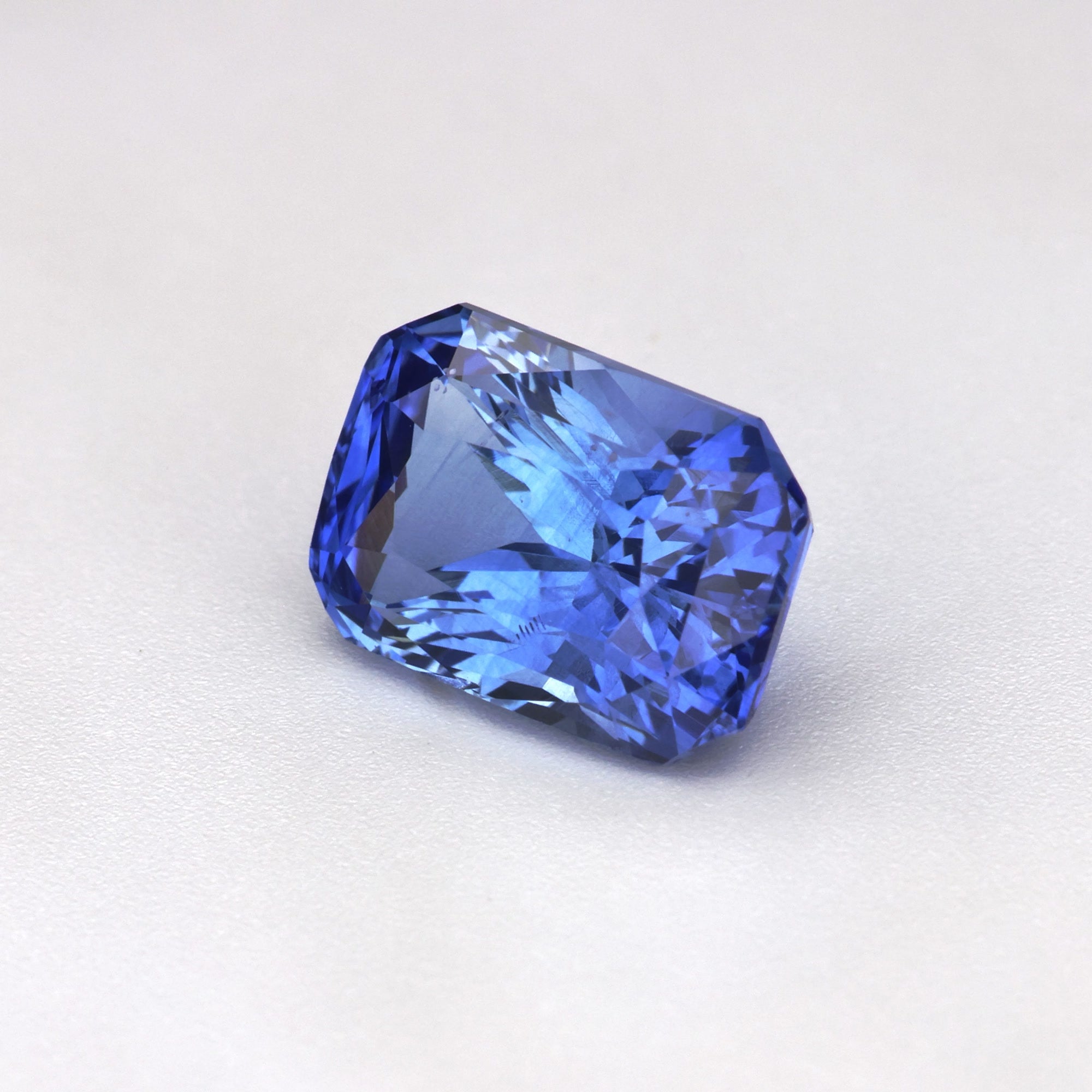
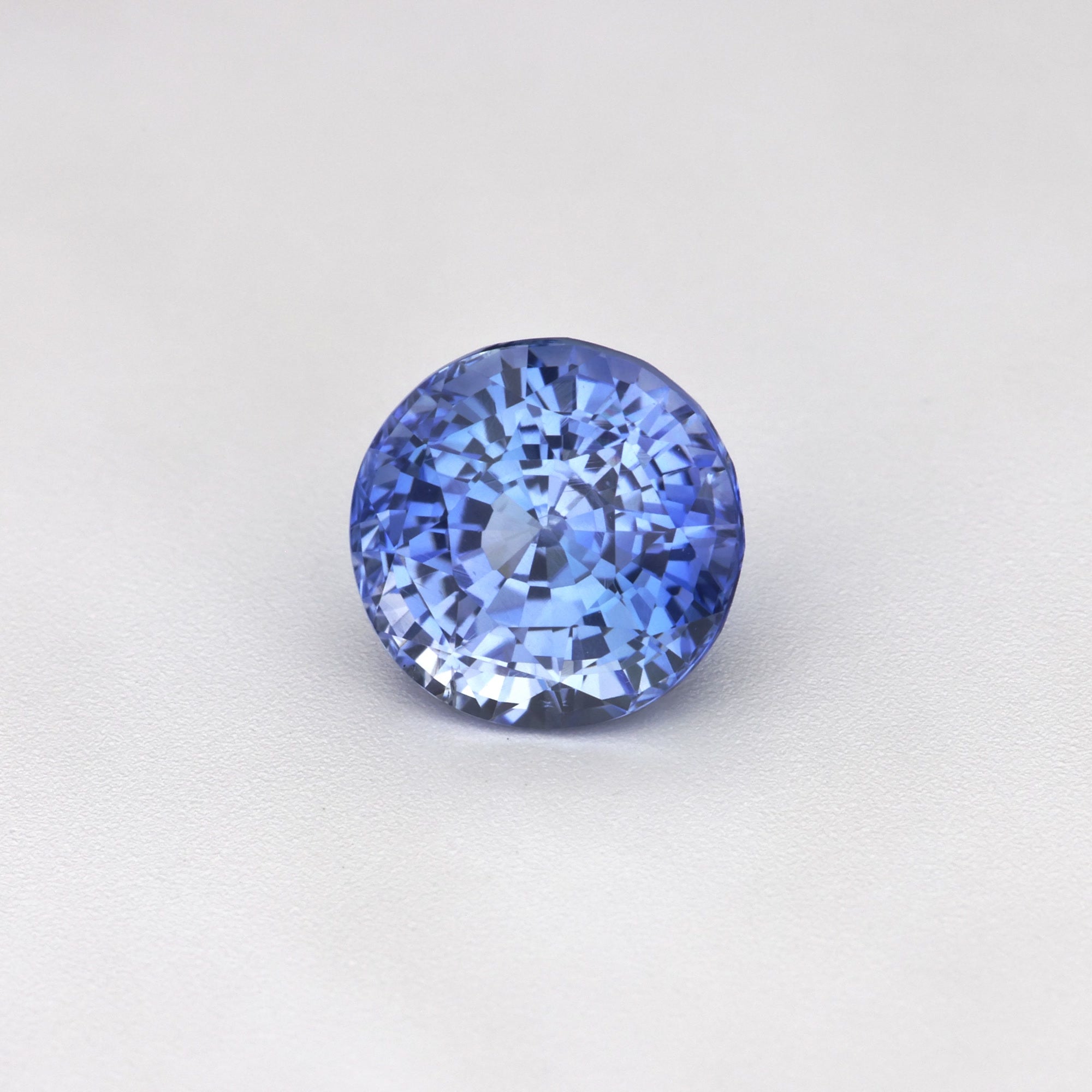
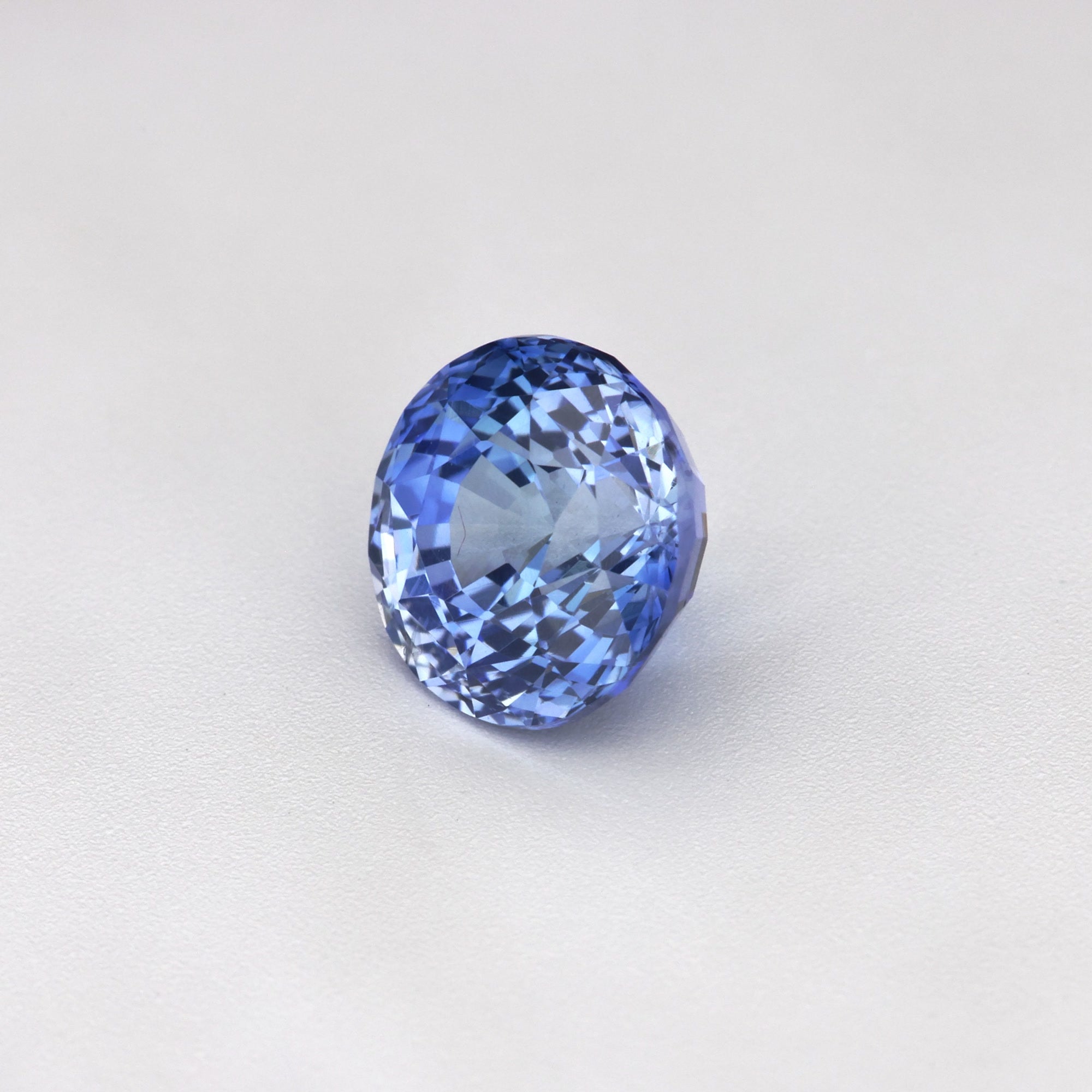
Ceylon (Sri Lanka): Ceylon is the trade name; the factual statement of origin is Sri Lanka. This is the material we actually handle, and in our experience it runs from very pale through to a medium, often slightly violet blue. That is a description of what comes across our own bench, not a grade and not a claim about anywhere else. Browse by size: under 1 carat · over 1 carat · over 2 carats.
Other origins: Blue sapphire is also mined in Madagascar, Tanzania, Mozambique and elsewhere in East Africa. Most of the blue sapphire we list is Sri Lankan and some of it is not, and every listing names the origin recorded for that stone. See our Tanzania sapphire guide and Mozambique sapphire guide.
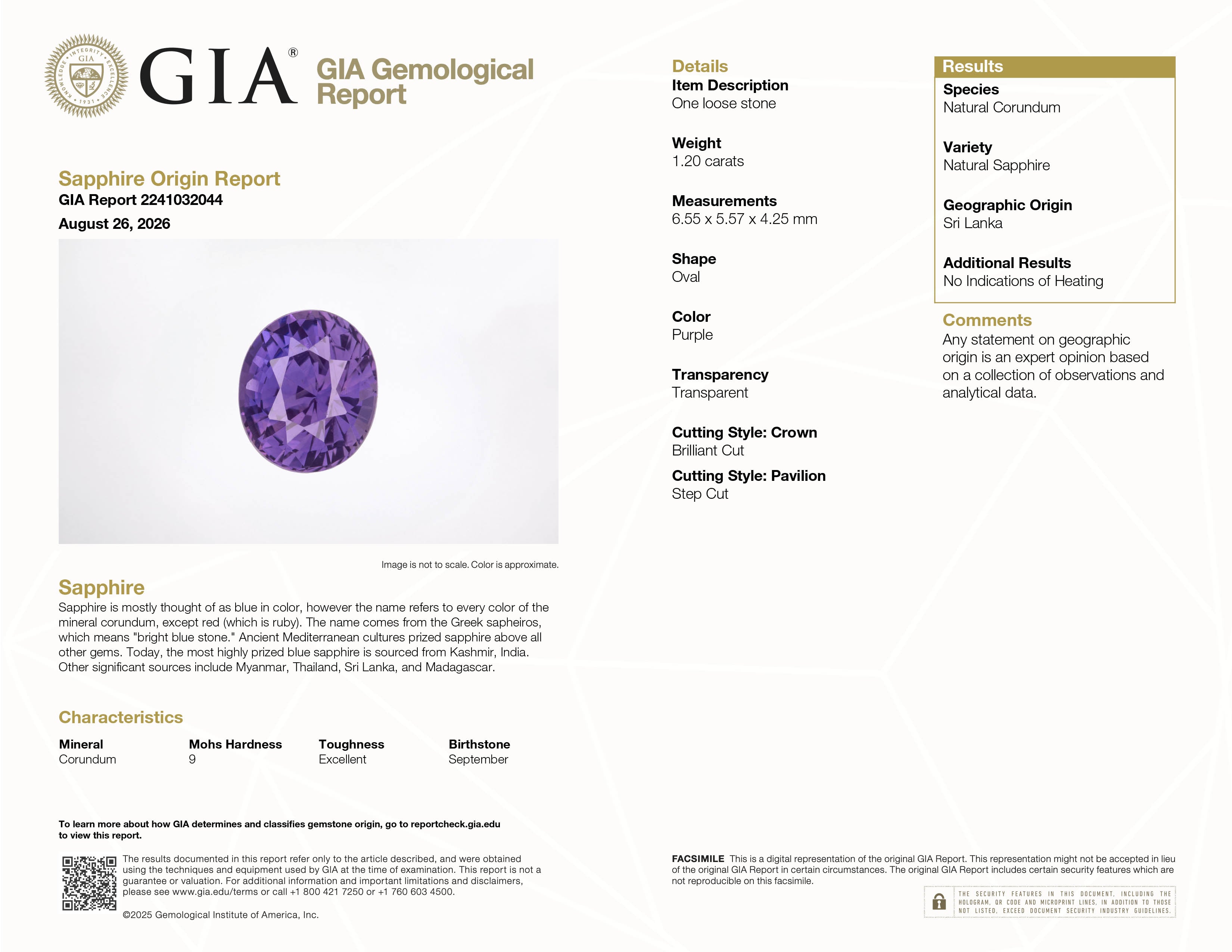
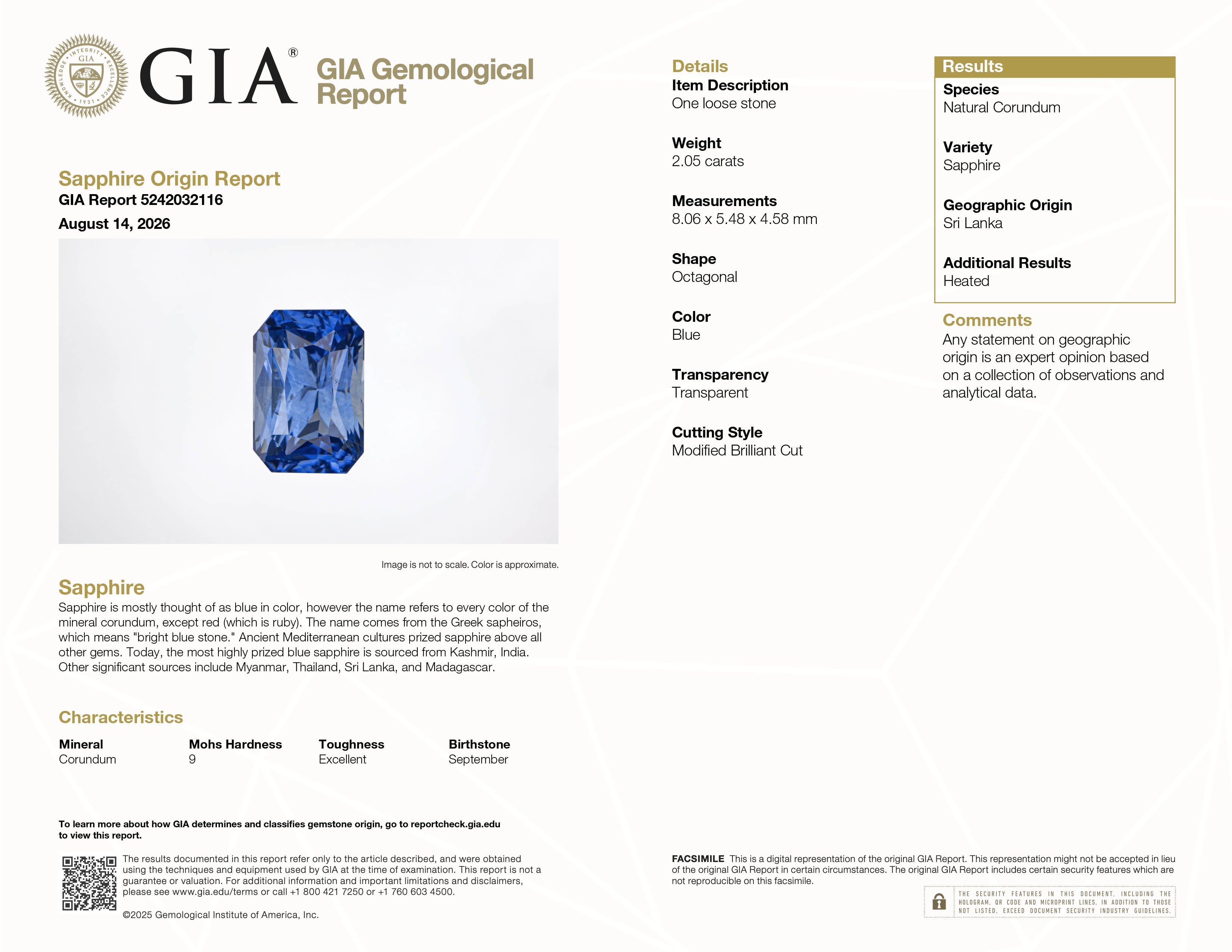
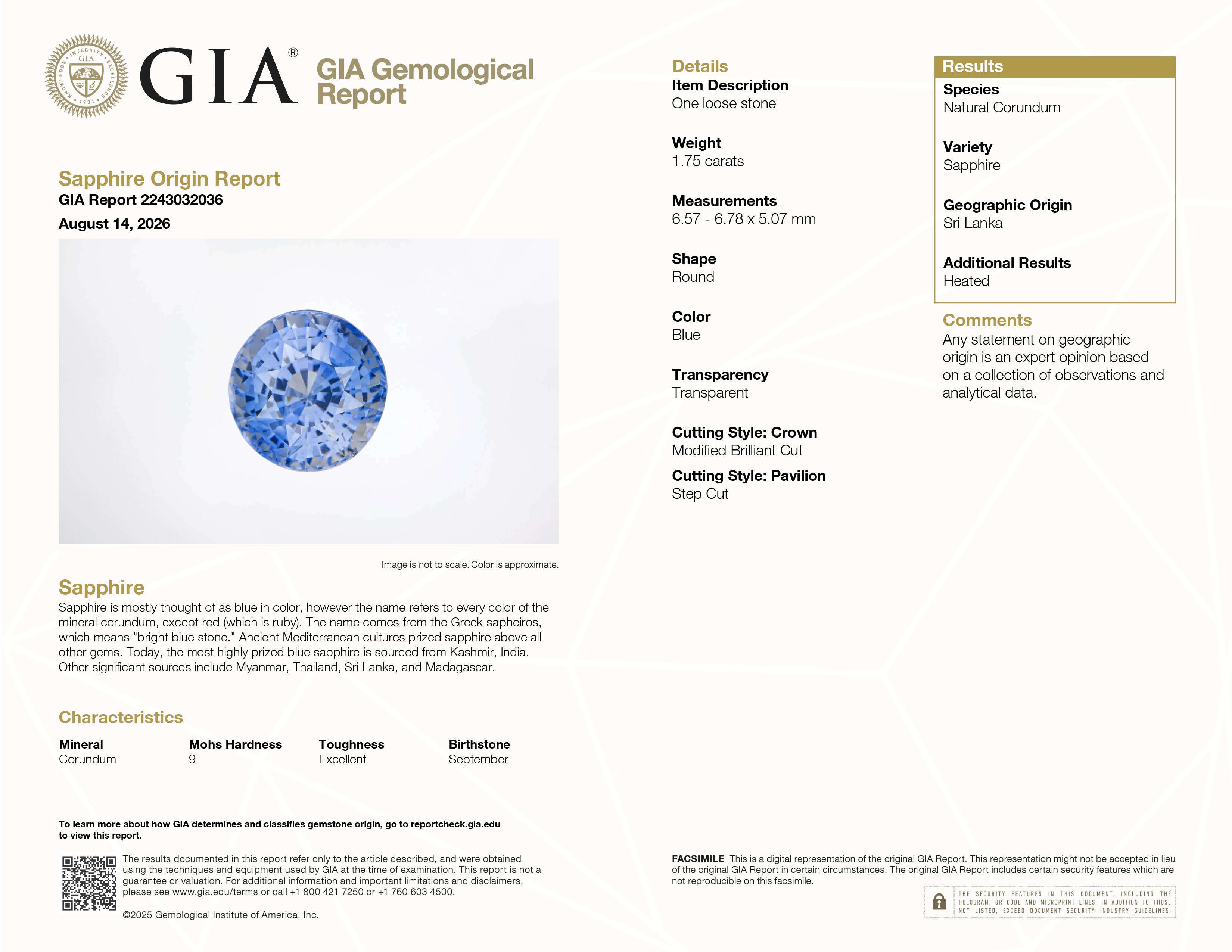
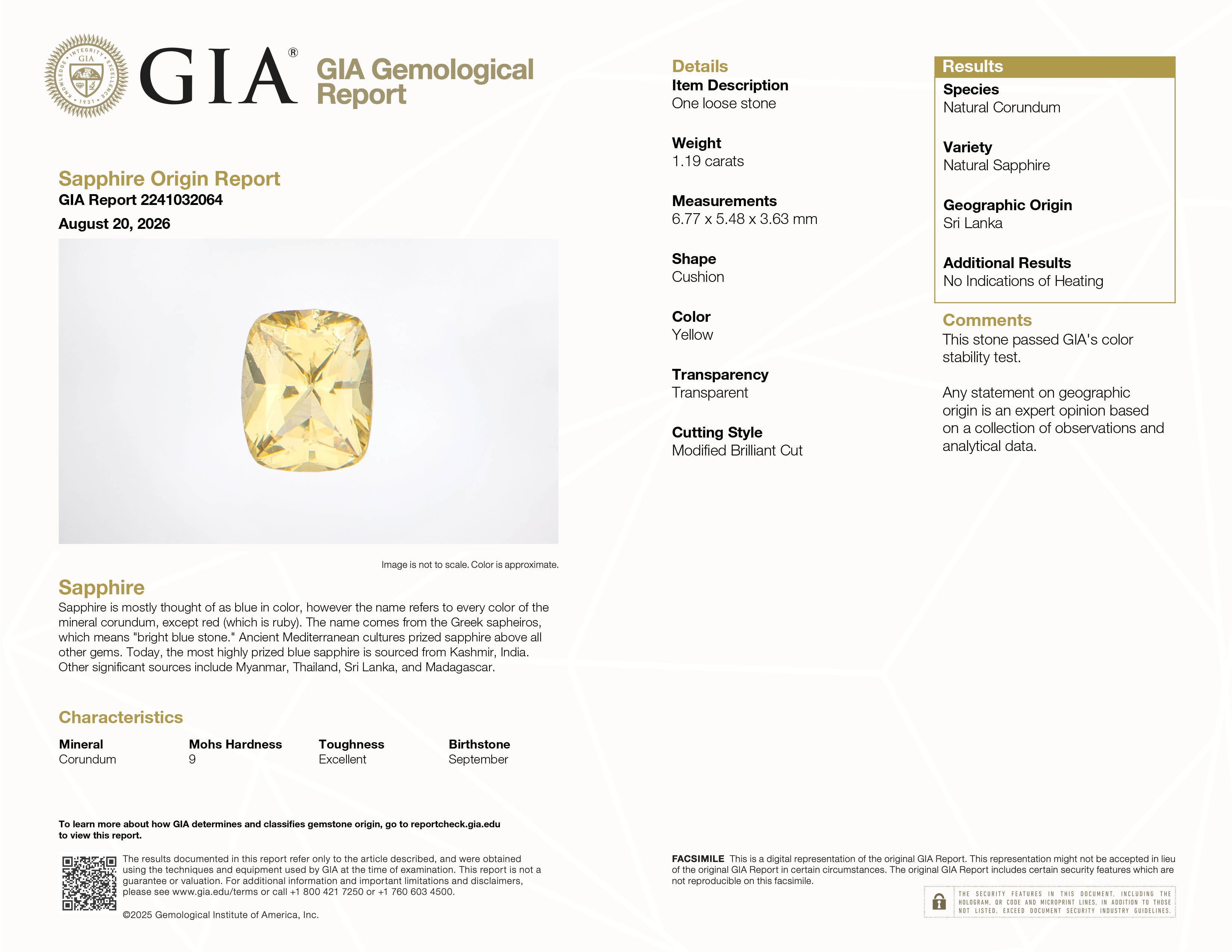
Where a laboratory report carries an origin field, that field is the laboratory's expert opinion based on its observations and analytical data, not a confirmation. GIA prints the reservation on its own reports: "Any statement on geographic origin is an expert opinion based on a collection of observations and analytical data."
Most of the blue sapphire we list has been heat treated, and the treatment is stated on every listing. Heating dissolves fine rutile silk, which can improve clarity, and redistributes iron and titanium trace elements, which can deepen and even out color. The process is permanent and stable, and a heat-treated sapphire is still a natural sapphire. Note the word carefully: unheated is a finding about heating and nothing wider. It is not the same claim as untreated, which is a statement about every kind of treatment.
Heated versus unheated — what it does to price: We price unheated stones higher than heat-treated stones of similar apparent color, and that difference tends to widen with size and with the presence of a laboratory report. We do not publish a figure for that difference. It moves, it depends on the individual stone, and a number written into an article is out of date before you read it. The price on the product page is the current answer for a particular stone. See our unheated sapphire guide and heat treatment guide.
Eye-clean — no inclusions visible to the unaided eye at arm's length — is the standard we apply to a ring stone. Eye-clean is our own working standard and not a laboratory one; GIA colored-stone reports carry no clarity grade at all. The inclusions you will meet in Sri Lankan blue sapphire include rutile silk, fingerprints, mineral crystals and growth zoning. Thin silk (microscopic rutile needles) is not a defect, and it turns up in both unheated and heat-treated stones, so silk on its own tells you nothing about a stone's treatment history. What we watch for in a ring stone is an inclusion that reaches the surface: a fracture breaking the surface is the one we would avoid. That is our own working rule, not a laboratory finding. See our sapphire inclusions guide.
A well-cut sapphire returns light evenly across the whole face-up surface. Two things to watch for, and both are working vocabulary rather than anything a laboratory grades: a window, a see-through area in the middle of the stone where light passes straight out of the back instead of coming back to your eye; and extinction, the dark patches that appear face-up where facets return no light. No laboratory grades cut on a colored stone, so a verdict on a sapphire's cut is the seller's — ours included. For a dedicated analysis, see our guide: the best sapphire cut for an engagement ring, explained and how cut affects a sapphire.
Shape options, and these notes are our own preferences as dealers: Oval (the shape we are asked for most; good face-up size for the weight, and it elongates the finger) · Cushion (rounded corners and broad facets; our own favorite for showing a blue) · Round brilliant (strong, even light return) · Emerald cut (step facets; clean and architectural) · Pear · Radiant. For elongated shapes, see our best elongated sapphire shapes guide.
What follows is our recommendation, in our own voice. No laboratory publishes guidance on metal choice or on settings for sapphire, so there is no outside position for us to point you at — treat this as our preference and our experience of setting these stones, not a rule.
Metal changes how the blue reads in a finished ring. Platinum and white gold give the coolest, cleanest backdrop, and they are what our own customers choose most often for a blue Ceylon stone. Yellow gold warms the blue, and we like it with the deeper-toned stones. Rose gold is our usual suggestion with the lighter blues.
For the complete metal decision framework, see our yellow gold vs. white gold vs. platinum guide and how to choose metal color for a sapphire ring.
Setting styles: solitaire prong (see best shapes for solitaire rings); bezel (see bezel ring guide); halo (see sapphire halo ring guide and best shapes for halo rings); three-stone (see best shapes for three-stone rings). For side stones, see how to choose side stones. For corner protection, see how to choose a setting that protects sapphire corners. For custom ring design, see our custom ring design guide.
We deliberately do not print a price table in an article. What a blue sapphire costs depends on how color, size, treatment status, cut and the presence of a laboratory report combine on that one stone, and those factors pull in different directions from stone to stone — so any band we published here would mislead you about the stone you actually want. Stock also turns over, so a figure written here would be out of date before you read it.
The live answer is the catalogue's own price filters. Set the range you have in mind on the blue sapphire collection and what you see is what is actually available today — each stone with its own price, its treatment status, and the laboratory and report number where there is a report. For the pricing framework behind all of that, see our what a good 1 carat costs and what a good 2 carat costs guides. See also our 1 carat Ceylon sapphire price guide.
A blue sapphire we would be glad to see in an engagement ring is eye-clean at arm's length, medium to medium-dark in tone, saturated enough that no grey or brown pulls at the color, primarily blue with at most a slight violet secondary hue, and cut so that it returns light across the whole face without a window or heavy extinction. Every one of those is our own assessment and not a graded value.
On documentation the policy is the same at every price: the treatment position is stated on every listing, the laboratory and report number are named wherever a report exists, and we say plainly where no report exists. That does not change whether a stone costs a few hundred dollars or several thousand. The laboratories whose reports we carry are GIA, AGCL, FGL and the Gemmological Institute of Colombo. A report records what the laboratory observed — an opinion, not a confirmation. The product page, not this article, is the current answer for any particular stone.
We buy our own stones in Sri Lanka, in Ratnapura, Beruwala and Colombo, and we have rough cut to our own specification. We have no showroom. Our prices follow from how the business is built rather than from a discount we are offering — and we will not dress that up: the Sri Lankan rough market is itself intermediated, and inside it we are buying from brokers and dealers like everybody else. A shorter chain is not no chain.
Most of the blue sapphire we list is Sri Lankan; some of it is not, and each listing names the origin recorded for that stone. Browse blue sapphires for engagement rings at Crescent Gems, or email crescentgems@gmail.com with your specifications.

CG8469
CG8454
CG8468
CG8464
CG8463
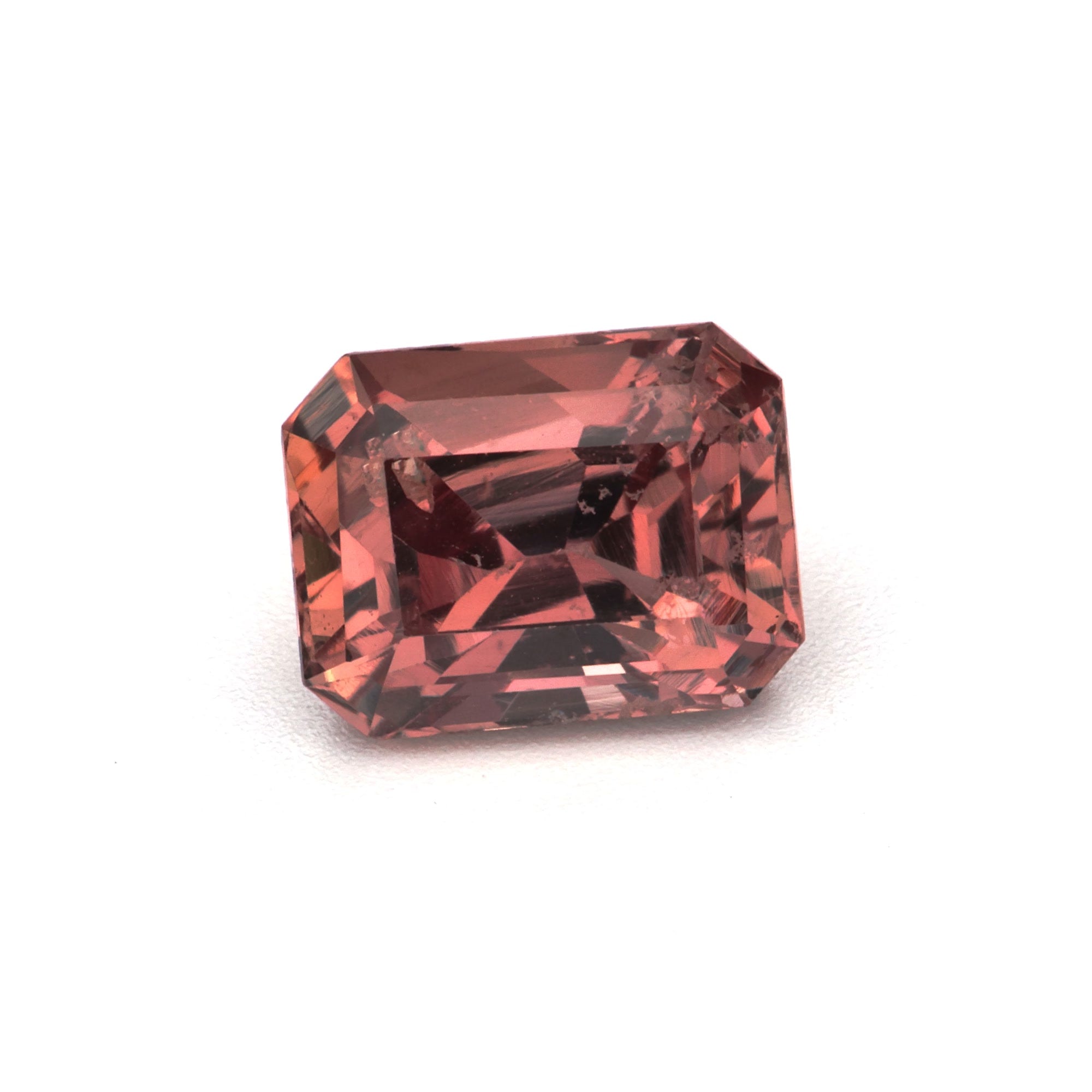
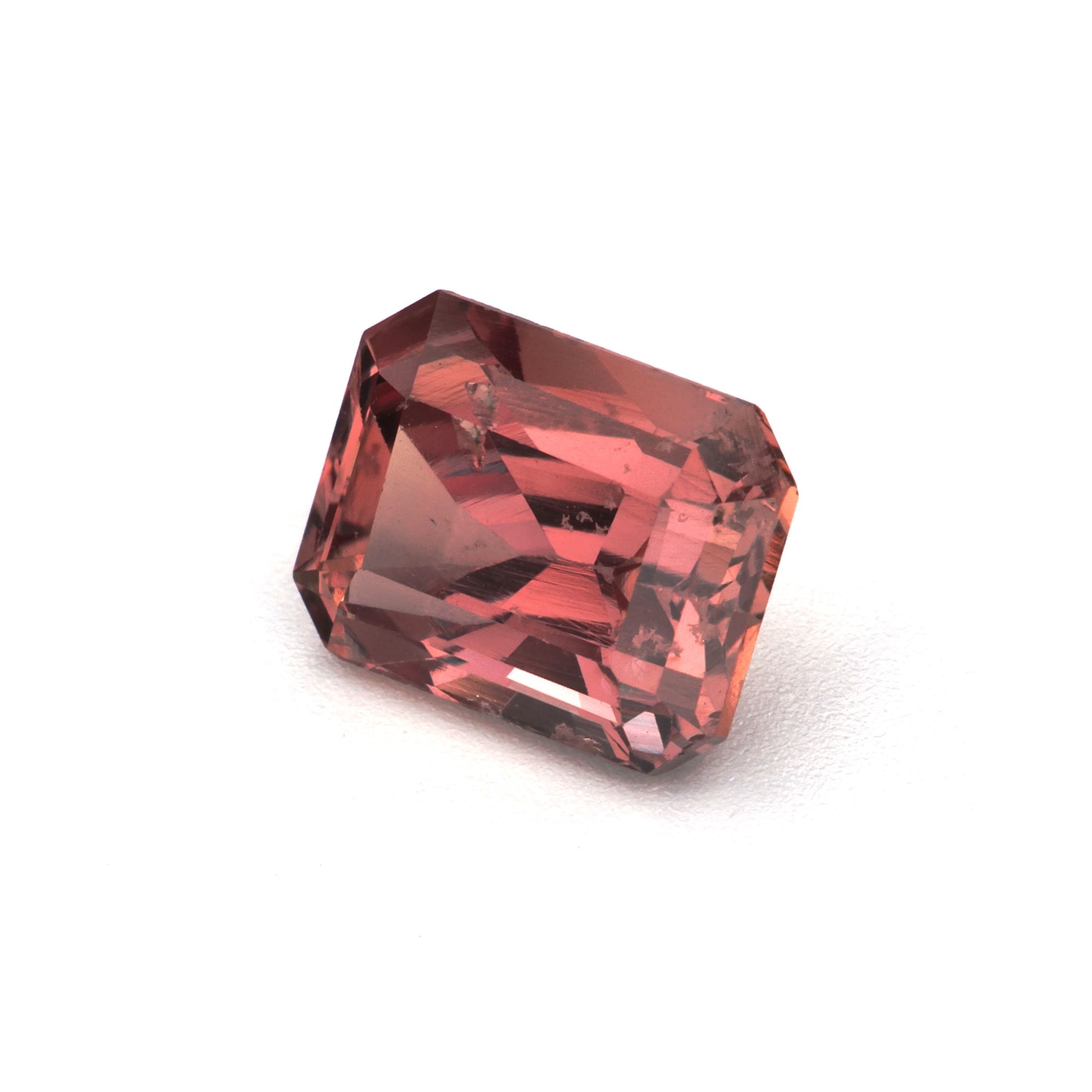
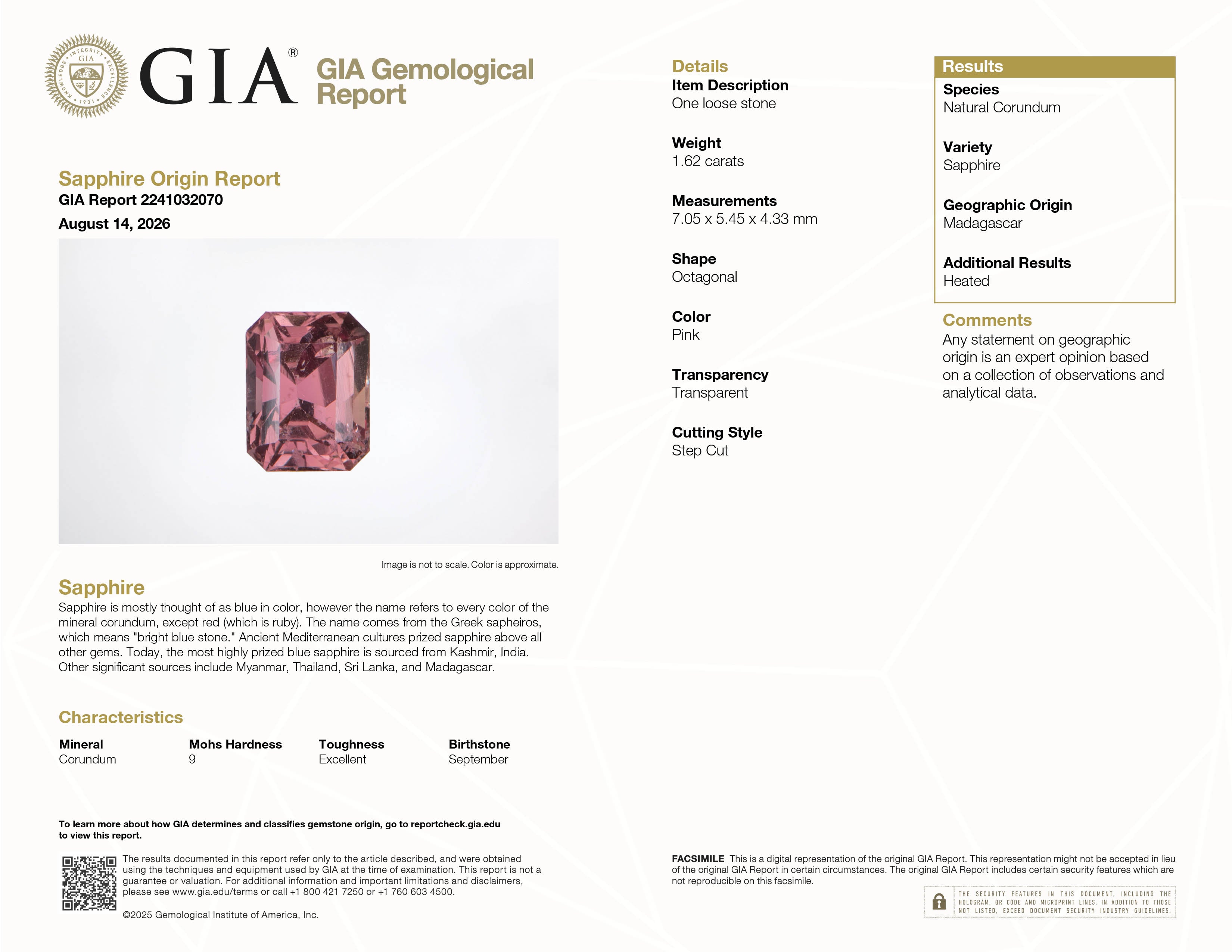
Madagaskar Rosa Saphir 1,62 ct – Achteck, GIA-Bericht
CG8459
CG8458
CG8457
CG8456
CG8453


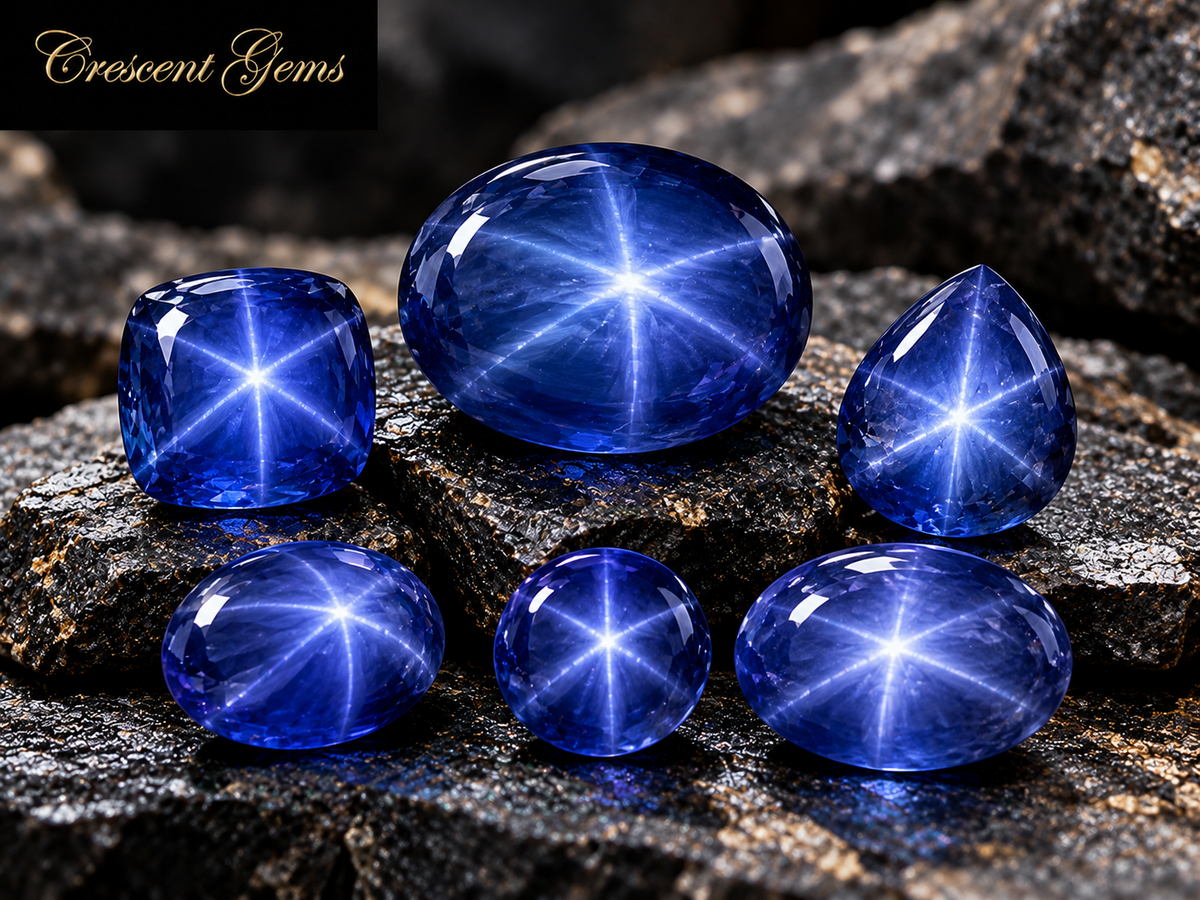
Blauer Sternsaphir: Preise pro Karat und wovon sie abhängen
Was blauer Sternsaphir pro Karat kostet und wovon der Preis abhängt – dazu unser einziger Stein: 8,09 ct für 4.040 $ mit GIA Sapphire Origin Report.
Weiterlesenüber Blauer Sternsaphir: Preise pro Karat und wovon sie abhängen
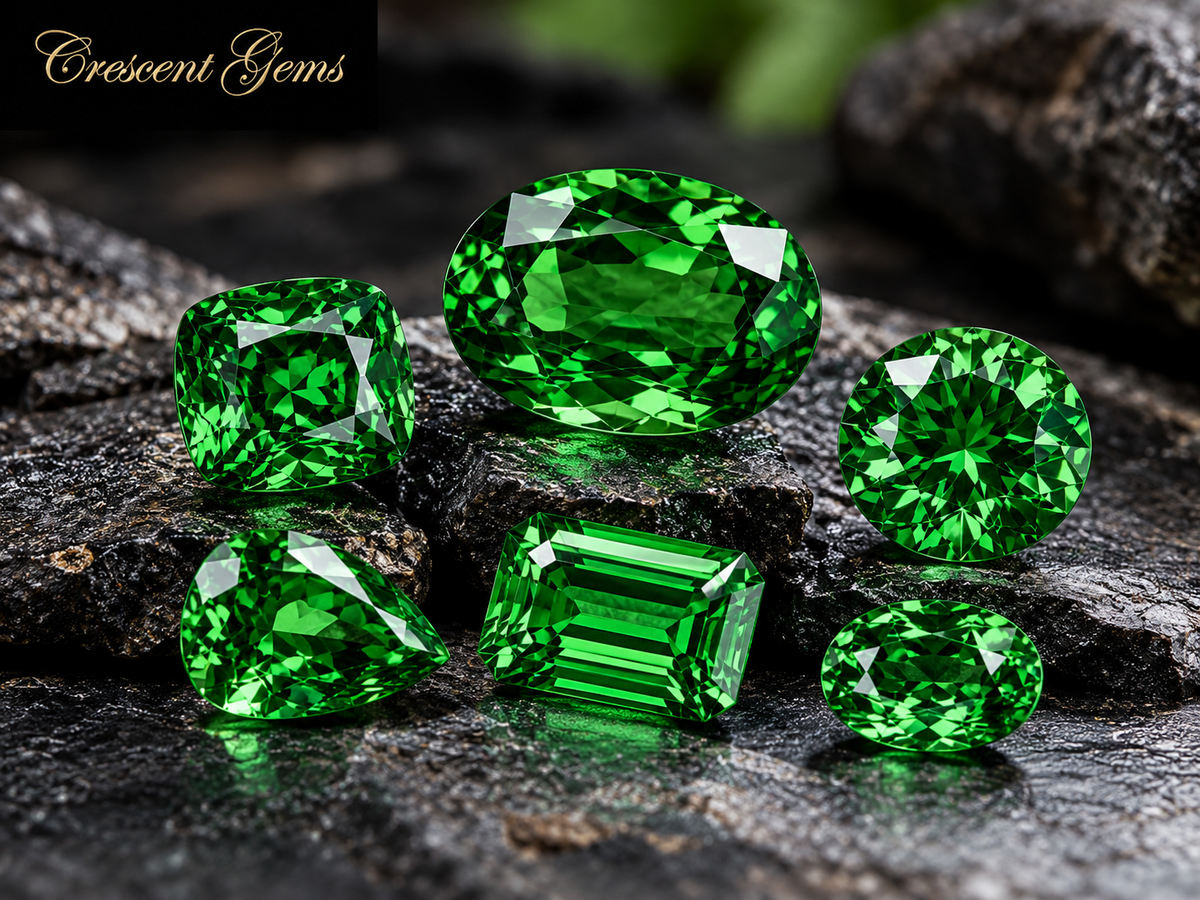
Tsavorit-Granat: Preise pro Karat aus unserem eigenen Bestand
Was Tsavorit-Granat kostet: die Preise pro Karat unserer sieben Steine, der Unterschied zwischen Varietät und Spezies und warum sauberer Rohstein knapp ist.
Weiterlesenüber Tsavorit-Granat: Preise pro Karat aus unserem eigenen Bestand
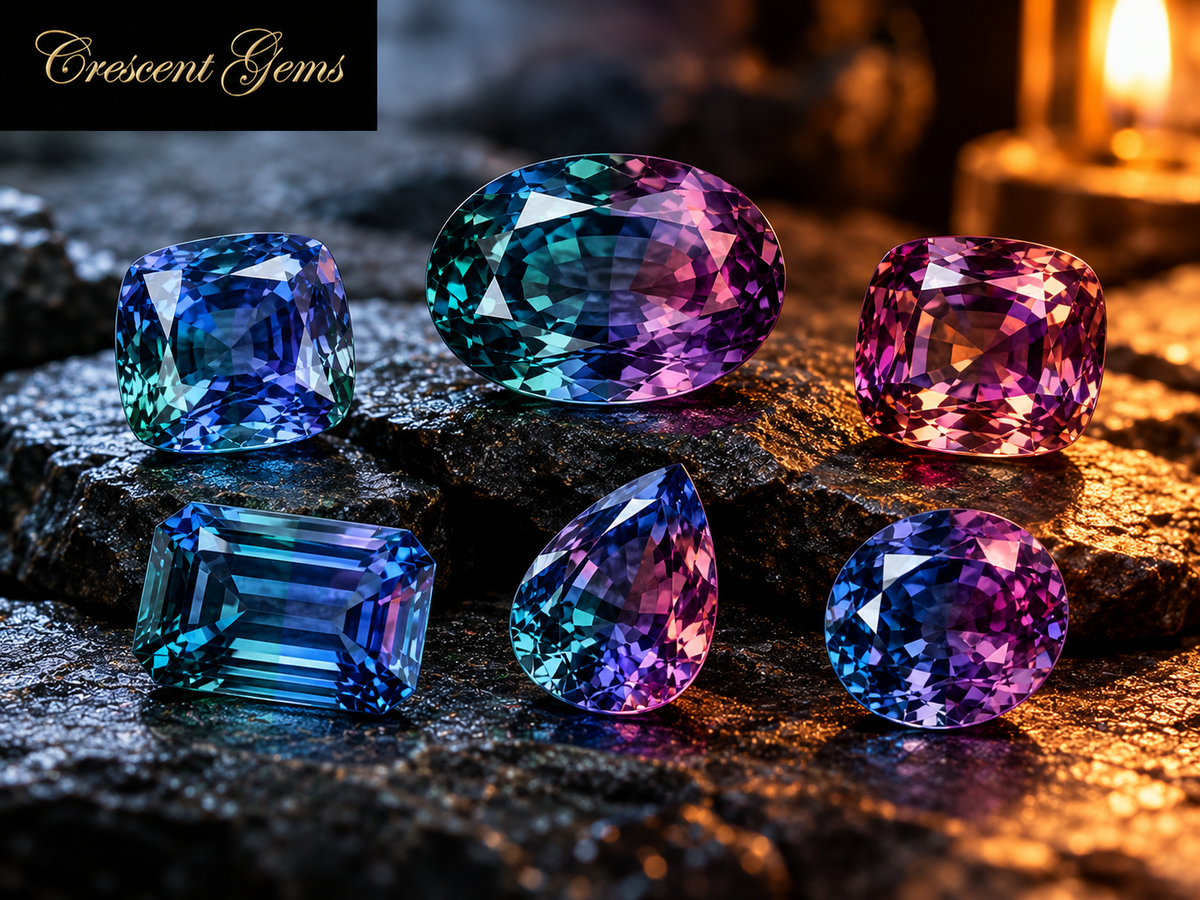
Farbwechsel-Saphir: was er pro Karat kostet und warum
Was ein Farbwechsel-Saphir pro Karat kostet und wovon der Preis abhängt – dazu unsere beiden Steine: 1,03 ct für 824 $ und 2,01 ct für 2.211 $.
Weiterlesenüber Farbwechsel-Saphir: was er pro Karat kostet und warum
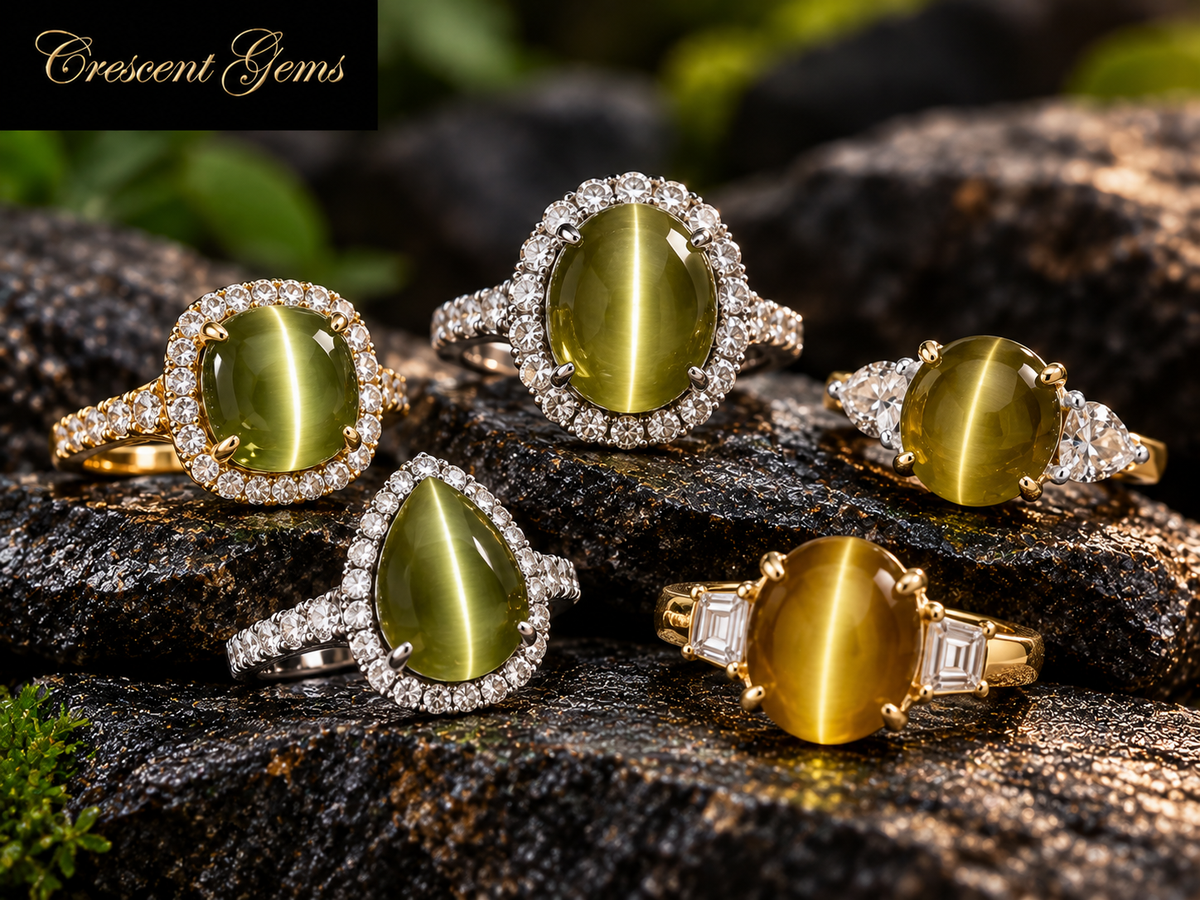
Chrysoberyll-Katzenauge im Verlobungsring: Eignet es sich?
Chrysoberyll hat Mohshärte 8,5 – über Quarz (7) und Smaragd (7,5–8), unter Korund (9) und Diamant (10). Was das für Alltag, Fassung und Pflege bedeutet.
Weiterlesenüber Chrysoberyll-Katzenauge im Verlobungsring: Eignet es sich?
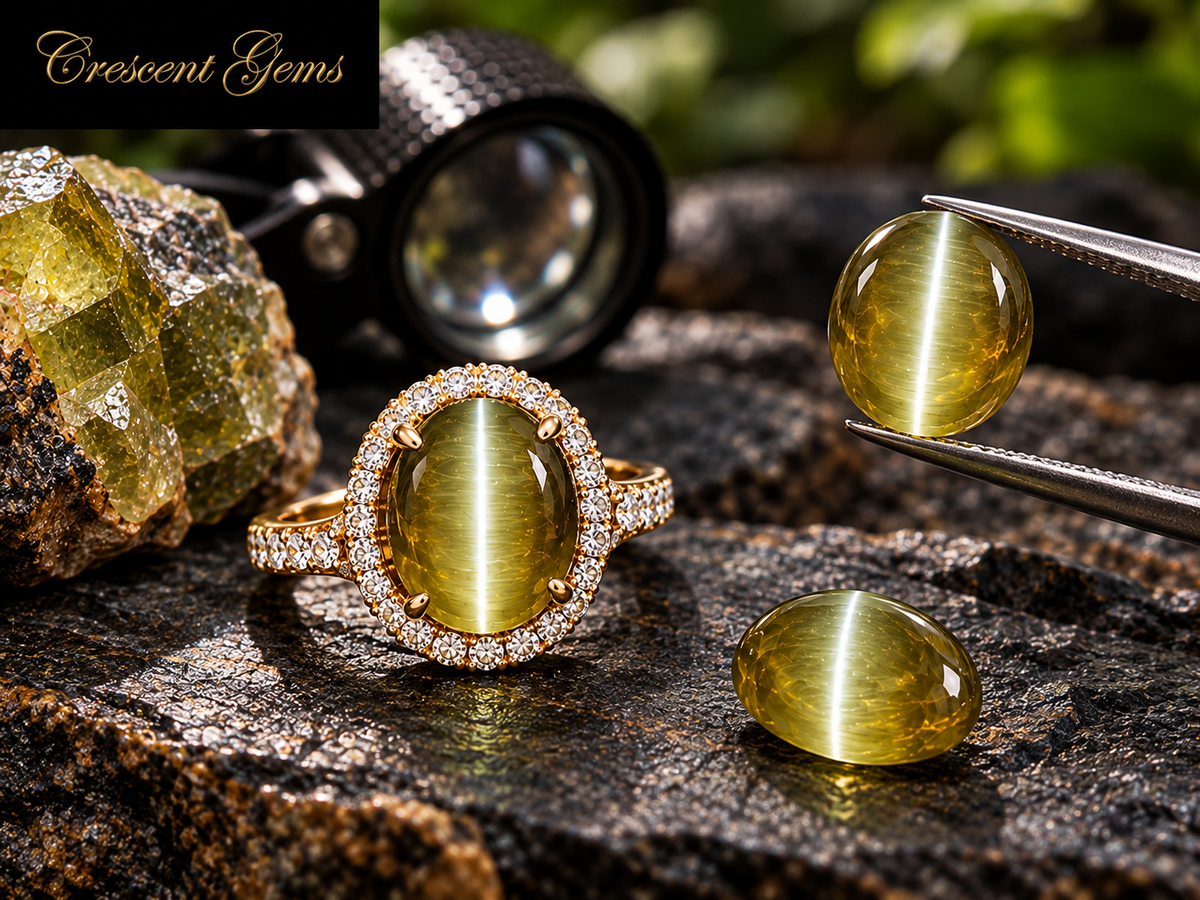
Chrysoberyll-Katzenauge: Preise pro Karat und wovon sie abhängen
Was ein echtes Chrysoberyll-Katzenauge pro Karat kostet und wovon der Preis abhängt – dazu unsere beiden Steine: 2,36 ct für 3.792 $ und 4,25 ct für 9.482 $, je mit GIA-Bericht.
Weiterlesenüber Chrysoberyll-Katzenauge: Preise pro Karat und wovon sie abhängen















Teilen: