


- by Ahmed Shareek
Loose Sapphires vs. Preset Rings: What Changes When You Buy the Stone First
- by Ahmed Shareek
New to buying sapphires? Start with our Ultimate Sapphire Buying Guide — the complete resource for colour, origin, treatment, and pricing.
A preset sapphire ring and a loose sapphire are two different purchases, and the difference is not only the setting. Buy the ring and the stone comes with it, already mounted and already chosen. Buy the stone first and everything about it is still open — what it is, what it has been through, and what it will eventually sit in.
This page is about what changes when you take the second route. It is not an argument that one way is better than the other; plenty of people want a finished ring, and a finished ring is a perfectly good thing to buy. It is an account of what you can do with a loose stone that you cannot do with a stone that is already set, and of how we handle the loose side of it.
A sapphire set in a ring is harder to evaluate than a loose sapphire. The prongs cover the girdle, the mount hides the pavilion, and the cut proportions cannot be assessed properly from a face-up view alone. A stone already set in a ring cannot be submitted to GIA or Gübelin without being unset first.
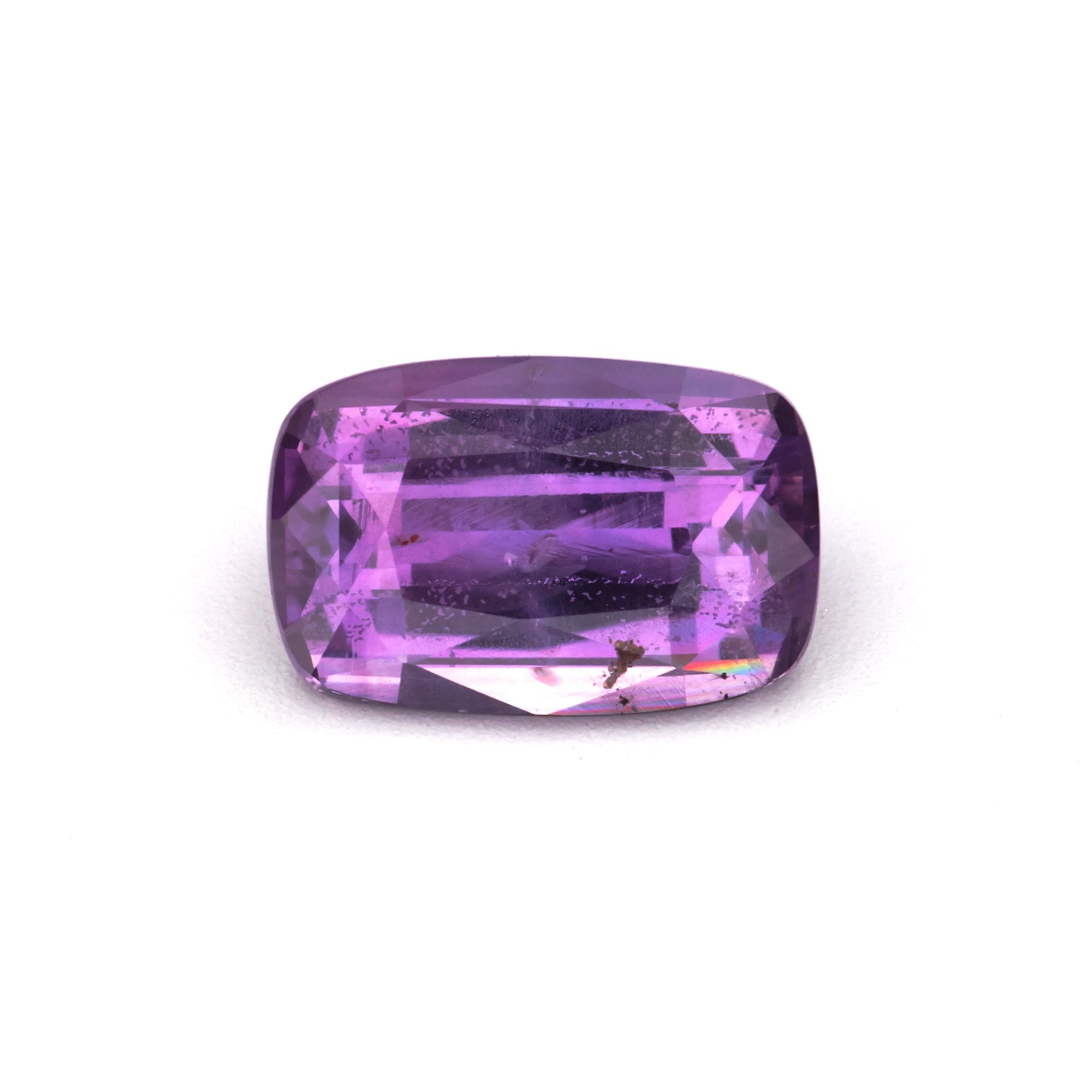
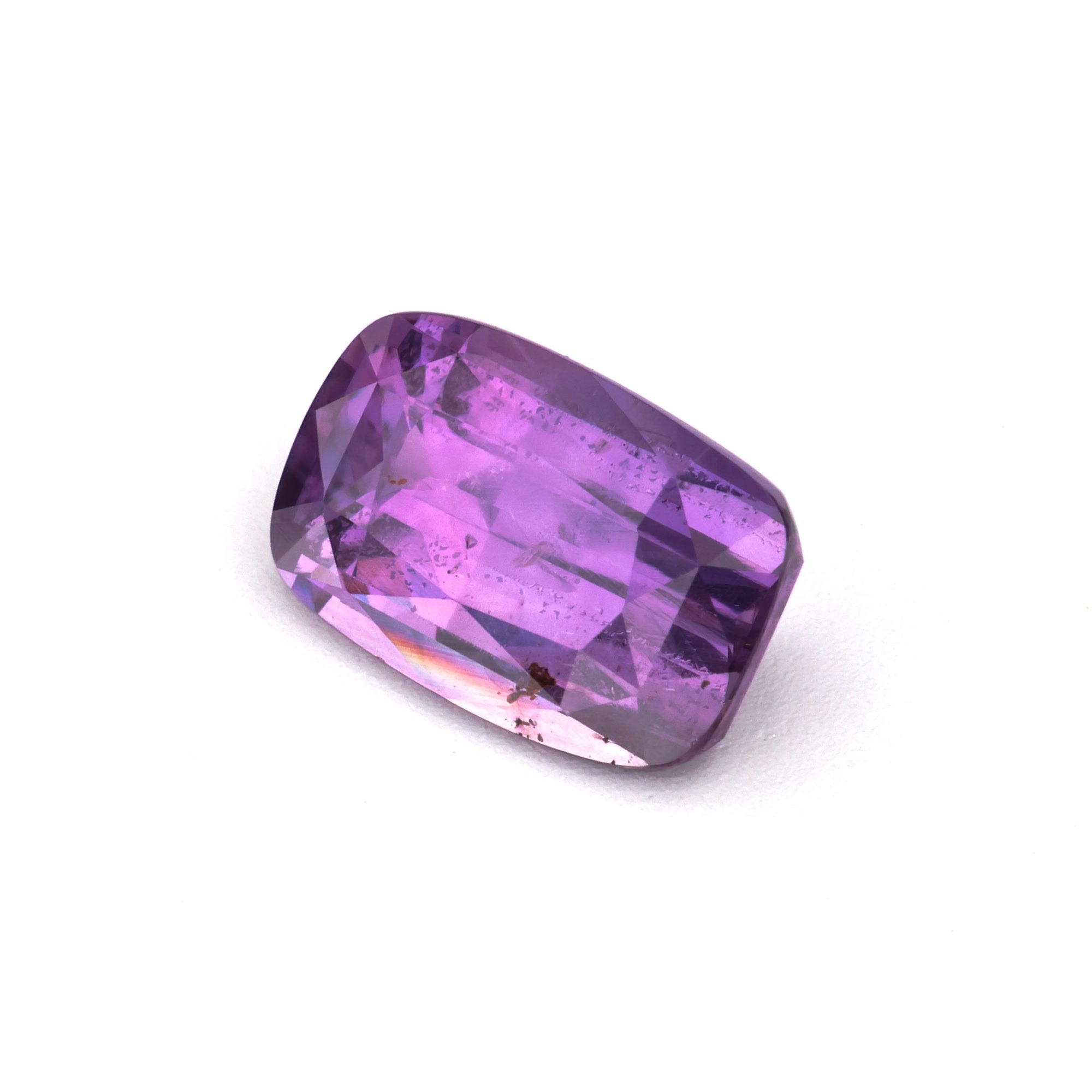
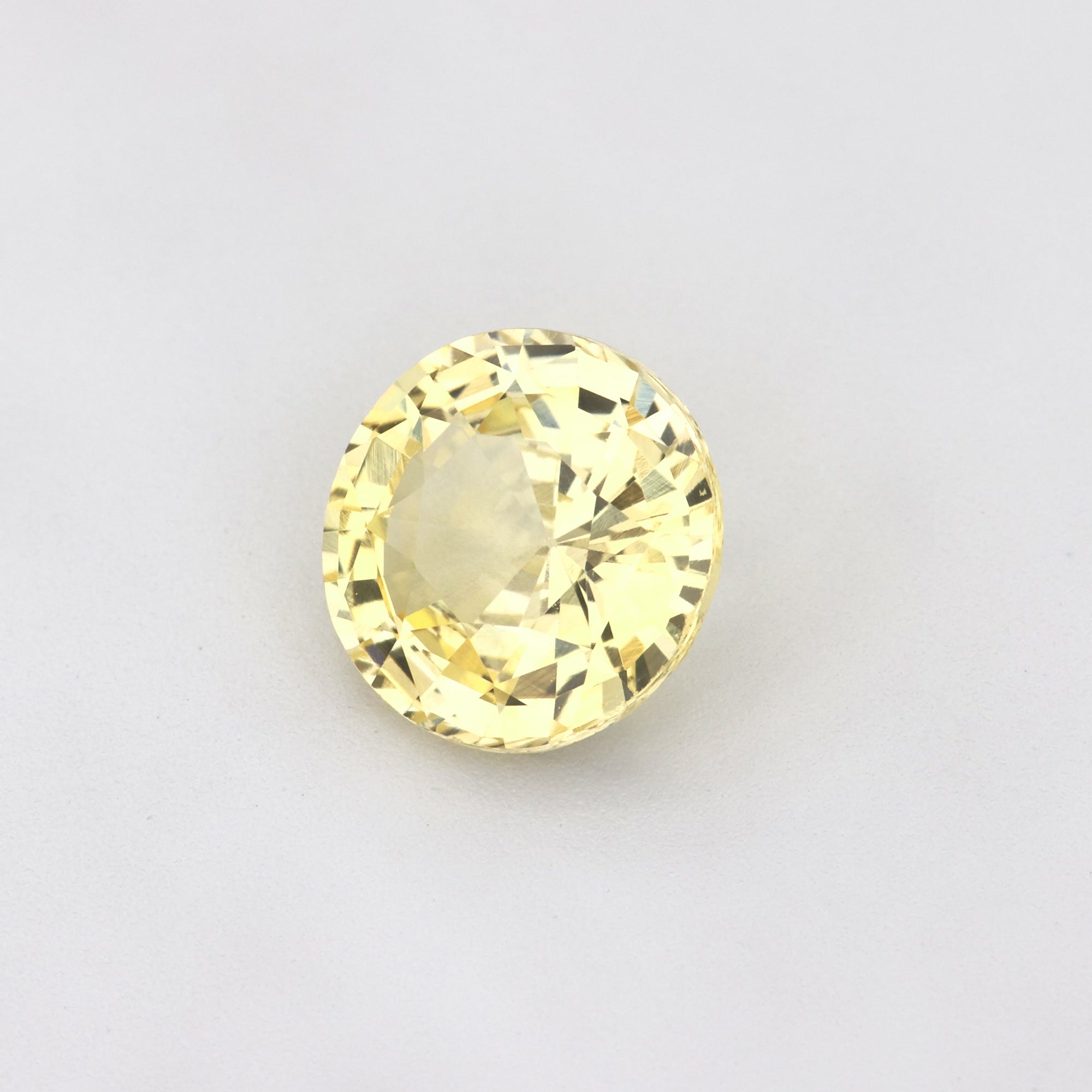
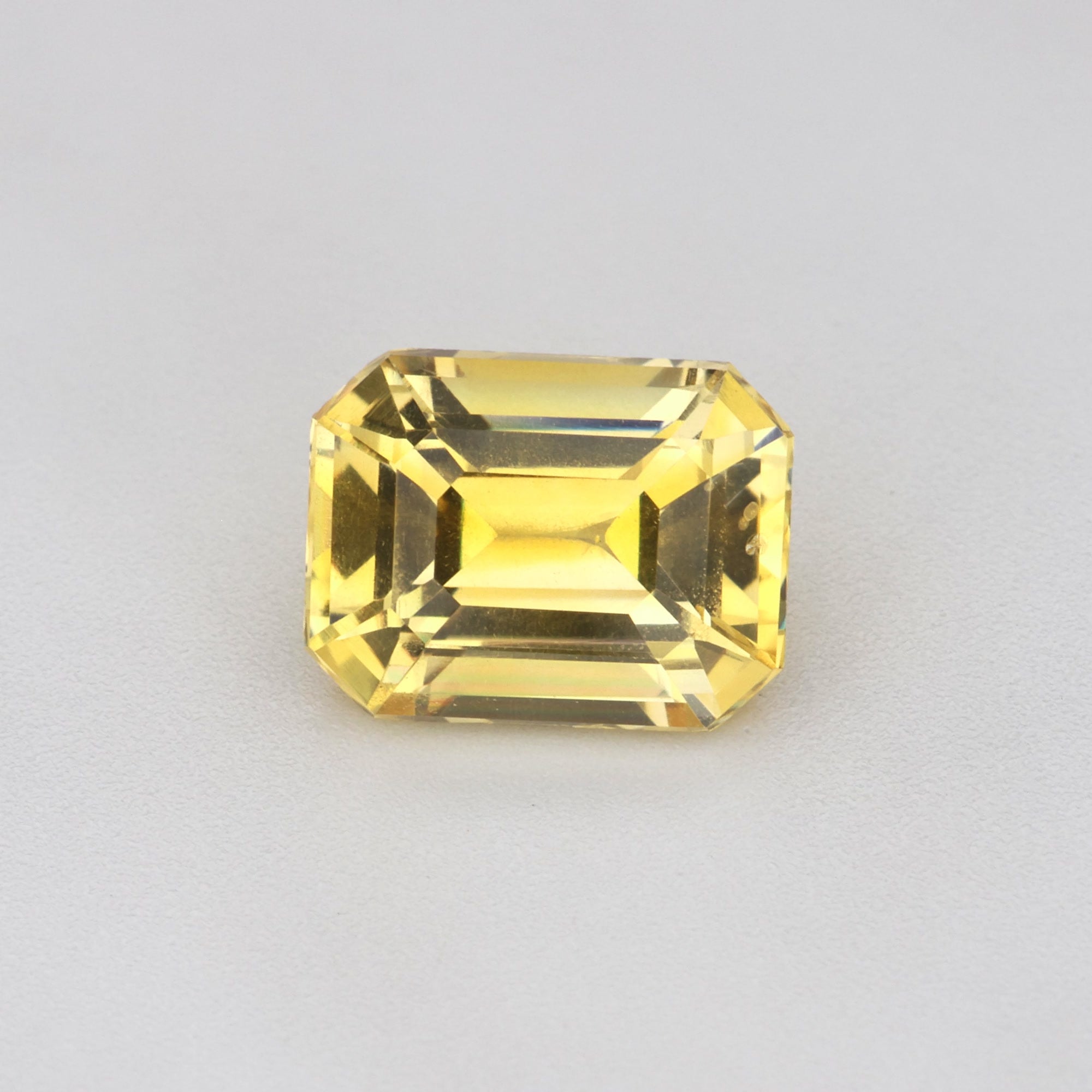
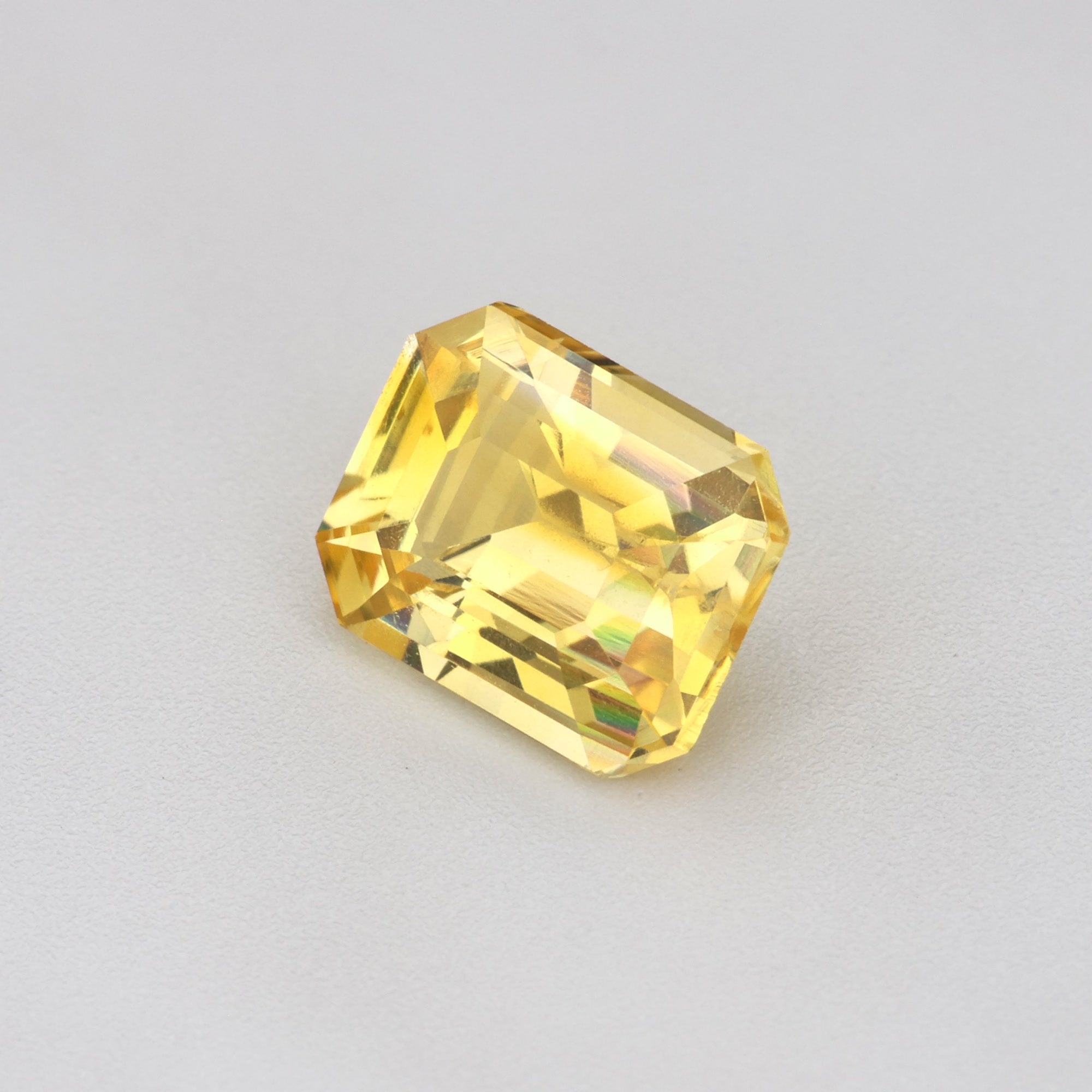
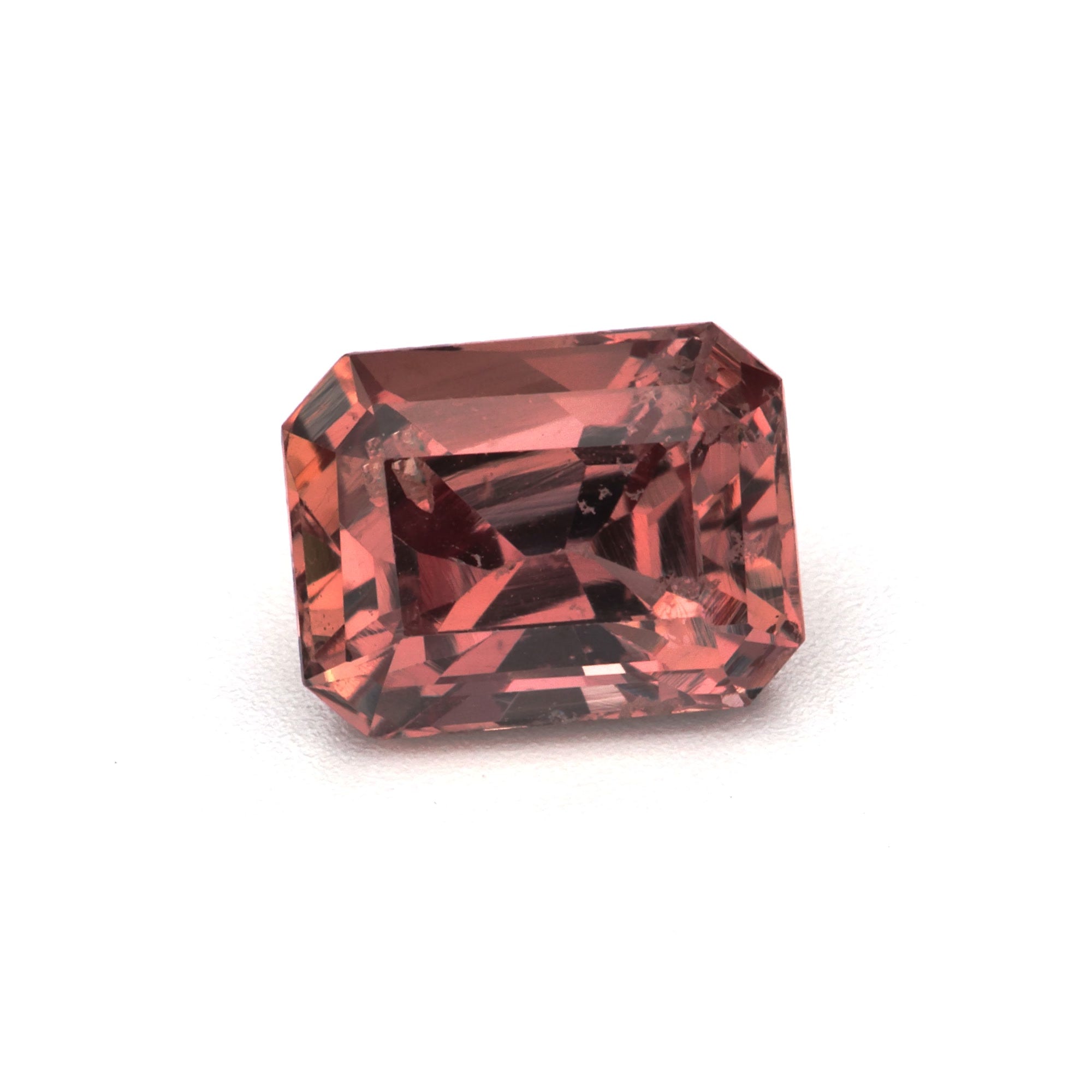
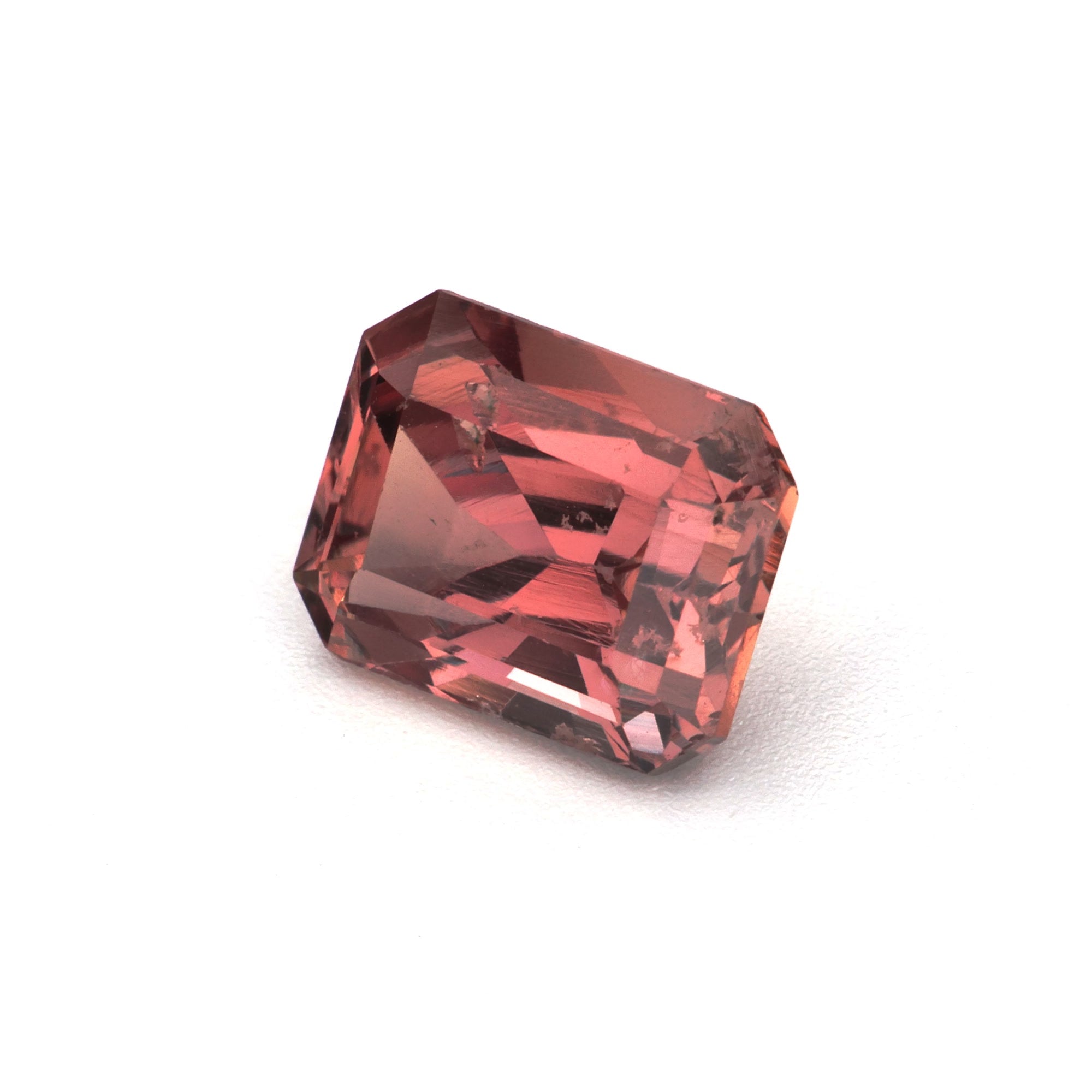
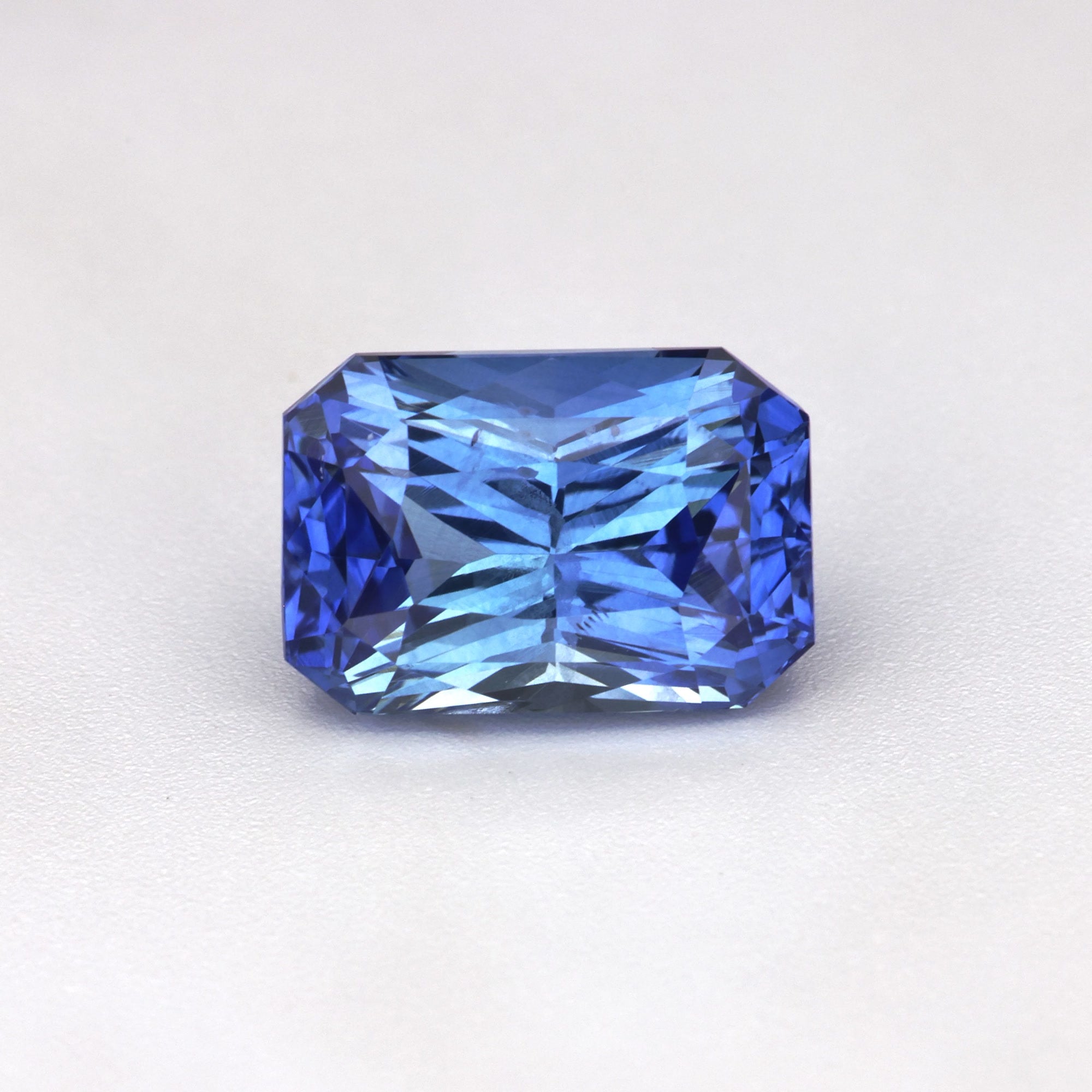
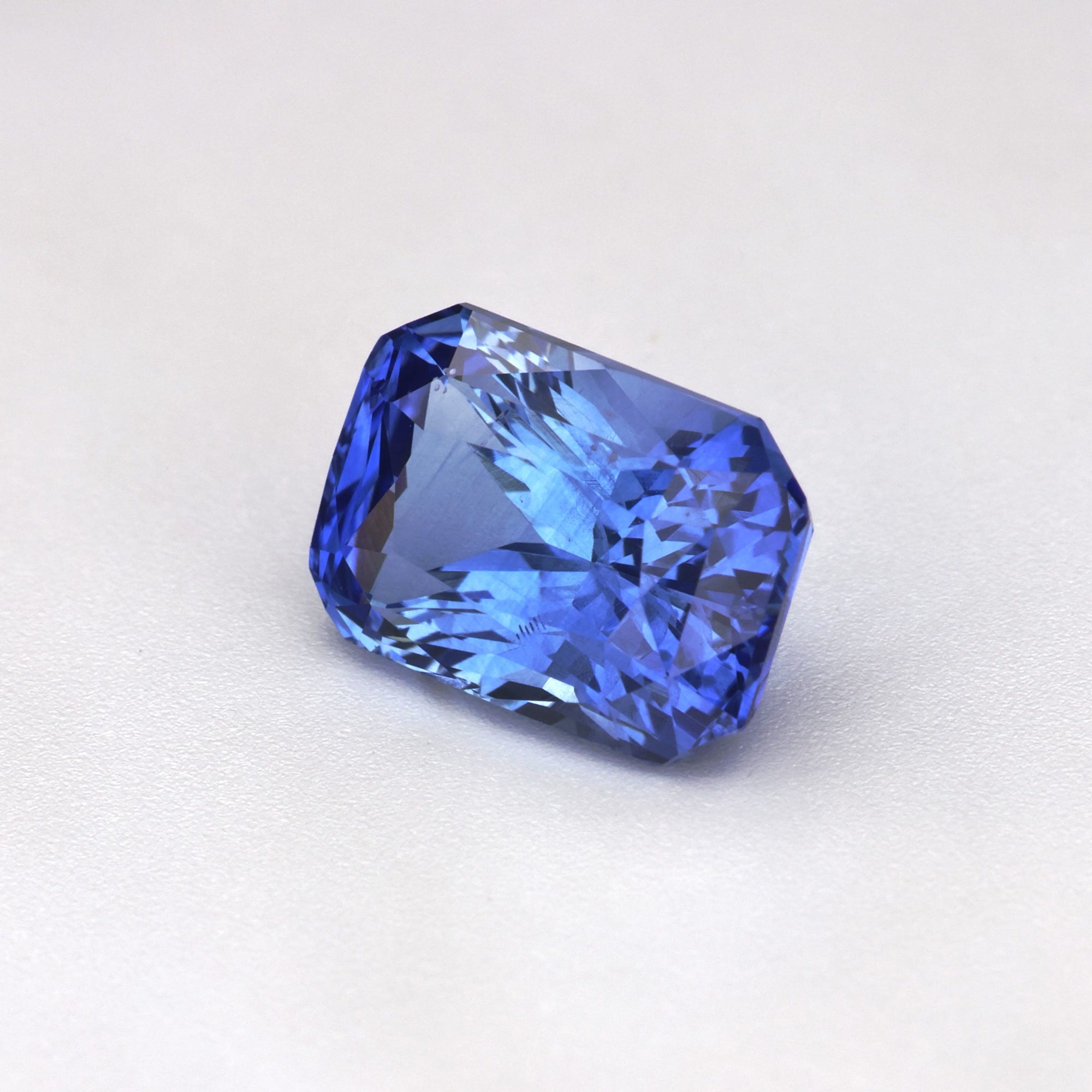
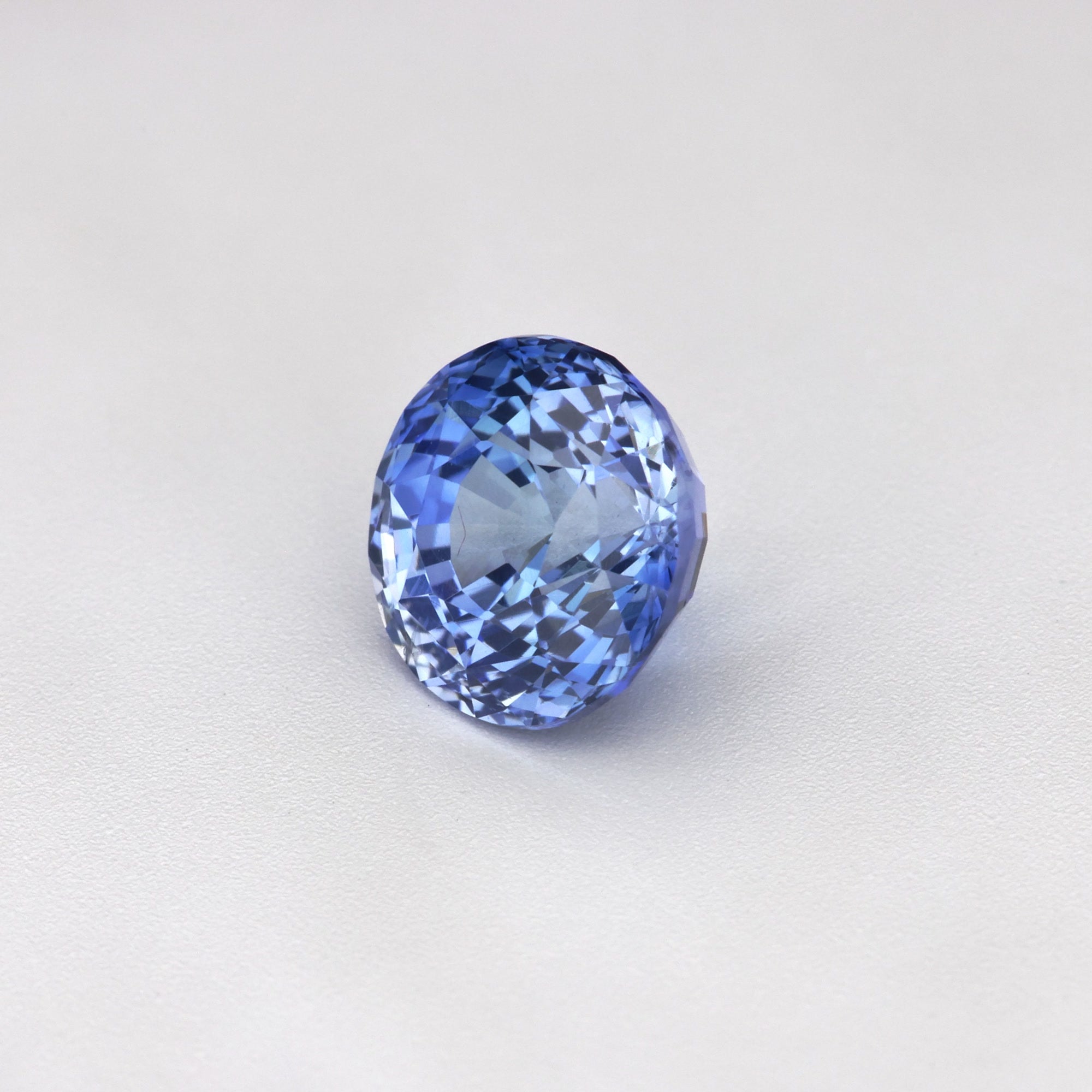
With a loose stone you can look at every side of it under magnification, pavilion and girdle included; assess the cut proportions and check for a window (a pale area in the center that disappears from view once the stone is set, but that makes the color read flat in a ring); look at the color under more than one light source; check the weight against the stated carat weight; and send it to a laboratory for independent documentation before anything is mounted. GIA and Gübelin are the international names buyers ask for most often, and AGCL is the laboratory on a large part of our own stock. See our guide to how cut affects sapphire and how to read sapphire inclusions.
A loose stone and a finished ring are not the same purchase, so their prices are not the same quantity. The price of a loose sapphire is the price of the sapphire. The price of a ring is the stone, the metal, the setting work and everything else it took to produce a finished piece. Buying the stone on its own is the only way to see the first figure by itself.
What we can tell you is how our own side of it works. We have no showroom and no retail counter. We buy in Ratnapura, Beruwala and Colombo, we cut to specification, and the loose stone ships from here. That is a description of our own operation and not of anyone else's, and we do not publish a below-retail percentage or a markup multiple, because we do not have one we could stand behind.
Buying loose separates the stone decision from the setting decision. You choose the stone you want, then independently choose the setting that suits your style. A loose stone can be taken to whichever jeweler you want to work with — ask them first whether they will set a stone supplied by the customer, and what they charge to do it. For ring design guidance, see our custom ring design guide and how to choose metal color for a sapphire ring.
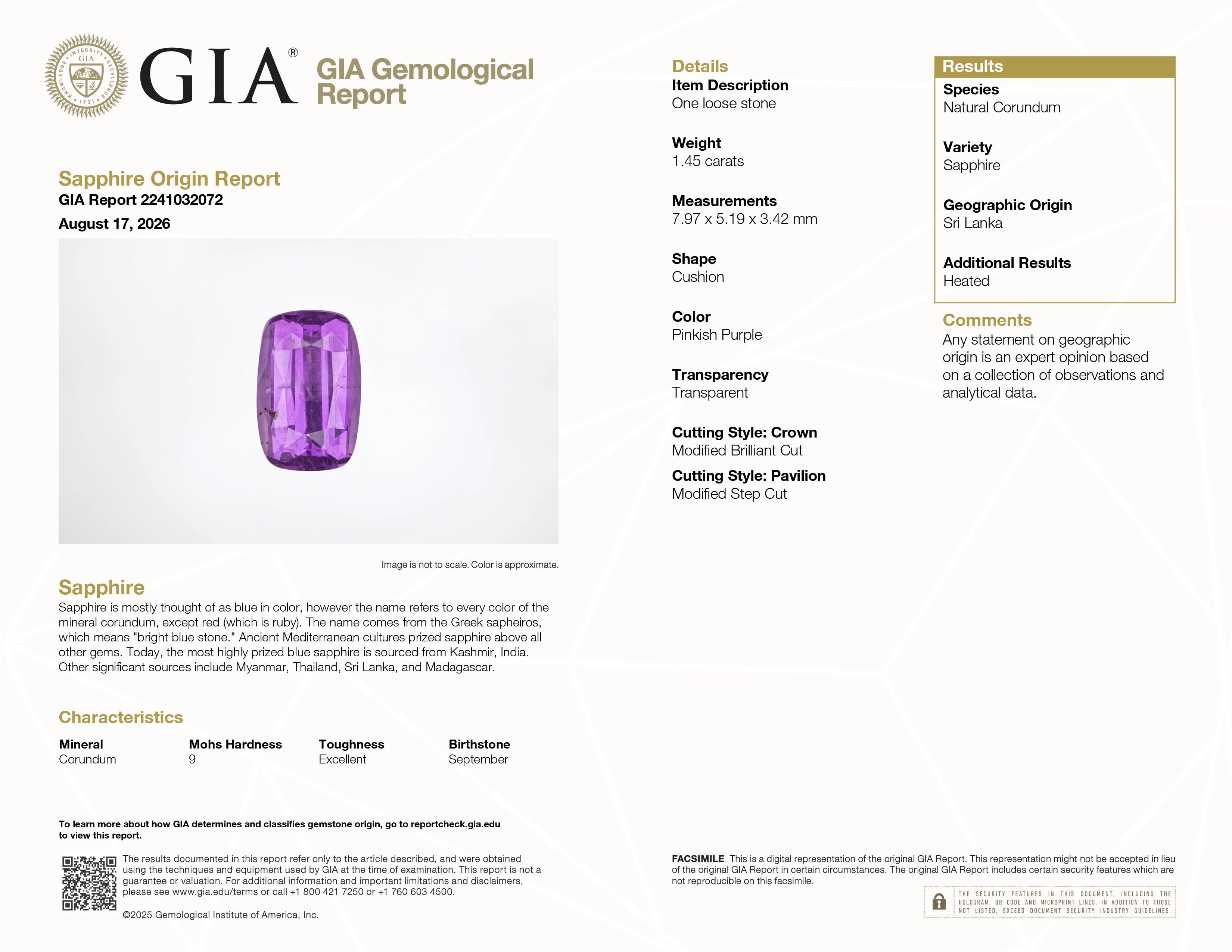
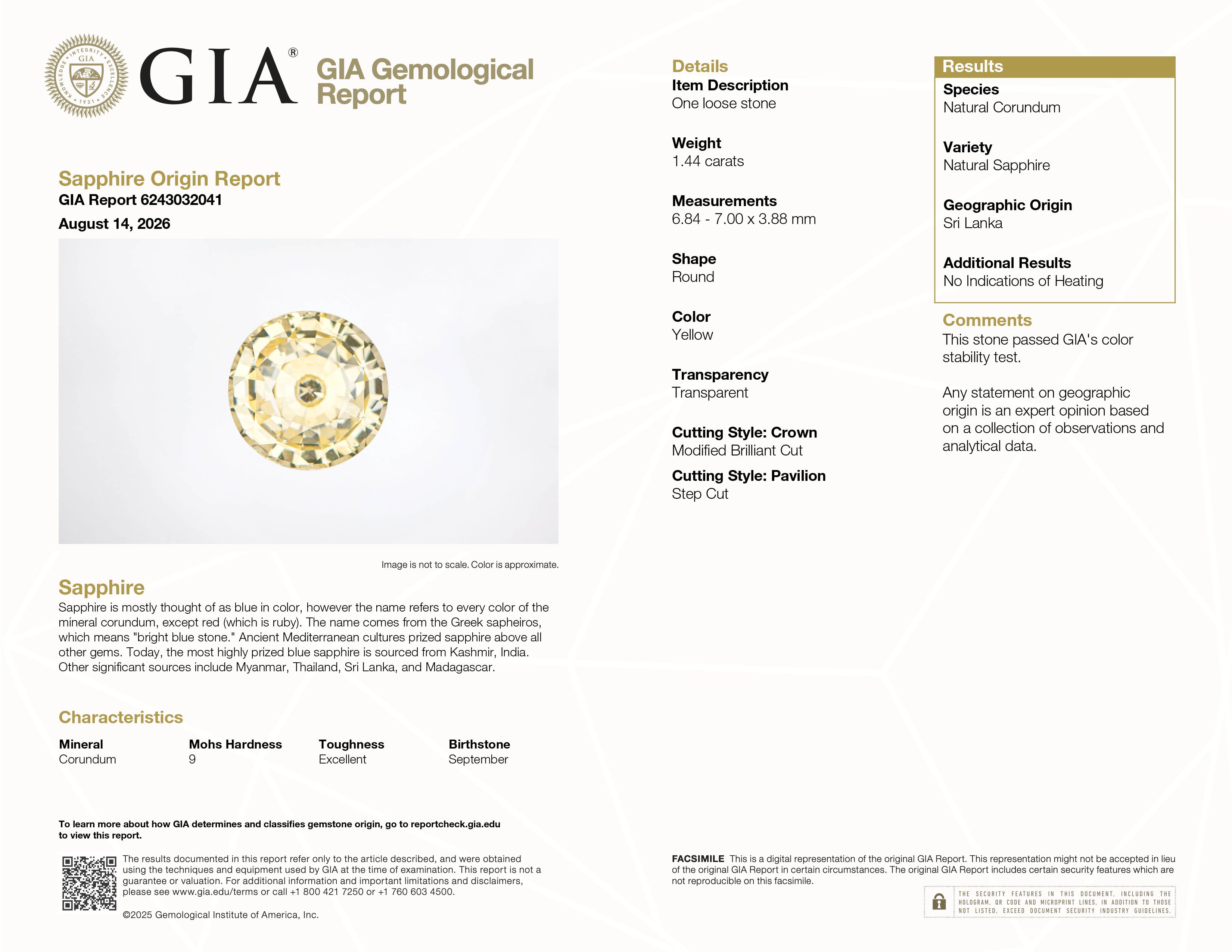
In sapphire, "unheated" is not the same claim as "untreated": a stone can be unheated and still have been treated in some other way, so the two words are not interchangeable. The phrase "natural sapphire" settles neither of them. On a loose stone the treatment is stated on the listing, and the finding can be put to a laboratory before anything is mounted — a report states what the laboratory observed, which is not the same thing as a guarantee. We send stones above US$500 to GIA as a matter of course. See our unheated sapphire guide and GIA report guide.
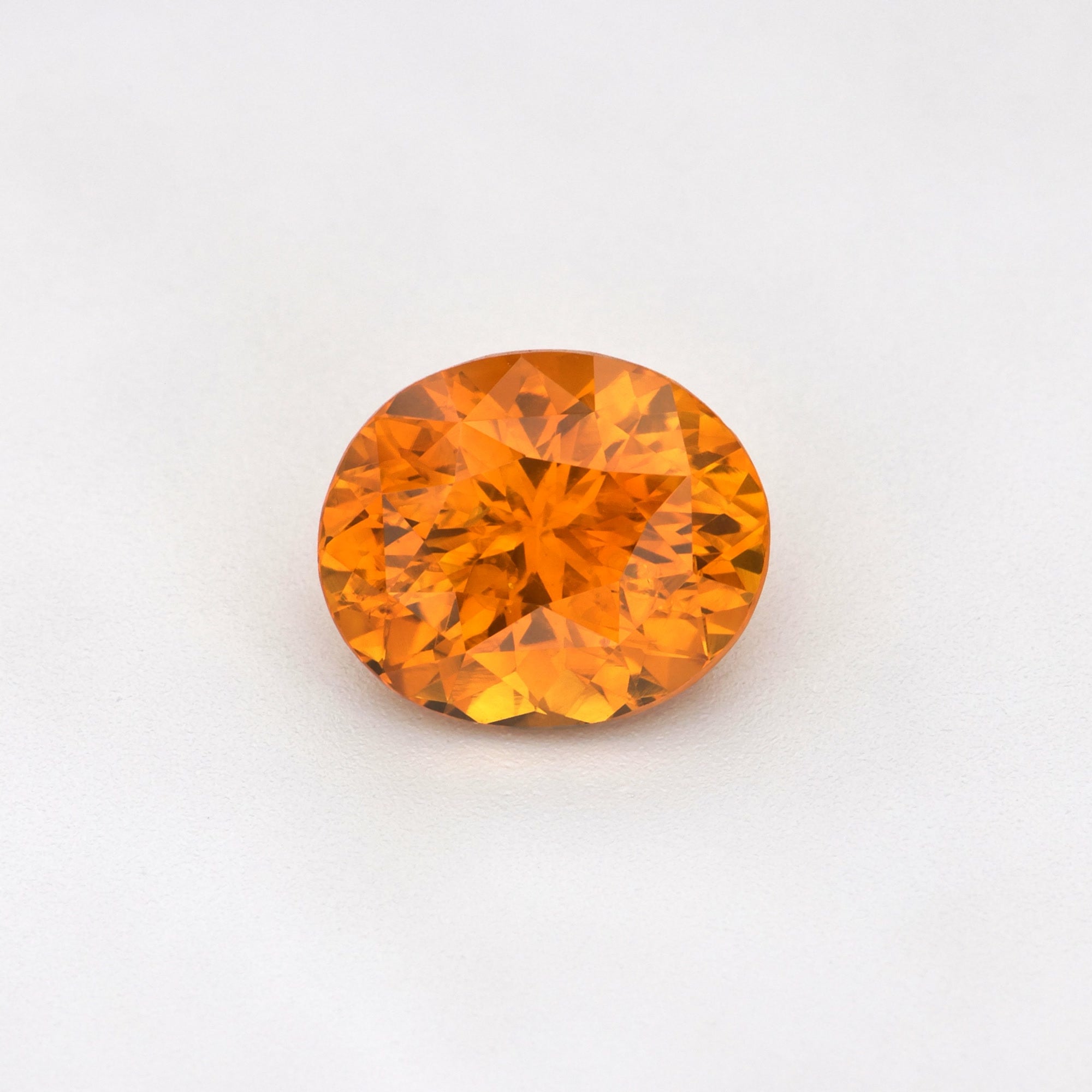
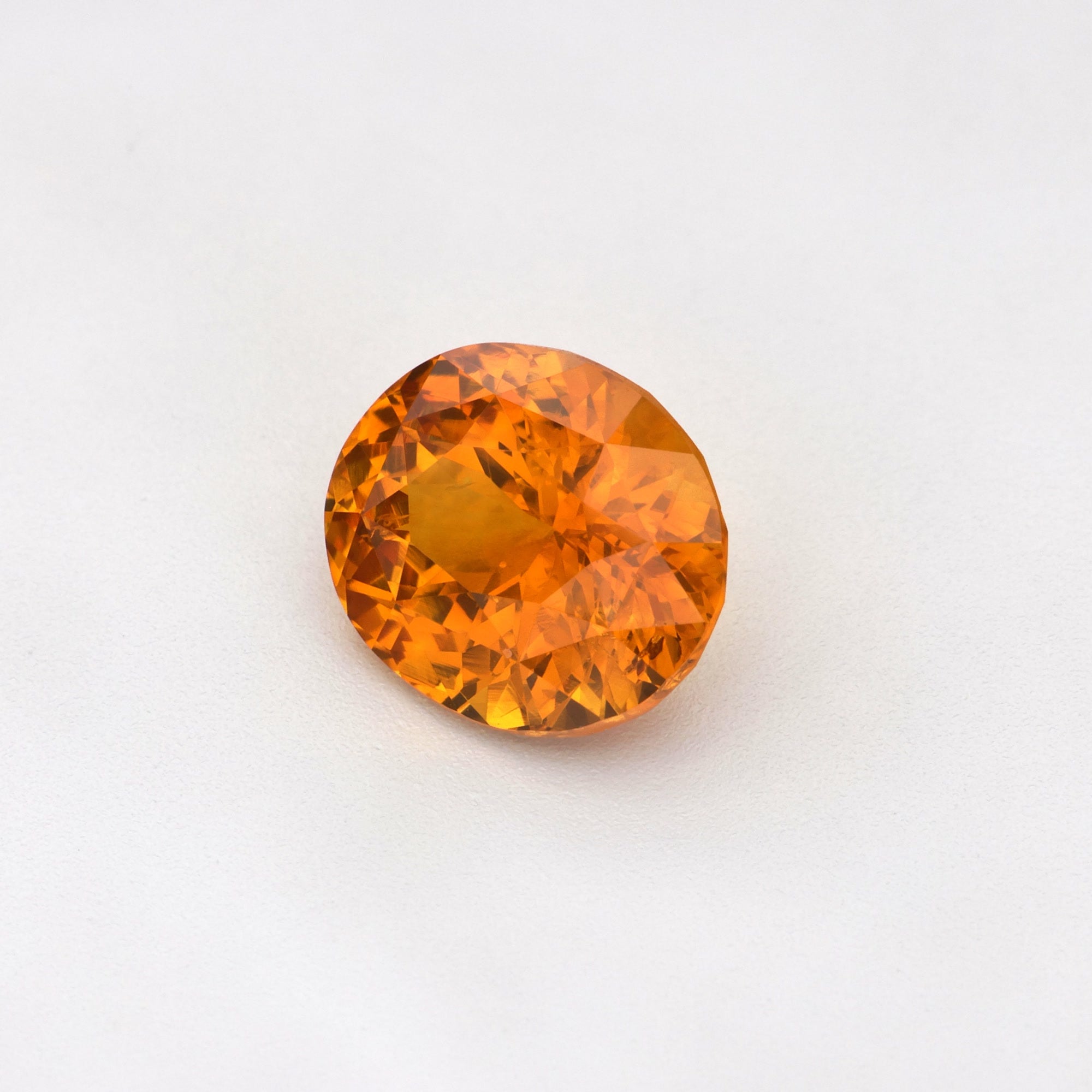
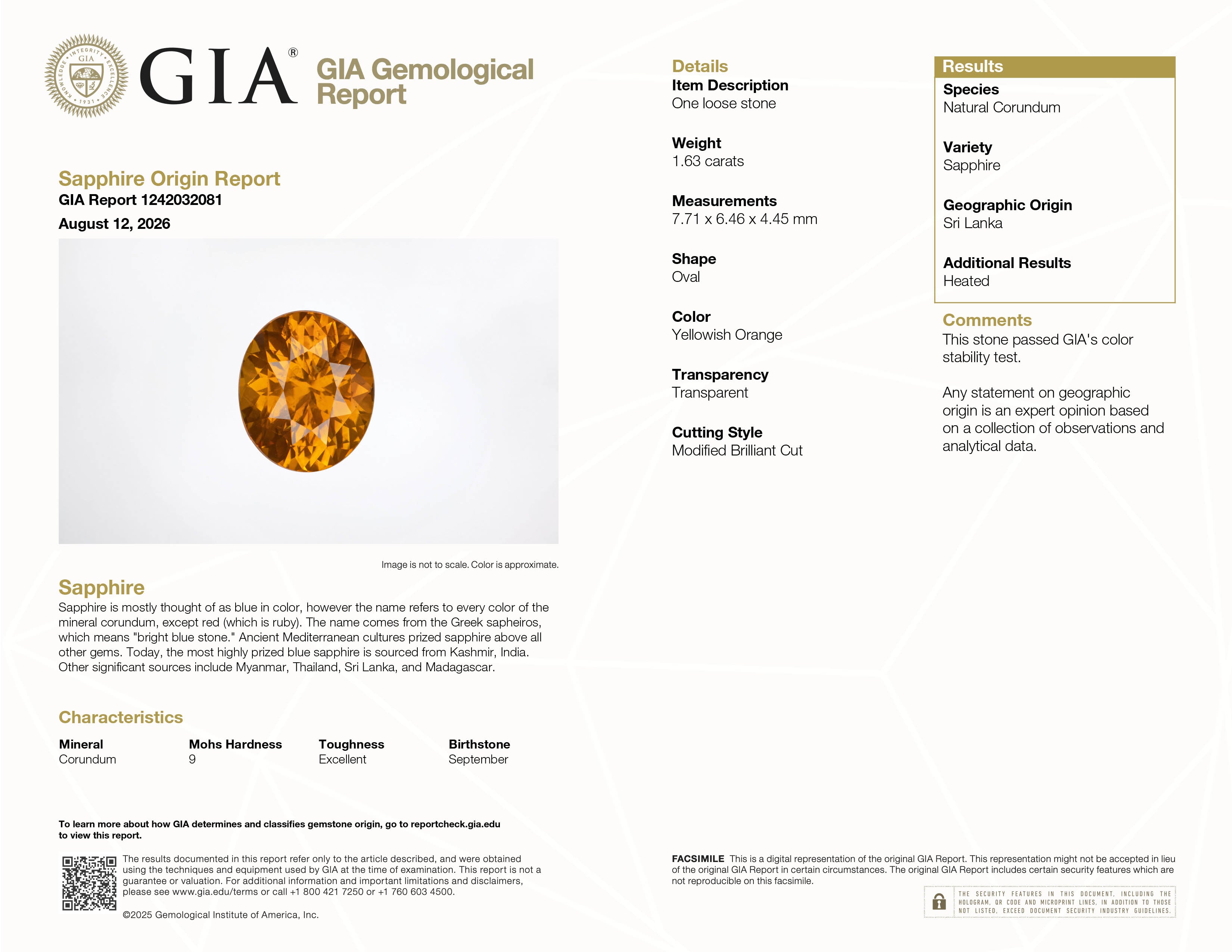
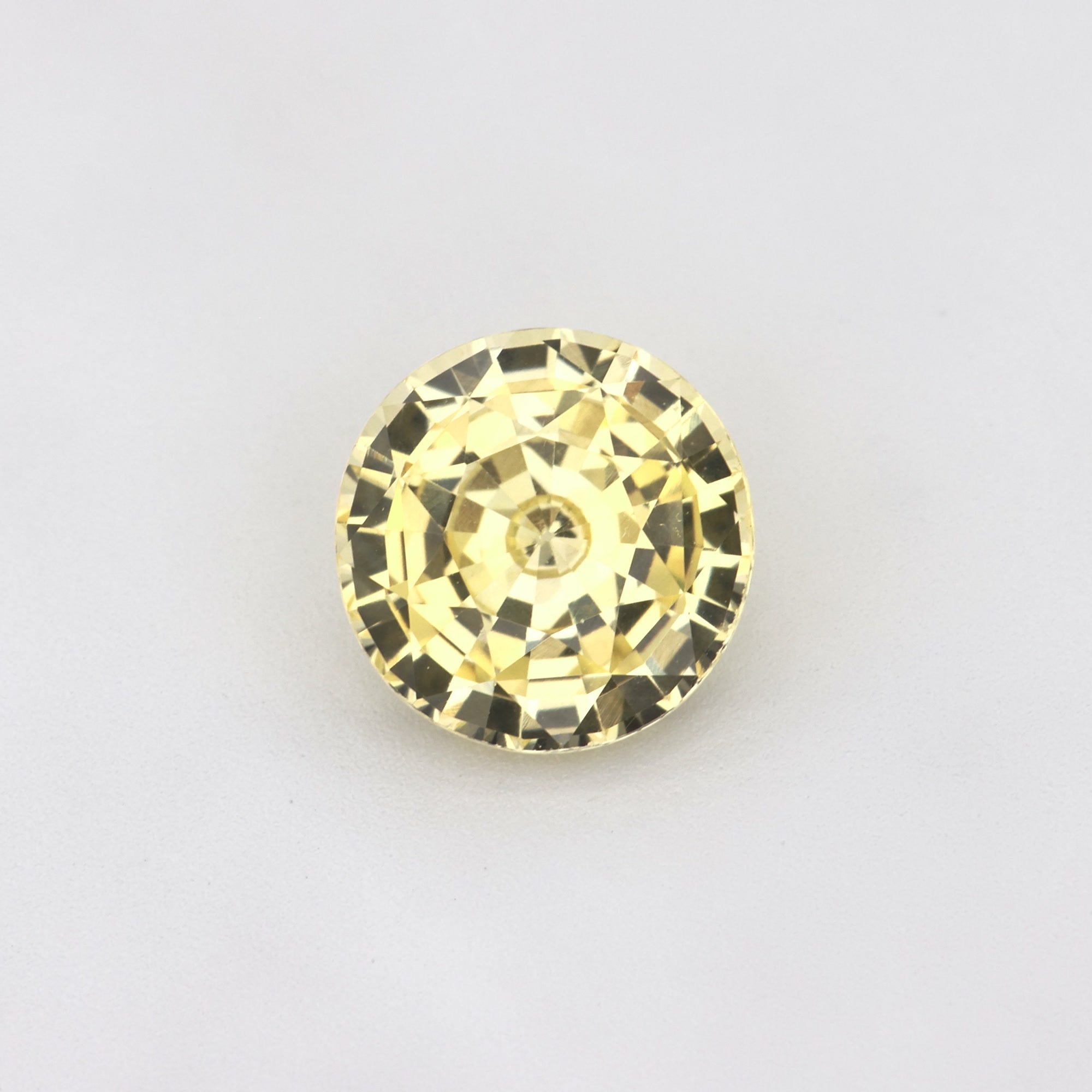
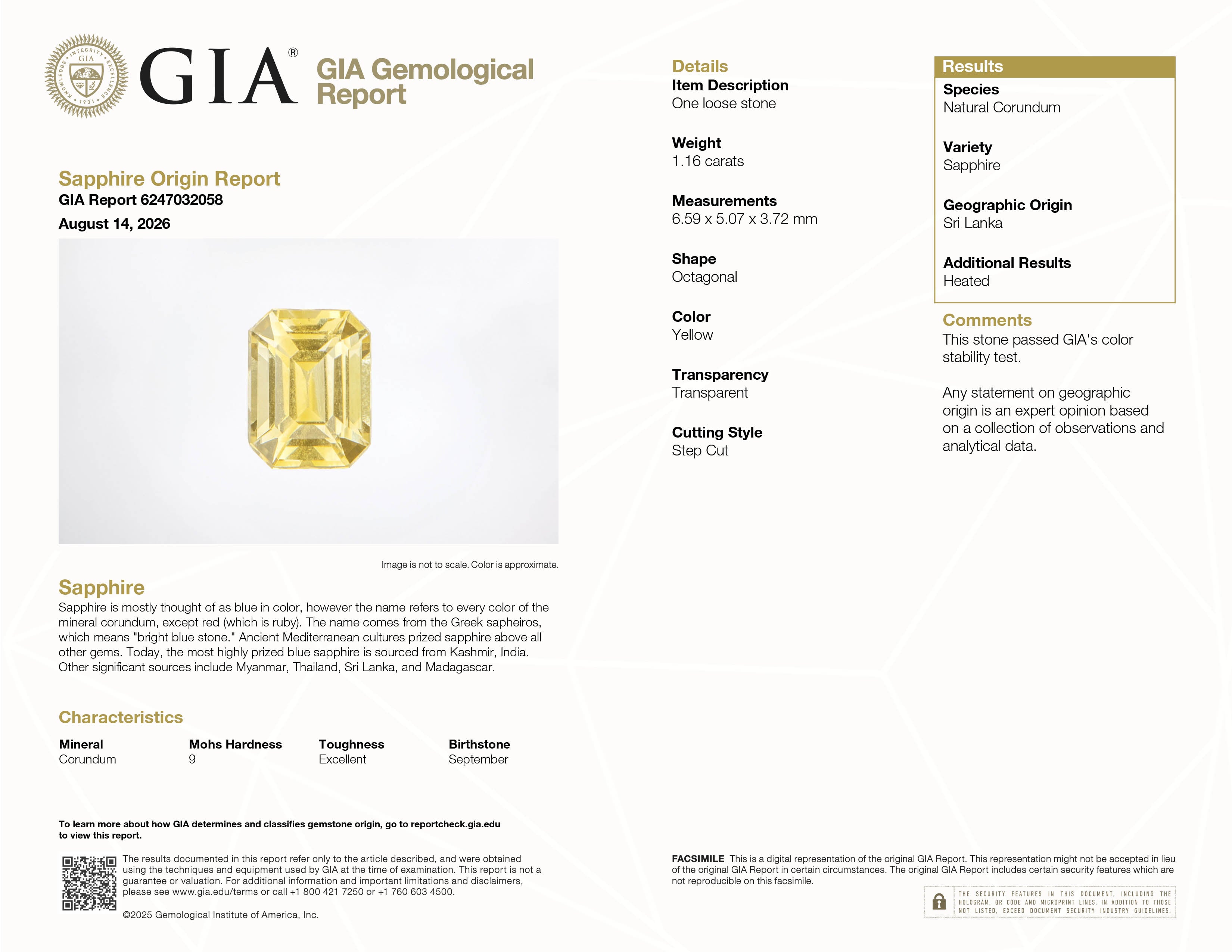
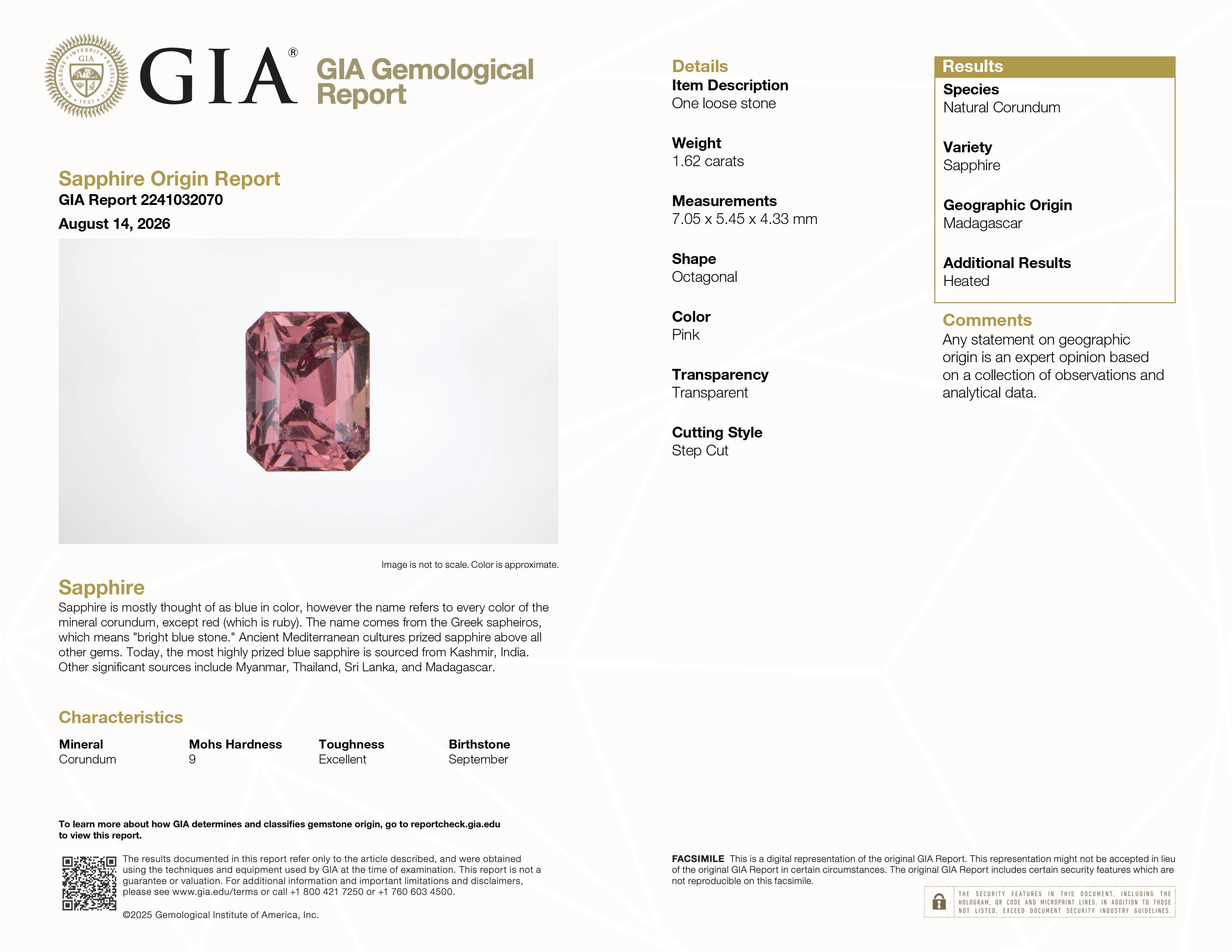
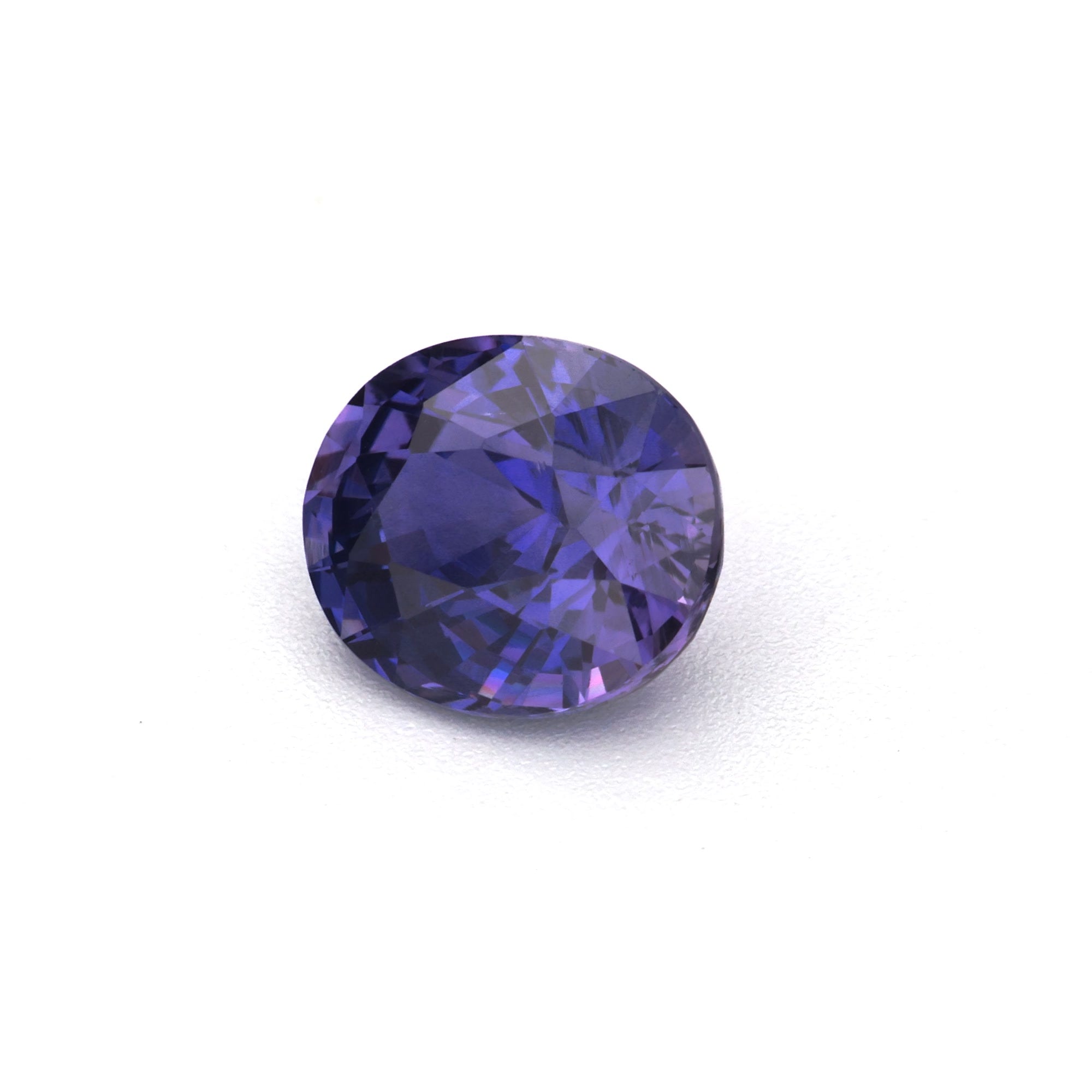
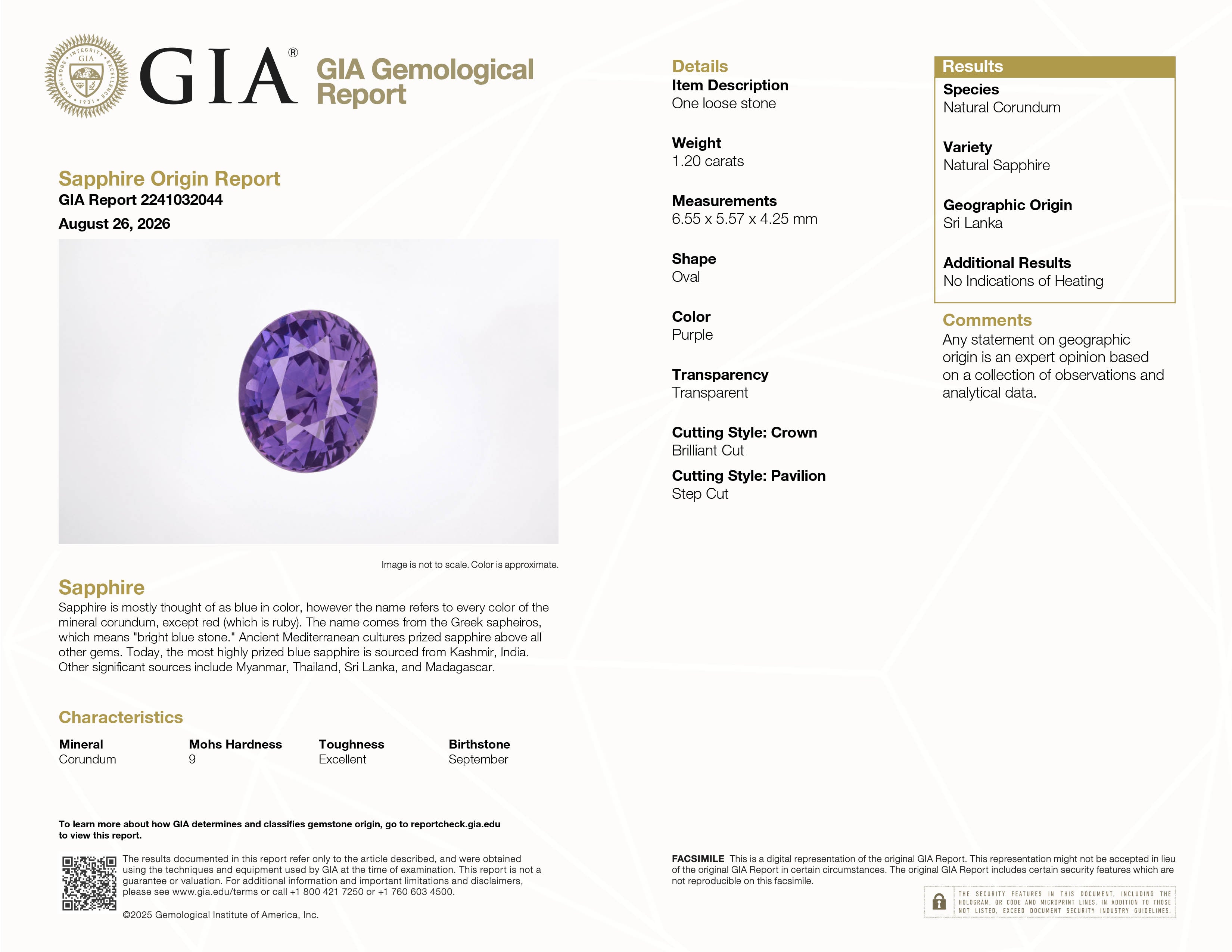
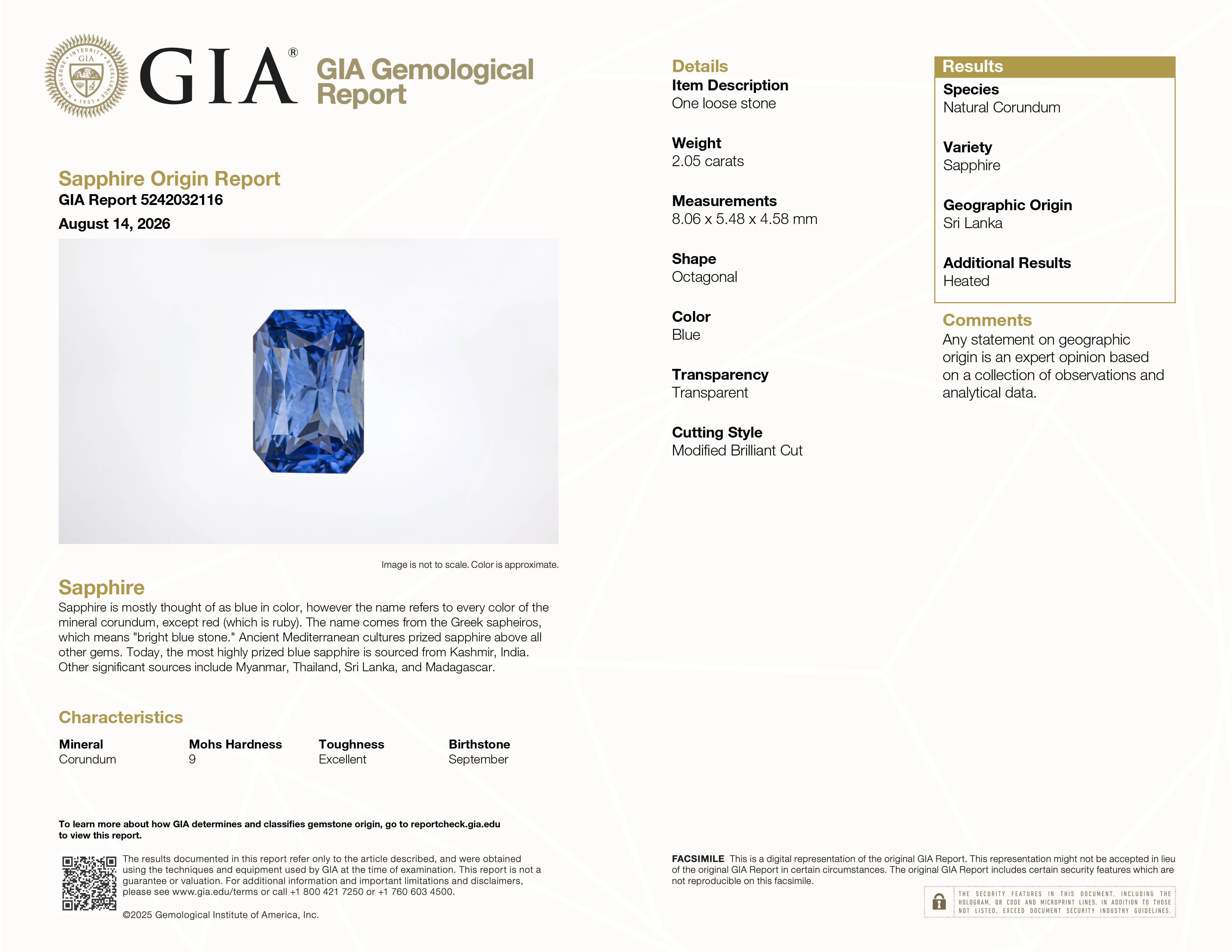
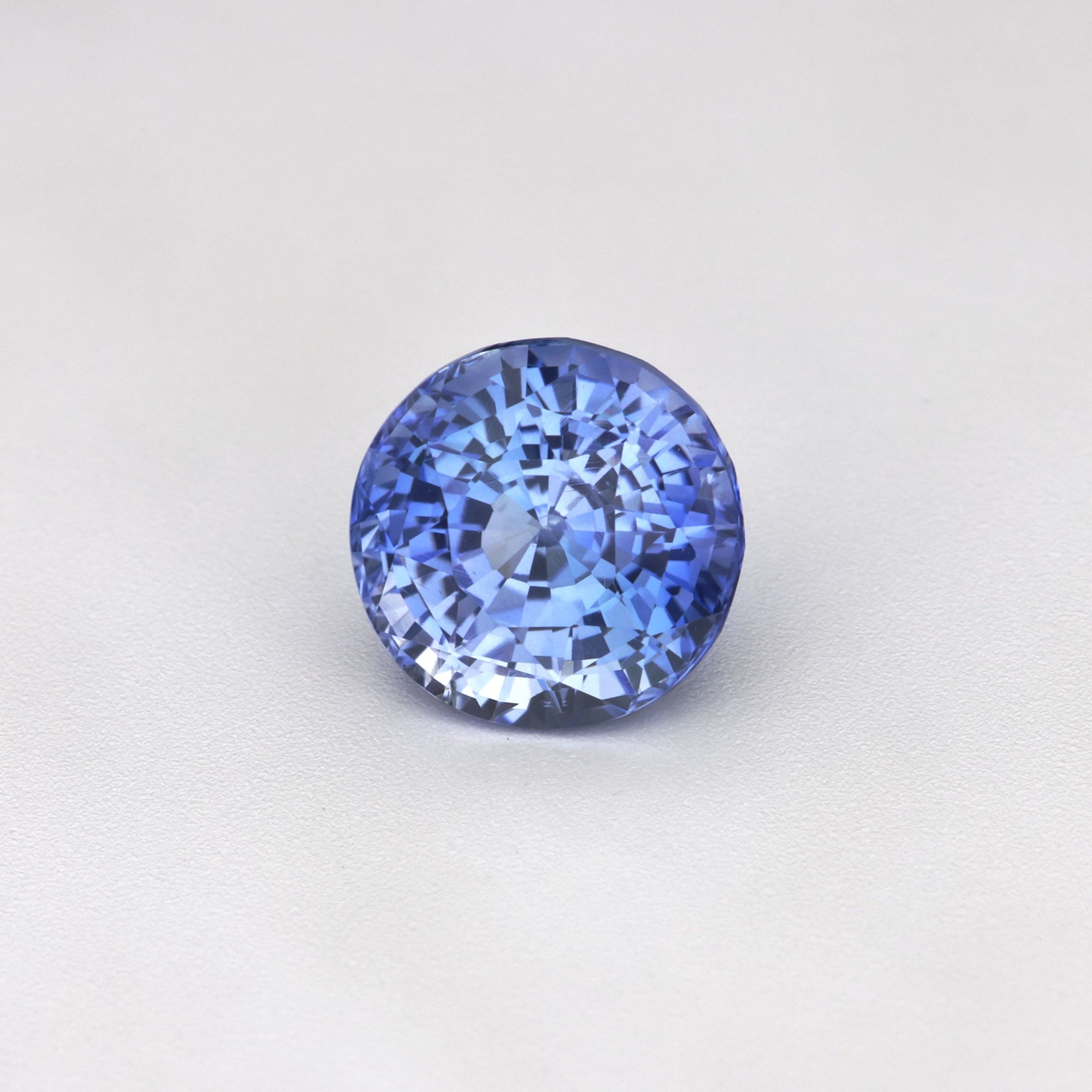
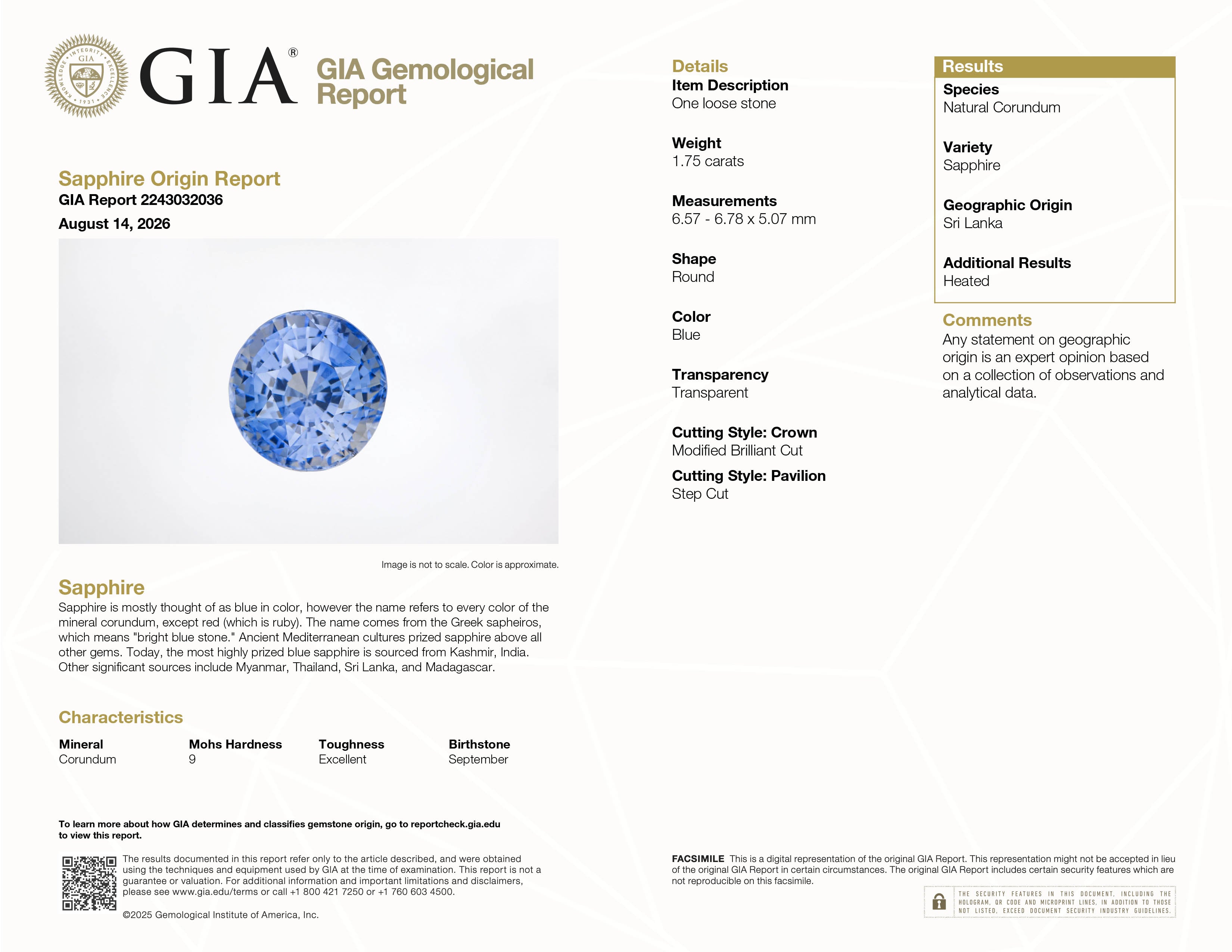
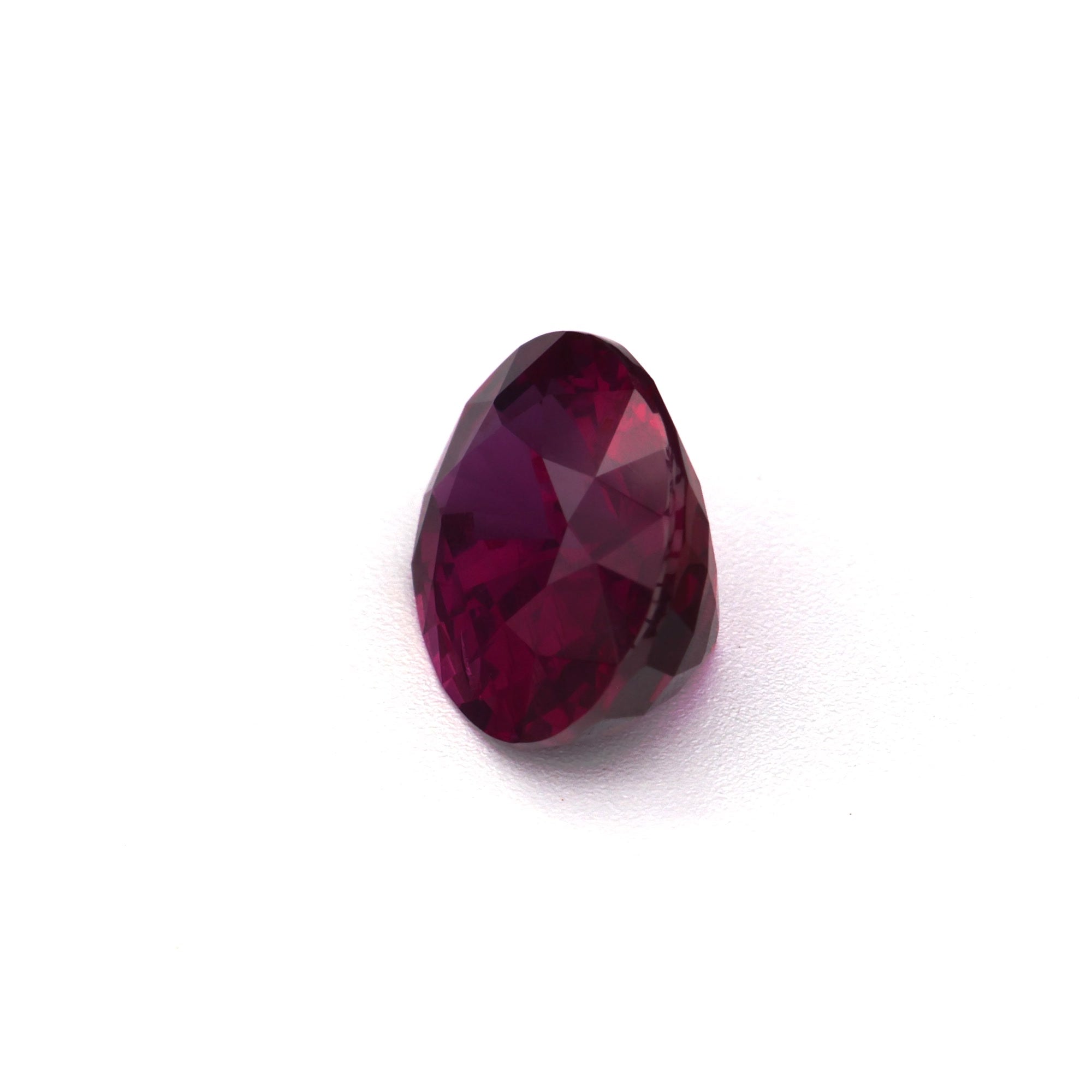
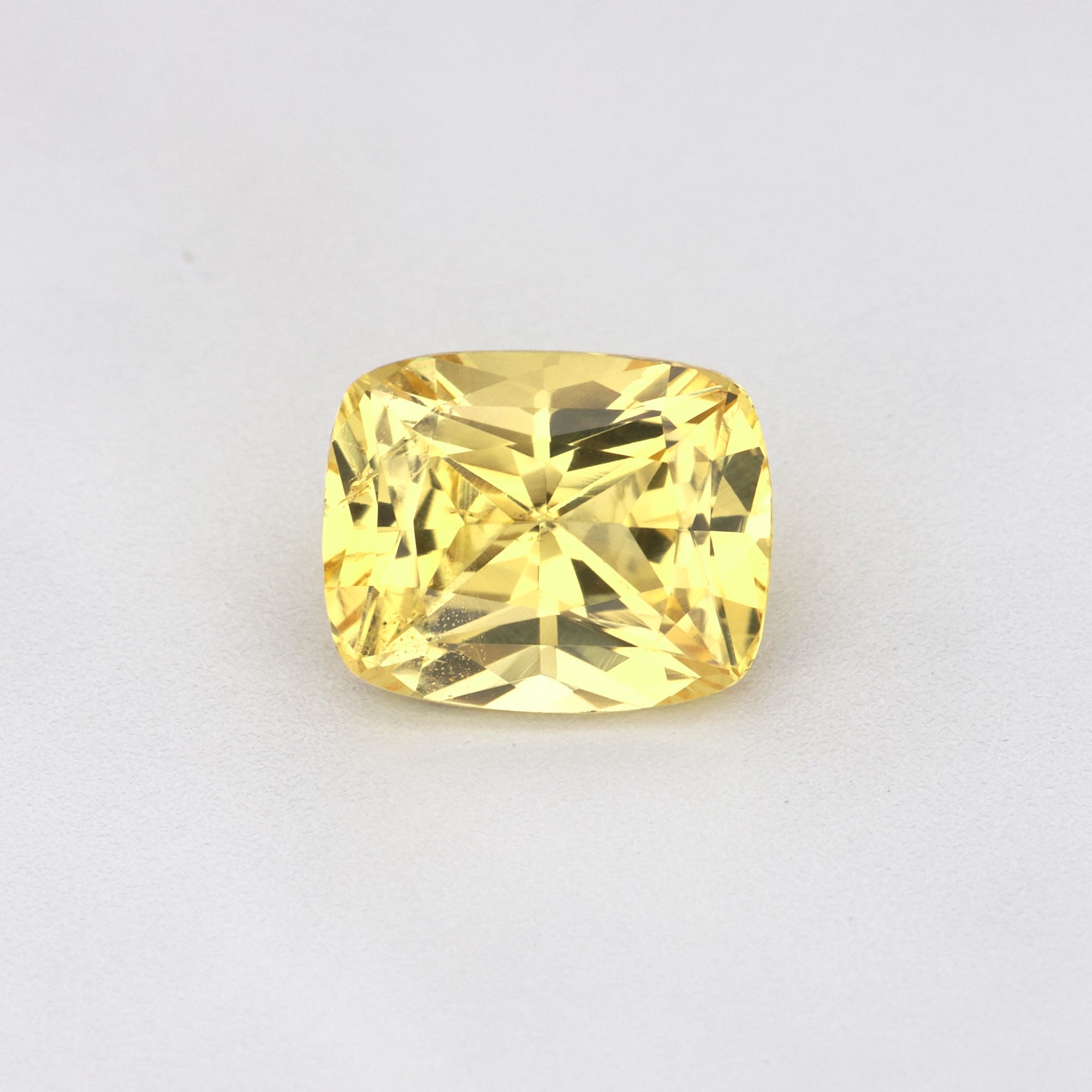
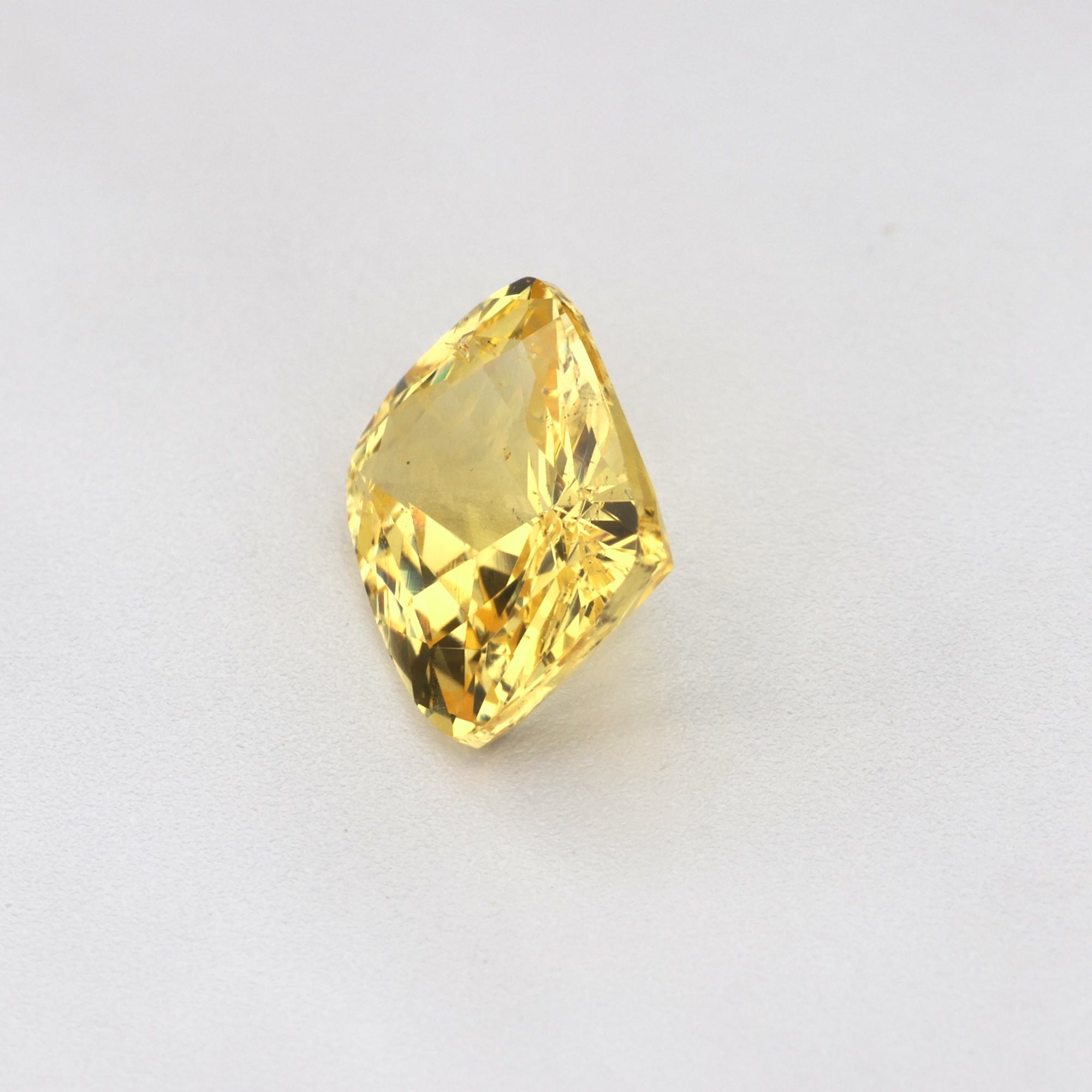
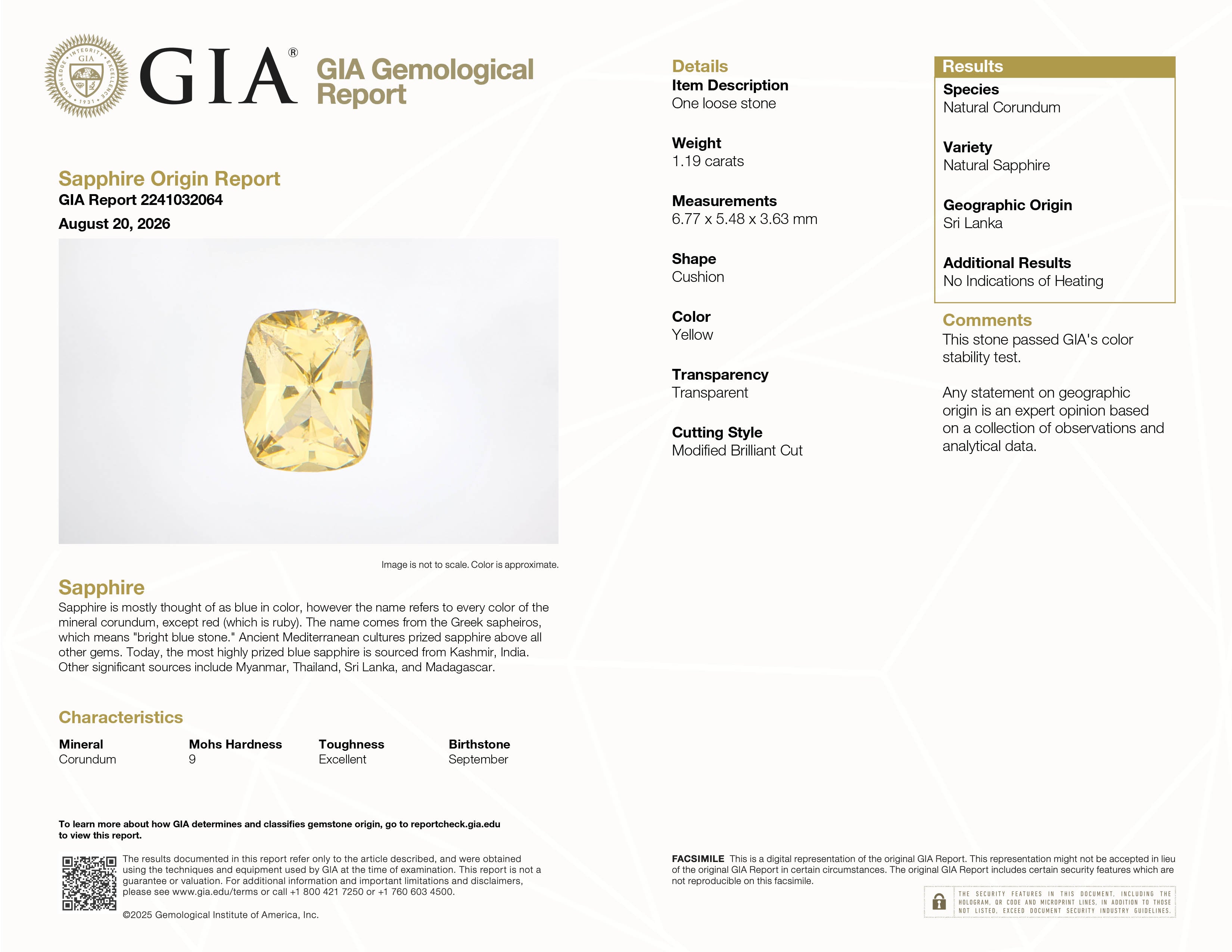
A laboratory report records the carat weight, the measurements, the species and the treatment finding, and an insurer or an appraiser works from those. Geographic origin is a separate matter: GIA prints it only on a Sapphire Origin Report, and only where that question was put. Our own stock carries both cases — one stone with a GIA Sapphire Origin Report placing it in Sri Lanka, another whose GIA report prints Not Requested in that field. The second stone is not a lesser stone and its paperwork is not deficient. A question was simply not put. A report is also not a valuation, and GIA prints as much on the document itself: "This report is not a guarantee or valuation." See our insuring a sapphire ring guide.
Jyotish practice, as it is usually described, calls for the stone to touch the skin — an open-back mount with the pavilion exposed — and for the stone to be natural and unheated. That is a description of the practice and not our ruling on it: we sell stones, and we do not speak for the tradition. Where we can be useful is the order of the work. The treatment is stated on the listing, and a loose stone can go to a laboratory before anything is mounted, which is the point at which that is simplest to do.
On the mount itself we will give you our own view if you ask for it, and it should be read as exactly that: our own recommendation, from handling these stones — no laboratory publishes guidance on settings, and we are not reporting one. See our Jyotish sapphire guide.
At Crescent Gems, a personal video of any stone in our catalog is available on request before you decide. Every purchase also carries a 14-day return policy.
We sell loose stones, and the treatment is stated on every product page. Where a stone has a report we name the laboratory and the report number; where it has none, the listing says so. The origin is recorded on every listing as well — most of our sapphire is Sri Lankan, and we also carry Madagascar and a handful of other origins, so the listing tells you which one rather than leaving you to read it off a collection name. Browse the full catalog by color — blue, teal, yellow, pink, peach, purple — or email crescentgems@gmail.com to source to specification.

CG8465
CG8463
CG8460
CG8456


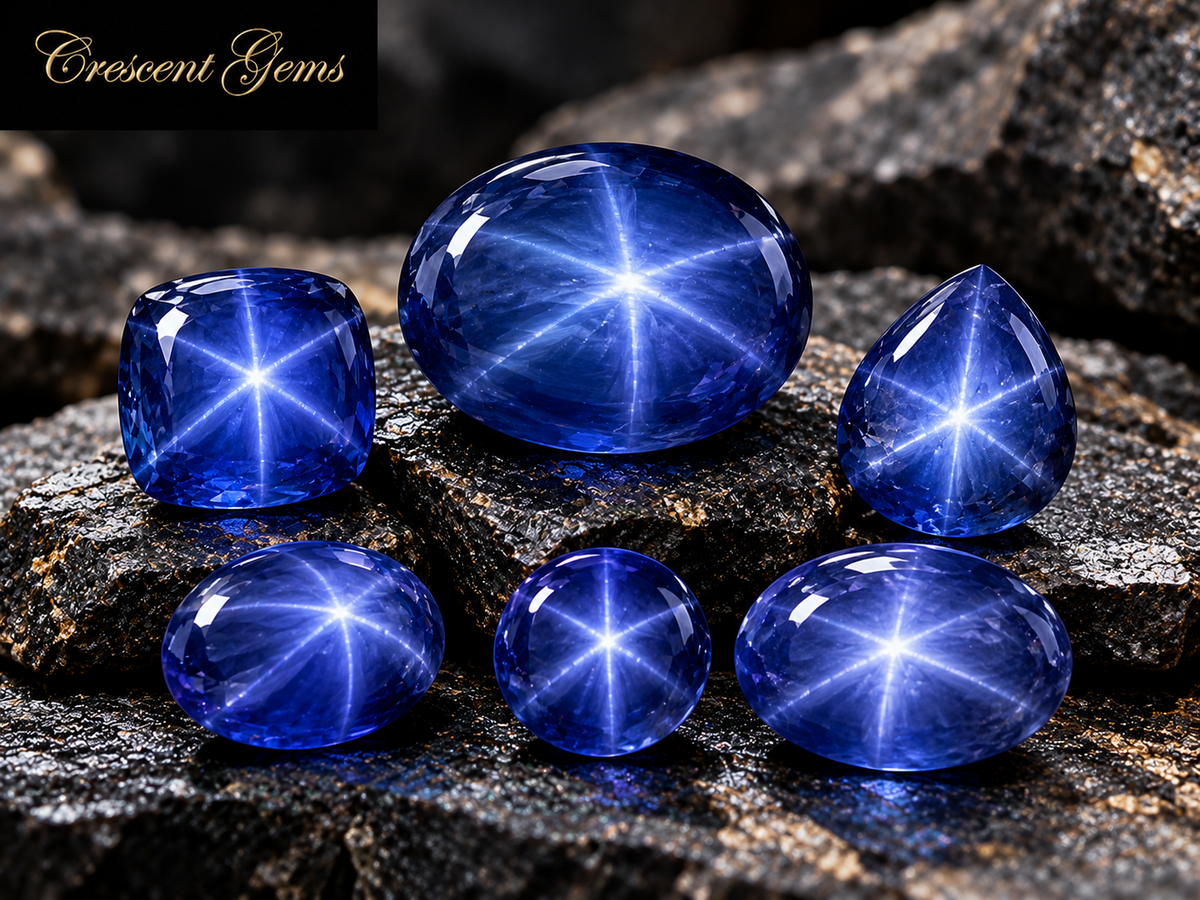
Blue Star Sapphire Price Guide — What They Cost and Why
Read moreabout Blue Star Sapphire Price Guide — What They Cost and Why
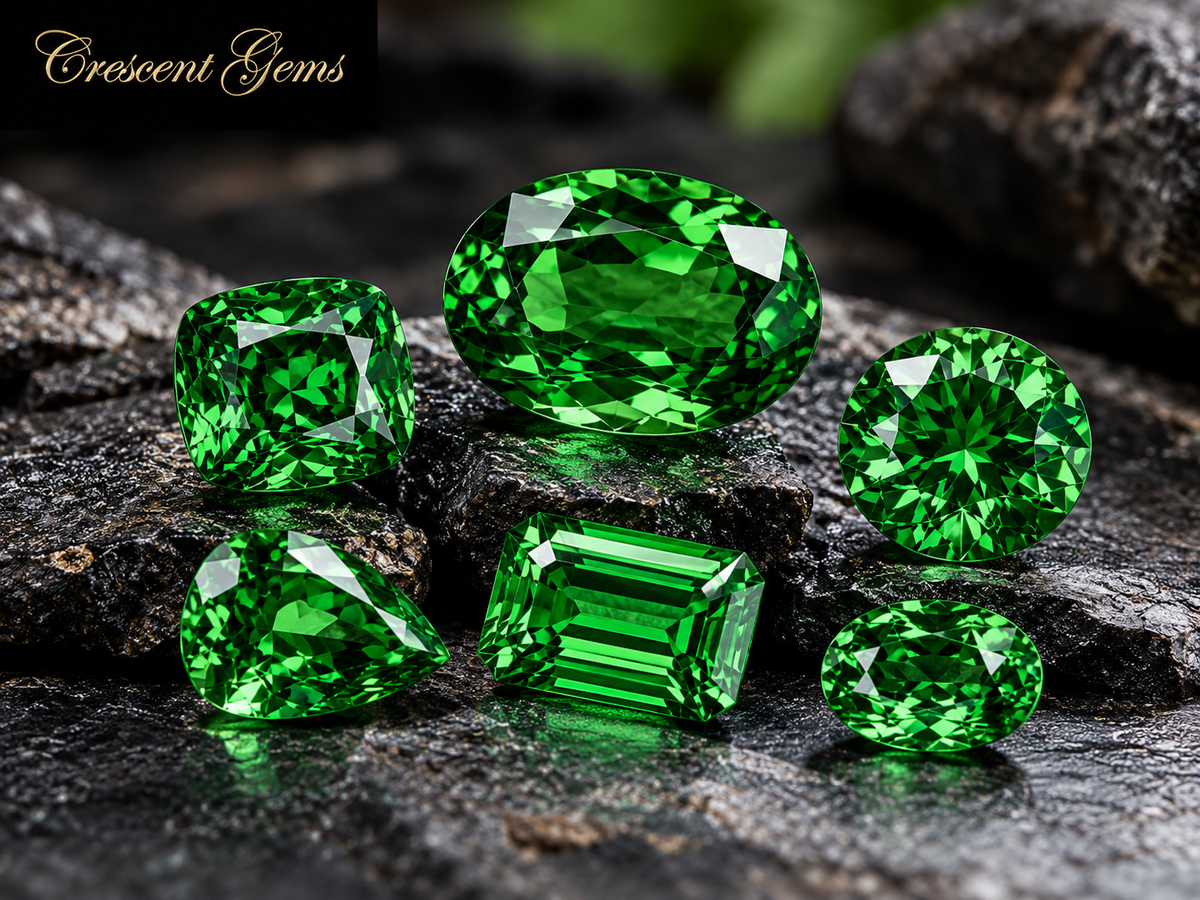
Tsavorite Garnet Price Guide — What They Cost and Why
Read moreabout Tsavorite Garnet Price Guide — What They Cost and Why
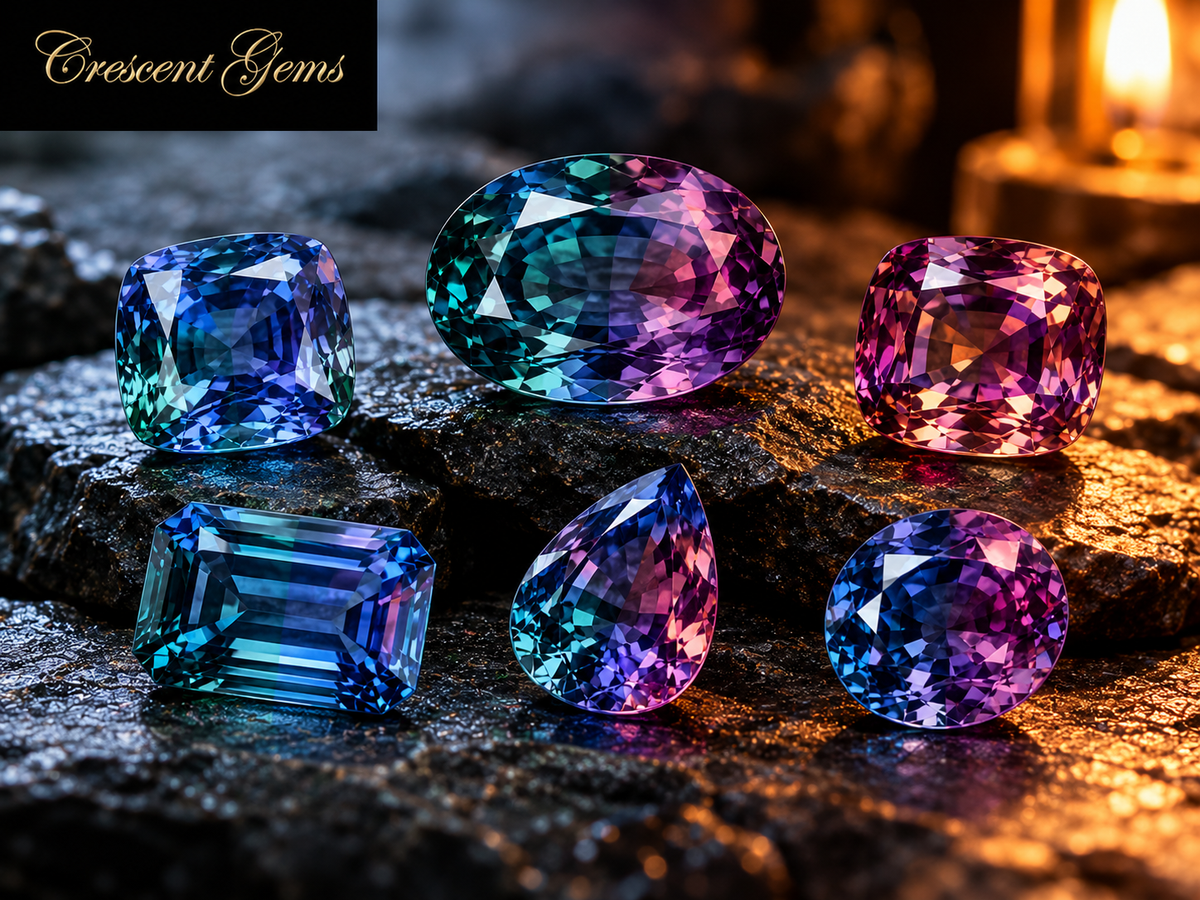
Color-Change Sapphire Price Guide — What They Cost and Why
Read moreabout Color-Change Sapphire Price Guide — What They Cost and Why
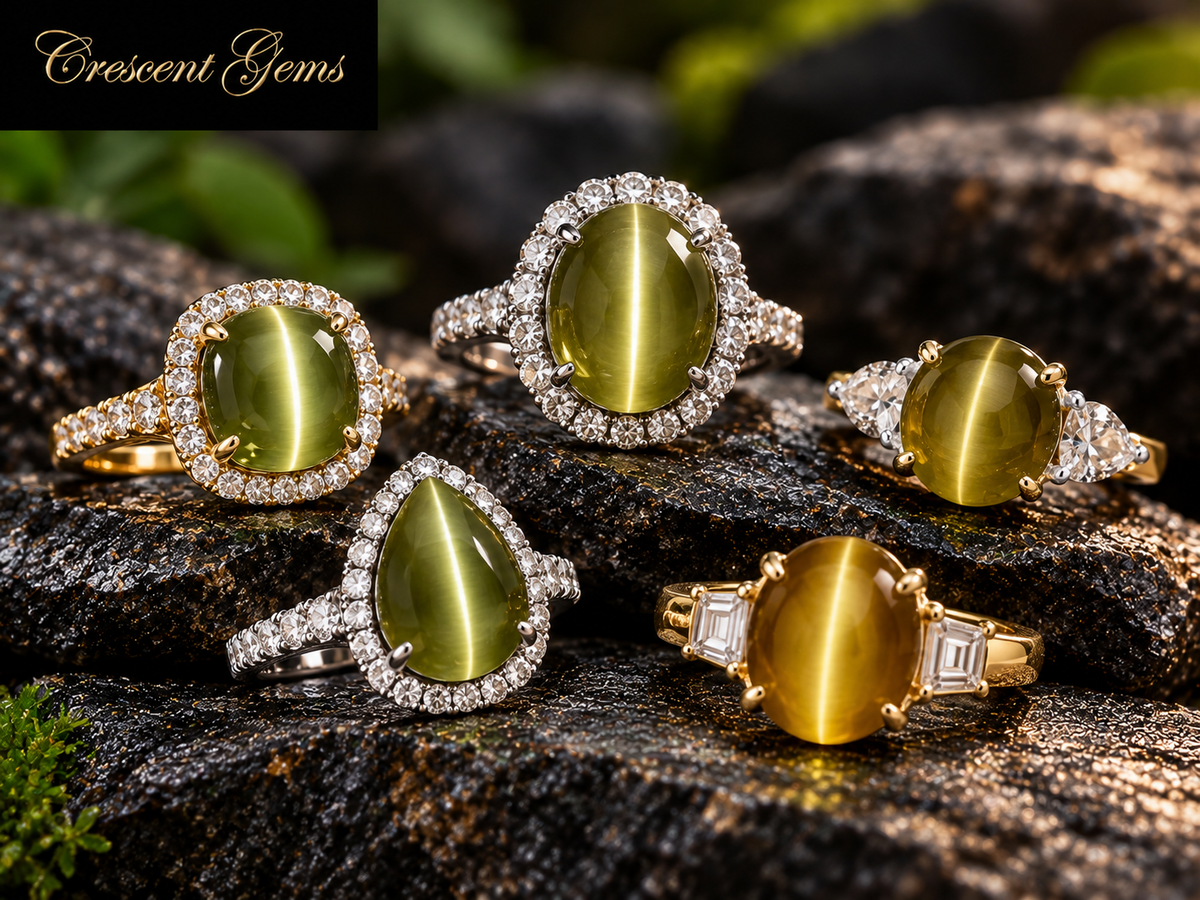
Is Cat's-Eye Chrysoberyl Good for an Engagement Ring?
Read moreabout Is Cat's-Eye Chrysoberyl Good for an Engagement Ring?
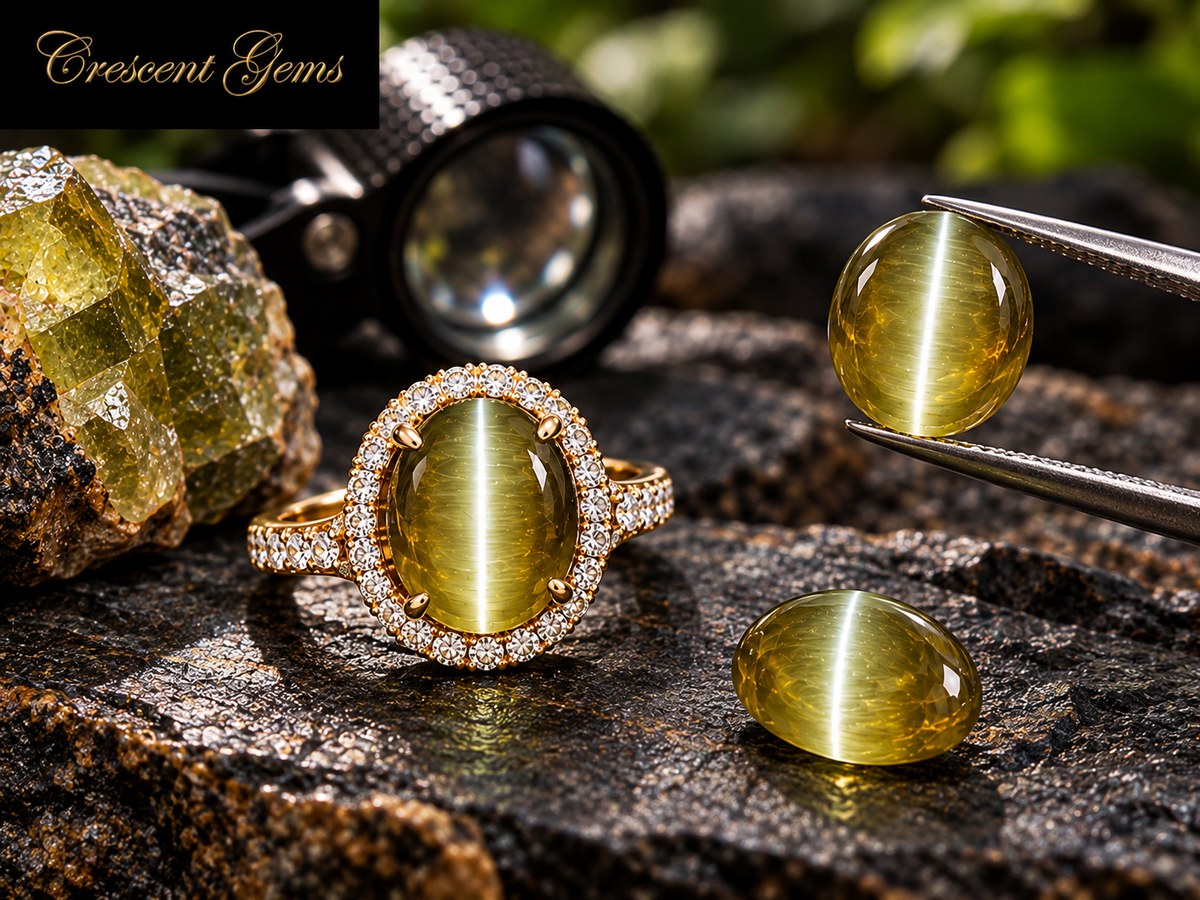
Cat's Eye Chrysoberyl Price Guide — What They Cost and Why
Read moreabout Cat's Eye Chrysoberyl Price Guide — What They Cost and Why















Share: