


- by Ahmed Shareek
How to Choose a Sapphire for Your Engagement Ring
- by Ahmed Shareek
New to buying sapphires? Start with our Ultimate Sapphire Buying Guide — the complete resource for colour, origin, treatment, and pricing.
Sapphire is the stone our customers ask for most often when they do not want a diamond. But choosing a sapphire for an engagement ring is not the same as choosing a diamond. The grading system is different. The vocabulary is different. The quality factors that actually matter are different. And the number of meaningful decisions you have to make — color, origin, treatment, shape, weight, setting — is significantly larger. This guide gets you through those decisions in the right order.
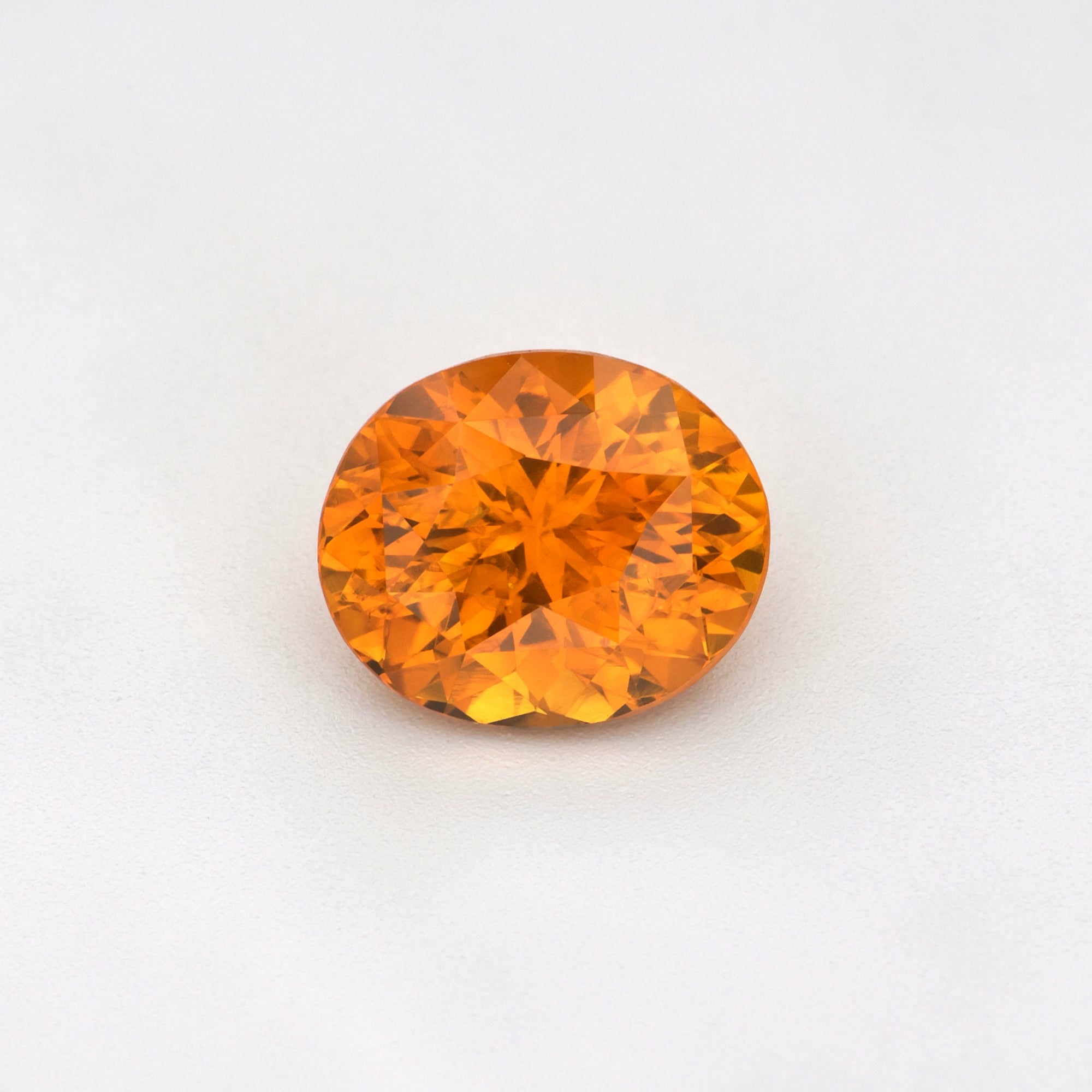
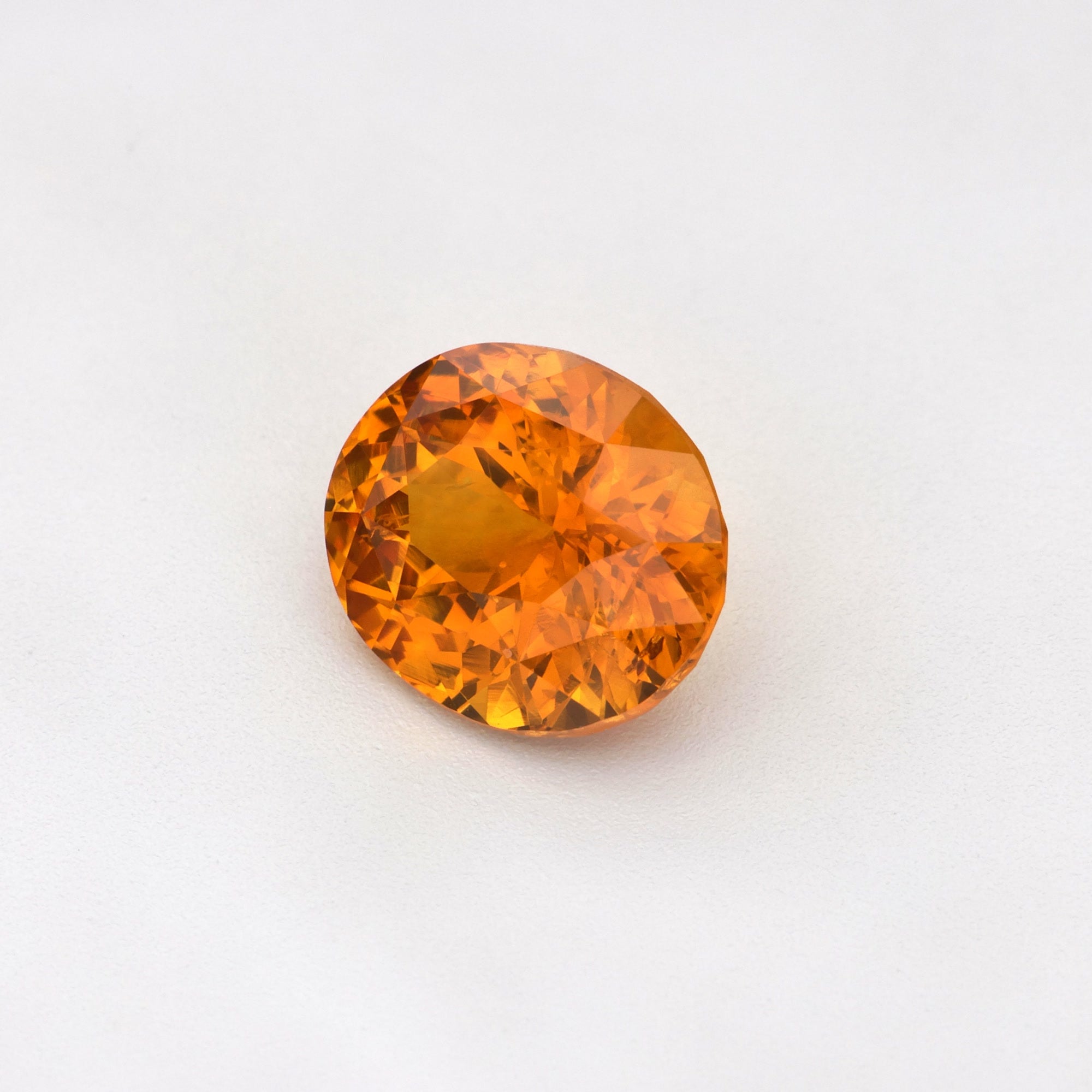
Sapphire ranks 9 on the Mohs scale. Mohs measures scratch resistance only — it says nothing about how a stone stands up to a knock — and some other stones used in engagement rings sit lower on it: morganite (7.5-8); tourmaline (7-7.5); opal (5.5-6.5). Corundum also has no true cleavage, which is one reason it wears well day after day. Our view, as dealers rather than a laboratory: sapphire is well suited to daily ring wear, and we would not push you toward a protective setting on durability grounds alone. And sapphire occurs in virtually every color: blue, teal, yellow, pink, peach, orange, purple, violet, white, and black.
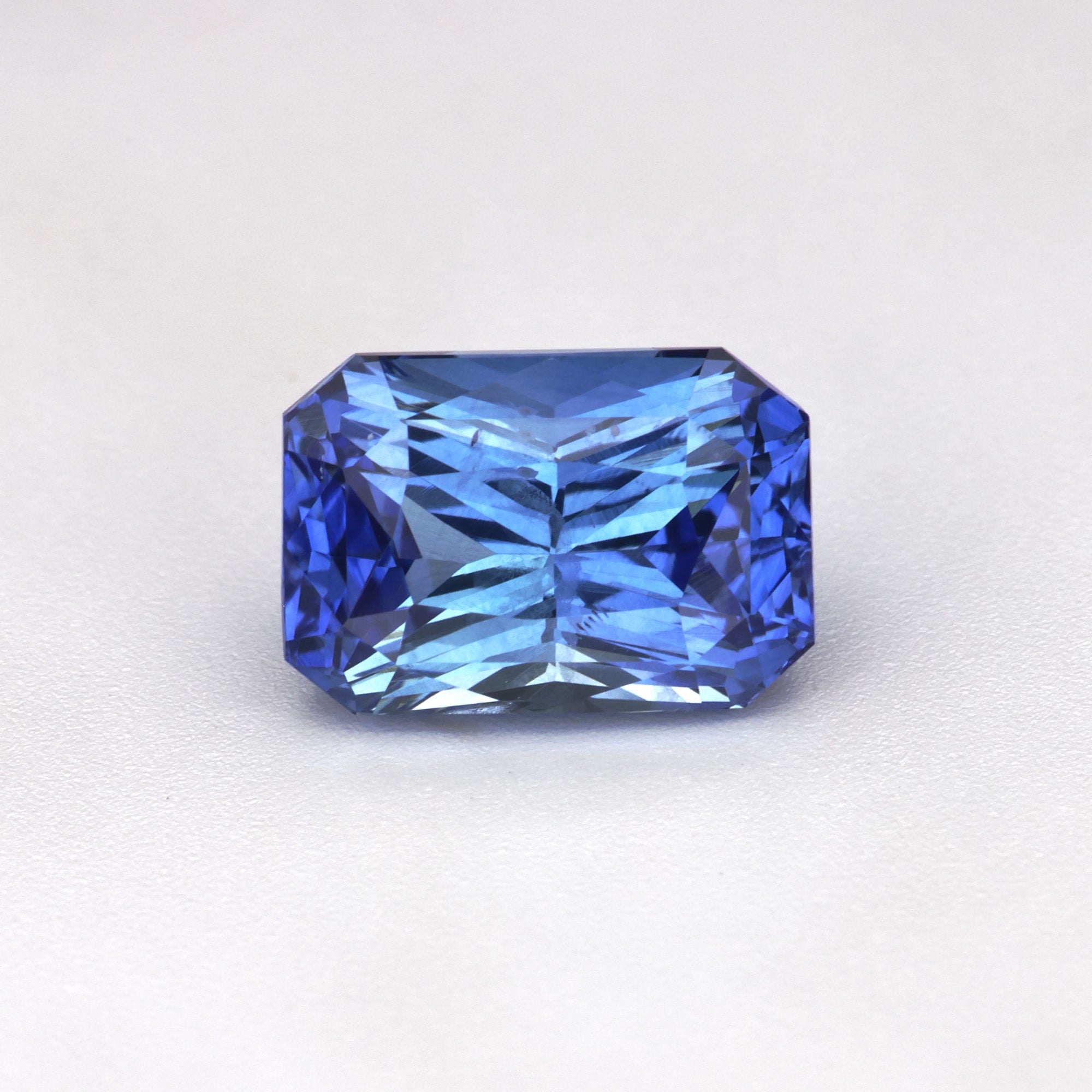
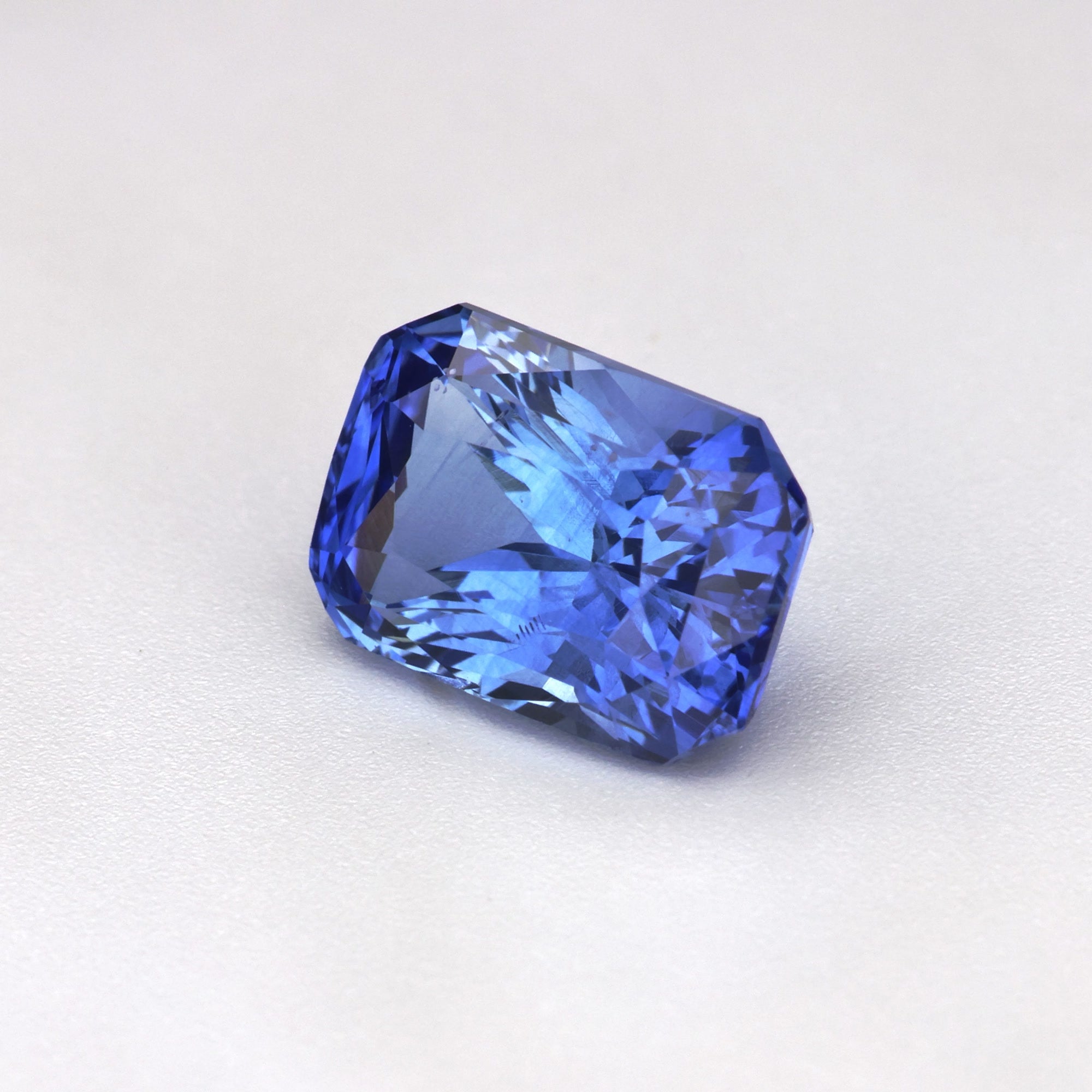
Blue Sapphire: The classic choice. What we look for: a blue that reads clean rather than greyish or inky, in a medium tone that still shows colour in dim light — our own preference as buyers, not a grade from any laboratory. See our blue sapphire guide.
Teal Sapphire: A category we have been asked for far more often in recent years. Shifts between blue in cool daylight and green under warm incandescent. The treatment line on each product page states the heat position for that stone. See our teal sapphire guide.
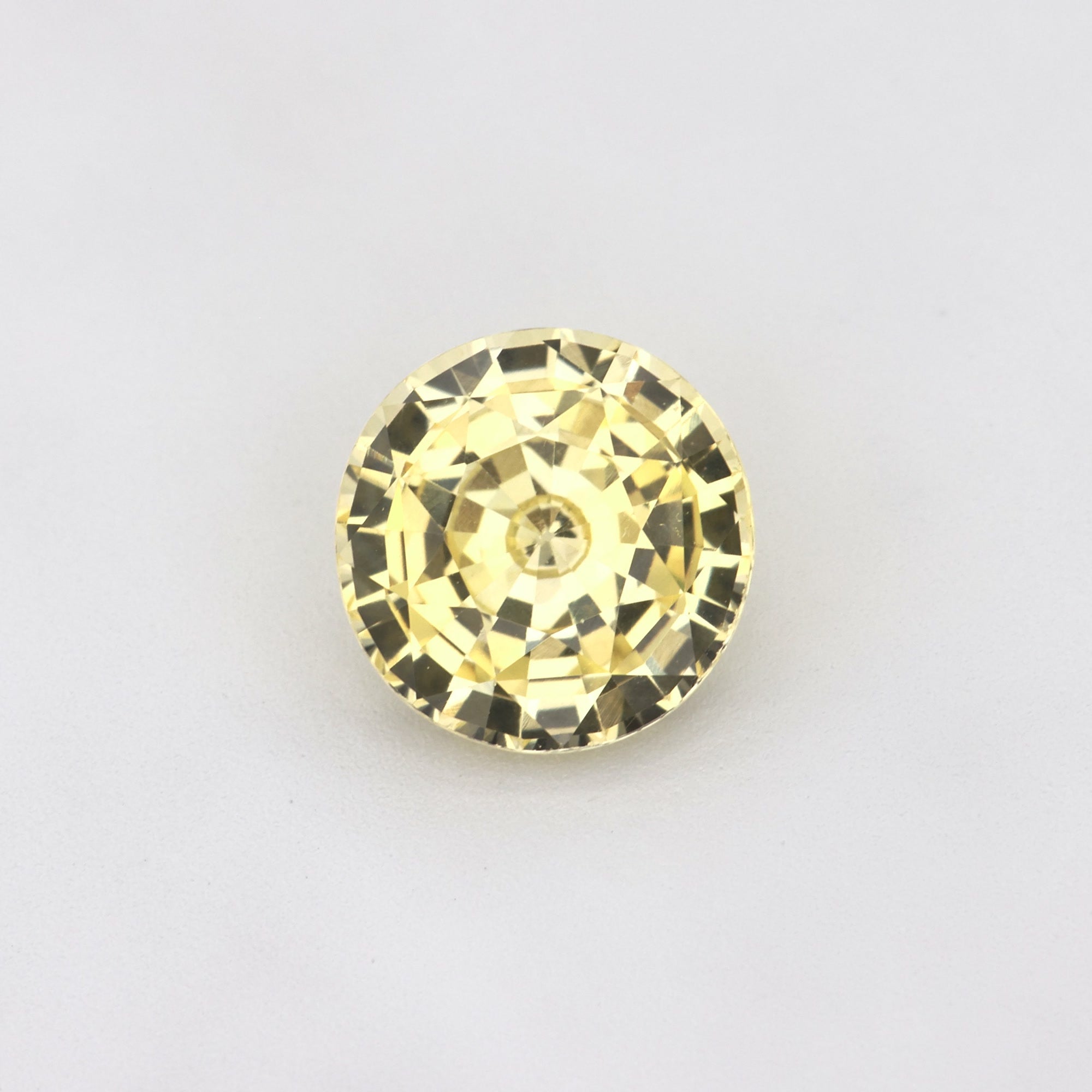
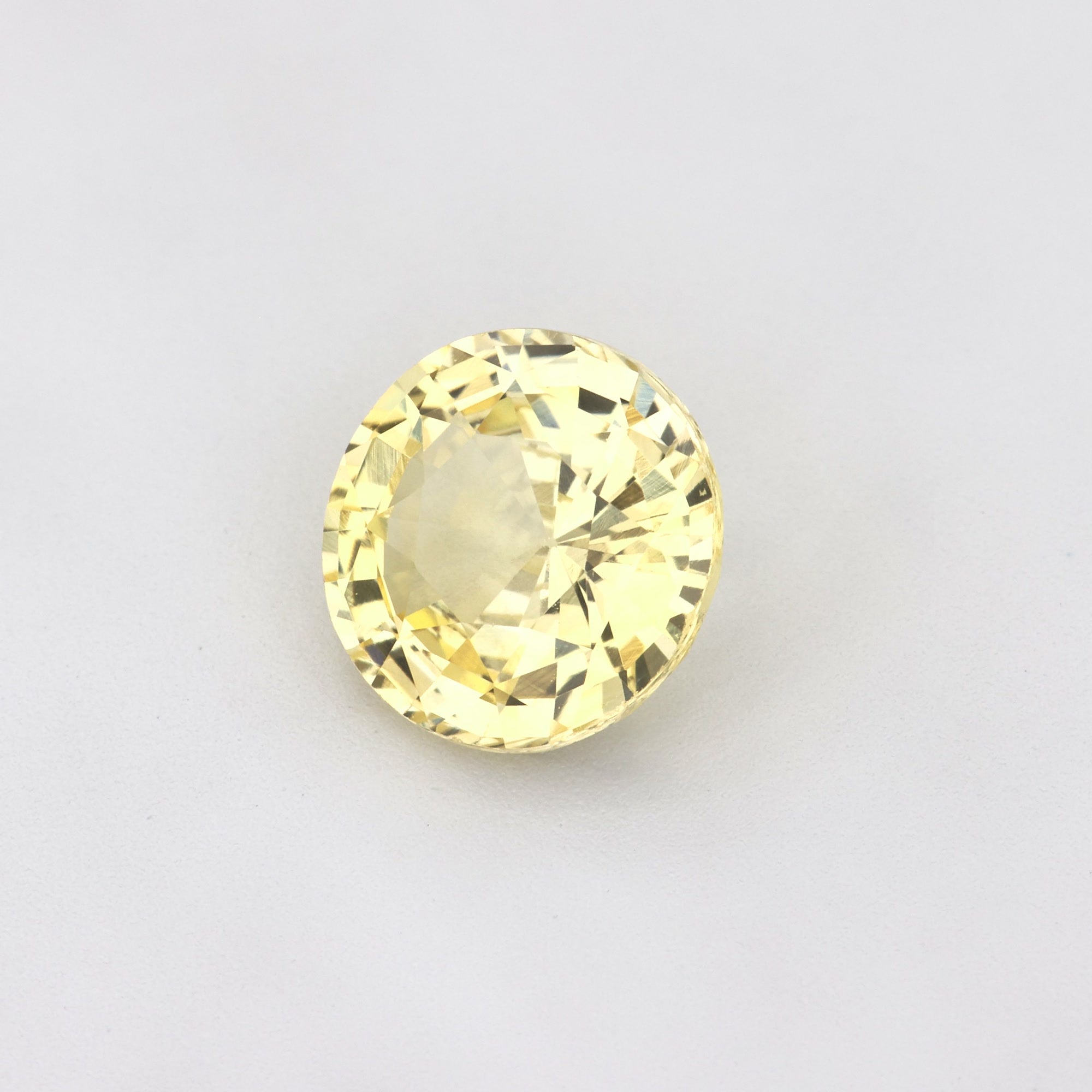
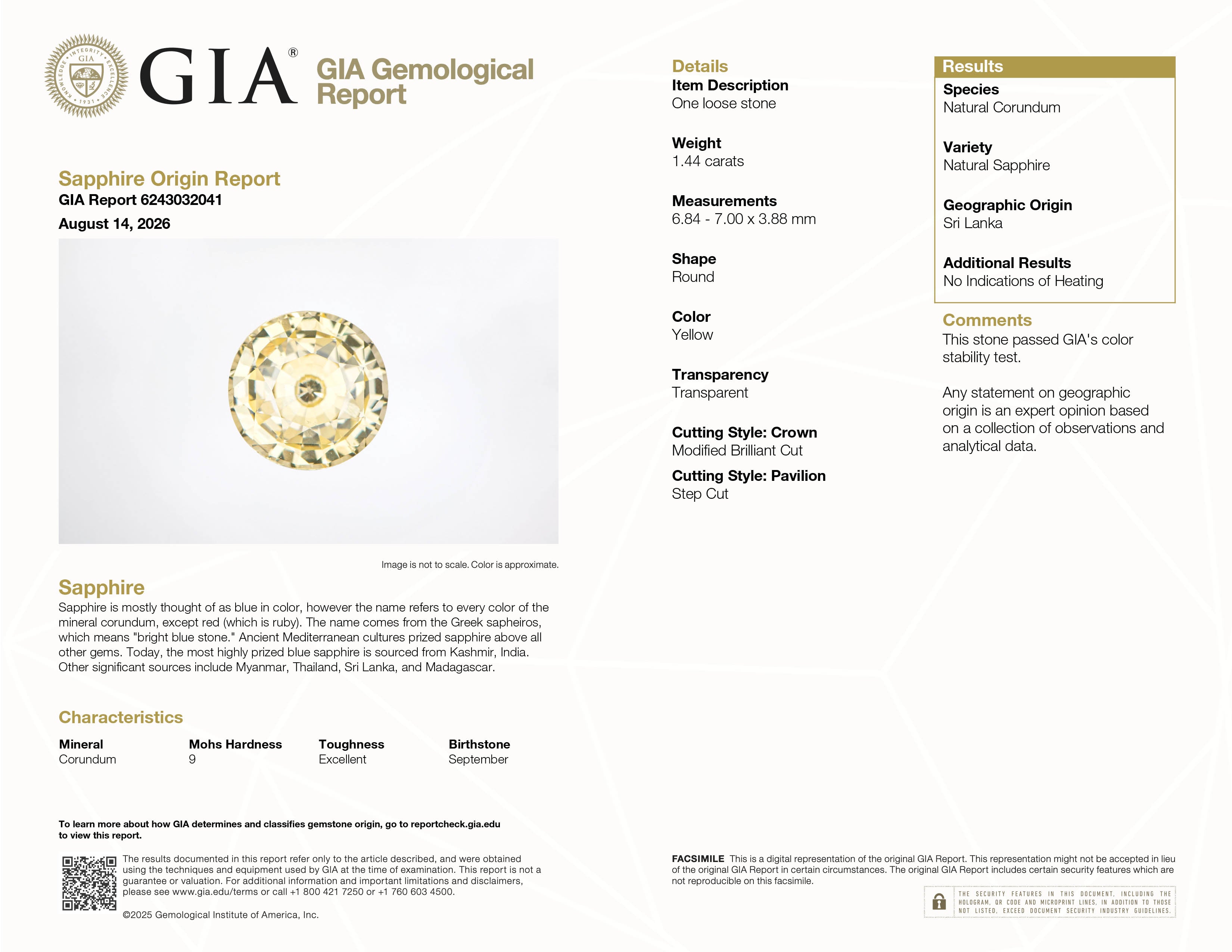
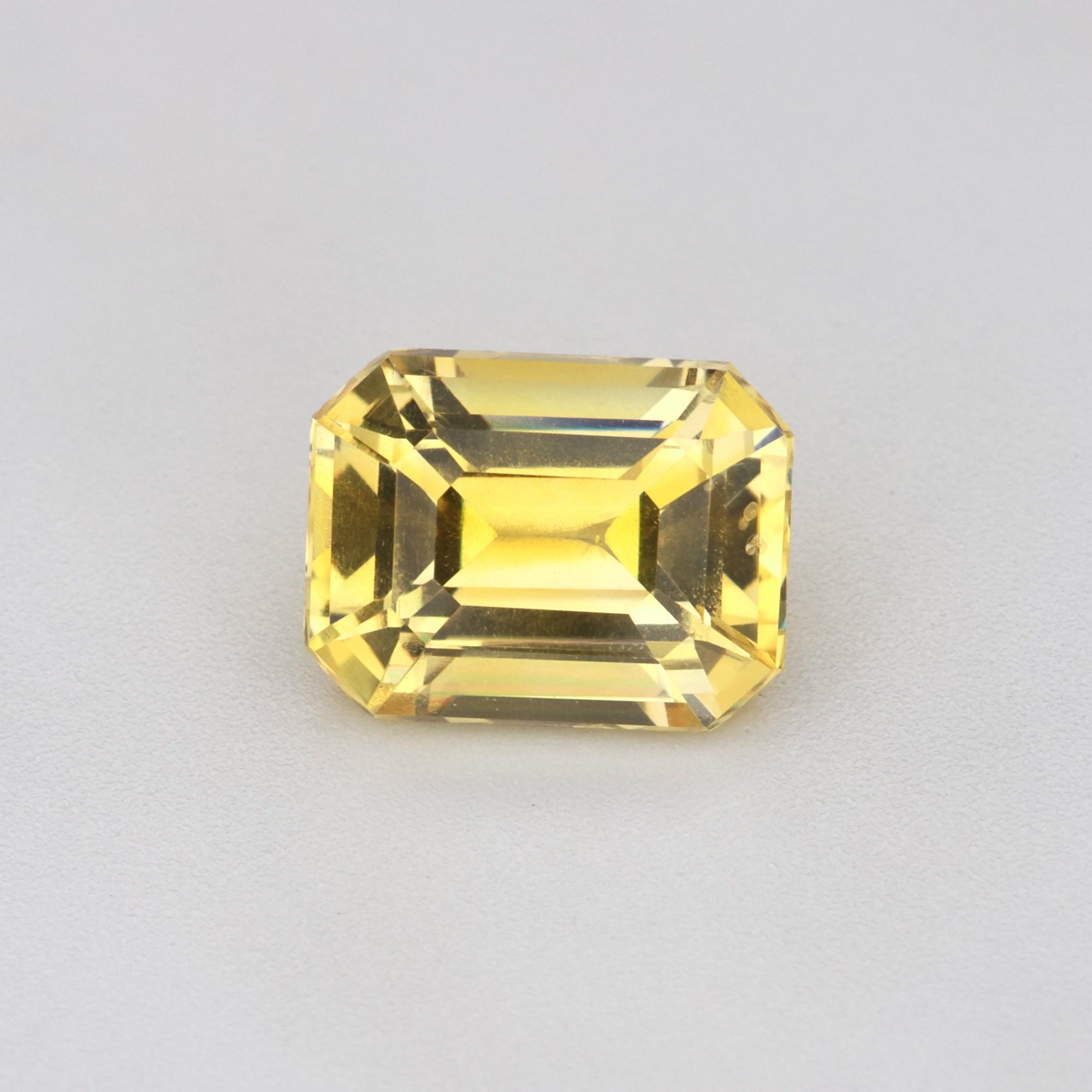
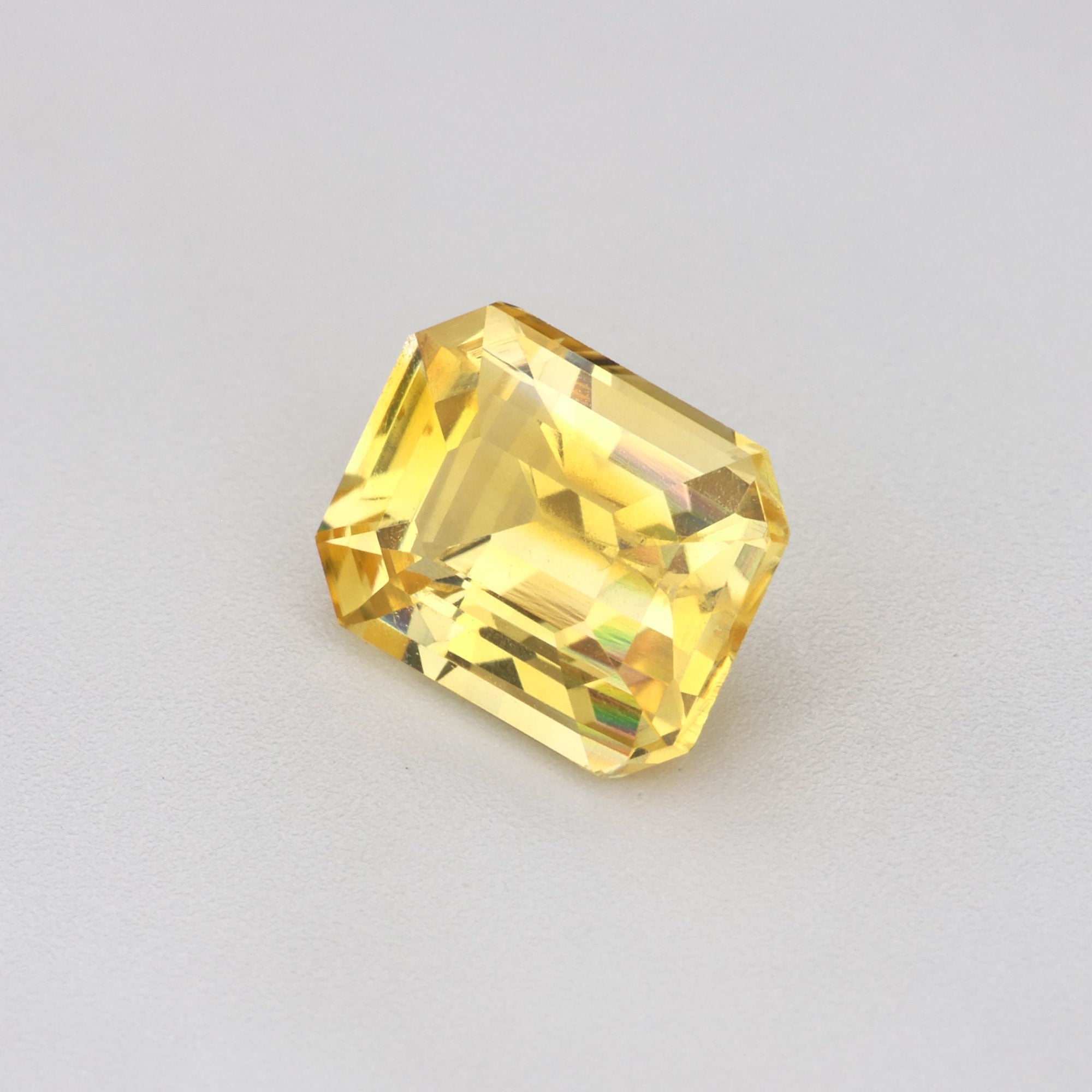
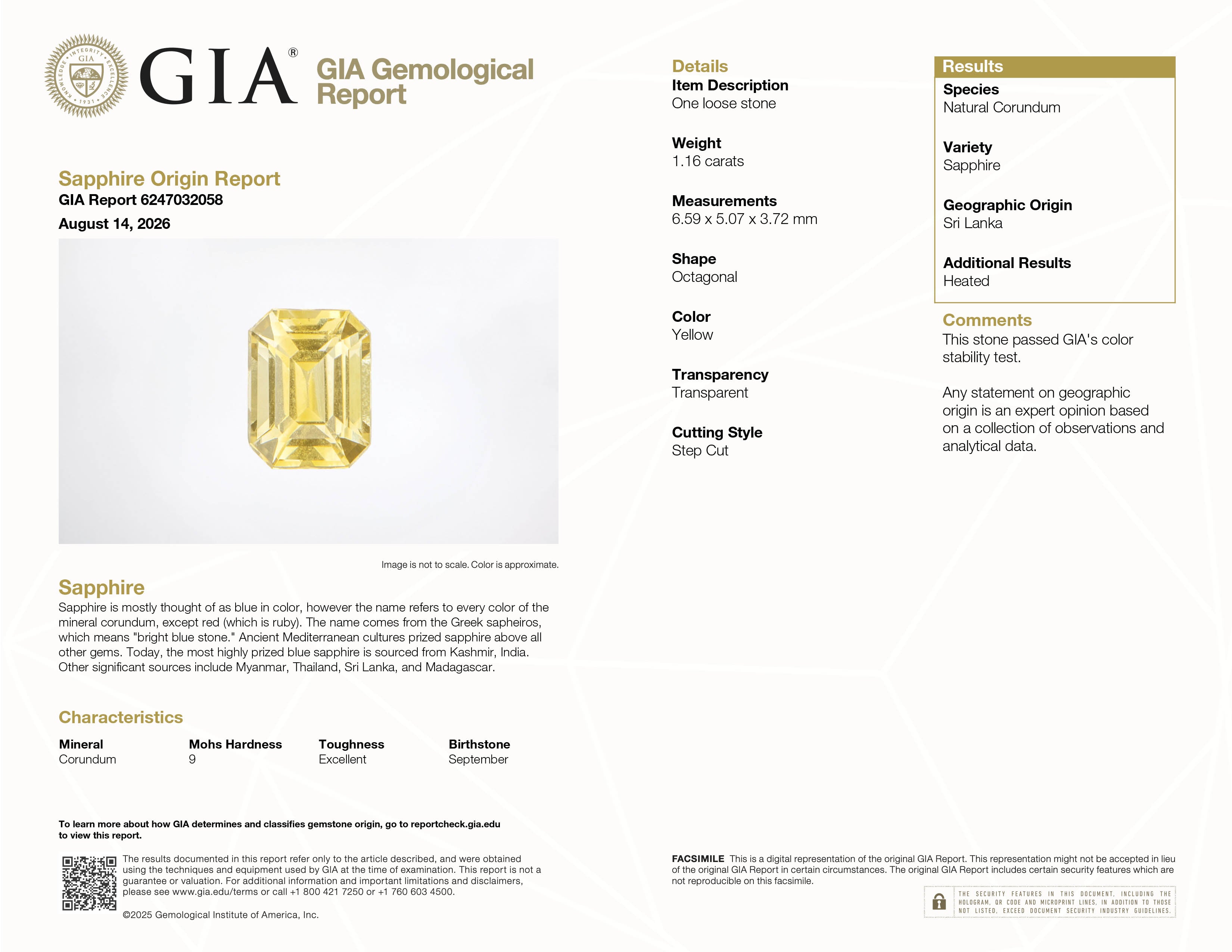
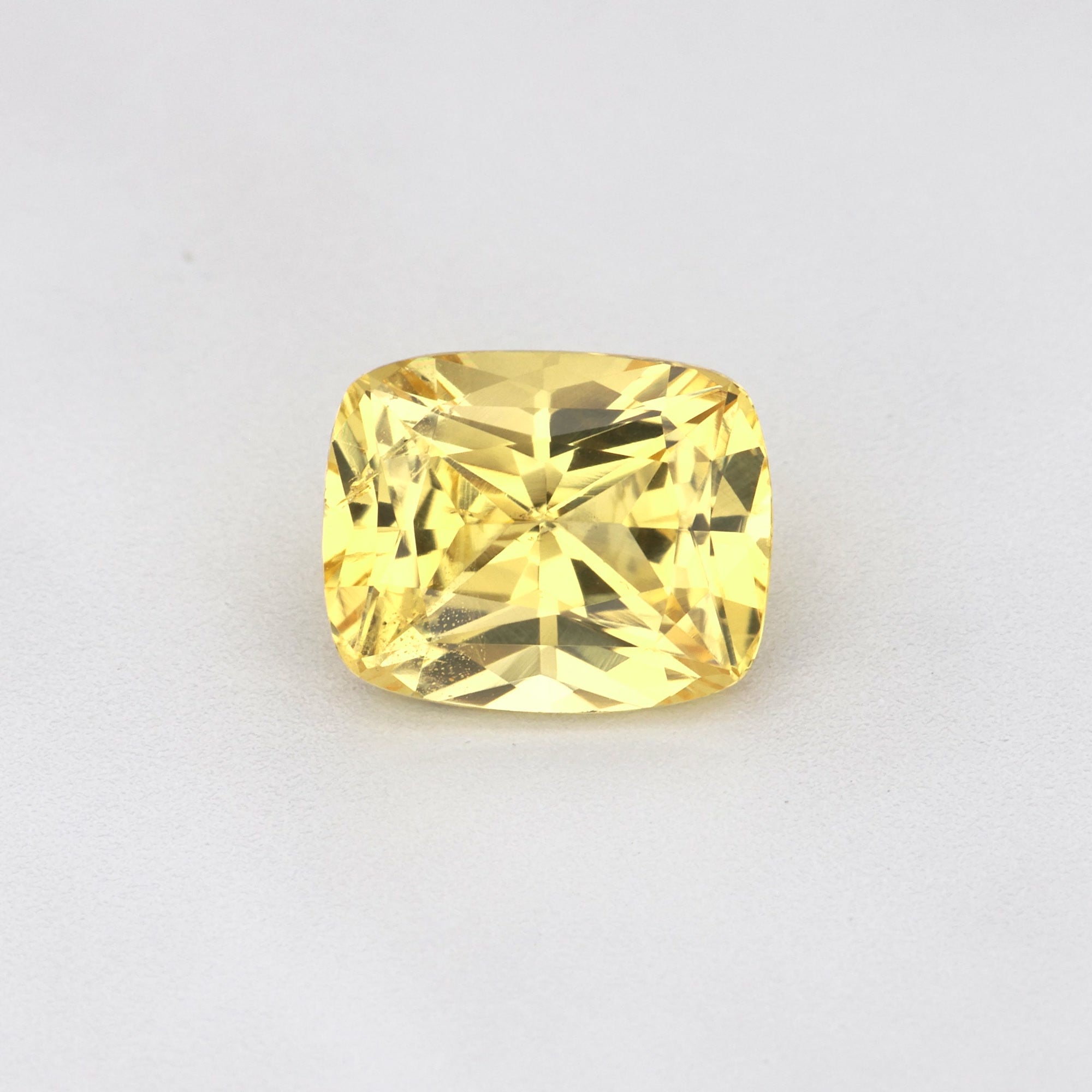
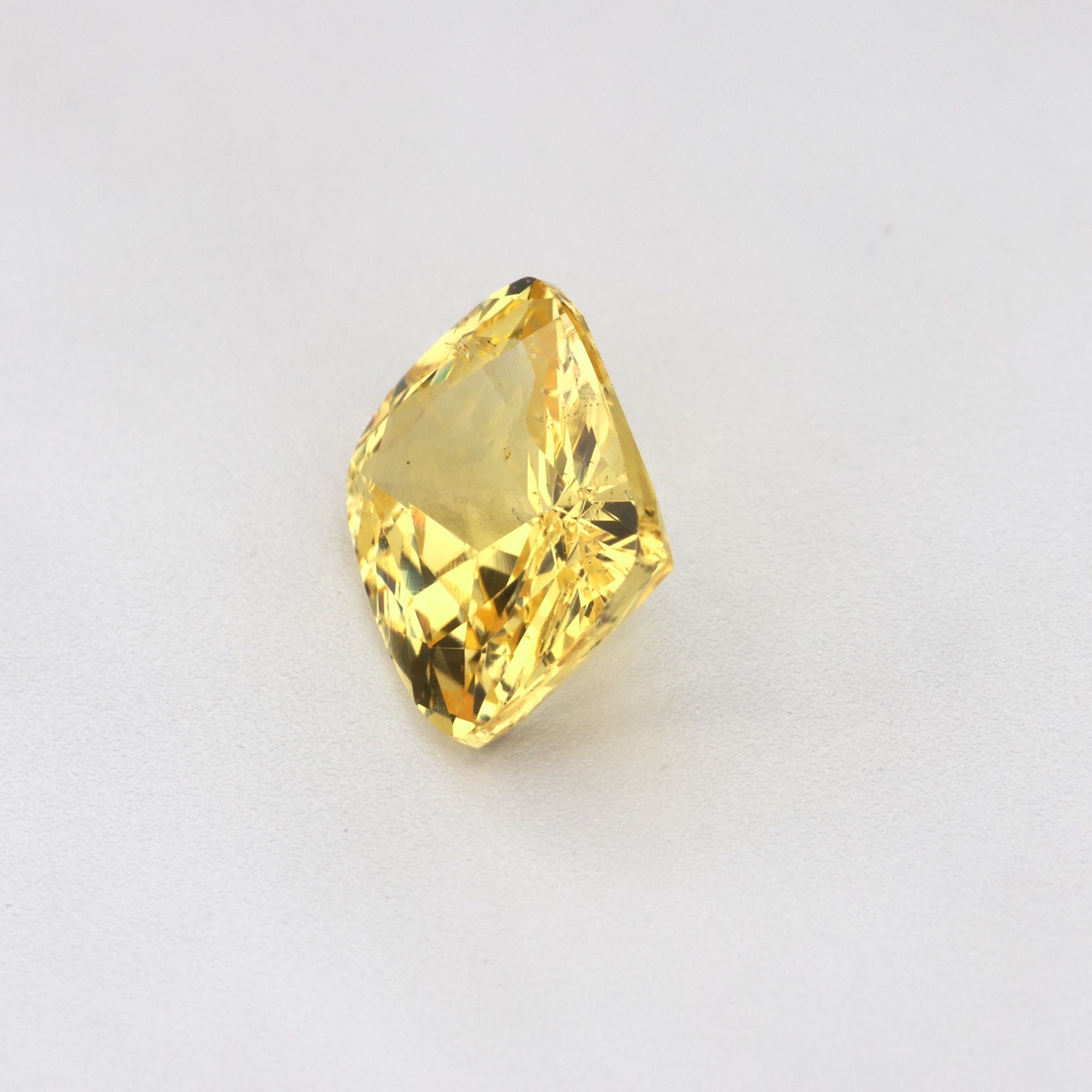
Yellow Sapphire: Our view: an unheated Ceylon yellow makes a real engagement stone — warm, and unlike what most people expect. It is also the stone traditionally associated with Jupiter in Jyotish practice. See our yellow sapphire guide.
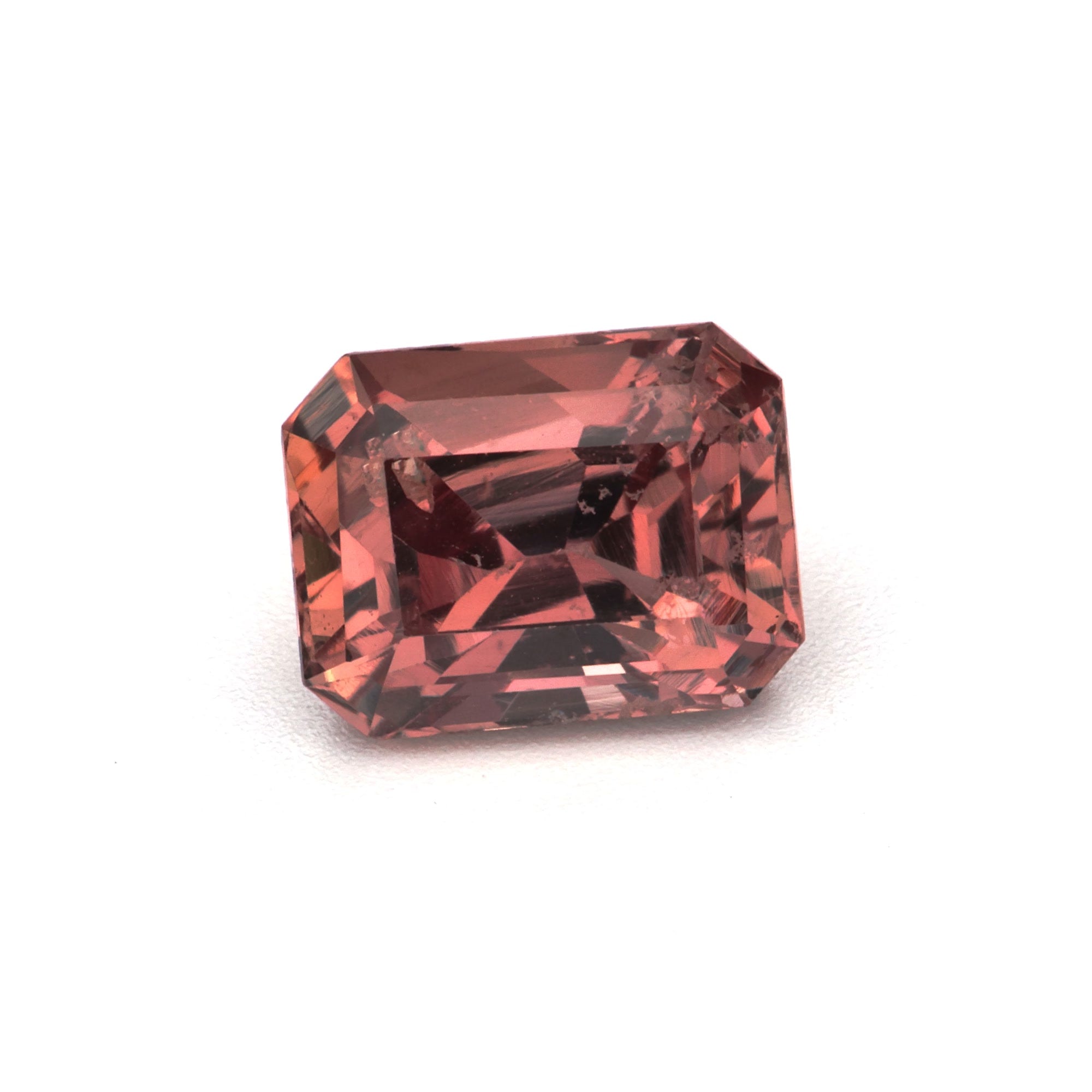
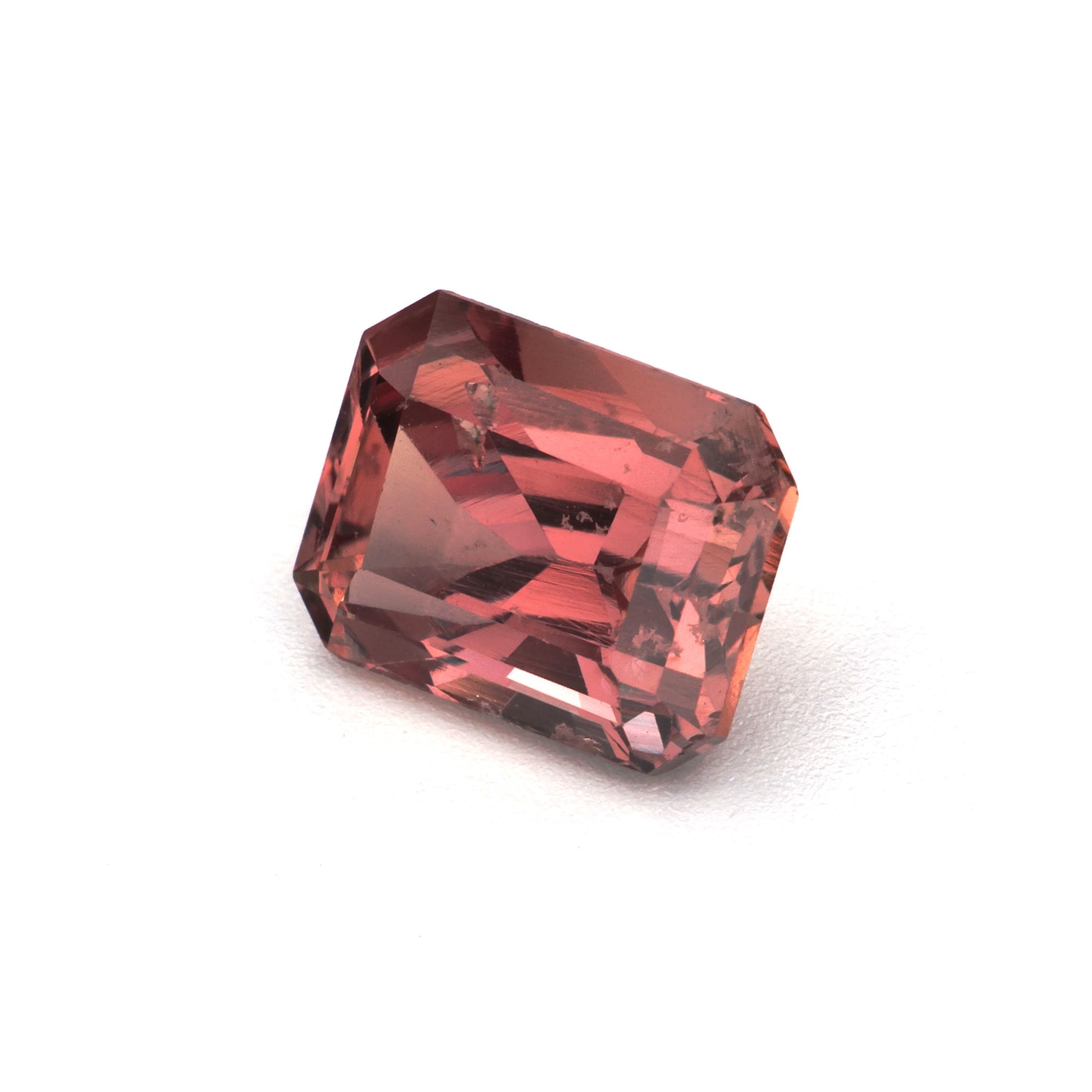
Pink Sapphire: The non-blue sapphire we are asked for most often. Our view: it suits rose gold particularly well. See our pink sapphire guide.
Peach Sapphire: The warm blush-orange zone between pink and orange. Our view: peach in rose gold is one of the prettiest combinations we set — that is our taste, not a ranking. Padparadscha is a separate colour term, and it is one that laboratories define: LMHC Information Sheet #4 describes it as "a subtle mixture of pinkish orange to orangey pink with pastel tones and low to medium saturations", and the laboratories that adopted that sheet — GIA, Gübelin and SSEF among them — apply that description to the stone in front of them. A report that prints a single hue is outside the term. We have no padparadscha in stock; see our padparadscha guide for what the term requires and our peach sapphire guide for what we do have.
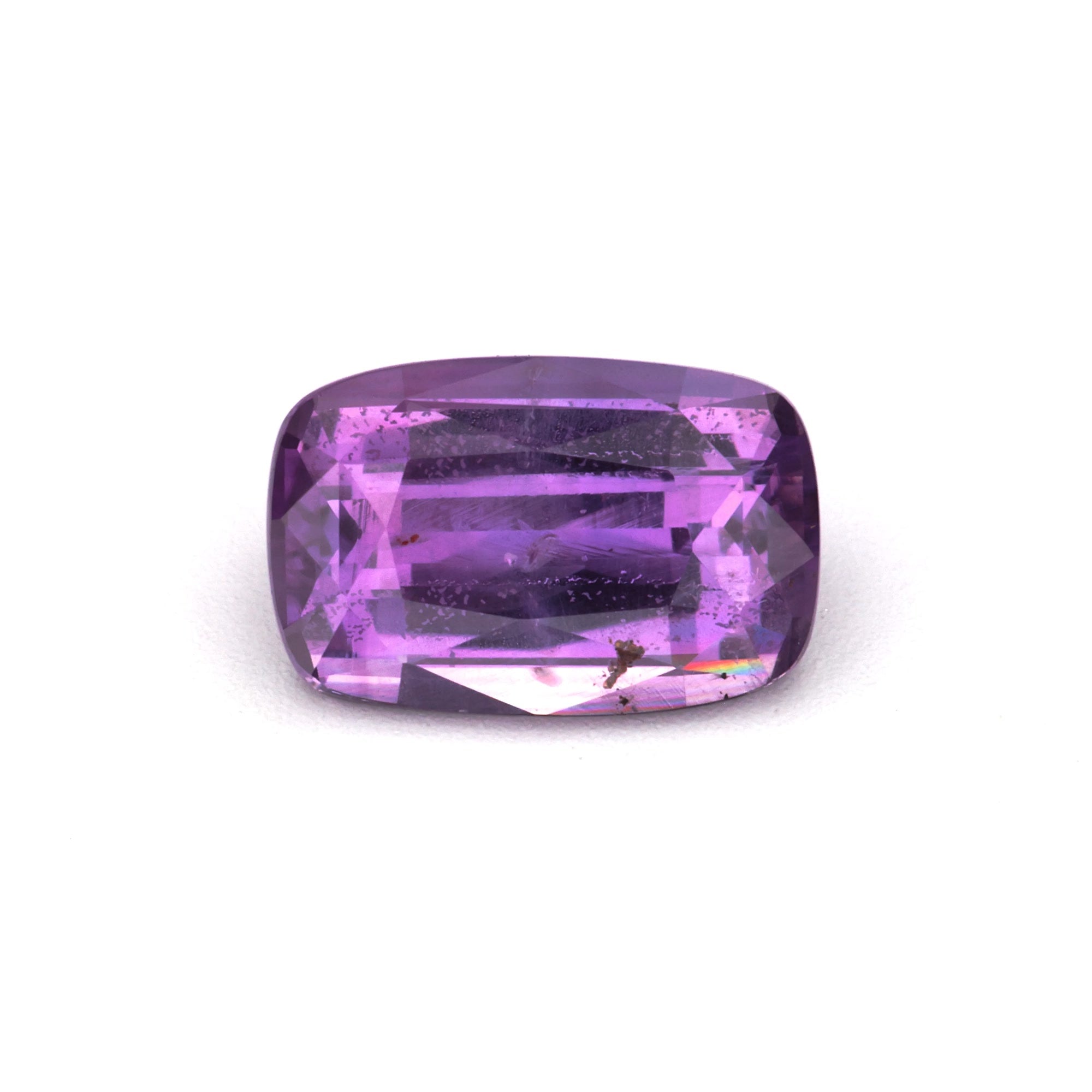
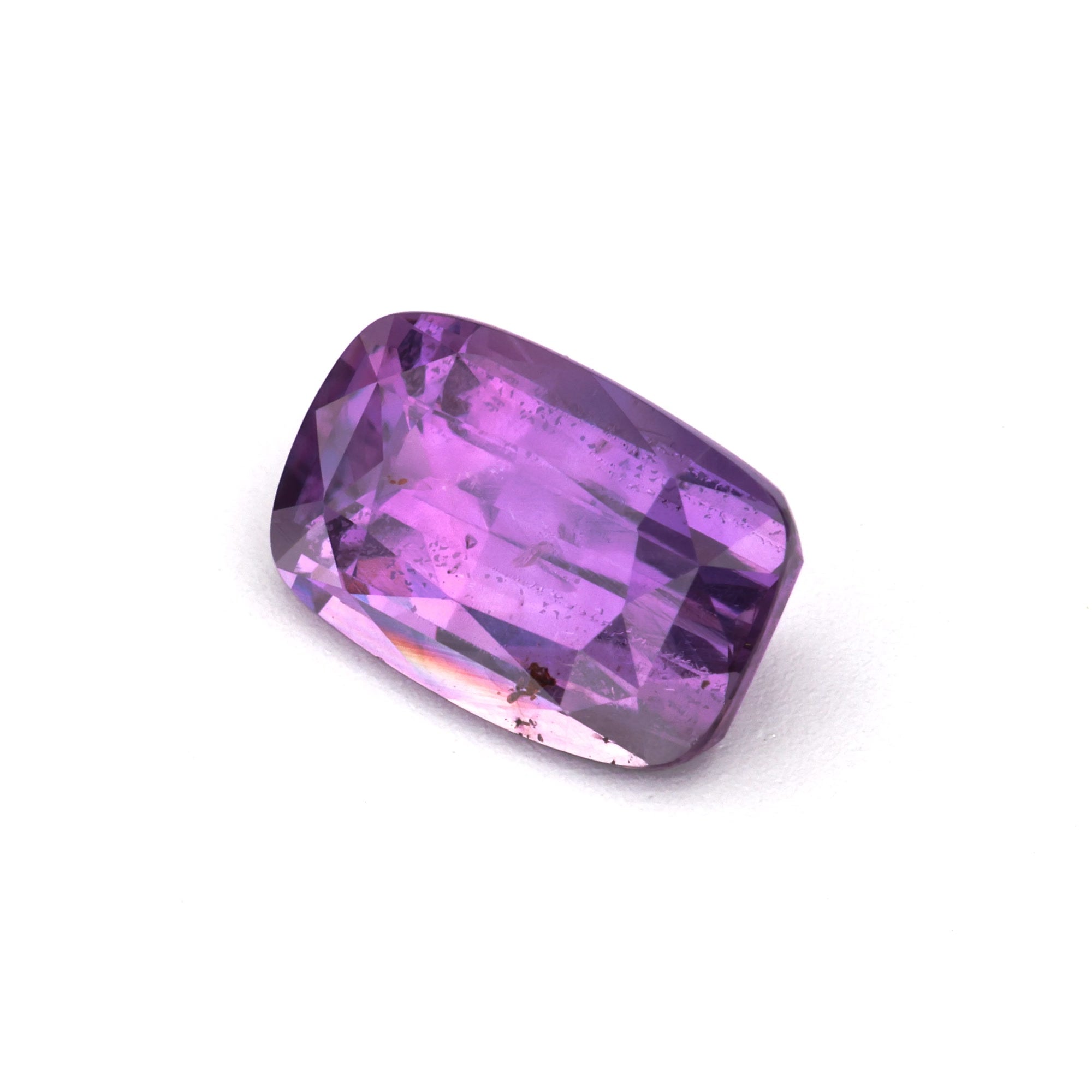
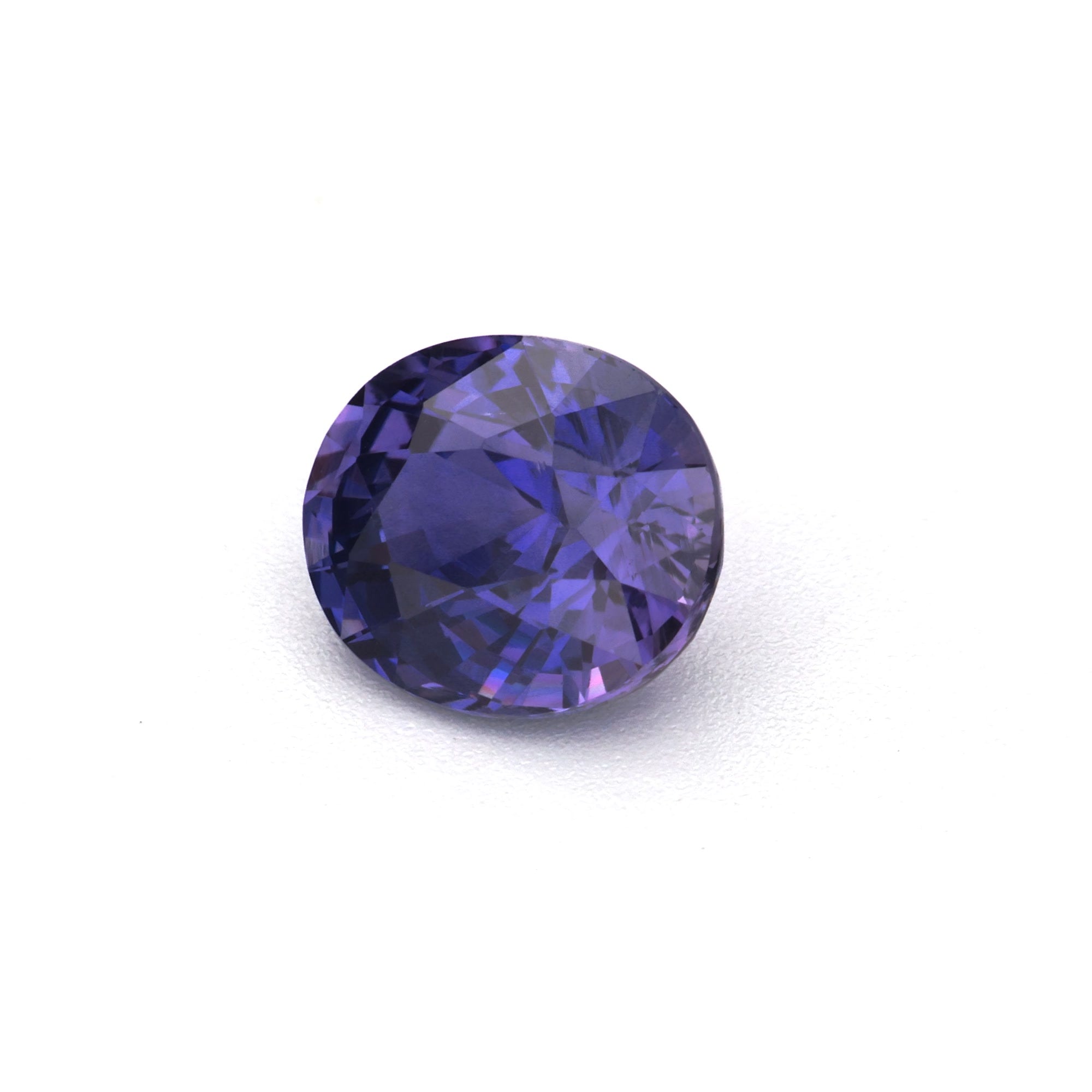
Purple and Violet: See our purple sapphire guide. White Sapphire: See our white sapphire guide.
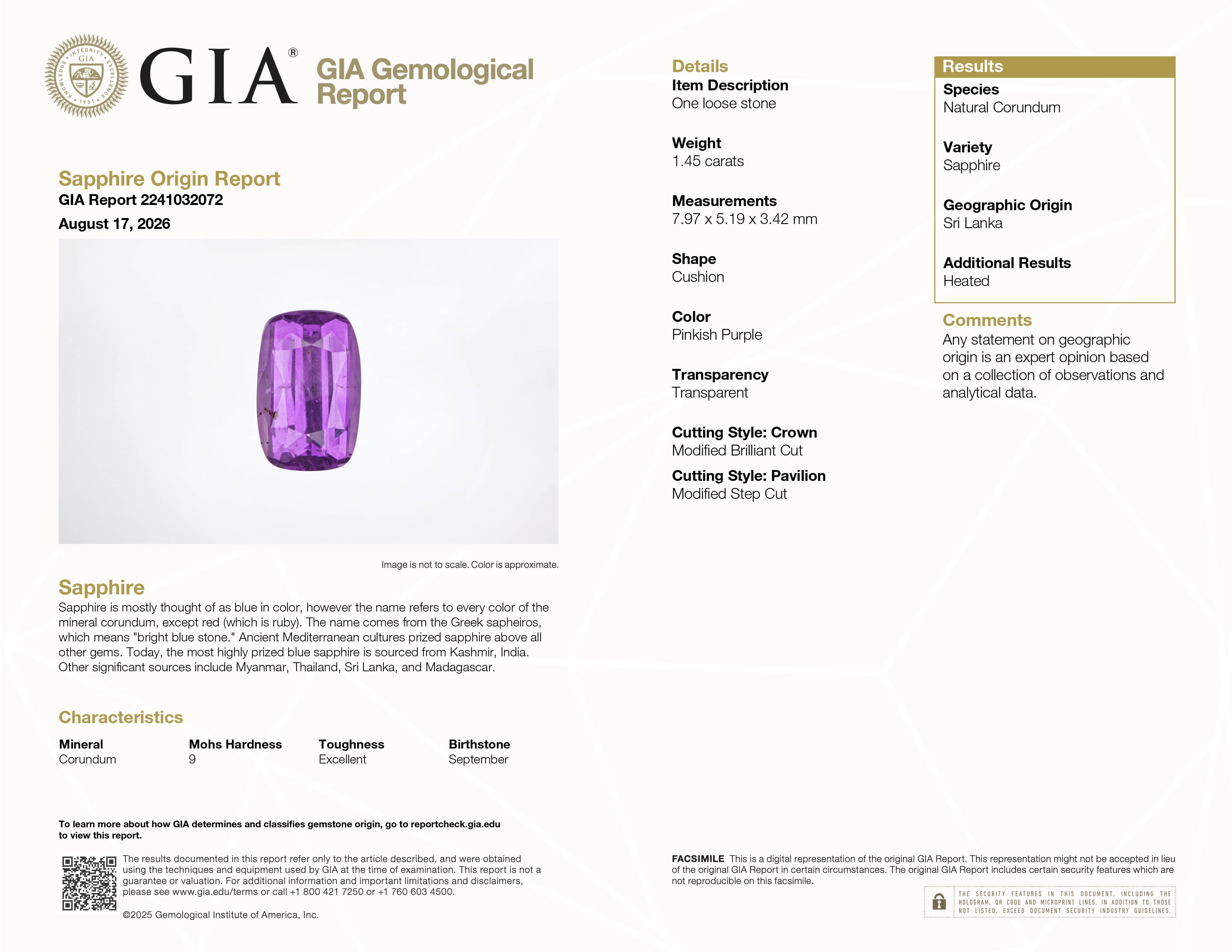
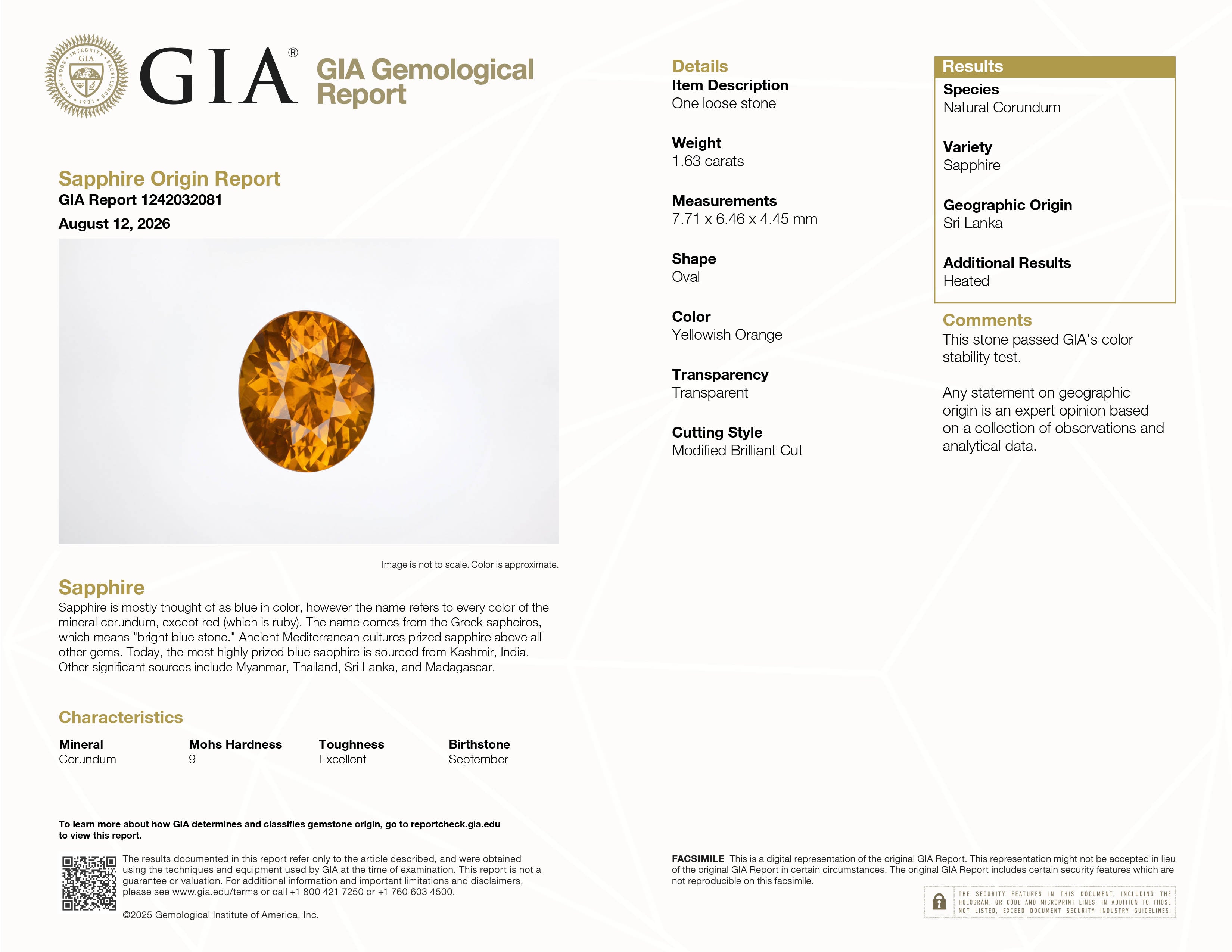
Heat treatment is a long-established trade practice, applied to a great deal of the sapphire we see in the rough markets, and it is used to improve colour. A heat-treated sapphire is still a natural sapphire. What heat does affect is rarity — unheated sapphires of comparable colour are harder to find and are priced higher. We state the treatment position on every listing, name the laboratory and report number where a report exists, and say plainly where no report exists; the product page, not this article, is the current answer for any particular stone.
Choose unheated if unheated colour matters to you philosophically, you are buying for Jyotish use, or your budget accommodates the premium. Choose heat-treated if you want the largest stone your budget allows, you are buying primarily for how it looks, or you would rather put the difference into a better cut, a larger size, or a more elaborate setting.
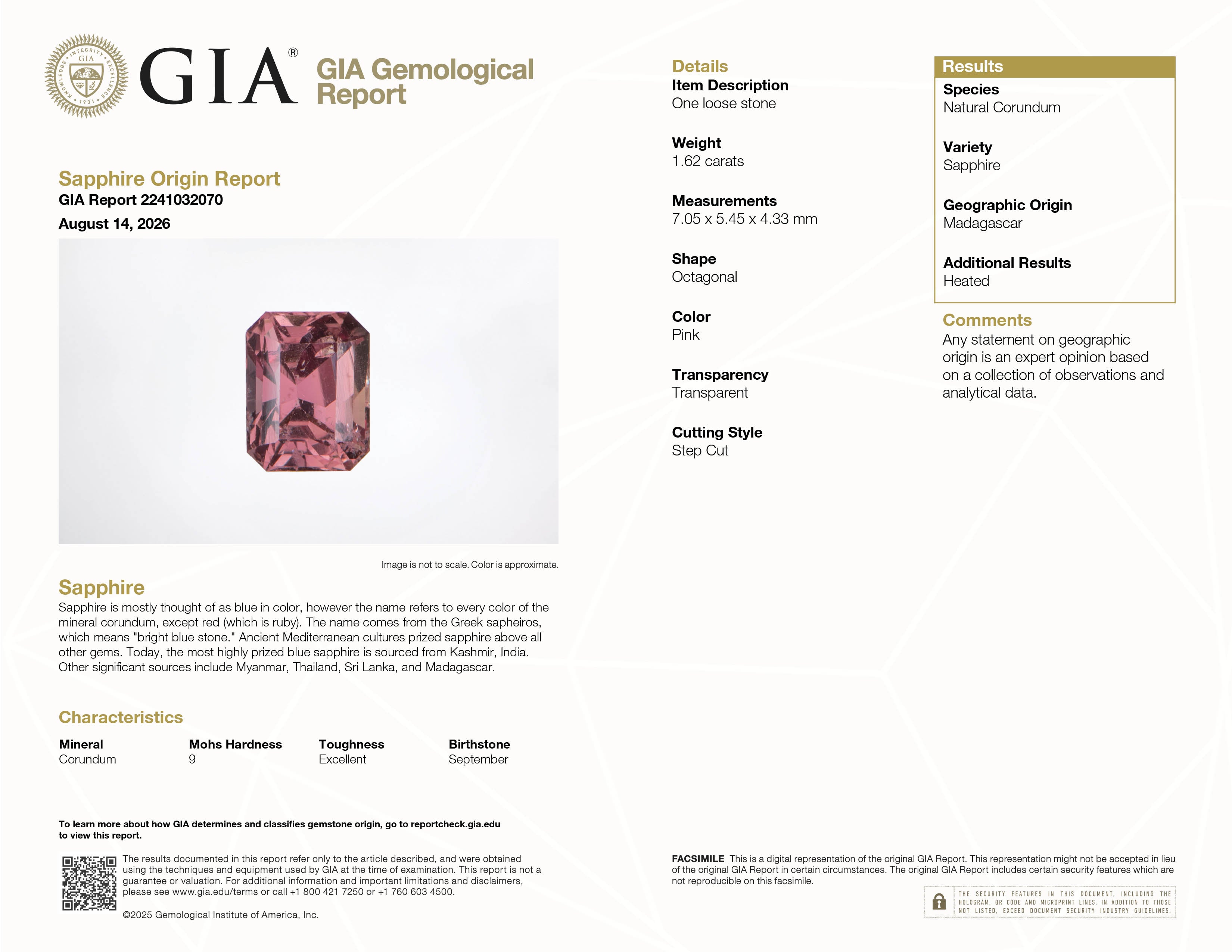
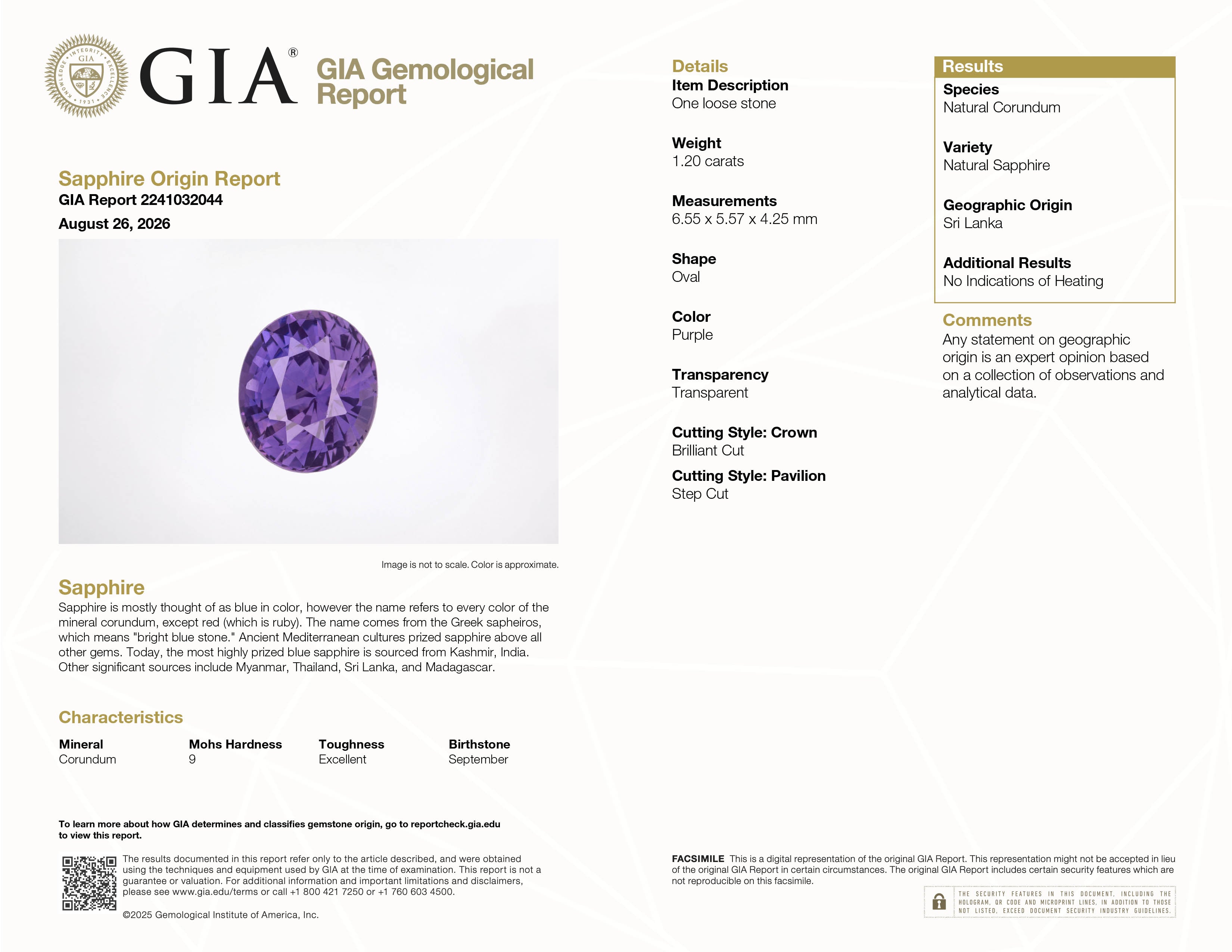
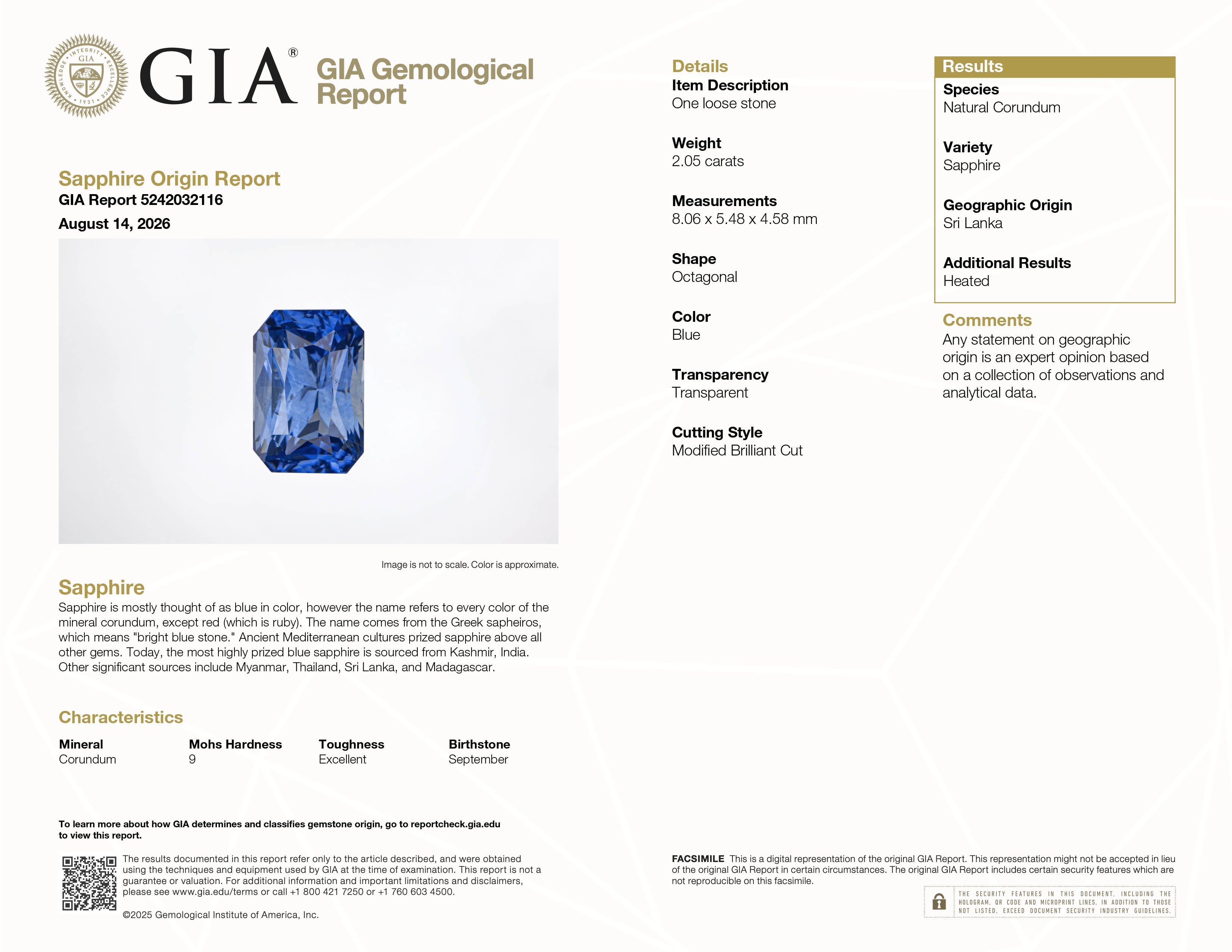
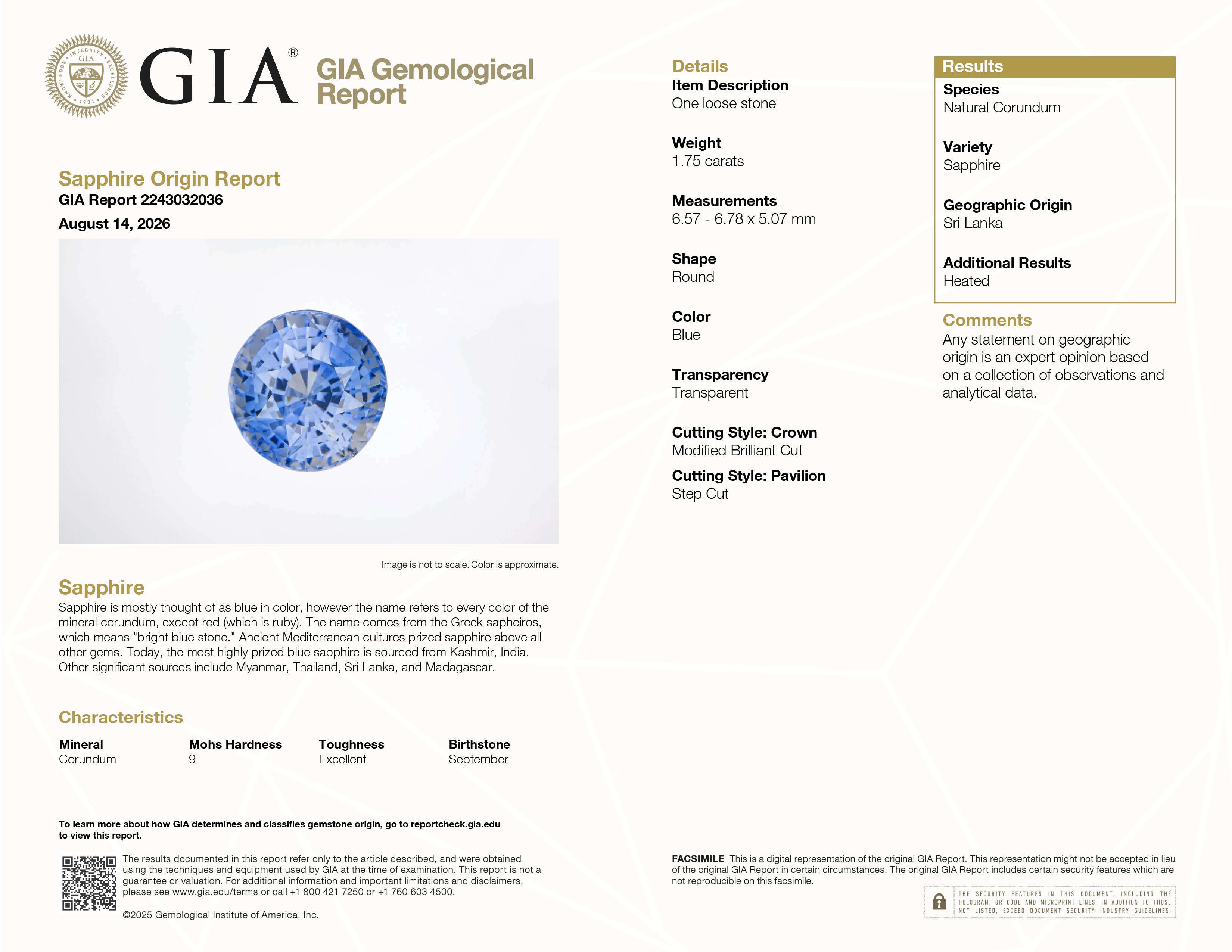
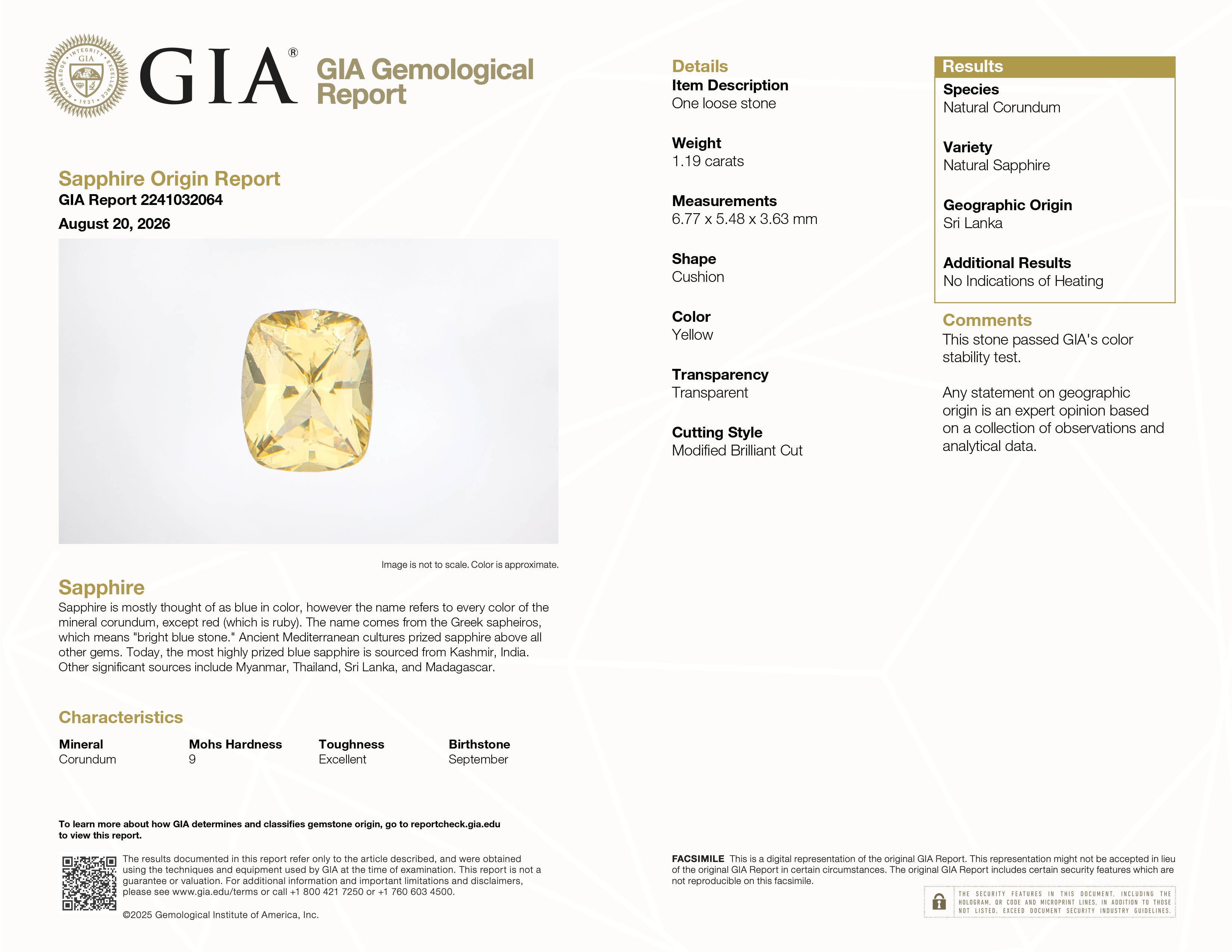
For any stone where the unheated premium is significant, ask for a report from GIA, Gübelin, SSEF or Lotus and read the heating finding it prints. A laboratory states an opinion on what it observed rather than a confirmation, and you can check a GIA report number yourself at reportcheck.gia.edu. See our unheated sapphire guide and heat treatment guide.
Colour (in our experience, what moves a sapphire’s price more than any other single factor): hue, saturation and tone are the three axes dealers talk about — hue meaning how clean the colour reads, without muddy modifiers. What we look for: a medium tone, dark enough to have presence and light enough that the colour still reads in ordinary room light. Always view the stone under natural daylight before buying. If it looks good to you in daylight, that is the test that matters; no GIA coloured-stone report carries a colour-quality grade, so that verdict is ours and yours, never a laboratory’s.
Cut (more important than most buyers know): A well-cut sapphire returns light evenly across the whole face-up surface, with no window (a colourless see-through area in the centre). Our view: a larger, cheaper stone with a window looks worse in a finished ring than a smaller, well-cut stone — and that is our judgement, because no laboratory grades cut on a coloured stone. See our guide to how cut affects sapphire.
Clarity (the standard we apply): no inclusions visible under normal viewing at arm's length. GIA coloured-stone reports carry no clarity grade at all, so eye-clean is our own working standard and not a laboratory one. Silk — the microscopic rutile needles often seen in sapphire — is not something we treat as a defect. See our sapphire inclusions guide.
Carat Weight: Sapphire is denser than diamond, so a sapphire of the same carat weight will have a slightly smaller face-up diameter. Buy for face-up appearance, not carat weight.
Oval: The shape we are asked for most — it gives good face-up size for the weight and elongates the finger. See our oval sapphire guide and best shapes for solitaire rings.
Cushion: Our own favourite shape for sapphire — the rounded corners and broad facets return light across a wide face. That is our preference, not a measurement any laboratory makes, and we think it suits vintage-inspired halo and three-stone settings especially well. See our cushion cut sapphire guide and best shapes for halo rings.
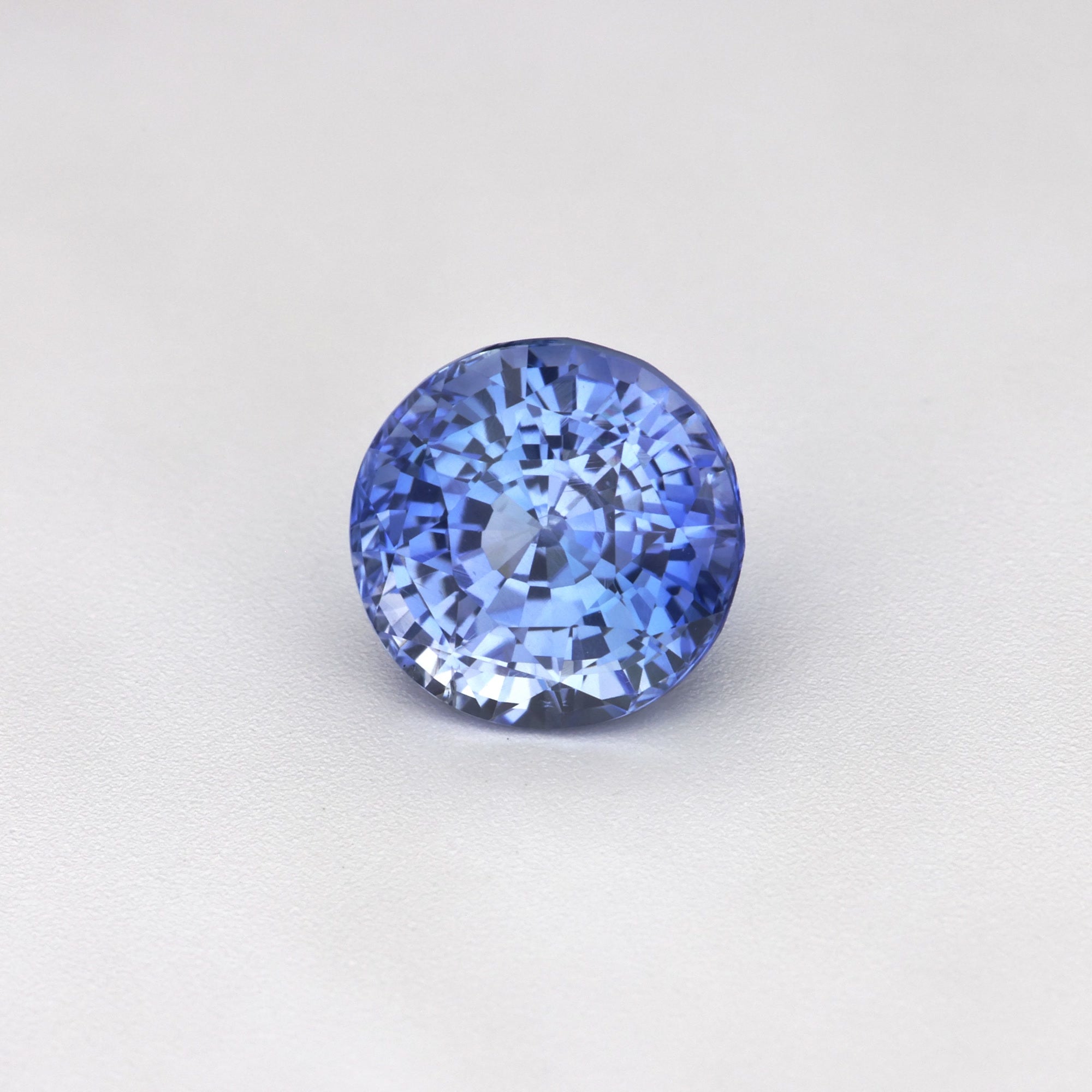
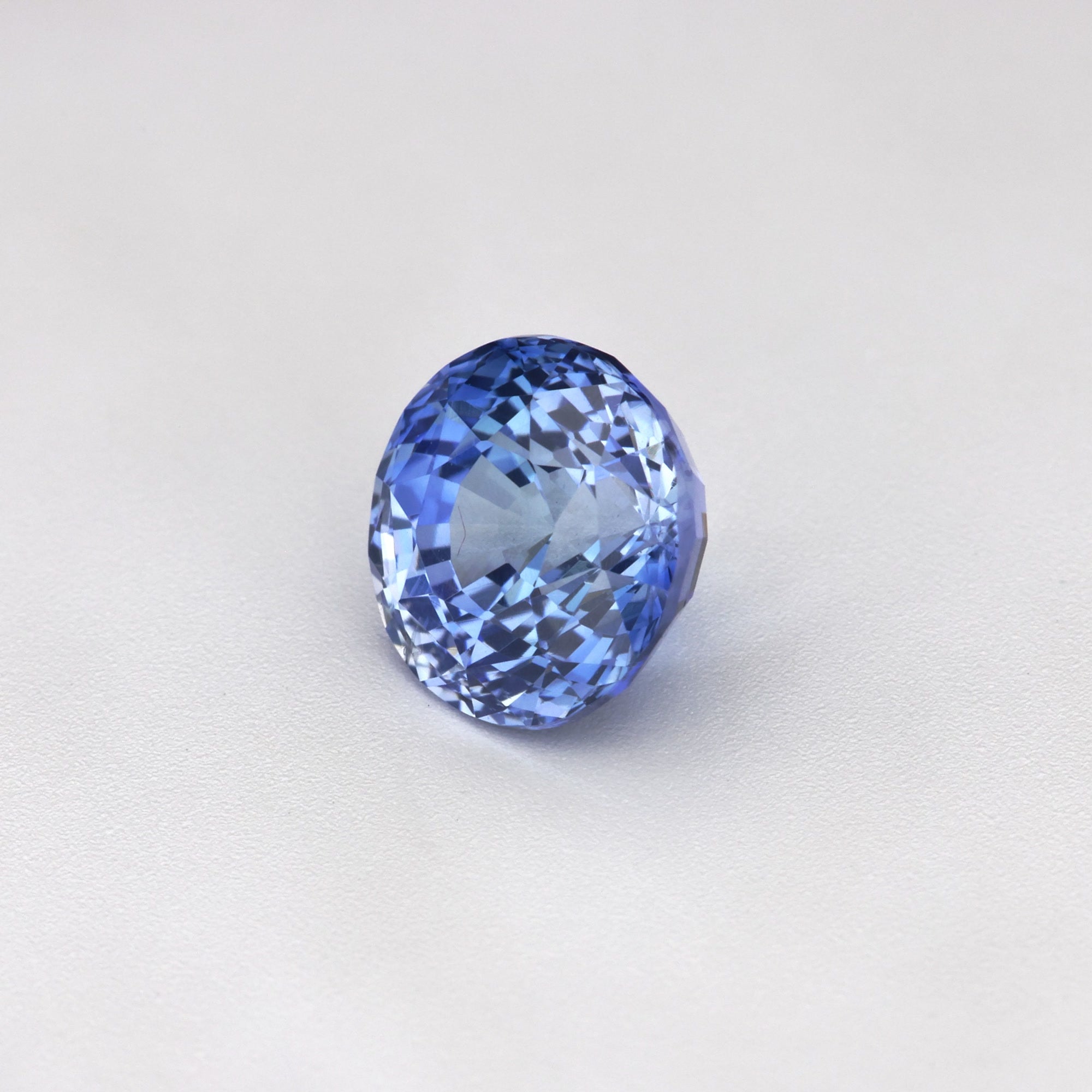
Round: Strong brilliance, and the shape most setting styles are made for.
Emerald Cut: Step facets create interior depth rather than surface sparkle. We have been asked for it more and more for modern, pared-back designs. See our emerald cut sapphire guide and best cuts for low-profile rings.
Pear, Marquise, and Fancy Shapes: Both elongate the finger more than a round or cushion of the same weight. See our best elongated sapphire shapes guide.
For three-stone ring shapes, see our best shapes for three-stone rings.
What follows is our recommendation, as dealers who set these stones. It is our taste and our own experience of setting them — not a grading standard, and not guidance from a gemmological laboratory. Yours may differ, and that is fine.
White gold and platinum: we think these give the cleanest backdrop for blue, teal and violet sapphires, and it is the pairing our own customers choose most often for a blue Ceylon stone.
Rose gold: our usual suggestion for pink, peach and purplish-pink sapphires. We also like it with teal and violet.
Yellow gold: adds warmth and a vintage feel. We find it works best with yellow sapphires, with purples, and with warm-toned blues.
For the complete framework, see our yellow gold vs. white gold vs. platinum guide and how to choose metal color for a sapphire ring.
Once you have chosen your stone and metal, the setting design shapes how the stone presents and how well it is protected in daily wear. The guides below set out how we would approach each decision — again, our view and not a laboratory’s — starting with proportions, diamonds and metal choice for a halo:
Origin is a provenance fact, not a quality axis, and we do not rank origins against one another. Sri Lanka — Ceylon in the trade — is where we buy, through our own offices in Colombo, Beruwala and Ratnapura, and it is where most of what we list comes from. It is not all of it, and each product page names the origin recorded for that stone. Where a laboratory report carries an origin field, that field is the laboratory’s expert opinion based on its observations and analytical data, not a confirmation. See our Ceylon sapphire complete guide. Guides to other sources: Burma / Mogok, Madagascar, Tanzania, Mozambique.
Rather than quote generic price brackets, here is the honest shape of it: we carry loose sapphires across a wide price range, from a few hundred dollars upward, so most budgets have something worth looking at rather than a single bracket to aim for. We deliberately do not print a price table in an article — stock turns over, and a figure written here would be out of date before you read it. The live answer is the catalogue’s own price filters: set the range you have in mind on the loose gemstone catalogue and what you see is what is actually available today.
On documentation the policy is the same at every price: the treatment position is stated on every listing, the laboratory and report number are named wherever a report exists, and we say plainly where no report exists. That is the same whether a stone costs a few hundred dollars or several thousand. The product page, not an article, is the current answer for any particular stone. See our what a good 1 carat costs and what a good 2 carat costs guides.
Browse the full loose gemstone catalogue — most of the sapphires in it are Sri Lankan, some are not, and some of the stones in it are not sapphire at all, so check the origin and the stone type on each product page. Use the Try-On program to see stones in person before committing, or email crescentgems@gmail.com with your specifications and we will put together options personally. Free US shipping; 14-day returns on every order.
Our prices follow from how the business is built rather than from a discount we are offering: we have no showroom, we buy ourselves in Ratnapura, Beruwala and Colombo, we have rough cut to our own specification, and the chain between the ground and you is a shorter one. We will not dress that up — the Sri Lankan rough market is itself intermediated, and inside it we are buying from brokers and dealers like everybody else. A shorter chain is not no chain.
If you're set on something other than classic blue, browse our fancy sapphires for engagement rings — unconventional colors and cuts, chosen specifically for ring settings.

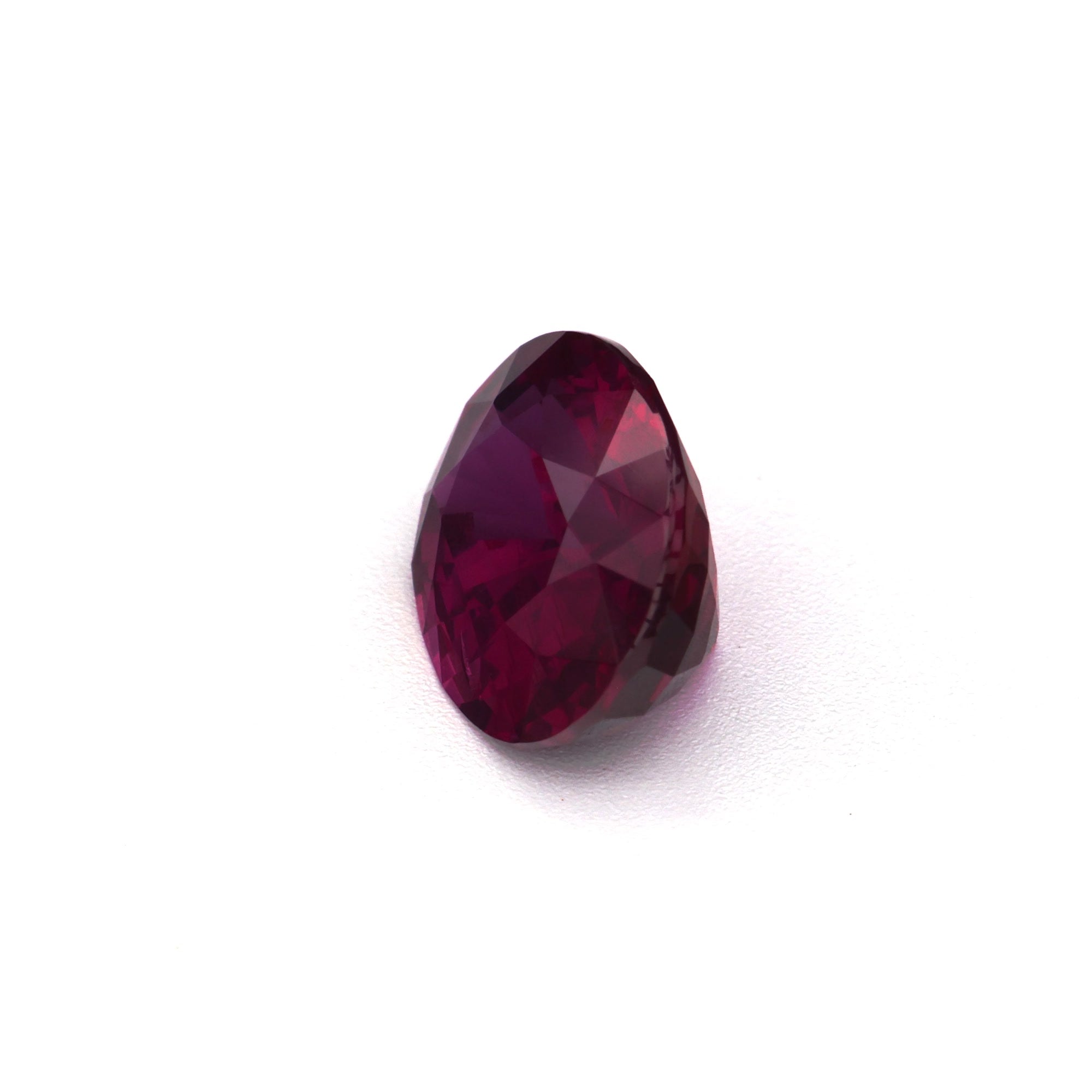
CG8465
CG8460
CG8456


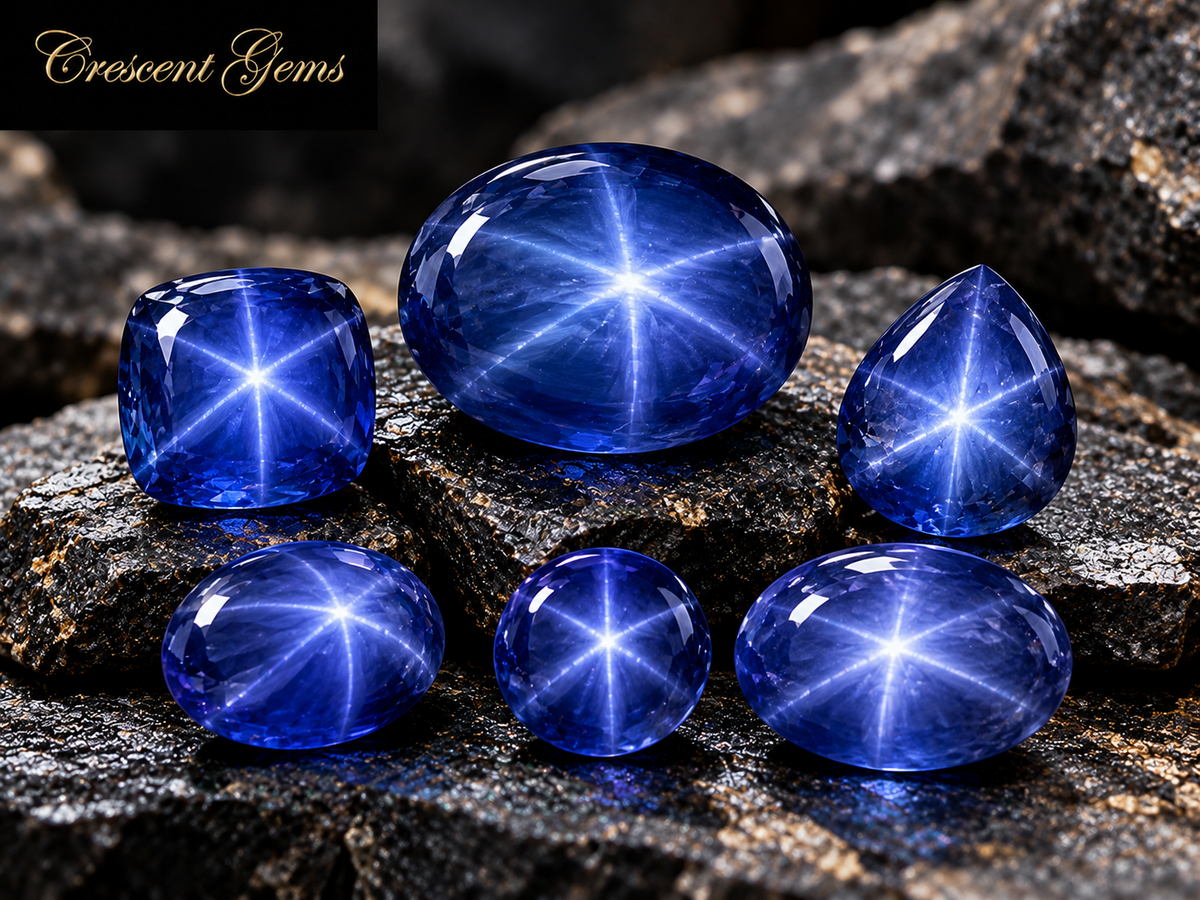
Blue Star Sapphire Price Guide — What They Cost and Why
Read moreabout Blue Star Sapphire Price Guide — What They Cost and Why
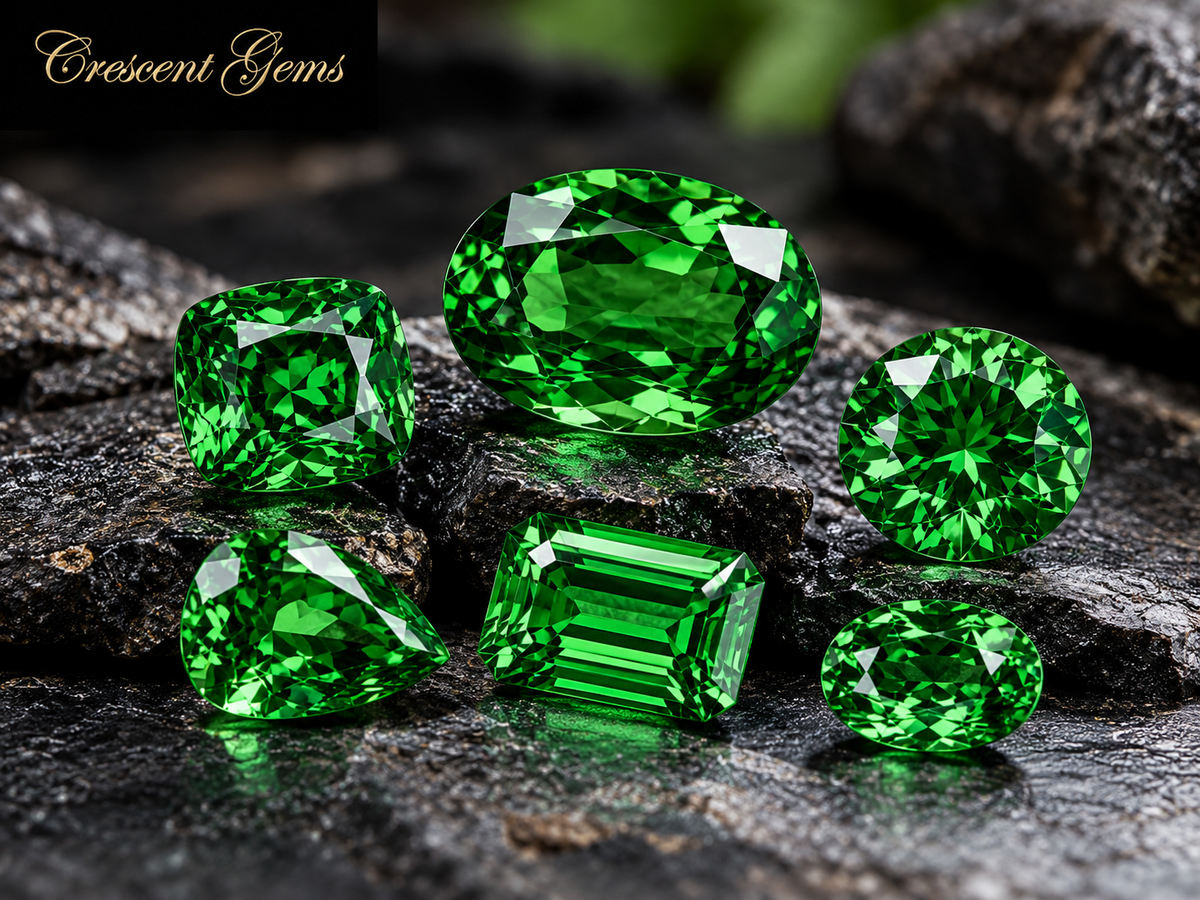
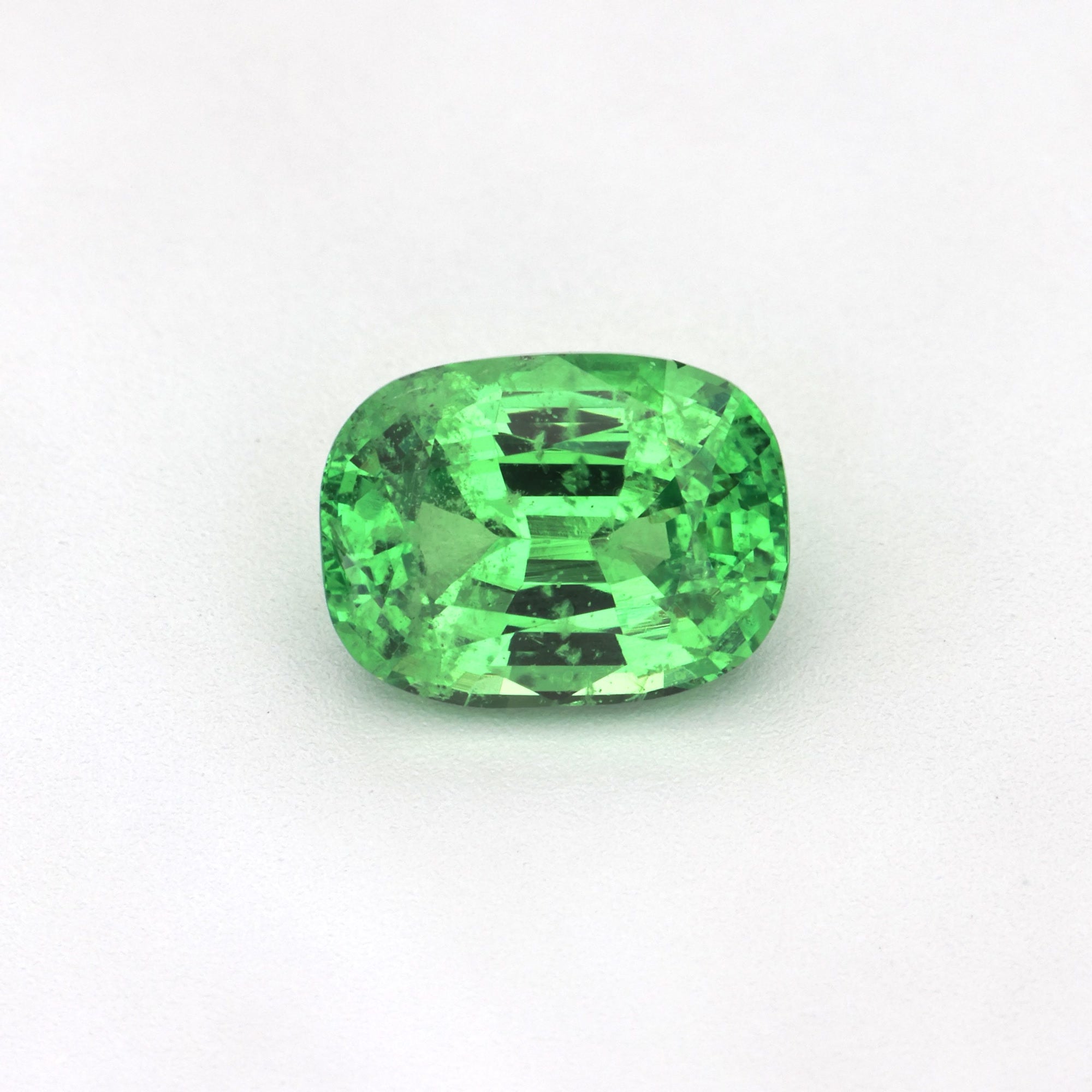
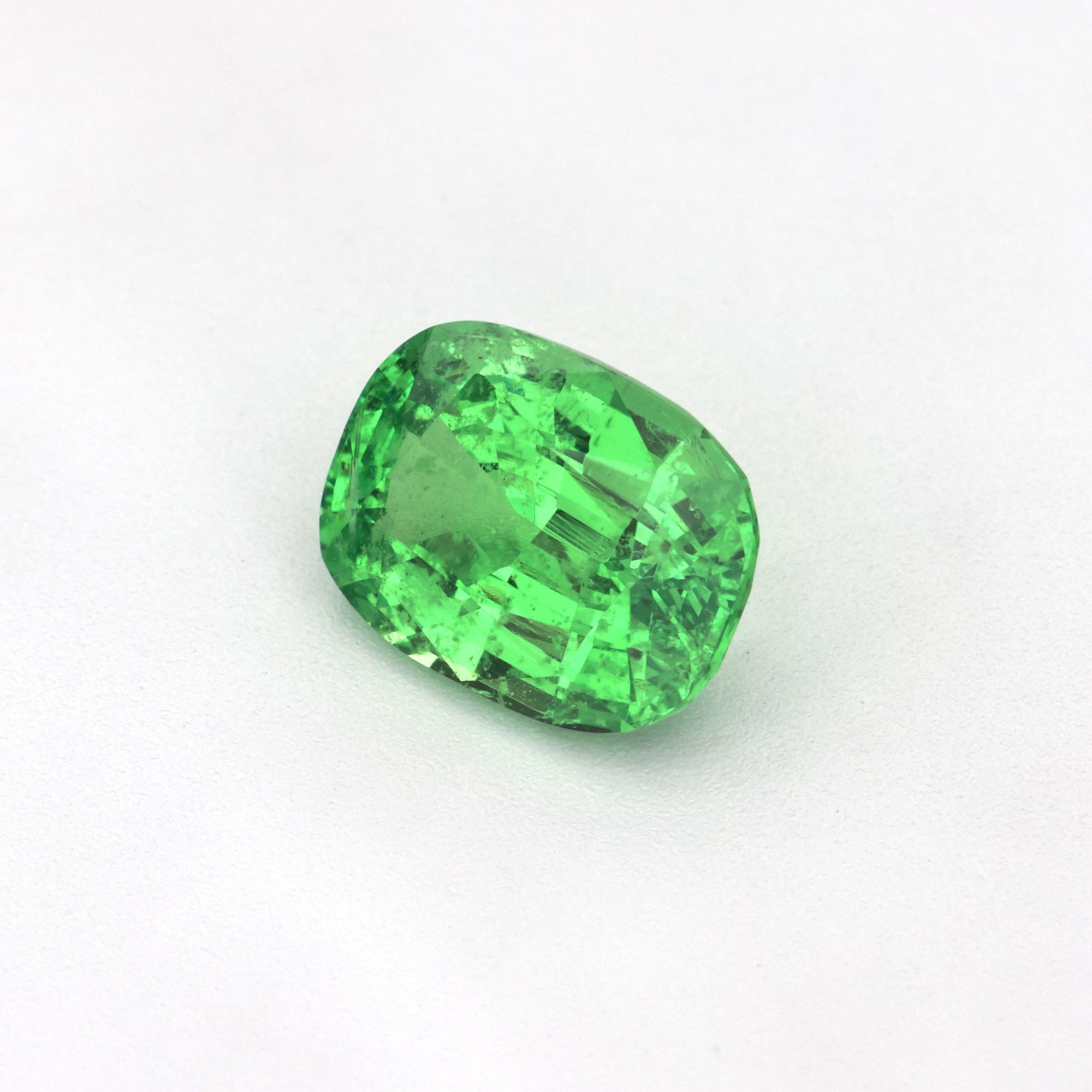
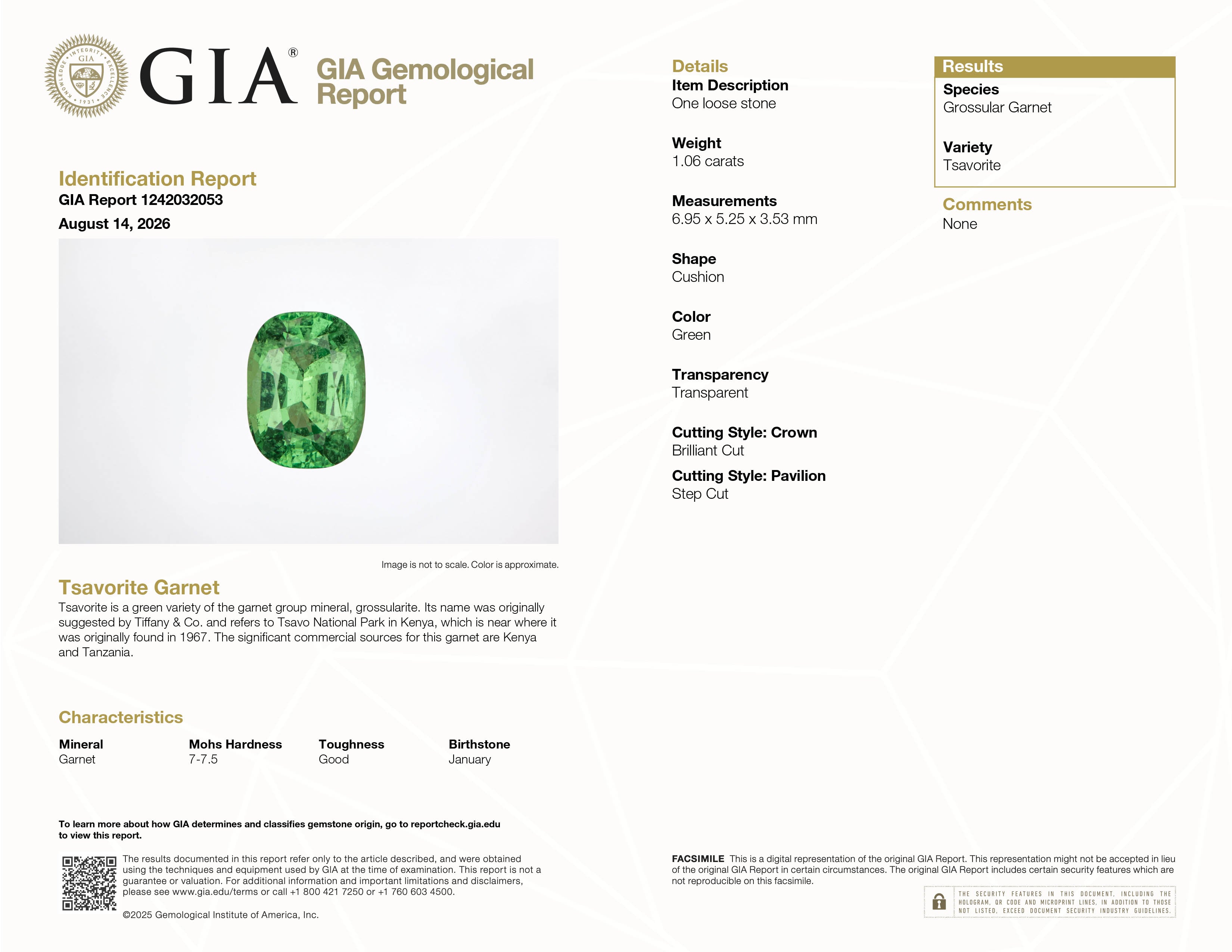
Tsavorite Garnet Price Guide — What They Cost and Why
Read moreabout Tsavorite Garnet Price Guide — What They Cost and Why
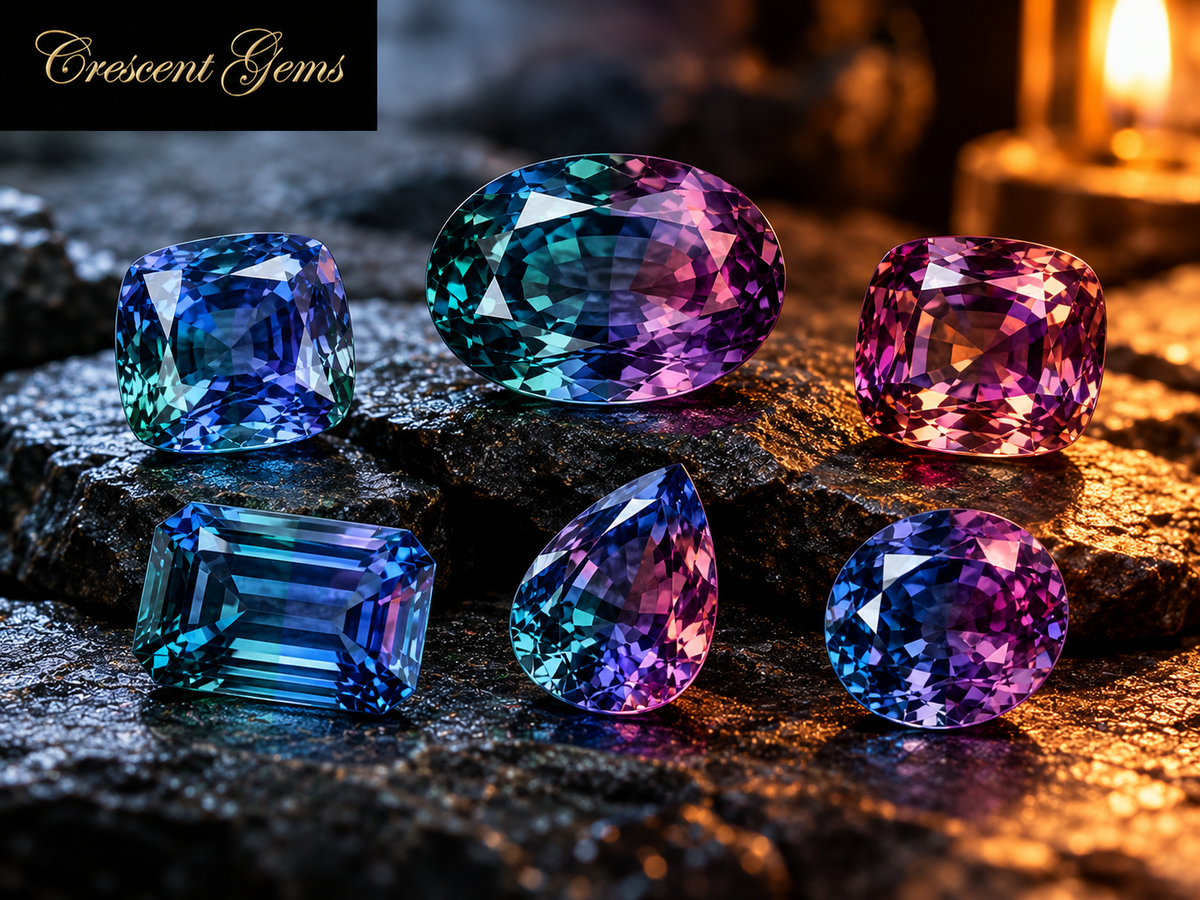
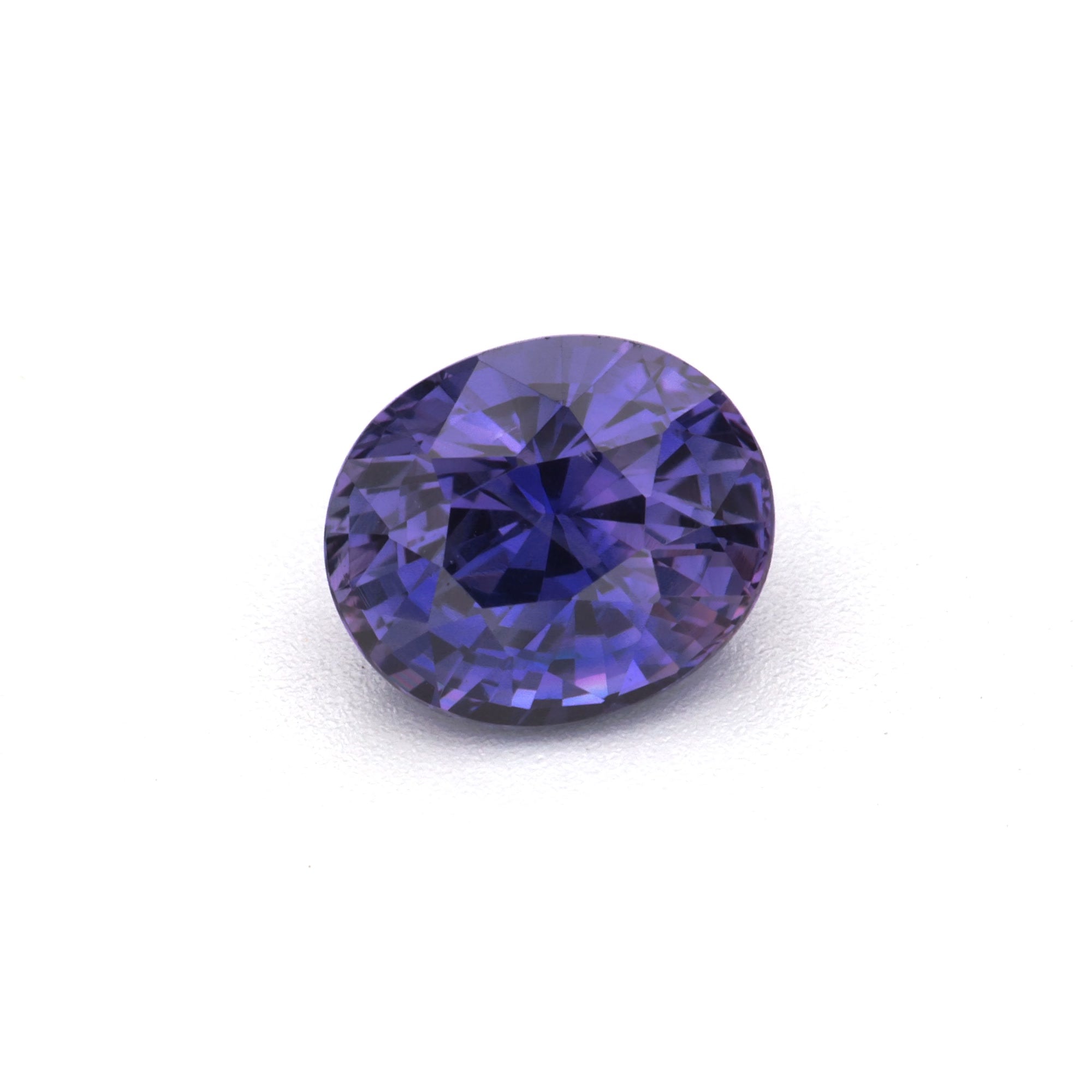
Color-Change Sapphire Price Guide — What They Cost and Why
Read moreabout Color-Change Sapphire Price Guide — What They Cost and Why
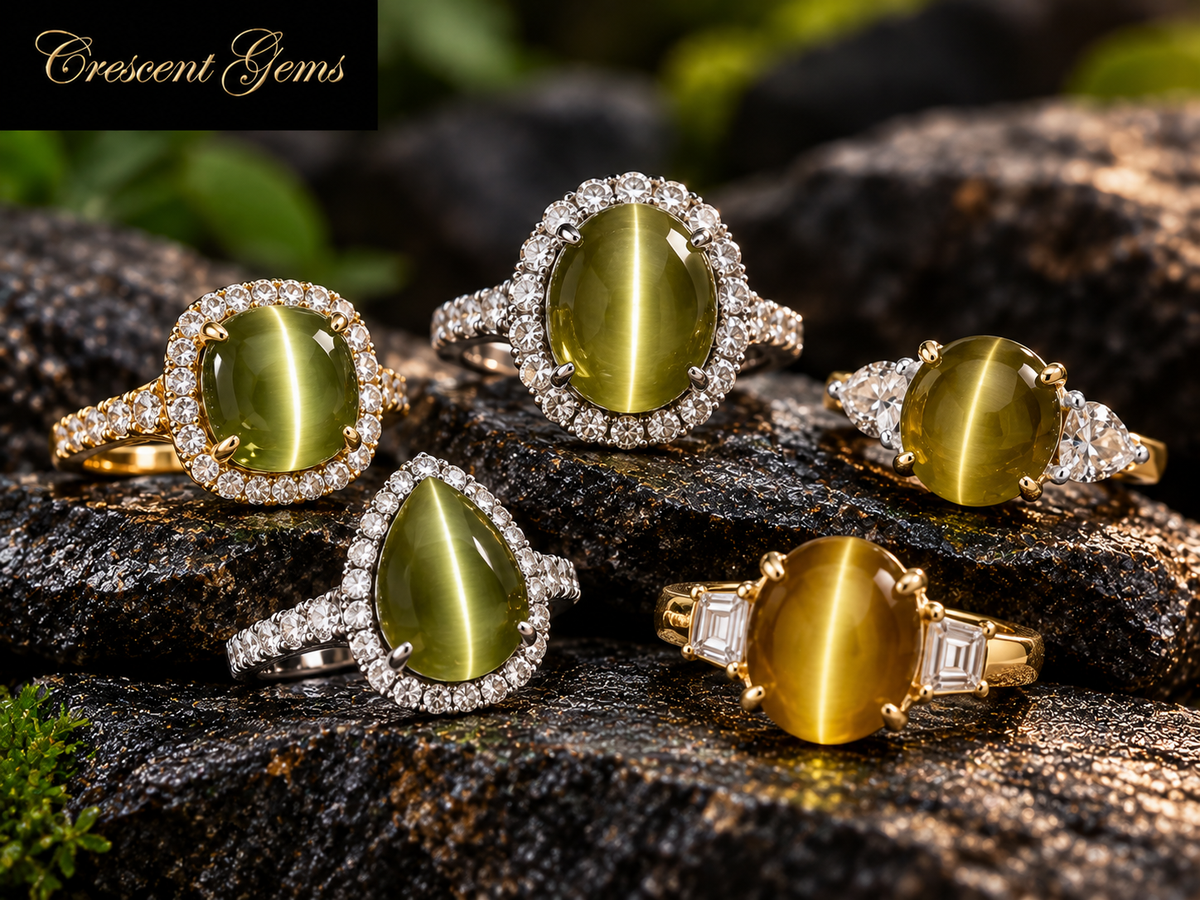
Is Cat's-Eye Chrysoberyl Good for an Engagement Ring?
Read moreabout Is Cat's-Eye Chrysoberyl Good for an Engagement Ring?
Cat's Eye Chrysoberyl Price Guide — What They Cost and Why
Read moreabout Cat's Eye Chrysoberyl Price Guide — What They Cost and Why















Share: