

- by Ahmed Shareek
Tanzania Sapphire — Tunduru, Umba, and What Buyers Need to Know
- by Ahmed Shareek
For origin comparison: Ceylon Sapphire Complete Guide. For the full color reference: Sapphire Colors Explained. For the buying foundation: Ultimate Sapphire Buying Guide.
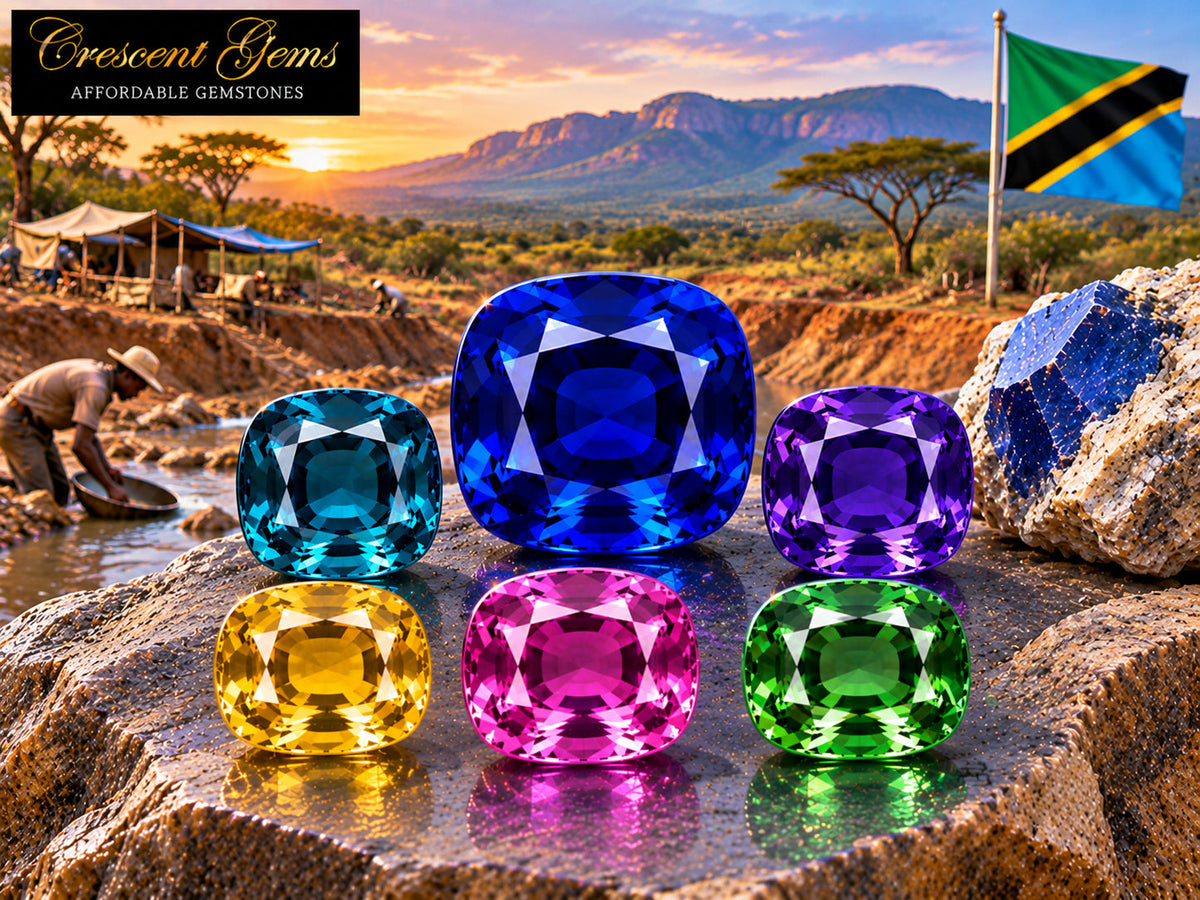
Of Tanzania’s gem corundum areas, this guide covers two: the Tunduru fields in the far south and the Umba River Valley in the northeast, near the Kenyan border. Both produce sapphire in a range of colors that overlaps with Ceylon sapphire.
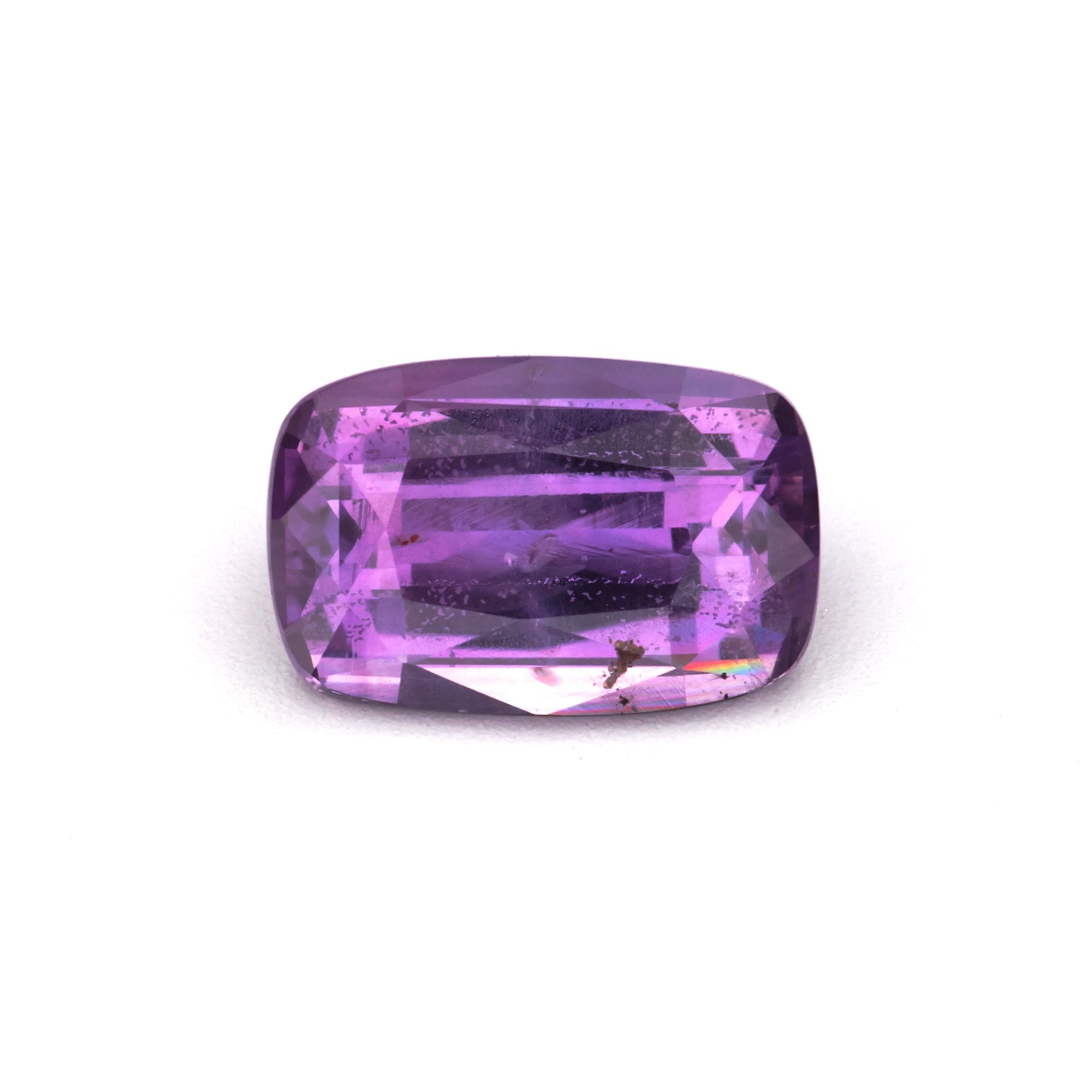
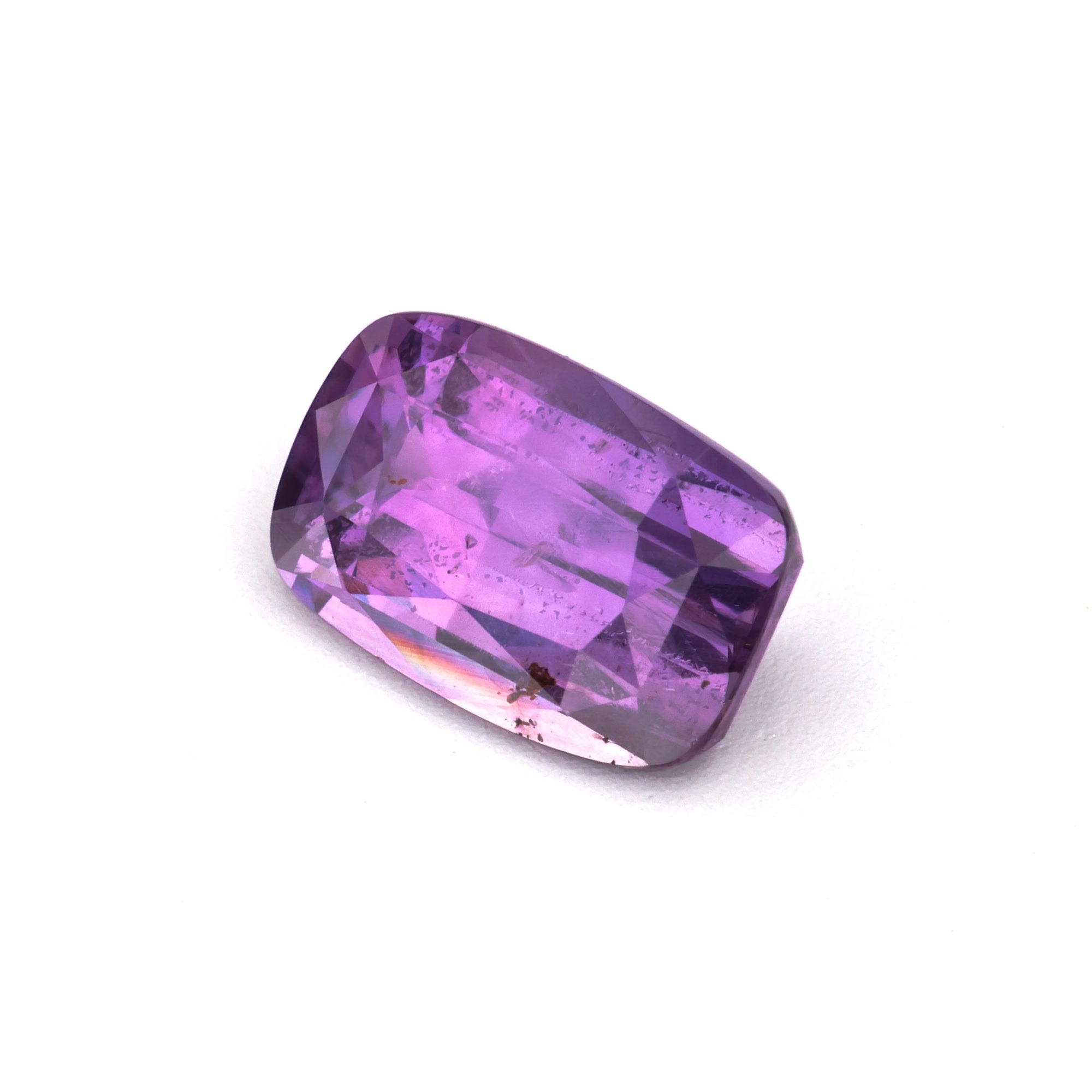
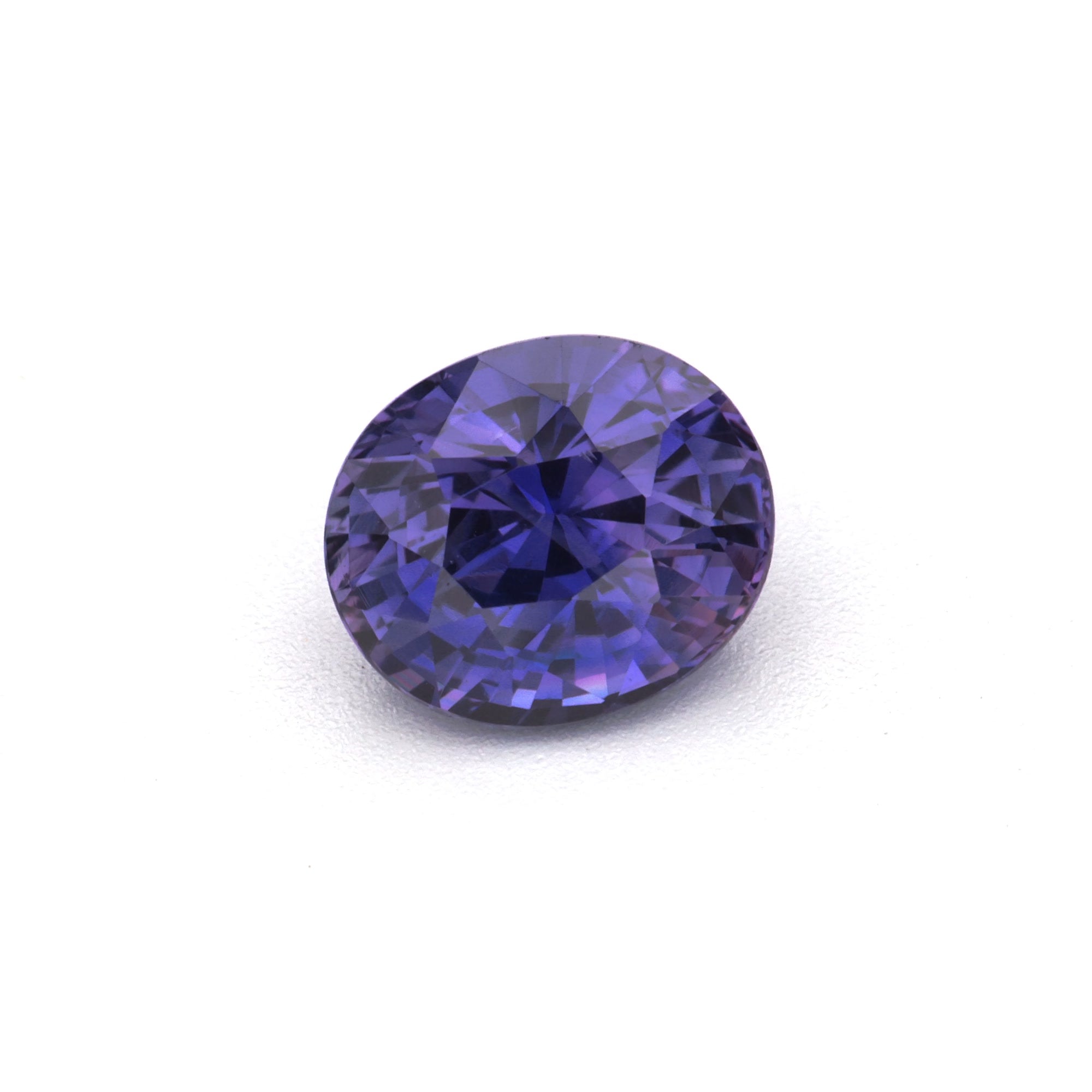
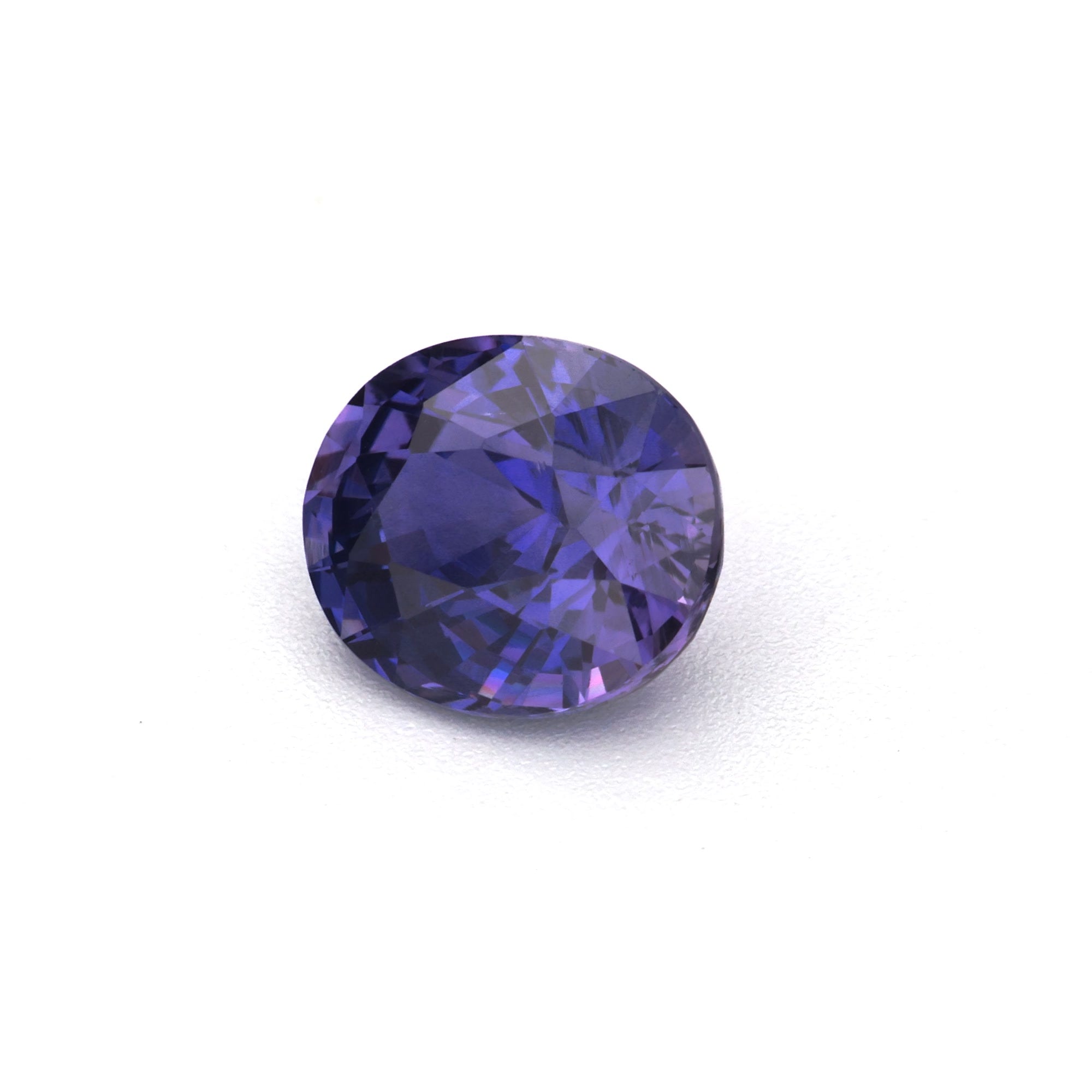
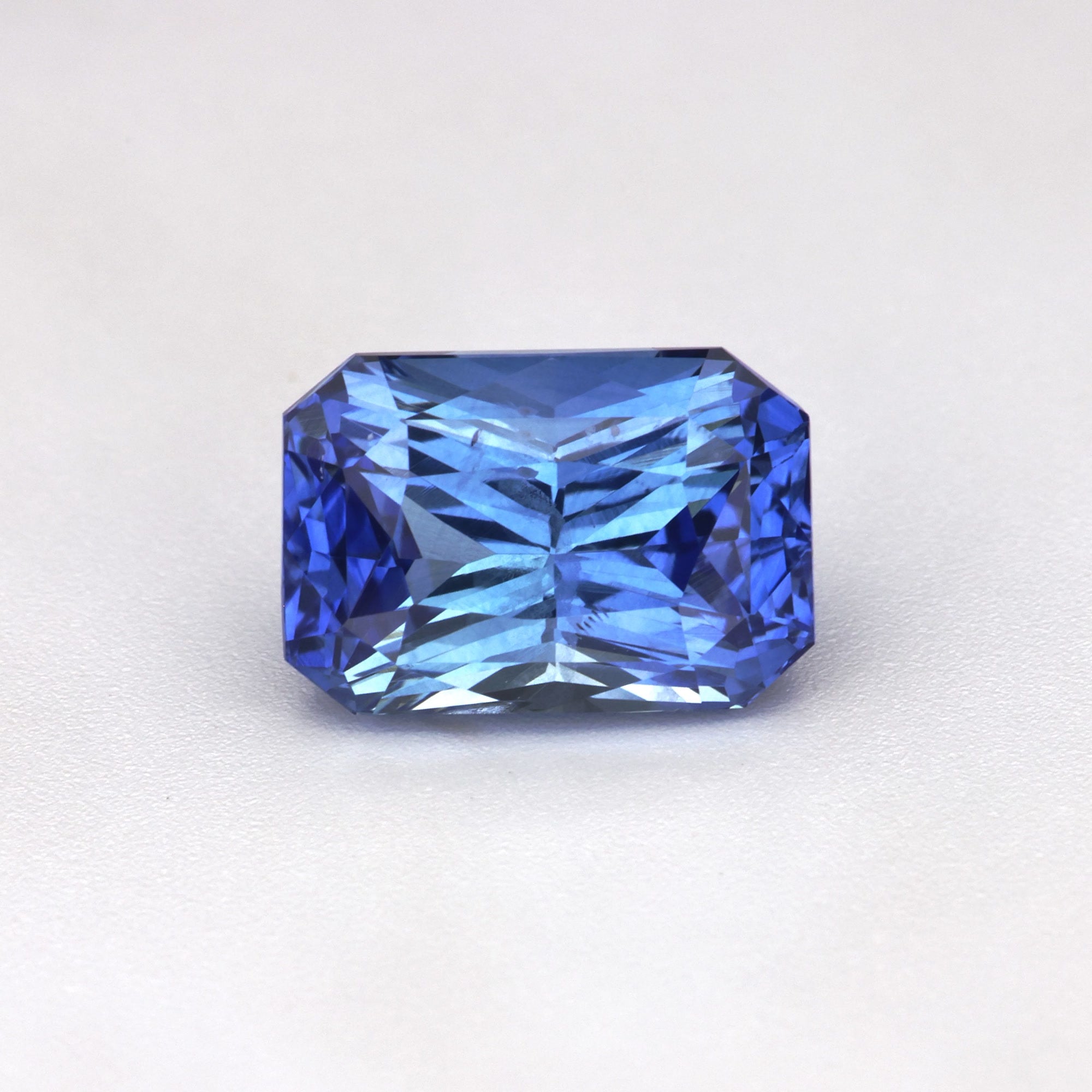
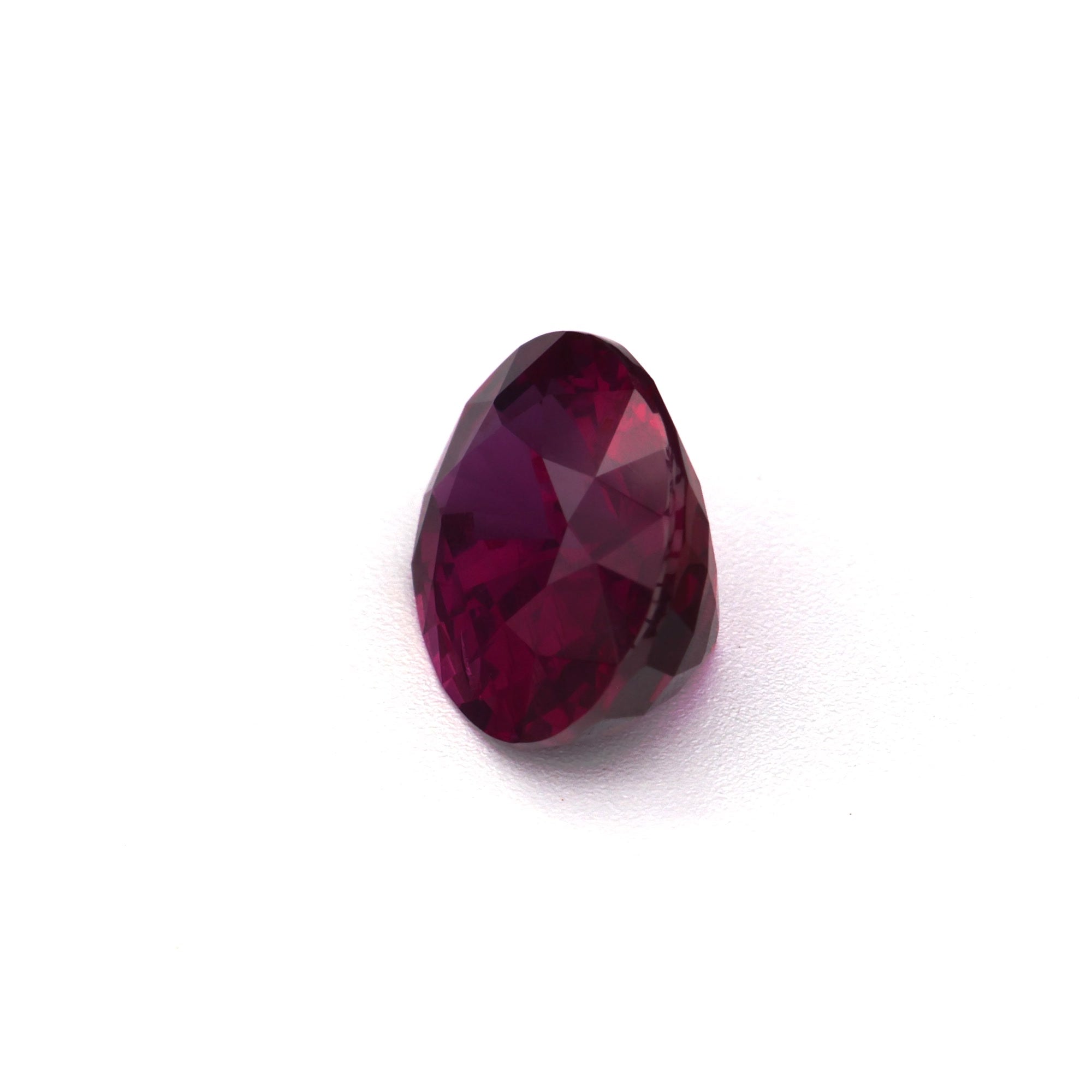
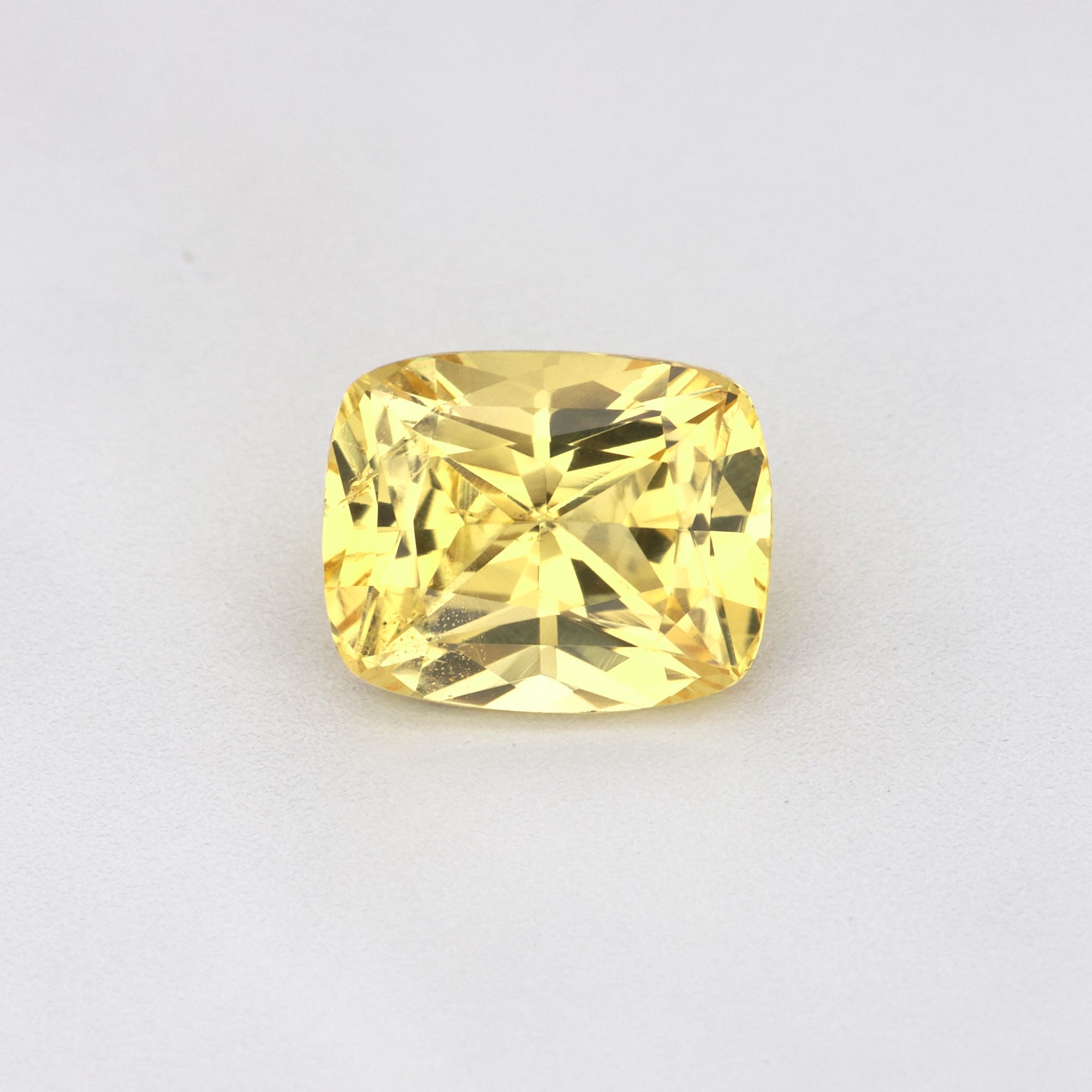
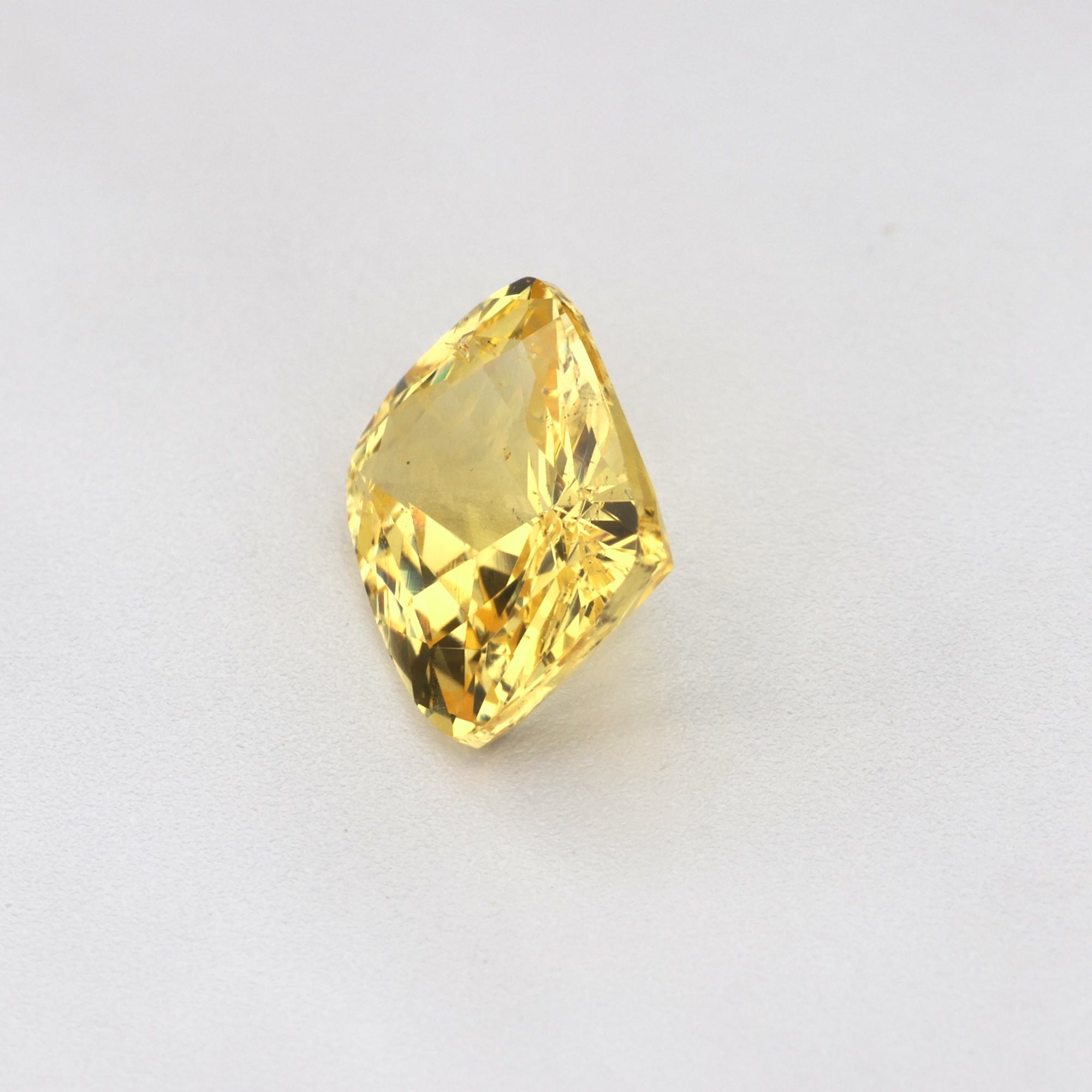
Tunduru is a district in the Ruvuma Region of southern Tanzania, close to the Mozambique border. The deposits lie east of the town along the Muhuwesi, Lumesule and Ruvuma rivers, and most mining takes place in the riverbeds, largely by small-scale miners; compare the Sri Lankan pit mining tradition. Tunduru produces sapphire in blue, yellow, green, pink and purple. Padparadscha is a laboratory-defined designation: we hold no stone that carries it, and this page applies it to none of the colors described here (the collection page explains the term).
The Umba River Valley in the Tanga Region has been worked since the mid-twentieth century, from a primary deposit of desilicated pegmatites in serpentinite and from secondary deposits along the riverbanks. Its fancy colors include orange, yellow and color-change sapphire. A color-change sapphire is one whose color shifts between daylight and incandescent light; in Umba material, a stone that is blue in daylight can turn violetish red under incandescent light.
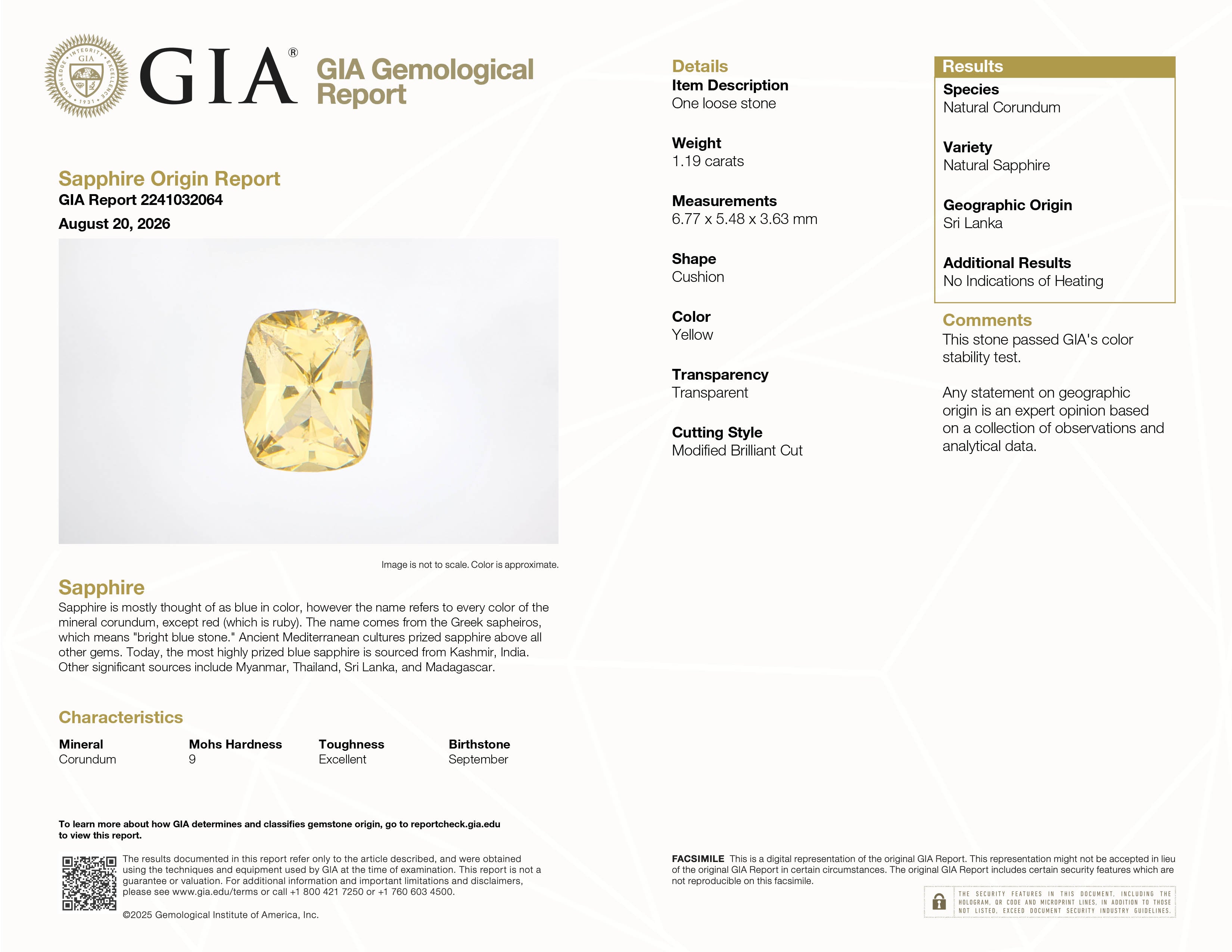
Tunduru and the Sri Lankan gem fields are both worked largely from gem gravels, and their color lists overlap. Which one a stone came from is a laboratory question. GIA, writing in Gems & Gemology, puts it plainly: geographic origin determinations on reports are “opinions—they are not indisputable facts.” SSEF states the same in one line: “Origin determination is an expert opinion.” Judge a Tanzanian stone by its color, the clarity you can see, and its treatment status as its report states it. For how price is built, see our Sapphire Pricing Explained guide, what a good 1 carat costs, and what a good 2 carat costs.
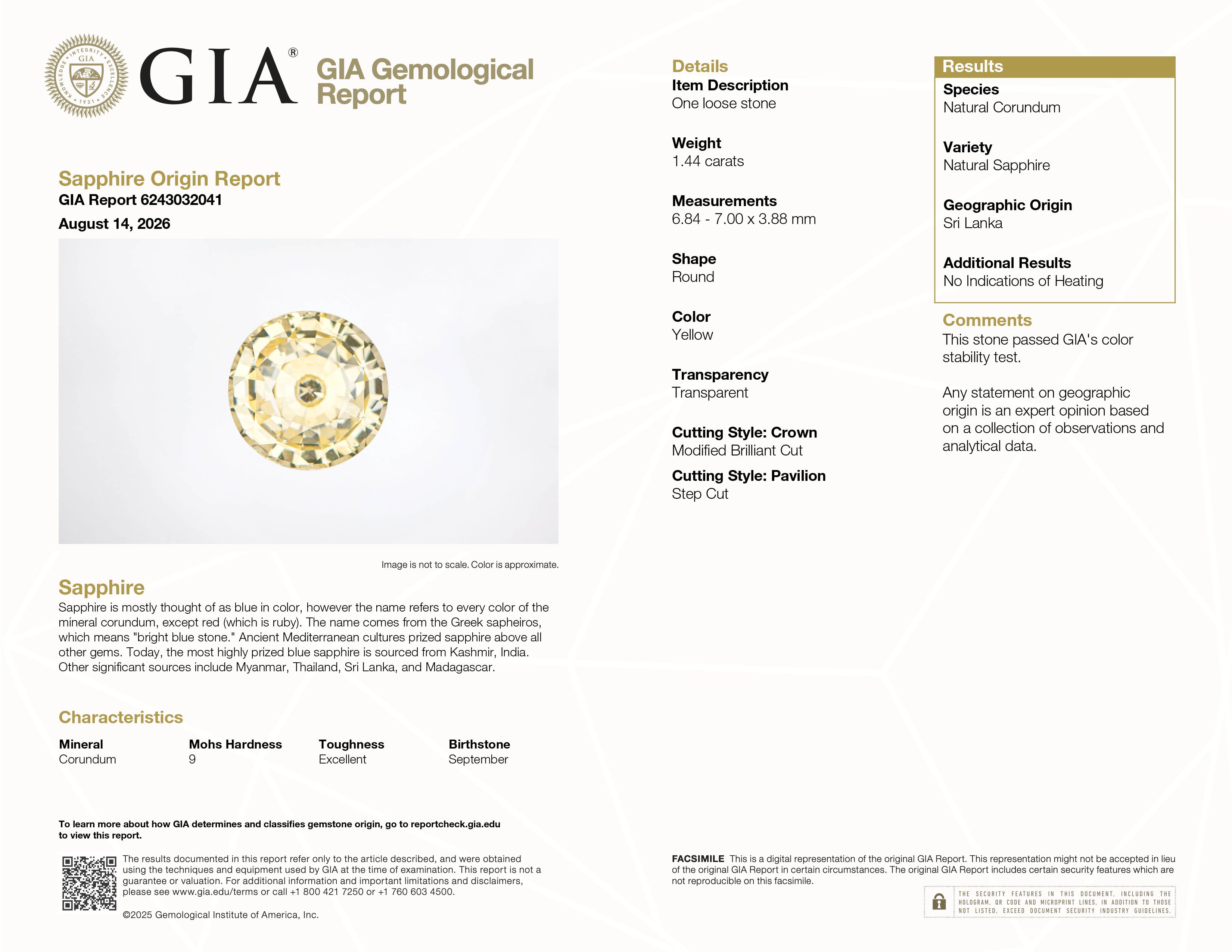
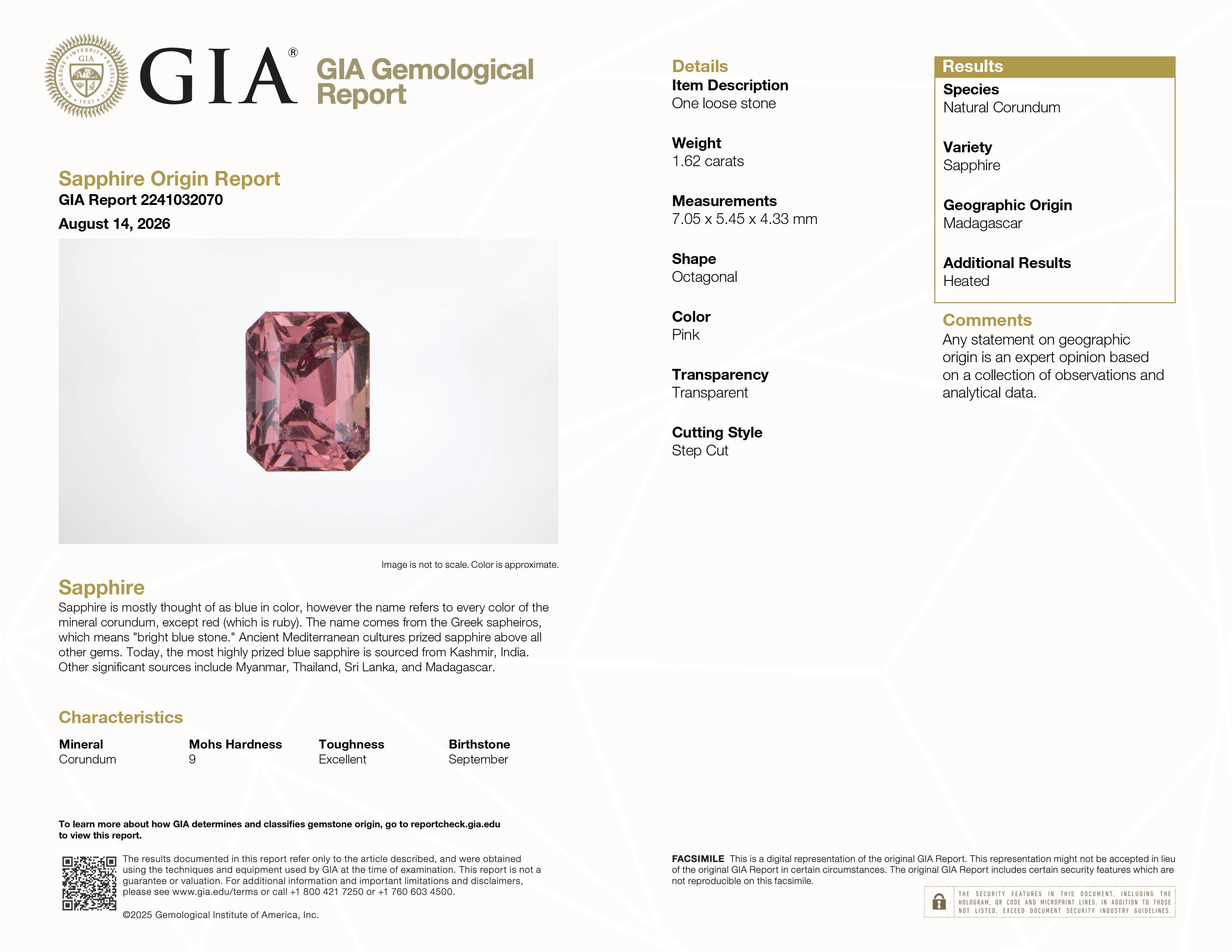
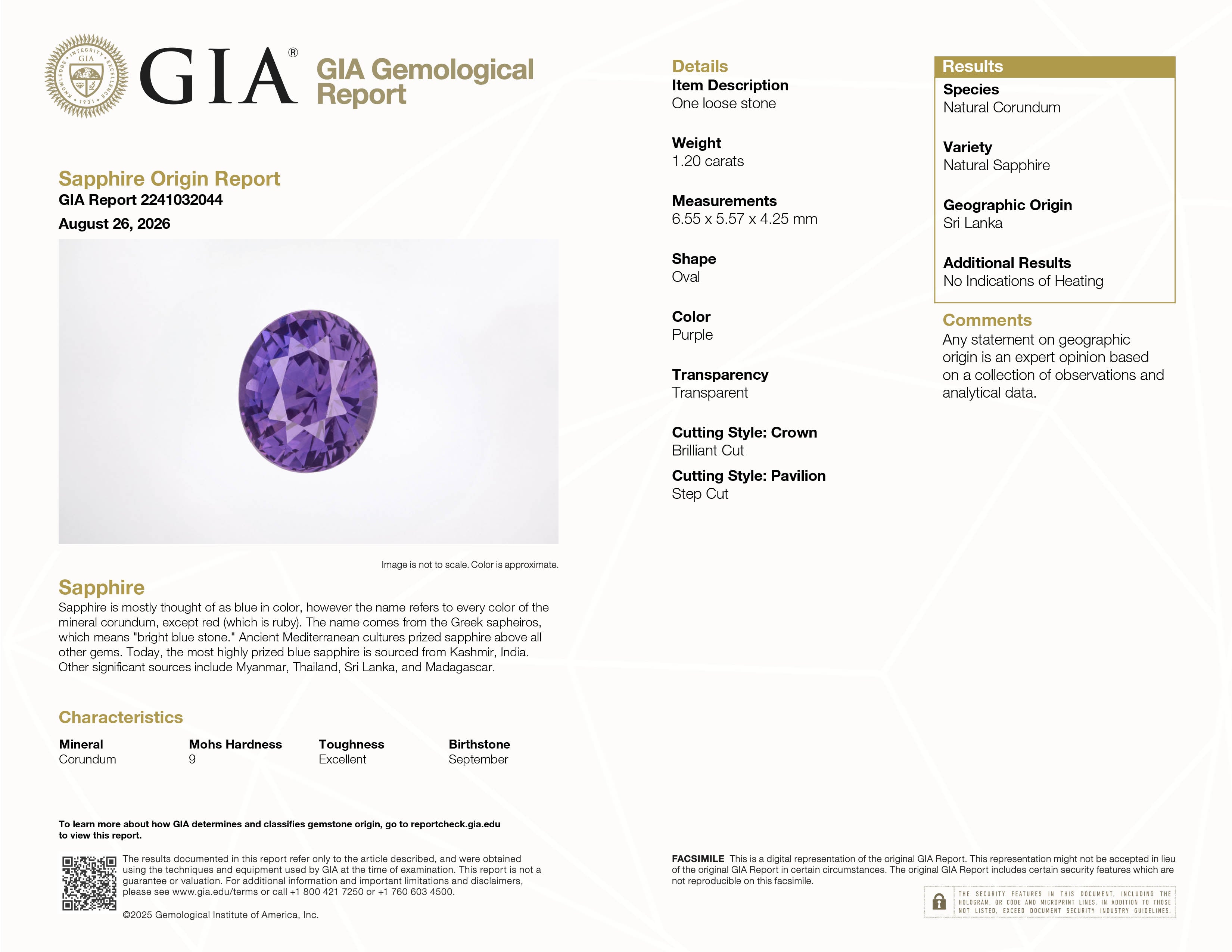
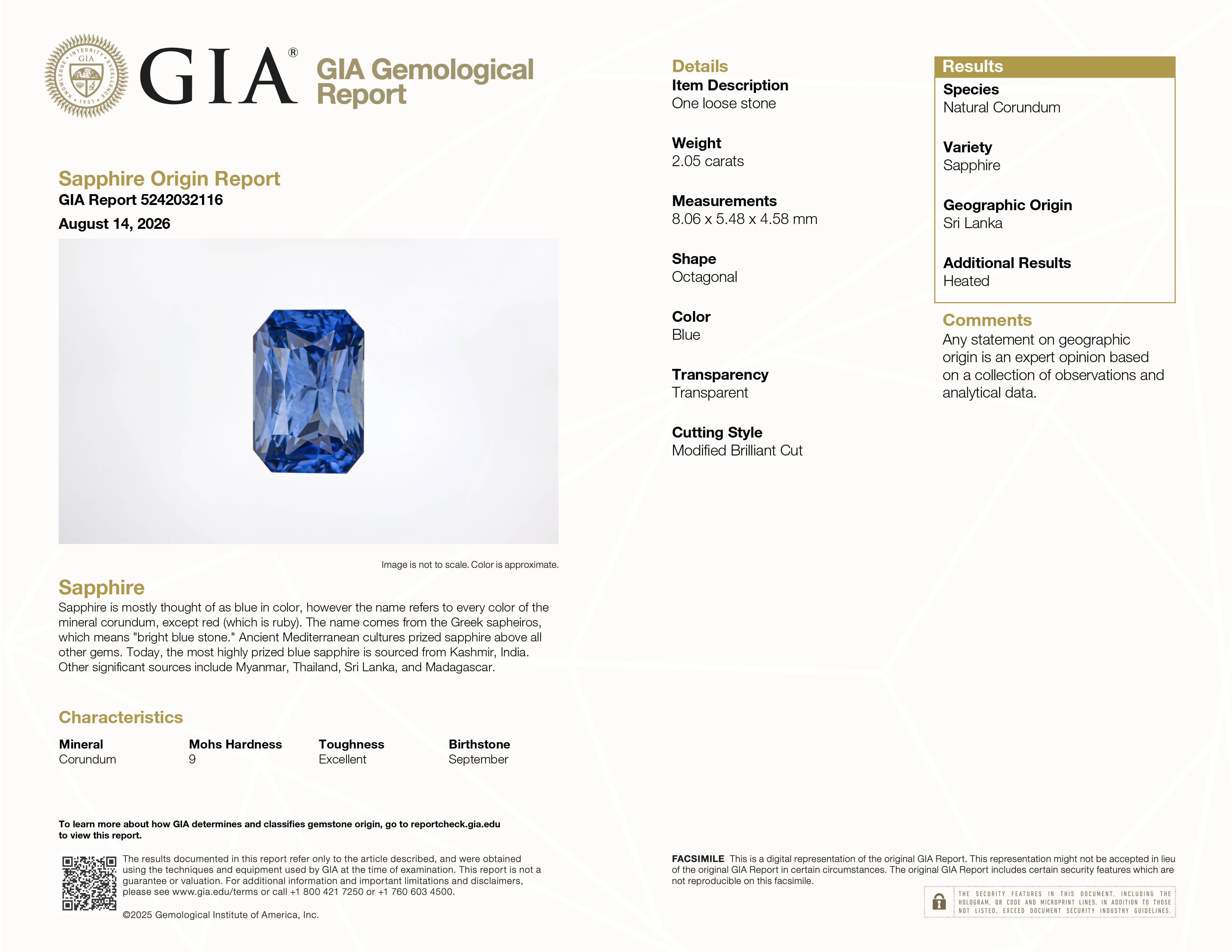
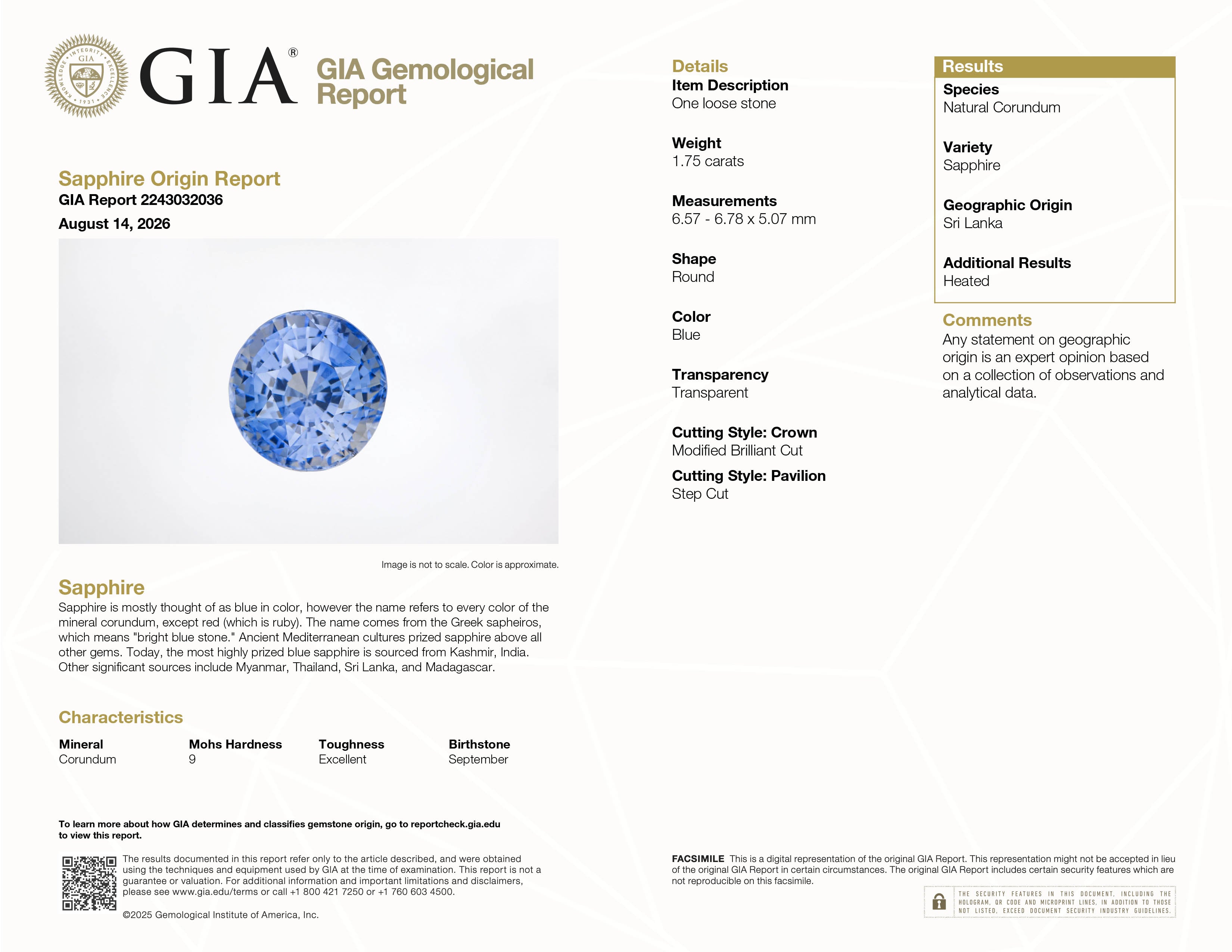
Tanzanian sapphire, like sapphire from other sources, may be heat-treated, and a laboratory report states whether a stone shows indications of heating. No indications of heating describes unheated material; it is a finding about heating only and does not mean untreated. For warm-toned sapphire from any source, ask whether the report addresses beryllium diffusion, a treatment that has been used to turn muddy green and brownish purple sapphire from Songea, in southern Tanzania, into yellow to orange stones. Whether a report gives an origin depends on the report type and on whether one was requested. See our guide to reading a GIA sapphire report for what the fields mean. For setting, see our oval sapphire guide, cushion cut guide, metal comparison guide, and halo ring guide. For a set stone, see our jewelry insurance guide.
Browse our full catalog or our teal sapphires, each sold with its treatment status stated. We buy at the source in Sri Lanka; our stones are held in the USA. Our own record (not a laboratory finding) shows the 2.08 ct heated green sapphire on GIA Report 1236949160 was mined in Tanzania and bought by us in Sri Lanka; its report’s Geographic Origin field reads Not Requested. Or email crescentgems@gmail.com with your color and budget. We respond within one business day.

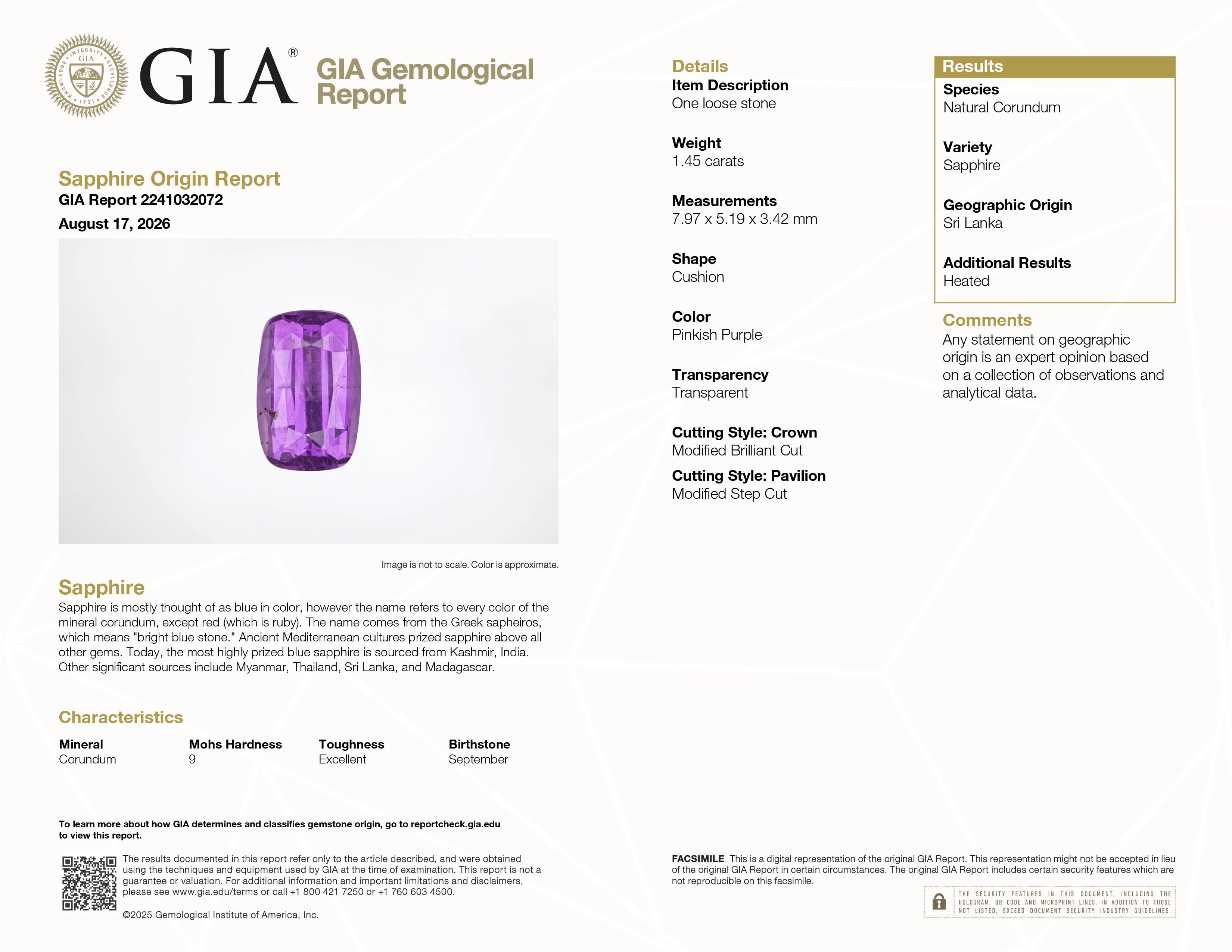
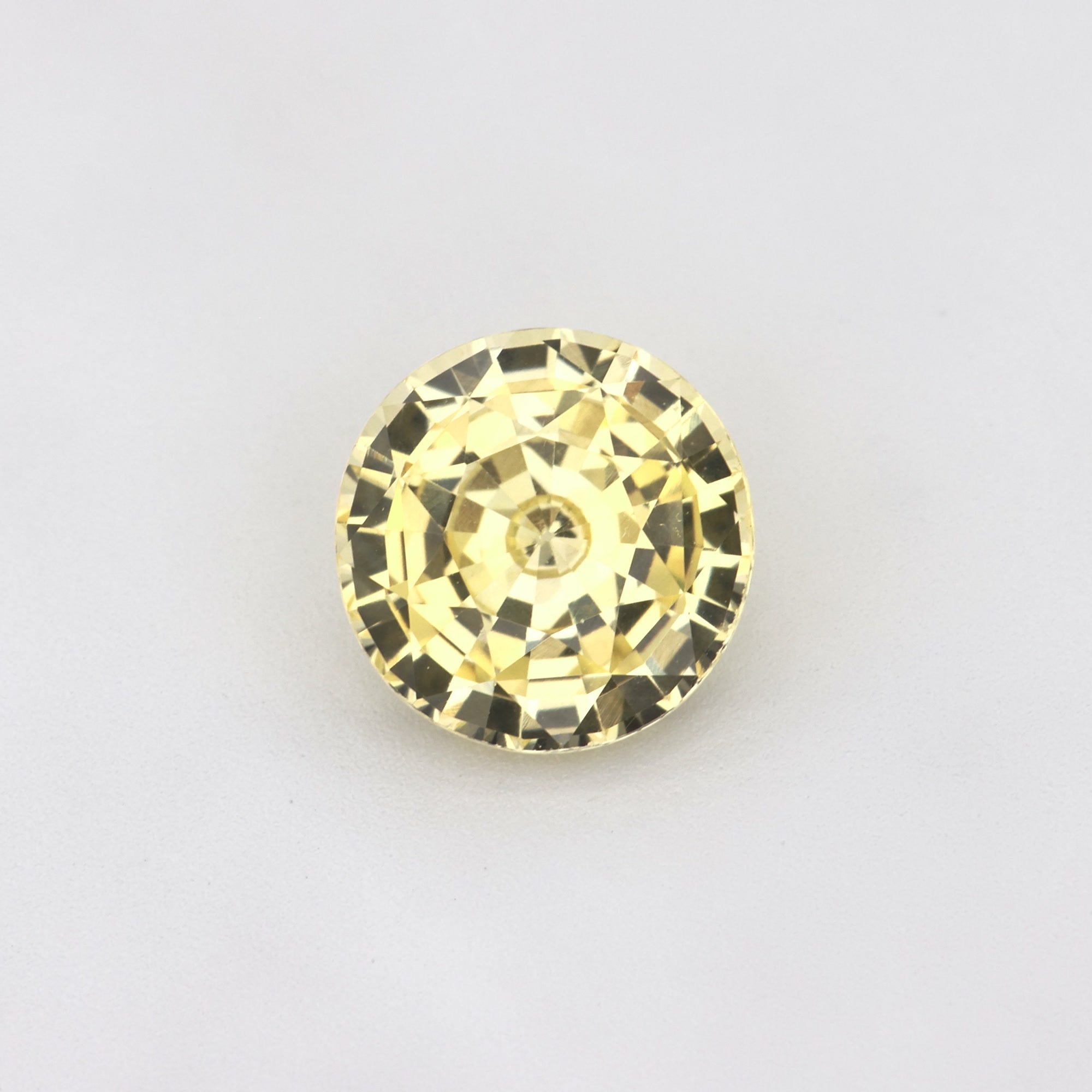
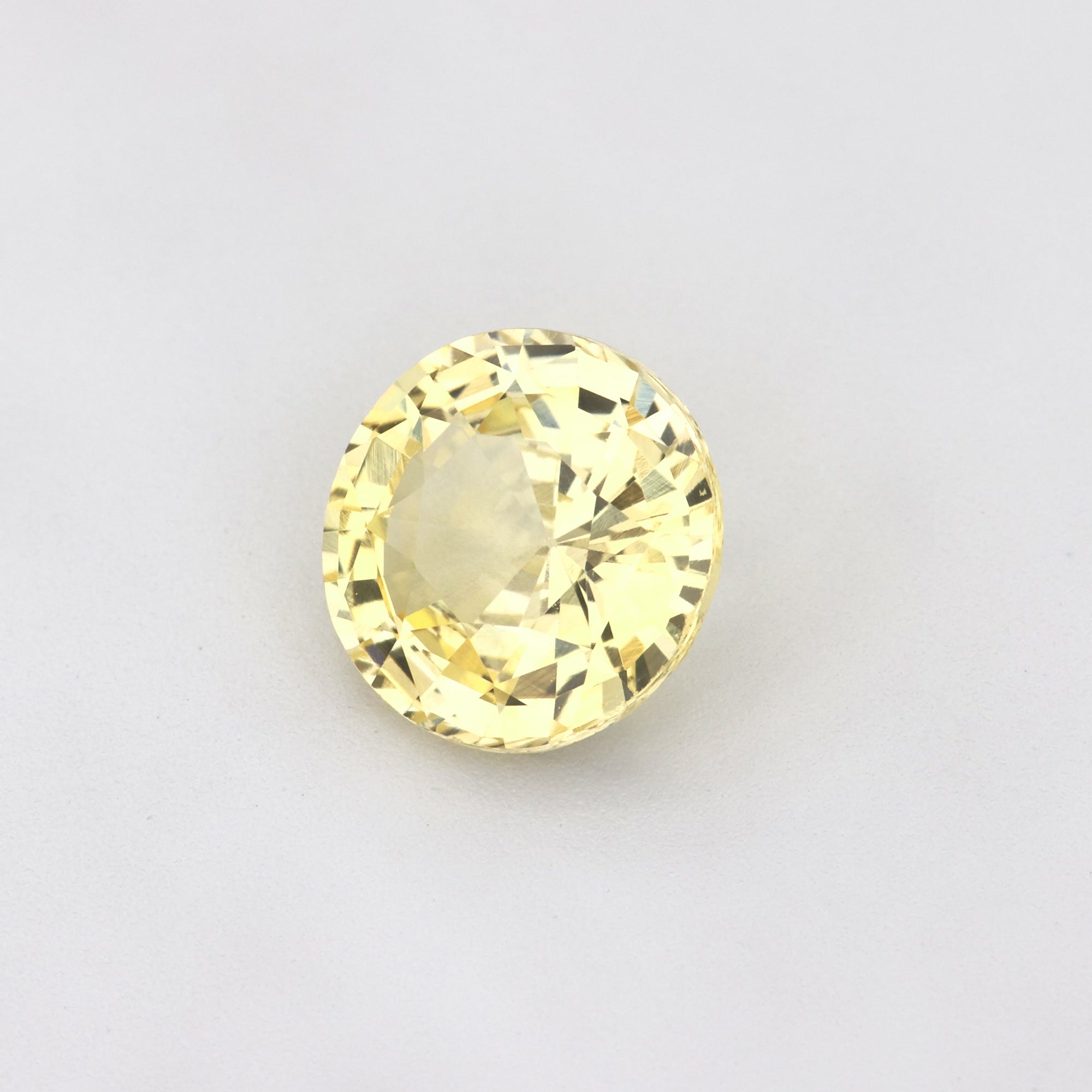
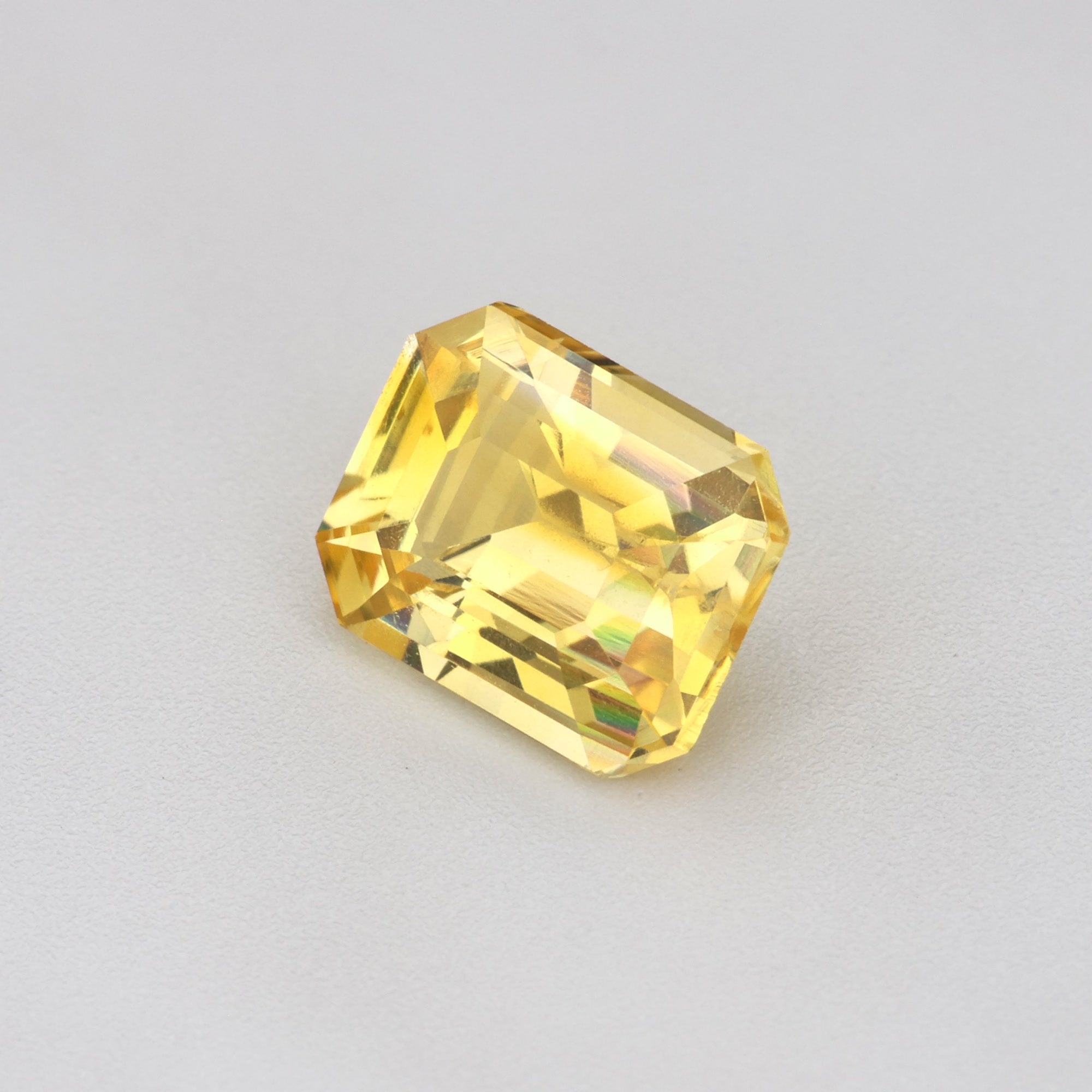
CG8465
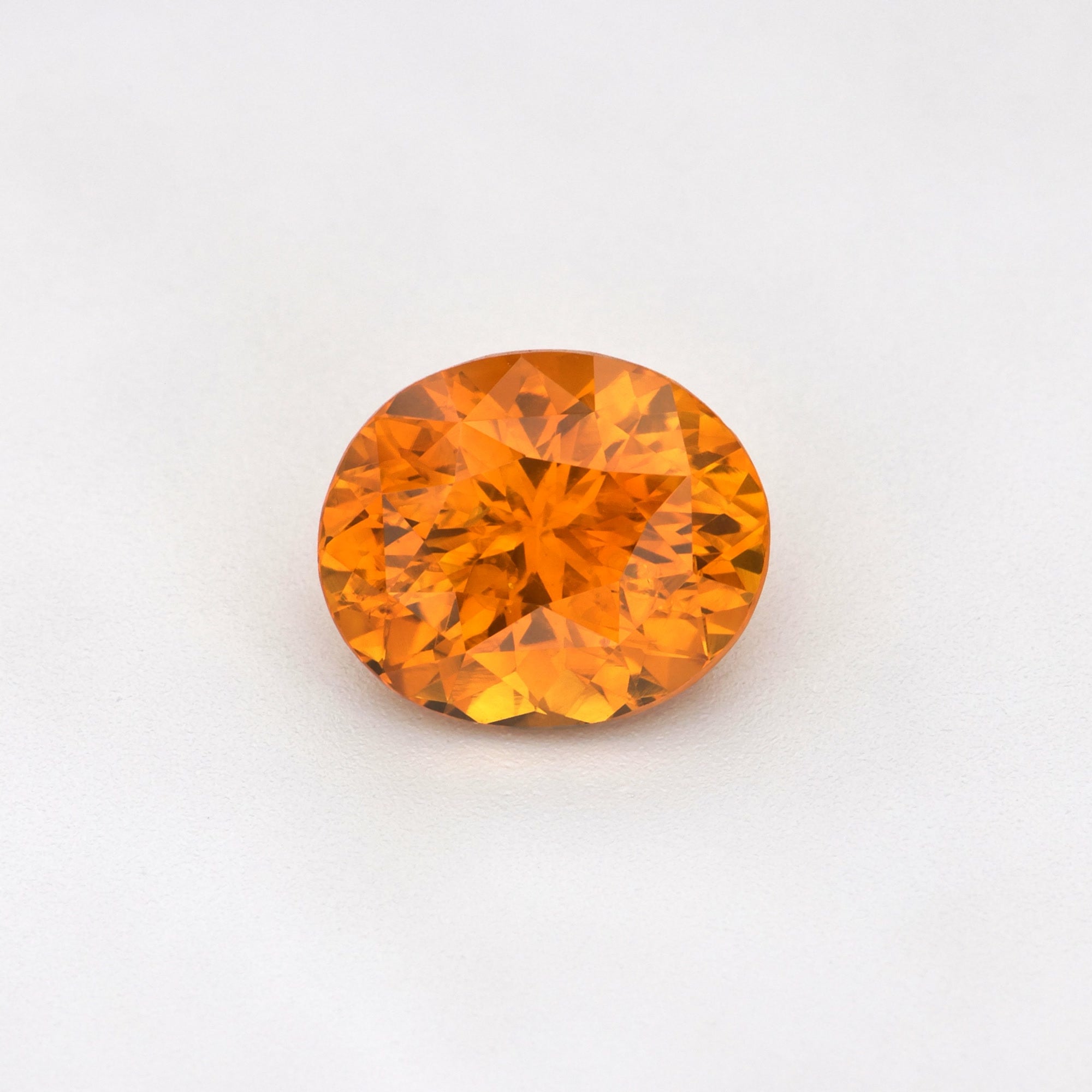
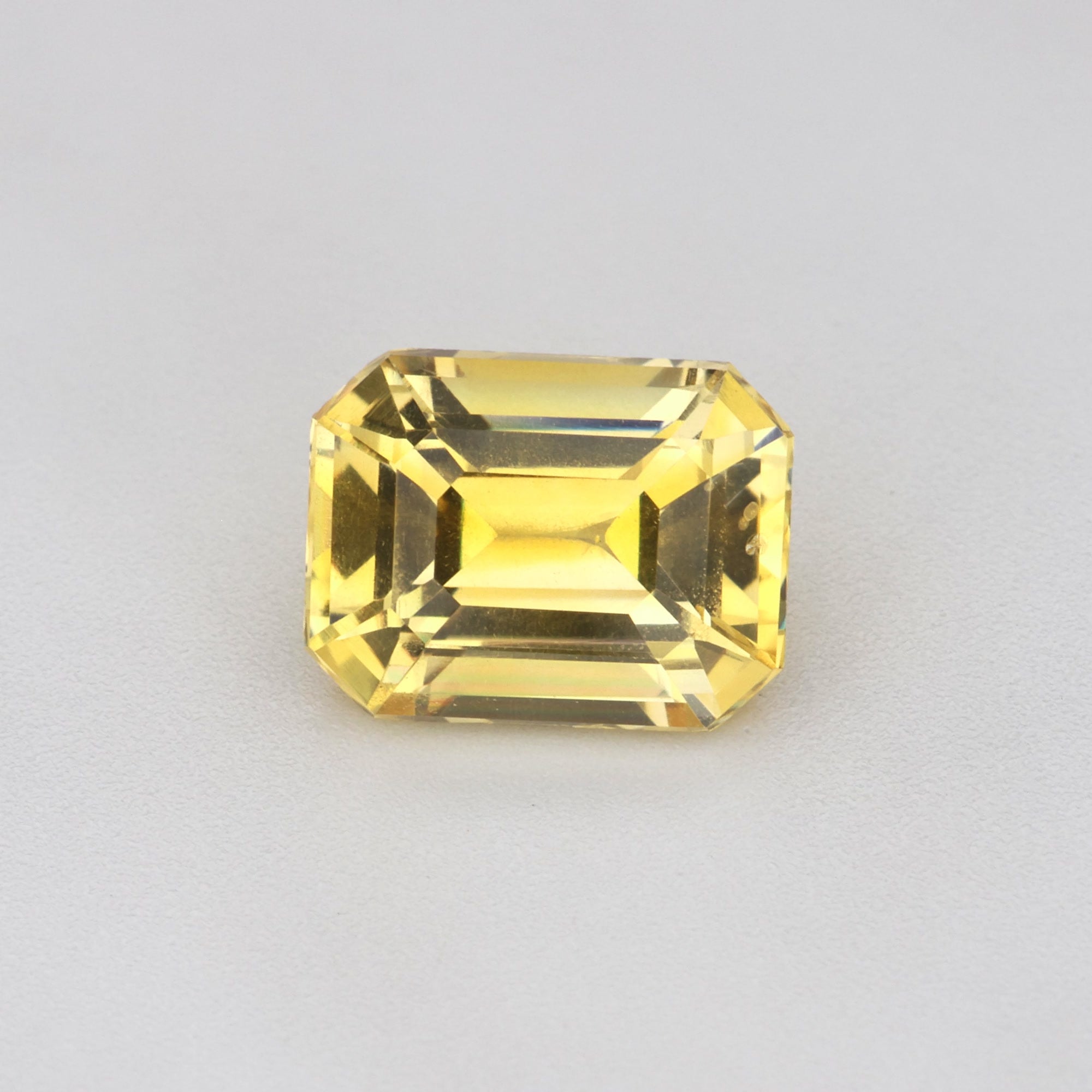
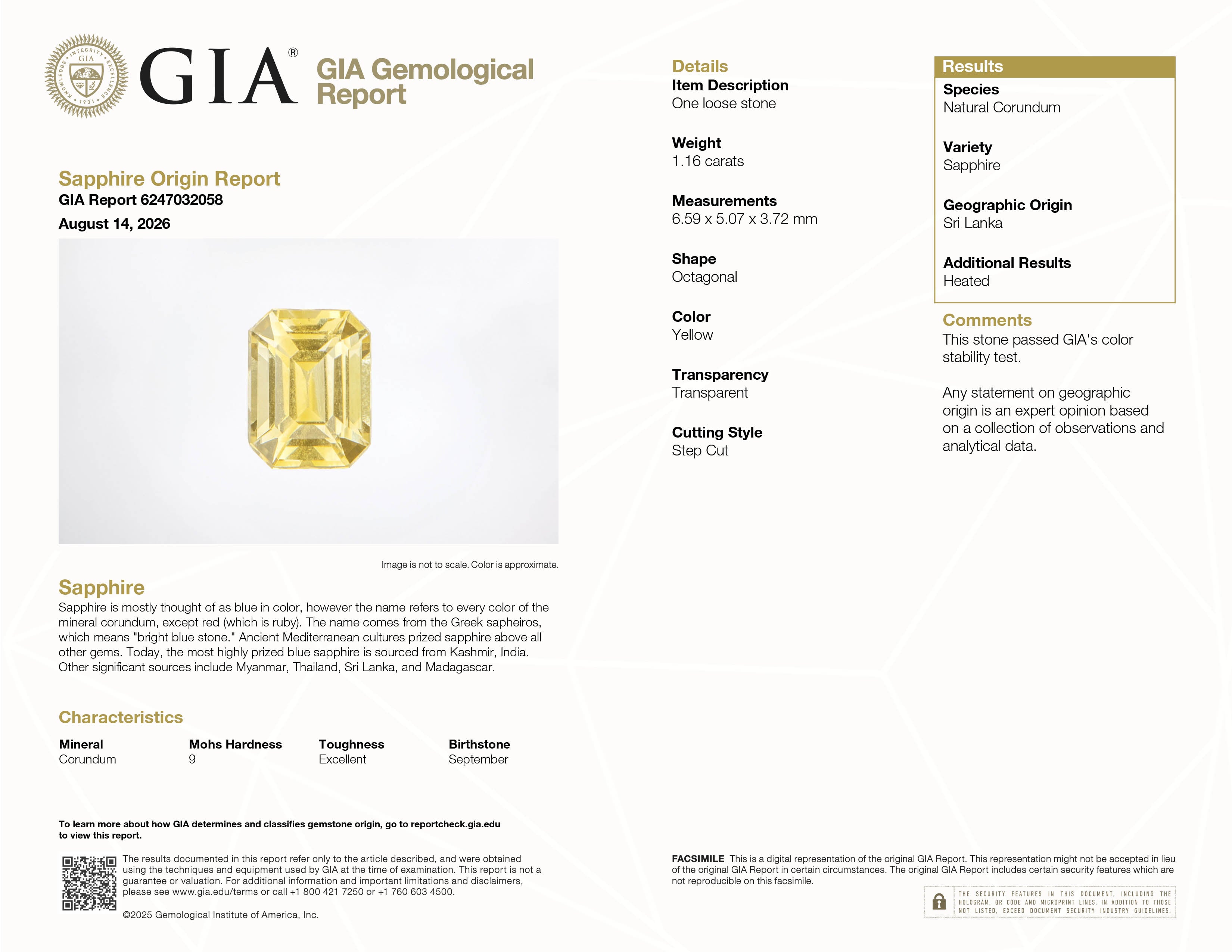
CG8463
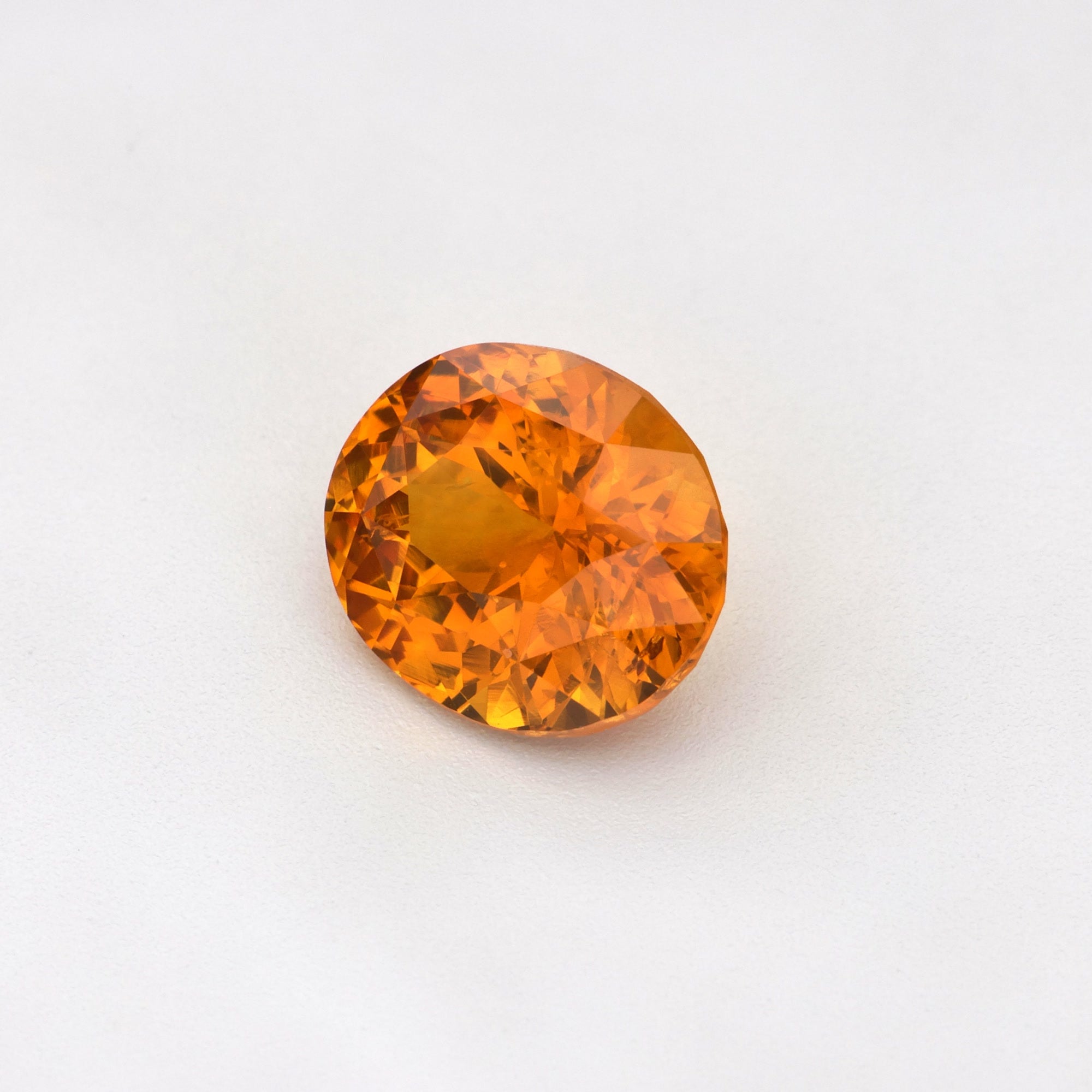
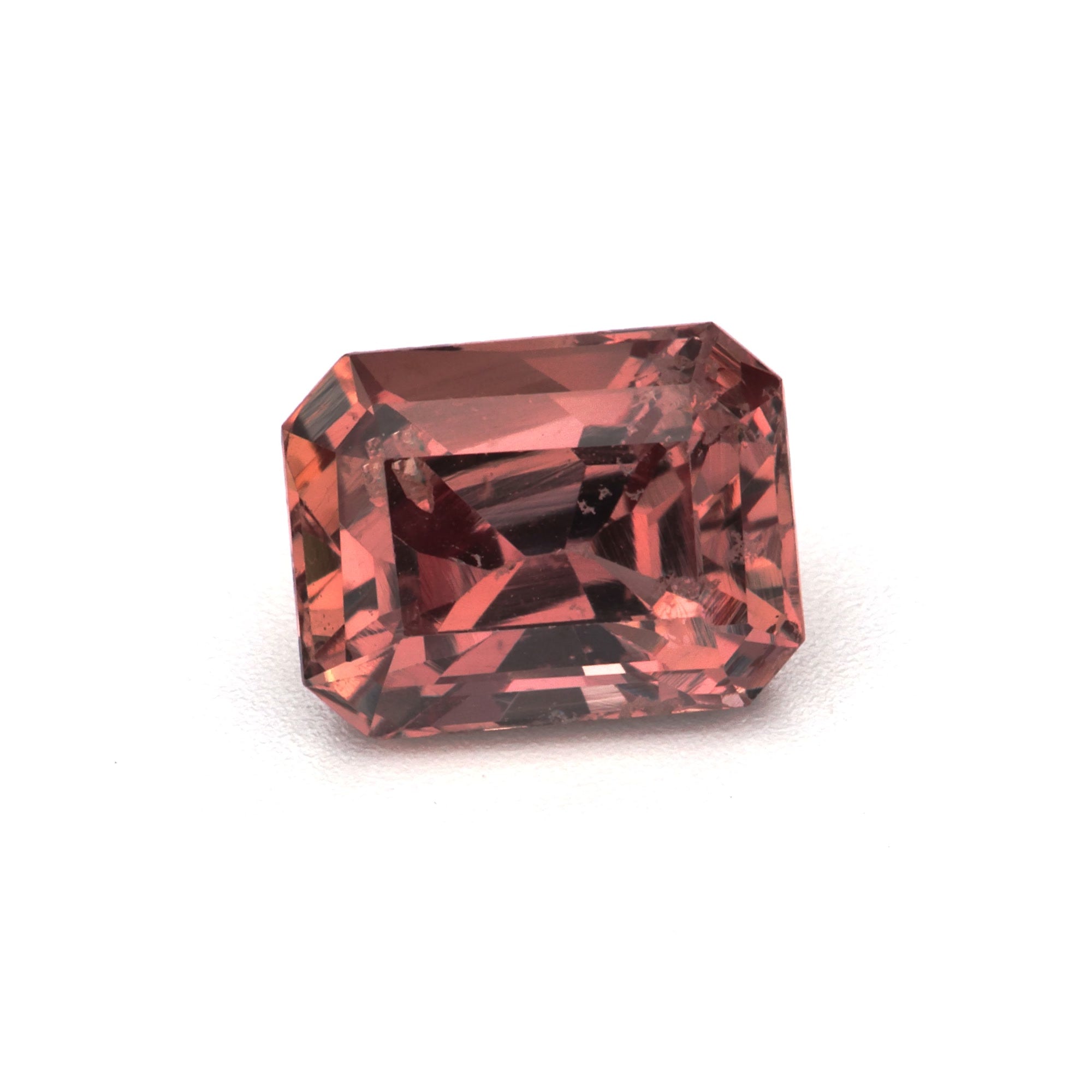
CG8460
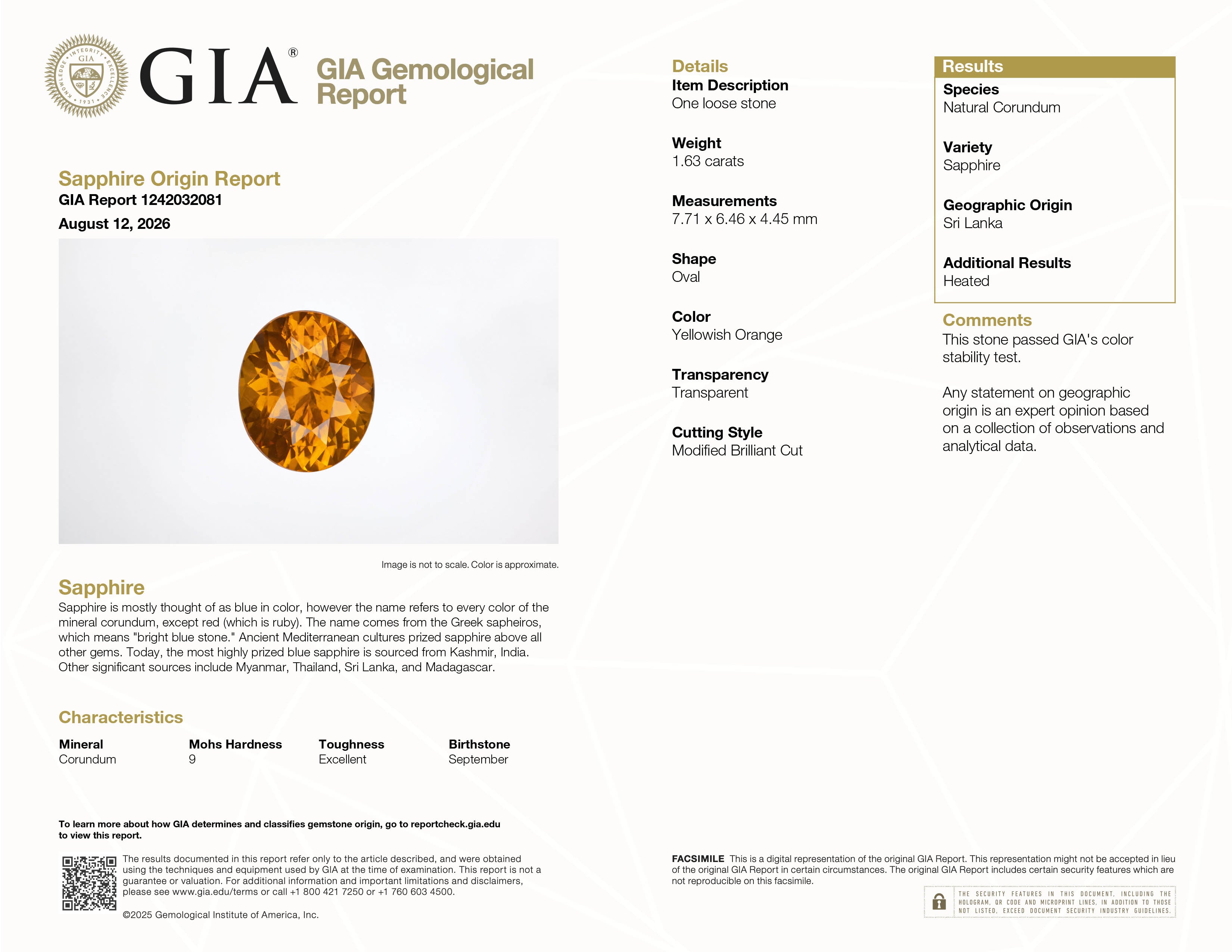
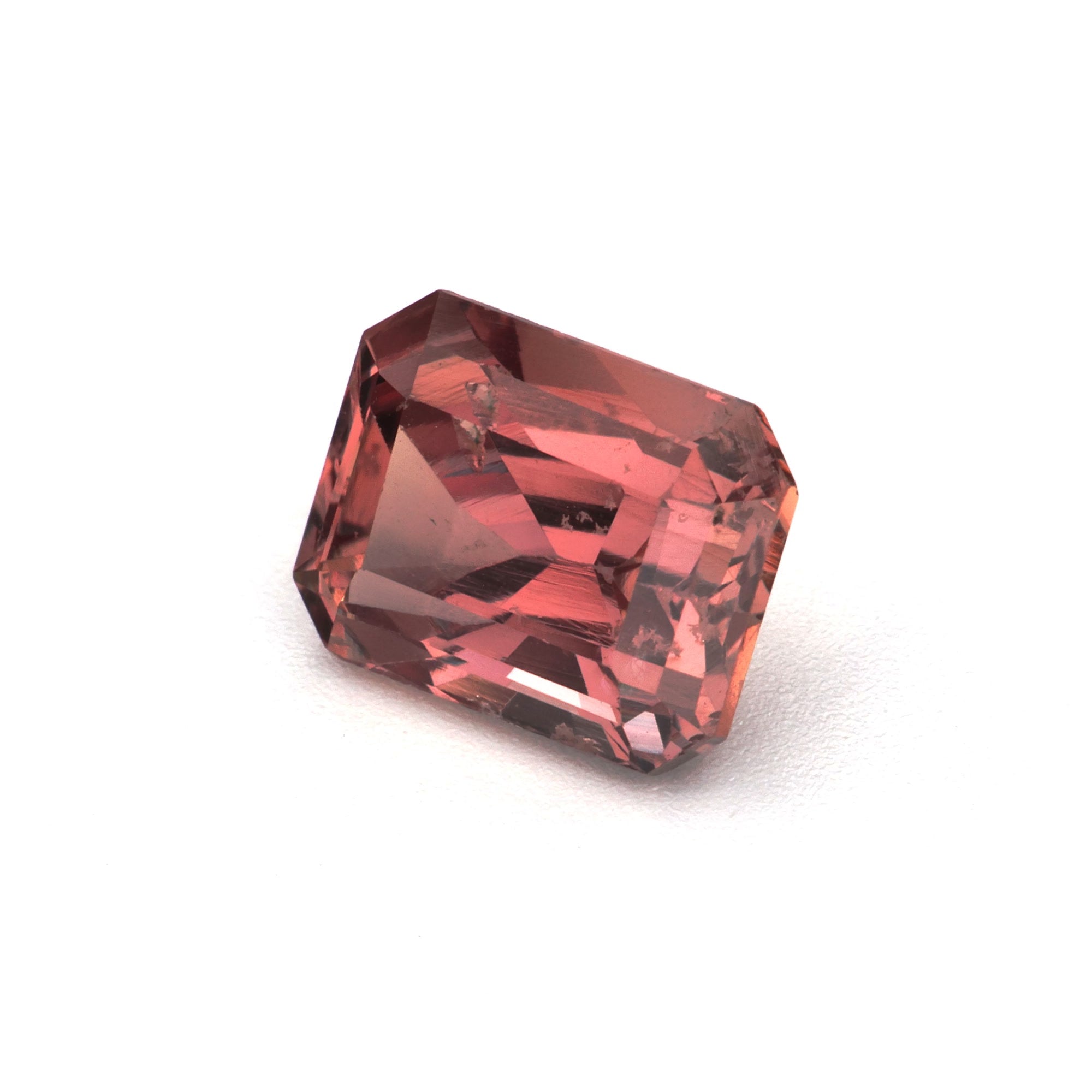
CG8456


Blue Star Sapphire Price Guide — What They Cost and Why
Read moreabout Blue Star Sapphire Price Guide — What They Cost and Why
Tsavorite Garnet Price Guide — What They Cost and Why
Read moreabout Tsavorite Garnet Price Guide — What They Cost and Why
Color-Change Sapphire Price Guide — What They Cost and Why
Read moreabout Color-Change Sapphire Price Guide — What They Cost and Why
Is Cat's-Eye Chrysoberyl Good for an Engagement Ring?
Read moreabout Is Cat's-Eye Chrysoberyl Good for an Engagement Ring?
Cat's Eye Chrysoberyl Price Guide — What They Cost and Why
Read moreabout Cat's Eye Chrysoberyl Price Guide — What They Cost and Why















Share: