- by Ahmed Shareek
Yellow Gold vs. White Gold vs. Platinum for Sapphire Rings — The Full Comparison
- by Ahmed Shareek
For color-specific metal guidance: How to Choose Metal Color for a Sapphire Ring. For ring design: How to Design a Custom Sapphire Ring. For the buying foundation: Ultimate Sapphire Buying Guide.
The metal choice for a sapphire engagement ring is a decision that affects the ring's appearance every day for decades. Unlike the sapphire itself — where the primary decision drivers are color, cut, and treatment — the metal decision involves aesthetic factors, practical durability factors, cost factors, and long-term maintenance requirements that all interact. Yellow gold, white gold, and platinum are the three primary options for fine jewelry, each with distinct characteristics, trade-offs, and relationships with different sapphire colors.
This guide covers all three metals comprehensively: what each is made of, how they perform over time, what drives their cost, how they look beside sapphire colors, and how to choose based on your specific stone, lifestyle, and aesthetic priorities.
Yellow gold jewelry is an alloy of pure gold (Au) with silver, copper, and sometimes zinc, in proportions that determine the karat. 18K yellow gold (75% gold, 25% alloy) is widely used in fine jewelry — rich in color, durable, and significantly more pure gold content than 14K (58.3% gold). 14K is more durable due to higher alloy content but slightly less saturated in color. 24K (pure gold) is too soft for practical ring wear.
Yellow gold is durable for daily ring wear at 18K or 14K. Like every precious metal, it can accumulate small scratches over years of wear — these develop a patina some wearers love (called a "satin" or "antique" finish) and others prefer to have polished away periodically. Yellow gold does not require rhodium plating: its color comes from the alloy itself, so wear does not expose a different color underneath. Prongs in yellow gold wear with use and may need retipping; how soon depends on wear, so have a jeweler check them periodically.
The cost of a yellow gold setting moves with the gold price, the karat and the weight of metal in the design, plus the jeweler's work. Because 14K contains less gold than 18K, the metal in a 14K setting costs less for the same design; 14K is also appropriate for buyers prioritizing durability over gold purity.
Yellow gold has a long history in sapphire jewelry and suits certain colors particularly well:
White gold is gold alloyed with white metals — such as palladium or nickel — to produce a white or pale grey color, then usually coated with a thin layer of rhodium (a platinum-group metal) to produce the bright, mirror-white finish seen in jewelry. 18K white gold contains the same 75% pure gold as 18K yellow gold; the difference is the alloy composition and the rhodium plating.
The critical maintenance requirement for white gold: the rhodium plating wears off over time with daily wear, gradually revealing the slightly yellowish or greyish color of the underlying white gold alloy beneath. White gold rings need re-plating from time to time; how often depends on wear intensity, skin chemistry, and the thickness of the original plating. Re-plating is a routine job for a jeweler, but it is an ongoing maintenance cost that platinum does not incur. If you are committed to bright white metal for decades without maintenance, platinum is the more practical choice.
The cost of a white gold setting moves with the gold price, the karat and the weight of metal, like yellow gold, plus two things of its own: the white alloying metals (palladium alloys cost more to make than nickel alloys) and the rhodium plating, both at purchase and each time it is renewed.
White gold with fresh rhodium plating looks visually similar to platinum — a cool, neutral white that adds no color of its own beside the stone, so any sapphire color reads against a white frame. The main consideration is that as the rhodium wears, the slight warmth of the underlying alloy becomes visible — a consideration for very light-toned or color-sensitive stones.
Platinum is a naturally white, dense precious metal, commonly used at 95% purity in jewelry (Pt950). Unlike white gold, it requires no alloy to produce its white color and no plating to maintain it. The white color is inherent rather than plated.
Platinum wears differently from gold. It is denser than gold (a platinum ring will be heavier than an identically sized gold ring), and when it is scratched the metal is displaced rather than removed, leaving ridges that build into a surface patina over time; it still scratches, but it loses metal more slowly. Many wearers love the developing patina of worn platinum; those who prefer a high-polish finish can have it polished periodically. Critically, platinum does not require rhodium plating — its white color is inherent, requiring no re-plating maintenance. Because platinum loses metal slowly as it wears, it suits prongs well; whatever the metal, have the prongs checked periodically.
The cost of a platinum setting moves with the platinum price, which follows its own market rather than gold's, so compare current quotes rather than assuming which metal is dearer. Fabrication adds its own costs: platinum is denser, so the same design takes more weight of metal; it melts far hotter than gold and needs dedicated tooling, benches and solders; and the working losses are costlier to recover. Ask your jeweler to quote the same design in each metal.
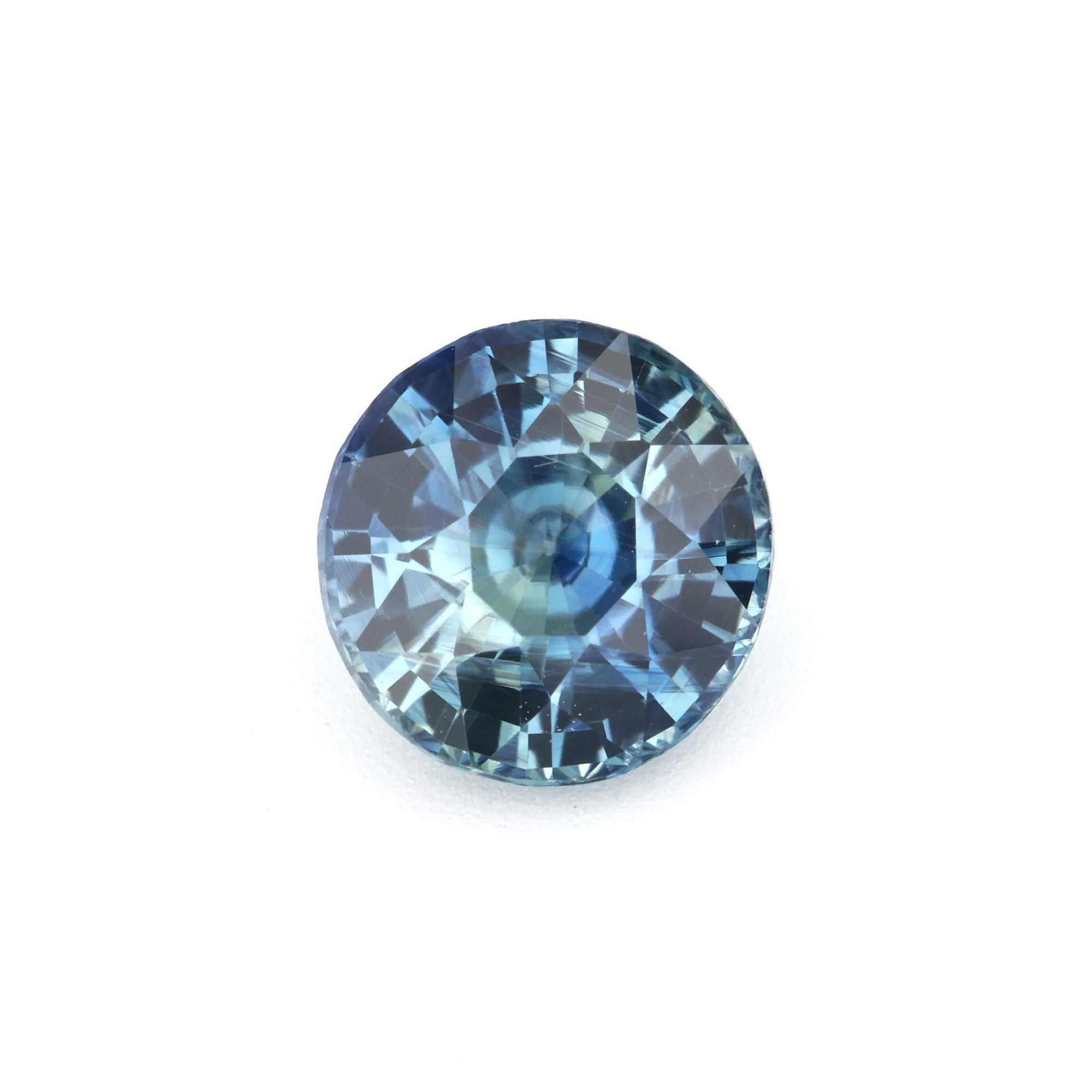
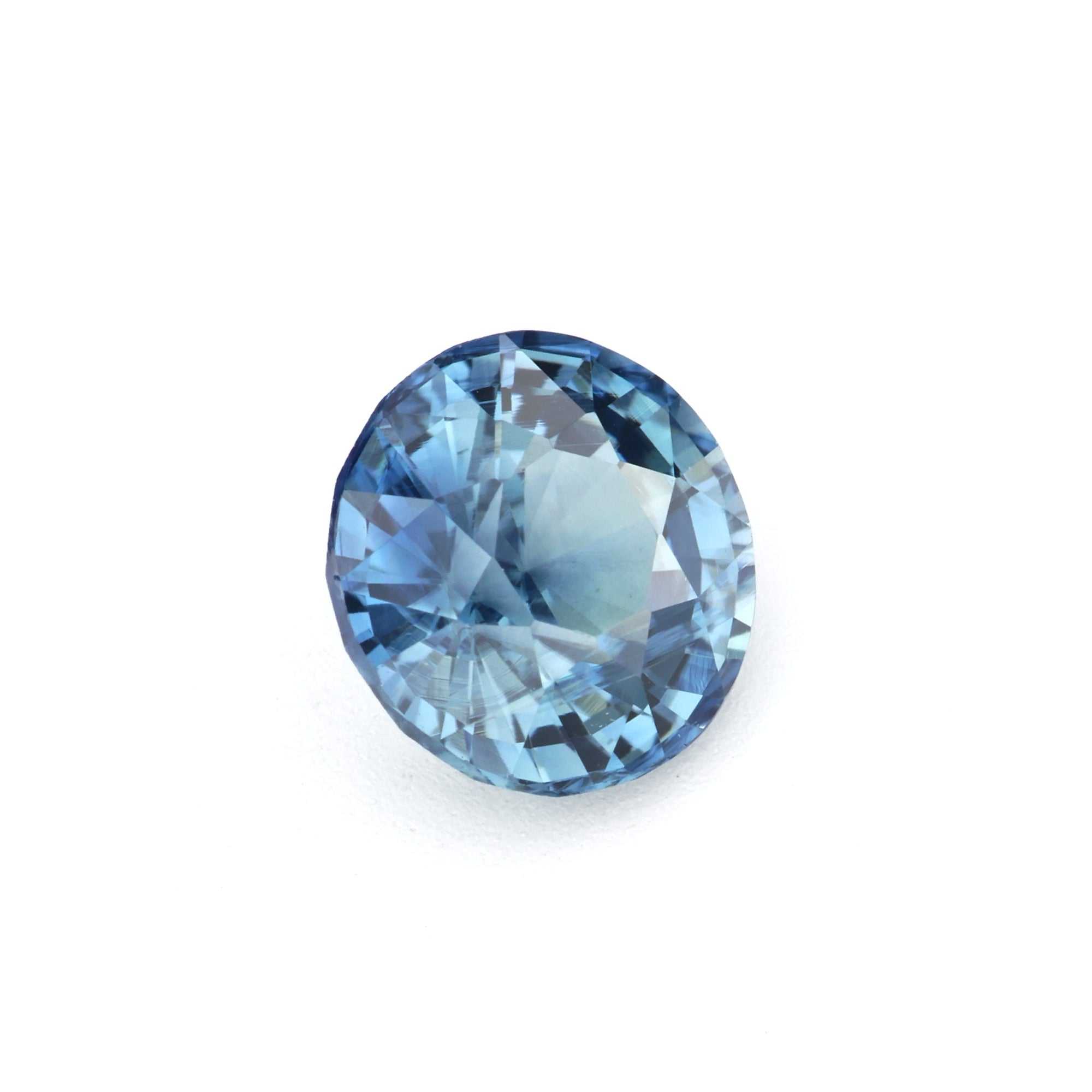
Platinum's naturally cool, neutral white adds no color of its own beside the stone. Blue, teal, violet, and white sapphires sit against a plain white frame in platinum. Pink in platinum gives a cool, high-contrast look rather than a warm one. To judge your stone before choosing, ask for more photos and videos of it in one steady light beside a white surface, and look.
| Factor | Yellow Gold (18K) | White Gold (18K) | Platinum (Pt950) |
|---|---|---|---|
| Color | Warm yellow | Bright white (rhodium plated) | Naturally cool white |
| Maintenance | Occasional polish; no plating | Rhodium re-plating from time to time | Occasional polish; no plating needed |
| Durability | Good | Good | Good — scratched metal is displaced, not removed |
| What drives cost | Gold price, karat, metal weight | As yellow gold, plus alloy and rhodium | Platinum price, more metal by weight, bench work |
| Weight | Moderate | Moderate | Heavier — denser than gold |
| Beside blue sapphire | Warm yellow beside cool blue | Cool white; warms slightly as rhodium wears | Cool white, no plating |
| Historical association | Victorian, Georgian, traditional | Modern, contemporary | Edwardian, Art Deco, contemporary fine |
Rose gold deserves mention as the fourth commonly used metal for sapphire rings. Rose gold is 18K or 14K gold alloyed with higher copper content, producing a warm pink-gold color. It does not require rhodium plating; its color comes from the alloy itself. Rose gold is particularly suited to pink, peach, and teal sapphires, where the warm pink-gold creates harmonious or complementary color compositions. See our metal color guide for the full rose gold framework by sapphire color.
Choose platinum if: you want a white metal whose color is inherent rather than plated; you want a plain cool white frame around your sapphire; you want to avoid rhodium re-plating; or you prefer the heavier feel of a dense metal.
Choose 18K white gold if: you want a white metal look in gold and are comfortable with periodic re-plating maintenance; or you want a lighter-weight ring than platinum.
Choose 18K yellow gold if: you want a warm, historically grounded aesthetic; your sapphire is blue, yellow, orange, or peach and you want a warm metal beside it; or you prefer the lower maintenance (no plating required) of yellow gold with a warm character.
Choose rose gold if: your sapphire is pink, peach, or teal; you want a romantic, feminine aesthetic; or you are drawn to the warm pink-gold character of the metal itself.
When both are freshly finished, they look nearly identical — the difference is in long-term performance. Platinum's white color is inherent, so it has no plating to wear through. White gold gradually reveals the underlying alloy color as the rhodium wears, requiring periodic re-plating to restore the bright white finish. For a ring worn daily for decades, platinum is the more practical white metal choice if you want to maintain the original bright white appearance.
No. Yellow gold has been set with sapphire since at least Georgian times, and jewelers still make sapphire engagement rings in it today. Whether it suits your stone is a matter of taste rather than fashion. The warm, rich character of 18K yellow gold beside a blue sapphire gives a warm-and-cool contrast that a white metal does not; ask for more photos and videos of the loose stone and look at it with the metal color you are considering in mind.
18K (75% gold) is a widely used choice for sapphire engagement rings — a balance of pure gold content, rich color, and practical durability. 14K is more durable due to higher alloy content and is appropriate for buyers prioritizing practical wear resistance. 24K is too soft for daily ring wear. 9K and 10K contain well under half gold by weight; they are hard-wearing, but the higher share of base metals makes them more prone to tarnish, so the choice is about gold content and color rather than stone security.
Email crescentgems@gmail.com with questions about any loose sapphire in our catalog — we can send more photos and videos, its measurements and its report, which your own jeweler will need to plan the setting. We respond within one business day.

CG8336
CG8366
CG8313
CG8343
CG8344
CG8350
CG8359
CG8360
CG8367
CG8372
CG8374


Blue Star Sapphire Price Guide — What They Cost and Why
Read moreabout Blue Star Sapphire Price Guide — What They Cost and Why
Tsavorite Garnet Price Guide — What They Cost and Why
Read moreabout Tsavorite Garnet Price Guide — What They Cost and Why
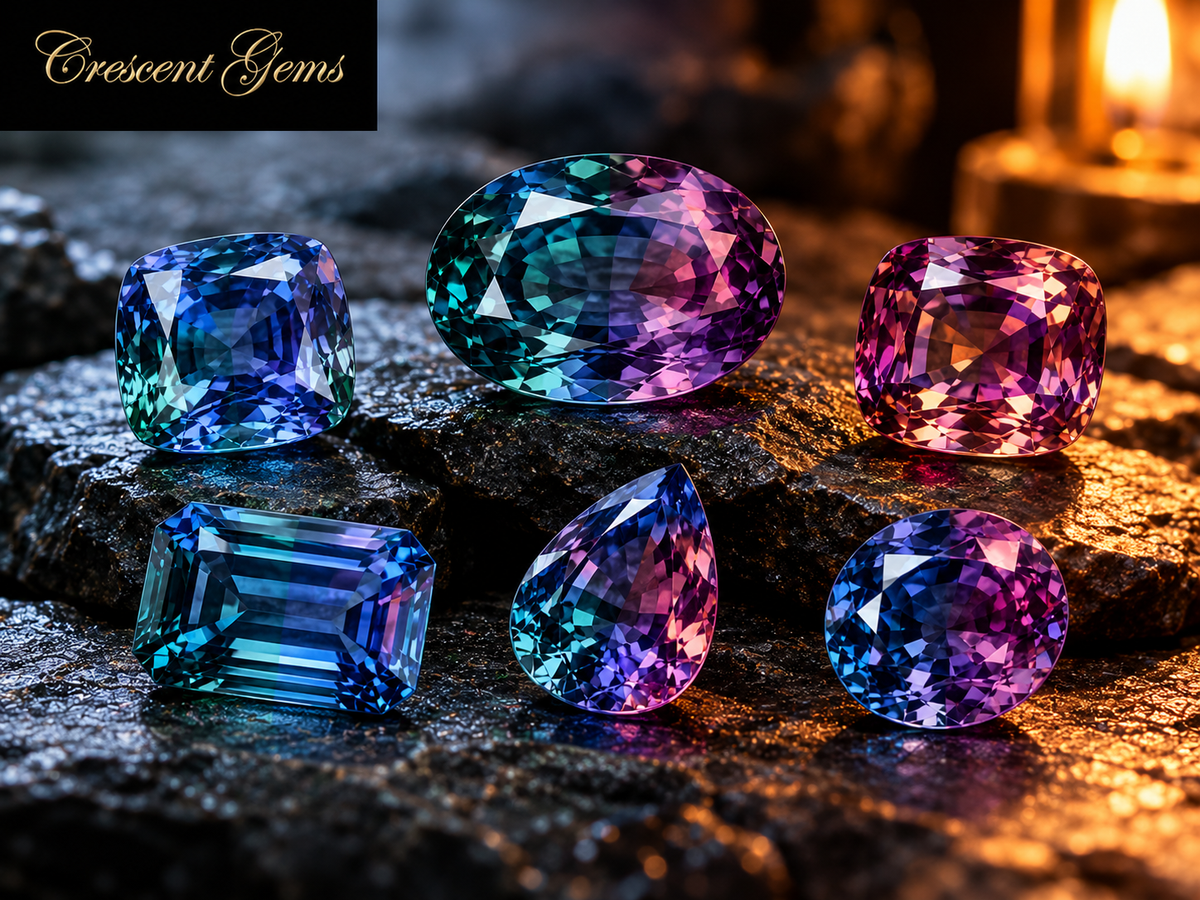
Color-Change Sapphire Price Guide — What They Cost and Why
Read moreabout Color-Change Sapphire Price Guide — What They Cost and Why
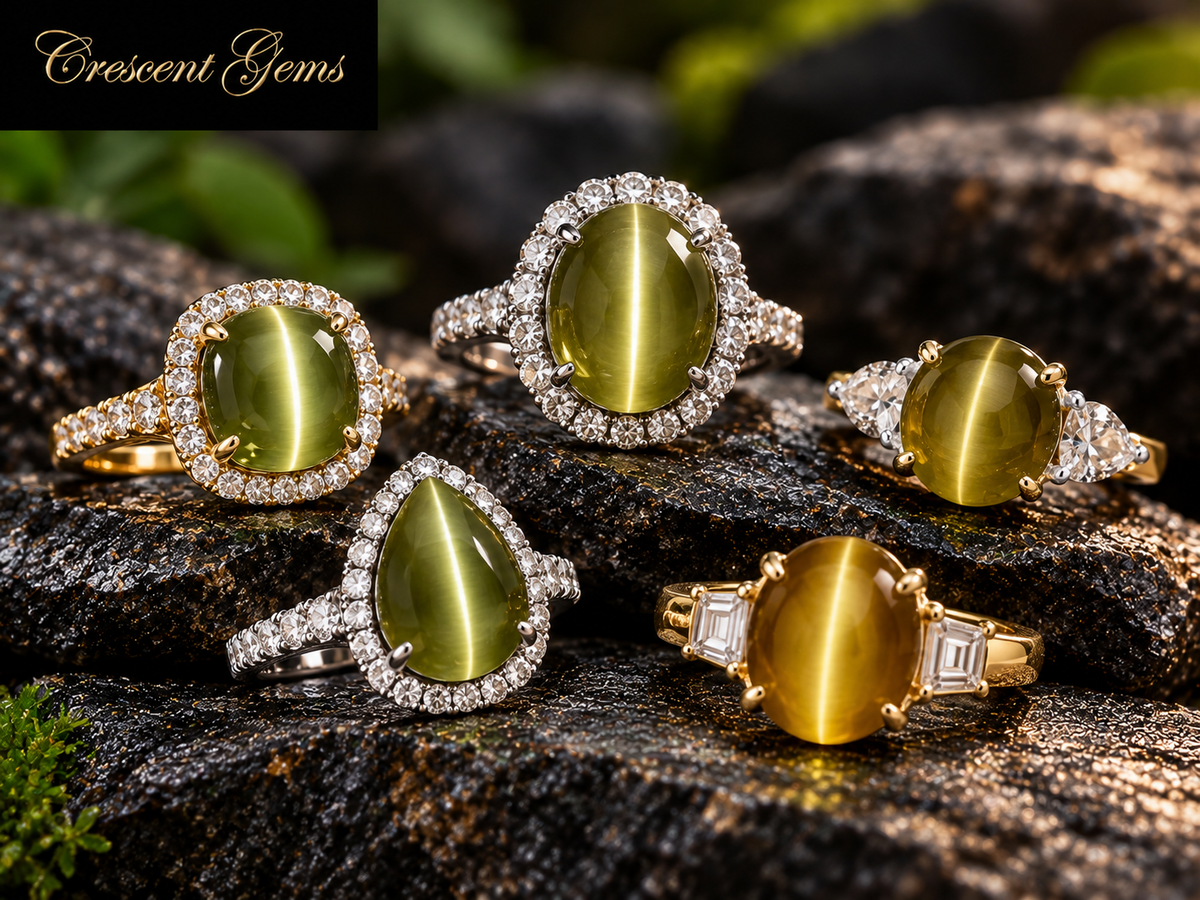
Is Cat's-Eye Chrysoberyl Good for an Engagement Ring?
Read moreabout Is Cat's-Eye Chrysoberyl Good for an Engagement Ring?
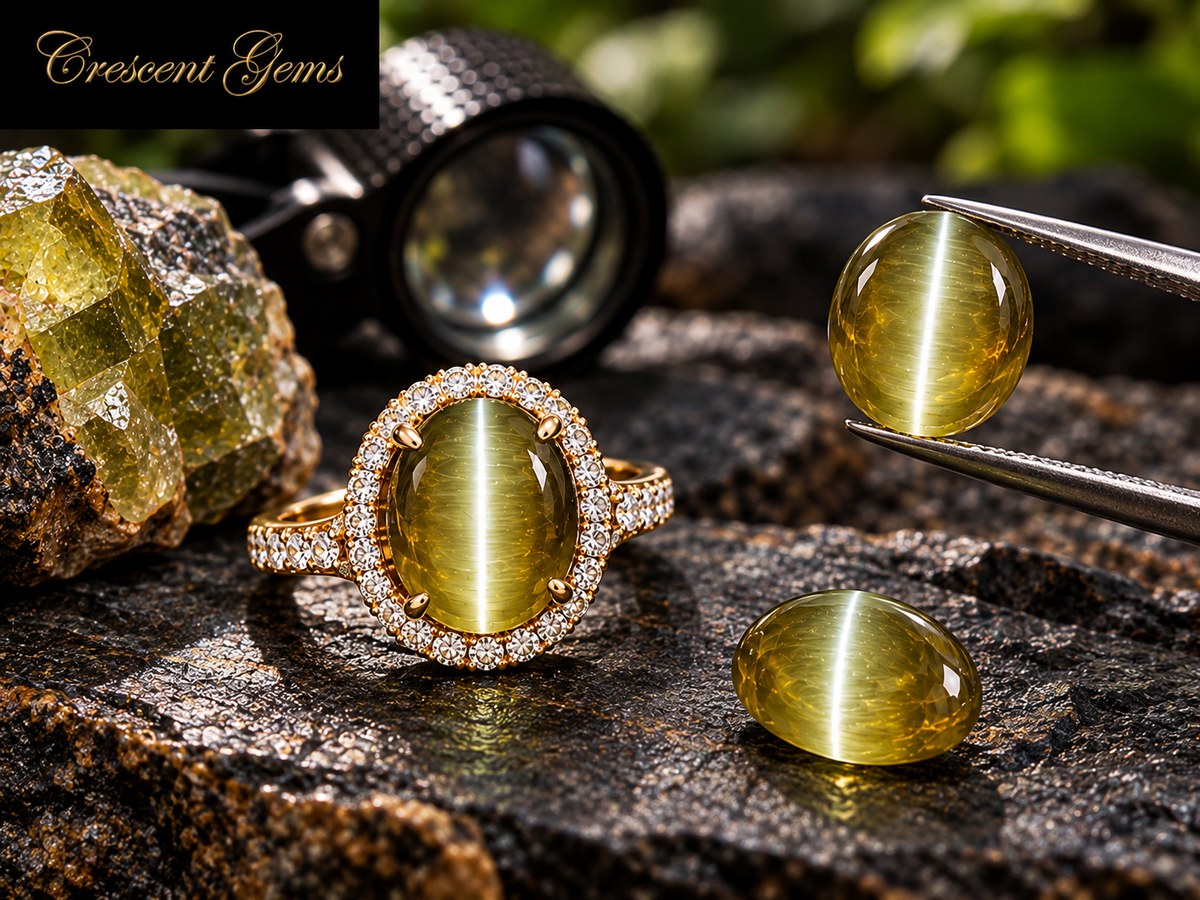
Cat's Eye Chrysoberyl Price Guide — What They Cost and Why
Read moreabout Cat's Eye Chrysoberyl Price Guide — What They Cost and Why