

- by Ahmed Shareek
Mozambique Sapphire — Montepuez, Niassa, and What Buyers Need to Know
- by Ahmed Shareek
For origin comparison: Ceylon Sapphire Complete Guide. For the East African neighbor: Tanzania Sapphire Guide. For the buying foundation: Ultimate Sapphire Buying Guide.
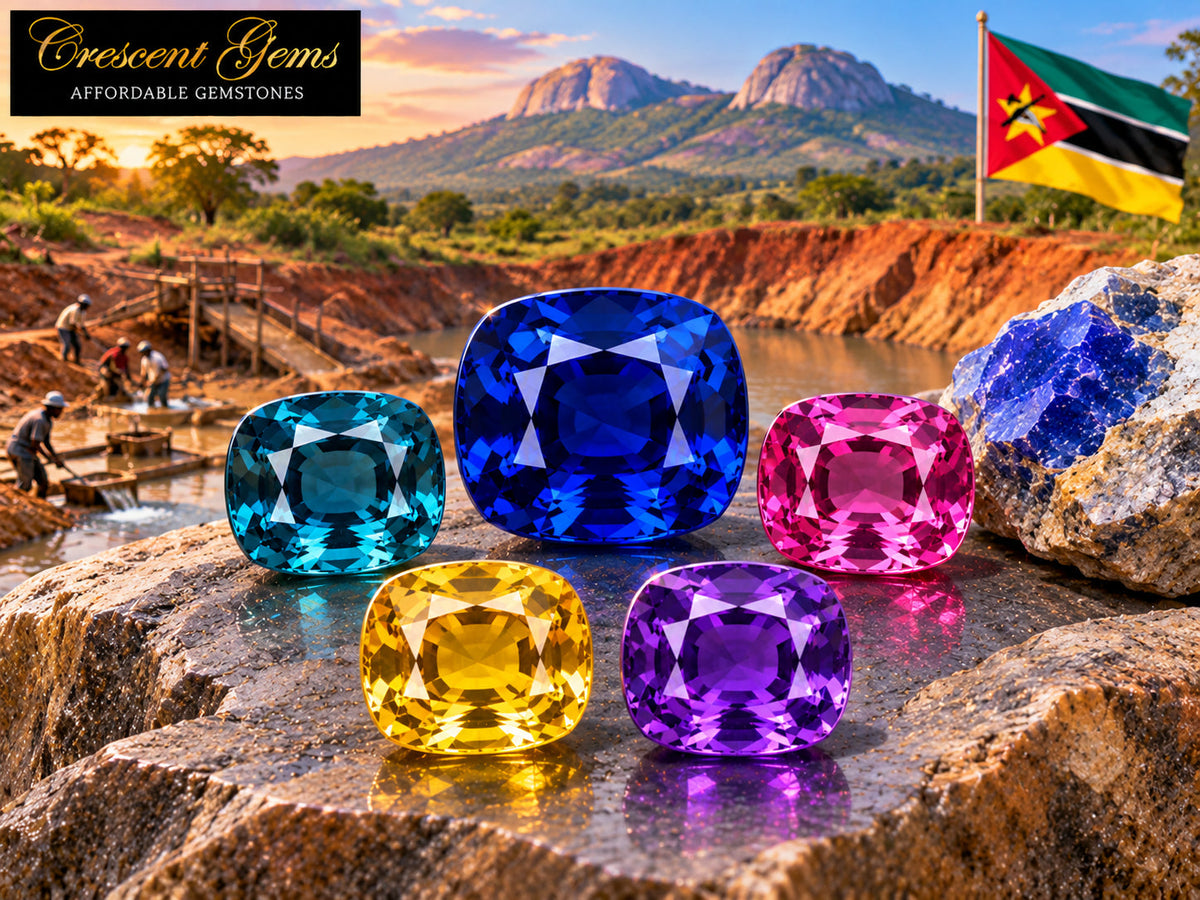
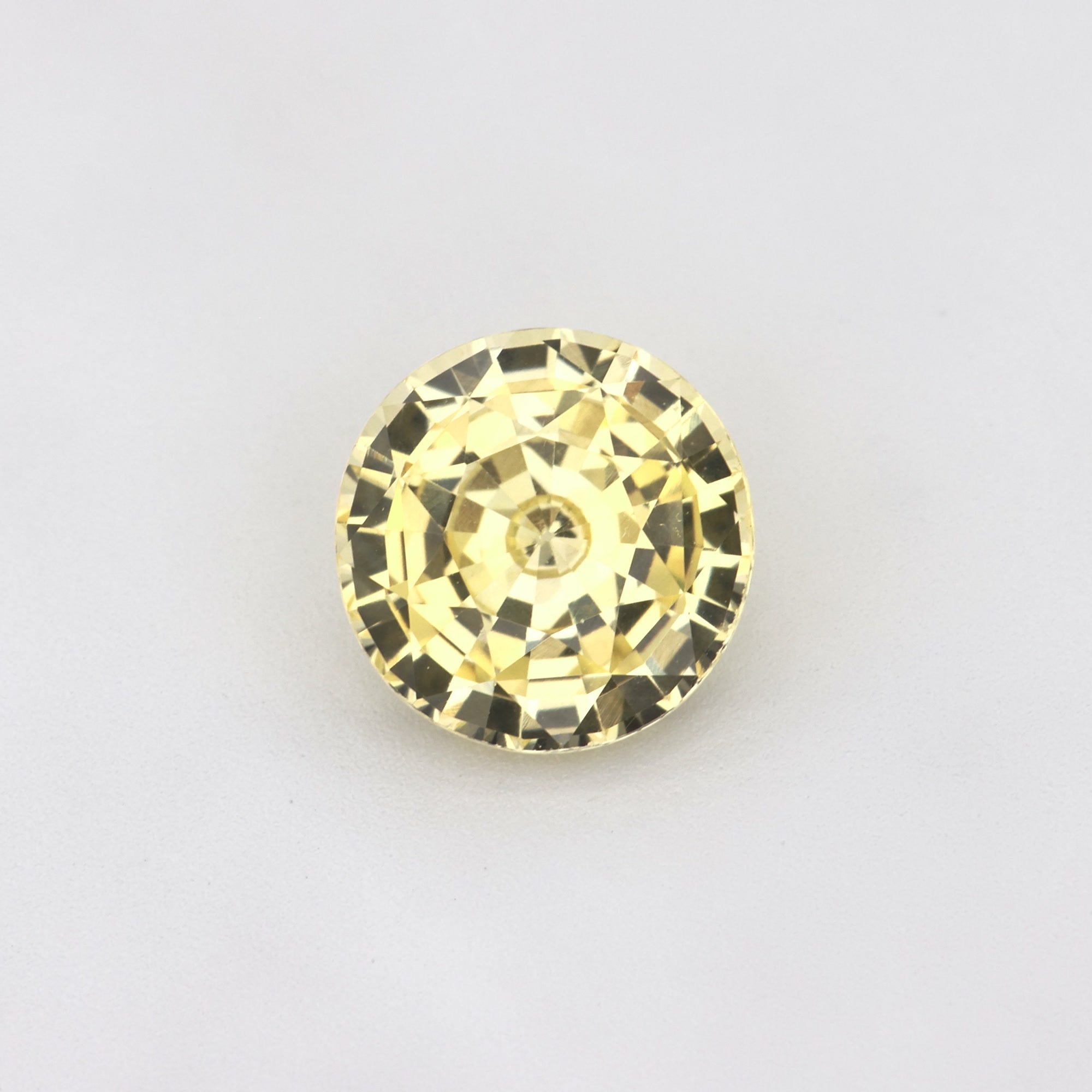
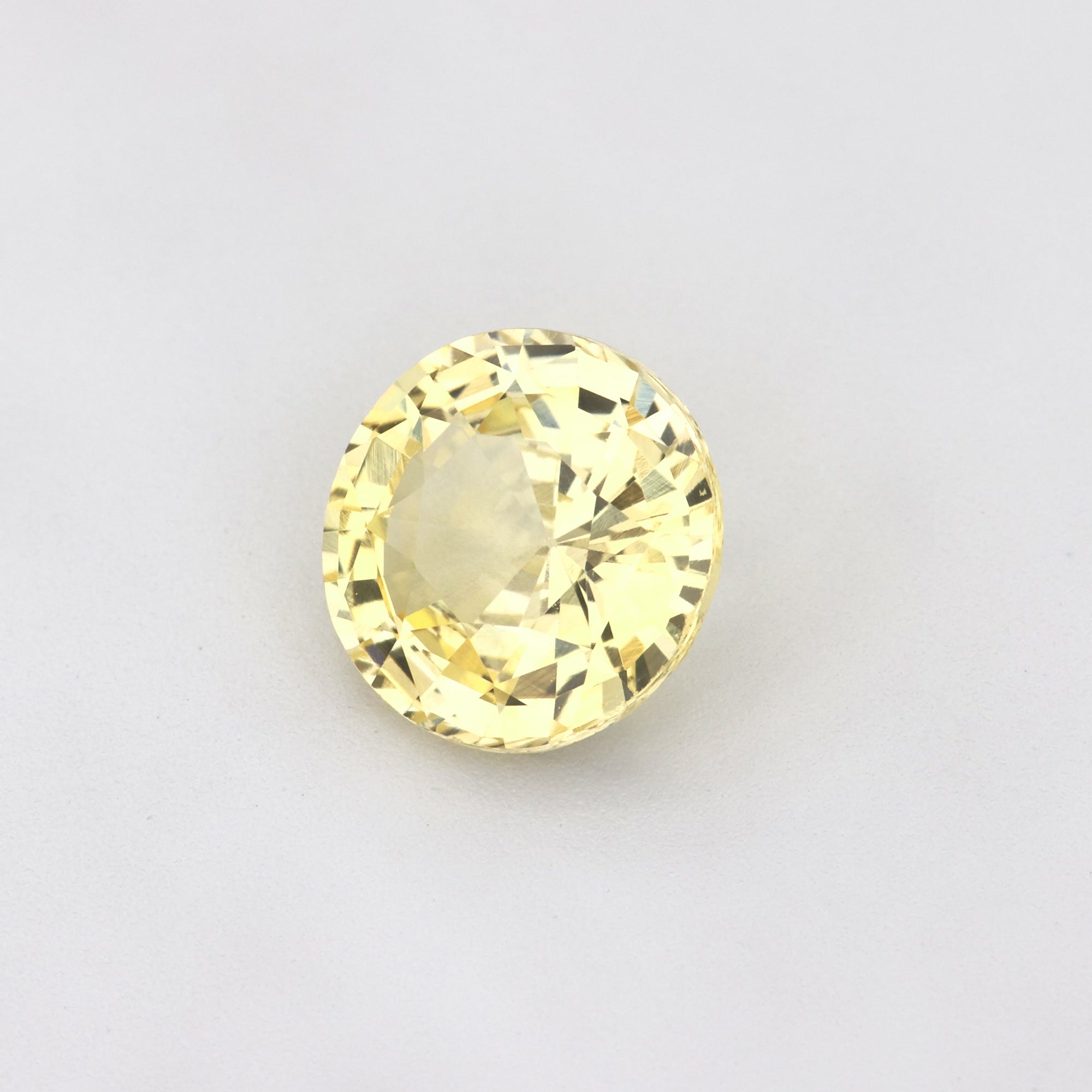
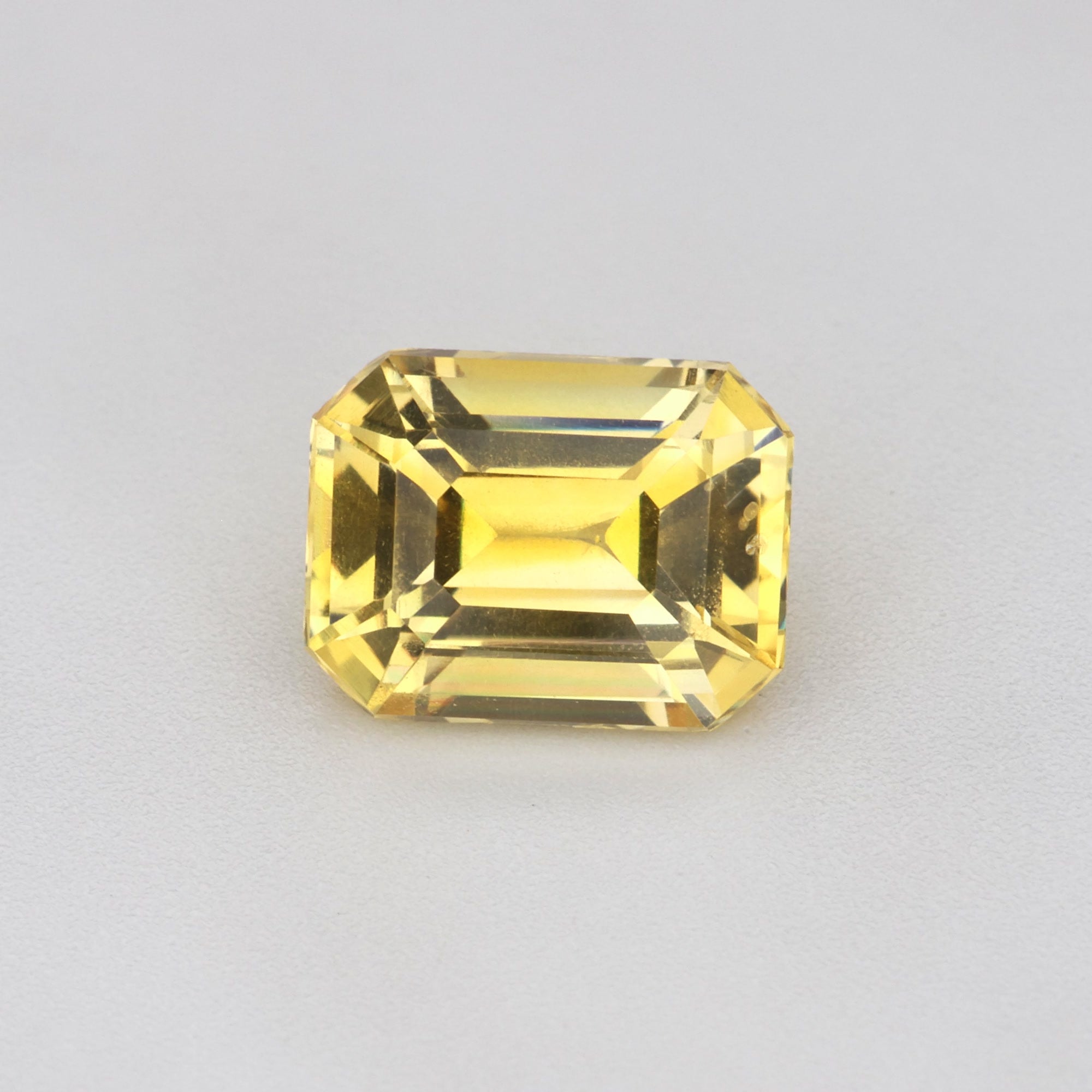
Mozambique is better known in the gem trade for ruby than sapphire. GIA's Gems & Gemology dates the first confirmed gem-quality ruby finds to the Niassa National Reserve in 2008, and the discovery of the Montepuez deposit in Cabo Delgado Province to 2009. Ruby and sapphire are the same mineral, corundum, so the same ruby fields also yield sapphire, including pink sapphire. Crescent Gems holds no Mozambique sapphire at present: our stock is mainly Sri Lankan, bought at the source and held in the USA.
The Montepuez Region in Cabo Delgado Province is where Gemfields (75%) and Mwiriti (25%) formed Montepuez Ruby Mining in 2011; Gemfields held its first auction of rough ruby from the mine in June 2014. GIA classifies the Montepuez find as an amphibole-related deposit. Ruby and pink sapphire are both corundum, and GIA's 2015 study of the deposit describes rough sorted into dark and light tones, representing ruby and pink sapphire.
The Niassa Region to the west holds the earlier finds: GIA reports that the first facet-grade ruby was mined near the village of M'sawize, inside the Niassa National Reserve, from 2008. Both regions lie in the Mozambique Belt, the zone formed during the assembly of the Gondwana supercontinent, which GIA notes also takes in Madagascar and Sri Lanka.
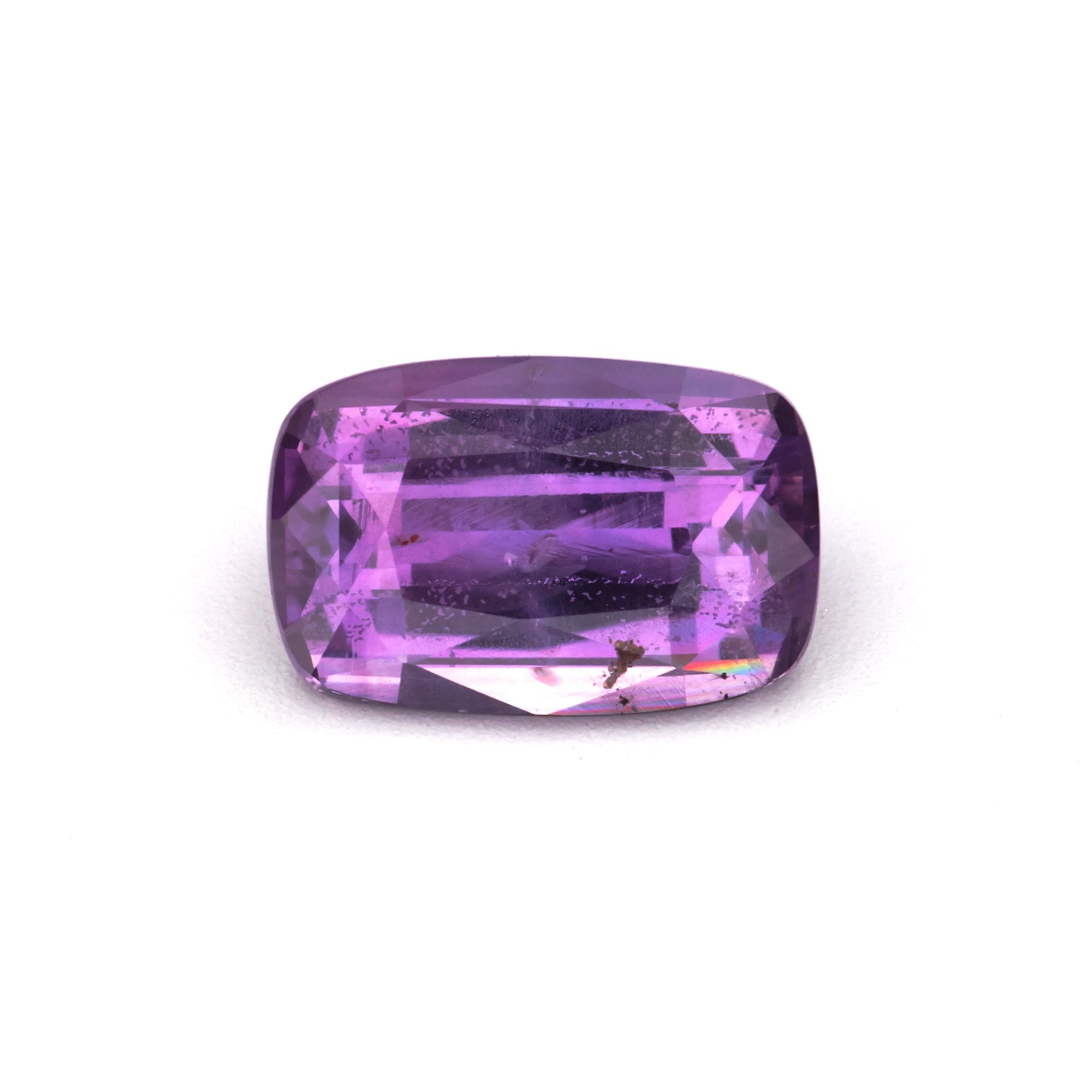
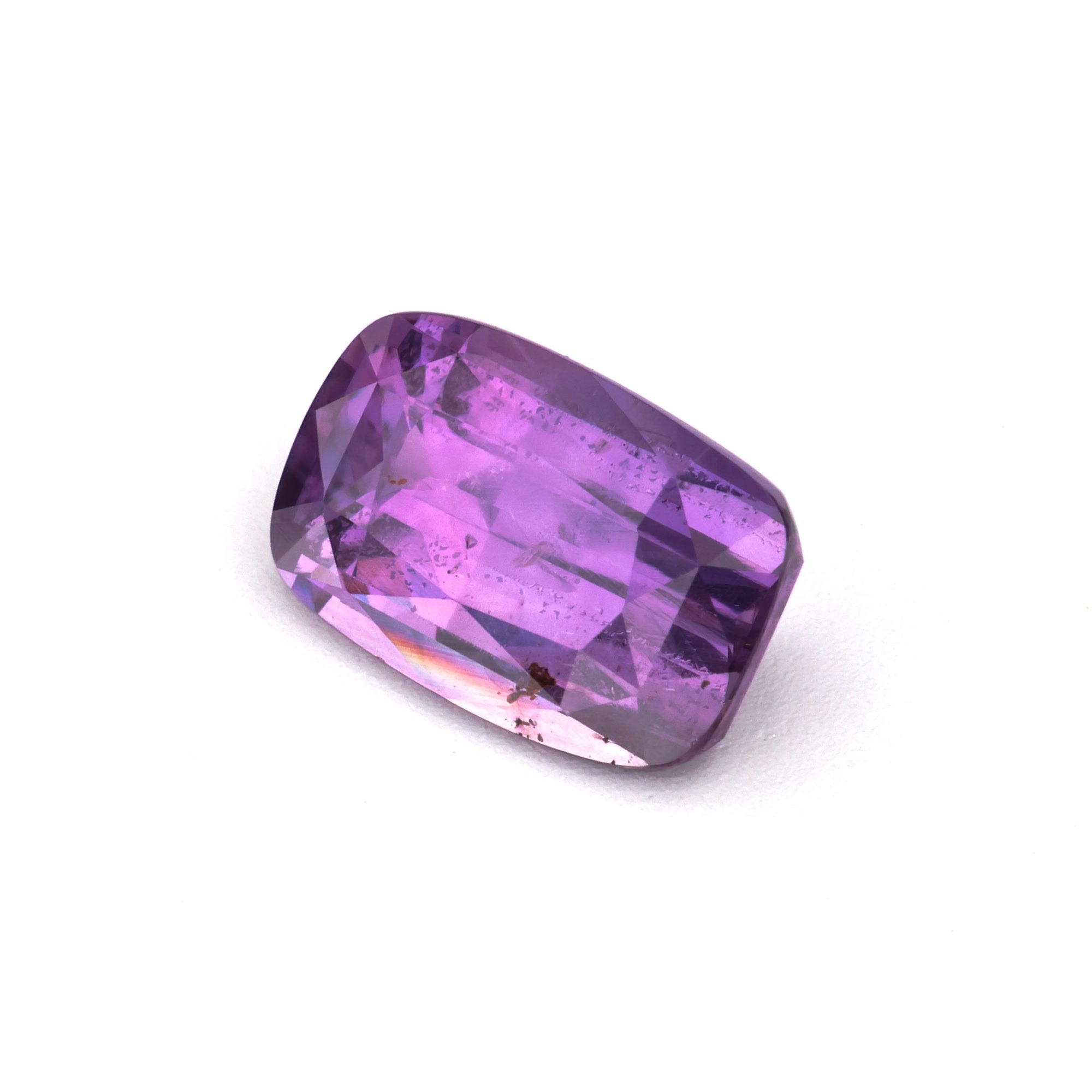
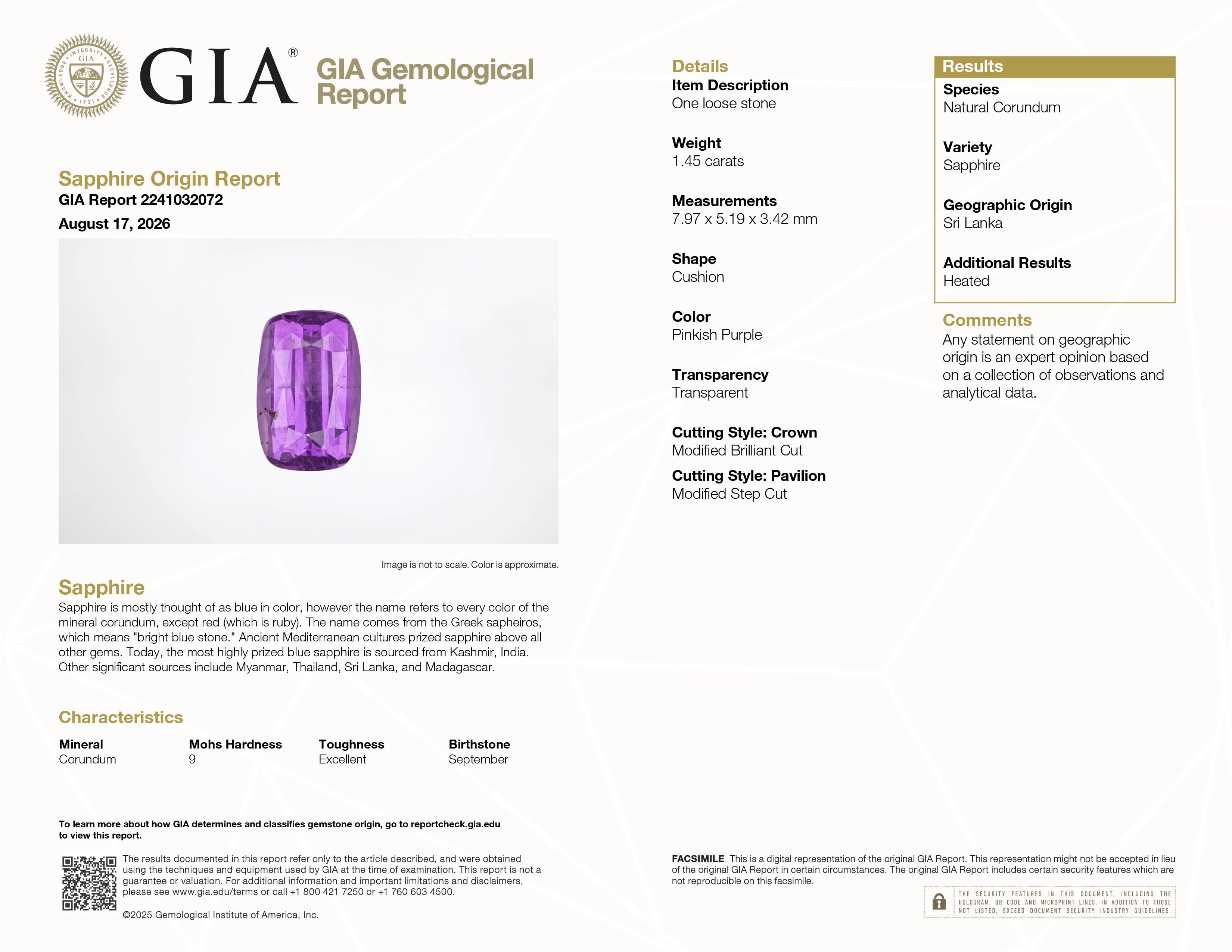
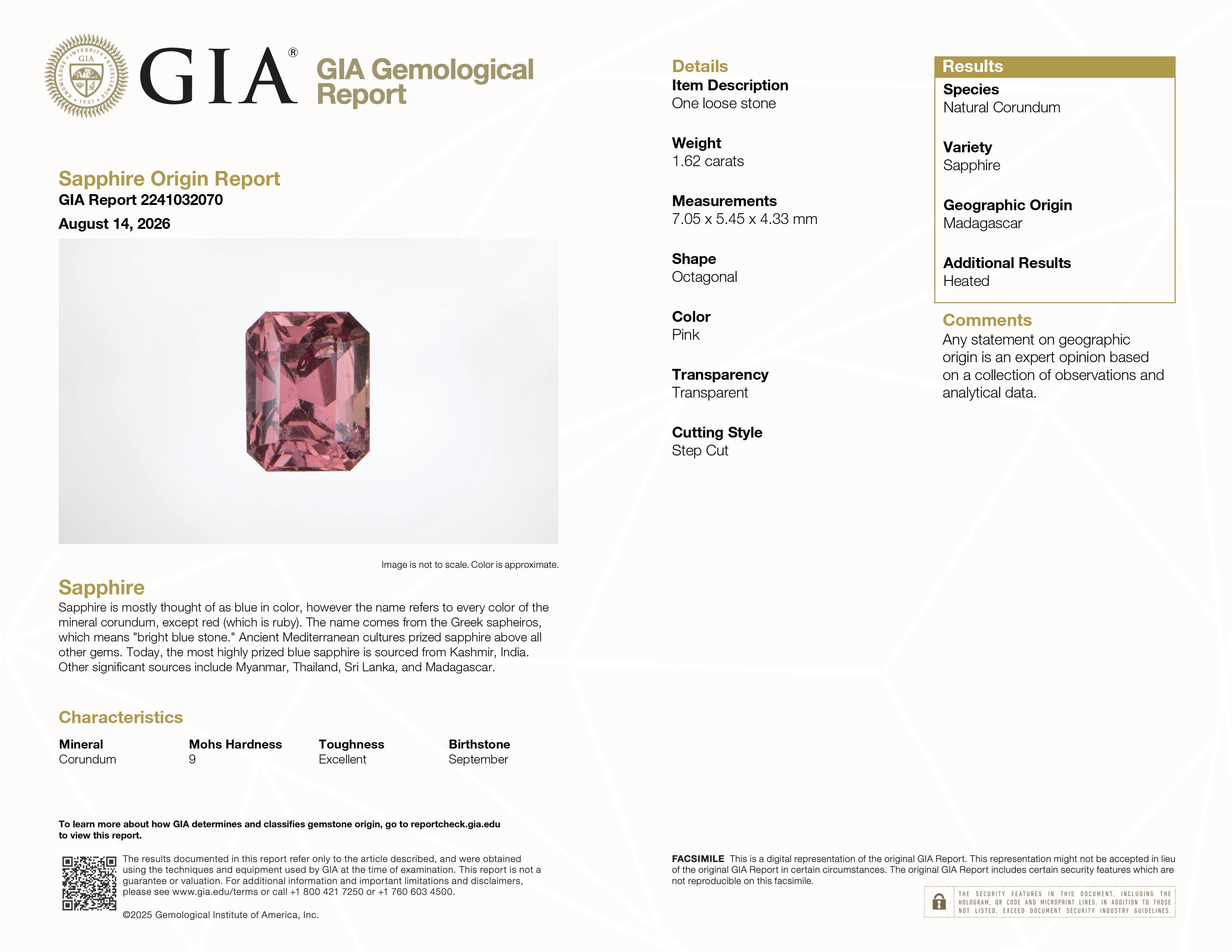
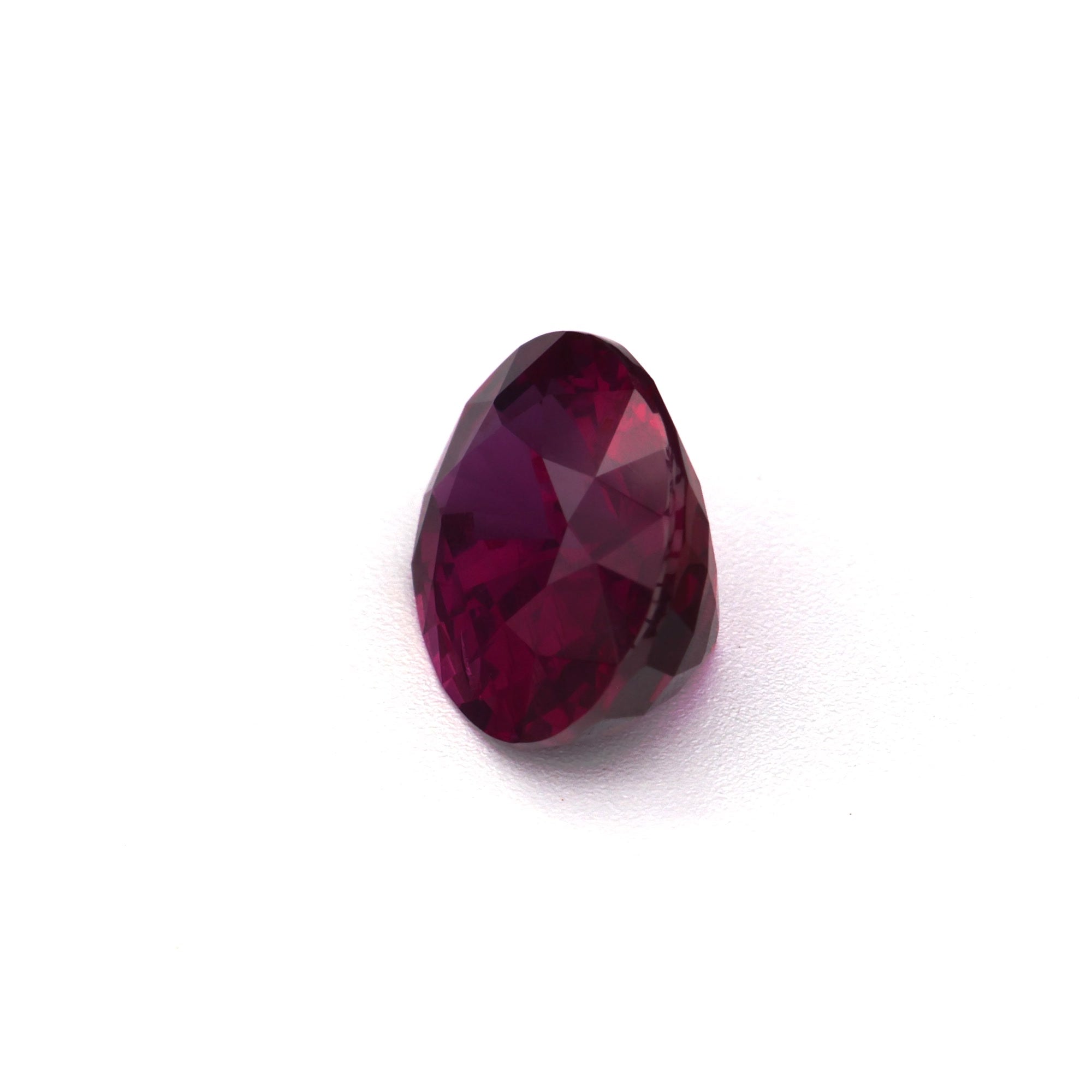
The sapphire color that sits closest to Mozambique's ruby is pink: chromium colors both, and pink sapphire comes out of the same ground. In 2020 a Gems & Gemology lab note described an 11.16 ct unheated pink sapphire from Mozambique, with the higher iron and lower vanadium content that GIA calls typical of Mozambique sapphires. For the pink stones we hold, see our pink sapphire collection. See our Pink Sapphire Buyer's Guide for the full framework. For color guidance see our Sapphire Colors Explained guide.
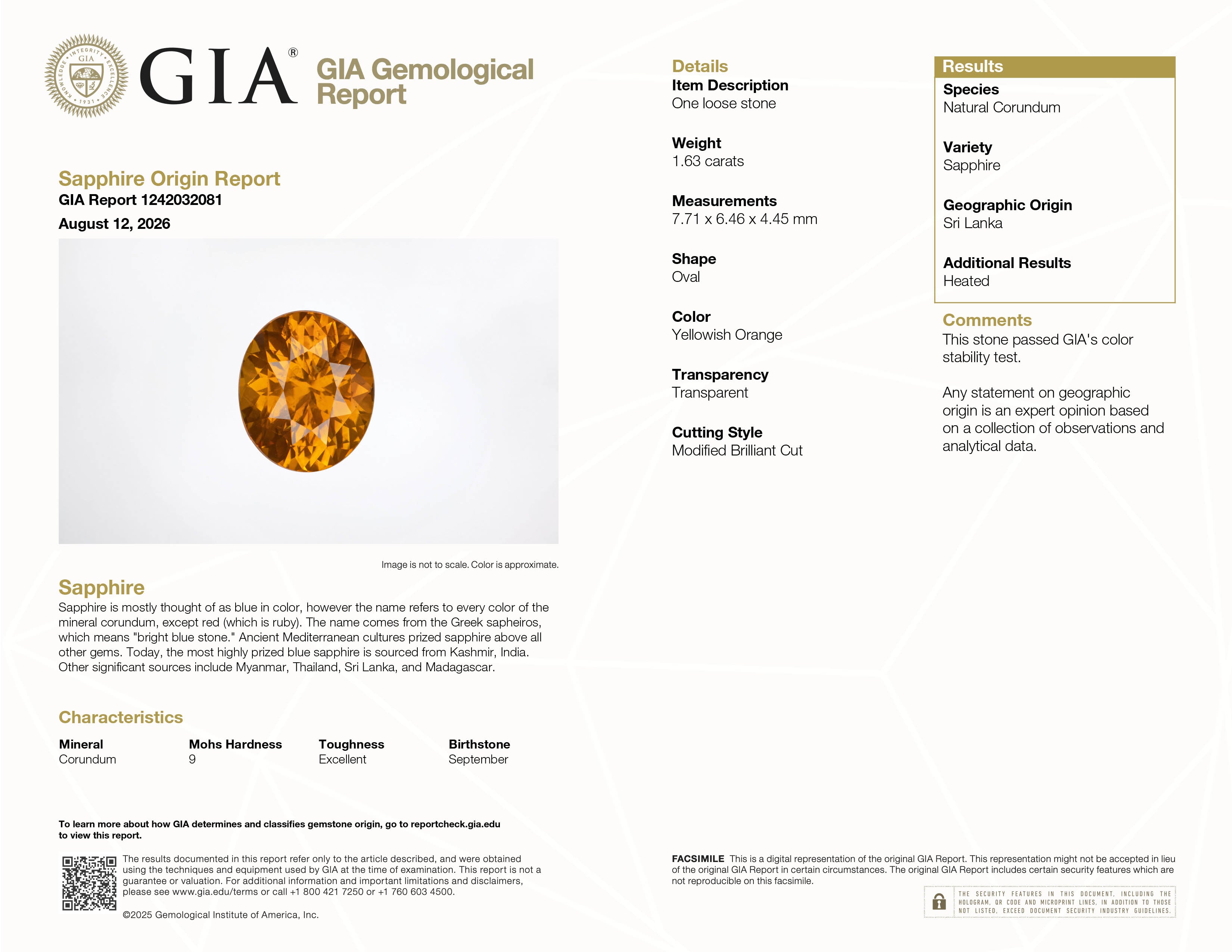
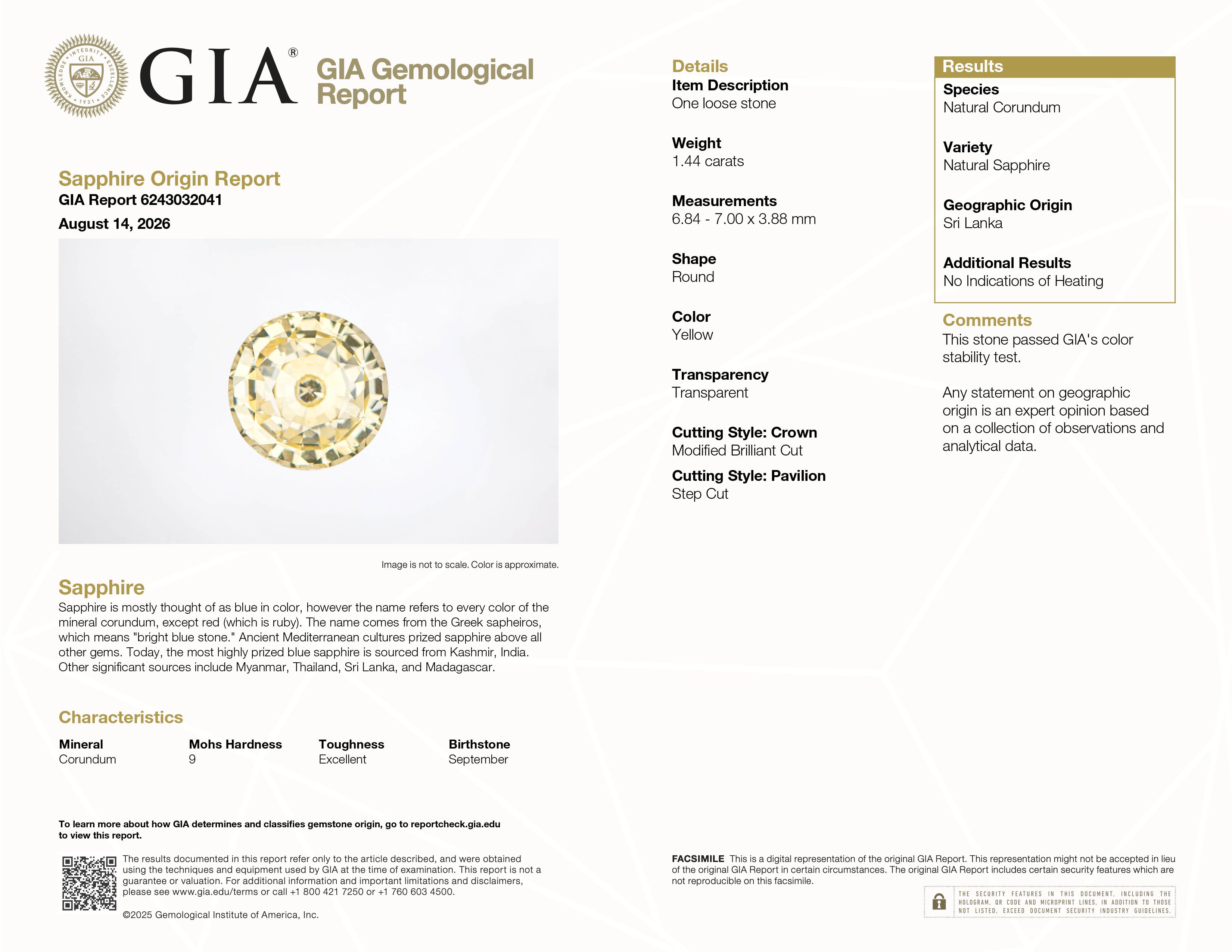
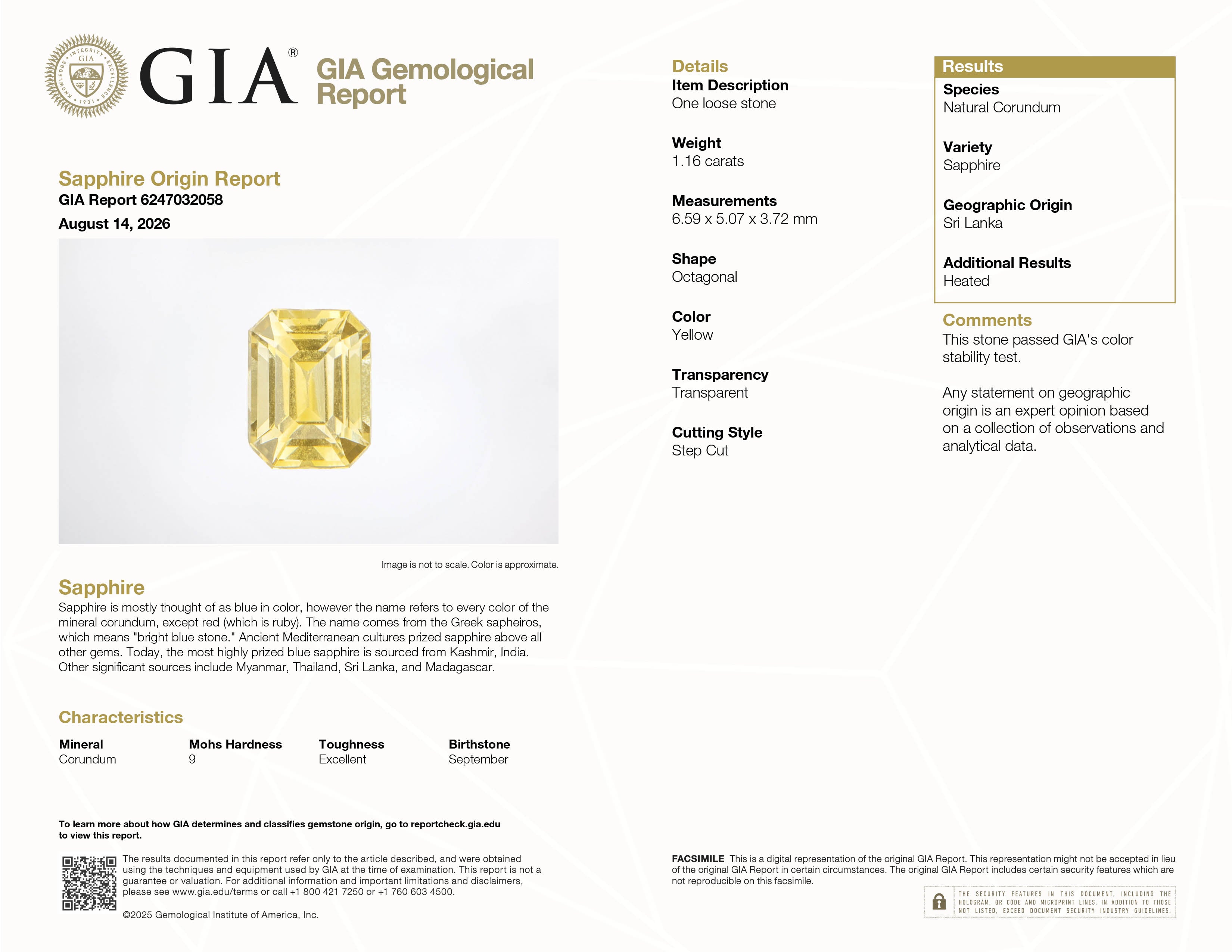
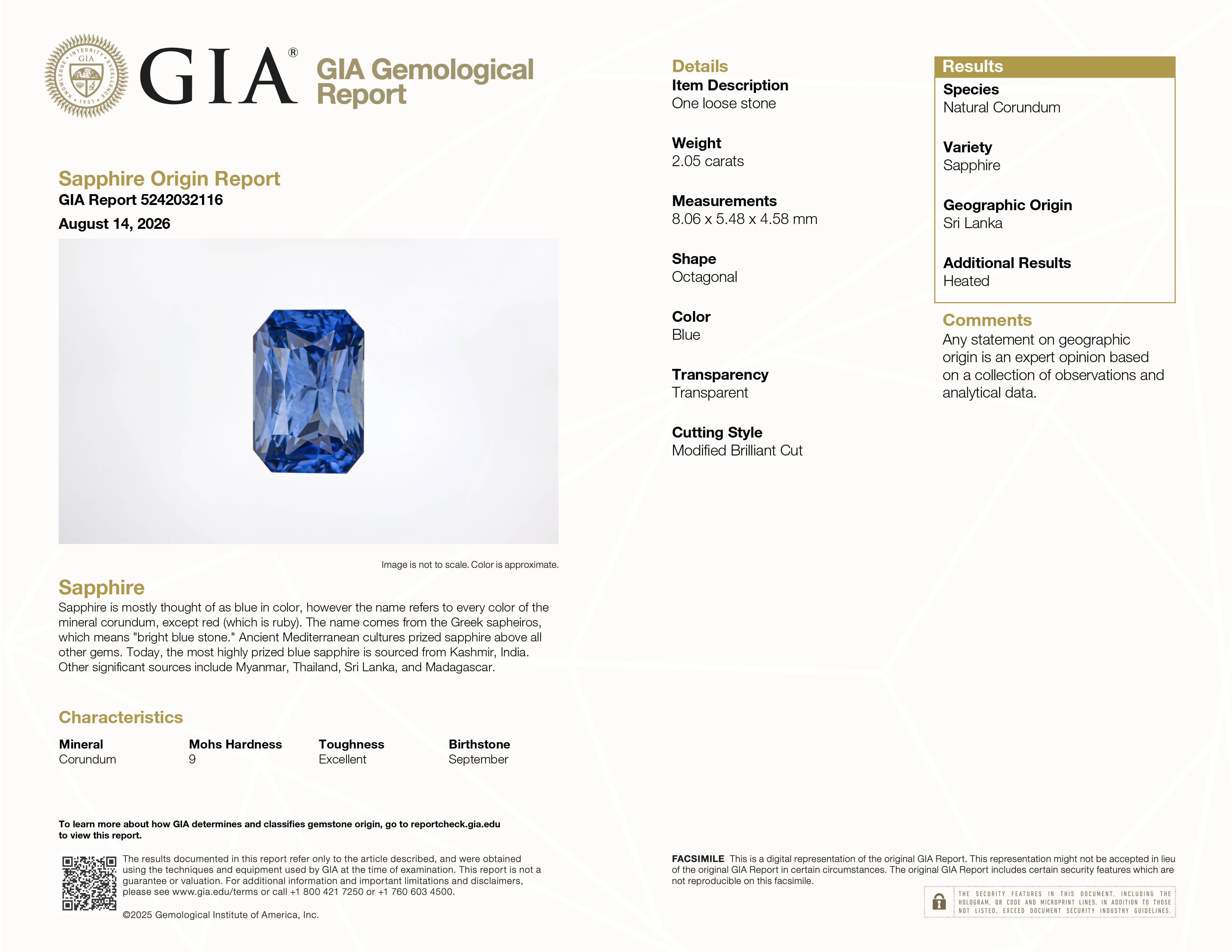
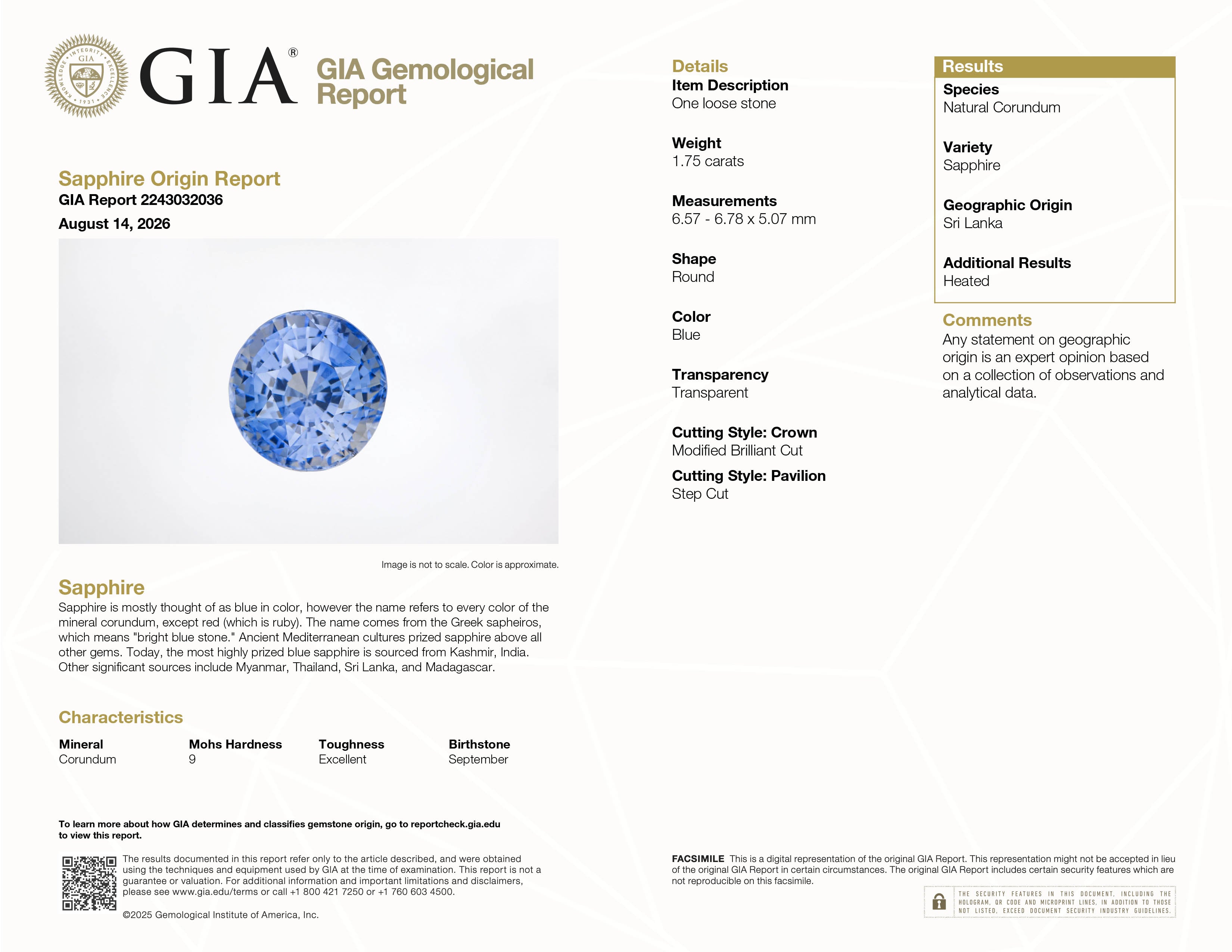
Whether a Mozambique sapphire is unheated is a question only a lab report settles. GIA describes low-temperature heat treatment of pink sapphire as a procedure used to reduce blue color components, and notes that not every stone will show clear signs of it. Unheated is a finding about heating only, not a statement that no other treatment was applied. Orange, strongly warm pink, or vivid yellow stones raise a further question, beryllium diffusion: GIA's Gems & Gemology notes that microscopy cannot identify this treatment in many cases, and that LA-ICP-MS was introduced into many gemological laboratories to detect it. On origin, GIA writes that "geographic origin determinations on reports are opinions—they are not indisputable facts." See our GIA report guide.
For a Mozambique stone, three documents do most of the work. First, a laboratory report that identifies the stone as natural sapphire and states its heating finding. Second, for an orange, strongly warm pink or yellow stone, a report that addresses beryllium diffusion. Third, if origin matters to you, an origin report, read as the laboratory's expert opinion: GIA notes that "there will sometimes be differences in reports from different organizations." For how color, size and documentation bear on price, see our Sapphire Pricing Explained guide, what a good 1 carat costs, and what a good 2 carat costs.
For ring design guidance, see our oval sapphire guide, cushion cut guide, best shapes for solitaire rings, halo ring guide, metal comparison guide, and custom ring design guide. After purchase, insure your ring: see our jewelry insurance guide.
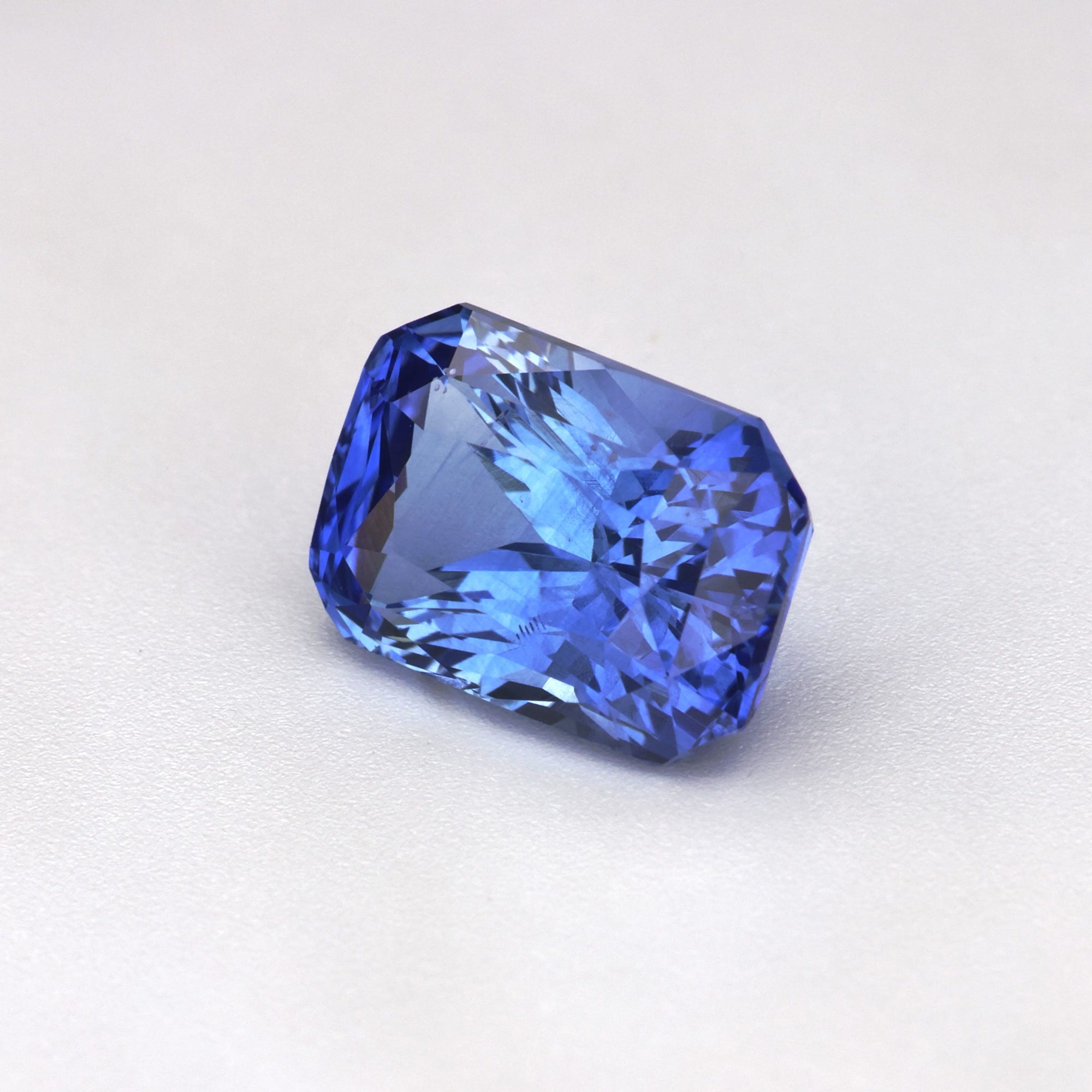
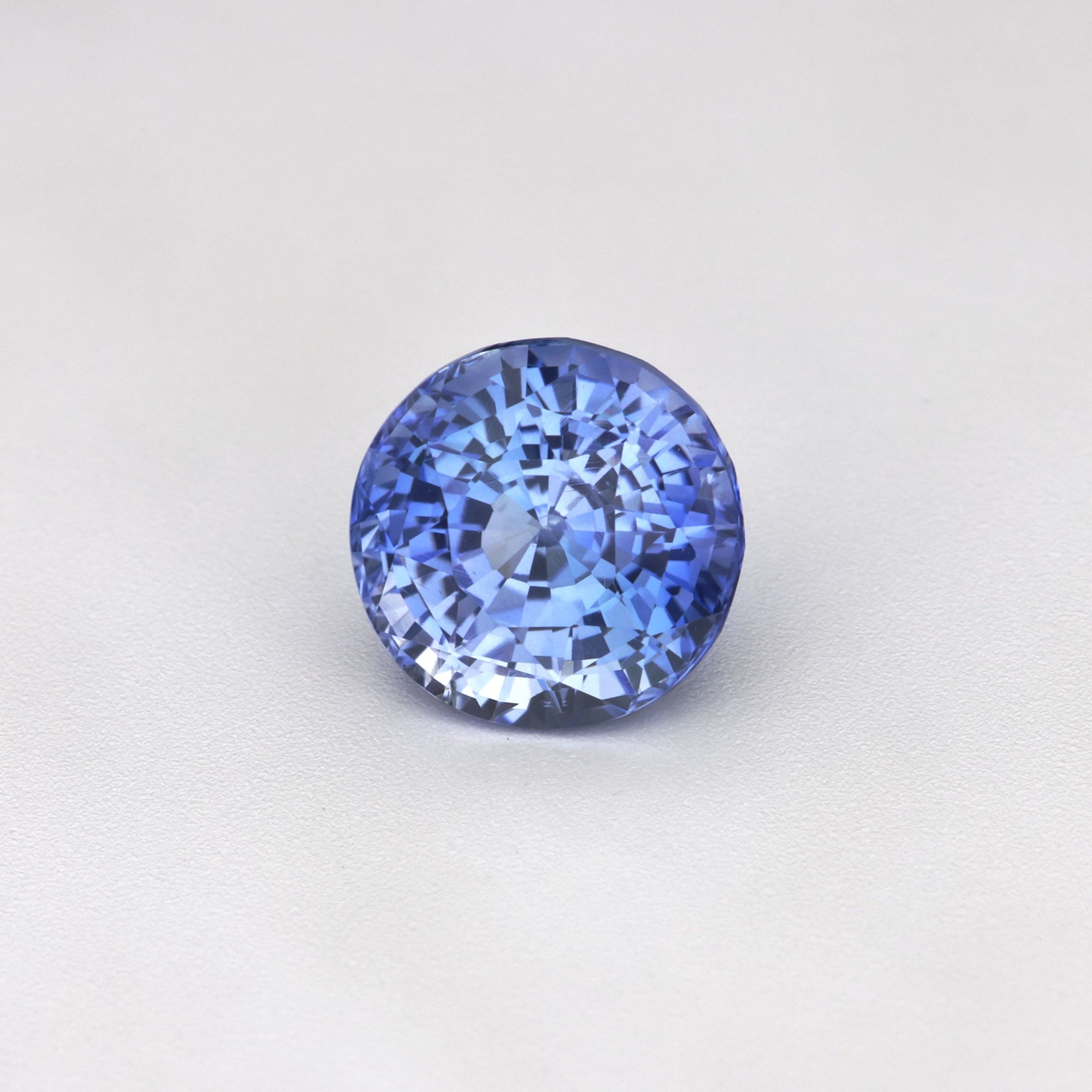
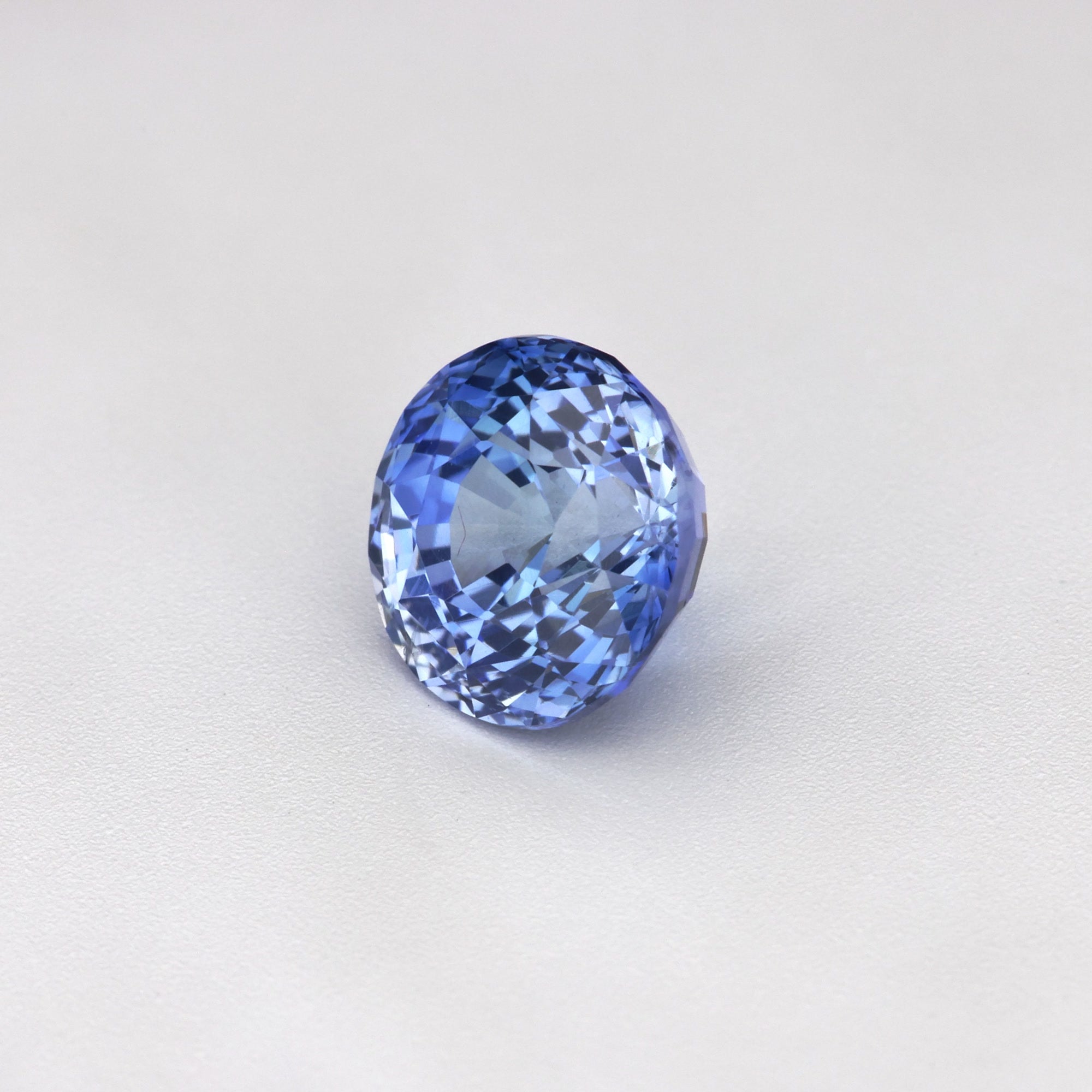
Browse our full catalog — loose stones, mainly Sri Lankan, bought at the source and held in the USA, each sold with its treatment status stated — or email crescentgems@gmail.com with your color and budget. We respond within one business day.

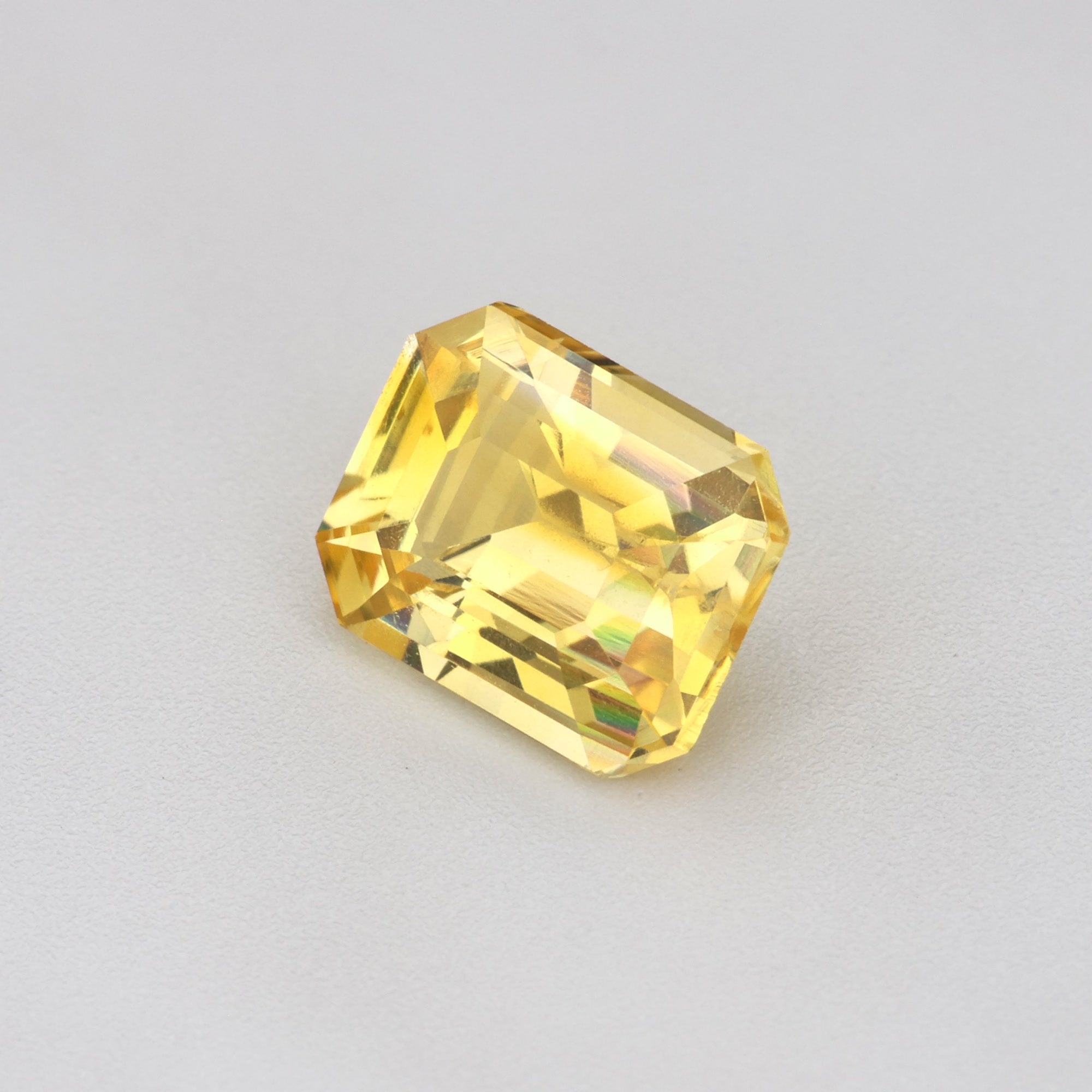
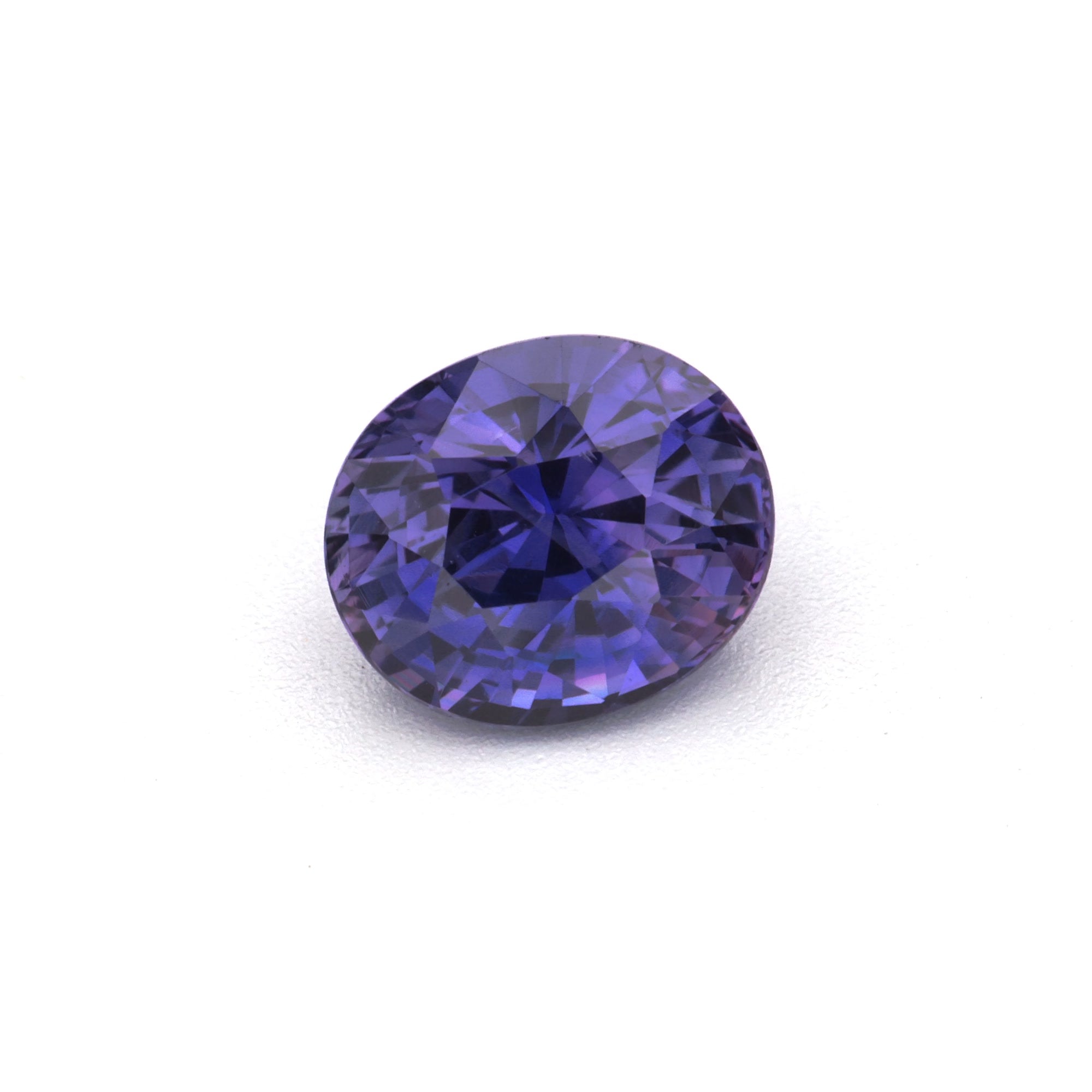
CG8465
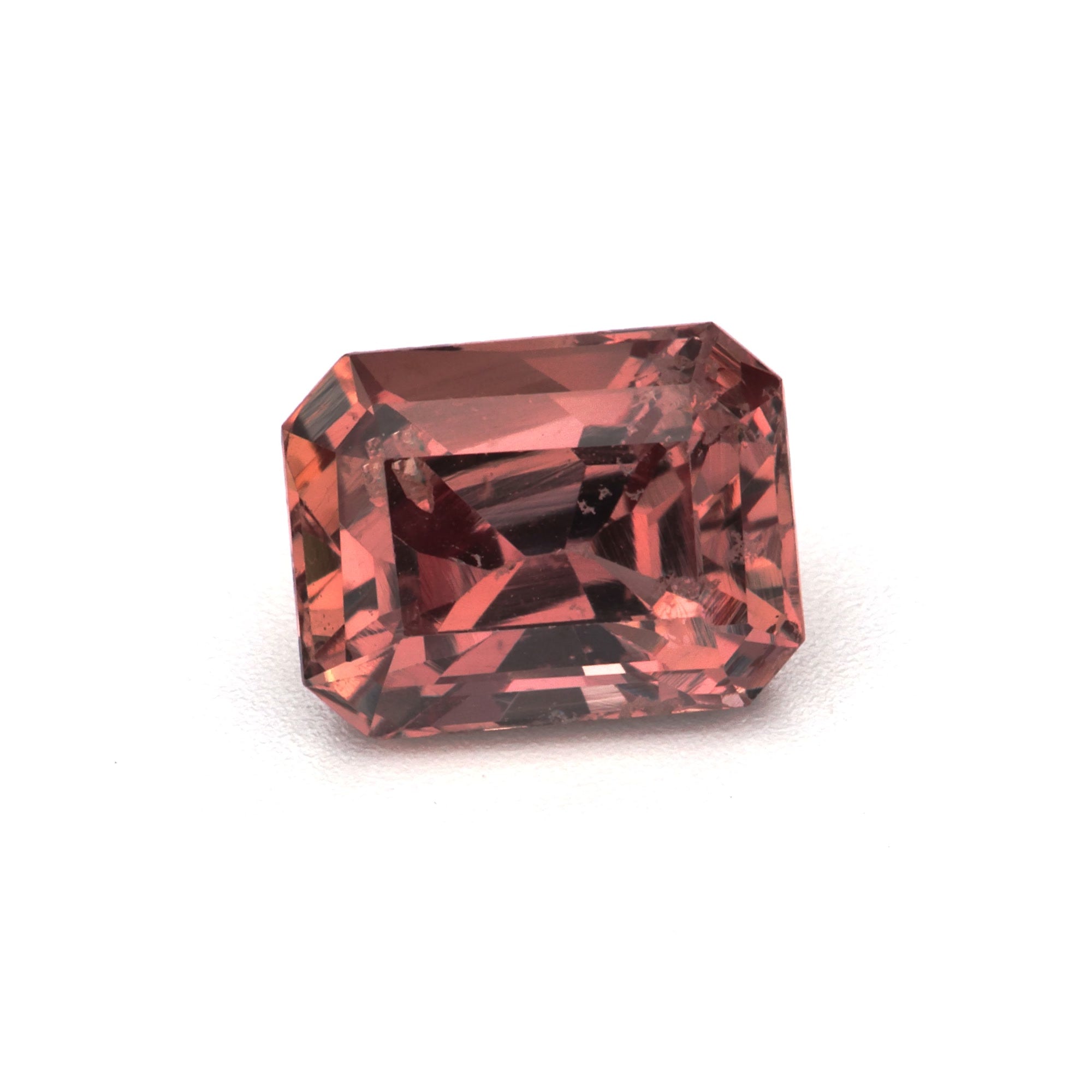
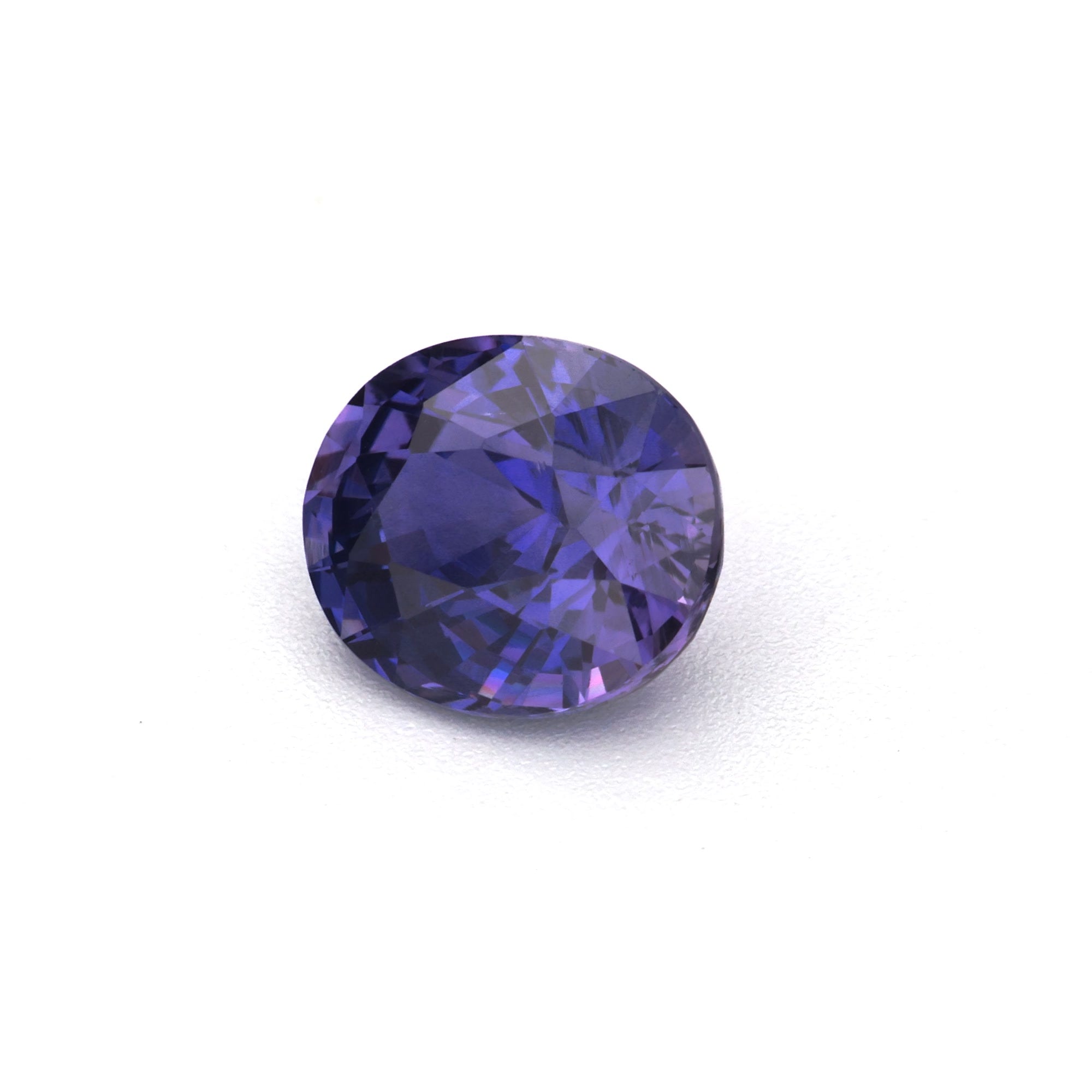
CG8463
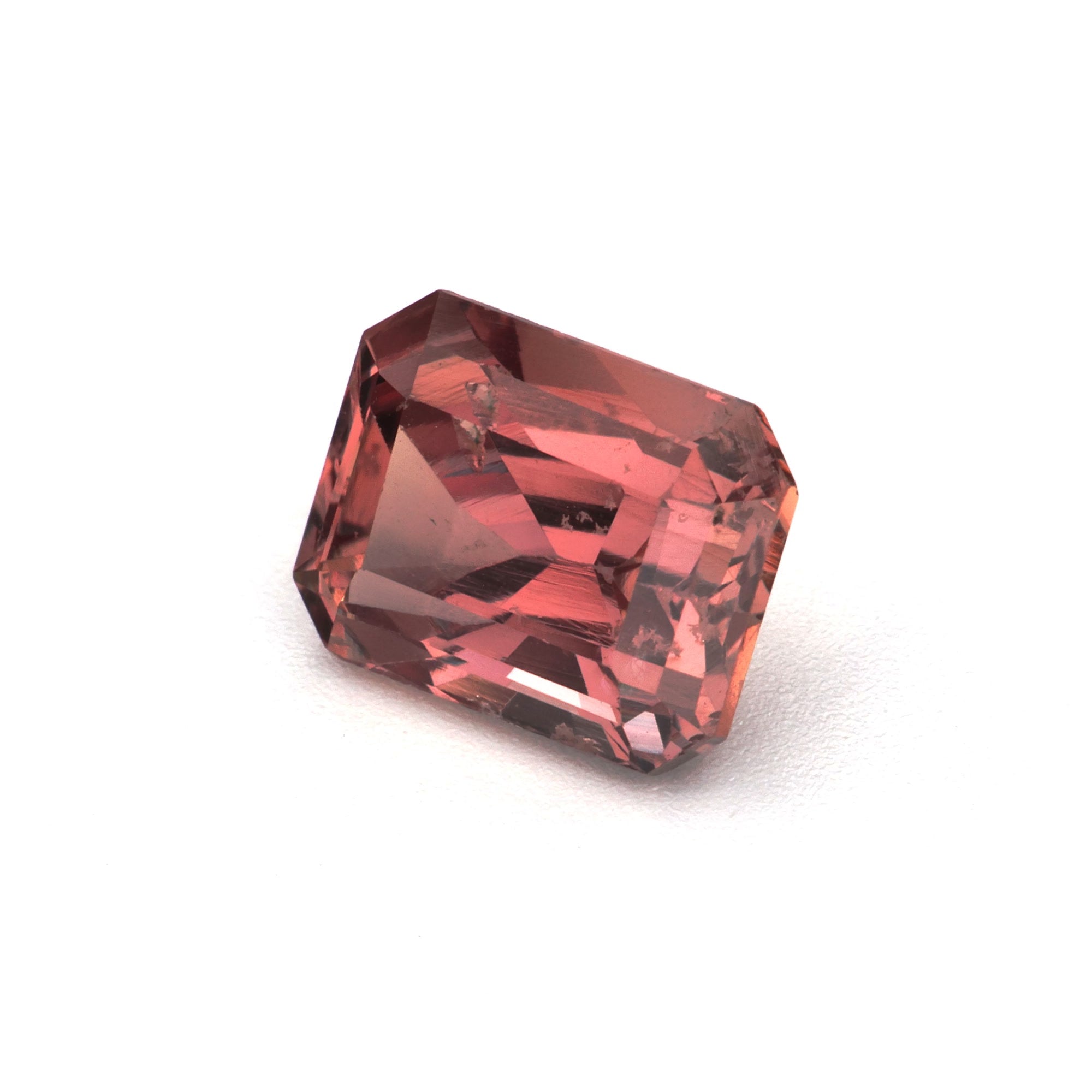
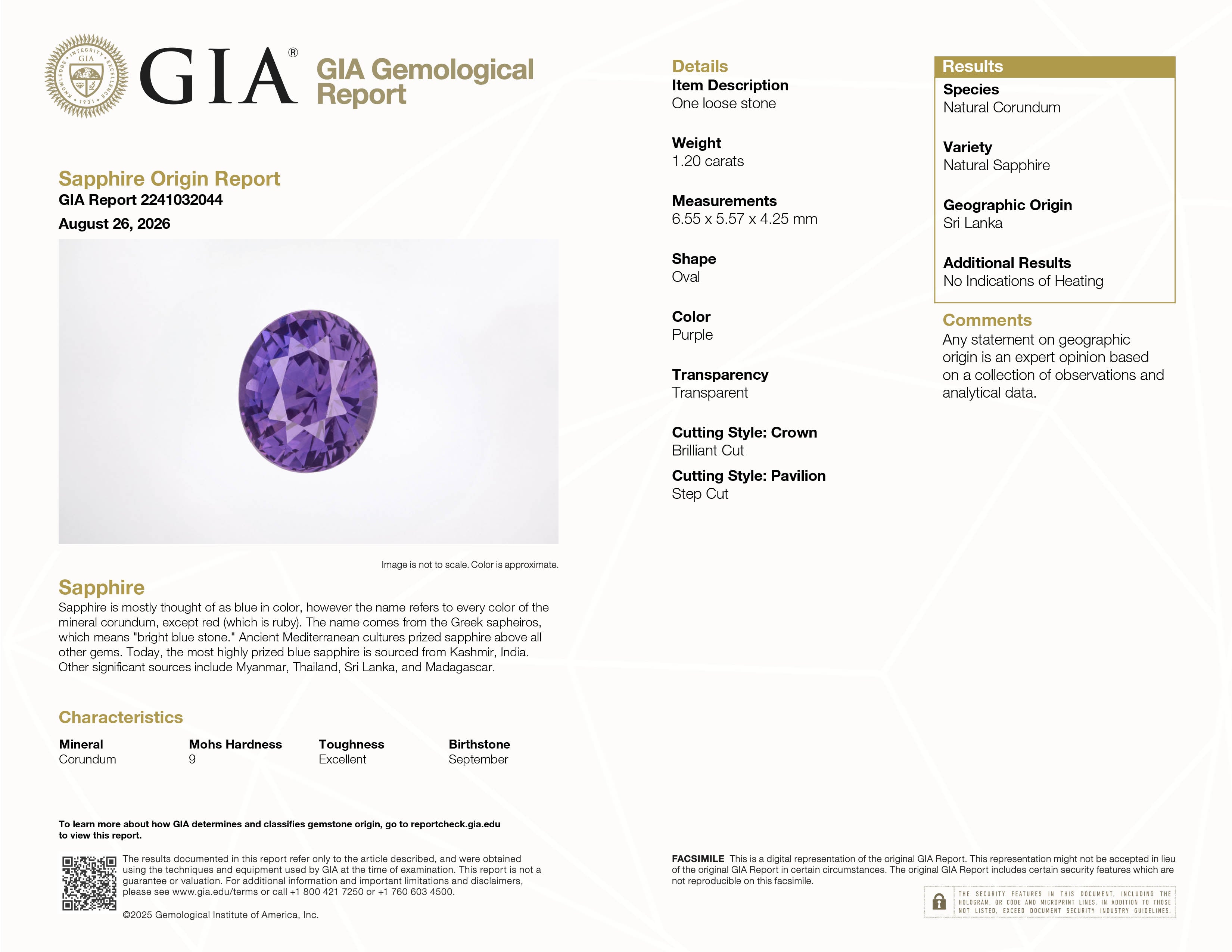
CG8460
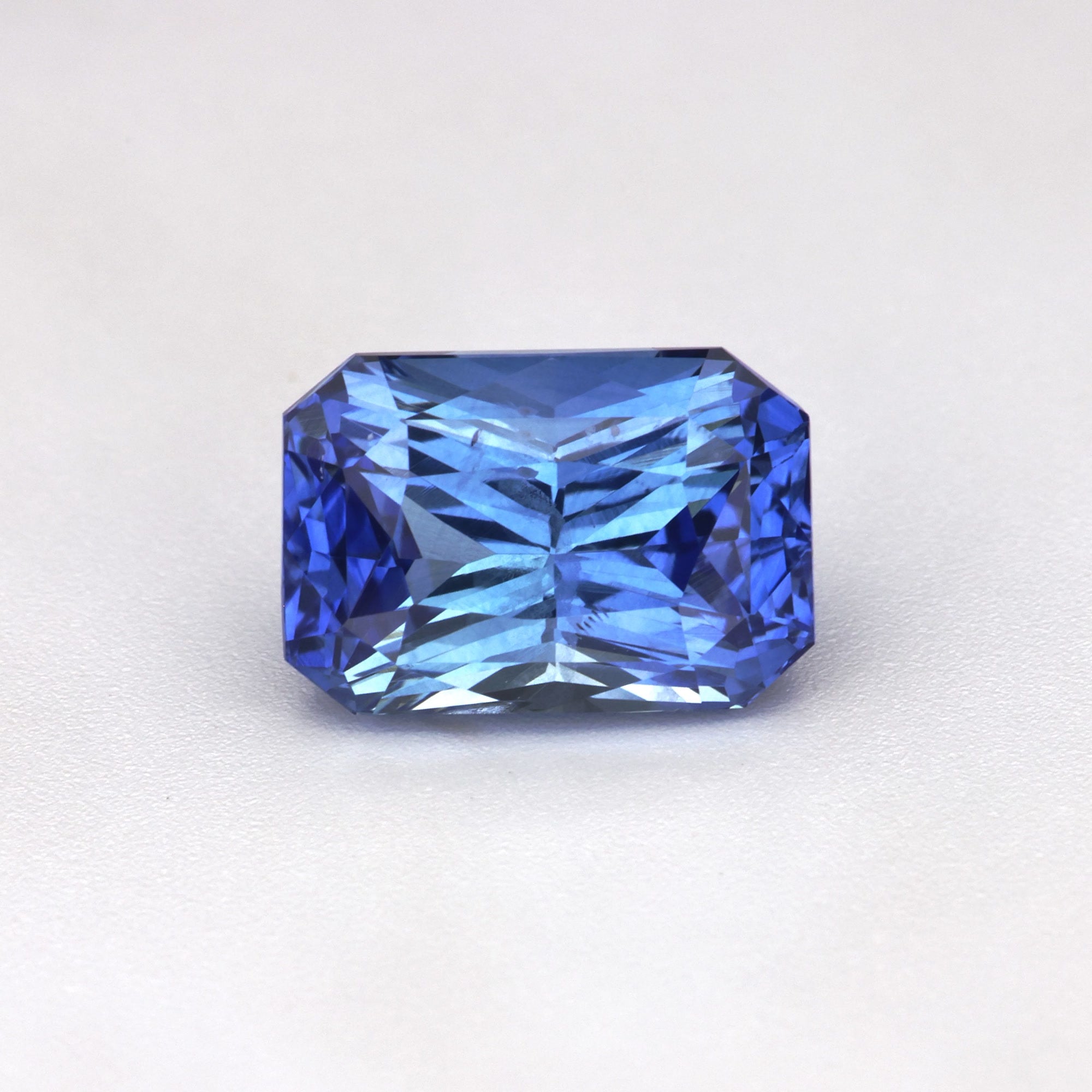
CG8456


Blue Star Sapphire Price Guide — What They Cost and Why
Read moreabout Blue Star Sapphire Price Guide — What They Cost and Why
Tsavorite Garnet Price Guide — What They Cost and Why
Read moreabout Tsavorite Garnet Price Guide — What They Cost and Why
Color-Change Sapphire Price Guide — What They Cost and Why
Read moreabout Color-Change Sapphire Price Guide — What They Cost and Why
Is Cat's-Eye Chrysoberyl Good for an Engagement Ring?
Read moreabout Is Cat's-Eye Chrysoberyl Good for an Engagement Ring?
Cat's Eye Chrysoberyl Price Guide — What They Cost and Why
Read moreabout Cat's Eye Chrysoberyl Price Guide — What They Cost and Why















Share: