

- by Ahmed Shareek
How to Care for a Sapphire Engagement Ring: Cleaning, Storage, and What to Avoid
- by Ahmed Shareek
Buying a sapphire ring? Start with our How to Choose a Sapphire Engagement Ring guide. For the stone itself: Ultimate Sapphire Buying Guide. For custom work: How to Commission a Custom Ring.
A sapphire engagement ring worn every day needs specific care to keep it looking well and to keep the stone securely held. Sapphire is Mohs 9, which means it resists scratching and abrasion very well — and resistance to scratching and abrasion is all the Mohs scale measures. Corundum has no cleavage, but it is not unbreakable: it has parting, it can chip at a girdle or at a point under a hard direct knock, and a heated stone may carry healed fissures. In practice the metalwork needs more attention than the stone. That does not make the stone indestructible, and a good deal of what follows is about not knocking it against hard things.
In our experience the usual reason a sapphire ring looks dull is not damage to the stone — it is accumulated soap film, skin oil, lotion residue, and product buildup on the undersurface and pavilion facets, together with setting metalwork that has gradually loosened and gone unchecked. Both are largely preventable with basic routine care. This guide covers the cleaning method we use, what to avoid, storage, when to take the ring off, setting maintenance, care by setting type, and answers to the questions ring owners ask us most.
Before covering care, it is worth being precise about what sapphire's properties promise. Hardness and toughness are two different things. Hardness is resistance to scratching and abrasion, and that is the only thing the Mohs scale measures; toughness is resistance to breaking, chipping and cracking, and Mohs says nothing about it. Sapphire scores very well on the first and is not immune on the second.
| Property | Sapphire (Corundum) | Practical Meaning for Daily Wear |
|---|---|---|
| Mohs hardness | 9 — Mohs measures resistance to scratching and abrasion only | Resists the scratching and abrasion of ordinary daily contact well. It does not follow that the stone cannot be damaged, and it does not follow that nothing else is harder |
| Cleavage and parting | No cleavage, but corundum does have parting — along rhombohedral planes and along twin and silk planes | It will not split along a cleavage plane the way some gemstones do, but parting is why a sapphire chips at a girdle, at a point, and at a thin cabochon edge |
| Chemical resistance | Corundum is highly resistant to acids, alkalis, and most household chemicals | Corundum itself is unaffected by soaps, cleaning products, and cosmetics. A filled, oiled or dyed stone is a different case, and so is anything else set beside it |
| Thermal stability | Stable across ordinary wear temperatures | Hot water and everyday heat are not a problem for a sound stone. A sudden temperature change is a different matter, and a stone with fluid inclusions, a healed fissure or a surface-reaching fracture can be damaged by one |
| Polish | Holds a polish well under ordinary wear | It does not haze over the way a softer stone does. Contact with anything of equal or greater hardness will still mark it, which is what the storage section is about |
What usually needs attention on a sapphire ring is the metalwork: the setting, the prong tips, and the joints in the band. That is where wear shows and that is what a stone is lost from. But it does not follow that the stone needs no protection at all. A hard direct knock against stone, tile or steel can chip a girdle or a point, and no amount of hardness prevents it — which is why the single most useful habit is taking the ring off before anything involving gripping, impact or grit.
Everything below assumes the stones in your ring are sapphire, diamond or moissanite and that the band is gold or platinum. If there is anything else in the piece — a pearl, an opal, an emerald, turquoise, or any stone you are not sure about — stop here and ask a jeweler before you clean it.
Soaking and brushing are safe for sapphire and are not safe for several of the stones that get set beside it. Pearl has a soft nacre surface that a brush abrades, and a pearl may be held on its post with adhesive. Opal is porous and can craze if it is soaked or dried quickly. Emerald is commonly oiled or resin-filled — LMHC publishes an information sheet on emerald fissure filling — and a soak can strip the filler and leave the fractures plainly visible. Turquoise is porous, which makes soaking a risk whether or not the stone has been impregnated. Any of these can turn up in a halo or a three-stone ring, and the damage from one soak is not reversible.
The band matters too. A silver or plated shank should not be soaked, a closed-back setting traps water that then sits against the stone, and a glued or doublet assembly should not go into water at all. If you do not know what you have, that is itself the answer: ask.
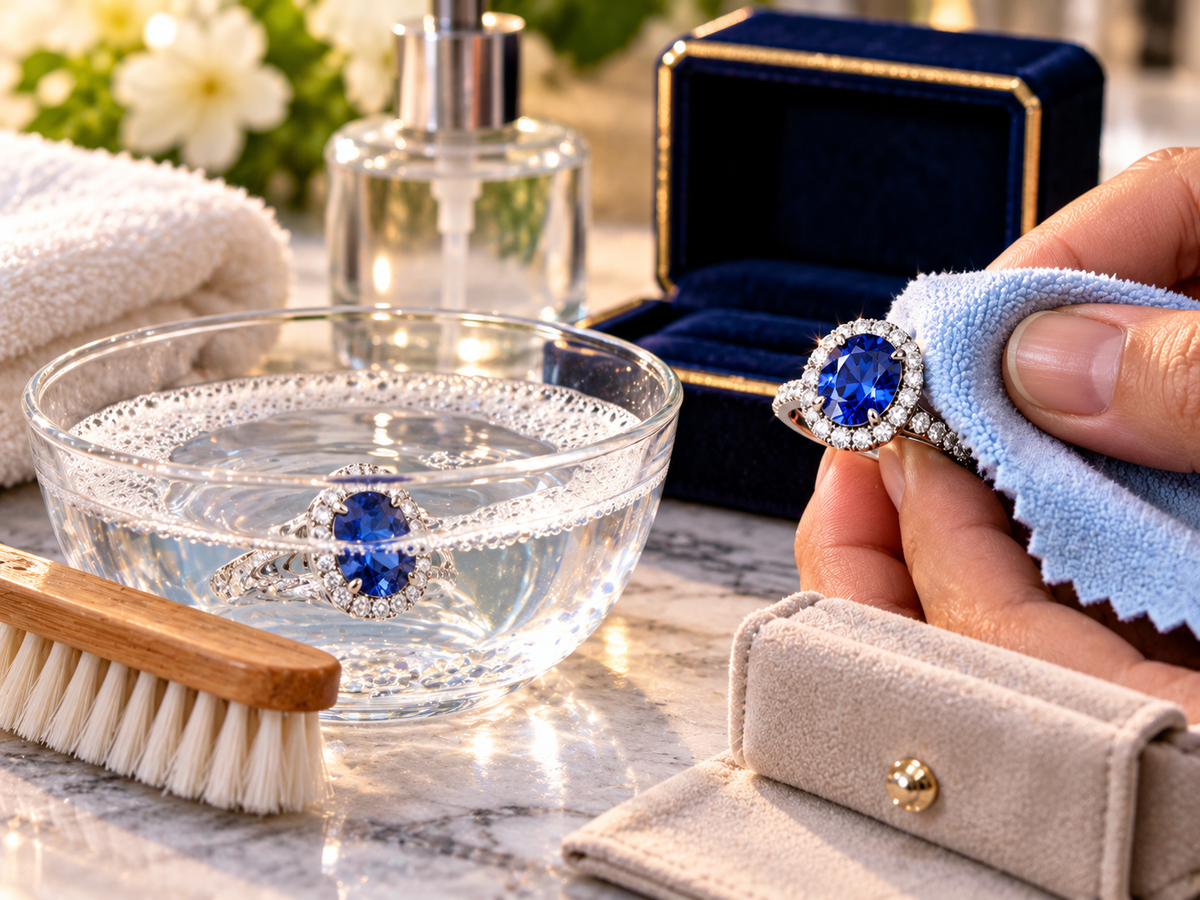
For an untreated or heat-treated sapphire, set on its own in a sound metal setting, the method we use is warm water, mild dish soap and a soft brush. It is the routine below.
It is not the right method if the stone is fracture-filled, cavity-filled, dyed or oiled; if the ring contains a pearl, an opal, an emerald or turquoise; if any part of the piece is glued or is a doublet; if the shank is silver or plated; or if you do not know which of those applies. Those cases are covered in the section just above and in the filled, dyed and oiled bullet further down, and the cautious version is always the same: no soak, no brushing, and ask someone who can look at the piece.
How often: Clean it whenever it looks dull or shows a film — for a ring worn every day that tends to be often. There is no schedule to keep to, and we are not going to invent one: the stone tells you. A clean usually brings the brightness straight back, because residue is almost always what was dimming it.
Ultrasonic cleaners use high-frequency sound waves through a liquid to lift dirt off a surface. GIA publishes its own position on this, and we quote it rather than paraphrase it: ultrasonic and steam cleaning are "usually safe for untreated, heat-treated, and lattice diffusion treated stones". In a separate sentence GIA excludes fracture-filled, cavity-filled and dyed stones.
We are more cautious than GIA in two places — an unheated stone with intact rutile silk, and a star sapphire. We are stating that explicitly, because we do not want our caution read as GIA's position: GIA permits ultrasonic cleaning on both, and the preference below is ours, from handling these stones, not a warning printed on any report. We would also rather nobody put a ring into an ultrasonic bath before someone has checked that the stone is tight.
| Stone / Setting Condition | Ultrasonic Safe? | Notes |
|---|---|---|
| Untreated or heat-treated sapphire, stone tight, no surface-reaching fractures | Yes — this is GIA's published position | Both classes are named in GIA's own sentence |
| Lattice-diffusion-treated sapphire | Yes — GIA names this class too | In the same sentence of GIA's. Relevant if the ring came from another source |
| Unheated sapphire with intact rutile silk | We hand clean these — our own precaution, not GIA's | GIA permits ultrasonic here. We prefer not to, and that preference is ours |
| Star sapphire (cabochon) | We hand clean these — our own precaution, not GIA's | Again ours, not a warning from any report. A cabochon edge is thin and we would rather not vibrate it |
| Sapphire with surface-reaching fractures | No | Ultrasonic vibration can propagate an existing fracture |
| Heavily included stone | No | Inclusions that reach or nearly reach the surface are the same risk as a fracture |
| Fracture-filled or glass-filled sapphire | No — GIA excludes this class | Ultrasonic can dislodge or cloud filling material |
| Cavity-filled sapphire | No — GIA excludes this class | Named in the same sentence of GIA's |
| Dyed sapphire | No — GIA excludes this class | Named in the same sentence of GIA's |
| Oiled or resin-filled stone of any species | No | Cleaning can strip or cloud the filler. Emerald is the usual example, and emerald does get set beside sapphire |
| Any piece containing a pearl, opal, emerald or turquoise | No | See Before You Clean It above |
| Loose prong setting, or a stone nobody has checked | No — have the setting checked first | Ultrasonic can shake a stone out of a loose setting |
| Pavé or micro-pavé side stones | No until a jeweler has checked them | Small stones in pavé settings can work loose with repeated ultrasonic use |
When in doubt, do not soak and do not brush. Rinse briefly in cool to lukewarm water, pat dry, and have a jeweler look at the piece before you clean it again. The soak is the step that reaches a filler, a glue joint or a porous stone, so leaving the soak out is what makes the cautious version cautious. Warm soapy water is not a universal safe default.
GIA covers steam in the same sentence as ultrasonic: both are "usually safe for untreated, heat-treated, and lattice diffusion treated stones", with fracture-filled, cavity-filled and dyed stones excluded separately. Usually is GIA's word and it is doing work. Steam at bench temperature onto a cool stone is a sudden temperature change, and a stone with fluid inclusions, a healed fissure or a surface-reaching fracture can be damaged by one — the same distinction the table above draws, which does not stop applying because the tool changed.
Our own practice is the same as for ultrasonic: we hand clean unheated stones with intact silk and star sapphires, and that is our preference rather than a warning from any report. Steam is effective on residue that warm soapy water does not reach, and it is a reasonable thing to have done at a bench on a sound stone in a sound setting. Do not aim a household steam cleaner at the setting; the force can lift a prong.
Corundum itself is chemically resistant and household cleaning products do not attack it. That is a fact about corundum rather than about your ring. On a filled, oiled or dyed stone the chemical reaches the filler instead of the corundum; a glue joint can be dissolved; and several of the stones commonly set beside sapphire are porous. For a plain sapphire in metal, the metal is what is at risk, and the table below is about the metal:
| Chemical / Substance | Effect on Corundum | Effect on Metal Setting | Verdict |
|---|---|---|---|
| Bleach (sodium hypochlorite) | None | Attacks the solder joints and the alloying metals in gold, and strips rhodium plating. The failure mode is cracking at a joint rather than a gradual dulling, so a shank or a prong can give way | Take the ring off before using bleach, every time |
| Chlorinated pool or hot-tub water | None | The same chemistry as bleach, in the commonest exposure there is. Chlorine causes stress-corrosion cracking at solder joints in gold alloys; white gold alloyed with nickel is the most susceptible, and a hot tub is worse than a pool because heat accelerates it | Take the ring off before swimming or using a hot tub, every time — not only for long sessions. This is a band-failure risk, not a dull-finish risk |
| Acetone / nail polish remover | None | Can affect rhodium plating and some gold finishes, and it dissolves the adhesive in a glued or doublet assembly | Take the ring off. Brief incidental contact is low risk on plain metal and is not low risk on anything glued |
| Ammonia-based cleaners | None | Can dull and etch rhodium plating | Avoid. Warm water and a little dish soap do the same job, and ammonia has no business near a filled, oiled, dyed or glued stone |
| Abrasive cleaners (toothpaste, baking soda scrub, polishing paste) | Not reliably harmless. Abrasive and polishing pastes are commonly loaded with hydrated silica and with alumina — and alumina is the same mineral as sapphire, so it is hard enough to mark it | Can scratch and dull metal finishes | Avoid, on the stone as well as on the metal. Use a soft brush and nothing else |
| Hand lotion and cosmetics | None to the stone; builds up on the facets | None | Ordinary residue — this is what the routine clean above is for |
| Strong acids (muriatic, sulfuric) | None in practical wear scenarios | Can damage metals seriously | Not a realistic daily wear scenario |
Take the ring off for anything that involves gripping, impact or grit. The reasons are the prongs, the band, and the stone — which resists scratching but can still chip on a hard direct strike:
Activities you do not need to take the ring off for: washing hands, cooking, showering, typing, most office work. None of those involves impact or grit. Swimming and hot tubs are a separate matter and the ring should come off for those — that is about the chlorine and the band, not about the stone; see the chlorine row above.
The storage rule for a sapphire ring: keep it on its own.
Diamond (Mohs 10) and moissanite (9.25) are both harder than sapphire and will mark it, and so will another sapphire, because equal hardness scratches. Moissanite is worn in engagement rings as readily as anything else, so "keep it away from diamonds" is not the whole rule. Stones stored loose together in a shared drawer or bag produce surface scratches on each other over time from contact — gradual and cumulative rather than dramatic, but it is what dulls a stone that is otherwise holding its polish.
| Storage Method | Suitable? | Notes |
|---|---|---|
| Individual fabric-lined compartment in a jewelry box | Ideal | Each ring in its own compartment prevents contact between stones |
| Individual soft pouch (velvet or microfiber) | Ideal | Best for travel; keeps ring isolated and protected |
| Ring holder or peg display | Good | Keeps rings separated, as long as each ring has its own peg |
| Shared compartment with other sapphire rings | Avoid | Equal hardness scratches, so two sapphires mark each other. Keep them apart |
| Shared compartment with diamond or moissanite rings | Avoid | Both are harder than sapphire and will gradually scratch its surface |
| Loose in a bag or drawer with other jewelry | Avoid | Scratching from harder stones and from metal edges, and knocks against anything rigid |
When traveling, transport the ring in a dedicated ring box or padded pouch, isolated from other jewelry. A ring rattling loose in a bag with other pieces risks prong damage, and risks the stone taking a knock against something hard.
Have the setting checked from time to time, and any time the stone feels loose or the ring has taken a hard knock. We are not going to give you an interval: we have no basis for one, and how fast a setting wears depends entirely on the ring and on the person wearing it. That is our own recommendation, from handling these stones — no laboratory publishes guidance on settings, and we are not reporting one. The same goes for everything in this section and for the setting-type table further down: it is our view, not a laboratory's. Here is what a check looks at:
Prongs wear and loosen gradually, and a loose prong is usually visible, or can be felt as slight movement of the stone, before anything is lost — which is why a check is worth having. If you can feel the stone shift at all, stop wearing the ring until someone has looked at it.
White gold is gold alloyed with white metals such as palladium or nickel, and it is normally finished with a thin rhodium plating to make it bright white. The plating is not permanent: it wears through at the points that rub — usually the underside of the band and the bases of the prongs — and when it does, the warmer tone of the gold underneath shows. That is ordinary wear, not a fault. Replating is a routine bench job and it restores the white finish. Ask your jeweler what they charge and how long they need; prices and turnaround vary by market and by how much of the ring is replated. How often you will want it depends entirely on how hard the ring is worn, so we are not going to put a figure on that either.
Platinum is white throughout and is never plated, so none of the replating above applies to a platinum ring. It develops a soft surface patina with wear, which a jeweler can polish back if you prefer the bright finish. If you have a platinum ring, skip the plating item in the checklist above.
Rose gold takes its color from copper, and copper is more reactive than the metals in yellow or white gold — so the bleach and chlorine rows above matter more on a rose gold ring, not less. Silver and plated shanks are a different case again and should not be soaked. If you are not sure what your band is made of, find out before you put it in water.
When prongs wear significantly, a jeweler has two options: re-tip individual prongs (add a small amount of metal to build up worn tips — less invasive, suitable for moderate wear) or replace the entire head (the component that holds the stone, rebuilt from scratch — more thorough, appropriate for heavily worn settings). Ask your jeweler which they would do, once they have looked at the ring — which one is right is a bench judgement about that particular setting, and it is their call, not something we or anyone else can make from a distance. Neither procedure should damage a sapphire.
Different setting styles wear differently. Everything in this table is our own recommendation, from handling these stones — no laboratory publishes guidance on settings, and we are not reporting one. It also assumes the side stones are sapphire, diamond or moissanite; if any of them is something else, read Before You Clean It first.
| Setting Style | Main Vulnerability | Care Focus | Cleaning Notes |
|---|---|---|---|
| Prong (claw) setting | Prong wear and bending; catching on fabric | Have the prongs checked from time to time; avoid snagging on knitwear | Easy to clean — open setting allows full access |
| Bezel setting | The bezel edge can lift; harder to clean underneath | Have the bezel edge checked when the ring is looked at; soak longer to clean under the stone | More effort to clean under stone; longer soak recommended |
| Halo setting | Pavé or micro-pavé side stones loosening | Have the small side stones checked; no ultrasonic until they have been | More surface area to clean; brush carefully around small stones — and check what the side stones are made of before soaking the piece |
| Three-stone setting | Multiple stones to check; more prongs; the side stones may be a different species | Have all the prongs and both side stones checked | More thorough brushing needed around multiple stone positions — and establish what the side stones are before soaking the piece |
| Channel setting (band) | Metal channel walls wearing; stones loosening | Have the channel checked for stone movement | Brush along channel carefully; residue builds up in channel grooves |
| Tension setting | The band holds the stone by spring tension, and that tension can relax | Have the tension checked; avoid hard impacts — the stone is unprotected on a tension setting | Easy to clean — stone is fully exposed |
For guidance on choosing a setting style that suits your lifestyle, see our How to Choose a Sapphire Engagement Ring guide and our How to Commission a Custom Ring guide.
Color does not change how hard a sapphire is, and the routine above is the same for every color. A few situations are worth noting separately:
This chart is for an untreated or heat-treated sapphire set on its own in gold or platinum. If the stone is filled, oiled or dyed, or there is another species in the piece, the chart does not apply to you — go back to Before You Clean It and to the filled, dyed and oiled bullet above.
| Activity / Product | Safe for a plain sapphire? | Safe for the setting? | Recommendation |
|---|---|---|---|
| Warm soapy water + soft brush | Yes | Yes, on gold and platinum | The routine method, for this case |
| Ultrasonic cleaner | Depends on the stone — see GIA's published wording, quoted in full above. We hand clean unheated stones with intact silk and star sapphires | Only once the stone has been checked as tight | Have the setting checked first, every time |
| Steam cleaner | GIA covers steam in the same sentence as ultrasonic, quoted in full above. Not for a stone with fluid inclusions, a healed fissure or a surface-reaching fracture | Yes on a secure setting; not a household high-pressure unit aimed at the prongs | Better done at a bench than at home |
| Toothpaste or abrasive paste | No — abrasive pastes commonly contain alumina, which is the same mineral as sapphire | No — scratches metal | Avoid |
| Bleach or chlorine | No effect on corundum | No — attacks solder joints and alloying metals; the failure can be sudden | Take the ring off, every time |
| Acetone / nail polish remover | No effect on corundum; dissolves adhesive in anything glued | Risk to rhodium plating and some gold finishes | Take the ring off |
| Showering and hand-washing | Yes | Yes | Fine to wear; increases cleaning frequency slightly |
| Gym and heavy lifting | Scratch-resistant, but a girdle or a point can chip on a hard strike | Prong risk from grip pressure and impact | Take the ring off |
| Swimming or hot tub | No effect on corundum | Chlorine causes stress-corrosion cracking at solder joints in gold alloys — a shank or a prong can give way | Take the ring off, every time |
| Cooking and food prep | Yes | Yes | Fine to wear; clean the ring afterwards |
| Sleeping in the ring | Yes | Minor prong risk from fabric | Personal preference; remove if ring catches on bedding |
Warm water, a few drops of mild dish soap, a soak until the residue lifts, and a gentle scrub with a soft baby toothbrush under and around the stone, followed by a thorough rinse and pat dry. That removes the oil, soap film and residue that usually make a sapphire ring look dull. It is the method for an untreated or heat-treated sapphire set on its own in metal. If the ring holds a pearl, an opal, an emerald or turquoise, or the stone is filled, oiled or dyed, do not soak it — ask a jeweler first. Clean it whenever it looks dull rather than to a schedule.
Yes, and sapphire is well suited to it: Mohs 9 means it resists the scratching and abrasion of everyday contact. It is not unbreakable, though. Corundum has no cleavage but it does have parting, and a girdle or a point can chip under a hard direct knock — so take the ring off for gripping, impact and grit. The metalwork needs more attention than the stone does, so have the setting checked from time to time, and any time the stone feels loose or the ring has taken a knock.
Yes, for a plain sapphire in a sound gold or platinum setting — water and soap harm neither corundum nor well-made metalwork. Two exceptions worth naming: a pearl or an opal in the same ring should not be showered with, and a glued or doublet assembly should not get wet at all. Showering with the ring on means a little more soap film to clean off under the stone, which is the whole of it.
GIA's published position is that ultrasonic and steam cleaning are "usually safe for untreated, heat-treated, and lattice diffusion treated stones", and in a separate sentence GIA excludes fracture-filled, cavity-filled and dyed stones. We are more cautious than GIA for unheated stones with intact silk and for star sapphires, and that caution is ours rather than GIA's. Whatever the stone, do not use ultrasonic if it has surface-reaching fractures or heavy inclusions, if the setting feels loose, or if there are pavé side stones nobody has checked. When in doubt, do not soak and do not brush — rinse in cool water and ask a jeweler.
From time to time, and any time the stone feels loose or the ring has taken a hard knock. We are not going to give you an interval, because we have no basis for one and how fast a setting wears depends on the ring and on the wearer. A check looks at prong condition, stone security, solder joints and overall setting wear. Prongs loosen gradually, and a loose prong is usually visible, or felt as slight movement of the stone, before anything is lost.
We do not make forward promises about color, and the honest answer has two halves. Ordinary wear, daylight, household temperatures and cleaning products are not things that act on corundum's color, and a sapphire that looks dull is almost always just dirty — the color and the clarity come back after cleaning. But color instability is a real thing in some stones: color produced by irradiation can fade, and the instability occurs in untreated stones as well as treated ones, so it is not something a treatment line rules out. That is why the answer for a particular stone is on its listing, which states the treatment, and where GIA has run its color-stability test on a stone we sell we print GIA's own comment and nothing beyond it.
Yes. Gripping weights and bars bends prong tips over time, and repeated impact against hard surfaces works on the setting. The stone is scratch-resistant but it is not chip-proof — a girdle or a point can go against a steel bar — so the ring is better off in a locker than on a hand under load.
In a fabric-lined individual compartment or a soft pouch, on its own. Diamond (Mohs 10) and moissanite (9.25) are both harder than sapphire and will mark it, and another sapphire will mark it too, because equal hardness scratches. Separate compartments for everything is the simple rule, and it also stops rings knocking against each other.
Every sapphire in our catalog states its treatment on the listing. Where a stone carries a laboratory report we name the laboratory and the report number — GIA, AGCL, FGL or GIC — and where a stone has no report the listing says so plainly. The product page is the answer for a particular stone, not an article. We buy our stones ourselves, mostly in Sri Lanka and some in Madagascar, and every listing states the origin. We are glad to advise on stone selection for specific setting styles and lifestyle requirements.
Email crescentgems@gmail.com with any question about a specific stone's durability, treatment, or suitability for a particular setting style.
Continue Learning
Return to the Ultimate Sapphire Buying Guide for the full picture on colors, origins, shapes, laboratory reports, and pricing — everything you need to buy a natural loose sapphire with confidence.

CG8469
CG8454
CG8465
1.86 ct Natural Tsavorite Garnet, Cushion Shape | GIA Report #1242032119
CG8464
CG8463
CG8460
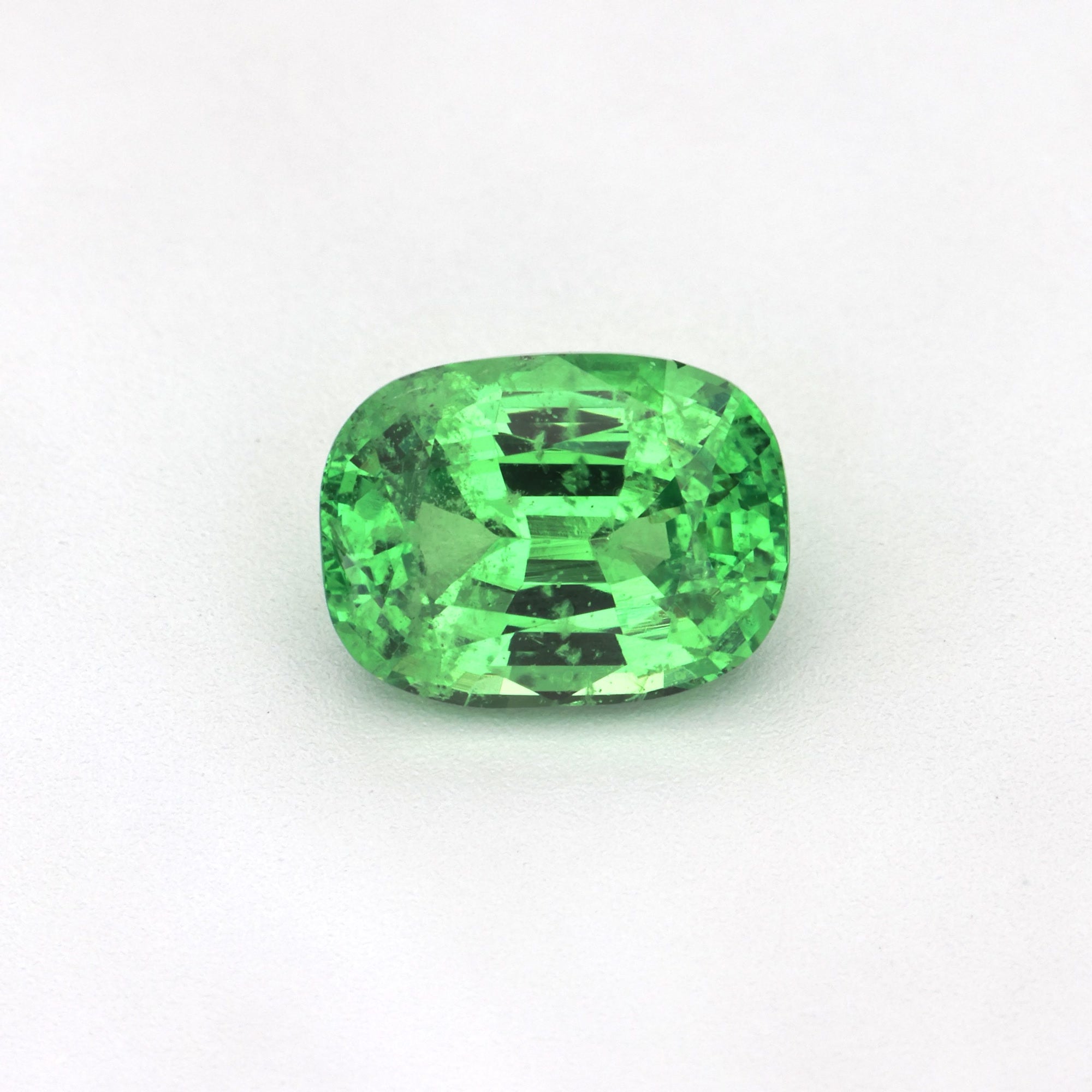
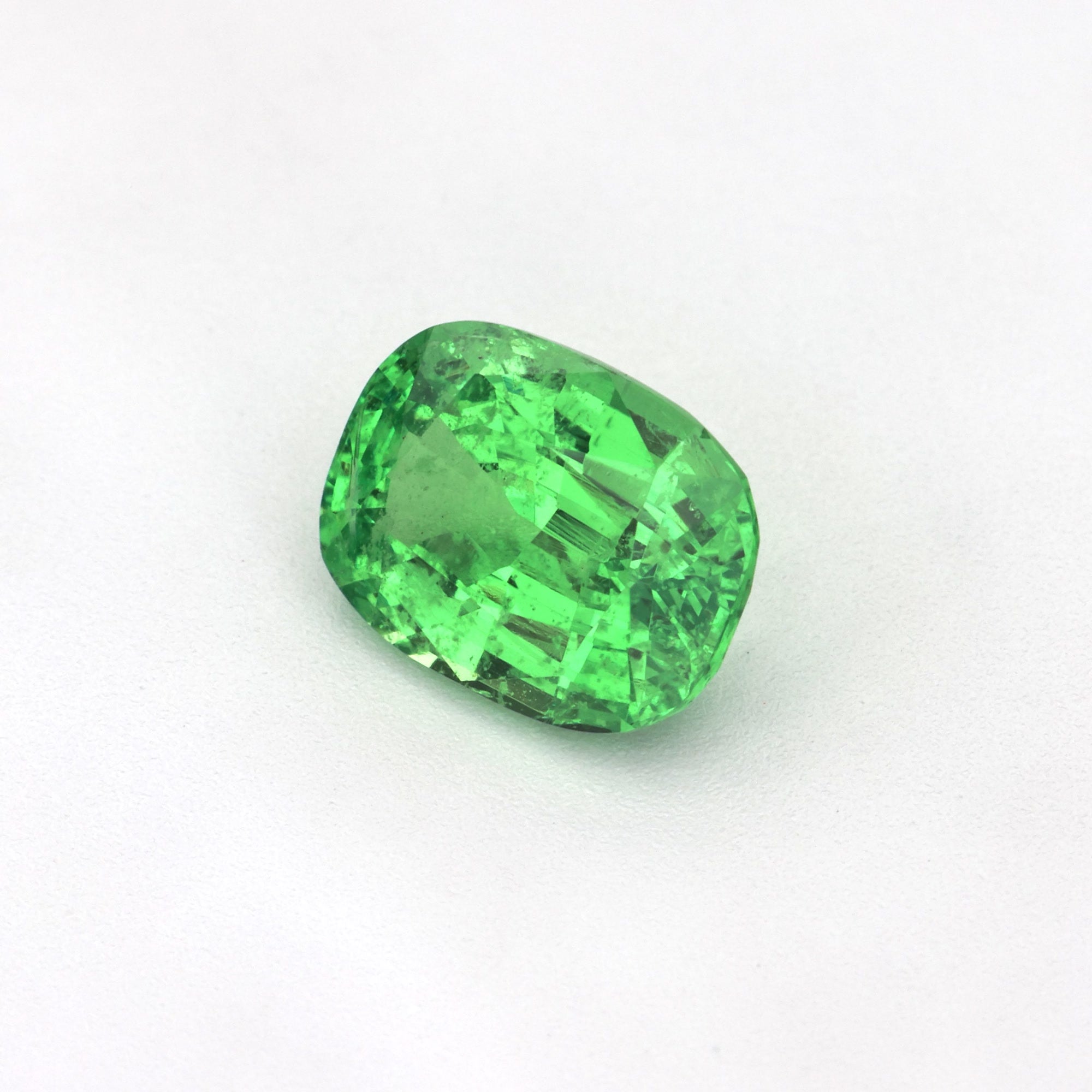
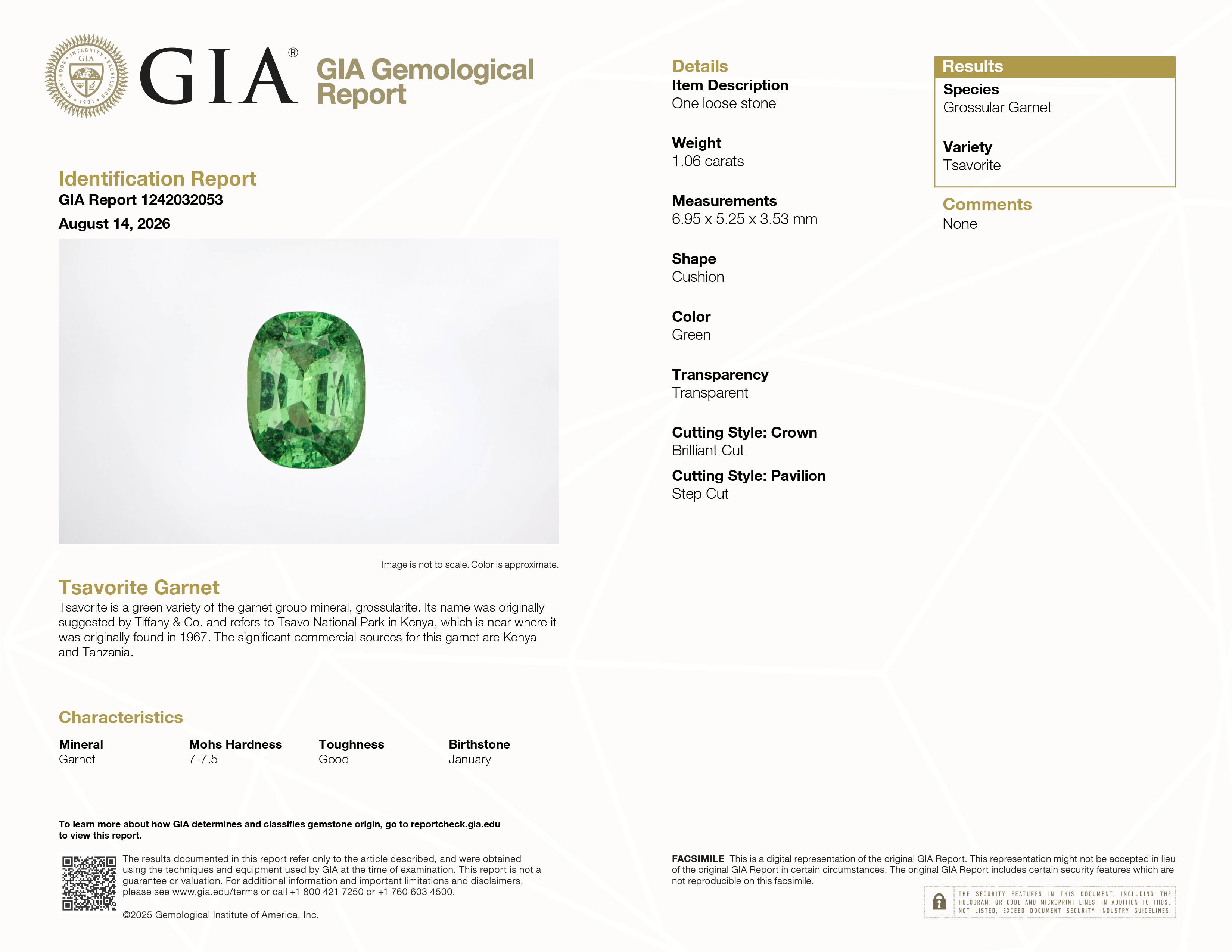
1.06 ct Natural Tsavorite Garnet, Cushion Shape | GIA Report #1242032053
CG8459
CG8458
CG8457
CG8456
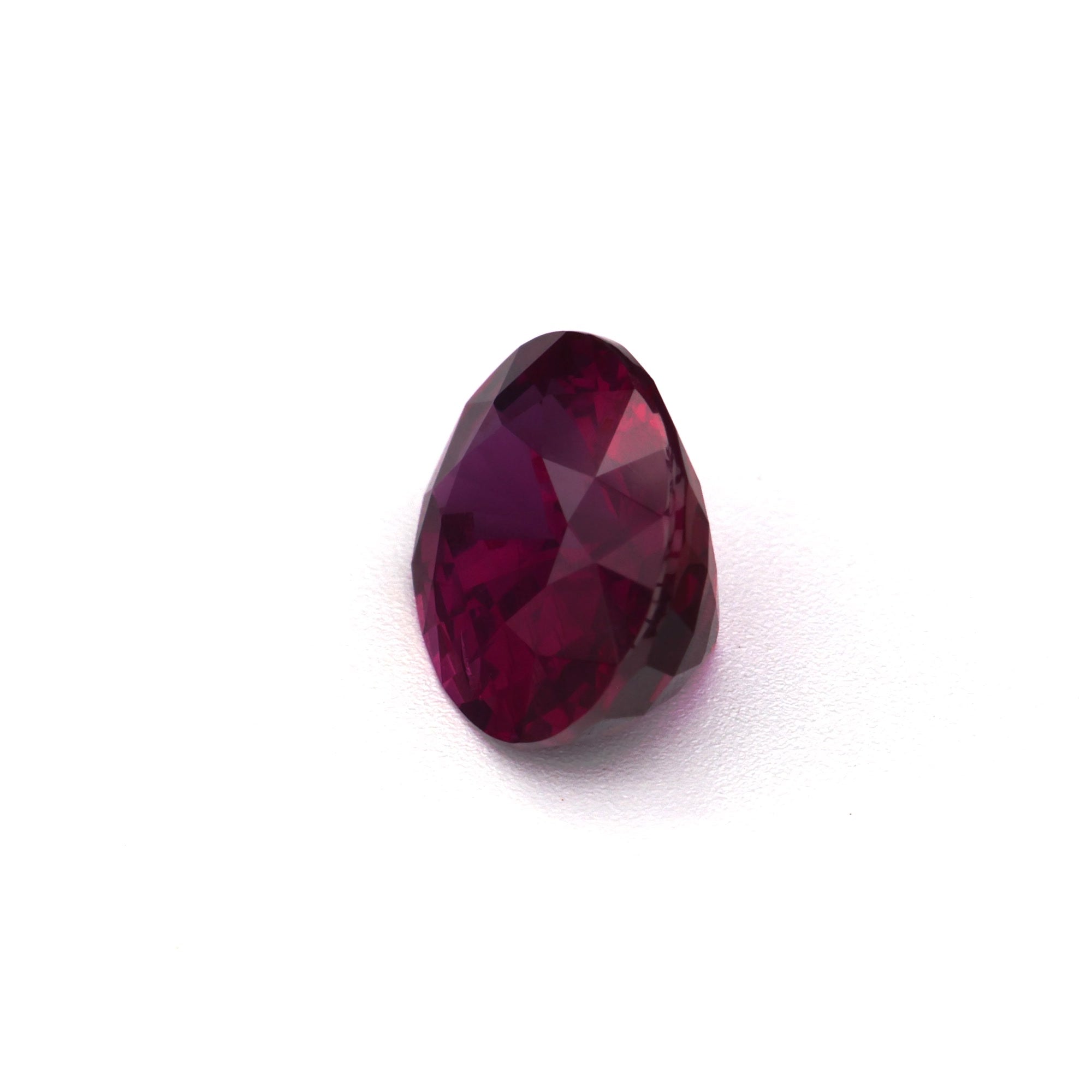
1.65 ct Natural Unheated Ruby – Oval Cut | GIA Report | Madagascar
CG8453


Blue Star Sapphire Price Guide — What They Cost and Why
Read moreabout Blue Star Sapphire Price Guide — What They Cost and Why
Tsavorite Garnet Price Guide — What They Cost and Why
Read moreabout Tsavorite Garnet Price Guide — What They Cost and Why
Color-Change Sapphire Price Guide — What They Cost and Why
Read moreabout Color-Change Sapphire Price Guide — What They Cost and Why
Is Cat's-Eye Chrysoberyl Good for an Engagement Ring?
Read moreabout Is Cat's-Eye Chrysoberyl Good for an Engagement Ring?
Cat's Eye Chrysoberyl Price Guide — What They Cost and Why
Read moreabout Cat's Eye Chrysoberyl Price Guide — What They Cost and Why















Share: