


- by Ahmed Shareek
How to Choose a Sapphire for a Bezel Ring — What Works and What to Look For
- by Ahmed Shareek
For corner protection alternatives: How to Choose a Setting That Protects Sapphire Corners. For custom ring design: How to Design a Custom Sapphire Ring. For the buying foundation: Ultimate Sapphire Buying Guide.
The bezel setting — in which a continuous metal rim encircles the entire girdle of the gemstone, holding it in place without individual prongs — is chosen above all for the protection it gives the stone. Its appeal is easy to see: a bezel-set sapphire ring is sleek and modern in aesthetic, shields the stone's girdle and edges from knocks, does not snag on fabric, and has no individual prongs to bend or break. For buyers who want a low-maintenance, active-lifestyle ring with a clean, contemporary look, the bezel is a practical setting choice.
But the bezel setting changes the visual equation of a sapphire in ways that affect which stone qualities matter most. A stone that performs beautifully in a four-prong solitaire may not be the right choice for a bezel — and vice versa. This guide covers what the bezel does to a sapphire's appearance, which shapes suit it, what quality standards are more and less important in this setting, and how to choose a stone specifically for a bezel ring.
The metal rim of a bezel setting covers the sapphire's girdle and a narrow band of the crown's outer edge all the way around its circumference; how wide that band is depends on how the jeweler builds the bezel. This has several visual consequences:
Apparent size reduction. The bezel rim covers part of the stone's face-up area, making the sapphire appear slightly smaller than its actual dimensions. A prong setting leaves nearly the whole face-up outline visible; a bezel hides the outer edge, and a thick bezel lip hides more than a thin one. This is the bezel's main visual trade-off — protection comes at the cost of some face-up size. Choose a slightly larger stone for a bezel than you would for a prong setting to achieve equivalent apparent size.
Less light from the sides. With the girdle and the edge of the crown covered by metal, and the pavilion often enclosed in a metal cup, less light reaches the stone from the sides and from below; more of what the eye sees enters through the exposed crown facets and the table. The metal rim also frames the stone, so the eye is drawn to the center of the face-up area rather than to its outer edge. How a particular stone looks this way is best judged from photos and videos of that stone: ask for more photos and videos and look.
Clean, uninterrupted outline. The bezel creates a continuous, unbroken border around the stone that emphasizes its shape cleanly and elegantly. For oval and round stones, the bezel creates a particularly clean silhouette. For shapes with interesting outlines (pear, marquise), the bezel follows and emphasizes the outline in a graphic, modern way.
Girdle quality less critical. Since the bezel covers the girdle entirely, girdle irregularities and roughness are hidden. This is one area where a stone chosen specifically for a bezel needs less scrutiny than a stone chosen for a prong setting — the girdle's finish is simply not visible.
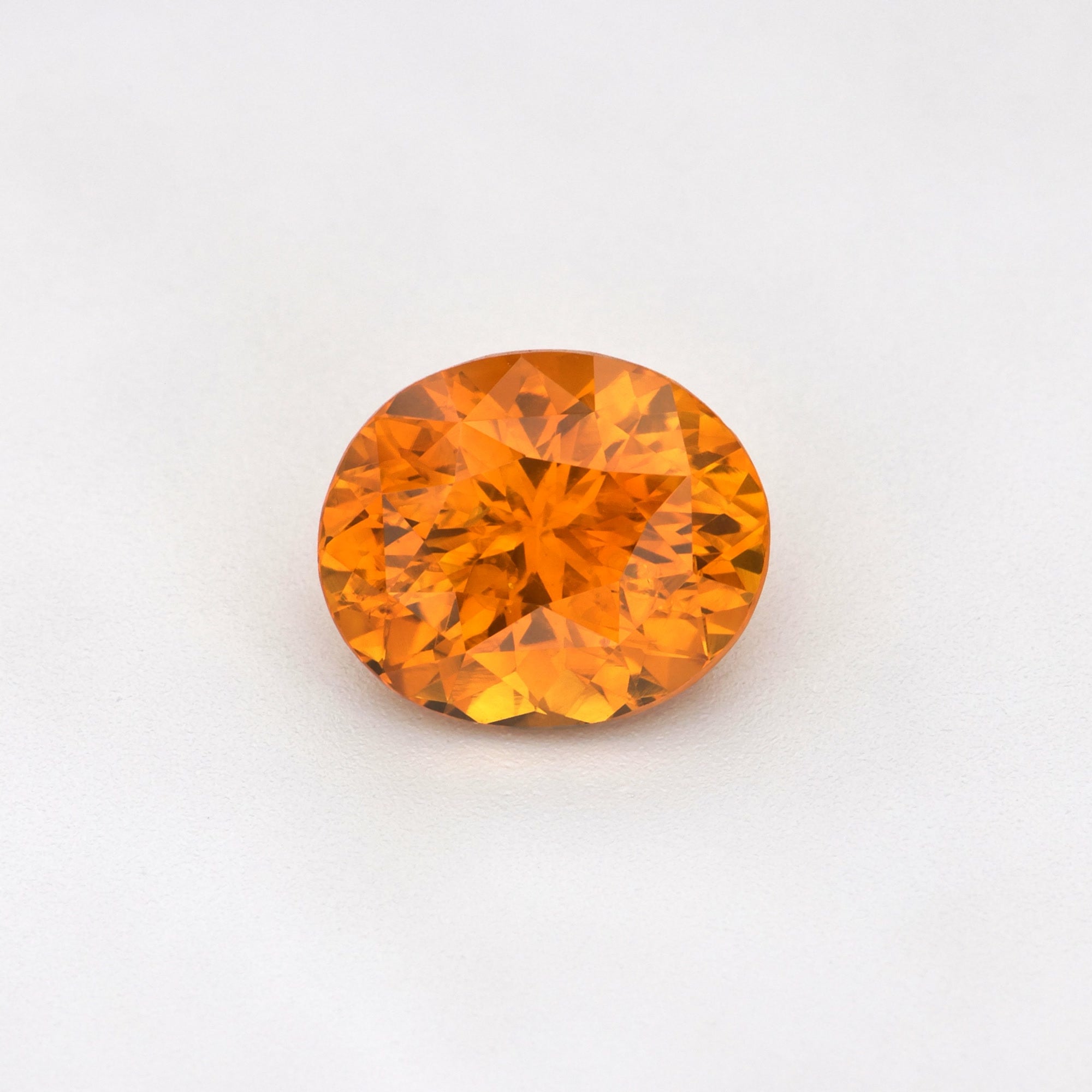
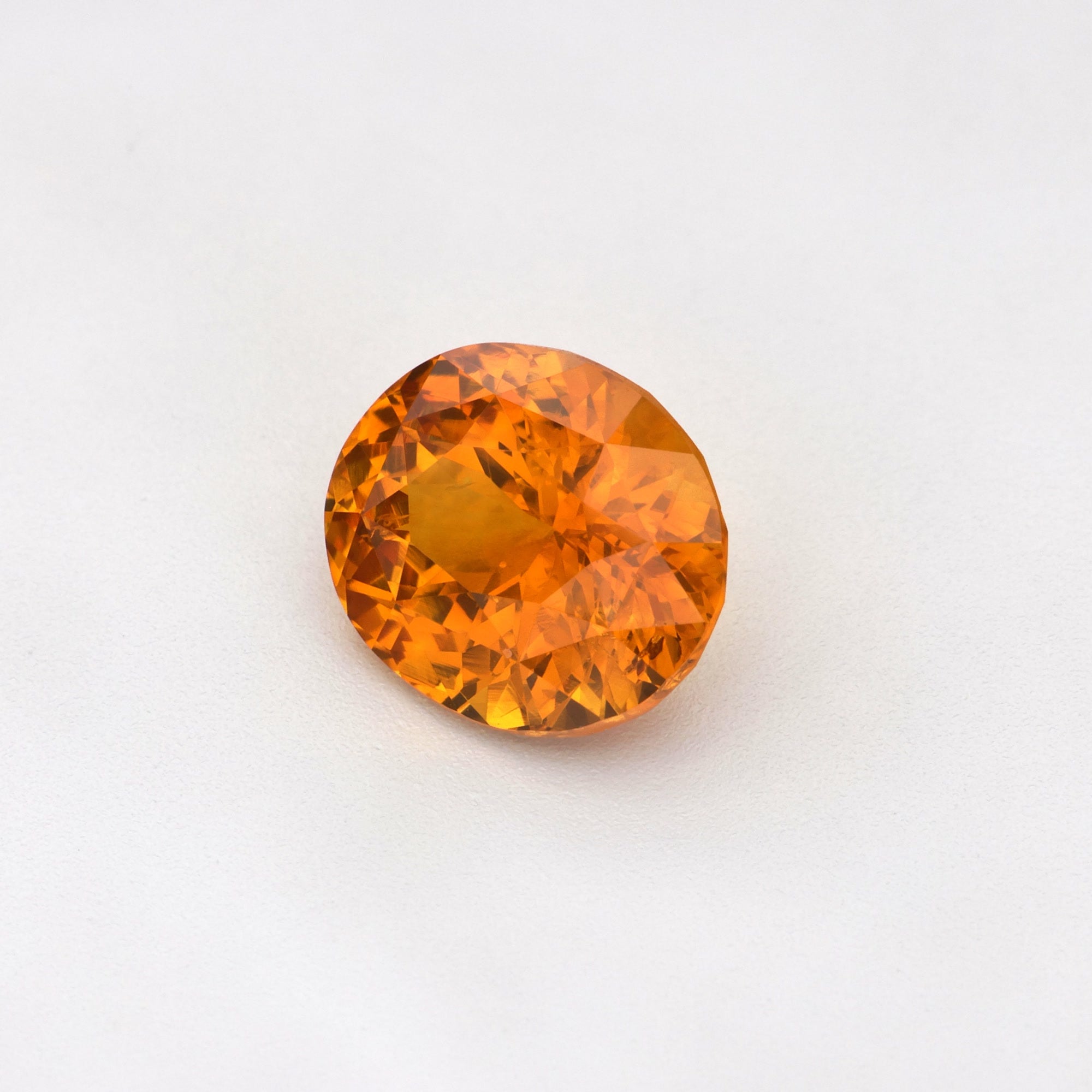
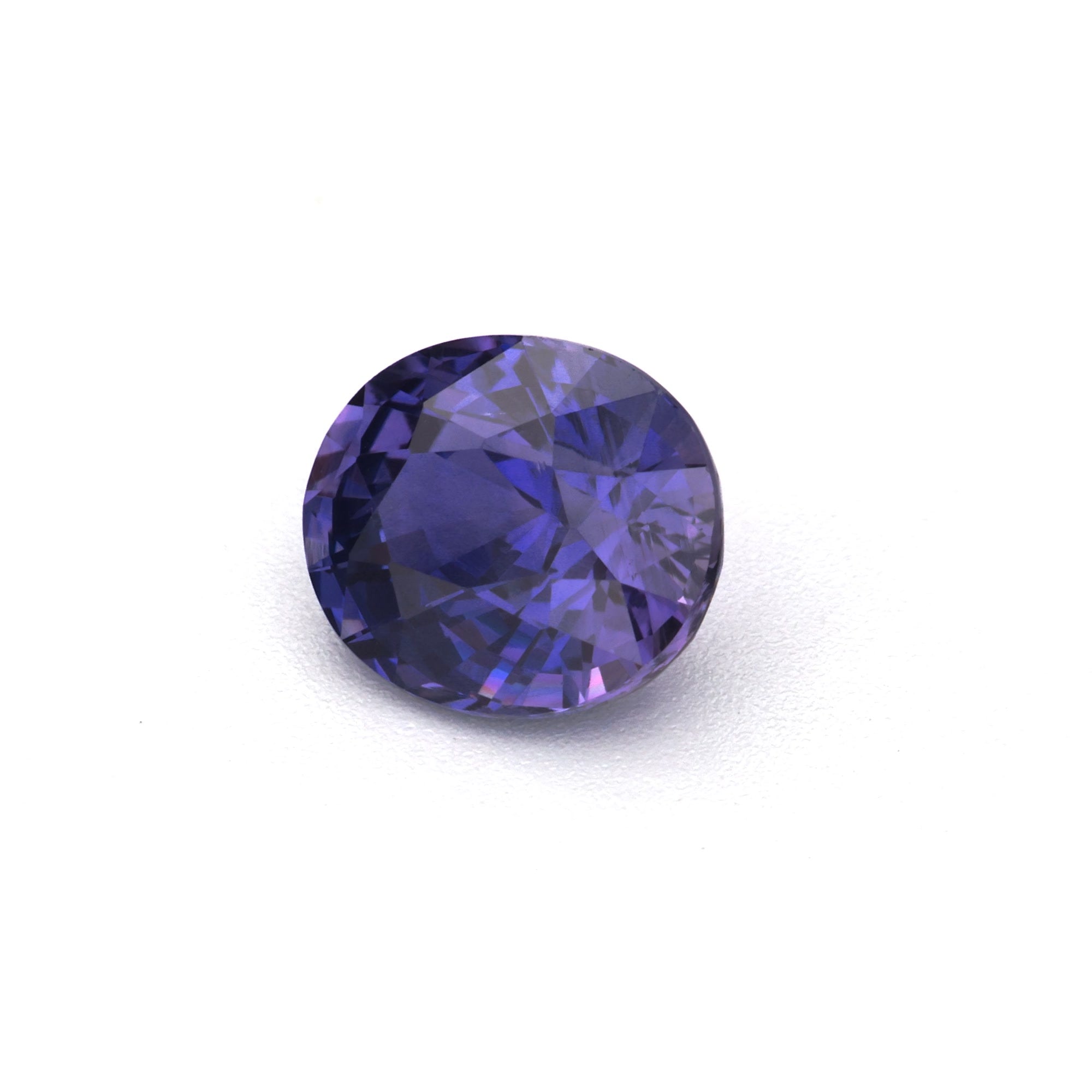
The oval suits a bezel setting well. The oval's elongated outline reads cleanly and elegantly within a continuous metal rim, the shape has no sharp corners to protect, and its length along the finger gives the bezel's slight size-reduction effect less to take away from. A well-cut oval sapphire in a slim oval bezel in platinum or yellow gold is a clean, contemporary ring configuration. Browse our oval sapphire collection.
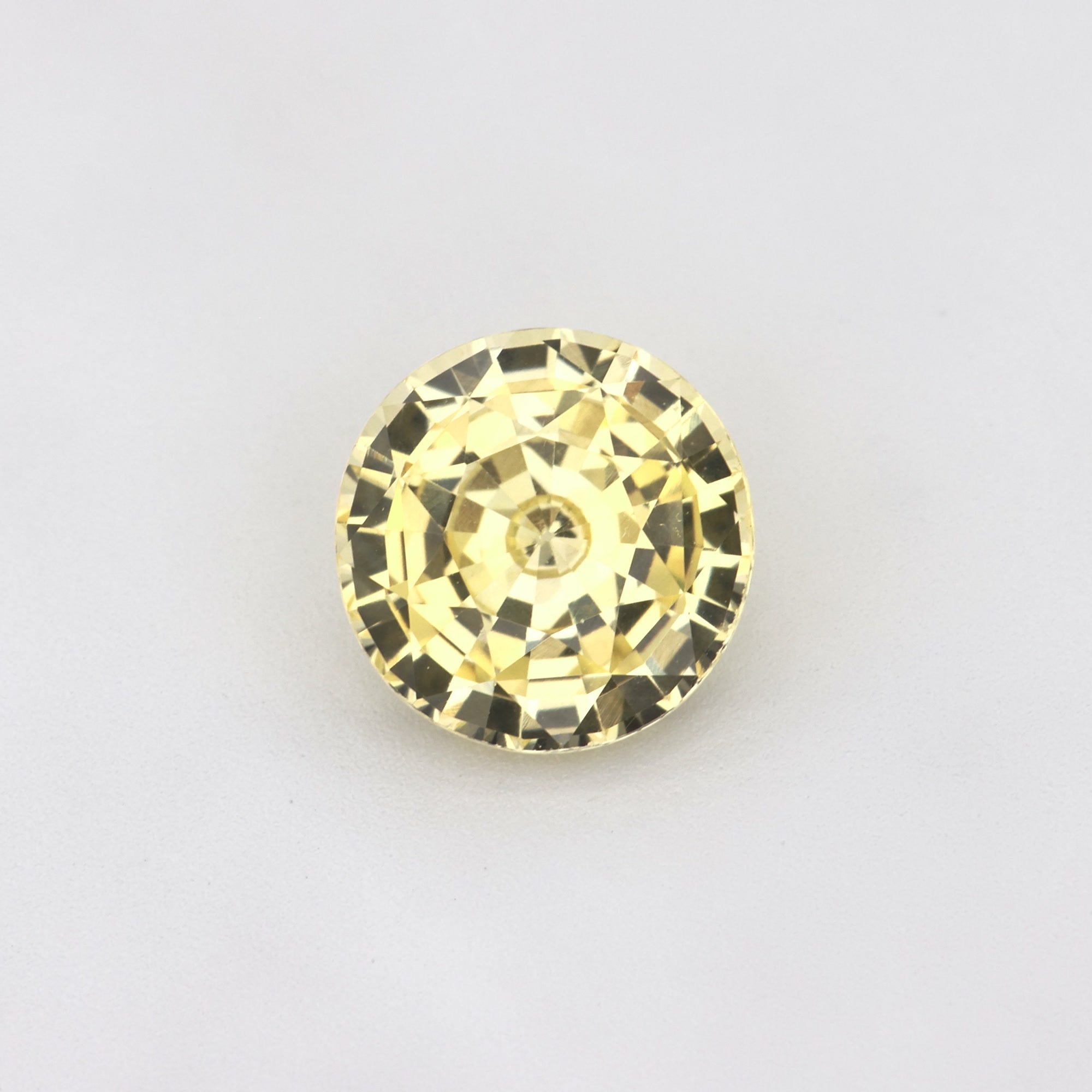
A round sapphire in a round bezel creates a symmetrical, minimal, and architectural bezel ring. The round-in-round bezel is graphic and clean — a circle of color within a circle of metal — and is a simple, long-established ring design. Because the circle has no corners or points, the rim meets the girdle evenly all the way around.
A cushion sapphire in a bezel with slightly rounded-corner rectangular outline creates a distinctive modern-vintage hybrid aesthetic. The cushion's soft corners suit the continuous bezel rim well — a cushion in a bezel has no sharp points to lose, and the soft outline transitions naturally into the metal frame. This configuration is particularly effective in rose gold or yellow gold where the warm tone of the metal sits right against the stone and the eye reads the two colors side by side.
For sapphires with pointed tips — pear and marquise shapes — a full bezel or partial bezel with a covered tip is a protective choice. The bezel shields the vulnerable tip from knocks by encasing it within the metal rim. A pear sapphire in a full bezel with the pointed end fully enclosed has no exposed point to catch or strike. The aesthetic is distinctive and graphic — the teardrop outline is visible through the top of the stone but the tip is protected within the metal.
The bezel setting shifts which quality factors are most important:
More important in a bezel:
Less important in a bezel:
Within the bezel category, two main styles exist:
Full bezel: A continuous metal rim surrounds the complete girdle circumference. The most enclosure of the two styles, a distinctive aesthetic, slightly more reduction in apparent face-up size. The full bezel is a practical choice for active-lifestyle wearers and for shapes with vulnerable corners.
Partial bezel (half-bezel or east-west bezel): Metal wraps around two opposing sides of the stone (typically the short sides for an oval, or the long sides) while the other two sides are open. More light enters the stone, the apparent face-up size is larger than a full bezel, and the stone has more visual openness — but the open sides provide less protection. A partial bezel oval sapphire ring with open long sides creates a particularly contemporary, architectural look that photographs beautifully.
The bezel's continuous metal presence makes metal choice more visually significant than in a prong setting where the metal is minimal. Key considerations:
For the full metal comparison see our Yellow Gold vs. White Gold vs. Platinum guide.
Yes, slightly — the metal rim covers a portion of the stone's crown and girdle, reducing the visible face-up area around the circumference. How much depends on how wide the bezel lip is: a thin lip hides less than a thick one. The practical solution is choosing a stone slightly larger than you would for a prong setting, and asking your jeweler how much of the edge the bezel will cover.
In terms of stone retention, yes — the continuous metal rim provides a more uniform grip on the stone's girdle than individual prongs, which can bend, break, or slip over time. However, bezel integrity itself must be checked periodically — a bezel that has been deformed or cracked can lose its grip. Annual professional inspection is still recommended.
No color is better suited to a bezel by rule; the choice is yours. What the bezel changes is the frame: the metal sits right against the stone, so judge the sapphire next to the metal you plan to use — a white metal rim reflects neutral light, a yellow or rose rim reflects warm light — and ask for more photos and videos of the stone and look. See our Sapphire Colors Explained guide for the full color framework.
Browse our oval and round sapphire collections, or email crescentgems@gmail.com for bezel-specific stone recommendations. We respond within one business day.

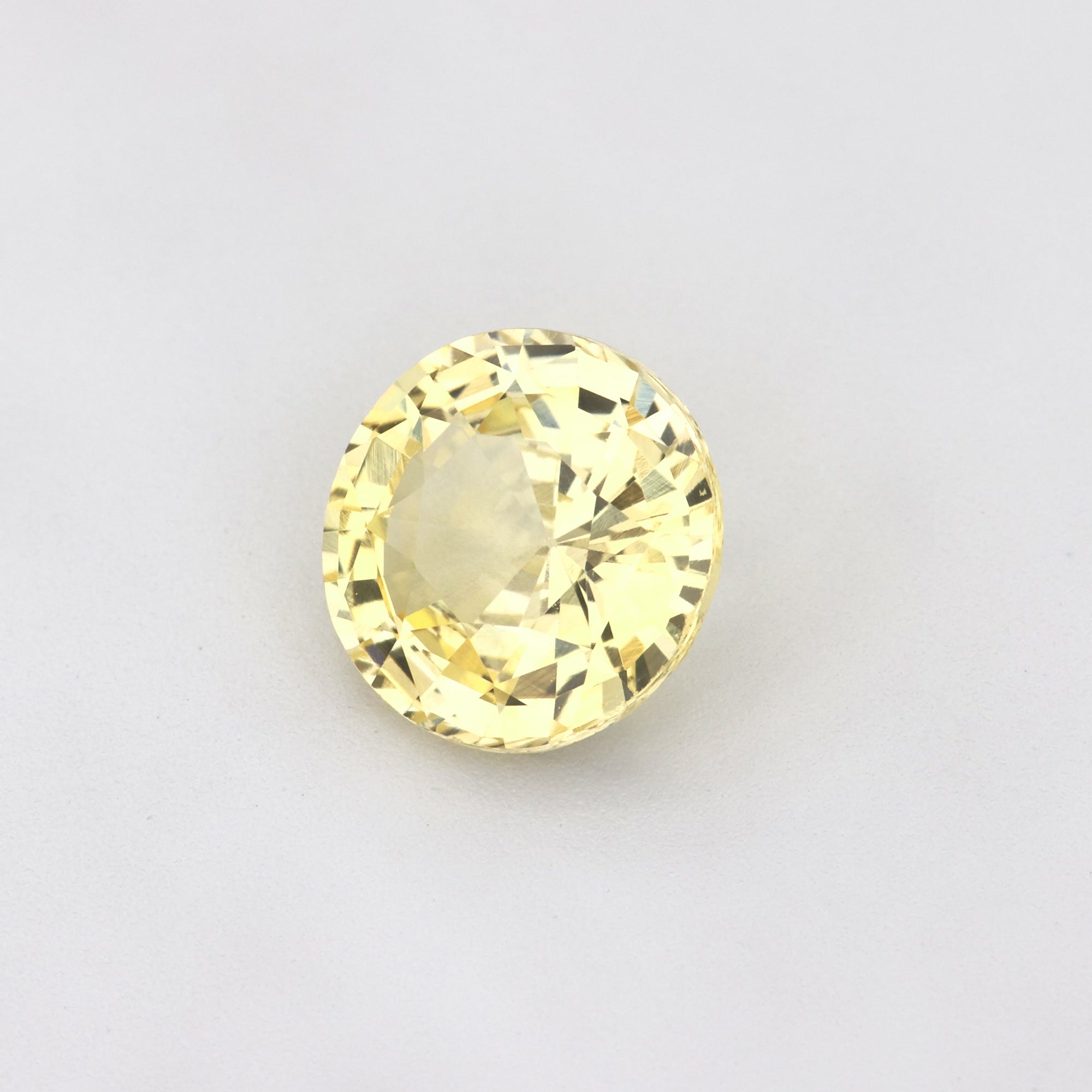
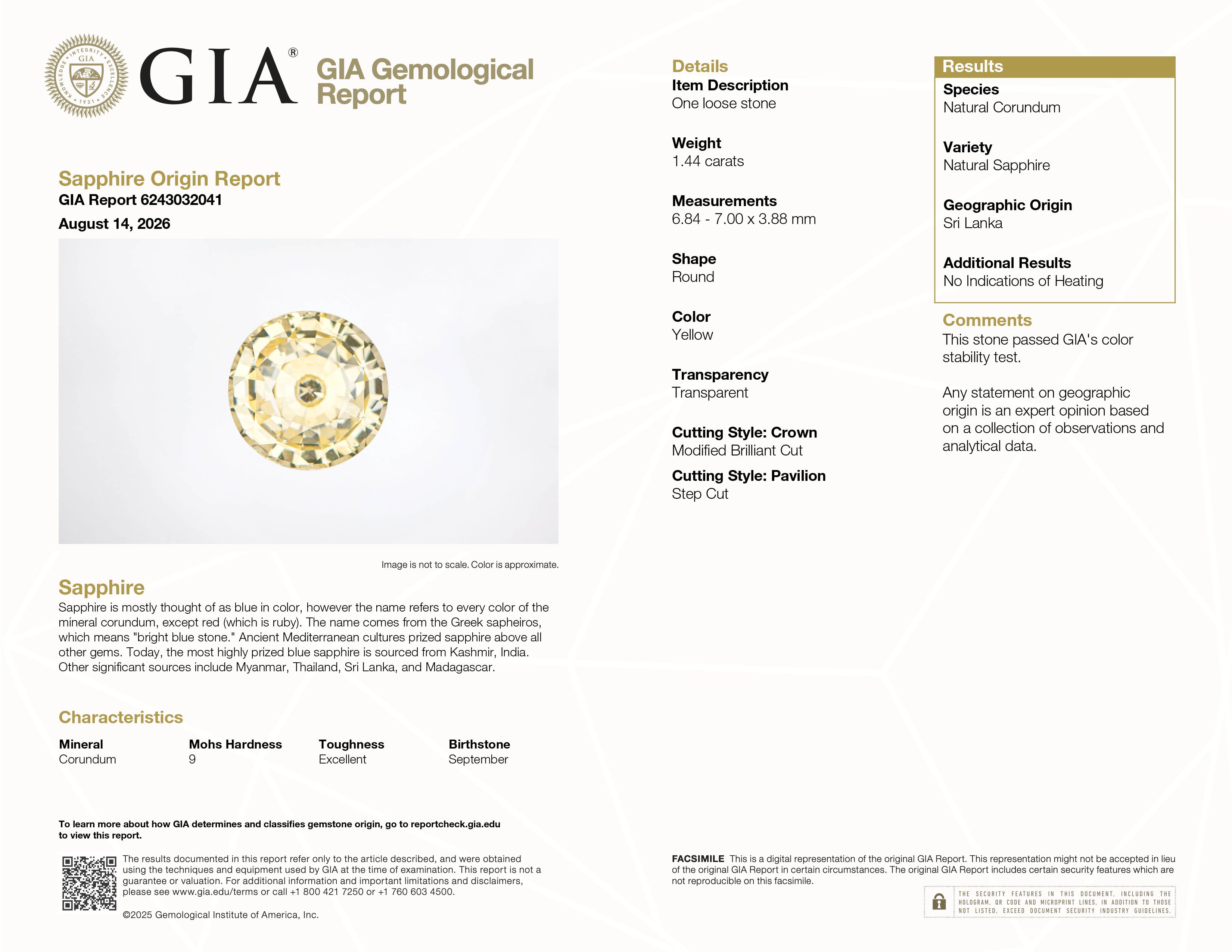
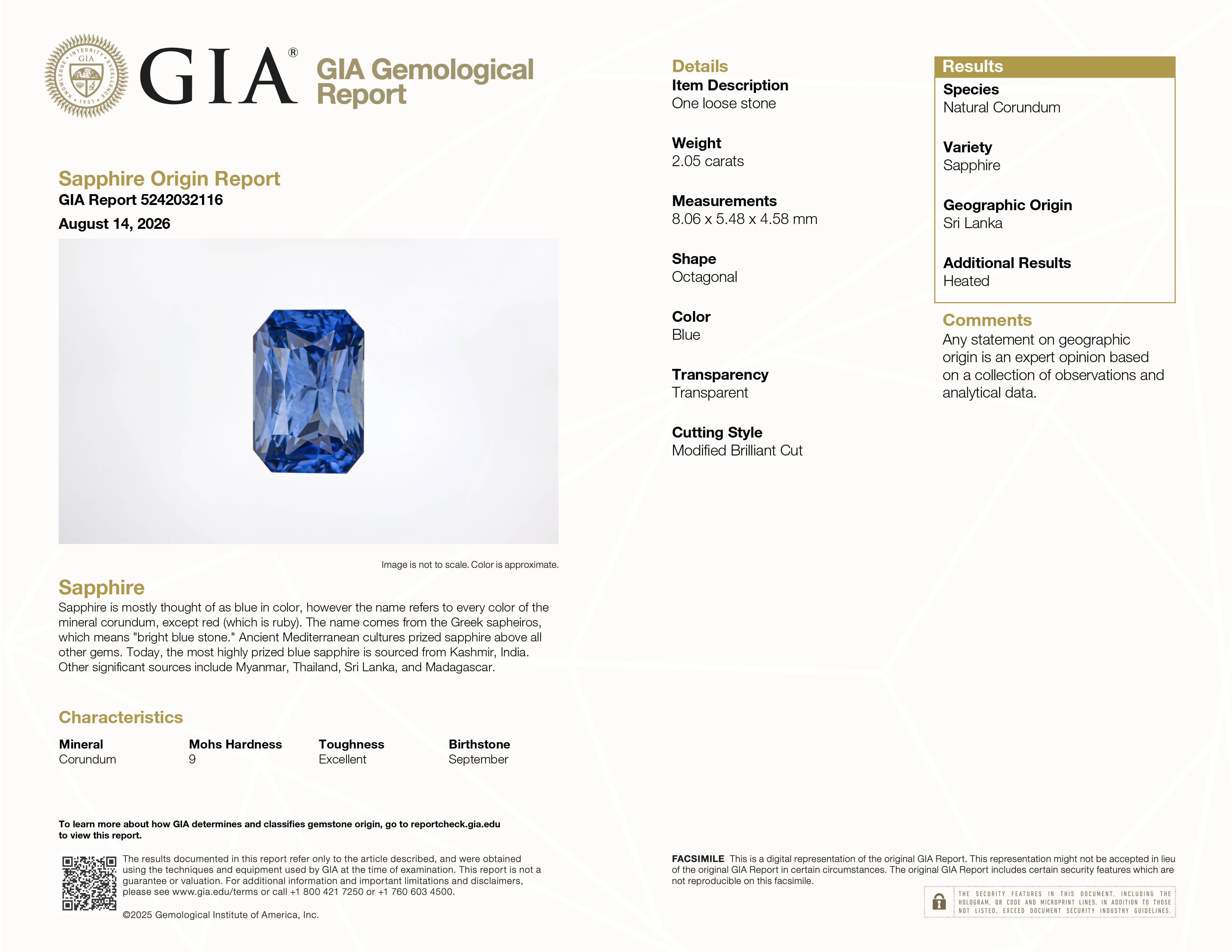
CG8465
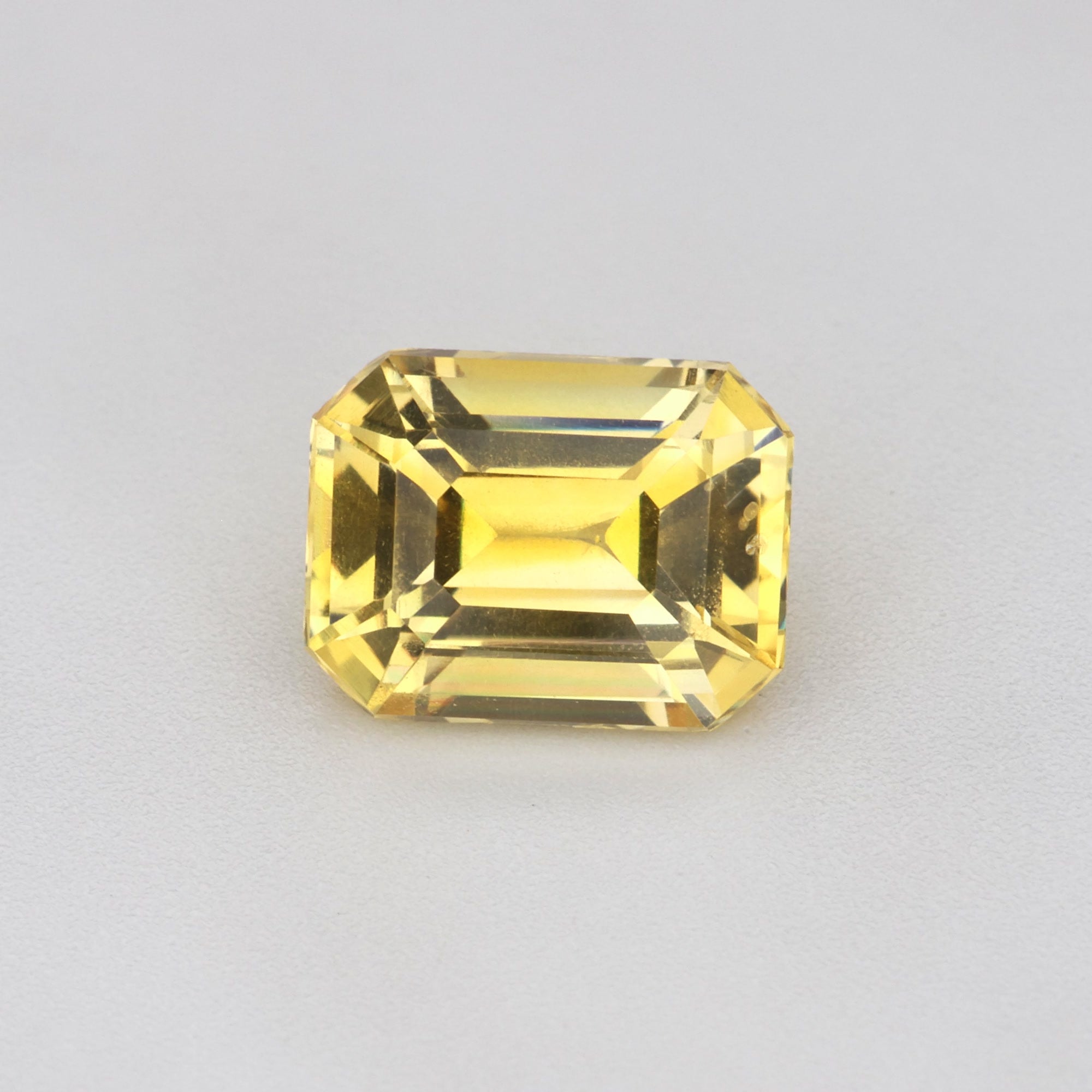
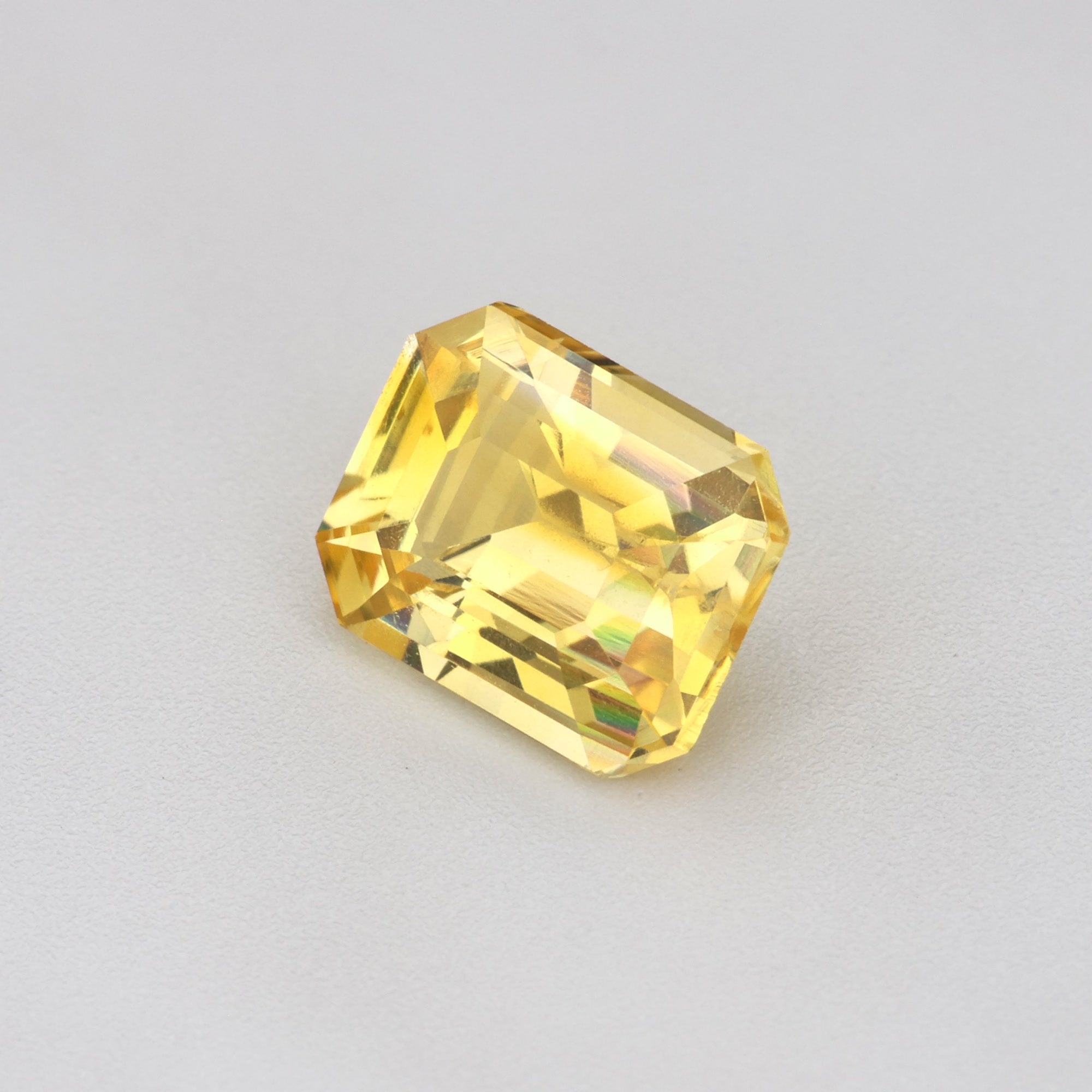
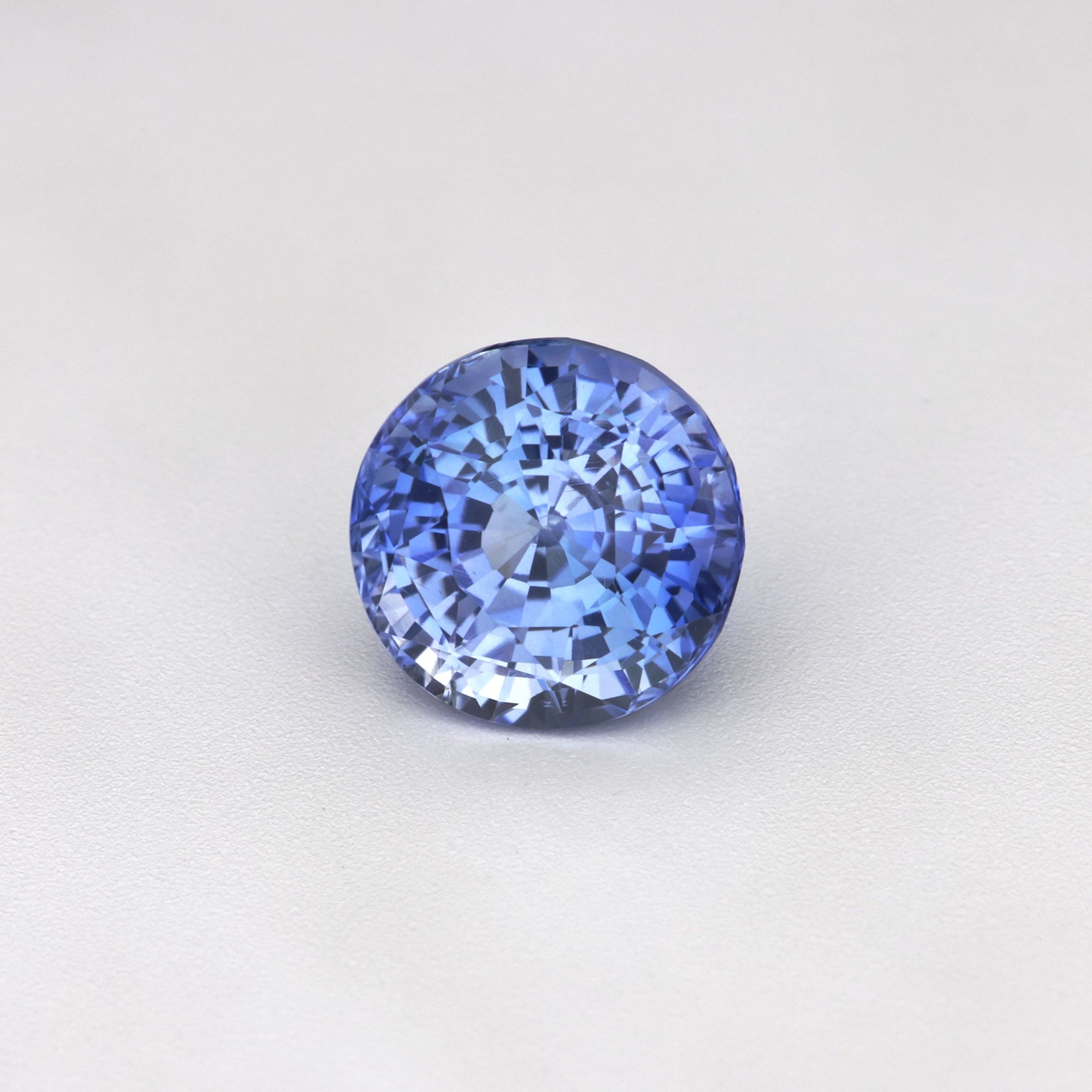
CG8463
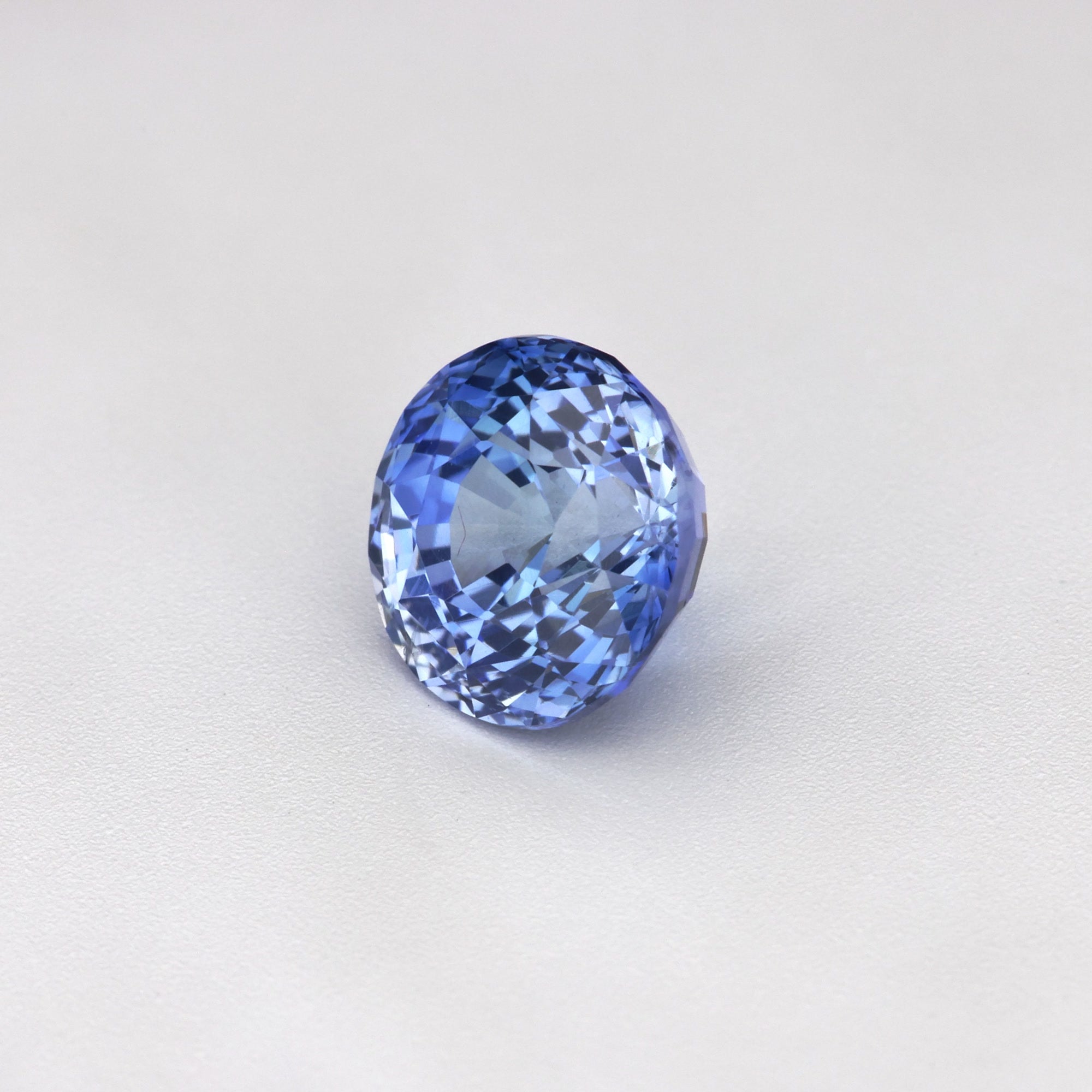
CG8460
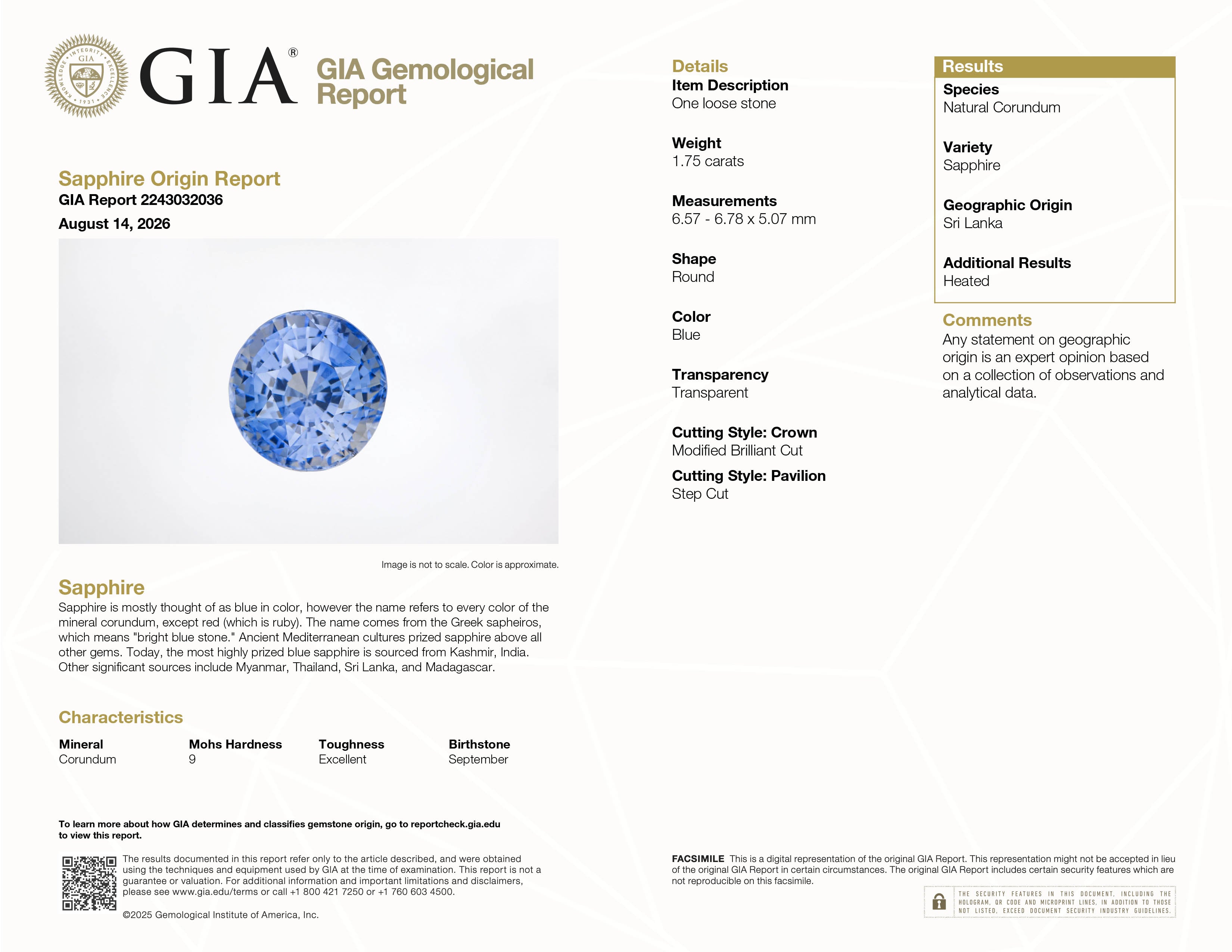
CG8456


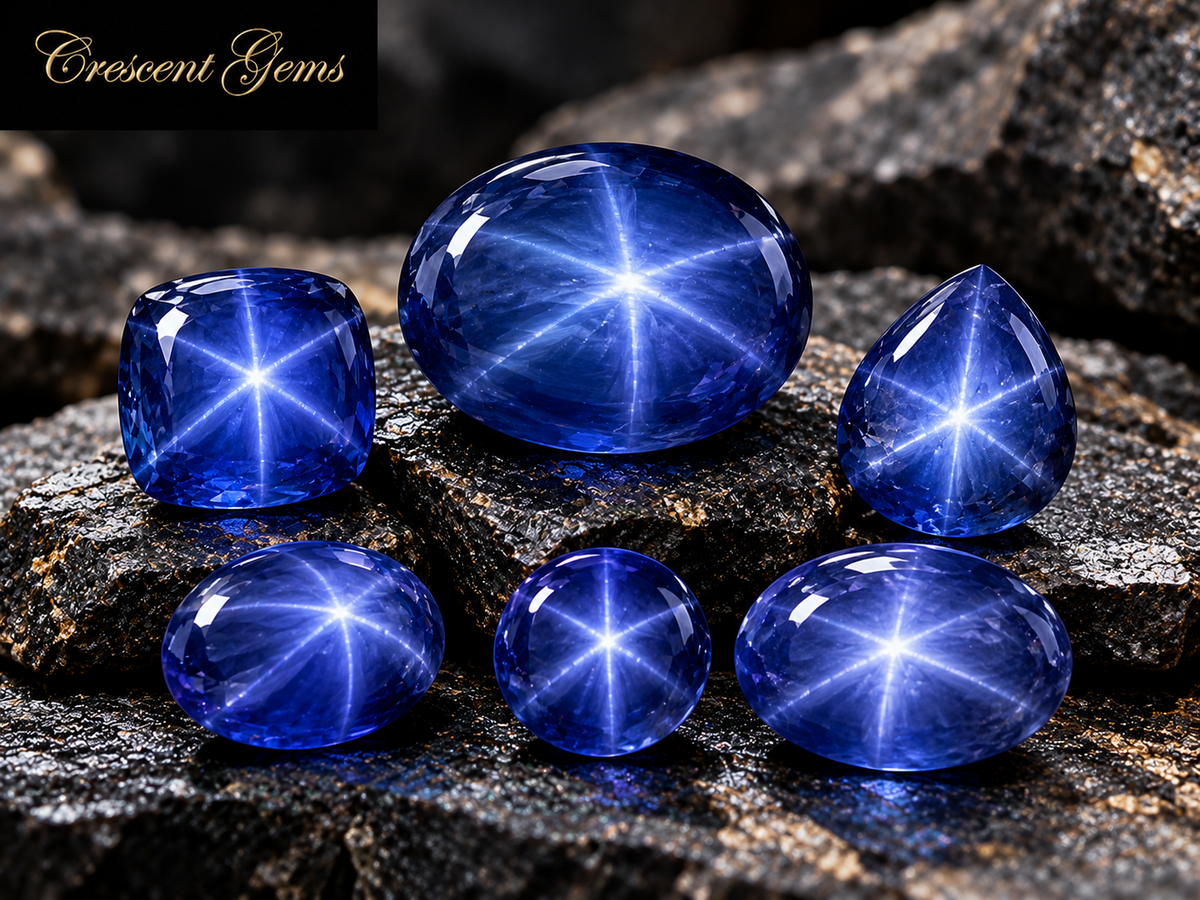
Blue Star Sapphire Price Guide — What They Cost and Why
Read moreabout Blue Star Sapphire Price Guide — What They Cost and Why
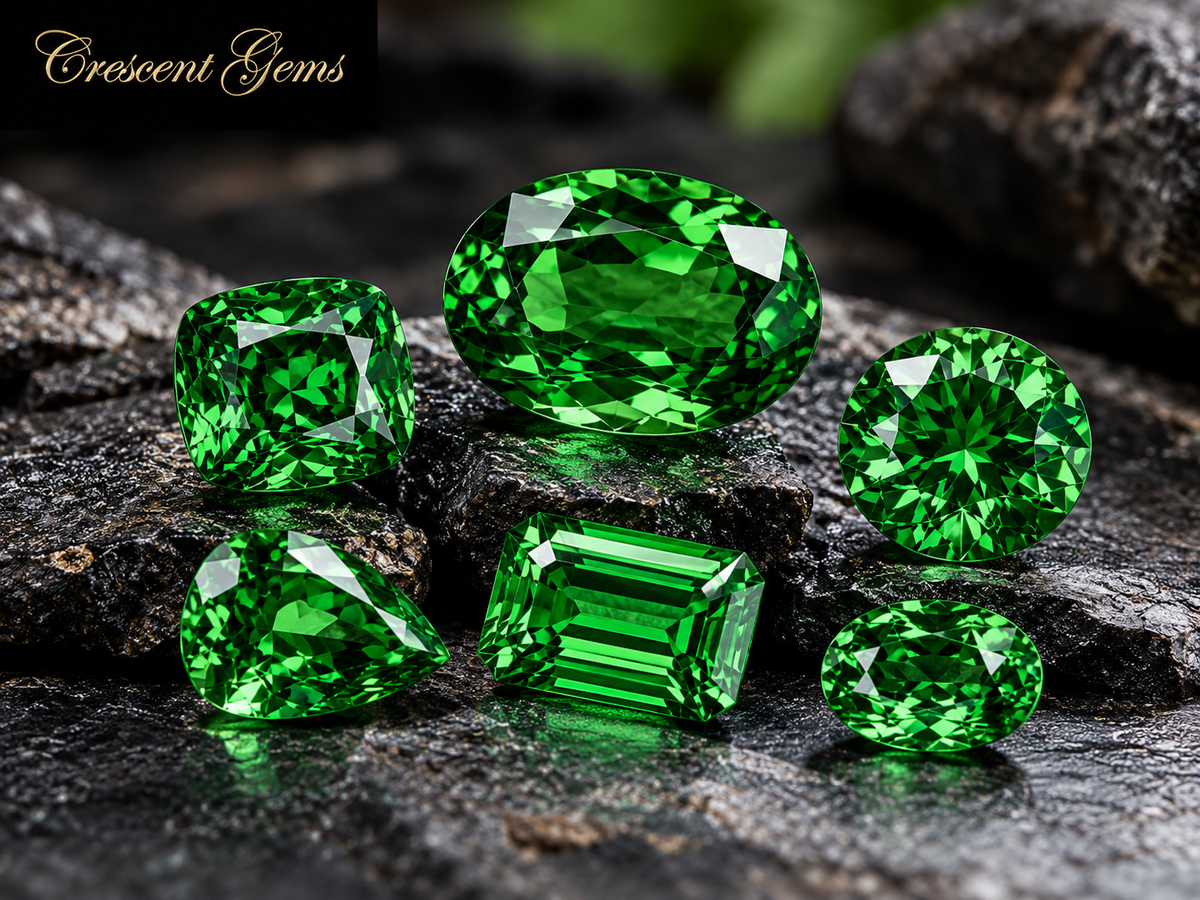
Tsavorite Garnet Price Guide — What They Cost and Why
Read moreabout Tsavorite Garnet Price Guide — What They Cost and Why
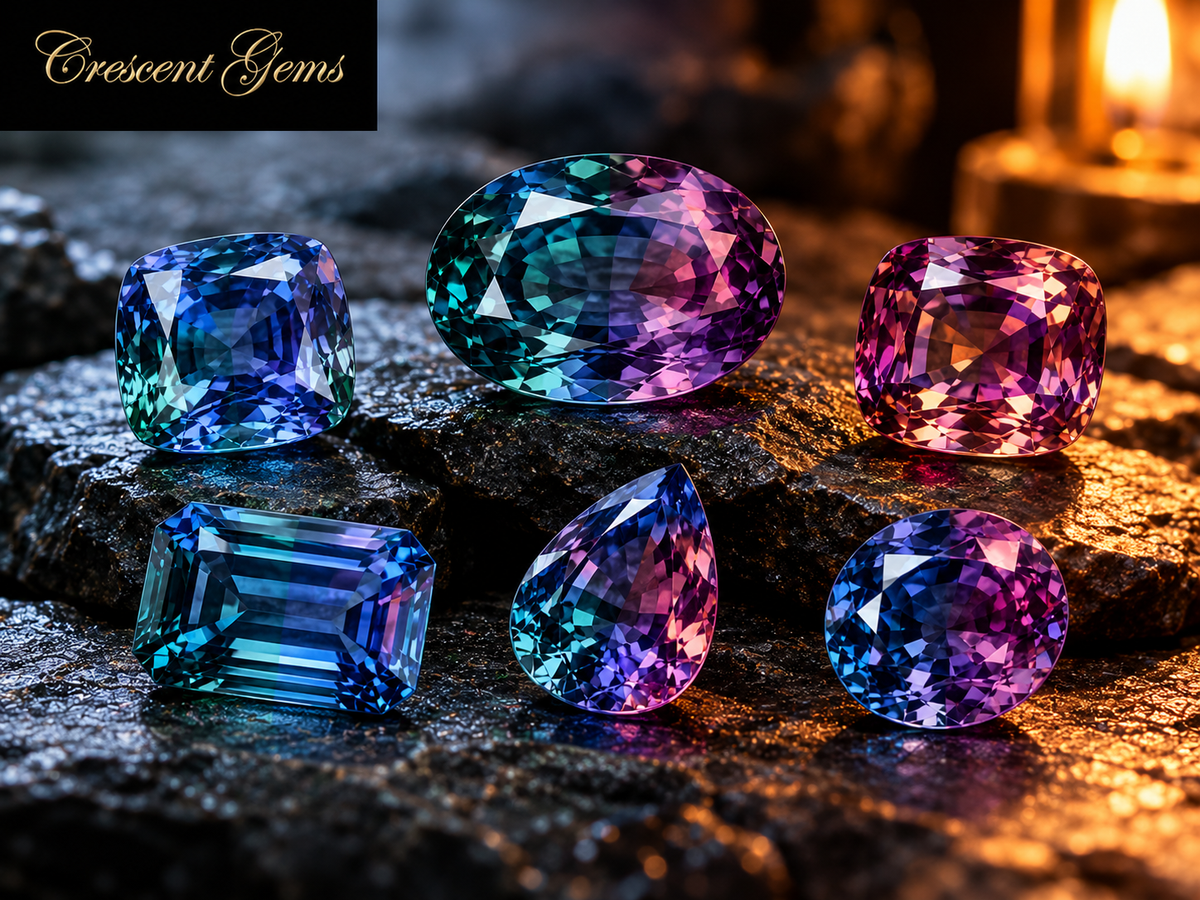
Color-Change Sapphire Price Guide — What They Cost and Why
Read moreabout Color-Change Sapphire Price Guide — What They Cost and Why
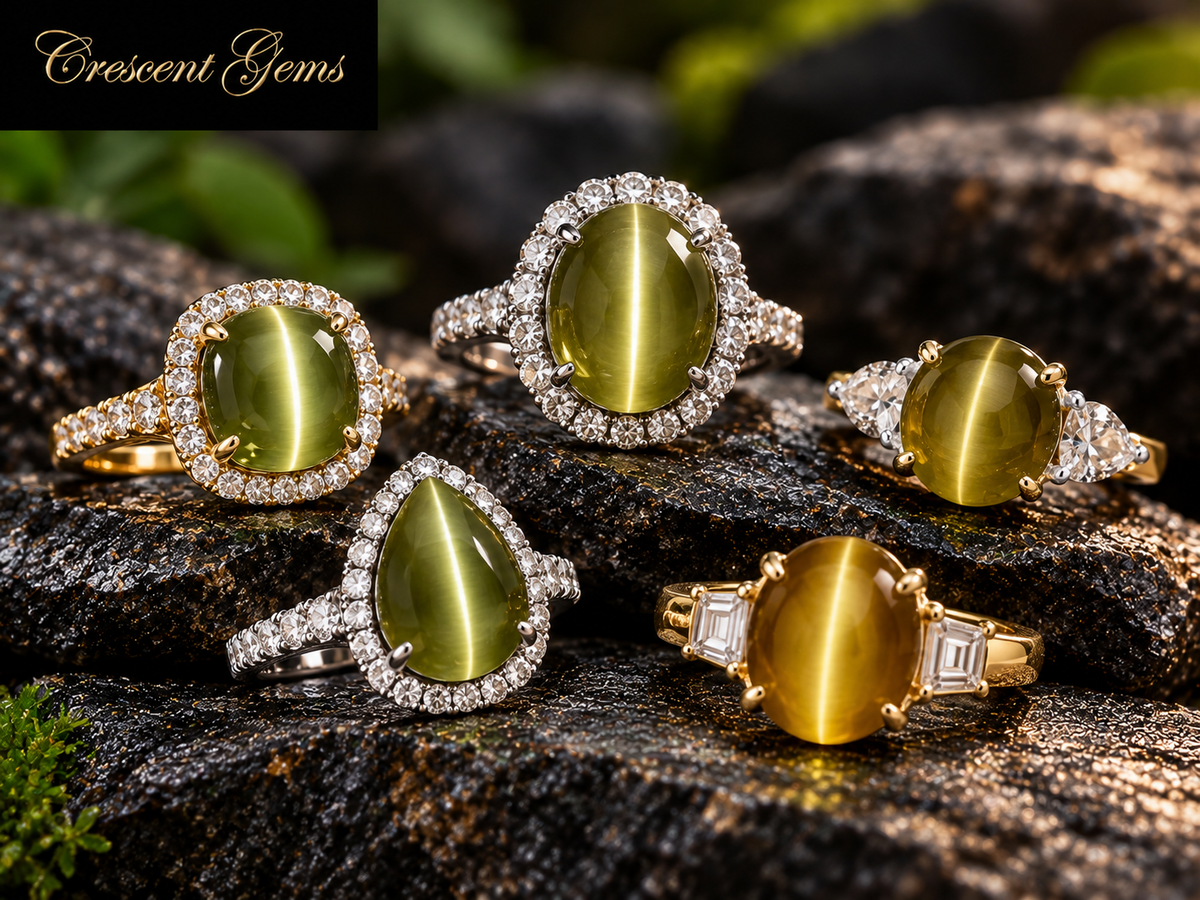
Is Cat's-Eye Chrysoberyl Good for an Engagement Ring?
Read moreabout Is Cat's-Eye Chrysoberyl Good for an Engagement Ring?
Cat's Eye Chrysoberyl Price Guide — What They Cost and Why
Read moreabout Cat's Eye Chrysoberyl Price Guide — What They Cost and Why















Share: