

- by Ahmed Shareek
Burma Sapphire (Mogok) — Where It Comes From and How Labs Report the Origin
- by Ahmed Shareek
For origin context: Ceylon Sapphire Complete Guide. For how a report states origin: How to Read a GIA Sapphire Report. For the buying foundation: Ultimate Sapphire Buying Guide.
Burma sapphire is a geographic origin, not a grade. It means a laboratory has given the stone a Burma (Myanmar) origin opinion, which says nothing about color, clarity or heating. This guide focuses on the Mogok Stone Tract, then covers Mong Hsu, what a laboratory can state, the US and EU measures since 2021, and a comparison with Ceylon material.
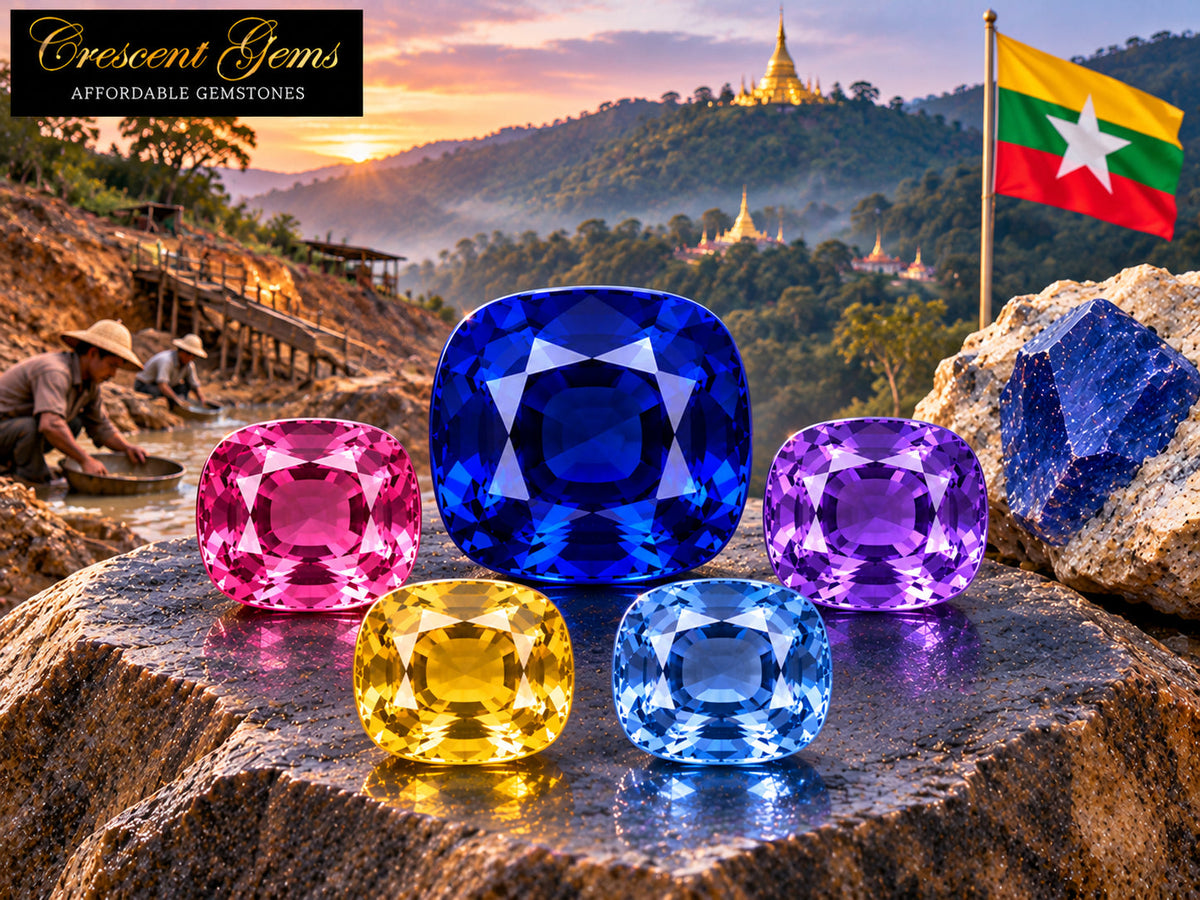
The Mogok Stone Tract lies in the Mandalay Region of central Myanmar. GIA places Mogok about 650 kilometers (400 miles) north of Yangon, in mountains rising to 2,347 meters (7,700 feet) above sea level, and dates Mogok's reputation as a source of gemstones back more than 800 years. In a 2018 study of 69 Mogok blue sapphires, using microscopy, spectroscopy and LA-ICP-MS chemistry, GIA's Bangkok laboratory concluded that Mogok blue sapphires possess "a variety of internal characteristics and chemistry features that may support their identification as Burmese." The study illustrates iridescent arrowhead needles and thin films as a characteristic inclusion in Mogok blue sapphire. Note the wording: such features "may support" an identification; none is offered as proof on its own. For trace elements and fluorescence, see our Sapphire Fluorescence Guide.
A Burma origin opinion on a report says nothing about a stone's color. Sapphires from any one source vary in hue, tone and saturation, so judge the stone itself: look at it under one steady, neutral light, and ask for more photos and videos before you decide. A trade color name in a listing is a description, not a grade. For how sapphire color is described and what causes it, see our sapphire color range guide.
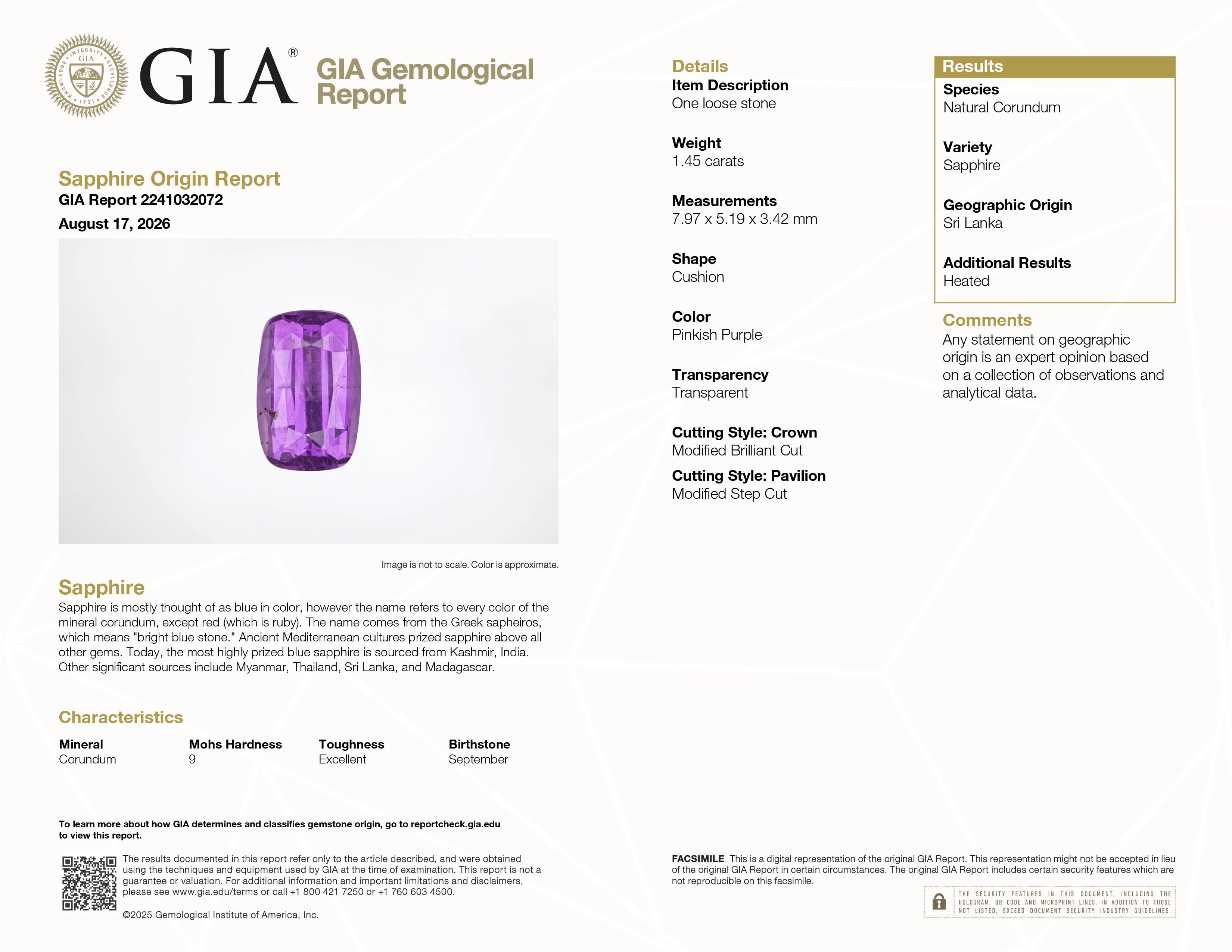
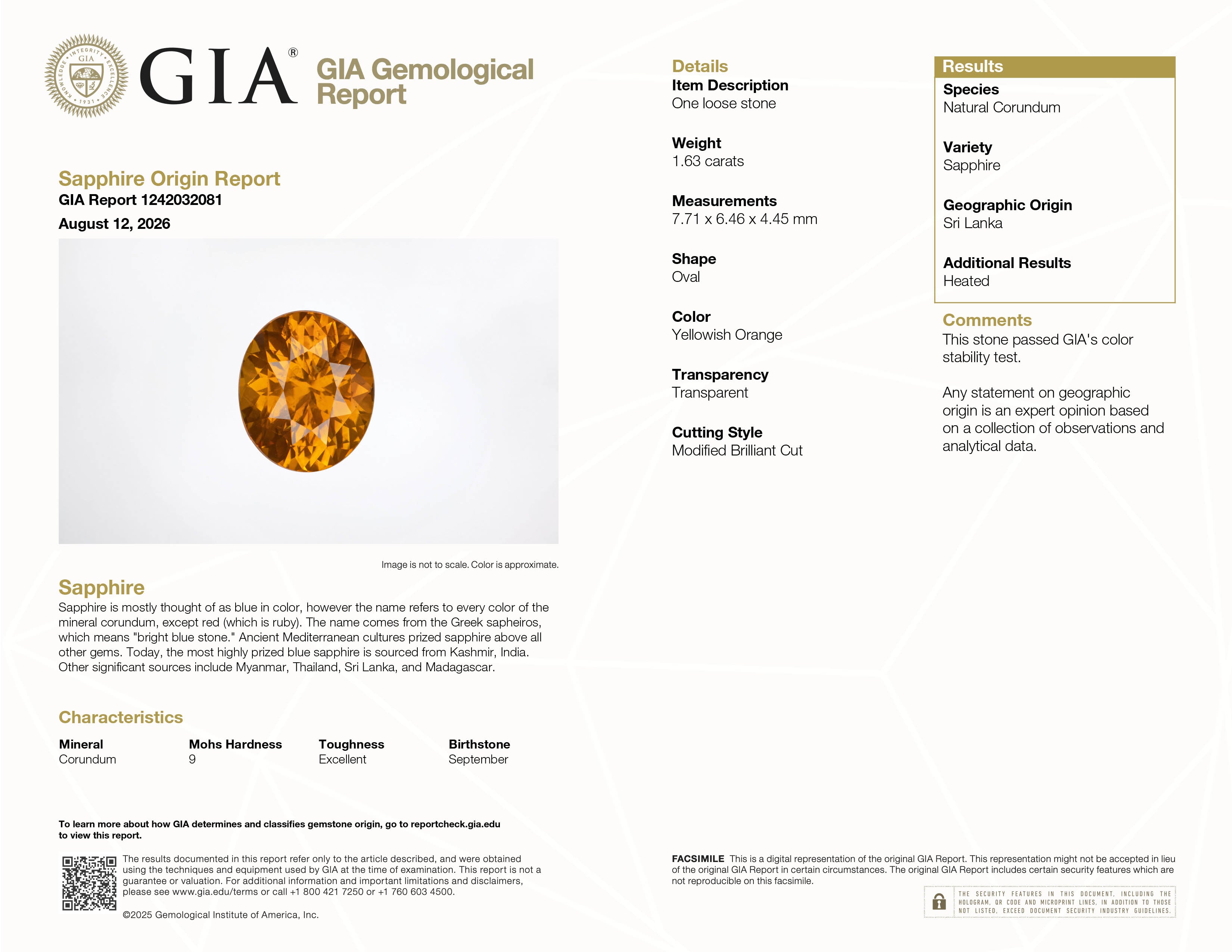
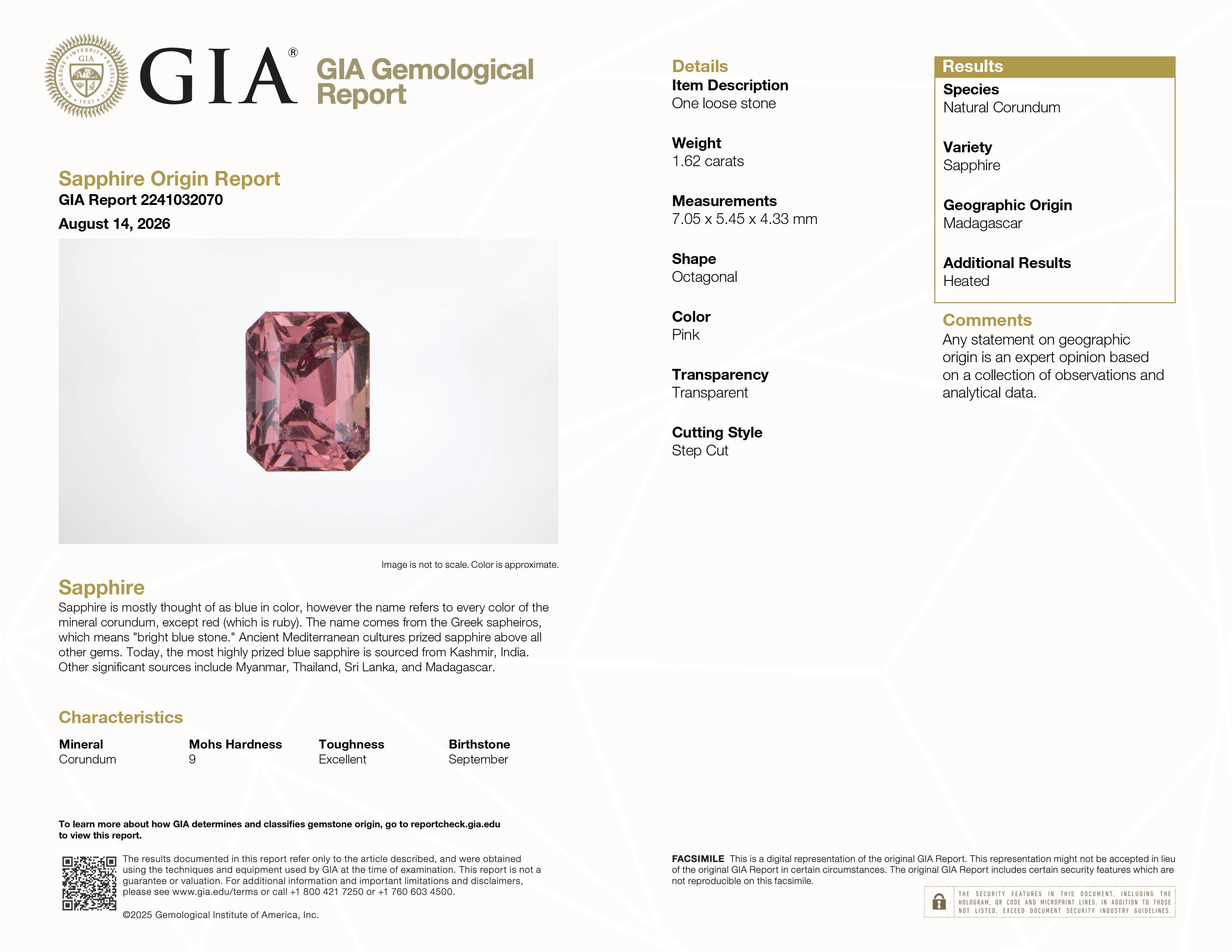
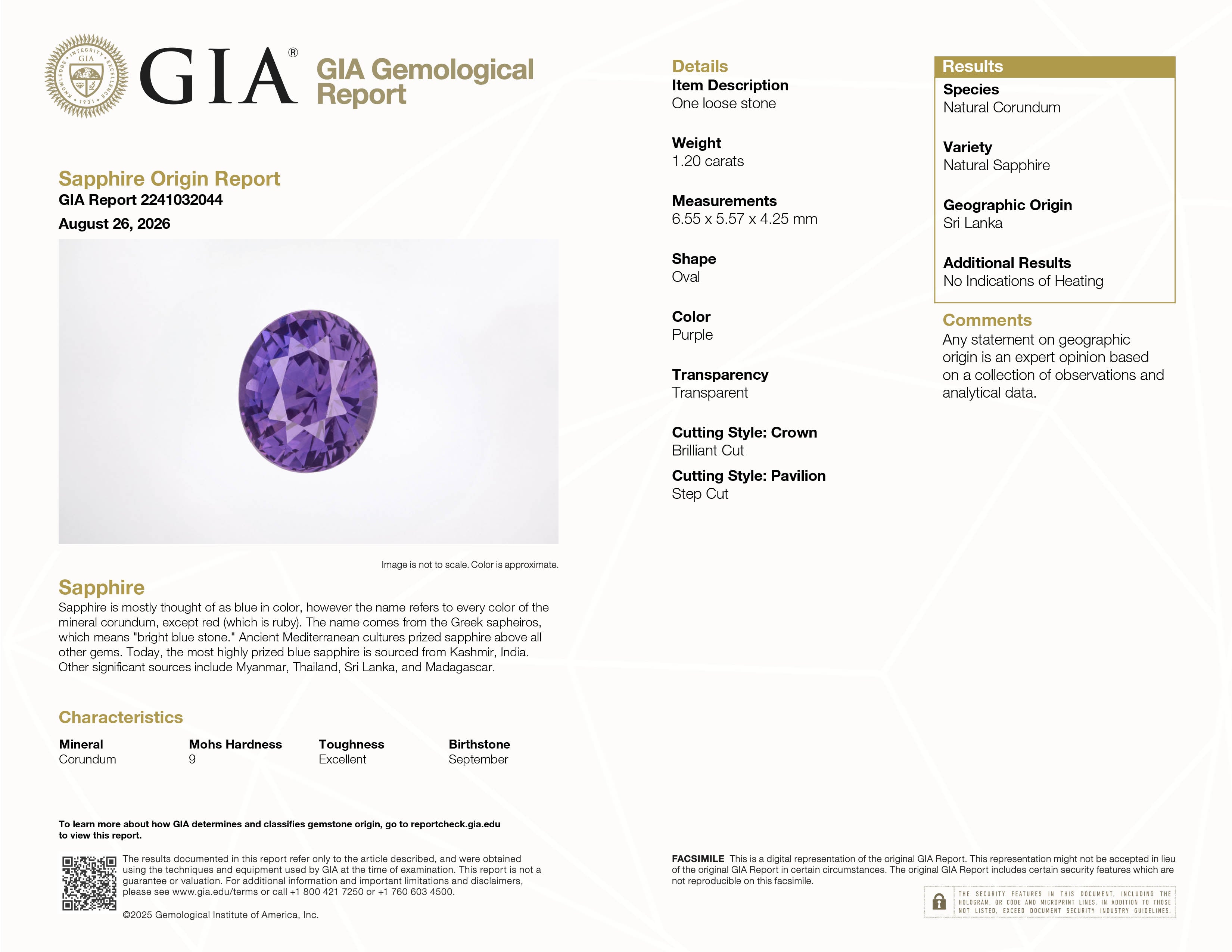
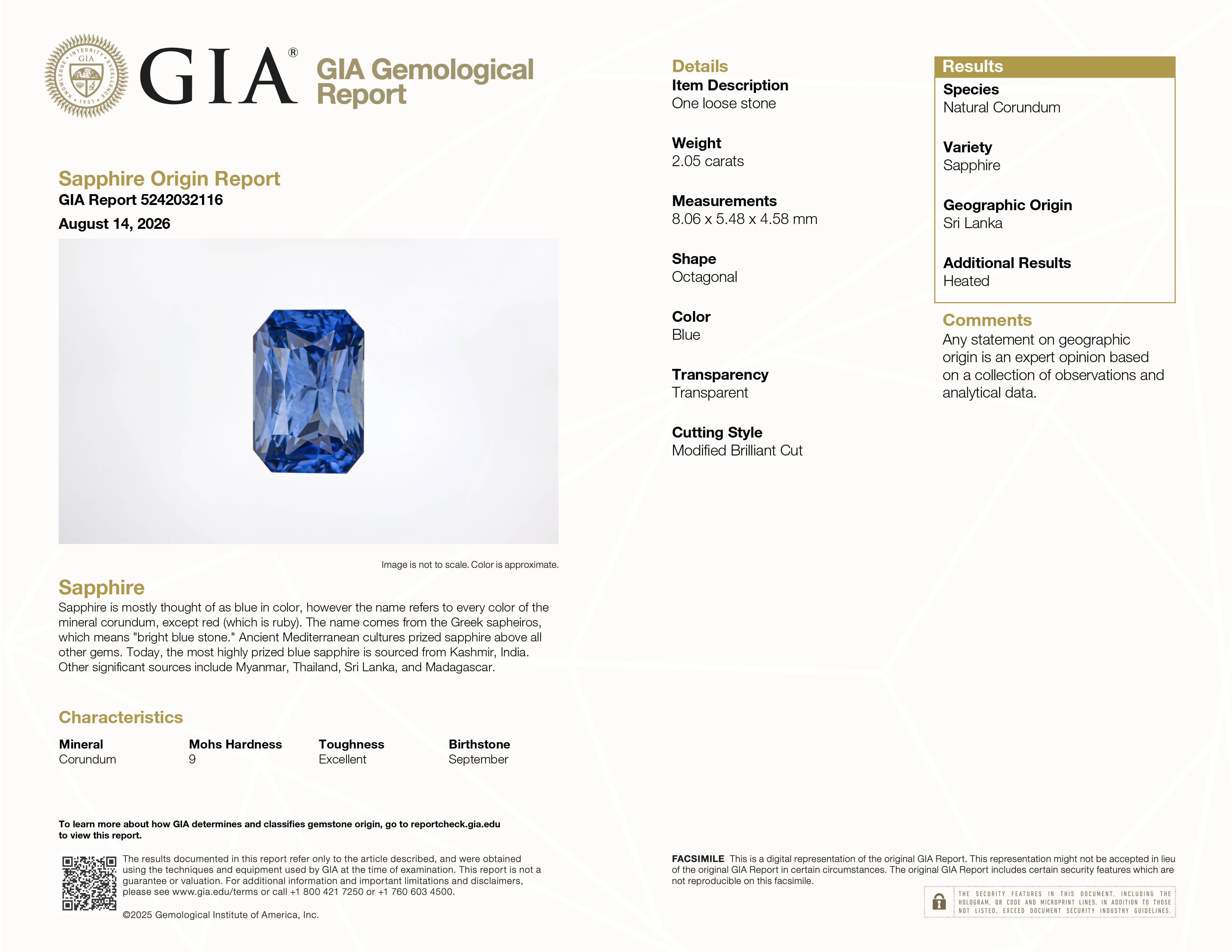
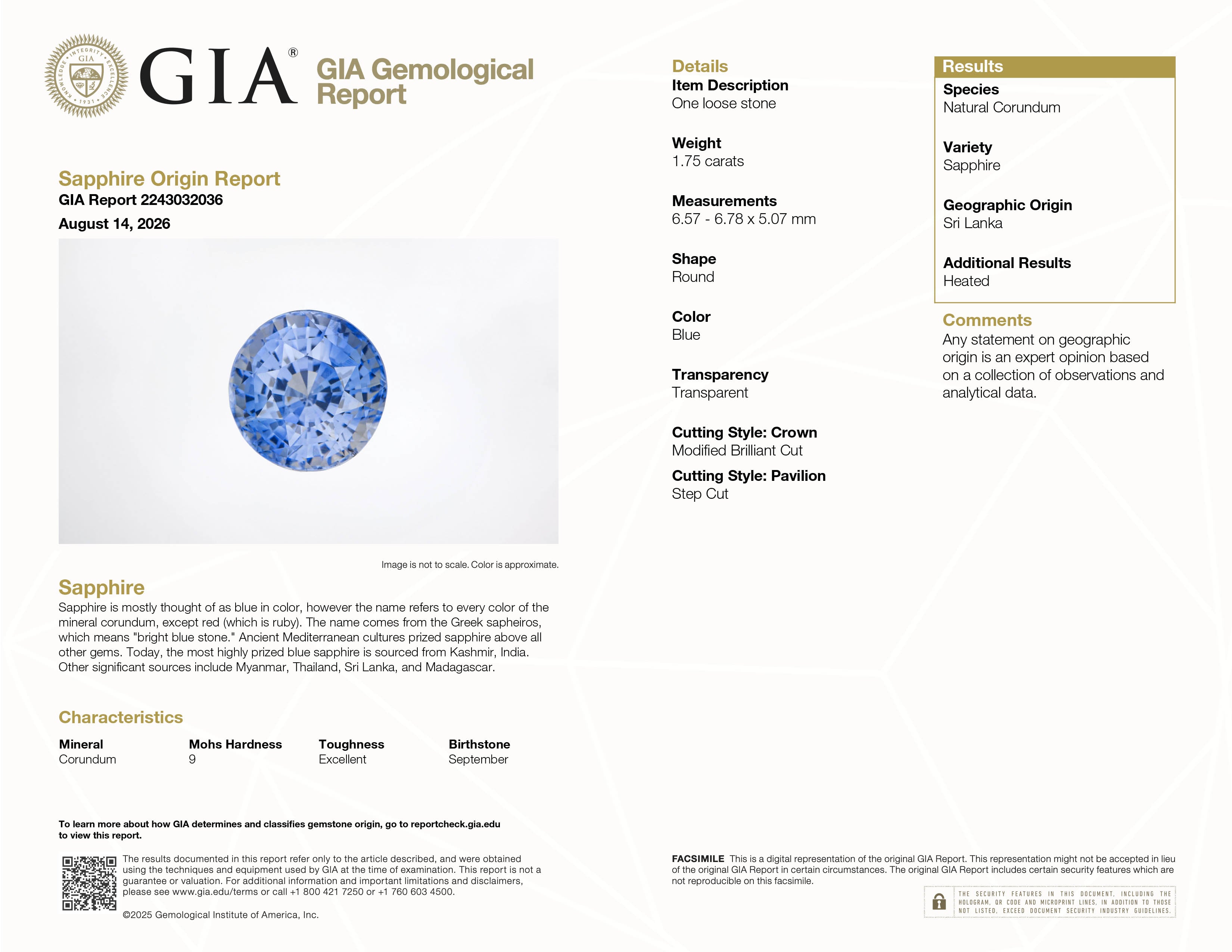
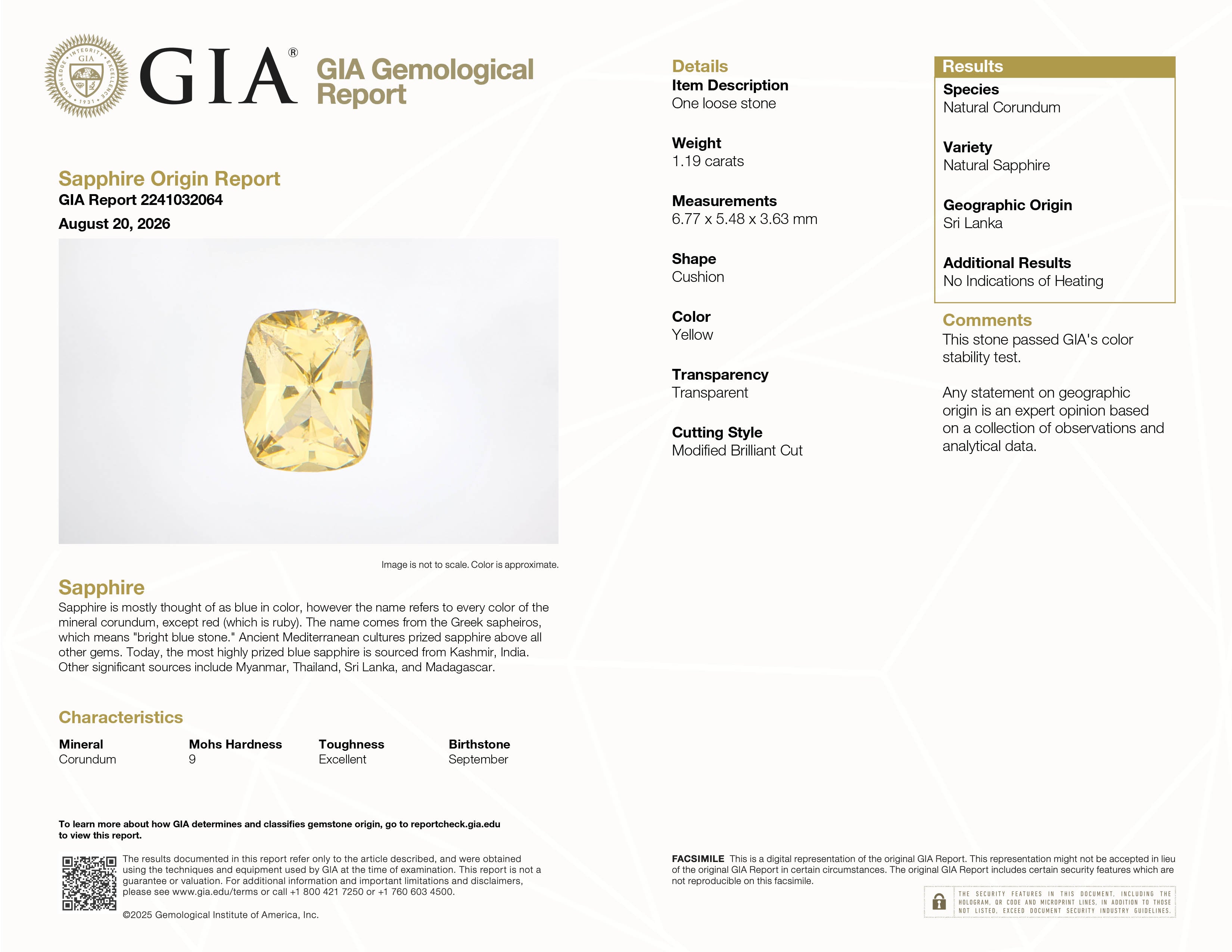
Heating and origin are separate findings on a report. An unheated Burma sapphire carries a Burma origin opinion and a finding of no indications of heating. Unheated is not untreated: some treatments are not currently detectable. Heating also bears on origin — GIA, writing in Gems & Gemology, notes that "geographic origin conclusions can be challenging, if not impossible, in heated blue sapphire." For what drives a stone's price, see Sapphire Pricing Explained, what a good 1 carat costs, and what a good 2 carat costs. Ask to see the report before you buy. See our GIA report guide and guide to what unheated status means and how a report states it.
GIA, Gübelin Gem Lab and SSEF are among the laboratories that offer geographic origin determination for sapphire. SSEF describes its approach in one line: "origin determination relies on the analysis of microscopic features, trace element concentrations, and spectroscopic data." Inclusions are part of it (see How to Read Sapphire Inclusions). The result is an opinion: GIA, writing in Gems & Gemology, states that geographic origin determinations on reports are "opinions—they are not indisputable facts," and SSEF puts it in one sentence: "Origin determination is an expert opinion."
Mong Hsu is a separate deposit, in Shan State, northeastern Myanmar, about 250 kilometers southeast of Mogok. It is known above all for ruby: a study in GIA's Gems & Gemology reported Mong Hsu ruby available in large quantities on the Bangkok market since 1992, with the vast majority of faceted stones heat treated. The two names are not interchangeable. When a report gives a Burma (Myanmar) origin opinion, read exactly what it prints: a country name is not a statement about a particular deposit, and a seller's description should not claim more than the report does.
On April 8, 2021, the US Treasury's Office of Foreign Assets Control (OFAC) designated Myanma Gems Enterprise (MGE), the state-owned entity Treasury describes as responsible for all gemstone activities in Burma, under Executive Order 14014. The European Union listed Myanma Gems Enterprise under its Myanmar/Burma restrictive measures in Council Implementing Regulation (EU) 2021/998, with a listing date of 21 June 2021. This page records these as dated facts and does not say whether any stone may be bought or imported; check the current lists and take qualified advice.
If you are choosing a natural blue sapphire to set in an engagement ring, compare stones, not place names: color under one steady light, clarity, cut, and the report's heating finding and origin opinion. We buy at the source in Sri Lanka and hold our stones in the USA; for that origin, see our Ceylon sapphire guide. For ring design guidance, see our oval sapphire guide, cushion cut guide, emerald cut guide, best shapes for solitaire rings, halo ring guide, and metal comparison guide. If a Burma origin matters to you, ask for a report that states it and read its heating finding separately. For a full origin comparison see also our Madagascar Sapphire Guide, Tanzania Sapphire Guide, and Mozambique Sapphire Guide. After purchase, insure your ring: see our jewelry insurance guide.
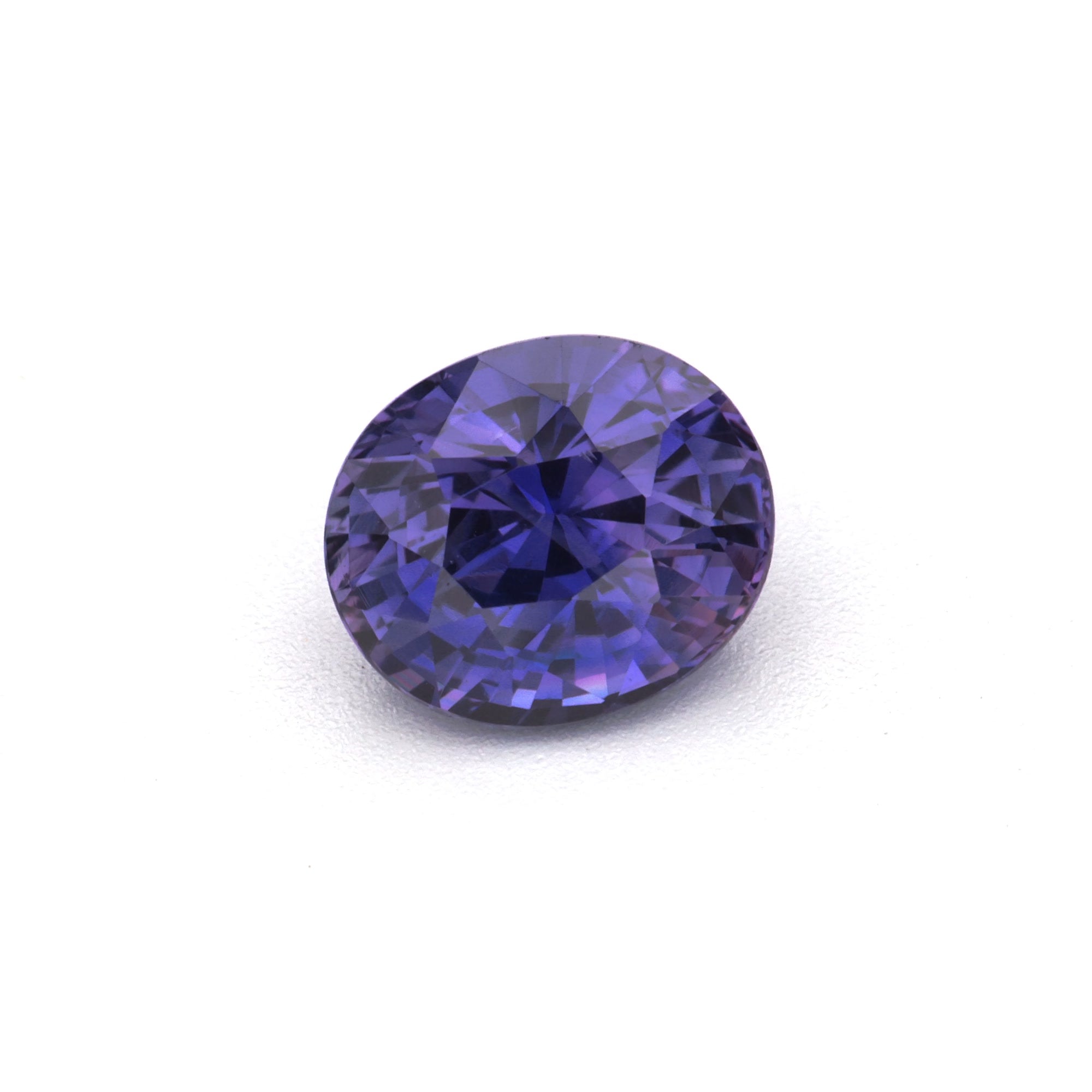
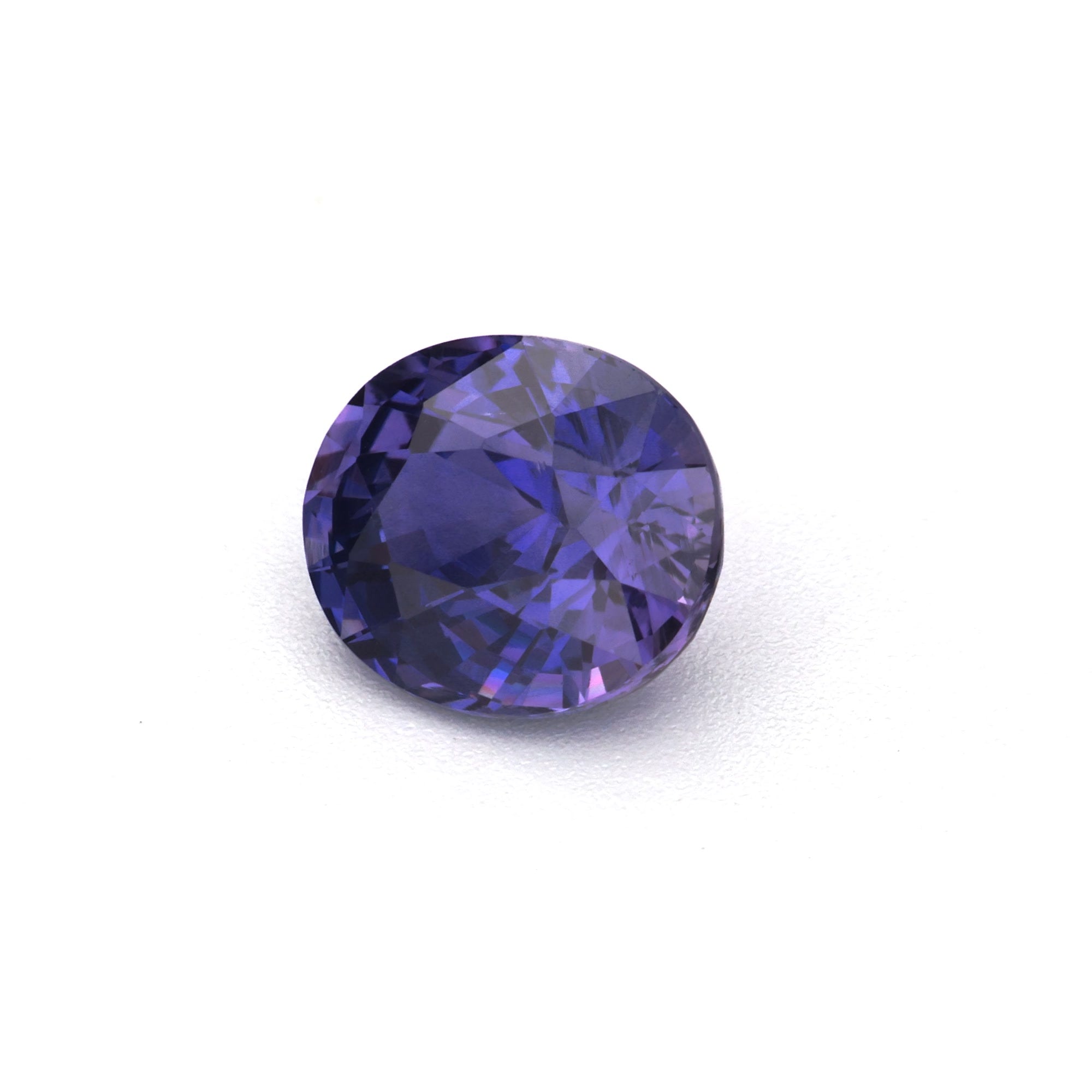
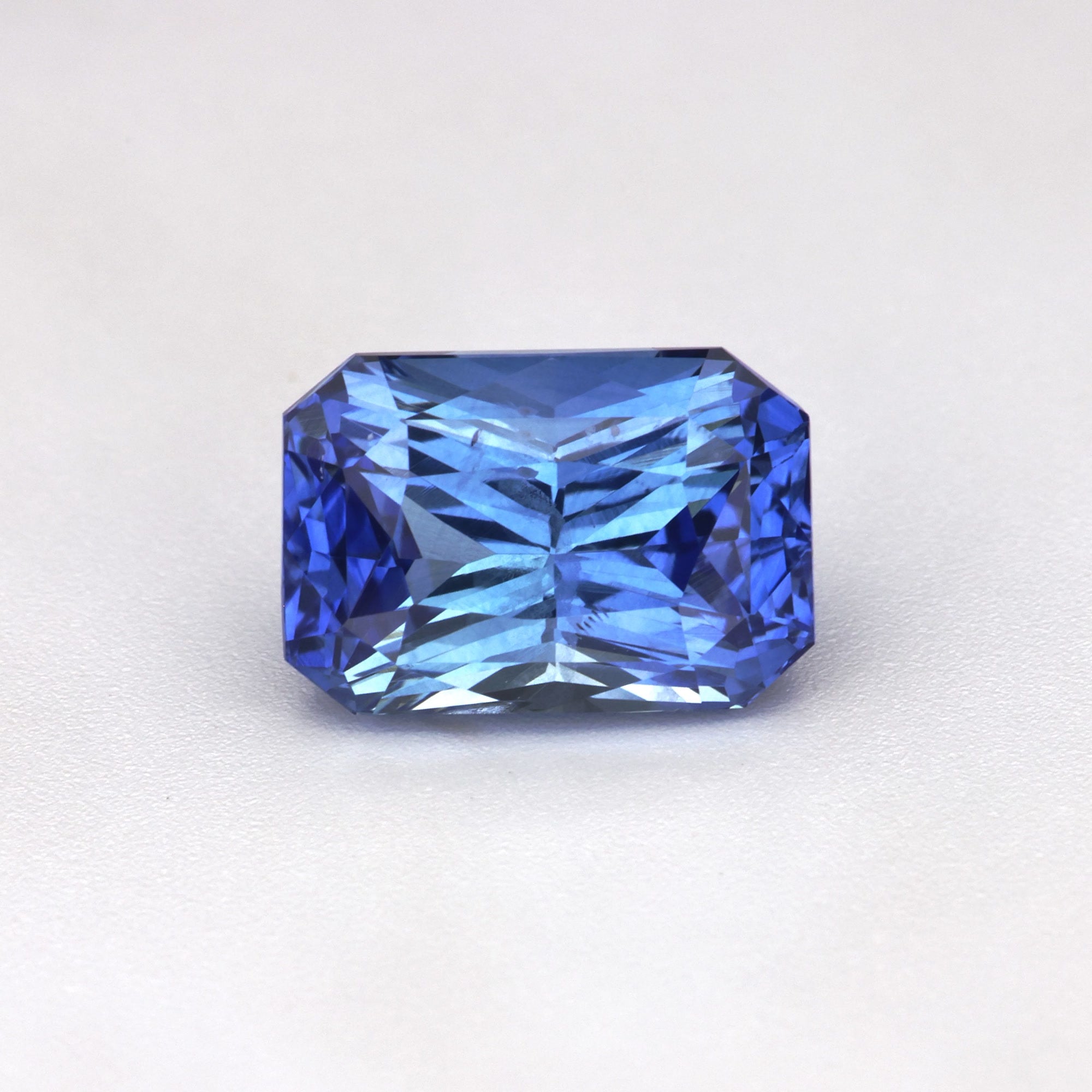
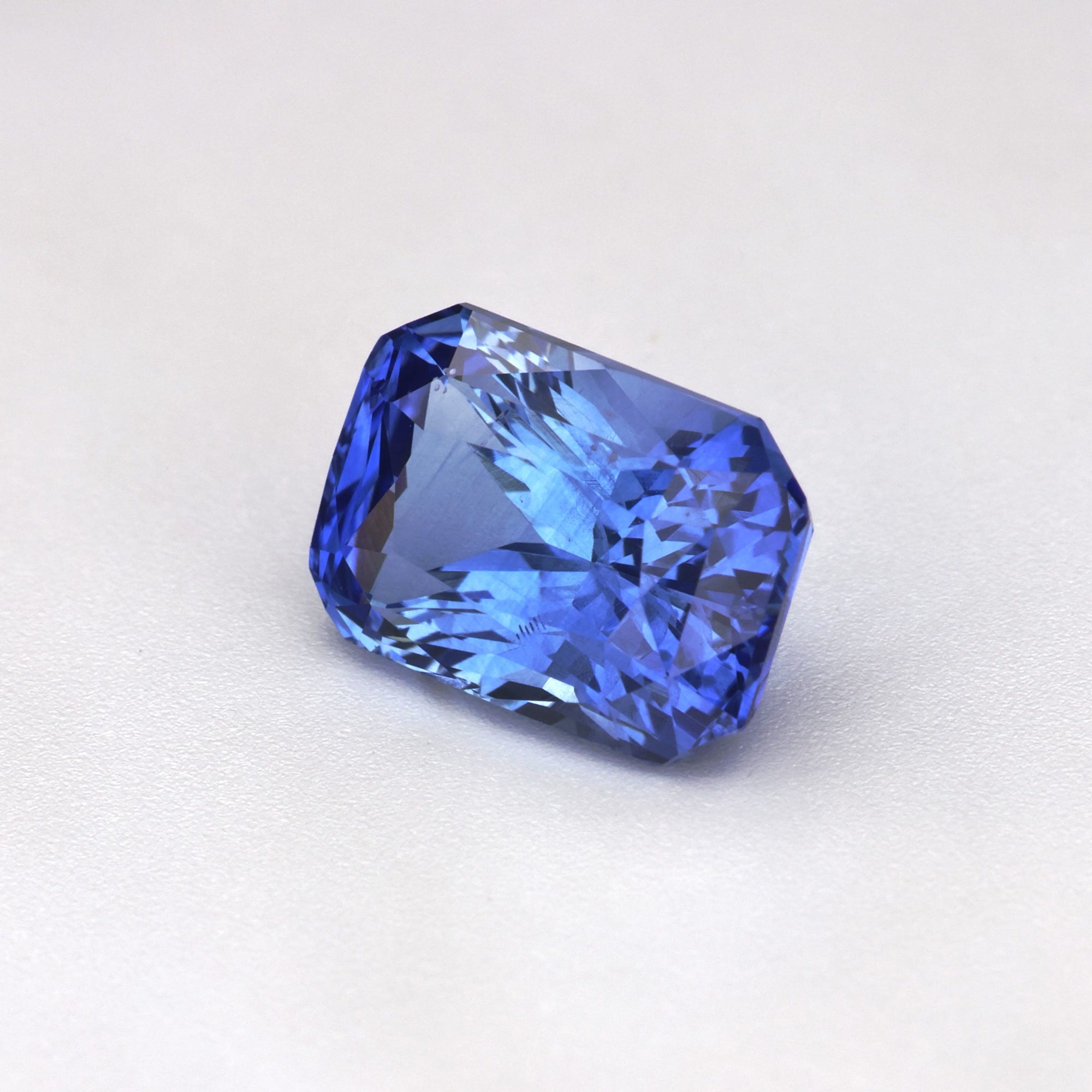
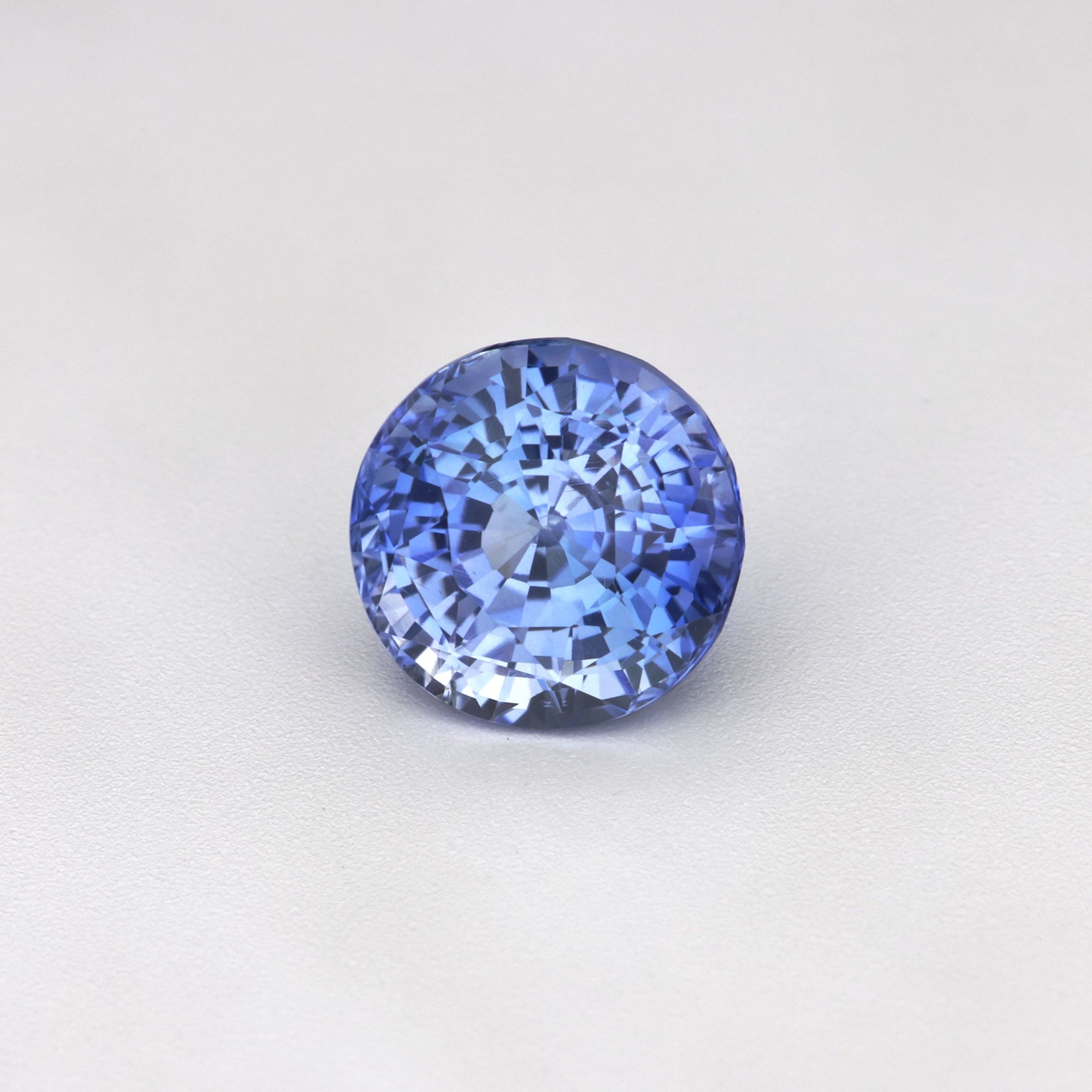
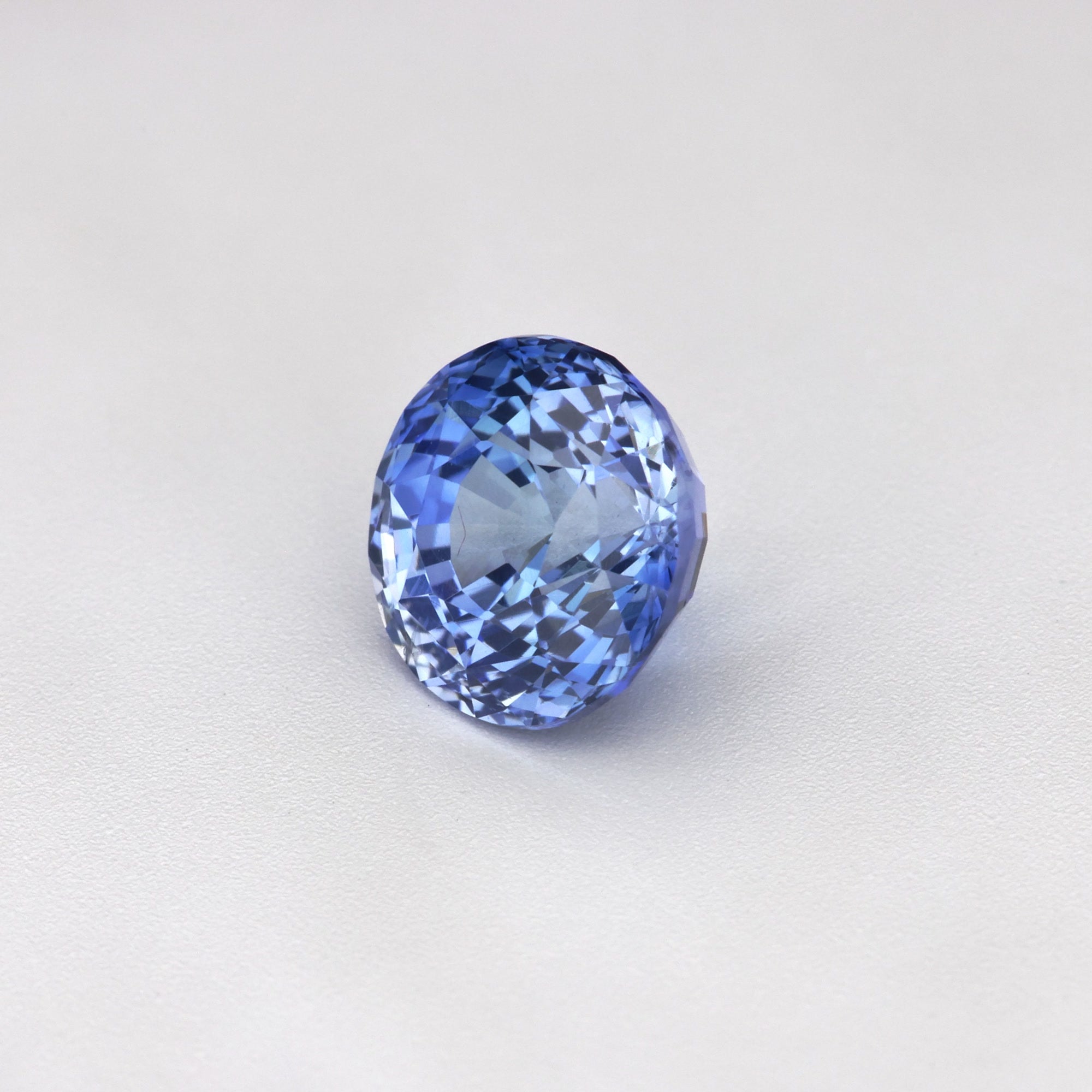
Browse our unheated blue sapphire catalog — individually selected Ceylon stones, each sold with its treatment status stated — or email crescentgems@gmail.com with your specifications. We respond within one business day.

CG8465
CG8463
CG8460
CG8456


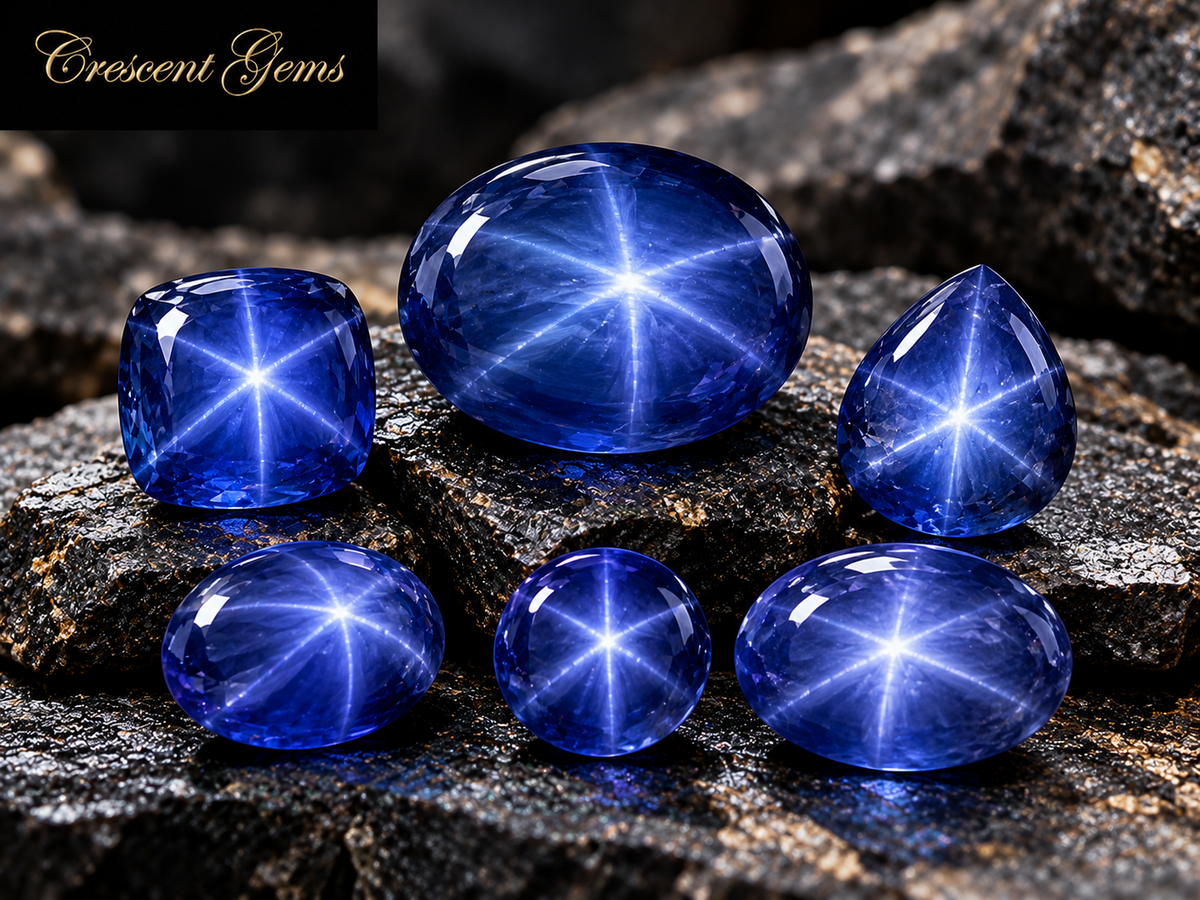
Blue Star Sapphire Price Guide — What They Cost and Why
Read moreabout Blue Star Sapphire Price Guide — What They Cost and Why
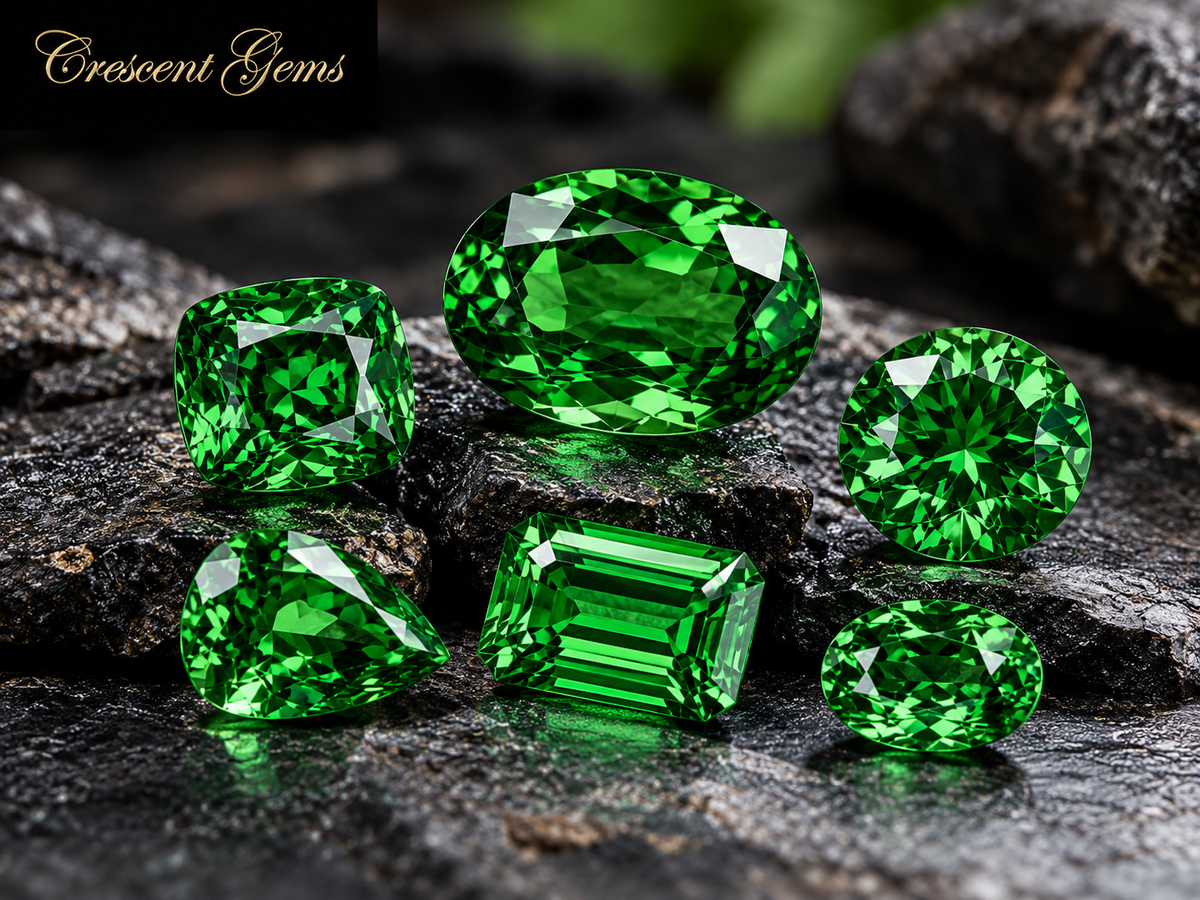
Tsavorite Garnet Price Guide — What They Cost and Why
Read moreabout Tsavorite Garnet Price Guide — What They Cost and Why
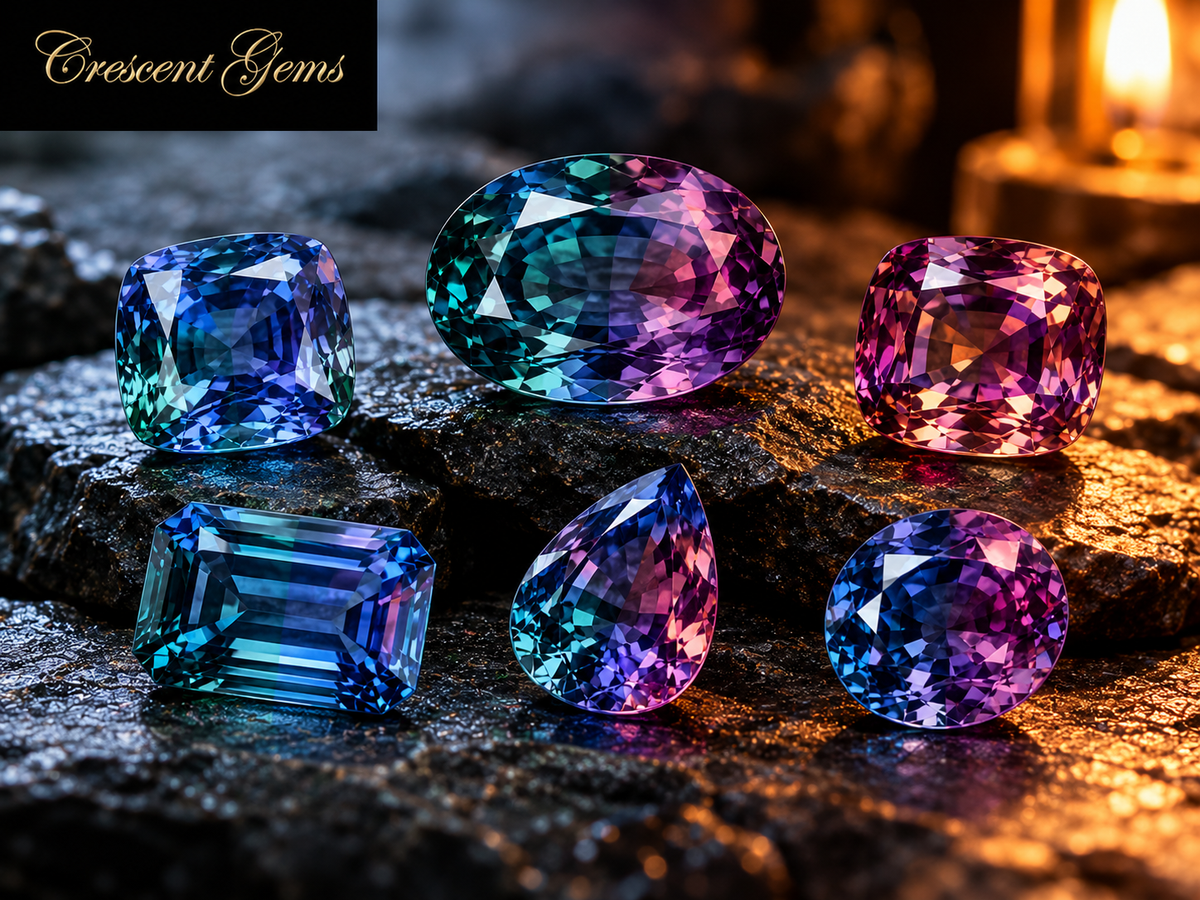
Color-Change Sapphire Price Guide — What They Cost and Why
Read moreabout Color-Change Sapphire Price Guide — What They Cost and Why
Is Cat's-Eye Chrysoberyl Good for an Engagement Ring?
Read moreabout Is Cat's-Eye Chrysoberyl Good for an Engagement Ring?
Cat's Eye Chrysoberyl Price Guide — What They Cost and Why
Read moreabout Cat's Eye Chrysoberyl Price Guide — What They Cost and Why















Share: