

- by Ahmed Shareek
Australian Sapphire — The Dark Blue Origin and What Buyers Need to Know
- by Ahmed Shareek
New to buying sapphires? Start with our Ultimate Sapphire Buying Guide — the complete resource for color, origin, treatment, and pricing.
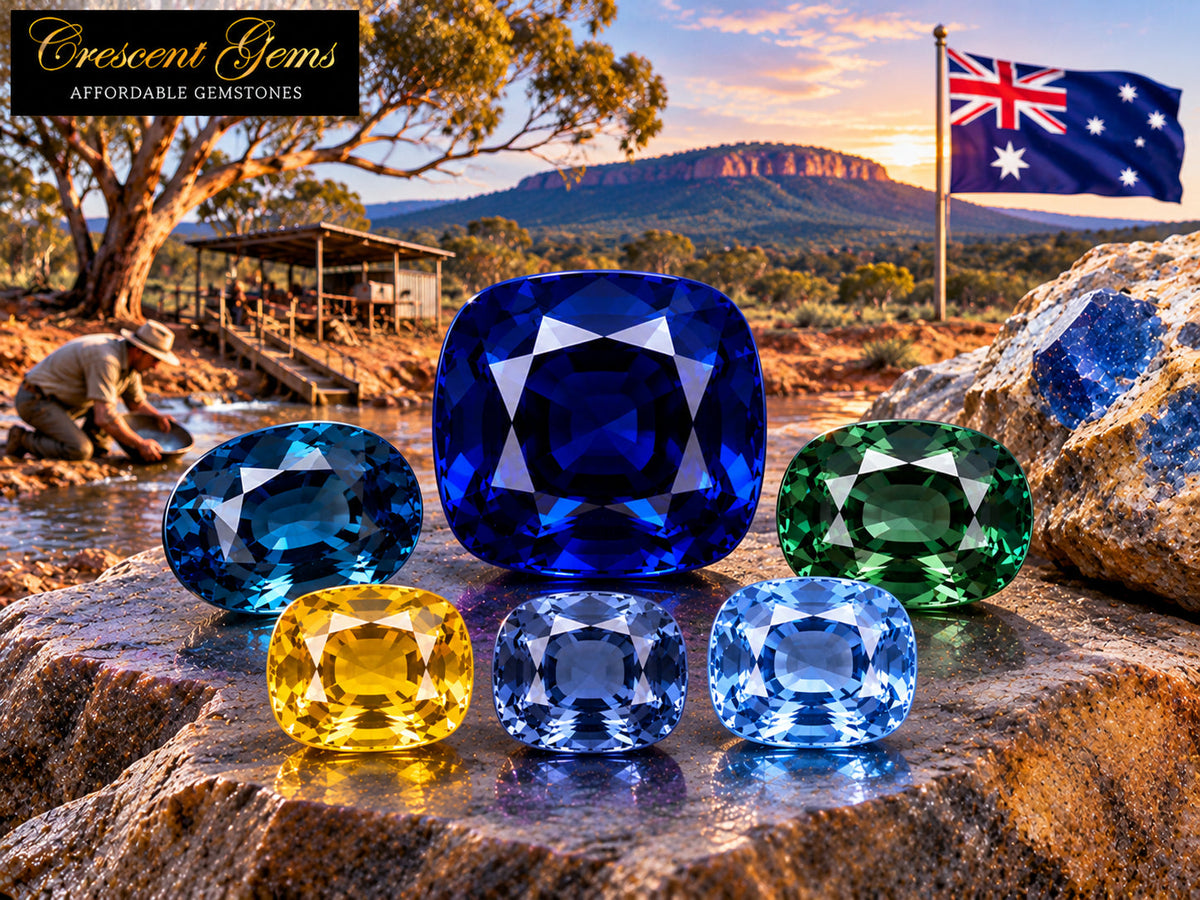
Australia has been a major source of blue sapphire for more than half a century. In the boom years from 1967 to 1979, mechanized mines in the New England region of New South Wales and the Anakie fields of central Queensland sold most of their rough to Thai buyers; most of it was heated and cut in Thailand, and the better stones were often sold on under other origin names. Australian sapphire has a reputation — earned but often overstated — for dark, inky blue color. This guide covers where Australian sapphires come from, what makes them geologically distinctive, why the color tends dark, what the color range actually looks like, and how Australian sapphire compares to Ceylon and other origins.
New South Wales — the Inverell-Glen Innes fields: The New England region of northern New South Wales is one of Australia's two principal sapphire fields. The sapphires are recovered from alluvial gravels and from the volcaniclastic rocks associated with Cenozoic basalts, not from the lava flows themselves. Most New South Wales sapphire is medium to dark blue, and a slightly greenish blue is the next most frequent color. The region also produces yellow, green, and parti-colored (multicolor) sapphires.
Queensland — the Anakie fields: The Anakie gemfields in central Queensland are Australia's other principal sapphire region. Coldham, writing in Gems & Gemology in 1985, reported that Anakie yields darker blue sapphire than New England, and more pure green and pure yellow stones. Both fields produce parti-colored sapphires — stones showing two or more distinct colors in visible zones within the same crystal. A third field, Lava Plains in northern Queensland, is also basalt-related and is worked on a smaller scale.
Australian sapphires come from basaltic (magmatic) geological environments, and basalt-related corundum generally contains more iron than corundum from metamorphic environments like Sri Lanka, Kashmir, or Burma. More iron means more absorption of light, so the blue is often darker, and the green seen along the other optical direction is often stronger. Iron beyond what pairs with titanium to make blue absorbs in the violet-blue and adds a yellow component, which pushes the blue toward greenish, inky, or near-black tones. Australian sapphire is also almost always inert under UV light. See our Understanding Sapphire Fluorescence guide.
Most Australian blue sapphire rough is heated, historically in Thailand, where the traditional burn dissolves the fine rutile silk that otherwise makes the stones look dull and oily green. Heating in air at lower temperatures is used to lighten an over-dark blue. GIA's Bangkok laboratory, testing basalt-related sapphires including Australian ones, found that even with advanced testing it is difficult to separate stones heated this way from unheated stones. Buy a stone sold with its treatment status stated on a laboratory report. For the full science of heat treatment, see How Sapphire Heat Treatment Works. For what unheated means in practice, see What Is an Unheated Sapphire?
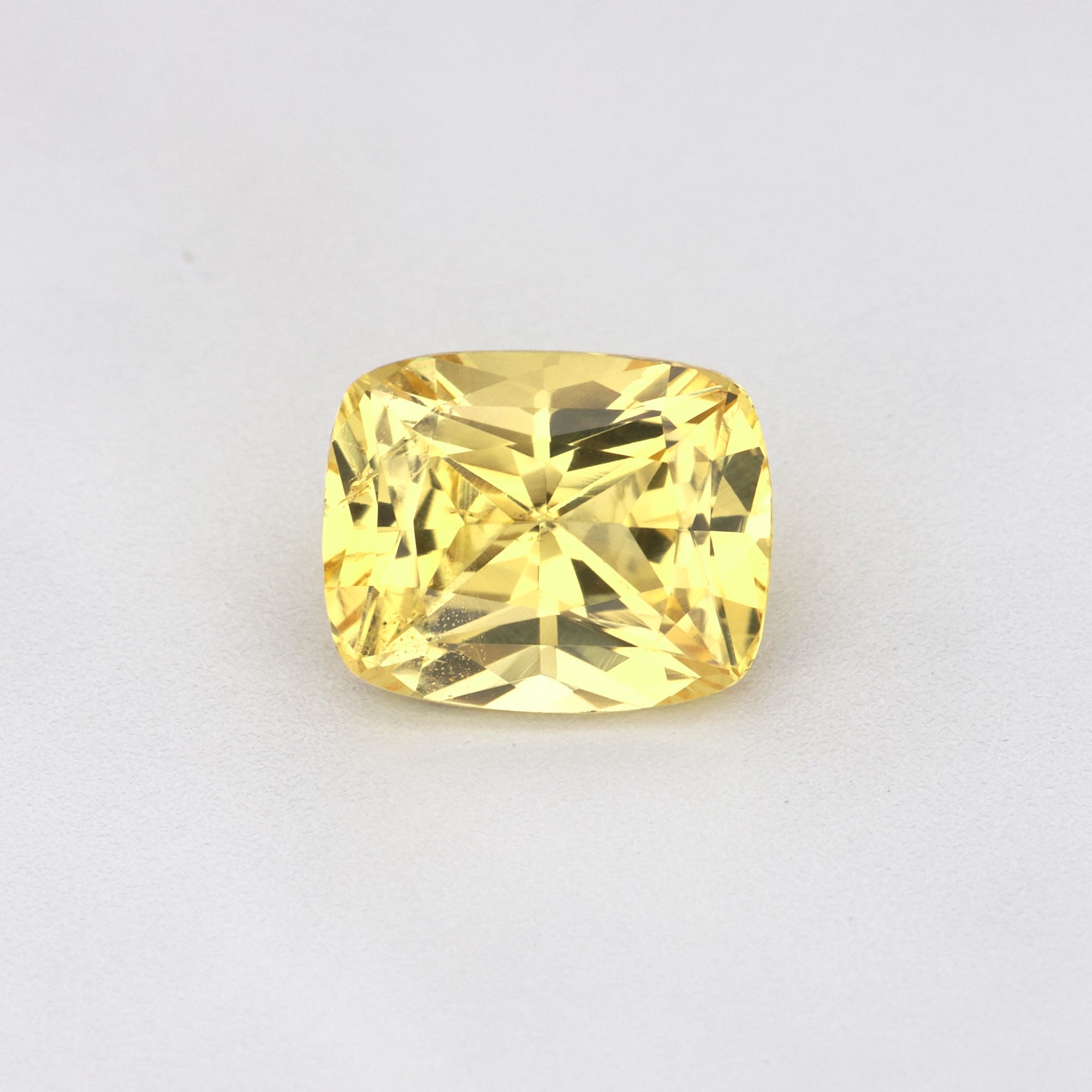
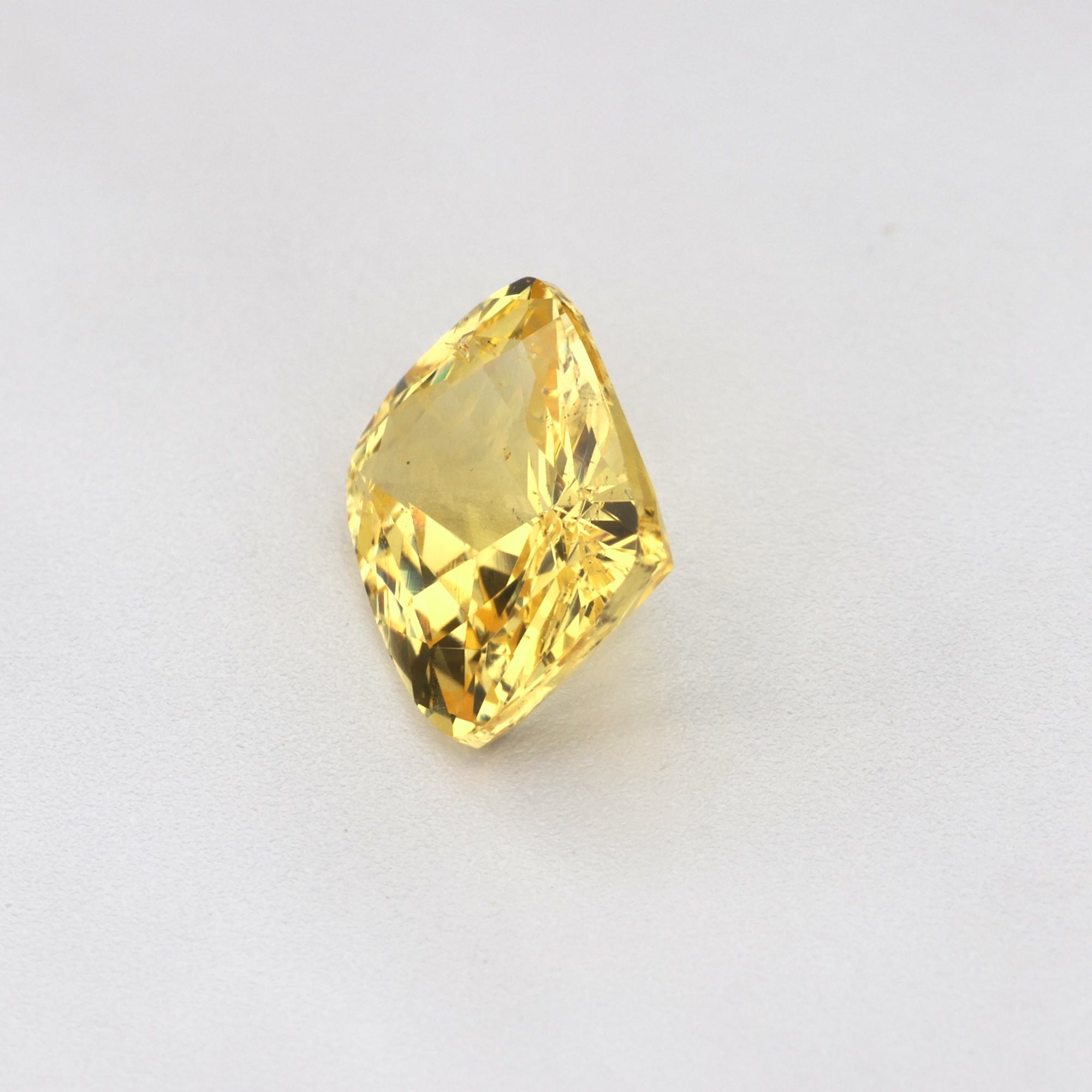
Australian sapphire grows with coarse color banding, and where the bands are wide the result is a parti-colored (bicolor) stone, green and yellow or blue and yellow, with distinctly visible, often sharply bounded color zones. GIA's field team reported that miners often keep parti-colored stones, while foreign wholesale buyers were less interested. When looking at one, judge where the boundaries fall in the face-up view and how sharp they are, under one steady light, and ask for more photos and videos and look.
| Factor | Australian | Ceylon |
|---|---|---|
| Geological setting | Basaltic (magmatic) | Metamorphic (alluvial) |
| Iron content | Higher | Generally lower |
| Typical color | Mostly medium to dark blue, greenish blue common | Blue across a range of tones, less often pushed dark by iron |
| Treatment | Most blue rough heated | Both heated and unheated stones sold |
| Main fields | New England (NSW), Anakie and Lava Plains (Qld) | Ratnapura and other alluvial gem gravels |
| How origin is stated | A laboratory opinion, which may read “Basalt Related” | A laboratory opinion, or the seller's sourcing |
The table describes each origin's production in general terms. It is not a description of any individual stone, which is described by its own report.
For the full origin comparison framework, see Madagascar Sapphire Guide, Burma / Mogok Sapphire Guide, Tanzania Sapphire Guide, and Mozambique Sapphire Guide.
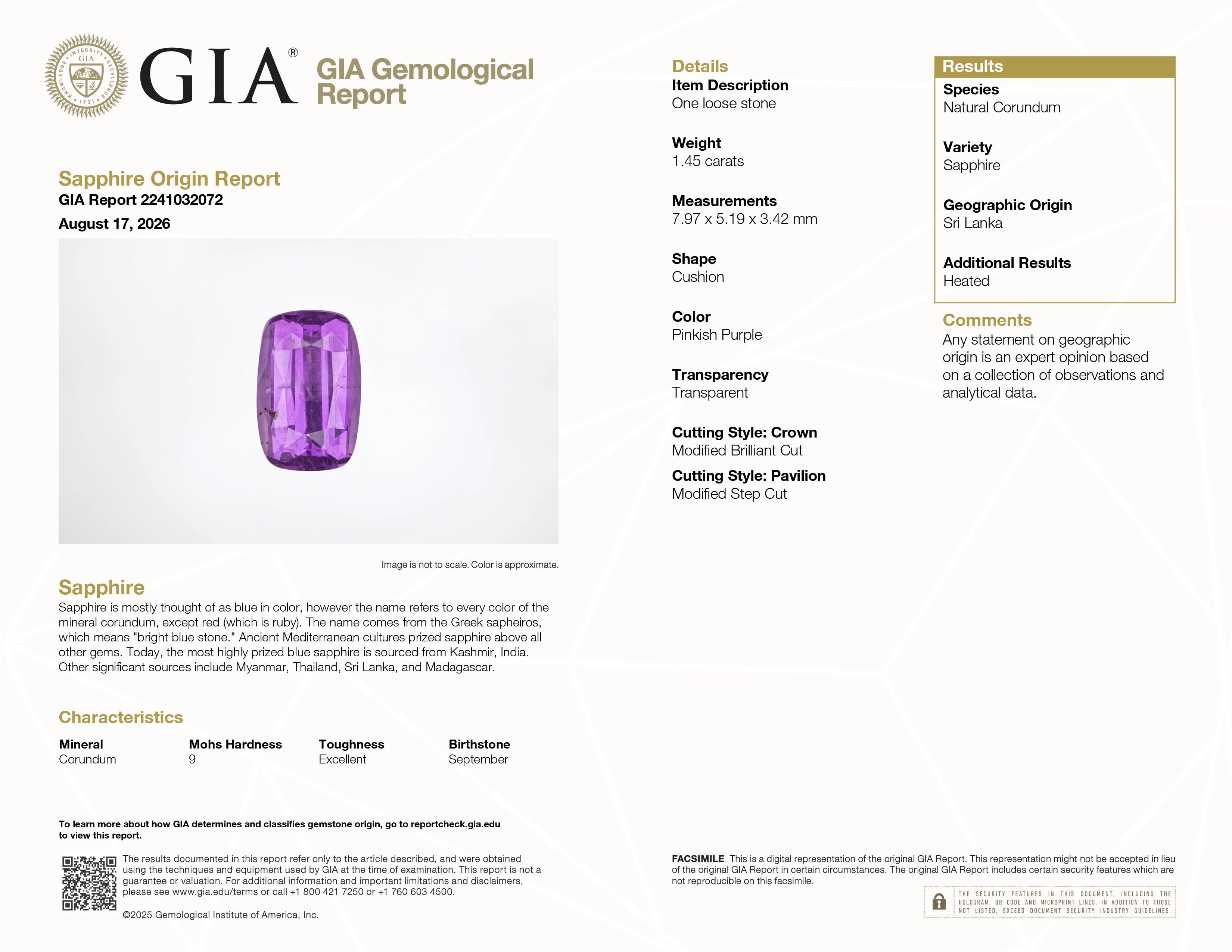
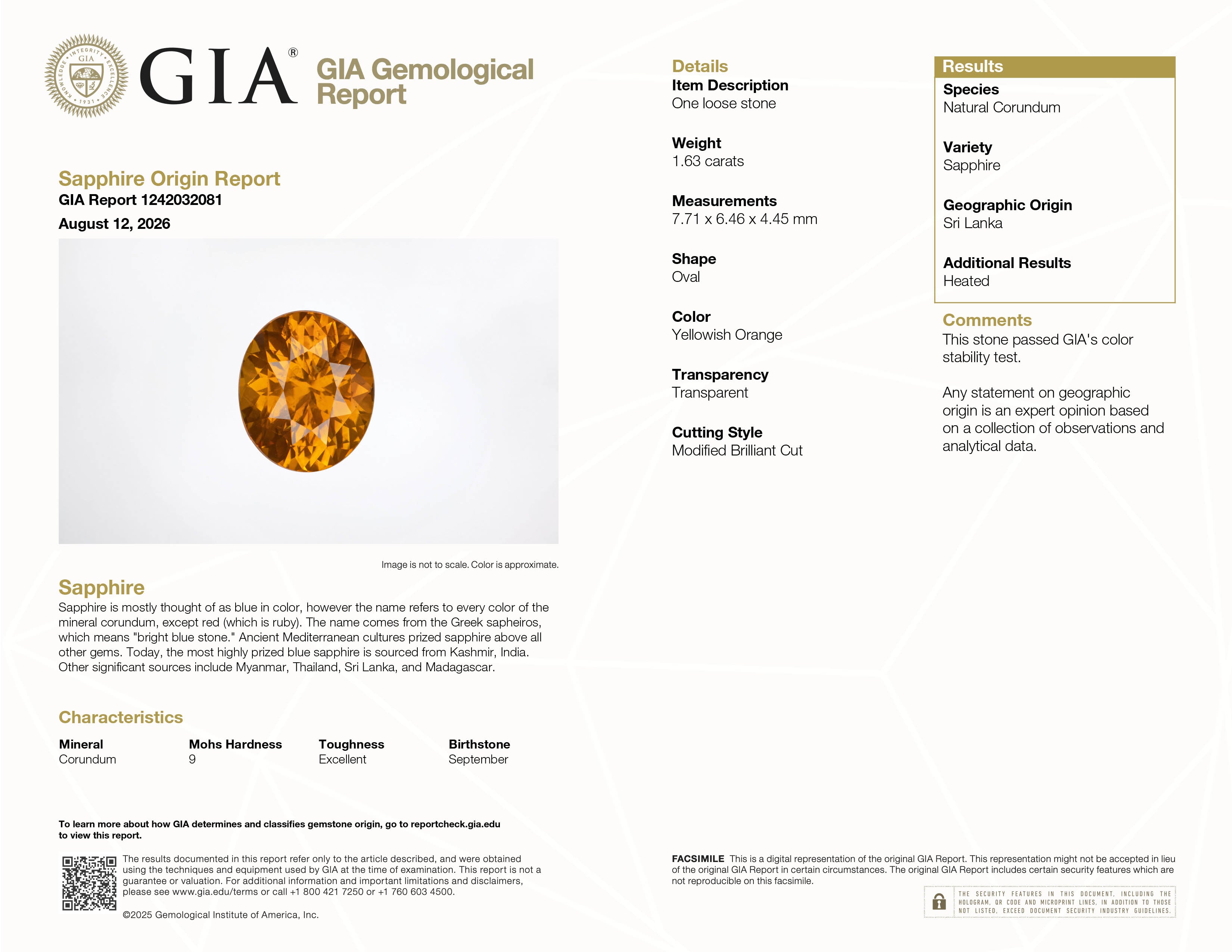
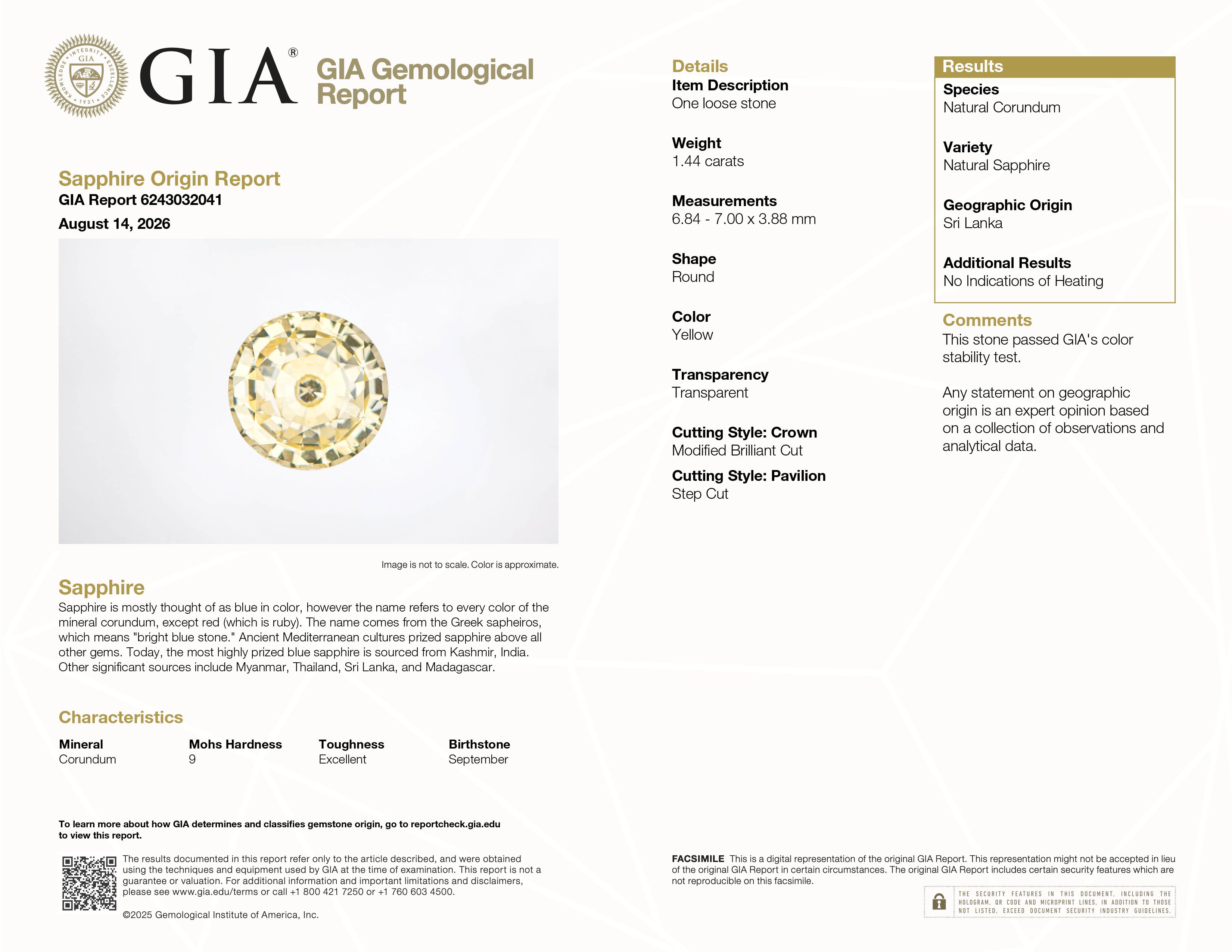
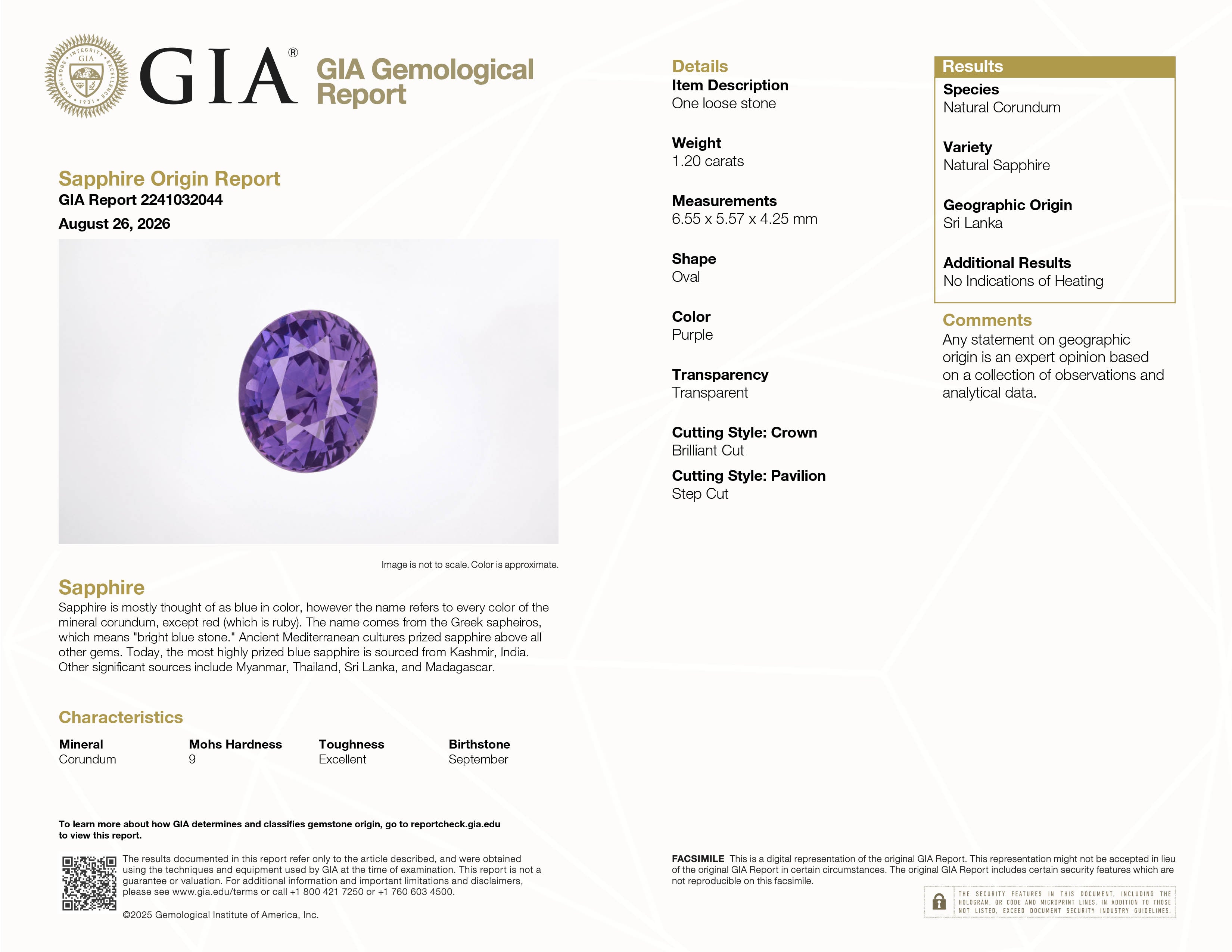
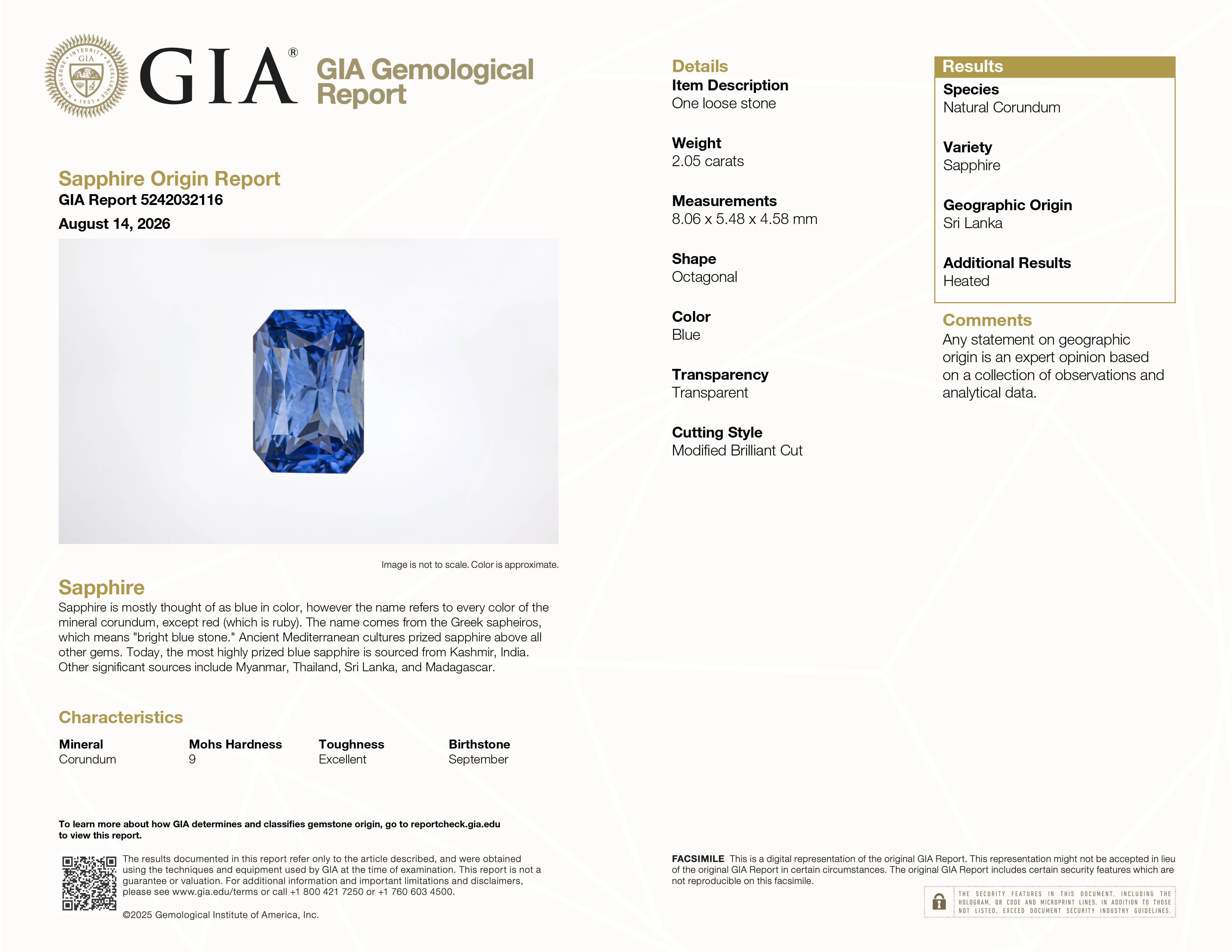
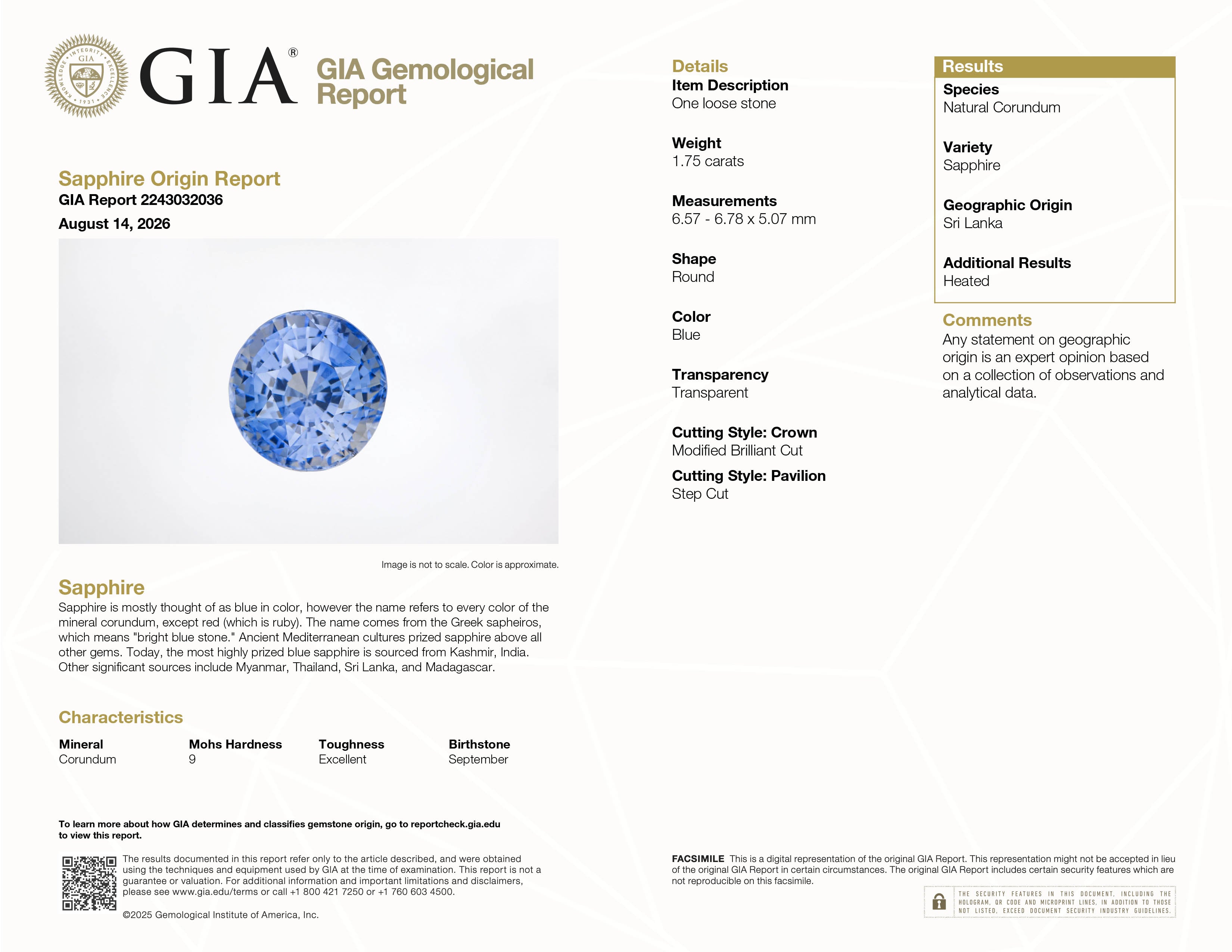
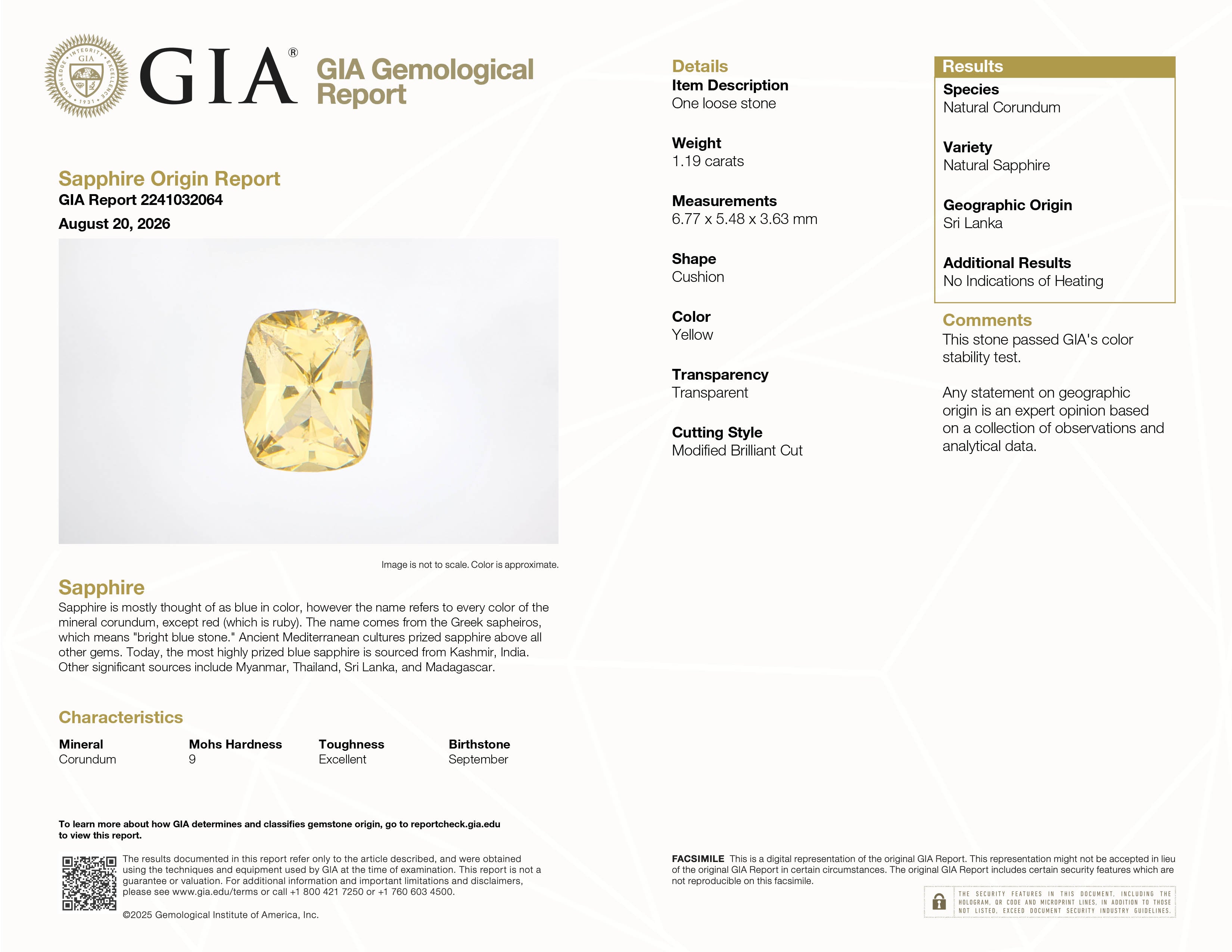
For any purchase where origin matters, ask for a report from GIA, SSEF or Gübelin, and read it as what it is: GIA, writing in Gems & Gemology, says geographic origin determinations on reports are “opinions—they are not indisputable facts.” On a GIA report whose origin field reads Basalt Related, GIA comments: “Basalt related sapphires from different origins often have similar characteristics. In many cases it is not possible to determine their geographic origin, which may include Australia, Thailand, Nigeria and others.” Some stones in our own catalog carry exactly that field. See our How to Read a GIA Report guide. Whether an Australian, Ceylon or other stone suits a ring is decided by the stone in front of you — its color, its clarity and its report — not by the country. Browse our full catalog. For pricing context, see our what a good 1 carat sapphire costs and sapphire pricing guide.
Browse the full catalog to compare individual stones and their documentation. Email crescentgems@gmail.com with questions about any sapphire origin. We respond within one business day.

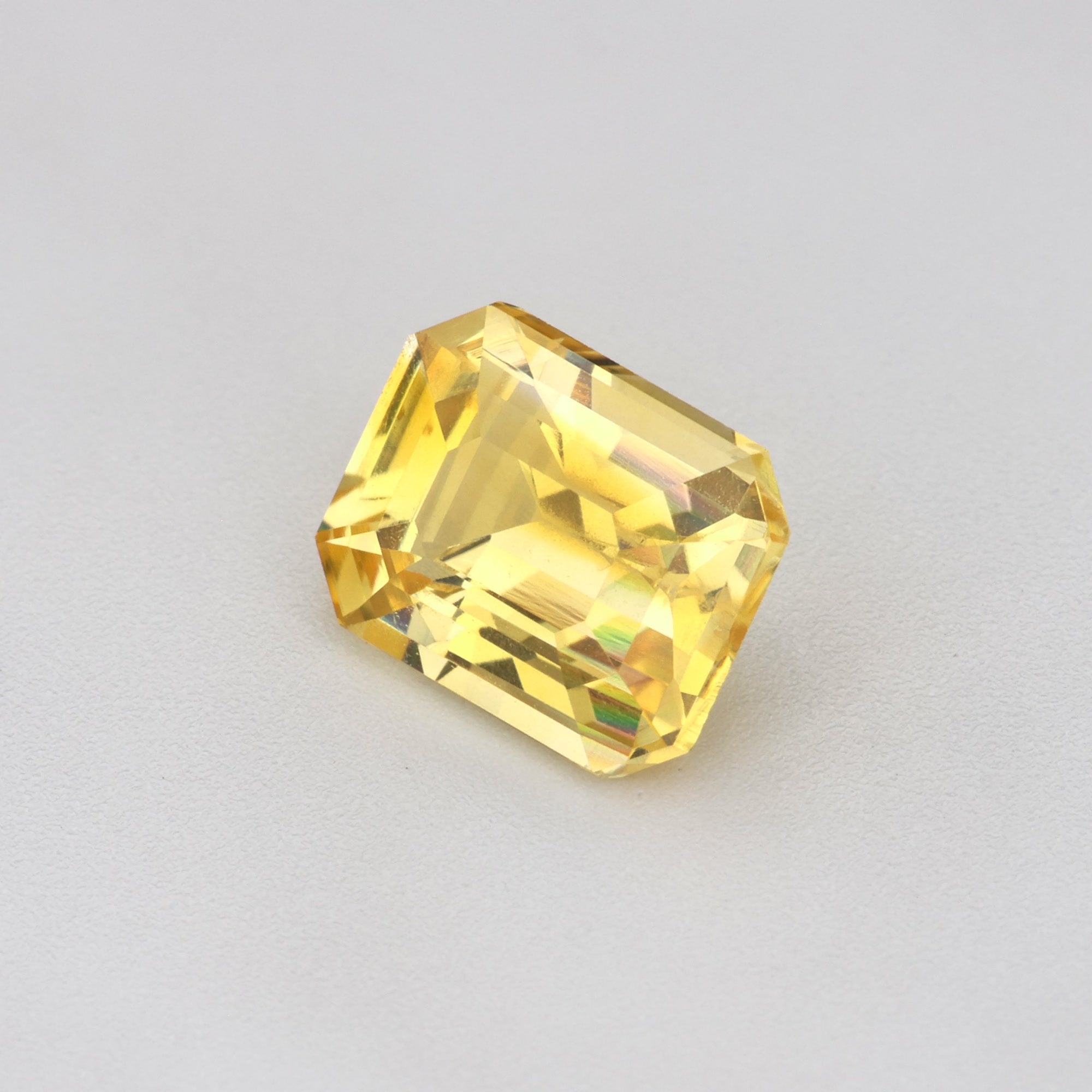
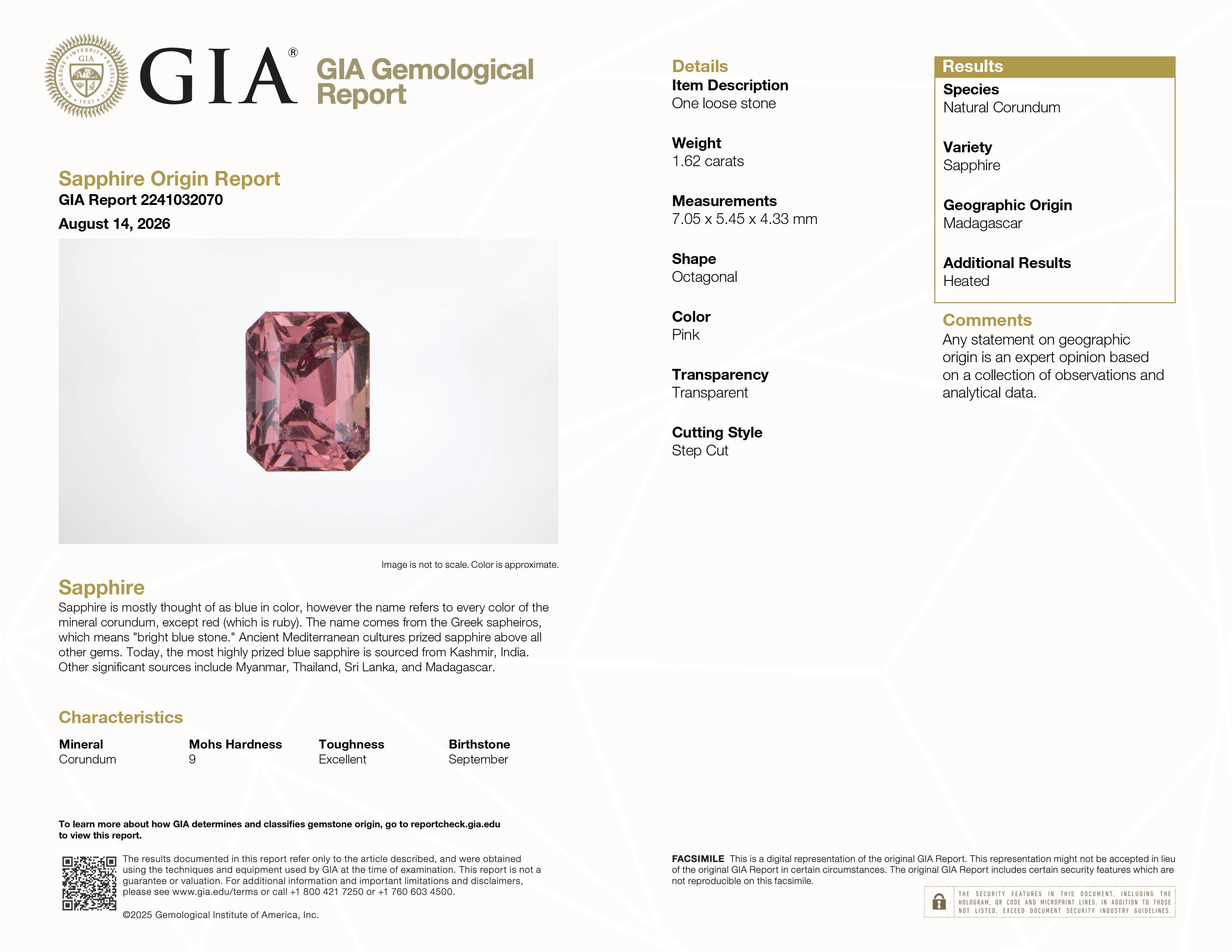
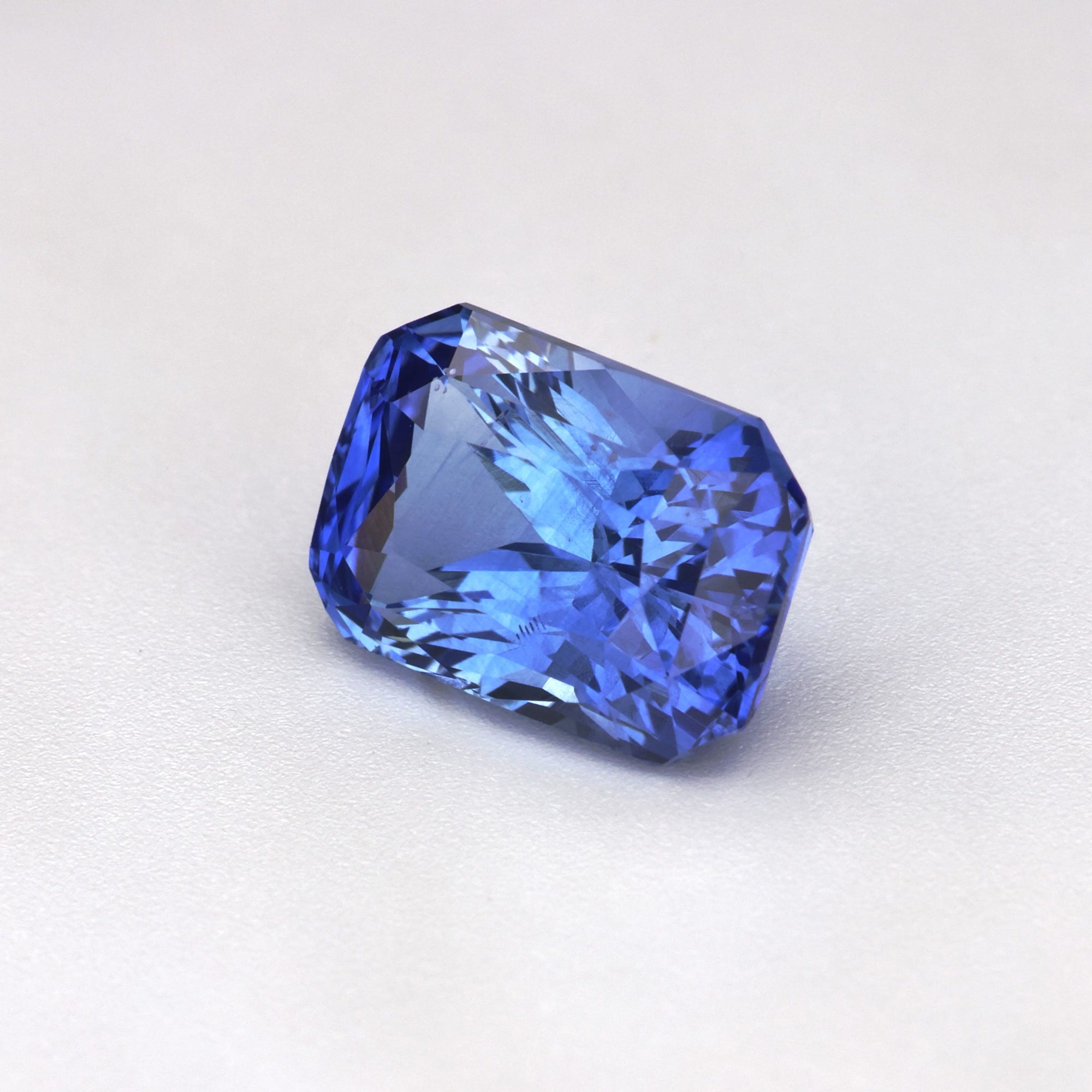
CG8465
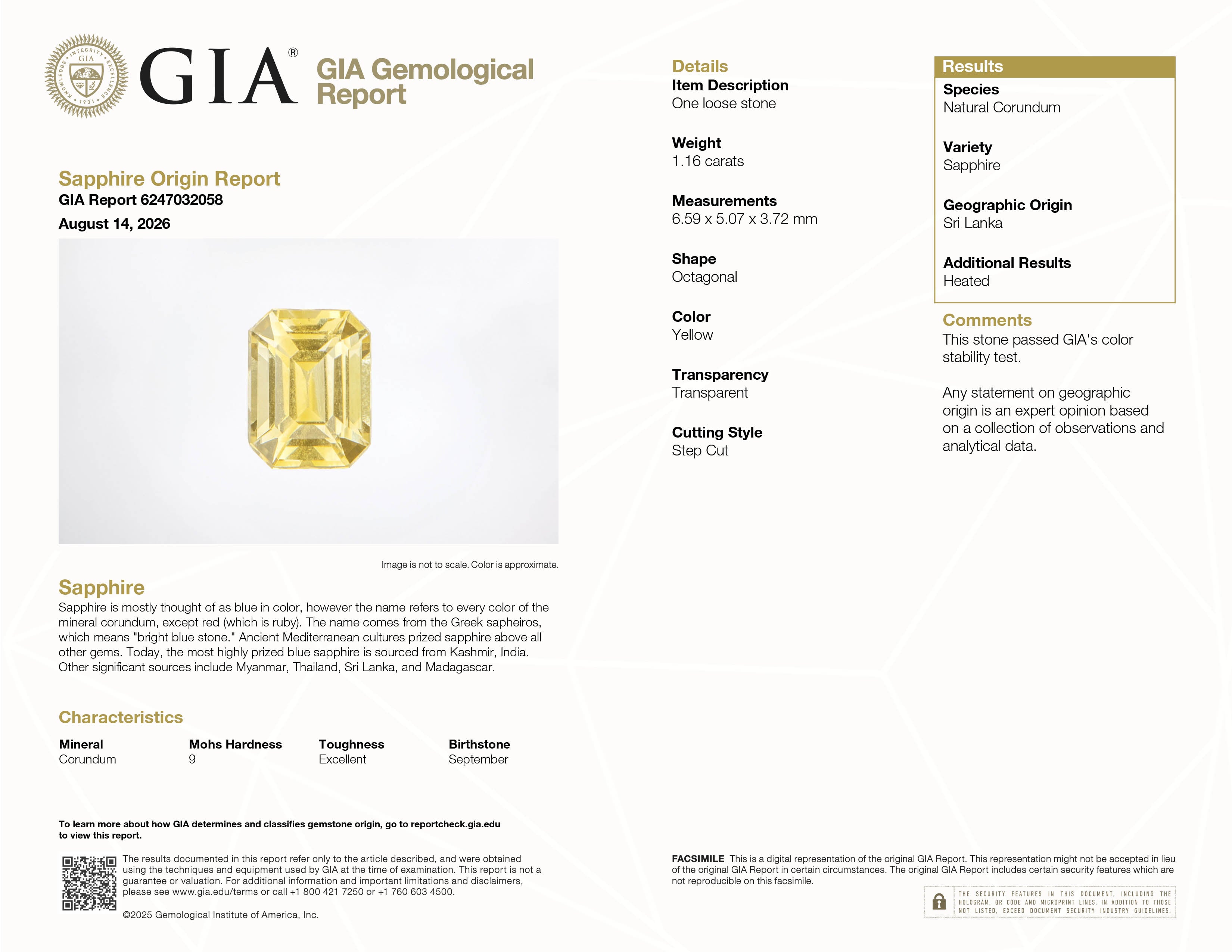
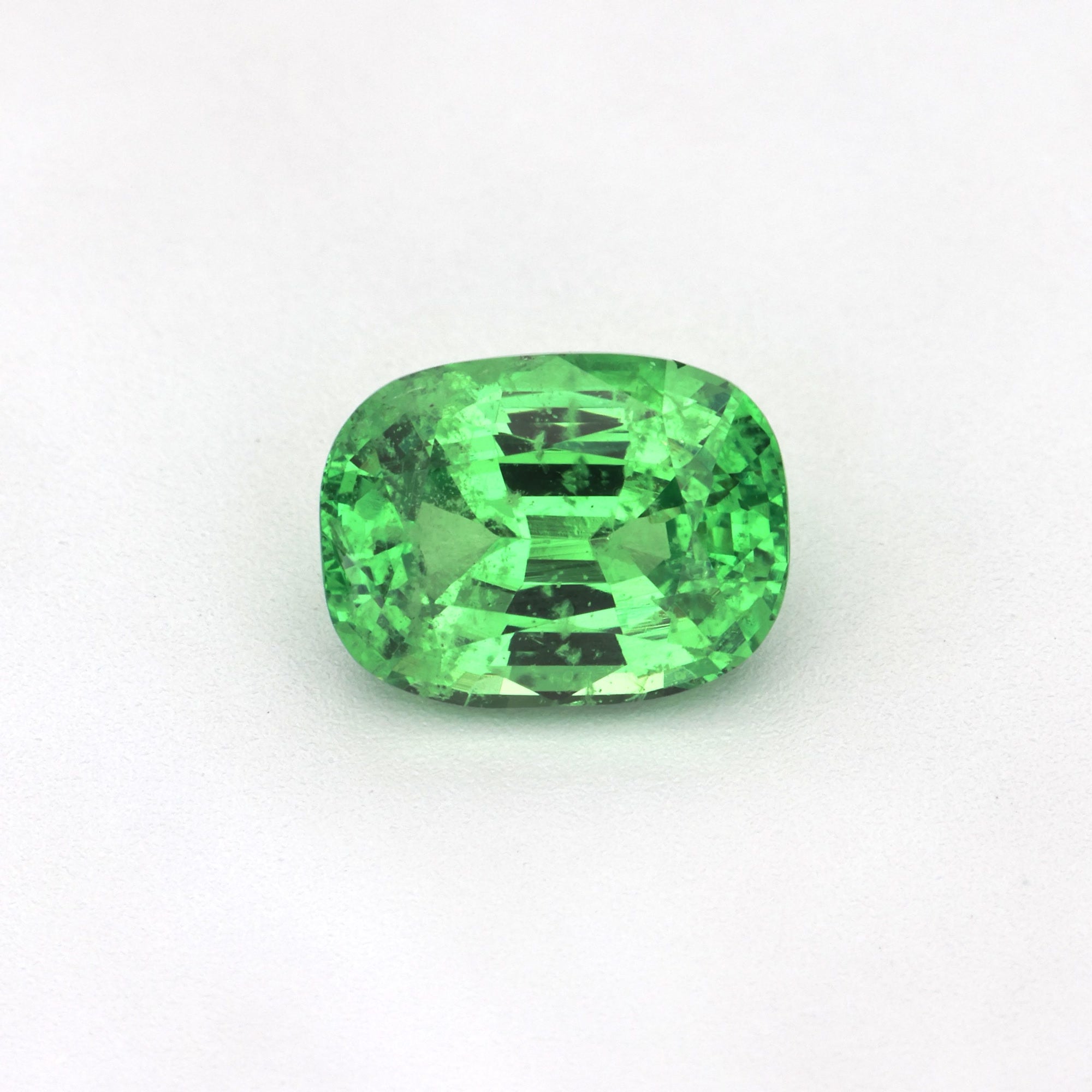
CG8463
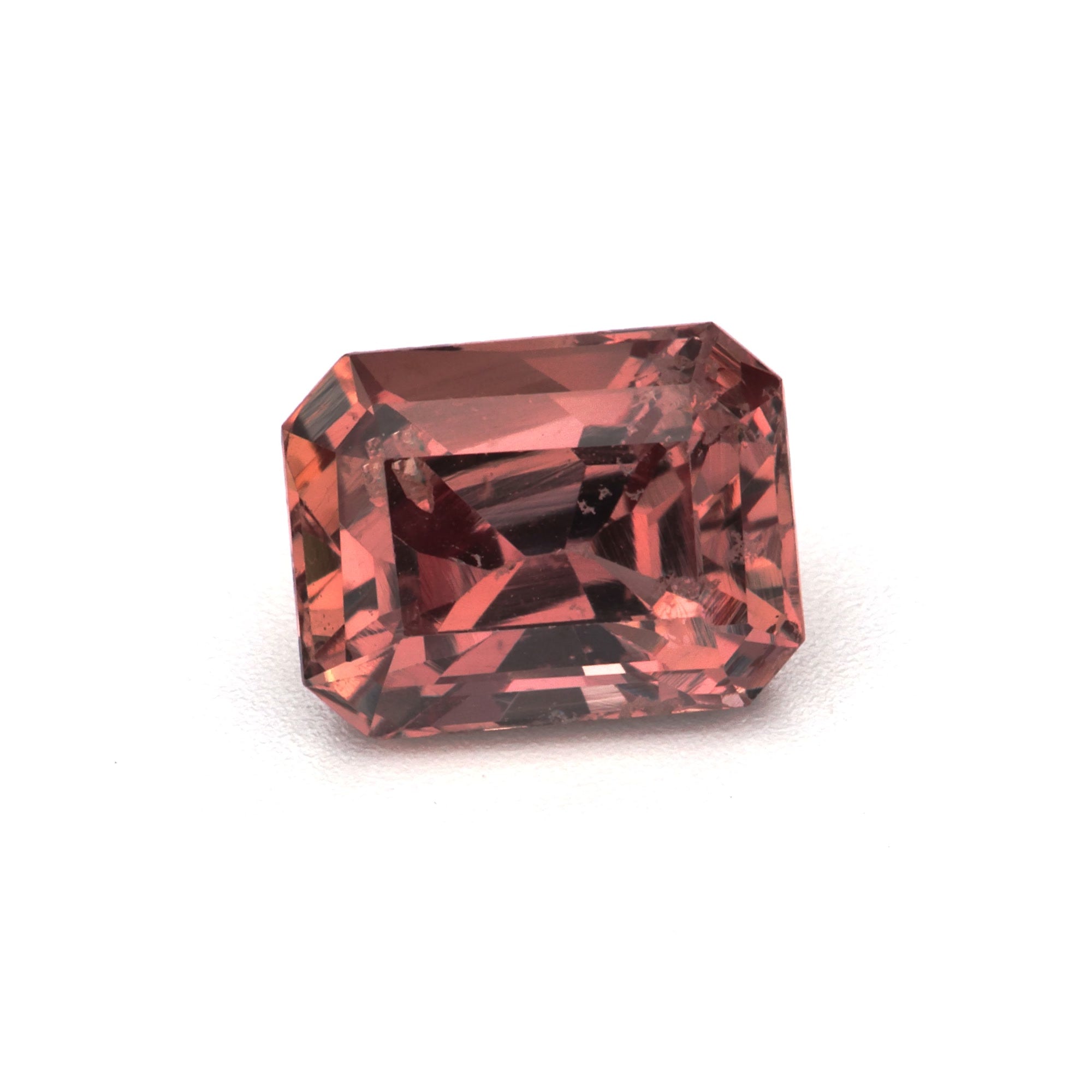
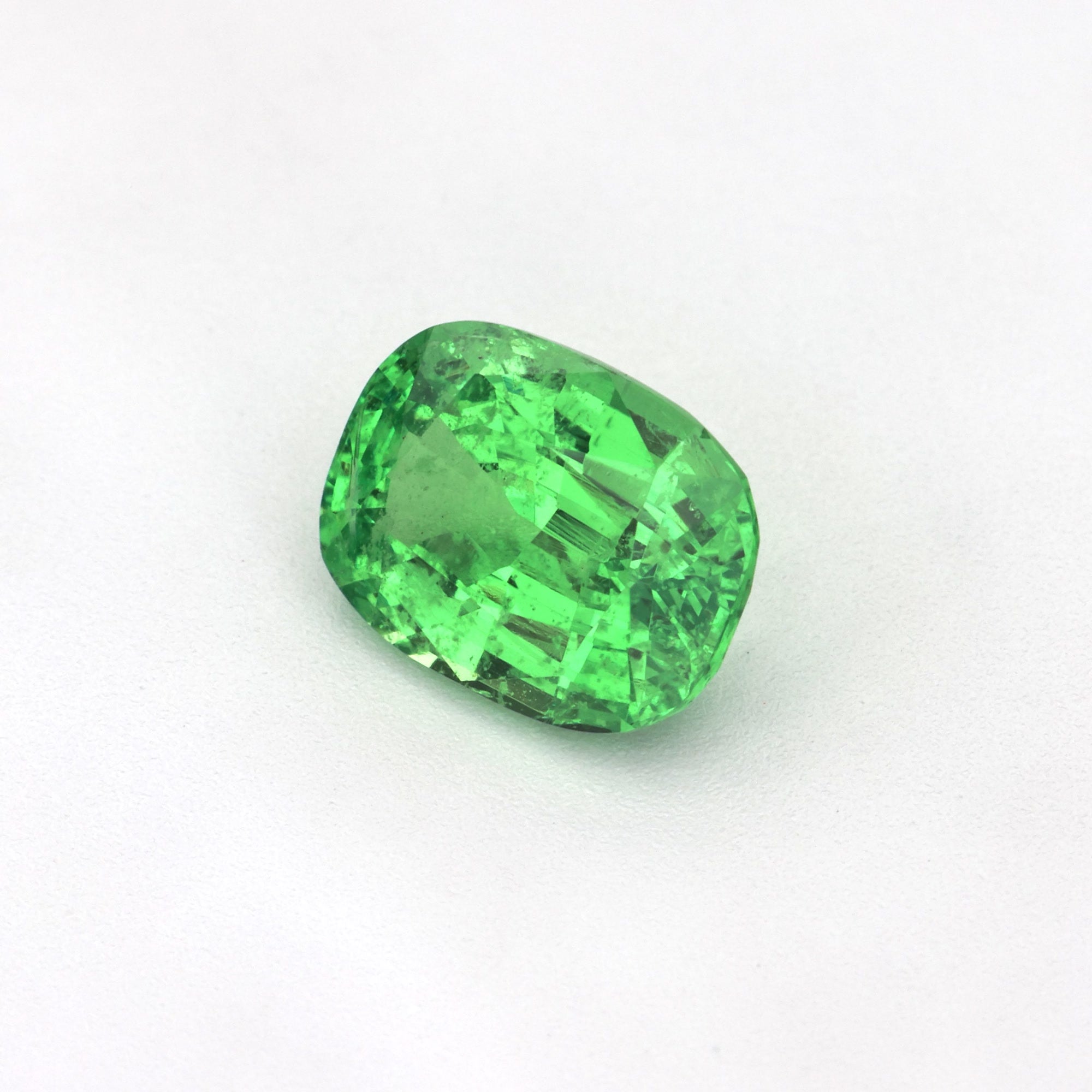
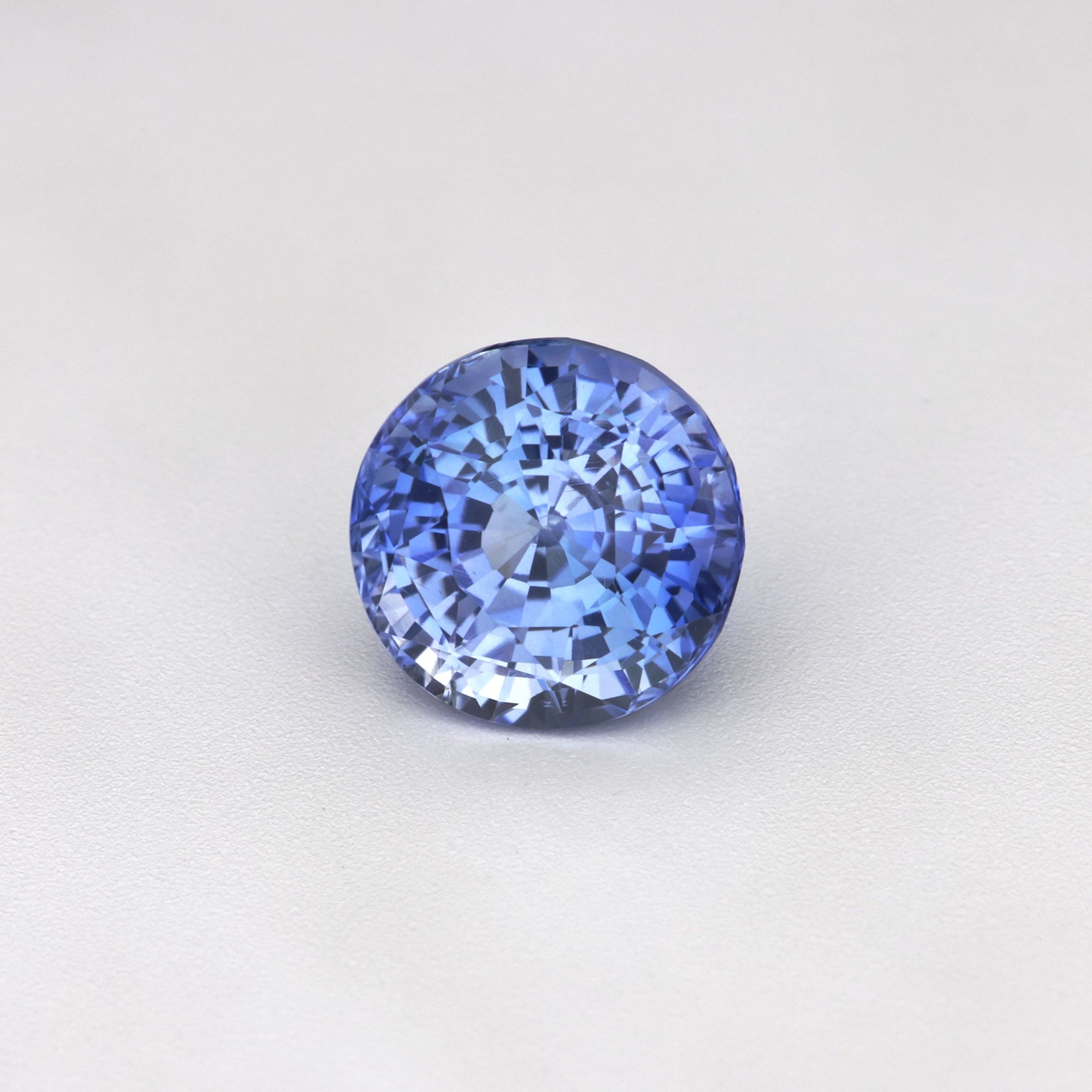
CG8460
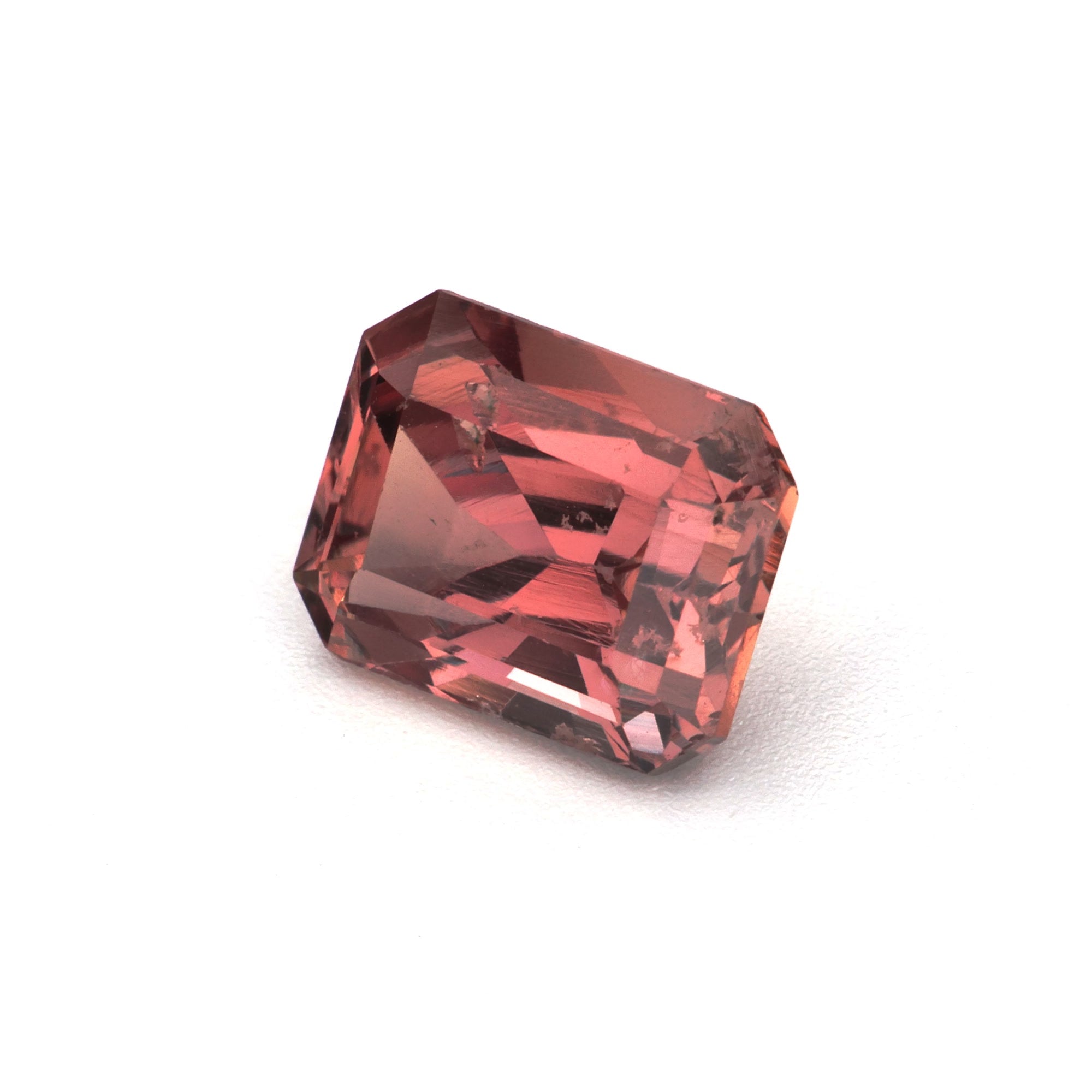
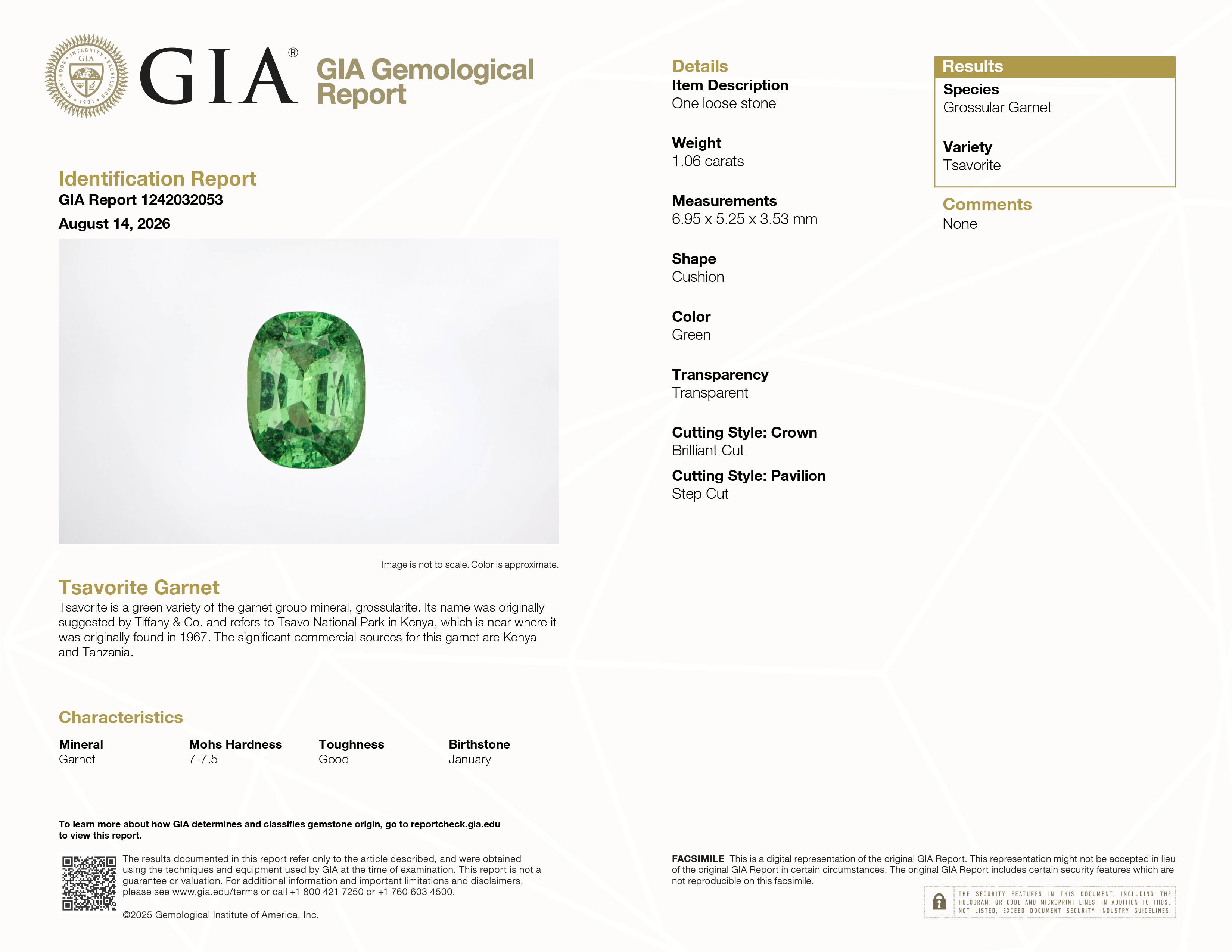
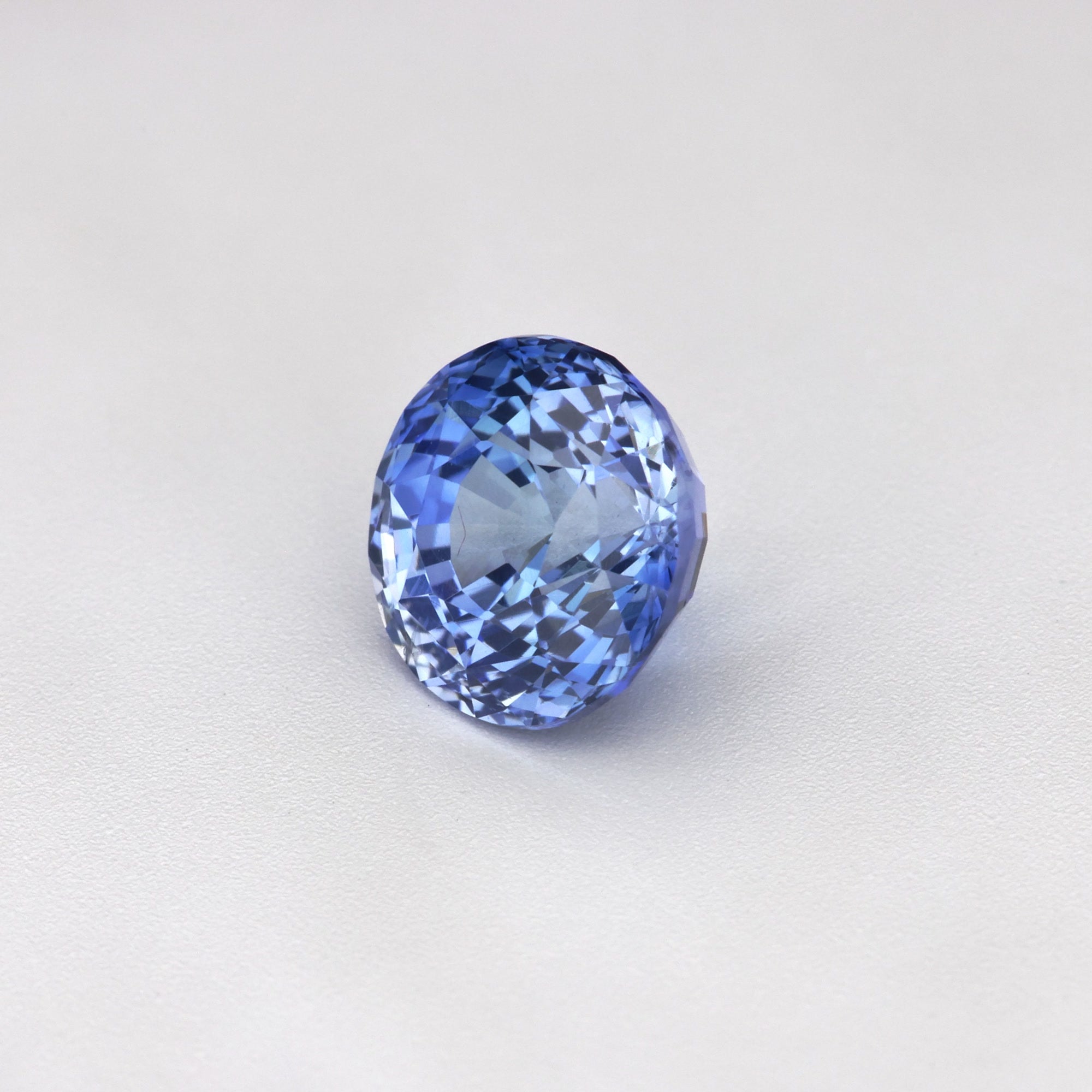
CG8456


Blue Star Sapphire Price Guide — What They Cost and Why
Read moreabout Blue Star Sapphire Price Guide — What They Cost and Why
Tsavorite Garnet Price Guide — What They Cost and Why
Read moreabout Tsavorite Garnet Price Guide — What They Cost and Why
Color-Change Sapphire Price Guide — What They Cost and Why
Read moreabout Color-Change Sapphire Price Guide — What They Cost and Why
Is Cat's-Eye Chrysoberyl Good for an Engagement Ring?
Read moreabout Is Cat's-Eye Chrysoberyl Good for an Engagement Ring?
Cat's Eye Chrysoberyl Price Guide — What They Cost and Why
Read moreabout Cat's Eye Chrysoberyl Price Guide — What They Cost and Why















Share: