

- von Ahmed Shareek
Tanzania Sapphire — Tunduru, Umba, and What Buyers Need to Know
- von Ahmed Shareek
For origin comparison: Ceylon Sapphire Complete Guide. For the full color reference: Sapphire Colors Explained. For the buying foundation: Ultimate Sapphire Buying Guide.
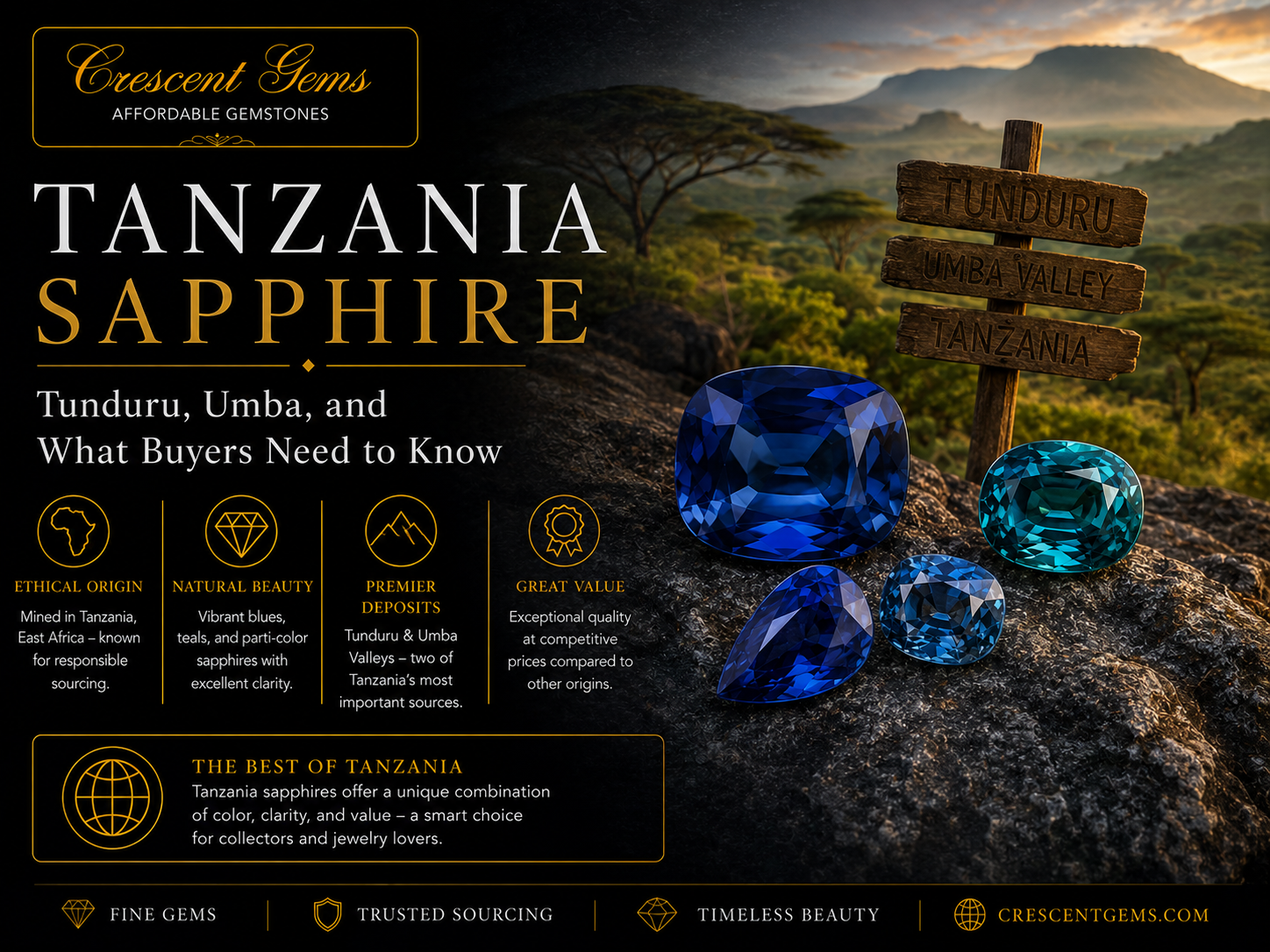
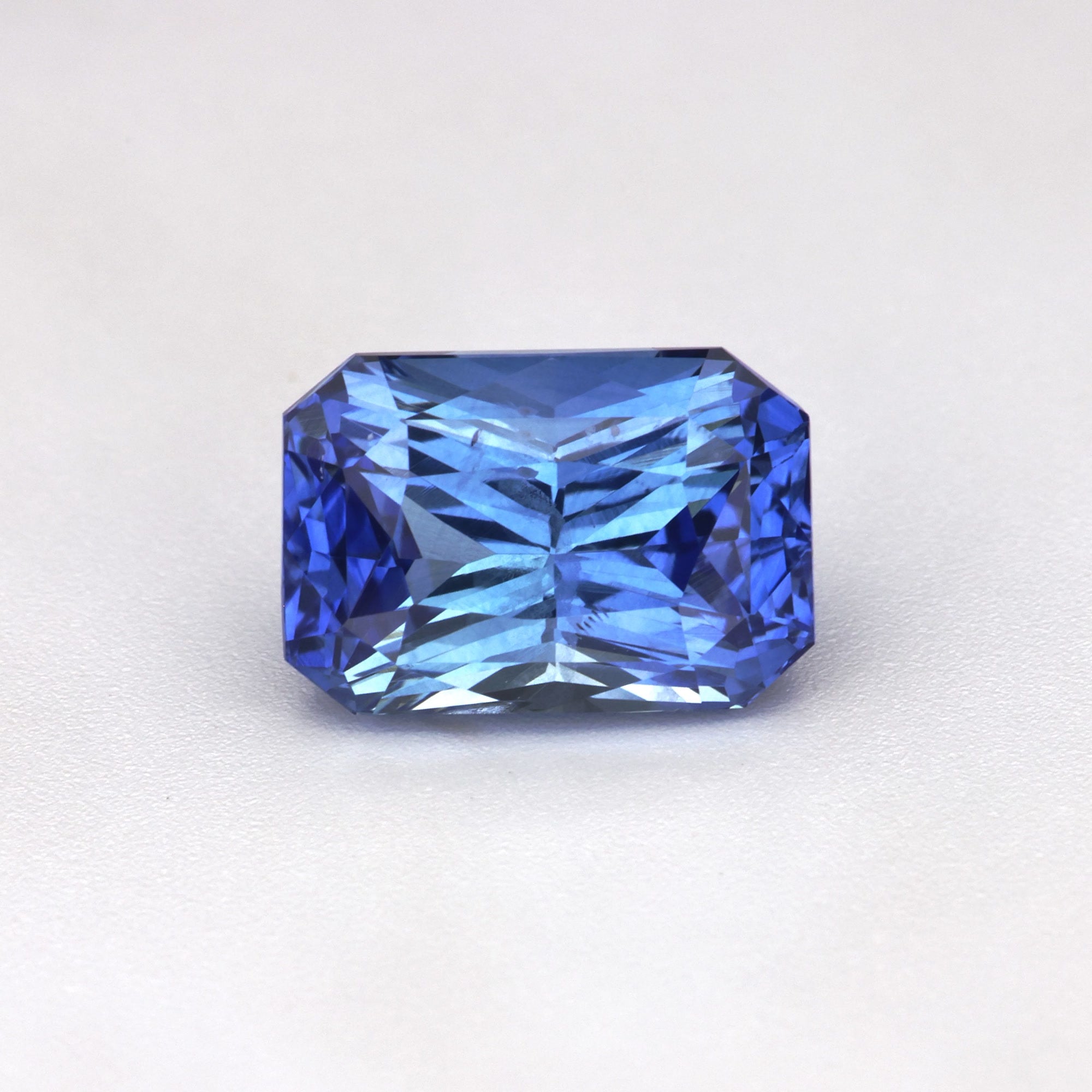
Tanzania is one of the most geologically rich gemstone-producing countries on Earth and home to two sapphire-producing regions largely unknown outside the trade: the Tunduru fields in the far south and the Umba River Valley in the northeast. Both produce sapphires of genuine quality — and in the case of Tunduru, a color range that rivals Ceylon in breadth if not yet in international recognition.
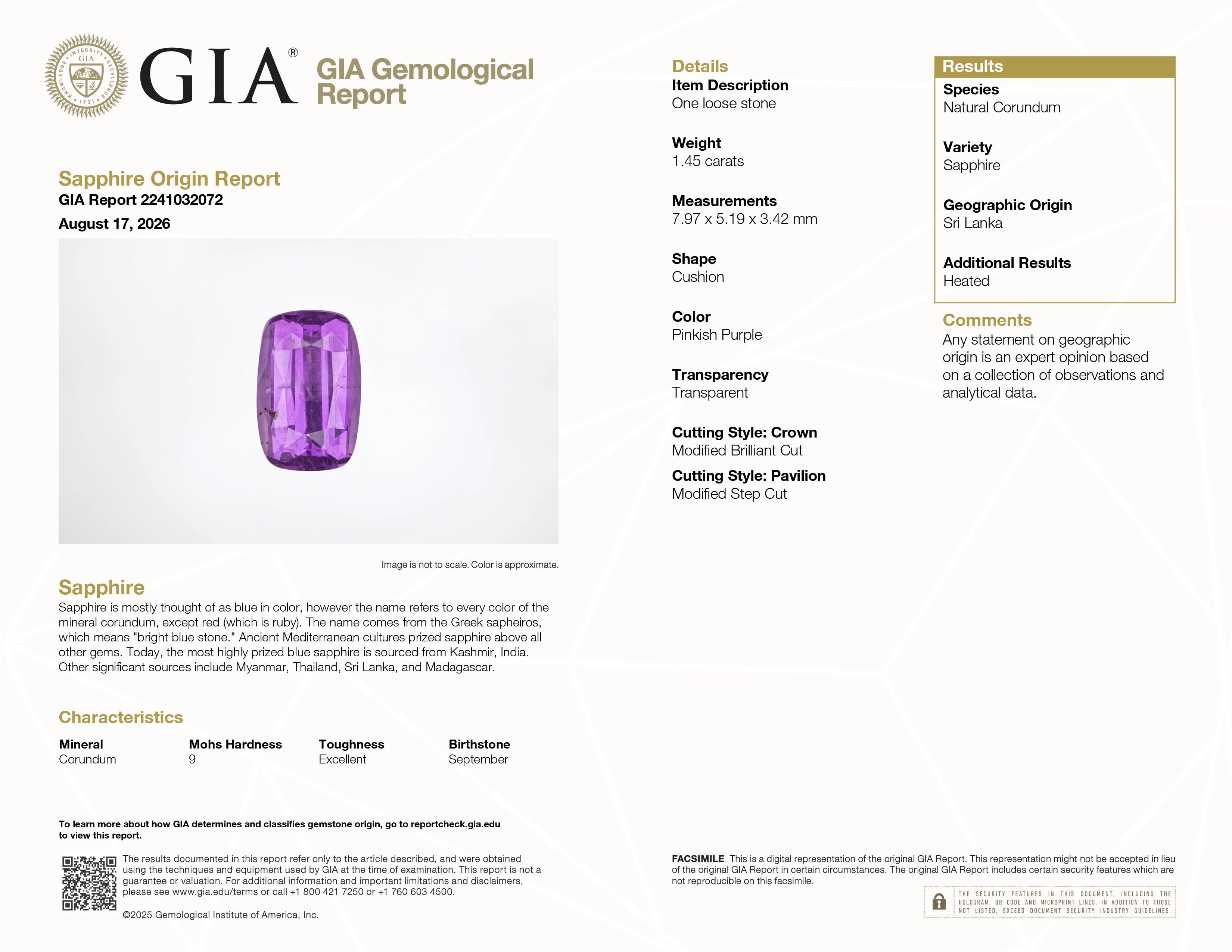
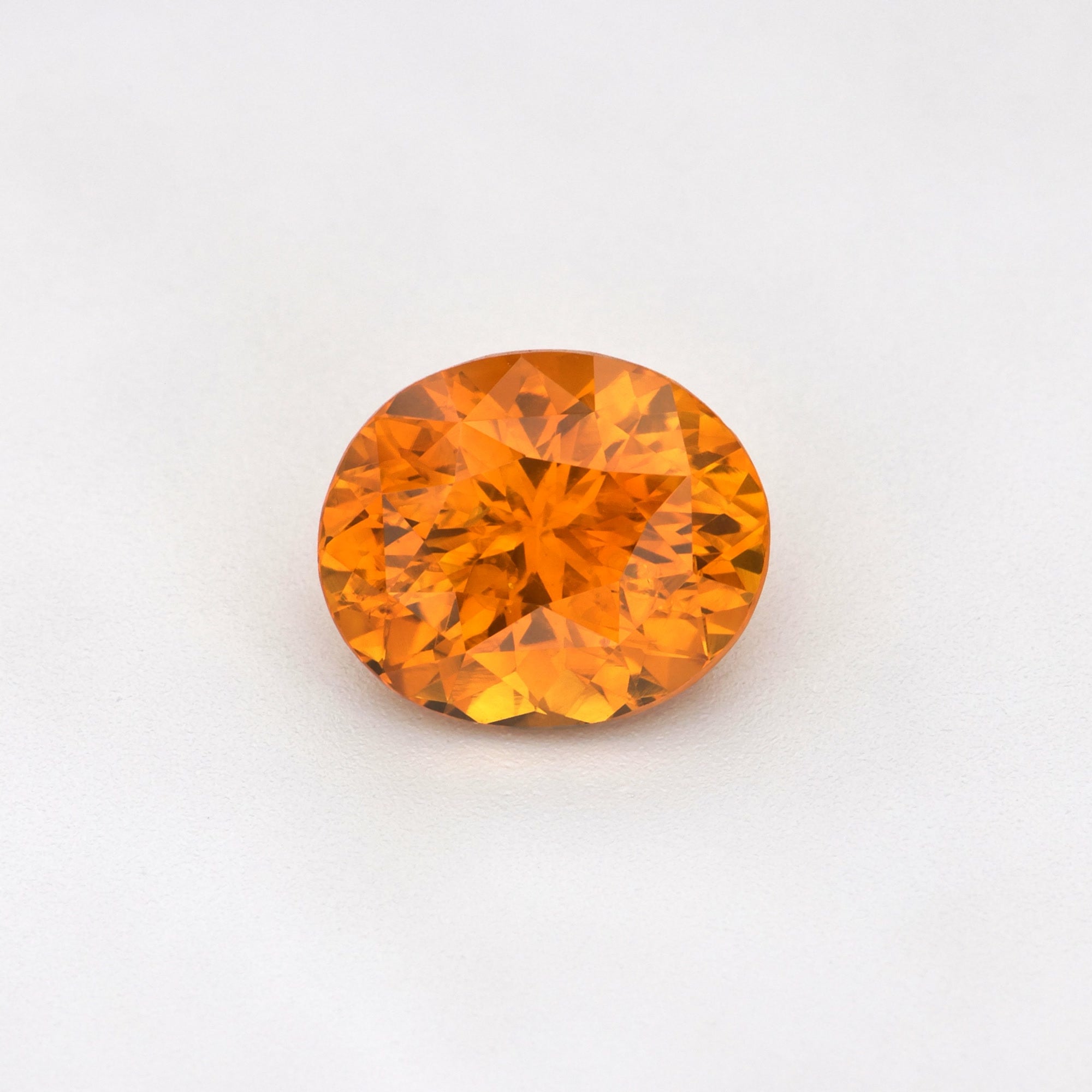
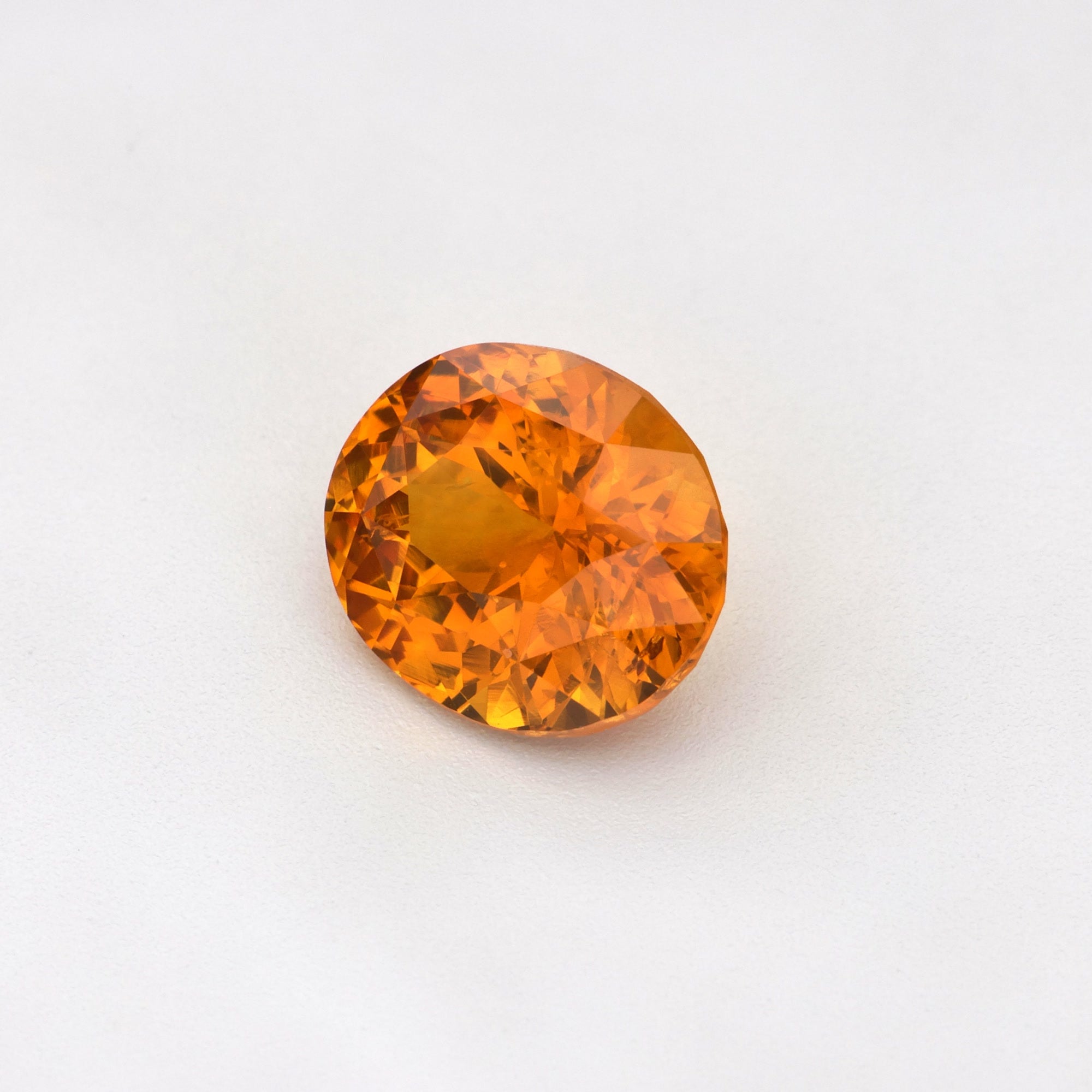
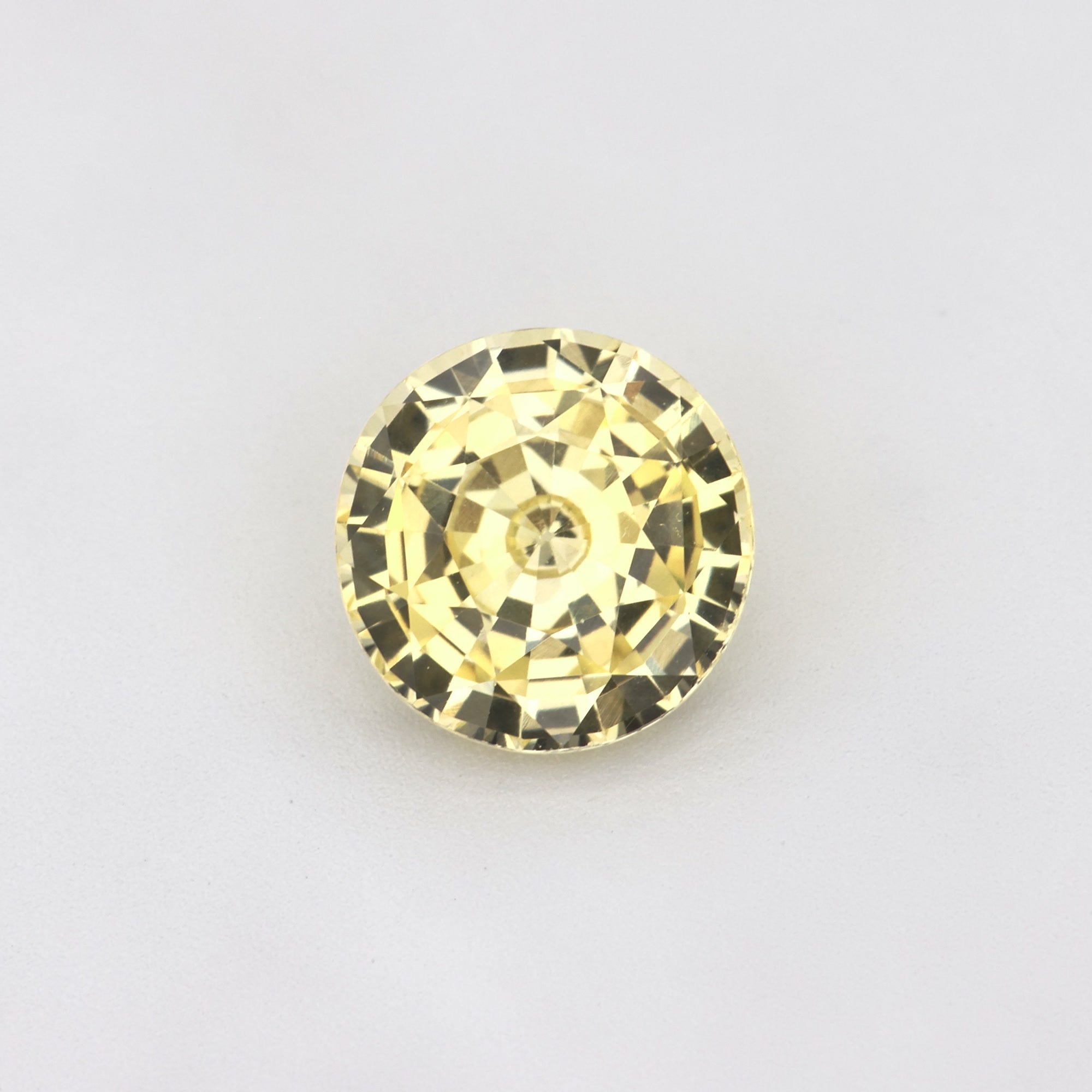
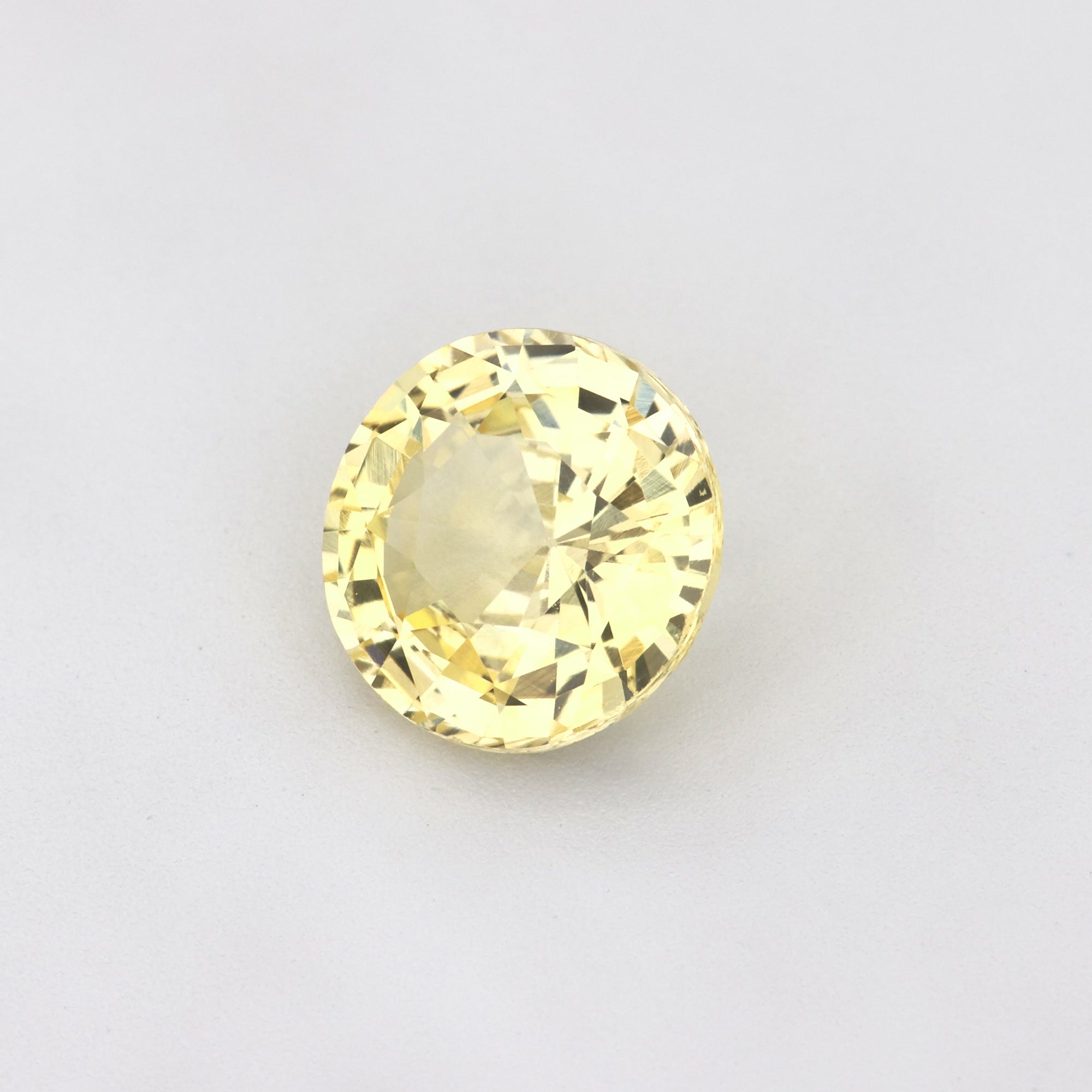
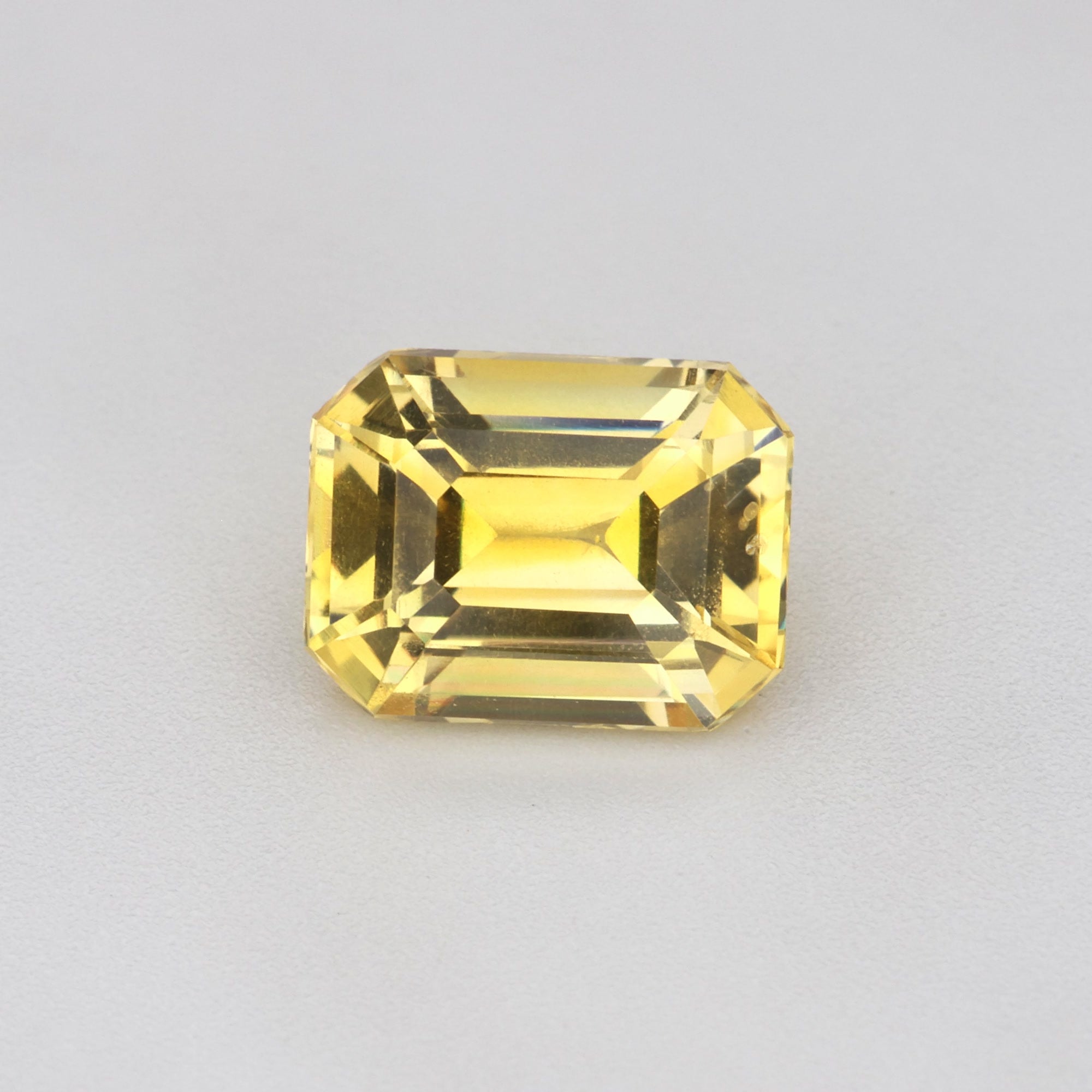
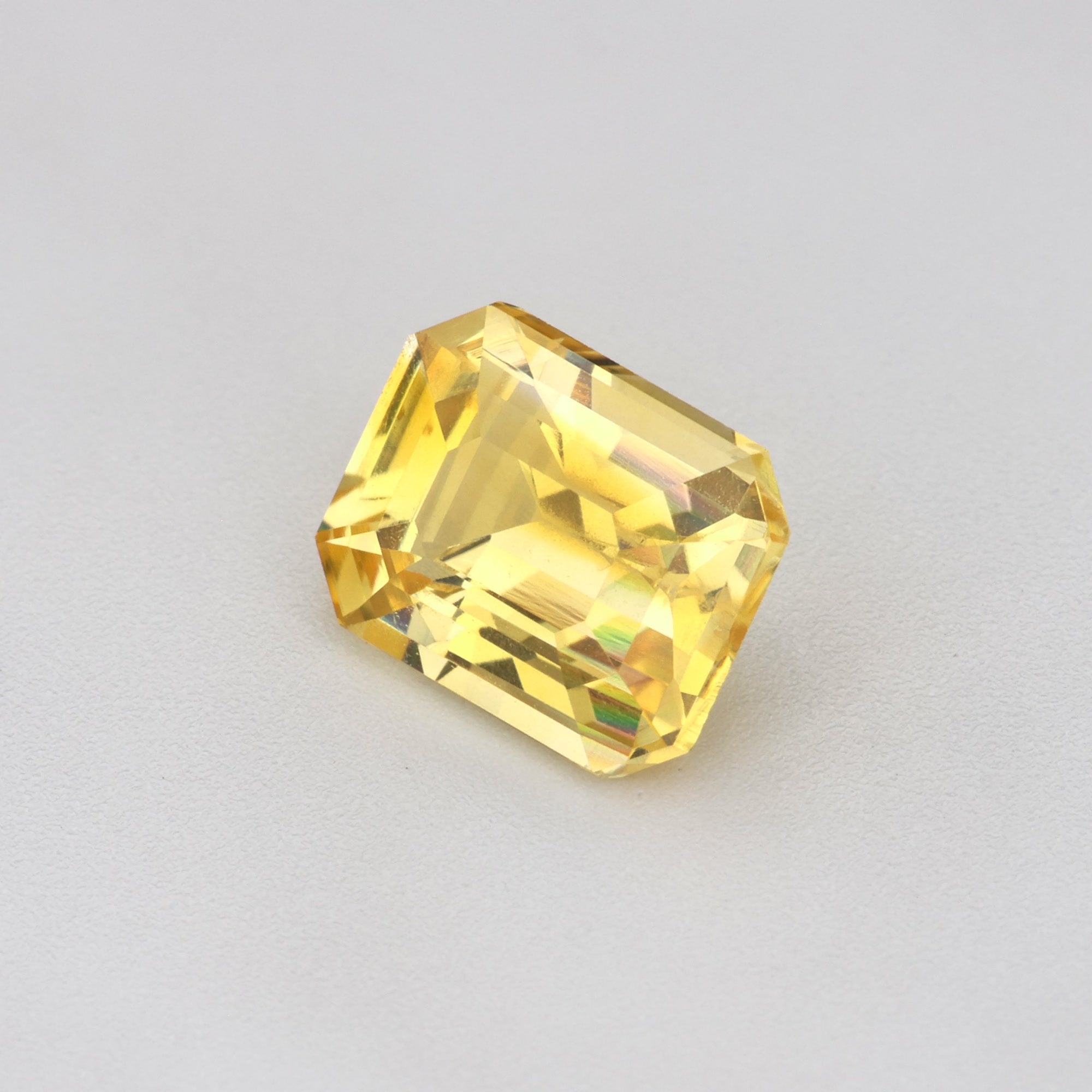
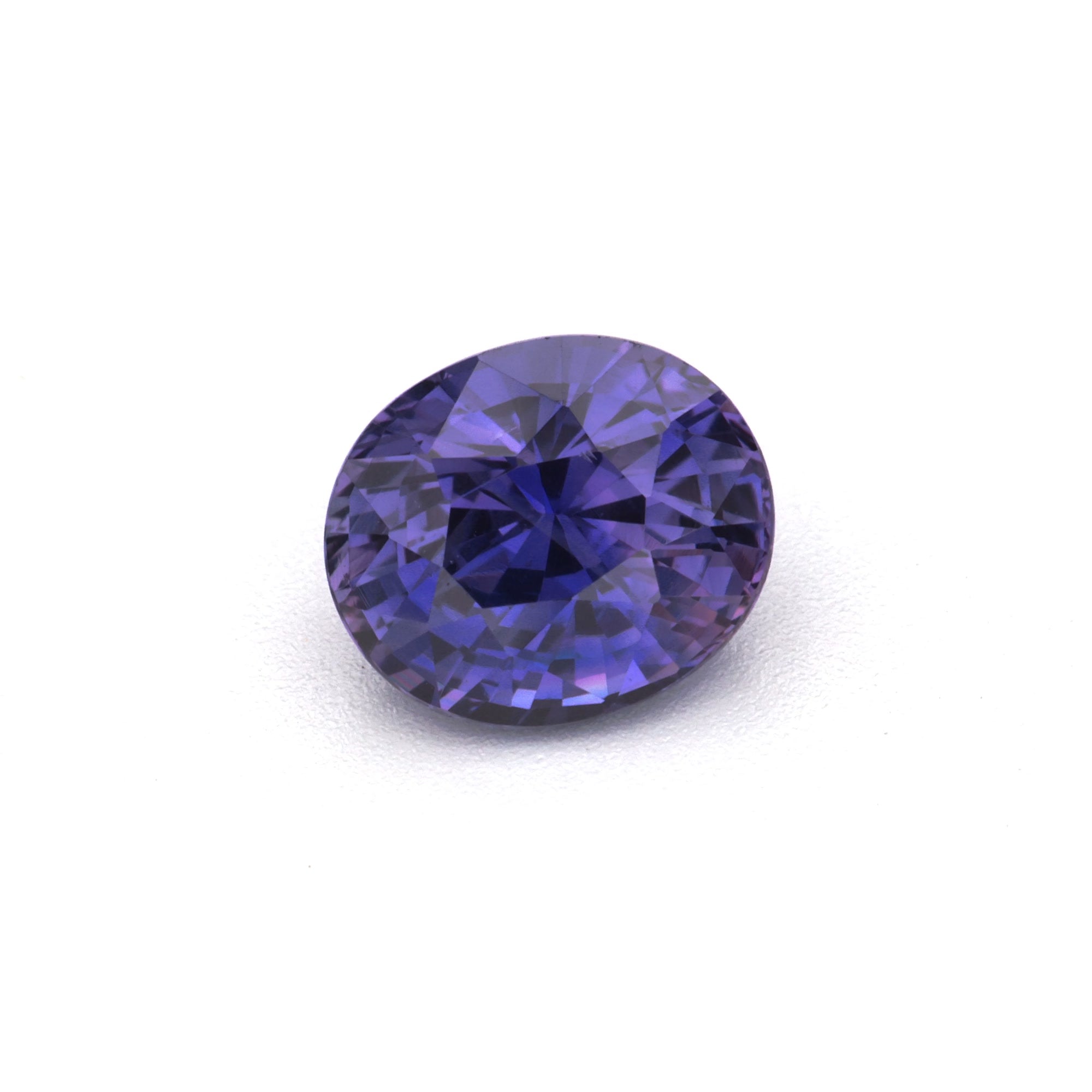
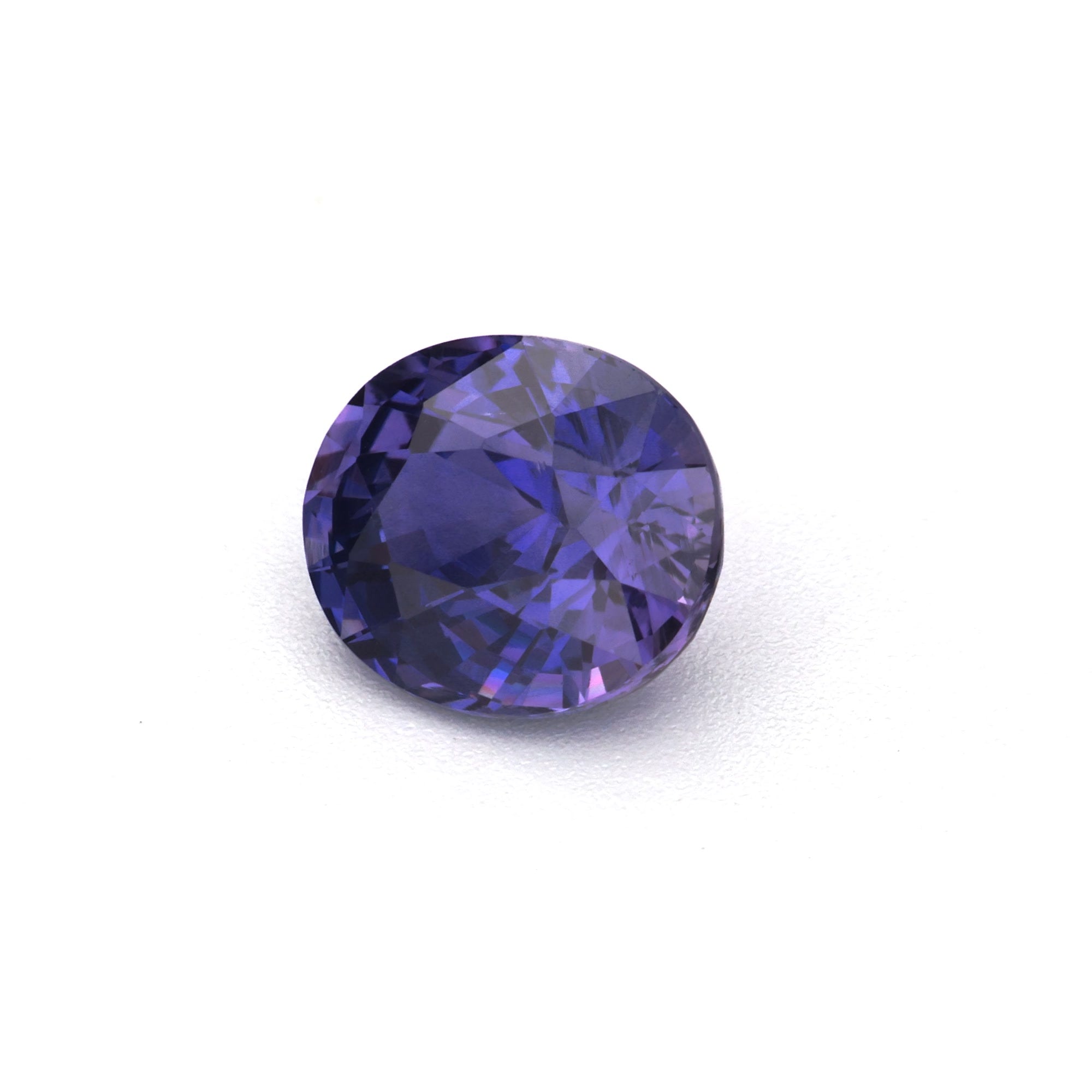
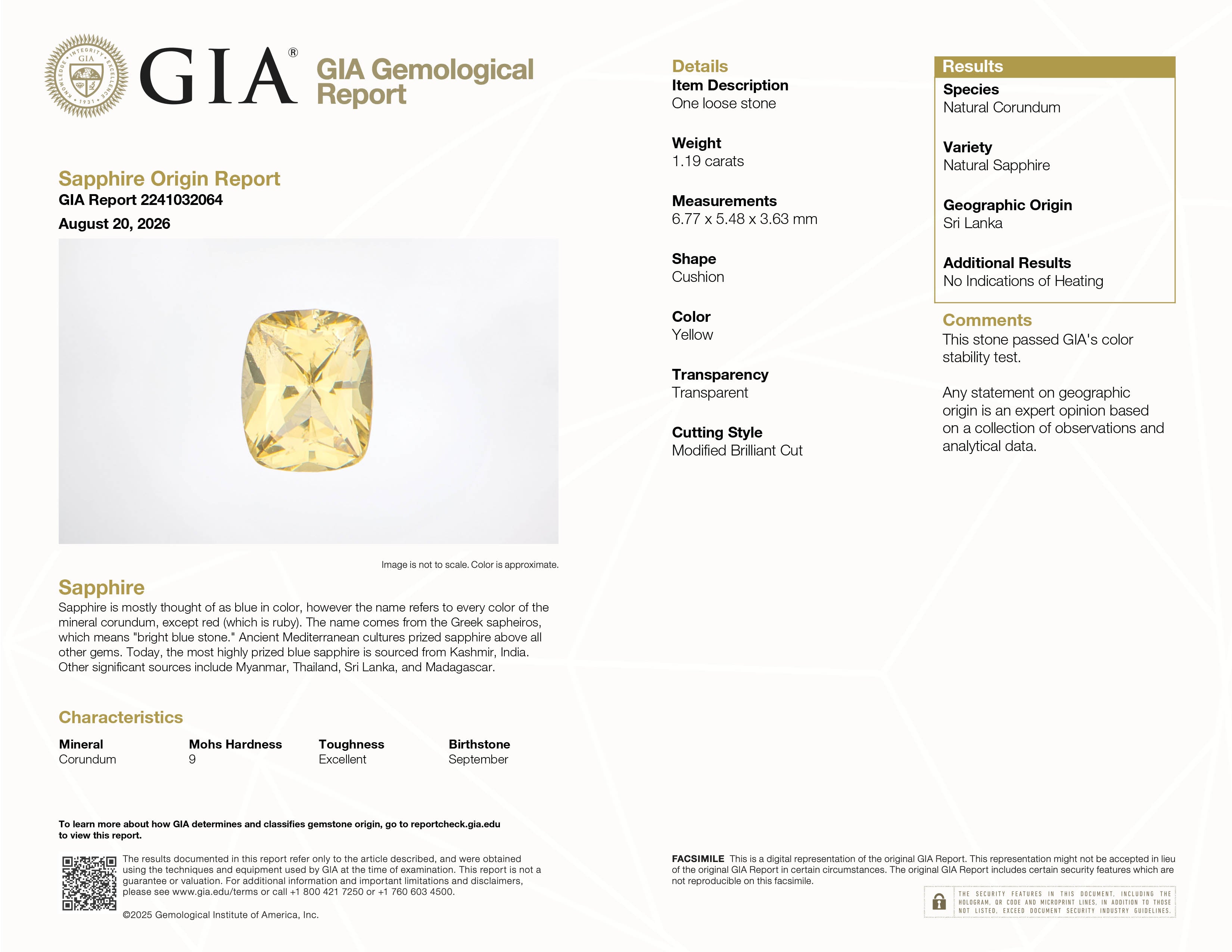
Tunduru is a remote district in the Ruvuma Region of southern Tanzania, close to the Mozambique border. The sapphire deposits here are alluvial — gemstones weathered from ancient metamorphic source rocks and transported into secondary gravel deposits by river systems. The deposits are worked by artisanal miners in a manner almost identical to the Sri Lankan pit mining tradition. Tunduru produces a remarkably wide range of sapphire colors including blue, teal, yellow, pink, padparadscha-like orange-pink, purple, and violet — and a meaningful proportion of Tunduru rough is naturally unheated.
The Umba River Valley in the Tanga Region is known for orange, yellow, and color-zoned stones, plus distinctive color-change sapphires — stones that shift from blue or violet in daylight to purple or reddish-purple in incandescent light.
The key insight: Tanzania sapphire — particularly from Tunduru — is quality material that the retail market has not yet fully priced. The same visual quality that commands a $2,000 per-carat price in Ceylon material may be available in Tunduru at $800-$1,200 per carat, simply because “Tunduru” does not yet carry the same retail recognition as “Ceylon.” For buyers who evaluate sapphires on their merits rather than their labels, Tanzania represents one of the most compelling value propositions in the current sapphire market. For the full pricing framework, see our Sapphire Pricing Explained guide, what a good 1 carat costs, and what a good 2 carat costs.
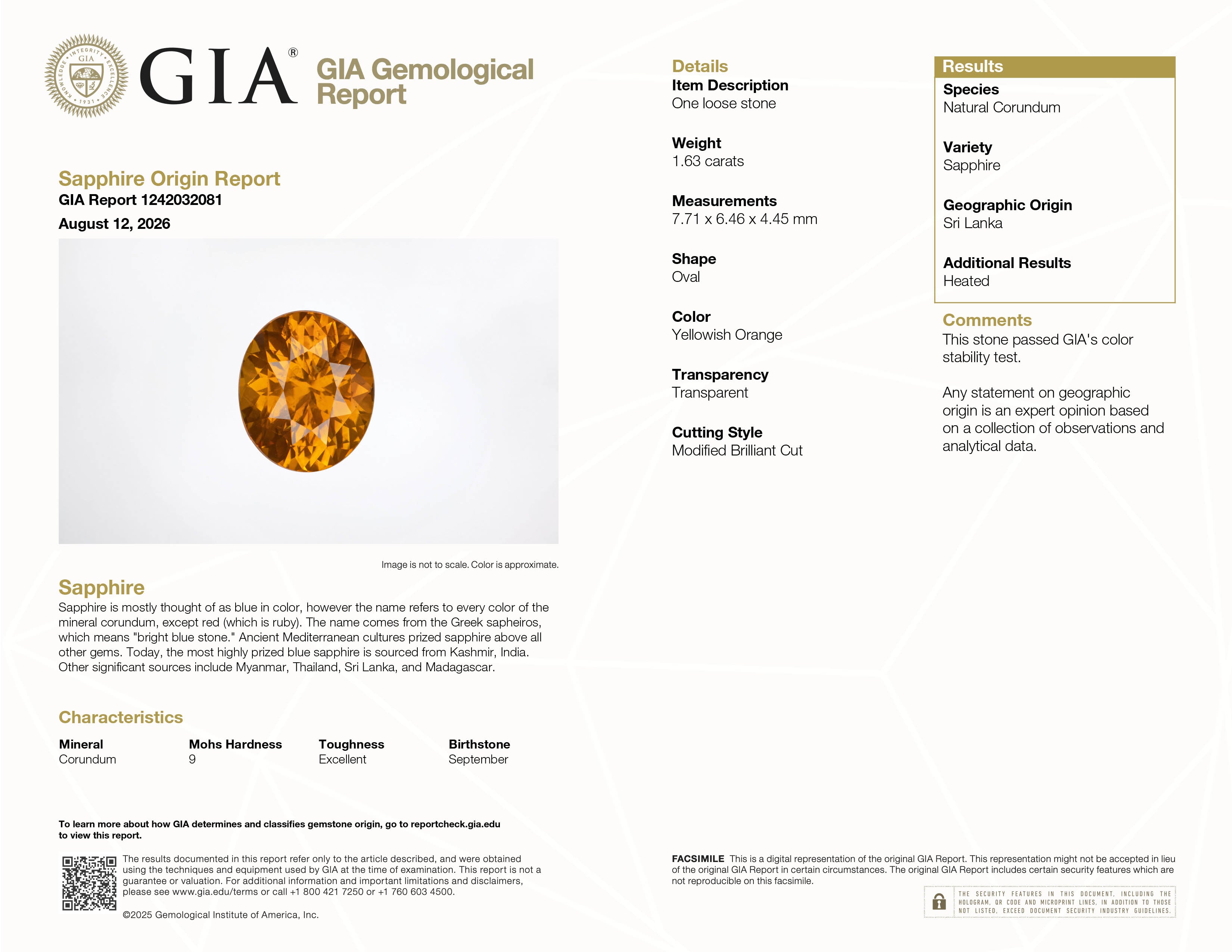
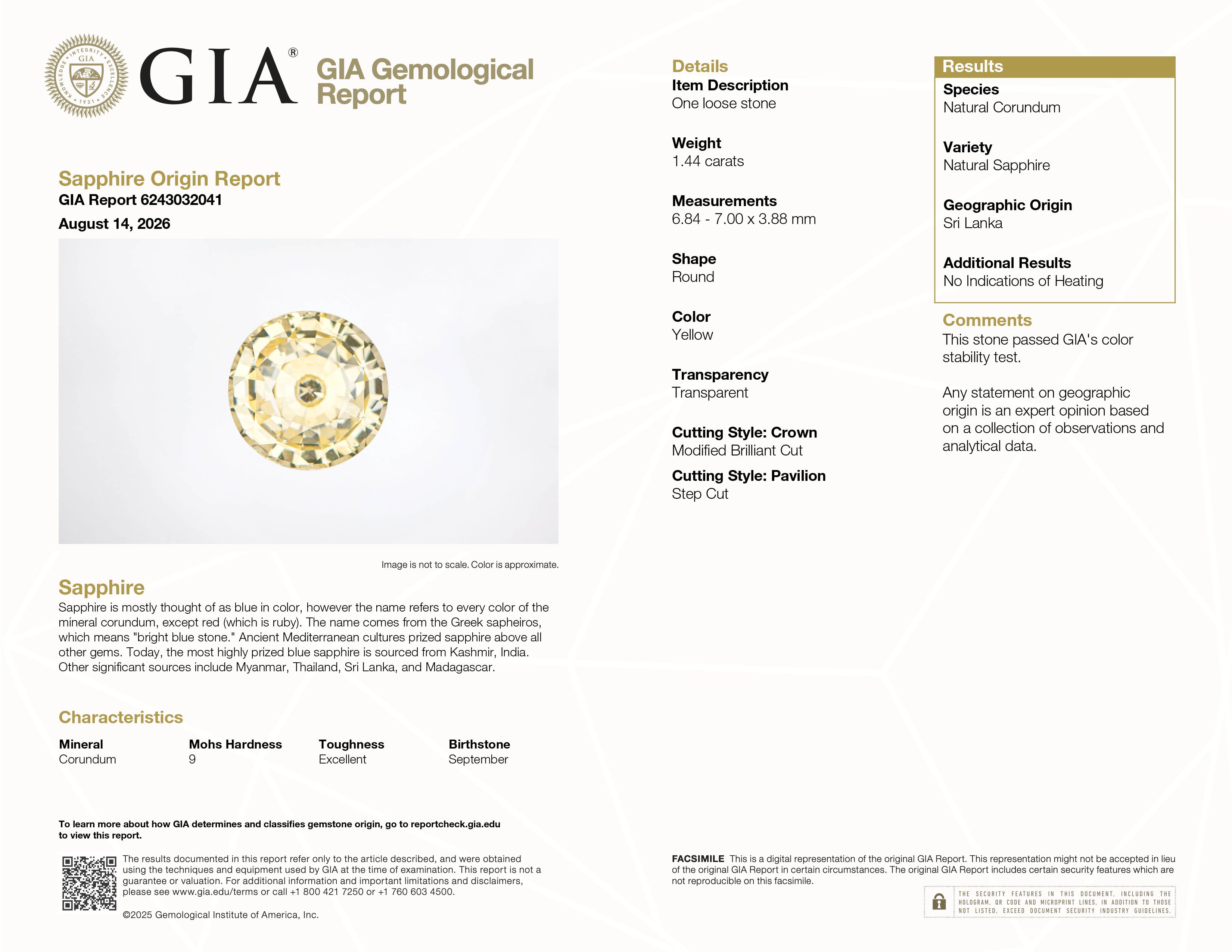
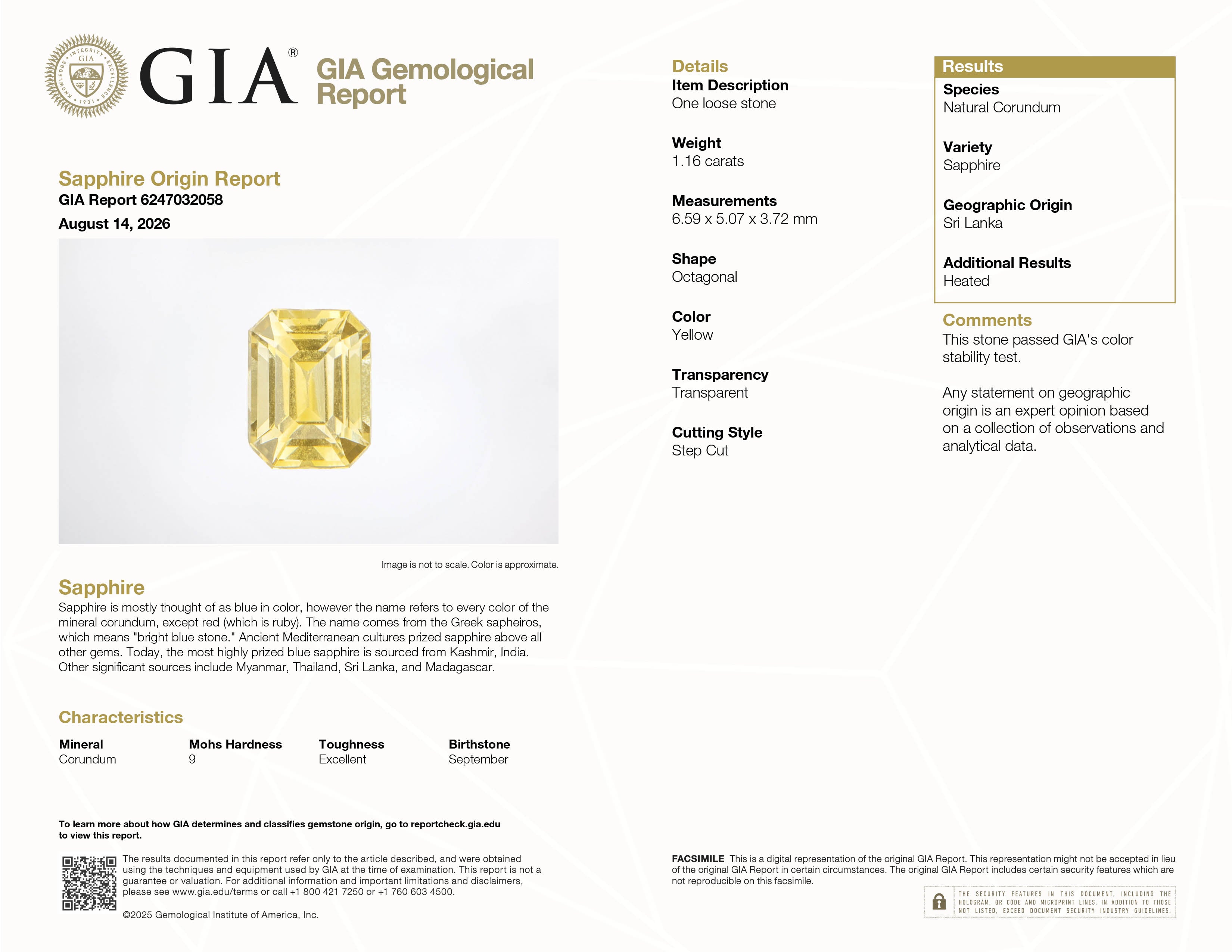
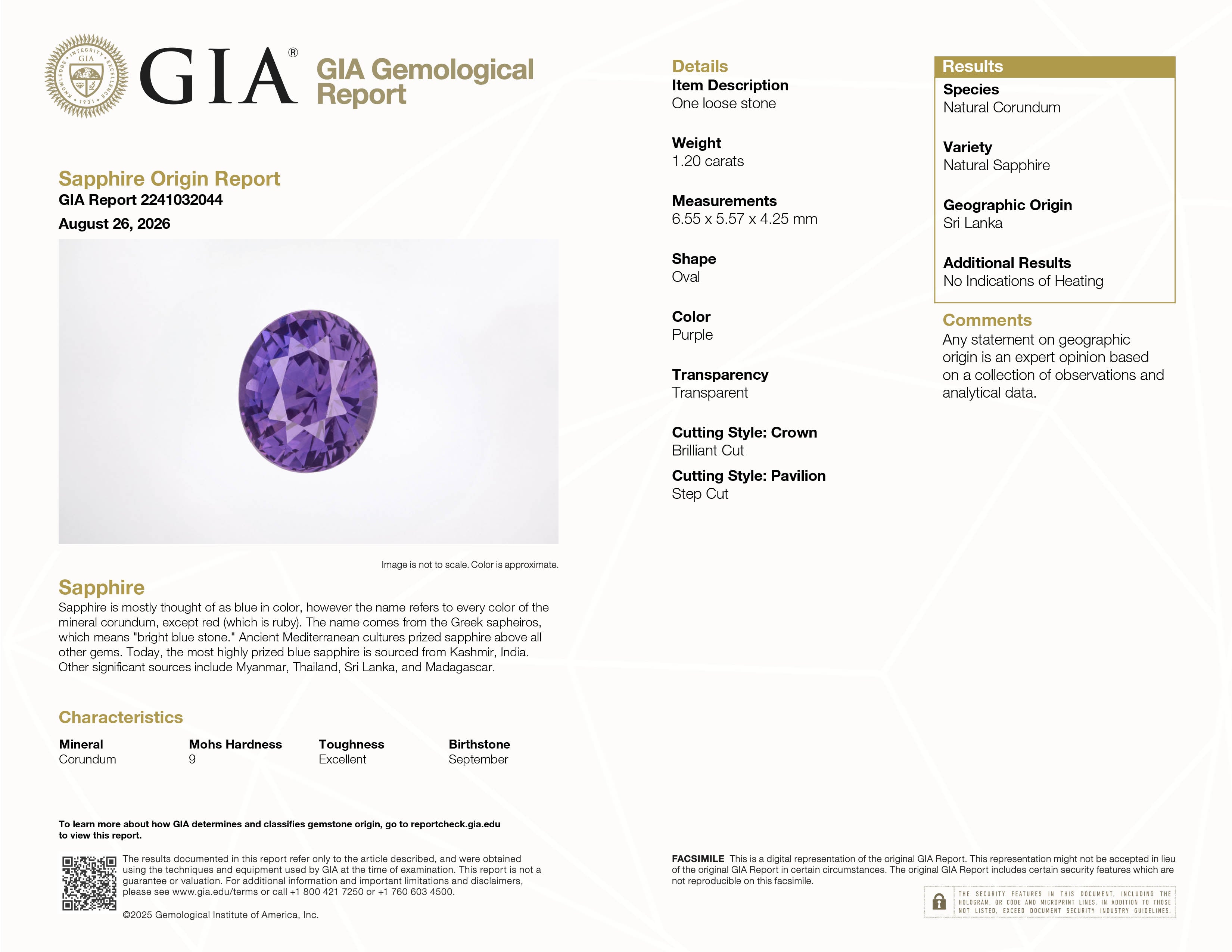
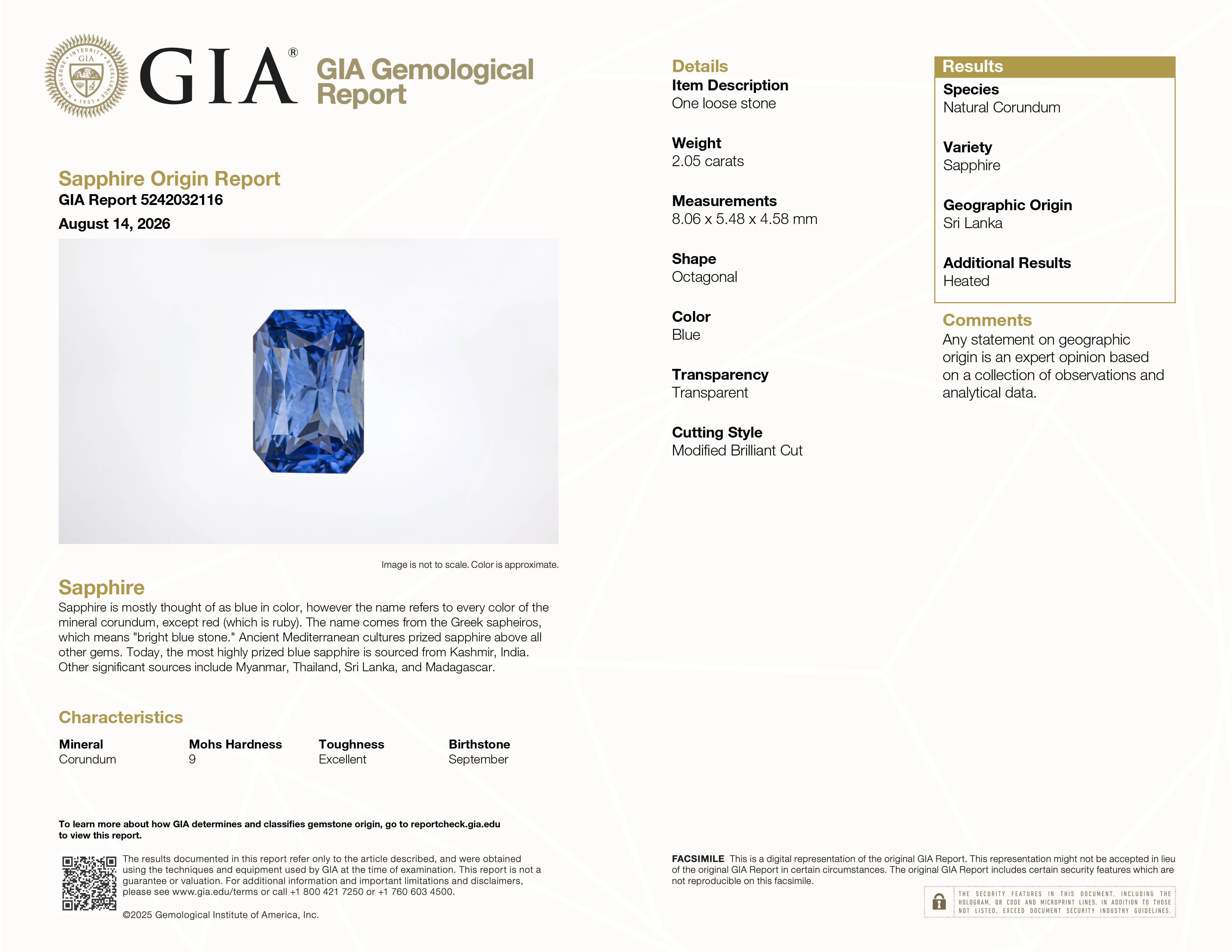
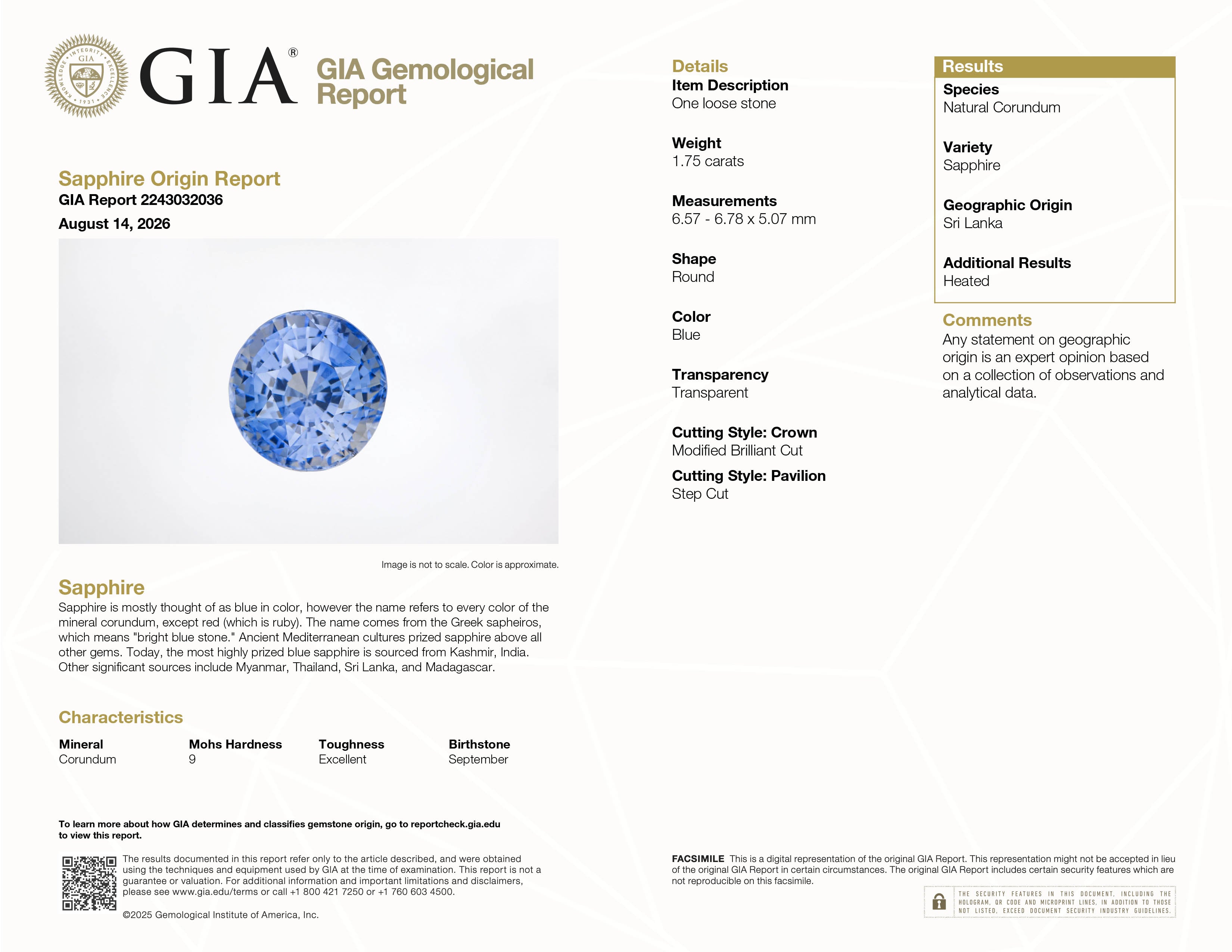
As with all major sapphire origins, heat treatment is common and fully accepted market practice. Tunduru is notable for producing a meaningful proportion of naturally unheated material across multiple colors. For warm-toned Tanzanian sapphires, always require explicit beryllium diffusion testing — non-negotiable for any orange or vivid yellow stone above $300 regardless of origin. GIA confirms Tanzania origin on its sapphire identification reports. See our guide to reading a GIA sapphire report for what the fields mean. For ring design guidance, see our oval sapphire guide, cushion cut guide, metal comparison guide, and halo ring guide. After purchase, insure your ring: see our jewelry insurance guide.
Browse our full loose sapphire catalog — stones sourced directly from Sri Lanka, Tanzania, and other key origins with complete treatment disclosure — or email crescentgems@gmail.com with your color and budget. We respond within one business day.

CG8469
CG8454
CG8468
CG8465
CG8464
CG8463
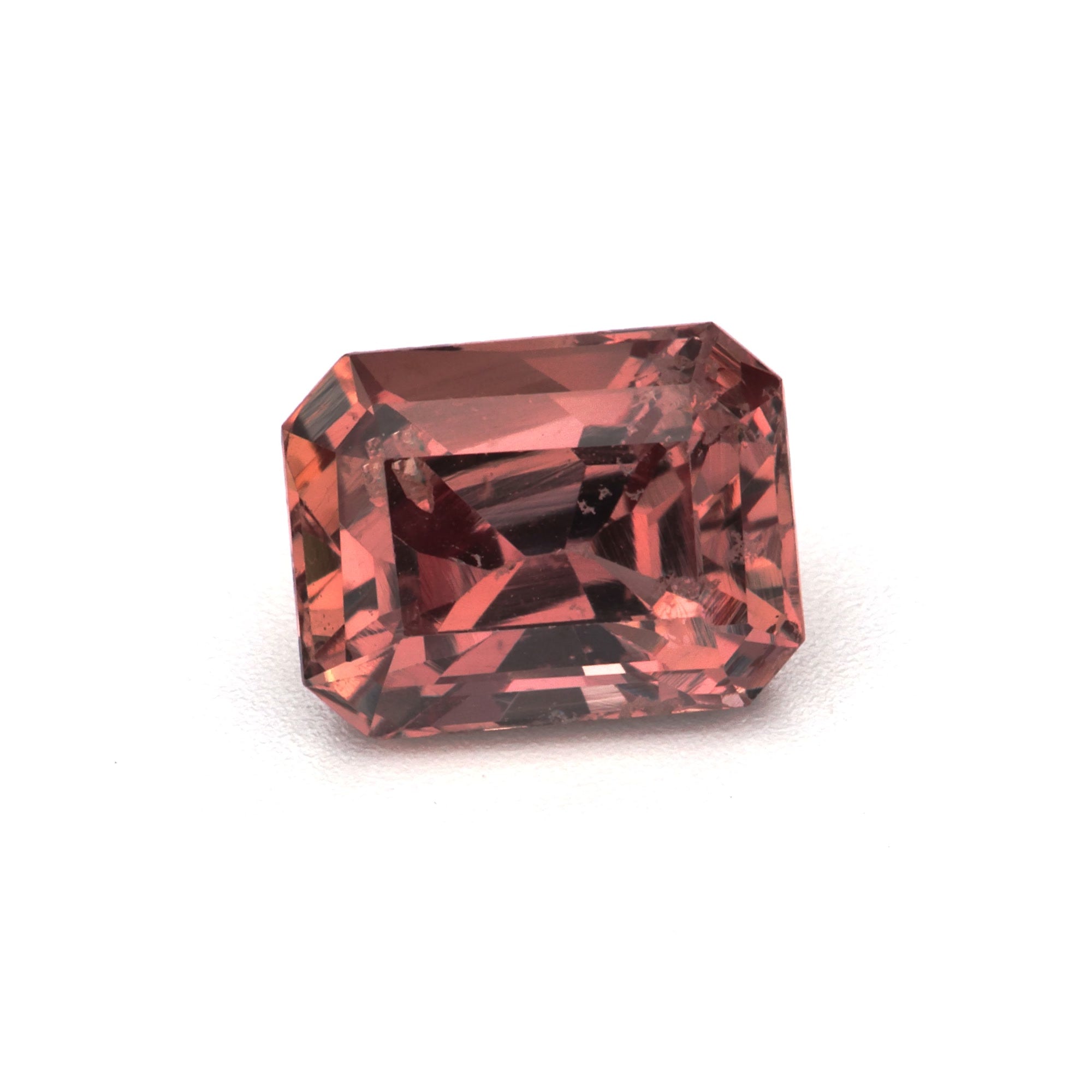
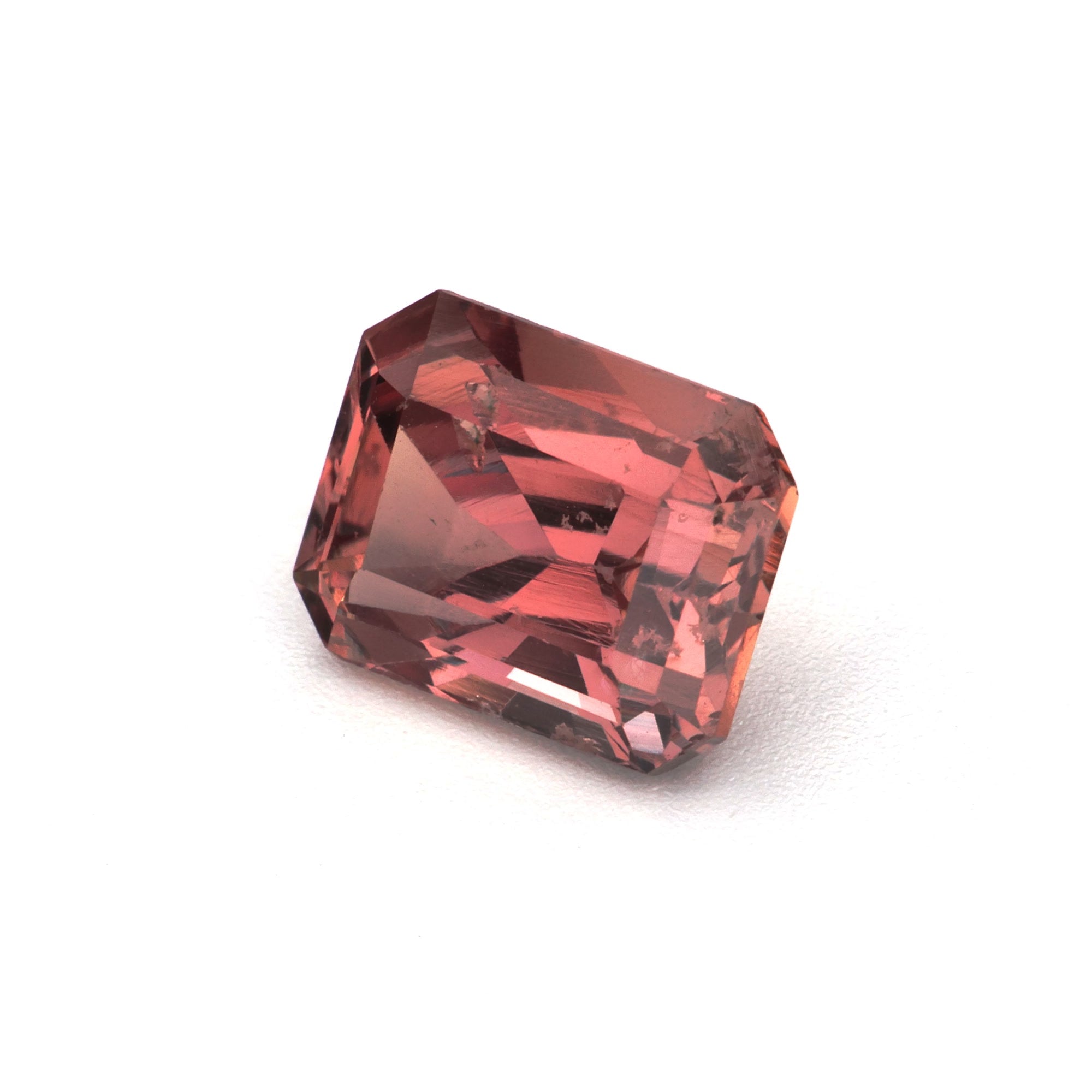
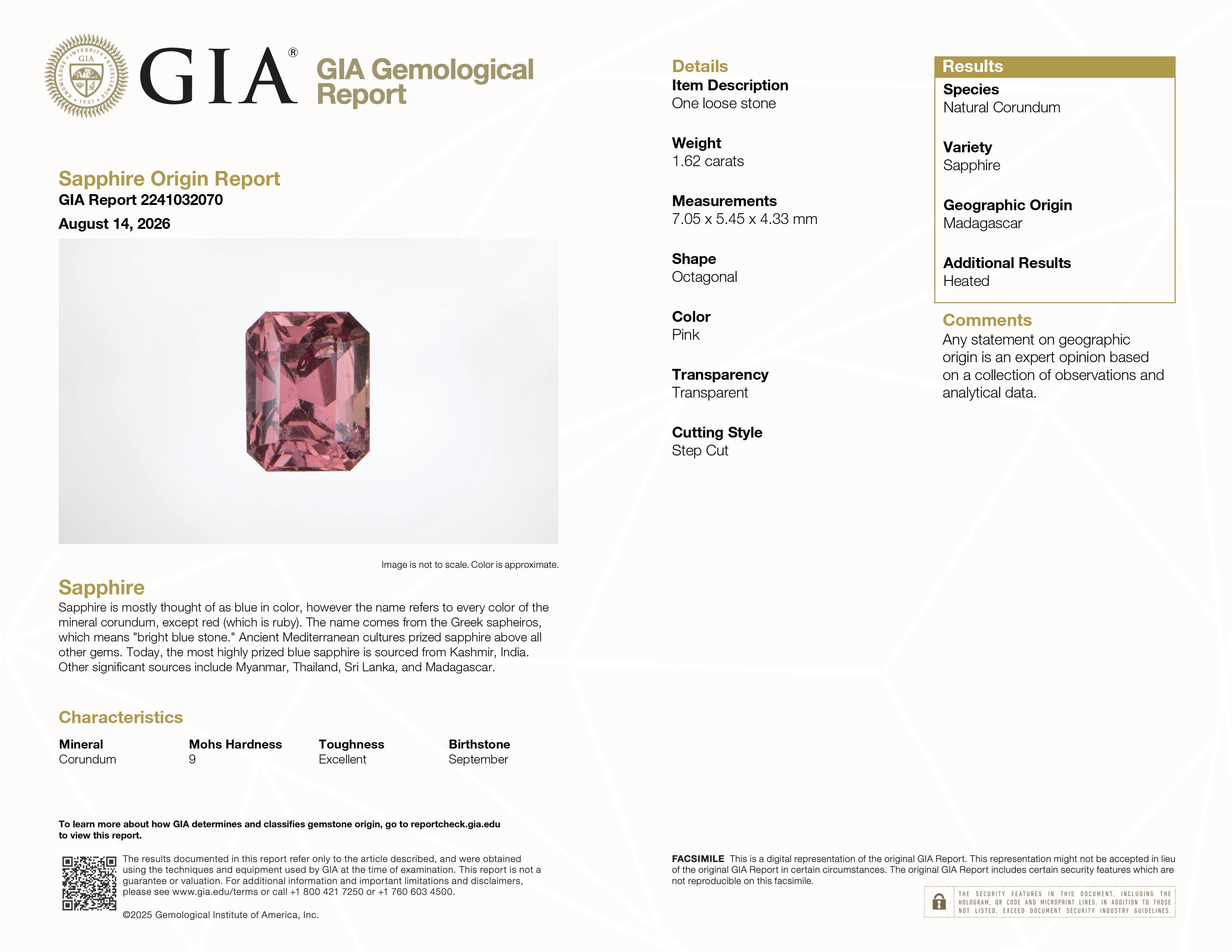
Madagaskar Rosa Saphir 1,62 ct – Achteck, GIA-Bericht
CG8460
CG8459
CG8458
CG8457
CG8456
CG8453


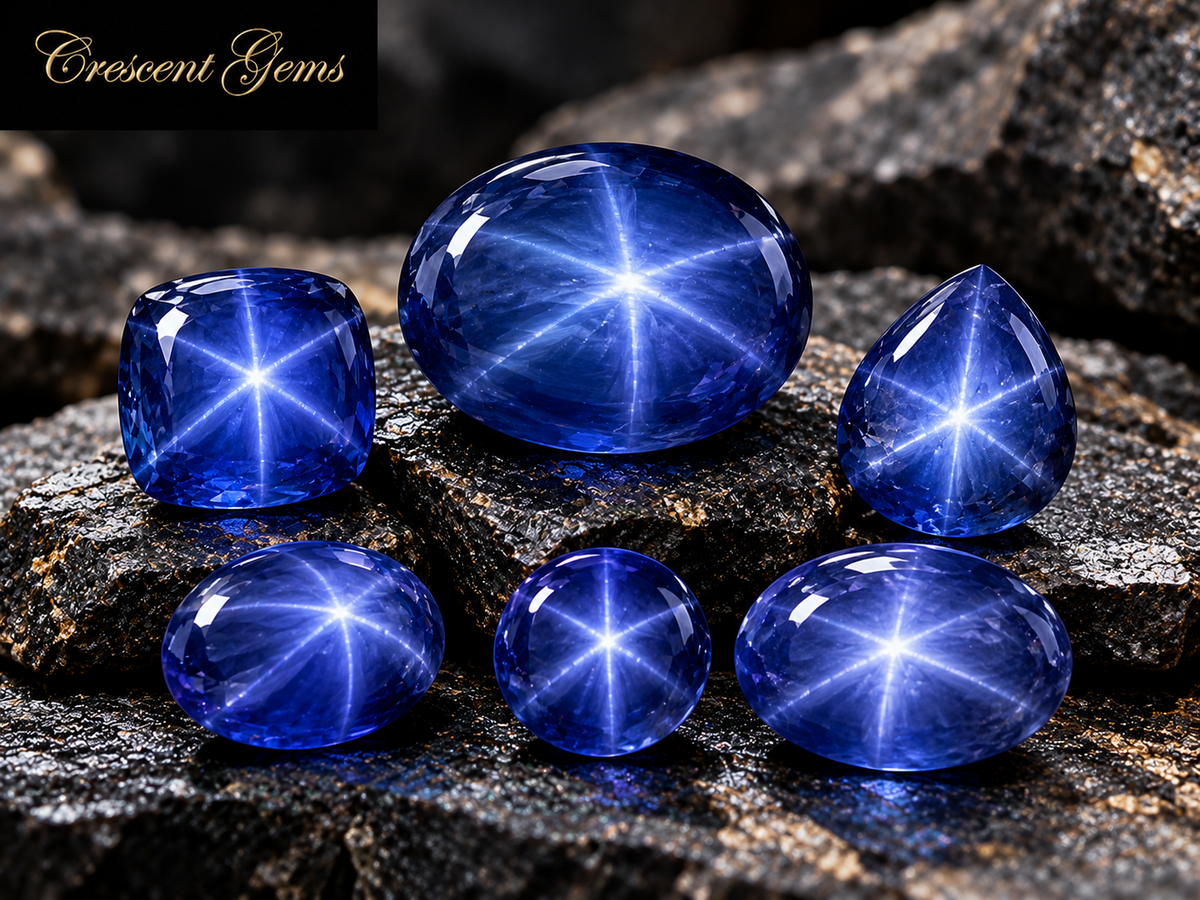
Blauer Sternsaphir: Was er kostet und warum wir den Stern nicht bepreisen
Was ein blauer Sternsaphir kostet, warum kein Labor den Stern bewertet und der eine Stein, den wir führen: 8,09 ct zu 3.660 € (4.040 US$) mit GIA Sapphire Origin Report.
Weiterlesenüber Blauer Sternsaphir: Was er kostet und warum wir den Stern nicht bepreisen
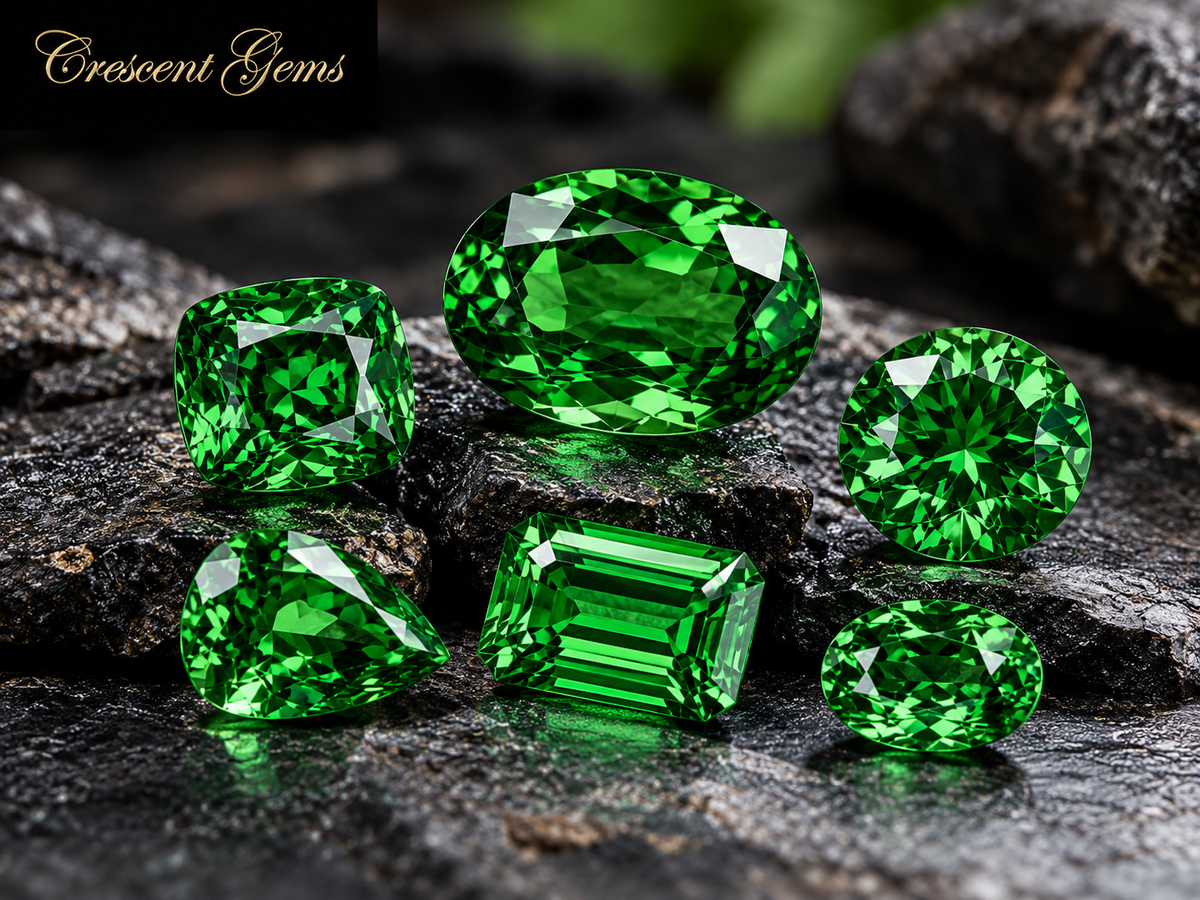
Tsavorit-Granat: Preise pro Karat aus unserem eigenen Bestand
Was ein Tsavorit-Granat kostet, gerechnet an den zwei Steinen, die wir am 16. November 2026 auf Lager haben – 1.440 bis 20.560 € (1.590 bis 22.724 US$) –, und was das Angebot an großen sauberen Steinen begrenzt.
Weiterlesenüber Tsavorit-Granat: Preise pro Karat aus unserem eigenen Bestand
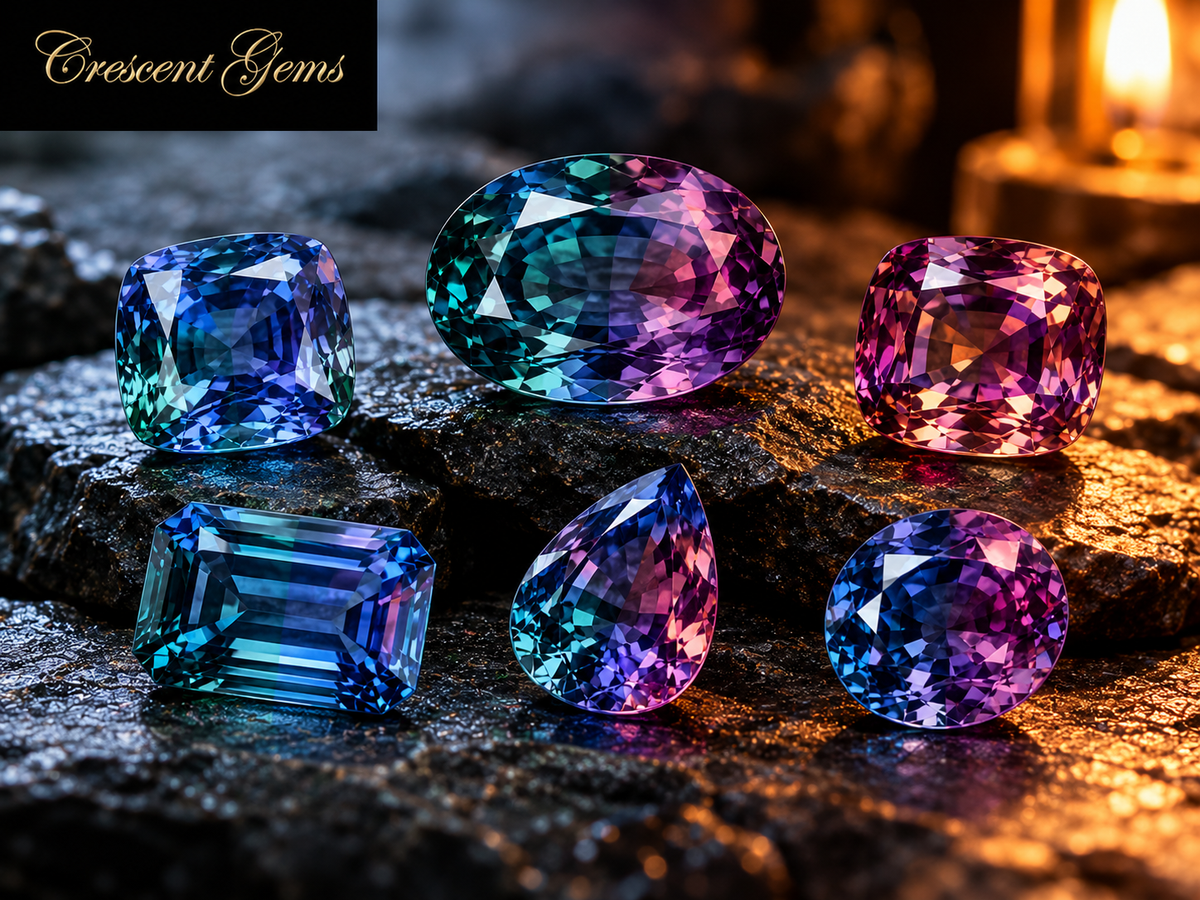
Farbwechsel-Saphir: Was er kostet, Stein für Stein
Was unsere beiden Farbwechsel-Saphire kosten, Stein für Stein mit dem Karatpreis daneben: 750 € (824 US$) für 1,03 ct und 2.000 € (2.211 US$) für 2,01 ct, am 16. November 2026 von unseren eigenen Produktseiten abgelesen. Kaufbar ist derzeit einer der beiden. Kein Labor benotet den Farbwechsel.
Weiterlesenüber Farbwechsel-Saphir: Was er kostet, Stein für Stein
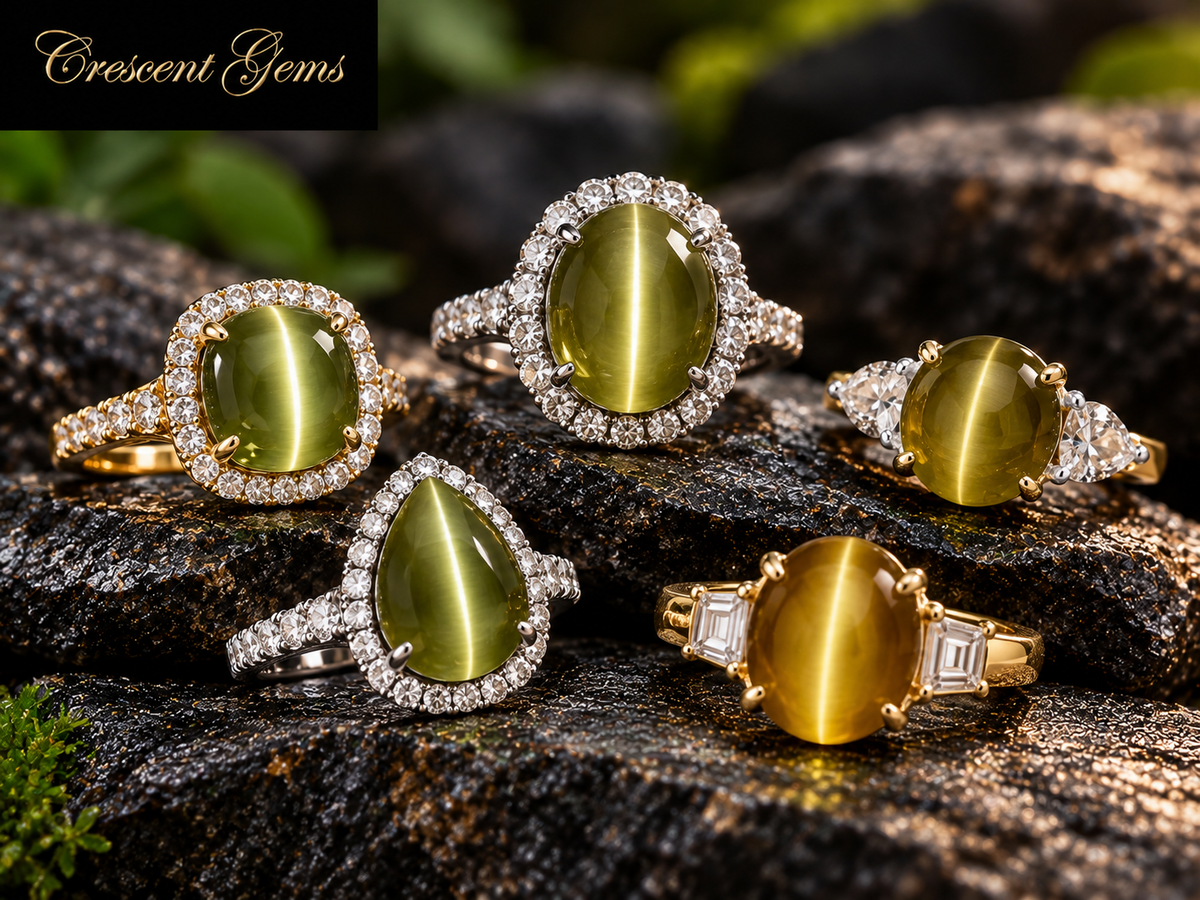
Chrysoberyll-Katzenauge im Verlobungsring: Eignet es sich?
Chrysoberyll hat Mohshärte 8,5 – über Quarz (7) und Smaragd (7,5–8), unter Korund (9) und Diamant (10). Was das für Alltag, Fassung und Pflege bedeutet.
Weiterlesenüber Chrysoberyll-Katzenauge im Verlobungsring: Eignet es sich?
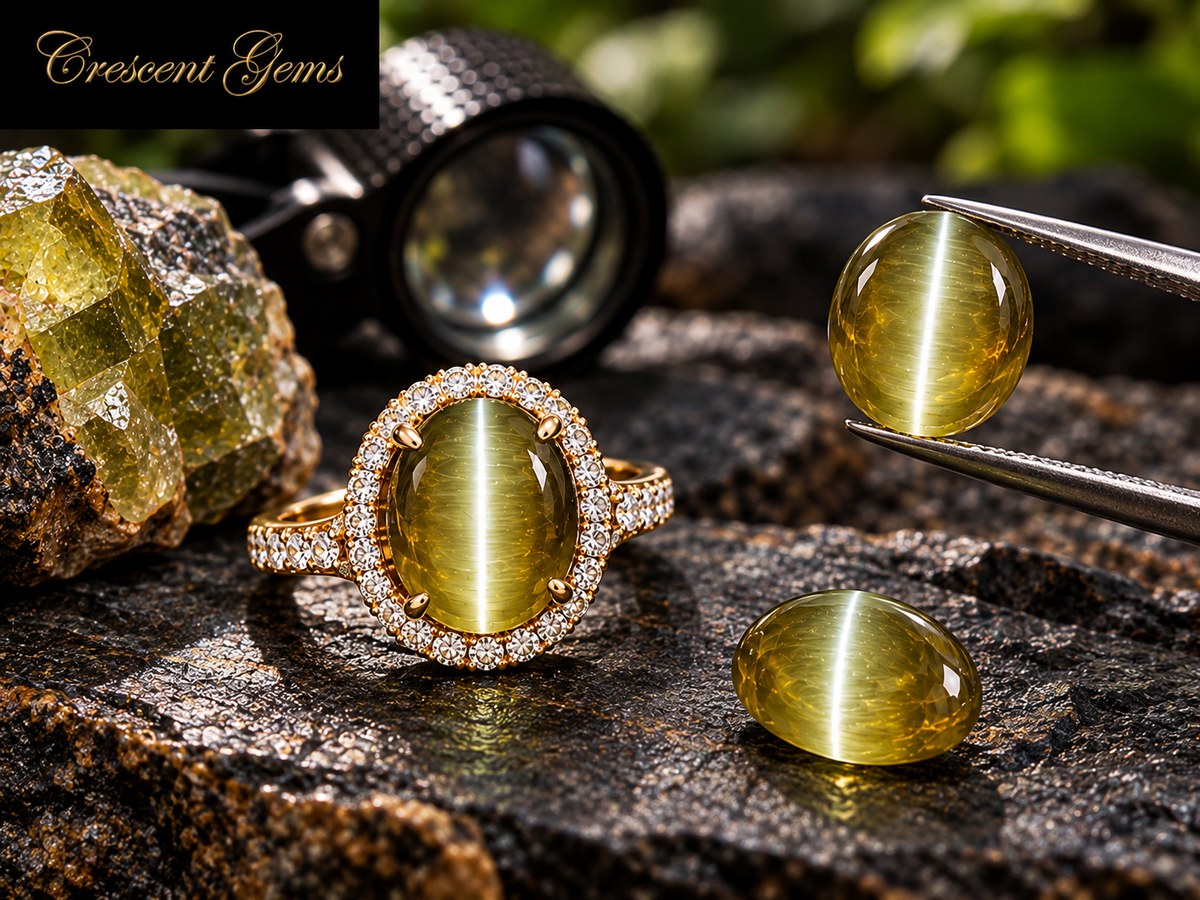
Chrysoberyll-Katzenauge: Preise pro Karat und wovon sie abhängen
Was ein echtes Chrysoberyll-Katzenauge pro Karat kostet und wovon der Preis abhängt – dazu unsere beiden Steine: 2,36 ct für 3.792 $ und 4,25 ct für 9.482 $, je mit GIA-Bericht.
Weiterlesenüber Chrysoberyll-Katzenauge: Preise pro Karat und wovon sie abhängen















Teilen: