

- 经过 Ahmed Shareek
Radiant Cut Yellow Sapphires: The Complete Guide to Color, Cut Quality, and Buying Right
- 经过 Ahmed Shareek
New to buying sapphires? Start with our Ultimate Sapphire Buying Guide. For the yellow sapphire deep-dive: Yellow Sapphire Buyer's Guide. For cut guidance: Best Sapphire Cut for an Engagement Ring.
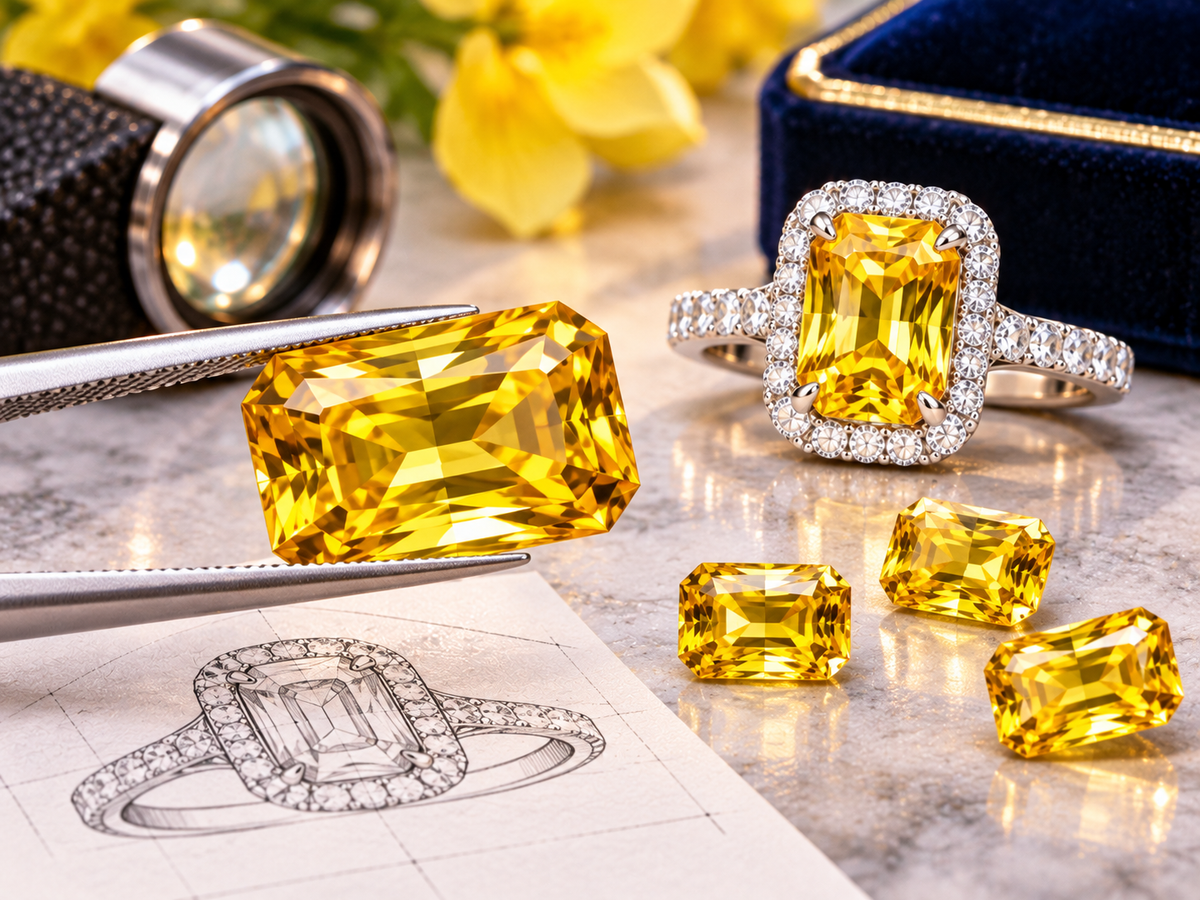
A radiant is an octagonal outline — a rectangle or square with cut corners — finished throughout with brilliant faceting. The brilliant faceting returns light to the eye from many small facets; the cut corners are less exposed than a sharp corner would be. In yellow sapphire, that is the geometry this guide describes.
This guide covers what makes a radiant cut different from other sapphire cuts, how to evaluate radiant cut quality specifically, why yellow sapphire and radiant cut are a particularly strong pairing, and what to look for when buying.
The radiant cut was developed in the late 1970s. Its outline is octagonal — a rectangle or square with cut corners — and it is finished throughout with brilliant faceting: a full brilliant-style pavilion with triangular and kite-shaped facets that return and scatter light. An emerald cut is a different construction, with large flat facets that produce broader reflections.
The result is an outline with straight sides and cut corners rather than the curves of an oval or cushion. The cut corners are less exposed than the sharp corners of a true rectangle, and the brilliant pavilion returns light to the eye from many small facets.
In colored stones, radiant cutting is less standardised than in diamonds. Diamond radiant cuts follow reasonably consistent proportional guidelines developed by the diamond industry. Sapphire radiant cuts vary more widely between cutters — in the precise facet arrangement, the degree of corner cropping, and the depth-to-diameter ratio. This variation means cut quality in radiant sapphires has to be assessed on the stone itself. We quote no facet count: a figure like that belongs to the cut type rather than to this stone. For a full overview of how cut affects sapphire value and light performance, see our How Cut Affects Sapphire guide.
Not every color and cut pairing produces equally strong results. Yellow sapphire and radiant cut have specific characteristics that make them particularly well-matched.
Blue sapphire in medium-dark tones is often cut deeper, so light travels further through the stone before it is returned. Yellow sapphire behaves differently. Its iron-based colour reads bright at a wider range of cut depths.
Radiant cutting, with its brilliant pavilion and slightly shallower profile relative to some colored stone cuts, suits that. Brilliant faceting returns light to the eye from many small facets; it does not change the colour the stone already has.
Heat is a finding printed on the report. On a GIA coloured-stone report it appears under Additional Results, and "No Indications of Heating" is a finding about heating. Ask for the document and read that field. See What Is an Unheated Sapphire? and How Sapphire Heat Treatment Works.
An emerald cut shows broad, flat reflections. The effect is calm and relatively static. Radiant faceting returns light to the eye from many small facets, which produces movement and sparkle as the stone is turned. Under different lighting conditions, a radiant cut yellow sapphire shifts between a warmer reading and a brighter, more scintillating appearance as the facets catch light from different angles.
A rectangular radiant is cut from longer rough than a round or an oval of the same finished weight. That is a cutting constraint, and it is worth knowing when you compare outlines at a given carat weight. For other colours in the same outline, see our padparadscha guide and orange sapphire.
Both are rectangular with cropped corners. The difference is in the facet arrangement. Emerald cut facets create a hall-of-mirrors effect — you see into the stone rather than seeing light reflected back from it. The reflections are broad and calm. Inclusions are more conspicuous, because the large flat facets give them less to hide behind.
Radiant cut brilliant facets create active scintillation — light is broken up and returned from multiple small facets simultaneously. Inclusions are less conspicuous against the facet pattern. A radiant returns more light from small facets; an emerald cut shows broader, flatter reflections. Which you prefer is an aesthetic choice, not a quality ranking.
Both use brilliant-style faceting. Cushion cuts have rounded corners and a softer overall outline; radiant cuts have straight sides with cut corners, producing a crisper, more modern geometric appearance. Cushion cuts tend to show a slightly softer, more pillowy light distribution; radiant cuts produce a crisper, more angular sparkle pattern.
An oval outline has no corners and spreads its weight across the finger, so it tends to read larger face-up per carat. Radiant cuts are more geometric and typically appear slightly smaller face-up for equivalent carat weight. The choice between radiant and oval is aesthetic — radiant for a structured, architectural ring profile; oval for organic curves and more apparent size.
Both return light strongly. Round sapphires are symmetrical on every axis and suit a wider range of settings. A radiant suits a buyer who wants brilliant faceting in a cornered outline. Radiant cuts in yellow sapphire often appear larger face-up than rounds of equivalent carat weight, because the rectangular outline has more surface area.
GIA does not issue a cut grade for colored stones. Evaluating radiant cut quality in a yellow sapphire requires looking at the stone directly — through photographs, video, and ideally in person. Here is what to assess:
This determines the stone's overall shape — how rectangular vs how square it appears.
Neither end of this range is objectively better — the right ratio depends on personal preference and the hand the ring will be worn on. Narrower fingers suit more elongated ratios; wider fingers are often better served by more square proportions. For full size guidance, see our Sapphire Size Guide.
A window is a transparent or colourless area visible face-up where light passes straight through without being returned by the pavilion. Hold the stone face-up over a white background. If you can read text through the center of the stone, it has a significant window. Windowed radiant cut yellow sapphires appear pale and flat face-up even when the colour reads strongly from the side. Windows in radiant cuts result from pavilions cut too shallow to return light effectively. Avoid any radiant yellow sapphire with significant windowing.
Dark areas in the face-up view where light is absorbed rather than returned. In a radiant cut yellow sapphire, check for dark corners or a dark cross-shaped pattern across the center of the stone — both indicate pavilion angles are too steep, returning less light to the eye. Some extinction in the corners of rectangular stones is normal; heavy extinction across a significant portion of the face-up area is a quality problem.
The cut corners of a radiant are less exposed than the sharp corners of a true rectangle. Check that the corner cropping is even on all four corners — asymmetrical cropping indicates inconsistent cutting. The degree of cropping affects the overall outline: heavier cropping produces a more octagonal appearance; lighter cropping maintains a more rectangular silhouette. Neither is objectively better, but the cropping should be symmetrical.
View the stone face-up. The facet arrangement should be symmetrical across both the length and width axes. Asymmetrical facets, an off-centre table, or uneven girdle outline are visible quality issues that become apparent when the stone is set in a ring. Well-cut radiant sapphires have a clean, regular facet pattern visible even without magnification.
Move the stone gently under a light source and observe how it responds. A well-cut radiant yellow sapphire should show active light return across most of the face-up area, with colour and white light alternating as the stone moves. Static, lifeless behaviour — where the stone does not respond visually to movement — indicates poor cut execution regardless of how the colour reads.
Total depth as a percentage of average width. For radiant cut yellow sapphires, 62–75% is a practical range. Below 60% risks significant windowing. Above 80% may produce excessive extinction and a stone that appears smaller face-up than its carat weight suggests. Depth is not stated on most colored stone reports but can be calculated from the millimetre measurements provided.
Color is always the primary quality factor in sapphire. For radiant cut yellow sapphires specifically, certain color characteristics work better than others in this cutting style. For the full color framework across all sapphire colors, see our Sapphire Colors Explained guide.
GIA prints a single Color value, such as Yellow or Orange-Yellow. A secondary hue changes how the stone reads:
A light-toned yellow reads paler face-up under brilliant faceting. A radiant returns light from many small facets; it does not change the colour the stone already has. If you want the colour to read strongly face-up in this outline, look at medium tone and upward.
A yellow with no grey or brown modifier reads cleaner in brilliant faceting than one with a visible modifier. Hold the stone against a white background and look for a greyish or brownish cast across the face-up view. GIA prints a single Color value and issues no saturation grade for a coloured stone, so any judgement here is yours and ours, not the laboratory's.
Rotate the stone slowly as you view it. Color should remain consistent across viewing angles without significant zoning (bands of stronger or weaker color following the crystal structure). Minor zoning is normal in natural sapphire but heavy zoning visible face-up in the finished stone is a quality issue that the radiant's active faceting cannot fully mask.
Whether a particular stone has been heated is a finding on its report, not something that follows from its colour or from where it was mined. The unheated question is settled by the document — see also our Sri Lanka guide and How Sapphire Heat Treatment Works.
This has practical implications for radiant cut buyers:
If you are sourcing an unheated stone for Jyotish (Vedic astrology) use, the heat finding you are looking for is printed on the document: No Indications of Heating. See our Buying Sapphires for Jyotish (Vedic Astrology) explainer for what the tradition itself holds.
The rectangular radiant outline suits a range of setting styles, though some work better than others with this cut's specific character. For a full overview of setting choices for sapphire engagement rings, see our How to Choose a Sapphire Engagement Ring guide.
Four corner prongs are standard for radiant cuts, protecting the cropped corners while leaving the face and most of the sides visible. V-prongs or claw prongs at the corners provide better protection than round prongs and are preferable for radiant cuts. Six-prong settings are used for rectangular shapes in modified form.
A full bezel around a radiant cut yellow sapphire creates a sleek, contemporary ring with excellent stone security. The bezel's metal rim follows the stone's outline, emphasising the geometric rectangular shape. Particularly effective in yellow or rose gold where the metal becomes part of the design rather than a neutral background.
Setting a radiant cut sapphire perpendicular to the finger — lengthwise across the band rather than along it — is a contemporary choice that suits radiant cuts particularly well. The rectangular shape reads differently when rotated 90°, appearing as a wide, low stone rather than a narrow, tall one.
Radiant cut yellow sapphires work well as center stones in three-stone settings with matching yellow sapphire side stones or with diamond trapezoids or baguettes. Halo settings amplify the apparent size of the center stone and add sparkle around the perimeter — particularly effective if the center stone is in the 0.75–1.25ct range where additional visual mass helps.
Prices for center stone only, natural Sri Lankan yellow sapphire, eye-clean face-up with inclusions visible under magnification — our own assessment; GIA prints no clarity grade for a coloured stone:
Radiant cuts in yellow sapphire are priced comparably to oval and cushion cuts — the outline itself does not carry a premium or a discount. Price follows colour, size and the heat finding on the report. See our Yellow Sapphire Buyer's Guide for more on pricing.
Radiant cut yellow sapphire suits buyers who:
It is a less natural fit for buyers who want maximum face-up size per carat (oval or pear deliver more), who prefer the broad flat reflections of an emerald cut, or who need the widest possible setting availability (round).
For the right buyer, a well-cut radiant yellow sapphire with the heat finding printed on its report is a distinctive engagement ring center stone. Read the document, look at the stone, and judge it yourself.
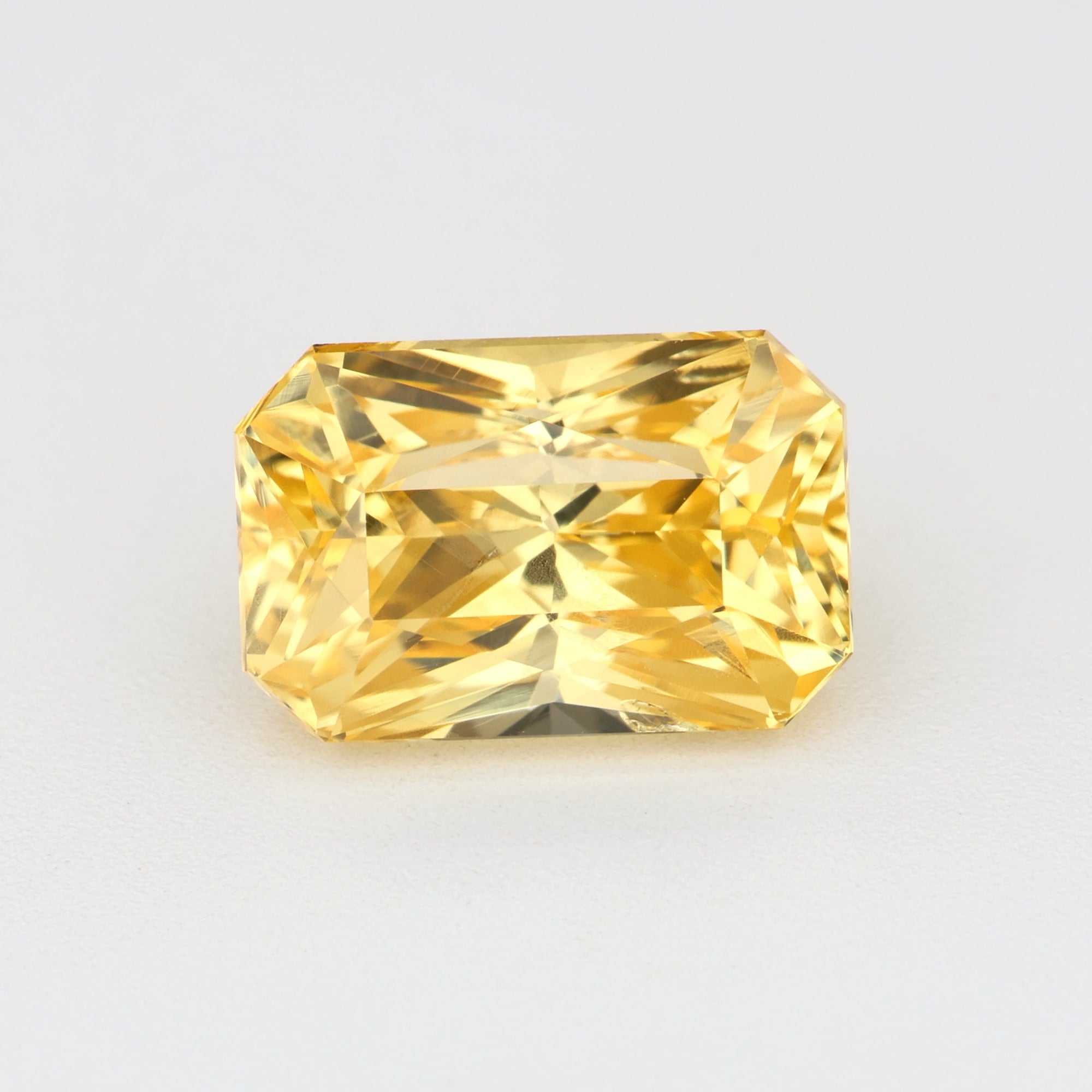
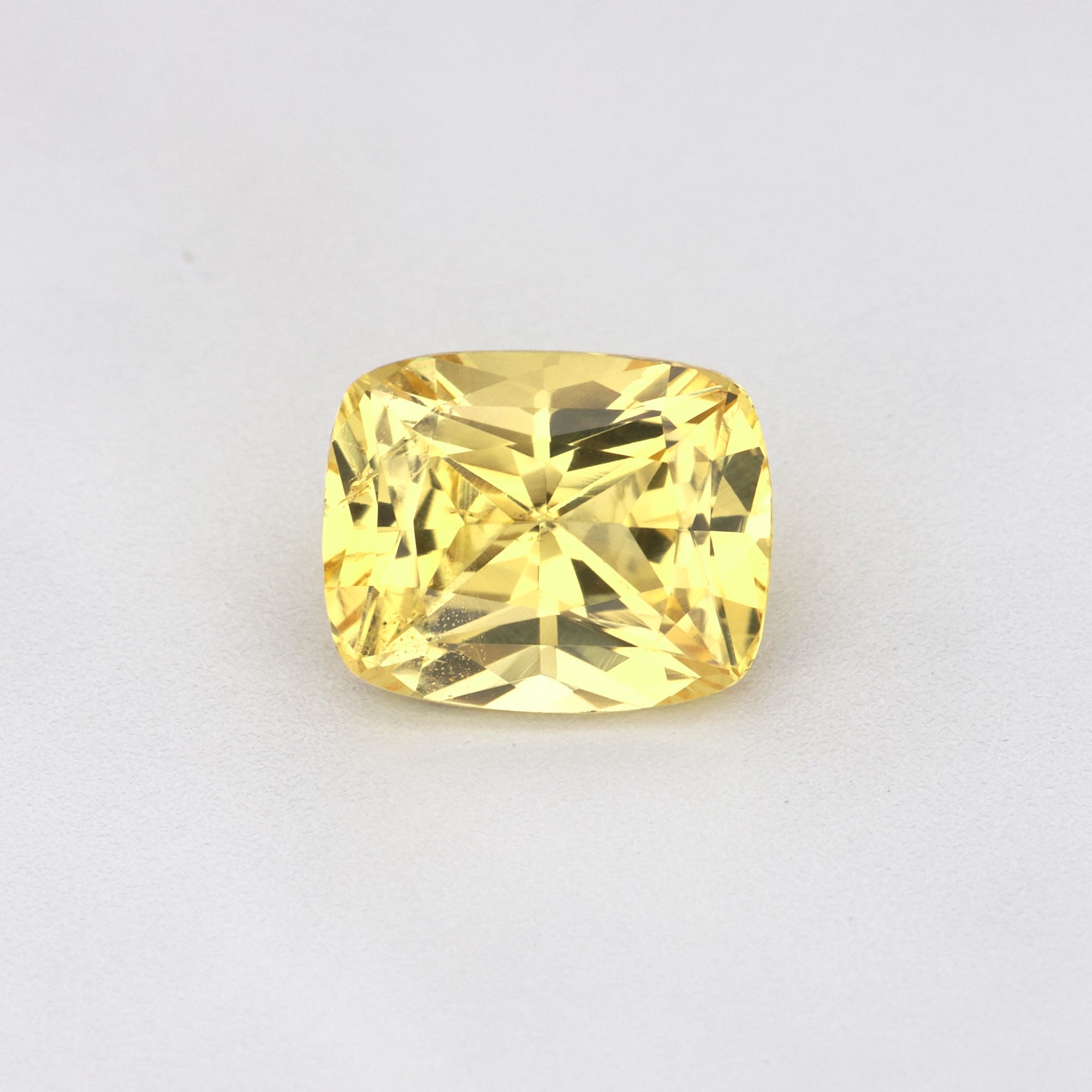
A worked example of this cut and colour: 1.81 ct unheated yellow sapphire, GIA Sapphire Origin Report 1242017778, Geographic Origin: Sri Lanka. The report prints one Comment: "This stone passed GIA's color stability test."
Browse radiant cut sapphires at Crescent Gems →
Browse yellow sapphires at Crescent Gems →
Shopping by size? Browse yellow sapphire over 1 carat or yellow sapphire over 2 carats.

CG8419
1.81克拉 天然未经加热黄色蓝宝石 – 八角形,改良明亮式琢型|GIA报告 1242017778
Prices are shown in your local currency and may change.
CG8469
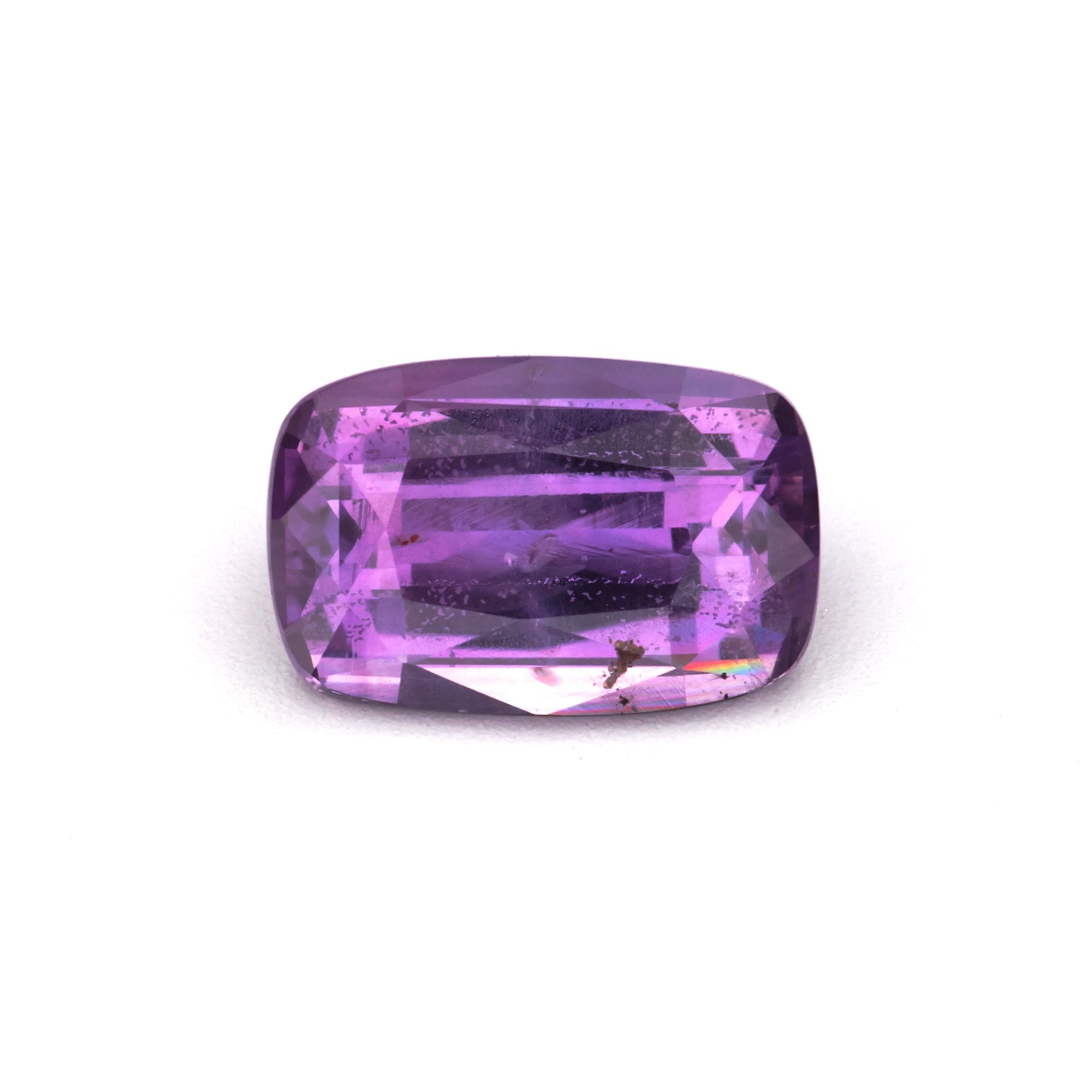
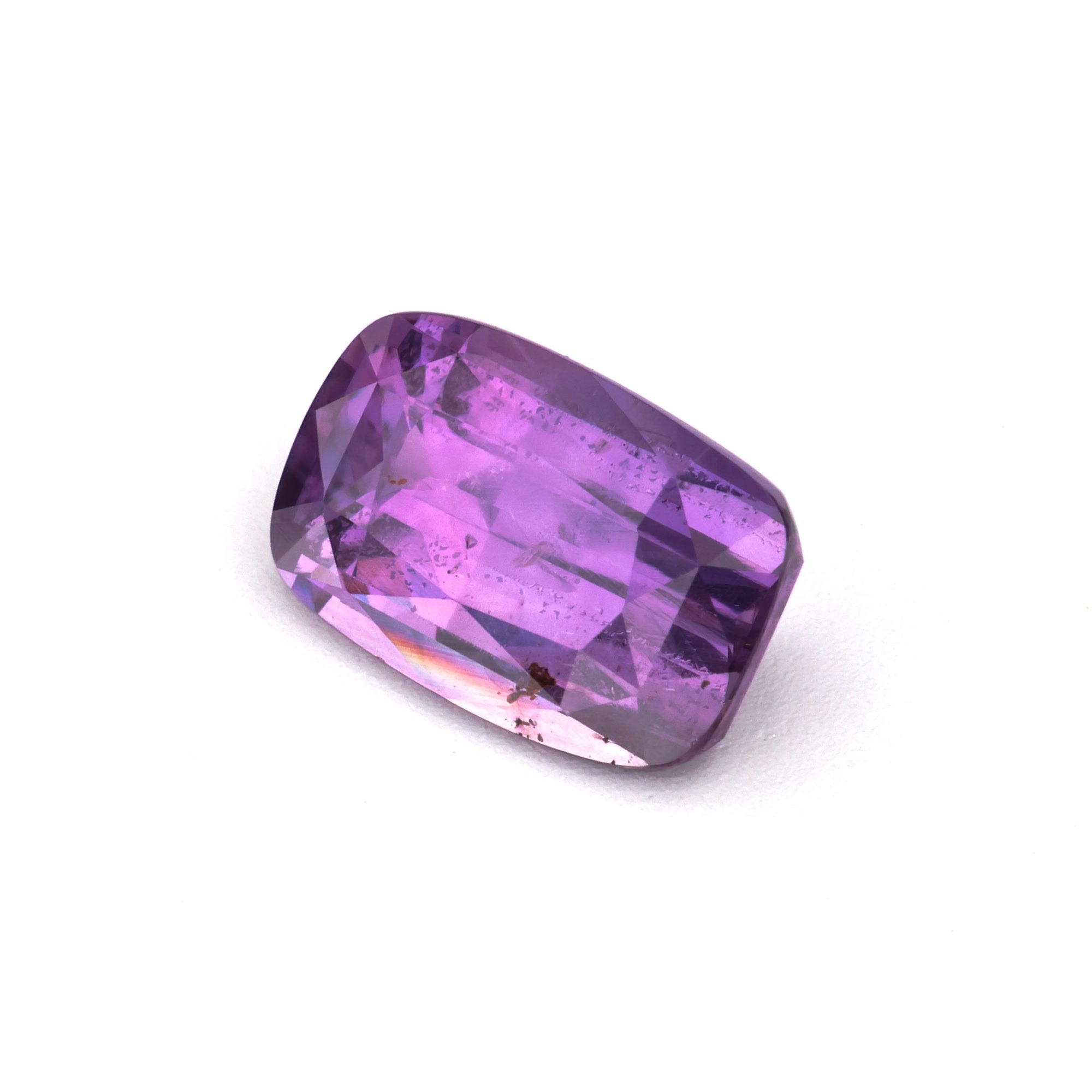
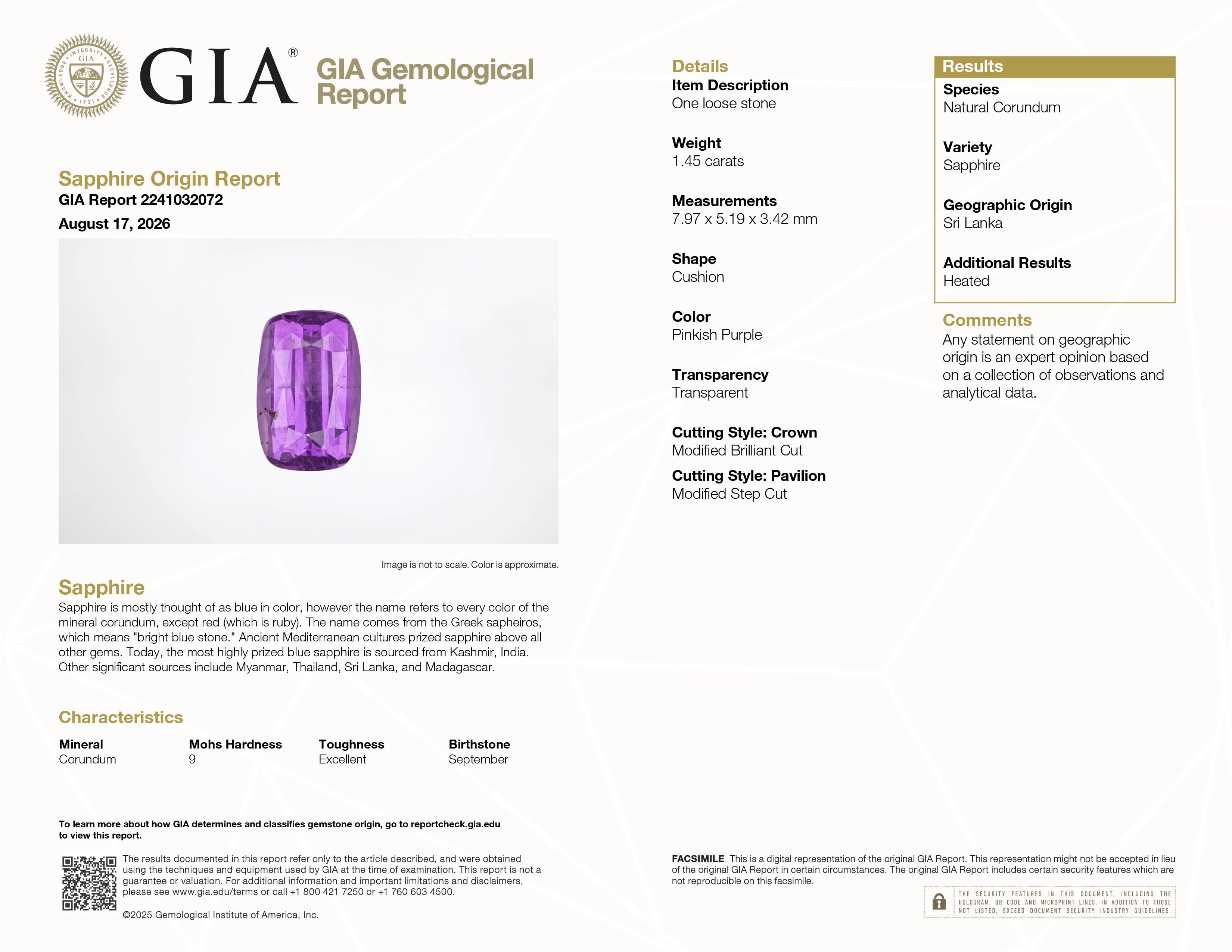
1.45克拉 天然粉紫色蓝宝石 – 垫形,混合切工,经加热|GIA报告 2241032072
CG8454
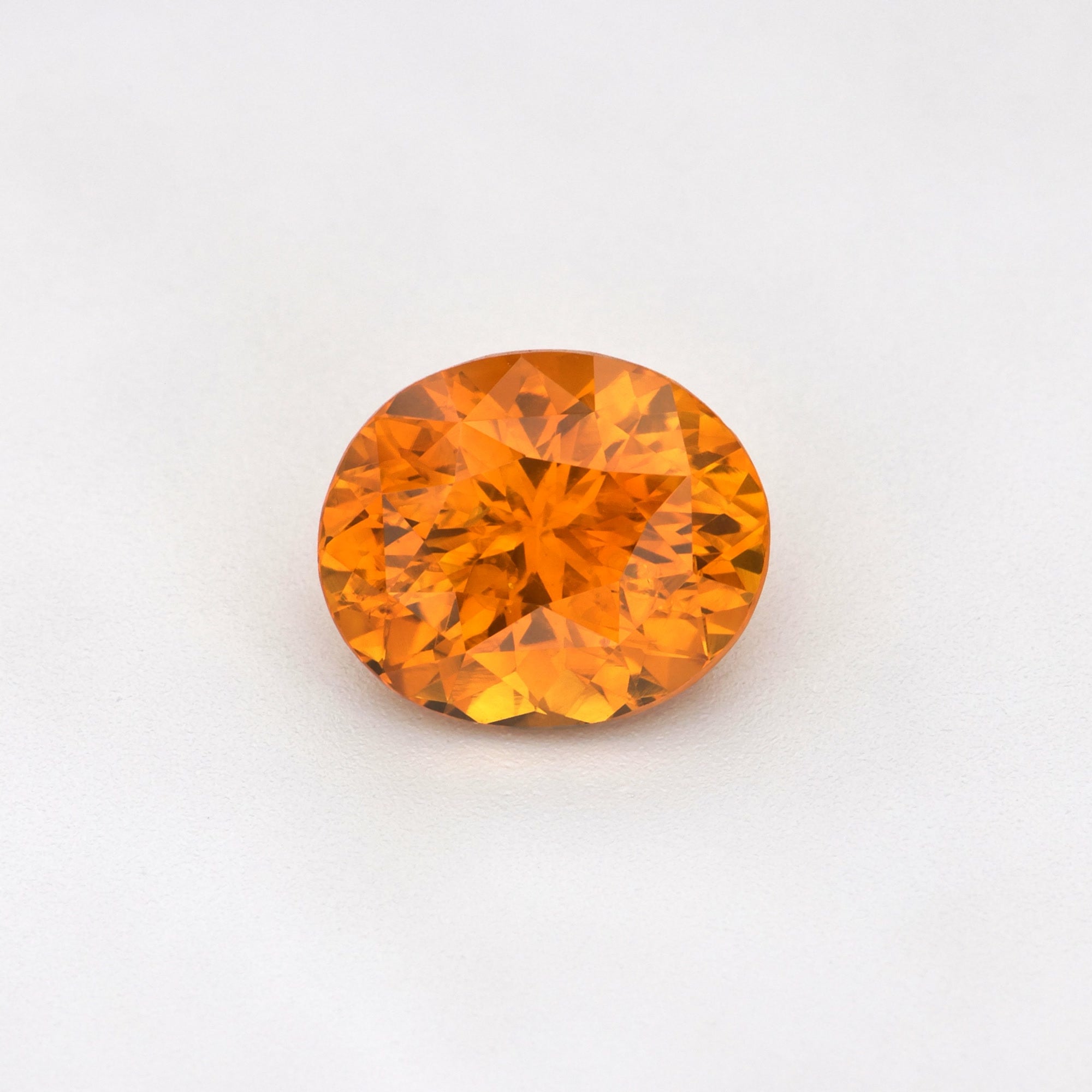
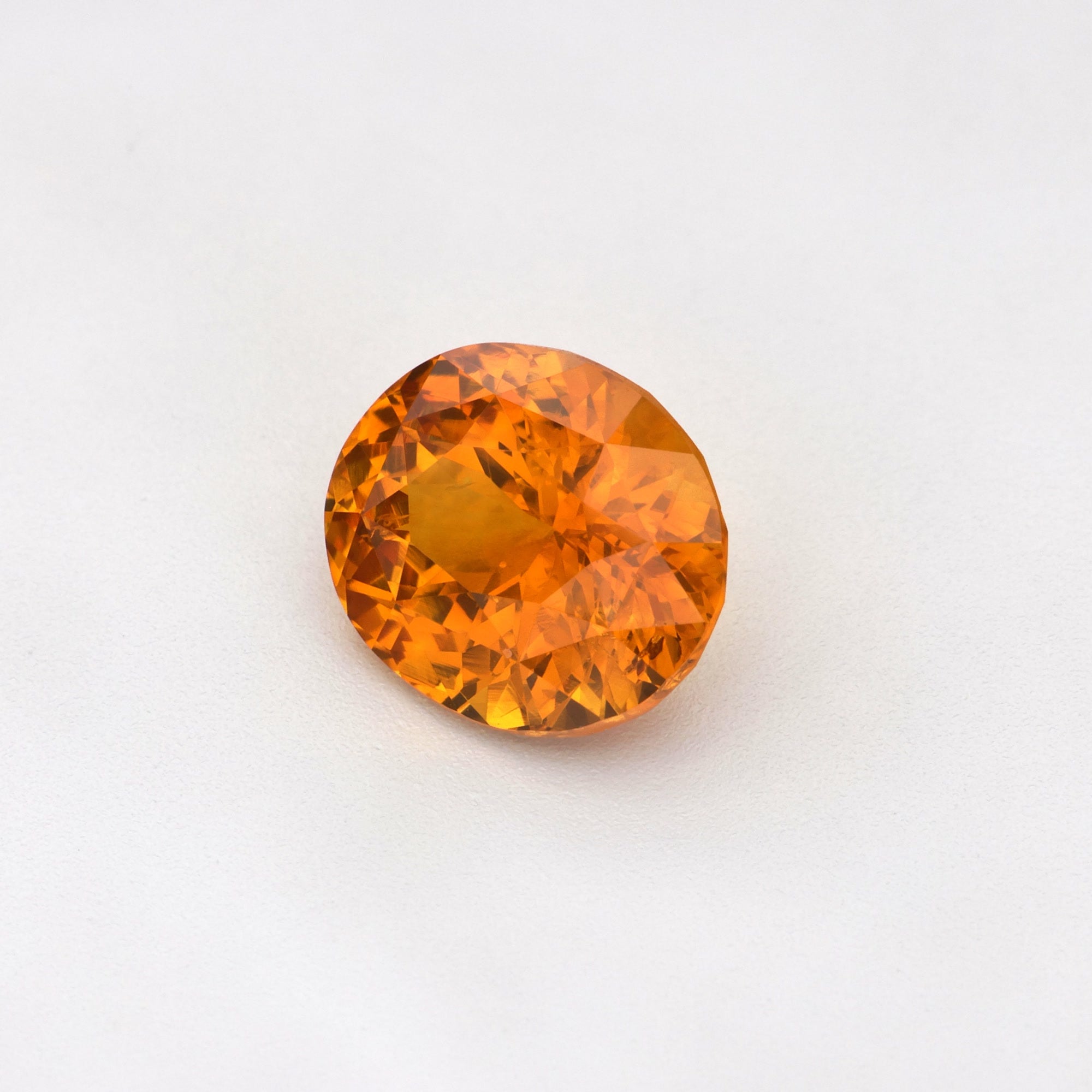
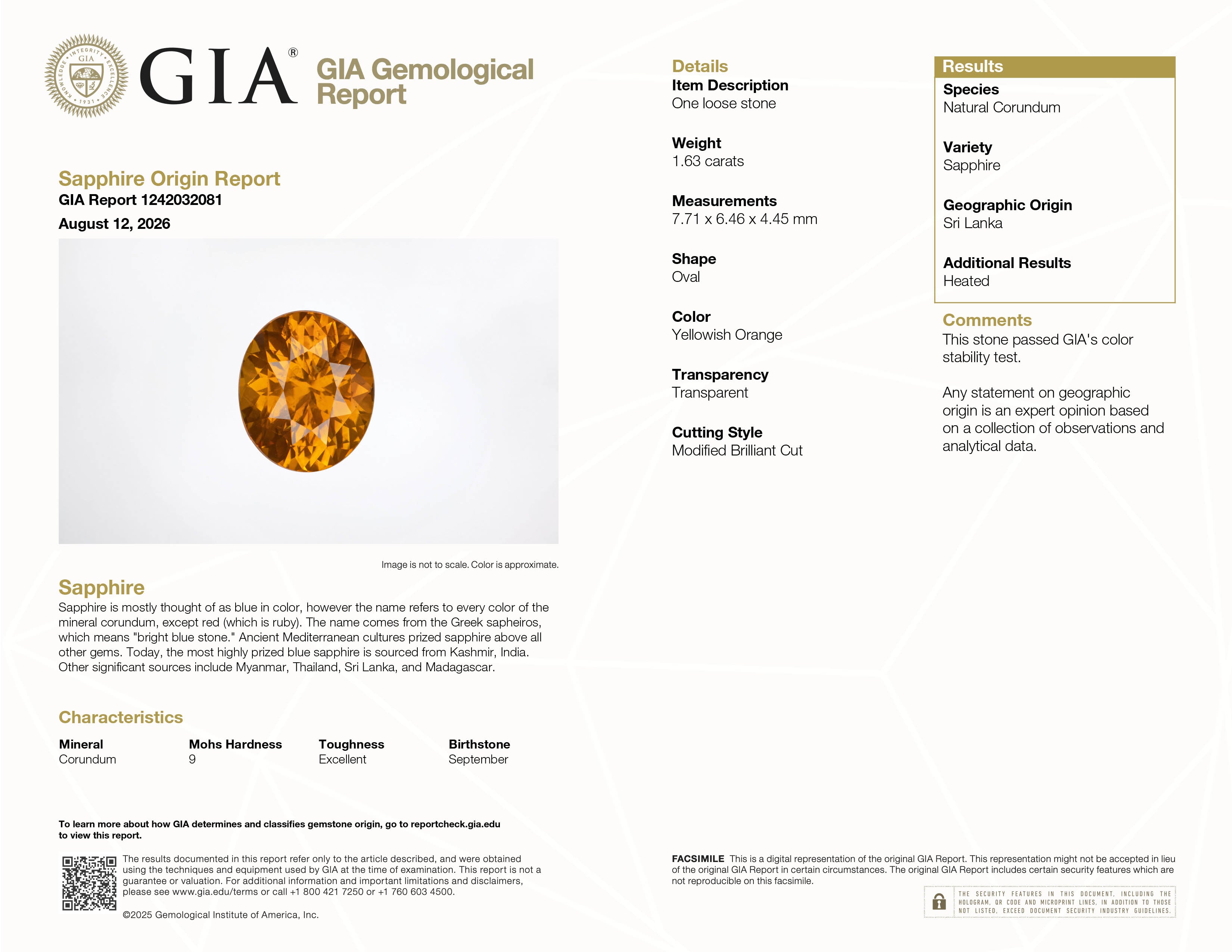
1.63克拉 天然橙色蓝宝石(经加热)– 椭圆形,改良明亮式|GIA报告 1242032081
CG8468
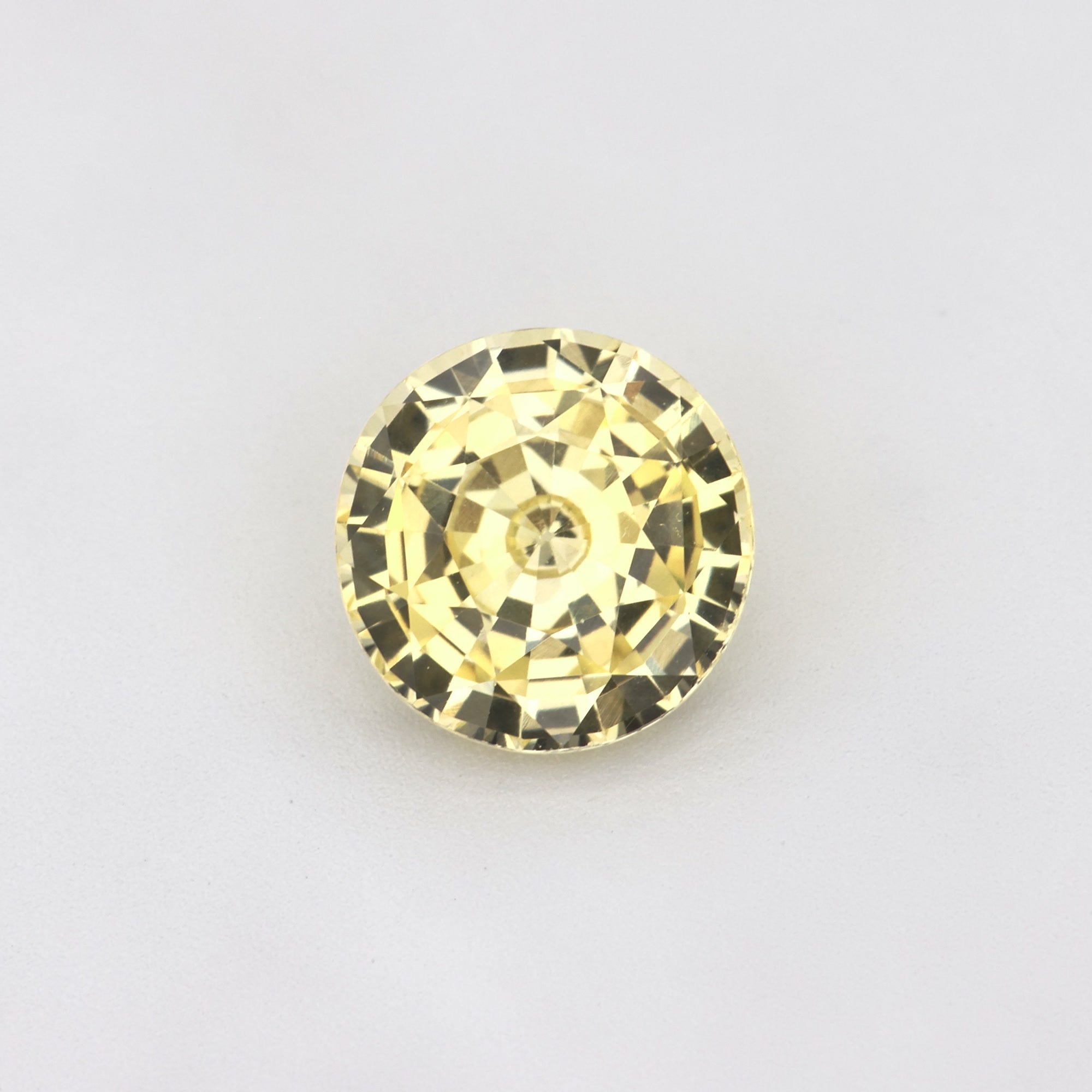
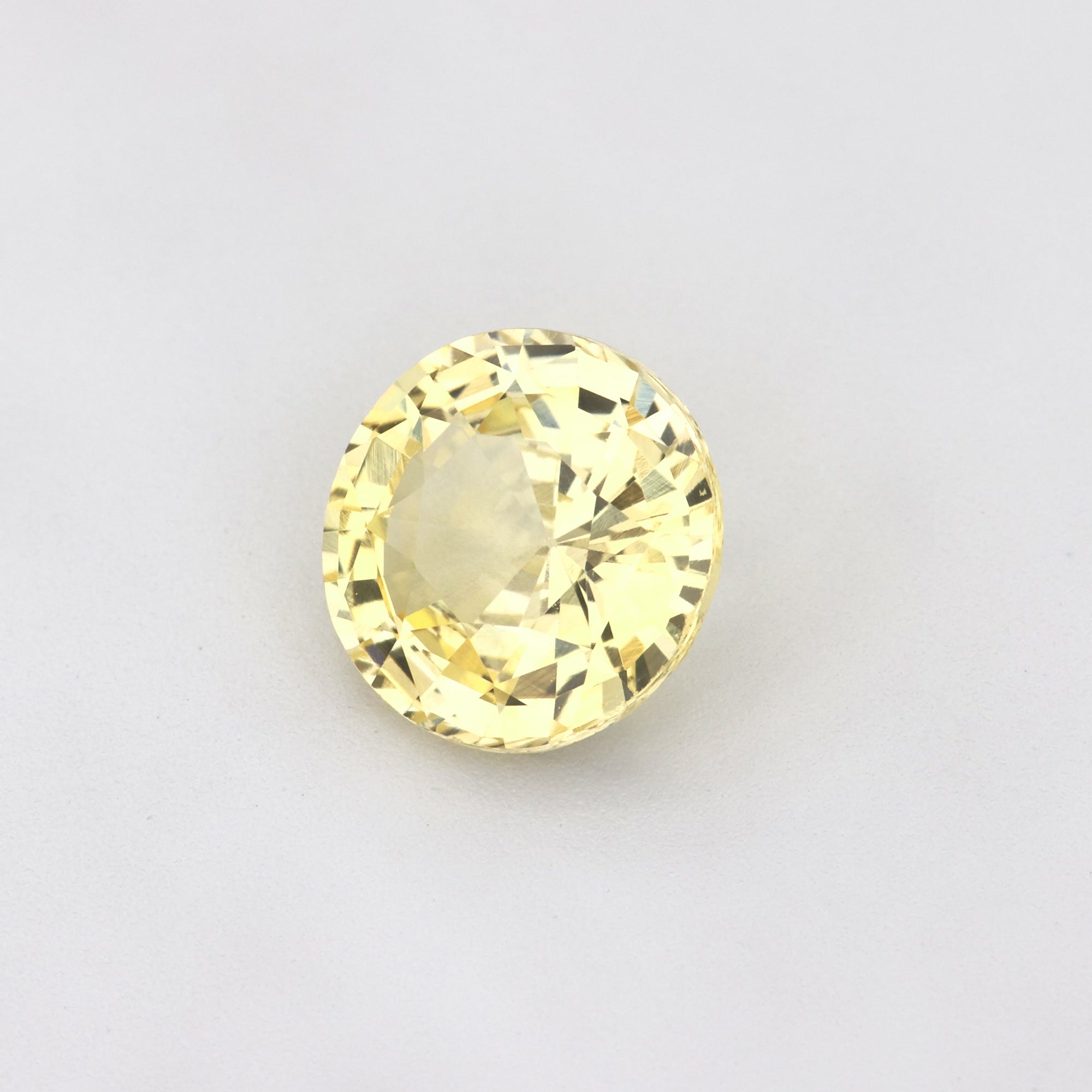
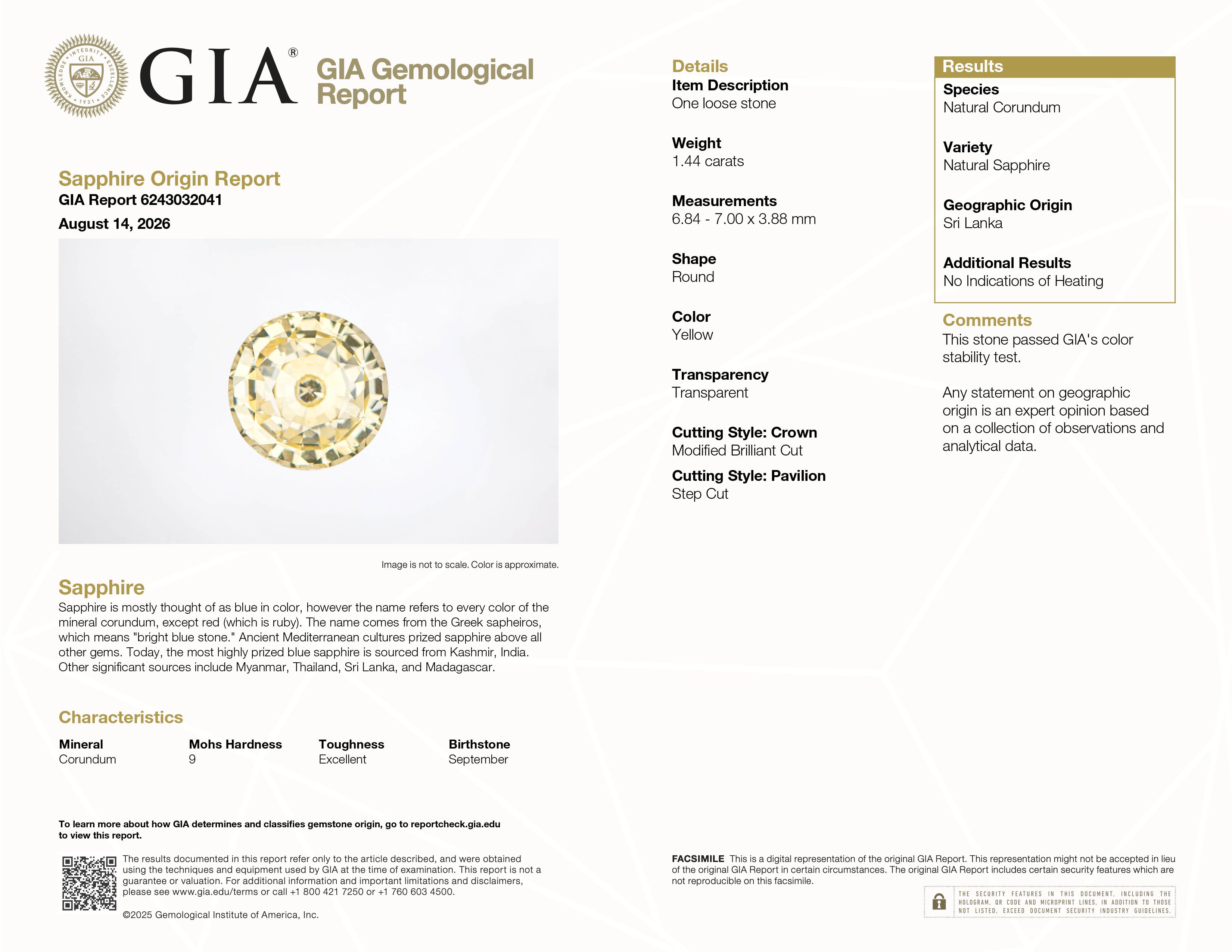
1.44克拉 天然黄色蓝宝石(斯里兰卡)未经加热 – 圆形,混合切工|GIA产地报告 6243032041
CG8465
CG8464
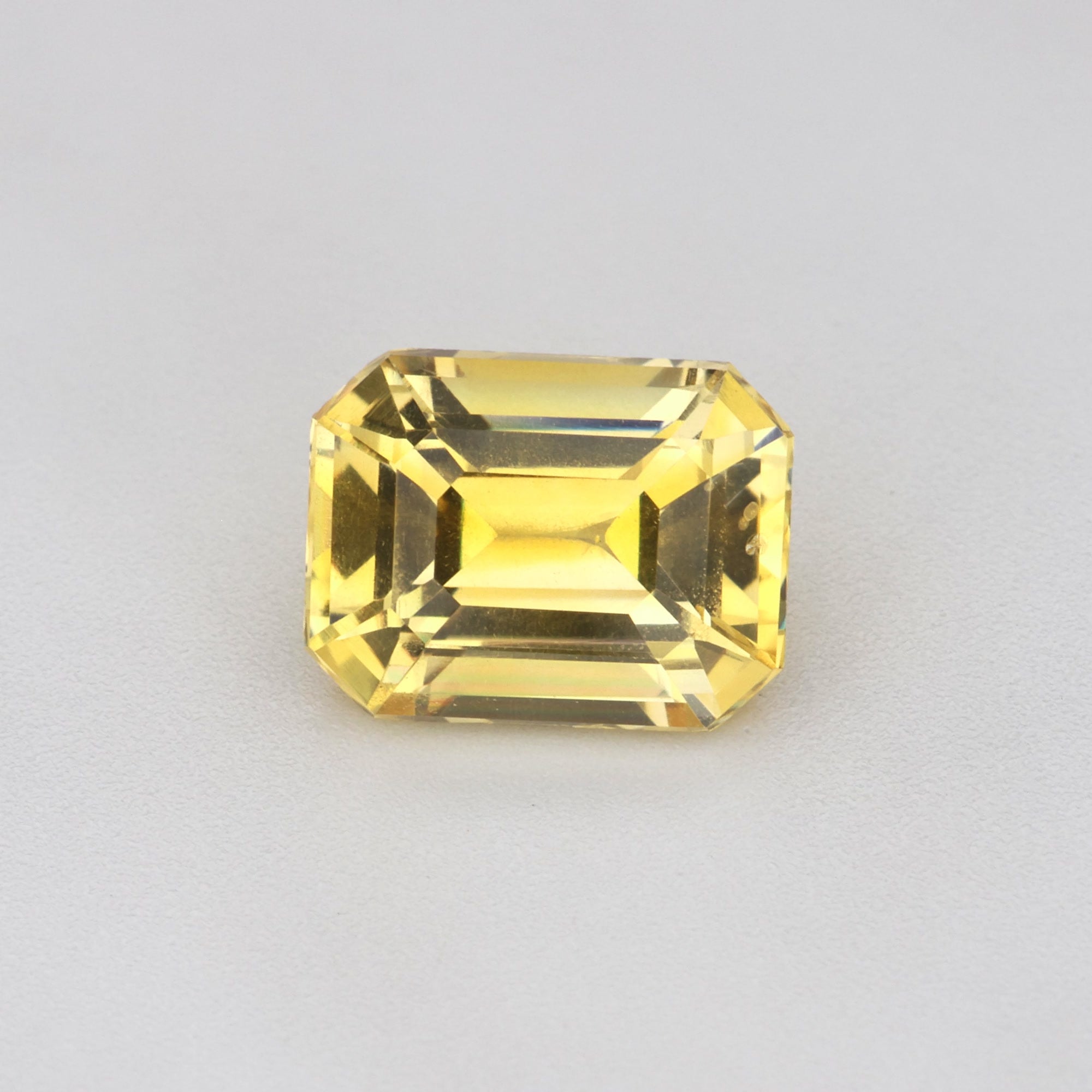
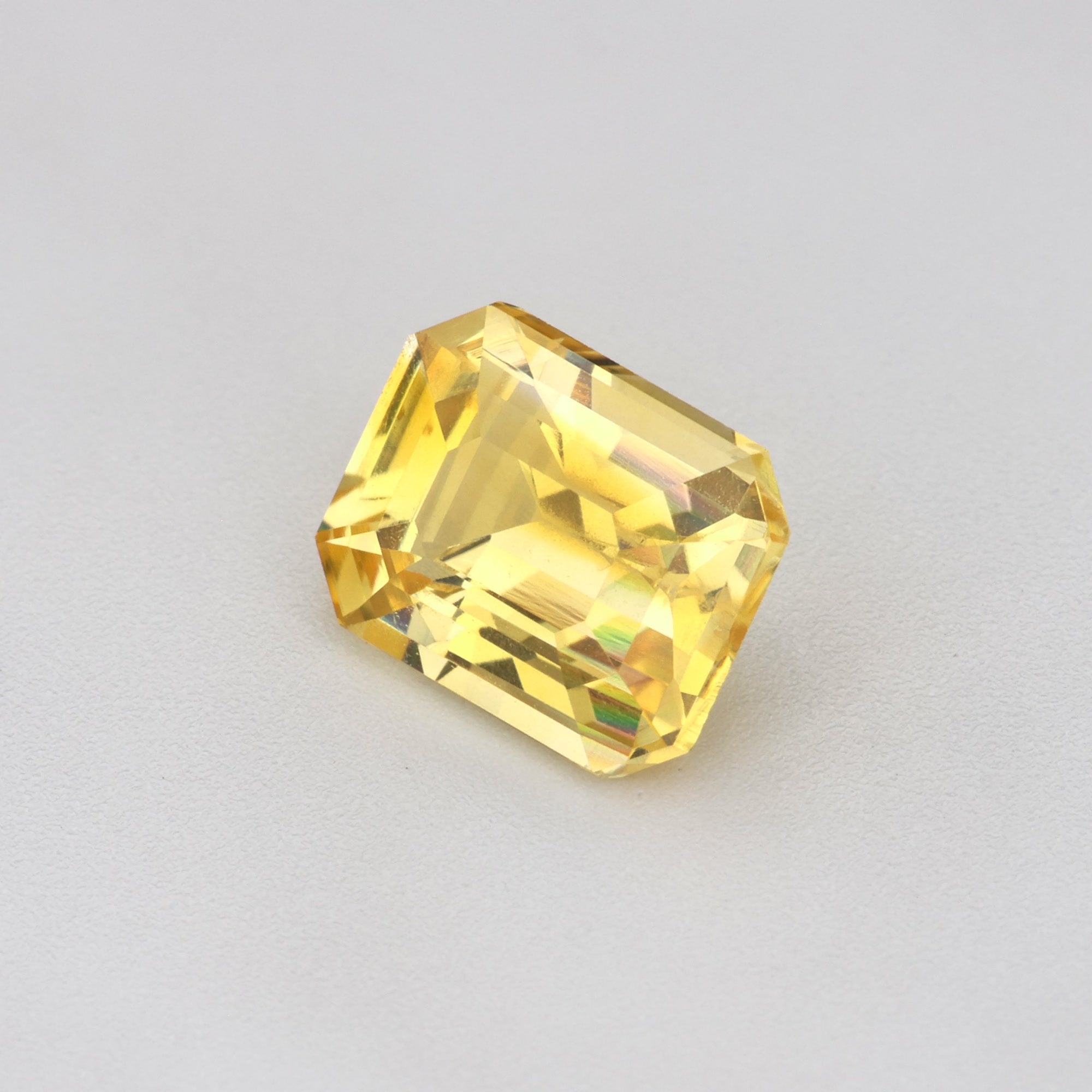
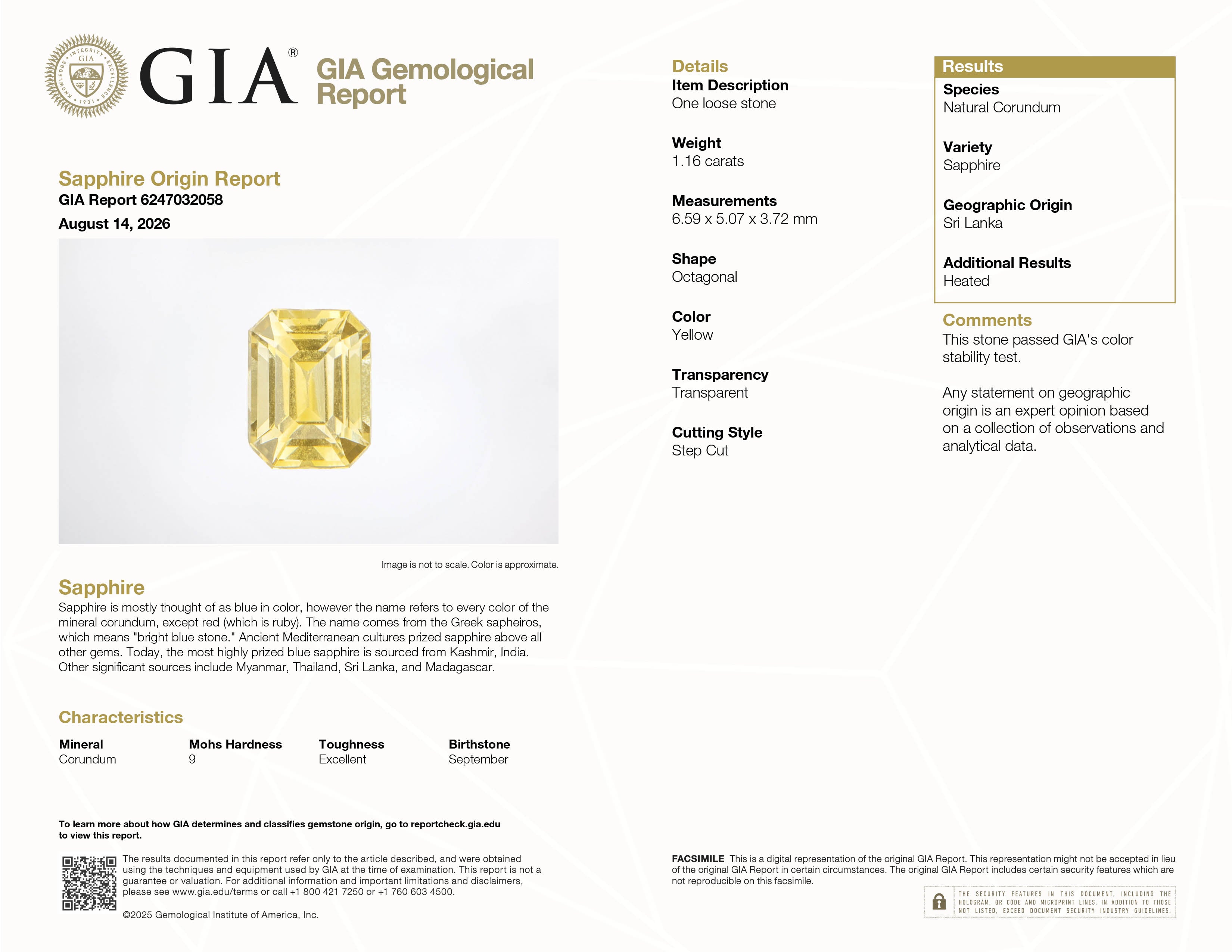
1.16克拉 天然黄色蓝宝石 – 八角形,阶梯式琢型,经加热|GIA报告 6247032058
CG8463
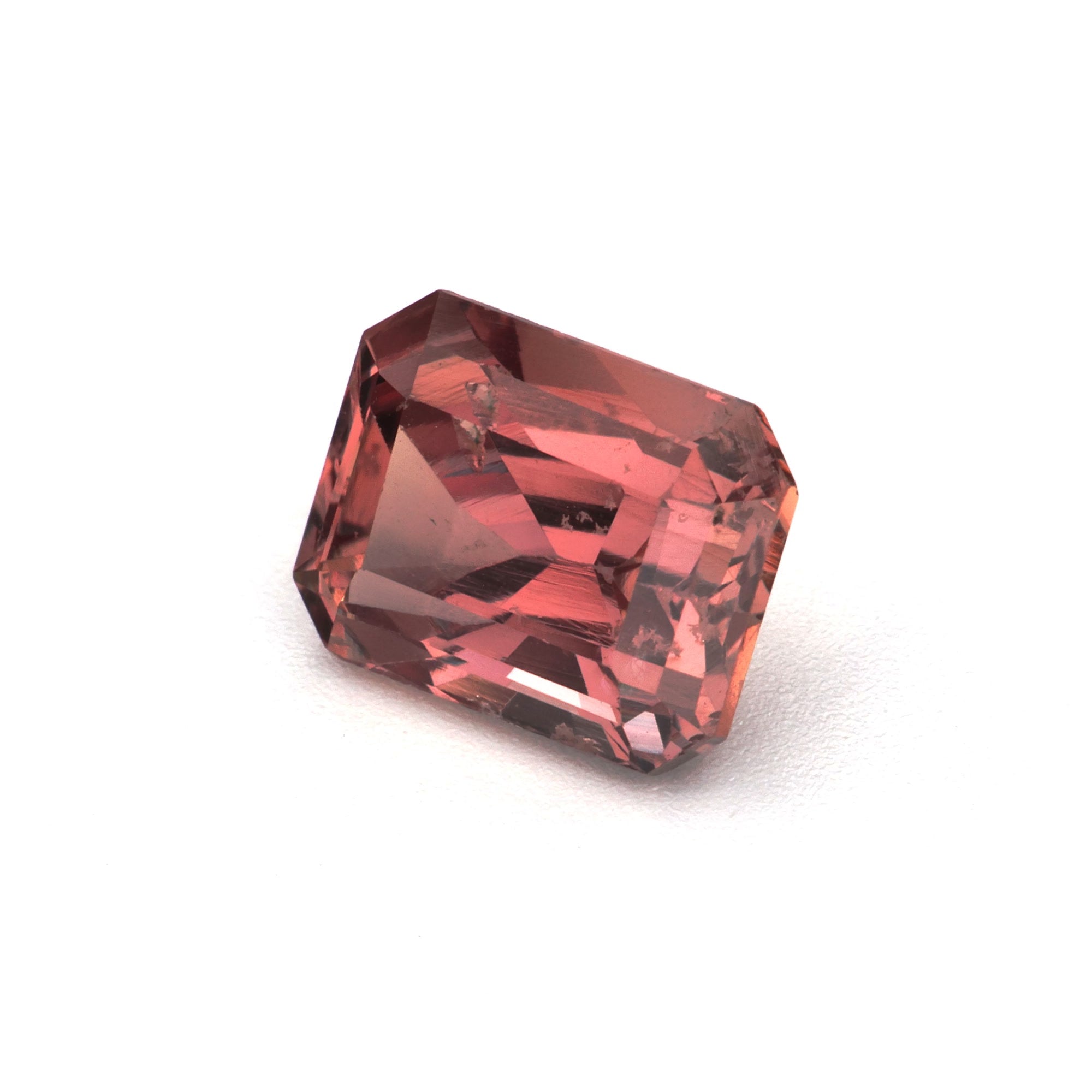
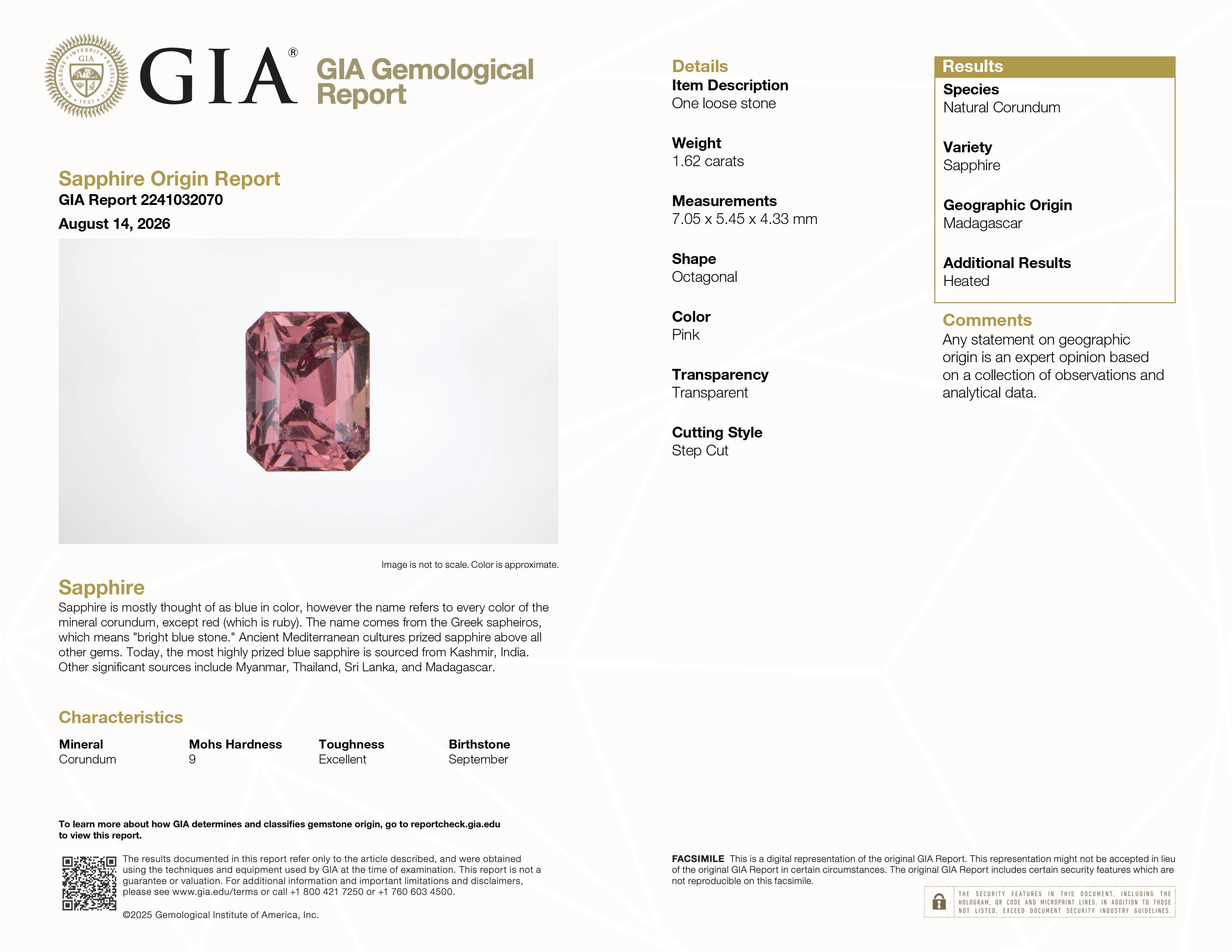
1.62克拉 天然粉色蓝宝石(经加热)– 八角形,阶梯式琢型(俗称祖母绿形)|GIA报告 2241032070
CG8460
CG8459
CG8458
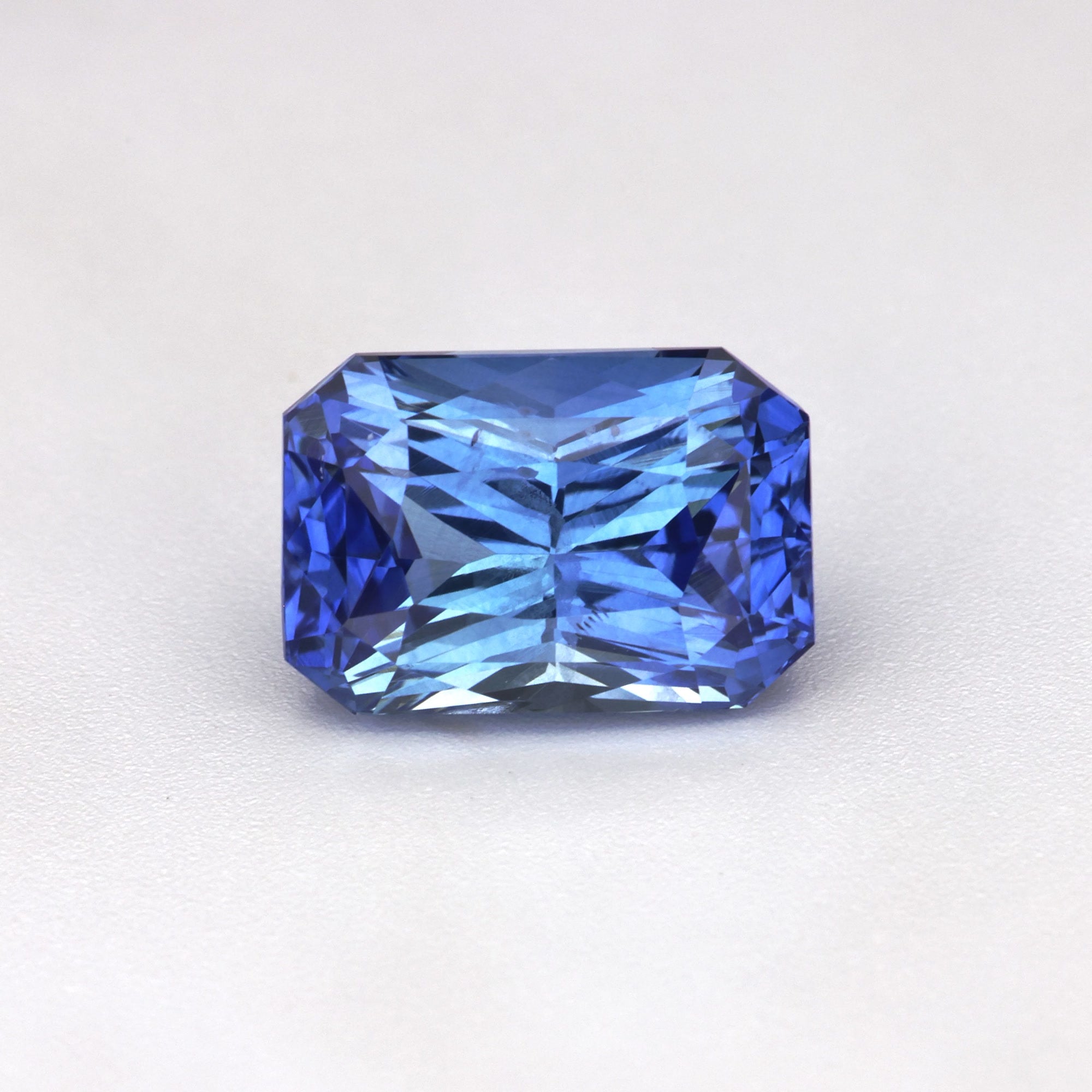
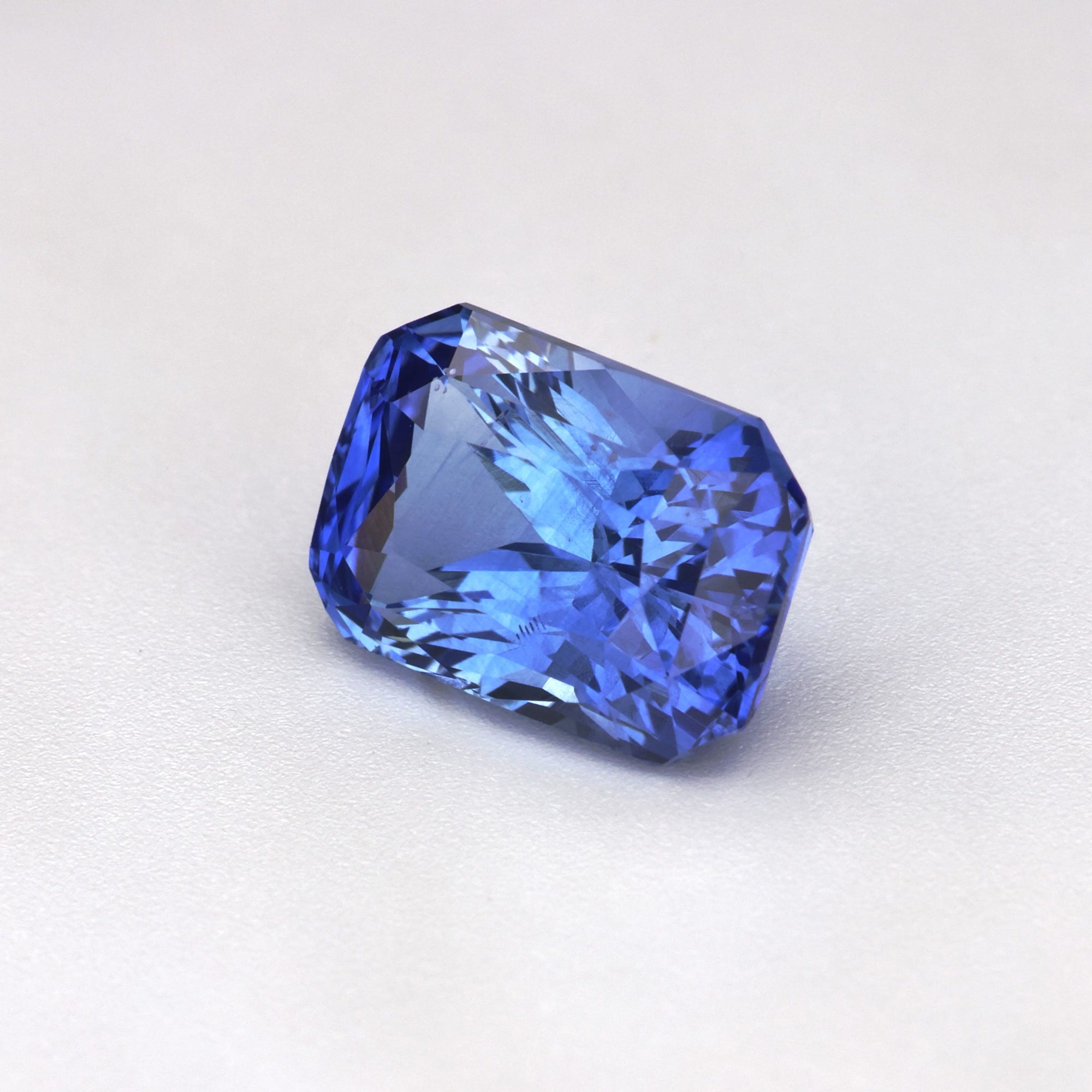
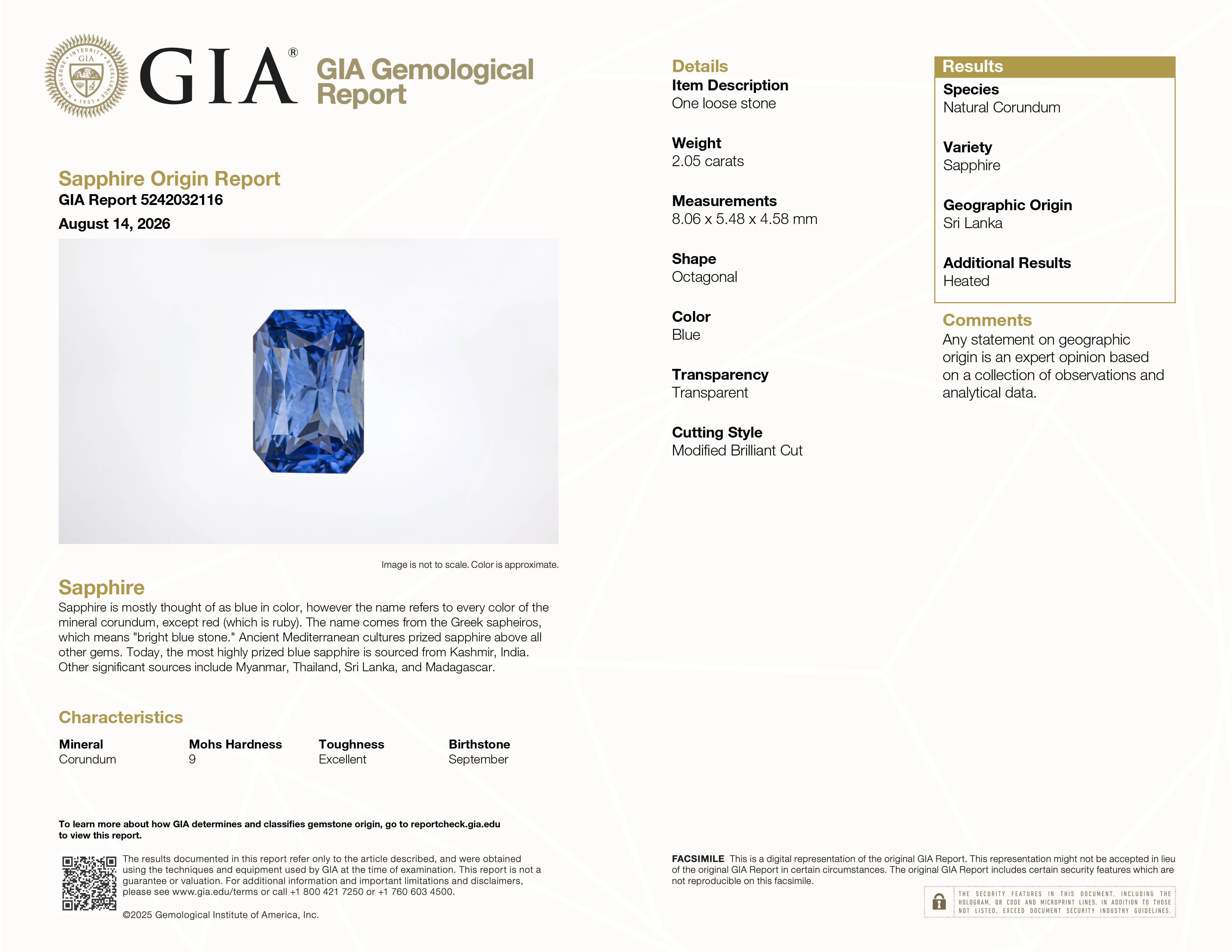
2.05克拉 天然蓝色蓝宝石(经加热)– 八角形,改良明亮式琢型|GIA报告 5242032116
CG8457
CG8456
1.65克拉 天然未经加热红宝石 – 椭圆形,冠部明亮式琢型/亭部阶梯式琢型|GIA报告 2245032085
CG8453
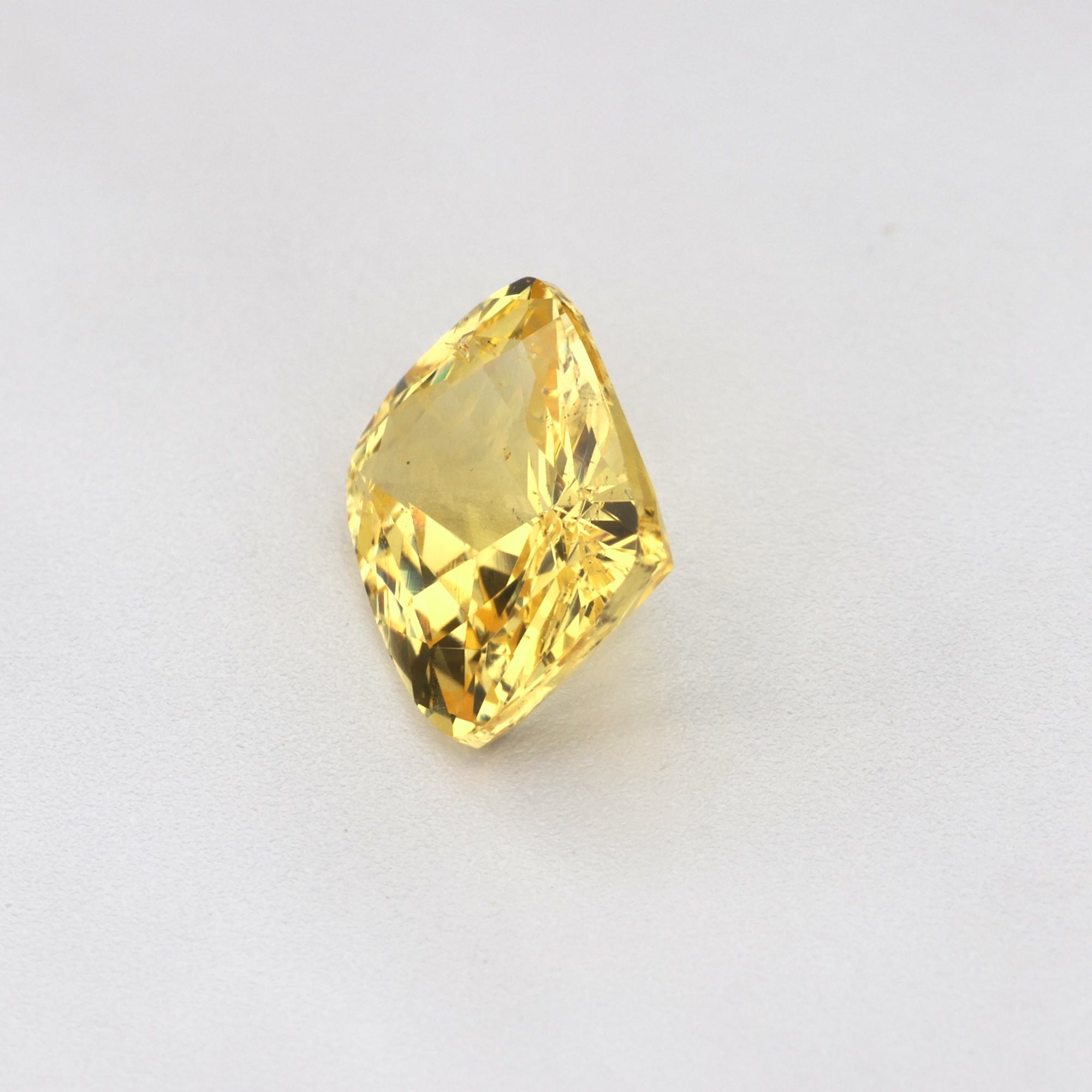
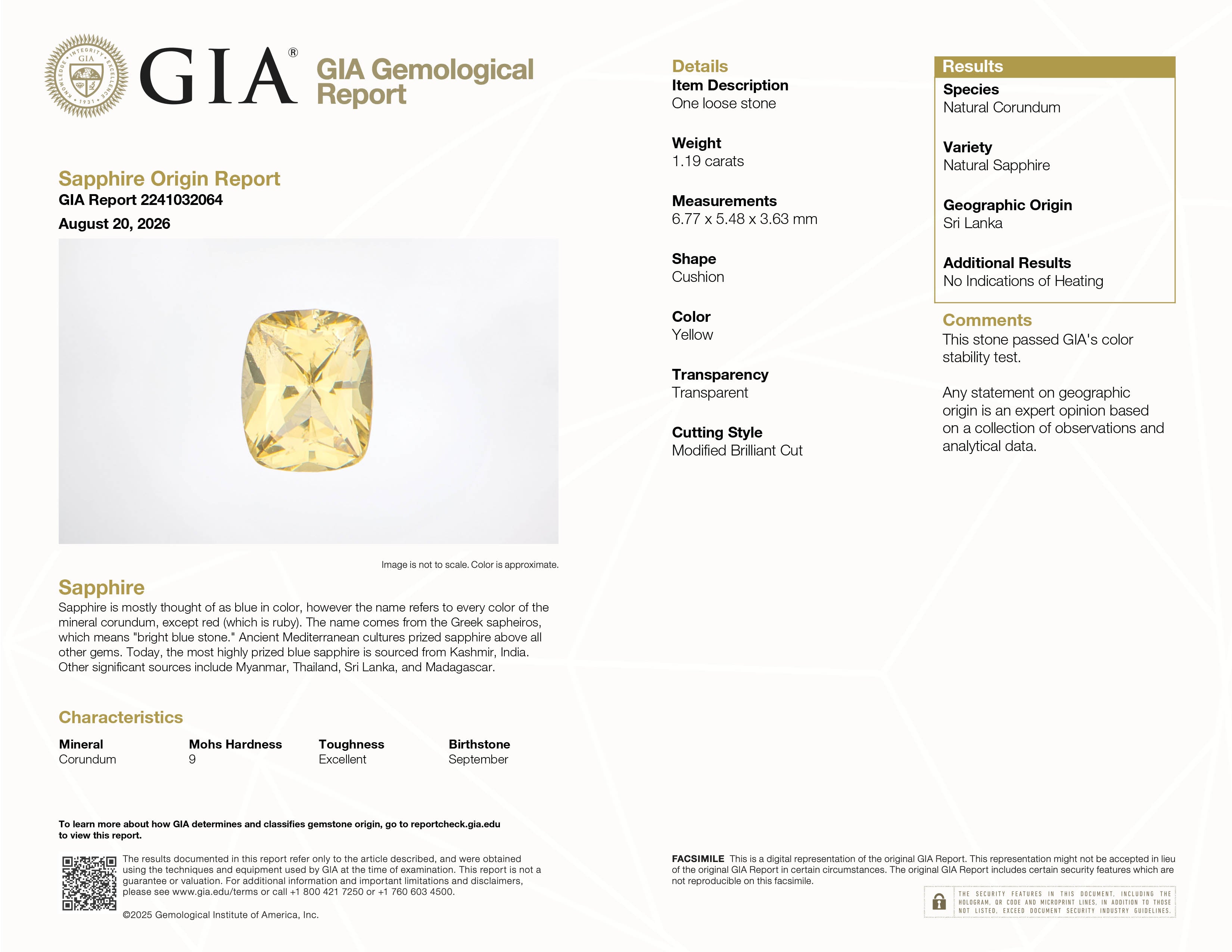
1.19克拉 天然未经加热黄色蓝宝石 – 垫形|GIA报告 2241032064


蓝色星光蓝宝石的价格|由什么决定,以及本店的 8.09 克拉这一颗
变色蓝宝石价格指南:本店两颗的价格,以及颜色变化为什么没有分级
Is Cat's-Eye Chrysoberyl Good for an Engagement Ring?
Cat's Eye Chrysoberyl Price Guide — What They Cost and Why
阅读更多关于Cat's Eye Chrysoberyl Price Guide — What They Cost and Why
















Share: