

- par Ahmed Shareek
Sapphire vs. Tanzanite — Two Blue Gemstones, Very Different Stones
- par Ahmed Shareek
For the sapphire side of this comparison: Blue Sapphire Buyer's Guide. For the engagement ring decision: How to Choose a Sapphire Engagement Ring. For the buying foundation: Ultimate Sapphire Buying Guide.
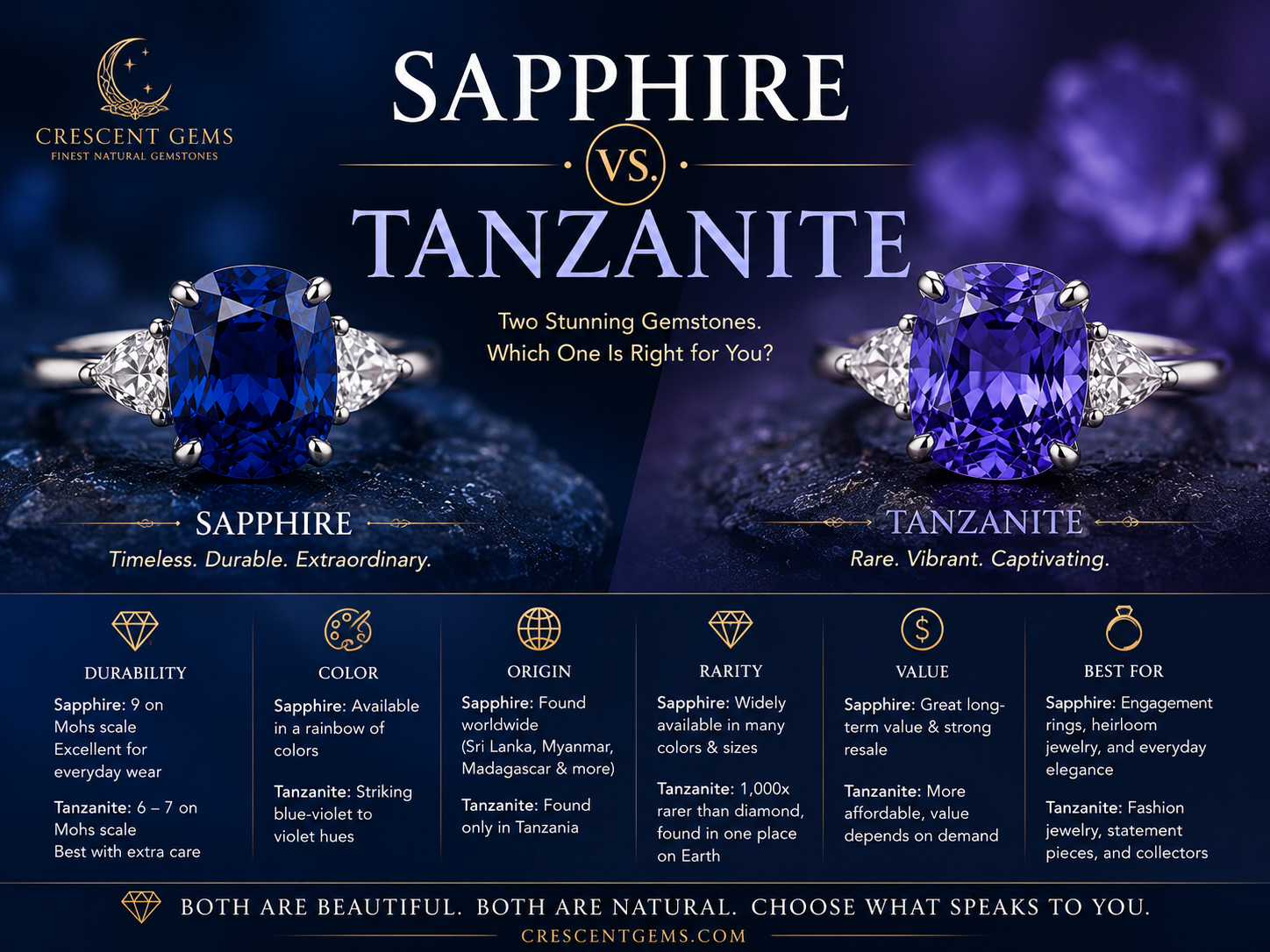
Sapphire and tanzanite are the two most commercially significant blue gemstones in the jewelry market. Both produce vivid, genuinely beautiful blue-violet color. The comparison, however, is less even than it first appears. Sapphire and tanzanite are fundamentally different stones in terms of geology, durability, rarity type, value behavior over time, and what they demand from the person wearing them.
Sapphire: The blue variety of corundum — aluminum oxide — colored by iron and titanium. Corundum is Mohs 9 on the hardness scale, second only to diamond. It has been mined, traded, and worn continuously for over 2,000 years from sources including Sri Lanka, Burma, Kashmir, Madagascar, and Tanzania. Blue sapphire is the September birthstone and has been among the most valued gemstones in every major civilization.
Tanzanite: The blue-violet variety of zoisite — a calcium aluminum silicate mineral — colored by vanadium. Discovered in 1967 near Arusha, Tanzania. Found in only one location on Earth: approximately 8 square kilometers in the Merelani Hills. Mohs 6.5. Commercially available for less than 60 years.
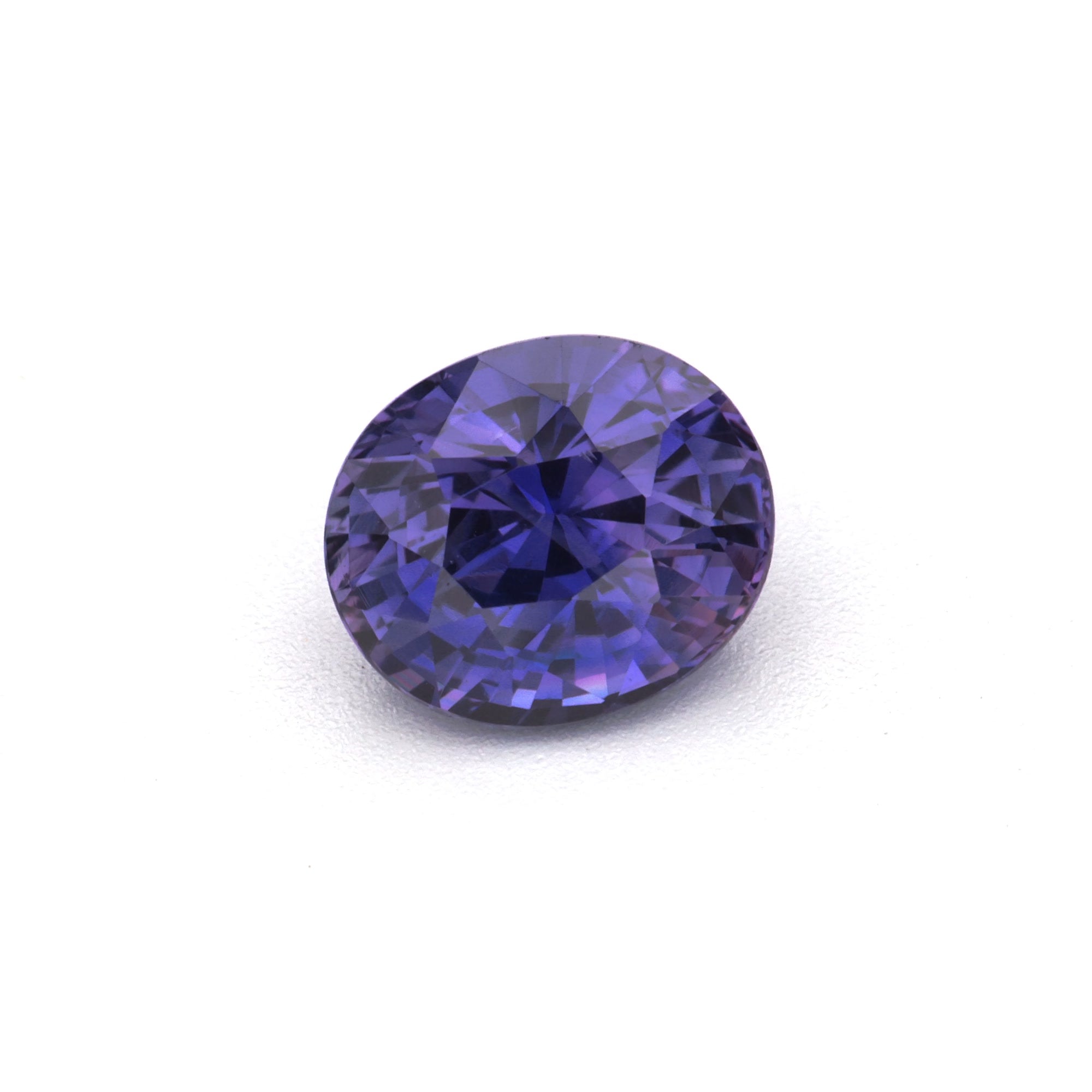
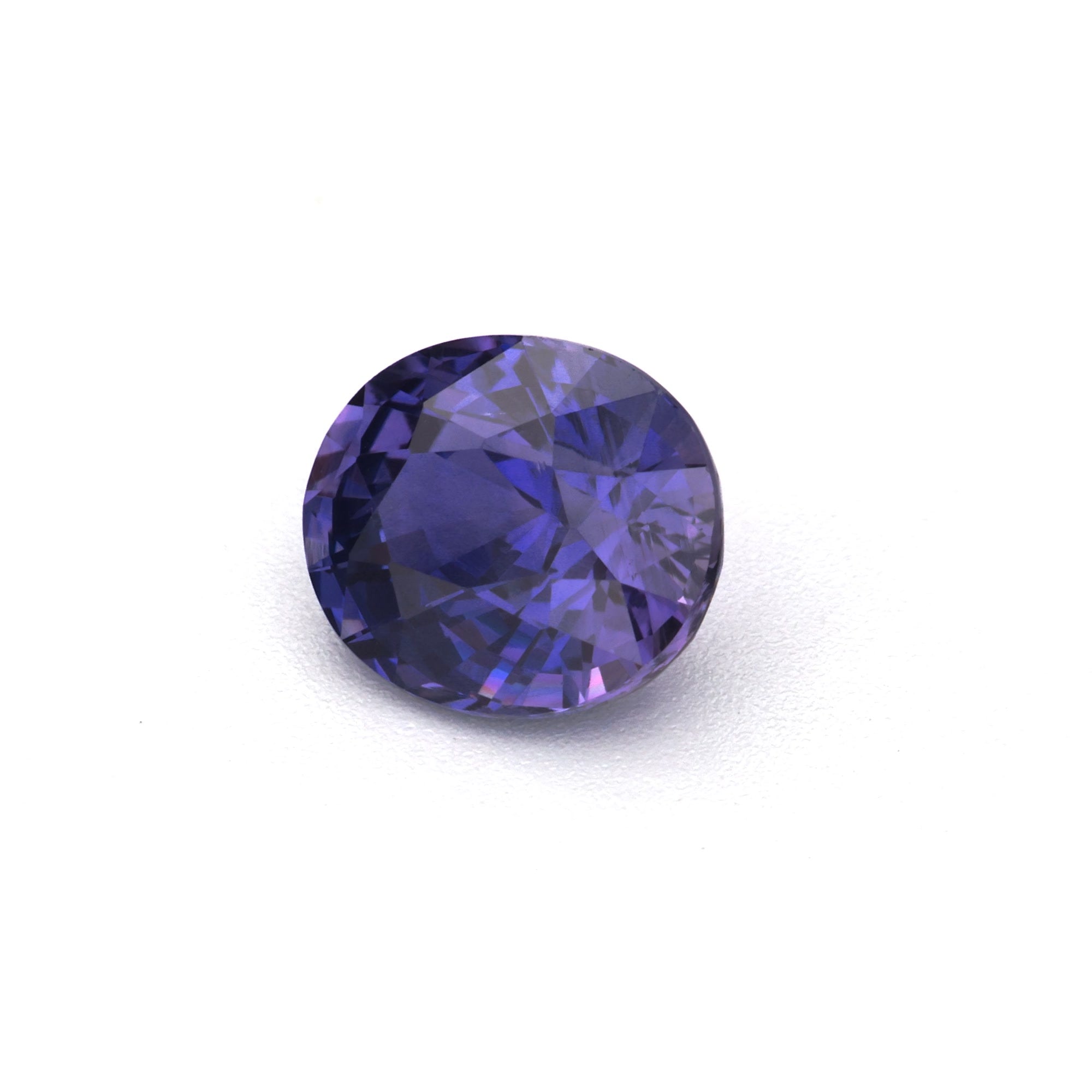
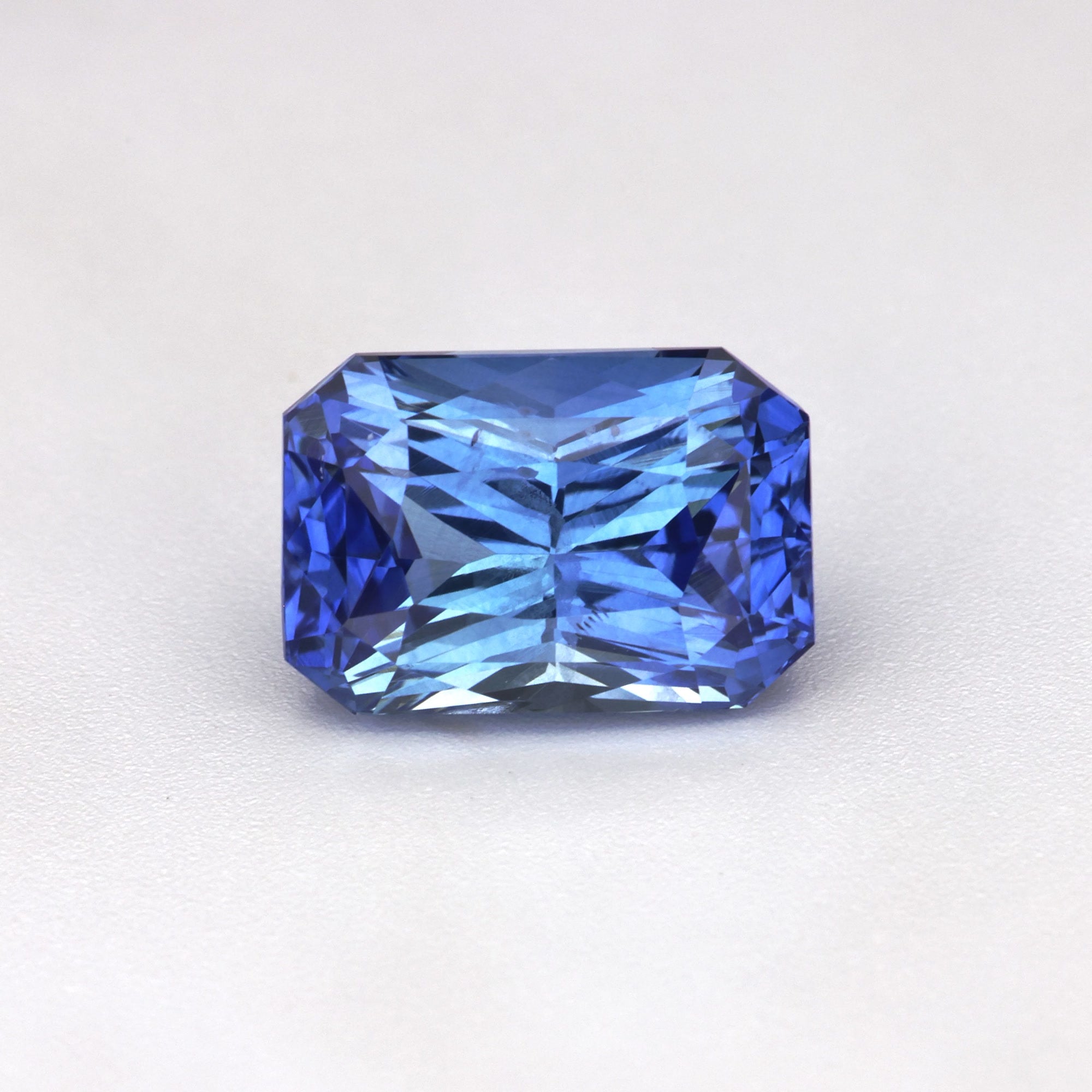
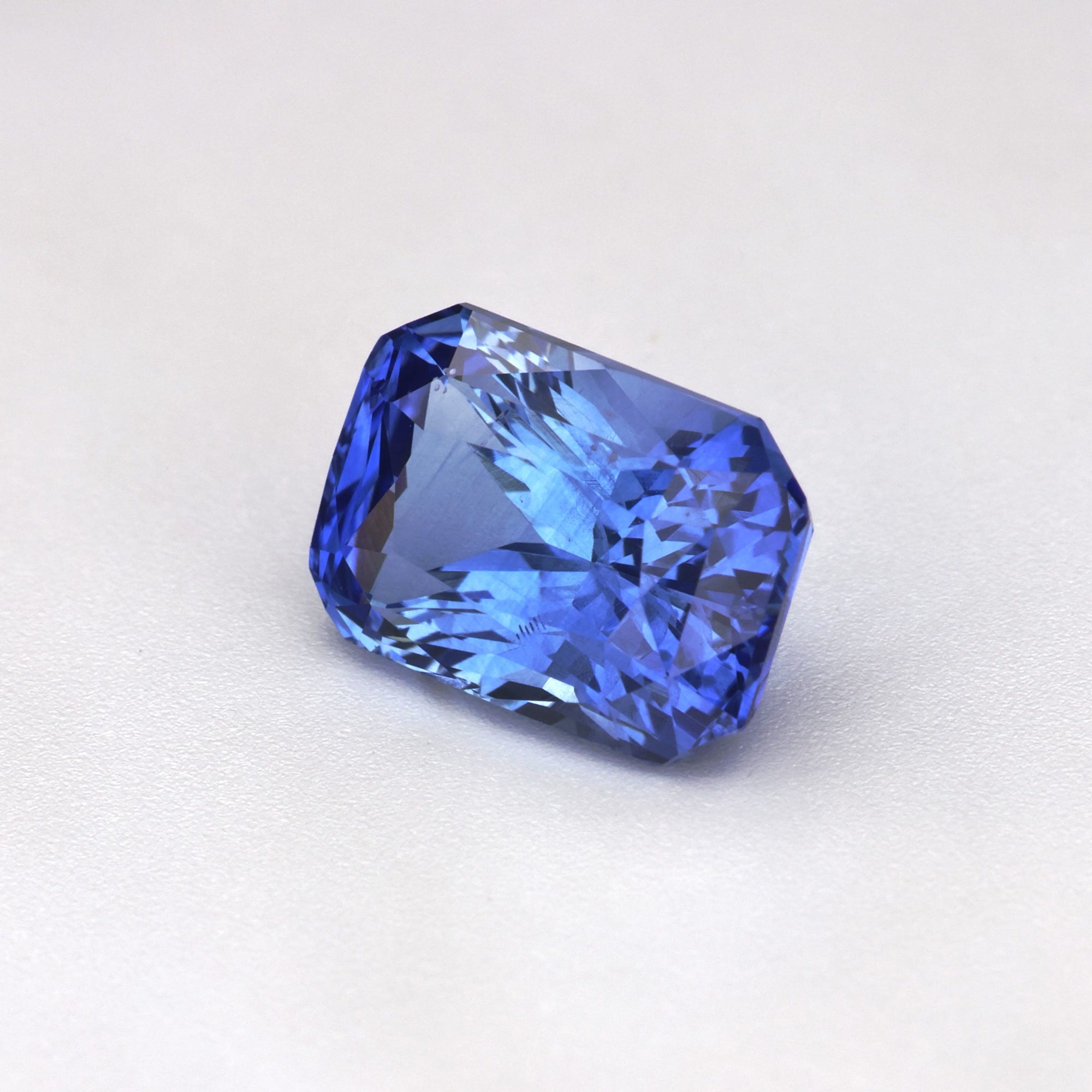
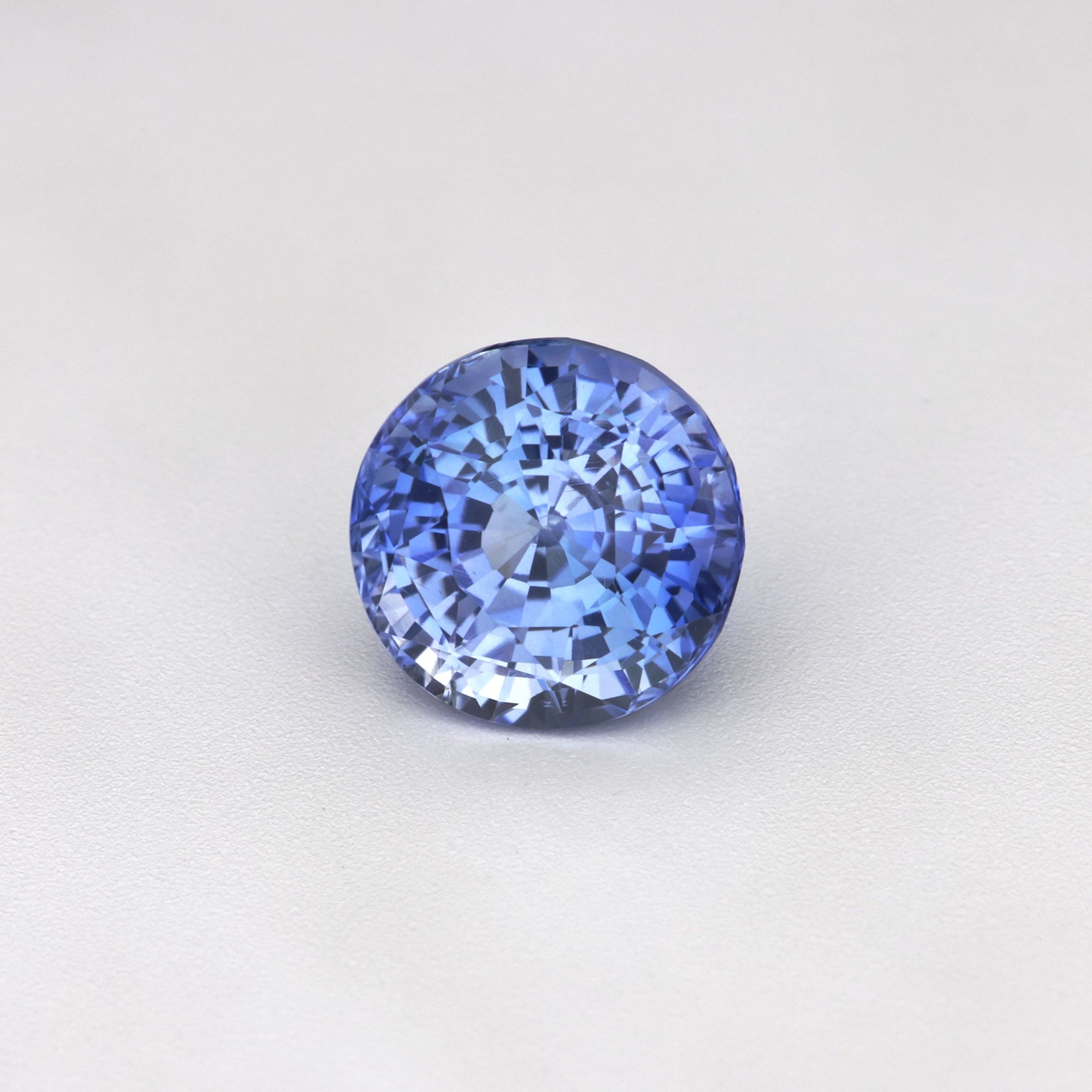
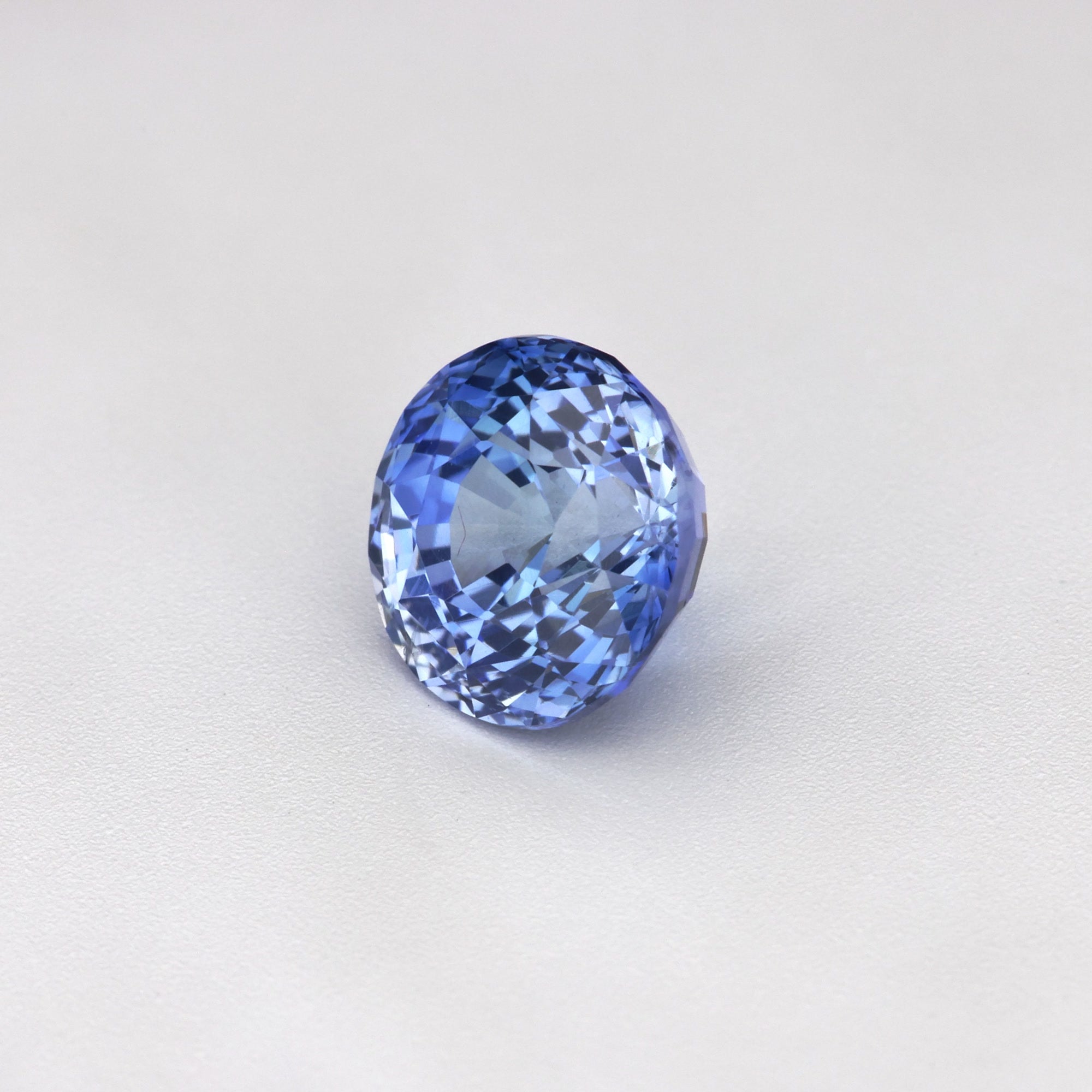
Fine tanzanite at its best produces a vivid blue-violet color with a strong violet secondary that gives the stone depth and complexity. Under incandescent light, tanzanite shifts notably toward violet or purple. Fine blue sapphire at its best produces a vivid, pure blue — often with a slight violet secondary at Ceylon quality levels — without the dramatic color-shift that tanzanite shows between lighting conditions. See our sapphire colors guide.
| Durability Factor | Sapphire | Tanzanite |
|---|---|---|
| Mohs hardness | 9 | 6.5 |
| Cleavage | None | Perfect in one direction |
| Suitable for daily ring wear | Yes — excellent | With care — better for pendants and earrings |
For care guidance for sapphire rings, see our Sapphire Ring Care Guide. For insurance guidance, see our insuring a sapphire ring guide.
Sapphire's rarity is quality-driven — the mineral is widely produced but fine material is scarce. Tanzanite's rarity is geographic — found in one location on Earth, with deposits that may be exhausted within decades at current extraction rates.
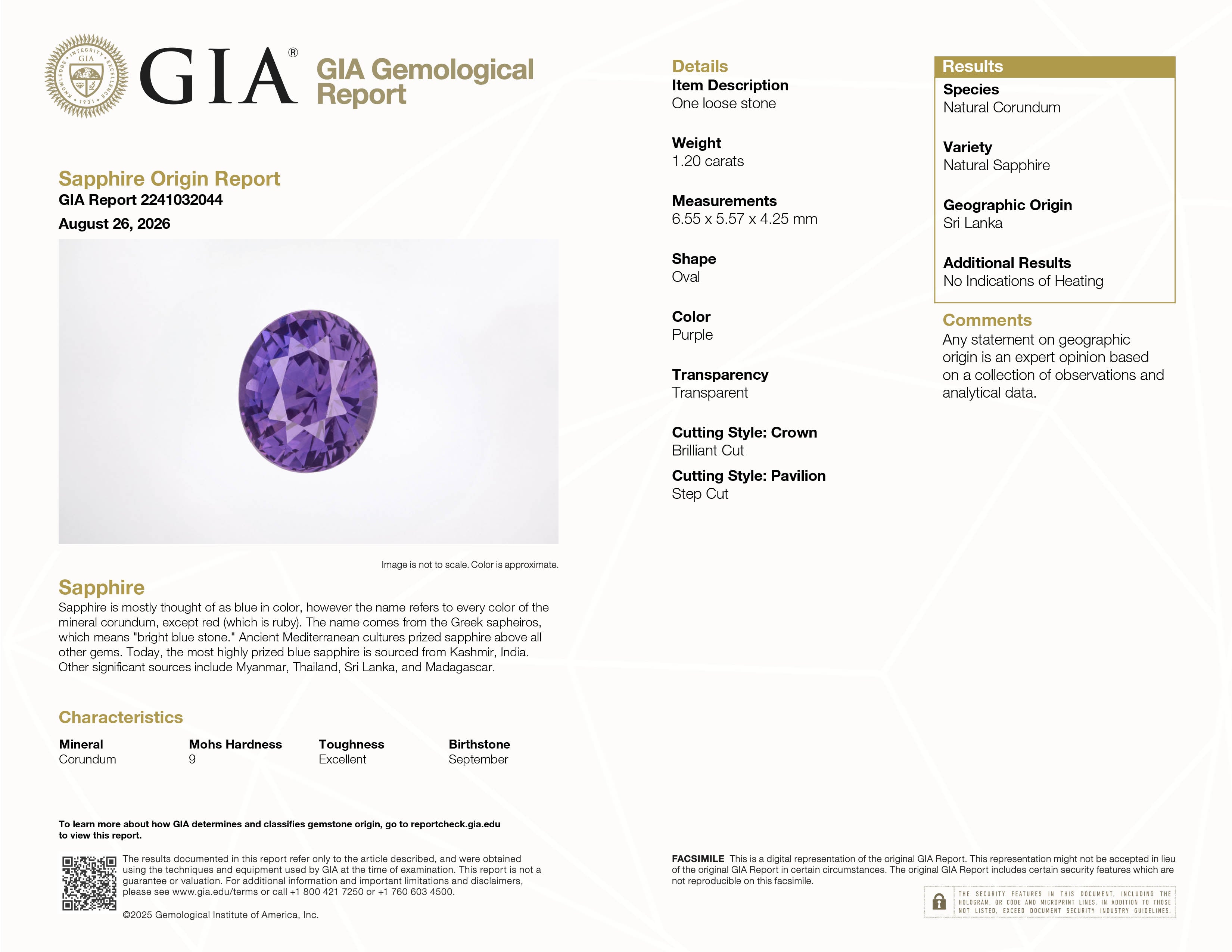
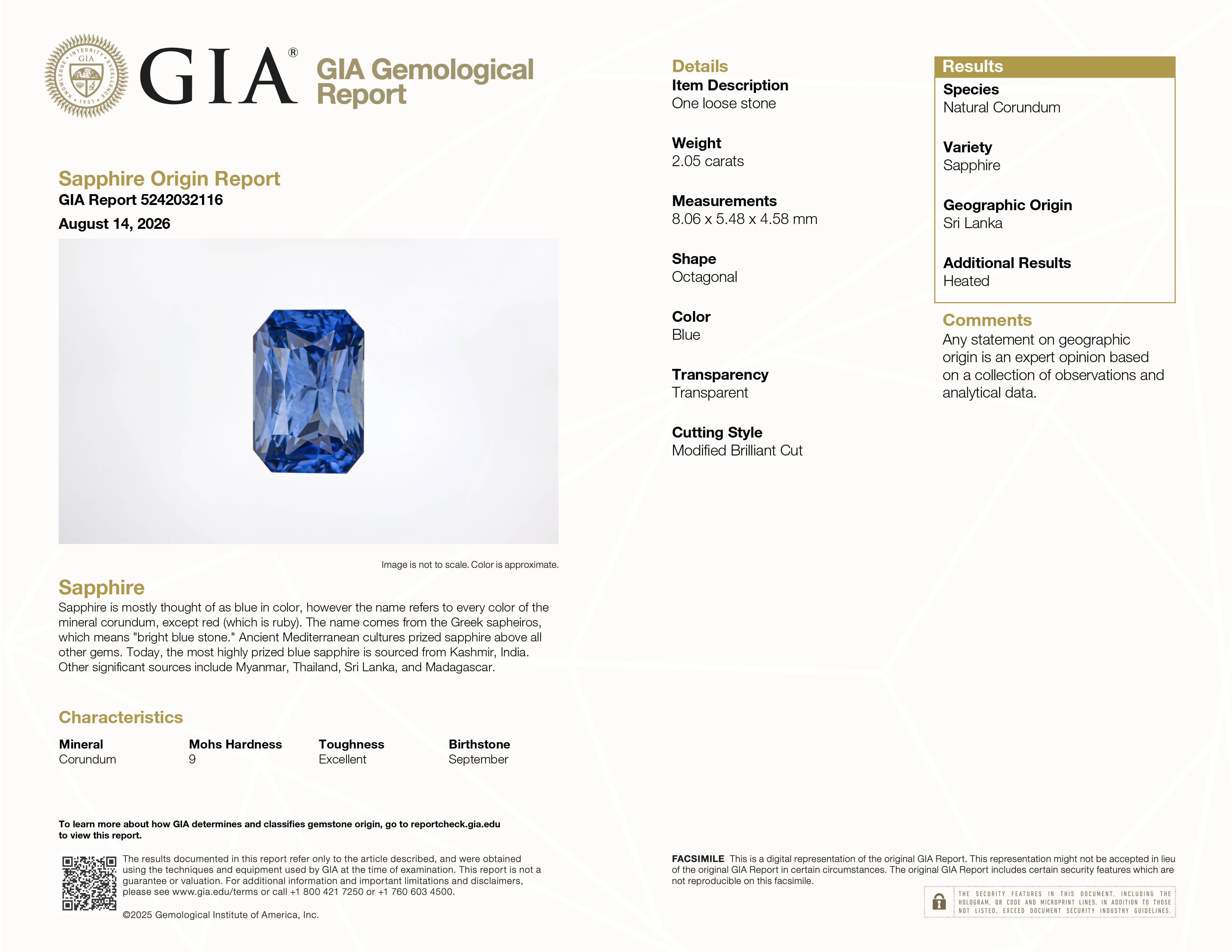
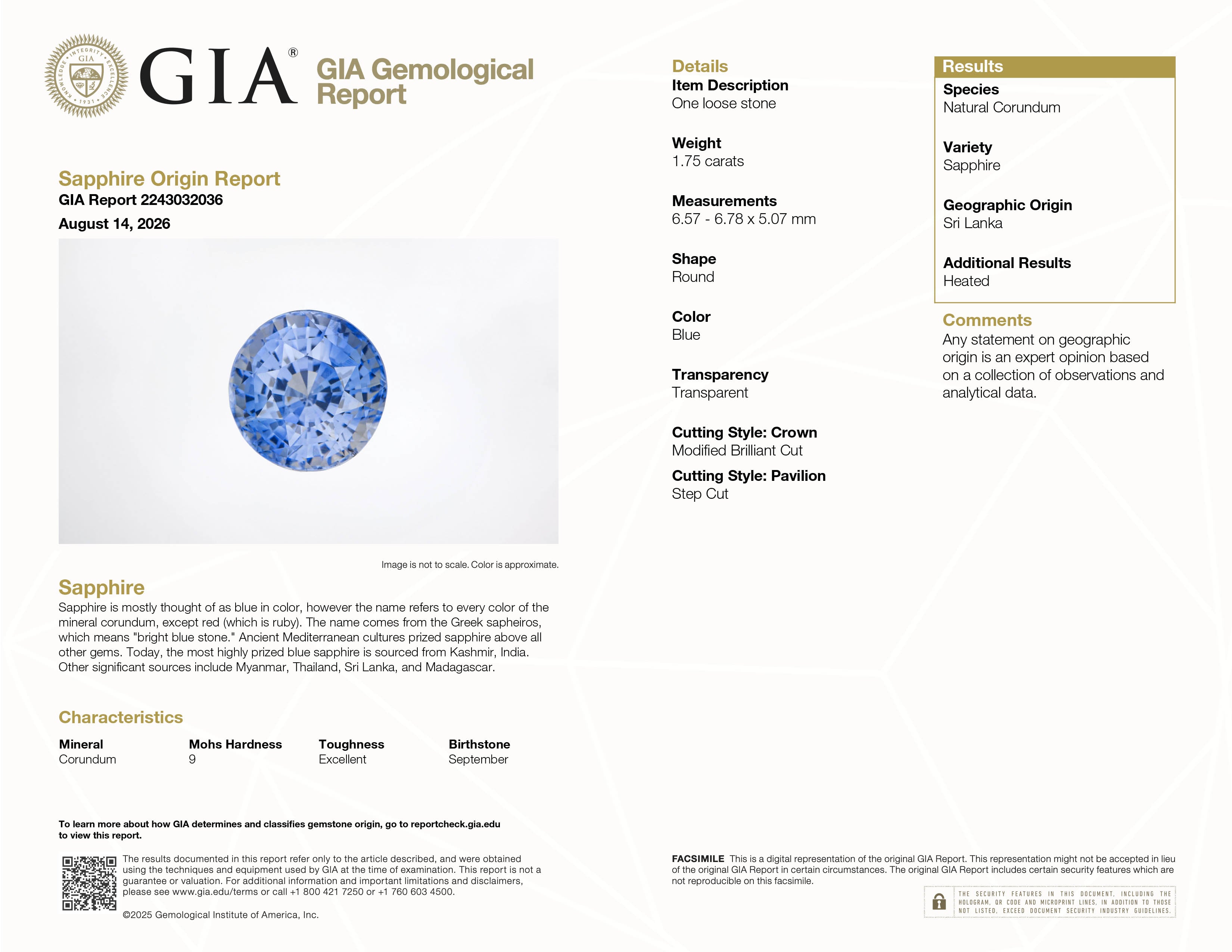
Fine sapphire — particularly unheated material from Ceylon, Kashmir, or Burma, documented by GIA or Gubelin — has a deep, well-established secondary market. Tanzanite's secondary market is thinner. See our sapphire pricing guide, what a good 1 carat costs, and what a good 2 carat costs.
Choose sapphire if: you want a ring for daily wear, you care about long-term durability, you want a stone with an established global resale market, or the piece is intended as an heirloom. Browse our unheated blue sapphire collection or our full Ceylon sapphire catalog.
Choose tanzanite if: you want the specific blue-violet trichroic color that tanzanite produces and that sapphire does not exactly replicate, you are buying for a pendant, earrings, or a ring worn on special occasions rather than daily, or the vivid violet shift under incandescent light is specifically what you want.
Browse our unheated blue sapphire collection, or email crescentgems@gmail.com with your specifications. We respond within one business day.

CG8469
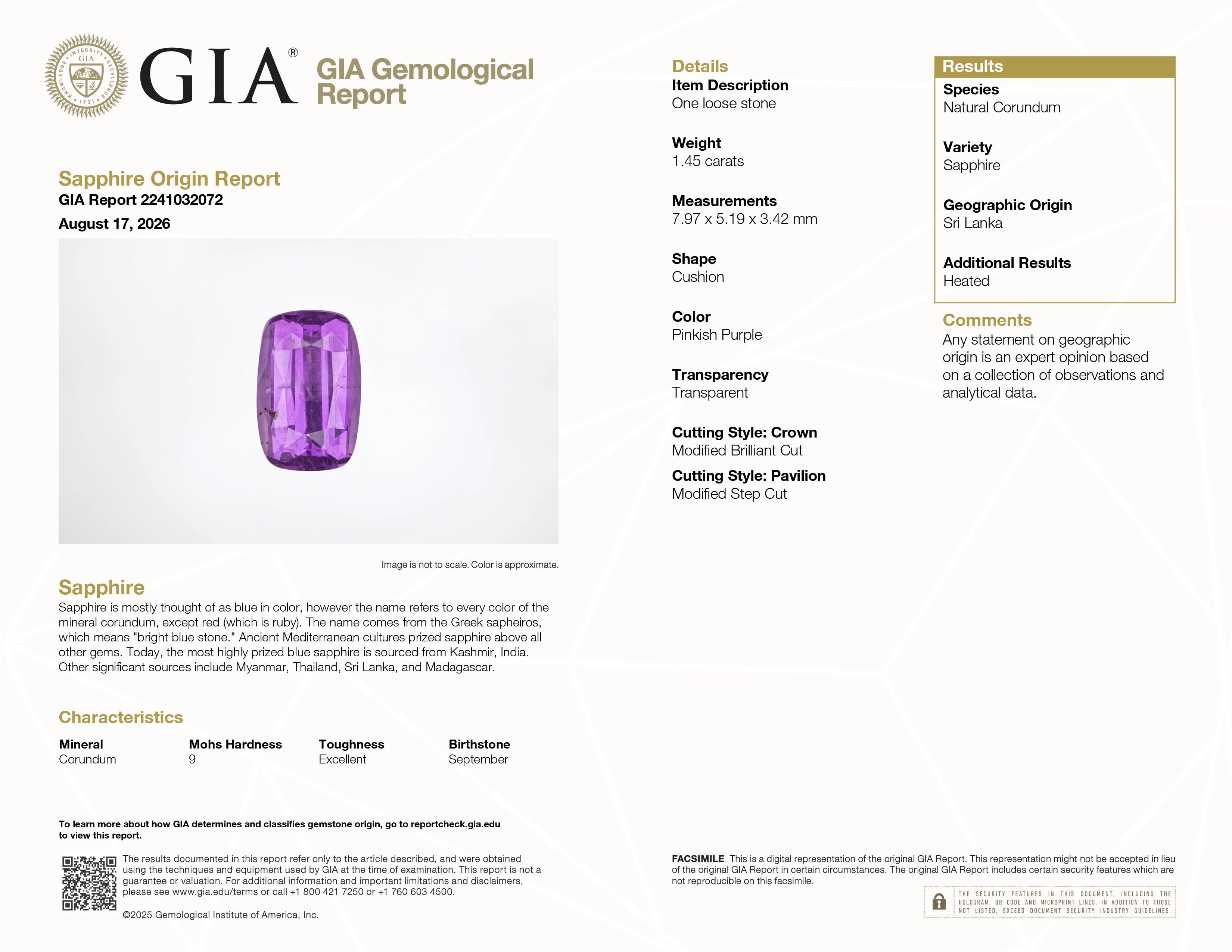
Saphir violet rosé 1,45 ct, chauffé — Rapport GIA
CG8468
CG8465
CG8463
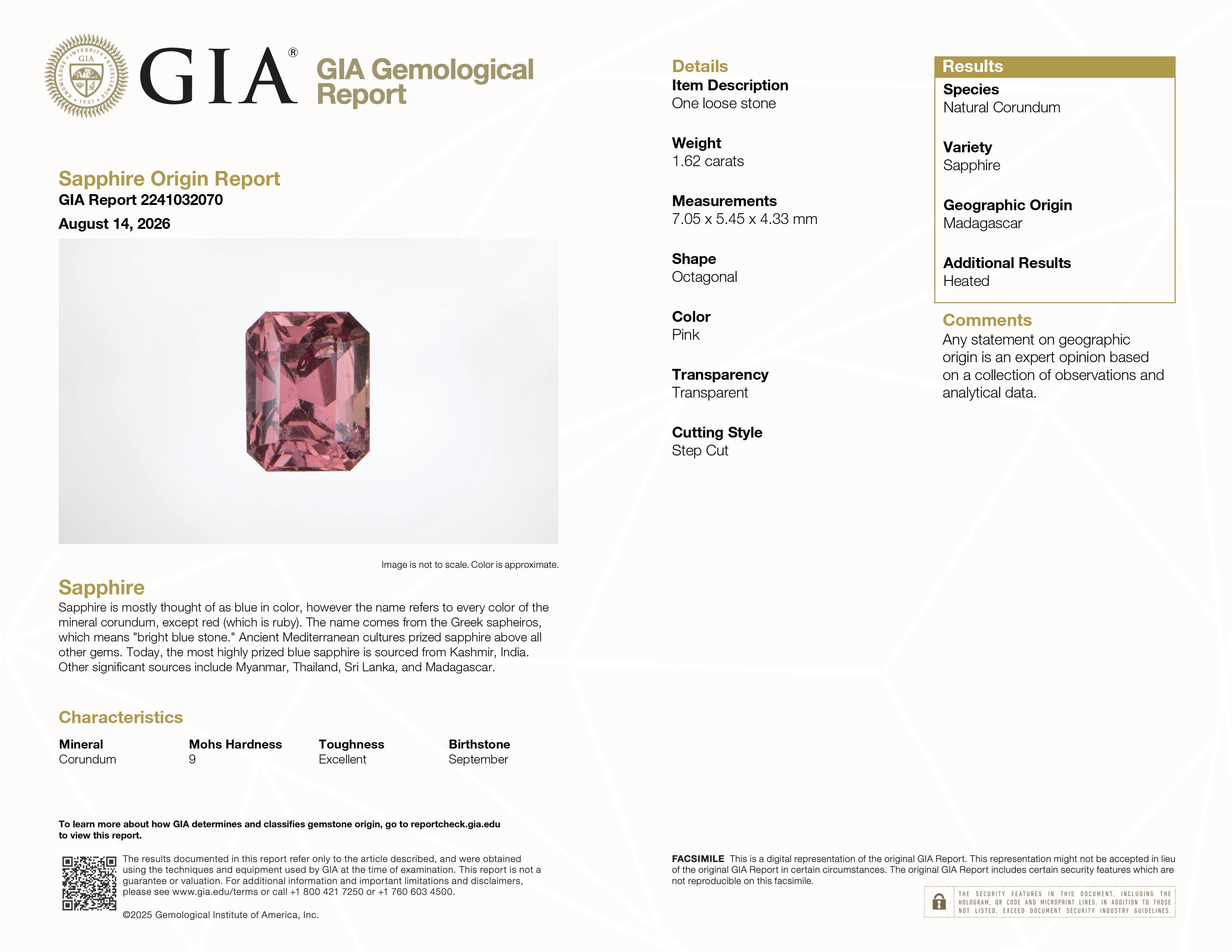
Saphir rose de Madagascar 1,62 ct — chauffé, rapport GIA
CG8460
CG8459
CG8458
CG8457
CG8456
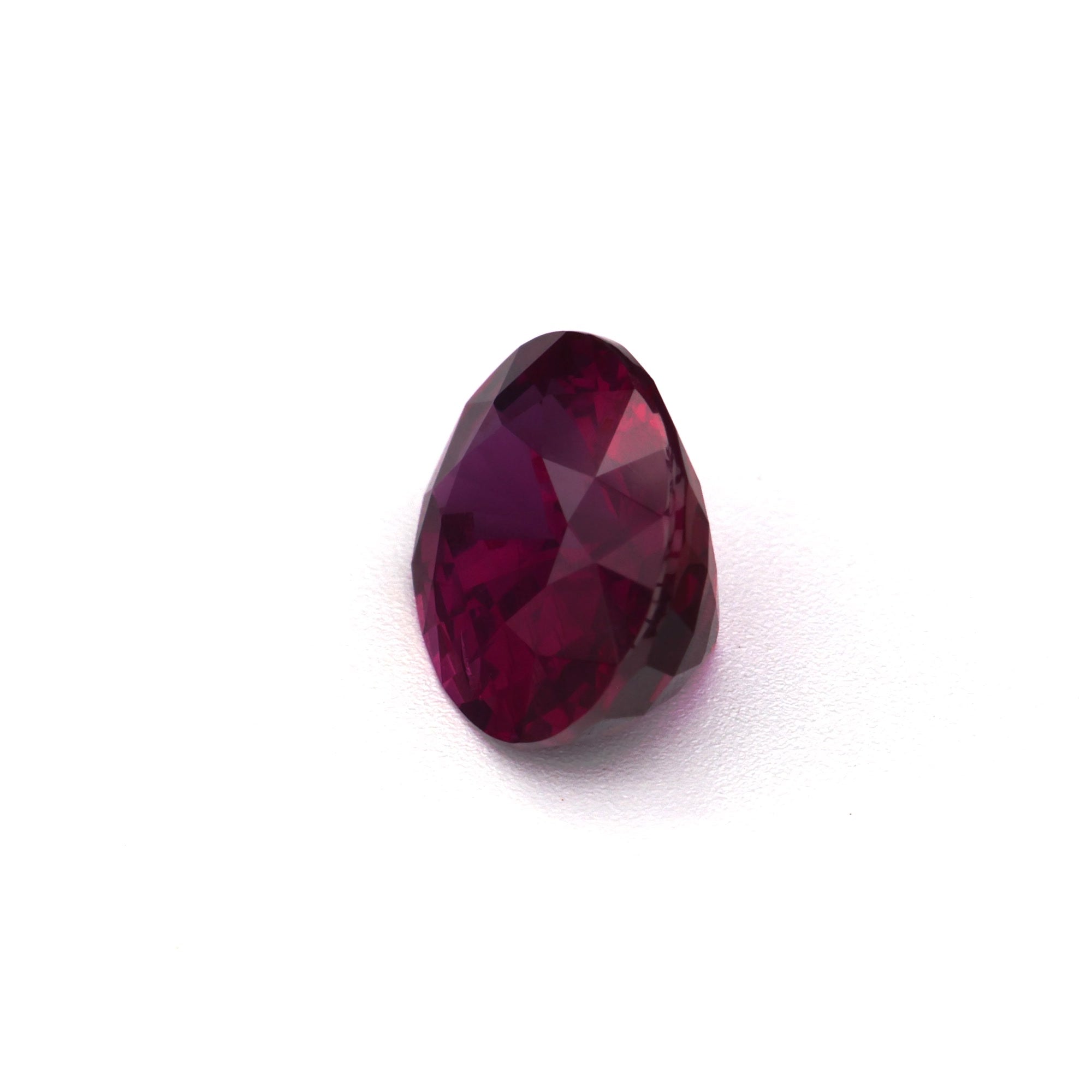
Rubis non chauffé 1,65 ct — ovale Madagascar, rapport GIA
CG8453


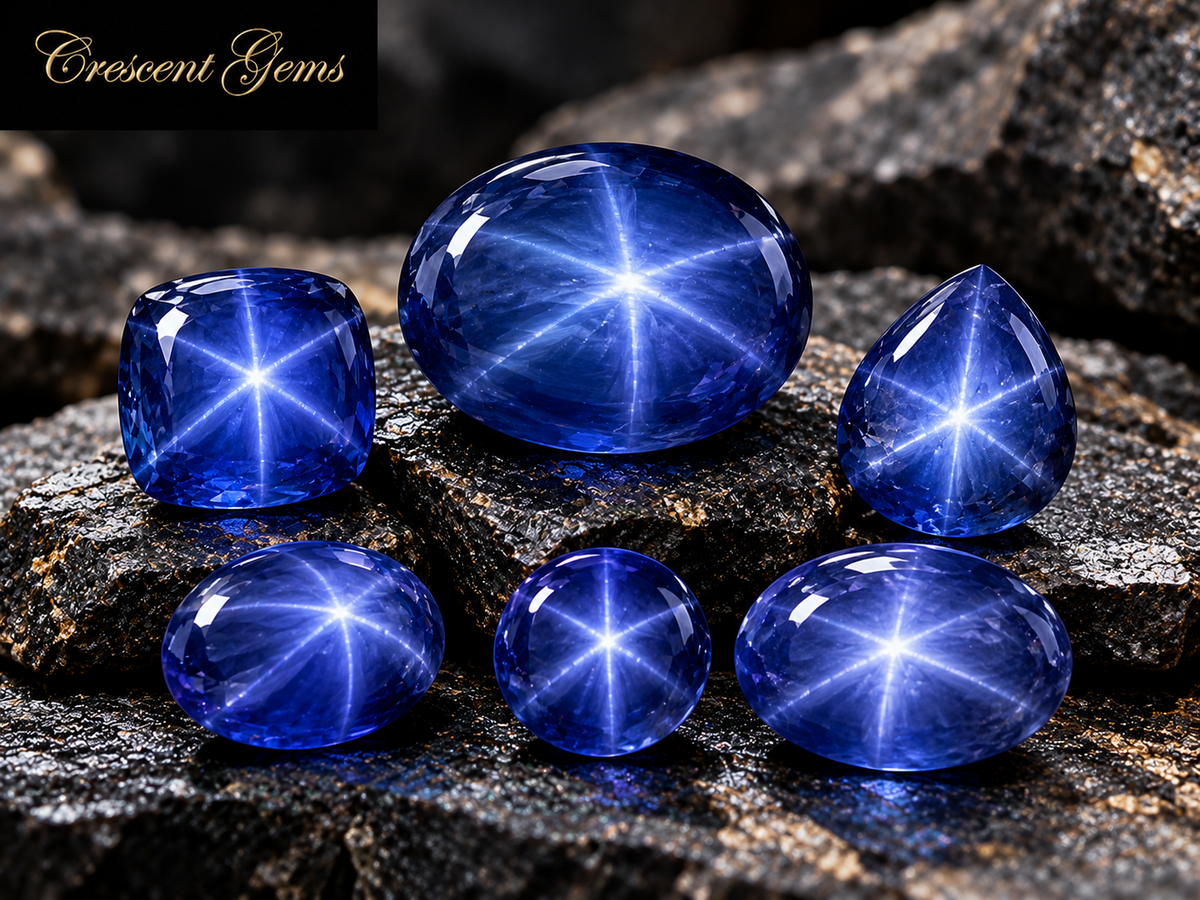
Prix du saphir bleu étoilé : notre pierre, son prix au carat et son rapport
Plussur Prix du saphir bleu étoilé : notre pierre, son prix au carat et son rapport
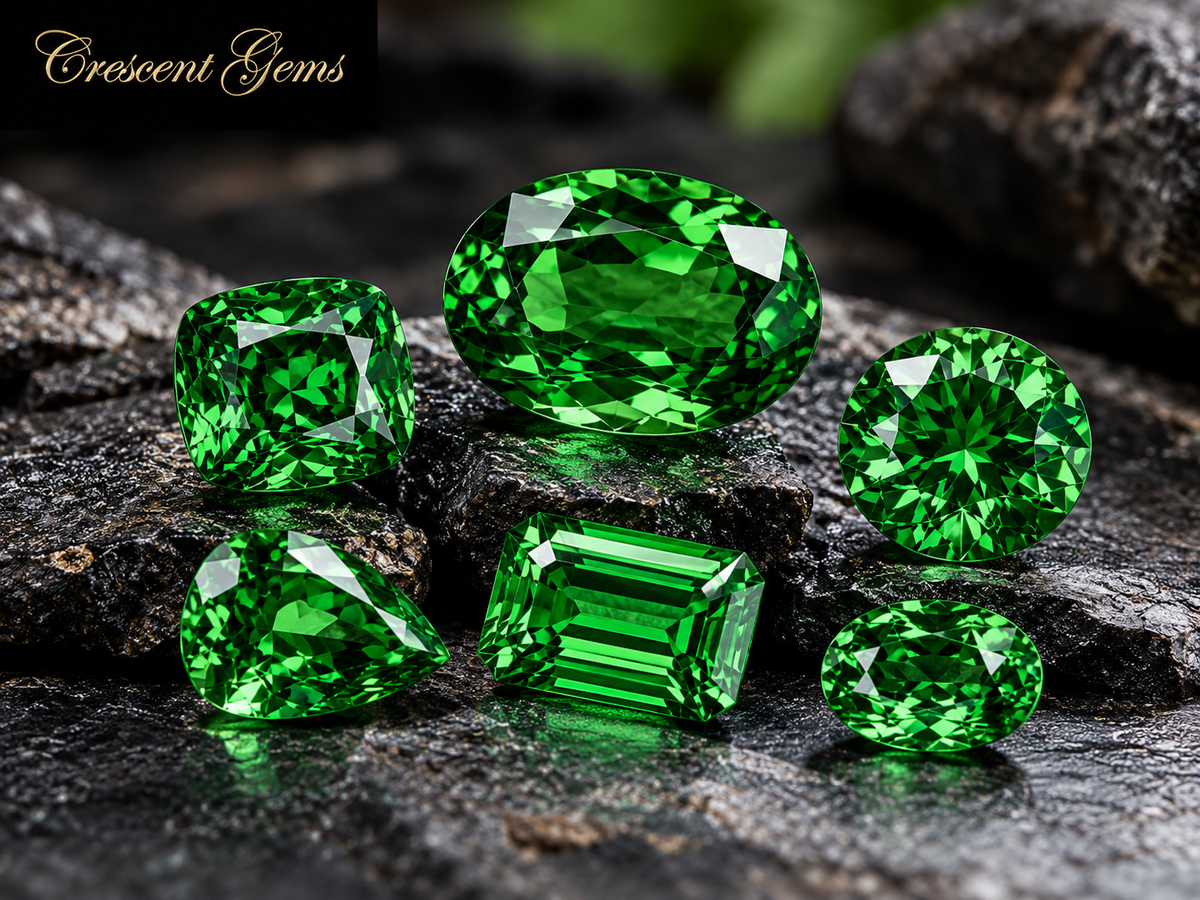
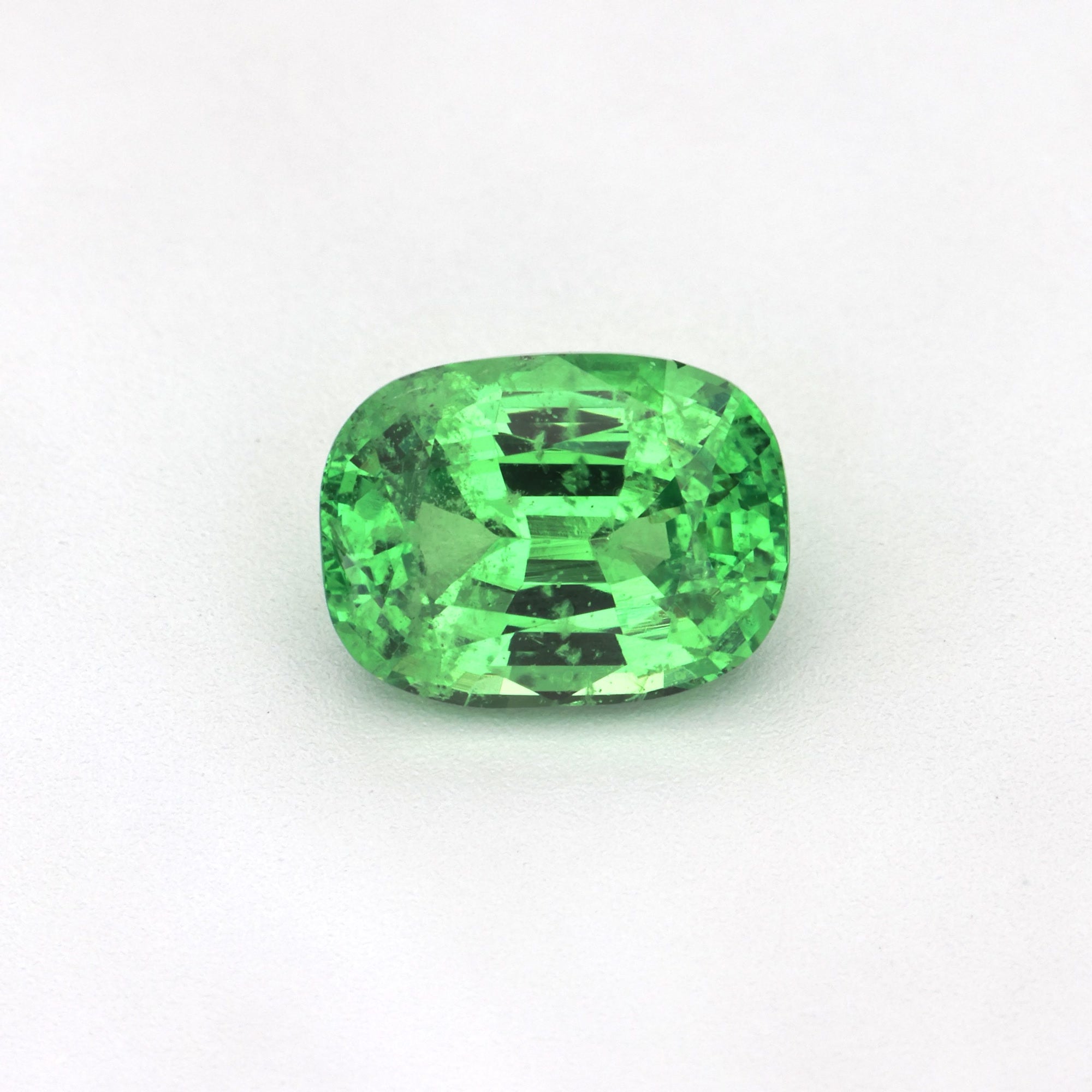
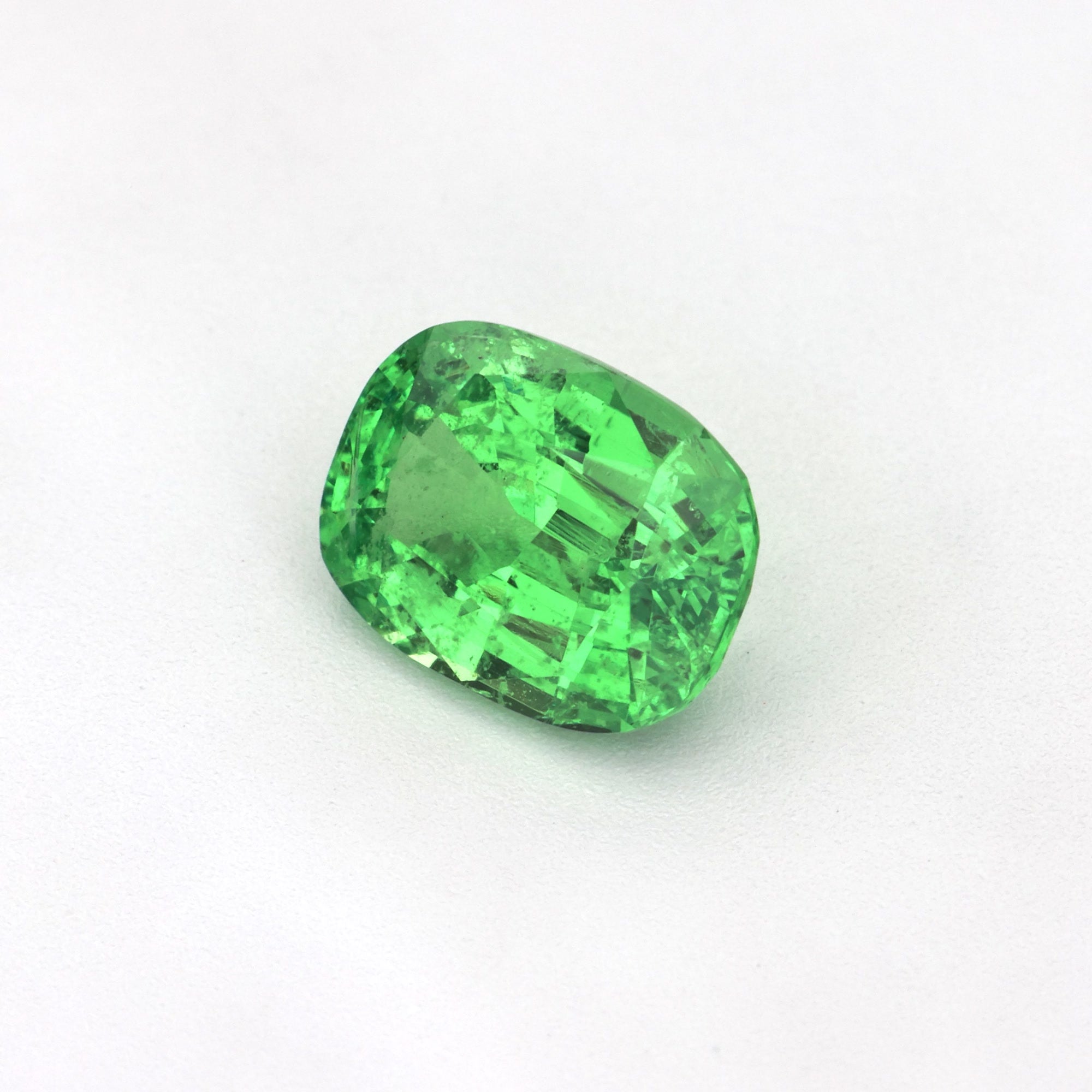
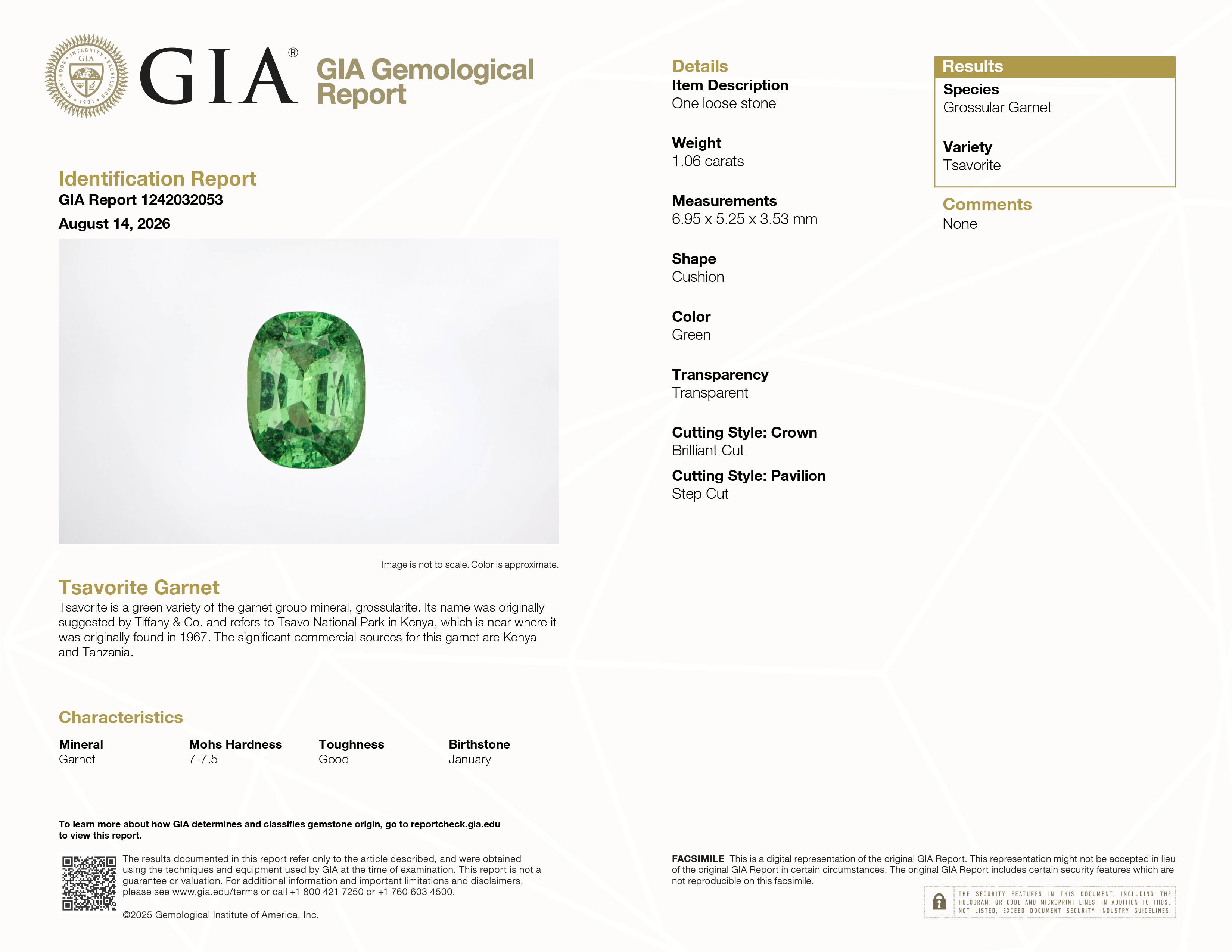
Prix du grenat tsavorite : nos prix affichés, pierre par pierre
Ce que coûtent les deux tsavorites que nous avons en stock, prix affiché et prix au carat : relevé sur nos propres annonces le 16 novembre 2026, de 1 440 € (1 590 USD) à 20 560 € (22 724 USD). La tsavorite est la variété ; le grenat grossulaire est l’espèce.
Plussur Prix du grenat tsavorite : nos prix affichés, pierre par pierre
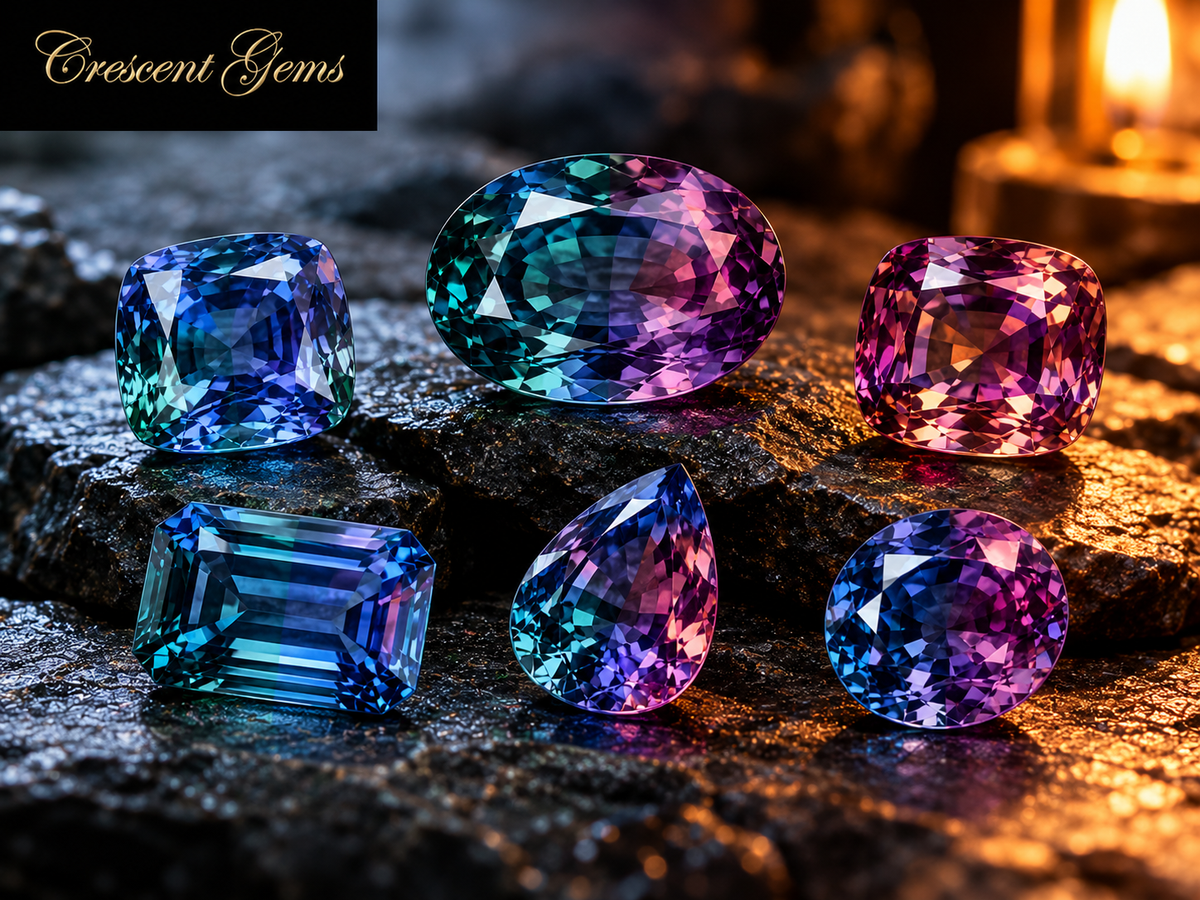
Prix du saphir à changement de couleur : ce que coûtent nos deux pierres
Plussur Prix du saphir à changement de couleur : ce que coûtent nos deux pierres
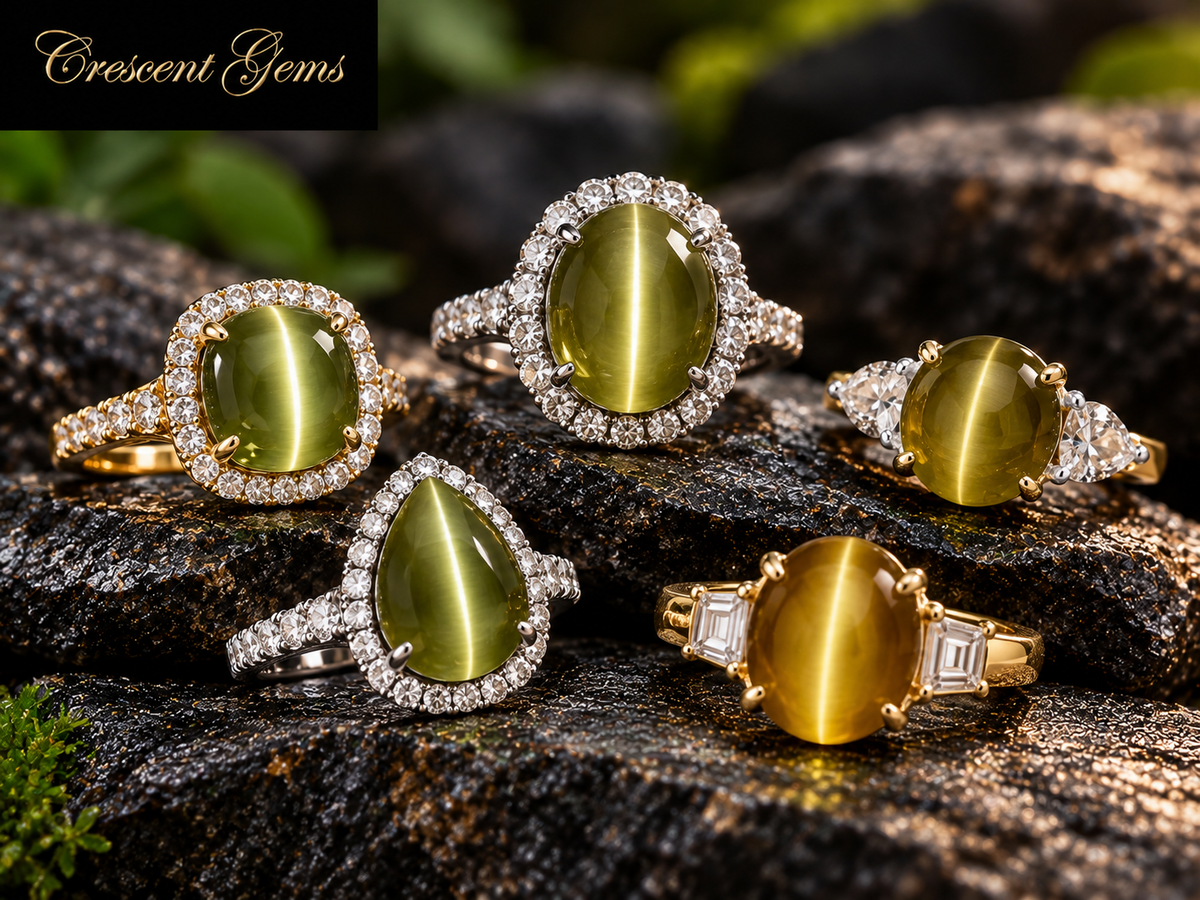
Le chrysobéryl œil-de-chat convient-il à une bague de fiançailles ?
Le chrysobéryl est à 8,5 sur l'échelle de Mohs, au-dessus du quartz (7) et en dessous du corindon (9). Ce que cela change au porter, à la monture et à l'entretien.
Plussur Le chrysobéryl œil-de-chat convient-il à une bague de fiançailles ?
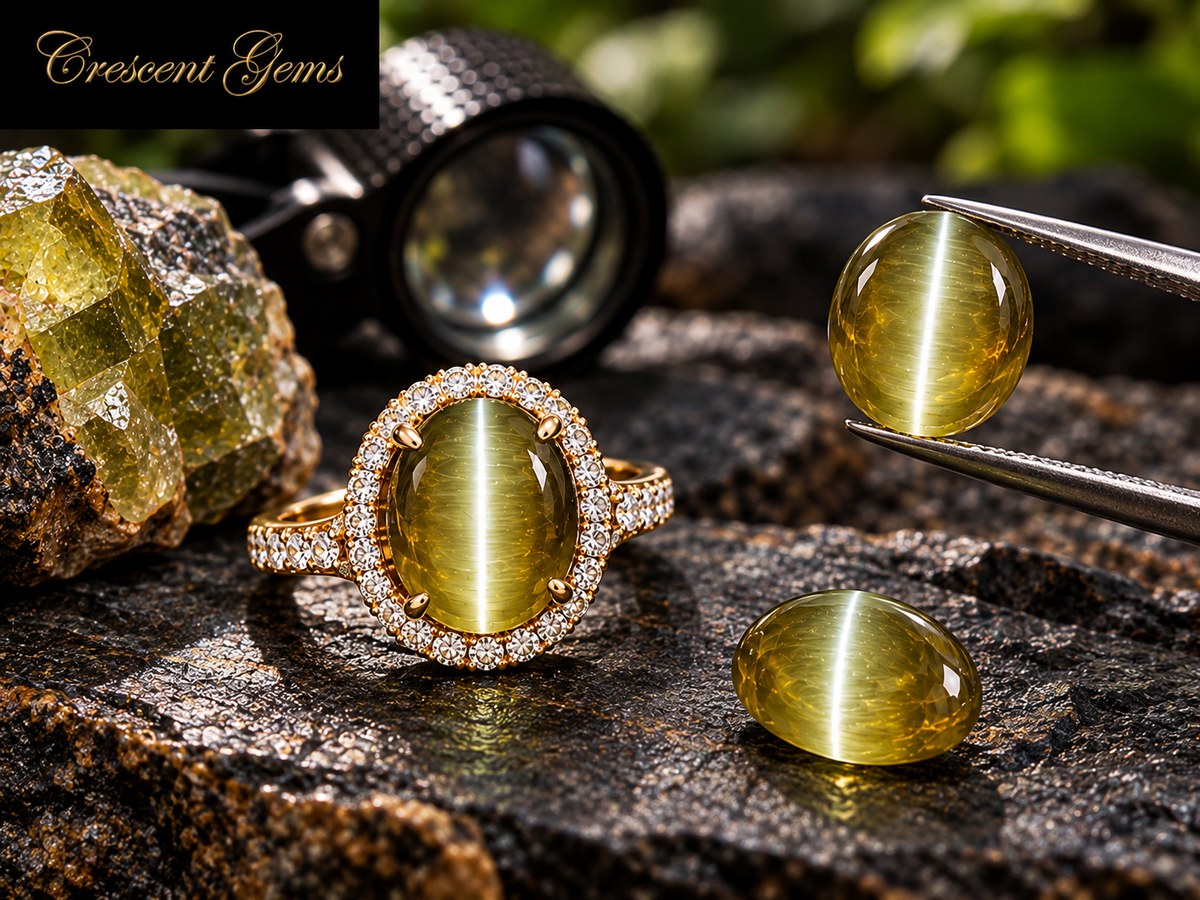
Prix du chrysobéryl œil-de-chat : au carat et nos deux pierres
Ce que coûte réellement un chrysobéryl œil-de-chat au carat, ce qui fait varier le prix, et nos deux pierres chiffrées : 2,36 ct à $3,792 et 4,25 ct à $9,482, soit $1,606.78 et $2,231.06 le carat.
Plussur Prix du chrysobéryl œil-de-chat : au carat et nos deux pierres















Partager: