- by Ahmed Shareek
How Crescent Gems Prices Loose Gemstones — Fair Prices, Direct From Source
- by Ahmed Shareek
New to Crescent Gems? Browse all our loose gemstones or read our Ultimate Sapphire Buying Guide to understand what you are looking at before you buy.
A question we receive regularly: how do you arrive at your prices?
It deserves a direct answer. Our price for a stone is what the stone cost us plus what it costs us to operate, and both of those are unusual for a gemstone seller: we buy the stones ourselves where they are traded, we cut a large share of them ourselves, and we have no shop. This article sets out that structure in full.
It also says plainly what we will not do, which is publish a percentage against anyone else’s prices. We went looking for a figure we could stand behind and we did not find one. The reasoning is in its own section below, and we would rather give you the reasoning than a number you have no way to check.
We can describe our own chain precisely, because we are in it. We buy in Sri Lanka — in Ratnapura, Beruwala and Colombo, the three centers of the Ceylon gem trade — from miners and from first-level dealers we have worked with for years. We buy rough and semi-finished material as well as finished stones, and a large share of what we sell is cut in our own cutting facility in Sri Lanka rather than bought ready-cut from a supplier. The stone then goes from us to you.
What we are not is a buyer of finished parcels from an importer. We do not buy from a New York or Los Angeles gem wholesaler who bought from a Bangkok trader who bought from a Colombo exporter. That is a statement about our own purchasing, and it is the only kind of statement about purchasing we are in a position to make.
We are not going to tell you how many hands a stone in someone else’s display case passed through, or what each of them charged, because we do not know. Sellers differ. And the rough market in Sri Lanka is itself an intermediated market, with dealers and brokers in it. We buy inside that market, not outside it, and we would rather say so. What we can account for is our side: where we buy, who cuts, and what we do not spend money on.
For what the buying looks like at the source, see our Ratnapura gem market guide and our Ceylon sapphire guide.
Crescent Gems was built around a single premise: be as close to the stone as we can get, and carry as little else as possible. In practice, that means:
You will not find a discount percentage on this page. We do not publish a figure we cannot substantiate, and no single number would hold across colors, sizes and qualities in any case.
We did go looking for one. We compared our own stones against named sellers at matched specifications, loose stone against loose stone. The result differed from stone to stone, and on at least one specification we were not the cheaper of the two. There is no one percentage that is true across our range, and printing one anyway would mean asking you to trust an average of things that are not alike.
A quoted band is also only as good as the stones behind it, and we can only quote a price for a specification we actually hold. We hold no padparadscha at present, for instance, so there is no honest Crescent Gems price for one, and our padparadscha page says that we hold none rather than quoting a band for a stone we do not have. Our prices live on the listings, stone by stone, each with its weight, treatment, origin and laboratory beside it. Those are the prices we can vouch for.
So we will tell you what we are rather than what someone else is. We buy at the source, we cut a large share of our own stones, and we carry no shop. How that compares with what any particular seller charges is not something we can tell you, because we do not know what they pay — so we quote our own prices and leave the comparison to you. If you are weighing us against another dealer, ask us about a specific stone and set our number beside theirs. That is a comparison between two real figures, which is the only kind worth making.
For how per-carat prices are arrived at in the trade generally, see Sapphire Pricing Explained.
None of the structure above is a reason to accept less disclosure. Here is what every Crescent Gems purchase includes:
We encourage skepticism, and everything on a listing is meant to be checkable. Here is how:
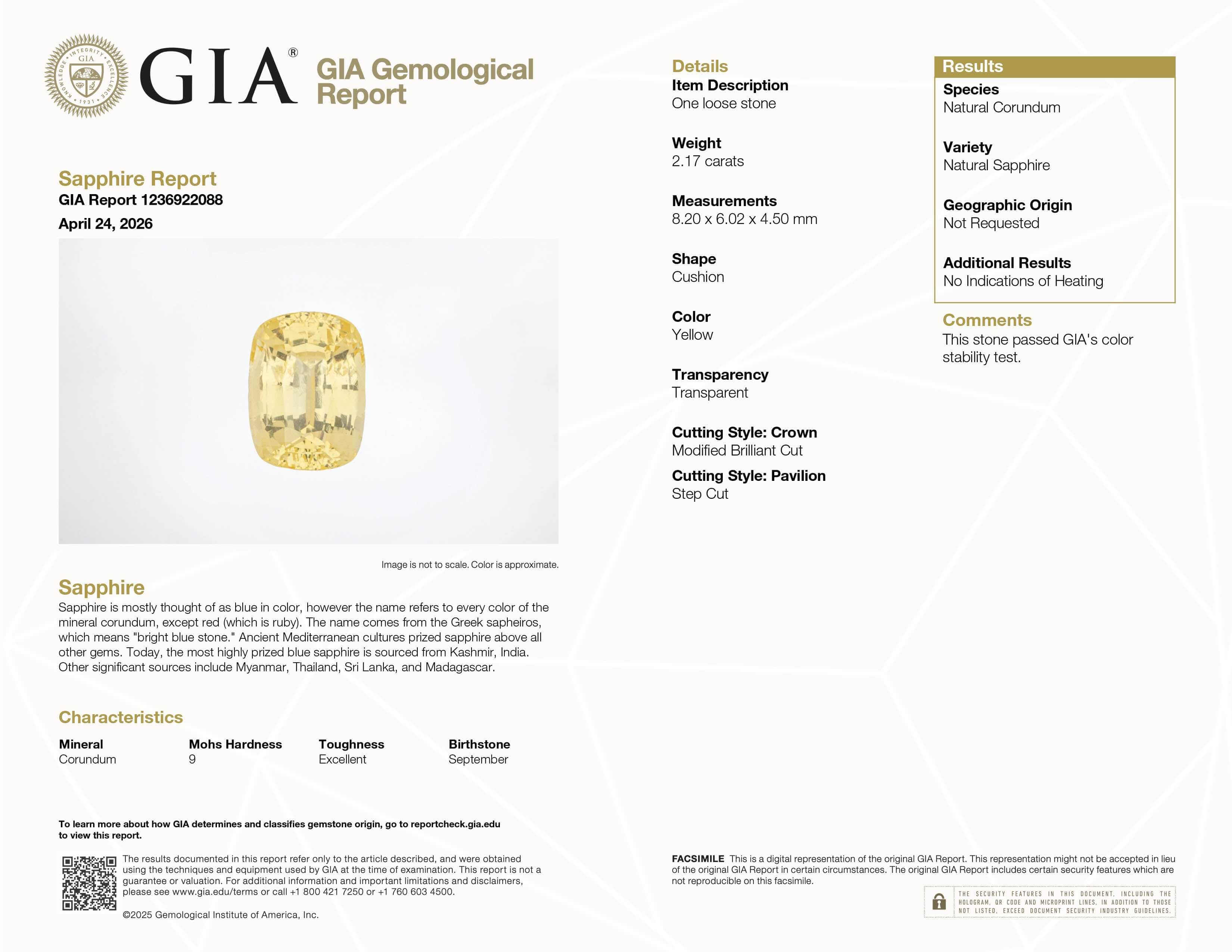
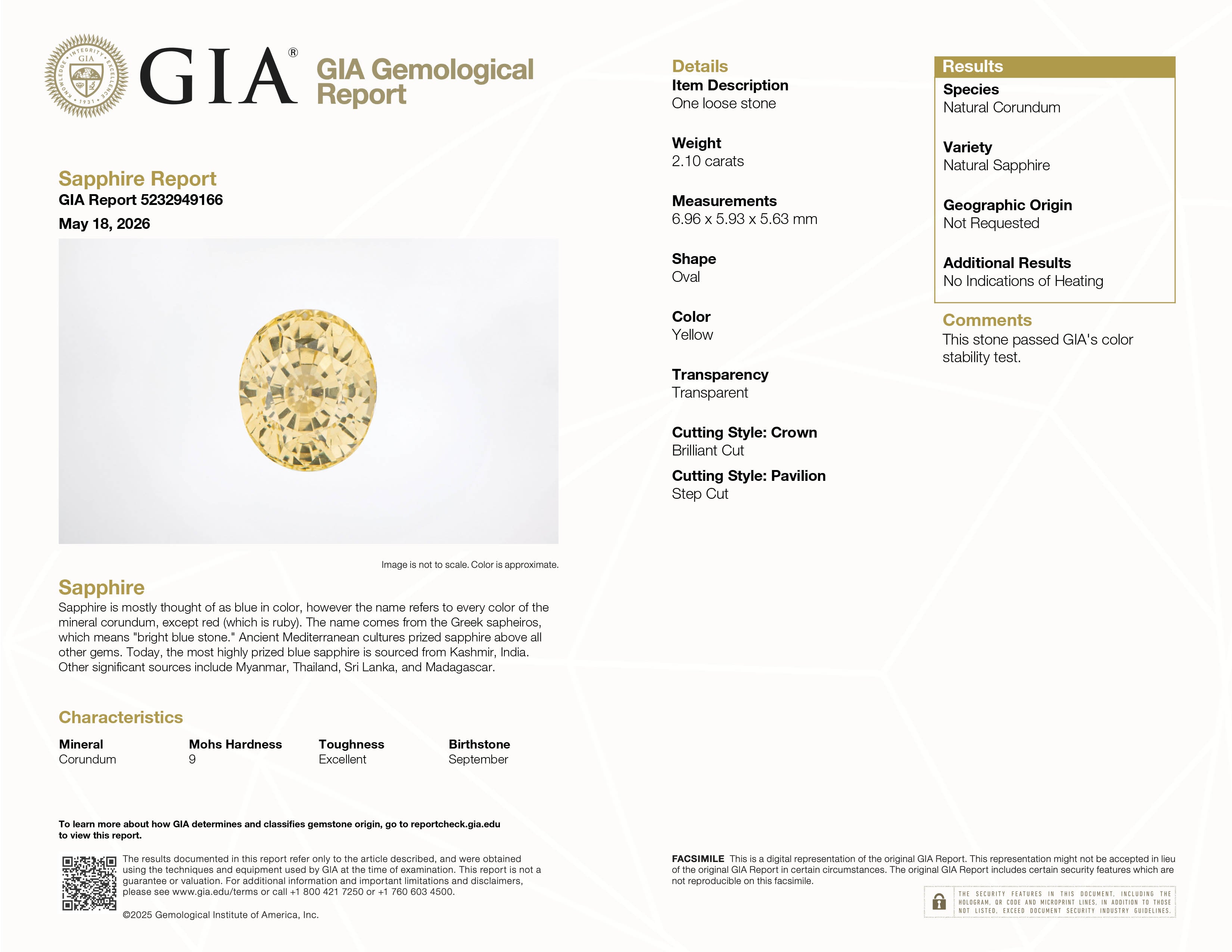
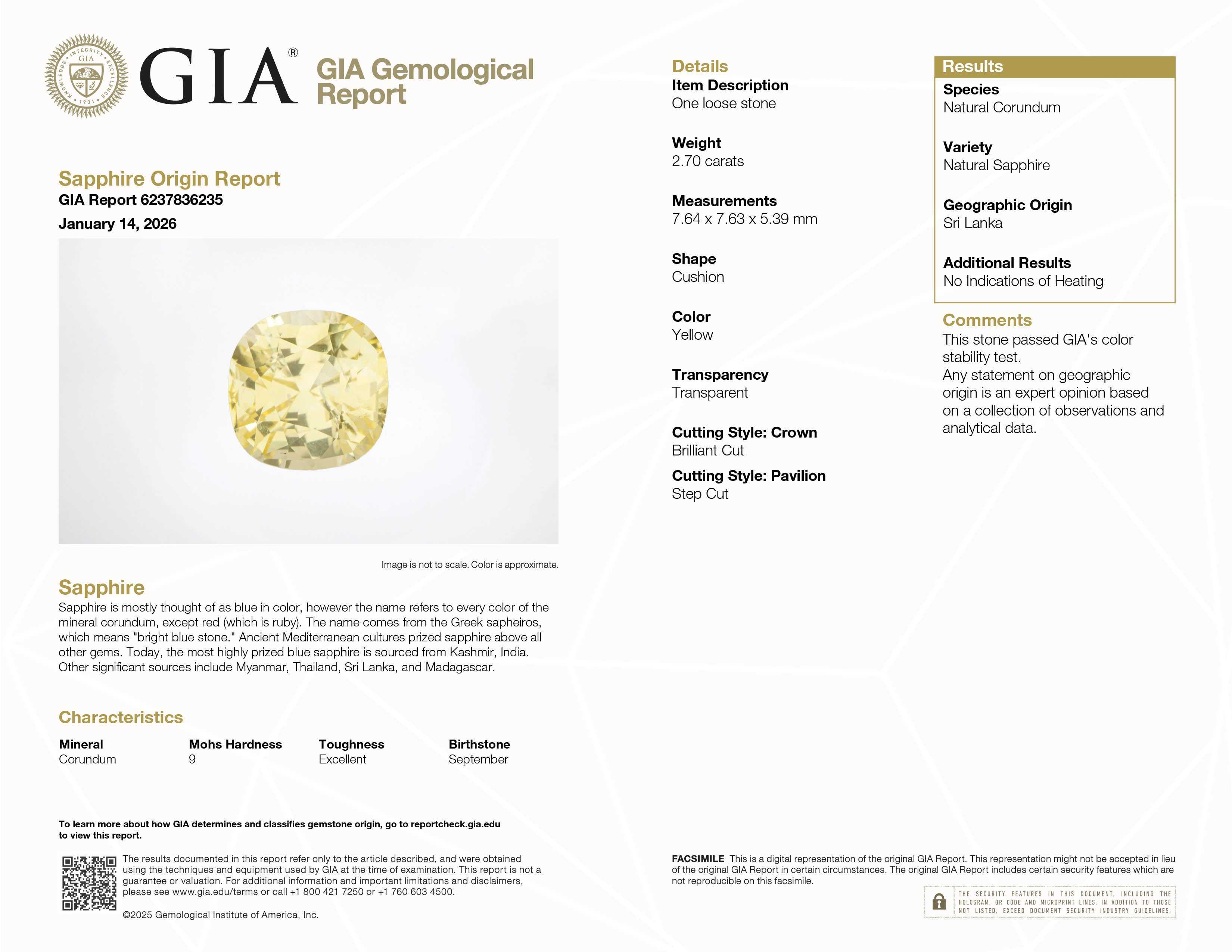
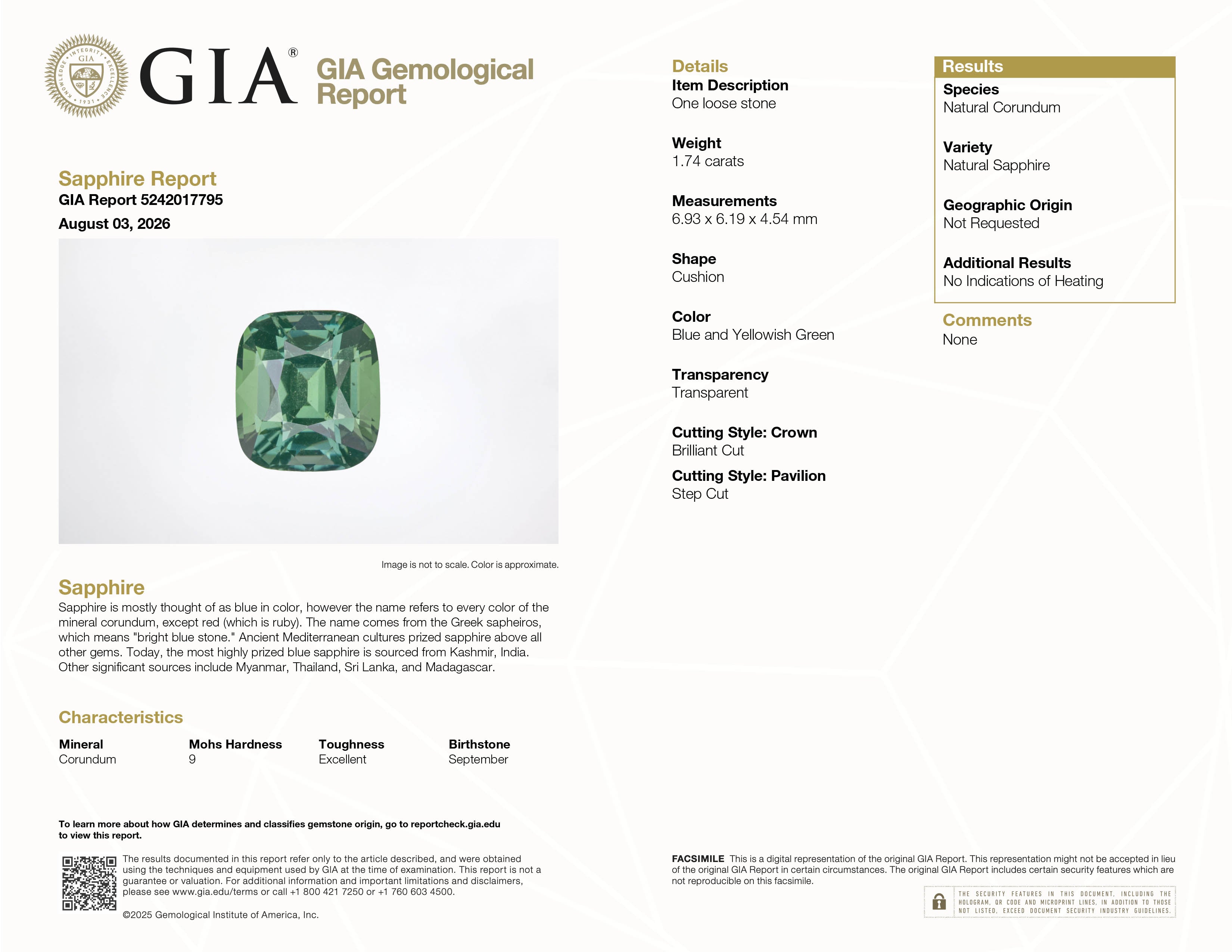
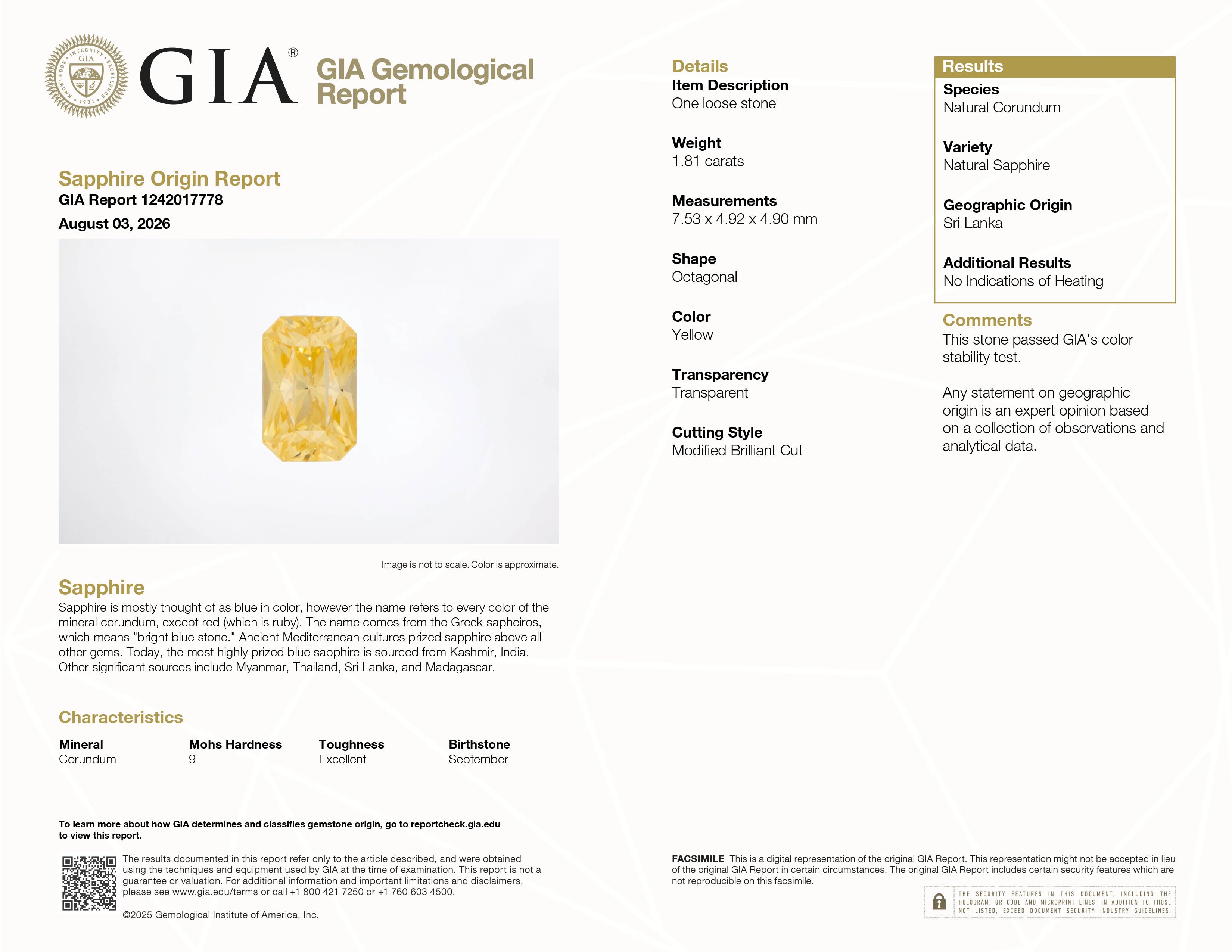
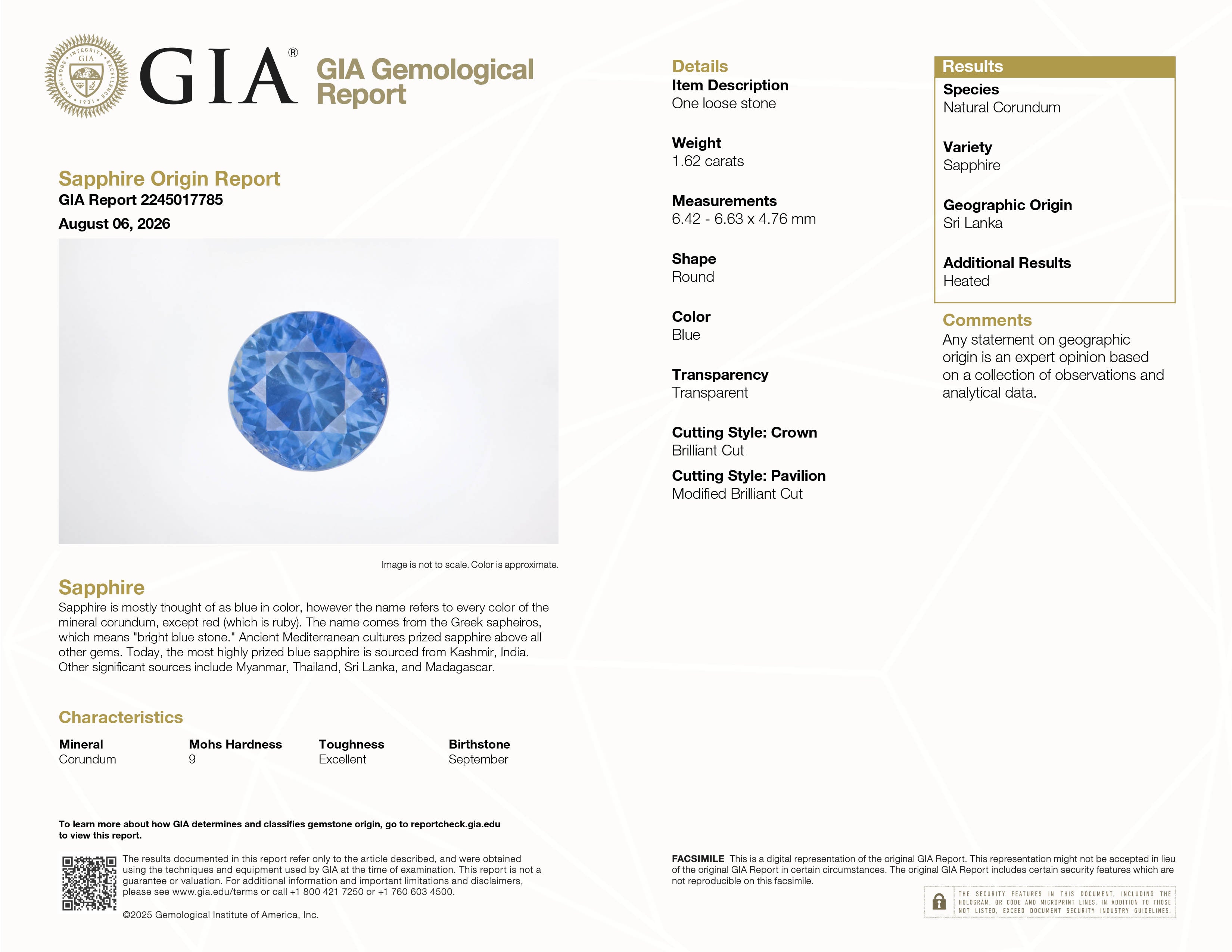
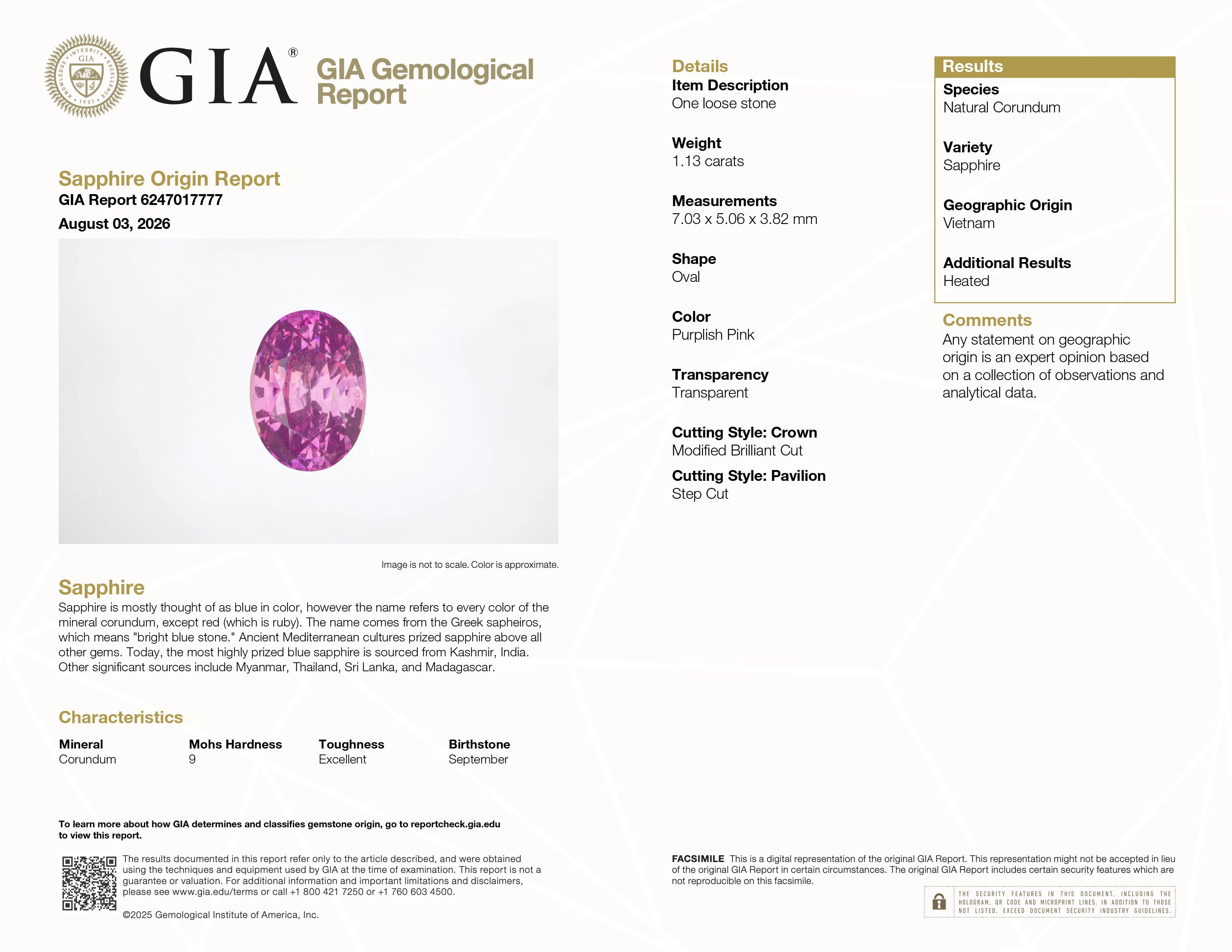
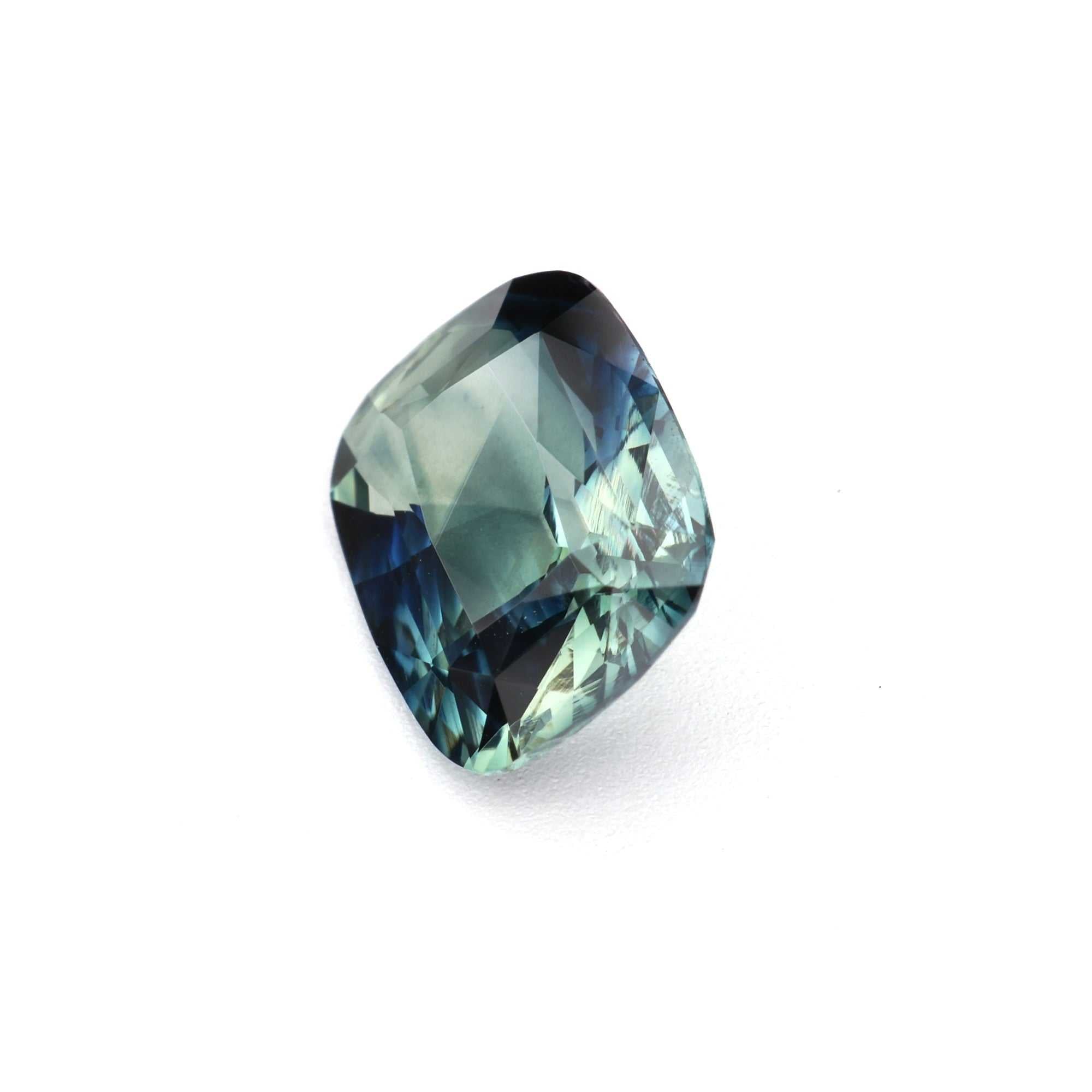
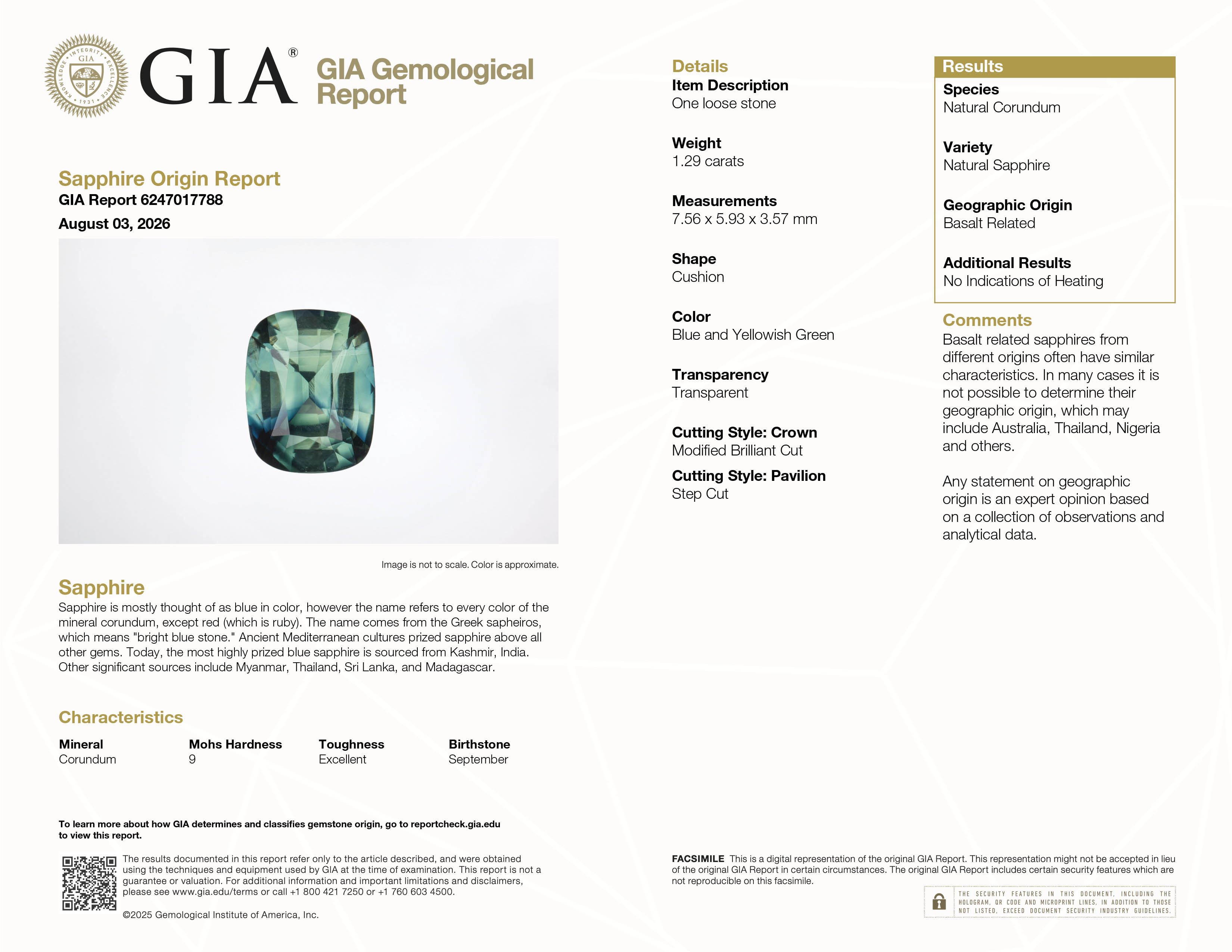
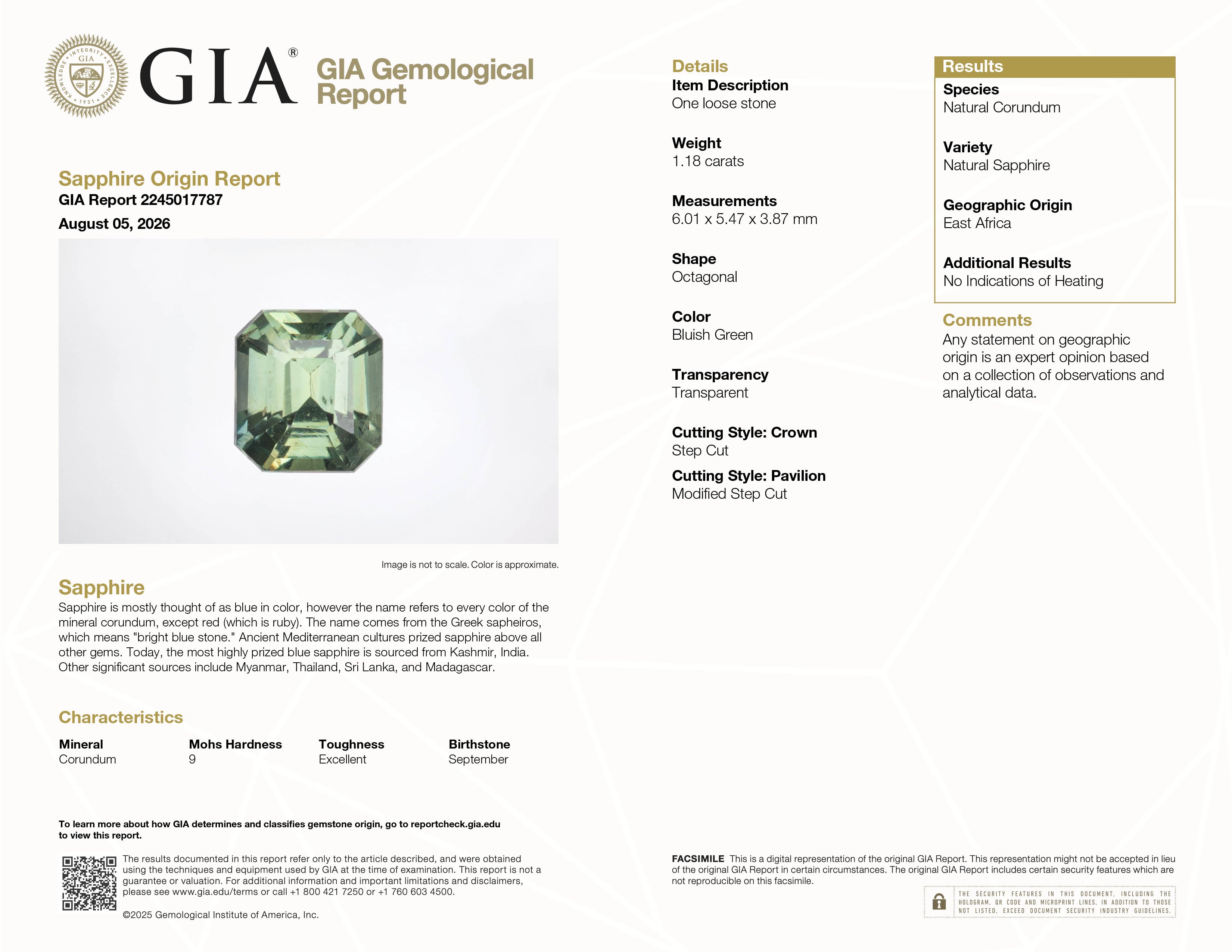
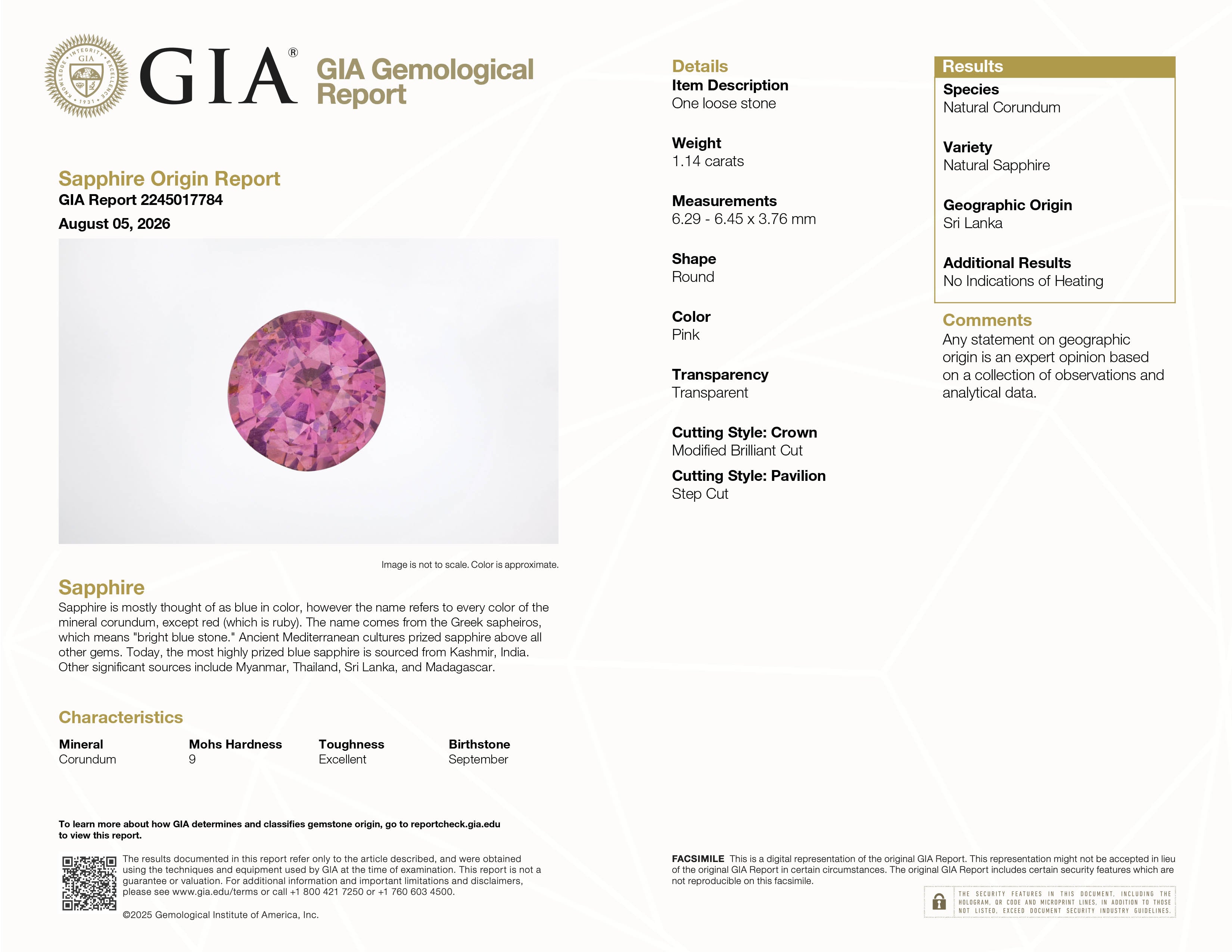
Look the report up yourself. Every GIA-documented stone we sell has a report number. Enter it at gia.edu/report-check and the database will show you that the report exists and what it records: species, weight, measurements, and what GIA printed about heating. Where a stone has an origin report, the origin line is the laboratory’s expert opinion rather than a measurement, and GIA prints that reservation on the report itself — “Any statement on geographic origin is an expert opinion based on a collection of observations and analytical data.” No seller can alter the database copy. For how to read the rest of a report, see How to Read a GIA Sapphire Report.
Price us against a specific stone, not against an average. If you are already buying elsewhere, send us a specification — weight, color, treatment, origin, laboratory — and ask what we would charge for the nearest thing we have. Two real numbers side by side will tell you more than any percentage either of us could print.
Ask us anything. Email crescentgems@gmail.com with any specific question about a stone — its sourcing, its documentation, its origin or its price. If we cannot answer a question clearly and specifically, that is information too.
Buying this way is not effortless. It requires actually being in the producing country, repeatedly, and knowing the people you buy from well enough to be told when a stone is not what it looks like.
Our sourcing in Sri Lanka reflects over 25 years of relationships in the Ratnapura and Beruwala gem markets — relationships with specific miners, specific cutters, and specific first-level dealers whose work and ethics we know personally. We visit Sri Lanka regularly to buy. We know the people who dig the stones out of the ground. That is what “direct source” means here. See our Ratnapura gem market guide for how rough changes hands at the source.
Our price for a stone is what that stone cost us, plus what it costs us to run a business with no showroom, no rent, no display cases and no walk-in staff, with the buying and a large part of the cutting done by us in Sri Lanka. That is the whole of it. It is a structure rather than a discount, and it is the only part of our pricing we can describe with any authority.
What that is worth on a particular stone depends on the stone, and the stone’s own listing is where that lives — with its weight, its treatment, its origin, its laboratory and its price. Ask us about any of it.
Browse all our loose gemstones, read our sapphire pricing guide, and email crescentgems@gmail.com with any questions. Free US shipping. 14-day returns on every order.

CG8366
CG8313
CG8357
CG8452
CG8437


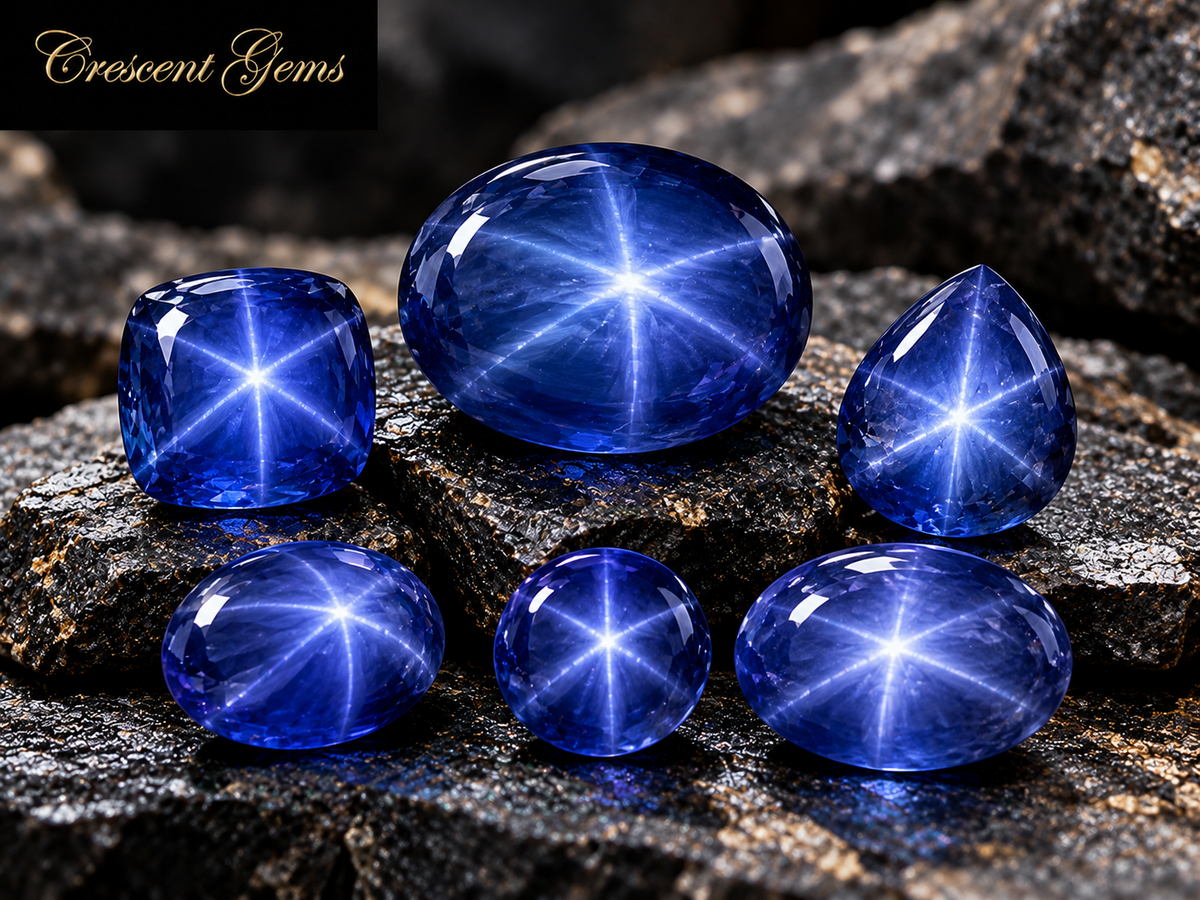
Blue Star Sapphire Price Guide — What They Cost and Why
Read moreabout Blue Star Sapphire Price Guide — What They Cost and Why
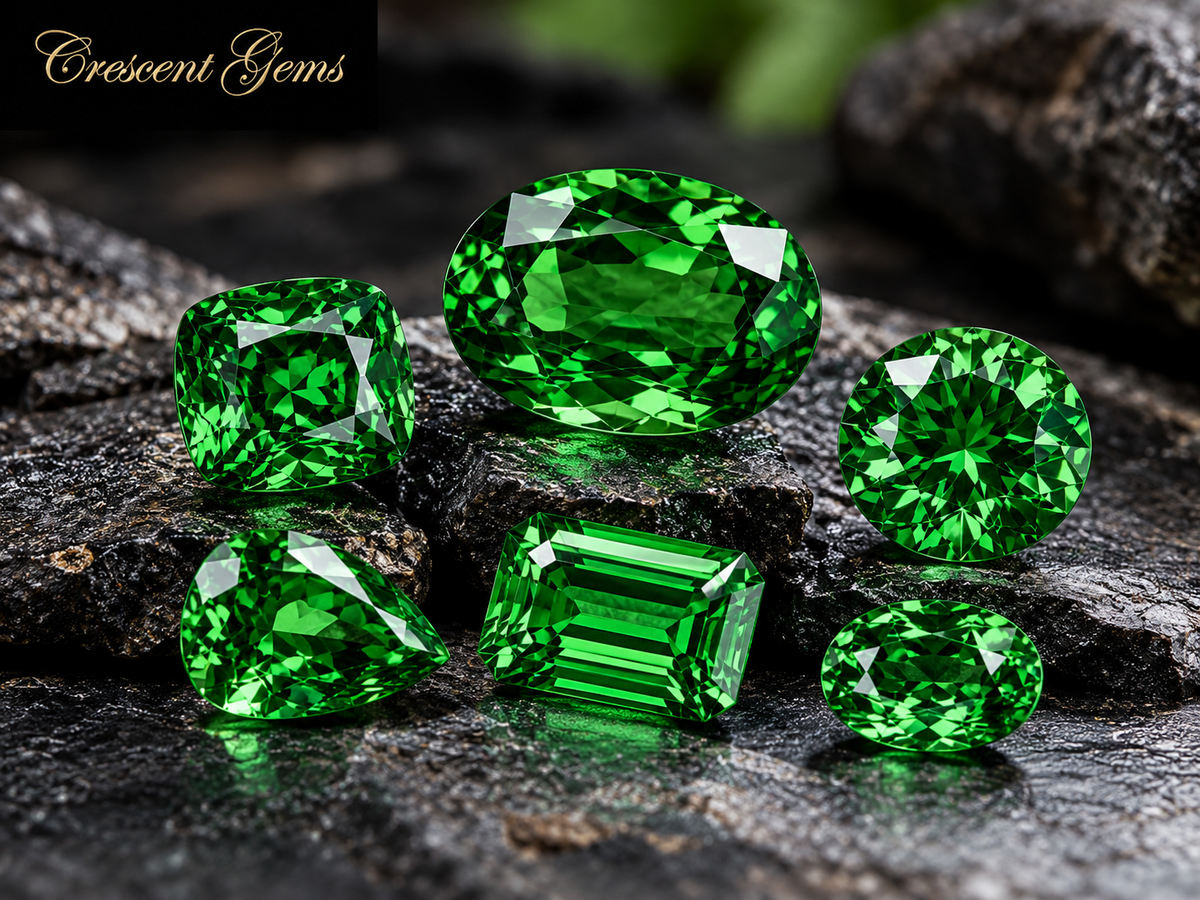
Tsavorite Garnet Price Guide — What They Cost and Why
Read moreabout Tsavorite Garnet Price Guide — What They Cost and Why
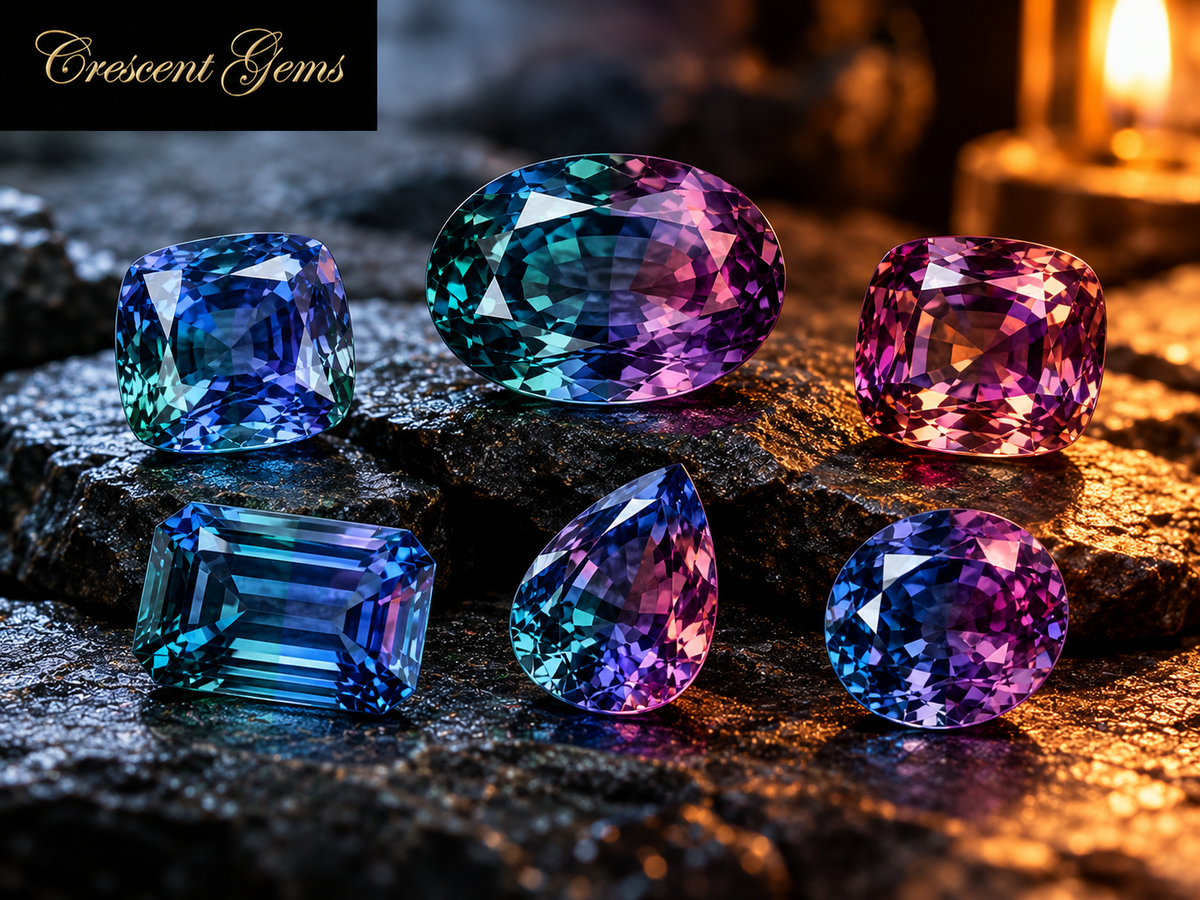
Color-Change Sapphire Price Guide — What They Cost and Why
Read moreabout Color-Change Sapphire Price Guide — What They Cost and Why
Is Cat's-Eye Chrysoberyl Good for an Engagement Ring?
Read moreabout Is Cat's-Eye Chrysoberyl Good for an Engagement Ring?
Cat's Eye Chrysoberyl Price Guide — What They Cost and Why
Read moreabout Cat's Eye Chrysoberyl Price Guide — What They Cost and Why