


- by Ahmed Shareek
How to Choose Metal Color for a Sapphire Ring — What Works with Which Sapphire
- by Ahmed Shareek
For the detailed metal comparison: Yellow Gold vs. White Gold vs. Platinum for Sapphire. For ring design: How to Design a Custom Sapphire Ring from a Loose Stone. For the buying foundation: Ultimate Sapphire Buying Guide.
Metal color is a design decision in a sapphire ring that is easy to underestimate. The metal that surrounds and supports a sapphire does not merely provide structural support; it actively influences how the stone's color is perceived. A vivid teal sapphire looks different in yellow gold than it does in platinum. A deep blue sapphire looks different in rose gold than it does in white gold. The metal is part of the color composition, not a neutral backdrop.
This guide covers how each metal color interacts with sapphire color, which metals suit which sapphire colors and aesthetics, how skin tone enters the decision, and how to make the choice with confidence when your own jeweler sets the loose sapphire you buy.
The mechanism is simple: color reflected from the metal surrounding the stone affects how the eye perceives the stone's own color. A warm yellow-gold setting reflects warm light into the girdle of the sapphire, subtly warming the stone's apparent color. A cool platinum setting reflects neutral white light, allowing the sapphire's inherent color to read without modification. A rose gold setting reflects warm pink light that sits in tune with warm-toned stones and contrasts with cool-toned ones.
This effect is most pronounced at the stone's girdle and in prong shadows — areas where the metal is closest to the stone's light-entering surfaces. It is less significant in stones with very strong saturation (the color is too vivid to be meaningfully shifted) and more significant in lighter-toned or more delicate colors where subtle shifts in apparent hue are visible.
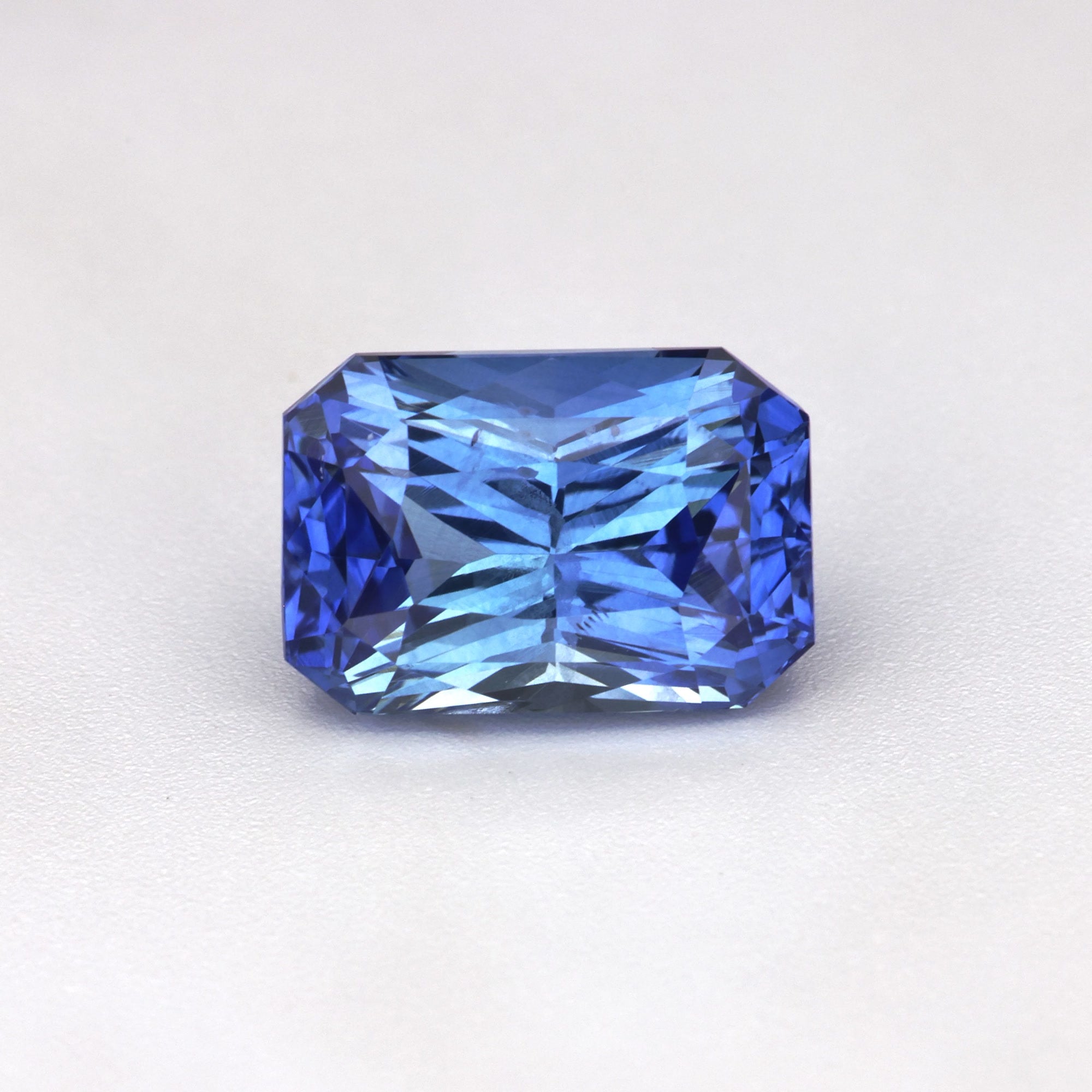
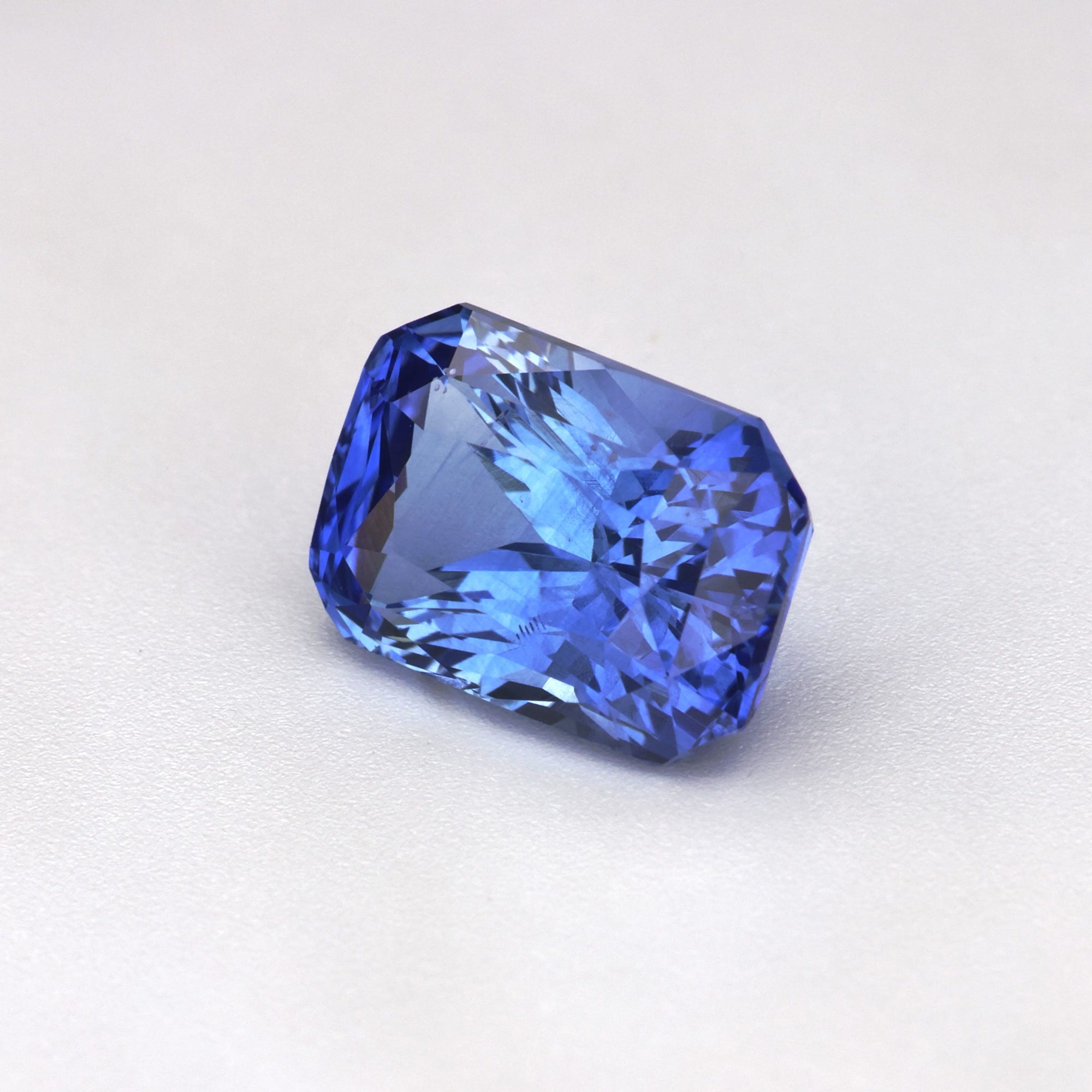
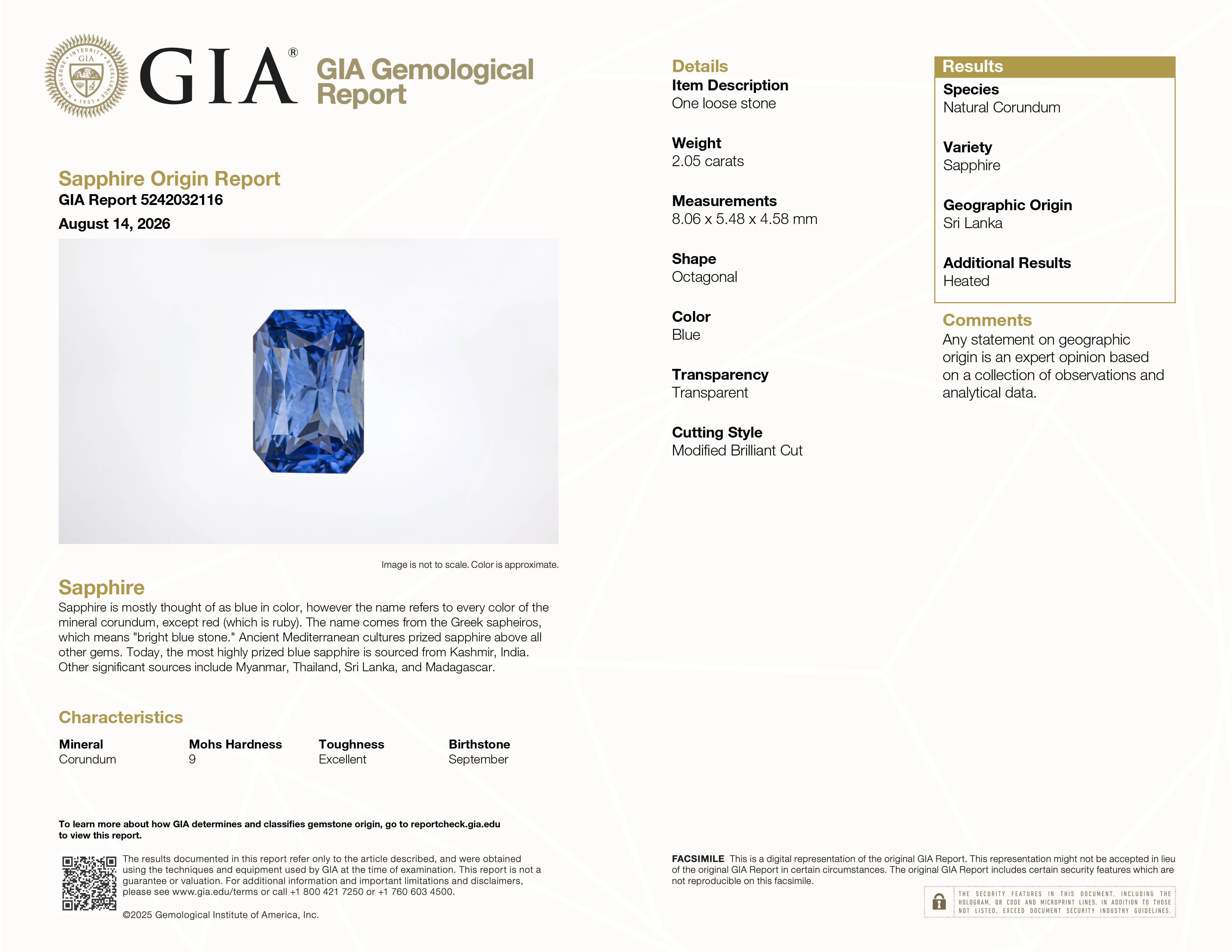
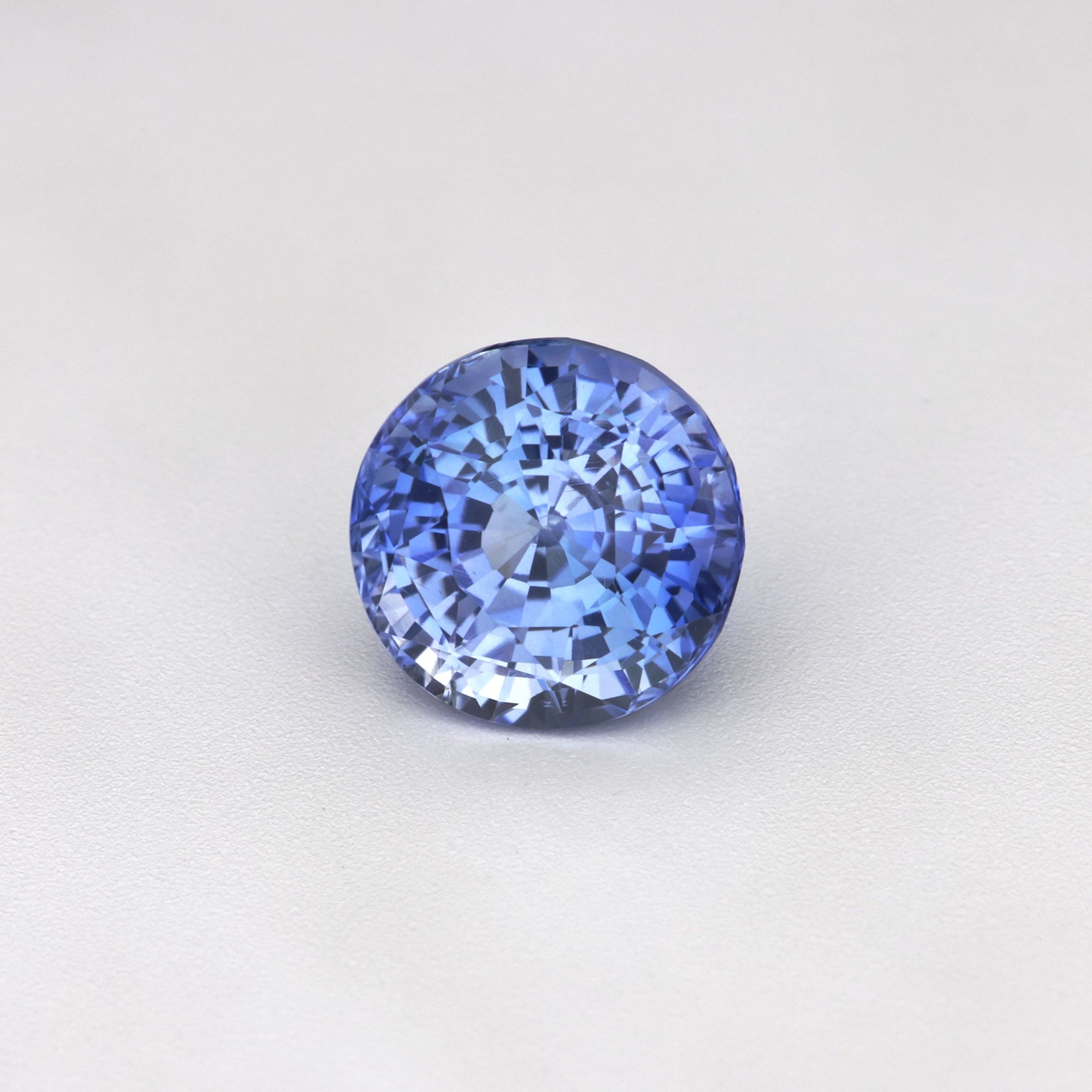
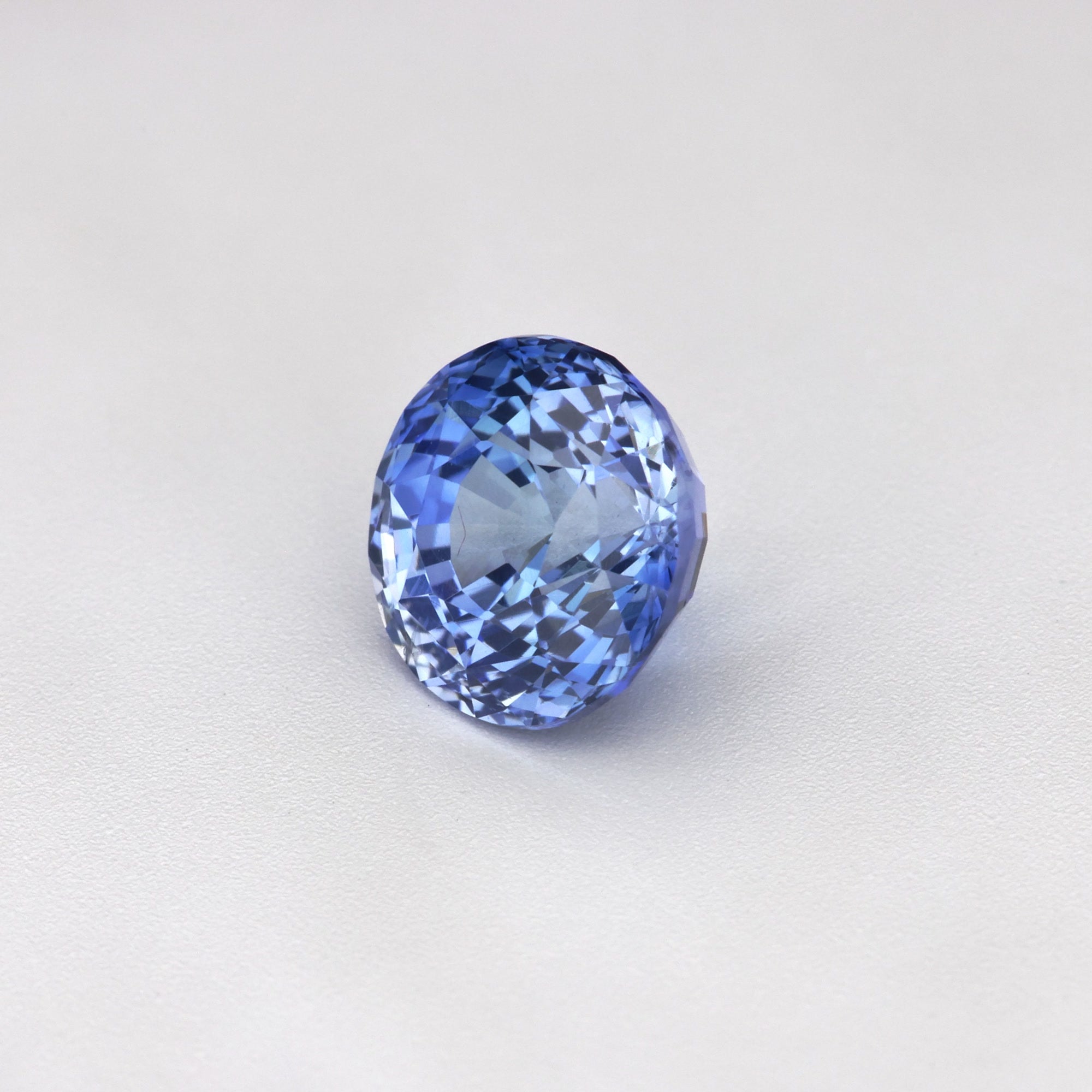
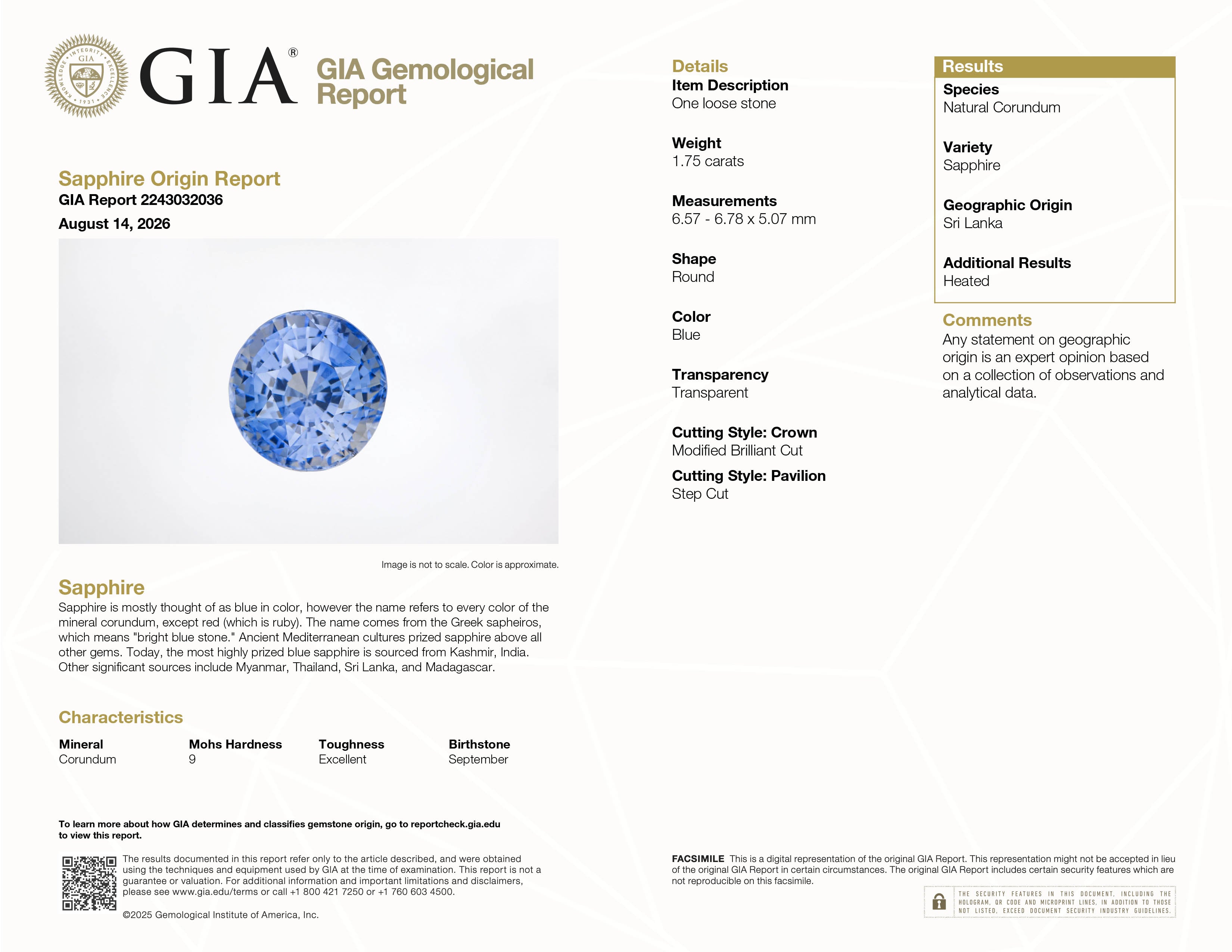
Blue sapphire works in all three primary metals, with meaningfully different results:
Browse our blue sapphire collection.
Teal sapphire works across all three primary metals, with very different characters:
Browse our teal sapphire collection.
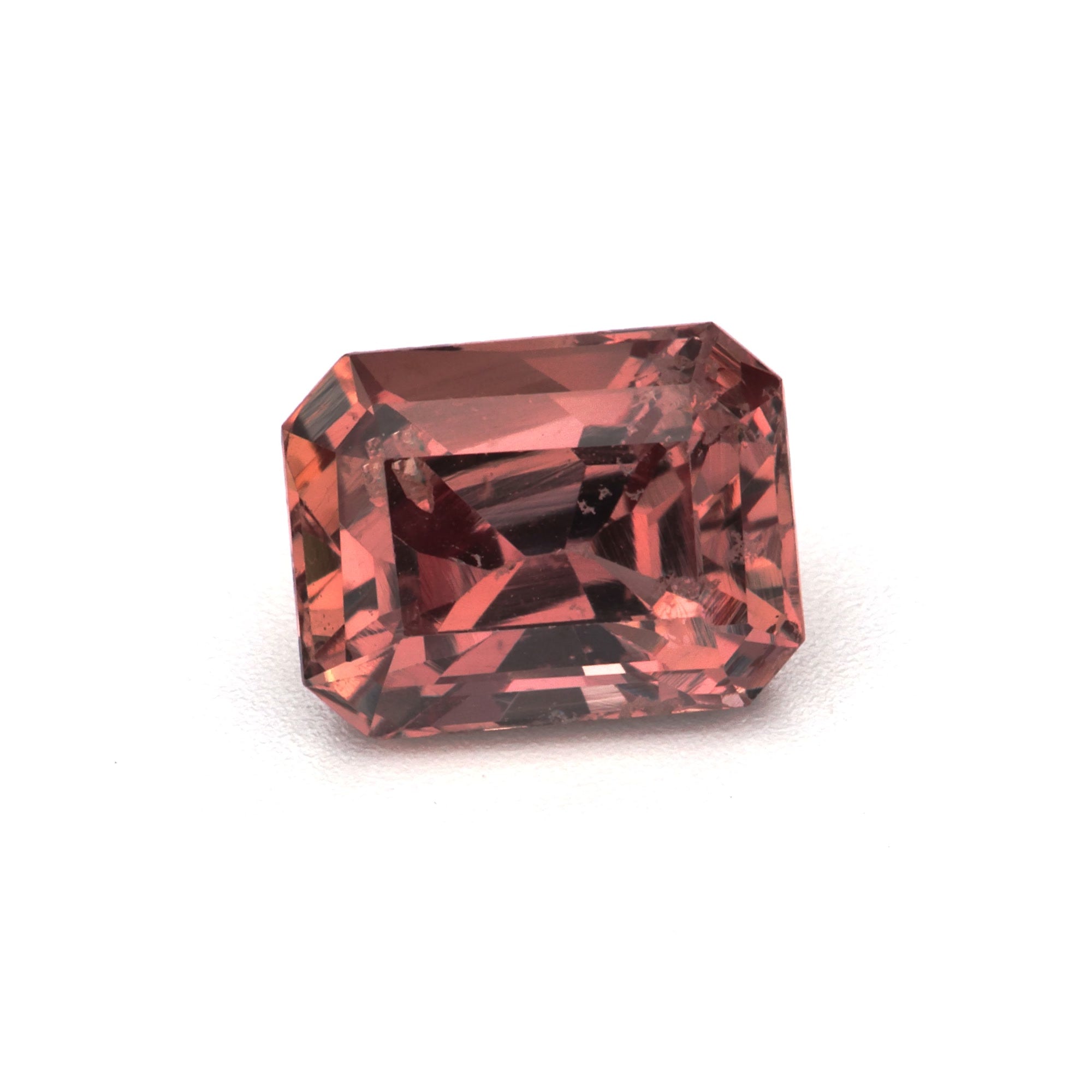
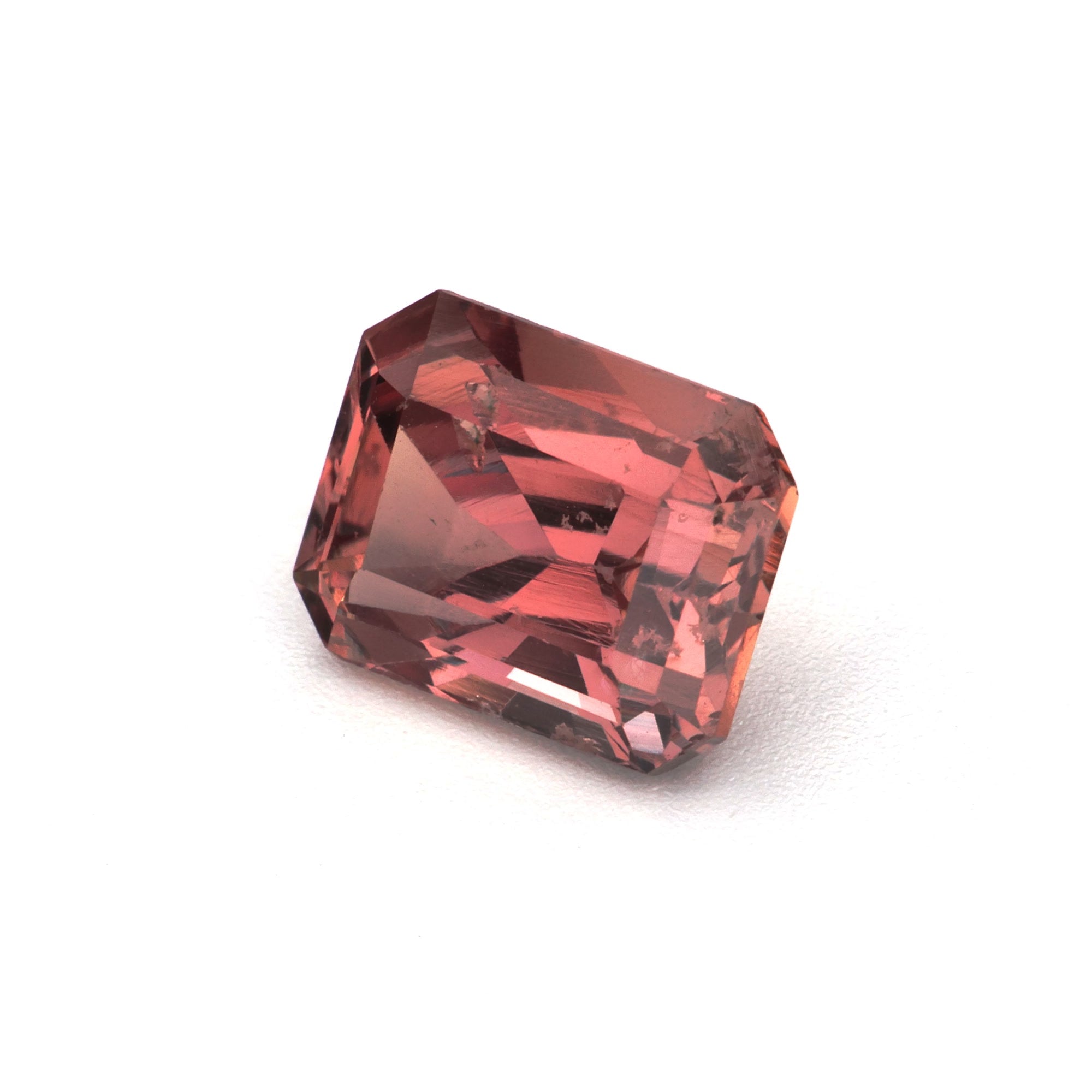
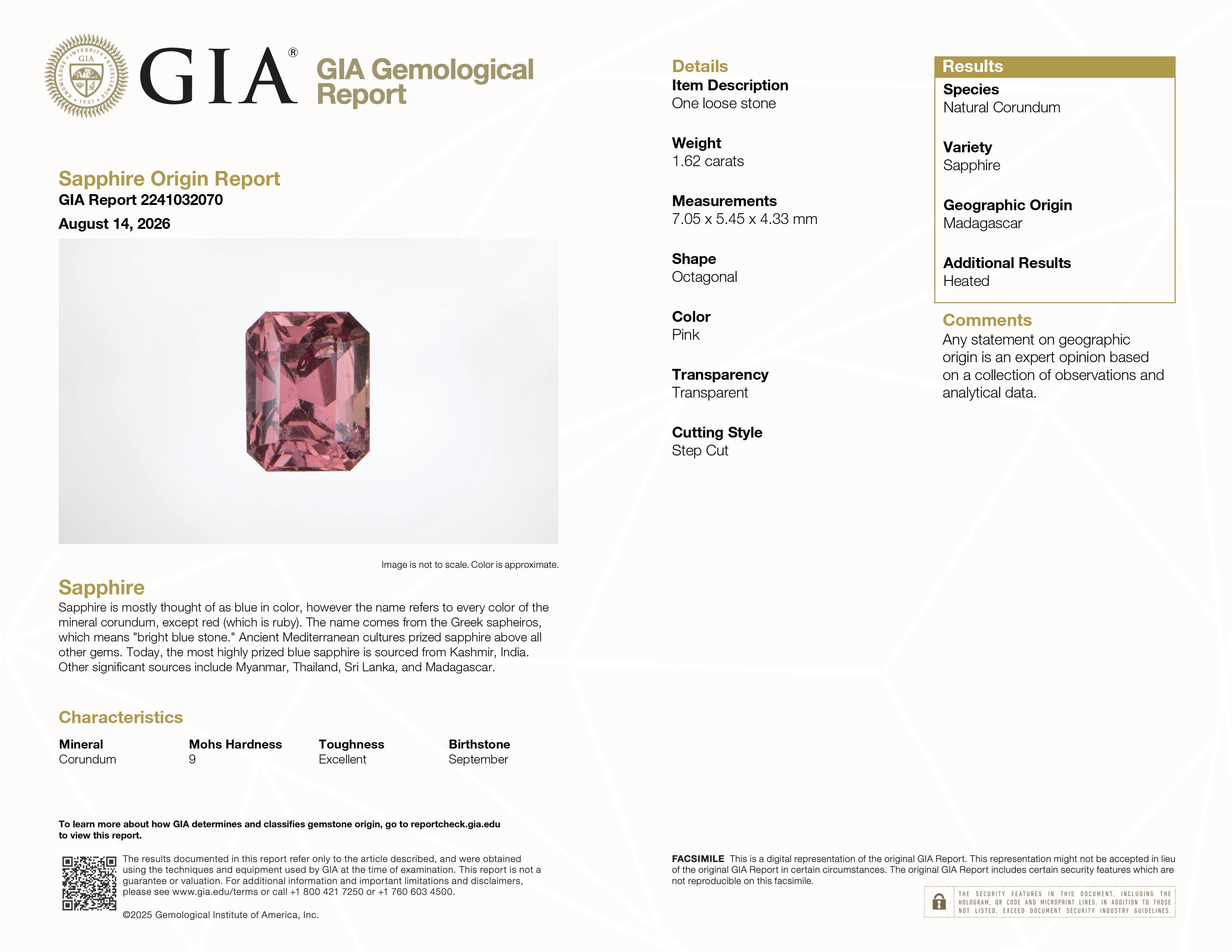
Pink sapphire is most naturally suited to rose gold, but all metals work:
Browse our pink sapphire collection.
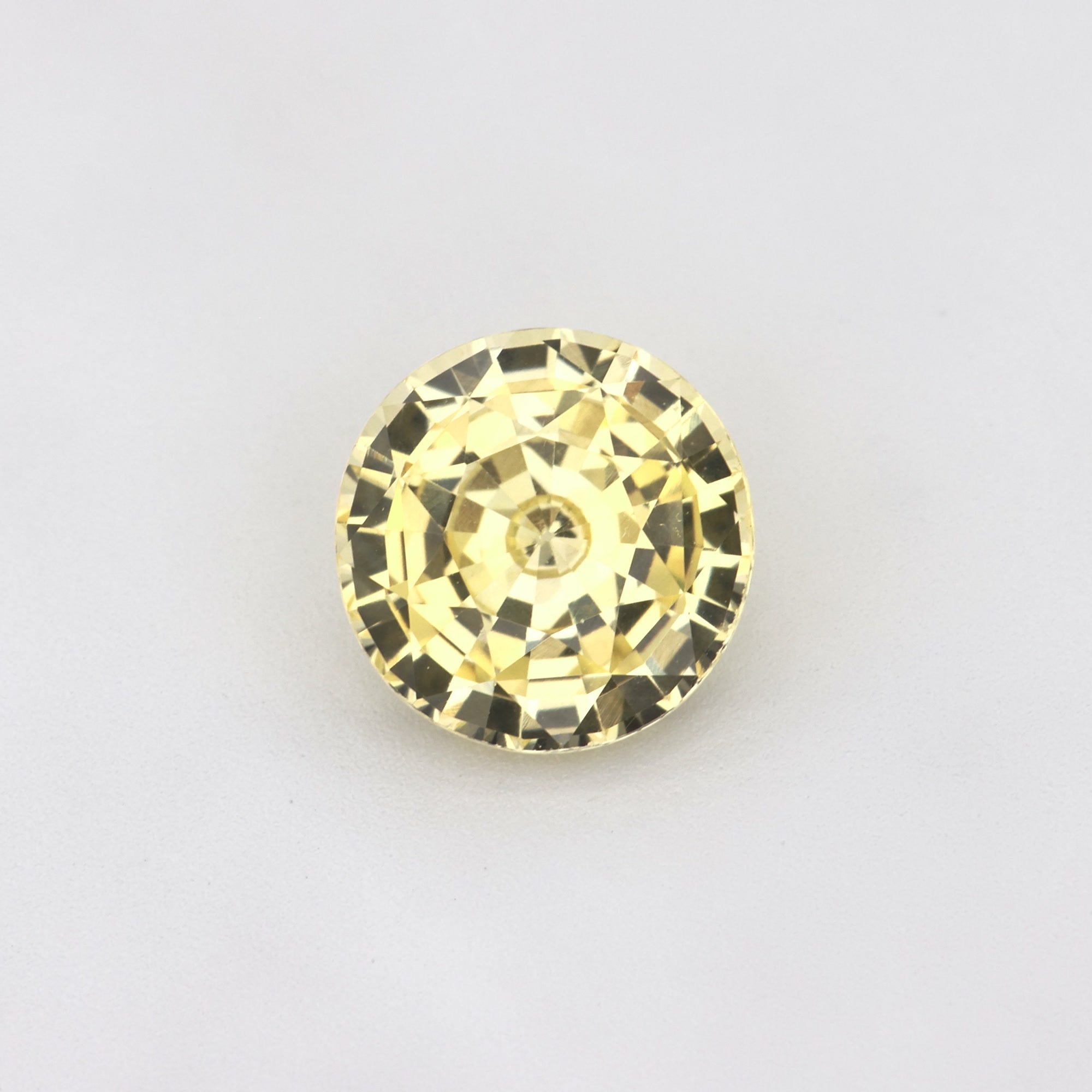
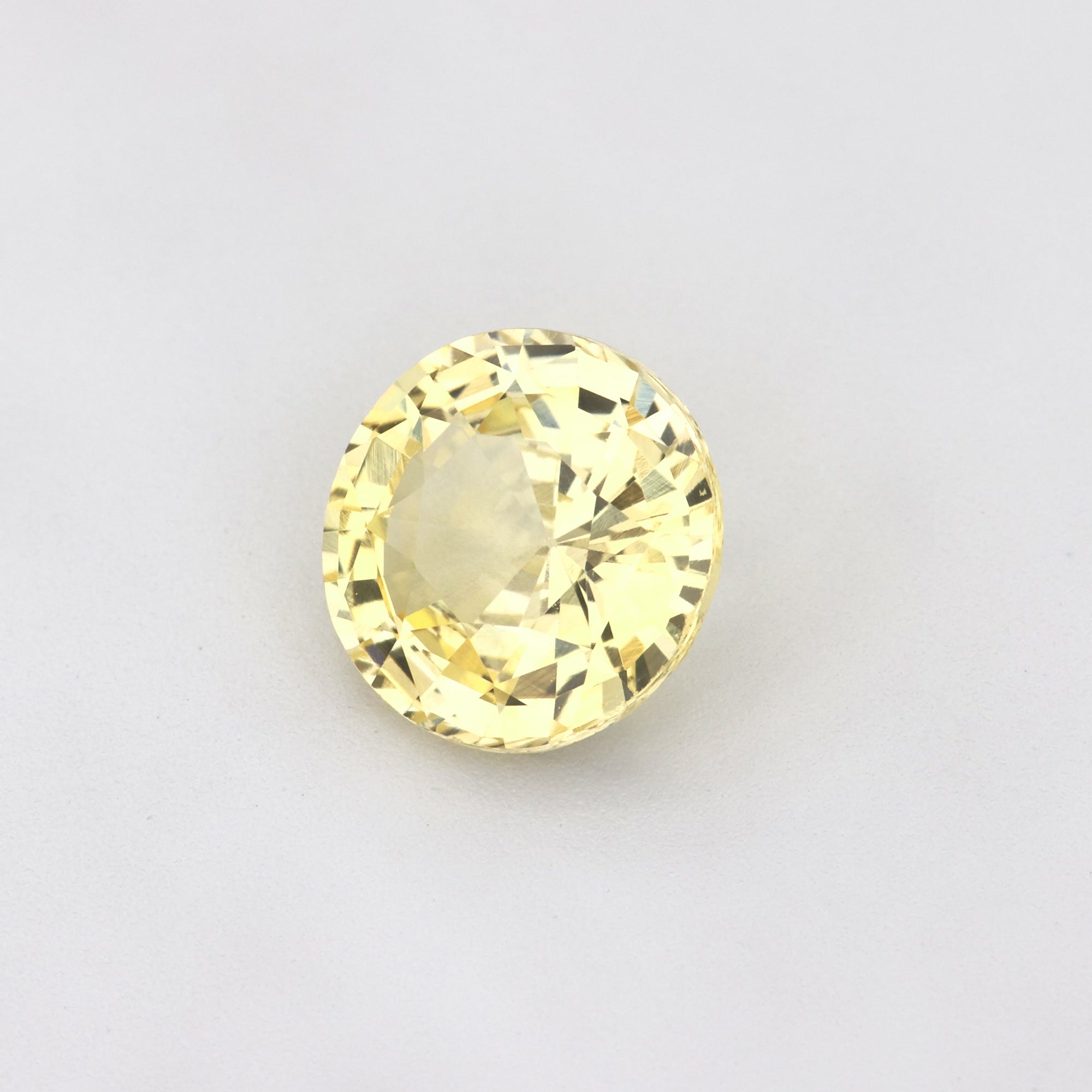
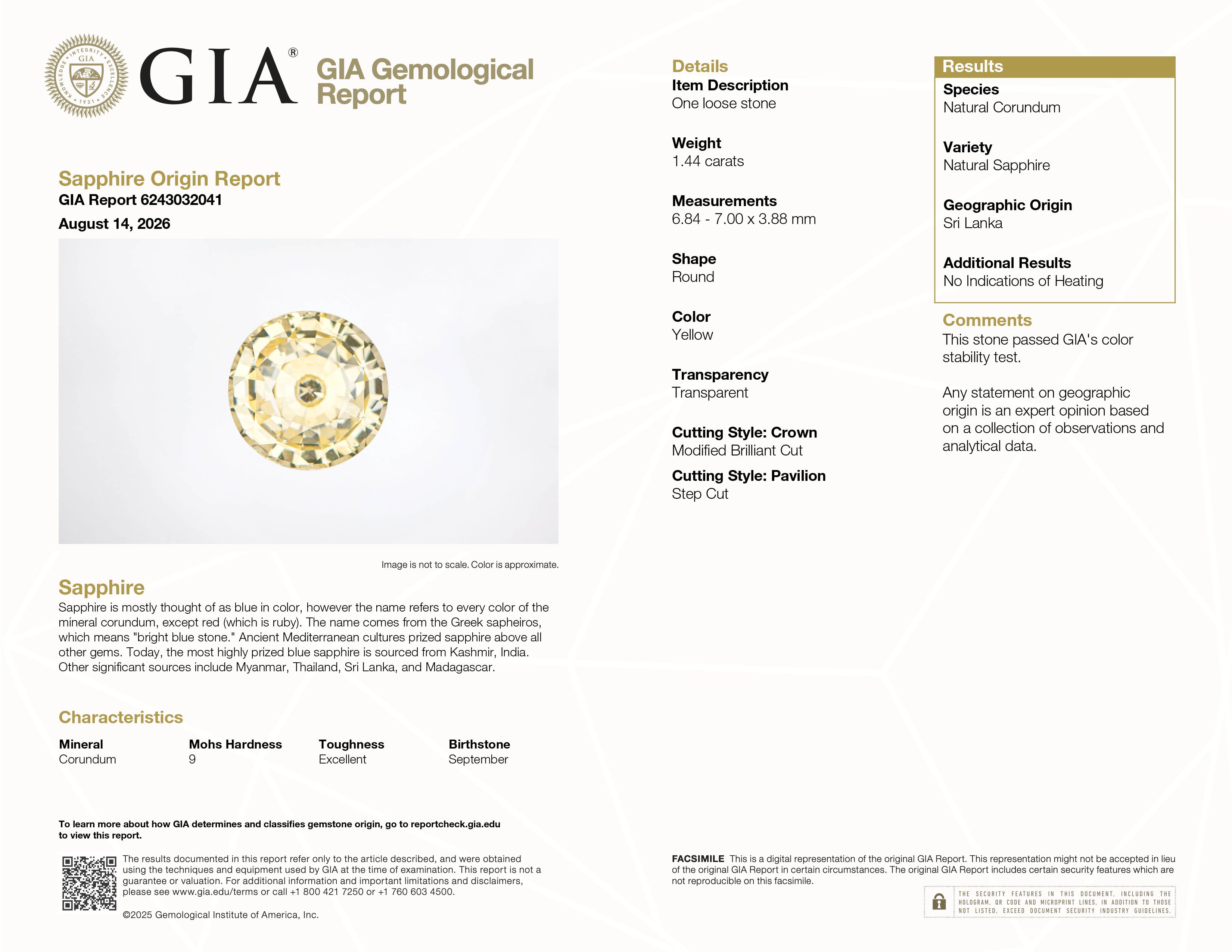
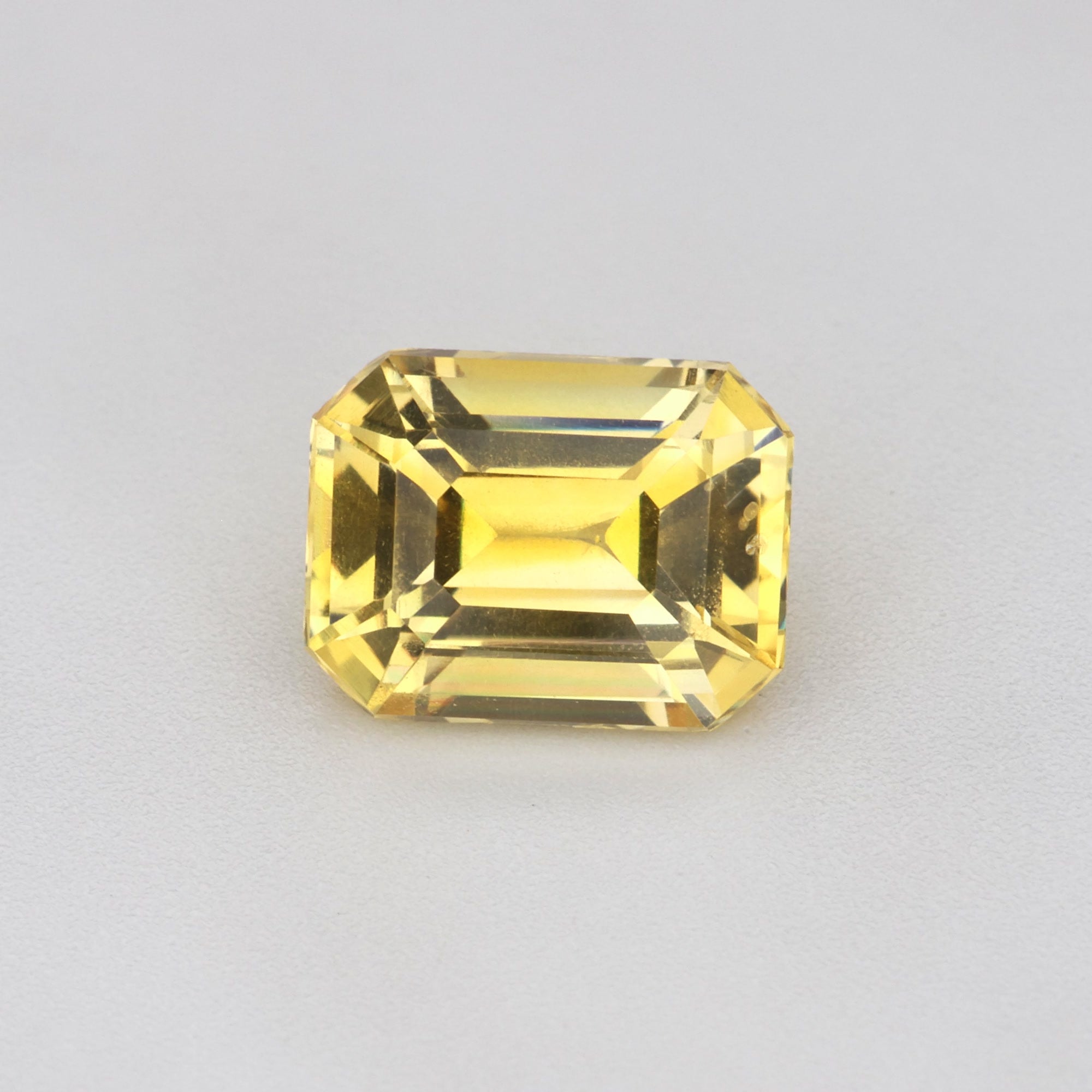
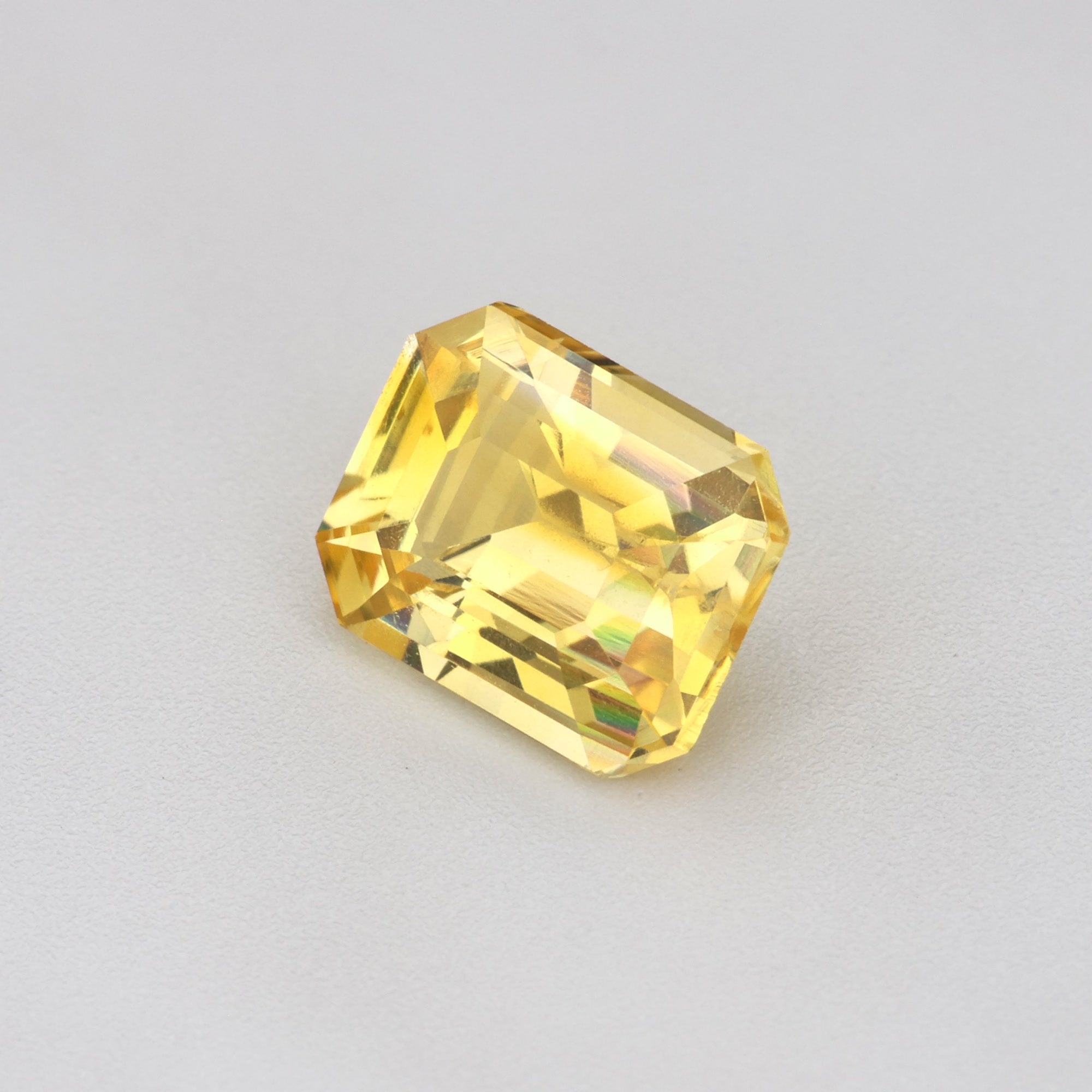
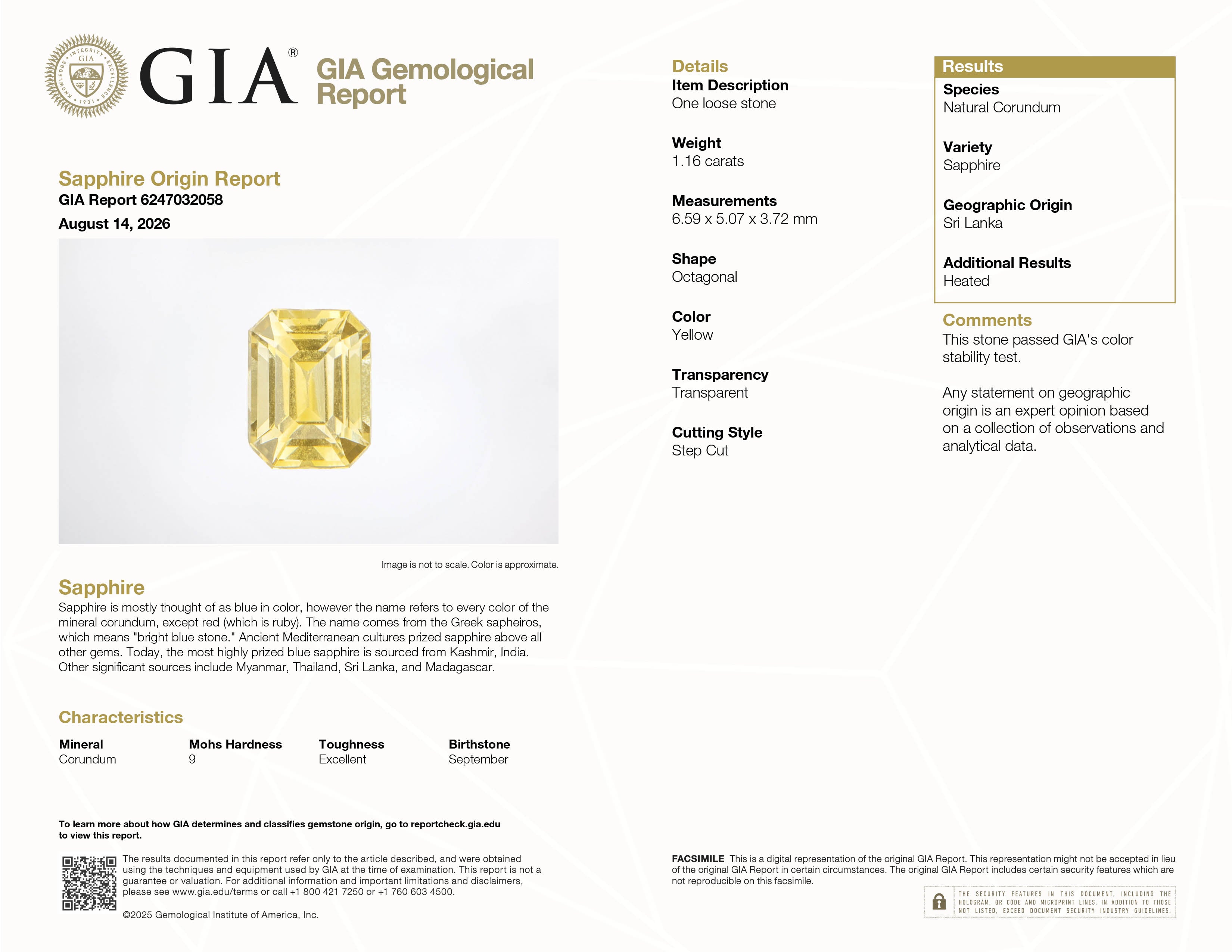
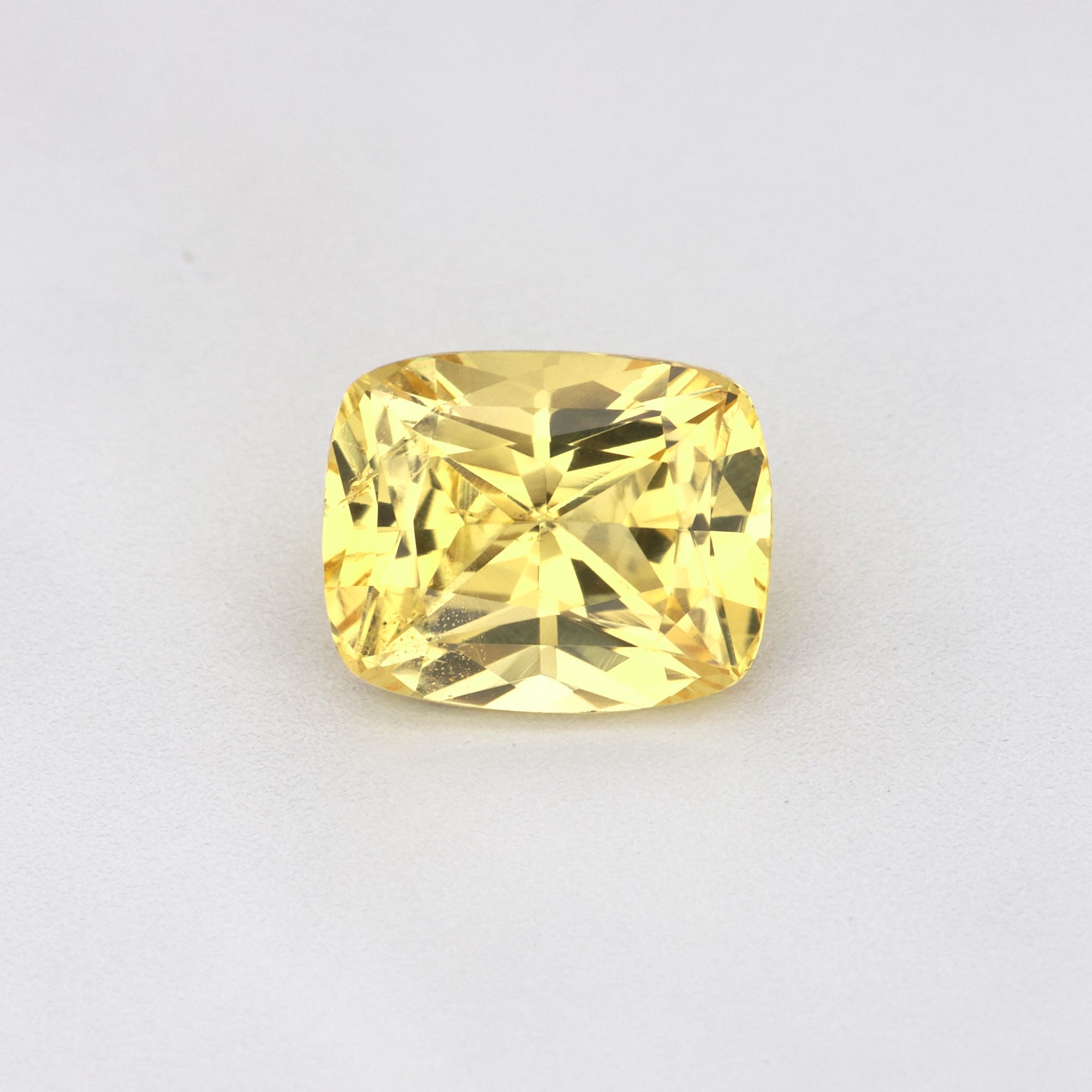
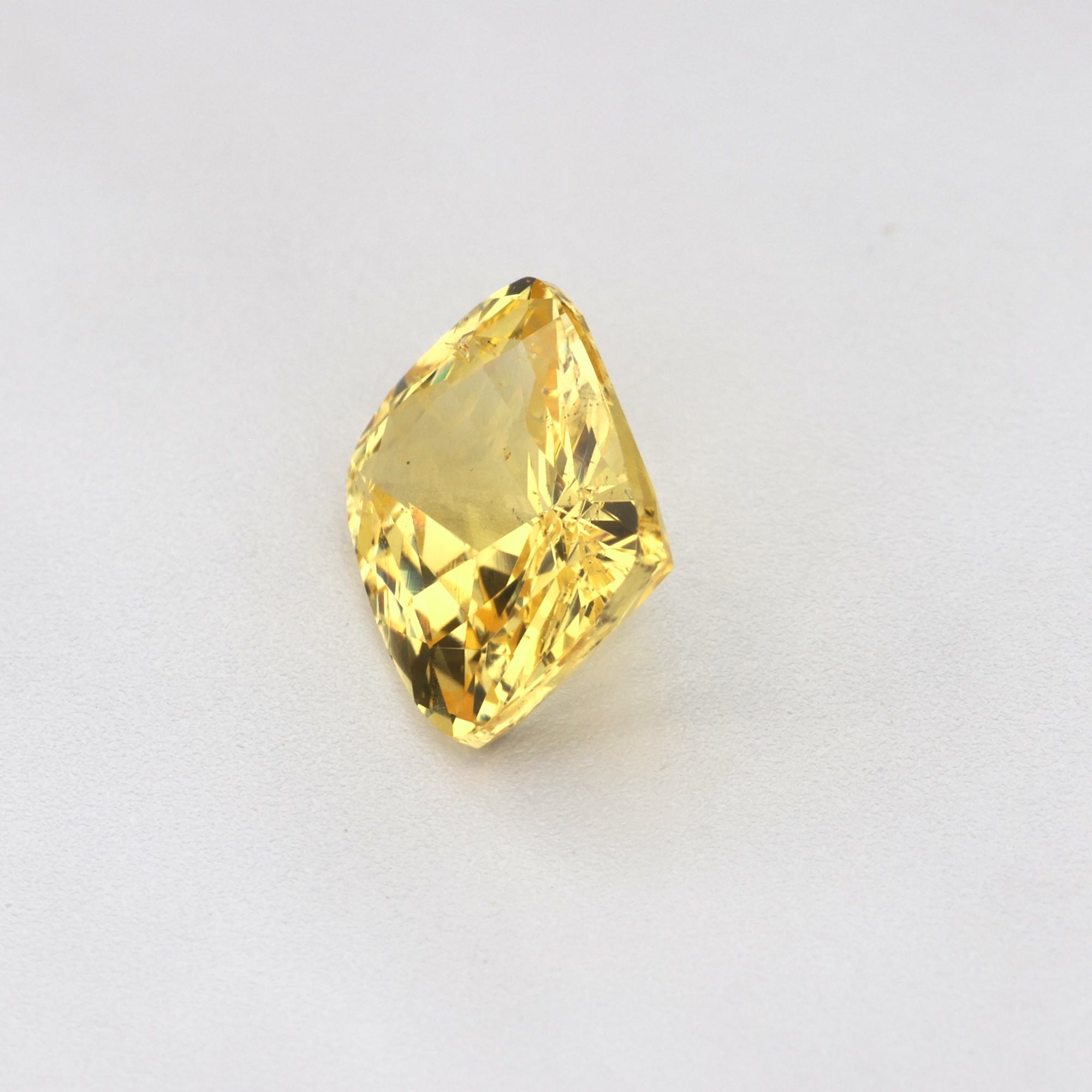
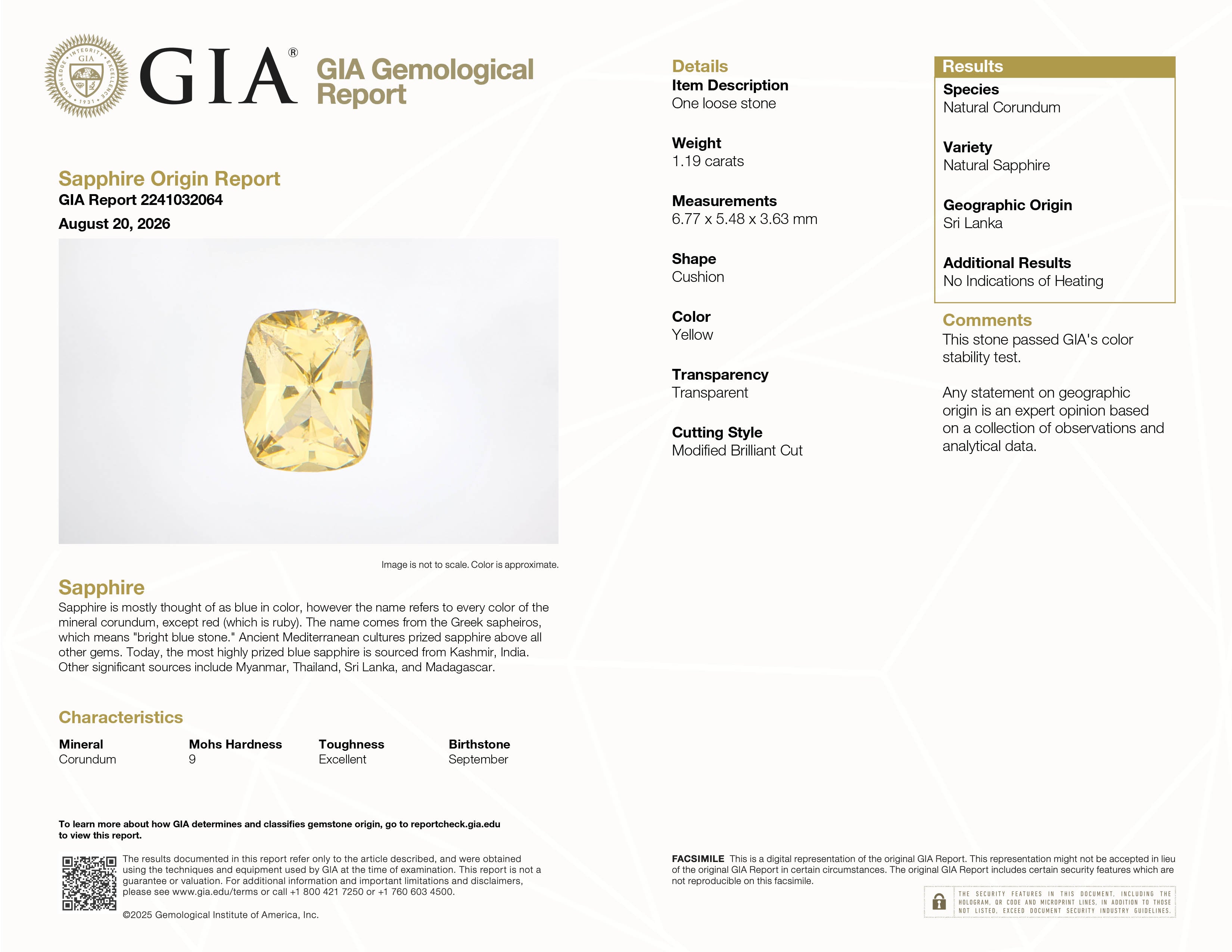
Yellow sapphire sits most naturally in yellow gold — a warm stone in a warm metal creates a unified warm composition, with metal and stone in the same color family. White gold and platinum create a cooler frame, and the eye reads the yellow against that contrast. Rose gold sits between the two. For a strongly saturated yellow, yellow gold is the natural, complementary choice; for lighter yellows, white gold or platinum keeps the metal from reading as the same color as the stone, so the stone's outline stays distinct. Browse our yellow sapphire collection.
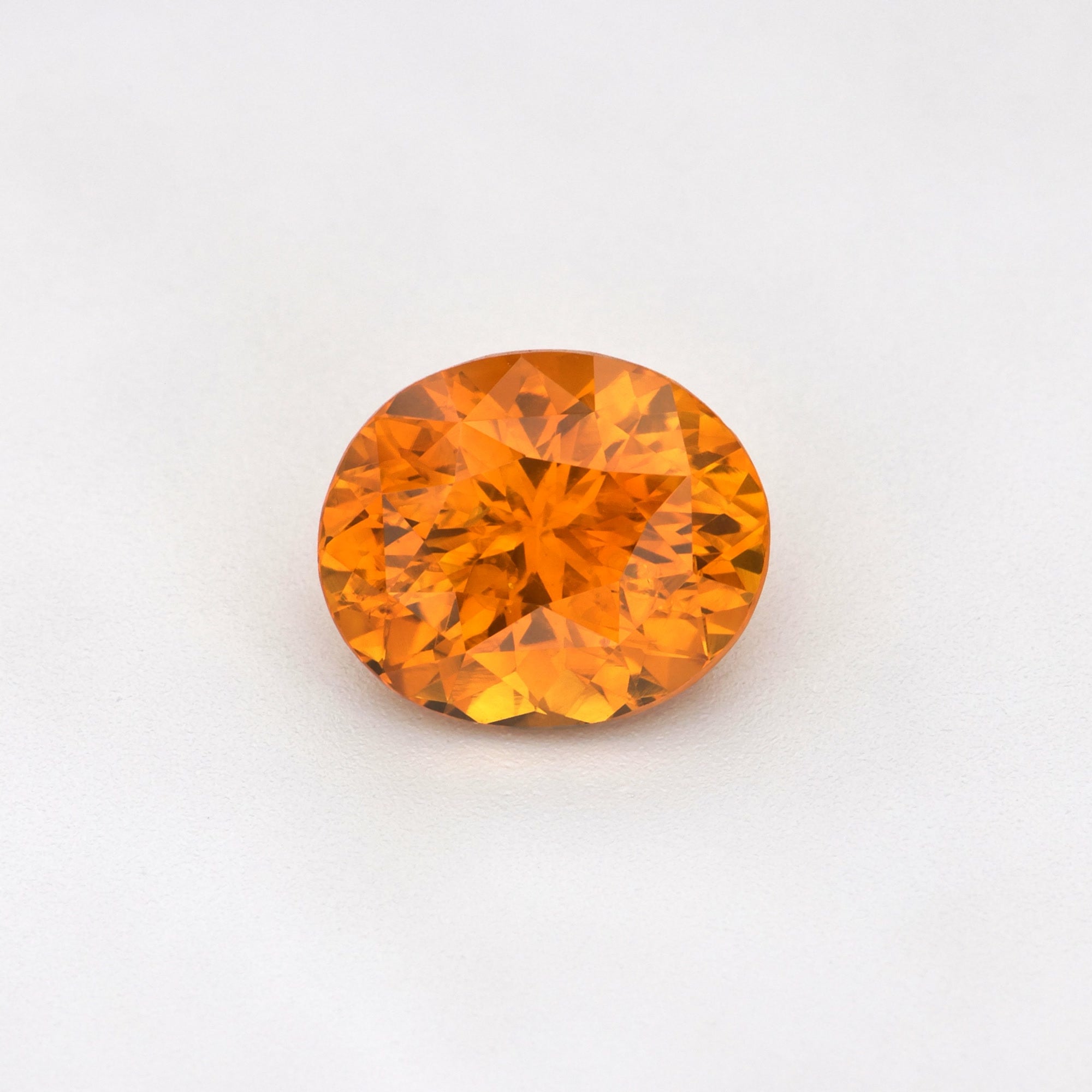
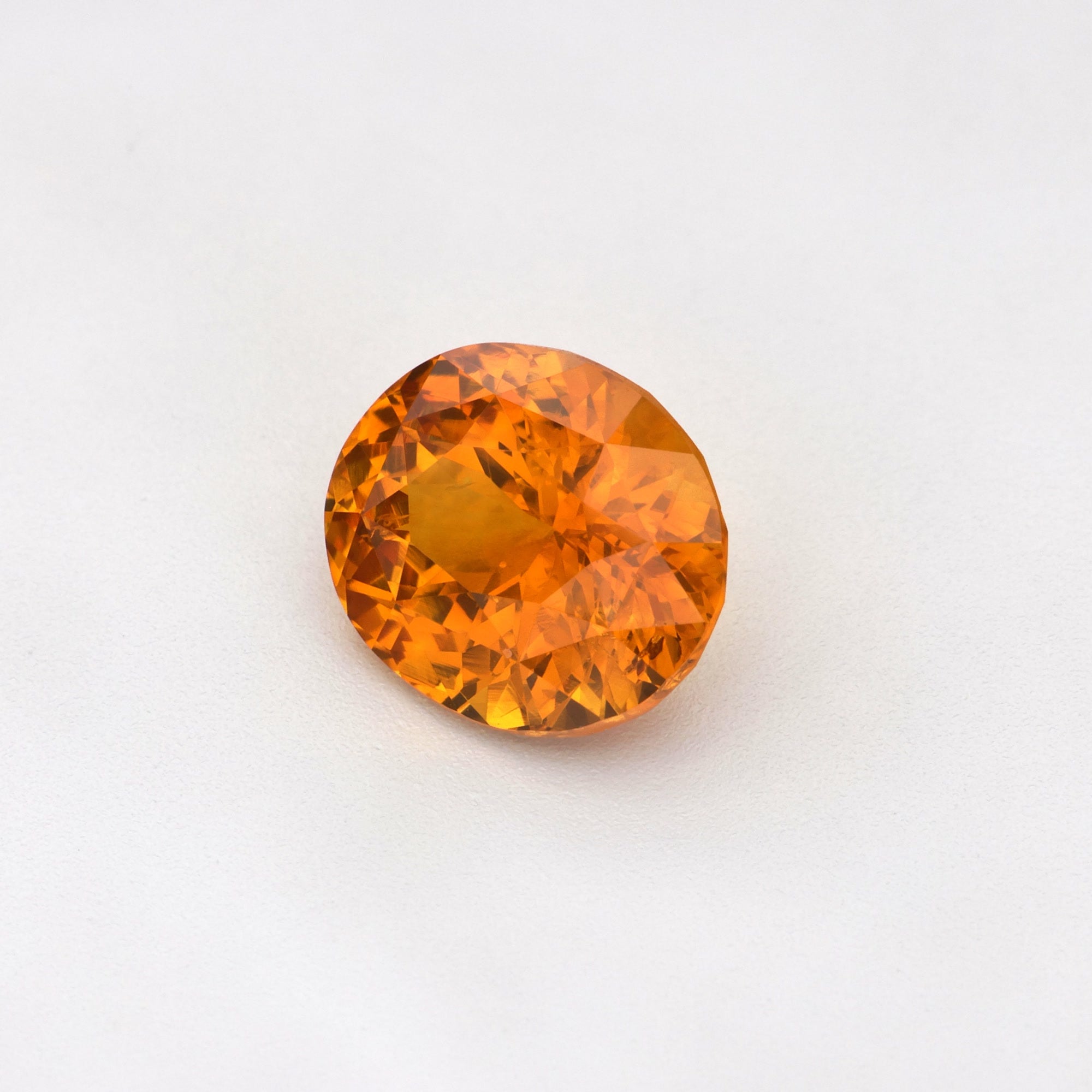
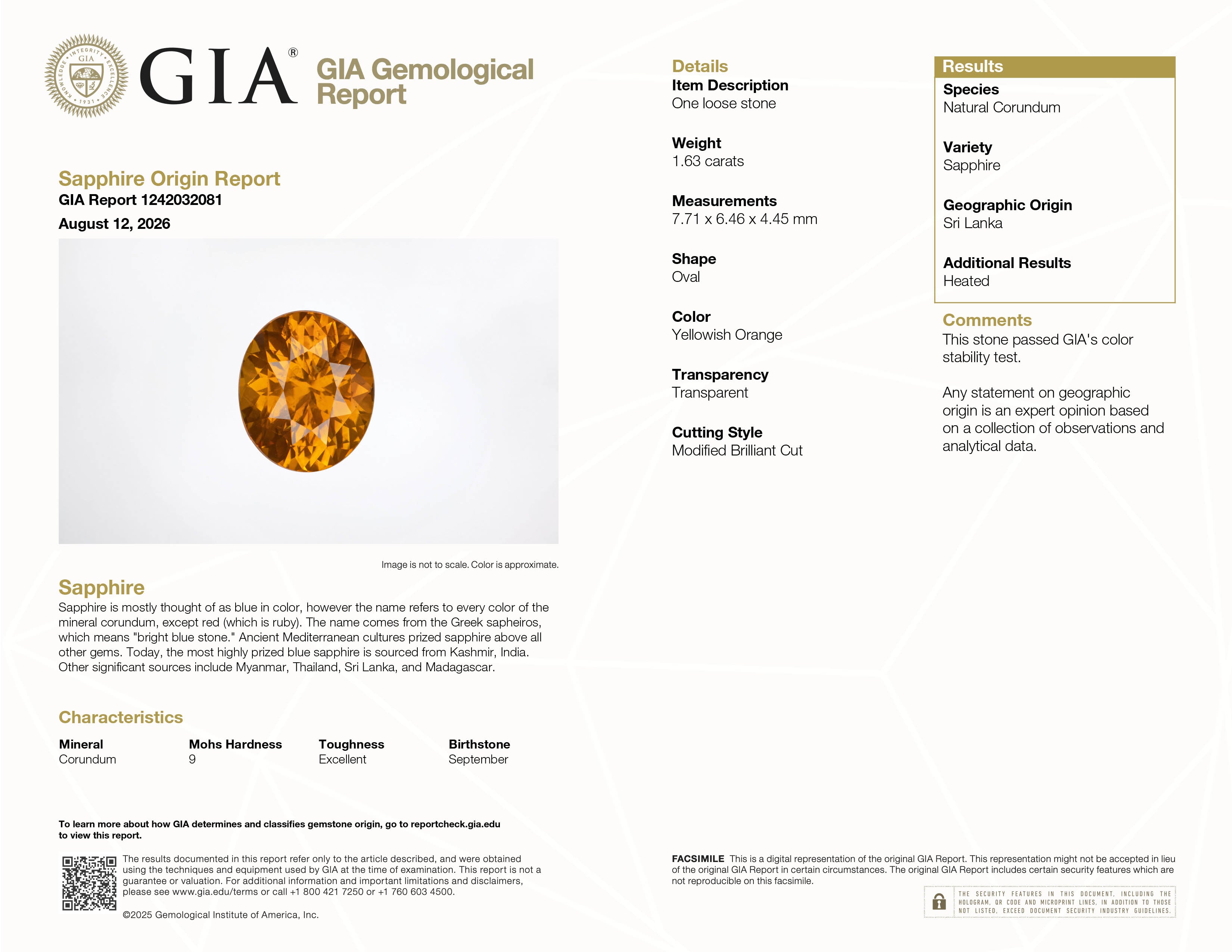
Orange and peach sapphire suit yellow gold and rose gold most naturally, where warm metal sits beside a warm stone and metal and stone share a color family. Platinum and white gold can be used for a cooler frame, but the cool metal creates a starker contrast with the warm stone that not all buyers find harmonious. Padparadscha is a laboratory-defined designation; we hold none, and this page applies it to no stone — see our guide to that designation. Browse our orange sapphire collection and peach sapphire collection.
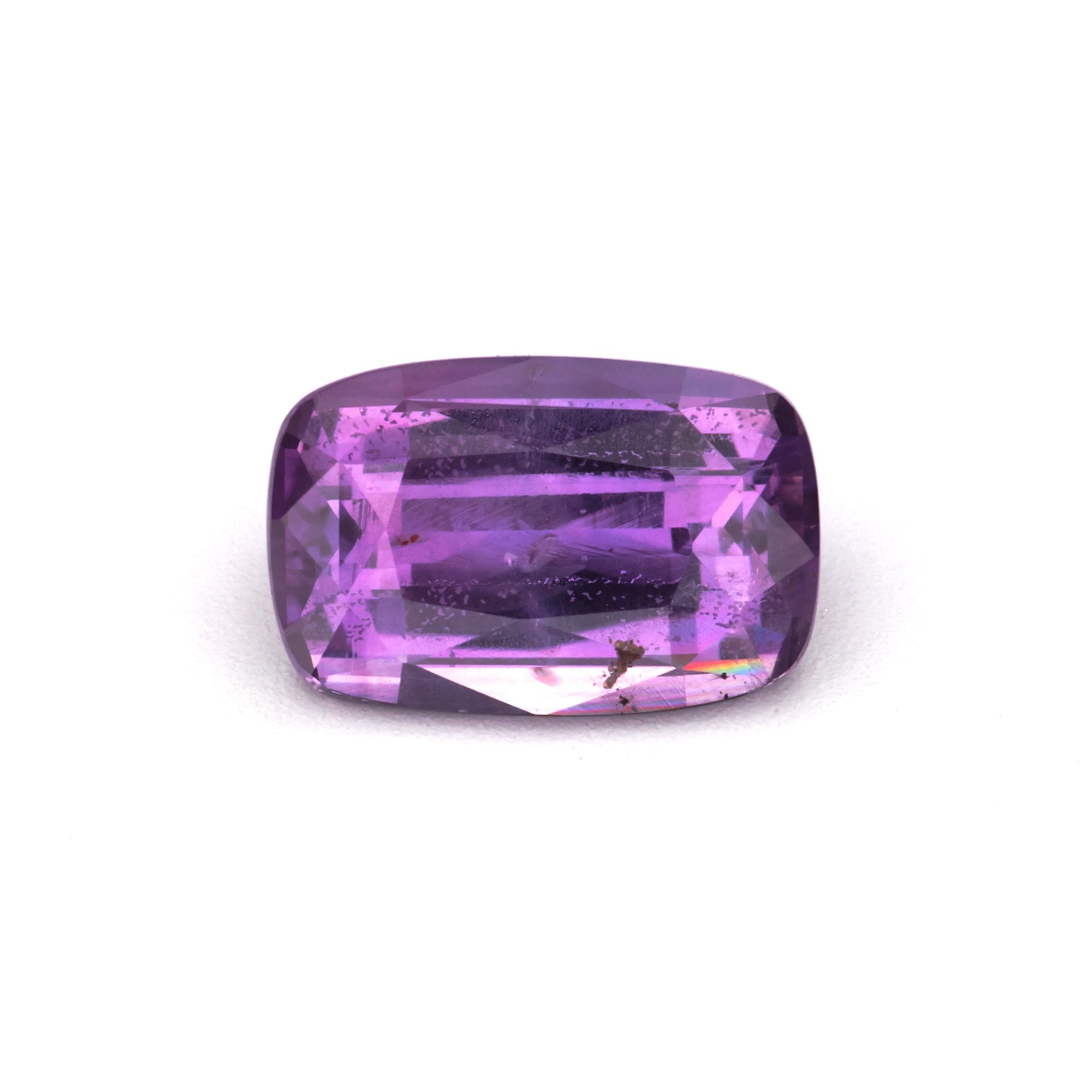
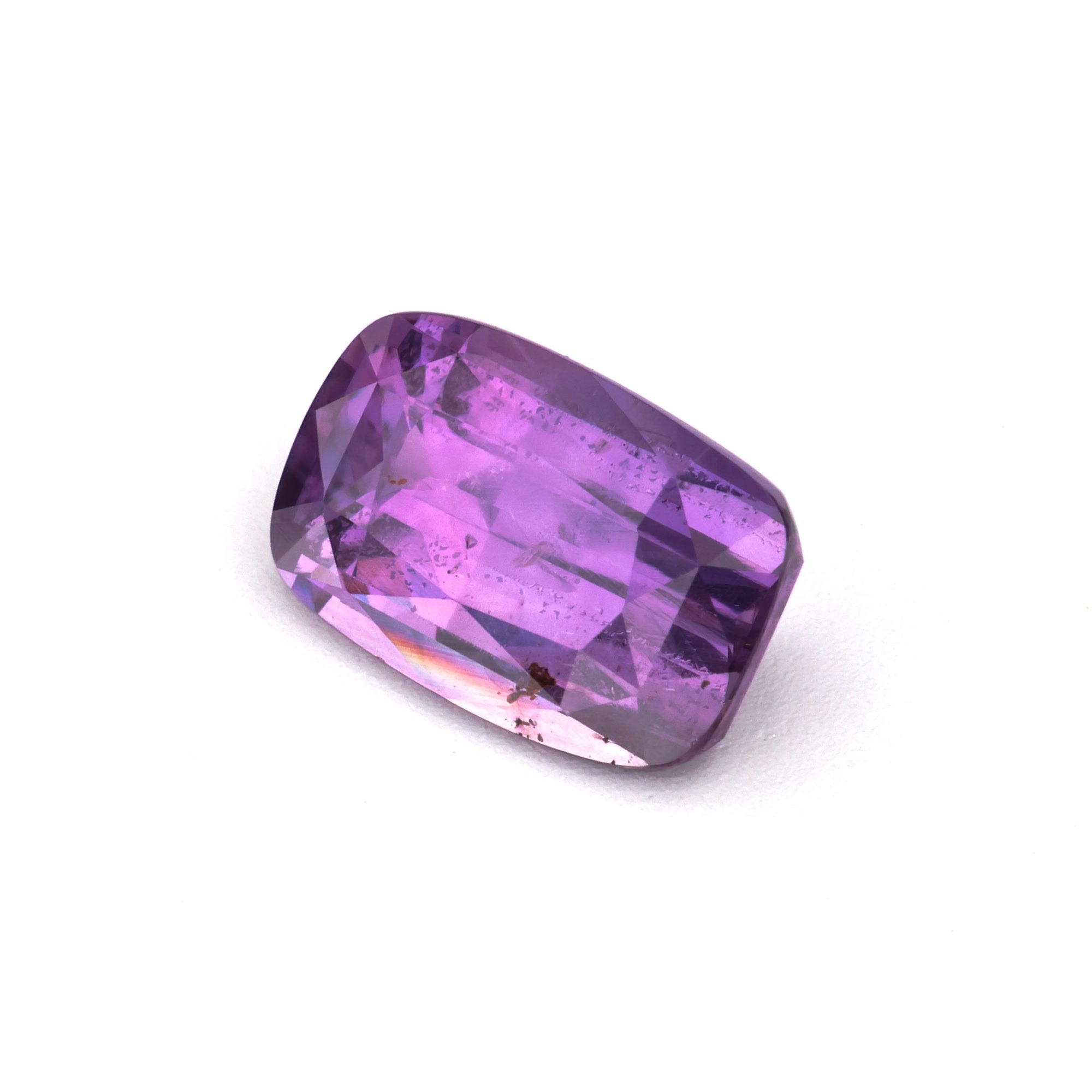
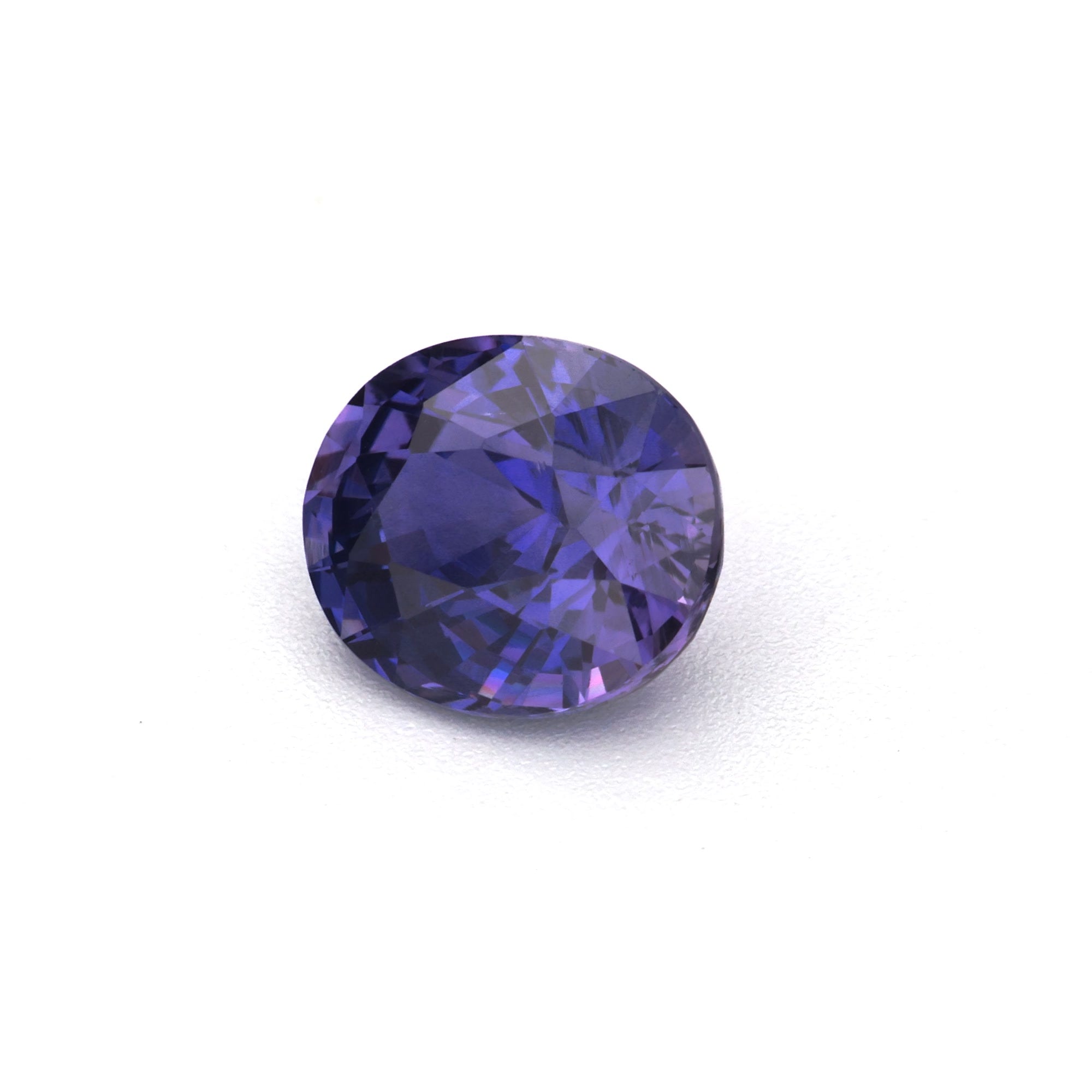
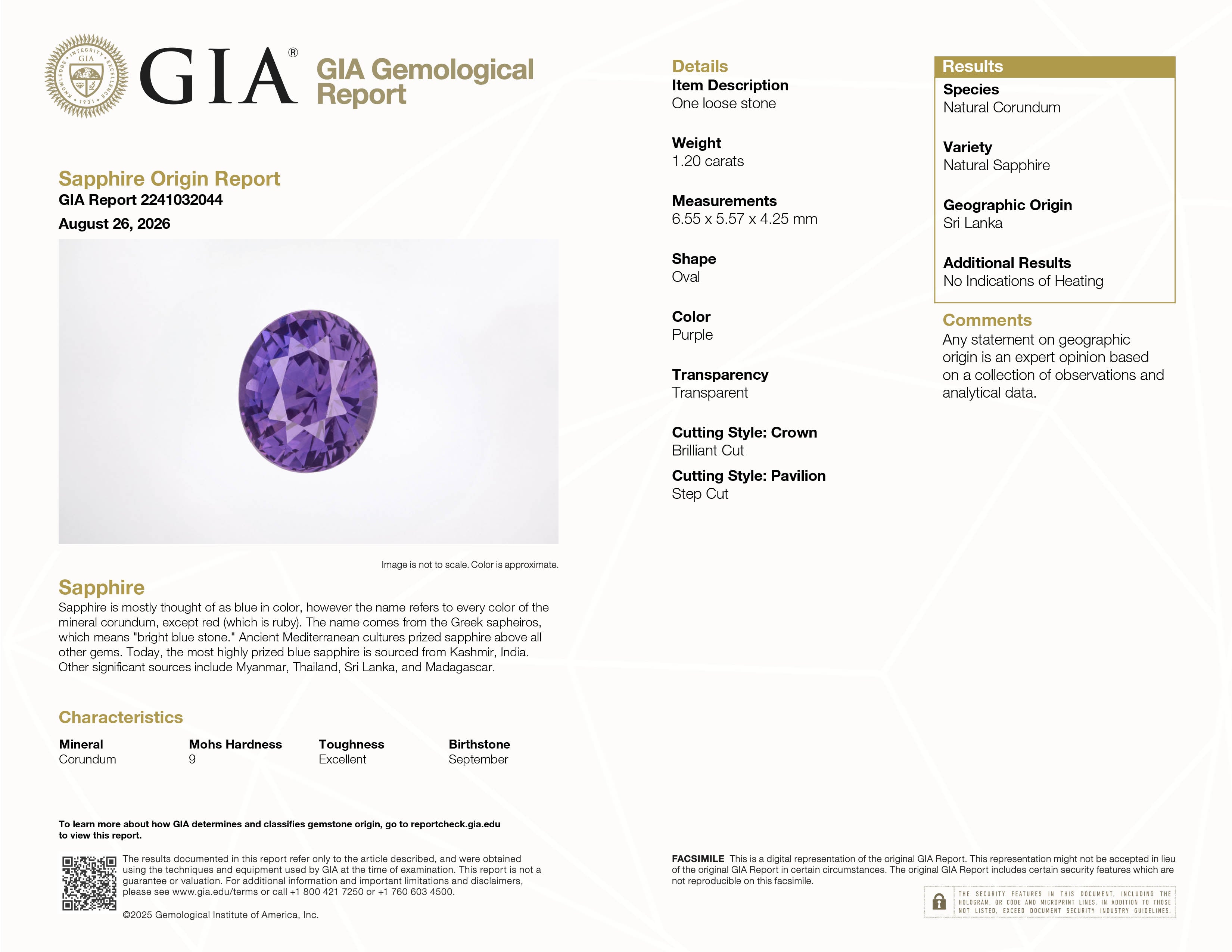
Violet and purple sapphire works particularly well in white gold and platinum, where the cool metal allows the purple to read cleanly without warm modification. Yellow gold can push violet toward a more brownish-purple reading in some stones — ask for more photos and videos of the stone and look before committing. Rose gold can be beautiful with violet, creating a romantic, jewel-like combination. Browse our violet sapphire collection.
| Sapphire Color | Suggested Metal | Also Works |
|---|---|---|
| Blue (vivid) | Platinum / white gold | Yellow gold (warmer look), rose gold |
| Teal | Rose gold or white gold | Yellow gold (earthy), platinum |
| Pink | Rose gold | White gold / platinum |
| Yellow | Yellow gold | White gold (brighter contrast), rose gold |
| Peach | Yellow gold or rose gold | Platinum (cooler contrast) |
| Violet / purple | White gold / platinum | Rose gold (romantic), yellow gold (test first) |
| Orange | Yellow gold | Rose gold |
Skin tone interacts with metal color independently of the sapphire's color, affecting how the overall ring looks on the hand:
For the full metal decision framework including durability, cost, and maintenance comparisons, see our detailed Yellow Gold vs. White Gold vs. Platinum guide.
Platinum or white gold frames the blue in cool, neutral metal, so no warm tint is reflected into the stone. Yellow gold creates a warmer, more traditional look. Both are excellent choices — the decision is aesthetic. Rose gold is a visually striking alternative for blue sapphire. For the full comparison see our metal comparison guide.
Subtly, yes — yellow gold reflects warm light into the stone's girdle, which can warm the apparent color of the sapphire slightly. This effect is most noticeable in lighter-toned stones and stones with secondary warm hues. For vivid, strongly saturated sapphires, the effect is minimal. The visual difference between yellow gold and platinum settings for the same stone is real but modest — the stone's inherent color dominates.
Platinum is denser and stronger than gold, and it is a white metal in its own right, so it does not depend on rhodium plating for its color — advantages that matter over years of daily wear. White gold is usually rhodium-plated, and the plating wears away gradually, so the ring needs re-plating from time to time. For a ring intended for daily wear over many years, platinum's lower maintenance is a real advantage. For the full cost-benefit analysis see our platinum vs. gold guide.
Browse our full catalog or email crescentgems@gmail.com — we can send more photos and videos of a specific stone so you and your jeweler can judge it against the metal you have in mind. We respond within one business day.

CG8465
CG8463
CG8460
CG8456


Blue Star Sapphire Price Guide — What They Cost and Why
Read moreabout Blue Star Sapphire Price Guide — What They Cost and Why
Tsavorite Garnet Price Guide — What They Cost and Why
Read moreabout Tsavorite Garnet Price Guide — What They Cost and Why
Color-Change Sapphire Price Guide — What They Cost and Why
Read moreabout Color-Change Sapphire Price Guide — What They Cost and Why
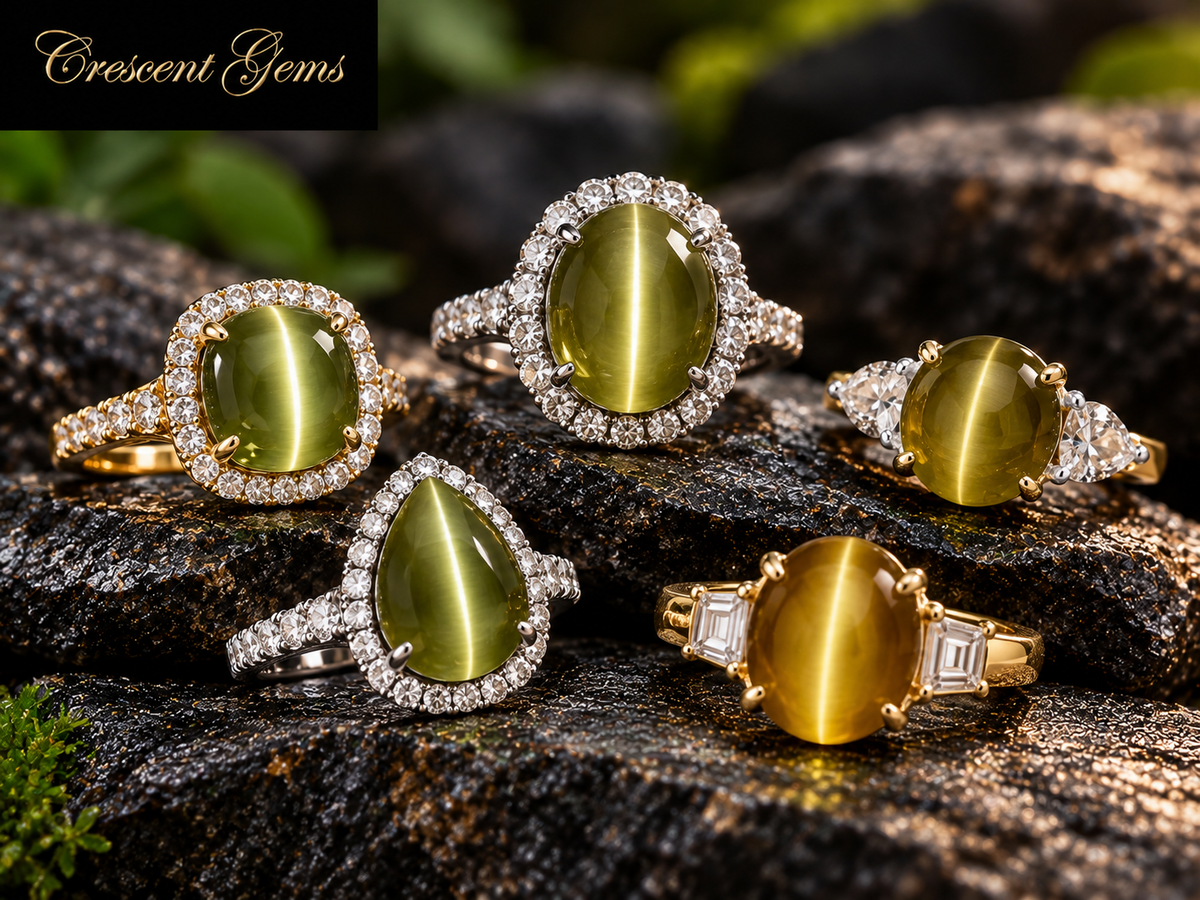
Is Cat's-Eye Chrysoberyl Good for an Engagement Ring?
Read moreabout Is Cat's-Eye Chrysoberyl Good for an Engagement Ring?
Cat's Eye Chrysoberyl Price Guide — What They Cost and Why
Read moreabout Cat's Eye Chrysoberyl Price Guide — What They Cost and Why















Share: