- by Ahmed Shareek
Ceylon Sapphire Engagement Rings: How to Choose the Right Stone, Directly from the Source
- by Ahmed Shareek
New to buying sapphires? Start with our Ultimate Sapphire Buying Guide — our guide to colour, origin, treatment, and pricing.
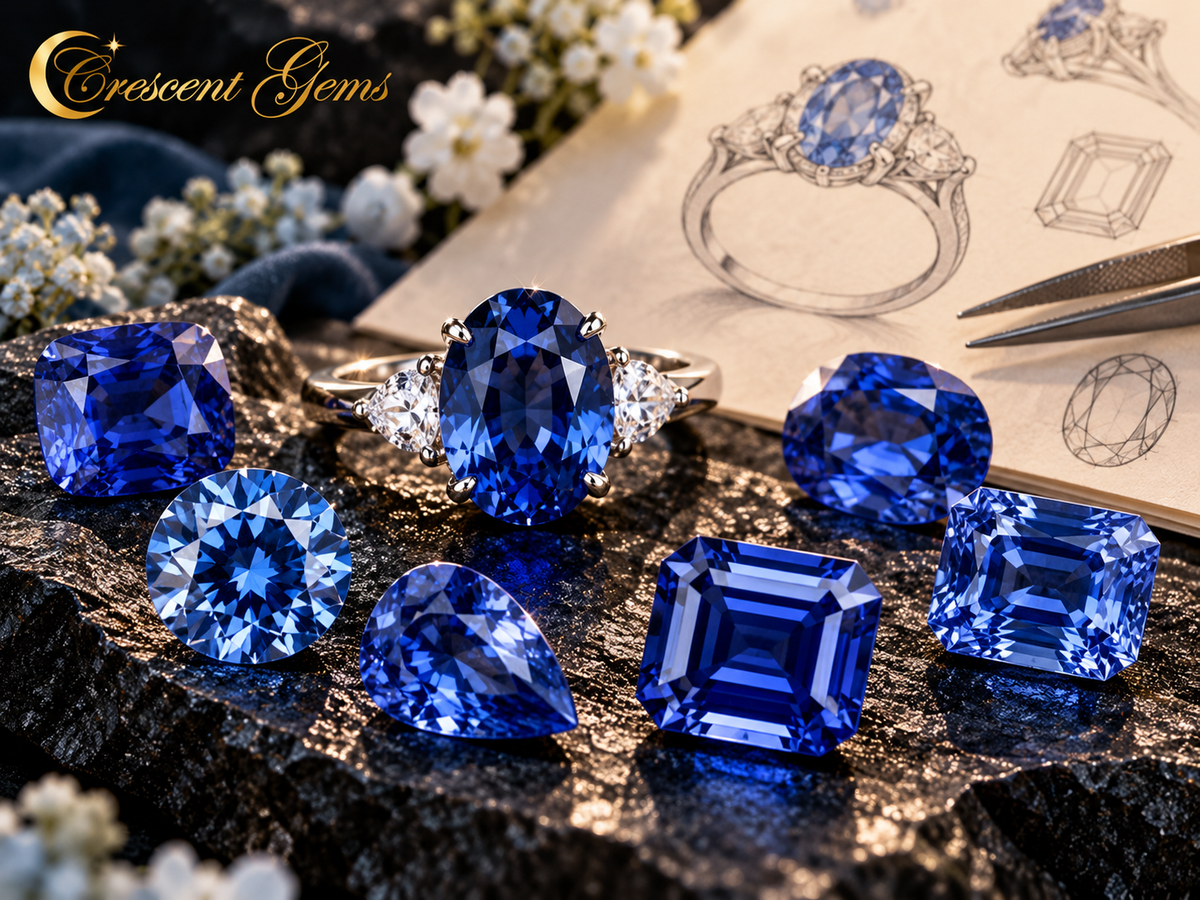
By the time a sapphire is set into a finished ring, the detail you most want about the stone — where it was mined, whether it has been heated, what its report actually says — has had to survive every step between the cutter and the counter. The point of this guide is to hand you that detail directly, and to explain what we look at before we buy a stone ourselves.
At Crescent Gems we buy our own stones in Sri Lanka (Ceylon), through our offices in Colombo, Beruwala and Ratnapura, and we cut to our own specification. That is what lets us run without a showroom and with a shorter chain between the ground and you. We should be straight about one thing, though: the Sri Lankan rough market is itself intermediated. Stones reach the Ratnapura and Beruwala markets through local brokers and dealers, so buying direct means we buy at the source market and do our own cutting and selection — not that nobody stands between us and the ground. Most of the sapphires we carry are Sri Lankan; some are not, and each listing states the origin recorded for that stone. The advice in this article is what we actually look for when we are standing in front of a parcel of rough or a tray of cut stones, deciding which ones are worth bringing to market.
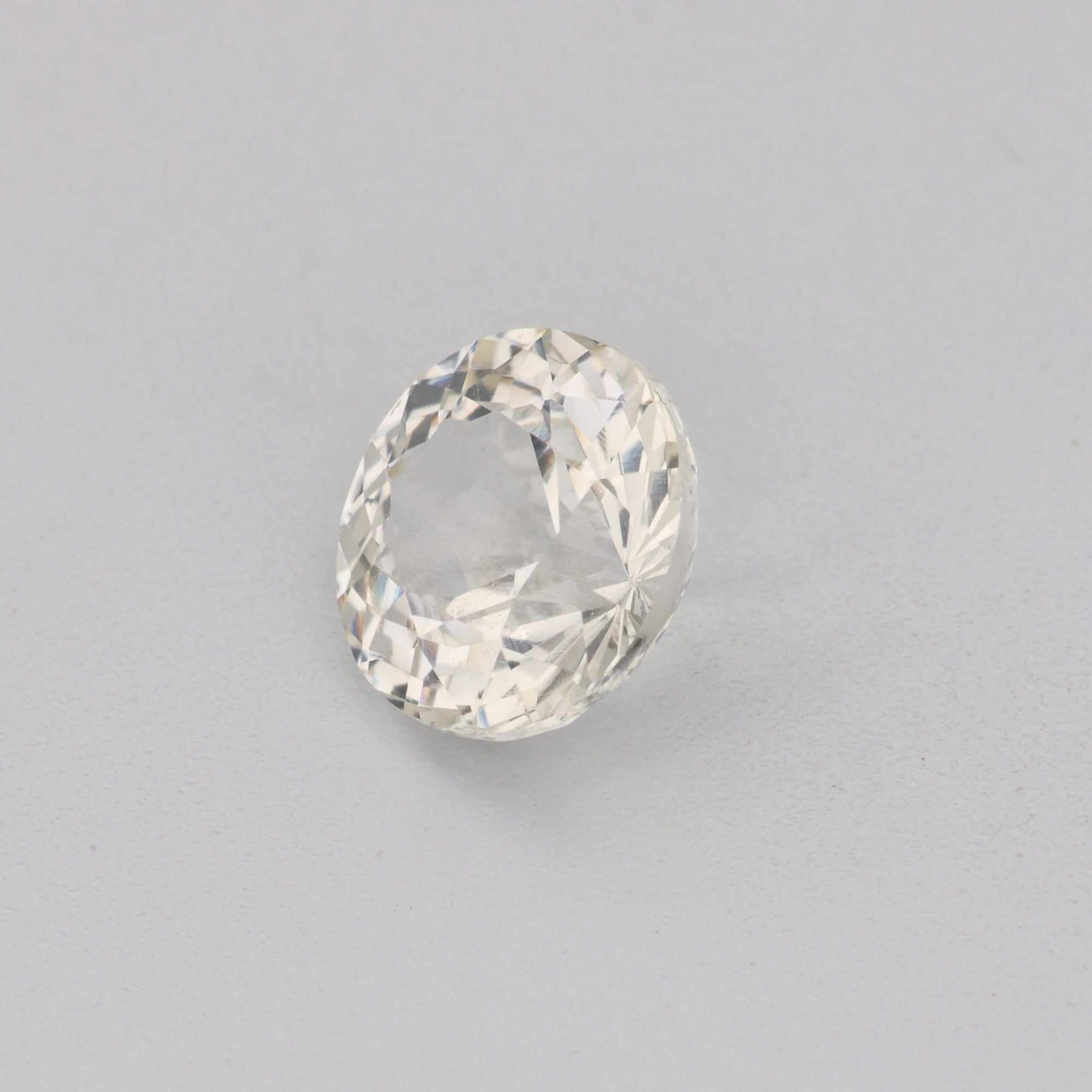
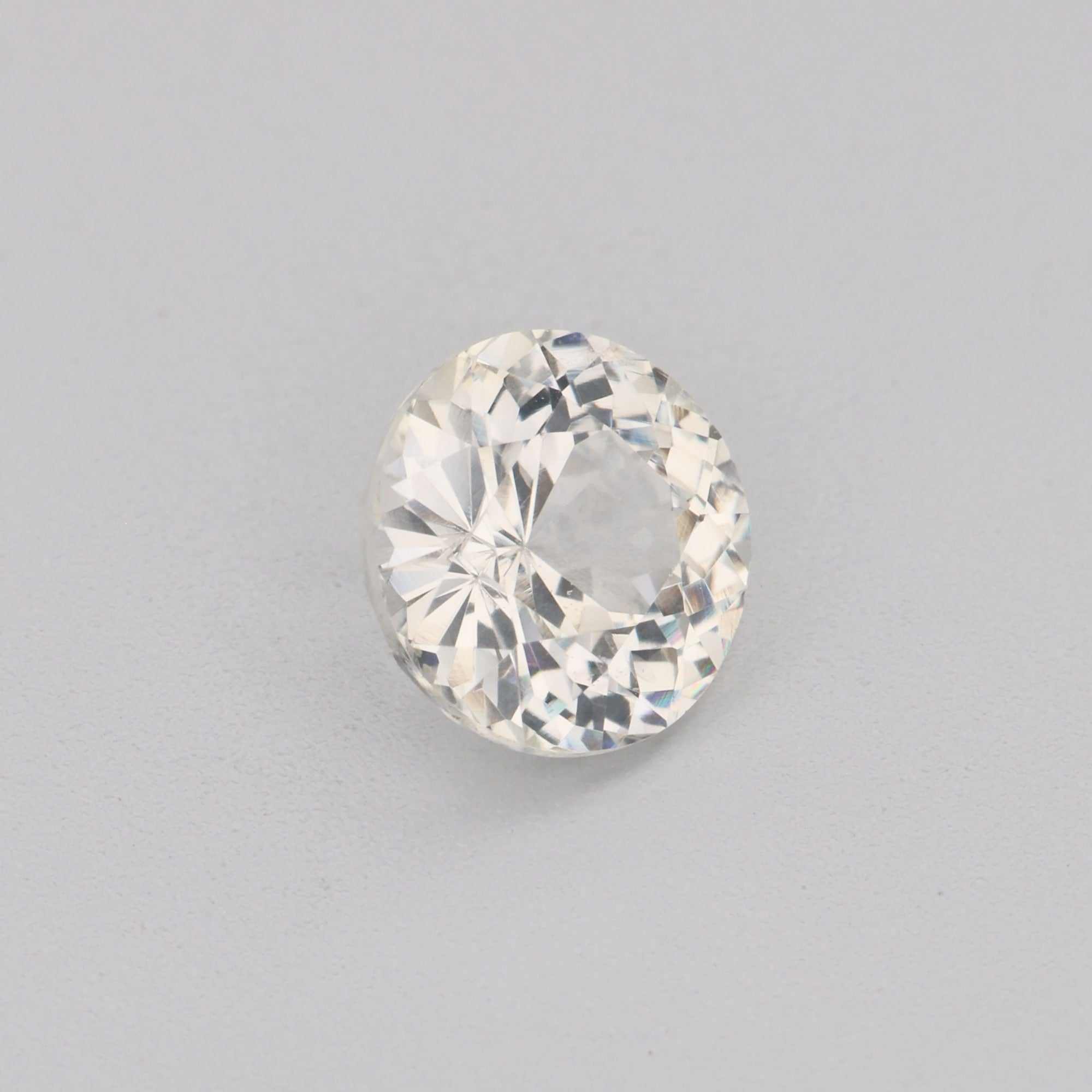
Sri Lanka — known in the gem trade as Ceylon — has a long history of sapphire production, and the island's alluvial gem gravels are the source of most of what we buy. Corundum from those gravels comes out of the ground across a broad span of colors: blue, yellow, pink, peach, teal, green, purple, violet, white, and orange. Ceylon is a place name here and nothing more. It tells you where a stone was mined. It does not tell you how good that stone is, and nothing about the color, clarity or cut of a particular stone follows from where it came from.
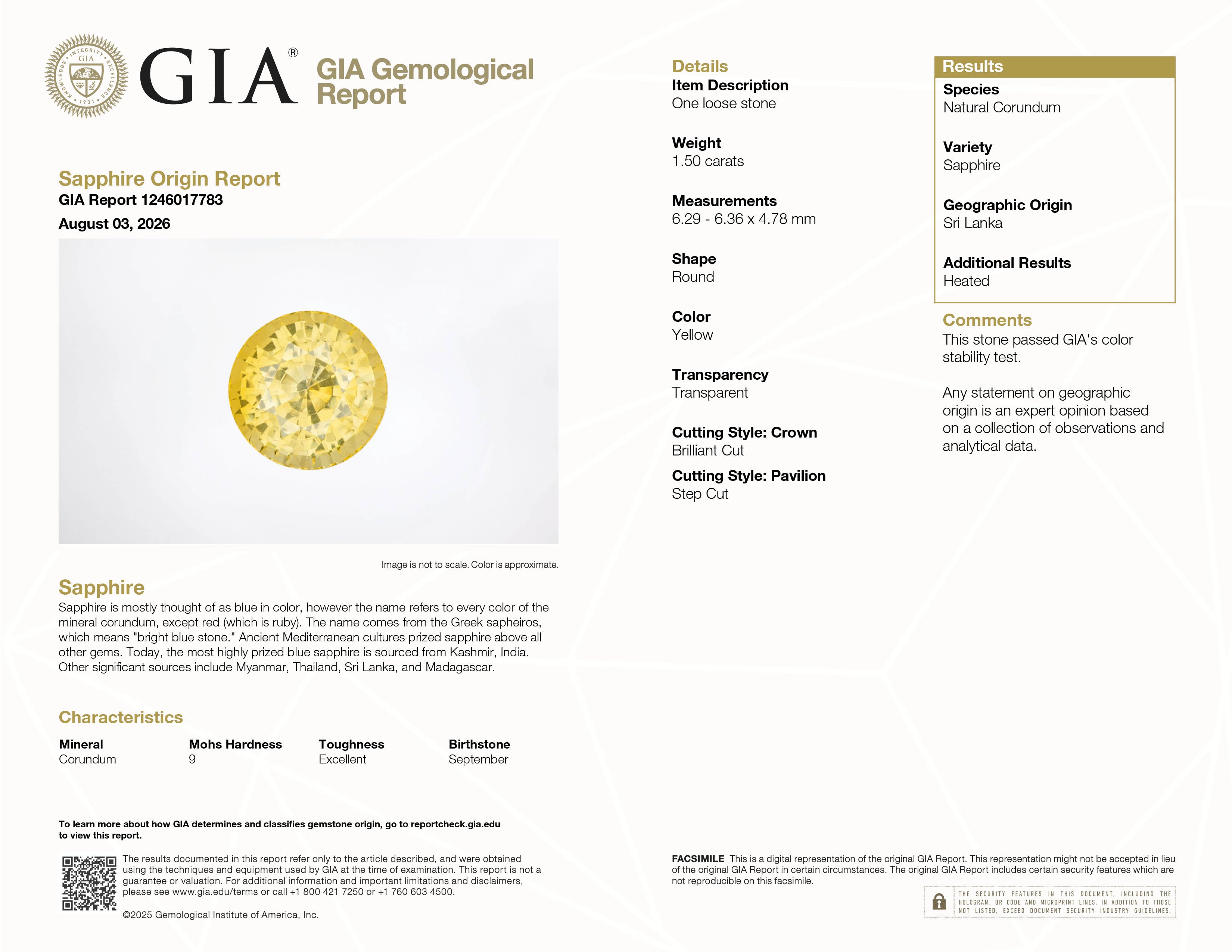
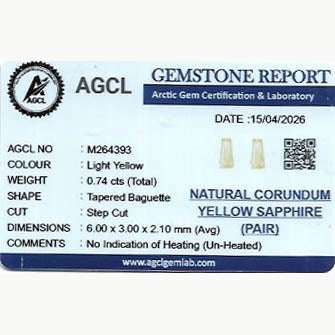
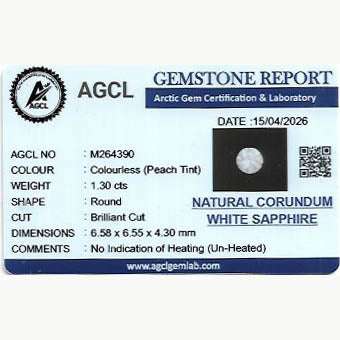
One practical consequence for engagement ring buyers is that a good deal of the Sri Lankan material we see is sold unheated, because the rough often does not need heating to reach a color the market wants. Unheated is the narrow, correct word for that. A report recording no indications of heating is making a finding about heating; it is not a statement that a stone has had no treatment at all.
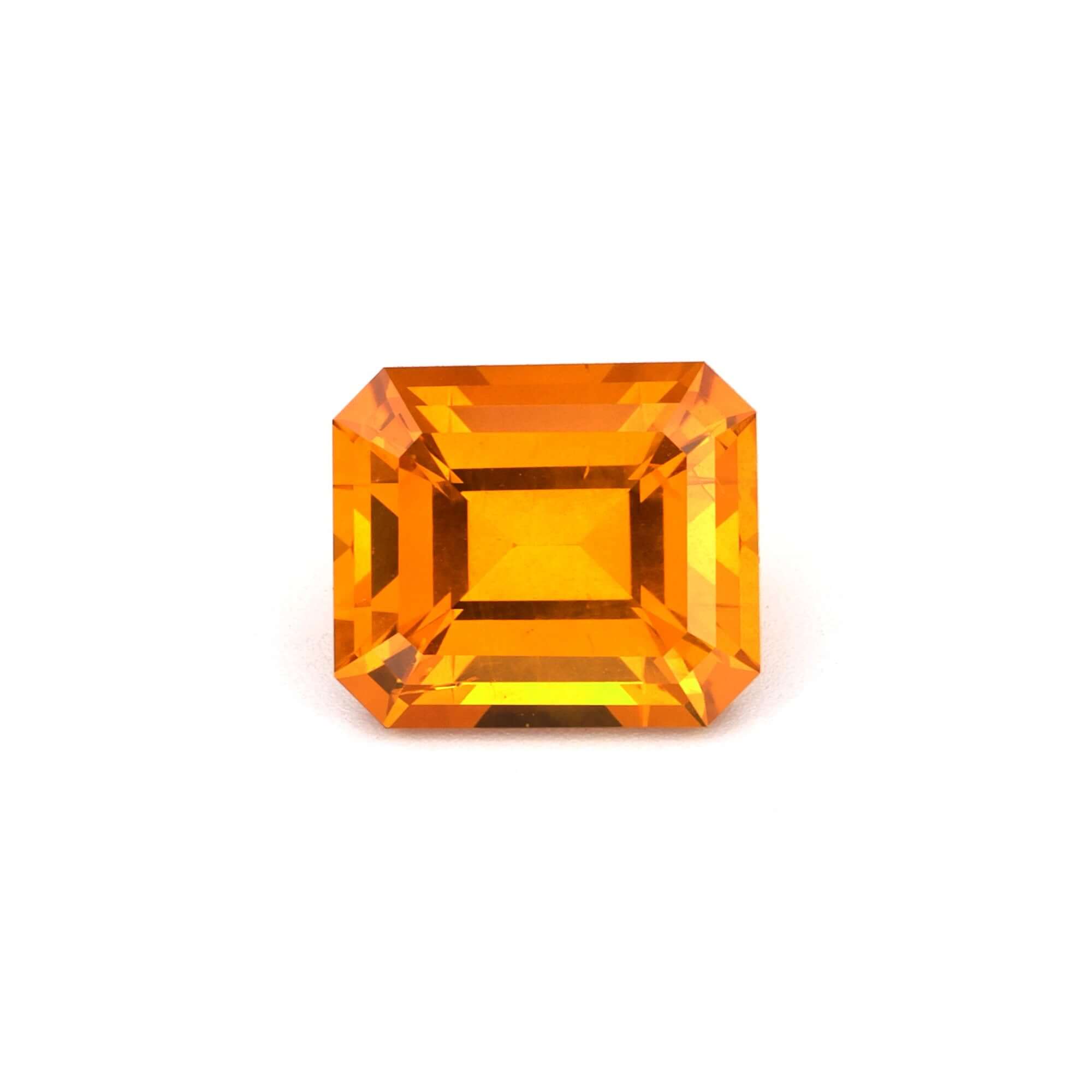
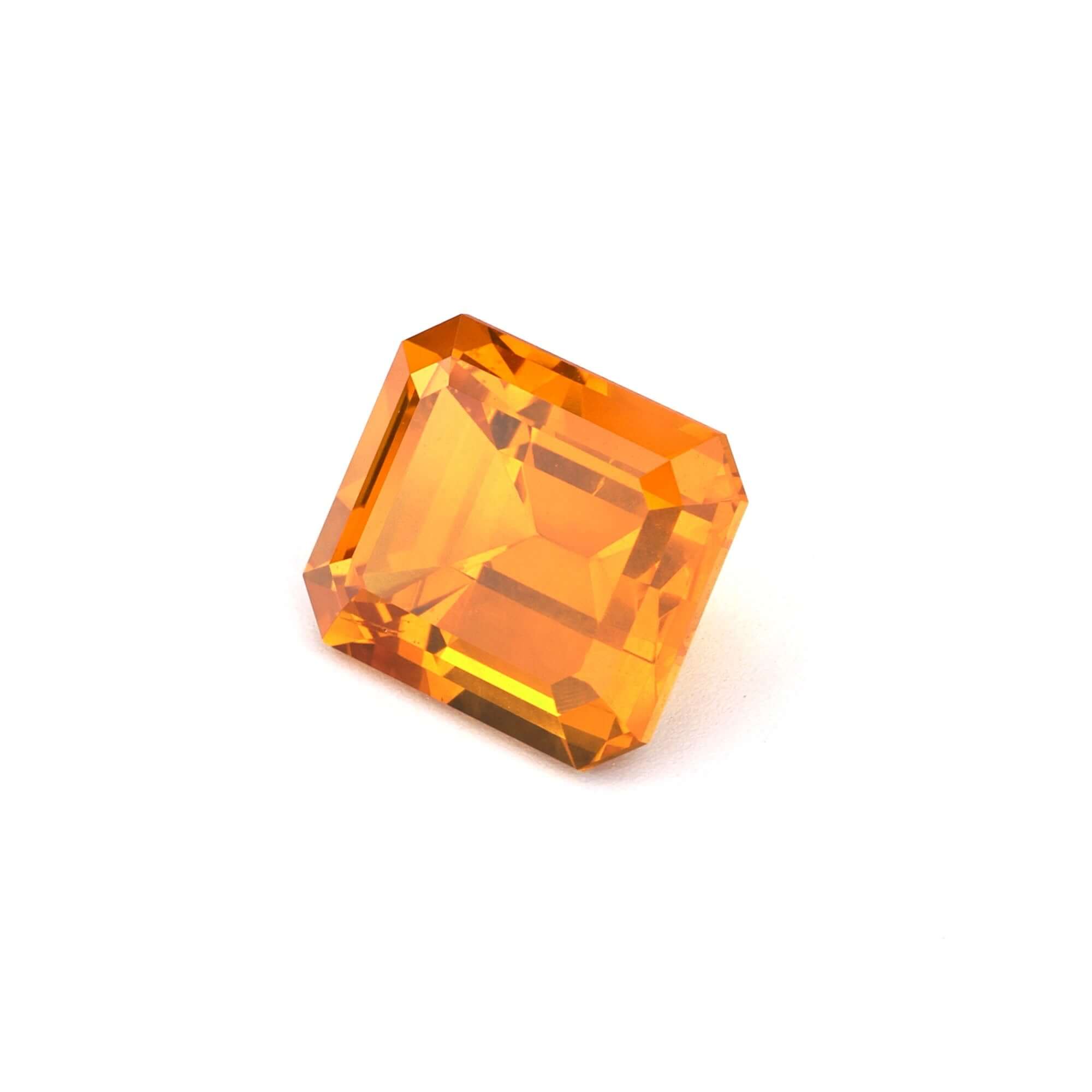
Blue is the usual starting point for a sapphire engagement ring, but Ceylon also produces yellow, pink, teal, peach and purple, and in our experience those often suit a particular setting, skin tone or taste at least as well. That is a preference of ours, not a ranking.
Blue: The classic choice. What we look for is a medium tone that still reads clearly blue at wearing distance rather than going inky, and that behaves much the same in daylight and under household light. That is our own assessment and not a graded value — no laboratory grades color on a sapphire.
Teal and Greenish-Blue: A dual-tone color that shifts between blue in cool daylight and green under warm incandescent light. The treatment status is stated on each listing, as it is for every stone.
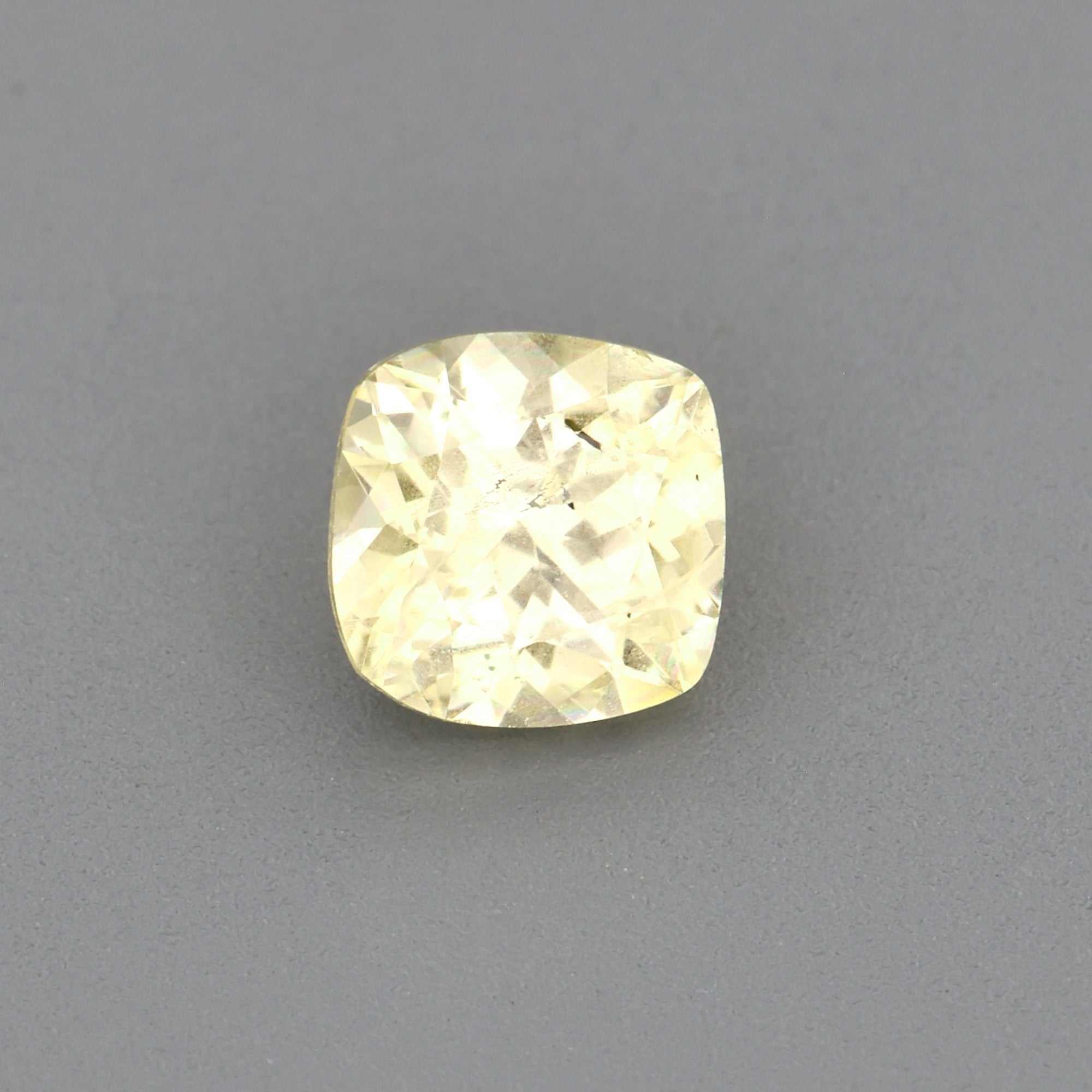
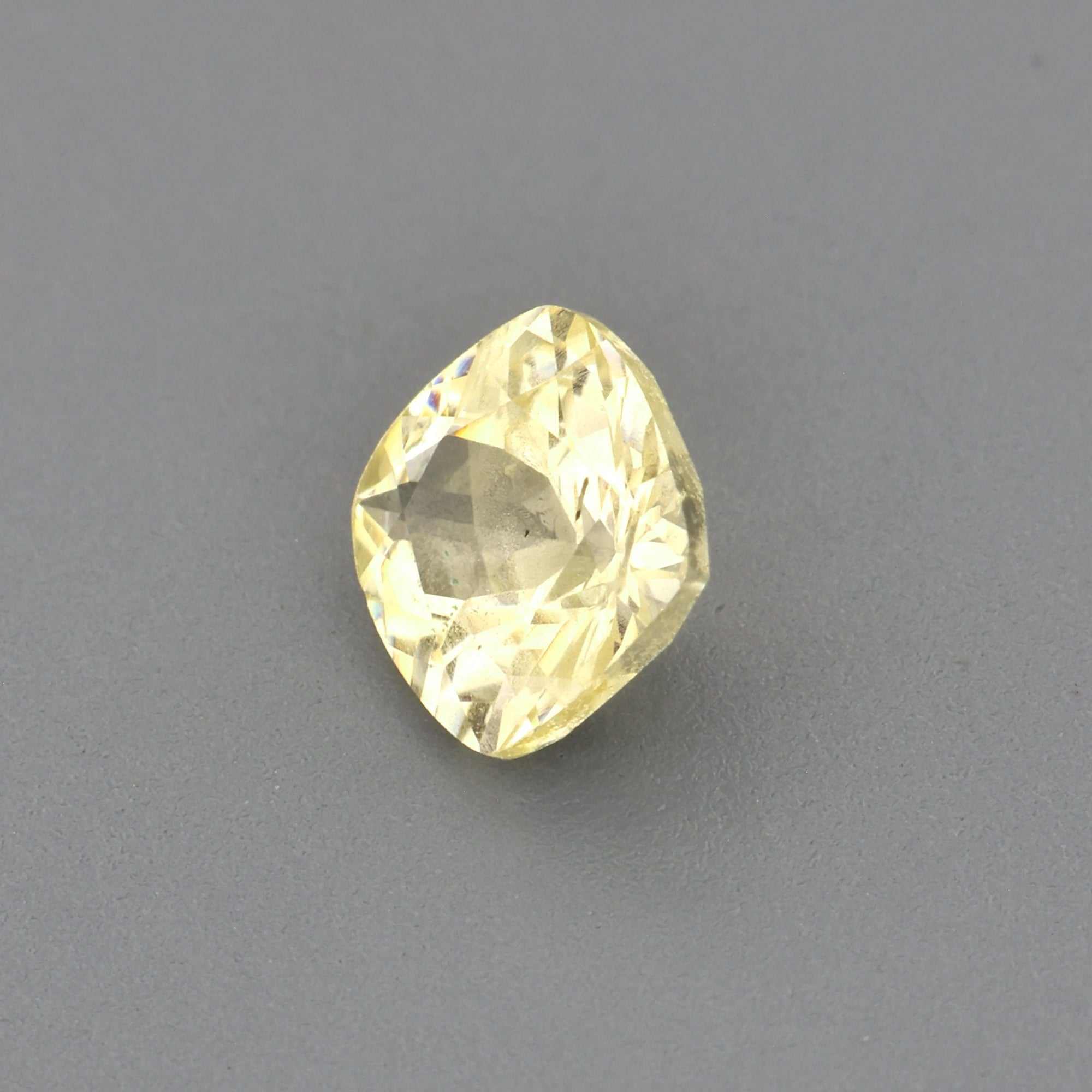
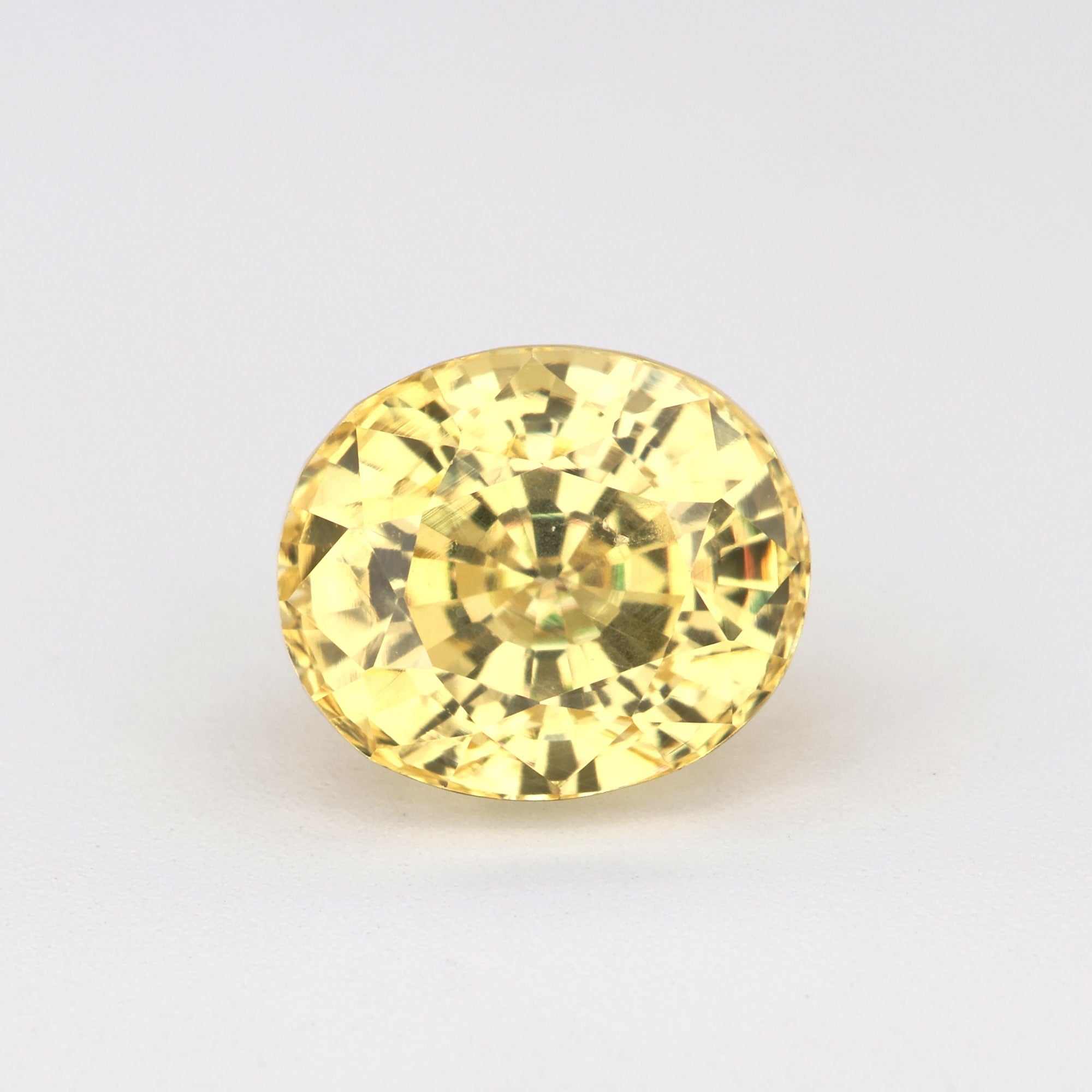
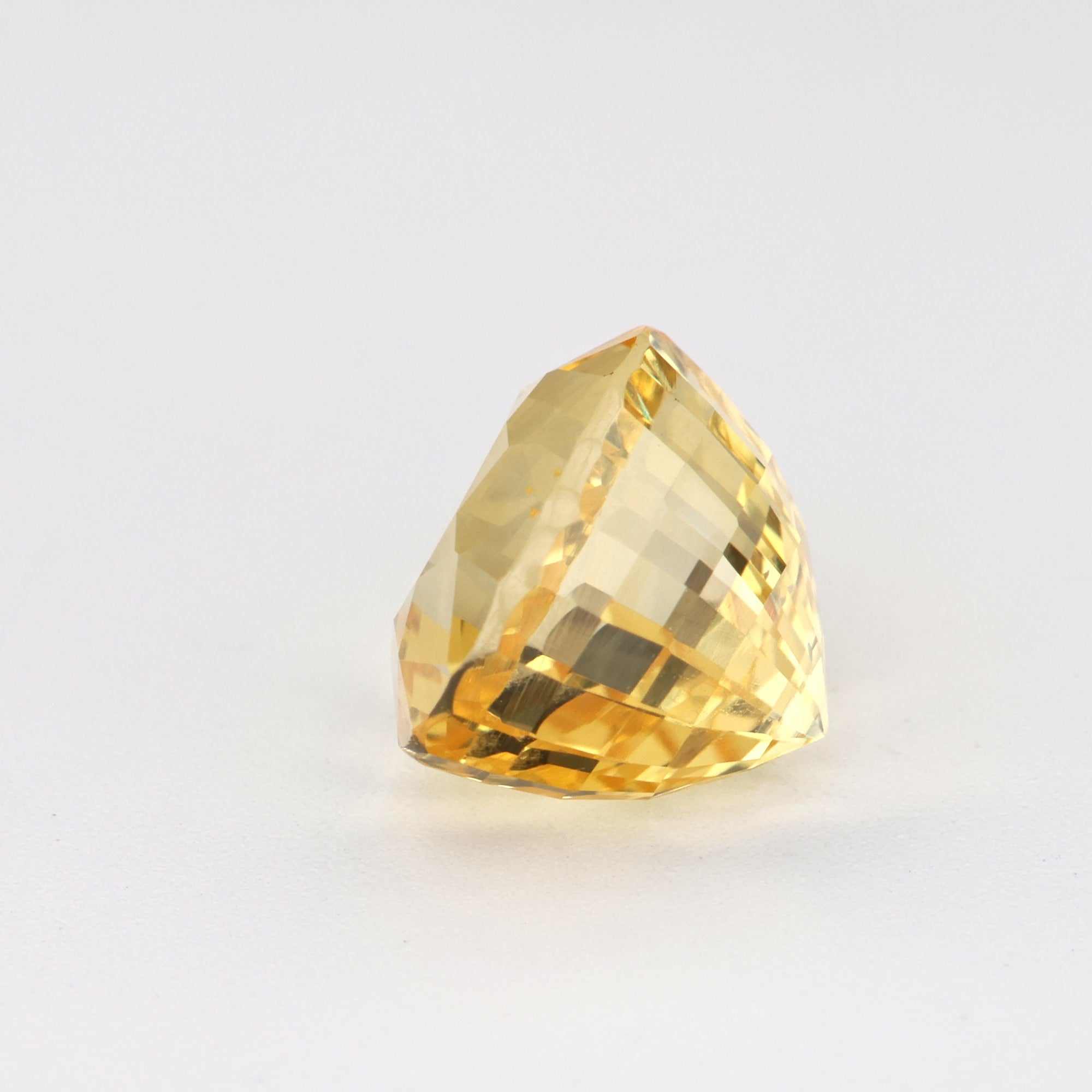
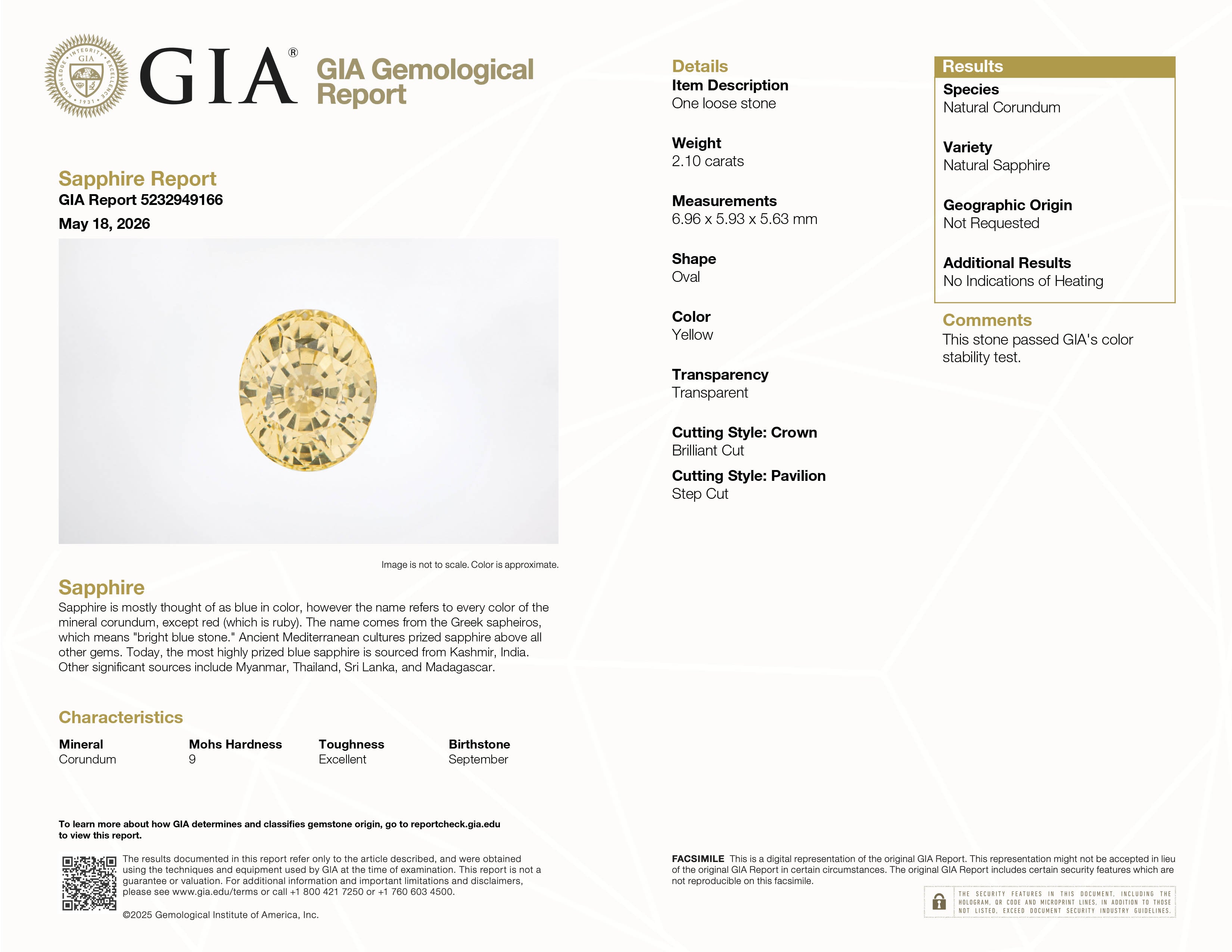
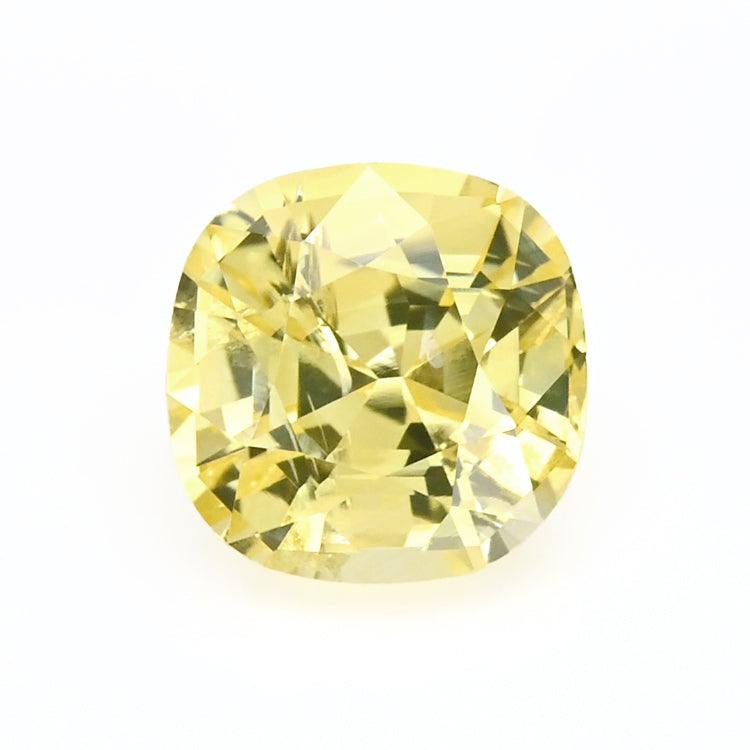
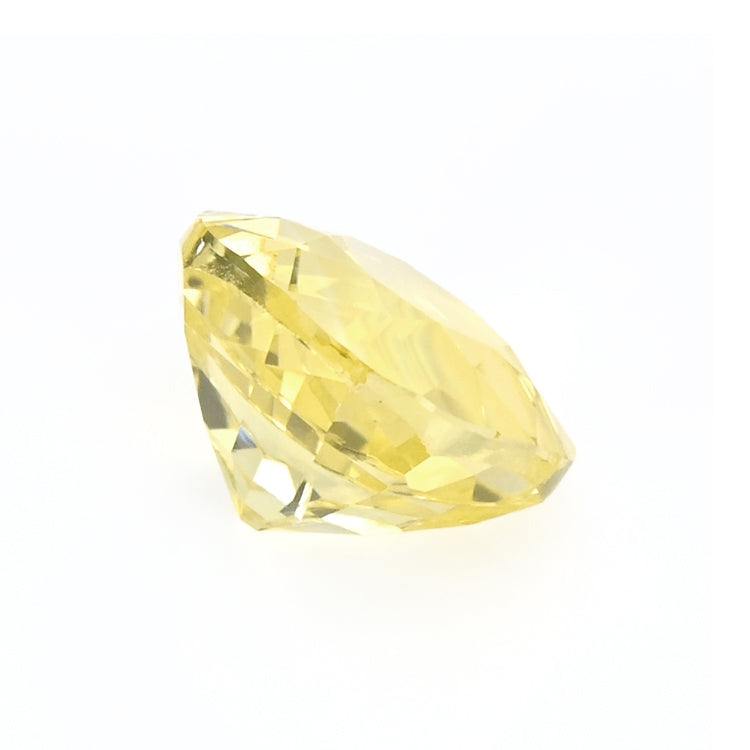
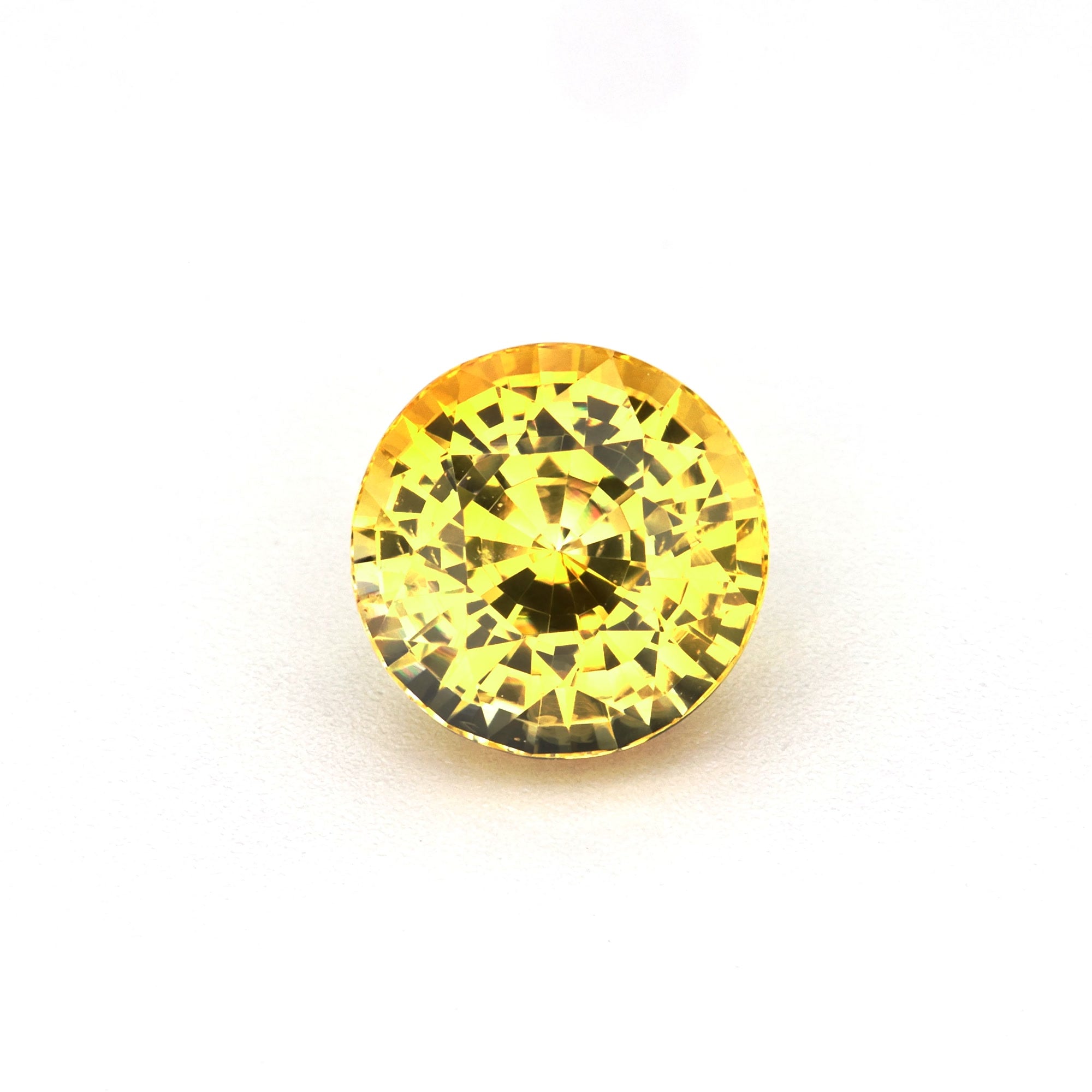
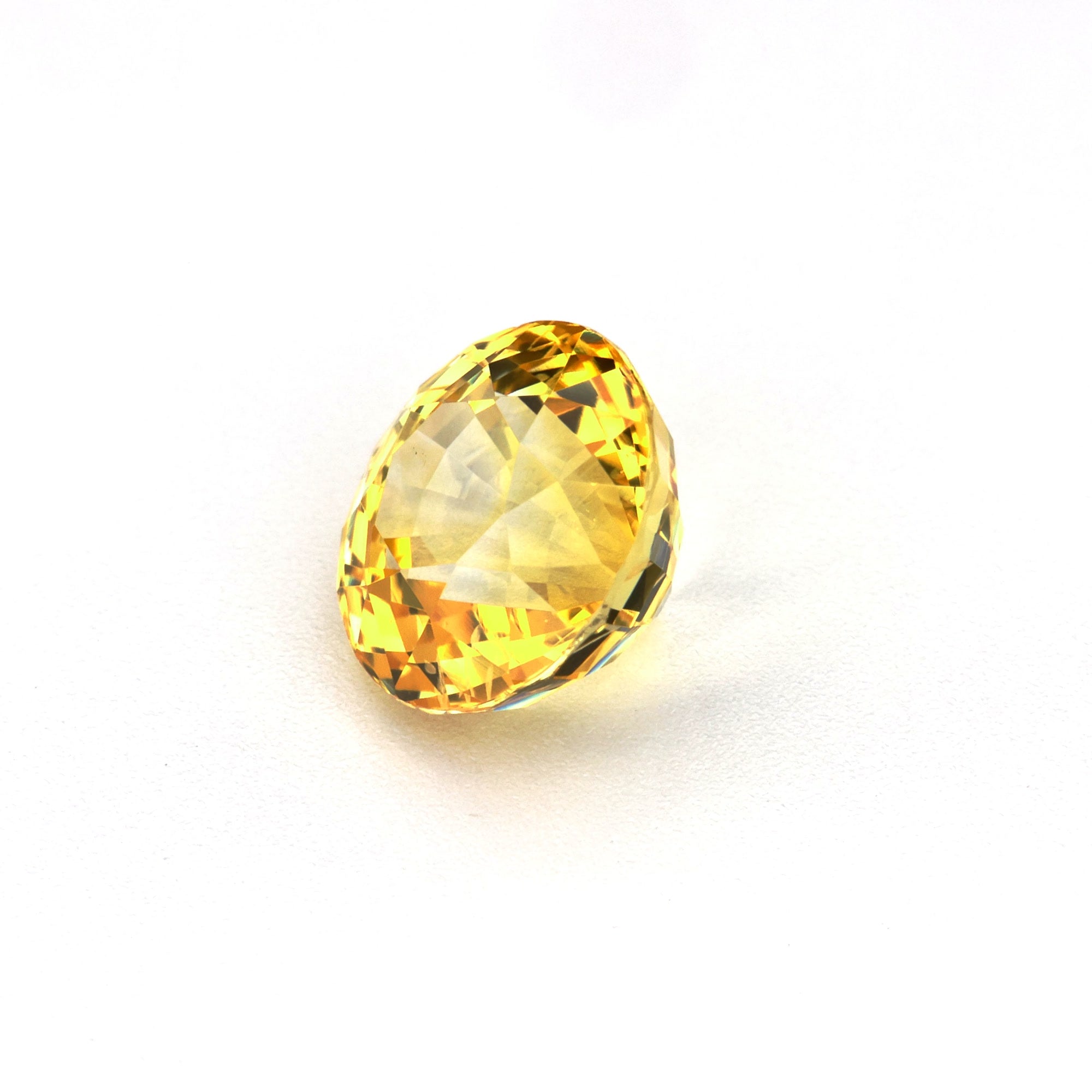
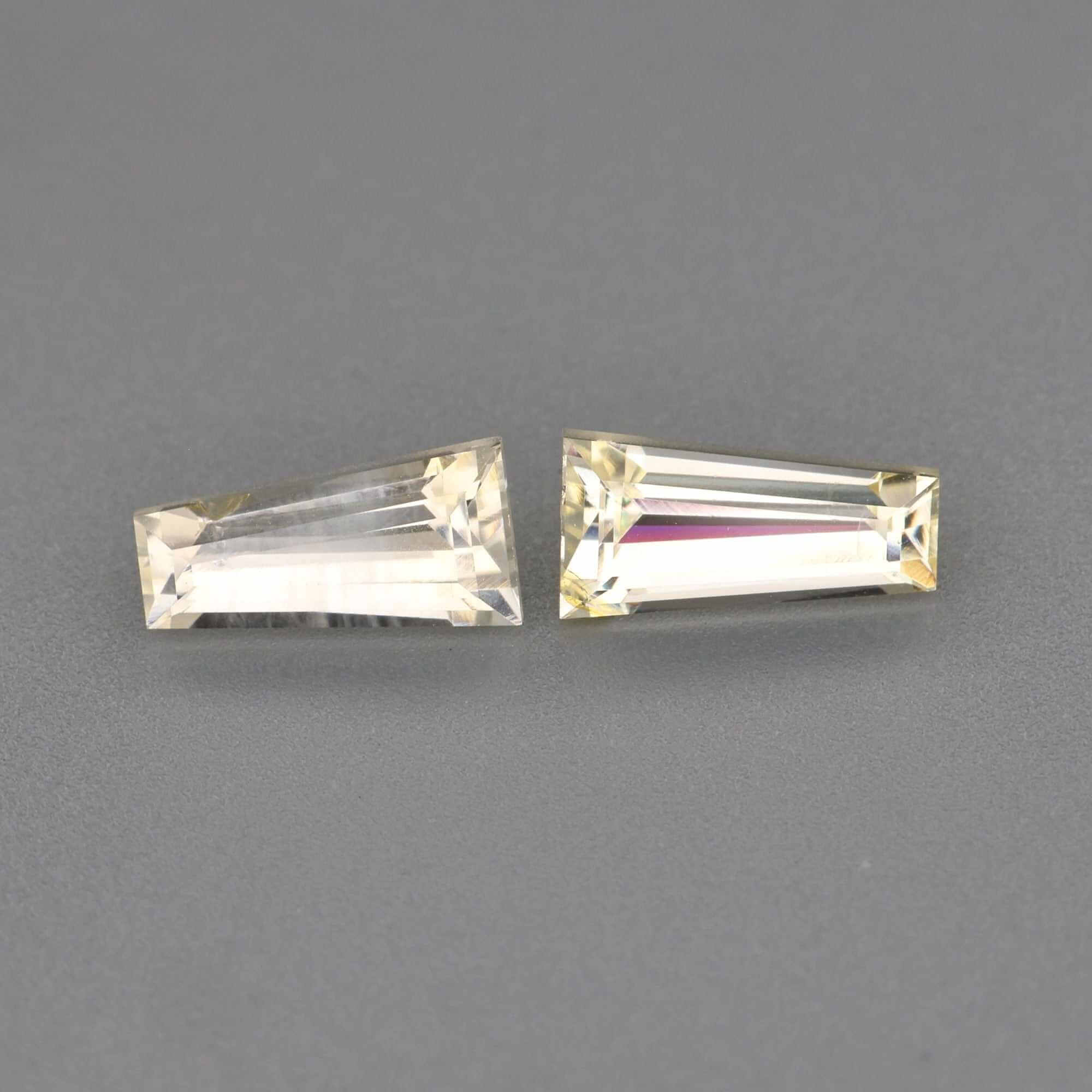
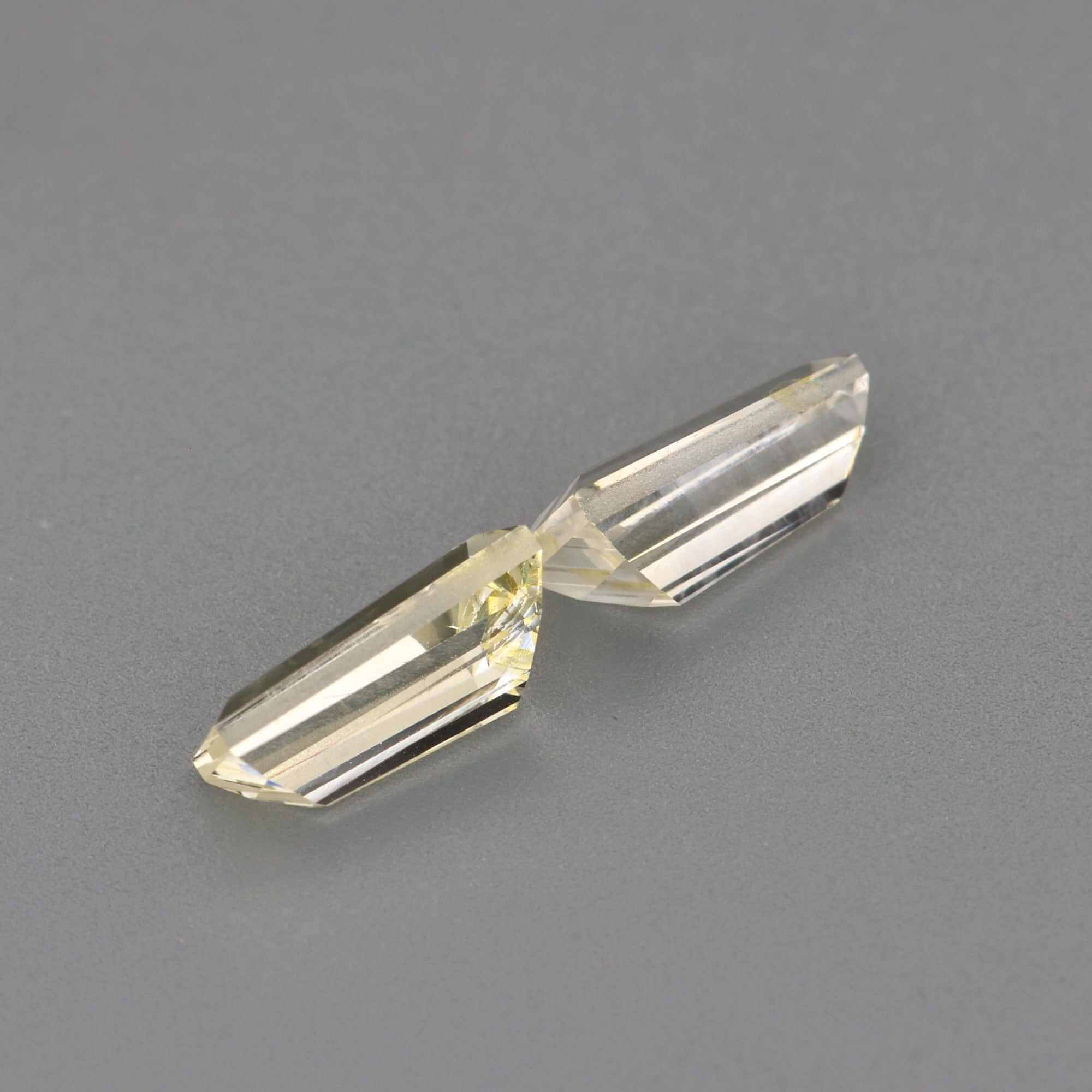
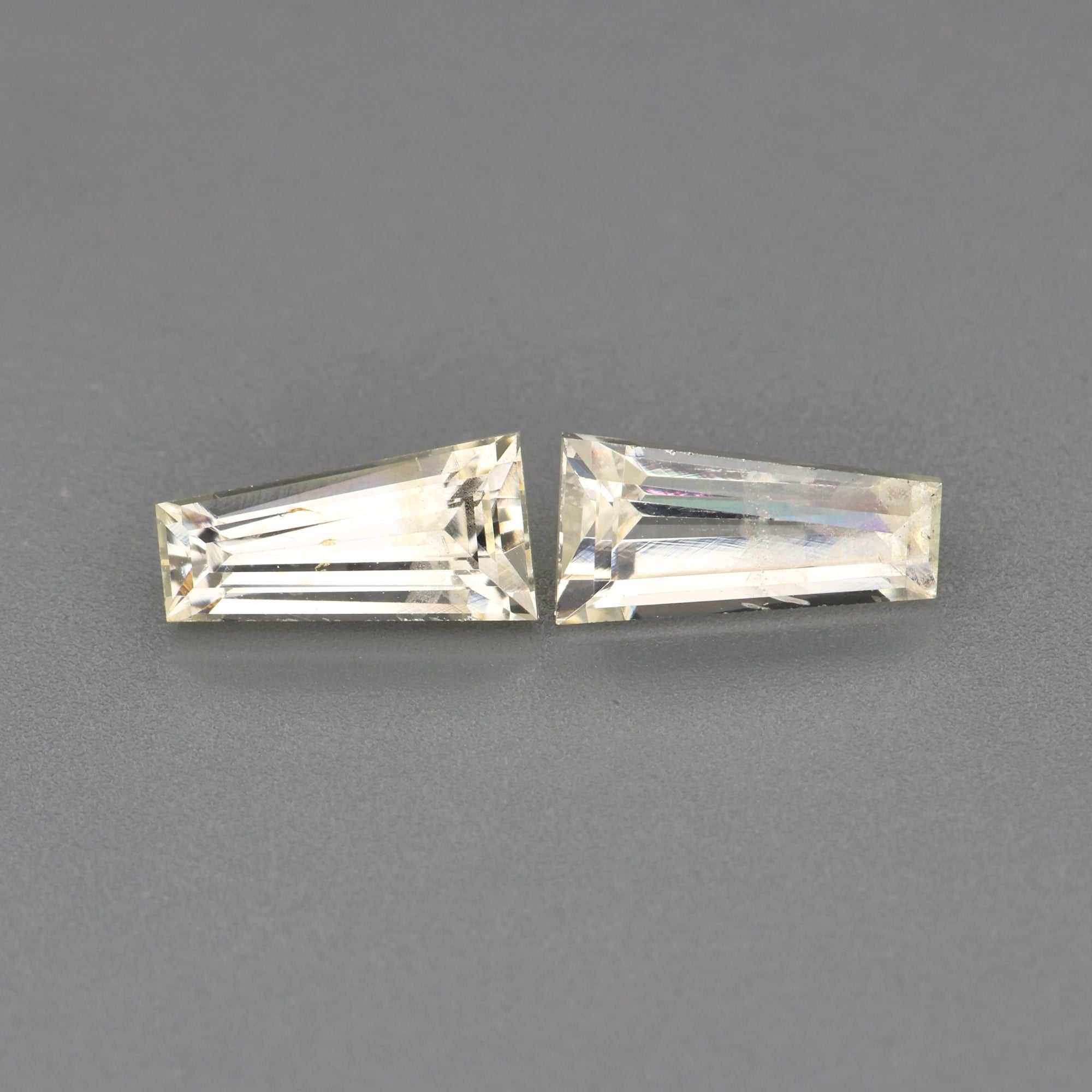
Yellow: An unheated Ceylon yellow in an oval or cushion cut at 1.5 carats and up is a genuine engagement stone on its own merits. Yellow sapphire is also the stone traditionally associated with Jupiter (Guru) in Jyotish.
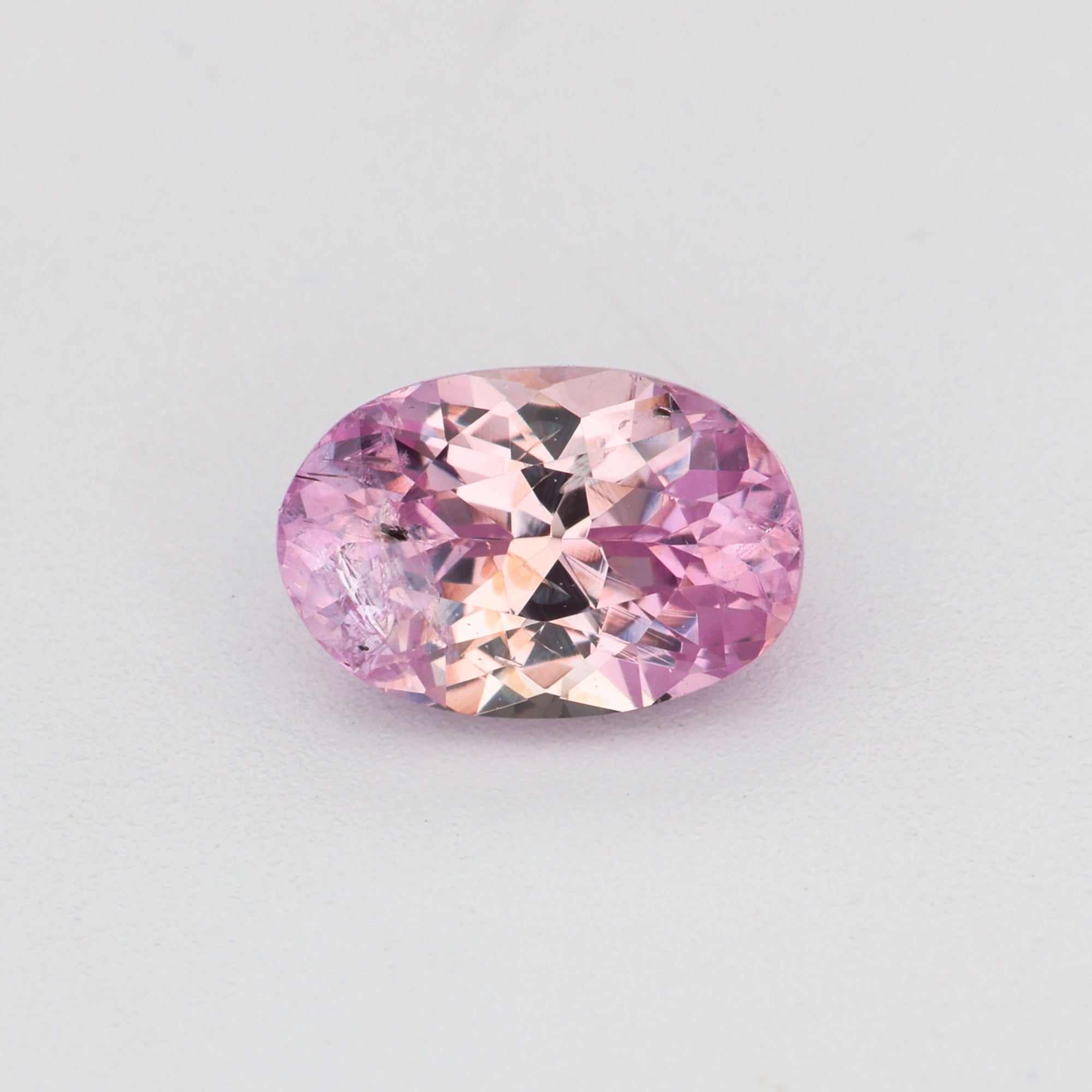
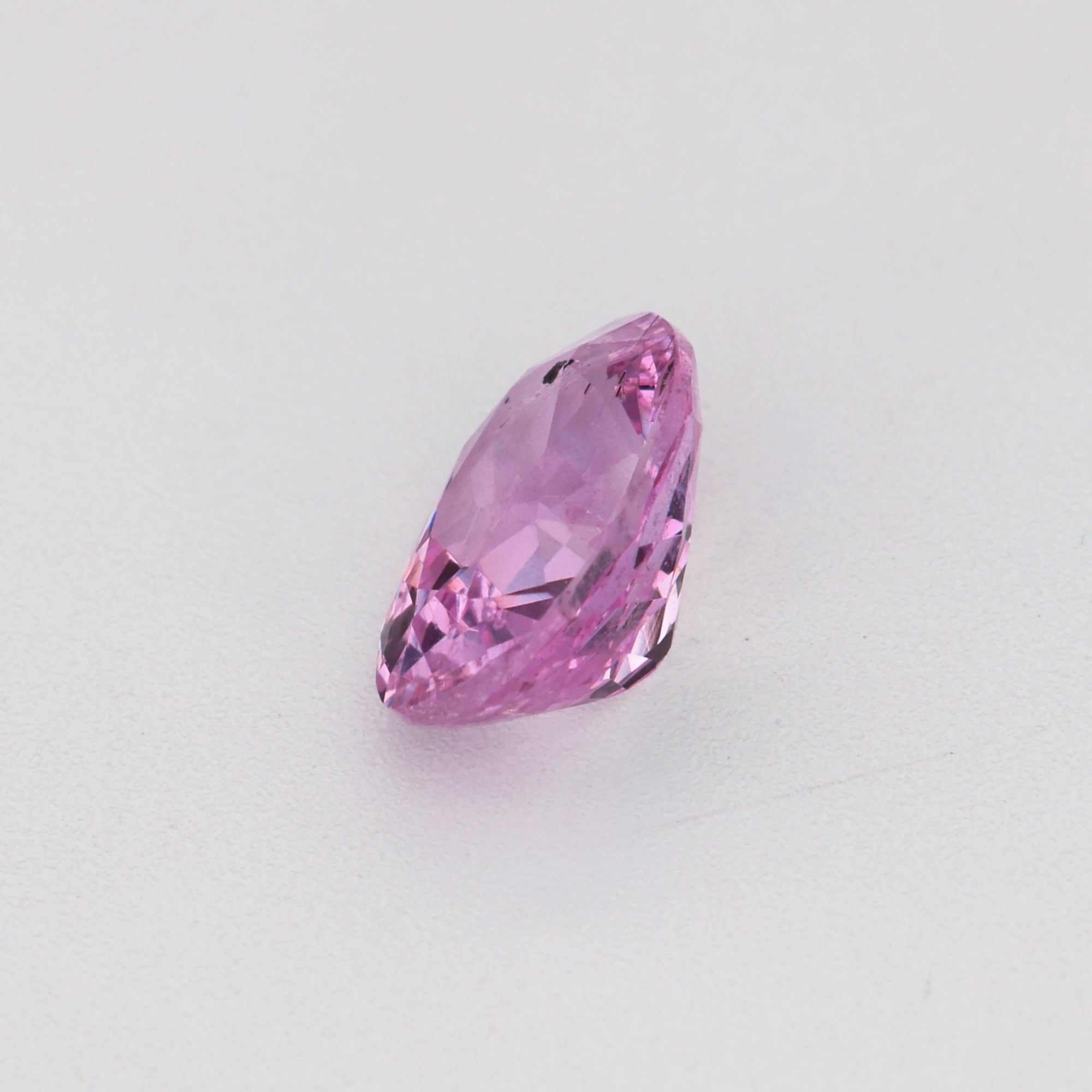
Pink and Peach: These run from a cool pink through to a warm, slightly orange peach. Set in rose gold they are our own favorite pairing in the range — a preference, not a measurement. See our pink and peach sapphire guides.
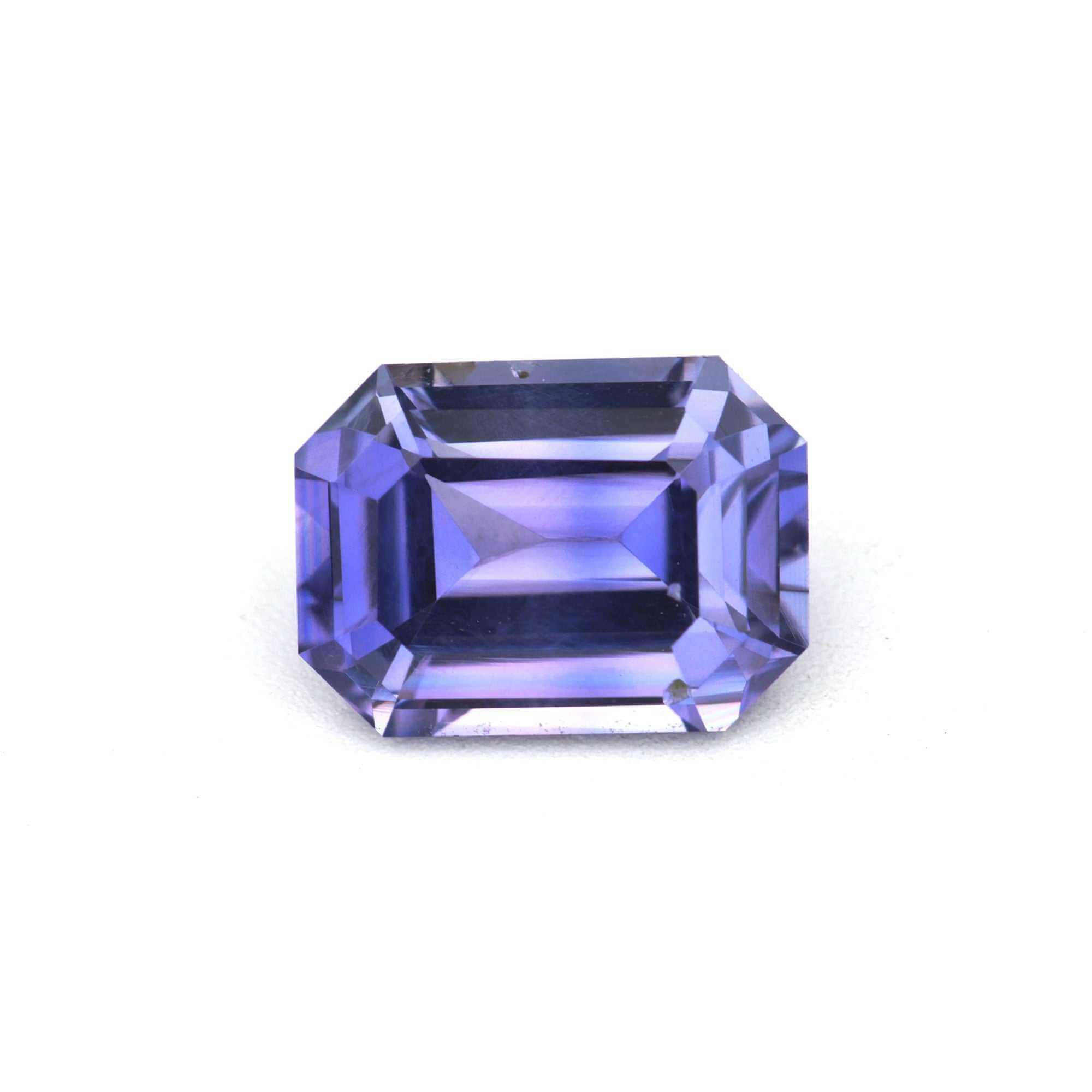
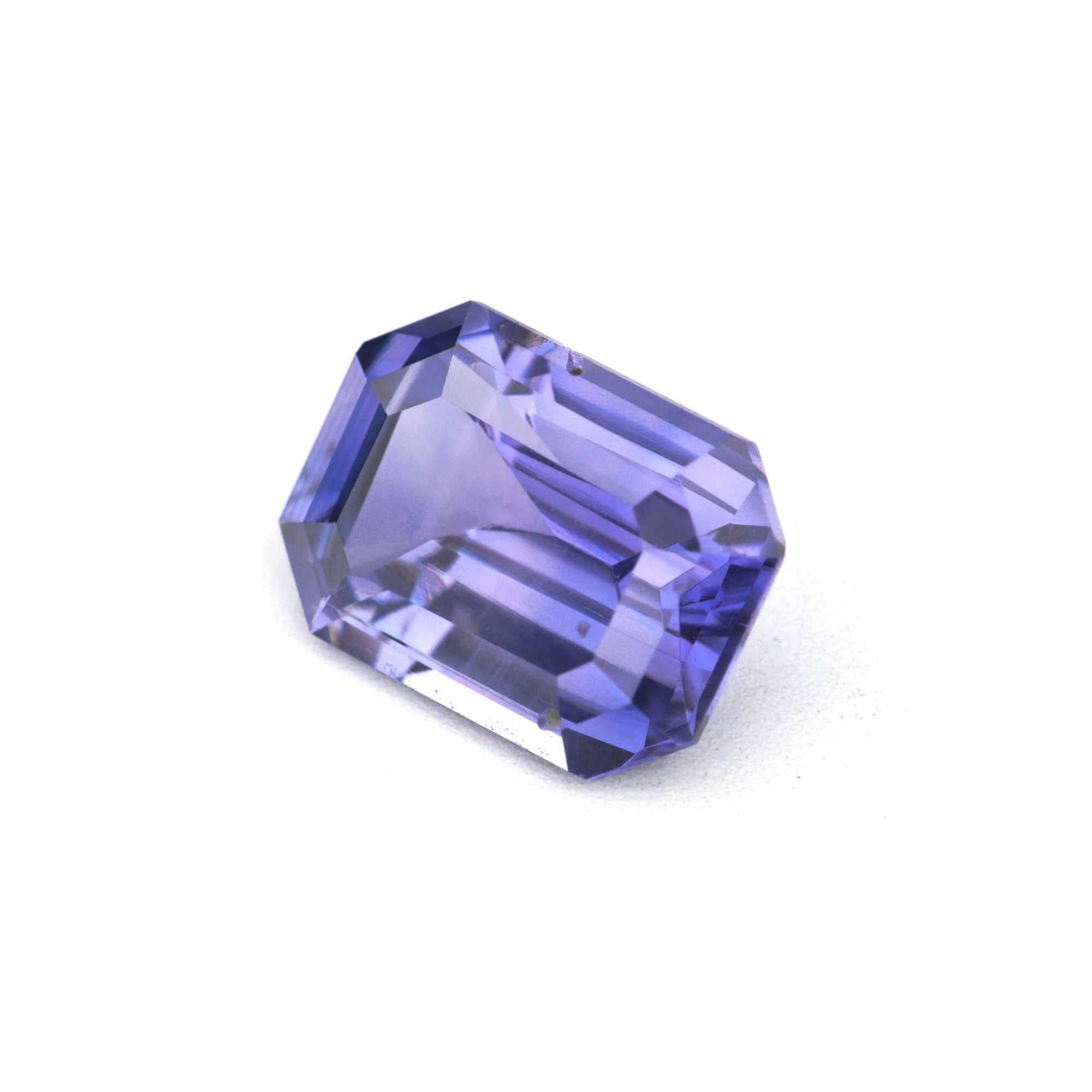
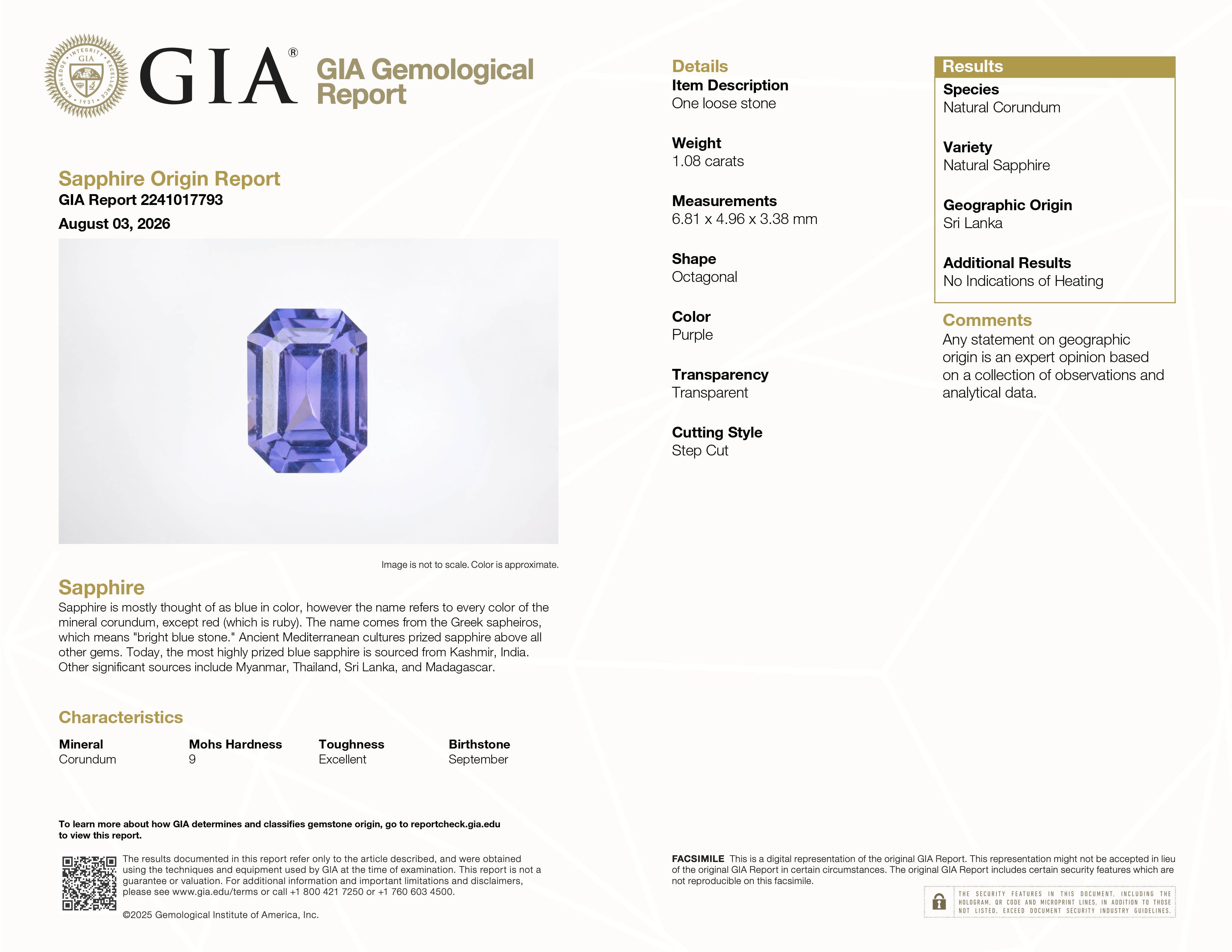
Purple and Violet: An unheated Ceylon purple in a cushion or oval cut, set in rose gold or yellow gold, makes an unusual and quietly romantic engagement stone. See our purple sapphire guide.
Display lighting in a shop is usually bright and narrow in spectrum, and any colored stone reads differently under it than it will on a hand in daylight. Before committing to any significant sapphire purchase, view the stone under at least three light sources: natural daylight (open shade near a window); indoor incandescent or warm LED; and fluorescent or cool LED. A sapphire that shows much the same color under all three is the kind of stone we look for. That is our own test, not a graded result.
Heat treatment is a long-established part of the sapphire trade. Controlled heating is used to shift color saturation, reduce unwanted color modifiers, and dissolve some inclusions, and it is disclosed as a treatment on every stone we list. A heat-treated sapphire is a natural gemstone. Heating does not change corundum's Mohs hardness, which is 9 either way. That is scratch resistance and a property of the species — it is not a statement about how a particular stone will stand up to a knock.
What heat treatment does change is price. We price unheated stones higher than heat-treated stones of similar apparent color, and that difference tends to widen with size and with the presence of a laboratory report. We do not publish a figure for that difference: it moves, and it depends on the individual stone. The price on the product page is the current answer for a particular stone.
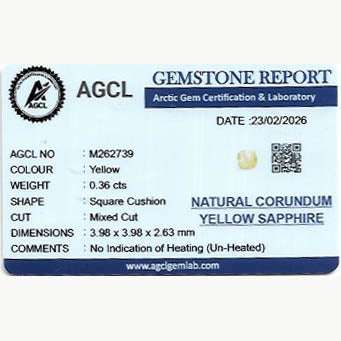
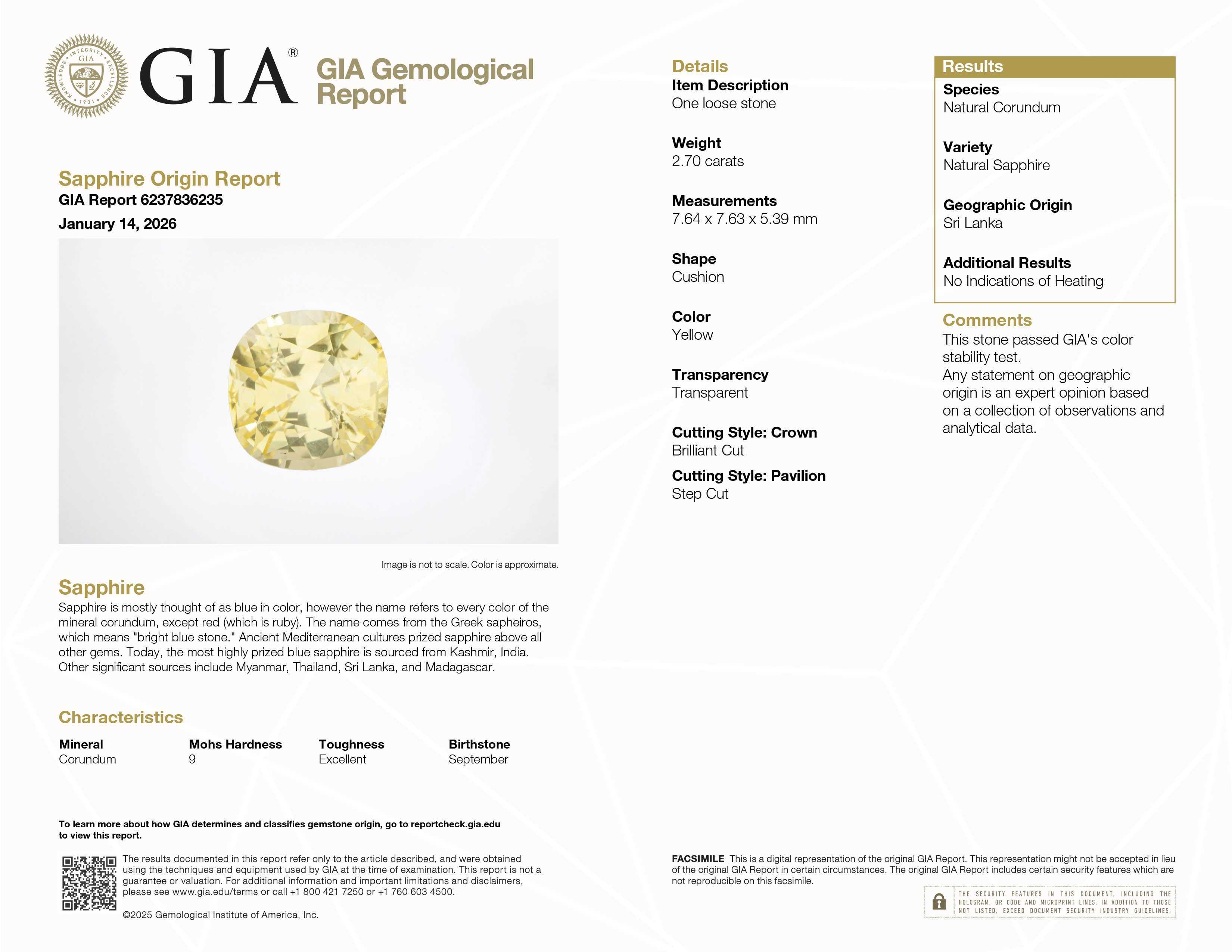
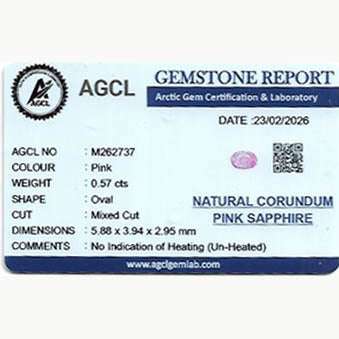
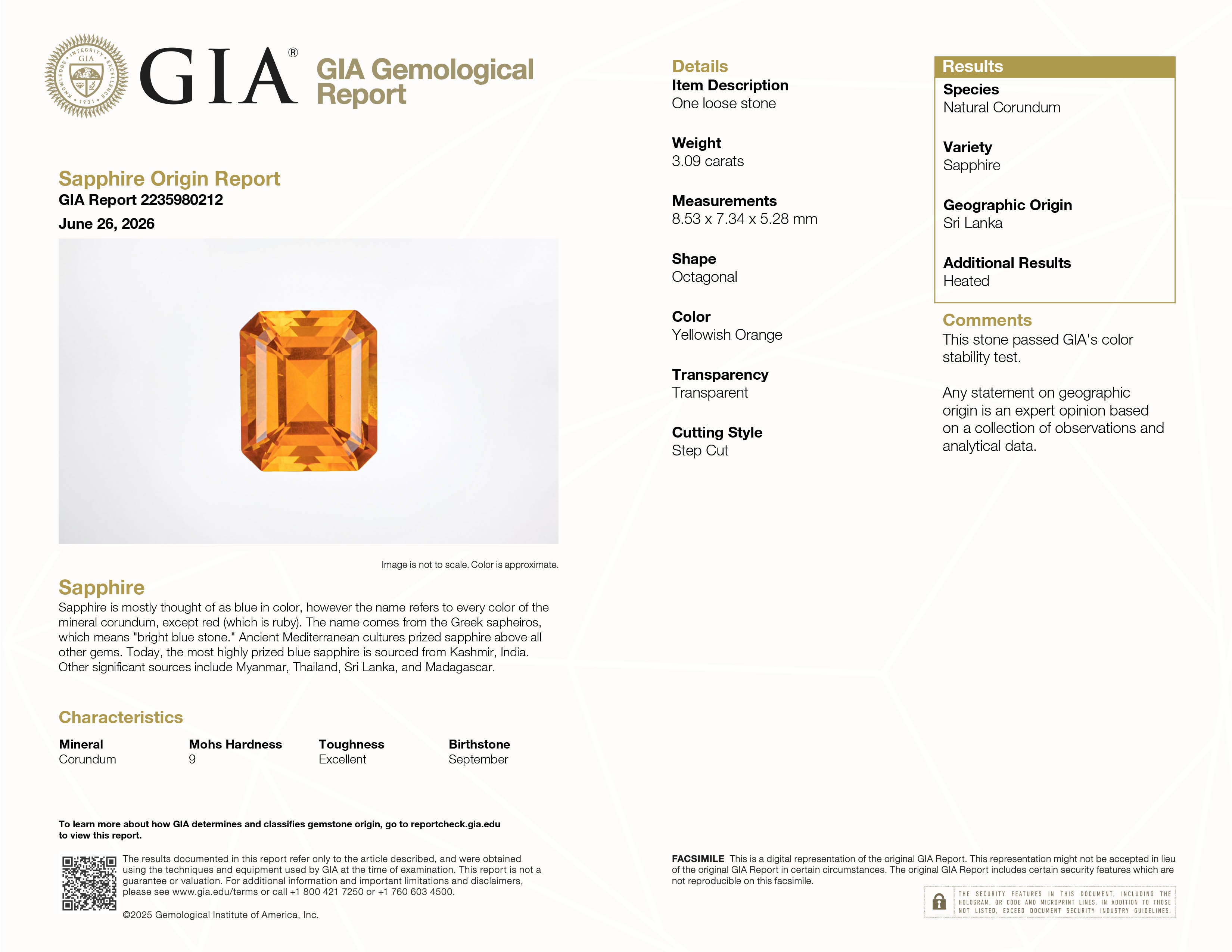
Where the unheated price difference matters to you, ask for the treatment status to be documented on a report from a laboratory such as GIA, Gübelin, SSEF or Lotus — and verify the report number yourself at reportcheck.gia.edu for a GIA report. A laboratory issues an opinion, not a confirmation. See our unheated sapphire guide and heat treatment guide.
Before the list, the thing that frames all of it: no laboratory grades the quality of a colored stone. GIA's own position is plain — “GIA doesn't grade or provide quality analysis for sapphire or other colored stones.” A GIA colored-stone or origin report carries no clarity grade and no cut-quality grade. Nothing about a stone follows from a clarity grade being absent — it was never going to be there. So the four factors below, and the order we put them in, are our own assessment and nothing more.
Color — what we look at first: Hue (how cleanly the color reads, without modifiers that muddy it), saturation, and tone (dark enough to have presence, light enough that the color still reads in ordinary light).
Treatment status: Whether a stone is unheated tends to matter more to its price as the stone gets larger, and more again when the treatment status is documented on a laboratory report. Unheated is a finding about heating only. Our policy is the same on every stone: the treatment is stated on the listing, the laboratory and report number are named where there is a report, and we say plainly where there is none.
Clarity — eye-clean is what we aim for: No inclusions visible to the unaided eye at arm's length. That is our own description and not a graded value. Thin silk (microscopic rutile needles) is not a defect, and it turns up in both unheated and heat-treated stones, so silk on its own tells you nothing about a stone's treatment history. See our sapphire inclusions guide.
Cut — easy to overlook: A well-cut sapphire returns light evenly across the whole face-up surface, with no window (a see-through area where light passes straight through instead of coming back to your eye). The facet arrangement is what returns the light; it does not add to, gather or deepen the color the stone already has. See our guide to how cut affects sapphire.
Oval: A large face-up area for its weight, and it elongates the finger. See our oval sapphire guide and best shapes for solitaire rings.
Cushion: Our own preference for showing a sapphire's color — the rounded corners and broader facets return light softly across the face of the stone. That is our view, not a graded result. See our cushion cut sapphire guide and best shapes for halo rings.
Round: Strong, even light return, and easy to set.
Emerald Cut: Step facets give broad flashes and a sense of interior depth rather than many small surface flashes. A restrained choice, and one we like. See our emerald cut sapphire guide and best cuts for low-profile rings.
Pear and Marquise: Both elongate the finger and read larger face-up than their carat weights suggest. See our best elongated sapphire shapes guide.
What follows is our recommendation, in our own voice. No laboratory publishes guidance on metal choice for sapphire, so there is no outside position for us to point you at — this is what we have found works, and you should treat it as our preference rather than a rule.
White gold and platinum: We use these for blue, teal and violet sapphires, where a cool metal keeps the stone's color reading cleanly against it.
Yellow gold: Adds warmth and vintage character. We like it with yellow sapphires and with the deeper purples.
Rose gold: Our first choice for pink, peach and purplish-pink sapphires, and it sits well with teal and violet too.
For more on choosing a metal, see our yellow gold vs. white gold vs. platinum guide and how to choose metal color for a sapphire ring.
Once you have chosen your stone, the setting decides how it presents on the hand. Everything we say about settings is our own recommendation: no laboratory publishes guidance on settings for sapphire, so there is no authority for us to cite here and we are not going to pretend otherwise. Our own guides to ring design:
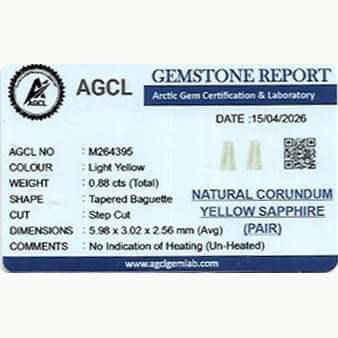
On a GIA sapphire report, start with the heat treatment field. The printed values are “No indications of heating,” “Indications of heating,” and “Indications of heating — with residues.” We are not going to rank those for you. The first is a finding about indications of heating and nothing wider, and LMHC Information Sheet #7 records that some treatments are not currently detectable. The origin field names a place — Sri Lanka (Ceylon), for instance — but it does so as an opinion and not as a fact established by the laboratory. GIA puts it this way: “Any statement on geographic origin is an expert opinion based on a collection of observations and analytical data.” A GIA colored-stone or origin report also carries no clarity grade and no cut-quality grade, and nothing about the stone follows from either absence. See our GIA report guide.
We are not going to print a price grid. What a sapphire costs depends on how color, size, treatment status, the presence of a laboratory report and the cut combine on that one stone, and those factors pull in different directions from stone to stone — so any band we published here would mislead you about the stone you actually want. What we do instead is put the price on the stone: every listing carries its own price, its treatment status, and the laboratory and report number where there is a report. The product page is the current answer for a particular stone. See our what a good 1 carat costs and what a good 2 carat costs guides.
Before you browse: not every stone in the catalog is a sapphire, and not every sapphire in it is Sri Lankan — Madagascar is the largest of the other origins we carry. Each listing names the species and the origin we have recorded for that stone.
Browse the full catalog of loose stones — each listing names that stone’s origin and treatment, and the laboratory and report number where there is a report — or explore by color: blue, teal, yellow, pink, peach, purple — or email crescentgems@gmail.com with your specifications. Our Try-On program ships selected stones for in-hand evaluation before commitment. Free US shipping; 14-day returns.

CG8307

CG8366
CG8313
CG8445
CG8433
CG8434
CG8431
CG8438


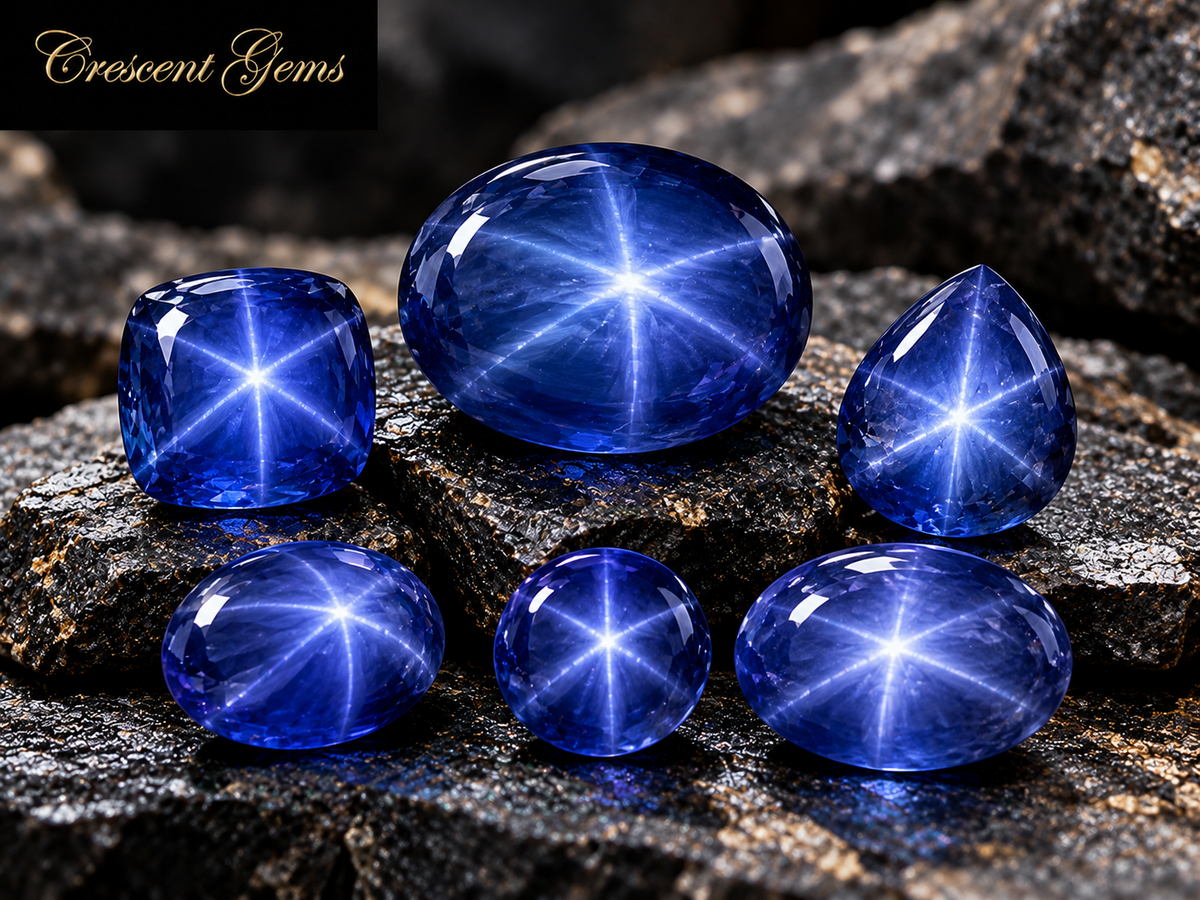
Blue Star Sapphire Price Guide — What They Cost and Why
Read moreabout Blue Star Sapphire Price Guide — What They Cost and Why
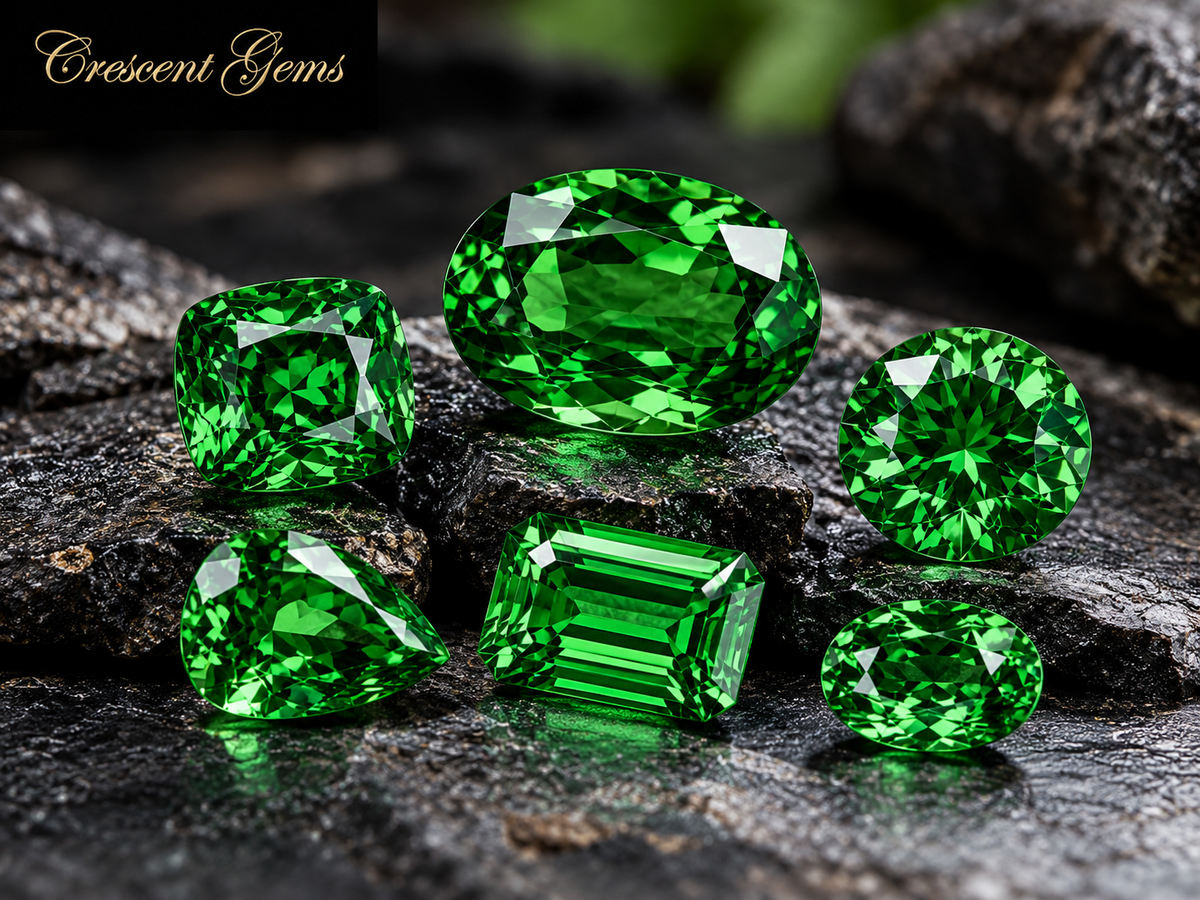
Tsavorite Garnet Price Guide — What They Cost and Why
Read moreabout Tsavorite Garnet Price Guide — What They Cost and Why
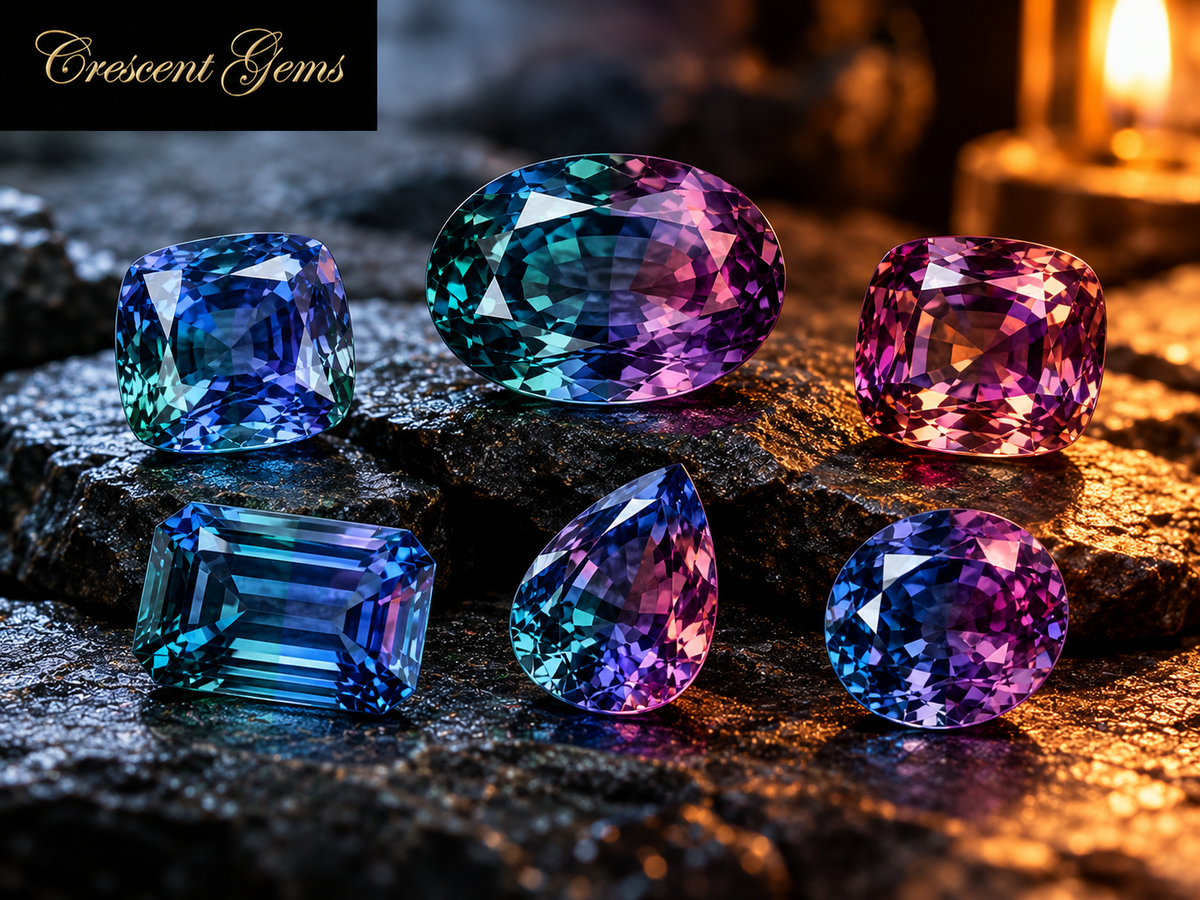
Color-Change Sapphire Price Guide — What They Cost and Why
Read moreabout Color-Change Sapphire Price Guide — What They Cost and Why
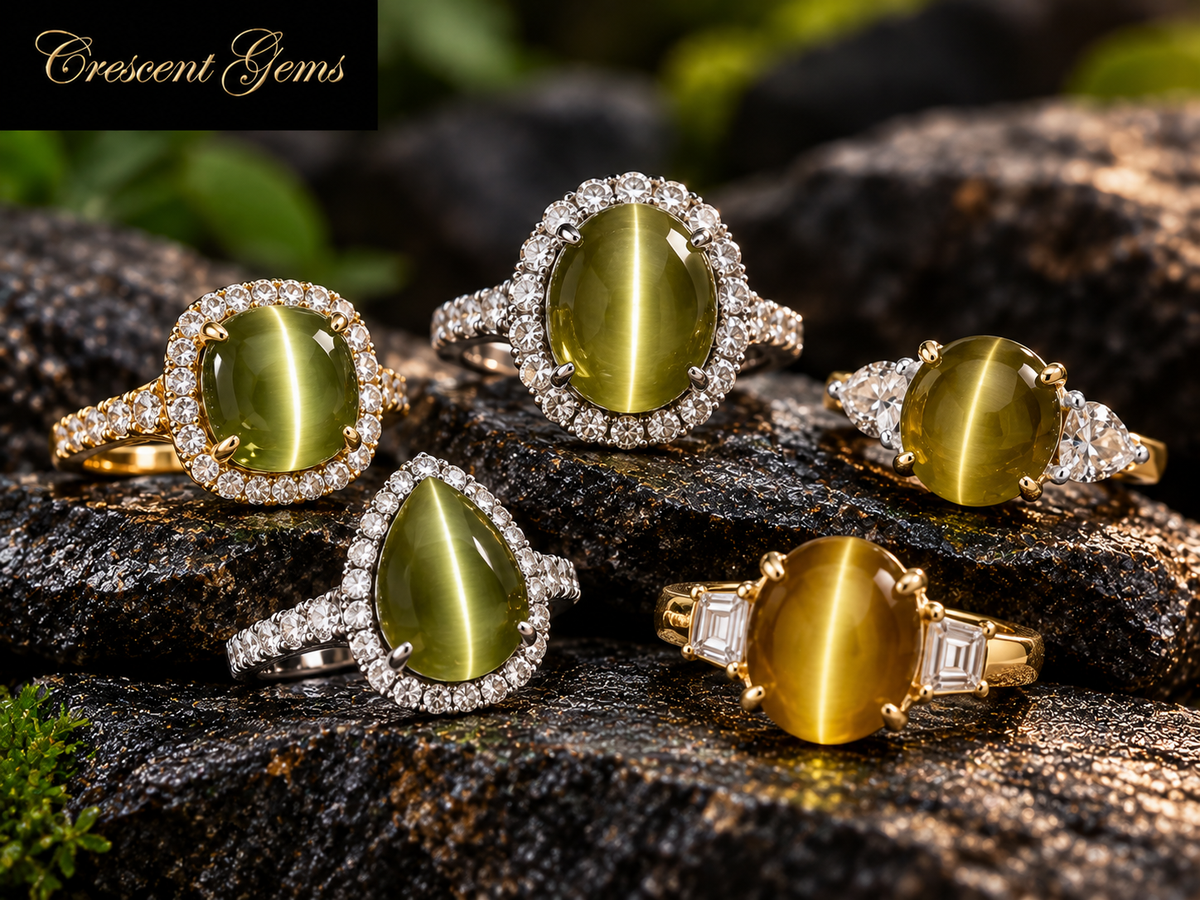
Is Cat's-Eye Chrysoberyl Good for an Engagement Ring?
Read moreabout Is Cat's-Eye Chrysoberyl Good for an Engagement Ring?
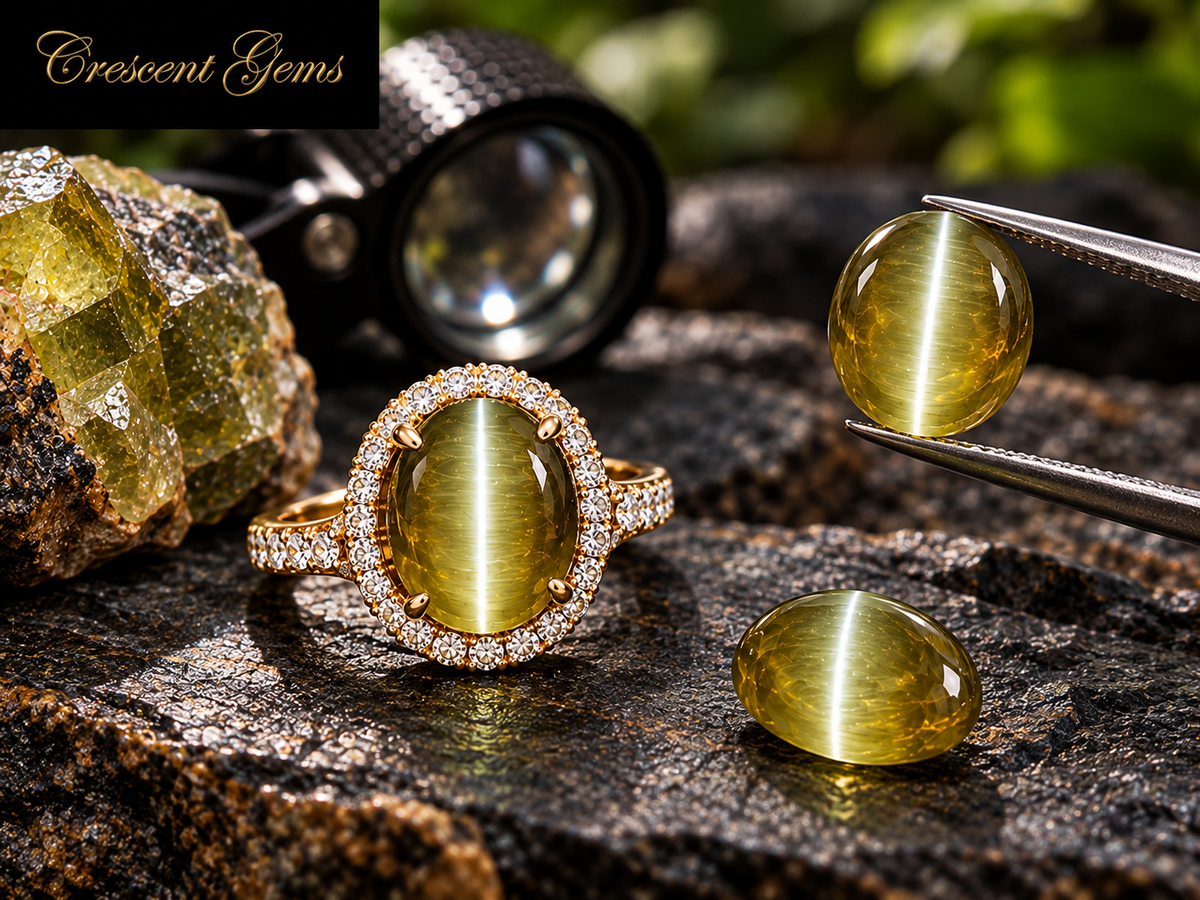
Cat's Eye Chrysoberyl Price Guide — What They Cost and Why
Read moreabout Cat's Eye Chrysoberyl Price Guide — What They Cost and Why