


- by Ahmed Shareek
How to Design a Custom Sapphire Ring from a Loose Stone — The Complete Process
- by Ahmed Shareek
For metal choice: Yellow Gold vs. White Gold vs. Platinum. For setting protection: How to Protect Sapphire Corners. For the buying foundation: Ultimate Sapphire Buying Guide.
Buying a loose sapphire and having a custom ring made around it is a route for anyone who wants a ring that is genuinely personal rather than mass-produced. It lets you choose the stone you want on its own terms — its color, its report, its measurements — and then have it set exactly as you want it — the right metal, the right setting style, the right proportions — rather than compromising on stone quality to fit a preset ring or accepting a preset ring's design when it is not what you actually want.
The process has several stages, each with decisions that affect the final result. This guide walks through the complete custom sapphire ring process in sequence — from choosing your stone through briefing a jeweler, reviewing designs, approving CAD renders, and taking delivery of a finished ring.
The most important rule of custom ring design: choose the stone before the setting. The stone is usually the largest part of the budget, the visual centerpiece, and the element the rest of the ring is built around. A setting can be changed later; the stone defines the ring.
Buying stone first also means your setting can be designed specifically for the stone you have — its exact dimensions, its shape, its weight, and its character can all inform the setting choices rather than being forced into a generic preset. A jeweler designing around your specific stone can produce a more coherent, better-proportioned result than one designing from generic specifications.
Key stone decisions to make before approaching a jeweler:
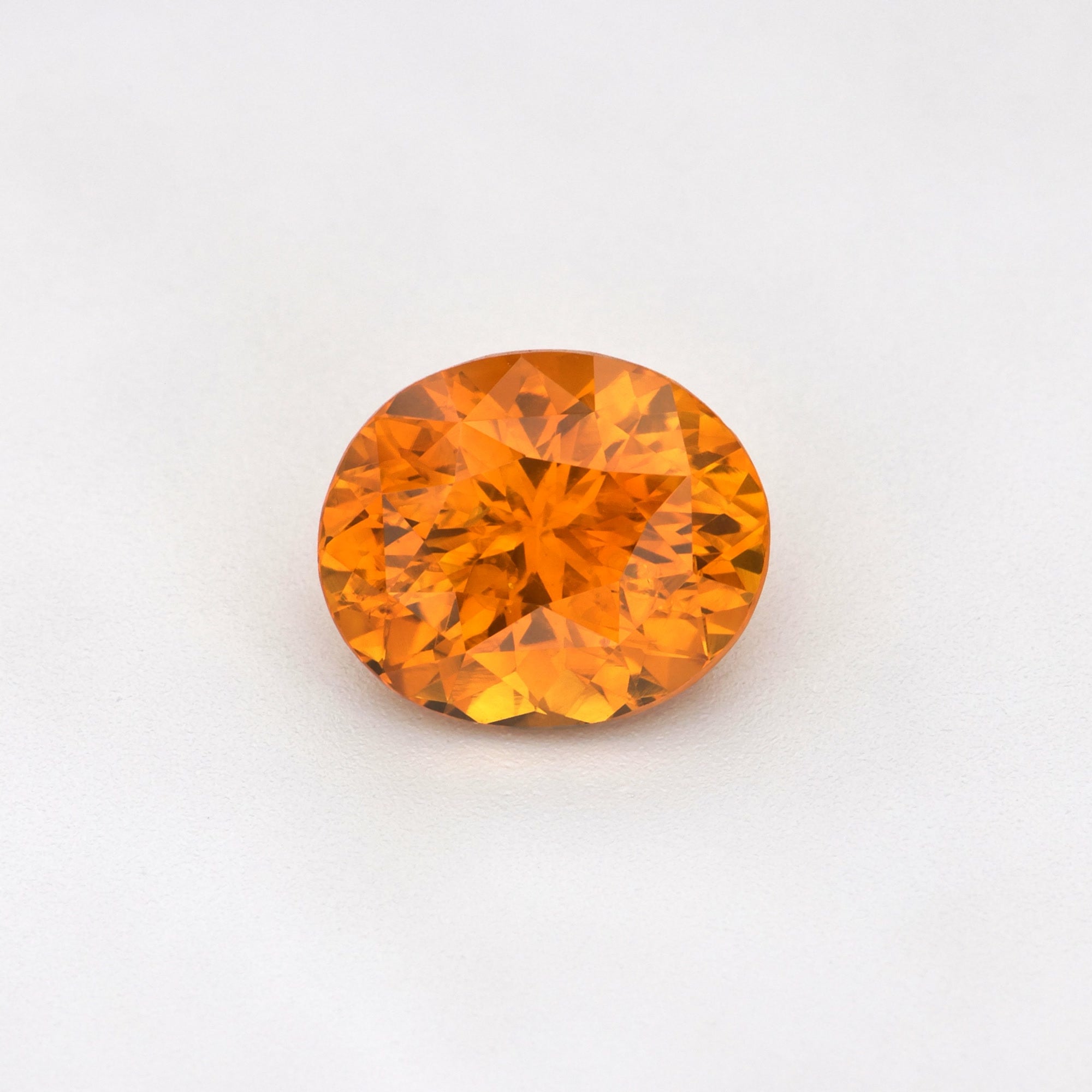
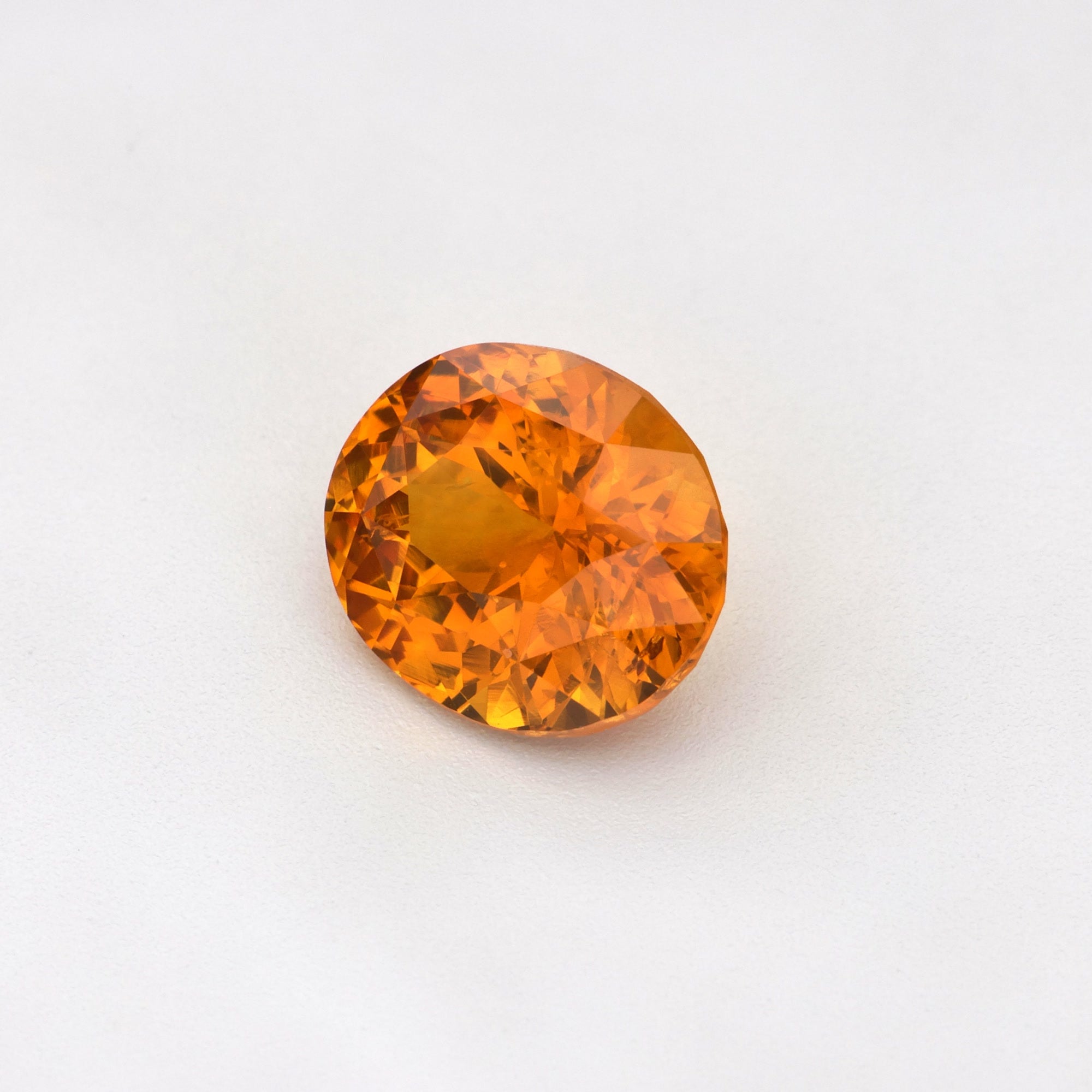
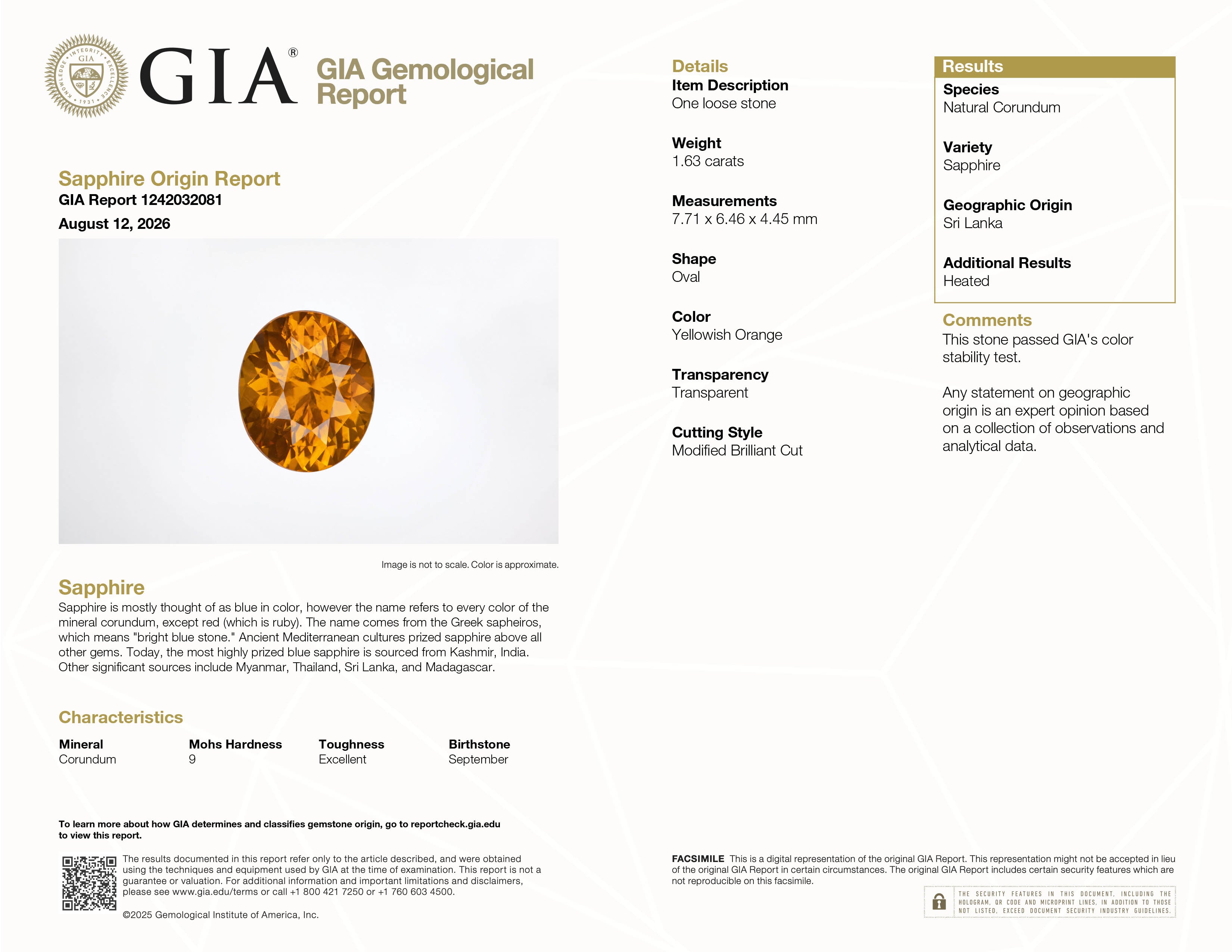
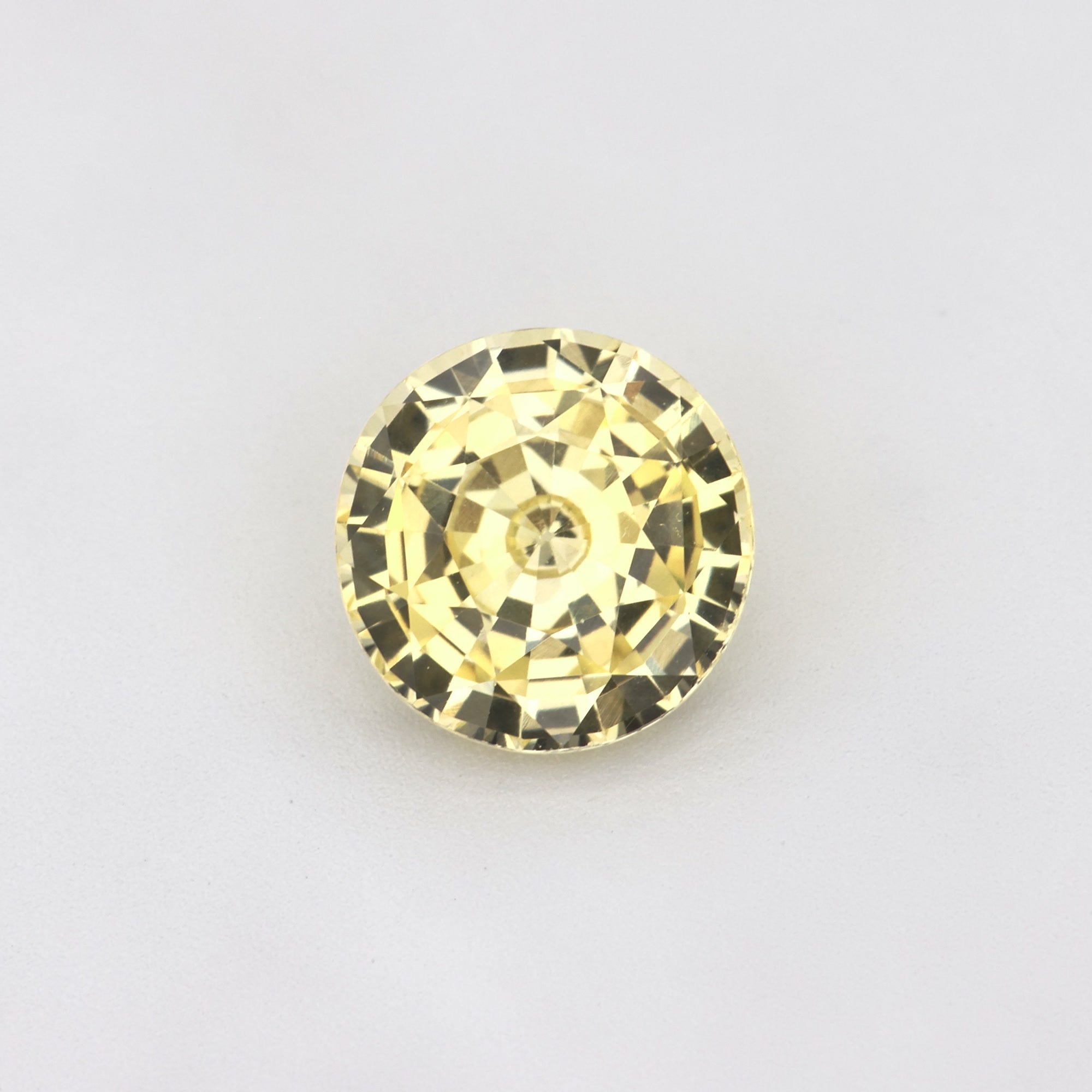
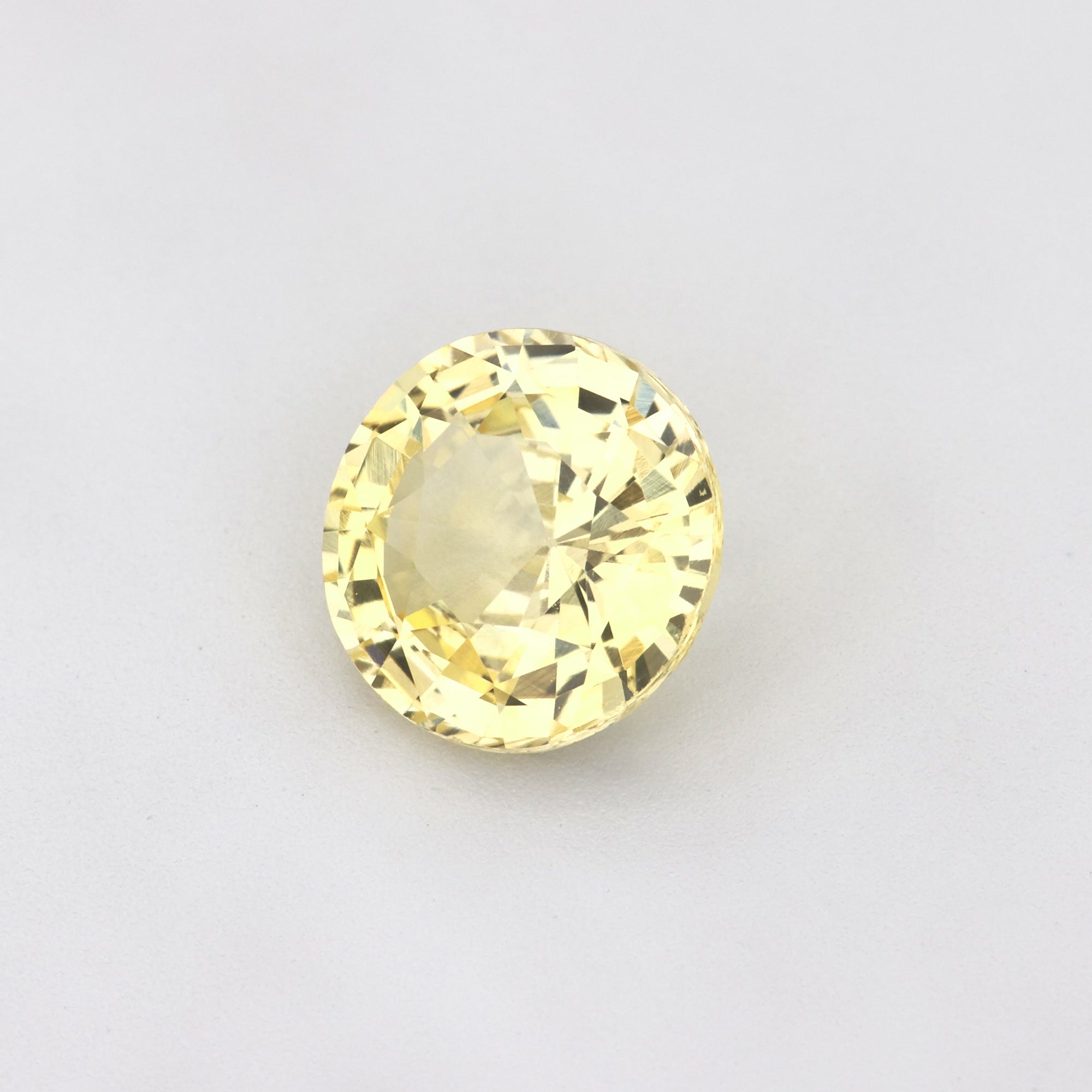
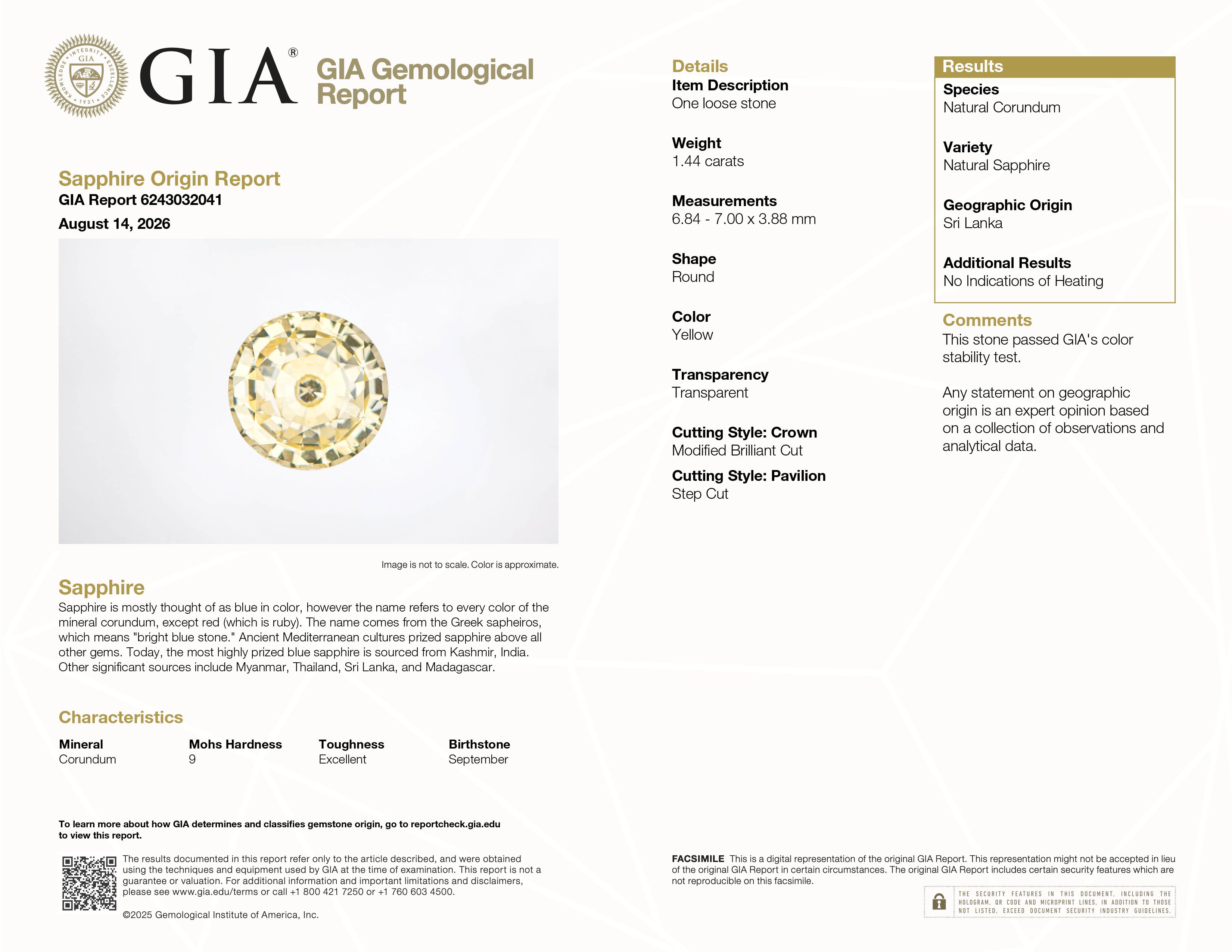
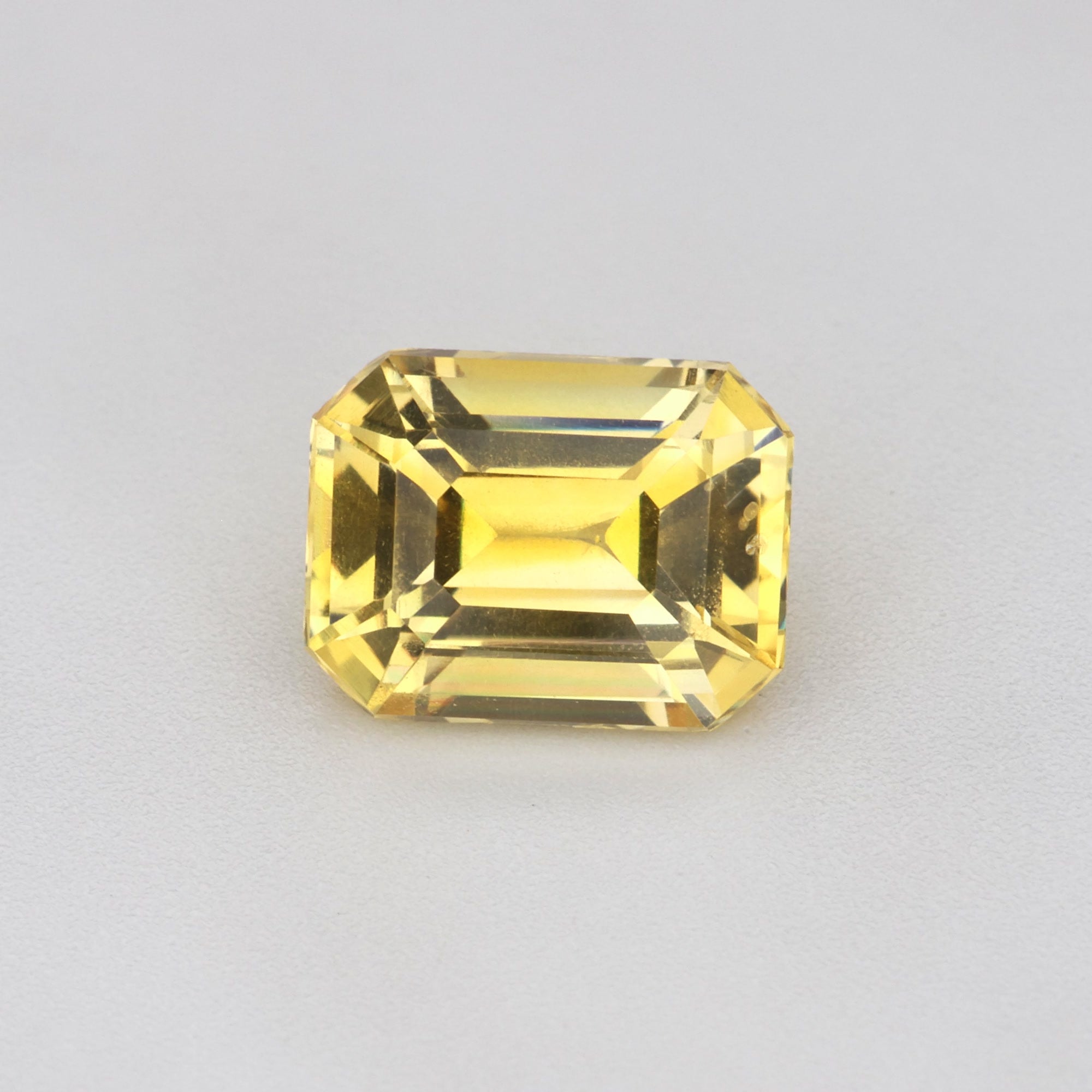
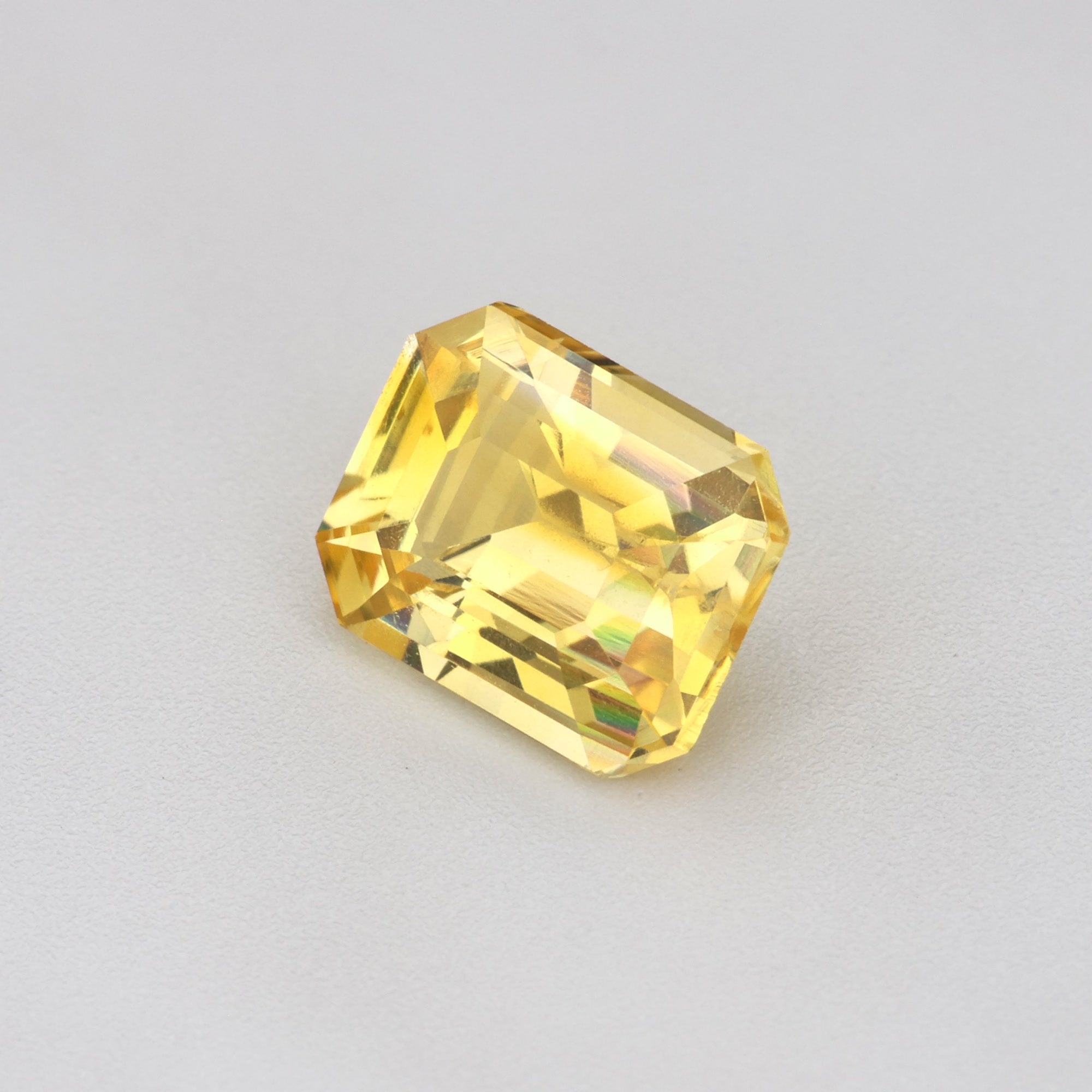
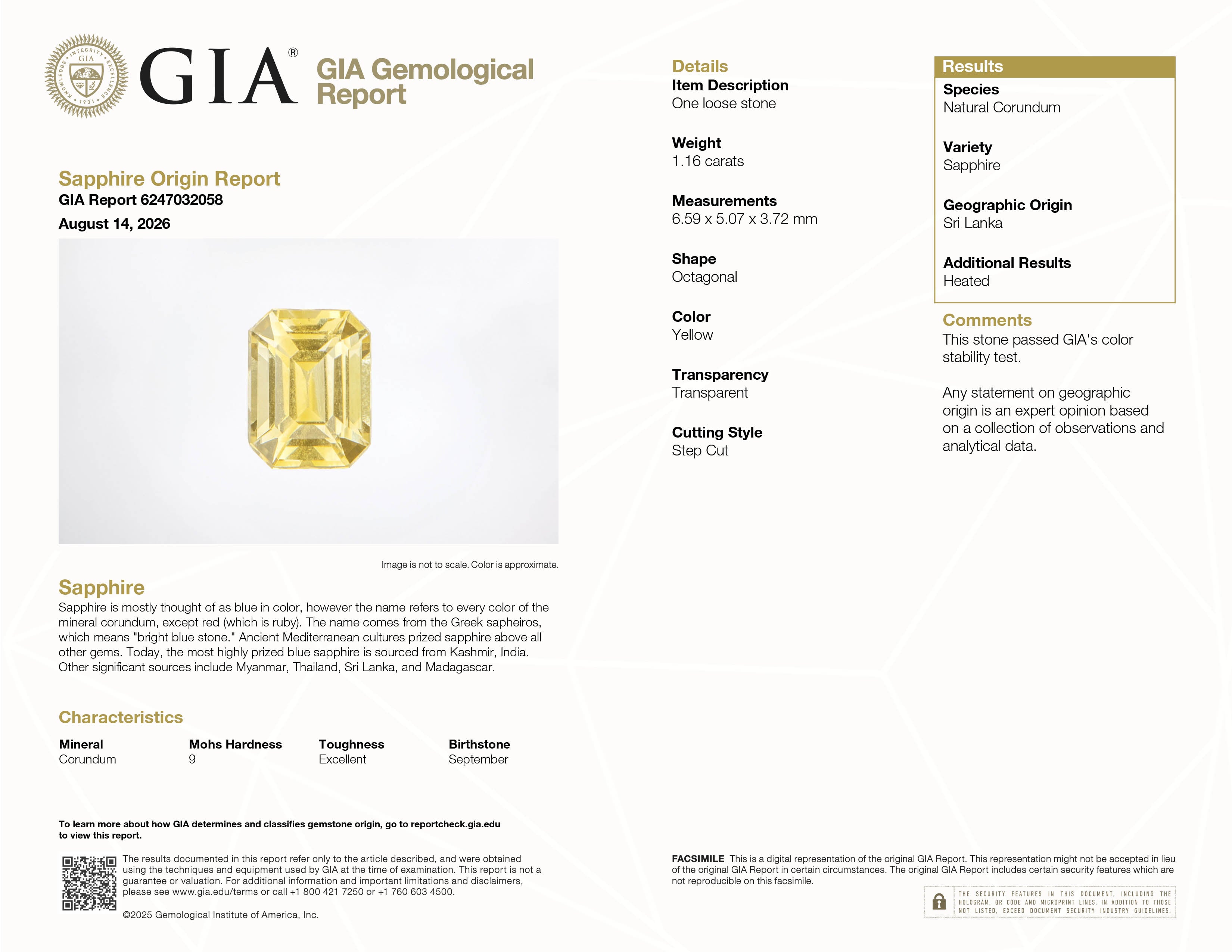
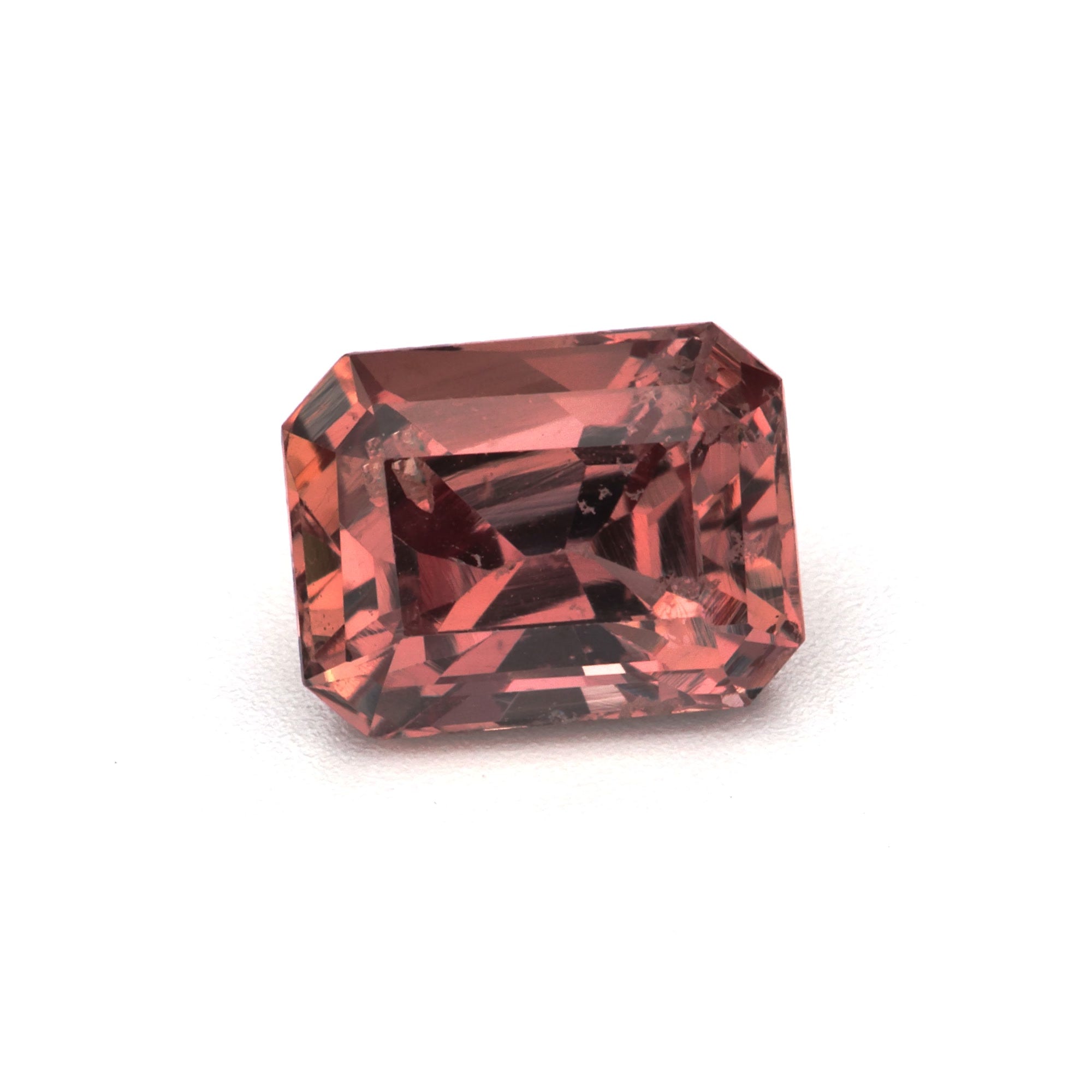
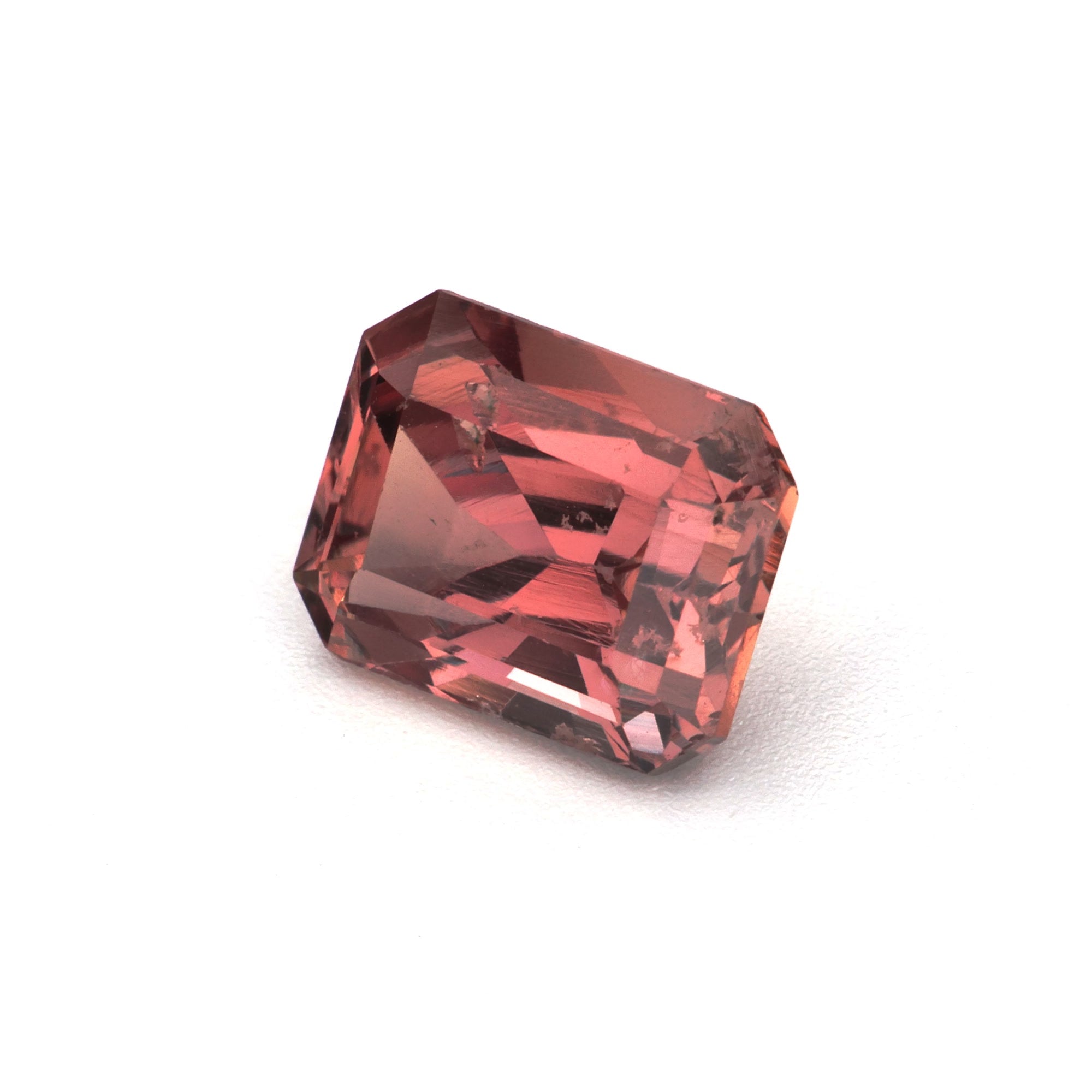
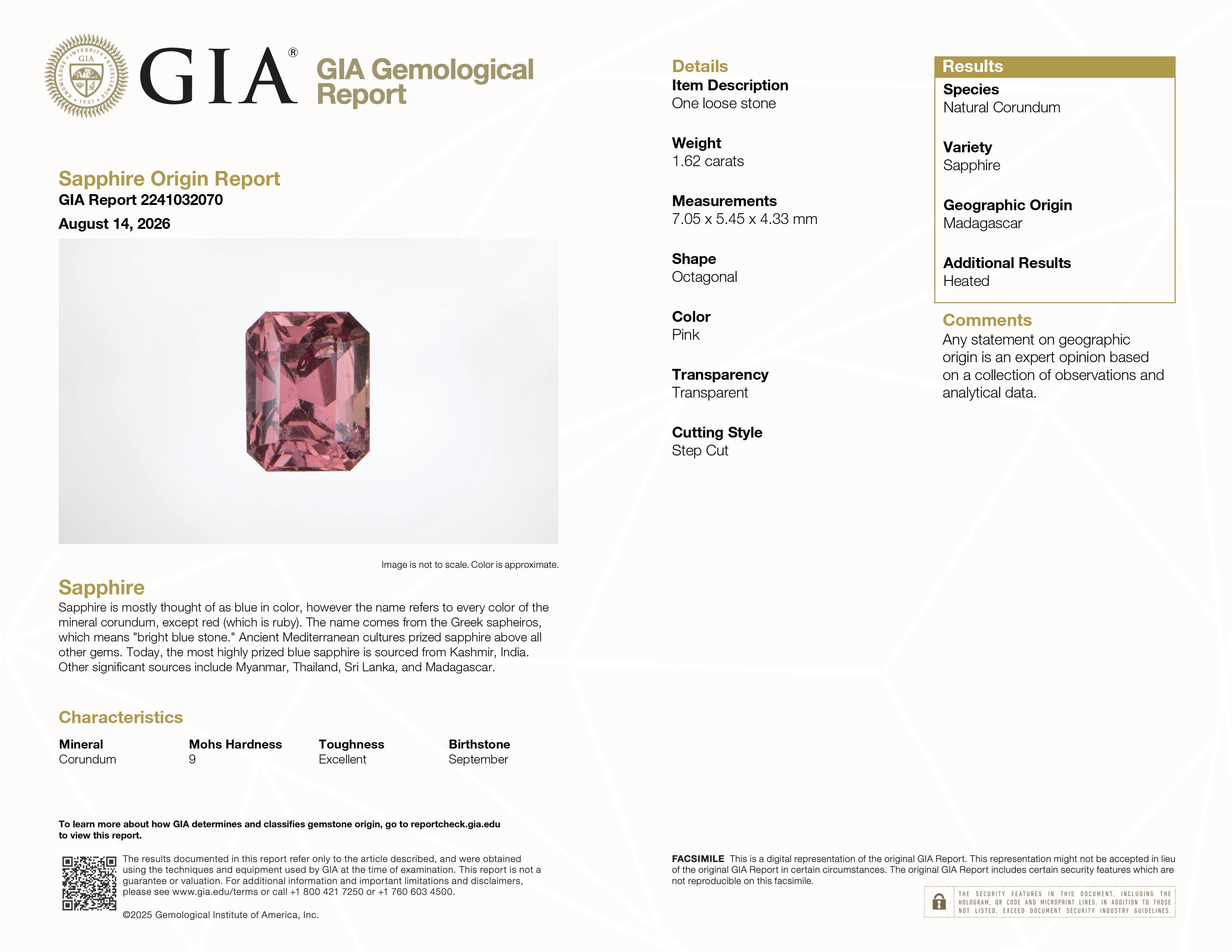
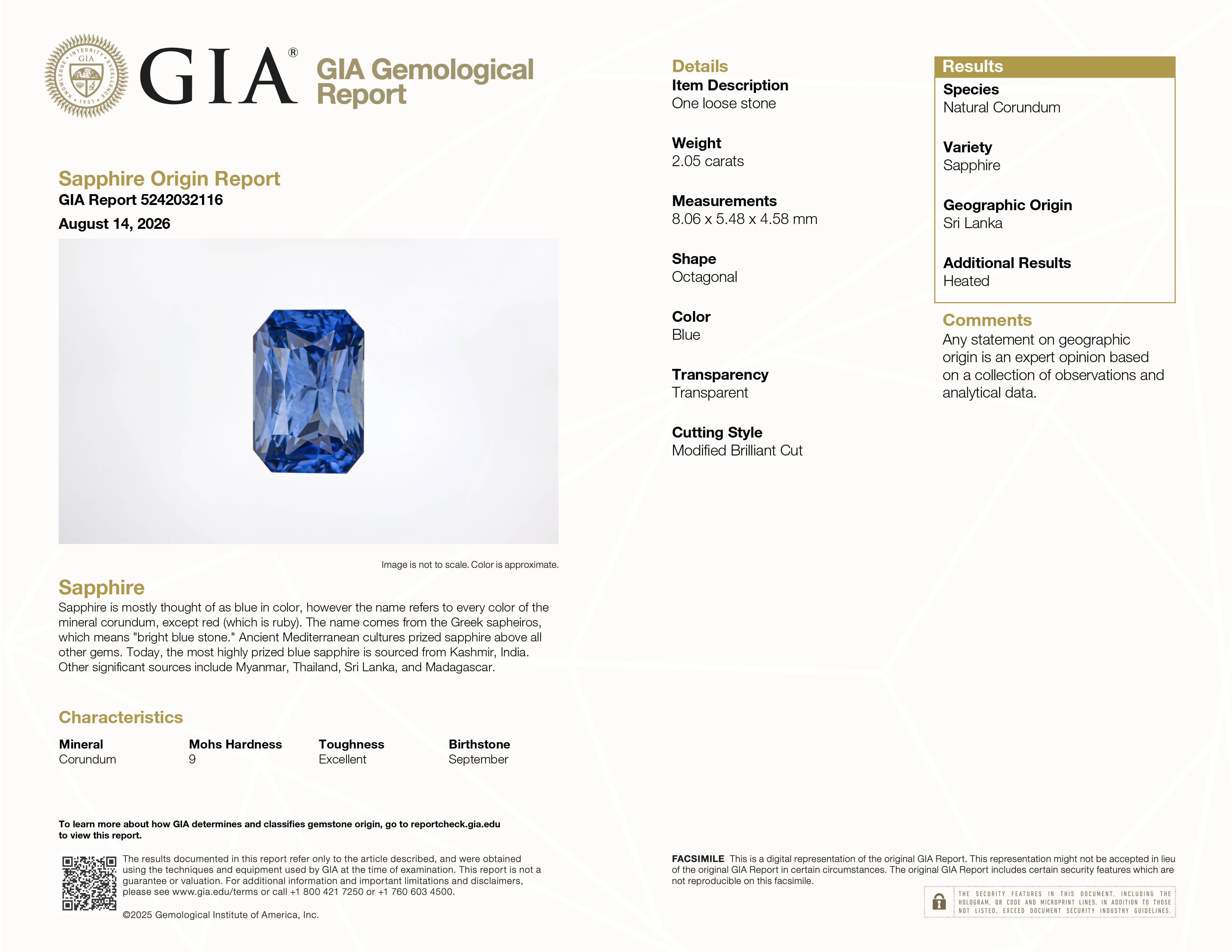
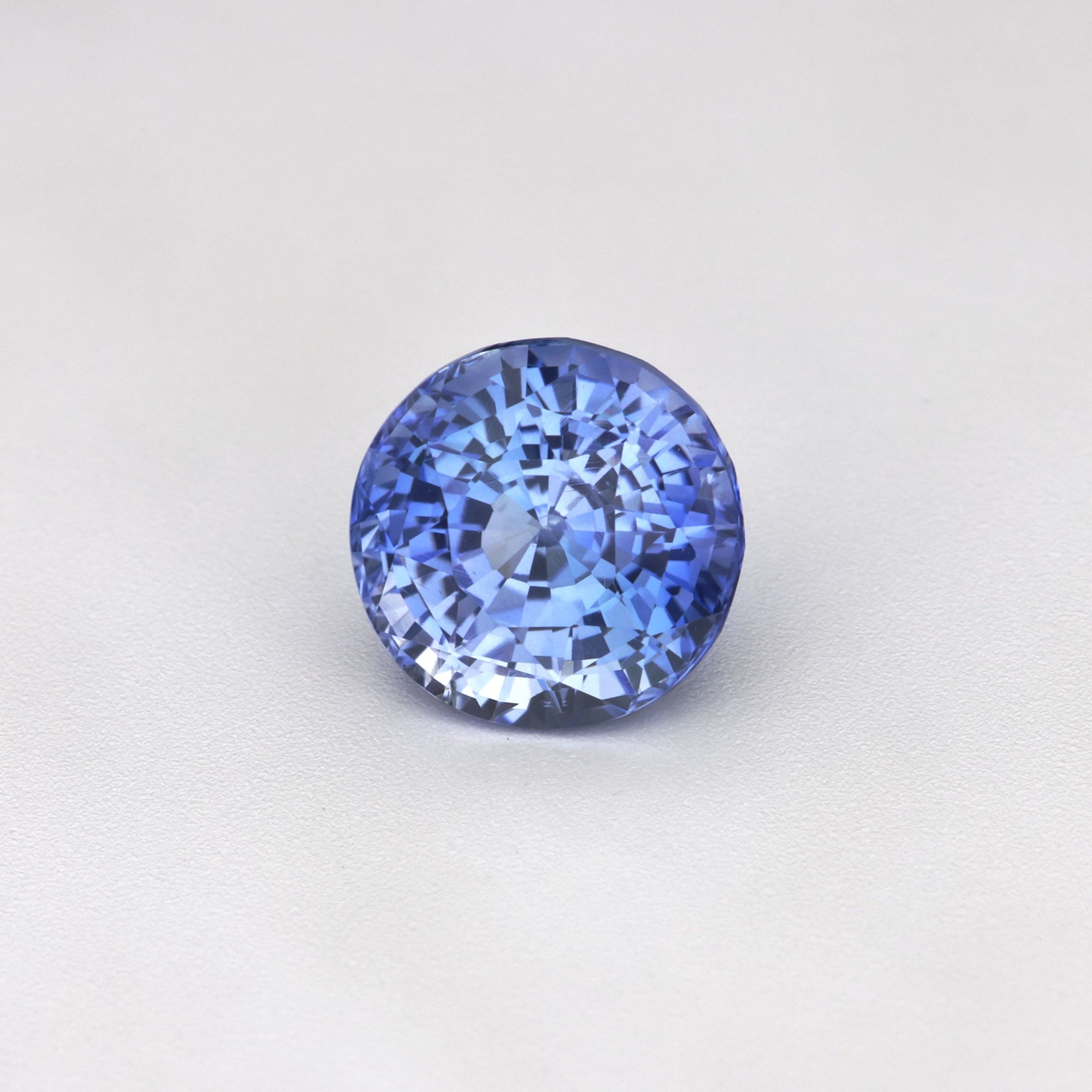
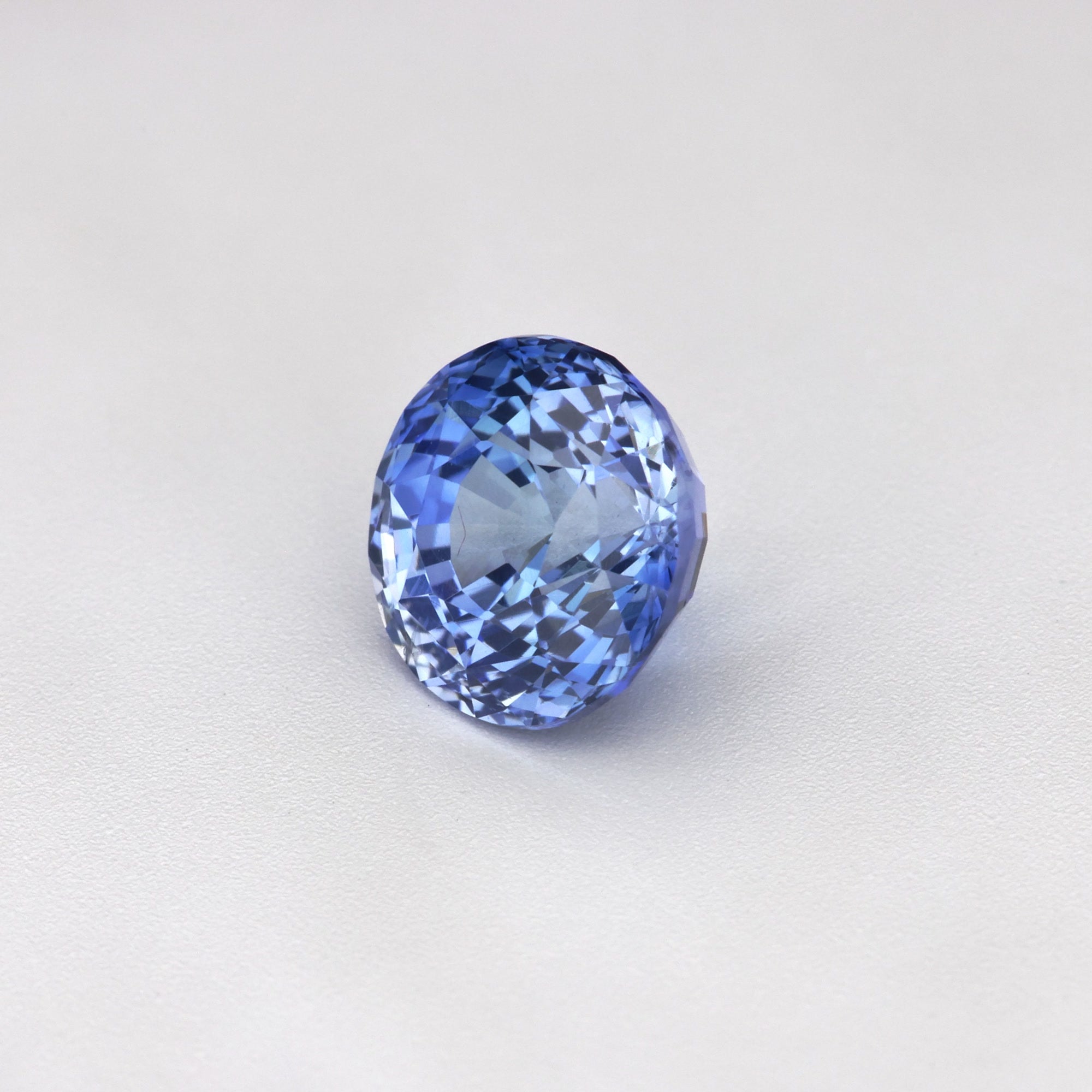
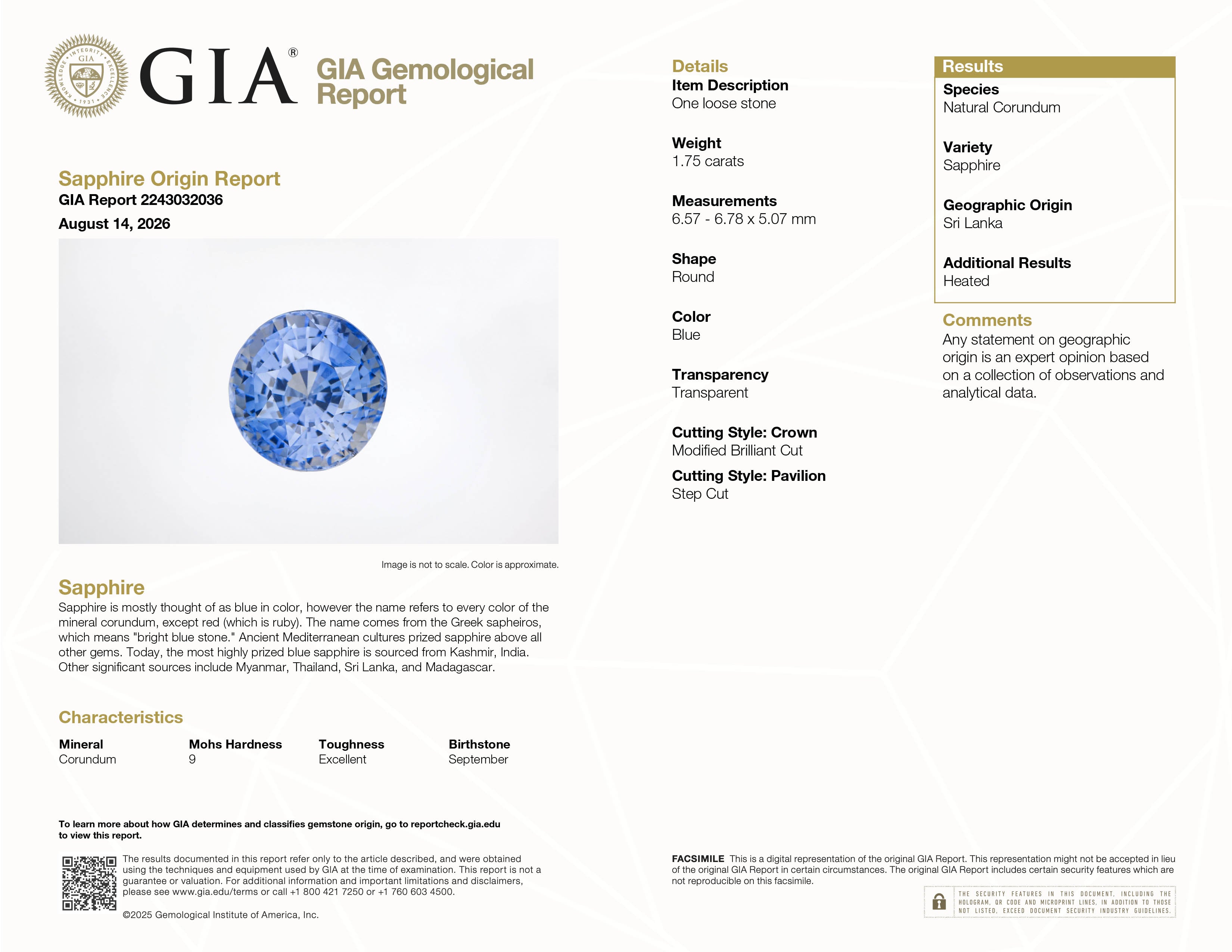
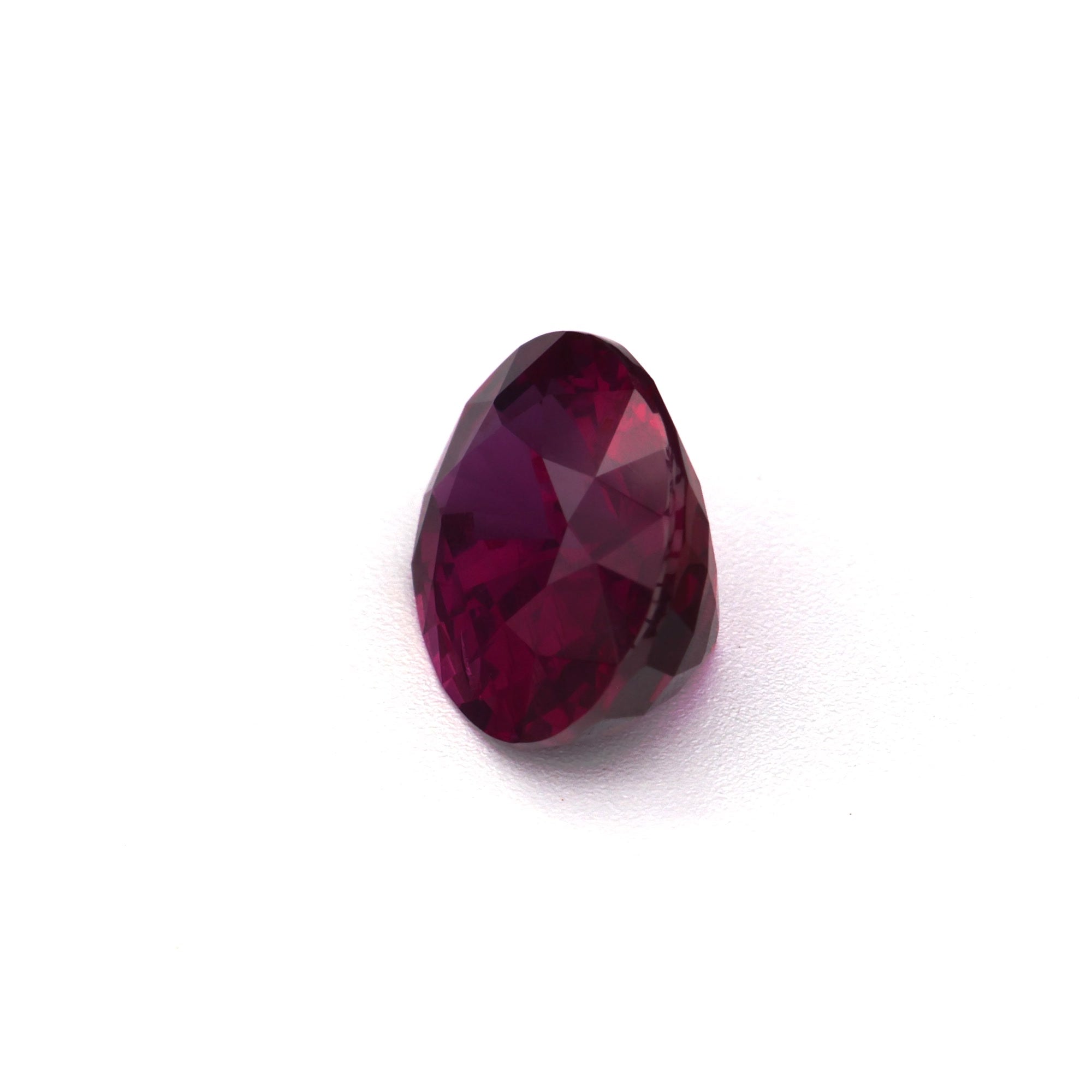
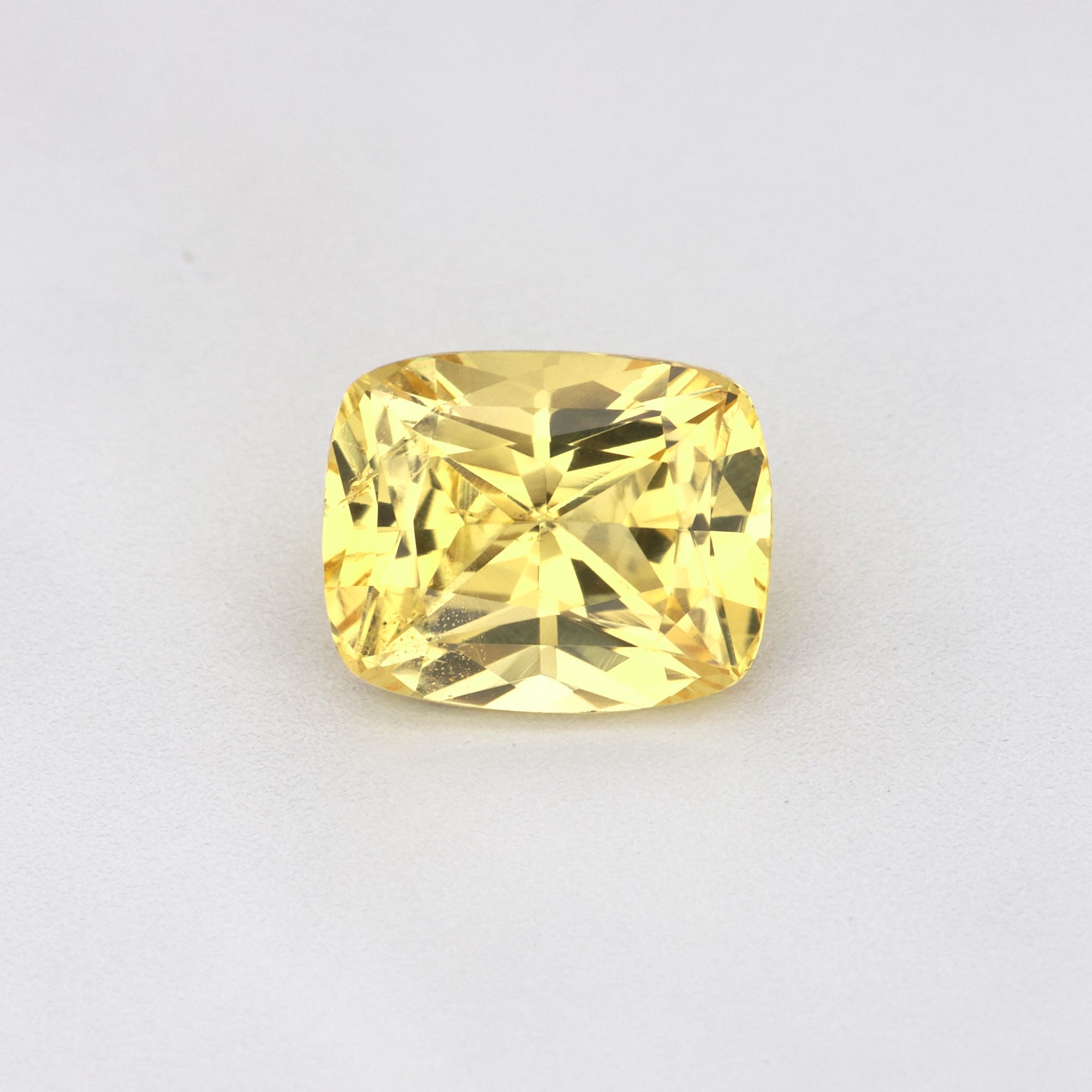
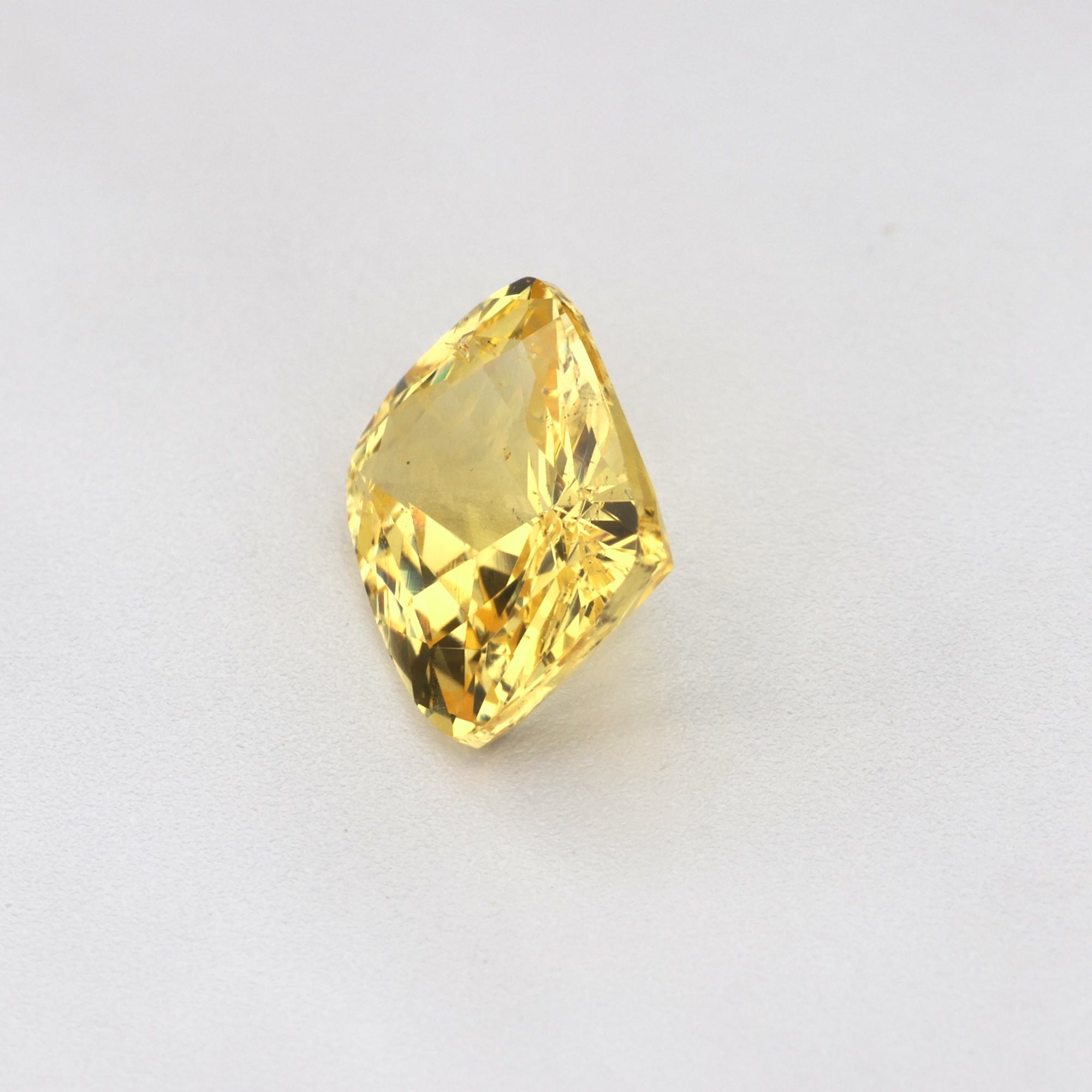
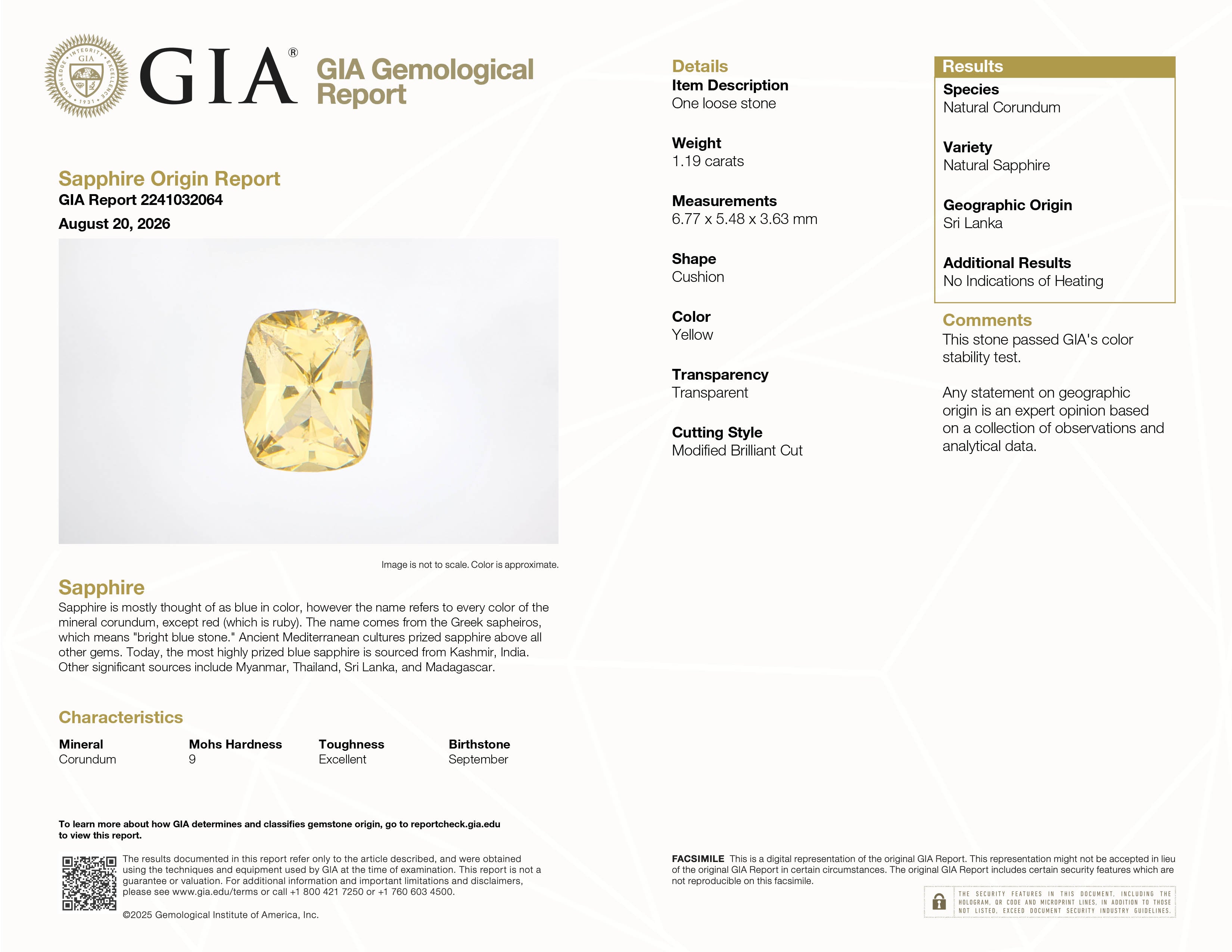
If you are choosing a loose stone from Crescent Gems with a setting in mind, email crescentgems@gmail.com with your color, budget, and the design you and your jeweler are planning, and we can tell you which of our loose stones suit it — their measurements, shape, and report details. A personal video of any stone is available on request.
Before approaching a jeweler, clarify your design priorities in enough detail to brief effectively. The key decisions:
Setting style: Solitaire, halo, three-stone, pavé band, bezel, or combination? See our solitaire, halo, and three-stone guides for shape-specific guidance.
Metal: Yellow gold, white gold, platinum, or rose gold? See our metal comparison guide and our metal color guide.
Aesthetic character: Contemporary and clean? Vintage-inspired with milgrain and engraving? Geometric and architectural? Organic and nature-inspired? Collecting visual references — photographs of rings you like — is more effective than verbal descriptions alone. A Pinterest board or saved Instagram posts that represent your aesthetic preference make a useful brief to bring to a jeweler.
Prong or bezel? Prong settings leave more of the stone open to light and view; bezel settings wrap the girdle in metal for more protection and create a cleaner, more modern look. See our bezel ring guide and corner protection guide for setting style decisions.
Side stones: Diamond accents, matching sapphire side stones, or plain band? See our side stones guide.
The jeweler you work with is as important as the design itself. A well-designed ring executed poorly is a disappointment; a simple design executed with skill and care is a beautiful ring. Key criteria for choosing a custom jeweler for a sapphire ring:
Your brief to the jeweler should include:
When you receive the CAD render, evaluate it carefully:
Do not hesitate to request revisions at the CAD stage — it is the right moment to make changes. Changes after casting are expensive; changes to a CAD file are inexpensive.
Once you approve the CAD, the jeweler casts the metal setting, finishes it, and sets your stone. The stone setting process for sapphire requires care because:
At this stage, you are trusting the jeweler's craftsmanship — which is why Step 3 (choosing a skilled, experienced jeweler) is so important. A well-executed setting holds the stone securely in everyday wear, with periodic prong checks; a poorly executed setting risks stone loss or damage.
Setting cost is quoted by your jeweler and depends on a handful of choices you control:
Timeline: Ask your jeweler for a written timeline from approved CAD to delivery. Hand finishing and complex designs add time, and rush fabrication, where it is offered, usually costs extra. Leave a margin between approving the design and any delivery deadline.
For more reading on the commissioning process from the buyer's side, see our How to Commission a Custom Sapphire Ring guide.
The cost is set by the jeweler you choose, and it depends on the metal and karat, the amount of metal, any hand work such as engraving or milgrain, any accent stones, and the complexity of the design. The setting cost is separate from and in addition to the cost of the stone itself. Ask for a written quote based on your CAD before fabrication begins, and for a ring intended for daily wear, budget for a setting sturdy enough to protect the stone.
Yes — the jeweler needs the physical stone to set it accurately. Reputable jewelers will provide a receipt documenting your stone's receipt and return it set in the finished ring. Always ship insured and trackable when sending a sapphire to a jeweler.
Yes — a sapphire can be removed and reset by a skilled setter. Opening and closing prongs always carries some risk to a stone, so choose a setter with colored stone experience. Some jewelers will credit the metal of the original setting against a new one, or you can keep the original setting. Ask for a quote for the reset before work begins.
Crescent Gems sells loose stones only; the ring itself is designed and made by the jeweler you choose. For questions about a specific loose stone — its measurements, its report, or how it might suit the setting you have in mind — email crescentgems@gmail.com.

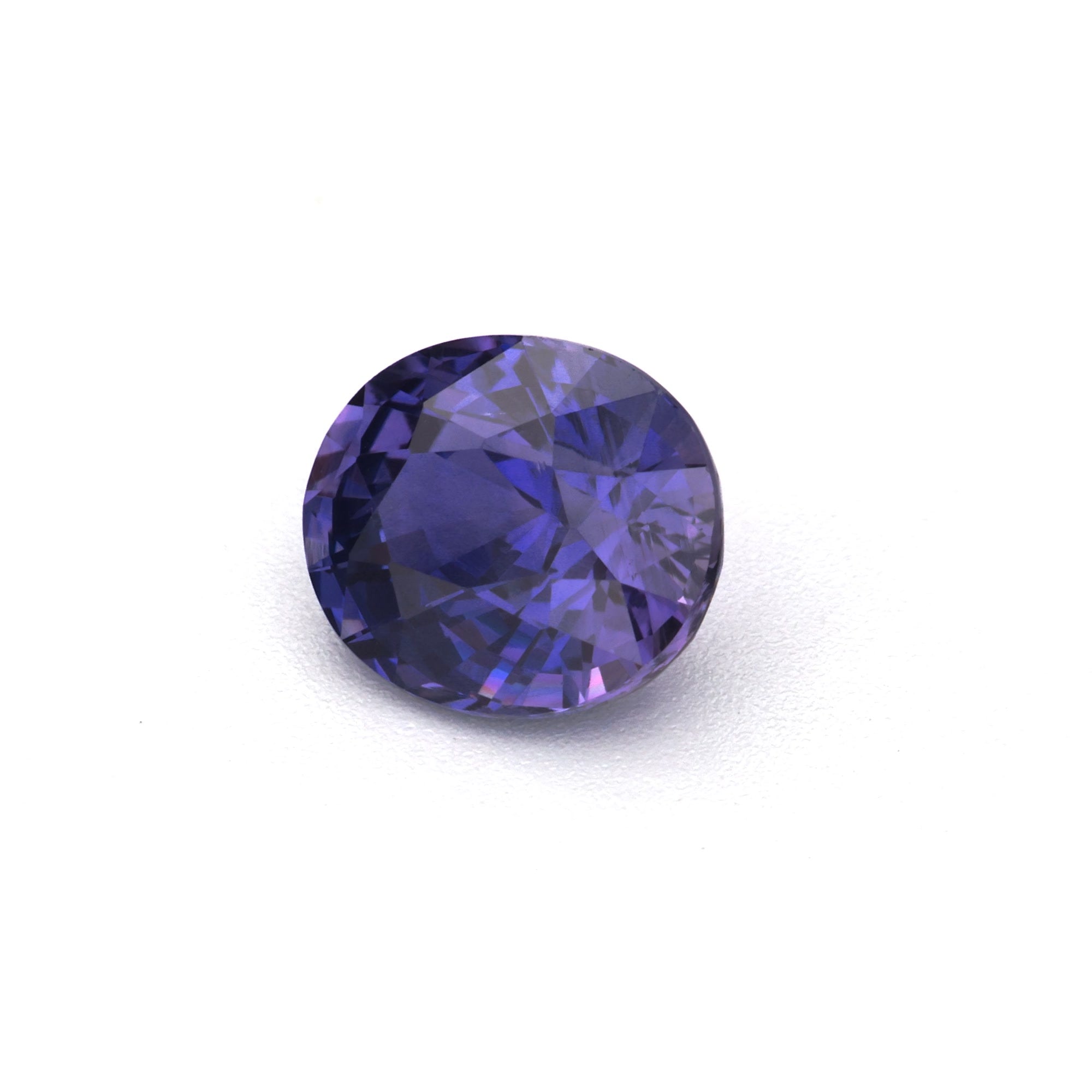
CG8465
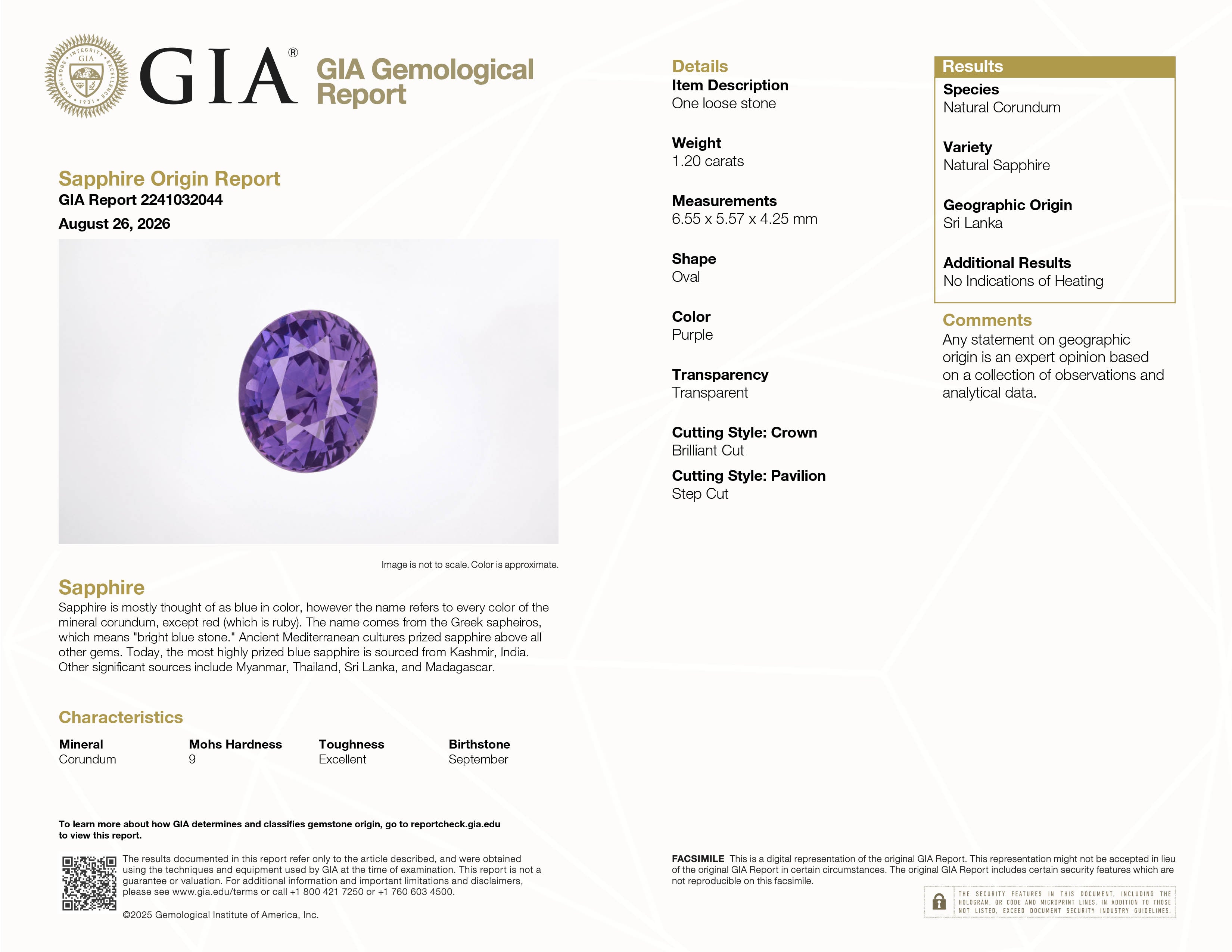
CG8463
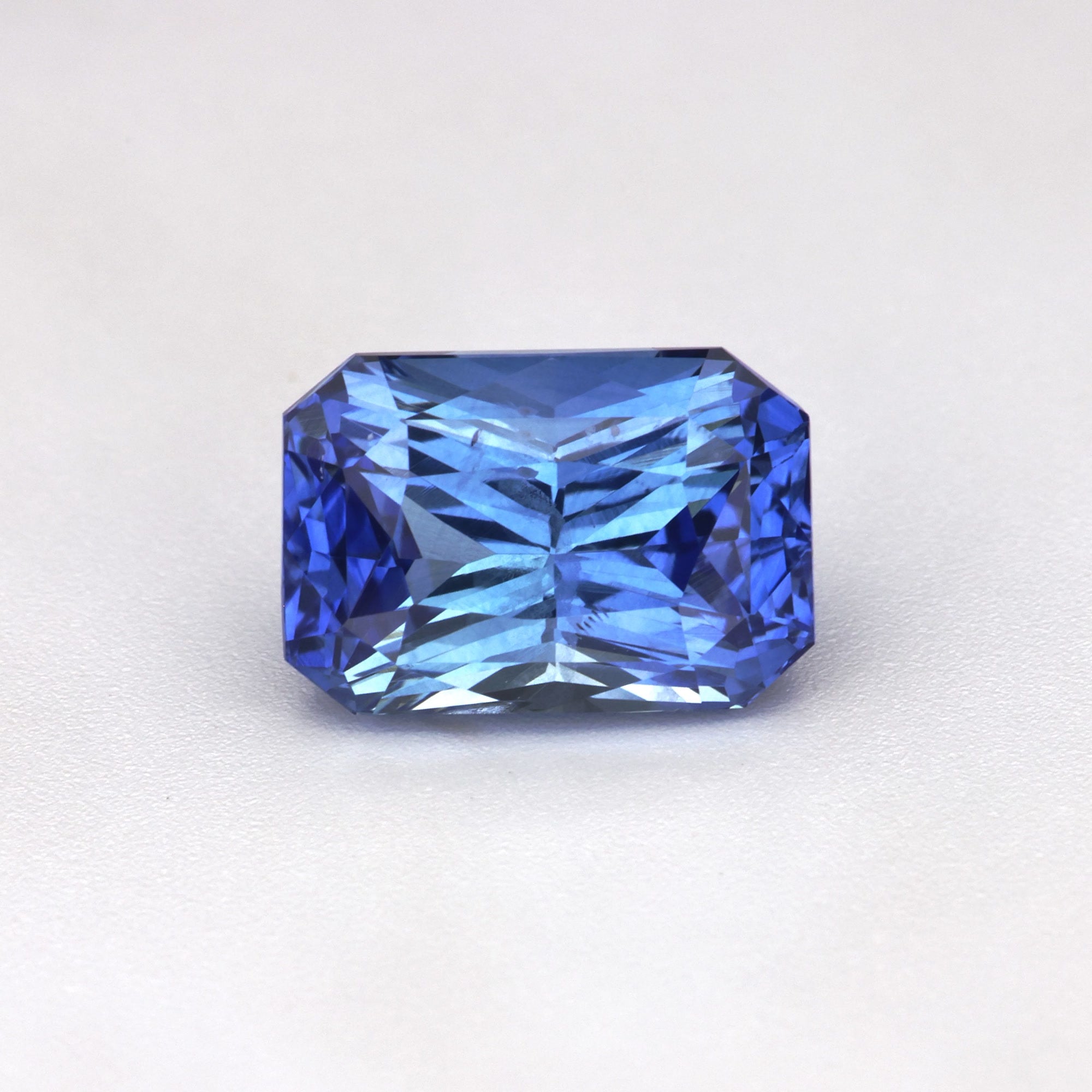
CG8460
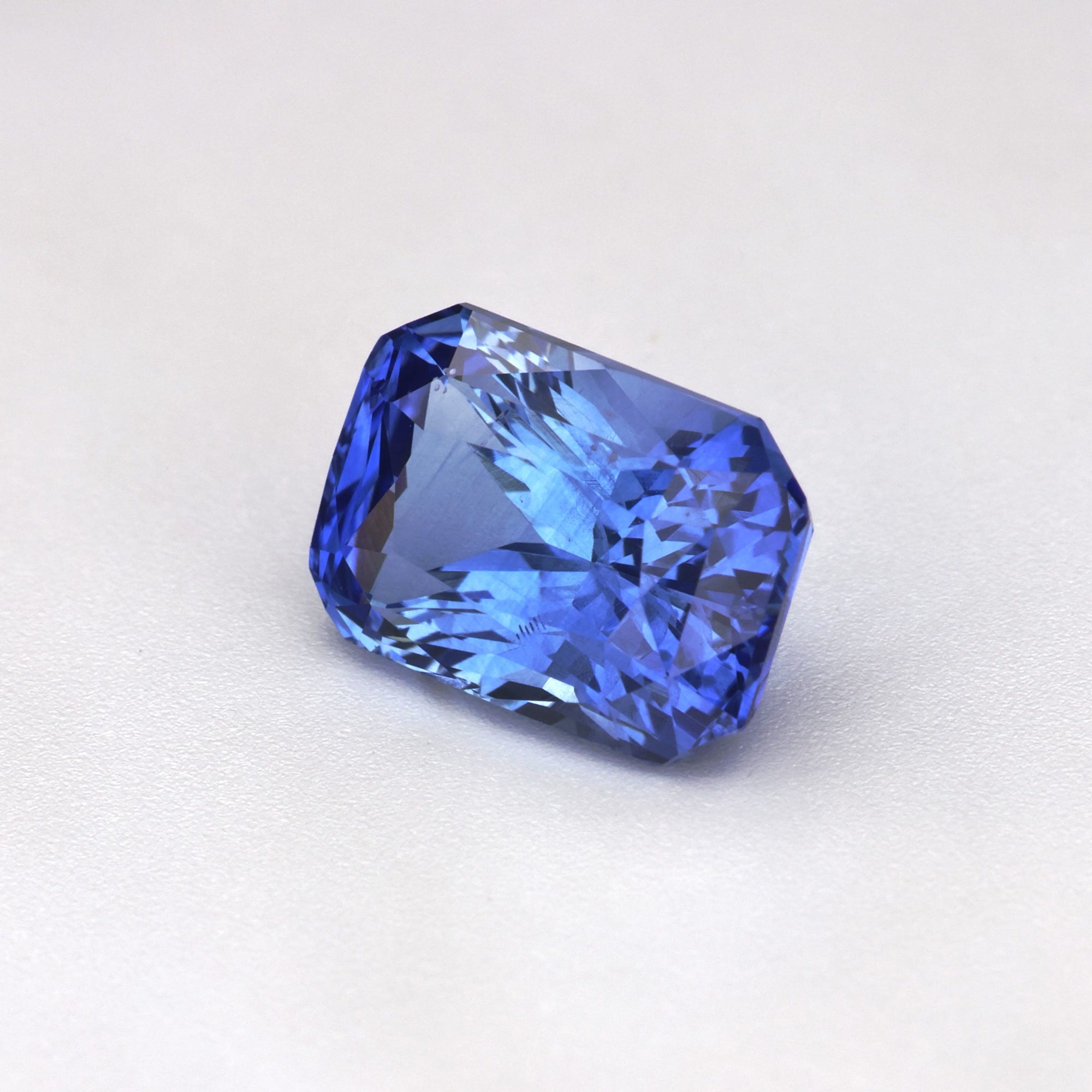
CG8456


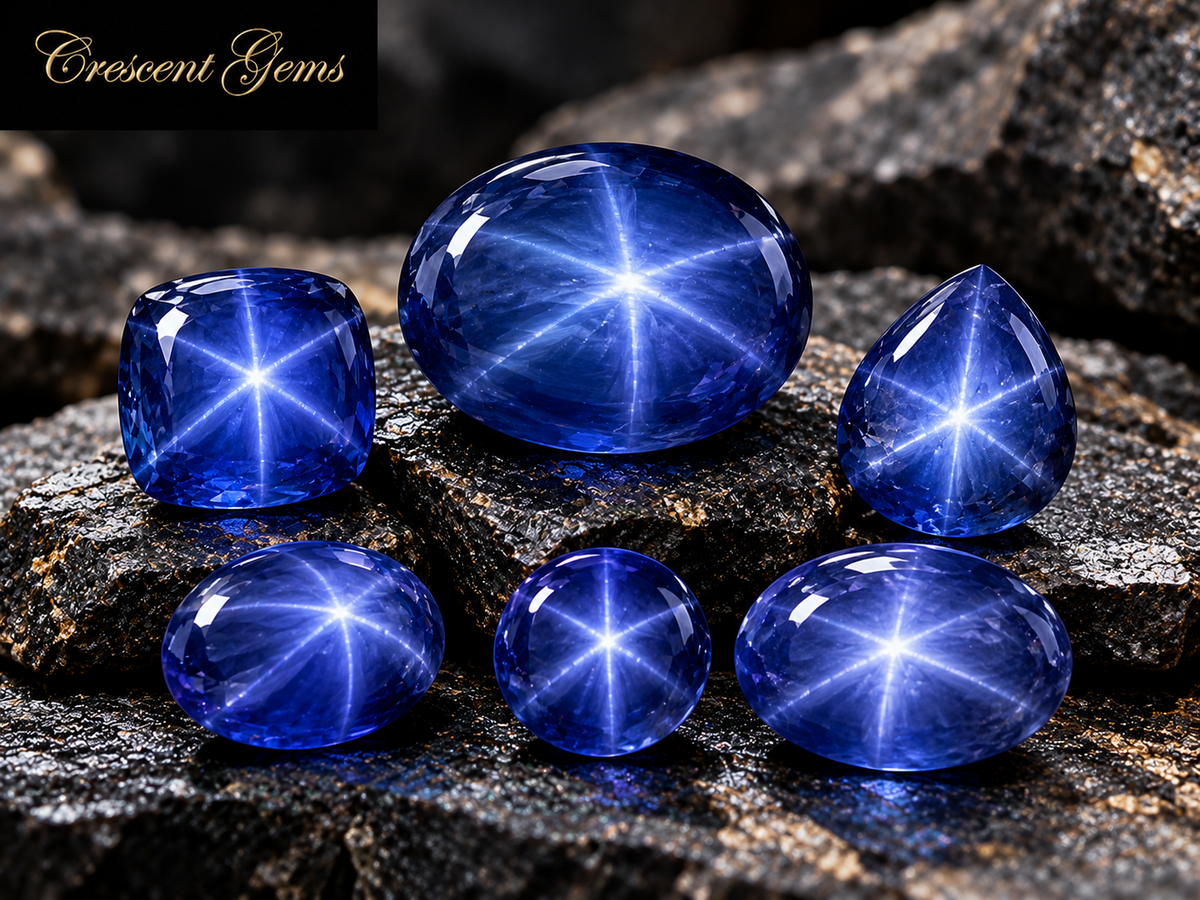
Blue Star Sapphire Price Guide — What They Cost and Why
Read moreabout Blue Star Sapphire Price Guide — What They Cost and Why
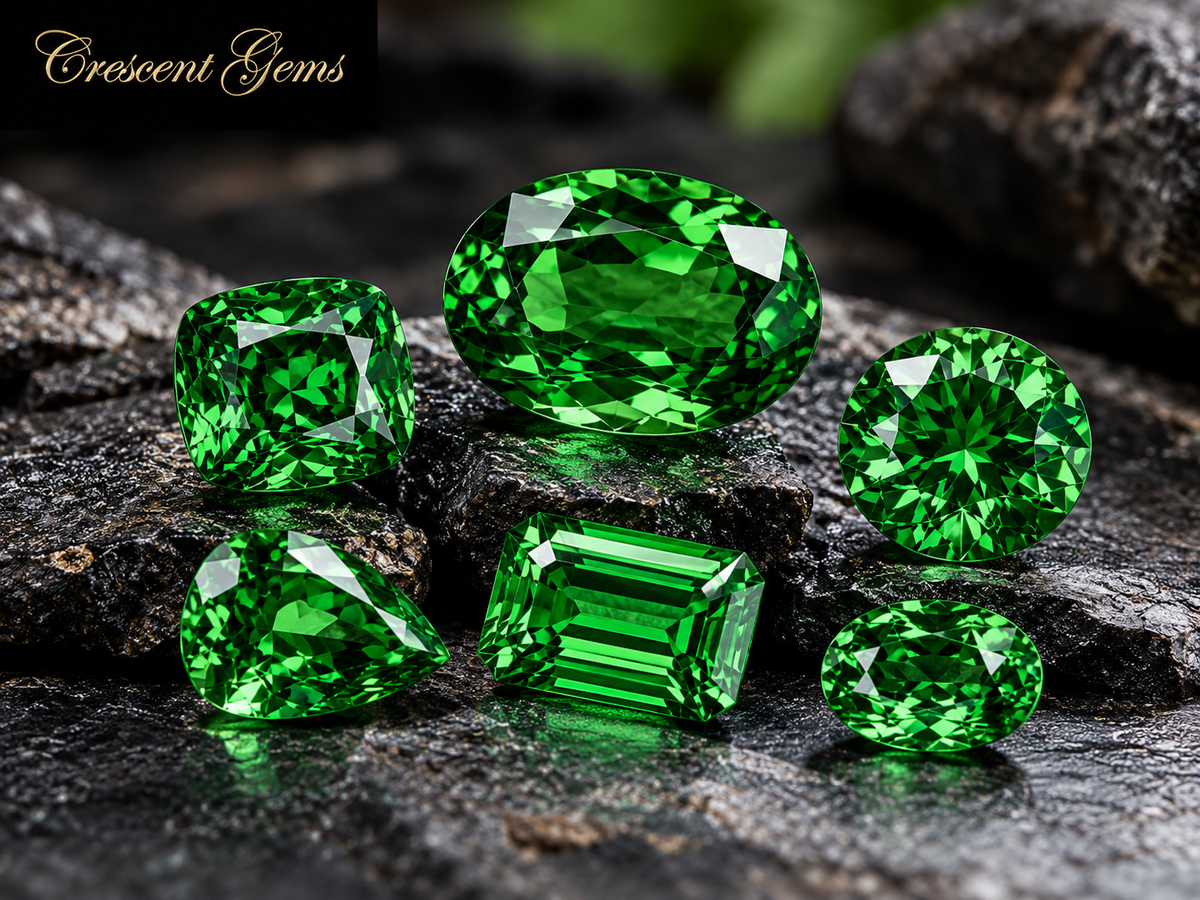
Tsavorite Garnet Price Guide — What They Cost and Why
Read moreabout Tsavorite Garnet Price Guide — What They Cost and Why
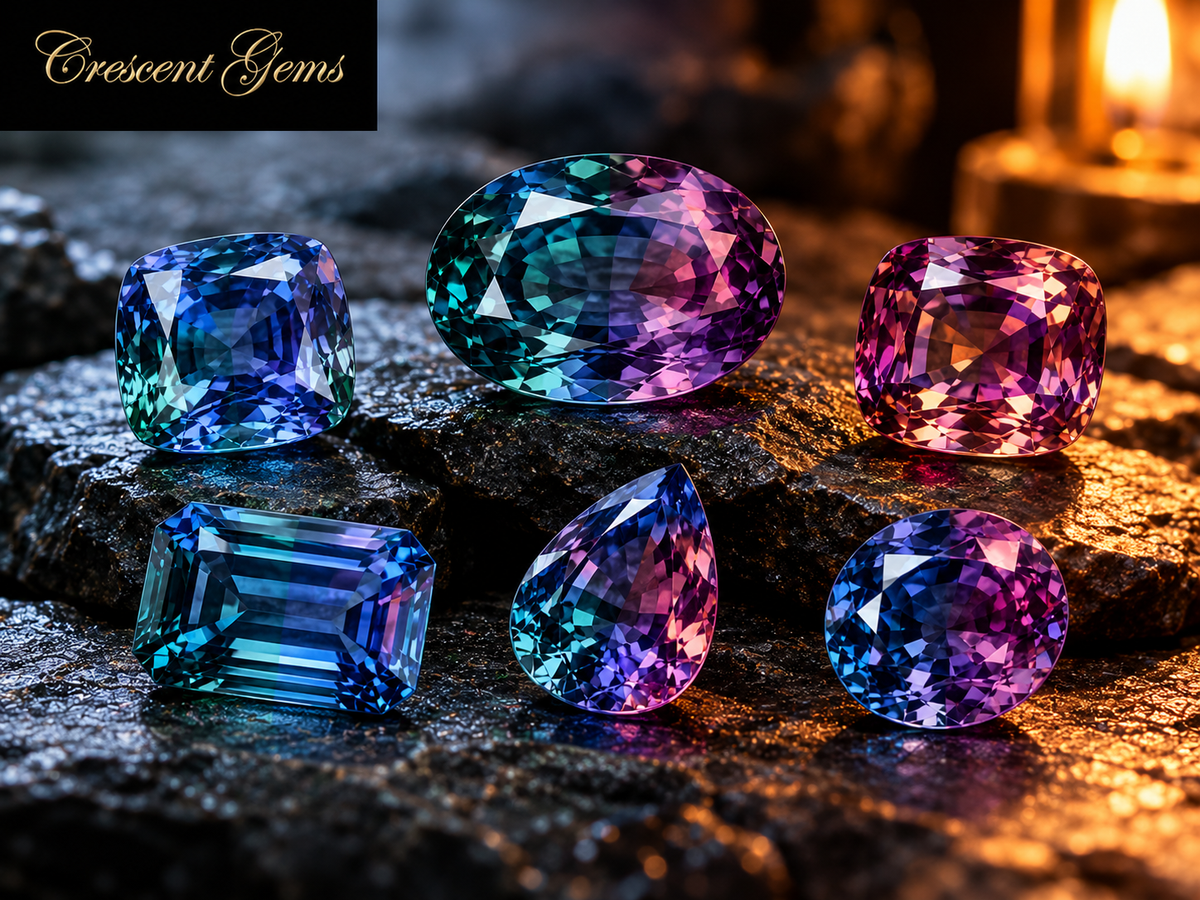
Color-Change Sapphire Price Guide — What They Cost and Why
Read moreabout Color-Change Sapphire Price Guide — What They Cost and Why
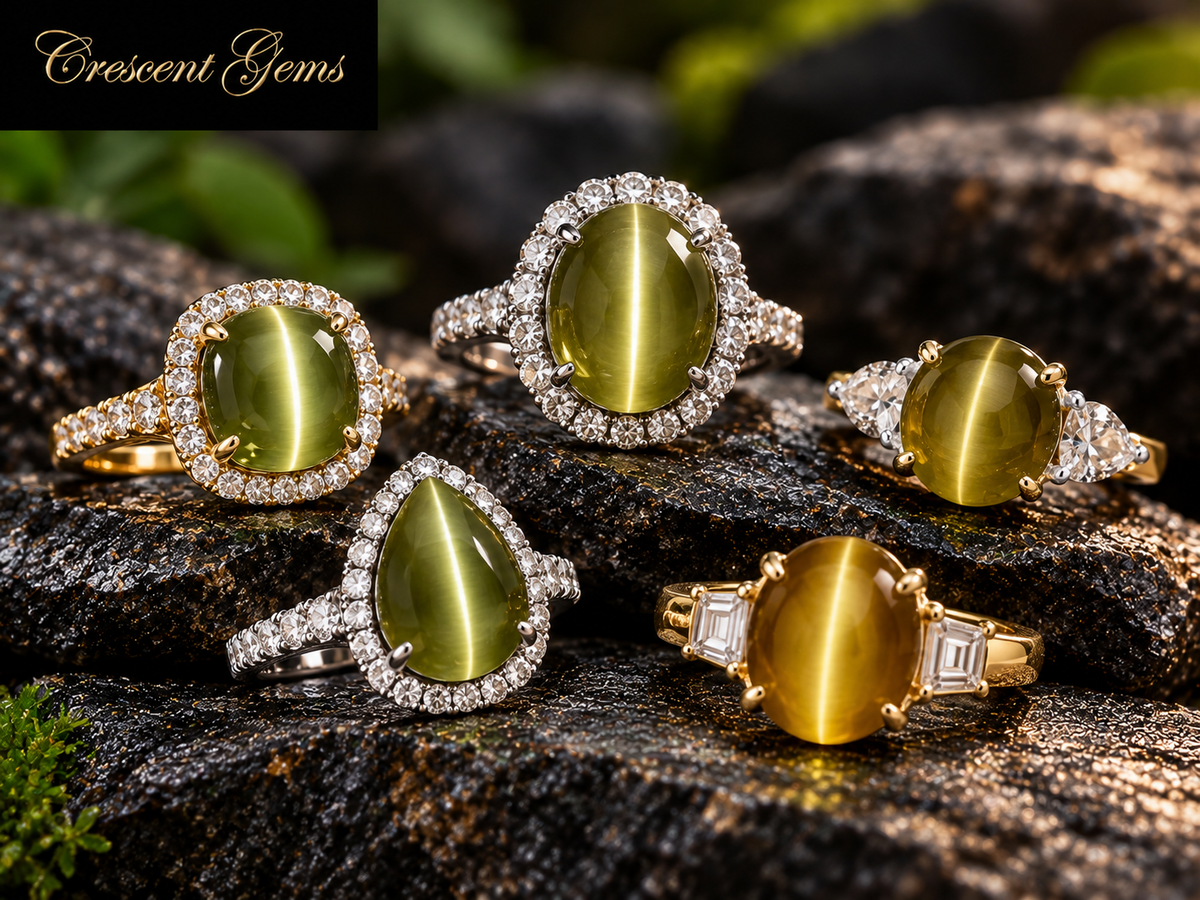
Is Cat's-Eye Chrysoberyl Good for an Engagement Ring?
Read moreabout Is Cat's-Eye Chrysoberyl Good for an Engagement Ring?
Cat's Eye Chrysoberyl Price Guide — What They Cost and Why
Read moreabout Cat's Eye Chrysoberyl Price Guide — What They Cost and Why















Share: