- by Ahmed Shareek
The Ratnapura Gem Market — How Sapphires Are Traded at the Source
- by Ahmed Shareek
New to buying sapphires? Start with our Ultimate Sapphire Buying Guide — the complete resource for color, origin, treatment, and pricing.
Ratnapura means "city of gems" in Sinhala, and it is not a poetic name — it is a literal description. The town, in Sri Lanka's Sabaragamuwa Province, sits in the middle of the island's gem-bearing alluvial deposits and has long been the commercial center of the Sri Lankan gem trade. GIA dates gemstone use in Sri Lanka to "at least 2,000 years"; we have not found a source that dates Ratnapura's market specifically, so we give the island's figure rather than the town's. Many Sri Lankan sapphires pass through Ratnapura at some point between the mine and the market.
This stage of the supply chain is not one a buyer normally sees. The trading happens in offices, hotel rooms, and open-air markets that do not appear on tourist maps. Rough parcels change hands over calculators and loupes. Prices are negotiated in a mixture of Sinhala, Tamil, and English. Deals are closed on a handshake. This is the upstream end of the sapphire market, well above the polished product pages and the retail display cases.
At Crescent Gems, Ratnapura is not a story we tell secondhand. It is where we buy. This article describes how the gem market in Ratnapura actually works, what happens when rough and cut sapphires are traded at the source, and where we sit in the chain that carries a stone from that market to a listing.

Ratnapura sits inland and southeast of Colombo, in the foothills of Sri Lanka's central highlands. The gem-bearing gravel deposits — the illama — extend across the Ratnapura district, Balangoda and Nivitigala included. Elahera, further north, is a separate gem field of the same kind rather than a neighbor of Ratnapura. Illama is the spelling we use; GIA publishes the same word as illam. Miners extract rough from pit mines and river beds across this area and bring it to Ratnapura for sale.
The town functions as a collection point. Rough and freshly cut stones flow in from many small mining operations scattered across the surrounding countryside. Buyers — local dealers, brokers, exporters, international traders, and retailers who buy at source, ourselves among them — converge on Ratnapura to inspect, evaluate, and purchase material before it enters the wider supply chain.
Trading happens in several overlapping venues: the Ratnapura gem market (an open-air market where miners and small-scale dealers sell rough and commercial-grade cut stones), private offices and showrooms where higher-value transactions take place, and hotel rooms where visiting international buyers meet dealers by appointment. In our own buying the dearest stones are shown quietly in private rather than in the open market — a pattern we have observed, not a rule anyone stated to us.
Here is a trading session as we meet it, and its shape has not changed in the years we have been buying. The dealer or miner arrives with a collection of stones — sometimes rough, sometimes freshly cut, sometimes both — wrapped in small folded paper packets. The stones are laid out on a white surface in natural daylight, and the evaluation begins.
Gem trading in Sri Lanka is normally done in natural daylight. The trading table is positioned near a window or under a skylight because daylight is the reference light the trade evaluates color in. Artificial lighting flatters stones in ways daylight does not, and a stone judged only under incandescent or LED light can look very different in the conditions where it will be worn. That is why we photograph our stones under consistent neutral lighting, and why we suggest you look at a stone under more than one light source before committing. See How Cut Affects a Sapphire.

Every stone is examined first by eye — for color, brilliance, and face-up presence — and then under a 10× loupe for clarity, inclusions, and cut quality. The loupe shows what the eye suspects: the location and severity of inclusions, the condition of any silk, the precision of the cut, and any features that affect value. Silk is one of the things a laboratory weighs when it forms an opinion on heat, and it is not a reading a loupe can settle: heating can leave silk unmodified, and an unheated stone need not show it.
This is not a laboratory examination. It is a commercial evaluation by people who have been looking at sapphires every day for decades. In the sessions we buy in, a dealer forms a view on color, clarity and likely value in seconds, and we have learned to take that view seriously. It is a trading judgment, not a laboratory determination: treatment is settled by a report, not by eye. For more on what inclusions reveal, see How to Read Sapphire Inclusions.
Pricing in the Ratnapura gem market is negotiated. In our own buying we have never been shown a price tag or a published rate card: the seller states an asking price, the buyer makes a counter-offer, and it goes through rounds until agreement is reached or the parties walk away. Rough is normally discussed with us in Sri Lankan rupees per carat, and finished stones destined for export in US dollars per carat.
The negotiation is informed by both parties' knowledge of current market conditions, recent comparable sales, the character of the stone in question, and the relationship between buyer and seller. Our own long-standing relationships in Ratnapura mean we hear about exceptional stones early, and that we know the history of much of what we buy. We are not going to tell you what any other buyer is offered, or what anyone else discloses, because we do not know.
Our relationships in Ratnapura are measured in decades, not transactions. When a miner finds an exceptional piece of rough, or a cutter produces a particularly fine stone, that is often how we come to see it.
In the buying we do, a deal is closed with a handshake rather than a contract: once buyer and seller shake hands on a price, both sides treat it as settled. We have not seen anyone walk away from one. Our own understanding of why is that the community is small, interconnected and has a long memory, and a reputation there takes years to build — that is how it has been described to us and how we have found it, not a rule anyone can point to in writing.
Rough — uncut crystals as they come from the mine — is the most upstream product traded in Ratnapura. Buying rough requires the most expertise because the buyer is betting on what the crystal will become after cutting: how much weight it will retain, how the color will present face-up, whether inclusions hidden beneath the surface will affect the finished stone. Rough buying is where the deepest knowledge of the material pays off.
At Crescent Gems, we evaluate rough parcels at source and select crystals based on their color potential, clarity, and suitability for specific cut styles. Not every piece of rough is worth cutting — our selection process at this stage determines the quality of the finished stones in our catalog. For more on what happens to rough after we select it, see Faceting Sapphires.
Much of what we are shown in Ratnapura is "native cut" — cut locally, with weight retention as the first objective. Cutting for weight retention trades face-up performance for carat weight: it is the economically rational choice for the cutter, and it is a choice rather than a limitation. Where a stone we buy has been cut that way, we will often have it recut to better proportions, accepting the weight loss in exchange for how the stone performs face-up.

Some of what trades in Ratnapura is precision-cut to international standards — calibrated sizes, symmetrical outlines, worked pavilion and crown angles. Those stones carry higher per-carat asking prices, and they move more readily in export markets where face-up appearance is valued over raw weight.
Having described the market, here is the chain that carries a stone out of it, and where we sit in that chain.
In the conventional supply chain, a stone passes through multiple hands after leaving Ratnapura:
Each of those steps is somebody's business and each is paid for it. A cutter and an exporter both do work on the way, as the list itself shows. We are not going to tell you what any of them charges, because we do not know.
What we are not going to claim is that there is nobody between the Ratnapura market and the listing, because on most stones there is, and this article has just described who. The market we buy in is an intermediated one — that is how rough is traded here, and we buy inside that trade like everyone else. What is ours to say is narrower: our chain has fewer steps between the Ratnapura market and you, we hold no showroom, we buy in Ratnapura, Beruwala and Colombo, and we cut to specification. A shorter chain with less overhead costs less to run, and that is reflected in what we charge. We will not put a percentage on that and we will not compare it with another seller's price, because we do not know what anyone else pays or charges. See How We Price Our Gemstones and Sapphire Pricing Explained.
Bangkok and New York are major secondary gem trading centers. They are where rough from Sri Lanka, Madagascar and elsewhere is shipped, cut, treated, documented, and redistributed to the retail market. They are important cities in the gem trade, but they are downstream.
Ratnapura is upstream. It is where the stones emerge from the earth and enter the commercial system for the first time. Two things follow from buying there, and one claim that is often made about it does not:
Provenance, and its limits. Buying at source is how we come to know anything about where a stone was before we had it. For most parcels we can tell you the district the rough came from, and often the river section or the pit. That is not the same as naming the mine, the miner and the parcel, and we are not going to claim it is. Where we bought a stone ourselves in Ratnapura we can tell you so from our own records; where a laboratory report carries an origin opinion, we give that too. They are two different kinds of statement and we keep them apart.
History, alongside the report. Buying at source means we often know a stone's history — who mined it, who cut it, and whether it went through a furnace. Knowing that history is useful context, and the laboratory report is what states the treatment. We give both where we have both, and we do not offer the one as a substitute for the other. See How Heat Treatment Works and What Is an Unheated Sapphire.
And the claim that does not follow. It is often said that every hand between the mine and the customer adds cost and nothing else. We are not going to say it: a cutter, an exporter and a jeweler all do work, as the chain above shows, and we are in no position to price anyone else's. What we can say about our own pricing is in the section above, and in How We Price Our Gemstones.
The gem trade in Ratnapura is a community. Miners, cutters, dealers, and exporters are connected by family ties, business partnerships, and relationships that span generations. A good many of the dealers we deal with inherited the business from a father or a grandfather, and the reputation with it.
That community structure is what makes the handshake work, and it is what buying at source rests on. Our proprietor, Ahmed Shareek, lives in Sri Lanka and has been working with the same network of miners, cutters, and dealers for over 25 years. Those relationships are not just commercial — they are personal, and they are the reason we see material early and know the history of much of it.
What that is worth to you sits on the listing rather than in this paragraph. Every listing states the treatment, and names the laboratory and the report number where a report exists; where a stone has no report, the listing says so plainly. You have 14 days from delivery to tell us you want to return a stone, and a further 14 days to send it back — the Refund Policy sets out the exceptions, and custom orders and altered stones are among them.
Ratnapura is reachable from Colombo by road; the drive takes us a few hours through hill country. The mornings are when we have found the market busiest. Visitors are welcome to watch the open-air market, but buying rough or finished stones there as a non-specialist carries real risk without expert guidance: prices are negotiated rather than fixed, and a market purchase carries none of the return rights you get from a retailer.
If you are interested in visiting Ratnapura or in understanding more about how your sapphire was sourced, email crescentgems@gmail.com. We are happy to share the sourcing story behind any specific stone in our catalog.
Browse our full loose gemstone catalog. Most of our stones are Sri Lankan; we also carry Madagascan, Kenyan, Tanzanian, Vietnamese and East African material, and every listing names the origin we have recorded. Email crescentgems@gmail.com with questions. We usually reply within one business day.

CG8307
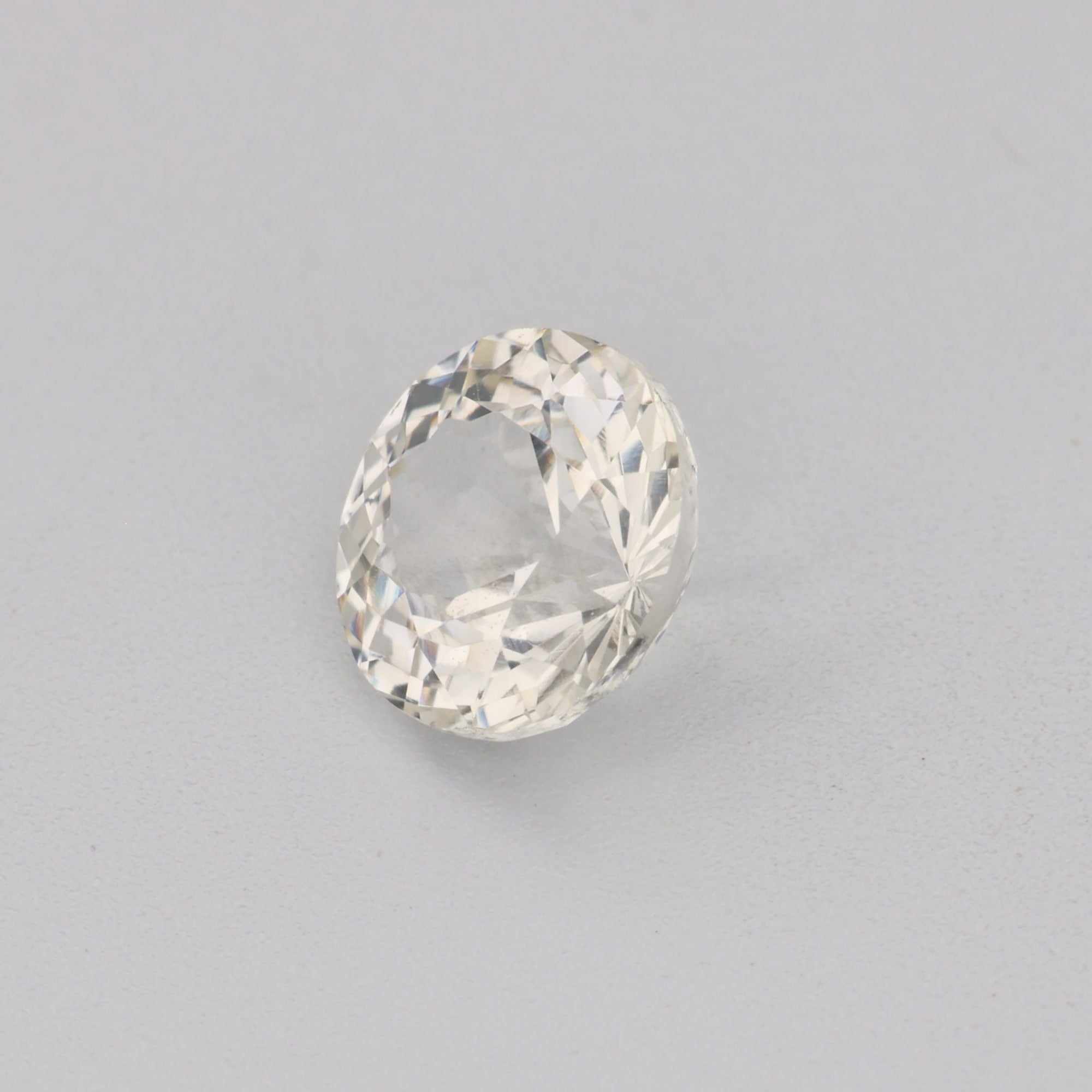
0.68 ct Natural Heated White Sapphire – Round (calibrated 5mm) Cut

CG8366
CG8313
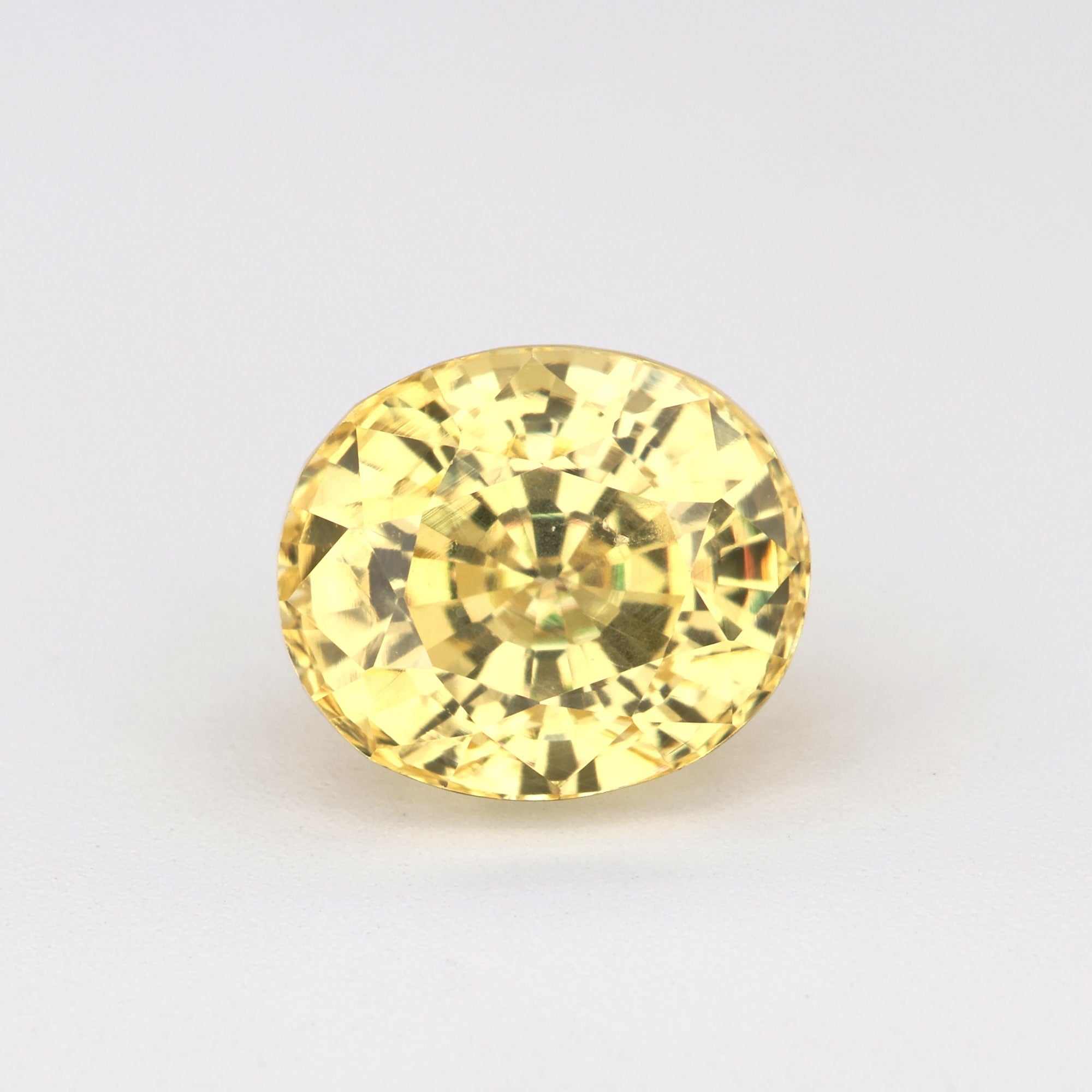
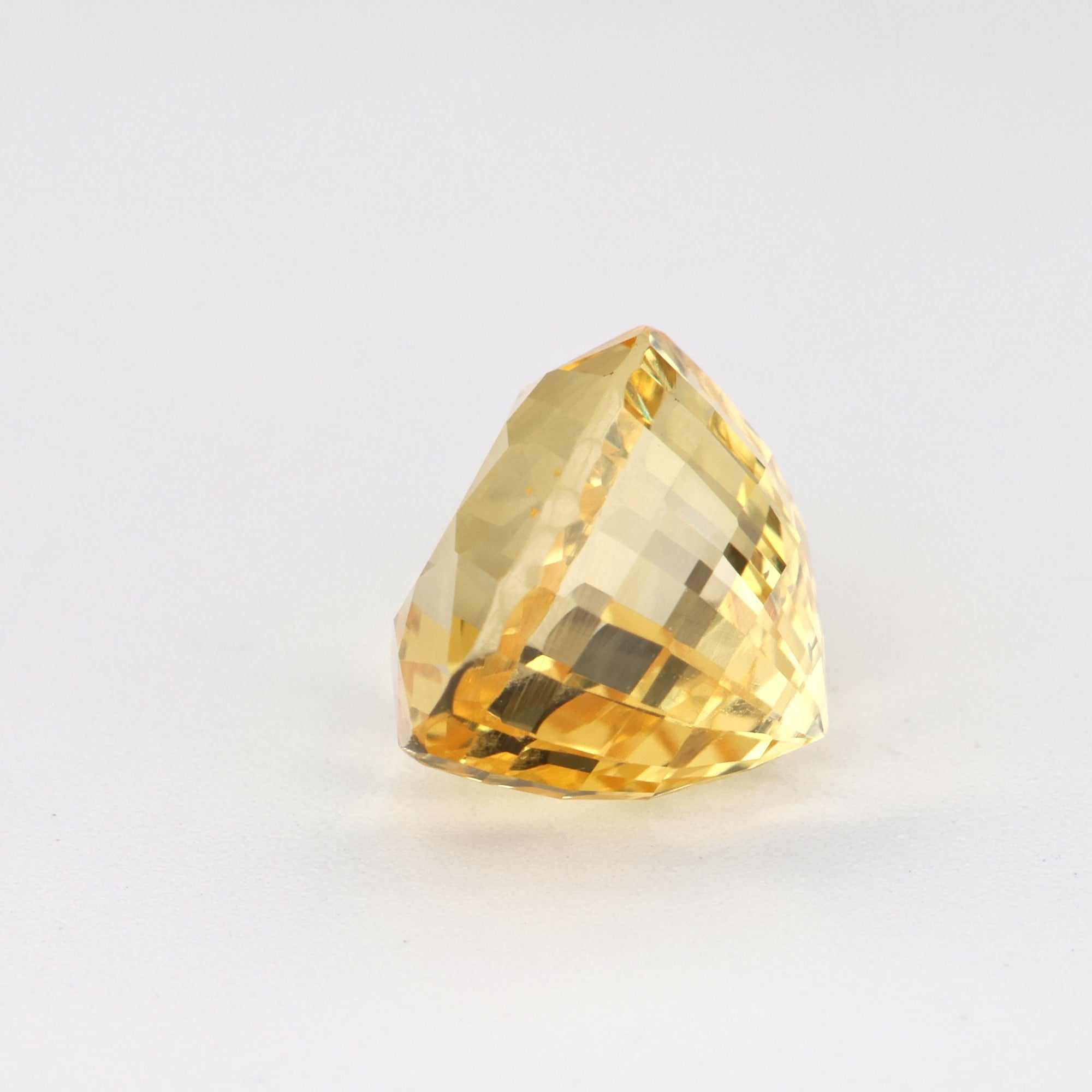
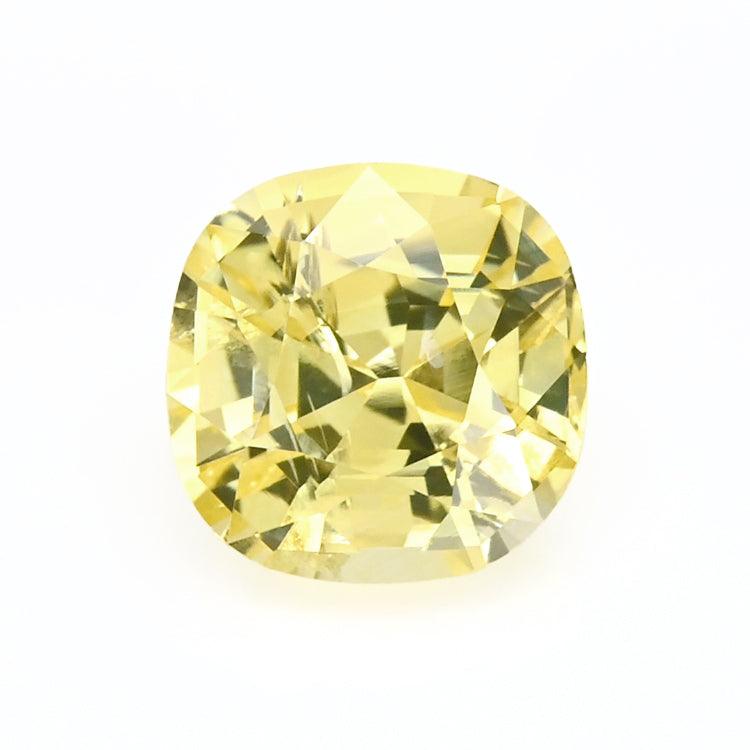
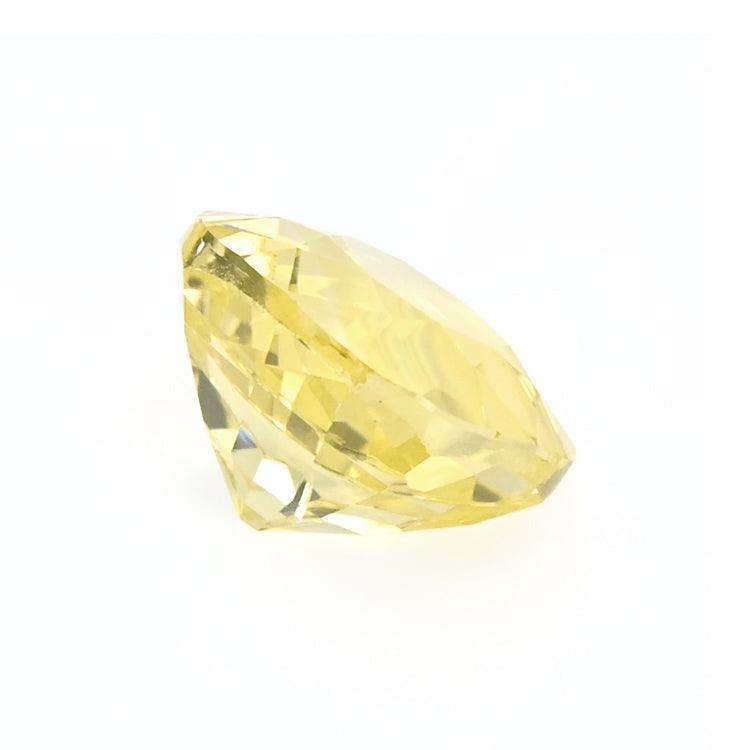
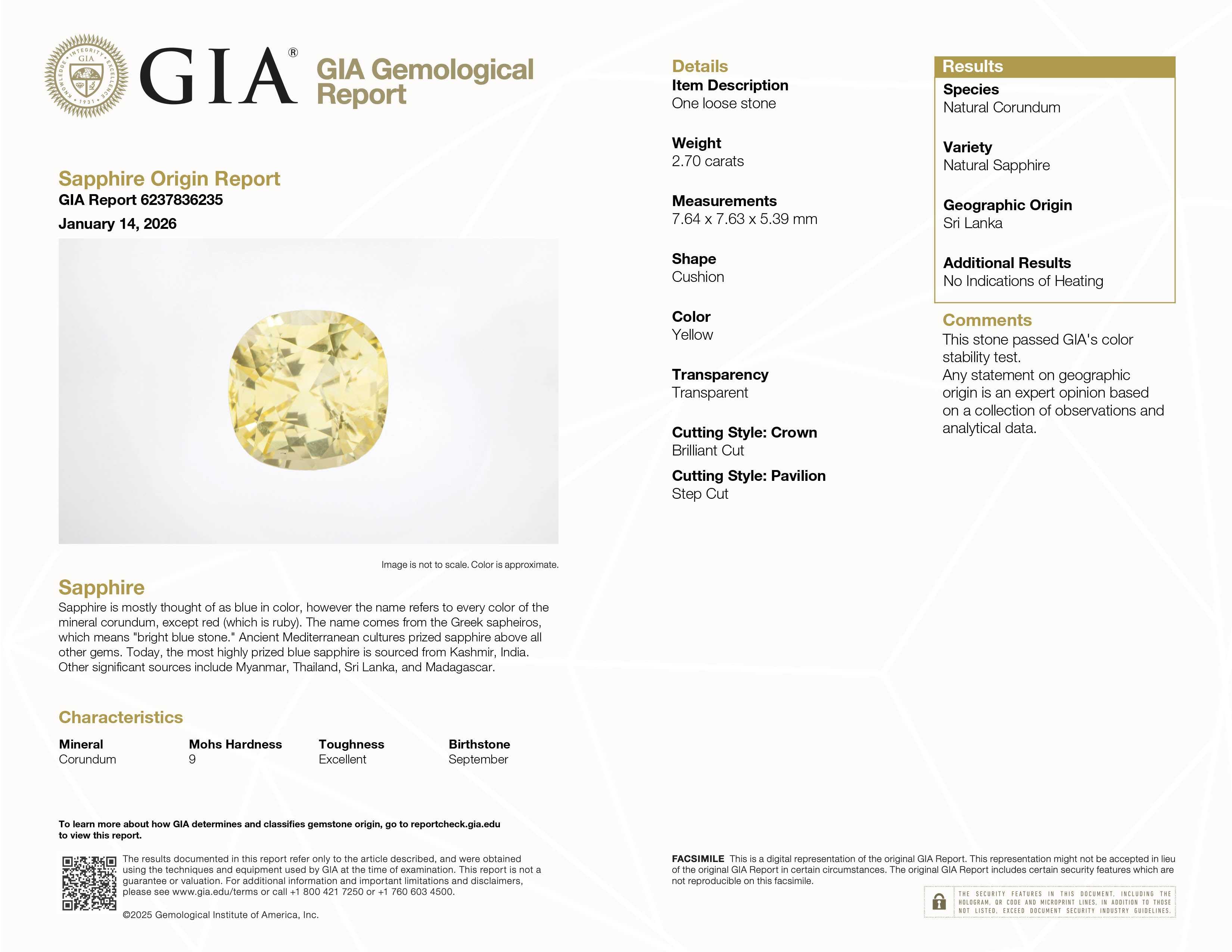
2.70 ct Natural Yellow Sapphire, Square Cushion, Unheated, GIA
CG8391
CG8451
CG8446
CG8445
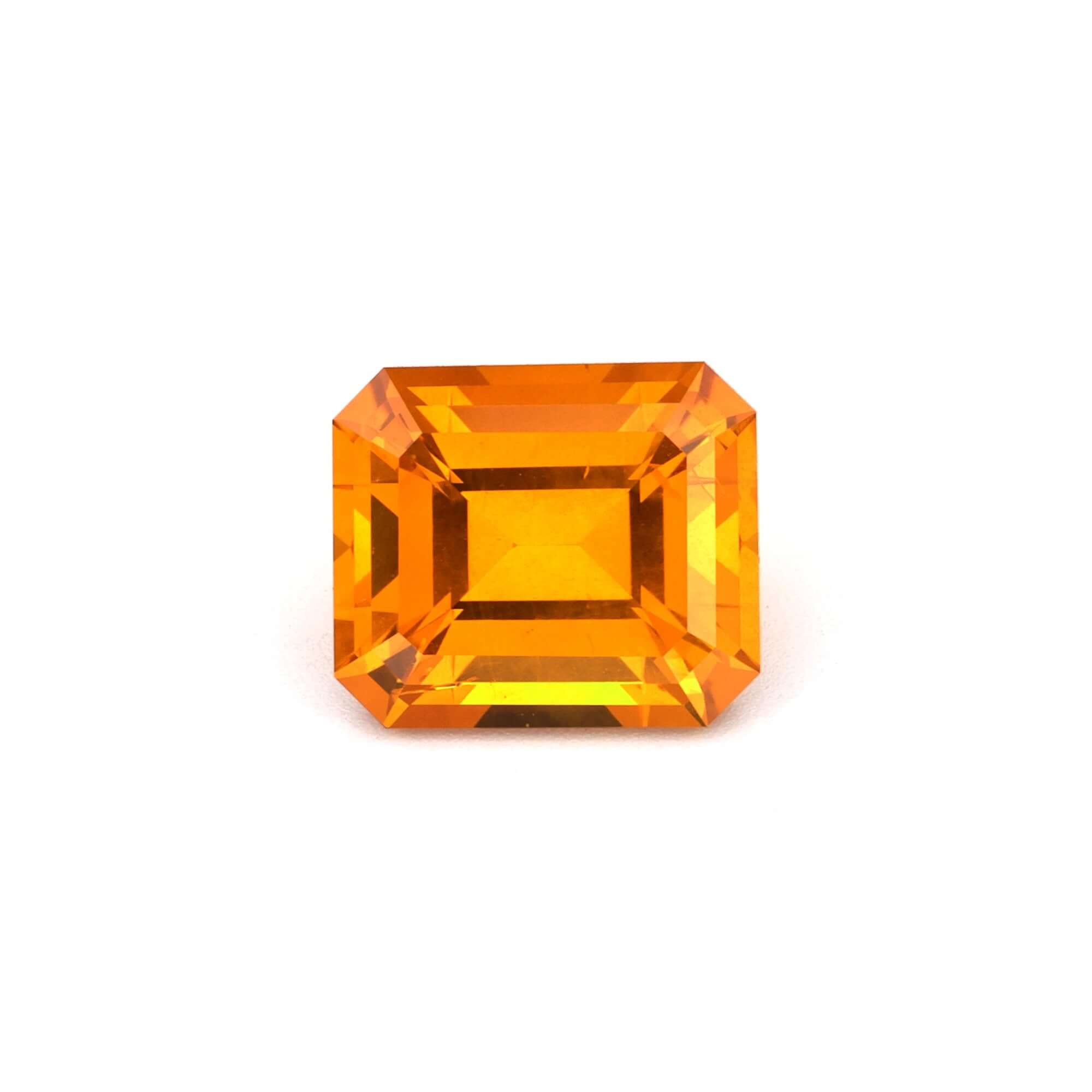
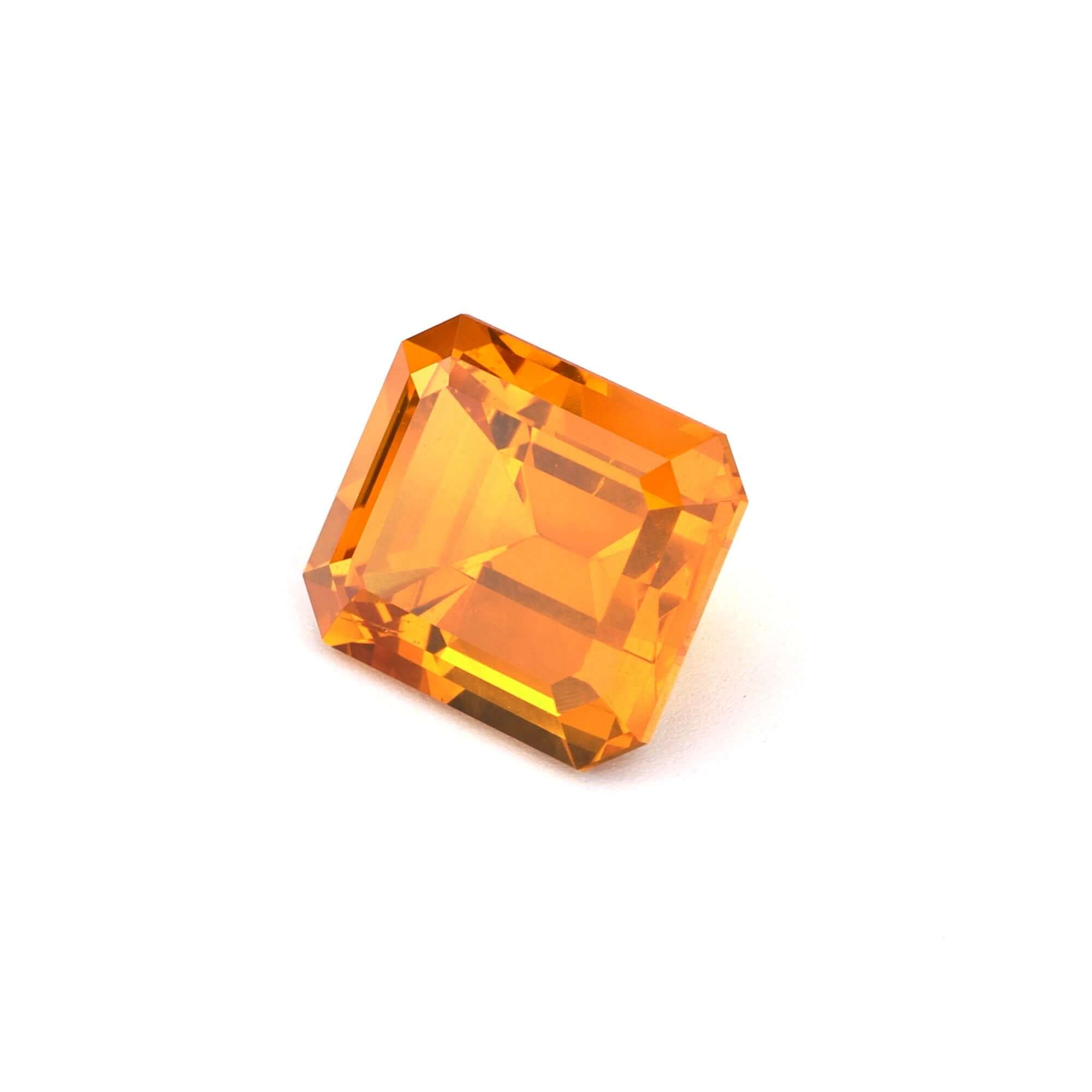
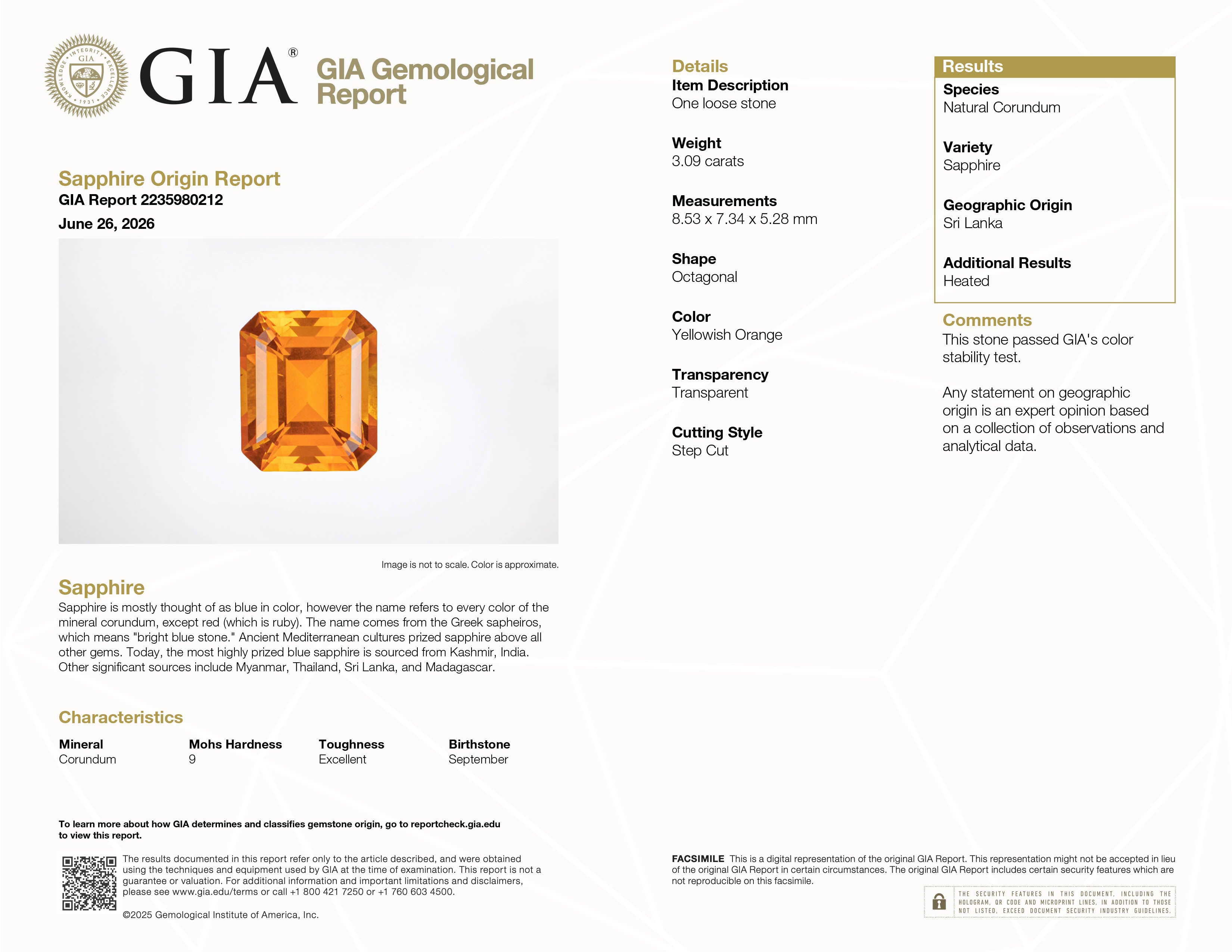
3.09 ct Natural Heated Orange Sapphire – Emerald Cut | GIA Report
CG8431
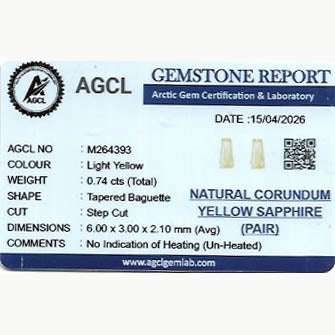
0.74 ct Natural Unheated Yellow Sapphire – Tapered baguette Cut
CG8438
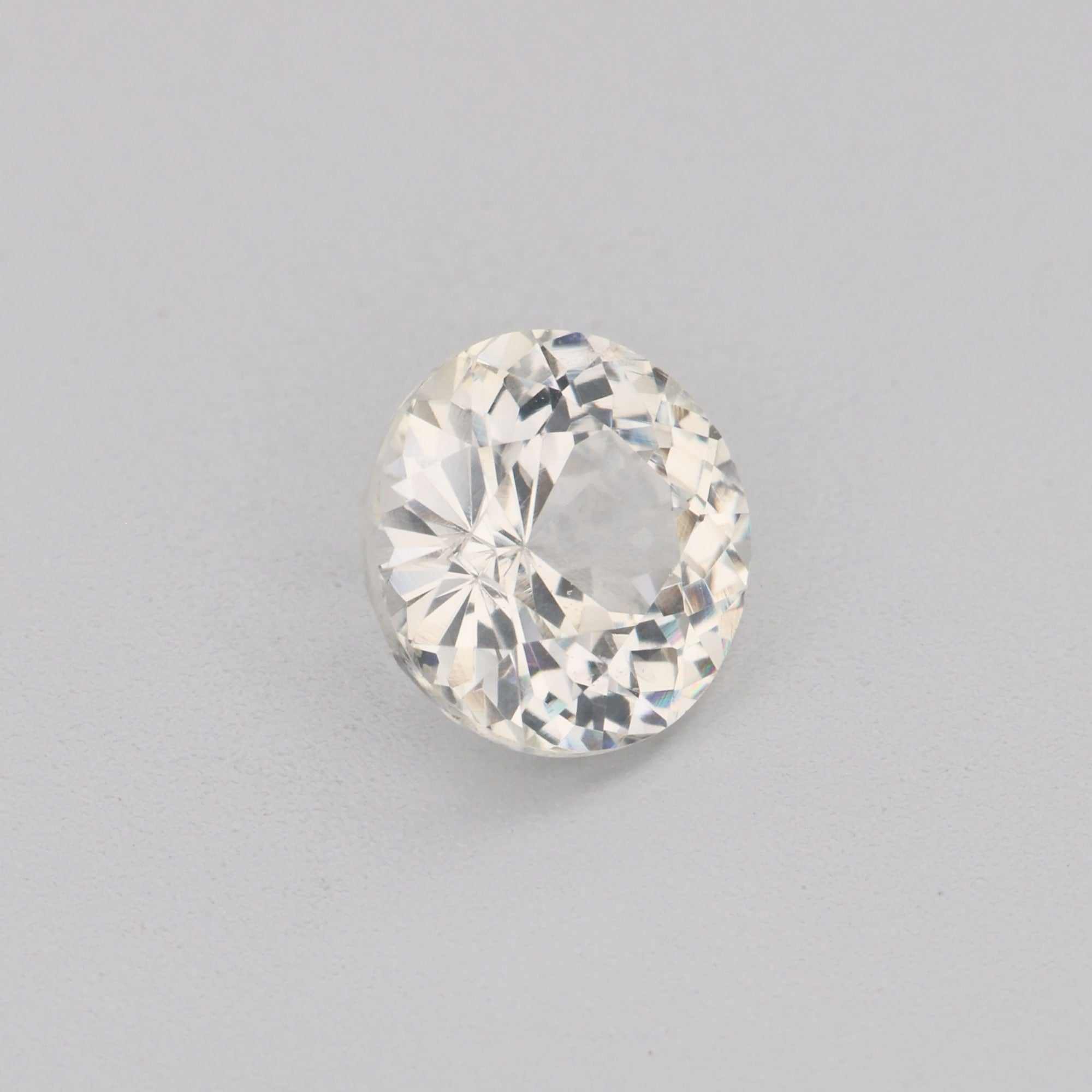
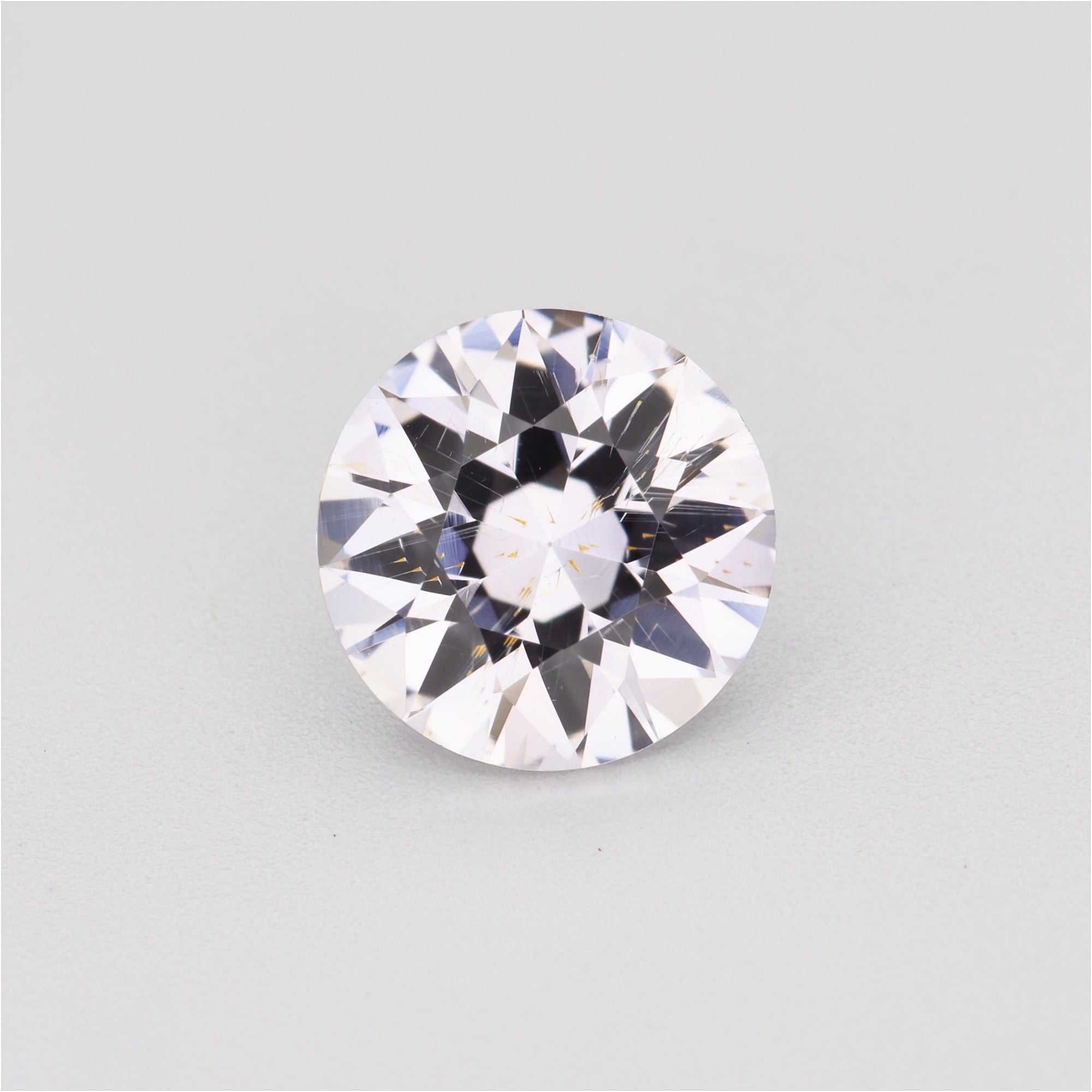
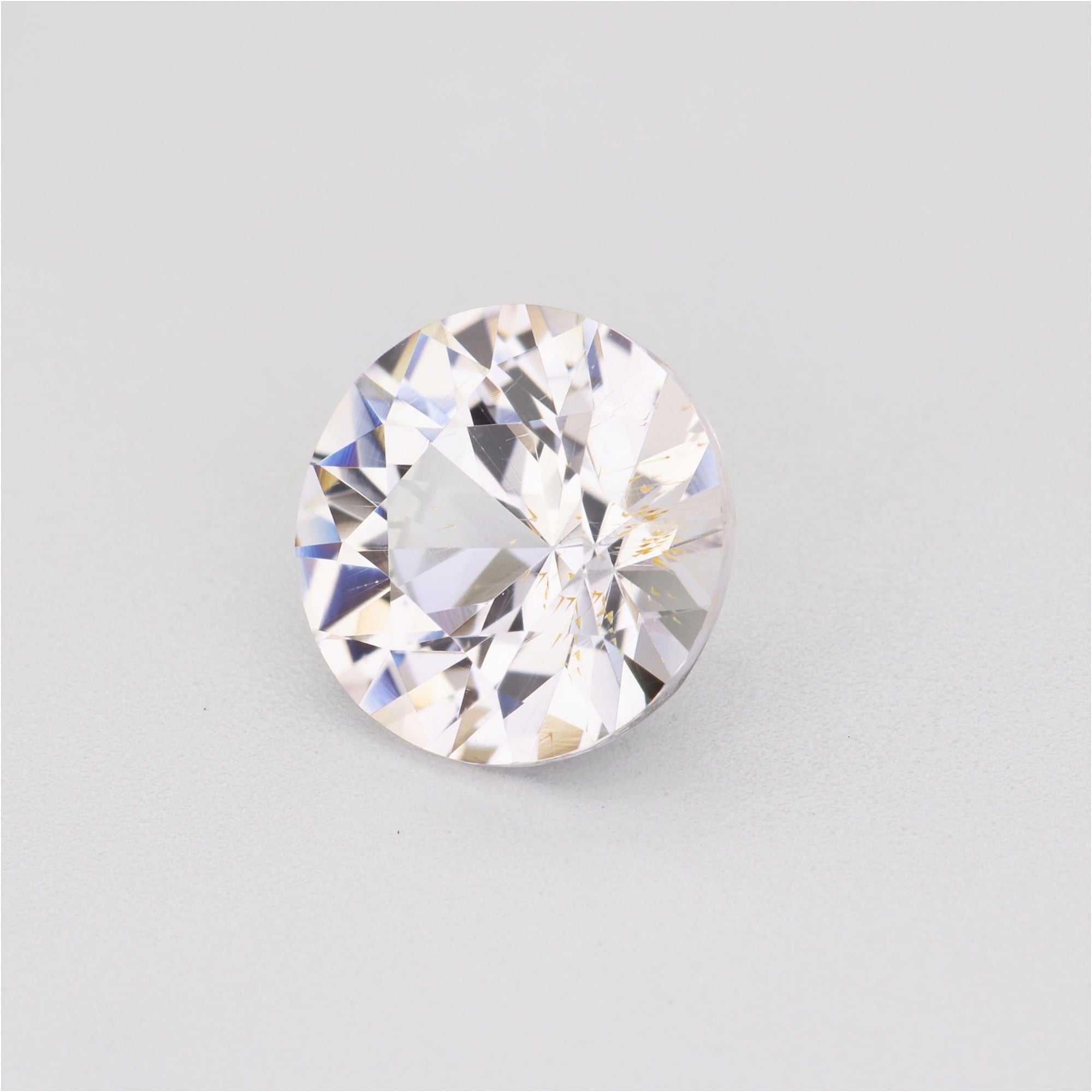
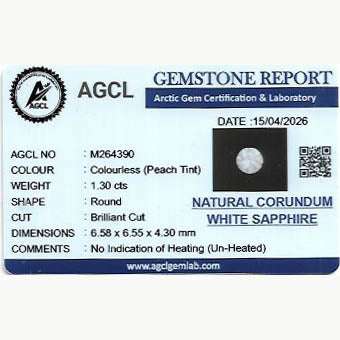
1.30 ct Natural Unheated White Sapphire – Round Cut


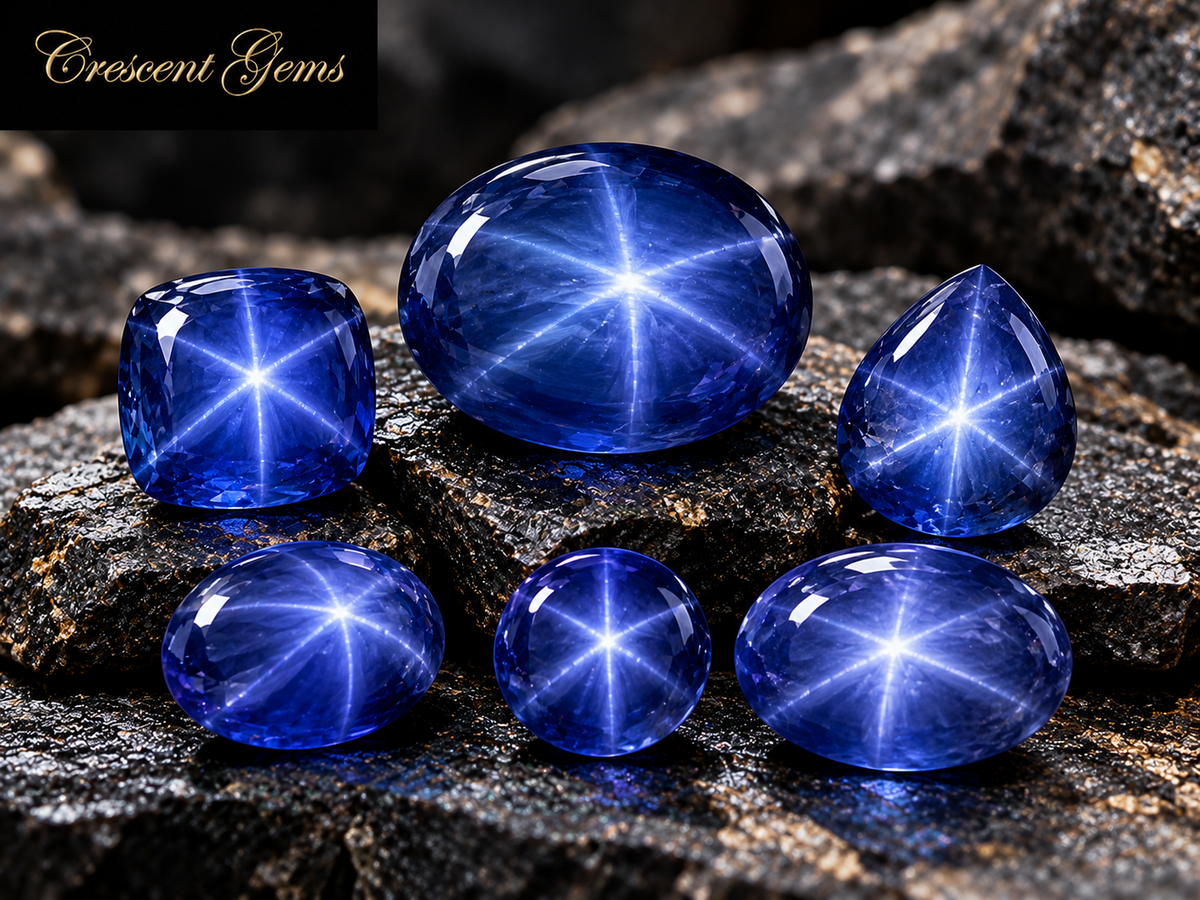
Blue Star Sapphire Price Guide — What They Cost and Why
Read moreabout Blue Star Sapphire Price Guide — What They Cost and Why
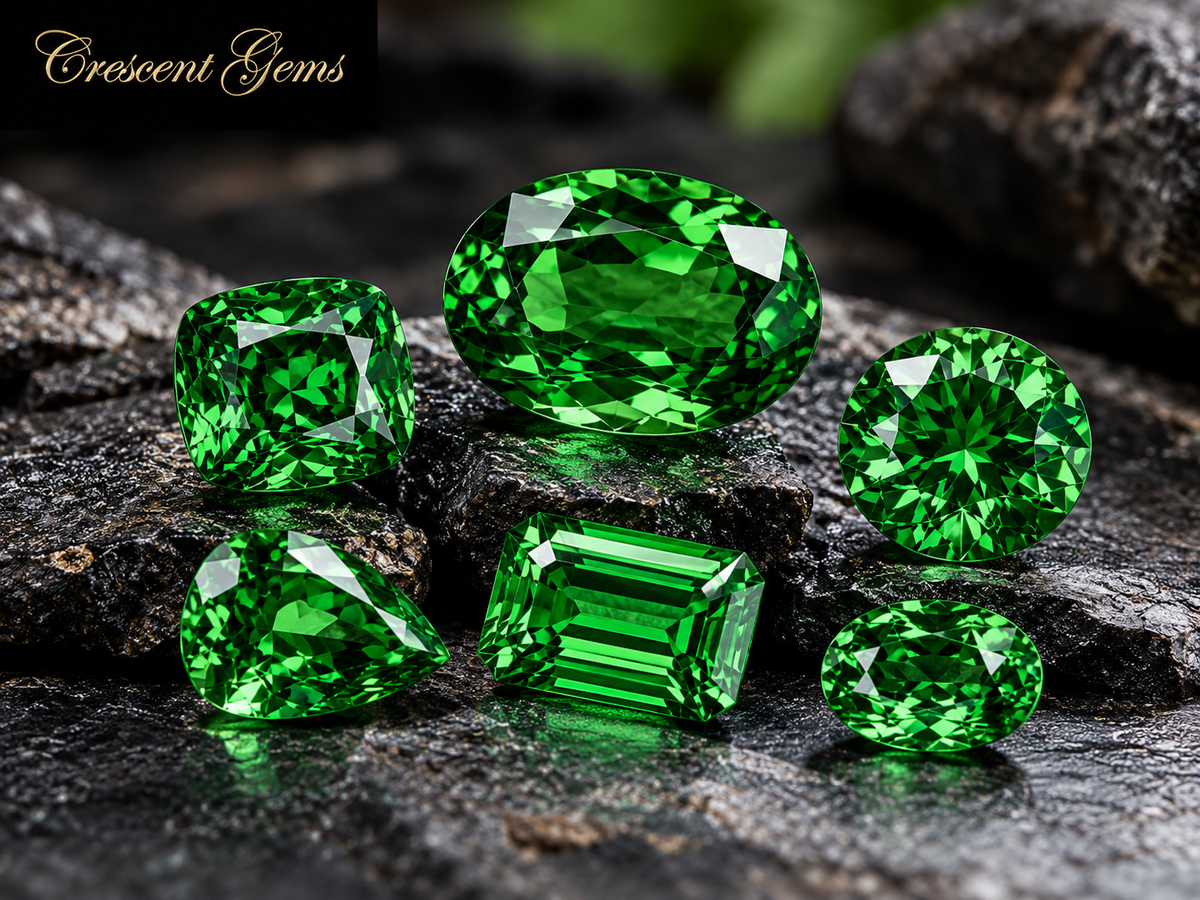
Tsavorite Garnet Price Guide — What They Cost and Why
Read moreabout Tsavorite Garnet Price Guide — What They Cost and Why
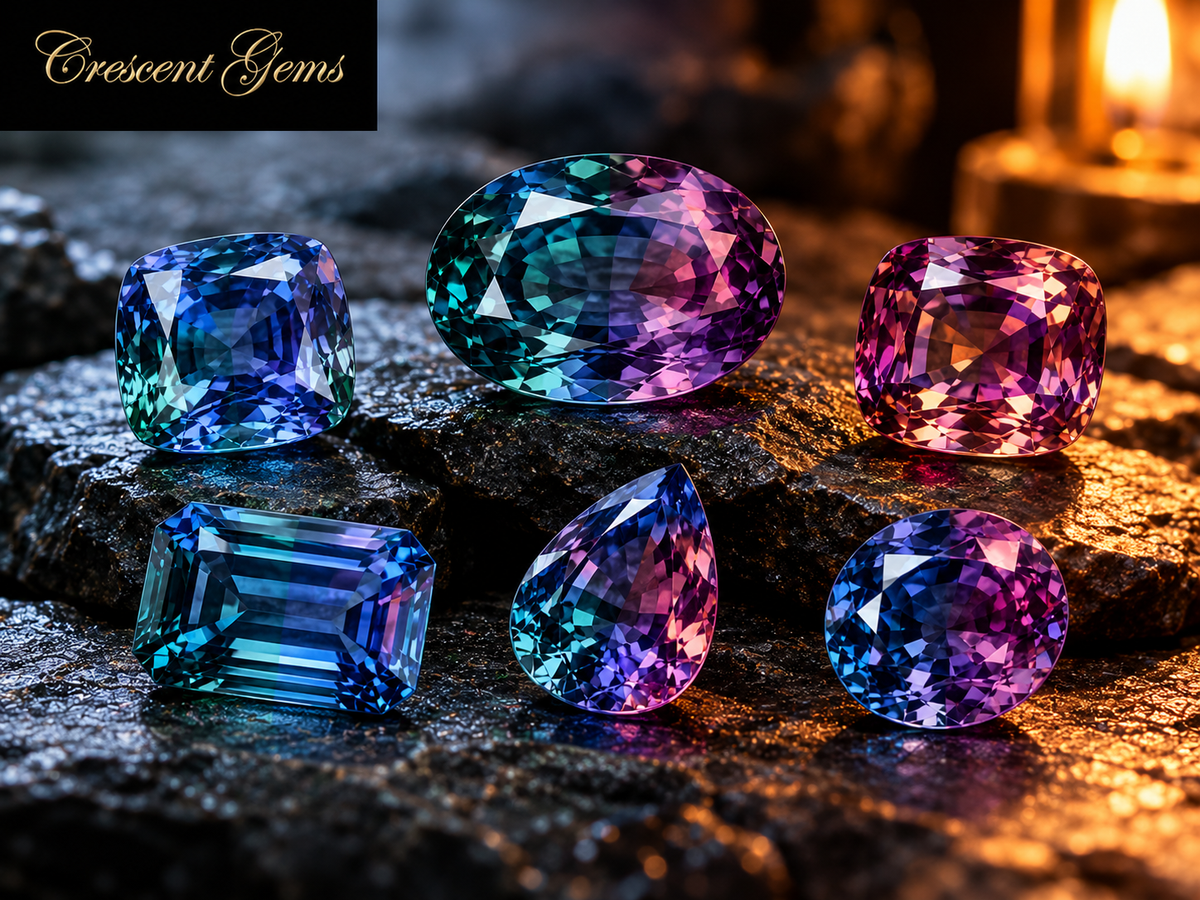
Color-Change Sapphire Price Guide — What They Cost and Why
Read moreabout Color-Change Sapphire Price Guide — What They Cost and Why
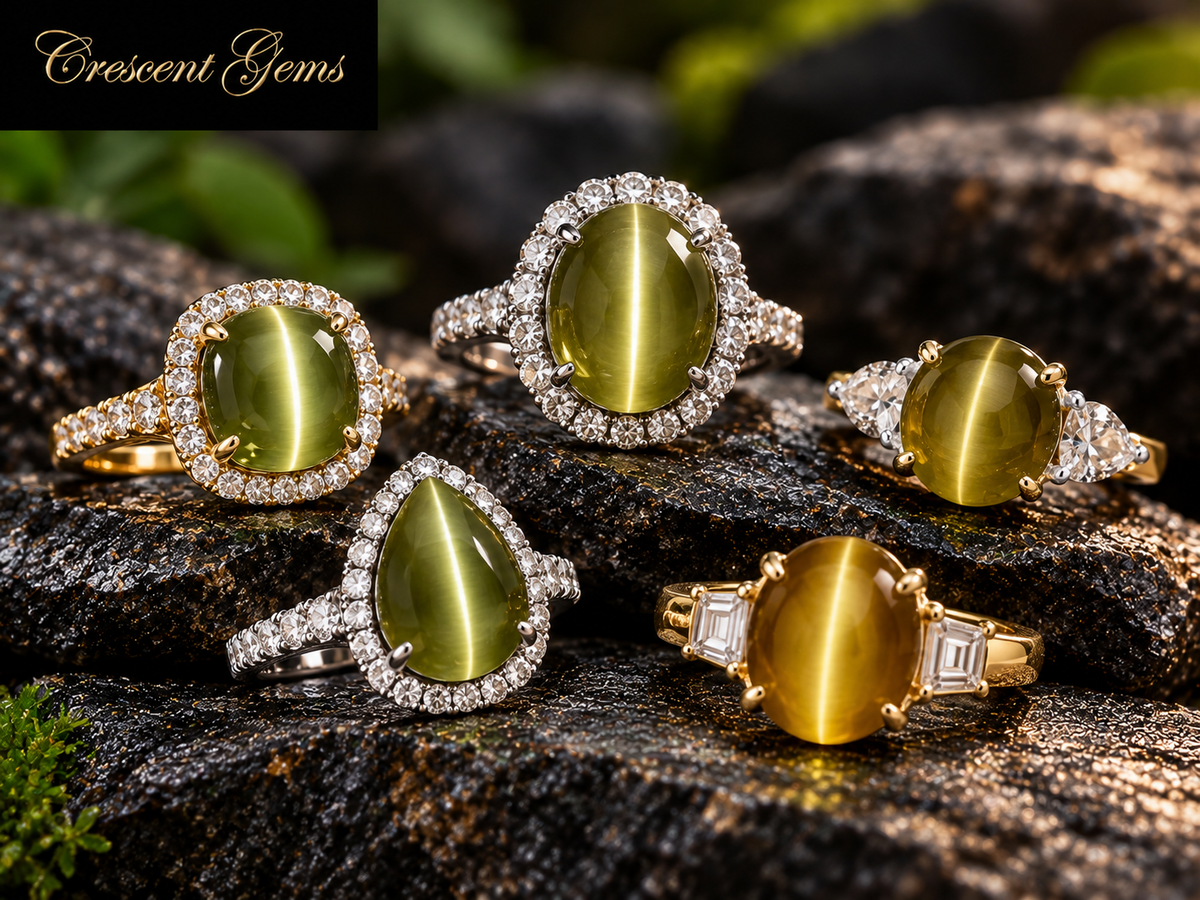
Is Cat's-Eye Chrysoberyl Good for an Engagement Ring?
Read moreabout Is Cat's-Eye Chrysoberyl Good for an Engagement Ring?
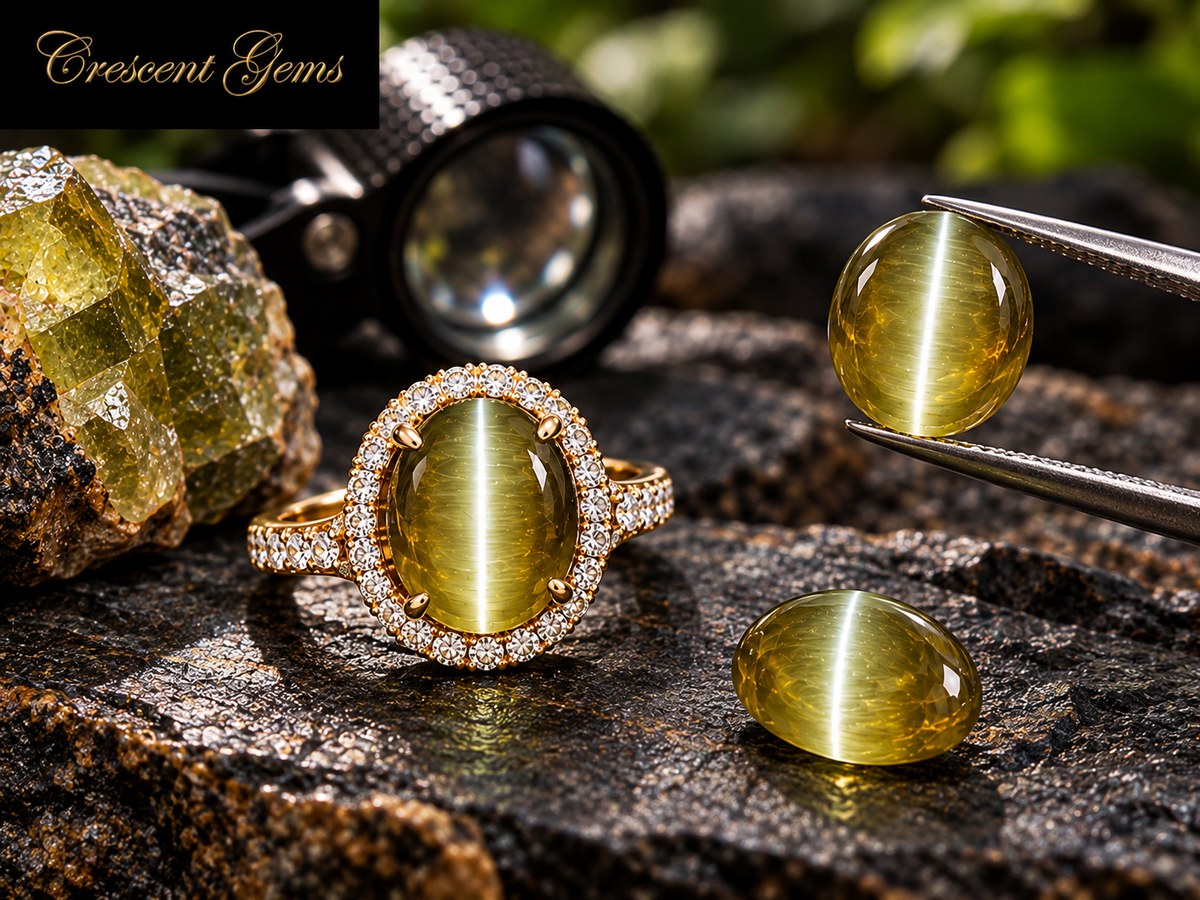
Cat's Eye Chrysoberyl Price Guide — What They Cost and Why
Read moreabout Cat's Eye Chrysoberyl Price Guide — What They Cost and Why