


- by Ahmed Shareek
Cost of a 2 Carat Sapphire — What Drives the Price and What Your Budget Buys
- by Ahmed Shareek
We buy at source in Sri Lanka, where stones of several origins are traded, and we list from our own stock. Each stone's page names its origin from our purchase record, and quotes the laboratory's Geographic Origin opinion where its report carries one.
Comparing the cost of a 2 carat sapphire against the size below it? What a Good 1 Carat Sapphire Costs, and the fuller 1 Carat Ceylon Sapphire Price Guide.
A 2-carat sapphire costs more in total than a 1-carat sapphire of the same color and treatment, because you are buying twice the weight. What it does not reliably do is cost more per carat. Across every sapphire we list at 2.00 carats and above, per-carat price tracks color and treatment far more closely than it tracks the 2-carat mark.
Every price and measurement here is read from our own listings on 15 November 2026, with the number of stones behind it stated. Per-carat figures are our own arithmetic — the listed price divided by the carat weight printed on the stone's report — and the four that do not divide exactly are rounded to the nearest dollar and marked with an asterisk. Where we hold nothing we publish no figure.
Three things move the per-carat price. The second carat itself is not one of them.
Within a single color and treatment:
Measured from the fourteen faceted blue, teal, pink and yellow sapphires we list at 2.00 to 2.99 carats. These are the dimensions recorded on each stone's own GIA report, not a conversion from carat weight:
There is no single millimetre size for "2 carats", then: these fourteen differ by more than 2 mm in length, and the two deepest are also among the smallest across the top. Take the millimetres, not the carat, to whoever is making the setting — see our sapphire size guide.
The counts, weights and prices are in the table below. What follows is what the table cannot hold: what each color's reports say.
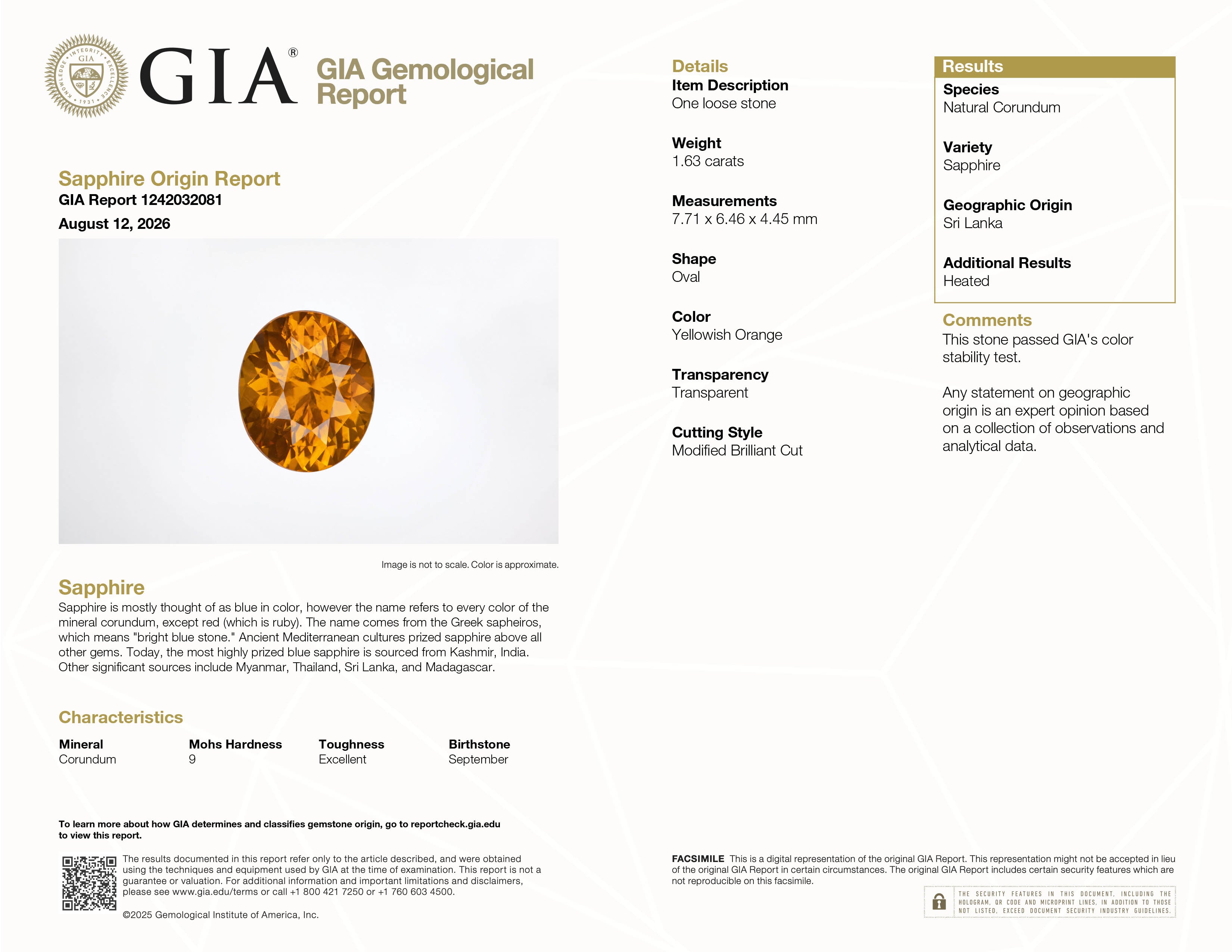
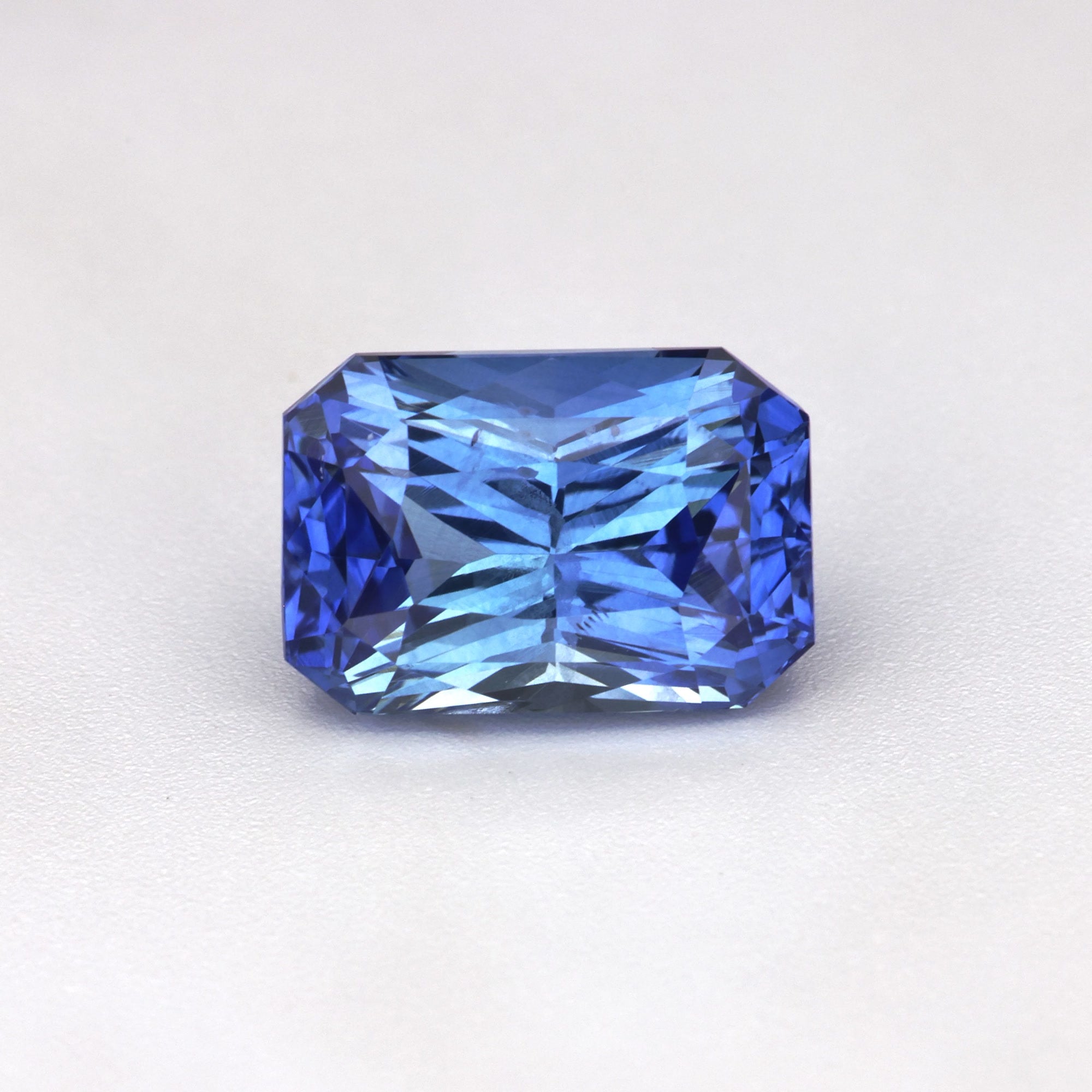
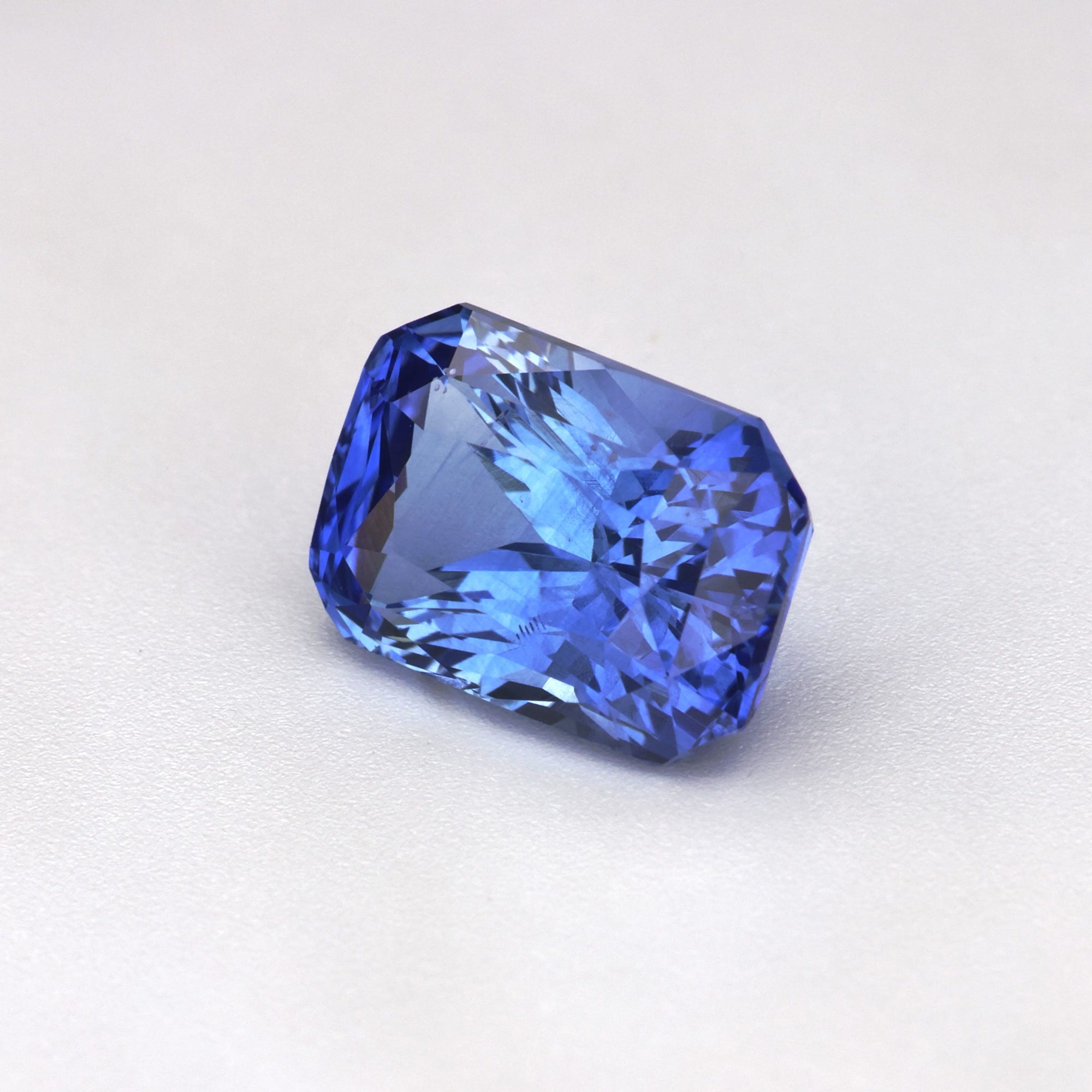
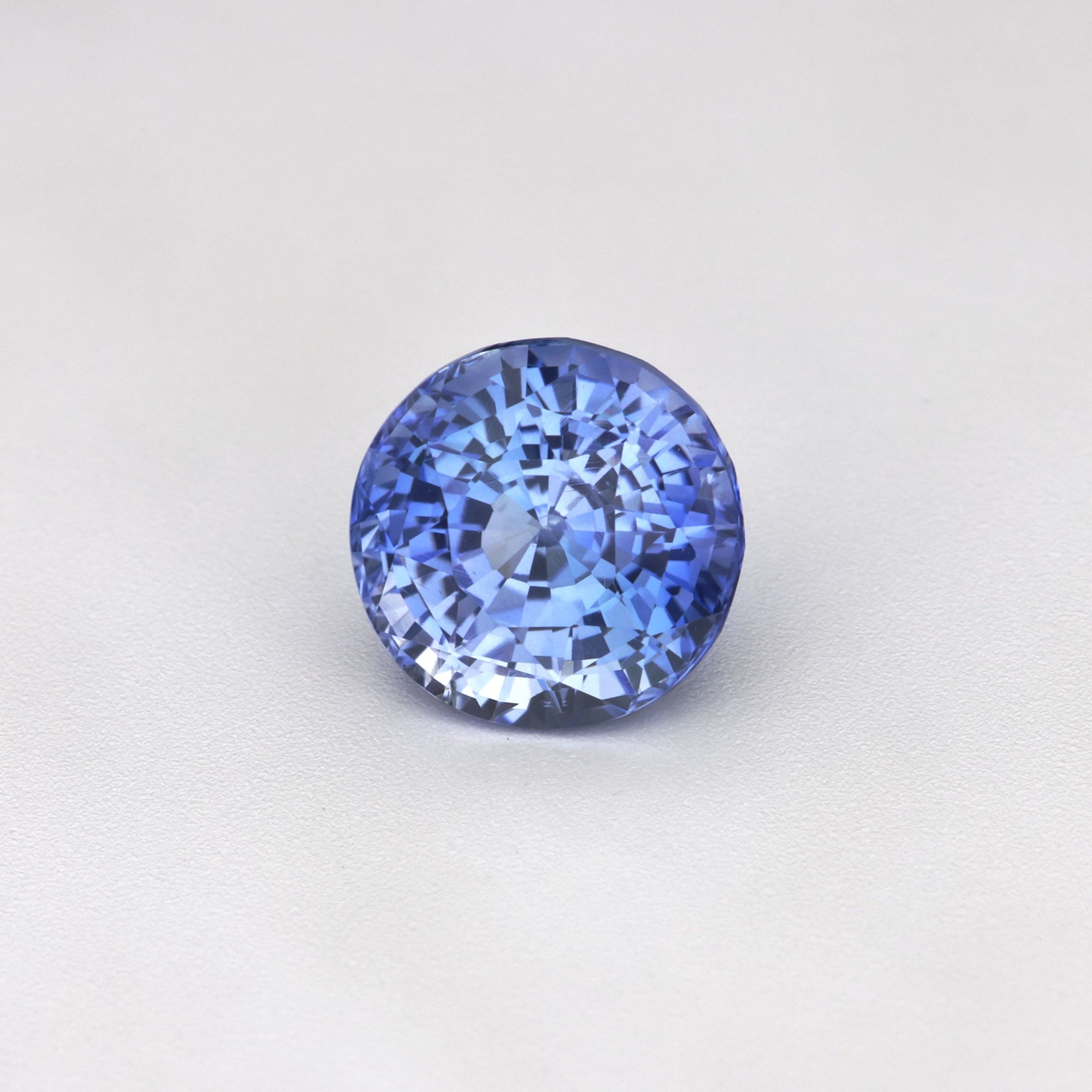
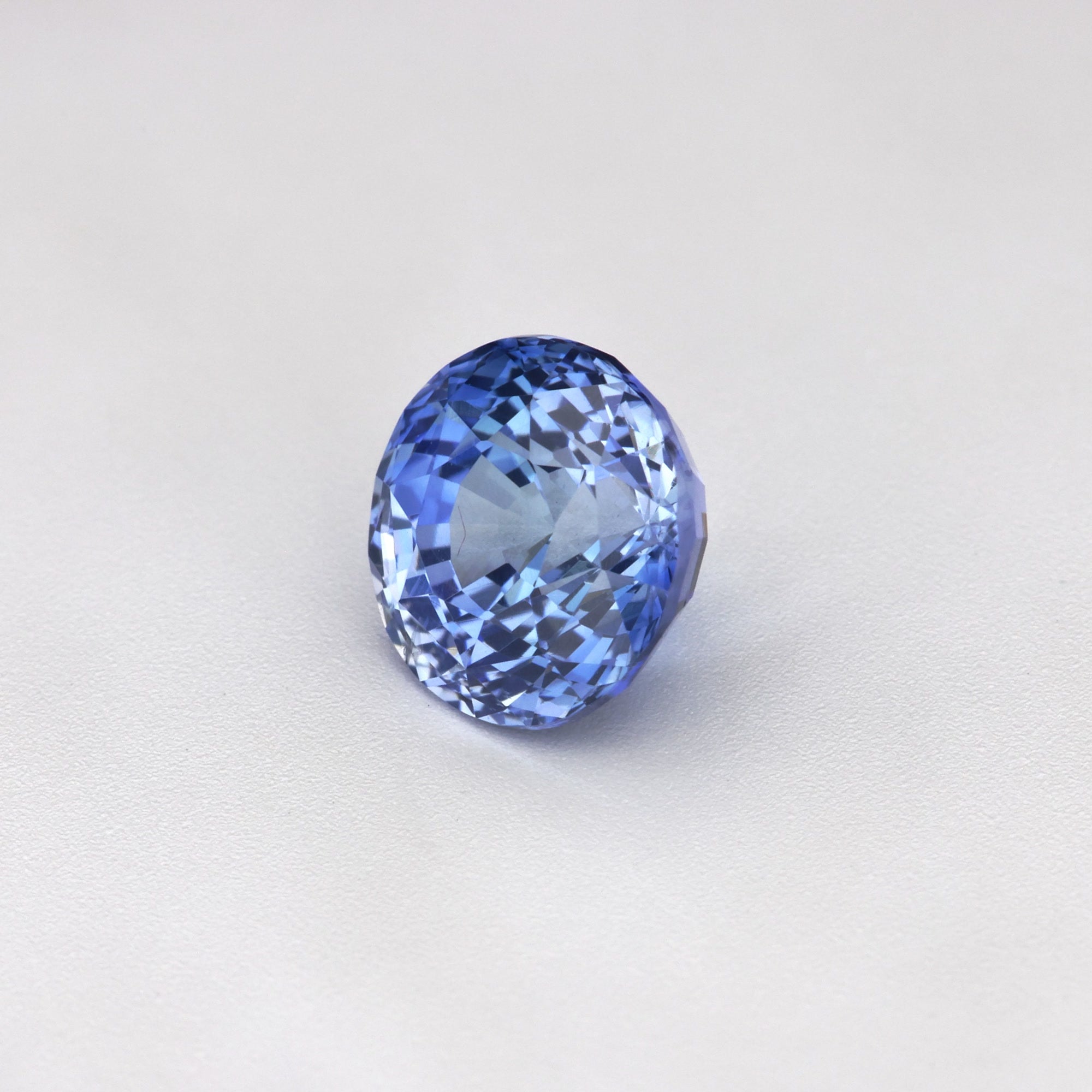
At this size the color is most of the decision, and it is one to make with your own eye rather than from an adjective of ours: GIA's colored-stone reports print a color name and carry no quality, saturation or clarity grade, so any grading word here would be ours, not the lab's. Look at the photographs and the video. Browse blue sapphires over 2 carats.
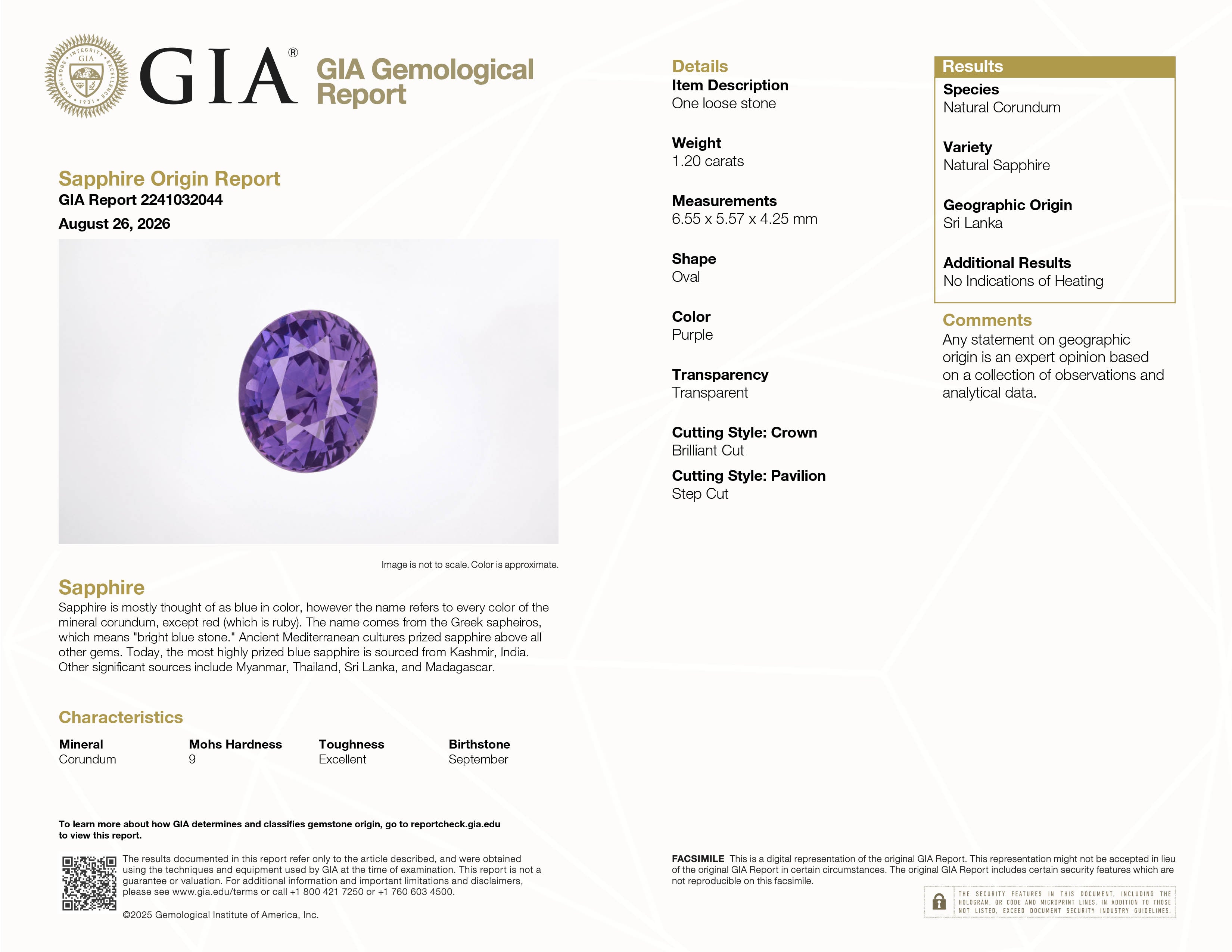
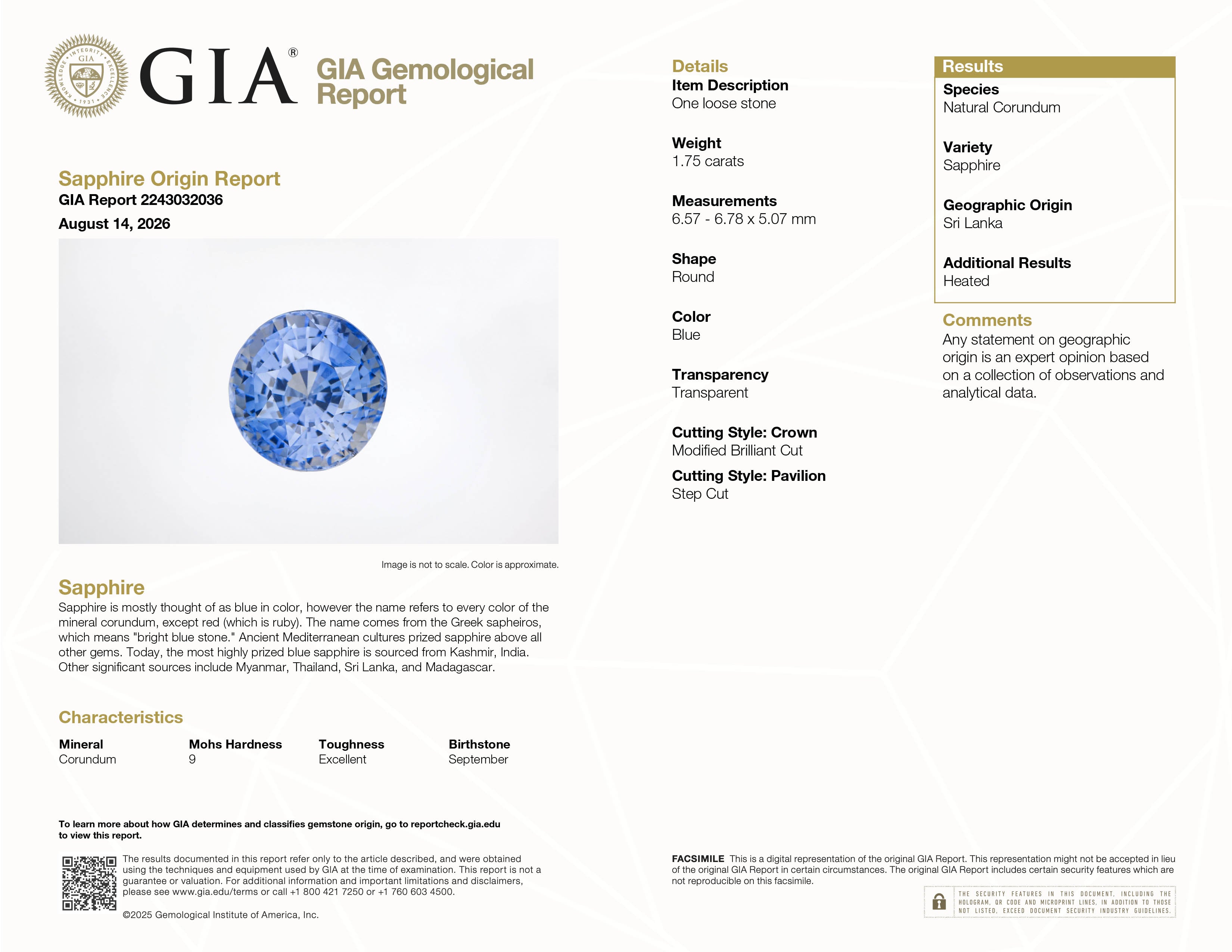
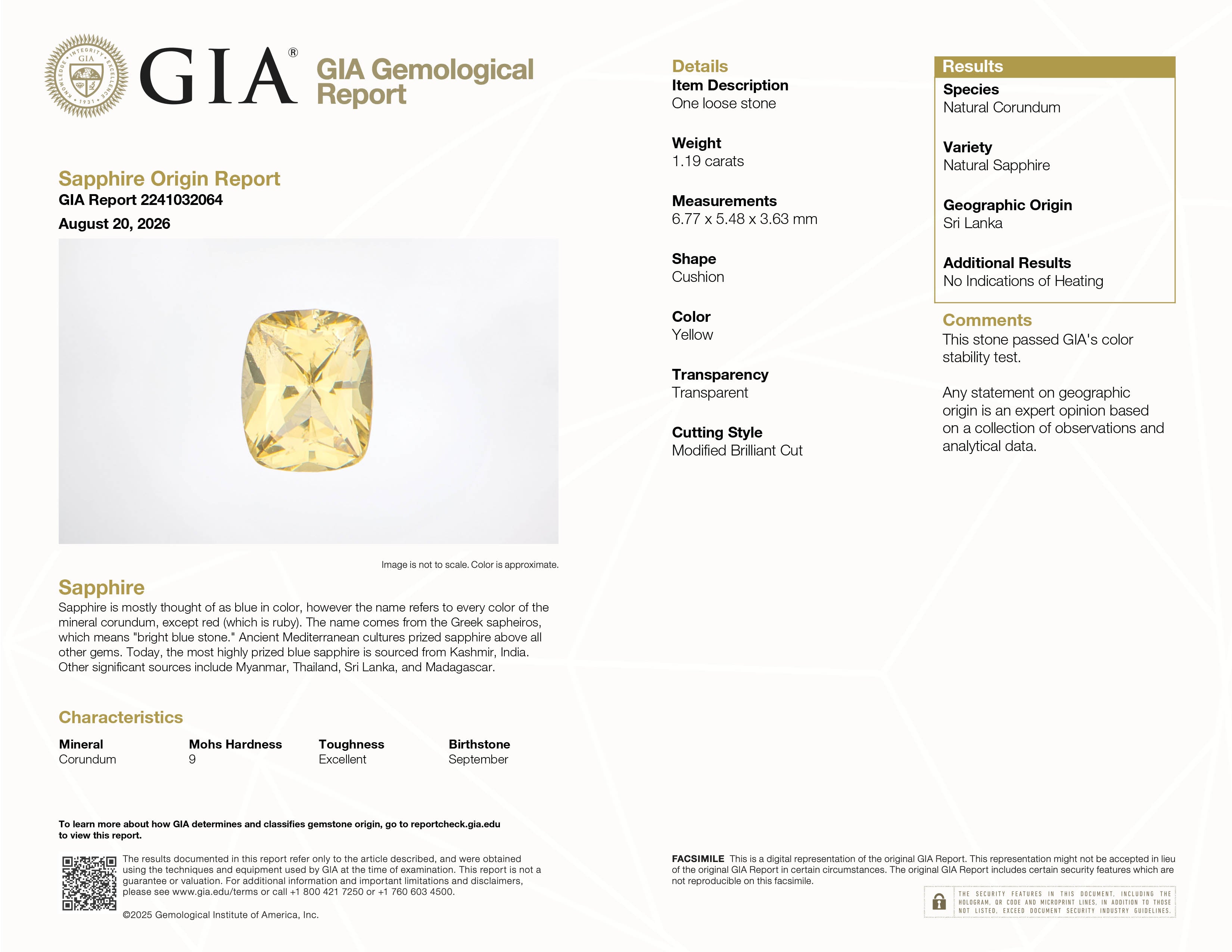
Each of the two carries a GIA report recording No Indications of Heating in its Additional Results field. That is a finding about heating on the date of examination; it is not a statement that nothing else was ever done to the stone, and we make no claim beyond the field.
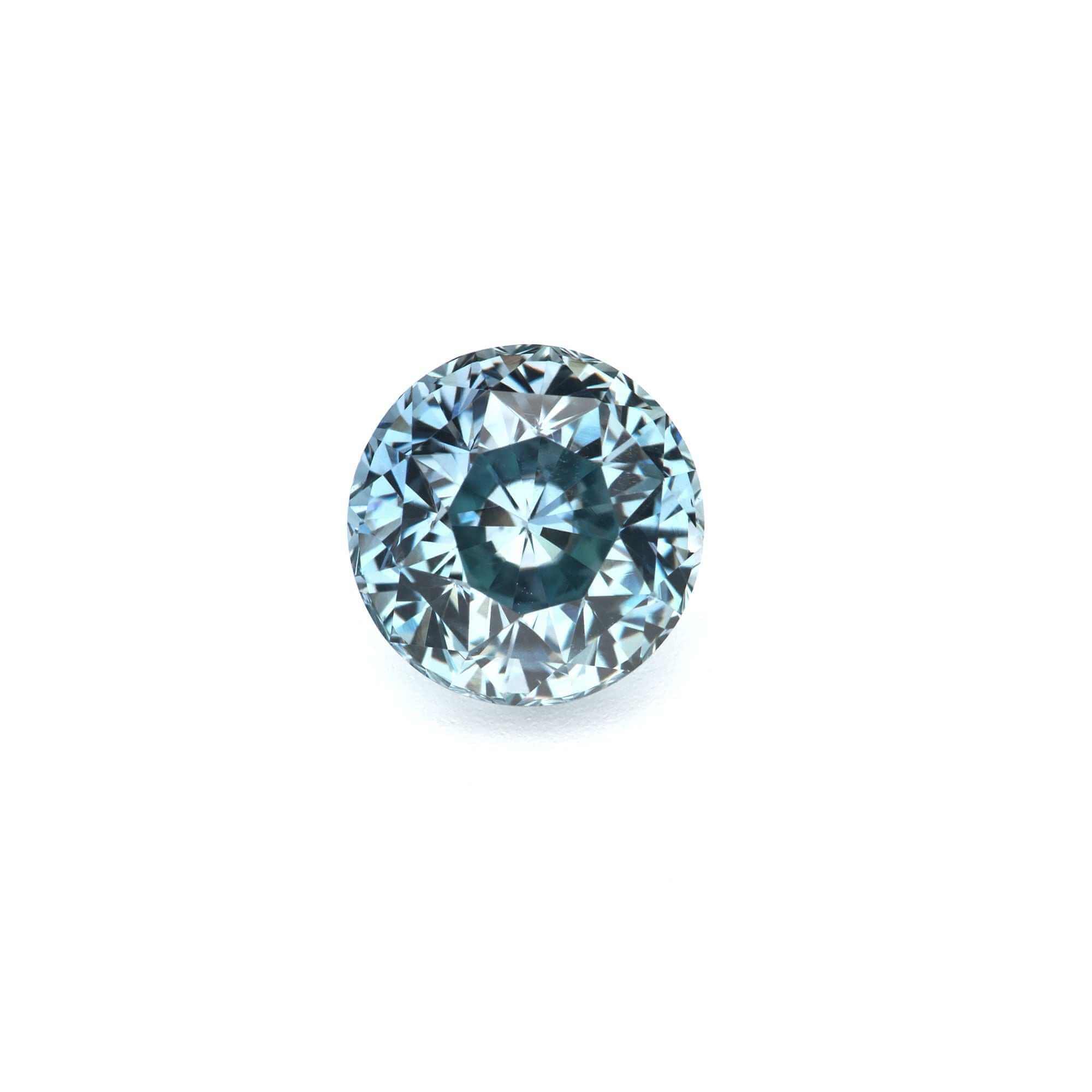
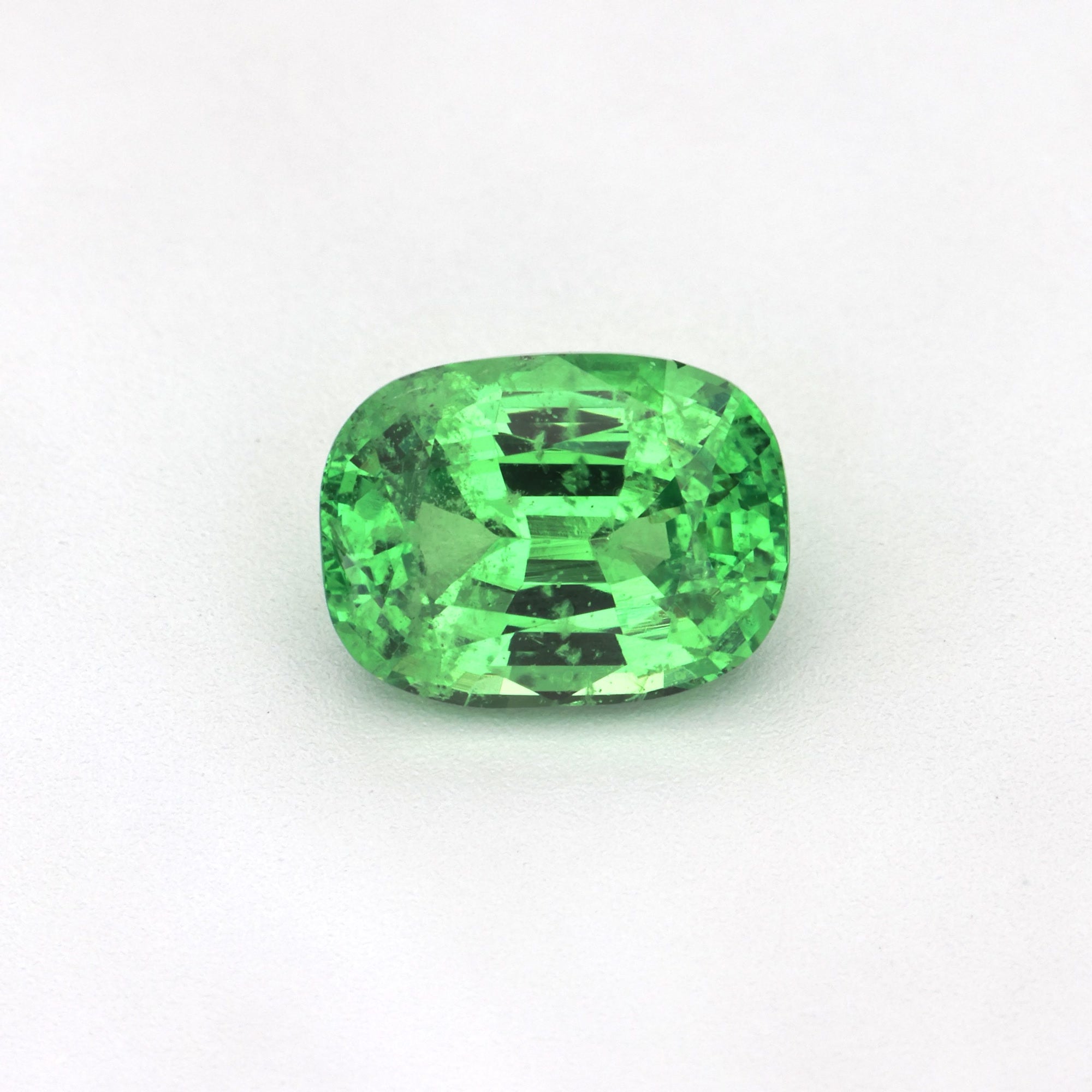
Teal is our own trade word for this group, not a laboratory term: of the two we list here, one report prints Greenish Blue and the other plain Green. Both work out at exactly $1,400 per carat. The round one also shows how origin works here — Madagascar in our purchase record, Not Requested in its report's Geographic Origin field. Browse our teal sapphire collection.
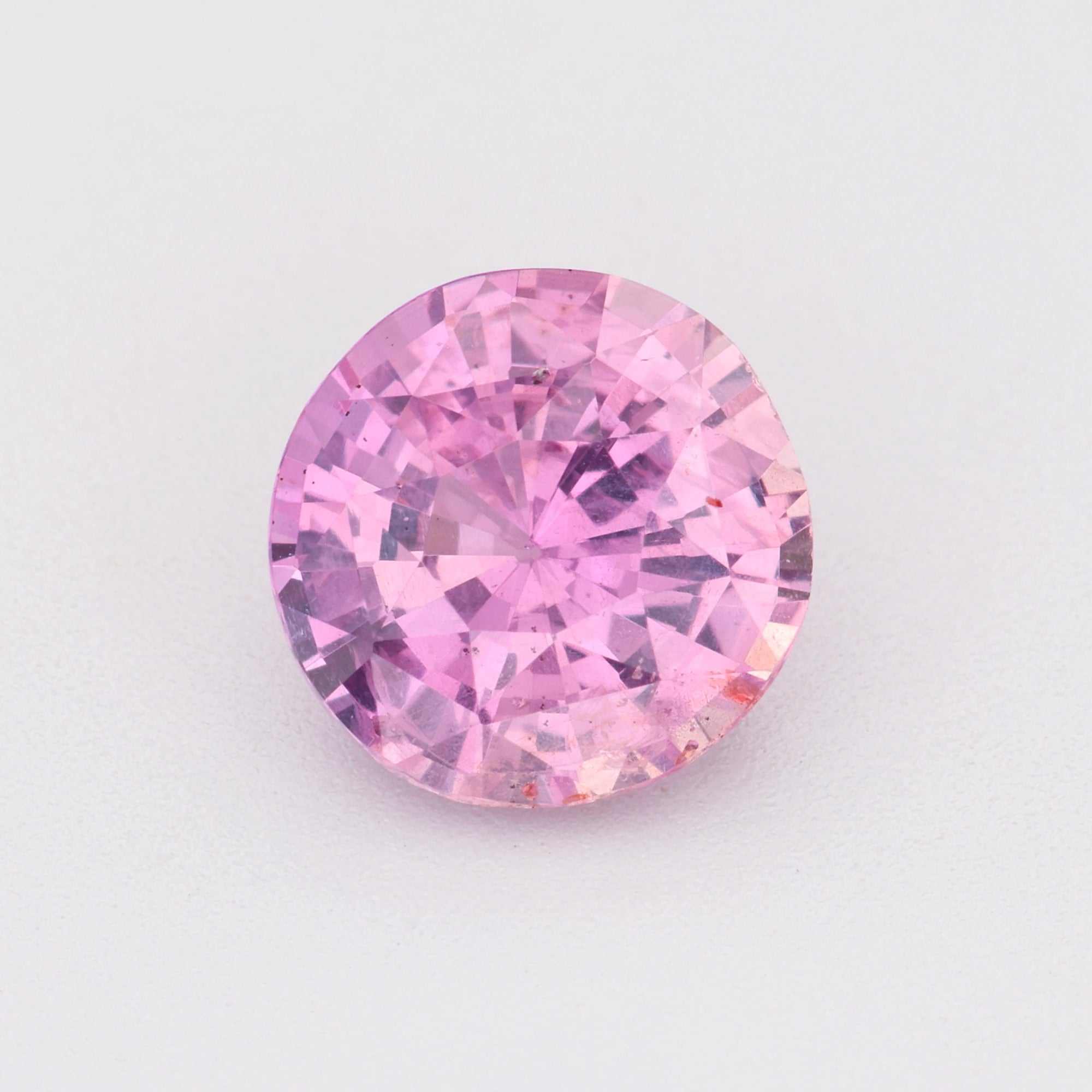
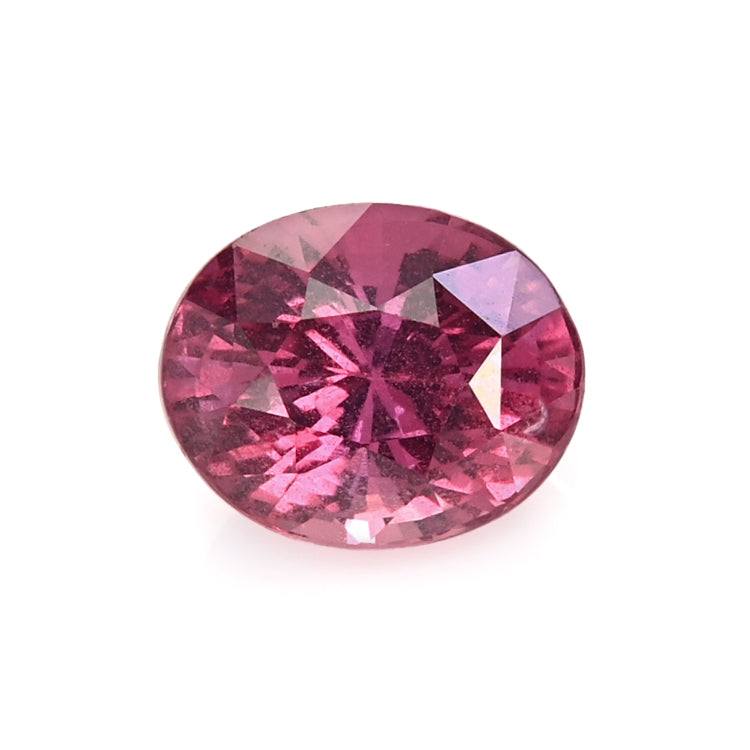
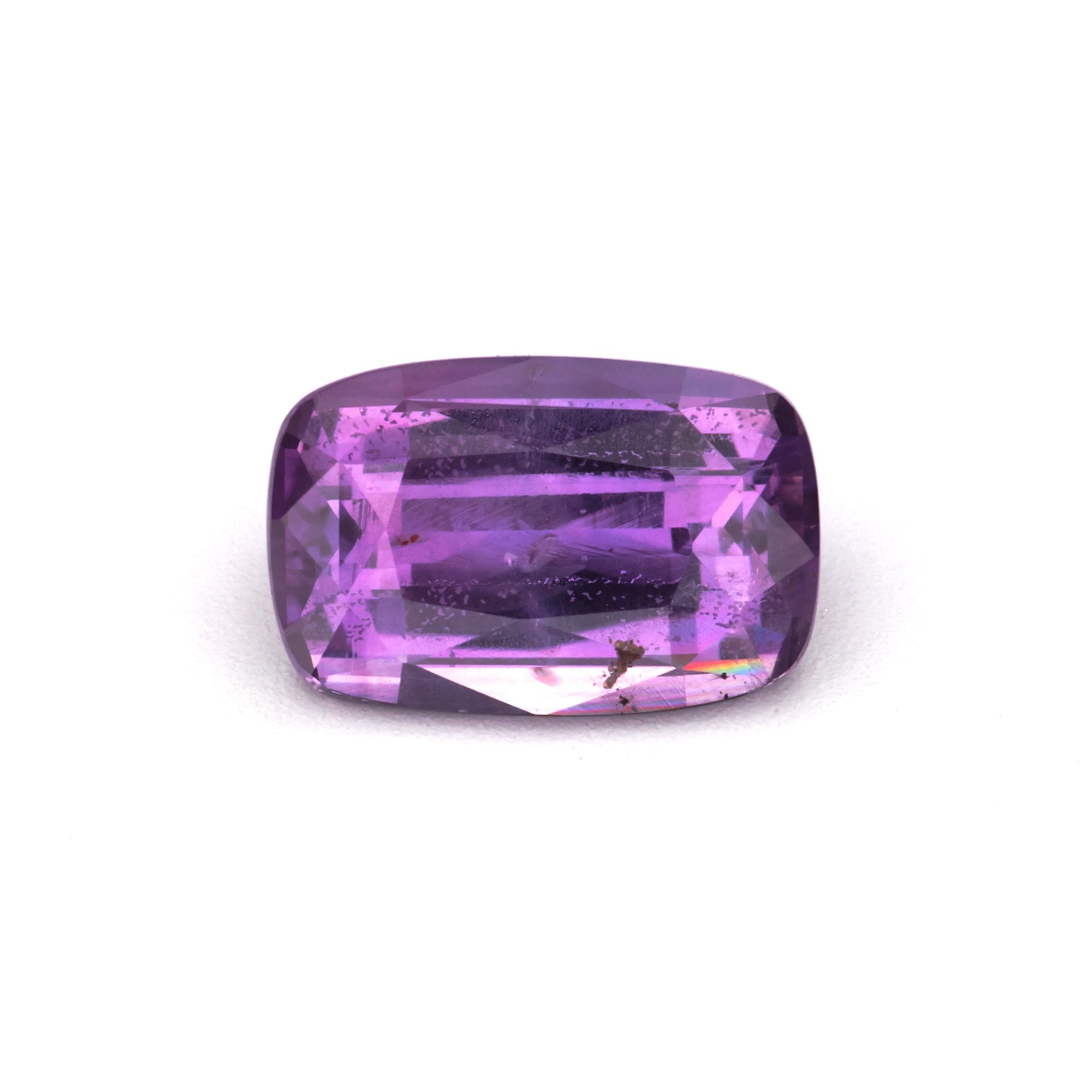
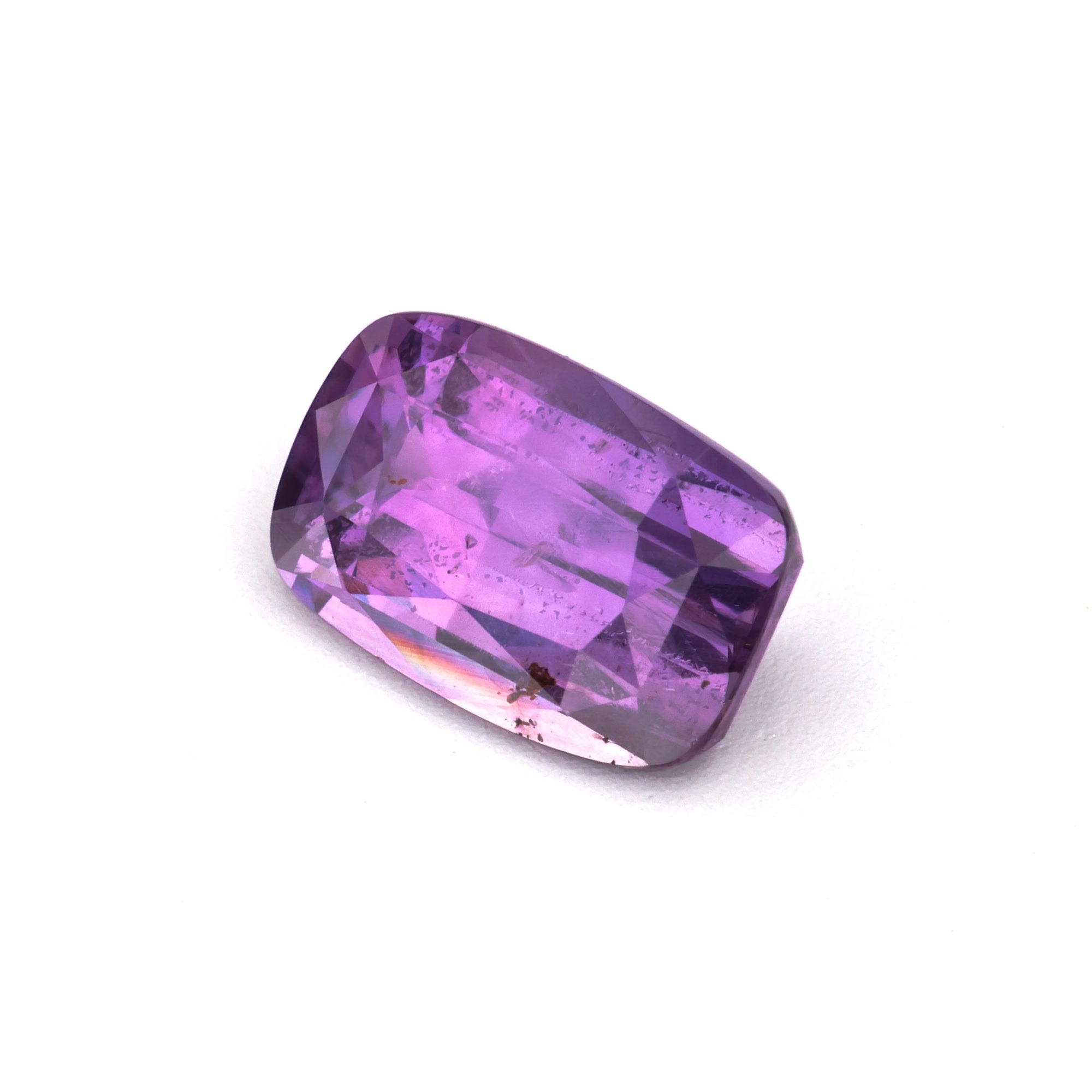
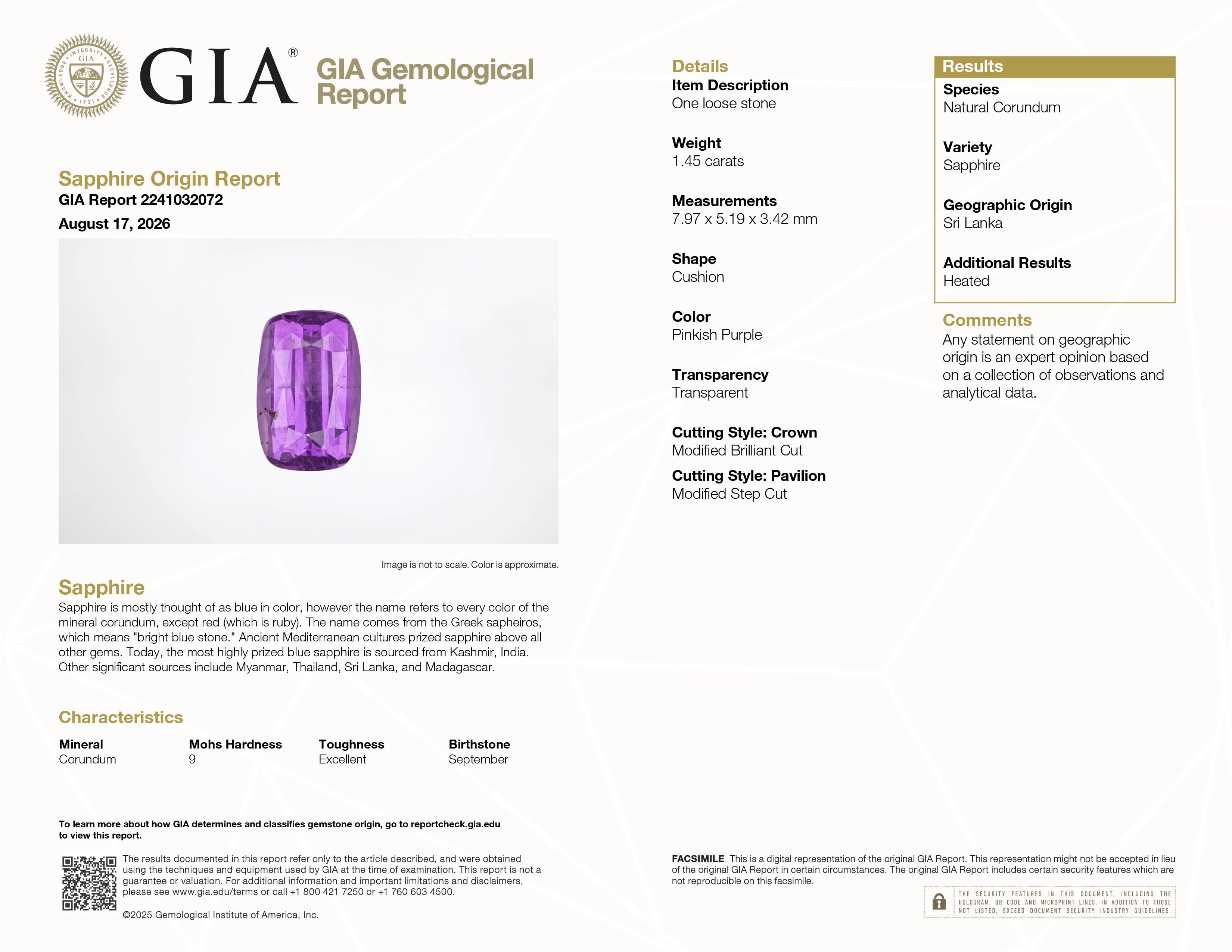
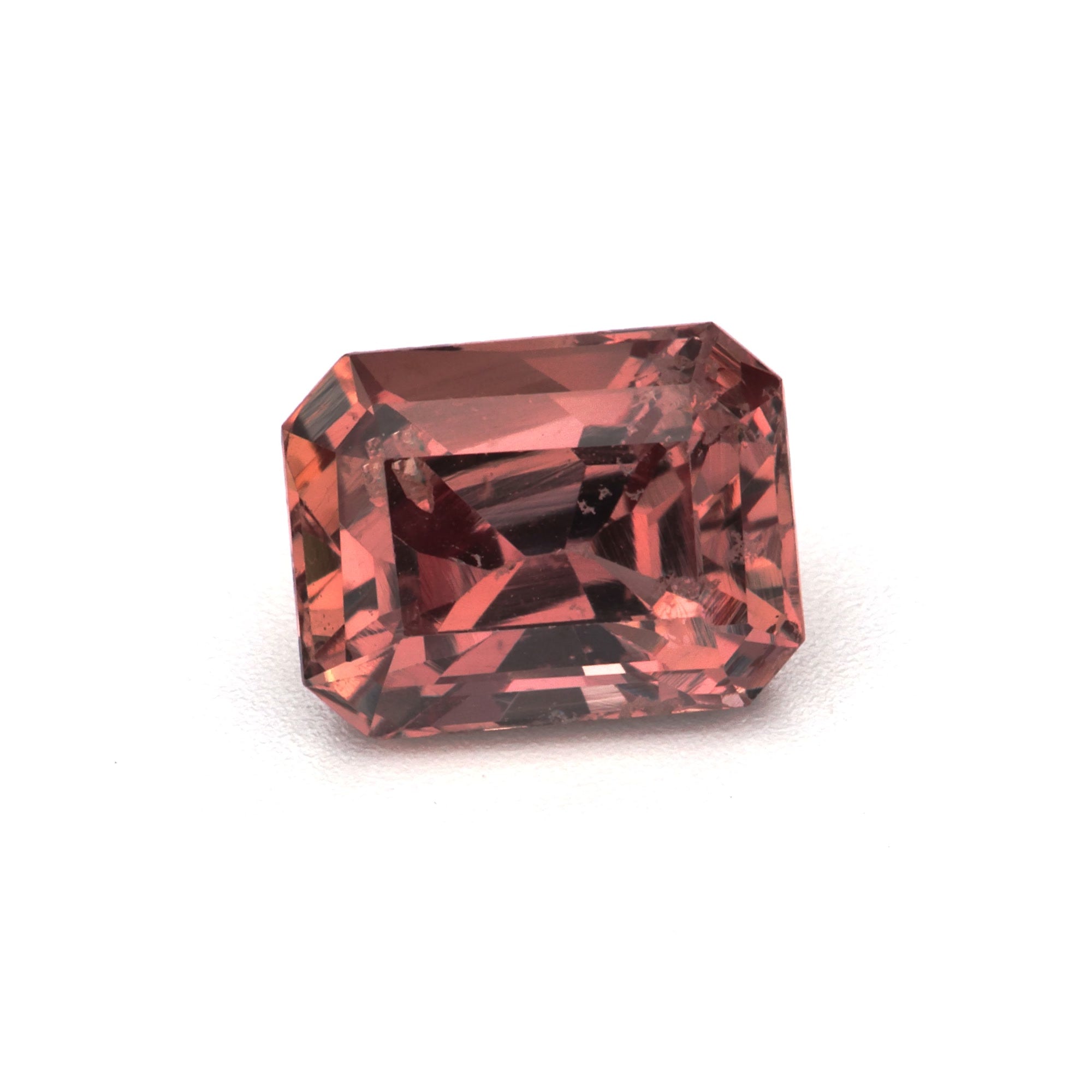
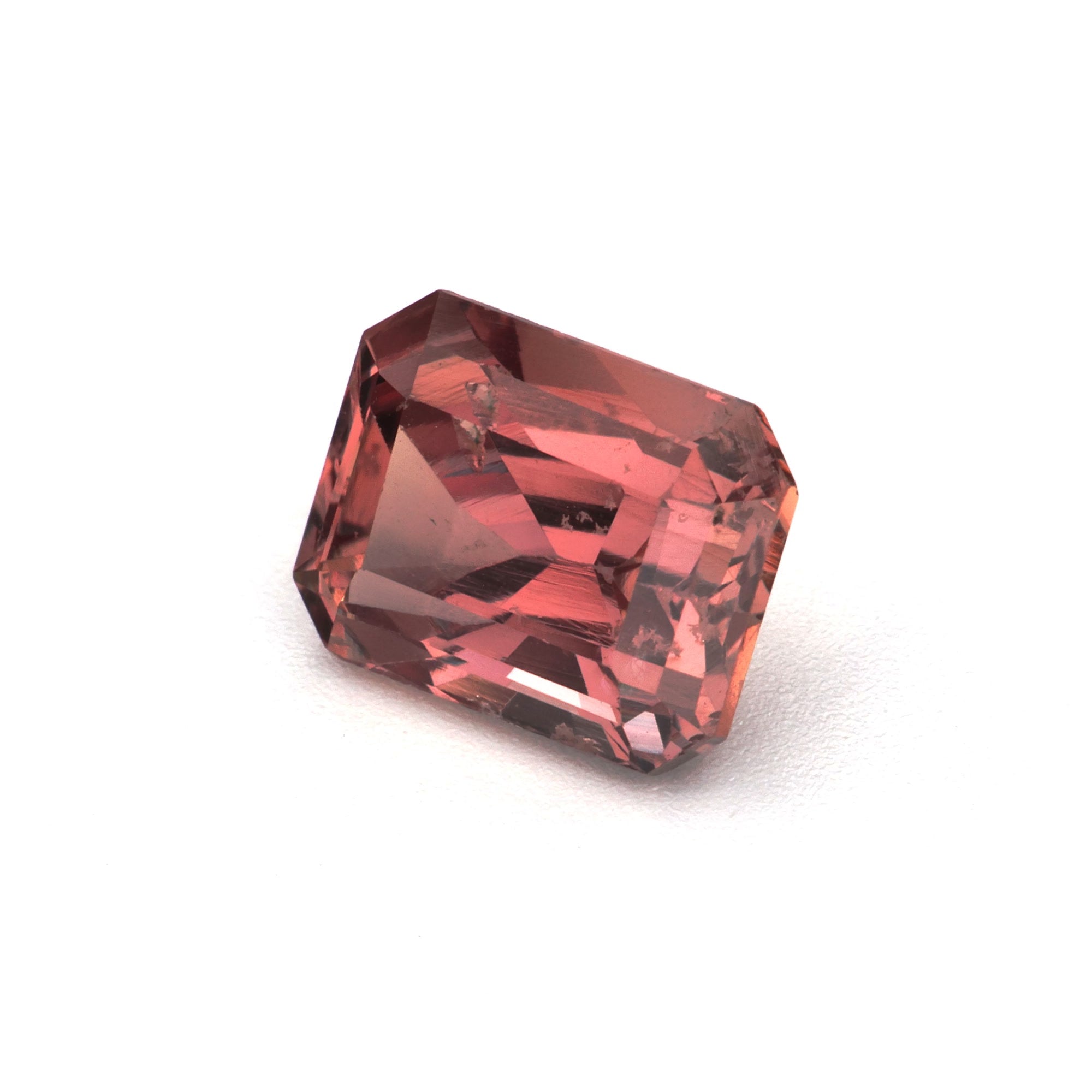
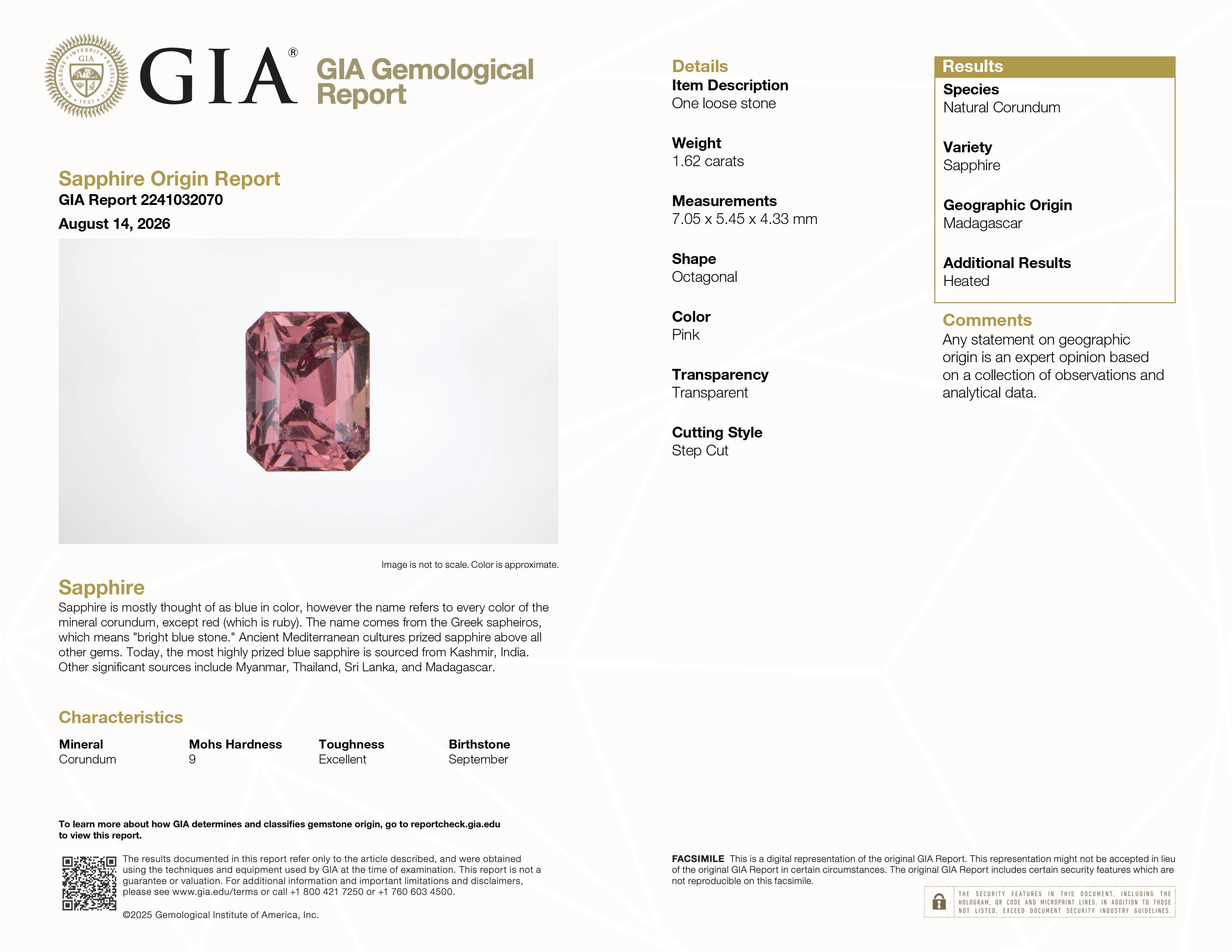
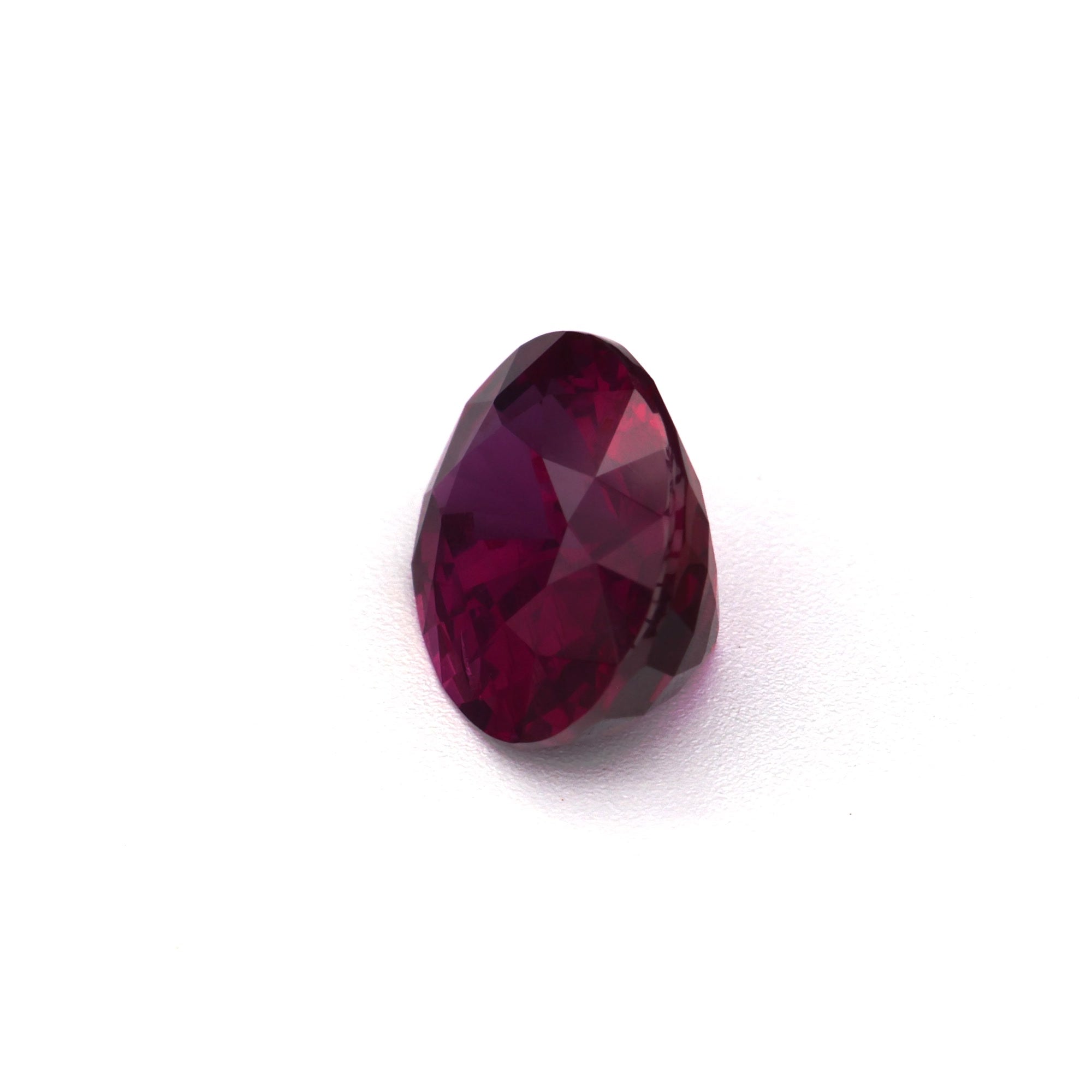
Both at this weight are heated: the 2.12 ct cushion and a 2.20 ct oval at $5,500. We hold no unheated faceted pink sapphire at 2 carats or more — our largest is 1.45 ct — so email us rather than waiting on the pink sapphire collection page.
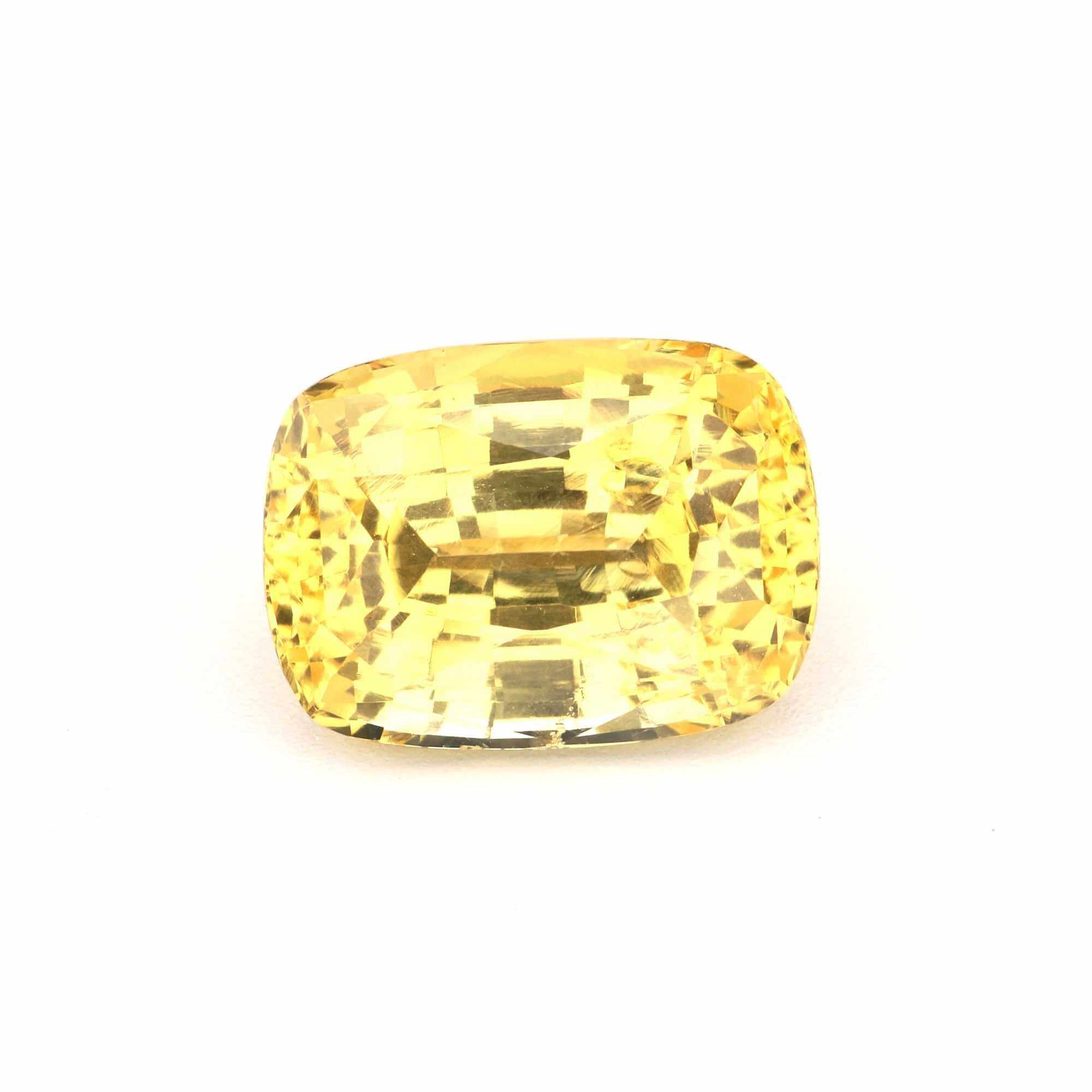
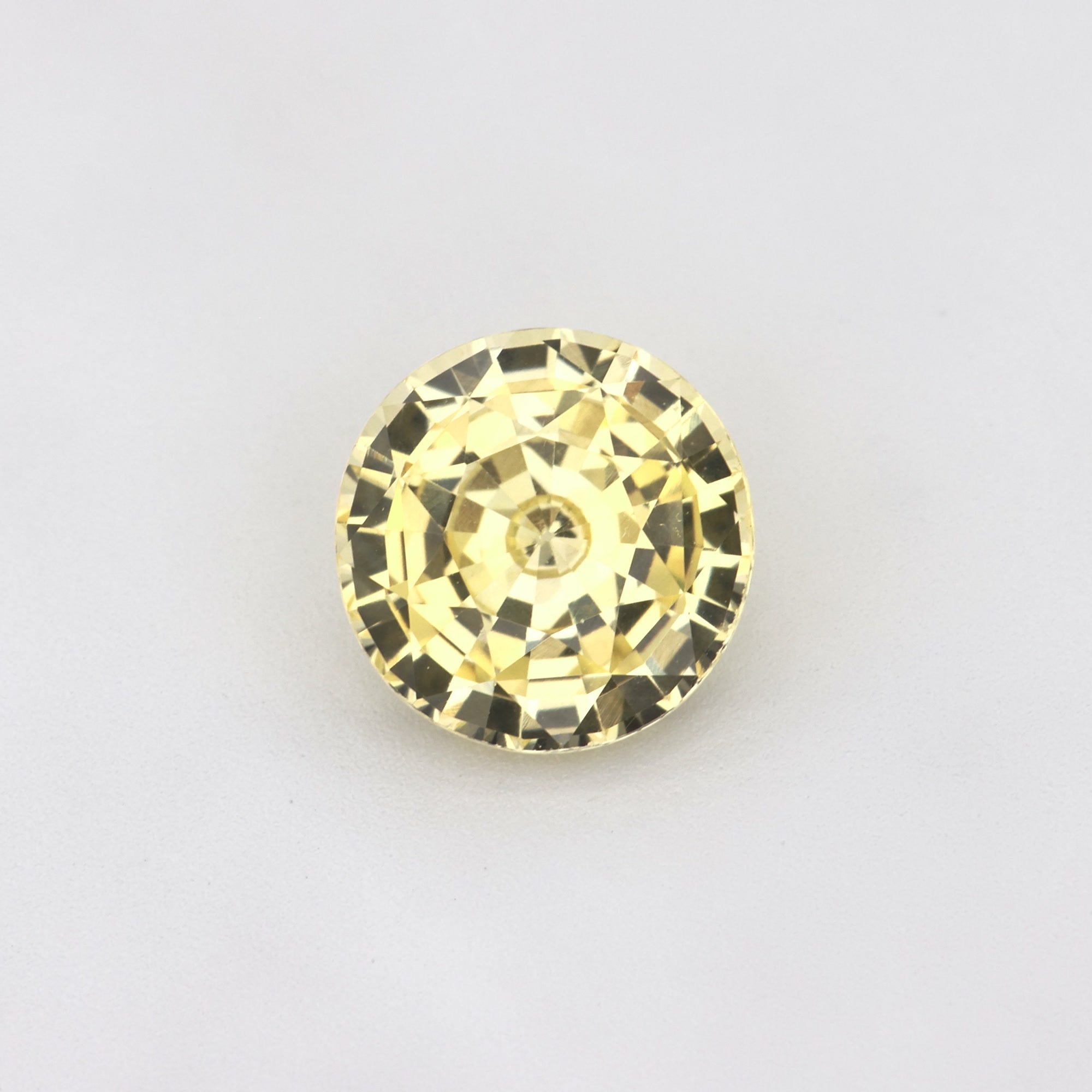
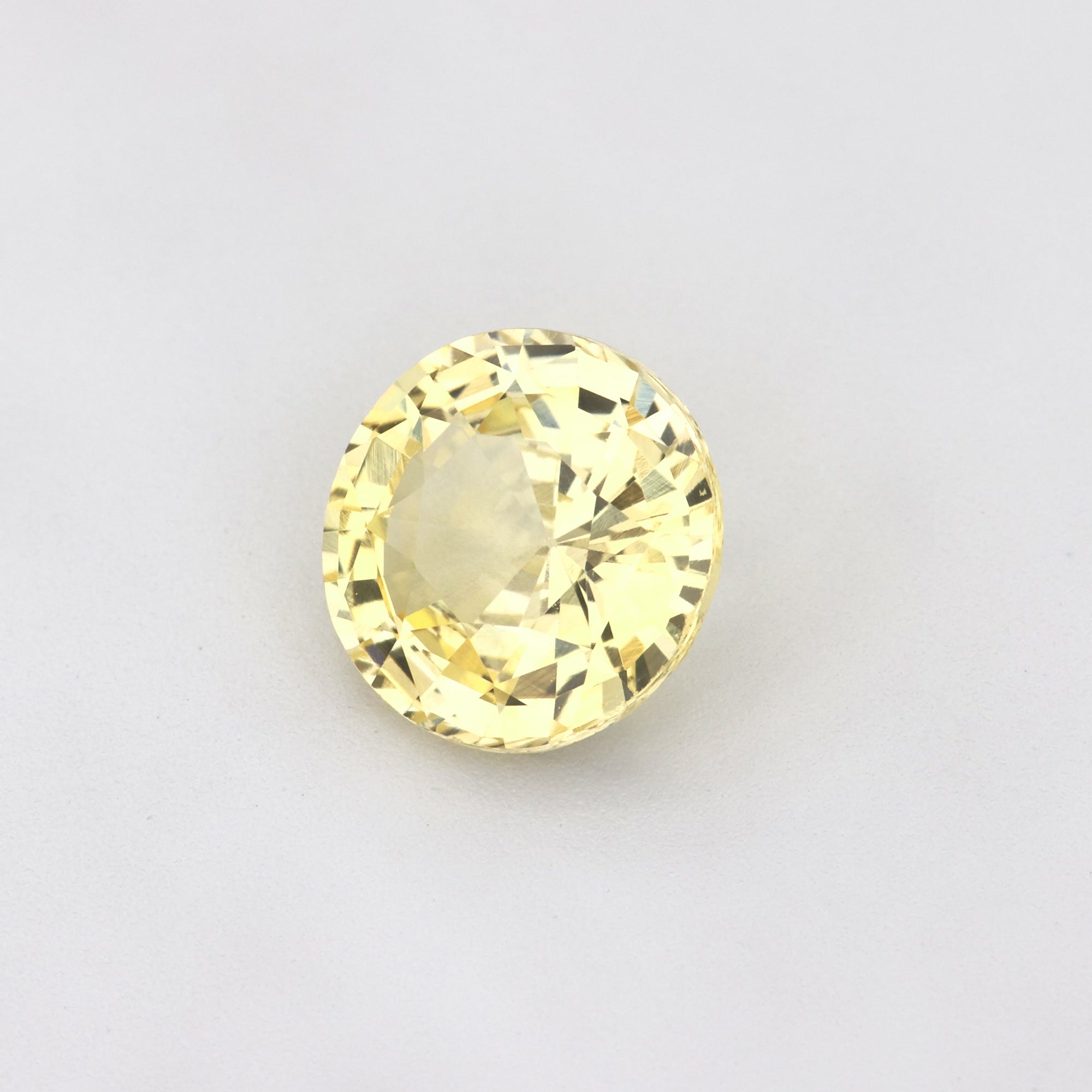
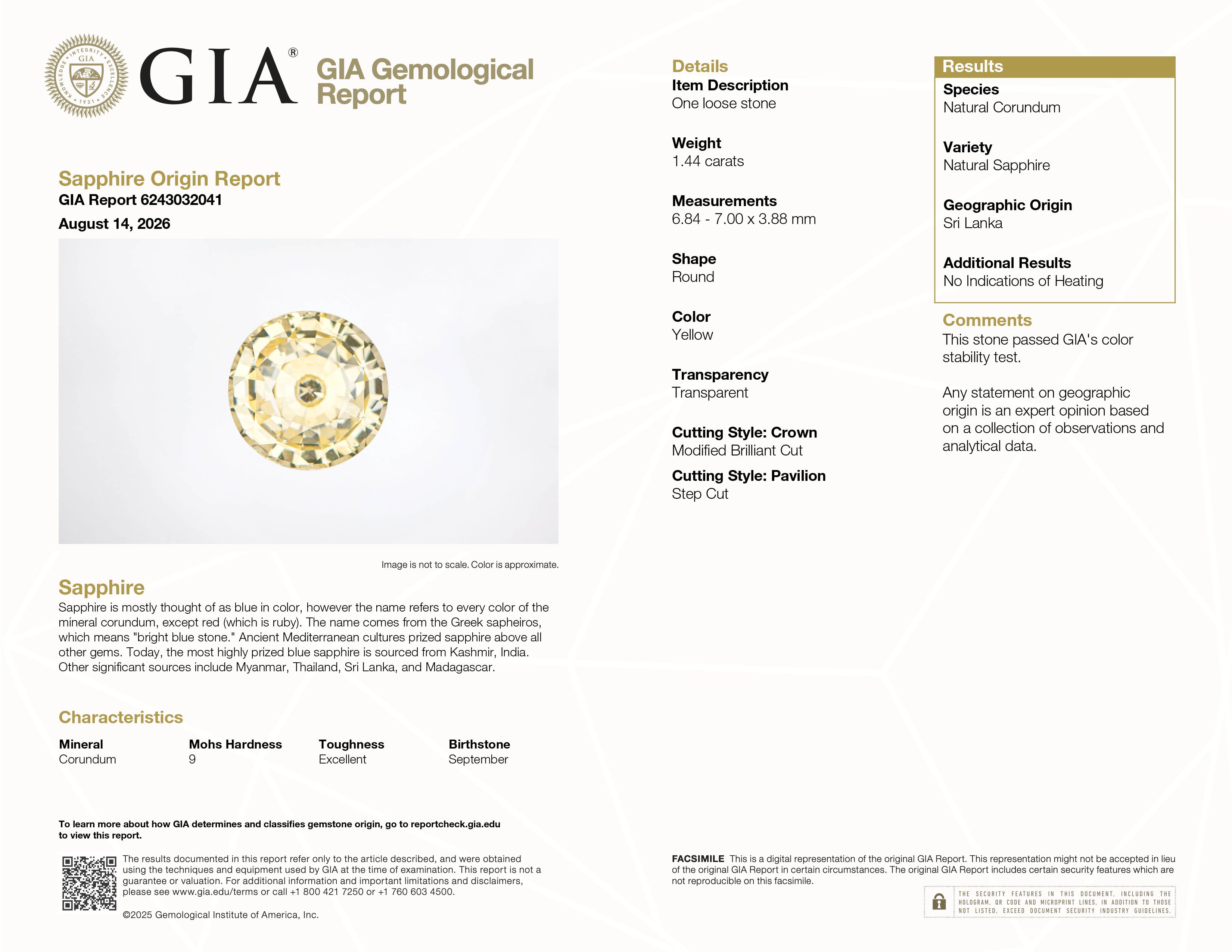
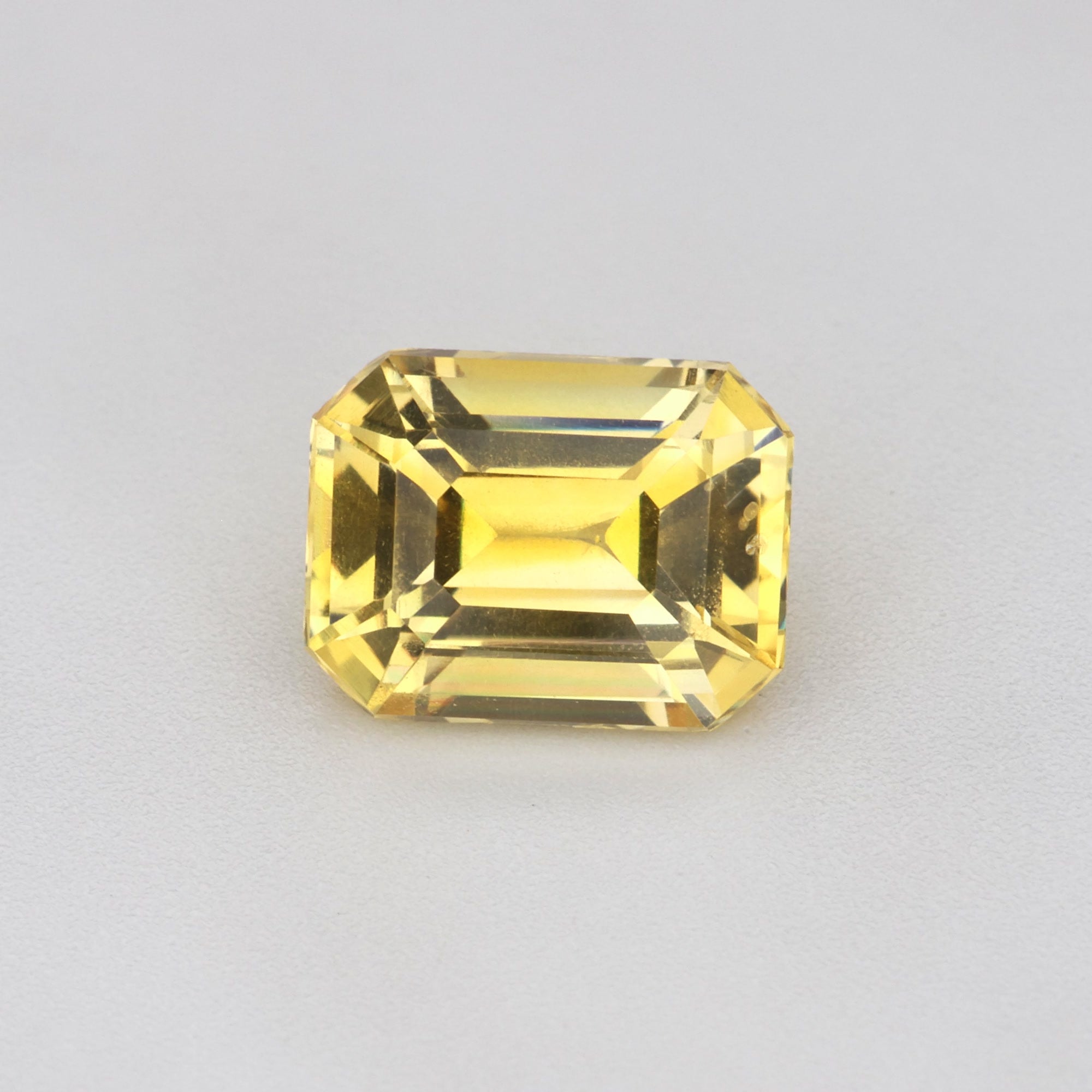
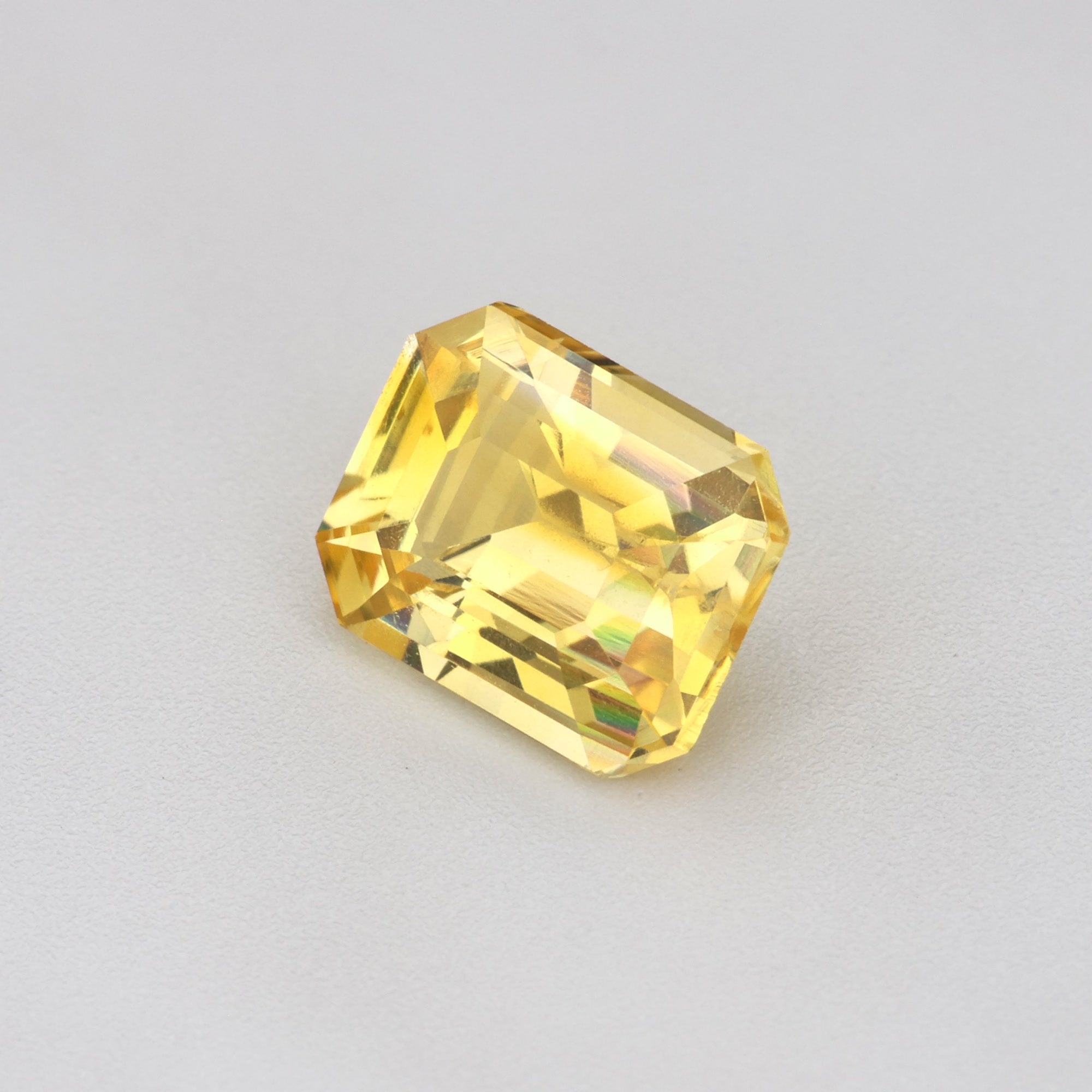
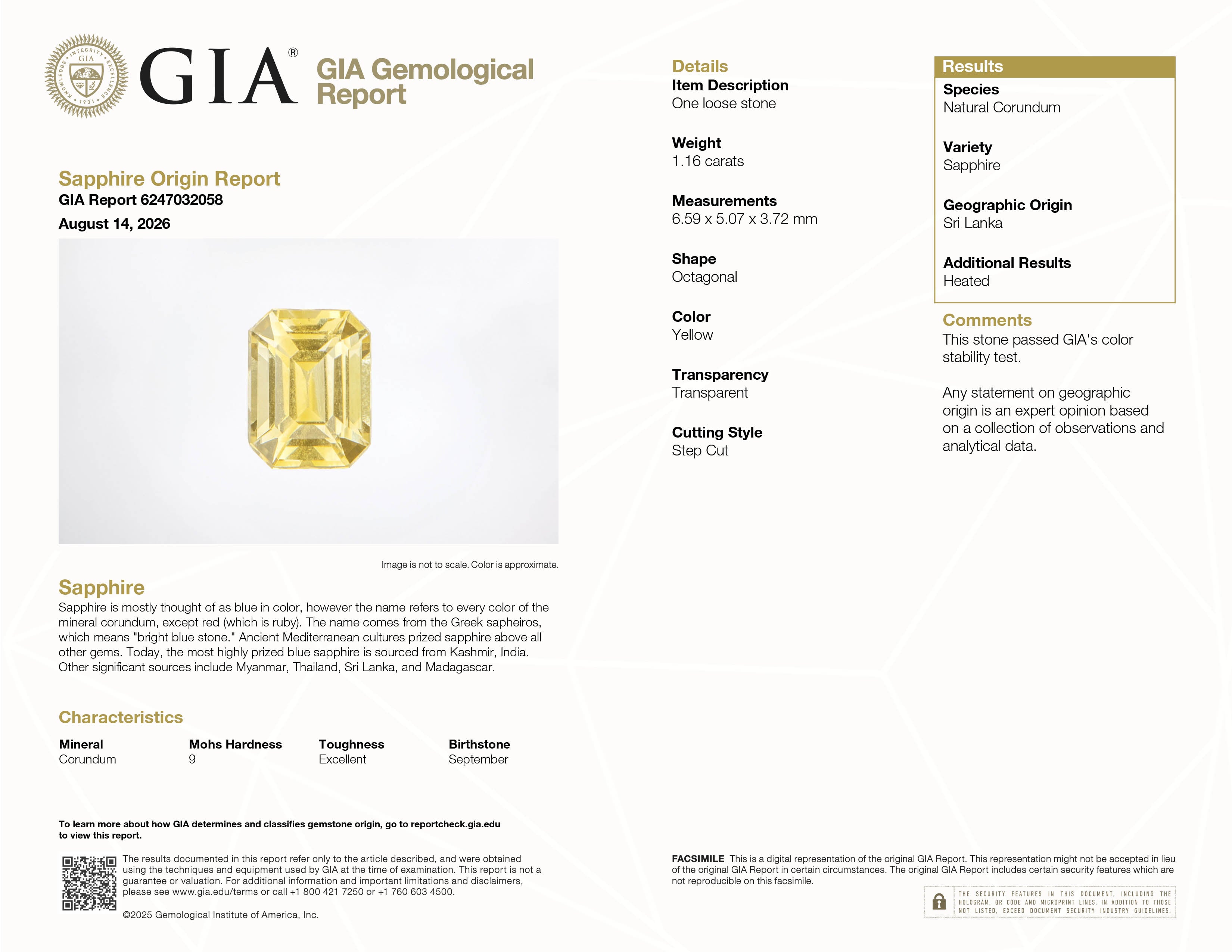
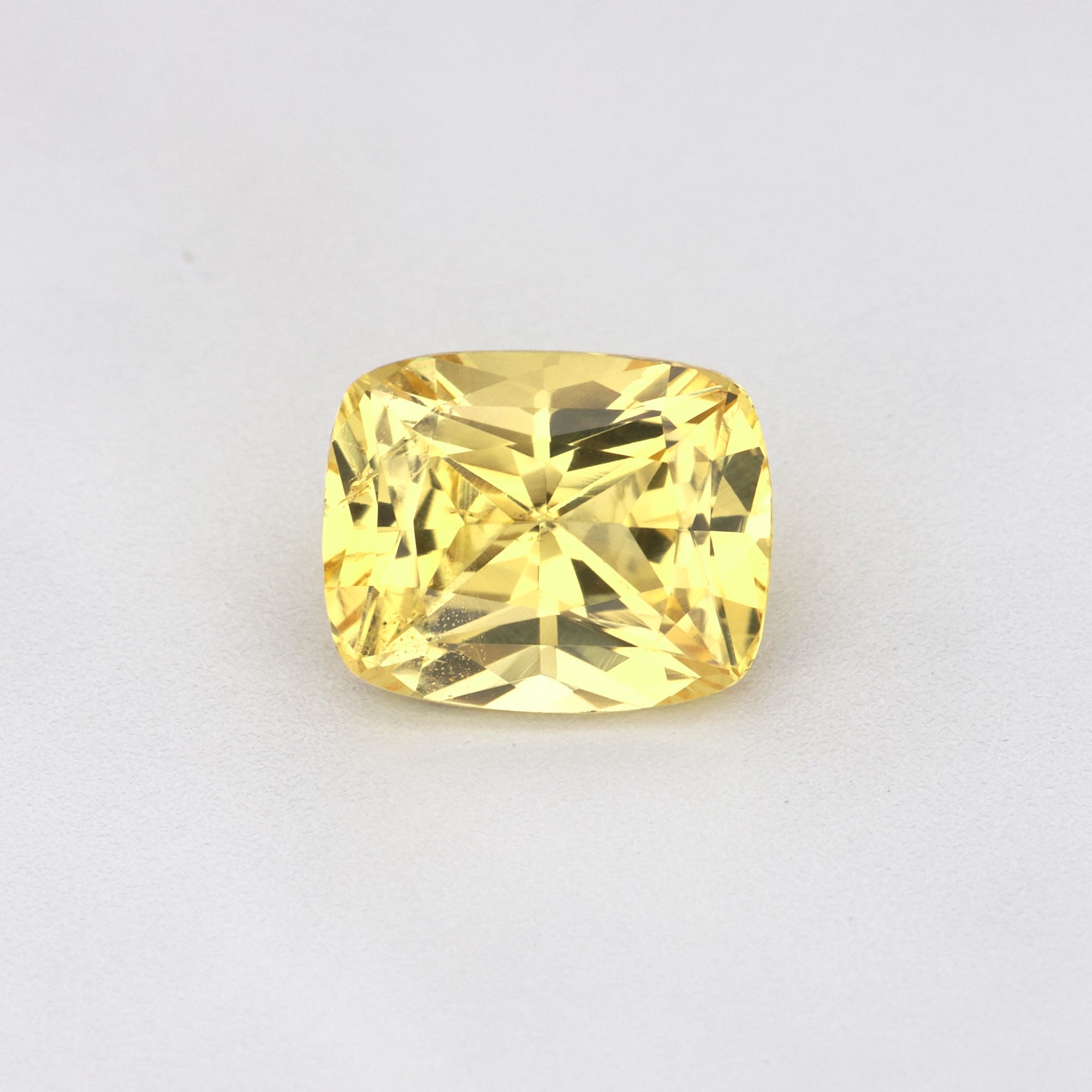
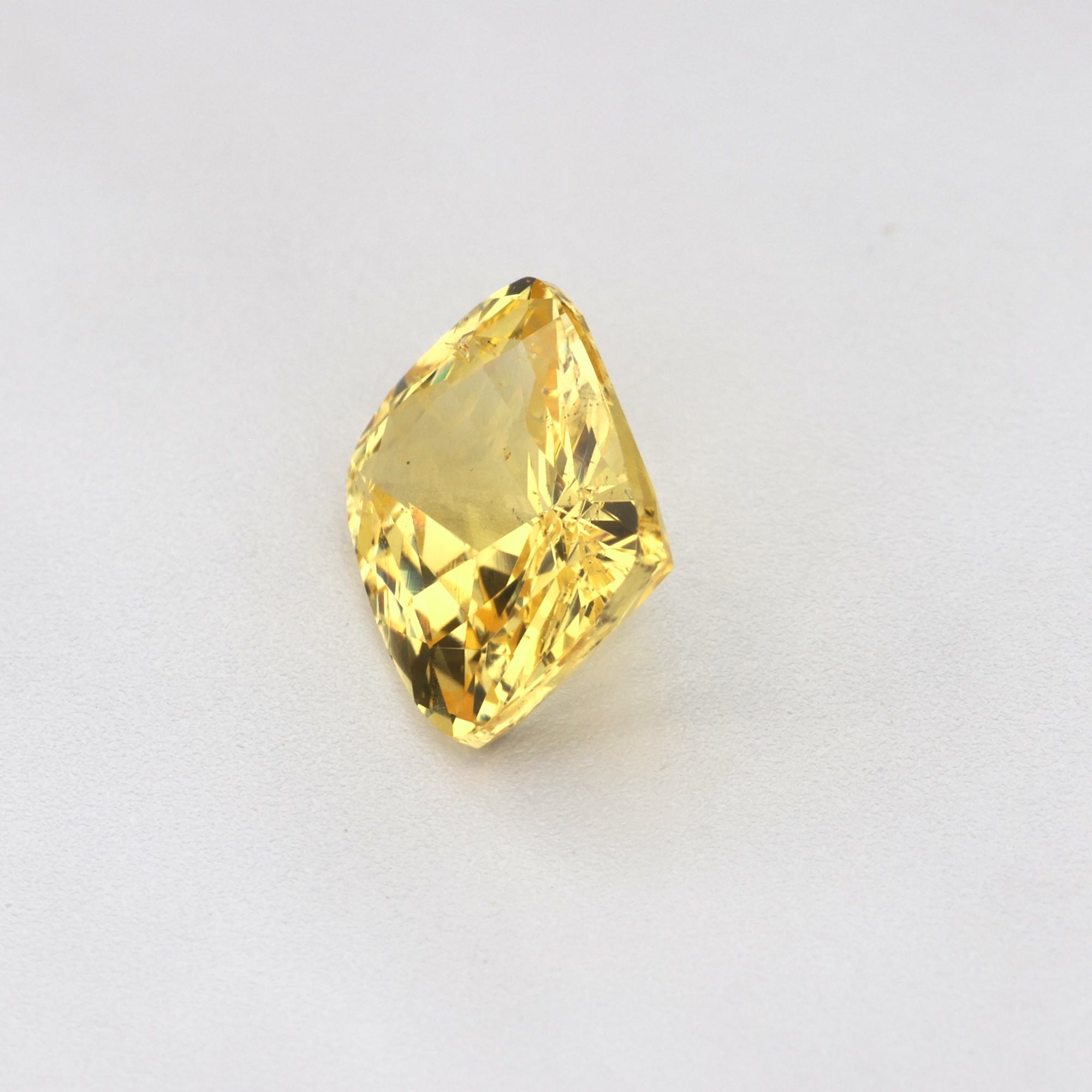
Four stones, carrying the lowest per-carat figures on this page — among them a 2.17 ct cushion at $2,640. Browse unheated yellow sapphires over 2 carats.
We hold none, at 2 carats or at any weight, so there is no price for one here. Padparadscha is a laboratory-defined color designation — LMHC Information Sheet #4 sets it as pinkish orange to orangey pink — so the call is made on a report rather than by a seller, and not one we can make on a stone we do not have. Our padparadscha price guide covers what it requires.
| Color | Treatment | Faceted stones at 2.00–2.99 ct | Weights listed | Listed price per carat | Listed total |
|---|---|---|---|---|---|
| Blue | Heated | 4 | 2.05–2.74 ct | $1,800–$2,800 | $3,690–$7,504 |
| Blue | Unheated (GIA) | 2 | 2.00 and 2.04 ct | $3,400 and $4,000 | $6,800 and $8,160 |
| Teal | Unheated | 2 | 2.08 and 2.12 ct | $1,400 (both) | $2,912 and $2,968 |
| Pink | Heated | 2 | 2.12 and 2.20 ct | $2,009* and $2,500 | $4,260 and $5,500 |
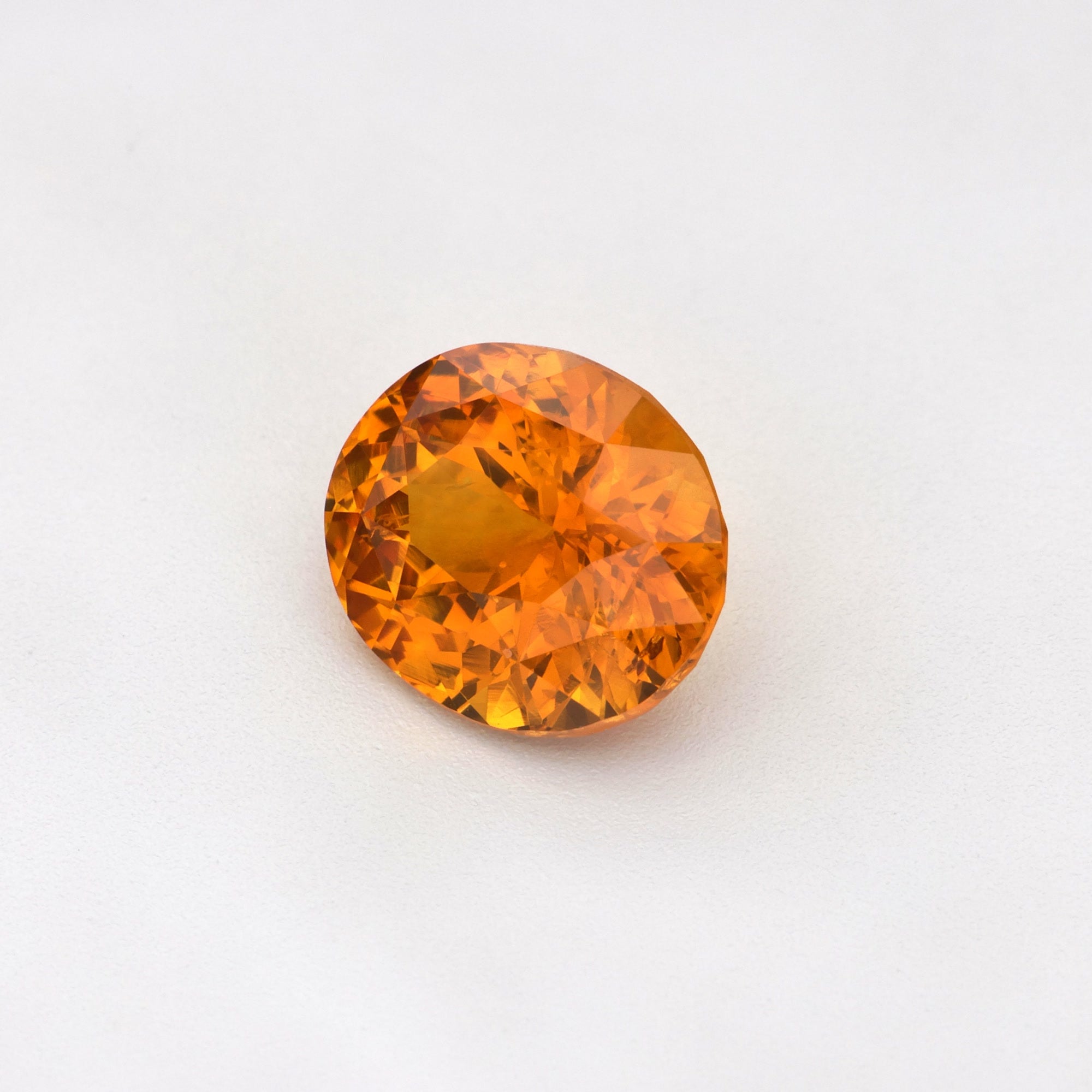
| Yellow | Unheated | 4 | 2.10–2.70 ct | $900–$1,217* | $1,890–$2,646 |
| Violet / purple | — | 0 | — | — | none listed at 2 ct+ |
| Padparadscha | — | 0 | — | — | none listed at any weight |
Every figure here comes from our own listings on 15 November 2026. The counts are the faceted stones behind each row; star sapphires, cabochons and stones of 3 carats and over are not in this table. The "Listed total" column is the actual listed price of those stones at the weights shown in the "Weights listed" column; it is not the price of a hypothetical 2.00-carat stone, and it should not be read as one. Where a row shows two prices rather than a range, that is because the row rests on two stones. Prices move with inventory, so the individual product pages govern.
What three budgets actually reached in our listings:
The trade-off at this size is not size against quality — it is size against color and treatment. The same money buys more weight in yellow or teal than in unheated blue, and the weight you give up for an unheated blue report is the price of that finding. See our Sapphire Colors Explained guide for how the color families differ.
That depends on what you are trading for the weight. Against a 1-carat stone of the same color and treatment the total roughly doubles, while the price per carat does not reliably rise with it, so the second carat buys size rather than a different class of stone. Where a 2-carat stone sits in our own price range is decided by its color field and its treatment field.
Like for like, by shape: the five oval sapphires we list between 1.12 and 1.20 ct average 7.0 × 5.4 mm across the top, and the four ovals we list between 2.10 and 2.74 ct average 7.9 × 6.6 mm — about 40 percent more length-by-width footprint for about twice the weight. The 2-carat group is also about 40 percent deeper, averaging 5.6 mm against 4.0 mm, which is where the rest of the weight goes. So a 2-carat sapphire looks clearly larger on the hand, but not twice as large. Both groups are measured from the dimensions printed on each stone's report, as listed on 15 November 2026.
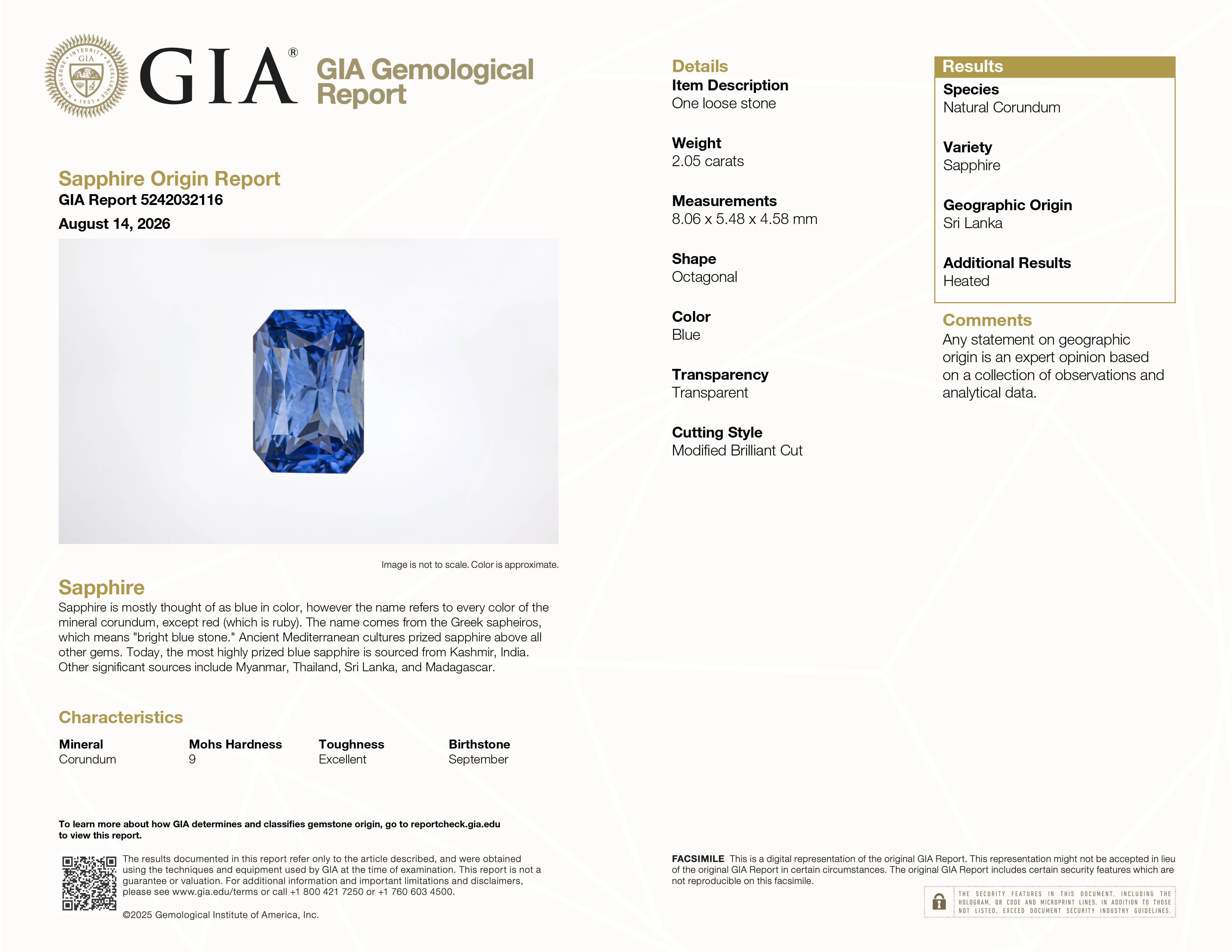
Both are documented; what differs is the finding in the Additional Results field of the GIA report, and what that finding costs. The table above carries the per-carat figures for both groups. If the report finding matters to you, that is what it costs; if it does not, the same money buys more weight heated. Heating is disclosed as a matter of course in the sapphire trade. See our unheated sapphire guide for how that field is read.
Browse our full sapphire catalog or email crescentgems@gmail.com with your color, carat weight, and budget. We respond within one business day and can tell you what is listed at 2 carats and above today.

CG8326
CG8336
Prices are shown in your local currency and may change.
CG8465
CG8463
CG8460
CG8456


Blue Star Sapphire Price Guide — What They Cost and Why
Read moreabout Blue Star Sapphire Price Guide — What They Cost and Why
Tsavorite Garnet Price Guide — What They Cost and Why
Read moreabout Tsavorite Garnet Price Guide — What They Cost and Why
Color-Change Sapphire Price Guide — What They Cost and Why
Read moreabout Color-Change Sapphire Price Guide — What They Cost and Why
Is Cat's-Eye Chrysoberyl Good for an Engagement Ring?
Read moreabout Is Cat's-Eye Chrysoberyl Good for an Engagement Ring?
Cat's Eye Chrysoberyl Price Guide — What They Cost and Why
Read moreabout Cat's Eye Chrysoberyl Price Guide — What They Cost and Why






















Share: