

- von Ahmed Shareek
Sapphire vs. Tanzanite — Two Blue Gemstones, Very Different Stones
- von Ahmed Shareek
For the sapphire side of this comparison: Blue Sapphire Buyer's Guide. For the engagement ring decision: How to Choose a Sapphire Engagement Ring. For the buying foundation: Ultimate Sapphire Buying Guide.

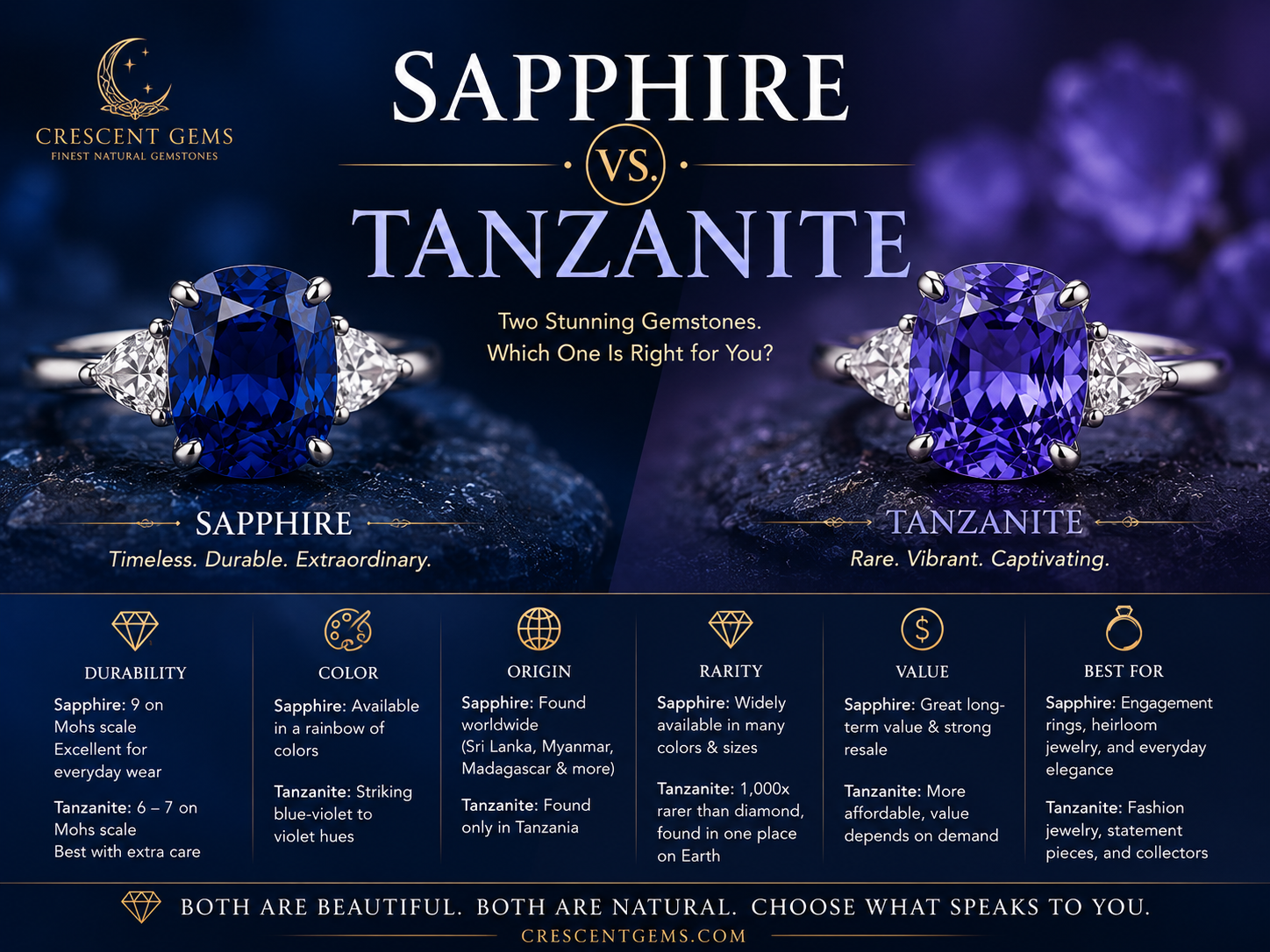
Sapphire and tanzanite are the two most commercially significant blue gemstones in the jewelry market. Both produce vivid, genuinely beautiful blue-violet color. The comparison, however, is less even than it first appears. Sapphire and tanzanite are fundamentally different stones in terms of geology, durability, rarity type, value behavior over time, and what they demand from the person wearing them.
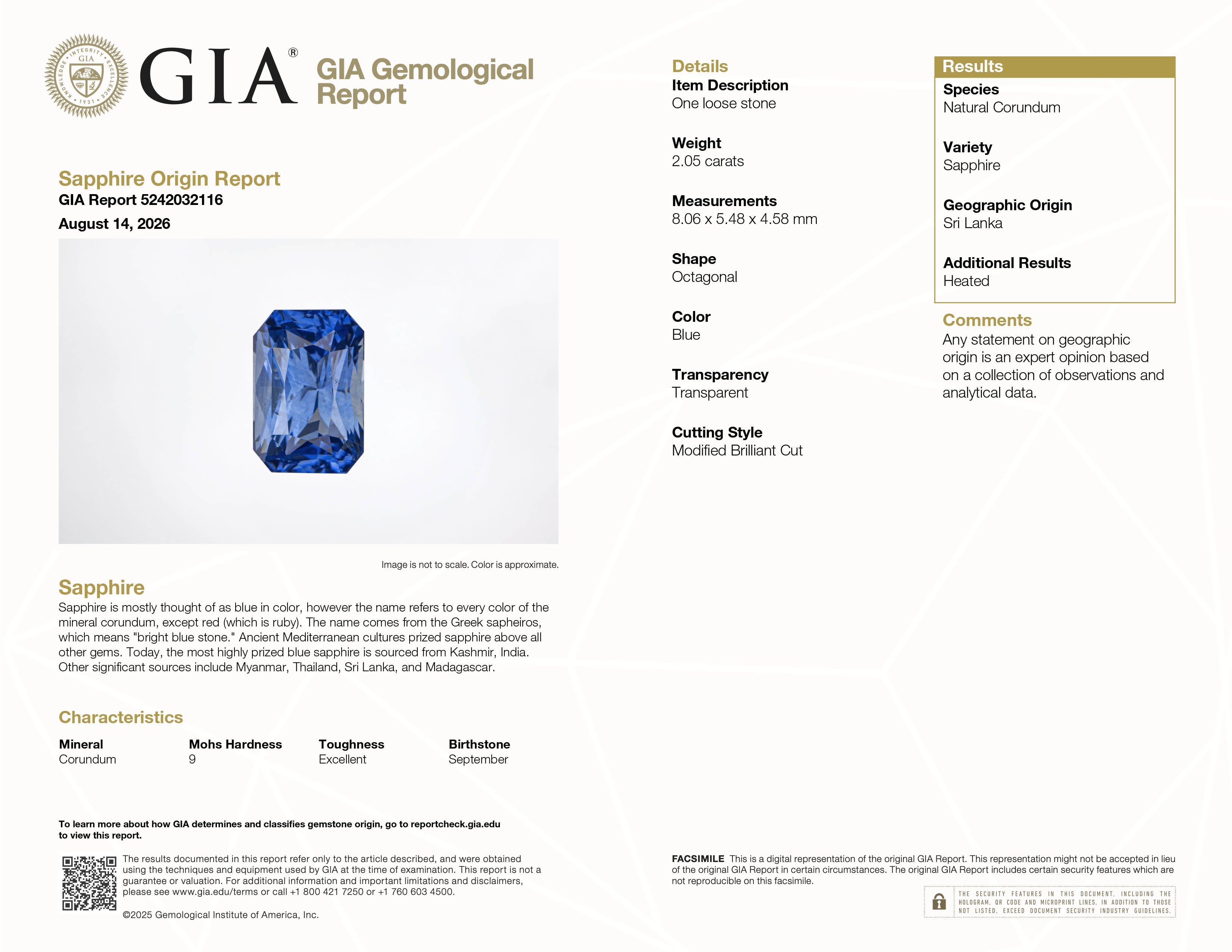
Sapphire: The blue variety of corundum — aluminum oxide — colored by iron and titanium. Corundum is Mohs 9 on the hardness scale, second only to diamond. It has been mined, traded, and worn continuously for over 2,000 years from sources including Sri Lanka, Burma, Kashmir, Madagascar, and Tanzania. Blue sapphire is the September birthstone and has been among the most valued gemstones in every major civilization.
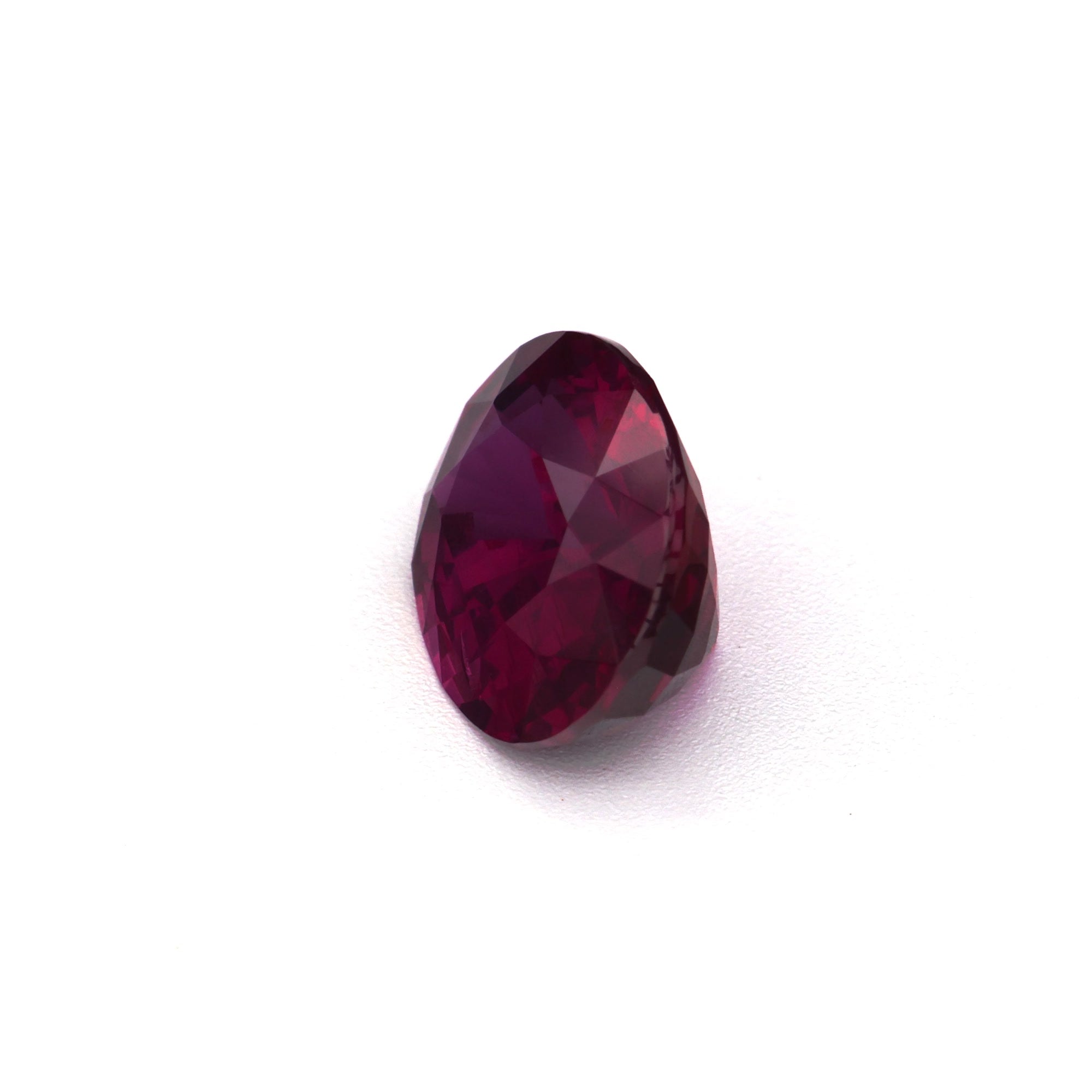
Tanzanite: The blue-violet variety of zoisite — a calcium aluminum silicate mineral — colored by vanadium. Discovered in 1967 near Arusha, Tanzania. Found in only one location on Earth: approximately 8 square kilometers in the Merelani Hills. Mohs 6.5. Commercially available for less than 60 years.
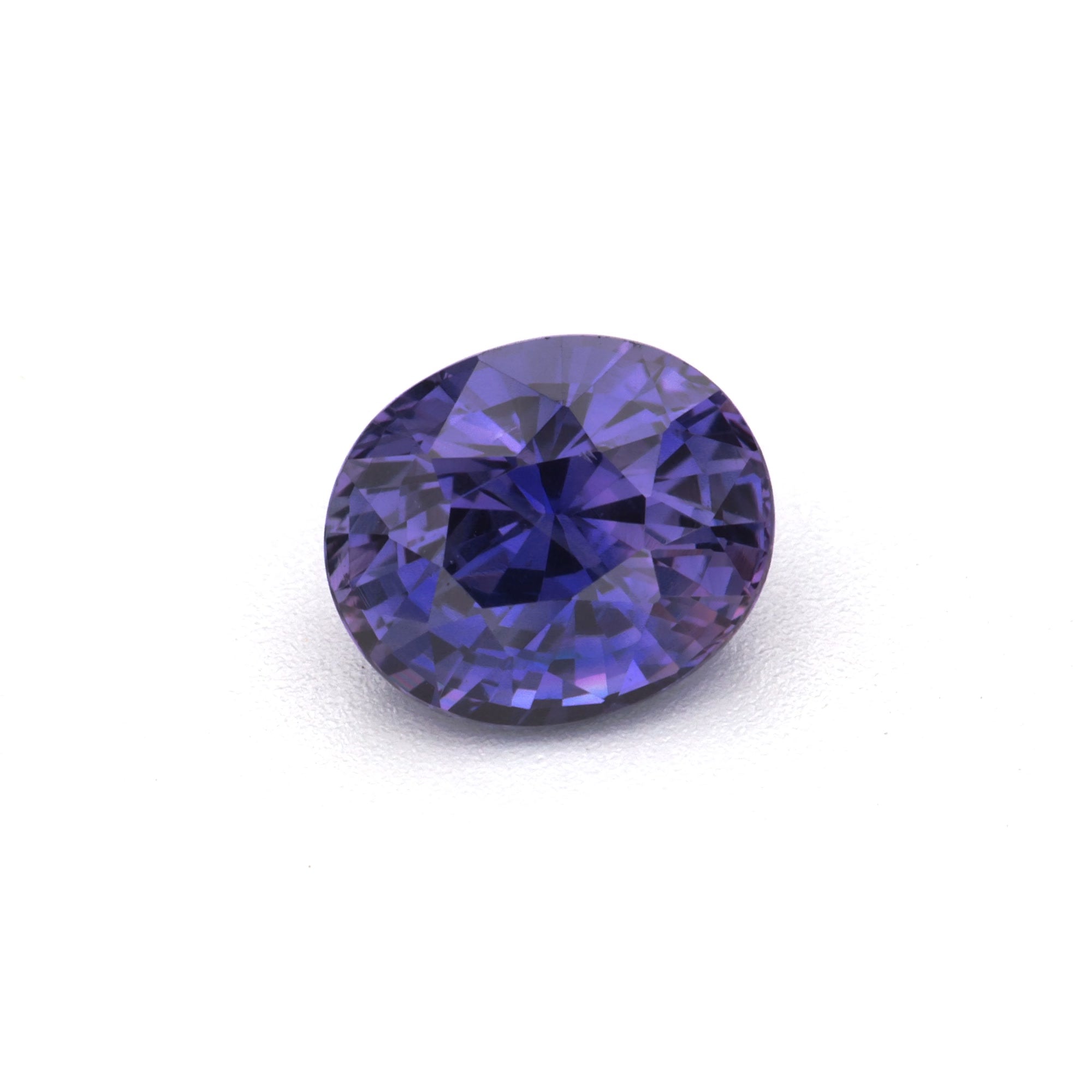
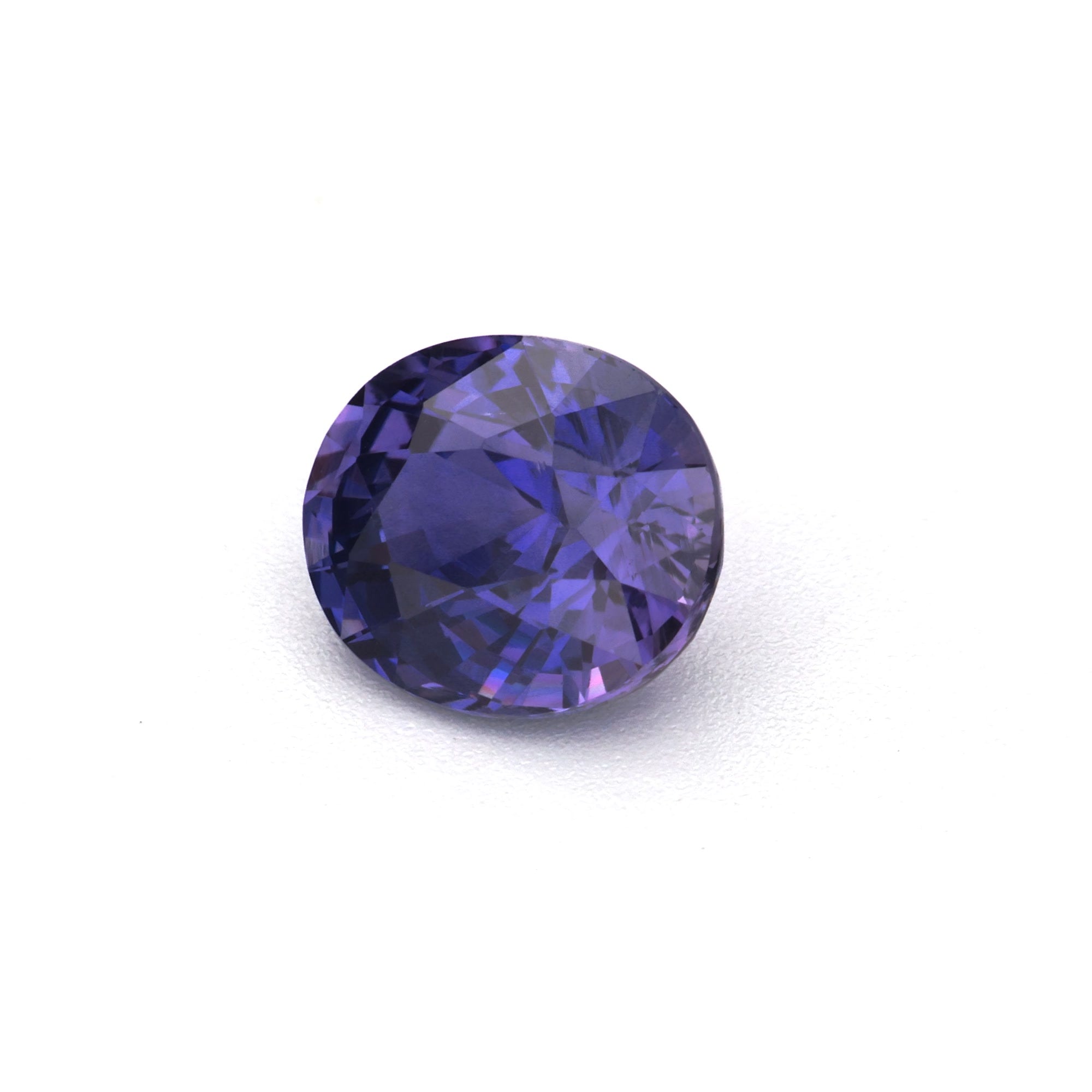
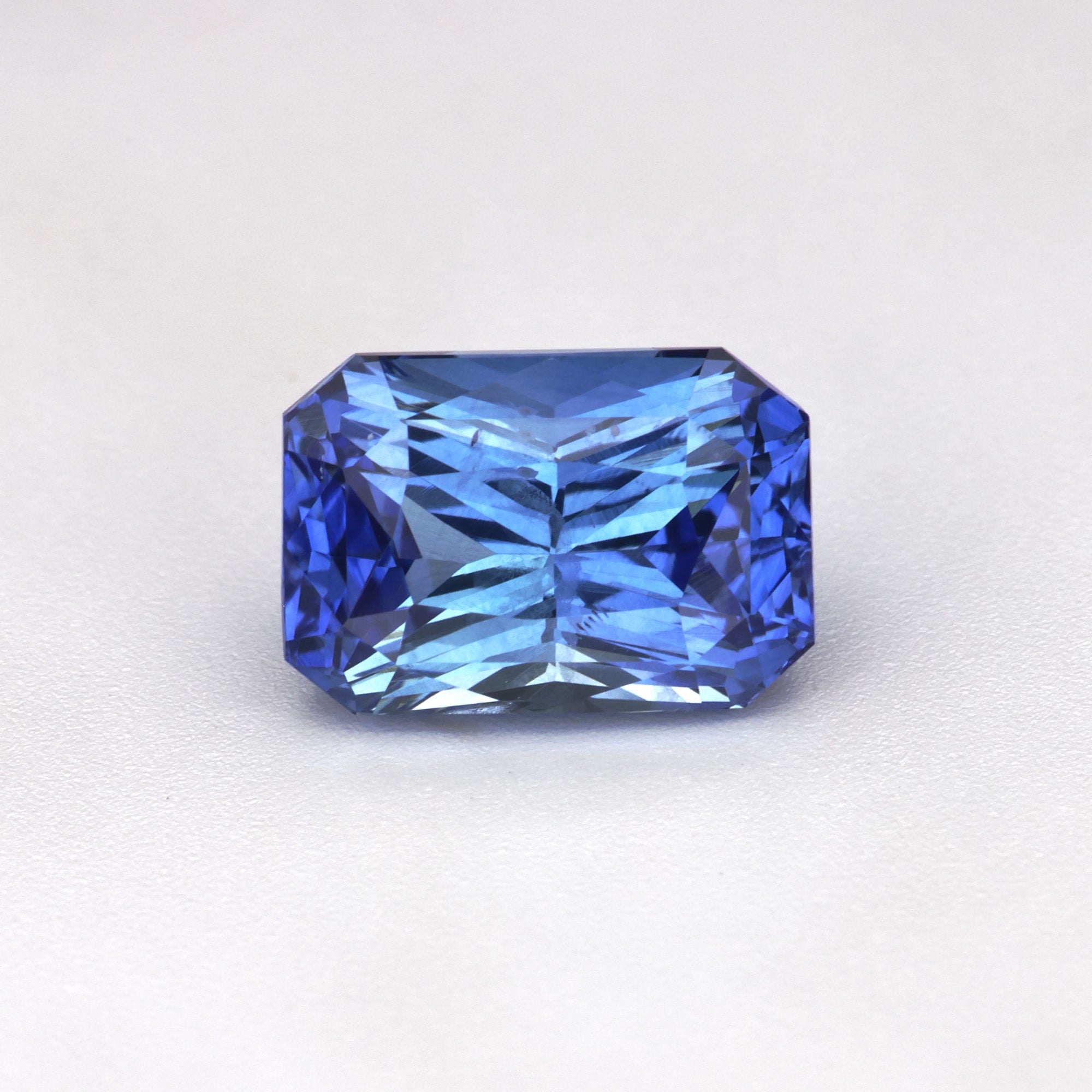
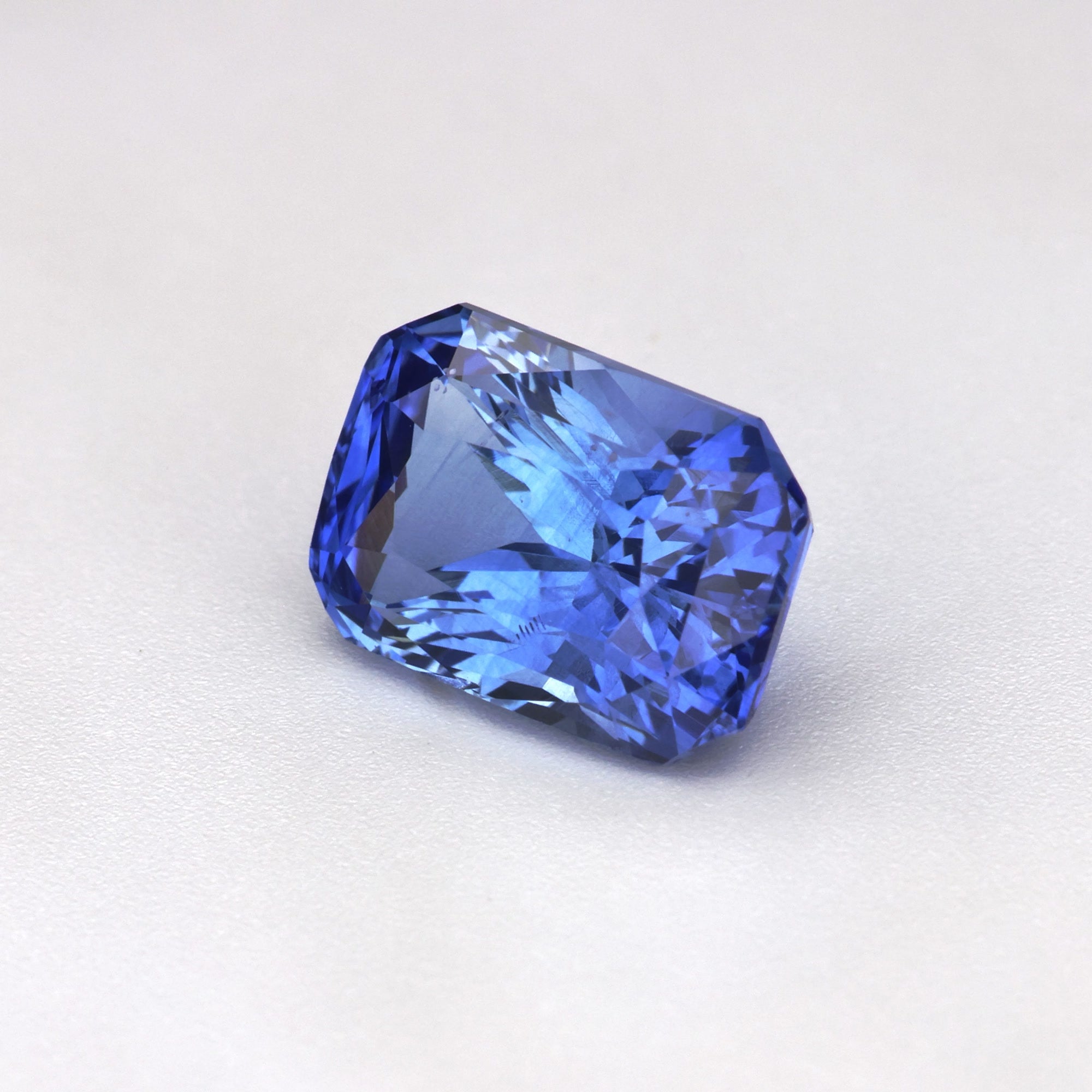
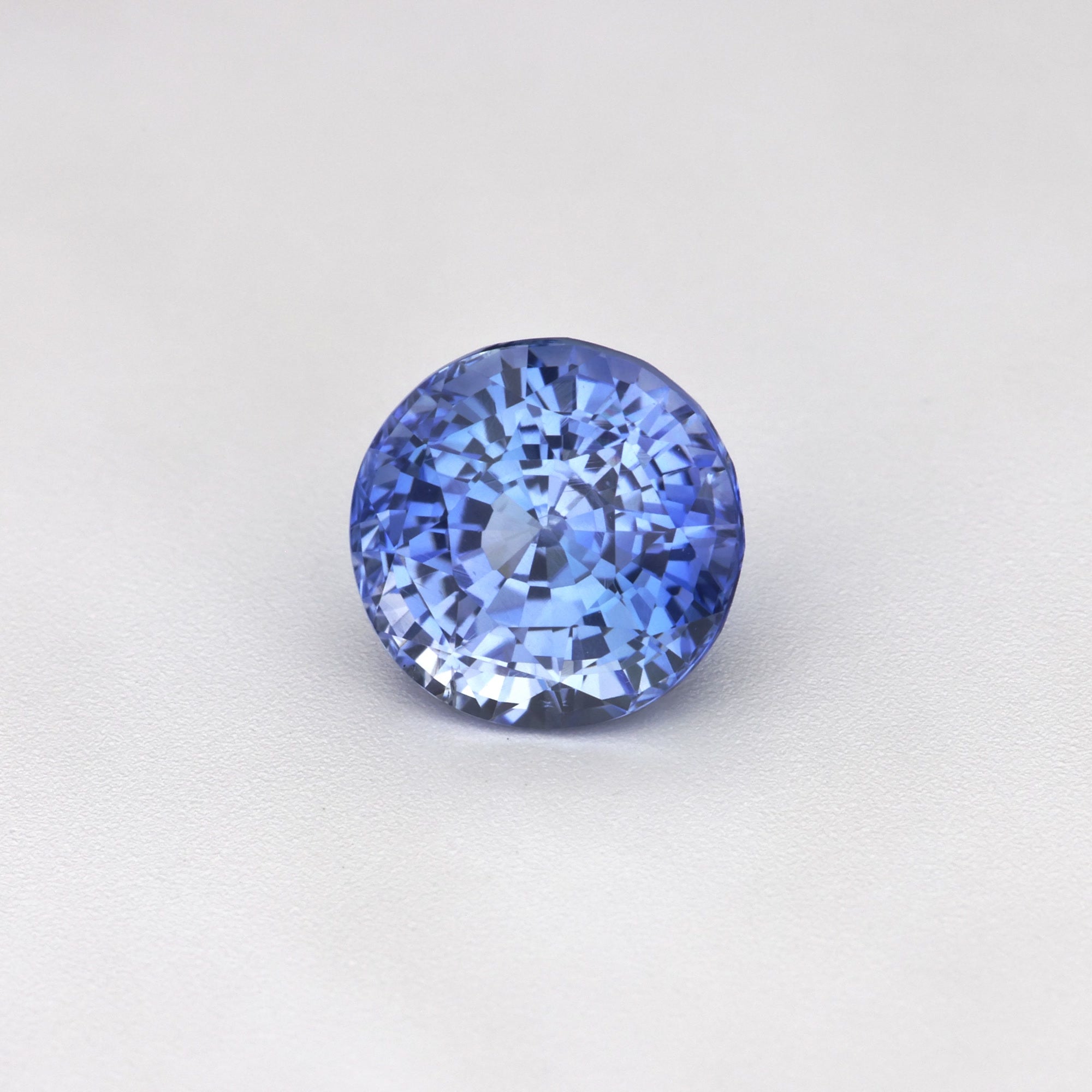
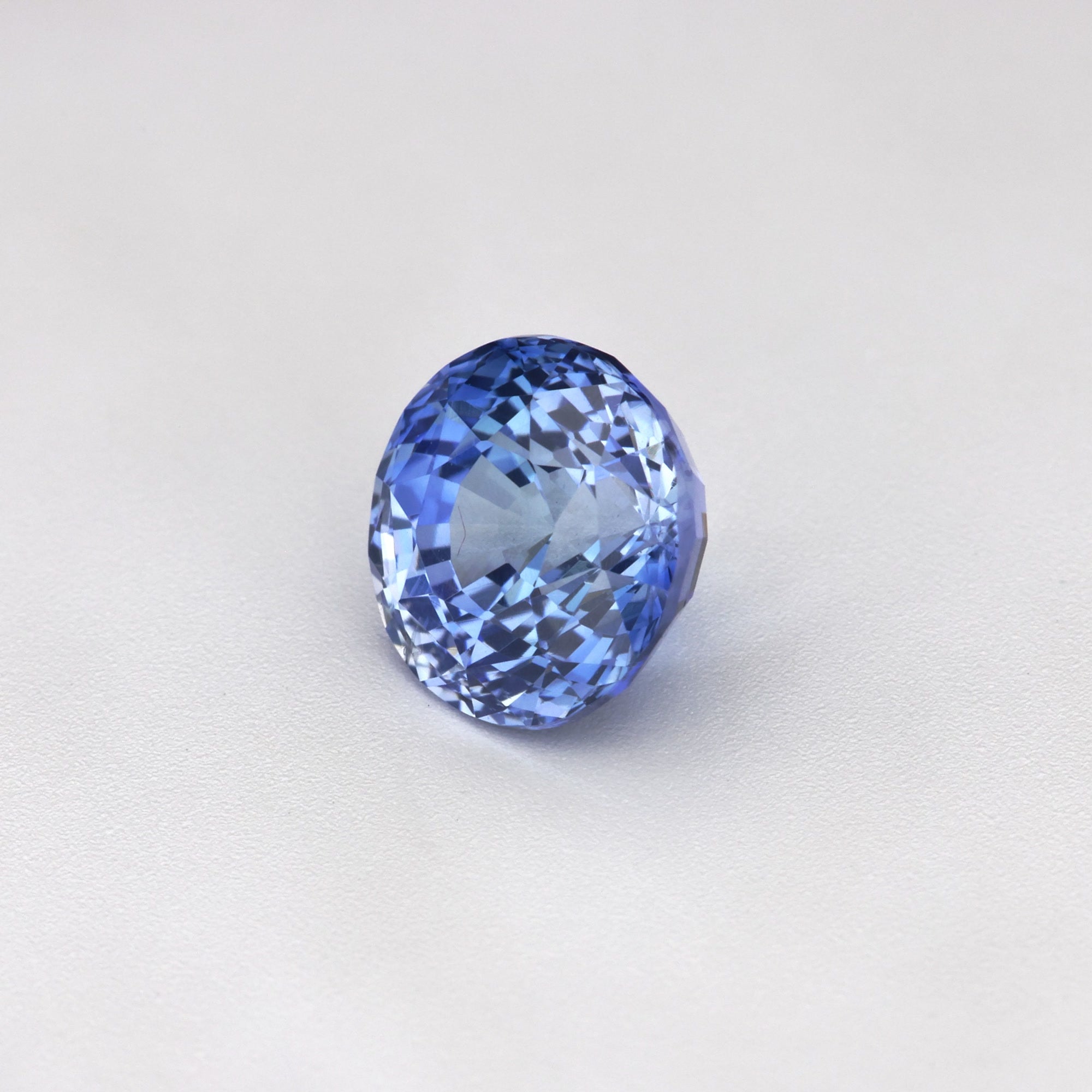
Fine tanzanite at its best produces a vivid blue-violet color with a strong violet secondary that gives the stone depth and complexity. Under incandescent light, tanzanite shifts notably toward violet or purple. Fine blue sapphire at its best produces a vivid, pure blue — often with a slight violet secondary at Ceylon quality levels — without the dramatic color-shift that tanzanite shows between lighting conditions. See our sapphire colors guide.
| Durability Factor | Sapphire | Tanzanite |
|---|---|---|
| Mohs hardness | 9 | 6.5 |
| Cleavage | None | Perfect in one direction |
| Suitable for daily ring wear | Yes — excellent | With care — better for pendants and earrings |
For care guidance for sapphire rings, see our Sapphire Ring Care Guide. For insurance guidance, see our insuring a sapphire ring guide.
Sapphire's rarity is quality-driven — the mineral is widely produced but fine material is scarce. Tanzanite's rarity is geographic — found in one location on Earth, with deposits that may be exhausted within decades at current extraction rates.
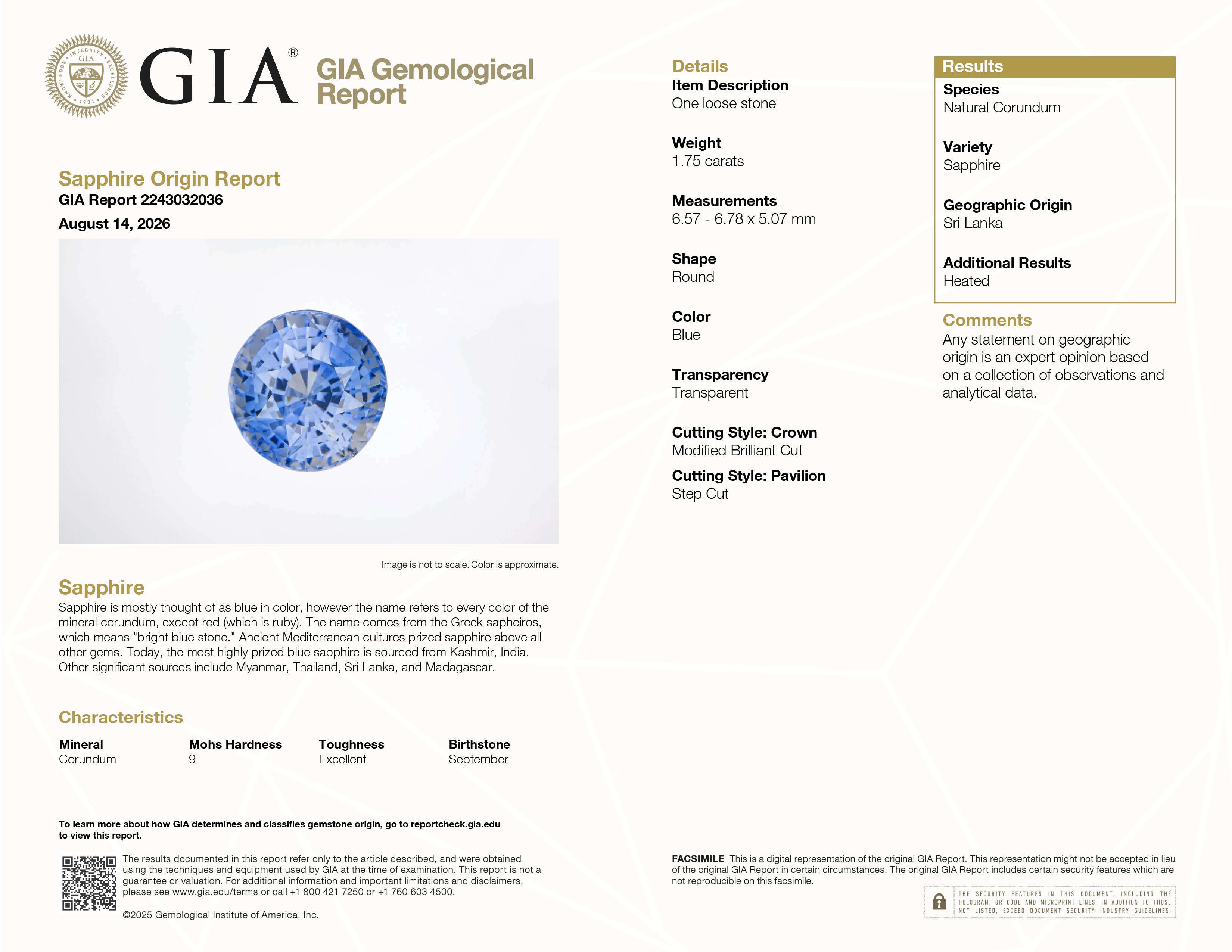
Fine sapphire — particularly unheated material from Ceylon, Kashmir, or Burma, documented by GIA or Gubelin — has a deep, well-established secondary market. Tanzanite's secondary market is thinner. See our sapphire pricing guide, what a good 1 carat costs, and what a good 2 carat costs.
Choose sapphire if: you want a ring for daily wear, you care about long-term durability, you want a stone with an established global resale market, or the piece is intended as an heirloom. Browse our unheated blue sapphire collection or our full Ceylon sapphire catalog.
Choose tanzanite if: you want the specific blue-violet trichroic color that tanzanite produces and that sapphire does not exactly replicate, you are buying for a pendant, earrings, or a ring worn on special occasions rather than daily, or the vivid violet shift under incandescent light is specifically what you want.
Browse our unheated blue sapphire collection, or email crescentgems@gmail.com with your specifications. We respond within one business day.

CG8469
CG8454
CG8468
CG8464
CG8463
CG8459
CG8458
CG8457
CG8456


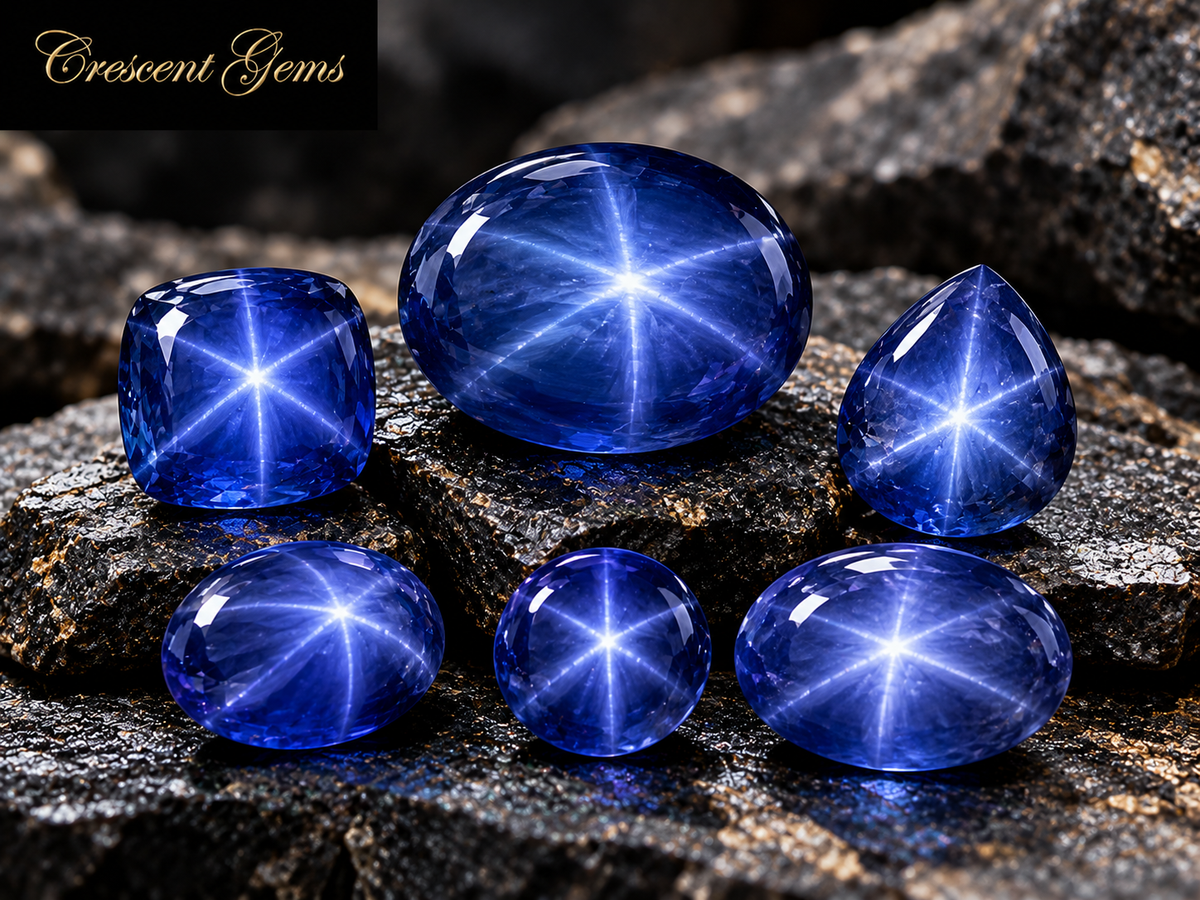
Blauer Sternsaphir: Preise pro Karat und wovon sie abhängen
Was blauer Sternsaphir pro Karat kostet und wovon der Preis abhängt – dazu unser einziger Stein: 8,09 ct für 4.040 $ mit GIA Sapphire Origin Report.
Weiterlesenüber Blauer Sternsaphir: Preise pro Karat und wovon sie abhängen
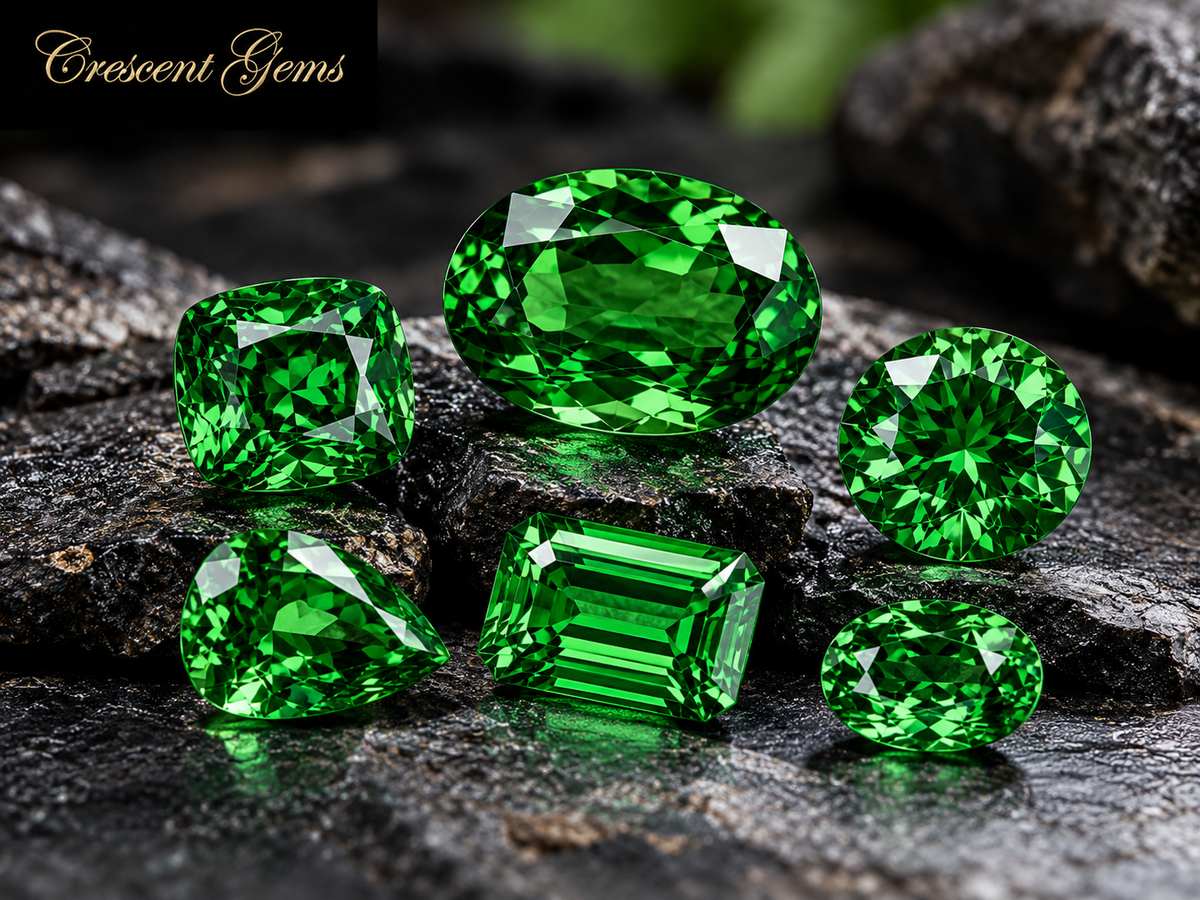
Tsavorit-Granat: Preise pro Karat aus unserem eigenen Bestand
Was Tsavorit-Granat kostet: die Preise pro Karat unserer sieben Steine, der Unterschied zwischen Varietät und Spezies und warum sauberer Rohstein knapp ist.
Weiterlesenüber Tsavorit-Granat: Preise pro Karat aus unserem eigenen Bestand
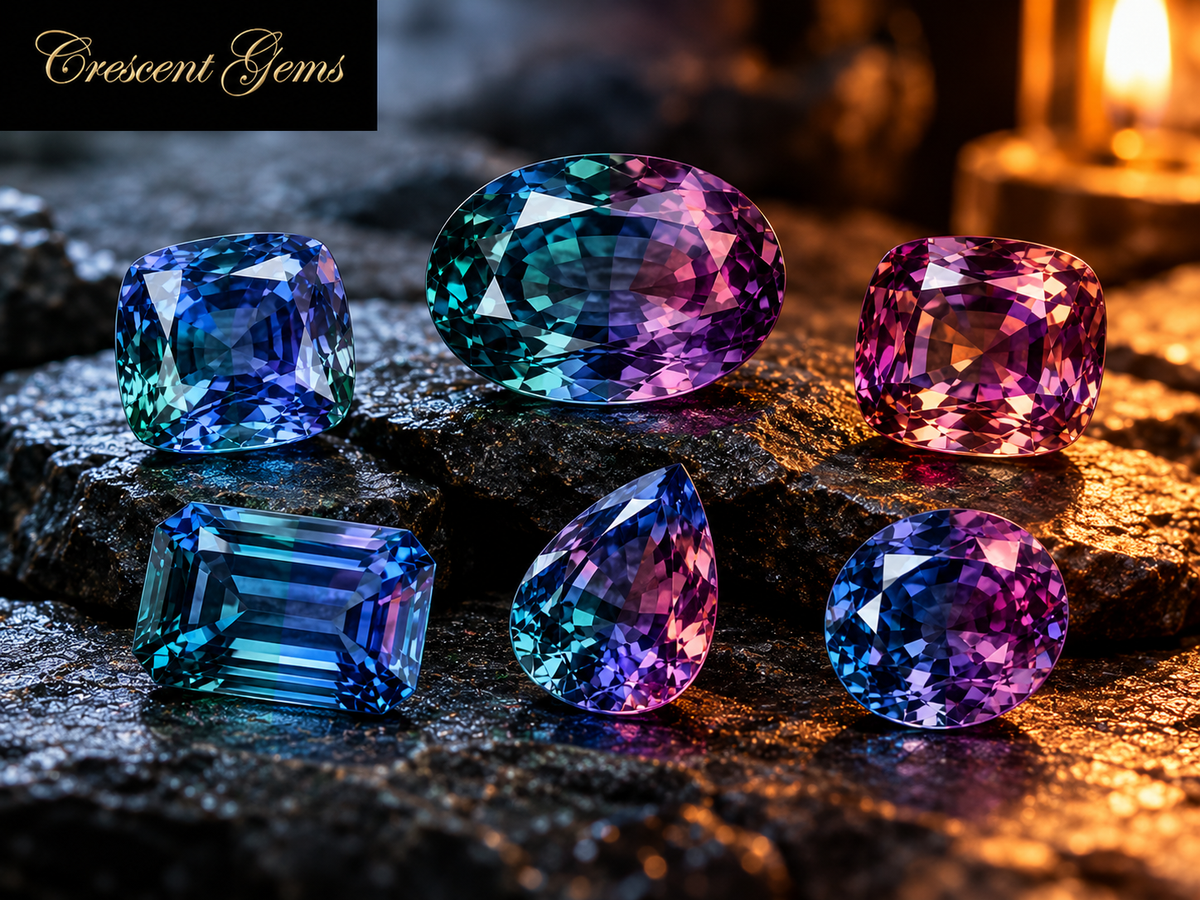
Farbwechsel-Saphir: was er pro Karat kostet und warum
Was ein Farbwechsel-Saphir pro Karat kostet und wovon der Preis abhängt – dazu unsere beiden Steine: 1,03 ct für 824 $ und 2,01 ct für 2.211 $.
Weiterlesenüber Farbwechsel-Saphir: was er pro Karat kostet und warum
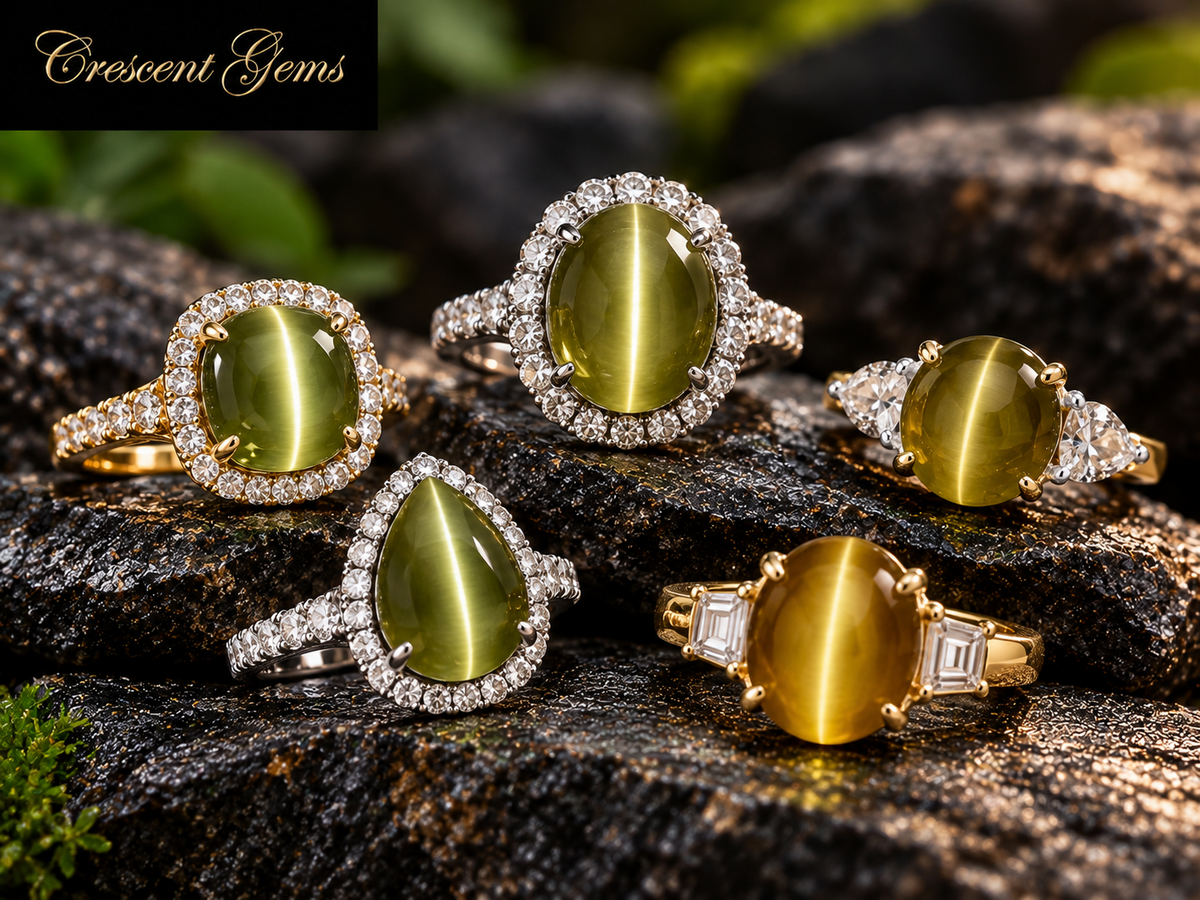
Chrysoberyll-Katzenauge im Verlobungsring: Eignet es sich?
Chrysoberyll hat Mohshärte 8,5 – über Quarz (7) und Smaragd (7,5–8), unter Korund (9) und Diamant (10). Was das für Alltag, Fassung und Pflege bedeutet.
Weiterlesenüber Chrysoberyll-Katzenauge im Verlobungsring: Eignet es sich?
Cat's Eye Chrysoberyl Price Guide — What They Cost and Why
Weiterlesenüber Cat's Eye Chrysoberyl Price Guide — What They Cost and Why















Teilen: