

- بقلم Ahmed Shareek
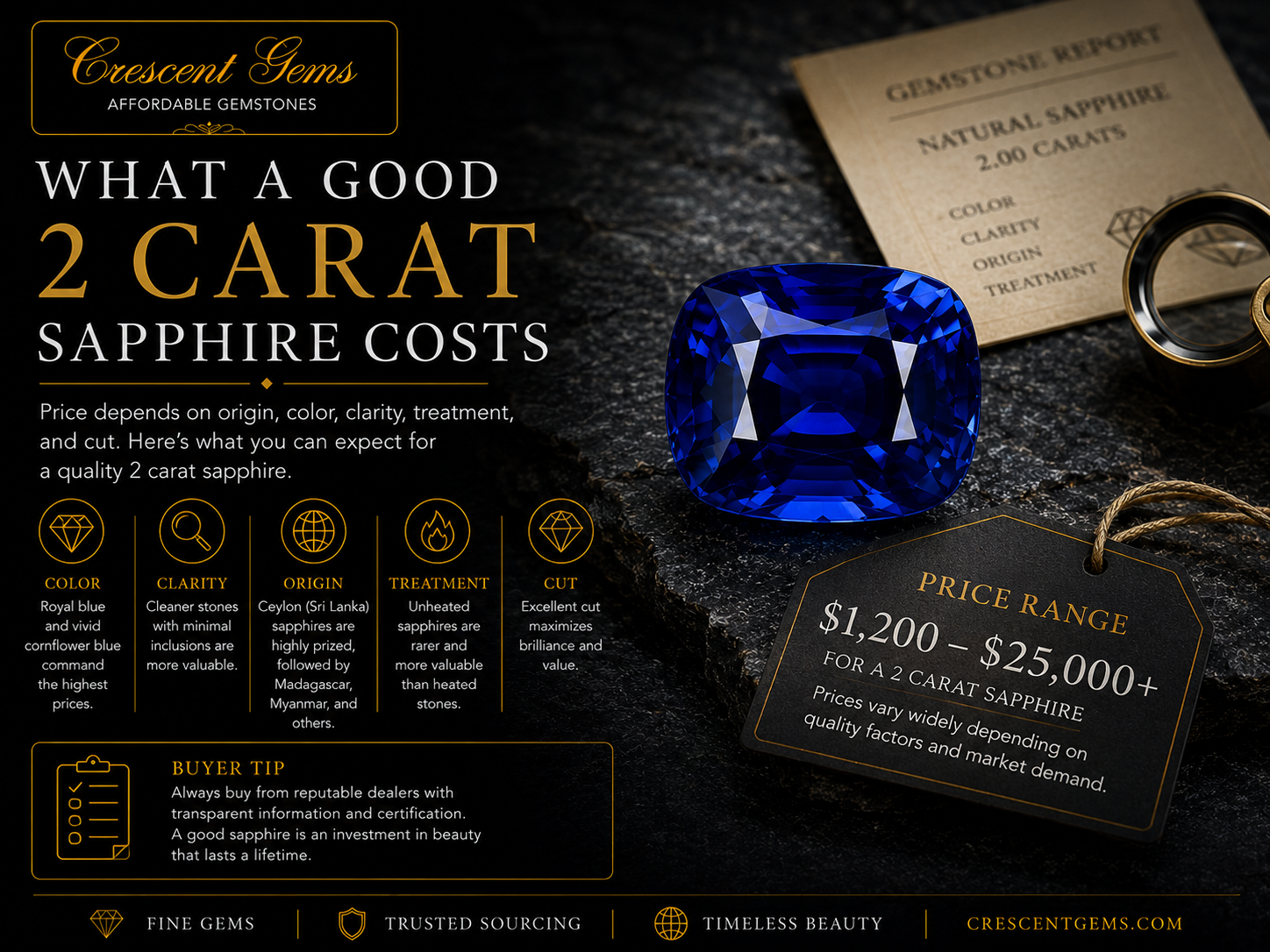
Cost of a 2 Carat Sapphire — Pricing, Scarcity, What Your Budget Buys
- بقلم Ahmed Shareek
We are a supplier from the source in Sri Lanka, so our gemstones reach you direct, without the intermediaries most sellers buy through.
cost of a 2 carat sapphire : What a Good 1 Carat Sapphire Costs. For the full 1 carat breakdown: 1 Carat Ceylon Sapphire Price Guide. For the buying foundation: Ultimate Sapphire Buying Guide.
A 2-carat sapphire is not simply twice the price of a 1-carat sapphire. It is significantly more expensive per carat — because fine-quality sapphire at 2 carats is proportionally rarer than at 1 carat, and the market prices scarcity. The same stone quality that costs $1,200 per carat at 1ct may cost $1,800–$4,000 per carat at 2ct, making the 2-carat stone three to five times the total price of the 1-carat equivalent.
Understanding why this is — and what "good quality" actually looks like and costs at 2 carats — is the purpose of this guide. We cover the per-carat price escalation, what drives it, realistic price ranges across colors in 2026, and the quality trade-offs that are most relevant when buying a sapphire at this size.
The mathematical explanation is simple: large crystals of any mineral form more rarely than small crystals. A 2-carat rough sapphire crystal of gem quality requires a larger, more chemically pure, and more structurally intact piece of corundum than a 1-carat equivalent. The geological conditions that produce such crystals are not twice as rare as those that produce 1-carat crystals — they are significantly more rare, and the commercial supply of fine-quality 2-carat sapphire reflects this.
Additionally, the cutting economics change at larger sizes: a lapidary cutting a 4-carat rough crystal for maximum weight recovery (a common practice for sapphire) produces very different results than one cutting for face-up optical performance. Fine-quality 2-carat sapphires that are both large and well-cut for face-up appeal are a smaller subset of the available rough than the total 2-carat supply suggests.
The practical implication: when comparing a 1-carat and 2-carat sapphire of equal apparent visual quality, always expect the 2-carat to carry a meaningful per-carat premium — typically 50–100% more per carat at good quality, and significantly more at fine to exceptional quality.
A well-cut 2-carat sapphire in common shapes measures approximately:
At these dimensions, a 2-carat sapphire is a genuinely large, visually commanding ring stone — significantly more prominent than a 1-carat stone on most hands and capable of standing as a ring centerpiece with real presence. In vivid blue, teal, or pink, a 2-carat center stone in a solitaire setting makes an unmistakable statement. See our sapphire size guide for the full size framework.
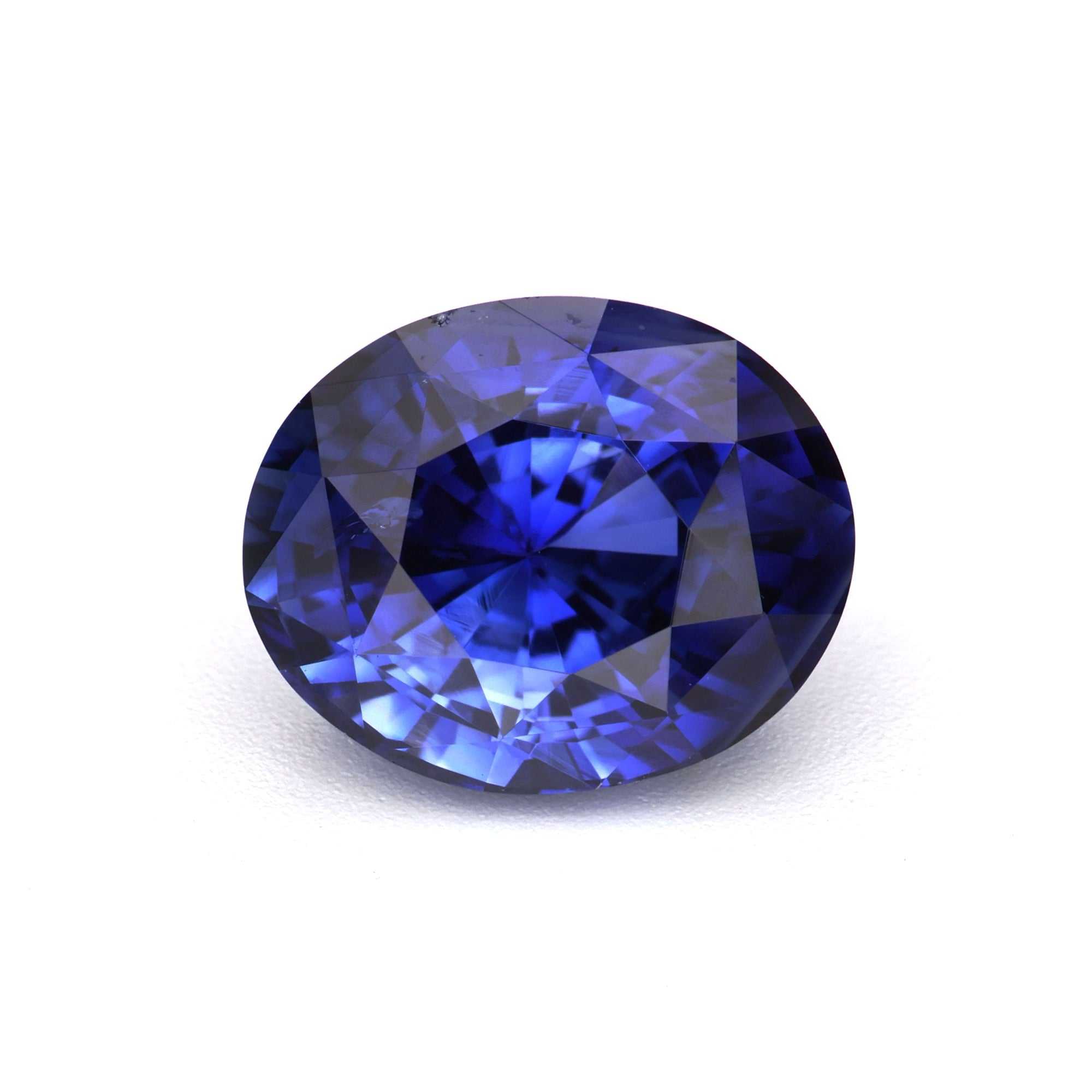
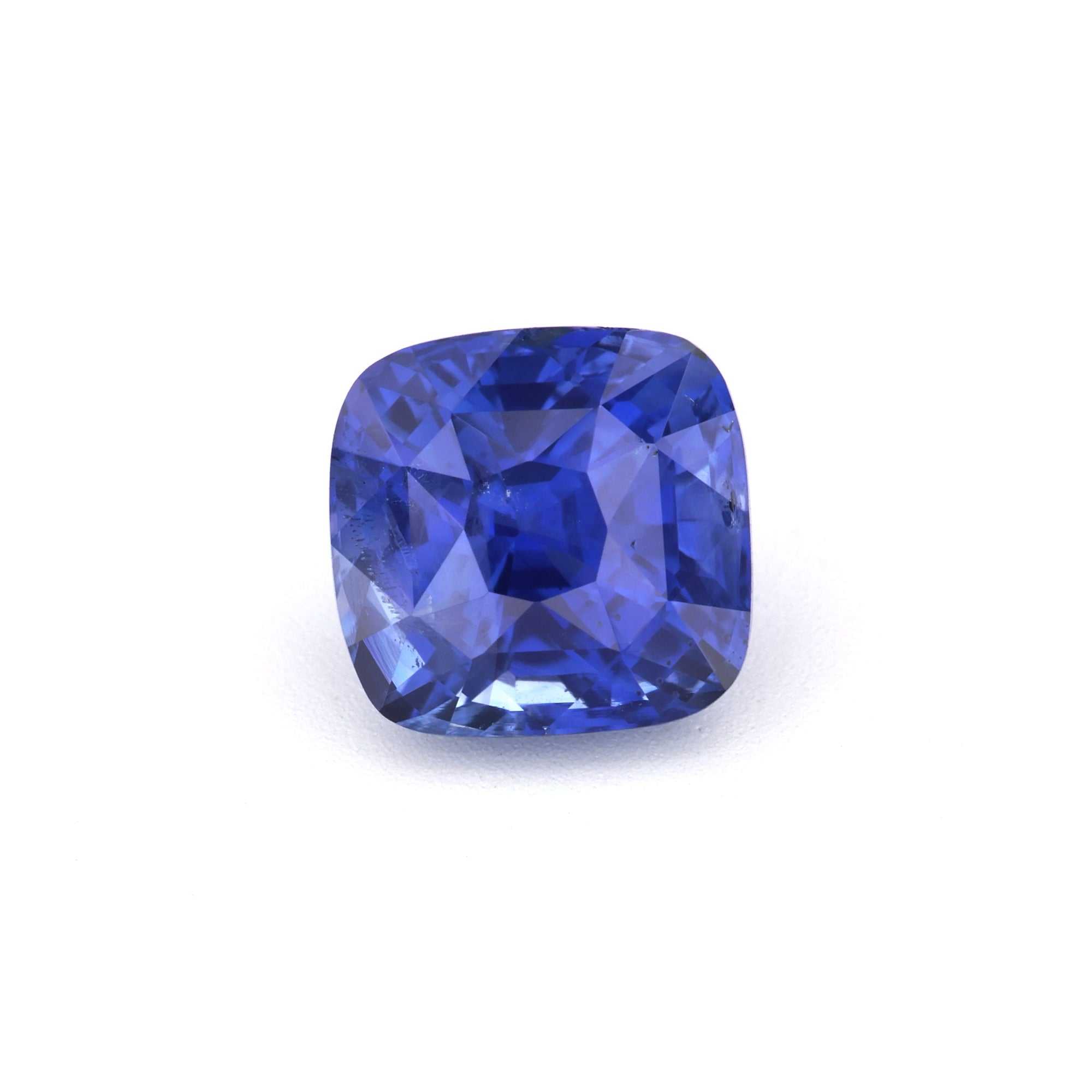
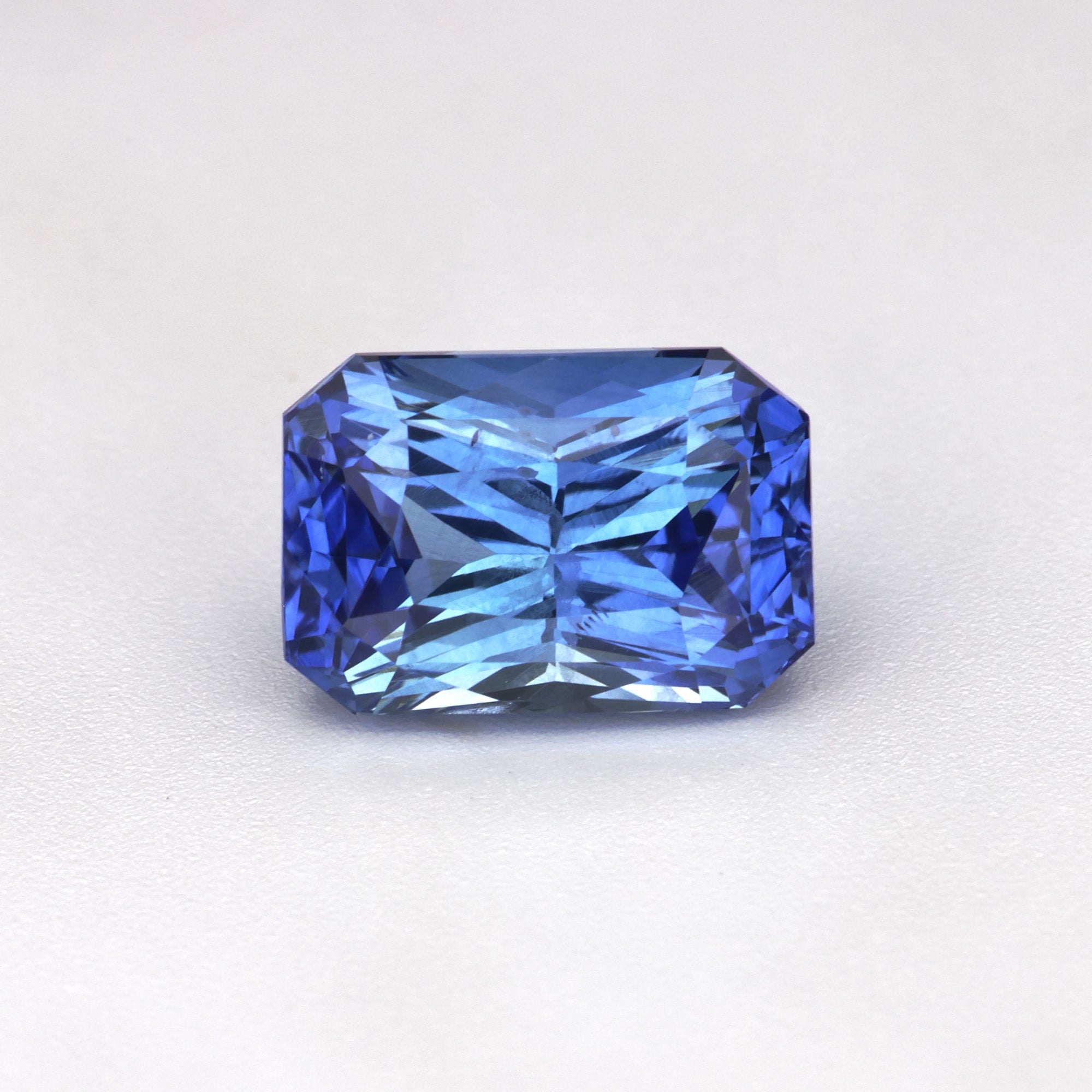
A genuinely good 2-carat blue Ceylon sapphire — vivid, eye-clean, well-cut, heated — costs $1,500–$2,900 per carat ($2,985–$7,500 total) based on current listed prices in our collection. The per-carat premium at 2ct versus 1ct for heated blue is approximately 40–80% — significant but not extreme. At this size, color quality becomes more important than at 1ct because the larger stone face makes saturation differences more visible. A pale or greyish 2-carat blue that looked merely modest at 1ct looks underwhelming at 2ct. Invest in saturation over size.
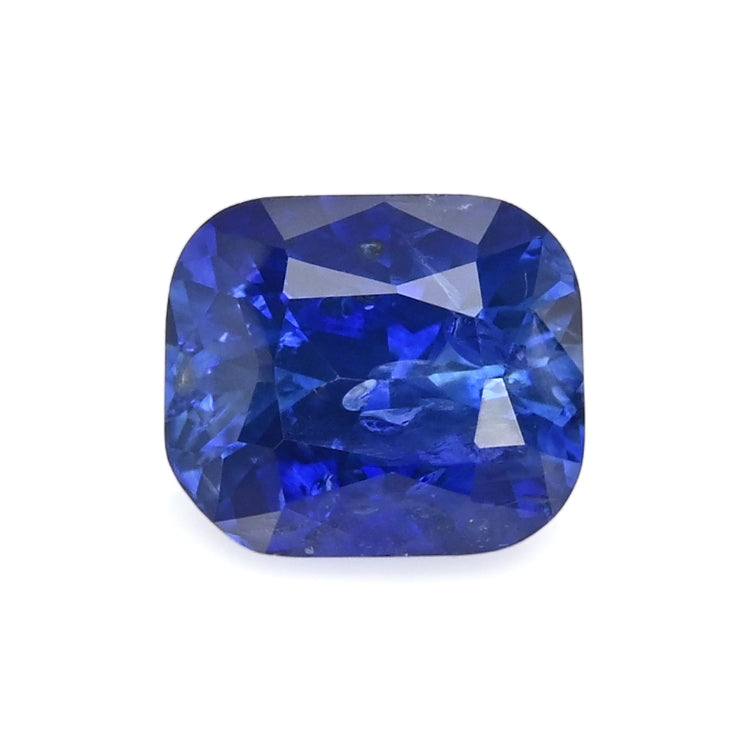
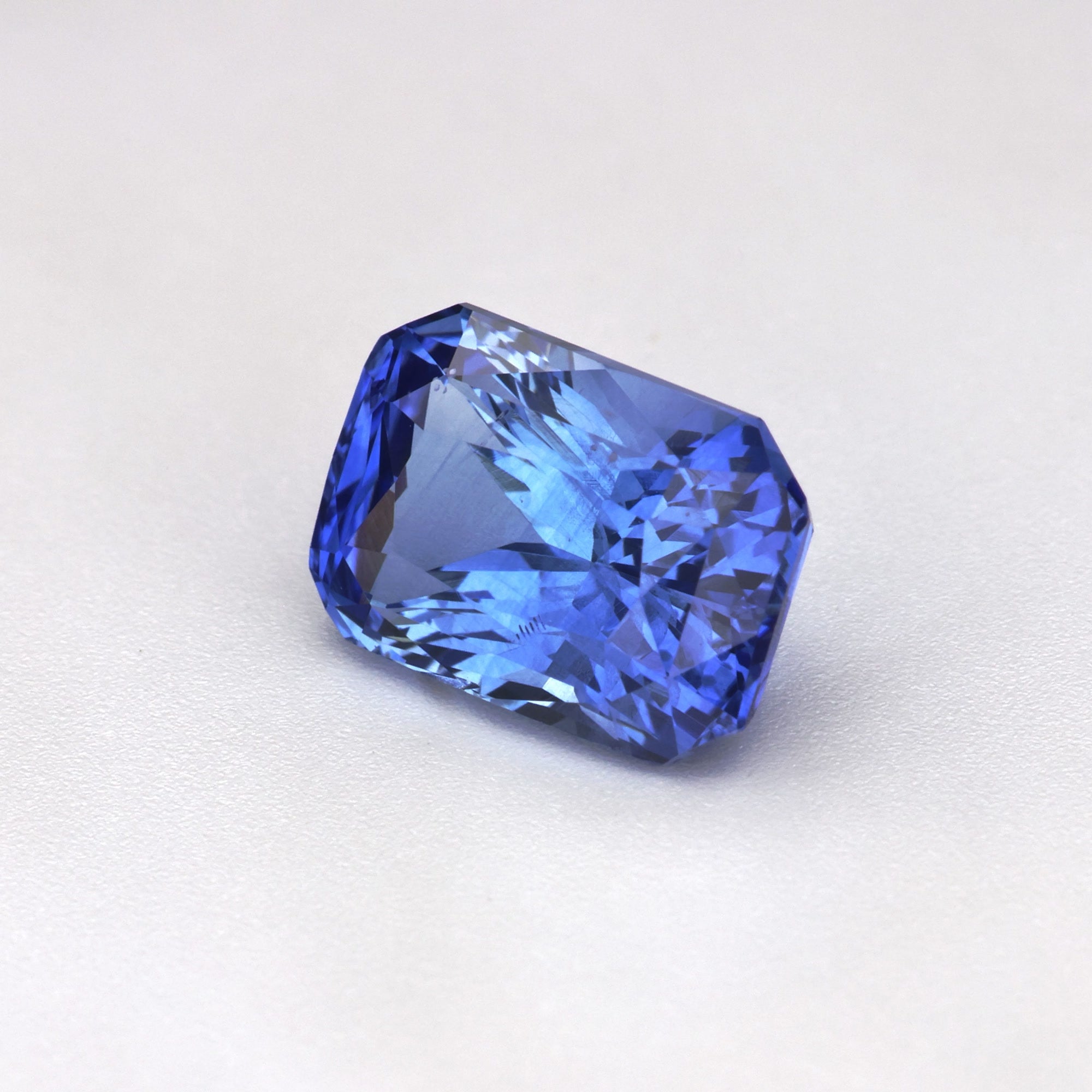
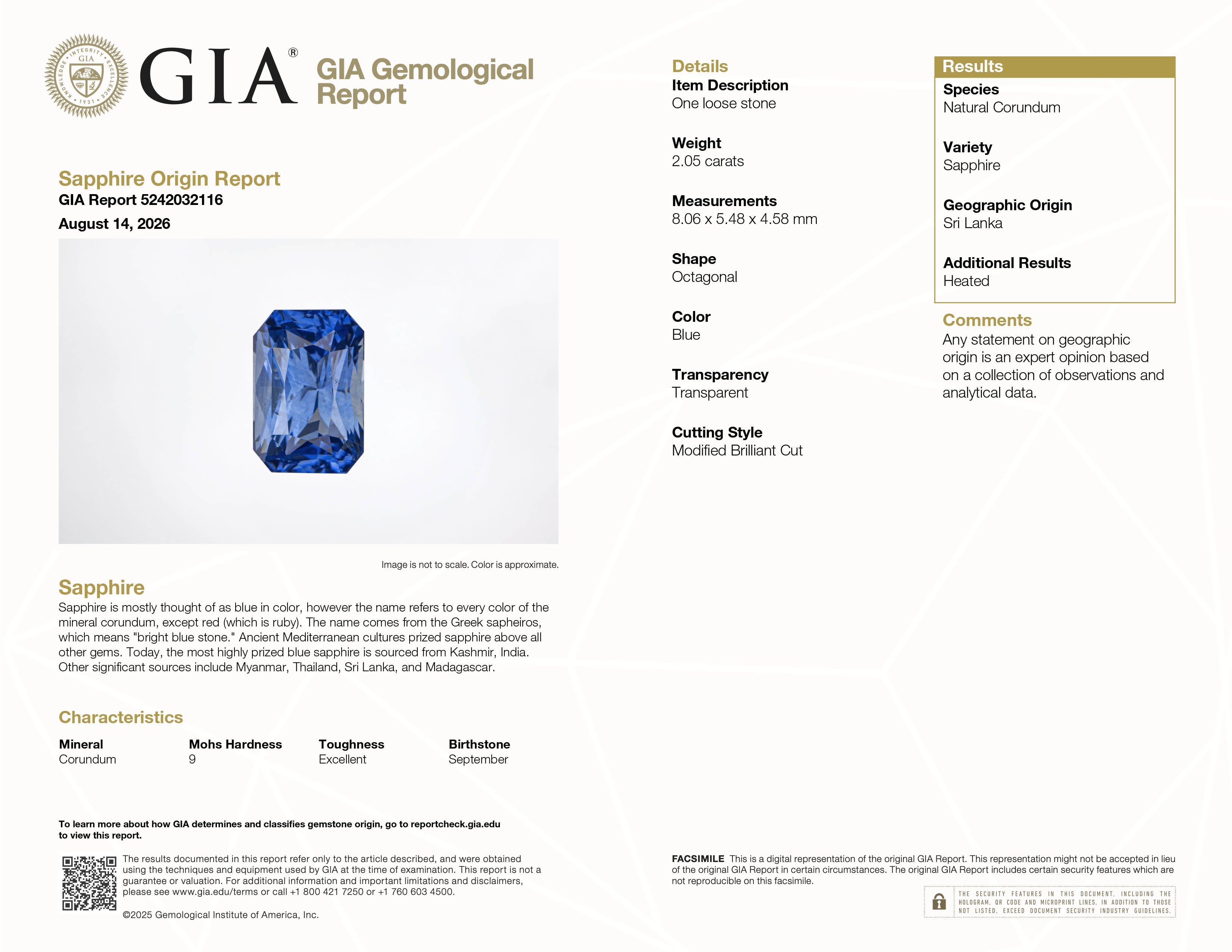
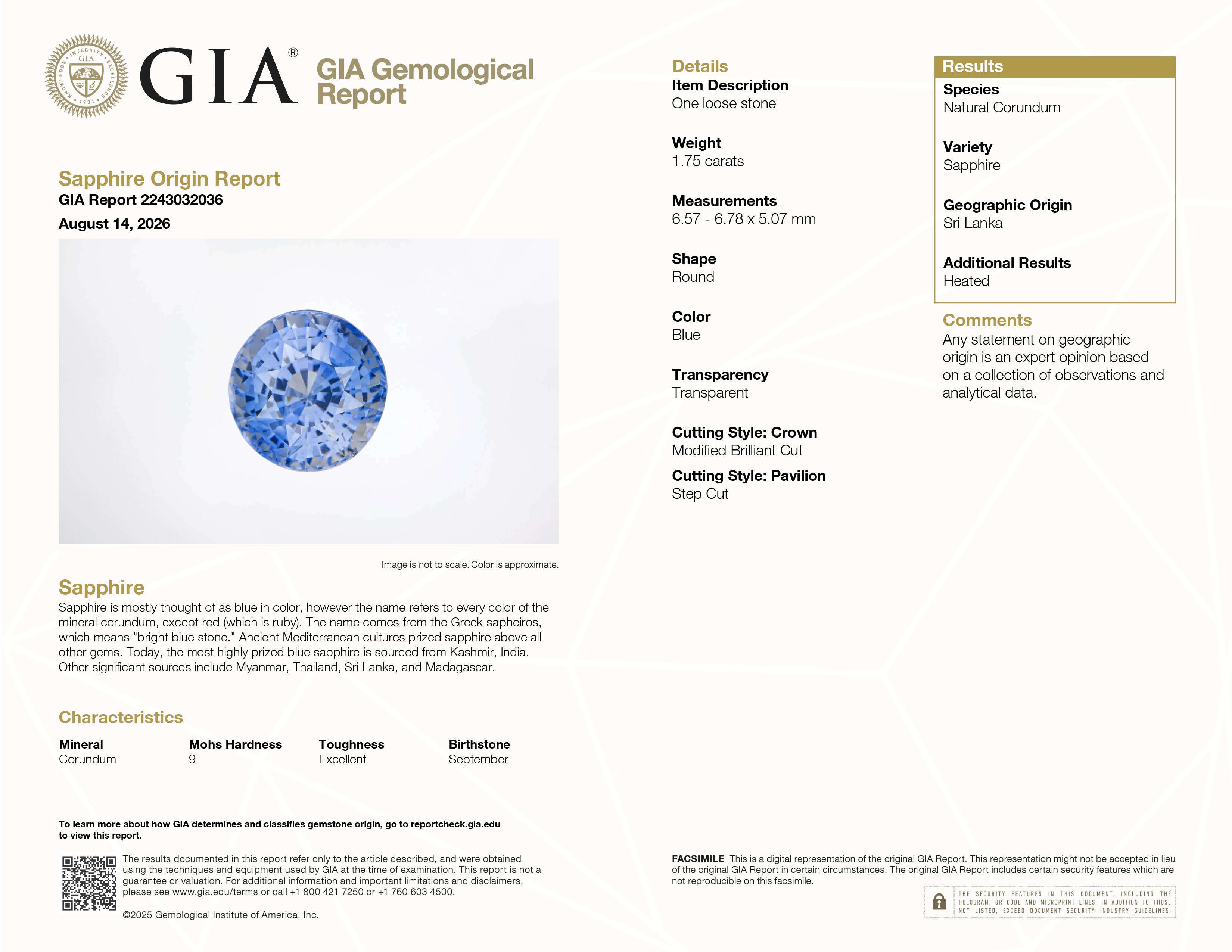
Example from our collection: a 1.99 ct GIA-documented heated blue Ceylon sapphire, cushion cut — $2,985. View this stone. Also in stock: a 2.48 ct GIA-documented heated blue sapphire for $6,944 (view). Browse our blue sapphire collection.
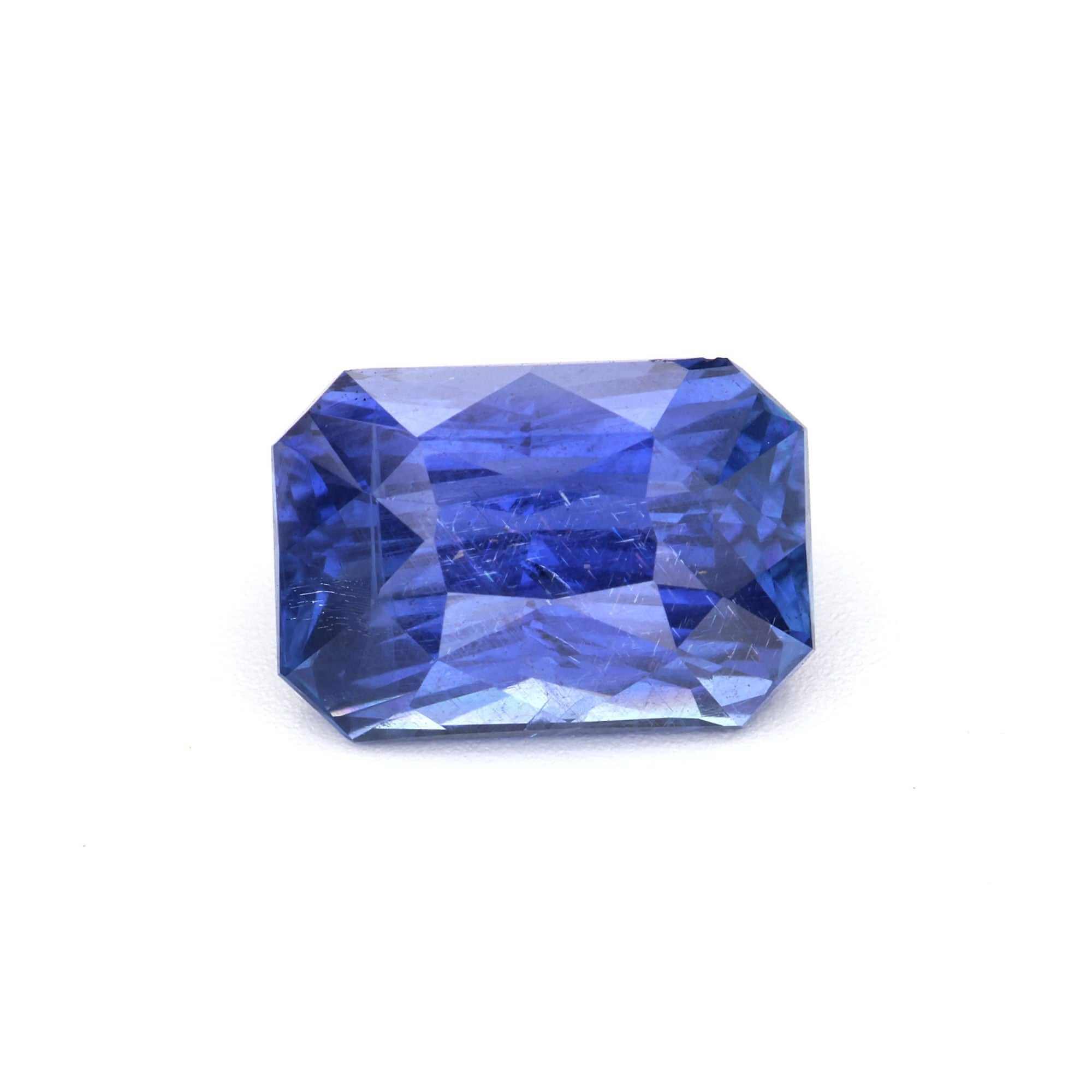
A 2-carat unheated blue Ceylon sapphire with GIA confirmation at good-to-fine quality costs $3,300–$4,100 per carat ($6,800–$8,200 total) based on current listed prices in our collection. Fine 2-carat unheated blue is genuinely rare material — the combination of fine color, 2ct+ weight, and confirmed unheated status puts these stones in a rarefied category. Budget accordingly, or consider whether fine unheated blue at 1.5ct or excellent heated blue at 2ct serves your priorities better.
Example from our collection: a 2.008 ct GIA-documented unheated blue Ceylon sapphire, radiant cut — $6,800. View this stone. Also in stock: a 2.04 ct GIA-documented unheated blue sapphire, square cushion cut, for $8,160 (view).
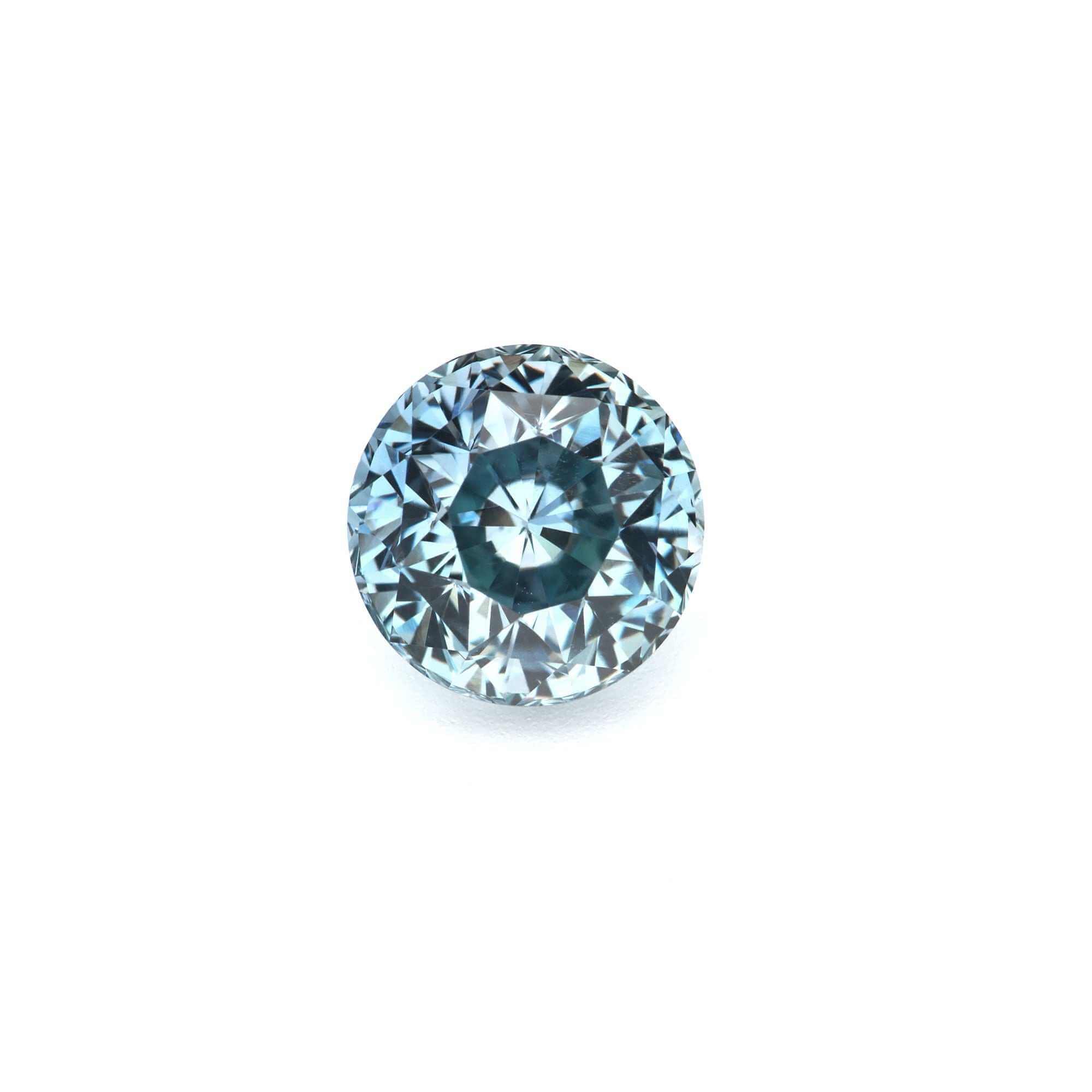
A genuinely good 2-carat teal sapphire — vivid blue-green, eye-clean, well-cut, naturally unheated — costs $1,300–$1,700 per carat ($2,900–$3,600 total) based on current listed prices in our collection. This is where teal sapphire's value proposition becomes most compelling: a 2-carat vivid, naturally unheated teal for roughly $2,900–$3,600 total versus a 2-carat good heated blue for roughly $2,985–$7,500 total, or a 2-carat unheated blue for roughly $6,800–$8,200 total. For buyers who want a genuinely large, vivid, naturally unheated center stone at meaningful size, 2-carat teal is one of the best stone values in the market.
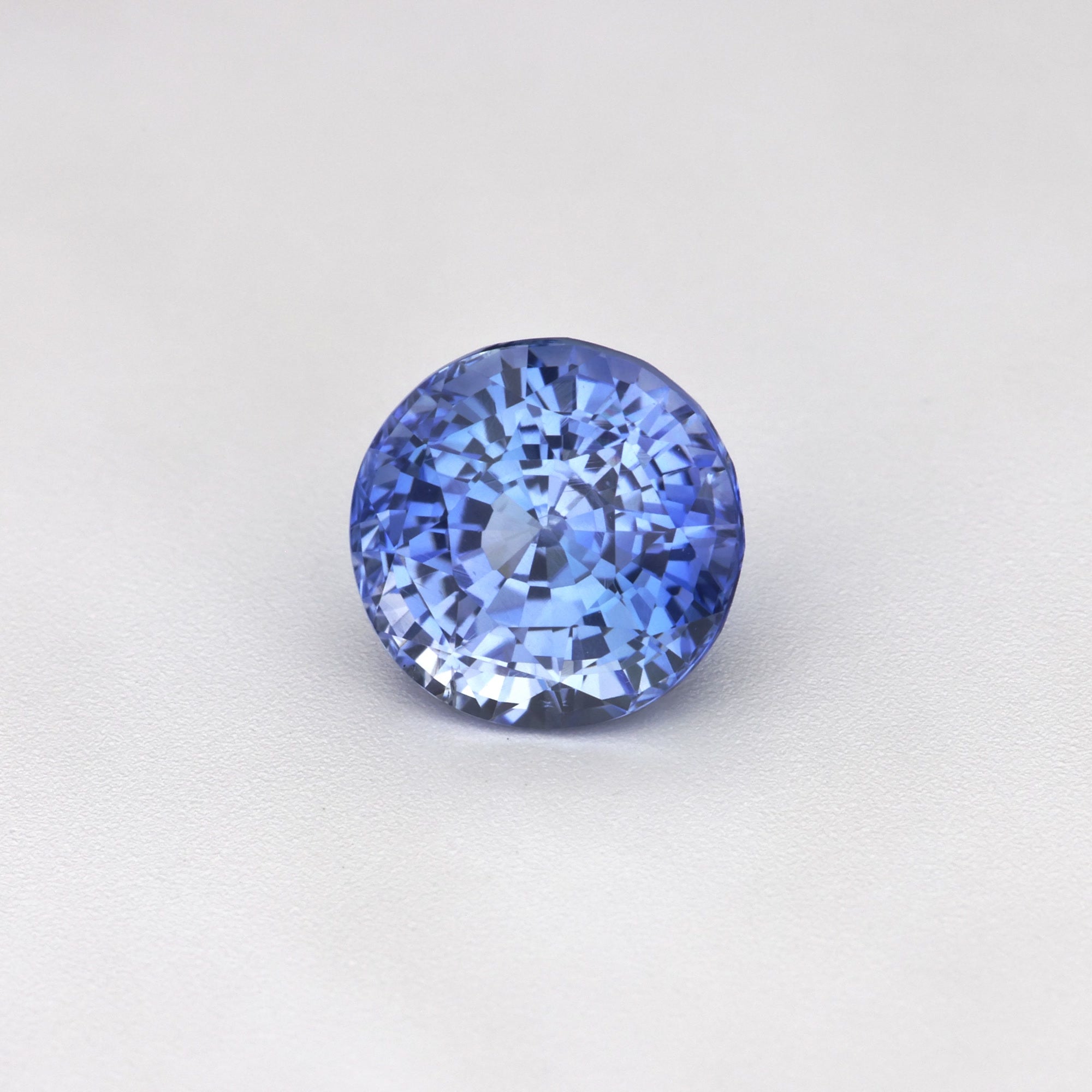
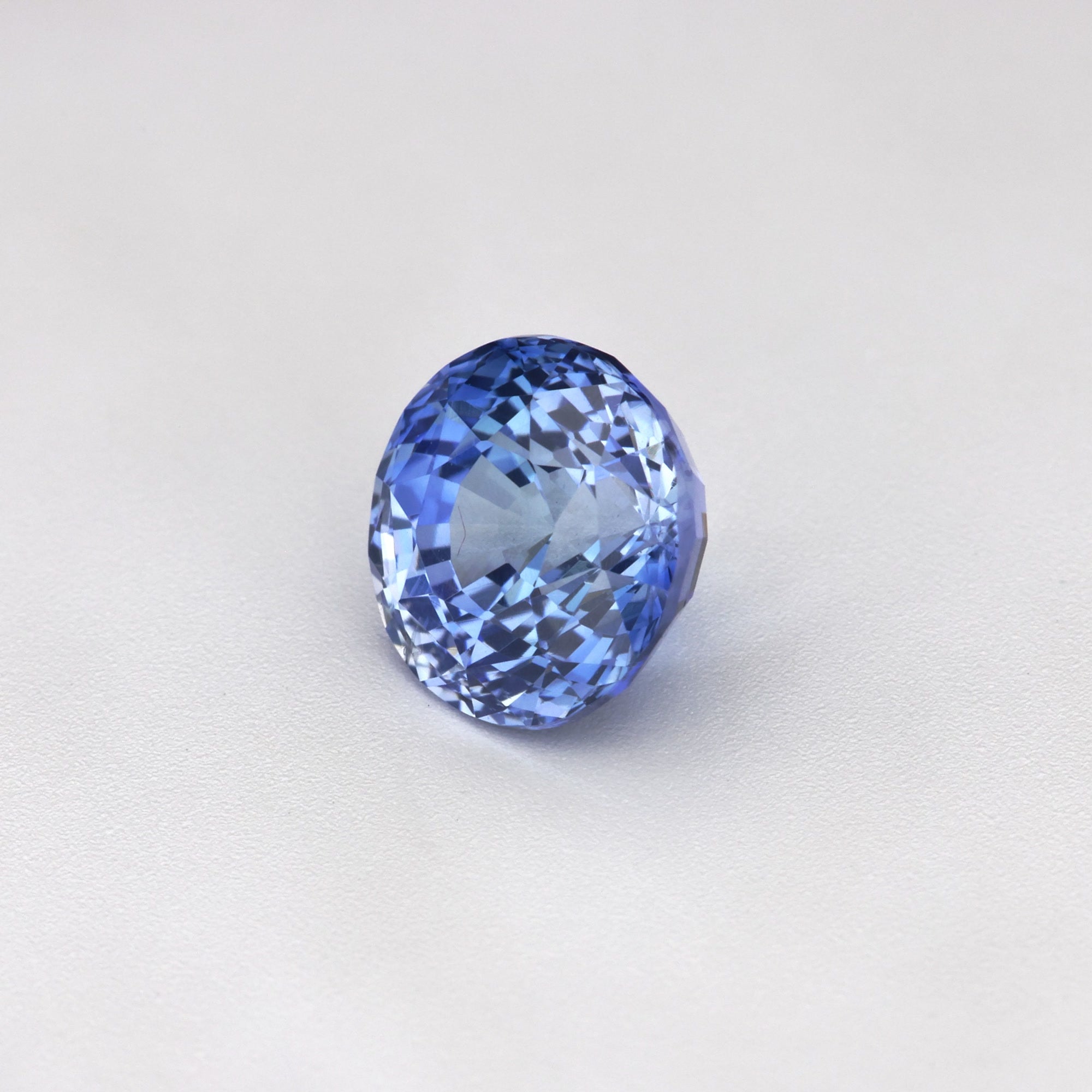
Example from our collection: a 2.08 ct GIA-documented unheated teal sapphire from Madagascar, round cut — $2,912. View this stone. Browse our teal sapphire collection.
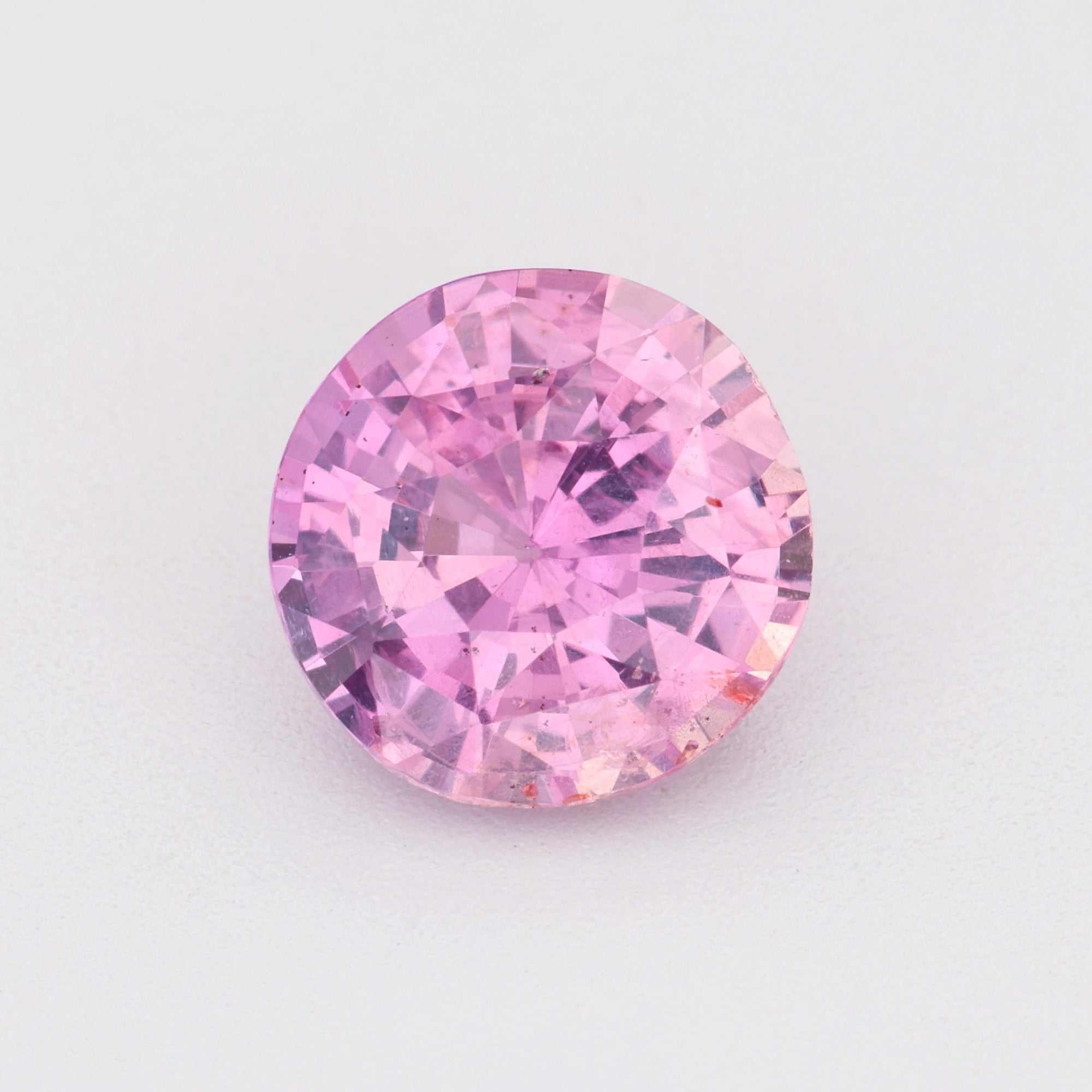
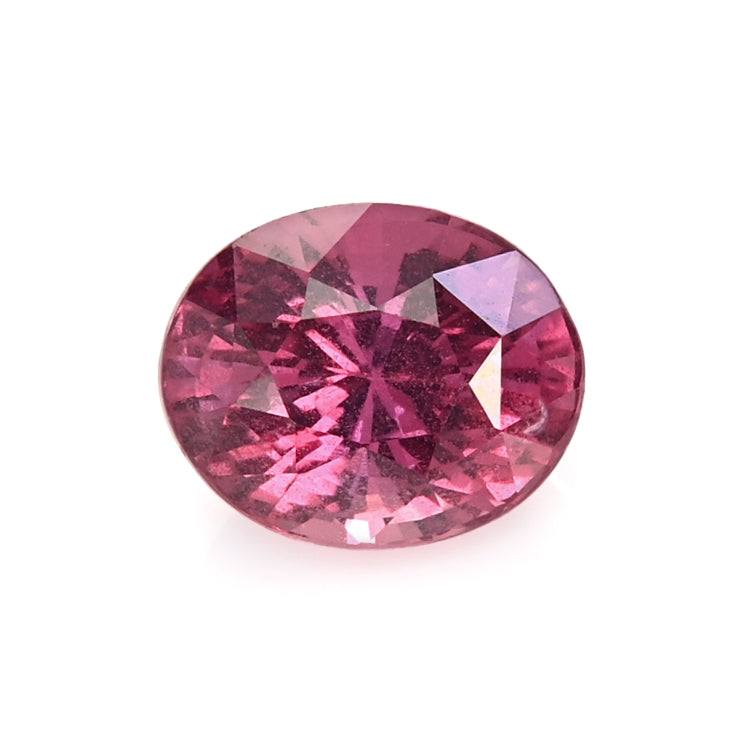
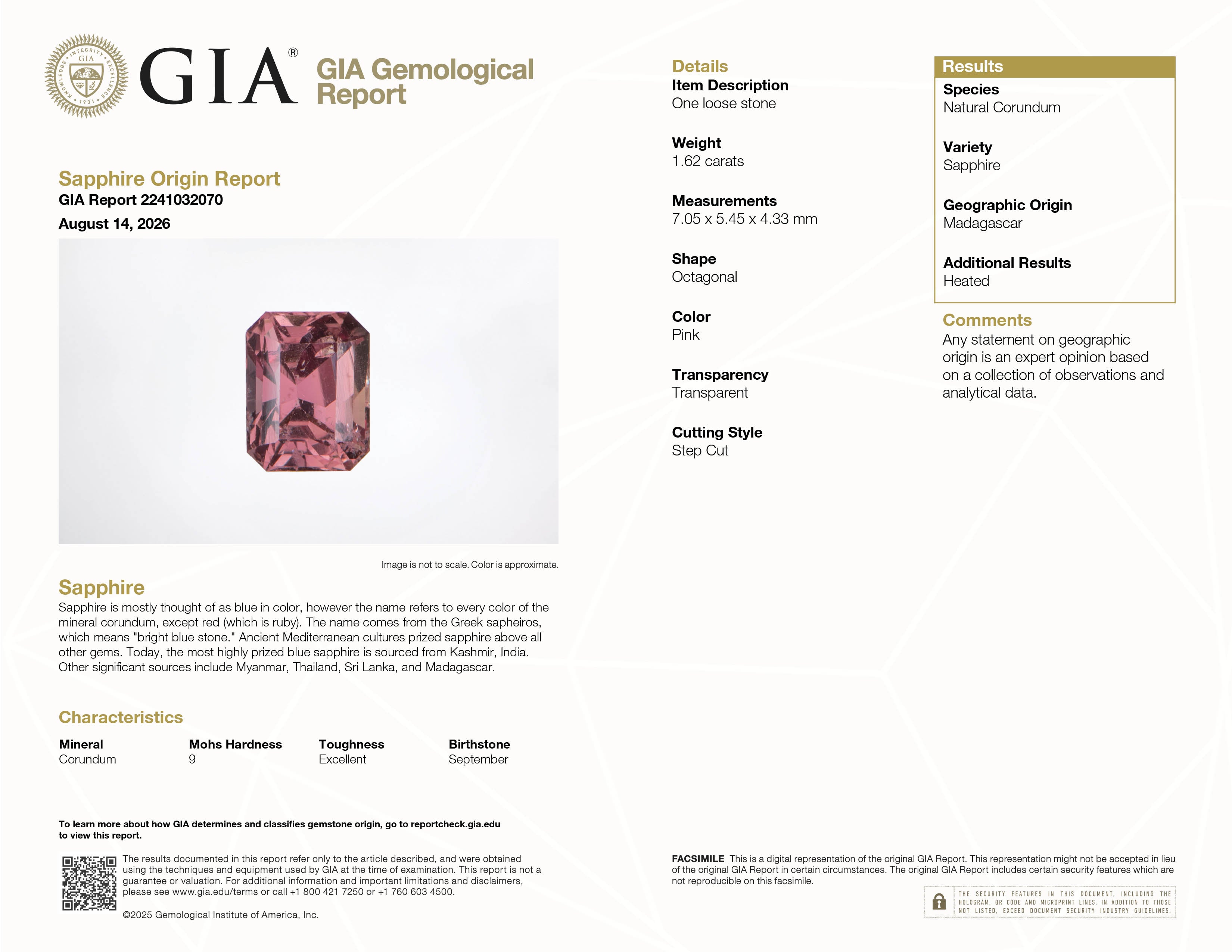
A genuinely good 2-carat pink sapphire — vivid, eye-clean, well-cut — runs $2,000–$2,600 per carat ($4,300–$5,500 total) based on current listed prices in our collection. Fine vivid unheated pink at true 2ct+ is genuinely scarce: our largest unheated pink in stock right now is a 1.14 ct GIA stone at $2,875 ($2,522 per carat). A comparable heated 2.20 ct GIA pink sapphire from Madagascar is available now at 2ct+ size. At this size and color, pink sapphire competes directly with blue in terms of visual presence and market demand.
Example from our collection: a 2.20 ct GIA-documented heated pink sapphire from Madagascar, oval cut — $5,500. View this stone. For unheated pink, see our 1.14 ct GIA-documented stone at $2,875 (view). Browse our pink sapphire collection.
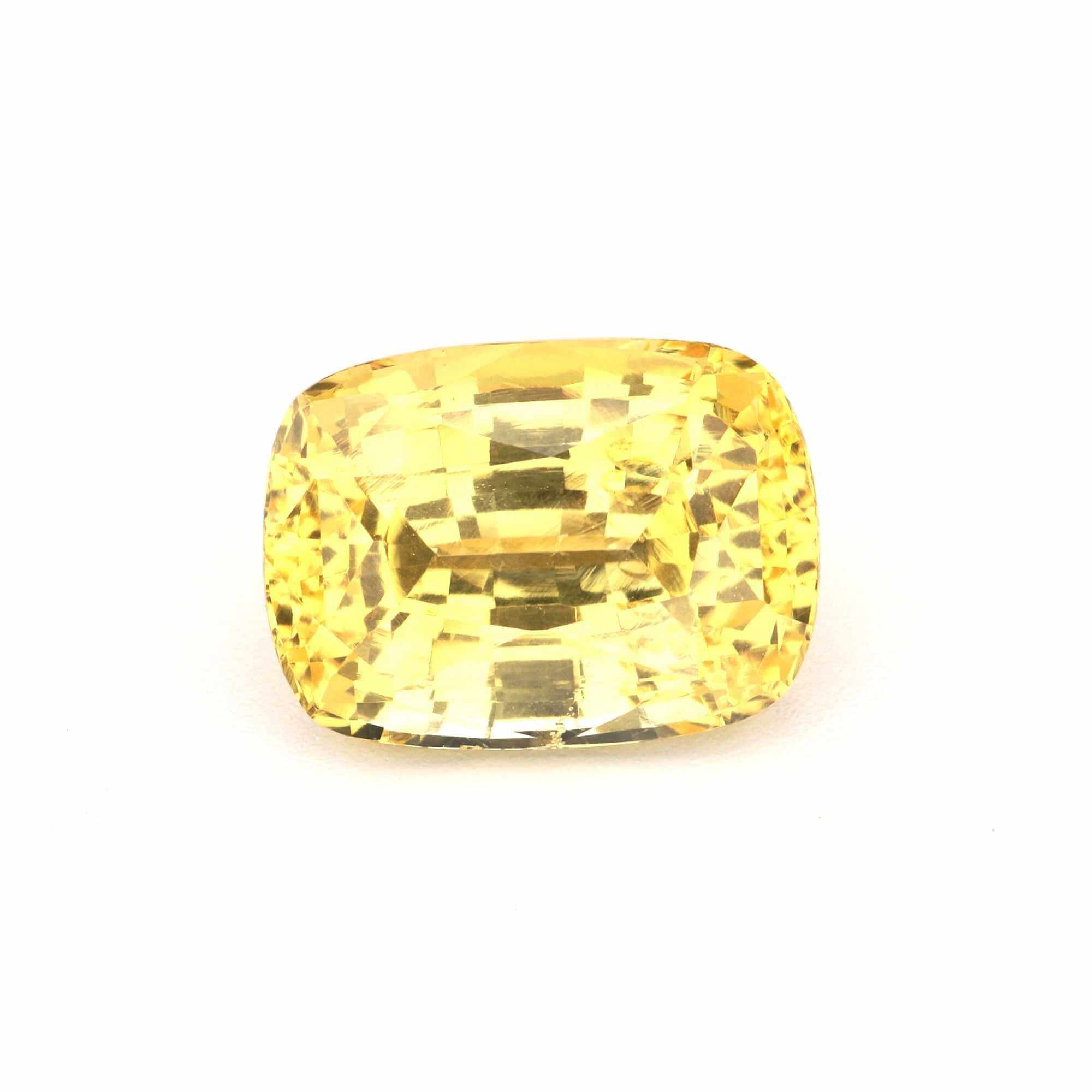
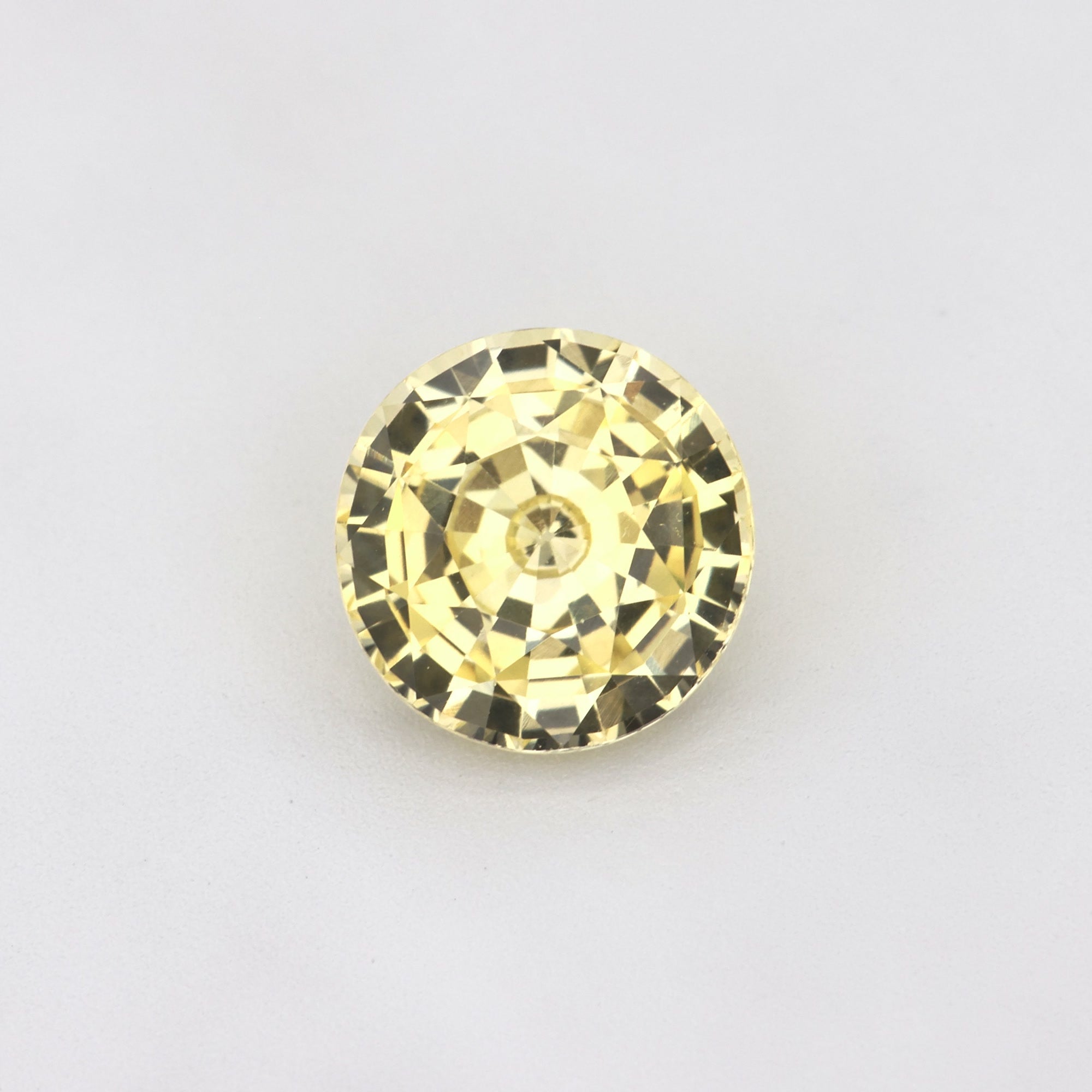
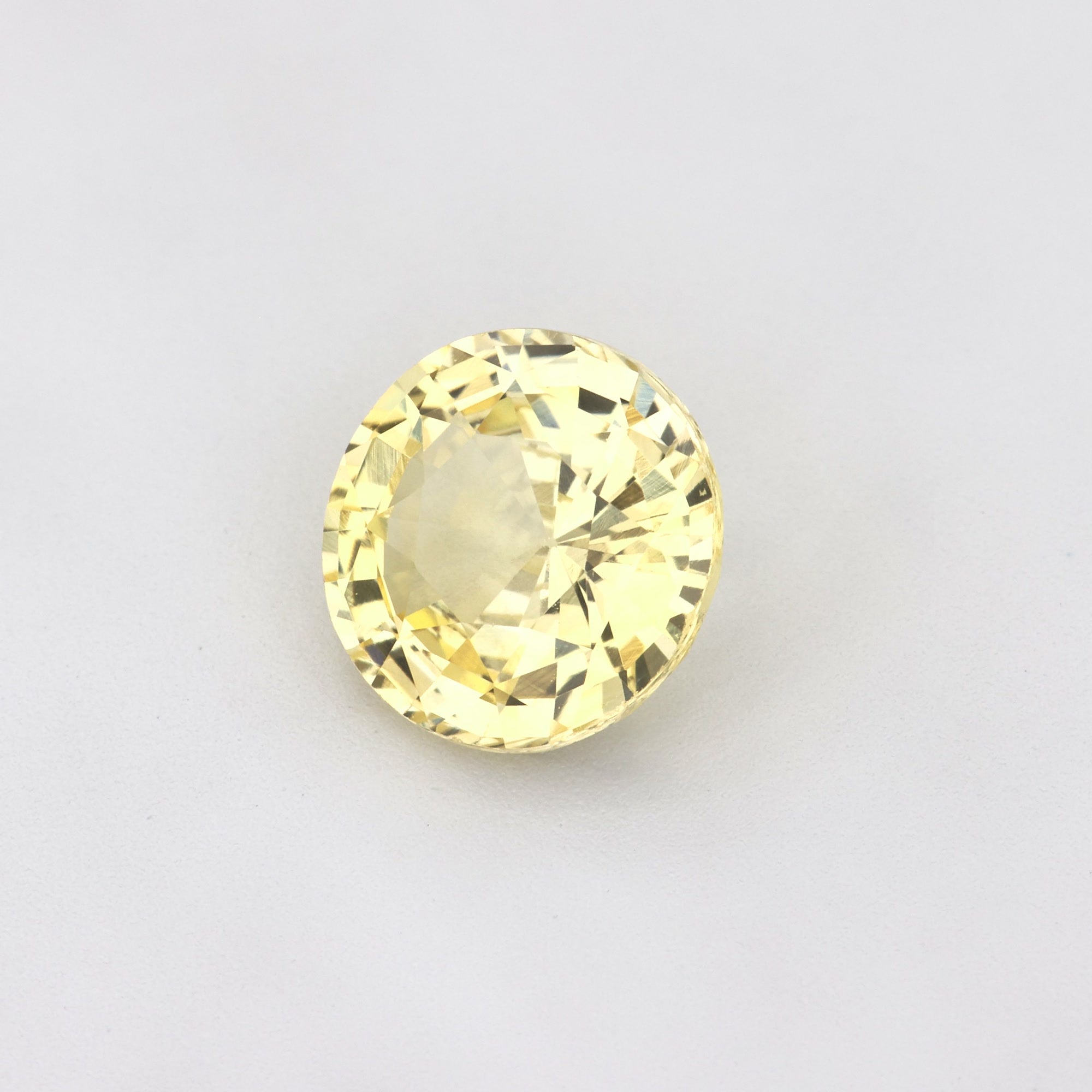
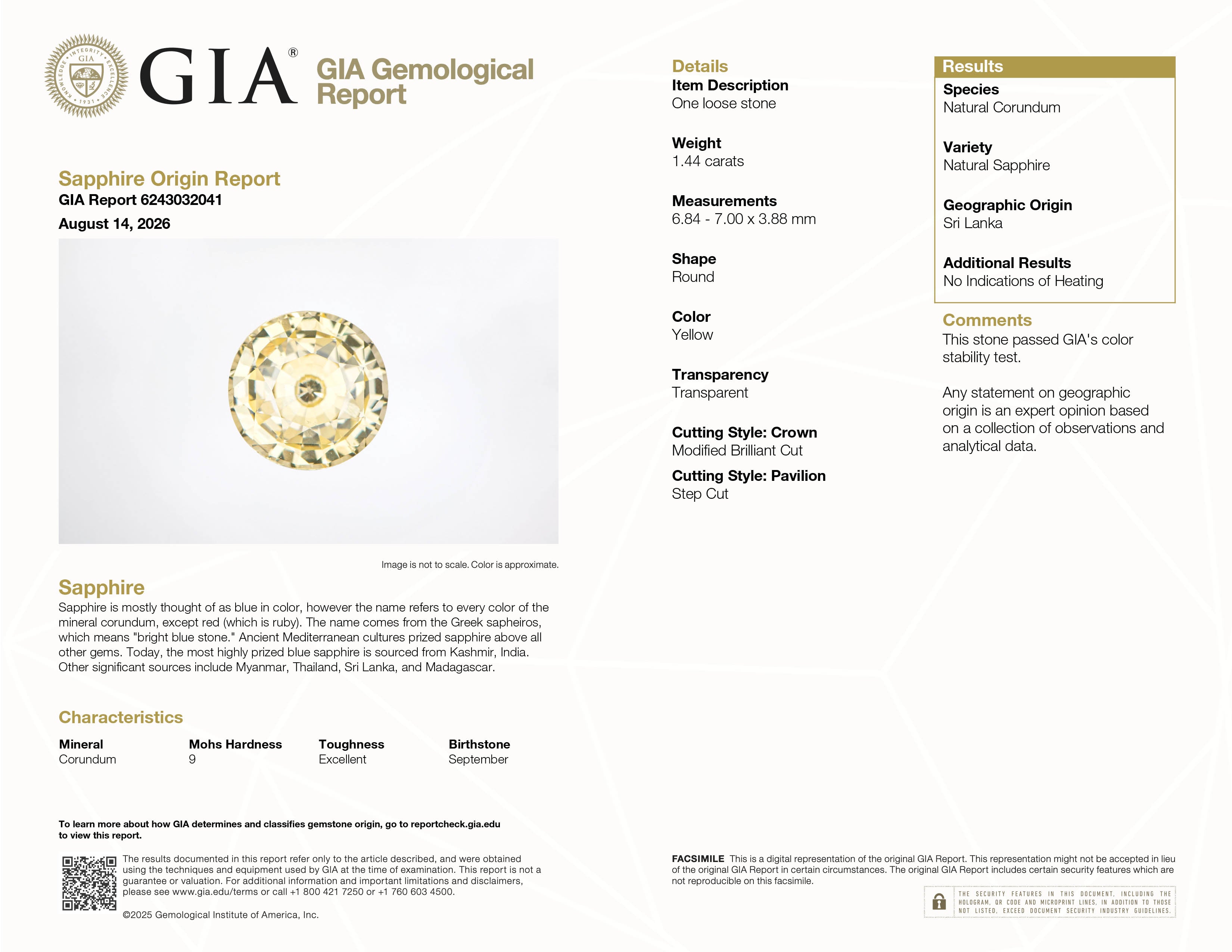
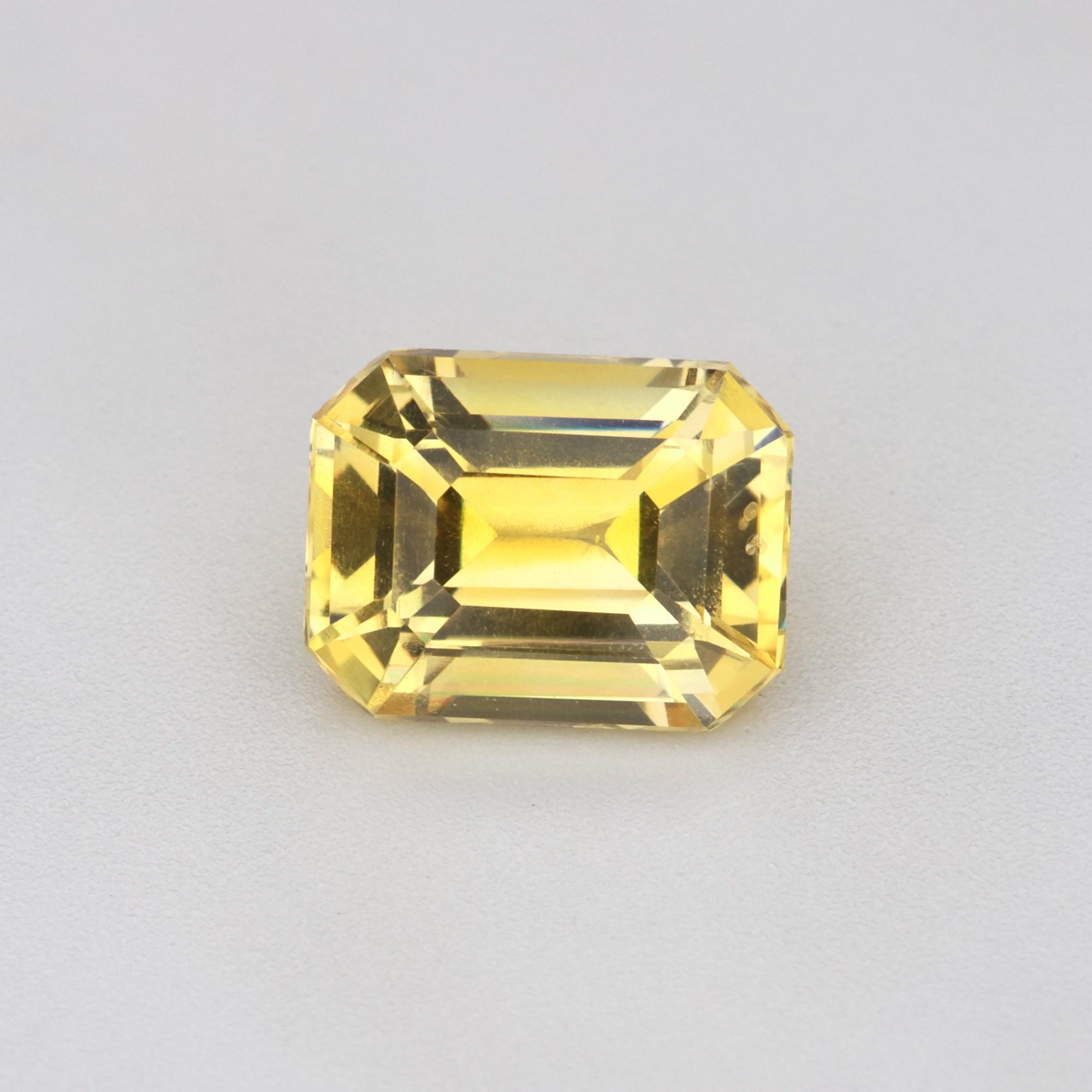
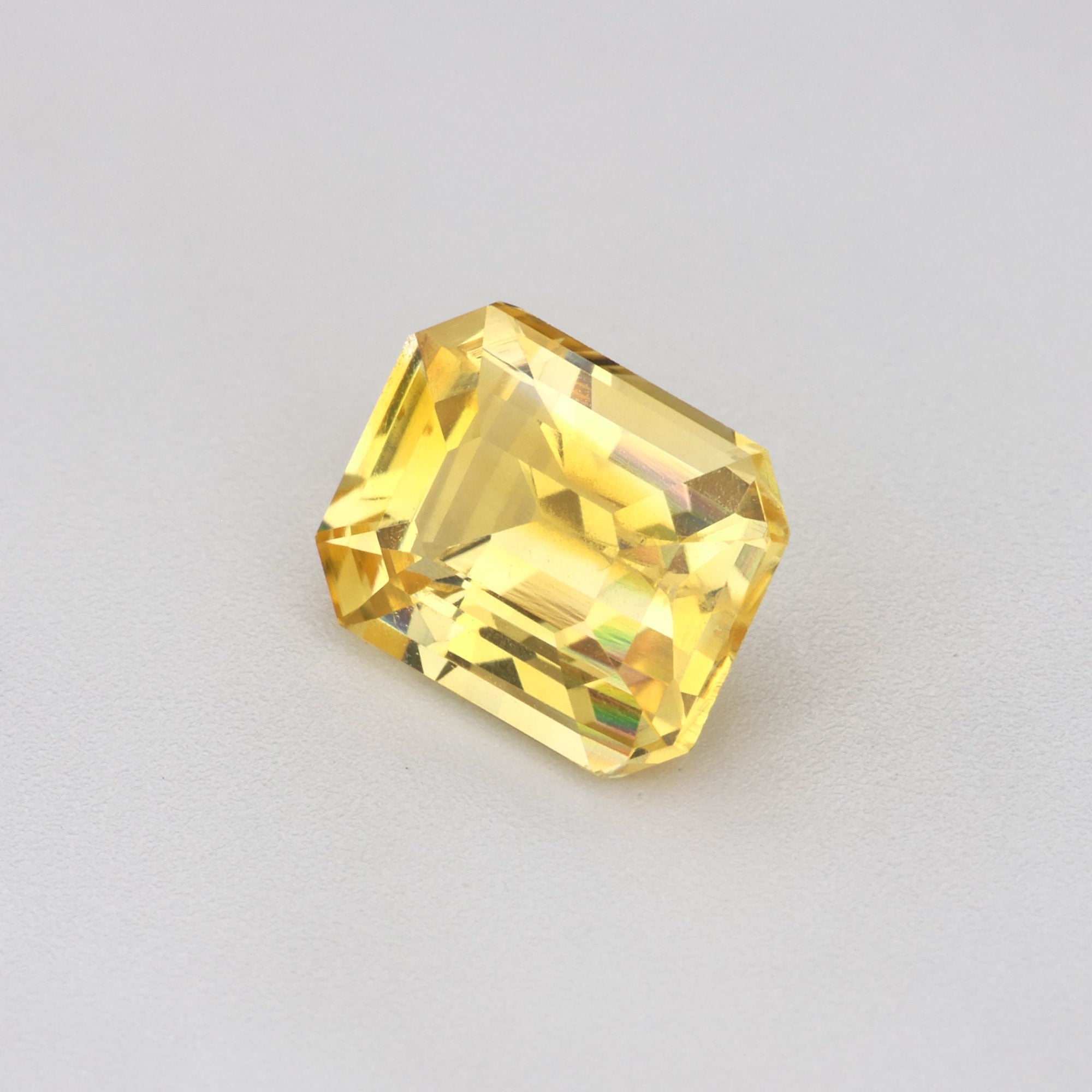
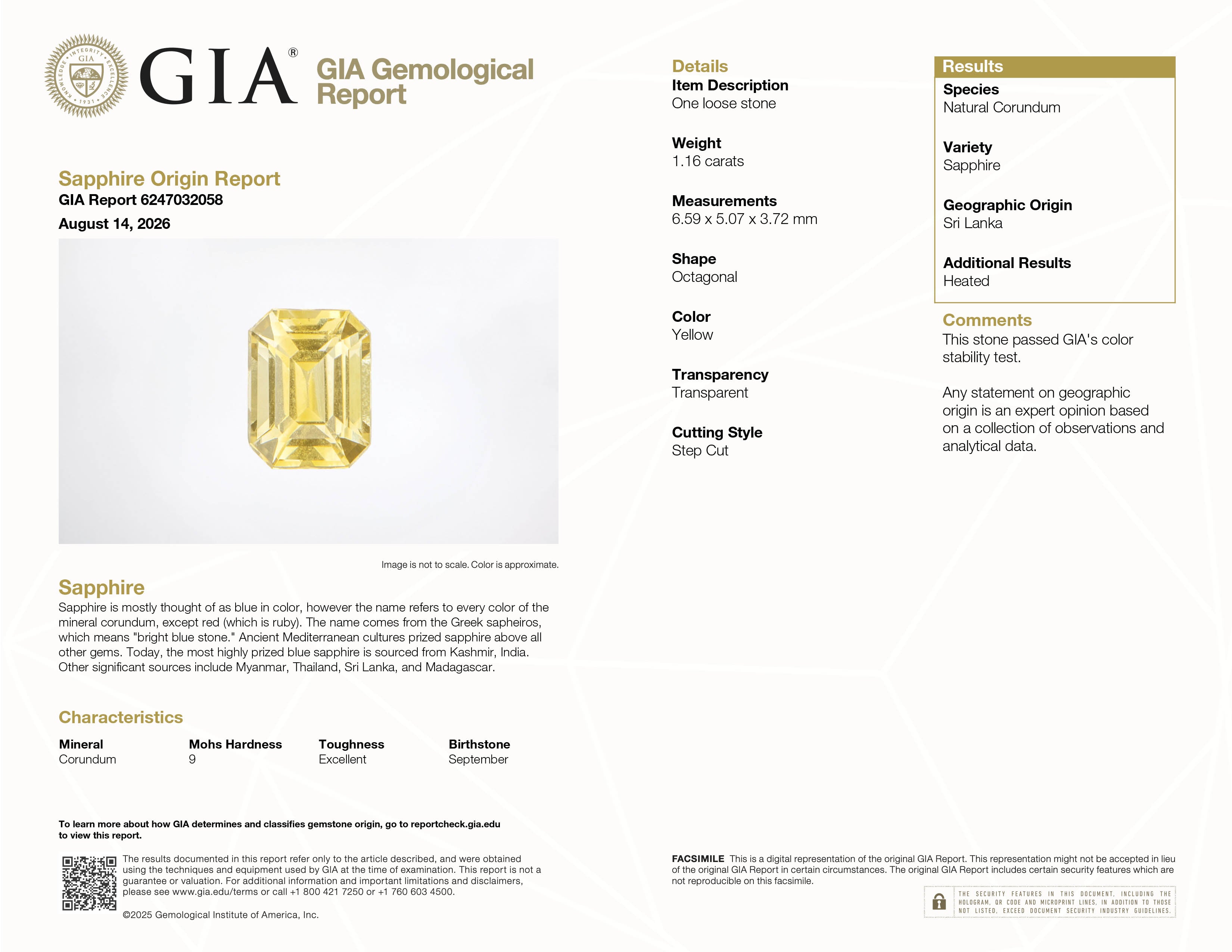
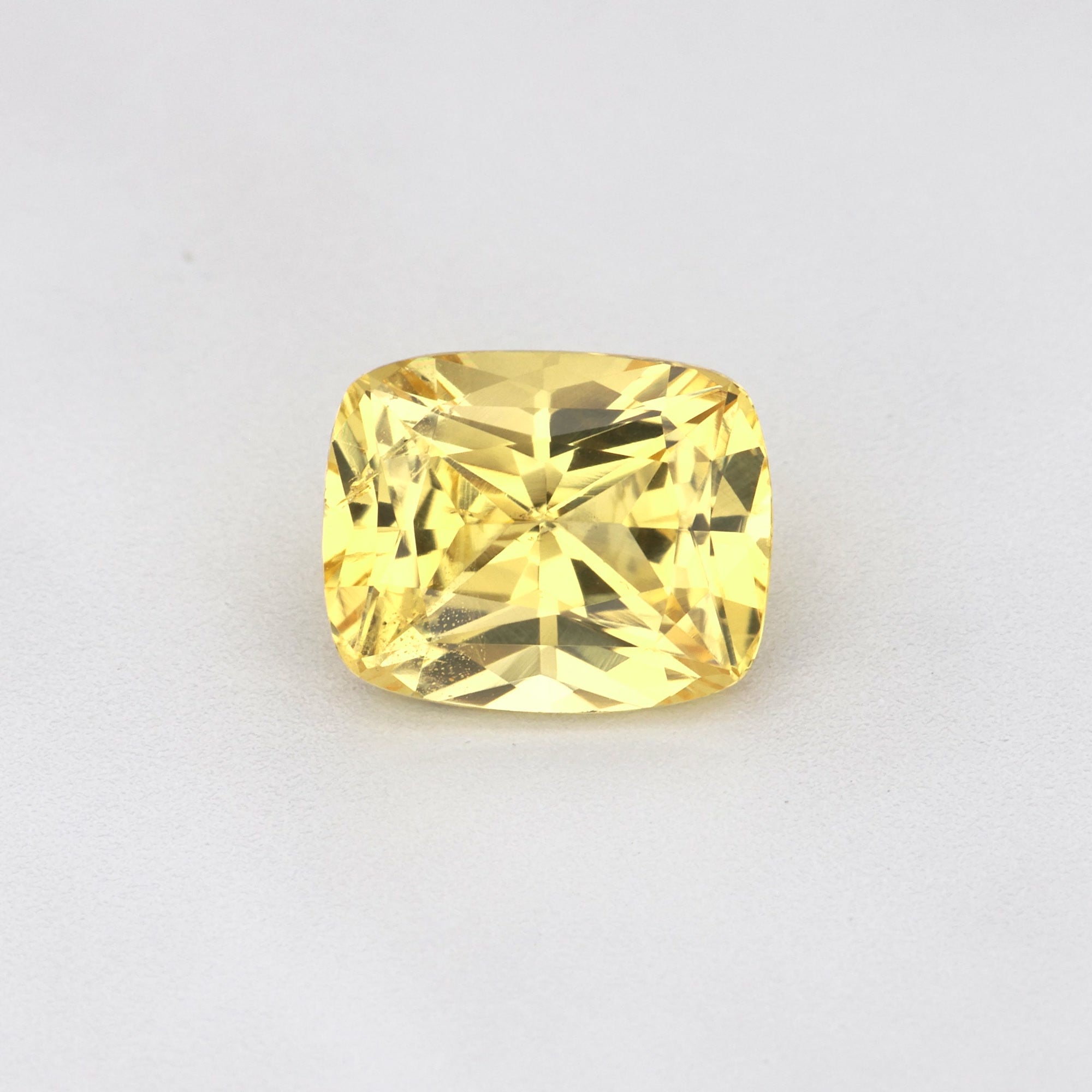
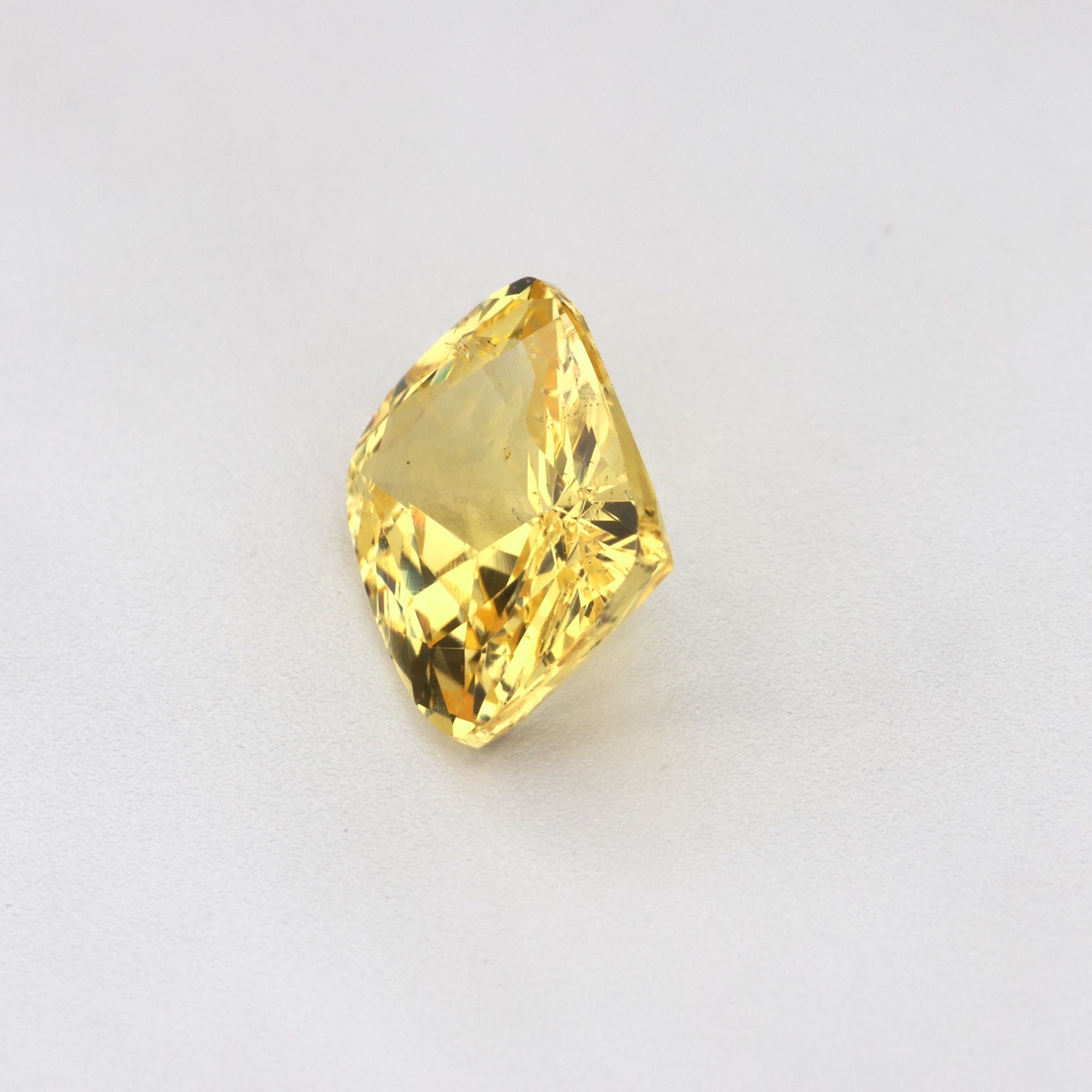
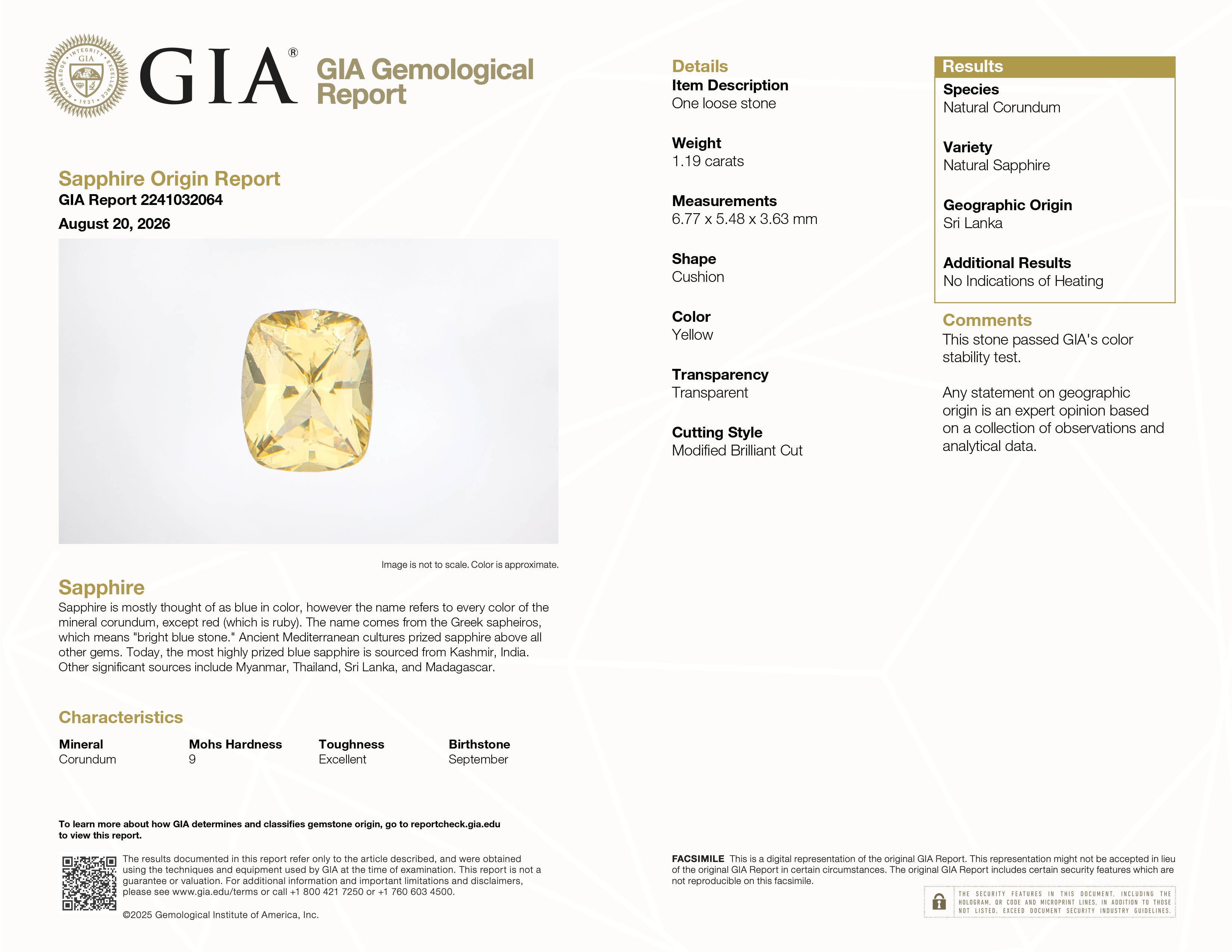
A genuinely good 2-carat yellow Ceylon sapphire — vivid, eye-clean, well-cut, unheated — costs $1,100–$1,400 per carat ($2,400–$3,000 total) based on current listed prices in our collection. Yellow sapphire remains one of the best size-for-money values at 2ct: vivid canary yellow at this size is visually striking in yellow gold and represents a fraction of the cost of equivalent blue or padparadscha at the same carat weight.
Example from our collection: a 2.175 ct GIA-documented unheated yellow Ceylon sapphire, cushion cut — $2,640. View this stone. Browse our yellow sapphire collection.
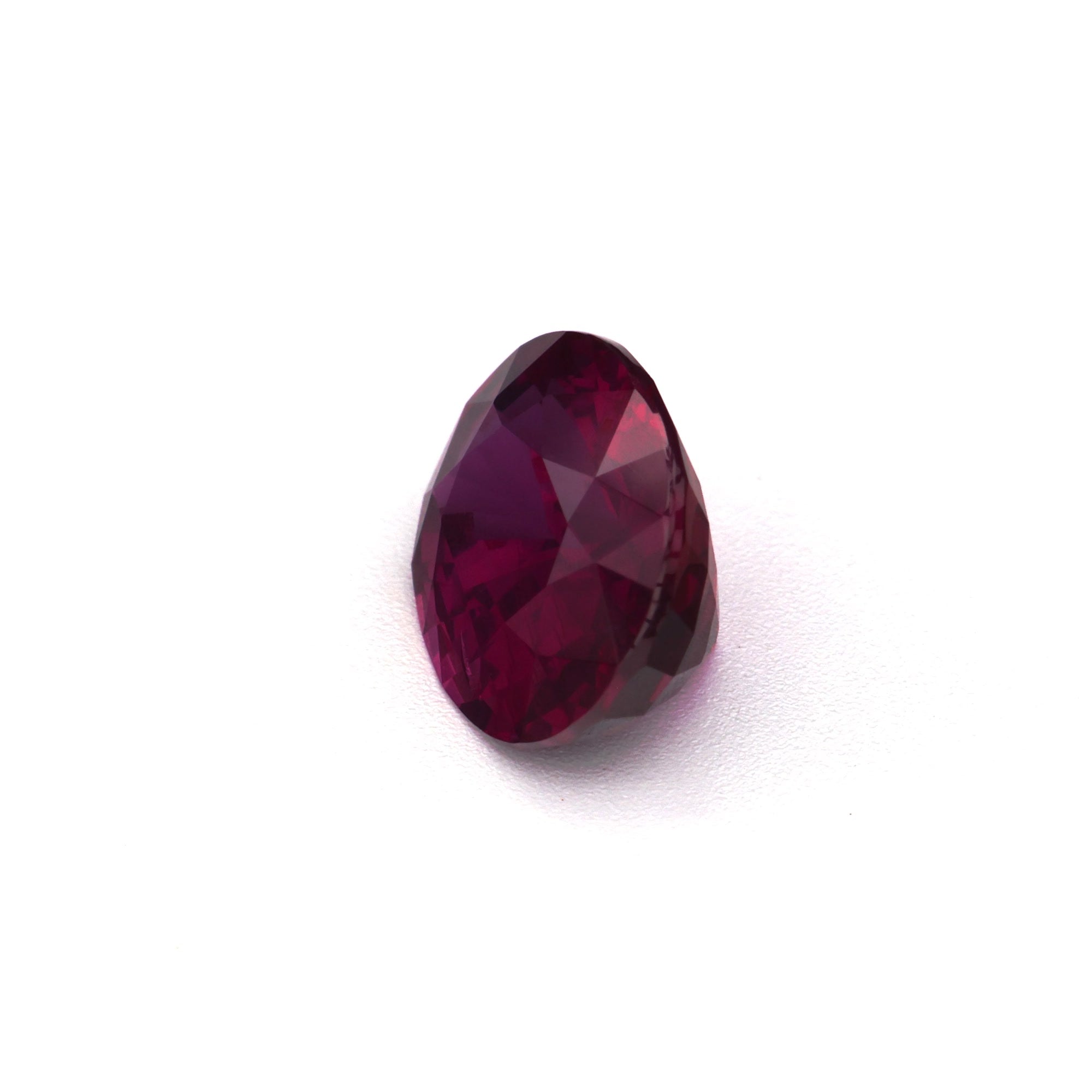
A 2-carat GIA-documented padparadscha of good quality runs $8,000–$18,000 per carat ($16,000–$36,000 total) as broader market guidance for this rarity tier. Fine 2-carat padparadscha is exceptionally rare — in a given year, single-digit quantities of this material at this quality level and size may appear on the market globally. We do not currently have a padparadscha in stock at 2 carats; because so few qualifying stones exist at any time, sourcing one for a specific order can take weeks to months. See our padparadscha price guide, browse our padparadscha collection for current availability, or email crescentgems@gmail.com to be notified when a 2ct+ stone comes in.
| Color | Treatment | Price Per Carat (2ct) | Total (2ct) |
|---|---|---|---|
| Blue | Heated | $1,500–$2,900 | $2,985–$7,500 |
| Blue | Unheated (GIA) | $3,300–$4,100 | $6,800–$8,200 |
| Teal | Unheated | $1,300–$1,700 | $2,900–$3,600 |
| Pink | Heated / Unheated* | $2,000–$2,600 | $4,300–$5,500 |
| Yellow | Unheated | $1,100–$1,400 | $2,400–$3,000 |
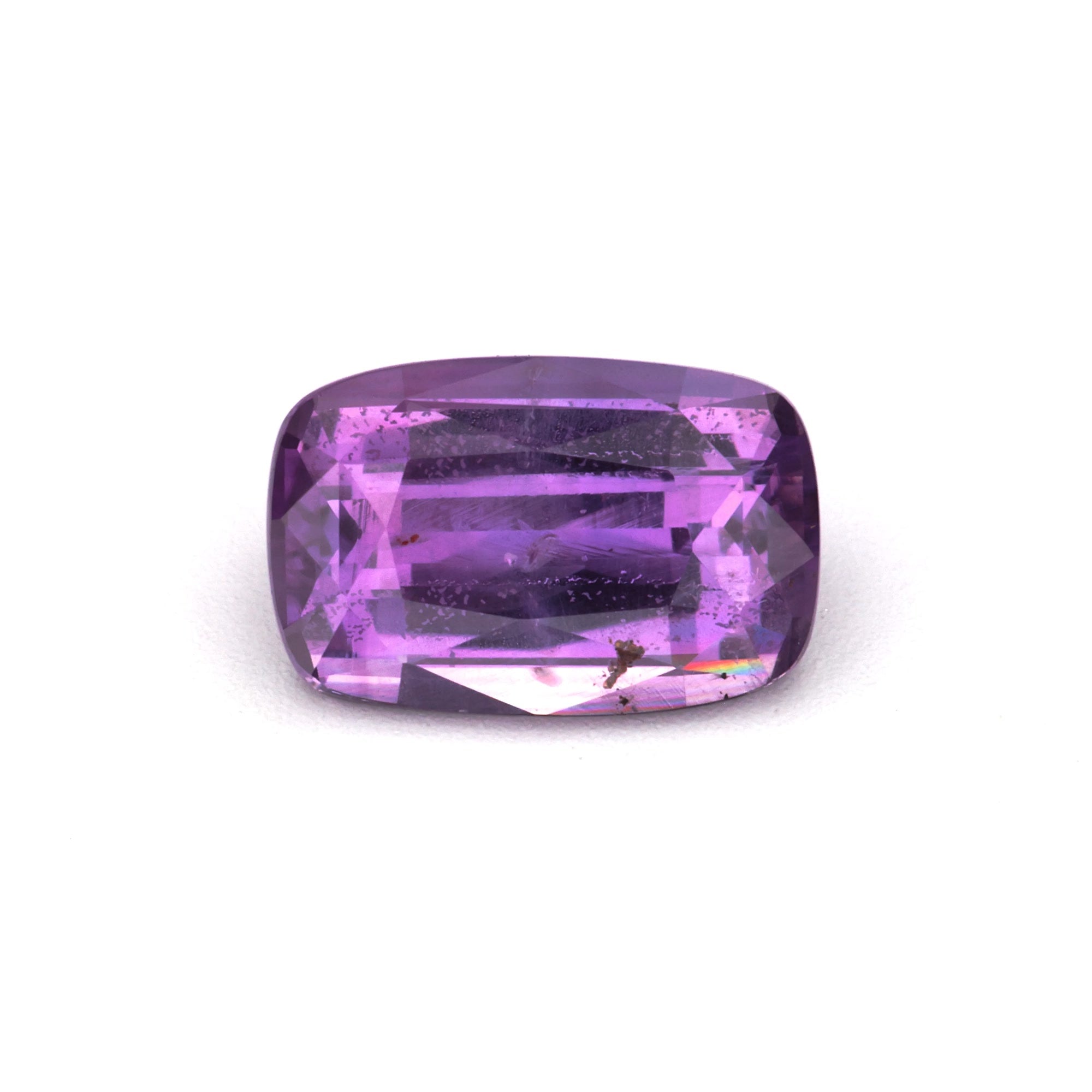
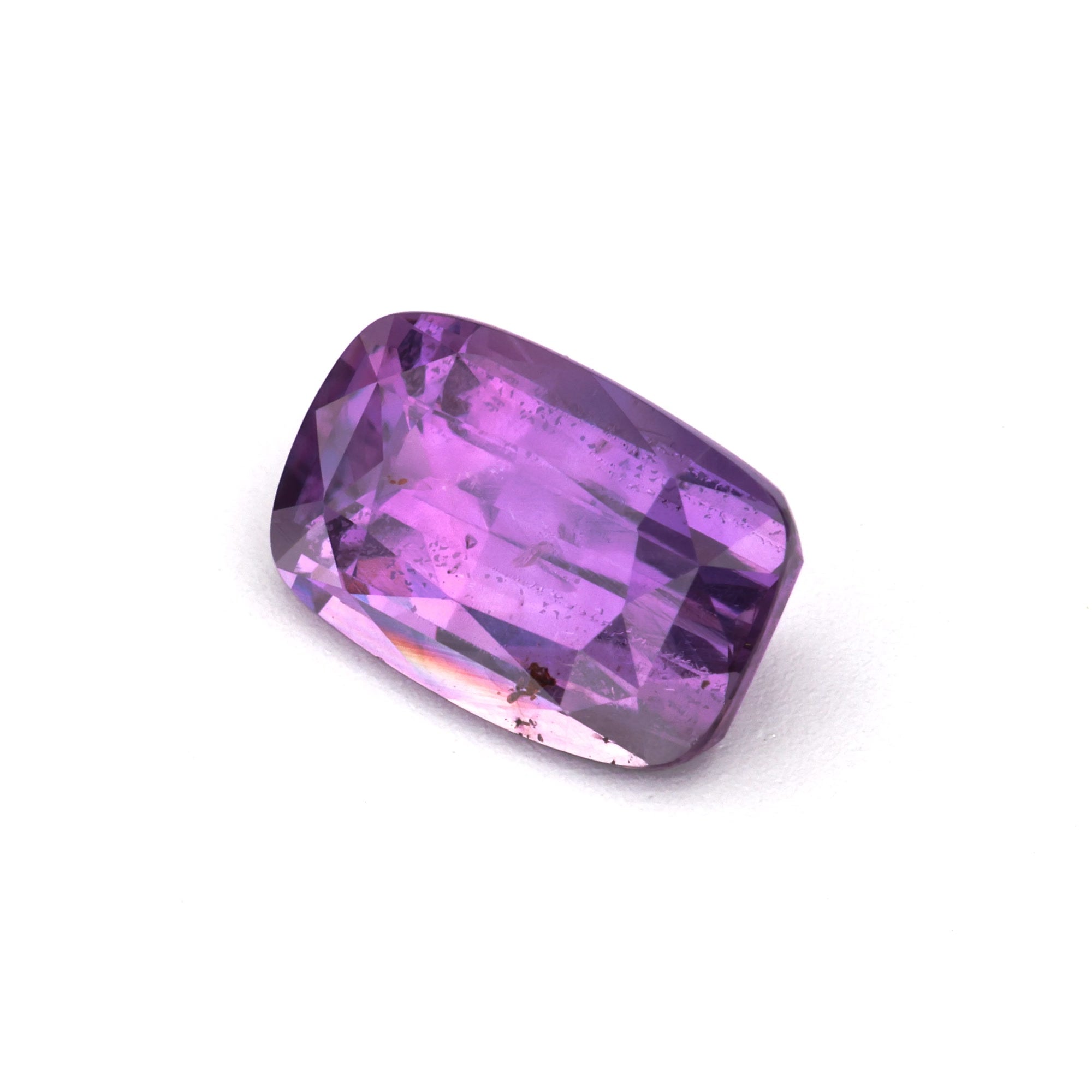
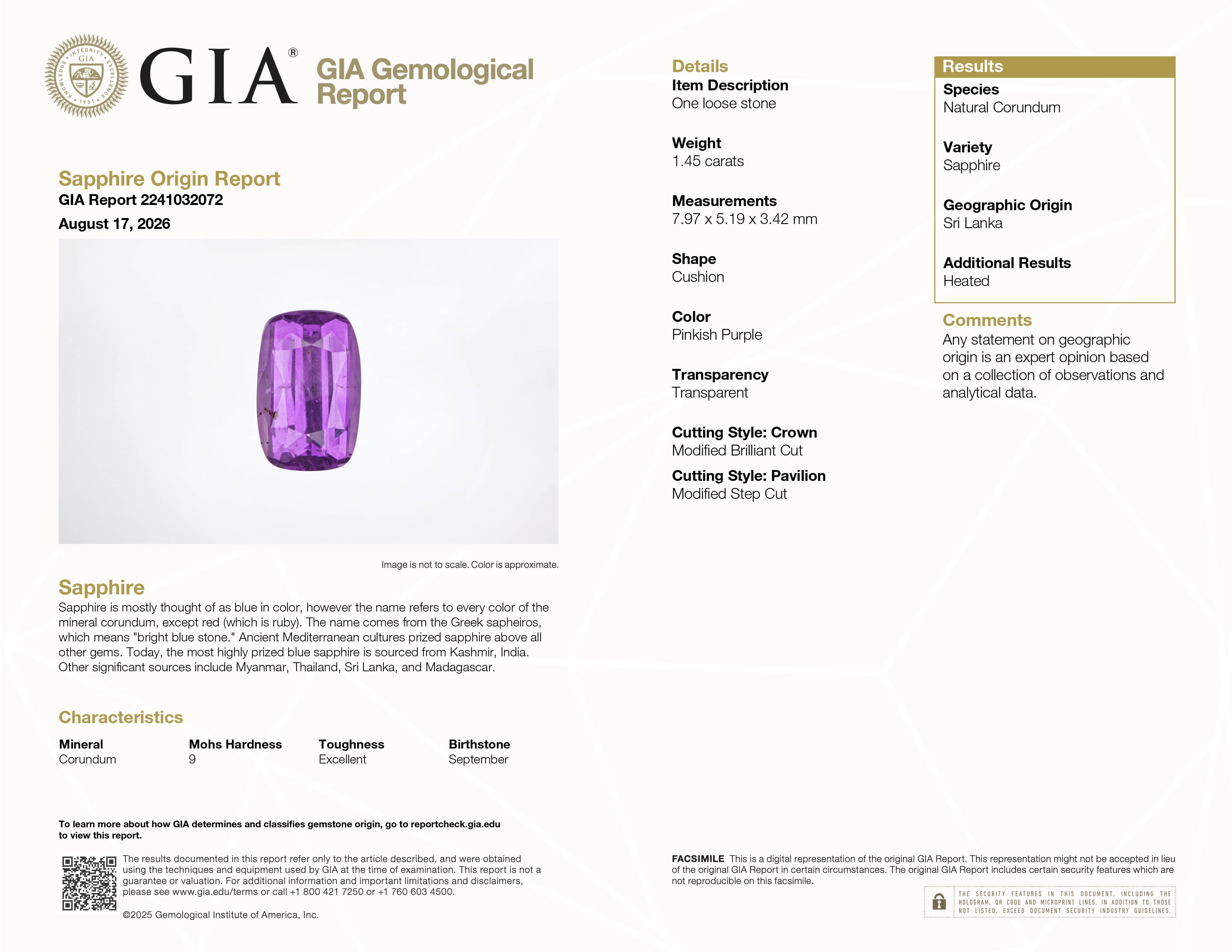
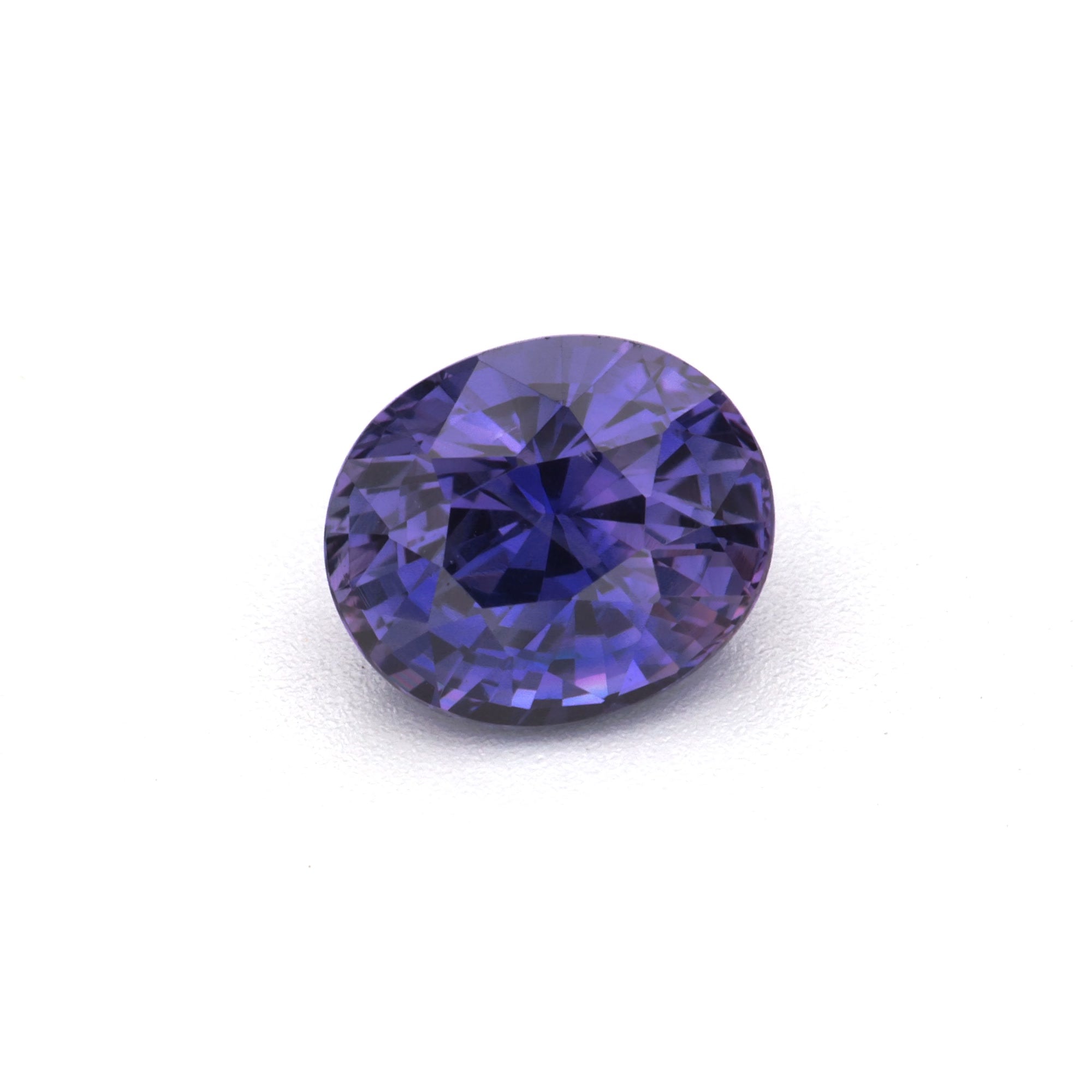
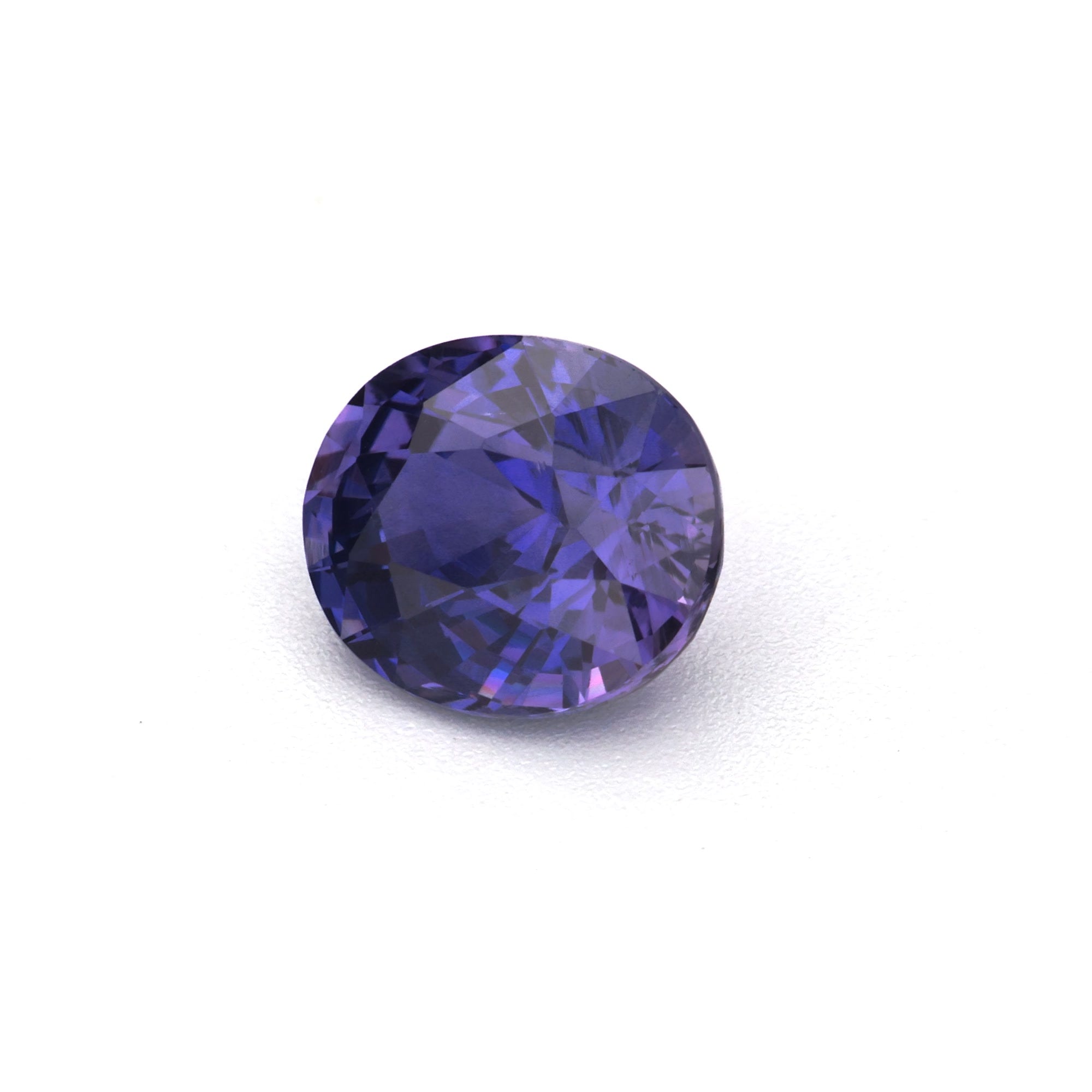
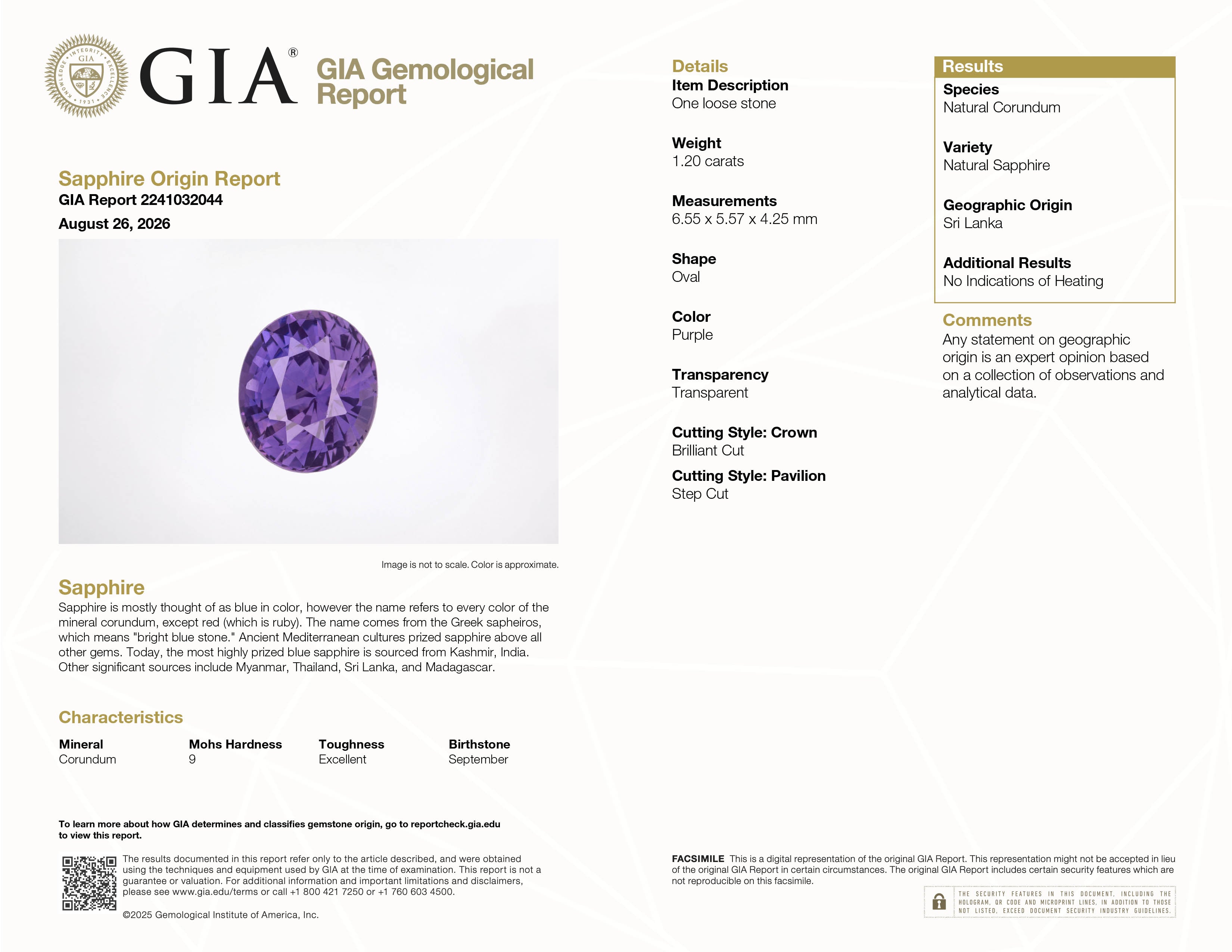
| Violet† | Unheated | $1,000–$1,600 | $2,200–$3,400 |
| Padparadscha‡ | Unheated (GIA) | $8,000–$18,000 | $16,000–$36,000 |
Blue, teal, yellow, and pink figures reflect current listed prices on GIA-documented stones of this size in our collection as of August 2026. *Unheated pink at true 2ct+ is scarce in current stock; the range shown blends our largest unheated pink (1.14ct) with an available 2.20ct heated stone — see the pink section above for specifics. †We do not currently carry a violet/purple sapphire at 2ct+; the range is extrapolated from our largest available stones (up to 1.46ct) and should be treated as an estimate. ‡We have no padparadscha in stock at any size right now; this figure is broader market guidance, not a site price. Figures are not fixed quotes and will move with inventory — check individual product pages for current pricing.
The most important decision framework for 2-carat sapphire buyers: budget allocated to size versus quality. At 2ct, a buyer on a $5,000–$6,500 stone budget faces a genuine choice:
In most cases, Option B produces the better ring. Color is what creates impact in a sapphire — a vivid 1.5ct that glows with saturated color is more impressive face-up than a pale, weak-color 2ct that looks large but not beautiful. This is the most common mistake buyers make when upgrading to larger sapphires: compromising color quality to reach a carat threshold, then being disappointed by the finished ring's appearance. See our Sapphire Colors Explained guide for the color quality framework.
For buyers who want a genuinely large, visually commanding center stone, yes — a well-cut 2-carat oval at 9×7mm is a substantial, impressive ring stone. The key is not compromising on color quality to reach the 2ct threshold. A vivid good-quality 2ct in heated blue ($2,985–$7,500) or naturally unheated teal ($2,900–$3,600) at current collection pricing represents genuine value for the visual impact delivered.
In linear dimensions, a 2-carat oval is approximately 9×7mm versus a 1-carat oval at 7×5mm — about 28% larger in each dimension, which translates to approximately 60–65% larger in face-up area. Visually, the difference is significant: a 2ct center stone is noticeably larger and more commanding on the hand than a 1ct, particularly in a solitaire setting where no halo amplifies the 1ct's apparent size.
This is a genuine trade-off that depends on your priorities. If size and visual presence are primary: the 2ct heated blue delivers more ring at equivalent or lower budget. If documentation, investment considerations, or personal preference for all-natural material are primary: the 1.5ct unheated blue with GIA is the more significant stone from a collector and resale perspective. Neither is objectively right — it is a personal decision. See our unheated sapphire guide for the full framework.
Browse our full Ceylon sapphire catalog or email crescentgems@gmail.com with your color, carat weight, and budget. We respond within one business day and can advise on the best available 2-carat options from our current inventory.

CG8285
تُعرض الأسعار بعملتك المحلية وقد تتغيّر، ولا تشمل ضرائب الاستيراد.
CG8469
CG8465
CG8464
CG8463
CG8460
CG8459
CG8458
CG8457
CG8456


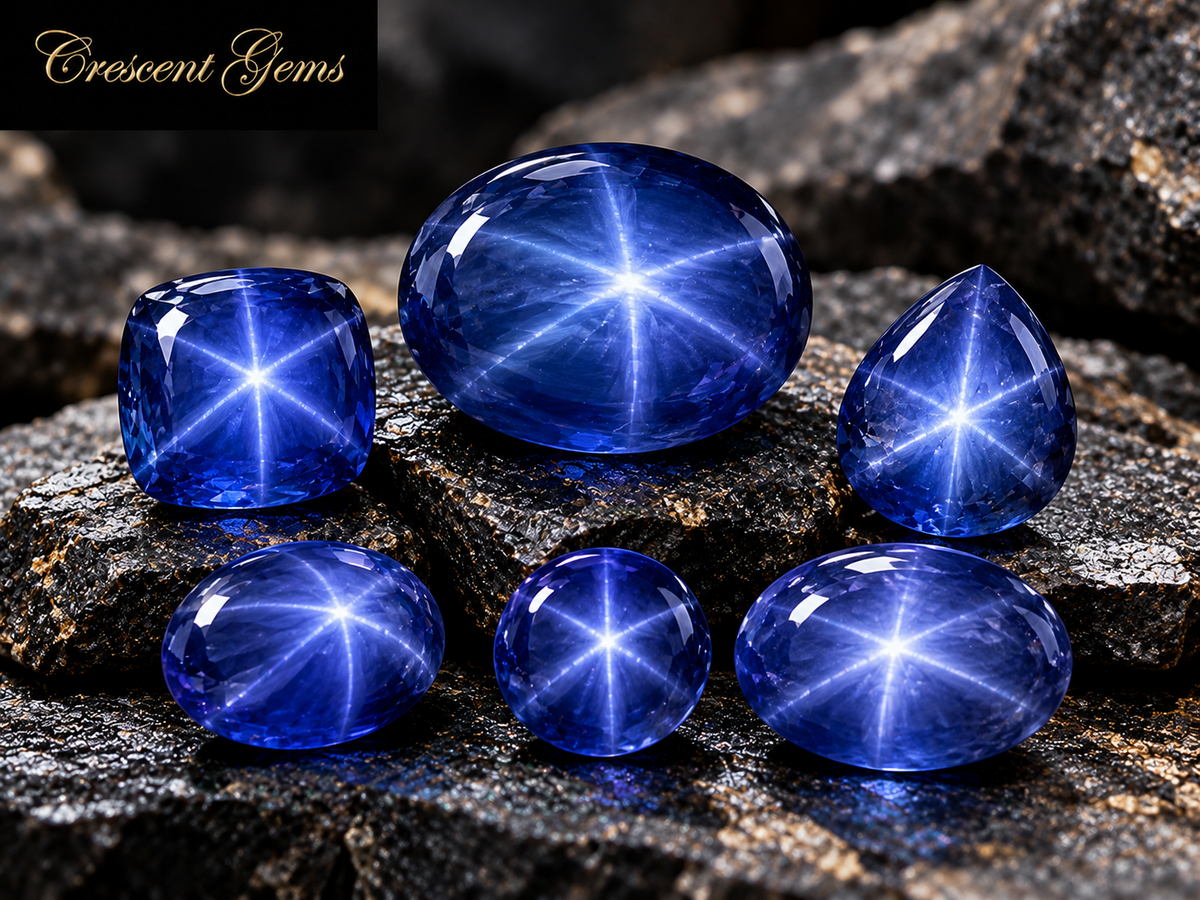
دليل أسعار الياقوت الأزرق النجمي: ما الذي يحدّد السعر فعلاً
سعر الياقوت الأزرق النجمي للقيراط، وما الذي يحرّك السعر فعلاً، ولماذا لا يمنح أي مختبر درجة للنجمة. وحجرنا الوحيد: 8.09 قيراط بتقرير منشأ من GIA بسعر $4,040.
اقرأ المزيدحول دليل أسعار الياقوت الأزرق النجمي: ما الذي يحدّد السعر فعلاً
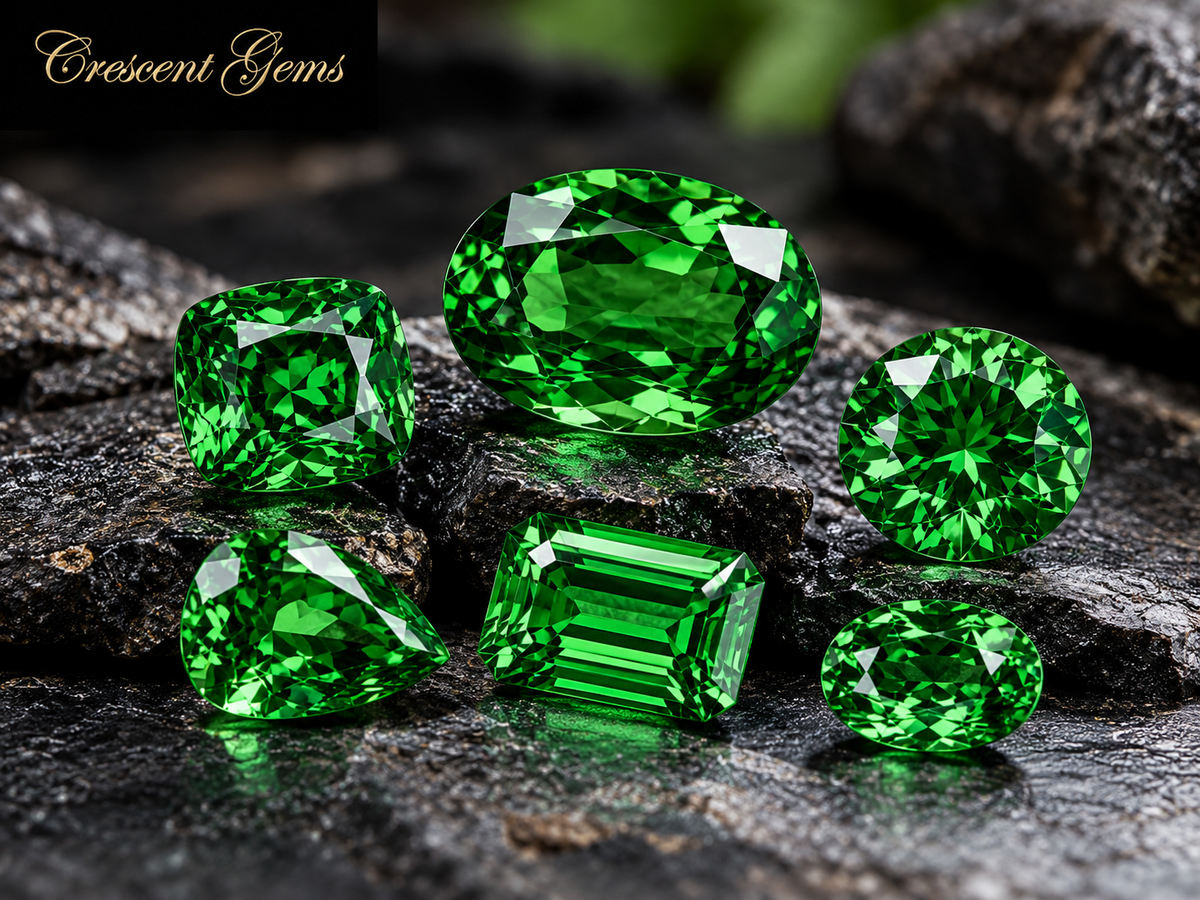
دليل أسعار حجر التسافوريت: أسعار مخزوننا وما الذي يحدّ من العرض
أسعار حجر التسافوريت بحسب الوزن، من سبعة أحجار في مخزوننا: من $1,177 إلى $22,724، وحجر منها محسّن النقاء ومُفصح عنه — وما الذي يحدّ من توفّر حجر كبير ونظيف.
اقرأ المزيدحول دليل أسعار حجر التسافوريت: أسعار مخزوننا وما الذي يحدّ من العرض
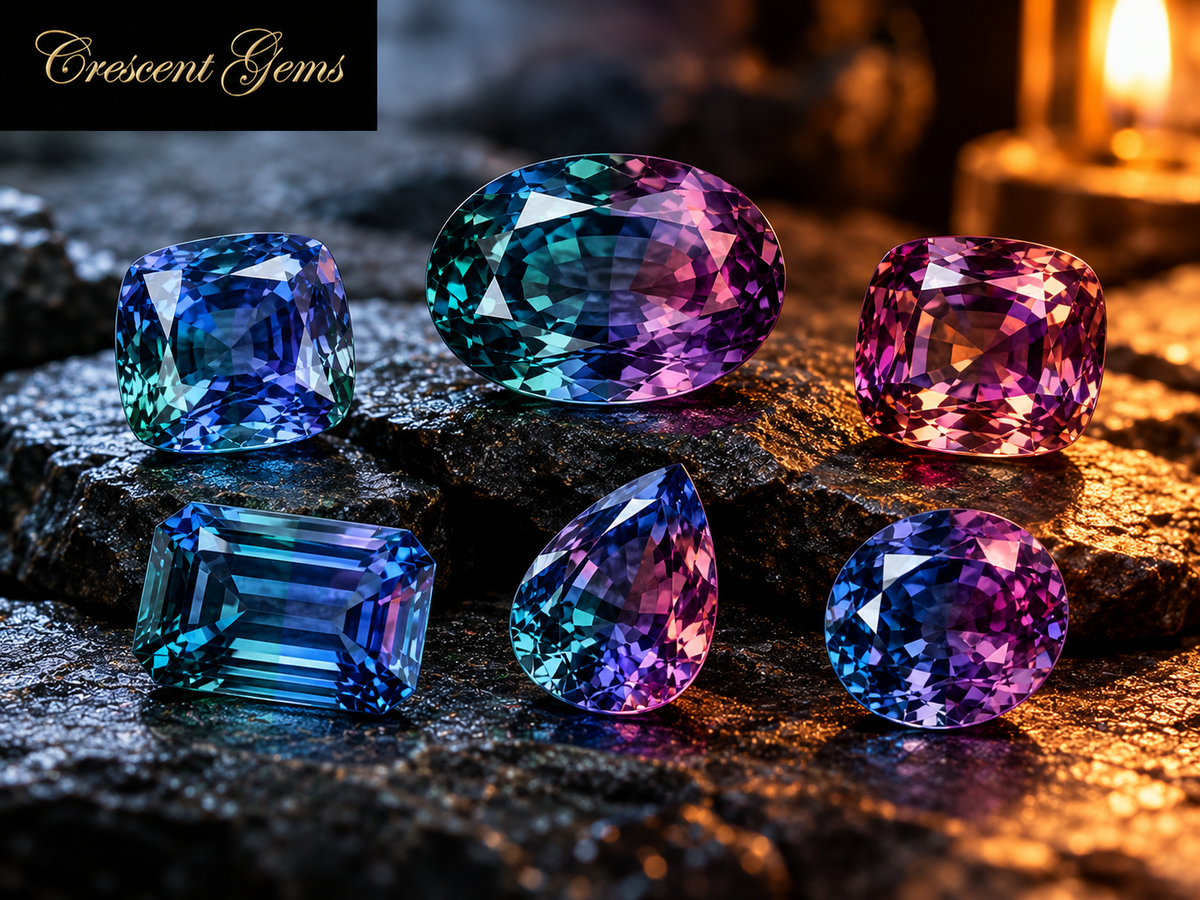
دليل أسعار الياقوت المتغيّر اللون: ما الذي تدفع ثمنه فعلاً
سعر الياقوت المتغيّر اللون للقيراط، وما الذي يحرّك السعر فعلاً، ولماذا لا يمنح أي مختبر درجة لتغيّر اللون. وحجرانا: 1.03 قيراط بسعر $824، و2.01 قيراط بسعر $2,211.
اقرأ المزيدحول دليل أسعار الياقوت المتغيّر اللون: ما الذي تدفع ثمنه فعلاً
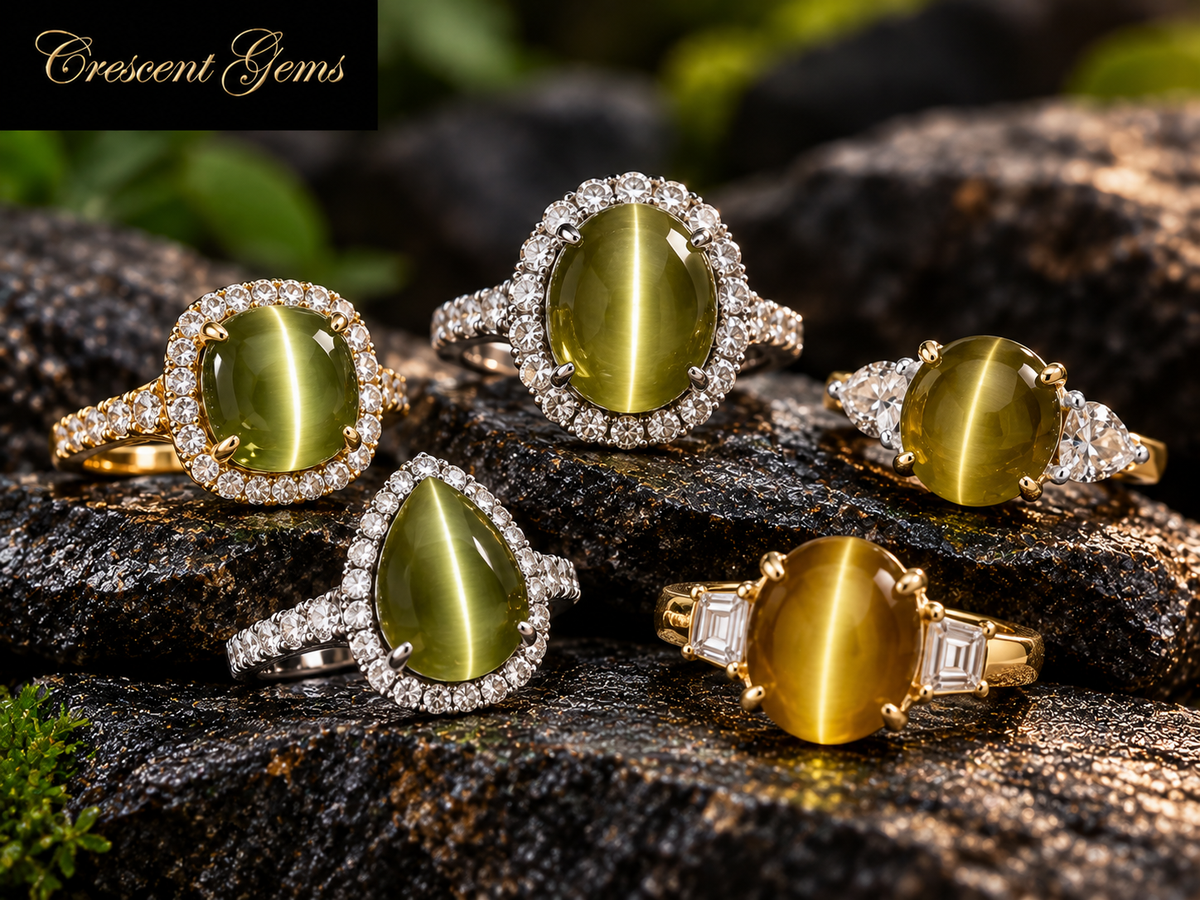
حجر عين الهر (كريسوبيريل): هل يصلح لخاتم خطوبة يُلبس كل يوم؟
الكريسوبيريل عند 8.5 على مقياس موس: فوق الكوارتز (7) والزمرد (7.5 إلى 8)، ودون الكوروندم (9) والألماس (10). وماذا يعني ذلك للبس اليومي واختيار التركيب والعناية.
اقرأ المزيدحول حجر عين الهر (كريسوبيريل): هل يصلح لخاتم خطوبة يُلبس كل يوم؟
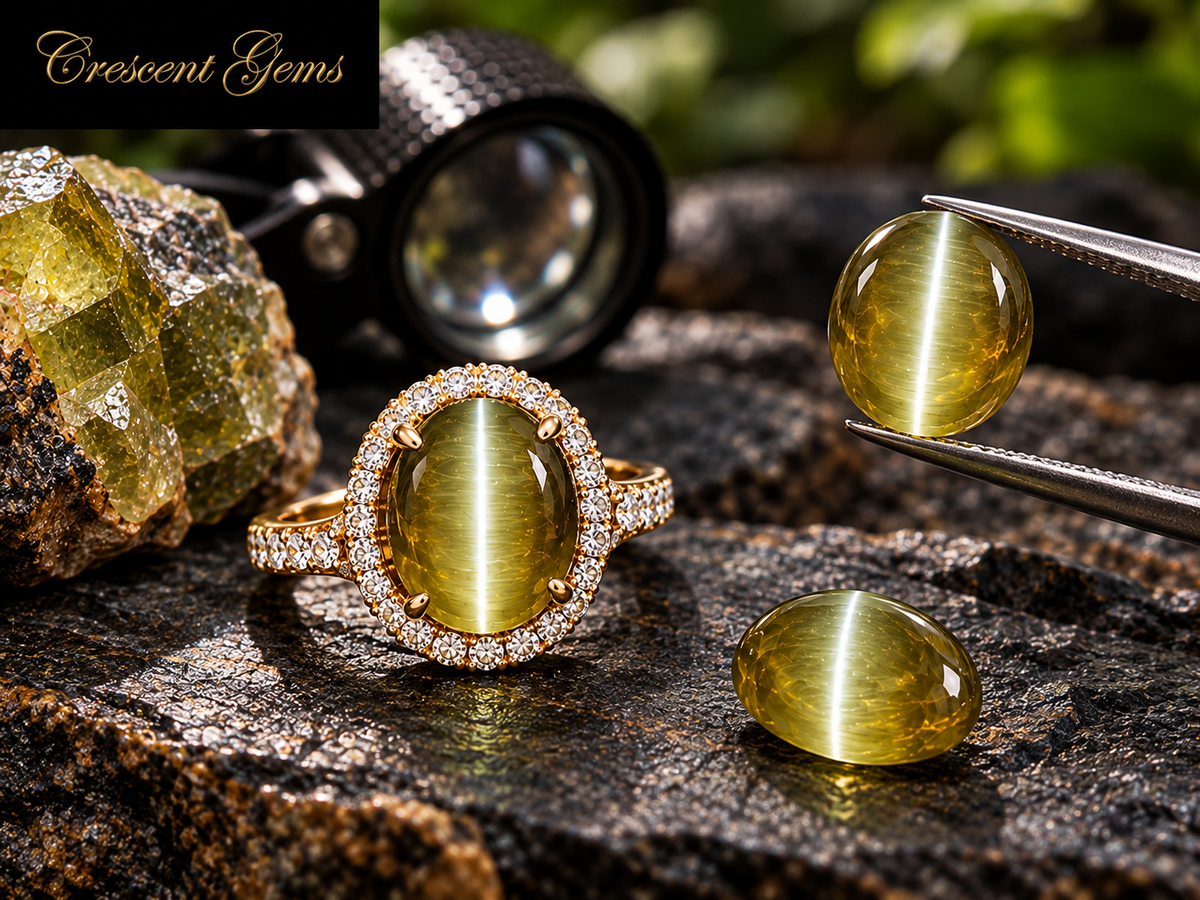
دليل أسعار حجر عين الهر (كريسوبيريل): ما الذي يحدّد السعر فعلاً
سعر حجر عين الهر الكريسوبيريل للقيراط، وما الذي يحرّك السعر فعلاً، ولماذا لا يمنح أي مختبر درجة للعين. وحجرانا: 2.36 قيراط بسعر $3,792، و4.25 قيراط بسعر $9,482.
اقرأ المزيدحول دليل أسعار حجر عين الهر (كريسوبيريل): ما الذي يحدّد السعر فعلاً























مشاركة: