- par Ahmed Shareek
Sapphires in Jyotish (Vedic Astrology): What the Tradition Asks For
- par Ahmed Shareek
This page explains what the Jyotish tradition asks of a sapphire. It describes the tradition; it is not advice, and we make no claim about what a gemstone does. Which stone suits a particular birth chart, at what weight, in what metal and on what day, is a question for a Jyotish practitioner and not for a gem dealer.
Jyotish is the astrological tradition of the Indian subcontinent. Within it, gemstones are prescribed rather than chosen for their looks: a practitioner reads a birth chart and names a stone associated with a particular planet. The tradition is specific about what that stone should be like, which is why Jyotish buyers tend to arrive at a gem dealer carrying a list rather than a preference.
This page sets out what is on that list, which parts of it a laboratory document can be checked against, and which parts it cannot.

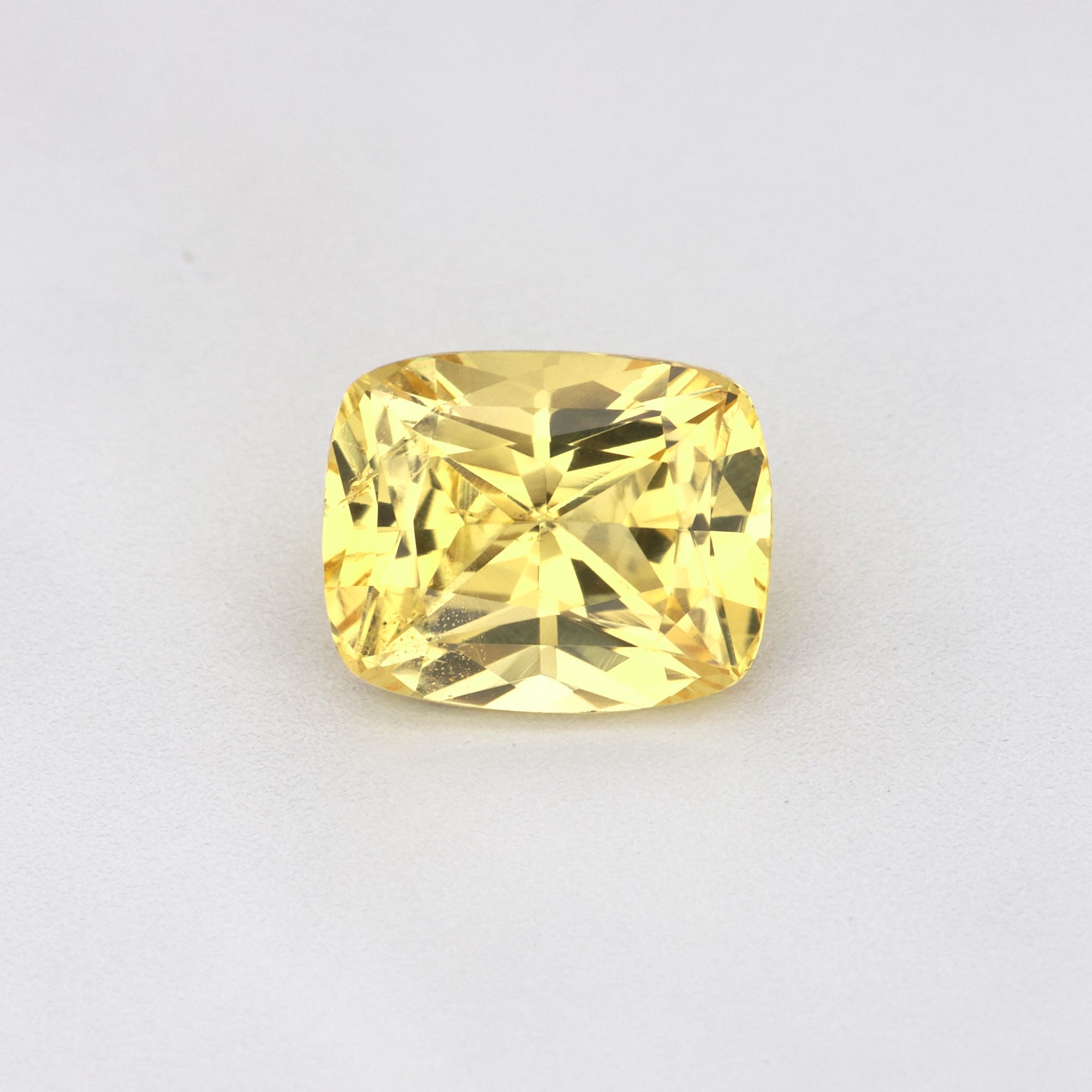
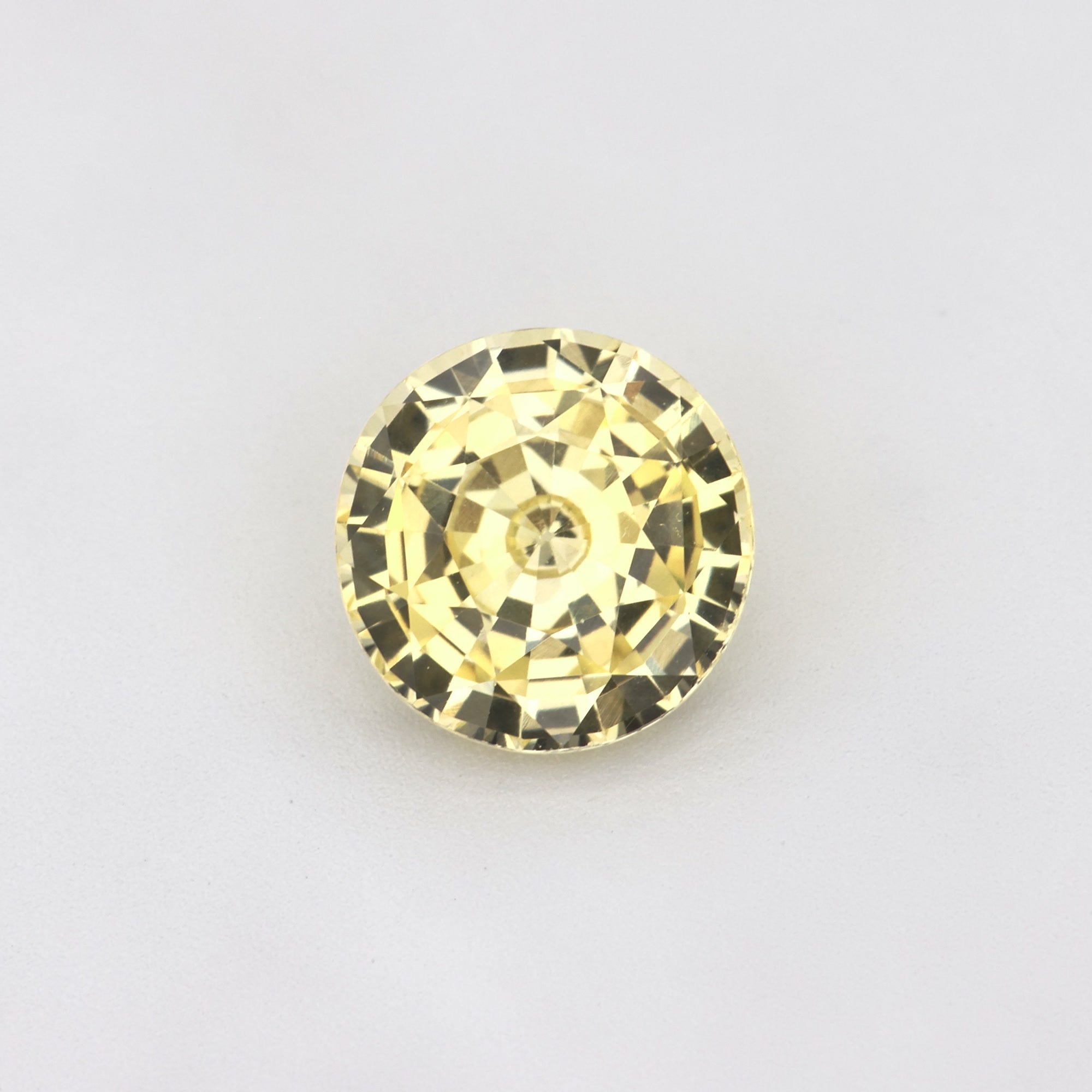
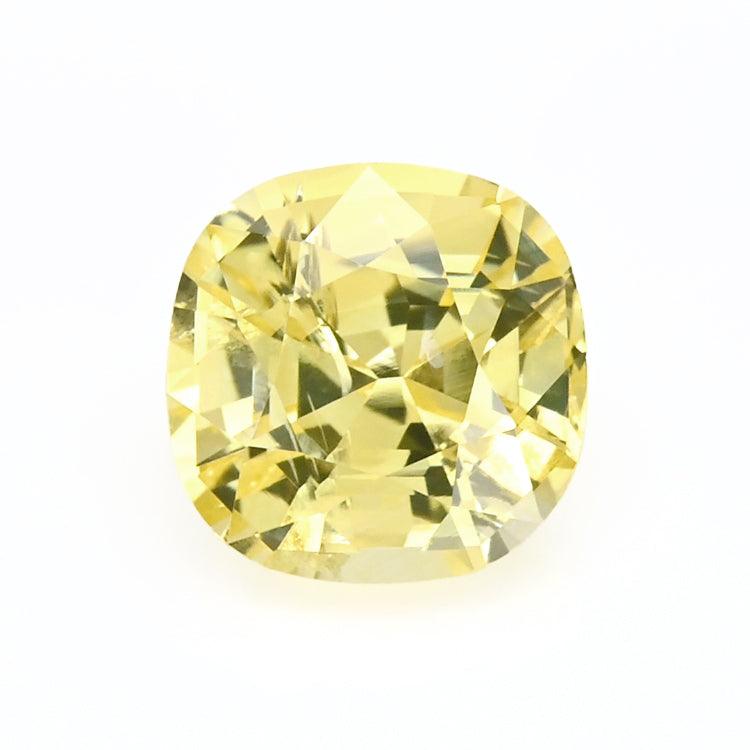
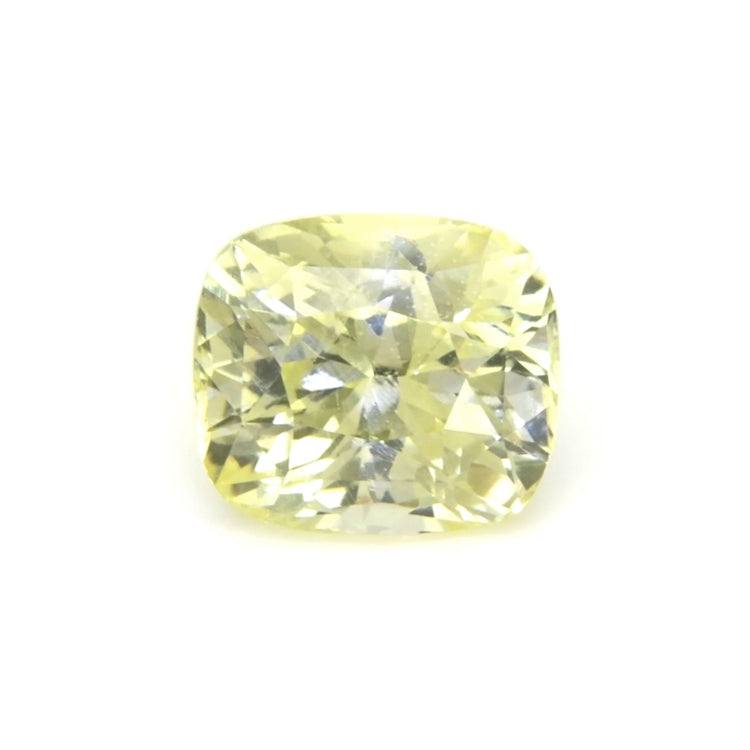
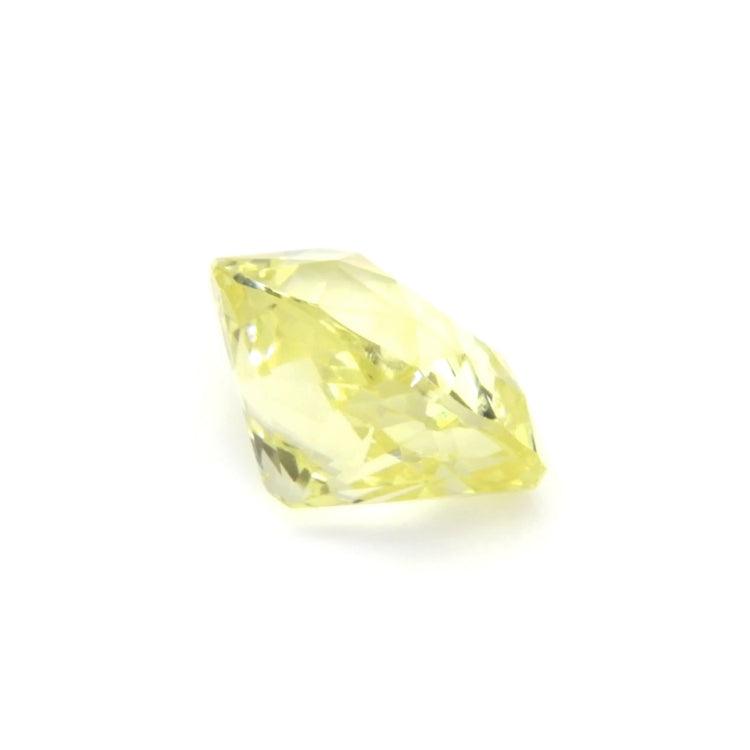
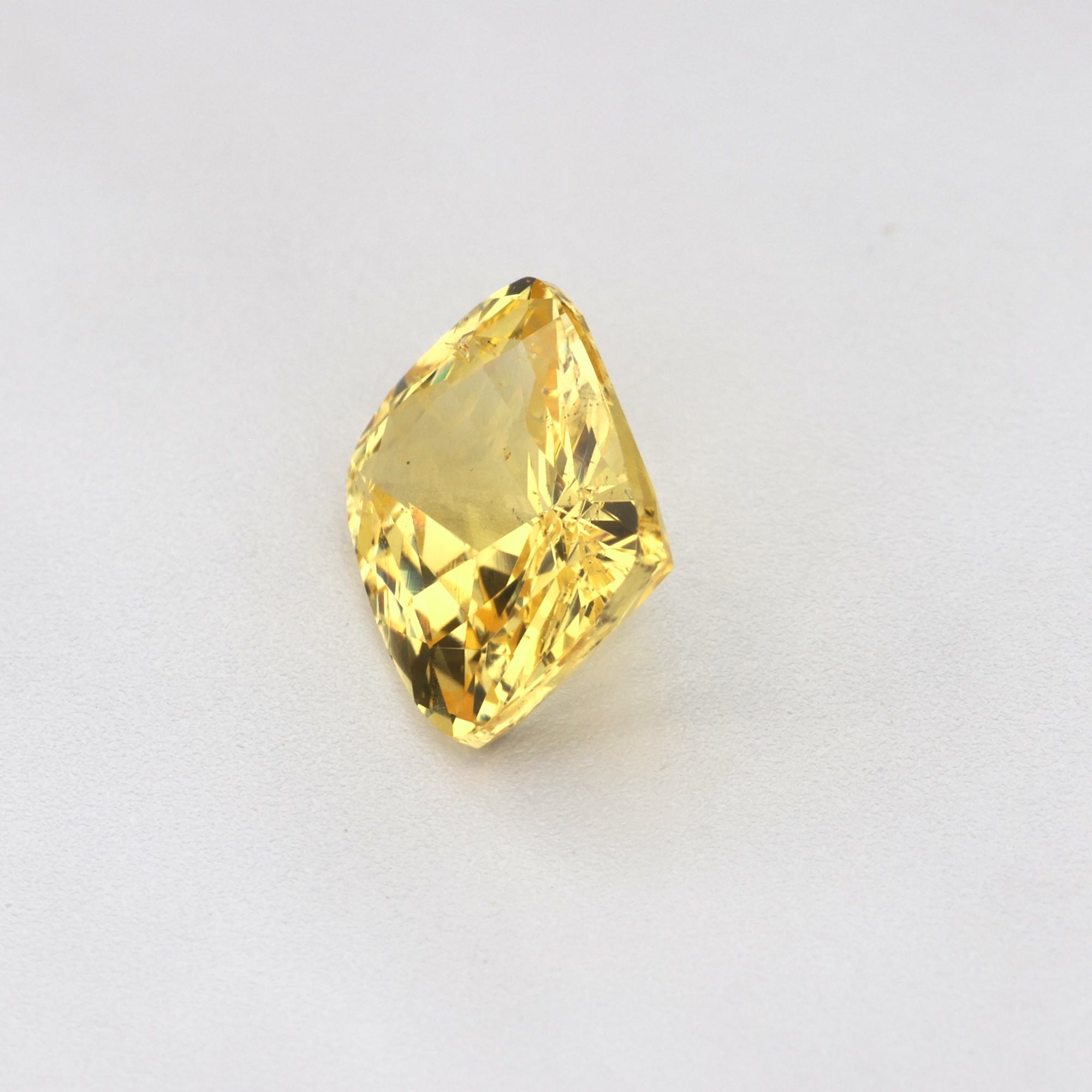
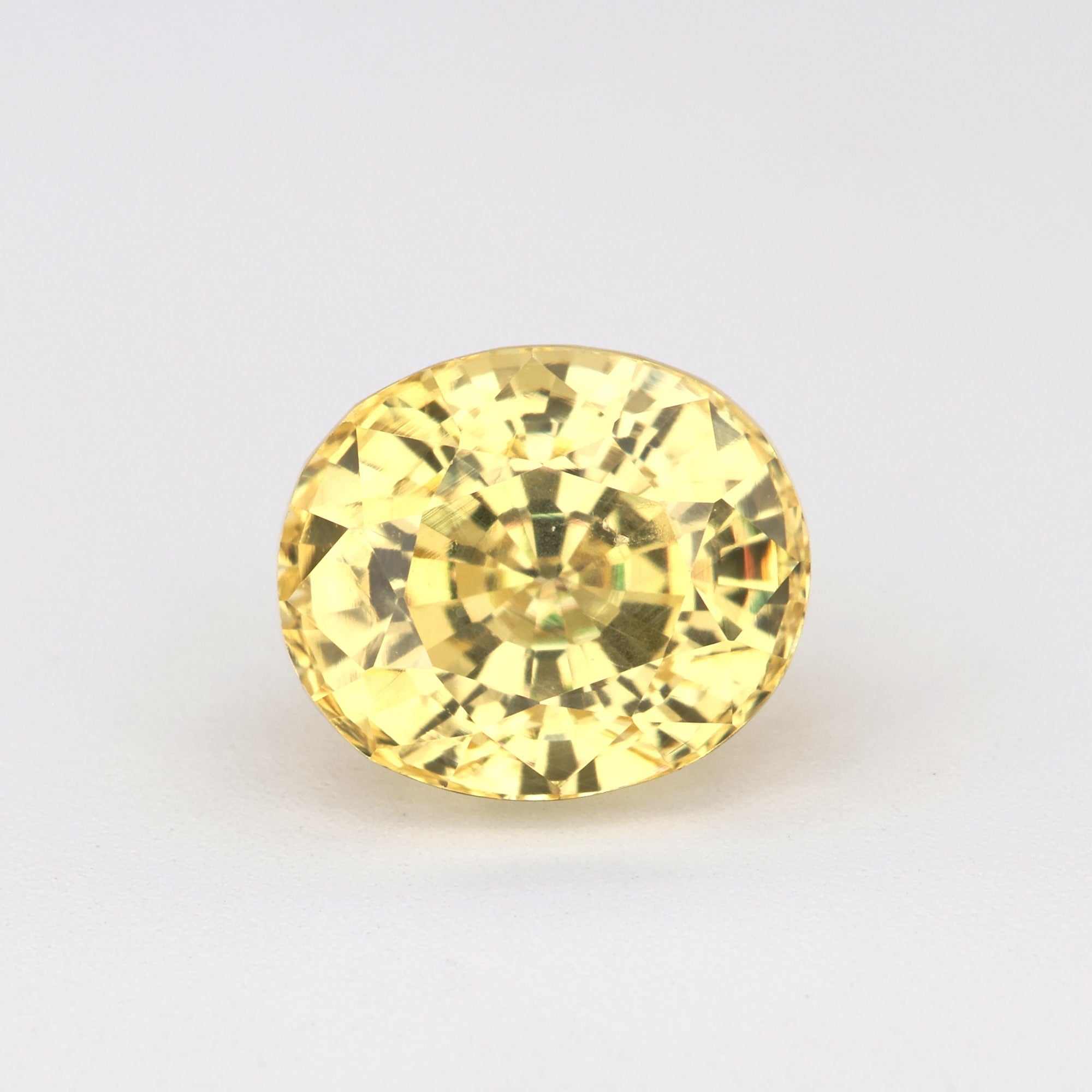
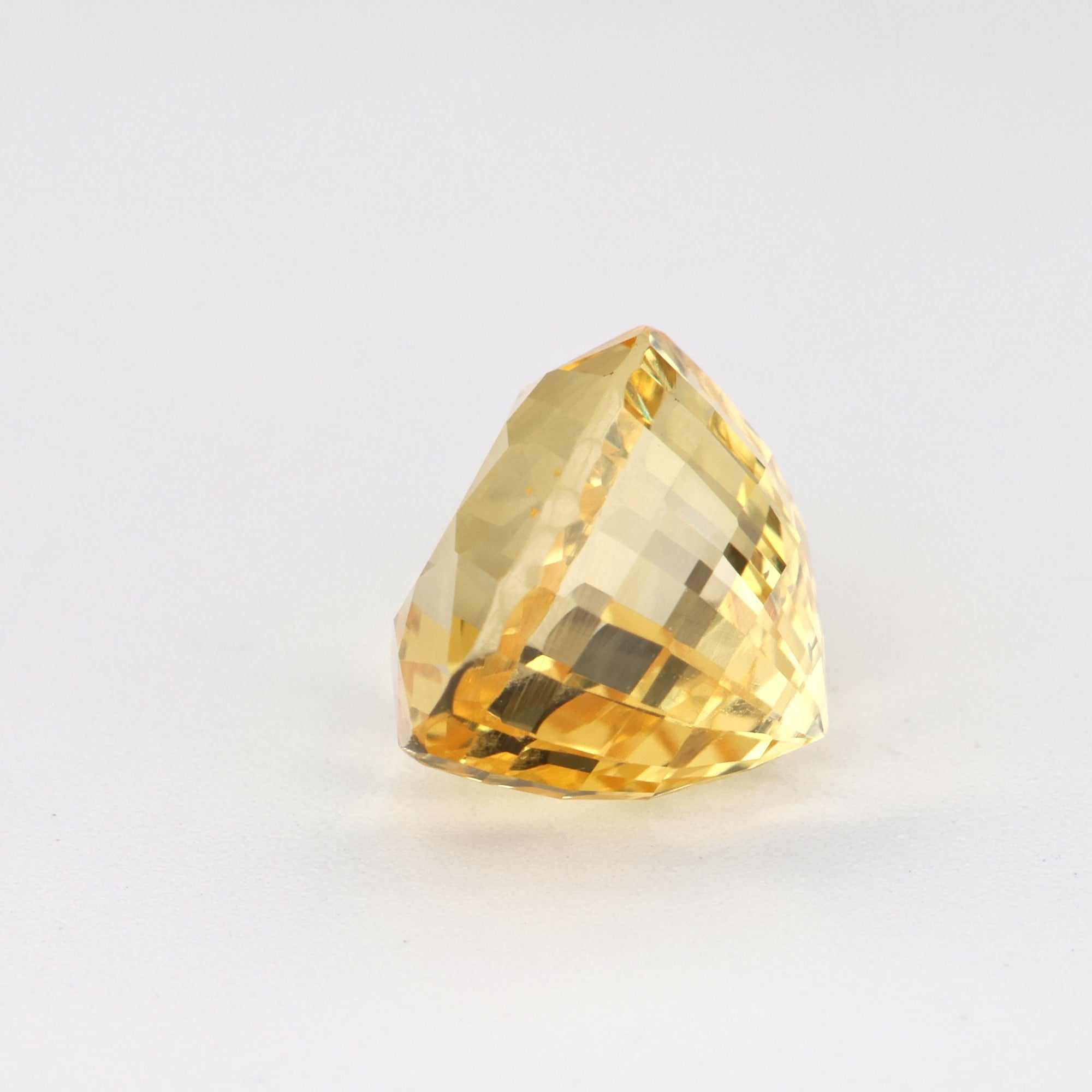
In Jyotish, yellow sapphire is the stone associated with Jupiter, called Guru or Brihaspati, and it is known as Pukhraj. The tradition associates that planet with wisdom, prosperity, good fortune and spiritual growth, and treats it as the most benefic of the planets.
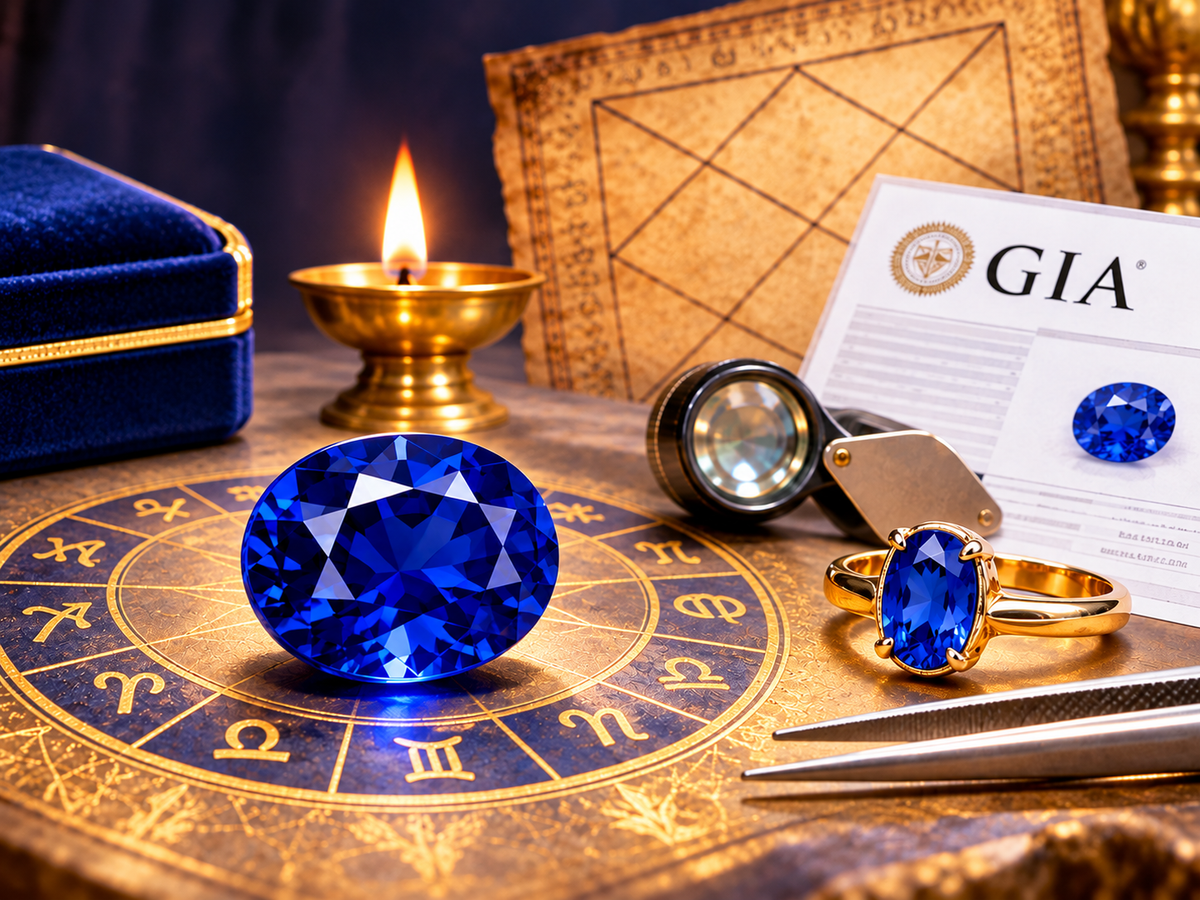
In Jyotish, blue sapphire is the stone associated with Saturn, called Shani, and it is known as Neelam. The tradition associates that planet with discipline, karma, hard work and long-term reward, holds it to be the most powerful of the planetary influences, and for that reason treats Neelam as the prescription to approach most carefully. Practitioners commonly describe a trial period before any decision about long-term wear, and commonly discourage wearing Neelam at all without having been prescribed it.

In the tradition, Venus — Shukra — is classically associated with diamond. Some practitioners name pink sapphire for Venus, and colourless sapphire is sometimes named in its place. Beyond that, the assignments are not ours to summarise: ask your practitioner which stone your chart calls for before you go looking for one.
What follows are the tradition's specifications, not ours. They are not a quality scale, we do not grade stones by them, and we do not keep a Jyotish range. They are set out here because they are what a Jyotish buyer is checking for — and because two of them appear on a laboratory report while the rest do not.
The metal, the finger and the day are prescribed too, and they vary by planet and by chart. Those are your practitioner's to give you, so we publish no table of them.
Our loose stones are listed by colour, with each stone's own report wording on its page: yellow sapphires, blue sapphires, and the stones whose reports record no indications of heating.
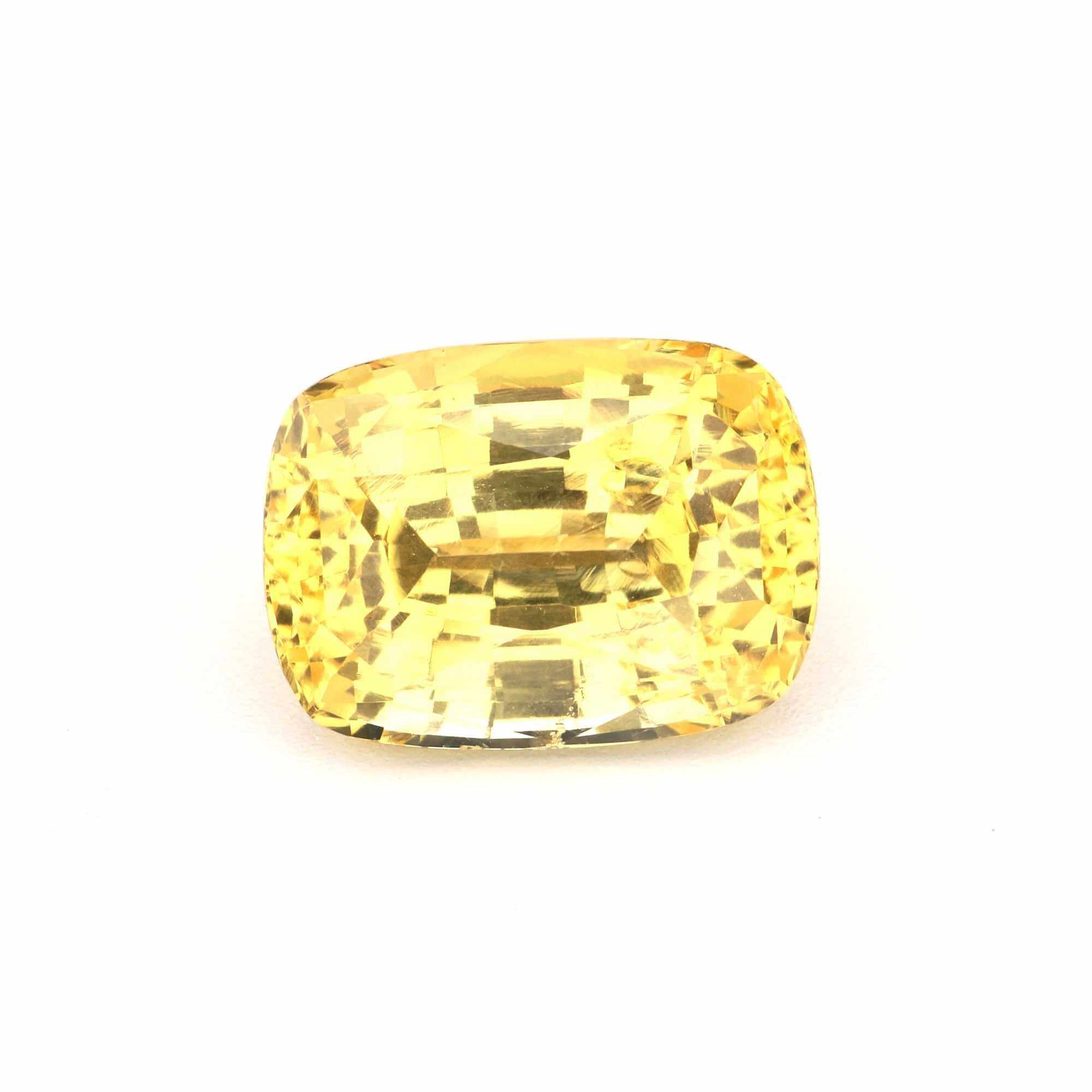
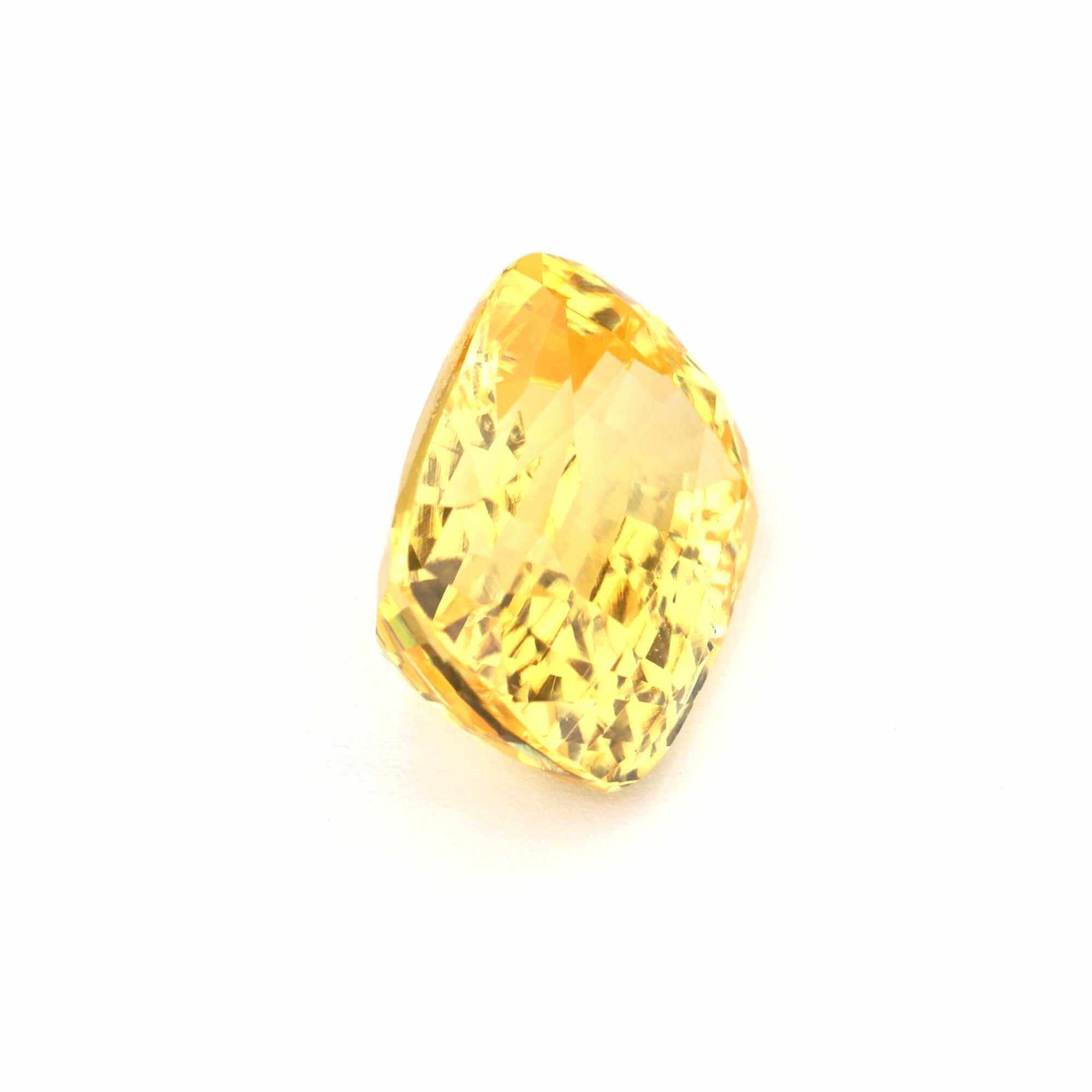
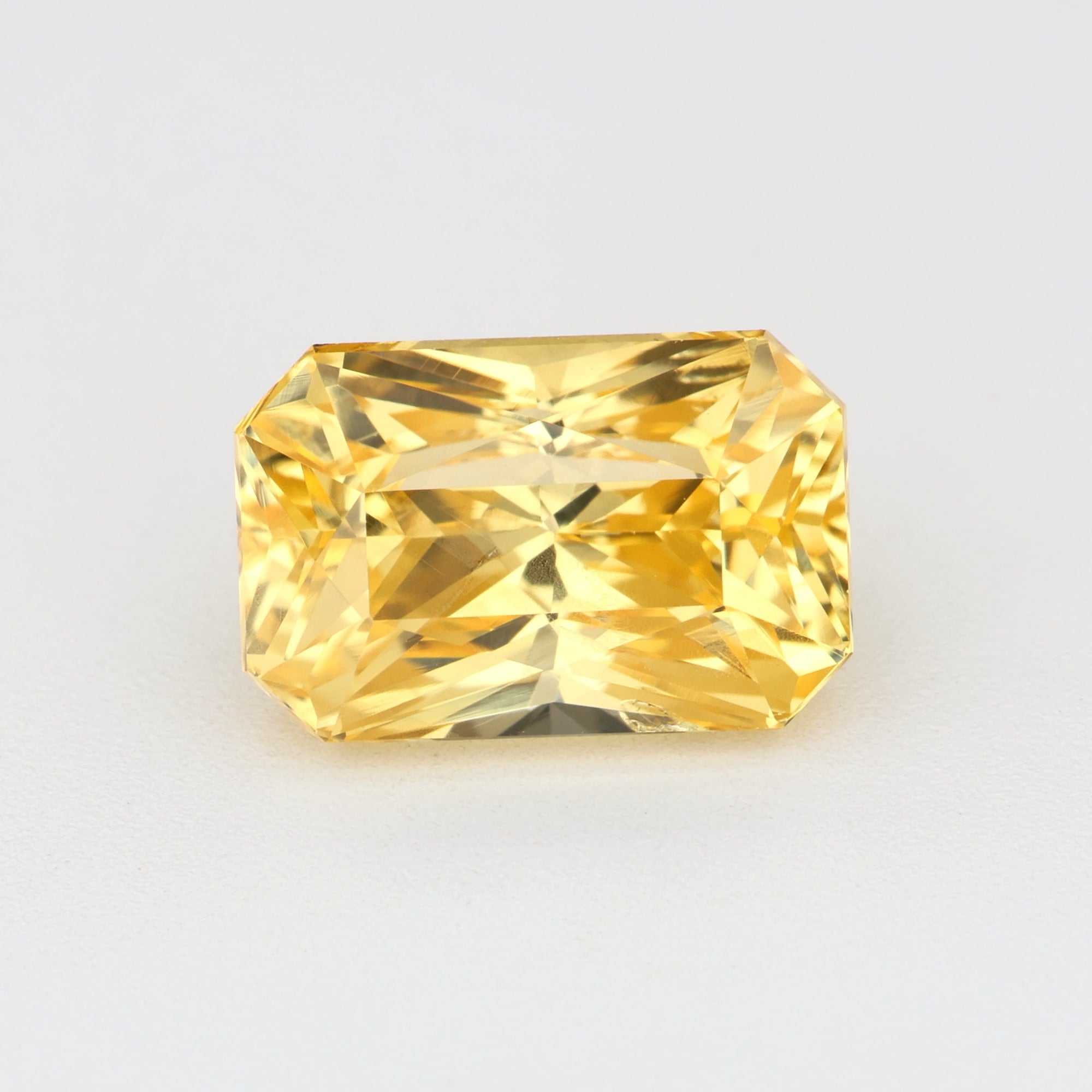
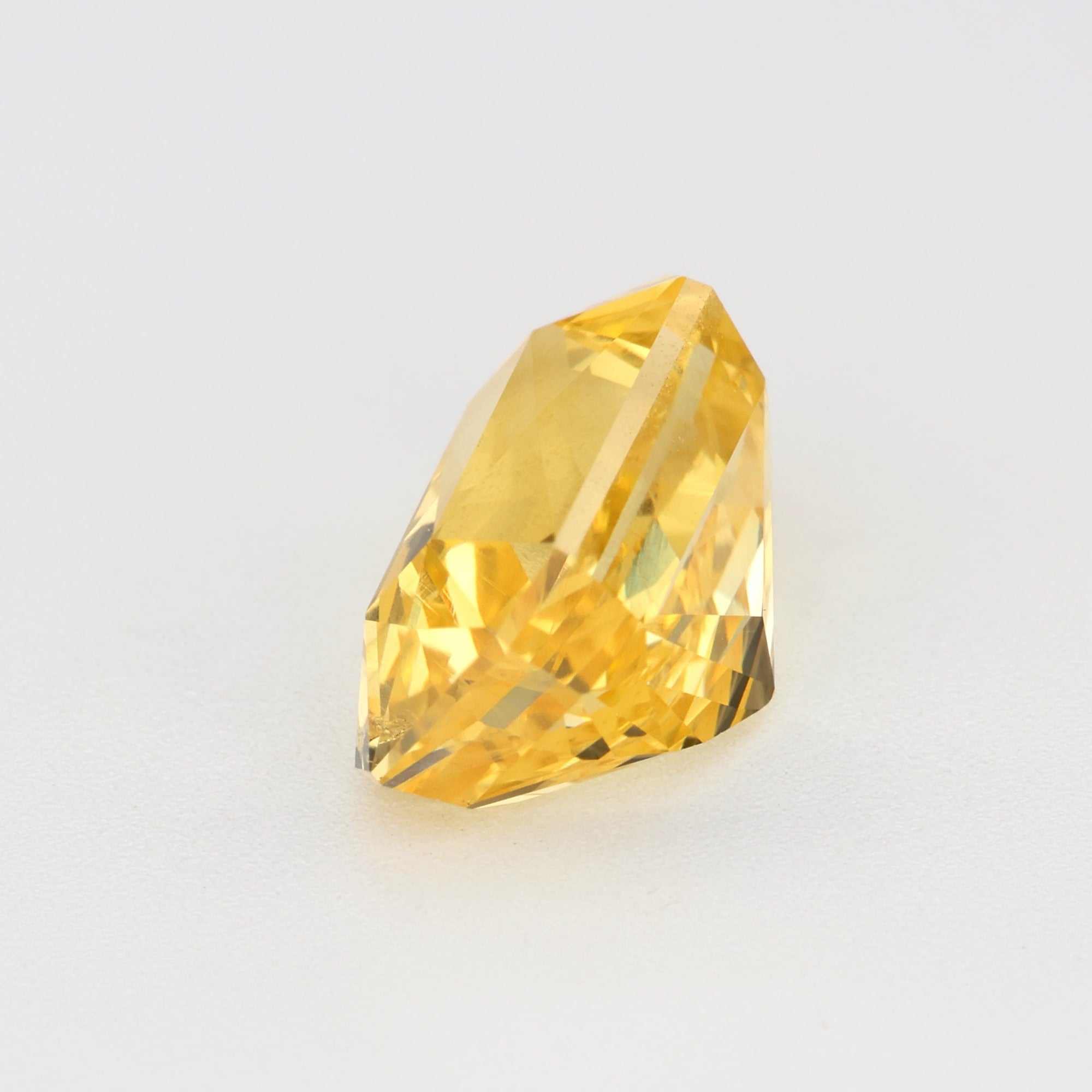
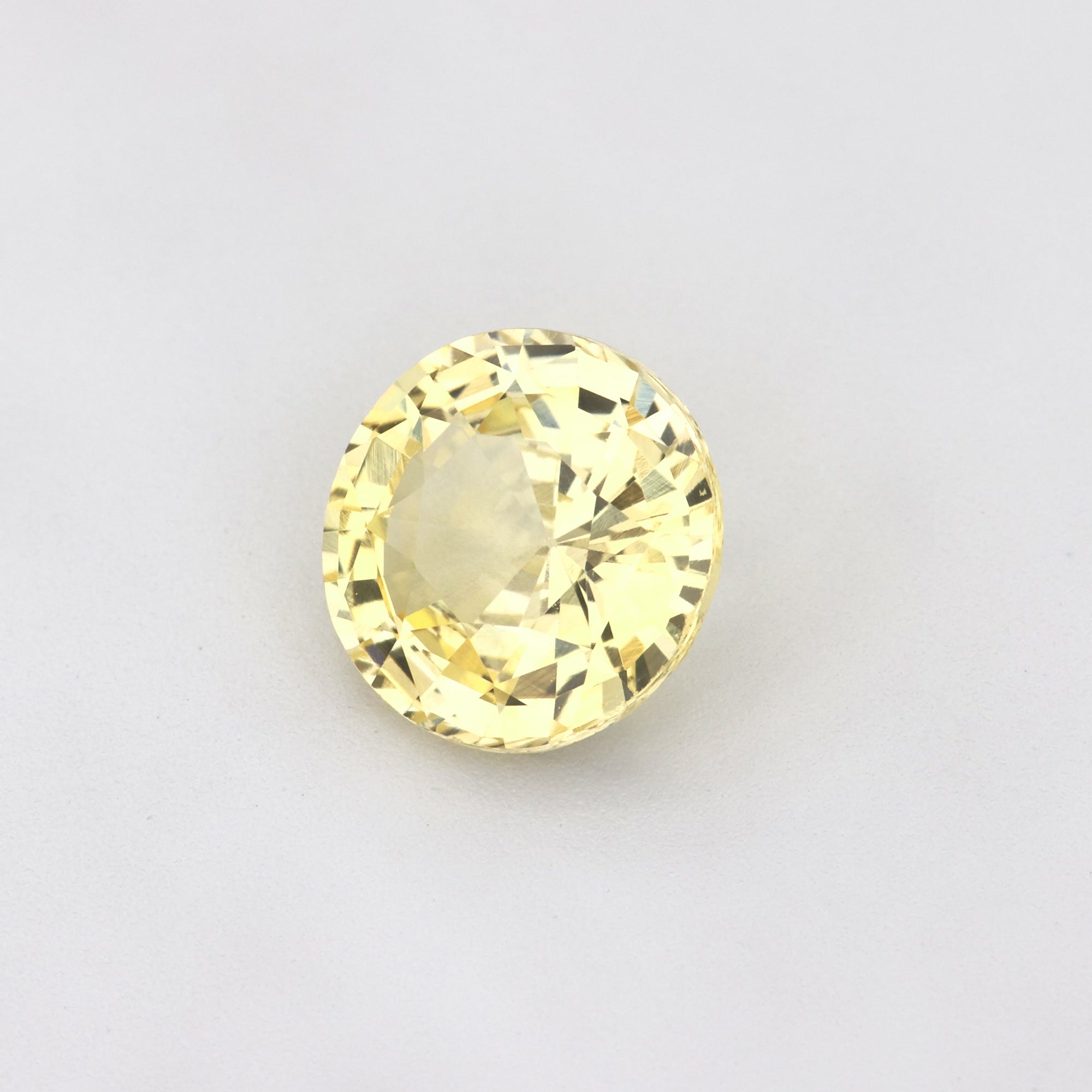
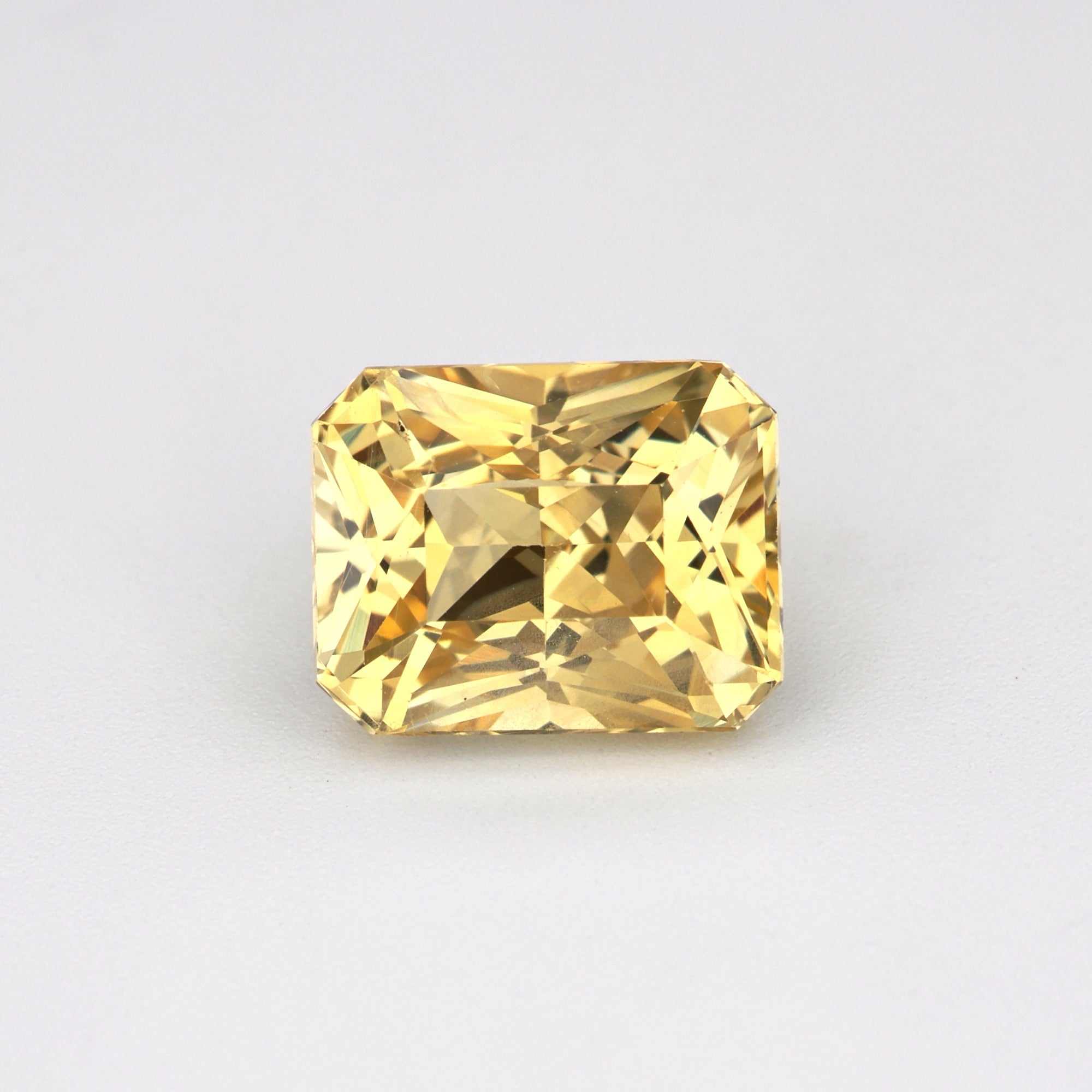
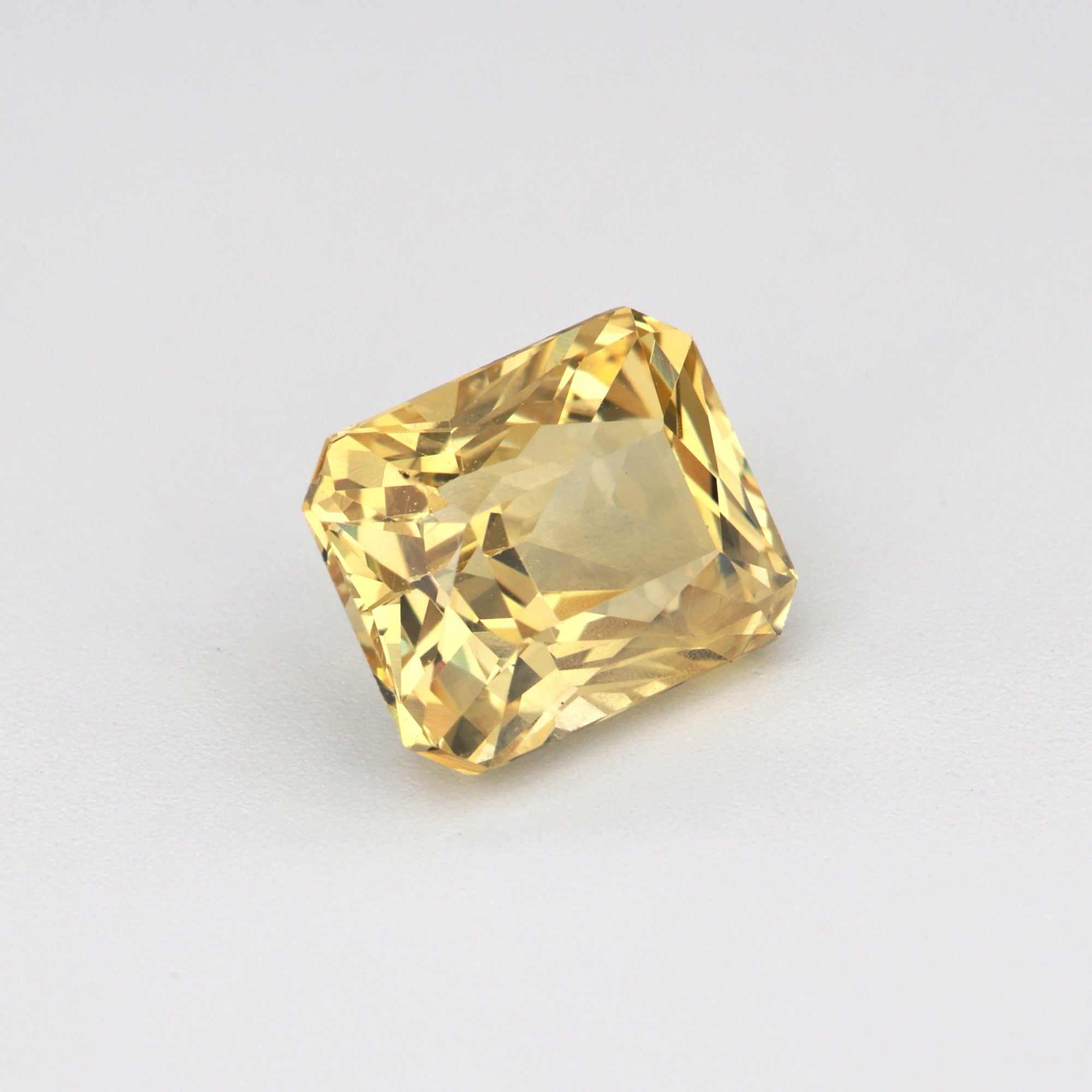
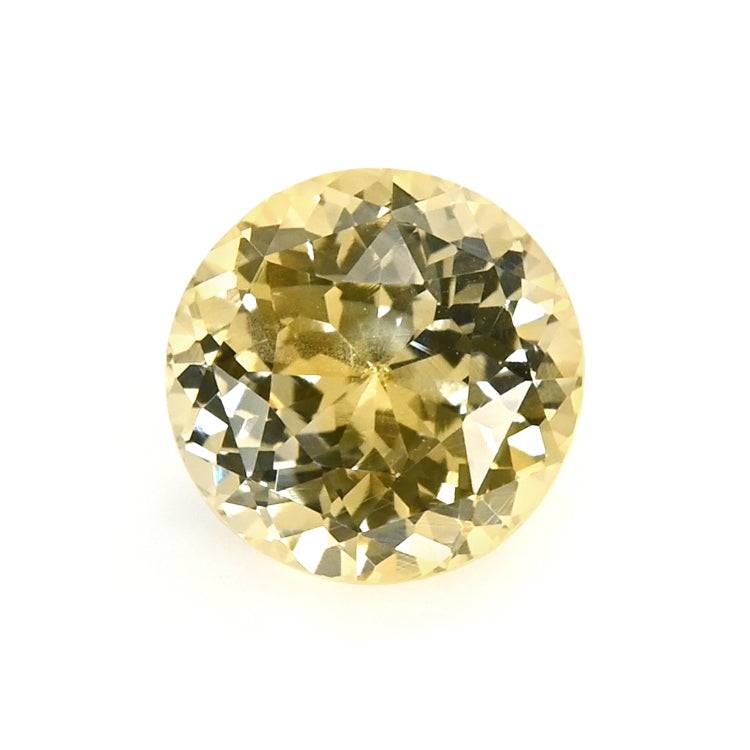
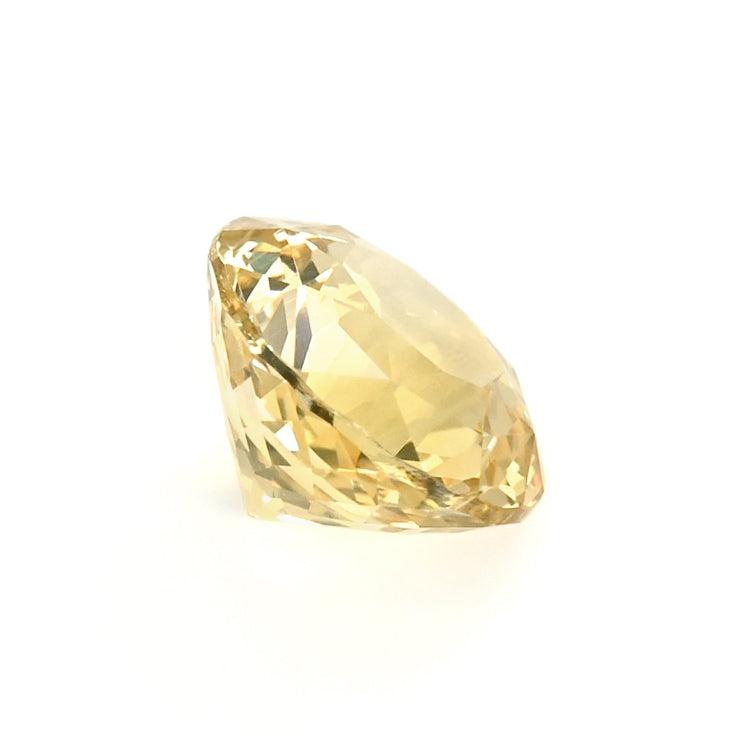
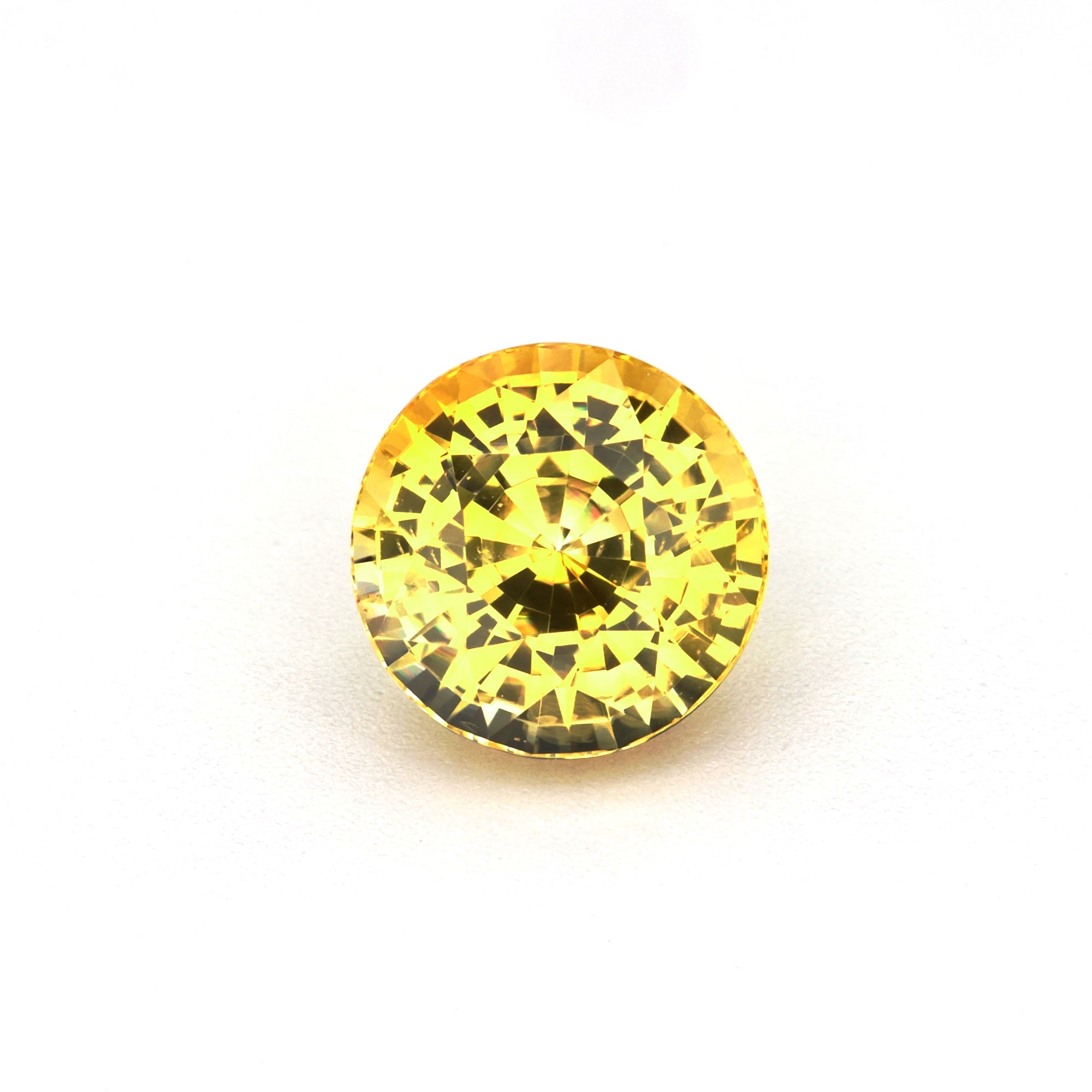
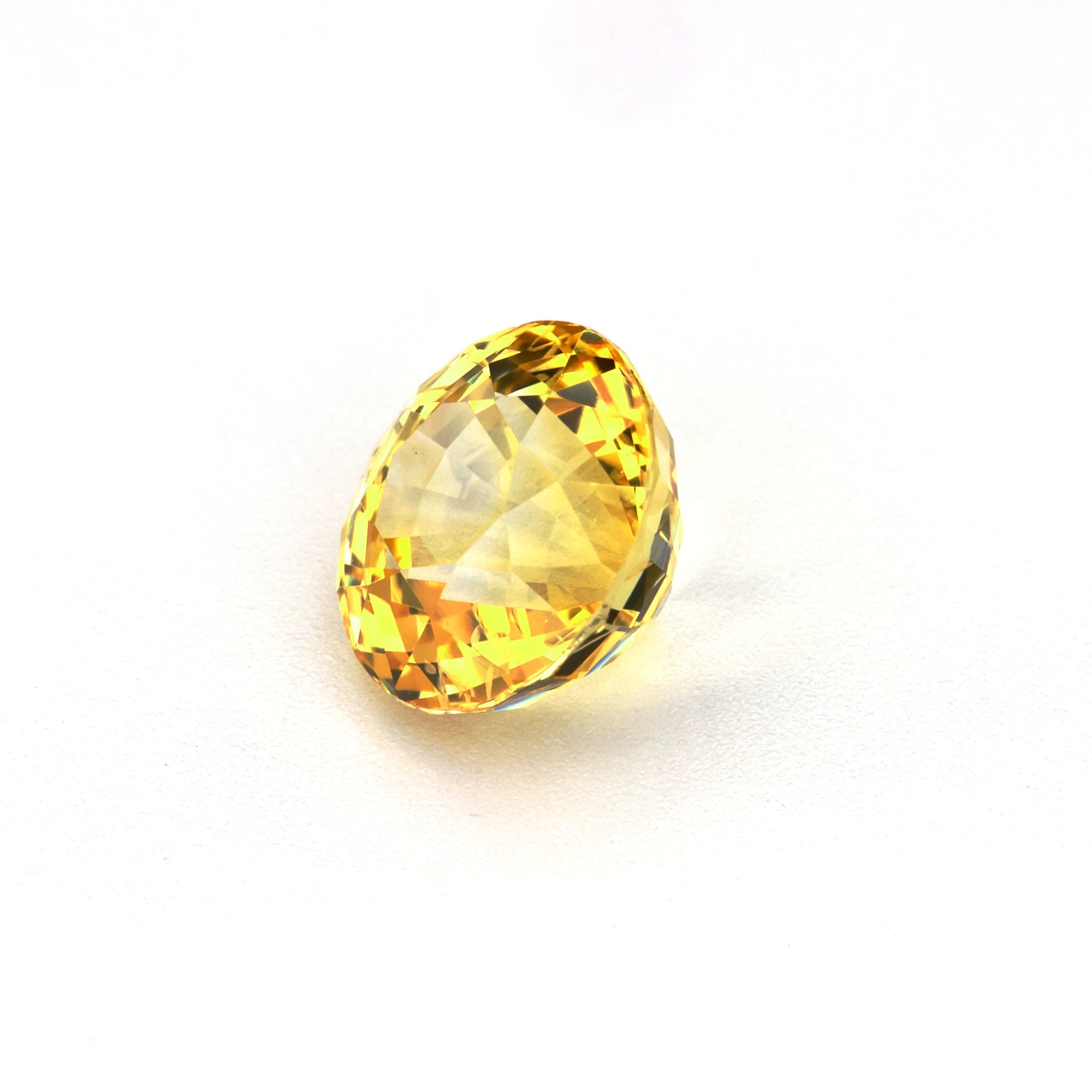
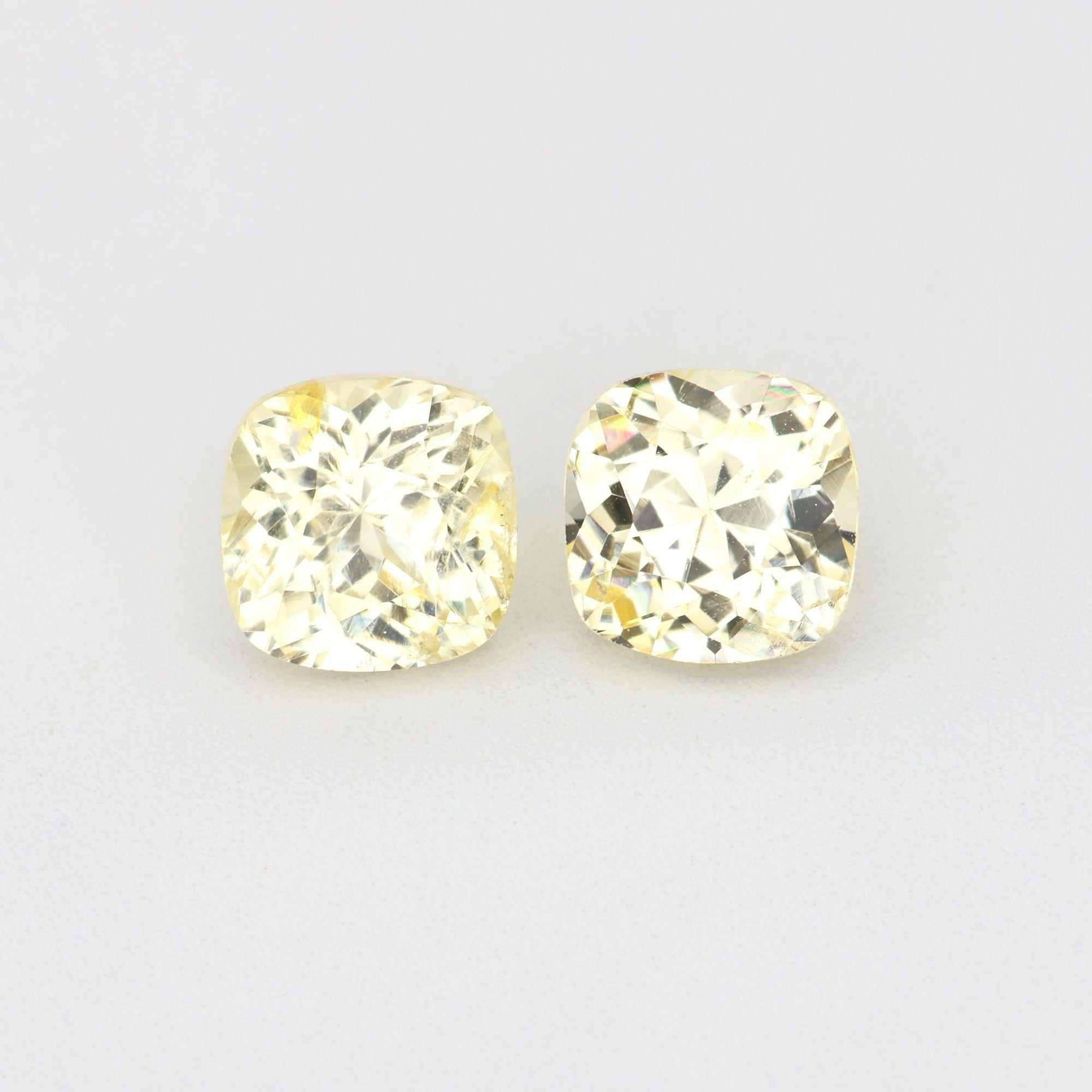
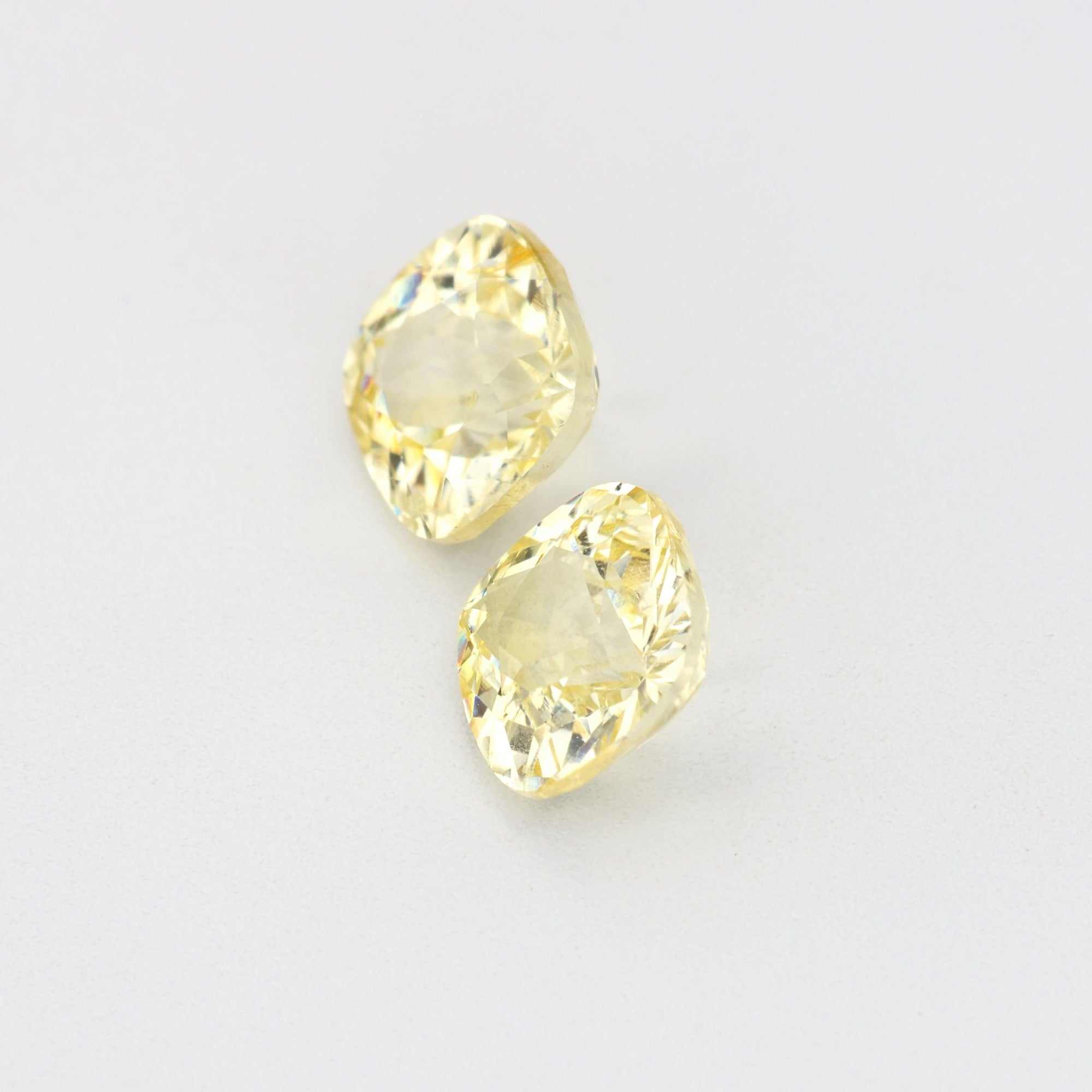
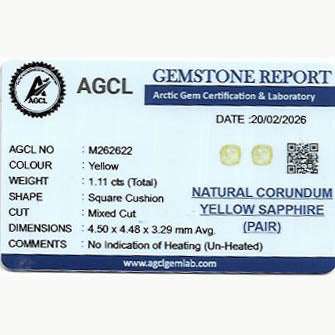
In Jyotish, yellow sapphire is the stone associated with Jupiter — Guru or Brihaspati — and it is known as Pukhraj. The tradition also sets the weight, the metal, the finger and the day, and those vary by chart. A practitioner gives them; we publish no table of them.
In Jyotish, blue sapphire is the stone associated with Saturn — Shani — and it is known as Neelam. The tradition holds Saturn to be the most powerful of the planetary influences and treats Neelam as the prescription to approach most carefully, and practitioners commonly discourage wearing it without having been prescribed it.
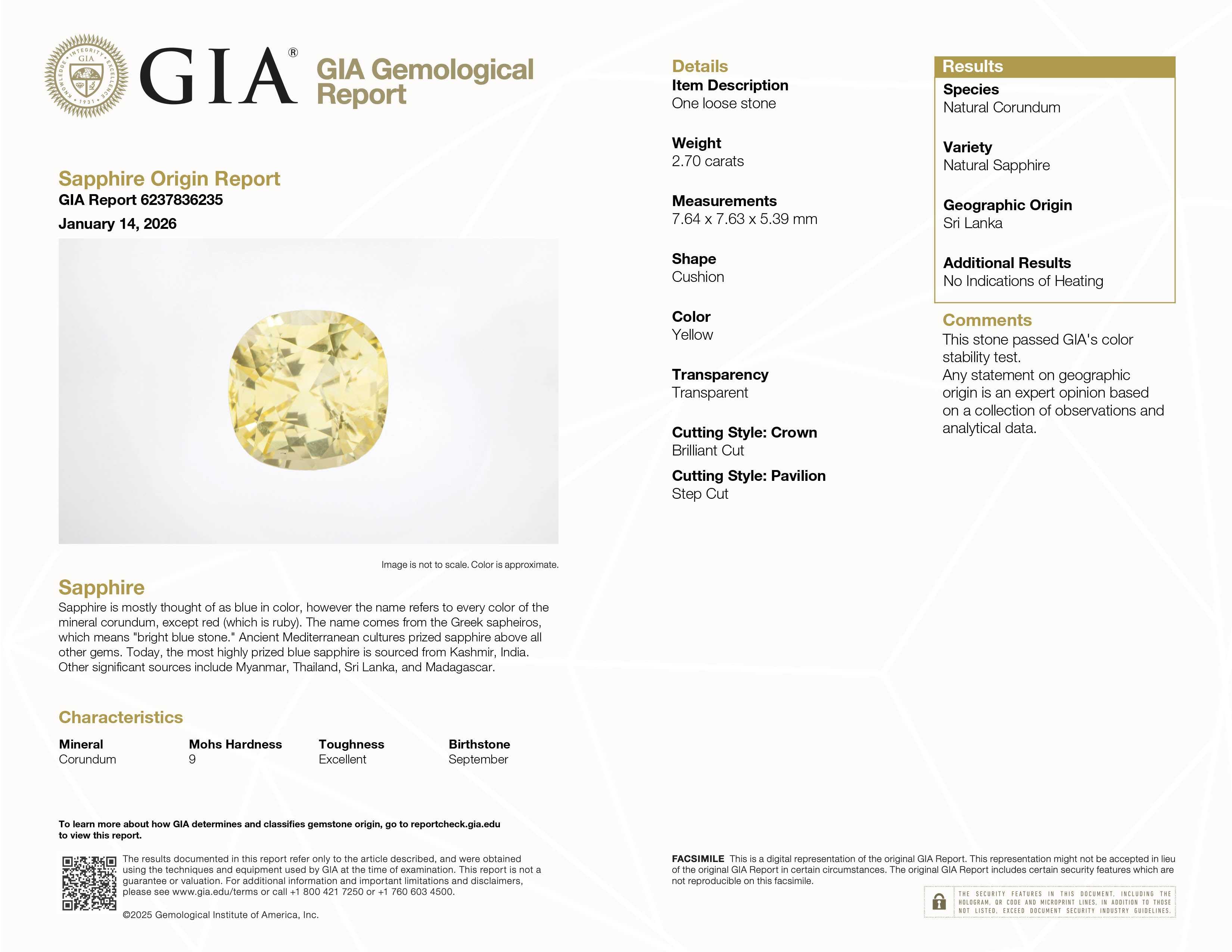
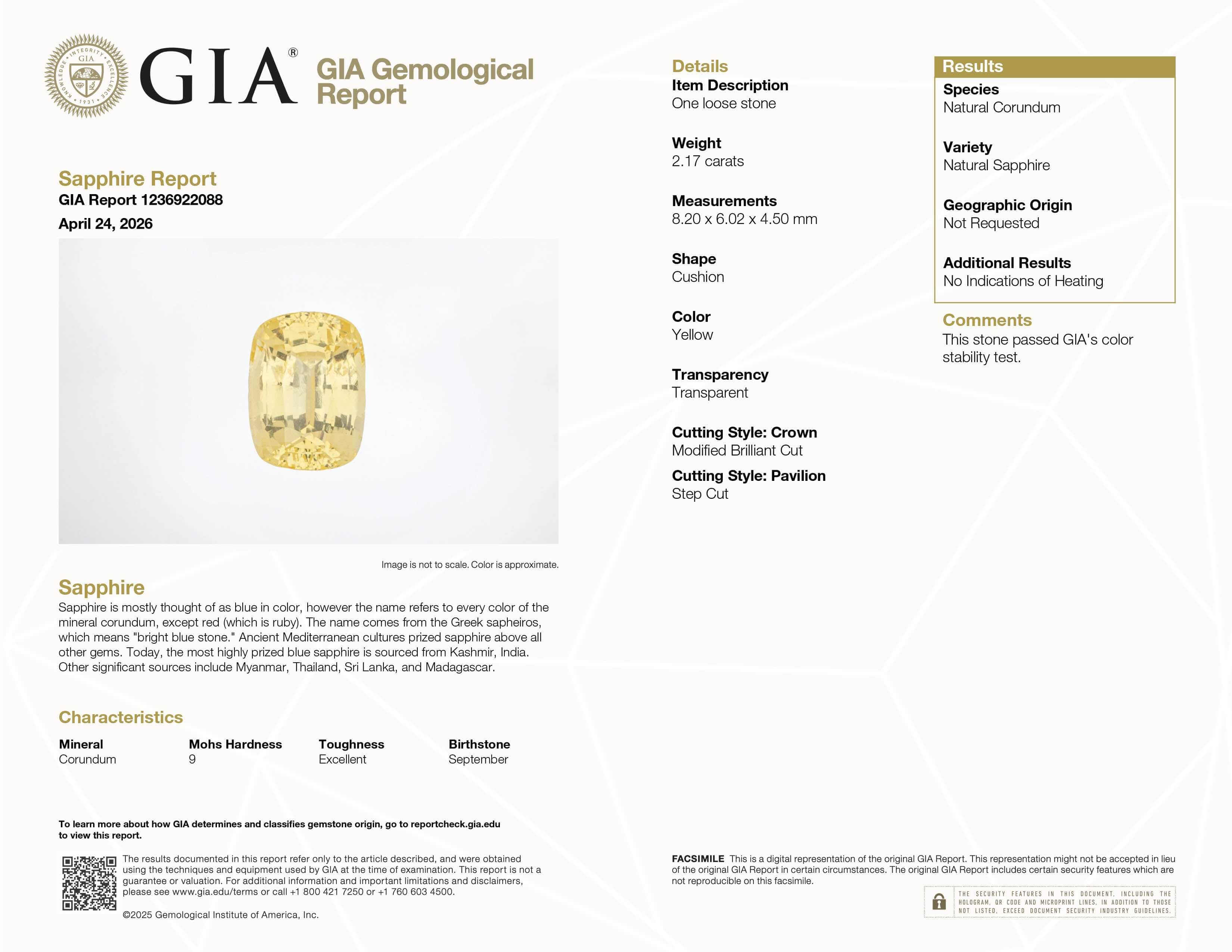
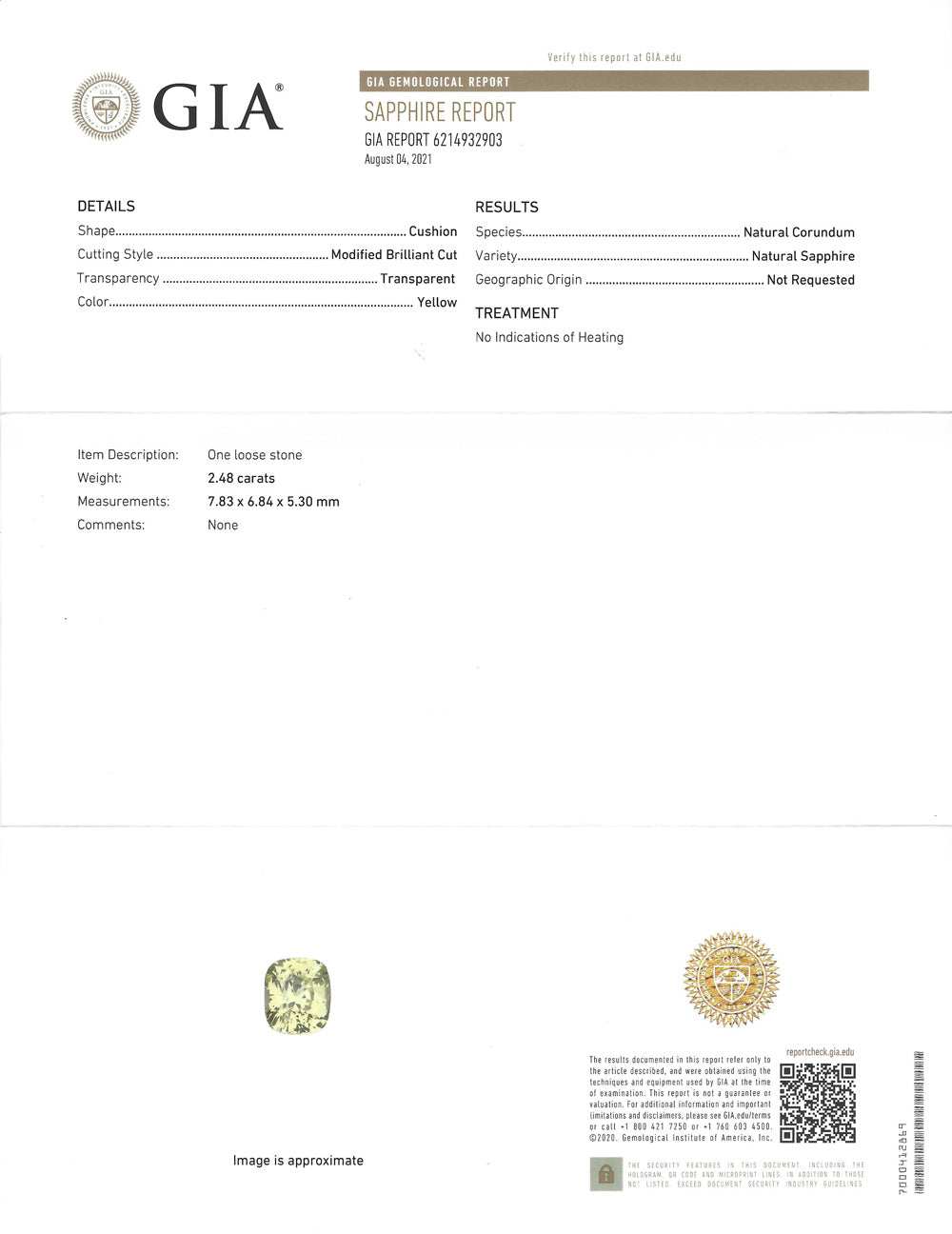
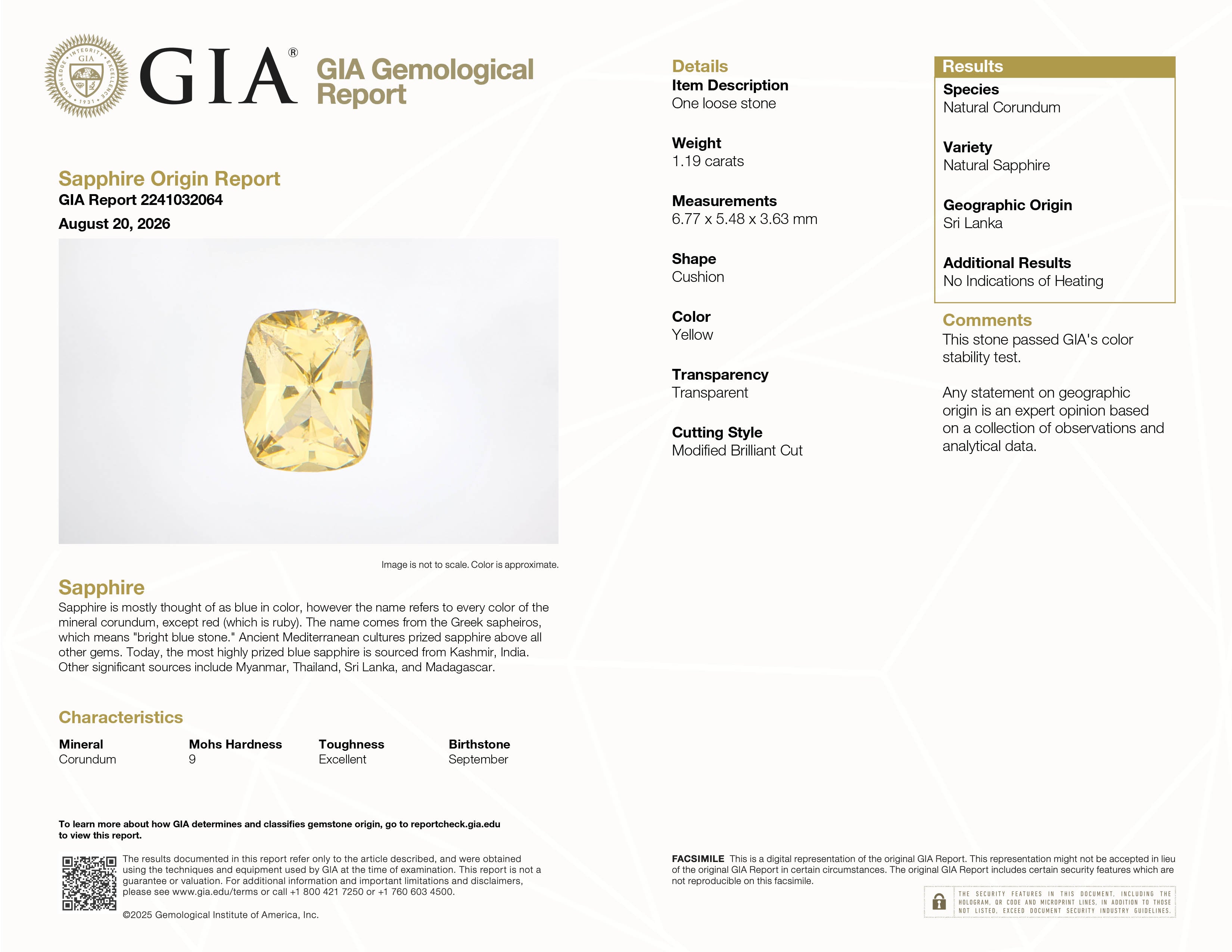
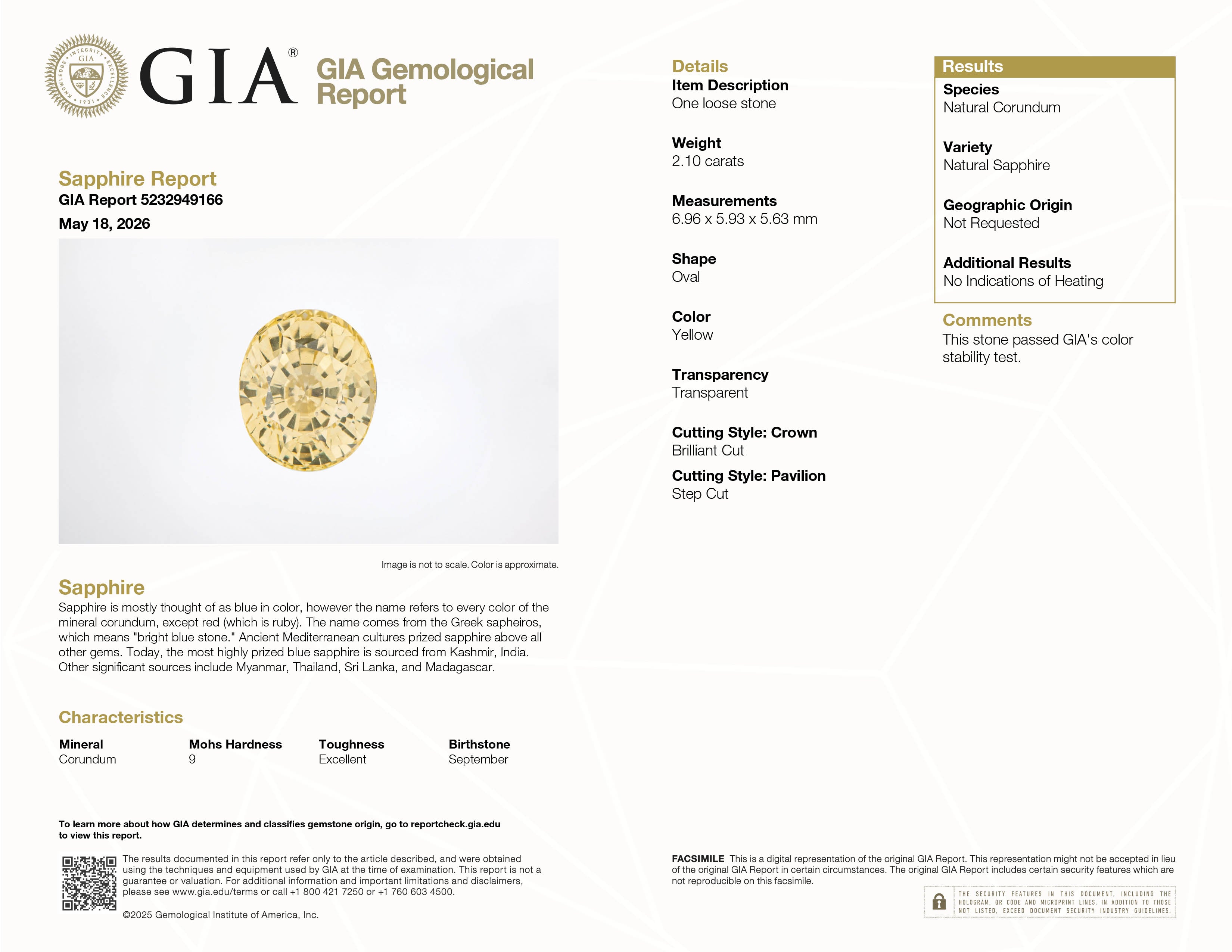
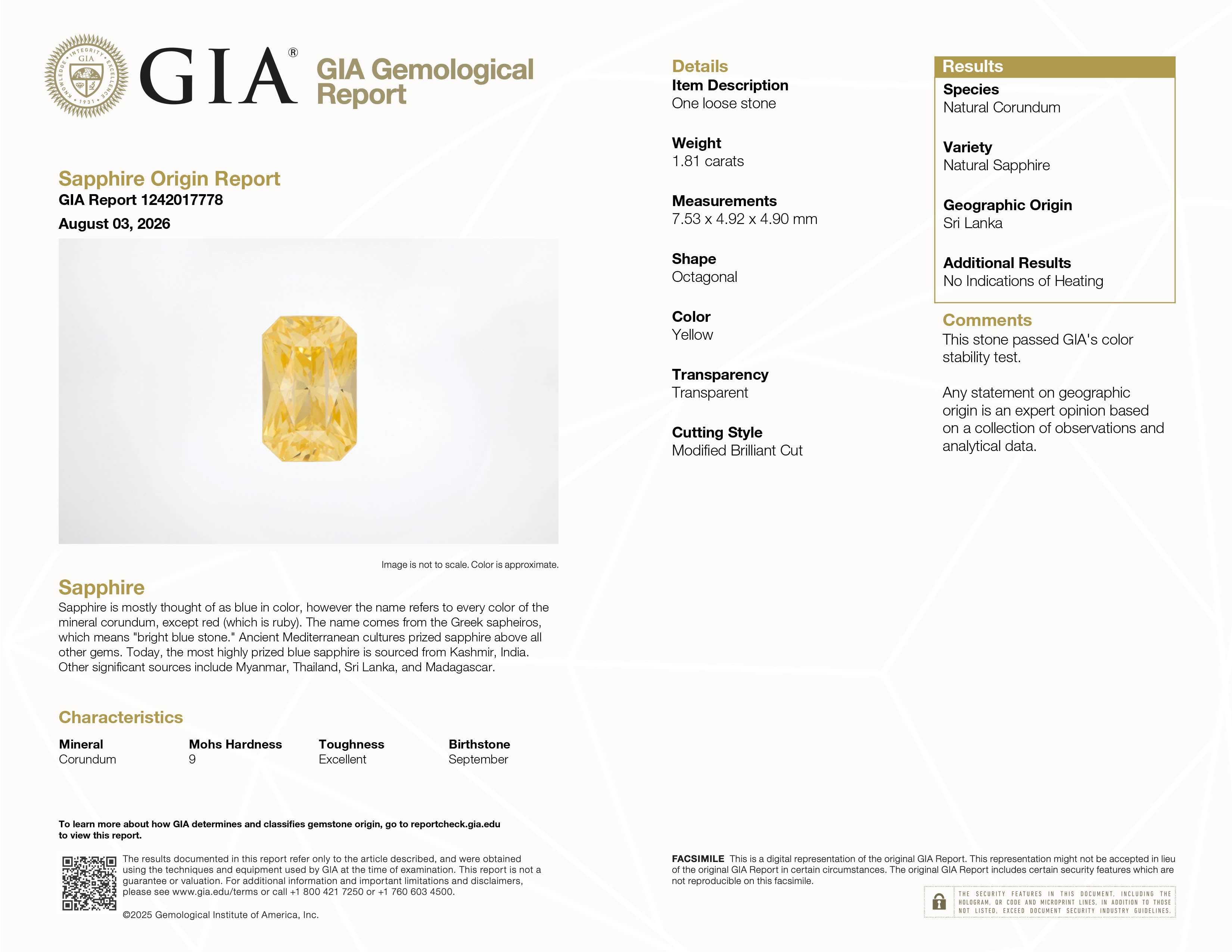
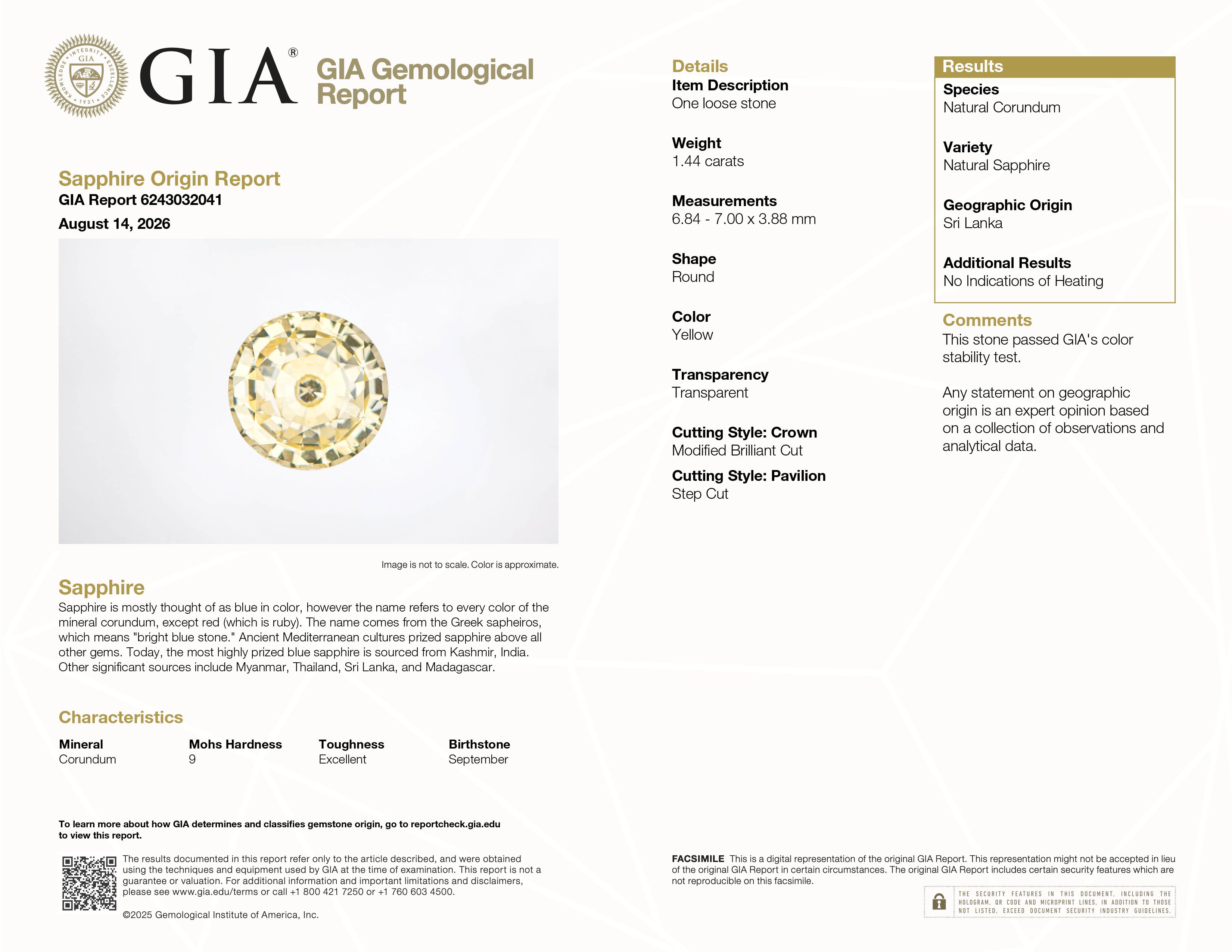
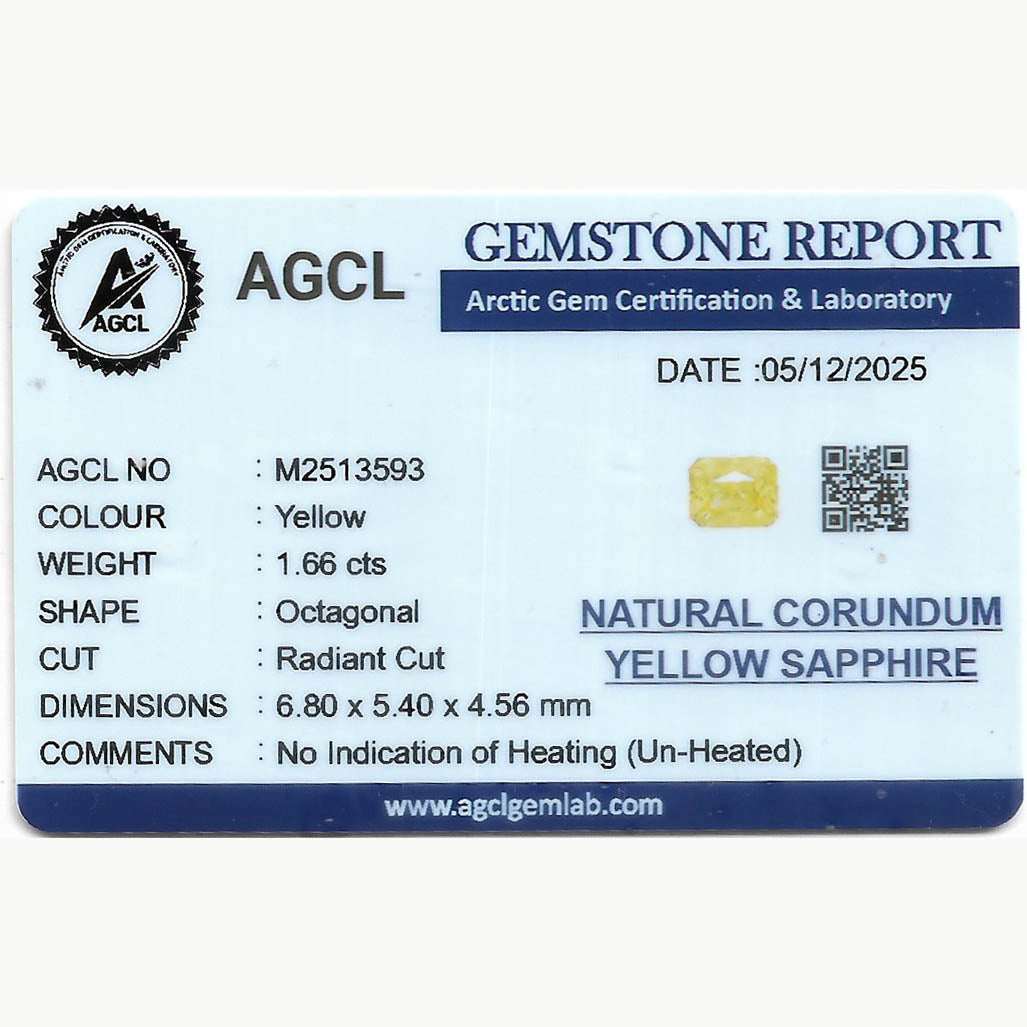
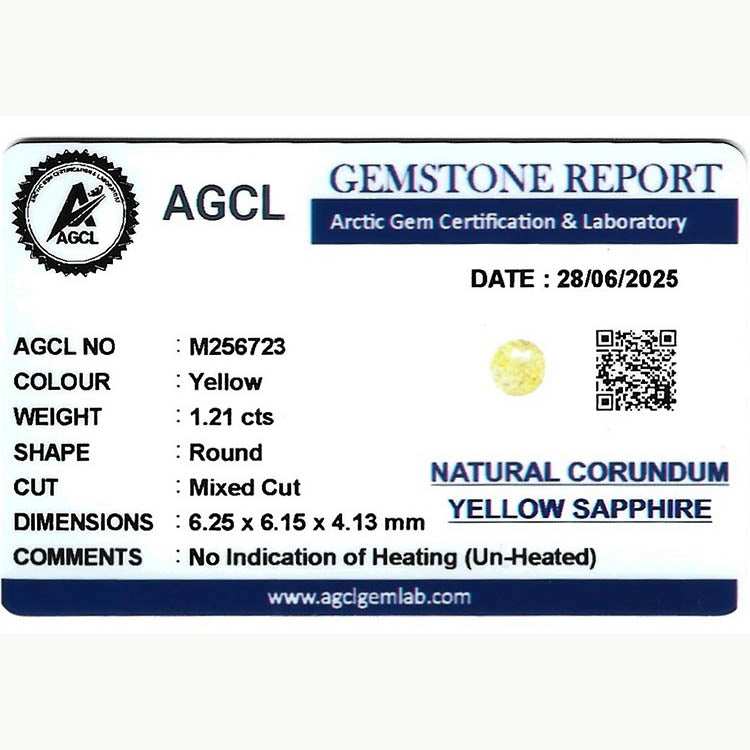
Practitioners ask for a stone whose laboratory report records no indications of heating, and that finding is printed on the report. It is a finding about heating: it is not a statement that nothing else was done to the stone. If the requirement you have been given is wider than heat, ask us for the report itself and read it.
Heat treatment is long established in the jewellery trade. Jyotish practice does not accept it — so for a Jyotish buyer the treatment line on the document is the line that matters, and a seller's word for it is not a substitute for reading it.
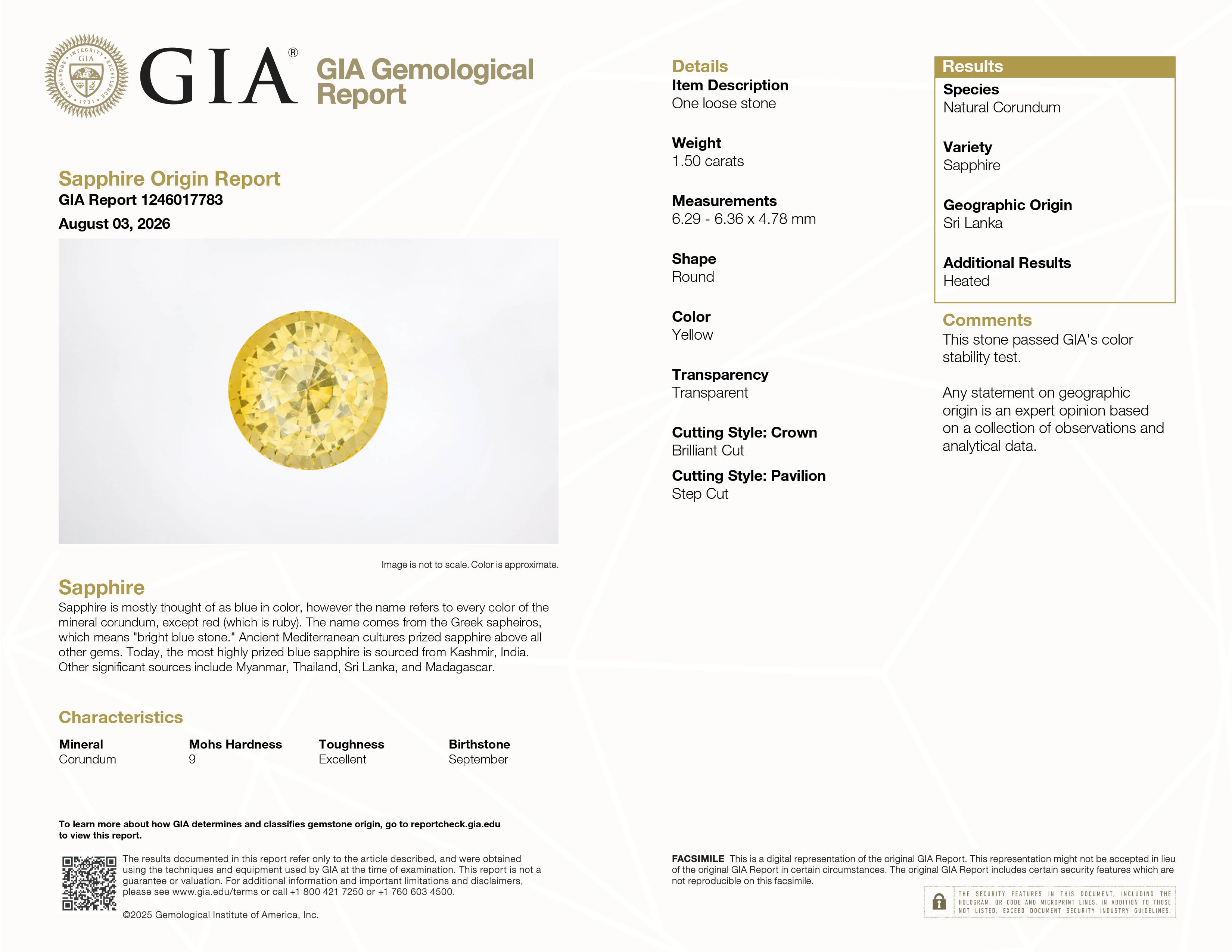
On a GIA report the finding appears as the printed phrase No Indications of Heating. That is where to look. Together with the species identification, it is the only part of the tradition's list that a laboratory speaks to at all.
And it is narrower than it is usually read. A report that records no indications of heating is making a finding about heating. It is not a statement that nothing else was done to the stone, and no report we have seen says that. If your practitioner's requirement is wider than heat, say so and we will send you the report itself to read rather than our summary of it.
Two further things about such a document. A laboratory issues an opinion, never a confirmation or a guarantee — most of all on geographic origin, where GIA prints its own caveat in those words: "Any statement on geographic origin is an expert opinion based on a collection of observations and analytical data." And a GIA coloured-stone report carries no clarity grade, because in GIA's own words it "doesn't grade or provide quality analysis for sapphire or other colored stones" — so any clarity or colour description you read from us is our own assessment, in our own words, and we say so on the listing.
If you want to read a report before you decide anything, email crescentgems@gmail.com and we will send you whatever document a given stone has — and tell you if it has none. Every order carries a 14-day money-back guarantee. And if you have not read one of these reports before, our guide to how to read a GIA sapphire report walks through every field on it, including the one this page is about.

CG8453
CG8468
Les prix s’affichent dans votre devise locale et peuvent évoluer. Les taxes d’importation ne sont pas incluses.
CG8453
CG8366
CG8468

CG8266


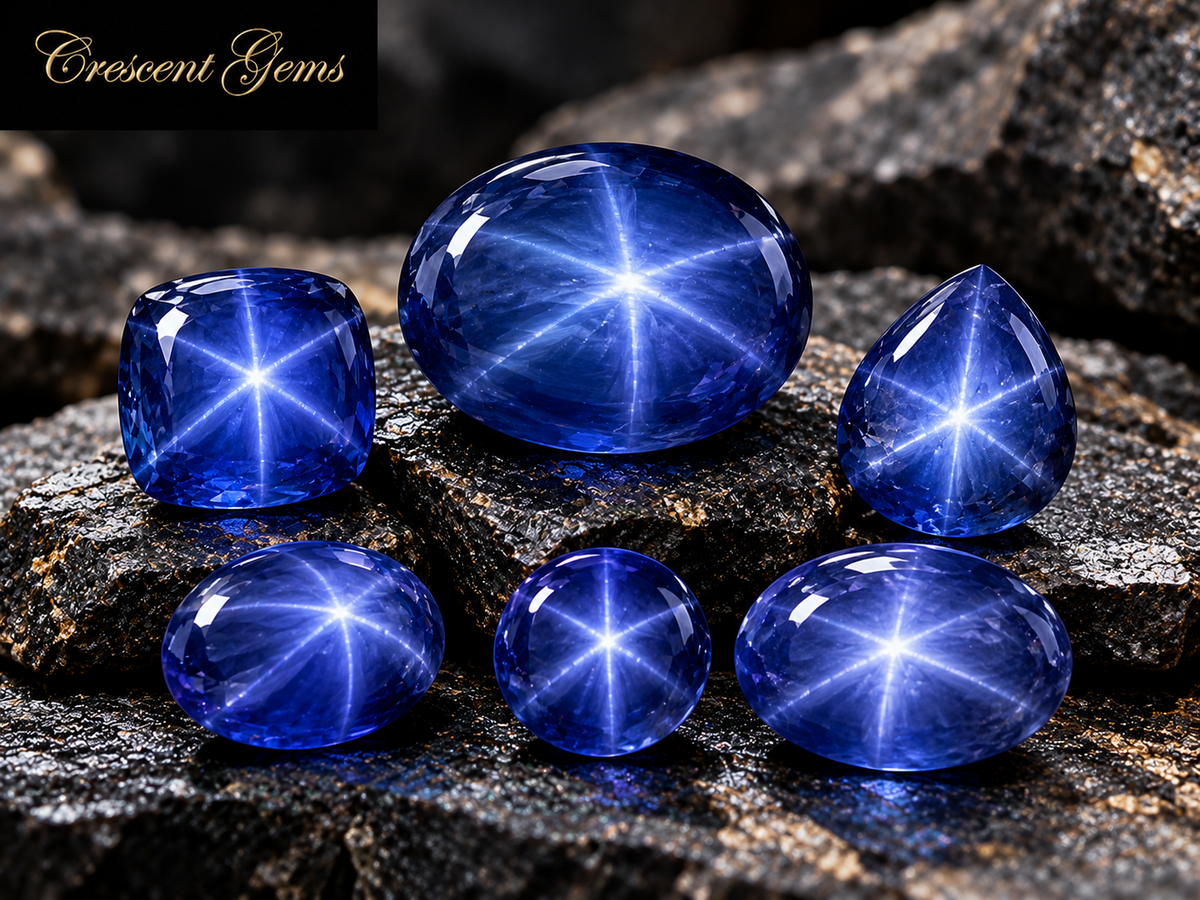
Prix du saphir bleu étoilé : fourchettes au carat et notre pierre
Ce que coûte un saphir bleu étoilé au carat, ce qui fait varier le prix, et la seule pierre que nous ayons : 8,09 ct à $4,040, avec un rapport d'origine GIA.
Plussur Prix du saphir bleu étoilé : fourchettes au carat et notre pierre
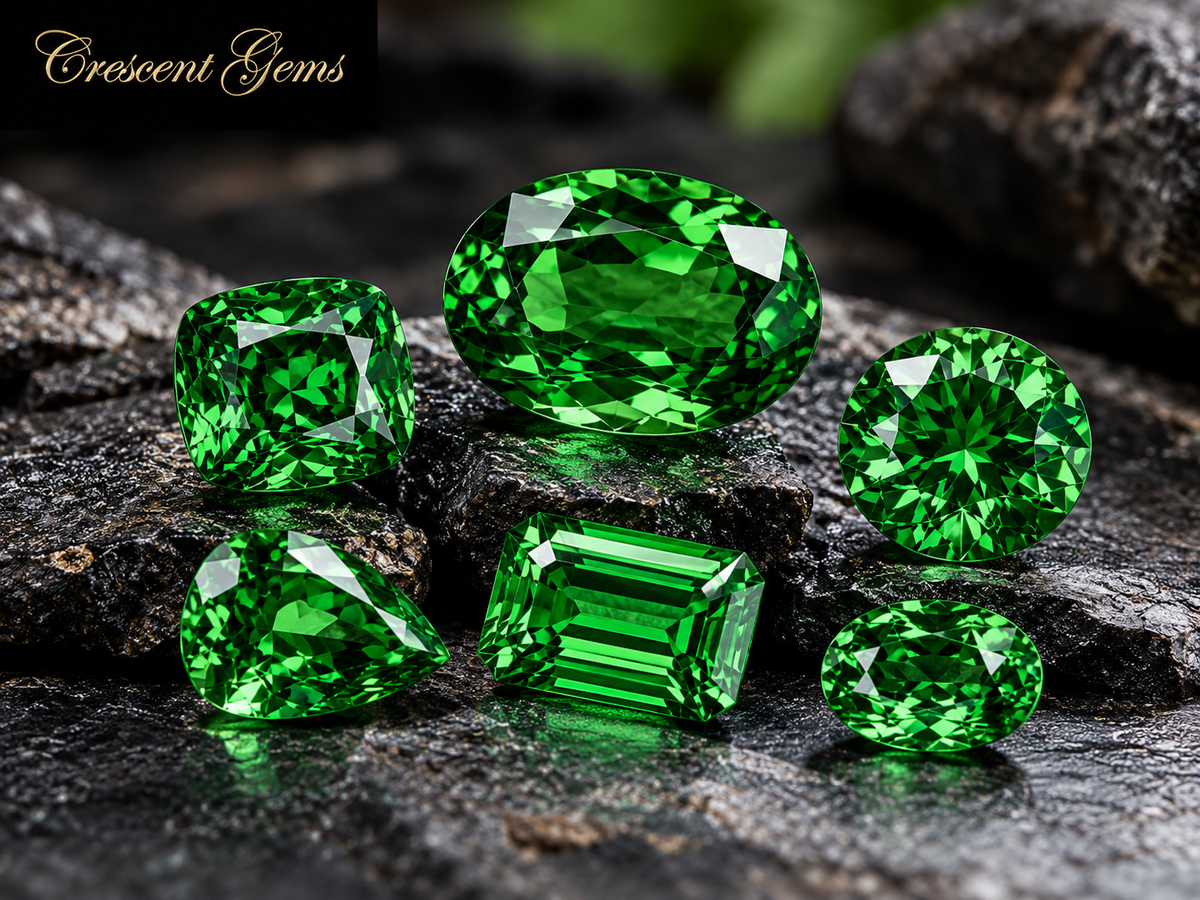
Prix de la tsavorite : notre stock, pas une grille de qualité
Nos sept tsavorites au 29 septembre 2026, de $1,177 à $22,724, dont une traitée et annoncée comme telle — et ce qui limite l'offre en grosses pierres propres.
Plussur Prix de la tsavorite : notre stock, pas une grille de qualité
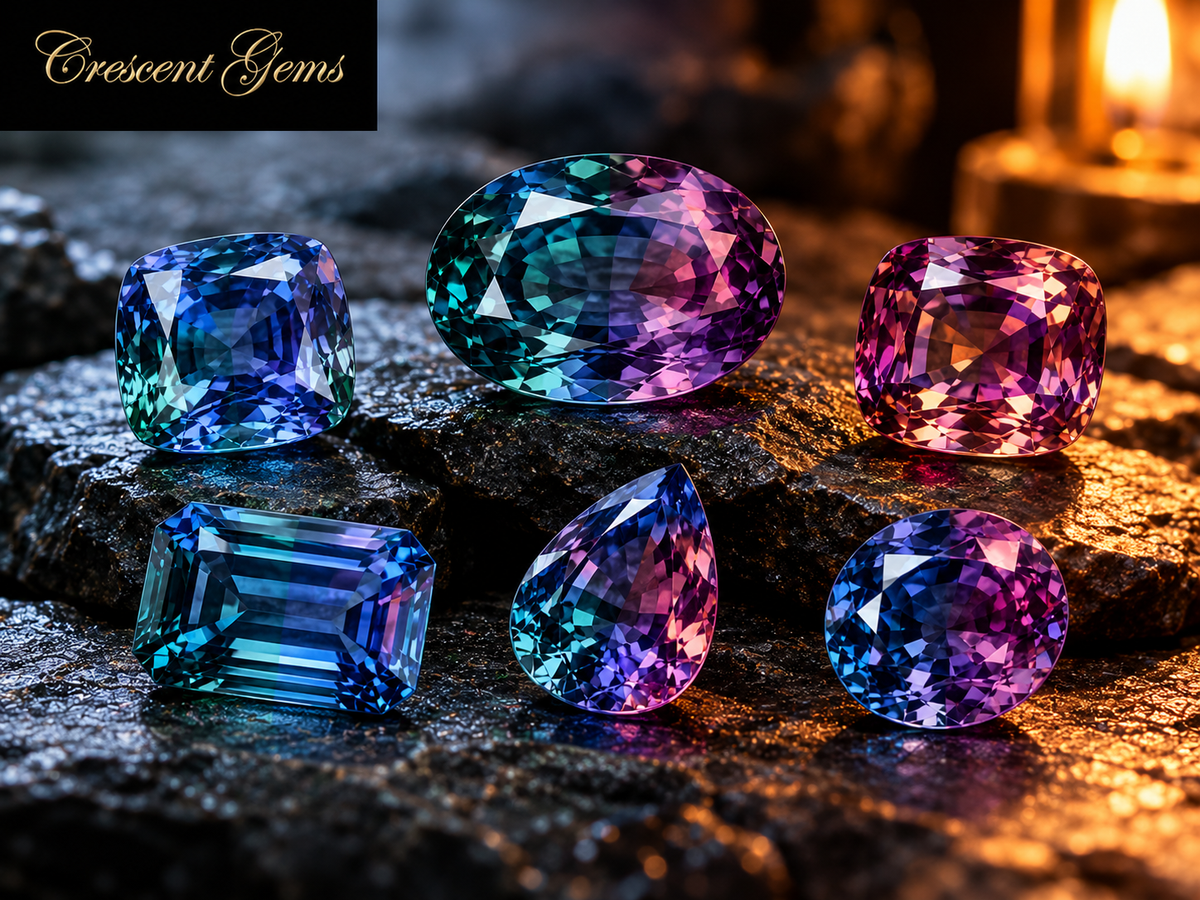
Prix du saphir à changement de couleur : au carat et nos deux pierres
Ce que coûte un saphir à changement de couleur au carat, ce qui fait réellement le prix, et nos deux pierres : 1,03 ct à $824 et 2,01 ct à $2,211.
Plussur Prix du saphir à changement de couleur : au carat et nos deux pierres
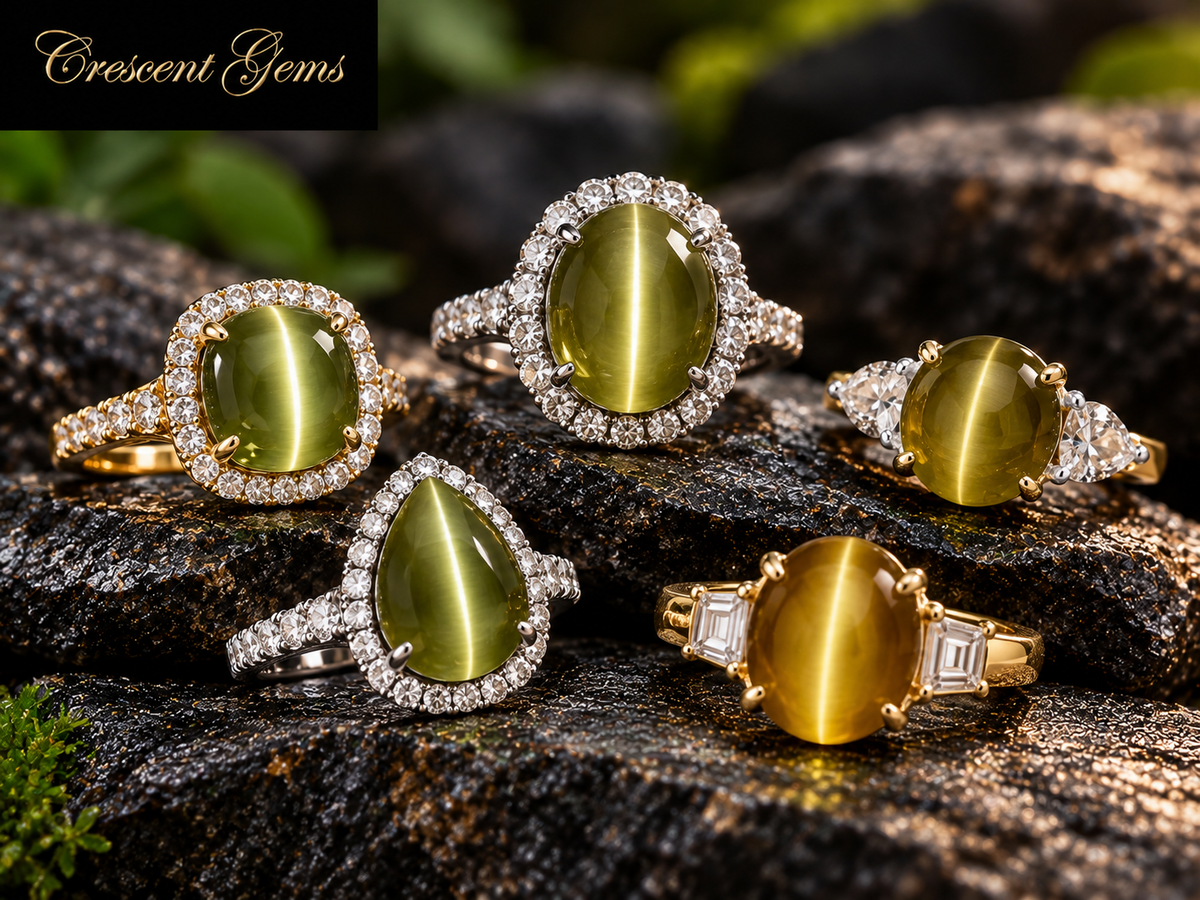
Le chrysobéryl œil-de-chat convient-il à une bague de fiançailles ?
Le chrysobéryl est à 8,5 sur l'échelle de Mohs, au-dessus du quartz (7) et en dessous du corindon (9). Ce que cela change au porter, à la monture et à l'entretien.
Plussur Le chrysobéryl œil-de-chat convient-il à une bague de fiançailles ?
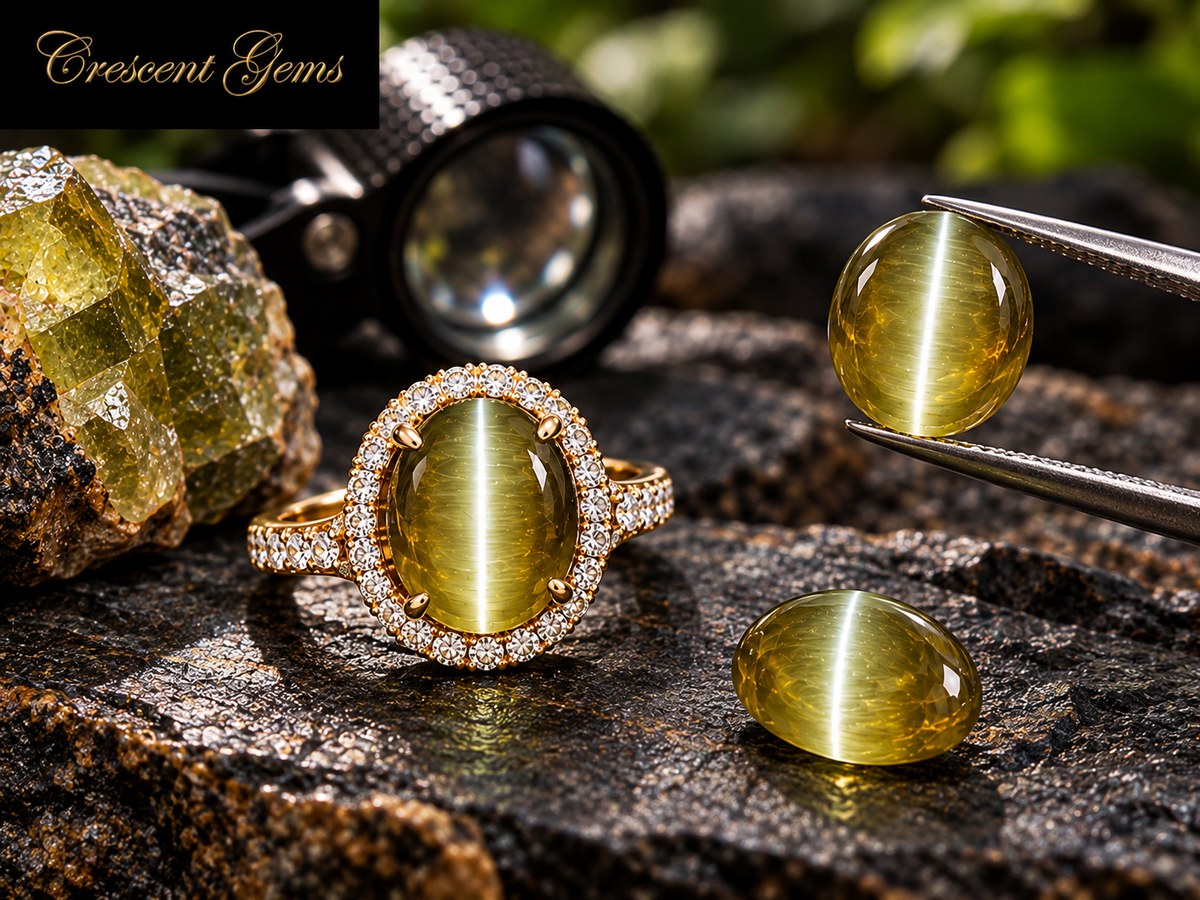
Prix du chrysobéryl œil-de-chat : au carat et nos deux pierres
Ce que coûte réellement un chrysobéryl œil-de-chat au carat, ce qui fait varier le prix, et nos deux pierres chiffrées : 2,36 ct à $3,792 et 4,25 ct à $9,482, soit $1,606.78 et $2,231.06 le carat.
Plussur Prix du chrysobéryl œil-de-chat : au carat et nos deux pierres