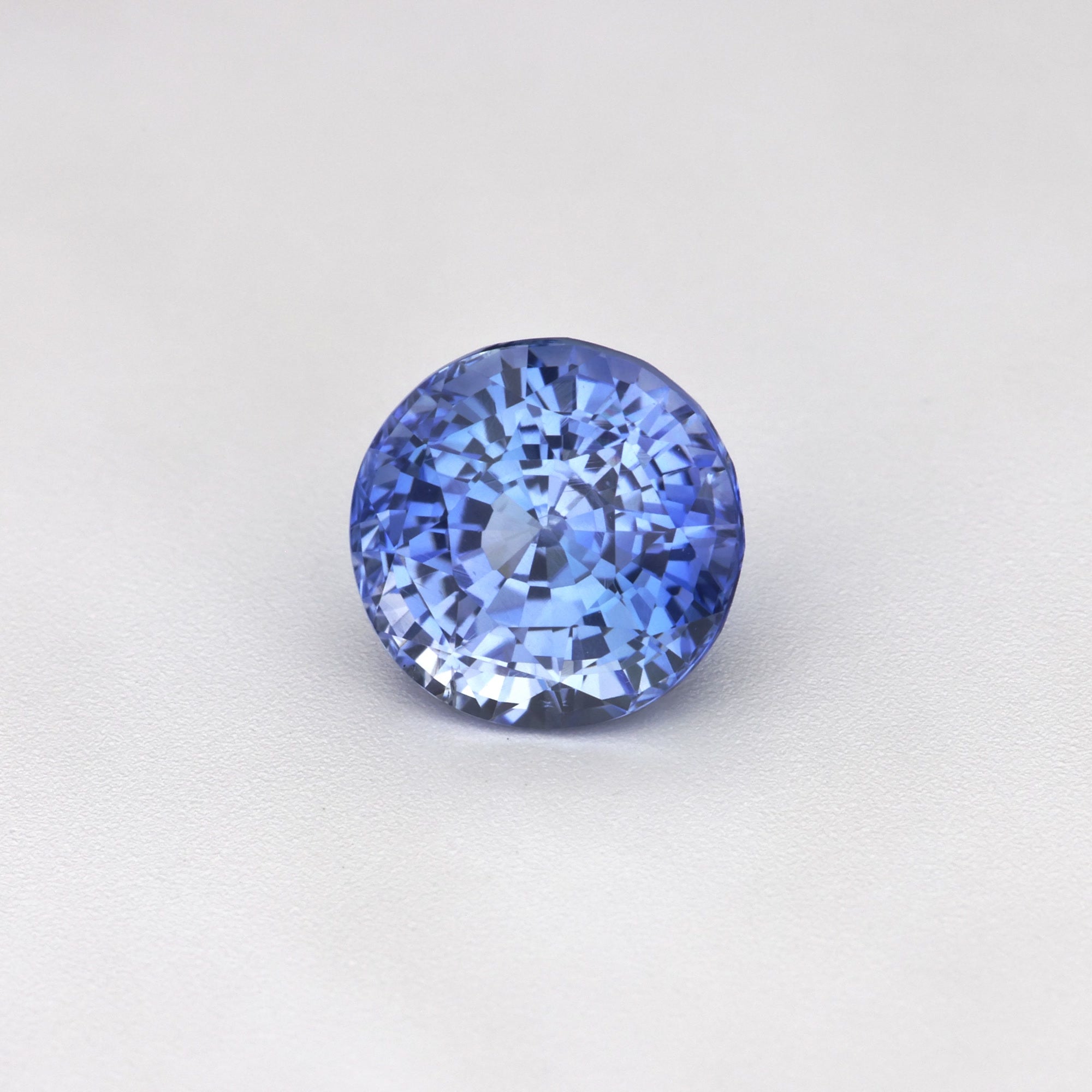
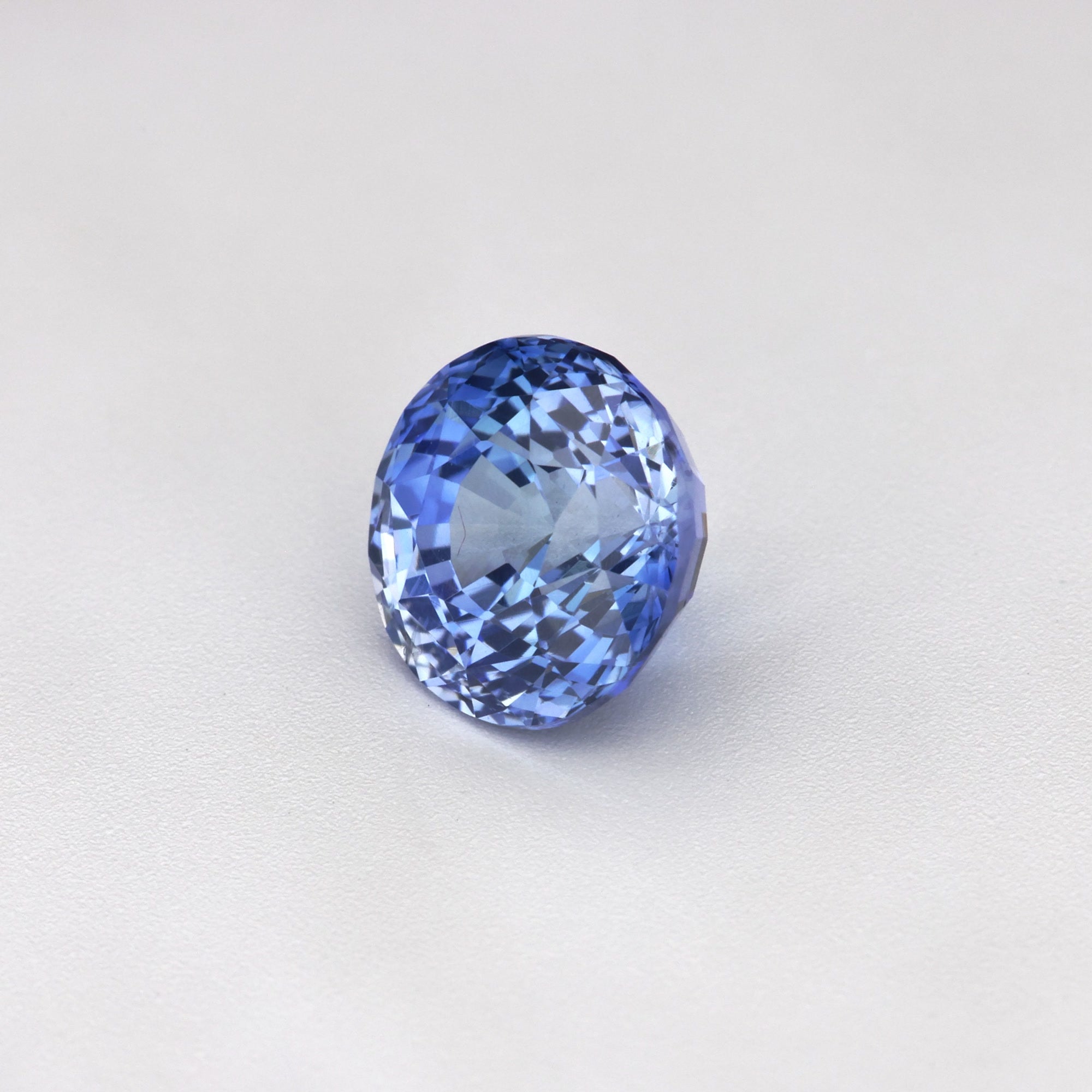
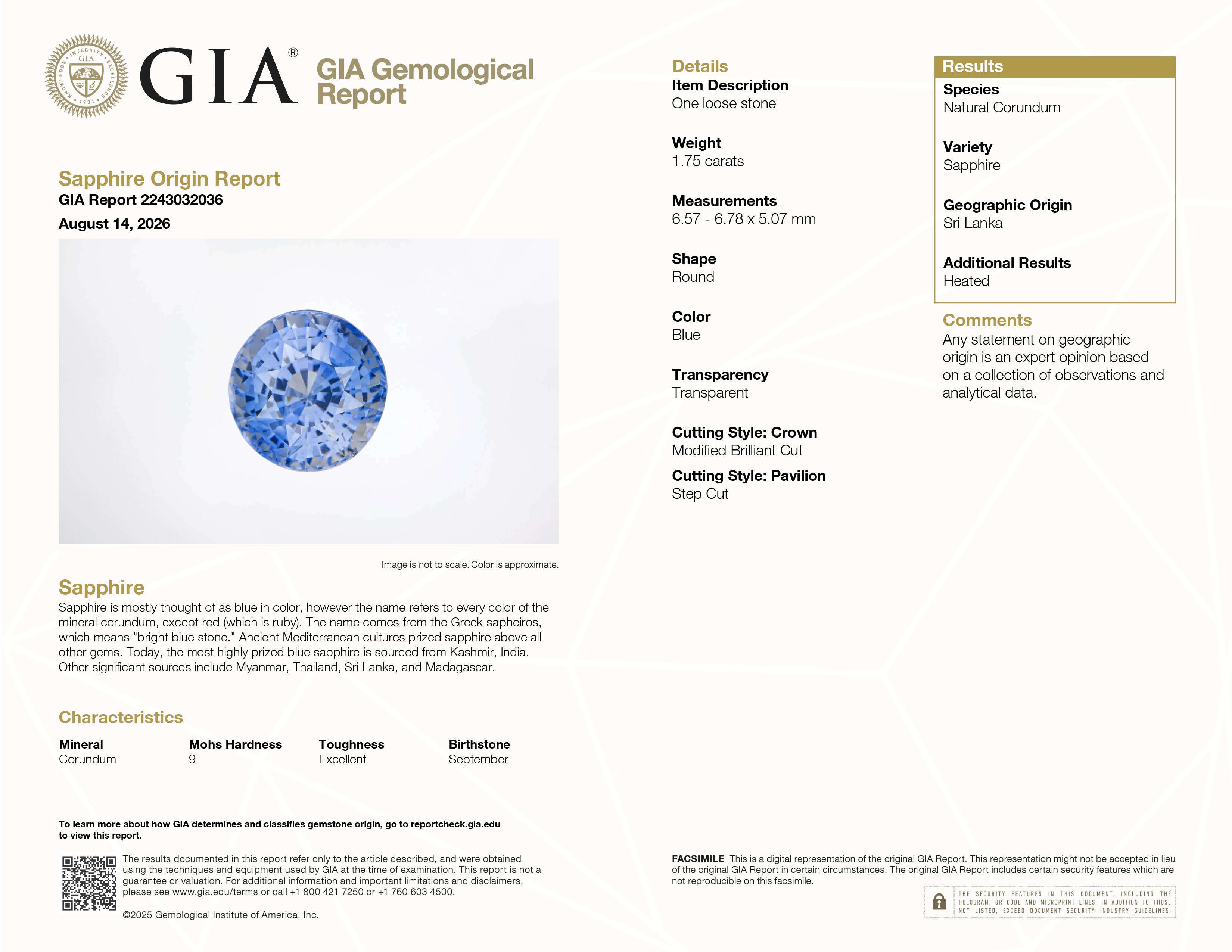
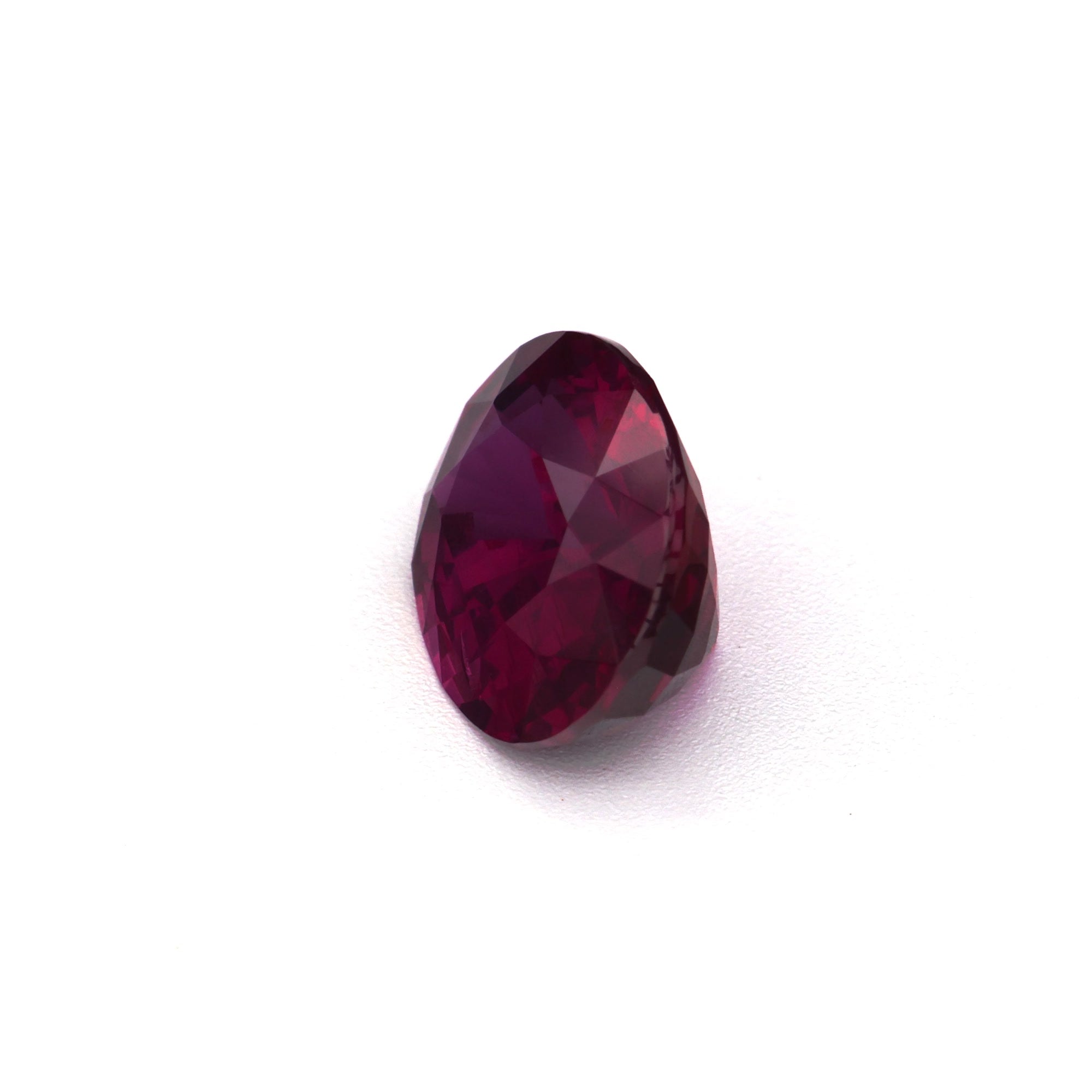
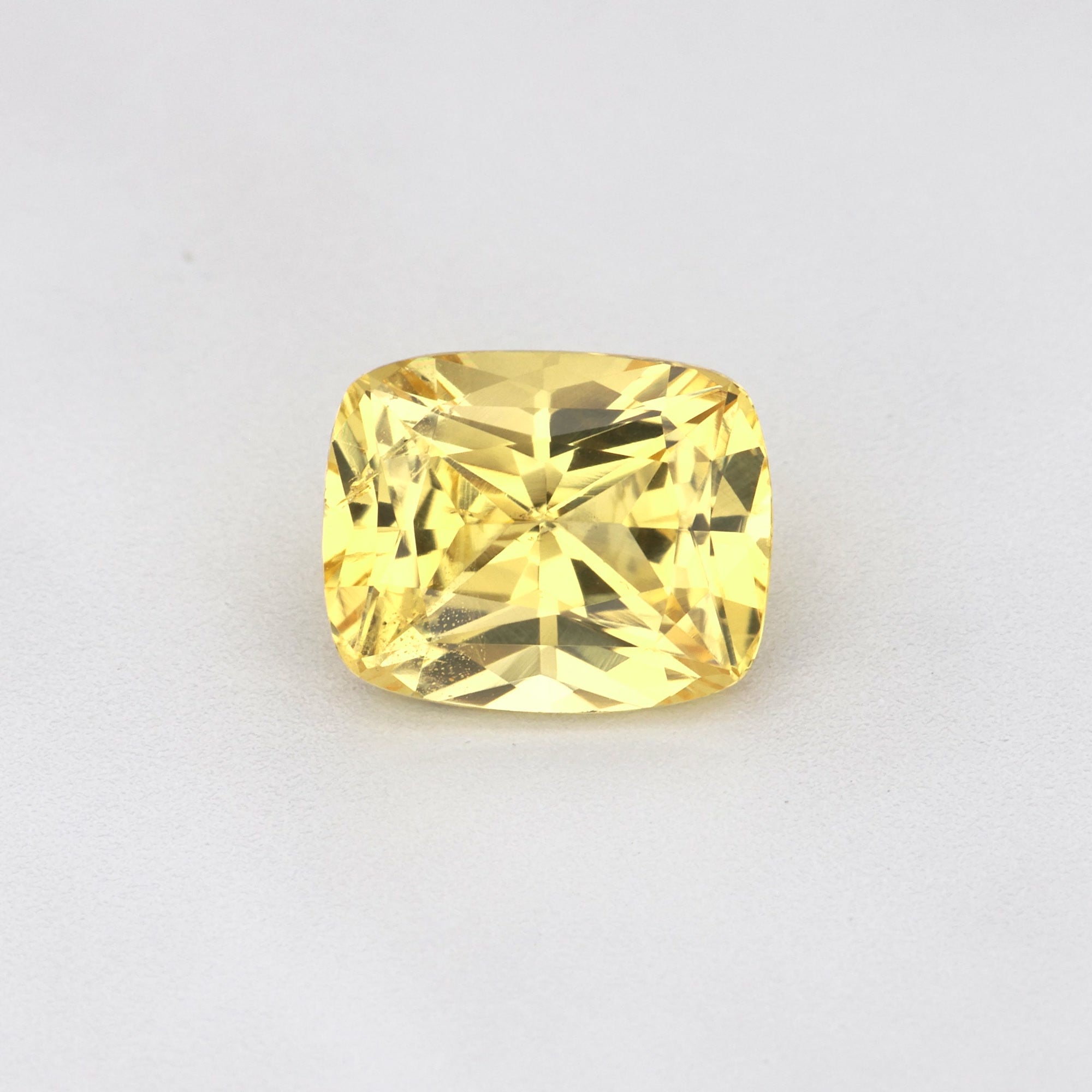
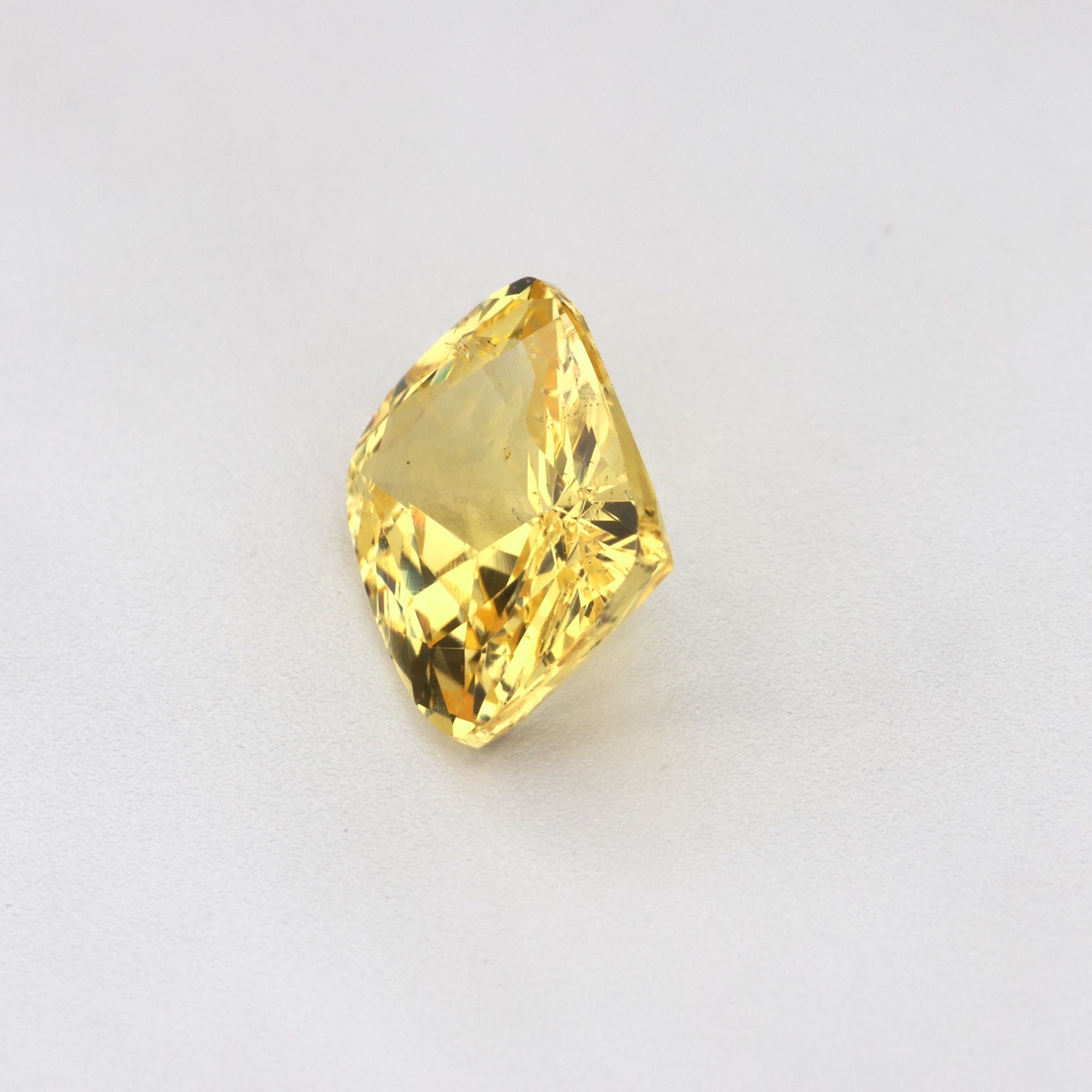
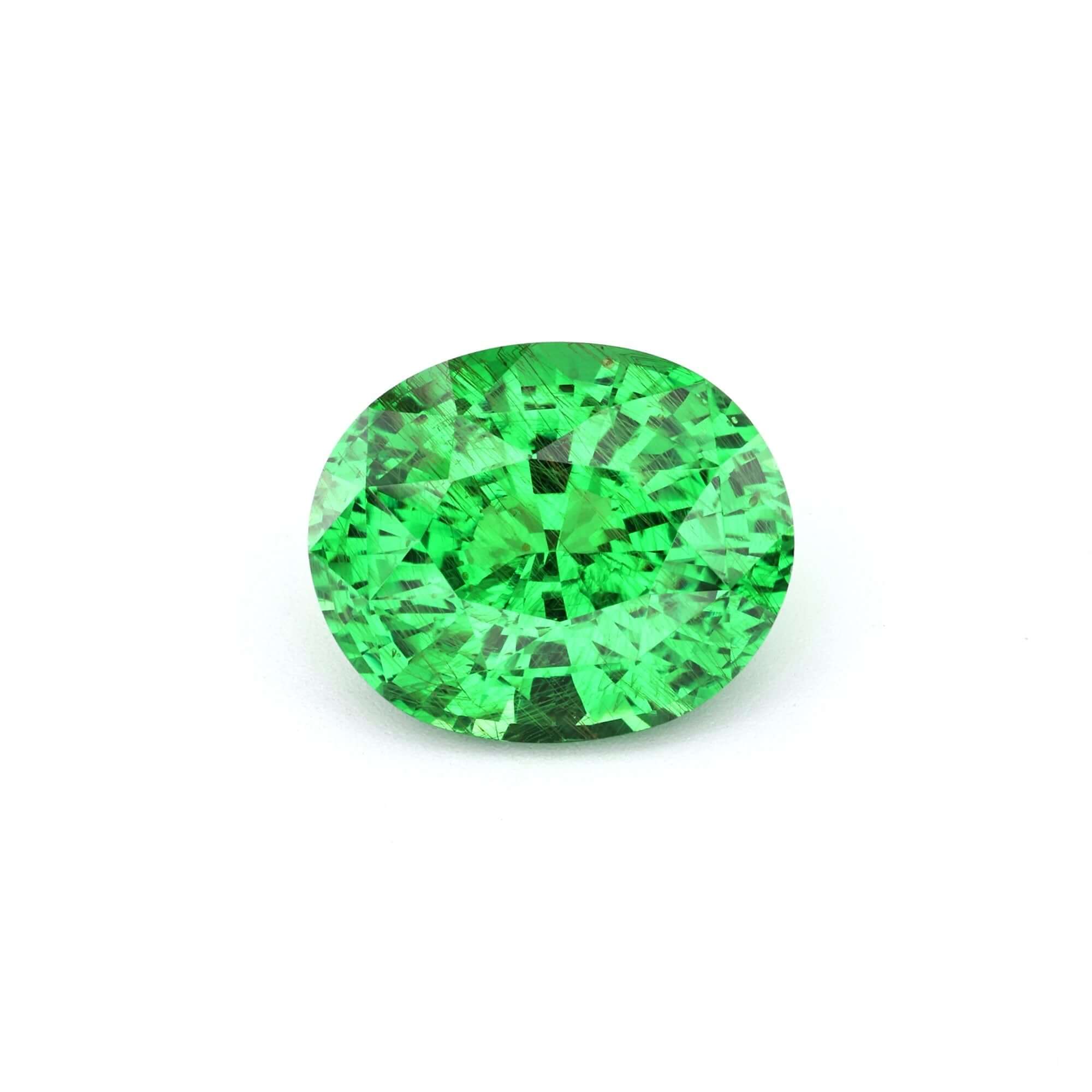
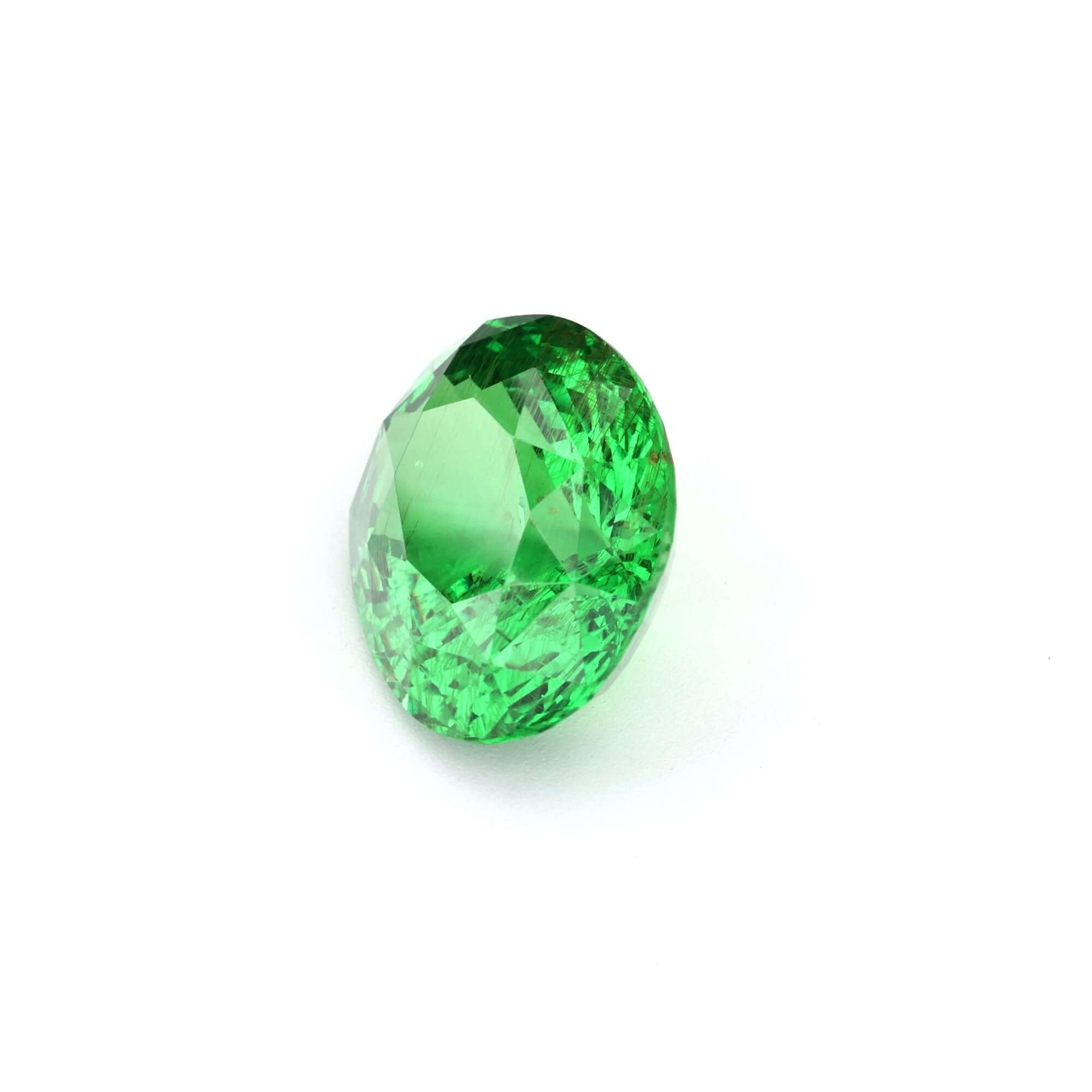
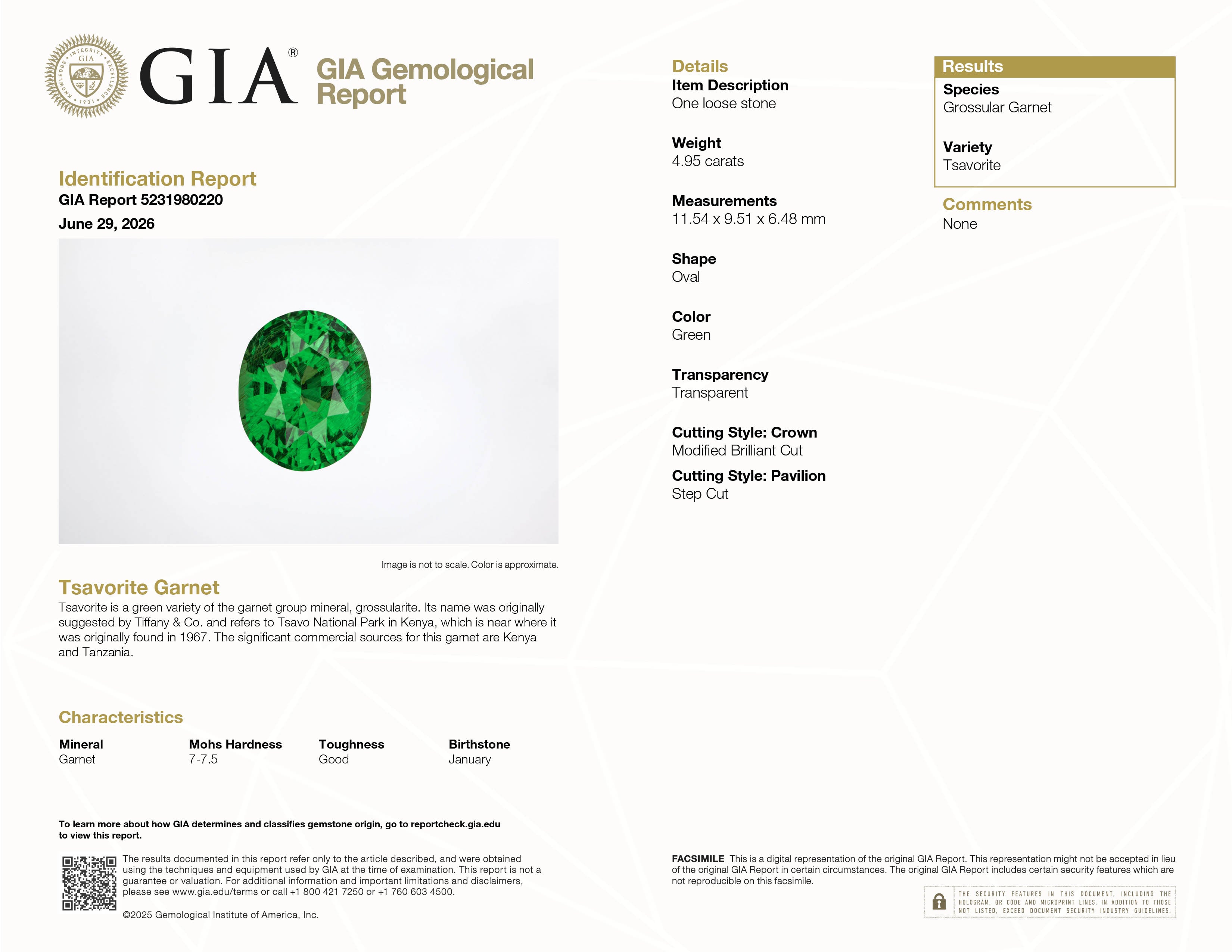
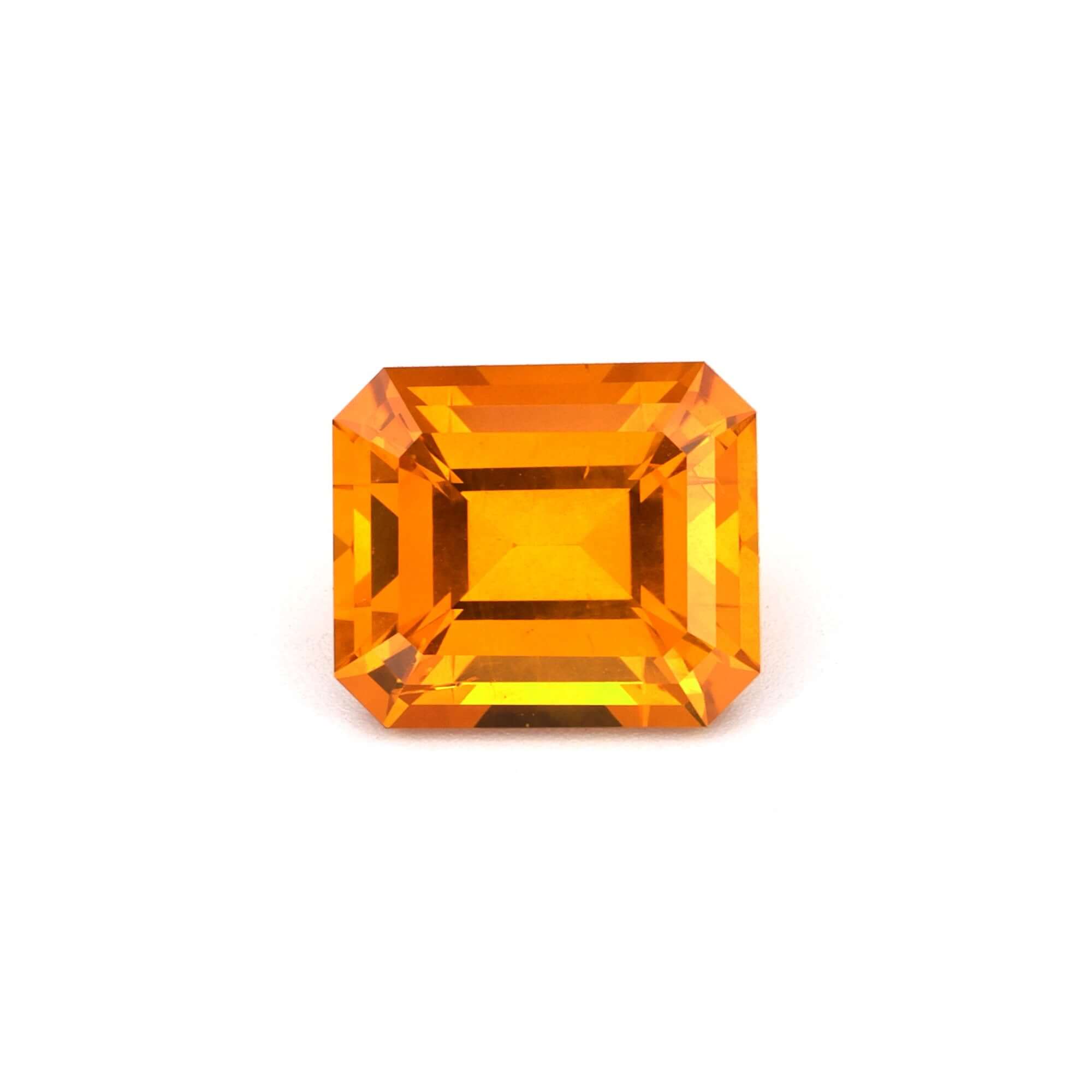
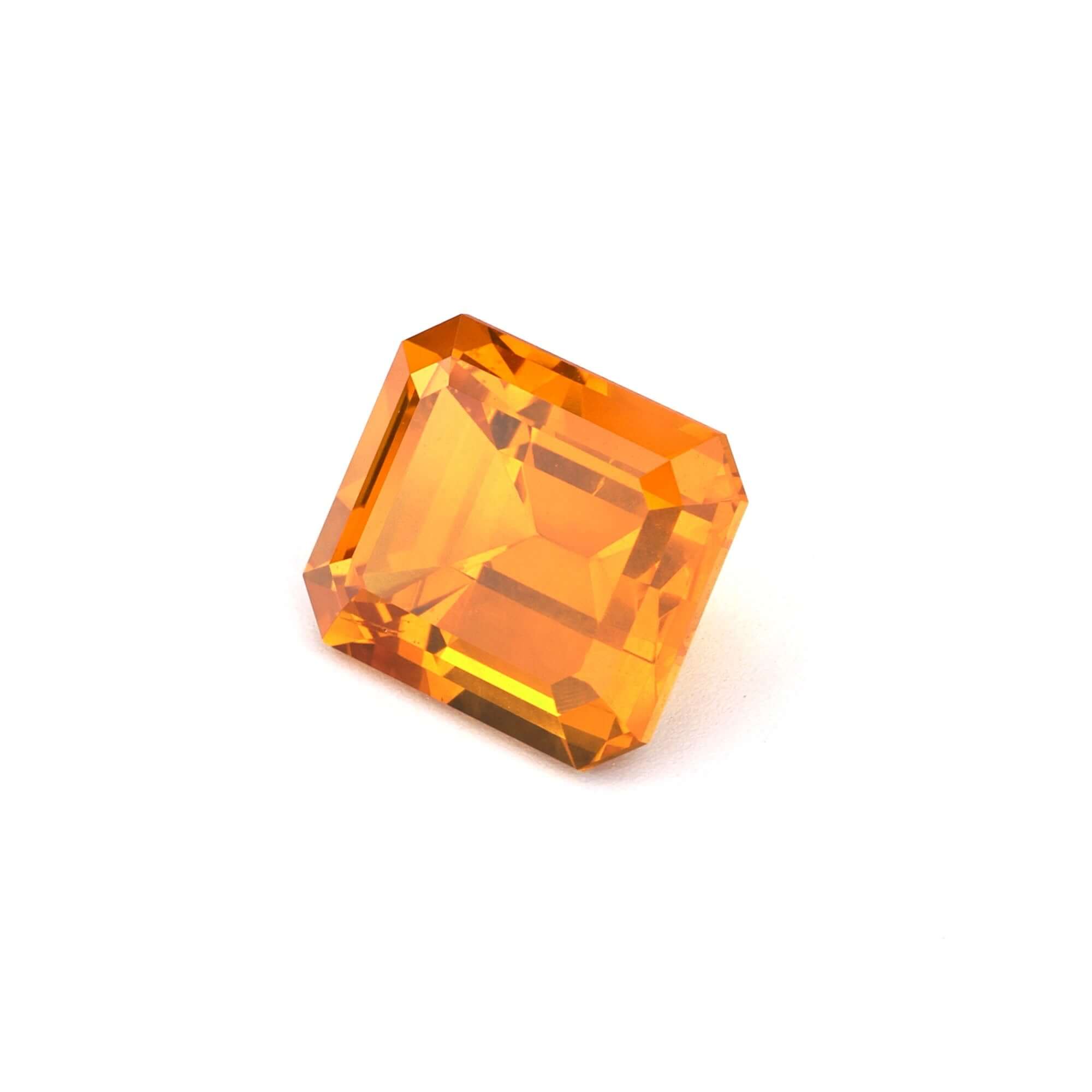
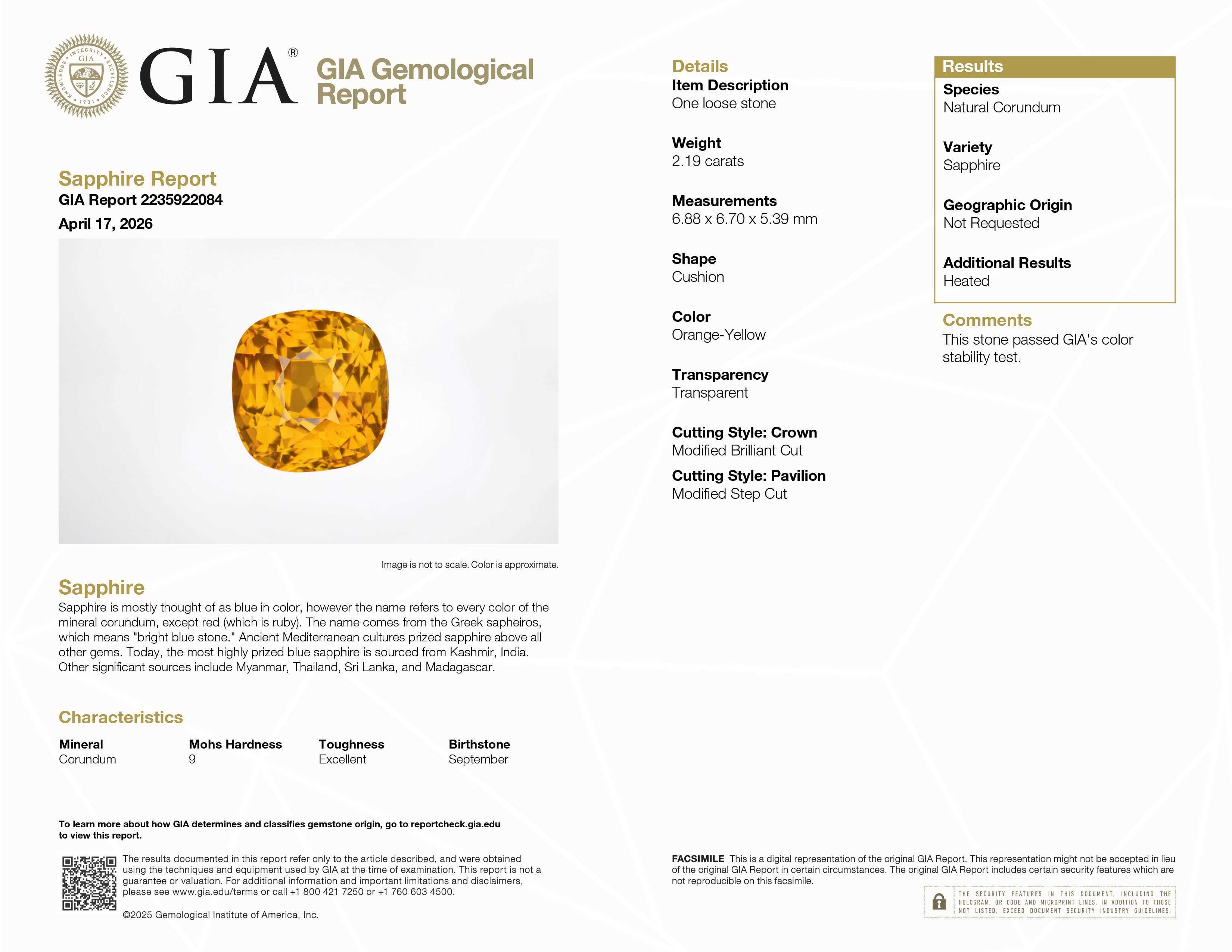
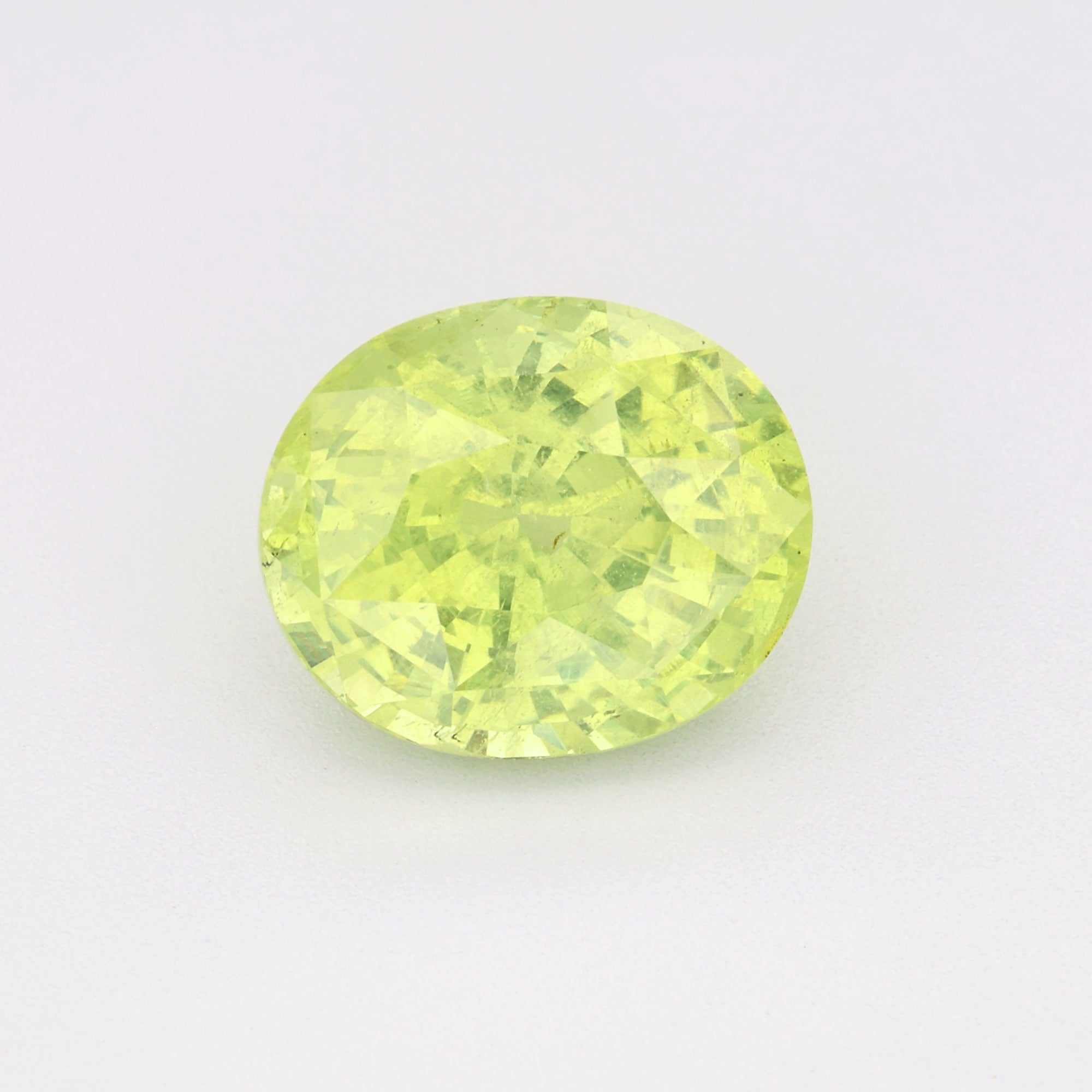
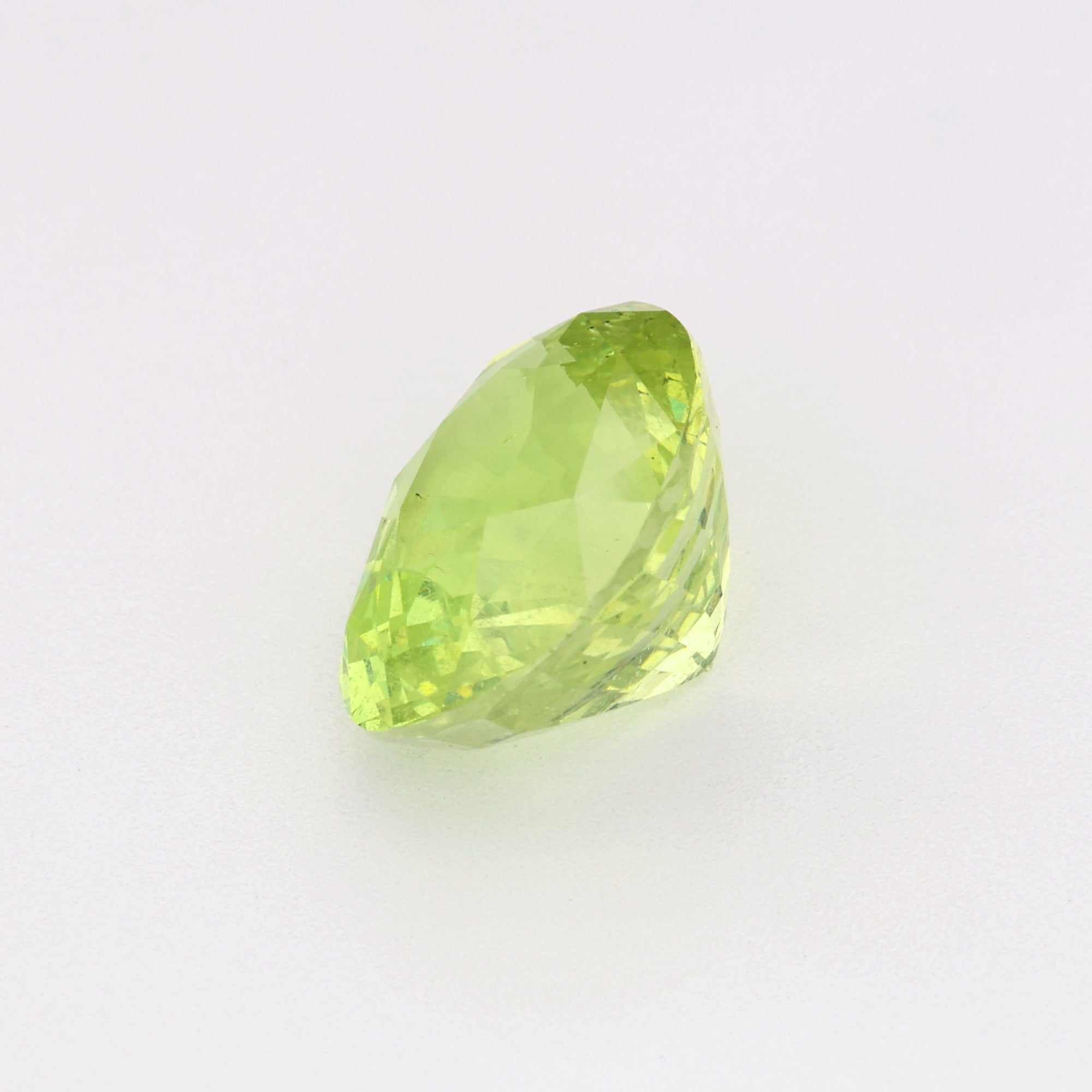
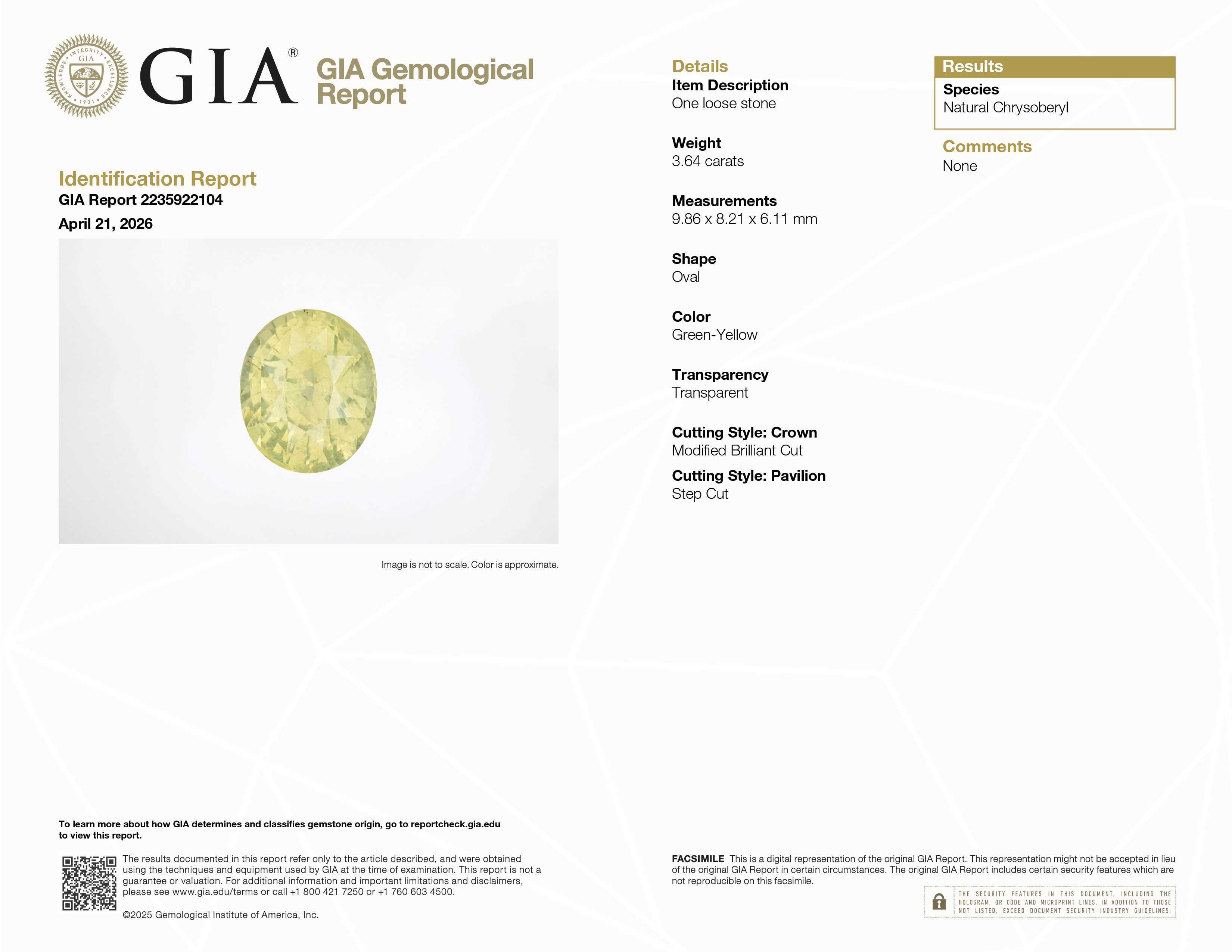
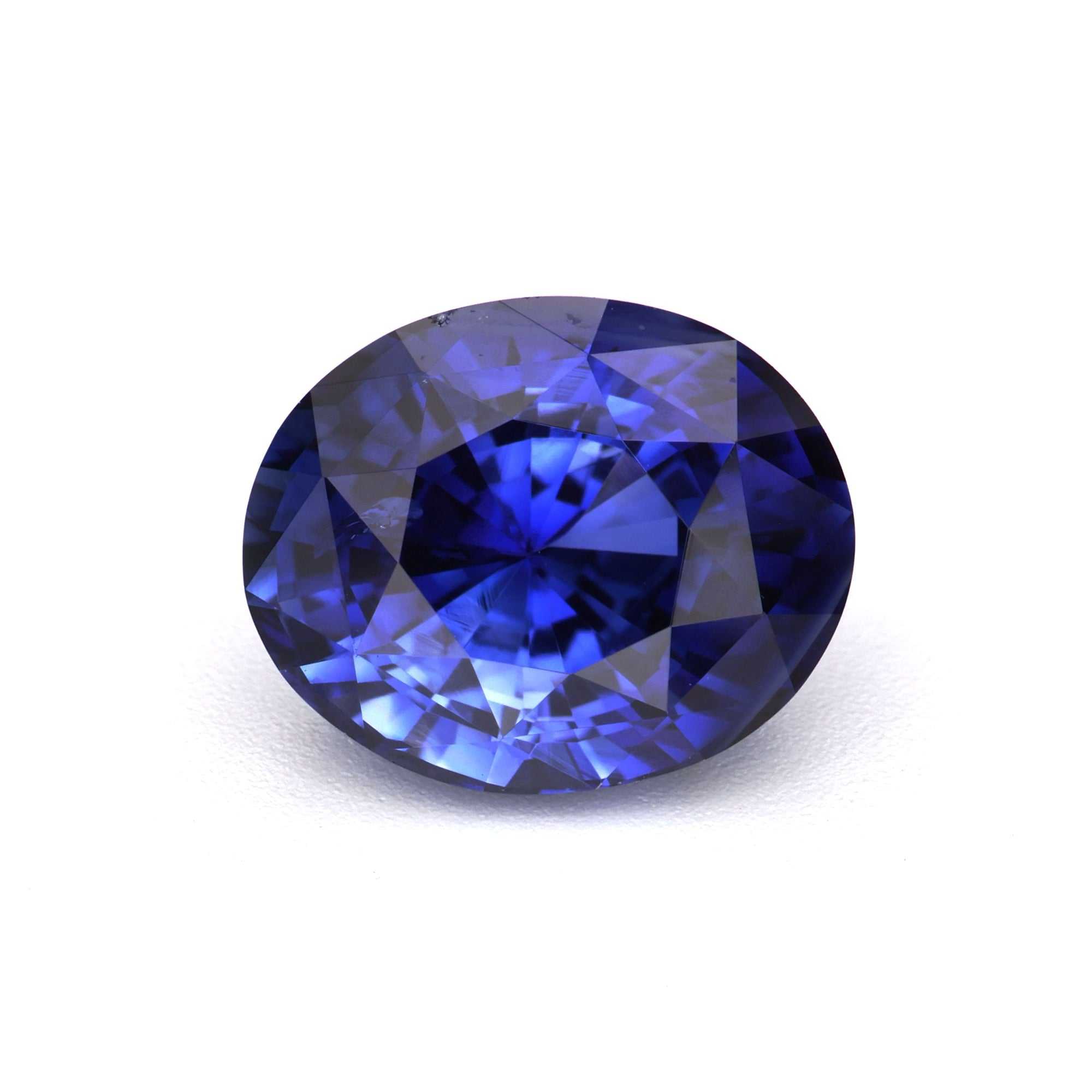
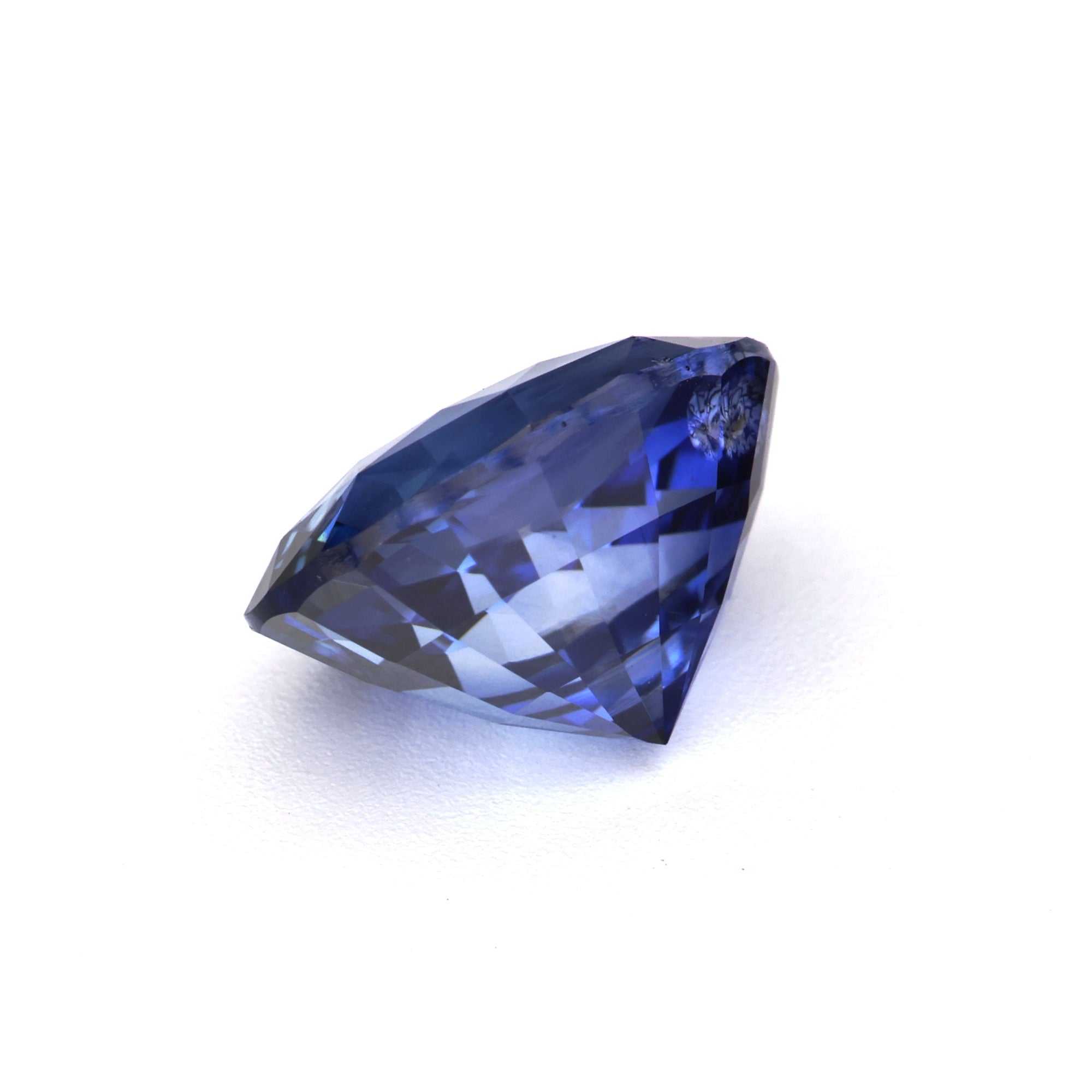
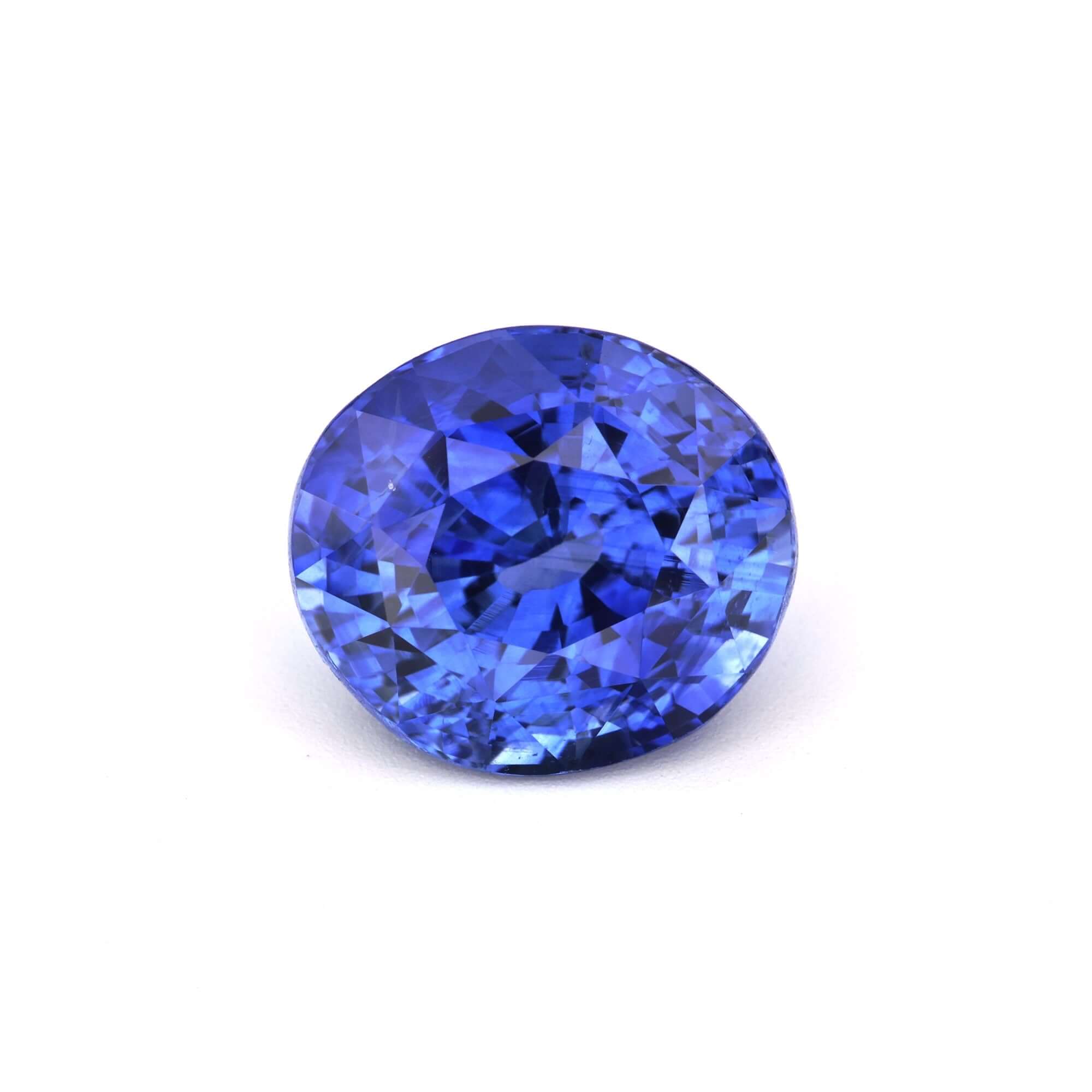
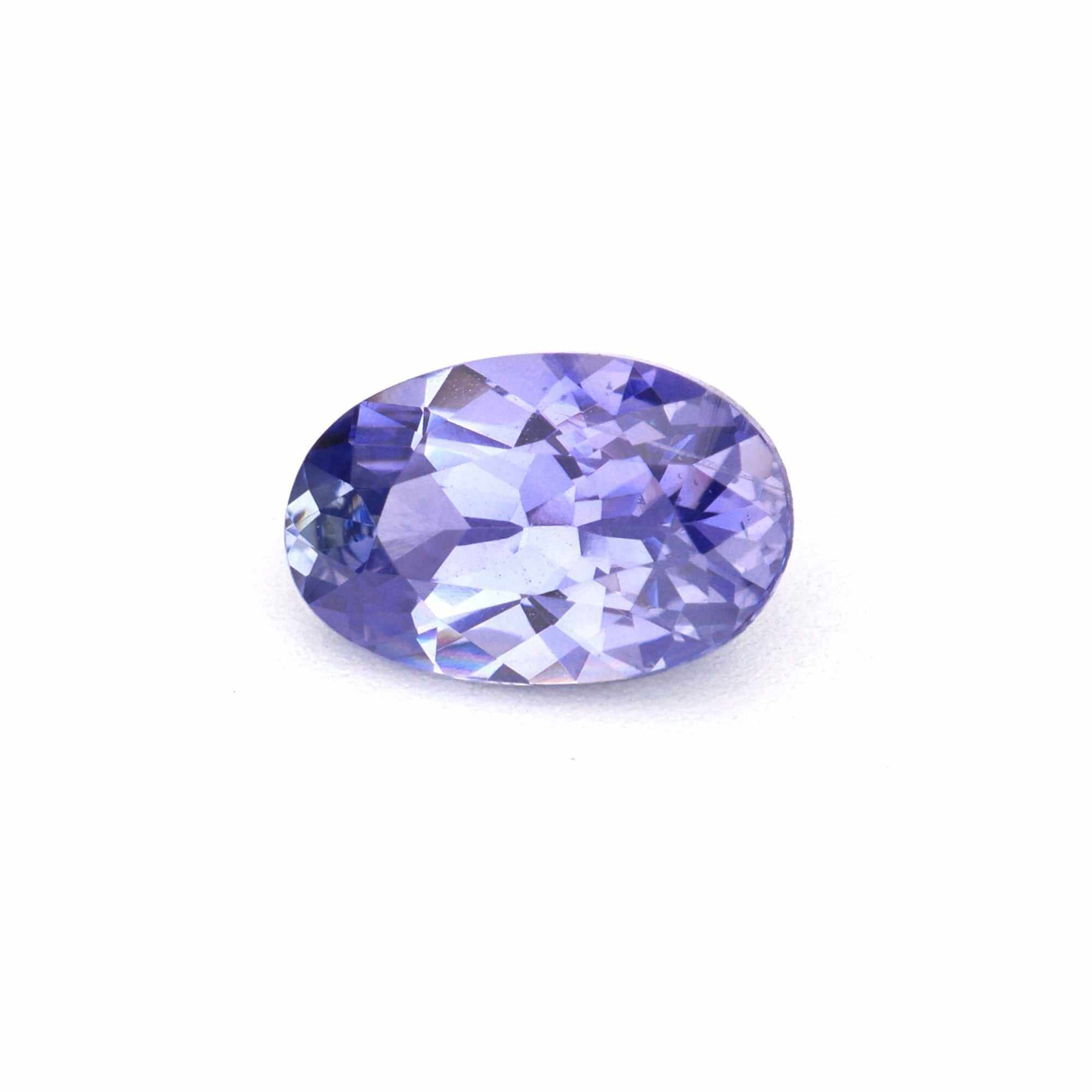
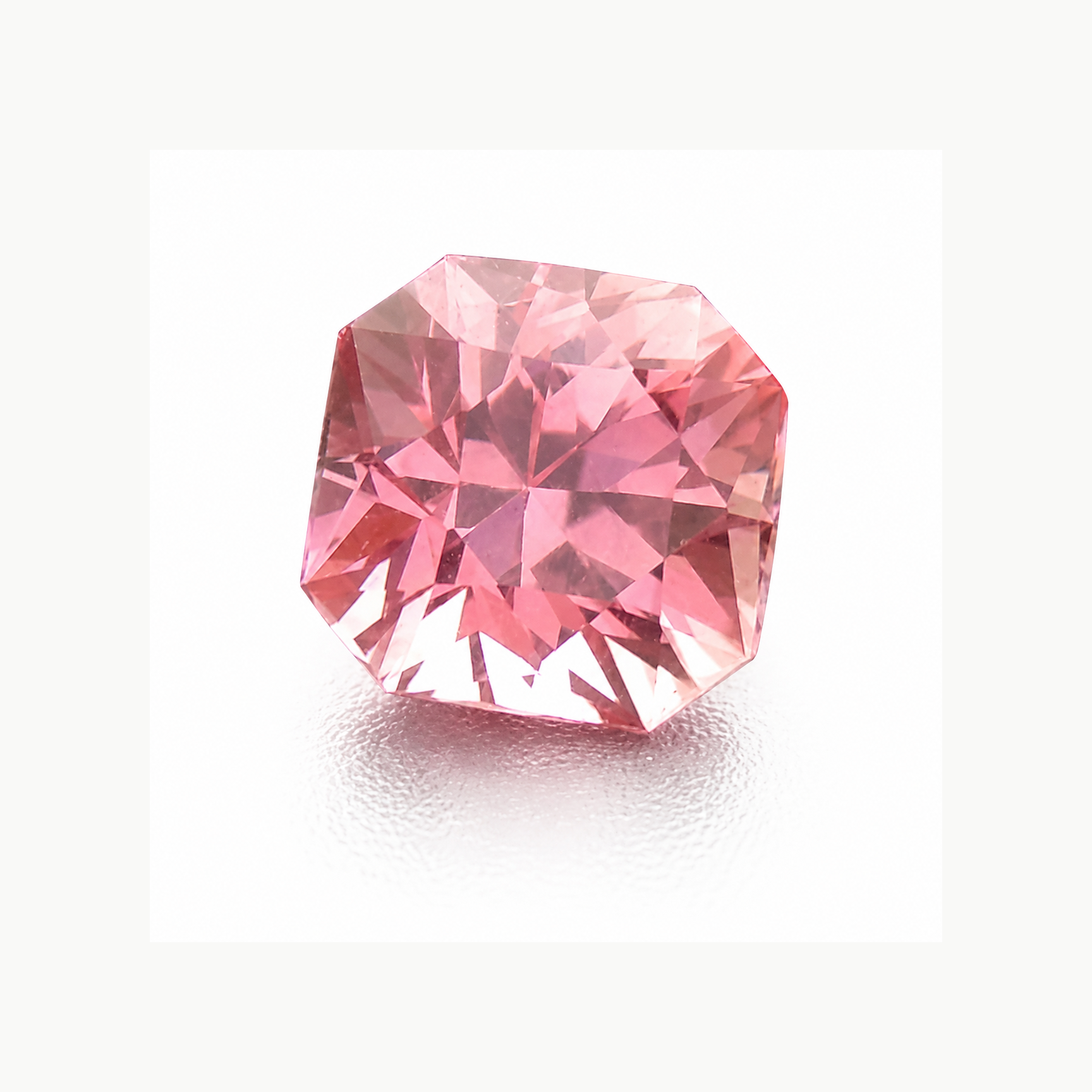
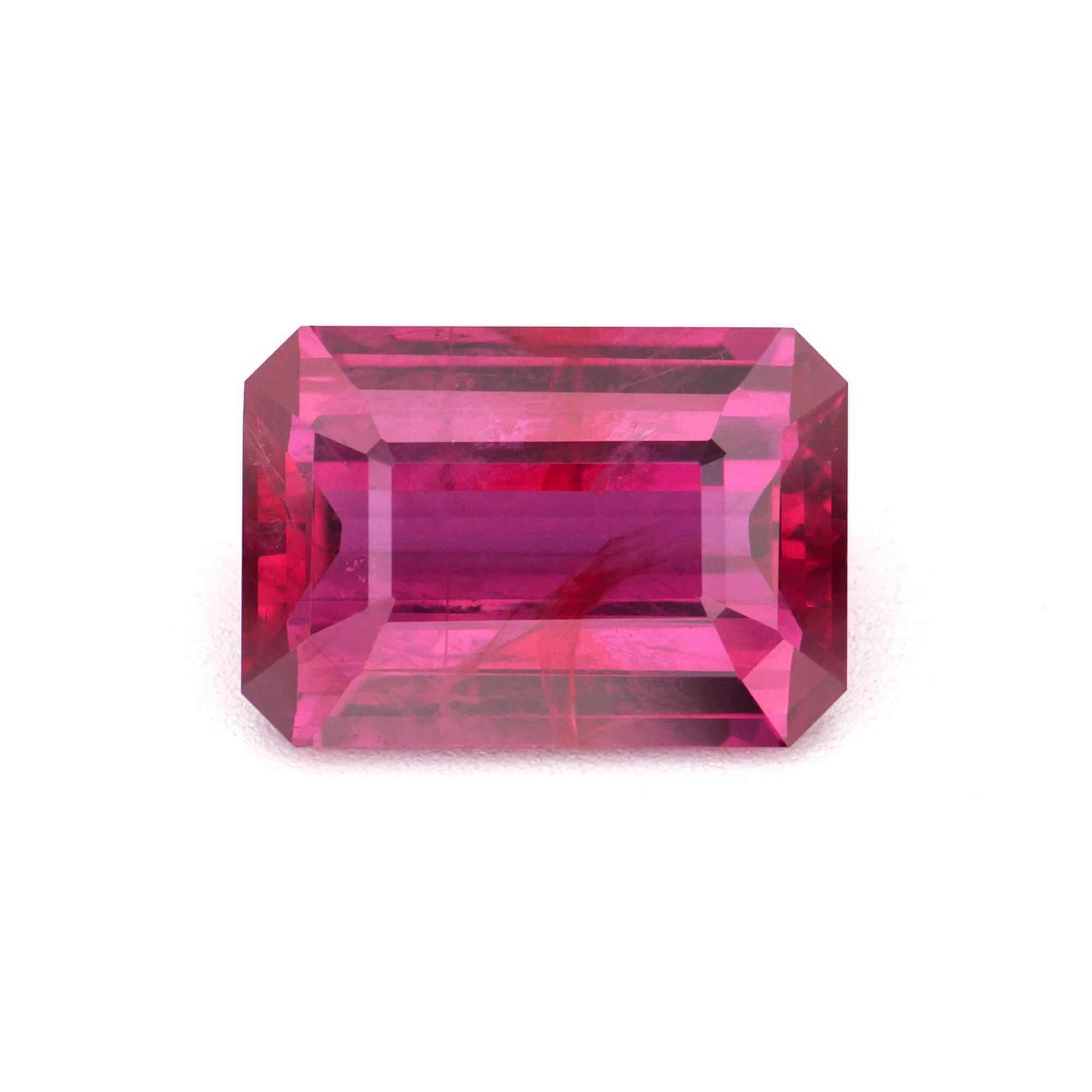
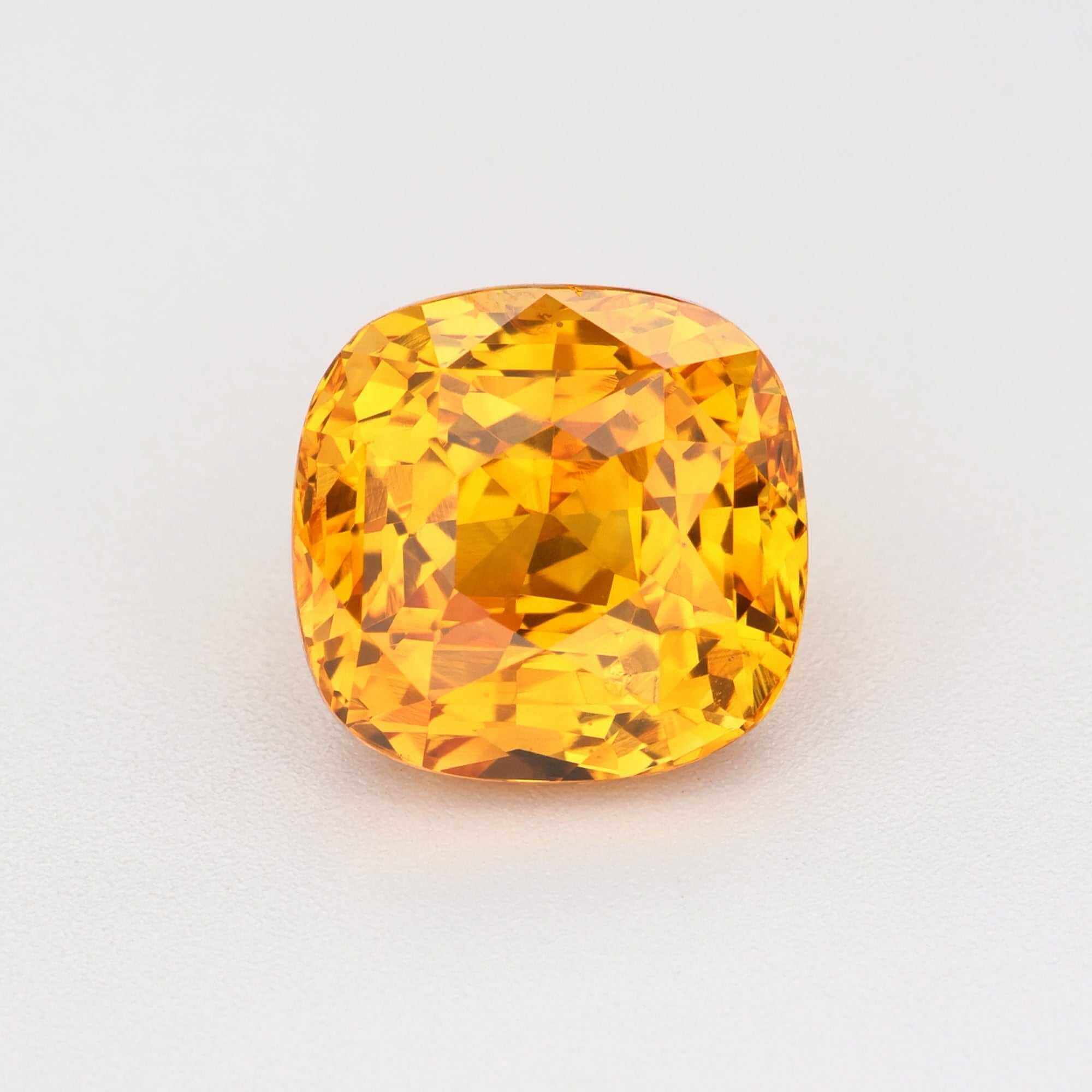
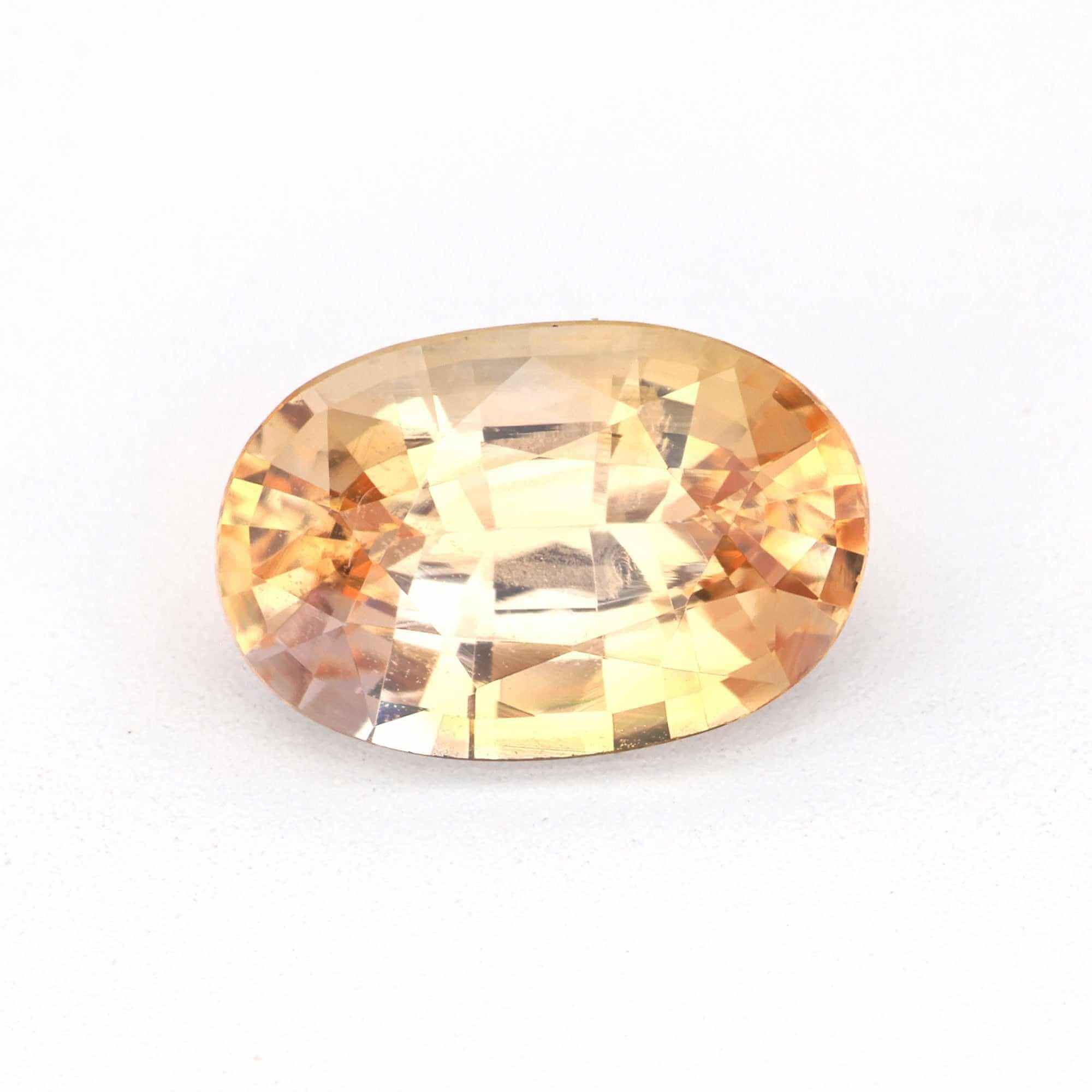
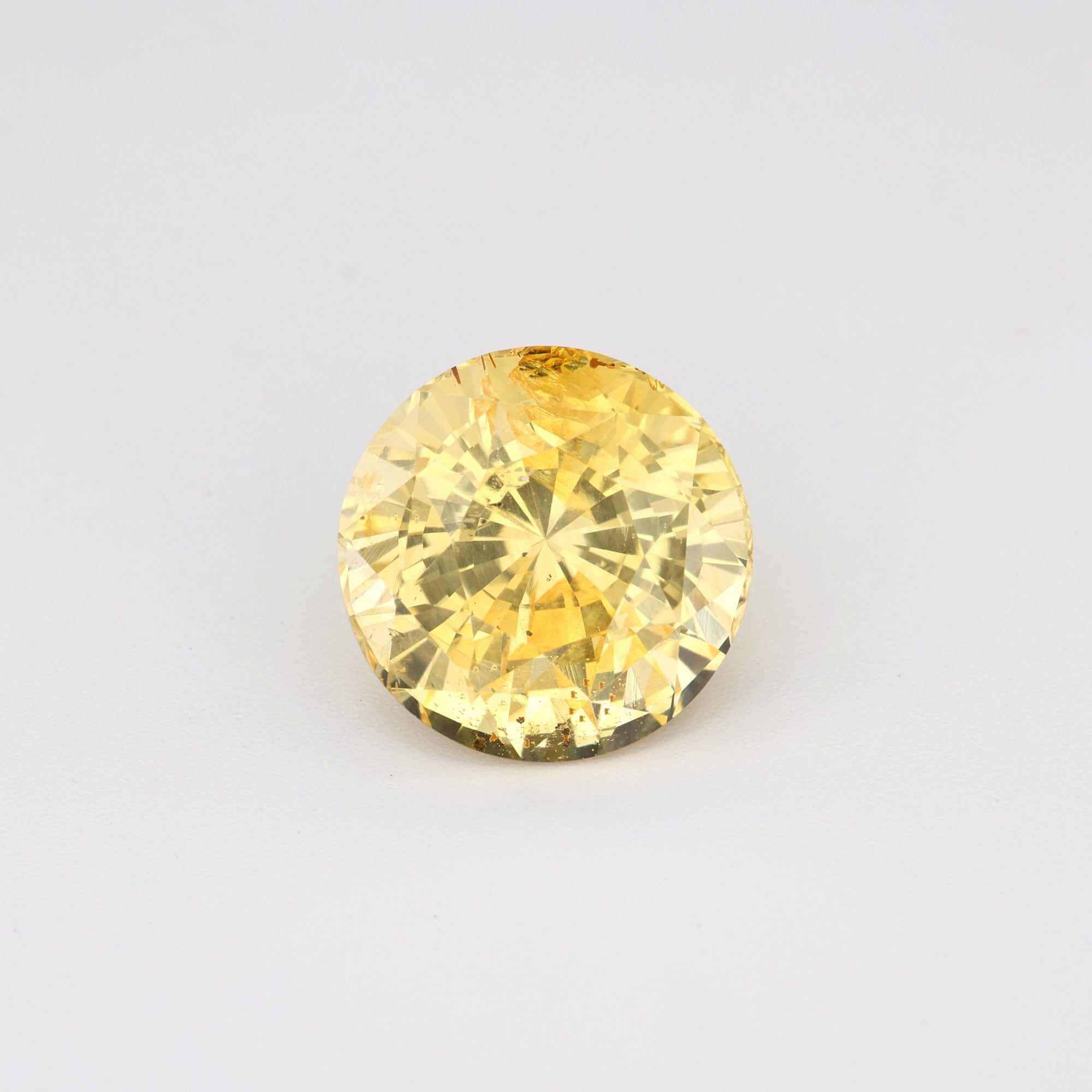
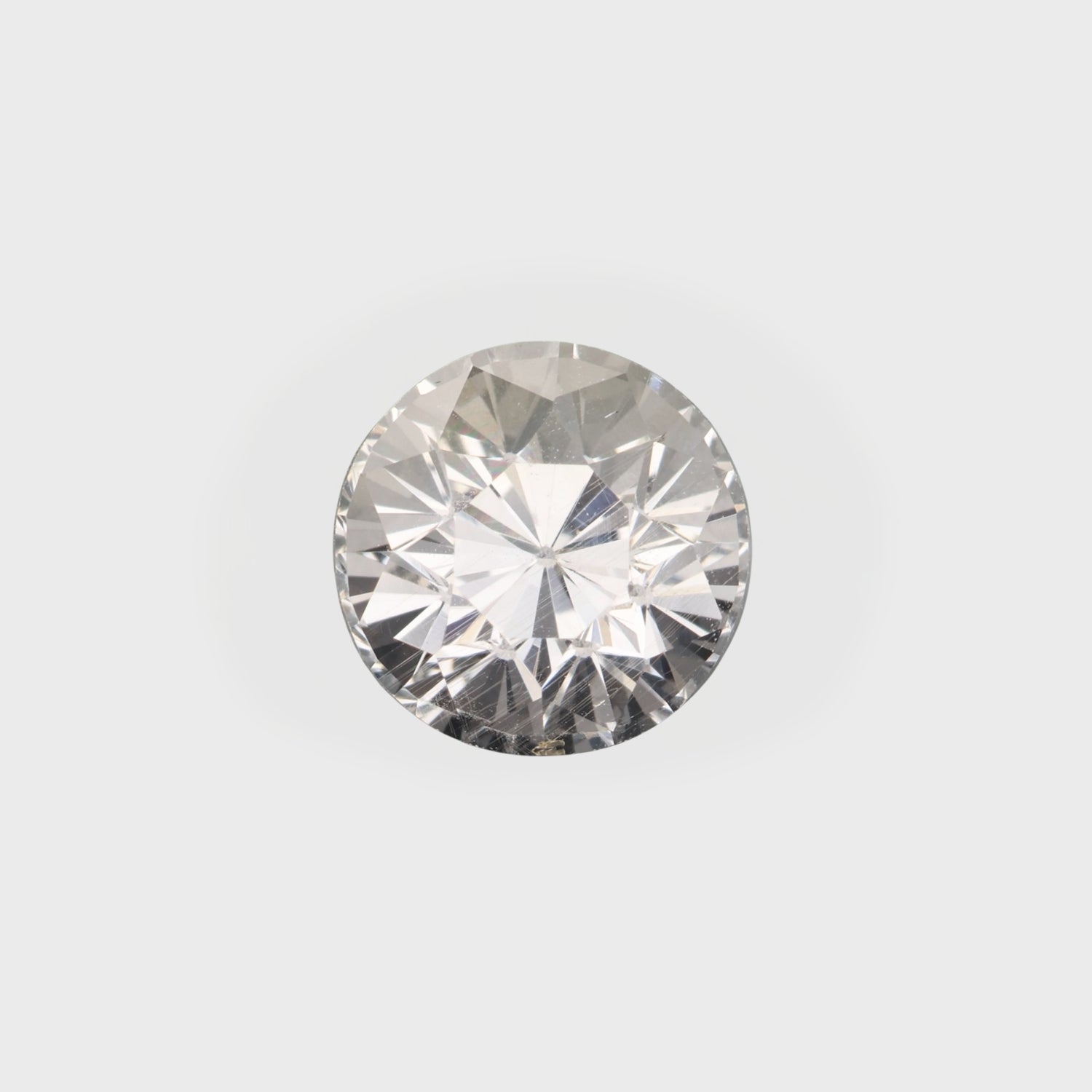
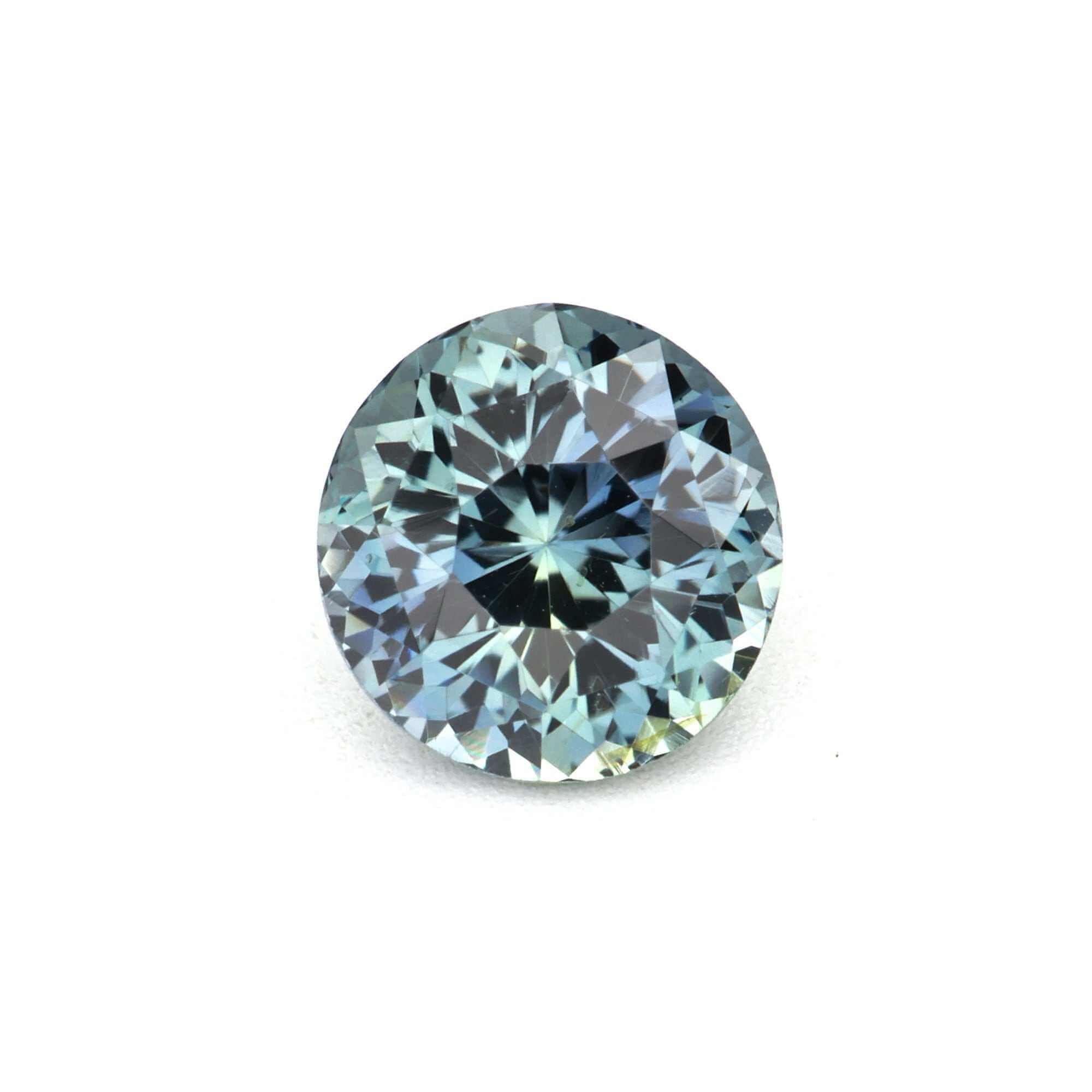
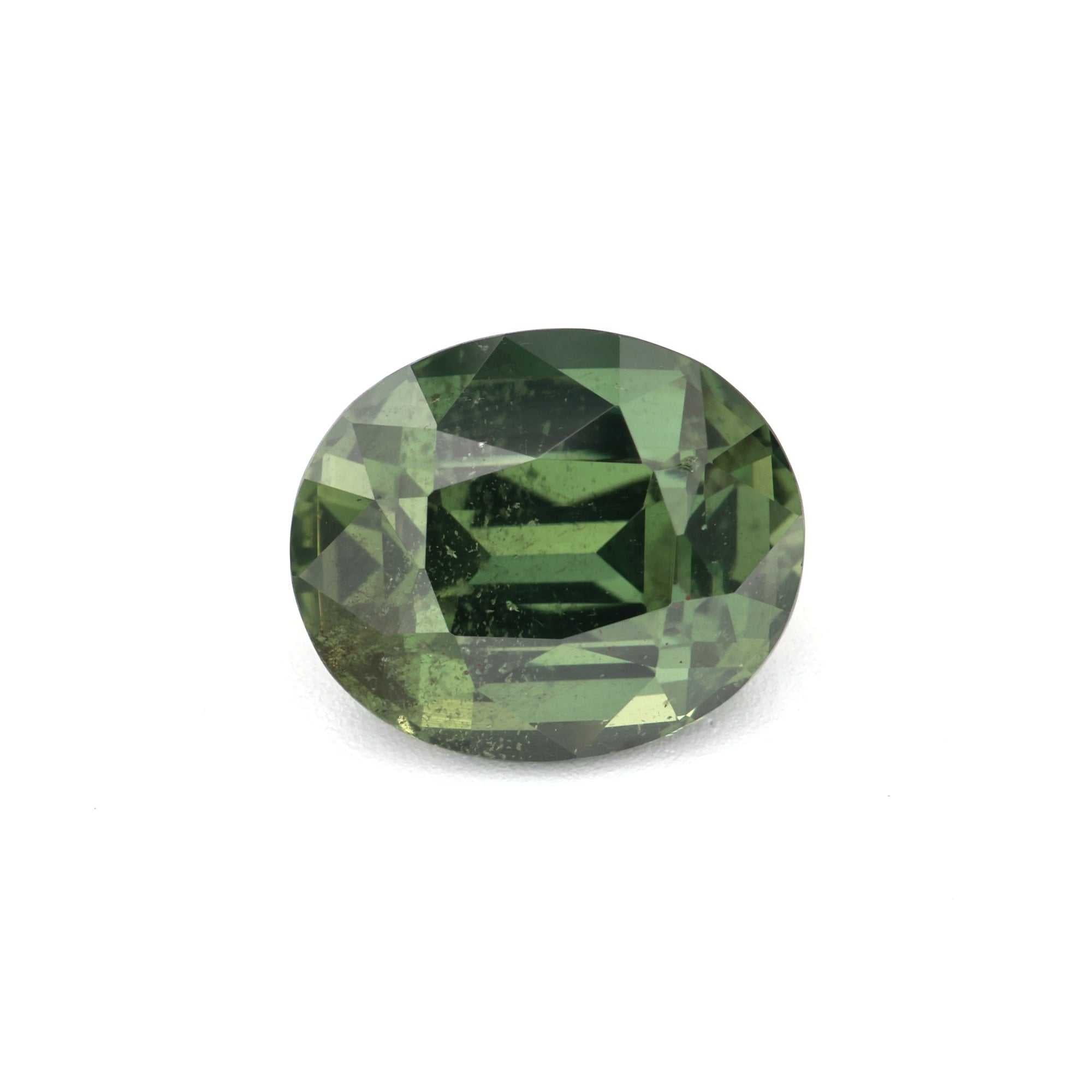
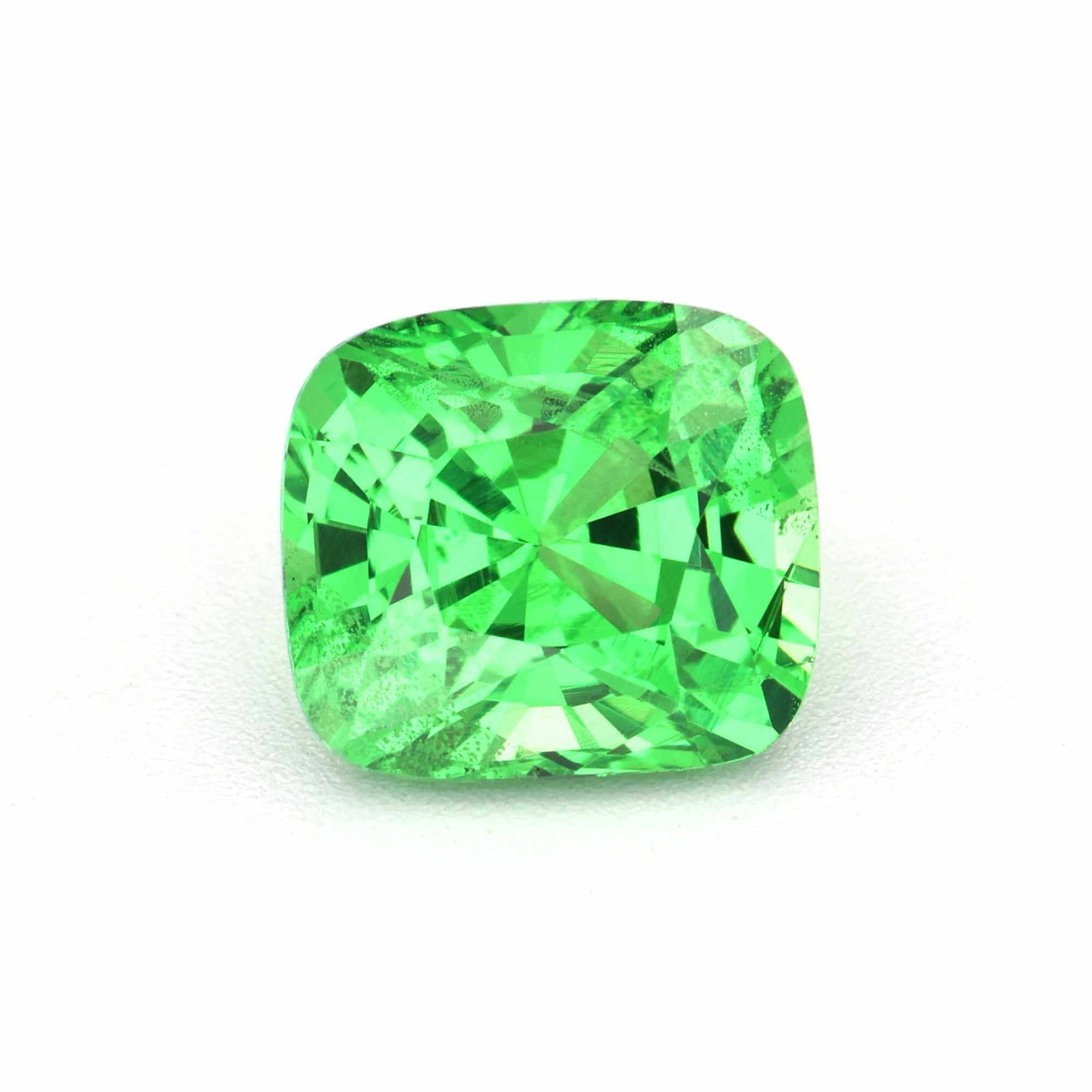
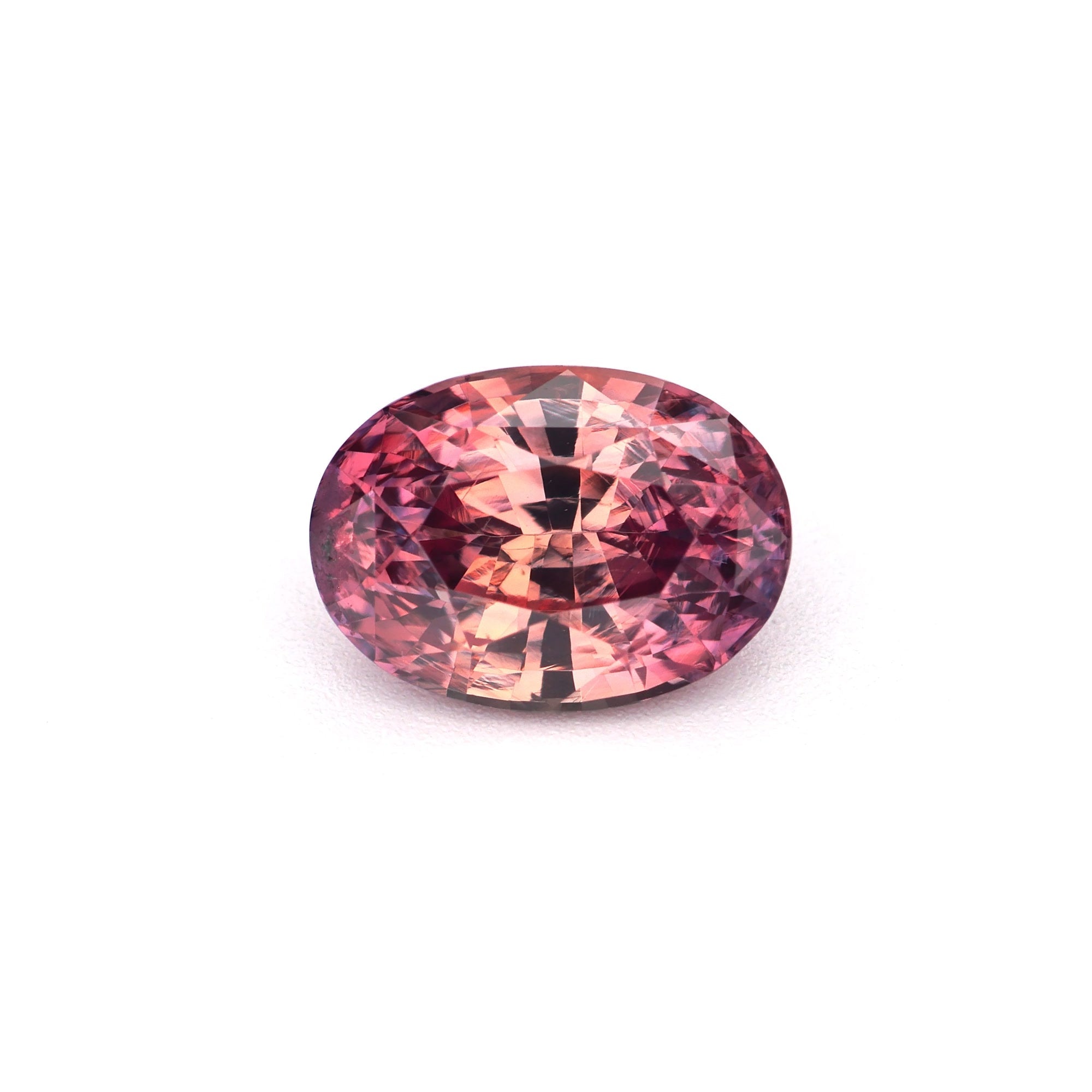
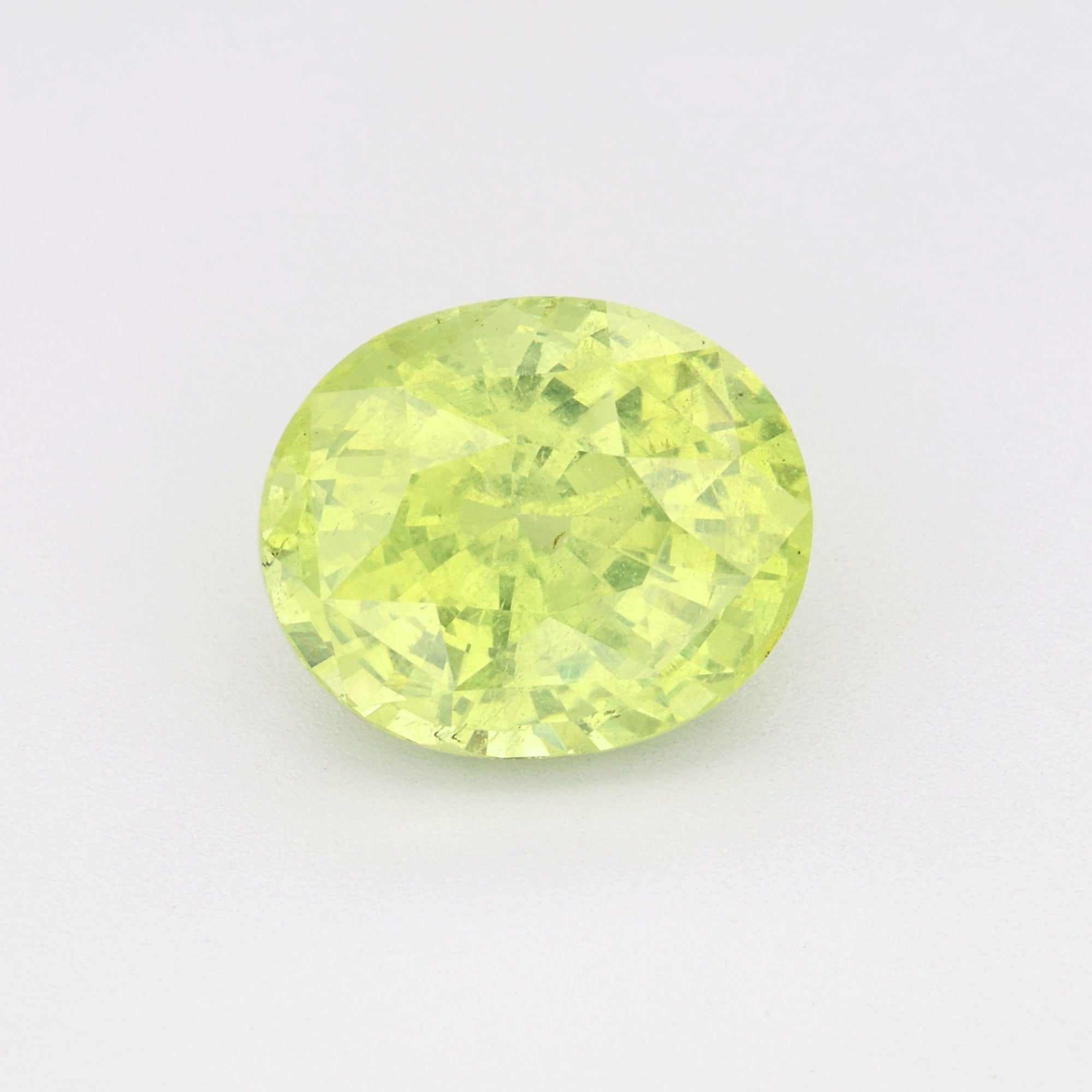
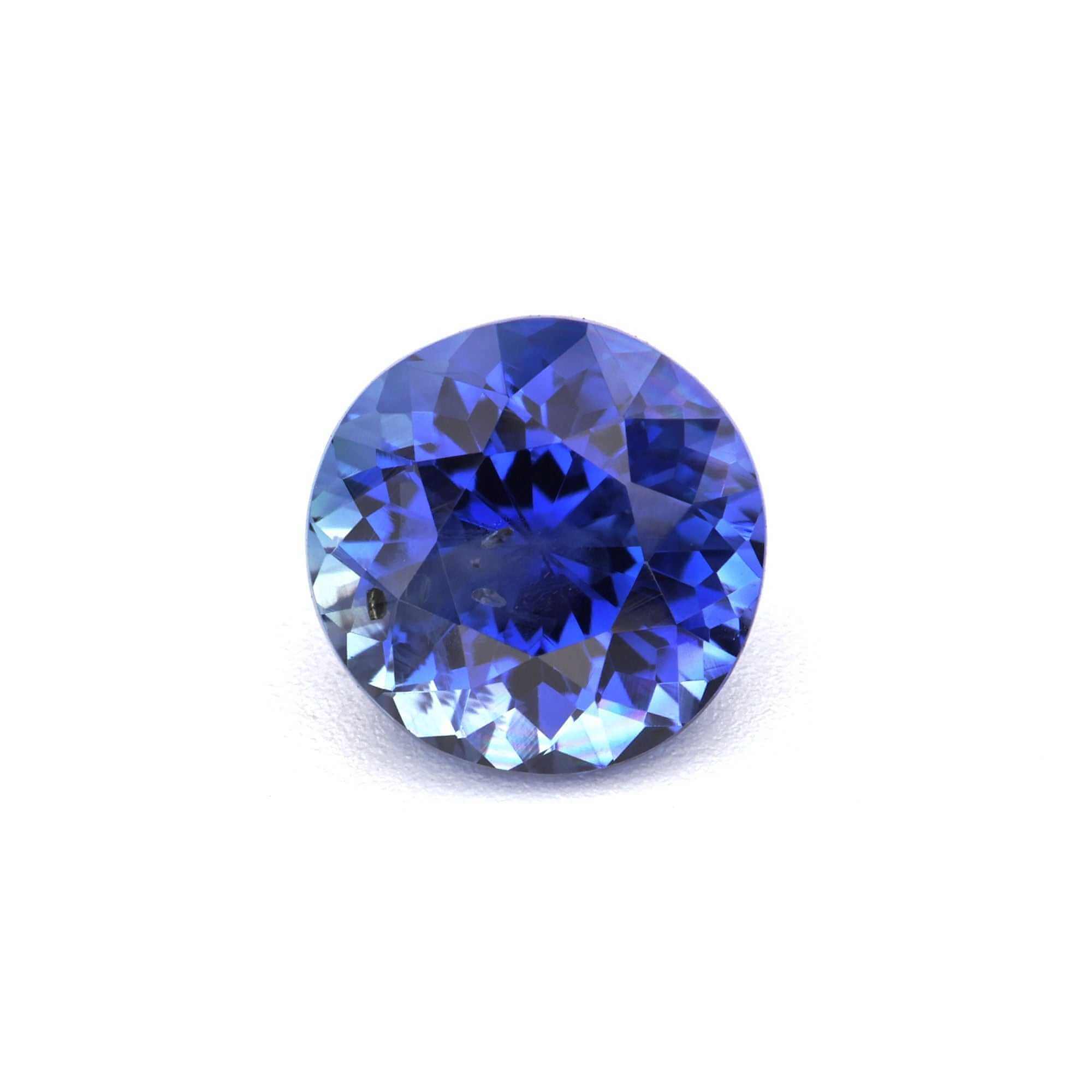
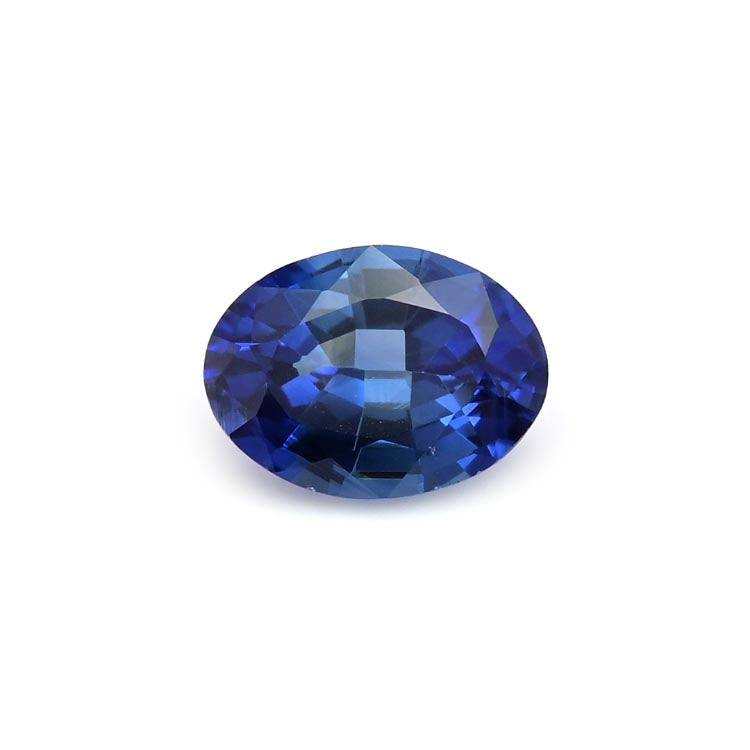
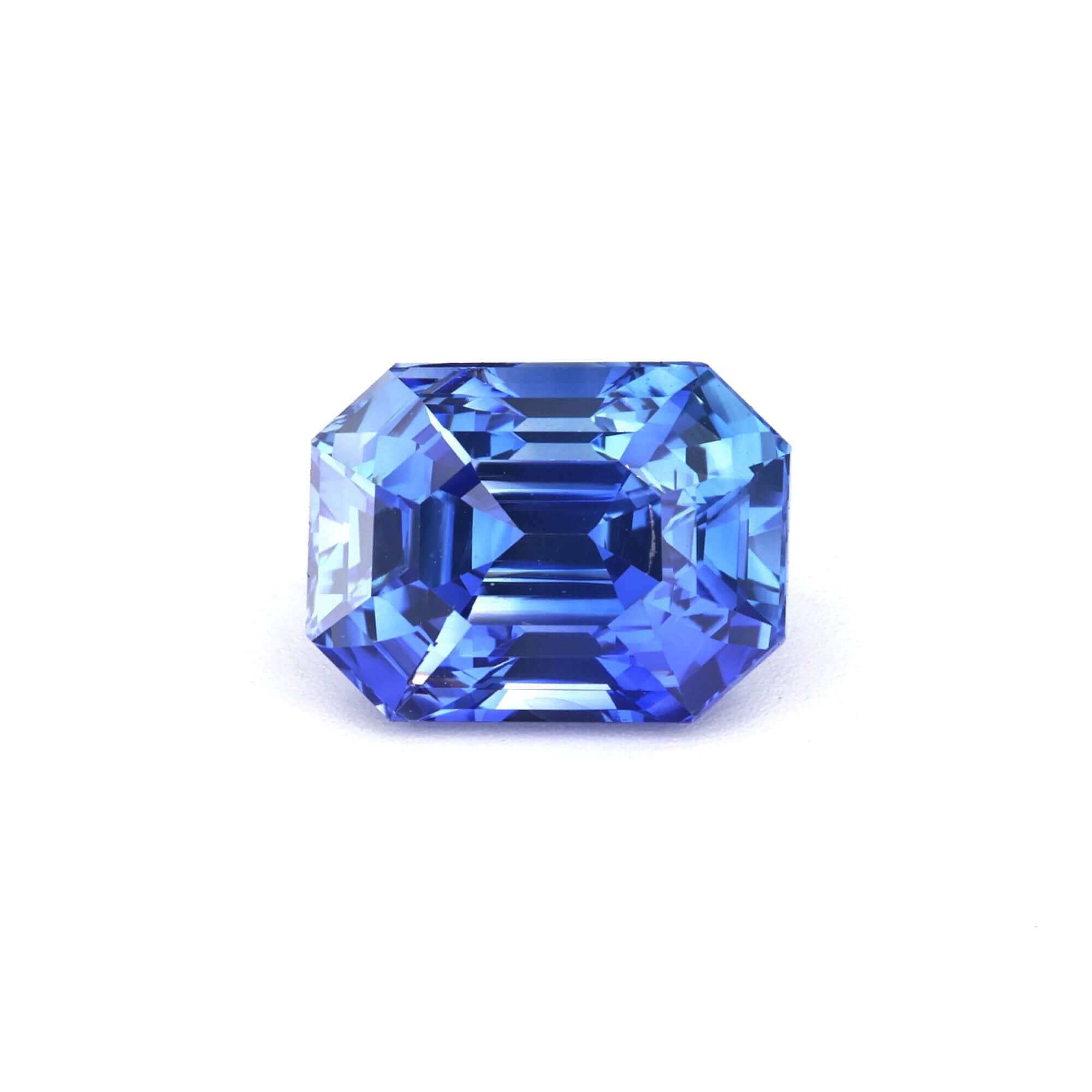
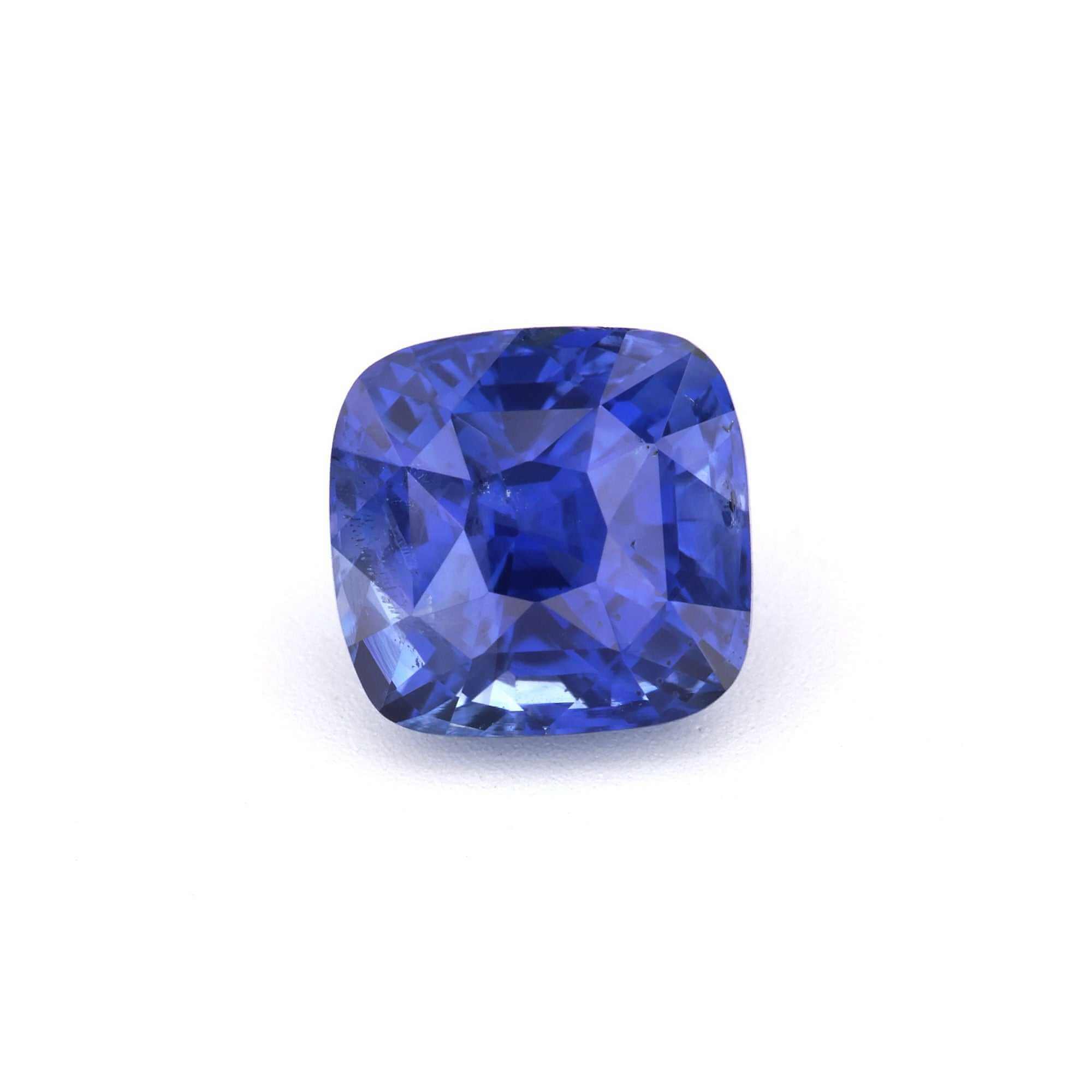
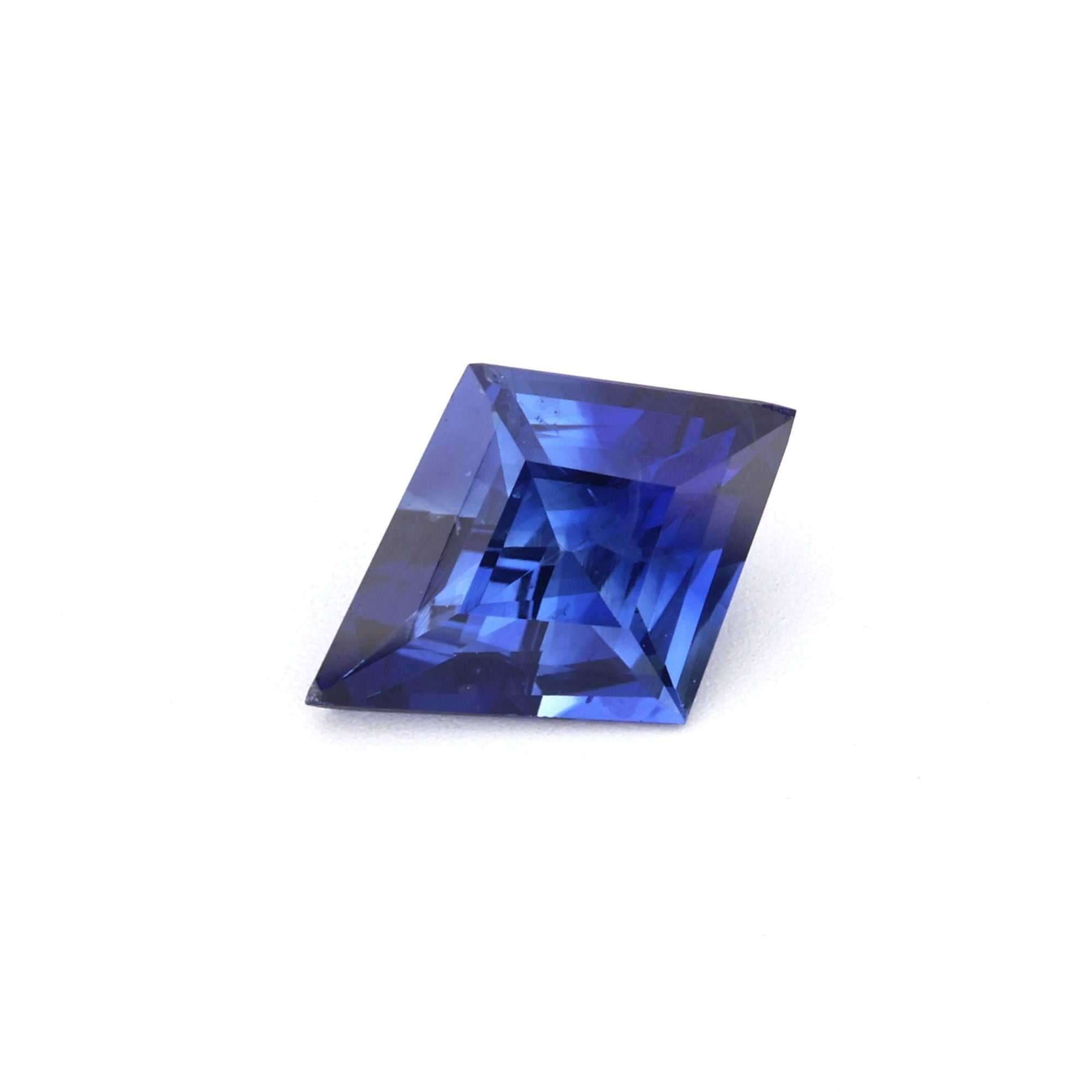
GIA — the Gemological Institute of America — is an independent, non-profit gemological laboratory. This collection brings together the loose gemstones we carry that ship with a GIA identification or origin report, so you can see what a laboratory recorded about a stone before you buy it.
Why a GIA report matters
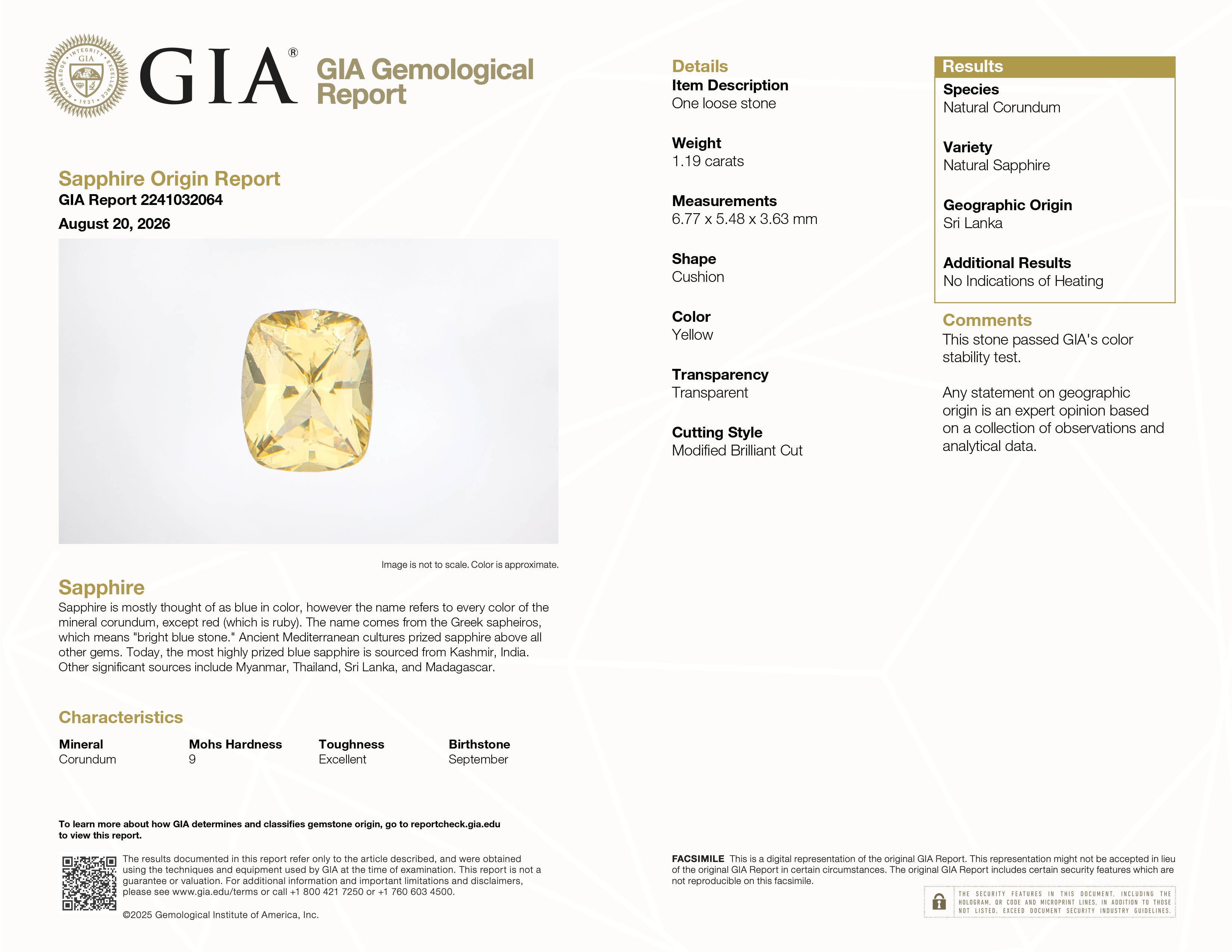
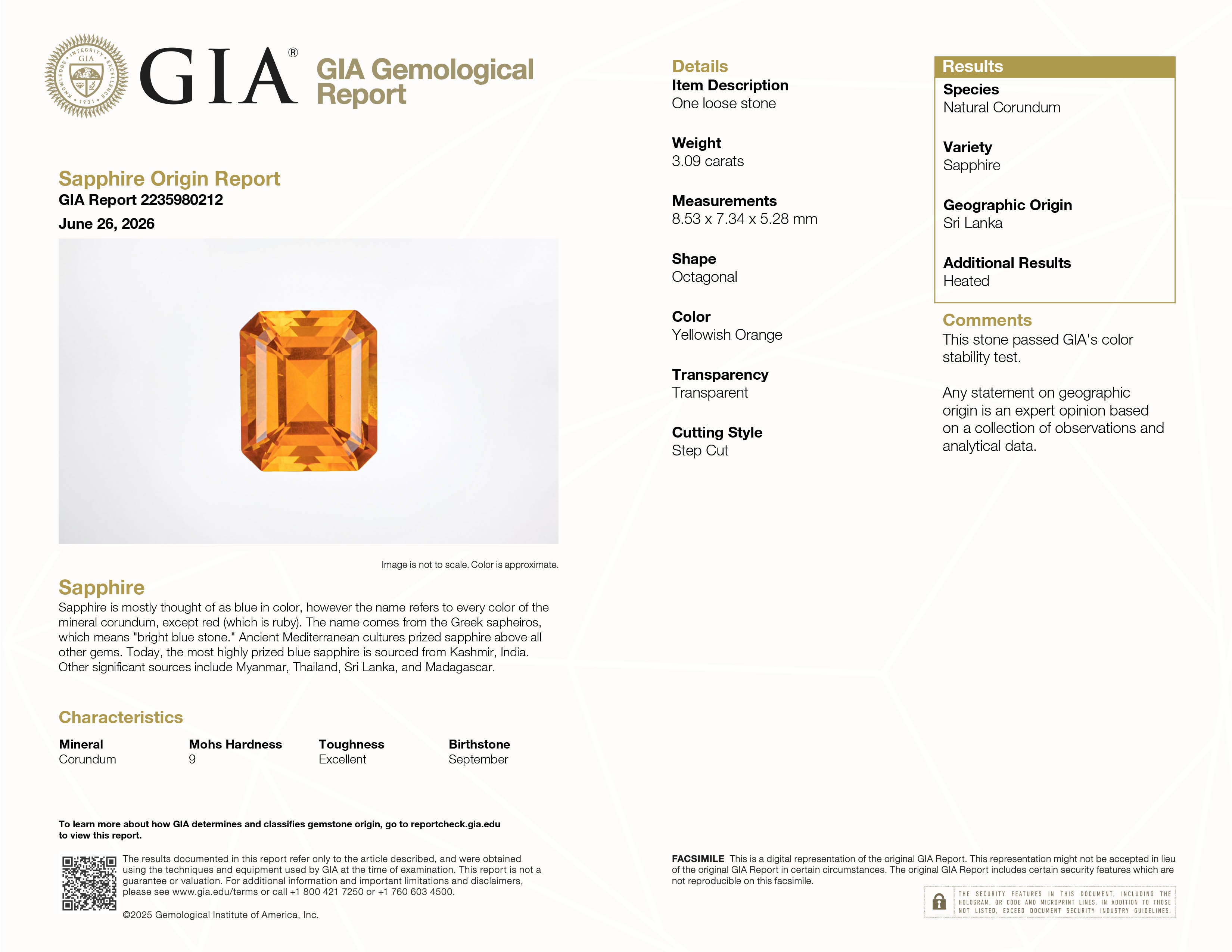
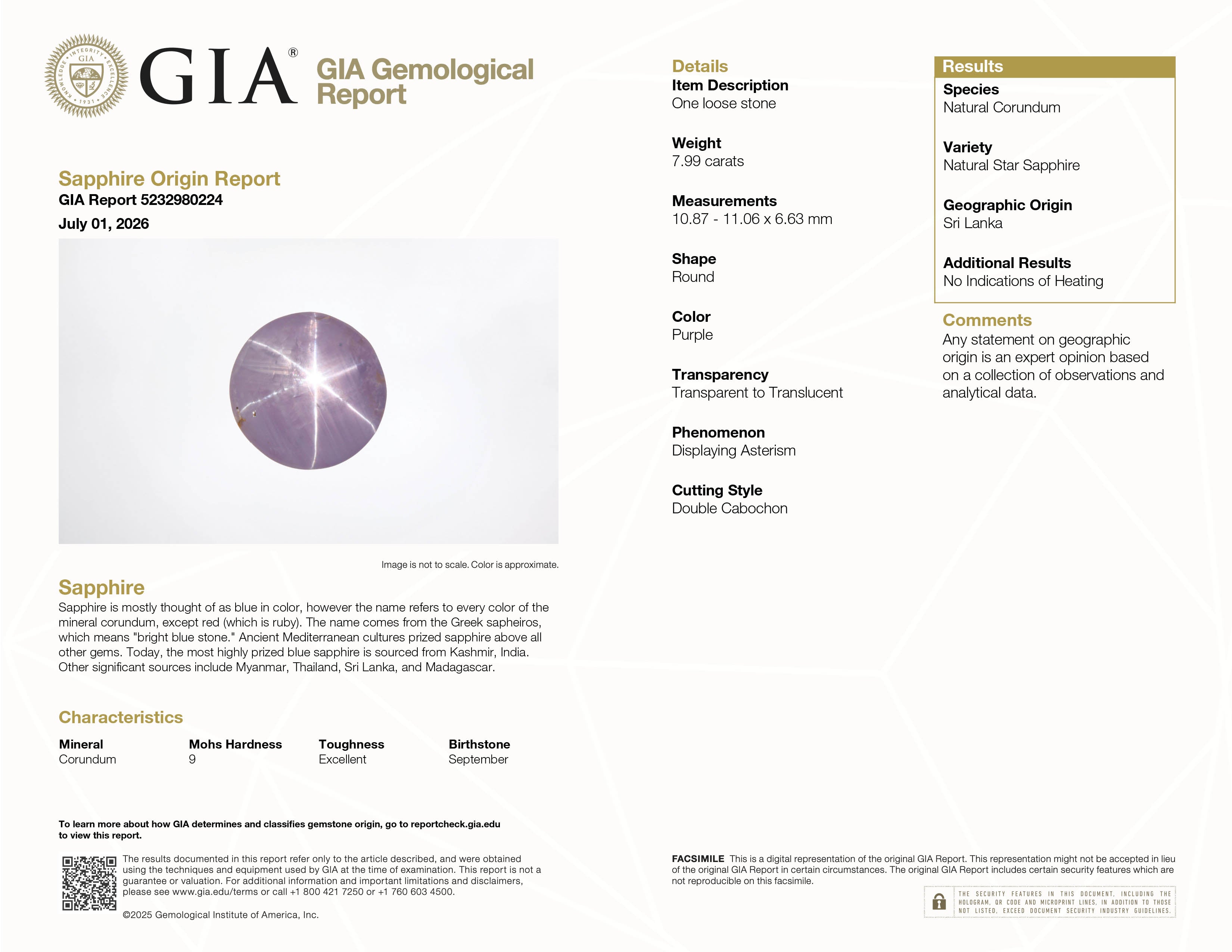
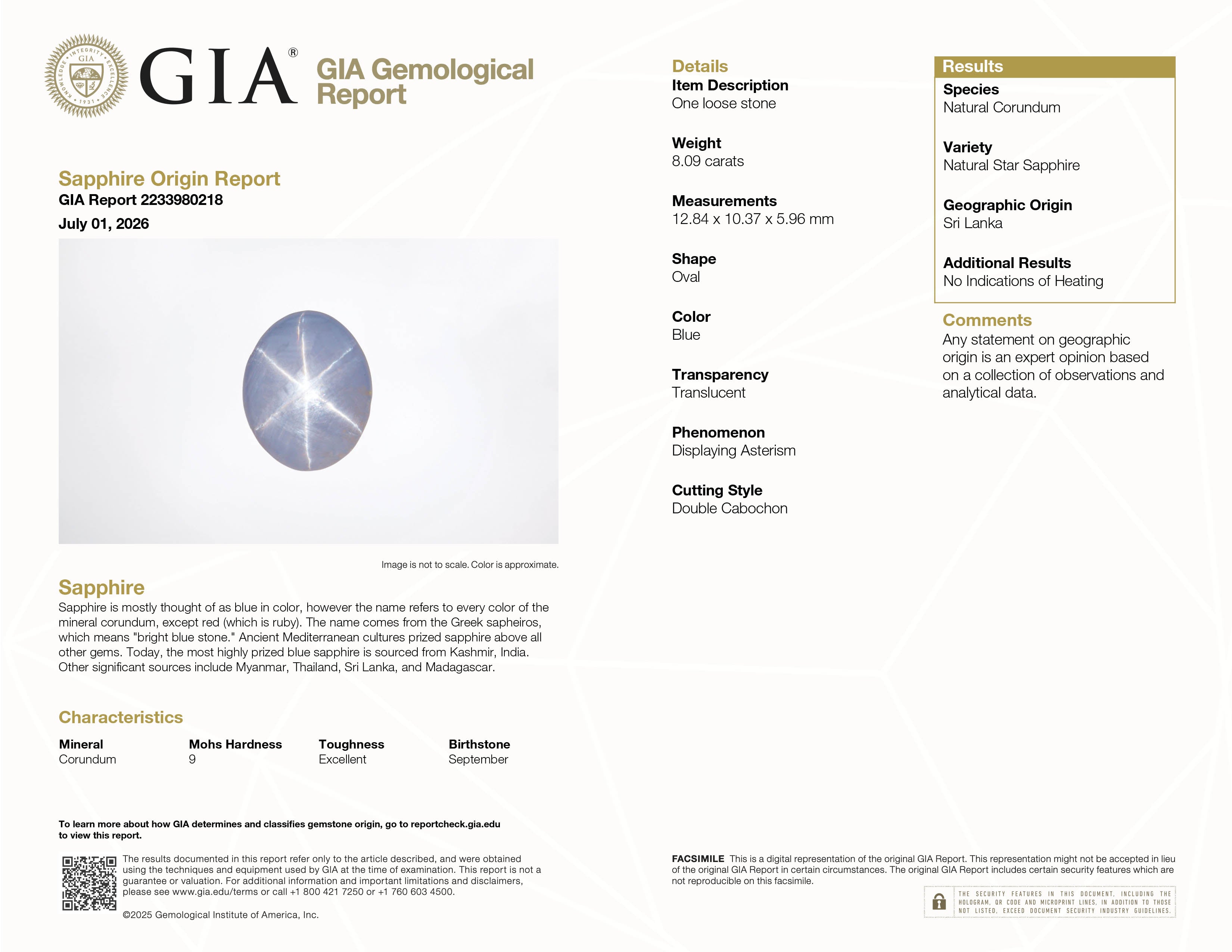
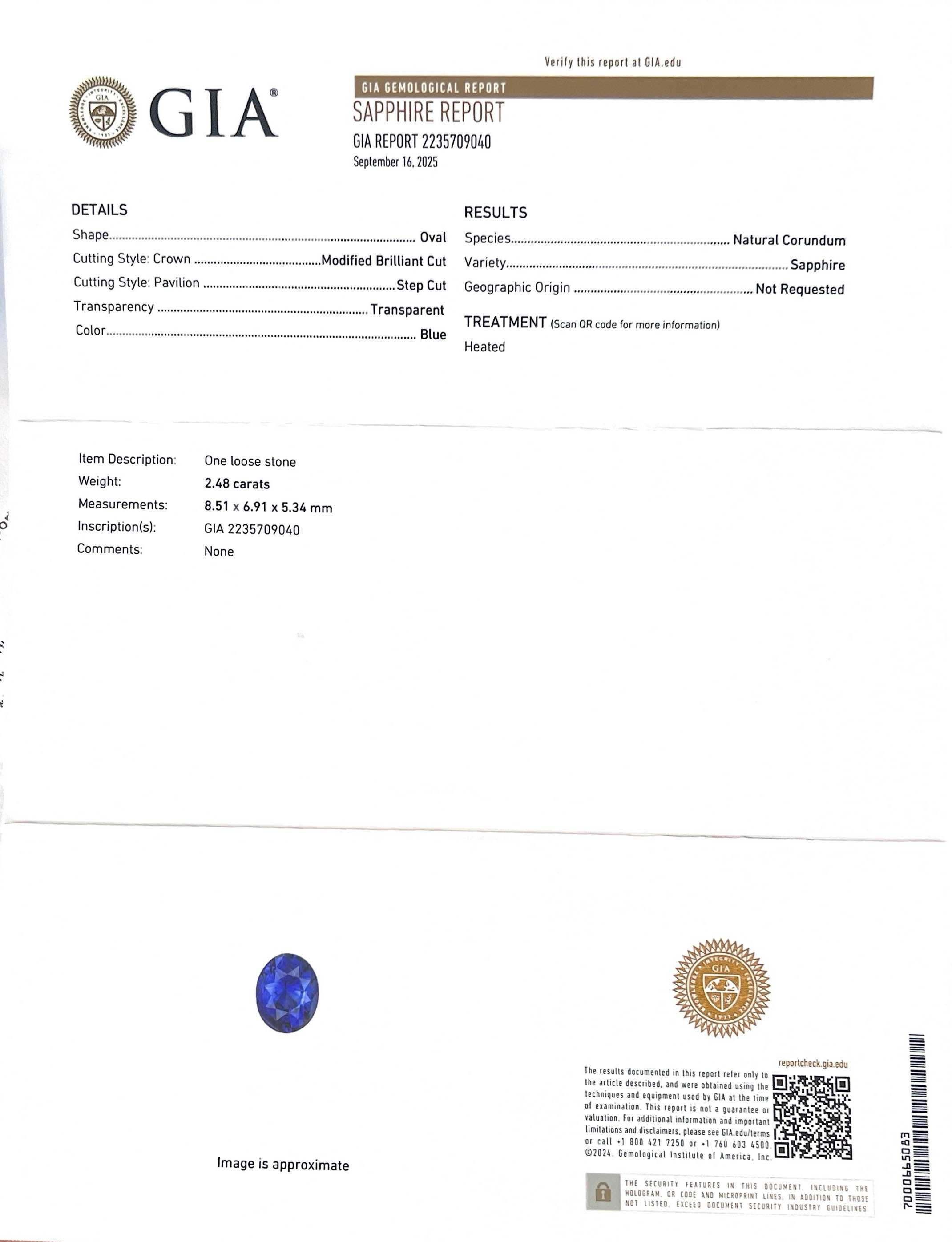
A GIA report records what the laboratory observed: the species (whether the stone is a sapphire, a ruby, a garnet or something else), the treatment status as observed, and, on an origin report, an expert opinion on geographic origin. GIA has no financial stake in the sale. Where a stone has a report, its details appear on that stone's product page.
What to expect from a GIA-documented stone
Species and variety. The report records the stone as natural corundum (sapphire or ruby), natural garnet, or the relevant species, and names the color variety.
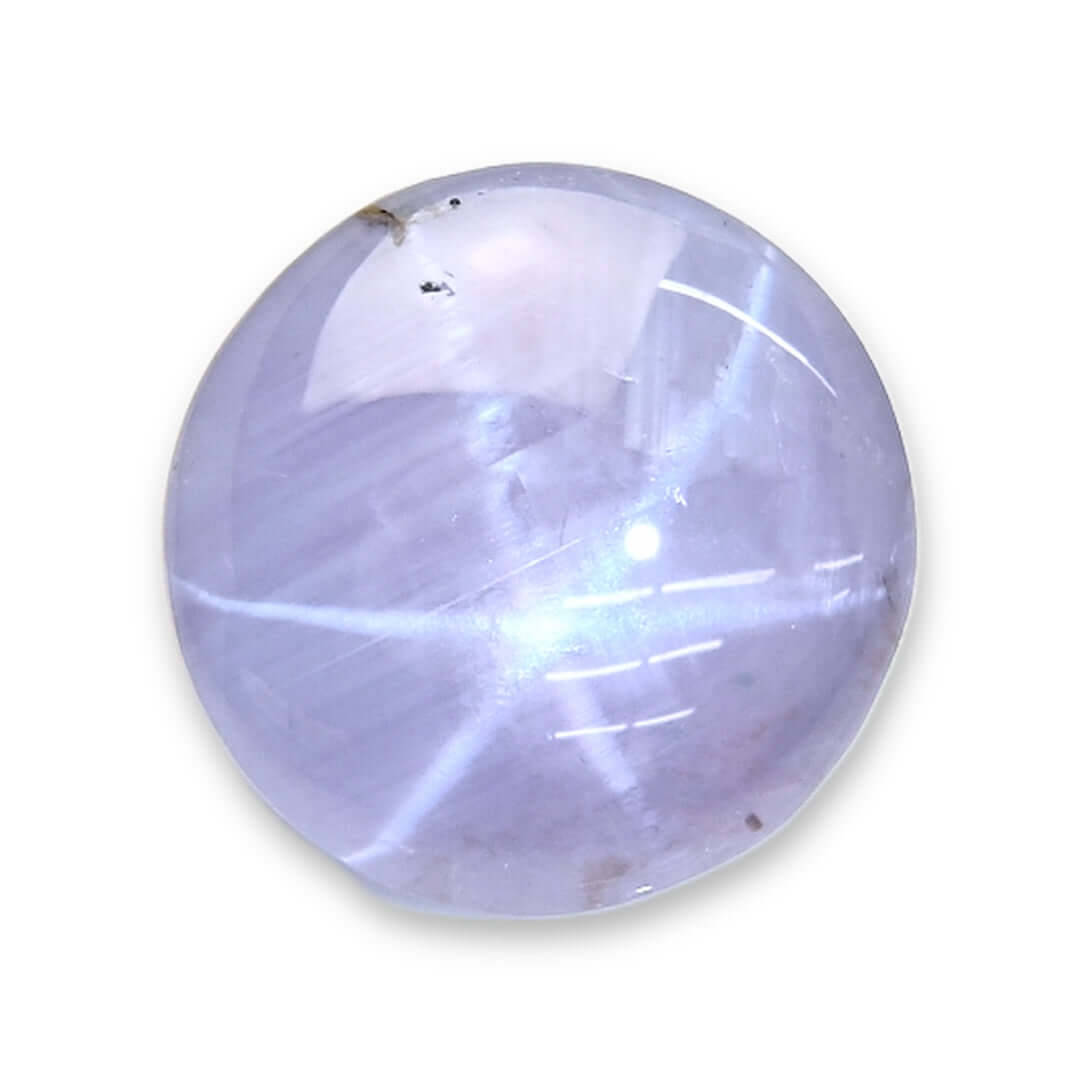
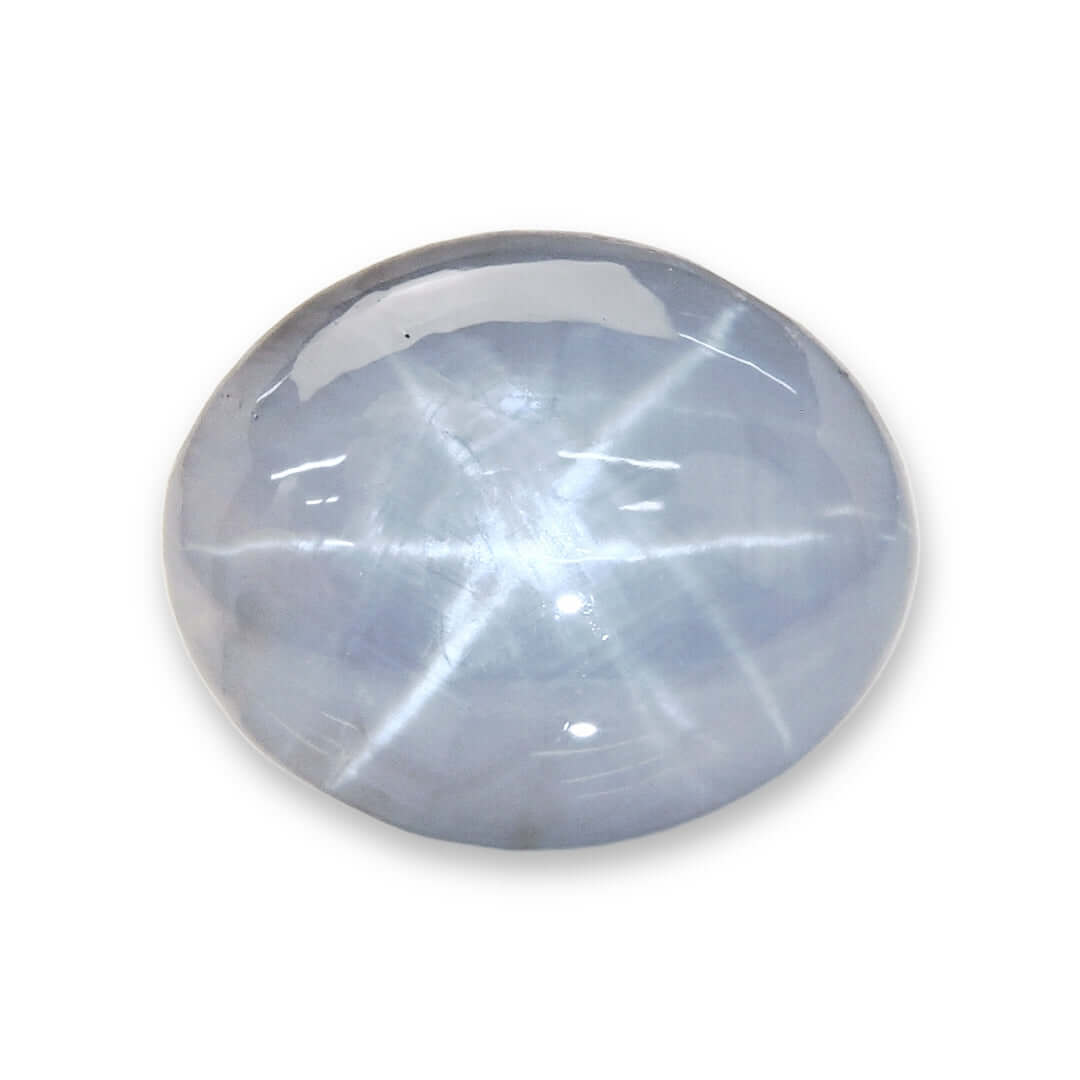
Treatment disclosure. For corundum, a GIA report states the treatment status the laboratory observed — a finding of heating, or no indications of heating. Where a report records no indications of heating, unheated is the narrow word that finding supports, and it is the word we use for that stone. We state the treatment on every listing regardless of what the report says, we name the laboratory and report number where there is one, and we say so plainly where there is no report. The product page, not this collection page, is the current answer for any particular stone.
Geographic origin, where the laboratory offers an opinion. GIA's own field name is Geographic Origin, and a statement of geographic origin is an expert opinion rather than a measurement. That is a different thing from a customs declaration, which is a legal statement of fact. Where a stone here carries an origin report, its product page names the report and reproduces what the field says. Not every stone we sell comes from Sri Lanka, so we state origin per stone rather than across the collection.
Sending a stone to GIA costs money and takes time, so a full report is more often commissioned for larger stones, where that cost is a smaller share of the price. Where a stone carries no GIA report, we describe it from our own examination and say so plainly on the listing.
Shop GIA-documented stones by type
Learn more
Have a question about a specific report or want help choosing? Email crescentgems@gmail.com — we respond personally within one business day. Every loose stone qualifies for our 14-day return policy. For customers in the USA, select pieces are available through our Try-On program. Shipping is free within the USA; to every other country it is US$60 on orders up to US$499 and free from US$499.01. Import duties and taxes, where a country charges them, are paid by the recipient on delivery and are not collected at checkout.