

- von Ahmed Shareek
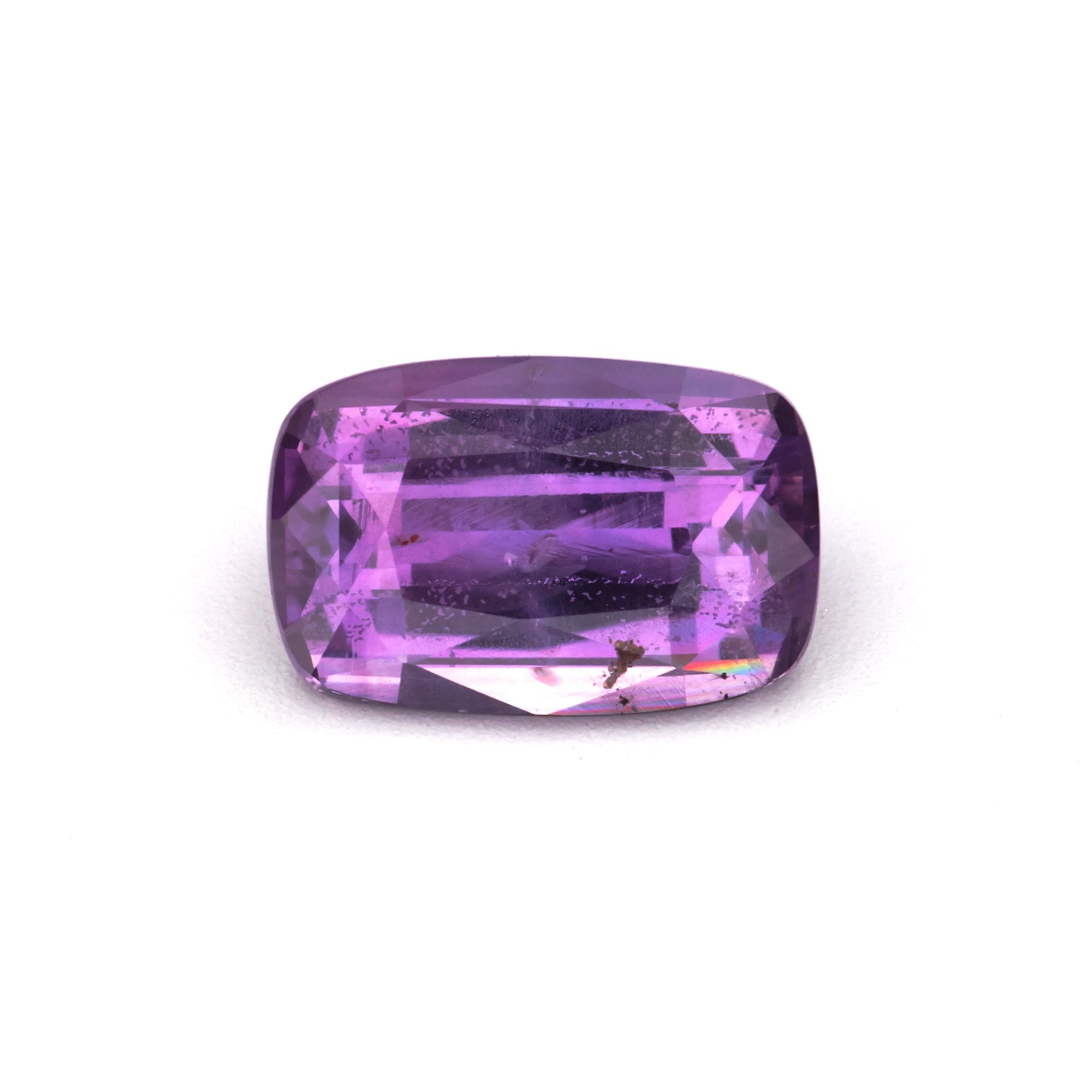
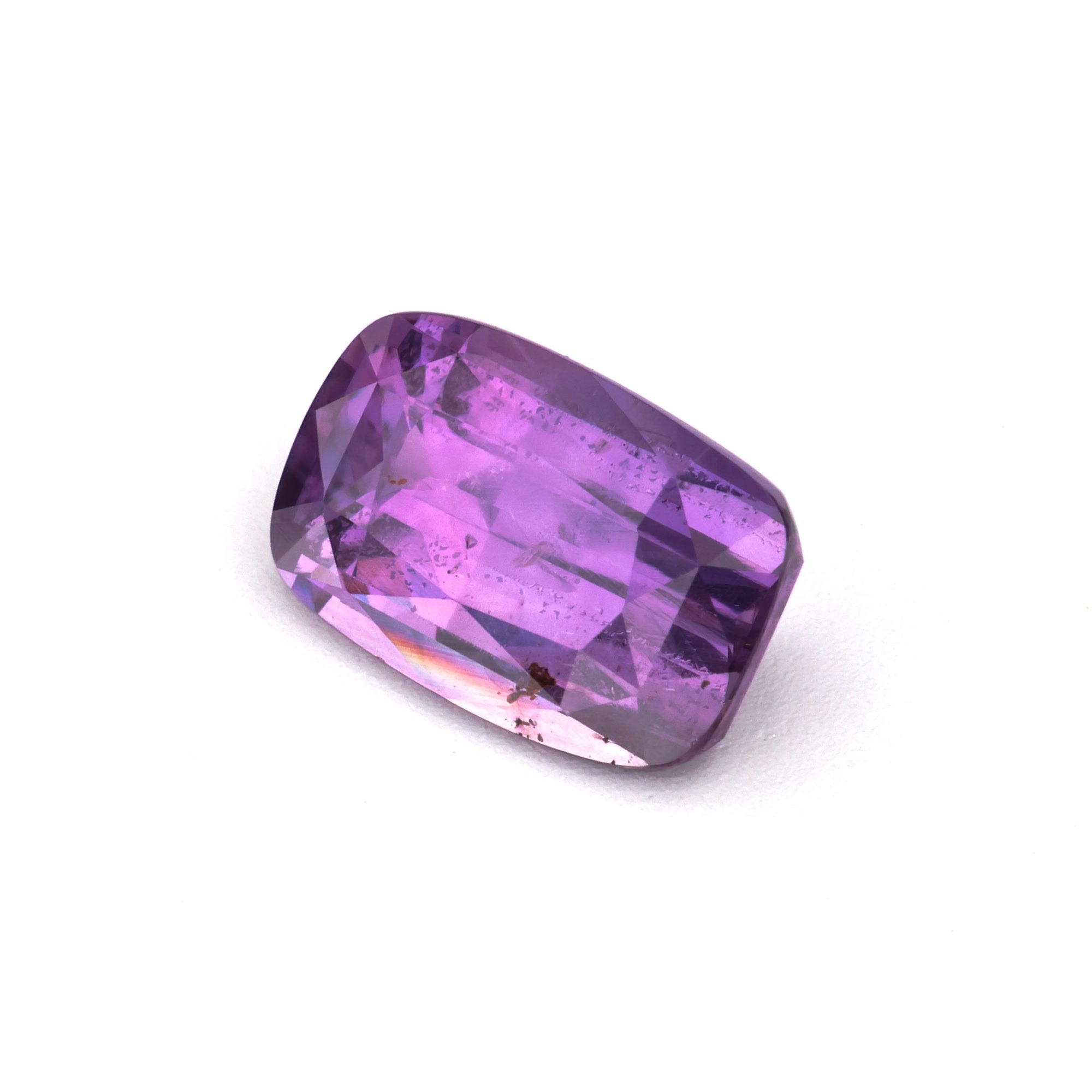
Mozambique Sapphire — The East African Origin Buyers Are Starting to Notice
- von Ahmed Shareek
For origin comparison: Ceylon Sapphire Complete Guide. For the East African neighbor: Tanzania Sapphire Guide. For the buying foundation: Ultimate Sapphire Buying Guide.
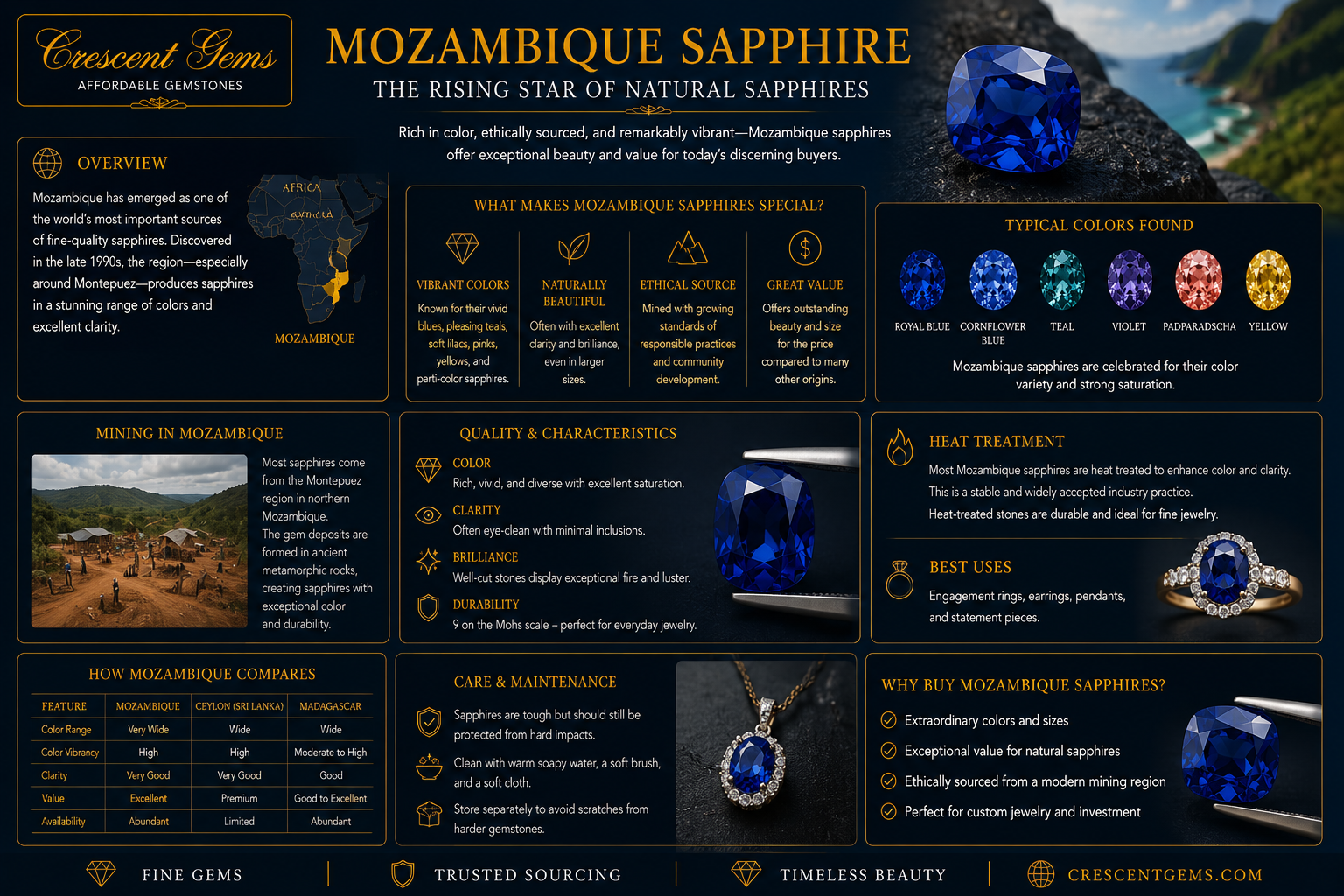
Mozambique is better known in the gem trade for ruby than sapphire. Since the discovery of the Montepuez ruby deposit in 2009, Mozambique has become the world's largest ruby producer by volume. What is less widely known is that Mozambique also produces sapphire — from the same geological belt that yields its celebrated rubies, and with a color range particularly strong in pink and purple. At Crescent Gems, we source directly from Mozambique alongside Sri Lanka, Tanzania, and other key origins.
The Montepuez Region in Cabo Delgado Province — the same region that hosts the major Gemfields ruby operations — also produces sapphire. Corundum is corundum: the same geological conditions that crystallize ruby also produce sapphire. Sapphire is recovered as a byproduct of ruby operations and from dedicated sapphire areas within the same geological belt.
The Alto Ligonha Region in Zambezia Province hosts one of the world's most mineralogically diverse gem-bearing pegmatite systems. Corundum including sapphire has been recovered from the same field that produces tourmaline, aquamarine, and beryl.
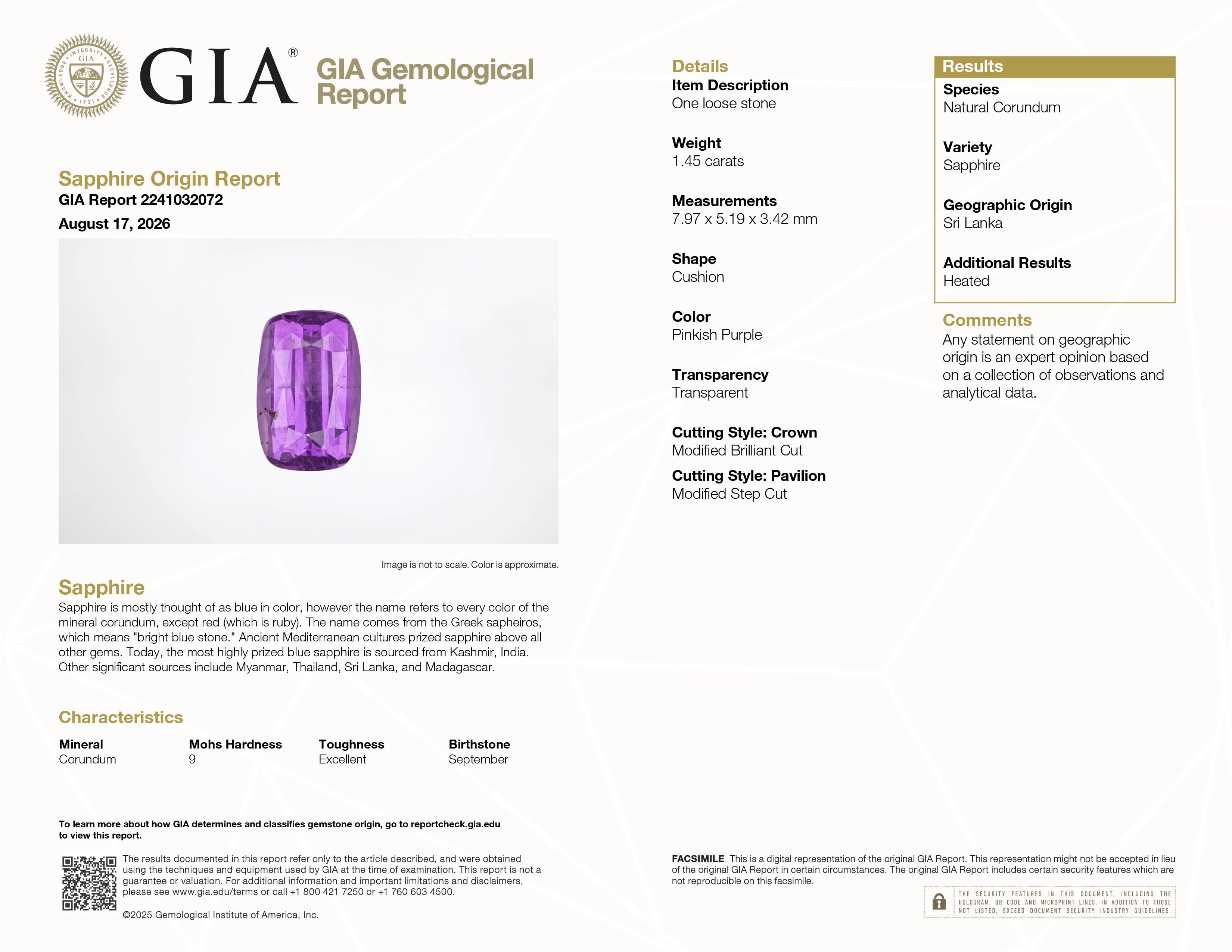
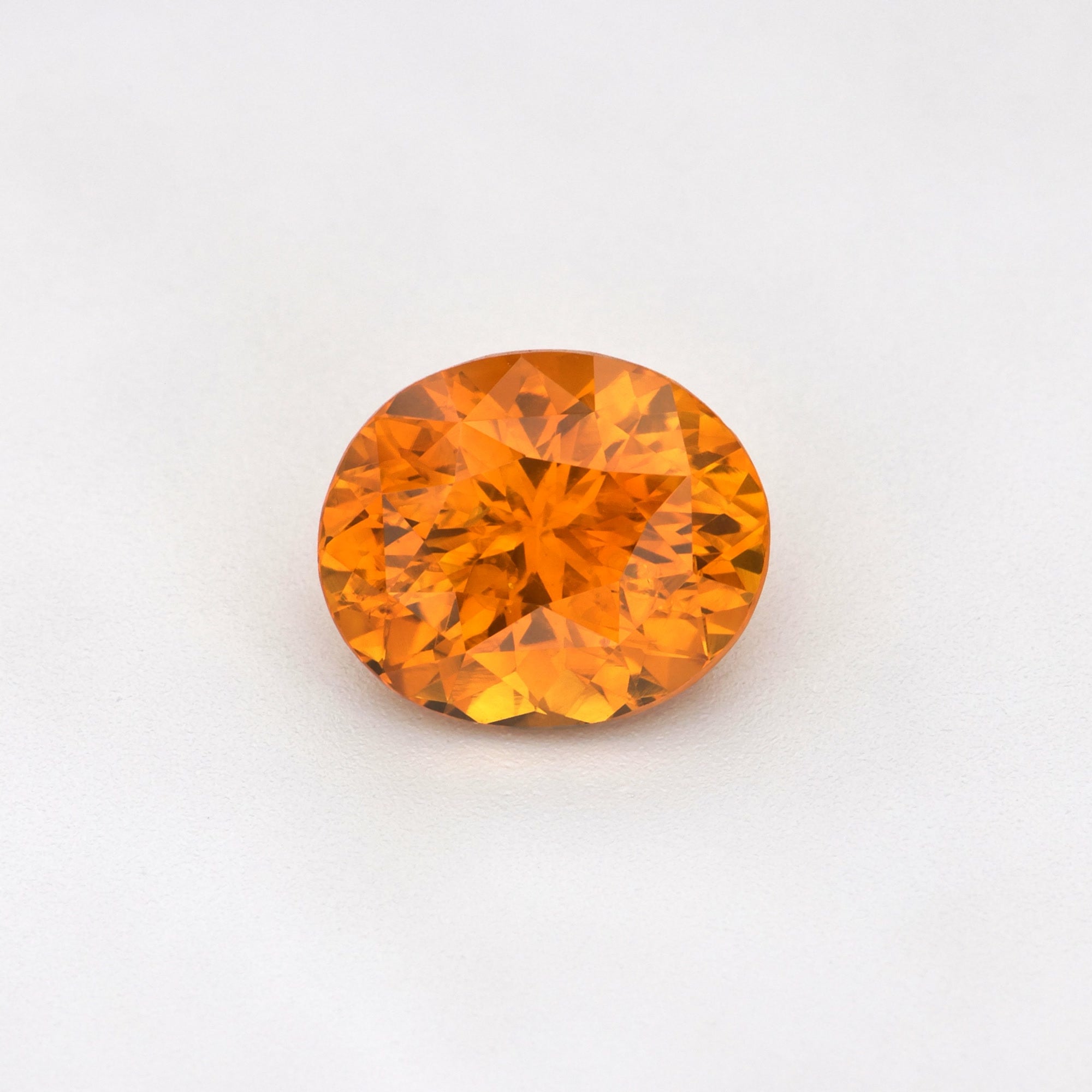
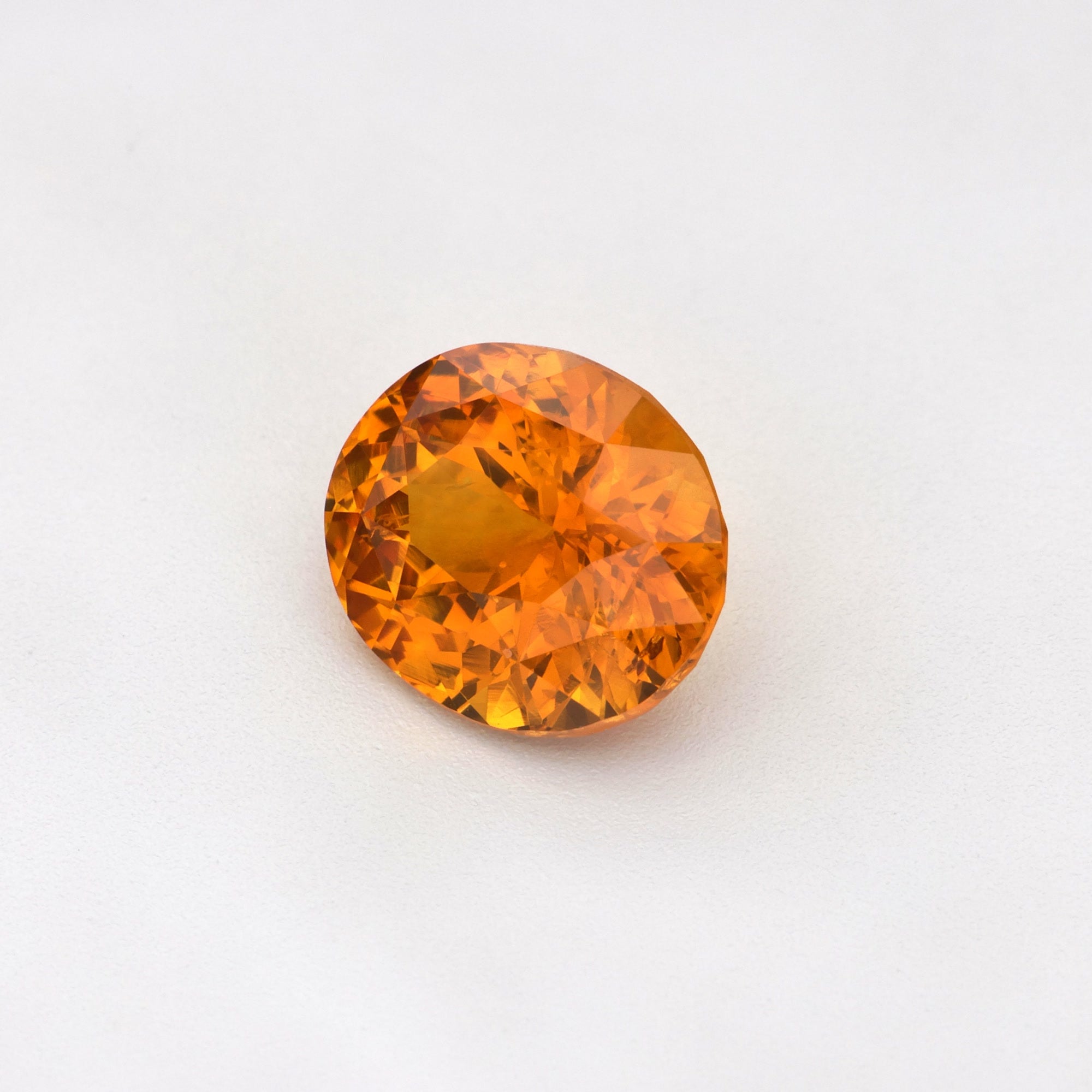
The most commercially significant characteristic of Mozambique sapphire is its pink production. The chromium-bearing metamorphic environment that makes Mozambique world-class for ruby also produces pink sapphire — from light lilac-pink through vivid hot pink — at meaningful volumes. For buyers seeking fine pink sapphire, Mozambique is a legitimate and often undervalued source alongside Ceylon. See our Pink Sapphire Buyer's Guide for the full framework. Blue, purple/violet, orange/warm tones, and occasional color-change are also produced. For color guidance see our Sapphire Colors Explained guide.
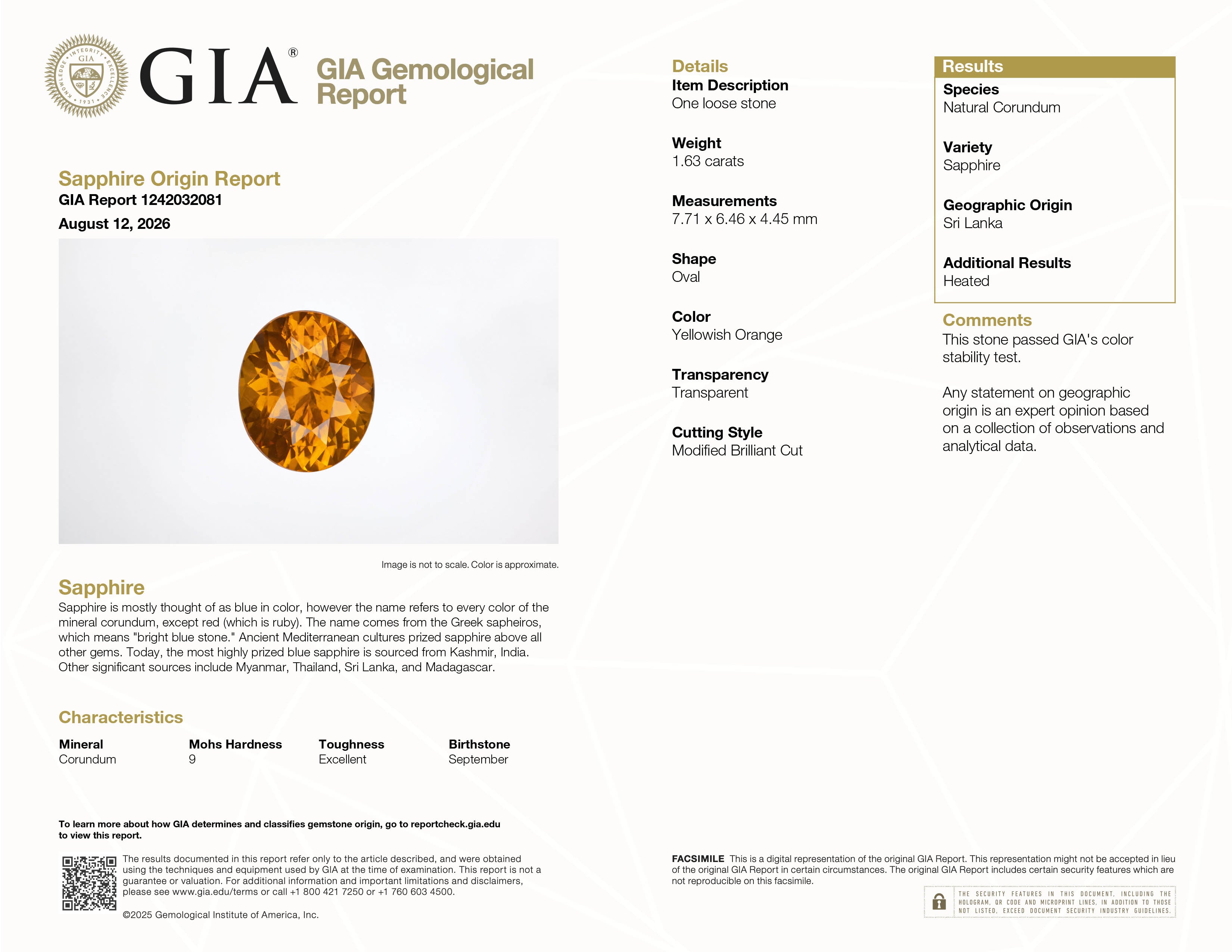
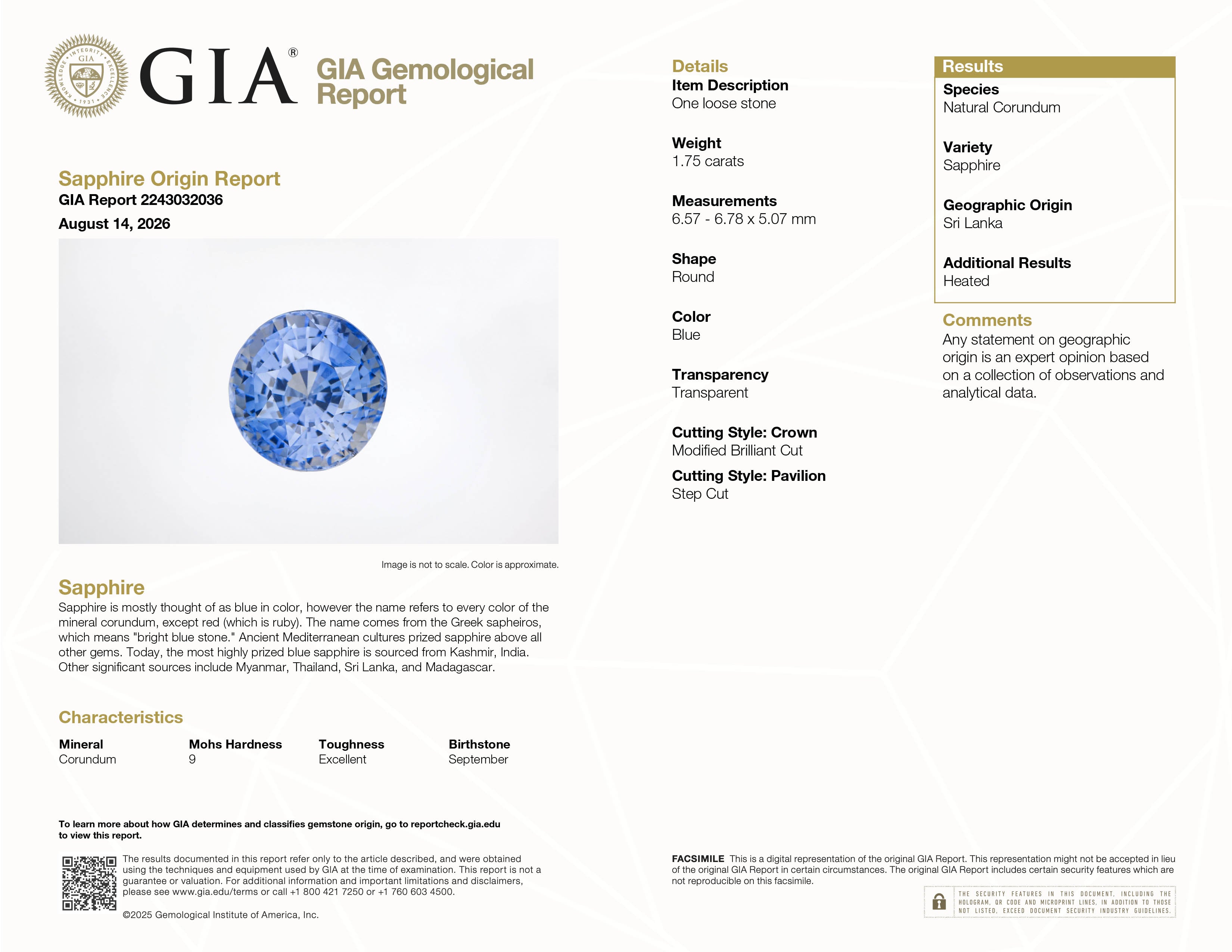
As with all major sapphire origins, heat treatment is common and fully accepted market practice. Pink sapphire from Mozambique has a better chance of being naturally unheated due to its chromium-bearing marble-hosted geology. Critical warning: any orange, strongly warm pink, or vivid yellow stone must be tested explicitly for beryllium diffusion by LA-ICP-MS at a major laboratory (GIA, Gubelin, SSEF). GIA confirms Mozambique origin on its sapphire identification reports. See our GIA report guide.
Mozambique sapphire — particularly pink and purple material — is commercially priced well below its visual quality relative to Ceylon equivalents (typically 30-50% less per carat for comparable visual quality). The reason is simply that the market for Mozambique sapphire has not developed the same retail recognition as Ceylon. For the full pricing context, see our Sapphire Pricing Explained guide, what a good 1 carat costs, and what a good 2 carat costs.
For ring design guidance, see our oval sapphire guide, cushion cut guide, best shapes for solitaire rings, halo ring guide, metal comparison guide, and custom ring design guide. After purchase, insure your ring: see our jewelry insurance guide.
Browse our full loose sapphire catalog — stones sourced directly from Sri Lanka, Mozambique, Tanzania, and other key origins with complete treatment disclosure — or email crescentgems@gmail.com with your color and budget. We respond within one business day.

CG8469
CG8454
CG8468
CG8465
CG8464
CG8463
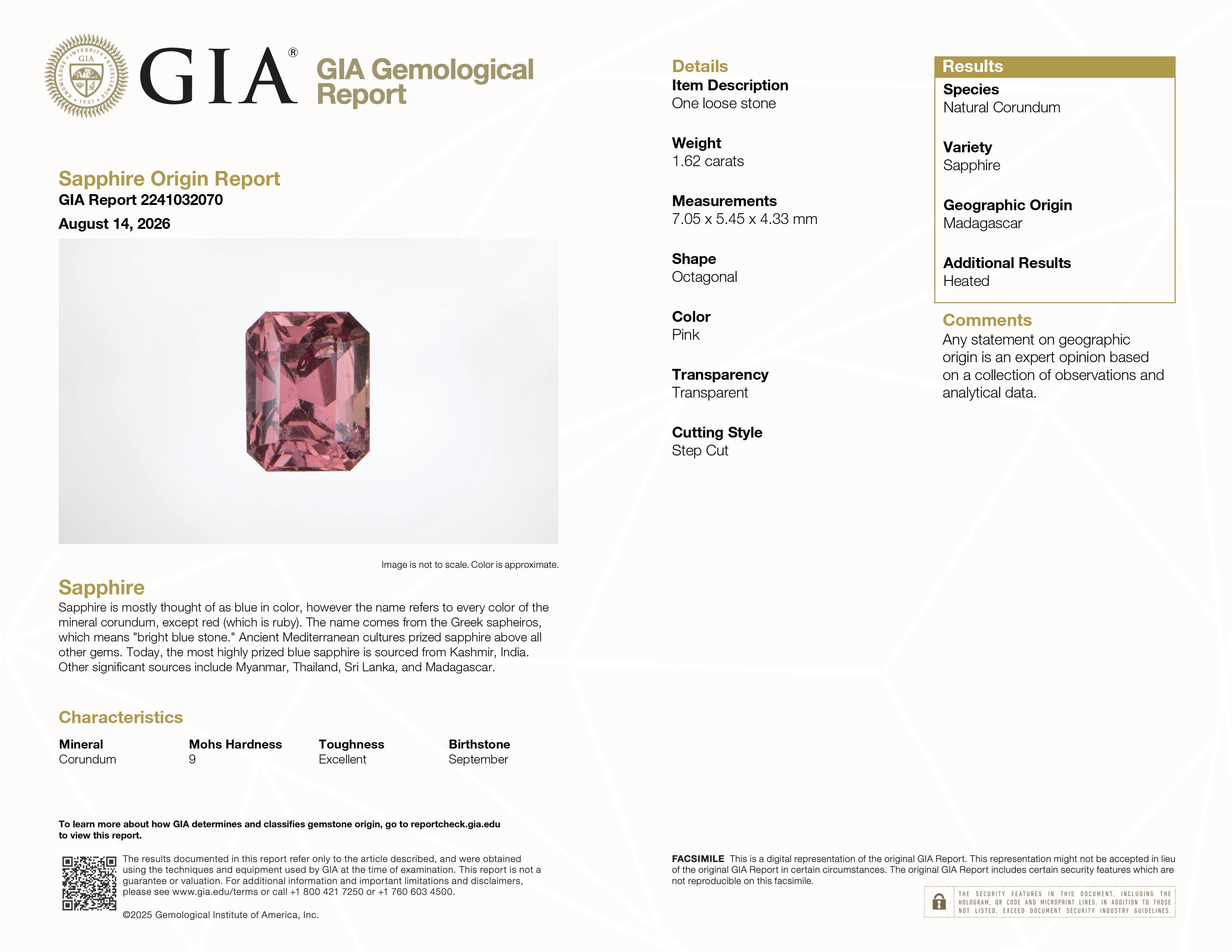
Madagaskar Rosa Saphir 1,62 ct – Achteck, GIA-Bericht
CG8460
CG8459
CG8458
CG8457
CG8456
1,65 ct unerhitzter Rubin, Oval | GIA-Bericht | Madagaskar
CG8453


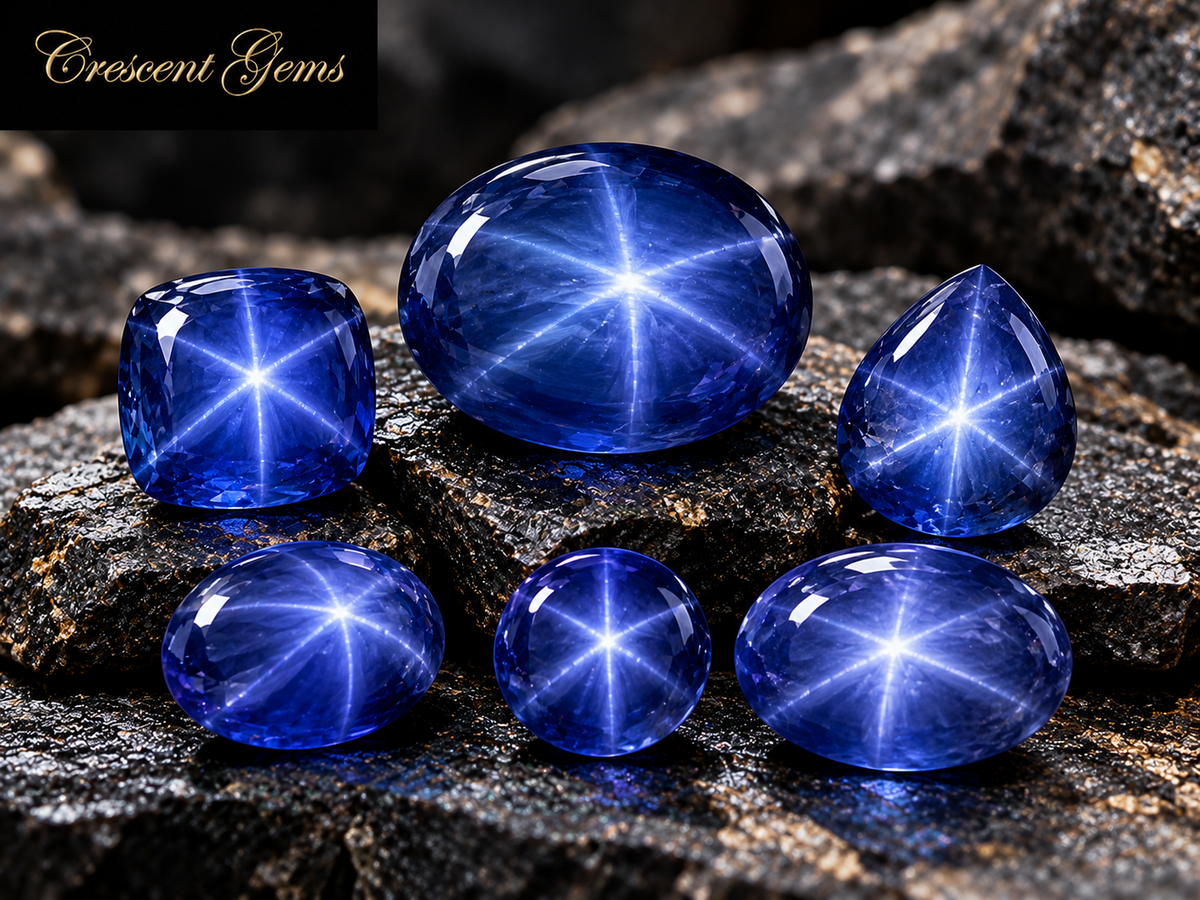
Blauer Sternsaphir: Was er kostet und warum wir den Stern nicht bepreisen
Was ein blauer Sternsaphir kostet, warum kein Labor den Stern bewertet und der eine Stein, den wir führen: 8,09 ct zu 3.660 € (4.040 US$) mit GIA Sapphire Origin Report.
Weiterlesenüber Blauer Sternsaphir: Was er kostet und warum wir den Stern nicht bepreisen
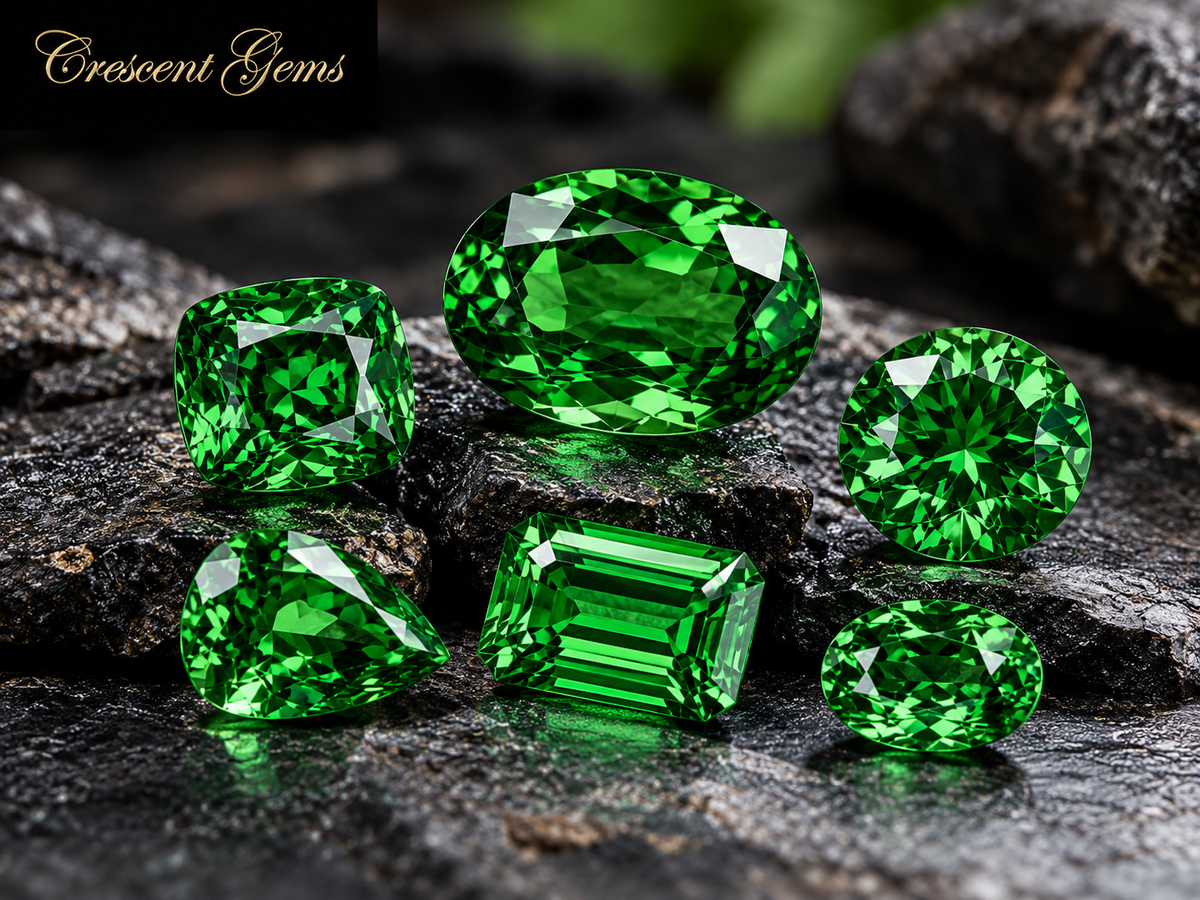
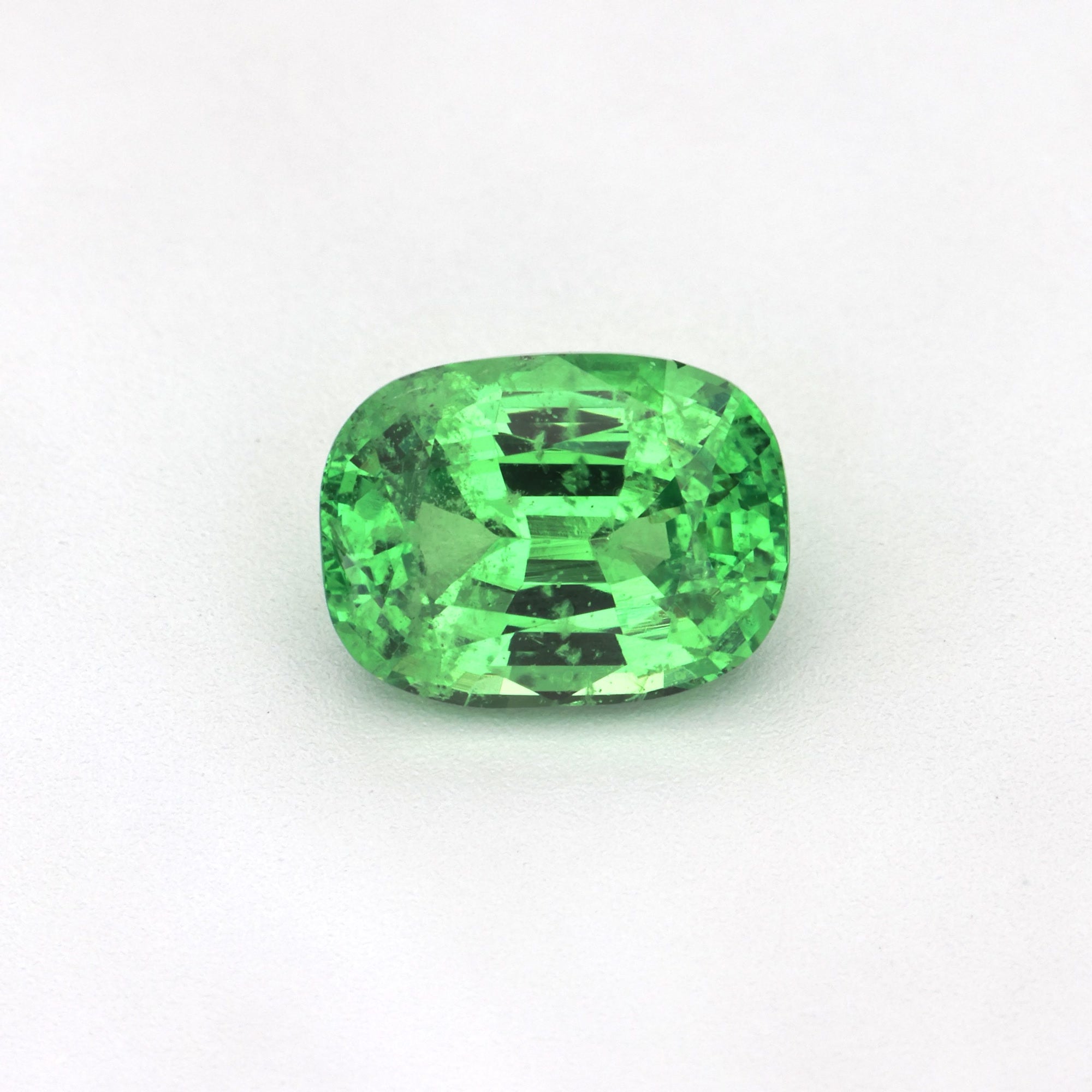
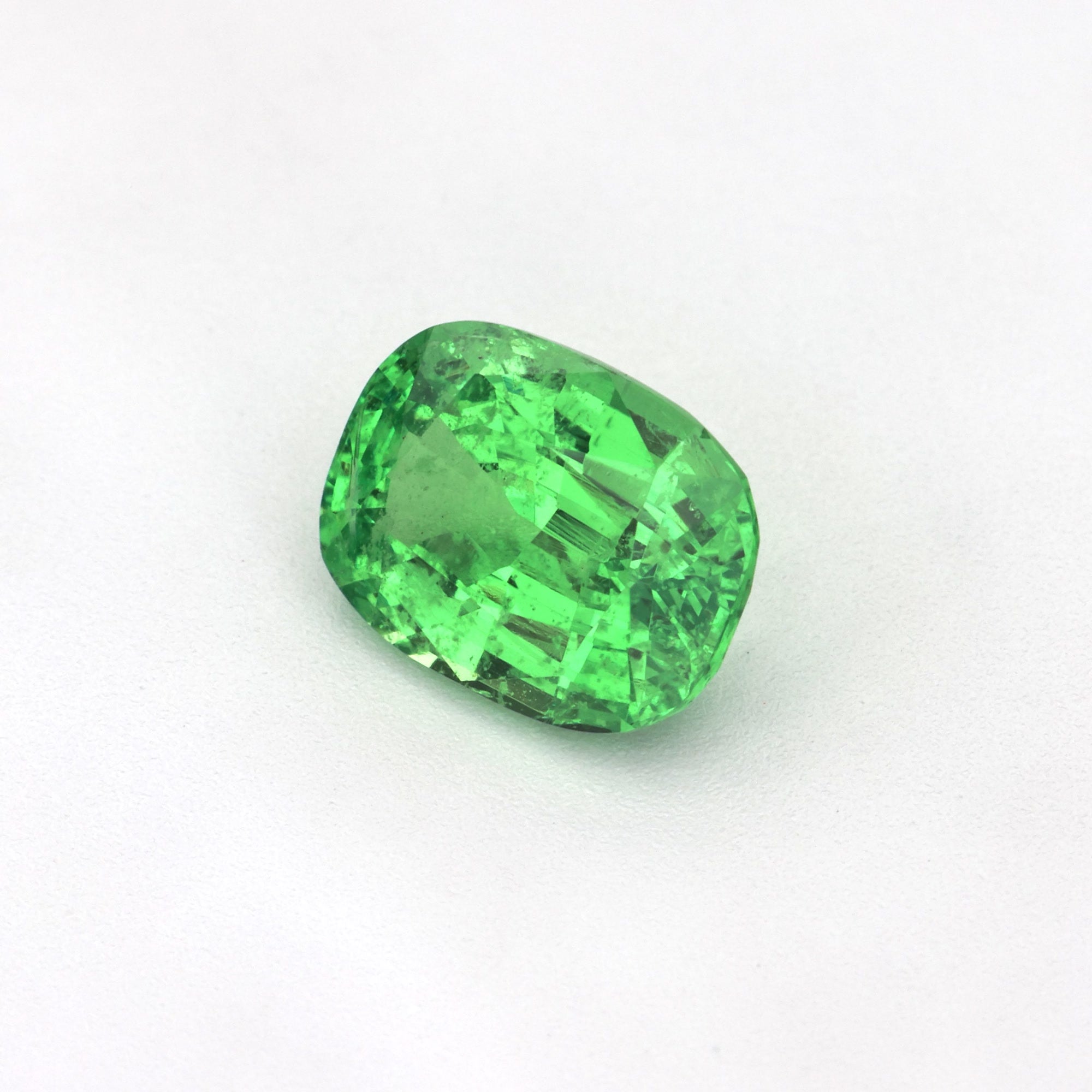
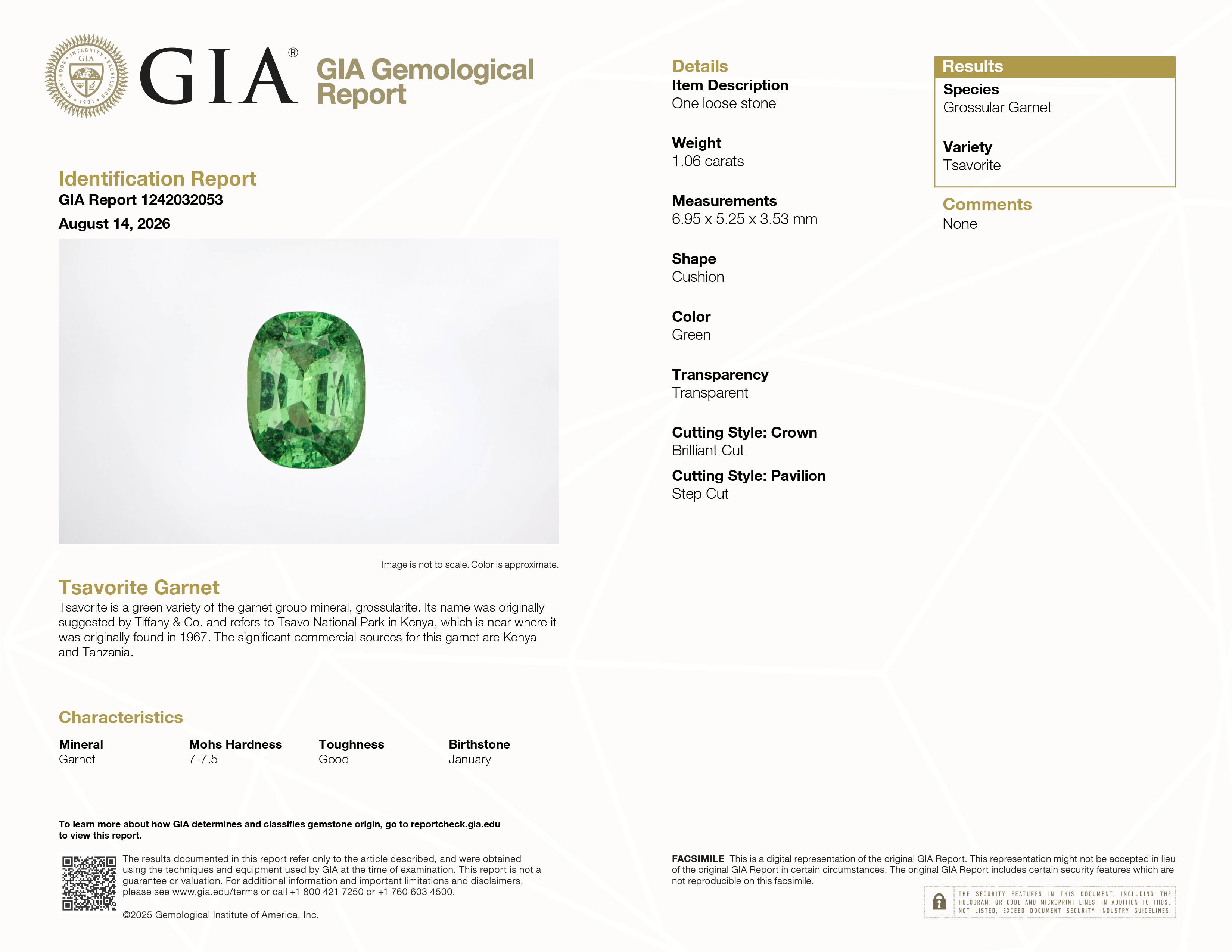
Tsavorit-Granat: Preise pro Karat aus unserem eigenen Bestand
Was ein Tsavorit-Granat kostet, gerechnet an den zwei Steinen, die wir am 16. November 2026 auf Lager haben – 1.440 bis 20.560 € (1.590 bis 22.724 US$) –, und was das Angebot an großen sauberen Steinen begrenzt.
Weiterlesenüber Tsavorit-Granat: Preise pro Karat aus unserem eigenen Bestand
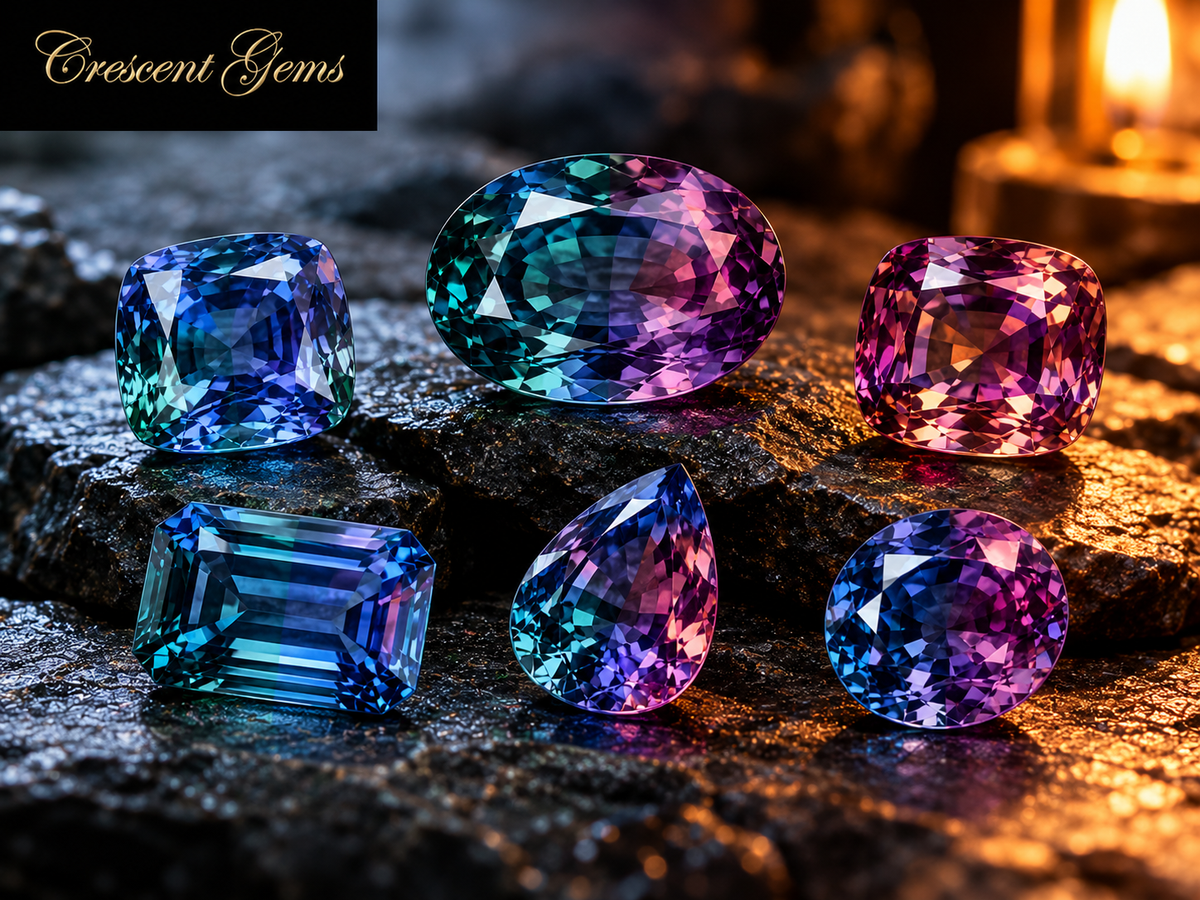
Farbwechsel-Saphir: Was er kostet, Stein für Stein
Was unsere beiden Farbwechsel-Saphire kosten, Stein für Stein mit dem Karatpreis daneben: 750 € (824 US$) für 1,03 ct und 2.000 € (2.211 US$) für 2,01 ct, am 16. November 2026 von unseren eigenen Produktseiten abgelesen. Kaufbar ist derzeit einer der beiden. Kein Labor benotet den Farbwechsel.
Weiterlesenüber Farbwechsel-Saphir: Was er kostet, Stein für Stein
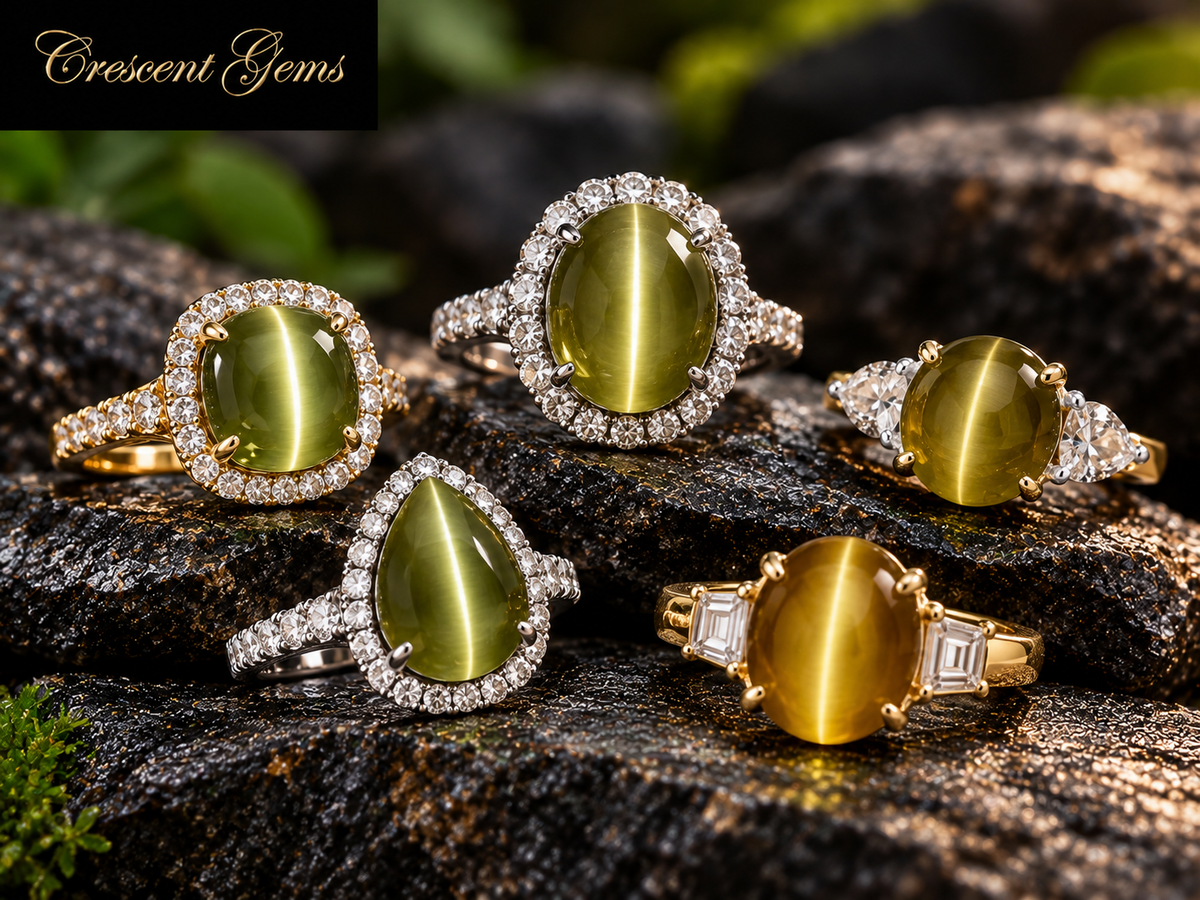
Chrysoberyll-Katzenauge im Verlobungsring: Eignet es sich?
Chrysoberyll hat Mohshärte 8,5 – über Quarz (7) und Smaragd (7,5–8), unter Korund (9) und Diamant (10). Was das für Alltag, Fassung und Pflege bedeutet.
Weiterlesenüber Chrysoberyll-Katzenauge im Verlobungsring: Eignet es sich?
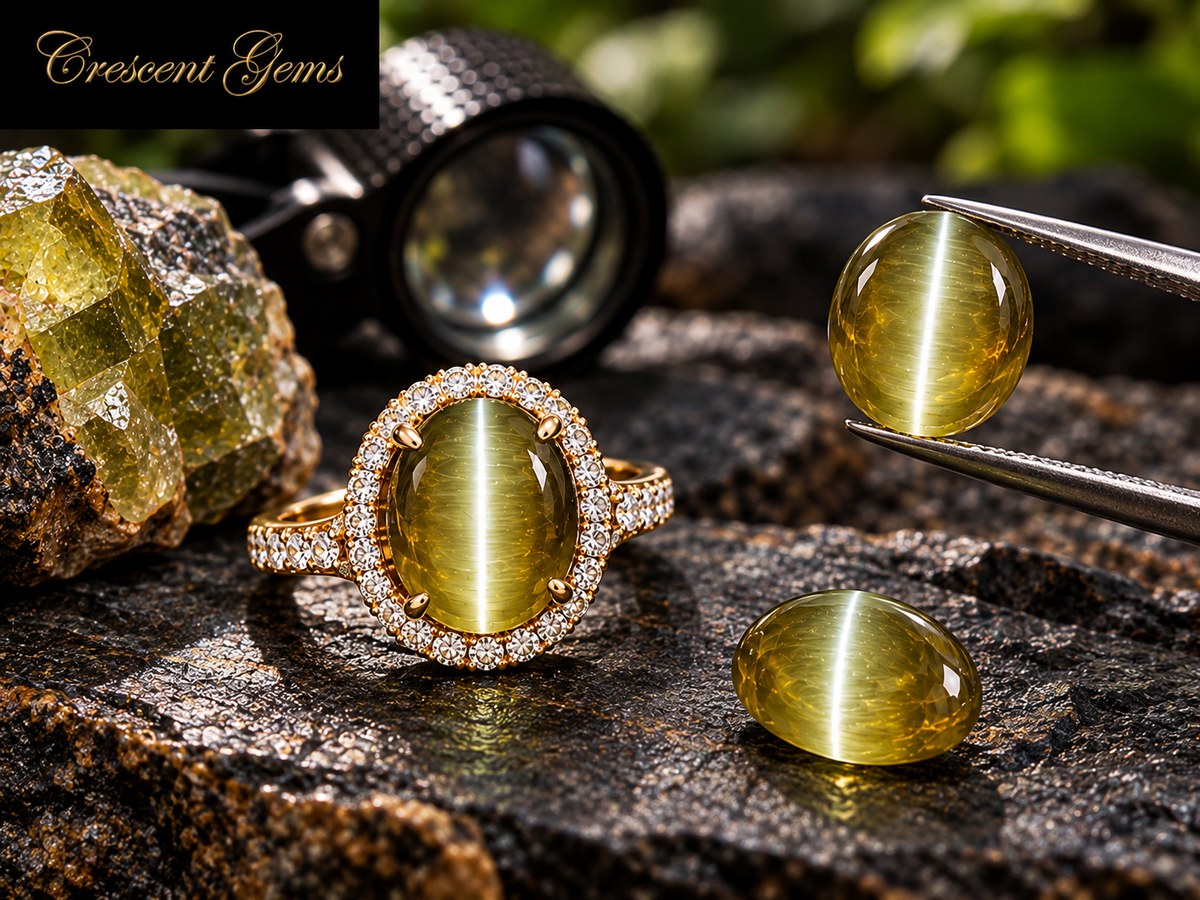
Chrysoberyll-Katzenauge: Preise pro Karat und wovon sie abhängen
Was ein echtes Chrysoberyll-Katzenauge pro Karat kostet und wovon der Preis abhängt – dazu unsere beiden Steine: 2,36 ct für 3.792 $ und 4,25 ct für 9.482 $, je mit GIA-Bericht.
Weiterlesenüber Chrysoberyll-Katzenauge: Preise pro Karat und wovon sie abhängen















Teilen: