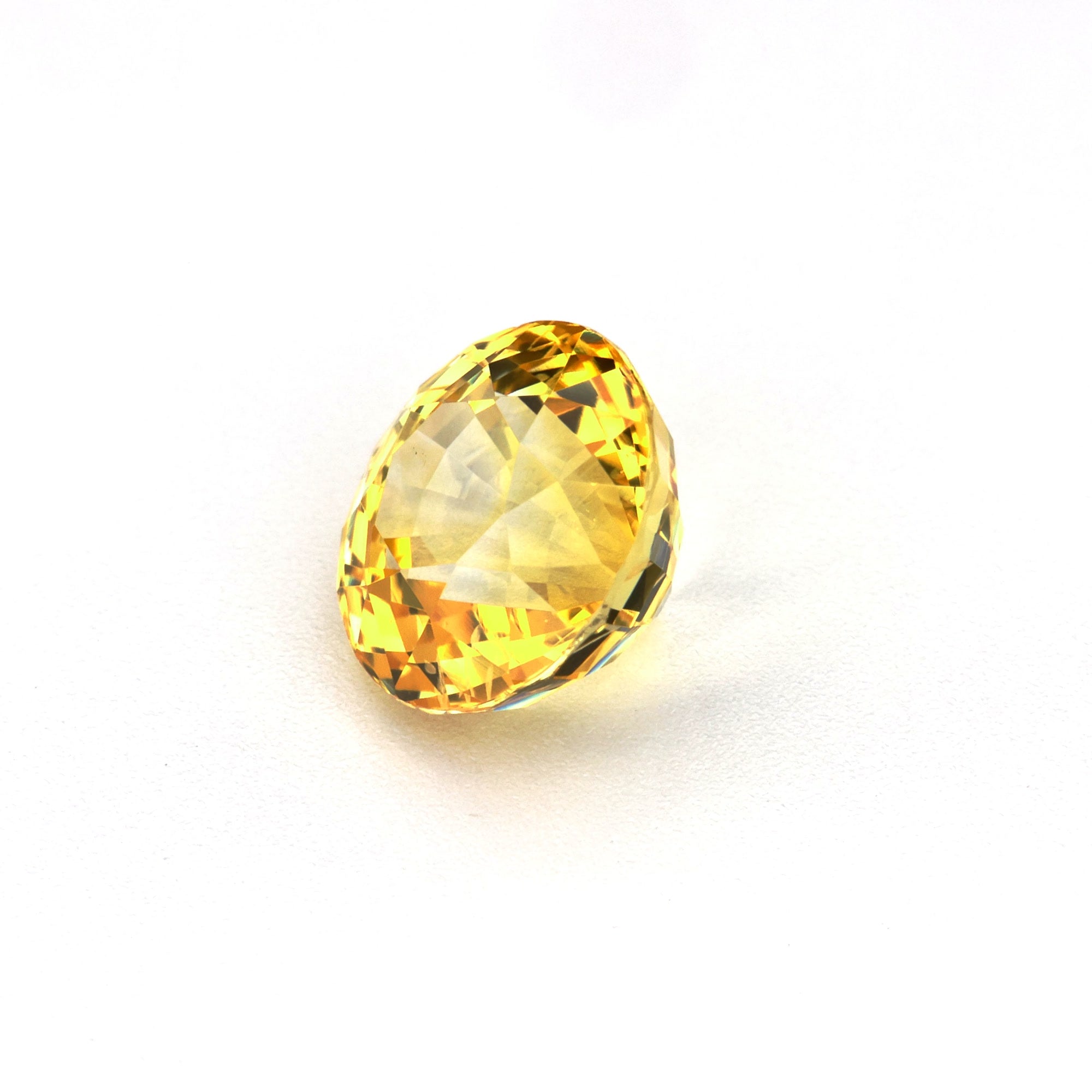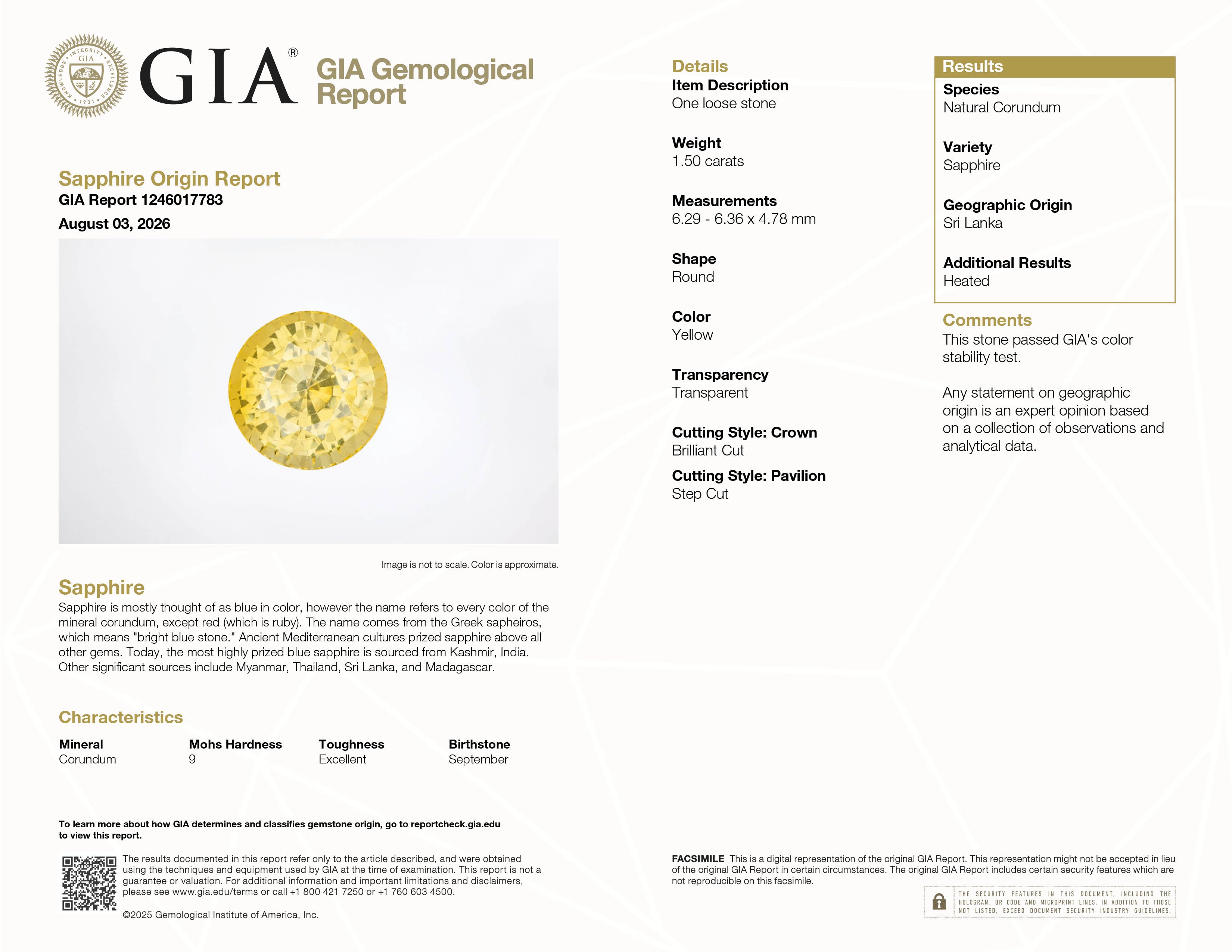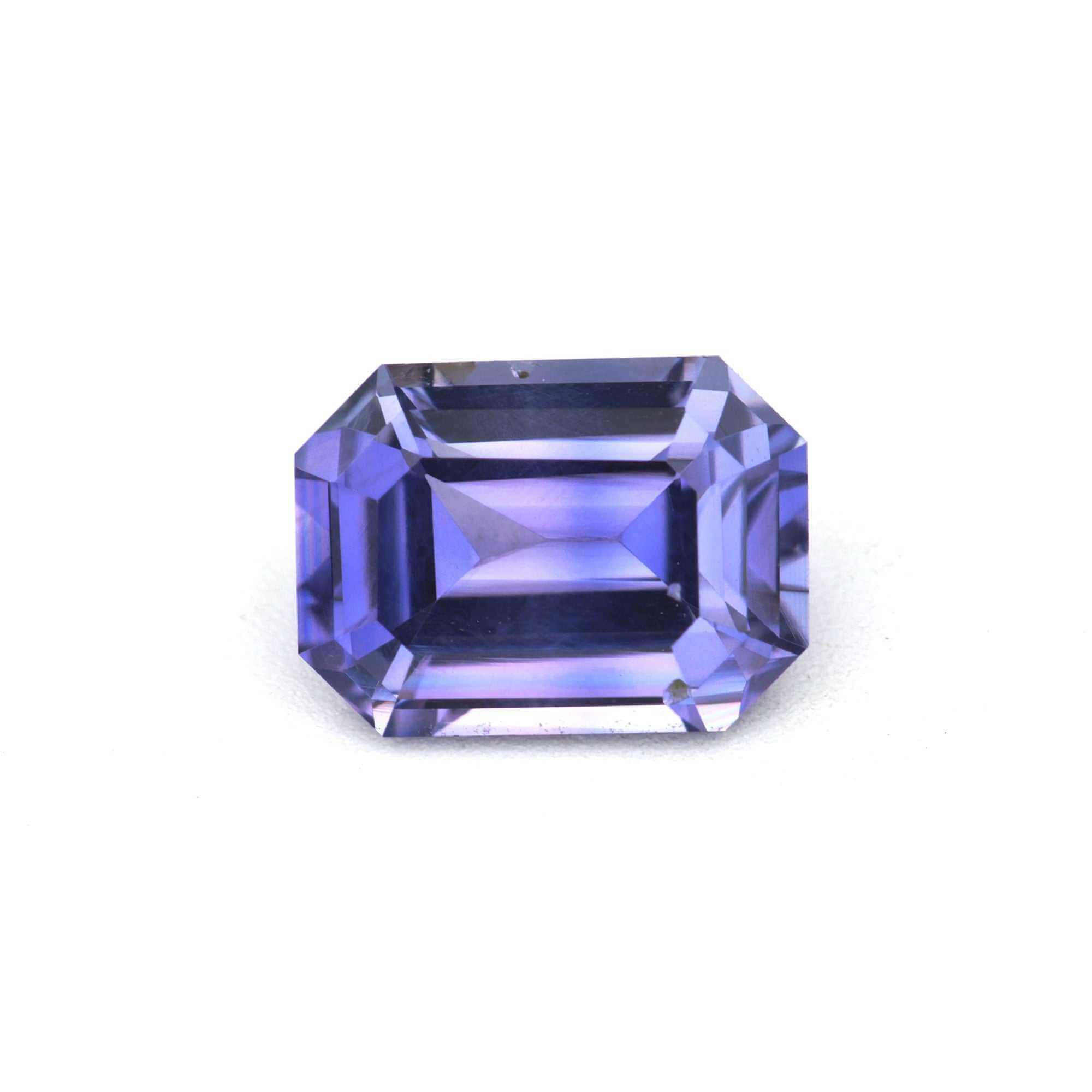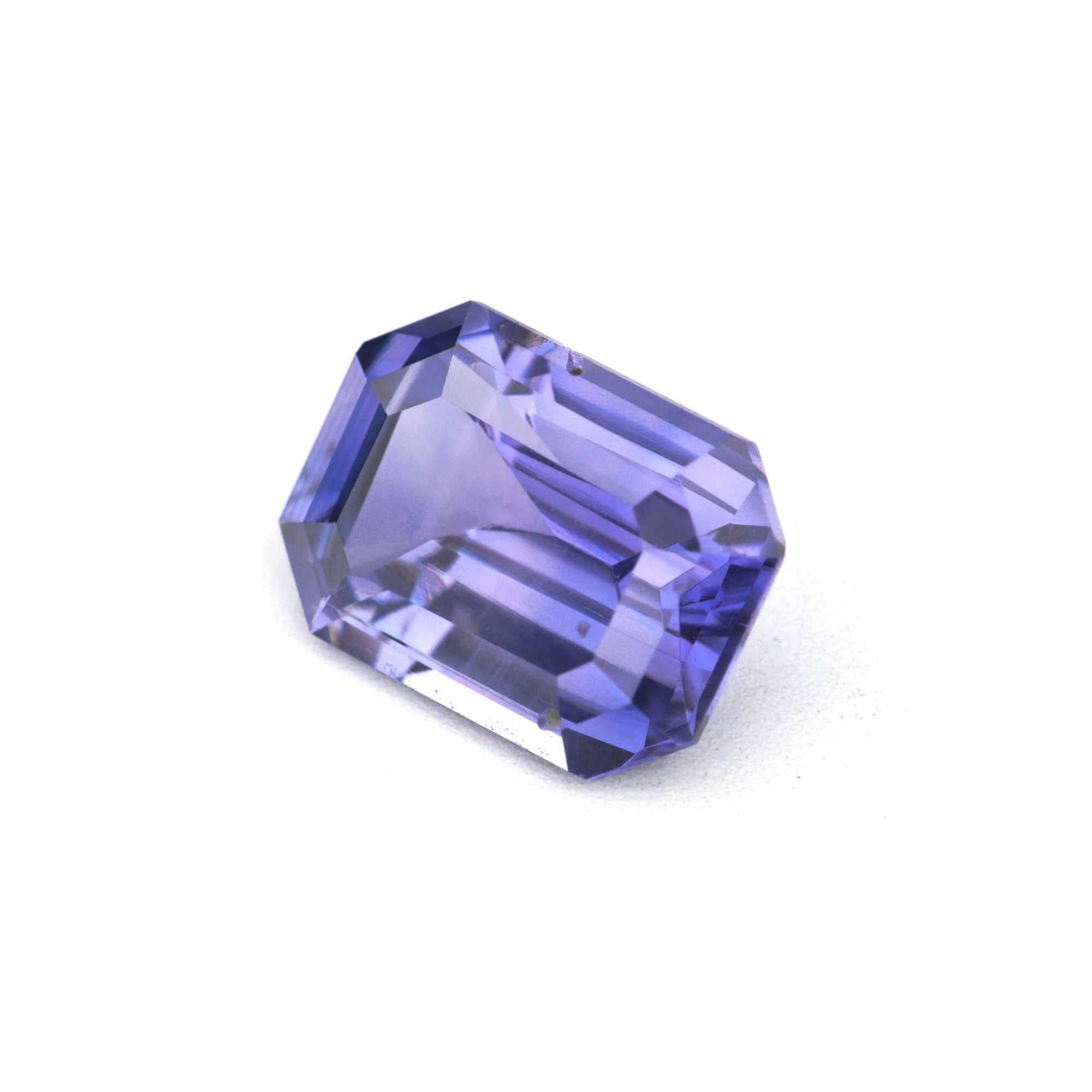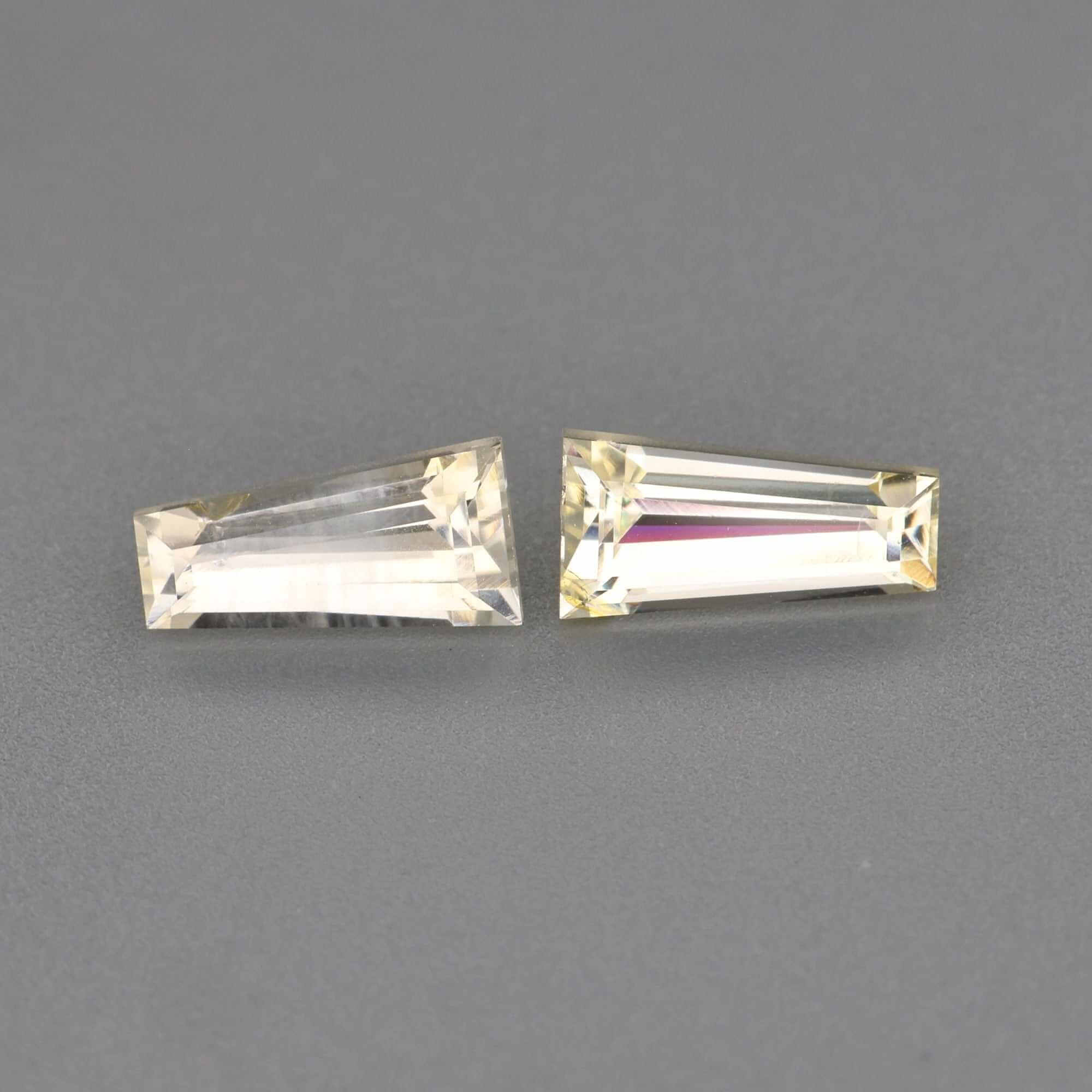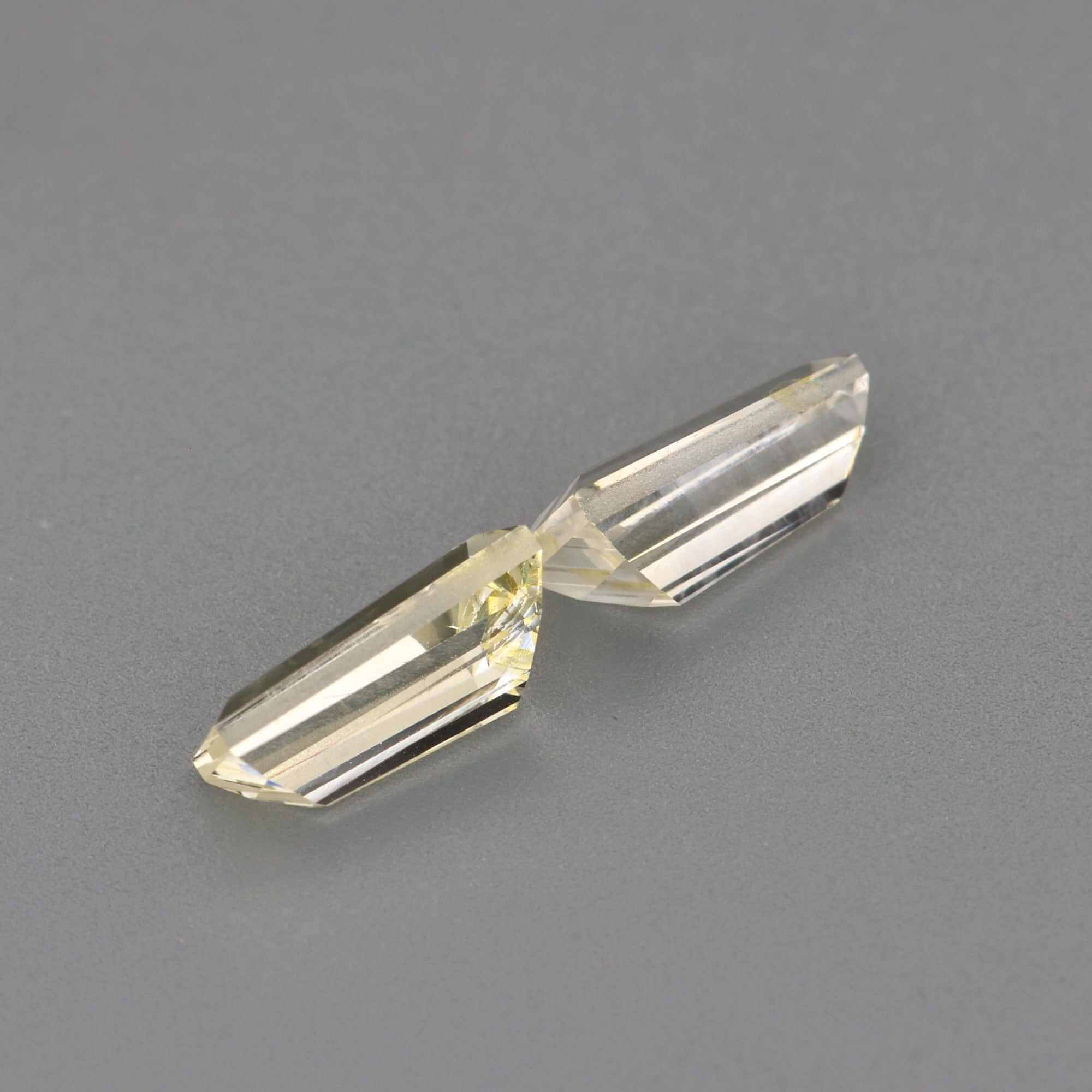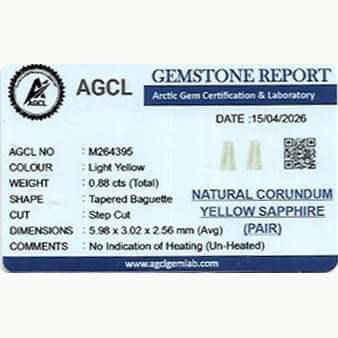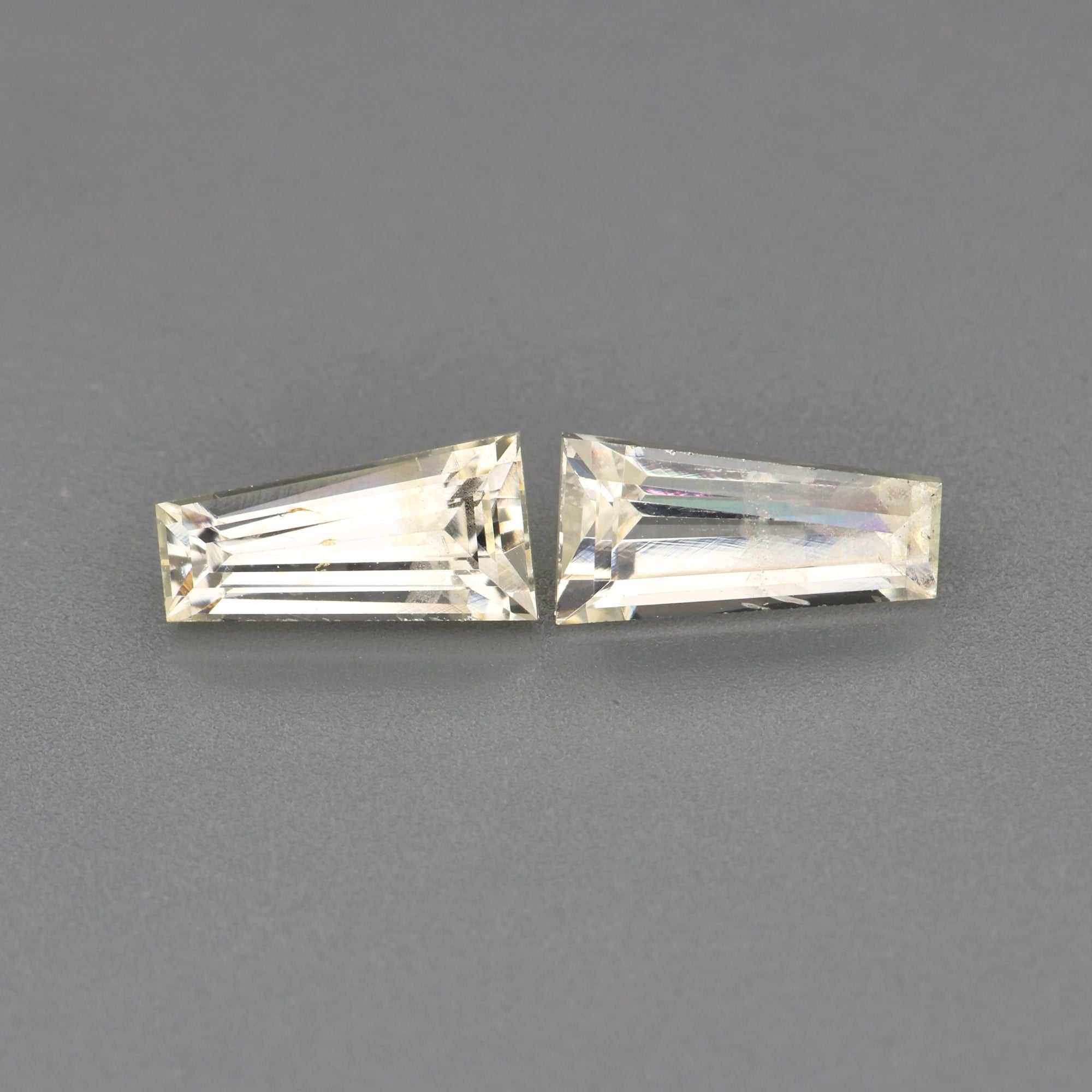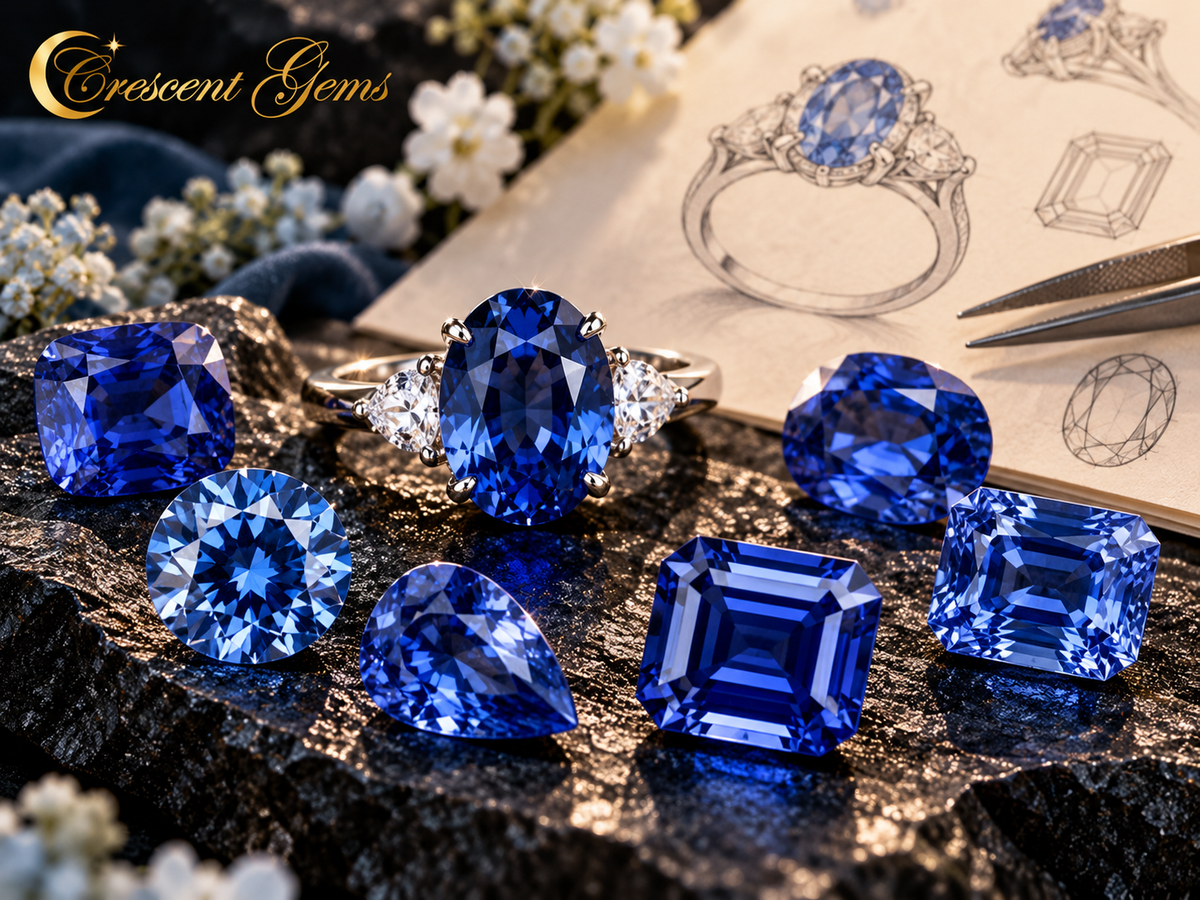
- von Ahmed Shareek
Natürlicher Ceylon-Saphir aus Sri Lanka: Herkunft, Einkauf und was den Stein ausmacht
- von Ahmed Shareek
Sie kaufen zum ersten Mal einen Saphir? Beginnen Sie mit unserem großen Saphir-Kaufratgeber — unserem Leitfaden zu Farbe, Herkunft, Behandlung und Preisbildung.
Bis ein Saphir in einem fertigen Ring sitzt, hat genau die Information, die Sie über den Stein am dringendsten brauchen, den längsten Weg hinter sich: wo er gefunden wurde, ob er erhitzt worden ist, was in seinem Laborbericht tatsächlich steht. Jede Station zwischen Schleifer und Ladentheke kann diese Angaben verkürzen, glätten oder ganz verlieren. Dieser Text gibt sie Ihnen direkt — und erklärt, worauf wir selbst achten, bevor wir einen Stein kaufen.
Wir kaufen unsere Steine selbst in Sri Lanka ein — in Colombo, Beruwala und Ratnapura —, und wir lassen nach eigener Vorgabe schleifen. Deshalb arbeiten wir ohne Ausstellungsraum und mit einer kürzeren Kette zwischen Fundstelle und Käufer. Eines sollten wir dabei offen sagen: der srilankische Rohsteinmarkt ist selbst zwischengeschaltet. Die Steine erreichen die Märkte von Ratnapura und Beruwala über ortsansässige Makler und Händler. Direkteinkauf heißt bei uns also, dass wir am Quellmarkt kaufen und Auswahl und Schliff selbst verantworten — nicht, dass zwischen uns und dem Boden niemand steht. Eine kürzere Kette ist keine Kette aus null Gliedern.
Die meisten Saphire, die wir führen, sind srilankische Saphire. Nicht alle. Jede Produktseite nennt die für diesen einen Stein erfasste Herkunft.
Im Handel heißt die Insel bis heute Ceylon, und Natürlicher Ceylon-Saphir aus Sri Lanka ist die Bezeichnung, die wir verwenden: der eingeführte Handelsname und die tatsächliche Herkunft in einem Atemzug. Beides zusammen zu nennen ist genau das, was die CIBJO-Nomenklatur in 4.2.3.1 verlangt, wenn ein echter geografischer Name geführt wird.
Wichtiger ist, was dieser Name nicht leistet. Ceylon benennt einen Fundort. Ceylon bewertet keinen Stein. Aus der Herkunft folgt nichts über Farbe, Reinheit oder Schliff eines bestimmten Steins — diese drei muss man an diesem Stein beurteilen, und zwar jedes Mal neu. Die CIBJO-Nomenklatur zieht diese Grenze in 4.2.3.3 ausdrücklich: zulässig ist der geografische Name, unzulässig ist die Qualitätsandeutung, die sich an ihn anlagert.
Das ist im deutschsprachigen Raum kein akademischer Punkt. Hier wird „Ceylon“ im Schmuckhandel häufig als Güteklasse benutzt, als eine Art Auszeichnung, die nur besonders schöne Steine tragen dürfen. Diese Lesart übernehmen wir nicht, und wir werben nicht mit ihr. Bei uns ist Ceylon eine Ortsangabe. Was zulässig danebensteht, sind Aussagen über das Preisgefüge und über die Farbbreite des Angebots: Aus den alluvialen Edelsteinkiesen der Insel kommt Korund in Blau, Gelb, Rosa, Pfirsich, Teal, Grün, Violett, Weiß und Orange heraus. Das ist eine Aussage über die Angebotsbreite, nicht über Güte. Ein Rangvergleich zwischen Ceylon und einer anderen Herkunft wäre etwas ganz anderes — und wäre nach deutschem Wettbewerbsrecht als unlautere vergleichende Werbung angreifbar. Wir stellen Herkünfte deshalb nicht gegeneinander.
Wir kaufen selbst in Colombo, Beruwala und Ratnapura. Das ist der Rahmen, in dem wir über Herkunft sprechen: unsere eigene Einkaufsgeschichte, nicht die Autorität eines Labors.
Zahlen zum Bestand nennen wir in diesem Text nicht, weil sie sich mit jedem Verkauf ändern. Der Sachverhalt dahinter bleibt derselbe: Nicht jeder Saphir, den wir verkaufen, stammt aus Sri Lanka. Ein kleinerer Teil kommt von anderswo, und davon wiederum der größte Teil aus Madagaskar. Im Katalog liegen außerdem Steine, die keine Saphire sind. Das bewertet nichts. Madagaskar ist keine geringere, keine billigere und keine ersatzweise Herkunft, und wir behandeln sie nicht so. Es ist nur der Grund, warum kein Satz auf dieser Seite behauptet, alles, was wir verkaufen, sei srilankisch. Welche Herkunft für einen bestimmten Stein erfasst ist, steht auf seiner Produktseite.
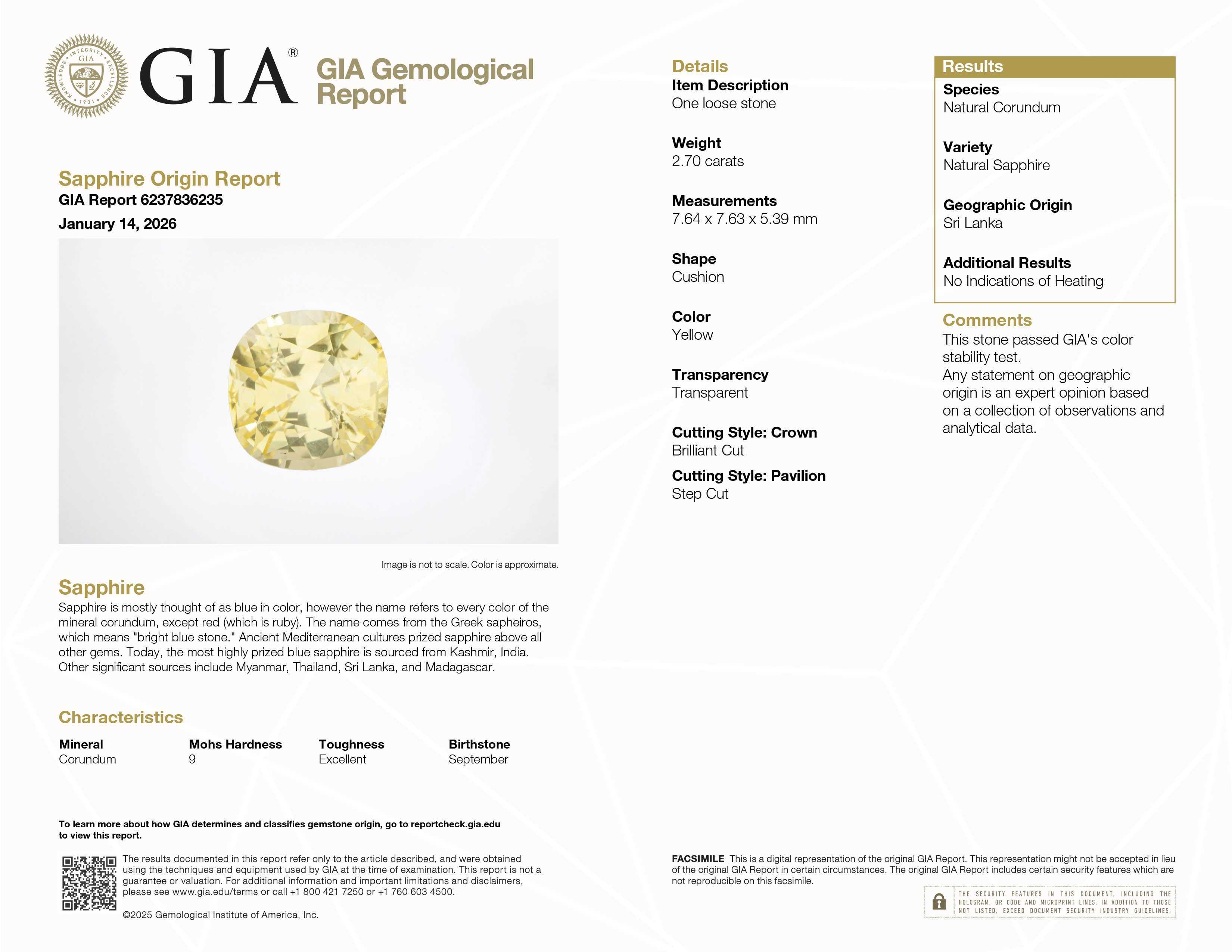
Wenn ein Laborbericht ein Herkunftsfeld führt, ist dieses Feld eine Einschätzung des Labors und keine festgestellte Tatsache. GIA stellt dazu klar, dass jede Angabe zur geografischen Herkunft eine Expertenmeinung ist, die auf einer Sammlung von Beobachtungen und Analysedaten beruht. Ein Labor äußert eine Meinung; es bestätigt nichts. Umgekehrt gilt genauso: Wenn wir die Herkunft eines Steins nennen, stützen wir uns auf unseren eigenen Einkauf — nicht darauf, dass ein Labor sie uns bescheinigt hätte.
Bei Farbbezeichnungen geht im Deutschen mehr schief als bei jedem anderen Teil der Saphir-Beschreibung, und zwar meistens beim Übersetzen. Deshalb hier zuerst die Begriffe, dann die Farben.
Zur Begriffsklärung: was „lila“ und „Purpur“ im Deutschen bedeuten. Das englische purple wird in deutschen Texten regelmäßig mit „lila“ oder „Purpur“ übersetzt, und beides führt in die Irre. „Lila“ ist im Deutschen ein umgangssprachliches Sammelwort für ein weites Feld zwischen Rosa und Blau und taugt als Farbangabe für einen Edelstein nicht. „Purpur“ ist ein falscher Freund: Das deutsche Wort bezeichnet historisch einen violetten bis rotvioletten Farbton und deckt sich nicht mit dem englischen purple. Wir beschreiben deshalb keinen Stein mit diesen beiden Wörtern. Die Farbangaben, die wir verwenden, sind violett, rosaviolett und bläulichviolett — Angaben, die sagen, wo der Farbton liegt, statt ein Sammelwort zu setzen.
Royal Blue und Teal bleiben unübersetzt, weil der deutschsprachige Handel sie unübersetzt führt und weil der Kunde genau so sucht. „Königsblau“ und „royalblau“ sind keine Handelsbezeichnungen, sondern Übersetzungsversuche, und wir verwenden sie nicht.
Weiter gehören zum deutschen Grundwortschatz für diesen Stein: Farbzonierung für ungleich verteilte Farbe im Kristall; Farbwechsel für einen Stein, der unter verschiedenen Lichtarten verschiedene Farben zeigt — nicht „Verfärbung“, denn „Verfärbung“ bedeutet im Deutschen, dass etwas Schaden genommen hat; und Farbursache oder farbgebendes Element für das Spurenelement, das die Farbe erzeugt. Das Fremdwort „Chromophor“ benutzt keine deutschsprachige gemmologische Quelle, und wir benutzen es auch nicht.
Blau: der Ausgangspunkt der meisten Anfragen. Wir suchen einen mittleren Ton, der auf Trageabstand noch klar als Blau erkennbar ist und nicht ins Tintige kippt, und der sich bei Tageslicht und bei Wohnraumlicht ähnlich verhält. Das ist unsere eigene Einschätzung und kein bewerteter Wert: Kein Labor vergibt eine Farbnote auf einen Saphir.
Teal und Blaugrün: ein Farbbereich mit zwei Gesichtern, der zwischen Blau bei kühlem Tageslicht und Grün unter warmem Glühlicht wandert. Der Behandlungsstatus steht bei jedem dieser Steine auf der Produktseite, wie bei jedem anderen auch.
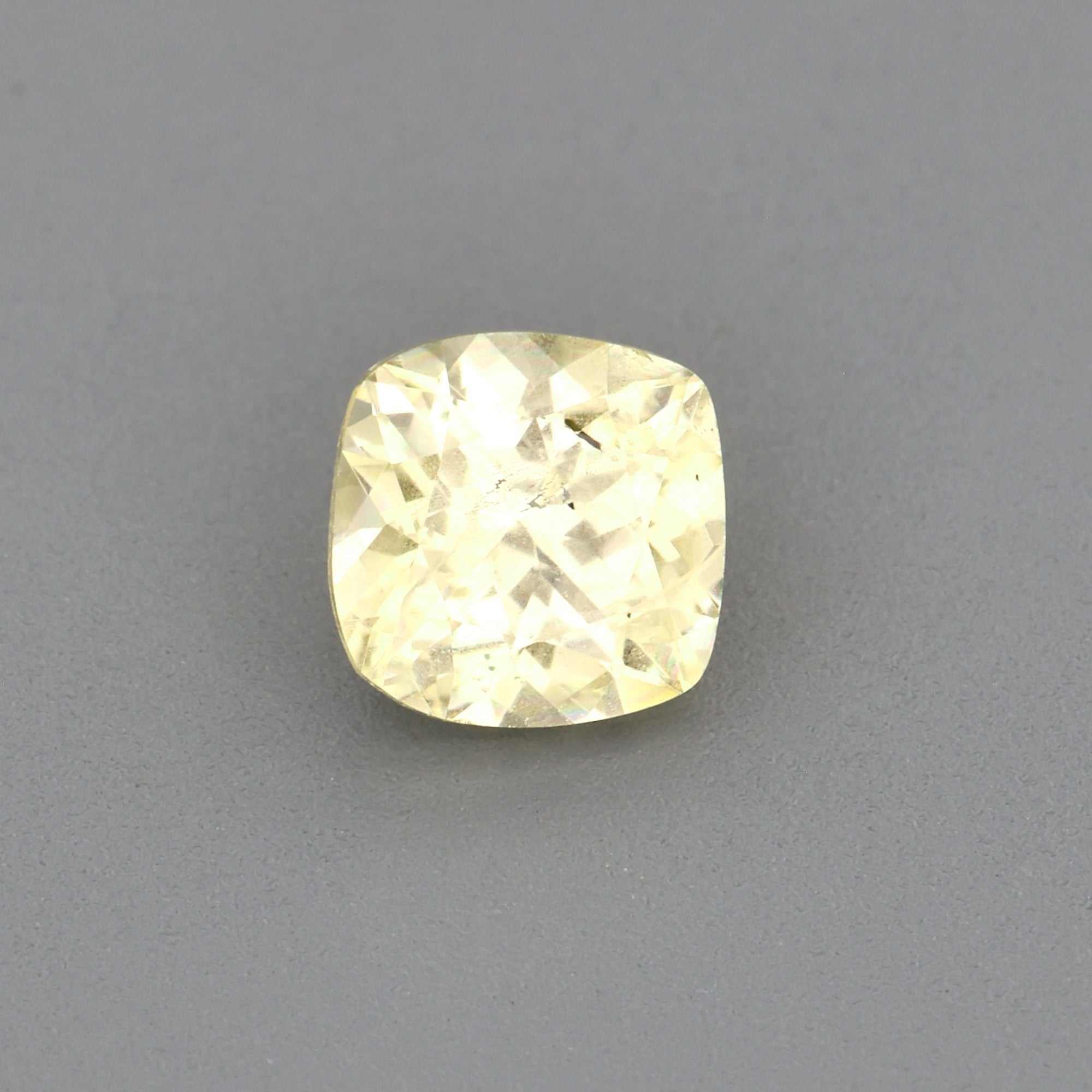
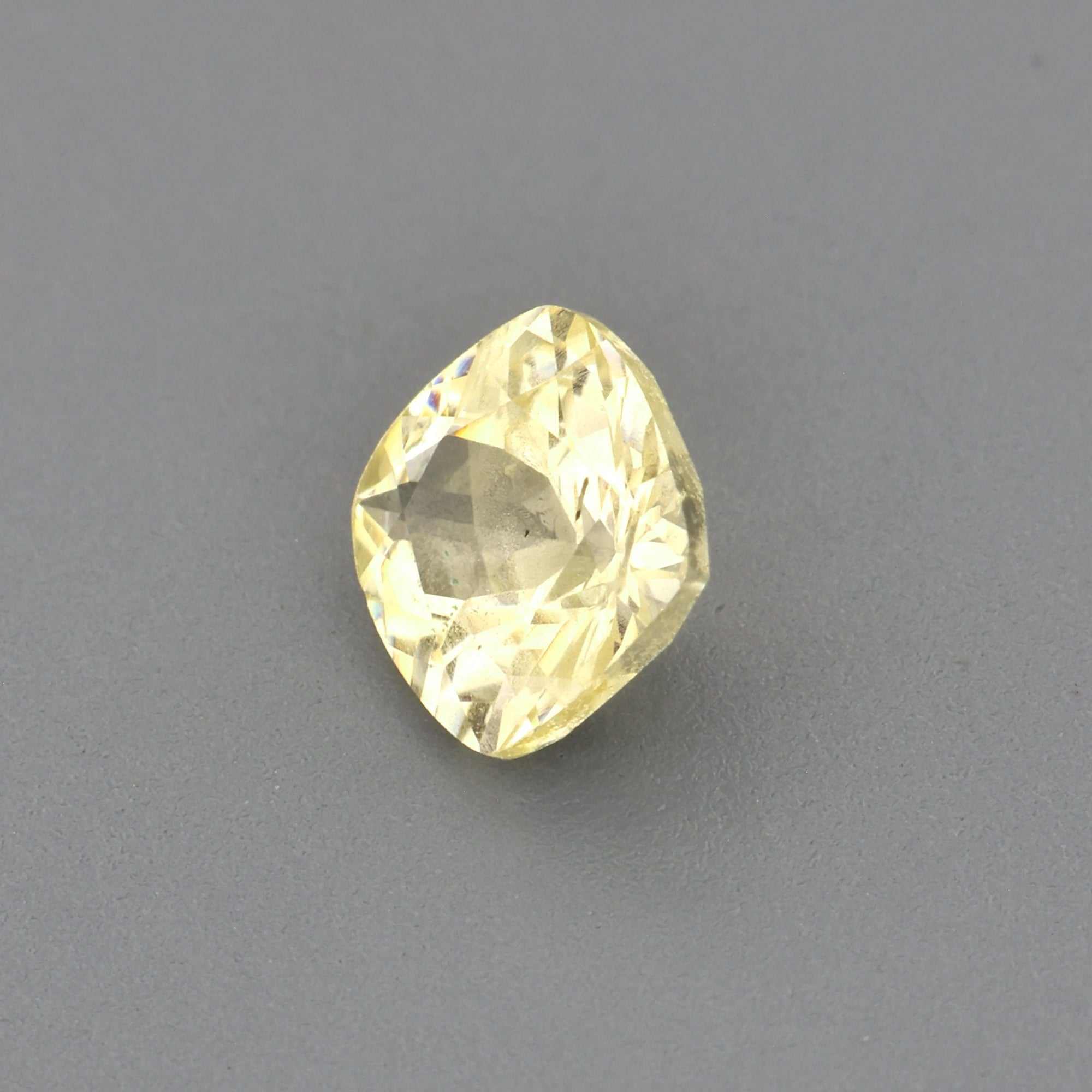
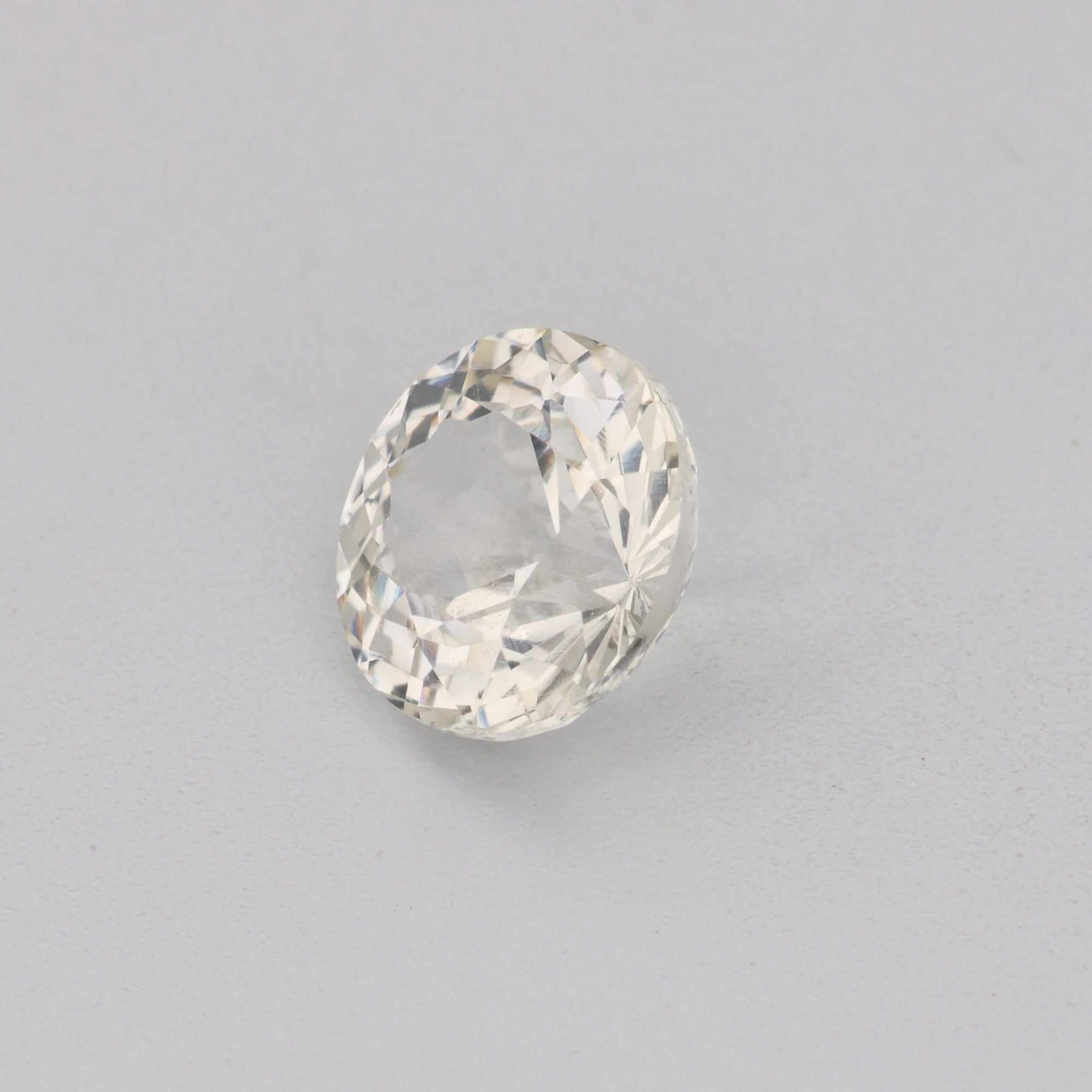
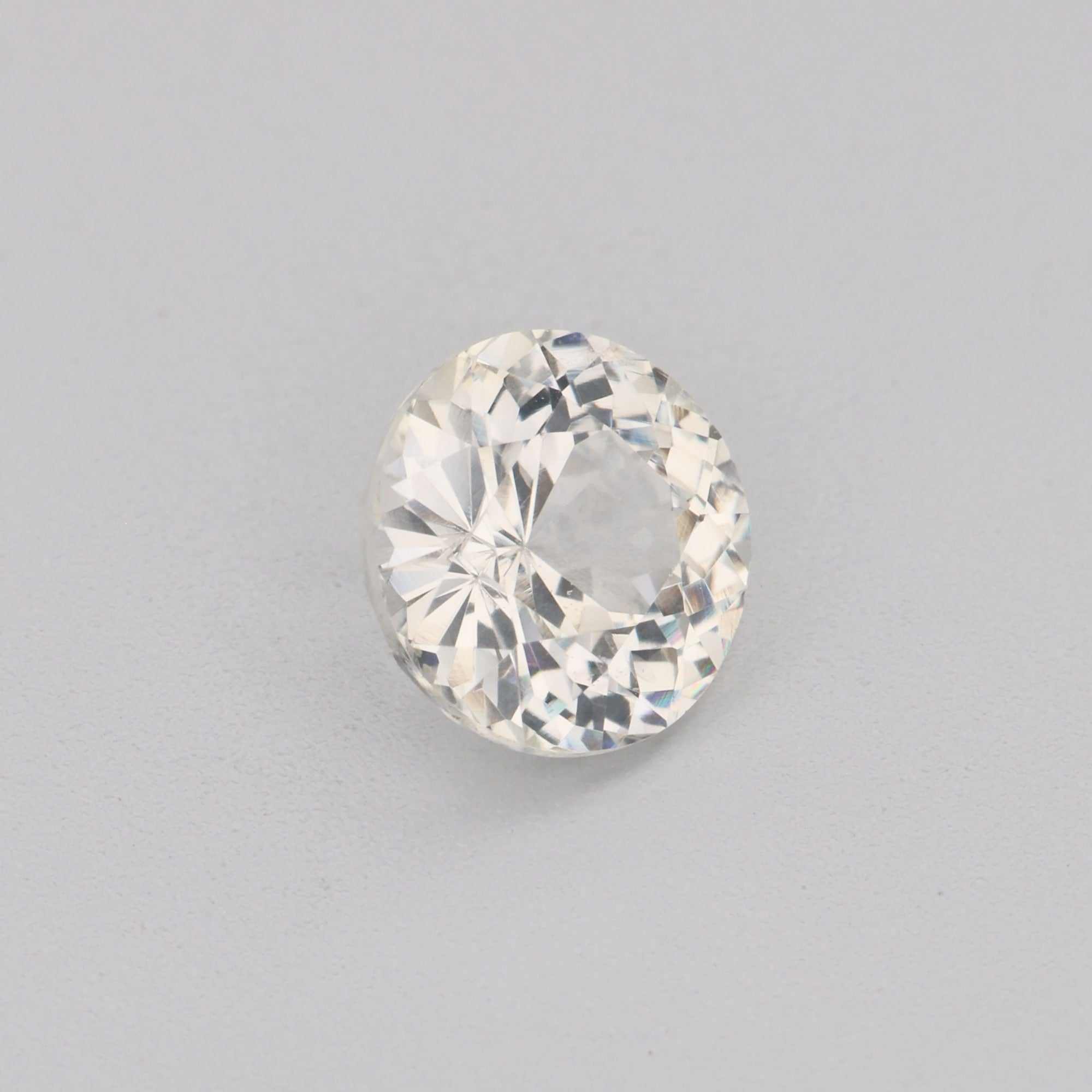
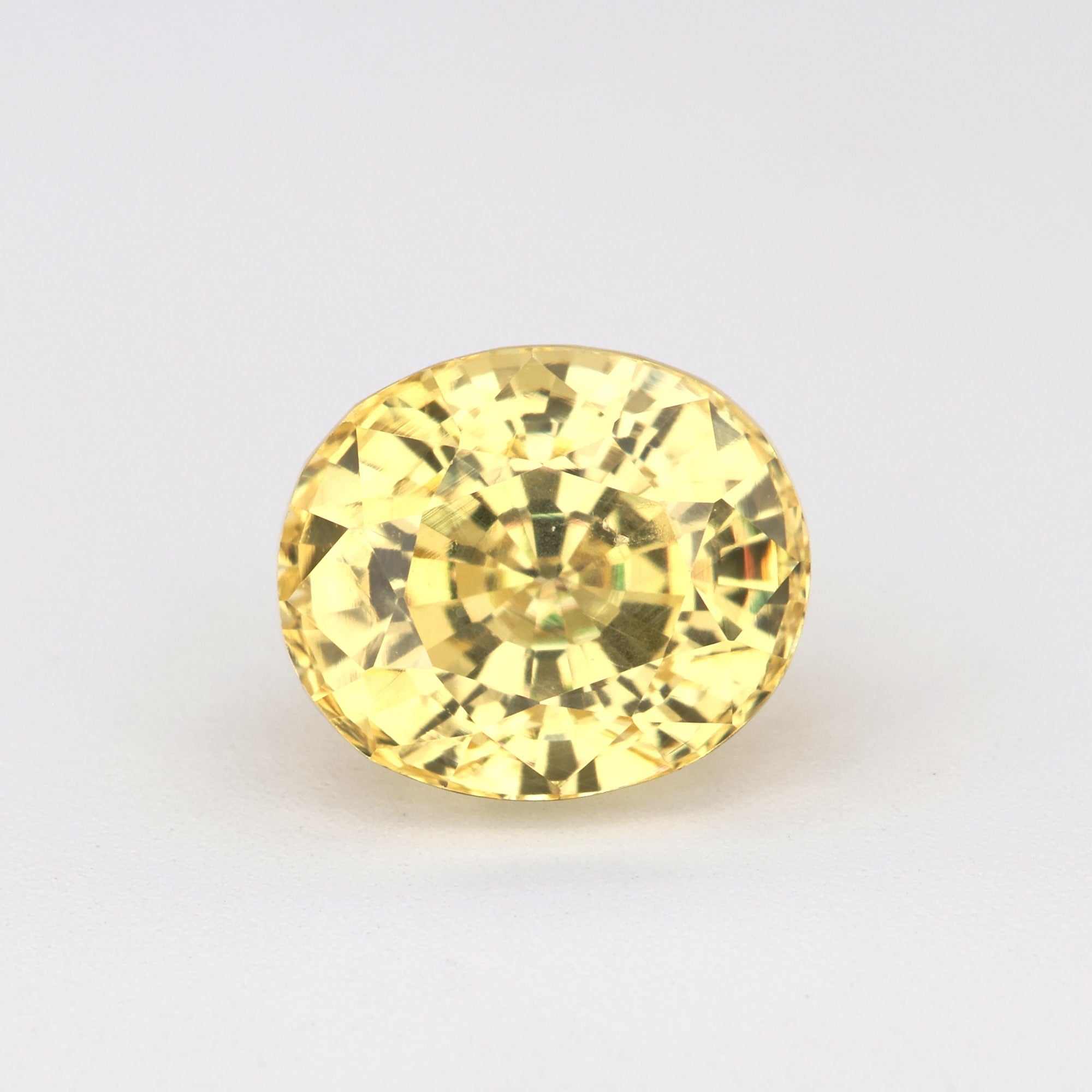
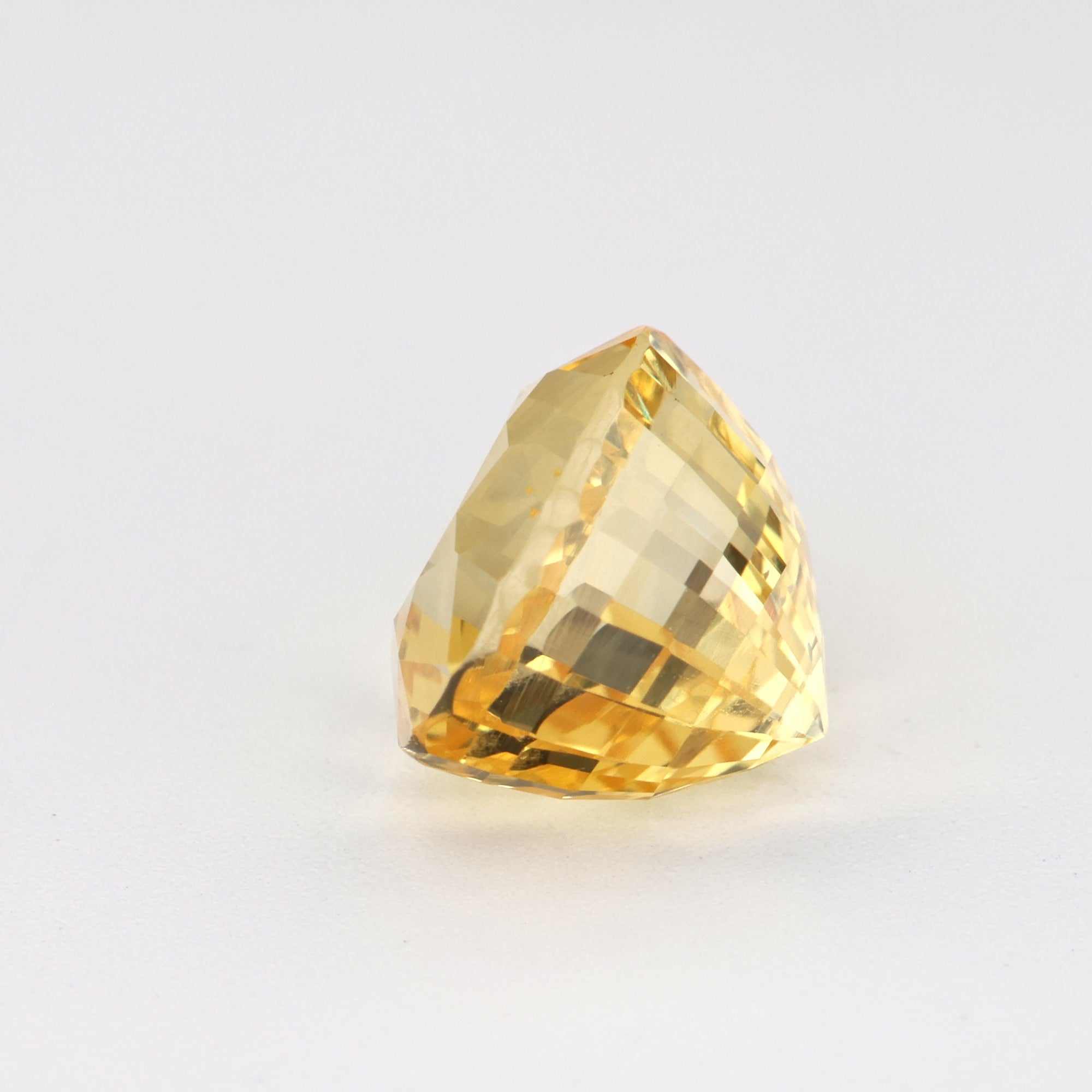
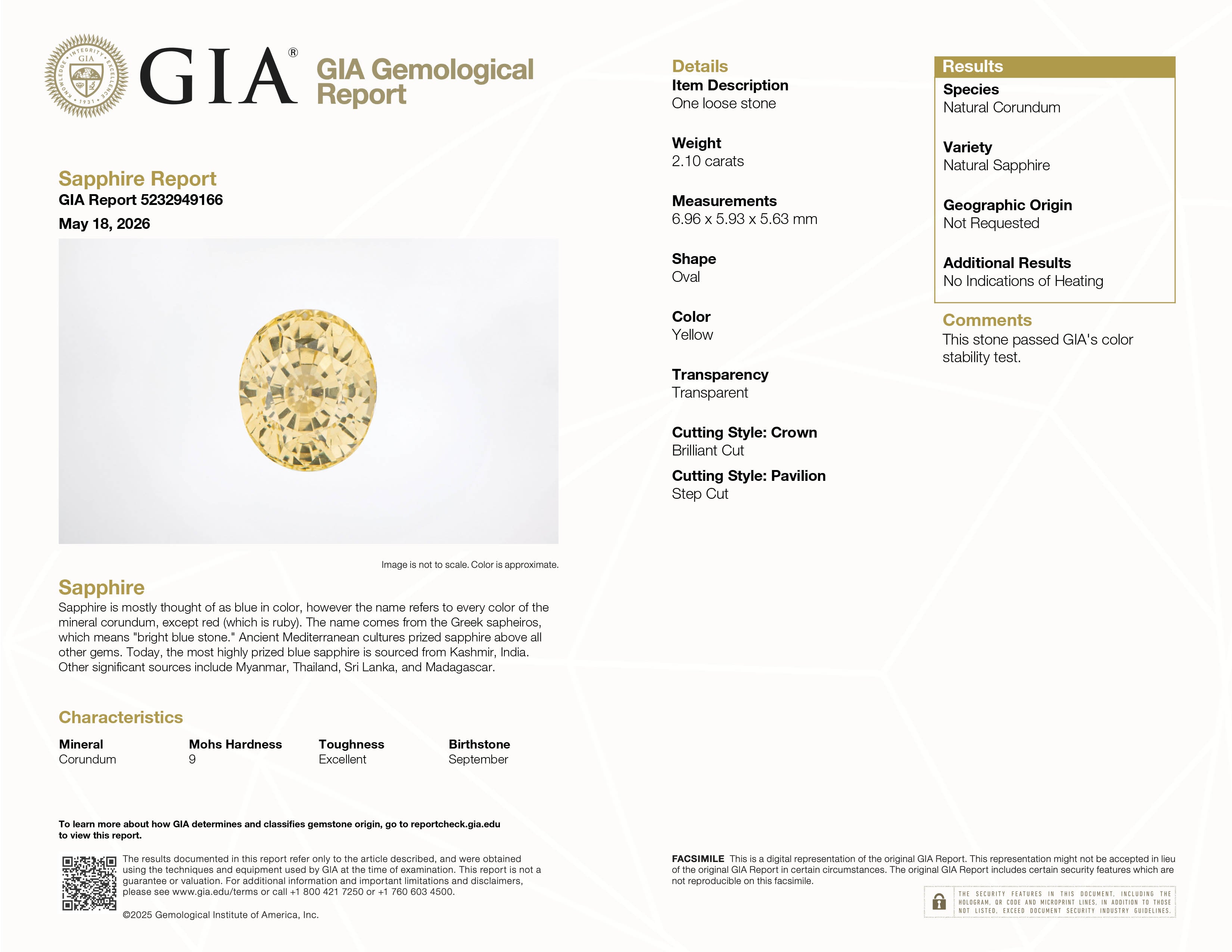
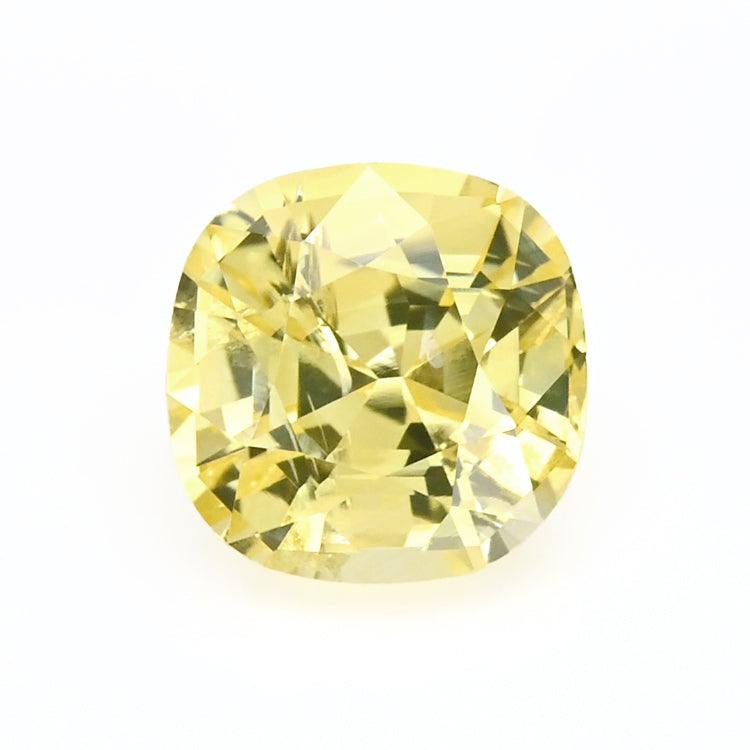
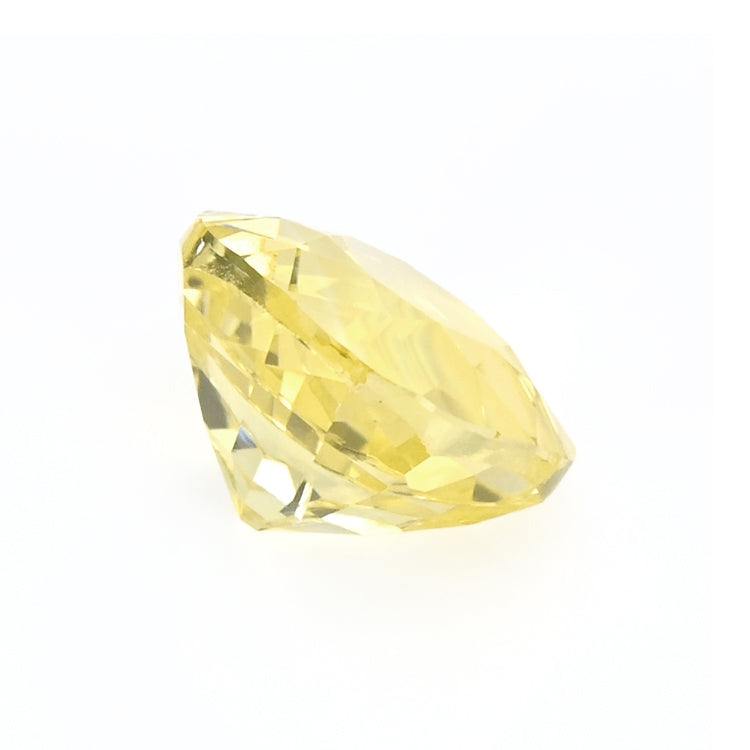
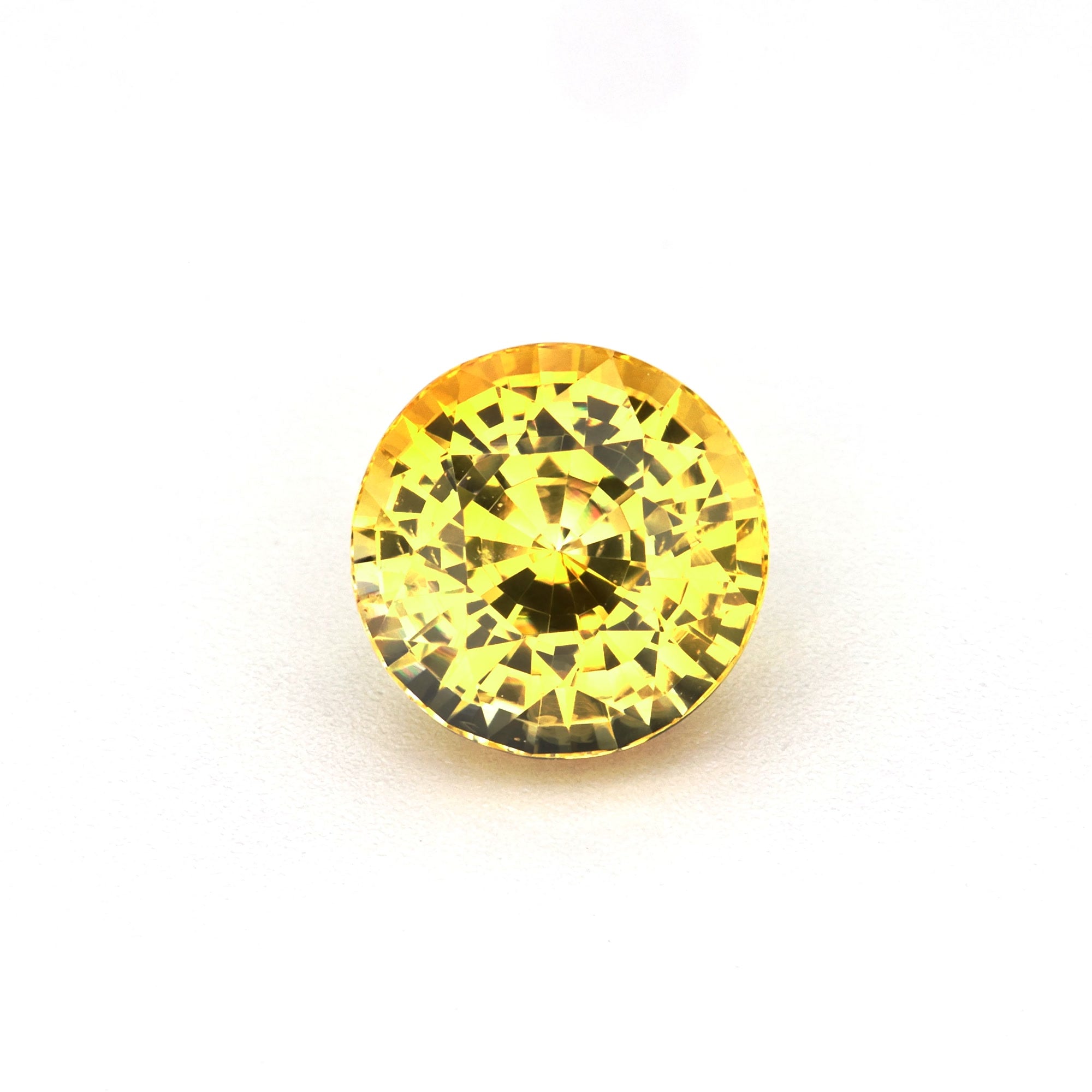
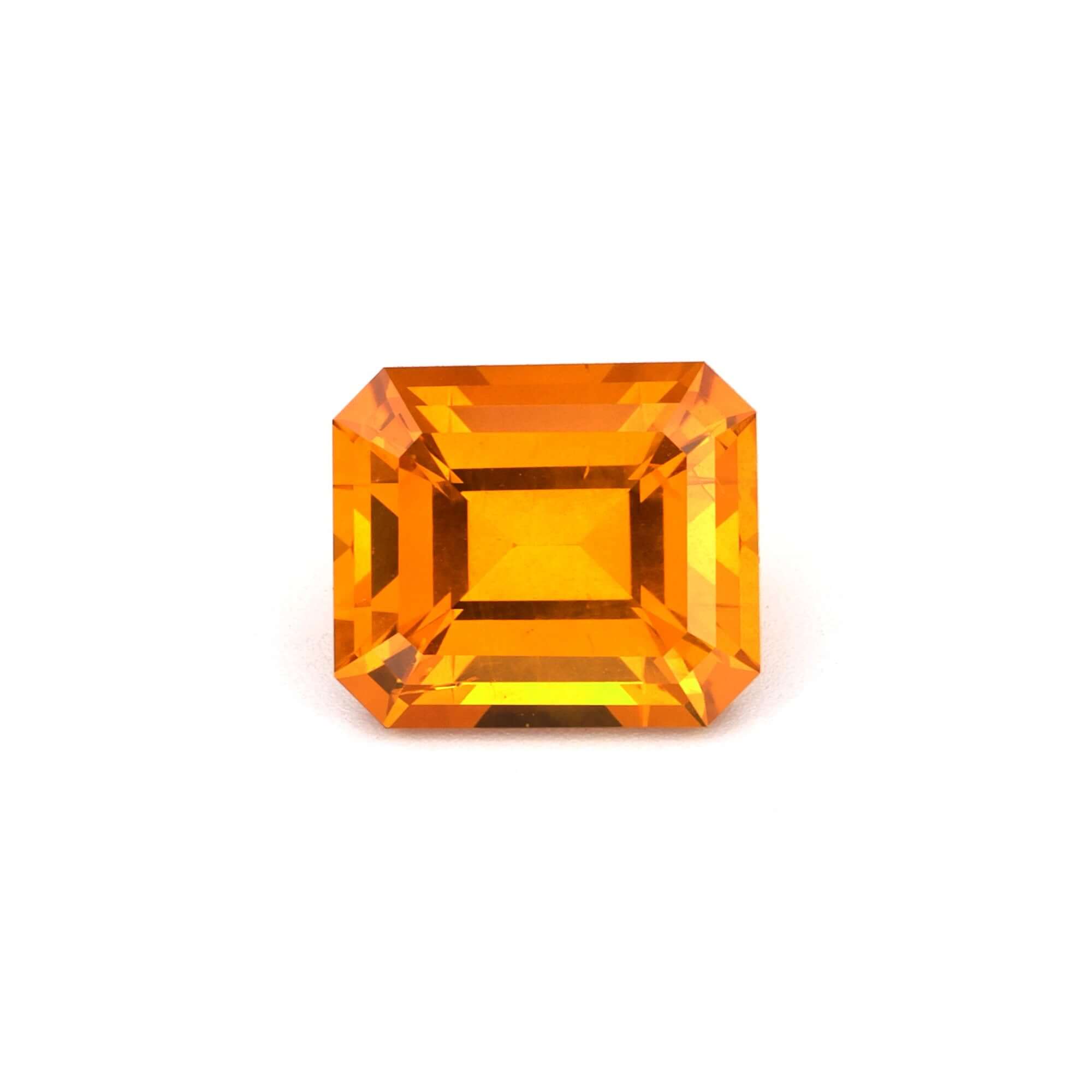
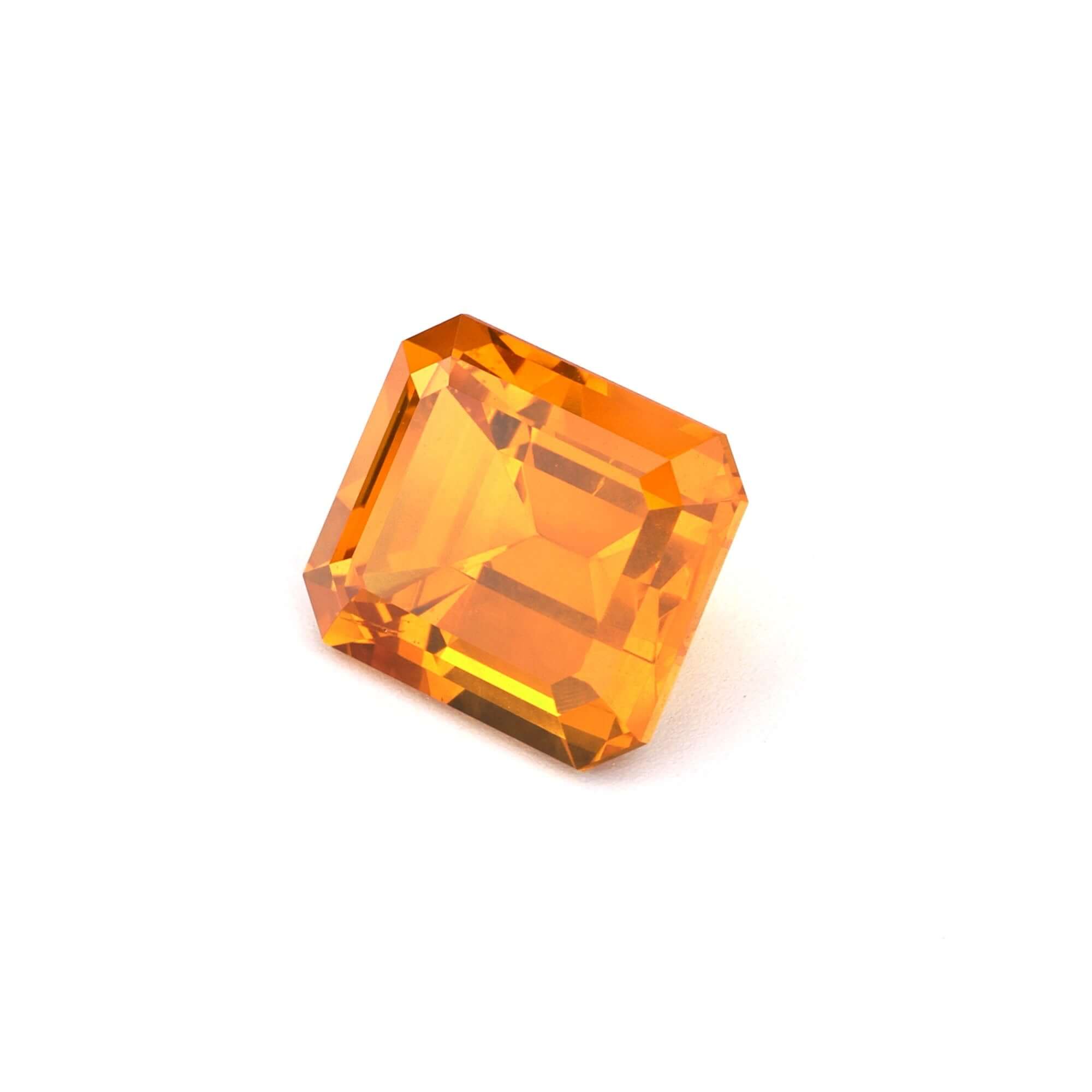
Gelb: ein unerhitzter gelber Saphir aus Sri Lanka im Oval- oder Kissenschliff ist aus eigenem Recht ein Verlobungsstein und nicht die zweite Wahl. Das ist unsere Auffassung und keine Rangfolge.
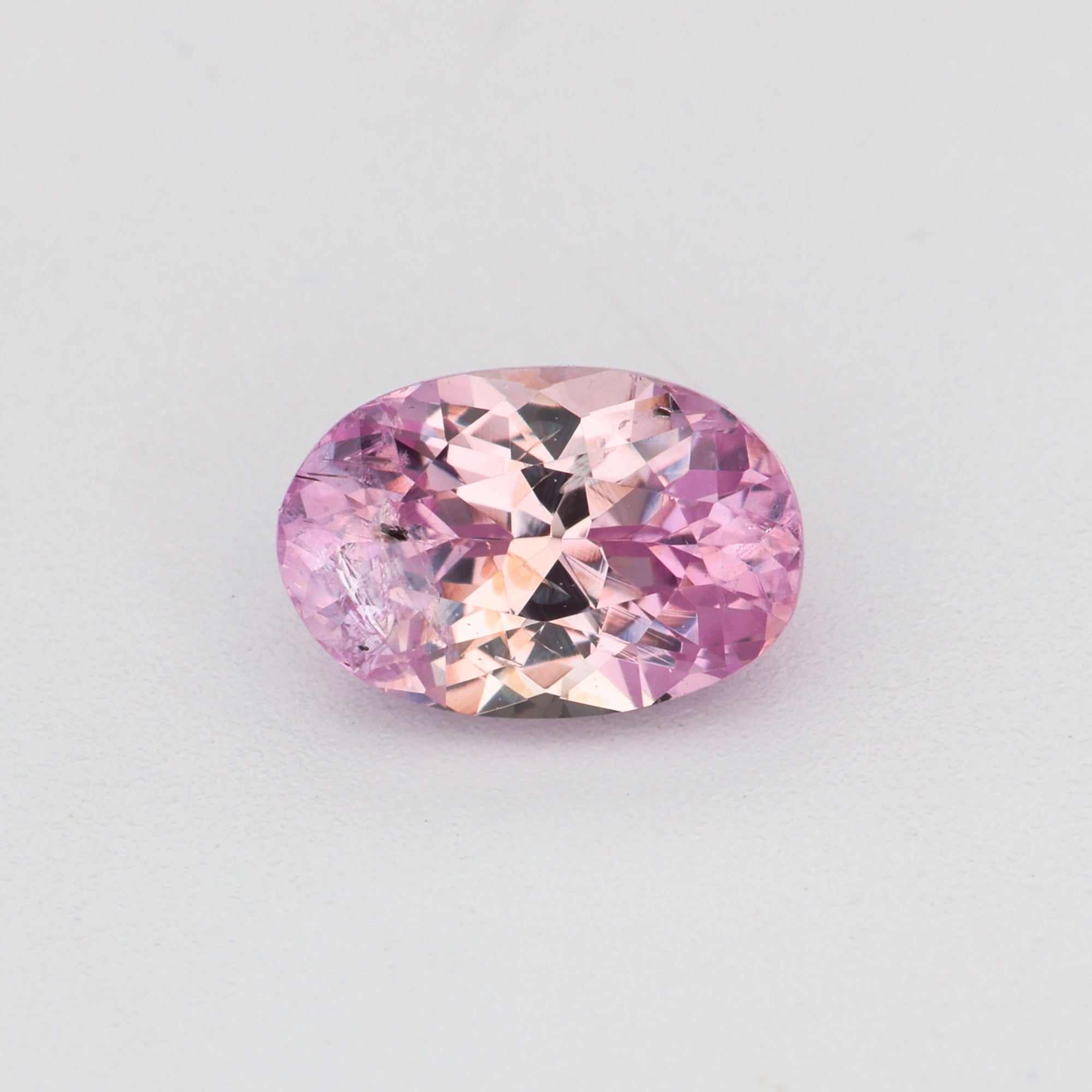
Rosa und Pfirsich: der Bereich von kühlem Rosa bis zu einem warmen, leicht orangestichigen Pfirsichton. In Roségold gefasst ist das unsere persönliche Lieblingskombination im ganzen Sortiment — eine Vorliebe, keine Messung. Siehe unsere Leitfäden zu rosa Saphir und Pfirsich-Saphir.
Padparadscha ist ein eigener, laborseitig definierter Farbbegriff und keine Beschreibung, die wir auf einen Pfirsichton anwenden. Das Informationsblatt 4 der LMHC beschreibt den Begriff als „a subtle mixture of pinkish orange to orangey pink with pastel tones and low to medium saturations“, und die Laboratorien, die dieses Blatt übernommen haben — GIA, Gübelin und SSEF unter ihnen —, wenden diese Beschreibung auf den Stein vor sich an. Ein Stein, dessen Bericht einen einzigen Farbton ausweist, fällt nicht unter den Begriff; gewöhnliches Erhitzen dagegen schließt einen Stein nicht vom Begriff aus. Wir führen derzeit keinen solchen Stein. Siehe unseren Leitfaden zu Padparadscha.
Violett: ein unerhitzter violetter Saphir aus Sri Lanka im Kissen- oder Ovalschliff, in Rosé- oder Gelbgold gefasst, gibt einen ungewöhnlichen und sehr zurückhaltenden Verlobungsstein. Siehe unseren Leitfaden zum violetten Saphir.
Vitrinenbeleuchtung im Laden ist in der Regel hell und spektral schmal, und jeder farbige Stein liest sich darunter anders als später auf einer Hand bei Tageslicht. Bevor Sie sich auf einen Saphir festlegen, sehen Sie ihn unter mindestens drei Lichtquellen an: natürliches Tageslicht im Schatten nahe einem Fenster; warmes Innenlicht, Glühlampe oder warmes LED; und kühles Licht, Leuchtstoff oder kaltweißes LED. Ein Stein, der unter allen drei weitgehend dieselbe Farbe zeigt, ist die Art Stein, nach der wir suchen. Das ist unser eigener Test und kein bewertetes Ergebnis.
Das Erhitzen von Saphir ist eine lange eingeführte Praxis des Handels. Kontrolliertes Erhitzen verschiebt die Farbsättigung, nimmt störende Farbmodifikatoren zurück und löst einen Teil der Einschlüsse auf. Bei uns steht es als Behandlung auf jeder Listung. Ein erhitzter Saphir ist ein natürlicher Edelstein. Und: Erhitzen ändert die Mohshärte von Korund nicht, sie liegt in beiden Fällen bei 9. Die Mohshärte beschreibt Kratzfestigkeit und ist eine Eigenschaft der Mineralart, keine Feststellung über einen einzelnen Stein. Über Zähigkeit — also darüber, wie ein Stein einen Stoß verkraftet — sagt sie nichts, und wir behaupten dazu nichts.
Jetzt der Punkt, an dem die deutschsprachige Praxis anders liegt als die englische. Es gibt kein deutsches Edelsteingesetz. Die Offenlegung von Behandlungen folgt hier der CIBJO-Nomenklatur und dem Handelsbrauch, und sie wird nur mittelbar durchsetzbar: über das Verschweigen wesentlicher Informationen im Lauterkeitsrecht und darüber, dass sich die vertraglich geschuldete Beschaffenheit nach dem Kaufrecht auch unter Berücksichtigung öffentlicher Äußerungen des Verkäufers bestimmt. Mehr als das sagt das Kaufrecht an dieser Stelle nicht, und mehr behaupten wir auch nicht. Niemand soll hier lesen, Offenlegung sei „gesetzlich vorgeschrieben“ — das ist sie in dieser Form nicht.
Entscheidend ist die Abstufung, die der deutsche CIBJO-Text vornimmt. Erhitzen fällt in die allgemeine Offenlegungspflicht. Diffusionsbehandlung und Rissfüllung stehen eine Stufe darüber, in der spezifischen Offenlegung, die eine schriftliche Angabe verlangt. Daraus folgt etwas Praktisches: Die Frage „erhitzt oder unerhitzt?“ beantwortet nur die untere Stufe. Wer sie stellt und eine Antwort bekommt, weiß damit, was auf der allgemeinen Stufe erklärt wurde — und nicht, was auf der höheren Stufe erklärt wurde. Die bessere Frage an jeden Händler lautet deshalb: Welche Stufe deckt diese Listung ab, und steht die höhere Stufe schriftlich dort? Im deutschsprachigen Markt trägt diese Unterscheidung mehr Gewicht als irgendwo sonst, weil die Abstufung hier ausdrücklich im Nomenklaturtext steht.
Unerhitzt ist das enge und richtige Wort. Ein Bericht, der keine Anzeichen von Erhitzung ausweist, trifft eine Feststellung über Erhitzung — und zwar über Anzeichen davon. Die LMHC hält in Informationsblatt 7 fest, dass manche Behandlungen derzeit nicht nachweisbar sind. Aus einem Befund zur Erhitzung folgt deshalb keine Aussage über die Behandlungsgeschichte eines Steins insgesamt, und wir leiten keine ab. Dasselbe Informationsblatt nennt übrigens unveränderte Rutilnadeln als Merkmal, das eine Erhitzung unberührt lassen kann: Sichtbare Seide beweist also nicht, dass ein Stein unerhitzt ist. Diese im Handel verbreitete Faustregel hält der Quelle nicht stand.
Was das Erhitzen für den Preis bedeutet, können wir für unser eigenes Buch sagen: Wir bepreisen unerhitzte Steine höher als erhitzte Steine mit vergleichbarer Farbwirkung, und dieser Abstand wird mit der Größe und mit dem Vorliegen eines Laborberichts größer. Eine Zahl für diesen Abstand veröffentlichen wir nicht. Sie bewegt sich und hängt am einzelnen Stein. Der Preis auf der Produktseite ist die aktuelle Antwort für diesen Stein. Wie viele unerhitzte und wie viele erhitzte Steine gerade bei uns liegen, nennen wir hier nicht: Auch diese Zahlen ändern sich mit jedem Verkauf. Wir führen beides, und auf jeder Listung steht, welches von beiden zutrifft. Siehe unsere Leitfäden zum unerhitzten Saphir und zur Hitzebehandlung von Saphir, sowie zur Diffusionsbehandlung mit Beryllium.
Das Wort Karat trägt im Deutschen zwei völlig verschiedene Bedeutungen, und in keinem deutschsprachigen Saphir-Ratgeber, den wir kennen, werden sie sauber getrennt. Das führt in Beratungsgesprächen regelmäßig zu Missverständnissen, also hier die Trennung.
Karat als Steingewicht. Das metrische Karat, abgekürzt ct, ist eine Masseneinheit: ein Karat entspricht 0,2 Gramm. „2 ct“ sagt, was der Stein wiegt. Es sagt nichts darüber, wie groß er von oben aussieht — das hängt am Schliff und an der Dichte. Saphir ist dichter als Diamant, deshalb hat ein Saphir bei gleichem Karatgewicht einen etwas kleineren Durchmesser von oben. Kaufen Sie nach der Ansicht von oben, nicht nach dem Gewicht.
Karat als Goldfeingehalt. Dieselbe Silbe bezeichnet beim Fassungsmetall einen Anteil, nicht eine Masse: 24 Karat wären reines Gold, 750er Gold ist 18 Karat, 585er Gold ist 14 Karat. Das ist eine ganz andere Einheit mit einer ganz anderen Bezugsgröße. „Ein 2-Karat-Saphir in 18-Karat-Gold“ enthält das Wort zweimal und meint beide Male etwas anderes. Wir schreiben deshalb bei Steinen durchgängig ct und beim Metall durchgängig die Feingehaltsangabe.
Vor der Liste steht der Rahmen, der alles darin bestimmt: Kein Labor bewertet die Qualität eines Farbsteins. GIA sagt das über die eigene Arbeit klar: Man vergibt für Saphir und andere Farbsteine keine Bewertung und erstellt keine Qualitätsanalyse. Ein GIA-Farbstein- oder Herkunftsbericht führt keinen Reinheitsgrad und keine Schliffbewertung. Daraus folgt nichts über den Stein — diese Felder waren dort nie vorgesehen. Die vier Faktoren unten und die Reihenfolge, in die wir sie stellen, sind also unsere eigene Einschätzung und nichts weiter.
Farbe — worauf wir zuerst sehen: Farbton, also wie klar der Farbton erkennbar ist und ob trübende Modifikatoren dazwischenstehen; Sättigung; und Helligkeit, dunkel genug für Präsenz und hell genug, dass die Farbe bei normalem Zimmerlicht noch trägt.
Behandlungsstatus: Ob ein Stein unerhitzt ist, schlägt umso stärker auf den Preis durch, je größer er ist, und noch einmal stärker, wenn der Status in einem Laborbericht dokumentiert ist. Unerhitzt ist eine Feststellung allein zur Erhitzung. Unsere Regel ist bei jedem Stein dieselbe: Die Behandlung steht auf der Listung; Labor und Berichtsnummer stehen dort, wo ein Bericht vorliegt; und wo keiner vorliegt, sagen wir das ausdrücklich. Wie viele unserer Steine einen Bericht tragen und von welchem Labor, nennen wir in diesem Text nicht; auch das verschiebt sich mit jedem Verkauf. Die Produktseite — nicht dieser Artikel — ist die aktuelle Antwort für einen bestimmten Stein.
Reinheit — augenrein ist unser Ziel: keine Einschlüsse, die man mit unbewaffnetem Auge auf Armlänge sieht. Das ist unsere eigene Beschreibung und kein bewerteter Wert; GIA-Farbsteinberichte führen überhaupt keinen Reinheitsgrad. Wir sagen Reinheit und nicht „Klarheit“, und wir sagen augenrein und nicht „lupenrein“ — „lupenrein“ ist ein Diamantbegriff mit einer ganz anderen Schwelle und auf einem Farbstein schlicht falsch. Feine Seide, also mikroskopische Rutilnadeln, behandeln wir nicht als Fehler; sie kommt in unerhitzten wie in erhitzten Steinen vor. Siehe unseren Leitfaden zu Einschlüssen im Saphir.
Schliff — am leichtesten zu übersehen: Ein gut geschliffener Saphir gibt Licht gleichmäßig über die gesamte Oberseite zurück, ohne Fenster — eine durchsichtige Stelle, an der das Licht gerade durchläuft, statt zum Auge zurückzukommen. Es ist die Facettenanordnung, die das Licht zurückgibt. Sie fügt der Farbe nichts hinzu, sie bündelt und vertieft sie nicht; die Farbe gehört dem Stein. Wir schreiben Schliff, nicht „Schnitt“: „Schnitt“ ist bei Edelsteinen die falsche Vokabel. Siehe unseren Leitfaden dazu, wie der Schliff auf einen Saphir wirkt.
Oval: große Ansichtsfläche für sein Gewicht, und es streckt den Finger. Siehe unseren Leitfaden zum ovalen Saphir und Formen für Solitärringe.
Kissenschliff: unsere eigene Vorliebe, wenn es um die Farbwirkung geht — die gerundeten Ecken und breiteren Facetten geben Licht weich über die Fläche zurück. Das ist unsere Auffassung und kein bewertetes Ergebnis. Siehe unseren Leitfaden zum Kissenschliff und Formen für Halo-Ringe.
Rundschliff: kräftige, gleichmäßige Lichtrückgabe und einfach zu fassen. Ein Hinweis zur deutschen Fachsprache: Brillant ist als alleinstehendes Hauptwort dem rund geschliffenen Diamanten vorbehalten. Ein rund geschliffener Saphir heißt deshalb Saphir im Rundschliff oder runder Saphir — nie „Saphir-Brillant“.
Smaragdschliff: Treppenfacetten geben breite Lichtblitze und einen Eindruck von innerer Tiefe statt vieler kleiner Oberflächenblitze. Eine zurückgenommene Wahl, die wir mögen. Siehe unseren Leitfaden zum Smaragdschliff und Schliffe für flach bauende Ringe.
Tropfen und Navette: beide strecken den Finger und wirken von oben größer, als ihr Karatgewicht vermuten lässt. Siehe unseren Leitfaden zu gestreckten Schliffformen.
Was jetzt kommt, ist unsere Empfehlung, in unserer eigenen Stimme. Kein Labor veröffentlicht Hinweise zur Metallwahl für Saphir, es gibt also keine fremde Position, auf die wir Sie verweisen könnten. Das Folgende ist, was sich bei uns bewährt hat, und Sie sollten es als unsere Vorliebe lesen und nicht als Regel.
Weißgold und Platin: Wir nehmen sie für blaue, Teal- und violette Saphire, weil ein kühles Metall die Farbe des Steins klar dagegen stehen lässt.
Gelbgold: bringt Wärme und einen Zug ins Historische. Wir mögen es bei gelben Saphiren und bei den dunkleren violetten.
Roségold: unsere erste Wahl bei rosa, Pfirsich- und rosavioletten Saphiren, und es steht auch zu Teal und Violett gut.
Mehr zur Metallwahl in unseren Leitfäden Gelbgold, Weißgold oder Platin und Metallfarbe für einen Saphirring wählen.
Wenn der Stein gewählt ist, entscheidet die Fassung darüber, wie er auf der Hand auftritt. Alles, was wir zu Fassungen sagen, ist unsere eigene Empfehlung: Kein Labor veröffentlicht Hinweise zu Fassungen für Saphir, es gibt hier also keine Autorität zu zitieren, und wir tun nicht so, als gäbe es eine. Unsere eigenen Leitfäden zur Ringgestaltung:
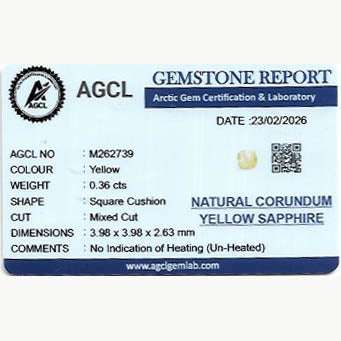
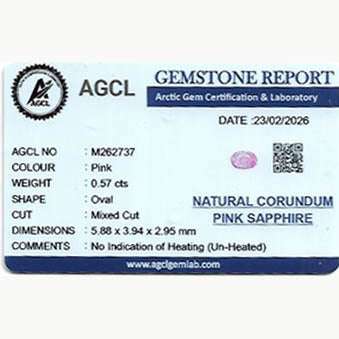
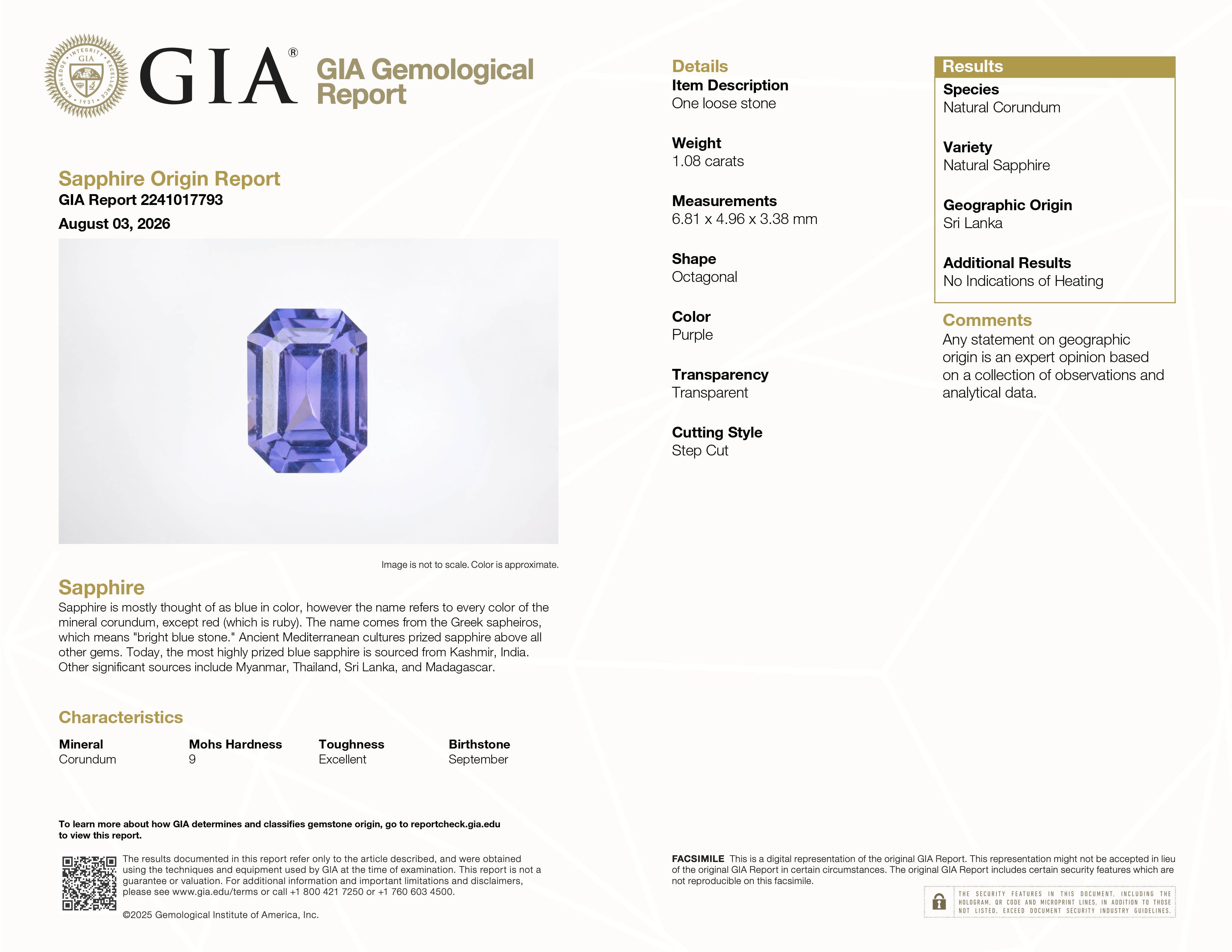
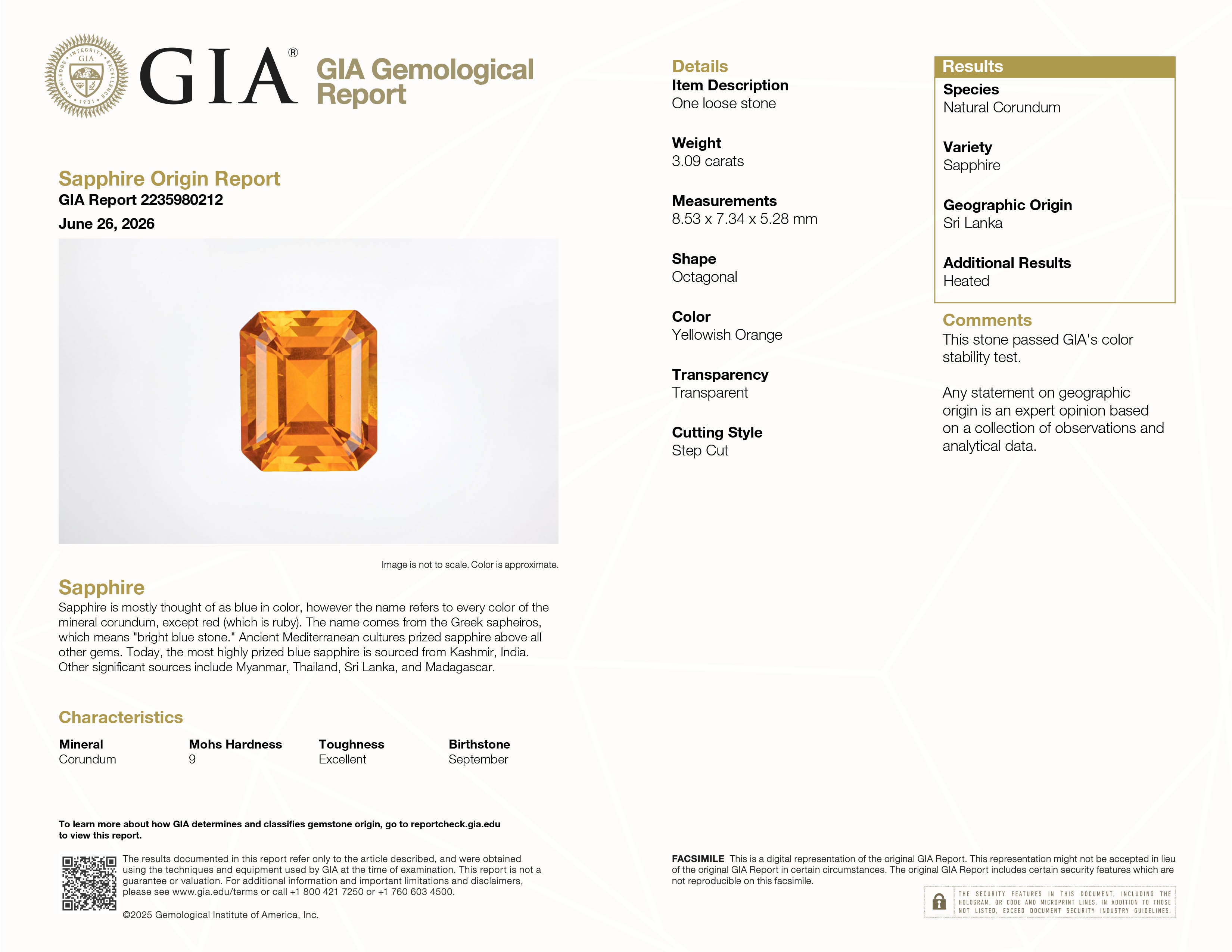
Auf einem GIA-Saphirbericht fangen Sie beim Feld zur Hitzebehandlung an. Die gedruckten Werte sind „No indications of heating“, „Indications of heating“ und „Indications of heating — with residues“. Wir stellen diese drei nicht in eine Rangfolge. Der erste Wert ist eine Feststellung über Anzeichen von Erhitzung und über nichts Weiteres. Das Herkunftsfeld nennt einen Ort — etwa Sri Lanka (Ceylon) —, tut das aber als Expertenmeinung und nicht als vom Labor festgestellte Tatsache. Reinheitsgrad und Schliffbewertung führt ein GIA-Farbstein- oder Herkunftsbericht nicht, und aus keinem der beiden Fehlen folgt etwas über den Stein. Die Berichtsnummer können Sie selbst unter reportcheck.gia.edu prüfen, und das sollten Sie auch tun. Siehe unseren Leitfaden zum GIA-Bericht.
Eine Formulierung, die Sie im deutschsprachigen Handel häufig lesen und die falsch ist: „GIA-zertifiziert“ oder „mit GIA-Zertifizierung“. GIA stellt Berichte aus und zertifiziert nicht. Richtig sind GIA-Bericht, Laborbericht, Berichtsnummer und „dokumentiert auf GIA-Bericht Nr. …“. Wir halten uns daran.
Welche Labore im deutschsprachigen Raum als Adresse gelten. Hier liegt die Rangfolge anders als in den USA, und wer das nicht weiß, wundert sich. Für Farbsteine sind Gübelin und SSEF im DACH-Handel die ersten Adressen, etwa gleichauf; GRS wird danach genannt; GIA ist hier vor allem die Referenz für Diamanten und nicht die erste Adresse für einen Farbsteinbericht. Als heimisches Signal kommt die Deutsche Stiftung Edelsteinforschung in Idar-Oberstein hinzu, deren Dokument ein Befundbericht ist. Das ist eine Beschreibung der Marktgewohnheit, keine Aussage darüber, welches Labor genauer arbeitet; eine solche Aussage könnten wir nicht belegen und machen sie nicht.
Und ein Begriff, den Sie bewusst nicht von uns hören. Deutsche Käufer verlangen oft eine beeidigte Wertermittlung — ein Dokument, das einen Geldwert feststellt und als Schätzung vor Gericht oder gegenüber einer Versicherung tragen soll. Das erbringt kein gemmologisches Labor, und es steht auch auf keinem Laborpapier. Was ein Labor erstellt, ist ein Befundbericht: eine Beschreibung dessen, was untersucht wurde, mit den Befunden zu Art, Behandlung und — wenn beauftragt — zur vermuteten Herkunft. Einen Geldwert enthält er nicht. Wenn Sie für Ihre Versicherung eine Wertangabe brauchen, ist das ein zweiter, getrennter Auftrag an einen Sachverständigen, und der Laborbericht ist dafür die Grundlage, nicht der Ersatz. Siehe auch unseren Leitfaden zur Versicherung eines Saphirrings.
Das deutsche Lauterkeitsrecht knüpft an die Werbung mit Prüfergebnissen Bedingungen, und sie sind der Grund, warum dieser Artikel an mehreren Stellen so vorsichtig formuliert ist. Der Maßstab hat drei Teile, und alle drei greifen hier.
Erstens: nachprüfbar. Wer ein Ergebnis zitiert, muss es so angeben, dass der Leser die Quelle findet und selbst nachsehen kann. Deshalb nennen wir bei jedem Stein mit Bericht das ausstellende Labor und die Berichtsnummer, und deshalb steht hier der Hinweis auf reportcheck.gia.edu statt einer Behauptung, die Sie uns glauben müssten.
Zweitens: das Ergebnis muss zur Aussage passen. Ein zitiertes Ergebnis darf nur die Aussage stützen, über die es tatsächlich etwas sagt. Hier liegt der häufigste Fehler im Edelsteinhandel. Ein GIA-Farbsteinbericht enthält einen Befund zur Erhitzung und, wenn beauftragt, eine Herkunftseinschätzung. Er enthält keinen Reinheitsgrad, keine Schliffbewertung und keine Farbnote. Wer ihn also als Belegstück für Güte in Stellung bringt — „mit Bericht, also beste Qualität“ —, zitiert ein Ergebnis für eine Aussage, zu der dieses Ergebnis schweigt. Genau daran scheitert die Werbung mit einem Laborbericht als Qualitätsnachweis. Und genau deshalb steht in diesem Text bei jeder Aussage über Farbe, Reinheit und Schliff ausdrücklich, dass sie von uns kommt und nicht von einem Labor.
Drittens: kein Gesamturteil, wo keines ausgestellt wurde. Ein Dokument, das einzelne Befunde ausweist, darf nicht als allgemeines Gütesiegel dargestellt werden. Ein Laborbericht ist kein Prüfsiegel und keine Note. Er ist eine Momentaufnahme dessen, was im Labor beobachtet wurde, als Meinung dieses Labors formuliert.
Daraus folgt unsere Linie: Wir bewerben keinen Stein mit einem Bericht als Qualitätsargument. Wir sagen, welches Labor was festgestellt hat, wir nennen die Nummer, und alles Übrige ist als unsere Beurteilung gekennzeichnet.
Die deutsche Preisangabenverordnung verlangt, dass Verbrauchern gegenüber der Gesamtpreis angegeben wird: der Preis, der am Ende tatsächlich zu zahlen ist. Ein Preis pro Karat ist kein Gesamtpreis. Er ist eine Rechengröße des Handels, aus der sich erst zusammen mit dem Gewicht ein Betrag ergibt, und er wird falsch verstanden, sobald er neben etwas steht, das wie ein Angebot aussieht.
Deshalb ziehen wir hier eine sichtbare Linie. Dieser Artikel ist redaktioneller Text und kein Angebot. Er enthält keine Preistabelle und keine Karatpreis-Spanne für unsere Steine. Wenn in einem redaktionellen Text einmal eine Karatpreis-Spanne als allgemeine Marktgröße vorkommt, dann getrennt von jeder Angebotsdarstellung und ausdrücklich als redaktionelle Größe gekennzeichnet — nie neben einem Bestellknopf und nie so, dass sie als unser Preis gelesen werden kann.
Der verbindliche Preis steht an genau einer Stelle: auf der Produktseite des einzelnen Steins, als Gesamtpreis für diesen Stein. Dort stehen auch sein Behandlungsstatus und, wo ein Bericht vorliegt, Labor und Berichtsnummer. Warum unsere Preise so liegen, wie sie liegen, hat mit dem Aufbau des Betriebs zu tun und nicht mit einem Nachlass: Wir haben keinen Ausstellungsraum, wir kaufen selbst in Ratnapura, Beruwala und Colombo, wir lassen nach eigener Vorgabe schleifen, und die Kette zwischen Fundstelle und Käufer ist kürzer. Und noch einmal, weil es dazugehört: der srilankische Rohsteinmarkt ist selbst zwischengeschaltet; innerhalb dieses Marktes kaufen wir von Maklern und Händlern wie alle anderen. Siehe unsere Leitfäden Saphirpreise erklärt, was ein guter 1-Karäter kostet und was ein guter 2-Karäter kostet.
Für Lieferungen außerhalb der USA gilt bei uns ein einheitlicher Versandsatz von 60 US-Dollar bis zu einem Warenwert von 499 US-Dollar; ab 499,01 US-Dollar Warenwert ist der Versand kostenfrei. Diese Schwellen sind die Beträge, die unser Versandprofil tatsächlich anwendet, deshalb nennen wir sie in US-Dollar und nicht in einer umgerechneten Euro-Zahl, die nur ungefähr stimmen würde. Für jede Bestellung gilt ein Rückgaberecht von 14 Tagen ab Erhalt.
Getrennt davon, und das ist eine eigene Sache: Unsere Preise enthalten keine Einfuhrumsatzsteuer. Einfuhrumsatzsteuer und etwaige Zollabgaben trägt der Empfänger und zahlt sie bei der Zustellung im Bestimmungsland, nicht an unserer Kasse. Das gilt für Lieferungen in die EU, in die Schweiz und in jedes andere Land außerhalb der USA. Wie hoch diese Beträge ausfallen, bestimmt die Zollstelle im Bestimmungsland anhand der dortigen Sätze und der Einreihung der Ware — wir geben dazu keine Zahl an, weil wir sie nicht verbindlich angeben können.
Sehen Sie sich den vollständigen Katalog loser Steine an — jede Listung nennt Herkunft und Behandlung dieses Steins sowie Labor und Berichtsnummer, wo ein Bericht vorliegt. Im Katalog liegen auch Steine, die keine Saphire sind, und Saphire, die nicht aus Sri Lanka kommen; beides steht auf der jeweiligen Produktseite. Oder gehen Sie nach Farbe: blau, Teal, gelb, rosa, Pfirsich, violett, weiß. Wer gezielt unerhitzte Steine sucht, findet sie unter unerhitzte Saphire. Schreiben Sie uns Ihre Vorgaben an crescentgems@gmail.com, dann stellen wir Ihnen persönlich eine Auswahl zusammen. Mit unserem Anprobe-Programm schicken wir ausgewählte Steine zur Beurteilung in der Hand, bevor Sie sich entscheiden.

CG8307

CG8366
CG8313
CG8446
CG8433
CG8434
CG8431
CG8438


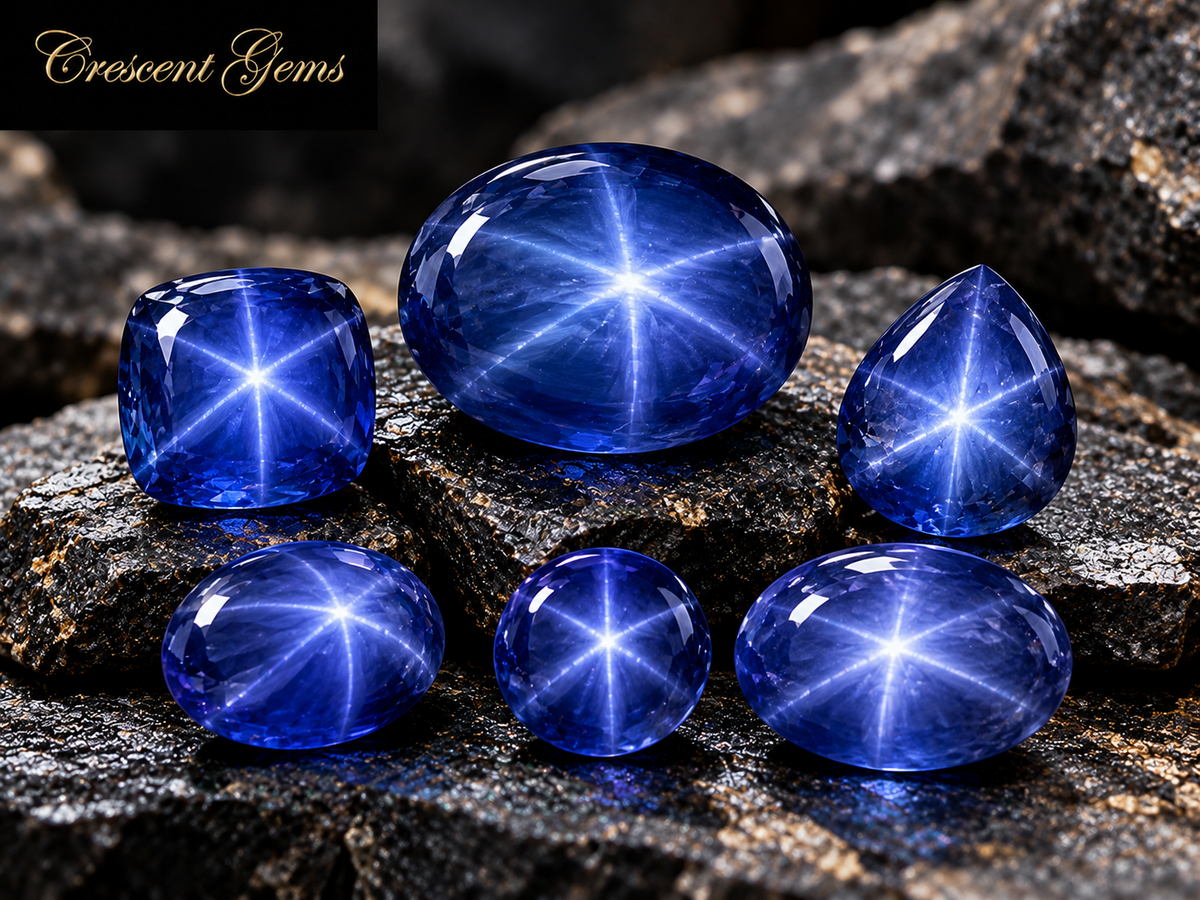
Blauer Sternsaphir: Preise pro Karat und wovon sie abhängen
Was blauer Sternsaphir pro Karat kostet und wovon der Preis abhängt – dazu unser einziger Stein: 8,09 ct für 4.040 $ mit GIA Sapphire Origin Report.
Weiterlesenüber Blauer Sternsaphir: Preise pro Karat und wovon sie abhängen
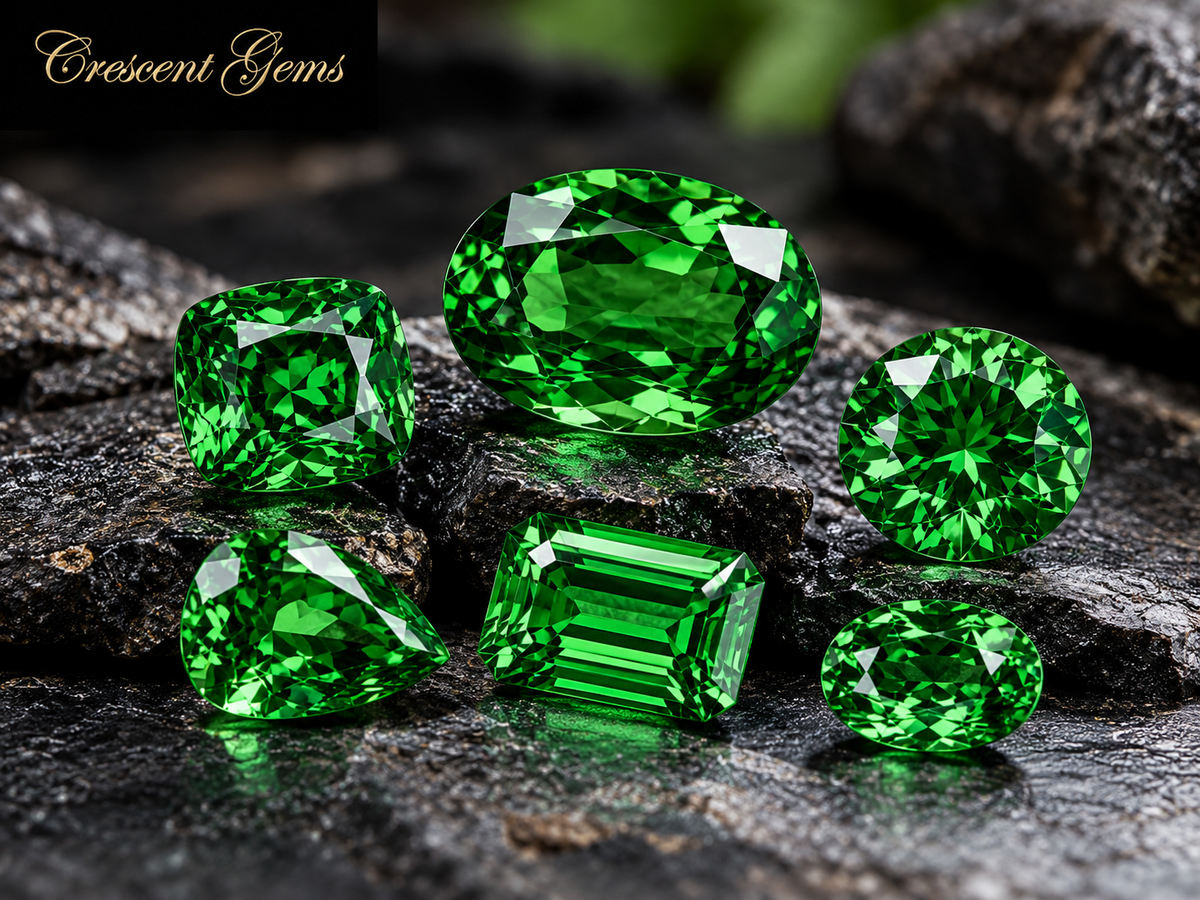
Tsavorit-Granat: Preise pro Karat aus unserem eigenen Bestand
Was Tsavorit-Granat kostet: die Preise pro Karat unserer sieben Steine, der Unterschied zwischen Varietät und Spezies und warum sauberer Rohstein knapp ist.
Weiterlesenüber Tsavorit-Granat: Preise pro Karat aus unserem eigenen Bestand
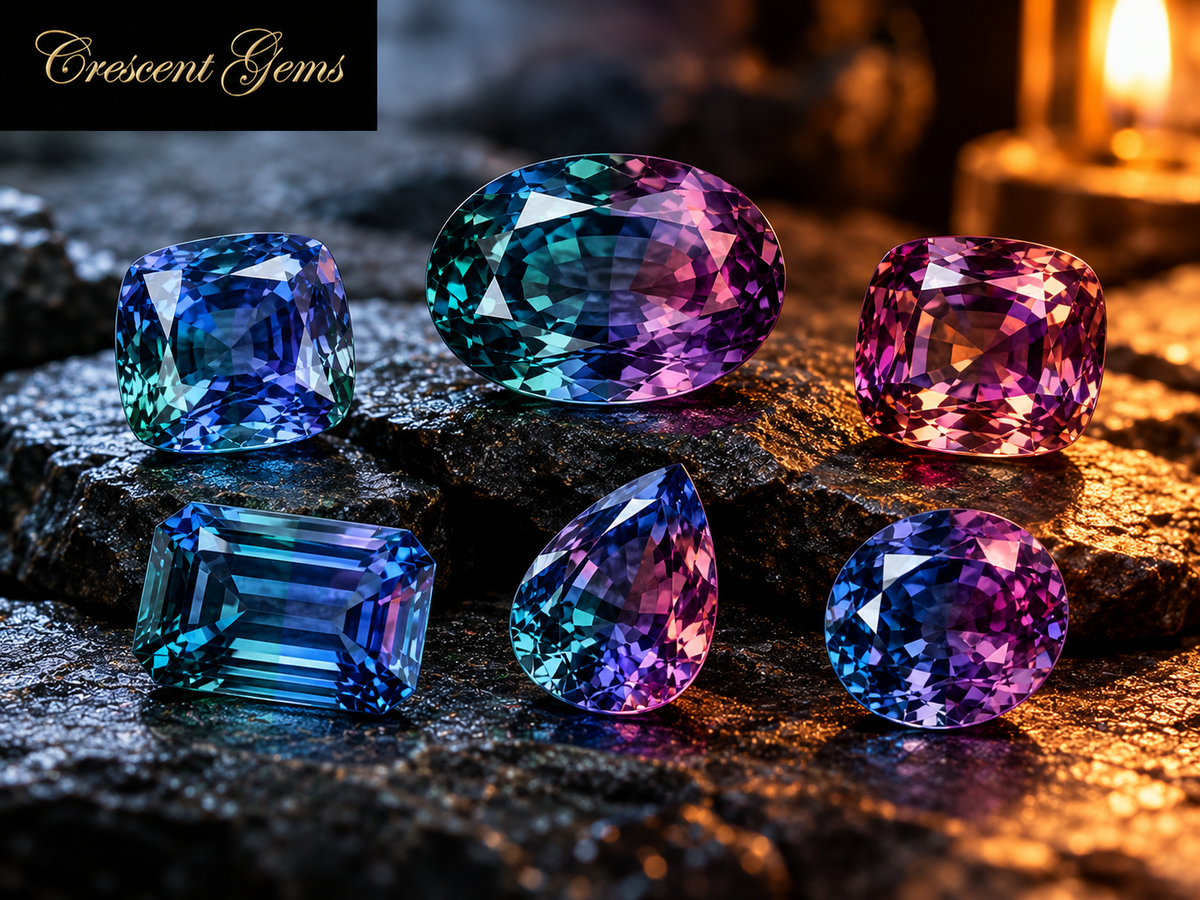
Farbwechsel-Saphir: was er pro Karat kostet und warum
Was ein Farbwechsel-Saphir pro Karat kostet und wovon der Preis abhängt – dazu unsere beiden Steine: 1,03 ct für 824 $ und 2,01 ct für 2.211 $.
Weiterlesenüber Farbwechsel-Saphir: was er pro Karat kostet und warum
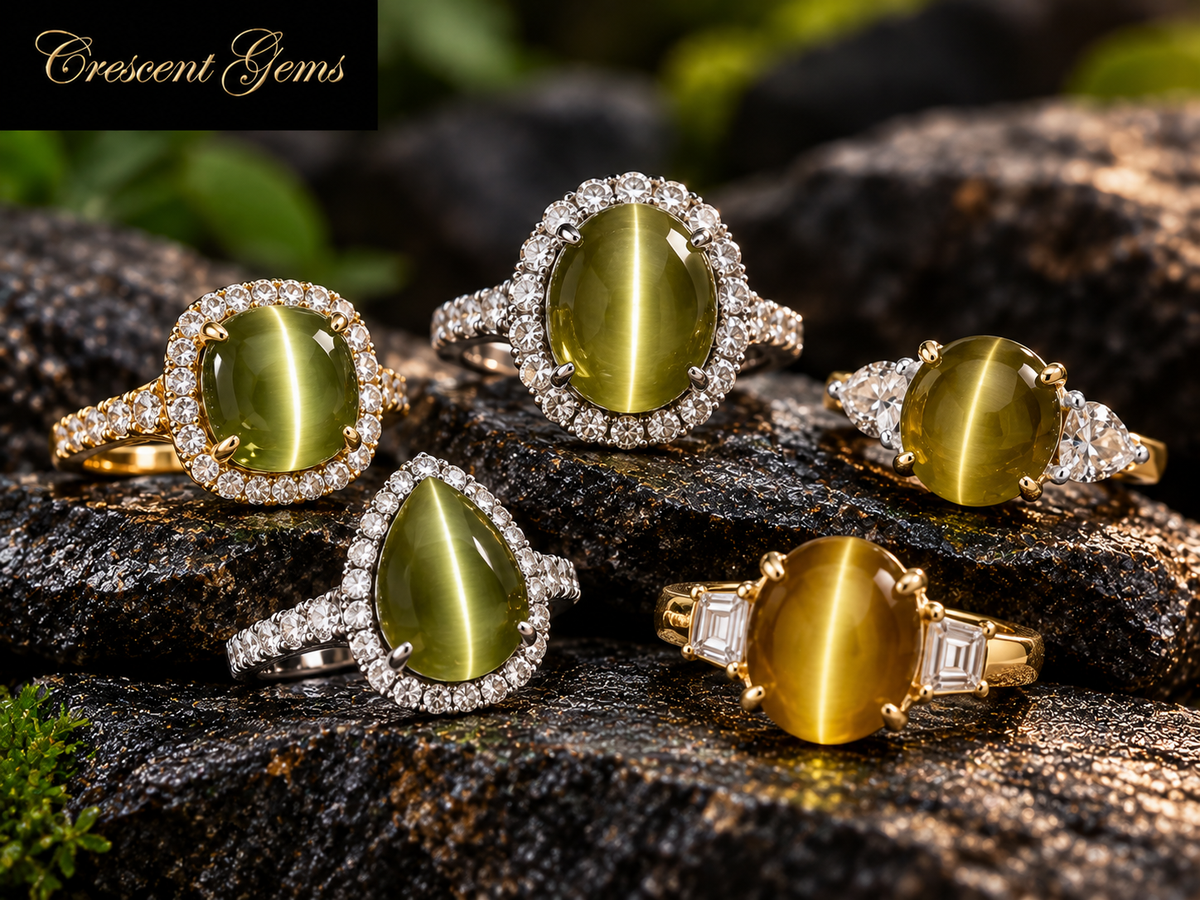
Chrysoberyll-Katzenauge im Verlobungsring: Eignet es sich?
Chrysoberyll hat Mohshärte 8,5 – über Quarz (7) und Smaragd (7,5–8), unter Korund (9) und Diamant (10). Was das für Alltag, Fassung und Pflege bedeutet.
Weiterlesenüber Chrysoberyll-Katzenauge im Verlobungsring: Eignet es sich?
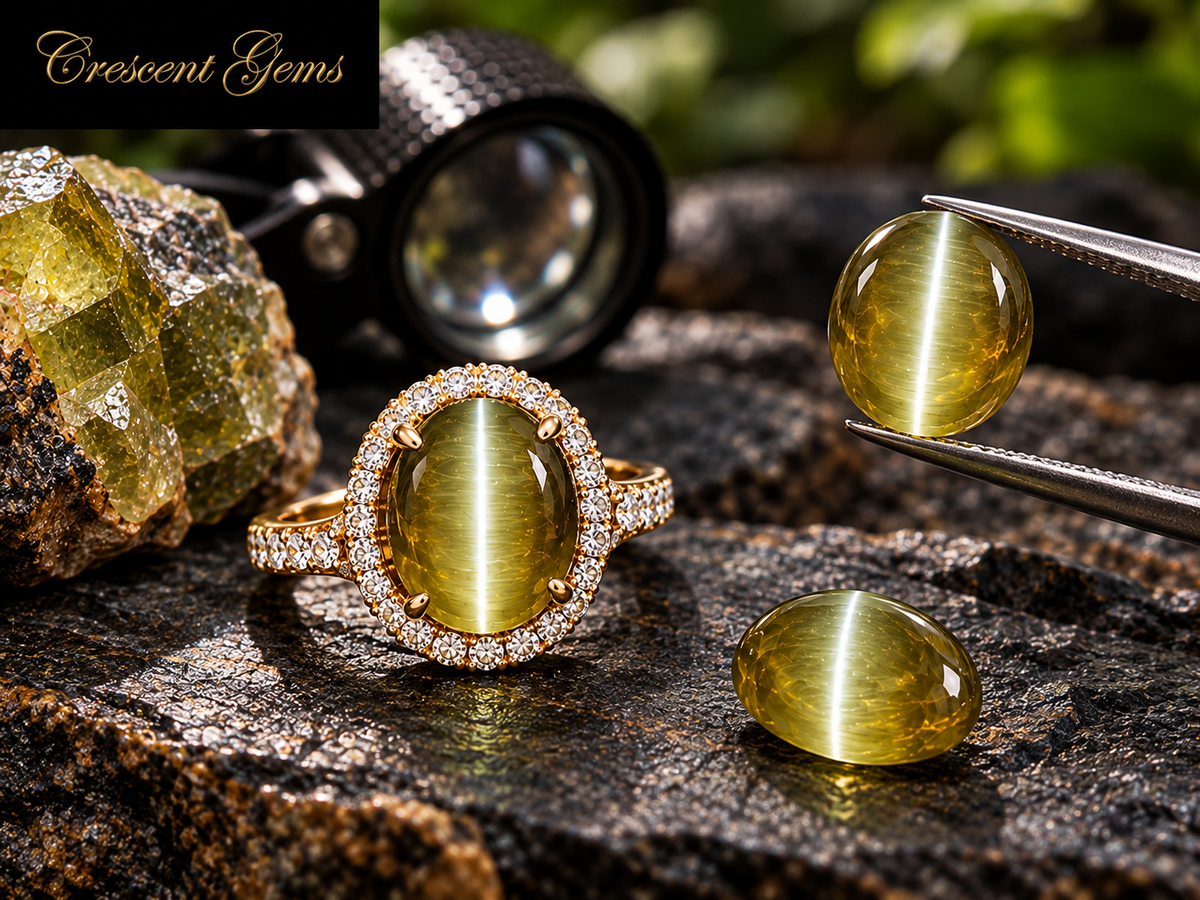
Chrysoberyll-Katzenauge: Preise pro Karat und wovon sie abhängen
Was ein echtes Chrysoberyll-Katzenauge pro Karat kostet und wovon der Preis abhängt – dazu unsere beiden Steine: 2,36 ct für 3.792 $ und 4,25 ct für 9.482 $, je mit GIA-Bericht.
Weiterlesenüber Chrysoberyll-Katzenauge: Preise pro Karat und wovon sie abhängen