- by Ahmed Shareek
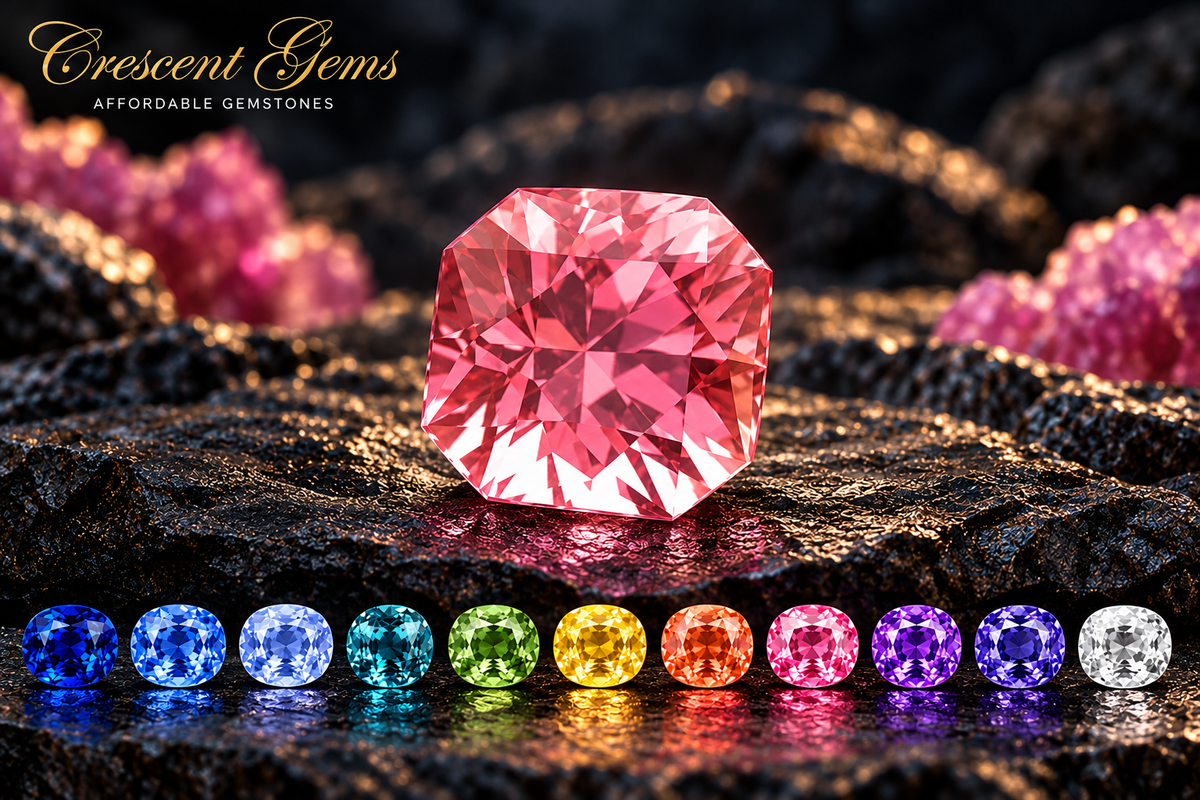
The Full Range of Natural Ceylon Sapphires at Crescent Gems — Every Color and Cut Explained
- by Ahmed Shareek
New to buying sapphires? Start with our Ultimate Sapphire Buying Guide — the complete resource for colour, origin, treatment, and pricing.
Sapphire is corundum — aluminium oxide — and it comes in every color except red (which is ruby). Ceylon, the historic name for Sri Lanka, produces an unusually wide natural color range, and Sri Lanka is where we buy most of our sapphires. We also carry Madagascar sapphire, Kenyan tsavorite garnet and a small number of stones from elsewhere, and every listing states the origin we hold for it. Ceylon sapphire is a trade name; the factual statement of origin is Sri Lanka.
This page covers the full range of natural sapphires available at Crescent Gems, what distinguishes each color variety, how treatment affects them differently, and what to consider when choosing between them.
There is no quality grade for sapphire. GIA states that it "doesn't grade or provide quality analysis for sapphire or other colored stones", and the Laboratory Manual Harmonization Committee has published no information sheet covering a quality grade. With no published scale to quote, any grade, tier or letter rating offered for a colored stone is somebody's opinion presented as a measurement.
What a listing can state as fact is narrower, and more useful to a buyer:
Beyond those, our own description of how a stone looks — its tone, its saturation, how the color behaves as the light moves — is our observation, and we say so on the listing. It is not a grade and it is not a laboratory finding. Photographs and a video of the actual stone are better evidence than an adjective, and we send both.
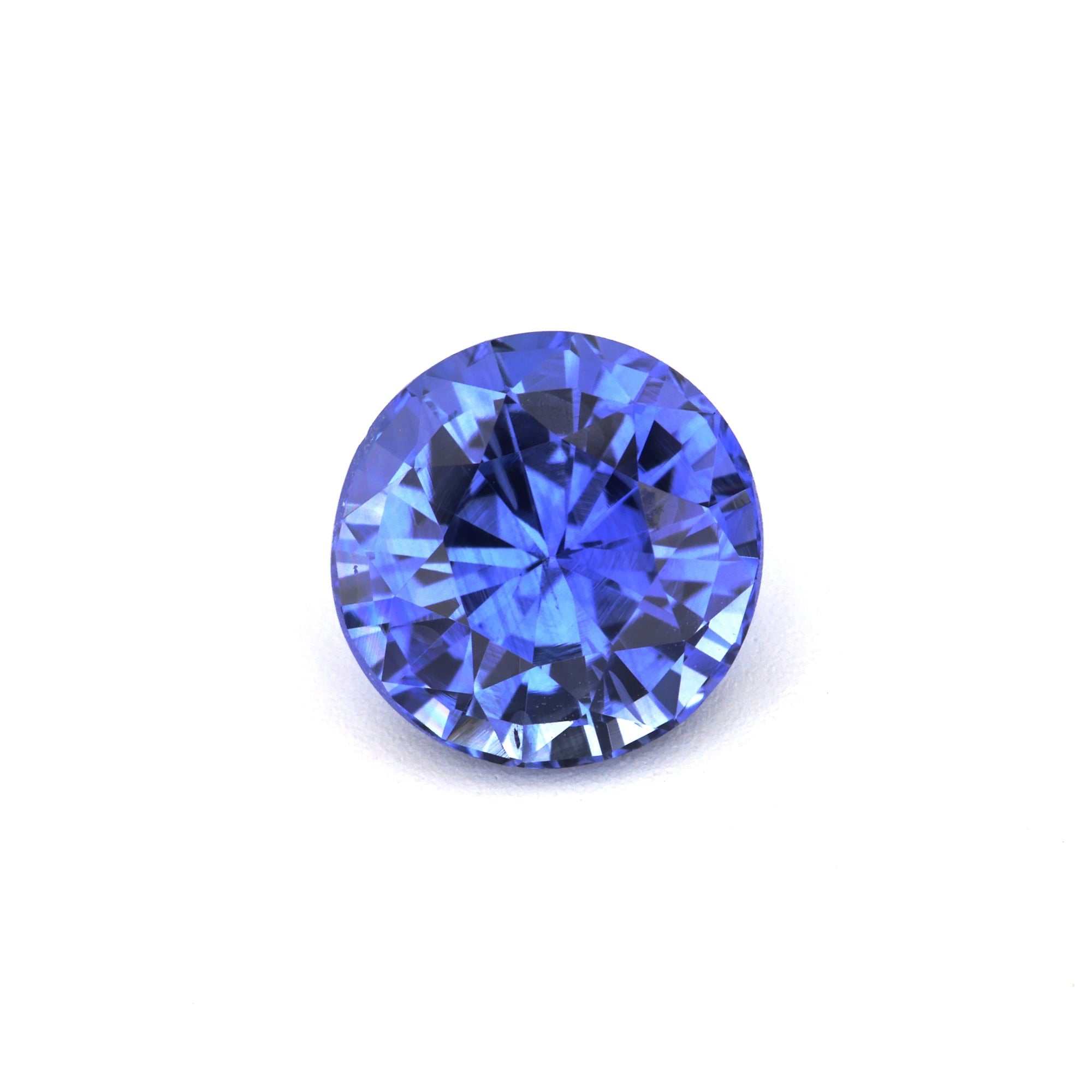
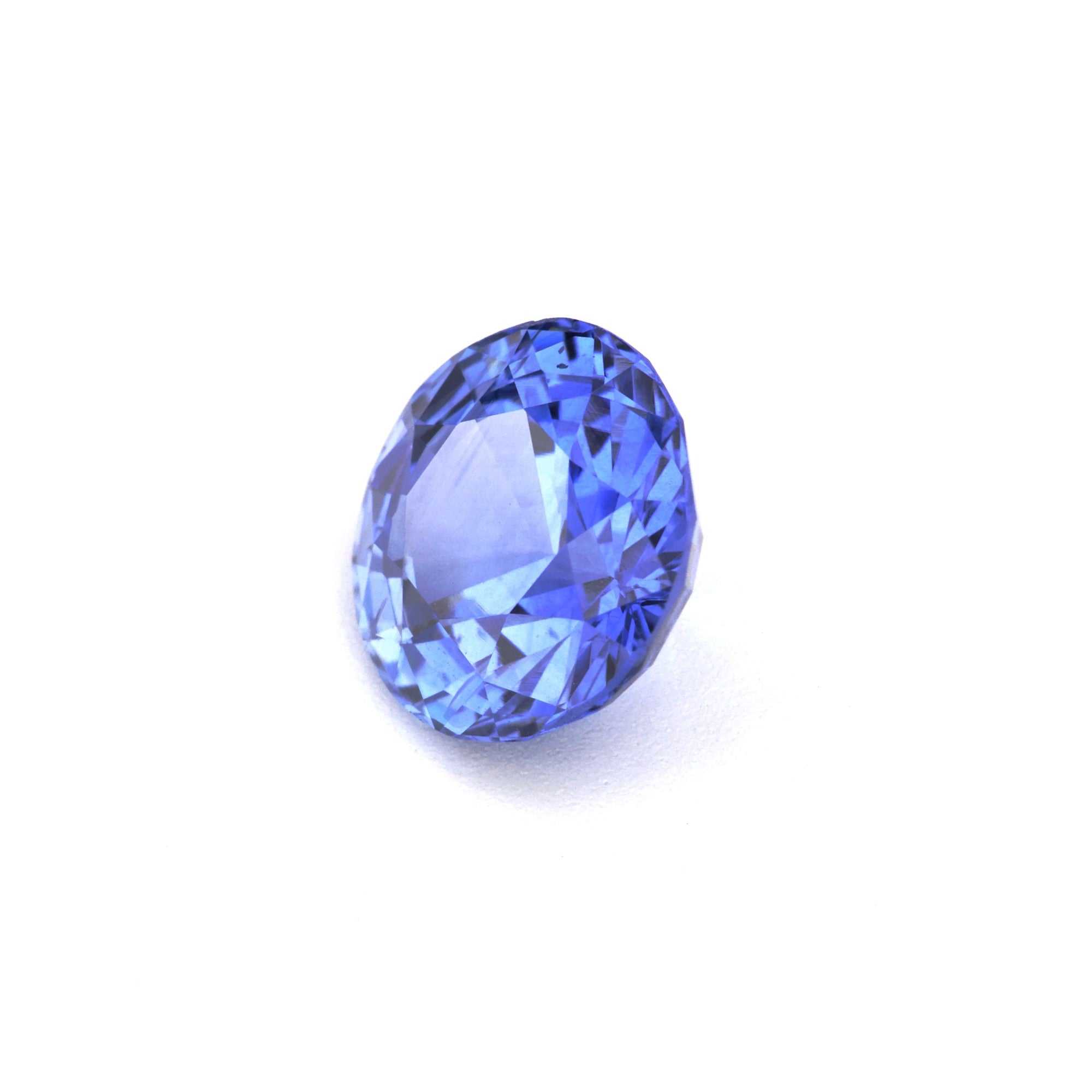
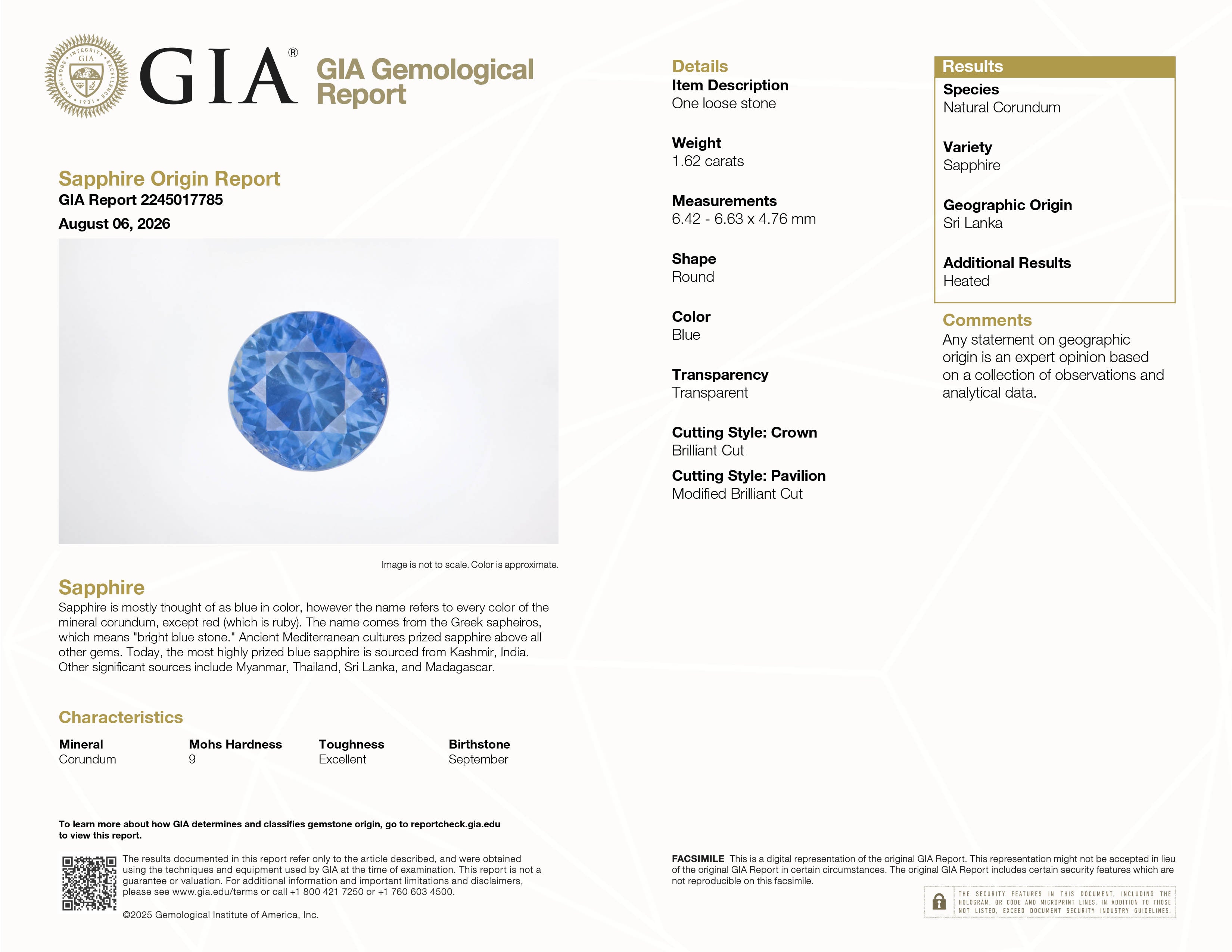
Blue is the color most people mean when they say sapphire. Ceylon blue sapphires are known for a particular character of blue — medium-toned, often with a slight violet secondary hue, and strongly saturated. The tone most asked for is the one the trade calls cornflower blue or royal blue.
What to know:
Padparadscha is the most argued-over color name in gemology, and the only one the laboratories have formally harmonized. The term derives from the Sinhalese word for lotus blossom, and describes a precise blend of pink and orange — neither purely one nor the other. Stones that lean too pink are pink sapphires; stones that lean too orange are orange sapphires. True padparadscha sits in the range between the two.
What to know:
We hold no padparadscha in stock at present. Our padparadscha page says what we will list when we do, and you can ask us to source to specification.
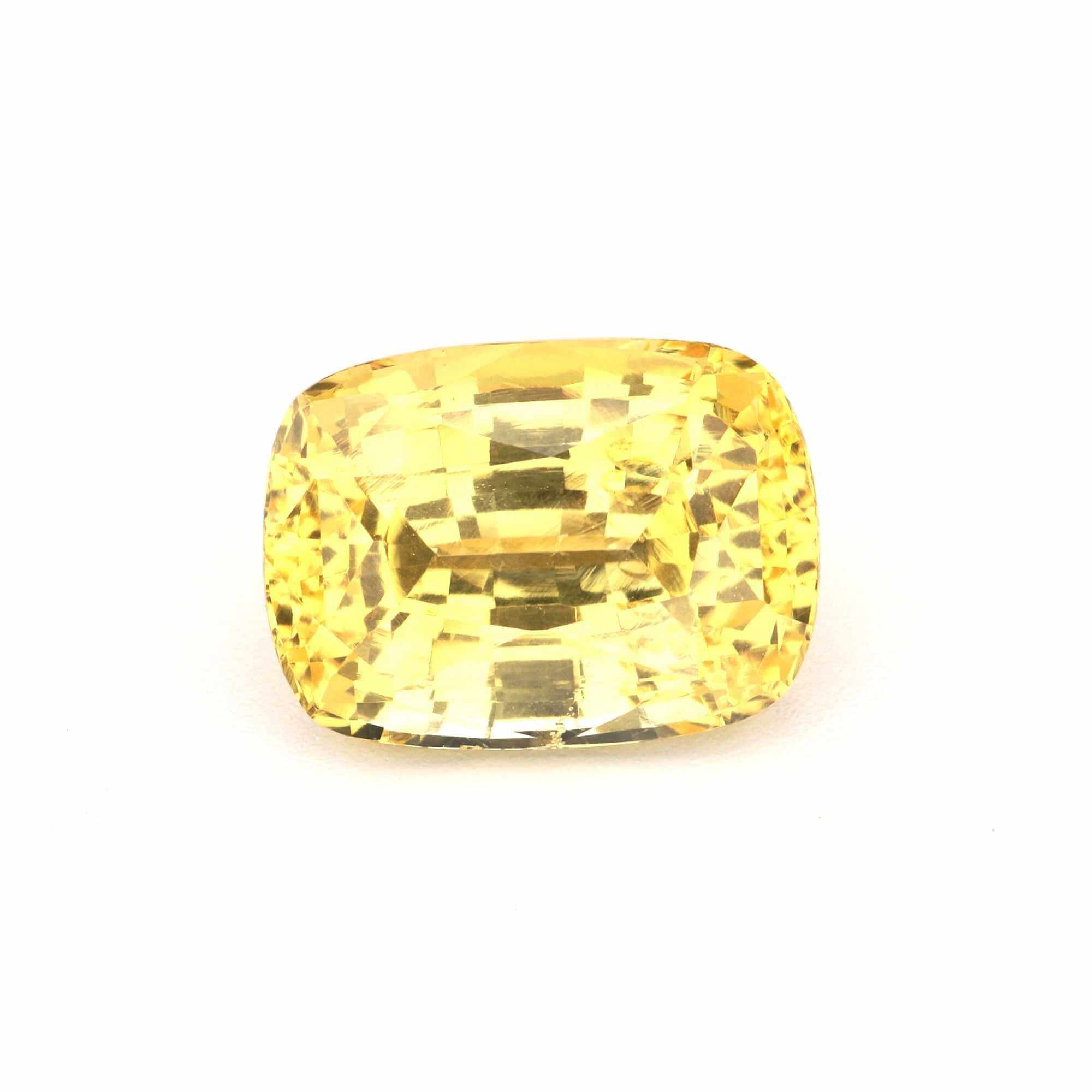
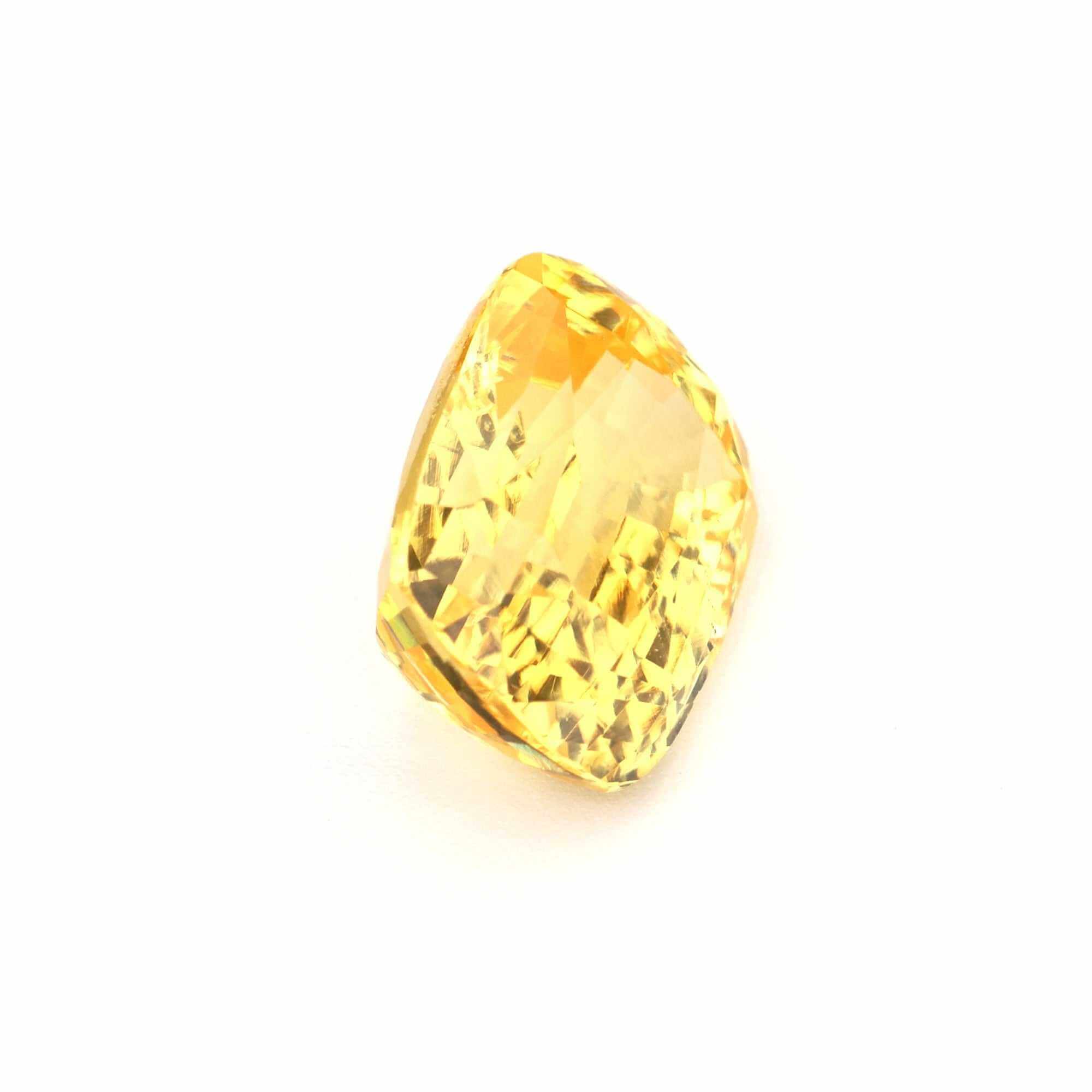
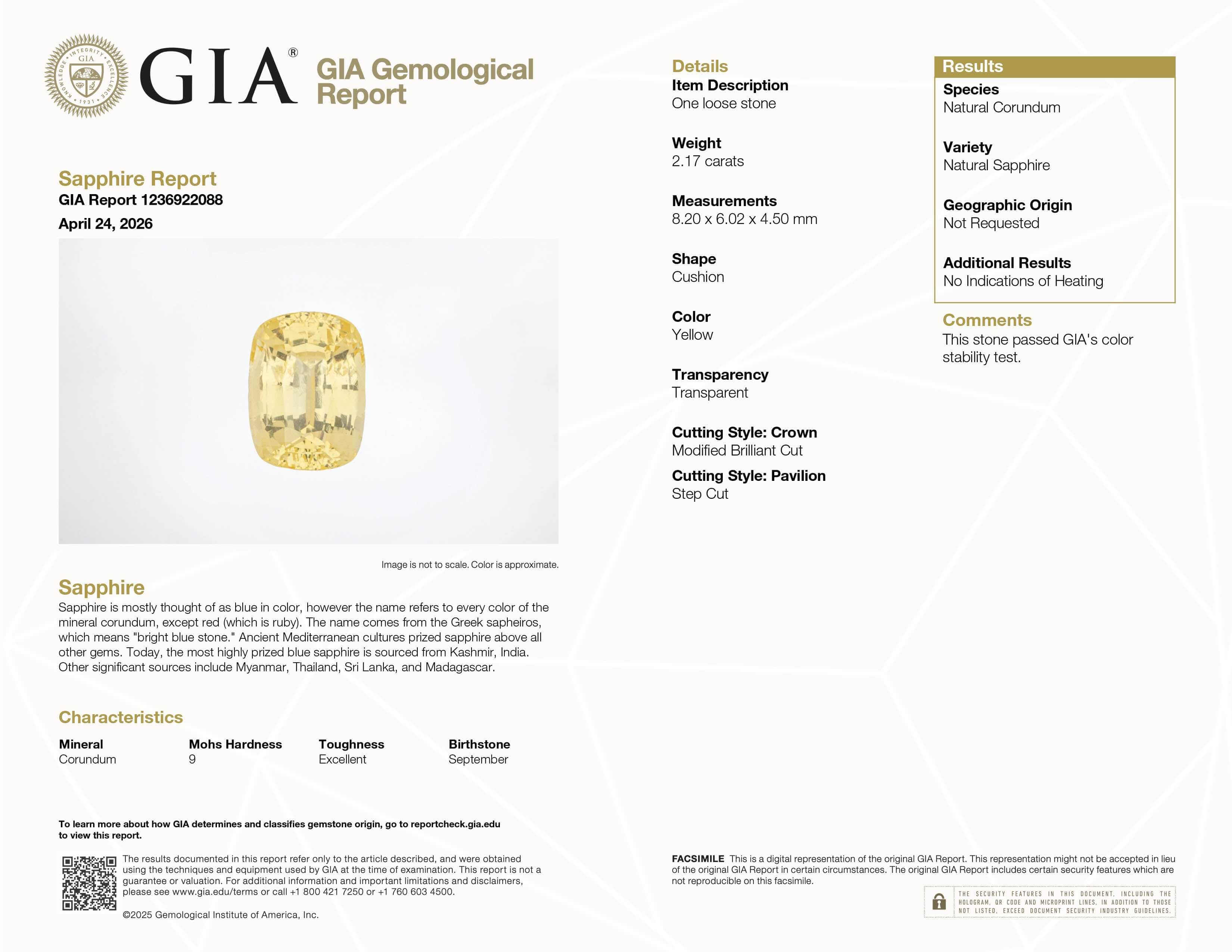
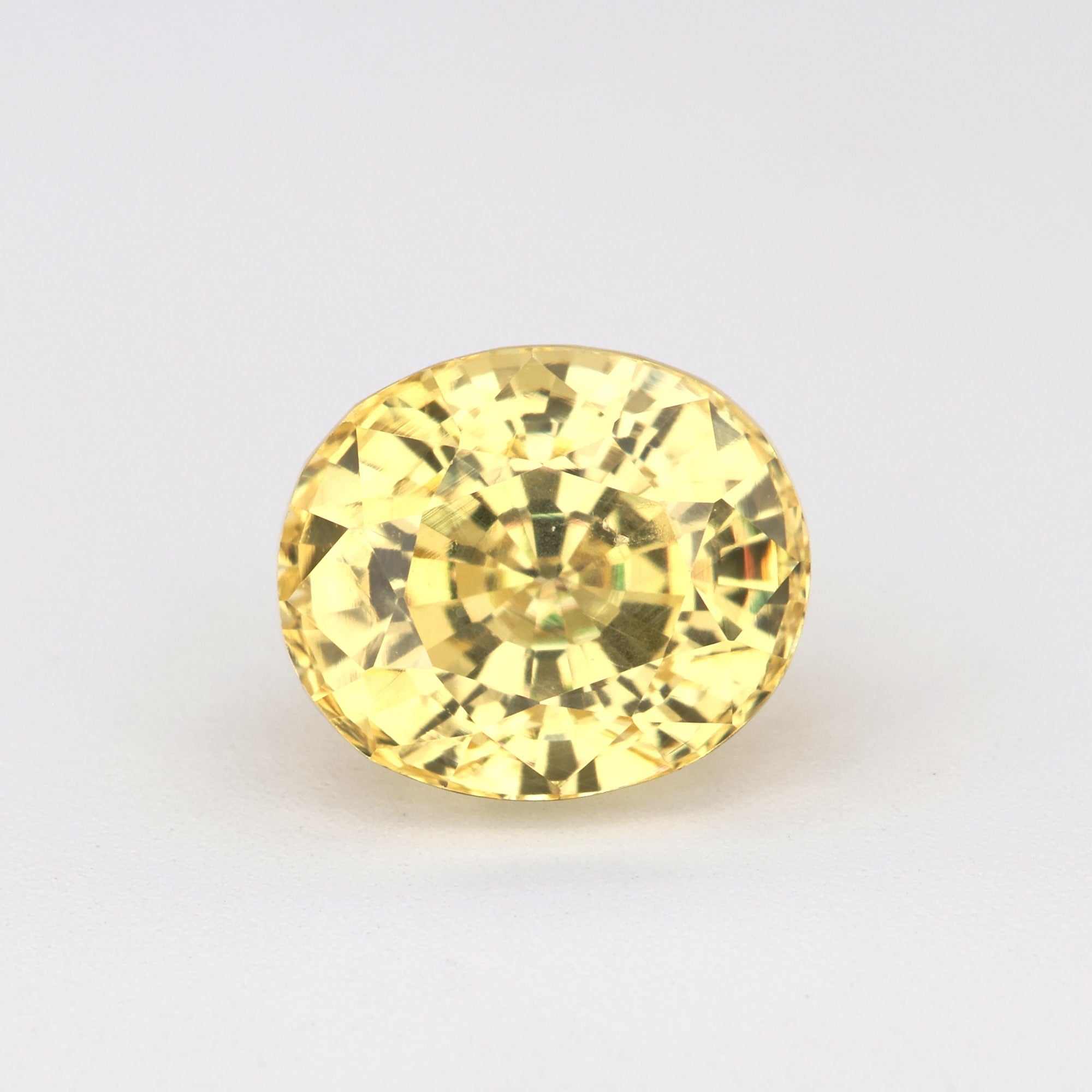
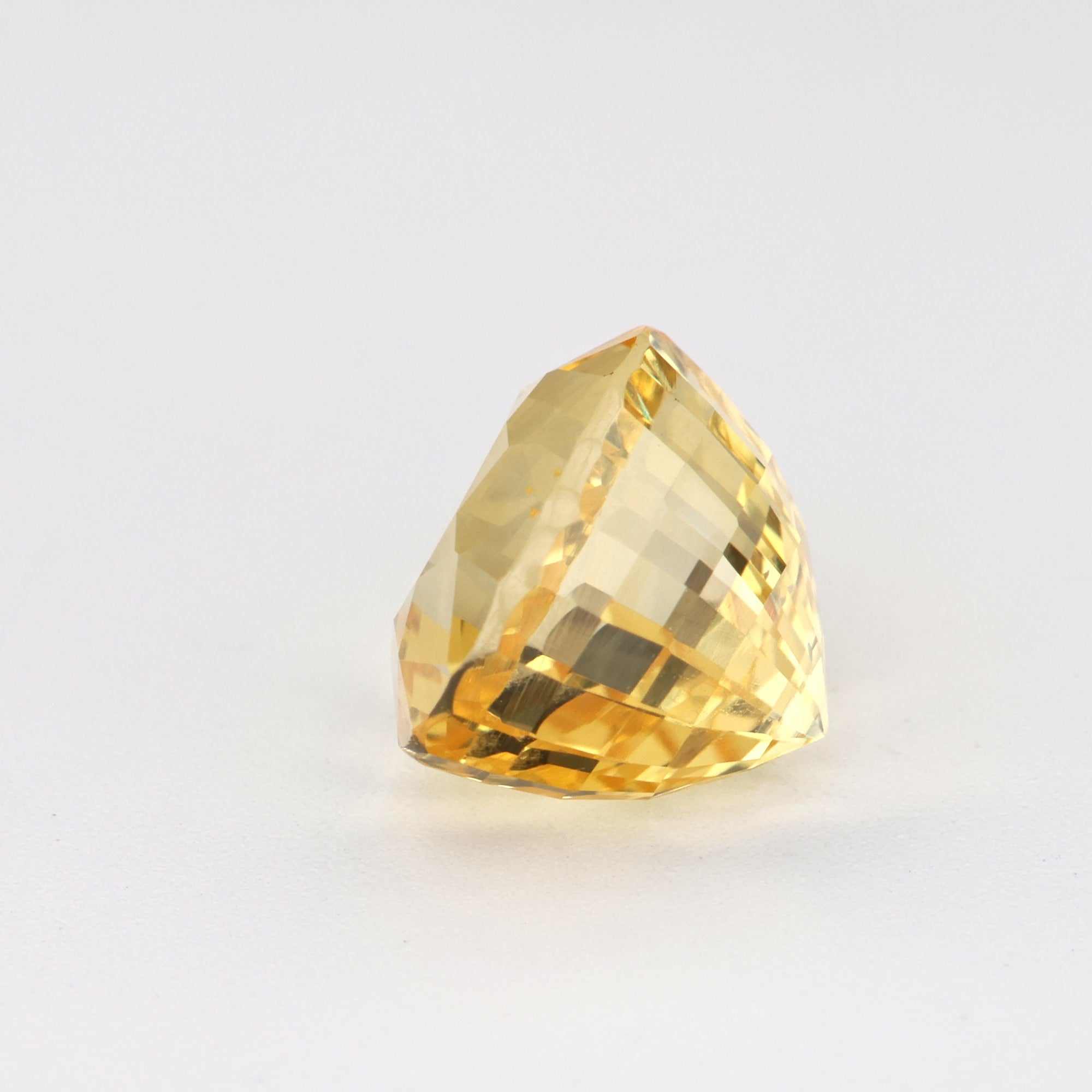
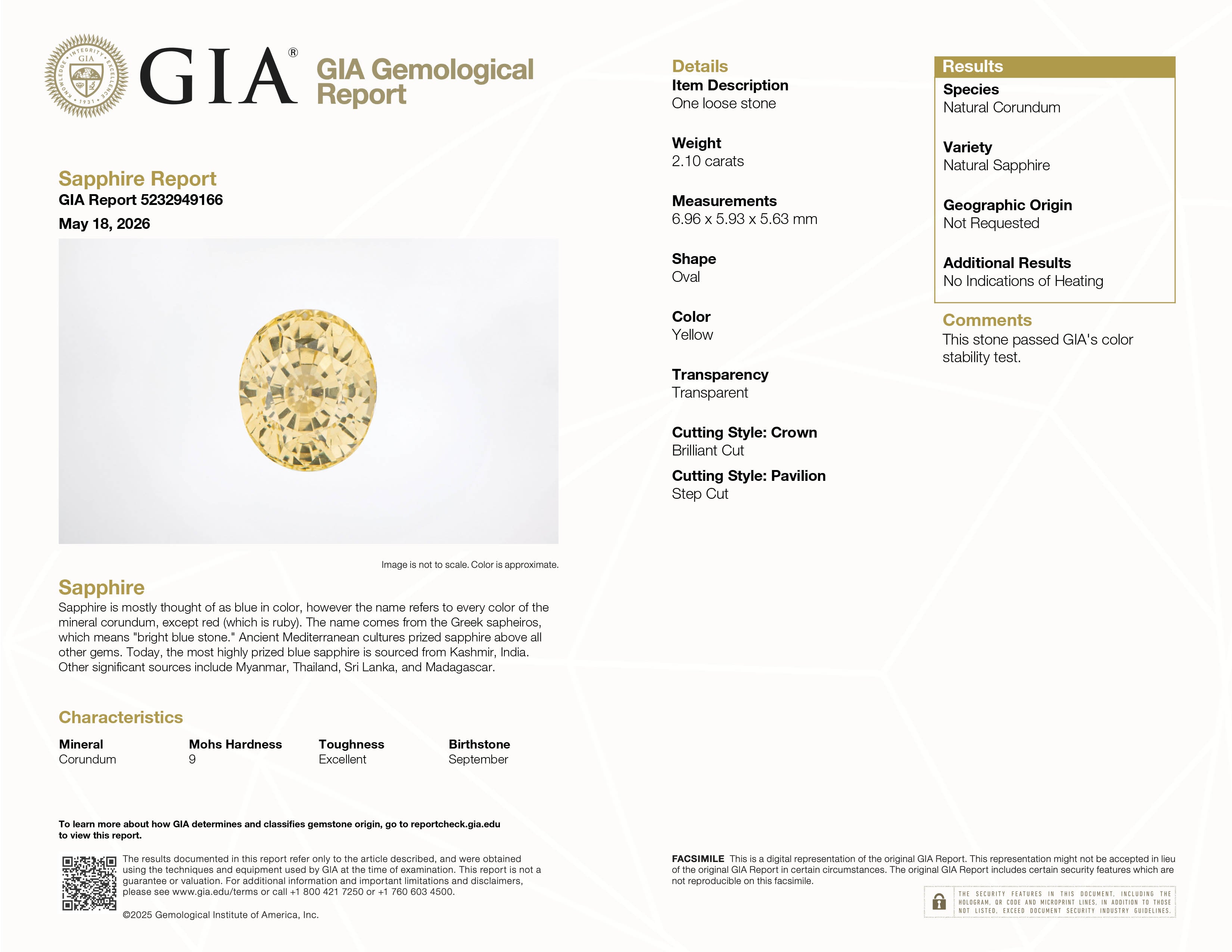
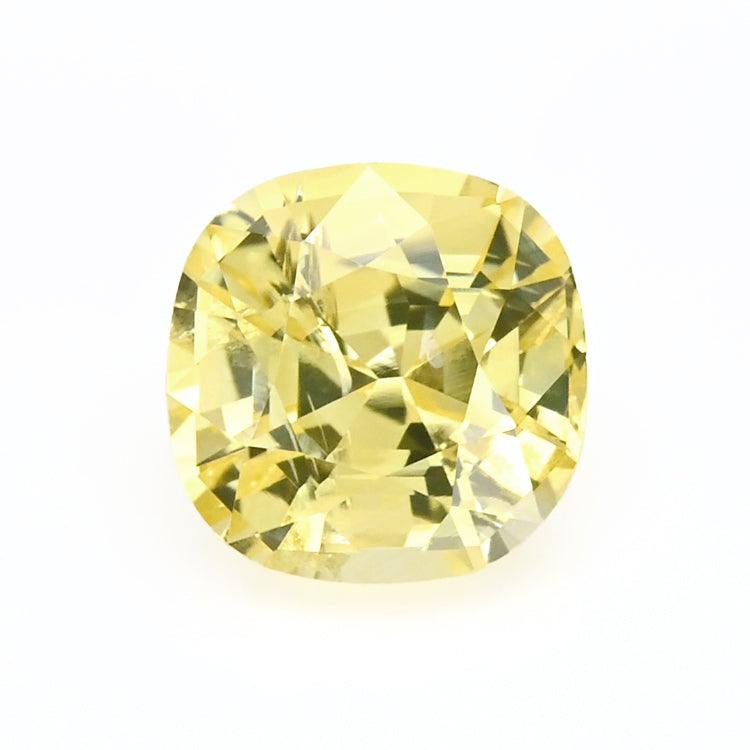
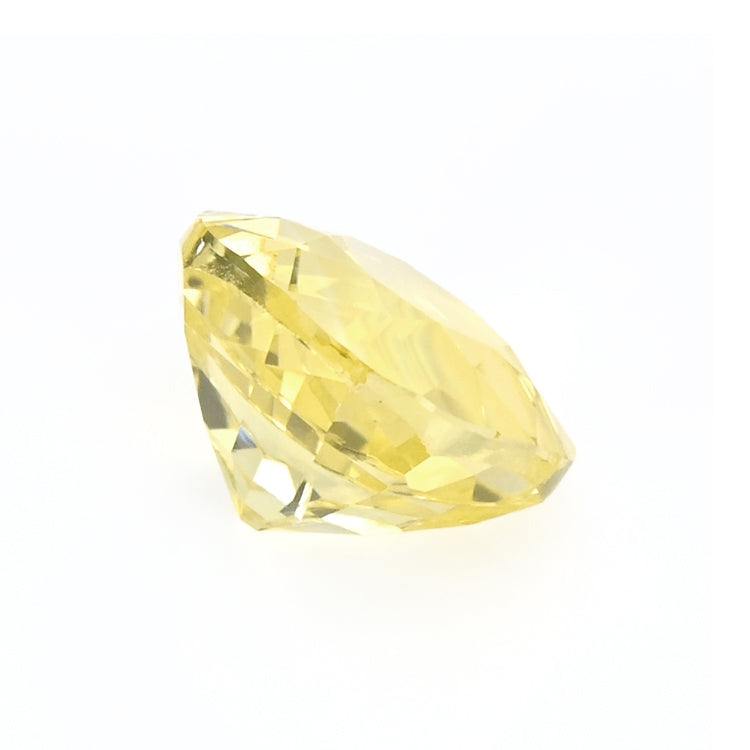
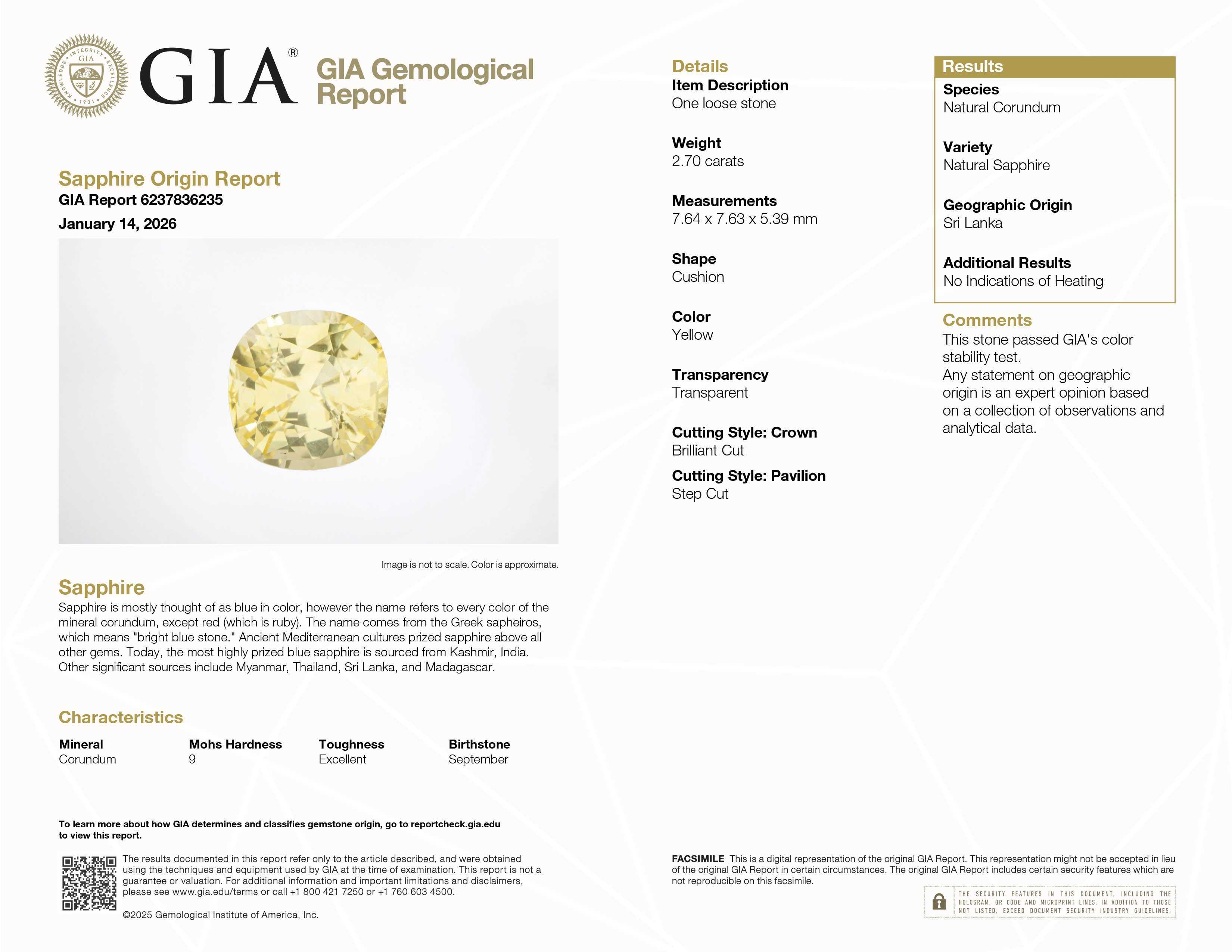
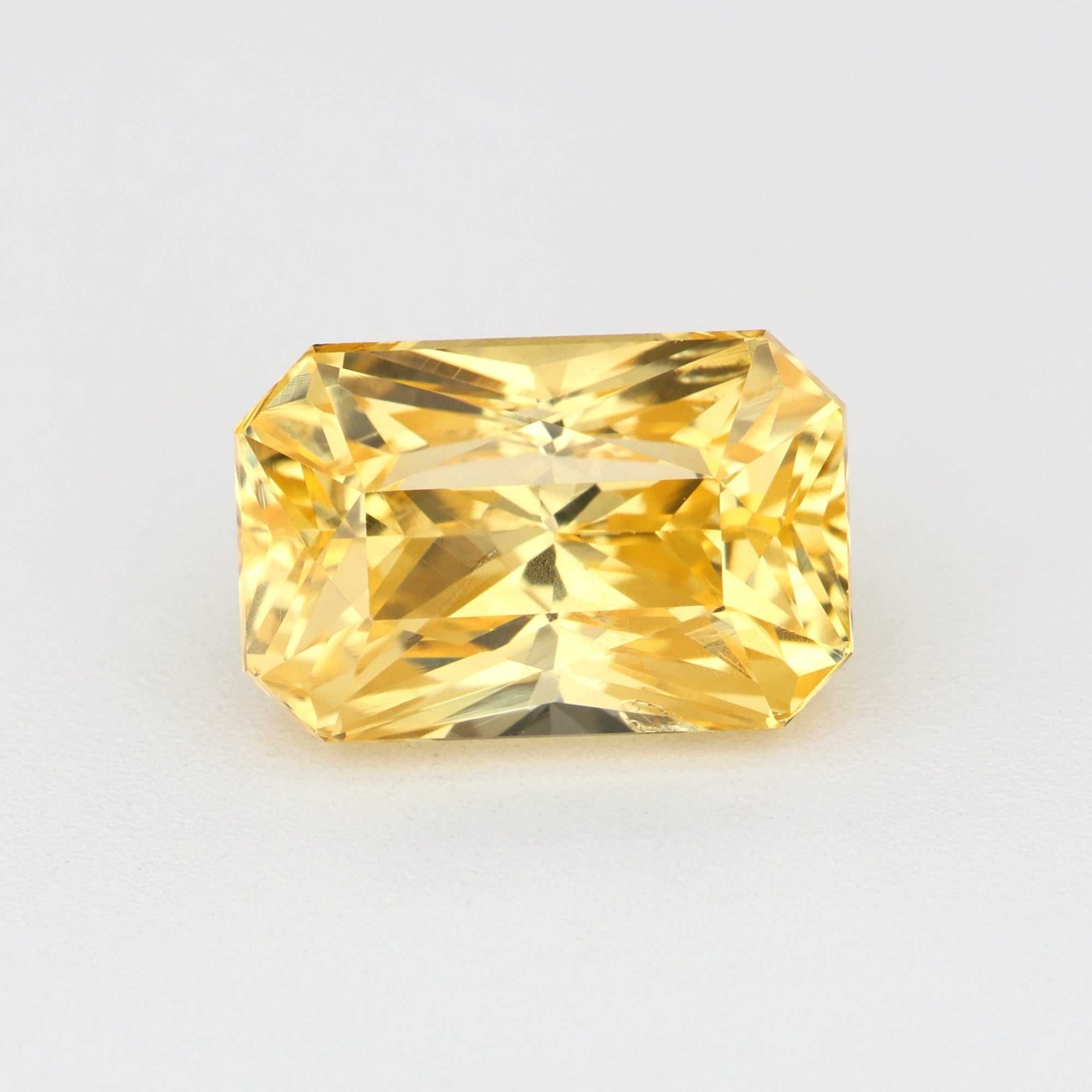
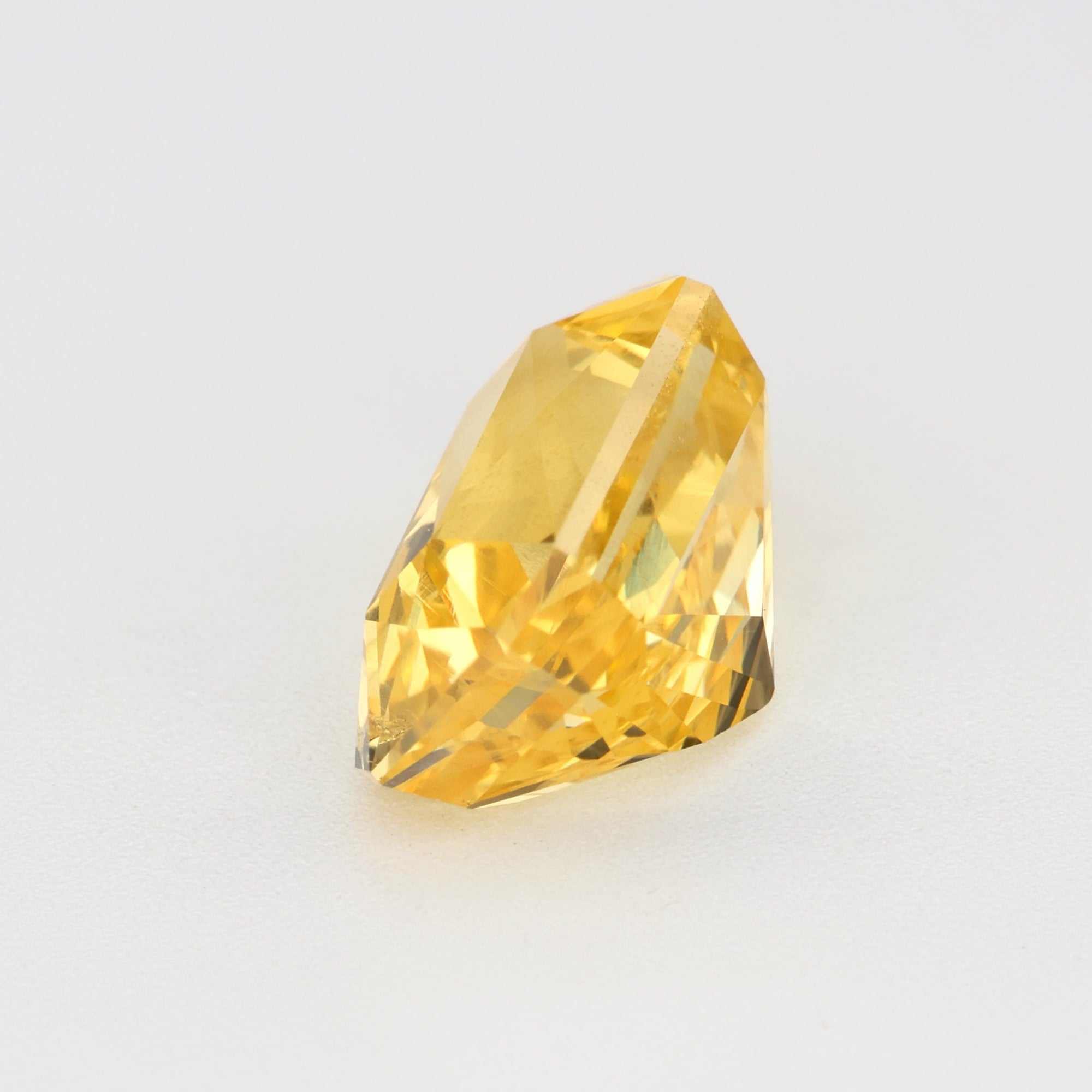
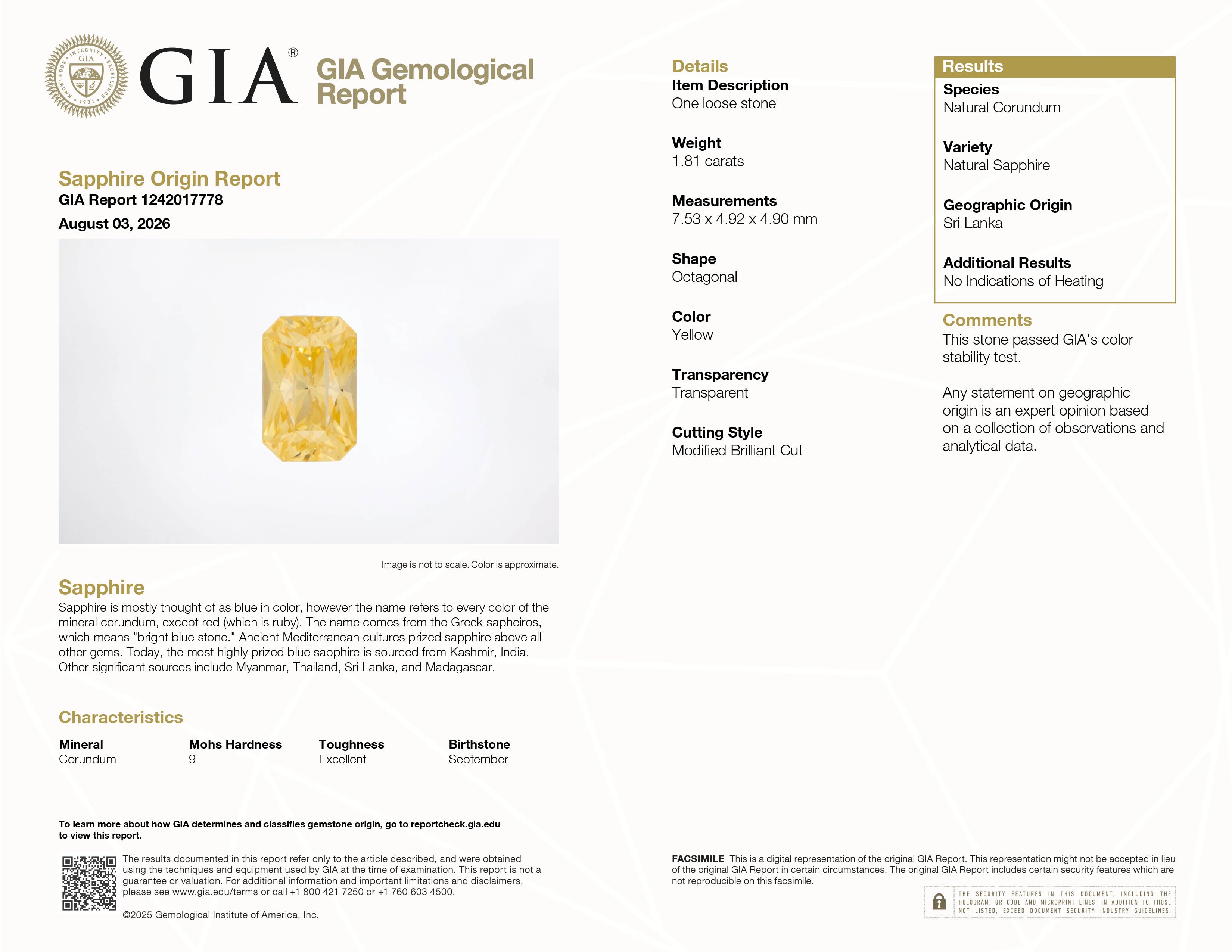
Yellow sapphires from Sri Lanka occur naturally in a range from pale lemon to deep golden yellow. Unusually for sapphires, a significant proportion of Ceylon yellows are naturally unheated — their color requires no enhancement. This makes them relatively accessible entry points into the unheated sapphire market.
What to know:
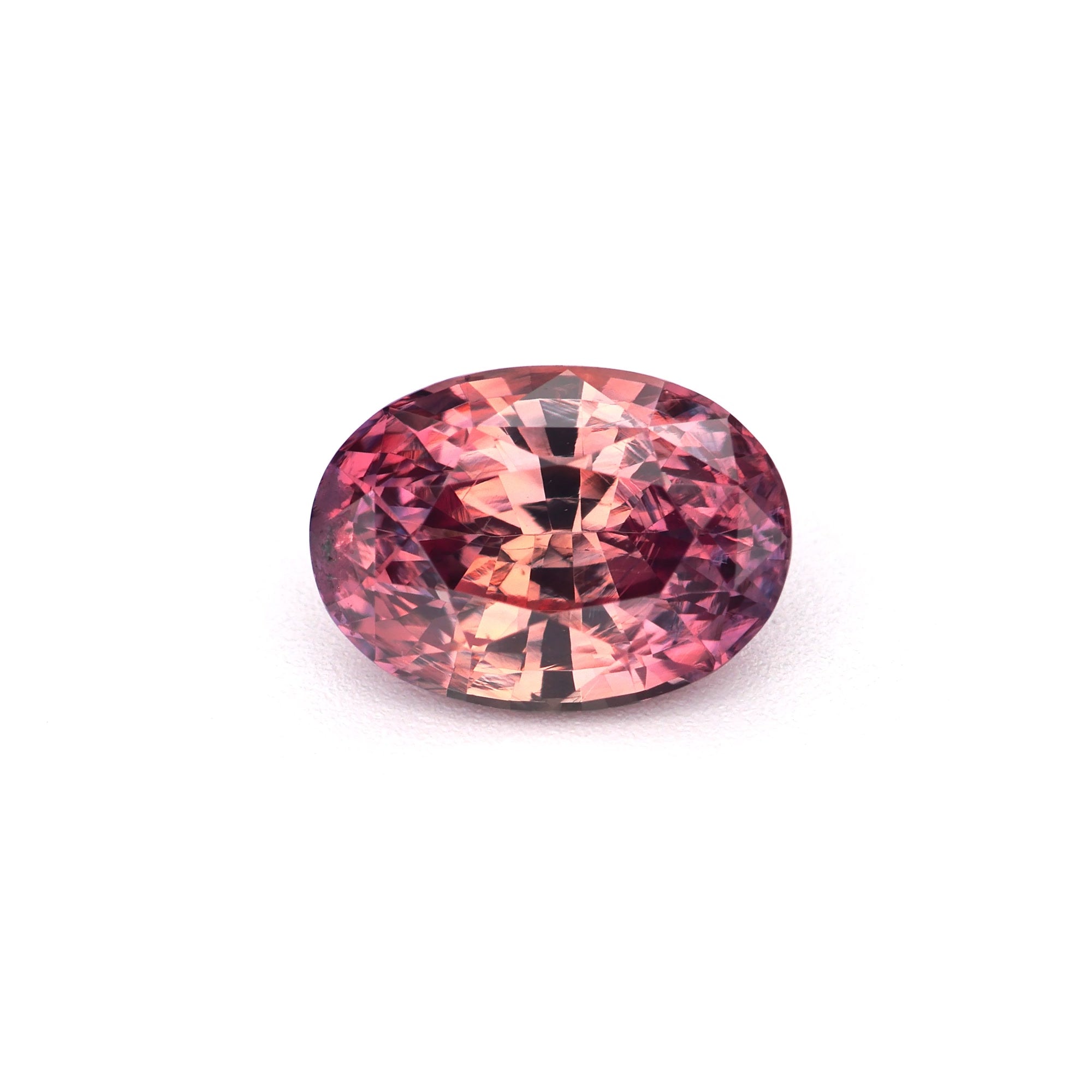
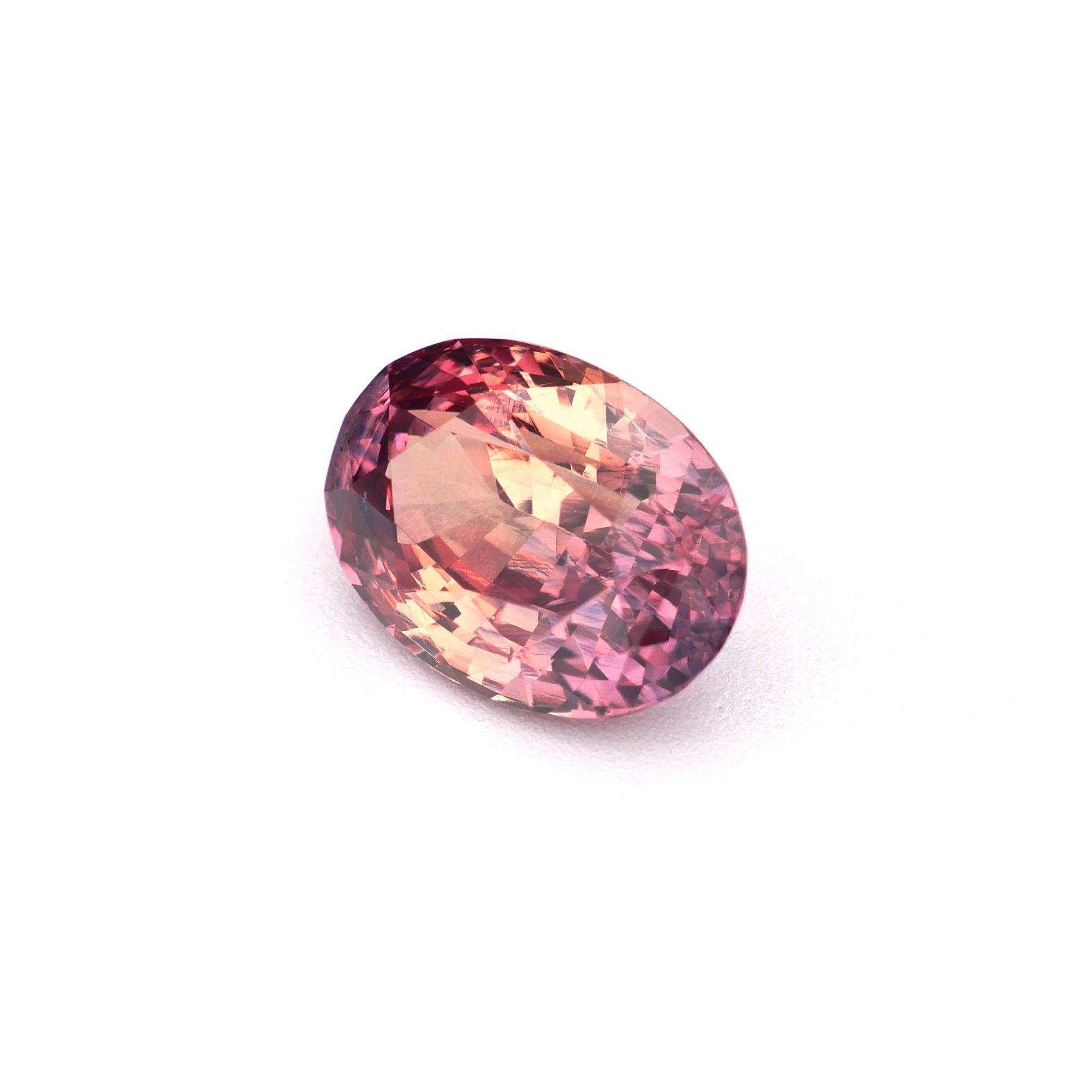
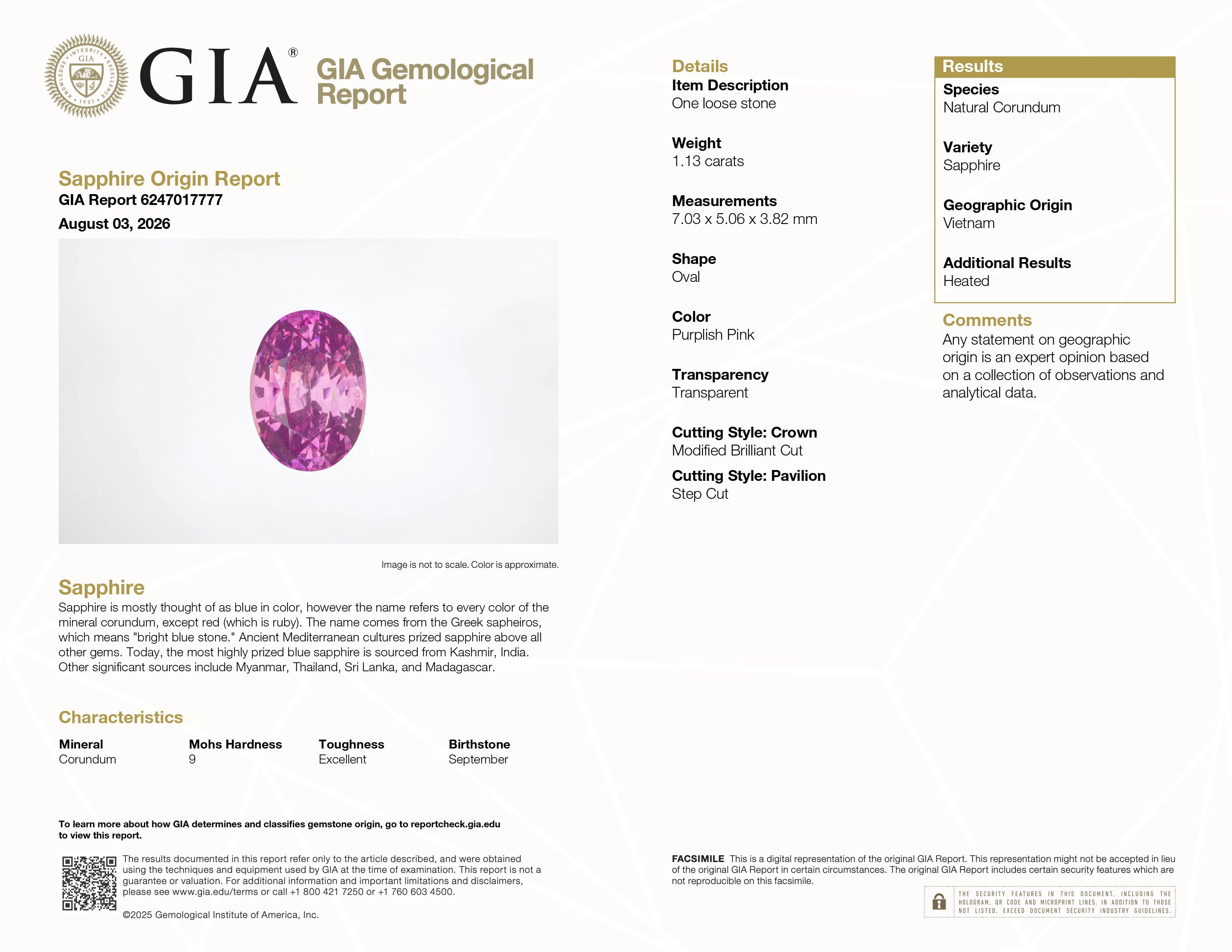
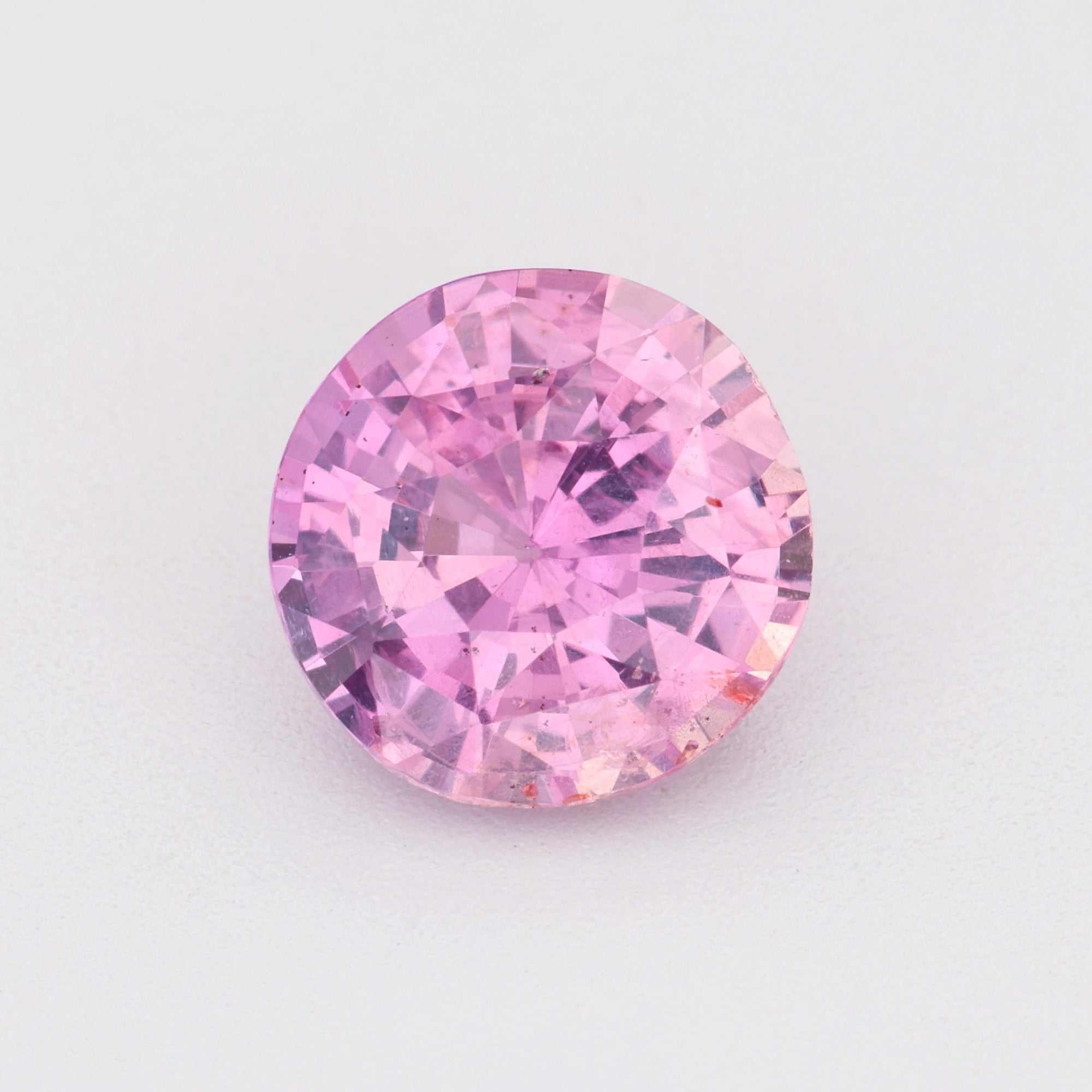
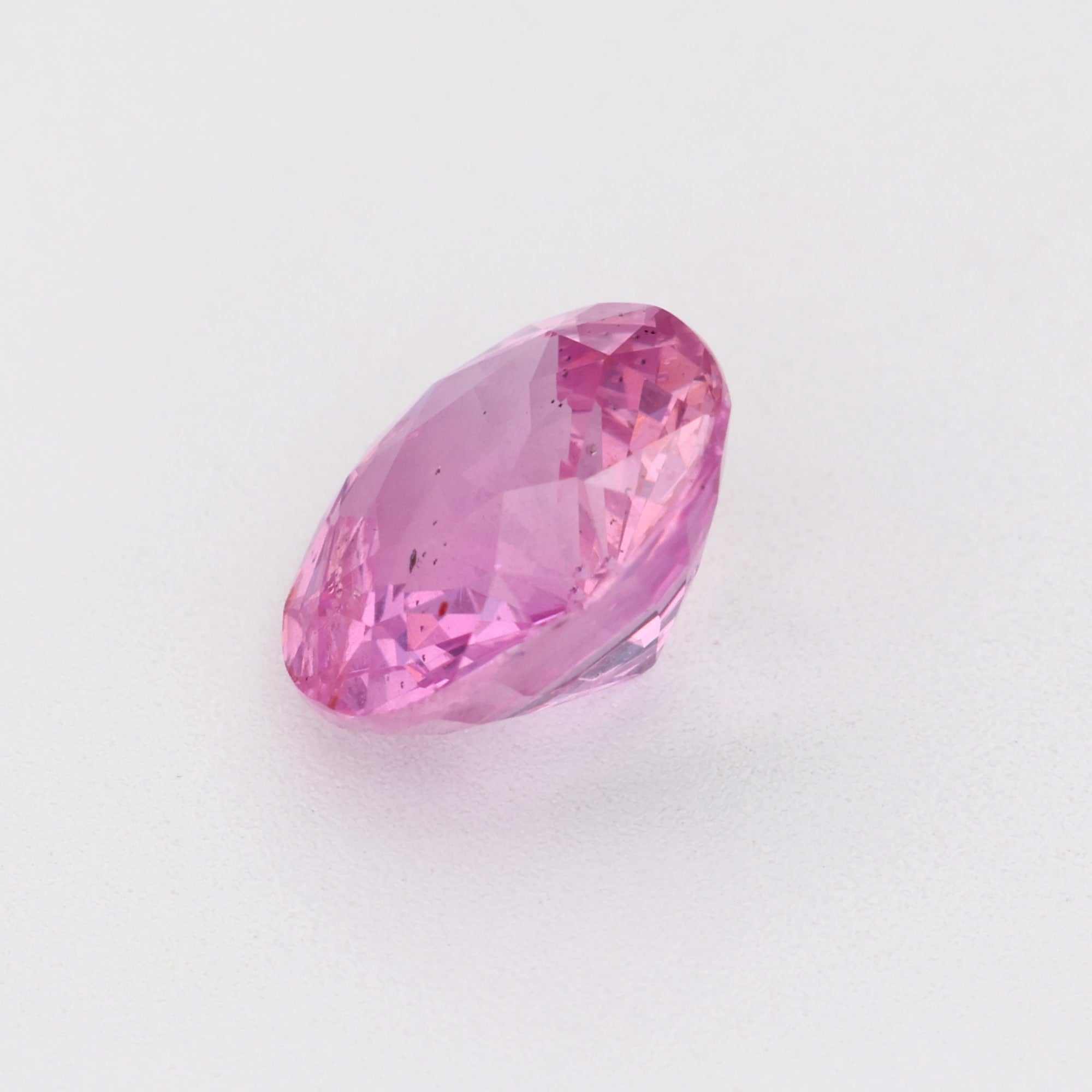
Pink sapphires occupy the color space between pale rose and hot pink. Where pink sapphire ends and ruby begins is a judgement about saturation, and laboratories do not all draw it in the same place. Ceylon produces pink sapphires across the full range of this spectrum.
What to know:
Peach sapphires sit in the warm zone between pink and orange, with a softness that distinguishes them from either. They are frequently unheated because their natural color is already appealing without enhancement. Ceylon peach sapphires are a common choice for non-traditional engagement rings.
What to know:
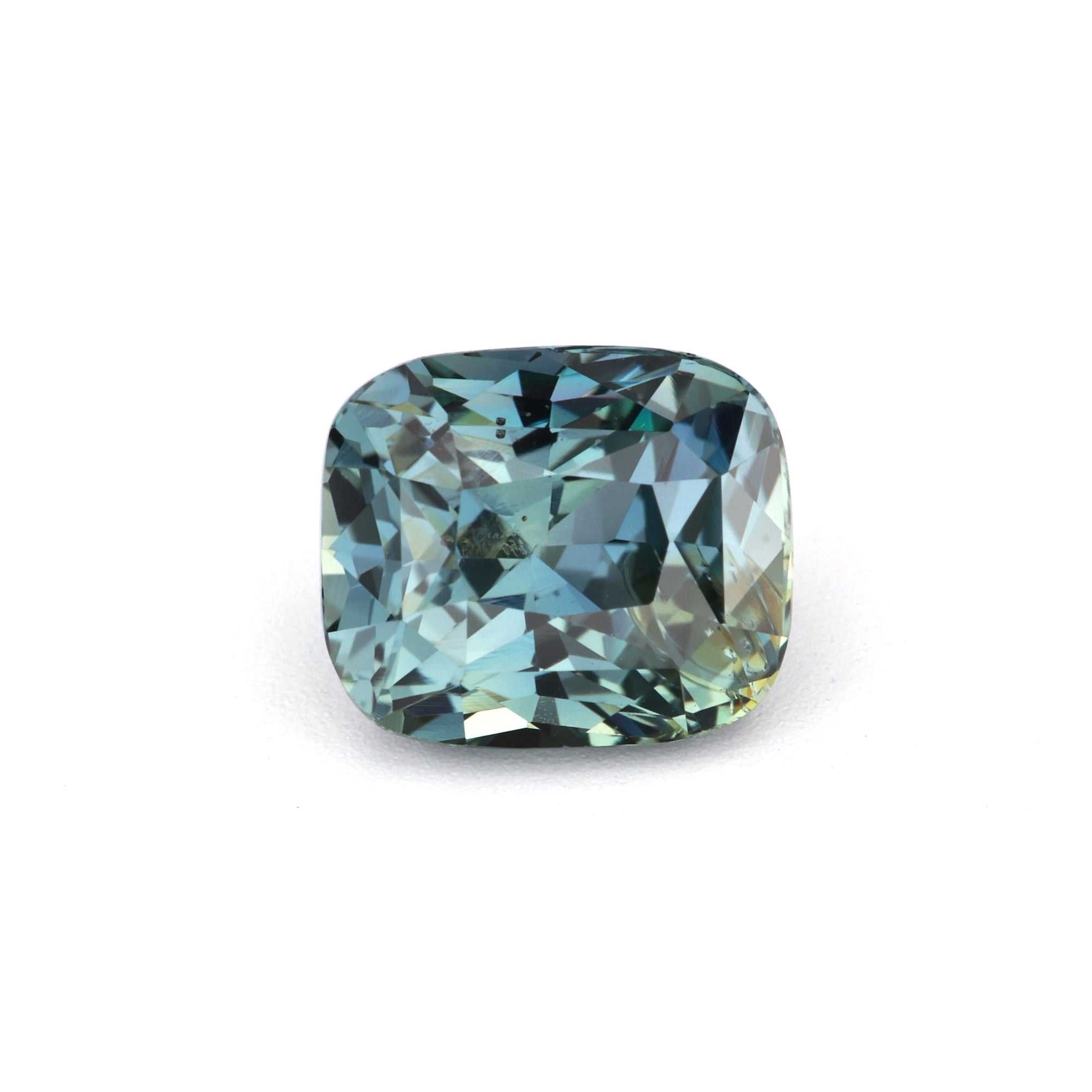
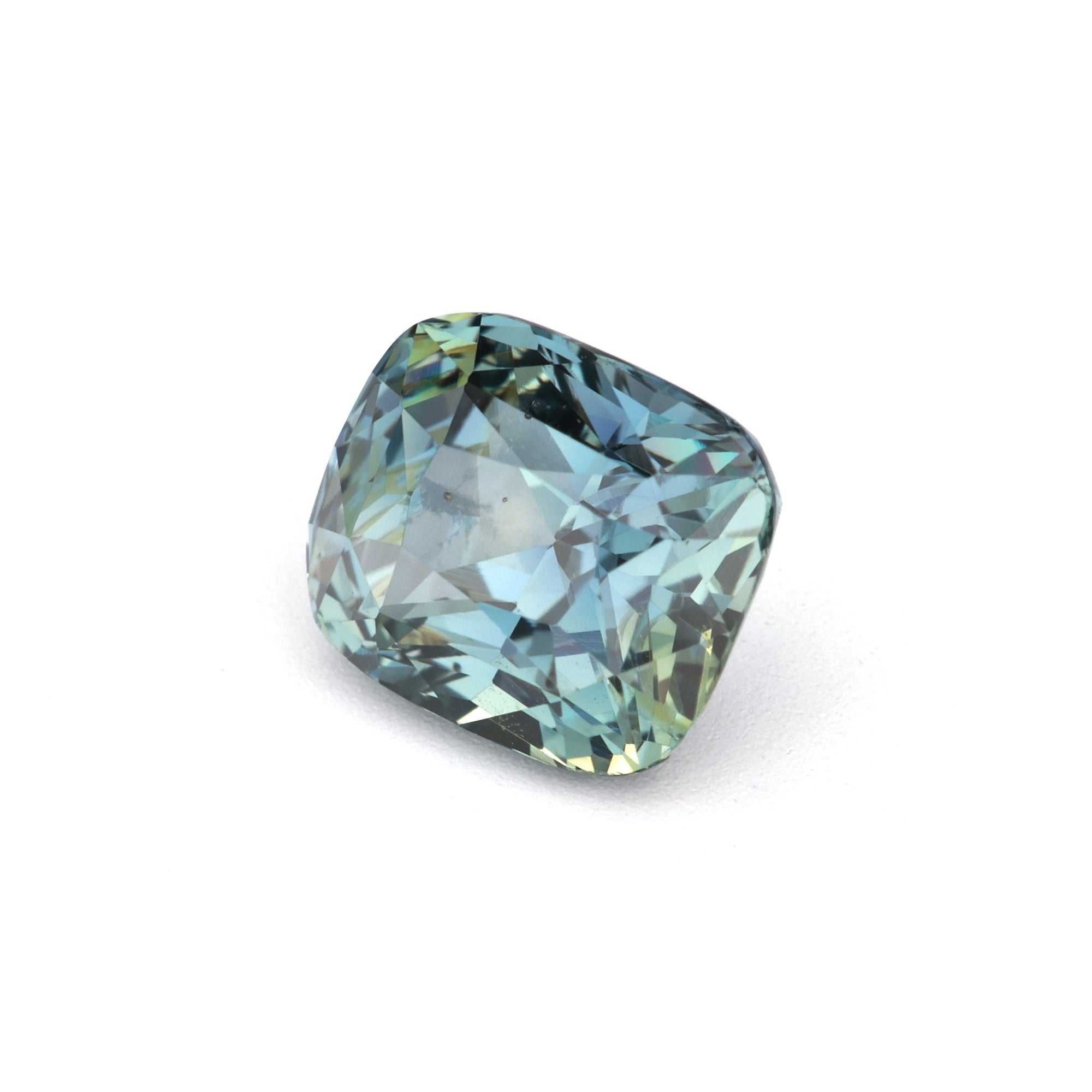
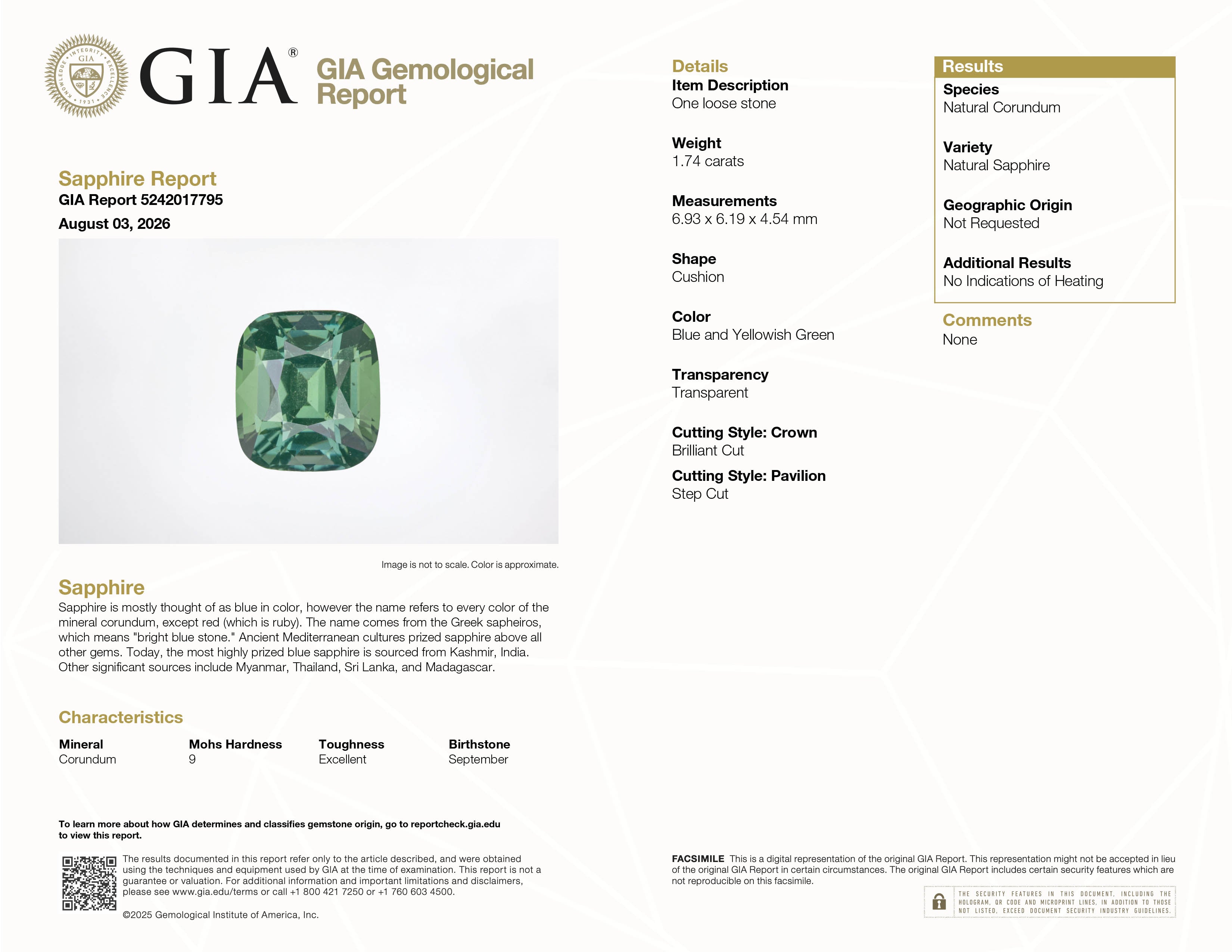
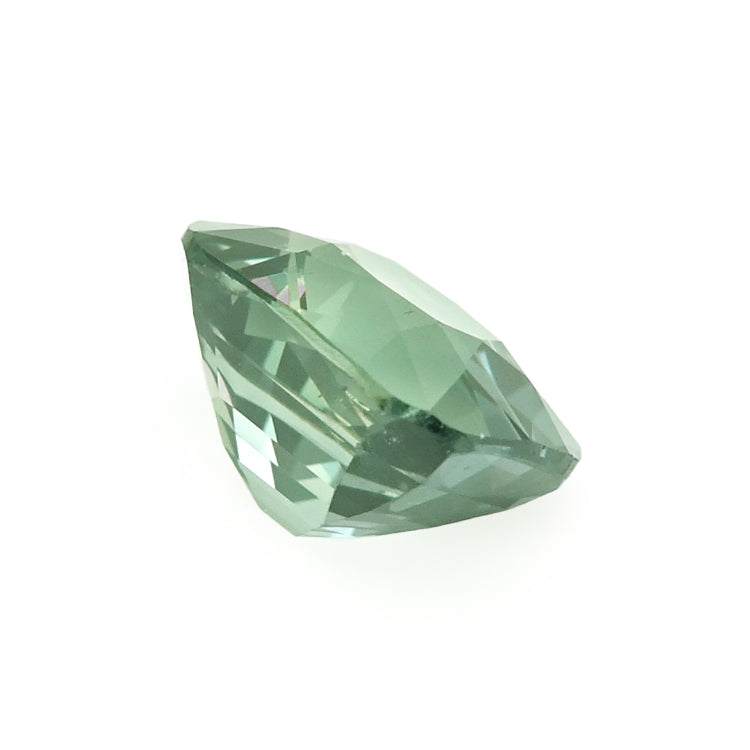
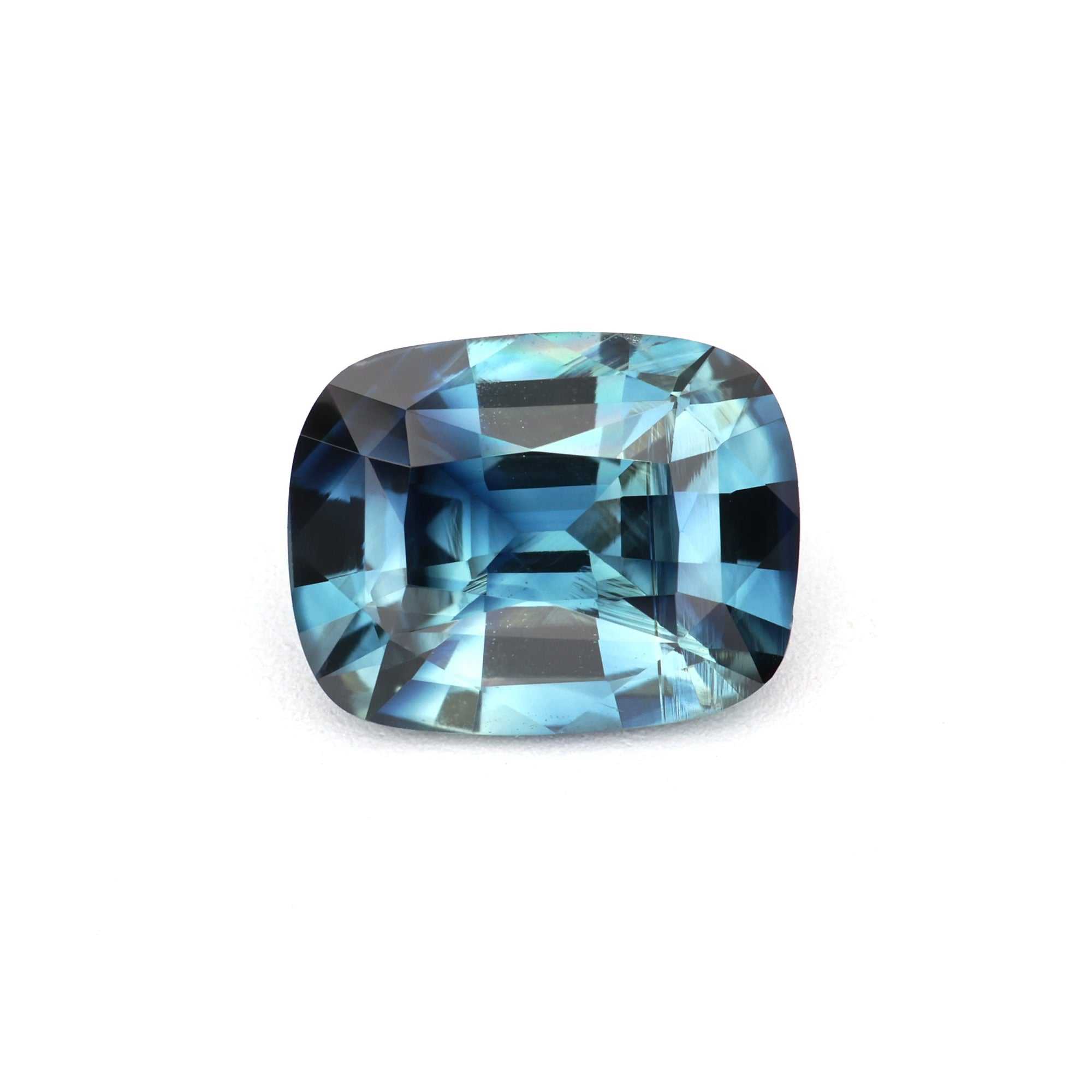
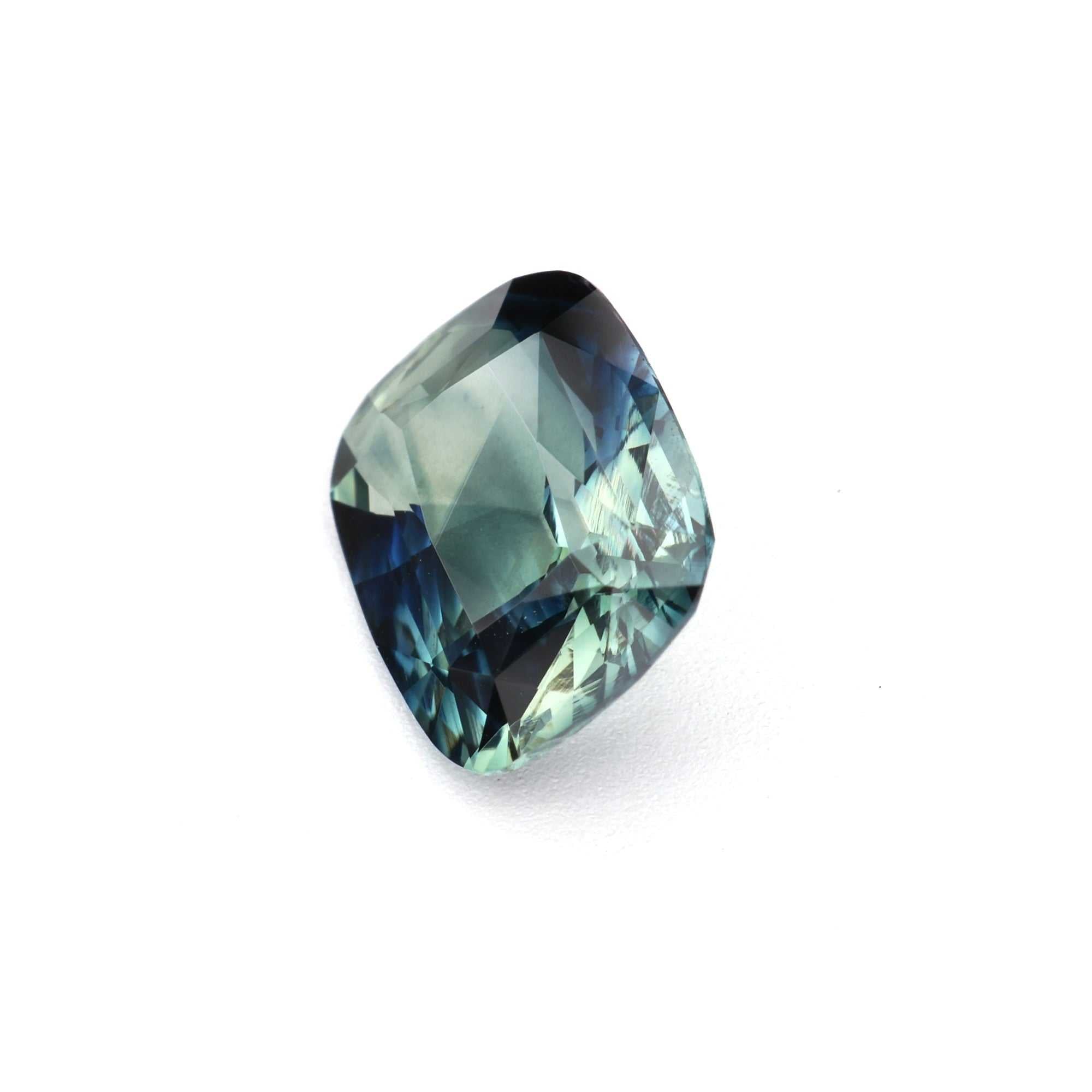
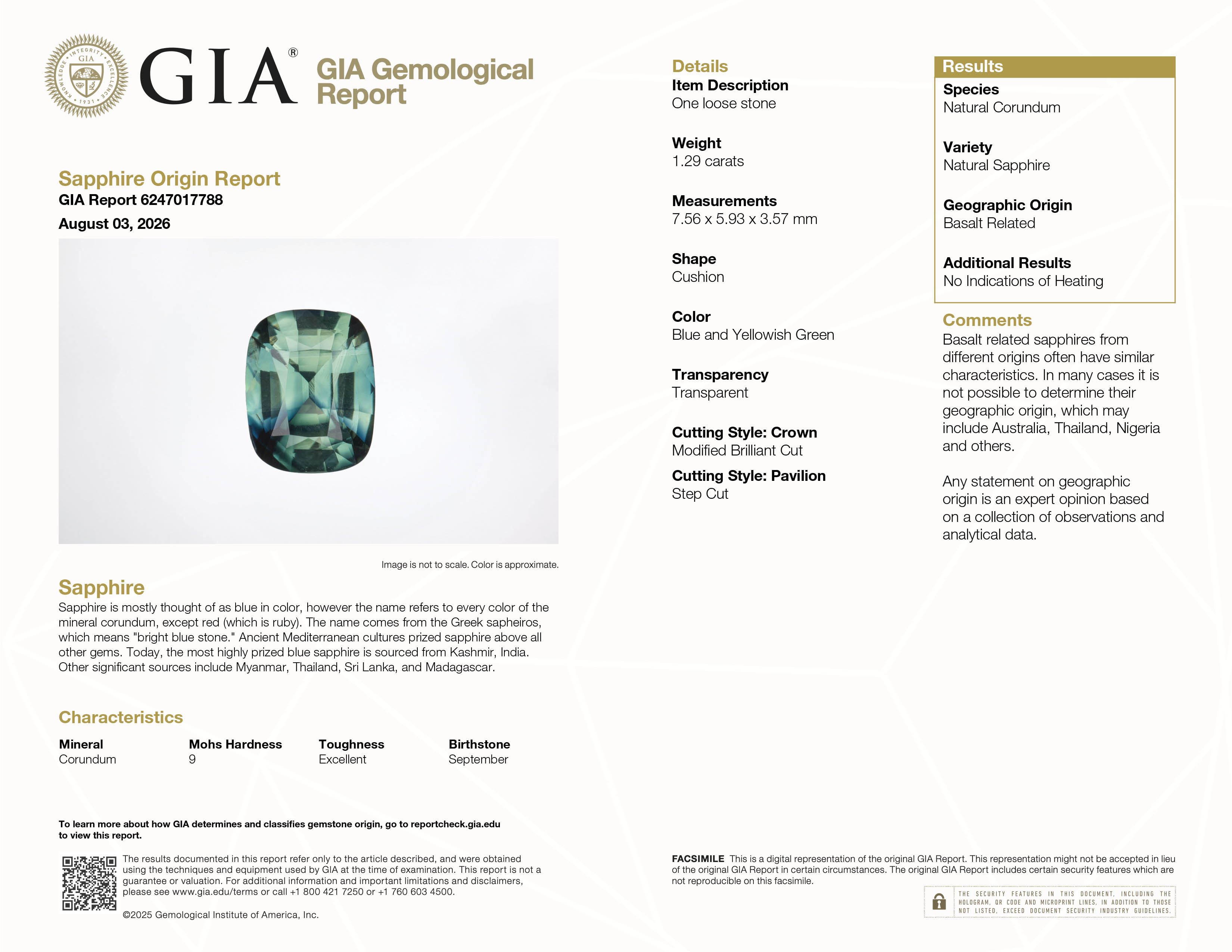
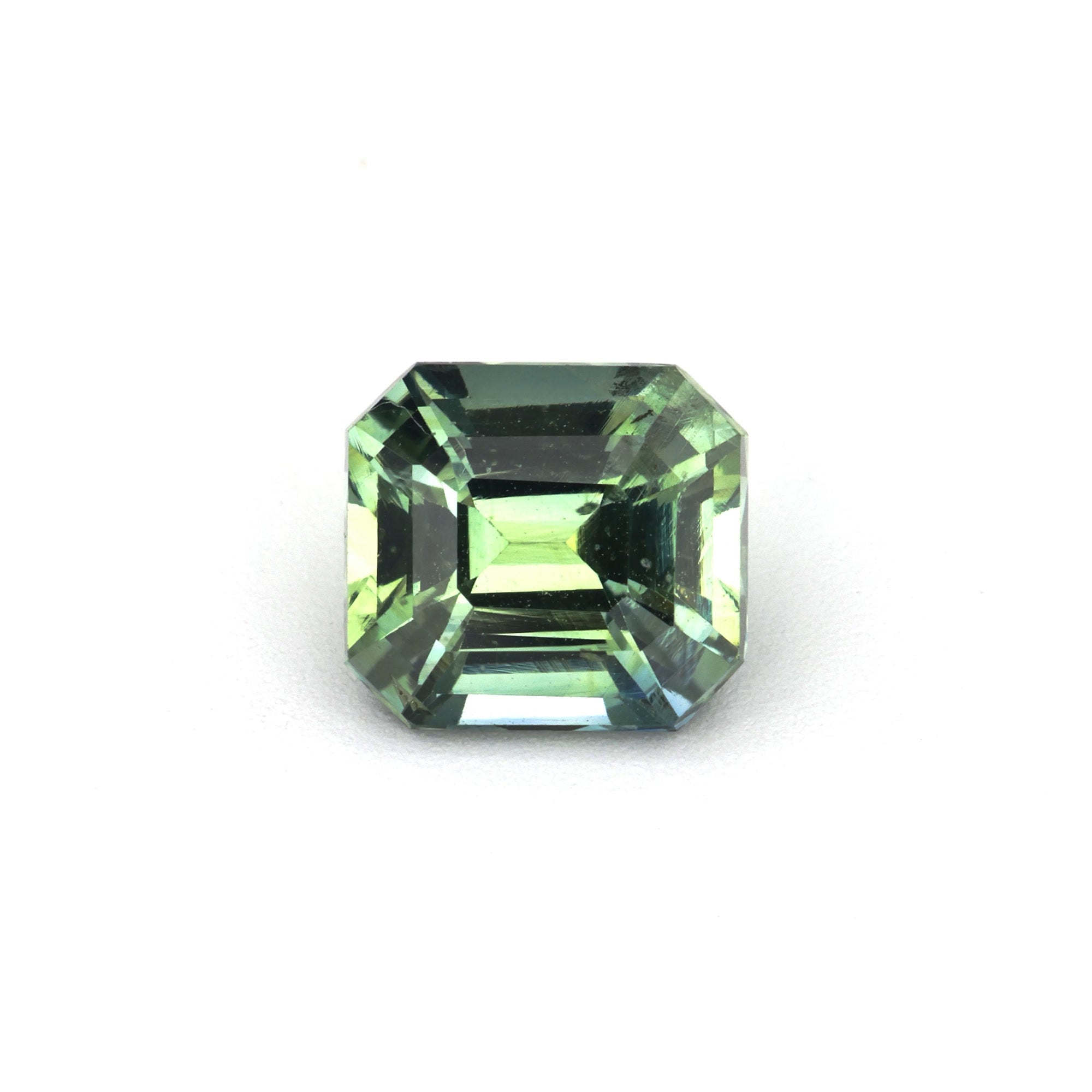
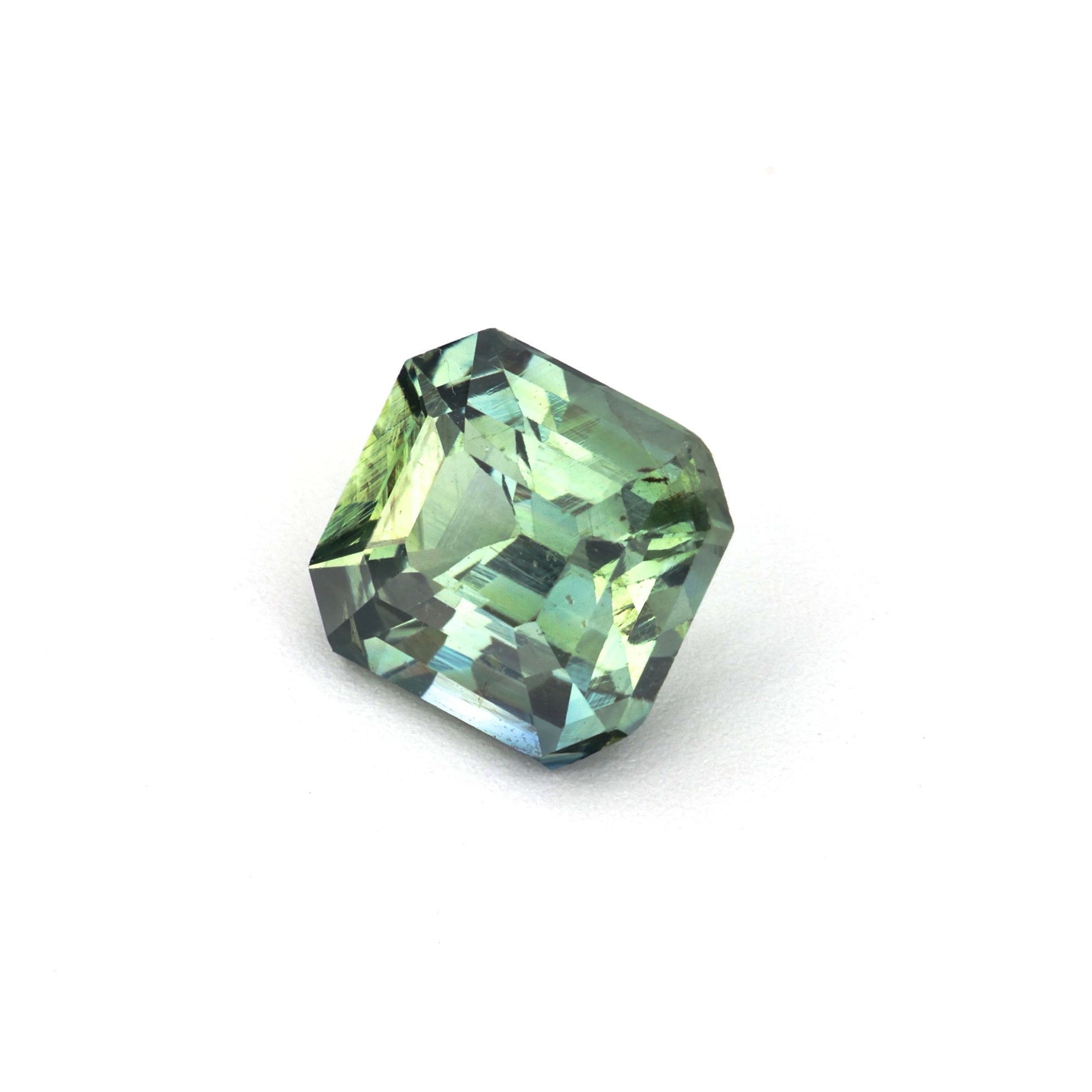
Teal sapphires display a blue-green combination that shifts in different lighting conditions. The ratio of blue to green varies stone by stone — some read as predominantly blue-green, others as green-blue. This color zoning is part of what makes teal sapphires visually distinctive and increasingly sought after for contemporary jewelry design.
What to know:
Purple and violet sapphires from Ceylon occur in limited quantities. Violet tends to read as a blue-purple with stronger blue influence, purple as a red-purple — but the two names shade into one another, and our own records do not always agree with a stone's title, so the color a report prints is the one to go by. Both are bought mainly by collectors and by bespoke jewelry designers.
What to know:
Pure orange sapphires — not orange-pink, not orange-yellow, but a true fire orange — are among the less common sapphire colors in commercial supply. Ceylon does produce them, but in far smaller quantities than blue or pink.
What to know:
White (colorless) sapphire is corundum with no color-causing trace elements. It is Mohs 9. Mohs measures resistance to scratching and abrasion only, and 9 is high enough for daily wear in a ring. It differs from diamond in refractive index, so it shows less brilliance and fire — which is the trade-off for a buyer who wants a natural, non-diamond white stone.
What to know:
Star sapphires display asterism — a star of light that appears to float across the surface of the stone when viewed under a single light source. The effect is caused by rutile needle inclusions aligned in three directions following the crystal structure. Star sapphires are cut as cabochons rather than faceted, to show the effect.
What to know:
No laboratory grades the star. GIA states that it "doesn't grade or provide quality analysis for sapphire or other colored stones", and the LMHC has published no information sheet covering asterism. So any description of how a particular star looks is the seller's own view, ours included. We send a video of the stone under a moving light instead of an adjective.
Sapphires are cut to maximize color, not brilliance — which is the opposite priority to diamond cutting. As a result, you will find a wider variety of proportions and shapes in sapphires than in diamonds.
Crescent Gems carries sapphires in the following cuts:
| Cut | What it is, and what it suits |
|---|---|
| Oval | The most common sapphire cut; retains weight well and holds color depth |
| Cushion | Rounded corners, vintage appearance; works well for deeper-toned stones |
| Round | Calibrated sizes available; higher cutting loss makes smaller rounds less commonly available |
| Pear | Elongating shape, popular for pendants and east-west ring settings |
| Emerald cut | Stepped facets and clean lines; suits well-saturated stones without strong color zoning |
| Radiant | Brilliant faceting pattern in a rectangular outline |
| Trilliant | Triangular, less common; used for accent stones and statement designs |
| Cabochon | Domed, unfaceted surface; required for star sapphires and used for translucent material |
Treatment varies by color. The middle column is what the market looks like; the right-hand column is what is on our own shelf as this page is written, and the listing for any individual stone is the current answer.
| Color | What the market looks like | What we currently hold |
|---|---|---|
| Blue | The majority of the market is heated; unheated is available and documented | Both — the listing states which |
| Padparadscha | Both heated and unheated exist | None in stock at present |
| Yellow | A high proportion of Ceylon yellow is naturally unheated | Mostly unheated |
| Pink | Mixed; vivid unheated pinks are scarce | Both — the listing states which |
| Peach | Frequently unheated; natural color is the norm | Both — the listing states which |
| Teal | Usually unheated; heat shifts the color toward blue | Unheated, and from Madagascar rather than Sri Lanka |
| Purple / violet | Often unheated; there is limited benefit to heating these tones | Mostly unheated |
| Orange | Much commercial orange is heat-induced; natural orange is scarce | All heated, and the listings say so |
| White | Colorless corundum needs no color treatment | Both — the listing states which |
| Star | Heat can destroy the rutile needles that create the star | The listing states the treatment for each |
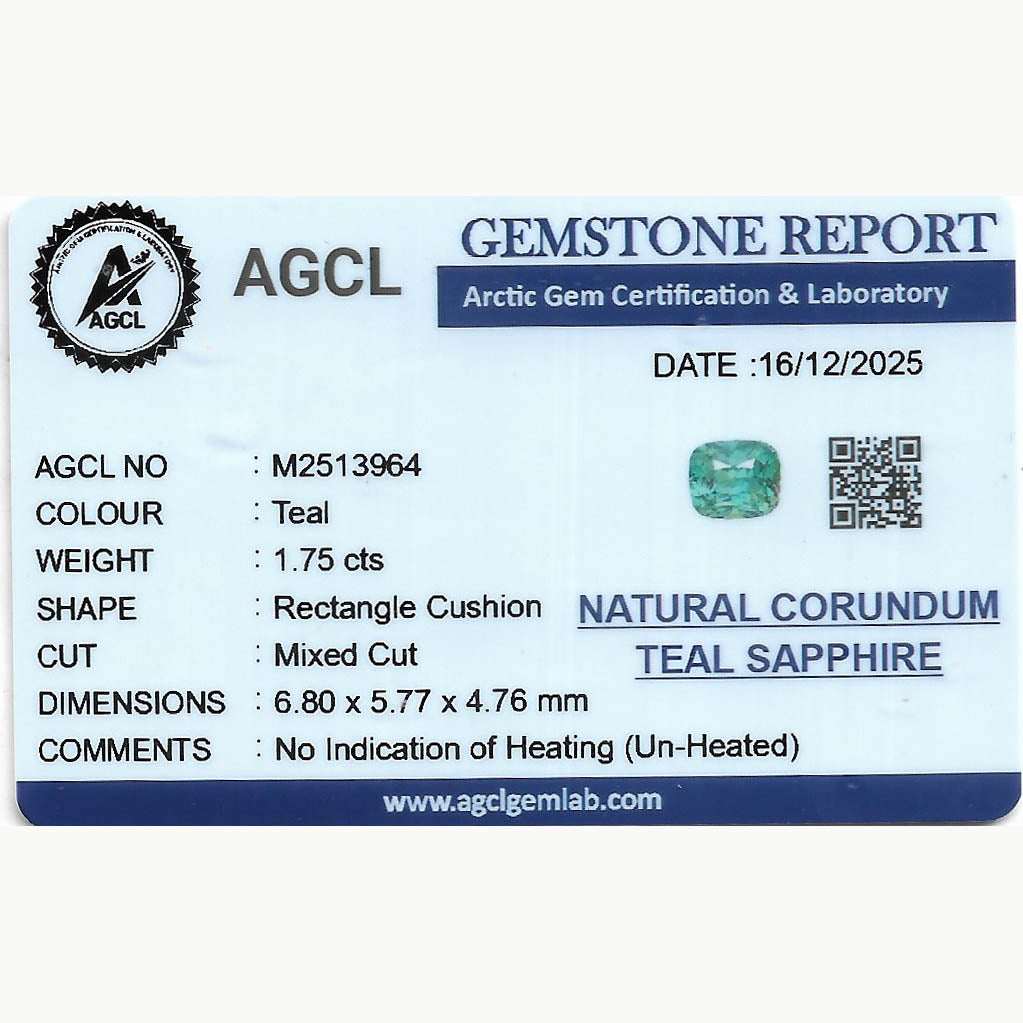
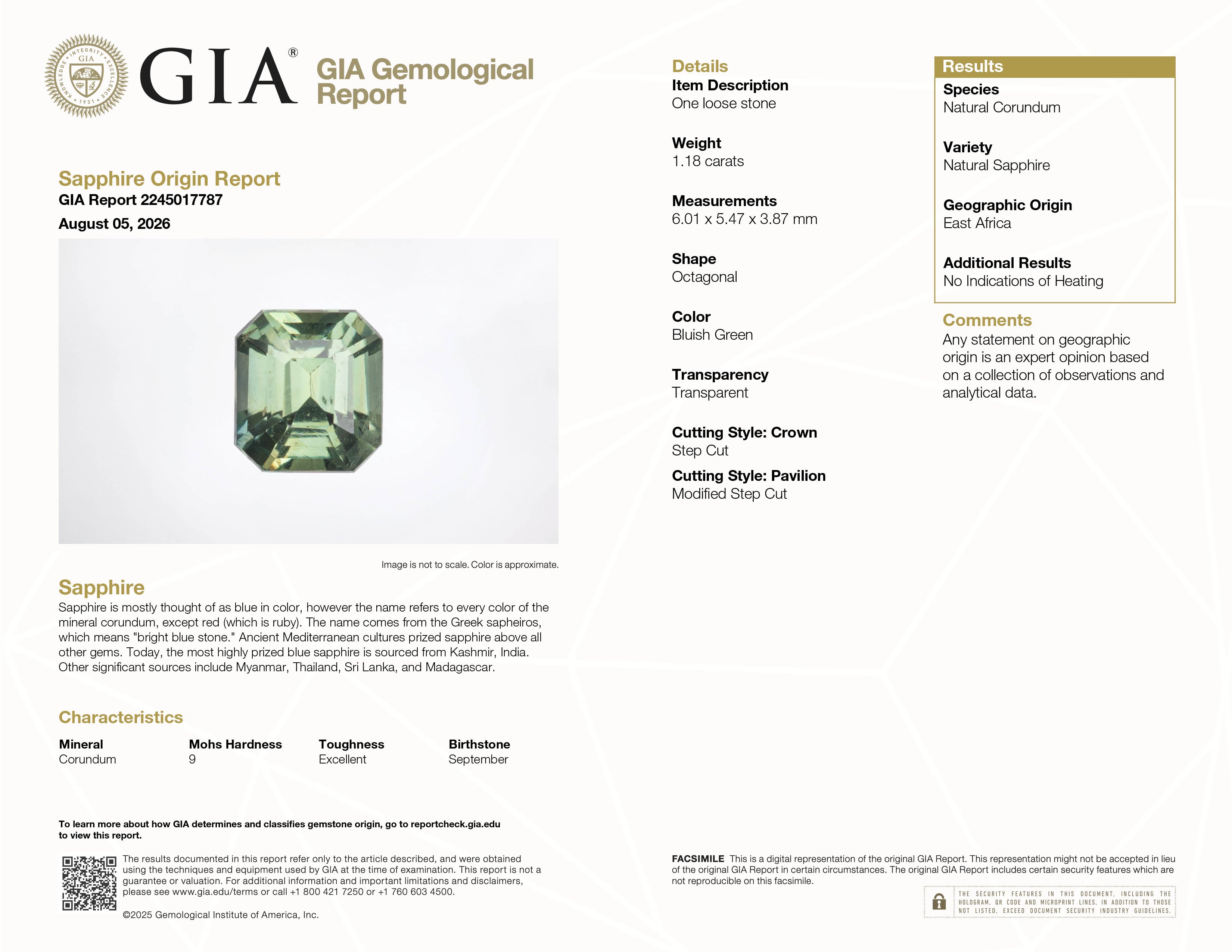
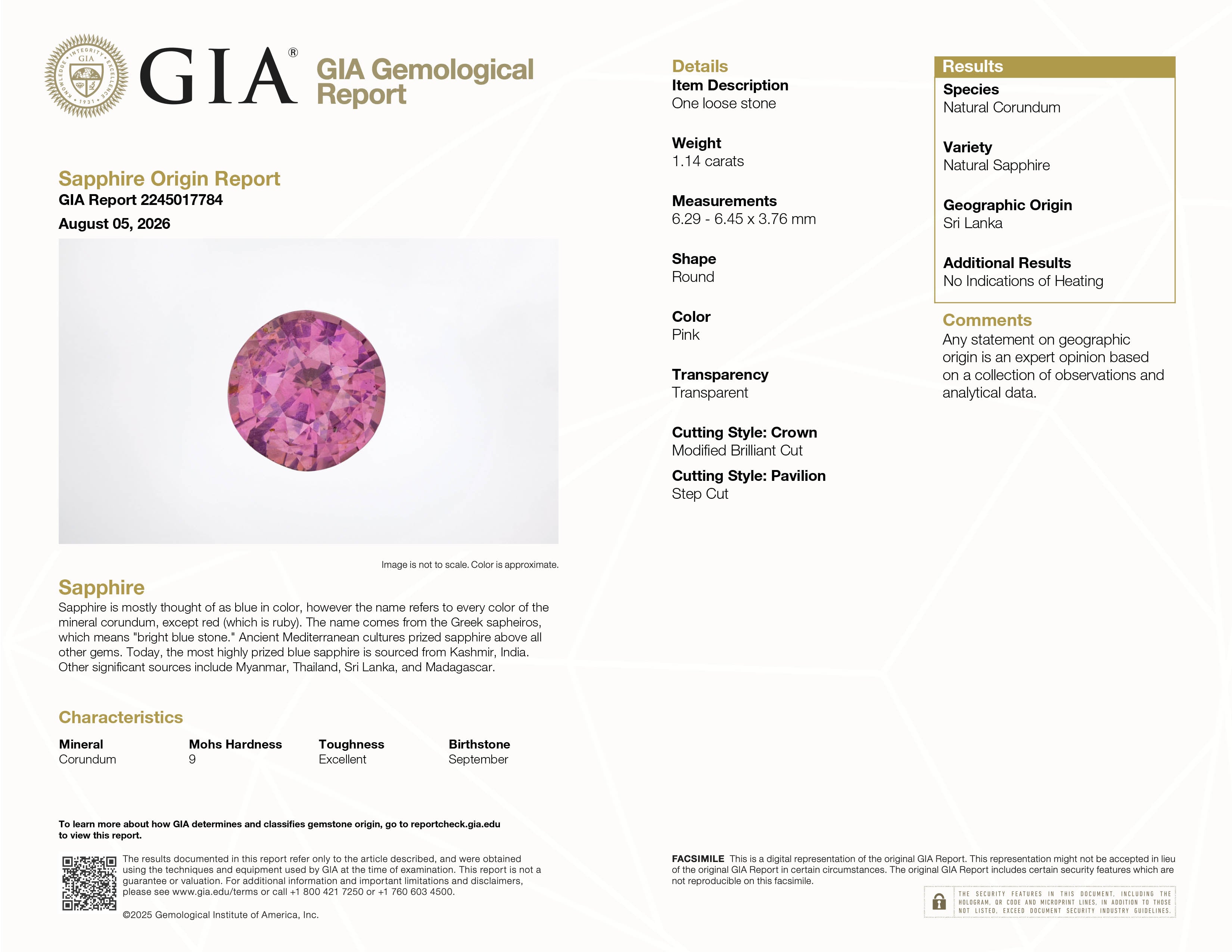
Every stone listed on Crescent Gems states its treatment in the product description. Where a stone has a laboratory report we name the laboratory and the report number; where no report exists we say so plainly, and the treatment is then our own assessment, stated in writing. The four laboratories we use are AGCL, GIA, FGL and GIC. For any particular stone the product page, not this article, is the current answer.
The right sapphire depends on what it is for:

CG8366
CG8313
CG8357
CG8452
CG8437


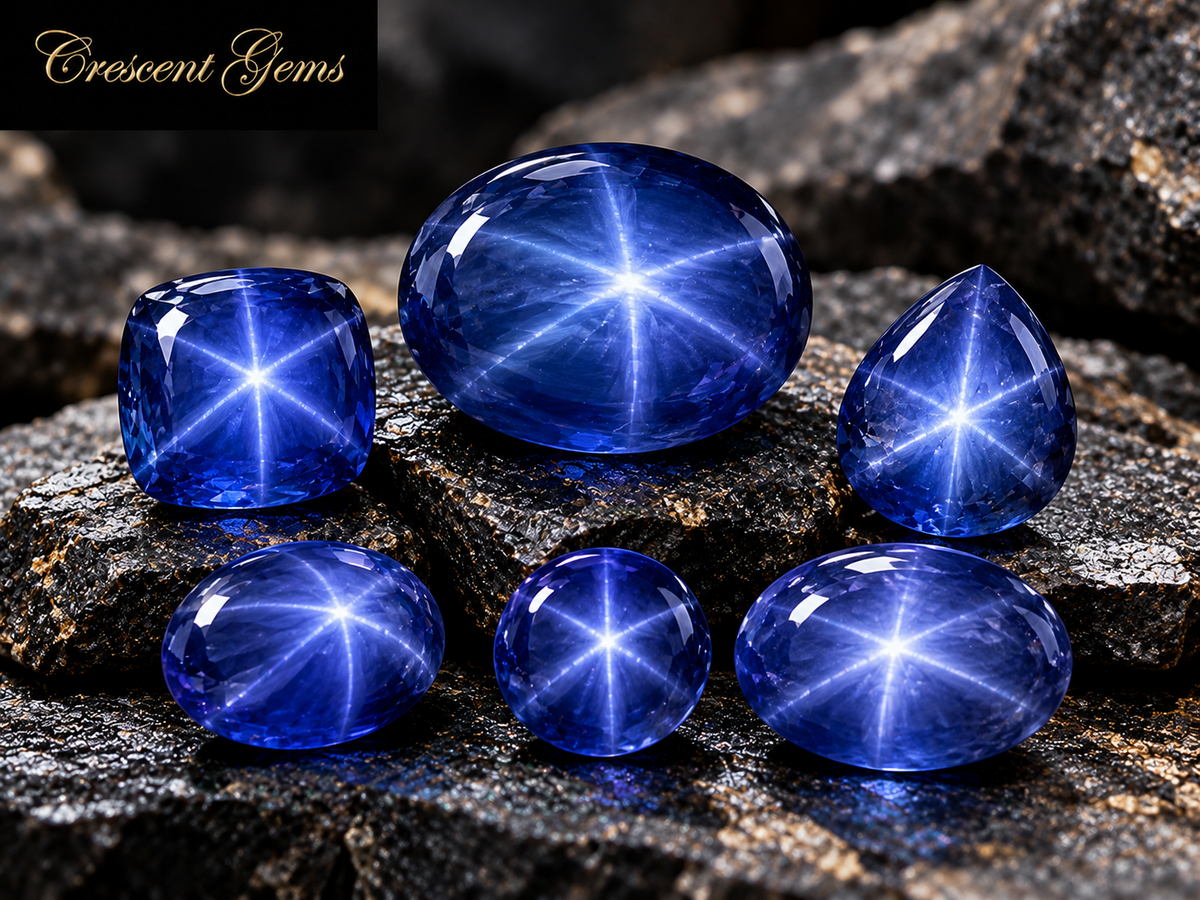
Blue Star Sapphire Price Guide — What They Cost and Why
Read moreabout Blue Star Sapphire Price Guide — What They Cost and Why
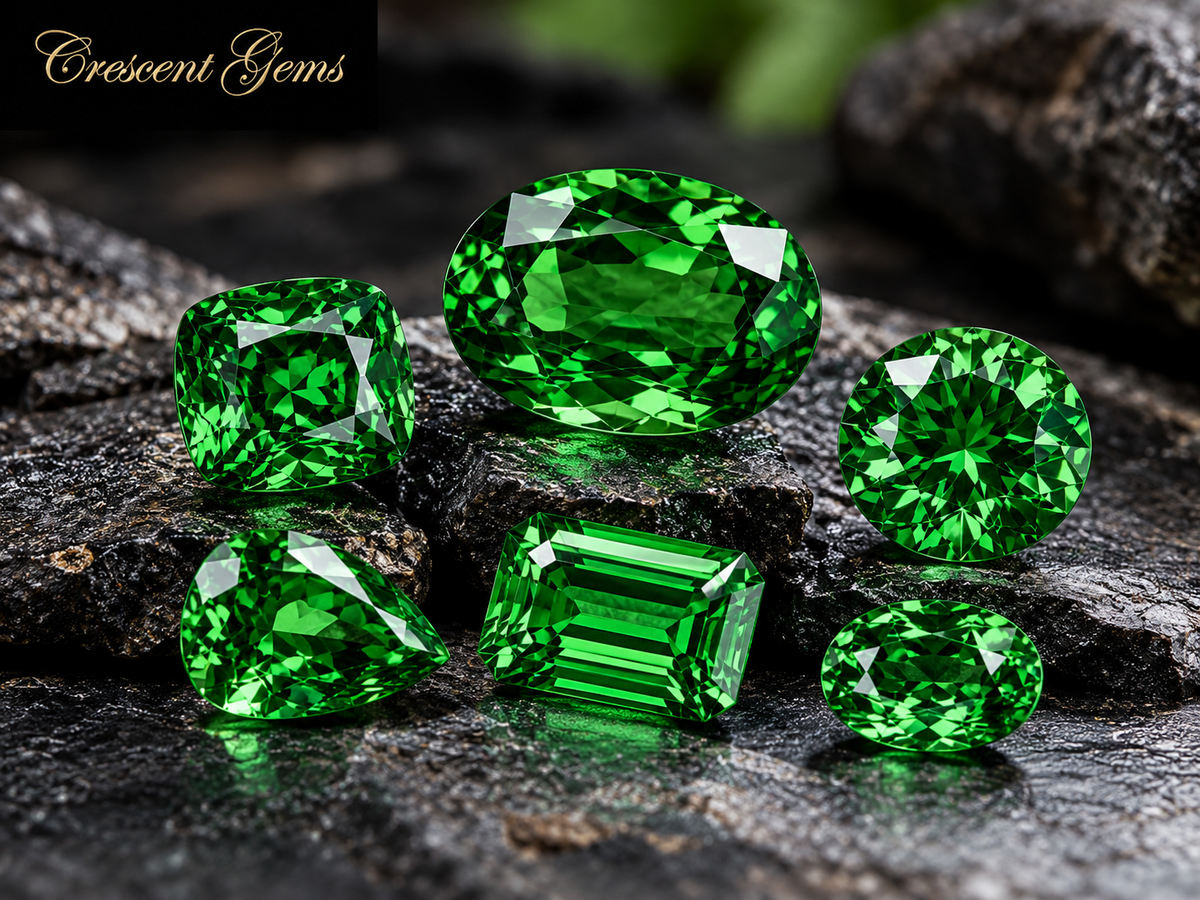
Tsavorite Garnet Price Guide — What They Cost and Why
Read moreabout Tsavorite Garnet Price Guide — What They Cost and Why
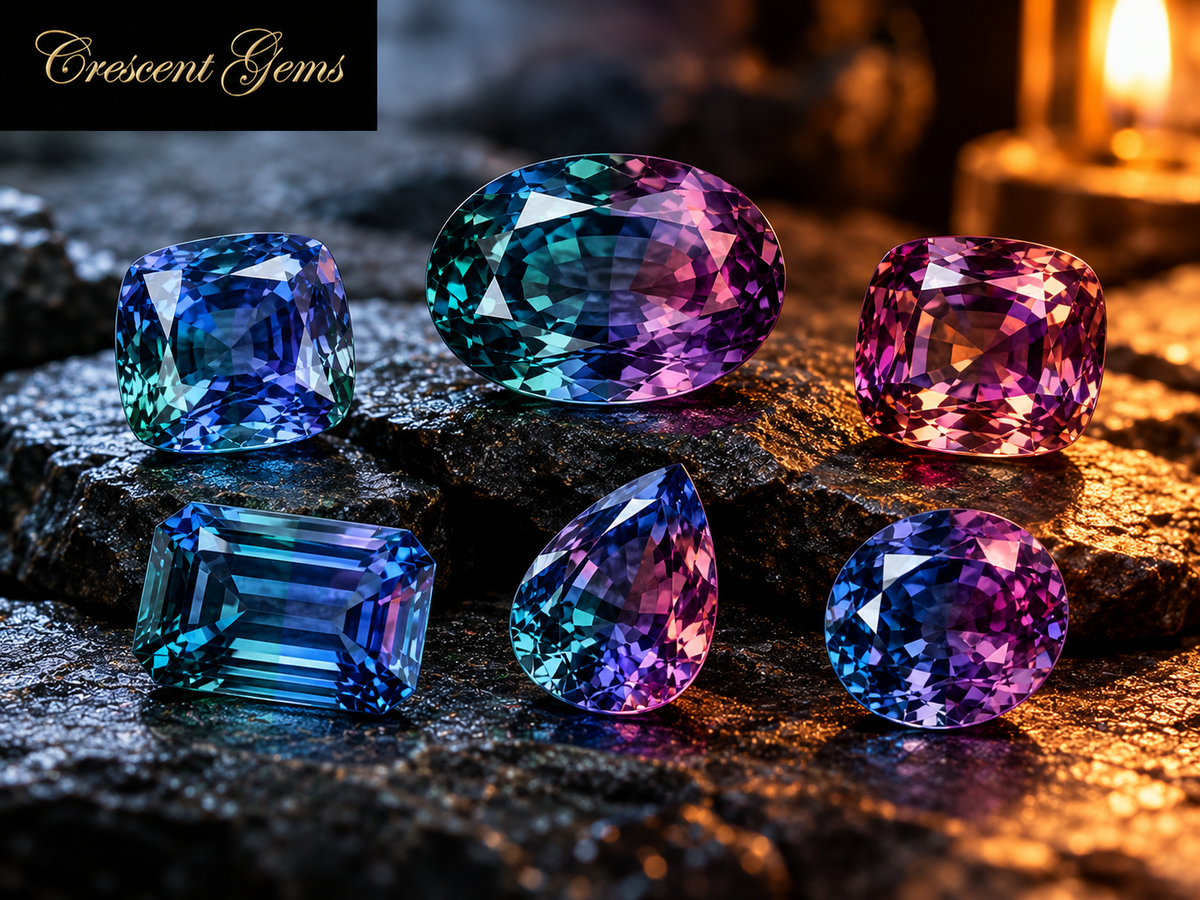
Color-Change Sapphire Price Guide — What They Cost and Why
Read moreabout Color-Change Sapphire Price Guide — What They Cost and Why
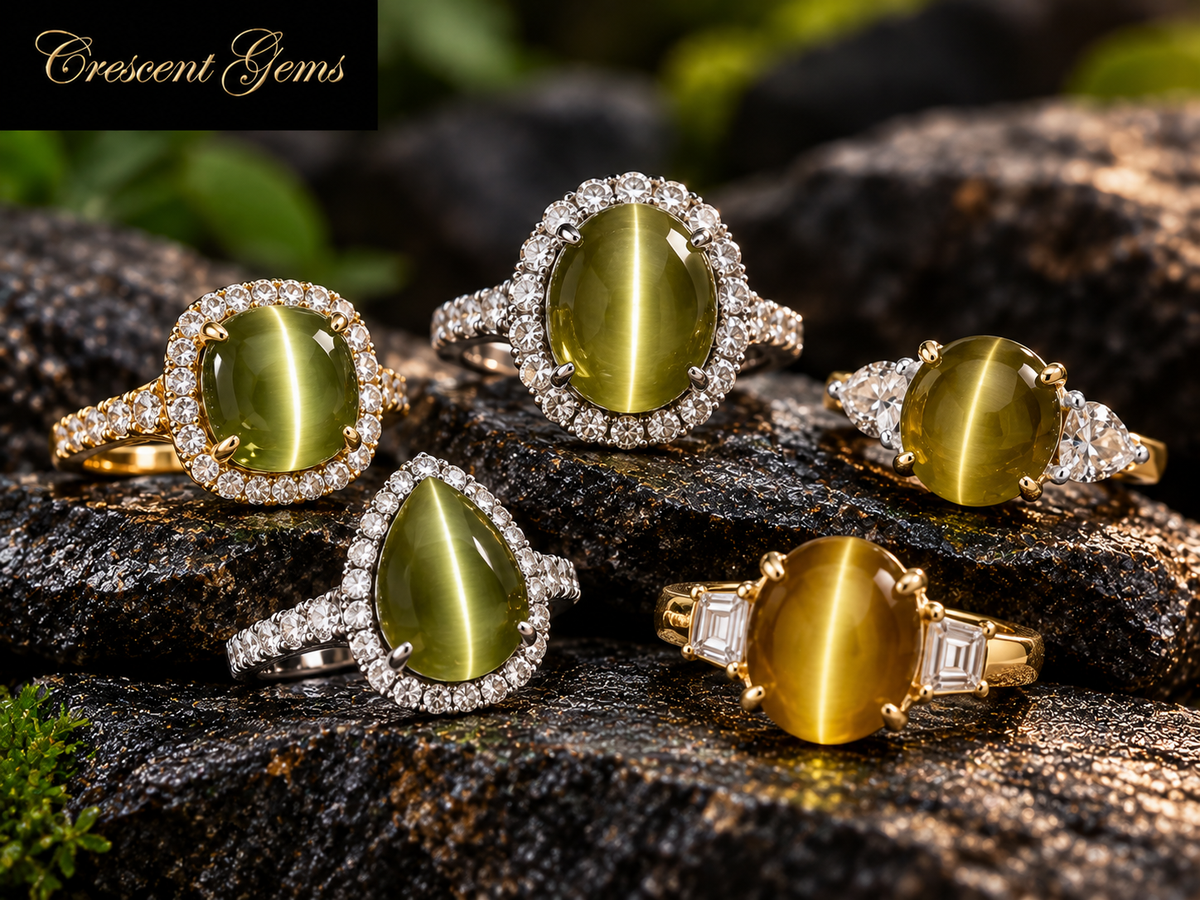
Is Cat's-Eye Chrysoberyl Good for an Engagement Ring?
Read moreabout Is Cat's-Eye Chrysoberyl Good for an Engagement Ring?
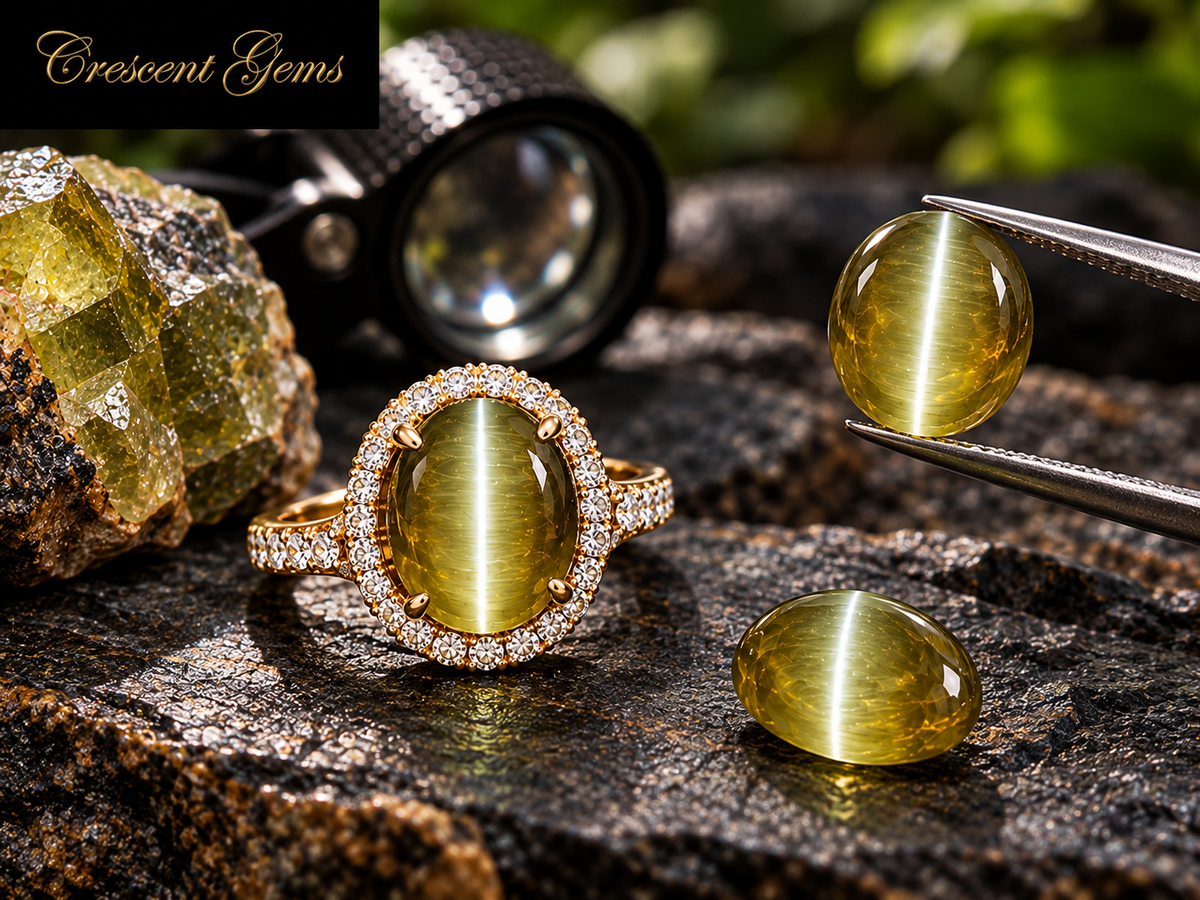
Cat's Eye Chrysoberyl Price Guide — What They Cost and Why
Read moreabout Cat's Eye Chrysoberyl Price Guide — What They Cost and Why