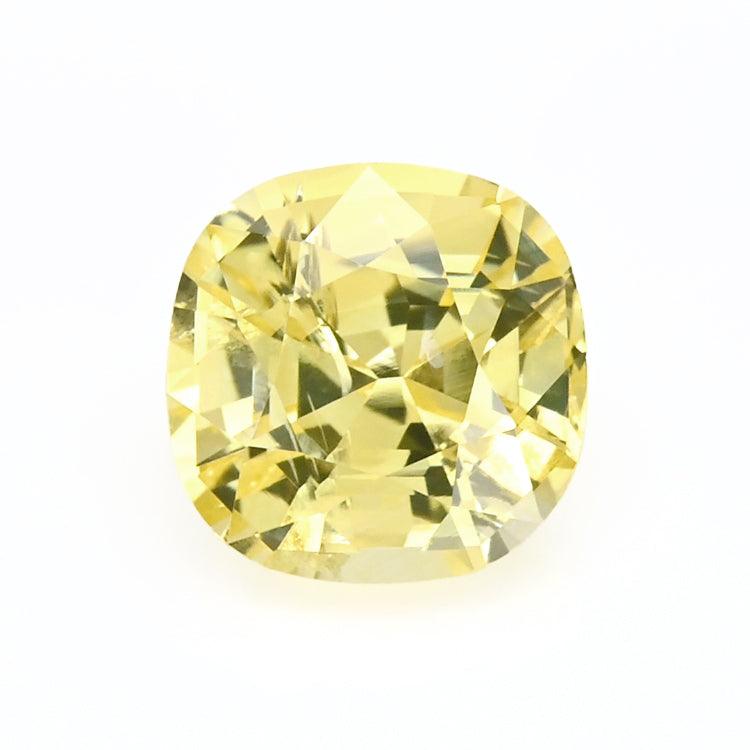
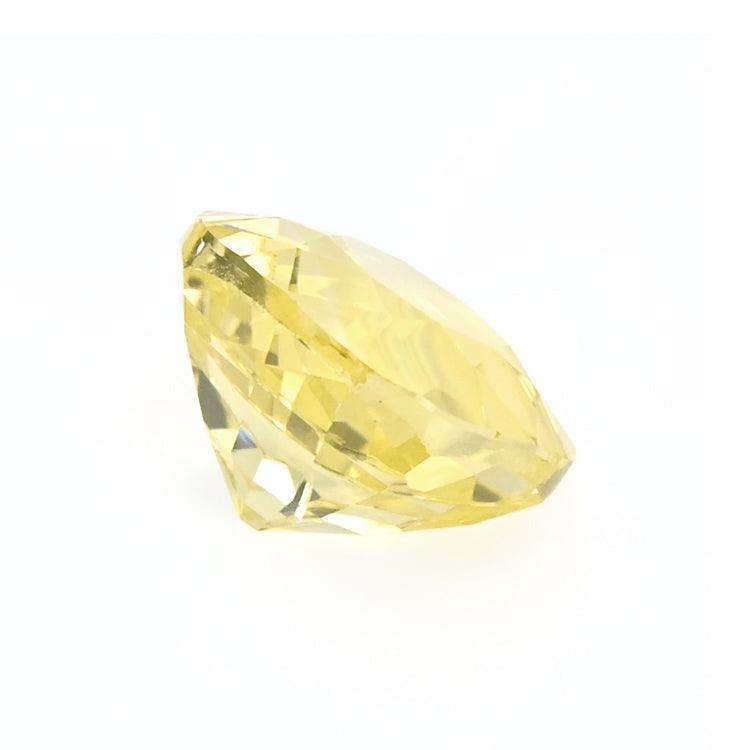
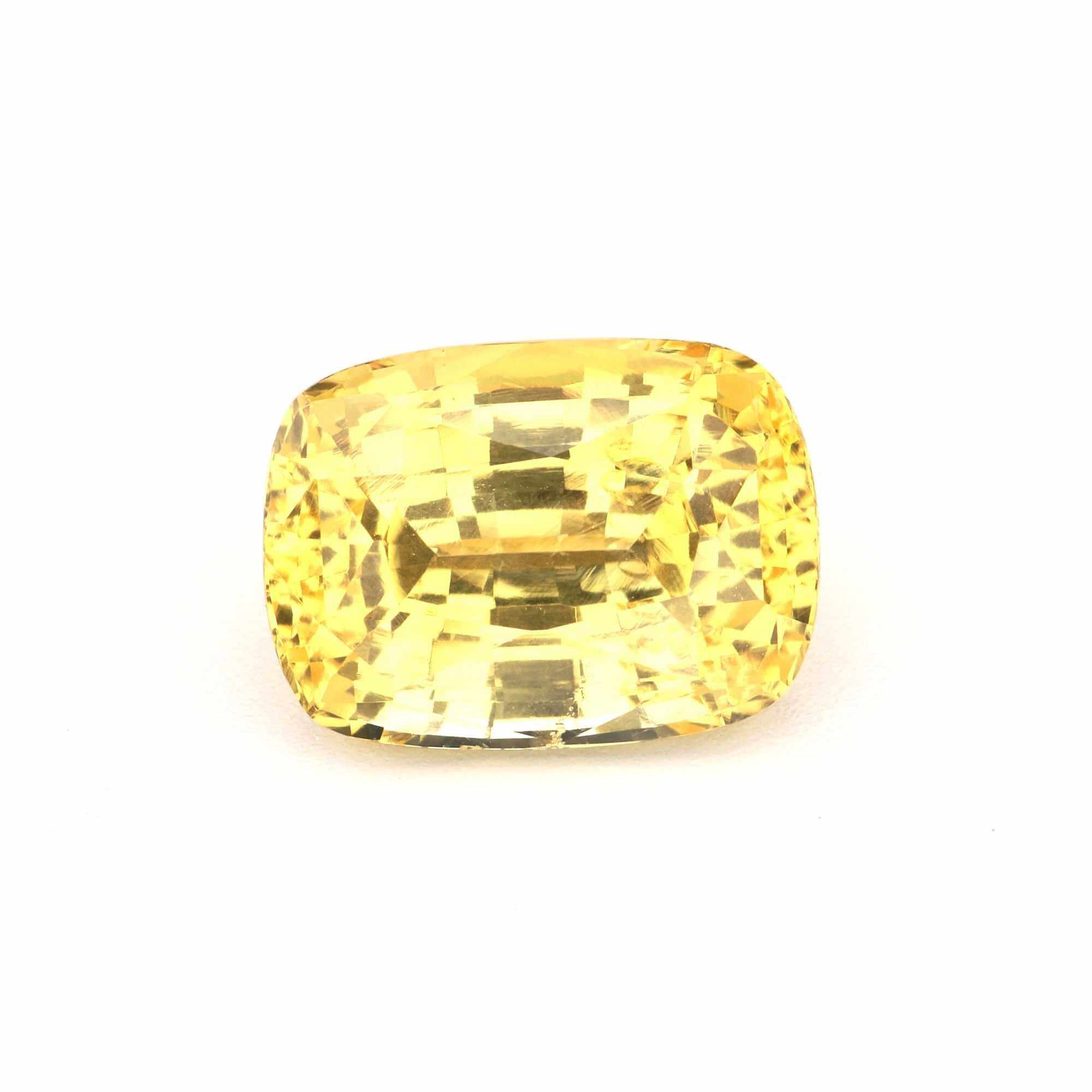
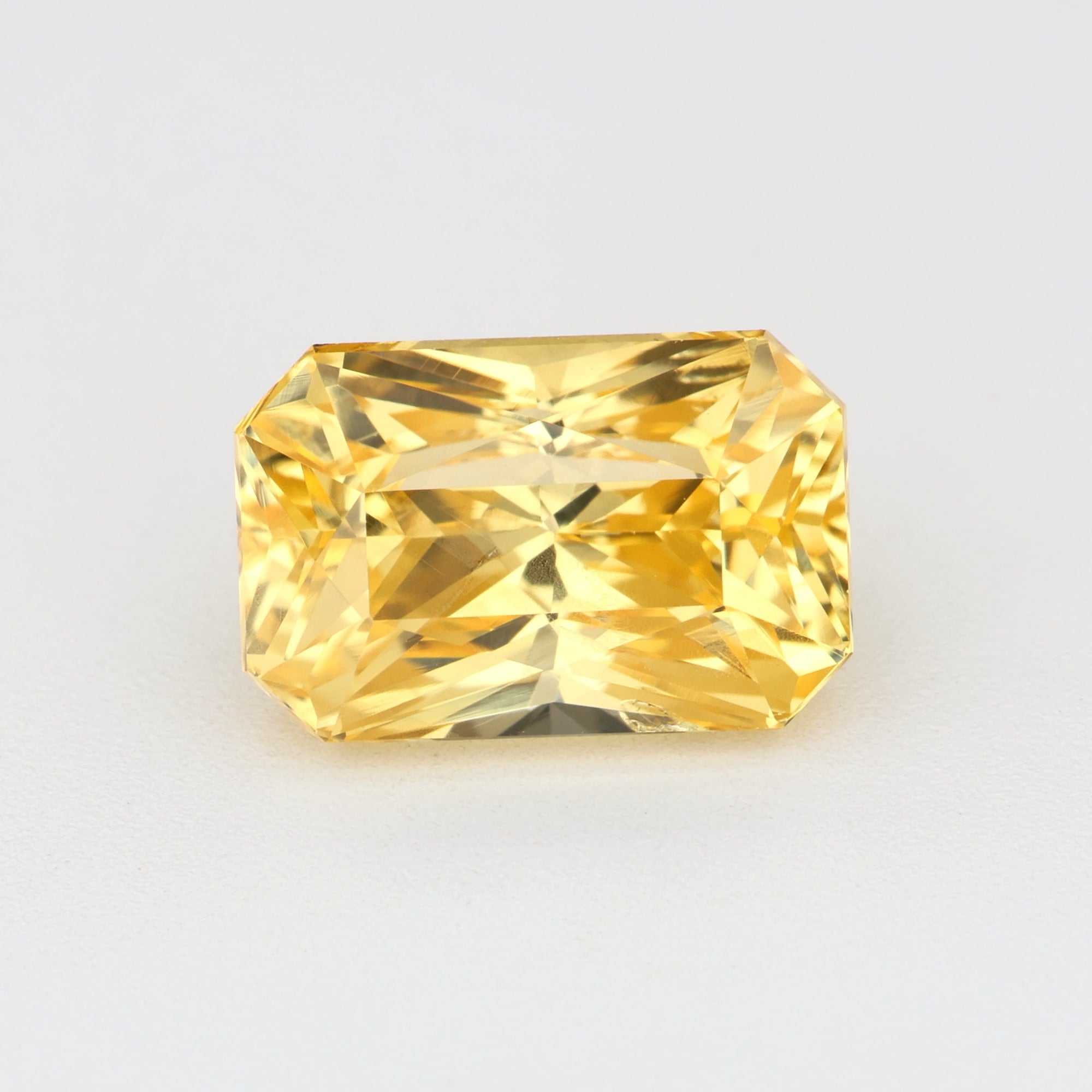
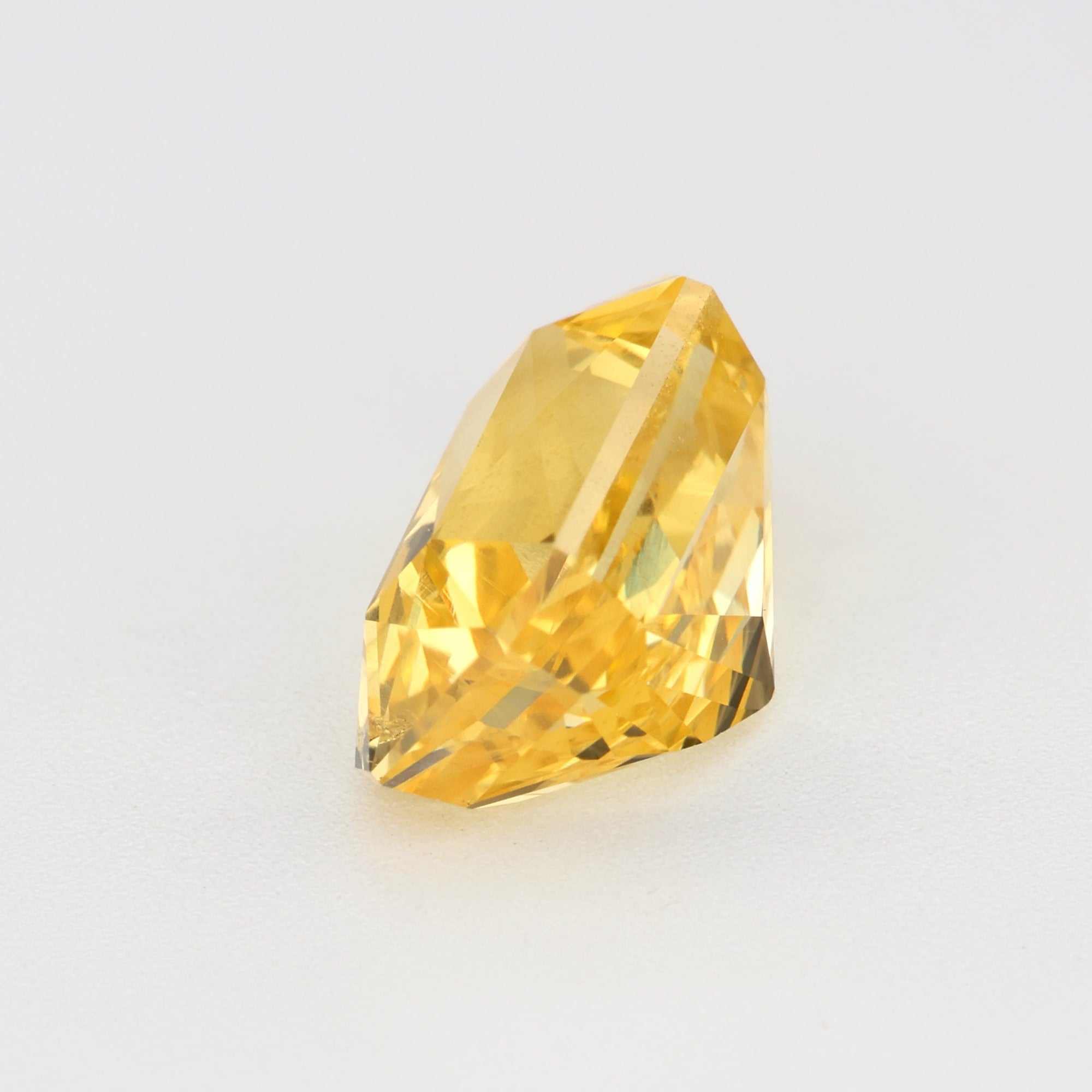
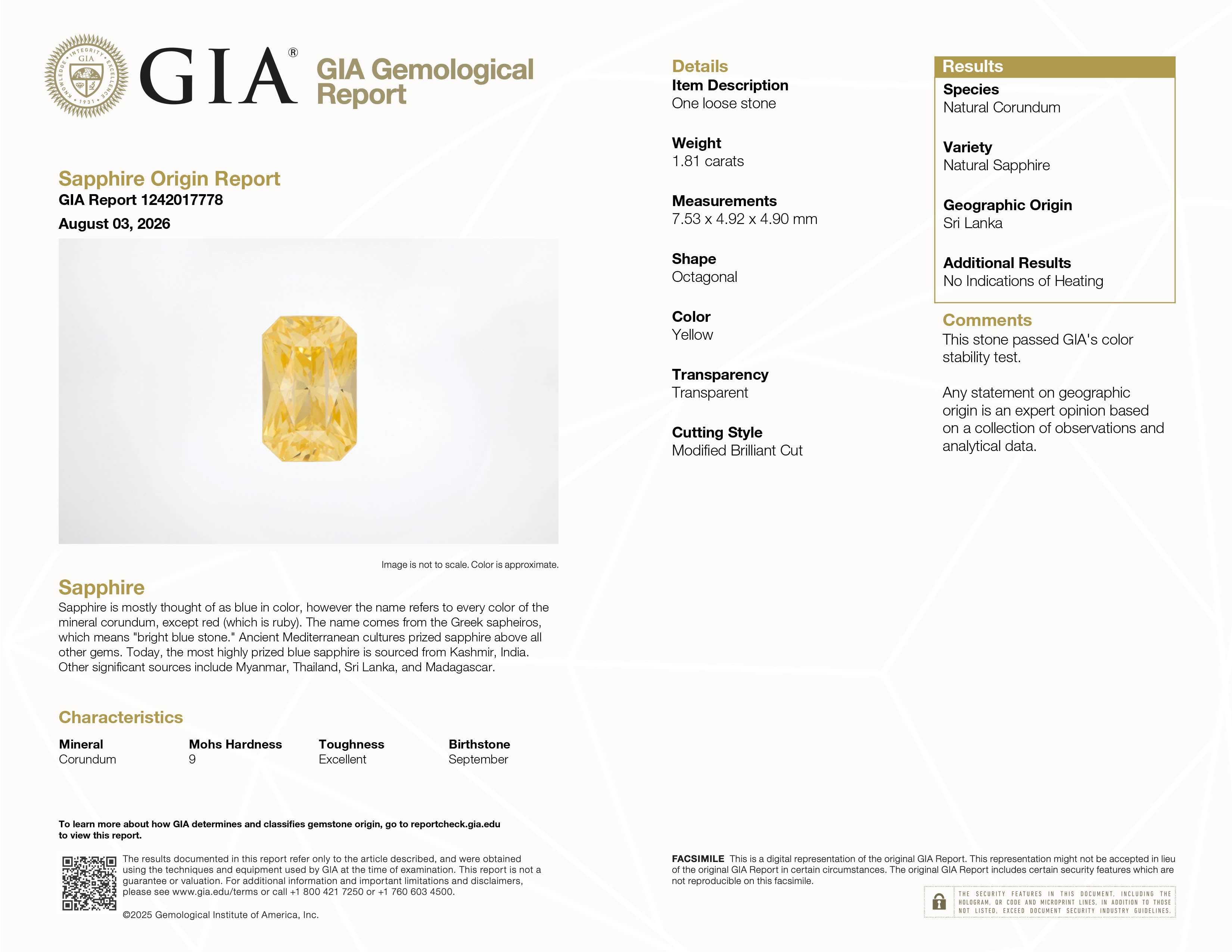
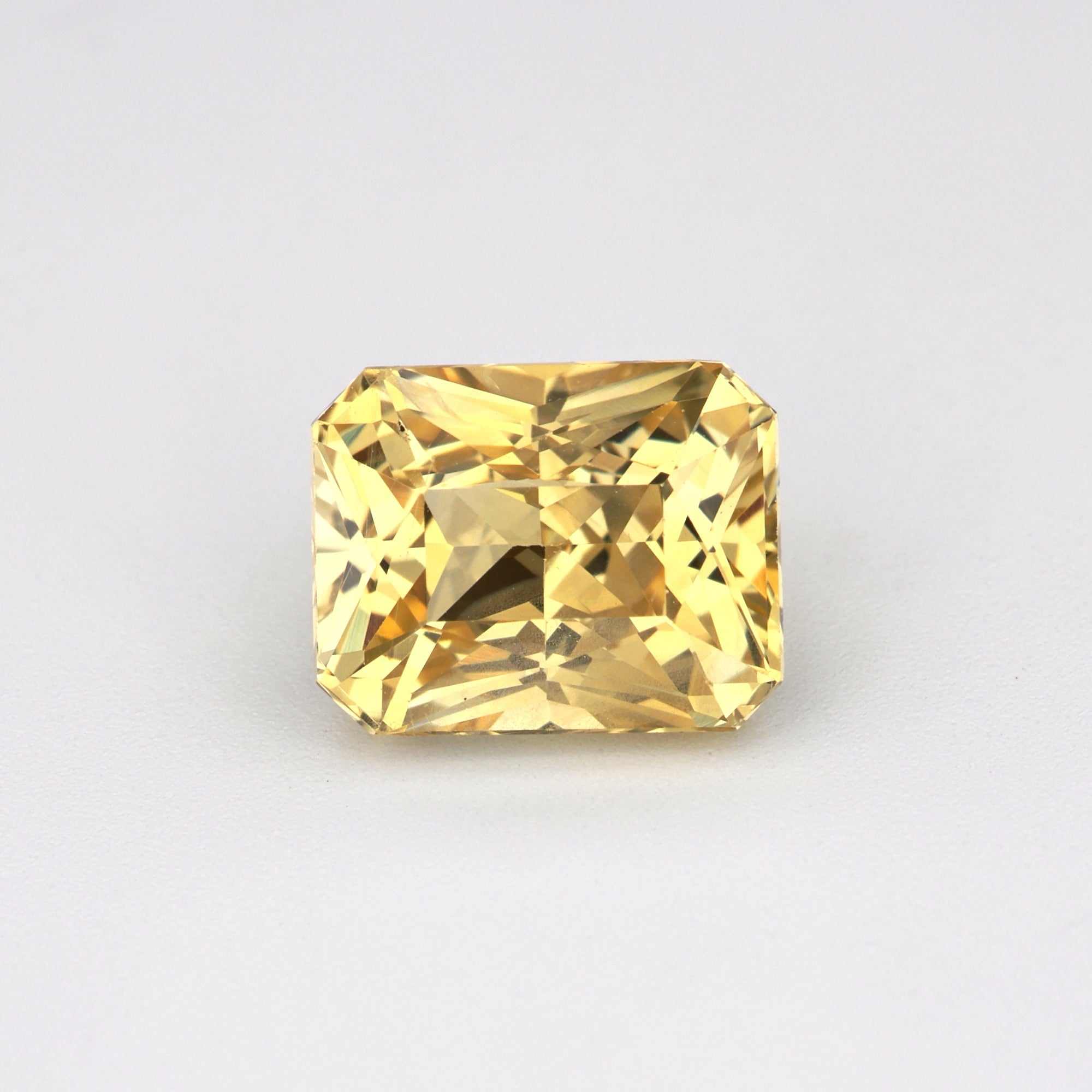
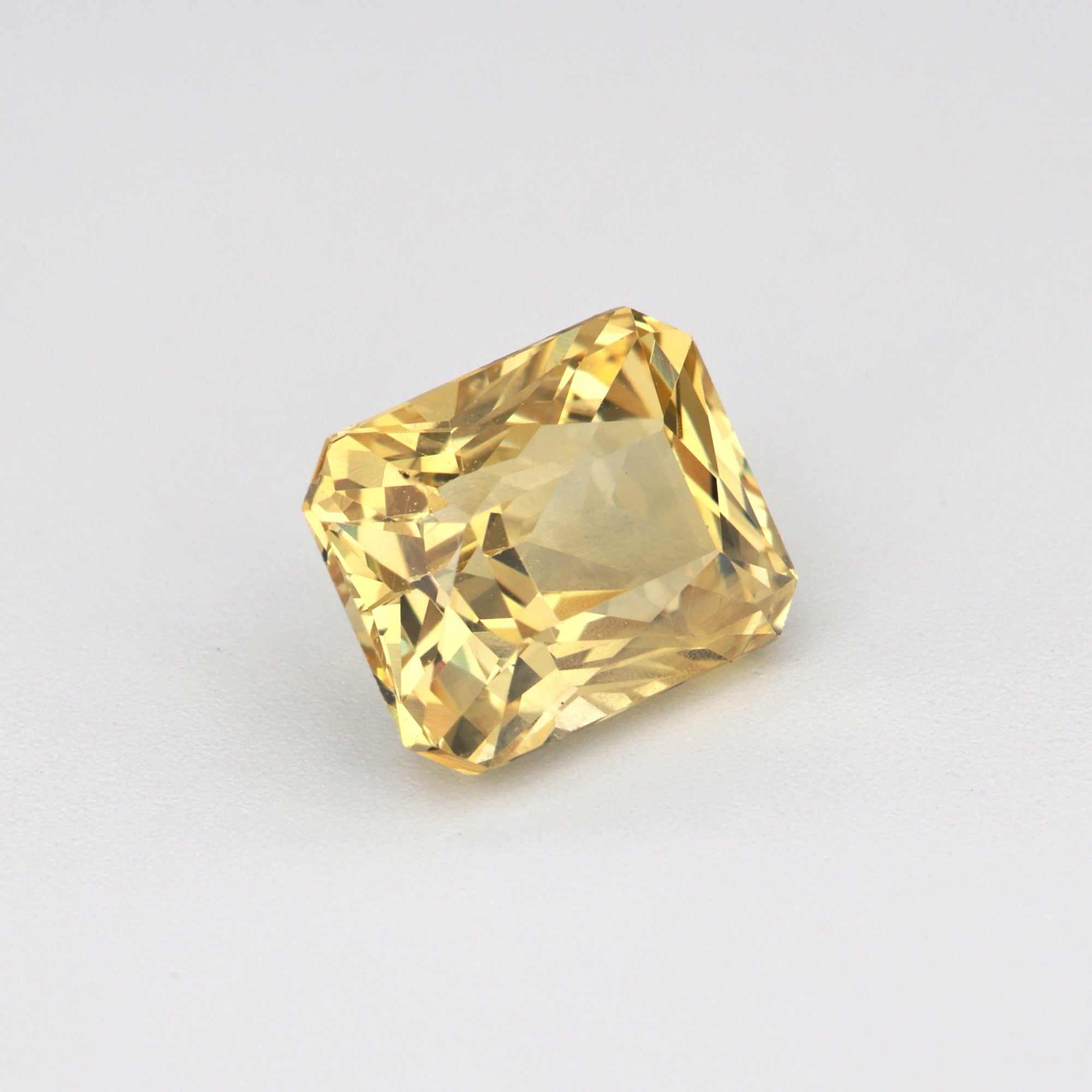
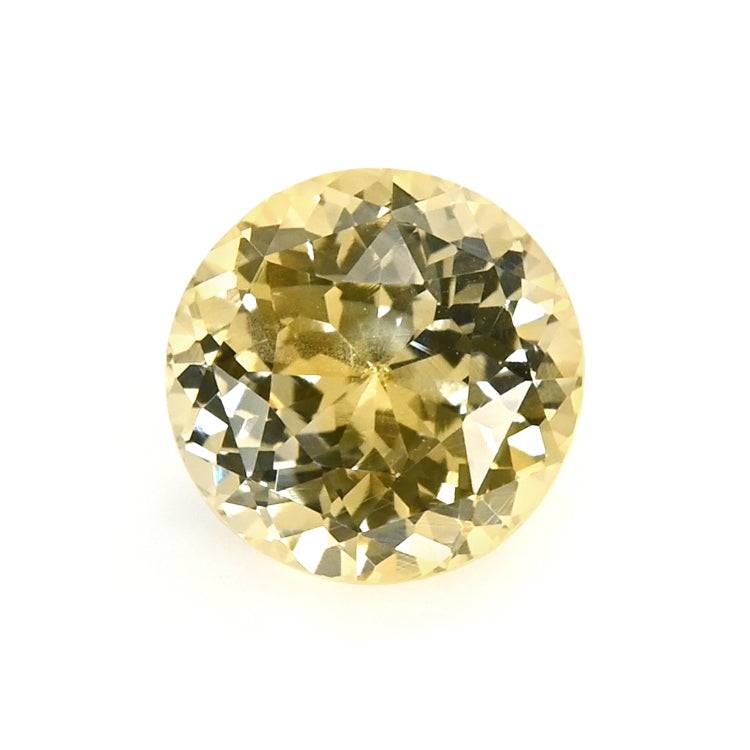
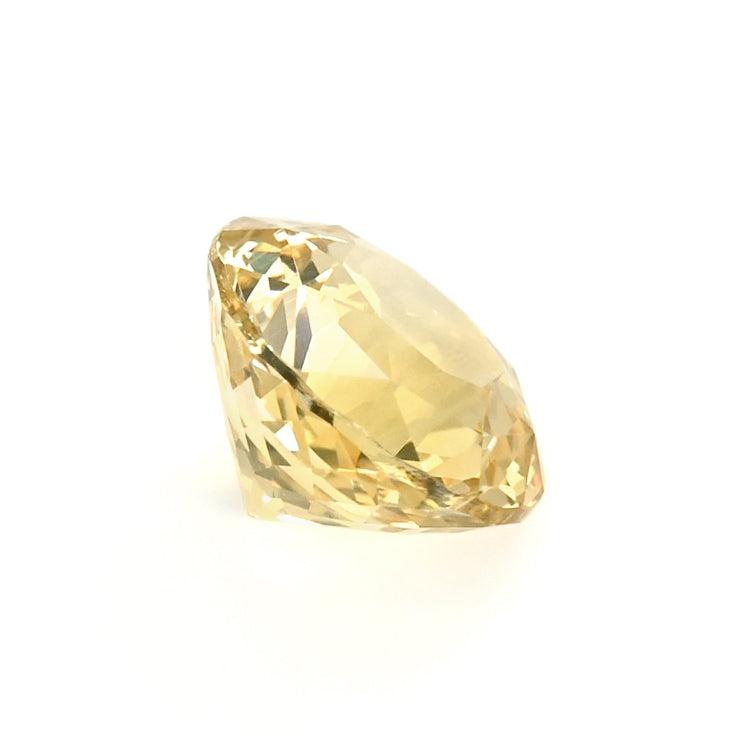
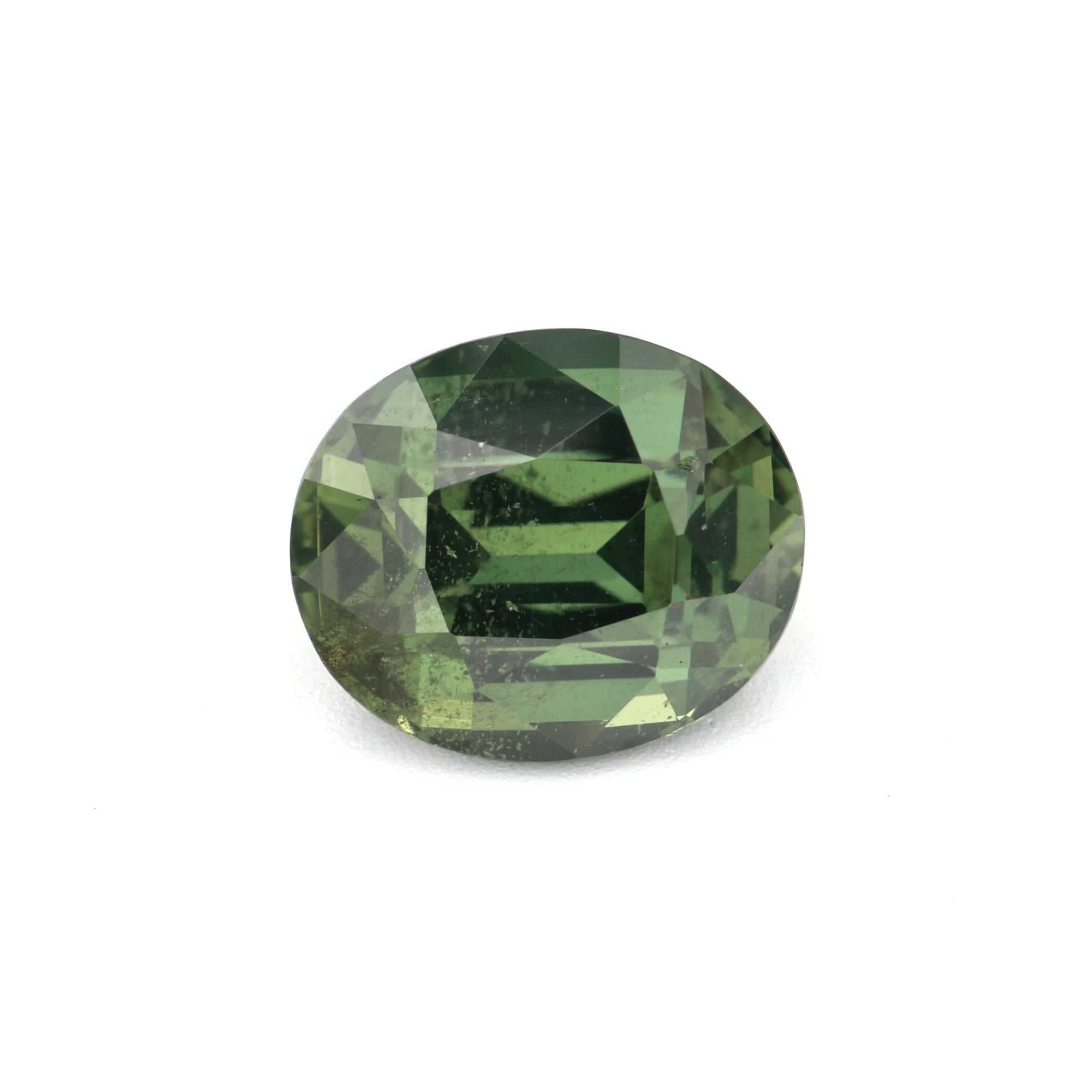
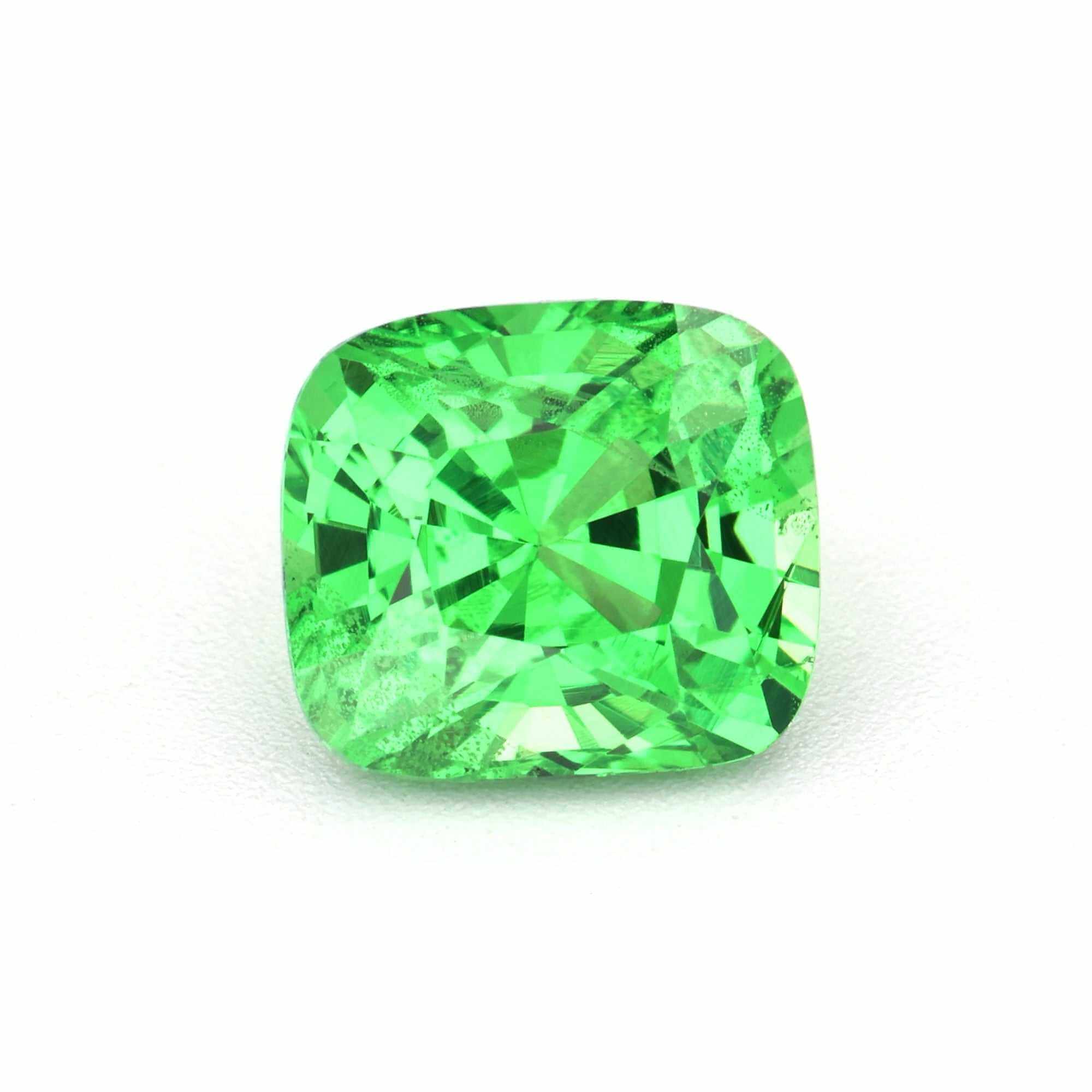
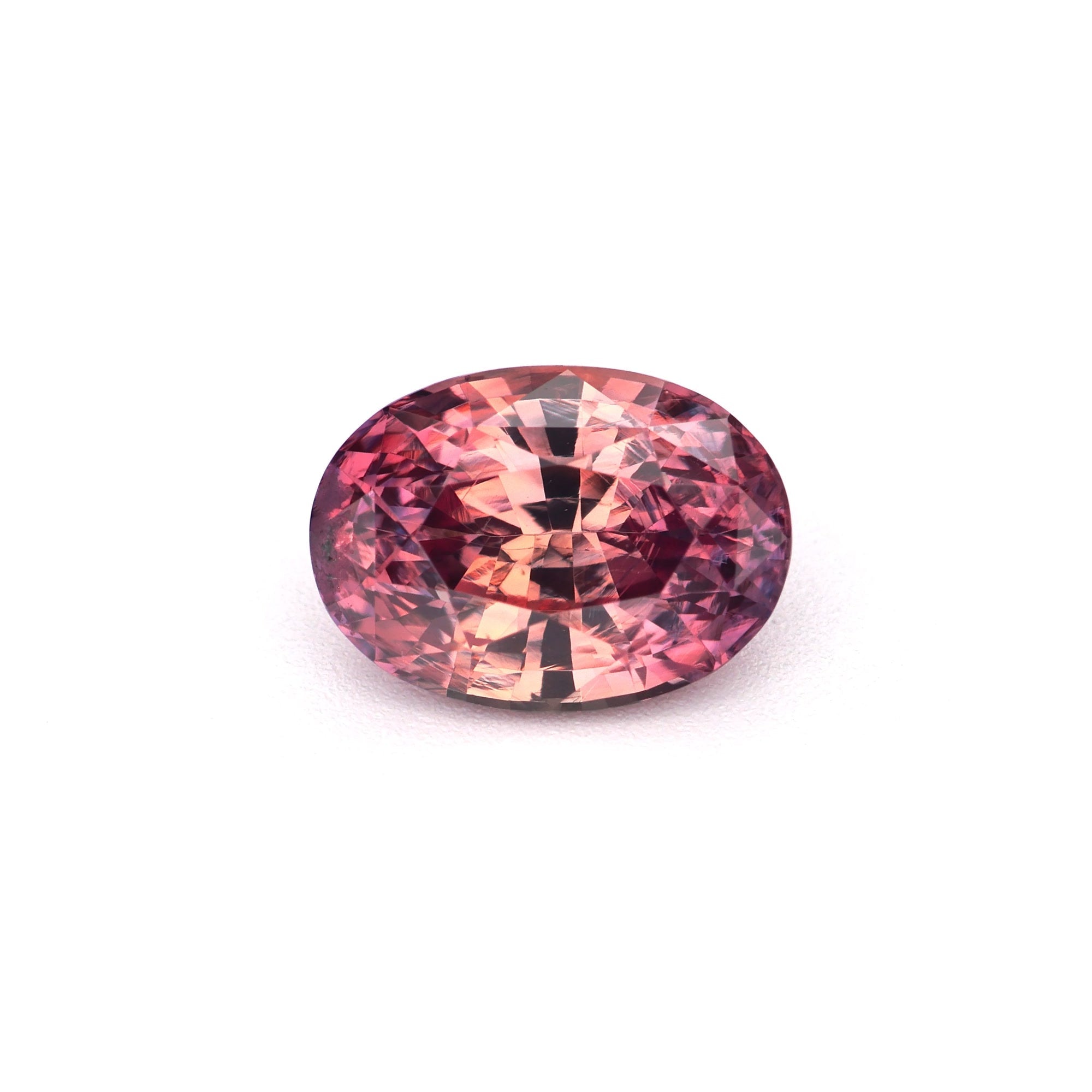
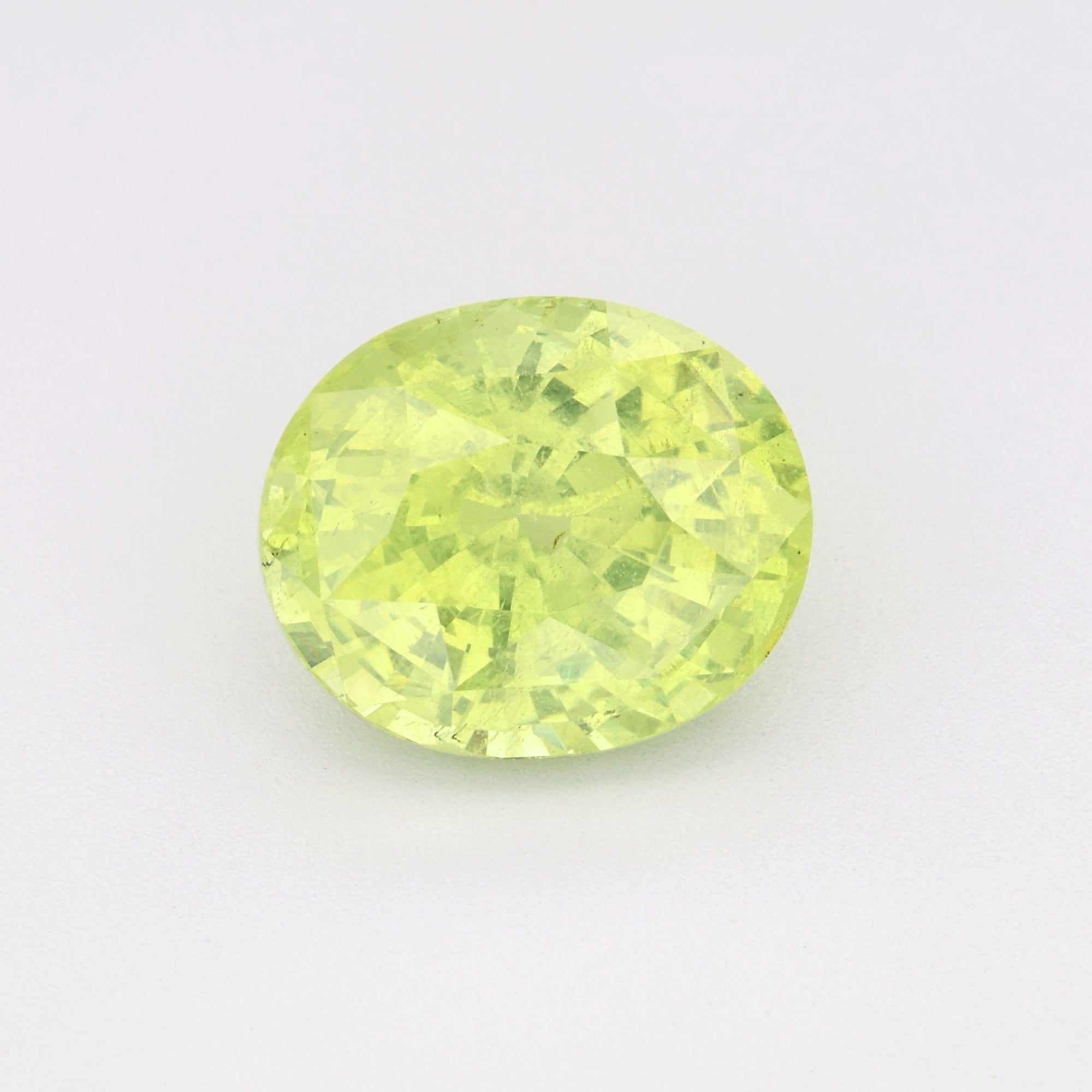
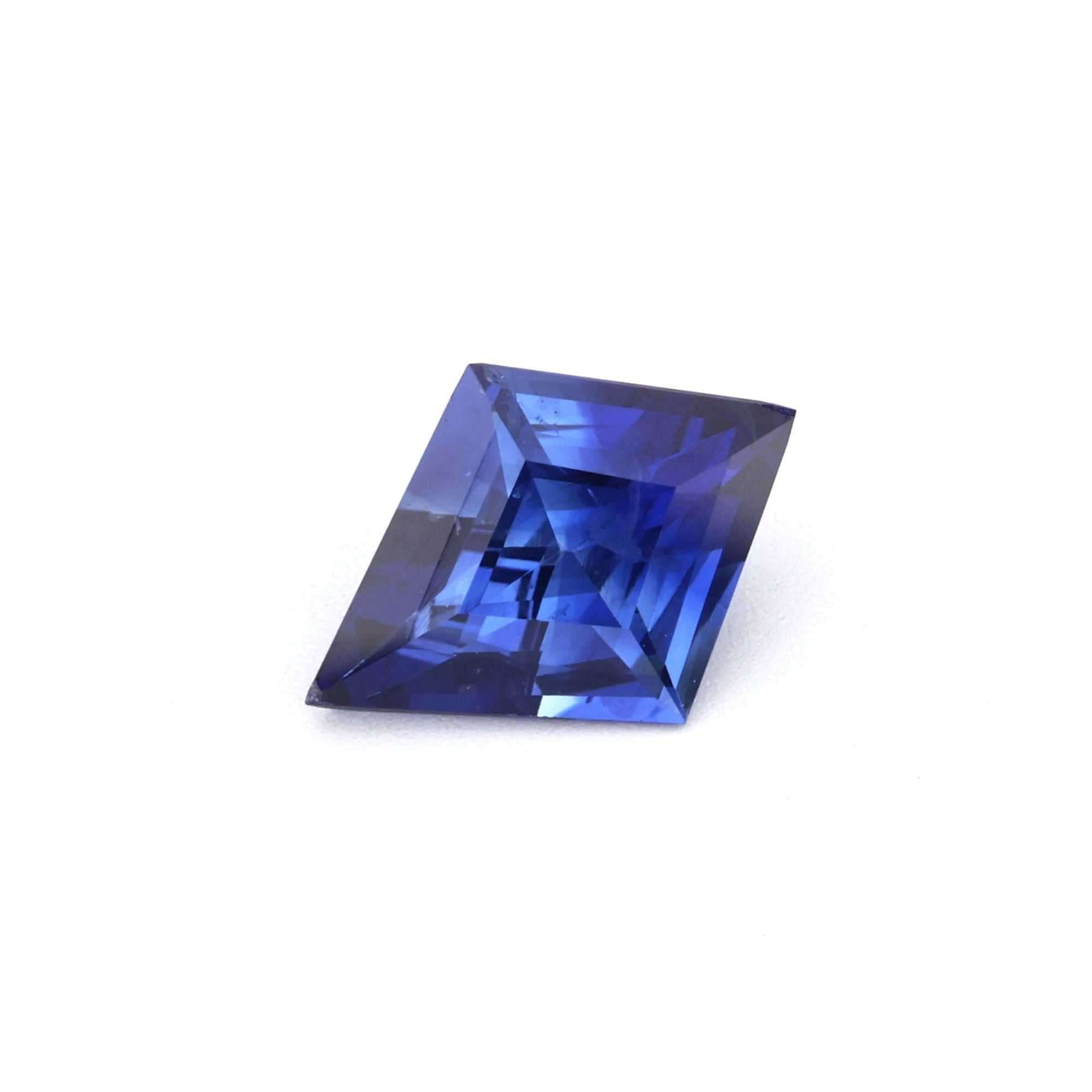
Unheated Yellow Sapphire Over 1 Carat - Natural Loose Stones
Natural Yellow Sapphire Over 1 Carat — Loose Stones, Direct from Ceylon
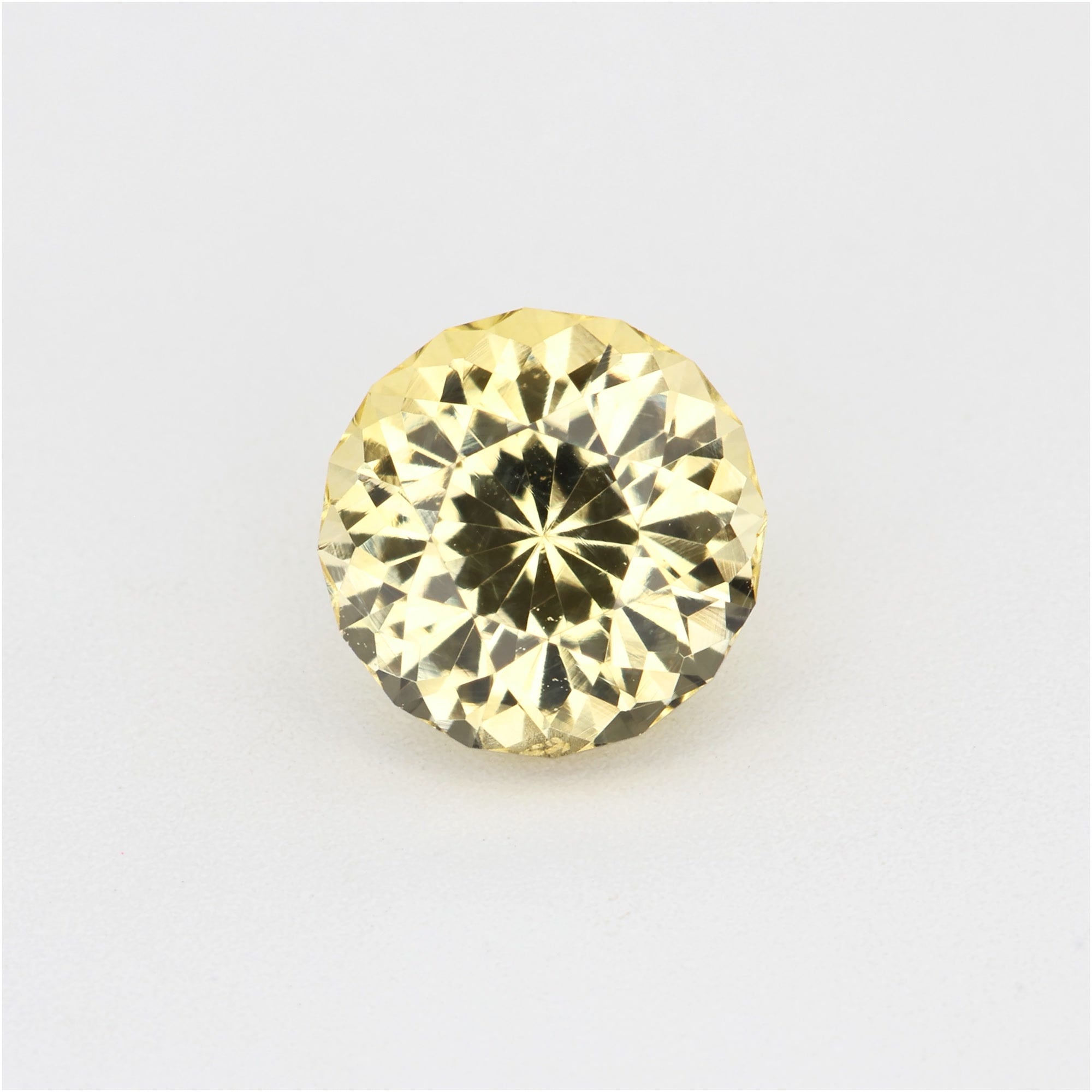
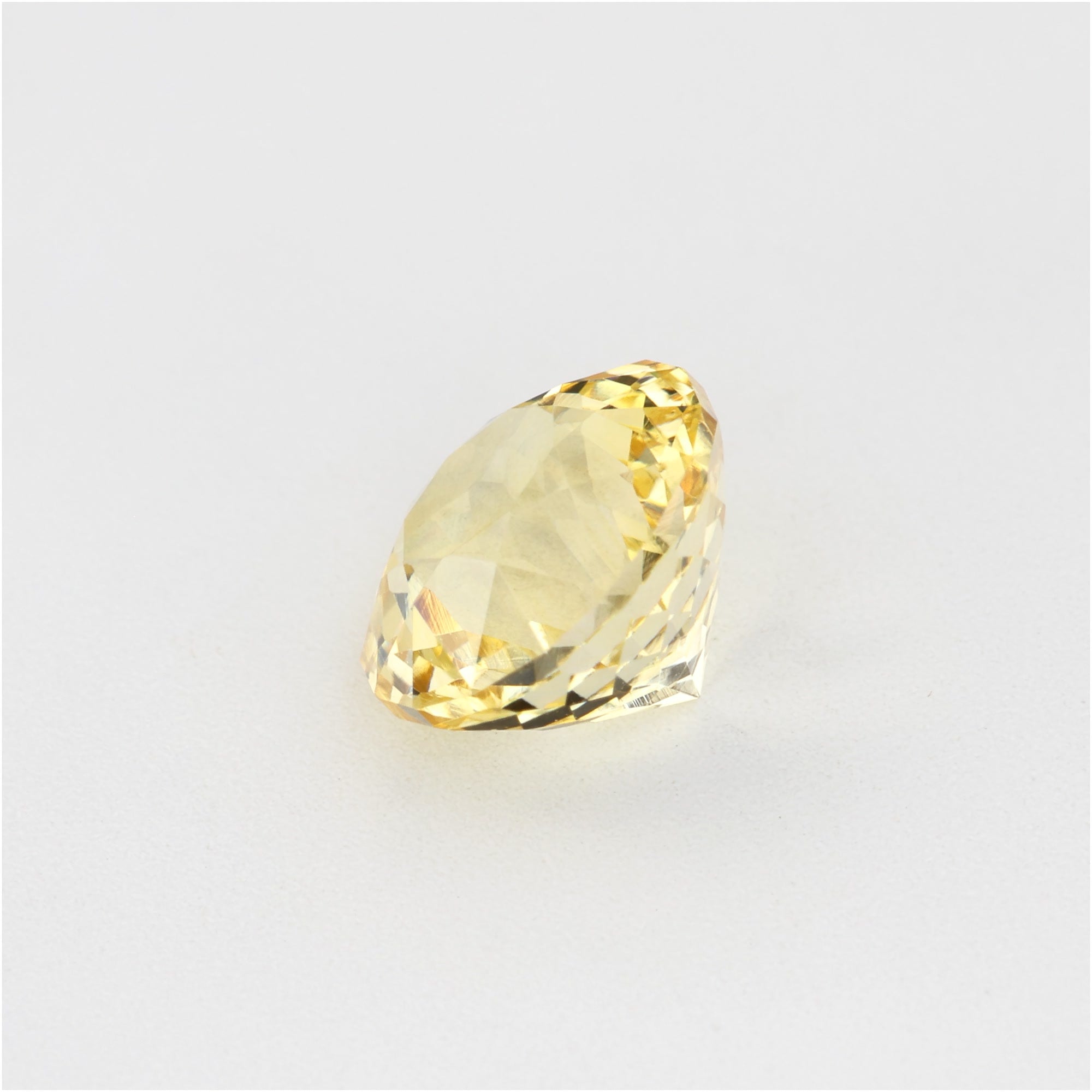
Unheated yellow sapphire above 1 carat is one of the most important gemstones in the Jyotish (Vedic astrology) market and increasingly sought after by Western collectors. Every stone in this collection is natural corundum coloured by trace iron, sourced directly from Sri Lanka and sold with full treatment disclosure. At this size, yellow sapphire crosses from accessible into genuinely significant.
Why Unheated Status Defines This Category
Yellow sapphire responds well to heat treatment — heating can intensify the colour and improve clarity, which is why a significant proportion of commercial yellow sapphire on the market is heated. The result of this dynamic is that unheated yellow sapphire in strong colour above 1 carat is meaningfully scarcer than its heated equivalent, and commands a price premium that reflects that scarcity.
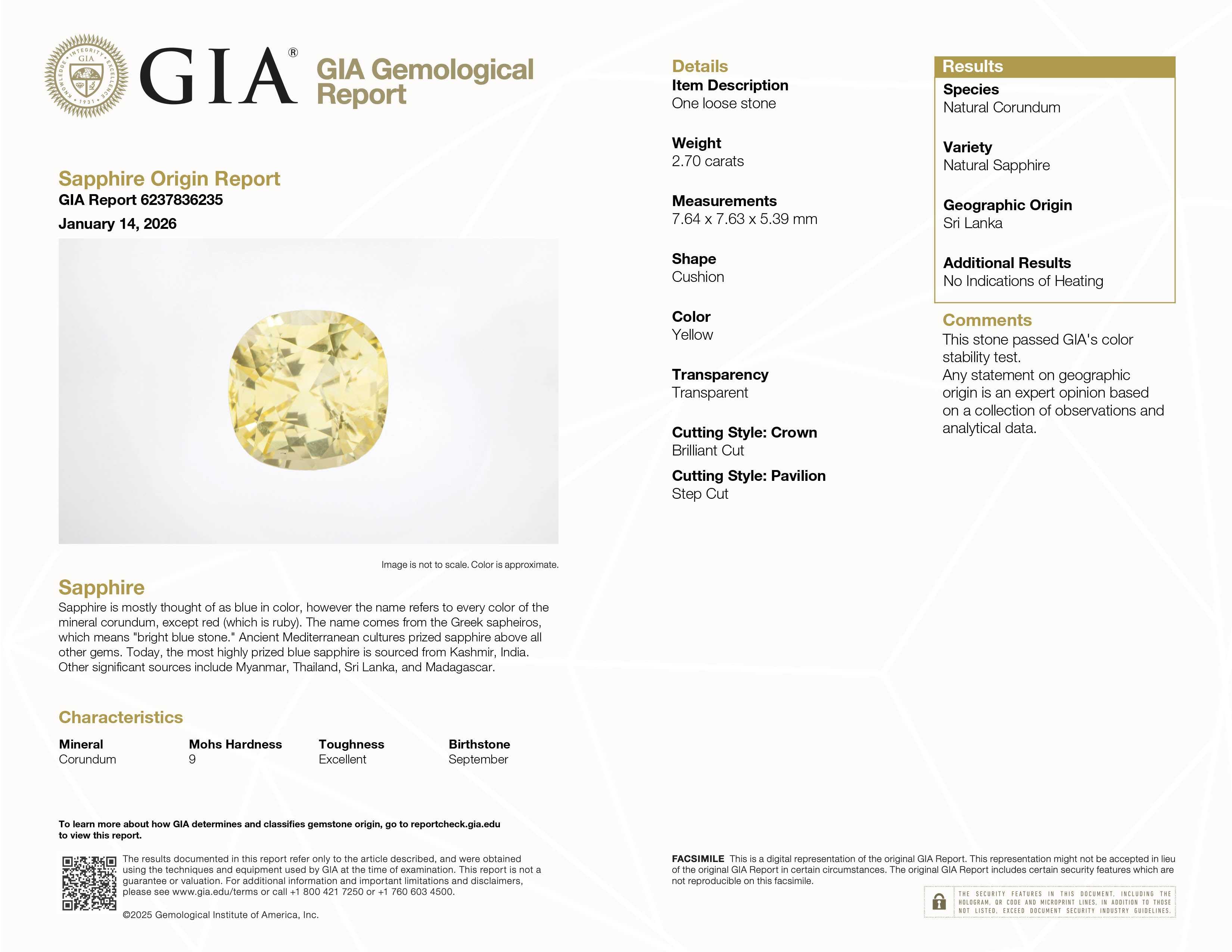
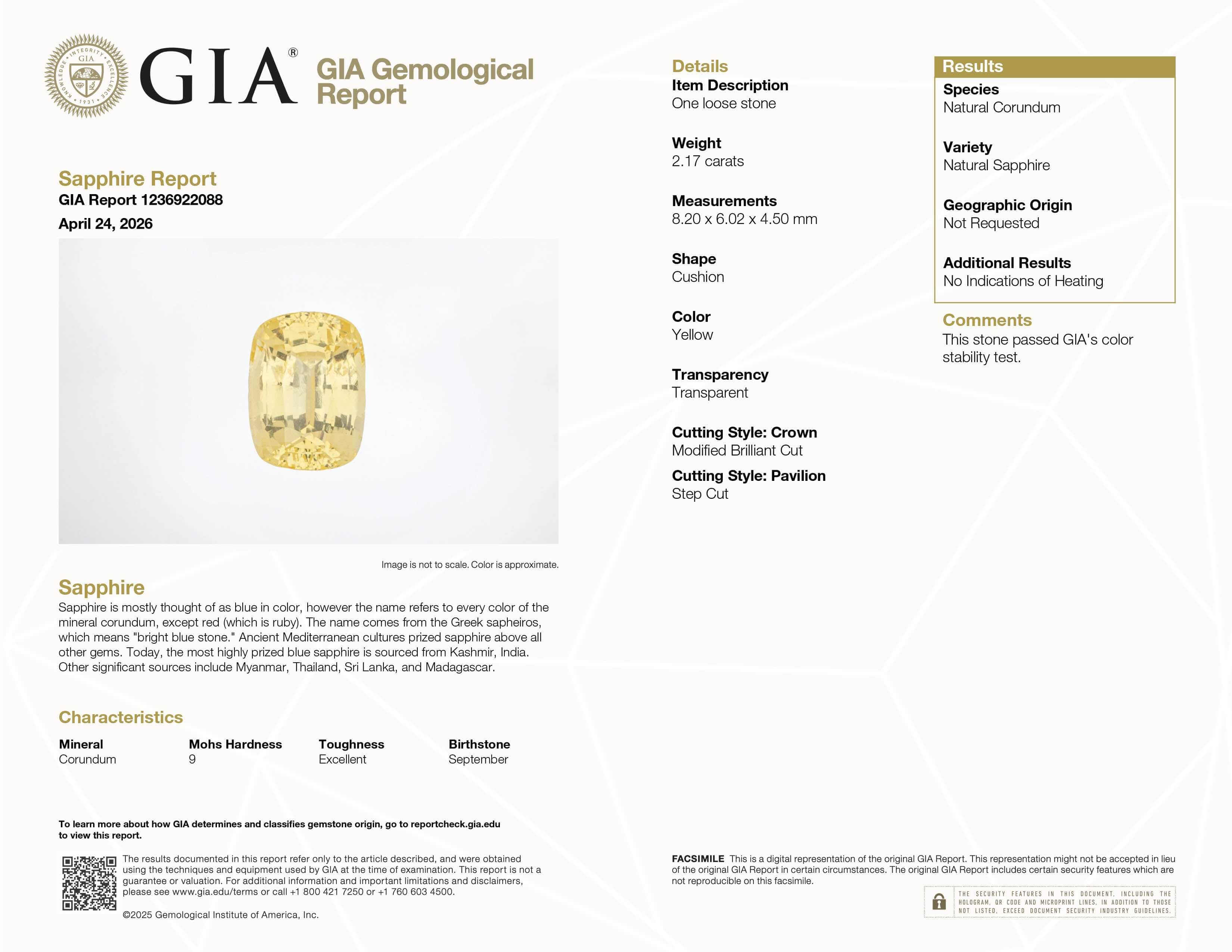
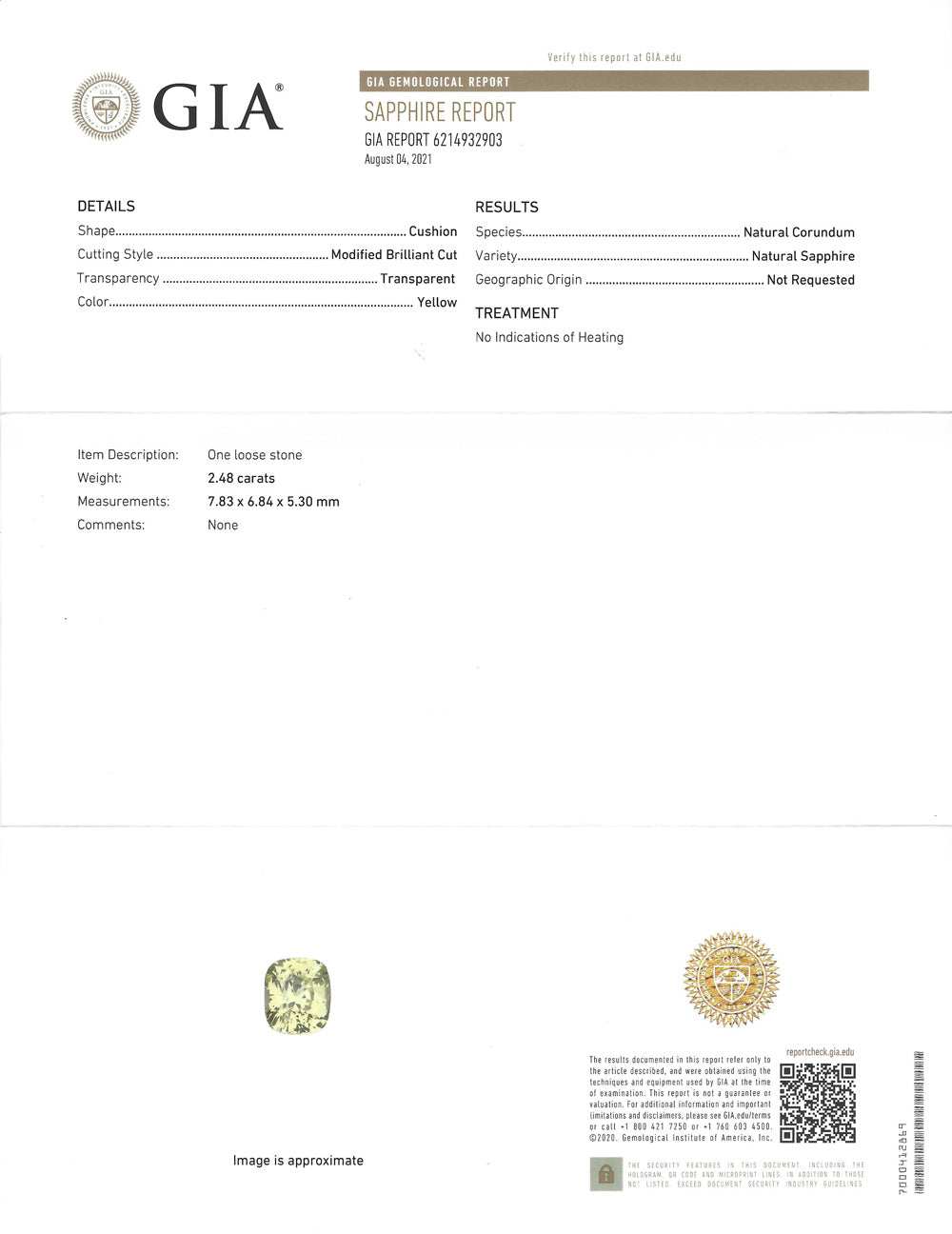
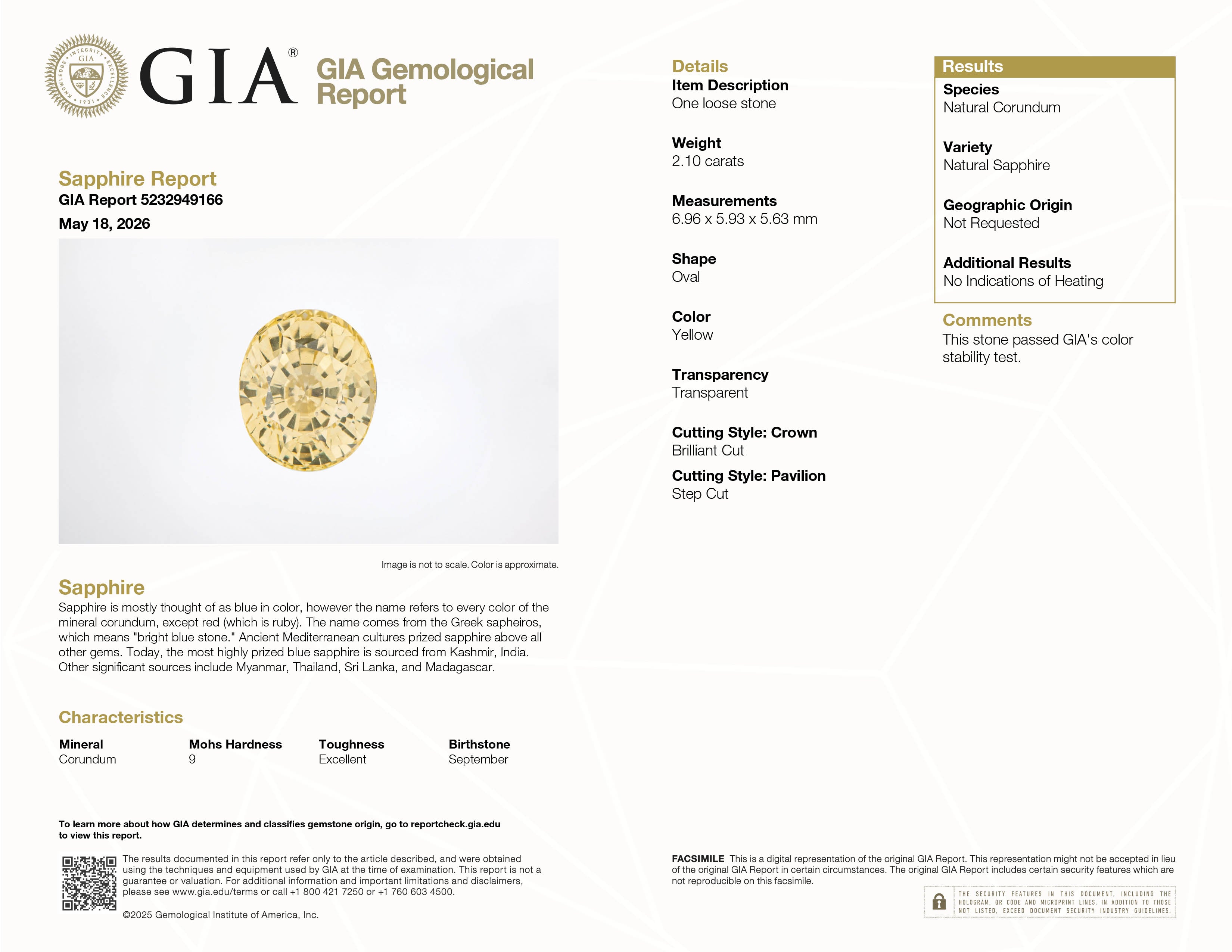
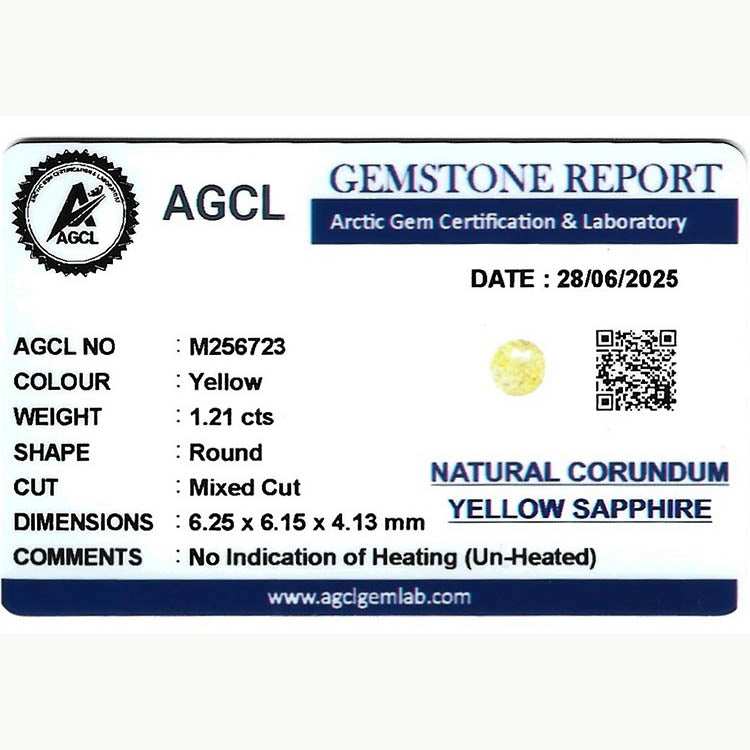
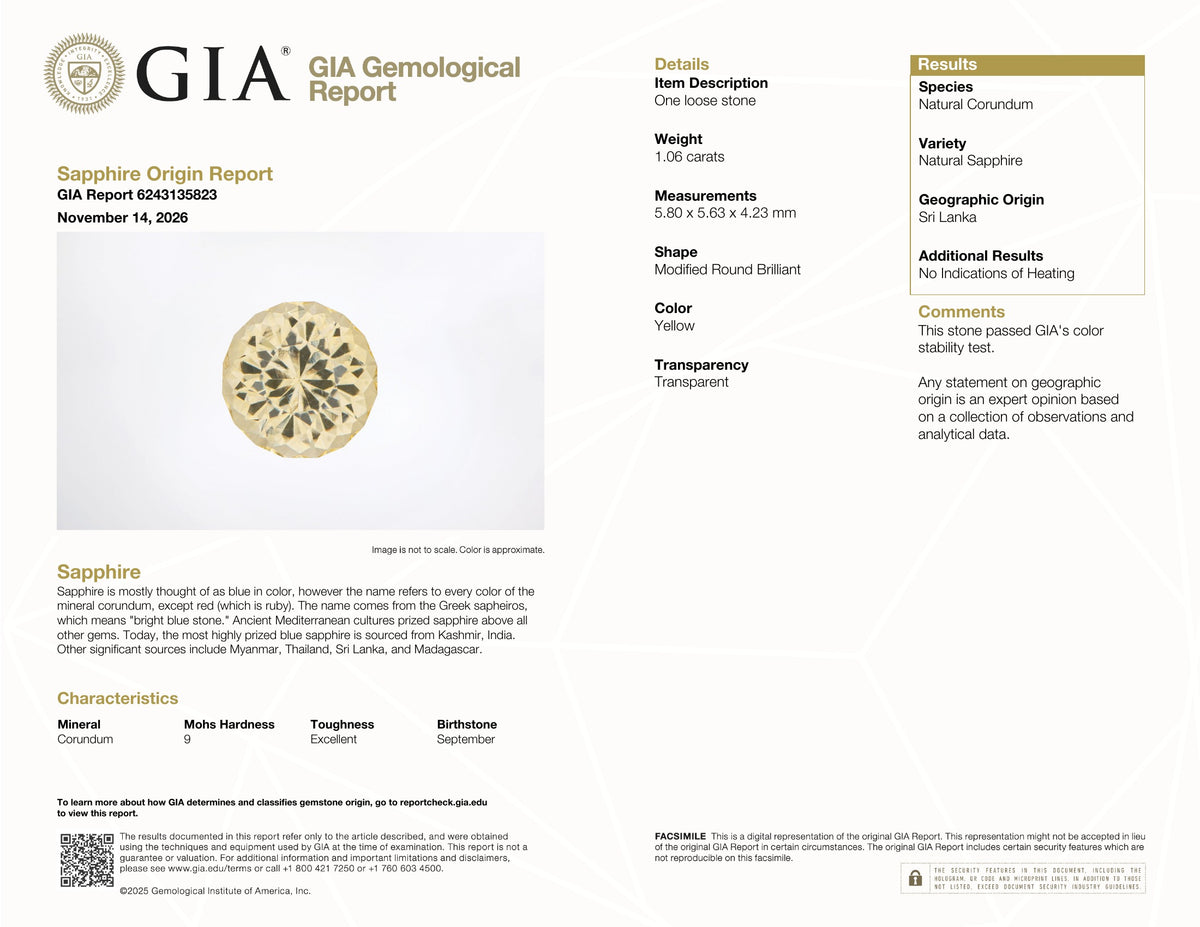
For Jyotish buyers, unheated status is non-negotiable — the prescription for Jupiter (Brihaspati/Guru) requires a natural, untreated stone. For collectors and Western buyers, unheated status is increasingly important as the market has matured to understand that natural-colour gemstones represent a different category from thermally enhanced stones. Treatment status is confirmed on every product listing and, where applicable, documented by GIA or independent laboratory reports. See our full heated vs unheated guide for detail on what this means in practice.
The Yellow Sapphire Colour Range
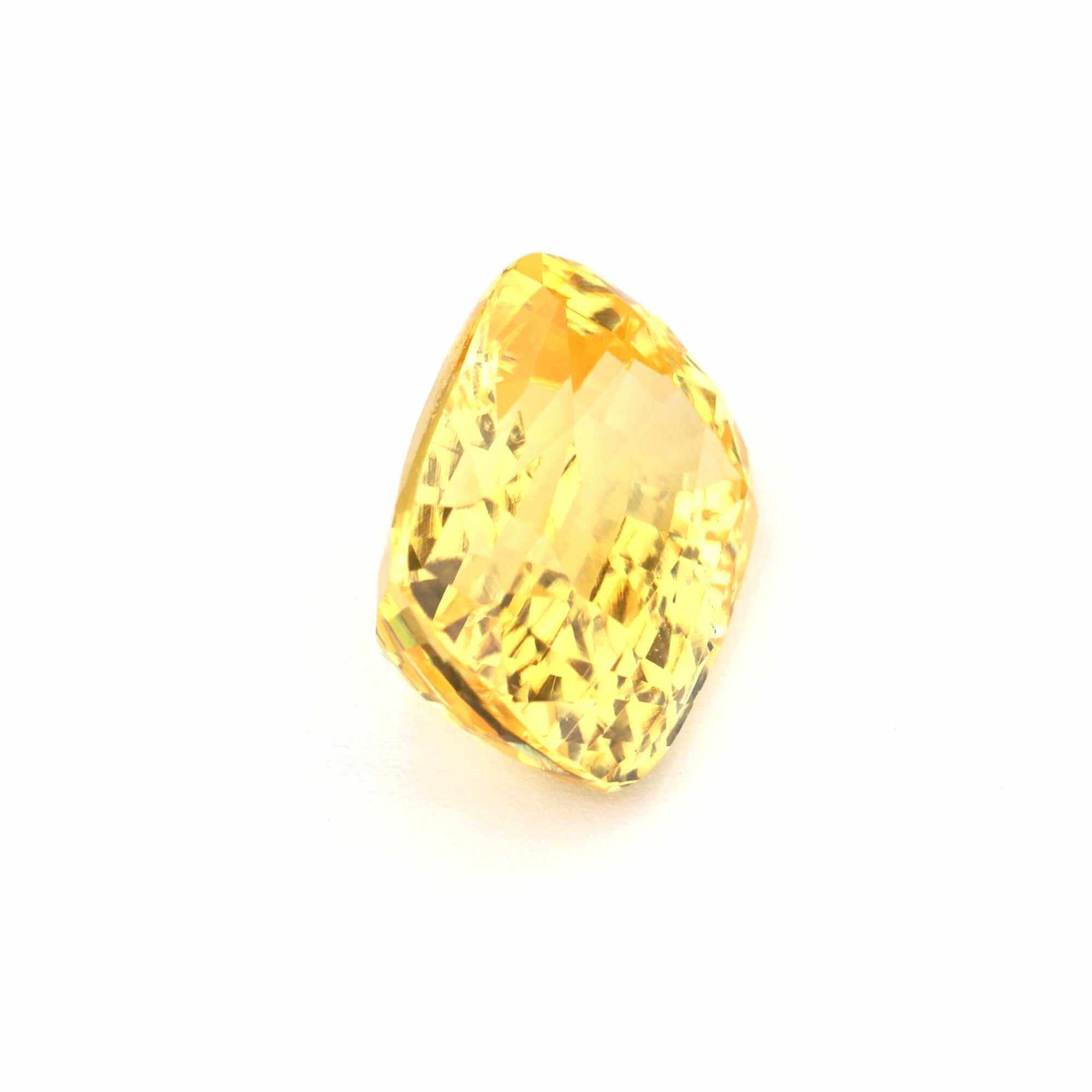
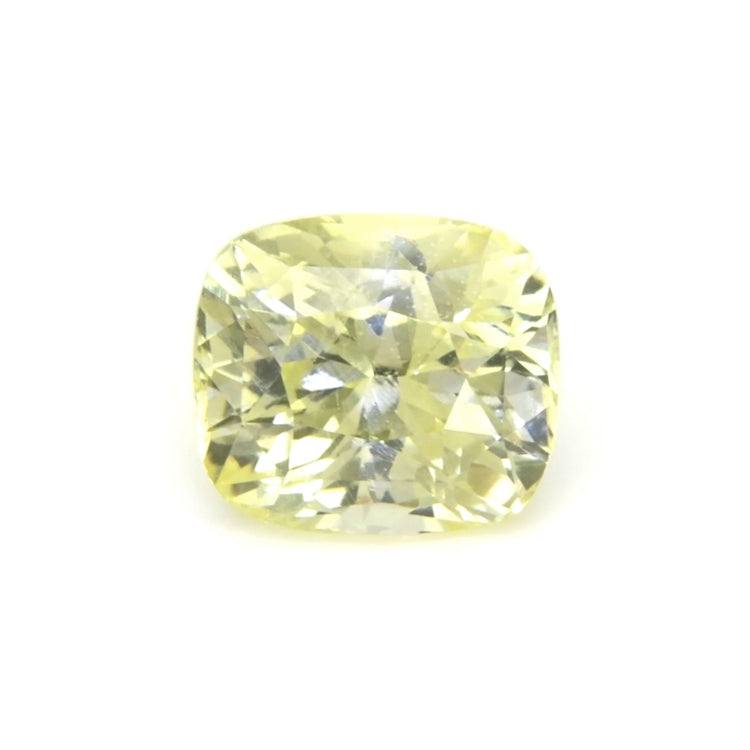
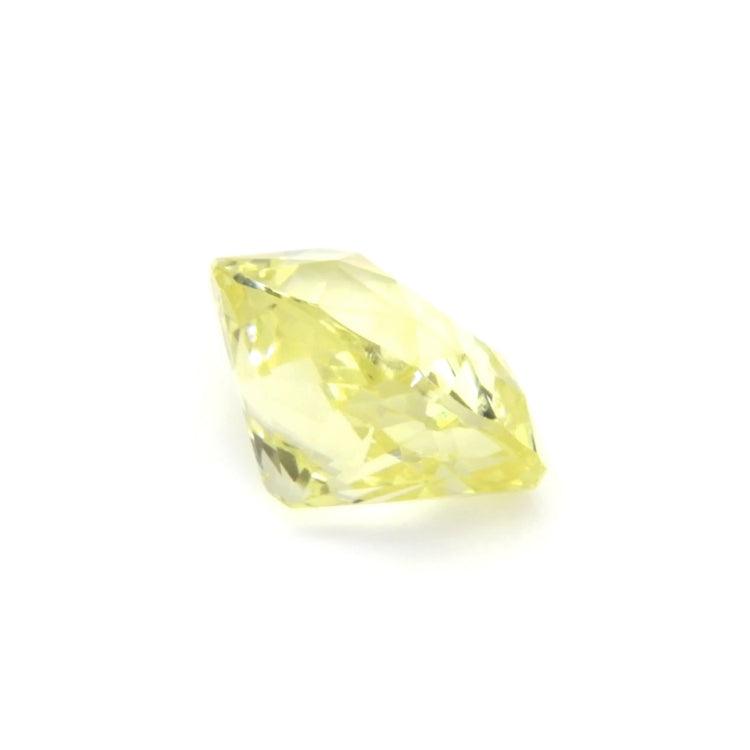
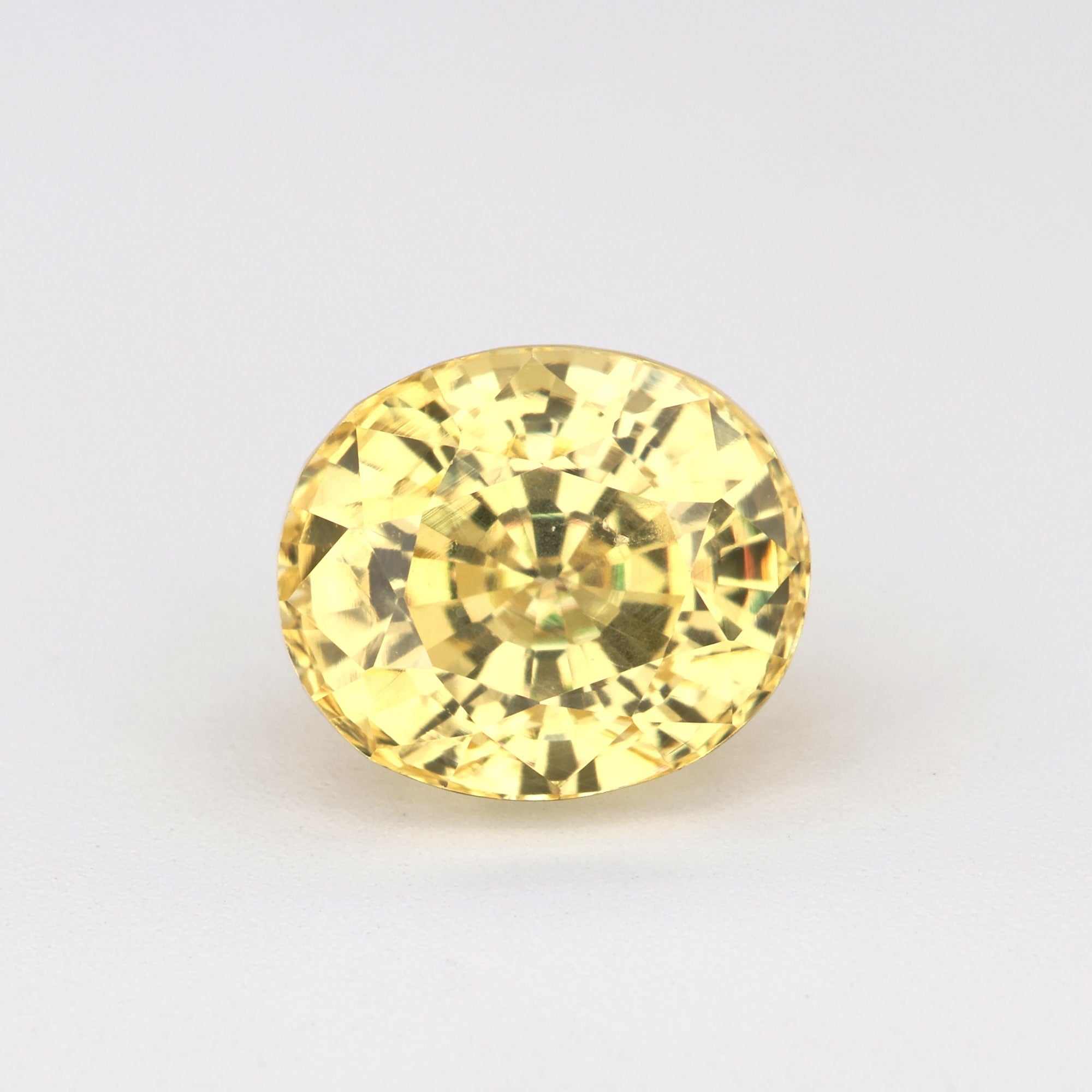
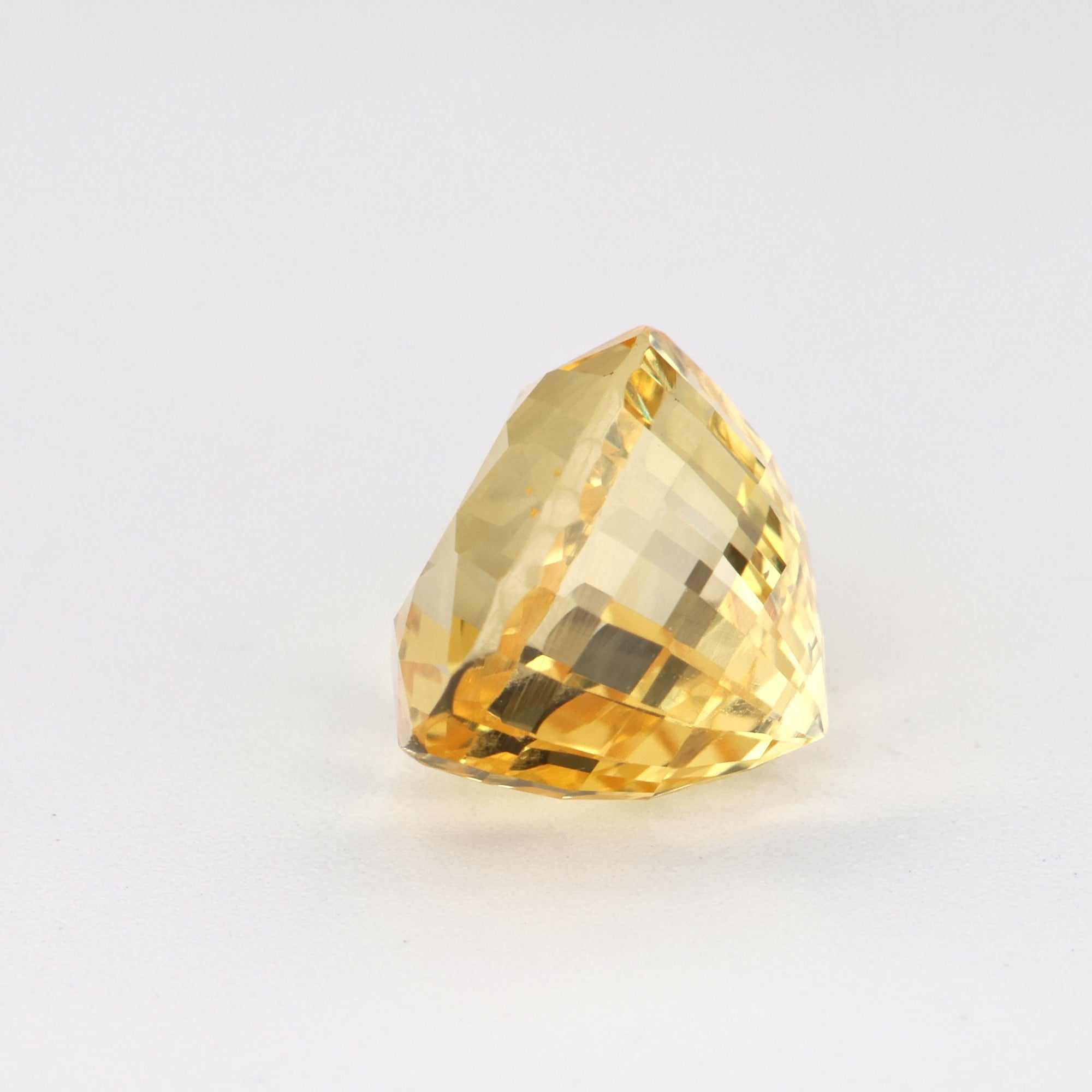
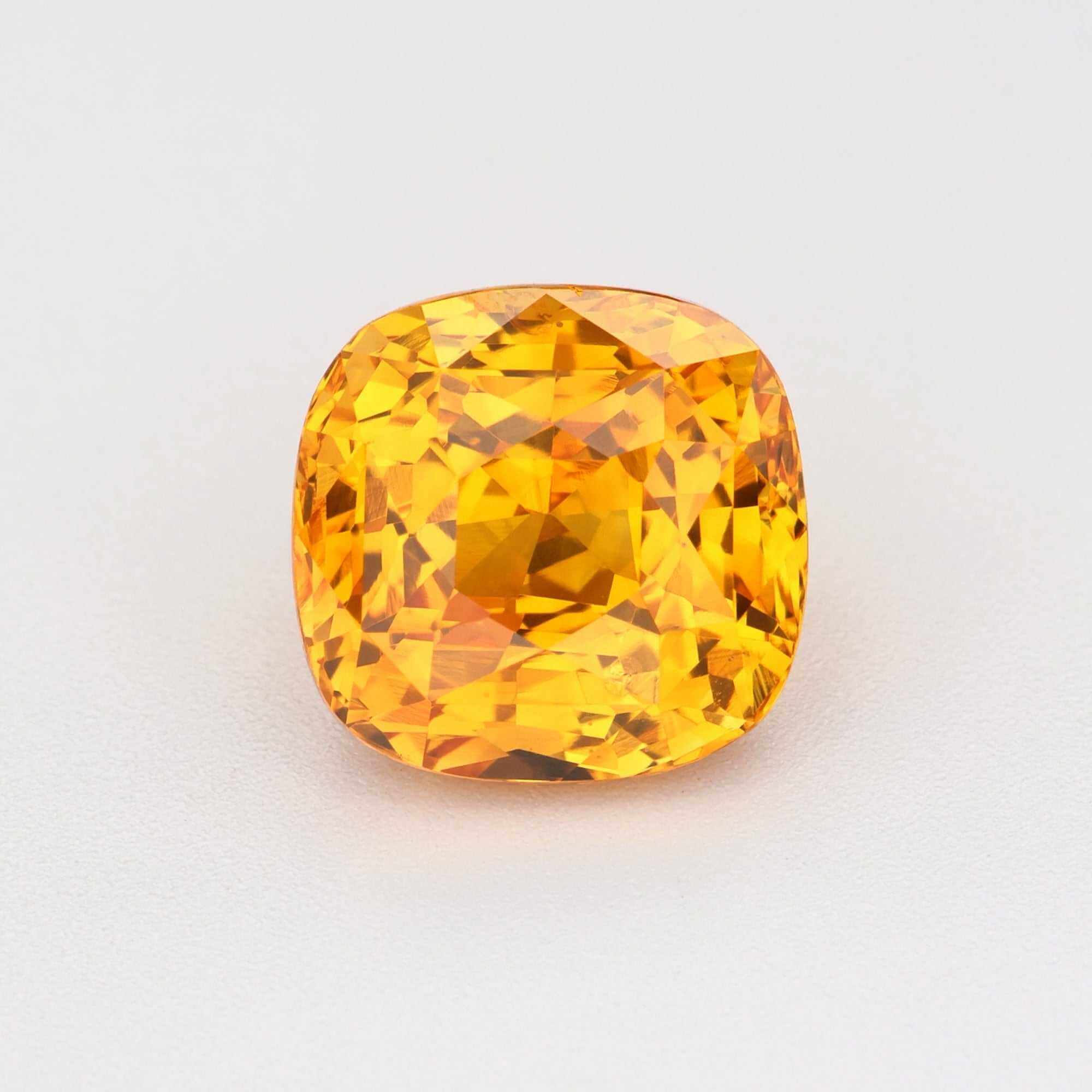
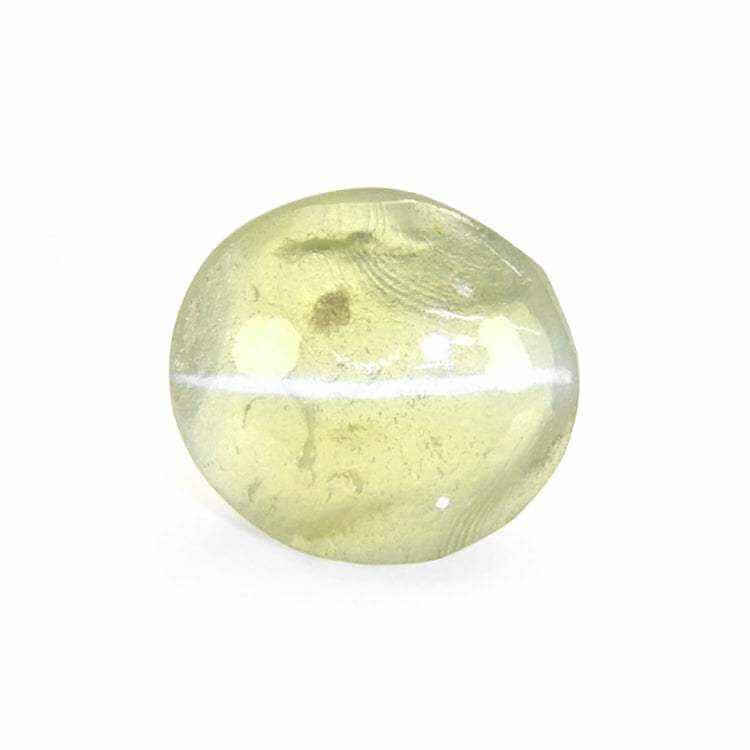
Yellow sapphire is coloured by trace iron in the corundum crystal, and the colour ranges from pale lemon through medium golden yellow to deep canary — all without any red or blue modifier.
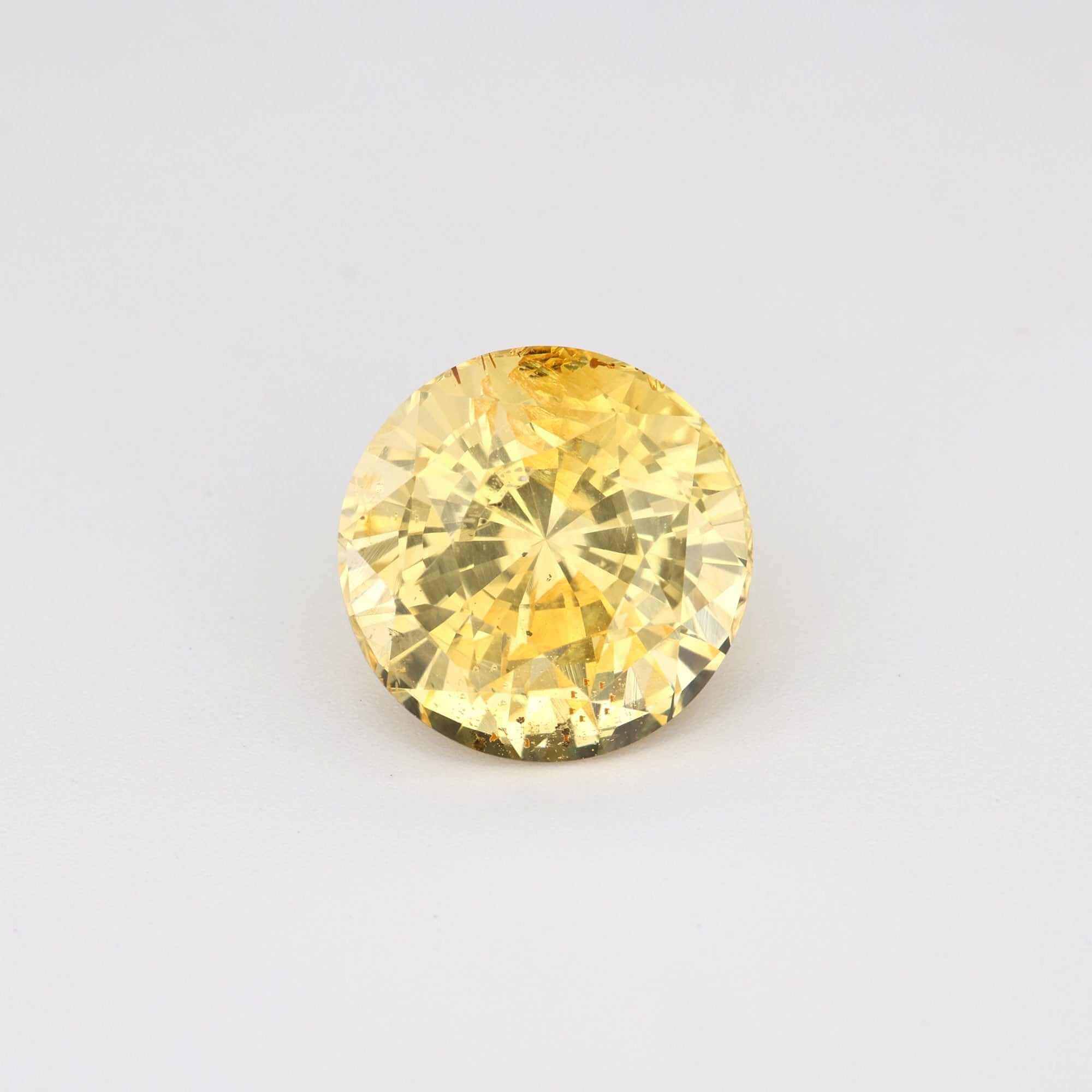
Pale yellow and champagne — soft, light-toned stones with delicate presence. Lower saturation, wearable elegance. Medium golden yellow — the most commercially prized position. A warm, luminous golden tone with strong saturation that reads clearly in all lighting. Most Jyotish practitioners specify this range. Vivid canary yellow — pure, strongly saturated yellow with maximum chromatic intensity. The rarest hue position and the highest value per carat. When present in this collection, clearly described on the listing. Every listing describes the specific hue position of the individual stone accurately — we do not flatten all yellows into one category.
Why Over 1 Carat Changes the Value Equation
Sub-1-carat unheated yellow sapphire is accessible and widely available. Above 1 carat, the scarcity curve steepens sharply. Fine-colour unheated yellow sapphire rough large enough to yield a 1ct+ finished stone with good clarity and strong saturation is not abundant — much of the finest yellow rough from Ceylon is cut into sub-1ct sizes to maximise recovery. The 1-carat threshold is also the standard Jyotish minimum weight — most practitioners specify at least 2ct for meaningful results, with some recommending 3ct+ for stronger planetary influence. Above 2 carats in unheated condition, GIA documentation becomes the standard expectation.
Jyotish (Vedic Astrology) — Yellow Sapphire for Jupiter
Yellow sapphire (Pukhraj in Hindi, Pushparaga in Sanskrit) is the prescribed gemstone for Jupiter (Brihaspati/Guru) in Jyotish — the most benefic planet in Vedic astrology, associated with wisdom, prosperity, education, children, and spiritual growth. The standard Jyotish specification for Pukhraj is demanding: natural corundum (not topaz, citrine, or beryl), completely unheated, eye-clean clarity, vivid yellow with no greenish modifier, Ceylon origin preferred, and a minimum of 2ct — with many senior practitioners specifying 3ct or above for individuals of heavier build or stronger planetary influence.
Stones of that weight are in our unheated yellow sapphire over 2 carats collection; every listing states its weight, treatment status and origin. For guidance on which stone best meets a specific Jyotish prescription, email crescentgems@gmail.com with your requirement and we will advise personally. See our Jyotish sapphire guide for full specification detail.
Cuts
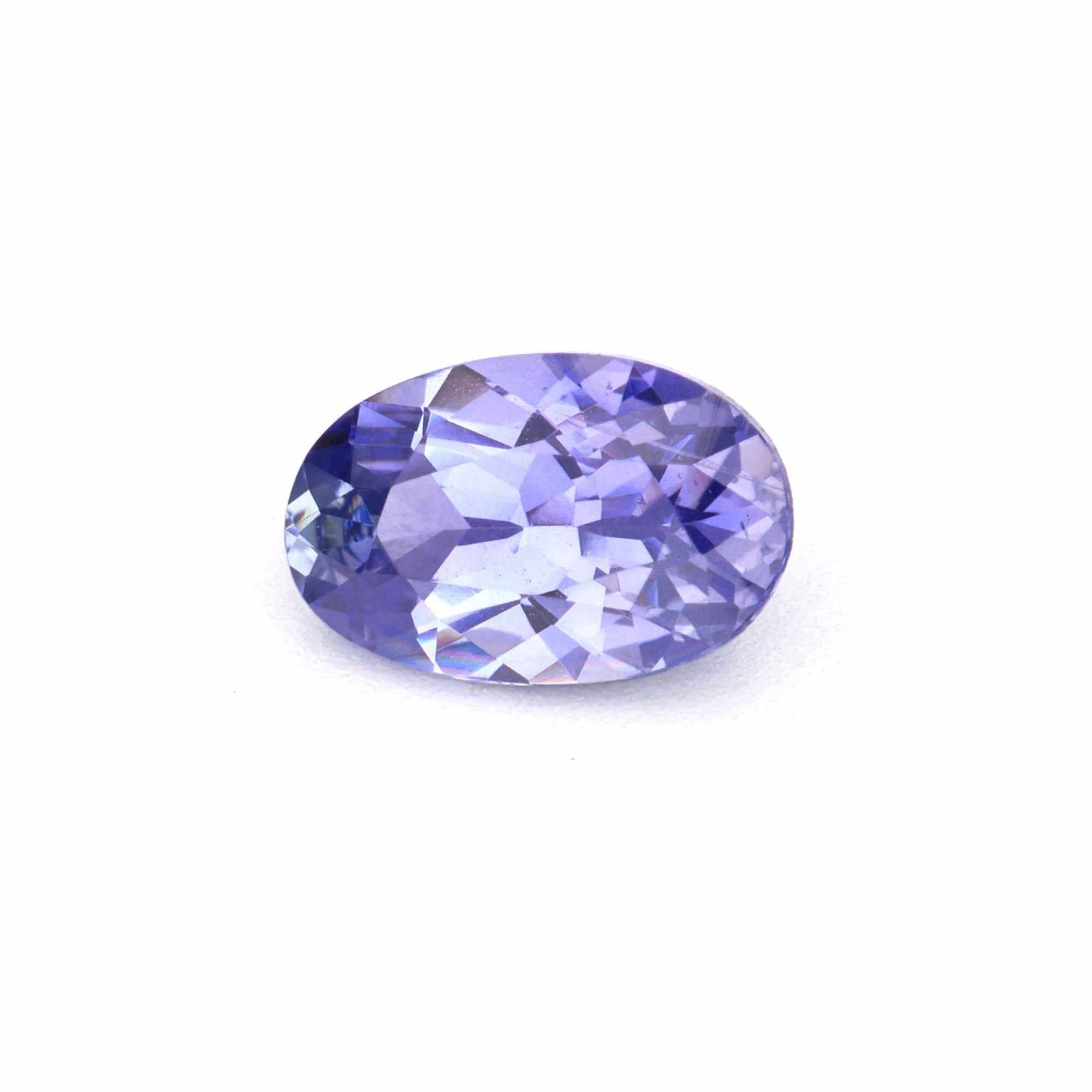
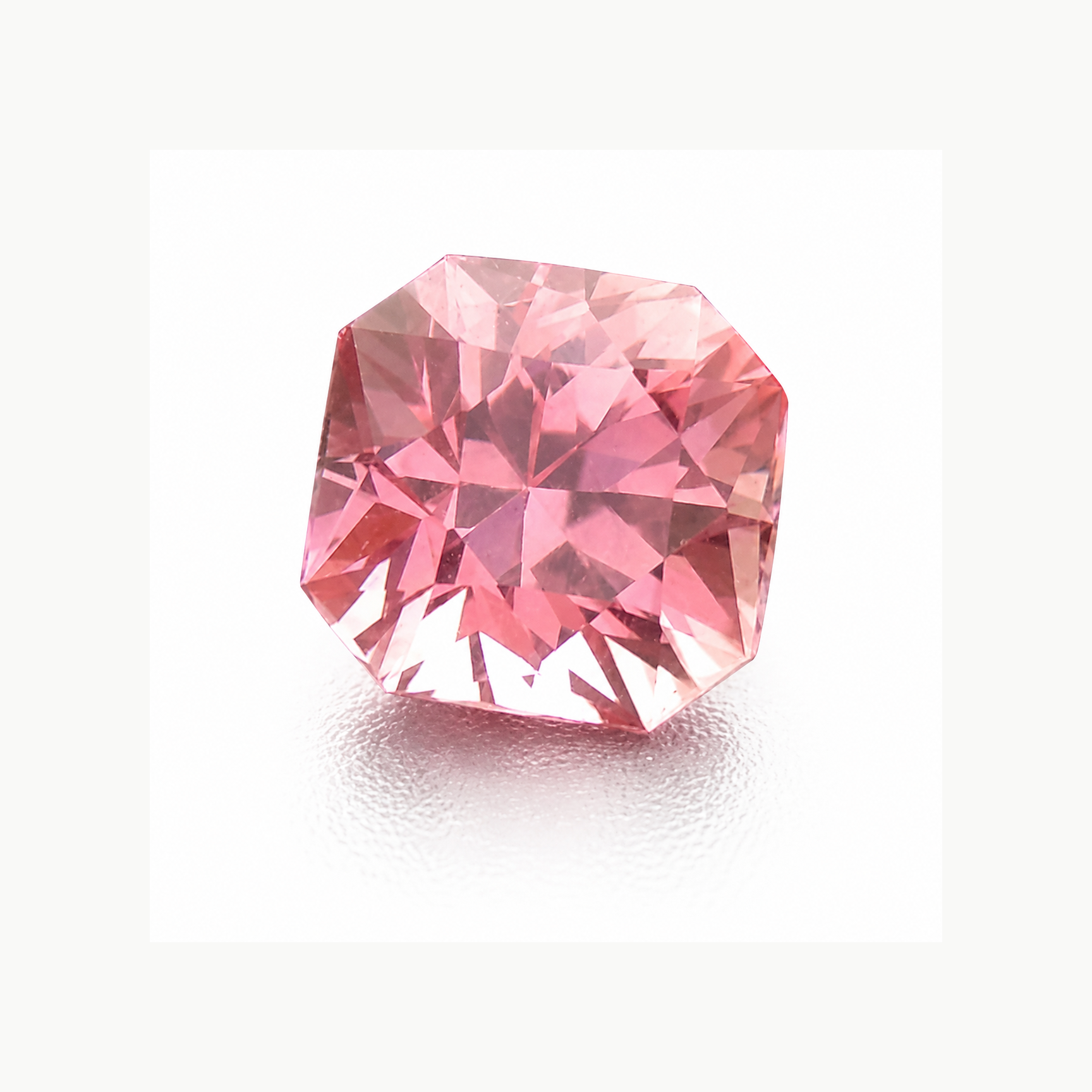
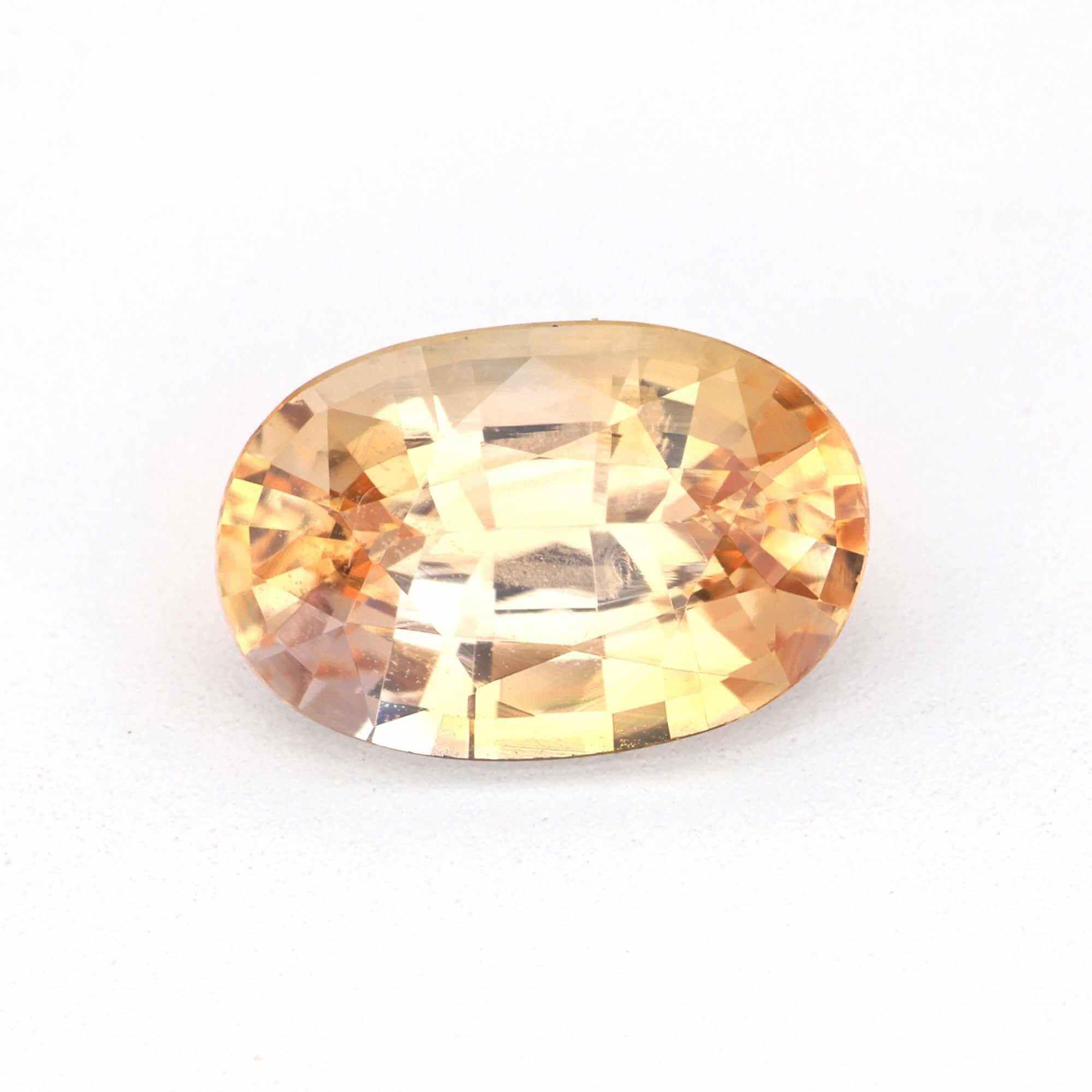
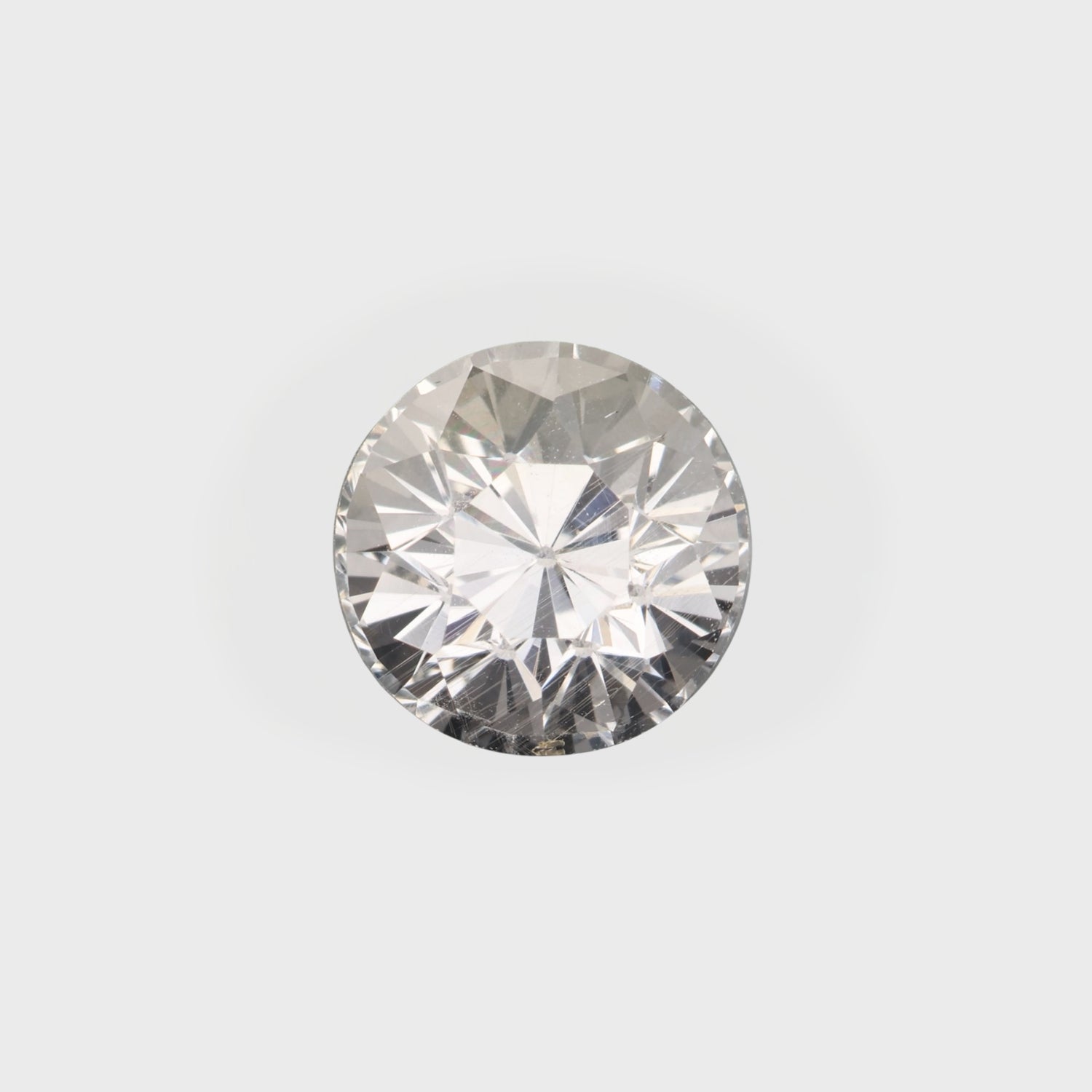
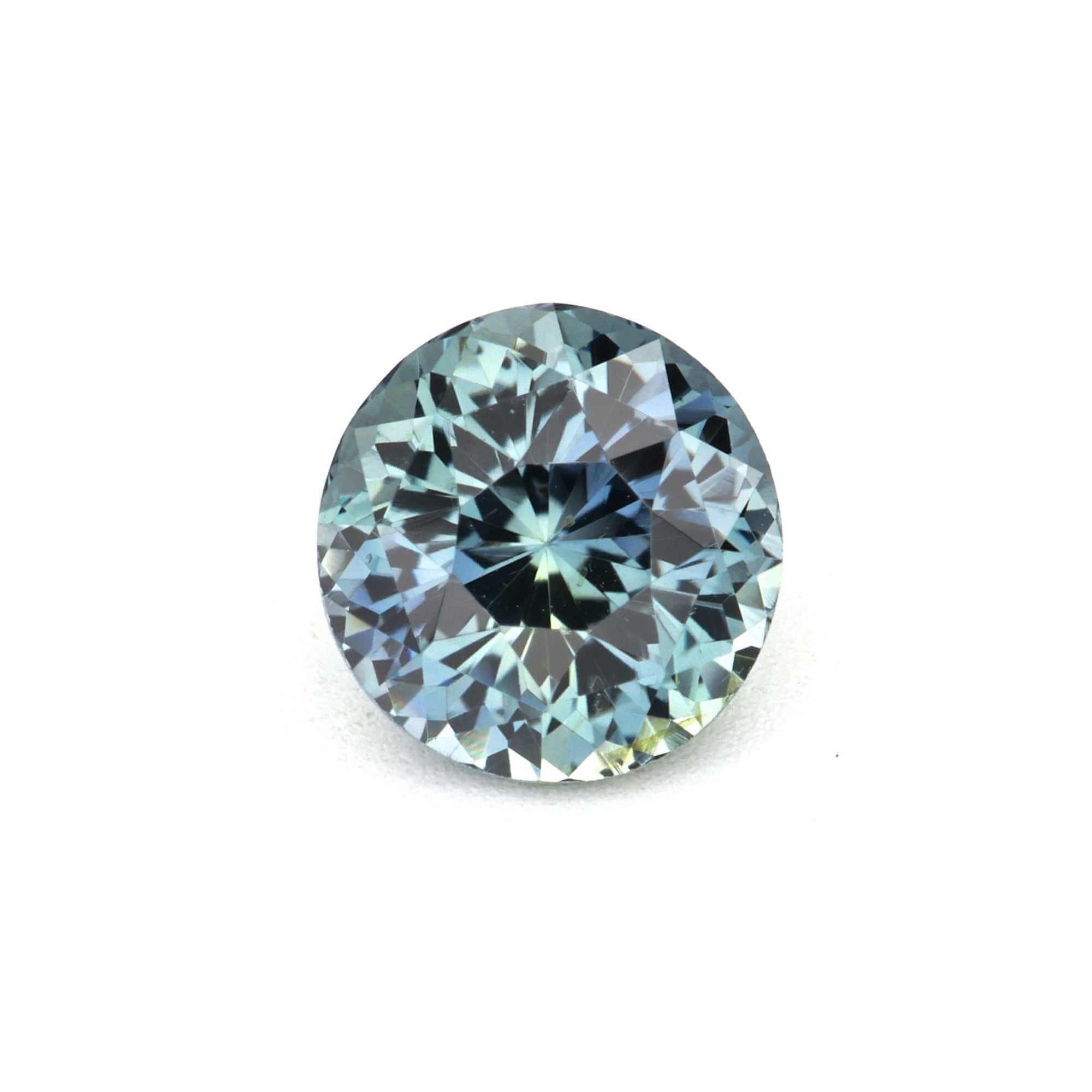
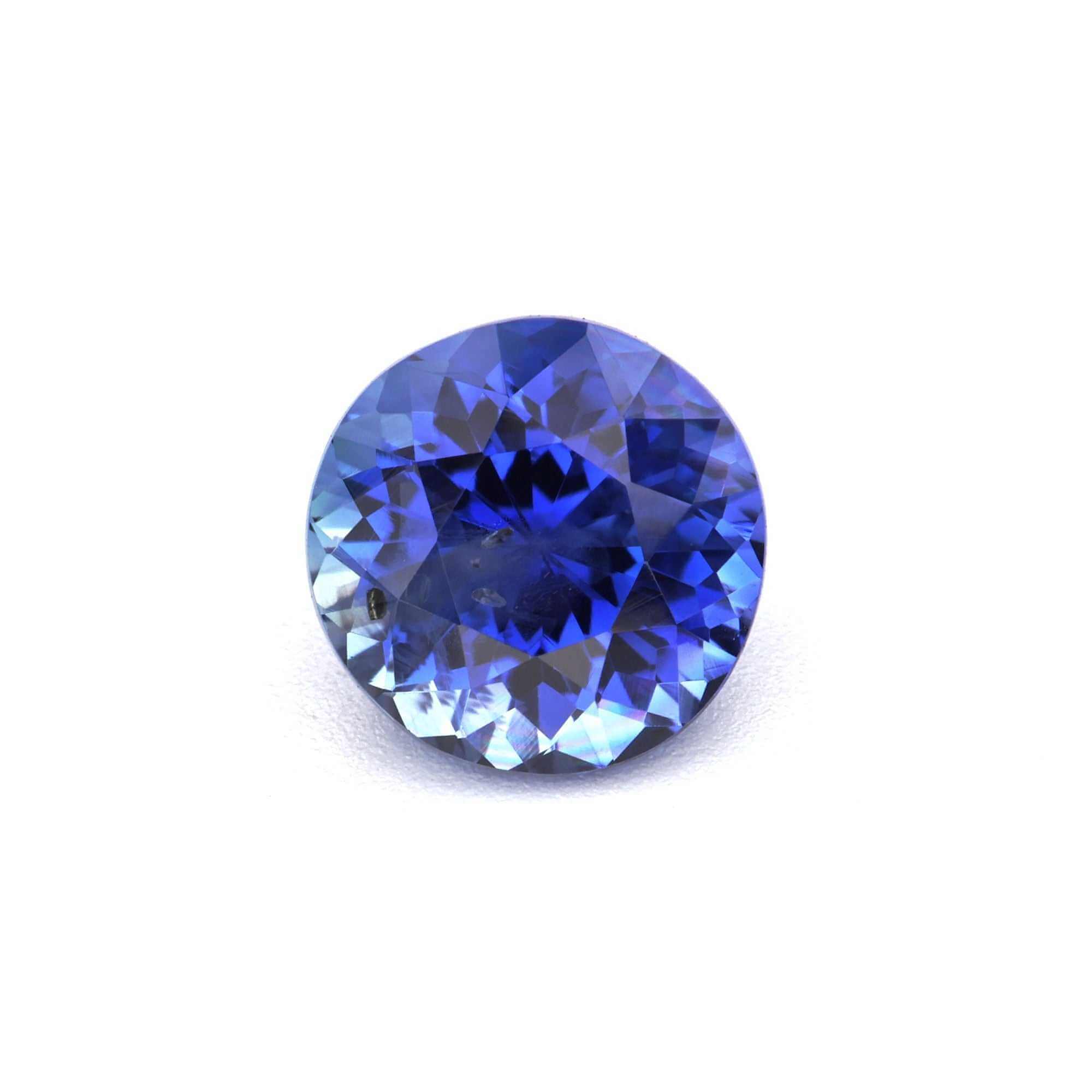
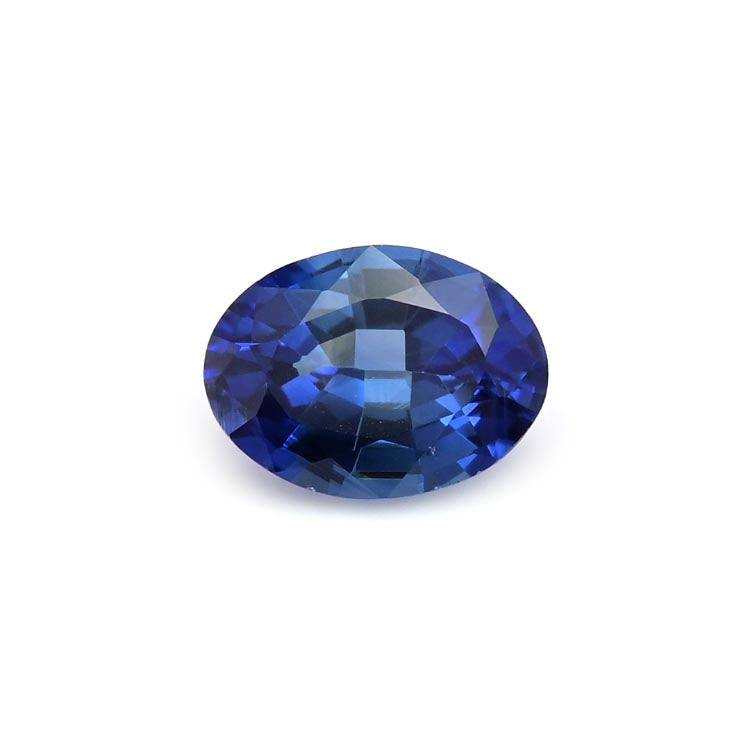
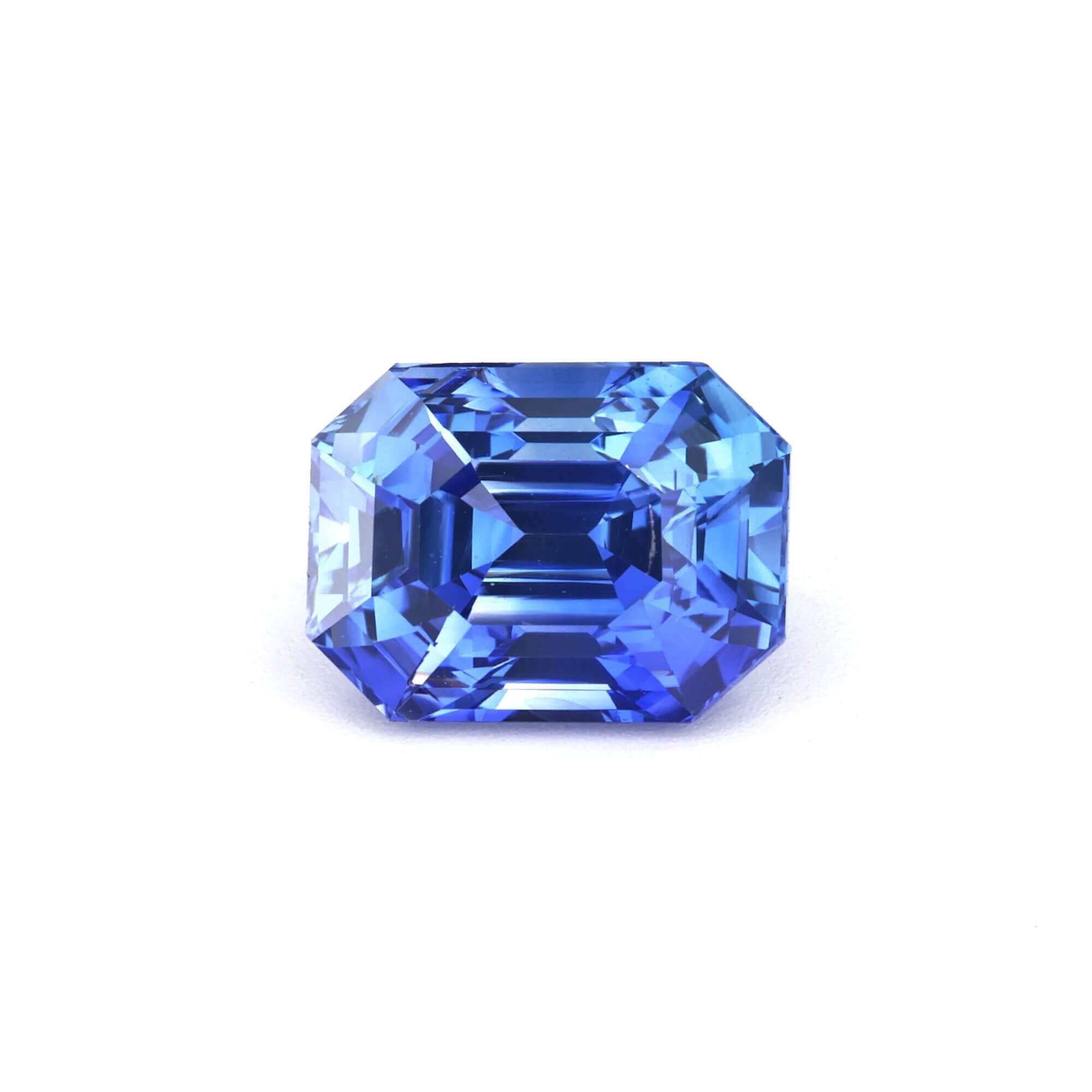
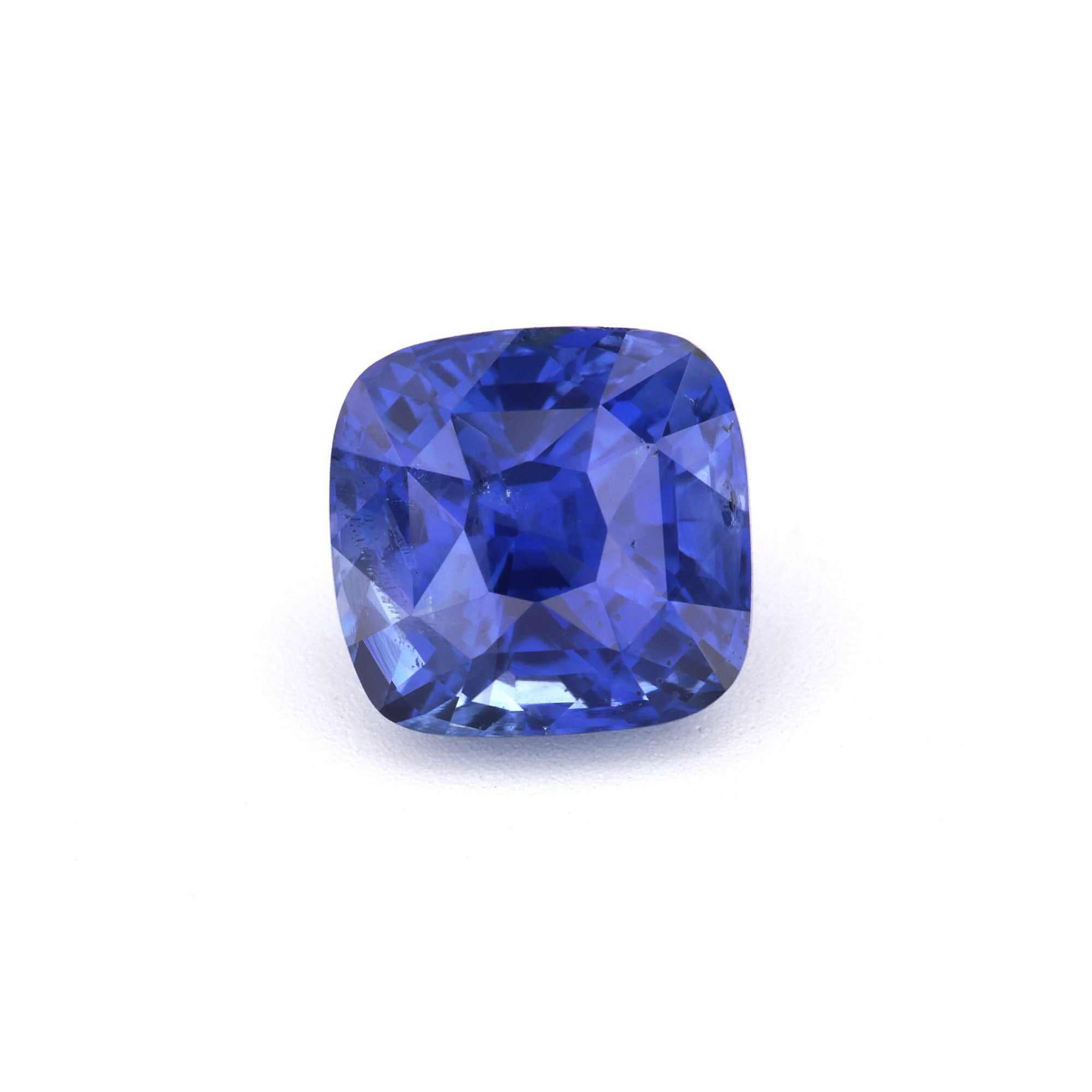
Round cut — the most standardised format and the easiest to set; round yellow sapphires above 1 carat are scarcer than cushions or ovals because round cutting sacrifices more rough. See our round sapphires. Radiant cut — a rectangular or square outline with brilliant faceting, a modern choice for geometric settings. See our radiant cut sapphires. Cushion cut — the most common format for yellow sapphire, concentrating colour across the face while keeping the most rough weight. See our cushion sapphires. Square cushion — an equal-sided cushion with a more geometric outline. See our square sapphires. Oval cut — the most engagement-ring-practical format, appearing larger face-up than a round of the same weight. See our oval sapphires.
Unheated Yellow Sapphire for Engagement Rings
Yellow sapphire makes a distinctive and durable engagement ring centre stone. At Mohs 9, it is second only to diamond in hardness, making it entirely suitable for daily wear over decades. Above 1 carat, a yellow sapphire makes an immediately visible and distinctive ring stone — warm, luminous, and unlike anything in the standard jewellery market. Yellow pairs exceptionally well with yellow gold, which creates a harmonious tonal connection that amplifies the warmth of the stone. White gold and platinum create a crisp contrast that makes the colour appear more vivid. Rose gold produces a complementary warm pairing.
For Jyotish engagement ring buyers specifically, the combination of astrological and aesthetic purpose in a single stone is increasingly common — the ring is both meaningful and beautiful. See our sapphire engagement ring guide for full sizing, setting, and metal advice.
Price Guide — Unheated Yellow Sapphire Over 1 Carat
Pricing varies significantly across colour saturation, cut, and carat weight. Current market reference points for natural unheated yellow sapphire above 1 carat: 1.0–1.5ct, unheated, good colour, round or radiant: $600–$1,200 total. 1.5–2.0ct, unheated, vivid golden colour: $1,200–$2,000 total. 2.0–2.5ct, unheated, vivid colour, GIA: $1,800–$3,000 total. 2.5–3.0ct, unheated, good colour, GIA: $2,000–$3,500 total. 3ct+, unheated, vivid colour, round cut: $4,000–$6,000+ depending on saturation and documentation. Every listing shows the total price and price per carat for direct comparison.
Frequently Asked Questions
What is unheated yellow sapphire?
An unheated yellow sapphire is natural corundum whose golden colour is produced entirely by trace iron in the crystal during geological formation, without any thermal treatment. Much commercial yellow sapphire is heated, so unheated yellow sapphire above 1 carat is considerably rarer and priced higher.
Is unheated yellow sapphire required for Jyotish?
Yes. For yellow sapphire (Pukhraj) to satisfy a Jyotish prescription for Jupiter, the stone must be natural corundum, completely unheated, eye-clean, vivid yellow with no greenish modifier, and ideally of Ceylon (Sri Lanka) origin. A minimum weight of 2 carats is standard, with many practitioners specifying 3ct or above. Heated stones, topaz, citrine, and synthetic sapphire do not qualify. Each listing states whether the stone is heated or unheated, confirmed by laboratory documentation where applicable.
How much does a 2 carat unheated yellow sapphire cost?
Stones with GIA reports at this weight sit toward the upper end. Pale yellow stones at 2ct run $1,500–$2,500. Vivid canary colour at 2ct unheated commands $2,500–$5,000+ depending on intensity. Every listing in this collection shows price per carat alongside total price.
What is the difference between yellow sapphire and yellow topaz?
They are completely different minerals. Yellow sapphire is corundum (Mohs 9), among the hardest and most durable gemstones. Yellow topaz (Mohs 8) is softer and has a cleavage plane making it more prone to breakage. For Jyotish, only natural yellow sapphire satisfies the Jupiter prescription — topaz, citrine, and yellow beryl are not acceptable substitutes regardless of colour match.
Does unheated yellow sapphire fade over time?
No. The iron colouration in natural yellow sapphire is stable and permanent. The colour does not fade from sunlight, wear, or normal cleaning. This is one of the practical advantages of sapphire as a gemstone for daily-wear jewellery — the colour you see at purchase is the colour you will see in 50 years.
Can I try a stone before buying?
Yes — for US customers, selected stones are available through our Try-On programme. Email crescentgems@gmail.com to confirm availability. Every purchase includes a 14-day return policy.
Related collections: All yellow sapphires · All unheated sapphires · Stones with GIA reports · All sapphires
Questions about a specific stone, a Jyotish prescription, or help choosing between two stones? Email crescentgems@gmail.com — we respond personally within one business day. 14-day returns.
CG8313
CG8336
CG8134
CG8366
CG8266